#botchannel
1 messages · Page 48 of 1
 serene beacon
eval
cs print("good night")
 lean flickerBOT
:x: The given language is not supported.
 fossil lagoon
What are u tryna do
fossil lagoon
🥺
serene beacon
eval
print("good night")``` scientia_sit_potentia
Evaluated code
Absolute running time: 0.15 sec, cpu time: 0.02 sec, memory peak: 8 Mb, absolute service time: 0,17 sec
 karmic dagger
faq cefr
lean flickerBOT
CEFR levels
If you see something like A1, B2 or C1, these represent the proficiency of a speaker in a language they're not native in, and are called CEFR levels. They are valid for any language, not only German!
Roughly speaking, A levels are beginners and C levels are experts. Remember that CEFR level are self-assessed and indicative!
You can see more specific names and descriptions on the Wikipedia page:
https://en.wikipedia.org/wiki/Common_European_Framework_of_Reference_for_Languages
🗨 How do I know what level I am?
If the table on Wikipedia is too generic for you, you can try using this one here:
https://rm.coe.int/168045bb52
Just check each column one at a time: if you can do all it describes, move to the next column. Your level is the highest where you can do the most things.
Alternatively, you can use this questionnaire to estimate your level more accurately:
https://rm.coe.int/self-assessment-checklists-from-the-swiss-version-of-the-european-lang/1680492f8e
 left plinth
faq beginner
lean flickerBOT
How to get started
The simplest way to learn German is to find topics you don’t understand yet and search for explanations of them. This list provides you with a guide for which topics to learn if you are completely new to German. Type the topic into Google (or YouTube) and start learning!
Introduction
1: Alphabet (especially ä, ü, ö and ß)
2: Basic greetings (hello, goodbye, etc.)
Part 1 - Simple Sentence
1: Noun gender & plurals
2: Nominative case (What are cases?)
3: Nominative pronouns (I, you, he, she, etc.)
4: Verbs in present tense
5: Definite/indefinite articles
6: Accusative case (for nouns)
7: Accusative pronouns
8: Word order of simple sentences
9: How to ask questions
See Part 2 on the next page.
Tips
- Always learn the gender of a noun when you learn a new noun
- Learn to use a translation dictionary (e.g. dict.cc, leo.org)
- Use
>faq resourcesto see our list of German learning resources - For listening and pronunciation practice, try watching movies or videos (incl. YouTube)
- You can listen to pronunciation for words on websites like dict.cc, forvo.com, and others
- Practice writing sentences every day (and asking people to correct them)
- Ask as many questions as possible
- Don’t be scared to make mistakes!!!! If you don’t let yourself make mistakes, you will never be able to learn German
Page 1/2
 signal mica
faq beginner
lean flickerBOT
How to get started
The simplest way to learn German is to find topics you don’t understand yet and search for explanations of them. This list provides you with a guide for which topics to learn if you are completely new to German. Type the topic into Google (or YouTube) and start learning!
Introduction
1: Alphabet (especially ä, ü, ö and ß)
2: Basic greetings (hello, goodbye, etc.)
Part 1 - Simple Sentence
1: Noun gender & plurals
2: Nominative case (What are cases?)
3: Nominative pronouns (I, you, he, she, etc.)
4: Verbs in present tense
5: Definite/indefinite articles
6: Accusative case (for nouns)
7: Accusative pronouns
8: Word order of simple sentences
9: How to ask questions
See Part 2 on the next page.
Tips
- Always learn the gender of a noun when you learn a new noun
- Learn to use a translation dictionary (e.g. dict.cc, leo.org)
- Use
>faq resourcesto see our list of German learning resources - For listening and pronunciation practice, try watching movies or videos (incl. YouTube)
- You can listen to pronunciation for words on websites like dict.cc, forvo.com, and others
- Practice writing sentences every day (and asking people to correct them)
- Ask as many questions as possible
- Don’t be scared to make mistakes!!!! If you don’t let yourself make mistakes, you will never be able to learn German
Page 1/2
signal mica
faq resources
lean flickerBOT
Resources
Here's a link to our curated list of resources: https://bit.ly/gladresources. Check out #resources if you want to submit some yourself!
 crimson raft
faq beginner
lean flickerBOT
How to get started
The simplest way to learn German is to find topics you don’t understand yet and search for explanations of them. This list provides you with a guide for which topics to learn if you are completely new to German. Type the topic into Google (or YouTube) and start learning!
Introduction
1: Alphabet (especially ä, ü, ö and ß)
2: Basic greetings (hello, goodbye, etc.)
Part 1 - Simple Sentence
1: Noun gender & plurals
2: Nominative case (What are cases?)
3: Nominative pronouns (I, you, he, she, etc.)
4: Verbs in present tense
5: Definite/indefinite articles
6: Accusative case (for nouns)
7: Accusative pronouns
8: Word order of simple sentences
9: How to ask questions
See Part 2 on the next page.
Tips
- Always learn the gender of a noun when you learn a new noun
- Learn to use a translation dictionary (e.g. dict.cc, leo.org)
- Use
>faq resourcesto see our list of German learning resources - For listening and pronunciation practice, try watching movies or videos (incl. YouTube)
- You can listen to pronunciation for words on websites like dict.cc, forvo.com, and others
- Practice writing sentences every day (and asking people to correct them)
- Ask as many questions as possible
- Don’t be scared to make mistakes!!!! If you don’t let yourself make mistakes, you will never be able to learn German
Page 1/2
crimson raft
faq resources
lean flickerBOT
Resources
Here's a link to our curated list of resources: https://bit.ly/gladresources. Check out #resources if you want to submit some yourself!
 clever canyon
faq beginner
lean flickerBOT
How to get started
The simplest way to learn German is to find topics you don’t understand yet and search for explanations of them. This list provides you with a guide for which topics to learn if you are completely new to German. Type the topic into Google (or YouTube) and start learning!
Introduction
1: Alphabet (especially ä, ü, ö and ß)
2: Basic greetings (hello, goodbye, etc.)
Part 1 - Simple Sentence
1: Noun gender & plurals
2: Nominative case (What are cases?)
3: Nominative pronouns (I, you, he, she, etc.)
4: Verbs in present tense
5: Definite/indefinite articles
6: Accusative case (for nouns)
7: Accusative pronouns
8: Word order of simple sentences
9: How to ask questions
See Part 2 on the next page.
Tips
- Always learn the gender of a noun when you learn a new noun
- Learn to use a translation dictionary (e.g. dict.cc, leo.org)
- Use
>faq resourcesto see our list of German learning resources - For listening and pronunciation practice, try watching movies or videos (incl. YouTube)
- You can listen to pronunciation for words on websites like dict.cc, forvo.com, and others
- Practice writing sentences every day (and asking people to correct them)
- Ask as many questions as possible
- Don’t be scared to make mistakes!!!! If you don’t let yourself make mistakes, you will never be able to learn German
Page 1/2
clever canyon
faq resources
lean flickerBOT
Resources
Here's a link to our curated list of resources: https://bit.ly/gladresources. Check out #resources if you want to submit some yourself!
 novel surge
faq beginner
lean flickerBOT
How to get started
The simplest way to learn German is to find topics you don’t understand yet and search for explanations of them. This list provides you with a guide for which topics to learn if you are completely new to German. Type the topic into Google (or YouTube) and start learning!
Introduction
1: Alphabet (especially ä, ü, ö and ß)
2: Basic greetings (hello, goodbye, etc.)
Part 1 - Simple Sentence
1: Noun gender & plurals
2: Nominative case (What are cases?)
3: Nominative pronouns (I, you, he, she, etc.)
4: Verbs in present tense
5: Definite/indefinite articles
6: Accusative case (for nouns)
7: Accusative pronouns
8: Word order of simple sentences
9: How to ask questions
See Part 2 on the next page.
Tips
- Always learn the gender of a noun when you learn a new noun
- Learn to use a translation dictionary (e.g. dict.cc, leo.org)
- Use
>faq resourcesto see our list of German learning resources - For listening and pronunciation practice, try watching movies or videos (incl. YouTube)
- You can listen to pronunciation for words on websites like dict.cc, forvo.com, and others
- Practice writing sentences every day (and asking people to correct them)
- Ask as many questions as possible
- Don’t be scared to make mistakes!!!! If you don’t let yourself make mistakes, you will never be able to learn German
Page 1/2
 bright current
Hg
serene beacon
@fossil lagoon Omg goooooood night 
 fossil lagoon
serene beacon
<@466260519935016980> Omg goooooood night <:acitcat:743402758761218078>
fossil lagoon
serene beacon
<@466260519935016980> Omg goooooood night <:acitcat:743402758761218078>
goodnight ohmigod
 glad yarrow
/inspire me
fossil lagoon
zizo hello
glad yarrow
Hello chris
serene beacon
glad yarrow
/inspire me
inspireme
lean flickerBOT
serene beacon
>inspireme

https://inspirobot.me/
serene beacon
I got you bestie
fossil lagoon
guys how about we take over this channel
glad yarrow
fossil lagoon
the command
I'm too used to eh Ballsdex
fossil lagoon
glad yarrow
I'm too used to eh Ballsdex
i kno bestie
glad yarrow
fossil lagoon
guys how about we take over this channel
Considering you have the mods on your side we actually can
fossil lagoon
glad yarrow
Considering you have the mods on your side we actually can

now we cant anymore cuz u said that
glad yarrow
I don't wanna work tomorrow
fossil lagoon
glad yarrow
I don't wanna work tomorrow<:breadhatpensivesoitsinthesearch:828219430848692255>
then break a leg
glad yarrow
fossil lagoon
now we cant anymore cuz u said that
Who's gonna stop us
glad yarrow
fossil lagoon
then break a leg
Good idea
fossil lagoon
glad yarrow
Who's gonna stop us
for now
glad yarrow
When my uni starts again in 3 weeks
fossil lagoon
no one ig
fossil lagoon
glad yarrow
When my uni starts again in 3 weeks
hell ya
u will heal by then
trust
u have falafelman superpowa
glad yarrow
fossil lagoon
u have falafelman superpowa
I just need to survive an extra week, then my father will be back
fossil lagoon
glad yarrow
<:breadhatpensivesoitsinthesearch:828219430848692255> I just need to survive an ...
OH U ARE HANDLING IT ALL ALONE?\
bro damn
glad yarrow
fossil lagoon
OH U ARE HANDLING IT ALL ALONE?\
We have a worker but yeah
I've handled it alone with uni on the side before
fossil lagoon
glad yarrow
We have a worker but yeah
do u pay him 10 bucks
fossil lagoon
glad yarrow
I've handled it alone with uni on the side before
bro u king
y3tek el 3afya
glad yarrow
fossil lagoon
do u pay him 10 bucks
We both get 10 bucks a day
fossil lagoon
glad yarrow
We both get 10 bucks a day<:breadhatpensivesoitsinthesearch:828219430848692255>
cryin
glad yarrow
My bro gets paid 10 bucks only for farming cilantro
THAT'S LITERALLY NOTHING
I forgot the word in engish
fossil lagoon
farming cilantro is kinda based
fossil lagoon
glad yarrow
I forgot the word in engish
wat u mean
glad yarrow
Wait not cilantro I meant parsely
fossil lagoon
inspireme
lean flickerBOT
fossil lagoon
>inspireme

https://inspirobot.me/
fossil lagoon
ok
glad yarrow
Chopping parsely mb
glad yarrow
fossil lagoon
whats the diff,,,,
Bro....
fossil lagoon
OHH CORIANDER
glad yarrow
Ba2douns = Parsely, Cilantro = Kezbara
fossil lagoon
glad yarrow
Ba2douns = Parsely, Cilantro = Kezbara
Yaa got it
glad yarrow
lean flicker

fossil lagoon
bro idk the names in english dfsbjkhf
glad yarrow
lean flicker
@futurewife
lean flickerBOT
fossil lagoon
>inspireme
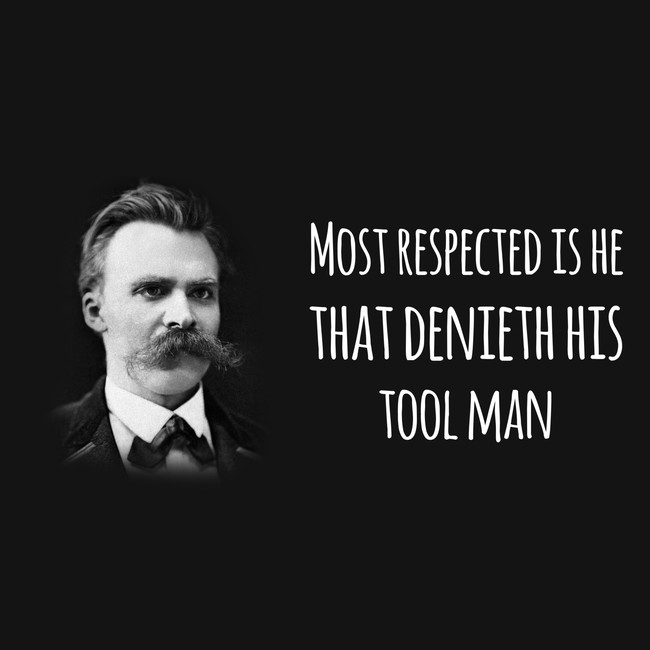
https://inspirobot.me/
glad yarrow
fossil lagoon
bro idk the names in english dfsbjkhf
BRO I CHOP RADDISH TOO
glad yarrow
lean flicker
Isn't that Lenin💀
fossil lagoon
glad yarrow
BRO I CHOP RADDISH TOO
plssss
fossil lagoon
glad yarrow
he is a balding man
shame
glad yarrow
fossil lagoon
shame
We gotta escape b4 a mod catches us lurking here, (although I don't think they check this channel a lot)
fossil lagoon
glad yarrow
We gotta escape b4 a mod catches us lurking here, (although I don't think they c...
they do check it👀
glad yarrow
There was once something against the rules all over it 
glad yarrow
fossil lagoon
they do check it👀
Prolly just base
 polar wedge
help
lean flickerBOT
Bans commands
:small_blue_diamond: **isbanned** <user>
Checks whether the given user is banned.
Page 18/18 (18 entries)
 quick egret
faq beginners
lean flickerBOT
How to get started - Part 2
Please make sure to read Part 1 before starting Part 2!
Part 2 – Beyond a Simple Sentence
1: Conjunctions (coordinating and subordinating)
2: Subordinate clause word order
3: Dative case
4: Dative verbs
5: Verbs with two objects (e.g. geben)
6: Prepositions (accusative, dative, and two-way)
7: Spoken past tense (Perfekt)
8: Written past tense (Präteritum)
9: Genitive case
10: Relative clauses
11: Adjective declension
Tips
- Make sure to practice writing and reading simple texts
- Some of these concepts are confusing to start with, so it’s a good idea to ask for help in #questions when you’re unsure
- You should use a declension chart to help with declension to start with, because you won’t be able to memorize it straight away
- After you feel confident with creating sentences, you can start learning the adjective declension properly by using the command >faq adjective declension and reading the guide provided
Page 2/2
 teal anchor
faq beginners
lean flickerBOT
How to get started - Part 2
Please make sure to read Part 1 before starting Part 2!
Part 2 – Beyond a Simple Sentence
1: Conjunctions (coordinating and subordinating)
2: Subordinate clause word order
3: Dative case
4: Dative verbs
5: Verbs with two objects (e.g. geben)
6: Prepositions (accusative, dative, and two-way)
7: Spoken past tense (Perfekt)
8: Written past tense (Präteritum)
9: Genitive case
10: Relative clauses
11: Adjective declension
Tips
- Make sure to practice writing and reading simple texts
- Some of these concepts are confusing to start with, so it’s a good idea to ask for help in #questions when you’re unsure
- You should use a declension chart to help with declension to start with, because you won’t be able to memorize it straight away
- After you feel confident with creating sentences, you can start learning the adjective declension properly by using the command >faq adjective declension and reading the guide provided
Page 2/2
 sullen badge
isbanned i4sorx
lean flickerBOT
:x: User 'i4sorx' not found.
 wise goblet
faq cefr
lean flickerBOT
CEFR levels
If you see something like A1, B2 or C1, these represent the proficiency of a speaker in a language they're not native in, and are called CEFR levels. They are valid for any language, not only German!
Roughly speaking, A levels are beginners and C levels are experts. Remember that CEFR level are self-assessed and indicative!
You can see more specific names and descriptions on the Wikipedia page:
https://en.wikipedia.org/wiki/Common_European_Framework_of_Reference_for_Languages
🗨 How do I know what level I am?
If the table on Wikipedia is too generic for you, you can try using this one here:
https://rm.coe.int/168045bb52
Just check each column one at a time: if you can do all it describes, move to the next column. Your level is the highest where you can do the most things.
Alternatively, you can use this questionnaire to estimate your level more accurately:
https://rm.coe.int/self-assessment-checklists-from-the-swiss-version-of-the-european-lang/1680492f8e
 wintry delta
faq begginer
lean flickerBOT
FAQ not found. I found the following similar entry: Beginner (1)
Select one of the values in the brackets to directly open the suggested FAQ.
wintry delta
faq beginner
lean flickerBOT
How to get started
The simplest way to learn German is to find topics you don’t understand yet and search for explanations of them. This list provides you with a guide for which topics to learn if you are completely new to German. Type the topic into Google (or YouTube) and start learning!
Introduction
1: Alphabet (especially ä, ü, ö and ß)
2: Basic greetings (hello, goodbye, etc.)
Part 1 - Simple Sentence
1: Noun gender & plurals
2: Nominative case (What are cases?)
3: Nominative pronouns (I, you, he, she, etc.)
4: Verbs in present tense
5: Definite/indefinite articles
6: Accusative case (for nouns)
7: Accusative pronouns
8: Word order of simple sentences
9: How to ask questions
See Part 2 on the next page.
Tips
- Always learn the gender of a noun when you learn a new noun
- Learn to use a translation dictionary (e.g. dict.cc, leo.org)
- Use
>faq resourcesto see our list of German learning resources - For listening and pronunciation practice, try watching movies or videos (incl. YouTube)
- You can listen to pronunciation for words on websites like dict.cc, forvo.com, and others
- Practice writing sentences every day (and asking people to correct them)
- Ask as many questions as possible
- Don’t be scared to make mistakes!!!! If you don’t let yourself make mistakes, you will never be able to learn German
Page 1/2
 winged plume
faq beginner
lean flickerBOT
How to get started
The simplest way to learn German is to find topics you don’t understand yet and search for explanations of them. This list provides you with a guide for which topics to learn if you are completely new to German. Type the topic into Google (or YouTube) and start learning!
Introduction
1: Alphabet (especially ä, ü, ö and ß)
2: Basic greetings (hello, goodbye, etc.)
Part 1 - Simple Sentence
1: Noun gender & plurals
2: Nominative case (What are cases?)
3: Nominative pronouns (I, you, he, she, etc.)
4: Verbs in present tense
5: Definite/indefinite articles
6: Accusative case (for nouns)
7: Accusative pronouns
8: Word order of simple sentences
9: How to ask questions
See Part 2 on the next page.
Tips
- Always learn the gender of a noun when you learn a new noun
- Learn to use a translation dictionary (e.g. dict.cc, leo.org)
- Use
>faq resourcesto see our list of German learning resources - For listening and pronunciation practice, try watching movies or videos (incl. YouTube)
- You can listen to pronunciation for words on websites like dict.cc, forvo.com, and others
- Practice writing sentences every day (and asking people to correct them)
- Ask as many questions as possible
- Don’t be scared to make mistakes!!!! If you don’t let yourself make mistakes, you will never be able to learn German
Page 1/2
 supple breach
faq cefr
lean flickerBOT
CEFR levels
If you see something like A1, B2 or C1, these represent the proficiency of a speaker in a language they're not native in, and are called CEFR levels. They are valid for any language, not only German!
Roughly speaking, A levels are beginners and C levels are experts. Remember that CEFR level are self-assessed and indicative!
You can see more specific names and descriptions on the Wikipedia page:
https://en.wikipedia.org/wiki/Common_European_Framework_of_Reference_for_Languages
🗨 How do I know what level I am?
If the table on Wikipedia is too generic for you, you can try using this one here:
https://rm.coe.int/168045bb52
Just check each column one at a time: if you can do all it describes, move to the next column. Your level is the highest where you can do the most things.
Alternatively, you can use this questionnaire to estimate your level more accurately:
https://rm.coe.int/self-assessment-checklists-from-the-swiss-version-of-the-european-lang/1680492f8e
 mortal relic
faq beginner
lean flickerBOT
How to get started - Part 2
Please make sure to read Part 1 before starting Part 2!
Part 2 – Beyond a Simple Sentence
1: Conjunctions (coordinating and subordinating)
2: Subordinate clause word order
3: Dative case
4: Dative verbs
5: Verbs with two objects (e.g. geben)
6: Prepositions (accusative, dative, and two-way)
7: Spoken past tense (Perfekt)
8: Written past tense (Präteritum)
9: Genitive case
10: Relative clauses
11: Adjective declension
Tips
- Make sure to practice writing and reading simple texts
- Some of these concepts are confusing to start with, so it’s a good idea to ask for help in #questions when you’re unsure
- You should use a declension chart to help with declension to start with, because you won’t be able to memorize it straight away
- After you feel confident with creating sentences, you can start learning the adjective declension properly by using the command >faq adjective declension and reading the guide provided
Page 2/2
 ruby girder
help
lean flickerBOT
Meme 2/2 commands
:small_blue_diamond: **patcow** <member>
Pats the given member's cow.
:small_blue_diamond: **petdog** <member>
Pets the given member's dog.
:small_blue_diamond: **shootcat** <member>
Shoot the given member's cat, like the monster you are.
:small_blue_diamond: **shootdog** <member>
Shoot the given member's dog, like the monster you are.
Page 8/18 (18 entries)
 strong isle
ex nicos
lean flickerBOT
Nicos
Nicos Weg is a free online program aimed at helping people learn German. It includes video, audio, text, grammar explanations, notes, vocabulary, and exercises. It also includes very useful cultural and bureaucratic information, such as how to open a bank account, while teaching you the relevant grammar and vocabulary.
It’s fairly popular and well-recommended, but keep in mind that you can’t learn a language with only one resource, even if it’s a good one!
You can find the program here: https://learngerman.dw.com/en/nicos-weg/c-36519789
You can also see various other courses for learners by dw.com here: https://learngerman.dw.com/en/overview/
 empty meteor
faq beginner
lean flickerBOT
How to get started
The simplest way to learn German is to find topics you don’t understand yet and search for explanations of them. This list provides you with a guide for which topics to learn if you are completely new to German. Type the topic into Google (or YouTube) and start learning!
Introduction
1: Alphabet (especially ä, ü, ö and ß)
2: Basic greetings (hello, goodbye, etc.)
Part 1 - Simple Sentence
1: Noun gender & plurals
2: Nominative case (What are cases?)
3: Nominative pronouns (I, you, he, she, etc.)
4: Verbs in present tense
5: Definite/indefinite articles
6: Accusative case (for nouns)
7: Accusative pronouns
8: Word order of simple sentences
9: How to ask questions
See Part 2 on the next page.
Tips
- Always learn the gender of a noun when you learn a new noun
- Learn to use a translation dictionary (e.g. dict.cc, leo.org)
- Use
>faq resourcesto see our list of German learning resources - For listening and pronunciation practice, try watching movies or videos (incl. YouTube)
- You can listen to pronunciation for words on websites like dict.cc, forvo.com, and others
- Practice writing sentences every day (and asking people to correct them)
- Ask as many questions as possible
- Don’t be scared to make mistakes!!!! If you don’t let yourself make mistakes, you will never be able to learn German
Page 1/2
lean flickerBOT
CEFR levels
If you see something like A1, B2 or C1, these represent the proficiency of a speaker in a language they're not native in, and are called CEFR levels. They are valid for any language, not only German!
Roughly speaking, A levels are beginners and C levels are experts. Remember that CEFR level are self-assessed and indicative!
You can see more specific names and descriptions on the Wikipedia page:
https://en.wikipedia.org/wiki/Common_European_Framework_of_Reference_for_Languages
🗨 How do I know what level I am?
If the table on Wikipedia is too generic for you, you can try using this one here:
https://rm.coe.int/168045bb52
Just check each column one at a time: if you can do all it describes, move to the next column. Your level is the highest where you can do the most things.
Alternatively, you can use this questionnaire to estimate your level more accurately:
https://rm.coe.int/self-assessment-checklists-from-the-swiss-version-of-the-european-lang/1680492f8e
lean flickerBOT
Reminders commands
:small_blue_diamond: **📒 remind** <time> <message>
Has the bot remind you about things. You can specify a time in a short time format (e.g., 1y, 7w, 2mo, 1h30m) or a long format (e.g, 2020-12-31 23:59 CET) and a message for your reminder text.
Page 3/18 (18 entries)
 sly rampart
faq beginner
lean flickerBOT
How to get started - Part 2
Please make sure to read Part 1 before starting Part 2!
Part 2 – Beyond a Simple Sentence
1: Conjunctions (coordinating and subordinating)
2: Subordinate clause word order
3: Dative case
4: Dative verbs
5: Verbs with two objects (e.g. geben)
6: Prepositions (accusative, dative, and two-way)
7: Spoken past tense (Perfekt)
8: Written past tense (Präteritum)
9: Genitive case
10: Relative clauses
11: Adjective declension
Tips
- Make sure to practice writing and reading simple texts
- Some of these concepts are confusing to start with, so it’s a good idea to ask for help in #questions when you’re unsure
- You should use a declension chart to help with declension to start with, because you won’t be able to memorize it straight away
- After you feel confident with creating sentences, you can start learning the adjective declension properly by using the command >faq adjective declension and reading the guide provided
Page 2/2
sly rampart
faq intermediate
lean flickerBOT
FAQ not found. Try >explain all.
sly rampart
explain all
lean flickerBOT
See a listed FAQ with >faq [name]
:small_blue_diamond: Absentive
Aliases: Absentiv
:small_blue_diamond: Accusative
Aliases: Akkusativ
:small_blue_diamond: accusative vs dative
Aliases: "akk dat", akk dat
:small_blue_diamond: Adjective Declension
Aliases: Adjektivdeklination, Adjective endings
:small_blue_diamond: AI in language learning
Aliases: ai, chatgpt
:small_blue_diamond: Anki
Aliases: Flashcards
:small_blue_diamond: Beide vs. Beides
Aliases: Beides vs. Beide, Beides, Beide
:small_blue_diamond: Best way to learn German
Aliases: Fastest way to learn, Learn fast, Most efficient way to learn, Learn efficiently, Best way to learn, Learn German fast
:small_blue_diamond: Can anyone teach me German
Aliases: Private tutors, Teach me, Teach me German, Teach German, Private lessons, Private teachers, "private teacher", teacher
:small_blue_diamond: Cases
Aliases: Grammatical case, Case
:small_blue_diamond: CEFR levels
Aliases: CEFR, CERF
:small_blue_diamond: Conjugation
Aliases: Konjugation, Praesens, Verbs, Verb conjugation, Present tense, Präsens
:small_blue_diamond: Contractions
Aliases: Verschmelzung, Schmelzwort, Vom
:small_blue_diamond: DACH
:small_blue_diamond: Dative
Aliases: Dativ
Page 1/5 (69 entries)
sly rampart
help
lean flickerBOT
Stargazing commands
:small_blue_diamond: **📒 star**
Provides stargazing functionality for the server. The stargazing system highlights memorable moments from the server. The starboard can be configured dynamically, temporarily locked and posts from it can be displayed.
Page 6/18 (18 entries)
 restive spoke
help
lean flickerBOT
Eval commands
:small_blue_diamond: **eval** <code>
Evaluate the given code using an external compilation service. Any attempt to abuse this command will lead to a permanent blacklist.
Supported languages are: csharp (cs), java, python (py), c, c++ (cpp), haskell (hs), perl, nasm, javascript (js), lisp, kotlin (kt), brainfuck (bf) and rust (rs).
To use the command, specify a code block with your language of choice and provide any desired input in the same message, after the code block.
Example invocation with input:
```py
print('Hello,', input())
```
Barnabus Sandlers```
*Note: write out the command yourself, the example won't work if you copy it, due to Discord's formatting.*
:small_blue_diamond: Language specific notes:
- C# - the namespace and class must be called `Rextester` and `Program` respectively.
- Java - the class must be called `Rextester`
Page 4/18 (18 entries)
restive spoke
eval
print("hallo, welt!")
 defender94
Evaluated code
hallo, welt!
Absolute running time: 0.15 sec, cpu time: 0.02 sec, memory peak: 8 Mb, absolute service time: 0,29 sec
 visual hatch
sessions
lean flickerBOT
There are no sessions currently scheduled.
 upbeat hornet
purpose
lean flickerBOT
:x: The required argument input is missing.
upbeat hornet
eval
lean flickerBOT
:x: The required argument code is missing.
lean flickerBOT
:x: The required argument input is missing.
upbeat hornet
purpose Reading
lean flickerBOT
Information about Reading
Reading
This role is for members of the Reading group. Members of this group will be pinged with updates regarding reading sessions. This involves reading a text in German and (usually) translating it into English. This activity is aimed at all levels.
Enter >sub reading in #botchannel to get pings about sessions.
upbeat hornet
purpose Reading
lean flickerBOT
Information about Reading
Reading
This role is for members of the Reading group. Members of this group will be pinged with updates regarding reading sessions. This involves reading a text in German and (usually) translating it into English. This activity is aimed at all levels.
Enter >sub reading in #botchannel to get pings about sessions.
upbeat hornet
purpose
lean flickerBOT
:x: The required argument input is missing.
lean flickerBOT
:x: 'input' is not a channel or a role.
lean flickerBOT
:x: The required argument input is missing.
upbeat hornet
purpose lerning deutch
lean flickerBOT
:x: 'lerning deutch' is not a channel or a role.
upbeat hornet
purpose \
lean flickerBOT
:x: '' is not a channel or a role.
upbeat hornet
purpose f
lean flickerBOT
:x: 'f' is not a channel or a role.
upbeat hornet
purpose
lean flickerBOT
:x: The required argument input is missing.
 glad current
sessions
lean flickerBOT
There are no sessions currently scheduled.
lean flickerBOT
Help commands
:small_blue_diamond: **help** [term]
Displays help information for modules and individual commands. The optional argument term is the search term to use. If no value is provided, the bot will display a list of all available modules. Otherwise, it will attempt to find information about the given term.
Page 1/18 (18 entries)
 analog night
faq beginner
lean flickerBOT
How to get started
The simplest way to learn German is to find topics you don’t understand yet and search for explanations of them. This list provides you with a guide for which topics to learn if you are completely new to German. Type the topic into Google (or YouTube) and start learning!
Introduction
1: Alphabet (especially ä, ü, ö and ß)
2: Basic greetings (hello, goodbye, etc.)
Part 1 - Simple Sentence
1: Noun gender & plurals
2: Nominative case (What are cases?)
3: Nominative pronouns (I, you, he, she, etc.)
4: Verbs in present tense
5: Definite/indefinite articles
6: Accusative case (for nouns)
7: Accusative pronouns
8: Word order of simple sentences
9: How to ask questions
See Part 2 on the next page.
Tips
- Always learn the gender of a noun when you learn a new noun
- Learn to use a translation dictionary (e.g. dict.cc, leo.org)
- Use
>faq resourcesto see our list of German learning resources - For listening and pronunciation practice, try watching movies or videos (incl. YouTube)
- You can listen to pronunciation for words on websites like dict.cc, forvo.com, and others
- Practice writing sentences every day (and asking people to correct them)
- Ask as many questions as possible
- Don’t be scared to make mistakes!!!! If you don’t let yourself make mistakes, you will never be able to learn German
Page 1/2
analog night
faq resources
lean flickerBOT
Resources
Here's a link to our curated list of resources: https://bit.ly/gladresources. Check out #resources if you want to submit some yourself!
 ruby gale
lean flickerBOT
ruby gale
lean flickerBOT
Resources
Here's a link to our curated list of resources: https://bit.ly/gladresources. Check out #resources if you want to submit some yourself!
glad yarrow
inspireme
lean flickerBOT
glad yarrow
>inspireme

https://inspirobot.me/
lean flickerBOT
glad yarrow
>inspireme

https://inspirobot.me/
 snow dock
faq beginner
lean flickerBOT
How to get started - Part 2
Please make sure to read Part 1 before starting Part 2!
Part 2 – Beyond a Simple Sentence
1: Conjunctions (coordinating and subordinating)
2: Subordinate clause word order
3: Dative case
4: Dative verbs
5: Verbs with two objects (e.g. geben)
6: Prepositions (accusative, dative, and two-way)
7: Spoken past tense (Perfekt)
8: Written past tense (Präteritum)
9: Genitive case
10: Relative clauses
11: Adjective declension
Tips
- Make sure to practice writing and reading simple texts
- Some of these concepts are confusing to start with, so it’s a good idea to ask for help in #questions when you’re unsure
- You should use a declension chart to help with declension to start with, because you won’t be able to memorize it straight away
- After you feel confident with creating sentences, you can start learning the adjective declension properly by using the command >faq adjective declension and reading the guide provided
Page 2/2
 neat ice
faq beginner
lean flickerBOT
How to get started
The simplest way to learn German is to find topics you don’t understand yet and search for explanations of them. This list provides you with a guide for which topics to learn if you are completely new to German. Type the topic into Google (or YouTube) and start learning!
Introduction
1: Alphabet (especially ä, ü, ö and ß)
2: Basic greetings (hello, goodbye, etc.)
Part 1 - Simple Sentence
1: Noun gender & plurals
2: Nominative case (What are cases?)
3: Nominative pronouns (I, you, he, she, etc.)
4: Verbs in present tense
5: Definite/indefinite articles
6: Accusative case (for nouns)
7: Accusative pronouns
8: Word order of simple sentences
9: How to ask questions
See Part 2 on the next page.
Tips
- Always learn the gender of a noun when you learn a new noun
- Learn to use a translation dictionary (e.g. dict.cc, leo.org)
- Use
>faq resourcesto see our list of German learning resources - For listening and pronunciation practice, try watching movies or videos (incl. YouTube)
- You can listen to pronunciation for words on websites like dict.cc, forvo.com, and others
- Practice writing sentences every day (and asking people to correct them)
- Ask as many questions as possible
- Don’t be scared to make mistakes!!!! If you don’t let yourself make mistakes, you will never be able to learn German
Page 1/2
 sly portal
explain all
lean flickerBOT
See a listed FAQ with >faq [name]
:small_blue_diamond: Absentive
Aliases: Absentiv
:small_blue_diamond: Accusative
Aliases: Akkusativ
:small_blue_diamond: accusative vs dative
Aliases: "akk dat", akk dat
:small_blue_diamond: Adjective Declension
Aliases: Adjektivdeklination, Adjective endings
:small_blue_diamond: AI in language learning
Aliases: ai, chatgpt
:small_blue_diamond: Anki
Aliases: Flashcards
:small_blue_diamond: Beide vs. Beides
Aliases: Beides vs. Beide, Beides, Beide
:small_blue_diamond: Best way to learn German
Aliases: Fastest way to learn, Learn fast, Most efficient way to learn, Learn efficiently, Best way to learn, Learn German fast
:small_blue_diamond: Can anyone teach me German
Aliases: Private tutors, Teach me, Teach me German, Teach German, Private lessons, Private teachers, "private teacher", teacher
:small_blue_diamond: Cases
Aliases: Grammatical case, Case
:small_blue_diamond: CEFR levels
Aliases: CEFR, CERF
:small_blue_diamond: Conjugation
Aliases: Konjugation, Praesens, Verbs, Verb conjugation, Present tense, Präsens
:small_blue_diamond: Contractions
Aliases: Verschmelzung, Schmelzwort, Vom
:small_blue_diamond: DACH
:small_blue_diamond: Dative
Aliases: Dativ
Page 1/5 (69 entries)
 deep kettle
faq cefr
lean flickerBOT
CEFR levels
If you see something like A1, B2 or C1, these represent the proficiency of a speaker in a language they're not native in, and are called CEFR levels. They are valid for any language, not only German!
Roughly speaking, A levels are beginners and C levels are experts. Remember that CEFR level are self-assessed and indicative!
You can see more specific names and descriptions on the Wikipedia page:
https://en.wikipedia.org/wiki/Common_European_Framework_of_Reference_for_Languages
🗨 How do I know what level I am?
If the table on Wikipedia is too generic for you, you can try using this one here:
https://rm.coe.int/168045bb52
Just check each column one at a time: if you can do all it describes, move to the next column. Your level is the highest where you can do the most things.
Alternatively, you can use this questionnaire to estimate your level more accurately:
https://rm.coe.int/self-assessment-checklists-from-the-swiss-version-of-the-european-lang/1680492f8e
 brittle wyvern
faq
lean flickerBOT
:x: The required argument name is missing.
brittle wyvern
faq noun gender
lean flickerBOT
Grammatical gender
German nouns are sorted in three different genders: masculine, neuter and feminine. These have nothing to do with sex or social gender.
The first thing genders will influence are articles like der, das, die. Each word has its own and you better get it right: some words that look identical can have different meanings depending on the gender they're used with. For example:
die Band = the (musical) band,
der Band = the (book) volume,
das Band = the tape.
Some words, mainly trademarks and loanwords, have multiple acceptable genders while having no change in meaning:
der Jogurt = das Jogurt
das Virus = der Virus
These may vary by region or colloquiality.
💢 But WHY, German, WHY ⁉
Gender is actually quite useful! Since sentence structure is less rigid than in English, grammatical case helps you tell the various elements apart (with some practice), and that works through genders: each gender has its own forms, which makes everything a little less ambiguous. Besides, as you've seen with Band above, it allows us to make up words with different meanings that look the same but are not ambiguous, and if that's not magic, I don't know what is. ✨
🙀 But how am I supposed to tell them apart? 🙀
Check out >explain gender patterns. 😉
brittle wyvern
explain gender patterens
lean flickerBOT
**Feminine words (die)**
- many words ending in
-e(die Nase, die Kiste) - words ending in:
---in(feminine professions/roles): die Verkäuferin, die Lehrerin
---eidie Fischerei, die Bäckerei
---schaftdie Mannschaft, die Gemeinschaft
---heit/-keitdie Freiheit, die Gerechtigkeit
---ungdie Bedeutung, die Achtung
---iondie Aktion, die Religion
---ikdie Logistik, die Logik
---anzwords of classical origin: die Allianz, die Toleranz
---urdie Natur, die Kultur
---tätdie Professionalität, die Kriminalität
Page 4/4
 vapid tiger
faq beginner
lean flickerBOT
How to get started - Part 2
Please make sure to read Part 1 before starting Part 2!
Part 2 – Beyond a Simple Sentence
1: Conjunctions (coordinating and subordinating)
2: Subordinate clause word order
3: Dative case
4: Dative verbs
5: Verbs with two objects (e.g. geben)
6: Prepositions (accusative, dative, and two-way)
7: Spoken past tense (Perfekt)
8: Written past tense (Präteritum)
9: Genitive case
10: Relative clauses
11: Adjective declension
Tips
- Make sure to practice writing and reading simple texts
- Some of these concepts are confusing to start with, so it’s a good idea to ask for help in #questions when you’re unsure
- You should use a declension chart to help with declension to start with, because you won’t be able to memorize it straight away
- After you feel confident with creating sentences, you can start learning the adjective declension properly by using the command >faq adjective declension and reading the guide provided
Page 2/2
 worldly pike
faq beginner
lean flickerBOT
How to get started
The simplest way to learn German is to find topics you don’t understand yet and search for explanations of them. This list provides you with a guide for which topics to learn if you are completely new to German. Type the topic into Google (or YouTube) and start learning!
Introduction
1: Alphabet (especially ä, ü, ö and ß)
2: Basic greetings (hello, goodbye, etc.)
Part 1 - Simple Sentence
1: Noun gender & plurals
2: Nominative case (What are cases?)
3: Nominative pronouns (I, you, he, she, etc.)
4: Verbs in present tense
5: Definite/indefinite articles
6: Accusative case (for nouns)
7: Accusative pronouns
8: Word order of simple sentences
9: How to ask questions
See Part 2 on the next page.
Tips
- Always learn the gender of a noun when you learn a new noun
- Learn to use a translation dictionary (e.g. dict.cc, leo.org)
- Use
>faq resourcesto see our list of German learning resources - For listening and pronunciation practice, try watching movies or videos (incl. YouTube)
- You can listen to pronunciation for words on websites like dict.cc, forvo.com, and others
- Practice writing sentences every day (and asking people to correct them)
- Ask as many questions as possible
- Don’t be scared to make mistakes!!!! If you don’t let yourself make mistakes, you will never be able to learn German
Page 1/2
 formal cloud
lean flickerBOT
formal cloud
lean flickerBOT
Resources
Here's a link to our curated list of resources: https://bit.ly/gladresources. Check out #resources if you want to submit some yourself!
lean flickerBOT
CEFR levels
Welcome to the interactive paginator!
This interactively allows you to see pages of text by navigating with reactions. They are as follows:
:track_previous: Goes to the first page.
:arrow_backward: Goes to the previous page.
:arrow_forward: Goes to the next page.
:track_next: Goes to the last page.
:stop_button: Stops the interactive pagination session.
:information_source: Shows this message.
React with ℹ again to hide this message.
lean flickerBOT
How to join Voice Chat
Welcome to the interactive paginator!
This interactively allows you to see pages of text by navigating with reactions. They are as follows:
:track_previous: Goes to the first page.
:arrow_backward: Goes to the previous page.
:arrow_forward: Goes to the next page.
:track_next: Goes to the last page.
:stop_button: Stops the interactive pagination session.
:information_source: Shows this message.
React with ℹ again to hide this message.
 steel mist
faq vc
lean flickerBOT
How to join Voice Chat
Please read the [Roles section](#getting-started message) in #getting-started for info on how to join VC and more!
steel mist
purpose
lean flickerBOT
:x: The required argument input is missing.
 oak crater
rool bitte
 sharp plank
faq beginner
lean flickerBOT
How to get started
The simplest way to learn German is to find topics you don’t understand yet and search for explanations of them. This list provides you with a guide for which topics to learn if you are completely new to German. Type the topic into Google (or YouTube) and start learning!
Introduction
1: Alphabet (especially ä, ü, ö and ß)
2: Basic greetings (hello, goodbye, etc.)
Part 1 - Simple Sentence
1: Noun gender & plurals
2: Nominative case (What are cases?)
3: Nominative pronouns (I, you, he, she, etc.)
4: Verbs in present tense
5: Definite/indefinite articles
6: Accusative case (for nouns)
7: Accusative pronouns
8: Word order of simple sentences
9: How to ask questions
See Part 2 on the next page.
Tips
- Always learn the gender of a noun when you learn a new noun
- Learn to use a translation dictionary (e.g. dict.cc, leo.org)
- Use
>faq resourcesto see our list of German learning resources - For listening and pronunciation practice, try watching movies or videos (incl. YouTube)
- You can listen to pronunciation for words on websites like dict.cc, forvo.com, and others
- Practice writing sentences every day (and asking people to correct them)
- Ask as many questions as possible
- Don’t be scared to make mistakes!!!! If you don’t let yourself make mistakes, you will never be able to learn German
Page 1/2
lean flickerBOT
@pseudo magnet disarms you and gives you a taste of your own medicine. Serves you right. 
 pseudo magnet

lean flickerBOT
You have prescribed 114 bonks to @pseudo magnet.
 next zodiac
purpose
lean flickerBOT
:x: The required argument input is missing.
next zodiac
purpose german-only
lean flickerBOT
Information about german-only
german-only
🇩🇪 :flag_at: :flag_ch: :flag_be: :flag_lu: :flag_li: Please only talk in German here. :)
next zodiac
purpose study group
lean flickerBOT
:x: 'study group' is not a channel or a role.
next zodiac
faq cefr
lean flickerBOT
CEFR levels
If you see something like A1, B2 or C1, these represent the proficiency of a speaker in a language they're not native in, and are called CEFR levels. They are valid for any language, not only German!
Roughly speaking, A levels are beginners and C levels are experts. Remember that CEFR level are self-assessed and indicative!
You can see more specific names and descriptions on the Wikipedia page:
https://en.wikipedia.org/wiki/Common_European_Framework_of_Reference_for_Languages
🗨 How do I know what level I am?
If the table on Wikipedia is too generic for you, you can try using this one here:
https://rm.coe.int/168045bb52
Just check each column one at a time: if you can do all it describes, move to the next column. Your level is the highest where you can do the most things.
Alternatively, you can use this questionnaire to estimate your level more accurately:
https://rm.coe.int/self-assessment-checklists-from-the-swiss-version-of-the-european-lang/1680492f8e
 mossy frigate
faq beginner
lean flickerBOT
How to get started - Part 2
Please make sure to read Part 1 before starting Part 2!
Part 2 – Beyond a Simple Sentence
1: Conjunctions (coordinating and subordinating)
2: Subordinate clause word order
3: Dative case
4: Dative verbs
5: Verbs with two objects (e.g. geben)
6: Prepositions (accusative, dative, and two-way)
7: Spoken past tense (Perfekt)
8: Written past tense (Präteritum)
9: Genitive case
10: Relative clauses
11: Adjective declension
Tips
- Make sure to practice writing and reading simple texts
- Some of these concepts are confusing to start with, so it’s a good idea to ask for help in #questions when you’re unsure
- You should use a declension chart to help with declension to start with, because you won’t be able to memorize it straight away
- After you feel confident with creating sentences, you can start learning the adjective declension properly by using the command >faq adjective declension and reading the guide provided
Page 2/2
lean flickerBOT
:x: The required argument name is missing.
 pseudo turtle
help
lean flickerBOT
Stargazing commands
:small_blue_diamond: **📒 star**
Provides stargazing functionality for the server. The stargazing system highlights memorable moments from the server. The starboard can be configured dynamically, temporarily locked and posts from it can be displayed.
Page 6/18 (18 entries)
pseudo turtle
faq resources
lean flickerBOT
Resources
Here's a link to our curated list of resources: https://bit.ly/gladresources. Check out #resources if you want to submit some yourself!
lean flickerBOT
You have prescribed 136 bonks to @pseudo magnet.
 somber turret
lean flickerBOT
somber turret
lean flickerBOT
CEFR levels
If you see something like A1, B2 or C1, these represent the proficiency of a speaker in a language they're not native in, and are called CEFR levels. They are valid for any language, not only German!
Roughly speaking, A levels are beginners and C levels are experts. Remember that CEFR level are self-assessed and indicative!
You can see more specific names and descriptions on the Wikipedia page:
https://en.wikipedia.org/wiki/Common_European_Framework_of_Reference_for_Languages
🗨 How do I know what level I am?
If the table on Wikipedia is too generic for you, you can try using this one here:
https://rm.coe.int/168045bb52
Just check each column one at a time: if you can do all it describes, move to the next column. Your level is the highest where you can do the most things.
Alternatively, you can use this questionnaire to estimate your level more accurately:
https://rm.coe.int/self-assessment-checklists-from-the-swiss-version-of-the-european-lang/1680492f8e
 tender trellis
faq beginner
lean flickerBOT
How to get started
The simplest way to learn German is to find topics you don’t understand yet and search for explanations of them. This list provides you with a guide for which topics to learn if you are completely new to German. Type the topic into Google (or YouTube) and start learning!
Introduction
1: Alphabet (especially ä, ü, ö and ß)
2: Basic greetings (hello, goodbye, etc.)
Part 1 - Simple Sentence
1: Noun gender & plurals
2: Nominative case (What are cases?)
3: Nominative pronouns (I, you, he, she, etc.)
4: Verbs in present tense
5: Definite/indefinite articles
6: Accusative case (for nouns)
7: Accusative pronouns
8: Word order of simple sentences
9: How to ask questions
See Part 2 on the next page.
Tips
- Always learn the gender of a noun when you learn a new noun
- Learn to use a translation dictionary (e.g. dict.cc, leo.org)
- Use
>faq resourcesto see our list of German learning resources - For listening and pronunciation practice, try watching movies or videos (incl. YouTube)
- You can listen to pronunciation for words on websites like dict.cc, forvo.com, and others
- Practice writing sentences every day (and asking people to correct them)
- Ask as many questions as possible
- Don’t be scared to make mistakes!!!! If you don’t let yourself make mistakes, you will never be able to learn German
Page 1/2
 crude blaze
faq beginner
lean flickerBOT
How to get started
The simplest way to learn German is to find topics you don’t understand yet and search for explanations of them. This list provides you with a guide for which topics to learn if you are completely new to German. Type the topic into Google (or YouTube) and start learning!
Introduction
1: Alphabet (especially ä, ü, ö and ß)
2: Basic greetings (hello, goodbye, etc.)
Part 1 - Simple Sentence
1: Noun gender & plurals
2: Nominative case (What are cases?)
3: Nominative pronouns (I, you, he, she, etc.)
4: Verbs in present tense
5: Definite/indefinite articles
6: Accusative case (for nouns)
7: Accusative pronouns
8: Word order of simple sentences
9: How to ask questions
See Part 2 on the next page.
Tips
- Always learn the gender of a noun when you learn a new noun
- Learn to use a translation dictionary (e.g. dict.cc, leo.org)
- Use
>faq resourcesto see our list of German learning resources - For listening and pronunciation practice, try watching movies or videos (incl. YouTube)
- You can listen to pronunciation for words on websites like dict.cc, forvo.com, and others
- Practice writing sentences every day (and asking people to correct them)
- Ask as many questions as possible
- Don’t be scared to make mistakes!!!! If you don’t let yourself make mistakes, you will never be able to learn German
Page 1/2
 wooden bramble
faq beginner
lean flickerBOT
How to get started
The simplest way to learn German is to find topics you don’t understand yet and search for explanations of them. This list provides you with a guide for which topics to learn if you are completely new to German. Type the topic into Google (or YouTube) and start learning!
Introduction
1: Alphabet (especially ä, ü, ö and ß)
2: Basic greetings (hello, goodbye, etc.)
Part 1 - Simple Sentence
1: Noun gender & plurals
2: Nominative case (What are cases?)
3: Nominative pronouns (I, you, he, she, etc.)
4: Verbs in present tense
5: Definite/indefinite articles
6: Accusative case (for nouns)
7: Accusative pronouns
8: Word order of simple sentences
9: How to ask questions
See Part 2 on the next page.
Tips
- Always learn the gender of a noun when you learn a new noun
- Learn to use a translation dictionary (e.g. dict.cc, leo.org)
- Use
>faq resourcesto see our list of German learning resources - For listening and pronunciation practice, try watching movies or videos (incl. YouTube)
- You can listen to pronunciation for words on websites like dict.cc, forvo.com, and others
- Practice writing sentences every day (and asking people to correct them)
- Ask as many questions as possible
- Don’t be scared to make mistakes!!!! If you don’t let yourself make mistakes, you will never be able to learn German
Page 1/2
 lilac skiff
faq resource
lean flickerBOT
Resources
Here's a link to our curated list of resources: https://bit.ly/gladresources. Check out #resources if you want to submit some yourself!
 late orbit
faq cefr
lean flickerBOT
CEFR levels
If you see something like A1, B2 or C1, these represent the proficiency of a speaker in a language they're not native in, and are called CEFR levels. They are valid for any language, not only German!
Roughly speaking, A levels are beginners and C levels are experts. Remember that CEFR level are self-assessed and indicative!
You can see more specific names and descriptions on the Wikipedia page:
https://en.wikipedia.org/wiki/Common_European_Framework_of_Reference_for_Languages
🗨 How do I know what level I am?
If the table on Wikipedia is too generic for you, you can try using this one here:
https://rm.coe.int/168045bb52
Just check each column one at a time: if you can do all it describes, move to the next column. Your level is the highest where you can do the most things.
Alternatively, you can use this questionnaire to estimate your level more accurately:
https://rm.coe.int/self-assessment-checklists-from-the-swiss-version-of-the-european-lang/1680492f8e
 ivory plume
faq beginner
lean flickerBOT
How to get started
The simplest way to learn German is to find topics you don’t understand yet and search for explanations of them. This list provides you with a guide for which topics to learn if you are completely new to German. Type the topic into Google (or YouTube) and start learning!
Introduction
1: Alphabet (especially ä, ü, ö and ß)
2: Basic greetings (hello, goodbye, etc.)
Part 1 - Simple Sentence
1: Noun gender & plurals
2: Nominative case (What are cases?)
3: Nominative pronouns (I, you, he, she, etc.)
4: Verbs in present tense
5: Definite/indefinite articles
6: Accusative case (for nouns)
7: Accusative pronouns
8: Word order of simple sentences
9: How to ask questions
See Part 2 on the next page.
Tips
- Always learn the gender of a noun when you learn a new noun
- Learn to use a translation dictionary (e.g. dict.cc, leo.org)
- Use
>faq resourcesto see our list of German learning resources - For listening and pronunciation practice, try watching movies or videos (incl. YouTube)
- You can listen to pronunciation for words on websites like dict.cc, forvo.com, and others
- Practice writing sentences every day (and asking people to correct them)
- Ask as many questions as possible
- Don’t be scared to make mistakes!!!! If you don’t let yourself make mistakes, you will never be able to learn German
Page 1/2
 bleak lake
faq beginner
lean flickerBOT
How to get started
The simplest way to learn German is to find topics you don’t understand yet and search for explanations of them. This list provides you with a guide for which topics to learn if you are completely new to German. Type the topic into Google (or YouTube) and start learning!
Introduction
1: Alphabet (especially ä, ü, ö and ß)
2: Basic greetings (hello, goodbye, etc.)
Part 1 - Simple Sentence
1: Noun gender & plurals
2: Nominative case (What are cases?)
3: Nominative pronouns (I, you, he, she, etc.)
4: Verbs in present tense
5: Definite/indefinite articles
6: Accusative case (for nouns)
7: Accusative pronouns
8: Word order of simple sentences
9: How to ask questions
See Part 2 on the next page.
Tips
- Always learn the gender of a noun when you learn a new noun
- Learn to use a translation dictionary (e.g. dict.cc, leo.org)
- Use
>faq resourcesto see our list of German learning resources - For listening and pronunciation practice, try watching movies or videos (incl. YouTube)
- You can listen to pronunciation for words on websites like dict.cc, forvo.com, and others
- Practice writing sentences every day (and asking people to correct them)
- Ask as many questions as possible
- Don’t be scared to make mistakes!!!! If you don’t let yourself make mistakes, you will never be able to learn German
Page 1/2
 lone folio
faq intermediate
lean flickerBOT
FAQ not found. Try >explain all.
lone folio
explain all
lean flickerBOT
See a listed FAQ with >faq [name]
:small_blue_diamond: Verbs with prepositions
Aliases: Verb prepositions, Pferd's verb list, "verb list", "Pferd verb list"
:small_blue_diamond: Vorgangspassiv
:small_blue_diamond: Weak Nouns
Aliases: N-Declension, N-Deklination, Weak noun, n declension
:small_blue_diamond: Weil, denn, da
:small_blue_diamond: What does GLaD mean
Aliases: GLaD
:small_blue_diamond: What does this word mean
Aliases: Duden, Meaning, Dict, Dictionary, Definition
:small_blue_diamond: Wissen and kennen
Aliases: Kennen vs. wissen, Wissen vs. kennen
:small_blue_diamond: Word Order for Nouns & Pronouns
:small_blue_diamond: Word Order for Verbs
Aliases: Word order verbs, Word order of verbs
Page 5/5 (69 entries)
lone folio
faq resources
lean flickerBOT
Resources
Here's a link to our curated list of resources: https://bit.ly/gladresources. Check out #resources if you want to submit some yourself!
 rotund zenith
purpose german-only
 tame marten
help
lean flickerBOT
Emoji Stats commands
:small_blue_diamond: **📒 emojistats** [order]
Shows statistics about the emoji usage of the server.
This includes the total amount of the top 10 emoji and emoji reaction uses.
By setting the order parameter to desc you can also view the 10 least used emoji and emoji reactions.
Page 17/18 (18 entries)
 pulsar grail
faq beginner
 brisk dew
FAQ beginner
lean flickerBOT
You have prescribed 281 bonks to @pseudo magnet.

 earnest light
sub gaming
lean flickerBOT
You have prescribed 55 bonks to @pseudo magnet. 
 mystic siren
faq cefr
lean flickerBOT
CEFR levels
If you see something like A1, B2 or C1, these represent the proficiency of a speaker in a language they're not native in, and are called CEFR levels. They are valid for any language, not only German!
Roughly speaking, A levels are beginners and C levels are experts. Remember that CEFR level are self-assessed and indicative!
You can see more specific names and descriptions on the Wikipedia page:
https://en.wikipedia.org/wiki/Common_European_Framework_of_Reference_for_Languages
🗨 How do I know what level I am?
If the table on Wikipedia is too generic for you, you can try using this one here:
https://rm.coe.int/168045bb52
Just check each column one at a time: if you can do all it describes, move to the next column. Your level is the highest where you can do the most things.
Alternatively, you can use this questionnaire to estimate your level more accurately:
https://rm.coe.int/self-assessment-checklists-from-the-swiss-version-of-the-european-lang/1680492f8e
 nocturne granite
faq beginner
lean flickerBOT
How to get started
The simplest way to learn German is to find topics you don’t understand yet and search for explanations of them. This list provides you with a guide for which topics to learn if you are completely new to German. Type the topic into Google (or YouTube) and start learning!
Introduction
1: Alphabet (especially ä, ü, ö and ß)
2: Basic greetings (hello, goodbye, etc.)
Part 1 - Simple Sentence
1: Noun gender & plurals
2: Nominative case (What are cases?)
3: Nominative pronouns (I, you, he, she, etc.)
4: Verbs in present tense
5: Definite/indefinite articles
6: Accusative case (for nouns)
7: Accusative pronouns
8: Word order of simple sentences
9: How to ask questions
See Part 2 on the next page.
Tips
- Always learn the gender of a noun when you learn a new noun
- Learn to use a translation dictionary (e.g. dict.cc, leo.org)
- Use
>faq resourcesto see our list of German learning resources - For listening and pronunciation practice, try watching movies or videos (incl. YouTube)
- You can listen to pronunciation for words on websites like dict.cc, forvo.com, and others
- Practice writing sentences every day (and asking people to correct them)
- Ask as many questions as possible
- Don’t be scared to make mistakes!!!! If you don’t let yourself make mistakes, you will never be able to learn German
Page 1/2
 prime pond
FAQ beginner
lean flickerBOT
How to get started - Part 2
Please make sure to read Part 1 before starting Part 2!
Part 2 – Beyond a Simple Sentence
1: Conjunctions (coordinating and subordinating)
2: Subordinate clause word order
3: Dative case
4: Dative verbs
5: Verbs with two objects (e.g. geben)
6: Prepositions (accusative, dative, and two-way)
7: Spoken past tense (Perfekt)
8: Written past tense (Präteritum)
9: Genitive case
10: Relative clauses
11: Adjective declension
Tips
- Make sure to practice writing and reading simple texts
- Some of these concepts are confusing to start with, so it’s a good idea to ask for help in #questions when you’re unsure
- You should use a declension chart to help with declension to start with, because you won’t be able to memorize it straight away
- After you feel confident with creating sentences, you can start learning the adjective declension properly by using the command >faq adjective declension and reading the guide provided
Page 2/2
lean flickerBOT
You have prescribed 385 bonks to @pseudo magnet.
 sharp thunder
help star
lean flickerBOT
star
Provides stargazing functionality for the server. The stargazing system highlights memorable moments from the server. The starboard can be configured dynamically, temporarily locked and posts from it can be displayed.
:small_blue_diamond: **star recent**
Shows the most recent stars on the server. If the command is invoked in a public channel, it will display stars from all public channels. If it is executed in a group channel, it will display only the stars from that channel.
:small_blue_diamond: **star recentlist**
Shows the most recent stars on the server in a list form. If the command is invoked in a public channel, it will display stars from all public channels. If it is executed in a group channel, it will display only the stars from that channel.
:small_blue_diamond: **star random** [user]
Displays a random public star entry. If the user is specified, only starred entries from that user will be displayed.
:small_blue_diamond: **star show** <message id>
**Aliases: **star display, star view
Shows the starred post with the given message ID.
Module: Stargazing
 mighty hare
help
lean flickerBOT
Meme 1/2 commands
:small_blue_diamond: **bonk** <member>
Bonks the given member.
:small_blue_diamond: **cat**
Display a random cat image.
:small_blue_diamond: **dog**
Display a random dog image.
:small_blue_diamond: **inspireme**
Displays an AI-generated inspirational quote.
:small_blue_diamond: **patcat** <member>
Pats the given member's cat.
Page 7/18 (18 entries)
lean flickerBOT
You have prescribed 343 bonks to @pseudo magnet.
tender trellis
faq
lean flickerBOT
:x: The required argument name is missing.
 finite schooner
FAQ beginner
lean flickerBOT
You have prescribed 13 bonks to @pseudo magnet.
finite schooner
faq beginner
lean flickerBOT
How to get started
The simplest way to learn German is to find topics you don’t understand yet and search for explanations of them. This list provides you with a guide for which topics to learn if you are completely new to German. Type the topic into Google (or YouTube) and start learning!
Introduction
1: Alphabet (especially ä, ü, ö and ß)
2: Basic greetings (hello, goodbye, etc.)
Part 1 - Simple Sentence
1: Noun gender & plurals
2: Nominative case (What are cases?)
3: Nominative pronouns (I, you, he, she, etc.)
4: Verbs in present tense
5: Definite/indefinite articles
6: Accusative case (for nouns)
7: Accusative pronouns
8: Word order of simple sentences
9: How to ask questions
See Part 2 on the next page.
Tips
- Always learn the gender of a noun when you learn a new noun
- Learn to use a translation dictionary (e.g. dict.cc, leo.org)
- Use
>faq resourcesto see our list of German learning resources - For listening and pronunciation practice, try watching movies or videos (incl. YouTube)
- You can listen to pronunciation for words on websites like dict.cc, forvo.com, and others
- Practice writing sentences every day (and asking people to correct them)
- Ask as many questions as possible
- Don’t be scared to make mistakes!!!! If you don’t let yourself make mistakes, you will never be able to learn German
Page 1/2
finite schooner
lean flicker
faq resources
lean flickerBOT
Resources
Here's a link to our curated list of resources: https://bit.ly/gladresources. Check out #resources if you want to submit some yourself!

 uneven jackal
faq beginner
lean flickerBOT
How to get started - Part 2
Please make sure to read Part 1 before starting Part 2!
Part 2 – Beyond a Simple Sentence
1: Conjunctions (coordinating and subordinating)
2: Subordinate clause word order
3: Dative case
4: Dative verbs
5: Verbs with two objects (e.g. geben)
6: Prepositions (accusative, dative, and two-way)
7: Spoken past tense (Perfekt)
8: Written past tense (Präteritum)
9: Genitive case
10: Relative clauses
11: Adjective declension
Tips
- Make sure to practice writing and reading simple texts
- Some of these concepts are confusing to start with, so it’s a good idea to ask for help in #questions when you’re unsure
- You should use a declension chart to help with declension to start with, because you won’t be able to memorize it straight away
- After you feel confident with creating sentences, you can start learning the adjective declension properly by using the command >faq adjective declension and reading the guide provided
Page 2/2
uneven jackal
faq adjective declension
mighty hare
faq beginner
lean flickerBOT
How to get started
The simplest way to learn German is to find topics you don’t understand yet and search for explanations of them. This list provides you with a guide for which topics to learn if you are completely new to German. Type the topic into Google (or YouTube) and start learning!
Introduction
1: Alphabet (especially ä, ü, ö and ß)
2: Basic greetings (hello, goodbye, etc.)
Part 1 - Simple Sentence
1: Noun gender & plurals
2: Nominative case (What are cases?)
3: Nominative pronouns (I, you, he, she, etc.)
4: Verbs in present tense
5: Definite/indefinite articles
6: Accusative case (for nouns)
7: Accusative pronouns
8: Word order of simple sentences
9: How to ask questions
See Part 2 on the next page.
Tips
- Always learn the gender of a noun when you learn a new noun
- Learn to use a translation dictionary (e.g. dict.cc, leo.org)
- Use
>faq resourcesto see our list of German learning resources - For listening and pronunciation practice, try watching movies or videos (incl. YouTube)
- You can listen to pronunciation for words on websites like dict.cc, forvo.com, and others
- Practice writing sentences every day (and asking people to correct them)
- Ask as many questions as possible
- Don’t be scared to make mistakes!!!! If you don’t let yourself make mistakes, you will never be able to learn German
Page 1/2
 trim crater
How to prepare for b2 goethe exam
 solemn walrus
faq beginner
lean flickerBOT
How to get started
The simplest way to learn German is to find topics you don’t understand yet and search for explanations of them. This list provides you with a guide for which topics to learn if you are completely new to German. Type the topic into Google (or YouTube) and start learning!
Introduction
1: Alphabet (especially ä, ü, ö and ß)
2: Basic greetings (hello, goodbye, etc.)
Part 1 - Simple Sentence
1: Noun gender & plurals
2: Nominative case (What are cases?)
3: Nominative pronouns (I, you, he, she, etc.)
4: Verbs in present tense
5: Definite/indefinite articles
6: Accusative case (for nouns)
7: Accusative pronouns
8: Word order of simple sentences
9: How to ask questions
See Part 2 on the next page.
Tips
- Always learn the gender of a noun when you learn a new noun
- Learn to use a translation dictionary (e.g. dict.cc, leo.org)
- Use
>faq resourcesto see our list of German learning resources - For listening and pronunciation practice, try watching movies or videos (incl. YouTube)
- You can listen to pronunciation for words on websites like dict.cc, forvo.com, and others
- Practice writing sentences every day (and asking people to correct them)
- Ask as many questions as possible
- Don’t be scared to make mistakes!!!! If you don’t let yourself make mistakes, you will never be able to learn German
Page 1/2
lean flickerBOT
Resources
Here's a link to our curated list of resources: https://bit.ly/gladresources. Check out #resources if you want to submit some yourself!
lean flickerBOT
CEFR levels
If you see something like A1, B2 or C1, these represent the proficiency of a speaker in a language they're not native in, and are called CEFR levels. They are valid for any language, not only German!
Roughly speaking, A levels are beginners and C levels are experts. Remember that CEFR level are self-assessed and indicative!
You can see more specific names and descriptions on the Wikipedia page:
https://en.wikipedia.org/wiki/Common_European_Framework_of_Reference_for_Languages
🗨 How do I know what level I am?
If the table on Wikipedia is too generic for you, you can try using this one here:
https://rm.coe.int/168045bb52
Just check each column one at a time: if you can do all it describes, move to the next column. Your level is the highest where you can do the most things.
Alternatively, you can use this questionnaire to estimate your level more accurately:
https://rm.coe.int/self-assessment-checklists-from-the-swiss-version-of-the-european-lang/1680492f8e
 kind hound
faq vc
lean flickerBOT
How to join Voice Chat
Welcome to the interactive paginator!
This interactively allows you to see pages of text by navigating with reactions. They are as follows:
:track_previous: Goes to the first page.
:arrow_backward: Goes to the previous page.
:arrow_forward: Goes to the next page.
:track_next: Goes to the last page.
:stop_button: Stops the interactive pagination session.
:information_source: Shows this message.
React with ℹ again to hide this message.
uneven jackal
faq beginner
lean flickerBOT
How to get started - Part 2
Please make sure to read Part 1 before starting Part 2!
Part 2 – Beyond a Simple Sentence
1: Conjunctions (coordinating and subordinating)
2: Subordinate clause word order
3: Dative case
4: Dative verbs
5: Verbs with two objects (e.g. geben)
6: Prepositions (accusative, dative, and two-way)
7: Spoken past tense (Perfekt)
8: Written past tense (Präteritum)
9: Genitive case
10: Relative clauses
11: Adjective declension
Tips
- Make sure to practice writing and reading simple texts
- Some of these concepts are confusing to start with, so it’s a good idea to ask for help in #questions when you’re unsure
- You should use a declension chart to help with declension to start with, because you won’t be able to memorize it straight away
- After you feel confident with creating sentences, you can start learning the adjective declension properly by using the command >faq adjective declension and reading the guide provided
Page 2/2
 pastel ocean
faq word order
lean flickerBOT
FAQ not found. I found the following similar entries: Word Order for Verbs (1), Word order of verbs (2), Word Order for Nouns & Pronouns (3), Word order verbs (4)
Select one of the values in the brackets to directly open the suggested FAQ.
 ionic arrow
faq sie
lean flickerBOT
Formal and informal speech
You may have heard of du vs. Sie. What's the difference?
Du is informal speech, and you use it when talking to friends, family, children, young people, and on the internet. The verb meaning to be on du-basis with someone is duzen, and you can use it to ask whether it's ok to switch from Sie to du. While talking to multiple people on informal basis, the plural pronoun is ihr.
- Hast du Hunger?
- Du bist ein Idiot.
- Ich komme mit dir.
- Was macht ihr?
Sie (note that the capitalisation is important here) is formal speech, and it's used with strangers, older people, on the workplace (unless you've agreed to use du instead), and in other formal situations. The counterpart to duzen is siezen. This pronoun can be used both for singular and plural, so, when you're addressing multiple people formally, you use Sie. Grammatically, Sie declines like the 3rd person plural pronoun sie, even when talking to just one person.
- Haben Sie Hunger?
- Sie sind ein Idiot.
- Ich komme mit Ihnen.
- Was machen Sie?
 obsidian ridge
Hallo
lean flickerBOT
You have prescribed 411 bonks to @pseudo magnet.
pseudo magnet
ionic arrow
faq ihr
lean flickerBOT
FAQ not found. Try >explain all.
ionic arrow
faq
lean flickerBOT
:x: The required argument name is missing.
ionic arrow
explain all
lean flickerBOT
See a listed FAQ with >faq [name]
:small_blue_diamond: Verbs with prepositions
Aliases: Verb prepositions, Pferd's verb list, "verb list", "Pferd verb list"
:small_blue_diamond: Vorgangspassiv
:small_blue_diamond: Weak Nouns
Aliases: N-Declension, N-Deklination, Weak noun, n declension
:small_blue_diamond: Weil, denn, da
:small_blue_diamond: What does GLaD mean
Aliases: GLaD
:small_blue_diamond: What does this word mean
Aliases: Duden, Meaning, Dict, Dictionary, Definition
:small_blue_diamond: Wissen and kennen
Aliases: Kennen vs. wissen, Wissen vs. kennen
:small_blue_diamond: Word Order for Nouns & Pronouns
:small_blue_diamond: Word Order for Verbs
Aliases: Word order verbs, Word order of verbs
Page 5/5 (69 entries)
ionic arrow
faq conjugation
lean flickerBOT
Conjugation
Präsens (Present Tense)
When you use a verb in a sentence (or clause), you have to conjugate it (change the form) to match the subject of the sentence (or clause).
For example, in English, we write I eat but he/she eats. The verb has a different ending! The concept is the same in German, except German has more endings.
The first thing you need to know in order to conjugate verbs is: which ending fits which subject? Here is a simple verb “trinken” (to drink) as an example:
trinken
ich trinke
du trinkst
er/sie/es trinkt
wir trinken
ihr trinkt
sie trinken / Sie trinken
(Note: the conjugation for sie (they) and Sie (formal you) is always the same)
Vowel/Stem Changes
There are a few variations and exceptions, but the most important is vowel changes (also called stem changes). Some verbs get a vowel change, which only affects the du and er/sie/es forms of the verb. (However, modal verbs and wissen have their own special pattern, which also has a vowel change in the ich form.)
Example: ich schlafe, du schläfst
Other Changes
There are various other differences but I can’t describe them all here, so please read these websites or use Google to find more information: https://www.vistawide.com/german/grammar/german_verbs_present_tense.htm
https://www.thoughtco.com/german-present-tense-verbs-4074838
http://www.dartmouth.edu/~deutsch/Grammatik/PresentTense/Present.html
ionic arrow
faq alphabet
lean flickerBOT
FAQ not found. Try >explain all.
ionic arrow
faq umlaut
lean flickerBOT
Umlauts
Umlauts - ä, ö, ü
Along with the 26 letters of its alphabet, German also possesses the umlaut, a diacritic in the form of two dots placed over the letters a, o, u to form ä, ö, and ü. Umlaut means something akin to altered sound and this is reflected in the fact that the pronunciation of the umlauted vowels are quite different from the non-umlauted vowels.
🗨️ How do I type ä, ö, ü?
See >faq keyboard on how to type umlauts.
If you cannot type the umlauts, you can add an e to the non-diacritic vowel to represent an umlaut. For example, you can represent öffnen as oeffnen.
Umlauts can never be replaced with their non-diacritic versions. In other words, you cannot replace ö with o when spelling words like öffnen. Some words only differ by the vowel sound, for example schwul (gay) and schwül (humid, sultry).
🗨️ How do I pronounce ä, ö, ü?
See the next few pages for more info on pronunciation.
Page 1/4
 livid mantle
faq beginner
lean flickerBOT
How to get started - Part 2
Please make sure to read Part 1 before starting Part 2!
Part 2 – Beyond a Simple Sentence
1: Conjunctions (coordinating and subordinating)
2: Subordinate clause word order
3: Dative case
4: Dative verbs
5: Verbs with two objects (e.g. geben)
6: Prepositions (accusative, dative, and two-way)
7: Spoken past tense (Perfekt)
8: Written past tense (Präteritum)
9: Genitive case
10: Relative clauses
11: Adjective declension
Tips
- Make sure to practice writing and reading simple texts
- Some of these concepts are confusing to start with, so it’s a good idea to ask for help in #questions when you’re unsure
- You should use a declension chart to help with declension to start with, because you won’t be able to memorize it straight away
- After you feel confident with creating sentences, you can start learning the adjective declension properly by using the command >faq adjective declension and reading the guide provided
Page 2/2
 crystal osprey
faq beginner
lean flickerBOT
How to get started
Welcome to the interactive paginator!
This interactively allows you to see pages of text by navigating with reactions. They are as follows:
:track_previous: Goes to the first page.
:arrow_backward: Goes to the previous page.
:arrow_forward: Goes to the next page.
:track_next: Goes to the last page.
:stop_button: Stops the interactive pagination session.
:information_source: Shows this message.
React with ℹ again to hide this message.
crystal osprey
faq cefr
 fringe wagon
faq best way to learn
lean flickerBOT
Best way to learn German
There isn’t only one “best” way to learn German, especially since different methods work better for different people. However, this FAQ will outline the main aspects of learning efficiently, which you can cater to your needs.
If you’re a beginner, type >faq beginner in #botchannel to see our beginner guide.
Cover all skills
There are many combinations of activities you can use to study and practice a language. How do you know which combinations are suitable? The key is to make sure you cover each of the main skills with at least one activity. Some activities only train one skills, while some train multiple – either is fine, as long as all the 6 skills are covered somewhere in your studies.
The skills
• Reading
• Writing
• Listening
• Speaking
• Grammar
• Vocabulary
Which resources should I use?
It doesn’t really matter which resources you use, as long as you can follow along, and the information is correct and reliable. If you have any doubts about whether a resource is correct, feel free to ask. You do not need to find just one resource and stick to it – in fact, to learn best, it’s recommended that you use a large variety of resources and switch between them when needed.
Type >faq resources in #botchannel to see our list of resources.
On the next page
• Should I study all these skills every day?
• How much time should I dedicate to studying?
Page 1/3
lean flickerBOT
Best way to learn German
There isn’t only one “best” way to learn German, especially since different methods work better for different people. However, this FAQ will outline the main aspects of learning efficiently, which you can cater to your needs.
If you’re a beginner, type >faq beginner in #botchannel to see our beginner guide.
Cover all skills
There are many combinations of activities you can use to study and practice a language. How do you know which combinations are suitable? The key is to make sure you cover each of the main skills with at least one activity. Some activities only train one skills, while some train multiple – either is fine, as long as all the 6 skills are covered somewhere in your studies.
The skills
• Reading
• Writing
• Listening
• Speaking
• Grammar
• Vocabulary
Which resources should I use?
It doesn’t really matter which resources you use, as long as you can follow along, and the information is correct and reliable. If you have any doubts about whether a resource is correct, feel free to ask. You do not need to find just one resource and stick to it – in fact, to learn best, it’s recommended that you use a large variety of resources and switch between them when needed.
Type >faq resources in #botchannel to see our list of resources.
On the next page
• Should I study all these skills every day?
• How much time should I dedicate to studying?
Page 1/3
 neat compass
faq beginner
lean flickerBOT
How to get started
The simplest way to learn German is to find topics you don’t understand yet and search for explanations of them. This list provides you with a guide for which topics to learn if you are completely new to German. Type the topic into Google (or YouTube) and start learning!
Introduction
1: Alphabet (especially ä, ü, ö and ß)
2: Basic greetings (hello, goodbye, etc.)
Part 1 - Simple Sentence
1: Noun gender & plurals
2: Nominative case (What are cases?)
3: Nominative pronouns (I, you, he, she, etc.)
4: Verbs in present tense
5: Definite/indefinite articles
6: Accusative case (for nouns)
7: Accusative pronouns
8: Word order of simple sentences
9: How to ask questions
See Part 2 on the next page.
Tips
- Always learn the gender of a noun when you learn a new noun
- Learn to use a translation dictionary (e.g. dict.cc, leo.org)
- Use
>faq resourcesto see our list of German learning resources - For listening and pronunciation practice, try watching movies or videos (incl. YouTube)
- You can listen to pronunciation for words on websites like dict.cc, forvo.com, and others
- Practice writing sentences every day (and asking people to correct them)
- Ask as many questions as possible
- Don’t be scared to make mistakes!!!! If you don’t let yourself make mistakes, you will never be able to learn German
Page 1/2
neat compass
faq resources
lean flickerBOT
Resources
Here's a link to our curated list of resources: https://bit.ly/gladresources. Check out #resources if you want to submit some yourself!
lean flickerBOT
You have prescribed 90 bonks to @molten dagger.
 void nymph
faq beginner
lean flickerBOT
How to get started - Part 2
Please make sure to read Part 1 before starting Part 2!
Part 2 – Beyond a Simple Sentence
1: Conjunctions (coordinating and subordinating)
2: Subordinate clause word order
3: Dative case
4: Dative verbs
5: Verbs with two objects (e.g. geben)
6: Prepositions (accusative, dative, and two-way)
7: Spoken past tense (Perfekt)
8: Written past tense (Präteritum)
9: Genitive case
10: Relative clauses
11: Adjective declension
Tips
- Make sure to practice writing and reading simple texts
- Some of these concepts are confusing to start with, so it’s a good idea to ask for help in #questions when you’re unsure
- You should use a declension chart to help with declension to start with, because you won’t be able to memorize it straight away
- After you feel confident with creating sentences, you can start learning the adjective declension properly by using the command >faq adjective declension and reading the guide provided
Page 2/2
 kind zodiac
faq cefr
lean flickerBOT
CEFR levels
If you see something like A1, B2 or C1, these represent the proficiency of a speaker in a language they're not native in, and are called CEFR levels. They are valid for any language, not only German!
Roughly speaking, A levels are beginners and C levels are experts. Remember that CEFR level are self-assessed and indicative!
You can see more specific names and descriptions on the Wikipedia page:
https://en.wikipedia.org/wiki/Common_European_Framework_of_Reference_for_Languages
🗨 How do I know what level I am?
If the table on Wikipedia is too generic for you, you can try using this one here:
https://rm.coe.int/168045bb52
Just check each column one at a time: if you can do all it describes, move to the next column. Your level is the highest where you can do the most things.
Alternatively, you can use this questionnaire to estimate your level more accurately:
https://rm.coe.int/self-assessment-checklists-from-the-swiss-version-of-the-european-lang/1680492f8e
 green imp
I have a problem they mute me à month ago
sharp plank
faq homework
lean flickerBOT
How to ask a question
If you want something corrected, you can put it in a Google Doc and share a link with permission level »can suggest« in #writing .
Don't ask us to translate something for you outright: that takes professional time and effort and we're not here for that. You can try your luck with deepl.com.
For single words, use dict.cc or another dictionary, it'll be quicker.
If you want to know if/how a word can be used, provide some context to help us understand the situation.
Don't ask us to do your homework or exams for you! Show us your best attempt at something and try to pinpoint what exactly you don't understand.
 quick cave
Hallo
 patent fjord
bonk @vagrant loom
lean flickerBOT
patent fjord
>bonk <@857977691160707073>
@vagrant loom disarms you and gives you a taste of your own medicine. Serves you right.
You have prescribed 201 bonks to @patent fjord.
patent fjord
omd
 flint dagger
faq beginner
lean flickerBOT
How to get started
The simplest way to learn German is to find topics you don’t understand yet and search for explanations of them. This list provides you with a guide for which topics to learn if you are completely new to German. Type the topic into Google (or YouTube) and start learning!
Introduction
1: Alphabet (especially ä, ü, ö and ß)
2: Basic greetings (hello, goodbye, etc.)
Part 1 - Simple Sentence
1: Noun gender & plurals
2: Nominative case (What are cases?)
3: Nominative pronouns (I, you, he, she, etc.)
4: Verbs in present tense
5: Definite/indefinite articles
6: Accusative case (for nouns)
7: Accusative pronouns
8: Word order of simple sentences
9: How to ask questions
See Part 2 on the next page.
Tips
- Always learn the gender of a noun when you learn a new noun
- Learn to use a translation dictionary (e.g. dict.cc, leo.org)
- Use
>faq resourcesto see our list of German learning resources - For listening and pronunciation practice, try watching movies or videos (incl. YouTube)
- You can listen to pronunciation for words on websites like dict.cc, forvo.com, and others
- Practice writing sentences every day (and asking people to correct them)
- Ask as many questions as possible
- Don’t be scared to make mistakes!!!! If you don’t let yourself make mistakes, you will never be able to learn German
Page 1/2
patent fjord
bonk @vagrant loom
lean flickerBOT
patent fjord
>bonk <@857977691160707073>
You have prescribed 127 bonks to @vagrant loom.
 vagrant loom
bonk @patent fjord
lean flickerBOT
vagrant loom
>bonk <@1415461763280932984>
You have prescribed 404 bonks to @patent fjord.
vagrant loom
bonk
patent fjord
L
vagrant loom
sybau
patent fjord
😭
vagrant loom
halt die klappe
vagrant loom
eindlich
patent fjord
endlich*
patent fjord
bonk @vagrant loom
lean flickerBOT
patent fjord
>bonk <@857977691160707073>
You have prescribed 294 bonks to @vagrant loom.
lean flickerBOT
vagrant loom
>bonk <@1415461763280932984>
You have prescribed 233 bonks to @patent fjord.
patent fjord

 real moat
faq beginner
lean flickerBOT
How to get started - Part 2
Please make sure to read Part 1 before starting Part 2!
Part 2 – Beyond a Simple Sentence
1: Conjunctions (coordinating and subordinating)
2: Subordinate clause word order
3: Dative case
4: Dative verbs
5: Verbs with two objects (e.g. geben)
6: Prepositions (accusative, dative, and two-way)
7: Spoken past tense (Perfekt)
8: Written past tense (Präteritum)
9: Genitive case
10: Relative clauses
11: Adjective declension
Tips
- Make sure to practice writing and reading simple texts
- Some of these concepts are confusing to start with, so it’s a good idea to ask for help in #questions when you’re unsure
- You should use a declension chart to help with declension to start with, because you won’t be able to memorize it straight away
- After you feel confident with creating sentences, you can start learning the adjective declension properly by using the command >faq adjective declension and reading the guide provided
Page 2/2
tender trellis
faq beginner
lean flickerBOT
How to get started
The simplest way to learn German is to find topics you don’t understand yet and search for explanations of them. This list provides you with a guide for which topics to learn if you are completely new to German. Type the topic into Google (or YouTube) and start learning!
Introduction
1: Alphabet (especially ä, ü, ö and ß)
2: Basic greetings (hello, goodbye, etc.)
Part 1 - Simple Sentence
1: Noun gender & plurals
2: Nominative case (What are cases?)
3: Nominative pronouns (I, you, he, she, etc.)
4: Verbs in present tense
5: Definite/indefinite articles
6: Accusative case (for nouns)
7: Accusative pronouns
8: Word order of simple sentences
9: How to ask questions
See Part 2 on the next page.
Tips
- Always learn the gender of a noun when you learn a new noun
- Learn to use a translation dictionary (e.g. dict.cc, leo.org)
- Use
>faq resourcesto see our list of German learning resources - For listening and pronunciation practice, try watching movies or videos (incl. YouTube)
- You can listen to pronunciation for words on websites like dict.cc, forvo.com, and others
- Practice writing sentences every day (and asking people to correct them)
- Ask as many questions as possible
- Don’t be scared to make mistakes!!!! If you don’t let yourself make mistakes, you will never be able to learn German
Page 1/2
patent fjord
shootcat @vagrant loom
lean flickerBOT
patent fjord
>shootcat <@857977691160707073>
You have shot @vagrant loom's cat.
vagrant loom
bonk @patent fjord
lean flickerBOT
vagrant loom
>bonk <@1415461763280932984>
You have prescribed 287 bonks to @patent fjord.
patent fjord
bonk @vagrant loom
lean flickerBOT
patent fjord
>bonk <@857977691160707073>
You have prescribed 388 bonks to @vagrant loom.
 vernal quiver
faq beginner
lean flickerBOT
How to get started
The simplest way to learn German is to find topics you don’t understand yet and search for explanations of them. This list provides you with a guide for which topics to learn if you are completely new to German. Type the topic into Google (or YouTube) and start learning!
Introduction
1: Alphabet (especially ä, ü, ö and ß)
2: Basic greetings (hello, goodbye, etc.)
Part 1 - Simple Sentence
1: Noun gender & plurals
2: Nominative case (What are cases?)
3: Nominative pronouns (I, you, he, she, etc.)
4: Verbs in present tense
5: Definite/indefinite articles
6: Accusative case (for nouns)
7: Accusative pronouns
8: Word order of simple sentences
9: How to ask questions
See Part 2 on the next page.
Tips
- Always learn the gender of a noun when you learn a new noun
- Learn to use a translation dictionary (e.g. dict.cc, leo.org)
- Use
>faq resourcesto see our list of German learning resources - For listening and pronunciation practice, try watching movies or videos (incl. YouTube)
- You can listen to pronunciation for words on websites like dict.cc, forvo.com, and others
- Practice writing sentences every day (and asking people to correct them)
- Ask as many questions as possible
- Don’t be scared to make mistakes!!!! If you don’t let yourself make mistakes, you will never be able to learn German
Page 1/2
serene beacon
remind list 466260519935016980
lean flickerBOT
Your long-term reminders:
In 10 months, 2 weeks and 10 hours
[ID: 758258] Chris is incompetent (but you already knew that)
In 6 months, 2 weeks and 3 hours
[ID: 684949] Rin is now legally required to give me her native role, provided that she has by now become a moderator or admin. Glorious yellow role, oh the euphoria!
In 4 years, 2 months and 2 days
[ID: 602483] Has Bottfried gotten a restraining order yet?
In 1 year, 3 months and 6 days
[ID: 625923] give Chris mayonnaise
In 9 months, 22 hours and 26 seconds
[ID: 521141] 258073517285703680 must return from their slumber.
serene beacon
remind list @fossil lagoon
lean flickerBOT
Your long-term reminders:
In 10 months, 2 weeks and 10 hours
[ID: 758258] Chris is incompetent (but you already knew that)
In 6 months, 2 weeks and 3 hours
[ID: 684949] Rin is now legally required to give me her native role, provided that she has by now become a moderator or admin. Glorious yellow role, oh the euphoria!
In 4 years, 2 months and 2 days
[ID: 602483] Has Bottfried gotten a restraining order yet?
In 1 year, 3 months and 6 days
[ID: 625923] give Chris mayonnaise
In 9 months, 22 hours and 11 seconds
[ID: 521141] 258073517285703680 must return from their slumber.
serene beacon
Oi
I don't think it lets me view other ppl's ones
What da fuck you doin over there

fossil lagoon
serene beacon
I don't think it lets me view other ppl's ones
Hahahahaahha
What a shame
In 6 months u become an admin
So proud
remind list
lean flickerBOT
Your long-term reminders:
In 4 years, 8 months and 2 weeks
[ID: 724106] you alive bro?
In 10 months, 2 weeks and 10 hours
[ID: 758259] remind apollo of his broken heart
In 1 year, 3 months and 6 days
[ID: 625927] text apollo to send you mayonnaise
In 6 months, 1 week and 1 day
[ID: 681919] execute Seb if he's still into that one girl.
In 6 months, 1 day and 11 hours
[ID: 781930] emoji statistics:imjustagirl: 👍🏼✨️
In 6 months, 23 hours and 49 minutes
[ID: 781931] spam apollo with emojis
fossil lagoon
Why did u take over all my list
serene beacon
fossil lagoon
In 6 months u become an admin
So proud
Bro I would rather be banned than do that shit here 💀
Nah that was Rin
If she becomes admin I steal her native role
fossil lagoon
Ohh
serene beacon
👍 ✨
serene beacon
lean flicker
💀
Wait what when was my heart broken
WAS IT THAT FUCKIN BLACK GUY ON HERE AGES AGO
fossil lagoon
YEAH BAHAHAHAHHAHA
serene beacon
Yeah smth like that 😭
serene beacon
fossil lagoon
You'll probs look it up
Oh 100%
But it lets you jump to message anyway so why should I bother
serene beacon
fossil lagoon
Why did u take over all my list
And whachu mean bro
There's still 724106 and 681919 🙄
Now my list on the other hand
remind list
lean flickerBOT
Your long-term reminders:
In 10 months, 2 weeks and 10 hours
[ID: 758258] Chris is incompetent (but you already knew that)
In 6 months, 2 weeks and 3 hours
[ID: 684949] Rin is now legally required to give me her native role, provided that she has by now become a moderator or admin. Glorious yellow role, oh the euphoria!
In 4 years, 2 months and 2 days
[ID: 602483] Has Bottfried gotten a restraining order yet?
In 1 year, 3 months and 6 days
[ID: 625923] give Chris mayonnaise
In 9 months, 21 hours and 52 minutes
[ID: 521141] 258073517285703680 must return from their slumber.
serene beacon
60% nothing to do with you 😌
fossil lagoon
I'm hated
fossil lagoon
Who what
serene beacon
It's like setting a reminder that the sky is still perceived as blue
serene beacon
fossil lagoon
Who what
"Chris is incompetent"
serene beacon
😭 😭 😭
patent fjord
bonk @vagrant loom
lean flickerBOT
patent fjord
>bonk <@857977691160707073>
You have prescribed 35 bonks to @vagrant loom.
 astral forge
@onyx thorn Bitte den User namen LOST Agly bannen. Der kommt in Channel und stört die Leute.
lean flickerBOT
You have prescribed 103 bonks to @vagrant loom. 
vagrant loom
bonk @patent fjord
lean flickerBOT
vagrant loom
>bonk <@1415461763280932984>
You have prescribed 224 bonks to @patent fjord.
patent fjord
bonk @vagrant loom
lean flickerBOT
patent fjord
>bonk <@857977691160707073>
You have prescribed 212 bonks to @vagrant loom.
patent fjord
shootcat @vagrant loom
lean flickerBOT
patent fjord
>shootcat <@857977691160707073>
You have shot @vagrant loom's cat.
patent fjord
bonk @vagrant loom
lean flickerBOT
patent fjord
>bonk <@857977691160707073>
You have prescribed 221 bonks to @vagrant loom.
 primal beacon
faq nicos
lean flickerBOT
Nicos
Nicos Weg is a free online program aimed at helping people learn German. It includes video, audio, text, grammar explanations, notes, vocabulary, and exercises. It also includes very useful cultural and bureaucratic information, such as how to open a bank account, while teaching you the relevant grammar and vocabulary.
It’s fairly popular and well-recommended, but keep in mind that you can’t learn a language with only one resource, even if it’s a good one!
You can find the program here: https://learngerman.dw.com/en/nicos-weg/c-36519789
You can also see various other courses for learners by dw.com here: https://learngerman.dw.com/en/overview/
 loud basin
faq beginner
lean flickerBOT
How to get started - Part 2
Please make sure to read Part 1 before starting Part 2!
Part 2 – Beyond a Simple Sentence
1: Conjunctions (coordinating and subordinating)
2: Subordinate clause word order
3: Dative case
4: Dative verbs
5: Verbs with two objects (e.g. geben)
6: Prepositions (accusative, dative, and two-way)
7: Spoken past tense (Perfekt)
8: Written past tense (Präteritum)
9: Genitive case
10: Relative clauses
11: Adjective declension
Tips
- Make sure to practice writing and reading simple texts
- Some of these concepts are confusing to start with, so it’s a good idea to ask for help in #questions when you’re unsure
- You should use a declension chart to help with declension to start with, because you won’t be able to memorize it straight away
- After you feel confident with creating sentences, you can start learning the adjective declension properly by using the command >faq adjective declension and reading the guide provided
Page 2/2
lean flickerBOT
You have prescribed 26 bonks to @vagrant loom.
 carmine reef
faq beginner
lean flickerBOT
How to get started
The simplest way to learn German is to find topics you don’t understand yet and search for explanations of them. This list provides you with a guide for which topics to learn if you are completely new to German. Type the topic into Google (or YouTube) and start learning!
Introduction
1: Alphabet (especially ä, ü, ö and ß)
2: Basic greetings (hello, goodbye, etc.)
Part 1 - Simple Sentence
1: Noun gender & plurals
2: Nominative case (What are cases?)
3: Nominative pronouns (I, you, he, she, etc.)
4: Verbs in present tense
5: Definite/indefinite articles
6: Accusative case (for nouns)
7: Accusative pronouns
8: Word order of simple sentences
9: How to ask questions
See Part 2 on the next page.
Tips
- Always learn the gender of a noun when you learn a new noun
- Learn to use a translation dictionary (e.g. dict.cc, leo.org)
- Use
>faq resourcesto see our list of German learning resources - For listening and pronunciation practice, try watching movies or videos (incl. YouTube)
- You can listen to pronunciation for words on websites like dict.cc, forvo.com, and others
- Practice writing sentences every day (and asking people to correct them)
- Ask as many questions as possible
- Don’t be scared to make mistakes!!!! If you don’t let yourself make mistakes, you will never be able to learn German
Page 1/2
patent fjord
bonk @vagrant loom
lean flickerBOT
patent fjord
>bonk <@857977691160707073>
@vagrant loom disarms you and gives you a taste of your own medicine. Serves you right.
patent fjord
shootcat @vagrant loom
lean flickerBOT
patent fjord
>shootcat <@857977691160707073>
You have shot @vagrant loom's cat.
vagrant loom
bonk @patent fjord
lean flickerBOT
vagrant loom
>bonk <@1415461763280932984>
You have prescribed 185 bonks to @patent fjord.
patent fjord
shootdog
lean flickerBOT
:x: The required argument member is missing.
vagrant loom
bonk @patent fjord
lean flickerBOT
vagrant loom
>bonk <@1415461763280932984>
You have prescribed 53 bonks to @patent fjord.
patent fjord
bonk @vagrant loom
lean flickerBOT
patent fjord
>bonk <@857977691160707073>
You have prescribed 102 bonks to @vagrant loom.
loud basin
faq
lean flickerBOT
:x: The required argument name is missing.
loud basin
faq faq
faq word order
faq word order of verbs
faq word order
faq word order for nouns and pronouns
 hexed pendant
faq beginner
lean flickerBOT
How to get started
The simplest way to learn German is to find topics you don’t understand yet and search for explanations of them. This list provides you with a guide for which topics to learn if you are completely new to German. Type the topic into Google (or YouTube) and start learning!
Introduction
1: Alphabet (especially ä, ü, ö and ß)
2: Basic greetings (hello, goodbye, etc.)
Part 1 - Simple Sentence
1: Noun gender & plurals
2: Nominative case (What are cases?)
3: Nominative pronouns (I, you, he, she, etc.)
4: Verbs in present tense
5: Definite/indefinite articles
6: Accusative case (for nouns)
7: Accusative pronouns
8: Word order of simple sentences
9: How to ask questions
See Part 2 on the next page.
Tips
- Always learn the gender of a noun when you learn a new noun
- Learn to use a translation dictionary (e.g. dict.cc, leo.org)
- Use
>faq resourcesto see our list of German learning resources - For listening and pronunciation practice, try watching movies or videos (incl. YouTube)
- You can listen to pronunciation for words on websites like dict.cc, forvo.com, and others
- Practice writing sentences every day (and asking people to correct them)
- Ask as many questions as possible
- Don’t be scared to make mistakes!!!! If you don’t let yourself make mistakes, you will never be able to learn German
Page 1/2
vagrant loom
bonk @patent fjord
lean flickerBOT
vagrant loom
>bonk <@1415461763280932984>
You have prescribed 323 bonks to @patent fjord.
lean flickerBOT
patent fjord
>bonk <@857977691160707073>
@vagrant loom disarms you and gives you a taste of your own medicine. Serves you right.
patent fjord
omd
vagrant loom
patent fjord
omd
Loser
patent fjord
 rugged thunder
faq resources
lean flickerBOT
Resources
Here's a link to our curated list of resources: https://bit.ly/gladresources. Check out #resources if you want to submit some yourself!
 inland sigil
faq beginner
lean flickerBOT
How to get started
The simplest way to learn German is to find topics you don’t understand yet and search for explanations of them. This list provides you with a guide for which topics to learn if you are completely new to German. Type the topic into Google (or YouTube) and start learning!
Introduction
1: Alphabet (especially ä, ü, ö and ß)
2: Basic greetings (hello, goodbye, etc.)
Part 1 - Simple Sentence
1: Noun gender & plurals
2: Nominative case (What are cases?)
3: Nominative pronouns (I, you, he, she, etc.)
4: Verbs in present tense
5: Definite/indefinite articles
6: Accusative case (for nouns)
7: Accusative pronouns
8: Word order of simple sentences
9: How to ask questions
See Part 2 on the next page.
Tips
- Always learn the gender of a noun when you learn a new noun
- Learn to use a translation dictionary (e.g. dict.cc, leo.org)
- Use
>faq resourcesto see our list of German learning resources - For listening and pronunciation practice, try watching movies or videos (incl. YouTube)
- You can listen to pronunciation for words on websites like dict.cc, forvo.com, and others
- Practice writing sentences every day (and asking people to correct them)
- Ask as many questions as possible
- Don’t be scared to make mistakes!!!! If you don’t let yourself make mistakes, you will never be able to learn German
Page 1/2
patent fjord
bonk @vagrant loom
lean flickerBOT
patent fjord
>bonk <@857977691160707073>
You have prescribed 166 bonks to @vagrant loom.
 snow root
faq beginner
lean flickerBOT
How to get started
The simplest way to learn German is to find topics you don’t understand yet and search for explanations of them. This list provides you with a guide for which topics to learn if you are completely new to German. Type the topic into Google (or YouTube) and start learning!
Introduction
1: Alphabet (especially ä, ü, ö and ß)
2: Basic greetings (hello, goodbye, etc.)
Part 1 - Simple Sentence
1: Noun gender & plurals
2: Nominative case (What are cases?)
3: Nominative pronouns (I, you, he, she, etc.)
4: Verbs in present tense
5: Definite/indefinite articles
6: Accusative case (for nouns)
7: Accusative pronouns
8: Word order of simple sentences
9: How to ask questions
See Part 2 on the next page.
Tips
- Always learn the gender of a noun when you learn a new noun
- Learn to use a translation dictionary (e.g. dict.cc, leo.org)
- Use
>faq resourcesto see our list of German learning resources - For listening and pronunciation practice, try watching movies or videos (incl. YouTube)
- You can listen to pronunciation for words on websites like dict.cc, forvo.com, and others
- Practice writing sentences every day (and asking people to correct them)
- Ask as many questions as possible
- Don’t be scared to make mistakes!!!! If you don’t let yourself make mistakes, you will never be able to learn German
Page 1/2
 tight rivet
faq resources
lean flickerBOT
Resources
Here's a link to our curated list of resources: https://bit.ly/gladresources. Check out #resources if you want to submit some yourself!
 tulip spade
faq beginner
lean flickerBOT
How to get started
The simplest way to learn German is to find topics you don’t understand yet and search for explanations of them. This list provides you with a guide for which topics to learn if you are completely new to German. Type the topic into Google (or YouTube) and start learning!
Introduction
1: Alphabet (especially ä, ü, ö and ß)
2: Basic greetings (hello, goodbye, etc.)
Part 1 - Simple Sentence
1: Noun gender & plurals
2: Nominative case (What are cases?)
3: Nominative pronouns (I, you, he, she, etc.)
4: Verbs in present tense
5: Definite/indefinite articles
6: Accusative case (for nouns)
7: Accusative pronouns
8: Word order of simple sentences
9: How to ask questions
See Part 2 on the next page.
Tips
- Always learn the gender of a noun when you learn a new noun
- Learn to use a translation dictionary (e.g. dict.cc, leo.org)
- Use
>faq resourcesto see our list of German learning resources - For listening and pronunciation practice, try watching movies or videos (incl. YouTube)
- You can listen to pronunciation for words on websites like dict.cc, forvo.com, and others
- Practice writing sentences every day (and asking people to correct them)
- Ask as many questions as possible
- Don’t be scared to make mistakes!!!! If you don’t let yourself make mistakes, you will never be able to learn German
Page 1/2
 undone geode
vagrant loom
undone geode
vagrant loom
bonk @patent fjord
lean flickerBOT
vagrant loom
>bonk <@1415461763280932984>
You have prescribed 327 bonks to @patent fjord.
patent fjord
bonk @vagrant loom
lean flickerBOT
patent fjord
>bonk <@857977691160707073>
You have prescribed 324 bonks to @vagrant loom.
 tired skiff
purpose GLaD Member
lean flickerBOT
Information about GLaD Member
GLaD Member
The default role given to all members. GLaD stands for German Learning and Discussion, the name of the server.
vagrant loom
bonk @patent fjord
lean flickerBOT
vagrant loom
>bonk <@1415461763280932984>
You have prescribed 274 bonks to @patent fjord.
patent fjord
bonk @vagrant loom
lean flickerBOT
patent fjord
>bonk <@857977691160707073>
@vagrant loom disarms you and gives you a taste of your own medicine. Serves you right.
vagrant loom
bonk @patent fjord
lean flickerBOT
vagrant loom
>bonk <@1415461763280932984>
@patent fjord disarms you and gives you a taste of your own medicine. Serves you right.
patent fjord
bonk @vagrant loom
lean flickerBOT
patent fjord
>bonk <@857977691160707073>
@vagrant loom disarms you and gives you a taste of your own medicine. Serves you right.
vagrant loom
bonk @patent fjord
lean flickerBOT
vagrant loom
>bonk <@1415461763280932984>
You have prescribed 58 bonks to @patent fjord.
patent fjord
alr bro
vagrant loom
🥰
vagrant loom
What
lean flickerBOT
patent fjord
>bonk <@857977691160707073>
@vagrant loom disarms you and gives you a taste of your own medicine. Serves you right.
vagrant loom
lean flicker
<@857977691160707073> disarms you and gives you a taste of your own medicine. Se...

vagrant loom
Natürlich
vagrant loom
Don't speak advanced 😔
lean flickerBOT
:x: The required argument name is missing.
 keen pecan
faq cefr
lean flickerBOT
CEFR levels
Welcome to the interactive paginator!
This interactively allows you to see pages of text by navigating with reactions. They are as follows:
:track_previous: Goes to the first page.
:arrow_backward: Goes to the previous page.
:arrow_forward: Goes to the next page.
:track_next: Goes to the last page.
:stop_button: Stops the interactive pagination session.
:information_source: Shows this message.
React with ℹ again to hide this message.
lean flickerBOT
Latex commands
:small_blue_diamond: **latex** <content>
Renders the given LaTeX content and posts the result. The provided code is automatically wrapped in a math environment.
:small_blue_diamond: **latexalign** <content>
Renders the given LaTeX content and posts the result. The provided code is automatically wrapped in a math and an align* environment.
:small_blue_diamond: **latextext** <content>
Renders the given LaTeX content and posts the result. If you want the code to be automatically wrapped in a math environment use >latex instead.
Page 2/18 (18 entries)
keen pecan
info
lean flickerBOT

Information about arias
Name
@keen pecan
ID
694200281658818561
Joined
<t:1709148877> (1 year, 7 months and 2 days ago)
Account created
<t:1585580644> (5 years, 6 months and 23 hours ago)
694200281658818561
keen pecan
faq grammar
lean flickerBOT
FAQ not found. I found the following similar entry: Grammar terms (1)
Select one of the values in the brackets to directly open the suggested FAQ.
keen pecan
faq beginner
lean flickerBOT
How to get started
The simplest way to learn German is to find topics you don’t understand yet and search for explanations of them. This list provides you with a guide for which topics to learn if you are completely new to German. Type the topic into Google (or YouTube) and start learning!
Introduction
1: Alphabet (especially ä, ü, ö and ß)
2: Basic greetings (hello, goodbye, etc.)
Part 1 - Simple Sentence
1: Noun gender & plurals
2: Nominative case (What are cases?)
3: Nominative pronouns (I, you, he, she, etc.)
4: Verbs in present tense
5: Definite/indefinite articles
6: Accusative case (for nouns)
7: Accusative pronouns
8: Word order of simple sentences
9: How to ask questions
See Part 2 on the next page.
Tips
- Always learn the gender of a noun when you learn a new noun
- Learn to use a translation dictionary (e.g. dict.cc, leo.org)
- Use
>faq resourcesto see our list of German learning resources - For listening and pronunciation practice, try watching movies or videos (incl. YouTube)
- You can listen to pronunciation for words on websites like dict.cc, forvo.com, and others
- Practice writing sentences every day (and asking people to correct them)
- Ask as many questions as possible
- Don’t be scared to make mistakes!!!! If you don’t let yourself make mistakes, you will never be able to learn German
Page 1/2
 manic horizon
how join voice channel, the seem locked to me
lean flickerBOT
@manic horizon, please read the Roles section in #getting-started for info on how to join VC and more.
 pliant cave
faq beginner
lean flickerBOT
How to get started
The simplest way to learn German is to find topics you don’t understand yet and search for explanations of them. This list provides you with a guide for which topics to learn if you are completely new to German. Type the topic into Google (or YouTube) and start learning!
Introduction
1: Alphabet (especially ä, ü, ö and ß)
2: Basic greetings (hello, goodbye, etc.)
Part 1 - Simple Sentence
1: Noun gender & plurals
2: Nominative case (What are cases?)
3: Nominative pronouns (I, you, he, she, etc.)
4: Verbs in present tense
5: Definite/indefinite articles
6: Accusative case (for nouns)
7: Accusative pronouns
8: Word order of simple sentences
9: How to ask questions
See Part 2 on the next page.
Tips
- Always learn the gender of a noun when you learn a new noun
- Learn to use a translation dictionary (e.g. dict.cc, leo.org)
- Use
>faq resourcesto see our list of German learning resources - For listening and pronunciation practice, try watching movies or videos (incl. YouTube)
- You can listen to pronunciation for words on websites like dict.cc, forvo.com, and others
- Practice writing sentences every day (and asking people to correct them)
- Ask as many questions as possible
- Don’t be scared to make mistakes!!!! If you don’t let yourself make mistakes, you will never be able to learn German
Page 1/2
patent fjord
bonk @vagrant loom
lean flickerBOT
patent fjord
>bonk <@857977691160707073>
@vagrant loom disarms you and gives you a taste of your own medicine. Serves you right.
 cedar apex
faq beginner
 muted hull
faq beginner
lean flickerBOT
How to get started - Part 2
Please make sure to read Part 1 before starting Part 2!
Part 2 – Beyond a Simple Sentence
1: Conjunctions (coordinating and subordinating)
2: Subordinate clause word order
3: Dative case
4: Dative verbs
5: Verbs with two objects (e.g. geben)
6: Prepositions (accusative, dative, and two-way)
7: Spoken past tense (Perfekt)
8: Written past tense (Präteritum)
9: Genitive case
10: Relative clauses
11: Adjective declension
Tips
- Make sure to practice writing and reading simple texts
- Some of these concepts are confusing to start with, so it’s a good idea to ask for help in #questions when you’re unsure
- You should use a declension chart to help with declension to start with, because you won’t be able to memorize it straight away
- After you feel confident with creating sentences, you can start learning the adjective declension properly by using the command >faq adjective declension and reading the guide provided
Page 2/2
patent fjord
bonk @vagrant loom
lean flickerBOT
patent fjord
>bonk <@857977691160707073>
@vagrant loom disarms you and gives you a taste of your own medicine. Serves you right.
patent fjord
bro
 quiet saddle
faq beginner
lean flickerBOT
How to get started
The simplest way to learn German is to find topics you don’t understand yet and search for explanations of them. This list provides you with a guide for which topics to learn if you are completely new to German. Type the topic into Google (or YouTube) and start learning!
Introduction
1: Alphabet (especially ä, ü, ö and ß)
2: Basic greetings (hello, goodbye, etc.)
Part 1 - Simple Sentence
1: Noun gender & plurals
2: Nominative case (What are cases?)
3: Nominative pronouns (I, you, he, she, etc.)
4: Verbs in present tense
5: Definite/indefinite articles
6: Accusative case (for nouns)
7: Accusative pronouns
8: Word order of simple sentences
9: How to ask questions
See Part 2 on the next page.
Tips
- Always learn the gender of a noun when you learn a new noun
- Learn to use a translation dictionary (e.g. dict.cc, leo.org)
- Use
>faq resourcesto see our list of German learning resources - For listening and pronunciation practice, try watching movies or videos (incl. YouTube)
- You can listen to pronunciation for words on websites like dict.cc, forvo.com, and others
- Practice writing sentences every day (and asking people to correct them)
- Ask as many questions as possible
- Don’t be scared to make mistakes!!!! If you don’t let yourself make mistakes, you will never be able to learn German
Page 1/2
quiet saddle
faq resources
lean flickerBOT
Resources
Here's a link to our curated list of resources: https://bit.ly/gladresources. Check out #resources if you want to submit some yourself!
 zenith dagger
faq cefr
lean flickerBOT
CEFR levels
If you see something like A1, B2 or C1, these represent the proficiency of a speaker in a language they're not native in, and are called CEFR levels. They are valid for any language, not only German!
Roughly speaking, A levels are beginners and C levels are experts. Remember that CEFR level are self-assessed and indicative!
You can see more specific names and descriptions on the Wikipedia page:
https://en.wikipedia.org/wiki/Common_European_Framework_of_Reference_for_Languages
🗨 How do I know what level I am?
If the table on Wikipedia is too generic for you, you can try using this one here:
https://rm.coe.int/168045bb52
Just check each column one at a time: if you can do all it describes, move to the next column. Your level is the highest where you can do the most things.
Alternatively, you can use this questionnaire to estimate your level more accurately:
https://rm.coe.int/self-assessment-checklists-from-the-swiss-version-of-the-european-lang/1680492f8e
ionic arrow
faq bin
lean flickerBOT
FAQ not found. Try >explain all.
ionic arrow
faq sind
lean flickerBOT
FAQ not found. Try >explain all.
ionic arrow
explain all
lean flickerBOT
See a listed FAQ with >faq [name]
:small_blue_diamond: Absentive
Aliases: Absentiv
:small_blue_diamond: Accusative
Aliases: Akkusativ
:small_blue_diamond: accusative vs dative
Aliases: "akk dat", akk dat
:small_blue_diamond: Adjective Declension
Aliases: Adjektivdeklination, Adjective endings
:small_blue_diamond: AI in language learning
Aliases: ai, chatgpt
:small_blue_diamond: Anki
Aliases: Flashcards
:small_blue_diamond: Beide vs. Beides
Aliases: Beides vs. Beide, Beides, Beide
:small_blue_diamond: Best way to learn German
Aliases: Fastest way to learn, Learn fast, Most efficient way to learn, Learn efficiently, Best way to learn, Learn German fast
:small_blue_diamond: Can anyone teach me German
Aliases: Private tutors, Teach me, Teach me German, Teach German, Private lessons, Private teachers, "private teacher", teacher
:small_blue_diamond: Cases
Aliases: Grammatical case, Case
:small_blue_diamond: CEFR levels
Aliases: CEFR, CERF
:small_blue_diamond: Conjugation
Aliases: Konjugation, Praesens, Verbs, Verb conjugation, Present tense, Präsens
:small_blue_diamond: Contractions
Aliases: Verschmelzung, Schmelzwort, Vom
:small_blue_diamond: DACH
:small_blue_diamond: Dative
Aliases: Dativ
Page 1/5 (69 entries)
ionic arrow
faq anki
lean flickerBOT
Flashcard Tips
When creating flashcards it is not enough to just have a single german word on one side, and a single word translation on the other side of the card. You want to provide details that match your learning style and help you better understand what the word means.
For nouns
At the very least, include the gender and the plural form. E.g. Der Mann | Die Männer or Der Mann -:er Whichever form helps you recognise the plural ending and any vowel changes. You may also want to add a note for weak masculine nouns. (See >explain N-Declension.)
For verbs
Include the infinitive, the preterite (simple past) and the past participle (perfect form). E.g. rennen | rannte | gerannt or for a separable verb anrufen | rief an | angerufen. For irregular verbs, you may want to list all present tense conjugations. You may also want to include if the verb uses haben or sein as its auxiliary.
For all words
Adding an example sentence is important for helping you understand the usage and context of a word (dwds.de and linguee.com are good sources of example sentences). You may also want to add multiple translations for words that have multiple meanings. E.g. Die Auflage can mean both a requirement, and the edition of a book. You may also want to try picture cues or audio recordings (possible sources for voice recordings include dict.cc, linguee.com, duden.de, and wiktionary.de).
Close Passages
Flashcards based on close passages can be a very effective way to learn new vocabulary. E.g. put Ich kaufe Lebensmittel im [blank] ein. on one side of the flashcard, and Ich kaufe Lebensmittel im *Markt* ein; der Markt, die Märkte - market. This places vocabulary in context to help you understand its meaning and usages, and also provides you with whole phrases that help jolt your memory when trying to remember an individual word.
Recall vs. Reproduction
Flashcards are most effective when they train your ability to reproduce knowledge. I.e. Seeing the word Baum and recognising it as tree is a lot less effective than being able to look at a picture of a tree and know it means der Baum. Taking that a step further you want to be able to also know that that while die Struktur also means 'tree', it doesn't actually mean the plant. When creating flashcards, try to design them with these concepts in mind. E.g. Using minimal or no flashcards that show you a german word and ask you to recall what it means in english, and instead focus on the other way around: giving you an english word and asking you to recall what it means in german.
Page 2/2
vagrant loom
bonk @patent fjord
lean flickerBOT
vagrant loom
>bonk <@1415461763280932984>
You have prescribed 362 bonks to @patent fjord.
patent fjord
bonk @vagrant loom
lean flickerBOT
patent fjord
>bonk <@857977691160707073>
You have prescribed 274 bonks to @vagrant loom.
ionic arrow
faq conjugation
lean flickerBOT
Conjugation
Präsens (Present Tense)
When you use a verb in a sentence (or clause), you have to conjugate it (change the form) to match the subject of the sentence (or clause).
For example, in English, we write I eat but he/she eats. The verb has a different ending! The concept is the same in German, except German has more endings.
The first thing you need to know in order to conjugate verbs is: which ending fits which subject? Here is a simple verb “trinken” (to drink) as an example:
trinken
ich trinke
du trinkst
er/sie/es trinkt
wir trinken
ihr trinkt
sie trinken / Sie trinken
(Note: the conjugation for sie (they) and Sie (formal you) is always the same)
Vowel/Stem Changes
There are a few variations and exceptions, but the most important is vowel changes (also called stem changes). Some verbs get a vowel change, which only affects the du and er/sie/es forms of the verb. (However, modal verbs and wissen have their own special pattern, which also has a vowel change in the ich form.)
Example: ich schlafe, du schläfst
Other Changes
There are various other differences but I can’t describe them all here, so please read these websites or use Google to find more information: https://www.vistawide.com/german/grammar/german_verbs_present_tense.htm
https://www.thoughtco.com/german-present-tense-verbs-4074838
http://www.dartmouth.edu/~deutsch/Grammatik/PresentTense/Present.html
ionic arrow
faq wie
lean flickerBOT
FAQ not found. Try >explain all.
 ionic marsh
 regal anvil
faq semi
lean flickerBOT
FAQ not found. Try >explain all.
 foggy flower
faq cefr
lean flickerBOT
CEFR levels
If you see something like A1, B2 or C1, these represent the proficiency of a speaker in a language they're not native in, and are called CEFR levels. They are valid for any language, not only German!
Roughly speaking, A levels are beginners and C levels are experts. Remember that CEFR level are self-assessed and indicative!
You can see more specific names and descriptions on the Wikipedia page:
https://en.wikipedia.org/wiki/Common_European_Framework_of_Reference_for_Languages
🗨 How do I know what level I am?
If the table on Wikipedia is too generic for you, you can try using this one here:
https://rm.coe.int/168045bb52
Just check each column one at a time: if you can do all it describes, move to the next column. Your level is the highest where you can do the most things.
Alternatively, you can use this questionnaire to estimate your level more accurately:
https://rm.coe.int/self-assessment-checklists-from-the-swiss-version-of-the-european-lang/1680492f8e
 vast mist
faq cefr
lean flickerBOT
CEFR levels
If you see something like A1, B2 or C1, these represent the proficiency of a speaker in a language they're not native in, and are called CEFR levels. They are valid for any language, not only German!
Roughly speaking, A levels are beginners and C levels are experts. Remember that CEFR level are self-assessed and indicative!
You can see more specific names and descriptions on the Wikipedia page:
https://en.wikipedia.org/wiki/Common_European_Framework_of_Reference_for_Languages
🗨 How do I know what level I am?
If the table on Wikipedia is too generic for you, you can try using this one here:
https://rm.coe.int/168045bb52
Just check each column one at a time: if you can do all it describes, move to the next column. Your level is the highest where you can do the most things.
Alternatively, you can use this questionnaire to estimate your level more accurately:
https://rm.coe.int/self-assessment-checklists-from-the-swiss-version-of-the-european-lang/1680492f8e
 west epoch
suggest
 agile flare
faq
lean flickerBOT
:x: The required argument name is missing.
agile flare
faq name
lean flickerBOT
FAQ not found. Try >explain all.
agile flare
faq beginner
pastel ocean
faq vc
lean flickerBOT
How to join Voice Chat
Please read the [Roles section](#getting-started message) in #getting-started for info on how to join VC and more!
agile flare
faq cases
lean flickerBOT
Cases
Cases
German has four grammatical cases (der Fall or der Kasus in German): nominative, accusative, dative, and genitive. A case alters a noun, pronoun, adjective, etc., in some way to mark its grammatical function in a phrase, clause, or sentence. For example, the main function of the nominative (der Nominativ) case is to mark the subject in a sentence:
Ich liebe die deutsche Sprache!
In this sentence, the pronoun ich represents the first person subject and is in the nominative case. Every noun, pronoun, adjective, etc. has form in every case and it is very important to learn all of them. For example, the accusative form of ich is mich:
Die deutsche Sprache liebt mich!
See >explain adjective declension to get started on that. Don't get discouraged by how much there is, it takes some time master.
To see an explanation of the usages of every case, see their individual articles:
>explain nominative
>explain accusative
>explain dative
>explain genitive
agile flare
explain nominative
lean flickerBOT
When do I use the nominative case?
The nominative case is mainly used:
- to mark the subject of the finite verb
Ich lese einen Roman.
Der Mann hat die schöne Frau ermordet.
Sie besitzen kein Auto.
- for the predicate complement of copular verbs (a verb that links the subject to the object)
Eine Maus ist ein kleines Tier.
Wir wurden gute Freunde.
Du bleibst immer mein Freund.
- for nouns or pronouns used in isolation, such as in exclamations or when addressing people
Ein schöner Tag heute, nicht?
So geht es nicht, du Idiot.
Ach meine Güte!
Page 2/2
agile flare
explain accusative
lean flickerBOT
When do I use the accusative case?
The accusative case is mainly used:
- to mark the direct object of many transitive verbs
Ich lese einen Roman.
Er hat die schöne Frau ermordet.
Sie besitzen kein Auto.
- after some prepositions
Danke für deine Hilfe!
Ohne dich kann ich nicht leben.
Sie hatten keine Einwände gegen den Plan.
The following prepositions are always followed by the accusative case:
bis, durch, für, gegen, ohne, um
- to indicate movement in a particular direction in two-way prepositions
Er steigt auf den Gipfel.
Sie hängt das Bild an die Wand.
Ich gehe gleich ins Bett. (ins = in das)
- by adverbials of time and measurement
A definite length or point in time:
Ich habe den ganzen Tag geschlafen.
Sie kommt nächste Woche zurück.
A measurement:
Das Kind ist vier Jahre alt.
Das Tier ist einen Meter groß.
Expressing distance with verbs of motion:
Ich ging die Treppe hinauf.
Ich lief den ganzen Weg zu Fuß.
- in common greetings and wishes
Guten Morgen/Tag/Abend!
Gute Besserung!
Herzlichen Glückwunsch!
Here there is an implicit verb such as 'wünschen', where the greeting/wish is the direct object.
Page 2/2
 golden atlas
faq beginner
lean flickerBOT
How to get started - Part 2
Please make sure to read Part 1 before starting Part 2!
Part 2 – Beyond a Simple Sentence
1: Conjunctions (coordinating and subordinating)
2: Subordinate clause word order
3: Dative case
4: Dative verbs
5: Verbs with two objects (e.g. geben)
6: Prepositions (accusative, dative, and two-way)
7: Spoken past tense (Perfekt)
8: Written past tense (Präteritum)
9: Genitive case
10: Relative clauses
11: Adjective declension
Tips
- Make sure to practice writing and reading simple texts
- Some of these concepts are confusing to start with, so it’s a good idea to ask for help in #questions when you’re unsure
- You should use a declension chart to help with declension to start with, because you won’t be able to memorize it straight away
- After you feel confident with creating sentences, you can start learning the adjective declension properly by using the command >faq adjective declension and reading the guide provided
Page 2/2
 mild prism
faq beginner
lean flickerBOT
How to get started
The simplest way to learn German is to find topics you don’t understand yet and search for explanations of them. This list provides you with a guide for which topics to learn if you are completely new to German. Type the topic into Google (or YouTube) and start learning!
Introduction
1: Alphabet (especially ä, ü, ö and ß)
2: Basic greetings (hello, goodbye, etc.)
Part 1 - Simple Sentence
1: Noun gender & plurals
2: Nominative case (What are cases?)
3: Nominative pronouns (I, you, he, she, etc.)
4: Verbs in present tense
5: Definite/indefinite articles
6: Accusative case (for nouns)
7: Accusative pronouns
8: Word order of simple sentences
9: How to ask questions
See Part 2 on the next page.
Tips
- Always learn the gender of a noun when you learn a new noun
- Learn to use a translation dictionary (e.g. dict.cc, leo.org)
- Use
>faq resourcesto see our list of German learning resources - For listening and pronunciation practice, try watching movies or videos (incl. YouTube)
- You can listen to pronunciation for words on websites like dict.cc, forvo.com, and others
- Practice writing sentences every day (and asking people to correct them)
- Ask as many questions as possible
- Don’t be scared to make mistakes!!!! If you don’t let yourself make mistakes, you will never be able to learn German
Page 1/2
lean flickerBOT
FAQ not found. Try >explain all.
ionic arrow
faq gender
lean flickerBOT
Grammatical gender
German nouns are sorted in three different genders: masculine, neuter and feminine. These have nothing to do with sex or social gender.
The first thing genders will influence are articles like der, das, die. Each word has its own and you better get it right: some words that look identical can have different meanings depending on the gender they're used with. For example:
die Band = the (musical) band,
der Band = the (book) volume,
das Band = the tape.
Some words, mainly trademarks and loanwords, have multiple acceptable genders while having no change in meaning:
der Jogurt = das Jogurt
das Virus = der Virus
These may vary by region or colloquiality.
💢 But WHY, German, WHY ⁉
Gender is actually quite useful! Since sentence structure is less rigid than in English, grammatical case helps you tell the various elements apart (with some practice), and that works through genders: each gender has its own forms, which makes everything a little less ambiguous. Besides, as you've seen with Band above, it allows us to make up words with different meanings that look the same but are not ambiguous, and if that's not magic, I don't know what is. ✨
🙀 But how am I supposed to tell them apart? 🙀
Check out >explain gender patterns. 😉
ionic arrow
explain gender patterns
lean flickerBOT
**Feminine words (die)**
- many words ending in
-e(die Nase, die Kiste) - words ending in:
---in(feminine professions/roles): die Verkäuferin, die Lehrerin
---eidie Fischerei, die Bäckerei
---schaftdie Mannschaft, die Gemeinschaft
---heit/-keitdie Freiheit, die Gerechtigkeit
---ungdie Bedeutung, die Achtung
---iondie Aktion, die Religion
---ikdie Logistik, die Logik
---anzwords of classical origin: die Allianz, die Toleranz
---urdie Natur, die Kultur
---tätdie Professionalität, die Kriminalität
Page 4/4
 ashen epoch
faq bin
lean flickerBOT
FAQ not found. Try >explain all.
ashen epoch
explain all
lean flickerBOT
See a listed FAQ with >faq [name]
:small_blue_diamond: Absentive
Aliases: Absentiv
:small_blue_diamond: Accusative
Aliases: Akkusativ
:small_blue_diamond: accusative vs dative
Aliases: "akk dat", akk dat
:small_blue_diamond: Adjective Declension
Aliases: Adjektivdeklination, Adjective endings
:small_blue_diamond: AI in language learning
Aliases: ai, chatgpt
:small_blue_diamond: Anki
Aliases: Flashcards
:small_blue_diamond: Beide vs. Beides
Aliases: Beides vs. Beide, Beides, Beide
:small_blue_diamond: Best way to learn German
Aliases: Fastest way to learn, Learn fast, Most efficient way to learn, Learn efficiently, Best way to learn, Learn German fast
:small_blue_diamond: Can anyone teach me German
Aliases: Private tutors, Teach me, Teach me German, Teach German, Private lessons, Private teachers, "private teacher", teacher
:small_blue_diamond: Cases
Aliases: Grammatical case, Case
:small_blue_diamond: CEFR levels
Aliases: CEFR, CERF
:small_blue_diamond: Conjugation
Aliases: Konjugation, Praesens, Verbs, Verb conjugation, Present tense, Präsens
:small_blue_diamond: Contractions
Aliases: Verschmelzung, Schmelzwort, Vom
:small_blue_diamond: DACH
:small_blue_diamond: Dative
Aliases: Dativ
Page 1/5 (69 entries)
lean flickerBOT
FAQ not found. Try >explain all.
ashen epoch
faq cefr
lean flickerBOT
CEFR levels
If you see something like A1, B2 or C1, these represent the proficiency of a speaker in a language they're not native in, and are called CEFR levels. They are valid for any language, not only German!
Roughly speaking, A levels are beginners and C levels are experts. Remember that CEFR level are self-assessed and indicative!
You can see more specific names and descriptions on the Wikipedia page:
https://en.wikipedia.org/wiki/Common_European_Framework_of_Reference_for_Languages
🗨 How do I know what level I am?
If the table on Wikipedia is too generic for you, you can try using this one here:
https://rm.coe.int/168045bb52
Just check each column one at a time: if you can do all it describes, move to the next column. Your level is the highest where you can do the most things.
Alternatively, you can use this questionnaire to estimate your level more accurately:
https://rm.coe.int/self-assessment-checklists-from-the-swiss-version-of-the-european-lang/1680492f8e
 native kraken
faq beginner
lean flickerBOT
How to get started
The simplest way to learn German is to find topics you don’t understand yet and search for explanations of them. This list provides you with a guide for which topics to learn if you are completely new to German. Type the topic into Google (or YouTube) and start learning!
Introduction
1: Alphabet (especially ä, ü, ö and ß)
2: Basic greetings (hello, goodbye, etc.)
Part 1 - Simple Sentence
1: Noun gender & plurals
2: Nominative case (What are cases?)
3: Nominative pronouns (I, you, he, she, etc.)
4: Verbs in present tense
5: Definite/indefinite articles
6: Accusative case (for nouns)
7: Accusative pronouns
8: Word order of simple sentences
9: How to ask questions
See Part 2 on the next page.
Tips
- Always learn the gender of a noun when you learn a new noun
- Learn to use a translation dictionary (e.g. dict.cc, leo.org)
- Use
>faq resourcesto see our list of German learning resources - For listening and pronunciation practice, try watching movies or videos (incl. YouTube)
- You can listen to pronunciation for words on websites like dict.cc, forvo.com, and others
- Practice writing sentences every day (and asking people to correct them)
- Ask as many questions as possible
- Don’t be scared to make mistakes!!!! If you don’t let yourself make mistakes, you will never be able to learn German
Page 1/2
 noble vigil
faq beginner
lean flickerBOT
How to get started
The simplest way to learn German is to find topics you don’t understand yet and search for explanations of them. This list provides you with a guide for which topics to learn if you are completely new to German. Type the topic into Google (or YouTube) and start learning!
Introduction
1: Alphabet (especially ä, ü, ö and ß)
2: Basic greetings (hello, goodbye, etc.)
Part 1 - Simple Sentence
1: Noun gender & plurals
2: Nominative case (What are cases?)
3: Nominative pronouns (I, you, he, she, etc.)
4: Verbs in present tense
5: Definite/indefinite articles
6: Accusative case (for nouns)
7: Accusative pronouns
8: Word order of simple sentences
9: How to ask questions
See Part 2 on the next page.
Tips
- Always learn the gender of a noun when you learn a new noun
- Learn to use a translation dictionary (e.g. dict.cc, leo.org)
- Use
>faq resourcesto see our list of German learning resources - For listening and pronunciation practice, try watching movies or videos (incl. YouTube)
- You can listen to pronunciation for words on websites like dict.cc, forvo.com, and others
- Practice writing sentences every day (and asking people to correct them)
- Ask as many questions as possible
- Don’t be scared to make mistakes!!!! If you don’t let yourself make mistakes, you will never be able to learn German
Page 1/2
 echo jackal
faq lessons stage
lean flickerBOT
Lessons
Lessons
The lessons held on the server don’t have a consistent schedule, because we allow lesson hosts to choose their own times and days. Lessons are held in the Lessons voice channel along with the #lessons text channel. Everyone is welcome to listen to the lessons even if they don’t wish to participate.
You can subscribe to a specific group to get pings whenever a session is announced. The current lesson groups are:
- Reading: Read and translate German texts together.
- AdvancedReading: Like Reading but aimed at B2+ speakers.
- Grammar: Lesson about a specific grammar topic.
- Activities: Speaking practice, learning games, or things that don’t fit in the other categories.
Subscribe by getting the roles from #850404908946423828!
Lesson Hosting
Lesson hosting is a voluntary role and we welcome any members who are interested to host their own sessions. If you’re interested in running a session, feel free to create a ticket in #report-issue and discuss it with a <@&305455824174710787>.
Even if you feel inexperienced or have no idea what to run a session about, we’re always happy to provide guidance and teach people how they can hold learning sessions.
 bleak rivet
faq beginner
lean flickerBOT
How to get started
The simplest way to learn German is to find topics you don’t understand yet and search for explanations of them. This list provides you with a guide for which topics to learn if you are completely new to German. Type the topic into Google (or YouTube) and start learning!
Introduction
1: Alphabet (especially ä, ü, ö and ß)
2: Basic greetings (hello, goodbye, etc.)
Part 1 - Simple Sentence
1: Noun gender & plurals
2: Nominative case (What are cases?)
3: Nominative pronouns (I, you, he, she, etc.)
4: Verbs in present tense
5: Definite/indefinite articles
6: Accusative case (for nouns)
7: Accusative pronouns
8: Word order of simple sentences
9: How to ask questions
See Part 2 on the next page.
Tips
- Always learn the gender of a noun when you learn a new noun
- Learn to use a translation dictionary (e.g. dict.cc, leo.org)
- Use
>faq resourcesto see our list of German learning resources - For listening and pronunciation practice, try watching movies or videos (incl. YouTube)
- You can listen to pronunciation for words on websites like dict.cc, forvo.com, and others
- Practice writing sentences every day (and asking people to correct them)
- Ask as many questions as possible
- Don’t be scared to make mistakes!!!! If you don’t let yourself make mistakes, you will never be able to learn German
Page 1/2
lean flickerBOT
:x: The required argument content is missing.
lean flickerBOT
:tools: An error happened. This has been logged and reported.
 fallen creek
latex \int \sqrt{x} dx = \ln |x| + C
lean flickerBOT
:tools: An error happened. This has been logged and reported.
 late dragon
faq beginner
lean flickerBOT
How to get started
The simplest way to learn German is to find topics you don’t understand yet and search for explanations of them. This list provides you with a guide for which topics to learn if you are completely new to German. Type the topic into Google (or YouTube) and start learning!
Introduction
1: Alphabet (especially ä, ü, ö and ß)
2: Basic greetings (hello, goodbye, etc.)
Part 1 - Simple Sentence
1: Noun gender & plurals
2: Nominative case (What are cases?)
3: Nominative pronouns (I, you, he, she, etc.)
4: Verbs in present tense
5: Definite/indefinite articles
6: Accusative case (for nouns)
7: Accusative pronouns
8: Word order of simple sentences
9: How to ask questions
See Part 2 on the next page.
Tips
- Always learn the gender of a noun when you learn a new noun
- Learn to use a translation dictionary (e.g. dict.cc, leo.org)
- Use
>faq resourcesto see our list of German learning resources - For listening and pronunciation practice, try watching movies or videos (incl. YouTube)
- You can listen to pronunciation for words on websites like dict.cc, forvo.com, and others
- Practice writing sentences every day (and asking people to correct them)
- Ask as many questions as possible
- Don’t be scared to make mistakes!!!! If you don’t let yourself make mistakes, you will never be able to learn German
Page 1/2
 drowsy grail
help
lean flickerBOT
Bans commands
:small_blue_diamond: **isbanned** <user>
Checks whether the given user is banned.
Page 18/18 (18 entries)
drowsy grail
info
lean flickerBOT

Information about Thale
Name
@drowsy grail
ID
454766432992100363
Joined
<t:1753894922> (2 months, 6 days and 2 hours ago)
Account created
<t:1528495166> (7 years, 3 months and 3 weeks ago)
454766432992100363
 mild vale
lean flickerBOT
mild vale
lean flickerBOT
CEFR levels
If you see something like A1, B2 or C1, these represent the proficiency of a speaker in a language they're not native in, and are called CEFR levels. They are valid for any language, not only German!
Roughly speaking, A levels are beginners and C levels are experts. Remember that CEFR level are self-assessed and indicative!
You can see more specific names and descriptions on the Wikipedia page:
https://en.wikipedia.org/wiki/Common_European_Framework_of_Reference_for_Languages
🗨 How do I know what level I am?
If the table on Wikipedia is too generic for you, you can try using this one here:
https://rm.coe.int/168045bb52
Just check each column one at a time: if you can do all it describes, move to the next column. Your level is the highest where you can do the most things.
Alternatively, you can use this questionnaire to estimate your level more accurately:
https://rm.coe.int/self-assessment-checklists-from-the-swiss-version-of-the-european-lang/1680492f8e
solemn walrus
faq apps
lean flickerBOT
FAQ not found. Try >explain all.
late dragon
explain all
lean flickerBOT
See a listed FAQ with >faq [name]
:small_blue_diamond: Absentive
Aliases: Absentiv
:small_blue_diamond: Accusative
Aliases: Akkusativ
:small_blue_diamond: accusative vs dative
Aliases: "akk dat", akk dat
:small_blue_diamond: Adjective Declension
Aliases: Adjektivdeklination, Adjective endings
:small_blue_diamond: AI in language learning
Aliases: ai, chatgpt
:small_blue_diamond: Anki
Aliases: Flashcards
:small_blue_diamond: Beide vs. Beides
Aliases: Beides vs. Beide, Beides, Beide
:small_blue_diamond: Best way to learn German
Aliases: Fastest way to learn, Learn fast, Most efficient way to learn, Learn efficiently, Best way to learn, Learn German fast
:small_blue_diamond: Can anyone teach me German
Aliases: Private tutors, Teach me, Teach me German, Teach German, Private lessons, Private teachers, "private teacher", teacher
:small_blue_diamond: Cases
Aliases: Grammatical case, Case
:small_blue_diamond: CEFR levels
Aliases: CEFR, CERF
:small_blue_diamond: Conjugation
Aliases: Konjugation, Praesens, Verbs, Verb conjugation, Present tense, Präsens
:small_blue_diamond: Contractions
Aliases: Verschmelzung, Schmelzwort, Vom
:small_blue_diamond: DACH
:small_blue_diamond: Dative
Aliases: Dativ
Page 1/5 (69 entries)
late dragon
faq beginner
lean flickerBOT
How to get started
The simplest way to learn German is to find topics you don’t understand yet and search for explanations of them. This list provides you with a guide for which topics to learn if you are completely new to German. Type the topic into Google (or YouTube) and start learning!
Introduction
1: Alphabet (especially ä, ü, ö and ß)
2: Basic greetings (hello, goodbye, etc.)
Part 1 - Simple Sentence
1: Noun gender & plurals
2: Nominative case (What are cases?)
3: Nominative pronouns (I, you, he, she, etc.)
4: Verbs in present tense
5: Definite/indefinite articles
6: Accusative case (for nouns)
7: Accusative pronouns
8: Word order of simple sentences
9: How to ask questions
See Part 2 on the next page.
Tips
- Always learn the gender of a noun when you learn a new noun
- Learn to use a translation dictionary (e.g. dict.cc, leo.org)
- Use
>faq resourcesto see our list of German learning resources - For listening and pronunciation practice, try watching movies or videos (incl. YouTube)
- You can listen to pronunciation for words on websites like dict.cc, forvo.com, and others
- Practice writing sentences every day (and asking people to correct them)
- Ask as many questions as possible
- Don’t be scared to make mistakes!!!! If you don’t let yourself make mistakes, you will never be able to learn German
Page 1/2
late dragon
faq beginner
lean flickerBOT
How to get started
The simplest way to learn German is to find topics you don’t understand yet and search for explanations of them. This list provides you with a guide for which topics to learn if you are completely new to German. Type the topic into Google (or YouTube) and start learning!
Introduction
1: Alphabet (especially ä, ü, ö and ß)
2: Basic greetings (hello, goodbye, etc.)
Part 1 - Simple Sentence
1: Noun gender & plurals
2: Nominative case (What are cases?)
3: Nominative pronouns (I, you, he, she, etc.)
4: Verbs in present tense
5: Definite/indefinite articles
6: Accusative case (for nouns)
7: Accusative pronouns
8: Word order of simple sentences
9: How to ask questions
See Part 2 on the next page.
Tips
- Always learn the gender of a noun when you learn a new noun
- Learn to use a translation dictionary (e.g. dict.cc, leo.org)
- Use
>faq resourcesto see our list of German learning resources - For listening and pronunciation practice, try watching movies or videos (incl. YouTube)
- You can listen to pronunciation for words on websites like dict.cc, forvo.com, and others
- Practice writing sentences every day (and asking people to correct them)
- Ask as many questions as possible
- Don’t be scared to make mistakes!!!! If you don’t let yourself make mistakes, you will never be able to learn German
Page 1/2
late dragon
faq beginner
lean flickerBOT
How to get started - Part 2
Please make sure to read Part 1 before starting Part 2!
Part 2 – Beyond a Simple Sentence
1: Conjunctions (coordinating and subordinating)
2: Subordinate clause word order
3: Dative case
4: Dative verbs
5: Verbs with two objects (e.g. geben)
6: Prepositions (accusative, dative, and two-way)
7: Spoken past tense (Perfekt)
8: Written past tense (Präteritum)
9: Genitive case
10: Relative clauses
11: Adjective declension
Tips
- Make sure to practice writing and reading simple texts
- Some of these concepts are confusing to start with, so it’s a good idea to ask for help in #questions when you’re unsure
- You should use a declension chart to help with declension to start with, because you won’t be able to memorize it straight away
- After you feel confident with creating sentences, you can start learning the adjective declension properly by using the command >faq adjective declension and reading the guide provided
Page 2/2
 flint rover
faq beginner
lean flickerBOT
How to get started
The simplest way to learn German is to find topics you don’t understand yet and search for explanations of them. This list provides you with a guide for which topics to learn if you are completely new to German. Type the topic into Google (or YouTube) and start learning!
Introduction
1: Alphabet (especially ä, ü, ö and ß)
2: Basic greetings (hello, goodbye, etc.)
Part 1 - Simple Sentence
1: Noun gender & plurals
2: Nominative case (What are cases?)
3: Nominative pronouns (I, you, he, she, etc.)
4: Verbs in present tense
5: Definite/indefinite articles
6: Accusative case (for nouns)
7: Accusative pronouns
8: Word order of simple sentences
9: How to ask questions
See Part 2 on the next page.
Tips
- Always learn the gender of a noun when you learn a new noun
- Learn to use a translation dictionary (e.g. dict.cc, leo.org)
- Use
>faq resourcesto see our list of German learning resources - For listening and pronunciation practice, try watching movies or videos (incl. YouTube)
- You can listen to pronunciation for words on websites like dict.cc, forvo.com, and others
- Practice writing sentences every day (and asking people to correct them)
- Ask as many questions as possible
- Don’t be scared to make mistakes!!!! If you don’t let yourself make mistakes, you will never be able to learn German
Page 1/2
 short fox
sessions
lean flickerBOT
There are no sessions currently scheduled.
lean flickerBOT
There are no sessions currently scheduled.
 rugged loom
help
lean flickerBOT
Help commands
:small_blue_diamond: **help** [term]
Displays help information for modules and individual commands. The optional argument term is the search term to use. If no value is provided, the bot will display a list of all available modules. Otherwise, it will attempt to find information about the given term.
Page 1/18 (18 entries)
lean flickerBOT
How to get started
The simplest way to learn German is to find topics you don’t understand yet and search for explanations of them. This list provides you with a guide for which topics to learn if you are completely new to German. Type the topic into Google (or YouTube) and start learning!
Introduction
1: Alphabet (especially ä, ü, ö and ß)
2: Basic greetings (hello, goodbye, etc.)
Part 1 - Simple Sentence
1: Noun gender & plurals
2: Nominative case (What are cases?)
3: Nominative pronouns (I, you, he, she, etc.)
4: Verbs in present tense
5: Definite/indefinite articles
6: Accusative case (for nouns)
7: Accusative pronouns
8: Word order of simple sentences
9: How to ask questions
See Part 2 on the next page.
Tips
- Always learn the gender of a noun when you learn a new noun
- Learn to use a translation dictionary (e.g. dict.cc, leo.org)
- Use
>faq resourcesto see our list of German learning resources - For listening and pronunciation practice, try watching movies or videos (incl. YouTube)
- You can listen to pronunciation for words on websites like dict.cc, forvo.com, and others
- Practice writing sentences every day (and asking people to correct them)
- Ask as many questions as possible
- Don’t be scared to make mistakes!!!! If you don’t let yourself make mistakes, you will never be able to learn German
Page 1/2
rugged loom
faq resources
lean flickerBOT
Resources
Here's a link to our curated list of resources: https://bit.ly/gladresources. Check out #resources if you want to submit some yourself!
 amber vale
faq beginner
lean flickerBOT
How to get started - Part 2
Please make sure to read Part 1 before starting Part 2!
Part 2 – Beyond a Simple Sentence
1: Conjunctions (coordinating and subordinating)
2: Subordinate clause word order
3: Dative case
4: Dative verbs
5: Verbs with two objects (e.g. geben)
6: Prepositions (accusative, dative, and two-way)
7: Spoken past tense (Perfekt)
8: Written past tense (Präteritum)
9: Genitive case
10: Relative clauses
11: Adjective declension
Tips
- Make sure to practice writing and reading simple texts
- Some of these concepts are confusing to start with, so it’s a good idea to ask for help in #questions when you’re unsure
- You should use a declension chart to help with declension to start with, because you won’t be able to memorize it straight away
- After you feel confident with creating sentences, you can start learning the adjective declension properly by using the command >faq adjective declension and reading the guide provided
Page 2/2
 primal hawk
faq beginner
lean flickerBOT
How to get started
The simplest way to learn German is to find topics you don’t understand yet and search for explanations of them. This list provides you with a guide for which topics to learn if you are completely new to German. Type the topic into Google (or YouTube) and start learning!
Introduction
1: Alphabet (especially ä, ü, ö and ß)
2: Basic greetings (hello, goodbye, etc.)
Part 1 - Simple Sentence
1: Noun gender & plurals
2: Nominative case (What are cases?)
3: Nominative pronouns (I, you, he, she, etc.)
4: Verbs in present tense
5: Definite/indefinite articles
6: Accusative case (for nouns)
7: Accusative pronouns
8: Word order of simple sentences
9: How to ask questions
See Part 2 on the next page.
Tips
- Always learn the gender of a noun when you learn a new noun
- Learn to use a translation dictionary (e.g. dict.cc, leo.org)
- Use
>faq resourcesto see our list of German learning resources - For listening and pronunciation practice, try watching movies or videos (incl. YouTube)
- You can listen to pronunciation for words on websites like dict.cc, forvo.com, and others
- Practice writing sentences every day (and asking people to correct them)
- Ask as many questions as possible
- Don’t be scared to make mistakes!!!! If you don’t let yourself make mistakes, you will never be able to learn German
Page 1/2
 plucky sable
faq beginner
lean flickerBOT
How to get started
The simplest way to learn German is to find topics you don’t understand yet and search for explanations of them. This list provides you with a guide for which topics to learn if you are completely new to German. Type the topic into Google (or YouTube) and start learning!
Introduction
1: Alphabet (especially ä, ü, ö and ß)
2: Basic greetings (hello, goodbye, etc.)
Part 1 - Simple Sentence
1: Noun gender & plurals
2: Nominative case (What are cases?)
3: Nominative pronouns (I, you, he, she, etc.)
4: Verbs in present tense
5: Definite/indefinite articles
6: Accusative case (for nouns)
7: Accusative pronouns
8: Word order of simple sentences
9: How to ask questions
See Part 2 on the next page.
Tips
- Always learn the gender of a noun when you learn a new noun
- Learn to use a translation dictionary (e.g. dict.cc, leo.org)
- Use
>faq resourcesto see our list of German learning resources - For listening and pronunciation practice, try watching movies or videos (incl. YouTube)
- You can listen to pronunciation for words on websites like dict.cc, forvo.com, and others
- Practice writing sentences every day (and asking people to correct them)
- Ask as many questions as possible
- Don’t be scared to make mistakes!!!! If you don’t let yourself make mistakes, you will never be able to learn German
Page 1/2
 void ether
faq beginner
lean flickerBOT
How to get started
The simplest way to learn German is to find topics you don’t understand yet and search for explanations of them. This list provides you with a guide for which topics to learn if you are completely new to German. Type the topic into Google (or YouTube) and start learning!
Introduction
1: Alphabet (especially ä, ü, ö and ß)
2: Basic greetings (hello, goodbye, etc.)
Part 1 - Simple Sentence
1: Noun gender & plurals
2: Nominative case (What are cases?)
3: Nominative pronouns (I, you, he, she, etc.)
4: Verbs in present tense
5: Definite/indefinite articles
6: Accusative case (for nouns)
7: Accusative pronouns
8: Word order of simple sentences
9: How to ask questions
See Part 2 on the next page.
Tips
- Always learn the gender of a noun when you learn a new noun
- Learn to use a translation dictionary (e.g. dict.cc, leo.org)
- Use
>faq resourcesto see our list of German learning resources - For listening and pronunciation practice, try watching movies or videos (incl. YouTube)
- You can listen to pronunciation for words on websites like dict.cc, forvo.com, and others
- Practice writing sentences every day (and asking people to correct them)
- Ask as many questions as possible
- Don’t be scared to make mistakes!!!! If you don’t let yourself make mistakes, you will never be able to learn German
Page 1/2
void ether
1
patent fjord
bonk @vagrant loom
lean flickerBOT
patent fjord
>bonk <@857977691160707073>
You have prescribed 475 bonks to @vagrant loom.
 balmy nexus
faq beginner
lean flickerBOT
How to get started
The simplest way to learn German is to find topics you don’t understand yet and search for explanations of them. This list provides you with a guide for which topics to learn if you are completely new to German. Type the topic into Google (or YouTube) and start learning!
Introduction
1: Alphabet (especially ä, ü, ö and ß)
2: Basic greetings (hello, goodbye, etc.)
Part 1 - Simple Sentence
1: Noun gender & plurals
2: Nominative case (What are cases?)
3: Nominative pronouns (I, you, he, she, etc.)
4: Verbs in present tense
5: Definite/indefinite articles
6: Accusative case (for nouns)
7: Accusative pronouns
8: Word order of simple sentences
9: How to ask questions
See Part 2 on the next page.
Tips
- Always learn the gender of a noun when you learn a new noun
- Learn to use a translation dictionary (e.g. dict.cc, leo.org)
- Use
>faq resourcesto see our list of German learning resources - For listening and pronunciation practice, try watching movies or videos (incl. YouTube)
- You can listen to pronunciation for words on websites like dict.cc, forvo.com, and others
- Practice writing sentences every day (and asking people to correct them)
- Ask as many questions as possible
- Don’t be scared to make mistakes!!!! If you don’t let yourself make mistakes, you will never be able to learn German
Page 1/2
patent fjord
bonk @vagrant loom
lean flickerBOT
patent fjord
>bonk <@857977691160707073>
You have prescribed 103 bonks to @vagrant loom.
void ether
faq resources
lean flickerBOT
Resources
Here's a link to our curated list of resources: https://bit.ly/gladresources. Check out #resources if you want to submit some yourself!
 gentle trench
faq beginner
lean flickerBOT
How to get started
The simplest way to learn German is to find topics you don’t understand yet and search for explanations of them. This list provides you with a guide for which topics to learn if you are completely new to German. Type the topic into Google (or YouTube) and start learning!
Introduction
1: Alphabet (especially ä, ü, ö and ß)
2: Basic greetings (hello, goodbye, etc.)
Part 1 - Simple Sentence
1: Noun gender & plurals
2: Nominative case (What are cases?)
3: Nominative pronouns (I, you, he, she, etc.)
4: Verbs in present tense
5: Definite/indefinite articles
6: Accusative case (for nouns)
7: Accusative pronouns
8: Word order of simple sentences
9: How to ask questions
See Part 2 on the next page.
Tips
- Always learn the gender of a noun when you learn a new noun
- Learn to use a translation dictionary (e.g. dict.cc, leo.org)
- Use
>faq resourcesto see our list of German learning resources - For listening and pronunciation practice, try watching movies or videos (incl. YouTube)
- You can listen to pronunciation for words on websites like dict.cc, forvo.com, and others
- Practice writing sentences every day (and asking people to correct them)
- Ask as many questions as possible
- Don’t be scared to make mistakes!!!! If you don’t let yourself make mistakes, you will never be able to learn German
Page 1/2
 fast ember
faq beginner
lean flickerBOT
How to get started - Part 2
Please make sure to read Part 1 before starting Part 2!
Part 2 – Beyond a Simple Sentence
1: Conjunctions (coordinating and subordinating)
2: Subordinate clause word order
3: Dative case
4: Dative verbs
5: Verbs with two objects (e.g. geben)
6: Prepositions (accusative, dative, and two-way)
7: Spoken past tense (Perfekt)
8: Written past tense (Präteritum)
9: Genitive case
10: Relative clauses
11: Adjective declension
Tips
- Make sure to practice writing and reading simple texts
- Some of these concepts are confusing to start with, so it’s a good idea to ask for help in #questions when you’re unsure
- You should use a declension chart to help with declension to start with, because you won’t be able to memorize it straight away
- After you feel confident with creating sentences, you can start learning the adjective declension properly by using the command >faq adjective declension and reading the guide provided
Page 2/2
 past ledge
ex beginner
lean flickerBOT
How to get started
The simplest way to learn German is to find topics you don’t understand yet and search for explanations of them. This list provides you with a guide for which topics to learn if you are completely new to German. Type the topic into Google (or YouTube) and start learning!
Introduction
1: Alphabet (especially ä, ü, ö and ß)
2: Basic greetings (hello, goodbye, etc.)
Part 1 - Simple Sentence
1: Noun gender & plurals
2: Nominative case (What are cases?)
3: Nominative pronouns (I, you, he, she, etc.)
4: Verbs in present tense
5: Definite/indefinite articles
6: Accusative case (for nouns)
7: Accusative pronouns
8: Word order of simple sentences
9: How to ask questions
See Part 2 on the next page.
Tips
- Always learn the gender of a noun when you learn a new noun
- Learn to use a translation dictionary (e.g. dict.cc, leo.org)
- Use
>faq resourcesto see our list of German learning resources - For listening and pronunciation practice, try watching movies or videos (incl. YouTube)
- You can listen to pronunciation for words on websites like dict.cc, forvo.com, and others
- Practice writing sentences every day (and asking people to correct them)
- Ask as many questions as possible
- Don’t be scared to make mistakes!!!! If you don’t let yourself make mistakes, you will never be able to learn German
Page 1/2
 north ledge
faq beginner
lean flickerBOT
How to get started - Part 2
Please make sure to read Part 1 before starting Part 2!
Part 2 – Beyond a Simple Sentence
1: Conjunctions (coordinating and subordinating)
2: Subordinate clause word order
3: Dative case
4: Dative verbs
5: Verbs with two objects (e.g. geben)
6: Prepositions (accusative, dative, and two-way)
7: Spoken past tense (Perfekt)
8: Written past tense (Präteritum)
9: Genitive case
10: Relative clauses
11: Adjective declension
Tips
- Make sure to practice writing and reading simple texts
- Some of these concepts are confusing to start with, so it’s a good idea to ask for help in #questions when you’re unsure
- You should use a declension chart to help with declension to start with, because you won’t be able to memorize it straight away
- After you feel confident with creating sentences, you can start learning the adjective declension properly by using the command >faq adjective declension and reading the guide provided
Page 2/2
ionic arrow
faq der
lean flickerBOT
Grammatical gender
German nouns are sorted in three different genders: masculine, neuter and feminine. These have nothing to do with sex or social gender.
The first thing genders will influence are articles like der, das, die. Each word has its own and you better get it right: some words that look identical can have different meanings depending on the gender they're used with. For example:
die Band = the (musical) band,
der Band = the (book) volume,
das Band = the tape.
Some words, mainly trademarks and loanwords, have multiple acceptable genders while having no change in meaning:
der Jogurt = das Jogurt
das Virus = der Virus
These may vary by region or colloquiality.
💢 But WHY, German, WHY ⁉
Gender is actually quite useful! Since sentence structure is less rigid than in English, grammatical case helps you tell the various elements apart (with some practice), and that works through genders: each gender has its own forms, which makes everything a little less ambiguous. Besides, as you've seen with Band above, it allows us to make up words with different meanings that look the same but are not ambiguous, and if that's not magic, I don't know what is. ✨
🙀 But how am I supposed to tell them apart? 🙀
Check out >explain gender patterns. 😉
ionic arrow
explain gender patterns
lean flickerBOT
**Feminine words (die)**
- many words ending in
-e(die Nase, die Kiste) - words ending in:
---in(feminine professions/roles): die Verkäuferin, die Lehrerin
---eidie Fischerei, die Bäckerei
---schaftdie Mannschaft, die Gemeinschaft
---heit/-keitdie Freiheit, die Gerechtigkeit
---ungdie Bedeutung, die Achtung
---iondie Aktion, die Religion
---ikdie Logistik, die Logik
---anzwords of classical origin: die Allianz, die Toleranz
---urdie Natur, die Kultur
---tätdie Professionalität, die Kriminalität
Page 4/4
vagrant loom
patent fjord
>bonk <@857977691160707073>
bonk @patent fjord
lean flickerBOT
vagrant loom
>bonk <@1415461763280932984>
You have prescribed 482 bonks to @patent fjord.
 random terrace
faq beginner
lean flickerBOT
How to get started
The simplest way to learn German is to find topics you don’t understand yet and search for explanations of them. This list provides you with a guide for which topics to learn if you are completely new to German. Type the topic into Google (or YouTube) and start learning!
Introduction
1: Alphabet (especially ä, ü, ö and ß)
2: Basic greetings (hello, goodbye, etc.)
Part 1 - Simple Sentence
1: Noun gender & plurals
2: Nominative case (What are cases?)
3: Nominative pronouns (I, you, he, she, etc.)
4: Verbs in present tense
5: Definite/indefinite articles
6: Accusative case (for nouns)
7: Accusative pronouns
8: Word order of simple sentences
9: How to ask questions
See Part 2 on the next page.
Tips
- Always learn the gender of a noun when you learn a new noun
- Learn to use a translation dictionary (e.g. dict.cc, leo.org)
- Use
>faq resourcesto see our list of German learning resources - For listening and pronunciation practice, try watching movies or videos (incl. YouTube)
- You can listen to pronunciation for words on websites like dict.cc, forvo.com, and others
- Practice writing sentences every day (and asking people to correct them)
- Ask as many questions as possible
- Don’t be scared to make mistakes!!!! If you don’t let yourself make mistakes, you will never be able to learn German
Page 1/2
 main echo
bonk @wheat anvil
lean flickerBOT
main echo
>bonk <@301411378781093900>
You have prescribed 207 bonks to @wheat anvil.
 crimson jackal
gr Level A
 dull escarp
faq beginner
lean flickerBOT
How to get started - Part 2
Please make sure to read Part 1 before starting Part 2!
Part 2 – Beyond a Simple Sentence
1: Conjunctions (coordinating and subordinating)
2: Subordinate clause word order
3: Dative case
4: Dative verbs
5: Verbs with two objects (e.g. geben)
6: Prepositions (accusative, dative, and two-way)
7: Spoken past tense (Perfekt)
8: Written past tense (Präteritum)
9: Genitive case
10: Relative clauses
11: Adjective declension
Tips
- Make sure to practice writing and reading simple texts
- Some of these concepts are confusing to start with, so it’s a good idea to ask for help in #questions when you’re unsure
- You should use a declension chart to help with declension to start with, because you won’t be able to memorize it straight away
- After you feel confident with creating sentences, you can start learning the adjective declension properly by using the command >faq adjective declension and reading the guide provided
Page 2/2
 chrome rock
faq beginner
lean flickerBOT
How to get started
The simplest way to learn German is to find topics you don’t understand yet and search for explanations of them. This list provides you with a guide for which topics to learn if you are completely new to German. Type the topic into Google (or YouTube) and start learning!
Introduction
1: Alphabet (especially ä, ü, ö and ß)
2: Basic greetings (hello, goodbye, etc.)
Part 1 - Simple Sentence
1: Noun gender & plurals
2: Nominative case (What are cases?)
3: Nominative pronouns (I, you, he, she, etc.)
4: Verbs in present tense
5: Definite/indefinite articles
6: Accusative case (for nouns)
7: Accusative pronouns
8: Word order of simple sentences
9: How to ask questions
See Part 2 on the next page.
Tips
- Always learn the gender of a noun when you learn a new noun
- Learn to use a translation dictionary (e.g. dict.cc, leo.org)
- Use
>faq resourcesto see our list of German learning resources - For listening and pronunciation practice, try watching movies or videos (incl. YouTube)
- You can listen to pronunciation for words on websites like dict.cc, forvo.com, and others
- Practice writing sentences every day (and asking people to correct them)
- Ask as many questions as possible
- Don’t be scared to make mistakes!!!! If you don’t let yourself make mistakes, you will never be able to learn German
Page 1/2
 wintry hawk
faq cefr
lean flickerBOT
CEFR levels
If you see something like A1, B2 or C1, these represent the proficiency of a speaker in a language they're not native in, and are called CEFR levels. They are valid for any language, not only German!
Roughly speaking, A levels are beginners and C levels are experts. Remember that CEFR level are self-assessed and indicative!
You can see more specific names and descriptions on the Wikipedia page:
https://en.wikipedia.org/wiki/Common_European_Framework_of_Reference_for_Languages
🗨 How do I know what level I am?
If the table on Wikipedia is too generic for you, you can try using this one here:
https://rm.coe.int/168045bb52
Just check each column one at a time: if you can do all it describes, move to the next column. Your level is the highest where you can do the most things.
Alternatively, you can use this questionnaire to estimate your level more accurately:
https://rm.coe.int/self-assessment-checklists-from-the-swiss-version-of-the-european-lang/1680492f8e
 rare wagon
faq beginner
lean flickerBOT
How to get started - Part 2
Please make sure to read Part 1 before starting Part 2!
Part 2 – Beyond a Simple Sentence
1: Conjunctions (coordinating and subordinating)
2: Subordinate clause word order
3: Dative case
4: Dative verbs
5: Verbs with two objects (e.g. geben)
6: Prepositions (accusative, dative, and two-way)
7: Spoken past tense (Perfekt)
8: Written past tense (Präteritum)
9: Genitive case
10: Relative clauses
11: Adjective declension
Tips
- Make sure to practice writing and reading simple texts
- Some of these concepts are confusing to start with, so it’s a good idea to ask for help in #questions when you’re unsure
- You should use a declension chart to help with declension to start with, because you won’t be able to memorize it straight away
- After you feel confident with creating sentences, you can start learning the adjective declension properly by using the command >faq adjective declension and reading the guide provided
Page 2/2
random terrace
faq beginner>faq beginner
lean flickerBOT
FAQ not found. I found the following similar entry: Beginner (1)
Select one of the values in the brackets to directly open the suggested FAQ.
random terrace
faq beginner
lean flickerBOT
How to get started - Part 2
Please make sure to read Part 1 before starting Part 2!
Part 2 – Beyond a Simple Sentence
1: Conjunctions (coordinating and subordinating)
2: Subordinate clause word order
3: Dative case
4: Dative verbs
5: Verbs with two objects (e.g. geben)
6: Prepositions (accusative, dative, and two-way)
7: Spoken past tense (Perfekt)
8: Written past tense (Präteritum)
9: Genitive case
10: Relative clauses
11: Adjective declension
Tips
- Make sure to practice writing and reading simple texts
- Some of these concepts are confusing to start with, so it’s a good idea to ask for help in #questions when you’re unsure
- You should use a declension chart to help with declension to start with, because you won’t be able to memorize it straight away
- After you feel confident with creating sentences, you can start learning the adjective declension properly by using the command >faq adjective declension and reading the guide provided
Page 2/2
 clever karma
faq beginner
lean flickerBOT
How to get started - Part 2
Please make sure to read Part 1 before starting Part 2!
Part 2 – Beyond a Simple Sentence
1: Conjunctions (coordinating and subordinating)
2: Subordinate clause word order
3: Dative case
4: Dative verbs
5: Verbs with two objects (e.g. geben)
6: Prepositions (accusative, dative, and two-way)
7: Spoken past tense (Perfekt)
8: Written past tense (Präteritum)
9: Genitive case
10: Relative clauses
11: Adjective declension
Tips
- Make sure to practice writing and reading simple texts
- Some of these concepts are confusing to start with, so it’s a good idea to ask for help in #questions when you’re unsure
- You should use a declension chart to help with declension to start with, because you won’t be able to memorize it straight away
- After you feel confident with creating sentences, you can start learning the adjective declension properly by using the command >faq adjective declension and reading the guide provided
Page 2/2
 hallow ocean
explain all
lean flickerBOT
See a listed FAQ with >faq [name]
:small_blue_diamond: Digga
Aliases: Digger
:small_blue_diamond: Doch
:small_blue_diamond: Duolingo
Aliases: Duo
:small_blue_diamond: Eszett
Aliases: Scharfes S, ẞ, ß
:small_blue_diamond: FAQ
:small_blue_diamond: Formal and informal speech
Aliases: Sie, Du vs. Sie, Formal, Du, Siezen, Duzen vs. siezen, Du vs. sie, Informal
:small_blue_diamond: Gender patterns
:small_blue_diamond: Genitive
Aliases: Genitiv
:small_blue_diamond: German letters
Aliases: German keyboard, Keyboard
:small_blue_diamond: Grammar terms
Aliases: Glossary, Grammatical terms
:small_blue_diamond: Grammatical gender
Aliases: der-die-das, Genders, Gender
:small_blue_diamond: Help
:small_blue_diamond: How long does it take to learn German
Aliases: Time required, How long to learn
:small_blue_diamond: How to ask a question
Aliases: Translation, Homework, hw, questions, translate
:small_blue_diamond: How to get started
Aliases: Starting out, Beginner
Page 2/5 (69 entries)
hallow ocean
faq How to ask a question
lean flickerBOT
How to ask a question
If you want something corrected, you can put it in a Google Doc and share a link with permission level »can suggest« in #writing .
Don't ask us to translate something for you outright: that takes professional time and effort and we're not here for that. You can try your luck with deepl.com.
For single words, use dict.cc or another dictionary, it'll be quicker.
If you want to know if/how a word can be used, provide some context to help us understand the situation.
Don't ask us to do your homework or exams for you! Show us your best attempt at something and try to pinpoint what exactly you don't understand.
 gilded void
faq beginner
lean flickerBOT
How to get started - Part 2
Please make sure to read Part 1 before starting Part 2!
Part 2 – Beyond a Simple Sentence
1: Conjunctions (coordinating and subordinating)
2: Subordinate clause word order
3: Dative case
4: Dative verbs
5: Verbs with two objects (e.g. geben)
6: Prepositions (accusative, dative, and two-way)
7: Spoken past tense (Perfekt)
8: Written past tense (Präteritum)
9: Genitive case
10: Relative clauses
11: Adjective declension
Tips
- Make sure to practice writing and reading simple texts
- Some of these concepts are confusing to start with, so it’s a good idea to ask for help in #questions when you’re unsure
- You should use a declension chart to help with declension to start with, because you won’t be able to memorize it straight away
- After you feel confident with creating sentences, you can start learning the adjective declension properly by using the command >faq adjective declension and reading the guide provided
Page 2/2
 void orbit
faq beginner
lean flickerBOT
How to get started
The simplest way to learn German is to find topics you don’t understand yet and search for explanations of them. This list provides you with a guide for which topics to learn if you are completely new to German. Type the topic into Google (or YouTube) and start learning!
Introduction
1: Alphabet (especially ä, ü, ö and ß)
2: Basic greetings (hello, goodbye, etc.)
Part 1 - Simple Sentence
1: Noun gender & plurals
2: Nominative case (What are cases?)
3: Nominative pronouns (I, you, he, she, etc.)
4: Verbs in present tense
5: Definite/indefinite articles
6: Accusative case (for nouns)
7: Accusative pronouns
8: Word order of simple sentences
9: How to ask questions
See Part 2 on the next page.
Tips
- Always learn the gender of a noun when you learn a new noun
- Learn to use a translation dictionary (e.g. dict.cc, leo.org)
- Use
>faq resourcesto see our list of German learning resources - For listening and pronunciation practice, try watching movies or videos (incl. YouTube)
- You can listen to pronunciation for words on websites like dict.cc, forvo.com, and others
- Practice writing sentences every day (and asking people to correct them)
- Ask as many questions as possible
- Don’t be scared to make mistakes!!!! If you don’t let yourself make mistakes, you will never be able to learn German
Page 1/2
gilded void
explain all
lean flickerBOT
See a listed FAQ with >faq [name]
:small_blue_diamond: Absentive
Aliases: Absentiv
:small_blue_diamond: Accusative
Aliases: Akkusativ
:small_blue_diamond: accusative vs dative
Aliases: "akk dat", akk dat
:small_blue_diamond: Adjective Declension
Aliases: Adjektivdeklination, Adjective endings
:small_blue_diamond: AI in language learning
Aliases: ai, chatgpt
:small_blue_diamond: Anki
Aliases: Flashcards
:small_blue_diamond: Beide vs. Beides
Aliases: Beides vs. Beide, Beides, Beide
:small_blue_diamond: Best way to learn German
Aliases: Fastest way to learn, Learn fast, Most efficient way to learn, Learn efficiently, Best way to learn, Learn German fast
:small_blue_diamond: Can anyone teach me German
Aliases: Private tutors, Teach me, Teach me German, Teach German, Private lessons, Private teachers, "private teacher", teacher
:small_blue_diamond: Cases
Aliases: Grammatical case, Case
:small_blue_diamond: CEFR levels
Aliases: CEFR, CERF
:small_blue_diamond: Conjugation
Aliases: Konjugation, Praesens, Verbs, Verb conjugation, Present tense, Präsens
:small_blue_diamond: Contractions
Aliases: Verschmelzung, Schmelzwort, Vom
:small_blue_diamond: DACH
:small_blue_diamond: Dative
Aliases: Dativ
Page 1/5 (69 entries)
lean flickerBOT
Resources
Here's a link to our curated list of resources: https://bit.ly/gladresources. Check out #resources if you want to submit some yourself!
lean flickerBOT
@pseudo magnet disarms you and gives you a taste of your own medicine. Serves you right.
You have prescribed 388 bonks to @molten dagger.
 oak gulch
faq beginner
lean flickerBOT
How to get started
The simplest way to learn German is to find topics you don’t understand yet and search for explanations of them. This list provides you with a guide for which topics to learn if you are completely new to German. Type the topic into Google (or YouTube) and start learning!
Introduction
1: Alphabet (especially ä, ü, ö and ß)
2: Basic greetings (hello, goodbye, etc.)
Part 1 - Simple Sentence
1: Noun gender & plurals
2: Nominative case (What are cases?)
3: Nominative pronouns (I, you, he, she, etc.)
4: Verbs in present tense
5: Definite/indefinite articles
6: Accusative case (for nouns)
7: Accusative pronouns
8: Word order of simple sentences
9: How to ask questions
See Part 2 on the next page.
Tips
- Always learn the gender of a noun when you learn a new noun
- Learn to use a translation dictionary (e.g. dict.cc, leo.org)
- Use
>faq resourcesto see our list of German learning resources - For listening and pronunciation practice, try watching movies or videos (incl. YouTube)
- You can listen to pronunciation for words on websites like dict.cc, forvo.com, and others
- Practice writing sentences every day (and asking people to correct them)
- Ask as many questions as possible
- Don’t be scared to make mistakes!!!! If you don’t let yourself make mistakes, you will never be able to learn German
Page 1/2
 cunning ridge
faq cfr
lean flickerBOT
FAQ not found. Try >explain all.
cunning ridge
faq cefr
lean flickerBOT
CEFR levels
If you see something like A1, B2 or C1, these represent the proficiency of a speaker in a language they're not native in, and are called CEFR levels. They are valid for any language, not only German!
Roughly speaking, A levels are beginners and C levels are experts. Remember that CEFR level are self-assessed and indicative!
You can see more specific names and descriptions on the Wikipedia page:
https://en.wikipedia.org/wiki/Common_European_Framework_of_Reference_for_Languages
🗨 How do I know what level I am?
If the table on Wikipedia is too generic for you, you can try using this one here:
https://rm.coe.int/168045bb52
Just check each column one at a time: if you can do all it describes, move to the next column. Your level is the highest where you can do the most things.
Alternatively, you can use this questionnaire to estimate your level more accurately:
https://rm.coe.int/self-assessment-checklists-from-the-swiss-version-of-the-european-lang/1680492f8e
gilded void
FAQ Best way to learn german
lean flickerBOT
Factors that influence learning a language
The following factors (and many others) can influence how easily or quickly you learn German. Remember that everyone is different and these factors will influence different people in different ways.
Native language
As an example, if your native language is English, you may need more time than someone who speaks Dutch.
Previous language learning
Some learners find it easier to learn German if they have already learned a foreign language, or if they have a natural ability to learn languages.
Methods
Some are able to identify what type of learner they are, and leverage that to their benefit.
Discipline and Motivation
Learning a language is fun and exciting at first, but it can be easy to lose motivation and become less disciplined very quickly.
Consistency
Learning a little bit each day every week is generally considered better than studying for several hours, one day per week.
Grammar
The time needed to acquire grammar passively is quite large, so German learners who actively study grammar typically make less grammar mistakes as they progress.
Exposure and immersion
Interacting with native speakers and consuming native content such as the news, magazines, books, movies, podcasts, etc. can help tremendously with achieving an idiomatic usage of the language.
Training each ability equally
Listening, reading, speaking, writing, translating and interpreting are all various abilities associated with language learning. Training these abilities equally is important to ensure that a person can not only pass a language test, but also have the ability to use the language in various contexts while demonstrating great control over grammar.
Page 3/3
oak gulch
faq beginner
lean flickerBOT
How to get started
The simplest way to learn German is to find topics you don’t understand yet and search for explanations of them. This list provides you with a guide for which topics to learn if you are completely new to German. Type the topic into Google (or YouTube) and start learning!
Introduction
1: Alphabet (especially ä, ü, ö and ß)
2: Basic greetings (hello, goodbye, etc.)
Part 1 - Simple Sentence
1: Noun gender & plurals
2: Nominative case (What are cases?)
3: Nominative pronouns (I, you, he, she, etc.)
4: Verbs in present tense
5: Definite/indefinite articles
6: Accusative case (for nouns)
7: Accusative pronouns
8: Word order of simple sentences
9: How to ask questions
See Part 2 on the next page.
Tips
- Always learn the gender of a noun when you learn a new noun
- Learn to use a translation dictionary (e.g. dict.cc, leo.org)
- Use
>faq resourcesto see our list of German learning resources - For listening and pronunciation practice, try watching movies or videos (incl. YouTube)
- You can listen to pronunciation for words on websites like dict.cc, forvo.com, and others
- Practice writing sentences every day (and asking people to correct them)
- Ask as many questions as possible
- Don’t be scared to make mistakes!!!! If you don’t let yourself make mistakes, you will never be able to learn German
Page 1/2
oak gulch
faq resources
lean flickerBOT
Resources
Here's a link to our curated list of resources: https://bit.ly/gladresources. Check out #resources if you want to submit some yourself!
carmine reef
faq
lean flickerBOT
:x: The required argument name is missing.
carmine reef
faq beginner
lean flickerBOT
How to get started - Part 2
Please make sure to read Part 1 before starting Part 2!
Part 2 – Beyond a Simple Sentence
1: Conjunctions (coordinating and subordinating)
2: Subordinate clause word order
3: Dative case
4: Dative verbs
5: Verbs with two objects (e.g. geben)
6: Prepositions (accusative, dative, and two-way)
7: Spoken past tense (Perfekt)
8: Written past tense (Präteritum)
9: Genitive case
10: Relative clauses
11: Adjective declension
Tips
- Make sure to practice writing and reading simple texts
- Some of these concepts are confusing to start with, so it’s a good idea to ask for help in #questions when you’re unsure
- You should use a declension chart to help with declension to start with, because you won’t be able to memorize it straight away
- After you feel confident with creating sentences, you can start learning the adjective declension properly by using the command >faq adjective declension and reading the guide provided
Page 2/2
 sacred cypress
lean flickerBOT
sacred cypress
lean flickerBOT
FAQ not found. I found the following similar entry: CERF (1)
Select one of the values in the brackets to directly open the suggested FAQ.
 maiden heron
purpose german-only
lean flickerBOT
Information about german-only
german-only
🇩🇪 :flag_at: :flag_ch: :flag_be: :flag_lu: :flag_li: Please only talk in German here. :)
 floral rock
faq anki
lean flickerBOT
Anki
What is Anki?
Anki is a free and very versatile flashcard program that is often used for learning new vocabulary. You can import spreadsheets to quickly create your own flashcards, and you can add your own images and audio for highly custom flashcard decks. You can also access and use a wide range of community created and shared flashcard decks all for free*.
Note: Anki uses a method of learning called spaced repetition. Flashcards and spaced repetition are one of many techniques used for language learning. However, we all learn differently and while these methods work for many people, they may not necessarily work for you. Give it a try, but don’t be disheartened if these methods aren’t right for you. Even if flashcards and spaced repetition work for you, don’t forget to incorporate other forms of practice. E.g. try using your new vocabulary to write your own practice sentences.
Where To Get It
It is available here on PC, Mac, Linux, iPhone, and Android. You can also find the browser AnkiWeb version here.
Manually adding basic cards is quite simple, but making custom templates is a bit more complex. Basementality has put together this handy guide for making custom card types and decks. You can also find Anki’s documentation / instruction guide here.
*The iPhone app AnkiMobile costs $24.99 USD on the iTunes store. The Android app and all other platforms are completely free. The mobile browser version of AnkiWeb is still available for free on iPhones.
See the next page for some helpful tips on creating your flashcards.
Page 1/2
 whole dirge
 grizzled gust
faq beginner
lean flickerBOT
How to get started - Part 2
Please make sure to read Part 1 before starting Part 2!
Part 2 – Beyond a Simple Sentence
1: Conjunctions (coordinating and subordinating)
2: Subordinate clause word order
3: Dative case
4: Dative verbs
5: Verbs with two objects (e.g. geben)
6: Prepositions (accusative, dative, and two-way)
7: Spoken past tense (Perfekt)
8: Written past tense (Präteritum)
9: Genitive case
10: Relative clauses
11: Adjective declension
Tips
- Make sure to practice writing and reading simple texts
- Some of these concepts are confusing to start with, so it’s a good idea to ask for help in #questions when you’re unsure
- You should use a declension chart to help with declension to start with, because you won’t be able to memorize it straight away
- After you feel confident with creating sentences, you can start learning the adjective declension properly by using the command >faq adjective declension and reading the guide provided
Page 2/2
grizzled gust
faq German textbooks
lean flickerBOT
FAQ not found. I found the following similar entry: Teach German (1)
Select one of the values in the brackets to directly open the suggested FAQ.
grizzled gust
faq German Textbooks
lean flickerBOT
Can anyone teach me German
There are no private lessons or 1-on-1 tutoring offered here as everyone is a volunteer offering their help for free.
The purpose of this server is to help you put the skills you learn elsewhere into practice, for example by allowing you to chat in German, or by allowing you to receive help and feedback on your questions and work. As such, it's just one of many tools that can help you learn the language.
Are there still some kind of lessons here?
Yes! Our lovely volunteer hosts organise lessons and fun sessions from time to time. These are different from classroom lessons and are not meant to replace them. To find out more, check out #lesson-info!
How else can I use this server to learn German?
For more information about how the server works and how it can help you learn German, check out #info and #getting-started!
 shadow flax
faq beginner
lean flickerBOT
How to get started
The simplest way to learn German is to find topics you don’t understand yet and search for explanations of them. This list provides you with a guide for which topics to learn if you are completely new to German. Type the topic into Google (or YouTube) and start learning!
Introduction
1: Alphabet (especially ä, ü, ö and ß)
2: Basic greetings (hello, goodbye, etc.)
Part 1 - Simple Sentence
1: Noun gender & plurals
2: Nominative case (What are cases?)
3: Nominative pronouns (I, you, he, she, etc.)
4: Verbs in present tense
5: Definite/indefinite articles
6: Accusative case (for nouns)
7: Accusative pronouns
8: Word order of simple sentences
9: How to ask questions
See Part 2 on the next page.
Tips
- Always learn the gender of a noun when you learn a new noun
- Learn to use a translation dictionary (e.g. dict.cc, leo.org)
- Use
>faq resourcesto see our list of German learning resources - For listening and pronunciation practice, try watching movies or videos (incl. YouTube)
- You can listen to pronunciation for words on websites like dict.cc, forvo.com, and others
- Practice writing sentences every day (and asking people to correct them)
- Ask as many questions as possible
- Don’t be scared to make mistakes!!!! If you don’t let yourself make mistakes, you will never be able to learn German
Page 1/2
shadow flax
faq resources
lean flickerBOT
Resources
Here's a link to our curated list of resources: https://bit.ly/gladresources. Check out #resources if you want to submit some yourself!
 obtuse hawk
faq beginner
lean flickerBOT
How to get started
The simplest way to learn German is to find topics you don’t understand yet and search for explanations of them. This list provides you with a guide for which topics to learn if you are completely new to German. Type the topic into Google (or YouTube) and start learning!
Introduction
1: Alphabet (especially ä, ü, ö and ß)
2: Basic greetings (hello, goodbye, etc.)
Part 1 - Simple Sentence
1: Noun gender & plurals
2: Nominative case (What are cases?)
3: Nominative pronouns (I, you, he, she, etc.)
4: Verbs in present tense
5: Definite/indefinite articles
6: Accusative case (for nouns)
7: Accusative pronouns
8: Word order of simple sentences
9: How to ask questions
See Part 2 on the next page.
Tips
- Always learn the gender of a noun when you learn a new noun
- Learn to use a translation dictionary (e.g. dict.cc, leo.org)
- Use
>faq resourcesto see our list of German learning resources - For listening and pronunciation practice, try watching movies or videos (incl. YouTube)
- You can listen to pronunciation for words on websites like dict.cc, forvo.com, and others
- Practice writing sentences every day (and asking people to correct them)
- Ask as many questions as possible
- Don’t be scared to make mistakes!!!! If you don’t let yourself make mistakes, you will never be able to learn German
Page 1/2
obtuse hawk
faq resources
lean flickerBOT
Resources
Here's a link to our curated list of resources: https://bit.ly/gladresources. Check out #resources if you want to submit some yourself!
 tawny frost
faq beginner
lean flickerBOT
How to get started
The simplest way to learn German is to find topics you don’t understand yet and search for explanations of them. This list provides you with a guide for which topics to learn if you are completely new to German. Type the topic into Google (or YouTube) and start learning!
Introduction
1: Alphabet (especially ä, ü, ö and ß)
2: Basic greetings (hello, goodbye, etc.)
Part 1 - Simple Sentence
1: Noun gender & plurals
2: Nominative case (What are cases?)
3: Nominative pronouns (I, you, he, she, etc.)
4: Verbs in present tense
5: Definite/indefinite articles
6: Accusative case (for nouns)
7: Accusative pronouns
8: Word order of simple sentences
9: How to ask questions
See Part 2 on the next page.
Tips
- Always learn the gender of a noun when you learn a new noun
- Learn to use a translation dictionary (e.g. dict.cc, leo.org)
- Use
>faq resourcesto see our list of German learning resources - For listening and pronunciation practice, try watching movies or videos (incl. YouTube)
- You can listen to pronunciation for words on websites like dict.cc, forvo.com, and others
- Practice writing sentences every day (and asking people to correct them)
- Ask as many questions as possible
- Don’t be scared to make mistakes!!!! If you don’t let yourself make mistakes, you will never be able to learn German
Page 1/2
serene beacon
.
 slim prawn
faq beginner
lean flickerBOT
How to get started - Part 2
Please make sure to read Part 1 before starting Part 2!
Part 2 – Beyond a Simple Sentence
1: Conjunctions (coordinating and subordinating)
2: Subordinate clause word order
3: Dative case
4: Dative verbs
5: Verbs with two objects (e.g. geben)
6: Prepositions (accusative, dative, and two-way)
7: Spoken past tense (Perfekt)
8: Written past tense (Präteritum)
9: Genitive case
10: Relative clauses
11: Adjective declension
Tips
- Make sure to practice writing and reading simple texts
- Some of these concepts are confusing to start with, so it’s a good idea to ask for help in #questions when you’re unsure
- You should use a declension chart to help with declension to start with, because you won’t be able to memorize it straight away
- After you feel confident with creating sentences, you can start learning the adjective declension properly by using the command >faq adjective declension and reading the guide provided
Page 2/2
 midnight kindle
faq vc
lean flickerBOT
How to join Voice Chat
Please read the [Roles section](#getting-started message) in #getting-started for info on how to join VC and more!
 fathom trellis
faq cefr
lean flickerBOT
CEFR levels
If you see something like A1, B2 or C1, these represent the proficiency of a speaker in a language they're not native in, and are called CEFR levels. They are valid for any language, not only German!
Roughly speaking, A levels are beginners and C levels are experts. Remember that CEFR level are self-assessed and indicative!
You can see more specific names and descriptions on the Wikipedia page:
https://en.wikipedia.org/wiki/Common_European_Framework_of_Reference_for_Languages
🗨 How do I know what level I am?
If the table on Wikipedia is too generic for you, you can try using this one here:
https://rm.coe.int/168045bb52
Just check each column one at a time: if you can do all it describes, move to the next column. Your level is the highest where you can do the most things.
Alternatively, you can use this questionnaire to estimate your level more accurately:
https://rm.coe.int/self-assessment-checklists-from-the-swiss-version-of-the-european-lang/1680492f8e
 raw slate
faq beginner
lean flickerBOT
How to get started - Part 2
Please make sure to read Part 1 before starting Part 2!
Part 2 – Beyond a Simple Sentence
1: Conjunctions (coordinating and subordinating)
2: Subordinate clause word order
3: Dative case
4: Dative verbs
5: Verbs with two objects (e.g. geben)
6: Prepositions (accusative, dative, and two-way)
7: Spoken past tense (Perfekt)
8: Written past tense (Präteritum)
9: Genitive case
10: Relative clauses
11: Adjective declension
Tips
- Make sure to practice writing and reading simple texts
- Some of these concepts are confusing to start with, so it’s a good idea to ask for help in #questions when you’re unsure
- You should use a declension chart to help with declension to start with, because you won’t be able to memorize it straight away
- After you feel confident with creating sentences, you can start learning the adjective declension properly by using the command >faq adjective declension and reading the guide provided
Page 2/2
 stark mountain
faq best way to learn
lean flickerBOT
Factors that influence learning a language
The following factors (and many others) can influence how easily or quickly you learn German. Remember that everyone is different and these factors will influence different people in different ways.
Native language
As an example, if your native language is English, you may need more time than someone who speaks Dutch.
Previous language learning
Some learners find it easier to learn German if they have already learned a foreign language, or if they have a natural ability to learn languages.
Methods
Some are able to identify what type of learner they are, and leverage that to their benefit.
Discipline and Motivation
Learning a language is fun and exciting at first, but it can be easy to lose motivation and become less disciplined very quickly.
Consistency
Learning a little bit each day every week is generally considered better than studying for several hours, one day per week.
Grammar
The time needed to acquire grammar passively is quite large, so German learners who actively study grammar typically make less grammar mistakes as they progress.
Exposure and immersion
Interacting with native speakers and consuming native content such as the news, magazines, books, movies, podcasts, etc. can help tremendously with achieving an idiomatic usage of the language.
Training each ability equally
Listening, reading, speaking, writing, translating and interpreting are all various abilities associated with language learning. Training these abilities equally is important to ensure that a person can not only pass a language test, but also have the ability to use the language in various contexts while demonstrating great control over grammar.
Page 3/3
stark mountain
faq beginner
lean flickerBOT
How to get started
The simplest way to learn German is to find topics you don’t understand yet and search for explanations of them. This list provides you with a guide for which topics to learn if you are completely new to German. Type the topic into Google (or YouTube) and start learning!
Introduction
1: Alphabet (especially ä, ü, ö and ß)
2: Basic greetings (hello, goodbye, etc.)
Part 1 - Simple Sentence
1: Noun gender & plurals
2: Nominative case (What are cases?)
3: Nominative pronouns (I, you, he, she, etc.)
4: Verbs in present tense
5: Definite/indefinite articles
6: Accusative case (for nouns)
7: Accusative pronouns
8: Word order of simple sentences
9: How to ask questions
See Part 2 on the next page.
Tips
- Always learn the gender of a noun when you learn a new noun
- Learn to use a translation dictionary (e.g. dict.cc, leo.org)
- Use
>faq resourcesto see our list of German learning resources - For listening and pronunciation practice, try watching movies or videos (incl. YouTube)
- You can listen to pronunciation for words on websites like dict.cc, forvo.com, and others
- Practice writing sentences every day (and asking people to correct them)
- Ask as many questions as possible
- Don’t be scared to make mistakes!!!! If you don’t let yourself make mistakes, you will never be able to learn German
Page 1/2
stark mountain
faq
lean flickerBOT
:x: The required argument name is missing.
stark mountain
faq resources
lean flickerBOT
Resources
Here's a link to our curated list of resources: https://bit.ly/gladresources. Check out #resources if you want to submit some yourself!
fossil lagoon
remind 2025-11-11 11:00 CET remind Mika to throw roomie's mattress
lean flickerBOT
Okay @fossil lagoon. You will be reminded in 3 weeks, 4 days and 23 hours.
 bitter wing
faq beginner
lean flickerBOT
How to get started
The simplest way to learn German is to find topics you don’t understand yet and search for explanations of them. This list provides you with a guide for which topics to learn if you are completely new to German. Type the topic into Google (or YouTube) and start learning!
Introduction
1: Alphabet (especially ä, ü, ö and ß)
2: Basic greetings (hello, goodbye, etc.)
Part 1 - Simple Sentence
1: Noun gender & plurals
2: Nominative case (What are cases?)
3: Nominative pronouns (I, you, he, she, etc.)
4: Verbs in present tense
5: Definite/indefinite articles
6: Accusative case (for nouns)
7: Accusative pronouns
8: Word order of simple sentences
9: How to ask questions
See Part 2 on the next page.
Tips
- Always learn the gender of a noun when you learn a new noun
- Learn to use a translation dictionary (e.g. dict.cc, leo.org)
- Use
>faq resourcesto see our list of German learning resources - For listening and pronunciation practice, try watching movies or videos (incl. YouTube)
- You can listen to pronunciation for words on websites like dict.cc, forvo.com, and others
- Practice writing sentences every day (and asking people to correct them)
- Ask as many questions as possible
- Don’t be scared to make mistakes!!!! If you don’t let yourself make mistakes, you will never be able to learn German
Page 1/2
stark mountain
faq resources
lean flickerBOT
Resources
Here's a link to our curated list of resources: https://bit.ly/gladresources. Check out #resources if you want to submit some yourself!
 primal laurel
faq resources
lean flickerBOT
Resources
Here's a link to our curated list of resources: https://bit.ly/gladresources. Check out #resources if you want to submit some yourself!
 real holly
faq resources
lean flickerBOT
Resources
Here's a link to our curated list of resources: https://bit.ly/gladresources. Check out #resources if you want to submit some yourself!
patent fjord
bonk @vagrant loom
lean flickerBOT
patent fjord
>bonk <@857977691160707073>
You have prescribed 344 bonks to @vagrant loom.
patent fjord
happy birthday unc
lean flickerBOT
vagrant loom
>bonk <@1415461763280932984>
You have prescribed 227 bonks to @patent fjord.
vagrant loom
🖕
patent fjord
🤗🤗🤗
vagrant loom
Du bist mean
patent fjord
gemein?
vagrant loom
Nein
patent fjord
doch
vagrant loom
Du bist alt und klein

 patent fjord

 cursive stump
Hallo
 vital mist
faq beginner
lean flickerBOT
How to get started
The simplest way to learn German is to find topics you don’t understand yet and search for explanations of them. This list provides you with a guide for which topics to learn if you are completely new to German. Type the topic into Google (or YouTube) and start learning!
Introduction
1: Alphabet (especially ä, ü, ö and ß)
2: Basic greetings (hello, goodbye, etc.)
Part 1 - Simple Sentence
1: Noun gender & plurals
2: Nominative case (What are cases?)
3: Nominative pronouns (I, you, he, she, etc.)
4: Verbs in present tense
5: Definite/indefinite articles
6: Accusative case (for nouns)
7: Accusative pronouns
8: Word order of simple sentences
9: How to ask questions
See Part 2 on the next page.
Tips
- Always learn the gender of a noun when you learn a new noun
- Learn to use a translation dictionary (e.g. dict.cc, leo.org)
- Use
>faq resourcesto see our list of German learning resources - For listening and pronunciation practice, try watching movies or videos (incl. YouTube)
- You can listen to pronunciation for words on websites like dict.cc, forvo.com, and others
- Practice writing sentences every day (and asking people to correct them)
- Ask as many questions as possible
- Don’t be scared to make mistakes!!!! If you don’t let yourself make mistakes, you will never be able to learn German
Page 1/2
 fiery moon
faq chatgpt
lean flickerBOT
**AI-generated text**
This FAQ explains rules and advice for using text AI tools such as ChatGPT.
🔹 **Server rules regarding this topic:**
- Do not answer any questions by using AI-generated text.
- Do not ask for AI-generated text to be corrected.
🔹 **Problems with using AI for answers and corrections**
-
No fact-checking: Tools like ChatGPT are very good at writing texts and often provide answers that sound good, but they are not capable of fact-checking their own answers.
-
Fake information: It’s very common for these programs to make up fake or incomplete information, which is explained convincingly but is mostly wrong.
-
Non-deterministic: The information is also partially randomly generated, meaning that if you ask the same question multiple times, you will usually end up with different answers.
-
No language knowledge: It shouldn't be used for grammar or vocabulary questions, as it doesn't understand linguistics, nuance, or how a native speaker might actually use a given word or grammar point.
-
Missing context: When correcting texts it needs to understand what the writer was trying to express. As such it may miss mistakes or correct things that don't need to be corrected.
🔹 **Reasons NOT to use generative AI for learning**
-
It delays the development of important skills in language learning.
Relying too much on AI generated texts or solutions may get in the way of learning the necessary skills of language acquisition, such as how to look up words or phrases in a dictionary, using critical thinking, or actually applying learned concepts. -
AI is not designed to guide learners.
If you ask an AI a question, it will provide you with information, whereas if you ask a human, they will ideally ask you to show your understanding and offer advice on how to find the answer. -
AI output requires scrutiny
AI output must be verified, but beginners to German or to language learning often lack the knowledge or experience to do so.
🔹 **Good uses of AI-generated text**
- Ask ChatGPT to come up with some story ideas that you can write about.
 quasi oxide
faq beginner
lean flickerBOT
How to get started
The simplest way to learn German is to find topics you don’t understand yet and search for explanations of them. This list provides you with a guide for which topics to learn if you are completely new to German. Type the topic into Google (or YouTube) and start learning!
Introduction
1: Alphabet (especially ä, ü, ö and ß)
2: Basic greetings (hello, goodbye, etc.)
Part 1 - Simple Sentence
1: Noun gender & plurals
2: Nominative case (What are cases?)
3: Nominative pronouns (I, you, he, she, etc.)
4: Verbs in present tense
5: Definite/indefinite articles
6: Accusative case (for nouns)
7: Accusative pronouns
8: Word order of simple sentences
9: How to ask questions
See Part 2 on the next page.
Tips
- Always learn the gender of a noun when you learn a new noun
- Learn to use a translation dictionary (e.g. dict.cc, leo.org)
- Use
>faq resourcesto see our list of German learning resources - For listening and pronunciation practice, try watching movies or videos (incl. YouTube)
- You can listen to pronunciation for words on websites like dict.cc, forvo.com, and others
- Practice writing sentences every day (and asking people to correct them)
- Ask as many questions as possible
- Don’t be scared to make mistakes!!!! If you don’t let yourself make mistakes, you will never be able to learn German
Page 1/2
 quasi wigeon
faq beginner
lean flickerBOT
How to get started - Part 2
Please make sure to read Part 1 before starting Part 2!
Part 2 – Beyond a Simple Sentence
1: Conjunctions (coordinating and subordinating)
2: Subordinate clause word order
3: Dative case
4: Dative verbs
5: Verbs with two objects (e.g. geben)
6: Prepositions (accusative, dative, and two-way)
7: Spoken past tense (Perfekt)
8: Written past tense (Präteritum)
9: Genitive case
10: Relative clauses
11: Adjective declension
Tips
- Make sure to practice writing and reading simple texts
- Some of these concepts are confusing to start with, so it’s a good idea to ask for help in #questions when you’re unsure
- You should use a declension chart to help with declension to start with, because you won’t be able to memorize it straight away
- After you feel confident with creating sentences, you can start learning the adjective declension properly by using the command >faq adjective declension and reading the guide provided
Page 2/2
lean flickerBOT
You have prescribed 198 bonks to @hoary wedge.
 hushed locust
purpose
lean flickerBOT
:x: The required argument input is missing.
 lost dagger
faq beginner
lean flickerBOT
How to get started
The simplest way to learn German is to find topics you don’t understand yet and search for explanations of them. This list provides you with a guide for which topics to learn if you are completely new to German. Type the topic into Google (or YouTube) and start learning!
Introduction
1: Alphabet (especially ä, ü, ö and ß)
2: Basic greetings (hello, goodbye, etc.)
Part 1 - Simple Sentence
1: Noun gender & plurals
2: Nominative case (What are cases?)
3: Nominative pronouns (I, you, he, she, etc.)
4: Verbs in present tense
5: Definite/indefinite articles
6: Accusative case (for nouns)
7: Accusative pronouns
8: Word order of simple sentences
9: How to ask questions
See Part 2 on the next page.
Tips
- Always learn the gender of a noun when you learn a new noun
- Learn to use a translation dictionary (e.g. dict.cc, leo.org)
- Use
>faq resourcesto see our list of German learning resources - For listening and pronunciation practice, try watching movies or videos (incl. YouTube)
- You can listen to pronunciation for words on websites like dict.cc, forvo.com, and others
- Practice writing sentences every day (and asking people to correct them)
- Ask as many questions as possible
- Don’t be scared to make mistakes!!!! If you don’t let yourself make mistakes, you will never be able to learn German
Page 1/2
 sour lark
faq nominative
lean flickerBOT
When do I use the nominative case?
The nominative case is mainly used:
- to mark the subject of the finite verb
Ich lese einen Roman.
Der Mann hat die schöne Frau ermordet.
Sie besitzen kein Auto.
- for the predicate complement of copular verbs (a verb that links the subject to the object)
Eine Maus ist ein kleines Tier.
Wir wurden gute Freunde.
Du bleibst immer mein Freund.
- for nouns or pronouns used in isolation, such as in exclamations or when addressing people
Ein schöner Tag heute, nicht?
So geht es nicht, du Idiot.
Ach meine Güte!
Page 2/2
sour lark
faq cases
lean flickerBOT
Cases
Cases
German has four grammatical cases (der Fall or der Kasus in German): nominative, accusative, dative, and genitive. A case alters a noun, pronoun, adjective, etc., in some way to mark its grammatical function in a phrase, clause, or sentence. For example, the main function of the nominative (der Nominativ) case is to mark the subject in a sentence:
Ich liebe die deutsche Sprache!
In this sentence, the pronoun ich represents the first person subject and is in the nominative case. Every noun, pronoun, adjective, etc. has form in every case and it is very important to learn all of them. For example, the accusative form of ich is mich:
Die deutsche Sprache liebt mich!
See >explain adjective declension to get started on that. Don't get discouraged by how much there is, it takes some time master.
To see an explanation of the usages of every case, see their individual articles:
>explain nominative
>explain accusative
>explain dative
>explain genitive
sour lark
explain accusative
lean flickerBOT
Accusative
The accusative case (der Akkusativ) is one of the four cases of the German language. A case affects how a noun or noun phrase is inflected, and indicates the role of the noun or noun phrase in a clause.
How do I decline in the accusative case?
Feminine and neuter nouns and adjectives are the same as nominative. Masculine determiners, adjectives, and weak nouns gain an -en ending::
Ich esse den/einen/keinen kleinen Apfel.
Personal pronouns differ for:
ich --> mich
du --> dich
er --> ihn
wir --> uns
ihr --> euch
For a full explanation see >explain adjective declension
Page 1/2
 calm ivy
faq beginner
lean flickerBOT
How to get started
The simplest way to learn German is to find topics you don’t understand yet and search for explanations of them. This list provides you with a guide for which topics to learn if you are completely new to German. Type the topic into Google (or YouTube) and start learning!
Introduction
1: Alphabet (especially ä, ü, ö and ß)
2: Basic greetings (hello, goodbye, etc.)
Part 1 - Simple Sentence
1: Noun gender & plurals
2: Nominative case (What are cases?)
3: Nominative pronouns (I, you, he, she, etc.)
4: Verbs in present tense
5: Definite/indefinite articles
6: Accusative case (for nouns)
7: Accusative pronouns
8: Word order of simple sentences
9: How to ask questions
See Part 2 on the next page.
Tips
- Always learn the gender of a noun when you learn a new noun
- Learn to use a translation dictionary (e.g. dict.cc, leo.org)
- Use
>faq resourcesto see our list of German learning resources - For listening and pronunciation practice, try watching movies or videos (incl. YouTube)
- You can listen to pronunciation for words on websites like dict.cc, forvo.com, and others
- Practice writing sentences every day (and asking people to correct them)
- Ask as many questions as possible
- Don’t be scared to make mistakes!!!! If you don’t let yourself make mistakes, you will never be able to learn German
Page 1/2
lean flickerBOT
How to get started - Part 2
Please make sure to read Part 1 before starting Part 2!
Part 2 – Beyond a Simple Sentence
1: Conjunctions (coordinating and subordinating)
2: Subordinate clause word order
3: Dative case
4: Dative verbs
5: Verbs with two objects (e.g. geben)
6: Prepositions (accusative, dative, and two-way)
7: Spoken past tense (Perfekt)
8: Written past tense (Präteritum)
9: Genitive case
10: Relative clauses
11: Adjective declension
Tips
- Make sure to practice writing and reading simple texts
- Some of these concepts are confusing to start with, so it’s a good idea to ask for help in #questions when you’re unsure
- You should use a declension chart to help with declension to start with, because you won’t be able to memorize it straight away
- After you feel confident with creating sentences, you can start learning the adjective declension properly by using the command >faq adjective declension and reading the guide provided
Page 2/2
Information about german-only
german-only
🇩🇪 :flag_at: :flag_ch: :flag_be: :flag_lu: :flag_li: Please only talk in German here. :)
:x: The required argument input is missing.
Information about german-only
german-only
🇩🇪 :flag_at: :flag_ch: :flag_be: :flag_lu: :flag_li: Please only talk in German here. :)
 rough sage
help
lean flickerBOT
Bans commands
:small_blue_diamond: **isbanned** <user>
Checks whether the given user is banned.
Page 18/18 (18 entries)
rough sage
help commands
lean flickerBOT
No command or module called commands found.
 vapid fossil
explain compound words
lean flickerBOT
FAQ not found. Try >explain all.
vapid fossil
explain all
lean flickerBOT
See a listed FAQ with >faq [name]
:small_blue_diamond: Absentive
Aliases: Absentiv
:small_blue_diamond: Accusative
Aliases: Akkusativ
:small_blue_diamond: accusative vs dative
Aliases: "akk dat", akk dat
:small_blue_diamond: Adjective Declension
Aliases: Adjektivdeklination, Adjective endings
:small_blue_diamond: AI in language learning
Aliases: ai, chatgpt
:small_blue_diamond: Anki
Aliases: Flashcards
:small_blue_diamond: Beide vs. Beides
Aliases: Beides vs. Beide, Beides, Beide
:small_blue_diamond: Best way to learn German
Aliases: Fastest way to learn, Learn fast, Most efficient way to learn, Learn efficiently, Best way to learn, Learn German fast
:small_blue_diamond: Can anyone teach me German
Aliases: Private tutors, Teach me, Teach me German, Teach German, Private lessons, Private teachers, "private teacher", teacher
:small_blue_diamond: Cases
Aliases: Grammatical case, Case
:small_blue_diamond: CEFR levels
Aliases: CEFR, CERF
:small_blue_diamond: Conjugation
Aliases: Konjugation, Praesens, Verbs, Verb conjugation, Present tense, Präsens
:small_blue_diamond: Contractions
Aliases: Verschmelzung, Schmelzwort, Vom
:small_blue_diamond: DACH
:small_blue_diamond: Dative
Aliases: Dativ
Page 1/5 (69 entries)
lean flickerBOT
See a listed FAQ with >faq [name]
:small_blue_diamond: Absentive
Aliases: Absentiv
:small_blue_diamond: Accusative
Aliases: Akkusativ
:small_blue_diamond: accusative vs dative
Aliases: "akk dat", akk dat
:small_blue_diamond: Adjective Declension
Aliases: Adjektivdeklination, Adjective endings
:small_blue_diamond: AI in language learning
Aliases: ai, chatgpt
:small_blue_diamond: Anki
Aliases: Flashcards
:small_blue_diamond: Beide vs. Beides
Aliases: Beides vs. Beide, Beides, Beide
:small_blue_diamond: Best way to learn German
Aliases: Fastest way to learn, Learn fast, Most efficient way to learn, Learn efficiently, Best way to learn, Learn German fast
:small_blue_diamond: Can anyone teach me German
Aliases: Private tutors, Teach me, Teach me German, Teach German, Private lessons, Private teachers, "private teacher", teacher
:small_blue_diamond: Cases
Aliases: Grammatical case, Case
:small_blue_diamond: CEFR levels
Aliases: CEFR, CERF
:small_blue_diamond: Conjugation
Aliases: Konjugation, Praesens, Verbs, Verb conjugation, Present tense, Präsens
:small_blue_diamond: Contractions
Aliases: Verschmelzung, Schmelzwort, Vom
:small_blue_diamond: DACH
:small_blue_diamond: Dative
Aliases: Dativ
Page 1/5 (69 entries)
lean flickerBOT
See a listed FAQ with >faq [name]
:small_blue_diamond: Verbs with prepositions
Aliases: Verb prepositions, Pferd's verb list, "verb list", "Pferd verb list"
:small_blue_diamond: Vorgangspassiv
:small_blue_diamond: Weak Nouns
Aliases: N-Declension, N-Deklination, Weak noun, n declension
:small_blue_diamond: Weil, denn, da
:small_blue_diamond: What does GLaD mean
Aliases: GLaD
:small_blue_diamond: What does this word mean
Aliases: Duden, Meaning, Dict, Dictionary, Definition
:small_blue_diamond: Wissen and kennen
Aliases: Kennen vs. wissen, Wissen vs. kennen
:small_blue_diamond: Word Order for Nouns & Pronouns
:small_blue_diamond: Word Order for Verbs
Aliases: Word order verbs, Word order of verbs
Page 5/5 (69 entries)
vapid fossil
explain Um zu
lean flickerBOT
Usage of zu
Usage of ZU
Zu is a word that has a lot of uses.
As a preposition it means “to/towards”. (see >ex Dative and >ex Prepositions of Place Part 1)
But it can also be used to indicate an infinitive/gerund in a sentence, for example:
(1) Es ist schwierig, Deutsch zu lernen. = “Learning German is hard.” or ”It’s hard to learn German.”
As you can see, the zu is placed before the infinitive verb that has no prefix or a non-separable prefix. For verbs with a separable prefix, the zu goes between the prefix and the verb with no space in between:
(2) Ich habe heute bloß vor, Essen einzukaufen. = I only plan to buy food today.
You can also see it in the um...zu structure, where it means ”in order to”.
The um goes to the beginning of the phrase and zu works the same way as explained above.
(3) Wir sind zum Supermarkt gegangen, um etwas Brot zu kaufen. = We went to the shop (in order) to buy some bread.
(4) Ich lerne Deutsch, um mit Deutschen reden zu können. = I am learning German (in order) to be able to speak to Germans.
‼you can use um...zu only if the people doing both actions are the same. So in the examples above:
• in (3) we go and we buy bread
• in (4) I learn and I speak
❌ *ich gebe ihm ein Geschenk, um er glücklich zu sein - This and other weird stuffs are WRONG!
🌟 Bonus: When you want to say in order to, but the subjects are different, you use the subordinate conjunction damit.
vapid fossil
explain contractions
lean flickerBOT
Contractions
A contraction (Verschmelzung or Schmelzwort) is a shortened form of a word or group of words created by omitting letters and sounds. Common examples of contractions in English are:
I'm = I am
won't = will not
let's = let us
-'re = are (e.g. we're walking home)
Contractions are often used in German, especially with prepositions and definite articles that take the accusative or dative (never the genitive). For example, zu dem is often shortened to zum, as seen here:
Pferd geht zum Zahnarzt.
Some contractions with prepositions are so common (see below) that they are effectively manadatory in normal speech. Writing the full form has the effect of emphasising the definite article, indicating that you are referring to a specific object. For example:
Pferd geht zu dem Zahnarzt, der ihm gestern empfohlen wurde.
Common contractions in German
These contractions are used very often and are acceptable in formal German.
ans = an das
am = an dem
beim = bei dem
im = in dem
ins = in das
vom = von dem
zum = zu dem
zur = zu der
Additionally, the pronoun es is often contracted when it comes directly after the verb in certain set phrases. For example, the greeting Wie geht es dir? is often contracted to Wie geht's dir?
Contractions in informal German
Contracting the article das to -s in prepositions is very commonly used in informal, spoken German, and sometimes appears in formal German in set phrases.
aufs = auf das
durchs = durch das
fürs = für das
übers = über das
ums = um das
unters = unter das
Contracting the article dem to -m is relatively common in spoken German with almost all prepositions. For example:
hinterm = hinter dem
überm = über dem
unterm = unter dem
Contracting the other articles can also occur, but this is relatively rare.
vapid fossil
explain all
lean flickerBOT
See a listed FAQ with >faq [name]
:small_blue_diamond: Verbs with prepositions
Aliases: Verb prepositions, Pferd's verb list, "verb list", "Pferd verb list"
:small_blue_diamond: Vorgangspassiv
:small_blue_diamond: Weak Nouns
Aliases: N-Declension, N-Deklination, Weak noun, n declension
:small_blue_diamond: Weil, denn, da
:small_blue_diamond: What does GLaD mean
Aliases: GLaD
:small_blue_diamond: What does this word mean
Aliases: Duden, Meaning, Dict, Dictionary, Definition
:small_blue_diamond: Wissen and kennen
Aliases: Kennen vs. wissen, Wissen vs. kennen
:small_blue_diamond: Word Order for Nouns & Pronouns
:small_blue_diamond: Word Order for Verbs
Aliases: Word order verbs, Word order of verbs
Page 5/5 (69 entries)
vapid fossil
explain resources
lean flickerBOT
Resources
Here's a link to our curated list of resources: https://bit.ly/gladresources. Check out #resources if you want to submit some yourself!
 glass lily
faq
lean flickerBOT
:x: The required argument name is missing.
glass lily
faq conquiftador
lean flickerBOT
FAQ not found. Try >explain all.
 cursive otter
faq vc
lean flickerBOT
How to join Voice Chat
Please read the [Roles section](#getting-started message) in #getting-started for info on how to join VC and more!
 last dagger
lean flickerBOT
last dagger
lean flickerBOT
How to get started
The simplest way to learn German is to find topics you don’t understand yet and search for explanations of them. This list provides you with a guide for which topics to learn if you are completely new to German. Type the topic into Google (or YouTube) and start learning!
Introduction
1: Alphabet (especially ä, ü, ö and ß)
2: Basic greetings (hello, goodbye, etc.)
Part 1 - Simple Sentence
1: Noun gender & plurals
2: Nominative case (What are cases?)
3: Nominative pronouns (I, you, he, she, etc.)
4: Verbs in present tense
5: Definite/indefinite articles
6: Accusative case (for nouns)
7: Accusative pronouns
8: Word order of simple sentences
9: How to ask questions
See Part 2 on the next page.
Tips
- Always learn the gender of a noun when you learn a new noun
- Learn to use a translation dictionary (e.g. dict.cc, leo.org)
- Use
>faq resourcesto see our list of German learning resources - For listening and pronunciation practice, try watching movies or videos (incl. YouTube)
- You can listen to pronunciation for words on websites like dict.cc, forvo.com, and others
- Practice writing sentences every day (and asking people to correct them)
- Ask as many questions as possible
- Don’t be scared to make mistakes!!!! If you don’t let yourself make mistakes, you will never be able to learn German
Page 1/2
 frigid hedge
faq beginner
lean flickerBOT
How to get started - Part 2
Please make sure to read Part 1 before starting Part 2!
Part 2 – Beyond a Simple Sentence
1: Conjunctions (coordinating and subordinating)
2: Subordinate clause word order
3: Dative case
4: Dative verbs
5: Verbs with two objects (e.g. geben)
6: Prepositions (accusative, dative, and two-way)
7: Spoken past tense (Perfekt)
8: Written past tense (Präteritum)
9: Genitive case
10: Relative clauses
11: Adjective declension
Tips
- Make sure to practice writing and reading simple texts
- Some of these concepts are confusing to start with, so it’s a good idea to ask for help in #questions when you’re unsure
- You should use a declension chart to help with declension to start with, because you won’t be able to memorize it straight away
- After you feel confident with creating sentences, you can start learning the adjective declension properly by using the command >faq adjective declension and reading the guide provided
Page 2/2
frigid hedge
faq vc
lean flickerBOT
How to join Voice Chat
Please read the [Roles section](#getting-started message) in #getting-started for info on how to join VC and more!
lean flickerBOT
@fluid basalt, please read the Roles section in #getting-started for info on how to join VC and more.
 fluid basalt
i did
 stoic vigil
faq beginner
lean flickerBOT
How to get started
The simplest way to learn German is to find topics you don’t understand yet and search for explanations of them. This list provides you with a guide for which topics to learn if you are completely new to German. Type the topic into Google (or YouTube) and start learning!
Introduction
1: Alphabet (especially ä, ü, ö and ß)
2: Basic greetings (hello, goodbye, etc.)
Part 1 - Simple Sentence
1: Noun gender & plurals
2: Nominative case (What are cases?)
3: Nominative pronouns (I, you, he, she, etc.)
4: Verbs in present tense
5: Definite/indefinite articles
6: Accusative case (for nouns)
7: Accusative pronouns
8: Word order of simple sentences
9: How to ask questions
See Part 2 on the next page.
Tips
- Always learn the gender of a noun when you learn a new noun
- Learn to use a translation dictionary (e.g. dict.cc, leo.org)
- Use
>faq resourcesto see our list of German learning resources - For listening and pronunciation practice, try watching movies or videos (incl. YouTube)
- You can listen to pronunciation for words on websites like dict.cc, forvo.com, and others
- Practice writing sentences every day (and asking people to correct them)
- Ask as many questions as possible
- Don’t be scared to make mistakes!!!! If you don’t let yourself make mistakes, you will never be able to learn German
Page 1/2
 bleak salmon
faq beginner
lean flickerBOT
How to get started - Part 2
Please make sure to read Part 1 before starting Part 2!
Part 2 – Beyond a Simple Sentence
1: Conjunctions (coordinating and subordinating)
2: Subordinate clause word order
3: Dative case
4: Dative verbs
5: Verbs with two objects (e.g. geben)
6: Prepositions (accusative, dative, and two-way)
7: Spoken past tense (Perfekt)
8: Written past tense (Präteritum)
9: Genitive case
10: Relative clauses
11: Adjective declension
Tips
- Make sure to practice writing and reading simple texts
- Some of these concepts are confusing to start with, so it’s a good idea to ask for help in #questions when you’re unsure
- You should use a declension chart to help with declension to start with, because you won’t be able to memorize it straight away
- After you feel confident with creating sentences, you can start learning the adjective declension properly by using the command >faq adjective declension and reading the guide provided
Page 2/2
 desert mural
faq anki
lean flickerBOT
Anki
What is Anki?
Anki is a free and very versatile flashcard program that is often used for learning new vocabulary. You can import spreadsheets to quickly create your own flashcards, and you can add your own images and audio for highly custom flashcard decks. You can also access and use a wide range of community created and shared flashcard decks all for free*.
Note: Anki uses a method of learning called spaced repetition. Flashcards and spaced repetition are one of many techniques used for language learning. However, we all learn differently and while these methods work for many people, they may not necessarily work for you. Give it a try, but don’t be disheartened if these methods aren’t right for you. Even if flashcards and spaced repetition work for you, don’t forget to incorporate other forms of practice. E.g. try using your new vocabulary to write your own practice sentences.
Where To Get It
It is available here on PC, Mac, Linux, iPhone, and Android. You can also find the browser AnkiWeb version here.
Manually adding basic cards is quite simple, but making custom templates is a bit more complex. Basementality has put together this handy guide for making custom card types and decks. You can also find Anki’s documentation / instruction guide here.
*The iPhone app AnkiMobile costs $24.99 USD on the iTunes store. The Android app and all other platforms are completely free. The mobile browser version of AnkiWeb is still available for free on iPhones.
See the next page for some helpful tips on creating your flashcards.
Page 1/2
 stable hamlet
thx thx
 long bough
profile
 gentle steppe
Hallo
 vale walrus
faq beginner
lean flickerBOT
How to get started
The simplest way to learn German is to find topics you don’t understand yet and search for explanations of them. This list provides you with a guide for which topics to learn if you are completely new to German. Type the topic into Google (or YouTube) and start learning!
Introduction
1: Alphabet (especially ä, ü, ö and ß)
2: Basic greetings (hello, goodbye, etc.)
Part 1 - Simple Sentence
1: Noun gender & plurals
2: Nominative case (What are cases?)
3: Nominative pronouns (I, you, he, she, etc.)
4: Verbs in present tense
5: Definite/indefinite articles
6: Accusative case (for nouns)
7: Accusative pronouns
8: Word order of simple sentences
9: How to ask questions
See Part 2 on the next page.
Tips
- Always learn the gender of a noun when you learn a new noun
- Learn to use a translation dictionary (e.g. dict.cc, leo.org)
- Use
>faq resourcesto see our list of German learning resources - For listening and pronunciation practice, try watching movies or videos (incl. YouTube)
- You can listen to pronunciation for words on websites like dict.cc, forvo.com, and others
- Practice writing sentences every day (and asking people to correct them)
- Ask as many questions as possible
- Don’t be scared to make mistakes!!!! If you don’t let yourself make mistakes, you will never be able to learn German
Page 1/2
 formal kite
lean flickerBOT
formal kite
lean flickerBOT
CEFR levels
If you see something like A1, B2 or C1, these represent the proficiency of a speaker in a language they're not native in, and are called CEFR levels. They are valid for any language, not only German!
Roughly speaking, A levels are beginners and C levels are experts. Remember that CEFR level are self-assessed and indicative!
You can see more specific names and descriptions on the Wikipedia page:
https://en.wikipedia.org/wiki/Common_European_Framework_of_Reference_for_Languages
🗨 How do I know what level I am?
If the table on Wikipedia is too generic for you, you can try using this one here:
https://rm.coe.int/168045bb52
Just check each column one at a time: if you can do all it describes, move to the next column. Your level is the highest where you can do the most things.
Alternatively, you can use this questionnaire to estimate your level more accurately:
https://rm.coe.int/self-assessment-checklists-from-the-swiss-version-of-the-european-lang/1680492f8e
 lone viper
faq cefr
lean flickerBOT
CEFR levels
If you see something like A1, B2 or C1, these represent the proficiency of a speaker in a language they're not native in, and are called CEFR levels. They are valid for any language, not only German!
Roughly speaking, A levels are beginners and C levels are experts. Remember that CEFR level are self-assessed and indicative!
You can see more specific names and descriptions on the Wikipedia page:
https://en.wikipedia.org/wiki/Common_European_Framework_of_Reference_for_Languages
🗨 How do I know what level I am?
If the table on Wikipedia is too generic for you, you can try using this one here:
https://rm.coe.int/168045bb52
Just check each column one at a time: if you can do all it describes, move to the next column. Your level is the highest where you can do the most things.
Alternatively, you can use this questionnaire to estimate your level more accurately:
https://rm.coe.int/self-assessment-checklists-from-the-swiss-version-of-the-european-lang/1680492f8e
 tidal bone
faq beginner
lean flickerBOT
How to get started
The simplest way to learn German is to find topics you don’t understand yet and search for explanations of them. This list provides you with a guide for which topics to learn if you are completely new to German. Type the topic into Google (or YouTube) and start learning!
Introduction
1: Alphabet (especially ä, ü, ö and ß)
2: Basic greetings (hello, goodbye, etc.)
Part 1 - Simple Sentence
1: Noun gender & plurals
2: Nominative case (What are cases?)
3: Nominative pronouns (I, you, he, she, etc.)
4: Verbs in present tense
5: Definite/indefinite articles
6: Accusative case (for nouns)
7: Accusative pronouns
8: Word order of simple sentences
9: How to ask questions
See Part 2 on the next page.
Tips
- Always learn the gender of a noun when you learn a new noun
- Learn to use a translation dictionary (e.g. dict.cc, leo.org)
- Use
>faq resourcesto see our list of German learning resources - For listening and pronunciation practice, try watching movies or videos (incl. YouTube)
- You can listen to pronunciation for words on websites like dict.cc, forvo.com, and others
- Practice writing sentences every day (and asking people to correct them)
- Ask as many questions as possible
- Don’t be scared to make mistakes!!!! If you don’t let yourself make mistakes, you will never be able to learn German
Page 1/2
 marble zephyr
faq beginner
lean flickerBOT
How to get started - Part 2
Please make sure to read Part 1 before starting Part 2!
Part 2 – Beyond a Simple Sentence
1: Conjunctions (coordinating and subordinating)
2: Subordinate clause word order
3: Dative case
4: Dative verbs
5: Verbs with two objects (e.g. geben)
6: Prepositions (accusative, dative, and two-way)
7: Spoken past tense (Perfekt)
8: Written past tense (Präteritum)
9: Genitive case
10: Relative clauses
11: Adjective declension
Tips
- Make sure to practice writing and reading simple texts
- Some of these concepts are confusing to start with, so it’s a good idea to ask for help in #questions when you’re unsure
- You should use a declension chart to help with declension to start with, because you won’t be able to memorize it straight away
- After you feel confident with creating sentences, you can start learning the adjective declension properly by using the command >faq adjective declension and reading the guide provided
Page 2/2
 stuck kestrel
faq keyboard
lean flickerBOT
German letters
Being able to type German letters is quite important!
- Schon = already. Schön = beautiful.
- Mutter = mother. Mütter = mothers.
How to? There are several options.
🔸 Use a program like AutoHotkey. Download the program from https://www.autohotkey.com/ and read the pinned message in #resources for instructions on how to set it up. It can be used with any keyboard layout and the hotkeys can be customised.
🔸 US International layout: this is basically just a US keyboard layout with extra characters, so if you're using a US-style keyboard or something similar, the transition is very easy! Everything stays as you know it, except that some of the symbol keys can be used to create the special characters. For example " + a = ä. You can also do RightAlt + s = ß.
To use US International on Windows, look for the Region & Language options and switch your selected keyboard layout to US International.
🔸 If you are on Mac, there are two simple possibilities:
- The accent menu - Pressing and holding a letter key will display multiple variants of the letter, including umlauts, which can then be selected using the number keys.
- Dead keys - Pressing
Option + u, then pressinga,u, oro, respectively, will display the umlaut variant of that letter. You can also pressOption + sto enterß.
See this support article for more information:
https://support.apple.com/guide/mac-help/enter-characters-with-accent-marks-on-mac-mh27474/mac
See the next page for more alternatives.
Page 1/2
stoic vigil
faq beginner
lean flickerBOT
How to get started
The simplest way to learn German is to find topics you don’t understand yet and search for explanations of them. This list provides you with a guide for which topics to learn if you are completely new to German. Type the topic into Google (or YouTube) and start learning!
Introduction
1: Alphabet (especially ä, ü, ö and ß)
2: Basic greetings (hello, goodbye, etc.)
Part 1 - Simple Sentence
1: Noun gender & plurals
2: Nominative case (What are cases?)
3: Nominative pronouns (I, you, he, she, etc.)
4: Verbs in present tense
5: Definite/indefinite articles
6: Accusative case (for nouns)
7: Accusative pronouns
8: Word order of simple sentences
9: How to ask questions
See Part 2 on the next page.
Tips
- Always learn the gender of a noun when you learn a new noun
- Learn to use a translation dictionary (e.g. dict.cc, leo.org)
- Use
>faq resourcesto see our list of German learning resources - For listening and pronunciation practice, try watching movies or videos (incl. YouTube)
- You can listen to pronunciation for words on websites like dict.cc, forvo.com, and others
- Practice writing sentences every day (and asking people to correct them)
- Ask as many questions as possible
- Don’t be scared to make mistakes!!!! If you don’t let yourself make mistakes, you will never be able to learn German
Page 1/2
 charred flower
faq beginner
lean flickerBOT
How to get started
The simplest way to learn German is to find topics you don’t understand yet and search for explanations of them. This list provides you with a guide for which topics to learn if you are completely new to German. Type the topic into Google (or YouTube) and start learning!
Introduction
1: Alphabet (especially ä, ü, ö and ß)
2: Basic greetings (hello, goodbye, etc.)
Part 1 - Simple Sentence
1: Noun gender & plurals
2: Nominative case (What are cases?)
3: Nominative pronouns (I, you, he, she, etc.)
4: Verbs in present tense
5: Definite/indefinite articles
6: Accusative case (for nouns)
7: Accusative pronouns
8: Word order of simple sentences
9: How to ask questions
See Part 2 on the next page.
Tips
- Always learn the gender of a noun when you learn a new noun
- Learn to use a translation dictionary (e.g. dict.cc, leo.org)
- Use
>faq resourcesto see our list of German learning resources - For listening and pronunciation practice, try watching movies or videos (incl. YouTube)
- You can listen to pronunciation for words on websites like dict.cc, forvo.com, and others
- Practice writing sentences every day (and asking people to correct them)
- Ask as many questions as possible
- Don’t be scared to make mistakes!!!! If you don’t let yourself make mistakes, you will never be able to learn German
Page 1/2
 devout moth
faq beginner
lean flickerBOT
How to get started
The simplest way to learn German is to find topics you don’t understand yet and search for explanations of them. This list provides you with a guide for which topics to learn if you are completely new to German. Type the topic into Google (or YouTube) and start learning!
Introduction
1: Alphabet (especially ä, ü, ö and ß)
2: Basic greetings (hello, goodbye, etc.)
Part 1 - Simple Sentence
1: Noun gender & plurals
2: Nominative case (What are cases?)
3: Nominative pronouns (I, you, he, she, etc.)
4: Verbs in present tense
5: Definite/indefinite articles
6: Accusative case (for nouns)
7: Accusative pronouns
8: Word order of simple sentences
9: How to ask questions
See Part 2 on the next page.
Tips
- Always learn the gender of a noun when you learn a new noun
- Learn to use a translation dictionary (e.g. dict.cc, leo.org)
- Use
>faq resourcesto see our list of German learning resources - For listening and pronunciation practice, try watching movies or videos (incl. YouTube)
- You can listen to pronunciation for words on websites like dict.cc, forvo.com, and others
- Practice writing sentences every day (and asking people to correct them)
- Ask as many questions as possible
- Don’t be scared to make mistakes!!!! If you don’t let yourself make mistakes, you will never be able to learn German
Page 1/2
 kind grove
faq resources
lean flickerBOT
Resources
Here's a link to our curated list of resources: https://bit.ly/gladresources. Check out #resources if you want to submit some yourself!
 umbral venture
faq beginner
lean flickerBOT
How to get started
The simplest way to learn German is to find topics you don’t understand yet and search for explanations of them. This list provides you with a guide for which topics to learn if you are completely new to German. Type the topic into Google (or YouTube) and start learning!
Introduction
1: Alphabet (especially ä, ü, ö and ß)
2: Basic greetings (hello, goodbye, etc.)
Part 1 - Simple Sentence
1: Noun gender & plurals
2: Nominative case (What are cases?)
3: Nominative pronouns (I, you, he, she, etc.)
4: Verbs in present tense
5: Definite/indefinite articles
6: Accusative case (for nouns)
7: Accusative pronouns
8: Word order of simple sentences
9: How to ask questions
See Part 2 on the next page.
Tips
- Always learn the gender of a noun when you learn a new noun
- Learn to use a translation dictionary (e.g. dict.cc, leo.org)
- Use
>faq resourcesto see our list of German learning resources - For listening and pronunciation practice, try watching movies or videos (incl. YouTube)
- You can listen to pronunciation for words on websites like dict.cc, forvo.com, and others
- Practice writing sentences every day (and asking people to correct them)
- Ask as many questions as possible
- Don’t be scared to make mistakes!!!! If you don’t let yourself make mistakes, you will never be able to learn German
Page 1/2
patent fjord
bonk @vagrant loom
lean flickerBOT
patent fjord
>bonk <@857977691160707073>
You have prescribed 249 bonks to @vagrant loom.
 random pebble
faq resources
lean flickerBOT
Resources
Here's a link to our curated list of resources: https://bit.ly/gladresources. Check out #resources if you want to submit some yourself!
 sharp garnet
 lean flickerBOT
CEFR levels
Welcome to the interactive paginator!
This interactively allows you to see pages of text by navigating with reactions. They are as follows:
:track_previous: Goes to the first page.
:arrow_backward: Goes to the previous page.
:arrow_forward: Goes to the next page.
:track_next: Goes to the last page.
:stop_button: Stops the interactive pagination session.
:information_source: Shows this message.
React with ℹ again to hide this message.
 dusty whale
help
lean flickerBOT
Semantle commands
:small_blue_diamond: **📒 semantle**
No description provided.
Page 10/18 (18 entries)
vagrant loom
bonk @patent fjord
lean flickerBOT
vagrant loom
>bonk <@1415461763280932984>
You have prescribed 391 bonks to @patent fjord.
patent fjord
bonk @vagrant loom
lean flickerBOT
patent fjord
>bonk <@857977691160707073>
@vagrant loom disarms you and gives you a taste of your own medicine. Serves you right.
patent fjord
damn
vagrant loom
lean flicker
<@857977691160707073> disarms you and gives you a taste of your own medicine. Se...
Hhahahhahahahahah loserrr @patent fjord
patent fjord
vagrant loom
Hhahahhahahahahah loserrr <@1415461763280932984>
😡
vapid fossil
faq präteritum
lean flickerBOT
Past Tense
German has two basic past tenses: Perfekt and Präteritum.
What’s the difference? Which one should I use?
To put it simply: Perfekt is used for spoken and casual German, and Präteritum is used for formal writing such as novels. For anything in between or if you’re unsure, it’s best to simply ask a native speaker. But most of the time, you will be using Perfekt, so it’s recommended that you learn that first!
However, even when you are using the Perfekt tense, a few verbs are often still used in Präteritum. This varies by region! Some native speakers use 100% Perfekt tense when they speak, but most people use at least a few words with Präteritum in their speech.
The main verbs commonly used in Präteritum form even when using Perfekt are:
• haben (e.g. ich hatte instead of ich habe gehabt)
• sein (e.g. ich war instead of ich bin gewesen)
• modal verbs
• wissen, denken (e.g. ich wusste, ich dachte)
The following are sometimes also used in Präteritum form but not as pervasively:
• bleiben, brauchen, finden, geben, gehen, laufen, liegen, rufen, sehen, sitzen, stehen, tun
Page 1/2
vapid fossil
faq duzen
lean flickerBOT
Formal and informal speech
You may have heard of du vs. Sie. What's the difference?
Du is informal speech, and you use it when talking to friends, family, children, young people, and on the internet. The verb meaning to be on du-basis with someone is duzen, and you can use it to ask whether it's ok to switch from Sie to du. While talking to multiple people on informal basis, the plural pronoun is ihr.
- Hast du Hunger?
- Du bist ein Idiot.
- Ich komme mit dir.
- Was macht ihr?
Sie (note that the capitalisation is important here) is formal speech, and it's used with strangers, older people, on the workplace (unless you've agreed to use du instead), and in other formal situations. The counterpart to duzen is siezen. This pronoun can be used both for singular and plural, so, when you're addressing multiple people formally, you use Sie. Grammatically, Sie declines like the 3rd person plural pronoun sie, even when talking to just one person.
- Haben Sie Hunger?
- Sie sind ein Idiot.
- Ich komme mit Ihnen.
- Was machen Sie?
 gloomy bramble
faq all
lean flickerBOT
See a listed FAQ with >faq [name]
:small_blue_diamond: Absentive
Aliases: Absentiv
:small_blue_diamond: Accusative
Aliases: Akkusativ
:small_blue_diamond: accusative vs dative
Aliases: "akk dat", akk dat
:small_blue_diamond: Adjective Declension
Aliases: Adjektivdeklination, Adjective endings
:small_blue_diamond: AI in language learning
Aliases: ai, chatgpt
:small_blue_diamond: Anki
Aliases: Flashcards
:small_blue_diamond: Beide vs. Beides
Aliases: Beides vs. Beide, Beides, Beide
:small_blue_diamond: Best way to learn German
Aliases: Fastest way to learn, Learn fast, Most efficient way to learn, Learn efficiently, Best way to learn, Learn German fast
:small_blue_diamond: Can anyone teach me German
Aliases: Private tutors, Teach me, Teach me German, Teach German, Private lessons, Private teachers, "private teacher", teacher
:small_blue_diamond: Cases
Aliases: Grammatical case, Case
:small_blue_diamond: CEFR levels
Aliases: CEFR, CERF
:small_blue_diamond: Conjugation
Aliases: Konjugation, Praesens, Verbs, Verb conjugation, Present tense, Präsens
:small_blue_diamond: Contractions
Aliases: Verschmelzung, Schmelzwort, Vom
:small_blue_diamond: DACH
:small_blue_diamond: Dative
Aliases: Dativ
Page 1/5 (69 entries)
gloomy bramble
faq learn fast
lean flickerBOT
Best way to learn German
There isn’t only one “best” way to learn German, especially since different methods work better for different people. However, this FAQ will outline the main aspects of learning efficiently, which you can cater to your needs.
If you’re a beginner, type >faq beginner in #botchannel to see our beginner guide.
Cover all skills
There are many combinations of activities you can use to study and practice a language. How do you know which combinations are suitable? The key is to make sure you cover each of the main skills with at least one activity. Some activities only train one skills, while some train multiple – either is fine, as long as all the 6 skills are covered somewhere in your studies.
The skills
• Reading
• Writing
• Listening
• Speaking
• Grammar
• Vocabulary
Which resources should I use?
It doesn’t really matter which resources you use, as long as you can follow along, and the information is correct and reliable. If you have any doubts about whether a resource is correct, feel free to ask. You do not need to find just one resource and stick to it – in fact, to learn best, it’s recommended that you use a large variety of resources and switch between them when needed.
Type >faq resources in #botchannel to see our list of resources.
On the next page
• Should I study all these skills every day?
• How much time should I dedicate to studying?
Page 1/3
gloomy bramble
faq beginner
lean flickerBOT
How to get started
The simplest way to learn German is to find topics you don’t understand yet and search for explanations of them. This list provides you with a guide for which topics to learn if you are completely new to German. Type the topic into Google (or YouTube) and start learning!
Introduction
1: Alphabet (especially ä, ü, ö and ß)
2: Basic greetings (hello, goodbye, etc.)
Part 1 - Simple Sentence
1: Noun gender & plurals
2: Nominative case (What are cases?)
3: Nominative pronouns (I, you, he, she, etc.)
4: Verbs in present tense
5: Definite/indefinite articles
6: Accusative case (for nouns)
7: Accusative pronouns
8: Word order of simple sentences
9: How to ask questions
See Part 2 on the next page.
Tips
- Always learn the gender of a noun when you learn a new noun
- Learn to use a translation dictionary (e.g. dict.cc, leo.org)
- Use
>faq resourcesto see our list of German learning resources - For listening and pronunciation practice, try watching movies or videos (incl. YouTube)
- You can listen to pronunciation for words on websites like dict.cc, forvo.com, and others
- Practice writing sentences every day (and asking people to correct them)
- Ask as many questions as possible
- Don’t be scared to make mistakes!!!! If you don’t let yourself make mistakes, you will never be able to learn German
Page 1/2
gloomy bramble
faq beginner