#questions
1 messages · Page 18 of 1
 thin pollen
 plush locust
thin pollen
which one is more common das Parfum / die Parfums or Das Parfüm / die Parfüme/Pa...
plush locust
thin pollen
which one is more common das Parfum / die Parfums or Das Parfüm / die Parfüme/Pa...
Probably "ü"
Plural is a free for all
That's like talking about drinks, there's barely any real situation in conversation where this makes sense
 hollow pasture
im Wort „Engagement“, wird das „t“ nicht ausgesprochen?
 cedar galleon
Hey gang does anybody know how to nominalise correctly, im struggling to know when to nominalise the actual verb or using the noun from that verb, example: Man erstellt Bilanzen. Would it be Die Erstellung von Bilanzen oder Das Erstellen von Bilanzen, i wanna know the difference between these two, and would both be accepted as a correct answer 🙏 🙏
cedar galleon
 wary jungle
Does "Sicherheit" and "sicher" mean the Same thing?
wary jungle
Does "Sicherheit" and "sicher" mean the Same thing?
Nope
wary jungle
Then whats the difference?
cedar galleon
hollow pasture
im Wort „Engagement“, wird das „t“ nicht ausgesprochen?
Because its pronounced in french way
wary jungle
Don't they both mean safety?
cedar galleon
wary jungle
Don't they both mean safety?
Nope
Sicherheit means security
sicher has many uses
But mostly used as an adjective
Basically they are different word groups
Would u say i feel security?
plush locust
wary jungle
Then whats the difference?
noun vs. adjective...
 frigid tinsel
wary jungle
Does "Sicherheit" and "sicher" mean the Same thing?
frigid tinsel
wary jungle
Does "Sicherheit" and "sicher" mean the Same thing?
-heit is a common suffix.
I'd compare -heit to English -hood. Sicherheit, Kindheit, Schönheit...


 tardy mason
Kann das Adverb überall verwendet werden in Konjunktion mit dem Adverb wo und verwandten Ortsadverbien (d. h., wohin, worauf, usw.) um alle mögliche Stellen/Orten anzugeben?
Wie zum Beispiel:
"Wo ist er überall gewesen?" -> "Wie heißen alle die Orte, an denen er gewesen ist?"
 lucid roost
What’s better, listening to German music with English subtitles or reading German and translating any word I don’t know? I’m just starting out
 sleek pebble
tardy mason
Kann das Adverb *überall* verwendet werden in Konjunktion mit dem Adverb *wo* un...
sleek pebble
tardy mason
Kann das Adverb *überall* verwendet werden in Konjunktion mit dem Adverb *wo* un...
yes
plush locust
lucid roost
What’s better, listening to German music with English subtitles or reading Germa...
if you are starting out, both is a bad idea. Listen is not a bad idea. But don't read German as a total beginner outside of textbook stuff. (but please read a year or so later)
lucid roost
plush locust
if you are starting out, both is a bad idea. Listen is not a bad idea. But don't...
But isn’t music listening??
plush locust
lucid roost
But isn’t music listening??
No. ...I actually can't tell you because I learned music and listen to music differently.
lucid roost
plush locust
No. ...I actually can't tell you because I learned music and listen to music dif...
Wait I’m kinda slow.. can you please rephrase that
plush locust
lucid roost
Wait I’m kinda slow.. can you please rephrase that
You say that you are starting out.
lucid roost
Yea
plush locust
What does that mean?
(Also: listen to German as much as possible, if you want to/have to get good.)
lucid roost
plush locust
(Also: listen to German as much as possible, if you want to/have to get good.)
Like I’m just starting to learn German
lucid roost
plush locust
(Also: listen to German as much as possible, if you want to/have to get good.)
Oohh kk
plush locust
lucid roost
Like I’m just starting to learn German
hearing is never wrong 🙂
lucid roost
Kk thaxxx😊😊😊😊
plush locust
(the hardest thing tends to be listening)
plush locust
lucid roost
Like grammar is kinda confusing
what is your native language?
lucid roost
English/spansih
plush locust
on a beginner level, German is kinda like English (except that you have genders for nouns)
what I want to recommend is typically, that you get used to this mess
all nouns have one of three genders, so don't ever learn "Stift" - learn "der Stift"
lucid roost
Yea that part I have kinda down packed cause spansih has that too
plush locust
lucid roost
Yea that part I have kinda down packed cause spansih has that too
does Spanish have two or three genders btw?
plush locust
So like French
lucid roost
Ya
plush locust
Yeah, German adds one.
lucid roost
What’s the extra gender??
plush locust
"neutrum" (if you go Latin) or "neutral"
lucid roost
Wut does tht mean??
lucid roost
Ohh kk
And like can u explain like the verb at the beginning, at the end, subj at the end, etc?
plush locust
but therefore, German noun references operate on a triple-gender matrix, not on two
lucid roost
Mmm yea
plush locust
lucid roost
And like can u explain like the verb at the beginning, at the end, subj at the e...
that's kinda the basics! (now I don't know how Spanish works. Tell me, whats the word order in a sentence that says: "I can play guitar" in Spanish?)
(English I know, and you do, too)
lucid roost
Yo puedo tocar guitarra
I can play guitar
(Subj-helping verb-verb-direct obj)
It’s like the same
plush locust
lucid roost
Yo puedo tocar guitarra
I can play guitar
(Subj-helping verb-verb-direct obj)
It...
German fucks this up
lucid roost
lol
plush locust
there's always one verb that conjugates, and all other verbs we just smash at the end of the sentence
plush locust
e.g.: "Ich spiele Gitarre." (<- one verb) -> "Ich kann Gitarre spielen."
plush locust
lucid roost
So is it like
I can guitar play??
in English that's how it would be like yeah lol
plush locust
but one verb will be at the start and change depending on the "I, you, he, etc." logic
lucid roost
And especially in long sentences when there’s a whole bunch of verbs at the end and you gotta try and match it😩
plush locust
lucid roost
And especially in long sentences when there’s a whole bunch of verbs at the end ...
you're a beginner
lucid roost
plush locust
but *one* verb will be at the start and change depending on the "I, you, he, etc...
But sometimes there’s no subj in the front right? Cause like the verb is always second and when something else comes first the subj goes to the back
plush locust
you're not supposed to do long sentences ^^;
plush locust
lucid roost
It’s cause I tried to read something and it was a HUGE mess🥹🥹
I tried to make sense of Japanese song lyrics 3 months into learning Japanese...it was not very successful! (so, its fine 😄 )
 pearl horizon
Achso Tagesschau
plush locust
pearl horizon
Achso Tagesschau
Ein wenig. Heute auch viel Google-Feeds.
(oder sowas)
lucid roost
plush locust
I tried to make sense of Japanese song lyrics 3 months into learning Japanese......
lol 🥹🥹
plush locust
lucid roost
lol 🥹🥹
poetry is never=always a bad idea to start out with 😄
it teaches you that you don't understand anything
(but hopefully that makes you want to understand)
plush locust
lucid roost
But sometimes there’s no subj in the front right? Cause like the verb is always ...
So, what you asked is "sometimes there is no subject in the front" is restricted to two ideas: a) imperative: "Kauf ein Bier!" : b) yes/no question: "Magst du Bier?"
(Even saying this, I actually dislike, because I don't know through what reference you learn, what you know, etc.)
 iron forum
Create connecting with everyone here. I’m Gene R Boykin Jr, glad to be in this channel.
there’s definitely a lot changing right now economically, technologically, and even in the way people think about financial independence. With the shifts happening across the global monetary system, crypto, stocks, and real estate, it feels like one of those moments where staying aware really matters.
I’m curious, how do you feel, hope have secured your assets to a “LIVING TRUST”?
plush locust
iron forum
Create connecting with everyone here. I’m Gene R Boykin Jr, glad to be in this ...
hello bot
 light lake
"Es sind fast alle mitgegangen" the Es is confusing to me and my simple einzeller brain would have probably preferred something like "Fast alle sind mitgegangen" but still i cant seem to naturally formalize a sentence like the one before.... any tips ?
 scenic obsidian
light lake
"Es sind fast alle mitgegangen" the Es is confusing to me and my simple einzelle...
scenic obsidian
light lake
"Es sind fast alle mitgegangen" the Es is confusing to me and my simple einzelle...
So this is German being weird in order to hold onto the rule of "keep that conjugated verb in position 2"
light lake
scenic obsidian
So this is German being weird in order to hold onto the rule of "keep that conju...
so nothing is wrong with the way I said it ?
 opaque iris
hello! currently learning German but I was wondering if anyone knows how I could type German characters quickly without resorting to google or such?
scenic obsidian
There is a rule that says, "newer/more important information is put towards the end of a sentence"
If you want to put the subject at the end, one option is to push it to the back.
But then the issue is: You still need to have the conjugated verb kept in position 2.
So you take
Fast alle sind mitgegangen.
You move "fast alle" to later in the sentence, and then the "es" appears as an empty placeholder, which is purely there to make sure the conjugated verb is in position 2 still.
Fast alle Es sind fast alle mitgegangen.
light lake
why on God's green earth would I want to do that
scenic obsidian
light lake
so nothing is wrong with the way I said it ?
The way you said it is grammatically correct. The difference is that your version does not put emphasis on the subject. The version where the subject is pushed towards the end, has emphasis put on the subject, it's saying, "the subject is important"
scenic obsidian
light lake
why on God's green earth would I want to do that
Why on God's green Earth would I want to do that?
We put emphasis on certain words in English as well, my dude
Most commonly, through tone of voice
light lake
Nichts Neues unter der Sonne
scenic obsidian
Although sometimes we do change the sentence a bit
light lake
scenic obsidian
Although sometimes we do change the sentence a bit
thanks for letting me know about the weird german thing though
scenic obsidian
For example:
Normal sentence: She passed the difficult calculus exam.
Topicalized: That calculus exam, she passed it easily.
light lake
i was like isnt Es singular ? waaddahhelll
scenic obsidian
light lake
i was like isnt Es singular ? waaddahhelll
"es" is not just singular
it can also be plural
or rather
"es" is kind of like neutral
if you have a copula verb, where it's like "X is Y" (der Hund ist ein Tier)
and one of the nouns is "es", then the verb will conjugate to match the other noun
for example
Es sind zwei Tiere im Haus.
There are two animals in the house.
@light lake Hammer's German Grammar actually talks about all of this
light lake
scenic obsidian
<@190503474549620736> Hammer's German Grammar actually talks about all of this
i own it but i usually use it as a consulting
rather than read back to back book


 opaque iris
Is listening to music from German artists helpful in learning?
plush locust
opaque iris
Is listening to music from German artists helpful in learning?
You want the exposure, but please don't torture you with music you don't like.
Also: listening to music makes no sense at all unless you read the lyrics.
opaque iris
plush locust
You want the exposure, but please don't torture you with music you don't like.
Ive been listening to Max Richard and Jeremias, and like listening to learn the pronunciation of certain words. Although idk if it's helpful since it's sang and not specifically being said.
I genuinely enjoy the music, but I don't know if it's helpful in my journey to fluency.
 viscid niche
plush locust
Also: listening to music makes *no* sense at all unless you read the lyrics.
viscid niche
plush locust
Also: listening to music makes *no* sense at all unless you read the lyrics.
I unfortunately learnt this, listening to bangers isn't useful if you're purely vibing out and not using your brain to atleast pick up vocab
 indigo bear
opaque iris
Ive been listening to Max Richard and Jeremias, and like listening to learn the ...
indigo bear
opaque iris
Ive been listening to Max Richard and Jeremias, and like listening to learn the ...
Yeah, the pronunciation will be very different between singing and speaking.
But you can learn some vocab from song lyrics.
opaque iris
indigo bear
Yeah, the pronunciation will be very different between singing and speaking.
Gotcha thank you
frigid tinsel
The main thing about singing vs talking is rhythm.
Singing of course matches the song. So the accents and speeds don't line up as much.
As long as you treat song vs speech separate you should be fine. Be sure to get plenty of regular speaking practice.
scenic obsidian
This weekend, I've been playing Elder Scrolls Online, which is $20 for the base game. If you set your language to German, it has fully voiced German for every single person in the game. It's really remarkable how many lines of dialogue there are, which you really notice when they're all in a foreign language 😅
The books are also in German as well.
Now, that being said, these sentences do have some amount of difficulty--it's a fantasy world, and so the German used there defaults to using "Ihr" to address people, and has some word choices that are clearly medieval-based rather than how people would talk in real life.
They're are also some words in there you learn at B2 or C1 level, reading full on novels in German
Still, I think it's quite worth the price in terms of how much German you're exposed to, assuming you're interested in playing an MMORPG.
indigo bear
frigid tinsel
The main thing about singing vs talking is rhythm.
No, the actual sounds are also different. Especially vowels, which is the hardest part of pronunciation for most learners. You do not sing with the same vowels and you speak.
 tired kestrel
How do you know when to use der, die, and das?
scenic obsidian
tired kestrel
How do you know when to use der, die, and das?
You memorize it for every noun.
There are some sort-of patterns, but mostly it's just random and you have to memorize it.
 stray surge
How do i distinguish similar verbs such as vermischen and vermissen
 verbal nymph
hat jemand goethe b2 prüfung geschrieben ? wie schwer ist dass ? Ich hatte nie Nachhilfe und habe keine Ahnung vom Prüfungsablauf
 winter kayak
stray surge
How do i distinguish similar verbs such as vermischen and vermissen
winter kayak
stray surge
How do i distinguish similar verbs such as vermischen and vermissen
You have to look at the letters. Spoken they don’t really sound the same.
 marble sparrow
tired kestrel
How do you know when to use der, die, and das?
marble sparrow
tired kestrel
How do you know when to use der, die, and das?
Here are some of the patterns Argus mentioned: https://germanstudiesdepartmenaluser.host.dartmouth.edu/Nouns/nouns.html
Feminine words have the most useful patterns, as words with suffixes like -heit, -keit, -schaft, -ung (and so on) are always feminine and are relatively common.
marble sparrow
stray surge
How do i distinguish similar verbs such as vermischen and vermissen
Was verwirrt dich daran? Dass sie ein bisschen ähnlich aussehen?
stray surge
marble sparrow
Was verwirrt dich daran? Dass sie ein bisschen ähnlich aussehen?
ja
manchmal vergesse ich die Bedeutung fur ahnliche Verben
marble sparrow
In dem Fall ist es nur eine Sache von Übung, aber Wie lolo gesagt hat, werden die Wörter (die du uns als Beispiele gegeben hast) anders ausgesprochen, also könnte es dir vielleicht helfen, die Wörter/den Satz vorzulesen. Oder vielleicht die Wörter auseinanderzunehmen, sodass die Silben von jenem Wort erkennen kannst, und sie damit einfacher unterscheiden kannst (z.B. ver-mi-sch-en oder ver-miss-en)
 tired pelican
I have a question. I'm learning from Deutsch welle, and I'm like learning words and phrases. So when will be fluent enough to form sentences like i do in English
 digital needle
stray surge
How do i distinguish similar verbs such as vermischen and vermissen
digital needle
stray surge
How do i distinguish similar verbs such as vermischen and vermissen
to me the sch-sound and the s-sound don't really sound similar. If you have trouble distinguishing between the two you can practice with minimal pairs, that is sets of two words each that only differ in one aspect (in this case, one word with sch the other with s, like vermischen and vermissen). You can make an anki deck where an audio clip plays and you have to make out if it's a sch- or an s-sound. That way you can train your ear to better percieve the difference
It's a similar idea to people having problems distinguishing between l and r
just an idea
stray surge
not really the sound, but the meaning
tired pelican
tired pelican
I have a question. I'm learning from Deutsch welle, and I'm like learning words ...
Because like currently I can only speak little phrases like wei ist dien name or das macht nichts, mein Name is etc so I want to be fluent like to form sentences and explain my situation
stray surge
sometimes i confuse translations of ssimilar verbs
digital needle
stray surge
not really the sound, but the meaning
oh ok, in that case ignore what I said ^^
tired pelican
Can anyone answer my question
winter kayak
tired pelican
I have a question. I'm learning from Deutsch welle, and I'm like learning words ...
years
tired pelican
winter kayak
years
🥀
 tawny fractal
stray surge
How do i distinguish similar verbs such as vermischen and vermissen
tawny fractal
stray surge
How do i distinguish similar verbs such as vermischen and vermissen
I mean this one is easy no? Miss is the same in English lol
Mix and mischen are also derived from the same latin word miscere, sometimes it also helps to create mnemonics
Doesn't always work ofc but might help for some to look up their origins and compare
scenic obsidian
stray surge
manchmal vergesse ich die Bedeutung fur ahnliche Verben
Wenn du die Bedeutung vergisst, solltest du die Verben in einen Satz setzen, der die Bedeutung des Verbs durch Kontext klarmacht.
Zum Beispiel:
Während du in Japan bist, werde ich dich vermissen.
Um Kuchen zu backen, muss man zuerst die trockenen Zutaten vermischen.
 graceful yarrow
How to dertirmine when to use the diffrent articles.
scenic obsidian
tired pelican
I have a question. I'm learning from Deutsch welle, and I'm like learning words ...
It takes a surprisingly long time to form even relatively simple sentences in German because of the case system and the endings of adjectives/articles being affected by that.
All the way through B1, you're still learning about how to form different basic sentence structures, and through B2, you're still learning really important conjunctions and expressions.
Which is to say: You're going to spend a long time not able to express yourself as well in German as you can in English. This is a normal and expected part of the learning process.
You will be able to start forming incredibly basic sentences at the end of A1:
Ich esse Äpfel. Ich heiße Argus. Mein Hobby ist Basketball.
With A2, you'll start to be able to say things in the past and with the slightest possible bit of added complexity:
Ich hatte einen roten Apfel. Ich habe ihn gestern gegessen.
Even here, the case system leads to a lot of complications, and You'll end up declining things wrong. That's normal.
With B1, you can start having sentences that have more than one clause/aren't entirely simple:
Ich liebe meinen Bruder, obwohl er immer die Äpfel isst.
With B2, you finally get to where you're expressing somewhat complex thoughts:
Ich liebe meinen Bruder, obwohl er manchmal vergisst, dass er die Äpfel teilen muss, auch wenn er es nur ungern tut.
With C1, you're starting to write properly complex thoughts:
Meinen Bruder liebe ich trotz seiner Neigung, die von ihm gekauften Äpfel auf dem Heimweg aufzufressen.
But even here, you're still not fully able to express everything you can in English. Or at least, I can't, since English is my native language.
tired pelican
English isn't my native language but I can confidently affirm that I'm definitely a C2 level person. And the thing is that my reason to learn Deutsch is because in the future when I graduate from highschool i would want to apply to foreign universities and I want the countries in the EU to be a part of that as well. And even if I don't land at a university at least in future when I can get a job then I can apply in Germany or Netherlands
scenic obsidian
For university, they say you should have a minimum of C1, btw, if you want to have any hope of understanding the lectures. C1 normally takes years of learning to reach.
Some people can nolife it and reach C1 in like, 1.5 years, but they usually need to then fill in the gaps of their lack of experience because they did it so quickly
 jade zodiac
what is trennbare prafixe again can someone help me please
stray surge
scenic obsidian
Wenn du die Bedeutung vergisst, solltest du die Verben in einen Satz setzen, der...
danke, das hilft mir! 🫶
tired pelican
scenic obsidian
Some people can nolife it and reach C1 in like, 1.5 years, but they usually need...
See I am currently In 8th grade so I believe that if I stay consistent then I'll be around b2 when I reach highschool and be close to finishing
As i live in india, i would naturally have to compete in national exams to even have a little chance of getting anywhere in life, as I would grow older my time would be limited
 tranquil granite
jade zodiac
what is trennbare prafixe again can someone help me please
tranquil granite
jade zodiac
what is trennbare prafixe again can someone help me please
Some of the german verbs require you to use prefixes. The word with prefix usually has a different meaning apart from the original verb, e.g.:
tun - to do
antun - to cause (in the context of damage)
This prefix should go in the end of the sentence if you see 1 verb, and if there are >2 - it should be used with the verb
Ich tue - I do
Ich tue an - I cause damage
Ich breche meine Routine ab
Same goes for more complex things like Perfekt and Modalverben
 glacial crag
jade zodiac
what is trennbare prafixe again can someone help me please
glacial crag
jade zodiac
what is trennbare prafixe again can someone help me please
trennbare präfixe = separable prefixes
These are small words that slightly modify a verb's meaning
Example:
Ich gehe - I'm going
Ich gehe weg - I'm going away (the verb here is weggehen and the prefix is weg)
Ich fahre - I'm driving / travelling
Ich fahre ab - I'm setting off (prefix: ab)
jade zodiac
tranquil granite
Some of the german verbs require you to use prefixes. The word with prefix usual...
TYSMMMM
jade zodiac
glacial crag
trennbare präfixe = separable prefixes
These are small words that slightly modif...
DANKEE SEHRR
i see the picture now
tranquil granite
tranquil granite
Some of the german verbs require you to use prefixes. The word with prefix usual...
Also there are some complicated verbs like kennenlernen, where kennen is sort of a prefix
Ich lerne dich kennen - I am getting familiar with you
I know only a couple of such verbs, so these are more like an exception
jade zodiac
tranquil granite
Also there are some complicated verbs like kennenlernen, where kennen is sort of...
okayyy broo ty
@tranquil granite so in sentence like this Ich stehe um 6 Uhr auf. so the trennbare verb is Aufstehen and then we broke it down keeping the verb in second position and put the prefix am ende?
jade zodiac
tranquil granite
Please notice that it works only for a sentence with 1 verb
if two verbs
?
tranquil granite
Ich will morgen früh aufstehen
 barren mirage
jade zodiac
if two verbs
barren mirage
jade zodiac
if two verbs
then there is no separation
stray surge
how do you geniunely learn german slang if you dont live in germany??
barren mirage
dass ich aufstehen muss ("that I must wake up")
stray surge
a lot of tik toks i see have german slang and i dont know how to translate them
tranquil granite
barren mirage
dass ich aufstehen muss ("that I must wake up")
subordinate clause is out of scope here I believe
jade zodiac
barren mirage
then there is no separation
also there is no separation with modal verbs and Nebensatz yeah
?
barren mirage
yeah
tranquil granite
jade zodiac
also there is no separation with modal verbs and Nebensatz yeah
All of that because there are >=2 verbs
jade zodiac
tranquil granite
All of that because there are >=2 verbs
Yeah
Ich muss einkaufen
👍
Weil ich früh aufstehen
tranquil granite
Subordinate clause is an advanced thing for beginners but it also requires you to use prefix and a verb together
jade zodiac
tranquil granite
Subordinate clause is an advanced thing for beginners but it also requires you t...
is it a a2 concept?
ig its b1 yeah?
tranquil granite
jade zodiac
is it a a2 concept?
A2, but if you are asking about prefixes for verbs it is an advanced topic for you, get back to it later
stray surge
stray surge
how do you geniunely learn german slang if you dont live in germany??
can somebody tell me this
jade zodiac
tranquil granite
A2, but if you are asking about prefixes for verbs it is an advanced topic for y...
uhhhh sureee ig im revising all my a1 and a2 concepts rn
tranquil granite
You usually learn nebensätze at the same time with Inifinitiv which is even more complex in some edge cases
tranquil granite
stray surge
can somebody tell me this
Rap
jade zodiac
stray surge
can somebody tell me this
when u will go there and talk to germans even in vcs thats the most efficient way
jade zodiac
tranquil granite
You usually learn nebensätze at the same time with Inifinitiv which is even more...
ik this
@tranquil granite
i never understood clearly the use of the wort "doch"
can u help?
tranquil granite
What is you native language?
This is called Modalpartikeln and they dont have translation on english
jade zodiac
tranquil granite
What is you native language?
u can say English
frigid tinsel
jade zodiac
is it a a2 concept?
Subordinate clause with "weil" or "denn" and different verb-orders was A2-lesson for me.
In multiple books I've checked.
jade zodiac
frigid tinsel
Subordinate clause with "weil" or "denn" and different verb-orders was A2-lesson...
yeah its like hauptsätze and Nebensatz where u use weil or denn and put the verb at the end yeah?
jade zodiac
jade zodiac
yeah its like hauptsätze and Nebensatz where u use weil or denn and put the verb...
in the first part verb stays at second position and then after weil the verb goes at the end?
tranquil granite
jade zodiac
i never understood clearly the use of the wort "doch"
Doch can mean
- doch! - Means "I disagree"
- Geh doch joggen! - Means "Go and do this, I encourage you to do this"
- Das weißt du doch! - Means "I know that you know that"
frigid tinsel
jade zodiac
yeah its like hauptsätze and Nebensatz where u use weil or denn and put the verb...
weil is verb-last subordinate clause. denn is normal verb-in-2nd position order.
despite both meaning "because", the grammar of them are different.
jade zodiac
frigid tinsel
weil is verb-last subordinate clause. denn is normal verb-in-2nd position order.
ohhhh sorry sorry i got confused
denn is that auf Englisch?
SORRYYY
OKAY I AM WASHED
BOTH MEANS BECAUSE
Im so stressed
😭
been hours i am studying
frigid tinsel
Marathon, not a sprint!
tranquil granite
jade zodiac
yeah its like hauptsätze and Nebensatz where u use weil or denn and put the verb...
Forget about sc for now
jade zodiac
frigid tinsel
weil is verb-last subordinate clause. denn is normal verb-in-2nd position order.
so if u use denn then vern stays in 2nd position but if u use weil verb goes am ende
?
frigid tinsel
jade zodiac
so if u use denn then vern stays in 2nd position but if u use weil verb goes am ...
Basically yes.
jade zodiac
tranquil granite
Forget about sc for now
Okay im just revising my goethe is on 10 juni
jade zodiac
frigid tinsel
Basically yes.
Okay bro
tranquil granite
jade zodiac
so if u use denn then vern stays in 2nd position but if u use weil verb goes am ...
There are 2 types of conjunctions: coordinating and subordinate
coordinating: und, denn, aber, oder, sondern (you dont need to put verb at the end)
subordinate: weil, dass (or daß), als, ... and everything else
jade zodiac
tranquil granite
There are 2 types of conjunctions: coordinating and subordinate
coordinating: u...
Hmmmmm oh okayy
frigid tinsel
Maybe a 3rd category: splitting "und" and "denn". "und" takes up 0th position, while "denn" takes up 1st position.
tranquil granite
frigid tinsel
Maybe a 3rd category: splitting "und" and "denn". "und" takes up 0th position, w...
wdym?
jade zodiac
frigid tinsel
Maybe a 3rd category: splitting "und" and "denn". "und" takes up 0th position, w...
WASS??????
frigid tinsel
Das wetter ist schlecht und ich bin schlecht.
tranquil granite
jade zodiac
Okay im just revising my goethe is on 10 juni
You mean course or exam? If exam then I just propose to ask for refund before it is not too late
frigid tinsel
Ich bin schlecht, denn ist das Wetter schlect.
winter kayak
denn and und both connect Hauptsätze.
winter kayak
frigid tinsel
Ich bin schlecht, denn ist das Wetter schlect.
this is wrong
jade zodiac
tranquil granite
You mean course or exam? If exam then I just propose to ask for refund before it...
nah nah i have to give the exam
its obligation
tranquil granite
frigid tinsel
Ich bin schlecht, denn ist das Wetter schlect.
I dont see any 3-rd category here
jade zodiac
i got this
winter kayak
tranquil granite
wdym?
Just to clarify, both und and denn connect Hauptsätze, word order stays the same (both occupy "position 0", right?)
Ich mag Hunde und ich fahre nächste Woche nach Wien.
Ich habe meine Mutter angerufen, denn ich habe ihr gesagt, dass ich das tun werde.
tranquil granite
winter kayak
denn and und both connect Hauptsätze.
They both belong to coordinating conjunctions, correct
tranquil granite
winter kayak
Just to clarify, both *und* and *denn* connect Hauptsätze, word order stays the ...
Yes, that is what I said above
glacial crag
frigid tinsel
Ich bin schlecht, denn ist das Wetter schlect.
Mir geht es schlecht denn das Wetter ist schlecht
🙂
winter kayak
frigid tinsel
Das Wetter ist schlecht, dann bin ich schlecht.
not really because it makes no sense. But the word order is okay.
jade zodiac
frigid tinsel
Das Wetter ist schlecht, dann bin ich schlecht.
the weather is bad so you are bad?
winter kayak
Wenn das Wetter schlecht ist, dann bin ich schlecht. (zB)
frigid tinsel
Hmm, I guess dann is still temporal yeah.
scenic obsidian
Wenn das Wetter schlecht ist, dann geht's mir schlecht.
Perhaps?
winter kayak
frigid tinsel
Hmm, I guess dann is still temporal yeah.
it's used in wenn...dann (if-then conditional) constructions. Can also be omitted.
Temporal, it would be like:
Ich gehe um 14 Uhr einkaufen. Dann koche ich Abendessen.
frigid tinsel
I feel like I understand perfectly when I do the grammar exercise. But after a few weeks the skills in this stuff just degenerates.
and I have to relearn.
jade zodiac
Help???
 scenic obsidian
Use what you learn: write German sentences using the grammar you've learned
winter kayak
jade zodiac
Help???
what is the question?
scenic obsidian
jade zodiac
Help???
Also, please can you rotate the picture?
jade zodiac
scenic obsidian
Also, please can you rotate the picture?
ALR
winter kayak
man i was having so much fun craning my neck 90 degrees 😄
jade zodiac
 jade zodiac
winter kayak
man i was having so much fun craning my neck 90 degrees 😄
jade zodiac
winter kayak
man i was having so much fun craning my neck 90 degrees 😄
LMAO
jade zodiac
jade zodiac
idk how to use these in sentences sometimes
like a good example
ik the concept
i just want u guys to give me some examples chatgpt aint helping shi
frigid tinsel
Have you tried completing all of page26 and page27 of the exercises?
jade zodiac
frigid tinsel
Have you tried completing all of page26 and page27 of the exercises?
YEEEPP
i got 90% correct
scenic obsidian
There's a list of imperative rules for how to conjugate the verb:

The imperative mood expresses requests and commands. We can use it to address people in the du, ihr, wir and polite Sie form. Learn how to conjugate the imperative form of German verbs online with Lingolia and practise writing your own imperative commands in the free exercises.
 lunar lynx
frigid tinsel
Das Wetter ist schlecht, dann bin ich schlecht.
lunar lynx
frigid tinsel
Das Wetter ist schlecht, dann bin ich schlecht.
#general message Please read section 1
winter kayak
jade zodiac
i just want u guys to give me some examples chatgpt aint helping shi
'gebt mir bitte ein paar Beispiele' (das hättest du uns sagen können)
Kommen Sie bitte mit
Gehe mal einkaufen! Gucke mal!
Sei vorsichtig // Seien Sie vorsichtig // Seid vorsichtig!
scenic obsidian
jade zodiac
idk how to use these in sentences sometimes
You don't know how to form the imperative, or you don't know when to use the Imperative?
jade zodiac
i dont know when to use the imperative
scenic obsidian
Imagine any sentence in English that:
- starts with a verb
- is a command
That's probably imperative
Give me a few examples.
Come with me.
Go shopping!
Eat something!
Help me!
jade zodiac
ik how to form them
winter kayak
jade zodiac
i dont know when to use the imperative
When you want to tell someone to do something, like an order/instruction
frigid tinsel
I dunno, it feels like pg26 and pg27 had plenty of examples.
winter kayak
Hilfe mir! -- help me!
Just now, when you said help, that was imperative in Englisch. In German it is used in the same situations.
jade zodiac
winter kayak
'gebt mir bitte ein paar Beispiele' (das hättest du uns sagen können)
Kommen Si...
OH OKAYYY
jade zodiac
winter kayak
When you want to tell someone to do something, like an order/instruction
Got it got it
jade zodiac
winter kayak
Hilfe mir! -- help me!
Just now, when you said help, that was imperative in Eng...
Got it
jade zodiac
scenic obsidian
There's a list of imperative rules for how to conjugate the verb:
https://deuts...
HOLY GRAIL TYSM
craziest thing is
i was writing an email yesterday
yeah
💀i used these
like causally
and it was correct
but when i actually try to understand concept
i get lost
like wtf?
winter kayak
Some people seem to learn grammar easily and have more trouble with irl language use. Some people learn better by doing and find grammar rules difficult to understand/internalise. The most important thing in the end is that you can use the language comfortably. If you notice you don't get grammar at all but can use the language well in practice, maybe sticking to exercises and going easy on 'theory' would be beneficial. But don't get down, it just takes time
jade zodiac
winter kayak
Some people seem to learn grammar easily and have more trouble with irl language...
:(( sometimes i get depressed learning Deutsch
winter kayak
it seems like you're doing great, and if you're at an intermediate level, you've already surpassed a huge percentage of people who ever try learning German in the first place 😉
Making mistakes is normal. I still make a ton.
jade zodiac
winter kayak
it seems like you're doing great, and if you're at an intermediate level, you've...
Truee i am going to germany in September but before that i really need that a2 Zertifikat
jade zodiac
winter kayak
Making mistakes is normal. I still make a ton.
Me too
 tiny hill
if anyone has done the Goethe A1 exam, please message me i have a few questions :3
scenic obsidian
jade zodiac
:(( sometimes i get depressed learning Deutsch
I assume you get depressed because you are comparing yourself to where you think you should be.
One thing I have learned about foreign languages is that it's a much longer process than I had assumed it would be.
So I think it's helpful to recognize that it's not that you're not where you should be in terms of your progress, it's more that it simply takes a very long time and a lot of hard work to master a foreign language, which is to say, it's just a really long process that involves making so many mistakes along the way.
 dawn trellis
How can I learn more words from German dictionary and not lose my mind learning them
Any help from professional lerners?
 onyx kelp
dawn trellis
How can I learn more words from German dictionary and not lose my mind learning ...
onyx kelp
dawn trellis
How can I learn more words from German dictionary and not lose my mind learning ...
so I dont learn german but I learn often with videos or series with caption
winter kayak
dawn trellis
How can I learn more words from German dictionary and not lose my mind learning ...
-
don't learn words straight out of a dictionary. Either find them in context while reading or from curated selections such as textbooks, which thematically organise new vocabulary.
-
use a system -- one great example is Anki, but there are other options as well -- which automatically controls your repetition/drills.
jade zodiac
scenic obsidian
I assume you get depressed because you are comparing yourself to where you think...
Thanks for the motivation and those kind words that helped me ease my mind
dawn trellis
winter kayak
1) don't learn words straight out of a dictionary. Either find them in context w...
I have a tutor, but I thought it would be nice making like group of words and using them by making sentences/stories
winter kayak
dawn trellis
I have a tutor, but I thought it would be nice making like group of words and us...
that is also good, yeah?
 molten sundial
In German, is it common to chop off repeated ichs in a context like this
ich bin Erick, ich bin sechsundzwanzig jahre alt
so it's like
ich bin Erick, bin sechsundzwanzig jahre alt
sleek pebble
yeah
onyx kelp
molten sundial
In German, is it common to chop off repeated ichs in a context like this
ich bi...
just on thing whats not a rule but in shool many got told that you must write the numbers from 1-12 out and the rest your allowed to just write as a number
molten sundial
onyx kelp
just on thing whats not a rule but in shool many got told that you must write th...
so you're saying 13+ is represented numerically typically? I guess that makes sense, I was thinking it would be cumbersome to write out a big number, like 1,548
Appreciate the tip. I think I'm currently just writing numbers out like that to reinforce them while I'm learning (I've only been doing like 15 minutes daily for about a week, so haven't learned a ton yet)
onyx kelp
molten sundial
so you're saying 13+ is represented numerically typically? I guess that makes se...
and units of measuerments get written with numbers too
tranquil granite
molten sundial
In German, is it common to chop off repeated ichs in a context like this
ich bi...
This work only for coordinating conjunction (und, oder, denn, ... or just comma which implies implicit und), but not for subordinate (dass, weil, ob...)
The same goes for the Reflexive Verben
Ich wasche mich und kämme mich ... = Ich wasche, kämme mich ...
But see what happens if I use weil:
Wir streiten uns, weil wir uns hassen. You cannot get rid of uns in the second half
The point is that, in short, it depends on what conjunction you are using
Ich arbeite fleißig, weil Ich ein Haus kaufen will
"Ich" is also problematic in the second half
tranquil granite
dawn trellis
Any help from professional lerners?
I would recommend treat this idea as a bad one
Instead I recommend using basic texts taken from school books. While reading them try to memorize the context and prepositions
I am using netzverb dictionary, there are many useful examples for any word if the text is not enough
You memorize new words by context, it is essential
dawn trellis
tranquil granite
I would recommend treat this idea as a bad one
Instead I recommend using basic ...
What?
tranquil granite
dawn trellis
What?
What did you misunderstand?
dawn trellis
Which idea would you recommend to treat as bad one
tranquil granite
To go through each word in the dictionary and learn them standalone
 main helm
Hi guys, how would you translate "He founded Buddhism, rejecting riches to devote himself to spiritual research"?
 surreal ocean
main helm
Hi guys, how would you translate "He founded Buddhism, rejecting riches to devot...
surreal ocean
main helm
Hi guys, how would you translate "He founded Buddhism, rejecting riches to devot...
I would recommend using the website called DeepL. We aren't a translation service
It provides very accurate translations
main helm
I did. I'm asking because I'm not sure that it's a good translation for my text🙂
surreal ocean
Can I see the translation
main helm
Er gründete den Buddhismus und lehnte Reichtum ab, um sich der sprituellen Suche zu widmen
I'm just not sure about the "rejecting"
 vast flame
main helm
Hi guys, how would you translate "He founded Buddhism, rejecting riches to devot...
vast flame
main helm
Hi guys, how would you translate "He founded Buddhism, rejecting riches to devot...
Er hat Buddhismus gegründet, die Reichen abgewiesen und sich der spirituellen Forschung gewidmet
surreal ocean
Yeah I dont think ablehnen is quite right
vast flame
I would translate it like that idk
vast flame
riches are rich people no?
vast flame
Then Reichtum is right
surreal ocean
Yes
main helm
Thank you very much to both of you 😊
vast flame
@main helm is the research meant like scientific?
main helm
What about "verzichtete"? In which context would that be fine?
main helm
vast flame
<@871389831832416269> is the research meant like scientific?
Nah, not really. It's a text for middle school
Literally 9 sentences 💀
vast flame
main helm
What about "verzichtete"? In which context would that be fine?
Well, if someone wants to give up something
Ich verzichte auf Alkohol
surreal ocean
main helm
Nah, not really. It's a text for middle school
Pretty advanced German class for just middle school wtf
 livid steepleBOT
@strong tinsel, please read the Roles section in #getting-started for info on how to join VC and more.
surreal ocean
main helm
What about "verzichtete"? In which context would that be fine?
That is different. That's like when you want to say you avoid something, not reject something
main helm
Thank you! Now I get it
main helm
surreal ocean
Pretty advanced German class for just middle school wtf
Yep... In italy it's like that😂
tranquil granite
vast flame
Er hat Buddhismus gegründet, die Reichen abgewiesen und sich der spirituellen Fo...
Forschung is more about science doesn't it?
vast flame
tranquil granite
Forschung is more about science doesn't it?
Yes
tranquil granite
vast flame
Then Reichtum is right
Btw, it's very interesting. I believe this word might have to do something with Latin (it ends with -um), but it is masculine for some reason
 hollow umbra
tranquil granite
Btw, it's very interesting. I believe this word might have to do something with ...
hollow umbra
tranquil granite
Btw, it's very interesting. I believe this word might have to do something with ...
Weird. Der Reichtum, but das Brauchtum, das Altertum
tranquil granite
hollow umbra
Weird. Der Reichtum, but das Brauchtum, das Altertum
Ah, I see, it is a german word with -tum, not latin with -um
But your examples are more interesting now, I agree
lucid roost
What does auf mean?? Cause I see it used a lot in a whole bunch of different ways
tranquil granite
lucid roost
What does auf mean?? Cause I see it used a lot in a whole bunch of different way...
Preposition, standalone definition is "on something". However if this is used with a certain verb it has its own meaning
For example, ich warte auf jemanden. Here the original definition has nothing to do with the location
scenic obsidian
lucid roost
What does auf mean?? Cause I see it used a lot in a whole bunch of different way...
It has a whole lot of different meanings. Prepositions are slippery like that, in every language.
frigid tinsel
lucid roost
What does auf mean?? Cause I see it used a lot in a whole bunch of different way...
Horizontal on. Auf der Straße. But different. Spreche auf Deutsch.
tawny fractal
Deutsch*
frigid tinsel
In general, physical or temporal meanings are easy to learn for prepositions (A1 or A2 level). But the rest of the meanings / abstract meanings are really hard, basically vocabulary you need to learn.
Ughhh, just messed this one up in my Anki
Appetit haben auf
I thought it was Appetit haben für. Uuggghhhh. This is the memorization stuff that pains me. Just a seemingly infinite list of "for in English but auf in German" or "with in English but bei in German".
 stiff kraken
frigid tinsel
Appetit haben auf
stiff kraken
frigid tinsel
Appetit haben auf
lernst du auch den fall der damit geht
 obtuse dagger
Hi, I just joined the server. Im a native german speaker. Can someone pls show me around.
indigo bear
obtuse dagger
Hi, I just joined the server. Im a native german speaker. Can someone pls show m...
Check out #getting-started and #info .

 grizzled fiber
 copper storm
Was habe ich getan ?
copper storm
Was habe ich getan ?
exploits
grizzled fiber
copper storm
Kan mir da einer helfen ?
Hier lernen Leute deutsch
Damit kann dir niemand helfen lwk
 dense fox
hallo hallo
apologies if this is a commonly asked and answered question, but
ive found myself struggling quite a bit when it comes to using der, die and das. how do i know which is correct and best to use?
lunar lynx
scenic obsidian
You memorize it for every noun.
There are some sort-of patterns, but mostly it'...
.
 idle oar
what does schaft mean ?
winter kayak
idle oar
what does schaft mean ?
-schaft is a suffix (nouns with this suffix are feminine)
der Schaft is basically 'shaft'
You should check dictionaries (bilingual are fine) for meanings of individual words you don't know. Then here only if there is ambiguity
thin pollen
What's the difference between Kleingeld and Wechselgeld?
winter kayak
thin pollen
What's the difference between Kleingeld and Wechselgeld?
Kleingeld is coins
Wechselgeld is 'change', the money you get back when you pay for something with a bigger bill
thin pollen
winter kayak
Kleingeld is coins
Wechselgeld is 'change', the money you get back when you pay...
Can they be interchangable sometimes?
If i get my change in coins
tranquil granite
thin pollen
If i get my change in coins
Most likely no, I guess you met a sentence that confuses you?
thin pollen
tranquil granite
Most likely no, I guess you met a sentence that confuses you?
Havent really met one but the English translation in the example sentences on the dictionary I'm using is change for both of them
 teal schooner
Hat jemand zufällig ein gedrucktes deutsches Wörterbuch bei sich und kann mir kurz einen Gefallen tun?
tranquil granite
thin pollen
Havent really met one but the English translation in the example sentences on th...
Coins are sometimes also called 'change' (we are still using them because it is difficult to get rif of them in the circulation and now using them only for the purpose of change bigger notes), in some contexts it might be a synonym for it
This is a specific of English, in German these 2 are different
 warm dagger
Hey guys, I have a quick question. Does German have linked speech or reduced sounds when words are strung together?
For example, in this sentence: Er ist heute auf der Post, um ein Paket abzuholen.
It sounds to me like the "t" in "ist" connects directly to "heute" (making it sound like "teute"), and the "h" is dropped entirely. Would it sound weird or unnatural if you actually pronounced the "h" there?
winter kayak
warm dagger
Hey guys, I have a quick question. Does German have linked speech or reduced sou...
it's not uncommon for sounds to get collapsed. And the 'h' might be subtle, though I do think it is usually still pronounced a bit. Completely dropping it sounds off to me.
warm dagger
winter kayak
it's not uncommon for sounds to get collapsed. And the 'h' might be subtle, thou...
Thanks for your explanation
tranquil granite
warm dagger
Hey guys, I have a quick question. Does German have linked speech or reduced sou...
As I am aware 'h' is pronounced as it is if it is at the beginning of the word or if the next letter is a vowel
Although not sure what did you mean by "teute"
tawny fractal
warm dagger
Hey guys, I have a quick question. Does German have linked speech or reduced sou...
It's more like the t completely gets left out tbh, is heute
scenic obsidian
What about leaving off the -e at the end of "heute"? Do people ever say "heut"?
tawny fractal
scenic obsidian
What about leaving off the -e at the end of "heute"? Do people ever say "heut"?
yea, but I feel like thats more like a person to person thing or maybe even regional?
I personally never shorten heute to heut
it might sound like heut tho now that I think about it 🤔
yea nvm I said it outloud and I do say heut XD but only with friends and family
I wouldnt talk like that in other settings
scenic obsidian
tawny fractal
yea nvm I said it outloud and I do say heut XD but only with friends and family
Ich hab doch ein Sprachgefühl! Von daher wusste ich das, 😄
(Manchmal bezweifle ich, ob ich je ein Sprachgefühl entwickeln werde)
digital needle
warm dagger
Hey guys, I have a quick question. Does German have linked speech or reduced sou...
Not sure, but I could see that in fast casual speech. But in any case, it's not weird to pronounce the h.
tawny fractal
scenic obsidian
Ich hab doch ein Sprachgefühl! Von daher wusste ich das, 😄
"Er ist heute auf der Post, um ein Paket abzuholen." in this example though its kinda weird, I dont say heut here, its more like the e and a almost merge into one
idk
digital needle
Das hat heute nicht geklappt
might be a better example. Here the t is pronounced
scenic obsidian
@warm dagger
There's a YouTube channel where a guy talks about reductions in speech in German, if you're interested in that kind of thing.
But note that this is more of an advanced thing, for like people who are B2+, so it's not something you need to focus on as an A-level learner right now.
https://youtu.be/5AIJs8Beq9U?si=PzymHvdXDXhV-yO5
https://www.youtube.com/@DeutschMitBenjamin/search?query=reduktion
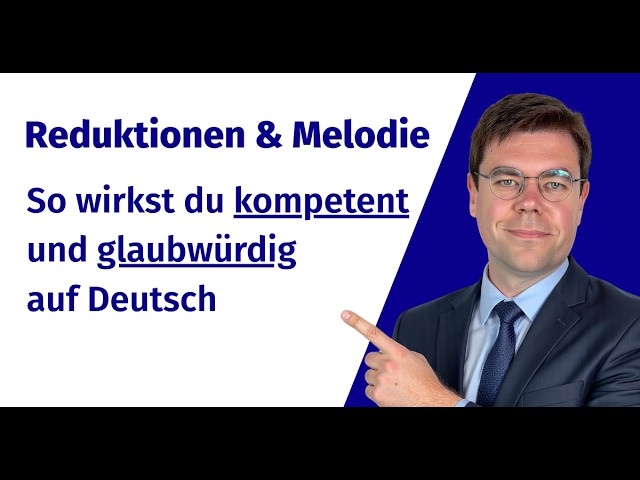
#deutschlernen #aussprache #fließendesdeutsch #akzentfreideutsch
Hol dir meine 3-teilige Videoserie: https://daf.deutsch-mit-benjamin.com/deutsch-akzent-beruf?utm_source=lm_yt_5AIJs8Beq9U 👈🏼 Lerne die 3 Schritte kennen, die du befolgen musst, um nachhaltig deine deutsche Aussprache zu verbessern und möglichst akzentfrei Deutsch zu sprec...

YouTube
Do you want to speak German naturally and fluently? Hi, I'm Benjamin Rannig, the founder of Deutsch mit Benjamin Academy—the world's leading online German school for real-world German, natural pronunciation, and prosody!
On my channel, you'll find the best videos to improve your pronunciation, understand real-world spoken German and speak Ger...
digital needle
idk, learning about common reductions seems like a worthwhile thing even early on, especially if you are interested in that kinda stuff
I think I'd pronounce the original sentence something like this
ers heut auf däa Post, um m Paket abzuholn
scenic obsidian
Well, the entire channel is in German, and I think most channels that talk about the topic are entirely in German, so it's going to be kind of difficult for a beginner to even follow what is being said 😅
scenic obsidian
Honestly, I think the main way to learn about reductions is to learn it subconsciously by listening to Germans speak in real conversations and the like
digital needle
I think that way you can learn about a lot of them, but some still escape you
or at least a good ammount
in swedish you often drop the g at the end of adjectives and adverbs. With all the listening I did, I still didn't pick up on that on my own, but had to be told that that's a thing, for example
I think the way we expect things to be majorly shapes our perception. So me expecting the g, made me hear it even if it wasn't there, I assume
scenic obsidian
digital needle
I think the way we expect things to be majorly shapes our perception. So me expe...
So what you're saying is, if you simply never learn to read the language, you might be better off? 😄
digital needle
seems like it
winter kayak
scenic obsidian
Honestly, I think the main way to learn about reductions is to learn it subconsc...
this is the way. Imitation
 pliant scarab
Hi Zusammen. Könnte mir jemand bei der 9. dieser Aufgabe helfen? Laut Onlineressourcen soll ,,bedienen" in ,,bedienbar" verwandeln, aber die Erklärung da oben erläutert was anderes
 winter kayak
pliant scarab
Hi Zusammen. Könnte mir jemand bei der 9. dieser Aufgabe helfen? Laut Onlineress...
winter kayak
pliant scarab
Hi Zusammen. Könnte mir jemand bei der 9. dieser Aufgabe helfen? Laut Onlineress...
die Aufgabe ist es, ein Adjektiv aus einer der Partizip-Formen zu bilden. In diesem Fall solltest du das 1. Partizip nehmen, glaube ich.
pliant scarab
entweder mithilfe des Partizip I oder Partizip II, ja, und in dem Fall, da im 9. Satz um eine nicht abgeschlossene Handlung geht, muss man Partizip I verwenden. Trotzdem klingt mir der Satz komisch und bin nicht sicher wie es wäre
winter kayak
pliant scarab
entweder mithilfe des Partizip I oder Partizip II, ja, und in dem Fall, da im 9....
das leicht zu bedienende Gerät
pliant scarab
winter kayak
das leicht zu bedienende Gerät
okay das war blöd ahahah danke lolo 💪
 blazing jetty
hallo,ich brauch Hilfe
wie kann man mit diesem Satz linksattribute machen? "die Regel,die man beachten darf"
 torn urchin
scenic obsidian
What about leaving off the -e at the end of "heute"? Do people ever say "heut"?
torn urchin
scenic obsidian
What about leaving off the -e at the end of "heute"? Do people ever say "heut"?
ich glaub', ich geh' heut nicht mehr tanzen
 oblique snow
blazing jetty
hallo,ich brauch Hilfe
wie kann man mit diesem Satz linksattribute machen? "die ...
oblique snow
blazing jetty
hallo,ich brauch Hilfe
wie kann man mit diesem Satz linksattribute machen? "die ...
Meist du "Die zu beachtende Regel"?
 timid ether
scenic obsidian
What about leaving off the -e at the end of "heute"? Do people ever say "heut"?
timid ether
scenic obsidian
What about leaving off the -e at the end of "heute"? Do people ever say "heut"?
Yes
oblique snow
<@&305455824174710787>
 loud locust
warum kann ich nicht in die sprach chats?
light lake
if i say gefahren hatte that implies he has been driving the car correct?
 oblique snow
loud locust
warum kann ich nicht in die sprach chats?
oblique snow
loud locust
warum kann ich nicht in die sprach chats?
faq limited permissions
livid steepleBOT
How to join Voice Chat
Please read the [Roles section](#getting-started message) in #getting-started for info on how to join VC and more!
scenic obsidian
torn urchin
ich glaub', ich geh' heut nicht mehr tanzen
Das ist wohl genau woher ich das kenne 😅
scenic obsidian
light lake
if i say gefahren hatte that implies he has been driving the car correct?
no, not exactly. You can use "sein" and still be the drive: Ich bin gestern gefahren.

"haben" is often used to be able to have a transitive verb, aka, "to have the verb take an object"
Ich habe ihn nach Berlin gefahren.
I drove him to Berlin.
But if I leave out the object, I can still be the driver:
Ich bin nach Berlin gefahren.
I drove to Berlin.
plush locust
light lake
if i say gefahren hatte that implies he has been driving the car correct?
I actually don't get your question '_'
scenic obsidian
plush locust
I actually don't get your question '_'
A common example of "fahren" with haben is the sentence, "Ich habe ihn nach Berlin gefahren", which implies that you are the person driving the car.
On the other hand, "fahren" with sein includes example sentences like, "Ich bin mit dem Bus gefahren", which normally you aren't the person driving the bus.
"fahren" is confusing for English speakers, because "drive" necessarily implies you are the person controlling the vehicle, but "fahren" doesn't, so it's hard sometimes for us to know when "fahren" means "drive" and when it means "ride/take" (I took the bus vs I drove the car).
Probably because of examples such as above, he has confused what sein vs. haben means and think it implies something about whether someone is the driver or a passenger. He thinks he can use sein vs. haben to solve the problem of whether "fahren" means "drive" or "ride/take".
plush locust
scenic obsidian
A common example of "fahren" with haben is the sentence, "Ich habe ihn nach Berl...
I see. I wouldn't even see this as an issue 😮 (I see a different one, though, all the time, when we talk about having gone to a place)
 short elm
Halo, I have a question on the arrangement of words in a German sentence. There is one thing im struggling with which is the position of locations and the object. Can anyone tell me if this is the correct structure?
Subject + verb + time + location + object
Example:
ich spiele am Sontag im Park Tennis
scenic obsidian
short elm
Halo, I have a question on the arrangement of words in a German sentence. There ...
You're not alone. This turns out to be a complicated question, because a lot of German "rules" about word order in a sentence are more like "tendencies" that compete with one another, and if one tendency is strong enough, it can override other tendencies.
There are attempts to describe a sort of "generic word order" that will be more or less correct in most cases. But even these attempts do not all agree, because the reality underneath is quite complicated and defies simplicity.
Nevertheless, I think the following is a good general starting point:
Now comes the annoying part: "Tennis" is not an object in your sentence
It's actually sort of a part of the verb
This is a whole thing all on its own, these "verb complements". In the linked word order, these are named as "Verbgefährte", verb companions
The easiest way to describe it is to say that it's kind of like a separable verb, except instead of having a prefix at the end that is attached to the verb (einschlafen, ich schlafe jeden Tag gegen 20 Uhr ein), you have a whole noun that's attached to the verb (Tennis spielen, ich spiele heute im Park Tennis.)
Btw, if you'll notice in the linked word order, there isn't a single spot for "object"
It's split up amongst pronouns, definite nouns, indefinite nouns, plus whether they are in accusative or dative case. That changes where an "object" appears in the sentence.
short elm
Thank you so much you have been so helpful and thank you for all the little details I appreciate it🥹🙏🏻🙏🏻🙏🏻🙏🏻
scenic obsidian
This is actually a hidden result of one tendency in German word order: old before new
indigo bear
short elm
Halo, I have a question on the arrangement of words in a German sentence. There ...
As a beginner, you should just start by learning where the verbs go. You can gradually learn more about it from there, over time.
scenic obsidian
In German, generally speaking, old information (which is therefore also not important) goes near the start of a sentence.
New information (which is therefore likely also important) goes near the end of a sentence.
Why are pronouns closer to the start than full nouns? Because you only use a pronoun to refer back to something you've already mentioned before
Hast du den Hund gesehen?
Nein, ich habe ihn nicht gesehen.
The very fact that you're using a pronoun to talk about the dog means that it's older information, so therefore not as important, and therefore it goes towards the start of the sentence.
Idk, it's quite complicated, so maybe this is too much information relative to your level.
I just wanted to say that it turns out that word order in German is rather complicated and it's normal to have trouble mastering it, especially because German learning courses don't fully describe word order properly, probably precisely because it's so complex.
 glacial oak
This is so random but the Study Tasks channel hasn't been used since 2023
Do you still host that kind of learning, or no?
Or am I just looking in the wrong place 😭
indigo bear
glacial oak
This is so random but the Study Tasks channel hasn't been used since 2023
Do you...
It's not retired or anything. There just hasn't been anyone making study tasks recently.
If someone wanted to volunteer to make more, they could.
glacial oak
OHHH I see I see
thank you 🙏
indigo bear
Everything here is hosted by volunteers so it's just up to people to put their hand up to run things or not.
 stuck glen
Sein und nicht seinem?
 winter kayak
stuck glen
Sein und nicht seinem?
winter kayak
stuck glen
Sein und nicht seinem?
etwas verschwindet irgendwohin
sleek pebble
„in sein“ means „into its“ while „in seinem“ means „inside its room“ — meaning „it“ (i’m assuming mädchen) is already in its room and gets lost there
which is not what the author wants to say
 empty gorge
whats the best way to start because i have like zero knowledge of german i only know some words
thin pollen
Does erreichen use the dativ or the accusative here: "Deine Nachricht hat mir/mich nicht erreicht"?
winter kayak
thin pollen
Does erreichen use the dativ or the accusative here: "Deine Nachricht hat mir/mi...
mich
tawny fractal
empty gorge
whats the best way to start because i have like zero knowledge of german i only ...
faq beginner
livid steepleBOT
How to get started
The simplest way to learn German is to find topics you don’t understand yet and search for explanations of them. This list provides you with a guide for which topics to learn if you are completely new to German. Type the topic into Google (or YouTube) and start learning!
Introduction
1: Alphabet (especially ä, ü, ö and ß)
2: Basic greetings (hello, goodbye, etc.)
Part 1 - Simple Sentence
1: Noun gender & plurals
2: Nominative case (What are cases?)
3: Nominative pronouns (I, you, he, she, etc.)
4: Verbs in present tense
5: Definite/indefinite articles
6: Accusative case (for nouns)
7: Accusative pronouns
8: Word order of simple sentences
9: How to ask questions
See Part 2 on the next page.
Tips
- Always learn the gender of a noun when you learn a new noun
- Learn to use a translation dictionary (e.g. dict.cc, leo.org)
- Use
>faq resourcesto see our list of German learning resources - For listening and pronunciation practice, try watching movies or videos (incl. YouTube)
- You can listen to pronunciation for words on websites like dict.cc, forvo.com, and others
- Practice writing sentences every day (and asking people to correct them)
- Ask as many questions as possible
- Don’t be scared to make mistakes!!!! If you don’t let yourself make mistakes, you will never be able to learn German
Page 1/2
tawny fractal
empty gorge
whats the best way to start because i have like zero knowledge of german i only ...
you can also try nicos weg, its a rlly good resource for beginners
faq nicos weg
livid steepleBOT
Nicos
Nicos Weg is a free online program aimed at helping people learn German. It includes video, audio, text, grammar explanations, notes, vocabulary, and exercises. It also includes very useful cultural and bureaucratic information, such as how to open a bank account, while teaching you the relevant grammar and vocabulary.
It’s fairly popular and well-recommended, but keep in mind that you can’t learn a language with only one resource, even if it’s a good one!
You can find the program here: https://learngerman.dw.com/en/nicos-weg/c-36519789
You can also see various other courses for learners by dw.com here: https://learngerman.dw.com/en/overview/
 halcyon wren
Hallo zusammen! Ich mache nächsten Monat die telc A2·B1 Prüfung und suche noch Übungsthemen. Falls ihr die Prüfung schon gemacht habt: Welche Aufgaben hattet ihr beim Schreiben (E-Mail/Kurznachricht) und Sprechen? Danke! 🙏
 vale grove
do people usually speak formally or informally to their parents?
scenic obsidian
vale grove
do people usually speak formally or informally to their parents?
Apparently, this is something that has changed over the past 100 years.
It used to be formal, but now it's usually informal
 tulip meteor
Little Amadeus saying Herr Papa will always be hilarious
But yes 100 % absolutely informal, anything else is very weird (and would make me think there's some psychological abuse going on ngl)
 sharp bolt
''Und dieser Sternenregen auf der Leinwand im Hintergrund tut noch sein übriges dazu.''
i don't understand anything in the last 5 words
tut = tun, 3rd person singular
noch = still
sein = ???
übriges = from übrig = left/leftover
dazu = to that
lunar lynx
sein is the possessive adjective pertaining to the subject dieser Sternenregen auf der Leinwand im Hintergrund

übrig here is the rest rather than leftover
sharp bolt
i still don't quite get how it's all put together
''sein Übriges tun'' here is a phrase meaning ''to add something''?
so the Sternenregen is adding something more to that, whatever that is?
lunar lynx
it adds to that; it contributes its share
works to create an additional effect to something
lunar lynx
Also I wouldn't say that noch here is still. Rather this (or meaning 3 in DWDS https://www.dwds.de/wb/noch#1)
 sharp bolt
lunar lynx
Also I wouldn't say that noch here is still. Rather this (or meaning 3 in DWDS <...
sharp bolt
lunar lynx
Also I wouldn't say that noch here is still. Rather this (or meaning 3 in DWDS <...
So like auch but not auch
lunar lynx
Yeah. A bit of an außerdem vibe too
 scarlet wagon
How does the letter Yy get pronounced
 wind sleet
Hey, does anyone know any alternatives to saying "weil" when answering a question?
 winter stream
scarlet wagon
How does the letter Yy get pronounced
winter stream
scarlet wagon
How does the letter Yy get pronounced
Ypsilon is pronounced like ü in the vast majority of cases.
together with another vowel it's read like j (ey = ej etc.) but otherwise it's by default like ü, only that we sometimes say it like i instead when we'd find ü awkward for some reason (i think this happens when it's unstressed sometimes. also Libyen, which has such an unstressed y, is typically said as "Lübijen" in analogy to Syrien and -ien place names in general)
winter stream
wind sleet
Hey, does anyone know any alternatives to saying "weil" when answering a questio...
like um (in order to) and da (something like 'since')?
learn what sorts of sentences these form (because um goes with an infinitive)
winter kayak
wind sleet
Hey, does anyone know any alternatives to saying "weil" when answering a questio...
da and denn are the other two common ways to say because.
 heady swallow
Ich habe eine Frage, was bedeuten eigentlich diese bunten Kreise neben den Voice Chat Namen?
tranquil granite
heady swallow
Ich habe eine Frage, was bedeuten eigentlich diese bunten Kreise neben den Voice...
Deutsch Niveau
heady swallow
Danke
 uneven vine
Greetings, all.
Why is the following sentence
"Man darf nicht vergessen,dass sie früher unter schlechteren Bedingungen** arbeiten musste** als ihre männlichen Kollegen" rather than
"Man darf nicht vergessen,dass sie früher unter schlechteren Bedingungen als ihre männlichen Kollegen arbeiten musste" ?
I assume this is a "both ways are correct" thing but I thought the verb position was very strict?
glacial crag
uneven vine
Greetings, all.
Why is the following sentence
"Man darf nicht vergessen,dass s...
when you're comparing 2 things (with the words als and wie) and there's a 2nd verb in the sentence, you can place the 2nd object right after the 2nd verb, like this:
Er hat genauso viel wie ich gegessen (correct)
Er hat genauso viel gegessen wie ich (also correct)
so yeah your assumption is correct, both are right
uneven vine
hmm gotcha
thanks
have never encountered this structure before
which is odd considering it was during a b2 course
glacial crag
glacial crag
when you're comparing 2 things (with the words als and wie) and there's a 2nd ve...
whoops, forgot to add the "hat" here lol

 molten basin
Ich möchte das englische 'to be gay for XY' ins Deutsche übersetzen. Welche der unten genannten Übersetzungen kommt dem Original am nächsten?
"schwul nach XY sein"
"schwul für XY sein"
"schwul auf XY sein"
glacial crag
uneven vine
thanks
have never encountered this structure before
you'll most likely hear the 2nd variant more when the sentence is long
tawny fractal
molten basin
Ich möchte das englische 'to be gay for XY' ins Deutsche übersetzen. Welche der ...
für, aber man sagt das hier so eigentlich nicht
 ruby flint
wieso ist Discord so gut?
molten basin
tawny fractal
für, aber man sagt das hier so eigentlich nicht
Das soll eher als Witz dienen. Ich wollte nur wissen welche eher grammatikalisch möglich ist.
tawny fractal
molten basin
Das soll eher als Witz dienen. Ich wollte nur wissen welche eher grammatikalisch...
ah oke, ja dann eher für
molten basin
Vielen Dank.
Ich dachte da an "hungrig nach XY sein" und "geil auf XY sein", und kam zu dem Schluss dass vielleicht auch rein theoretisch bei "schwul" funktionieren könnte.
Aber im Grunde sind das sehr unterschiedliche Adjektive. Also eher nicht.
tawny fractal
hm 🤔 Sprachgefühl sagt mir für, aber vielleicht lieg ich auch falsch
tiny hill
If anyone has taken the GOETHE A1 test, what did they ask??
 shell siren
Random question, but, why do they not give straws in German McDonald's for soft drinks
grizzled fiber
less waste probably
 tulip patrol