#questions-2
1 messages · Page 77 of 1
 jade hawk
 pseudo harness
gotcha
 white sentinel
Sind die Wörter "weniger" und "minder" grammatikalisch unterschiedlich oder nur regional unterschiedlich? Oder verwendet man das eine oder das andere je nach eigener Lust?
 gusty silo
white sentinel
Sind die Wörter "weniger" und "minder" grammatikalisch unterschiedlich oder nur ...
gusty silo
white sentinel
Sind die Wörter "weniger" und "minder" grammatikalisch unterschiedlich oder nur ...
die unterscheiden sich zum Teil in den möglichen Bedeutungen. minder bezeichnet einen geringen Grad (von einem Adjektiv oder Partizip) oder eine schwache Form (eines Nomens) aber wenn überhaupt nur ganz selten eine geringe messbare Menge/Anzahl von einer (physischen) Sache.
weniger hat im Gegenzug nicht die Bedeutung 'schwächer ausgeprägte Art' (nicht mit Menge verwechseln! die hat es)
mir scheint, es sieht wie folgt aus:
Grad/Intensität eines Adjektives (oder potenziell Partizips) und deren Nominalisierung
✅ weniger klug, weniger schön, ein weniger Umhergereister
✅ minder klug, minder schön, ein minder Umhergereister
Grad(/Intensität) eines Nomens (kein eigentlich zählbarer Gegenstand)
✅ weniger Pracht
✅ minder Pracht
Niedrige Form eines Nomens, etwas, das in seiner Art statt in seiner Intensität irgendwie niedrig oder gering, schlecht oder wenig glorreich ist
❌ eine wenigere Tat, wenigere Qualität, wenigere Größe, wenigere Mittel (richtig hier: geringere)
✅ eine mindere Tat, mindere Qualität, mindere Größe, mindere Mittel
(nicht verwechseln: mindere Mittel hier im Sinne von schlechtere Mittel, nicht im Sinne von weniger Mitteln, das ist die folgende Kategorie)
Anzahl einer Sache
✅ weniger Salz, weniger Schachteln
⁉️ minder Salz, minder Schachteln
das aber ganz davon ab, das minder in jeder seiner Bedeutungen merklich altmodischer als entweder weniger oder geringer ist
das (das Veraltetsein/Veraltendsein) ist das viel wichtigere
gusty silo
ah it just dawned on me that english makes parts of these distinctions somewhat more clear:
- Both minder and weniger can be used for 'less' with adjectives and participles (or their nominalised forms), 'less smart, less beautiful, someone less-travelled'
- Both minder and weniger can be used for 'less' with nouns if that's some abstract you're evaluating the degree of, 'less splendour'
- You can not use weniger when the sense would generally be expressed as 'lesser' in english - 'a lesser deed, lesser quality, lesser size(might not sound the most natural for this one), lesser means'. here the choice is between minder and geringer instead
- You can probably not use minder when the sense in english is that of the pair 'less/fewer', so actual enumeration/quantification of nouns referring to concrete objects (english using 'less' with mass nouns and 'fewer' or, colloquially, also 'less' with count nouns), here only weniger works
(but again remember that minder is tremendously old-fashioned in the majority of its possible uses)
white sentinel
gusty silo
die unterscheiden sich zum Teil in den möglichen Bedeutungen. *minder* bezeichne...
ich habe mir ein paar Sätze angesehen, um nachzusehen, ob die beiden Wörter so verwendet werden, wie du beschreibst, und es scheint dem Ganzen zu entsprechen. Ich habe dabei auch entdeckt, dass "minder" in deinen oberen zwei Beispielen gehobene Sprache ist.
Also, vielen Dank für die Aufklärung!
 lethal leaf


 plush pelican
I would've expected, "den Mund offen, den Zahnarzt oder die Zahnarzthelferinnen neben einem"

I thought usually when you have one of these aside thingies, it's in Accusative case, no?
 gusty silo
plush pelican
I thought usually when you have one of these aside thingies, it's in Accusative ...
gusty silo
plush pelican
I thought usually when you have one of these aside thingies, it's in Accusative ...
the nominative is definitely okay here, but i couldnt confidently tell you why
i would wager theres maybe a rough spectrum of how much something is integrated into the sentence like an adverbial versus completely outside of any syntactic relationship to other clauses
that perhaps has genitive absolutes as most adverb-like, accusative absolutes somewhere in the middle, and nominative absolutes outside of any real syntactic relation to its surroundings
plush pelican
gusty silo
that perhaps has genitive absolutes as most adverb-like, accusative absolutes so...
So is accusative okay here, or wrong?
plush pelican
gusty silo
the nominative is definitely okay here, but i couldnt confidently tell you why
Have you studied linguistics/the German language? I forget
gusty silo
plush pelican
So is accusative okay here, or wrong?
i would not reject it but in this use the nominative feels more preferable than in the "vor sich seinen neuen Computer" one and the like. not super sure why
gusty silo
plush pelican
Have you studied linguistics/the German language? I forget
i am studying linguistics, but i dont have a degree on hand
gusty silo
gusty silo
i would not reject it but in this use the nominative feels more preferable than ...
(it may well be that these are actually interchangeable with the nominative one being disprefered in literary contexts)
(but i dont know)
 bleak rivet
Der Mund offen, Der Zahnarzt/die Zahnarzthelferin neben einem
Es ist eine Aufzählung
 rustic dock
gusty silo
the nominative is definitely okay here, but i couldnt confidently tell you why
rustic dock
gusty silo
the nominative is definitely okay here, but i couldnt confidently tell you why
i think it’s an asyndenton here
stilmittel
not a real sentence
in accusative it would also be that i guess, but under the pretense that an obvious part of the sentence was omitted
„[Man hat] den Mund offen“
whereas in nominative it would just be a collection without a coordinator or a predicate i.e. no sentence at all
plush pelican
rustic dock
in accusative it would also be that i guess, but under the pretense that an obvi...
Does it have to have some omitted part of the sentence in order to be absolute accusative? Can you have an accusative aside thingy that's definitely not just a larger sentence with omitted bits?
 hexed vessel
are the DW learn german courses good?
 old maple
hexed vessel
are the DW learn german courses good?
old maple
hexed vessel
are the DW learn german courses good?
I think Nicos Weg is really popular and is recommended in this server to learn.
 next frigate
hey wieso mein voice chat ist locked??
 inland pawn
How do I get voice chat perms?
 soft gazelle
inland pawn
How do I get voice chat perms?
soft gazelle
inland pawn
How do I get voice chat perms?
read #getting-started
inland pawn
Ok thanks
inland pawn
Hey guys sorry the feedback part of the server is kind of dead and I wanted to ask if anyone had any tips

 wispy nexus
hi zusammen! Ich wollte nur mal fragen (und ich weiß, das hat nicht viel mit Deutschlernen zu tun), aber ich fahre bald nach Berlin und habe definitiv vor, die öffentlichen Verkehrsmittel zu nutzen. Ich wollte nur wissen, welche App am besten geeignet ist, um sich mit U-Bahnen, Straßenbahnen usw. zurechtzufinden.
Vielen Dank!!
 tepid jasper
wispy nexus
hi zusammen! Ich wollte nur mal fragen (und ich weiß, das hat nicht viel mit Deu...
tepid jasper
wispy nexus
hi zusammen! Ich wollte nur mal fragen (und ich weiß, das hat nicht viel mit Deu...
DB wird dich beeindrucken
plush pelican
inland pawn
Hey guys sorry the feedback part of the server is kind of dead and I wanted to a...
Abend is a noun, all nouns are capitalized, even in the middle of a sentence.
New York just spell it the English way.
Deutsch again is a noun and should be capitalized
Comma after Deutsch
Weil ich denke, es macht Spaß.
"betrachten" isn't conjugated (you have to match the ending of the verb to the subject, have you learned about this yet?) and at any rate, it's probably the wrong word to use (it means regard, not watch), you probably mean "schauen" or "gucken".
"Fußball" is how you spell soccer. If you mean American football, then "Football".
"favorite" is usually done by putting Lieblings- in front of the noun, e.g. mein Lieblingsvereign = my favorite club
The first word in every sentence should be capitalized, just like in English.
Die Schule ist fast vorbei
"Du bist haben Schule?" doesn't make sense, "You are have school?"
I assume you mean, "Hast du Schule?", do you have school?
Here, be careful: are you writing to a single person or multiple? If a single person, "du" is fine. If you're writing to multiple people, "Habt ihr Schule?"
By the way: Don't be discouraged. This is a normal amount of mistakes to make as a beginner.
tepid jasper
plush pelican
Abend is a noun, all nouns are capitalized, even in the middle of a sentence.
N...
Weil ich denke, es Spaß macht
These are 2 consequent subordinate clauses
plush pelican
Consequent?
tepid jasper
One go after another
plush pelican
Sequential?
inland pawn
Can someone explain the conjugations if they have a chance
tepid jasper
plush pelican
Sequential?
Ah, yeah. Pardon
plush pelican
inland pawn
Can someone explain the conjugations if they have a chance
There are videos all over YouTube explaining these beginner grammar topics
Try this one:

German Verb Conjugation and Pronouns in Simple Present that's what you will learn in this video. First I will explain you the German pronouns and then I will show you how to conjugate a German regular verb. At the end I will give you some examples how to conjugate a German verb and you will be able to use it right away by telling me in the comme...
plush pelican
tepid jasper
Weil ich denke, es Spaß macht
These are 2 consequent subordinate clauses
There are certain verbs which trigger a situation where you can have what looks like a main clause, rather than doing a dass and a subordinate clause
"denken" is a part of this set of special verbs
inland pawn
plush pelican
There are videos all over YouTube explaining these beginner grammar topics
Dankeschön
plush pelican

LEO.org: Ihr Wörterbuch im Internet für Englisch-Deutsch Übersetzungen, mit Forum, Vokabeltrainer und Sprachkursen. Natürlich auch als App.
tepid jasper
plush pelican
There are certain verbs which trigger a situation where you can have what looks ...
I am not sure if this really depends on the verb, more like you have 2 expanded sentences (I tried to find a definition in english for such sentences and couldn't. The idea is that in the first half you have ich and denke, and in the second es and macht)
plush pelican
It does depend on the verb
tepid jasper
plush pelican
https://dict.leo.org/grammatik/deutsch/Satz/Komplex/Form/uneingeleitet.xml?lang=...
Ah, didn't know about it! Thank you for the reference
tepid jasper
plush pelican
https://dict.leo.org/grammatik/deutsch/Satz/Komplex/Form/uneingeleitet.xml?lang=...
The link is not working tho
plush pelican
There's a linguistics paper I found that actually defines it

The øV2-Sätze, those are these "uneingeleitete Nebensätze", these subordinate clauses that actually look like main clauses


Summary:
After certain verbs, you can have what looks like a main clause, with the verb in position 2, even though you would typically expect a subordinate clause in that spot
The list of verbs that can do this includes:
Verbs of saying, thinking, perceiving, hoping, preferring
plush pelican
tepid jasper
The link is not working tho
https://dict.leo.org/grammatik/deutsch/Satz/Komplex/Form/uneingeleitet.html?lang=de#id=3.6.2.2.a
How about this?
LEO.org: Ihr Wörterbuch im Internet für Englisch-Deutsch Übersetzungen, mit Forum, Vokabeltrainer und Sprachkursen. Natürlich auch als App.
inland pawn
Danke
 plush pelican
sie kommen aus Japan
du vs ihr is easier to remember if you think of "du" as "you" and "ihr" as "y'all/you all/youse guys"
Again, it's quite normal to make a ton of mistakes as a beginner. Even now after learning for 5 years, I still make mistakes, just much fewer than I used to.
 drowsy lantern
I have learned for a long time, but still need help with remembering words.
 night dagger
drowsy lantern
I have learned for a long time, but still need help with remembering words.
night dagger
drowsy lantern
I have learned for a long time, but still need help with remembering words.
Try anki
drowsy lantern
I need help with learning new words, like how do you say octopus?
night dagger
drowsy lantern
I need help with learning new words, like how do you say octopus?
faq Definition
 stoic mauveBOT
What does this word mean?
The best way to understand the meaning of a word is to use a dictionary. Monolingual dictionaries such as dwds.de, de.wiktionary.org and duden.de will often provide the most accurate definitions and examples for a word. If you are not yet comfortable with using a monolingual dictionary, bilingual dictionaries are also an option (dict.cc, dict.leo.org, pons.com).
The key here is to empower yourself to find the answer on your own. Using the many examples provided in dictionaries like DWDS, Wiki and Duden can help you confidently understand the word, and how to use it. If you still have trouble; don't worry! You can use #questions, #questions-2 or the #942470380692590632 to ask someone for further clarification.
drowsy lantern
night dagger
>faq Definition
No, I don't need to understand the word. I need to translate English into German.
 regal wave
drowsy lantern
I need help with learning new words, like how do you say octopus?
regal wave
drowsy lantern
I need help with learning new words, like how do you say octopus?
Versuch mal Oktopus. (Kraken ist eine Option, aber die haben ja eigentlich zehn Gliedmaßen.)
drowsy lantern
regal wave
Versuch mal Oktopus. (Kraken ist eine Option, aber die haben ja eigentlich zehn ...
Danke, jetze habe ich alle die Tiere fatig.
regal wave
drowsy lantern
Danke, jetze habe ich alle die Tiere fatig.
Hauptsache frittiert.
drowsy lantern
Ist "Lemone" Lemon is German?
regal wave
drowsy lantern
Ist "Lemone" Lemon is German?
"Limone" wäre auf Englisch vermutlich "lime"
"lemon" ist "Zitrone"
Und "Lemone" gibt es einfach nicht '_'
drowsy lantern
Und wie sagt du "Kale"?
regal wave
drowsy lantern
Und wie sagt du "Kale"?
Was ist das D:
drowsy lantern
regal wave
Was ist das D:
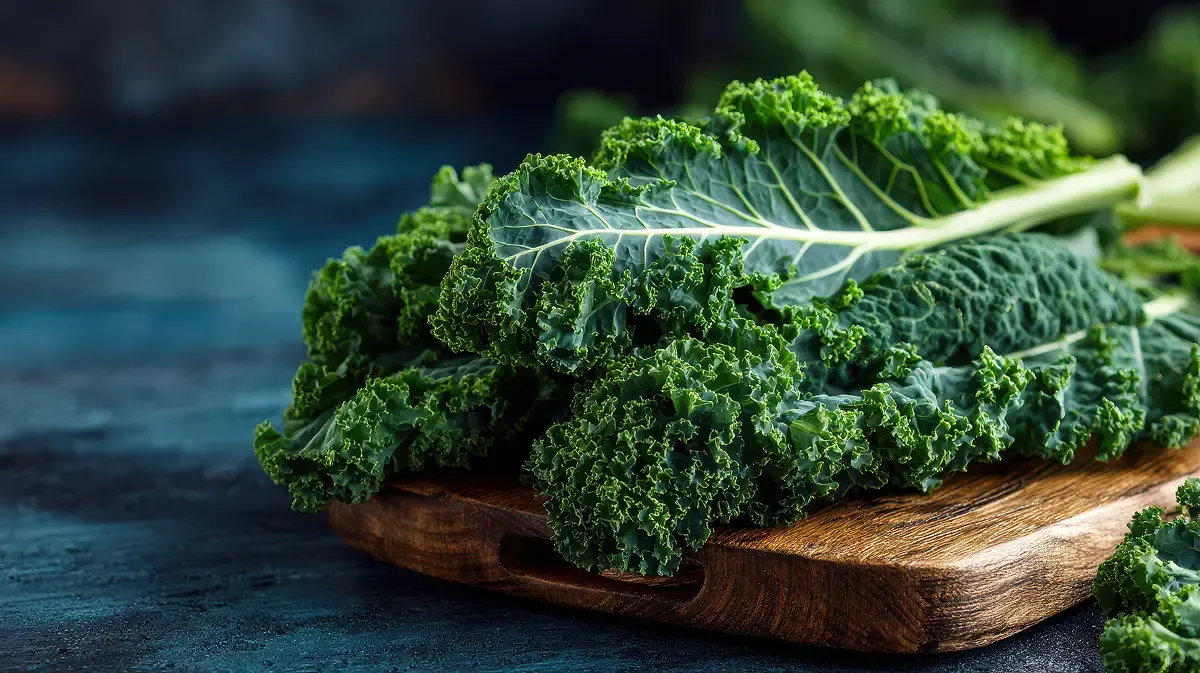 regal wave
drowsy lantern
https://share.google/CDrefQK4G1P4ne5V0
regal wave
drowsy lantern
https://share.google/CDrefQK4G1P4ne5V0
Grünkohl, apparently.
(me was just: "Ist das nicht Kohl?")
drowsy lantern
regal wave
(me was just: "Ist das nicht Kohl?")
In English es ist "Kale".
regal wave
drowsy lantern
In English es ist "Kale".
Aber es geht hier nicht um Englisch!
drowsy lantern
regal wave
Aber es geht hier nicht um Englisch!
Ich weiss. Ich lerne nur Deutsch jetzt.
 dawn oxide
drowsy lantern
Und wie sagt du "Kale"?
dawn oxide
drowsy lantern
Und wie sagt du "Kale"?
Hä wieso benutzt du nicht einfach ein Wörterbuch dafür
drowsy lantern
dawn oxide
Hä wieso benutzt du nicht einfach ein Wörterbuch dafür
Mein Wörterbuch sagt knicht alle Wörter.
plush pelican
drowsy lantern
Mein Wörterbuch sagt knicht alle Wörter.
Are you aware that there are a number of online dictionaries for German to English and vice-versa?
drowsy lantern
plush pelican
Are you aware that there are a number of online dictionaries for German to Engli...
No I wasn't.
night dagger
drowsy lantern
No, I don't need to understand the word. I need to translate English into German...
inland pawn
Can someone correct this thanks

 delicate tiger
Word order: you can't just replace Englisch words with the direct translation.
Upper case for nouns isn't optional.
inland pawn
Like I thought it was subject verb object for anything but questions?
 willow socket
inland pawn
Like I thought it was subject verb object for anything but questions?
willow socket
inland pawn
Like I thought it was subject verb object for anything but questions?
take a look at the very first sentence you wrote:
heute ich lernte Chemie. --> This doesn't follow S-V-O. Heute is adverbial info, ich is the subject, lernte is the verb, Chemie is the object.
Aside from that, S-V-O word order isn't really a thing in German. The conjugated verb comes in the second position in main clauses. The first position may be occupied by the subject, but could also be a variety of adverbial informations or other parts of a sentence. So going back to your sentence:
Heute (adverbial, position 1) --> Now position 1 is full, the verb must come in position 2
lernte (verb)
ich (subject)
Chemie (object)
Heute lernte ich Chemie. -> Correct
'gespiel' isn't a word
If you want to use perfect, you make it with an auxiliary verb (haben or sein) + the second participle: habe gespielt
The rest of your text seems to use Präteritum, so if you want to keep it consistent, Präteritum of spielen is: spielte
So the options are:
Ich habe mit meinen Freunden Baseball gespielt.
Ich spielte mit meinen Freunden Baseball.
Wir spielten bei ihm zu Hause.
Sie ich ging zum Park
I do not know what you want to say here. Either get rid of 'sie' or of 'ich'? Or replace both with 'wir'?
ich ging zum Park
sie gingen zum Park
wir gingen zum Park
der Morgen ich
Also no clue what this should say. Best guess is 'bis morgen!'???
Overall, it seems you've missed several really important grammar concepts. Most glaringly word order, but it also seems you might want to brush up on Perfekt and Präteritum tenses. You did a good job with the Dative case though 😄
inland pawn
Danke
 icy flax
Ok, hör mal, das heute gesehene Beispiel habe ich nicht vorhanden, aber es war ungefähr so, wie unten. Hat das Phänomen einen Namen?
Das Beispiel heute gesehen habe ich nicht vorhanden.
Da musste der nebensatz-artige Teil eigentlich zwischen Kommata gesetzt werden, oder? Gefühlt ist das Thema bei C1-Kursen.. 🤔
inland pawn
What does this mean please
willow socket
inland pawn
What does this mean please
what?
inland pawn
icy flax
Ok, hör mal, das heute gesehene Beispiel habe ich nicht vorhanden, aber es war u...
.
willow socket
inland pawn
.
if you don't understand german, you can use a translator like DeepL
inland pawn
I tried I still have no clue what this means
willow socket
inland pawn
I tried I still have no clue what this means
okay, listen, I don't have the example I saw today in front of me, but it was something like what is written below. Does this phenomenon have a name?
I don't have the example, seen today, in front of me.
The subordinate-clause-like part would have to be put between commas, no? I feel like this is a topic at C1-courses.
I don't really know the answer to this. If I answered based on what I think, yes it seems really weird without commas. But tbf I also find it weird-ish with commas, and much prefer the first construction:
das heute gesehene Beispiel habe ich nicht vorhanden.
or with a relative clause: Das Beispiel, das ich heute gesehen habe, habe ich nicht vorhanden.
dawn oxide
yea its wrong otherwise
 winged falcon
Question! Is there a pattern to nouns and their genders or is it totally random?
willow socket
winged falcon
Question! Is there a pattern to nouns and their genders or is it totally random?
there are some patterns, mostly centering around certain suffixes which always trigger a particular gender (i.e. -chen = neutral, -heit/-keit/-ung = feminine,...)
But in general, you just have to memorise gender with the noun
winged falcon
Danke schön 🙏
 gleaming ruin
hallo leute. does anyone know exactly what marie says here in Bourne Identity? i can't quite make it out. something like "denken ich bin total bescheuert oder?" but it doesn't seem quite right. it also sounds like "eisch" with a long i, not "ich." i've tried searching the web but don't think what i've found is right. i can tell his response is "ich denke nicht, dass du bescheuert bist." https://youtu.be/9oaT9LfFNC4?t=754

From amnesiac assassins to retired "auditors," witness the brutal moments these iconic characters proved they were the most dangerous people in the room.
00:00 Nobody - Bus Beatdown
06:24 The Bourne Identity - Embassy Escape
13:21 Carlito's Way - Pool Hall Fight
18:11 High Plains Drifter - Barbershop Shootout
23:48 The Rundown - Bar Fight
28:29...
plush pelican
gleaming ruin
hallo leute. does anyone know exactly what marie says here in Bourne Identity? i...
The part "ich bin total bescheuert, oder?" is fully correct as is.
Something sounds off about the "denken" bit, I'm not sure what exactly she says there, but it must be something like "denken", because the translation says "think"
gleaming ruin
maybe it's "denkt" and she's talking to herself about him, like "he thinks i'm crazy?" my german isn't great, but wouldn't it be odd if she used "denken [Sie]" and then he responds with "du"?
 whole portal
[Ihr] "denkt auch alle ich bin total bescheuert, oder?"
gleaming ruin
aha, thank you
tepid jasper
plush pelican
The part "ich bin total bescheuert, oder?" is fully correct as is.
Something so...
Ich interessiere mich dafür, ob es irgendeinen Unterschied zwischen 'verrückt' und 'bescheuert' gibt. Bin nicht sicher
plush pelican
Ich glaube, verrückt = crazy, aber das könnte auch eine einfache Tatsache sein, ohne Bewertung
Während "bescheuert" eher bedeutet, dass man dumm ist/ohne Verstand. Eine negative Bewertung seines Charakters
tepid jasper
plush pelican
Ich glaube, verrückt = crazy, aber das könnte auch eine einfache Tatsache sein, ...
Deiner Meinung nach, sind sie austauschbar?
 hushed verge
tepid jasper
Deiner Meinung nach, sind sie austauschbar?
hushed verge
tepid jasper
Deiner Meinung nach, sind sie austauschbar?
I think bescheuert is pretty much always negative, while verrückt can be neutral or even positive (like in a "what a madlad" kind of way)
willow socket
tepid jasper
Deiner Meinung nach, sind sie austauschbar?
gar nicht
rustic dock
hushed verge
I think bescheuert is pretty much always negative, while verrückt can be neutral...
and you’d be correct
verrückt when describing people can be used in a playful and or even fully positive way depending on the person, it can also just neutrally describe a situation or thing as out of the ordinary (although that’s kind of diminishing the usual meaning of the word), while bescheuert moreso describes something ridiculous, but it always comes with also calling it „stupid“ or generally unfavorable
although 🤔
i guess you could use bescheuert playfully too
but i’d be more careful with it
maybe don’t do that with people you don’t know well
 bitter saffron
Oh wow
 tribal flame
Second!
bitter saffron
Hah I was first ;p
tribal flame
If something bad happens you die and I run away. You're my shield

 past juniper
Watch as I delete all your messages so I can be first. 😌
 lavish flower
another channel to mute 
past juniper
Please note that this is a learning channel and should be kept on topic. Thanks!
 fierce idol
Please note that this is a learning channel and should be kept on topic. Thanks!
That's almost abusive.
Which of these? In either case: first try it yourself! @trim cypress
 trim cypress
Das ist fast ein Missbrauch?
fierce idol
Yeah, I would say that works
 south chasm
Is there a way for an english keyboard to use umlauts without having to do the ASCII codes with the keypad?
past juniper
See the latest message in #botchannel, or run >faq keyboard there yourself.
south chasm
Thanks!
 wintry thistle
I don’t know how to close the gap between B1 and B2 German, does anyone have any suggestions?
 plain umbra
What are you doing currently?
wintry thistle
Currently im trying to read and watch German media. Cartoons are ok-ish, YouTube videos are harder and programs like the heute show are very hard for me to understand. Reading is my strongest skill I think, and speaking and writing I don’t know, as I can’t assess them by myself. I am also trying to learn Rektion of verbs with the specific prepositions. But I feel like I am making no progress
plain umbra
Why do you feel like you are making no progress? Just because you can't remember vocab stuff?
wintry thistle
In part yes. In part because I don’t actually know if I’m making progress, I don’t know what to use as a reference to measure progress
plain umbra
I personally recommend not to worry about measuring progress unless you have a specific measured goal (e.g. passing an exam on a certain date). In that case you can use practice exams to test yourself as you go.
For any other situation, just keep practicing and you will improve.
Try to vary the difficulty. Don't stick to only easy stuff, but don't stick to only hard stuff either. Try to do stuff slightly above your level, with some challenges and revision thrown in. If you do that, you'll improve.
But most of all, make sure to cover all the relevant skills: writing, reading, listening, speaking, vocab, grammar.
If you slack in one of them, you won't improve in that area, and it could make you feel like your overall level isn't improving too.
Like for example, maybe you do a lot of reading, but then you try to have a spoken conversation and you can't follow along at all. That's because reading doesn't help that much with speaking. You have to practice speaking directly to improve that.
trim cypress
Thanks @plain umbra. I plan to take B1 in Oct.
plain umbra
Good luck.
trim cypress
Danke 🙂
 barren ledge
what is your general advice for me assuming i hit the B2 level then spent a year and a half studying another language and barely had any time to revise my German ?
plain umbra
That's a frustrating situation to put yourself in, for sure. It's gonna suck no matter what you do.
But you should either go through and review all the basics over again, or just try doing some B2 stuff and reviewing everything you mess up and get stuck on.
The first one might be more frustrating but it's thorough. The latter means you might miss stuff.
wintry thistle
@plain umbra thank you it was very helpful, especially from a motivational perspective
 autumn sapphire
In part yes. In part because I don’t actually know if I’m making progress, I don’t know what to use as a reference to measure progress
@wintry thistle that's a classic feeling when you're between B1 and B2 or B2 and C1. Don't worry about it and keep doing what you're doing. Having a way to measure progress is good but it gets harder when progress gets more granular (= when you're consolidating knowledge and learning just a few terms at a time), so don't stress on it.
What you can actively do to improve learning at that stage is:
- if you feel the media you consume is a bit too easy, start getting books. I recommend non-fiction over fiction for various reasons.
- if you feel there's something in particular (grammar-wise especially) that is holding you back, try to identify what it is exacly and single it out with practice on that specific thing.
- if you're not already training all pillars of language proficiency¹ in a balanced way, strive to do extra in the fields that you're leaving behind.
¹ that's listening, reading, speaking, and writing. And grammar, but that gets less relevant as you learn more, the others are all constants
plain umbra
If you meant rather than you're planning to get to B2 and then stop studying (not sure based on the way you wrote it), I simply don't recommend it at all.
You can get to B2 and then start maintaining the language passively. That's perfectly fine for a B2 level.
wintry thistle
@autumn sapphire thank you very much
barren ledge
ok fine, id rather go through it all again than having to mess up my understanding of the language. i reached a B2 level during my language studies as i intended to head to Germany for a a higher degree. i got accepted into somewhere else in the field that i like so i took a detour from Germanic to Latin languages :D. i am now novice in both italian and german and would like to improve both.
also, i am not a fan of not being able to speak fluently even with natives. so i kind of hold back on practising until i fully grasp a language. i did the same with English years ago
plain umbra
In the resource list there are links to grammar review pages where it lists all the grammar topics for each level. You can go through them like a check list and make sure you know all the grammar. If you get stuck at a point, that's your starting point for something to study. Aside from grammar, just practice a lot like normal - there's nothing special about revising for non-grammar stuff.
also, i am not a fan of not being able to speak fluently even with natives. so i kind of hold back on practising until i fully grasp a language. i did the same with English years ago
@barren ledge
Sorry but it doesn't really make any sense to approach languages that way. To get good, you need to practice.
barren ledge
i understand that totally. i would love to get a practice buddy someday.
 buoyant coral
Is the German expression to close the door in somebody's face
"jemandem die Tür vor der Nase zumachen"
or
"jemandem die Tür vor der Nase zuschlagen"
 near folio
zuschlagen klingt besser
buoyant coral
danke aber sie bedeutet beide der Gleiche?
 sly ferry
well zuschlagen is slamming the door and zumachen is simply closing it
it doesn't really matter in this expression but the second one is way more common
buoyant coral
ah i understand thanks 🙂
 proud crane
how would you say 'I like powerfully closing the door'
 latent rose
"Ich schlage gerne die Tür zu"
 fervent kernel
You could also say:
Ich mag es, die Tür mit voller Wucht zuzuschlagen.
Ich mag es, die Tür mit ganzer Kraft zuzuschlagen.
proud crane
Is calling someone a Schweinhund the equivalent of a kid calling someone a poopy head?
 dry lava
 west ruin
Hello is the second phrase correct??
 proven sphinx
Yeah, it is.
west ruin
What's the difference between the 2 please?
proven sphinx
The first one is present, the second one is past.
west ruin
thank you
proven sphinx
He could repair the car vs he could have repaired the car
The car could be repaired vs The car could have been repaired
west ruin
Danke schoen
 stoic dirge
question: why is there a 2nd questions channel
plain umbra
See #suggestions
plain umbra
Wow. Suggesting a channel and then immediately misusing it.
 mystic vector
Good point.
trim cypress
@mystic vector ||the mods here are picky.|| Ich denke, dass du das wie eine Frage formulieren solltest. Is that a correct sentence ?
mystic vector
lmao
 elder yew
lol
 halcyon remnant
"Ich gehe auch kaum Klamotten kaufen, sondern trage was immer es im Kleiderschrank gibt." Macht dieser Satz Sinn?
buoyant coral
I want a Mic so that I can talk to you all in VC
Ich will ein Mic, sodass ich in VC mit euch sprechen kann.
Is the German translation right or wrong?
 bronze garnet
i would go with "im VC"
bronze garnet
yeah look good
buoyant coral
should i say "euch allen" or does it not matter?
bronze garnet
that works too, but I don't think it makes a big difference in meaning
either is good
buoyant coral
Ach so danke schön!
 sleek linden
This may be a silly question, but did I get the literal translation of this right? I'm a bit slow with idioms, so I get that I got the question wrong, but as for the actual translation... Was that close?
past juniper
Can you not hover over individual words to get the translation on Duolingo? 🤔 Not that it would help you get the idiom but it could at least give you hints about your translation. Ohren are ears.
sleek linden
Oh, this one gives you the idiom translation when hovering. Hovering just gave me "Keep your chin up!" and that was less than helpful. Your reply helped, though! That makes sense, I've heard that word spoken before
buoyant coral
The door was closed in my girlfriend's face = Die Tür wurde meiner Freundin vor der Nase zugemacht?
trim cypress
Als die Tür deiner Freundin vor der Nase zugemacht wurde, konntest du etwas dagegen unternehmen ?
 tardy carbon
sly ferry
tardy carbon
sly ferry
zumacht 
sly ferry

 quaint crow
orthographical question:
so "ab" in German is pronounced [ap]. So why is it written like that?
I have heard about "Auslautverhärtung" : Like [p͡fɛʁt] and [fɛlt] one writes them as "Pferd" and "Feld" because in the plural form one hears the "d" clearly.
What about the "b" in "ab"? where do we hear the "b" clearly?
autumn sapphire
for example in abbiegen. You don't say apbiegen
and in dialects that did not develop Auslautverhärtung or don't do it as strongly as standard
sleek linden
Relating to Archie's question, what in that sentence translates to "girlfriend"? Is it "Freundin"?
 unique dune
@sleek linden yes
sleek linden
What would be "boyfriend"?
proven sphinx
@quaint crow Well, I guess it's done for etymological reasons, especially since in words that are derived from it, like "Pferde" or "Felder", the D is indeed pronounced as a D.
unique dune
Freund
proven sphinx
@sleek linden Yeah, "Freundin" means girlfriend. It could also just mean "female friend". That meaning is assumed if the speaker is female, and otherwise you can say something like "eine gute Freundin" or "eine Freundin von mir" to make clear that she is no romantic partner.
unique dune
or if you wanna specify that its ur boyfriend "fester Freund"
sleek linden
Awesome, thanks folks!
unique dune
np
proven sphinx
@quaint crow Just to add something, the consonant is always devoiced when it's at the end of a word (Pferd, Lied, Kind, Rad) or immediately followed by another consonant (Radfahren) or it's a preposition like "ab". For example, the word "abändern" is pronounced "ap-ändern". The B isn't pronounced like a B here, even though it's followed by a vowel.
In some cases, the devoicing still occurs, even though it's not visible in the orthography (e.g. Preis, with a voiceless S, but Preise, with a voiced S).
There are also some interesting cases like "weggehen", which is pronounced "weck-gehen", since "weg" (as in away, not as in path) is always pronounced as "weck".
 void burrow
the devoicing developed after the orthography
final-obstruent devoicing started in middle dutch and spread to surrounding languages by contact so german had already developed an orthography by the time this feature spread
it's why some dialects don't even have it (although the majority do)
might have been old dutch actually
yeah it was Old Dutch that had the feature first, seemingly inherited from Old Frankish
I think there might also be instances of spelling changes
where middle german used <p t k> but later used <b d g> by analogy with inflected forms of nouns
proven sphinx
I think Old High German actually wrote "Tag" as "tac", for example.
void burrow
yeah Feld was velt in Middle High German and feld in Old High
proven sphinx
Or was it Middle High German? I'm not sure.
void burrow
so I assume that when the dative -e was still productive, that + the genitive form helped analogise the word to Feld with <d>
Velt
Velt
Velde
Veldes
resulting in modern
Feld
Feld
Feld(e)
Feldes
@proven sphinx wiktionary says it was tag or tac in both Old and Middle High German
I think <g> is a bit of a tricky letter cos originally <c> was used for both /k/ and /g/
so you often get alternate spellings
yeah tag/tac could be /tag/ or /tak/ in Old High German apparently
or /taɣ/ (hence why in some dialects like Kölsch it's pronounced with /j/ or /x/)
 forest tusk
is "Ich habe Hunde am liebsten über Katzen" a logical sentence? I can't seem to figure out how to use 'lieber/am liebsten' correctly
proven sphinx
"Ich habe Hunde lieber als Katzen"
forest tusk
oh thank you!
wintry thistle
"Die Ca(2+)-Konzentration wird wiederum über elektrische Vorgänge an der Muskelzellmembran moduliert" why is the Präposition über used here? Shouldn't durch be used?
 mint relic
I would like to know the answer to this too
buoyant coral
"You're pronouncing it wrong" ("it" is refering to "my name") so in German would that translate to
"Sie sprechen es falsch aus" or "Sie sprechen er falsch aus"?
void burrow
Either is fine I think but “er” is nominative and you want accusative “ihn”
buoyant coral
ah ok
buoyant coral
ah ok thanks!
i sometimes see that "er/sie" is in the position of "es". when does that need to happen?
 undone sparrow
if it is about a male/female word/person?
 white scarab
well, er won't work cause you need akkusativ there
undone sparrow
Hast du das Buch gelesen? Nein, ich habe es nicht gelesen
Hast du den Mann getötet? Nein, ich habe ihn noch nicht getötet
Hast du die Milch getrunken? Nein, ich habe sie nicht getrunken
white scarab
Daher wird die Atmung über das vegetative Nervensystem moduliert:
Daher wird die Atmung durch das vegetative Nervensystem moduliert:
@undone sparrow is there any fancy difference between those two?
Because in cases like "Das heißt, auch monogen erbliche Krankheiten sind in Wirklichkeit komplexer Natur und können von anderen Genen oder auch durch Umwelteinflüsse erheblich moduliert werden. " durch seems to sound a lot better than über for some odd reason
buoyant coral
if it is about a male/female word/person?
@undone sparrow yes
thank you for the examples! 😄
undone sparrow
yes, but i can't really transfer it into words. let me think about it
difference is very vague/slim anyways, so maybe no need to worry about it
 azure bobcat
"No, we also need to drink."
why is it wir müssen trinken auch
and not wir brauchen trinken auch
 stable pawn
In English, there is a distinction between "I killed him" and "I had him killed", the latter indicating that the speaker did not personally kill 'him' but perhaps indirectly caused the death, ie through a subordinate.
Since the word order in German is already by default "I had/have it done", how do you recreate that distinction? Google Translate indicates that lassen might be used.
Danke schön!!
(only example I can think of, sorry to be morbid!)
unique dune
Ich habe ihn umgebracht/Ich habe ihn umbringen lassen
stable pawn
Ah, and one would use umbringen here, not töten?
unique dune
umbringen and u can use either but I think umbringen sounds better
stable pawn
Ah. Ich bewundere deine Hilfe. Vielen Dank.
Edit - -schätze
unique dune

 summer hill
Are accusative/dative/etc prepositions the same in German as they are in other languages with grammatical cases?
summer hill
prepositions like Mit, Von, Zu, Aus etc. require the noun to be in the Dative case.
If you take another langauge that has the Dative case, I'm wondering if their translation or version of "Aus" will also require the noun to be in the Dative case.
 past rivet
https://ielanguages.com/icelandic-prepositions.html I guess that can help? But keep in mind that Icelandic is already a Germanic language, so I can say that its mentality should be quite similar even though I don't speak it. Turkish for example, has the somewhat correspondent upon "aus" but it's formed by inflecting the noun according to the ablative case, although we also have the dative.
 coarse tundra
Hi, I'm doing a reading club, we are reading Siddhartha. Everyone is supposed to have read the first chapter. What sorts of questions should I ask if I'm leading the meeting? If you read Siddhartha in Volksschule or Gymnasium or even Uni, do you know where to find resources for what you might go over in a class?
 civic pelican
How do Germans say "to kill time"?
near folio
die Zeit totschlagen
 fallen spindle
Is there a way to tell a word's gender when looking at them?
sly ferry
ex gender patterns
stoic mauveBOT
gender patterns
Unfortunately, many German words don't have immediately clear clues that reveal it, but thankfully, many common words do follow patterns that reveal their gender.
In general, you are advised to learn the article together with the word (and its plural!).
Plural forms always use die and follow plural declension rules, which are the same for all genders (yay 🎉).
Type >explain grammatical gender for an explanation on grammatical gender.
Here's a list of patterns to recognise word gender.
Note that exceptions may apply.
💙 Masculine words (der):
- profession/role names (der Verkäufer, der Lehrer)
- many elements of time (der Tag, der Monat, der Winter)
- cardinal directions (der Norden, der Süden)
- words ending in:
---igder König, der Teig
---lingder Neuling, der Schwächling
---antder Praktikant, der Elefant
---ismusder Faschismus, der Sozialismus
💚 Neuter words (das):
- nominalised verbs (das Leben, das Lesen)
- metals (das Gold, das Kupfer)
- babies and cubs (das Baby, das Lamm)
- diminutives in
-chen/-lein(das Hündchen) - words ending in:
---mentdas Experiment, das Sakrament
---ma(usually of Greek origin) das Komma, das Thema
❤️ Feminine words (die):
- many words ending in
-e(die Nase, die Kiste) - words ending in:
---in(feminine professions/roles): die Verkäuferin, die Lehrerin
---eidie Fischerei, die Bäckerei
---schaftdie Mannschaft, die Gemeinschaft
---heit/-keitdie Freiheit, die Gerechtigkeit
---ungdie Bedeutung, die Achtung
---iondie Aktion, die Religion
---ikdie Logistik, die Logik
---anzwords of classical origin: die Allianz, die Toleranz
---urdie Natur, die Kultur
---tätdie Professionalität, die Kriminalität
 mild wave
Was ist der Unterschied in der Bedeutung von anrühren und berühren?
 snow remnant
"the element of time" one is annoying when I started cos it's die Woche (week) and das Wochenende (the weekend). Also das Jahr (the year)
 tulip tiger
Berühren has 3 senses.
- Zwei Kurve berühren sich in einem Punkt (2 curves touch into a point)
Or Er berührte ihre Stirn mit den Lippen(he touched her forehead with his lips) - Eine Frage, ein Subjekt nur berühren (to discuss about a question/topic very short, brief)
- Das Theaterstück hat mich tief berührt. (The teathre play touched me/was full of emotions)
Anrühren
- Rühre mich nicht an! (Don't touch me/ physical touch)
Or Das Lied rührte ihn an (so again the sense of emotional touching)
And an extra sense: to mix: Farben mit Wasser anrühren
I guess they are snynonymous in sense of touching (emotional or physical)
mild wave
Danke.
 iron solstice
What you explained is not quite right
"Ein Thema berühren" isn't something you say, "anschneiden" would be what I'd use there
And "Das Lied rührte ihn an"
That's just rühren, not anrühren
@tulip tiger@mild wave
 deft elm
Can somebody correct my sentences please?
 sage tendon
post? :) if long, please in #writing (see also pins bitte)
tulip tiger
Well, Swaggy, i guess you can just check the Dwds dictionary, because you just corrected it
 empty latch
hello?
can anyone help me prepare for my german test
quaint crow
@autumn sapphire @void burrow taking this into account https://discordapp.com/channels/221708975698083841/707679115590762587/708370779758395539 one can see that it is written as ab[ap] and not as ap to show that aber[ˈaːbɐ] is the comparative of it
void burrow
well that would make sense were "aber" actually a comparative
they share a root in PIE *h₂ep- but that's it
quaint crow
*h₂ep- da faq is that haha
void burrow
PIE *h₂epó "away" > PGerm *ab "away from" > German ab, English off
PIE *h₂ép-erom "adjectival form of 'away'" > PGerm *aferą "following; after" > German aber, English N/A
PIE is Proto-Indo-European
the reconstructed ancestor of almost all the languages in europe, india, and west asia
void burrow
lmao I'm not trying to be confusing and tbf it's possible that germans saw a connection between "ab" and "aber" but it's not correct to say "aber" is the comparative of "ab"
that's all I was showing
autumn sapphire
i think he was confused about the transcription, specifically h₂
void burrow
it's just the notation PIE uses
dw about it
no-one knows for sure what consonant *h₂ was they just know it existed
autumn sapphire
and yes the reason it's written like this is because there's some information about the sound but not enough info to know which sound it was exactly
quaint crow
no I was actuallz trzing to figure out mzslef how would ab and aber could be related (meaningwise) not because the h₂ep- notation
autumn sapphire
so when you see h₂ you know that it's a laryngeal sound of some kind, and that all words that have exactly h₂ have the same sound, whatever that was. If you find h with another number it's a different laryngeal sound and if you find H it means it's laryngeal but it's unknown which of the possible sounds it was
hm
quaint crow
and now I see why it says that it is related to "ever"
autumn sapphire
well you just barged in claiming the two are related, you tell me
void burrow
"ever" is unrelated to "aber" :^)
it's just one of those cases where they resemble each other
quaint crow
another wrong conclusion I made :D
 crystal creek
Ekrem ist einer dieser Einwanderer, und er hat freundlicherweise einem Interview zugestimmt.
Why the article for "Interview" in dative?
bronze garnet
zustimmen requires dativ
past rivet
"Wenn ich mich daran richtig erinnere." If I wanted to say that by using the genitive construction, how would I do it?
"Wenn ich mich des/seiner richtig erinnere" maybe? es -> seiner?
 austere marsh
can you give me examples of "ob" and "dass" in the same sentence please
 silver gale
What does darum mean?
is it the same thing with deshalb?
plain umbra
Yes.
They are the "answer" pairs of some question words.
Warum? -> Darum.
Weshalb? -> Deshalb.
So basically it's like "therefore" or "that's why".
 fallen dock
is it Verstehen dich mich or Verstehen Sie mich?
 orchid urchin
formally Verstehen sie mich? or casual Verstehst du mich?
sage tendon
Sie* :)
 hollow flint
When there's an infinitive pushed to the end of a sentence, do adverbs always go before the infinitive?
 teal herald
hellou, everyone! Who has test and intensive trainer tests of Menschen B1? if you have, can you share?
 fallow ledge
Hello! Im struggling to capture „i was about to <verb>“ in german
Is it a K2 typeish sentence
Something like: ich würde eben sagen
Ich hätte eben sagen?
tulip tiger
Ich war kurz davor, etw. zu tun
Ich würde eben sagen = I would actually say
Ich hätte eben sagen is wrong. Ich hätte eben gesagt = I would actually have said
fallow ledge
„Ich hätte eben gesagt“ is new
tulip tiger
This is the rule with the "hätte"
fallow ledge
Oh what am i doing
tulip tiger
Ich hätte sagen können = I could have said
fallow ledge
Give my brain i sec to pick itself off the floor cause it forgot grammar
Yeah i was thinking ich hätte eben sagen können when i typed that and forgot that it needed a past participle
So to capture: i was about to say, the phrase would be: ich war kurz davor „etwas“ zu sagen
 wintry zinc
for me i hold s
fervent kernel
i have a swedish keyboard btw and ive been searching alot
 wraith urchin
ß this one ?
fervent kernel
yep
wraith urchin
its the same button as the ? on my german keyboard
fervent kernel
yeah i found it with the german keyboard thing ßßßß
ich heiße dudedud
aight thanks
wintry zinc
ayee
 glad mist
how would you refer to american high school in german?
I know schooling is all different in germany but if I'm talking about my high school what would I call it?
bronze garnet
high school
fervent kernel
High school is from the 9 grade until 12, right?
autumn sapphire
@fervent kernel go to #botchannel and type >faq german letters
glad mist
yes @fervent kernel
fervent kernel
So in German, we call it "Oberstufe"
glad mist
what gender would that be?
fervent kernel
Die.
glad mist
great, thanks!
fervent kernel
Sure, you're welcome.
bronze garnet
its a different system though and Oberstufe only applies to one school type not everyone attends. If you say "I went to high school in ..." and translate that to "Ich bin in ... zur Oberstufe gegangen" that doesnt make sense
i would just stick to high school
fervent kernel
its a different system though and Oberstufe only applies to one school type not everyone attends. If you say "I went to high school in ..." and translate that to "Ich bin in ... zur Oberstufe gegangen" that doesnt make sense
@bronze garnet Also true.
bronze garnet
feminine
glad mist
oh alright
bronze garnet
usually trying to translate terms like these just lead to more confusion haha
glad mist
and would one or both words be capitalized?
fervent kernel
So not all people are going to high school.
fervent kernel
So, I'll try to describe the whole education system of Germany 😄
fervent kernel
Yes
 slate gull
cuAL ES EL SENTID DE LA VIDA?
wintry zinc
Is there a word for quarantine? im not sure
 analog parrot
Quarantäne.
delicate tiger
die Quarantäne (just look it up in a dictionary next time)
wintry zinc
sorry i couldnt find it! thankyou though guys
sage tendon
dict.cc, leo.org, linguee.de are good online dicts 🙂 @wintry zinc
 languid warren
I'm trying to learn a German song rn and I'm wondering what, "sag ich Digga" means. I think it means sort of like, "I'm like bro" but I just wanted to make sure it's not offensive since the spelling is awfully familiar
the song is "X" by Danju featuring Cro btw
 marsh basin
You better don't say digga to anyone else except your friends.
It's a youth word. Mostly used by younger generations.
It's a modified version of "Dicker" which means "big guy"
 valid mulch
yup
languid warren
@marsh basin Oh ok cool thanks
 mint ravine
Hi what would be the most natural way to translate the word ‘level’ as in ‘the level of eduction’? Would it be ‘Niveau’ or ‘Stufe’? Or something else?
 valid ginkgo
definitely #1. Bildungsniveau
mint ravine
Thank you! 🙂
valid ginkgo
yw
 urban kelp
Könnte jemand mir sagen was der Unterschied ist zwischen den und dem
delicate tiger
Such mal nach einer Tabelle für Artikel-Deklination
 celest frost
das erste ist richtig
fervent kernel
gibt es einen Satz wo ich "dir" sagen kann?
celest frost
"mir gefällt dieses Bild nicht so sehr wie dir"
"mir gefällt dieses Bild nicht so sehr wie dir"
fervent kernel
Ohhhhh ich verstehe jetzt! Danke!
ich --> du
mir --> dir
Ohhhhh ich verstehe jetzt! Danke!
ich --> du
mir --> dir
unique dune
dir ist der dativ von du, wird also immer benutzt wenn ein verb den dativ braucht
fervent kernel
Ich habe eine Frage.
- Also auf English möchte ich sagen : I cooked it myself
Also auf Deutsch ist es : ich habe es selbst gekocht (?) - auf Englisch ist es : it moves by itself
Auf deutsch ist es : es bewegt sich selbst (?) - auf Englisch ist es : i hurt myself
Auf deutsch ist es : ich verletzte selbst (?)
 open jay
fervent kernel
open jay
fervent kernel
Danke!
celest frost
Gran, do you have more context for "i hurt myself"?
fervent kernel
Maybe with a knife or sth
celest frost
was it intentional?
fervent kernel
If yes?
celest frost
Accident: The most natural way of saying this in German is "Ich habe mich verletzt."
fervent kernel
For intentional?
celest frost
You would only use "Ich verletzte mich", wenn you are telling a story. For example: "Ich verletzte mich, als mir das Messer herunterfiel"
for intentional, you would use what Sitirio said
fervent kernel
And,, I was corrected once, when i said ich rede mein selbst -> ich rede mit mir selbst. Why is there a "mit"
celest frost
"Who are you talking to? I am talking to myself"
"Mit wem redest du? Ich rede mit mir selbst"
 grizzled flame
Und das ist Dativ, oder
fervent kernel
Ahh..
celest frost
yes
fervent kernel
And for the sentence, it flies by itself. Is it es fliegt selbst?
fervent kernel
So, when it was not a reflexive verb, i add von selbst. Is that right?
celest frost
not sure, do you have another example?
grizzled flame
Kann man auch sagen, es fliegt SICH selbst
celest frost
that never works
fervent kernel
Hrm.. my hand moved by itself. Meine Hände haben sich selbst bewegt. Right? It moves by itself
celest frost
you can say "Es fliegt sich wie von selbst"
you can say "Es fliegt sich wie von selbst"
which means "It's so easy to fly that I barely have to do anything"
"Meine Hände haben sich von selbst bewegt"
or "Meine Hand hat sich von selbst bewegt"
fervent kernel
Hrmm.. so is it,
I cooked it myself. Ich habe das selbst gekocht.
It cooked by itself. Es hat von selbst gekocht?
celest frost
in that case you need "Es hat sich von selbst gekocht"
the first sentence is correct
fervent kernel
Is sich kochen originally a reflexive verb, or you add "sich" for a reason?
celest frost
mmmh, I can tell you what is correct, but I can't explain why atm, so I'll have to do some digging brb
mmmh, I can tell you what is correct, but I can't explain why atm, so I'll have to do some digging brb
fervent kernel
Okay, thank you! I'll be waiting cuz i think this is important for me 👋
celest frost
i think you need "sich" if you're going for a passive phrase
fervent kernel
So it didn't originate from a reflexive verb. ?
celest frost
"kochen" is not reflexive, no
because your object is whatever you are cooking
"Ich koche Suppe"
"Ich koche Suppe"
fervent kernel
So, can i say in the above sentence, by itself = sich von selbst (?)
fervent kernel
So the table has moved by itself
Der Tisch hat sich von selbst bewegt
celest frost
better: "Es kocht sich wie von selbst"
fervent kernel
So the table has moved by itself
Der Tisch hat sich von selbst bewegt
celest frost
yes
fervent kernel
Okay, i think i kinda get it now..
celest frost
those examples are much better, because they actually work in real life
fervent kernel
Okay thanks! Gonna reread once more time
@celest frost
Last one please..
Let's say, i was in a magic world.
Die Bücher bewegen sich von selbst!
Die Kinder weinen, weil die Bücher sich von selbst bewegt haben.
Is that correct?
celest frost
both of these are correct
fervent kernel
Okay! Thank u very much for your help!!
celest frost
it doesn't do anything with itself
that's when you need "sich"
for example
I asked myself
Ich habe mich gefragt
fervent kernel
Hrmm.. so even if it's reflexive verb, it doesn't mean it's always used with sich
?
celest frost
reflexive means that the subject and the object are the same
fervent kernel
And even if a verb is not reflexive, if the object is the same as subject, i can add a sich?
celest frost
to fly isn't reflexive
fervent kernel
And even if a verb is not reflexive, if the object is the same as subject, i can add a sich?
@fervent kernel
celest frost
those are the same thing
"fliegen" is not reflexive
"Ich fliege ein Flugzeug"
"Ich fliege mich selbst" -> that would be reflexive, but it doesn't work
you cannot literally fly (as in steer) yourself
fervent kernel
Hrmm so, the plane flew by itself.
Das Flugzeug ist von selbst geflogen
celest frost
*flew
fervent kernel
But, lets say its a magical world. Das Flugzeug ist sich von selbst geflogen?
celest frost
that doesn't change anything, let's take a drone for example
it can fly automatically, and thus it flies by itself
"Es fliegt von selbst"
that doesn't make it reflexive
"Es fliegt sich selbst" would be reflexive
fervent kernel
Hrmmmm..
celest frost
another example
fervent kernel
So es fliegt sich selbst is like : the plane flies itself , like the plane operates itself
celest frost
exactly
it works without anyone doing anything
i'll try to explain the difference with another example
fervent kernel
But like bfore in the magical world. Lets say the book moved by itself. It was Die Bücher haben sich von selbst bewegen .. right?
celest frost
the worm eats itself
Der Wurm frisst sich selbst
in this case it is reflexive, because the worm doesn't eat "by itself", but it literally eats itself. It might be munching on its own tail for example
"Das Buch hat sich von selbst bewegt", yes
fervent kernel
What is different between the book and the plane?
Is it one is reflexiv the other is not?
celest frost
"bewegen" can be used as a reflexive verb and "fliegen" cannot
"bewegen" can be used as a reflexive verb and "fliegen" cannot
let's say you are the pilot
I flew to London by myself
Ich habe mich selbst (mit dem Flugzeug) nach London geflogen
then it works
fervent kernel
Okay... Die Suppe hat sich von selbst gekocht. Sich is here because the soup cooks itself
Is that right?
fervent kernel
I cooked the soup by myself. Then must be -> Ich habe mich selbst die Suppe gekocht .
No? I'm really confused 
celest frost
"Ich habe die Suppe selbst gekocht"
you didn't cook yourself, you cooked the soup
"Ich habe mich selbst gekocht" -> "I cooked myself" (literally)
fervent kernel
Ahh ok ok.......
celest frost
basically, you turned on the heat and threw yourself into the kettle
that's when you say "Ich habe mich selbst gekocht"
fervent kernel
But really, that means, in a magical world, like real magical
Das Flugzeug ist sich von selbst geflogen .
No? But like theres no no external force? That's how i capture it
No pilot no machine it just fly
celest frost
if the plane moves by magical means and no one is operating it
it still does not fly itself
it flies by itself
reflexive means that the subject is the object
celest frost
no, try using a different verb
fervent kernel
The plane burned by itself .
Das Flugzeug hat sich von selbst gebrennt
celest frost
you can move yourself, you can eat yourself, you can stab yourself, but you cannot fly yourself
"Das Flugzeug brannte von selbst"
it does work with "entzünden" (set on fire)
try it
celest frost
correct!
celest frost
yup
fervent kernel
If theres a forest fire
celest frost
just be careful of the verb you are using
fervent kernel
And the plane catch its flame
proven sphinx
Well, it doesn't really mean that the plane is actually a living thing or anything...
Just that no one can explain why it suddenly caught fire.
fervent kernel
Das Flugzeug brannte von selbst
celest frost
that's grammatically correct, but makes no logical sense
if the plane caught fire from the tree it touched
then it didn't set itself on fire
fervent kernel
So, like purple said, if no one knows the cause of fire i say
celest frost
that is passive
fervent kernel
Das Flugzeug hat sich von selbst entzündet
proven sphinx
In any case, something like "Das Flugzeug ist in Flammen aufgegangen" would be more common.
celest frost
yes
fervent kernel
Okay. So can i conclude
If
The subject did it to itself , i use sich.
Example : Das Tisch hat sich von selbst bewegt. Der Wurm frisst sich selbst
proven sphinx
Oh, and by the way, there's a clear difference between "brennen" and "verbrennen".
celest frost
(I think he got it, let's just listen for now)
celest frost
correct, it cannot be reflexive unlike the ones you mentioned above
proven sphinx
Man, I've never even thought about this kind of stuff before.
fervent kernel
And one more conclusion
celest frost
(me neither, we just grew up knowing how to speak properly)
Ich habe mich von selbst bewegt
doesn't make a difference
autumn sapphire
When the subject is er ich du etc, they usually dont use von?
what do you mean? 🤔
fervent kernel
Erase that, i dont think thats right either
proven sphinx
And it actually means something quite different from "Ich habe mich selbst bewegt."
Can you tell the difference?
celest frost
"von selbst" means there was no one operating, it happened automatically
"ich habe mich selbst bewegt" means you literally forced yourself to move somewhere
proven sphinx
Well, if you say "Ich habe mich von selbst bewegt", then you're not in control over your action. Some mysterious force is moving you. If you say "Ich habe mich selbst bewegt", then you do have control over your actions. You're just saying that you moved yourself.
celest frost
like grabbing your arm to make it point at a tree
fervent kernel
So i can say, von selbst is when something magical happens
celest frost
yes, pretty much 😁
fervent kernel
Okay, now that makes it easier..
I'll try to understand then, thanks for yall's time
😭😭
fervent kernel
Ah yea 👍
celest frost
because it stems from "Der Computer"
fervent kernel
I thought pc is like english words adopted by the germans or sth.
fervent kernel
Thanks!!
celest frost
to be fair it depends on how long the word has been used by Germans
proven sphinx
Hmm, how would you even translate "Ich habe mich von selbst bewegt" into English? I was moving on my own? Nah, that could also mean that you're doing the moving yourself.
It would be something like "My leg was moving all on its own", which in German would be "Mein Bein hat sich von selbst bewegt".
celest frost
PC is an old word so it was "eingedeutscht" - it was made to fit into the language
"I moved on my own", I think you can't erase that ambiguity in English
which is probably why Gran was so confused
celest frost
true
I'd still say you'd paraphrase it to make the context clear, like: "My body moved on its own"
proven sphinx
Yeah, probably.
plain umbra
What's the difference between Waschbecken and Spüle and Spüler?
celest frost
Spüler is distinct
it's a dishwasher
the Spüle is fundamentally the same as the Waschbecken, but it's located in the kitchen
a Waschbecken can be anywhere, but it's most common in the rest room
plain umbra
Ach so. So you can call the kitchen one Waschbecken but only the kitchen one can be called Spüle?
celest frost
the kitchen is always the Spüle, because it has a different use
you don't use it to wash your face
or your hands after going to the toilet
the Spüle is used to prepare meals for example
and it usually has an adjustable sprinkler
so you can control where the water goes and how concentrated the water beam is
it's perfect for cleaning dishes, which is called "abspülen"
hence the name
analog parrot
I think that's standard
Never heard someone saying it different
At least here in Bavaria where i live and where I was born, we always call the Spüle Spüle and the Waschbecken Waschbecken
plain umbra
Ach so.
analog parrot
I asked my friend from Baden-Württemberg, they also refer to it like that
plain umbra
And what do you call dishwasher (the appliance)?
plain umbra
Oh okay. So a person and an appliance are both called Spüler?
celest frost
you would never call a person "Spüler", but technically you are correct
plain umbra
What do you call the person?
celest frost
I'm just saying it's rude
plain umbra
Abwäscher?
plain umbra
I see.
celest frost
the dishwasher doesn't mind though ;)
I've also heard "Tellerwäscher" before
there's an idiom "Vom Tellerwäscher zum Millionär"
analog parrot
Everything in Germany has a big long word
we could call a train driver a Lokführer, but no, in Germany we say TRIEBFAHRZEUGFÜHRER
 jagged willow
Hello I have a question can someone help me with the position of subject adjective verbs etc please?
jagged willow
In general
 knotty flax
OK, with adjectives and nouns its Like in English...for example: der rote Bus / the red bus....adjective then the noun
jagged willow
Ok thx because i'm french and it's different haha
jagged willow
Mmmm I would because it seems to me that sometimes the verb is at the end or something?
knotty flax
There is a really simple rule for this...you have the Subject , the predicate and then evantually the object
knotty flax
So you could say: Er singt Subject(er) + Pradicate(singt)
knotty flax
- rot
jagged willow
Rot yes sry x)
knotty flax
Yes you could...you would so when you really want to emphasize that it is red
knotty flax
Bitte👍
 long whale
@plain umbra In case you're still interested, common synonyms for Spüle are Spülbecken n. and Ausguß (Ausguss?) m. :)
jagged willow
I would like to know a little more about the past in German (prefix ge.. and words at the end) and to recognize if a name is masculine or feminine, would someone be ready to help me ?
plain umbra
@long whale Danke.
bitter saffron
Wtf Base go sleep
 novel scaffold
its 9am for base lol
bitter saffron
xD
long whale
I would like to know a little more about the past in German (prefix ge.. and words at the end) and to recognize if a name is masculine or feminine, would someone be ready to help me ?
@jagged willow The past you mean is called Perfekt in German, and I'm sure there's a faq for it. :) Names - do you mean proper names, for people?
jagged willow
Yes it is perfekt haha
knotty flax
But in the Plusquamperfekt you use the "ge-" prefix too
long whale
When a first name ends in -e or -a, chances are, it's a woman's name. That's the only rule of thumb I can think of, really. :) @jagged willow
long whale
🤔 Do you mean noun gender? As in "der Apfel" (apple) vs. "die Birne" (pear)?
I meant when do we use him and when do we use her?
@jagged willow
long whale
You always need to learn the gender/article with the noun. There is no way of predicting gender. 🤷
@jagged willow
jagged willow
Some feminine names become masculine in german
jagged willow
Ok
long whale
All nouns ending in -chen are neuter - that's a reliable rule, see. ;)
 eternal timber
will keep that in mind
jagged willow
Ok thx !
fervent kernel
Hello, i have a question..
if i wanna says i want to hit myself. Is it
= Ich möchte mich selbst schlagen. (?)
knotty flax
Yes
fervent kernel
Ok thx!
knotty flax
But why would you do that😆
fervent kernel
Would like to hide from my embarrassment😂
And would like to hit myself for doing sth so embarrassing
 safe hill
"wären"
can be thought of as: "would be", right?
 glad laurel
safe hill
glad laurel
safe hill
👍
Danke
Sorry that I have a lot of questions. My German teacher at school is really bad, and can't answer most questions.
marsh basin
You don't have to apologize for it. This is why this discord channel exist. Everyone who's not interested in helping others can leave this discord or just ignore your questions.
Just ask
jagged willow
Me too! Once we had a replacement, she said we were rusty and that we didn't have the mdr level, so here I am.
 golden crater
I have a quick question, since google translate foks up quite a bit with the german language I thought I ask it here.
Die katze trinkt ihre wasser
Die Katze trink ihr wasser
is it correct that is says : the cat drinks her water
And the second sentence says : The cat drinks it's water
I am quite confused about the correct translation of the possessive pronoun " it's "
celest frost
mind your capitalization
golden crater
ooh yea, ihre is your isn't it
celest frost
Die Katze trinkt ihr Wasser
in English a cat is a "thing", but in German it's a lady, because we like cats
that's why the neutral "Die Katze trinkt sein Wasser" does not work
"Das Schwein trinkt sein Wasser"
it depends on the noun's gender
golden crater
But, der kater trinkt sein wasser
does work?
golden crater
Aah oke so there is no tranlation for it's. It depends on the gender
celest frost
and it's "its" btw
celest frost
at HSGM
but looking at your sentence, you also had a mistake, because Katze is a noun
it's the opposite for me haha
you certainly can, but mind you that the Genitiv isn't used much in spoken language, because it makes you sound old
you can always rearrange the sentence and use Dativ
you shouldn't do that in order to not incur the wrath of your teacher, but that's what most natives do
"Die beste Freundin vom Mann ist die rechte Hand"
Genitiv makes you sound smarter, too
Auf der ganzen Welt
aside from that your sentence is correct
i don't see any Genitiv in your last example 😅
latent rose
Die beste Freundin vom Mann? Die beste Freundin des Mannes. Vom Mann ist umgangssprachlich
tulip tiger
die Eigenschaften, aus denen die Figur ausgemacht wurde - passt das Verb ausmachen hier?
tulip tiger
Danke
celest frost
Vom Mann ist umgangssprachlich
Ich weiß 😁. Der Dativ ist dem Genitiv sein Tod
tulip tiger
Österreichs Kanzler Kurz sorgt für Menschenauflauf in der Provinz
was bedeutet sorgen hier?
Und ist die gleiche Beudeutung wie hier "Ein Auftritt im Kleinwalsertal sorgt für Empörung in Österreich"?
celest frost
what's "Aaa"?
please try explaining your question in a different way, I don't understand what you want to know
long whale
@tulip tiger Yes, it's the same meaning. And the verb is "für etwas (Akk.) sorgen" (in both these cases: to cause) :)
tulip tiger
Danke, Susana
 native wigeon
Is it correct to say "sind" after "er"? F.e. Er sind ein Mann
tulip tiger
nope
proven sphinx
No.
tulip tiger
Er ist ein Mann
proven sphinx
"sind" is only used for "wir" and "sie" (3rd person plural).
native wigeon
Oh, okay
celest frost
celest frost
no, gender doesn't matter
tulip tiger
sind is for plural They (both masculine and feminine)
celest frost
yes, e.g. "sie ist schön"
 upbeat crown
@celest frost
Sag mir nicht du kennst all die Fachbegriffe?
Indikativ, Imperativ hab ich alles früher mal in der Schule gehört, wenn ich Leute aus meinem Bekanntenkreis frage wissen das vielleicht 3%
celest frost
Most of them anyway
proven sphinx
Einige von uns haben immer noch viel mit solchen grammatischen Begriffen zu tun. Ich z.B. mache ein Studium als Übersetzer. Da muss man halt die ganze deutsche Grammatik perfekt kennen.
celest frost
I did some editing work and that's how
austere marsh
is this correct ? "Ich habe meine Freunde gefragt, ob sie schon nach Frankreich gegangen sind und sie antwortete mir, dass sie nicht tat"
proven sphinx
Well, are you talking about one friend or multiple friends?
proven sphinx
Then it should be "antworteten" and "dass sie noch nie dort waren".
"tun" hier zu benutzen ist es bisschen zu Englisch vielleicht.
So like using "they hadn't done so" in English. You don't usually phrase it that way in German.
fervent kernel
Hey, ich habe eine Frage.
Wann benutze ich eigentlich Mann und Man. Ich habe sie Immer verwechselt.
knotty flax
Mann ist der Mann man ist allgemein
Man ist wie das allgemeine you im englischen
Und Mann halt der männliche Mensch
Ich hoffe das war verständlich😅
fervent kernel
@knotty flax also, mann ist ein echter Mensch . Und man ist kein Mensch (?)
past rivet
Ich glaube, "man" ist auch entsprechend "one" im Englischen
past rivet
"Man" bezeichnet sich auch auf Menschen ja
fervent kernel
Und wenn man Mann sagt?
past rivet
Wenn man über einen bestimmten Mann spricht?
fervent kernel
Der Mann ist nett. Wie das ? Also Mann hier ist immer "male gendered"
Ok cool thanks ente
plain umbra
You should never cross the street without looking both ways. -> Man sollte niemals die Straße überqueren, ohne in beide Richtungen zu schauen.
That's how you use "man".
fervent kernel
Ok thx base 👍
plain umbra
Np.
fervent kernel
Ok 👍
 buoyant ginkgo
Hallo, ich fragte mich über den Unterschied zwischen sein und stehen und wann genau Sie sie benutzten können. Eine Antwort wird wunderbar sein, wenn Sie die Zeit haben.
bitter saffron
Der Unterschied zwischen „sein“ und „stehen“ ?
buoyant ginkgo
ja, wie zum Beispiel, was ist der Unterschied zwischen (das Buch ist auf dem Tisch) und (das Buch steht auf dem Tisch)?
 quiet salmon
I would say it’s just less descriptive of what’s happening
latent rose
"Ist" sagt nichts darüber aus, ob es "liegt" (flach, parallel zum Tisch) oder ob es "steht" (auf der schmalen Seite des Buches, dann zeigt es vom Tisch weg)
 bright kraken
What is the point of “dazu” in this sentence?
“Jeden Tag lerne ich etwas dazu”
fervent kernel
it means to add to it. in that sentence, it means you learn past what you've already learned.
fervent kernel
Hello, do these sentences sound right?
Grundsätzlich gehören die Tiere zu niemandem. Sie gehören zu der Natur. Hier spielen Menschen die Rolle der Diebe, weil die Tiere seit Anfang an nicht das Eigentum der Menschen sind. Es ist moralisch richtig, wenn die Tiere zurück zu ihrem Habitat gebracht werden.
marsh basin
Also grundsätzlich sind die Sätze richtig. Sie klingen zwar etwas clunky, aber richtig dürften sie sein.
fervent kernel
okay,, thx.. can you tell me anyways what makes it clunky?
long whale
They're grammatically correct, except we say "von Anfang an".
long whale
Grundsätzlich gehören die Tiere
zuniemandem. Sie gehören zur Natur. Hier spielen Menschen die Rolle der Diebe, weil die Tiere (are you talking about specific animals? if not, leave out the def. article, also in the first sentence)seit Anfang aneinfach nicht das Eigentum der Menschen sind. Es ist moralisch richtig, wenn die Tiere zurückzu ihremin ihr Habitat gebracht werden.
@fervent kernel
A less "clunky" version. ;)
fervent kernel
because es ist is like, IT IS and sounds so demanding .. do you think so ?
long whale
Uh... no. You're just stating your opinion. 🤷
long whale
But if you do use "wäre", then you'd need to continue with "gebracht würden". :)
fervent kernel
yep!
long whale
"zu etwas gehören" = sth is not complete without it; "jemandem gehören" = to belong to someone; to be be the owner of sth
"X is (like) part of our family" = X gehört zur Familie :)
fervent kernel
ahh,,, okay... I heard that we are not supposed to say, das ist mein Mann. It should be der Mann gehört zu mir.
long whale
Huh?
fervent kernel
is that not so?
because no one owns any other living being (?) idk i read it somewhere
long whale
Um... about 99% of Germans have never heard of this, I'd say. :D
"das ist mein Mann" = he's my husband; this is my husband - don't you say this in English? 🤔
fervent kernel
so i sav, das Haus gehört mir . but Der Mann gehört zu mir , right?
okay, thx!!
And also,, can i say darum zu machen?
long whale
That doesn't look right, but I'd need the whole sentence, please. :)
fervent kernel
For example my sentences are : In Zoos können die Forscher die Tiere studieren. Darum zu machen müssen die Tiere ...
long whale
Ah. No. It would have to be "Dazu müssen die Tiere..."
fervent kernel
Ahh,, okay! Thx again Susanaa.... 
past rivet
Das Partizip Perfekt des Verbs "erkiesen" ist das Gleiche als dasjenige "erküren"s? 🤔
Was kann der Grund sein?
past rivet
Ah Entschuldigung, Sie haben Recht. Aber es gibt beides?
 stray iron
erkiesen? nie gehört O_o
past rivet
Ja, ich erfuhr über es, während ich über "Defective Verbs" lies . Es erscheint mir, es ist nur mit "erkoren" und "erkor" etc. verwendet.
 stable lotus
Soweit ich weiß, gibt es sowohl "erküren" (erkor/erkürte, erkoren/erkürt) also auch "erkiesen" (erkor, erkoren), wobei ich "erkürte" oder "erkürt" noch nie oder nur sehr selten gehört habe 🤔 "Erkiesen" ist allerdings auch auch recht selten und bisschen veraltet, also am besten (finde ich):
Erküren, erkor, erkoren
 gusty burrow
Meiner Meinung nach ist es schwer um gesund zu leben. <- richtig?
stable lotus
Scratch the "um", then it works ^-^ I'm just not sure if there has to be a comma between "schwer" and "gesund"; I think that was the case before the orthography reform 1996 and now it might not be obligatory anymore
gusty burrow
I feel like there needs to be one actually, thanks
Heutzutage haben die Leute nicht genug Zeit um Sport zu treiben, weil sie zu viel arbeiten.
does um fit in this sentence?
stable lotus
Yes, but this time definitely a comma before the "um".
It's also possible to write "[...] nicht genug Zeit, Sport zu treiben [...]" but it can be confusing to leave the "um" away, I guess (because your first sentence didn't work with "um" so they would look the same but "work" differently, kind of), and it's also a but oldfashioned, probably. So maybe just leave the "um" there for the first x)
gusty burrow
thank you so much 😄
stable lotus
You're welcome ^-^
past rivet
Danke! Bin ich richtig, wenn ich denke, dass "erküren/erkiesen" im Englischen "to appoint" bedeuten? @stable lotus
stable lotus
Danke! Bin ich richtig, wenn ich denke, dass "erküren/erkiesen" im Englischen "to appoint" bedeuten? @stable lotus
@past rivet Ich hätte spontan eher "to choose" gesagt, aber "to appoint" könnte auch funktionieren 🤔
past rivet
Also kann man "ein Spiel erkiesen" sagen, wenn er ein Spiel spielen will?
stable lotus
Hier würde ich eher "(aus)wählen" benutzen 🤔 "Erkiesen"/"Erküren" wird kaum benutzt, oder nur in gehobener Sprache. Z.B. wenn jemand in einen hohen Rang gewählt wird
past rivet
Der König erkiest seinen Sohn seinen (sein?) Nachfolger?
stable lotus
Ja, gutes Beispiel! Nur eine Präposition vergessen, glaube ich. Also z.B. "Der König hat seinen Sohn zum Nachfolger erkoren"
past rivet
👍 Ich verstehe, danke für die Hilfe!
stable lotus
Gerne ^-^
 tender wolf
Ich habe auch ne Frage, handelt aber nicht von der Sprache. Wieso heissen Sie 'Mångatan', wenn sie aus Deutschland kommen? Sprechen Sie Schwedisch?
stable lotus
Ich habe auch ne Frage, handelt aber nicht von der Sprache. Wieso heissen Sie 'Mångatan', wenn sie aus Deutschland kommen? Sprechen Sie Schwedisch?
@tender wolf Ich habe den Account vor ein paar Jahren sehr spontan erstellt und 'Mångatan' war in dieser Eile das schönste Wort, das ich finden konnte ^-^ Aber ja, ich lerne Schwedisch in meiner Freizeit, weil Schweden einfach ein tolles Land ist x)
tender wolf
Haha ok, nah ich wunderte nur weil ich es so komisch fand. Aber cool, dass Sie Schwedisch lernen. Wenn Sie es nicht schon begreifen haben, komme ich aus Schweden, deshalb meinen Wunder
stable lotus
Mhmm, das habe ich mir gedacht x) Aber ich glaube, sehr viele Deutsche lernen Schwedisch (Schön, das Gegenteil auch zu sehen, haha x) )
icy flax
Wie kann ich auf Deutsch sagen "I appreciate your help very much"? Normalerweise würde ich einfach "Ihre Hilfe war wunderbar!" sagen.
Anscheinend gibt es eine Redensart (etw. schätzen zu wissen). Vielleicht könnte ich die "I appreciate" Bedeutung damit einbringen?
"Ich weiß Ihre Hilfe zu schätzen"
Immerhin klingt es noch komisch für mich. "I know (how) to estimate your help" hört sich merkwürdig an.
Was wäre herkömmlich in diesem Zusammenhang zu sagen?
long whale
"Ich weiß Deine/Ihre Hilfe sehr zu schätzen" sounds fine. :) However, "Vielen Dank für Deine /Ihre Hilfe" would work just as well. :)
@icy flax
icy flax
Vielen Dank, Susana
long whale
Was wäre herkömmlich in diesem Zusammenhang zu sagen?
@icy flax "Was würde man üblicherweise in diesem Zusammenhang sagen?" would be the usual way of phrasing it. ;)
fervent kernel
I have a confusion with possessive artikel and verb conjugation
Ex : Ich spreche mit dem kind.
Mein Vater spreche mit dem kind.
How we should conjugate verb, when we use possessive artikel
long whale
Ex : Ich spreche mit dem Kind.
Mein Vatersprechespricht mit dem Kind.
@fervent kernel
Verb conjugation has nothing to do with possessives. The form is the same whether it's "der Vater", "ein Vater", "mein Vater" or "dein Vater" - if this is the subject, it's always 3rd person singular, i.e. "spricht". :)
fervent kernel
@fervent kernel
@long whale Exactly, I want to know why spricht Instead of spreche
long whale
In fact, the same as in English: the father/a father/my father/your father speaks (3rd person singular) :)
@fervent kernel
fervent kernel
In fact, the same as in English: the father/a father/my father/your father speaks (3rd person singular) :)
@long whale 👍
@fervent kernel
@long whale Dankeschön
@long whale Do you have some link, which uses all possessive articles with example sentences
I meant web link.
long whale
If this doesn't suit, just look up Possessivpronomen Deutsch or possessive pronouns German :) @fervent kernel
fallen spindle
Wait, what?
fervent kernel
If this doesn't suit, just look up Possessivpronomen Deutsch or possessive pronouns German :) @fervent kernel
@long whale Dankeschön👍
languid warren
I hope this isn't completely stupid... but do you call "Google" the same in english and german?
it's not slightly different or something
idk
fallow ledge
Google but with a german accent
to my knowledge not really, its pretty much the same
Incidentally the verb to google also exists in german as googeln
z.B. Lass mich das mal googeln.
Ich habe die Antwort gegoogelt
@languid warren
fervent kernel
Du solltest dich von jemandem fernhalten, der besitzergreifend ist.
long whale
Hii, stimmt dieser Satz?
Du solltest dich von jemandem fernhalten, der besitzergreifend ist.
@fervent kernel Grammar's fine. Word choice - it depends on whether you'd have used "somebody" or "anybody" in the English version of your sentence. :)
fervent kernel
@long whale should i use jeder instead?
Du solltest dich von jeder fernhalten, der besitzergreifend ist.
stable lotus
If you use that, it should be "jedem" ^-^
fervent kernel
Ahhh,, okay! Thank u @stable lotus !
Jeder means anyone and jemand means someone right..
stable lotus
Welcome ^-^ @fervent kernel
Jeder means anyone and jemand means someone right..
@fervent kernel I'd say so 🤔
fervent kernel
Okaay!!
safe hill
Is it possible to say: "Ich liebte ein Eis", like to mean: I would love an ice cream (I want an ice cream)
bitter saffron
Ich hätte gerne ein Eis
Ich liebte ein Eis > means you loved an ice cream before
@safe hill
long whale
Is it possible to say: "Ich liebte ein Eis", like to mean: I would love an ice cream (I want an ice cream)
@safe hill This - together with Lisa's explanation - is a perfect example for why the original form of Konjunktiv II has fallen out of use. ;)
fervent kernel
@safe hill This - together with Lisa's explanation - is a perfect example for why the original form of Konjunktiv II has fallen out of use. ;)
@long whale
Du bist hilfsbereit, Dankeschön👍
What is Glad Member ?
Can anyone Tell?
fervent kernel
it's the server name
@sly ferry ok, Thanks. I understood
fervent kernel
Stimmt dieser Satz? Wäre es keinen Verkehr würde ich zu dir rechtzeitig ankommen.
wraith urchin
Wäre kein Verkehr, würde ich rechtzeitig bei dir ankommen.
fervent kernel
ah, okay, thx!
 crystal mural
Die allermeisten Veteranen sind inzwischen verstorben. Die noch Lebenden spüren nicht selten eine gewisse Verbitterung: Obwohl sie den Sieg über den Faschismus mit erkämpft haben, hätten sie dafür kaum Anerkennung bekommen.
How is mit here in the sentence without anything next to it?
tulip tiger
mit = too
altough they fighted together/too for the win, they didn't get recognition for it
fervent kernel
Stimmt diese Sätze ? (1) Wäre Feuer, musstest du den Feuehrwehrmann anrufen. (2) Hätte es nicht geregnet, würden meine Pflanze welken. (3) Wäre ich deine Frau würde ich immer bei dir dabei sein.
long whale
Stimmen diese Sätze ? (1) Wäre Feuer, müsstest du den Feuehrwehrmann (die Feuerwehr) (an)rufen. (2) Hätte es nicht geregnet, würden meine Pflanzen welken. (3) Wäre ich deine Frau, würde ich immer bei dir
dabeisein.
@fervent kernel
Now they do. :)
fervent kernel
@long whale thanks Susana,, but why no dabei ? It´s like by your side, no?
long whale
"bei dir" + "dabei" is a tautology. 🤷
fervent kernel
And for the Wäre Feuer If i wrote it in Präsens, is it es ist Feuer ? If it is, shudnt it be Wäre es Feuer (?)
long whale
We'd usually say "Wenn es ein Feuer gäbe" oder "Wenn ein Feuer ausbräche". :)
fervent kernel
ahh, then Würde es eine Feuer geben, but that sounds weird as well ahaha
So if the präsens is es gibt (objekt) , the konjunktiv II become Wäre (objekt) , can i conclude it tht way ? @long whale
So, Präsens = es gibt einen Krieg. Konjunktiv II = Wäre kein Krieg würde niemand leiden.
knotty flax
der Konjunktiv II von es gibt ist "es gäbe" - also "Gäbe es keinen Krieg..."