#questions-2
1 messages · Page 35 of 1
 plush pelican
But not conjugated verbs from position 2
The exception to this is a colloquial way of speaking, I believe, where you put the verb "tun" into position 2 and conjugate it, and then put the verb that had been in position 2 into position 1.
Ich schwimme heute.
Schwimmen tue ich heute.
 vernal ermine
But for unconjugated verb, how we do topikalisierung? @plush pelican
plush pelican
vernal ermine
But for unconjugated verb, how we do topikalisierung? <@216341703915864064>
I think I already answered this question with the "gespielt" example
vernal ermine
plush pelican
I think I already answered this question with the "gespielt" example
But that is in partizip 2
plush pelican
partizip 2 isn't conjugated
but I take it you're asking for how to do it with a verb in infinitive form?
"spielen"?
It's the same idea:
Ich kann heute mit ihm spielen.
Spielen kann ich heute mit ihm.
vernal ermine
@plush pelican Vielen Dank ❤ . Now I understand but I have some doubts regarding this topic.
plush pelican
Which doubts?
Btw, a better English sentence would be, "I still have some questions regarding this topic"
vernal ermine
plush pelican
Which doubts?
I have to learn further this topic and will ask you bro. I got the basic idea now. Thanks bro ❤
 pine grove
 rugged chasm
Ich suche jemanden, der beabsichtigt, sein Studium an der TU Berlin, TU Darmstadt oder einer anderen renommierten Universität durch das Studienkolleg zu verfolgen.
im looking for a person who is aiming to study in tu berlin, darmstadt or any reputated uni through studienkolleg
 upbeat thicket
You can say both, although in "Pizza isst man in Italien" the Pizza part is stressed.
So in German, the part at the start of a sentence is stressed and because of the existing case system you can switch the individual parts of a sentence quite freely
 long whale
rugged chasm
Ich suche jemanden, der beabsichtigt, sein Studium an der TU Berlin, TU Darmstad...
long whale
rugged chasm
Ich suche jemanden, der beabsichtigt, sein Studium an der TU Berlin, TU Darmstad...
 jade hawk
I love saying "it's a whole new era" in english; tried translating it in my head, then checked with DeepL
Es ist eine ganz neue Ära - Why is ganz not declined to ganze? Is it because it's an adverb or something here?
long whale
jade hawk
I love saying "it's a whole new era" in english; tried translating it in my head...
Yes, "ganz" modifies "neu/e", not the era. (Think of saying "the X is wholly/completely new")
jade hawk
Alright ty
 leaden cobalt
with the verb "möchten" is it only used in the present tense?
im making anki cards but i cant find the imperfect or perfect past tense for it and its confusing me
long whale
leaden cobalt
with the verb "möchten" is it only used in the present tense?
Basically, "möchten" is a special form (Konjunktiv II) of the verb "mögen", but which has kind of taken on a life of its own. That is the reason it seems to exist only in the present tense.
leaden cobalt
ohhhhhh
that makes sense
VERY STRANGE bt when is german without exceptions
thank u very much
long whale
leaden cobalt
thank u very much
You're very welcome. - I guess it's one of those cases which are confusing whichever way you go about teaching them. 🤷 Congratulations if you managed to make sense of my attempt to explain it. 🧁
 tame atlas
leaden cobalt
VERY STRANGE bt when is german without exceptions
tame atlas
leaden cobalt
VERY STRANGE bt when is german without exceptions
think of it like the english "would like"
that's exactly what "möchten" is
the Konjunktiv is basically like adding "would" in english
just that usually Konjunktiv forms don't really have an infinitive I believe
but this one does since it's so common
 marsh pendant
rugged chasm
Ich suche jemanden, der beabsichtigt, sein Studium an der TU Berlin, TU Darmstad...
marsh pendant
rugged chasm
Ich suche jemanden, der beabsichtigt, sein Studium an der TU Berlin, TU Darmstad...
Ich suche auch
 balmy geyser
Abfahrt!!!
 acoustic breach
tame atlas
just that usually Konjunktiv forms don't really have an infinitive I believe
acoustic breach
tame atlas
just that usually Konjunktiv forms don't really have an infinitive I believe
The Infinitiv would be "mögen"
All verbs have their Infinitiv
Könnten -> können
Würden -> werden
Etc
tame atlas
acoustic breach
The Infinitiv would be "mögen"
I meant the fact that "möchten" is its own infinitive
afaik
acoustic breach
In grammtical terms, it's not called the infinitiv
Möchten would be the conjugation of the verb "mögen" for 3rd person plural in Konjunktiv 2
tame atlas
I see
acoustic breach
I just knew that "gestorben" is also an Adjektiv but how would it be used?
If I say: Der Mann ist gestorben, would it be the Perfekt (he died/er starb) or would mean the state of being dead (er ist tot)?
tame atlas
acoustic breach
I just knew that "gestorben" is also an Adjektiv but how would it be used?
If I...
it would at the very least always be interpreted by native speakers as the Perfekt
acoustic breach
I checked Wiktionary and the sentences are usually "die gestorbene Prinzessin..."
Is it usually used like that?
tame atlas
yeah that's how you would use it
imo it mainly just sounds a lot nicer than "die tote Prinzessin"
acoustic breach
Thank you @tame atlas !
 fervent kernel
I'm kind of confused as to how I can ask this question clearly, so bear with me please, but let's say I want to say, no matter how silly it sounds, something along the lines of: "Bevor es damit begonnen wird*, auf die oben erwähnten Fragen zu antworten [...]". Do I have the make the Finalsatz also passiv?
So: "[...] auf die oben erwähnten Fragen antwortet zu werden [...]"?
Or something alike.
 south zenith
'begonnen zu werden' just sounds so odd to me and throws me off of the flow of the sentence
south zenith
it still sounds wrong because then whats the subject thats doing the answering
es?
'before it begins to answer the questions mentioned above'?
fervent kernel
Well, "before one begins to answer the questions mentioned above" I suppose.
But I wanna do it with the werden + Partizip II
That's the whole point of the passiv, no? The subject doesn't matter.
south zenith
but does the infinitivsatz afterwards work without a subject?
fervent kernel
Yea, that I have no idea about.
south zenith
using passive id say something like
'Bevor die oben erwähnten Fragen beantwortet werden'
fervent kernel
But then I'm not saying "before it's begun to answer the bla bla"
south zenith
hmmm, might need a native speaker then, its so nuanced that i cant answer with certainty tbh
'bevor es [damit] begonnen wird, dass die [...] Fragen beantwortet werden'?
fervent kernel
That sounds good but I dunno if it's right.
south zenith
im not sure either, but having an infinifive clause without an aforementioned subject just sounds so strange to me
admittedly really going off my intuition/sprachgefühl here
fervent kernel
Understandable really, I'm doing the same...
I'll give you a tag once I receive an answer though, dun worry.
south zenith
yea im kinda interested what a native would have to say tbh
tame atlas
fervent kernel
I'm kind of confused as to how I can ask this question clearly, so bear with me ...
this sentence sounds correct to me
maybe without the "es"?
Bevor damit begonnen wird
south zenith
it does?
tame atlas
but I think it's still correct with "es"
south zenith
that sounds sooo weird to me, but im not the native speaker so
tame atlas
I would actually just say "bevor begonnen wird, auf die oben erwähnten Fragen zu antworten"
but the original works too
fervent kernel
south zenith
it does?
Sounds like you were faster to see the answer, so...
 steel patrol
I’m confused by “heran” here in the first clause. What does it do / how do you use it?
 south zenith
Separable verb Heranwachsen
steel patrol
south zenith
Separable verb Heranwachsen
I don’t think I know “heranwachsen”… How is it different from just aufwachsen?
fervent kernel
steel patrol
I don’t think I know “heranwachsen”… How is it different from just aufwachsen?
imo, the heran is emphasizing the direction of the growth, namely forward to this period of time
leaden cobalt
is there any way to know when I should use "machen"? I can't wrap my head around it
steel patrol
fervent kernel
imo, the heran is emphasizing the direction of the growth, namely forward to thi...
Interesting. Maybe it’s just one of those words I’ll need to look out for in the future, cause when I look up example sentences from various sources containing it on DWDS, I only end up more confused. Not sure what’s up with that
jade hawk
What prepositions should I use with sick? As in sick with [illness] Krank an? Krank mit? Krank vor? I've seen all three versions.
tame atlas
jade hawk
What prepositions should I use with sick? As in `sick with [illness]` Krank an? ...
"krank mit" im pretty sure
south zenith
ive seen an etwas erkrankt
jade hawk
Very well
 granite spade
"Können Sie mir über den Inhalt des Kurses beraten?" is that a reasonable use of beraten?
Would "Können Sie mir etwas zum Inhalt des Kurses sagen?" be better
 verbal girder
so.... uhhh why does gruselig work both with für preposition (yellow) but also with a dative(oranj)?

works with any adjective?
verbal girder
maybe it's a free dative
 undone verge
it's like that with a lot of things
often, für X and X (dative) can be used interchangeably
verbal girder
found this but the paragraph is not very conclusive
but thanks hallo for the input
 plush pelican
Frustratingly, what I've seen is that sometimes, you can use either, but not all of the time, but also there's not a super clear rule for how to tell what's allowed. 😵💫
 lament merlin
https://gyazo.com/cf089d88ed75507f855c8979d854ec4b i chose Guten Abend, this says i got it wrong. Am i correct?
 south zenith
Abend is evening
lament merlin
south zenith
Abend is evening
thats what im saying but my german test said the asnwer was "Guten Tag"
south zenith
it asked which one means good afternoon, not good evening
lament merlin
are those not the same
lament merlin
 long whale
steel patrol
Interesting. Maybe it’s just one of those words I’ll need to look out for in the...
long whale
steel patrol
Interesting. Maybe it’s just one of those words I’ll need to look out for in the...
Might have to think about it for a little longer, but I feel we usually use "aufwachsen" to refer to the specific circumstances of someone's childhood: Er ist in München aufgewachsen. Sie wuchs bei ihren Großeltern auf, while "heranwachsen" is more about reaching a certain state, kind of like "to ripen": Das Küken wuchs zu einem stattlichen Vogel heran.
steel patrol
long whale
Might have to think about it for a little longer, but I feel we usually use "auf...
I think I’ll still have to come across this word (and attempt to use it myself) at least a few more times, but I have a better idea of the meaning now. As always, your explanations are splendid. Thank you!
 crude tusk
is "hätte gern" the formal form of "möchte"?
 delicate tiger
it's more polite when asking for something
crude tusk
danke liebe
 opaque jewel
Is it like "I would have"?
tame atlas
opaque jewel
Is it like "I would have"?
more like I would like to have
because of the "gern"
opaque jewel
Ohhhh, got it!
It's just that "ich hätte gern" doesn't really have a perfect translation in French
 rapid crest
hi i saw the word bitte and i see they use it in alot of like words it kinda got me confused
long whale
rapid crest
hi i saw the word bitte and i see they use it in alot of like words it kinda got...
It can be used in different kinds of context -> its English translation will change. https://i.ytimg.com/vi/-fHDIK9cemA/maxresdefault.jpg

 signal finch
how do i ask myself in relativsatze what do i need to replace with dessen, derren, dessen etc?
 scarlet stirrup
haben sie ein Paar Tips für dsd2 (c1) prüfung
 neat badge
signal finch
how do i ask myself in relativsatze what do i need to replace with dessen, derre...
neat badge
signal finch
how do i ask myself in relativsatze what do i need to replace with dessen, derre...
Whats the Artikel of the objekt that we r referring to, and in genetiv, so if the objekt artikel ist der→des→dessen
Someone correct me if im wrong
 outer edge
why is it "der ersten" Etage?

 whole portal
outer edge
why is it "der ersten" Etage?
whole portal
outer edge
why is it "der ersten" Etage?
Dativ Femininum
delicate tiger
outer edge
why is it "der ersten" Etage?
please ask only in one channel
 hushed dawn
eine Tasse vs ein Becher ?
long whale
hushed dawn
eine Tasse vs ein Becher ?

^ Tasse (usually has that little plate, called die Untertasse to go with it)

^ Becher (might have a handle, might not)
hushed dawn
so it doesn't have anything to do with the material its made of right ?
 coral drift
hushed dawn
so it doesn't have anything to do with the material its made of right ?
coral drift
hushed dawn
so it doesn't have anything to do with the material its made of right ?
Not really
hushed dawn
Thanks a lot
 iron rune
why is the zu clause "anzutreffen" conjugated like an adjective?
 long whale
iron rune
why is the zu clause "anzutreffen" conjugated like an adjective?
long whale
iron rune
why is the zu clause "anzutreffen" conjugated like an adjective?
You know how you can use participles as adjectives? Works both in German and in English: the written letters = die geschriebenen Briefe (past participle/Partizip 2), resp. die schreibenden Schüler = the writing students (i.e. the students who are writing) (gerund/-ing form/Partizip 1). What you've got here is what is called Gerundiv/Gerundivum in German ([separable prefix] + zu + Partizip 1), and it's an adjective with a passive meaning: die [am häufigsten] anzutreffenden Slimes = the slimes to be met [most frequently] Does that help?
iron rune
long whale
You know how you can use participles as adjectives? Works both in German and in ...
finally, a name to what this is! Now I can actually google it and find results. Thanks so much!
also it's very interesting that you can use an adjective to imply an action, I don't think english has that
long whale
iron rune
finally, a name to what this is! Now I can actually google it and find results. ...
Frankly, I feel we don't use those too often in real life. Those adjectives are most often used in official communication (Beamtendeutsch ~ clerks' German). In real life, we'd just use a relative clause: die Slimes, die man am häufigsten sieht (... you see most often), possibly with some kind of Ersatzpassiv: die Slimes, die am häufigsten zu sehen sind (to be seen most often)
iron rune
is it okay if, while you're here, I ask what an Ersatzpassiv is?
iron rune
long whale
Frankly, I feel we don't use those too often in real life. Those adjectives are ...
thanks again, very well explained
long whale
iron rune
is it okay if, while you're here, I ask what an Ersatzpassiv is?
Just like English, German also has various ways of making a sentence passive (it's just that we've got even more, I'm afraid). The "real" passive is the one which works like this: die Pizza wird/wurde gegessen = the pizza is/was being eaten. But then, you get things like "He's having his hair cut", "He's getting his car repaired", right? Those are also passive in meaning, since the guy isn't doing things himself, he's having other people do them for him. A very common form of Ersatzpassiv in German uses "lassen": Er lässt sich die Haare (von seiner Schwester) schneiden = He's having/getting his hair cut (by his sister)
iron rune
long whale
Just like English, German also has various ways of making a sentence passive (it...
I think I see, in the sentence "die Slimes, die am häufigsten zu sehen sind" the slimes are being seen, but it's not stated by whom.
I'm rusty on what passive/active is in english. Thanks for the refresher! Jetzt, ich werde gehe und studiere die Gerundiv auf deutsch, und zu mit infinitiv auf deutsch (hope that sentance isnt too broke lol)
long whale
*Jetzt gehe ich und... ;)
iron rune
long whale
*Jetzt gehe ich und... ;)
danke ^^
 flint shale
@iron rune your screenshot triggered my curiosity, what are your reading that has Slimeologie? 😄
iron rune
flint shale
<@844251042031599696> your screenshot triggered my curiosity, what are your read...
the slimapedia, of course! ^^
flint shale
iron rune
the slimapedia, of course! ^^
ohhhh it's from Slime Rancher ahahaha lol ... super geil!
iron rune
flint shale
ohhhh it's from Slime Rancher ahahaha lol ... super geil!
Ich denke, Slime rancher ist ein gutes Spiel um deutsch zu lernen, weil es viele Adjektiv oft benuntzen und Comparativ/Superlativ auch.
flint shale
iron rune
Ich denke, Slime rancher ist ein gutes Spiel um deutsch zu lernen, weil es viele...
Hmm interessant, vielleicht möchtest du auch die Spiele von Daedelic. Das ist ein Deutschen gamestudio und hatten die Deponia Spiele gemacht. Sie haben jetzt 90% Rabatt https://store.steampowered.com/bundle/2268/Daedalic_Artist_Selection_Bundle/

Ich habe selbst die Armageddon Bundle gekauft
iron rune
Weißt du, ob es ein gutes spiel um deutsch zu lernen ist?
flint shale
iron rune
Weißt du, ob es ein gutes spiel um deutsch zu lernen ist?
Replying in English because I haven't learned words related to 'advice' or 'recommendation'. The Deponia games are fairly recommended actually, because both the audio and the subtitles are in German. These are point and click so you have time to think, analyze the language, etc etc. and they are storytelling games. As a player, you become part of the story.
iron rune
audio? In german? gee, I´m sold!
flint shale
I had these on my wishlist for a while and today I saw the sale, the bundle I have are 11 games for 9 Euro
iron rune
ok, ich habe das Bundle gekauft. Welches ist das erste Spiel?
flint shale
Which bundle, the one I linked or the same one I bought?
iron rune
flint shale
Which bundle, the one I linked or the same one I bought?
The one you linked
 noble plank
hallo, es ist eine einfache frage aber warum schreibt wir "es"?
 long whale
noble plank
hallo, es ist eine einfache frage aber warum schreibt wir "es"?
long whale
noble plank
hallo, es ist eine einfache frage aber warum schreibt wir "es"?
The verb is "etwas (Akk) einsehen" -> the verb requires some sort of object. Just as in "Andrea just totally doesn't accept it", the sentence doesn't work without the es/it. And the others are Genitiv pronouns, resp. article -> wrong case.
noble plank
long whale
The verb is "etwas (Akk) einsehen" -> the verb *requires* some sort of object. J...
ahh okay, thank you so much for the help <33
flint shale
iron rune
The one you linked
Those are all separate stories but I would start with Deponia, the main recommended title/series.
fervent kernel
Can I use Konj I for anything übertrieben? I came across two sentences, namely: "Es lässt sich aus verschiedenen Studien Schluss ziehen, dass abcmedikamente hochwirksam sind." and "Der Wissenschaftler legt Beweise vor, dass seine Theorie richtig ist." and was wondering why not use seien und sei respectively.
Or have I understood Konjunktiv 1 wrong?
long whale
fervent kernel
Can I use Konj I for *anything* übertrieben? I came across two sentences, namely...
Mm... I'd say you understood it wrong. K1 is used in very formal context (news, court reports) for reported speech, i.e. to make it clear who said what.
 tender echo
"Es lässt sich aus verschiedenen Studien Schluss ziehen, dass abcmedikamente hochwirksam seien." but this is allowed right?
long whale
-> Der Wissenschaftler behauptet/sagt/erklärt, dass seine Theorie richtig sei.
long whale
tender echo
"Es lässt sich aus verschiedenen Studien Schluss ziehen, dass abcmedikamente hoc...
Not to my knowledge, no.
*der Schluss ziehen
fervent kernel
long whale
Mm... I'd say you understood it wrong. K1 is used in __very formal__ context (ne...
Cool stuff, thanks!
 charred harbor
noble plank
hallo, es ist eine einfache frage aber warum schreibt wir "es"?
charred harbor
noble plank
hallo, es ist eine einfache frage aber warum schreibt wir "es"?
schreibt man
schreibt ihr
schreiben wir
 blissful wigeon
"Dieser herr, dieses haus ihm gehört,ist ein weltberühmter schriftsteller"Is this relativsatz correct or not?
delicate tiger
upper case not optional, middle part between commas needs a rework
 native summit
guys i can write "im Streß" instead of "im Stress"?
south zenith
no
ß can be written as 'ss' when ß isnt an option, but words that by default are 'ss' cant be made to ß
native summit
south zenith
ß can be written as 'ss' when ß isnt an option, but words that by default are 's...
got it, thank u so much
south zenith
ill mention it just in case youre not aware but you might see things like Waßer/müßen in older texts because there was a spelling reform in the 90s that changes some words to 'ss'
doesnt mean its correct to do today
long whale
south zenith
ill mention it just in case youre not aware but you might see things like ~~Waße...
Even before the reform, Waßer would have been incorrect. ;)
(Spelling was just a little different then. This doesn't mean it was possible to just spell ss as ß whenever you felt like it.)
long whale
native summit
guys i can write "im Streß" instead of "im Stress"?
ß shows the preceding vowel is long, that's why ss and ß are not interchangeable. 🧁
native summit
long whale
ß shows the preceding vowel is long, that's why ss and ß are not interchangeable...
thx u so much
 daring fern
 sturdy pulsar
Is hallöchen something people actually say?
sturdy pulsar
Is hallöchen something people actually say?
Yes
sturdy pulsar
Hurray
long whale
Yes, but... 👀
daring fern
sturdy pulsar
Hurray
it's informal,
I would NOT write:
Hallöchen Damen und Herren,
sturdy pulsar
Yesss I thought thought maybe it was like outdated or something
I saw it in a funny video once lol
daring fern
It's like the cute!? (verniedlichte) Form of "Hallo"
daring fern
sturdy pulsar
Hallöchen popöchen
Yes, in this combination it's used most of the time
daring fern
Idk, sometimes I hear like "Tschüssilein"
daring fern
sturdy pulsar
Is there a good bye version of this lol
But there are much better ones
Tschau Kakao
Bis Spatersilie
usw.
Tschüss mit üss
There are so many
sturdy pulsar
Lolll thank you I’ll be saving these to tell my German friends
daring fern
sturdy pulsar
Lolll thank you I’ll be saving these to tell my German friends
Bis denne Antenne
Bundesgartenciao
Tschüsli Müsli
sturdy pulsar
daring fern
Bis denne Antenne
Bundesgartenciao
Tschüsli Müsli
Those sound good as well ^-^
I like the tschüsli Müsli lol
 earnest night
Tschüsseldorf
outer edge
hi can someone help me with this sentence please:
Entschuldigung, Wo Geht es zum Schloss?
I don't understand the way the question is made
Wouldn't it mean something like where does the castle go?
delicate tiger
"where does it go to the castle"
outer edge
is that a common way to ask how to go to a certain place?
 pure crescent
I would say that it's common. "wo geht's zum Bahnhof" "wo geht's zum Klo" "wo gehts zum nächsten Aldi"... but i'd never say it like that personally. "Wo ist der Bahnhof?/das Klo?/der nächste Aldi?" I would either say, or "können Sie mir den Weg zum Bahnhof beschreiben?".
charred harbor
pure crescent
I would say that it's common. "wo geht's zum Bahnhof" "wo geht's zum Klo" "wo ge...
I have a question for myself, actually
How would you determine the article of for example store chains that wouldn’t be listed in the dictionary?
long whale
charred harbor
I have a question for myself, actually
How would you determine the article of fo...
Not nova, but I think it's always masculine if you're talking about 1 store, and if you're talking about the whole chain, it's usually "die X-Kette" (at least in the news), or "die X-Läden, die X-Geschäfte" in speaking.
pure crescent
Sometimes, I would also say "zu" for going to the store, which afaik is used independently of gender. "Ich gehe zu Karstadt" works just as well as "Ich gehe zum Karstadt".
steel patrol
Is “die Kneipentour” an accurate/idiomatic term for “pub crawl”?
delicate tiger
It's ok, but the concept of a pub crawl is relatively new in Germany, so often the English term is used (about 6x the results on German Google)
steel patrol
Got it, thanks 👍
long whale
delicate tiger
It's ok, but the concept of a pub crawl is relatively new in Germany, so often t...
Not all that new, I'd say... Anyway, would you say "um die Häuser ziehen" isn't used anymore? Or was it just a regional expression to begin with?
delicate tiger
"um die Häuser ziehen" ist für mich eher so was wie "mit einem Rucksack voll Bier im Park entspannen und wenns dunkel wird in einer Kneipe versacken", was wenig mit einem "pub crawl" zu tun hat wie ich mir ihn vorstelle
long whale
delicate tiger
"um die Häuser ziehen" ist für mich eher so was wie "mit einem Rucksack voll Bie...
Hmm... So, you feel it's changed its meaning? https://www.dwds.de/wb/um die Häuser ziehen - ?
 vague rain
hallo! is it wrong to say: Magst du die goldenen Rollschuhe besser? (do you like the golden roller skates better)
or should i say Gefallen dir die goldenen Rollschuhe besser?
 shrewd fern
with the first one you'd say "mehr" instead of "besser" i think
vague rain
ok danke 🙂
long whale
vague rain
hallo! is it wrong to say: Magst du die goldenen Rollschuhe besser? (do you like...
Yes, it's wrong: besser lieber
vague rain
danke sehr. with gefallen is it wrong to use besser?
long whale
vague rain
danke sehr. with gefallen is it wrong to use besser?
Your alternative sentence was correct. ;)
vague rain
awesome danke!!! 🙂
shrewd fern
long whale
Yes, it's wrong: ~~besser~~ **lieber**
wait would mehr also be correct?
or am i wrong on that lol
long whale
shrewd fern
wait would mehr also be correct?
Sounds pretty off to me. 🤷
long whale
It's usually: etwas gern/lieber/am liebsten mögen
long whale
shrewd fern
lieber didnt come to mind...
Yeah, that happens. 🧁
 tulip granite
Hallo, ich habe dieses Zitat von Heinrich Heine gefunden
"Der Tod trennet nicht, der Tod vereinigt. Das Leben ist's, das uns gewaltsam trennt"
Aber ich verstehe nicht warum er sagt "trennet" und nicht "trennt", und auch was das 's in "ist's" bedeutet?
long whale
tulip granite
Hallo, ich habe dieses Zitat von Heinrich Heine gefunden
"Der Tod trennet nicht,...
This 2nd e in "trennet" has become obsolete. ist's = ist es
tulip granite
Ah, vielen dank!
 brisk kettle
what does this word mean in this context

 terse frigate
a busy road - on the street is a lot going on
delicate tiger
 terse frigate
brisk kettle
what does this word mean in this context
terse frigate
brisk kettle
what does this word mean in this context
Autos fahren auf der Straße; and, like already said, if there are many cars driving along the street it´s called stark befahrene Straße
😂
delicate tiger
">faq digger" in #botchannel
 plain umbra
faq digger
 stoic mauveBOT
Digger / Digga
You might have heard a native say this or otherwise stumbled across it, but are you sure about its meaning and usage in sentences?
Digger, also spelt Digga, is an informal word similar in usage to bro in colloquial English.
It likely comes from the Hamburger-dialect version of the word Dicker, literally fatty; note however that in this case it is closer in meaning to buddy than a comment on a person's build.
-
🇩🇪 | "Was ist los, Digger?"
-
🇬🇧 | "What's up, bro?"
-
🇩🇪 | "Ich hatte viel zu tun, tut mir leid, Digger."
-
🇬🇧 | "I was busy, sorry bro."
-
🇩🇪 | "Klar, Digga."
-
🇬🇧 | "Sure, bro."
-
🇩🇪 | "Willst du einen Film sehen, Digga?"
-
🇬🇧 | "Do you want to watch a film, bro?"
plain umbra
@fervent kernel Don't make that joke.
Please read #rules
I'll give you one warning not to make generalisations or reference racial slurs.
brisk kettle
what does this word mean here
 long whale
brisk kettle
what does this word mean here
long whale
brisk kettle
what does this word mean here
es gibt ein Video von der Rettungstat -> es gibt ein Video davon (of this/it; literally: there-of)
long whale
 pseudo flume
I cannot get a CEFR role from 頻道與身分組
pseudo flume
I cannot get a CEFR role from 頻道與身分組
Huh? What do you mean?
hushed dawn
thanks
acoustic breach
south zenith
Hsk levels
(that's Just Mandarin)
acoustic breach
pseudo flume
I cannot get a CEFR role from 頻道與身分組
Didnt you get "level C"?
Oh sorry im 13 hours late
pseudo flume
Ja,

 celest scroll
between what exactly? the top one is for a landline number and the bottom is for a cell phone
 lyric python
oh thankies
 barren jungle
Wie geht es
fervent kernel
You know how there are some "saying"-kinda things in English that are used with prepositions? Like, "I have lost my way in my confusion.". Let's say I want to use this in German, but I'm not at a level to know the "true" way to say it. I can just directly translate "in meiner Verwirrung" but that sounds like it will not work at all, I could alter the meaning in a way that I know "als Folge von meiner Verwirrung" but that's "as a result of my confusion", not "in my confusion", maybe I could even say "während meiner Verwirrung" but that also sounds crooked.
The question is, how do I go about this other than to learn the right ways to express sayings in English, in German?
Would some of the ways above be acceptable when conversating in im Alltag gesprochenen Deutsch?
The example may not work properly, but in that case I'd think there are many more examples that are similar.
long whale
fervent kernel
You know how there are some "saying"-kinda things in English that are used with ...
"in meiner Verwirrung [fand ich den Ausgang nicht]" is not just acceptable, it's perfectly correct and idiomatic.
How to go about it - you try to read as much as possible (input), whenever you write you don't guess, you check a good dictionary (output). Do this for long enough, and you'll have mastered German. 🤷
fervent kernel
Yea I suppose that's the only way...
Thanks anyways.
I could use DeepL right now but I wanna ask one more thing, as an example.
Let's say "at the height of his fame"
long whale
fervent kernel
Yea I suppose that's the only way...
Had you been hoping for some kind of magic potion? 🧚♀️
fervent kernel
"an der Spitze seiner Beliebheit" or something sounds silly, right?
fervent kernel
long whale
Had you been hoping for some kind of magic potion? 🧚♀️
Honestly yea, I have TestDaF in 2 weeks and my butt is on fire for the Ausdruck parts.
But that aside!
long whale
fervent kernel
"an der Spitze seiner Beliebheit" or something sounds silly, right?
Yup. I.e. it doesn't work. Ehh - where's the problem with using a dictionary? https://de.pons.com/übersetzung/englisch-deutsch/height (You'll have to scroll down a little, but it's there.)
 desert sleet
kann eine Ampel zu rot "wechseln"?
fervent kernel
long whale
Yup. I.e. it doesn't work. Ehh - where's the problem with using a dictionary? ht...
There's no problem of course, I just wanted to ask in this specific instance!
fervent kernel
desert sleet
kann eine Ampel zu rot "wechseln"?
I think so, yes.
long whale
fervent kernel
There's no problem of course, I just wanted to ask in this specific instance!
It's just that in my experience, if you try to find out for yourself, it tends to stick more than if somebody simply tells you. 🤷
fervent kernel
long whale
It's just that in my experience, if you try to find out for yourself, it tends t...
True true.
As in, agreed.
long whale
desert sleet
kann eine Ampel zu rot "wechseln"?
I'd say it's possible, but I feel the more commonly used expression is "auf Rot schalten"
pure crescent
I feel like in spoken language it's even more common that it "wird rot"
vague rain
hallo, im practicing verbs and im trying to figure out which verbs require mich/dich etc and i cant seem to work it out
im trying to memorize them but if i cant recall, is there a certain dictionary that can help me?
the dictionary ive been using doesnt say whether or not you use mich dich sich
long whale
vague rain
hallo, im practicing verbs and im trying to figure out which verbs require mich/...
Some verbs, the truly reflexive ones, echte reflexive Verben always require the reflexive, and any good dictionary will show this. Try https://de.pons.com/übersetzung/deutsch-englisch/entschuldigen (there are more bilingual versions if your native language is not English, hope it's in there!) As you can see, the verb exists in different versions, one of them reflexive. See where it says refl at the end of the 1st line for II.?
plain umbra
vague rain
the dictionary ive been using doesnt say whether or not you use mich dich sich
faq dict
stoic mauveBOT
What does this word mean?
The best way to understand the meaning of a word is to use a dictionary. Monolingual dictionaries such as dwds.de, de.wiktionary.org and duden.de will often provide the most accurate definitions and examples for a word. If you are not yet comfortable with using a monolingual dictionary, bilingual dictionaries are also an option (dict.cc, dict.leo.org, pons.com).
The key here is to empower yourself to find the answer on your own. Using the many examples provided in dictionaries like DWDS, Wiki and Duden can help you confidently understand the word, and how to use it. If you still have trouble; don't worry! You can use #questions, #questions-2 or the #942470380692590632 to ask someone for further clarification.
plain umbra
Here's a list of some of the most popular dictionaries.
Feel free to try them all and see if one suits you the best.
long whale
vague rain
hallo, im practicing verbs and im trying to figure out which verbs require mich/...
Sometimes, the reflexive is optional. For those, have a look at #1189050621995798578 message and the following posts where I tried to explain about this. 🧁
vague rain
long whale
Some verbs, the truly reflexive ones, *echte reflexive Verben* __always__ requir...
ok i found the refl
am i just missing it or does this dictionary not have that? https://www.verbformen.com/

Netzverb Dictionary
Conjugation and declension of more than 160,000 German verbs, nouns and adjectives in detail with examples, rules, voice output and downloads.
thats the one ive been useing
vague rain
plain umbra
Feel free to try them all and see if one suits you the best.
vielen dank 🙂
long whale
vague rain
am i just missing it or does this dictionary not have that? https://www.verbform...
Have a close look at the 1st box, where the verb and its forms appear in really large script. See the last 2 lines in this box? Read those: https://www.verbformen.com/?w=entschuldigen
vague rain
ok yes i found it 😄 thank you
this was the second to last line for me in the box (sich+A, acc., mit+D, für+A, bei+D, von+D, wegen+G, wegen+D)
should i have any clue what that means? 😅
long whale
vague rain
this was the second to last line for me in the box (sich+A, acc., mit+D, für+A, ...
Yup, and below that, there's the example: Ich entschuldige mich + translation.
vague rain
yep i found that 🙂
long whale
vague rain
this was the second to last line for me in the box (sich+A, acc., mit+D, für+A, ...
Mehh... yeah... that's why I'd rather use Pons which offers useful examples for each of those under the different headings. These abbreviations in verbformen are certainly helpful, provided you already have some idea of how to use this verb.
Like... You can say "I apologize". Or, you could say "I apologized to this person (bei + Dativ)". "I apologized for something/because of something (für + Akkusativ, resp. wegen + Genitiv)"
Does this give you an idea of what those abbreviations are for?
vague rain
oh yes it gives me a great idea, but i only know so much German right now
i havent go to the genetiv case yet either but yes your example definitely makes sense
so thank you very much 🙂
und frohe Weihnachten 🎄
long whale
Danke, gleichfalls!
 velvet whale
Hello, People around me have recommended me to hear german songs as they help alot in learning. Can someone tell me some german artists or songs?
 icy flax
Haben wir iwo eine FAQ Erklärung zu den verschiedenen Adjektivendungen? -haft, -ig, -isch
Heute stolperte ich über rüpelig und rüpelhaft. Die Variante -lig bedeutet etwas das definitiv es IST, und -haft, dass etwas so aussieht, obwohl es nicht wirklich ist, oder?
long whale
icy flax
Haben wir iwo eine FAQ Erklärung zu den verschiedenen Adjektivendungen? -haft, -...
No. 🤷
pure crescent
icy flax
Haben wir iwo eine FAQ Erklärung zu den verschiedenen Adjektivendungen? -haft, -...
Duden hat eine gute Erklärung , aus der man ein FAQ machen könnte?
Mithilfe dieser drei Ableitungssilben werden aus Substantiven Adjektive abgeleitet. Dabei heißt -ig so viel wie „das vom Wortstamm Bezeichnete ist vorhanden“ (nebelig = „Nebel ist vorhanden“). Mit -isch werden oft Adjektive aus Substantiven für Lebewesen gebildet (diebisch, künstlerisch), -isch meint dann so viel wie „in der Art einer/eines bzw. wie ein/eine“ (betrügerisch = „in der Art eines Betrügers bzw. wie ein Betrüger“). Aber auch aus anderen Substantivstämmen bildet man mit -isch Adjektive (grammatisch, karolingisch) und hat dann in etwa die Bedeutung „gehört zu“. Am neutralsten ist -lich, das ganz allgemein nur aussagt „hat irgendetwas zu tun mit“ (ärztlich, ärgerlich, rühmlich).
fervent kernel
Grüezi
whole portal
@still knot please do not post questions in more than one channel
 still knot
Sorryy
long whale
German copyright laws are very strict and extend to this server -> pirated material or links to it can not be posted here. 🧁
 sharp berry
Okay.
 rough wraith
Gutenmorgen! Is there any beginner "A0+" books you'd personally recommend? Learning with my wife together!
 astral granite
id advise looking into the resources channel
 delicate sapphire
bit of an odd question: i have noticed in some younger people will randomly add english phrases in there convos its not common at all. i know this comes down to like internatinalzation and like english memes but is there like a study or a name for this concept where not just laon words but like loan phrases
delicate sapphire
how common would you feel it is i have only seen it sometimes on youtube with like random interviews
outer edge
Are these 2 phrases correct?
Ich finde am besten Nudeln
Ich finde Nudeln am besten
or does any of those phrases sound weird in any sense?
 hidden pebble
outer edge
Are these 2 phrases correct?
Ich finde am besten Nudeln
Ich finde Nudeln am best...
hidden pebble
outer edge
Are these 2 phrases correct?
Ich finde am besten Nudeln
Ich finde Nudeln am best...
The second one
delicate sapphire
yup second one
 gusty silo
delicate sapphire
bit of an odd question: i have noticed in some younger people will randomly add ...
gusty silo
delicate sapphire
bit of an odd question: i have noticed in some younger people will randomly add ...
loan phrases are an old hat too, they're not a phenomenon of this century
in certain circles, especially in the past, people say a simple Latin phrase occasionally, two and three centuries ago people said some simple French phrases, some of those have stuck around too
a classic in this regard is the Russian novel War and Peace which consists to a significant portion of untranslated French (which of course serves to characterise the Russian upper class at the time, but the average person now has much more means of coming into contact with English through modern media and their greater comparative wealth than the average Russian two centuries ago)
gusty silo
delicate sapphire
thanks for the informative answer
the keyword that might help you is code-switching
gusty silo
have fun
delicate sapphire
and after some light googling and jogging my memory looks like my father did that when i was younger while he was learning german and trying to teach us(me and my brother)
gusty silo
maybe!
plush pelican
whole portal
I hate this lol
Have you ever been to the Discord server for the r/DE subreddit? The people there use English constantly, they use it more than I do when I speak German.
gusty silo
 in and of itself a linguistically unremarkable thing, someone must have started loaning securus constantly too to give us modern german sicher
(well of course linguistically remarkable as all language use is worth being remarked upon, but it's not a stand-out thing limited to modern english's influence on other language or french's influence on middle english or whatever)
i should really look into what we know about the amoung of french use in germany in the past
delicate sapphire
i just thought it was intresting because i basicaly never see code switching in american english
gusty silo
indeed
potentially some people who know spanish might code switch
were it not for english being the current linguistic hegemon, i have little faith the average german would be competent enough in any particular foreign language to code switch into (and still be understood by other germans who'd also need to be competent enough in the same, of course), lol
stoic mauveBOT
@strange ibex, please read the Roles section in #getting-started for info on how to join VC and more.
delicate sapphire
o the bot works in all channles neat
gusty silo
language use is in a lot of flux of course, standard german as used by most people doesn't use as many french loans anymore as certain individual dialects do. because there was the push in the 19th century to get rid of the french loans and french later also declined as the prestigeous language many germans learned and that was seen as modern
currently english is seen as modern and widely learned by germans, who knows if this will still be so in fifty, seventy, a hundred years
delicate sapphire
might be chinese who knows just was trying to find the word for that concept and looking back at my life i have enocuntered it a suprsingly amount
but that might just have been the places i have chosen to work have been odyl devierse for the given area
gusty silo
🤷
 strange ibex
gusty silo
🤷
strange ibex
gusty silo
🤷
yo
gusty silo
hm?
gusty silo
stoic mauve
<@889260705080037378>, please read the Roles section in <#791391743966052363> fo...
have you done this yet? it says there
strange ibex
I dont get this code
gusty silo
just click on the #getting-started channel, there's one sentence written in bold that explains what's up with the vc
strange ibex
Oh
 lilac relic
I
 quiet thicket
Hallo...
Guys...which country gives more opportunities for geology related courses?
Anyone knew...please reply or DM
steel patrol
quiet thicket
Hallo...
Guys...which country gives more opportunities for geology related cours...
You mean out of the DACH countries? You’d probably be better off asking in #1033125270217048246, on Reddit, or by doing some research using Google.
plush pelican
"Oder würde ein neues Übel das alte ersetzen?"
I thought you had to use "durch" with ersetzen?
Context: this is from a fantasy book written by a German native.
Dabei streifte sein Blick die Stadtmauern Wallstadts, die zu einem flimmernden schwarzen Strich in der Ferne zusammengeschmolzen waren. Würden für die Stadt bessere Zeiten anbrechen, oder würde ein neues Übel das alte ersetzen?
plush pelican
I see that "ersetzen" has 2 definitions, and I'm guessing the one definition requires "durch" and the other doesn't, but honestly I'm having trouble understanding the difference.
 gusty silo
plush pelican
I see that "ersetzen" has 2 definitions, and I'm guessing the one definition req...
gusty silo
plush pelican
I see that "ersetzen" has 2 definitions, and I'm guessing the one definition req...
who's the subject, basically
X replaces Y - X ersetzt Y (X takes the place of Y)
X replaces Y with Z - X ersetzt Y durch Z (X has Z take the place of Y)
plush pelican
gusty silo
who's the subject, basically
X replaces Y - X ersetzt Y (X takes the place of Y)...
WHY, GERMAN, WHY
plush pelican
I have not studied linguistics; I am only vaguely aware of the meaning of "valency"
Something about number of arguments a verb takes?
gusty silo
plush pelican
ah i see something potentially confusing by the way: ersetzen without durch can also be used in the sense of having something replaced for someone too, actually
Er ersetzt ihm Vater und Mutter could mean that 'er' is taking the parental role for whoever 'ihm' refers to, or "theoretically" that the 'er' is picking another set of parental units from the clone factory. nonsense in this example of course, but if we say "Er ersetzte ihm das Auto" then er might have given him a replacement car as compensation for some damage
gusty silo
plush pelican
Something about number of arguments a verb takes?
spot on
plush pelican
gusty silo
spot on
All of the "linguistics" I know is on-the-job training for learning German 😅
gusty silo

plush pelican
By which I mean: I've only ever learned linguistics to the extent that it directly helps with learning German
long whale
plush pelican
I see that "ersetzen" has 2 definitions, and I'm guessing the one definition req...
Doesn't it basically work the same way "to replace" works in English? "x replaced y" (X (Nom) ersetzte Y (Akk)) vs. "he replaced x with y" (Er ersetzte X (Akk) durch Y) - ?
plush pelican
long whale
Doesn't it basically work the same way "to replace" works in English? "x replace...
Apparently, except all I remember ever seeing was "You have to use durch with ersetzen" and no one explaining that some of the time you don't need durch
long whale
plush pelican
Apparently, except all I remember ever seeing was "You have to use durch with er...
I guess a similar thing might happen in English course books: people would be taught it's "to replace sth/so with sth/so", because "to replace sth" is so easy/normal, it isn't considered worth mentioning? 🤔
plush pelican
My German learning has been haphazard, so it might also just be an example of the lack of an official course or teacher hurting me.
vague rain
hallo, sorry for the silly question...
why do i say ich denke, dass die Person uns versteht, but once its in imperfect its ich denke, dass die Person uns verstanden hat
i thought the correct imperfect wouldve been ich denke dass die Person uns verstand hat
٭(•﹏•)٭
 unique dune
thats perfect, not imperfect. imperfect would be "...dass die Person uns verstand" but perfect would be "dass die Person uns verstanden hat"
"verstand hat" would be like a mix of the two and its just not correct
vague rain
ohhhh i feel so stupid now 😅 of course
unique dune
no worries 
vague rain
danke für deine Hilfe
unique dune
für/fuer* 
vague rain
there we go 😆
plush pelican
vague rain
i thought the correct imperfect wouldve been *ich denke dass die Person uns vers...
Do you have a website for looking up forms of the verb for different tenses?
Conjugate the German verb verstehen: future, participle, present. See German conjugation models. Translate verstehen in context, with examples of use and definition.
Check out Perfekt vs. Präteritum
 deep flower
Could somebody tell me the difference between prädikative und atributtive adjektiv?
Why in this sentense es war ein netter abend I have attributive and also prädikative adjektiv?
Or in sentence er trag lila hose
 ripe dust
a part of the noun
deep flower
Why the adjektiv is like both prä und attr?
plush pelican
deep flower
Could somebody tell me the difference between prädikative und atributtive adjekt...
prädikativ Adjektiv = by itself
Er ist groß.
attributiv Adjektiv = in front of a noun, modifying the noun directly
der große Hund.
Only attributive adjectives get declined (have suffixes added on to them.)
plush pelican
deep flower
Why in this sentense es war ein netter abend I have attributive and also prädika...
"Es war ein netter Abend" is the sentence?
"nett" is attributive here, notice the suffix -er added on
plush pelican
without ending might also still be attributive, it depends on the gender and case of the noun
but the big clue is just, "Is the adjective in front of a noun? If yes, it is attributive"
deep flower
plush pelican
"Es war ein netter Abend" is the sentence?
"nett" is attributive here, notice t...
So in this sentence i have only attributive?
plush pelican
yes
Adjective declension is one of the most complicated things in German. Sometimes they are declined (there are three types of declensions) and other times not. But don’t worry; we will explain it so that you can understand easily
 deep flower
Im confused because on vorlesung teacher said that it's also prädikative😭😭😭😭😭
plush pelican
"ein netter Abend" is in nominative case, so the "ein" doesn't change at all
plush pelican
deep flower
Im confused because on vorlesung teacher said that it's also prädikative😭😭😭😭...
I don't understand that
Were they possibly talking about a "predicate complement"?
deep flower
Netter was also prädikativ und atrributiv
plush pelican
That just sounds wrong, as far as I understand it
an adjective cannot be both at the same time
ripe dust
"Übrigens, wie in andernen romanischen Sprachen gibt es Arten der Verbkonjugationen: "marcher", auf -er endende Verben, "finir", auf -ir beendende Verben."
Too complicated and could I write additional information about "marcher" und "finir" with the putting a comma after them (like in Russian)?
deep flower
plush pelican
an adjective cannot be both at the same time
But in helbig und buscha there is also a gropu with + atrrib und + präd
And im super confused
plush pelican
"helbig und buscha" I don't know what this is
deep flower
"Deutsche grammatik für ausländerunterricht" by helbig und buscha
plush pelican
Alright, great, but I have not personally read every book on German grammar in existence, so I won't know every detail from your grammar book
You will have to give more details about what you mean
A photo would probably help a lot
 plush pelican
What does it say about the other groups?
I know that there are some adjectives which can only be used attributively, or only be used predicatively.
It's possible that they mean this group is the group of adjectives where you can use them either attributively or predicatively, depending on the sentence.
NOT that they are attributive and predicative at the same time.
plush pelican
deep flower
btw, this is a super complicated text to be trying to learn German from, unless you've already been studying linguistics?
plush pelican
Do you have a picture of it describing the other groups, Groups B and C, I'm guessing?

 brisk kettle
what does this word mean here
 unique dune
in the amount of
plush pelican
deep flower
yeah, I think they are distinguishing between 3 groups of adjectives:
- Group A: Can be used either attributively or predicatively
- Group B: Can be used attributively, NOT predicatively
- Group C: Can be used predicatively, NOT attributively
deep flower
Ok soo es was ein netter Abend ist prä und attr+, because it can be netter oder nett?
plush pelican
"nett" can be used either predicatively or attributively, but in that sentence, it's used attributively
deep flower
Like das Wetter ist netter?
plush pelican
das Wetter ist nett
deep flower
Yesss nett
plush pelican
when used predicatively, adjectives don't get declined (don't add suffixes)
deep flower
Ok thats make sense
plush pelican
When I say, "don't add suffixes", I mean, "they don't add suffixes because of the noun."
Adjectives can still be modified to be in comparative or superlative form, so "nett, netter, am nettesten" = nice, nicer, nicest
Dein Bruder ist netter als du = Your brother is nicer than you.
deep flower
Danke schoen ich denke, dass ich jetzt diese Ausgabe verstehe
Ja es gibt also subklassen komparierbar
Aber in Satze sie trug ein rosa Hose Ich habe + prä und atrr, aber die Bedeutung ist nur attributive?
plush pelican
deep flower
Aber in Satze sie trug ein rosa Hose Ich habe + prä und atrr, aber die Bedeutung...
There are a few adjectives in German that do not get declined even when used attributively. These are exceptions. "rosa" is one of them
deep flower
Yeah lila too
plush pelican
genau
deep flower
Danke schön😍
plush pelican
deep flower
Aber in Satze sie trug ein rosa Hose Ich habe + prä und atrr, aber die Bedeutung...
so to be clear, in the sentence, "Sie trug eine rosa Hose", "rosa" is being used attributively here.
But the word could be used predicatively in another sentence: "Die Hose ist rosa."
deep flower
Ja, natürlich
Aber in Satz 'sie ist im vierten monat schwanger" ich habe prä- und attr+, ja?
deep flower
ok, danke🥰
plush pelican
deep flower
Aber in Satz 'sie ist im vierten monat schwanger" ich habe prä- und attr+, ja?
In that sentence, "vierten" is attributive, "schwanger" is predicative, not sure why you had minus for prä and plus for attr
Also: don't forget to capitalize nouns, it is a part of the spelling
deep flower
I remember that satz is der, but i'm thinking in polish and writing in english/german and my brain is on fire🤣🤣🤣
deep flower
plush pelican
In that sentence, "vierten" is attributive, "schwanger" is predicative, not sure...
Sorry, im thinking about vierten
So for vierten prä- and atrr+
plush pelican
deep flower
So for vierten prä- and atrr+
...why are you saying prä-?
Just say, "vierten is being used attributively"
long whale
headdesk
deep flower
plush pelican
...why are you saying prä-?
Just say, "vierten is being used attributively"
Yes, but on my exam I have to write only + oder -
plush pelican
alright
deep flower
Why? I dont know, maybe it's connected with this book by buscha&helbig:D
plush pelican
These are questions that perhaps your teacher could answer 😅
jade hawk
Is there any German version of It happens to the best of us or does the literal Es passiert den Besten von uns suffice
pure crescent
jade hawk
Is there any German version of `It happens to the best of us` or does the litera...
"Kann den Besten passieren" is how I would say it 🤔
upbeat thicket
Or „passiert den Besten“ 
whole portal
upbeat thicket
Or „passiert den Besten“ <:mewhenmarmaruri:1107274198012923965>
yeah this is how I know it
 wicked lark
Both possible and correct.
 dusky acorn
is there any difference between "mit etw. scheitern" and "an etw. scheitern"?
whole portal
dusky acorn
is there any difference between "mit etw. scheitern" and "an etw. scheitern"?
Yes
Mit etwas scheitern means you fail at doing something, like your business fails. An etwas scheitern means you fail due to some circumstance, for example you fail due to poor management
Ich bin mit meinem Unternehmen gescheitert, weil ich an der Buchhaltung gescheitert bin.
long whale
desert sleet
Warum manche Leute sagen "Wollen wir einen Kaffee machen?"
*Warum sagen manche Leute...? - I'm not sure I understand your question?
desert sleet
ich habe "wollen wir einen Kaffee machen?" als Einladung gehört
vielleicht irre ich mich
sowohl als "wollen wir gehen"?
steht als Imperativ?
long whale
desert sleet
sowohl als "wollen wir gehen"?
I'll get told off by @plush pelican again, but I'd translate "Wollen wir gehen?" as "Shall we leave?"
😄
plush pelican
In American English, you'd say, "Do we want to go (to the park or wherever)?"
It's a polite request
desert sleet
ich danke euch😇
plush pelican
long whale
I'll get told off by <@216341703915864064> again, but I'd translate "Wollen wir ...
We need some Brits in this server to talk about how often "shall" is used in British English
Cause in American English, it's mostly only used ironically, to sound old-timey
desert sleet
ich verstehe was du meinst
long whale
@near folio Hope you don't mind the ping about #questions-2 message ...? 
dusky acorn
What does "gekantet werden" mean? Can't find anything out there.
"Gergiev wurde von den Menschen gekantet, weil er sich weigerte, diese Meinung zu verurteilen"?
plush pelican
@long whale Is it this one? https://www.dwds.de/wb/kanten#d-1-2-1
long whale
dusky acorn
What does "gekantet werden" mean? Can't find anything out there.
"Gergiev wurd...
Colloquially, "jdn kanten" means "to fire, to sack"
dusky acorn
long whale
Colloquially, "jdn kanten" means "to fire, to sack"
thanks!
plush pelican
long whale
Colloquially, "jdn kanten" means "to fire, to sack"
Oh, so that's 2(b), then, 😅
dusky acorn
one more question: genitiv for president goes like "seines Präsidenten" - is it because of n-Deklination?
plush pelican
yep
long whale
dusky acorn
What does "gekantet werden" mean? Can't find anything out there.
"Gergiev wurd...
Come to think of it, Peaceful Candle had the right idea (and I was wrong): jdn kanten OR gegen jdn kanten = to attack someone verbally
dusky acorn
long whale
Come to think of it, Peaceful Candle had the right idea (and I was wrong): jdn k...
oh
plush pelican
long whale
Come to think of it, Peaceful Candle had the right idea (and I was wrong): jdn k...
Well, but then I googled it, and there was a headline that he was, in fact, fired
dusky acorn
but it could also mean "fire" right
plush pelican

Valery Gergiev gilt als einer der berühmtesten Dirigenten der Welt. Seine Freundschaft mit dem russischen Präsidenten hatte dabei nie ernste Konsequenzen für ihn – bis jetzt.
dusky acorn
it's a bit hard to figure out which one that was looking just at this bit
long whale
I mean, it does have that meaning, but it's usually not "Menschen/people" who sack someone, is it? It's far more likely he was verbally attacked by unspecified people, isn't it?
dusky acorn
yeah true
plush pelican
long whale
I mean, it does have that meaning, but it's usually not "Menschen/people" who sa...
It had to do with him refusing to denounce Putin's war in the Ukraine
Es werde damit keine weiteren Konzerte der Münchner Philharmoniker unter seiner Leitung geben, sagte Reiter. Gergiev habe sich zu der Aufforderung, „sich eindeutig und unmissverständlich von dem brutalen Angriffskrieg zu distanzieren, den Putin gegen die Ukraine und nun insbesondere auch gegen unsere Partnerstadt Kiew führt“, nicht geäußert, erklärte der OB.
Reiter hatte dem Dirigenten am Freitag ein entsprechendes Ultimatum bis Montagabend gestellt. In der aktuellen Situation wäre „ein klares Signal für das Orchester, sein Publikum, die Öffentlichkeit und die Stadtpolitik unabdingbar gewesen, um weiter zusammenarbeiten zu können“, betonte der Rathauschef.
So there was public pressure involved, I think
dusky acorn
so you couldn't say "wurde gekündigt" instead here because of the public pressure right?
you could technically, but it would change the tone of the sentence ig
dusky acorn
dusky acorn
What does "gekantet werden" mean? Can't find anything out there.
"Gergiev wurd...
Let's change "Menschen" to "Deutschland" here and look at it that way then
Cause it was Deutschland originally
long whale
dusky acorn
you could technically, but it would change the tone of the sentence ig
As I said: I don't think it means "sacked, fired" here - not anymore. I think it means "verbal attackiert/angegriffen". So, it wouldn't just change the tone, it would change the meaning.
plush pelican
but he was fired?
long whale
Yeah, well, "Menschen/people" sacking someone was unlikely. Germany sacking someone is plain impossible. 🤷
long whale
plush pelican
but he *was* fired?
Doesn't say whether he'd actually been employed. 🤷 Might just have been an agreement on so many concerts. In which case I don't think we would/could use plain "jdm kündigen". We'd rather say sth like "X hat die Zusammenarbeit mit Y aufgekündigt" or "X weigert sich, weiter mit Y zusammenzuarbeiten", or at least "X hat den Vertrag mit X gekündigt" 🤔
plush pelican
long whale
Doesn't say whether he'd actually been employed. 🤷 Might just have been an agre...
I didn't even know "aufkündigen" was a word
plush pelican
long whale
Doesn't say whether he'd actually been employed. 🤷 Might just have been an agre...
The headline said "entlassen"
long whale
plush pelican
The headline said "entlassen"
Ah, hadn't seen that.
 stone peak
Hallo
long whale
plush pelican
I didn't even know "aufkündigen" was a word <:ARREMBESTMODXD:469930368972357634>
Yeah, I think it's preferably used for terminating relationships outside of employer-employee circumstances.
plush pelican
This is also something I have to work on, is not just knowing the vague meaning of words, but the really specific, subtle differences between "entlassen", "kündigen", "aufkündigen", etc
long whale
plush pelican
This is also something I have to work on, is not just knowing the *vague* meanin...
You think so? I mean, unless you want to start translating...?
plush pelican
long whale
You think so? I mean, unless you want to start translating...?
My goal is to speak like a native
I'm not learning 5 foreign languages simultaneously, I'm just learning the one
dusky acorn
plush pelican
My goal is to speak like a native
same tbh
plush pelican
dusky acorn
same tbh
Pro-tip: If you're not already, work on listening to podcasts and reading some lighter material
dusky acorn
well ultimately I wanna reach C1 but you can't get proper C1 without knowing those little differences
dusky acorn
plush pelican
Pro-tip: If you're not already, work on listening to podcasts and reading some l...
I do already
but thanks for the tip anyways
podcasts don't do too much for me tbh
plush pelican
For me, it's an easy way to interact with the language while I'm going for a walk or driving
It's easy
dusky acorn
netflix series and YouTube videos work better for me
But I've seen German people joking about the German dub a lot so I'm reconsidering the netflix part
plush pelican
I think it depends on the movie or show. I definitely feel like there's often a difference in the depth of the acting performance for a dub versus original sound, but that's because the actor had months to focus on this thing, whereas a voice actor often has almost no time to prepare and may even be sight-reading and reacting as they read.
But that doesn't mean that the voiceacting is bad, just not as good as the original
dusky acorn
watching German series is a good compromise
But not too many of them have word-by-word subs sadly
plush pelican
Die Kaiserin is a german-original series on Netflix
desert sleet
my main problem is that I focus too much on input and not so on output
dusky acorn
the subs always have some differences
plush pelican
dusky acorn
But not too many of them have word-by-word subs sadly
yeah, it seems that German subbing isn't as precise as American closed captioning
long whale
plush pelican
I'm not learning 5 foreign languages simultaneously, I'm just learning the one
Well, me neither (and never have been). It's just... Admittedly, you need a shitload of input to replace hard studying. So, I'm probably just lazy. But then, you don't need a totally huge active vocab to speak like a native, do you? 🤔
plush pelican
long whale
Well, me neither (and never have been). It's just... Admittedly, you need a shit...
All I know is, I want to be able to express myself as well in German as I can in English, and I'm definitely not there yet.
long whale
desert sleet
my main problem is that I focus too much on input and not so on output
I'd say that's only bad if you're on a tight schedule.
 near folio
long whale
<@300969717701541889> Hope you don't mind the ping about https://discord.com/cha...
near folio
long whale
<@300969717701541889> Hope you don't mind the ping about https://discord.com/cha...
Ich stimme dir zu aber "Do we want to/wanna leave" ist auch üblich und irgendwie sanfter.
long whale
near folio
Ich stimme dir zu aber "Do we want to/wanna leave" ist auch üblich und irgendwie...
Noted. Thank you! And a very happy new year to you! 
near folio
Dir auch ein Frohes Neues!
plush pelican
near folio
Ich stimme dir zu aber "Do we want to/wanna leave" ist auch üblich und irgendwie...
But "shall" does get used often in British English? And not just as a joke?
long whale
Well, they did say "auch üblich" (also common)...
plush pelican
I know, I just find it difficult to accept 😛
charred harbor
I use it a lot as not a joke
plush pelican
charred harbor
I use it a lot as not a joke
Are you British?
charred harbor
Yes
 charred harbor
You say “different than” in American English so now we’re even
plush pelican
charred harbor
You say “different than” in American English so now we’re even <:mewhenmarmaruri...
what?
charred harbor
xD
plush pelican
charred harbor
xD
In what context are you talking about? What do Brits say?
gusty silo
different than... wild, this hasn't lived in my conscious memory in a long time
gusty silo
plush pelican
In what context are you talking about? What do Brits say?
from
i'm not a brit myself but "different than [noun]" is, like, not in my repertoire, you know
atleast if i think about it, i may well say this sometimes and just not notice
 warped oriole
charred harbor
You say “different than” in American English so now we’re even <:mewhenmarmaruri...
warped oriole
charred harbor
You say “different than” in American English so now we’re even <:mewhenmarmaruri...
How would you say "i am different than you"?
acoustic breach
"different from"?
warped oriole
So what is the correct form in english? Different from or different than?
acoustic breach
Google says "different from" is more accepted
One source says because "than" is used after a comparative
warped oriole
Different from you.
Anders als du.
More different than you.
Verschiedener als du.
🤔
long whale
warped oriole
So what is the correct form in english? Different from or different than?
BE vs. AE 🤷
acoustic breach
warped oriole
Different from you.
Anders als du.
More different than you.
Verschiedener als d...
That's what I understand from google
whole portal
Why would you be saying more different
near folio
plush pelican
But "shall" *does* get used often in British English? And not just as a joke?
Es ist zwar ungewöhnlich aber es wird unironisch verwendet, ja.
whole portal
honse
acoustic breach
whole portal
Why would you be saying more different
English is different from German
Mandarin is more different (from German) than English
Ig
warped oriole
whole portal
Why would you be saying more different
A monkey is different from a human. But a fish is more different. Can't I say this 😄
gusty silo
anderster
whole portal
unterscheidet sich stärker
desert sleet
Der Rabatt ist bis zum 12.3 eingelöst/einlösbar/einzulösen ??
ich glaube dass "einlösbar" passt besser
aber ich bin mir nicht sicher
long whale
desert sleet
ich glaube dass "einlösbar" passt besser
Ich glaube*,** dass "einlösbar" besser passt. - That's correct. Because "-bar" usually means as much as "-able": redeem__able__ ;)
desert sleet
long whale
*Ich glaube**,** dass "einlösbar" **besser passt**. - That's correct. Because "-...
danke schön, ich glaubte dass "einlösbar" die richtige war, aber weil ich mich so oft verzweifle, habe ich "Trust issues"
long whale
desert sleet
danke schön, ich glaubte dass "einlösbar" die richtige war, aber weil ich mich s...
*mich Oh dear, you often despair? Here, have a 🍪. 🎄
desert sleet
oh nein, ich möchte "verwirre" sagen, sorry
long whale
*verwirrt ;)
fervent kernel

could someone explain what type of object möglichst is ?
gesunder is comparative
moeglichst seems like superlative
plush pelican
"möglichst X" = so X wie möglich
möglichst schnell = so schnell wie möglich
There, it's "sleep that's healthy and as uninterrupted as possible."
gesunder because it's modifying Schlaf
guter Schlaf
So I think "möglichst" is an adverb there, modifying "ununterbrochen"?
fervent kernel
dam u do be like a deutsch expert tho
fervent kernel
plush pelican
"möglichst X" = so X wie möglich
möglichst schnell = so schnell wie möglich
thanks
plush pelican
fervent kernel
dam u do be like a deutsch expert tho
I'm working on learning diese verfickte Sprache xD
plush pelican
Well, idk what level I am
plush pelican
I've never done an official course and never taken a test
desert sleet
plush pelican
I've never done an official course and never taken a test
same, ich habe Einstufungstests gemacht, und sie sagen dass ich auf einem B1 Niveau bin
long whale
desert sleet
dann "mich verwirre" ist falsch?
ich verwirre mich = I confuse myself vs. X verwirrt mich = X confuses me
 final marlin
plush pelican
"möglichst X" = so X wie möglich
möglichst schnell = so schnell wie möglich
final marlin
plush pelican
"möglichst X" = so X wie möglich
möglichst schnell = so schnell wie möglich
Don't you think möglichst in an adverb in this sentence ?
Also, in dem Foto, der er oben hochgeladen hat.
desert sleet
long whale
ich verwirre mich = I confuse **myself** vs. X verwirrt mich = X confuses me
: )
long whale
final marlin
Don't you think möglichst in an adverb in this sentence ?
Also, in dem Foto, der...
That is what they said.
jade hawk
I am unsure about es gibt. Does it still work after a subordinating conjuction? Like, does it work in a sentence like [...], weil es bla bla bla bla gibt? Or is it some kind of an idomatic phrase that needs to be together
long whale
final marlin
Don't you think möglichst in an adverb in this sentence ?
Also, in dem Foto, der...
That it's an adverb. And I agree.
long whale
jade hawk
I am unsure about es gibt. Does it still work after a subordinating conjuction? ...
Your example is correct. ;)
 jade hawk
Alright. For some reason it just sounded wrong to me. Thanks
long whale
jade hawk
I am unsure about es gibt. Does it still work after a subordinating conjuction? ...
It is an idiomatic phrase, and it does need to appear together, but in the same clause is enough "together" if you get my drift. ;)
pure crescent
jade hawk
I am unsure about es gibt. Does it still work after a subordinating conjuction? ...
Saying ", weil es gibt..." is a mistake I've noticed my Spanish friends loooove to make 😂
jade hawk
well earlier today I found out that aussehen's aus sometimes doesn't go to the end apparently <#general message>
jade hawk
pure crescent
Saying ", weil es gibt..." is a mistake I've noticed my Spanish friends loooove ...
And I think there was one other situation where something was correct in Umgangssprache spoken language, but not in the official written Hochdeutsch. So I wouldnt be surprised if this es gibt was considered fine and perfectly understandable in ugs or something
long whale
jade hawk
And I think there was one other situation where something was correct in Umgangs...
..., weil es gibt dort die beste Pizza is not correct, but you'll still hear it a lot from German native speakers. It's as if they first consider the answer after having said "weil" (pause) and then come up with a main clause. 🤷
long whale
jade hawk
well earlier today I found out that aussehen's aus sometimes doesn't go to the e...
I'm not sure which particular sentence you're referring to, but with "aussehen", you often use "wie", as in "It's a dog, but it looks like a cat". And comparisons usually come in the Nachfeld, i.e. after the verb: Es ist ein Hund, aber er sieht aus wie eine Katze. Was that what you meant?
desert sleet
long whale
~~..., weil es gibt dort die beste Pizza~~ is not correct, but you'll still hear...
weil dort gitb es (?)
desert sleet
pure crescent
Saying ", weil es gibt..." is a mistake I've noticed my Spanish friends loooove ...
ich bin spanierin vielleicht mache ich auch diese Fehler
long whale
desert sleet
weil dort gitb es (?)
Yeah, also not correct, but also used a lot.
desert sleet
long whale
Yeah, also not correct, but also used a lot.
wie ist die korrekte Form?
jade hawk
long whale
I'm not sure which particular sentence you're referring to, but with "aussehen",...
Yeah, if you scroll up a bit you'll see a duolingo sentence with such a comparison
desert sleet
jade hawk
Yeah, if you scroll up a bit you'll see a duolingo sentence with such a comparis...
meinst du warum "aus" steht nicht nach "katze"?
long whale
desert sleet
wie ist die korrekte Form?
weil + subordinate clause: ...weil es dort... gibt.
plush pelican
desert sleet
wie ist die korrekte Form?
"weil" is a subordinating conjunction, like "dass"
It's supposed to force a dependent clause (Nebensatz) word order
That means the verb at the end.
Ich weiß, dass es 8 Planeten gibt.
Ich habe Recht, weil es 8 Planeten gibt.
desert sleet
long whale
weil + subordinate clause: ...weil es dort... gibt.
omg so obvious Ich hasse es wenn ich diese Fehler mache, vielen dank
long whale
desert sleet
meinst du warum "aus" steht nicht nach "katze"?
*Meinst du, warum... steht? (same principle for indirect questions) ;)
 shadow ocean
What is the difference between holen and abholen?
I know that asking 'Hast du das Paket von der Post geholt?' is correct, but would asking 'Hast du das paket von der post abgeholt?' make any difference?
long whale
shadow ocean
What is the difference between holen and abholen?
If something/someone (especially someone) is waiting for you to pick them/it up, use "abholen". If it's just you getting up, going somewhere, taking/picking up sth and going back, it's usually "holen". Since you could say the parcel is "waiting" to be picked up at the post office, or not (how can a parcel be waiting? and did you order it, i.e. were you waiting for it? or was it a surprise?), in this particular case, I'd say, both work okay. However, if you're going to fetch a bottle of beer from the fridge, definitely only "holen" works. Does that help?
shadow ocean
long whale
If something/someone (especially some**one**) is waiting for you to pick them/it...
Yes, thanks a lot 🙂
Haha when will discord change the creepy smile
(:
 rancid valley
can anybody help with an assigment cover? i looked up for templates but everything is in english, i dont trust the translation it sounds really weird to me. Basically i need the following in german: University name - department name(can it be Fakultät für Erziehungswissenschaften?)- teachers name - Students Name - Students ID nummer - class code number - thema of the assigment:story analysis - date of submission
or if anybody does assigment front pages like this it will be nice to hear how they do it
pure crescent
rancid valley
can anybody help with an assigment cover? i looked up for templates but everythi...
So, what? You need help translating these phrases?
charred harbor
warped oriole
How would you say "i am different than you"?
I’m different to you (although I’d much more commonly say “I’m not like you”)
rancid valley
pure crescent
So, what? You need help translating these phrases?
is what im trying to prepare called deckblatt?
i think i figured it out
pure crescent
rancid valley
is what im trying to prepare called deckblatt?
sounds like it
 plain umbra
fervent kernel
study plans will be punished, wtf?
plain umbra
fervent kernel
study plans will be punished, wtf?
I think you're mixing strafen and straffen?
plush pelican
fervent kernel
"gestrafft", not "bestraft"
streamlined
"nach wenigen Semestern"
nach requires dative, dative plural requires additional -n on the noun
"die meist jungen Menschen"
The mostly young people
"meist" here is an adverb modifying the adjective "jung", and thus doesn't get declined.
fervent kernel
plain umbra
I think you're mixing strafen and straffen?
oh wait let me check
oh lol
I don't get why meist is an adverb
I wrote as meisten
plush pelican
fervent kernel
I don't get why meist is an adverb
Did you see how in English it's "mostly" and not "most"?
fervent kernel
I know the phenomna that u can push in adverbs between the adjective and article of nouns
plush pelican
-ly indicates an adverb
"die meisten jungen Menschen" = most young people = the majority of young people
They're saying, "the mostly young people" = the people, who are mostly young
Because there are some students who are older, so it's only mostly young people
fervent kernel
ig then to answer this u need to know german culture
because normally, where I live, only young people go to uni
there is no age range
plush pelican
Where are you from?
plush pelican
Alright, well, at least in the US you also have older people who go to college. It's not very common, but it happens
fervent kernel
dam
plush pelican
Have you ever seen the TV show "Community"?
plain umbra
fervent kernel
because normally, where I live, only young people go to uni
Even PhD?
fervent kernel
phd is a small subset of people
like teeny
most people do bachelors and then go work
and bachelor it is 99% time young
we have like entrance exam we have to write and I think so age limitation are there on those
strangely enough there is none for medical courses, and there, in very rare occasion u can see super old people
plush pelican
I found this for the US:
 plain umbra
Well it's very common in certain fields such as medicine that people need to renew their studies.
Like continuing to take classes in order to keep their qualification.
I don't know how it works exactly.
But I've met people doing that.
fervent kernel
plain umbra
Like continuing to take classes in order to keep their qualification.
I know about this in middle east
plush pelican
plush pelican
I found this for the US:
so approximately 85% of people are under 30, and maybe 5% or less are over 40?
fervent kernel
but as far as I understood it, it's not with a uni
the doctors go to some confrence hall, and on succesful participation they got points
u need some threshhold points to be able to keep oyur doctor status or something
and if u get enough, u can ask for salary hike in government job
desert sleet

Lingolia Deutsch bietet viele Erklärungen und Übungen zur Deutschen Grammatik, Rechtschreibung, Wortschatz, Zeichensetzung und Schreibschule. Einfach kostenlos Deutsch lernen.
jemand kennt diese website?
würdet ihr diese website empfehlen? ich meine ob es dort die ganze Grammatik Regeln gibt
 obtuse brook
Is it a good idea to communicate with german when i have to use a dict or translator most of the time or should i rather just work a bit more on my german first
long whale
obtuse brook
Is it a good idea to communicate with german when i have to use a dict or transl...
I guess they'd probably switch to English if you did that... 🤔
obtuse brook
long whale
I guess they'd probably switch to English if you did that... 🤔
No i was doing that in German only channel💀
I don't think they found out
verbal girder
<@&305455824174710787> 🤓
I'd like to report a violation of our rules
hey it's your lucky day there're no mods
two gentlemen having an intelectual discussion on a learning platform , only commendable 👏 🤝 🍿
 sly ferry
Please don't engage with trolls
 drowsy valley
my bad, him copy pasting the USSR anthem brought back memories
 open brook
kann mir jemand bitte sagen was Schwerpunkt auf Englisch heißt, ich weiß wann man das Wort benutzt in welchem Kontext aber irgendwie habe ich immer noch nicht kapiert was es auch wortwörtlich bedeutet.
gusty silo
Fokus
plush pelican
gusty silo
Fokus
"auf Englisch"
plush pelican
open brook
kann mir jemand bitte sagen was Schwerpunkt auf Englisch heißt, ich weiß wann ma...
gusty silo
ich habe großes Vertrauen darin, dass die englische Entsprechung von Fokus recht ersichtlich ist
plush pelican
gusty silo
ich habe großes Vertrauen darin, dass die englische Entsprechung von Fokus recht...
Du sagst das, aber manchmal gibt es falsche Freunde
bekommen != become
vague rain
this might be a silly question but its just an observation i made while learning, when using gebrochen, am I to use "haben" if someone for example broke their bone, and to use "sein" when for example a plastic fork breaks?
 gloomy shoal
vague rain
this might be a silly question but its just an observation i made while learning...
gloomy shoal
vague rain
this might be a silly question but its just an observation i made while learning...
I think the distinction lies with whether or not the verb is being used transitively (ex: He broke the ice.) or intransitively (ex: The ice broke).
Both Duden and DWDS are pretty good about showing when to use which for these sorts of verbs.
https://www.duden.de/rechtschreibung/brechen
Duden
Definition, Rechtschreibung, Synonyme und Grammatik von 'brechen' auf Duden online nachschlagen. Wörterbuch der deutschen Sprache.

DWDS
DWDS – Digitales Wörterbuch der deutschen Sprache
plush pelican
gloomy shoal
I think the distinction lies with whether or not the verb is being used transiti...
To dumb this down slightly: using haben or sein depends on if the thing breaking is the subject (Das Eis ist gebrochen.) or the object (Ich habe das Eis gebrochen.)
 shrewd parcel
hi!! im here to ask if the wasch ab and abgewaschen after abwaschen are grammar/tense conjugations? if so which? (so i can start learning and memorising)

also, is this something exclusive to separable verbs?
well yes i know that
what grammatical concept is abgewaschen tho??
jade hawk
Perfekt past tense
jade hawk
Oh and btw
Usually verbs in perfekt get a ge at the beginning but with seperable verb the ge goes between the particles that get seperated
shrewd parcel
ohhh okay, makes sense :D
jade hawk
Abwaschen is not only seperable but also irregular so you've come across a tough example here
jade hawk
Perfekt is one of the two basic past tenses so you should look up the rules for it
vague rain
gloomy shoal
I think the distinction lies with whether or not the verb is being used transiti...
yes thank you! I understood.
vague rain
plush pelican
To dumb this down slightly: using haben or sein depends on if the thing breaking...
danke sehr 🙂
hallo wieder... I'm practising the verbs setzen und sitzen. im sorry this is a silly question but could someone break these sentences down and tell me why they either are accusativ oder dativ?
- "Max will zwischen dich und mich setzen."
- "Ich will nicht zwischen dir und deinem Bruder sitzen."
plush pelican
vague rain
hallo wieder... I'm practising the verbs setzen und sitzen. im sorry this is a s...
Today I learned "zwischen" is a two-way preposition 😅
plush pelican
vague rain
hallo wieder... I'm practising the verbs setzen und sitzen. im sorry this is a s...
As to why: that's to do with how two-way prepositions work. I have a video on it:

Do you know which prepositions can take accussative and dative case and are used to describe where something is located or gets placed? This video is about Two-Way prepositions and you will learn all🇩🇪 German prepositions which can be used either in dative or accusative. In German we call them "Welchselpräpositionen Dativ und Akkusativ".
There ...
TL;DR You typically use accusative when there's a change of state/change of location.
You use dative when either there is no change of state/no change of location.
Note that this implies you can have dative when there's movement but no change of location, for example.
Thus the sentences:
Ich jogge in den Park.
Ich jogge im Park.
Both are valid, but they mean different things.
"Ich jogge in den Park" means I am jogging into the park. I cross the boundary of the park and change location, going into the location known as "the park", so accusative case.
"Ich jogge im Park" means I am jogging inside of the park. I am jogging around, but all of my movement happens within this one location, so there's no change of location, and thus dative works.
vague rain
great thank you 🙂 ill watch that
plush pelican
For your stuff: "setzen" is the active process of sitting down. You're changing state/changing your location slightly, going from standing to sitting, so accusative.
"sitzen" is the passive state of being in a seated position. Nothing is changing, you're just sitting there, so dative.
vague rain
ok i think i understand now
plush pelican
There's a couple of verbs that have pairs like this:
 vague rain
plush pelican
There's a couple of verbs that have pairs like this:
vague rain
plush pelican
There's a couple of verbs that have pairs like this:
ok yeah it makes sense 🙂 danke sehr
sly ferry
vague rain
hallo wieder... I'm practising the verbs setzen und sitzen. im sorry this is a s...
The first one should either be Max will sich zwischen dich und mich setzen or Max will zwischen dir und mir sitzen
vague rain
oh yeah sorry that was my mistake
vague rain
sly ferry
The first one should either be Max will **sich** zwischen dich und mich setzen o...
wait so i don't have say "sich" for the latter example?
is it wrong to say "Max will sich zwischen dir und mir sitzen."
vague rain
and thats just because of the verb correct?
sly ferry
Uh unfortunately that's where the native curse kicks in , so I'm not sure how to answer that 
Setzen is a reflexive verb here, so you need the "sich"
"Sich setzen" is a motion as opposed to a state, so you need accusative as opposed to dative
The "zwischen" however also requires accusative here so I have no idea if that's a yes or no lmao
vague rain
ok thanks 😄 ill try to understand!
south zenith
Setzen is the act of sitting, sitzen is already laying
Setzen is transitive , sitzen is not
Nachdem man sich setzt, sitzt man
plush pelican
vague rain
wait so i don't have say "sich" for the latter example?
the first one is an active process, think of it as, "Max wants to sit himself/put himself between you and me"
the second one is a passive state, "I don't want to be sitting between you and your brother."
Think of the reflexive here as though it were an object he were physically setting in the place between you and me.
It just so happens, that that object is also him.
 pliant narwhal
is 2 lessons of nico’s weg a good way to spend an hour-hour half learning
plush pelican
good compared to what?
Compared to doing nothing involving German, it's fantastic 😄
warped oriole
@vague rain
Setzen - you do it to something or yourself. Like schlagen or anfassen.
Sitzen - it is a state you are in. Like stehen, gehen, schlafen. You don't do it to anyone. You just do it.
Du setzt dich zwischen mich und ihn.
Akkusativ because you are not already between me and him. You first put yourself between us. After that you are zwischen mir und ihm.
Also: Du sitzt dann zwischen mir und ihm.
So sometimes the differenz between dativ and akkusativ is that you are already inside or you go inside but arn't already inside.
Ich laufe in den Regen.
I walk into the rain.
Ich laufe in dem Regen.
I walk inside the rain.
Ich setze mich zwischen ihm und ihr auf den Stuhl.
(You are already between him and her and now going to put yourself on the chair)
Ich setze mich zwischen ihn und sie auf den Stuhl.
(You are not already between him and her but are going to be between them and put yourself on the chair.)
charred harbor
You pretty much never say "in dem Regen" to be honest.
Realistically it's almost always "im Regen"
warped oriole
charred harbor
You pretty much never say "in dem Regen" to be honest.
Ich sag beides. Mal so, mal so. Und Deutsch ist meine Muttersprache. Aber ja, am meisten nutzt man "im".
 vital oasis
hey does anybody know the difference between "denn", "weil", and "wegen"? they all mean because.
warped oriole
vital oasis
hey does anybody know the difference between "denn", "weil", and "wegen"? they a...
Weil=because
Wegen=because of=due to
icy flax
vital oasis
hey does anybody know the difference between "denn", "weil", and "wegen"? they a...
Ja, ich kenne den Unterschied und vermute, ich kann es dir auch beibrigen.
Im Grund genommen haben sie alle unterschiedliche grammatikalische Funktionen, und das merkst du in der Position des fettgedruckten Verbs.
- "denn" leitet einen Hauptsatz ein
Er weiß das, denn er ist der Lehrer.
- "weil" leitet einen Nebensatz ein (das merkst du in der Position des fettgedruckten Verbs):
Er weiß das, weil er
istder Lehrer ist. (Manche Muttersprachler benutzen weil als denn, aber es ist falsch)
- "wegen" fungiert als Präposition für einem Substantiv:
Er weiß das wegen seiner Erfahrung als Lehrer.
warped oriole
vital oasis
hey does anybody know the difference between "denn", "weil", and "wegen"? they a...
Weil nutzt man immer um auf Fragen zu antworten. Warum? Weil...
Denn nutzt man um sein gesagtes zu begründen.
Ich gehe nach Hause, denn mir ist kalt.
Aber weil kann man auch immer nutzen.
Ich gehe nach Hause, weil mir kalt ist.
Dann ist die Satzstellung aber anders. Kalt ist vs ist kalt.
vital oasis
danke! 👍
warped oriole
Genau. Weil leitet immer einen Nebensatz ein und man nutzt es um eine Aussage zu begründen oder eine Frage zu beantworten.
Denn leitet einen Hauptsatz ein und man nutzt es ebenfalls um eine Aussage zu begründen.
 hushed jetty
why is it
Ob nun x oder y ist, man kann ...
instead of
Ob nun x oder y ist, kann man ....
like with other subordinating conjunctions like 'weil'
gusty silo
i'd need to see the full sentence that prompted you to think about this
hushed jetty
let's take
ob Freitag oder Samstag, Sie können ins Kino gehen
for example
gusty silo
i can't think of a full sentence with this set up anyway
ah
[Egal] ob [es] Freitag oder Samstag [ist], Sie können ins Kino gehen
i'd interpret it as more of an apposition (juxtaposing two sentences, even though one is a subordinate clause in this), rather than a well integrated construction
like, it's different from
Ob du wirklich richtig stehst, siehst du, wenn das Licht angeht (to quote a television programme)
which does have the expected word order
hushed jetty
oh i see
thanks
is there a more idiomatic way to express this
because maybe this construction is not common in german
gusty silo
there may be a better, more technically correct analysis out there, i find the first sentence hard to think about (i wondered briefly if you might not be going for a sentence that should take wenn as the translation of english 'if' and not ob, but Ob Freitag oder Samstag, du kannst bla bla is something i would say occasionally, so)
gusty silo
hushed jetty
is there a more idiomatic way to express this
depending on the specific thing you want to communicate, maybe, but "Egal ob X oder Y, [main clause that has something else before the verb]" is natural enough on its own
Egal ob du willst oder nicht, du machst jetzt deine Hausaufgaben!
Egal ob zwei oder drei Uhr, du kommst heut Nachmittag einfach mal vorbei und dann schauen wir.
etc.
hushed jetty
yeah that's what my tutor suggested
jade hawk
Trying to figure out how to say not a good one, the one referring to Art and DeepL does not understand. So should it be Keine gute. then? Mixed declension nominativ.
Was für eine Art, ein neues Jahr anzufangen/zu beginnen. Keine gute.
 pure crescent
jade hawk
Trying to figure out how to say `not a good one`, the `one` referring to `Art` a...
pure crescent
jade hawk
Trying to figure out how to say `not a good one`, the `one` referring to `Art` a...
Keine gute 👍
blissful wigeon
When i say "mit meinem freund" is it meaning just a friend or a boyfriend
blissful wigeon
Okay thanks 😂
I was always using it in "friend" way and i will not anymore.
Probably i should just use "ein freund von mein"(idk its true or not)
pliant narwhal
i think they just say ein freund
 midnight mica
blissful wigeon
Okay thanks 😂
I was always using it in "friend" way and i will not anymore.
Pro...
midnight mica
blissful wigeon
Okay thanks 😂
I was always using it in "friend" way and i will not anymore.
Pro...
"ein Freund von mir"
charred harbor
Well mit forces dative case so in this case it would be different
“mit einem Freund von mir”
Heh, in this case it would be different
That pun was awful
jade hawk
What sounds more natural when it comes to saying that you've finished playing or reading something
Ich habe das Buch durchgelesen/das Spiel durchgespielt or just a more simple Ich habe das Buch gelesen/zu Ende gelesen Ich habe das Spiel zu Ende gespielt? ngl I find the durch-option to sound cooler
pure crescent
jade hawk
What sounds more natural when it comes to saying that you've finished playing or...
agreed, durch sounds cooler. also it feels more natural to me, but "zu Ende" doesn't feel unnatural either.
long whale
jade hawk
What sounds more natural when it comes to saying that you've finished playing or...
Another possibility for one or more books (not short texts like letters or articles) would be "auslesen": Ich habe das Buch ausgelesen = I finished reading the book.
jade hawk
Oh thats very useful thanks
whole portal
long whale
Another possibility for one or more books (not short texts like letters or artic...
Hm do you really use that? 🤔
Sounds like you scanned it
long whale
whole portal
Sounds like you scanned it
Oh dear. To me, that's kind of what "durchlesen" suggests, except DWDS disagrees. On the other hand, it also disagrees with you as to the meaning of "auslesen": https://www.dwds.de/wb/auslesen 🤕
long whale
(I tend to use "auslesen" in connection with "endlich", I feel: Ich habe endlich das Buch ausgelesen, das mir X geschenkt hatte. Meaning either I'd gotten stuck at some point, or it was just a difficult/boring read)
whole portal
🤔
long whale
Alternatively, I'd use it for a really avid reader/somebody who seems to know everything: "Er hat ganze Bibliotheken ausgelesen." (I'd have ascribed our different opinions to my age, except usage of "auslesen" seems to have actually increased over the course of my lifetime, so, indeed: 🤔)
whole portal
Ich habe auf den Server per FTP zugegriffen und die Logs ausgelesen.
long whale
... ah! sigh Of course.
 outer hazel

Kann mir jemand helfen, die restlichen drei Wörter zu sortieren? Ich habe gesucht, aber nicht die richtige Bedeutung gefunden
delicate tiger
GELNSU ist 5 ||LE...||
KLORTHAFM ist 7 ||FL...||
HMSTISMACT ist 4
south zenith
ich kenne die Antworten, aber das Wort für 4 hab ich nur einmal gehört in einem Lied und nie in einem echten Gespräch tbh, ich brauchte eine Weile um das zu entschlüsseln
icy flax
south zenith
ich kenne die Antworten, aber das Wort für 4 hab ich nur einmal gehört in einem ...
in meiner Stadt in Brasilien gibt es eine Gruppe mit diesem Namen (:
wir haben uns mal uns monatlich getroffen um Deutsch zu sprechen. Mir wurde gesagt, es ist Teil deutscher Kultur 😛
pure crescent
Das Wort ist eher gebräuchlich auf dem Dorf, wo es auch mehr von diesem Ding gibt. 🥲
leaden cobalt
what does "dabei" mean
long whale
leaden cobalt
what does "dabei" mean
It has several meanings: https://de.pons.com/übersetzung/deutsch-englisch/dabei
 stable veldt
i just want to learn german so i can speak to my brother
 kind glacier
was haben sie am letzt__ sonntag gemacht?
long whale
kind glacier
was haben sie am letzt__ sonntag gemacht?
Please don't post the same question in more than one channel. Have you seen my answer in #questions - ?
 upper shoal
Als ich meinen toten Goldfisch gesehen habe, war ich erstaunt.
Is this sentence grammatically correct?
long whale
upper shoal
Als ich meinen toten Goldfisch gesehen habe, war ich erstaunt.
Is this sentence ...
Yes.
 cinder walrus
upper shoal
Als ich meinen toten Goldfisch gesehen habe, war ich erstaunt.
Is this sentence ...
cinder walrus
upper shoal
Als ich meinen toten Goldfisch gesehen habe, war ich erstaunt.
Is this sentence ...
was bedeutet erstaunt? danke
delicate tiger
cinder walrus
delicate tiger
<https://dict.leo.org/englisch-deutsch/erstaunt>
danke!
outer edge
hi
Ein Stück kostet 1,90 Euro.
is the 1,90 Euro in akkusative?
should the 1 be readen in acusative?
like: Ein Stück kostet einen euro neunzig
?
south zenith
stimmt, wenn nicht einfach 'das kostet eins-neunzig'
 last cosmos
Can I ask for a correction?
"Hallo, ich war in einer Schwulengruppe und einer Queer-Gruppe, warum?"
Someone asked me privately if I've been in such groups and I said yes, but I don't know if it's right.
I don't know if the "warum" was correct either...
pure crescent
last cosmos
I don't know if the "warum" was correct either...
if you want to ask them why they asked you, that's correct placement. "..., warum [fragst du]?" with the latter implied — just like how it would be in English.
 brave roost
warum ist das Dativ? "Vor mir" ? Vor = akkusativ and Dativ
Zum Beispiel du warst vor mir da
blissful wigeon
Hi everyone,
i have an exam on monday and i'll type 2 mails (a2 level) is there any advice or source to help me out
celest scroll
brave roost
warum ist das Dativ? "Vor mir" ? Vor = akkusativ and Dativ
"vor" kann entweder akk oder dat sein, je nachdem ob da eine "Bewegung" ist.
"du warst vor mir da"
"you were there before me"
impliziert keine bewegung
"die Matratze wurde vor mich auf den Boden gelegt"
die Matratze wird bewegt und vor + akk ist richtig
long whale
brave roost
warum ist das Dativ? "Vor mir" ? Vor = akkusativ and Dativ
Please don't ask the same question in more than one channel!
 pearl abyss
Are these irregular?
 long whale
pearl abyss
Are these irregular?
long whale
pearl abyss
Are these irregular?
No, that's a nominalized adjective. I.e. it's a noun, but it gets declined like an adjective. For more on this see https://www.dartmouth.edu/~deutsch/Grammatik/AdjectivalNouns/AdjectivalNouns.html
 terse sail
Kann ich „wie gesagt“ benutzen, wenn ich e Mail schreibe
And it means “like I said” right?
long whale
terse sail
And it means “like I said” right?
If you're referring to sth you'd told them in a previous letter/email, I'd go for "Wie ich Ihnen bereits mitgeteilt hatte, ..."
terse sail
I’m generally referring to something I said in that e mail
So I can use wie gesagt ja?
And what does sicher ist sicher mean
long whale
terse sail
And what does sicher ist sicher mean
deepl.com is usually excellent at things like this. "Better safe than sorry"
terse sail
long whale
deepl.com is usually excellent at things like this. "Better safe than sorry"
Oh thank you I googled it but couldn’t trust the site
long whale
terse sail
Oh thank you I googled it but couldn’t trust the site
Yes. Use deepl.com instead.
terse sail
Ok thanks
terse sail
Can I say “ich freue mich auf deine Nachricht” while writing e mail?
warped oriole
Hallo.
Man sagt:
Ich lüge.
Und wenn man es zu jemanden tut:
Ich lüge dich an. Ich belüge dich.
Bei "schlagen" z.B. ändert sich nichts
Ich schlage.
Ich schlage dich. (Kein anschlagen oder beschlagen)
Bei schlagen und z.B. auch treten gibt es dann andere Bedeutungen (anschlagen, beschlagen, antreten, betreten)
Hat das einen Grund oder ist es einfach so? Wieso ist es bei lügen anders?
delicate tiger
ist einfach so
warped oriole
delicate tiger
ist einfach so
Danke 👍
pure crescent
terse sail
Can I say “ich freue mich auf deine Nachricht” while writing e mail?
Yeah, but Antwort makes more sense than Nachricht. And it sounds joyful — more joyful than "I'm looking forward to your message". You shouldn't use it if the message you're expecting won't make you happy.
terse sail
pure crescent
Yeah, but Antwort makes more sense than Nachricht. And it sounds joyful — more j...
I want use it for the schreiben a2 at the end of the e mail just to make it more natural and longer
We are talking about stuff like sports hobbies etc
blissful wigeon
"Sie ist nach Deutschland gekommen. Sie lernt deutsch." i should remake this sentence with "seit".
-> Seit sie ist nach Deutschland gekommen. Sie lernt Deutsch.
is it correct
long whale
blissful wigeon
"Sie ist nach Deutschland gekommen. Sie lernt deutsch." i should remake this sen...
No. "seit" introduces a subordinate clause -> the [conjugated part of the] verb gets shifted to the end of the clause, followed by a comma, followed by the verb in the main clause. Try again?
blissful wigeon
Seit sie nach Deutschland gekommen ist, sie lernt Deutsch.
long whale
The 1st part is now correct. As to the 2nd, I said: followed by a comma, followed by the verb in the main clause
The whole [Seit... ist] = Pos. 1
blissful wigeon
Seit sie nach Deutschland gekommen ist, lernt sie deutsch
blissful wigeon
same with "Er ist verheiratet. Er ist sehr glücklich."
->Seit er verheiratet ist, ist er sehr glücklich.
long whale
blissful wigeon
same with "Er ist verheiratet. Er ist sehr glücklich."
->Seit er verheiratet ist...
Very good. 💐
blissful wigeon
Yay +10 points in the exam by you! 😇
 formal saffron
was kann man sagen fur "thanks for the outing"?
danke für das ____?
verobte sagt es gibt kein generelles wort
long whale
formal saffron
was kann man sagen fur "thanks for the outing"?
danke für das ____?
Then she's probably right. What kind of "outing"?
charred harbor
I don’t think “Thanks for the outing” even makes sense in English, to be honest.
(At the very least I wouldn’t understand it as a native speaker)
formal saffron
well we went bowling, so theres no one size fits all? I have to say bowling?
formal saffron
charred harbor
I don’t think “Thanks for the outing” even makes sense in English, to be honest.
really?? we use it all the time in za
jade hawk
charred harbor
I don’t think “Thanks for the outing” even makes sense in English, to be honest.
it does
charred harbor
jade hawk
it does
Well I was brought up in Australia and I wouldn’t understand it at all. I’ve never heard it, even on the internet. 
charred harbor
formal saffron
really?? we use it all the time in za
Is it a dialect thing? 🤔
formal saffron
it makes sense in the context of saying goodbye after doing something with someone who invited you out
i dont know south african english could be considered a dialect i suppose
charred harbor
In that instance I’d pretty much always say/expect “Thanks for hanging out”, I think
gusty silo
i do understand it; make of that what you will
long whale
formal saffron
well we went bowling, so theres no one size fits all? I have to say bowling?
Danke für die Einladung. Danke, dass Ihr mich mitgenommen habt.
gusty silo
yeah i'd express my thanks for something about the event
formal saffron
hmm well hanging out to me sounds like you just went and did whatever and were just there for the company, an outing has some specific activity
gusty silo
being invited, the evening, that it was nice being around the others, etc.
formal saffron
yeah makes sense oki
gusty silo
Danke für die Einladung / Das war ein schöner/toller Abend / Ich fand's schön / War echt nett mit euch, etc.
formal saffron
thanks 
long whale
charred harbor
“Danke für die Einladung. Ich hasste es.”
Awwwwkward. Ich fand's scheußlich/schrecklich. ;)
lyric python
Why is it not 'werden' guys?
 long whale
lyric python
Why is it not 'werden' guys?
long whale
lyric python
Why is it not 'werden' guys?
And how would that work with a Partizip 2?
steel patrol
Is ein belegtes Brötchen any different from just a sandwich? When I look it up on Google, it says it’s belongs to the Swedish cuisine — but what exactly makes it Swedish? At least in the photos I can’t see anything unusual about it that would make the distinction clear.
long whale
steel patrol
Is ein belegtes Brötchen any different from just a sandwich? When I look it up o...
das Brötchen is a bread roll, not 2 slices of wonderbread.
steel patrol
And when I look up the word “belegt” by itself, it doesn’t give me anything even remotely food-related as a result
steel patrol
long whale
das Brötchen is a bread roll, not 2 slices of wonderbread.
Ok, is that the whole thing about it?
long whale
steel patrol
Ok, is that the whole thing about it?
I guess so.
steel patrol
long whale
I guess so.
Some of the images show it on all kinds of different bread (not necessarily only bread rolls)
But I’ll take your word for it
long whale
steel patrol
Some of the images show it on all kinds of different bread (not necessarily only...
das Brötchen = bread roll; das Brot = bread -> ein belegtes Brot -> usually an open sandwich, using a slice of whatever kind of bread (rye, wheat, sourdough, seeds - whatever)
steel patrol
long whale
das Brötchen = bread roll; das Brot = bread -> ein belegtes Brot -> usually an *...
Oh so basically that as opposed to eating your sandwich with both halves together? (And with whatever’s in the middle, of course)
Got it, thanks!
 thorn needle
steel patrol
Some of the images show it on all kinds of different bread (not necessarily only...
thorn needle
steel patrol
Some of the images show it on all kinds of different bread (not necessarily only...
I think belegt just refers to anything with “Belag” on it - so cheese, ham etc.
A sandwich is also belegt
steel patrol
Alright I see, thank you
long whale
steel patrol
And when I look up the word “belegt” by itself, it doesn’t give me anything even...
"belegt" is just Partizip 2. Look: https://de.pons.com/übersetzung/deutsch-englisch/belegen
steel patrol
long whale
"belegt" is just Partizip 2. Look: https://de.pons.com/%C3%BCbersetzung/deutsch-...
I looked it up on dict.cc and DeepL (the in-built dictionary when you highlight a word). Just downloaded the Pons app as well
 night dagger
long whale
"belegt" is just Partizip 2. Look: https://de.pons.com/%C3%BCbersetzung/deutsch-...
night dagger
long whale
"belegt" is just Partizip 2. Look: https://de.pons.com/%C3%BCbersetzung/deutsch-...
wenn ich einen kleinen Kurs belege, darf ich sagen: „das ist ein belegtes Kürschen.“?
steel patrol
Since that’s the one that actually showed what I was after
night dagger
steel patrol
Since that’s the one that actually showed what I was after
Wiki, dwds and dict.cc are what I normally use
long whale
Oh, ouch...
night dagger
I used to use Duden a lot but idk, those three are what I’ve been primarily using for like 2 years and I’m happy
steel patrol
I’ll have to keep Wiki in mind as well, I tend to forget about that resource
plush pelican
steel patrol
I’ll have to keep Wiki in mind as well, I tend to forget about that resource
I have bookmarks of all the useful stuff on my browser, and I often keep the most used sites in their own group, permanently open
steel patrol
plush pelican
I have bookmarks of all the useful stuff on my browser, and I often keep the mos...
Sounds like a good idea
I’ve tried to do that numerous times before too but then eventually end up with like 2K tabs and can’t find anything again 😄
plush pelican
I only keep the like 5 most important websites open, so that means:
Wiktionary, Dict.CC, DWDS, Reverso Conjugation, DeepL
Everything else, I store in a bookmarks folder, with some subfolders, like "the difference between X and Y" or "useful links" or just "general German"
plain umbra
steel patrol
I’ll have to keep Wiki in mind as well, I tend to forget about that resource
Wiktionary has some great tips in the notes section sometimes.
If you ever notice a word has a seemingly weird usage, things like regional differences, spoken vs written, etc. then wiktionary is a good first place to look.
 maiden peak
I need a tutor to help me with german where are some good places to find them
I need them to be fluent in english as well its for my beginner university course
i checked fiverr but none seemed good 🥲
plush pelican
maiden peak
I need a tutor to help me with german where are some good places to find them
iTalki?
of course, the good ones will be like 20 Euros an hour or more
maiden peak
plush pelican
of course, the *good* ones will be like 20 Euros an hour or more
I dont even need a good one though 💀 its like an elementary course
super simple
hmm hard decision to make thats so expensive 🥲
plush pelican
Maximize your time: Use the teacher to discuss grammar concepts, and then use time on your own to practice, so that you don't have to spend a ton of time with them per week
maiden peak
plush pelican
Maximize your time: Use the teacher to discuss grammar concepts, and then use ti...
ah true
long whale
@maiden peak verbling and preply are alternatives to italki - not sure whether the lessons will be cheaper, but those platforms tend to skim off a little less from students and teachers.
maiden peak
thats why I was looking for someone (I just need them to look over my answers and help me learn wat im getting wrong) in the server that would be willing to help with 6 small assignments for like $60 its been hard to find though
maiden peak
long whale
<@913587160010096691> verbling and preply are alternatives to italki - not sure ...
ah ok I will check those out tyty
plain umbra
maiden peak
thats why I was looking for someone (I just need them to look over my answers an...
Sorry but we simply don't allow that kind of thing on this server.
maiden peak
plain umbra
Sorry but we simply don't allow that kind of thing on this server.
ah I see
plain umbra
We prefer people go to platforms like those mentioned above, italki and so on, because we don't want people to misuse this server for advertising, taking advantage of people, etc.
People will gladly help you here for free though. Just use questions channels any time.
maiden peak
plain umbra
People will gladly help you here for free though. Just use questions channels an...
sounds good thanks
blissful wigeon
-beantworten sie die fragen mit "lassen"-
1.Korrigierst du deinen Text selbst?
->Nein,ich lasse meinen text korrigieren
2.wollt ihr euer Haus selbst bauen?
->Nein, wir wollen unser Haus bauen lassen.
are these correct?
long whale
blissful wigeon
are these correct?
Yes. 💐

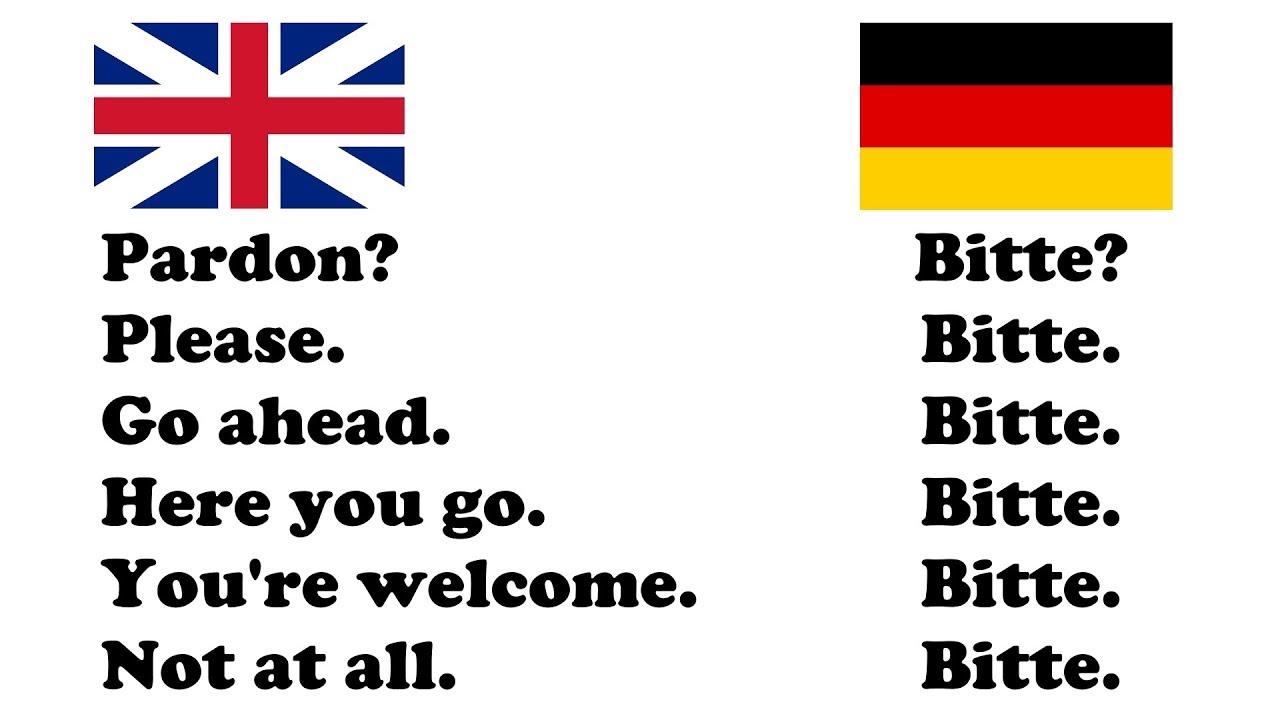
 wicked nova
blissful wigeon
Can sb explain me how should i do it?
wicked nova
blissful wigeon
Can sb explain me how should i do it?
you must fill in prepositions (like zu, gegen, mit) and write articles and endings
long whale
blissful wigeon
Its a "verben mit präpositionen übung"
Yes. And those are fixed. -> go look up the verbs in a dictionary, e.g. https://de.pons.com/übersetzung/deutsch-englisch/vorbereiten
Alternatively, check >faq Verb prepositions in #botchannel
blissful wigeon
"Wir müssen uns auf die reise nach prag vorbereiten"
is it correct for first sentence?
and can you do the 2nd sentence for me i couldn't make it
long whale
blissful wigeon
"Wir müssen uns auf die reise nach prag vorbereiten"
That's correct, yes.