#questions-2
1 messages · Page 16 of 1
 fervent kernel
Danke
 whole portal
Annäherungsverbot = restraining order for example
 manic stream
Hi. I have my B2 Goethe examination on 27th. Do you guys have any tips 👀🥲
 long whale
der Annäherungsversuch = a guy trying to pick up a girl
fervent kernel
long whale
der Annäherungsversuch = a guy trying to pick up a girl
Approaching attempts 😄
whole portal
Not that any girl has approached me so far 😔
fervent kernel
That might be the why 😄
fervent kernel
fervent kernel
Approaching attempts 😄
The message order mixed up. I meant, this might be the reason, that wasn't the response to your message 😅
 rugged hazel
No translation exists
 hidden tinsel
What's the difference between zb2 and b2/j in osd???
long whale
hidden tinsel
What's the difference between zb2 and b2/j in osd???
Please don't post the same question in more than 1 channel - just re-post in the same if it doesn't get answered. ;) Also, perhaps you could post a link to where you found this, or at least provide some context?
Ah - it's ÖSD - "z" = Zertifikat/certificate; b2/j = Jugendliche (14 - 17 years old)
@hidden tinsel
 junior flame
I read a german text where a man was saying this sentence: "Ich kann Euch nicht verstehen.".
Although he was addressing only one person he used 'Euch' and that too with capital 'E'. Why this?
long whale
junior flame
I read a german text where a man was saying this sentence: "Ich kann Euch nicht ...
It's either a very old text, or it's fantasy/a fairy tale, right? It's an obsolete, very respectful form of address, used to be used for social superiors, even the king/queen.
 stable pawn
Can someone help me understand this sentence? “Daß das der” is really tripping me up
 long whale
stable pawn
Can someone help me understand this sentence? “Daß das der” is really tripping m...
long whale
stable pawn
Can someone help me understand this sentence? “Daß das der” is really tripping m...
You know about "dass" (that), right? "das" = this/that; "der [nächste Schritt] = def. article (the)
Does that help?
stable pawn
So what is “das” referring to?
stable pawn
So in the independent clause starting with “daß”, “der nächste Schritt” would be the subject, right? What would “das” be acting as?
Achhh ich sehe jetzt
Vielen Dank @long whale & @whole portal
 proven sphinx
stable pawn
So in the independent clause starting with “daß”, “der nächste Schritt” would be...
proven sphinx
stable pawn
So in the independent clause starting with “daß”, “der nächste Schritt” would be...
By the way, "daß" is no longer correct after 1996. It's been superseded by "dass".
 flint nimbus
is this a good translation of "can you please repeat the first thing you said?"
Kannst du bitte wiederholen das erste Sache du gesagt hast?
wait! let me make a change
ok, now
whole portal
Kannst du bitte das Erste/die erste Sache, die du gesagt hast wiederholen?
flint nimbus
i see
 sleek pulsar
How does one say „Tell me about X” in German, ie "tell me about where you're from"?
 pastel shore
sleek pulsar
How does one say „Tell me about X” in German, ie "tell me about where you're fro...
pastel shore
sleek pulsar
How does one say „Tell me about X” in German, ie "tell me about where you're fro...
You will probably want to check the verbs "Erzahlen" & "Sagen". Also: "where you're from?" = "woher kommst du"
sleek pulsar
Ok, danke sehr!
 timid vector
pastel shore
You will probably want to check the verbs "Erzahlen" & "Sagen". Also: "where you...
timid vector
pastel shore
You will probably want to check the verbs "Erzahlen" & "Sagen". Also: "where you...
erzählen*
also in this context it would be "woher du kommst"
Sag mir bitte nochmal, woher du kommst?
or with the other
Erzähl mir, woher du kommst
first being more like tell the information and 2nd being more about describing it I would say but maybe my intuition isn't the best for that
 nimble viper
Wann sagt man wirklich “Anzeige ist raus”
rugged hazel
nimble viper
Wann sagt man wirklich “Anzeige ist raus”
Maybe you could say it instead of "Ich habe XY angezeigt", but it's more of a joke saying by young people
(i.e. nobody ever says it)
If you mean when to use it in a joking way: Three parties exist, one is abiding by every single rule and overly strict in the eyes of the second party, which has no problem with breaking smaller rules not taken seriously even by the third party which is neutral. In a general sense, the first party notices the second breaking such a rule / moral code or similar and overreacts (according to party two) by threatening to sue (anzeigen) party two. Party two is making fun of party one by using their own slang/colloquial speech ("Anzeige ist raus") to represent party one between each other, without party one ever actually interacting with party two for the specific rule-breaking
nimble viper
rugged hazel
Maybe you could say it instead of "Ich habe XY angezeigt", but it's more of a jo...
Wow what a niche use! Saw someone type it in a comments section to a reel with hundreds of likes and I had no idea why the comment was so popular
So Party two is making fun of party one with this statement because it supposedly fools party one into thinking they have achieved something?
rugged hazel
nimble viper
So Party two is making fun of party one with this statement because it supposedl...
They make fun of the perceived overcorrectness of 1
2.a Walks across the street when no cars are present but the light is red.
2.b. "Anzeige ist raus!"
1 is not present
it's not as complex as you think with fooling 1 or something. it's really dumb
long whale
Side note if anyone's interested: jdn anzeigen; Anzeige gegen jdn erstatten = to report somebody to the authorities/police
fervent kernel
Good morning 🙂 I would like to ask 2 questions about justice and laws.
- I am looking for a translation of "defence", but this is not like "defending an area". It is more like: someone accuses another person and the other person "defences" themselves. In English, it is also possible to say "come back" (more casual). So, I'm just wondering if these sentences are correct.
"Er hat sich gegen Anklagen verteidigt" (defence)
"Was ist dein Zurückkommen?" (come back)
- I also wanna ask if these translations are correct because "accusing" someone or "charge" someone might change depending on the situation, casual or formal.
"anschuldigen" - "accuse" (die Anschuldigung)
"beschuldigen" - "blame" (die Beschuldigung)
"anklagen" - "charge" (die Anklage)
And I believe, "anklagen" is the most formal one?
long whale
fervent kernel
Good morning 🙂 I would like to ask 2 questions about justice and laws.
- I am ...
- jdn/etwas verteidigen works for all: defending a country/place, oneself (sich) against any kind of attack (verbal or physical) and also for lawyers. The other one (come back) doesn't.
- jdn [einer Sache (Genitiv)] anschuldigen/beschuldigen mean the same (to accuse). I believe jdn [einer Sache (Genitiv)] anklagen is really only used in the context of court proceedings.
@fervent kernel
long whale
Also, there is a very long list of more or less colloquial synonyms for jdn/sich verteidigen.
long whale
fervent kernel
anklagen is the more formal one then if it's used in courts
Nothing to do with formal/informal (in English and in German, at least to my knowledge). I can accuse you basically of anything (if I'm crazy enough). It depends on whether the DA/der Staatsanwalt decides there is reason to charge you whether you actually get charged (Anklage erheben).
fervent kernel
Danke 🙂
 slate salmon
Hello!:) Did I write this correctly? This sounds a bit off. "Um ein Kind zu erziehen, braucht es zwei Personen."
 verbal girder
i was thinking about benötigt but whado iknow 🤷♂️
 wise pendant
slate salmon
Hello!:) Did I write this correctly? This sounds a bit off. "Um ein Kind zu er...
wise pendant
slate salmon
Hello!:) Did I write this correctly? This sounds a bit off. "Um ein Kind zu er...
Yes you did
slate salmon
wise pendant
Yes you did
Thank you!
slate salmon
What about this sentence? " Ich hoffe nur, dass nichts Schlimmes daraus manifestiert"
long whale
slate salmon
What about this sentence? " Ich hoffe nur, dass nichts Schlimmes daraus manifest...
No. "sich manifestieren" is the wrong verb. "aus etwas resultieren" would work, so would "bei etwas herauskommen" (for example)
slate salmon
Thanks!
rugged hazel
Is there a difference between using benötigen and brauchen that matters though?
slate salmon
long whale
No. "sich manifestieren" is the wrong verb. "aus etwas resultieren" would work, ...
"Ich hoffe nur, dass dabei nichts Schlimmes herauskommt." would work?
long whale
slate salmon
"Ich hoffe nur, dass dabei nichts Schlimmes herauskommt." would work?
Yes. :)
long whale
rugged hazel
Is there a difference between using benötigen and brauchen that matters though?
IMO, "benötigen" would not really work in OP's sentence. "nötig sein" would work, though.
I don't know whether other native speakers would feel differently, but to me, it would sound quite... strange if you said "Man benötigt zwei Personen, um ein Kind zu erziehen". As if raising a child were like making soup: you need X ingredients, you know?
long whale
rugged hazel
I thought "Es braucht 2 Personen" sounds fine too
Yes, of course it's fine. :) (I was just thinking about your question/possible alternatives.)
 dreamy fern
Hello, I have a little question about deutsch pronouns: I don't understand when I ought to use "mein, dein", I mean possessive pronouns without alterations.
Muss man "meinen Löffel" oder "mein Löffel" sagen ? für mascl. Dativ ?
Because I have a german list of pronouns where they never mention usage of mein, dein, indeed all the possibilities (all cases with all pronouns) are, I believe, matched with mein+alteration or dein+alteration etc.. : as I mentioned, for mascl. Datif there is "mein+en"
However on other sources I can see
"Das ist mein Löffel."
dreamy fern
On both my book and websites it is written meiner for Nominative
 tardy shadow
Meiner cannot be nominative
tardy shadow
dreamy fern
Hello, I have a little question about deutsch pronouns: I don't understand when ...
Here are the declensions of Löffel: https://www.verbformen.com/?w=Löffel
Declension of noun „Löffel“: in plural, genitive, all cases, ... with examples, definitions, translations, speech output and downloads.
You use dein and mein etc. either for nominative masculine/neuter or accusative neuter
dreamy fern
Ok thanks, don't worry it was just my book saying to me to use meiner for Nominativ masculine
I 'll dump it x)
tardy shadow
I think masculine and neuter conjugate the same way for dative and genitive but I'm not sure
dreamy fern
Oh, I have another question I you don't mind
tardy shadow
dreamy fern
Ok thanks, don't worry it was just my book saying to me to use meiner for Nomina...
Is it in a sentence
dreamy fern
no it's a list
tardy shadow
dreamy fern
Oh, I have another question I you don't mind
Go ahead and ask
 opal narwhal
"meiner" can be Nominativ, but only as a pronoun
tardy shadow
Oh, you mean at the start of a clause?
dreamy fern
opal narwhal
"meiner" can be Nominativ, but only as a pronoun
oh, so it can be a pronoun or an article
opal narwhal
tardy shadow
Oh, you mean at the start of a clause?
No, I mean when there is no noun after it
dreamy fern
Ok I'm confuse now
tardy shadow
opal narwhal
No, I mean when there is no noun after it
Isn't that for feminine nouns though
opal narwhal
Mein Löffel ist grösser als dein Löffel. / Meiner ist grösser als deiner.
tardy shadow
Oh no if it's nominative right
If it's dative it would be meiner for a feminine noun
But since it's nominative it's nominative for a masculine noun
opal narwhal
tardy shadow
Nominative* lol I disclosed it in the same sentence
Oh, OK, then yes 😉
dreamy fern
opal narwhal
Mein Löffel ist grösser als dein Löffel. / Meiner ist grösser als deiner.
So it's as the difference between my and mine ?
opal narwhal
dreamy fern
So it's as the difference between my and mine ?
Exactly!
tardy shadow
Ye
opal narwhal
dreamy fern
I'm so stupid
You are not stupid, you are learning. It is normal to make mistake and be confused
tardy shadow
My bad for saying it cannot be nominative
I forgot it exists in the sense of "mine"
dreamy fern
tardy shadow
Go ahead and ask
I understand why we use accusativ for "Ich freue mich"
so why do we use dativ for "Es geht mir" ?
tardy shadow
It's a nuance
It (my day or whatever) goes to me
It tells you to whom of importance is the verb
dreamy fern
But if I say "Es freut mich" (the day please me), isn't it the same nuance as "Es geht mir" ?
tardy shadow
No because the verb freuen apparently takes an actual, accusative object
You could say "es geht" and continue the sentence without using "mir" to refer to how the day went for you
It's just a nuance in this case I believe
dreamy fern
But gehen doesn't always takes an dativ object right?
tardy shadow
It doesn't take any object at all as far as I am aware
You can always use dative pronouns to add this nuance of importance to somebody
Unless the verb actually uses it for something
dreamy fern
tardy shadow
You can always use dative pronouns to add this nuance of importance to somebody
Can you share an exemple please ?
dreamy fern
Oh and tut is for tun I guess ?
tardy shadow
Yes
dreamy fern
Thanks I think I understand better know, is the "nuance" tantamount of increasing the importance of the "action" of the sentence ?
tardy shadow
With gehen you might have also learned "Wie geht's?" ("How's it going?") or the full sentence "Wie geht es dir?" ("How is it going for you?")
tardy shadow
dreamy fern
Thanks I think I understand better know, is the "nuance" tantamount of increasin...
Or relevance/reference. It's of some importance to the referred, of course
dreamy fern
And when you say "You can always use dative pronouns to add this nuance of importance to somebody" you mean I can always use it ?
tardy shadow
No I think it's more colloquial with some verbs over others
Also doesn't really work when a verb uses the dative case for something but honestly I think the idea is the same when it's a proper, grammatical case for a verb's object
dreamy fern
ok so for instance "er hat mich getocht" cannot be turned into "er hat mir getocht" ?
It's more an error than an attempt to get a nuance out of it ?
tardy shadow
For example with geben: "Ich gebe dir das Bild" ("I'm giving you the painting"), it wouldn't matter to you or refer to you at all being the one who got the painting which I gave
dreamy fern
So in your case (with geben) it works ? That's what you mean right ?
tardy shadow
dreamy fern
ok so for instance "er hat mich getocht" cannot be turned into "er hat mir getoc...
I'm not familiar with the verb
dreamy fern
I wanted to use töten
tardy shadow
dreamy fern
So in your case (with geben) it works ? That's what you mean right ?
The verb geben properly needs a dative object if I want to express to whom the accusative object is given
dreamy fern
but I used another verb by mistake
dreamy fern
tardy shadow
The verb geben properly needs a dative object if I want to express to whom the a...
Cool to know, thanks
dreamy fern
dreamy fern
ok so for instance "er hat mich getocht" cannot be turned into "er hat mir getoc...
wanted to say "er hat mich getötet" , can it be turned into "er hat mir getötet"
tardy shadow
I think the nuance works in the verb nehmen, for example, which means "to take", in which case I'm expressing to whom or for whose sake the accusative object is taken
Ich nehme mir Eis - I'm taking ice for me
tardy shadow
dreamy fern
wanted to say "er hat mich getötet" , can it be turned into "er hat mir getötet"
I think with the dative it's like "he died on me"
dreamy fern
But didn't you say that with Dativ, the action is emphasised but not the one who receive ?
dreamy fern
tardy shadow
I think with the dative it's like "he died on me"
Oh x)
tardy shadow
dreamy fern
But didn't you say that with Dativ, the action is emphasised but not the one who...
The one to whom the verb is of importance is how I like to describe the nuance
tardy shadow
tardy shadow
I think with the dative it's like "he died on me"
Well, no, sorry, "he's killed for me"
Not really "for my sake", maybe like a soldier killing without being commanded to do so
Kind of passively for someone, you know?
Like "oops I did it and you care about it"
dreamy fern
I think I understand your examples with "mir", but the one with the painting seems a little hard to me: because you said no matter who is the one receiving the painting (it would be all the same coz here it emphasis the one who give it), but isn't it the dativ objective to emphasis whom receive the painting ? because the one marked with the dativ ist dich->dir
tardy shadow
Ye, the dative object of geben is the recipient
This is who I like to call the one for whom the action is relevant after it's done
I'm giving it. You're of relevance to it, because I'm giving it to you
dreamy fern
And you mean it's the same one who is being more important with dativ ? ( the one for whom the action is relevant after it's done)
tardy shadow
Yeah that's how I take it
It's a lot more direct with geben because it always refers to the recipient of the action of giving
It's like the meaning of the dative object for this verb
dreamy fern
So it end up I just did'nt understood your explanation with the painting 🙂
Thank you for your explanations !
tardy shadow
Das Bild - the painting
It's a noun
With geben I like to think the meaning of the indirect object, which is expressed with the dative case, has been fixed
To mean the recipient
tardy shadow
With the verbs sagen/erzählen, the dative object is also the recipient of what is said
dreamy fern
Nice, when there is an object and a recipient, and both are persons the dativ is to add importance for who ? the recipient I would have said.
But I saw the sentence : "Sie Schicken dir ein Agent."
And maybe I'm wrong but isn't the Agent the important one here ? even though the recipient dir is marked with the dativ
 pliant widget
Reading this makes me feel like I'm in German class 😨
 delicate tiger
dreamy fern
But I saw the sentence : "Sie Schicken dir ein Agent."
delicate tiger
dreamy fern
But I saw the sentence : "Sie Schicken dir ein Agent."
"Sie schicken dir einen Agenten."
dreamy fern
How did you know it was einen Agenten ?
opal narwhal
@dreamy fern To make it simple (if you know well you French Grammar): Akkusativ = COD / Dativ = COI. It doesn't always work, but most of the time 😉
dreamy fern
Yep
pliant widget
dreamy fern
How did you know it was einen Agenten ?
I actually never think about why I use that haha
Bauchgefühl
dreamy fern
opal narwhal
<@477460871959019540> To make it simple (if you know well you French Grammar): A...
Okkkk
I'm so confused
I understand now, it's just a normal sentence
opal narwhal
Yes
dreamy fern
And I understand too that it is akkusativ mascl therefore we need to use einen
but how did the +en happened on Agent
opal narwhal
It's a special declension (n-Deklination)
opal narwhal
dreamy fern
But isn't it einen Vater ? (akk mscl)
It is. But some nouns are declined differently (n-Deklination), there are only few (Agent, Student, Nachbar, etc.)
tardy shadow
Name too?
long whale
tardy shadow
Name too?
Yes.
 plain umbra
dreamy fern
but how did the +en happened on Agent
plain umbra
dreamy fern
but how did the +en happened on Agent
faq weak nouns
 stoic mauveBOT
Weak Nouns
Weak nouns are called this way because they receive the same endings as adjectives inflected with weak endings. They take an additional ending -n in every case except nominative singular. This is also known as N-Declension and affects almost exclusively masculine nouns.
Nominativ: der Junge, die Junge__n__
Genitiv: des Junge__n__, der Junge__n__
Dativ: dem Junge__n__, den Junge__n__
Akkusativ: den Junge__n__, die Junge__n__
Some nouns end with a suffix -en to make the pronunciation easier:
der Mensch, den Mensch__en__
‼ Das Herz is the only non-masculine (neuter) noun with N-Declension❣
So how do we recognize these nouns? We can divide them into 3 big groups:
- nouns of Greek and Latin origin,
- nouns ending with
-e(most of these refer to people or animals), - other random German nouns (Mensch, Herr, Student, Nachbar, Prinz etc.)
Another way to divide the groups could be:
- nouns denoting male beings in general (der Bauer, der Knabe, der Herr, der Junge, der Kunde etc.)
- nouns indicating nationality or religious affiliation (der Chinese, der Russe, der Türke, der Jude, der Katholik, der Protestant)
- nouns designating male beings and ending in the foreign suffixes (
-ant,-arch,-ast,-ege,-ent,-ist,-oge,-om,-oph,-ot: der Kollege, der Student, der Psychologe, der Polizist, der Philosoph)
‼ der Käse and words ending with -ee aren’t weak nouns.
Genitive of Weak Nouns
You might have noticed from the examples above that weak nouns don’t have the additional -s in genitive like other masculine nouns.
Some exceptions are das Herz and nouns of group 3 that don’t refer to people nor animals (Name, Wille, Glaube, Buchstabe etc.), which take both the -n and -s endings.
Example: der Name, des Name__ns__.
plain umbra
This may be helpful.
plain umbra
dreamy fern
And maybe I'm wrong but isn't the Agent the important one here ? even though the...
Dative has nothing to do with adding importance to anything, btw. It simply shows what part of the sentence the noun is being used for. So in "es geht mir gut" for example, dative just shows the person whose wellbeing you're describing. You don't have to really know why it's dative - in this case it's pretty much just idiomatic and you can memorise it. Later you will learn some grammar concepts where the case follows a rule, but in this one, you don't really have to think about it too much as long as you can remember it.
dreamy fern
Thanks a lot
"Du musst mir helfen, es rechzeitig zur Party zu schaffen" apparently means "You need to help me to arrive on time at the party"
But when I search for schaffen meaning
There is all but the "arrive" meaning, am I understanding something wrong ?
maybe if I turn it like "make it on time to the party"
Because schaffen also means create, so maybe make ?
plain umbra
dreamy fern
Because schaffen also means create, so maybe make ?
Yes, it's similar to "make" in the sense of reaching/achieving something.
And it can be used like this to expressing "making it on time" to something.
Rechtzeitig is part of that.
dreamy fern
Awesome, thank you again
flint nimbus
Um wen kümmerst du dich, Harry?
Ich kümmere um den Pinguin.
why isn't kümmern reflexive in the answer?
also should kümmern sich um be generically translated to take care of?
opal narwhal
flint nimbus
> Um wen kümmerst du dich, Harry?
> Ich kümmere um den Pinguin.
why isn't kümme...
Normally, it should be: Ich kümmere mich um den Pinguin.
flint nimbus
maybe just a mistake from the course makers then
opal narwhal
It's possible
 near folio
flint nimbus
> Um wen kümmerst du dich, Harry?
> Ich kümmere um den Pinguin.
why isn't kümme...
near folio
flint nimbus
> Um wen kümmerst du dich, Harry?
> Ich kümmere um den Pinguin.
why isn't kümme...
also should kümmern sich um be generically translated to take care of?
Ja genau, oderto look after sth.
 bleak leaf
hallo
flint nimbus
how flexible is the word schmecken? On wiktionary it seems only to be of the form "Das schmeckt.. (gut)", that is, noun tastes adjective. But I think i've seen the reverse as well: Ich schmecke den Reis gut? "i taste the rise good"?
long whale
flint nimbus
how flexible is the word schmecken? On wiktionary it seems only to be of the for...
I don't think you can have seen it, because it doesn't work. What you may have seen is "Ich schmecke den Reis ab" - "abschmecken" = to correct the seasoning, i.e. you try a little bit of a dish and then add more salt/sugar/spices/lemon - whatever. Does that help?
flint nimbus
long whale
I don't think you can have seen it, because it doesn't work. What you may have s...
it does help insofar as i'll just ignore the thing that didn't make sense 🙂
 undone verge
flint nimbus
how flexible is the word schmecken? On wiktionary it seems only to be of the for...
undone verge
flint nimbus
how flexible is the word schmecken? On wiktionary it seems only to be of the for...
perhaps you were thinking of 'mir schmeckt der Reis gut' ?
long whale
flint nimbus
it does help insofar as i'll just ignore the thing that didn't make sense 🙂
Ah - there is one other thing: Ich schmecke X [heraus] - I can taste X (my taste buds recognize X; X being some ingredient )
long whale
undone verge
perhaps you were thinking of 'mir schmeckt der Reis gut' ?
Typo: der
undone verge
I'll raise you 20 'typos' and an aneurism 😎
flint nimbus
maybe... so in "Peter schmecken die Tomaten gut", that's what's going on? Peter is dative?
undone verge
yes 🙂 and I believe it's die Tomaten
flint nimbus
wait
yes
my bad
ok let's see then, what are we doing then
so normally the one tasting, would be in nominative, right?
or not mentioned at all?
undone verge
hmmm...in this case though it is not the 'person' tasting, but rather the thing being eaten that 'has a taste'
flint nimbus
usually only the thing tasted is mentioned, like in "das Bier schmeckt sehr gut", there is no mention of to whom it tastes good
undone verge
but yes, that is right how you've described it
flint nimbus
so in "Peter schmeckt das Bier sehr gut", we're basically saying the same thing, except we're adding Peter as the one tasting
long whale
flint nimbus
usually only the thing tasted is mentioned, like in "das Bier schmeckt sehr gut"...
Well - depends on what you're trying to say. Does it generally taste good? Can you recommend it? Or do you like it (mir)?
flint nimbus
undone verge
no, Peter is not tasting
oh right! but he's the receiver of the taste i suppose then
undone verge
yeah exactly
long whale
flint nimbus
so in "Peter schmeckt das Bier sehr gut", we're basically saying the same thing,...
And again, Bier is singular -> verb form!
flint nimbus
oh right
there
this will only take nominative and dative then right
i've noticed it's quite common for dative verbs to also take an adjective
or be able to anyway
like in this case, it's possible to add "sehr gut", connecting it directly to the verb
long whale
-> adverbial use of adjective ;)
flint nimbus
so when there's dative and nominative like this, we always write the dative before the verb? or could we have written Das Bier schmeckt Peter gut?
long whale
flint nimbus
so when there's dative and nominative like this, we always write the dative befo...
Yup, fine.
flint nimbus
no general rule of thumb there, just the wild west?
oh no i know what you're gonna say!
put the thing first that you want to emphasize the most
long whale
flint nimbus
no general rule of thumb there, just the wild west?
The rule is the same as always: [conjugated part of the] verb in 2nd position in a main clause.
flint nimbus
well sure, the v2 is of course there, but sometimes there are guidelines or rules for which case comes before which
long whale
flint nimbus
well sure, the v2 is of course there, but sometimes there are guidelines or rule...
Yes, but almost anything can be in Pos. 1 (except for unstressed particles, and "es" in Akkusativ)
(At least, those are the exceptions I'm aware of)
flint nimbus
ok thanks ya'll!
 sullen sphinx
Wir gehen tanzen. and Deine Freunde surfen gern.
Why are both of these valid sentences. I cant figure out the verb order
long whale
sullen sphinx
Wir gehen tanzen. and Deine Freunde surfen gern.
Why are both of these valid se...
Where's the problem?
sullen sphinx
I don't understand which verb goes where
long whale
And it's in Pos. 2, as per usual.
sullen sphinx
How is gehen not a verb?
long whale
sullen sphinx
How is gehen not a verb?
Oh, oops. 😄 Yes. You can use "gehen" in the sense of "... going to + verb". But only if you're actually going somewhere.
sullen sphinx
what about gern I dont understand why gern surfen is wrong
verbal girder
because the verb has to be in the 2nd position in a normal clause
long whale
sullen sphinx
what about gern I dont understand why gern surfen is wrong
"gern" is an adverb. If you put it before the verb, the verb won't be in Pos. 2 anymore.
sullen sphinx
hmm thought to like would be a verb
long whale
sullen sphinx
hmm thought to like would be a verb
It will sound odd/awkward, but it's better if you think of "gern" as "gladly"...
verbal girder
with pleasure describes the circumstances on which something happens
 steel patrol
I just heard a native speaker say in a podcast episode "...und btw, in 4 Jahren habt ihr zwei Kinder und sind glücklicher dann je."
Why "dann", not "als"? 😱
long whale
steel patrol
I just heard a native speaker say in a podcast episode "...und btw, in 4 Jahren ...
denn, not dann
steel patrol
long whale
d**e**nn, not ~~dann~~
Ohh, ok. But still, why that rather than "als"? 😄
long whale
steel patrol
Ohh, ok. But still, why that rather than "als"? 😄
Doesn't matter. 🤷 glücklicher als je zuvor = denn je zuvor
steel patrol
long whale
Doesn't matter. 🤷 glücklicher als je zuvor = denn je ~~zuvor~~
So with "zuvor" we need to use "als", and without it it's "denn"? Just checking I got it.
long whale
(I see DWDS has an example with "als je" (without "zuvor") which sounds/looks a little odd to me, but, oh, well...)
Last examples under 1. https://www.dwds.de/wb/je
@steel patrol
steel patrol
long whale
Last examples under 1. https://www.dwds.de/wb/je
This one here? I may be a little lost, sorry.
 long whale
steel patrol
This one here? I may be a little lost, sorry.
long whale
steel patrol
This one here? I may be a little lost, sorry.

It's right at the bottom now.
No, directly under 1 - you need to click on ... 7 weitere Beispiele
steel patrol
steel patrol
So with "zuvor" we need to use "als", and without it it's "denn"? Just checking ...
Alright, I see it now, thank you. Could you please though confirm if my summary/understanding of your previous message was right? (The one I've linked to here) - just to be super sure. 
@long whale
long whale
steel patrol
So with "zuvor" we need to use "als", and without it it's "denn"? Just checking ...
No, apparently, I was mistaken: both work for both: als je [zuvor] = denn je [zuvor]
Duden says: es ging besser denn/als je [zuvor]
Note to self: must ALWAYS double check. sigh
@steel patrol
steel patrol
Nono, but if it sounds better/more natural to you with "zuvor" then that's what I'm really after (and I'll just keep what Duden says at the back of my mind as a possibility). @long whale
I know that this was more questions than normal, my apologies. Thank you very much though for the help as always!
 terse junco
Hallo! This is not a language question - I'm a musician from Australia looking to move to Germany for a time, what cities should I check out for a strong local music scene?
Any help would be greatly appreciated but no dramas if I'm in the wrong place
steel patrol
terse junco
Hallo! This is not a language question - I'm a musician from Australia looking t...
It might be best for you to ask in #1033125270217048246 :)
terse junco
Thanks very much I'll copy it there
flint nimbus
what word form would you use on like a self-directed todo-list? Like "learn 100 german words, finish 4 Nicos Weg lessons"
i think in english i might just be using a kind of generalized imperative? So maybe 3rd person singular imperative for german?
undone verge
'100 deutsche Wörter lernen'
long whale
flint nimbus
i think in english i might just be using a kind of generalized imperative? So ma...
3rd person sg does not have an imperative. ;) Just use the infinitive - yes, see above.
undone verge
this is the german 'generalised imperative'
flint nimbus
long whale
3rd person sg does not have an imperative. ;) Just use the infinitive - yes, see...
oh i meant 2nd person, my bad, but yes, i'll use the "generalized imperative"!
cool!
just some common todo entries then:
start lesson 10
Unterricht 10 anfangen.
finish lesson 10
Unterricht 10 beenden
Do chapter 5
Kapitel 5 machen/tun
do these work?
long whale
flint nimbus
just some common todo entries then:
> start lesson 10
> Unterricht 10 anfangen.
...
🤔 "der Unterricht" = a lesson in class/with a teacher
beende is missing its ending
flint nimbus
thanks
undone verge
Lektion instead of Unterricht, beenden
Kapitel 5 machen, not tun
flint nimbus
what would like a Nicos Weg lesson be called then?
long whale
"do chapter X" - I'd use durcharbeiten, I think.
long whale
flint nimbus
what would like a Nicos Weg lesson be called then?
See the post by hallö above yours. ;)
flint nimbus
ah!
i missed it because Lektion is exactly the swedish word i think, so it just blended into the text as "word i already know"
this is great thanks ya'll! I'm sure i'll come back with some more similar questions, it's satisfying to let german take over a small part of one's life and actually used as it's practiced, rather than just practiced in a lesson
 odd dawn
"Er ist mit der Antwort nicht ganz zufrieden, doch wenigstens wurde ihm geholfen und dafür zeigte er ihnen keinen Dank."
Hab ich das richtig geschrieben?
 autumn marsh
it's hard to say if it's correct not knowing what you actually want to say, but it works grammatically yes
it's likely that "wenigstens" is not the word you want to use there, it's more likely that what you want to use is "immerhin" or "zumindest", but without knowing what you want to say it's hard to tell
odd dawn
autumn marsh
it's likely that "wenigstens" is not the word you want to use there, it's more l...
"He is not satisfied with the answer, but at least he was helped and he didn't even thank them for that."
autumn marsh
it's the "doch" thats feels weird with "wenigstens", imo that works better with: "immerhin", while "wenigstens" would work using "aber" instead
autumn marsh
odd dawn
"He is not satisfied with the answer, but at least he was helped and he didn't e...
yea in that case use "aber" instead of "doch" imo
i can't say your version doesn't work but it sounds bad :>
(for me)
odd dawn
autumn marsh
yea in that case use "aber" instead of "doch" imo
i can't say your version does...
So aber + wenigstens, but doch + immerhin/zumindest. So it has to do with the way it sounds, not with the meaning itself. Is it something like formal versus informal?
autumn marsh
odd dawn
So aber + wenigstens, but doch + immerhin/zumindest. So it has to do with the wa...
it seems to me that it's only a matter of my own preference here, nothing else
problem is, natives can use language intuitively but sometimes if you think to hard, too long, you confuse yourself :>
i'd say you can just leave it as it is
but i'd have written it with "immerhin2
odd dawn
Oh, got it! Thank you, @autumn marsh!
long whale
odd dawn
So aber + wenigstens, but doch + immerhin/zumindest. So it has to do with the wa...
I feel everything works with everything else in this context: aber/doch wenigstens/immerhin/zumindest 🤷
autumn marsh
see, susana sees it differently, so just go with your version 👍
odd dawn
So it's preference. I see. I thank you two! 🙂
My question was actually about whether Dank zeigen works or not. German is interesting, but unpredictable. 🙂
flint nimbus
gonna re-ask the questions here instead for visibility and remove the original buried ones:
First, is Brei the most straight forward translation to porridge? I get Grütze as another option
Second, the verb googeln has 3 alternatives for the ich-form in wiktionary: google, googele, googel. Which one do you think is most common/will win out over time?
 gusty silo
Brei is probably the best translation of porridge, it's atleast completely adequate (i don't know when the last time i've said Grütze even is)
i don't really get the thing with googeln, words can just have multiple variants in parallel?
the thing with -ele~el~le is that in native verbs with the iterative -eln, those alternate as well (due to the way phonology and grammar intersect there). i might wager a guess that retaining the first e in googeln could be more common then it is in some native verbs in -eln, because the -el there is part of the root of the word (the thing is not called Goog after all and in english -le is pronounced -el anyway), and not merely an ending
but that guess is based on precisely nothing 🤷
 brazen steppe
Hallo, ich suche nach einem Sprachpartner B2+ C1, C2 oder Muttersprachler, um Gespräche zu führen.
fervent kernel
Viel vs viele is masculine and feminine right?
 charred harbor
No
It's about countability
Uncountable nouns use "viel" and countable nouns use "viele" (that's the gist, anyway)
fervent kernel
charred harbor
Uncountable nouns use "viel" and countable nouns use "viele" (that's the gist, a...
danke!!
charred harbor
fervent kernel
danke!!
You can think of it like "much" vs "many" in English
fervent kernel
Do you know an example of how es gibt is used?
flint nimbus
gusty silo
but that guess is based on precisely nothing 🤷
more than good enough for me! I'll go with Brei and googele then
googele also fits the pattern of all of the other conjugations, so it really does make the most sense to me
brazen steppe
Hallo, ich suche nach einem Gesprächspartner
sleek pulsar
Ich habe eine Frage über ein Songtext: warum ist der Lyric „Und deine Freundin die hat niemals für dich Zeit.” und nicht „sie hat niemals für dich Zeit”? Danke in Voraus
Das Lied ist „Schrei nach Liebe” von Die Ärzte
verbal girder
theres a comma after freundin and die here means "that"
actually idk thats supposed to be a relativsatz -> nebensatz which yours isnt
whole portal
Comma is missing, yes.
verbal girder
well then shouldnt the verb also be at the end?
whole portal
word order is unusual, yes, not sure if it's "wrong" tho tbh
long whale
verbal girder
well then shouldnt the verb also be at the end?
There is definitely a comma missing, just like yoshi said. However, I'm not sure it is in fact a relative clause - because yes, the verb ought to be at the end...
long whale
whole portal
word order is unusual, yes, not sure if it's "wrong" tho tbh
No, feels right to me, but doesn't "feel" like a relative clause to me - or if it is, it must be a kind of special subset... 🤔
whole portal
Yeah
"Deine Freundin hat niemals für dich Zeit." looks fine to me tho so why not relative
long whale
whole portal
"Deine Freundin hat niemals für dich Zeit." looks fine to me tho so why not rela...
rushing back from reading the wikipedia entry Because there is not a single example under Relativsatz which looks in the least like the above sentence...
whole portal
Idk it's a specification of the subject and then a sentence using it with a relative die, maybe there's a special name for it
long whale
@rugged hazel Please, could you have a look at the above conversation, from #questions-2 message - ?
rugged hazel
ok
Ah I think I know
Let's cut off the conjunction:
Deine Freundin, die hat niemals für dich Zeit.
What is "die"? It's a demonstrative pronoun ( Korrelat )
Deine Freundin hat niemals für dich Zeit.
This is a form of movement called Topicalization
It is not relative since the verb position is wrong. Relative would be:
Deine Freundin, die niemals Zeit für dich hat
@long whale @sleek pulsar
More specific; Linksversetzung
https://de.wikipedia.org/wiki/Topikalisierung?useskin=vector
Als Topikalisierung (abgeleitet von dem aus dem Englischen stammenden Begriff topic) bezeichnet man in der Sprachwissenschaft eine Voranstellung eines Satzteils, die normalerweise die Funktion hat, den Satzteil als Topik zu kennzeichnen, d. h. als Information, die im Kontext schon bekannt ist.
In der Grammatik des Englischen ist Topikalisierung...
long whale
Ah, thanks a lot!
dreamy fern
Since the verb position is wrong, is the sentence wrong ?
Or is wrong for a relative one
rugged hazel
The latter
long whale
dreamy fern
But what else ?
Please read up a little. ;)
dreamy fern
Oh maybe it's the thing you call topikalisierung
rugged hazel
👍
rugged hazel
It's not a secondary clause or anything
verbal girder
so its written like this for purpose of rhythm?
rugged hazel
In that context, a popular song that uses topicalization: https://www.youtube.com/watch?v=_gLxtIGWd7A
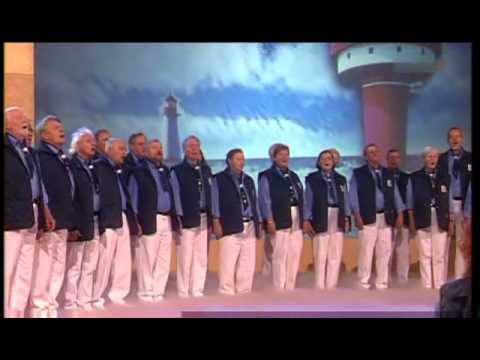
Husumer Shanty-Chor - Eine Seefahrt die ist lustig 2010
Eine Seefahrt, die ist lustig,
Eine Seefahrt, die ist schön,
denn da kann man fremde Länder
und noch manches andere sehn.
Hol-la-hi, hol-la-ho,
Hol-la-hi-a hi-a hi-a, hol-la-hi-a hol-la-ho.
Hol-la-hi, hol-la-ho,
Hol-la-hi-a hi-a hi-a, hol-la-ho.
In der Rechten einen Whiskey,
I...
long whale

Provided to YouTube by The Orchard Enterprises
Macky-Messer (Die Moritat von Mackie Messer) · Hildegard Knef
Hildegard Knef - Die Seeräuber-Jenny
℗ 2012 Autarc Media GmbH, CH.
Released on: 2012-10-10
Music Publisher: Universal Edition AG, Wien
Music Publisher: Novaton Musikverlag GmbH
Auto-generated by YouTube.
sleek pulsar
rugged hazel
Let's cut off the conjunction:
> Deine Freundin, die hat niemals für dich Zeit. ...
Ok, thank you so much! So it's using topikalsierung for the rhythm of the song? That's really cool lol
 jade crane
Laut Wörterbücher bedeutet zurückgeben "to give back", aber ist es nur wörtlich wie "to return" oder "to donate, to contribute" auch?
proven sphinx
jade crane
Laut Wörterbücher bedeutet zurückgeben "to give back", aber ist es nur wörtlich ...
"to donate" is usually "etwas spenden" and "to contribute" is "zu etwas beitragen".
jade crane
I see, so zurückgeben doesn't have the idiomatic meaning it has in English
I was asking because some phrasal verbs have similar meanings in english in german
Danke
flint nimbus
Ich bringe den Müll runter - i don't quite get why it's runter. Is the implication in this sentence that they live in an appartment so the person speaking is taking the trash down rather than out?
proven sphinx
flint nimbus
*Ich bringe den Müll runter* - i don't quite get why it's runter. Is the implica...
That's pretty much it, yes.
Otherwise, it would be "Ich bringe den Müll raus".
dreamy fern
"Eines Tages werde ich Deutsch beherrschen." ist Genitiv immer verpflichtend hier ? Oder kann man vielleicht "Ein Tag werde ich Deutsch beherrschen" sagen ? bitte
proven sphinx
dreamy fern
"**Eines Tages** werde ich Deutsch beherrschen." ist Genitiv immer verpflichtend...
Nope, "eines Tages" is the only option since it's a set phrase.
dreamy fern
Aber: "Heute, werde ich Deutsch beherrschen" hat kein genitiv ?
Oder ist es ?
Danke
proven sphinx
dreamy fern
Aber: "Heute, werde ich Deutsch beherrschen" hat kein genitiv ?
Dieser Satz ergibt einfach nicht wirklich viel Sinn, aber in diesem Satz gibt es jedenfalls keinen Genitiv.
"Heute kann ich Deutsch" würde man eher sagen.
 fair violet
"Morgen/In drei Tagen/Nächstes Jahr werde ich Deutsch beherrschen" would all be correct too
 teal heron
hello can someone explain me how do you change the endings of adjectives with nouns?
dreamy fern
faq adjektiv declension
stoic mauveBOT
FAQ not found. I found the following similar entries: N-Declension (1), Adjective Declension (2)
Select one of the values in the brackets to directly open the suggested FAQ.
Adjective Declension
A Brief Guide to Memorizing German Noun and Adjective Declension by Basementality
https://docs.google.com/document/d/1jWl5-kkqF3FQLDzrz8XLBJj7hvPFQK7MT5SYEDGK65E/edit
dreamy fern
proven sphinx
Dieser Satz ergibt einfach nicht wirklich viel Sinn, aber in diesem Satz gibt es...
Danke
 iron hound
I thought it was "Der Professor(in)"
 whole portal
Der Professor, die Professorin, I think the image to the left was part of the information
iron hound
Ohh. Weird, they don't always stick to the image for context in these questions. Thanks :)
whole portal
but tbh she looks more like a granny with a milk carton to me
charred harbor
I think it's supposed to be a book
flint nimbus
Schweizer Firmen produzieren...
is this genetive?
flint nimbus
i don't understand how. Firmen is plural, right? How would it give -er to Schweizer if it's nominativ
whole portal
flint nimbus
i don't understand how. Firmen is plural, right? How would it give -er to Schwei...
what would be the base form lol
flint nimbus
base form of what? Firma?
whole portal
Schweizer
Der Schweizer Mann gibt der Schweizer Frau den Schweizer Käse der Schweizer Firma.
long whale
flint nimbus
base form of what? Firma?
Adjectives for place names ending in -er do not change/inflect - now, isn't that nice?
flint nimbus
i thought Schweizer would be translated to "swiss", was that mistaken then?
long whale
flint nimbus
i thought Schweizer would be translated to "swiss", was that mistaken then?
No, no, that's correct. Why not?
flint nimbus
long whale
No, no, that's correct. Why not?
i think i'm thinking of "schweizerisch"
Schweizer is a noun?
long whale
flint nimbus
i think i'm thinking of "schweizerisch"
No, they're both adjectives, except der/die/das Schweizer can be used as a nominalized adjective. Adjectives for places ending in -isch decline as per usual, it's just those adjectives for place names ending in -er which remain the same.
flint nimbus
when would one use one or the other?
long whale
flint nimbus
when would one use one or the other?
Best look them up in a dictionary, I'd say. 🤔
The -er ones don't usually work with places ending in -land, or -reich, or -ien (der Italiener = an Italian (man), otherwise it's -isch: italienischer Wein). I think the likelihood of having an -er adjective is higher with 1- or 2-syllable places (Tiroler Speck; Frankfurter Würstchen; Berliner Pfannkuchen), but that's by no means a rule (japaner Reiswein).
sullen sphinx
When out in a new area, do you ask for the toilet or bathroom? Every question i'm seeing is asking for toilet, just want to know whats more common
long whale
sullen sphinx
When out in a new area, do you ask for the toilet or bathroom? Every question i'...
Mildly amusing anecdote: a woman from the US, being a guest in a private German home, asked "Where is the bathroom?", was shown to the bathroom by the slightly surprised host, then came out again horrified, saying "There is no bathroom in your bathroom!" ;) - Does that answer your question?
rugged hazel
flint nimbus
when would one use one or the other?
The derivation with -er which is an adjective in nominativ and is used when nominalized as the term for people from that location (not always), like Susana said, is used mostly in names: Schweizer Käse, Schweizer Taschenmesser - That is why it is capitalized - It's part of a name. The derivation with -isch, "schweizerisch", does the same but I have never seen it as part of a name. If it were, it would be written capitalized too, of course. If you want to add the property of "being swiss" to a noun, you could always add "schweizerisch" to it.
One could argue that the second form emphasizes the cultural properties of the word in an especially highlighted way: "kielersche Woche" sounds like the values from the people of Kiel, their history and whatnot contribute to the "kielersche Woche". "Kieler Woche" can be taken as just happening in Kiel geographically. But they could also mean the exact same.
Kieler Woche, Kieler Innenstadt, Kieler Jahrmarkt
kielersche Woche, kielersche Innenstadt, kielerscher Jahrmarkt
I know an example where it's a bit misleading:
Steinbrücker Teich
and not
?steinbrückerischer Teich
Since the name is derived from a stone bridge in the area and "Steinbrücken" is a couple hours away, and, secondly, a lake is not something that has properties of your culture, it is nature. So it works best for things made by humans, like events and products.
flint nimbus
rugged hazel
The derivation with -er which is an **adjective in nominativ** and is used when...
so overlapping use, but rough guidelines -er = literally from that place, like a greek person or company or something, -isch = in the style of that place, like a greek salad in a swedish restaurant?
rugged hazel
flint nimbus
so overlapping use, but rough guidelines -er = literally from that place, like a...
You put it into words well 👍
long whale
flint nimbus
so overlapping use, but rough guidelines -er = literally from that place, like a...
Right idea, wrong example:
der Grieche, die Griechen, die Griechin, die Griechinnen (people only), vs. ein griechisches Gericht; Griechischer Salat. ;)
flint nimbus
long whale
der Grieche, die Griechen, die Griechin, die Griechinnen (people only), vs. ein ...
right you're saying because in this particular case the corresponding nominalized greek word wouldn't end in -er, and since Salat is masculine, Griechisch will take -er ending if declined strongly
long whale
flint nimbus
right you're saying because in this particular case the corresponding nominalize...
Correct, because g/Griecher isn't a word. ;)
rugged hazel
Yes sorry
long whale
(As I said above - a dictionary is usually best. 🤷)
flint nimbus
i would never ever ask here before having looked at a dictionary and not getting it
if i did i would maybe ask like 50 questions per day lol
rugged hazel
Die Ableitungen sind aber so unregelmäßig, dass es am besten ist, diese Formen nachzuschlagen oder auswendig zu lernen.
Ah well
long whale
No, no, I just meant: in general, as far as those -er/-isch adjectives for places are concerned. :)
flint nimbus
now that i know there is a difference and have a rough idea of what that is and the implications grammar-wise, it will be much easier to continue to study it. I don't need to have learned it perfectly 🙂
fervent kernel
Leute, was ist der Unterschied zwischen "sich erholen" und "sich ausruhen" ?
Und "faulenzen"
fervent kernel
Danke 🙏
 karmic remnant
Zu faulenzen..to be lazy..lol
sullen sphinx
Why is noch here
 whole portal
also/on top/lastly
rugged hazel
sullen sphinx
Why is noch here
Their interaction was probably close to ending, and she adds, before leaving, one more thing: "Lastly, let me give you my phone number".
The following sentence can be interpreted in two ways:
Wir sollten noch einen Termin vereinbaren.
- Is "We should make another appointment"
- Is "We should make an appointment" in the sense of above - "Ah, we have done everything - Let us lastly quickly make an appointment, before we forget it, okay?"
According to Wiktionary, 1) boils down to "einen Weiteren" (an additional) and 2) boils down to "zukünftig" (in the future), but that's a bit misleading because it can only really be used in that context, in my opinion at least, so I gave the example
@whole portal What do you think?
rugged hazel
Yes I know, just wanted to know if you disagree with my stuff
whole portal
yeah no that's all right
rugged hazel
Ok good
long whale
zukünftig = lastly - ? 🤔 (Or did I misunderstand sth?)
rugged hazel
Yep, no meaning on wiktionary came closer in my view
That's why I added the examples etc
 wide crater
long whale
zukünftig = lastly - ? 🤔 (Or did I misunderstand sth?)
wide crater
long whale
zukünftig = lastly - ? 🤔 (Or did I misunderstand sth?)
wat?
zuletzt = lastly ?
long whale
wide crater
zuletzt = lastly ?
That's why I was wondering. :)
fervent kernel
Are these correct translations of the English phrases?
"all over the place" - "in alle Richtingen"
"all over again" - "noch einmal ganz von vorne"
long whale
fervent kernel
Are these correct translations of the English phrases?
"all over the place" - "i...
2nd one is fine. 1st one... I'd need some context.
fervent kernel
long whale
2nd one is fine. 1st one... I'd need some context.
For the first one, there's no general translation then. For example: "The toys are all over the place"
"Das Spielzeug ist überall" should work, but what if I wanna make it more drastic 😄
long whale
fervent kernel
"Das Spielzeug ist überall" should work, but what if I wanna make it more drasti...
Überall liegt Spielzeug herum is what you're looking for, I think. ;)
"in alle Richtungen" is 100% wrong because it would need a directional movement verb (since it's Akkusativ), and that's in fact the way we'd use it. ;)
fervent kernel
May I also ask when I can use these phrases? 🤔 I just wonder

DeepL gave me 4 different phrases
I thought, maybe the 3rd one would fit for my toy example
"in allen Ecken und Enden"
long whale
IMO, it ought to be "an allen Ecken und Enden" 🤔 Please also see the msg I posted above your screenshot.
 worthy lily
Hello! When referring to inanimate objects with pronouns, does the gender "transfer" between clauses such that you would still use 'er' or 'sie' even if the object is not named within that particular clause?
long whale
worthy lily
Hello! When referring to inanimate objects with pronouns, does the gender "trans...
Yes.
worthy lily
ex: "He has the computer. It is his." -> "Den Computer hat er. Er ist sein"?
alright, thanks!
long whale
worthy lily
ex: "He has the computer. It is his." -> "Den Computer hat er. Er ist sein"?
Right idea, wrong example: Er gehört ihm (jdm gehören = to belong to so, to be so's possession)
worthy lily
mm, gotcha. would "Er ist sein Computer" work to show possession?
long whale
worthy lily
mm, gotcha. would "Er ist sein Computer" work to show possession?
Unfortunately not. You'd use "es" in this case, "Es ist sein Computer" - don't overthink it, it's rather like the "it" in "It's funny. When you..."
There are demonstrative possessives, like "mine, yours, etc.", but they decline differently: Es ist seiner. (It's his.)
If you refer to the computer directly, as in "Tom hat einen neuen Computer gekauft. Er war sehr teuer." (Tom's bought a new computer. It was very expensive), you do need to use the correct pronoun.
(Maybe a better example for the it/es in "Es ist seiner", resp. "Es ist sein Computer" would be sth like "Who's at the door?" - "It's (She's) my aunt"?)
worthy lily
interesting, I think I've got the general idea. thanks again!
fervent kernel
How can someone say "don't mind me" in a situation where someone means "ignore them"?
long whale
fervent kernel
How can someone say "don't mind me" in a situation where someone means "ignore t...
I don't quite get it, I'm afraid.
fervent kernel
long whale
I don't quite get it, I'm afraid.
"don't mind me" means like "ignore me" or "don't think about what I've said/what I've done" etc.
the verb "mind" is the key actually
There's also a phrase like "do you mind if I sit here" for example
long whale
Mm. They wouldn't be translated the same way. For the 2nd, you'd probably just say "Darf ich [mich hier hinsetzen]?" (= May I [sit here]?) For other things like "Do you mind if I open/close the window?" for example, you could say "Stört es Sie/dich, wenn ich...?" or "Macht es Ihnen/dir [et]was aus, wenn ich...?"
fervent kernel
Then for the first example, I probably need to use "ignorieren"
long whale
The 1st... I'd probably say sth like "Entschuldige, vergiss es [bitte]" or "Bitte vergiss, was ich gesagt habe"
fervent kernel
I actually wrote the verb "vergessen" also as "nevermind". does it work like that also?
nevermind = vergiss es
long whale
fervent kernel
I actually wrote the verb "vergessen" also as "nevermind". does it work like tha...
Depending on context, yes.
fervent kernel
Vielen Dank
Someone gotta give you a special role on this server 😄
You're really helping people here
fervent kernel
How can you say "I am just browsing" in a store as an answer to a worker asking if you need help?
plain umbra
fervent kernel
How can you say "I am just browsing" in a store as an answer to a worker asking ...
With the verb sich umschauen.
Ich möchte mich umschauen. And similar sentences.
fervent kernel
Danke
plain umbra
No problem. Actually I'm not sure if umsehen is more common so feel free to double check with a native speaker.
plain umbra
fervent kernel
because "umschauen" sounds like "watch around"
It has the same meaning. It's just that verbs based on schauen tend to be viewed more regionally compared to verbs based on sehen, which are typically considered the most standard variation.
But I feel like I've seen umschauen used more in this context so it's good to get some insight in case there's a regional difference.
 void grove
im a native speaker i would say it the same way "ich gucke mich nur um" -> "im just looking around"
rugged hazel
I would prefer umschauen
plain umbra
Umgucken is definitely regional/colloquial. Although of course it's still useful to know about it.
void grove
hmm tru sry mb
plain umbra
void grove
hmm tru sry mb
All good, still a useful comment.
sleek pulsar
was ist die Unterschied zwischen "wir sind kalt" und "uns ist kalt"?
plain umbra
sleek pulsar
was ist die Unterschied zwischen "wir sind kalt" und "uns ist kalt"?
So basically, in German, they express "I feel cold" (and some similar feelings) in a different way than in English. When you say something is cold in German, you're saying the temperature of that thing is low. So like, you would say "Eis ist kalt" (ice is cold). But you don't say that for a person if a person feels cold because that's a different meaning. You instead say "[dative pronoun] ist kalt". Like "mir ist kalt" or "uns ist kalt". And that means "It feels cold to me/us".
charred harbor
“Wir sind kalt” generally sounds like you’re calling the group cold-hearted imo
plain umbra
Ja.
sleek pulsar
ach so
plain umbra
Another good example is langweilig. Langweilig means "boring", so:
Ich bin langweilig. = I am boring.
Mir ist langweilig. = It's boring to me. (or better translation: I'm bored.)
 plain umbra
 west pond
why is "als du" at the end of the sentence not "sind", isn't that a Nebensatz?
west pond
why is "als du" at the end of the sentence not "sind", isn't that a Nebensatz?
It's a special word order rule, that als/wie comparisons can go at the end even after the verbs.
west pond
"can" go at the end? so it's correct to say "die schlimmer als du sind" or is it only the other way
plain umbra
west pond
"can" go at the end? so it's correct to say "die schlimmer als du sind" or is it...
I think both are correct, yeah.
charred harbor
Mir ist immer heiß -> I live in a desert
Ich bin immer heiß -> I’m a narcissist
void grove
charred harbor
Mir ist immer heiß -> I live in a desert
Ich bin immer heiß -> I’m a narcissist
xDDD good one
void grove
charred harbor
Mir ist immer heiß -> I live in a desert
Ich bin immer heiß -> I’m a narcissist
but | ich bin immer heiß -> im always horny
in a lewd way
charred harbor
Generally, ye
fervent kernel
plain umbra
Ich möchte mich umschauen. And similar sentences.
I've just realised that you used a reflexive pronoun there. I was wondering if it is necessary?
plain umbra
fervent kernel
I've just realised that you used a reflexive pronoun there. I was wondering if i...
As far as I know, yes.
 frigid aurora
Hallo Leute kannt ihr mir erklären die Grammatik von die Satz ' Das weiß ich eben nicht. Und deshalb auch der Auftrag an Sie'

Und vielleicht ein Beispiel zu geben ?
long whale
frigid aurora
Hallo Leute kannt ihr mir erklären die Grammatik von die Satz ' Das weiß ich ebe...
What exactly would you like to know? Why there is no verb in the 2nd sentence?
fervent kernel
Ein Buch kann genauso spannend wie ein Videospiel sein, aber für das Lesen ist ein bisschen Mühe erforderlich. Zu diesem winzigen Unterschied gehört meines Erachtens die Verarmung dessen, was wir täglich konsumieren.
Sounds it weird or should I leave it as it is? (sorry my English isn't good enough)
long whale
fervent kernel
> Ein Buch kann genauso spannend wie ein Videospiel sein, aber für das Lesen ist...
I don't have the slightest idea what you're trying to say, I'm afraid. 🤷
(Grammar-wise, the sentence is fine. The problem is: it doesn't really mean anything.)
fervent kernel
I have already edited it
"To this tiny difference belongs the impoverishment of what we consume daily."
rugged hazel
fervent kernel
> Ein Buch kann genauso spannend wie ein Videospiel sein, aber für das Lesen ist...
als -> wie
long whale
fervent kernel
"To this tiny difference belongs the impoverishment of what we consume daily."
🤔 Don't you mean sth like "this tiny difference is the cause of...?"
rugged hazel
Maybe "Verschlechterung" instead of "Verarmung"?
fervent kernel
"die Ursache für die Qualitätsverschlechterung unseres Konsums-Verhalten ist die Vermeidung von Anstrengung." works better hier, doesn't it?
rugged hazel
I would suggest Konsum-Verhalten instead of Konsum
long whale
I'd have chosen "etwas (Akk) auf etwas (Akk) zurückführen", i.e. Auf diesen winzigen Unterschied ist ... zurückzuführen
long whale
rugged hazel
I would suggest Konsum-Verhalten instead of Konsum
Why the hyphen? ;)
rugged hazel
More readable
fervent kernel
long whale
I'd have chosen "etwas (Akk) auf etwas (Akk) zurückführen", i.e. Auf diesen winz...
funny, I wanted to use exactly that verb but I couldn't remember the exact letters and the Präposition
So I tried to re-formulate it
Thank you @rugged hazel @long whale
 winter fulcrum
i cant find any model test for b1 in the goethe exam onlz telc, where can i find for goethe_
 thorn pelican
winter fulcrum
i cant find any model test for b1 in the goethe exam onlz telc, where can i find...
thorn pelican
winter fulcrum
i cant find any model test for b1 in the goethe exam onlz telc, where can i find...
on the goethe website
winter fulcrum
There is only one modeltest
And i keep hearing there is 7 model tests
And I cant find them
fervent kernel
Könten sie ein Sätze mit "Bahnsteigen "bilden.
delicate tiger
Ich muss schnell in die Bahn steigen, die fährt gleich los.
fervent kernel
delicate tiger
~~Ich muss schnell in die Bahn steigen, die fährt gleich los.~~
Bahn und steigen
fervent kernel
fervent kernel
Könten sie ein Sätze mit "Bahnsteigen "bilden.
Bahnsteigen
delicate tiger
"Die Schienen sind zwischen den Bahnsteigen"
fervent kernel
delicate tiger
"Die Schienen sind zwischen den Bahnsteigen"
Danke Schön
Könten sie ein Sätze mit "darüben" bilden.
proven sphinx
fervent kernel
Könten sie ein Sätze mit "darüben" bilden.
"darüben" gibt es leider nicht...
Meintest du "darüber" oder "drüben"?
delicate tiger
Da Rüben so lecker sind, esse ich sie jeden Tag
fervent kernel
 proven sphinx
fervent kernel
proven sphinx
fervent kernel
Es ist also "drüben".
"Siehst du das Haus dort drüben?" = Do you see the house over there?
That's how it's used.
Almost always in conjunction with "dort" or "da".
"da/dort drüben" simply means "over there".
fervent kernel
Könten sie bitte ein Sätze mit "Ausfallen" bilden ?
fervent kernel
Is there any difference between these sentences?
"dieses Geld sollte alle Kosten decken"
"dieses Geld sollte alle Kosten abdecken"
rugged hazel
fervent kernel
Is there any difference between these sentences?
"dieses Geld sollte alle Kosten...
I've read a couple of forum posts and Duden entries on this and I conclude that there can't be any notable difference. "Decken" and "Abdecken" both have use in finanicial context and basically boil down to almost the same thing. "Decken" is however used for all usage that is concerned with expenses and revenue, or debt that has to be paid back, while "abdecken" is more fitting for context of "having enough money at hand for the trip to Germany".
fervent kernel
rugged hazel
I've read a couple of forum posts and Duden entries on this and I conclude that ...
Vielen Dank
delicate tiger
fervent kernel
Könten sie bitte ein Sätze mit "Ausfallen" bilden ?
"Der nächste Zug fällt aus"
flint nimbus
is there some "rule" for guessing whether a verb with end with -t or -en (or else) in it's past participle form (perfect)?
proven sphinx
flint nimbus
is there some "rule" for guessing whether a verb with end with -t or -en (or els...
I think almost all verbs that have a past participle that ends in -en are already irregular, like "sehen", "lesen", "essen" etc.
flint nimbus
proven sphinx
I think almost all verbs that have a past participle that ends in -en are alread...
oh really, i actually thought that was the regular form
so the regular form is ge + third person singular?
proven sphinx
flint nimbus
oh really, i actually thought that was the regular form
Nah, -t is the regular form, like in "gemacht" for "machen", which is as regular as you're going to get.
Like, I can't think of a single verb where the past participle ends in -en, but everything else is regular.
proven sphinx
Nope, it's irregular. "Ich schlief" instead of "ich schlafte".
Yep, and also "er schläft" in the present tense, as you mentioned.
rugged hazel
flint nimbus
is there some "rule" for guessing whether a verb with end with -t or -en (or els...
Bei schwachen Verben hat das Partizip II die Endung -(e)t
Bei starken Verben hat das Partizip II die Endung -en.
Dudenband 4 page 440
proven sphinx
Ohhhh, there's "backen", which is mostly regular these days, but it used to be more irregular. The past participle is still "gebacken", though.
rugged hazel
proven sphinx
Ohhhh, there's "backen", which is mostly regular these days, but it used to be m...
As in "Bug"?
flint nimbus
proven sphinx
Ohhhh, there's "backen", which is mostly regular these days, but it used to be m...
the last piece of irregularity still holding out 🫡
proven sphinx
rugged hazel
As in "Bug"?
Alter, man schreibt das als "buk". 😂
rugged hazel
Ah, ok
proven sphinx
Ein Bug ist ein Computerbug.
delicate tiger
(ein Teil vom Schiff)
proven sphinx
flint nimbus
the last piece of irregularity still holding out 🫡
Even then, I'd say "er bäckt" is far more common than "er backt", so it's still irregular in some ways.
proven sphinx
delicate tiger
(ein Teil vom Schiff)
Ja, das auch.
rugged hazel
proven sphinx
Even then, I'd say "er bäckt" is far more common than "er backt", so it's still ...
I would say the opposite, "er backt" sounds more natural. Maybe someone made a statistic for that, I will look
proven sphinx
I wouldn't be surprised if there are regional differences here as well.
Seems like you're right.

It's something very recent, though.
proven sphinx
rugged hazel
I can't find it
It may indeed be regional, though. I checked what the NZZ (a prestigious Swiss newspaper) wrote, and "er bäckt" occurs 166 times compared to "er backt" occurring only once.
rugged hazel
That's why I'm interested in the Germany map
(and other German-speaking countries of course)
proven sphinx
Wait, Google is trolling me again...
It's just the same sentence over and over again. LOL.
Yeah, I'd have to check an actual corpus for that, probably.
delicate tiger
nächste Runde bei Alas Alltagssprache? ^^
rugged hazel
Thank you!
That was the website I searched
I forgot the name.
They haven't ever asked about it sadly :/
proven sphinx
Well, I tried to search on all Swiss websites, and "backt" is indeed more common than "bäckt" even there, though only by a factor of 3-to-1.
With sites with a .de domain, the difference is even more pronounced, though. It's more of a factor of 6-to-1 there for "backt".
In any case, "bäckt" is not wrong, but "backt" is indeed more common overall.
This seems to line up with the results from Google Ngram as well.
fervent kernel
Can I use the word "Werkzeug" as tools on computer programs? So, basically, this is like an abstract thing, not something you can hold
For example: "There is a tool on this computer program to do this"
 errant ivy
fervent kernel
Can I use the word "Werkzeug" as tools on computer programs? So, basically, this...
errant ivy
fervent kernel
Can I use the word "Werkzeug" as tools on computer programs? So, basically, this...
so a virtual tool in a program? i think u could use "Werkzeug" yes but i think "Funktion" would fit better in this case for example that would be "Es gibt eine Funktion dafür" -> "There is a feature/tool for that"
or in ur case "Es gibt eine Funktion in diesem Programm dafür" -> "There is a tool on this computer program to do this"
fervent kernel
errant ivy
so a virtual tool in a program? i think u could use "Werkzeug" yes but i think "...
"Funktion" kind of works, but tools also can be downloaded. They can be added later. So, you wouldn't say "There is a feature you can download" but "There is a tool you can download"
and I was wondering if there's a special word for that in German. Normally, yes, "Werkzeug" means "tool"
and I guess, there isn't
rugged hazel
fervent kernel
Can I use the word "Werkzeug" as tools on computer programs? So, basically, this...
You might also be interested that German interfaces often use "Extras" for "Tools" - For example VisualStudio.
fervent kernel
rugged hazel
You might also be interested that German interfaces often use "Extras" for "Tool...
Interesting 🤔 I've been using VS in English for years. Doesn't it create conflicts with the other real "Extras" menu?
Or are they called differently?
rugged hazel
Maybe I am confusing it then. I was pretty sure multiple software I used in the past called tools extras. It could be that I remembered it wrong, nevermind.
No, I was right. They call it that.
Maybe they shuffled it - Could it be that "Extras" is a submenu of "Tools" in the English version? Then they just switched it.
fervent kernel
I can't remember now actually. I've been busy with German. I stopped coding for months 😄
I also have a question. I was looking for the translation of "in the first place", which means like "initially". For example:
"Why didn't you tell me in the first place?", which means a person didn't tell something before something happens. DeepL gives me the translation of "gleich" for that, but I'm not quite sure. It sounds weird to me
I put another example sentence and now it gives me "von vornherein".
"I could've done it in the first place"
long whale
fervent kernel
I also have a question. I was looking for the translation of "in the first place...
Yes, "gleich" would have been my 1st choice. "von vornherein" works, too, but is probably far less common.
(certainly in speaking)
fervent kernel
long whale
Yes, "gleich" would have been my 1st choice. "von vornherein" works, too, but is...
Does it even work for the 2nd sentence?
"Du konntest das gleich tun"
long whale
fervent kernel
Does it even work for the 2nd sentence?
"Du konntest das gleich tun"
du konntest = you were able to vs. du hättest das (gleich) tun können = you could have done that (but didn't!)
-> yes, it works.
fervent kernel
long whale
du konntest = you were able to vs. du hättest das (gleich) tun können = you coul...
I was confused between using "konntest" or "könntest", but do I really need "hättest" there? Only "könntest" gives the same meaning, right?
long whale
fervent kernel
I was confused between using "konntest" or "könntest", but do I really need "hät...
Oh yes, you need it! du könntest das tun = you could do that (now/in the future)
fervent kernel
Danke
flint nimbus
Das ist die Frau. Sie hat Harry angerufen. Das ist die Frau, die Harry angerufen hat.
In the examples they give they consistently give sie in the first coupling, and die in the second. Why? I thought they were supposed to be equal in these kinds of uses
or is this a special use of das/die/der for connecting the two clauses?
this is the most confused i've been at a german grammar point in a long time lol
long whale
flint nimbus
> Das ist die Frau. Sie hat Harry angerufen. Das ist die Frau, die Harry angeruf...
In written German, using "sie" for a woman/feminine noun is still very much prevalent. In the 2nd sentence, the 1st is exactly like in English (This is the woman), while in the 2nd instance, it must be "die", since only "der, die das" (and their declined forms) work as relative pronouns for specific nouns. Does that help?
flint nimbus
i'll finish the lesson and see if it's explained more there first and then return
charred harbor
It’s like how we use who/that in English
The girl who likes me
The computer that is broken
flint nimbus
oh ok
long whale
(And those are called "relative pronouns" in English, Relativpronomen in German - with the added joy of declination in German, of course. ;) )
charred harbor
German is less lax than English is in that where we should be saying “whom”, we often say “who”- you can’t do that in German
flint nimbus
you say that as a joke but declinations are cool af
charred harbor
Der Mann, den ich liebe
Der Mann, der mich liebt
Basically whom & who
flint nimbus
right the declinations part is not the difficulty, but i'll continue on a bit now, i think what's already been said has been helpful
the many uses of das/der/die is unexpected difficulty that no one talks about though 😄 i like it, it's like how zu keeps popping up everywhere
just quickly, obviously these can be in dative as well, right? the lesson only mentions nominative and accusative, but i assume that is to make things easier
long whale
flint nimbus
just quickly, obviously these can be in dative as well, right? the lesson only m...
Yup.
charred harbor
flint nimbus
the many uses of das/der/die is unexpected difficulty that no one talks about th...
This is such a good comparison
flint nimbus
i also dearly appreciate that a lot of the most odd and idiomatic vocabulary constructions are idiomatic in exactly the same way in swedish so that it's just a literal translation, but that's another topic 😄
 rotund gate
What is difference in usage between
in Nahe von
in der Umgebung von
long whale
rotund gate
What is difference in usage between
in Nahe von
in der Umgebung von
in Nahe von doesn't exist. "in der Nähe von X" = not far from X vs. "in der Umgebung von X" = in the surroundings/in the area around X
rotund gate
long whale
~~in Nahe von~~ doesn't exist. "in **der** N**ä**he von X" = not far from X vs. ...
ist it interchangable?
long whale
Not always, no. Very similar to English, I feel: "in der Umgebung" is mostly used when talking about geographical places. Your friend lives close by (in der Nähe), not in your "surroundings" (Umgebung), right?
@rotund gate
rotund gate
long whale
Not always, no. Very similar to English, I feel: "in der Umgebung" is mostly us...
isn't it the same?
in that context
i feel like umgebung is higher level german than nahe
 ripe dust
Ich rede über den Menschen damit ( mit dir ). Did I use Präpositionalpronomen correctly in this sentence?
undone verge
doesn't seem right, what would you like to say?
maybe: ich rede darüber mit dir (?)
long whale
ripe dust
*Ich rede über den Menschen damit ( mit dir ).* Did I use Präpositionalpronomen ...
No, you can't use Präpositionalpronomen for people. Ich spreche mit meinem Bruder -> Ich spreche mit ihm. ;)
flint nimbus
Ich komme erst um...
is this like "i'm not coming until..."?
long whale
flint nimbus
> Ich komme erst um...
is this like "i'm not coming until..."?
That's how you'd translate it, yes. Literally, it's more like "I'll only be arriving/coming at..."
flint nimbus
are ab and von interchangeable when it comes to time?
long whale
flint nimbus
are ab and von interchangeable when it comes to time?
No - at least not always.
fervent kernel
is hier pronounced the same as in english?
proven sphinx
fervent kernel
is hier pronounced the same as in english?
Pretty much, especially if you say it with a British accent.
plain umbra
proven sphinx
Pretty much, especially if you say it with a British accent.
Definitely not American. 😄
proven sphinx
charred harbor
Probably closer to Australian than British I think 🤔
Yeah, I think you're on to something there.
 urban oxide
Die Filmpremiere ist ein großes Fest, zu ___ viele prominente Leute kommen
Welches passt hier?
"dem" (für Fest) oder "der" (für Filmpremiere)
undone verge
urban oxide
> Die Filmpremiere ist ein großes Fest, zu ___ viele prominente Leute kommen
We...
that is a good question 😄 I would personally go with 'dem' since Fest is closer to the relative clause
undone verge
I don't know if there is a technical rule on this or not. My gut tells me both are possible but 'dem' is more normal
plain umbra
urban oxide
but "der" isn't completely wrong either, is it?
Typically the relative clause will be as close to the noun it refers to as possible, so even in a sentence without the verb being sein, if you make a relative clause referring to the subject and then put it at the end like this, it will sound weird.
@undone verge in case you want to comment on that as well.
Like you would say "Der Mann, den ich kenne, isst Pizza." rather than "Der Mann isst Pizza, den ich kenne."
So in this case you could have "Die Filmpremiere, zu der viele prominente Leute kommen, ist ein großes Fest."
It would have a slightly different meaning, but hopefully you get what I'm saying.
fervent kernel
I'm about to complete my flashcard set (finally 😄 ) and there's a few things left that I wanna ask. I'd be appreciated if you guys could help me
- Is it possible to give short answers in German like in English? For example:
"Do you like chocolate?" - "(Yes) I do"
"Magst du Schokolade?" - "Ja mag ich / Ich mag"
"Did you finish the task?" - "(Yes) I did"
"Hast du die Aufgabe erledigt?" - "(Ja) habe ich / Ich habe"
-
I'm looking for the translations of "to supervise" and "supervisor", but couldn't find any result that satisfies me 😄 This words can be used for both work places or parenting. "Supervising the workers / The supervisor (boss maybe)" and "Supervising the kids (parenting) / The supervisors (mother and father)"
-
How can you say "life happens/happened" in German, meaning something that is not in your control happened. What's the corresponding idiom in German?
-
How can you translate this sentence? "You can call me John". Calling something is translated as "nennen" in German, but in this case, it makes no sense. The translation would be like "You can name as John"
-
Translation of "ban someone from a server". The best I could find was "ausschließen", which means "lock out", but I'm not sure.
-
I'm looking for the translation of "though" for months, but couldn't find any. This word's meaning changes depending on the context. So, here's the example:
"This machine looks good. Though I have to test it." -
This one confused me a bit. How can you say "swipe finger (on screen)" and "swipe card" in German?
-
This is one of the "I can't tell which one is which" scenario. I'm looking for the translation of "distribute" and "distribution" and I ended up with the word "vertreiben", which means both "distribute" and "drive away"?
-
Can the word "Grundstein" be used "milestones", which means like steps to achieve something?
-
This is a difficult one. What's the translation of "framing someone", which means making a person guilty with false info
ripe dust
undone verge
maybe: ich rede darüber mit dir (?)
i realised my mistake. For example, I want to say this sentence:
 charred pumice
fervent kernel
I'm about to complete my flashcard set (finally 😄 ) and there's a few things le...
charred pumice
fervent kernel
I'm about to complete my flashcard set (finally 😄 ) and there's a few things le...
- you could use 'aber' here I believe, not sure if there's a word for 'though'
ripe dust
Ich glaube, dass am Sonntag mit meiner Familie ins Kino gehen. Ich habe darüber mit meiner Frau gesprochen.
 snow relic
fervent kernel
I'm about to complete my flashcard set (finally 😄 ) and there's a few things le...
snow relic
fervent kernel
I'm about to complete my flashcard set (finally 😄 ) and there's a few things le...
Here are the ones I can answer:
- Yes
- I don't know, but you can plug it into deepL to get an accurate translation
- "Es ist halt so."
- "Du darfst mich John nennen." (I'd use may instead of can here)
- Jemand von einem Server bannen (not sure if this is 100% accurate but it should work)
- For your example you'd use although, which is obwohl. This creates a Nebensatz so be careful
- DeepL says distribute is "verteilen," idk where you're getting your definition from
- Use Meilenstein
fervent kernel
snow relic
Here are the ones I can answer:
1. Yes
2. I don't know, but you can plug it into...
for 6, obwohl doesn't work becuase it means like "even though", which sounds a bit weird
for 8, I don't just use DeepL, I also check the meanings on verbformen and pons because sometimes DeepL starts to give different results or outdated results
snow relic
You could use aber in that case
rugged hazel
snow relic
Here are the ones I can answer:
1. Yes
2. I don't know, but you can plug it into...
1 is interesting, because
Magst du Schokolade? - Mag ich.
Sounds unnatural. You would at least keep the answer particle.
Ich mag.
Would however never be used, but
Ja, ich mag Schokolade.
would.
fervent kernel
fervent kernel
I'm about to complete my flashcard set (finally 😄 ) and there's a few things le...
@rugged hazel could you help me on 2, 7, 8 and 10?
rugged hazel
fervent kernel
<@280333273576636416> could you help me on 2, 7, 8 and 10?
For 10, the DeepL translation seems fine: Jemandem etwas anhängen.
Framing as a technical term is just loaned(?) by German.
For 7, you use "wischen" for your phone, and "durchziehen" or "stecken" (depending on the device) for your card.
The device you swipe your card through is called Durchzugleser: https://de.wikipedia.org/wiki/Durchzugleser?useskin=vector
Most of the time, you would use (ein)stecken.
 fervent kernel
Danke 👍
rugged hazel
Wait for Raven's correction, I might have messed something up.
proven sphinx
fervent kernel
Danke 👍
Another thing that should be mentioned about "swiping a card" is that credit/debit cards aren't really swiped in Europe. You either plug it in as seen in the picture above, or these days you can just pay contactlessly by just putting the card relatively close to the card reader.
More of a cultural thing than a language thing, but still.
rugged hazel
They have been replaced.
fervent kernel
Which verb is used for this then?
proven sphinx
fervent kernel
Which verb is used for this then?
You just say "mit Karte bezahlen".
proven sphinx
rugged hazel
They have been replaced.
Gab es früher auch in Europa "Durchzugleser"? Ich bin wohl nicht alt genug, um mich daran erinnern zu können. 😅
rugged hazel
Die gibt es immer noch an Zigarettenautomaten, beispielsweise.
proven sphinx
fervent kernel
I'm about to complete my flashcard set (finally 😄 ) and there's a few things le...
For 8) as well, "to distribute" is usually translated as "verteilen". "distribution" in the case of distribution of goods is "Warenverkehr".
proven sphinx
rugged hazel
Die gibt es immer noch an Zigarettenautomaten, beispielsweise.
Ich bin kein Raucher, also würde ich das wohl eh nicht wissen.
rugged hazel
Für die Identifikation genutzt.
 proven sphinx
rugged hazel
Für die Identifikation genutzt.
proven sphinx
rugged hazel
Für die Identifikation genutzt.
Hmm, interessant. Keine Ahnung, ob das in der Schweiz auch der Fall ist, da ich wie gesagt nicht rauche. 😅
Gibt es hier überhaupt Zigarettenautomaten? Wahrscheinlich schon...
rugged hazel
Muss man kein Raucher für sein
proven sphinx
rugged hazel
Muss man kein Raucher für sein
Wenn es diese Automaten überhaupt in der Schweiz gibt, dann sind sie wohl sicher viel seltener als in Deutschland.
Vielleicht ist es hier nicht einmal legal, Zigaretten in einem Automaten zu verkaufen. Müsste ich mal nachschauen.
Okay, die gibt es offenbar tatsächlich...

Aargauer Zeitung
Tabakwaren dürfen im Kanton Zürich nicht mehr an unter 16-Jährige verkauft werden; Betreiber von öffentlich zugänglichen Automaten müssen sicherstellen, dass sich nur über 16jährige Raucher daran bedienen.
rugged hazel
@fervent kernel Yes, a Vertrieb is something like a distributor. See meaning 2 on Wiktionary https://de.wiktionary.org/wiki/vertreiben?useskin=vector
proven sphinx
rugged hazel
<@456226577798135808> Yes, a Vertrieb is something like a distributor. See meani...
Hier habe ich etwas dazu gefunden, wenn es dich überhaupt interessiert. 😅
 rugged hazel
Interessant. Könnte man in Deutschland auch mal abschrauben die Teile.
fervent kernel
Maybe, verteilen means like distrubition of numbers/colors etc. while vertreiben is more like distrubition of a product?
proven sphinx
fervent kernel
Maybe, verteilen means like distrubition of numbers/colors etc. while vertreiben...
Pretty much.
long whale
fervent kernel
Maybe, verteilen means like distrubition of numbers/colors etc. while vertreiben...
vertreiben has the "selling/for money" component which "verteilen" lacks.
-> typically, there will be no money involved with "verteilen"
fervent kernel
But then it can still mean "distribute" for companies?
I was just checking my old notes and about modal verbs I have a few things to ask. I'm not sure if these sentences are correct.
-
müssen
"You must have seen the reports" - "Du hättest die Berichte sehen müssen"
"It must have been someone else" - "Es muss jemand anderes gewesen sein" -
können
"You could have seen the reports" - "Du hättest die Berichte sehen können"
"It could have been someone else" "Es könnte jemand anderes gewesen sein" -
sollen
"You should have seen the reports" - "Du hättest die Berichte sehen sollen"
"It should have been someone else" - "Es sollte jemand anderes gewesen sein"
proven sphinx
fervent kernel
I was just checking my old notes and about modal verbs I have a few things to as...
"You must have seen the reports" does not actually translate to "Du hättest die Berichte sehen müssen". 😅
It would rather be "Du hast die Berichte wohl gesehen".
fervent kernel
proven sphinx
"You must have seen the reports" does _not_ actually translate to "Du hättest di...
I was just checking DeepL and "haben" and "müssen" is the other way around 😄 Is that correct? If so, what's the meaning of the original?
proven sphinx
"wohl" being a modal particle, which I talked about in #questions just now.
proven sphinx
fervent kernel
I was just checking DeepL and "haben" and "müssen" is the other way around 😄 Is...
"Du hättest die Berichte sehen müssen" means "You should have seen the reports", which is not the same as "must have seen" here.
fervent kernel
proven sphinx
"Du hättest die Berichte sehen müssen" means "You should have seen the reports",...
DeepL also says "du musst die Berichte sehen haben". What does that mean?
long whale
fervent kernel
But then it can still mean "distribute" for companies?
Free samples, copies, brochures - sure. Tasks.
long whale
fervent kernel
DeepL also says "du musst die Berichte sehen haben". What does that mean?
It is meaningless. 🤷
fervent kernel
long whale
Free samples, copies, brochures - sure. Tasks.
I meant "vertreiben". For example: "Das Unternehmen hat die neuen Produkten vertrieben"
fervent kernel
long whale
It is meaningless. 🤷
DeepL being DeepL again 🙂
long whale
fervent kernel
I meant "vertreiben". For example: "Das Unternehmen hat die neuen Produkten vert...
die neuen Produkte - yes. But not "verteilt", unless they were handing them out for free - or shared them out among different branches, for example.
fervent kernel
long whale
die neue**n** Produkt**e** - yes. But not "verteilt", unless they were handing t...
Oh okay, now I understand it clearly
Danke 🙂
proven sphinx
fervent kernel
DeepL also says "du musst die Berichte sehen haben". What does that mean?
That's not correct...
fervent kernel
proven sphinx
That's not correct...
Sorry, it says "Sie müssen die Berichte gesehen haben"
proven sphinx
Yeah, that makes more sense.
fervent kernel
which means the same? "must have"
proven sphinx
fervent kernel
Sorry, it says "Sie müssen die Berichte gesehen haben"
That does basically mean "You must have seen the reports", yes.
fervent kernel
So, I should swap modal verbs and "haben" in the 1st sentences
Then all are correct?
proven sphinx
Yep.
fervent kernel
Danke
@proven sphinx oh and they should be in Konjunktiv II versions right?
"You could have seen" - "Du könntest ... gesehen haben"
 eternal elk
Question to the native people. If somebody is speaking in German with you and his speech is really easily understandable, but he has a little bit of an accent, do you consider this as a problem? Him having an accent
fervent kernel
fervent kernel
<@238070069945565184> oh and they should be in Konjunktiv II versions right?
It varies from verb to verb according to DeepL 🤔
"Must have been" with Präsens form "du musst"
"Could have been" with Konjunktiv II form "du könntest"
"Should have been" with Konjunktiv II form "du solltest"
proven sphinx
eternal elk
Question to the native people. If somebody is speaking in German with you and hi...
We are used to hearing people speak German with a non-native accent due to the large number of immigrants in German-speaking countries. So no, it should be no problem at all.
fervent kernel
fervent kernel
It varies from verb to verb according to DeepL 🤔
"Must have been" with Präsens...
@proven sphinx sorry for tagging, but this really got me. Is there a specific reason why "müssen" is used with its present form while the others with Konjunktiv II forms?
Also, there's another modal verb that English has but German doesn't, "might". However, I guess, translation of it is "können" in Konjunktiv II. So, I was just wondering if this logic is correct.
"It could have been" - "Es kann ... gewesen sein"
"It might have been" - "Es könnte ... gewesen sein"
Or maybe it doesn't ever matter because could've and might've mean the same
proven sphinx
fervent kernel
<@238070069945565184> sorry for tagging, but this really got me. Is there a spec...
"müssen" also has a Konjunktiv II form, which would be "müsste".
"Er muss das gewusst haben." = He had to have known that.
"Er müsste das gewusst haben" = Almost the same, but you're less certain.
fervent kernel
Oh okay. DeepL of course couldn't understand the difference from the sentence because English language lacks of it
Vielen Dank
proven sphinx
fervent kernel
Oh okay. DeepL of course couldn't understand the difference from the sentence be...
Actually, DeepL translates these sentences differently.
It translates the former as "He must have known that" and the latter as "He should have known that".
fervent kernel
proven sphinx
It translates the former as "He must have known that" and the latter as "He shou...
The only example that I can think of and fits for "müsste" is that "I must have missed something", which means you're not quite sure, but something is wrong. So, you're guessing that there must be something missing
proven sphinx
fervent kernel
The only example that I can think of and fits for "müsste" is that "I must have ...
To be fair, "müsste" is almost always just used when referring to something in the future, meaning you should do something.
"Ich müsste das mal nachschauen" = I would need to look that up.
proven sphinx
fervent kernel
I understand it better now
Or "Er müsste das schon mal gemacht haben" for "He must have already done it".
fervent kernel
how to say ‘i love this very much’
proven sphinx
fervent kernel
how to say ‘i love this very much’
"Ich liebe das sehr" or "Ich habe das sehr gern".
The former is a bit stronger than the latter.
"lieben" in general is stronger than "to love" in English
eternal elk
proven sphinx
Actually, DeepL translates these sentences differently.
DeepL is really inaccurate if you ask me. I think Google Translate does better job
charred harbor
eternal elk
DeepL is really inaccurate if you ask me. I think Google Translate does better j...
Probably most people would disagree with this
delicate tiger
all the stuff you use in English + ß ä ö ü
proven sphinx
eternal elk
DeepL is really inaccurate if you ask me. I think Google Translate does better j...
DeepL is definitely far more accurate than Google Translate. It's just that no machine translation is perfect, at least not yet.
opal narwhal
I hope this can help you: https://learn-german-easily.com/alphabet
opal narwhal
Eine Frage zu den substantivierten Adjektiven: Schreibt man "den anderen" oder "den Anderen", wenn man z.B. "lass den anderen/Anderen ausreden!" sagt?
proven sphinx
opal narwhal
Eine Frage zu den substantivierten Adjektiven: Schreibt man "den anderen" oder "...
I wondered that myself just a few days ago. The answer is even though "den Anderen" is correct, it's much more common and also correct to write "den anderen".
opal narwhal
proven sphinx
I wondered that myself just a few days ago. The answer is even though "den Ander...
Thank you very much!
 high topaz
Hallo Zusammen.
In a TV show i'm watching in German, everytime someone has to adress a single person they use "ihr" (example: "Gewohnt euch daran"). Does this make any sense?
I've been learning German for years and never heard of this.
(Everytime they address this single person directly, not in a 3rd person way)
delicate tiger
short version: outdated, no longer used form of address; used in fictional medieval (and pseudo-medieval/fantasy) settings
high topaz
Hm, interesting! The show is from the Star Wars universe
Wonder why they speak like that
rugged hazel
eternal elk
Question to the native people. If somebody is speaking in German with you and hi...
Since you're asking every German here personally; for me, some accents, I am bothered by, yes. Others, not so much.
proven sphinx
high topaz
Hm, interesting! The show is from the Star Wars universe
It was a conscious choice by the German translators. I suppose since Star Wars is more fantasy than sci-fi most of the time, they thought the antiquated polite "Ihr" form would be appropriate.
Or rather, it was the form used for the very first Star Wars movie (A New Hope), so it stuck.
high topaz
It's one of those things that must be natural for natives, but intriguing for those who aren't.
Thanks for the answers.
proven sphinx
high topaz
It's one of those things that must be natural for natives, but intriguing for th...
It's strange, really. It just sounds very odd to hear someone say "Sie" in a fantasy/medieval setting in German.
rugged hazel
high topaz
It's one of those things that must be natural for natives, but intriguing for th...
It's just an obsolete honorific, really. German has a very simple system of honorifics. It was most likely used because the person addressed is an emperor, king, and similar of some kind.
 tame beacon
eternal elk
DeepL is really inaccurate if you ask me. I think Google Translate does better j...
tame beacon
eternal elk
DeepL is really inaccurate if you ask me. I think Google Translate does better j...
I think it really depends on the type of sentece/text you want to translate. But mostly DeepL is more accurate than Google Translate, at least in my opinion. Though Google Translate offers more languages than DeepL.
And yeah, both aren't perfect.
fervent kernel
do some people take the genders out of words in german these days?
like dein vs deine
would it be assuming gender
if u say dein or deine
how do that work
plain umbra
fervent kernel
do some people take the genders out of words in german these days?
Sorry, I'm not sure what you mean.
Can you explain more?
plain umbra
fervent kernel
would people think you assumed their gender
No, because the ending of dein is based on the noun, not the person you're talking to.
Like if you talk about someone's pet cat, you say "deine Katze" because it's "die Katze".
The owner's gender isn't relevant.
The gender of the person is relevant though if you say his or her.
seine Katze = his cat
ihre Katze = her cat
sein Hund = his dog
ihr Hund = her dog
west pond
Herr John, (ist-seid-sind-hat) Ihr Sohn ins Kino gegangen? - Ja
it's gonna be "ist" right? because "Ihr Sohn" could be replaced with "er" it would be "Ist er ins Kino gegangen" so it takes the conjugation of "er"
 tribal aspen
west pond
Herr John, (ist-seid-sind-hat) Ihr Sohn ins Kino gegangen? - Ja
it's gonna be "...
tribal aspen
west pond
Herr John, (ist-seid-sind-hat) Ihr Sohn ins Kino gegangen? - Ja
it's gonna be "...
yes that's right
 primal spire
Wie spricht man "Stil" eigentlich aus? Mein einer Deutschlehrer hat das "Schtiel" ausgesprochen (Und ich dachte das ist komisch, deswegen weiß ich das auch noch) und eigentlich kenne ich es als naja "Stil" halt (?) [Falls beides geht, was wäre "normal"?]
tribal aspen
Stil wird Stil ausgesprochen mit "sch" wäre es dann ein Stiel
primal spire
cool danke >:(
rugged hazel
Moment
Standardsprachlich ist Schtiel und Stil beides korrekt..
Dudenband 9:
Das Fremdwort Stil wird meist
ebenfalls (schtiel) gesprochen, doch kommt
auch die Aussprache (stiel) vor.
tribal aspen

 sand bronze
I have a quick question for my german homework
Is this sentence that I've made grammatically correct?
Katharina ist kein Minimalist, weil sie ihren Krempel mag.
 versed wasp
Das tue ich mir nicht mehr an.
Kann jemand mir zeigen, wie kann man diesen Satz aussprechen? 🤔 🤔
 grave laurel
versed wasp
Das tue ich mir nicht mehr an.
Kann jemand mir zeigen, wie kann man diesen Sat...
grave laurel
grave laurel
versed wasp
Das tue ich mir nicht mehr an.
Kann jemand mir zeigen, wie kann man diesen Sat...
Like this?
(I'm not a native and my pronunciation may be off - please correct me!)
grave laurel
Lol I was debating whether to say it that way or not.
Thank you, I'll keep that in mind. I'm sorry for putting the e on.
I see now that it's important to say it the way it's actually said.
I know it's not incorrect, I just don't want him to learn it that way and then realize it sounds better without it many years later.
Teaching is hard. xD
I'm curious why he wanted to know how you can pronounce it, though.
 thorn zodiac
"Die Suche nach dessen Verbleib führt den Protagonisten durch weitläufige unterirdische Höhlen, die von Mutanten bevölkert sind."
Is it possible that the "die von" can be switched around to make:
", von die Mutanten bevölkert sind"
Ive been looking into the relative pronoun with prepositions and wasnt sure if it had to be a fixed verb and prep combo
delicate tiger
"..., welche von Mutanten..." works
plain umbra
faq keyboard
stoic mauveBOT
German letters
Being able to type German letters is quite important!
- Schon = already. Schön = beautiful.
- Mutter = mother. Mütter = mothers.
How to? There are several options.
🔸 Use a program like AutoHotkey. Download the program from https://www.autohotkey.com/ and read the pinned message in #resources for instructions on how to set it up. It can be used with any keyboard layout and the hotkeys can be customised.
🔸 US International layout: this is basically just a US keyboard layout with extra characters, so if you're using a US-style keyboard or something similar, the transition is very easy! Everything stays as you know it, except that some of the symbol keys can be used to create the special characters. For example " + a = ä. You can also do RightAlt + s = ß.
To use US International on Windows, look for the Region & Language options and switch your selected keyboard layout to US International.
🔸 If you're on Mac, on most systems you can press and hold a letter to show several variants including umlauts. You can type ß by pressing Option + B.
See the next page for more alternatives.
Page 1/2
 midnight aspen
thanks beast! this is a duo language keyboard, with both languages on the keys, but i was hoping there would be a kez or something to swap between the languages -- i have to do some research on it
plain umbra
midnight aspen
thanks beast! this is a duo language keyboard, with both languages on the keys, ...
What do you mean? Is it a normal Windows keyboard layout?
 plain umbra
midnight aspen
plain umbra
midnight aspen
Oh okay, so what you mean is you need to find out what button changes the lighting?
midnight aspen
not the lighting but the kezs between german and english lazout
there should be a kez trigger but itäs not in the instructions
plain umbra
midnight aspen
not the lighting but the kezs between german and english lazout
Okay, so on your computer (not the physical keyboard) you're using Windows and it's the standard English and German keyboard layout settings, right?
midnight aspen
yes thatäs how i have to swap it currentlz, through windows
plain umbra
midnight aspen
yes thatäs how i have to swap it currentlz, through windows
You should be able to press Windows Key + Space to swap layouts.
midnight aspen
oh wow beast, that is actuallz working, thanks a bunch!
that makes things much easier for when i just need the other layout for a single word or letter
plain umbra
midnight aspen
oh wow beast, that is actuallz working, thanks a bunch!
But as I mentioned, you don't actually have to learn the German keyboard layout. You can if you want to, or if you will have a benefit from it (e.g. working in Germany and needing to use someone else's keyboard), but there are several ways to add umlauts and eszett to any other layout.
midnight aspen
yeah that's why i got it, to learn to type better for work
plain umbra
Okay, got it.
midnight aspen
but typing english on my german keyboard is weird and typing german on my english keyboard is weird. i know that if i type one language the keys are in other locations, but typing in german is much slower for me - so now i have a keyboard that does both so i can get more used to it
flint nimbus
is Panne like a motorstop? Or more generally any machinery breaking down?
long whale
flint nimbus
is Panne like a motorstop? Or more generally any machinery breaking down?
It's most commonly understood as a car/vehicle breaking down, but in principle might be used for any machinery.
flint nimbus
long whale
It's most commonly understood as a car/vehicle breaking down, but in principle m...
i see, thank you!
flint nimbus
Ich glaube, die Deutschen sind genauso pünktlich oder unpünktlich wie die anderen Europäer auch.
why is the auch there?
is it like "i think the germans are such and such as well"?
my intutions would've placed the auch earlier in the sentence then
 hexed nova
no thats alright most would say it like that
 tired igloo
Unpünktlich wie auch die anderen Europäer and unpünktlich wie die anderen europäer auch is basically the same not sure if theres any rule for that
flint nimbus
tired igloo
Unpünktlich wie auch die anderen Europäer and unpünktlich wie die anderen europä...
would you say that the auch is more emphasized in one or the other?
tired igloo
If you put it first it does feel more emphasized yea
But in terms of meaning its the same
flint nimbus
it's weird to me that when i think about the "neutral" word order i pretty much just think about what is most important and put it last, but for emphasis it moves forward??
tired igloo
Suppose thats normal, if somethings more important id generally move it forward aswell
flint nimbus
yes but the weird part is that the important stuff is usually at the end, save for the v2 rule
tired igloo
Alright thats out of my league i just speak german and look cute sorry
whole portal
I need proof of that
whole portal
flint nimbus
> Ich glaube, die Deutschen sind genauso pünktlich oder unpünktlich wie die ande...
also the whole sentence looks wonky in general
I'd argue the auch is wrong there.
flint nimbus
Ich trinke Bier, obwohl ich lieber Wein mag.
this looks odd to me, like i'm saying "i prefer to like wine", i would've expected something more like ... obwohl ich lieber Wein trinkt. or ... obwohl ich noch Wein mag. or something
whole portal
The usage of auch there implies that something is done in the same way
The english equivalent in such a sentence is probably just
Then again you could see a connection with the genau so
long whale
flint nimbus
> Ich trinke Bier, obwohl ich lieber Wein mag.
this looks odd to me, like i'm sa...
Ich mag Wein. Ich mag Wein lieber als Bier. (= I prefer wine to beer; you could see this as: I like wine more than beer). You could say ... obwohl ich Wein noch lieber mag (... although I like wine even more), but just with "noch", it doesn't work. ;)
... obwohl ich lieber Wein trinke would also work, of course.
flint nimbus
long whale
Ich mag Wein. Ich mag Wein *lieber als* Bier. (= I prefer wine to beer; you cou...
what about the original sample sentence then?
rugged hazel
flint nimbus
> Ich glaube, die Deutschen sind genauso pünktlich oder unpünktlich wie die ande...
That's a really good question!
I think this is redundant, but it comes from
So unpünktlich, wie die anderen Europäer [es auch sind].
flint nimbus
ok, seems like it's a bit complicated
long whale
flint nimbus
what about the original sample sentence then?
X lieber mögen [als Y] = to prefer X [to Y]
flint nimbus
rugged hazel
That's a really good question!
I think this is redundant, but it comes from
> S...
i'm reading the link you deleted! Interesting, but yeah, complicated 😄
rugged hazel
flint nimbus
i'm reading the link you deleted! Interesting, but yeah, complicated 😄
👍 .
rugged hazel
It's like.. A reduction from "wie" as a subjunction to "wie" as a conjunction, by throwing away the stuff we need to make the relative clause.
If you wonder about the es: It's nothing complicated here, just a way to avoid "unpünktlich":
So unpünktlich, wie die anderen Europäer auch unpünktlich sind.
See
Ich bin unpünktlich. ( unpünktlich is an adjective )
Ich bin es. ( es is a noun )
So the position of "auch" changes (according to rules I don't know), if you noticed that, but it doesn't matter anyways if we reduce the sentence.
👍
@flint nimbus
opal narwhal
rugged hazel
If you wonder about the *es*: It's nothing complicated here, just a way to avoid...
Kleine Korrektur: es is a pronoun
opal narwhal
rugged hazel
Ok ok - Nomen. :)
Wie meinst du das? "Es" ist ein Pronomen, kein Nomen... Ich verstehe nicht, warum du von Nomen sprichst.
rugged hazel
Ich glaube, du denkst gerade an Substantive.
opal narwhal
Nein, aber vielleicht sprechen wir nicht über dasselbe.
Du hast geschrieben: "Ich bin es. ( es is a noun )"
Und ich sage: "es is a pronoun"
rugged hazel
I wanted to highlight that "es" and "unpünktlich" are different parts of speech so "auch" changes in its position.
Unbewusst Englisch, sorry.
opal narwhal
Das ist klar, aber "es" bleibt trotzdem ein Pronomen, oder begreife ich etwas nicht?
rugged hazel
Oh, I should have said "part of sentence", not "part of speech". I mix these up all the time.
 zinc dock
Ist der Satz richtig?
"Aus der Grafik geht hervor, dass Zahl der Menschen, die abnehmen wollen, in 2014 Jahre fast verdoppelt."
opal narwhal
rugged hazel
Ich glaube, du denkst gerade an Substantive.
Ich glaube, dass ich es endlich verstanden habe. Ich habe eben dies gelesen: https://languagetool.org/insights/de/beitrag/grammatik-nomen-substantiv/
Anscheinend hast du das Wort "Nomen" in seiner alten Bedeutung benutzt (und diese Bedeutung kannte ich nicht). Jetzt gehe ich ins Bett. Gute Nacht!
 potent copper
eines Tages kommt die Stunde der Vergeltung!
-Goebbels
Kann jemand mir die Verwendung des Genitivs und Präsens erklären?
Is this normal, or did he do it to sound old-timey/poetic?
whole portal
It's all normal
The eines Tages sets the scene as in the future so you only need to use Präsens
Idk what there is to explain about the Genitiv
plain umbra
whole portal
Idk what there is to explain about the Genitiv
Maybe they wonder about the genitive used in "eines Tages". Is that right, @potent copper ?
If so, it's because genitive is used for time adverbs if there's no preposition and it's describing some indefinite time.
long whale
zinc dock
Ist der Satz richtig?
"Aus der Grafik geht hervor, dass Zahl der Menschen, die a...
No, there are multiple issues. "Zahl" needs the def. article. It's "sich (Akk) verdoppeln". For years, you either just use the number: in 2014 Jahre OR you say: im Jahr[e] 2014. And since 2014 is in the past, the auxiliary for Perfekt is missing at the end of the sentence. ;)
 rare jetty
potent copper
> eines Tages kommt die Stunde der Vergeltung!
-Goebbels
Kann jemand mir die Ver...
rare jetty
potent copper
> eines Tages kommt die Stunde der Vergeltung!
-Goebbels
Kann jemand mir die Ver...
Interesting choice of example sentences
potent copper
plain umbra
If so, it's because genitive is used for time adverbs if there's no preposition ...
Thank you, that's exactly what I was wondering about
 icy flax
potent copper
Thank you, that's exactly what I was wondering about
icy flax
potent copper
Thank you, that's exactly what I was wondering about
Bc of that there're still weird ones like "eines Nachts". Once we stumbled upon it in a reading group here in GLaD. Hard to swallow given the feminine genus of Nacht.
opal narwhal
icy flax
Bc of that there're still weird ones like "eines Nachts". Once we stumbled upon ...
Wieder etwas gelernt, danke.
rugged hazel
Search for "Adverbialer Genitiv" to find more.
Used in more than time adverbials:
Ich trat festen Schrittes aus dem Haus.
opal narwhal
rugged hazel
Used in more than time adverbials:
> Ich trat **festen Schrittes** aus dem Haus...
Das ist auch interessant, danke.
 terse skiff
How often do the variations on 'wer' get used as pronouns versus using "der/die/das" as pronouns. Like saying "Die Leute, wem dies gehört" vs "Die Leute, denen dies gehört" (im not sure these are good example sentences, but I hope they get across what I mean)
long whale
terse skiff
How often do the variations on 'wer' get used as pronouns versus using "der/die/...
Die Leute, wem dies gehört doesn't work. You must use the correct form of the relative pronoun, depending on the construction required by the verb in the relative clause: jdm (Dativ) gehören -> relative pronoun in Dativ
terse skiff
long whale
~~Die Leute, wem dies gehört~~ doesn't work. You must use the correct form of th...
What would the relative pronoun be in this case then? Wem is the dativ of wer, isn't it? Or am I talking about the completely wrong thing
gusty silo
wer just sounds ungrammatical to me there
long whale
terse skiff
What would the relative pronoun be in this case then? Wem is the dativ of wer, i...
You can't use wer/wem here. It only works in very exceptional cases as a pronoun.
Der Mann, dem das Auto gehört...
gusty silo
the interrogative that can head that relative clause is welch- (and very non-standardly also wo in some regions, but i wouldn't recommend this to a learner of standard german)
(though actually no, i guess wo can't do that since it has to be dative here. idk what speakers who do that do in this case even)
 actually actually, give me a reality check: does "Der Mann, welchem das Auto gehört" even work?
terse skiff
gusty silo
the interrogative that can head that relative clause is *welch-* (and very non-s...
Just to be sure I understand: "Die Leute welchem dies gehört" could work?
 calm kernel
hello i searched this up but unfortunately couldn't find any resource on youtube. do you know any video or resource for it?
long whale
gusty silo
<:peeposus:891719707755937842> actually actually, give me a reality check: does ...
It does, I just find it thoroughly objectionable, stylistically. ;) Reason: why not just use "dem" instead? ;)
calm kernel
rugged hazel
Search for "Adverbialer Genitiv" to find more.
i was gonna ping this actually
terse skiff
calm kernel
i was gonna ping this actually
The Wiki entry is suprisingly helpful
Danke @gusty silo und @long whale, ich habe etwas Neues gelernt
gusty silo
calm kernel
hello i searched this up but unfortunately couldn't find any resource on youtube...
what sort of information about it are you looking for, by the way?
calm kernel
gusty silo
what sort of information about it are you looking for, by the way?
adverbliar Genitiv (ich könnte es falsch buchstabieren haben)
gusty silo
ja schon, aber was willst du über den adverbialen Genitiv wissen?
rugged hazel
calm kernel
i was gonna ping this actually
Ok.
calm kernel
gusty silo
ja schon, aber *was* willst du über den adverbialen Genitiv wissen?
ich habe darüber keine Information tatsächlich
the basics are enough for now hehe
rugged hazel
calm kernel
hello i searched this up but unfortunately couldn't find any resource on youtube...
Could also search for "Genitivus Absolutus".
gusty silo
fundamentally it's just a thing that Germanic languages (atleast german and english) do/did. adding -s to adverbs, or adding -s to things to show they're adverbs
calm kernel
gusty silo
fundamentally it's just a thing that Germanic languages (atleast german and engl...
english does that?
rugged hazel
 gusty silo
it's originally the genitive ending, but the function has become a bit opaque and some of the words so common that the association is lost, and some that the ending is applied to weren't really nominals to begin with (like german öfters, where öfter is used as an adverb to begin with)
calm kernel
interesting, but since i am not a english native i didn't even know about its existence
gusty silo
nobody talks about this in english as a genitive, i think. and understandably so
long whale
I suspect few English native speakers would know about this... :D
charred harbor
Nah, totally knew about it. 100%.
(Did they buy it….?)
 final marlin
long whale
It does, I just find it thoroughly objectionable, stylistically. ;) Reason: why ...
final marlin
long whale
It does, I just find it thoroughly objectionable, stylistically. ;) Reason: why ...
In this example, cannot we simply say, Der Mann, wem das Auto gehört. statt Der Mann, welchem das Auto gehört.
Hört mich irgendwie besser an.
whole portal
@final marlin Hört sich überhaupt nicht besser an ^^"
dem oder welchem geht
(Und dein letzter Satz müsste "hört sich für mich ..." heißen.)
fervent kernel
Könnte jemand bitte mir erklären wenn diese Typ der Wörter am Ende "s" nimmt? z.B. die Unterschiede zwischen:
"besonder" vs "besonders" (specificly)
"meisten" vs "meistens" (mostly)
long whale
fervent kernel
Könnte jemand bitte mir erklären wenn diese Typ der Wörter am Ende "s" nimmt? z....
Please read from here: #questions-2 message ;)
fervent kernel
rugged hazel
Extra Info: In AmE, people prefer using "toward" without "s" at the end
fervent kernel
Kann man diesen Satz auf Deutsch sagen? "Ich werde sehen was ich tun kann"
(I'll see what I can do)
Ich bin mir nicht sicher besonders über den Teil "sehen"
autumn marsh
yes
long whale
fervent kernel
Kann man diesen Satz auf Deutsch sagen? "Ich werde sehen was ich tun kann"
(I'll...
Yes (comma after "sehen") ;)
fervent kernel
I am a bit scared of saying "danke" from now on because I was once muted by the bot. It thought that I was spamming the message "danke" 🙂 but just you know that whenever I react a message with thumbsup emoji, it means "danke" 😄
fervent kernel
Kann man die Wörter "vertreten" und "Vertretung" so benutzen?
"Diese Dateien vertreten wie die Benutzer die Webseite benutzen"
"Das ist die Vertretung, wie die Benutzer die Webseite benutzen"
Grundsätzlich suche ich nach der Übersetzung von "represent"
opal narwhal
fervent kernel
Grundsätzlich suche ich nach der Übersetzung von "represent"
In diesem Kontext würde ich "darstellen" benutzen.
fervent kernel
opal narwhal
In diesem Kontext würde ich "darstellen" benutzen.
Was ist den Unterschied denn? 🤔
long whale
fervent kernel
Was ist den Unterschied denn? 🤔
"darstellen" is a nice option (but a bit complicated, bec. separable). "zeigen" would work as well. "vertreten" is used for "standing in [for so]", for example (it has other meanings as well, but doesn't work in this case.
opal narwhal
Yes, "vertreten" is "represent" for example a lawyer who is representing you (er vertritt dich).
fervent kernel
Gilt diese Regel auch auf Deutsch? Wenn man ein Dativ Objekt benutzt, braucht man nicht auf Englisch Konjunktiv I. z.B.
"He said, he will be here in 15 minutes"
"He said to me, "***I ***will be here in 15 minutes" "
Ist das gleich auf Deutsch?
"Er hat gesagt, er ist da in 15 Minuten" - "Er hat mir gesagt, "Ich bin da in 15 Minuten" "
tired igloo
seems about right
only
"Er hat gesagt, er ist in 15 Minuten da"
"Er hat zu mir gesagt, "Ich bin in 15 Minuten da"
 dense obsidian
"Er hat gesagt, er sei in 5 Minuten da."
tired igloo
"Er hat sich dazu erdreistet zu behaupten in 15 Minuten da zu sein"