#book-recommendations
1 messages · Page 12 of 1
 gray gazelle
 sturdy shore
yes, you can think of some distributions as graphs which integrate to 1, although that would be a naive way of putting it
gray gazelle
it feels like it LOL, can you tell me an intro prob book and I'll skim
 remote sparrow
Well, it is possible to do probability without a full theory of measure, although it underlies modern probability theory. And you won't be able to unify continuous and discrete probability without measure theory.
 gray jungle
I 2nd blitzstein and hwang as a lovely probability book
sturdy shore
an intro book would be like ross or grimmet stirzaker
remote sparrow
blitzstein and hwang is great
gray gazelle
when you say measure do you mean measure theory?
remote sparrow
Yes
gray gazelle
So I don't just need calculus i also need measure??
remote sparrow
no, you will be okay with just calculus for now
sturdy shore
for an introduction calc 1-3 is sufficient
eventually youd need linear algebra, diff eq for certain topics and definitely measure theory for a graduate level treatment
 crimson leaf
Some probability introduces some measure like grimmet stirzaker
But they keep it self contained
gray gazelle
You really underestimate how much math there is and how difficult it can get if you've never seen beyond highschool stuff
I really thought probability was just flipping coins and basic bayes stuff
 willow pecan
Flipping coins continues to be important throughout all of probability
crimson leaf
I don't know much about higher level probability but my friend seemed to get stuck in his probability theory course mainly on the counting stuff
sturdy shore
not only is it built on advanced analysis, it has its unique difficulties
gray gazelle
Is stats and prob considered pure math?
willow pecan
Stats is stats
gray gazelle
crimson leaf
I don't know much about higher level probability but my friend seemed to get stu...
counting?
willow pecan
Probability can be considered pure or applied
remote sparrow
crimson leaf
I don't know much about higher level probability but my friend seemed to get stu...
Combinatorics is also very deep. I'd venture there are some hard counting problems in discrete probability.
willow pecan
Depending on who you ask
sturdy shore
probability can be considered both depending on your specific area
stats is definitely not pure math, some consider it applied math and some consider it its own thing
but it definitely uses a lot of math
specifically probability
crimson leaf
remote sparrow
Combinatorics is also very deep. I'd venture there are some hard counting proble...
probability and combinatorics are very interesting to me random walks on lattices, random recursive trees, percolation, etc
remote sparrow
gray gazelle
counting?
There is an entire field of math dedicated to sophisticated counting techniques called combinatorics.
crimson leaf
It is very beautiful and has connections to other math you wouldn't even imagine
You don't need calculus to start but it becomes very useful towards the end of an introductory course (at least understanding sequences and series)
gray gazelle
remote sparrow
There is an entire field of math dedicated to sophisticated counting techniques ...
Ah so when kids think you are good at counting because you study math in university they think you are a combinatorics professional?
gray gazelle
crimson leaf
You don't need calculus to start but it becomes very useful towards the end of a...
You don't need calculus to start
Tell me more
crimson leaf
Lol you'll still need it relatively soon as you get into things that require power series and you'll start seeing derivatives
I enjoyed this book as a quick introduction it's not particularly hard or anything though you may want to know proofs
Book of proof chapter 3 is also good
gray gazelle
By the way where do you learn about power series? My calculus book has integrations of power series and taylor series in later chapter but not the normal infinite series
 elfin marsh
Calc bc
crimson leaf
Which book do you use
gray gazelle
crimson leaf
I enjoyed this book as a quick introduction it's not particularly hard or anythi...
Thank you 😊 I'm using Velleman's calculus
 grave thorn
willow pecan
Flipping coins continues to be important throughout all of probability
grave thorn
willow pecan
Flipping coins continues to be important throughout all of probability

even the cantor set can be represented by coin flipping
remote sparrow
I heard these two books are good and only require algebra of the non-abstract variety:
Mathematics of Choice: Or, How to Count Without Counting by Ivan Niven
Introduction to Graph Theory (Dover Books) by Trudeau
crimson leaf
Yeah Introduction to Graph Theory is very basic
remote sparrow
If you want to wait until you've finished calculus, A Walk Through Combinatorics by Miklos Bona seems like a very good book. The main exercises all have solutions in the book.
gray gazelle
crimson leaf
Yeah Introduction to Graph Theory is very basic
This looks great it's only €12 I might order it
gray gazelle
remote sparrow
If you want to wait until you've finished calculus, *A Walk Through Combinatoric...
Yeah I'm not going to be done until late 2023 or 2024 cause I'm slow at understanding so I'll do another topic meanwhile
remote sparrow
Do note combinatorics is a very broad subject, so combinatorialists don't only do graph theory. But graph theory is a good setting to learn some nice ways to count.
gray gazelle
When you say count do you mean literally addition and subtraction?
gray gazelle
What is the difference between Book of Proof and How to Prove it: A structured approach ?
remote sparrow
they are very similar to each other. try one and if you don't like it, try the other. or maybe you can read both, referring to one or the other back and forth.
review of grimmett and welsh
willow pecan

crimson leaf
If like to explain which one you didn't like and why I'd be interested
 orchid mortar
Stirzaker is amazing reference. Not too sure as a textbook, but could be good as that as well.
It's not too deep into the (measure) theoretical woods as well, at least for me
remote sparrow
grimmett/stirzaker has the companion book one thousand exercises in probability
crimson leaf
I know who to ask @grave thorn, you're the probability lover right? What's your thoughts
grave thorn
for measure theoretic probability?
crimson leaf
Grimmett Stirzaker or something similar
grave thorn
I personally like Jacod and Protter
it is short
but gets all the theorems in
if you want a reference book, Shiryaev's GTM is the best
crimson leaf
Just looking for something good to read alongside analysis right now
remote sparrow
isn't grimmett an intro calc-based book?
crimson leaf
Welsh yes
Stirzaker they also say is an undergrad intro book but uses measure
They just try to limit the amount of measure required
 left cloud
hiiii so i just skimmed through his algebra book
i think it could be a good read if someone was interested in it
i only skimmed it so i don't really want to criticize anything 😭 but i think there could have been more emphasis on functions
 floral cairn

remote sparrow
i think that would be in his functions book

The second in a series of systematic studies by a celebrated mathematician I. M. Gelfand and colleagues, this volume presents students with a well-illustrated sequence of problems and exercises designed to illuminate the properties of functions and graphs. Since readers do not have the benefit of...
left cloud
but i think it's nice as a pre-university book that's both mathematically correct (as far as i could see and just based on the author's reputation) and digestible
left cloud
remote sparrow
i think that would be in his functions book
hey that would make sense haha
remote sparrow

Elementary Mathematics from a Higher Standpoint: Volume I: Arithmetic, Algebra, Analysis
there's this three-volume series for math teachers with advanced math training that focuses on how one can synthesize their mathematically sophisticated training with teaching pre-college math
it's an advanced book so it's not meant to be used in a high school setting
left cloud
remote sparrow
there's this three-volume series for math teachers with advanced math training t...
wowww interesting
 valid kiln
Hey is the book The World According To Physics a good one?
 terse arrow
Can anyone suggest me a good Additional Maths Book for Grade 8-10
 twin fox
How is the book Calculus With Analytic Geometry by George Simmons compared to Stewart's Calculus ??
Do they cover same topics, which is good for self studying ?
gray gazelle
which text/book has the best treatment on the inverse function theorem and implicit function theorem of multivariable calculus/analysis in your view?
 tough zealot
I only know a very good brazilian one
Tao has a cool post on the intricacies of the implicit FT, which Id recommend emphasizing more
that theorem is hard
sturdy shore
tough zealot
I only know a very good brazilian one
Tao has a cool post on the intricacies of ...
can you link the post? I couldn't find it
tough zealot
sturdy shore
can you link the post? I couldn't find it
oops
got confused
Tao weakens the hypothesis of the inverse FT
I replaced it with something else in my head
still, the implicit FT is definitely the more elaborate one
 sudden kindle
I read FT as fourier transform and was very confused
remote sparrow
terse arrow
Can anyone suggest me a good Additional Maths Book for Grade 8-10
layla recommended hung hsi-wu's books
you might be interested in some of gelfand's lower-level books
like his books on algebra, geometry, functions, etc.
 cinder trellis
Does anyone have any good recommendations for a book on functional analysis? Preferably something less intense than Stein and Shakarchi.
grave thorn
gray gazelle
<@966150643993690172> Privault's notes?
I havent looked at them
gray gazelle
cinder trellis
Does anyone have any good recommendations for a book on functional analysis? Pre...
I cannot compare it to any of the books by Stein and Shakarchi because I haven't read any of them, but Pedersen's Analysis Now is a fantastic book on the subject.
cinder trellis
gray gazelle
I cannot compare it to any of the books by Stein and Shakarchi because I haven't...
Thank you, I will give this a look.
gray jungle
Peter D lax is legendary
 pseudo forge
sudden kindle
I read FT as fourier transform and was very confused
pseudo forge
sudden kindle
I read FT as fourier transform and was very confused
same lol
 fluid bay
gray gazelle
which text/book has the best treatment on the inverse function theorem and impli...
fluid bay
gray gazelle
which text/book has the best treatment on the inverse function theorem and impli...
i like the proofs given in the first few pages of nicolaescu's geometry of manifolds
 dark veldt
Guys what are good textbooks for high school algebra 2 for dumb kids like me
 sage kelp
Any idea of sequence books on analysis such as Amman and Escher, Garmin, or Jacob and Evans?
remote sparrow
amann and escher are probably too difficult for most u.s. students
it has been used successfully in some german universities but i think they have some exposure to rigorous math beforehand too
plus no general eds
sturdy shore
sage kelp
Any idea of sequence books on analysis such as Amman and Escher, Garmin, or Jaco...
seems like you have enough sequences of books in analysis?
if 2 books count as a sequence, there's tao, zorich, duistermaat kolk
though the third one starts from multivar
sage kelp
remote sparrow
amann and escher are probably too difficult for most u.s. students
I haven’t read it yet, just skimmed it and not sure if will like their approach. But it is interesting how they cover so many topics across their books.
sage kelp
sturdy shore
if 2 books count as a sequence, there's tao, zorich, duistermaat kolk
I know it’s quite several books already, I just want to see what other approaches have been taken by other authors. I mean, I think it is thoughtful to have like a clear path to follow in terms of the topics to study
sturdy shore
if it counts, there's stein shakarchi but I don't think that's the kind of sequence you have in mind
obviously rudin too
sage kelp
I haven’t heard of Stein. But definitely not Rudin at this moment haha. But that actually counts I guess
sturdy shore
why definitely not rudin?
idk what you are really going for
if you are looking for a from first principles style, tao zorich and amann escher are the only 3 I know
stein is a 4 book sequence of "topics in analysis" that only assumes single var analysis as prereq
remote sparrow
i own zorich, he does not construct the real numbers
he defines them axiomatically
it's not wrong, but maybe not first principles in the loose sense used here
sturdy shore
I mean from first principles in the sense that the book doesn't assume any prereqs and goes pretty far by the end of the sequence
I guess I should say, for beginners
crimson leaf
Schroder is one book but might as well be several
remote sparrow
one of my professors uses an old, out of print book by parzynski and zipse. we have it printed as a course packet.
 hallow oriole
remote sparrow
amann and escher are probably too difficult for most u.s. students
hallow oriole
remote sparrow
amann and escher are probably too difficult for most u.s. students
i could be wrong here but aren't US colleges some of the best in the world
?
remote sparrow
amann and escher take an abstract approach that would be inappropriate for most students. the highest math class anyone at one of these top schools has ever taken is going to be calculus. they have never been in contact with a proof in their life.
the most they could handle is rudin
 karmic thorn

I genuinely think Rudin is worse and more pedagogically challenging
AE is nonstandard in its methods but pedagogically better
sturdy shore
better or worse pedagogically, it is way harder
remote sparrow
karmic thorn
AE is nonstandard in its methods but pedagogically better
in a european setting, maybe, but the way math progression is set up in the u.s., it just won't pan out.
sturdy shore
being a good college has no relation to what kind of 1st years you are working with
yeah, impossible in us
karmic thorn
AE is certainly written in a way that it is better suited to a course sequence rather than something you can sample out for a standard course
remote sparrow
one or the other is not inherently better, as there are plenty of very skilled american mathematicians that come out of the schooling system, but you can't expect students who only have at most calculus and expect them to do well in A&E
they could pick it up as a nice reference
 steel perch
Hello, I'm a freshman in high-school. I have a deep love for computer science, mathematics, and physics. I reside in the US but I have lived all over the world from Dubai to Canada. I think the classes are a bit too easy. I've always loved calculus judging by the context of what I hear online. I love how theoretical it is and how abstract its concepts are. I've explored infinite sums in a nutshell and am looking into solving differentials and integrals.
The issue is, I don't know where to start, in the most respectful way possible, I dislike how little stimuli school is giving me and I want to explore but I just don't know where to start. Any good books for someone that's just getting into mathematics? I don't want a baby book, I don't mind if it's challenging, just nothing that's extremely high level, any recommendations?
remote sparrow
you can do calculus if you want, and you will spend three quarters or semesters learning calculus, but the bulk of math after that generally has to do with proofs. you can start with intro to proof books. you can also jump into proof-based math books that require very little prior knowledge, like linear algebra, elementary number theory, or combinatorics.
sturdy shore
try spivak
remote sparrow
apostol is another alternative. spivak is much cheaper as a physical copy, but $100+ is still a hefty price tag
steel perch
sturdy shore
try spivak
quick google search, is that micheal spivak?
remote sparrow
velleman's calculus book is also rigorous but it is trying not to be a baby analysis book
steel perch
remote sparrow
you can do calculus if you want, and you will spend three quarters or semesters ...
any good specific recommendations that worked for you?
remote sparrow
steel perch
Thank you, absolute life saver
remote sparrow
some people also feel transition to proof books kinda suck (e.g. daniel rubin) because they can give a reader the impression that doing proofs is just learning specific methods of inference without needing to engage with the substance of some mathematical topic, and that instead proofs should be learned sort of through osmosis by imitating proofs in the book, playing around with conditions to get the result you want, sort of experimenting and then cleaning up the proof. i'm not sure what pedagogical research has decided is better but it's an interesting opinion.
certainly that is how i go about doing a proof, but i also absorbed the very formal approach these transition books take well, by just thinking of examples from natural language
i suppose it helped that the critical thinking class i took at community college discussed a bit of deductive logic, modus ponens, modus tollens, what an implication means etc.
steel perch
I see
With that information would it be appropriate to assume Proof and the Art of Mathematics by Hamkins is the 'best' book for learning proofs in a mathematical and applied sense?
Since you stated it's "Good to learn from and also interesting to read even if you're advanced, though being organized by mathematical topics rather than proof techniques may make it more difficult to use as a reference for particular proof techniques"
Correct me if I'm wrong but what I'm inferring is that it's more based around mathematical application and not necessarily honed in onto proofs specifically.
remote sparrow
just skim through the books and pick what you like. or just read several nonlinearly
remote sparrow

 fierce hedge
Can someone recommend some books for quick revision of multivariate calculus? I currently have Schaum's outlines
 indigo solstice
Hello , can someone recommend book for the SAT?
remote sparrow
steel perch
Correct me if I'm wrong but what I'm inferring is that it's more based around ma...
from what i gather, most transition to proof books focus on the basics of naive set theory, functions, and relations. chartrand has chapters on specific topics like algebra, analysis, and topology but they're not necessary. sibley is similar, though shorter than chartrand and having only algebra, analysis, and a bit of discrete math in part II. i do like his prose. it's not informal per se, but not stultifyingly stiff. he has an interesting chapter giving a brief exposition to metamathematics and philosophy of math.
anyway they're all still different than hamkins
i'd say sibley was my favorite, but i read hammack and the others from time to time
remote sparrow
fierce hedge
Can someone recommend some books for quick revision of multivariate calculus? I ...
Do some problems from stewart. Math Sorcerer has a workbook rec on his channel.
sage kelp
sturdy shore
why definitely not rudin?
Idk, I was trying to go through it last year. It’s a beautiful book, very elegant proofs but it took me a lot of time
 random hawk
steel perch
Hello, I'm a freshman in high-school. I have a deep love for computer science, m...
random hawk
steel perch
Hello, I'm a freshman in high-school. I have a deep love for computer science, m...
I'm studying Calculus by James Stewart, I think you can refer that book
The book is quite suitable for beginners
gray jungle
sage kelp
I haven’t heard of Stein. But definitely not Rudin at this moment haha. But that...
Didnt we study through half of tao analysis together last year? or am i mistaking you for someone
If so you should definitely be ready for rudin at this point , unless you were on break
No its definitely you , i remember you asked me about sercoid metric spaces , ok so rudin will take you more time i think thats natural but at this point you should try to push through it , you would be suprised how much progress you can make going through it after some analysis exposure.
Take it from me , last year we were going through the same book by tao , now im studying mt and functional analysis , and rudin level analysis altho took me a heavy amount of time. Was worth the effort all the way.
Just do your best and you'll be fine
I know alternatively people like shroder here too
 rapid lily
sage kelp
Any idea of sequence books on analysis such as Amman and Escher, Garmin, or Jaco...
rapid lily
sage kelp
Any idea of sequence books on analysis such as Amman and Escher, Garmin, or Jaco...
Amann and Escher is a great sequence to follow if you want to cover undergraduate analysis properly.
tough zealot
steel perch
Hello, I'm a freshman in high-school. I have a deep love for computer science, m...
gonna recommend a more advanced book that I consider really nice if you want to have a feel for it. youre not supposed to get right from the start, but in case you want to develop an idea about how math goes after hs
try advanced modern algebra by Rotman
this would be a mid-late undergrad-early grad level book in abstract algebra abd it presents a lot of different topics in the field
 hearty steppe
@sage kelp I’m going to be going through kreyzig’s functional analysis book at some point.
Do what I did… Jump right into the research arena where you can apply the math you learn. You won’t regret it.
At some point we all have to be less insecure about the rigidity in math we don’t have.
If you have time to do more baby rudin then heck take advantage of that. But I think you are a lot like me where Rudin’s approach is way too rigid for our POV but I still appreciate the heck out of that book
sage kelp
gray jungle
Take it from me , last year we were going through the same book by tao , now im ...
Did you finish Tao? I stopped in chapter 7/8 I think. I didn’t like it that much by then
sage kelp
rapid lily
Amann and Escher is a great sequence to follow if you want to cover undergraduat...
I’ve heard great reviews, but I want to actually start reading it to see what the book is like
gray gazelle
hey
does anyone know a good book to teach myself physics?
i have absolutely no background whatsoever
gray gazelle
gray gazelle
does anyone know a good book to teach myself physics?
you know, physics is a huge field
i watched a few videos about quarks and now im really interested in learning more about them
gray gazelle
gray gazelle
you know, physics is a huge field
oh yea true
I don't think there's a book titled "physics" (not one that would contain a good chunk of physics in it anyway)
willow pecan
Getting to quarks is a very long ways away if you don't know any physics yet
gray gazelle
makes sense
so then
what would be a good book to learn like the absolute basics of physics?
willow pecan
Do you know multivariable calc
 hollow adder
Anyone know a good second book in probability
I’ve learned all the basics of normal probability including discrete and continuous random variables
willow pecan
With or without measure theory
willow pecan
Ok so without measure theory
hollow adder
What are the prerequisites to measure theory?!
willow pecan
Do you want something like stochastic processes then
Real analysis and topology
If you want to do probability at some point you will need to learn measure theory
hollow adder
Yea I’m fine learning measure theory first I guess. Do you need to learn a lot of measure theory to do more advanced probability?
willow pecan
Grimmett and Stirzaker perhaps
gray gazelle
willow pecan
Do you know multivariable calc
me?
willow pecan
Yes you
gray gazelle
oh yea
willow pecan
You do need to know multivariable calc to do physics
gray gazelle
im a bit rusty though
but ive done multivariable calc in the past
plus some real analysis, some abstract algebra and a bit of topology
willow pecan
Then for qm, I seem to recall that Landau Lifshitz is a canonical suggestion
 remote ginkgo
good reccs
willow pecan
After qm, you should be able to pick up a book on qft/particle physics
gray jungle
sage kelp
Did you finish Tao? I stopped in chapter 7/8 I think. I didn’t like it that much...
I did stop around ch6/7 indeed because tao altho a great "introduction" for my level back then,also didnt have much else to offer and i decided i was ready to commit to learning metric space analysis and metric space topology
It took me a couple difficult months but it was a good investment of time.
karmic thorn
I tried learning metric space topology from Tao V2 but it was definitely a big conceptual bridge for me
fierce hedge
karmic thorn
I tried learning metric space topology from Tao V2 but it was definitely a big c...
Why is that?
karmic thorn
I'm not sure, maybe in the course of self-learning analysis it just took me a very long time to become comfortable with epsilon-delta arguments
And metric spaces just increased the abstraction a step ahead
fierce hedge
I also feel the epsilon-delta arguments a bit off. Like I know what is going on but something about them just feels off
karmic thorn
Yeah it definitely took me a long time to get comfortable with it all
But it got better with time
fierce hedge
What are you studying these days?
karmic thorn
fierce hedge
What are you studying these days?
A bunch of things scattered around 😛 more analysis, dynamical systems, some differential equations based modelling, a little bit of model theory and very recently functional analysis
sage kelp
gray jungle
It took me a couple difficult months but it was a good investment of time.
I guess i struggle a little with spending a lot of time breaking my head because I am kind of in a hurry
sage kelp
fierce hedge
What are you studying these days?
Gonna start real analysis and I want to cover measure theory and functional analysis as well
remote sparrow
gray gazelle
what would be a good book to learn like the absolute basics of physics?
university physics by young and freedman. pick up an older edition; they're significantly cheaper. or you could pick up a copy of the third edition of physics by halliday and resnick, published in the '70s. they are both calculus-based. many will recommend a mathematically oriented book, but physics is fundamentally about modeling empirical phenomena, and so imparting a strong conceptual foundation is more important than jumping right into mathematical physics. if you insist on something higher level, spivak's Physics for Mathematicians covers some mechanics. it requires differential geometry as a prerequisite, though the first few chapters don't use it.
gray gazelle
willow pecan
Ok so without measure theory
you could recommend something about measure theory to them
gray gazelle
hollow adder
Yea I’m fine learning measure theory first I guess. Do you need to learn a lot o...
you can learn both if you read Schilling
but then you still will have to grab some probability book to learn what probability is
hollow adder
Well I’m taking a probability class rn
gray gazelle
since Schilling is really, something more inbetween probability and measure theory
and something purely from probability would be useful
hollow adder
Wait so to understand measure theory do u really need to learn that much analysis and topology
gray gazelle
hollow adder
Wait so to understand measure theory do u really need to learn that much analysi...
kinda
more analysis than topology
I mean, measure theory is fundamental to analysis in some sense, it is analysis you could say
uh
crimson leaf
Is Schilling like Dudley?
hearty steppe
hollow adder
Wait so to understand measure theory do u really need to learn that much analysi...
No not really.
If you want to study it as a mathematician then yes
I thought Billingsley was the book everyone was talking about. Maybe I forgot about Schilling
sturdy shore
billingsley is probability proper
schilling is a measure theory book that has like couple sections on martingales
grave thorn
hollow adder
Wait so to understand measure theory do u really need to learn that much analysi...
you dont need that much analysis and topology to learn measure theory
 forest sleet
you can start learning it after just a term of intro real analysis that covers metric spaces
 cedar mist
Any good recommendations for a book about coding and information theory? particularly in algebraic and error-correcting codes
willow pecan
<@&268886789983436800>
karmic thorn
Such a contempt for coding theory...
willow pecan
...
 ruby ingot
any good resource about linear algebra?
willow pecan
Friedberg
 remote sparrow
ruby ingot
any good resource about linear algebra?
remote sparrow
ruby ingot
any good resource about linear algebra?
first or second course
ruby ingot
remote sparrow
first or second course
from vector spaces, linear transformation, to forward
remote sparrow
so you want less emphasis on matrices? are you saying you've already worked with matrices prior or computational aspects prior?
 sage python
Friedberg is good for that yeah
ruby ingot
remote sparrow
so you want less emphasis on matrices? are you saying you've already worked with...
yes, here is a little bit different
sage python
I mean it's clear ish this person wants a proofsy angle which is the only real relevant distinction
remote sparrow
yes, friedberg would be fine. i think axler is good too, but it's a controversial recommendation here
gray gazelle
For good reason.
sage python
You don't need to first go through a primarily computational book
gray gazelle
But what if you need to row reduce a matrix 10 years down the line?
ruby ingot
remote sparrow
yes, friedberg would be fine. i think axler is good too, but it's a controversia...
why it would be a controversial recommendation lol
gray gazelle
Do you know anything about Axler?
Do you know what a determinant is and how Axler feels about them?
remote sparrow
some people don't like the way he treats determinants and the characteristic polynomial
sage python
I mean a book like Friedberg I'm pretty sure does teach computations along with the rest. Definitely LADW does
gray gazelle
Friedberg has a short chapter dedicated to row reduction and whatnot.
It gives the topic exactly the amount of time it deserves.
sage python
So the main purpose of a linear algebra book that straight up ignores the theory and focuses on computations is for people in other areas for whom the theory is a distraction
remote sparrow
i mean, the reason i asked is that hefferon and meckes are pitched as first courses while still giving plenty of attention to theory
gray gazelle
I had a terrible math upbringing. Learnt 1000 formulae by heart and blindly applied it without understanding any of it through school of engineering. Can you recommend a self study math book? Fascinating and simple enough for a smoothbrain like me , but which helps me understand and visualise mathematics?
Background - I have studied set theory, probability, random processes, queuing theory, calculus (regular, multivariate and partial) and the usual trig and other high school math. Knew the formulae, understood none of it. Also Fourier series / transforms / laplace / z transforms but I have no idea what they are and how they’re applied
sage python
remote sparrow
i mean, the reason i asked is that hefferon and meckes are pitched as first cour...
Perhaps, idk those two in particular but to me books like Friedberg are fine as first books
 thick quarry
@gray gazelle Idk i've been trying to self-study for a while too, struggling with it. personally i've had to restart with basic stuff like real analysis/set theory, mostly because I need to increase my familiarity with proof techniques
willow pecan
Ok grinreaper maybe a good place to restart would be calculus
thick quarry

Proofs play a central role in advanced mathematics and theoretical computer science, yet many students struggle the first time they take a course in which proofs play a significant role. This bestselling text's third edition helps students transition from solving problems to proving theorems by t...
willow pecan
Velleman's How to Prove It may be useul
Or The Book of Proof
Or whatever it was called
For a calculus book, you may consider Spivak
thick quarry
so far I like this book, its helping me actually understand whats going on
 vast obsidian
sage python
Friedberg is good for that yeah
vast obsidian
sage python
Friedberg is good for that yeah
Friedberg not good for a first course
sage python
It's fine imo, what do you dislike about it?
 loud cradle
cedar mist
Any good recommendations for a book about coding and information theory? particu...
loud cradle
cedar mist
Any good recommendations for a book about coding and information theory? particu...
roman's "coding and information theory" is nice for the basics
vast obsidian
sage python
It's fine imo, what do you dislike about it?
Assumes you’ve got some experience with matrices, proofs, vectors
loud cradle
surely you don't need an entire course in matrices, proofs, vectors in order to proceed with friedberg.. that would be stultifyingly boring
exposure to the basic ideas in high school should be adequate imo
vast obsidian
Not an entire course, but he still assumes you know this stuff
sage python
Having TAd out of it honestly it feels like you can go into it basically 100% blank slate
loud cradle
i guess the authors themselves pitch it as a second course or a strongly theoretical first course, so your comments are fair:

for math students i think it's fine as a first course, maybe not for other disciplines that use LA
sage python
Yeah but it's the same way Rudin calls itself graduate level
There feels like this old sentiment that you need to do calc 1, 2, 3, computational linear algebra, differential equations, intro to proofs via discrete math, and only then can you touch Spivak Calc and proof-based linear algebra
And circumventing that will just short circuit undergrads' brains
loud cradle
"do 2 years of math for engineers and then you can start real math"
vast obsidian
sage python
There feels like this old sentiment that you need to do calc 1, 2, 3, computatio...
What am I supposed to do then?
sturdy shore
ignore the old sentiment
sage python
Spivak Calc and proof based LA are kinda doable right from the start imo
You have to take it slower than you would if it's a second pass
But that's just true in life
vast obsidian
Right from the start as in blank slate or done at least some proofs like velleman/zhang
sage python
Spivak can be an intro to proofs imo
I had a bit of calculus going into Spivak but not much, when I took the placement test at my school I got one quarter of credit lol
gray jungle
I'm no padagogical expert but i have a claim that math student could just start studying tao ,ignore calculus books, then jump into metric space real analysis.
vast obsidian
Doesn't work for majority of people
gray jungle
and just wing what you need from calculus " computational abilities" along the way
vast obsidian
gray jungle
I'm no padagogical expert but i have a claim that math student could just start ...
Are you being serious?
vast obsidian
gray jungle
im confident i might be wrong
Did you forget comma
You can use me as guinea pig to prove your theory, cause I don't know calculus :)
gray jungle
I mean idk , thats lowkey how it went for me and i definitely had a lot of backfire where i was able to do proofs and understand conceptual ideas well ,but clearly had a lack of computational ability that i always try to improve via practice
so honestly ignore what i said , its a bad idea to skip calculus
well i suppose spivak is sort of a midpoint between calc and analysis which is why people love it here
vast obsidian
I think Spivak is too hard for the reputation it's got
cedar mist
loud cradle
roman's "coding and information theory" is nice for the basics
excellent, thank you
hallow oriole
vast obsidian
Doesn't work for majority of people
i think it would tho?
js do all the exercises
it might take a while sure but would still work
vast obsidian
hallow oriole
js do all the exercises
That's like 1 exercise per week?
hallow oriole
not necessarily?
vast obsidian
hallow oriole
not necessarily?
I think you underestimate how hard these are for beginners
 hallow oriole
there is absolutely no shot this takes more than four hours

but my argument is that they get better as they go
so like they'll go through a lot of other exercises at the start
that's why they gotta do all of em
crimson leaf
I do not think it is probably the most productive or realistic thing to do every problem in Spivak
hallow oriole
for proof you can look at my previous messages
hallow oriole
crimson leaf
I do not think it is probably the most productive or realistic thing to do every...
i mean once you get a solid grounding you can start skipping a few
but if you start with spivak
then i think doing all the problems in the start is necessary
you gotta get that sweet sweet mathematical maturity
vast obsidian
hallow oriole
you gotta get that sweet sweet mathematical maturity
With no tutor and no exposure to proofs in the past

hallow oriole
i believe
okay
here
you know what
i have my little brother right here
ill make him read spivak
vast obsidian
do it!!
he will grow up with depression and hate you forever
spivak writes rigorously it's a challenge to even read his explanations cause there's no attempt from him to make it easy to understand
he is full rigor logic robot type theory turing machine writer
remote sparrow
lol
that's definitely an exaggeration
he might not be easy but his prose is definitely more relaxed than many other proof-based books
vast obsidian
remote sparrow
that's definitely an exaggeration
if, then, surely, is, shows, consequently, by definition, thus, suppose

Not a single "Because [explanation]"
Everything is rigorous and robot steps
Page 10 btw
 cedar ridge
That's coz the start is the deepest/most foundations the book gets
crimson leaf
Spivak is worth it if you have the time to spend on it
vast obsidian
I got the time but not the brains
crimson leaf
Well you do have the brains just maybe not the work ethic
vast obsidian
I do read -> try to do exercise -> get stuck -> ask here for help -> I don't understand explanation -> give up
How do you do it?
crimson leaf
read -> try exercise -> get stuck -> try again -> get stuck -> ask someone for help -> if I don't understand try to think about it more or ask more questions -> repeat various steps till I understand and get it right
vast obsidian
You don't move on until you understand the problem?
crimson leaf
I might try other problems in the mean time but I always come back to it
Most problems I'm working on wouldn't take that long to do
crimson leaf
I mean most problems I don't really have a choice I'm getting graded on them 
remote sparrow
spivak has a solutions manual at least
vast obsidian
For like 1/3 of the problems
But they are easy for this server so I can just ask here
crimson leaf
Don't use solution manual unless you're convinced you have the right answer and you want to check
crimson leaf
What do you recommend again Apostol?
remote ginkgo
there are plenty of good books on manifolds and multivariable calculus
shifrin has a nice multivar book that covers some basic manifolds & differential forms
if you want single variable calculus
lang's book is fine
it's a little weird though
you could just pick up everything from khan academy real quick then go solve some real problems
then go back and fix up your misconceptions later with rudin or something
 foggy relic
Browder covers all of this 🙂
rapid lily
remote ginkgo
spivak's book sucks
Why is Spivak bad?
In particular, his calculus book.
remote ginkgo
browder is good
remote ginkgo
rapid lily
Why is Spivak bad?
try reading it and see for yourself
gray gazelle
"Why is it bad?"
"Just read it."
Do you have an actual argument, or do you just not like it?
remote ginkgo
yeah i do
but it is so self evident that the visceral response you have to trying to read it
will outweigh the sense i can try to communicate to you second-hand
gray gazelle
It is clearly not self-evident if you're being asked.
remote ginkgo
that's not self-evident
 rapid lily
I tried reading a few parts and it looks quite good to me.
So I think you need to specify some parts that you think are not good about it.
remote ginkgo
in a vacuum it's fine
remote sparrow
zlibrary is back
hallow oriole
?
where

if you did find one it's a scam
don't download anything off of there 👍
hallow oriole
ntn here is against the rules
not even toeing the lines tbh
its js a bit off-topic
 elder stratus
Hiiiii
remote sparrow
hallow oriole
if you did find one it's a scam
just looked into it, word is that it's fake
😭
 carmine jungle
elder stratus
Hiiiii
carmine jungle
elder stratus
Hiiiii
Hi!
 placid monolith
vast obsidian
if, then, surely, is, shows, consequently, by definition, thus, suppose
placid monolith
vast obsidian
if, then, surely, is, shows, consequently, by definition, thus, suppose
this is the first chamber and one of the best chapters because it teaches you basic principles
there’s no point picking up a calc book if simple algebra is difficult
vast obsidian
remote sparrow
just looked into it, word is that it's fake
why not just libgen?
vast obsidian
crimson leaf
Don't use solution manual unless you're convinced you have the right answer and ...
I have a question about this
vast obsidian
placid monolith
there’s no point picking up a calc book if simple algebra is difficult
It's not the material that's difficult it's the way he explains/writes that's hard to understand
vast obsidian
Even if it's "simple algebra", when he makes it sound this rigorous and difficult, it's hard to follow and easy to get lost in his jungle
 quick hornet
i mean, he uses a lot of signpost phrases and whatnot
vast obsidian
quick hornet
dunno how youd make it more clear
Instead of saying i.e. "a - b is in collection P" just say "a - b is positive"
quick hornet
but this is reasoning from a formal definition
you need to work in the terms of the formal definition
vast obsidian
The formality is what makes it hard to understand even if the math is very basic
quick hornet
thats kind of the point though?
check your formalism on basic facts to make sure it works
its overkill of course
vast obsidian
He could make 1+1 sound like idk super advanced mathto me and I wouldn't be able to conclude it's 2
quick hornet
this is far from unique to spivak
its how any book that introduces proofs will look
look into, say, lang's basic mathematics or w/e
vast obsidian
No lang is super easy and explains in way less formal way than Spivak lmao
Same with Velleman
And book of proof guy
 steady solstice
Hey guys, can you tell the best and easiest ways to master calculus i.e., differential equations, continuity and differentiability, integrals, applications of derivations etc
placid monolith
vast obsidian
It's not the material that's difficult it's the way he explains/writes that's ha...
i find it pretty understandable
placid monolith
steady solstice
Hey guys, can you tell the best and easiest ways to master calculus i.e., differ...
khan academy
vast obsidian
no shit if you're already familiar with proofs and have some level of math knowledge
placid monolith
is really good
placid monolith
vast obsidian
no shit if you're already familiar with proofs and have some level of math knowl...
by level
do you mean someone learning calc who has never even touched maths before
vast obsidian
never touched calc yeah
steady solstice
placid monolith
khan academy
Any other recommendations? Khan academy explanations are great and actually I understand calculus pretty easily but I genuinely can't do the sums by myself most of the time and need some sort of external help
quick hornet
this is how lang introduces positivity in basic mathematics

it seems stylistically similar to me - if anything it explains even less
placid monolith
steady solstice
Any other recommendations? Khan academy explanations are great and actually I un...
erm let me try think
quick hornet

 placid monolith
most calc books wouldn’t be helpful i think
 steady solstice
placid monolith
<@581514000563437569>
steady solstice
placid monolith
<@581514000563437569>
I find it difficult finding what to do exactly in the first few steps, like which formula to substitute, which trigonometry value to add or which method I must use
The latter steps I can do with ease
So practicing calculus is ez for me but I obviously can't do shit in exam
vast obsidian
quick hornet
this is how lang introduces positivity in _basic mathematics_
Much easier to read, less formal wordings, reference to geometry, uses words like "positive/negative" instead of collection. It reads like someone is speaking to you
However reading Spivak it's like reading a programming language
quick hornet
i mean idk
i think being able to reason from definitionsr ather than relying on preexisting geometric knowledge is an important skill to learn
at least for the kind of student in spivak's target audience (i.e. a fledgling pure math student)
if you cant substitute the definition in for the term - like if the difference between "is positive" and "is in P" is tripping you up - i genuinely think thats a deficiency that needs to be corrected through practice
placid monolith
steady solstice
I find it difficult finding what to do exactly in the first few steps, like whic...
maybe ur issue is not calculus but trigonometry
this was actually me for a long while in calc
my normal algebra and trigonometry wasn’t that good
steady solstice
placid monolith
maybe ur issue is not calculus but trigonometry
Even if I put out all the trigonometry formulaes in front of me, I have no idea which to use
placid monolith
do you fully understand the concepts of what your trying to do?
steady solstice
I could keep on practicing but if I keep on seeing the solution then it's really useless for exams
placid monolith
then search up the topic you are in and do some practice questions
it seems like you understand once you see
but like when u do it you don’t
steady solstice
I haveclear understanding but I have problem in applying basically
placid monolith
for the first few, maybe try seeing a question that is related but different values
and apply it
steady solstice
So do step by step slowly?
vast obsidian
quick hornet
if you cant substitute the definition in for the term - like if the difference b...
Yeah this is true, and a major issue at least to me. I couldn't do inequalities for shit when I did Spivak, but then I moved to some other books (Like Lang and Chartrand Zhang, Velleman) and it all was simple, I just find Spivak very hard to follow
placid monolith
steady solstice
So do step by step slowly?
yeah
and understand what you actually are doing in each step
once you finish the east questions with a step by step help on the side
steady solstice
It might possibly work but it's a long method for sure
And I need a proper calculus book to support it
placid monolith
then you do more easy questions without help
though if a question is difficult
that is good
don’t spend 5 minutes and think oh i can’t do it let me get answers
take your time, let it sink in your head
try different methods, if it doesn’t work scribble it, try another etc do these values work and do i get this answer which looks right
steady solstice
I get what you're trying to say
@placid monolith Is there any other viable method though?
 keen badge
Hello, which book do you think is the best option to start algebra?
remote sparrow
abstract algebra or the one where you solve equations
quick hornet
"algebra" meaning...?
remote sparrow
what does ms stand for
gray jungle
What are some good/classic introductory books to model theory?
 lean pagoda
For an introductory text, probably Marker
 placid pollen
is this the poor man's guide to spectral theory
https://m.media-amazon.com/images/I/91ieuKNlloS.jpg
 vast obsidian
Not a book request, but how do you guys take notes if you even do
vast obsidian
grave thorn
pen and paper
Yeah but I meant like, how do you structure your notes
Do you only write down theorems, definitions and proofs or do you try to make some kind of summary/cheat sheet for you to come back to or whatever
hearty steppe
interesting twitter publication I am skimming through rn
Perspective on the Current State-of-the-Art of Quantum Computing for Drug Discovery Applications https://pubs.acs.org/doi/10.1021/acs.jctc.2c00574
 gusty smelt
i personally dont take notes
i think its counter productive
i would rather pay attention in class and then refer to some resource later
maybe i jot down references sometimes
sudden kindle
I take notes , helps me process lectures
hearty steppe
I wonder if my baby rudin chapter 1 notes would be helpful to anyone. I mean... I feel like after a while I just can jot a couple things here and there to recall later for something I find very abstract but I need a phrase or statement to connect things.
I don't take notes abrasively. Doesn't work for me. The whole note card thing doesn't work for me either.
i mean trello is technically a digital note card engine so... those kind of notes work for me.
gray gazelle
sudden kindle
I take notes , helps me process lectures
Do you think lectures are boring
 tidal elm
anyone want to work through fulton and harris with me?
 cedar flume
Any book recommendation for topology
willow pecan
Pretty classic recommendation
willow pecan
You can always go faster
cedar flume
 gentle arrow
i have been told that munkres is too slow
gentle arrow
i have been told that munkres is too slow
What do you mean ?
 heady ember
I have heard some people say that murkres spends too much time on stuff that isn't too important
gentle arrow
 heady ember
Also, I have heard that Lee's Intro to topological manifolds is a good book on general topology. So perhaps, you can flip through a couple pages and see if you like it, I guess
cedar flume
Ok I'll try thank you
heady ember
 If not you can always find another one you like
cedar flume
I was trying to find something that will touch some basics & slowly get into topology
sturdy shore
heady ember
Point set or general topology
do these two not mean the same thing
fierce hedge
Another efficient point set recommendations are - Hatcher's notes on point set topology and 1st chapter of Brendon
grave thorn
gentle arrow
i have been told that munkres is too slow
for pointset you could use Hatchers notes
heady ember
sturdy shore
do these two not mean the same thing
Wait really? Isn't 'general topology' done later than point set topology?
grave thorn
"general topology" is the same things as "point set topology"
sturdy shore
heady ember
Wait really? Isn't 'general topology' done later than point set topology?
I'm curious what you thought they meant content wise
heady ember
Well, Im still quite a bit far off from doing topology so my original intent was to just make the question clearer to anyone who might be answering. Don't really know too much content wise about either topic for now.
cedar flume
heady ember
Also, I have heard that Lee's Intro to topological manifolds is a good book on g...
I gave some rough reading, wasn't hard to understand Lee, thanks
 glacial crypt
Yes so you are using dnf?
I mean everyone learns in different ways so if you're self studying you can just try it I suppose
Yep
I find it pretty good
Why though
I mean it's a textbook and I find things are explained well
Isn't the whole point of self studying so that you can study in a way that works for you?
If you find your current book inadequately challenging you can pull exercises from other books
sturdy shore
I don't think D&F is easier than Artin?
in fact I'd say it's slightly more difficult from what I've skimmed, but definitely not easier
glacial crypt
Yeah just find exercises from other books, no need to switch over unless they have like entire theorems missing (why?)
w a t
heady ember
cedar flume
I gave some rough reading, wasn't hard to understand Lee, thanks
Np! Glad I could help! 
orchid mortar
Does anyone here have opinions on the Knill's Linear Algebra/Multivariable notes?
gray gazelle
heady ember
Also, I have heard that Lee's Intro to topological manifolds is a good book on g...
it's not a intro to general topology

gray gazelle
cedar flume
Any book recommendation for topology
Dugundji
the book by Kuratowski and Engelking is also good
and I don't mean Engelking's General topology because that's too hard for you
 hazy elk
How terse is Dugunji ? (Compared to (say) Rudin or Hungerford)
fierce hedge
gray gazelle
the book by Kuratowski and Engelking is also good
Is it Introduction to Set Theory and Topology or (just) Topology?
heady ember
gray gazelle
it's not a intro to general topology
Oh...
gray gazelle
fierce hedge
Is it Introduction to Set Theory and Topology or (just) Topology?
any good topology book will teach you basic set theory
even better if it does some more, with ordinals and cardinals
fierce hedge
gray gazelle
any good topology book will teach you basic set theory
I meant that Kuratowski has written two different books - "Introduction to Set Theory and Topology" and "Topology" which one was it
Anyway, I read both of them and I'd stick to dugunji or willard
fierce hedge
gray gazelle
even better if it does some more, with ordinals and cardinals
Is there any other book except dugunji that does ordinals and cardinals? Except ofc proper a set theory book
gray gazelle
Kuratowski and Engelking
I don't know Kuratowski's topology book, but it does sound interesting
fierce hedge
Can you tell me the name of the book, it's mildly confusing
fierce hedge
gray gazelle
Kuratowski and Engelking
I found separate topology books by Kuratowski and another book Engelking
gray gazelle
Introduction to set theory and topology by Engelking and Kuratowski
I didn't mean the monograph by Kuratowski, nor the monograph by Engelking, which are another two topology books
The one by Engelking is a famous reference text and it shouldn't be read to learn topology
fierce hedge
Not sure about monograph but there's, Topology by Kuratowski and General Topology by Engelking
Ah, got it
gray gazelle
I think they satisfy the definition of a monograph
but I'm not sure, I'm not even from an English speaking country
fierce hedge
In all honesty I don't even know what a monograph is 
gray gazelle
Oh, I see where the confusion is.
Introduction to set theory and topology is actually formally a book by Kuratowski, with a supplement from Engelking about algebraic topology
fierce hedge
Yes, I was about to say that. Also, it is a monograph whatever that means
gray gazelle
monograph means more or less a book by one author
 orchid cobalt
so I'm planning to buy one of three books
Infinite Powers by Steven Strogatz
Unknown Quantity by John Derbyshire
Journey Through Genius by William Dunham
cuz these are the cheaper books I could find
 sullen raptor
Good calculus 3 books?
Preferably for self teaching
And also, for the love of god please make it have answers
gray gazelle
are there any good calculus 1 books
remote sparrow
sullen raptor
And also, for the love of god please make it have answers
if you like spivak, you might like hubbard and hubbard
sullen raptor
boi it’s 117.81 on amazon
But looks perfect
Vector calculus and linear algebra
And I don’t know what are differential forms
gray gazelle
You pay for books?
sturdy shore
sullen raptor
And I don’t know what are differential forms
you arent supposed to
book teaches it
I think shifrin better tho
sullen raptor
A ok, I just have some background in vector calculus and linear algebra and want a more rigorous understanding
sullen raptor
gray gazelle
You pay for books?
some yes, so I don’t stare at my computer
sullen raptor
Yeah
sullen raptor
sturdy shore
I think shifrin better tho
This one has manifolds, interesting
Does it teach manifolds at the end?
sturdy shore
yes at an elementary level
to be clear so does hubbard hubbard
they cover roughly the same stuff I just prefer shifrin because he has his own lectures up on yt and doesnt have every proof at the appendix
remote sparrow
sullen raptor
boi it’s 117.81 on amazon
it's cheaper if you buy it directly from their website
google matrix editions
sullen raptor
sturdy shore
they cover roughly the same stuff I just prefer shifrin because he has his own l...
That’s cool, lectures are the best
sullen raptor
remote sparrow
it's cheaper if you buy it directly from their website
aight
sullen raptor
remote sparrow
google matrix editions
right now
remote sparrow
if u want?
remote sparrow
the official PDF edition gets occasional updates fixing errata, but they'll email you a list of errata when it does update
remote sparrow
sullen raptor
They ship only to US
they should have separate pricing for international
sullen raptor
remote sparrow
the official PDF edition gets occasional updates fixing errata, but they'll emai...
sounds good, I will keep that in mind
remote sparrow
i feel ur pain, tho i have a hard copy. trying to build a small library
sturdy shore
isnt 63 fairly acceptable price for a book like hubbard hubbard
that thing is massive
sullen raptor
How massive is massive?
remote sparrow
the binding's really good too
sturdy shore
900 pages or sth
sullen raptor
alright then it’s pretty good for that price
sullen raptor
remote sparrow
i feel ur pain, tho i have a hard copy. trying to build a small library
Out of curiosity, what’s one of your favorite books in your library?
remote sparrow
understanding analysis by stephen abbott
sullen raptor
I’ve seen this one before, springer has the best stuff
remote sparrow
sometimes, yes
gray gazelle
gray gazelle
Eye strain is hell.
never had a problem
Good for you!

I'm sleeping well, lowest brightness, no blue light.
same for phone
never was a problem
I am glad that these work for you.
I've been experimenting with these things and they help, but I still get some strain. I think I'm spending too much time on screens.
The extremely bright rooms at my university do not help.
maybe, I sit near pc almost all the time
but I do prefer reading in slightly darker places, not too dark, but not too bright
like when a lady at my institution always turns on light for me and says it's too dark, but it was actually ideal for me
but I'm agreeable so I don't complain
sullen raptor
gray gazelle
I'm sleeping well, lowest brightness, no blue light.
The no blue light helps a lot
Feels way better for my eyes
 sturdy schooner
remote sparrow
sturdy schooner
remote sparrow
flat stanley?
um those treehouse books
if you asked maybe a decade ago harry potter 🤢
cornelia funke's ink books or whatever
willow pecan
How old is your son
remote sparrow
i'd say eragon but the end to that series was super underwhelming
willow pecan
PJO perhaps
remote sparrow
what's pjo
willow pecan
Percy Jackson and the Olympians
remote sparrow
figured
never read that tbh
was hype with other people when i was little tho
warrior cats maybe
willow pecan
I mean if your want your kid to be a furry...
cedar ridge
remote sparrow
i'd say eragon but the end to that series was super underwhelming
i liked it
 misty wyvern
How did people here learn complex geometry and Hodge theory as topics (if at all)?
foggy relic
willow pecan
Percy Jackson and the Olympians
amazing book
gray gazelle
misty wyvern
How did people here learn complex geometry and Hodge theory as topics (if at all...
People recommend Voisin’s Hodge Theory and Complex… Geometry book
 grand thistle
any books on interesting series/integration techniques that cover stuff like generating functions, recurrences, special integration techniques like leibniz's formula, differentiation under the integral sign, cool substitutions like normalization onto [0, infinity) and other tips and tricks?
crimson leaf
grand thistle
any books on interesting series/integration techniques that cover stuff like gen...
For generating functions I can recommend you two books I like generatingfunctionology and analytic combinatorics both are free online
grand thistle
crimson leaf
For generating functions I can recommend you two books I like generatingfunction...
is there any book that covers the intersections of these topics? i find things like solving hard integrals using series expansions and the binomial theorem, etc. very satisfying
 polar phoenix

"a great resource that provides an excellent overview of some recent mathematics without requiring the reader be an expert"
Nice review of Bogdan Grechuk's book
Landscape of 21st Century Mathematics
in the December issue of the Notices of the AMS
Link: https://t.co/9DfhJmrAGE
Likes
460

 Twitter
·
gray gazelle
Twitter
·
gray gazelle
it does
gray gazelle
polar phoenix
https://twitter.com/LodhSpringer/status/1592878811388911617 Sounds neat
I’ll read this, this week
 zealous light
The content is interesting, no Wasserstein stuff though </3
I briefly skimmed it with my uni’s springer subscription
gray gazelle
zealous light
The content is interesting, no Wasserstein stuff though </3
you're an optimal transport person?
gray gazelle
I'm a nothing person
fierce hedge
zealous light
Yeah
I am curious about optimal transport. What's the central question being asked there? And what tools do we use to study that?
gray gazelle
polar phoenix
https://twitter.com/LodhSpringer/status/1592878811388911617 Sounds neat
Read the first 20 pages of this, probably about 1st to 2nd year undergrad level to understand it so far
grand thistle
polar phoenix
https://twitter.com/LodhSpringer/status/1592878811388911617 Sounds neat
woah thanks for this this looks really cool
 gray gazelle
fierce hedge
I am curious about optimal transport. What's the central question being asked th...
gray gazelle
fierce hedge
I am curious about optimal transport. What's the central question being asked th...
Measure theory
fierce hedge
if optimal transport is what I think it is then I feel weird that it uses measure theory
zealous light
The literal question being asked is “what is the best way to move stuff around”
I’m going to move this to #advanced-lounge
fierce hedge
Understandable
orchid cobalt
what should I consider before buying a book?
i want to buy books not to pass exam or anything, just want to know more about math
and I'm in highschool
willow pecan
Whether or not you can get the book for free
orchid cobalt
well I have my eyes on one
it's got a free pdf online
or I can buy it as a collection
placid pollen
I get it, I understand everything now <--- read grandpa Rudin in undergrad (me)
placid pollen
orchid cobalt
i want to buy books not to pass exam or anything, just want to know more about m...
Yo should buy books that will help you synthesize or digest past or current courses
And a bit for the future, but less so
gray gazelle
orchid cobalt
what should I consider before buying a book?
- Your net worth
- Your ability to get it for free
- Your ability to find a PDF
- Your comfort with PDFs.
- How much you care about aesthetics
- Importance to your career
gray gazelle
How much math is required until you can do all the interesting looking math like Topology, alg geo, knots, cat theory, homotopy etc
quick hornet
answers may vary
 stray veldt
with the exception of topology and knots those are probably grad classes
in like a standard degree
quick hornet
you can start doing topology as soon as you learn how to prove things
but it wont get interesting for a while
gray jungle
You only need some analysis and "maturity" to do topology
quick hornet
unless youre one of those freaks who really likes point set
topology is most interesting when given algebraic or analytic context
or data analytic
Anyway in practice most of those are upper undergrad level at least
You can beeline to them if you try though
I was doing algebraic topology in second year undergrad
stray veldt

quick hornet
and i wasn't a particularly strong student
(as in like, i was probably one of the best students in my undergrad program, but my program wasnt particularly strong)
(and didnt have super accelerated material or anything)
 paper ice
what would be the appropriate order of books to self-study linear algebra as an undergraduate from basic to advanced ?
gray gazelle
stray veldt
with the exception of topology and knots those are probably grad classes
knots? I kinda disagree, to properly do knots you need at least some algebraic topology knowledge
gray jungle
paper ice
what would be the appropriate order of books to self-study linear algebra as an ...
I would start with gilbert strange introduction to linear algebra as you will have access to some very neat lectures and assigments via youtube and mit ocw , then as a 2nd pass you have a variety of options when you are ready to tackle proof based La , my favorite option is hoffman/kunze but it could be just a bit "technical" , which is why many people here recommend friedberg insel spence as a more modern version of the book.
some people also recommend axler but you would need a reference to study determinants from what i have heard.
 hearty turret
is discrete math by johnsonbaugh good? I heard it's pretty intense on the problem sets
sage python
@paper ice relevant question: what is your desired angle on linear algebra?
paper ice
what do you mean
gray gazelle
gray gazelle
How much math is required until you can do all the interesting looking math like...
In my opinion, you can learn Point-Set Topology with some notions of Calculus, and you can learn Homtopy with some Topology and #groups-rings-fields background. Category Theory requires no background per day, but you should do after you’ve faced the dilemma of transforming/mapping objects into other objects. Algebraic Geometry is done after 1 year of Abstract Algebra, including Comm Alg.
 thin hollow
hey do u guys know an advanced math discord
gray gazelle
gray gazelle
In my opinion, you can learn Point-Set Topology with some notions of Calculus, a...
Some people will also have a ton of other prerequisites, but some people do these stuff with no background, so I think this straightforward path is the best of both worlds.
sage python
For example, compsci folk care a lot about linear algebra over finite fields, physics folk not so much
Some people care about numerical stuff, others not so much
gray gazelle
thin hollow
hey do u guys know an advanced math discord
The AT, AG, TAU Discords are fairly advanced, at least relative to this one.
sage python
If you're more pure math inclined you'll want a more theoretical treatment, other areas less so
So that's what I mean, what's your general vibe mathematically? @paper ice
thin hollow
gray gazelle
The AT, AG, TAU Discords are fairly advanced, at least relative to this one.
can u send me link
paper ice
ye im looking for pure mathematical linear algebra books since im interested in it but we didn't cover almost any of it since im in mechanical engineering
sage python
Dam darkwarrior we can be advanced too!
Some folk here do good stuff
Incrio: then look at Friedberg-Insel-Spence
gray gazelle
thin hollow
can u send me link
You can google them
thin hollow
ok
gray gazelle
Note: AG and AT discord is no-nonsense postgraduate works for high-achieving grad students or post-graduates. You might not be able to meaningfully contribute to them yet, but TAU is more welcoming for undergraduates and new maths folks.
 rich sun
gray gazelle
Note: AG and AT discord is no-nonsense postgraduate works for high-achieving gra...
rich sun
gray gazelle
Note: AG and AT discord is no-nonsense postgraduate works for high-achieving gra...
What does TAU stand for?
willow pecan
The affinoid union
rich sun
Thanks
vast obsidian
Ironic I'm studying logic (elementary) but am illogical 🤪
Does Hammock's Book of Proof have all solutions available? Currently reading Velleman's HTPI but it has solutions only available to like 2/20 exercises
As I'm self-studying and newbie it's not fun having to come here all the time to verify answer ))
gray gazelle
gray gazelle
In my opinion, you can learn Point-Set Topology with some notions of Calculus, a...
Alg geo doesn't require differential or normal geometry?
gray gazelle
gray gazelle
Alg geo doesn't require differential or normal geometry?
iirc, there are two versions of AG, the classical one and the modern one
The modern one uses functors extensively, so you need to learn category theory for it
as well as, I think, commutative algebra
remote sparrow
vast obsidian
Does Hammock's Book of Proof have all solutions available? Currently reading Vel...
hamkins' Proof and the Art of Mathematics has a companion volume that's basically a solutions manual
gray gazelle
there's no need for differential geometry although I heard there are some analogies
remote sparrow
not hammack
has anyone read eugenia cheng's new book on category theory?

Mathematician and popular science author Eugenia Cheng is on a mission to show you that mathematics can be flexible, creative, and visual. This joyful journey through the world of abstract mathematics into category theory will demystify mathematical thought processes and help you develop your own...
vast obsidian
remote sparrow
https://www.amazon.com/Joy-Abstraction-Exploration-Category-Theory/dp/1108477224
is it for me?
vast obsidian
remote sparrow
hamkins' *Proof and the Art of Mathematics* has a companion volume that's basica...
what
I'm talking about Book of Proof
remote sparrow
vast obsidian
is it for me?
no
remote sparrow
vast obsidian
I'm talking about Book of Proof
idk
 tawny copper
paper ice
what would be the appropriate order of books to self-study linear algebra as an ...
tawny copper
paper ice
what would be the appropriate order of books to self-study linear algebra as an ...
- Friedberg, Insel and Spence. 2. Steven Roman, that's all
 dapper root
Incel
willow pecan
Insel lol
tawny copper
If you want you can read other books as supplement, sure. But really, Roman should be the second/third stop in your linear algebra trip
if that makes sense
xD My bad.
gray jungle
do you really need a roman level pass on linear algebra tho , 2 passes are enough
im curious, who exactly is the audience that would want to read most of roman?
tawny copper
Roman is divided into two parts, first part is in standard undergrad curriculum
second part is not meant to be read linearly, you can choose topics. But looking at the contents it seems stuff that shows up in math lol
I have not read that tho, but billinear forms, tensors, metric spaces, Hilbert spaces are all important topics I think
The last chapter on umbral calculus seems something Roman himself made up xD, but I think it is related to Bernoulli numbers somehow
gray jungle
yes, but , do you really want to learn metric spaces and hilbert spaces from roman? there is so much better alternatives
like i havent read roman actually so maybe they are amazing
tawny copper
No idea, since I haven't read those chapters
gray jungle
but im skeptic as to whether its wise to use a linear algebra book for that
tawny copper
I have only read almost everything in the first part, and I really liked it
If you just want to learn "pure" linear algebra, just skip those chapters
paper ice
tawny copper
1. Friedberg, Insel and Spence. 2. Steven Roman, that's all
no linear algebra done right ?
tawny copper
Well, linear algebra done right is at the level of Friedberg, Insel and Spence, so you can read both at the same time
But I would be against of doing something like first reading Friedberg, then Axler, and then something else, because Friedberg and Axler are roughly at the same level
Though, Friedberg covers more material actually
you can look at the exercises from Axler too if you want
vast obsidian
tawny copper
But I would be against of doing something like first reading Friedberg, then Axl...
Friedberg a lot harder
tawny copper
Didnt know. I only read some of the first chapters of Axler while I was reading Friedberg
If Incrio thinks Friedberg is too hard, he can start with somethibg else
 obsidian dock
Hey! I'm in high-school but I'd love to get into a bit more advanced mathematics. Got any book recommendations? 🙂
willow pecan
You'll need to be more specific
What math do you know
What math do you want to learn
tawny copper
But Friedberg, or something equivalent, is way enough background (of linear algebra) for starting Roman
willow pecan
Do you have experience with proofs
obsidian dock
willow pecan
What math do you want to learn
I'm not quite sure yet. I know very basic algebra, geometry and calculus
gray gazelle
obsidian dock
Hey! I'm in high-school but I'd love to get into a bit more advanced mathematics...
Algebra by Serge Lang
Don't read that book I just mentioned
obsidian dock
How come?
remote sparrow
paper ice
what would be the appropriate order of books to self-study linear algebra as an ...
^ above are recommendations for first courses
gray jungle
tawny copper
If you just want to learn "pure" linear algebra, just skip those chapters
fair enough , i could possibly do a skim over the 2nd part in the future since im familiar with the topics and ile give you a feedback on how its written, ive only read bilinear forms from roman and it was pretty ok actually.
obsidian dock
I'm not very familiar with linear algebra. Do I need any prerequisite knowledge of it before reading?
tawny copper
I do plan on reading tensors, metric spaces and Hilbert spaces from Roman in the future
remote sparrow
obsidian dock
Hey! I'm in high-school but I'd love to get into a bit more advanced mathematics...
remote sparrow
hefferon and meckes are designed to be usable for people with no background in proofs
gray gazelle
Try Topology of metric spaces by Kumaresan
 pine cloak
best books for Lin Alg?
willow pecan
Consider reading the immediately preceding conversation

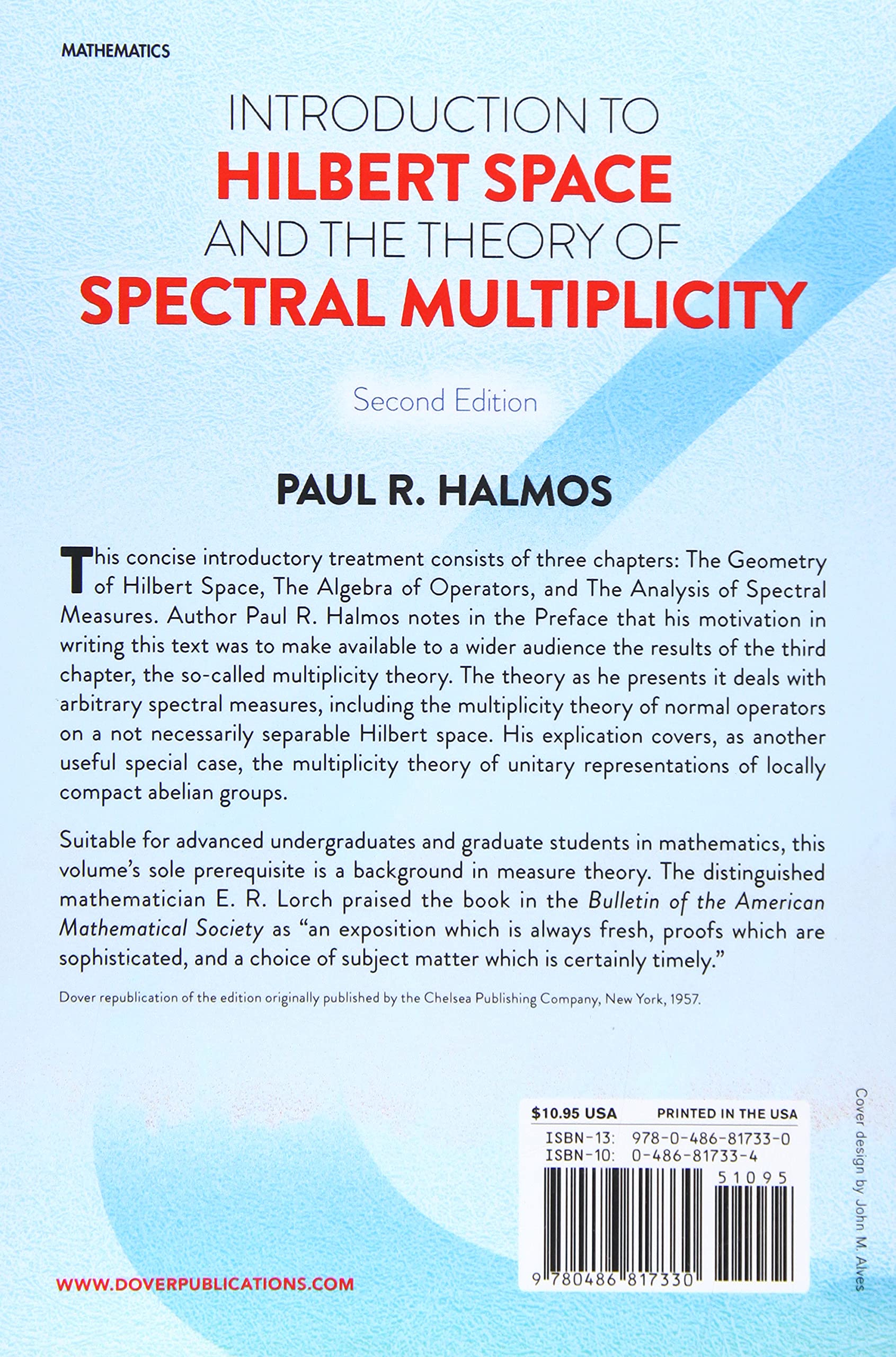 vast obsidian
misty wyvern
I never learned to read, what's the best book for lin alg?
vast obsidian
misty wyvern
I never learned to read, what's the best book for lin alg?
Serge lang's linear algebra of course
vast obsidian
nooo
gray gazelle
im trying to read baby rudin by following a video lecture + mit 18.100C format
how do interperet this?

i read pages 3 to and 24 - 30?
willow pecan
Sure
gray gazelle
and then pages 5 to 11?
willow pecan
Sure
gray gazelle
sure?
willow pecan
Sure
gray gazelle
so i read basic topology in the first reading?
loud cradle
gray gazelle
so i read basic topology in the first reading?
haha, what happened to pages 1-2?
loud cradle
gray gazelle
so i read basic topology in the first reading?
even though chapter 2 "basic topology" starts on page 24, in fact the topology content doesn't start until 2.15 on page 30 (metric spaces), the stuff before that is just some basic set theory
heady ember
willow pecan
You need to know proofs before linear algebra
~~Does Enderton's Elements of Set Theory like me ~~
(Jk don't.)
gray gazelle
loud cradle
even though chapter 2 "basic topology" starts on page 24, in fact the topology c...
ah i see i peeked at it and it was just defininf functions/mappings and such
remote sparrow

In this video I will give you the resources you need to learn data science from zero knowledge. We will discuss several programming books and math books that are perfect for beginners who want to acquire the skills to become a data scientist. In particular we will look at books on R, Python, Calculus, Linear Algebra, and Statistics. Several more...
 sterile harness
how so
gray gazelle
He isn’t a sellout I’d say, but he’s certainly a little different from what I would watch for math advice.
remote ginkgo
vast obsidian
Serge lang's linear algebra of course
do you know why bourbaki stopped writing books?
because they found out serge lang was one person
 sudden dock
Recommend a Physics book (Mechanic Specifically) for a first year high school student (no calculus please)
 jaunty bison
Hey guys
do you have any book recommendations on calculus? Not academic book(textbook)
 tepid prairie
jaunty bison
Hey guys
do you have any book recommendations on calculus? Not academic book(te...
tepid prairie
jaunty bison
Hey guys
do you have any book recommendations on calculus? Not academic book(te...
Integral and Differential Calculus by Richard Courant.
remote sparrow
That is definitely a textbook
It sounds like they want an informal book that might be something like The Manga Guide to Calculus or whatever
cedar ridge
gray gazelle
He isn’t a sellout I’d say, but he’s certainly a little different from what I wo...
who would you watch
heady ember
Ryc
cedar ridge
who?
heady ember
Chalk
rich sun
Ran Yakumo's
cedar ridge
heady ember
Chalk
this brother is not happy
aint watched him recently but seems like he's spiraling mentally 1/3 of the time 💀
heady ember
cedar ridge
this brother is not happy

Chalk's only video I know of is his latex workshop in #events
How is ryc "spiraling mentally" lol
remote ginkgo
heady ember
How is ryc "spiraling mentally" lol
complex conjugate eigenvalues
willow pecan
Off to #discussion everyone, this is no longer about book recommendations
tawny copper
Some texts on inequalities, focused on problem solving ? Thanks
heady ember
Perhaps Khan Academy?
 swift dome
Any books for practice algebra from basic to advance problems
willow pecan
Khan academy
tawny copper
heady ember
Perhaps Khan Academy?
I don't like Khan academy, and I don't think they have what I'm asking for
 vital bane
I'm pretty sure they have everything you'd learning from grade 1 to grade 12 and even first year uni
it's just sometimes you need to actively look for them
idk they're like hidden behind some other set of lessons
tawny copper
What Im looking for is not something standard in high schools lol
sturdy shore
the cauchy schwarz master class
 regal wasp
Reading about Kan complexes and kan extension and stuff of a similar flavor
vast obsidian
tawny copper
Some texts on inequalities, focused on problem solving ? Thanks
Spivak's calculus has good inequalities problems
tawny copper
I'm looking for something more specialized
tawny copper
sturdy shore
the cauchy schwarz master class
Thanks! that one looks pretty good
 undone sleet
can someone suggest a book that focuses on probability distributions and how to sample and approximate different processes and is a bit hands-on with exercises?
The reason I am asking is I am studying about machine learning and their probabilistic interpretation, the way it is done, is a bit confusing. I think doing practicing with some hands-on learning would help me.
hollow adder

Anyone ever read this?
It seems too easy
Is this book like not at a normal first algebra class level
dapper root
I think it’s like one of the most intro-level books that are commonly used
If you’re enjoying it, I don’t think there’s issue in just continuing if you’re self-studying or something. If you end up taking a class on it you’ll already be familiar with the stuff
 prime oak
set theory/logic intro recs?
dapper root
If this is your only algebra class and you’re trying to go to grad school or something, you probably should work through a harder book later or concurrently with your current class
prime oak
uhh new domain prolly
dapper root
No it got seized because it’s piracy lmao
And government entities are supposed to like, do stuff about piracy
willow pecan
Best not to talk about this, against Discord ToS
dapper root
I don’t see why talking about it is a violation of TOS
Nobody is providing a link or saying you should go do anything
willow pecan
Oh is that what it says
prime oak
college students trying not to paying $300 per book, biggest problem the govt decided to tackle 🙏🏾
dapper root
I’m not gonna comment on my thoughts about it because of TOS, but the reason it got seized is obvious
Like it was without a doubt illegal, and so the govt moved on it
rich sun
Now the FBI's coming for all trying to access the website
 tardy walrus
Bunch of killjoys
gray gazelle
remote ginkgo
because they found out serge lang was one person
Serge Lang is a terrible author
Well, that’s false, his Number Theory book is classical, but everything else is of poor quality
gray gazelle
prime oak
set theory/logic intro recs?
Enderton then Jech
prime oak
gray gazelle
Well, that’s false, his Number Theory book is classical, but everything else is ...
is it though
lang alg
any better recs then
gray gazelle
prime oak
any better recs then
Artin if you want to refresh Linear Algebra & smoother intro. Dummit & Foote if you want an encyclopedic book with plenty of examples.
You can get a Lang “Algebra” PDF AFTER you’ve studied Abstract Algebra for his Homological Algebra chapter.
gray gazelle
hollow adder
Is this book like not at a normal first algebra class level
Well, it is certainly more like a community-college level Algebraic Structures, and most Algebra courses I’ve seen use what is considered “graduate” for their Algebra course.
I recommended some books above 👆
hollow adder
Thanks that makes sense
I do really like the book though
I’ll probably read it and then move to an advanced one
remote ginkgo
gray gazelle
Serge Lang is a terrible author
do you just go around trying to be wrong or is it accidental
vast obsidian
gray gazelle
Well, that’s false, his Number Theory book is classical, but everything else is ...
his calculus of several variables, abstract algebra, linear algebra are good also
 winged gust
Does anyone know of any other books like "A Friendly Introduction to Number Theory by Joseph H Silverman" or "A Book of Abstract Algebra by Charles C Pinter"? Specifically, I'm looking for other books that have short chapters that introduce one idea at a time and has exercises around that idea that allow me to explore the concepts myself.
remote ginkgo
winged gust
Does anyone know of any other books like "A Friendly Introduction to Number Theo...
strogatz nonlinear dynamics and chaos
cinder trellis
Wait is the FBI shutting down other sites too?
Or is z-lib the only one that’s down
regal wasp
Sally’s introduction to analysis is basically you writing the book through exercises
Covers analysis 101, measure theory, multivariable, some field theory, some abstract algebra, and fourier analysis
prime oak
cinder trellis
Wait is the FBI shutting down other sites too?
some library genesis mirrors
thats all i know
cinder trellis
Ugh that’s so annoying
sage python
regal wasp
Sally’s introduction to analysis is basically you writing the book through exerc...
Ohhhhhh nooooooooooooo
God that fucking book
regal wasp
Lets hear your take
sage python
Did you... Does the name Souganidis ring a bell to you at all?
cinder trellis
prime oak
dm?
Nah nah it’s ok, I have other ways it’s all good
Still sucks though, probably hit a lot of people harder
regal wasp
Yes actually
prime oak
yes
cinder trellis
The FBI just bought the domain name since it expired, so I don’t think it’s that scary tbh
sage python
Yeah sounds about right. When did you take that class?
prime oak
i have a lot of friends in uni who cant afford the absurd prices here and dont know other sources to get some of the important books
prime oak
cinder trellis
The FBI just bought the domain name since it expired, so I don’t think it’s that...
the organisers of the sites got arrested
cinder trellis
prime oak
the organisers of the sites got arrested
Oh wait really?????
Wow that’s absurd
prime oak
z-lib organisers are in argentina or something rn and getting extradited by the US
cinder trellis
Yeah it’s internationally based, most shadow libraries are so it’s weird the FBI was involved
prime oak
ugh
US moment
sage python
But yeah so there's a class in UChicago called honors analysis. It... changes a lot year to year depending on instructor proclivity
But it was created by a guy named Paul Sally
And he wrote that book basically based on his approach to the material
winged gust
sage python
Did you... Does the name Souganidis ring a bell to you at all?
no, not really... though at first I thought this was a setup for a "deez nutz" kind of joke, lol...
regal wasp
I used it to review analysis
sage python
Oh
Yeah so for me it was like, I took that class well after Sally died, and the emphasis kinda changed since then. But our instructor discovered that book and liked it kinda? So he partially used it
Along with Rudin and this trash fire called "Advanced Calculus" by Buck
And Hoffman-Kunze
winged gust
sounds like an IBL kind of approach (inquiry based learning)
sage python
Sally was very team IBL I think yeah
winged gust
Which I actually like, though I'd prefer a solutions manual in case I get stuck
regal wasp
I think every honors analysis course in the country is IBL
misty wyvern
Tbh I think Rudin's series is actually good even though people think it's actually bad when other people say it's good.
sage python
Well by the time I took that class it was very not IBL
prime oak
misty wyvern
Tbh I think Rudin's series is actually good even though people think it's actual...
who says rudin is bad??
misty wyvern
Of all the analysis books I return to, it's 90% one of Rudin's.
There's a bunch of people who claim Rudin is too terse or obtuse or something.
prime oak
i read rudin before going to sleep so i feel safe
misty wyvern
Rudin is basically the only analysis reference I return to though, so it stands the test of time.