#questions-2
1 messages · Page 59 of 1
 upbeat thicket
 icy flax
upbeat thicket
Das weiß er, weil er **manchmal** im Park arbeitet.
Das manchmal kann meines E...
icy flax
upbeat thicket
Das weiß er, weil er **manchmal** im Park arbeitet.
Das manchmal kann meines E...
Danke Dir, Lena. Ich hätte nicht meinen Freund bezweifeln sollen.
 spare warren
icy flax
Danke Dir, Lena. Ich hätte nicht meinen Freund bezweifeln sollen.
spare warren
icy flax
Danke Dir, Lena. Ich hätte nicht meinen Freund bezweifeln sollen.
*ich hätte nicht an meinem Freund zweifeln sollen.
"ich bezweifle etwas" <-> "ich zweifle an jemandem"
 fervent kernel
Wessen Buch ist das?
 dark light
HALLO
 green oracle
fervent kernel
Wessen Buch ist das?
green oracle
fervent kernel
Wessen Buch ist das?
Wessen? Oder meinst du welches? Das war von Klett International, Kontext B1+ Übungsbuch 🤔
icy flax
(...) am Ende sauer auf dich selber oder enttäuscht von dir selber bist, dass du seit nicht hinbekommen hast, was weiß ich, den Müll runterzubringen und einmal die Wohnung durchzuwischen. Du hättest es tun können, aber hast es halt nicht, weil du zu müde warst.
Ich finde durchwischen und dieses alleinstehende "seit" in Wörterbuch nicht
icy flax
green oracle
Wessen? Oder meinst du welches? Das war von Klett International, Kontext B1+ Übu...
Wessen = von wem
 gloomy tartan
Which one of these two is correct?
- Wie konnte ihm den Unfall passieren?
2 Wie konnte ihm der Unfall passieren?
I suppose it's the first one, right?
gloomy tartan
What about a simple sentence like mir ist kalt? :p
 willow socket
yeah, there the dummy 'es' subject is left out
also something like "heute wird gentanzt"
gloomy tartan
So the right one is "Wie konnte ihm der Unfall passieren?"
willow socket
yes
gloomy tartan
Danke schön!
icy flax
icy flax
> (...) am Ende sauer auf dich selber oder enttäuscht von dir selber bist, dass ...
Up! (:
green oracle
icy flax
Wessen = von wem
ja, aber ich verstehe das nicht im Kontext seiner Frage, bedeutet das vielleicht welcher Verlag?🤔
icy flax
green oracle
ja, aber ich verstehe das nicht im Kontext seiner Frage, bedeutet das vielleicht...
Jetzt gerade hab ich gar keine Ahnung was der Typ damit gemeint hat
 plush pelican
icy flax
> (...) am Ende sauer auf dich selber oder enttäuscht von dir selber bist, dass ...
plush pelican
icy flax
> (...) am Ende sauer auf dich selber oder enttäuscht von dir selber bist, dass ...
Das scheint, als ob es da eigentlich einem "seitdem" gehören würde.
Aber zitiere mal früher vom Text. Wie hat das alles angefangen?
plush pelican
icy flax
> (...) am Ende sauer auf dich selber oder enttäuscht von dir selber bist, dass ...
"durchwischen" ist einfach "wischen", aber durch die ganze Wohnung, glaube ich. Also die gesamte Wohnung sauber machen.
Wiktionary

A fun look at the German verb "wischen" and its brothers like "abwischen", "auswischen" or "verwischen". And some classical music.
 wicked oasis
 serene oriole
 boreal belfry
hallo! Was bedeutet GG da?
 plush pelican
boreal belfry
hallo! Was bedeutet GG da?
plush pelican
boreal belfry
hallo! Was bedeutet GG da?
Gemäß Artikel 20 des Grundgesetzes.
In accordance with article 20 of the Basic Law (aka Germany's Constitution)
Das hättest du auch einfach googeln können.
 boreal belfry
herzlichen Dank :)
boreal belfry
plush pelican
aw yea I should've quoted the sentence I suppose
plush pelican
It's amazing what you can find just by googling
 river burrow
ignorant much
 plain umbra
river burrow
ignorant much
plain umbra
river burrow
ignorant much
?
 gusty fern
whats the difference betwen worte and wörter?
plush pelican
gusty fern
whats the difference betwen worte and wörter?
Please don't ask the same question on multiple channels
 meager axle
gusty fern
whats the difference betwen worte and wörter?
meager axle
gusty fern
whats the difference betwen worte and wörter?
So wörter are basic words like all the words in a dictionary.
Worte could be thoughts.
Worte bestehen aus Wörtern
 steel patrol
gusty fern
whats the difference betwen worte and wörter?
steel patrol
gusty fern
whats the difference betwen worte and wörter?
Wörter - individual words (like Katze, Park, Mädchen)
Worte - a group of words, like a paragraph, a saying etc.
 tulip spoke
Wie kann ich einem VC Kanal joinen
 stoic mauveBOT
How to join Voice Chat
Please read the [Roles section](#getting-started message) in #getting-started for info on how to join VC and more!
plush pelican
Ich habe dir die Antwort gegeben, du musst nur die Anweisungen sorgfältig lesen
tulip spoke
60 min oha is ja mies arsch
plush pelican
🤷♂️ Anscheinend hast du dann weniger Geduld als die Bots
 hushed dawn
Mein erster Besuch galt dem „Status", meinem alten Stammlokal.
what translation in english would be suitable for "galt" here ?
"was directed "maybe ?
willow socket
hushed dawn
Mein erster Besuch galt dem „Status", meinem alten Stammlokal.
what translation...
I think it will be hard to find an english word that translates gelten well in this sentence. In English it would be formulated differently.
plush pelican
@willow socket @signal cipher
This actually opens such a deep area of grammar.
How do we form passive? Well, we need a passivfähiges Verb, which generally means a verb that can take an accusative object.
"werden" as a full verb, however, is a copula verb: the "object" is actually a predicate complement (aka not a true object), and is thus in nominative. So the full-verb werden seems, at first look, to not be capable of forming the passive.
however, our definition of which verbs are capable of passive is actually not complete, because you can use for example "helfen", which only accepts a dative object: "Ich helfe ihm" becomes "Ihm wird geholfen." This is one of the situations where German ends up yielding a subject-less sentence: There was no accusative object in the active sentence to become the nominative subject in the passive sentence, so there simply is no subject in the passive sentence.
And, the other way around, there are some verbs that accept an accusative object, and yet cannot form the passive, including "bedeuten, bekommen, kriegen, wissen." Hammer's German Grammar 13.1.2(b) talks about those.
To go back to the question of "werden" as a full verb, though: You can see here (https://www.deutschplus.net/pages/Verben_ohne_Passiv) that among intransitive verbs, they also say, "almost all verbs that have 'sein' as a helping verb" are not capable of forming the passive. Which again seems like werden is probably excluded then: werden isn't transitive (doesn't take an accusative object), and it uses 'sein' as a helping verb.
But they said "almost". They didn't say "all".
It starts getting hard at this point to find resources that describe in exact detail which "intransitive verbs that use 'sein' as a helping verb" can in fact form the passive. Also, it turns out that some verbs can form Vorgangspassiv but not Zustandspassiv.
This website (https://dict.leo.org/grammatik/deutsch/Wort/Verb/Kategorien/Genera/NoPassiv1.xml?lang=de#id=1.3.2.5.1.1) says of intransitive verbs:
Bei den → intransitiven Verben sind im Allgemeinen nur diejenigen passivfähig, die ein aktives Subjekt haben, d. h. Verben mit einem Subjekt, das eigentlicher Träger oder Verursacher der Handlung ist (= intransitive → Tätigkeitsverben).
Nicht passivfähig sind dementsprechend Verben, die kein aktives Subjekt haben, deren Subjekt nicht der eigentliche Träger oder Verursacher der Handlung ist (= intransitive → Vorgangs- oder Zustandsverben).
So: only those intransitive verbs that have an "active" subject can form the passive.
I'm pretty sure "werden" as a full verb is not a "Tätigkeitsverb". It's probably not capable of forming passive.
But the question does strike at how slippery it is, trying to define which verbs can and can't form the passive. You just keep getting a lot of "mostly" and "in general" and "as a rule", but actually trying to look at the exceptions becomes increasingly hard, like approaching a limit in math.
 signal cipher
I remember I have postponed that topic after I couldn’t understand when I saw it on deutchplus. It has not clear borders. And things may be different in different languages. For example I can make passive sentence with leben in Turkish but I can’t in German. I think I can’t learn this topic by studying and maybe can learn by getting used to language.
plush pelican
yeah, for some stuff, it just becomes easier to learn through immersion
willow socket
plush pelican
I'm pretty sure "werden" as a full verb is not a "Tätigkeitsverb". It's probably...
is there a tldr on this? Basically would just be interested if there is any example sentence of 'geworden' as the vollverb in a passive sentence?
plush pelican
I mean, you've already replied to the TL;DR...
I think to get "geworden" in a passive sentence, you'd need "werden" as a full verb to be passivfähig. I don't think it is, but explicitly ruling that out turns out to be quite difficult.
signal cipher
I found this 🤷♂️
https://x.com/schonungslosyt/status/1838676987428188624?s=46
Ich bin ernsthaft überrascht darüber, dass das "Haha Böhmie"-Meme gerade real geworden worden.
 Twitter
·
plush pelican
Twitter
·
plush pelican
That sentence isn't correct. There's no conjugated verb for the dass clause.
signal cipher
Yes. There must be a version of sein
plush pelican
You could say, "das ist gerade real geworden", but that's then Perfekt tense and aktiv, not passive
Passive would need a conjugated "werden". Remember,
Passive = (conjugated werden) + (Partizip 2 of main verb)
Ihm wird geholfen.
Das Haus wird gebaut.
Something like "Das wird gerade real geworden."
Except that sentence, as far as I know, is grammatically incorrect.
signal cipher
Machen or verwandeln or something like that we should use I think
 jade hawk
Klappt "in schlechten Umgang" statt "in schlechte Gessellschaft" hier?

 woven phoenix
Hallo, wie sagt man,, hehe/ho ho" auf Deutsch? Ich würde das nach einem schlecten Witz machen
ist es ''hü hü?"
upbeat thicket
woven phoenix
ist es ''hü hü?"
hihi
woven phoenix
danke!
 uneven leaf
jade hawk
Klappt "in schlechten Umgang" statt "in schlechte Gessellschaft" hier?
uneven leaf
jade hawk
Klappt "in schlechten Umgang" statt "in schlechte Gessellschaft" hier?
ich glaub das kann man schon so verwenden
auch zusätzlich aber mal anzumerken, ich weiß dass das jetzt nicht unbedingt die Frage war, wollte dich aber auch erstmal drauf hinweisen: "klappen" wird meist nicht so verwendet. "irgendwas klappt" hat halt eher die Bedeutung, dass das erfolgreich gemacht wurde und nicht unbedingt dass das gewöhnlicherweise so gemacht wird, oder dass das so passt
generell würde ich "klappen" einfach nicht für sprachliche fragen verwenden, sondern "passen", "funktionieren", "gehen", usw.
z.B. wenn man bei deiner Frage "klappt" einfach mit "geht" ersetzt dann klingt das schonmal natürlicher
icy flax
Sind Vorwürfe und Anschuldigungen dasselbe? Dem Wiktionary zufolge kapiere ich, Anschuldigung sei der fachsprachliche Begriff aus dem juristischen Bereich. Versteht ihr es auch so?
Eine Anschuldigung wird sowohl umgangssprachlich für eine Infamie, Bezichtigung, Unterstellung, Beschuldigung oder einen Vorwurf als auch ausdrücklich als Rechtsbegriff verwendet.
icy flax
plush pelican
You could say, "das ist gerade real geworden", but that's then Perfekt tense and...
Hab immer diese Linie zwischen Zustandspassiv und das Perfekt von mit Sein konjugierten Verben dünn. Wie weißt du eigentlich hier, dass es nur Perfekt sein kann?
plush pelican
icy flax
Hab immer diese Linie zwischen Zustandspassiv und das Perfekt von mit Sein konju...
Weil es kein Akkusativobjekt gibt, was zum Subjekt hätte werden können.
Wenn "das" ursprünglich ein Akkusativobjekt im aktiven Satz wäre.... "(etwas) wird das real"
es ergibt keinen Sinn
icy flax
plush pelican
Something like "Das wird gerade real geworden."
Ja, selbst wenn man versucht, einen aktiven Agent hinzuzufügen
Der Diamant wird von dem Alchemisten stärker geworden
plush pelican
Ich baue das Haus.
Das Haus wird gebaut.
(etwas) baut das Haus.
Verstehst du? Man kehrt den Prozess um.
icy flax
plush pelican
Weil es kein Akkusativobjekt gibt, was zum Subjekt hätte werden können.
Das ist eine gute Faustregel
icy flax
plush pelican
Ich baue das Haus.
Das Haus wird gebaut.
(etwas) baut das Haus.
Verstehst du?...
Jo! Wahrscheinlich funktioniert auch bei Englisch dann
plush pelican
Anscheinend gibt es da Unterschiede
Hammer's erwähnt irgendwo, es gibt bestimmte Verben im Englischen, die passivfähig sind, die im Deutschen nicht so sind, und umgekehrt, glaube ich.
plush pelican
plush pelican
Hammer's erwähnt irgendwo, es gibt bestimmte Verben im Englischen, die passivfäh...
Muss ich da, "In Hammer's wird irgendwo erwähnt" schreiben?
icy flax
Ich glaube schon
plush pelican
Ich bin mir nicht sicher, aber ich glaube, im Deutschen darf man nicht so tun, als wäre ein Buch wie ein Mensch als Quelle oder so.
plush pelican
Man darf also nicht sagen, "Die Webseite sagt, dass es ein passivfähiges Verb sein muss" oder so.
sondern "Auf der Webseite steht, ...."
icy flax
Dürfen darf man doch soweit ich weiß
@plush pelican https://de.m.wikipedia.org/wiki/Metonymie. Ich würde es aber persönlich vermeiden
icy flax
Toxische Narrative und Kulturen in Gaming-Räumen wie etwa Rassismus, Frauenfeindlichkeit, Homophobie oder toxische Männlichkeit, haben Gemeinsamkeiten mit grundlegenden Bestandteilen verschiedener gewalttätiger, extremistischer Ideologien.
Ist das Komma vor "haben" normal bei Deutsch nach längeren Aufzählungen?
upbeat thicket
icy flax
> Toxische Narrative und Kulturen in Gaming-Räumen wie etwa Rassismus, Frauenfei...
Ja, das Komma muss dort hin, jedoch fehlt das dazugehörige Komma vor „wie etwa…“, das eine Klammer schließt
dann wird der Einschub mit „wie etwa Rassismus, …“ zum eingeschobenen Satzteil
jade hawk
uneven leaf
auch zusätzlich aber mal anzumerken, ich weiß dass das jetzt nicht unbedingt die...
also näher an den englischen Ausdrücke "to go well" oder "to work out"?
 rigid nest
I have a question
Why sometimes question sentences, the first verb of it kicked to the back?
z.B. "Warum ich Lesen hasse?" Why is it like that? Why not "Warum hasse ich Lesen?"?
 eager linden
Sometimes subordinate clauses are used without the main clause in a colloquial context. A complete sentence would be, for example, “Das ist der Grund, warum ich Lesen hasse.” (That is the reason, why i hate reading.) “warum ich Lesen hasse” (why I hate reading) is the subordinate clause and not a grammatical question. For this sentence, the meaning of the individual subordinate clause is already clear without the main clause. You may have seen such incomplete constructions on social media, but for actual main clauses the verb is always in the second position.
rigid nest
eager linden
Sometimes subordinate clauses are used without the main clause in a colloquial c...
Ok danke
icy flax
@rigid nest, just to add to Lasel's answer, it is as if there were an implicit sentence underneath it
<Du fragst mich>, warum ich Lesen hasse?
rigid nest
Oki
hushed dawn
zunichtemachen vs verderben ? ?
im not sure if i got it correct, but zunichtemachen is a stronger expression that something ruined something else ?
 light rain
Sort of, but they both offer different nuances.
 wanton kestrel
aber die Realität war besondere anders? is this sentence correct?
 spice swallow
besonders i believe
light rain
- Besonders, not Besondere
- Putting "besonders" and "anders" together is not so practical in German. A more common alternative would be "ganz anders" or "völlig anders"
Based on my understanding.
wanton kestrel
Vielen Dank
light rain
Gern geschehen.
 rain plank
Weh sagen die Verstandniss.
Ist gruen Licht vor Arbeiten. Nichts so weiß besuchte Deutchlander.
 whole portal
Are you okay
 balmy axle
😭😭
 flat jacinth
Would the expression "Ich kann gerade nicht auf seinen Namen kommen" be correct?
I have heard "Ich komme nicht mehr drauf", which means "I can't remember", but would the above sentence be correct?
willow socket
Sounds better without the kann
signal cipher
Does zu phrase count in the sentence?
Sentence, … zu …
Or is it in second Satzklammer?
willow socket
signal cipher
Does zu phrase count in the sentence?
Sentence, … zu …
What do you mean by "does it count"?
signal cipher
Is it in the sentence?
Is it accepted in sentence?
Vorfeld-first Satzklammer-mittelfeld-second Satzklammer-Nachfeld
Is it in one of these?
plush pelican
signal cipher
Does zu phrase count in the sentence?
Sentence, … zu …
a zu phrase is an entirely separate clause
specifically, it is an Infinitivsatz, an infinitive clause, which is a special type of Nebensatz
however, if the Infinitivsatz is especially short, it may be inserted into the other clause without any commas separating it.
which is confusing, because the first rule you learn is, "commas are for separating clauses"...except when they aren't
signal cipher
Ich will, schön zu danken.
We can also write it in mittelfeld but don’t know the rules or limitations
plush pelican
One example is when the Infinitivsatz takes the place of the subject:
Spazieren zu gehen macht Spaß.
(Spazieren zu gehen) macht Spaß.
Es macht Spaß
Another thing that can happen is you get the Infinitivsatz "enclosed in the Satzklammer"
Hammer's German Grammar talks about this
signal cipher
Enclosed? What does that mean
plush pelican
in-between the linke Satzklammer und rechte Satzklammer
in the Mittelfeld, sort of
except it's still it's own separate clause
it just isn't separated by any commas
one sec, let me find the page
Hammer's German Grammar 19.8.1 talks a bit about the general idea of "enclosing things in the verbal bracket" (verbal bracket = Satzklammer)
signal cipher
So like relative clause?
plush pelican
well, but a relative clause gets commas separating it
so it's a lot easier to tell 😅
Hammer's German Grammar 11.2.4 talks about situations where enclosing the Infinitivsatz in the Satzklammer is usual or even necessary
signal cipher
Probably there is a verb list etc. 😦 which is hard to memorize
plush pelican

Indeed, there is a list of verbs where this commonly happens:


"...da er den eben Angekommenen zu erkennen schien"
If we make that into a Hauptsatz: "Er schien, den eben Angekommenen zu erkennen."
He seemed to recognize the recently arrived (man)
But when it's in combination with a Nebensatz, it gets inserted into the Nebensatz, before the rechte Satzklammer
signal cipher
So, similar to how appositive works
plush pelican
da er (den eben Angekommenen zu erkennen) schien
plush pelican
signal cipher
So, similar to how appositive works
With an appositive or with a Relativsatz, you first name a noun in the clause, and then go into more detail with some more information, and that more information is separated by commas
Er hat dem Hund, den er gestern gesehen hatte, geholfen.
Er hat mit Otto, seinem Bruder, gespielt.
Here, the Infinitivsatz is taking up the position of the object
Er schien X
Er schien, den eben Angekommenen zu erkennen
or something like that
signal cipher
Thank you. I will examine the verbs which we use it like that
plush pelican
A key hint that this situation is happening is:
- You are reading a Nebensatz, and
- There seems to be "zu + verb + verb" at the end of it
"...da er den eben Angekommenen zu erkennen schien"
or something like that, where there's "zu" and a verb seemingly inside of a Nebensatz
signal cipher
Infinitive with zu in shape of infinitive without zu 😄
 ripe cargo
hello im new here, i just wanna ask in term of question is there any diffirence between testas digital and paper in both core and subject modul
 delicate flax
ripe cargo
hello im new here, i just wanna ask in term of question is there any diffirence ...
delicate flax
ripe cargo
hello im new here, i just wanna ask in term of question is there any diffirence ...
take this to #942470380692590632 that might help!
 smoky raven
Einfache Frage, kann "Handel" nur für Hand-zu-Hand Käufe oder auch für Sachen wie Internet Käufe verwenden?
whole portal
smoky raven
Einfache Frage, kann "Handel" nur für Hand-zu-Hand Käufe oder auch für Sachen wi...
Also "wir machen einen Handel" ist nur für direkten Tausch wirklich geeignet aber alles was "der Handel" or "Handeln" angeht geht genau so gut im Internet.
plush pelican
whole portal
Also "wir machen einen Handel" ist nur für direkten Tausch wirklich geeignet abe...
how do you "einen Handel machen" on the internet?
what do you say then?
whole portal
I mean maybe it's because I dont trade goods for goods on the internet ^^"
 wraith agate
plush pelican
how do you "einen Handel machen" on the internet?
wraith agate
plush pelican
how do you "einen Handel machen" on the internet?
you could say "verhandeln"
whole portal
That's something else
wraith agate
is it?
whole portal
Verhandeln is bargaining
wraith agate
so then "verkaufen/kaufen"?
whole portal
Sure
smoky raven
whole portal
Also "wir machen einen Handel" ist nur für direkten Tausch wirklich geeignet abe...
Danke <:
rain plank
Ich bin eine Begriff verhandeln
icy flax
Da bist du der >>Tracht Prügel<< aber gerade noch entkommen. Dafür folge ich dir.
.
Wie funktioniert dieser Ausdruck? Es scheint "beating" zu bedeuten, aber wird nicht zusammengeschrieben. Kann man aber eine "Tracht Prügel" sein? Ich hab nur andere Beispiele gefunden:
jdm. eine Tracht Prügel versetzen, verpassen, verabreichen
eine Tracht Prügel bekommen, beziehen
plush pelican
icy flax
> Da bist du der >>Tracht Prügel<< aber gerade noch entkommen. Dafür folge ich d...
 icy flax
plush pelican
Auf redensarten-index.de steht etwas dazu: https://www.redensarten-index.de/such...
icy flax
plush pelican
Auf redensarten-index.de steht etwas dazu: https://www.redensarten-index.de/such...
Hammerhafter Argus kommt wieder auf, wobei dieses Mal keinen Hammer benutzt wird 😂
Danke Dir, Mann!
eager linden
The example you mentioned is similar to grammatical constructions called “Numerativkonstruktionen”. You wont find that much on the internet regarding this trivial name. Another name is “Zähleinheitskonstruktion”. You use special counting units (Zähleinheiten) to indicate quantities of nouns. These are structured as follows:
[Zahl] + [Numerativ bzw. Zähleinheitswort] + [Substantiv]
[number] + [numerative] + [noun]
A numerative (Numerativ) is a word that functions as a “counting word” (Zählwort) and indicates a certain type of object or unit. It indicates the form or unit in which the noun occurs. In addition, the use of a numerative makes the quantification more precise.
Such constructions are common in many languages worldwide. In German, however, they are rarer and less systematized, but still occur in certain contexts.
You will probably find such constructions more frequently in old texts. Some such constructions have survived to this day.
There are quite a few count words in German. That's why I've tried to collect “some” of them. In addition to units of measurement such as Gramm, Kilo(gramm), Meter, Pfund there are, for example, Laib, Glas, Stück, Blatt, Bund, Mann, Paar, Sack, Schuss, ...
Here are a few examples:
"ein Meter Stoff"
"zwei Laib Brot"
"zwei Glas Milch" (statt zwei Gläser Milch)
"zwei Stück Vieh"
"ein Stück Kuchen"
"drei Blatt Papier"
"zwei Bund Kohl"
"zwei Paar Schuhe"
"drei Paar Socken"
"ein Schuss Milch/Zitrone""
"ein Schluck Wasser"
"eine Prise Salz"
"zwei Tropfen Blut/Öl"
"ein/zwei Körnchen Sand"
"eine Scheibe Käse"
"eine Dose Erbsen"
"eine Kanne Tee"
"eine Portion Pommes"
"drei Haufen Schutt"
"ein Schwarm Vögel"
"zwei Rudel Wölfe"
"drei Bündel Briefe"
"zwei Stapel Bücher"
"eine Schale Obst"
"drei Päckchen Zucker"
"eine Tafel Schokolade"
"ein Batzen Geld"
"vier Häufchen Asche"
"eine Messerspitze Paprika"
"zwei Klumpen Lehm"
"eine Ladung Holz"
"drei Büschel Gras"
"eine Fuhre Heu"
"ein Bogen Papier"
"eine Flasche Wein"
"drei Körbchen Blumen"
"fünf Stapel Karten"
"eine Tüte Bonbons"
"ein Set Besteck"
"zwei Fetzen Stoff"
"drei Bündel Stroh"
This list shows how versatile and pictorial such counting unit constructions can be in German. They are often based on a concrete idea of how the objects are ordered in units or in what form they appear, so that they can be used to indicate quantity.
If there are more than 2, the counting word sometimes changes. Then the plural CAN be used. You can also sometimes use the preposition “von” to change the counting unit constructions, e.g. instead of “zwei Rudel Wölfe” you could say “zwei Rudel von Wölfen”. However, you can't necessarily do this for all examples. Unfortunately, I don't have a fixed rule for this.
As you can also see, such constructions are often used when you have to use number words as units instead of fixed units, e.g. in recipes.
Now let's move on to the example you mentioned at the beginning. I'm not sure to what extent this counts as a numerative construction, as the “”counting word"” Tracht does not mean a concrete number of beats (Schläge), but is to be understood more figuratively. There are other such examples in which more figurative “units” are used than pragmatic counting words. Furthermore, these examples refer to more abstract nouns that are difficult to quantize. So they remain in the singular!
"eine Tracht Prügel"
"eine Mütze (voll) Schlaf"
"ein Hauch Parfum"
"ein Hauch Melancholie"
"eine Portion Geduld"
"ein Körnchen Wahrheit"
"ein Funken Hoffnung"
"eine Prise Glück"
"ein Quäntchen Trost"
"ein Fünkchen Mut"
...
These terms cannot actually be counted. However, the construction is similar to the “Numerativkonstruktionen. The special feature of examples is that these terms are used as metaphorical units. They suggest quantification without the underlying concept really being countable. This leads to a linguistic consolidation of these combinations, which often have an idiomatic character. Some of them are even idiomatic expressions. I am neither a Germanist nor a linguist, but I hope this helps!
plush pelican
eager linden
This list shows how versatile and pictorial such counting unit constructions can...
I've read that this construction used to be used in Genitive, and still does use Genitive (or some other non-Nominative case) in certain circumstances
Hammer's German Grammar talks about this


 plush pelican
 static girder
Wir sind in einem schönen Cafe.
static girder
Wir sind in einem schönen Cafe.
 static girder
dative neuter no?
plush pelican
No, it's a mixed ending
wraith agate
static girder
how
i dont know why to be honest. i am a native so i just know which one is correct
¯_(ツ)_/¯
plush pelican
If you have an indefinite article before the adjective, it's mixed declension, not strong
static girder
So this guy is spewing nonsense?

About the series producer: https://doktorfrag.wordpress.com
Need these slides for your class? Download them here: http://bit.ly/1MULp3F
This closed captioned, high definition video examines how to use German adjectives with no endings, weak endings, and strong endings. The presentation will first introduce the concept of predicate and attributi...
plush pelican
This is actually the top question on his video

Tl;dr he uses a way of naming that is confusing for learners, but not technically wrong
But when he's explaining this, what he really means is that things are declined as in that "mixed declension" table
Which, as you can see, is "einem guten"
A slightly longer TL;DR is that there are 3 tables of declensions for adjectives: weak, mixed, and strong.
But technically, you can say that the mixed table is actually a combination of the weak and strong tables.
Except that's confusing as shit
 late hazel
@slender iris
chera unfriend kardi?
man raftam bashgah yadam raft khabar bedam
to pv nemitonam payam bedam
oozr khaham agar kare bi adabane ie anjam dadam motevajeh nashoodam
(Ignore the text above please)
static girder
plush pelican
A slightly longer TL;DR is that there are 3 tables of declensions for adjectives...
Ok so there are three tables
I don't really get why he would explain it like that
static girder
plush pelican
Tl;dr he uses a way of naming that is confusing for learners, but not technicall...
doesn't even seem technically wrong, it just is wrong
 opal brook
Sprach Raum ?
fervent kernel
How do I form a sentence in German?
plush pelican
fervent kernel
How do I form a sentence in German?
What are you doing to learn German currently? Are you doing a course or an app or something that teaches you grammar? If not, you should be. These things teach you all about things like forming sentences.
fervent kernel
plush pelican
What are you doing to learn German currently? Are you doing a course or an app o...
Yes I do but sometimes I make sentences wrong
plush pelican
What specifically are you using to learn German currently?
I ask because sentence order should be a topic that is covered. If it is not covered, you might consider using a different resource.
plain umbra
fervent kernel
Yes I do but sometimes I make sentences wrong
Feel free to share an example of what kind of thing you get wrong so it's easier to help.
signal cipher
I can’t make verb which is verbgefährte passiv voice right?
Ich will ihn schreiben sehen.
I want to remove the ihn and make schreiben passive voice. But I won’t use dass.
Ich will geschrieben werden sehen.
Something like that.
plush pelican
You want to see writing?
willow socket
and what do you think that sentence actually means bzw. what do you want it to mean?
try it in english
signal cipher
Yazılmasını görmek istiyorum. I will try to write it in English too
I want to see it is written
plush pelican
Ich will sehen, dass es geschrieben ist.
I want to see that it is written. (Zustandspassiv, finished product)
Ich will mich vergewissern, dass es geschrieben wird.
I want to see (i want to make sure), that it gets written.
signal cipher
Yeah can I write without dass. That’s what I wonder
Can that verbgefährte become passive
willow socket
Ich will es geschrieben sehen
signal cipher
Without werden or sein?
willow socket
correct
In this case, to my knowledge, geschrieben is just an adjective
'I want to see it written down'
plush pelican
The English is troublesome here, though
The English could translate into multiple meanings
willow socket
which ones?
or you mean the other way around. 'Ich will es geschrieben sehen' is pretty eindeutig
but the english sentence ofc has many translations
plush pelican
I mean, "I want to see it written down." Could mean you just want to see a final product.
It could mean you want to ensure that it gets written down
It could mean you want to watch it as it gets written down
willow socket
yeah. Perhaps I better translate the german as 'I want to see it in writing', less confusing
since it's not really passive. (I don't think)
plush pelican
This ambivalence is messing with my ability to think of the equivalent German 
signal cipher
willow socket
In this case, to my knowledge, geschrieben is just an adjective
Danke schön.
Can you write another example with adverbs and other extra stuff in sentence?
willow socket
signal cipher
Danke schön.
Can you write another example with adverbs and other extra stuff in...
hmmm.... maybe  it depends what you want
signal cipher
To see where geschrieben is written
signal cipher
Was that thing absolute phrase?
I want to see him “defeated”
I forgot appositives, absolute phrases etc. And my source removed his videos on YouTube 😦
plush pelican
I never fully understood the "absolute phrase" stuff
signal cipher
I want to see him. He is defeated.
I want to see him defeated.
They are like attaching a different sentence, clause to the sentence
My friend jack came yesterday.
Short of
My friend ,who is jack, came yesterday
Swimming in the sea, she thought everything.
Short of
She was swimming in the sea while/when she thought everything
plush pelican
signal cipher
Swimming in the sea, she thought everything.
Short of
She was swimming in the se...
Well, now that's a Partizipialsatz, right?
That, I understand
signal cipher
There are accusative absolute phrase, nominative absolute phrase, appositive, participal phrase but I can’t remember the differences, specs
I was just reading books
Didn’t focus on grammar for a while
fervent kernel
plain umbra
Feel free to share an example of what kind of thing you get wrong so it's easier...
Well thanks for your effort
plain umbra
fervent kernel
Well thanks for your effort
?
fervent kernel
plain umbra
?
What ?
hushed dawn
Aufnahme und Annahme,
Wie unterscheiden sich die Bedeutungen bezüglich der englischen Übersetzung "Acceptance" ?
Dass Andreas Petrakis, unser Kommissar, griechischer Abstammung ist, macht ihm die Aufnahme bei den Dorfbewohnern nicht gerade einfacher
z.B hier, warum wird spezifisch "Aufnahme" und nicht "Annahme" ausgesucht ?
 south zenith
Für mich es scheint zu sein dass „Annahme“ um das bekommen von etwas geht und hier „Aufnahme“ geht um was Menschen von einem halten
plush pelican
hushed dawn
Aufnahme und Annahme,
Wie unterscheiden sich die Bedeutungen bezüglich der engl...
Ich glaube, "Annahme" ist eher wie "assumption".
Ich nehme an, du kennst schon den Unterschied.
😄
oder zumindest ist das eine Bedeutung
light rain
hushed dawn
Dass Andreas Petrakis, unser Kommissar, griechischer Abstammung ist, macht ihm d...
Annahme = means assumption, but can also refer to acceptance, especially of abstract things such as suggestions.
Ich habe seinen Vorschlag angenommen = I have accepted his suggestion
Aufnahme = in the context of acceptance, "Aufnahme" refers to the integration or the admission of someone into an organisation or a society, for instance.
Die Aufnahme in den Verein war für ihn eine Ehre = the acceptance into the club was an honour for him.
In your example, "Aufnahme" fits since it is referring to the acceptance of a commissioner by villagers.
hushed dawn
Alles Klar , Danke sehr !
hushed dawn
H: Da gibt es einige interessante Ansätze. Erwähnen möchte ich das Theaterspielen.
isn't it weird to place erwähnen in this position ? this is the first time i read it such. ,, is it correct ?
willow socket
hushed dawn
H: Da gibt es einige interessante Ansätze. Erwähnen möchte ich das Theaterspiele...
It isn't weird. The infinitive or past participle can be placed in position one, it adds special emphasis 🙂
plush pelican
hushed dawn
H: Da gibt es einige interessante Ansätze. Erwähnen möchte ich das Theaterspiele...
You know about topicalization/the topic, right?
Mutter: Hilfst du deiner Schwester?
Sohn: Meiner Schwester helfe ich nicht. Sie ist gemein und engstirnig. Meinem Bruder würde ich jederzeit helfen.
It's the same idea, it's just that it turns out the verbs that aren't conjugated (aren't in position 2) can also be made the topic.
You see this for example in news reports on some natural disaster. Instead of saying, "Niemand wurde verletzt", they say, "Verletzt wurde niemand."
Topicalization is one of the things that can really make a German sentence sound different from an English sentence. That also means it's key to producing sentences where it's not obvious that a German learner made them.
hushed dawn
willow socket
It isn't weird. The infinitive or past participle can be placed in position one,...
Ahh Okayy !
hushed dawn
plush pelican
You know about topicalization/the topic, right?
Yea but it was the first time I come across a verb instead , thats why i asked..
thank you
plush pelican
hushed dawn
Yea but it was the first time I come across a verb instead , thats why i asked..
You wanna see something really weird, it turns out you can even topicalize the conjugated verb
 willow socket
this, however, is then no longer the conjugated verb. Tun is conjugated.
The other verb is in infinitive
plush pelican
right, it loses the conjugation when it gets topicalized
willow socket
plush pelican
right, it loses the conjugation when it gets topicalized
Not to be nit-picky, but even in the the sentences above, it is in infinitive.
i.e. the conjugation isn't lost due to topicalisation but rather due to the use of tun + infinitive
plush pelican
What are you talking about?
it gets topicalized through the use of tun + infinitive
willow socket
Er tut ja immer noch essen
Sorry, to me Topikalisierung is about moving info to the Vorfeld, which is why I'd differentiate it.
i.e. in the sentence "Bewundern tue ich ihn nicht, aber...", bewundern is topicalised.
In the sentence "Er tut ja immer noch essen", essen is not topicalised
plush pelican
you can use tun + infinitive without topicalizing, sure
willow socket
yes, so the loss of conjugation isn't a topicalisation thing, but a tun+infinitive thing.
The conjugated verb is never topicalised, infinitives can be.
plain umbra
willow socket
The conjugated verb is never topicalised, infinitives can be.
You misinterpreted what Argus said. He meant that you can topicalise it by first changing it into "tun + infinitive" and then putting the infinitive first.
plush pelican
Alright, in the future, when I say, "you can topicalize the conjugated verb", understand that I mean, "you can transform the conjugated verb with tun + infinitive, and then topicalize the infinitive"
it's just shorthand
willow socket
plain umbra
You misinterpreted what Argus said. He meant that you can topicalise it by first...
right, sure, but that's not what they said. And they followed it up with "it loses the conjugation when it gets topicalised." So for clarity's sake 😄 I don't think I misinterpreted, I think it was unfortunate wording.
plush pelican
my god, next you're going to tell me that "prepositions don't have a case, they govern a noun, and require that noun to be in a certain case", so you can't say, "mit is dative case"
plain umbra
willow socket
right, sure, but that's not what they said. And they followed it up with "it los...
Sure, "it loses the conjugation when it gets topicalised" is not the best way to explain it, but describing it as topicalising the conjugated verb is reasonable in my opinion.
willow socket
I don't see why it has to be such a big deal. I'm just clarifying something and there's no need to be defensive 😅 I am ofc not trying to imply you're unreasonable or don't know what you're talking about
you definitely do. Master of Hammer's
 acoustic breach
willow socket
Sorry, to me Topikalisierung is about moving info to the Vorfeld, which is why I...
acoustic breach
willow socket
Sorry, to me Topikalisierung is about moving info to the Vorfeld, which is why I...
Tbh this answers the questions in my head 😅
I was finding the "conjugated" verb and looked at "tue" and was ???
plush pelican
well, I'm glad that explanation helped someone
 eternal sparrow
Why cant I join the voice channels?
stoic mauveBOT
@eternal sparrow, please read the Roles section in #getting-started for info on how to join VC and more.
stoic mauveBOT
@random willow, please read the Roles section in #getting-started for info on how to join VC and more.
light rain
plush pelican
well, I'm glad that explanation helped someone
Und das ist am wichtigsten.
signal cipher
Tun+Verb is like this right?
I do love you
Can I omit vorfeld with every subject or only I and you?
plush pelican
signal cipher
Can I omit vorfeld with every subject or only I and you?
To be clear: that's something that you only do colloquially, never on a test
From what I've seen, it's "ich" or "du" or "das"
signal cipher
Danke schön
plush pelican
Hammer's German Grammar 3.1.1(b)
 signal cipher
We omit subject a lot. Bulgarian also does. I like to use that way.
Because repeating sounds bad
It’s good that we have that option in German too
I don’t like when I write the subject every time in English
plush pelican
German mixes things up by moving where the subject is
Instead of always having it in position 1, German often topicalizes something else
the subject then gets moved to inside the Satzklammer, usually just after the linke Satzklammer, aka "the least important spot in a sentence"
Heute mache ich meine Hausaufgaben.
signal cipher
Satzklammer or mittelfeld?
plush pelican
the Mittelfeld is the inside of the Satzklammer
oh, right
I said, "linke Satzklammer"
is that not the term? I mean position 2

yeah
so when something is just after the "linke Satzklammer", then it is in the Mittelfeld, which also means that it is inside the "Satzklammer"
Heute habe [ ich meine Hauseaufgaben ] gemacht.
signal cipher
Since we write verbgefährte in second Satzklammer I thought it’s possible
plush pelican
"ich" is inside the braces, see?
signal cipher
Fun fact, there are zones before vorfeld and after nachfeld. I need to learn them
plush pelican
Yeah, I've heard of them
signal cipher
Legendary zones
plush pelican
"need" is a strong word, xD
signal cipher
Legends say there is a zone even more far than Nachfeld. They say only grammar masters see that. And they say when you use that zone you become C4 level
light rain
plush pelican
"need" is a strong word, xD
Need? 👀
Seems you are a fan of the TR...
plush pelican
TR?
icy flax
Ich schätze, dass er von einem Trick mit diesem Werkzeug spricht, das "die Schmiege" anscheinend genannt wird. Viele Wörter und ganze Sätze gehen mir einfach weit vorbei, als hätte er eine andere Sprache gesprochen.
Video: https://youtube.com/shorts/58s3oPhcYBA?si=4q27Z08KZxcr0fbD
So der einfachste Trick überhaupt. Mal wieder in der Zimmerei, ne? Und die Schmiege je ein Bisschen nicht Hof ja mit der Meter genau sein. Je nach dem heuen 2 Stock. Und wir deuten jetzt beispielsweise jetzt mal hier an Holzenhauen, und dann nehmt ihr euch an Sozial so und packt ihr euch die Schmiege so hin, wie es hinkommen soll, ja? Und dann habt ihr das Schmiege so. Jetzt aber blöt natürlich wenn ihr vom Dach gehen wollt oder so, das heißt.. Ihr macht dann zwei schick aber so, dann klappt ihr denn da so zusammen, wo ihr den haben wollt, und guck mal hier, 56,8, da trifft die Ecke drauf, jetzt an der in der Situation kann ?? packen, um zum Dach gehen alles gut hat.. Zwei Hände frei. Und jetzt wollt ihr das ganze wieder unten anreißen, oder was weiß ich. Und dann geht ehe hie wieder auf 56,8, so. Und dann könnt ihr euch es wieder ranpacken, natürlich gerne ein "Lead" und stimmt das wir. Wie geil ist das denn?
whole portal
icy flax
Ich schätze, dass er von einem Trick mit diesem Werkzeug spricht, das "die Schmi...

The Auto subtitles are of course not the most reliable tool but can help
Also no, the Tool is not called Schmiege, it's a Zollstock
plush pelican
What word is he saying where Voo'doo heard "Schmiege"
whole portal
A Schmiege is a dedicated tool for copying angles, the video is about a trick to use a Zollstock as a Schmiege
plush pelican
oh
whole portal
The english term for Schmiege seems to be sliding T bevel
A Zollstock is just a folding ruler
icy flax
@whole portal, kannst du mühelos verstehen alles was er sagt? Ich musste das Video 30 Male wieder hören haha
whole portal
whole portal
A Zollstock is just a folding ruler
Every german has at least 3 of those
There's 2 in the kitchen drawer already .-.

My father does a lot of handy work so we probably have more like 10
plush pelican
icy flax
<@332241481785933824>, kannst du mühelos verstehen alles was er sagt? Ich musste...
I, for one, had trouble with it
whole portal
icy flax
<@332241481785933824>, kannst du mühelos verstehen alles was er sagt? Ich musste...
Also ich wusste auch nicht genau was eine Schmiege ist aber konte es mir einigermaßen aus dem Kontext schließen (bin halt kein Handwerker) aber den Rest eigentlich schon.
light rain
whole portal
Also ich wusste auch nicht genau was eine Schmiege ist aber konte es mir einiger...
Du bist Muttersprachler, richtig?
whole portal
I mean he's speaking to a phone in very casual language with a slight northern accent and his job is obviously carpenter not presenter
plush pelican
He's not enunciating like reporters do, that alone can make a significant difference
whole portal
icy flax
Ich schätze, dass er von einem Trick mit diesem Werkzeug spricht, das "die Schmi...
Bei deinem zweiten Fragezeichen sagt er übrigens "jetzt, an der- in der Situation, kann ich den Zollstock wegpacken". Er verspricht sich erst kurz
icy flax
Ich könnte niemals sagen, wie der Trick eingentlich heißt lol
man hat noch ne lange Strecke vor sich, um diese Sprache wirklich verstehen zu können, lol
whole portal
Can you guys tell that he's northern from his accent btw
light rain
light rain
Du bist Muttersprachler, richtig?
Falls ja, habe ich eine Frage. Bei der jüngsten Generation ist mir etwas aufgefallen. Beinahe jederzeit stehen "halt" oder "quasi" inmitten ihrer Sätze. Du auch hast das soeben gemacht. Ich frage nur aus Neugier, so etwas finde ich auch gut.
icy flax
mir war alles nur ein Rat-Spiel, er hat quasi die Geräusche, die ich mit diesen Wörter verbinde, also muss er das gesagt haben, oder was Ähnliches, jo...
icy flax
whole portal
Can you guys tell that he's northern from his accent btw
Ist das eine Frage? Ne, nein, kann ich nicht. Ich kann Dialekte/Akzente nicht wirklich von einander unterscheiden
light rain
icy flax
man hat noch ne lange Strecke vor sich, um diese Sprache wirklich verstehen zu k...
Ganz genau. Es gibt Hochdeutsch, aber draußen finden sich viele Dialekten und Umgangsformen.
plush pelican
whole portal
Can you guys tell that he's northern from his accent btw
Nein, mir ist nicht klar, was als "nördlich" zählt
whole portal
light rain
Falls ja, habe ich eine Frage. Bei der jüngsten Generation ist mir etwas aufgefa...
Das Partikel 'halt' ist jetzt nichts neues, ich glaube wenn, dann ist das eher regional.
icy flax
Für mich gibt es nur verstehbares Deutsch und unverstehbares Deutsch. Das letzte nenne ich gerne "Murmeln-Deutsch"
light rain
whole portal
Can you guys tell that he's northern from his accent btw
Zum Teil, ja. Er verkleidet sich auch so, meiner Meinung nach.
plush pelican
light rain
Zum Teil, ja. Er verkleidet sich auch so, meiner Meinung nach.
Meinst du, er verkleidet sich, als ob er ein Seemann wäre, oder was?
icy flax
light rain
Zum Teil, ja. Er verkleidet sich auch so, meiner Meinung nach.
Oo haben Norddeutsche einen gewissen Kleidungsstil?! (oder meinst du es bildlich?)
light rain
plush pelican
Meinst du, er verkleidet sich, als ob er ein Seemann wäre, oder was?
Fast genau...😅
whole portal
plush pelican
Nein, mir ist nicht klar, was als "nördlich" zählt
The second time he says "56,8, so" he turns up the northern accent a lot
light rain
Vielleicht stammt er aus MV oder SH.
icy flax
whole portal
The second time he says "56,8, so" he turns up the northern accent a lot
Was sind nochmal die Merkmale da, die du so einfach merkst?
whole portal
SH, Hamburg oder Niedersachsen
light rain
Hamburg geht auch, aber im Niedersachsen reden die meisten viel klarer als er gemacht hat, zumindest in den größeren Städten.
icy flax
Meines Erachtens sagte er einfach die Zahlen wie üblich
whole portal
The way he pronounces "Acht" and "So", he changes up his whole voice
light rain
Und einige Menschen in NS haben etwas wie eine niederländische Lässigkeit.
icy flax
whole portal
The way he pronounces "Acht" and "So", he changes up his whole voice
nur weil er näher zum Mikrofon gekommen ist, nicht?
whole portal
Möchte darauf hinweisen, dass Niedersachsen aus offensichtlichen Gründen als NI abgekürzt wird xd
plush pelican
whole portal
The way he pronounces "Acht" and "So", he changes up his whole voice
It's like you're discussing exactly how many degrees each angle of a polygon has to determine how many sides it has overall, and meanwhile we're here like, "It's not just a circle?"
whole portal
Oh I can see how the difference is hard to notice that's why I was asking
It's probably harder to pick up on than I intuitively think
light rain
Aber wie er redet, gefällt mir ganz gut. Wenn ich nur so ein Niveau erreichen könnte...🥹
plush pelican
It's something that requires native speaker-like level of fluency, I think
icy flax
light rain
Aber wie er redet, gefällt mir ganz gut. Wenn ich nur so ein Niveau erreichen kö...
Alter Schwede! Man kann ihn nicht ruhig verstehen und du wünschst dir seine Aussprache und Sprechtempo?! lol
plush pelican
https://www.youtube.com/shorts/bFVGMLmlw-0
@whole portal Do you know what this guy's accent is?
 whole portal
icy flax
Alter Schwede! Man kann ihn nicht ruhig verstehen und du wünschst dir seine Auss...
whole portal
icy flax
Alter Schwede! Man kann ihn nicht ruhig verstehen und du wünschst dir seine Auss...
I talk worse
Faster and less intelligible
light rain
whole portal
Möchte darauf hinweisen, dass Niedersachsen aus offensichtlichen Gründen als NI ...
Was ist dieser offensichtliche Grund, der mir gerade unklar ist?
light rain
icy flax
Alter Schwede! Man kann ihn nicht ruhig verstehen und du wünschst dir seine Auss...
Ja, das finde ich super.
icy flax
light rain
Was ist dieser offensichtliche Grund, der mir gerade unklar ist?
||Nationalsexismus||
whole portal
plush pelican
https://www.youtube.com/shorts/bFVGMLmlw-0
<@332241481785933824> Do you know wh...
It's one of the celtic dialects right
Irish?
icy flax
jks, aber hat mit Hit l3r zu tun
light rain
whole portal
Faster and less intelligible
Bist du Bayer, Schwabe oder eben Alemanner? 😄
light rain
icy flax
||Nationalsexismus||
Oh...
Mein Fehler.
light rain
icy flax
jks, aber hat mit Hit l3r zu tun
Natürlich...
whole portal
Na ja sprachlich bin ich Brandenburger
Aber dass ich undeutlich rede ist eher ein Ich-Problem
light rain
whole portal
Na ja sprachlich bin ich Brandenburger
Hört sich hochnässig an...
whole portal
Dachte Birmingham ist der schlimmste Dialekt xd
light rain
Das wäre der "Geordie" Akzent.
plush pelican

Brandenburg aktuell vom 13.03.2018: Es kann so einfach sein - isset aber nicht. Teil 1
Ein Bericht von: E. Franke, K. Tschesch
Kritik an der aktuellen Imagekampagne des Landes Brandenburg 201...
whole portal
plush pelican
https://youtu.be/YPDqw5hYpfo?si=XY2OZHytd5Ihi5xm
Yeah this is pretty similar
I have my hochdeutsch mode too ofc but if I feel like it every g becomes a j :^)
icy flax
plush pelican
https://youtu.be/YPDqw5hYpfo?si=XY2OZHytd5Ihi5xm
was - wat
das - det
geht - ieght
ich - ik
gar - iar
sagt - sacht
Sammstag - Sammstach
Garten - iarten
g am Silbeanfang -> i
g am Silbeende -> ch
ich -> ik
was, das -> wat, dat
@whole portal, ich höre zwei Physiker auf Spotify. Sie haben ein Podcast namens Methodisch Inkorrekt und sie sagen "Ich war unterwechs" und auch viel "Wat/dat" wenn sie überrascht sind. Sie kommen aus West-NRW. Brandenburg ist auf der anderen Seite Deutschlands. Iwie teilt ihr die selben Aussprachmerkmalen
whole portal
icy flax
<@332241481785933824>, ich höre zwei Physiker auf Spotify. Sie haben ein Podcast...
Gerade das/det/dis/dat, etc. has very many variations across the republic, many of which are similar yes


I think the main reason why Brandenburg is not as read here is the lack of data points
whole portal
whole portal
Gerade das/det/dis/dat, etc. has very many variations across the republic, many ...
Oh my god I started my sentence in German and then ended in English
This server is messing with my brain big time because different people are always speaking in English or German or both at times 😭
uneven leaf
icy flax
<@332241481785933824>, kannst du mühelos verstehen alles was er sagt? Ich musste...
Falls das hilft: ich spreche deutsch selber auch nicht als muttersprache, hab das aber trotzdem sehr gut verstehen können
wusste zwar auch nicht was ne schmiege ist
aber die Geschwindigkeit ist eigentlich ziemlich normal und sein Akzent ist nicht besonders schwer zu verstehen
icy flax
uneven leaf
Falls das hilft: ich spreche deutsch selber auch nicht als muttersprache, hab da...
Was war also der Trick? Bin immer noch neugierig lol
whole portal
Hab ich doch gesagt? Man kann einen Zollstock als Winkelübertragungsgerät verwenden, wie im Video gezeigt
Oder mathematisch gesagt, indem man sich die Länge der dritten Seite eines gleichschenkligen Dreiecks merkt, merkt man sich auch den Winkel zwischen den beiden gleichen Seiten.
Muss nicht mal gleichschenklig sein so lange die anderen Seiten gleich bleiben tbh
icy flax
whole portal
Muss nicht mal gleichschenklig sein so lange die anderen Seiten gleich bleiben t...
ich glaube, die Definition von gleichschenklig ist, dass zwei Seiten die selbe Länge haben.
Hatte deine Erklärung nicht gesehen
 humble nymph
hallo, ich habe eine frage
manchmal höre ich in podcasts oder andere videos auf deutsche rede im alltag, dass "Weil" in der richtigen grammatik nicht verwendet wird. (verb ist nicht am ende).
ist es okay, diese grammatikregel zu ignorieren?
whole portal
humble nymph
hallo, ich habe eine frage
manchmal höre ich in podcasts oder andere videos auf ...
In der gesprochenen Sprache reißt dir niemand den Kopf ab (auch wenn es ein wenig plump wirken kann also vielleicht nicht im Jobgespräch raushauen), schreiben solltest du es nicht.
plush pelican
humble nymph
hallo, ich habe eine frage
manchmal höre ich in podcasts oder andere videos auf ...
Umgangssprachlich ist es okay.
In einer Prüfung solltest du das vermeiden.
hushed dawn
Halloo
ich möchte fragen, klingt "Grübelei"/ grübeln über etwas eigentlich negativ ?
fervent kernel
Ja, weil es bedeutet, dass jemand etwas zu sehr in Frage stellt und daher sich gefangen fühlt.
 timber yacht
hushed dawn
ich möchte fragen, klingt "Grübelei"/ grübeln über etwas eigentlich negativ ?
timber yacht
hushed dawn
ich möchte fragen, klingt "Grübelei"/ grübeln über etwas eigentlich negativ ?
Es kann natürlich sein, dass jemand grübelt, weil er vor einem schwierigen Problem steht, das ihm Sorgen oder Kummer bereitet und in dem er sich gefangen fühlt, dann wäre der Anlass der Grübelei gewissermaßen "negativ".
Ich persönlich finde aber, dass Grübeln nicht grundsätzlich negativ klingt oder negativ konnotiert sein muss. Es kann wichtig sein und durchaus produktiv, wenn man zu grübeln beginnt. Es ist wie: leicht/einfach = positiv und schwer/schwierig = negativ, aber das muss bei näherer Betrachtung nicht stimmen.
Wenn also jemand grübelt, dann unterstellt man einen schweren oder schwierigen Anlass, weil Grübelei kein spielerisches und freies Nachdenken meint, sondern ein fokussiertes, konzentriertes und nach innen gerichtetes Nachdenken. Der Entschluss dazu kann aber durchaus freiwillig und positiv sein, z. B. eine kraftvolle Entscheidung, eine schwierige Aufgabe lösen zu wollen.
plush pelican
Ich glaube, hier hilft es auch, die englischen Übersetzungen zu sehen:

Ich selbst hätte gedacht, "grübeln" wäre wie "grumble" (meckern) oder so, aber das stimmt nicht.
timber yacht
Ich habe dict.cc auch befragt und fand nicht, dass alle aufgeführten Übersetzungen dort gut passen. Als Nicht-Englisch-Muttersprachler stehe ich dann natürlich vor der Frage, ob mein Empfinden für die englischen Entsprechungen wirklich stimmt.
To ponder oder to muse können auch ein leichteres und freieres Sinnieren/Abwägen meinen, to speculate finde ich falsch, die anderen 3 finde ich passend. Am Wichtigsten ist, glaube ich, dass Grübeln nicht in Gruppen, sondern immer allein stattfindet, dass es nach innen gerichtet ist und dass der Grund ein ernster ist. (Und Ernst bedeutet nicht notwendigerweise Negativität.)
upbeat thicket
timber yacht
Ich habe dict.cc auch befragt und fand nicht, dass alle aufgeführten Übersetzung...
Genau, grübeln hat etwas ernstes oder sogar etwas angestrengtes. 
plush pelican
upbeat thicket
Genau, grübeln hat etwas ernstes oder sogar etwas angestrengtes. <:hmmnote:95269...
"muse" oder "ponder" passen nicht dazu?
Ich glaube, ich habe nie über den Unterschied zwischen den englischen Wörtern gegrübelt.

Warte, warum ist es "über etwas (Akkusativ oder Dativ) grübeln"?
Ist dies noch ein Verb, wo sich die Deutschen nicht einig sind, was für ein Kasus nötig ist?
 timber yacht
plush pelican
Ist dies noch ein Verb, wo sich die Deutschen nicht einig sind, was für ein Kasu...
timber yacht
plush pelican
Ist dies noch ein Verb, wo sich die Deutschen nicht einig sind, was für ein Kasu...
Der Gegenstand der Grübelei als Akkusativ-Objekt, das ist die eine Variante. Für die Verwendung des Dativ habe ich keine perfekte linguistische Erklärung, aber es geht dabei um den Ort, weil/wenn man sich vorstellt, dass jemand über ein Problem, eine Aufgabe oder eine Arbeit gebeugt (am Schreibtisch) sitzt.
Wo ist Matthis? - Matthis ist in der Bibliothek und grübelt über seiner Bachelor-Arbeit.
plush pelican
timber yacht
Der Gegenstand der Grübelei als Akkusativ-**Objekt**, das ist die eine Variante....
Gibt's Einschränkungen, in welchen Situationen/mit welchen Nomen man den einen oder den anderen Fall benutzen darf?
fervent kernel
plush pelican
Gibt's Einschränkungen, in welchen Situationen/mit welchen Nomen man den einen o...
Was meinst du?
timber yacht
Die Dativ-Variante ist eher umgangssprachlich. Aber grübeln wird ohnehin mehr im privaten oder persönlichen Kontext benutzt, weil es im Kern eine private und persönliche Angelegenheit ist.
Sachlicher: Matthis sitzt an seiner Bachelorarbeit. Matthis arbeitet jeden Tag an seiner Thesis.
Andere umgangssprachliche Varianten: Matthis hängt jeden Tag über seiner Bachelorarbeit. Maria brütet über ihrer Mathe-Hausaufgabe.
plush pelican
fervent kernel
Was meinst du?
Wann darf man damit Akkusativ verwenden, wann Dativ?
timber yacht
Zur gesellschaftlich relevanten und öffentlichen Angelegenheit wird Grübelei wohl, wenn es um mentale Gesundheit, Depressionen usw. geht. Der nachdenkliche Rückzug eines Menschen, das unaufhörliche Kreisen um die immer gleichen Fragen können Indizien sein für psychische Probleme - und wenn ich richtig informiert bin, ist dies ein sehr verbreitetes Problem.
plush pelican
timber yacht
Die Dativ-Variante ist eher umgangssprachlich. Aber *grübeln* wird ohnehin mehr ...
"sitzen" ist hier metaphorisch?
 warped oriole
plush pelican
"sitzen" ist hier metaphorisch?
warped oriole
plush pelican
"sitzen" ist hier metaphorisch?
Meistens sitzt du an der Arbeit während du an ihr arbeitest. Die Arbeit ist das Papier oder die Word Datei im Computer. Also eigentlich sitzt man am Tisch oder am Computer. Aber da da auch die Arbeit ist, sitzt man auch an der Arbeit.
Natürlich versteht man dann darunter, dass du an der Arbeit arbeitest, wenn du an ihr sitzt.
warped oriole
plush pelican
Wann darf man damit Akkusativ verwenden, wann Dativ?
Du kannst es überall nutzen wo es Sinn ergibt.
(Grübeln + Präposition + Dativ) beschreibt nur den Ort wo du grübelst und nicht worüber du grübelst.
plush pelican
warped oriole
Du kannst es überall nutzen wo es Sinn ergibt.
(Grübeln + Präposition + Dativ) b...
Aber auch ein Problem kann zum Beispiel ein "Ort" sein?
plush pelican
plush pelican
Ist dies noch ein Verb, wo sich die Deutschen nicht einig sind, was für ein Kasu...
.
upbeat thicket
plush pelican
"muse" oder "ponder" passen nicht dazu?
"muse" definitiv nicht, ponder vielleicht... aber da fehlt mir noch etwas das englische Sprachgefühl (:
plush pelican
upbeat thicket
"muse" definitiv nicht, ponder vielleicht... aber da fehlt mir noch etwas das en...
Echt?

Ich verstehe nicht, wie das sich von der Bedeutung von "grübeln" unterscheidet.
 willow socket
Für mich (und mir fehlt bestimmt das deutsche Sprachgefühl) ist grübeln 'quälend'. Ponder klingt entspannt.
upbeat thicket
für mich hat "muse" eher was künstlerisches, "grübeln" was anstrengendes
schwierig in Worte zu fassen
plush pelican
Aber früher wurde gesagt, "grübeln ist nicht negativ konnotiert" oder zumindest nicht unbedingt?
plush pelican
"brood" oder "ruminate" sind anstrengend, sind allerdings auch negativ konnotiert.
willow socket
but mulling over/poring over? They don't seem too far off, but in english not necessarily negative
Mulling ist vllt auch ein bisschen zu entspannt, kP. Aber 'poring over' passt mMn
upbeat thicket
Ich frage mich gerade, ob es so ein stark negatives Verb dafür im Deutschen gibt und ich denke ehrlich gesagt nicht. Wenn dann könnte man noch sagen "sich den Kopf über was zerbrechen", wenn man besonders stark die Negativität herausheben möchte. Im Gegensatz dazu ist "grübeln" dann wieder relativ neutral.
Also ich würde sagen "grübeln" ist fast neutral in der Bedeutung. Aber es kommt natürlich auch immer auf den Kontext an.
Sinnieren hat eher was lustvolles, künstlerisches, fantasievolles.
Hope that helps
fervent kernel
grübeln im sinne von depressionen ist meines erachtens nach ein fachüblicher begriff
timber yacht
plush pelican
Ich verstehe nicht, wie das sich von der Bedeutung von "grübeln" unterscheidet.
Ich denke, dass grübeln solitär und stark nach innen gerichtet ist, man verschließt sich und sucht innen nach Antworten/Ideen/(Aus-)Wegen.
To muse, to ponder, to be absorbed in thought, intensiv nachdenken, sinnieren können auch ein Suchen nach Antworten/Ideen/Inspirationen in der äußeren Welt beinhalten. Das ist nicht alles 100 % absolut, aber das ist die Vorstellung, die mitschwingt.
Grübeln ist niemals leicht oder spielerisch.
fervent kernel
Grübeln sinnbildlich
 warped oriole
plush pelican
Aber auch ein Problem kann zum Beispiel ein "Ort" sein?
warped oriole
plush pelican
Aber auch ein Problem kann zum Beispiel ein "Ort" sein?
Ich würde niemals sagen, dass ich über diesem (Dativ) Problem gegrübelt habe. Aber wenn man es so sagen will, dann ist es wahrscheinlich metaphorisch gemeint. Da ist ein Problem, man sitzt auf dem Problem und grübelt über viele Lösungen nach. Irgendwie so würde ich es interpretieren.
plush pelican
fervent kernel
Grübeln sinnbildlich
Ich hätte gedacht, dass "ponder", "muse", "ruminate" oder "brood" dazu gepasst hätten. 🤔
fervent kernel
plush pelican
Ich hätte gedacht, dass "ponder", "muse", "ruminate" oder "brood" dazu gepasst h...
Von der Seite sieht er schon etwas sinnierend aus, aber wenn man sich vorstellt das er die Hand zu einer Faust geballt hat dann grübelt er eher und ja ruminate und brood passen schon auch eher zu grübeln wenn auch nicht deckungsgleich
plush pelican
Reading a fantasy book. Multiple times I've come across this thing where the Relativsätze are weird.
Is this some sort of style used in Medieval times that they're mimicking for the book, or what is this?
Jetzt bleib stehen.«
»Ich bleibe ja stehen«, sagte sie und ging weiter.
»Bleib verdammt noch mal stehen.«
»Bin ich doch schon. Warum hast du so viel Angst? Ihr, die ihr euch uns in den Weg gestellt habt. Ihr, die ihr uns gefolgt seid.«
Another example:
Deine Gilde ist schlimmer, als du denkst. Sie ist das Wasser, das das Rad antreibt. Das ist der Grund, warum wir, die wir in die Tiefen der Magie vordringen, am Rand der Gesellschaft leben: weil wir uns ihr nicht beugen wollten und es auch nie tun werden.
whole portal
It's definitely more of a style found in literature, not sure if it's specifically medieval but it has this connotation of being an old fashioned to me at least
plush pelican
It's relatively normal, though, just a bit old-fashioned?
I asked another native speaker and they had no idea about it
oh, what do you know, Hammer's German Grammar does talk about this briefly
whole portal
I found references to this style in works from 1725 and translations from something from dante but I'm not sure when the translation was made
plush pelican
Hammer's German Grammar 5.4.1(d):

Here, they say it's not even old, but normal usage?
Do you do this?
whole portal
Ich, der ich ... is definitely not normal usage imo
You can maybe use it to like really stress something in like a speech or something
But at least to me that would be more "trying to sound like some epic hero from a novel" type language
I would disagree with hammer and say that the construction mentioned below is the common one
plush pelican
whole portal
I would disagree with hammer and say that the construction mentioned below is th...
you mean the one in italics that doesn't repeat "du"?
whole portal
As I've said this is the kind of language for some epic standoff, choosing these types of constructions to appear frequently in a book is just an artistic decision to get a certain literary style
But I would say "Ihr, die uns gefolgt sind" yes
plush pelican
Danke 
whole portal
Im Rahmen dieses Artikels sollen zunächst die deutschen Relativsätze in typologischer Perspektive untersucht werden. Hierzu gilt es als Erstes, eine Definition des Untersuchungsgegenstandes zu finden, die sich für einen Sprachvergleich eignet. Für diesen Zweck scheint sich eine funktionale Annäherung besonders zu eignen, um die Menge der verglei...
Under "Die dritte Person" it's explained pretty well I think
In my own words you're avoiding a complicated construction for the price of referring to yourself in the 3rd person
plush pelican
So it's grammatically valid, but at the same time, you think it sounds a bit older/a bit more poetic?
whole portal
Yes
According to that website the alternative is even technically wrong but I'm not letting that stop me :p
plush pelican
whole portal
In my own words you're avoiding a complicated construction for the price of refe...
It's interesting, because in English this isn't a problem at all, 😄
We just use "who" for the relative pronoun, which I guess means referring to yourself in the 3rd person? But it's for some reason not an issue.
Stellt das Bezugswort jedoch ein Pronomen der ersten oder zweiten Person Singular oder Plural dar, so muss dieses im Relativsatz wieder aufgenommen werden, um die Funktion des Subjekts zu erfüllen.
If that's true, though... what's the use of the Relativpronomen, then?
If the Relativpronomen isn't fulfilling the function of the subject...what function is it fulfilling?
It's not being an object or anything else
Is it just an indicator that a Relativsatz is starting?
And if so, why does it still have to be in nominative case?
whole portal
The whole idea of using relative clauses with these pronouns feels weird somehow
I think it's just the existing rules of a relative clause taken with the rest sorta thrown on top
plush pelican
I'm guessing that the Zusammenfassung paragraph talks about this... But even in English, "syntactic function" and all these linguistics terms are unfamiliar to me.

What I understand from this:
Subordinating conjunctions normally don't contain meaning, just indicate something about structure (they signal that a Nebensatz is coming).
But Relative pronouns normally both indicate something about structure AND have actual meaning useful for the sentence, since they're representing the subject, an actual bit of meaningful information.
Except here with 1st/2nd person pronouns, we have something halfway in-between: a relative pronoun that only has a structural function, but no actual meaning, it's not the actual subject.
Which still leaves the question of why it needs to be in nominative case if it's not the subject
light rain
I think it is because it is "related" to the subject, right?
Also, it depends on how said relative pronoun would have been placed if it were to be just a noun.
Plus, there are a lot of constructions in German that appear "altmodish" or even "gehoben". As I have learnt, those are mainly to provide some sort of literal flavour and most of the time, they are not used in Alltagsdeutch.
light rain
whole portal
Ich, der ich ... is definitely not normal usage imo
Was ist mit:
"Das ist jemand, der vielleicht wüsste, was vorgefallen ist."?
So etwas kommt oft vor.
Oder,
"Sie war diejenige, die den anderen geholfen hatte."?
I think the same rule applies here.
 wise pendant
whole portal
Ich, der ich ... is definitely not normal usage imo
wise pendant
whole portal
Ich, der ich ... is definitely not normal usage imo
"Ich, der ich" might have fallen out of use pretty recently, but I don't think it's not normal. I could picture people using it colloquially, but maybe more the older, sophisticated type of people.
Ich, der ich diese Phrase schon häufiger benutzt habe, versteh irgendwie nicht warum das jetzt ungewöhnlich sein sollte.
In this case using the other structure without the second ich feels weird.
light rain
It could be grammatically valid, but just not popular amongst a lot of people.
For literature nerds, yes. For Klaus at the Kneipe, maybe not.
Speaking of literature, what are you currently reading? @plush pelican
plush pelican
Ich lese "den schwarzzüngigen Dieb" auf Deutsch. Da ich in den USA lebe, fällt's mir schwer, deutsche Autoren des Fantasygenres zu finden, und selbst wenn, klingen die Titel irgendwie flach. Daher lese ich schließlich viele Übersetzungen englischsprachiger Autoren.
Zum Vergleich:
"The Blacktongue Thief"/"der schwarzzüngige Dieb" von Christopher Buehlmann.
Kurz und trotzdem verlockend.
"Die Zwerge" von Markus Heitz.
Ehmm. Kurz, ja, aber... Na, und?
Aber vielleicht sind es einfach deutsche Verlage, die unglaublich langweilig sind.
Ich kenne zum Beispiel eine Reihe englischsprachiger Bücher mit den Titeln
"Foundryside"
"Shorefall"
"Locklands"
Aber die deutschen Titel heißen jeweils
"Der Schlüssel der Magie: Die Diebin"
"Der Schlüssel der Magie: Der Meister"
"Der Schlüssel der Magie: Die Götter"
Und dabei sind die Titel sowohl ein bisschen flach, als auch verraten sie einen wichtigen Teil der Handlung, weil es tatsächlich einen magischen Schlüssel gibt, der für die Handlung wichtig ist.
wise pendant
plush pelican
Aber vielleicht sind es einfach deutsche Verlage, die unglaublich langweilig sin...
Die deutschen Titel klingen für mich deutlich mehr nach Titeln einer Romanreihe als die englischen
Vielleicht war es das, worauf die Übersetzer hinauswollten
 hollow hawk
hallo, ich versuche jetzt einen Witzsatz zu schreiben, aber ich finde das etwas irgendwie nicht stimmt. also ich komme hier, und herzlich bitte um Korrigierungen , (es tut mir leid, wenn mein deutsch etwa unverständlich sei) "ok sag mal, wenn ich dich in einem Fleischwolf zerhacke(n würde), und nur eine Auge das einzige ist, was übrig bleibt, du bist wahrscheinlich tot! "
plush pelican
hollow hawk
hallo, ich versuche jetzt einen Witzsatz zu schreiben, aber ich finde das etwas ...
What kind of a joke are you trying to say?
"if i were to chop you up in a grinder, and the only thing left over was an eye, you're probably dead"
???
That sounds more like a threat than a joke
hollow hawk
Its just a sentence my friend group uses alot as an injoke (originally from some person called "jerma")
the original English of it is "okay, if I, if I chop you up in a meat grinder, and the only thing that comes out, that's left of you, is your eyeball?? You're probably dead!"
plush pelican
💀
hollow hawk
idk lmao, I just wanted to know if there is a more natural sounding way to translate it than what I did; for some reason something just doesn't sound right about it but I cant really put my finger on it.
plush pelican
Well, I'm not a native, but I think I can improve it at least a bit
hollow hawk
🙏🙏🙏
plush pelican
"ok sag mal, wenn ich dich in einem Fleischwolf zerhacke, und das einzige, was übrigt bleibt, ein Auge ist, bist du wahrscheinlich tot!"
hollow hawk
thx so much for the sentence, (I think the funny thing is that my first attempt resembled the one you did a lot (Except the misgendering of "Auge" and uncertainty about subjunctive), and it was my "overcorrecting" that made it sound more unnatural lmao)
willow socket
Und ein Auge das einzige ist, was übrig bleibt <— geht auch
plush pelican
hollow hawk
thx so much for the sentence, (I think the funny thing is that my first attempt ...
With wenn clauses, you can do either subjunctive or indicative. They mean different things, but informally people will often use indicative regardless
At least in speech
hollow hawk
my first instinct was to use indicative lmao, but second geusing occurs often
plush pelican
Generally, I think if one clause is in subjunctive, then the other probably should be as well
hushed dawn
Kamin vs Feuerstelle ?
hushed dawn
Zünde ein inneres Feuer an , was dich nach vorne treibt und dafür besorgt , dass du immer mehr benötigst.
So ive written this on chatgpt , it says that the use of "Was" is wrong and instead one should use "das" , can someone explain why so ? i don't get it
willow socket
it relates to 'das Feuer'
you should only use 'was' as a relativpronomen if it's referring to indefinite words like 'etwas' 'alles' 'nichts' or the entire previous phrase
did it also correct 'dafür besorgt'?
hushed dawn
willow socket
did it also correct 'dafür besorgt'?
No it didn't
hushed dawn
willow socket
you should only use 'was' as a relativpronomen if it's referring to indefinite w...
i still don't get , why can't it here refer to the previously placed phrase ?
willow socket
It isn't "lighting an inner fire" that drives you forward. It is the fire which you lit.
Das Feuer treibt dich nach vorne
willow socket
I would just say dafür sorgt
even the final clause i find a bit oddly worded, though it doesn't contain explicit errors.
hushed dawn
thanks
 brittle jacinth
Hii
how should i decide when to use wo+preposition and when preposition+ article
like which one make more sense and why?
Das ist genau die Aufregung, wonach ich suchte
Das ist genau die Aufregung, nach der ich suchte
willow socket
brittle jacinth
Hii
how should i decide when to use wo+preposition and when preposition+ article...
wo only when the relativpronomen is 'was'
so in your example, the latter is correct
brittle jacinth
willow socket
so in your example, the latter is correct
thankss
 wind spindle
willow socket
so in your example, the latter is correct
wind spindle
willow socket
so in your example, the latter is correct
both is ok
willow socket
wind spindle
both is ok
no, not actually. People just speak with bad habits baked in sometimes
wind spindle
both is ok ( wonach is not common but ok)
willow socket
wind spindle
both is ok ( wonach is not common but ok)
Do you have any resource on this?
wind spindle
im german, i dont can explain the Rule
willow socket
wind spindle
im german, i dont can explain the Rule
You use wo- + preposition when building Relativsätze with was. Otherwise it is built with preposition + Relativpronomen.
https://deutschegrammatik20.de/attribute/relativsatz/relativsatz-was-wo/
https://deutschegrammatik20.de/attribute/relativsatz/relativsatz-mit-praeposition/
I don't have Hammer's or any definitive reference book rn, and I know that people do sometimes say wo- + preposition where it is grammatically incorrect in the Umgangssprache. However, that doesn't make it right.
wind spindle
willow socket
You use wo- + preposition when building Relativsätze with was. Otherwise it is b...
wonach is a adverb, theres other rules ... say google
willow socket
Hammer's 5.4.4, at least in the Version I have. Sadly can't send pics.
wind spindle
willow socket
Hammer's 5.4.4, at least in the Version I have. Sadly can't send pics.
egal du machst nichts falsch wenn du es so sagst wie du meintest
willow socket
ja genau, aber du machst (möglicherweise) was falsches wenn du jemandem erklärst, beides sei möglich. Aber ja, so wichtig ist es doch nicht 😉
plush pelican
willow socket
Hammer's 5.4.4, at least in the Version I have. Sadly can't send pics.


@wind spindle
willow socket
Der Hammerheld 😄
plush pelican
Für Deutschlerner, die eine Prüfung bestehen müssen, ist es zu vermeiden
 delicate tiger
wind spindle
both is ok
delicate tiger
wind spindle
both is ok
first one sounds dialectal to me
plush pelican
delicate tiger
first one sounds dialectal to me
it's definitely colloquial at least
wind spindle
für mich anders herum
plush pelican
wind spindle
für mich anders herum
Wenn ich fragen darf: Kommst du möglicherweise aus dem Norden?
plush pelican
interessant
willow socket
In letzter Zeit mache ich das öfter und cringe jedes mal. Ich muss es mir wieder abgewöhnen. Wohne übrigens im Norden. Ist es hier häufiger?
plush pelican
So steht's in Hammer's
"This usage is widespread in speech, especially in North Germany, but it is considered non-standard."
wind spindle
Wonach ist für mich Hochdeutsch
wind spindle
ja
plush pelican
Auf dieser Webseite steht eine ganz andere Erklärung dafür. Sie ähnelt der Logik des Englischen: https://dict.leo.org/grammatik/deutsch/Wort/Pronomen/FRegeln-P/PronAdv/Funktion.html?lang=de#id=1.5.1.8.2.c

@wind spindle Hältst du diese Erklärung für richtig?
Ist der Entscheidungsfaktor, "Ist das ein Lebewesen, ja oder nein?"
Wenn ja: mit dem
wenn nein: womit
?
wind spindle
keine Ahnung
plush pelican
Denk dir bitte einige Beispielsätze aus, einige mit Lebewesen, einige ohne, und bemerke, was du da benutzen würdest. Du kannst auch die Beispiele im Screenshot benutzen.
Dann frag dich selbst: Entspricht diese Regel deinem Bauchgefühl/Sprachgefühl?
timber yacht
I'd consider the first sentence plain wrong tbh... the second is correct. Wouldn't consider it to be dialect.
"Das ist genau das, wonach ich suchte." would be right.
 plush pelican
timber yacht
I'd consider the first sentence plain wrong tbh... the second is correct. Wouldn...
plush pelican
timber yacht
I'd consider the first sentence plain wrong tbh... the second is correct. Wouldn...
For comparison: which part of Germany are you from, if I may ask?
timber yacht
I've lived in several parts of Germany, I'm originally from the north-east.
plush pelican
Interesting, considering Hammer's says that this colloquial usage of "wonach" is especially widespread in the north
timber yacht
It definitely is. But it follows this rule #questions-2 message
plush pelican
timber yacht
It definitely is. But it follows this rule https://discord.com/channels/22170897...
Ob etwas ein Lebewesen ist oder nicht?
Das ist eine lockerere Regel als das, was in Hammer's steht.
In Hammer's steht, man darf "wonach" und sowas nur dann benutzen, wenn vorher
- "etwas", "nichts", also etwas Indefinites vorkommt
- sich das Pronominaladverb auf den ganzen Satz und kein spezifisches Nomen bezieht.
- ein substantiviertes Adjektiv vorkommt, das etwas Indefinites beschreibt
- nach "das"
Zum Vergleich: nach den Regeln von Hammer's darf man nicht "die Welt, worin wir leben" sagen, zumindest nicht offiziell als Standarddeutsch
Nach den Regeln der Webseite aber schon, nur kommt es seltener vor.
timber yacht
Dein Deutsch ist so gut (!), dass ich zwinkernd "lockerere" korrigieren möchte 😉
Ja, ich meinte die Regeln aus der Hammer-Grammatik. Die klingen alle korrekt, soweit mir Beispiele einfallen. Bei "die Aufregung" tut (mir) der Fehler weh, weil es sich nicht auf "das" (neuter) bezieht.
Es gibt allerdings, glaube ich, eine gewisse Unschärfe im Sprachgefühl, die Grenzen verschwimmen manchmal.
Ich würde nie "die Welt, worin wir leben" sagen, aber ich würde nicht unbedingt darüber stolpern im Gespräch, wenn es jemand sagte.
plush pelican
Manchmal ist es schwierig, sich daran zu erinnern, wie viel "-er-" man braucht xD
timber yacht
That's what...
plush pelican
lockerere
eine schwierigere Entscheidung
wie viel "-er-"
bei einem attributiven Adjektiv
 forest coral
plush pelican
lock**erer**e
forest coral
plush pelican
lock**erer**e
gemeines wort
plush pelican
Man fügt ein "-er" hinzu, um das Adjektiv steigern zu lassen. Aber einige Adjektive enden schon mit "-er"
Und dann muss man auch bedenken, was für eine Endung gebraucht wird, je nach Kasus und Geschlecht des Nomens, also das "-e"
Manchmal wird das alles ein bisschen zu viel
timber yacht
plush pelican
Man fügt ein "-er" hinzu, um das Adjektiv steigern zu lassen. Aber einige Adjekt...
Das kann ich sehr gut nachvollziehen 😉
 hybrid robin
hi guys. I am trying to make up random sentences and figure out which cases and declensions correspond to each noun.
here's my prompt in english: my sister ran to the park and gave a man cold wine and sweet bread
here's my translation: meine Schwester lief in den Park und gab einem Mann kalte Wein und susses Brot.
I'm getting different translations on each differente app/website
plush pelican
hybrid robin
here's my translation: meine Schwester lief in den Park und gab einem Mann kalte...
kalten Wein
suesses Brot
Use DeepL for translations, it's the most accurate
But also: be sure to capitalize the first word and put in all the punctuation. This strangely strongly affects it. Without that stuff, it may give you a wrong translation.
hybrid robin
I see. thanks! I misunderstood Wein to be a feminine noun .whoops
hybrid robin
I've done another one: Das rote Auto hat dicke Räeder und einen grossen Motor. Es hat alte Sitze.
In this case, is "Sitze" still accusative as a result of being a direct obj. of "hat" despite being in a different sentence?
another question: would it be better to use "Seine Sitze sind alt"?
plush pelican
hybrid robin
I've done another one: Das rote Auto hat dicke Räeder und einen grossen Motor. E...
you don't need the extra "e" if you can manage to do the umlaut for ä
plush pelican
hybrid robin
In this case, is "Sitze" still accusative as a result of being a direct obj. of...
Yes, "Sitze" is in accusative. The previous sentence has no influence on the case of "Sitze" at all, it's entirely from "hat" in its sentence.
plush pelican
hybrid robin
another question: would it be better to use "Seine Sitze sind alt"?
idk, a native speaker would have to answer about what sounds better
hybrid robin
plush pelican
Yes, "Sitze" is in accusative. The previous sentence has no influence on the cas...
ah, I see. I missed that completely lol. Thanks for all your help.
warped oriole
hybrid robin
another question: would it be better to use "Seine Sitze sind alt"?
To use "seine" for a neuter object always sounds weird to me. Better to use es hat alte Sitze. You could even say "Die Sitze sind alt" because with context you know what you are talking about.
But it's not wrong to use "seine"
plush pelican
warped oriole
To use "seine" for a neuter object always sounds weird to me. Better to use es h...
Yeah, what's the deal with that? I myself have noticed that I am unused to "sein(e)" for neuter nouns, because it seemingly hardly ever gets used. But why does German randomly try not to use possessives with neuter nouns?
as far as I can tell, Hammer's German Grammar doesn't talk about this at all.
willow socket
does it hardly ever get used? I feel I see it all the time.
plush pelican
maybe I'm wrong, or maybe it's just a coincidence of the stuff I read, idk
willow socket
Fragen zu seinen Russland-Geschäften beantwortete das Unternehmen trotz mehrmaliger Anfrage nicht.
Jedes achte Mädchen auf der Welt hat schon vor seinem 18. Lebensjahr eine Vergewaltigung oder sexuellen Missbrauch erlitten.
I did a quick search on today's Tagesschau homepage articles and found 2 instances, so it can't be too rare.
warped oriole
I don't know. Maybe it's just me but I try to avoid pronouns for non living things. I would rather use articles.
Das rote Auto hat... Die Sitze von dem (Auto) sind alt.
Der Zug hat Verspätung. Der kommt immer zu spät. (Anstatt er)
Mich würde auch interessieren wie andere Deutsche sich ausdrücken.
plush pelican
warped oriole
I don't know. Maybe it's just me but I try to avoid pronouns for non living thin...
Is it possible this is contagion from exposure to English?
warped oriole
plush pelican
Is it possible this is contagion from exposure to English?
How? In english you use always pronouns. You can't say something like "Der kommt spät"
plush pelican
warped oriole
How? In english you use always pronouns. You can't say something like "Der kommt...
In English, we don't use a possessive article that sounds the same as "his" to refer to inanimate objects
Maybe the aversion to using "sein" stems from that
uneven leaf
warped oriole
I don't know. Maybe it's just me but I try to avoid pronouns for non living thin...
from what I've seen it's pretty common here in BW
but also a friend of mine from bavaria noticed that I use this kind of construction a lot and told me that no german ever uses it
so I mean obviously she was just wrong but I think that would indicate that it's not as common in bavaria
 mortal notch
if you're talking about losing your place in a book would you say "Platz" z.B. man verliert nie deinen Platz [im Buch] ?
 swift bough
mortal notch
if you're talking about losing your place in a book would you say "Platz" z.B. m...
swift bough
mortal notch
if you're talking about losing your place in a book would you say "Platz" z.B. m...
yes that works or you can use die Stelle too
icy flax
nur double-checking, aber "ich fiebere aber mit" wäre "ich bin so aufgeregt damit, dass es so ist, als ob ich Fieber hätte"?
 plush pelican
icy flax
nur double-checking, aber "ich fiebere aber mit" wäre "ich bin so aufgeregt dami...
plush pelican
icy flax
nur double-checking, aber "ich fiebere aber mit" wäre "ich bin so aufgeregt dami...
es scheint so zu sein: https://www.dwds.de/wb/fiebern

(metaphorisch gesprochen, natürlich)
icy flax
oh ja, ich hatte das gesehen
anderswo war da auch "aufgeregt sein"
aufgeregt finde ich seinerseits komisch, weil es beide für negative und positive Fälle benutzt wird. Hier (beim 2.) aber ist fiebern meistens positiv gesehen, verstehe ich
wise pendant
mitfiebern ist im Sport ein normaler Ausdruck dafür aufgeregt zu sein, bzw. für ein Team in Anspannung dabei zu sein. Alle Fans im Stadion fiebern zB. mit ihrer Mannschaft mit.
icy flax
Mein Sportwortschatz ist so groß wie Null. Danke für die Erklärung, André!
wise pendant
Gerne! :D
wise pendant
icy flax
Mein Sportwortschatz ist so groß wie Null. Danke für die Erklärung, André!
Hier nochmal Dwds' Erklärung :)
 fervent kernel
plush pelican
es scheint so zu sein: https://www.dwds.de/wb/fiebern
fervent kernel
plush pelican
es scheint so zu sein: https://www.dwds.de/wb/fiebern
heftig erregt sein kann auch etwas anderes bedeuten
 rain elk
is there any online platform for German Exam onĺine Preparations. For an example
I want to prepare myself for Just B2 Exam of Lesen but i want tutor or someone who teaches me right ways and strategies for a Week and i pay whatever they ask for?
icy flax
Ja.. hab kurz nach diesen Wörter gesucht. Sie sind vom Kontext abhängig:
"Erregt" als Adjektiv ist meistens sexuell gemeint, manchmal aber auch im Sinn von "aufgebracht". "Aufgeregt" als Adjektiv heißt meistens "nervös".
erregt = aufgeregt = aufgewühlt, erhitzt
angeregt = animiert, interessiert
Ich hatte das Verstehen, aufgeregt könnte wegen dieses Lieds von AMK einfach ein gutes Gefühl sein, aber davor steht ein "glücklich"
Martin hat grad aufgelegt und er macht sich auf den Weg. Und Martin ist aufgeregt, und naja, außerdem. Er hat Chrissi siebzig Tage nich' gesehen
Und um vier wollen beide spazieren gehen und Radler trinken. Martin ist da auf dem Weg und glücklich aufgeregt.
fervent kernel
Is it common to say denen instead of ihnen in an informal conversation?
"Bist du einer von denen?", for example.
balmy axle
fervent kernel
Is it common to say denen instead of ihnen in an informal conversation?
"Bist du...
yes
sounds more natural in general imo but definitely informal
fervent kernel
Understood, thanks.
 south horizon
can someone help me find this word?
eine männliche person, die Verantwortung für ein Kind übernimmt, das nicht das eigene ist: der . . . e
willow socket
Stiefvater?
south horizon
4 letters, ends with e
willow socket
aah
 rare jetty
Pate
 torpid carbon
south horizon
eine männliche person, die Verantwortung für ein Kind übernimmt, das nicht das e...
torpid carbon
south horizon
eine männliche person, die Verantwortung für ein Kind übernimmt, das nicht das e...
können Sie teilen, wo ich diese App / dieses Spiel ausprobieren kann?
 torpid carbon
oh klar, danke
 old roost
do both ablegen and auslaufen have the same meaning in "to depart"
 pure crescent
old roost
do both ablegen and auslaufen have the same meaning in "to depart"
pure crescent
old roost
do both ablegen and auslaufen have the same meaning in "to depart"
both used in that sense only in the context of a ship leaving the harbor
strictly speaking in marine usage it's not the same, ablegen comes before auslaufen, but the difference is negligible in everyday speech
 radiant igloo
I think " ablegen" have the same meaning of doing Exam
old roost
I see
hushed dawn
i have to arrange the sentence into either sentence 1 or 2 (to which is best fitting). this is about two books.. each of sentence 1- and 2- are from different editions.
Es wird die Vereinbarkeit von Funktion und Schönheit aufgezeigt.
1- Teuer erstandene Kunstwerke erfüllen allein den Zweck, seine Businesspartner zu beeindrucken.
2- Sie entführt uns beispielsweise auf die griechische Insel Skyros, wo kleine, holzgeschnitzte und berührend hübsche
Mehrzwecksmobel traditionsgemäß in den Häusern zu finden waren und sind.
the answer is sentence 2, but I don't understand why sentence 1 is wrong
willow socket
I don't know if I 100% understand the task. You should pick the sentence that most corresponds to "Es wird die Vereinbarkeit von Funktion und Schönheit aufgezeigt."?
willow socket
If so, sentence 1 completely functionalises expensive art (for impressing his business partner)
sentence 2 actually has a marriage of form and function in the traditional, beautiful 'Mehrzwecksmöbel' on the island of Skyros -- Mehrzwecksmöbel literally means it fulfills multiple functions
hushed dawn
Ahh, so sentence 1 is wrong because they didn't mention "beauty" itself.
willow socket
yeah, I'd say. I understand you could make a case for both, but you should pick the one that most obviously and completely reflects the prompt.
plush pelican
hushed dawn
i have to arrange the sentence into either sentence 1 or 2 (to which is best fit...
What's this task from?
hushed dawn
plush pelican
What's this task from?
Modaltest Goethe "Projekt C1 Neu"
hushed dawn
plush pelican
What's this task from?
Prüfung 9
hushed dawn
Spione werden immer noch beauftragt, Geheimnisse auszuspähen. Unterscheiden tun sich nur die Talente, die im 21. Jahrhundert Voraussetzung dafür sind.
unterscheiden tun sich ????
plush pelican
hushed dawn
unterscheiden tun sich ????
I've mentioned this before, idk if you saw it
topicalization of the conjugated verb!
So like
Ich spiele heute mit meinem Bruder.
Mit meinem Bruder spiele ich heute.
Topicalization, right?
= putting something in position 1 to make it the "topic" of the sentence
You can do this not just with adverbs or objects, but even with verbs:
Ich habe meinem Bruder geholfen.
Geholfen habe ich meinem Bruder.
But how do you topicalize the verb, if it's in position 2?
The answer is: you swap it out: you put the conjugated "tun" in position 2, and then the main verb goes to the end, from where it can then be topicalized like in the prior example.
Nur die Talente (die im 21. Jahrhundert Voraussetzungen dafür sind) unterscheiden sich
Nur die Talente tun sich unterscheiden
Unterscheiden tun sich nur die Talente
Ich schwimme nur ungern mit meinem Bruder.
Ich tue nur ungern mit meinem Bruder schwimmen.
Schwimmen tue ich nur ungern mit meinem Bruder.
conjugated "schwimmen" turns into conjugated "tun" + infinitiv "schwimmen"
the infinitiv "schwimmen" can then be put into position 1.
Hammer's German Grammar 11.3.1(d):
 hushed dawn
plush pelican
I've mentioned this before, idk if you saw it
hushed dawn
plush pelican
I've mentioned this before, idk if you saw it
yess i remember, but I just didn't get the Verb-Verbindung
sich unterscheiden tun ..
i mean, why is "tun" present, does it bring any difference in meaning from "sich unterscheiden von"
because i've encountered this only for the first time and had hard time digesting the meaning of it
plush pelican
hushed dawn
i mean, why is "tun" present, does it bring any difference in meaning from "sich...
"tun" has to take up the spot of position 2, in order for the main verb to get topicalized
think of it like a helping verb
Er tut immer noch essen = Er isst immer noch
Die Talente unterscheiden sich darin, dass sie (blah blah blah)
Die Talente tun sich darin unterscheiden, dass sie (blah blah blah)
das Reflexivpronomen kommt aus "sich unterscheiden" und bleibt
fervent kernel
Does leader in german translate to Leiter or führer
spare warren
fervent kernel
Does leader in german translate to Leiter or führer
Depends on the context, a group leader would be "ein Gruppenleiter" while in a clan of vikings for example the leader is rather called "Anführer".
Führer as a standalone word is only rarely used nowadays because of the word's connection to the third reich and rather used as part of a combined word (e.g. Anführer)
fervent kernel
spare warren
Depends on the context, a group leader would be "ein Gruppenleiter" while in a c...
Tysm
pure crescent
fervent kernel
Pls help me anyone tech me German language
faq beginner
stoic mauveBOT
How to get started
The simplest way to learn German is to find topics you don’t understand yet and search for explanations of them. This list provides you with a guide for which topics to learn if you are completely new to German. Type the topic into Google (or YouTube) and start learning!
Introduction
1: Alphabet (especially ä, ü, ö and ß)
2: Basic greetings (hello, goodbye, etc.)
Part 1 - Simple Sentence
1: Noun gender & plurals
2: Nominative case (What are cases?)
3: Nominative pronouns (I, you, he, she, etc.)
4: Verbs in present tense
5: Definite/indefinite articles
6: Accusative case (for nouns)
7: Accusative pronouns
8: Word order of simple sentences
9: How to ask questions
See Part 2 on the next page.
Tips
- Always learn the gender of a noun when you learn a new noun
- Learn to use a translation dictionary (e.g. dict.cc, leo.org)
- Use
>faq resourcesto see our list of German learning resources - For listening and pronunciation practice, try watching movies or videos (incl. YouTube)
- You can listen to pronunciation for words on websites like dict.cc, forvo.com, and others
- Practice writing sentences every day (and asking people to correct them)
- Ask as many questions as possible
- Don’t be scared to make mistakes!!!! If you don’t let yourself make mistakes, you will never be able to learn German
Page 1/2
stoic mauveBOT
How to get started - Part 2
Please make sure to read Part 1 before starting Part 2!
Part 2 – Beyond a Simple Sentence
1: Conjunctions (coordinating and subordinating)
2: Subordinate clause word order
3: Dative case
4: Dative verbs
5: Verbs with two objects (e.g. geben)
6: Prepositions (accusative, dative, and two-way)
7: Spoken past tense (Perfekt)
8: Written past tense (Präteritum)
9: Genitive case
10: Relative clauses
11: Adjective declension
Tips
- Make sure to practice writing and reading simple texts
- Some of these concepts are confusing to start with, so it’s a good idea to ask for help in #questions when you’re unsure
- You should use a declension chart to help with declension to start with, because you won’t be able to memorize it straight away
- After you feel confident with creating sentences, you can start learning the adjective declension properly by using the command >faq adjective declension and reading the guide provided
Page 2/2
 ancient pulsar
fervent kernel
Pls help me anyone tech me German language
ancient pulsar
fervent kernel
Pls help me anyone tech me German language
shake the tree and it will drop
Ich besuche ihren Vater. I am visiting her father.
Ich gebe das ihren Vätern. I am giving this to their fathers.
Ich besuche Ihren Vater, Sir. I am visiting your father, Sir.
Ich gebe das Ihren Vätern, Sir. I am giving this to your fathers, Sir.
this is an interesting case by the way
I guess the last guy has gay parents maybe
fervent kernel
ancient pulsar
Ich besuche ihren Vater. I am visiting her father.
Ich gebe das ihren Vätern. I ...
I’m confused by “ihren”: I thought “ihr” is referring in plural, no?
 charred harbor
fervent kernel
I’m confused by “ihren”: I thought “ihr” is referring in plural, no?
charred harbor
fervent kernel
I’m confused by “ihren”: I thought “ihr” is referring in plural, no?
Which ihren is confusing you?
charred harbor
ancient pulsar
Ich besuche ihren Vater. I am visiting her father.
Ich gebe das ihren Vätern. I ...
The last sentence is mistranslated, I think it was an accident though
fervent kernel
The first one
charred harbor
That’s to do with accusative case
ancient pulsar
charred harbor
The last sentence is mistranslated, I think it was an accident though
In the last one, I used you formal singular. The guy has two fathers. So Ihren
charred harbor
That’s her father -> das ist ihr Vater
I see her father -> ich sehe ihren Vater
charred harbor
ancient pulsar
In the last one, I used you formal singular. The guy has two fathers. So Ihren
Not the German, the English
 worthy nest
Hallo, gibt es einen Mann aus Marburg?
pure crescent
Was willst du mit einem Mann aus Marburg? 😅
 spiral vapor
pure crescent
Was willst du mit einem Mann aus Marburg? 😅
spiral vapor
pure crescent
Was willst du mit einem Mann aus Marburg? 😅
ihn entführen
hybrid robin
If I'm talking about an animal's fur, should I use Fell or Pelz?
 plush pelican
hybrid robin
If I'm talking about an animal's fur, should I use Fell or Pelz?
plush pelican
hybrid robin
If I'm talking about an animal's fur, should I use Fell or Pelz?
"fur" is not a countable noun in English, as far as I'm aware. Why did you say "the furs on a dog"?
plush pelican
https://de.wikipedia.org/wiki/Pelz
I think Pelz is when it's already been worked on to make clothes or accessories out of it

Als Pelz (über mittelhochdeutsch belz und althochdeutsch pelliz entlehnt von mittellateinisch-romanisch pellicia „Pelz“, abgeleitet von lateinisch pellis „Haut“, urverwandt mit „Fell“) oder auch Rauchwerk bezeichnet man zu Kleidung und Accessoires verarbeitete Fellarten und Felle von Säugetieren mit zumeist sehr dicht stehenden Haaren.
Felle, Pe...
 dense obsidian
hybrid robin
When talking about animals, though, which is better?
dense obsidian
hybrid robin
When talking about animals, though, which is better?
"Fell" is the hair of animals. "Pelz" is when we take this hair and make clothes for example.
"Der Fuchs hat schönes Fell. Daraus würde ich gerne einen Pelz machen."
hybrid robin
I see. thanks
plush pelican
uneven leaf
Fell = fur and Pelz = pelt
except apparently "Pelz" describes the final form, not just the intermediate form after skinning like "pelt" does
uneven leaf
pelt describes both though?
plush pelican
you don't say, "I'm wearing pelt clothing"
you say, "I'm wearing fur clothing"
and indeed, the German wiki article for "Pelz" links to the English "fur clothing"
uneven leaf
I don't think I'd say it either of those ways tbh
plush pelican
Would you use pelt with the final form of clothing?
uneven leaf
I think I would say "clothing made from the pelt of (animal)" or "... made with fur from (animal)"
plush pelican
I would just use "fur" there 🤔
uneven leaf
idk using an adjective for that feels weird to me but maybe that's just me
like, "fur coat", sure, but I don't think I'd say "fur clothing"
plush pelican
Apparently, German mixes this up a bit as well: https://de.wikipedia.org/wiki/Pelzhandschuh
Pelzhandschuhe, beziehungsweise Fellhandschuhe, eine maßgerechte Winterbekleidung für die Hände, werden hauptsächlich aus Schaf- oder Lammfell hergestellt.

Pelzhandschuhe, beziehungsweise Fellhandschuhe, eine maßgerechte Winterbekleidung für die Hände, werden hauptsächlich aus Schaf- oder Lammfell hergestellt. Wie Textilhandschuhe gibt es sie als fingerlose Fäustlinge, bei dem nur der Daumen eine separate Umhüllung aufweist, als Fingerhandschuhe sowie, je nach Anforderung, in weiteren Varianten. Ki...
uneven leaf
uneven leaf
like, "fur coat", sure, but I don't think I'd say "fur clothing"
either way it's splitting hairs a bit tbf
but yeah, in english at least I'd say:
- still on the animal = fur
- off the animal but still attached to the skin = pelt
- off the animal and not attached to the skin = fur
- off the animal and made into clothing = both are fine
based on vibes at least I don't think it's majorly different in german
plush pelican
I'd only use "pelt" for after it's been skinned, but not yet made into a final product
🤔
But then again, I'm not out here buying dozens of fur coats 🤣
bzw. "pelt coats"
uneven leaf
to be fair neither am I, and even if I were it would be done in german not in english
so maybe I'm not the most reliable native english speaker 😂 😭
 deep valley
can anyone tell me the best yt channel for the German 🧐
plush pelican
deep valley
can anyone tell me the best yt channel for the German 🧐
YourGermanTeacher
 ionic pawn
Der Schrank ist zu groß in meine Zimmer. Denn kann Ich speichern viele Gegenstände, Ich liebe der Schrank. Aber mein Zimmer ist klein, daher der Schrank ist zu groß.
I have a homework task. I've used a few words and grammar structures which we haven't learnt yet. I wonder if my text is correct or not.
plush pelican
ionic pawn
Der Schrank ist zu groß in meine Zimmer. Denn kann Ich speichern viele Gegenstän...
in meine Zimmer
Zimmer is neuter, and here "in" requires dative case.
Denn kann Ich speichern viele Gegenstände
The word order is wrong. "denn" doesn't take up a position, it's position 0, like "und" or "oder"
"ich" does not get capitalized when not the first word in a sentence, it's not like the English "I"
I don't know what you mean when you say you can "save many objects" ?
Also: when you have 2 or more verbs, the first verb is in position 2, but then the rest go to the end of the sentence.
Ich liebe der Schrank.
"Schrank" is indeed masculine, but what case does it need here as an object of "lieben"?
Aber mein Zimmer ist klein, daher der Schrank ist zu groß.
Here, you have the opposite problem of "denn"; "daher" does in fact take up position 1
ionic pawn
Thanks a lot. I wnated to say 'because the wardrobe is big, I can store a lot of objects/things in it'
Der Schrank ist zu groß in mir Zimmer. Denn ich kann viele Gegenstände bewahrte, ich liebe der Schrank. Aber mein Zimmer ist klein, daher ist der Schrank zu groß.
With the corrections.
plush pelican
I think "speichern" is more like "store" as in storing data in a computer
plush pelican
ionic pawn
Thanks a lot. I wnated to say 'because the wardrobe is big, I can store a lot of...
"mir" is "ich" in dative case
"in mir Zimmer" = "in me room", except not "me" in the way that certain British dialects use "me" for possessive, "me" like "he likes me."
ionic pawn
So ihm is correct
plush pelican
ionic pawn
Thanks a lot. I wnated to say 'because the wardrobe is big, I can store a lot of...
Denn ich kann viele Gegenstände bewahrte
"bewahrte" is not present tense
https://conjugator.reverso.net/conjugation-german-verb-bewahren.html
Also not sure if "bewahren" is even the right verb here
ich liebe der Schrank
You still haven't put Schrank in the correct case
plush pelican
ionic pawn
So ihm is correct
"ihm" is "er" in dative case
in him room
look at a table of possessive articles
ionic pawn
seine?
 ionic pawn
My room
plush pelican
right, so "mein"
because you are "ich"
then, you have to decline it properly
I already told you that Zimmer is neuter and the case required here is dative
you need (neuter, dative)
 ionic pawn
plush pelican
ionic pawn
plush pelican
Wow, that's a knowledge hole within another knowledge hole!
Der Schrank ist zu groß in meinem Zimmer. Denn ich kann viele Gegenstände bewahrte, ich liebe der Schrank. Aber mein Zimmer ist klein, daher ist der Schrank zu groß
plush pelican
Did you even read my other corrections?
plush pelican
plush pelican
> Denn ich kann viele Gegenstände bewahrte
"bewahrte" is not present tense
htt...
.
ionic pawn
So which verb would you choose?
plush pelican
I mean, I'm not 100% sure, but if I had to guess without looking it up, I'd guess "enthalten"
DeepL suggests "aufnehmen" 🤔
ionic pawn
Der Schrank ist zu groß in meinem Zimmer. Denn ich kann viele Gegenstände enthalte, ich liebe den Schrank. Aber mein Zimmer ist klein, daher ist der Schrank zu groß.
pure crescent
dort aufbewahren, but the choice of verb really isn't the major problem in his sentence. the cases and wrong use of Denn are much more important points to address
plush pelican
ionic pawn
Der Schrank ist zu groß in meinem Zimmer. Denn ich kann viele Gegenstände enthal...
Denn ich kann viele Gegenstände enthalte
You only conjugate 1 verb per clause
You can hold many objects, or the cabinet?
plush pelican
pure crescent
dort aufbewahren, but the choice of verb really isn't the major problem in his s...
...I mean, we've been working on a number of issues to get to this point, 😅
willow socket
enthalten is wrong, even with cabinet.
pure crescent
try changing the two parts of the sentence around, maybe that makes everything easiert. Ich liebe den Schrank, denn ich kann viele Gegenstände....
not super idiomatic but grammar ok
plush pelican
willow socket
enthalten is wrong, even with cabinet.
yeah, I suspected as much
I don't talk about storing things in cabinets much, 😅
plush pelican
pure crescent
try changing the two parts of the sentence around, maybe that makes everything e...
I think inserting a "zwar" would also help, but like I think OP just has a lot of grammar concepts they need to learn first
willow socket
Although I suspect just correcting the whole thing would be the most helpful at this point, I'll stick to the first sentence: Der Schrank ist zu groß für mein Zimmer. (In maybe not technically wrong, but für makes more sense imo)
plush pelican
@ionic pawn Which, to be clear, it's normal at this point to not know all these grammar concepts. You're still quite early on in the process.
plush pelican
willow socket
Although I suspect just correcting the whole thing would be the most helpful at ...
That does make more sense. I thought they meant, "The cabinet in my room is too big", and I was going to circle back around to that later
willow socket
ahh yeah also could be.
ionic pawn
willow socket
Although I suspect just correcting the whole thing would be the most helpful at ...
Do you think 'meinem' is incorrect?
willow socket
ionic pawn
Do you think 'meinem' is incorrect?
if you use 'in' then meinem is correct (as Argus said). Für is an accusative preposition, so it stays 'mein'
ionic pawn
That's the variant I have now.
Der Schrank ist zu groß für mein Zimmer. Denn ich kann viele Gegenstände enthalte, ich liebe den Schrank. Aber mein Zimmer ist klein, daher ist der Schrank zu groß.
willow socket
go read back up through the messages. There's stuff wrong with the sentence that has been addressed but not corrected.
warmer.
Ich liebe den Schrank, denn ich kann viele Gegenstände dort aufbewahren. Aber da mein Zimmer (so) klein ist, ist der Schrank zu groß.
last sentence I do not like, would rather see something like "Da mein Zimmer so klein ist, passt der Schrank nicht hinein"
ionic pawn
I do not quite understand what 'da' means
ionic pawn
Aber da mein Zimmer (so) klein ist, ist der Schrank zu groß.
I thought verbs take the second place
willow socket
you must not have learned about subordinate clauses (Nebensätze) yet
in that case, just stick with denn and switch the clauses around.
ionic pawn
Yeah, I learn German less than a mounth.
plush pelican
Oh yeah, you're super early on in the learning process
No wonder
Basically: in order to make these sentences correctly, you need to know a lot of grammar concepts that you won't even have heard of yet.
ionic pawn
willow socket
you must not have learned about subordinate clauses (Nebensätze) yet
Which recourses are good to learn that clause?
willow socket
ionic pawn
Which recourses are good to learn that clause?
are you in a course or how are you learning now?
ionic pawn
I'm at the university. They force us to learn a second foreign language. Since I am interested in the language, I plan to reach B2+ level.
willow socket
well, then they'll get to it in your course. If you want to supplement/work ahead, I recommend the book 'Grammatik Aktiv' (for you the volume aimed at A1-B1). If you prefer youtube, there's plenty of channels with videos on the topic. Just search 'German Grammar + topic' and you'll get a boatload
 delicate sapphire
bit of an odd question any tips for reading old time german font. i can never decipher it.
 glass hawk
delicate sapphire
bit of an odd question any tips for reading old time german font. i can never de...
glass hawk
delicate sapphire
bit of an odd question any tips for reading old time german font. i can never de...
Not done it for any German scripts specifically but IMO best way to learn to read scripts you're not used to is to copy them in writing. It really gets your mind attuned to the characters. Of course, know what you're copying—no point just copying scribbles you can't identify. So make sure you're copying from a source whose content you understand
delicate sapphire
thanks thats helpful
smoky raven
In a Nebensatz, do auxiliary verbs also get moved to the end? or do they stay in the middle of the sentence?
plush pelican
smoky raven
In a Nebensatz, do auxiliary verbs also get moved to the end? or do they stay in...
Yes
Ich habe dir geholfen.
Ich weiß, dass ich dir geholfen habe.
Note: for a certain small set of verbs, the way they do Nebensätze is kind of weird
smoky raven
plush pelican
Note: for a certain small set of verbs, the way they do Nebensätze is kind of we...
Can you give a list of those verbs?
plush pelican
That situation is called the Ersatzinfinitiv or Double Infinitive.
smoky raven
Danke
plush pelican
For example
Er hat das Kind nicht weinen hören.
He didn't hear the child crying
Er sagt, dass er das Kind nicht hat weinen hören.
Note the 2 verbs in infitive form at the end in the main clause
(weinen hören)
Hence the name "double infinitive"
Notice that they're still there in the Nebensatz, in that same order
Er sagt, dass er das Kind nicht hat (weinen hören).
So what has changed is that, instead of the helping verb coming last, it instead comes to the left of that pair of verbs.
Er sagt, dass er das Kind nicht hat weinen hören hat
But this is relatively rare
Most of the time, the helping verb is at the end in a Nebensatz
smoky raven
Thanks again
plush pelican
Ich werde dir geholfen haben.
Ich weiß, dass ich dir geholfen haben werde.
charred harbor
I know it’s just an example but “Ich weiß, dass ich dir geholfen habe” sounds pretty condescending xD
plush pelican
I mean, you come up with examples on the fly where beginners are likely to know the verb
😛
 pearl perch
Hallo Leute
signal cipher
I am an amateur. There may be mistakes in the explanation:
Modal verbs and some other verbs creates double infinitive. It’s actually infinitive without zu.
This happens when the verb which creates double infinitive is also a non-finite verb.
Finite verb: the one which we conjugate according to subject. The one which we write in position 2 in main clause.
Non-finite verb: all the other verbs than finite verb.
This affects the position of perfect auxiliary Haben. When perfekt auxiliary Haben is written near non-finite verbs (as non-finite or as finite verb in subordinate clause) it is written before other non-finite verbs instead of after them. When there is double infinitive Futur auxiliary werden also can be written before non-finite verbs but this is not mandatory.
Normal order of non-finite verbs are like this:
vollverb-passive auxiliary-perfect auxiliary
When we add a non-finite verb which creates doubled infinitive:
perfect auxiliary haben-vollverb-passive auxiliary-double infinitive creator verb
You may not actually see this a lot. Because when you use that double infinitive creator verb you can use Präteritum so there will be no perfect auxiliary Haben in sentence. And you can avoid to use Futur 2 which is already used rarely. If you do this two you won’t have to deal with that rule. But there is also widely used method to use futur 2 which is also help you to avoid this rule. You just write a normal future 2 and add modal verb at the end as non-finite verb.
@smoky raven
For example instead of this:
Der Mann wird den Apfel haben essen müssen.
You just write a normal futur 2 and add müssen at the end:
Der Mann wird den Apfel gegessen haben müssen.
Müssen normally creates double infinitive
When you use that method you also don’t have to use Haben as perfect auxiliary. If verb is used with sein you use sein, if verb is used with Haben you use Haben.
Because normally modal verbs are always used with perfect auxiliary Haben.
Please fix if I have a mistake in this explanation.
I am not a native. I may make mistakes when I explain.
 frigid perch
AAAAAAAA why do you say "denen" and not "ihren" in sentences like "tue mit denen reden" ("i am going to talk to them", or something like that). I know deren and dessen and the dative case denen, but it doesn't fit into this sentence. So "them" can also be "denen"??????
fervent kernel
frigid perch
AAAAAAAA why do you say "denen" and not "ihren" in sentences like "tue mit denen...
ich glaube diese Verwendung von 'denen' ist einfach nur umgangssprachlich
It's a bit of a condescending or unpersonal form of "them" like "those people there, whatever"
warped oriole
fervent kernel
It's a bit of a condescending or unpersonal form of "them" like "those people th...
But sometimes people also use it interchangeably without intending to be unpersonal or condescending. At least in NRW and what I heard also in Baden-Württemberg.
fervent kernel
warped oriole
But sometimes people also use it interchangeably without intending to be unperso...
Interesting, mind giving an example?
warped oriole
Meine Schwester kommt gleich. Die kommt früher als erwartet.
Like this
I think I never use "ihnen". I always use denen. I only use "Ihnen" for formal dative you.
But it's probably no good standard german.
frigid perch
fervent kernel
It's a bit of a condescending or unpersonal form of "them" like "those people th...
So. 'Ihnen' is 'them' and 'denen' is those. So, "I am talking to those people". Cause the context is that he'll negotiate with his friends in order to let me play with them sorta
 desert violet
warped oriole
But sometimes people also use it interchangeably without intending to be unperso...
desert violet
warped oriole
But sometimes people also use it interchangeably without intending to be unperso...
I would say its a thing all over the country and just a colloquial speech. ig the condescending tone mostly gets added through intonation or interpretation. also cant imagine myself saying "ihnen" when talking to friends or family
warped oriole
desert violet
I would say its a thing all over the country and just a colloquial speech. ig th...
Danke für deine Bestätigung. Wusste nicht wie sehr das in Deutschland verbreitet ist.
 drowsy basin
Hello I'm new here
 spice sluice
Yooo Gamers, heute hab ich eine deutsche Prüfung. Mit dem Satz “nachdem ich mir die Haare habe waschen lassen”, warum ist habe vor der anderen Verben?
plush pelican
spice sluice
Yooo Gamers, heute hab ich eine deutsche Prüfung. Mit dem Satz “nachdem ich mir ...
Ersatzinfinitiv, also called Double Infinitive. It's a special word order for Nebensätze that only applies for a small group of verbs...however, these verbs are relatively common.
Das stimmt nicht immer, wenn es drei Verben am Ende gibt, oder?
Ich weiß, dass er seine Hausaufgaben gemacht haben wird.
Ja, aber auch für andere Zeitformen, oder?
Ich weiß, dass ich das hätte machen sollen.
Ich weiß, dass ich das hatte machen müssen.
Das alles liegt daran, dass wir hier Modalverben in den Sätzen haben, und sie gehören zu jener Gruppe von "Ersatzinfinitiv" Verben. Wenn sie auftauchen, wird alles verrückt, 😅
"lassen" im originalen Satz ist zwar kein Modalverb, aber es ist modalverbähnlich, und gehört auch zu den "Ersatzinfinitiv" Verben.
charred harbor
die Regel*
acoustic breach
Hallo, ich habe diesen Text aus #beginner-german kopiert (bitte ignoriert die Großschreibung/Rechtschreibung):
... der webtoon ist nicht auf naver webtoon verfügbar sondern auf kakao webtoon 😭 also die sind einf verschiedene plattformen...
Im Text bezieht sich das "die" in "die sind" auf die 2 Plattformen (navar webtoon und kakao webtoon). Es wurde gesagt, dass "die sind" hier falsch sei und mit "es/das sind" ersetzt werden solle.
Ich möchte fragen, ob 1. die Korrektur richtig ist und 2. gibt es eine grammatische Regel dafür irgendwo?
plush pelican
Ich dachte, umgangssprachlich sagt man sehr oft "die" statt "sie" und so weiter. Insofern hätte ich gedacht, der Satz wäre richtig 🤔
fervent kernel
Du hattest im vorherigen Satz kein wirkliches "die" daher wirkt es nicht ganz klar
Was jetzt genau die regel ist weiß ich auch nicht 🤔
acoustic breach
@sinful lily Falls du auch lesen willst
fervent kernel
du könntest dies sagen
acoustic breach
fervent kernel
Was jetzt genau die regel ist weiß ich auch nicht 🤔
Es gab ein paar Leute (Muttersprachler und nicht-Muttersprachler), die geantwortet haben. Einige sagen, dass nach "die sind" ein Adjektiv sein muss oder so, und einige sagen einfach nur, dass "das sind" besser passt
acoustic breach
fervent kernel
Du hattest im vorherigen Satz kein wirkliches "die" daher wirkt es nicht ganz kl...
Das ist plausibel
 fervent kernel
Vllt. "das" im Sinne von "dieses"
acoustic breach
Oder ist das alle (wie sagt man "all of this"?) nur eine Bevorzugung?
Oder wirklich ein Schema, das niemand wirklich erklären kann?
fervent kernel
Du könntest sogar sagen "Das sind Naver Webtoon und Kakao Webtoon, zwei verschiedene Platformen"
@acoustic breach Ok ich hab mal nachgeschaut, "das" ist in diesem Fall denke ich ein Demonstrativpronomen, kein Artikel
 sinful lily

 sinful lily
fervent kernel
Du könntest sogar sagen "Das sind Naver Webtoon und Kakao Webtoon, zwei verschie...
sinful lily
fervent kernel
Du könntest sogar sagen "Das sind Naver Webtoon und Kakao Webtoon, zwei verschie...
es klingt iwie komisch. ich stimme dir aber zu dass dieser Satz vielleicht hätte besser ausgedrückt werden können
fervent kernel
Stell dir "das" vor, wie jemand der auf etwas zeigt 👉
sinful lily
"das, also naver und kakao, sind verschiedene..." whatever 😭
fervent kernel
like "this"
sinful lily
fervent kernel
Stell dir "das" vor, wie jemand der auf etwas zeigt 👉
aber normalerweise wird "die" auch umgangssprachlich als Relativpronomen verwendet
ist mir jetzt aber wirklich egal. ich weiss schon "das sind" klingt hier besser. nun würde ich gern eure eigenen Erklärungen / Interpretationen lesen
fervent kernel
sinful lily
aber normalerweise wird "die" auch umgangssprachlich als Relativpronomen verwend...
mit dem adjektiv ist vllt wirklich was dran also "die sind verrückt" geht, aber "die sind Bauarbeiter" klingt komisch
sinful lily
sinful lily
hier tho
fervent kernel
sinful lily
hier tho
Welchen meinst du? Den mit Nerven haben?
sinful lily
ja beide halt
fervent kernel
hä 
sinful lily
"die können..." aufm 1ten Bild
"die haben..." aufm 2ten
 gilded mauve
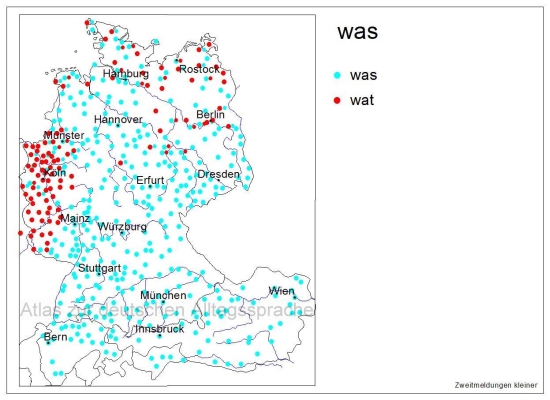

 daring fern
lila, but arent those two different colours? @gilded mauve
 full socket
daring fern
lila, but arent those two different colours? <@1240046869737111705>
full socket
daring fern
lila, but arent those two different colours? <@1240046869737111705>
Nur, wenn du ein Korinthenkacker bist. Ob Indigo oder Lavendel... wenn du mich fragst, ist das Jacke wie Hose.
 fervent kernel
sinful lily
"die können..." aufm 1ten Bild
"die haben..." aufm 2ten
fervent kernel
sinful lily
"die können..." aufm 1ten Bild
"die haben..." aufm 2ten
(1) hier bezieht sich die einfach nur verkürzt auf die (Schüler)
(2) Die haben ja Nerven -> hier ist es etwas schwieriger, aber es scheint eine andere Konstruktion als oben zu sein, "Nerven haben" ist ein fester Ausdruck und ist mMn wieder ähnlicher wie ein adjektiv, aber für die genaue Grammatik bräuchten wir einen spezialisten 🤔
vielleicht ist es auch üblicher "die" für Personen zu verwenden und "das" für Sachen, aber das ist auch ein wild guess
old roost
is entfallen as "to be cancelled" a common usage? I usually see ausfallen instead
plush pelican
old roost
is entfallen as "to be cancelled" a common usage? I usually see ausfallen instea...
I think it's more like "to lapse" (and therefore not apply anymore)
old roost
thank you
hybrid robin
Ich habe eine Frage: ist "Sie" in dem Urteil "Wo arbeiten sie" ein Plural?
Wie in: "Where do you all work?"
plush pelican
hybrid robin
Ich habe eine Frage: ist "Sie" in dem Urteil "Wo arbeiten sie" ein Plural?
no, it's formal "you", which is why it is (and should be) capitalized
I mean, technically, the formal "you" can be either singular or plural, but usually you're only asking one person that question
 hybrid robin
plush pelican
I mean, technically, the formal "you" can be *either* singular or plural, but us...
hybrid robin
plush pelican
I mean, technically, the formal "you" can be *either* singular or plural, but us...
Ah, ok. So would it be "Wo arbeiten ihr?"
plush pelican
-
"ihr arbeitet" match the subject and verb
-
How many people are you talking to?
-
Are you trying to be formal or informal?
hybrid robin
For example if I were talking to a group of 3 people in a social setting (informal)
And I'm getting to know them
plush pelican
then yes, "Wo arbeitet ihr?"
hybrid robin
ok, thanks
 drowsy epoch
Guten morgen
dense obsidian
drowsy epoch
Guten morgen
moin
drowsy epoch
Any want to be my study partner ?
drowsy epoch
dense obsidian
moin
How are you ?
dense obsidian
drowsy epoch
How are you ?
i'm good, what about you? do you have a question or just wanna chat?
drowsy epoch
I have many questions
dense obsidian
drowsy epoch
Any want to be my study partner ?
drowsy epoch
I want study partner so I can learn deutsch
dense obsidian
drowsy epoch
I want study partner so I can learn deutsch
Check out what i sent above. You can look for study partners there.
fervent kernel
Should I write the third letter as informal or formal?
plush pelican
you posted a sideways picture, dude
fervent kernel
Oops sorry
fervent kernel
fervent kernel
Should I write the third letter as informal or formal?

How abt now..
plush pelican
fervent kernel
Translate the #3 question into English
Heute können Sie nicht zur Arbeit gehen. Schreiben Sie an ihre Chefin
fervent kernel
The letter is sent to the boss, so should I write it as informal
I couldn't get the starting salutation..
plush pelican
I think if there is one situation where you should use formal, it would be when explaining to your boss why you're not showing up for work, 😅