#questions
1 messages · Page 15 of 1
 indigo bear
It's not uncommon for people to have issues with those things in their native language.
 nova wedge
True, I am also terrible at my own language lol
indigo bear
Yeah and unfortunately a lot of people give advice based on vibes or random ideas they come up with, without knowing how the thing they're explaining actually works.
So if something ever sounds weird, definitely get a second opinion. That's one of the nice things about asking here because there are a lot of people reading the chat and will jump in if someone gives bad advice.
nova wedge
Yeah, they told me to read old German books to learn the language. I was like I can’t even read like modern German yet like all you need to need to get a idea of how I don’t see how that’s possible if I don’t understand what being said.
indigo bear
nova wedge
Yeah, they told me to read old German books to learn the language. I was like I ...
Old German books aren't recommended because the spelling rules changed in 1996.
nova wedge
Wow, two years before I was born
indigo bear
Of course it's fine to read them for other reasons, like we've done some reading sessions before on this server for the old Grimms fairytales, but that was for fun only.
 tulip root
nova wedge
tulip root
nova wedge
Ask your question and there will be people that will reply if they know the answer
 pearl horizon
Tipps für B2 erreichen?
pearl horizon
indigo bear
Old German books aren't recommended because the spelling rules changed in 1996.
Echt?
indigo bear
pearl horizon
Echt?
Yeah.
pearl horizon
indigo bear
Yeah.
Wie so?
indigo bear
pearl horizon
Wie so?
For example, dass used to be spelled daß.
pearl horizon

indigo bear
The German orthography reform of 1996 (Reform der deutschen Rechtschreibung von 1996) was a change to German spelling and punctuation that was intended to simplify German orthography, thereby making it easier to learn, without substantially changing the rules familiar to users of the language.
The reform was based on an international agreement...
indigo bear
pearl horizon
Ich denke daß das besser klingt
They changed it so it's now consistent and follows a rule.
You use ß after a long vowel or diphthong, ss after a short vowel.
So for example, Maße and Masse are pronounced differently.
 sly oracle
German is a very standardized language (even though there are so many dialects)
sly oracle
nicos weg on DW
 hollow umbra
pearl horizon
Echt?
hollow umbra
pearl horizon
Echt?
Ich würde das nicht so eng sehen. Man kann ruhig alte Bücher lesen. Außer der ß-Regel hat sich nicht so viel Wesentliches verändert.
 winter kayak
 quaint lantern
If your saying like 22 for example do you say “zwanundzwanzig” or is the special spelling only for the big number
indigo bear
The main options (and you can combine them):
- See the pinned messages here for suggested beginner textbooks/workbooks.
- Nicos Weg is a free online course with videos/audio.
- There are many great YouTube courses.
- There are many free websites with good grammar explanations.
- Make sure to start using a dictionary too.
- Anki for flashcards if you like using flashcards for vocab.
faq nicos
 livid steepleBOT
Nicos
Nicos Weg is a free online program aimed at helping people learn German. It includes video, audio, text, grammar explanations, notes, vocabulary, and exercises. It also includes very useful cultural and bureaucratic information, such as how to open a bank account, while teaching you the relevant grammar and vocabulary.
It’s fairly popular and well-recommended, but keep in mind that you can’t learn a language with only one resource, even if it’s a good one!
You can find the program here: https://learngerman.dw.com/en/nicos-weg/c-36519789
You can also see various other courses for learners by dw.com here: https://learngerman.dw.com/en/overview/
indigo bear
faq beginner
livid steepleBOT
How to get started
The simplest way to learn German is to find topics you don’t understand yet and search for explanations of them. This list provides you with a guide for which topics to learn if you are completely new to German. Type the topic into Google (or YouTube) and start learning!
Introduction
1: Alphabet (especially ä, ü, ö and ß)
2: Basic greetings (hello, goodbye, etc.)
Part 1 - Simple Sentence
1: Noun gender & plurals
2: Nominative case (What are cases?)
3: Nominative pronouns (I, you, he, she, etc.)
4: Verbs in present tense
5: Definite/indefinite articles
6: Accusative case (for nouns)
7: Accusative pronouns
8: Word order of simple sentences
9: How to ask questions
See Part 2 on the next page.
Tips
- Always learn the gender of a noun when you learn a new noun
- Learn to use a translation dictionary (e.g. dict.cc, leo.org)
- Use
>faq resourcesto see our list of German learning resources - For listening and pronunciation practice, try watching movies or videos (incl. YouTube)
- You can listen to pronunciation for words on websites like dict.cc, forvo.com, and others
- Practice writing sentences every day (and asking people to correct them)
- Ask as many questions as possible
- Don’t be scared to make mistakes!!!! If you don’t let yourself make mistakes, you will never be able to learn German
Page 1/2
 frank falcon
quaint lantern
If your saying like 22 for example do you say “zwanundzwanzig” or is the special...
frank falcon
quaint lantern
If your saying like 22 for example do you say “zwanundzwanzig” or is the special...
"Zweiundzwanzig"
My this could help you
https://share.google/aOGzWN6AQGYTfUa6Z

deutschlernerblog.de
Bildergebnis von deutschlernerblog.de
 stray pelican
Hallo Leute! Wie geht's?
 astral yoke
stray pelican
Hallo Leute! Wie geht's?
astral yoke
stray pelican
Hallo Leute! Wie geht's?
Hi, gut, welche Frage hast du?
 livid crown
hallo
 halcyon phoenix
Can anyone send a link for A1-A2 Speeches or Books
livid crown
wer weiß der defintiv articl von "teller?
livid crown
halcyon phoenix
Can anyone send a link for A1-A2 Speeches or Books
I have short stories
website
 lunar lynx
livid crown
wer weiß der defintiv articl von "teller?
lunar lynx
livid crown
wer weiß der defintiv articl von "teller?
Der Teller; Pluralform die Teller
halcyon phoenix
livid crown
I have short stories
Ohhh
halcyon phoenix
livid crown
fluencydrop.com
Vielen Dank !
livid crown
 halcyon phoenix
livid crown
halcyon phoenix
livid crown
Ahh, Ich verstehe
livid crown
halcyon phoenix
Ahh, Ich verstehe
Jeden neveu hat vielen geschichten
halcyon phoenix
livid crown
Jeden neveu hat vielen geschichten
Ohh, das ist sehr Gut
 stiff kraken
was ist die natürlichste übersetzung von englischem "far-fetched"
astral yoke
stiff kraken
was ist die natürlichste übersetzung von englischem "far-fetched"
... weit hergeholt ...
 edgy needle
^
livid crown
astral yoke
... weit hergeholt ...
was ist deine neveu?
astral yoke
livid crown
was ist deine neveu?
Muttersprachler 🤷♂️
livid crown
C2?
astral yoke
Native speaker, ich messe das nicht in Cx
astral yoke
livid crown
C2?
Aber ich erstelle auch Schulungsunterlagen (für technische Schulungen) für Kollegen und halte auch Schulungen, ich brauche Sprache täglich für meinen Job.
livid crown
astral yoke
Aber ich erstelle auch Schulungsunterlagen (für technische Schulungen) für Kolle...
interessant
stiff kraken
astral yoke
... weit hergeholt ...
oki also bspw "das ist eine weit hergeholte frage" ne?
@astral yoke 
 light current
livid crown
C2?
light current
livid crown
C2?
muttersprache kannst du nicht mit diesen leveln messen
livid crown
light current
muttersprache kannst du nicht mit diesen leveln messen
Ja ich wusste
hollow umbra
stiff kraken
oki also bspw "das ist eine weit hergeholte frage" ne?
"an den Haaren herbeigezogen" 😆
 glacial crag
"Er ist ums Leben gekommen."
was bedeutet "ums Leben kommen" auf Englisch?
oh nvm, ich habe die Bedeutung gefunden
 small mango
= tor w
small mango
hae ami complex calc chara hatei kori shob
 tepid frigate
im tryna translate this sentence without google translate, and i cannot figure it out

when i translate indivitual words asw using ai i cant figure it out
 pliant cypress
tepid frigate
when i translate indivitual words asw using ai i cant figure it out
pliant cypress
tepid frigate
when i translate indivitual words asw using ai i cant figure it out
Try to identify phrases/collections of words that belong together, rather than just individual words. Depending on how much of a beginner you are, that can be easier said than done. But early on, simple word-by-word translating can be really hard to parse.
tepid frigate
so i have not seen this "auf die Idee" thing before
ein groBes Konzert im Freie zu geben is probs to give a big concert for free
endlich is finally, and haben ihn ... gebracht idk what it is but searching it up came up with brought him
and the last bit is smth like after his family tried for many years without sucess
pliant cypress
So the tricky thing here is that its part of a slightly larger phrase that is split apart by a fair few words. I would suggest using highlighters of varying colours to try to group words together, for example: the phrase being used here is ‘auf die Idee bringen’, something like ‘to give (someone) the idea’.
 tepid frigate
oh ok
pliant cypress
It is being conjugated, and the word order is tricky due to various German grammar rules. Odds are though that you don't need to fully understand this for the exercise you're working on. It sounds like (without seeing the questions, so I could be wrong) it's the type of exercise that seeks to have you work out the rough idea without necessarily fully comprehending everything.
tepid frigate
yh
but i want to be able to translate it fluidly
yk what they say train hard to fight easy
what is im Freien tho
pliant cypress
https://www.dict.cc/?s=im+Freien
This is a good phrasal dictionary for German-English
dict.cc | Übersetzungen für 'im Freien' im Englisch-Deutsch-Wörterbuch, mit echten Sprachaufnahmen, Illustrationen, Beugungsformen, ...
pliant cypress
No worries. Trust manual dictionaries more than machine translation is my suggestion. They have their uses, but they can lead you the wrong way too
 serene island
ich verstehe nicht , ob in den Satz, der mit aber eingeleitet wird, das Verb *werden * am End kommt? ist der folgende Satz richtig?
"Ich habe gelesen, dass Adjektive und Partizipen zwar als Nomen benutzt werden, aber sie wie Adjektive dekliniert werden."
 silent grove
did anyone do the goethe b2 test? if so, how did u guys do the teil 5 coz like idk a bunch of the vocab and it stresses me out
 wary jungle
Yo whats the difference between Sache and dinge?
 lunar igloo
Ich habe eine Frage. Ich spreche nämlich ziemlich gut Deutsch, aber wenn die Sprache in ein Niche-Bereich(z.B. Fußballspielen) geht oder es einfach eine seltene Word gesagt wird(kappieren oder Reißnagel), werde ich verloren und muss Übersetzer nutzen. Kann jemand mir irgendwelche Tipps dafür geben ?
lunar igloo
wary jungle
Yo whats the difference between Sache and dinge?
Dinge is more used in commonspeak
wary jungle
Thanks!
serene island
könnte jemand bitte die von mir geschriebenen Deklinationen überprüfen? Ich habe gelesen, dass Adjektive und Partizipen als Nomen wie Adjektive dekliniert werden."
Aber ich bin mir nicht sicher. deswegen könnte jemand mir auch erklären, ob es stimmt das, dass Adjektive und Partizipen als Nomen wie Adjektive dekliniert werden
 sly oracle
serene island
könnte jemand bitte die von mir geschriebenen Deklinationen überprüfen? Ich habe...
sly oracle
serene island
könnte jemand bitte die von mir geschriebenen Deklinationen überprüfen? Ich habe...
looks correct to me
 brisk lance
why is tv called fern? it looked like "seeing fern" lol
 pliant cypress
brisk lance
why is tv called fern? it looked like "seeing fern" lol
pliant cypress
brisk lance
why is tv called fern? it looked like "seeing fern" lol
It's essentially ‘far-see’, which is pretty much the literal meaning of television too
winter kayak
brisk lance
why is tv called fern? it looked like "seeing fern" lol
a tv is a fernseher.
fern = far/distant
seher = see-er
 winter kayak
in English it is the same. The stem 'tele-' means far, and vision is...yeah vision lol 😉
brisk lance
winter kayak
in English it is the same. The stem 'tele-' means far, and vision is...yeah visi...
wow really?? help im not too familiar with this etymology
hmmm doesnt tele come from greek?
winter kayak
i think so
 exotic trellis
brisk lance
lol i thought it would the English "wander"
exotic trellis
brisk lance
lol i thought it would the English "wander"
Nice deck, which is this one pal?
exotic trellis
brisk lance
wow really?? help im not too familiar with this etymology
Just like “telescope”
 versed verge
And "teleport"
brisk lance
exotic trellis
Nice deck, which is this one pal?
Goethe A1 wordlist, i think thats how its called
You can find it online
brisk lance
versed verge
And "teleport"
I literally just had a epiphany
hollow umbra
lunar igloo
Ich habe eine Frage. Ich spreche nämlich ziemlich gut Deutsch, aber wenn die Spr...
"Kapieren" ist kein seltenes Wort. "Reißnagel" schon eher. Manchmal kann man das Wort überspringen, sich aus dem Kontext erschließen, oder aufschreiben und später im Wörterbuch nachschlagen.
 golden spoke
serene island
könnte jemand bitte die von mir geschriebenen Deklinationen überprüfen? Ich habe...
golden spoke
serene island
könnte jemand bitte die von mir geschriebenen Deklinationen überprüfen? Ich habe...
ja alles sieht in Ordnung aus.
astral yoke
serene island
ich verstehe nicht , ob in den Satz, der mit *aber* eingeleitet wird, das Verb *...
Dein Satz ist richtig so.
Die Konstruktion die du hier verwendest ist 'dass nnn zwar yyyy, aber zzzzz.
Beide Teile nach dem ', dass...'
gehören zu Nebensätzen mit speziellen Regeln, für die Reihenfolge der Wörter.
 oblique snow
hollow umbra
"Kapieren" ist kein seltenes Wort. "Reißnagel" schon eher. Manchmal kann man das...
oblique snow
hollow umbra
"Kapieren" ist kein seltenes Wort. "Reißnagel" schon eher. Manchmal kann man das...
https://www.atlas-alltagssprache.de/r8-f3f-2/?child=runde regionales Ding
 vivid isle
Hi guys! Can I say “Das Abendessen ist gut hier” instead of “Das Abendessen hier ist gut”? 😅

 simple gyro
is english first names common Germany? Like mark, luke etc.
 tulip meteor
simple gyro
is english first names common Germany? Like mark, luke etc.
tulip meteor
simple gyro
is english first names common Germany? Like mark, luke etc.
I think you first need to reallze how like 90 % of common names are of greek or hebrew origin, often from a christian/abrahamic tradition
So the question is more "which names are the same in both languages"
Mark stays Mark, Luke is an English original but it is a shorthand of Lucas, which does exist in German (often spelled Lukas)
John (eng) = Johannes (ger) = Jonas (both)
So the answer is that no, the specifically English variants aren't very common in German, but there often exists an equivalent version and sometimes the name doesn't change
This extends to almost all european languages btw.
French Jean is just John as well
simple gyro
tulip meteor
I think you first need to reallze how like 90 % of common names are of greek or ...
Oh rightttt!
Forget abt that!
Dankeeee!!
simple gyro
tulip meteor
French Jean is just John as well
True
You got Juan in espanol i think
serene island
serene island
könnte jemand bitte die von mir geschriebenen Deklinationen überprüfen? Ich habe...
Could you also tell me if this is correct?
@astral yoke
 tall fox
How would someone say something like 'do you listen to the Band 'Snowing'' with the two nouns directly next to eachother.
 winter stream
pretty much the same way actually. alternatively you could just say 'do you listen to snowing? they're a band/that's a band'
the only significant difference is with bands (or for that matter also stuff like books) whose name is something you would use with articles or an adjective, there you can get variation between adjusting the name/title to the grammatical context or treating it as a fixed phrase that doesn't change.
so you might say „das ist ein Lied von ‚Die Ärzte‘“ or „das ist ein Lied von den Ärzten“. i think the dominant pattern is changing it according to case if it's a band name in the plural (die Beatles -> von den Beatles) but probably more mixed if it's something in the singular? but that's a guess
but either way, if you say 'die Band' or 'das Buch' before the name, it doesn't change. „ein Lied von der Band ‚die Toten Hosen‘“, „ein Auszug aus dem Buch ‚der Prozess‘“
winter stream
tall fox
How would someone say something like 'do you listen to the Band 'Snowing'' with...
ill ping you since you might not notice the response otherwise
tall fox
thank you!
is the comma in 'ein Lied von der Band, die Toten Hosen' indicating a relative clause?
sly oracle
tall fox
is the comma in 'ein Lied von der Band, die Toten Hosen' indicating a relative c...
That is called an apposition (both in english and german)
it is not a clause it's just.. it's own thing
apparently die Apposition is the fancy, latin name for it so you might see it in grammar books as die Beifügung
tall fox
thank you!!
i feel like i cant sleep until i know the like linguistics term for the phenomena lol
 flint bolt
in my german book it was die Apposition
winter stream
tall fox
is the comma in 'ein Lied von der Band, die Toten Hosen' indicating a relative c...
ah sorry for the ambiguity, that's not a comma, technically, just a single version of the german left side quotation mark 🙃
the equivalent to writing ‘like this’ in english. it's not necessary
 jovial jackal
is there any chance of someone misinterpreting "ich bin um 17:00 Uhr verabredet" as "i'm having a date at 17:00"?
i said that just to mean i'm meeting someone else at that time and am not free at 17:00
 kindred flicker
This ok?
 kindred flicker
 livid crown
kindred flicker
livid crown
kindred flicker
are these free materials or like school or course materials?
kindred flicker
livid crown
are these free materials or like school or course materials?
it was a textbook my tutor had shared with me
indigo bear
kindred flicker
Can you explain your answer to 9j?
For 10, what case is required for the object of "geben"?
And 11b I think you misread the prompt.
kindred flicker
indigo bear
Can you explain your answer to 9j?
For 10, what case is required for the object...
9J I was not sure about. I thought because they were more like places.?
indigo bear
kindred flicker
9J I was not sure about. I thought because they were more like places.?
I think the idea is that a zoo has animals.
kindred flicker
indigo bear
Can you explain your answer to 9j?
For 10, what case is required for the object...
Re 10, I must have messed by using nominative(?) instead of accusative.
indigo bear
kindred flicker
Re 10, I must have messed by using nominative(?) instead of accusative.
You either used nominative by mistake, or just forgot that masculine nouns have a different declension in accusative.
Everything is correct except the masculine nouns.
kindred flicker
indigo bear
And 11b I think you misread the prompt.
Yes, you’re right. Thank you.
kindred flicker
 indigo bear
kindred flicker
indigo bear
kindred flicker
Word order errors, and same problem again with masculine accusative.
And what gender is Segelboot?
kindred flicker
indigo bear
Word order errors, and same problem again with masculine accusative.
Errors for both 11 and 12?
indigo bear
kindred flicker
Errors for both 11 and 12?
Yeah.
Oh, the word order errors are 11 and 12. Declension/gender errors in 13.
 tawny fractal
jovial jackal
is there any chance of someone misinterpreting "ich bin um 17:00 Uhr verabredet"...
tawny fractal
jovial jackal
is there any chance of someone misinterpreting "ich bin um 17:00 Uhr verabredet"...
No
 rain hollow
kindred flicker
rain hollow
kindred flicker
Könnten Sie mir das Buch name bitte schreiben?
astral yoke
jovial jackal
is there any chance of someone misinterpreting "ich bin um 17:00 Uhr verabredet"...
actually, there is: ich bin verabredet can be a 'romantic date' or just an appointment.
If you want to make sure to only tell, that you're not free at 17:00, I'd suggest you use:
Ich habe um 17:00 Uhr (schon) einen Termin.
tulip meteor
It doesn't carry any inherent connotations but your mom might be like "ooo who is it :p"
 high oasis
hey guys, I wanna apply for goethe a2 exam in june, and I’ve finished menschen A2 days ago, so should I start B1 or keep preparing for A2 for the next two months? what do you think is better?
if I start B1 I will change to Netzwerk neu btw
winter kayak
I don’t see a reason to stop progressing. B1 can pass A2 exam, it all builds. It’s not like exams in different subjects
I mean it’s still good to revise old topics, for sure. But if you’re using the language they tend to pop up naturally anyway
 hybrid aspen
Hello guys,
Are there any books or website related to german reading?
 orchid hornet
hybrid aspen
Hello guys,
Are there any books or website related to german reading?
orchid hornet
hybrid aspen
Hello guys,
Are there any books or website related to german reading?
deutschland.de and tagesschau websites (they have an app, too) have articles you can read. Other than that, you can look up German books or German version of books you like.
livid crown
hybrid aspen
Hello guys,
Are there any books or website related to german reading?
es gibt viele
one of them:
but these aren't books
 crystal birch
hallo ich brauche Hilfe!! seit einer woche höre ich deutsche lieder und ich fand der Gruppe "von wegen lisbeth". ich will der liedtext von ihrem lied "opti" verstehen, aber sie benutzen der satz "guck ich optimier mich" und ich weiß nicht, was das meinen könnte. wenn ich das mit deepl übersetze kriege ich "i'm looking to improve myself" aber das versteh ich nicht. ich dachte, dass "gucken" "to look physically" bedeutet. darf man "gucken" benutzen, wenn man "intending to" meint?
 plush locust
crystal birch
hallo ich brauche Hilfe!! seit einer woche höre ich deutsche lieder und ich fand...
plush locust
crystal birch
hallo ich brauche Hilfe!! seit einer woche höre ich deutsche lieder und ich fand...
Can't listen right now, but I'm certain this is missing a comma in the (likely AI generated) transcript. So: Guck, ich optimier mich (Look/See! I improve myself!)
 cobalt aurora
Isn't sollten Präteritum?
If yes then we should be able to use it to mean something in the past, tight?
Ich sollte sowas machen
I should have done something like that
plush locust
It's also Konjunktiv II
(and in this case, it is)
Most uses of sollen are in Konjunktiv, so "I should do something like that" (it's hypothetical because you are not actually doing it or inclined to do it)
cobalt aurora
plush locust
It's also Konjunktiv II
Man I hate this confusing part
cobalt aurora
plush locust
Most uses of *sollen* are in Konjunktiv, so "I *should* do something like that" ...
But what if this hypothetical is in the past?
I should have started learning piano at 10
plush locust
cobalt aurora
But what if this hypothetical is in the past?
hätte sollen is an option
cobalt aurora
plush locust
hätte sollen is an option
How about ich sollte sowas geübt haben
Like we normally use perfect
cobalt aurora
plush locust
hätte sollen is an option
This is gonna take some time to get into the muscle memory lol
plush locust
"Ich hätte das üben sollen" works just fine? Or "hätte das üben gesollt"
cobalt aurora
plush locust
"Ich hätte das üben sollen" works just fine? Or "hätte das üben gesollt"
First one looks much more aesthetic
plush locust
I'd also prefer it
cobalt aurora
Are you sure germans will get confused if i say sollten with Perfekt
cobalt aurora
plush locust
I'd also prefer it
ich sollte gestern sowas geübt haben
plush locust
That works too!
cobalt aurora
plush locust
That works too!
Really, phew.. so germans use this one as well huh
plush locust
But for "I should have practiced yesterday", I'd go for "Ich hätte gestern üben sollen", it just flows best in my view (and came to mind first)
cobalt aurora
plush locust
But for "I should have practiced yesterday", I'd go for "Ich hätte gestern üben ...
Hätten seems confusing I've seen it being used commonly for present requests while ordering something?
crystal birch
plush locust
Can't listen right now, but I'm certain this is missing a comma in the (likely A...
omg thank you
what makes you think its ai generated?? is spotify ai generating the live lyrics now???
plush locust
cobalt aurora
Hätten seems confusing I've seen it being used commonly for present requests whi...
The past relation through "gestern" makes it super clear. And using "hätte gern" for a request is a straight-up Konjunktiv (Ich habe es nicht, aber ich hätte es gerne!). Technically, you don't even request it, you just state that you'd like it if you had something you don't actually have.
cobalt aurora
plush locust
The past relation through "gestern" makes it super clear. And using "hätte gern"...
Achso vielen Dank für your Antwort. Now I get it!
 digital needle
cobalt aurora
ich sollte gestern sowas geübt haben
digital needle
cobalt aurora
ich sollte gestern sowas geübt haben
Maybe my feeling is off on this but this does not sound right to me.
I don't know if I would've understood what you meant had I not read this discussion. I might have assumed that you were told to practice something like that yesterday, which obviously is different
Morris sees it different, so it might just be me
cobalt aurora
digital needle
Morris sees it different, so it might just be me
Maybe could it be because that it's region dependent?
cobalt aurora
digital needle
Maybe my feeling is off on this but this does not sound right to me.
I don't kno...
Told to, damnn that seems far away, mir gesagt should be there to mean something like that
cobalt aurora
digital needle
I don't know anything about dialects
Kein problem, thanks for the reply
 teal reef
cobalt aurora
Maybe could it be because that it's region dependent?
teal reef
cobalt aurora
Maybe could it be because that it's region dependent?
It’s not correct
At least it doesn’t mean what you’re looking for
„Ich sollte das gestern geübt haben“ means roughly „I was supposed to have practiced that yesterday“. You may or may not have actually practiced anything
„Ich hätte das gestern üben sollen“ - „I should have practiced that yesterday“ is unambiguous, you didn’t practice yesterday
cobalt aurora
teal reef
„Ich sollte das gestern geübt haben“ means roughly „I was supposed to have pract...
Oh I see the difference. So it doesn't show that "past regret"
teal reef
Its the main difference between Indikativ and Konjunktiv
cobalt aurora
teal reef
„Ich hätte das gestern üben sollen“ - „I should have practiced that yesterday“ i...
Basically the difference in the meaning between yours and mine is
Mine just tells something I was supposed to do
Meanwhile yours shows that "past regret"
teal reef
It’s not really about regret but yes roughly
When you use Konjunktiv to describe the past you’re talking about things that didn’t happen
By definition
cobalt aurora
teal reef
When you use Konjunktiv to describe the past you’re talking about things that di...
For wishes and regrets too isn't it?
teal reef
Yes because wishes and regrets about things in the past are necessarily about things that never happened/came to be
cobalt aurora
Es wäre besser wenn nur ich früher mehr Übungen machen hätten
teal reef
Es wäre besser (gewesen) wenn ich nur früher mehr Übungen gemacht hätte
cobalt aurora
teal reef
Es wäre besser (gewesen) wenn ich nur früher mehr Übungen gemacht hätte
Right! I think I get the idea now. Thanks!
teal reef
Gerne
 wheat mauve
hi
glacial crag
Mir war zumute, mehr zu schreiben
Mir war mehr zum Schreiben zumute
Klingen beide Sätze natürlich? Üblicherweise benutze ich die zweite Variante
 calm steeple
Hi everyone! I have a question pls
Is there any free website where I can watch English shows or movies with German subtitles? Thanks in advance
 thick pilot
sup guys
i have a quetion
for ppl who live in morocco
whitch prufung is easier telc goethe or osd
livid crown
?
 lunar lynx
the verb has mutliple meanings; the explanation shows one and the example sentence shows another
livid crown
lunar lynx
the verb has mutliple meanings; the explanation shows one and the example sente...
thank you
is "kannst du das kleid klappen bitte?" correct?
 thin pollen
How does jemanden etwas angehen work?
 sleek pebble
livid crown
is "kannst du das kleid klappen bitte?" correct?
sleek pebble
livid crown
is "kannst du das kleid klappen bitte?" correct?
zusammenfalten
klappen doesn’t have a direct english translation i think
at least none that sets it apart from falten in the literal sense
sleek pebble
thin pollen
How does jemanden etwas angehen work?
idiomatic expression that means „to concern someone“ in the sense of it being their business
used with accusative: „das geht mich nichts an“ (that’s none of my business)
„was geht dich das an?“ (what’s it to you?)
thin pollen
sleek pebble
idiomatic expression that means „to concern someone“ in the sense of it being th...
Is it reflexive?
hollow umbra
thin pollen
Is it reflexive?
No
Normal accusative object
Usually it's with a presyllable: Einklappen, ausklappen, aufklappen, zusammenklappen. "Es klappt, und wenn es zusammenklappt!" 🤣
sleek pebble
think he meant angehen but that too is not reflexive
 idle stream
Can english slangs be used in the same way as german? Such as wild and so on
hollow umbra
idle stream
Can english slangs be used in the same way as german? Such as wild and so on
Some yes, the young people use them a lot. See the "Jugendwort des Jahres". Cringe!
idle stream
hollow umbra
Some yes, the young people use them a lot. See the "Jugendwort des Jahres". Crin...
Thanks for investing time in this question
 past pasture
is there a list with c1 vocabulary in german with the english translation next to it somewhere?
lunar lynx
no, c1 is far too extensive for something like that
idle stream
Is there an app or a website that specializes in language learning for movies? Hypothetically a subtitle in a movie can be pressed on and it shows a translation and/or it shows an english subtitle below the German one
pliant cypress
idle stream
Is there an app or a website that specializes in language learning for movies? H...
https://www.languagereactor.com/
This is a browser extension that resembles your description (not a pefect match), which works for Netflix, so I guess it'll apply to films on Netflix. Being entirely honest, I don't use Netflix, so I don't know how well it works for it, but I have used it for Youtube, and really like it for that purpose. I imagine it works similarly across both websites.
Language Reactor: your language learning toolbox. Discover, understand, and learn from native materials, including Netflix and YouTube. (Formerly called 'Language Learning with Netflix'.)
idle stream
pliant cypress
https://www.languagereactor.com/
This is a browser extension that resembles your...
No matter how much i thank you wouldn't be enough
I owe you for your kindness
pliant cypress
idle stream
No matter how much i thank you wouldn't be enough
Haha no worries. Hopefully it does the job
 crisp laurel
Hello, is anybody recommending an online dictionary for German?
livid crown
pliant cypress
https://www.languagereactor.com/
This is a browser extension that resembles your...
yo
das ist sehr geil
stiff kraken
hollow umbra
dict.leo.org
das ist einfach dict.cc ne
 worn mauve
Had a question wrt a line I encountered but struggled a bit with: "biste deppat" - just not really sure what this is?
orchid hornet
worn mauve
Had a question wrt a line I encountered but struggled a bit with: "biste deppat"...
Bist du depp
Depp afaik can mean dumbass/fool. Although I'm not sure if deppat form is from another dialect within Germany or from Österreich.
 acoustic drum
guys anyone staying in frankfurt here?
hollow umbra
worn mauve
Had a question wrt a line I encountered but struggled a bit with: "biste deppat"...
Wiktionary
rain hollow
acoustic drum
guys anyone staying in frankfurt here?
Why?
worn mauve
orchid hornet
Bist du depp
Depp afaik can mean dumbass/fool. Although I'm not sure if deppat ...
Is there a reason behind the biste formulation?
worn mauve
hollow umbra
https://de.wiktionary.org/wiki/deppert
gdi 😭 ty
pliant cypress
worn mauve
Is there a reason behind the biste formulation?
It's just a reduction of ‘bist du’
Casual speech sort of thing
worn mauve
Danke sehr 🙏
worn mauve
hollow umbra
https://de.wiktionary.org/wiki/deppert
Is this a geographic thing? I'm aware wiktionary said it but I heard it from a northerner so I got a bit thrown.
hollow umbra
worn mauve
Is this a geographic thing? I'm aware wiktionary said it but I heard it from a n...
Yes, it's absolutely Austrian, but that doesn't stop some northerners from using it, too. It will surely be understood in the North
worn mauve
hollow umbra
Yes, it's absolutely Austrian, but that doesn't stop some northerners from using...
Thank you so much, somehow it's always these things that throw me 😂
Wait apologies, Austrian - is this something you might hear in e.g. Bayern too?
hollow umbra
worn mauve
Wait apologies, Austrian - is this something you might hear in e.g. Bayern too?
Yes, surely
worn mauve
hollow umbra
Yes, surely
Ty 🙏
hybrid aspen
What is the most important skill from german which i should prioritise and invest my most time (dont say grammer plz)
worn mauve
What are you trying to get out of it?
orchid hornet
hybrid aspen
What is the most important skill from german which i should prioritise and inves...
This imo depends on your weak points on its skill facets, really...every skill (listening, reading, speaking, vocab, grammar) is all interconnected to each other. Perhaps focus on the weak point you have as mentioned, or on what skill you prefer to focus on at the moment.
pliant cypress
hybrid aspen
What is the most important skill from german which i should prioritise and inves...
The answer can depend on your purpose, but focusing on what you're weakest at at any given time will keep you somewhat en route to progress
hybrid aspen
My main goal is to clear goethe b1 exam
worn mauve
orchid hornet
This imo depends on your weak points on its skill facets, really...every skill (...
Then this basically. You're just looking to clear the exam so it's a matter of exam prep, knowing what you'll be tested on, and focusing on the weaknesses.
pliant cypress
hybrid aspen
My main goal is to clear goethe b1 exam
Do the practice materials on the Goethe website and try to identify what you're struggling with the most. Be strict on yourself; do the materials properly, as true to exam conditions as you can.
hybrid aspen
pliant cypress
Do the practice materials on the Goethe website and try to identify what you're ...
Are there any website for Goethe mock test because goethe official has limited materials
kindred flicker
Hey, am I doing this right? Should it be kein/ keine in some cases?

 silent mist
kindred flicker
Hey, am I doing this right? Should it be kein/ keine in some cases?
silent mist
kindred flicker
Hey, am I doing this right? Should it be kein/ keine in some cases?
Thats perfect 🙂
kindred flicker
silent mist
Thats perfect 🙂
Ok, Goode… Goode..
 jovial remnant
acoustic drum
guys anyone staying in frankfurt here?
jovial remnant
acoustic drum
guys anyone staying in frankfurt here?
was ist tatsächlich die Frage?
livid crown
who knows a website where I can watch films and series in german for free?
 oak geode
On youtube you can watch some dudes playing games, or an interesting documentary
 ember verge
livid crown
who knows a website where I can watch films and series in german for free?
ember verge
livid crown
who knows a website where I can watch films and series in german for free?
Are you in Germany? If yes, there's some public TV channels that have their own websites and media. But geoblocked
livid crown
ember verge
Are you in Germany? If yes, there's some public TV channels that have their own ...
no I'm not
tepid frigate
does anyone have any tips for spotting seperable verbs like this when listening to this being spoken

such as ladt ... ein
 scenic obsidian
tepid frigate
does anyone have any tips for spotting seperable verbs like this when listening ...
scenic obsidian
tepid frigate
does anyone have any tips for spotting seperable verbs like this when listening ...
With time and experience, it won't be an issue
orchid hornet
tepid frigate
does anyone have any tips for spotting seperable verbs like this when listening ...
I think one way you can do is to be more familiar with un/separable prefixes.
 tepid frigate
and should i learn the meanings for all of these
ik like half of these of the top of my head, but i can never figure out the word from it
orchid hornet
Would be hard and wouldn't make sense that much, since not all separable prefixes will mean the exact same thing when attached to verbs encountered. The more input, the more familiarity and exposure you get to separable verbs.
But nothing wrong at all with learning what they all mean. It could help a bit with grasping of the verb's kontext within the sentence.
 frigid tinsel
orchid hornet
I think one way you can do is to be more familiar with un/separable prefixes.
frigid tinsel
orchid hornet
I think one way you can do is to be more familiar with un/separable prefixes.
And never forget the worst switch hitter. umfahren
Literally changes meaning based on emphasis / accent.
thin pollen
Is A2 to C1 achievable in 4-5 months of 10 hrs avg daily ?
orchid hornet
frigid tinsel
And never forget the worst switch hitter. umfahren
Def a good example why learning only the prefixes wouldn't be sadly a good idea xD
orchid hornet
thin pollen
Is A2 to C1 achievable in 4-5 months of 10 hrs avg daily ?
No, imo
frigid tinsel
thin pollen
Is A2 to C1 achievable in 4-5 months of 10 hrs avg daily ?
Lol absolutely not.
C1 is so advanced...
orchid hornet
Are you aiming to gain fluency or pass the language test?
frigid tinsel
I'm not sure if even B2 -> C1 is achievable in that time.
thin pollen
orchid hornet
Are you aiming to gain fluency or pass the language test?
Fluency most likely
orchid hornet
Then no
thin pollen
What would be the hardest part ?
orchid hornet
Hardest part would be...the fact that you're not a native nor do you live in a German-speaking country, assumably.
thin pollen
What you're talking abt here is immersion tho this can be done anywhere right
orchid hornet
It's too compressed of a time to reach C1 in terms of fluency.
frigid tinsel
C1 is a very advanced level.
thin pollen
orchid hornet
It's too compressed of a time to reach C1 in terms of fluency.
Hmm
What abt listening or the grammar?
I don't think vocab is the problem here
frigid tinsel
C1 is like, making cohesive arguments and understanding hour long presentations in subjects you are unfamiliar with.
glacial crag
thin pollen
Is A2 to C1 achievable in 4-5 months of 10 hrs avg daily ?
could be possible in 1.5 years (or even 1 year), but very few people manage this. The important thing is how structured your learning is and how much time you dedicate everyday to learning german
But... the only person that can answer this question is your future self. You might be one of the people that are gifted in learning languages quickly.
frigid tinsel
It's not even grammar or vocab anymore.
glacial crag
glacial crag
could be possible in 1.5 years (or even 1 year), but very few people manage this...
you need to learn intensively, but so intensive that you end up burning out and giving up on the language
thin pollen
are 10k words actually enough for c1 tho
frigid tinsel
C1 is like, essays, critical thinking in target language.
It's not about individual word study anymore.
 twilit crystal
Guys, currently I am at A2.2 level but I am not able to understand when someone asks something in German. How can I improve my listening and speaking skills?
frigid tinsel
twilit crystal
Guys, currently I am at A2.2 level but I am not able to understand when someone ...
I personally use a lot of songs, graded readers and YouTube as my listening practice
The grammar book im going through (Grammatik aktiv) has a lot of listening+speaking exercises. It's a bit artificial but it gets the job done as well.
I also try to sing the songs back, as well as shadow normal talking.
Ex: I watch Kurz und Leicht. Then I download the PDF and talk with the video and "shadow", trying to copy the rhythm and everything from the speakers.
twilit crystal
Thanks a lot @frigid tinsel, I will try this approach
frigid tinsel
A lot of graded readers have a .mp3 play along.
So you can work on reading + listening together.
And if you shadow that, it's also speaking practice.
twilit crystal
Okay, I am thinking to start listening to german songs and watch movies in German
frigid tinsel
twilit crystal
Okay, I am thinking to start listening to german songs and watch movies in Germa...
Movies are maybe a B1 thing IMO
twilit crystal
Ohhh
frigid tinsel
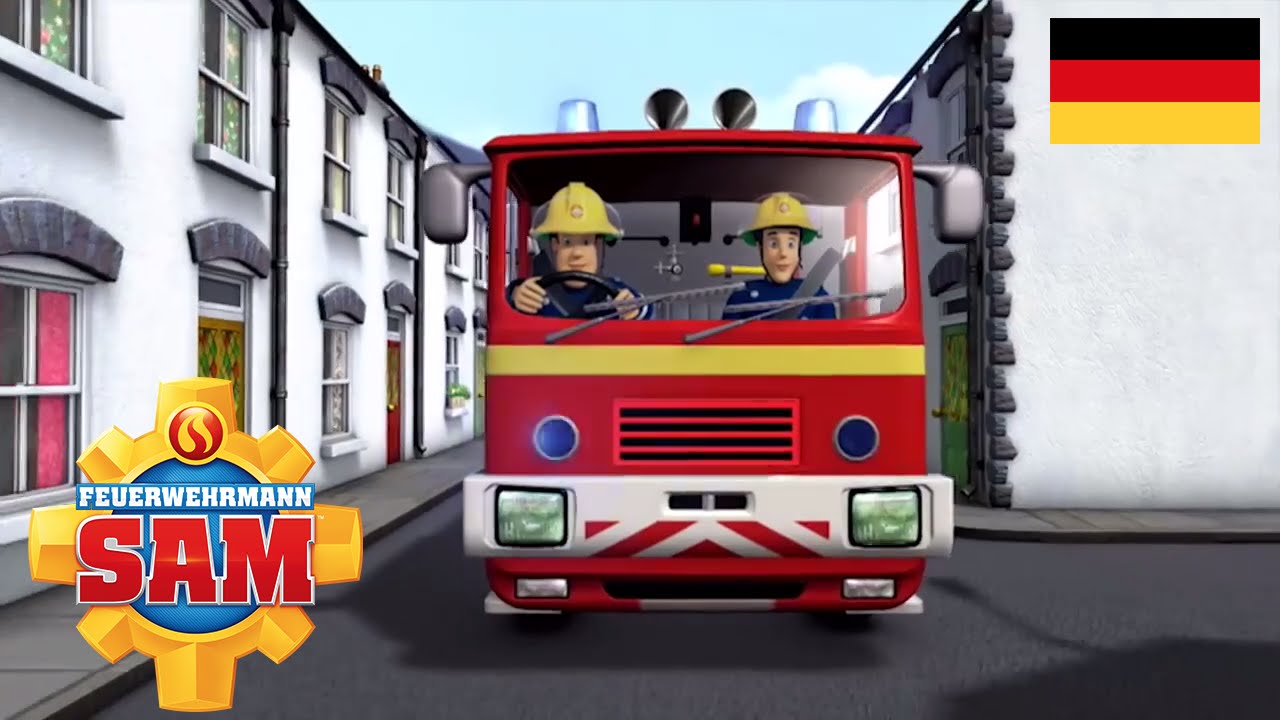
Neue Folgen! 🔥: https://www.youtube.com/watch?v=rCdAhDHapM4&list=PLk_wkm2F99xdbxAiFu-pV6WSxsJ8u8CaF
► Hier klicken um Feuerwehrmann Sam zu abonnieren - http://bit.ly/2dQKzuk
🚒 Mehr von Feuermann Sam’s kurzen Sicherheitsvideos!
https://www.youtube.com/playlist?list=PLk_wkm2F99xdbxAiFu-pV6WSxsJ8u8CaF
🚒 Mehr von Feuerwehrmann Sam...
frigid tinsel
twilit crystal
Ohhh
Watch kid shows. Like maybe 5 minutes to 30 minutes tops. Das Maus. Feuerwehrmann Sam. Bernd das Brot.
Peppa Wutz.
That's hard enough for A2
Maybe even too hard lol. Rewind and try again frequently.
plush locust
frigid tinsel
Movies are maybe a B1 thing IMO
Song lyrics, too. (At least grammar-wise.)
twilit crystal
frigid tinsel
Maybe even too hard lol. Rewind and try again frequently.
Yeah I will start with Peppa Wutz
thin pollen
frigid tinsel
Movies are maybe a B1 thing IMO
There are some beginner content made for learners I think
Watched Extra auf Deutsch and I could understand it pretty well
frigid tinsel
plush locust
Song *lyrics*, too. (At least grammar-wise.)
Dealing with B1 grammar for 4 minutes is way easier than dealing with B1 grammar for 1 hour.
It's fine to get stuff above your level, as long as it's in small doses IMO.
oblique snow
<@&305455824174710787>
 mild halo
hey guys, can anyone with good german help me find a random song by translating the lyrics? dm me if so:)
tawny fractal
mild halo
hey guys, can anyone with good german help me find a random song by translating ...
You can just post them here
mild halo
tawny fractal
You can just post them here
fair point assumed I had no perms
mild halo
mild halo
hey guys, can anyone with good german help me find a random song by translating ...
very loud background sound im aware
tawny fractal
I don't understand shit 😭
mild halo
tawny fractal
I don't understand shit 😭
second native german to tell me this lmfao dw
tawny fractal
mild halo
second native german to tell me this lmfao dw
Yea, I feel like some things sound like certain words to me but they make no sense 😅
I feel like it starts with 'ich war' tho, but maybe that's just my ear playing tricks on me
mild halo
tawny fractal
Yea, I feel like some things sound like certain words to me but they make no sen...
that's okay, I appreciate your time in any case
mild halo
 sweet minnow
Why I cönt join to those vocess chanles
sweet minnow
Why I cönt join to those vocess chanles
imagine locked for specific study groups or you're just low level?
orchid hornet
sweet minnow
Why I cönt join to those vocess chanles
Read #getting-started and you'll know why.
sweet minnow
mild halo
imagine locked for specific study groups or you're just low level?
There is just 2 voce channels in this Sarcee
Server
rain hollow
Is A1 to B2 achievable in 4-5 months of 10 hrs avg daily ?
livid crown
rain hollow
Is A1 to B2 achievable in 4-5 months of 10 hrs avg daily ?
what?💀
 forest stirrup
rain hollow
Is A1 to B2 achievable in 4-5 months of 10 hrs avg daily ?
forest stirrup
rain hollow
Is A1 to B2 achievable in 4-5 months of 10 hrs avg daily ?
no
forest stirrup
no it's not, but you're welcome to try
livid crown
kindred flicker
Hey, am I doing this right? Should it be kein/ keine in some cases?
was ist das buch name?
livid crown
forest stirrup
no it's not, but you're welcome to try
B2 is achievable in 1.3 year of just 4 hours daily
but if studied efficiently
 surreal plank
Ich habe entschieden, auf diesem Server aktiver zu sein. Ich arbeite daran, mein Deutsch aktiv zu verbessern. Ich lebe hier in Deutschland, und mein Wortschatzabruf ist noch nicht gut genug für eine Beschäftigung. Deshalb würde ich gerne mit Ihnen üben und vielleicht eine kleine Frage stellen.
Welche Arten von Medien bevorzugen Sie, um nicht nur die Sprache zu üben, sondern sie auch wirklich zu genießen?
rain hollow
livid crown
but if studied efficiently
How should I spend my 10 hours daily to achieve that?
surreal plank
Honestly I think you wouldn't see much return past 3-5 hours
You need time to process it and integrate it, but you could definitely do like. Passive listening or something the rest of the day
 livid crown
rain hollow
How should I spend my 10 hours daily to achieve that?
livid crown
rain hollow
How should I spend my 10 hours daily to achieve that?
das weiß ich nicht🙂
brisk lance
 livid crown
rain hollow
How should I spend my 10 hours daily to achieve that?
livid crown
rain hollow
How should I spend my 10 hours daily to achieve that?
du kannst Chat gbt fragen
 tired shadow
brisk lance
tired shadow
brisk lance
In this context, it literally means "it goes not". Gehen = to go. Ich gehe nach Hause (I go home).
brisk lance
tired shadow
In this context, it literally means "it goes not". Gehen = to go. Ich gehe nach ...
ohh i see! thank youu
tired shadow
You're welcome 🙂
 copper bronze
livid crown
B2 is achievable in 1.3 year of just 4 hours daily
copper bronze
livid crown
B2 is achievable in 1.3 year of just 4 hours daily
I have C1 after 1.5 yrs of studying between 30 mins and 2hrs a day on avg
livid crown
copper bronze
I have C1 after 1.5 yrs of studying between 30 mins and 2hrs a day on avg
that's impressive
livid crown
copper bronze
I have C1 after 1.5 yrs of studying between 30 mins and 2hrs a day on avg
@forest stirrup
copper bronze
livid crown
that's impressive
thanks, i think the extreme consistency is what allowed me to get it in that timeframe
lunar igloo
surreal plank
Ich habe entschieden, auf diesem Server aktiver zu sein. Ich arbeite daran, mein...
find einfach ein paar Freunde, aber wenn das nicht geht, empfele ich dir klassische Literatur zu lesen, weil deutscher YouTube extrem langweilig ist
brisk lance
why is the first one wrong?
 lunar lynx
You were supposed to click on the speaker icon to listen to what the recording said
brisk lance
lunar lynx
You were supposed to click on the speaker icon to listen to what the recording s...
OHHH 😭
i thought it was like to guess the best choice
forest stirrup
livid crown
<@323162545697325056>
believe what you want, I've seen hundreds of people fail at this in my time here ¯_(ツ)_/¯
livid crown
forest stirrup
believe what you want, I've seen hundreds of people fail at this in my time here...
maybe they don't study efficiently
forest stirrup
trying to study for 10h a day for months is the definition of inefficiency 
brisk lance
forest stirrup
trying to study for 10h a day for months is the definition of inefficiency <:mml...
it sounds counter productive
 flat stag
Hallo. Ich versuche, die korrekte Interpretation dieser Passage in einem Kafka-Roman zu verstehen: „Es ist auch wahr, dass Du mich kaum einmal wirklich geschlagen hast.“ Ich möchte wissen, ob der Autor damit sagen will, dass er selten geschlagen wurde oder ob sein Vater ihn, wenn er geschlagen wurde, nicht mit voller Wucht schlug. (Ich benutze einen Übersetzer; ich hoffe, die Frage ist verständlich.)
Ich brauche jemanden, der Deutsch als Muttersprache spricht und in Deutschland gelebt hat, um mir zu antworten.
 maiden condor
Ich verstehe es als die zweite Option
Ob Kafka das auch so meinte, kann ich nicht sagen
 latent mulch
whats the difference between these structures
hör auf, zu sprechen
hör mit dem Sprechen auf
flat stag
maiden condor
Ich verstehe es als die zweite Option
Danke
nova wedge
There was a word I was taught, but I didn’t learn how to spell it. It sounds like fine
tired shadow
fein?
indigo bear
nova wedge
There was a word I was taught, but I didn’t learn how to spell it. It sounds lik...
Feiern?
Can you give any more context?
 vernal prawn
Hallo leute,, ich bin Melisa. Ich will neu freund finden für chat deutch. Icn lerne neu deutch
rain hollow
nova wedge
There was a word I was taught, but I didn’t learn how to spell it. It sounds lik...
Fern
rain hollow
nova wedge
Feine kutze
What it means?
Maybe it will be feine katze
nova wedge
rain hollow
What it means?
Maybe it will be feine katze
I was told it for animals but you say to them when they are being good
I may be feine
rain hollow
nova wedge
I was told it for animals but you say to them when they are being good
I may be ...
Ja feine Katze - fine/nice cat
nova wedge
Thanks I thank that’s it
cobalt aurora
Metaphorically speaking what kind of verbs goes with each of these prepos: auf, in, an. What patterns have you noticed?
winter kayak
personally didn't notice any patterns
Assuming you're talking about feste Verb-Präposition Verbindungen
copper bronze
forest stirrup
trying to study for 10h a day for months is the definition of inefficiency <:mml...
yeah true the only reason i was able to pull it off is because i truly enjoyed the process and made it part of my day, only that way was i able to acheive an actual 1-2 hour daily consistency and never get burnt out
cobalt aurora
winter kayak
Assuming you're talking about feste Verb-Präposition Verbindungen
Can you tell me if these verbs I've pointed out are the ones being mostly used (auf, an, in)
cobalt aurora
winter kayak
personally didn't notice any patterns
damn thats tough. sometimes an is used like in from english. The direct translation from english cant be used in many cases. Prepositions are tiring
hollow umbra
flat stag
Hallo. Ich versuche, die korrekte Interpretation dieser Passage in einem Kafka-R...
"It is also true that you rarely really hit me" is a quite literal translation
Is it from a novel, or from his letter to his father?
tulip meteor
Why do people always read 100 year old books at level A 😭
And then Kafka on top of that
indigo bear
tulip meteor
Why do people always read 100 year old books at level A 😭
Some people start learning a language specifically to read certain content, in which case it makes sense they may start with that. Others are misinformed that reading old books are better for learning, due to bad advice given to them.
livid crown
forest stirrup
trying to study for 10h a day for months is the definition of inefficiency <:mml...
You just know for how long he studies per day. How did you know if this efficient or not since he didn't say how he study
indigo bear
livid crown
You just know for how long he studies per day. How did you know if this efficien...
It's generally understood that the more hours you study the same topic per day, the more you get diminishing returns as well as burnout.
Everyone will be different, of course, and you can structure your studies to reduce those impacts, but the average person cannot efficiently study that many hours per day every day.
livid crown
indigo bear
It's generally understood that the more hours you study the same topic per day, ...
tbh 10 hours is a lot
indigo bear
To put it simply, the kind of person who would be capable of studying 10 hours per day in a way that is efficient would not be asking about it here in the first place.
livid crown
livid crown
tbh 10 hours is a lot
I didn't try to and I can't and I don't want to
I'm not in a hurry
My goal is to be at least B2 at the end of 2027
livid crown
indigo bear
To put it simply, the kind of person who would be capable of studying 10 hours p...
why(not judging; just asking)
indigo bear
livid crown
why(not judging; just asking)
They would already know their own capabilities since they are well above average compared to others in terms of their studying abilities.
livid crown
indigo bear
They would already know their own capabilities since they are well above average...
I see
frank falcon
Ich bin grad iwie lost, machen die Sätze Sinn?
Würdet ihr des anders ausdrücken?
Der einzige Grund, warum du studieren kannst, ist die Tatsache, dass deine Eltern dir alles bezahlen.
Der einzige Grund, warum du studieren kannst, ist, dass deine Eltern dir alles bezahlen.
winter stream
frank falcon
Ich bin grad iwie lost, machen die Sätze Sinn?
Würdet ihr des anders ausdrücken?...
alles tutti
astral yoke
tulip meteor
And then Kafka on top of that
when you are advanced in learning it can be fun to read the old classics like Kafka, Mann, even Goethe or Schiller.
You might learn, that some of the figures of speech were in their plays first 🤷♂️
tulip meteor
I'm not disputing that, but I see people who self identify as CEFR A ask about this kind of stuff all the time. I did shakespeare in 11th grade english when I was already well into level C, but I don't think doing that in 3rd grade would have benefitted me much
astral yoke
tulip meteor
I'm not disputing that, but I see people who self identify as CEFR A ask about t...
I see, and agree 🙇♂️
astral yoke
tulip meteor
I'm not disputing that, but I see people who self identify as CEFR A ask about t...
and best figure of speech I remember from English: Mom, he has killed me (says the murdered child ...)
 compact mirage
Hello yall,I got adsimil book from amazon a-b is that good? i procrastinatr too mich taking shiny way correct path that I lose myself looking for resources
 lucid pelican
HEllo everyone, I'm Niloofar and joined just tonight. Happy to be here. I'm getting ready for the b2 telc exam. Does anybody has any experience with telc exams?
 pliant yarrow
Hallo , ich suche nach Hilfe und Feedback für meine geschriebene Stellungnahme
thin pollen
Can reflexive pronouns be used instead of selbst or selber?,
"Wenn es im Lager brennt, packt der Chef selbst mit an."
Can we say say packt der Chef sich mit an?
frigid tinsel
thin pollen
Can reflexive pronouns be used instead of selbst or selber?,
"Wenn es im Lager ...
No. selbst is a completely different word / grammar.
selbst is an adverb. Reflexive words are pronouns.
And reflexive is another grammar all together (kinda sorta tied with the verb)
There are times where you use both.
 weak bloom
How can i get access to vc's?
livid steepleBOT
@weak bloom, please read the Roles section in #getting-started for info on how to join VC and more.
 mystic talon
 karmic crown
Hallo. Any good A2 level Podcast I can Listen to. I'll listen to any topics. Comedy is a plus😁
I'll just listen while doing the Laundry
 dusty salmon
Coffee Break German is pretty good. They are pretty much lessons-focused, so not exactly comedy, but the hosts have a good sense of humor. A1-2 level.
The Easy German Podcast is more dynamic and have a lot more energy, a bit more of a challenge bc they talk about broad topics and have discussions. probably B level, maybe A2 if youre looking for a bit of a challenge.
News in Slow German is good but I didn't stick with it for long. Maybe it will work for you.
One of my favorites was Eine Stunde Geschichte, they are very difficult but they do an hour on different historical events. I tried to pick historical events I was familiar with so I wouldn't be totally lost. Very challenging, ~B2 but a fun podcast nonetheless.
@karmic crown
hollow umbra
frank falcon
Ich bin grad iwie lost, machen die Sätze Sinn?
Würdet ihr des anders ausdrücken?...
"Der einzige Grund, aus dem du studieren kannst"? Aber warum nicht viel einfacher: "Du kannst (ja) nur studieren, weil deine Eltern dir alles bezahlen"
lunar igloo
tulip meteor
Why do people always read 100 year old books at level A 😭
modern german media is ultra boring in comparasion
 manic frost
Hey guys I was just wondering in regards to some learning tips, so Im using learngerman.dw.com. But my main issue is I cover a topic and believe I've gotten it than like 2 hours later ill come back to it and realise I like need to somewhat relearn it, so I know I need to basically have some repetition but do you guys know any good tools for that or any good tips for this kind of thing?
 placid flame
There's an app I use called Language Transfer which is audio-based and each episode it covers what was learnt previously. It helps grasp the foundations of it. For repetition, you can pick things out that you can see in your house / daily life and try to form a sentence with that thing and the topic in german. e.g if I see a car and the topic I'm learning is free time, I can make a sentence like 'Ich fahre mit dem Auto zum Park' or whatever it is
Hope I didn't make it sound too confusing
indigo bear
manic frost
Hey guys I was just wondering in regards to some learning tips, so Im using lear...
Worksheets are good for practicing grammar topics. Or a workbook if you want a lot more exercises.
Although of course you can just make up your own exercises using those as inspiration too.
Here are some free ones: https://www.nthuleen.com/teach/grammar.html
Grammar worksheets for teaching German - Arbeitsblätter zum Thema Grammatik für den Deutschunterricht.
manic frost
Im trying out Anki at the moment I was reading some threads and people swear by it, but yea im making sure to practice the prenouniation with it too.
indigo bear
manic frost
Im trying out Anki at the moment I was reading some threads and people swear by ...
Anki is mainly for vocab. And for vocab, it's totally normal not to remember it just seeing the words once or twice.
You typically need to be exposed to a word a dozen times or more to get it engrained into your memory (of course there is a lot of variation to that, but hopefully that gives you a basic idea of what to expect).
manic frost
indigo bear
Anki is mainly for vocab. And for vocab, it's totally normal not to remember it ...
yea thats the main thing Im just not remembering these vocab things then whenever it comes along later I forget and have to reinforce it, I would have thought it would be a better thing to try and memorise at least the basics like introductions, basic sentences, etc
 dire ice
**Es scheint so, als wäre er nicht zu Hause. **
Kann jemanden bitte erklären. Warum das Verb wäre in diesem Satz nach „als“ steht, aber nicht am Ende des Satzes oder nach „er“ steht? Z.b „es scheint so, als er wäre nicht zu Hause/ es scheint so, als er nicht zu Hause wäre“
indigo bear
manic frost
yea thats the main thing Im just not remembering these vocab things then wheneve...
Sure. But don't be too hard on yourself. It is normal to need time and effort to memorise it.
indigo bear
dire ice
**Es scheint so, als wäre er nicht zu Hause. **
Kann jemanden bitte erklären. Wa...
With Konjunktiv II (I can't remember if it applies in other situations), there is a thing with certain conjunctions where you can omit the conjunction and move the verb to the front of the clause. It's still a subordinate clause though so Hauptsatz word order is not possible anyway.
So the full sentence would be:
Es scheint so, als ob er nicht zu Hause wäre.
But it's normal to leave out the "ob" and move wäre to its place instead.
Here's a different construction where the same thing happens and maybe it's more intuitive:
Wenn ich reich wäre, würde ich mir ein großes Haus kaufen.
This can also be said as:
Wäre ich reich, würde ich mir ein großes Haus kaufen.
And to further help with intuition, English has the same thing.
"If I were rich..." vs "Were I rich..."
dire ice
Vielen Dank für deine Erklärung, hilft mir sehr! Ich verstehe es jetzt
 earnest wasp
Hallo Leute, any good apps or youtube Channels that I can learn german from ?
winter kayak
earnest wasp
Hallo Leute, any good apps or youtube Channels that I can learn german from ?
earnest wasp
Ah, Danke schön
thin pollen
How are adjectives declensions before plural words ?
Do they take the e or the en
"ausführliche Themen" or "ausführlichen Themen"?
rain hollow
thin pollen
Do they take the e or the en
e if akkusativ

 thin pollen
lunar lynx
replace biere and leute with themen
thin pollen
lunar lynx
replace biere and leute with themen
Mb I can't focus rn but it would take the en right ?
I don't understand this table
scenic obsidian
thin pollen
How are adjectives declensions before plural words ?
Here's another website for adjective declension. https://www.germanveryeasy.com/adjective-declension
Adjective declension is one of the most complicated things in German. Sometimes they are declined (there are three types of declensions) and other times not. But don’t worry; we will explain it so that you can understand easily
scenic obsidian
thin pollen
I don't understand this table
Check the website, there are 3 tables, depending on what comes in front of the adjective, determines which of the 3 tables to use. And then depending on the gender/plural and the case, determines which row
thin pollen
Okay thx everyone
scenic obsidian
For example:

Die guten Männer arbeiten jeden Tag.
The good men work every day.
That's nominative case
Ich spiele mit den guten Kindern.
I play with the good children.
That's dative case
Das ist der Ball der guten Kinder.
That's the ball of the good children.
That's genitive case
karmic crown
dusty salmon
<@432445416630386700>
Die Cow really rocksss. Dankeschön! @dusty salmon 
 remote arrow
„Sie hat eine Lösung für mich gefunden.“
In this sentence, could ‘für mich’ be replaced with ‘mir’?
stiff kraken
remote arrow
„Sie hat eine Lösung für mich gefunden.“
In this sentence, could ‘für mich’ be r...
it sounds rather off
not sure if it's completely wrong but it surely doesn't sound right
"sie hat mir eine lösung gefunden" nahh
 dull stratus
Where can I learn legit mean phrases that people in Germany actually say? I wanna know if people are insulting me without me knowing lol
sleek pebble
stiff kraken
"sie hat mir eine lösung gefunden" nahh
isn’t wrong
stiff kraken
sleek pebble
isn’t wrong
na gut aber geht "für mich" nicht besser?
sleek pebble
kommt aufs selbe hinaus
 flat comet
Hallo leute
glacial crag
"Das ist das lustigste Wort, das ich je eine Person sagen gehört habe"
Könnte jemand mir bitte helfen? Ich bin mir sicher dass ich es falsch geschrieben habe und weiß nicht wie ich diesen Satz korrigieren kann 
Was ich sagen möchte: "That's the funniest word I've ever heard someone say"
Möglicherweise könnte ich den Satz kleiner machen und sagen: "Das ist das lustigste Wort, das ich je gehört habe", aber ich möchte die ursprüngliche Struktur im Satz behalten
 weak geode
das ist das lustigste Wort, das ich je von jemandem gehört habe
glacial crag
weak geode
das ist das lustigste Wort, das ich je von jemandem gehört habe
Wäre es auch möglich, das Verb "sagen" zu lassen?
so etwas:
"Weil er ihm hätte folgen können"
Wenn man den Konjunktiv verwendet, hat man die Option, das Hilfsverb vor den anderen Verben zu stellen
weak geode
glacial crag
Wäre es auch möglich, das Verb "sagen" zu lassen?
nein
das klingt idiomatisch korrekt und das Verb "sagen" ist hier nicht nötig
glacial crag
weak geode
das klingt idiomatisch korrekt und das Verb "sagen" ist hier nicht nötig
hm, okay. Was kann man denn schreiben, wenn man sagen möchte: "That's the worst thing I've seen someone do?"
tschuldigung wenn die Fragen zu viel sind 😭
Die Wahrnehmungsverben verwirren mich sehr in diesem Fall
(bin gleich wieder da)
sleek pebble
both your suggestions are correct
but you don’t need to say allat brothers you can just say „das ist das witzigste, was ich je gehört hab“
but all of those are fine
don’t stress over it
 raven bloom
Some software always marks me wrong if I type "ss" instead of "ß" if it's not available, but that's correct in some varieties of German, right?
weak geode
sleek pebble
but you don’t need to say allat brothers you can just say „das ist das witzigste...
yeah
also correct
 barren mirage
raven bloom
Some software always marks me wrong if I type "ss" instead of "ß" if it's not av...
barren mirage
raven bloom
Some software always marks me wrong if I type "ss" instead of "ß" if it's not av...
it's correct in Swiss Standard German
weak geode
glacial crag
hm, okay. Was kann man denn schreiben, wenn man sagen möchte: "That's the worst ...
das ist das Schlimmste, was ich je jemanden tun gesehen habe
raven bloom
barren mirage
it's correct in Swiss Standard German
So I'm not wrong if I use a double s when I don't have access to ß
barren mirage
really depends what standard you're trying to use but idt anybody cares. Unless you're preparing for a test you shouldn't worry ab it
raven bloom
It's just annoying that I get marked wrong by most software if I type "Gross" instead of "Groß"
It kinda feels similar to saying someone's wrong if they type "Colour" instead of "Color"
 crystal osprey
Hello! I'm a beginner in german and I'd like to know out of curiosity if there are words out there where the meaning changes completely if the article is different
For example, in spanish we have 'El capital' and 'La capital', that translates to the money and the capital. Only the article is different, does german have something like this?
frigid tinsel
crystal osprey
Hello! I'm a beginner in german and I'd like to know out of curiosity if there a...
Der Band, das Band, die Band. All three different meanings to the same word.
lunar lynx
its quite rare but it does happen, I think the three most notable examples are Der Hut (Hat) and die Hut (protection);Der Band (Tome), Die Band (music band) and das Band (String/ribbon/something binding) and die See (sea) and der See (Lake)
frigid tinsel
So yes, except three genders in German instead of two in Spanish.
oblique snow
raven bloom
It's just annoying that I get marked wrong by most software if I type "Gross" in...
It depends on your audience. Color/colour is wrong if you write for an British/American audience. Only roughly 5% of German speakers are Swiss and it just looks weird to wrong for everyone else.
frigid tinsel
Das Schild vs Der Schild as well
forest stirrup
raven bloom
It's just annoying that I get marked wrong by most software if I type "Gross" in...
Well, it is wrong
You can substitute ß with ss so people know what you mean, but websites or applications have no way to check if that's the case, or if you're just lazy, or if you just made a mistake
sleek pebble
raven bloom
So I'm not wrong if I use a double s when I don't have access to ß
it’s always correct as that’s the official way to replace ß
in your case it’s just a software thing
sleek pebble
raven bloom
It's just annoying that I get marked wrong by most software if I type "Gross" in...
yeah
sleek pebble
frigid tinsel
Der Band, das Band, die Band. All three different meanings to the same word.
der band?
ohhhh for books
yeah sure i was confused
glacial crag
srry for suddenly disappearing, but thank you guys! @sleek pebble @weak geode
tulip meteor
sleek pebble
it’s always correct as that’s the official way to replace ß
I think it is important to clarify that it is really only meant to be replaced in exceptional cases and consistently not using ß will have your language seem weird
sleek pebble
not really idk
tulip meteor
It looks like you're writing on a typewriter without a ß or sth
sleek pebble
so what
if that's what you're doing so be it
but that's the official way to replace ß
tulip meteor
No one is disputing that
sleek pebble
unusual maybe as most germans have a german keyboard but what else are you supposed to do
so it's not really weird
in fact i even know germans without a german keyboard who do that and it doesn't strike me as odd
would be preferrable to not do that but whatever
tulip meteor
It definitely would strike me as odd if a German was consistently not using ß
But anyway, the point was not to never replace it
astral yoke
and there's even codes for all our (German) weird letters: ßäöü!
tulip meteor
It was just a "If you could easily write it as ß, don't write ss just because you're lazy and don't wanna get used to the extra letter"

 surreal ocean
livid crown
was bedeutet "tun" hier?
surreal ocean
livid crown
was bedeutet "tun" hier?
To do
frigid tinsel
livid crown
was bedeutet "tun" hier?
Note: English "to do" translates into either "machen" or "tun".
I honestly was expecting this sentence to be a use of machen, rather than tun. I'm still bad at the difference....
livid crown
surreal ocean
To do
Dankeschön
livid crown
frigid tinsel
Note: English "to do" translates into either "machen" or "tun".
Dankeschön
surreal ocean
frigid tinsel
I honestly was expecting this sentence to be a use of machen, rather than tun. I...
A lot of times theyre interchangeable
But
Not always
astral yoke
frigid tinsel
I honestly was expecting this sentence to be a use of machen, rather than tun. I...
Indeed you also could translate your sentence into German as: Ich muss etwas für meinen Körper machen...
 sharp hatch
Might be a stupid question but do people in Germany actually say gute nacht und guten morgen or is it just guten tag most of the time
frigid tinsel
sharp hatch
Might be a stupid question but do people in Germany actually say gute nacht und ...
Gute Nacht is rare, because it's a "going to sleep" phrase. Very late at night.
indigo bear
frigid tinsel
Gute Nacht is rare, because it's a "going to sleep" phrase. Very late at night.
Why would that be rare?
frigid tinsel
indigo bear
Why would that be rare?
Well, my teacher said that basically around any formal or polite setting, you should have left before Gute Nacht is an appropriate thing to say.
If you are leaving at 9pm or something, it's still likely Guten Abend.
indigo bear
frigid tinsel
Well, my teacher said that basically around any formal or polite setting, you sh...
Ah I see. I guess you mean it's rare for someone who doesn't speak German at home.
I was thinking of people saying good night to their family/roommates/whoever at night since that seems like a common thing to do daily.
frigid tinsel
Ah yeah. I guess that's common to say it to roommates.
But probably not going to be a phrase I use particularly often.
 south socket
Hey guys, whats the fastest way to learn a lot of german in one year? should i read books or do from apps like duolingo?
indigo bear
south socket
Hey guys, whats the fastest way to learn a lot of german in one year? should i r...
faq best way to learn
livid steepleBOT
Best way to learn German
There isn’t only one “best” way to learn German, especially since different methods work better for different people. However, this FAQ will outline the main aspects of learning efficiently, which you can cater to your needs.
If you’re a beginner, type >faq beginner in #botchannel to see our beginner guide.
Cover all skills
There are many combinations of activities you can use to study and practice a language. How do you know which combinations are suitable? The key is to make sure you cover each of the main skills with at least one activity. Some activities only train one skills, while some train multiple – either is fine, as long as all the 6 skills are covered somewhere in your studies.
The skills
• Reading
• Writing
• Listening
• Speaking
• Grammar
• Vocabulary
Which resources should I use?
It doesn’t really matter which resources you use, as long as you can follow along, and the information is correct and reliable. If you have any doubts about whether a resource is correct, feel free to ask. You do not need to find just one resource and stick to it – in fact, to learn best, it’s recommended that you use a large variety of resources and switch between them when needed.
Type >faq resources in #botchannel to see our list of resources.
On the next page
• Should I study all these skills every day?
• How much time should I dedicate to studying?
Page 1/3
orchid hornet
south socket
Hey guys, whats the fastest way to learn a lot of german in one year? should i r...
Keep in mind that learning the language fast doesn't mean you'll reach 100% fluency of it - the more time you spend on it with a structured learning plan and reliable learning materials, the more progress you'll make.
Try to type >faq resources in #botchannel - there are several materials listed there. Don't rely on Duolingo, it's shite. German books are fine, but best to read ones that are graded and fitting to your level.
indigo bear
Duolingo is basically the slowest way to learn.
south socket
orchid hornet
Keep in mind that learning the language fast doesn't mean you'll reach 100% flue...
I need to reach B2 level actually
south socket
indigo bear
Duolingo is basically the slowest way to learn.
Oh
frigid tinsel
south socket
I need to reach B2 level actually
1 year is a lot of effort to reach B2, it'd be faster than my rate.
But some people can do it.
You will likely need some amount of intensive German courses. A typical German course (ex: 3 hours/week lessons + lots of homework, like a university course) is probably too slow for B2 in a year
I'm probably going to be happy if I can achieve ~B1 in a year.
south socket
frigid tinsel
You will likely need some amount of intensive German courses. A typical German c...
I see
Oof i should have started earlier
frigid tinsel
B2 is nearly fluent. It's just a rather advanced level.
But it is doable. A full intensive course would have you there in like 40 weeks. But that's Monday through Friday lessons with a teacher.
Daily drills and averaging something absurd like 50 vocab/day or something.
Or if you are American, B2 is a bit beyond where AP German finishes at.
south socket
frigid tinsel
Daily drills and averaging something absurd like 50 vocab/day or something.
Alright, thank you, i was wondering how much level i need for studentkolleg
dire ice
Ich habe eine Frage in diesem Satz:
Wir verbringen unseren Urlaub in den Alpen.
Soll es nicht denen Alpen sein als Plural im Dative Fall?
plush locust
dire ice
Ich habe eine Frage in diesem Satz:
**Wir verbringen unseren Urlaub in den Alpen...
Nein, der Pluralartikel im Dativ ist "den"
"denen" ist ein Pronomen
dire ice
plush locust
Nein, der Pluralartikel im Dativ ist "den"
Ich schaue das mal nach, danke 🙏
jovial remnant
- Das Paket muss schnellstens beim Empfänger sein
- Das dauert mindestens drei Tage. Dann ist es spätestens am Montag da. Warum haben sie es nicht wenigstens gestern abgeschickt.
is wenigstens here correct? It feels kinda odd at the moment
 ember beacon
Heute habe ich Pronomen gelernt aber ich habe eine Frage Wie kann ich zwischen den Pronomen unterscheiden sie Es handelt sich um dasselbe Pronomen aber es hat unterschiedliche Bedeutungen
astral yoke
ember beacon
Heute habe ich Pronomen gelernt aber ich habe eine Frage Wie kann ich zwischen d...
sie as in she? Das ist Frau Müller, sie geht zur Arbeit.
sie as in they? Das sind meine Schwestern, sie sind älter als ich.
Sie as in formal you? Guten Tag Herr Müller, möchten Sie etwas trinken?
frigid tinsel
I find this a bit odd. Is this normal?
Verena Müller schlägt mit der Hand auf den Tisch.
,,Sie gehen sofort hin und melden sich bei Walter Dessauer. Das ist ein guter Freund von mir. Er arbeitet bei TECSUP und hat ein Problem. Helfen Sie ihm!''
The first sentence of the quote: "Sie gehen sofort hin".... its like a command but not in the imperitive?
The end "Helfen Sie ihm" makes it clear that the whole quote is a command / imperitive form.
I guess it has to be normal if its from a graded reader.
I just expected "Gehen Sie ... und melden Sie sich"
hollow umbra
frigid tinsel
The first sentence of the quote: "Sie gehen sofort hin".... its like a command b...
There are often commands not in imperative. I think I said here the other day that "Hierbleiben!" and "Hiergeblieben!" are even ruder commands than "Bleib hier!"
sleek pebble
<@&305455824174710787>
frigid tinsel
hollow umbra
There are often commands not in imperative. I think I said here the other day th...
Thinking about it more, I'm coming to the conclusion that this is more of the "near future tense" (which is present tense in German), if that makes sense?
IE: "You will immediately go and meet with Walter Dessauer".
But in German, "future" doesn't necessarily need werden.
hollow umbra
frigid tinsel
But in German, "future" doesn't necessarily need werden.
Yeah, in spoken language you can just use the present. "Morgen gehe ich ins Kaufhaus und kaufe mir einen Kamm."
frigid tinsel
I guess its also important to note further context. A few sentences earlier:
Ich habe einen dringenden Auftrag für Sie.
Its a bit derailed by some banter, but giving the Auftrag/assignment makes sense.
flat stag
hollow umbra
Is it from a novel, or from his letter to his father?
Letter of fhater (see in google) of kafka
wary jungle
Can anyone translate the example?
 weak geode
based on her grades she shouldnt really have anything to worry about
wary jungle
Thankss
livid steepleBOT
@autumn junco, please read the Roles section in #getting-started for info on how to join VC and more.
 serene maple
where should i translate the words i dont know? Can i use for example ChatGPT, or it is not trustworthy?
frigid tinsel
serene maple
where should i translate the words i dont know? Can i use for example ChatGPT, o...
A dictionary
Wiktionary is well written but incomplete. Dict.cc is complete but too terse.
Dwds is excellent but German only.
serene maple
frigid tinsel
A dictionary
so i should use czech-german dictionary online?
frigid tinsel
serene maple
so i should use czech-german dictionary online?
Yeah. Hopefully you find a good one. At A2 I'm able to get the gist of a lot of dwds entries, but I still rely on online translation tools since I'm not strong enough.
Consider dwds the canonical work. If you're at B1 or B2 you should be largely able to comprehend dwds. Maybe with some practice?

DWDS
DWDS – Digitales Wörterbuch der deutschen Sprache
serene maple
frigid tinsel
Yeah. Hopefully you find a good one. At A2 I'm able to get the gist of a lot of ...
what about ai, is it good translator?
frigid tinsel
serene maple
what about ai, is it good translator?
Not for learning.
serene maple
frigid tinsel
Not for learning.
and just for vocab?
frigid tinsel
You need more info if you are trying to learn the word. Ex: alternative definitions, parts of speech, alternative example sentences
if it's a verb you need to know dative vs accusative vs reflexive (or combinations therein). Etc. etc.
A dictionary will list all of these things. AI won't.
Some AI tools, like deepl offers good translations. But AI like ChatGPT just hallucinates too much and makes up false explanations. It's better to just get both more information, as well as higher quality information, from a proper dictionary
thin pollen
Are the official exams only restricted to using the words in their wordlists? Will I see/hear words in the reading or listening parts that weren't included in the level's wordlist
 hollow pasture
which exam
plush locust
thin pollen
Are the official exams only restricted to using the words in their wordlists? Wi...
Goethe test will use words outside of the word list, but primarily as "noise", that is, information not relevant to understand a text sufficiently to answer the questions
(At least that's what they claim in their exam design document)
So, you will be able to pass only knowing the word lists up to B1
thin pollen
hollow pasture
which exam
Goethe
thin pollen
plush locust
Goethe test will use words outside of the word list, but primarily as "noise", t...
Ah alr ty
crisp laurel
Any advice when to put ein eine der die das or nothing? 😅
 frigid tinsel
crisp laurel
Any advice when to put ein eine der die das or nothing? 😅
frigid tinsel
crisp laurel
Any advice when to put ein eine der die das or nothing? 😅
ein / eine means "a" in English. Der/die/das means "the" in English.
There is no plural form on ein. So "plural a / plural ein" is left as blank.
die is the plural form of die/der/das. The noun often changes into a plural form you basically have to memorize.
So this exercise here is basically a / an / the / blank. The English examples are pretty similar to German.
A glass of water broke. (Use of a in English, or ein in German)
The glass of water broke. (Calls attention to a specific glass of water. The in English, die/der/das in German)
Glasses are used to store water (no article in German or English. Plural)
crisp laurel
frigid tinsel
ein / eine means "a" in English. Der/die/das means "the" in English.
Thank you 😅 i think it is a bit difficult for me since i struggle with those in English as well
tawny fractal
crisp laurel
Any advice when to put ein eine der die das or nothing? 😅
you alrdy know about the genders of nouns I assume?
indigo bear
crisp laurel
Thank you 😅 i think it is a bit difficult for me since i struggle with those in...
This may be a situation where you just need to read more German for a bit and get the feeling for it.
Maybe look at an example text or another exercise in the book, and see how the book is using it.
scenic obsidian
Ist "Saures geben" mit Halloween verbunden, oder gab es diesen Ausdruck schon vor der Annahme des amerikanischen Feiertages?
frigid tinsel
crisp laurel
Thank you 😅 i think it is a bit difficult for me since i struggle with those in...
Hmm, in that case.... the exercise is great for you! It will be hard but feel free to post your answers here and ask for help.
If you have a speaking partner, saying it yourself is the best way of figuring it out.
 bold oyster
what are some ways i can work on german this summer outside of school? I love the language and i think it would be beneficial to my future as a musician as lots of musical notation includes german words
also i enjoyed my vacation there recently and would love to travel more in the future
for background its my 3rd year learning german, im pretty good, and my dads a german teacher which is the most valuble resource i have probably
frigid tinsel
bold oyster
what are some ways i can work on german this summer outside of school? I love th...
The obvious is to find German songs you like
bold oyster
ive got a nice little german playlist
frigid tinsel

Unser neues Album "Läuft bei Euch" ist ab sofort bei uns im Shop: http://www.wiseguys-shop.de, auf Amazon: http://amzn.to/1MDvpCj, iTunes: http://www.umgt.de/tjSrgT und Spotify: http://spoti.fi/1MVOooB zu kaufen.
Das neue Album "ACHTERBAHN" könnt Ihr ab sofort bei Amazon: http://amzn.to/1rfc54X und iTunes: http://bitly.com/XX0Y3g kaufen.
Du ...
bold oyster
my dads helped me build up a bit of stuff to it
frigid tinsel
Have you tried singing the songs yourself?
learn the lyrics, understand them. Memorize them. Sing them back.
bold oyster
i havent i kidna like that idea though
cuz i can just do that in the car or something while driving
frigid tinsel
Dass die Barbaren und der Barbier neben dem Bier auch bei Barbaras Rhabarberkuchen zugegriffen haben, liegt an der appetitanregenden Wirkung der im Rhabarber enthaltenen Apfel- und Zitronensäuren - denn: "Sauer macht gelüstig".
Vielen Dank an @martifischer für die tolle Zusammenarbeit und den freshen Beat!
#bodowartke #einversuch #onetake #r...

🎵 Amazon*: https://amzn.to/400YiAZ
🎵 Apple: https://music.apple.com/de/album/draußen-bei-den-sternen-single/1669197244
🎵 YT Music: https://music.youtube.com/watch?v=8UlJJ_xW84Q&feature=share
🎵 Spotify: https://spotify.link/aok45bG82xb
Was wäre, wenn Disneys Schatz...
Just a couple of the songs I'm working on in private. I think they're clear enough that they make reasonable German speaking practice.
FYI: I started on children songs / Kinderlieder. So if these feel too hard for you I have a bunch of easier ones too.
bold oyster
frigid tinsel
https://www.youtube.com/watch?v=ZYkBf0dbs5I
my german teacher showed us this in class the other day its funnt
frigid tinsel
bold oyster
oh hell yeah thats great
Going backwards in difficulty, the hardest children's song I learned was: https://www.youtube.com/watch?v=BErxt3YAZg0

Stephen Janetzko - In meiner Bi-Ba-Badewanne
Text und Musik: Stephen Janetzko;
© Edition SEEBÄR-Musik Stephen Janetzko, www.kinderliederhits.de
aus der CD "Der Sommer ist da - 20 schönste Kinderlieder im Sommer" - http://www.kinderliederhits.de/gesamtprogamm-cd/cd-der_sommer_ist_da.html
Ein einzigartiger und zugleich bewährter Liedersc...
I do need a lyrics printout to sing it, but I do understand every word.
 manic inlet
Wie alt sehe ich aus, nachdem ich mir den kopf rasiert habe? 😆

 grizzled fiber
Vielleicht 25 oder so
Glaub aber nicht das #questions für solche Fragen gedacht ist
crystal birch
hey, i just saw the phrase "wie läuft's" in place of "wie geht's" - am i right in thinking these are interchangable?
glacial crag
crystal birch
hey, i just saw the phrase "wie läuft's" in place of "wie geht's" - am i right i...
yes, you can use any of them when you're asking someone: "how's it going?"
winter kayak
why wouldn't it be possible? Your studies will be in German, so I assume even prior to starting you'd have reached C1+. German skills should only improve from there, you'd be qualified, I see no issue.
 tawny iron
winter kayak
why wouldn't it be possible? Your studies will be in German, so I assume even pr...
tawny iron
winter kayak
why wouldn't it be possible? Your studies will be in German, so I assume even pr...
Some German graduates struggle to get a teaching position after their Lehramt study, so I wonder if the case will be even worse for foreigners since the occupation focuses heavily on being a fully certified teacher (in my Bundesland, that means 1. Staatexamen + 18 Months Ref + 2. Staatexamen + Beamtenstatus, which I will not have by the time the study ends)
indigo bear
Hi, you've asked in the wrong channel. The correct channel is #1033125270217048246 .
tawny iron
indigo bear
Hi, you've asked in the wrong channel. The correct channel is <#1033125270217048...
Thank you. I’ll make another post there
indigo bear
tawny iron
Thank you. I’ll make another post there
Thank you. You can delete the one here so people don't answer in 2 places.
winter kayak
tawny iron
Some German graduates struggle to get a teaching position after their Lehramt st...
I'm honestly surprised to hear people have trouble, seeing as there is a pretty big Lehrkräftemangel in Germany. You should get fully certified, and ofc being foreign can have a negative impact on getting hired, but I think you'll be fine.
tawny iron
winter kayak
I'm honestly surprised to hear people have trouble, seeing as there is a pretty ...
Yes, apparently Lehrkräftemangel exists mostly in Dörfen and very small towns. And after researching about it, I also learned that a part of the problem also comes from Bundesländer simply not having enough budget to hire more teachers, and not necessarily because there are not enough teaching graduates 😅
winter kayak
tawny iron
Yes, apparently Lehrkräftemangel exists mostly in Dörfen and very small towns. A...
yeah, ig that makes sense. Similar for doctors, maybe. In any case, just make sure you don't get your career advice from reddit. No matter the field, most people talking about finding a job online are the ones who are frustrated in the first place. It skews the perspective.
 lyric kite
 frigid tinsel
Dativ plural is universally +n at the end.
You might want to keep an eye out for N-declension or special Dativ forms
Das Haus. dem Hause. zu Hause. Zuhause. Die Häuser
Der Herr. Den Herrn. Die Herren.
This is more of a B1 level thing, but you might as well know about these special cases so you aren't surprised later.
crisp laurel
frigid tinsel
Hmm, in that case.... the exercise is great for you! It will be hard but feel fr...
I am very unsure of my answers 😅
 lunar lynx
frigid tinsel
Das Haus. dem Hause. zu Hause. Zuhause. Die Häuser
lunar lynx
frigid tinsel
Das Haus. dem Hause. zu Hause. Zuhause. Die Häuser
You can just confine Hause to the few set phrases it uses.
der Hausmeister jagte die spielenden Kinder aus dem Haus. Here's a Duden example of the regular form
crisp laurel
tawny fractal
you alrdy know about the genders of nouns I assume?
Yes 🫣 i just have a hard time choosing between das and ein
The gender itself is clear
frigid tinsel
crisp laurel
I am very unsure of my answers 😅
So I think you got everything correct!
I need to work on recognizing plurals more quickly.
For us Americans, the whole gender + plural form of die is very unnatural to us.
frigid tinsel
lunar lynx
You can just confine Hause to the few set phrases it uses.
`der Hausmeister jagt...
Oh thank goodness.
tawny fractal
crisp laurel
Yes 🫣 i just have a hard time choosing between das and ein
The gender itself i...
Ah gotcha, you did everything correctly though
Wait
Except the Mineralwasser one
crisp laurel
Mineralwasser is multiple times, you mean both?
frigid tinsel
tawny fractal
I'd put nothing there
Oh really?
tawny fractal
frigid tinsel
Oh really?
Idk, the second one does work
But I personally would say just Mineralwasser, dunno if others would disagree tho
 worn crescent
livid steepleBOT
worn crescent
livid steepleBOT
@worn crescent, please read the Roles section in #getting-started for info on how to join VC and more.
frigid tinsel
tawny fractal
But I personally would say just Mineralwasser, dunno if others would disagree th...
Okay, upon review. I think I see how its more natural to leave it off.
I really need to work on plurals.
frigid tinsel
tawny fractal
But I personally would say just Mineralwasser, dunno if others would disagree th...
So I know I shouldn't be "translating to English".
But "a water" would mean "a bottle of water".
"the water" would also mean "the bottle of water".
While "water" would mean water.
I dunno if it works in German the same. But it seems like the meanings are slightly different but largely compatible. IE: The answers there work in the American English translation of "Is there a waterbottle" + "The waterbottle is on sale and costs X"
All in all... I think I agree with you.
"Mineralwasser kostet 42 Cent" feels more natural to me.
unless there was exactly one Waterbottle being pointed out for some reason.
tawny fractal
yea, should be correct without. Cause no one would talk about just one bottle
crisp laurel
Thank you both
crisp laurel
frigid tinsel
I dunno if it works in German the same. But it seems like the meanings are sligh...
Nice detailed explanation :)) it makes sense when reading
hollow umbra
frigid tinsel
unless there was exactly one Waterbottle being pointed out for some reason.
Or if you can choose between different brands. Das billige Mineralwasser kostet 19 Cent, das teure 1,49€.
hollow umbra
tawny fractal
But I personally would say just Mineralwasser, dunno if others would disagree th...
Other than that, I agree with you, water is uncountable
tawny fractal
hollow umbra
Or if you can choose between different brands. Das billige Mineralwasser kostet ...
yea if its like a specific one you're referring to
 heady relic
Hi everyone, does this sound natural and okay to send to a business contact?
Guten Tag,
Vielen Dank, dass Sie sich gemeldet haben. Ich freue mich darauf und werde um 15.00 Uhr am Freitag anrufen.
Mit freundlichen Grüßen,
Pandora
winter kayak
heady relic
Hi everyone, does this sound natural and okay to send to a business contact?
Gu...
vielen (kleingeschrieben)
kein Komma nach Mit freundlichen Grüßen
heady relic
winter kayak
**v**ielen (kleingeschrieben)
kein Komma nach *Mit freundlichen Grüßen*
Danke sehr!!
surreal ocean
heady relic
Hi everyone, does this sound natural and okay to send to a business contact?
Gu...
I think it also sounds a little better if you write it in this order "und werde am Freitag um 15.00 Uhr anrufen"
heady relic
surreal ocean
I think it also sounds a little better if you write it in this order "und werde ...
Okay I will do that! Thank you!
wary jungle
What does Birgit mean?
 astral yoke
wary jungle
What does Birgit mean?
astral yoke
wary jungle
What does Birgit mean?
A name^^ and it's Birgit...
astral yoke
B!!irgit
astral yoke
wary jungle
Lmao I was so confused about what Birgit could mean😭
we care abt capitalization,
but ofc it could be the name of a product 🤷♂️
astral yoke
It's not the Name of a product but you never know 🤷♂️
lunar lynx
They're 3 different prepositions whose basic meanings are "from", "of" and "on". They're way more nuanced than that though and it's best to look up seperate guides for them on the internet. Von can be translated as from too, in some contexts
surreal ocean
For the most part prepositions never function 1-to-1 with another language. Sometimes they work that way 50-90% of the time, but will be used in other cases you wouldn't expect so you have to learn them more so in context as you go along
frigid tinsel
wary jungle
Ah really?
Rewe is the one that's got me in my current book. Rewe is a German grocery store, as far as I can tell.
Proper nouns might be one of the harder things to learn....
frigid tinsel
wary jungle
Yo what's the difference between "ab" "von" and "auf"?
Uhhhhh, get Grammatik aktiv. No joke. They got tons of great examples and practice for prepositions.
von and aus are the hard ones. Both kinda sorta mean out of (location) or of (location).
Auf is usually "on flat surface", and is difficult to compare vs an (on vertical surface / meeting next to a plane, such as a beach or water), or in (auf den Berg vs in die Berge)
I think I've only ever seen ab with seperable verbs?
Oh right, ab und zu. ab und wieder.
I dunno, ab is like a totally different thing in my brain. Maybe kinda related to seit?
winter stream
ab can be used as a preposition meaning "from X on" (both time and space)
winter kayak
wary jungle
Yo what's the difference between "ab" "von" and "auf"?
only listing the most 'obvious' definition, as prepositions are complicated.
ab - from as in 'from this point on' or 'from now on'. 'Ab Mittwoch' = starting/from Wednesday...
von - of/from. Er kommt gerade vom Markt = He's coming from the store/market. Ich möchte einen von den roten Äpfeln. = I'd like one of the red apples.
auf - on/atop. Ich stehe auf dem Boden = I am standing on the ground.
frigid tinsel
Hmmm, I guess I only am familiar with temporal ab. I'll have to remember it's also positional....
winter kayak
Ab hier musst du alleine gehen.
winter stream
winter stream
ab can be used as a preposition meaning "from X on" (both time and space)
ab dieser Stelle ist der Fluss zu tief, um darin stehen zu können. "from this point on the river is too deep to be able to stand in it"
ab diesem Schild darfst du nur 30 fahren. "from this sign on/after this sign you're only allowed to drive 30 (km/h)"
or ab hier geht's bergauf/bergab or whatever you might want
there's also some adjective-y ~ adverb-y use where it means off or away
frigid tinsel
@wary jungle the real nightmare is that it's "in dem Supermarkt" vs "auf dem Markt". (Where in English it's In the market / in the supermarket)
winter stream
ab mit dir - away with you / off you go
frigid tinsel
These words have implications and proper usage. It gets very complex very quickly
winter kayak
auf dem Markt is like an outdoor market. The english equivalent would be like...at the farmer's market ig idk
frigid tinsel
So for prepositons, my overall recommendation is to find good practice material (Grammatik aktiv), and also pay attention. And just know it will take a lot of time and practice.
winter stream
mhm. auf dem Markt - there's various differents booths or whatever. im Markt - in one establishment, whether the market be super- or just some other kind of store called a Markt
frigid tinsel
Start with the basics / simplest physical meanings. But know that the most abstract meanings are almost a vocabulary/memorization game.
frigid tinsel
winter kayak
auf dem Markt is like an outdoor market. The english equivalent would be like......
On the market grounds.
Vs in the supermarket.
Maybe not quite standard English, but it's close enough and I think a proficient English speaker would get the gist from this example....
 paper siren
Does anyone know a mod from the server that I can contact?
pearl horizon
Servus
Ich hab für eine lange Zeit b1 hardstuck gewesen
Gibt es etwas zum B2 erreichen?
Hilf mir bitte
 steel mural
Wie sagt man "The writer's room" im Sinne von einem Raum, in dem Leute Drehbücher für einen Film oder eine Serie schreiben? "Schreibraum/Schreibzimmer"?
wary jungle
frigid tinsel
So for prepositons, my overall recommendation is to find good practice material ...
Bett
wary jungle
winter kayak
only listing the most 'obvious' definition, as prepositions are complicated.
ab...
I should prolly note this down so I can just look through it later when I forget it
astral yoke
steel mural
Wie sagt man "The writer's room" im Sinne von einem Raum, in dem Leute Drehbüche...
Es gibt den alten Begriff Schreibstube, der aber 'eigentlich' eine andere Bedeutung hat (in einem größeren Betrieb oder Amt, der Ort an dem Briefe/Rechnungen usw. geschrieben wurde -> heute würde man Sekretariat dazu sagen). Für deinen Fall würde ich den obigen Begriff nicht verwenden, da er in die Irre führen würde.
dire ice
„Trotz des Regens geht er in den Park spazieren“
Kann jemand erklären , warum es hier „des Regens“ steht, aber nicht „dem Regen“?
glacial crag
dire ice
„Trotz **des Regens** geht er in den Park spazieren“
Kann jemand erklären , waru...
Die Präposition "Trotz" verlangt immer den Genitiv, aber in der Umgangssprache darfst du ebenfalls den Dativ benutzen
dire ice
Danke
glacial crag
dire ice
Danke
gern geschehen
steel mural
@astral yoke danke
tepid frigate
this sentence has no verb, so how would it be translated

 fickle oriole
tepid frigate
this sentence has no verb, so how would it be translated
fickle oriole
tepid frigate
this sentence has no verb, so how would it be translated
"Bitte um" can be translated as "ask for" I think
glacial crag
tepid frigate
this sentence has no verb, so how would it be translated
It does, the verb here is bitten (to request) and it's often used with the preposition "um"
um etw bitten - to request for something
oblique snow
"jemanden um etwas bitten"
glacial crag
in this sentence, the verb's in the imperative form
glacial crag
oblique snow
"jemanden um etwas bitten"
oh tysm
frigid tinsel
glacial crag
in this sentence, the verb's in the imperative form
bitte instead of bitt? How many verbs do I have to worry about special Imperitive forms?
lunar lynx
there is no special imperative form the e is optional (like always)
glacial crag
"Schwatz er kein Langes und Breites, und tu er, wie ich befohlen!"
Könnte jemand diesen Satz ins Englische übersetzen? Ich bin so verwirrt...
Mir erscheint hier diese Nutzung des Imperativs komisch aufgrund des hinzugefügten "er"
sly oracle
glacial crag
Mir erscheint hier diese Nutzung des Imperativs komisch aufgrund des hinzugefügt...
Is it from something set in the past? Er used to be a formal pronoun afaik
glacial crag
sly oracle
Is it from something set in the past? Er used to be a formal pronoun afaik
yeah the book's fairly old
sly oracle
Well I'm no expert on older German but I think that's what your sentence is. At some point in the past Konjunktiv I could be used to form Imperativ statements
winter stream
lmao yeah this is tremendously archaic/archaising
sly oracle
so like 'don't talk nonsense, just do what i command' or something?
winter stream
glacial crag
yeah the book's fairly old
on the order of 100 years by any chance?
glacial crag
winter stream
on the order of 100 years by any chance?
just checked the release date. Apparently the book was published in 1851 xd
lmao
winter stream
sly oracle
Is it from something set in the past? Er used to be a formal pronoun afaik
its someone of higher social status talking to someone lower on the social ladder, yes
lunar lynx
brother why are you reading pre-20th century books
winter stream
glacial crag
just checked the release date. Apparently the book was published in 1851 xd
epic shit
lmao
glacial crag
lunar lynx
brother why are you reading pre-20th century books
Didn't know it was that old
winter stream
its a wonderful mixture of formal and informal and generally thoroughly dated expressions in a way you couldnt make up
glacial crag
winter stream
its a wonderful mixture of formal and informal and generally thoroughly dated ex...
how funny do the first 2 sentences sound
 winter stream
schwatzen is an informal verb, kein Langes und Breites is not an idiom people would say nowadays, and as i said erzen (using er, like duzen=using du, siezen=using Sie) is a 'higher status talking to lower status in formal speech' thing thats fallen out of use long ago
sly oracle
Sie will be next 
winter stream
glacial crag
how funny do the first 2 sentences sound
solidly unusual 👍
die Zeit (ent)bieten is not something youll hear people say and hardly write either, for example
its once again a mixture of informal sounding and dated-formal (or atleast literary) sounding things people nowadays absolutely dont produce unless prompted to write in this particular style
glacial crag
interesting... I'll definitely come back to reading these types of books once I'm advanced enough
winter stream
have fun haha
tepid frigate
why is there an ab at the end of this sentence

is it a seperable prefix and what verb does it belong to
and what does the whole sentence mean, i got the jist of it but it doesnt make sense imo
winter stream
tepid frigate
is it a seperable prefix and what verb does it belong to
you have two verbs and two separable prefixes in this sentence, can you make a guess?
tepid frigate
i thought it would be abfullt
winter stream
correct!
winter stream
abfüllen means fill up or get something out of one container (into another)
winter stream
basically if the object is a container, abfüllen means fill up the container, if its a substance it means get it from one container into another
winter stream
do you understand the first portion already, before the und?
winter stream
tepid frigate
so pour?
yeah quite similar
tepid frigate
winter stream
do you understand the first portion already, before the und?
i think so
You bring your own glasses or cans with you
winter stream
yes!
tepid frigate
is it sich abfullen tho, bcse theres a sich
winter stream
the sich isnt necessary, it's just added for like uh. for whose benefit, in this case: for yourself
hollow umbra
tepid frigate
is it sich abfullen tho, bcse theres a sich
"sich abfüllen" means to get drunk, lol
winter stream
its not entirely necessary to translate this into english here, just a difference in how we talk about things in the two languages
true that exists lol
tepid frigate
hollow umbra
"sich abfüllen" means to get drunk, lol
😭
hollow umbra
tepid frigate
😭
But here the sich is dative, not accusative
winter stream
tepid frigate
You bring your own glasses or cans with you
word for word it's "and fill [your]self noodles, rice or similar simply off"
can you get a coherent sentence out of that?
tepid frigate
so the sentence is You bring your own glasses or cans and fill it with noodles, rice or similar easily.
winter stream
yup!
tepid frigate
how can u fill glasses with noodles
winter stream
simply moreso than easily in this context
hm no idea
i mean Glas can mean glass jar
but thats not necessarily more intuitive here
winter stream
👍
tepid frigate
i'll probs be back here in 5 min with aother qu
wary jungle
Whats the difference between "sowie" and "ebenso wie"?
Also why do we seperate the sowie in the latter?
 remote needle
how to pronounce höre
glacial crag
remote needle
how to pronounce höre
Wiktionary
remote needle
how long does it take to interpret people speaking german
winter kayak
remote needle
how long does it take to interpret people speaking german
Do you mean how long learning?
remote needle
like when others speak its difficult to understand the words
they speak mad fast or im mad slow
versed verge
It helps when you know more words. As you pick out more words that you know, you'll understand the rhythm of speech better. For now, just enjoy the inflection and accent.
frigid tinsel
remote needle
how long does it take to interpret people speaking german
I mean, B1 is the first conversational level. So the real question is how long do you think it takes to reach B1?
A2 is sufficient for specialized situations. Like flight announcements or such.
A2 probably can shop and order food.
Like A2 is still a lot of practicing specific situations before you can do it but. You'll be able to do those situations after you learn.
remote needle
fahhh
frigid tinsel
B1 is doing any common situation without prior practice.
A2 is like doing those situations you've practiced (but you have a lot of situations you've mastered).
 gritty sable
frigid tinsel
I mean, B1 is the first conversational level. So the real question is how long d...
gritty sable
frigid tinsel
I mean, B1 is the first conversational level. So the real question is how long d...
maybe two months
winter kayak
remote needle
like when others speak its difficult to understand the words
it's normal to not understand everything when natives speak. At beginner levels (A1, A2), I'd expect to have trouble with most everything except pretty basic scripts -- and those with people enunciating and not talking too fast.
Understanding natives speaking takes a lot of practice, so don't lose hope. You'll gradually understand more and more. It can feel slow, but keep in mind that when "normal" people are taking, they aren't taking care to moderate their speed or vocabulary, and a few words you don't know can throw off understanding the whole thing.
The best way to practice is to just hear/listen to as much German as you can. Personally, I wouldn't worry about not understanding a lot of it. Listening is one of the few things that can be developed truly passively. As long as you keep listening and keep growing your other skills (reading, writing, speaking, vocab, etc), you should notice improvement.
 cloud fjord
Es ist definitiv nicht Jugendsprache, aber im Alltagsgebrauch üblich
sleek pebble
yes it’s a normal word
 vocal zinc
Thanks i wanted to know if it sounded too "textbookly"
cloud fjord
vocal zinc
Thanks i wanted to know if it sounded too "textbookly"
It doesn't, maybe to young people it might sound "newspapery" though
 bright hearth
Whats the difference betwene
ich hätte mit ihm tanzen sollen
and
ich sollte mit ihm getanzt haben?
 inner leaf
silent grove
did anyone do the goethe b2 test? if so, how did u guys do the teil 5 coz like i...
inner leaf
silent grove
did anyone do the goethe b2 test? if so, how did u guys do the teil 5 coz like i...
might be too late, but i am doing b2 goethe. Teil 5 should be the one from reading. I have been doing a few model tests from books; not only i make a list of unknown words. I have met some tests in which i dont know words, so i have to guess by process of elimination. I noticed the ones i dont know have high chance to be the right ones.
cloud fjord
bright hearth
Whats the difference betwene
ich hätte mit ihm tanzen sollen
and
ich sollte ...
"Ich hätte mit ihm tanzen sollen" = I should have danced with him (as in, there was a good reason I should have done it)
"Ich sollte mit ihm getanzt haben" if you really stretch it, could also mean, I probably did dance with him (if I recall correctly)
cloud fjord
bright hearth
Whats the difference betwene
ich hätte mit ihm tanzen sollen
and
ich sollte ...
"Ich sollte mit ihm getanzt haben" could also mean, that the good reason for dancing with him is absent now, regardless of opportunity
cloud fjord
bright hearth
Whats the difference betwene
ich hätte mit ihm tanzen sollen
and
ich sollte ...
Also, "Ich hätte mit ihm tanzen sollen" could imply regret moreso than "Ich sollte mit ihm getanzt haben"
cloud fjord
bright hearth
Whats the difference betwene
ich hätte mit ihm tanzen sollen
and
ich sollte ...
In short, the difference is kind of vague and "Ich sollte mit ihm getanzt haben" is unusual phrasing
cloud fjord
bright hearth
Whats the difference betwene
ich hätte mit ihm tanzen sollen
and
ich sollte ...
One other difference could be that "Ich sollte mit ihm getanzt haben" can refer to quoting somebody else, as in, saying that the reason for the dance did not come from the speaker, but someone else.
tall fox
hi!
 umbral pawn
Does taking integration courses (up to 1600 euros) in germany worth it?
Note that I'll be doing them only online as I'm busy with work
 valid tusk
Could anyone please recommend me a good german dictionary and a textbook?
 brisk zenith
Netzwerk Neu A1: Textbook + Workbook + Glossar + Lösungen (Set Of 4 Books )
GERMAN MADE EASY PART 1 + GERMAN MADE EASY PART 2 WITH ANSWER
Grammatik aktiv · A1-B1 Deutsch als Fremdsprache
I have order these 3books can anyone tell me whether they are good or not?
 graceful whale
hollow pasture
graceful whale
hollow pasture
how do you say "so so" in german
as in, "my german is so-so"
i guess "nicht so gut" or something but anything else that specifically captures 'mediocre but passable'?
plush locust
"Mein Deutsch geht so." oder "Mein Deutsch ist...(ganz) okay." (say it in a specific way, though: with this kinda "meh"-vibe)
you have to really feel the "...but" being implied
rain hollow
Can we learn German from programs like FSJ/BFD?
How effective these programs for improving German?
quaint lantern
how do you write ß on paper without it just looking like a b
plush locust
quaint lantern
how do you write ß on paper without it just looking like a b
make the left line go lower (like g y and so on)
quaint lantern
ah
plush locust
that's how it is being taught in Schreibschrift
quaint lantern
Like this ? (My handwriting sucks)
 plush locust
https://handletteringlernen.de/wp-content/uploads/2024/01/schreibschrift-alphabet.jpg <- 2nd row from the bottom, last letter.
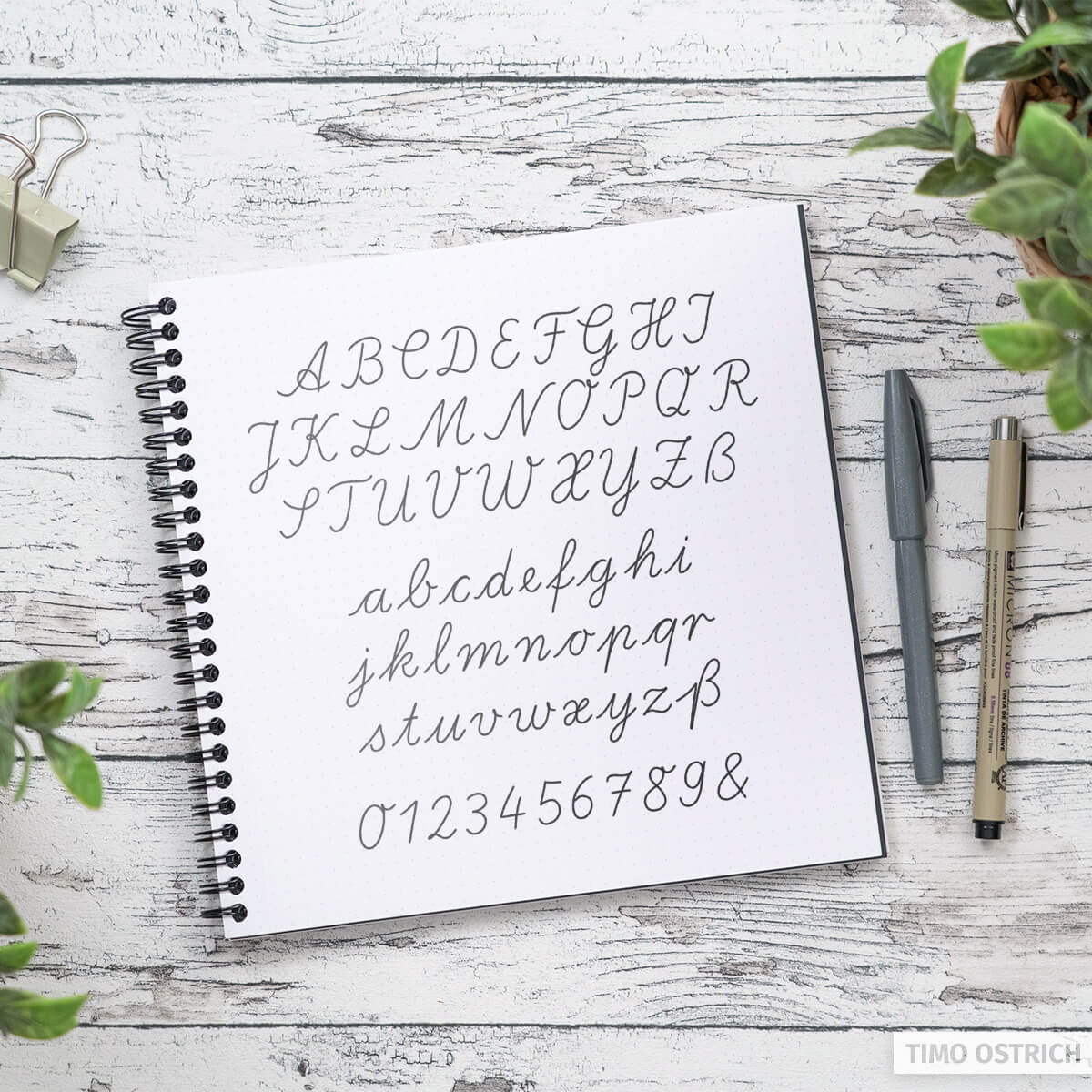

kinda mimic this shape
quaint lantern
so more spiky
quaint lantern
alr thx
hollow umbra
hollow pasture
i guess "nicht so gut" or something but anything else that specifically captures...
"Mein Deutsch ist so mittel"
plush locust
hollow umbra
"Mein Deutsch ist so mittel"
Ich wäre dann eher für "so mäßig" (beides ist von mittelmäßig)
hollow umbra
plush locust
Ich wäre dann eher für "so mäßig" (beides ist von mittelmäßig)
Das hört man eher selten, aber vielleicht ist das regional verschieden.
plush locust
hollow umbra
Das hört man eher selten, aber vielleicht ist das regional verschieden.
Vermutlich.
Oben meinte ich "geht so" oder "okay", aber man muss das auch eben so sagen, dass man das eigentlich nicht okay findet ^^;
 limpid compass
Wie Sagen sie pet store?
plush locust
limpid compass
Wie Sagen sie pet store?
Tierhandlung
if we talk about a shop for pets
limpid compass
Danke schon :)
thin pollen
is there a difference between schenken and verschenken?
plush locust
Yes: verschenken relates to the thing being given away (-> Ich verschenke Kekse.); schenken also relates to the recipient of the gift (-> Ich schenke dir Kekse.)
in the latter case, you can omit the recipient (-> Ich schenke Kekse.), but you cannot insert the recipient in "verschenken"
If you'd want to do that, you have to use "Ich verschenke Kekse an dich" (<- the verb becomes phrasal: "verschenken an" with Akkusativ)
Typically, you'd rather use "verschenken" if you just want to blanket state "Hey, I got stuff to give away (doesn't matter to whom)"
So, "schenken" roughly means "to give" and "verschenken" means "to give away"
There are several verbs like this in German. Also, "ver-" is a prefix and most verbs that have it imply that something disappears from the speaker (e.g., verkaufen, vergessen, verschenken...)
 gloomy kayak
When should I start mining for vocab words?
surreal ocean
gloomy kayak
When should I start mining for vocab words?
What do you mean by mining
dire ice
„Ich habe viel zu machen“
Can this sentences be used as “I have a lot to do”? Or does it mean “I must do a lot”?
orchid hornet
The former.
surreal ocean
dire ice
**„Ich habe viel zu machen“**
Can this sentences be used as “I have a lot to do”...
"I must do a lot" would be "ich muss viel tun"
frigid tinsel
Another tun vs machen horror.
Or is this another case where tun / machen are interchangeable?
surreal ocean
frigid tinsel
Or is this another case where tun / machen are interchangeable?
Yes
Not really a huge semantic difference
hollow umbra
I would rather say "Ich habe viel zu tun", in the sense of "I have a lot of work"
surreal ocean
hollow umbra
I would rather say "Ich habe viel zu tun", in the sense of "I have a lot of work...
Yeah tun feels more serious than machen in this context
dire ice
Thanks for the answers👌
winter kayak
From an English perspective, what is even the difference between I have a lot to do and I must do a lot?
Ones more idiomatic but do they not mean the same? 😂
 mossy mesa
how can I post a picture here?
winter kayak
mossy mesa
how can I post a picture here?
if you're new you probably have limited permissions and cannot post pictures yet
mossy mesa
"Laut plastischen Chirurgen in Österreich kommen
Patienten mit Handy in der Hand zu den Chirurgen, und fragen nach Operationen, um wie
retuschierte Fotos auszusehen." my teacher marked the comma before the und as wrong, what's the grammatical error here?
winter kayak
mossy mesa
"Laut plastischen Chirurgen in Österreich kommen
Patienten mit Handy in der Hand...
there shouldn't be a comma there. Usually there's no comma before 'und' anyway, but definitely not if the und doesn't introduce a Hauptsatz.
'fragen nach Operationen,um...auszusehen' <- cannot stand alone. The 'und' is just connecting two verbs to the subject 'Patienten' (kommen und fragen)
winter kayak
livid crown
wie kann man "respectfully" sagen?
in welchem Zusammenhang?
respektvoll, bei allem Respekt, rücksichtsvoll
livid crown
winter kayak
respektvoll, bei allem Respekt, rücksichtsvoll
dankeschön
winter kayak
livid crown
dankeschön
danke schön
(die sind nicht austauschbar. respektvoll/rücksichtsvoll beschreibt eine Handlung. 'Bei allem Respekt' ist ähnlich wie 'with all due respect'/'respectfully' im Englischen)
 heady path
is there an expression in german like no time no see in english
orchid hornet
heady path
is there an expression in german like no time no see in english
long time no see or literally no time no see? if the former: lange nicht gesehen
heady path
orchid hornet
long time no see or literally no time no see? if the former: lange nicht gesehen
im so sorry you're right, i meant long time no see
thank you