#f1-technical
1 messages · Page 19 of 1
 short ether
 vernal elk
I bet by the end of the season their lap times will be the same as they were before the new floor regulations.
short ether
Oh yeah, but they'll have maybe more turbulence, which really worries me
 quiet python
I have a technical question
 mortal lynx
what about it?
quiet python
We saw the mercedes spin a few times back in testing
 crimson granite
Yes
mortal lynx
yes
crimson granite
You’re ending it there?
mortal lynx
lmao
quiet python
how did the low rake concept effect its performance that much?
 abstract pawn
Nobody really knows from what I have gathered
Because on paper it should not have affected them that much
quiet python
sorry i forgot to use the word "concept"
abstract pawn
On paper the higher rake cars should have been affected more
Based on what I have gathered from TLPUs explanations
quiet python
Then why is the Aston Martin affected by it too?
crimson granite
Could be the way that the diffuser stalls
mortal lynx
never forget this copy W10 moment
 crimson granite
quiet python
Then why is the Aston Martin affected by it too?
crimson granite
quiet python
Then why is the Aston Martin affected by it too?
Because it has low rake
abstract pawn
mortal lynx
never forget this copy W10 moment
Can you not interrupt the conversation with this kind of stuff
mortal lynx
ok
quiet python
But didnt you say that on paper that it shouldve not affceted it that much?
abstract pawn
On paper low rake cars should not have been affected that much, no.
crimson granite
Yep
mortal lynx
ye
abstract pawn
But seemingly they have.
Seemingly, low rake cars have somehow been affected more by these new regulations compared to high rake cars.
And not even our own technical expert, TLPU knows why I think.
quiet python
If sam collins was here heh
crimson granite
Sams nice

Mercedes and Red Bull have very different Formula 1 design philosophies. Has Mercedes' concept been hurt more by the 2021 rule changes?
This might help
mortal lynx
yeh
 soft shadow
Armchair experts claim the reason this likely affects Low rake teams is because of the lack of airflow now channeling to the rear wheels and from what I heard, Red Bull works because they added more weight to the front of the car
 granite tundra

my theory is that the issues with keeping the rear sealed on high rake cars ended up being a lot less of a problem than anticipated
so since rb etc. have been able to keep the sealing, running a high rake means they're better equipped to recover lost downforce through running a higher diffuser angle and larger volume
scarbs also put out a theory yesterday that the rear brake ducts have also meant it's easier to keep sealing and minimise diffuser losses on a high rake car, although i haven't looked at that in depth yet
short ether
granite tundra
scarbs also put out a theory yesterday that the rear brake ducts have also meant...
I heard that but there was also a change to the brake duct wings as well. The wings at the lower half are now shorter. They create downforce thats directly fed to the wheels, and by shortening them, they reduced the production of downforce.
More info can be found at formula1.com
 granite tundra
"downforce that is fed directly to the wheels"
what the hell
short ether
Read the article, I have photographic evidence...
short ether
Shall I post the link?
granite tundra
yeah yes please
short ether

There’s a temptation to think that not too much will be changing rule-wise for the 2021 season, given that the 2020 chassis are set be carried over into this year, ahead of the arrival of the delayed 2022 regulations. But scratch the surface, and you’ll find some small, but significant add-ons for this season. Here’s what to look out for in 2021...
The writer.
 short ether
you should apply to replace him
granite tundra
"feeding downforce to the wheels" is such a bizarre (and wrong) sentence
short ether
You just cannot assume that though... Have you been testing the aero on the F1 cars? No...
granite tundra
the brake duct winglets are part of the solution to manage tyre squirt and preserve diffuser efficiency
granite tundra
short ether
You just cannot assume that though... Have you been testing the aero on the F1 c...
you can because you don't 'feed downforce' anywhere
crimson granite
granite tundra
"feeding downforce to the wheels" is such a bizarre (and wrong) sentence
Wait what lmao
granite tundra
i think what he's trying to say is that they're there to condition squirt and the turbulent airflow around the rear wheels
short ether
granite tundra
you can because you don't 'feed downforce' anywhere
Anyhow, I don't think they would post wrong information on formula1.com.
granite tundra
but on their own they're not particularly significant downforce generating fixtures
granite tundra
short ether
Anyhow, I don't think they would post wrong information on formula1.com.
well it is lol
there's a lot of misinformation when it comes to aerodynamics
just look at all of the articles about ground effect 'coming back'
short ether
but ground effect is dangrous!!!
crimson granite
granite tundra
just look at all of the articles about ground effect 'coming back'
Referring to the ground effect cars?
 tribal cedar
crimson granite
Referring to the ground effect cars?
tribal cedar
crimson granite
Referring to the ground effect cars?
It never left
granite tundra
crimson granite
Referring to the ground effect cars?
yep
short ether
granite tundra
you can because you don't 'feed downforce' anywhere
I think they mean that the air rushes next to the tires, I also don't really get what they mean...
 short ether
Man looking at the wheelhubs directly... That assembly of the rear brake fins is gorgeous
short ether
short ether
but ground effect is dangrous!!!
I can't tell how serious this statement is
it's taking the piss at people who say this, using like 1982 as a referential
Right
Using the Ferrari's of 1982 is a poor example when they got to Carbon late...

This full image is just gorgeous
That's Form over Function I can get behind
Thats not really technical discussion is it? xD
looks like it is
Maybe not but what's the point of putting it in general when it's a Technical illustration and will just be told to put it in Technical?
I wonder how much downforce just those absolute turbine rakes make standalone?
short ether
short ether
I wonder how much downforce just those absolute turbine rakes make standalone?
U mean the brake duct wings?
Yes bruv
Not a drastic much I'd imagine... They are a very small part of the car, the diffuser prob gets the air and creates downforce more than they do.
... Yes of course it would
short ether
short ether
Not a drastic much I'd imagine... They are a very small part of the car, the dif...
That was the most useless I have ever been on this channel... xD
short ether
And I know probably sidepod design feeds it
But I'd assume those could beat downforce levels of the suspension kounted wings of old by a fair amount
 void ibex
This might be a dumb question but after 2024 could red bull purchase the division of honda that develops their power units and just work with them to make one of their own?
short ether
void ibex
This might be a dumb question but after 2024 could red bull purchase the divisio...
They could but Honda wouldn't. The reason that Honda is leaving F1 is that they want to reduce their carbon footprint, and switching to electrical components (like every other manufacturer does). Even if RB takes charge of the ICE production line, it will still be in Honda's factory. I think they would need to make a new factory to produce it, because Honda will no longer go for ICE.
short ether
They could buy the IP to make the ICE somewhere. But rn they're made in Sakura, japan iirc
crimson granite
tribal cedar
It never left
I didnt get you
short ether
Ground effect never left f1
 zenith pumice
No? Ground effect’s effect stayed the same
crimson granite
No i meant how much it influences a cars aero has changed right?
short ether
crimson granite
No i meant how much it influences a cars aero has changed right?
Well, yes the wings and etc. have been developed and changed and these days cars produce more downforce than the previous generations... If thats what you mean.
abstract pawn

Here is the 2021 Mercedes power unit, with its revised plenum. The front view shows the Aston Martin ducting to the intercooler located in the left sidepod.
#F1 | #TechF1
Likes
176

 Twitter
·
Twitter
·
 short ether
crimson granite
No i meant how much it influences a cars aero has changed right?
short ether
crimson granite
No i meant how much it influences a cars aero has changed right?
The Ground Effect in and of itself was never banned because they went to flat floors underneath the car with a diffuser from 1983... However before the late 70's, teams didn't have a "floor", as the underside was exposed I assume for cooling
crimson granite
Ahhh okay
short ether
Like basically as soon as it was done first, Underbody downforce has been a thing
But it's just been heavily restricted
 floral tusk
can someone explain the ers system to me bc everyone else is confusing me greatly
i though i knew but now im not so sure
short ether
what do you think you've understood
 pale shell
Simple terms = ERS uses energy from Battery to get more power depending on the mode it is and saves energy when breaking or decelerating
floral tusk
i thought i knew how it worked but someone in another server keeps giving contradicting answers
pale shell
thus the car will do more vroom vroom
floral tusk
floral tusk
i thought i knew how it worked but someone in another server keeps giving contra...
saying that brakes collect energy (?) and that its nothing like the previous kers while sending screenshots of an article that says its an updated version of kers
pale shell
It is an "updated version" of kerss
While mostly it's automatic they can still press a button to deploy even more energy than the current mode they are in
short ether
... No
pale shell
Braking regenerates energy
short ether
Yea
pale shell
ye
floral tusk
how do they do that exactly?
short ether
Idk what part has the rechargers on, but it assists in rear braking
floral tusk
ok so that is right
pale shell
It's through mechanical ways I believe, it's just braking transforming energy and stuff like that
short ether
Which cannot done with the fronts because the fronts have no drive
floral tusk
the other person went between saying it was the crankshaft and the brakes themselves
pale shell
He high af
short ether
The MGU-K is like a Starter and Alternator, which takes energy to recharge passively off of the engine, and puts it back in
pale shell

A deep look at the complicated hybrid power unit inside 2016 F1 cars and how each of the six component parts work to give the cars incredible power from such a tiny engine.
It's a bit more of a complex issue than previous videos, so we take a little longer.
Please do support these videos on Patreon: https://www.patreon.com/...
floral tusk
thanks
pale shell
I've put a specific timeline which goes directly to what you want :))
floral tusk
ok, ty
short ether
floral tusk
and then to deploy it it just spools up the turbo faster correct?
That's the... MGU-H kinda
floral tusk
oh ok
short ether
Right lemme put it in a list
MGU-K: works like an alternator does to recharge some energy off of the engine, and takes all the energy to be like a 160bhp starter motor when deployed
MGU-H: under pressure conditions, it helps limit turbo speed to 150,000rpm, and adds extra load to the turbo to push against, generating energy. Under no-pressure conditions it uses some energy to keep the tjrbo from stalling
floral tusk
ok
short ether
See I don't know if regenerative braking works as separate units, or if it works off of the engine by form of the MGU-K, and just puts a ton of load on the engine to slow it down
floral tusk
neither do i
short ether
I haven't found any images of the units if they are on the rears themselves
But essentially you can grouop most Hybrid tech as alternator and Starter Motor... But like ONE thing
zenith pumice
So considering that the Mercedes is black, and they say it has no effect on the temperatures... did they design it considering that Kirchhoff’s Radiation Law would cause minimal heating issues
In other words: does the KRL apply here
(Kirchhoff’s Radiation Law states that all the heat energy absorbed by a body will be the same as the heat energy radiated by the body in a state of thermal equilibrium)
short ether
... I would assume so
Like how you have the Black Penske or... Something
Something dark will give off as much heat as it can take in
zenith pumice
Yeah so does the KRL actually hold true in this scenario of motor racing
 pallid wolf
well
its not that easy
see krl only holds true if its in thermal equillibrium
thats when 2 or more substances that are in contact w eachother dont exchange any heat due to their contact
in racing u have tyre heat from friction so that doesnt work, but were talking about the body so aerodynamic heating is a thing. how severely a black car is affected by aero heating is questionable tbh, or if its known then i dont know it
but krl only works if the body is in thermal equillibrium
zenith pumice
Interesting, so can you estimate how much aero heating is taking place on a black car instead of a lighter coloured car?
short ether
I would assume more heat would be radiated into the boundary layer before it spills off tho
pallid wolf
its not that simple i dont think, i mean like heat will of course be radiated off into the boundary layer but theres heat that always remains
thats what causes heating in a car p sure
theres a lot of factors to consider in this question, because its not immediately clear on the impacts of a black paint
im going to say that black paint on a car will not cause significant heating issues just because its black, so krl holds to some extent in this case
but again you cant be fully sure exactly the impacts of this with respects to krl and aerodynamic heating
zenith pumice
I mean clearly if it impacted it severely then Mercedes wouldn’t have kept it
pallid wolf
ye lmao
short ether
Unless the idea is too put more heat out of the car into the airstream behind so it punishes people who follow even harder
pallid wolf
no thats not how it works
heat disicipates surprisingly fast in air
so unless like youre 1cm behind the mercedes the heat radiated from it wont do anything
the only way it would is if the air is dry and even then its not even that large of an effect on dissipation
short ether
Awh damn
pallid wolf
i mean dont get me wrong it will affect it but it wont be significant in an f1 race
 paper wingBOT
Congrats @pallid wolf, you're now on lap 5
pallid wolf
if the air is dry then everyone will suffer and a little extra radiation from a car wont do anything relatively relevant
 worldly tangle
What is the average life span and cost of a F1 engine?
short ether
Well lifespan now is six races? Coz they're allowed 3, which is about 2,400km
If perfectly ran
isn't it 8 races?
well, they were gradually improved for that
 molten bay
7.6 races an engine needs to last
short ether
Well that'll be close to 3,000km
short ether
Yes, but that isn't just the race
molten bay
too much for my brain to think
short ether
BMW for their things estimated it as about 400 km for a Grand Prix weekend
zenith pumice
pallid wolf
ye theres a formula for it
Did you ever figure this out
pallid wolf
nope sorry
forgot about it
but @zenith pumice the thing is that aerodynamic heating has basically negligable effects are subsonic speeds, if anything then the car should be heating up only from the sun. i read that mercedes had a silver lining underneath their black paint so it shouldnt really be an issue there also
to apply the kirchhoff law here would basically be pointless because aerodynamic heating isnt a problem here.
pallid wolf
cuz they have a silver lining which reflects the hear
keeps the cat cool
read it from racefans
zenith pumice
Ok, thanks
So Kirchhoff's Law doesn't apply here or would it just not make sense to apply it here
pallid wolf
doesnt make sense to apply it here
think about it
krl only is applicable when theres thermal equillibrium
thats when 2 bodies are in contact but dont exchange heat from being in contact
if we talk about aerodynamic heating, its only really a problem when you exceed mach 2
at lower subsonic speeds like f1 i dont think teams even consider aero heating to be a problem
zenith pumice
Ok
pallid wolf
its effects at this speed are negligable
zenith pumice
Thanks for the answer
pallid wolf
np
if i gave you the wrong impression yesterday that it will apply then thats not the intention
zenith pumice
It's fine
pallid wolf
*apply to a significant extent for it to be a factor
short ether
Aero heating is not a big issue considering the rest of heating problems caused in a F1 car. Also, there have been many black liveries before such as: Renault (twice), Lotus and Haas. The affect of it will be so low on a F1 car these days, because there are many clever tech to cool vital areas of the car. It will not change the speed or the handeling as fugato said.
pallid wolf
im going to assume that theres going to be less radiation but tbh its not even that large of an issue
pallid wolf
short ether
Aero heating is not a big issue considering the rest of heating problems caused ...
mercedes themselves have said that they didnt find any heating issues with the radiator
short ether
pallid wolf
im going to assume that theres going to be less radiation but tbh its not even t...
Radiation???
pallid wolf
radiation of heat
short ether
Oh I see
pallid wolf
not from inside the car thats a silver heat absorbing lining
but because its black i assume less radiation
zenith pumice
So in the end does KRL still work in this context, because then radiation shouldn’t change should it?
Or is it not in a state of thermal equilibrium
pallid wolf
its not
wind temp and speed is constantly changing so krl will not apply for long
sometimes theres powerful winds sometimes theres not
short ether
pallid wolf
but because its black i assume less radiation
Hmm, don't think that black certainly means less radiation... But maybe it may.
pallid wolf
no it will, like i said if youre going to try and use kirchhoff radiation law then it doesnt work
its not in thermal equillibrium = no krl
or if its in thermal eq then not for long
soft shadow
I wonder if even average "Just new guy" fan knows that F1 cars don't have Cooling Fans
pallid wolf
anyways it doesnt matter because the only source of heat here is the sun and the engine
short ether
soft shadow
I wonder if even average "Just new guy" fan knows that F1 cars don't have Coolin...
If they watch F1, they will see crew putting fans to the inlets, so I guess yes...
pallid wolf
the sun wont damage too much because mercedes use a silver paint underneath the black coat
so its basically the same as everyone else
and the engine tbh they have some system
to cool it
or to minimise the effects
short ether
pallid wolf
the sun wont damage too much because mercedes use a silver paint underneath the ...
Using silver paint won't necessarily mean that the black colour on top will not receive any heat...
pallid wolf
ofc not it just means that the main components underneath the paint wont be harmed by the heat
short ether
pallid wolf
and the engine tbh they have some system
Yes, the heat insulators and etc.
short ether
pallid wolf
ofc not it just means that the main components underneath the paint wont be harm...
Oh, yes by that it is correct.
pallid wolf
yep thats the main idea of it
short ether
But even if they do, they have high heat tolerance, usually the important parts are next to the engine, which produces so much heat.
pallid wolf
yes of course
when you consider the factors the black paint isnt actually that bad
its minimal performance wastage
 native tulip
@short ether #f1-games for this please, this channel is for the technicalities of actual f1 😄
short ether
ohhh mb
 quick wind
zenith pumice
So in the end does KRL still work in this context, because then radiation should...
quick wind
zenith pumice
So in the end does KRL still work in this context, because then radiation should...
The only contexts you might want to look into for Thermodynamics is mainly surrounding the brakes, wheels and engine components of the car. Areas of the car that are usually designated as dynamic-energy systems in some contexts, usually have much more relevance to your question. As an effect for aerodynamic thermal interactions, you have quite the opposite, the air itself serves a purpose to cool under ideal parameters such as humidity and velocity etc, rather than to actively heat the car.
There is a very very specific circumstance where you can explore air as a result of creating heat - but those would be mainly in the context of output. Such as the heat that surrounds a high-energy component conducted by air i.e. the brakes or wheels or engine itself.
 violet smelt

Detalles del suelo del Williams.
Details of Williams floor.
 Twitter
·
Twitter
·

 spiral gyro
Tbh the pic is fine
short ether
spiral gyro
Tbh the pic is fine
Mmmm, its decent... Should be enough for RacingPoint to copy...
paper wingBOT
Congrats @short ether, you're now on lap 5
 thorny thistle
short ether
They couldnt take a better pic? xD
thorny thistle
short ether
They couldnt take a better pic? xD
what
short ether
Hold up a sec...
Those were not the full pic
ahahaha
Im dumb xD
When you click, its the full pic
this is quite embarrassing...
short ether

Formula 1 and AWS have announced a raft of six new F1 Insights Powered by AWS graphics set to debut throughout the 2021 F1 season, designed to give fans an even greater insight into the action happening on track.
That's actually an interesting one


 short ether
Are you gonna talk about the images or what? xD
spiral gyro
Is it possible for you to tell which team the 2nd and 4th pic
 versed inlet
3rd is RB
spiral gyro
Oop I meant second
versed inlet
2nd is AT
spiral gyro
versed inlet
You can see the white and blue pinstripe
Yea I see now
 tight wharf
last one is redbull or ferrari most likely
redacted
it's deff ferrari
red wall
and redbull has diff brake ducts
versed inlet
Ah that’s papaya not red
 short ether
versed inlet
You can see the white and blue pinstripe
short ether
versed inlet
You can see the white and blue pinstripe
That's also Sauber Romeo...
Tho maybe not that far down
versed inlet
Alfa only has a thin blue pinstripe, with red above it
In that image is a thin blue pinstripe, with blue above it
spiral gyro
Wdym that’s not an Alfa
versed inlet
Alfa doesn't even have a blue pinstripe up until the more front part of the nose
spiral gyro
Yeah it’s not an Alfa it’s a mclaren
versed inlet
Believe he was referring to the 2nd photo
versed inlet
Yes and we've already cleared that
short ether
Well I didn't know all pics were from 2020 or more recent

I meant these
Oh they're the other way around
versed inlet
Those pics that Slendis showed were from Imola yesterday I believe
Evident it's 2021 with the Oracle sponsor on the RB
short ether
Oh wait wh-
I find it interesting that the RB's brake calipers have their outer two columns of holes in the same orientation
abstract pawn
The Swedish commentators mentioned that during Free Practice 1 it seemed like Mercedes had a higher rear ride height than they had in Bahrain.
Could them having a higher rear ride height be a reason why they have the new rear diffuser? Or the other way around?
That the new rear diffuser allows them to rise the rear ride height a bit?
pale shell
I think it's the 1st option

 pale shell
Can barely see the difference  One photo has about 10 pixels and the other has about a million
abstract pawn
ok 🙂
short ether
Bottom is the new one?
violet smelt
short ether
Bottom is the new one?
bottom is bahrain, top is imola
pale shell
From the 1st pic it actually looks slightly lower
short ether
Ye figured this, but it looks like the top has lower rake
pale shell
Yep
pale shell
In the 2nd photo you have a good perception of how close the rear is to the ground due to the lighting
Top pic is a screenshot
short ether
kek
 blazing saffron
no TeamViewer logos yet 🤔
abstract pawn
Monaco
abstract pawn
No the deal is already signed but the logos will appear in Monaco
blazing saffron
only there?
abstract pawn
No from Monaco onward
blazing saffron
ah
abstract pawn
Today’s announcement also provides a sneak preview of the branding that will appear on the Mercedes race cars in Formula One and Formula E, as well as on the driver overalls and teamwear, from the respective Monaco races in each series – the Monaco E-Prix will be held on 8th May, with the Grand Prix de Monaco following two weeks later, on 23rd May.
blazing saffron
I see


 abstract pawn

Red Bull won't be too happy about those images we've got.... #AMuS
 Twitter
·
Twitter
·

 jolly patrol

Ferrari SF21 Floor - new floor edge tested in FP1. #TechF1 #F1 #ImolaGP
 Twitter
·
soft shadow
abstract pawn
Twitter
·
soft shadow
abstract pawn
Didn't expect Alpine's packaging would be thicc asf than Ferrari
Also surprised that of all the teams, only 3 of them followed the basic 2021 floor rule set design
 loud needle
That McLaren has a different shape to all the others.
It seems to work well
abstract pawn
@pastel tundra Can you not use this channel to send emotes and then delete them, thanks 🙂
 pastel tundra
abstract pawn
pastel tundra
abstract pawn
@granite tundra, sorry for the ping but I thought I would ask you in here to not interrupt the conversation elsewhere.
You seem to know the regulations quite well, and my friend and I are having a small discussion about the Safety Car restart after the red flag.
Where Verstappen lost the car through the first Rivazza, and went onto the kerb and the grass or whatever.
Would Leclerc have been allowed to overtake Verstappen at that moment, considering Verstappen was "off the track"?
granite tundra
Uh I wouldn't say so, off the top of my head the car ahead has to be going unreasonably slowly for you to overtake
Would have to double check though
short ether
second question, was Hamilton allowed to use his reverse gear when he did? Like is the usage of reverse only prohibited in the pits?
granite tundra
Iirc yes, although it's not a great thing to be doing
I didn't like seeing it though
abstract pawn
So even if Verstappen went completely side ways, would Leclerc not have been able to overtake him?
 livid lintel
he would
granite tundra
The other thing to consider is that at that point, verstappen is controlling the pace of the field
So he is allowed to go slowly without being overtaken
Although that probably stretches the definition of going slowly
abstract pawn
Gotcha
granite tundra
I think even if it wasn't a restart, it would be a bit marginal for the guys to overtake him
In which case, better to be safe than sorry
 rich gust
Does the regulations say you cant fill your tires with helium
short ether
pirelli fills the tyres
the teams provide them with the rims
and they make the wheels that way
short ether
rich gust
Does the regulations say you cant fill your tires with helium
That'd be a bit of an awful idea but, they're mandated to be filled with air, or Nitrogen
Mainly the latter because it's inert
rich gust
This gave me an idea
What if they managed to create a gas that was able to heat up really easily and stores that temp for a really long time
Would filling tyres with it help with temps
rich gust
Are the teams allowed to fit a gas turbine helicopter engine onto the car

this was a little test run right befopre we ran a conservative 7.65 at 96 mph in the 1/8th mile
 reef pine

 sturdy crater

 grand silo
rich gust
Would filling tyres with it help with temps
grand silo
rich gust
Would filling tyres with it help with temps
You don’t want something that stays warm
With Pirelli’s they already overheat all the time
vernal elk
Why doesn't Ferrari use their 2018 engine as it seemed to have .ore power and reliability over the new engines after the FIA investigated them?
void ibex
^ I’ve actually wondered the same thing, I’ve always just assumed that it was illegal in 2018 too but it was never investigated as that engine just wasn’t as insane as 2019
I could be completely wrong though that’s just a total guess
abstract pawn
If only it was that easy
 polar hearth
not compatible probs
crimson granite
hey @granite tundra could you explain what exactly is the difference between the 2016 and 2017 cars?
violet smelt
people are literally explaining it in #formula-1 atm
crimson granite
yea what my explanation was pretty much the size of the car changed
tight wharf
stop
crimson granite
and the rear became wider
tight wharf
you were warned if you continuted that there would be consequences
crimson granite
tight wharf
stop
dude i asked a question
I'm not having an argument with you here
 obsidian abyss
stop
crimson granite
why cant i ask a question about it i dont get it
thorny thistle
you can ask a question, but you need to listen to the answer
this is #f1-technical it's a serious channel, so talking to @tight wharf here too, we expect some more civility in here than in general.
zenith pumice
Because we’ve explained it to you so many times... George linked articles, I showed you 3 diagrams explaining the changes but in the end if you say “yea but only the size changed” then there’s not point to answer your question again and again and again
thorny thistle
If TooLow has a better way of explaining it, with his knowledge, I don't see why he can't have a crack
But if he does, please listen to him.
crimson granite
Its not like I'm not listening. What my point is apart from size of the car changing what other significant
zenith pumice
Okay so then every major regulation change just “changed the size of the car” right
crimson granite
thorny thistle
But if he **does**, please listen to him.
I already had this discussion with him and he explained the regs were pretty much increasing the size of the car
thorny thistle
Okay?
crimson granite
so i just wanted to clarify what else changed
thorny thistle
Those were the significant changes, as explained in the article I linked
crimson granite
zenith pumice
Okay so then every major regulation change just “changed the size of the car” ri...
no... a lot of the 2017 car is identical to the 2016 car. whereas take an example of 2009 where the entire car changed
thorny thistle
what
crimson granite
what?
thorny thistle
In 2017, they changed the tyres, the front wing span, the width of the cars, the height and shape of the rear wing, the diffuser, the weight, and allowed sharkfins again.
The entire car changed.
tight wharf
there's a copy of the 2017 technical regulation changes in text form right?
thorny thistle
well this article explains it, but I can probably grab the regs too

Formula 1® - The Official F1® Website
2017 features one of the biggest regulation shake-ups since the introduction of hybrid turbo power units in 2014. This time bodywork and tyres are the centre of attention, with both getting wider in order to boost downforce and grip, making the cars both faster and physically harder to drive. In fact, a reduction in lap time of around 3 to 5 sec...
 subtle inlet
Ohh nice
 tight wharf
aka the whole car...
crimson granite
because like we've said, 2017 was essentially a new front and rear wing bolted on, with slightly larger dimensions for the diffuser and front of the floor
quoting TLTP
subtle inlet
Plus Wider tyres
crimson granite
yea that too
thorny thistle
and 2009 was just 2008 but with smooth surfaces
Being reductive here hides the complexity that makes it a major regulation change
crimson granite
and all 2017 was was a more aggressive front/rear wing, an essentially unchanged floor, and a slightly bigger diffuser
thorny thistle
thorny thistle
Being reductive here hides the complexity that *makes* it a major regulation cha...
again
zenith pumice
crimson granite
no... a lot of the 2017 car is identical to the 2016 car. whereas take an exampl...
Cars get lower, tyres get wider, floor gets larger and more effective, front and back wings completely change... how you can say this?
crimson granite
crimson granite
and all 2017 was was a more aggressive front/rear wing, an essentially unchanged...
im quoting TLTP
thorny thistle
Seriously, click that link and scroll through the regs, and just pick a single section
And look at how much has changed
short ether
crimson granite
and all 2017 was was a more aggressive front/rear wing, an essentially unchanged...
What do you want to state by an "aggressive front wing"?
crimson granite
short ether
What do you want to state by an "aggressive front wing"?
just the size increased
and width
short ether
crimson granite
just the size increased
And thats where you are wrong.
zenith pumice
You do realise that if the size and width increases then the performance of the car majorly changes
Hence making it a major rule change
crimson granite
zenith pumice
You do realise that if the size and width increases then the performance of the ...
I'm not saying it doesnt
short ether
zenith pumice
You do realise that if the size and width increases then the performance of the ...
Exactly, they increased the size not just for show.


 crimson granite
short ether
And thats where you are wrong.
crimson granite
short ether
And thats where you are wrong.
Why am I wrong?
short ether
crimson granite
Why am I wrong?
Not just the size of each component was increased. Johann posted a very useful picture. Check it and you will see the technical changes as well.
For example: Look at the first picture
zenith pumice
Rake changed, wheel changed, floor changed, everything changed
crimson granite
short ether
Not just the size of each component was increased. Johann posted a very useful p...
i cant see any difference between the 2 front wings apart from the size
crimson granite
zenith pumice
Rake changed, wheel changed, floor changed, everything changed
the floor didnt change much
 short ether
crimson granite
i cant see any difference between the 2 front wings apart from the size
short ether
crimson granite
i cant see any difference between the 2 front wings apart from the size
Its not a perfect angle, but the 2017 car has a slightly more angled parts, the "pieces" are more horizontal.
short ether
crimson granite
the floor didnt change much
Hold up there
thorny thistle
Snoo, you're effectively saying "I know there was a major change to every aero surface, the size of the cars, and their weight, but what else changed". That was the major change.
zenith pumice
So apart from the major changes, what else changed majorly
Is basically what I’m reading it as
And the answer is nothing... the major change changed majorly
Nothing apart from what changed was changed
crimson granite
I mean what I'm saying is the aero philosophy from 2016 to 2017 is not too different
zenith pumice
Hmm, let’s count
short ether
crimson granite
I mean what I'm saying is the aero philosophy from 2016 to 2017 is not too diffe...
And thats where you are wrong
crimson granite
Where the 2017 regulation takes a lot of inspiration from the 2016 cars
thorny thistle
crimson granite
I mean what I'm saying is the aero philosophy from 2016 to 2017 is not too diffe...
If you're saying that, you'd be wrong.
zenith pumice
- Wider floor
- Larger front wing
- Larger and lower rear wing
- Increased rake
- Angled parts
How... exactly has the aero philosophy “not changed”
thorny thistle
Like, sure, we all fully admit it's a bigger change for 22
short ether
crimson granite
I mean what I'm saying is the aero philosophy from 2016 to 2017 is not too diffe...
Most obvious answer to that is the rear wing. Even blind eye can see that major changes have been made, guess for what? More downforce maybe, because that is what teams aim for???
thorny thistle
But that doesn't make 2017 a minor change
crimson granite
short ether
Most obvious answer to that is the rear wing. Even blind eye can see that major ...
yea the rear wing. The front of car is very similar to the 2016 car
short ether
crimson granite
yea the rear wing. The front of car is very similar to the 2016 car
It just isn't, do you have proof to convince me that?
crimson granite
"Despite early talk of a much taller diffuser with a large central section, the floor regulations for 2017 are a just slight tweaks to what the cars have now. "
thorny thistle
crimson granite
yea the rear wing. The front of car is very similar to the 2016 car
Except for all of its dimensions
obsidian abyss
man are yall still going at it
short ether
crimson granite
"Despite early talk of a much taller diffuser with a large central section, the ...
I think you have not seen this pic...
 blazing saffron
bruh how is a regulation change that changes every major part of the car except for the engine "not major" 
all I'll say here
thorny thistle
Snoo, you're just wrong here, what you think are "small" changes, are not, which is why we're saying they aren't.


 thorny thistle
We've linked pictures, articles, and the LITERAL technical regulations.
thorny thistle
All of the information to explain it to you is in front of you.
crimson granite

Compare F1 Fanatic's images of the current and planned designs to see what the 2017 regulations will mean for the next generation of cars.
thorny thistle
This argument is semantic.
zenith pumice
You just answered your own question
quick wind
Did someone say aero
zenith pumice
Read that article
zenith pumice
quick wind
Did someone say aero
Okay so was there a major change in aero philosophy from 2016 to 2017
short ether
crimson granite
https://www.racefans.net/2016/05/10/side-side-compare-f1-cars-2016-2017/
The drawing of the front wing is inaccurate, if we are going to be precise, we need real images. Pics wont do any favour.
quick wind
Depends what you mean by philosophy but there are no doubts that some changes exist.
zenith pumice
“Some” changes? All the major aero bits changed
The floor, the rake, the wheels, the wings... it all changed
short ether
quick wind
Depends what you mean by philosophy but there are no doubts that some changes ex...
Would you agree that there has been quite visible and large changes to the rear wings of the F1 cars, in order to create more downforce?
thorny thistle
and increase top speed
and also to just make them look faster, which is hilarious
zenith pumice
Lol
crimson granite
what was the aerodynamic concept change then?
because a larger front/rear wing and diffuser isn't a concept change
Again I'm quoting TLTP
crimson granite
I'm quoting TLTu
quick wind
Yes, there were significant alterations to do with systems that dealt with flow control
zenith pumice
I’d like to hear it from TLPU by himself
short ether
crimson granite
I'm quoting TLTu
First of all, quoting does not mean its definitely correct.
quick wind
Rear wings in terms of a qualitative sense, not so much
crimson granite
short ether
First of all, quoting does not mean its definitely correct.
He know more about Aero than us
quick wind
I mean, its a very board question
short ether
quick wind
Yes, there were significant alterations to do with systems that dealt with flow ...
So the changes were not exactly focused on creating downforce, but more in terms of airflow?
thorny thistle
quick wind
I mean, its a very board question
Would you say 2017 was a major regulation change?
quick wind
Oh I don't disagree with the downforce components in concept
thorny thistle
Which was the original wording Snoo's arguing against
zenith pumice
No chance, why else would they add a wider floor and increase the rake
quick wind
2017 was marked by increases in downforce. No doubt.
quick wind
What is everyone having a argument about sorry?
crimson granite
thorny thistle
Would you say 2017 was a major regulation change?
.
quick wind
Ahh
zenith pumice
Snoohamster is saying that 2017 was not a major regulations change
thorny thistle
As I said, this argument is largely semantic
quick wind
It is I'm afraid
crimson granite
I'm saying there are so many similarities between the 2016 and 2017 cars
thorny thistle
However, general consensus is, yes it was.
But we obviously are not able to convince Snoo of this.
So
I don't see the point
quick wind
I can say that qualitatively, there are significant changes in regulations in terms of technical aero - I had to modify my scrutineering approaches for a majority.
zenith pumice
crimson granite
I'm saying there are so many similarities between the 2016 and 2017 cars
Isn’t that just saying it’s not a major regulations change in a different way
Or I am misreading?
short ether
crimson granite
I'm saying there are so many similarities between the 2016 and 2017 cars
There are, they both are F1 cars. We are talking about aero changes though, which were quite significant.
crimson granite
zenith pumice
Isn’t that just saying it’s not a major regulations change in a different way
No I'm just saying there are similarities between it thats it
thorny thistle
And, again, no one's saying the 2022 regs aren't more major
quick wind
I'm not sure where you're drawing similarities from snoo
zenith pumice
Well then there’s similarities between all regulations
quick wind
or. where you establish the fine line of said similarity
zenith pumice
Doesn’t mean they’re not major
crimson granite
thorny thistle
And, again, no one's saying the 2022 regs aren't *more* major
no thats not my argument
zenith pumice
I mean I’ve shown you 5 pictures of the cars getting wider, floor getting more aggressive, rear wing getting lower, rake getting increased... so where is indeed the similarities
quick wind
I can officially state, that there were significant modifications concerning the bodywork and dimensions of the 2017 cars. As per highlighted in the 2017 Formula 1 Technical Regulations 9 March 2017.
23 Additional technical directives have been modified as a result to adapt to this I believe
crimson granite
quick wind
or. where you establish the fine line of said similarity
I mean the front wing is very similar. The body is somewhat similar. The 2017 car looks like an oversized 2016 car
short ether
quick wind
I'm not sure where you're drawing similarities from snoo
If he could explain where the similarities are, maybe we can help him better. However, now, he is stating that aero changes were minimal, which is incorrect as you have said. So, @crimson granite, could you tell us the similarities you mean, so we can discuss better?
zenith pumice
crimson granite
I mean the front wing is very similar. The body is somewhat similar. The 2017 ca...
Even thought the front wing was widened and angled differently but sure
crimson granite
short ether
If he could explain where the similarities are, maybe we can help him better. Ho...
Not minimal. There definitely was quite a difference but a lot of the car was just widened or the size of the component was increased
thorny thistle
Those changes are the major changes though
quick wind
Please note the body work and dimensions of the F1 car changes is referring to the following:
Front wing,
Front body work,
Rear Bodywork,
Rear wing and impact structure,
Floor and diffuser
Aerodynamic Influence
Bodywork Construction
Article 3.
thorny thistle
They weren't "just" anything
zenith pumice
I think if someone saying that it was major and went beyond widening the body works at formula 1, then perhaps he’s right
quick wind
I appreciate that snoo, you're incorrect - perhaps look into your wording carefully, and that you are curious about this topic. But it would be wise if we all were a bit more constructive rather than condescending to someone who's also curious in the field.
crimson granite
I'm just taking this as an example. I can hardly see a difference of the fundamental components of the front wing
 zenith pumice
Angled differently and widened
short ether
The point is, we have explained to them about their questions, however as far as I am aware, the question changes every time. I believe thats why we cannot achieve a solution.
quick wind
You can't make a comprehensive evaluation from one image unfortunately
thorny thistle
aside from the shapes and sizes
crimson granite
quick wind
You can't make a comprehensive evaluation from one image unfortunately
i see
thorny thistle
and also that's just Ferrari's implementation, once, they'd've brought different wings to different tracks
zenith pumice
Here’s 2 more again if you need to see wing changes

 thorny thistle
And that, being a press image, might not even be a 2017 wing?
like an actual one they used?
short ether
crimson granite
I'm just taking this as an example. I can hardly see a difference of the fundame...
First of all, the 2017 car has 4 layers on the front wing which is 1 more than the 2016 car.
 upper ivy
Just some increased (or decreased) dimensions describes every single aerodynamic rulechange in the last 30 years. Because that is what the cars are. The rules basically give you boxes which form the boundaries of where you can (and can't) put your bodywork. Changing the sizes and/or positions of these boxes does significantly alter the entire philosophy of how exactly the aerodynamics of the car work, how you can influence their airflow, how you have to influence it etc.
Let's take the 2014 rule changes for example. Aerodynamically they didn't seem too significant either. Smaller front wings, lower noses, no more beam wing. This however meant less downforce overall which made the cars a lot more unstable and e.g. the lower noses also lead to a different airflow underneath the car. So a seemingly small optical change had very big aerodynamic effects!
In 2017 it was exactly the other way round. The teams suddenly had MORE room to work with, including larger bargeboards, which meant they suddenly had many more "tools" to guide the air in whatever way they wanted.
quick wind
If you're looking into something that's more standardised: Refer to this document, rather then make conclusions from images.
You can see areas highlighted in pink, that demonstrate changes.
crimson granite
oh okay thanks
quick wind
The majority of changes on the surface can be spotted in the index of the booklet
You'll be able to make a distinction that a lot of Article 3, is in pink.
 quick wind
upper ivy
Just some increased (or decreased) dimensions describes every single aerodynamic...
quick wind
upper ivy
Just some increased (or decreased) dimensions describes every single aerodynamic...
a seemingly small optical change had very big aerodynamic effects!
I completely agree with this - couldn't phrase it better. Performance-wise, a small angular change can dramatically affect the aerodynamic performance of a car. Aerodynamics is severely complex in mathematics and most components and forces don't scale in a linear fashion in respect to their changes in size and angles.
Often this relationship is sinusoidal which is why small changes can be dramatic for small changes in angles.
zenith pumice
Funny how a small change in the way air moves can change the whole stability and performance of a car
upper ivy
yeah
(that's also the reason for the dick-noses, they wanted to meet the rules but still get as much air under the car as possible)
crimson granite
so is it okay to say that the 2017 cars were an optimization of the 2016 cars?
upper ivy
I can see where you're coming from; but they did have to more or less start from scratch with the cars.
zenith pumice
crimson granite
so is it okay to say that the 2017 cars were an optimization of the 2016 cars?
I mean that’s all regulations changes
short ether
It deoends what you mean by optimisation
quick wind
Really these questions are phrased in an open-ended way. There isn't a narrow answer for your questions that would be of any use @crimson granite
zenith pumice
Okay I’ve also always wondered this, what effect is there from changing this frontwheel angle?
 crimson granite
short ether
Is 2009 an optimised 2008?
crimson granite
short ether
Is 2009 an optimised 2008?
No because 2009 was a completely new formula where as this wasn’t
upper ivy
zenith pumice
Okay I’ve also always wondered this, what effect is there from changing this fro...
did it actually change regulation-wise?
short ether
I meant more in reply to Johann
zenith pumice
upper ivy
did it actually change regulation-wise?
No, just curious
short ether
... Camber angle is free, my gamer
zenith pumice
At least I don’t think it changed from the regs
crimson granite
short ether
I meant more in reply to Johann
Oh okay yea just saw that
zenith pumice
short ether
I meant more in reply to Johann
Well, most regulations changes are just to optimise the cars isn’t it?
short ether
Most yes, but I'm pedantic, so not all
zenith pumice
My bad then 👍
crimson granite
zenith pumice
Well, most regulations changes are just to optimise the cars isn’t it?
What I meant it the regs could have been there to unlock the potential of the 2016 cars
zenith pumice
But yeah most of them
short ether
More Camber angle would mean the outwash wings would have to work harder to make the vortex get around the tyre, as the thing is essentially further out, but on top I'd assume it reduces drag by reducing frontal area
For inwash wings I assume more front camber can be more aerodynamically beneficial
zenith pumice
crimson granite
What I meant it the regs could have been there to unlock the potential of the 20...
I don’t think that’s the best way to phrase it, because the fundamental car changed in 2017 for terms of width, height, aero where it was not similar to the 2016 car...
So not really unlocking the full potential of the car?
Maybe it makes sense only to me
crimson granite
zenith pumice
I don’t think that’s the best way to phrase it, because the fundamental car chan...
I guess but a lot of the car was derived from the 2016 cars
zenith pumice
Yes but again, most regulations changes did that too
short ether
I hope one day we can have a season where the season that follows has no rule changes from the previous year
zenith pumice
That’s basically impossible
short ether
Very unlikely tho
upper ivy
Out of curiousity, what would you count as a big, or non-derivative, rule-change? E.g. I'd say from 2014-2016 they were mostly just optimized, then for 2017 there was a big change, and for 2019 it was smaller changes derived from the previous regs.
crimson granite
short ether
I hope one day we can have a season where the season that follows has no rule ch...
2015 to 2016?
zenith pumice
Because think of it, you cannot just design an f1 car completely from scratch with no inspiration from the previous time you did it
crimson granite
subtle inlet
2010 to 2013?
Nah there were changes
subtle inlet
in 2021 they had rule changes
subtle inlet
crimson granite
Nah there were changes
oh
short ether
crimson granite
2015 to 2016?
without ugly cars
crimson granite
subtle inlet
2020 to 2021
Hehe floor
zenith pumice
upper ivy
Out of curiousity, what *would* you count as a big, or non-derivative, rule-chan...
2014 was a large one
crimson granite
short ether
~~without ugly cars~~
F
short ether
upper ivy
yeah 2009-2013 were largely the same base, but they still visibly changed - not even just from the regs; just look how much more complex the front wings became over the years
short ether
Well the regs changed too, with double diffusers, a tighter leash on exhausts and flexi wings
upper ivy
double diffusors were banned, eventually blown diffusors too, we had the F-duct vor a while before it was banned, the noses were lowered slightly resulting in the stepnoses from 2012, then they were allowed to add vanity panels...
crimson granite
Even the stepped nose lmao
short ether
zenith pumice
Well, most regulations changes are just to optimise the cars isn’t it?
Optimizing yes, but what aspect? Sometimes it's just the show
upper ivy
short ether
Optimizing yes, but what aspect? Sometimes it's just the show
I think in most cases it's either to slow the cars down or to try to make dirty air less bad
e.g. 2009 was about dirty air; 2014 was about cutting cornering speeds
2017 was a bit of an exception because the main goal was "GO FAST"
crimson granite
I still don’t get why they came up with the 2017 cars?
Was there not enough research about the dirty produced from the car
upper ivy
they literally just wanted to make the cars faster and more "cool"
crimson granite
That’s weird lmao
upper ivy
In 2014 there were many complaints about the cars being soooo slow and boring as a combination of the quieter V6-engines as well as the slower laptimes (which, honestly, you'd only notice when looking at the times... in terms of top-speed those cars were even faster than 2013 on some tracks)
zenith pumice
You’ll find a lot of regulation changes are not “necessary”
crimson granite
upper ivy
In 2014 there were many complaints about the cars being soooo slow and boring as...
What were the lap differences between 2016 and 2013
So I took Hungary as reference
P1 in quali for 2016-1,19.9
upper ivy
crimson granite
What were the lap differences between 2016 and 2013
Just grabbed some random examples.
Malaysia fastest laptime:
2013: 1.39.199
2016: 1.36.424
Silverstone fastest laptime:
2013: 1.33.401
2016: 1.35.548
Silverstone Qualifying:
2013: 1.29.607
2016:1.29.287
zenith pumice
On average 2.5s faster jesus
upper ivy
well it depended on the track
upper ivy
So I would say that by 2016, at least on some tracks, they already caught up with 2013 laptimes or were even better. Even though the rules had been mostly the same since 2014.
I'm actually curious how well 2014 cars would have done with the V8 engines. Or how well the V6 would have done with Aero from 2013.
crimson granite
What was the hp difference between the V8 and the 2014 V6?
upper ivy
I think they were roughly supposed to have the same overall output (~750 HP)
short ether
crimson granite
Was there not enough research about the dirty produced from the car
They wanted faster cars with similar aero to what existed, I assume the idea was to encourage that through mechanical means with a continuous aero progressions but that didn't happen
Not to mention, Outwash is inherently more dirty than inwash and despite knowing the cars are more dirty than ever, they don't seem to want to fix it
crimson granite
upper ivy
I think they were roughly supposed to have the same overall output (~750 HP)
So the only difference would be size?
upper ivy
less displacement, turbocharged, fewer cylinders, lower RPM-limit, fuel-flow-limit, and a bigger hybrid-unit
crimson granite
And the V6 in 2014 was more efficient than the V8?
upper ivy
overall they are more efficient, yes
crimson granite
Also there was an engine freeze during the V8 era right?
violet smelt
yes
crimson granite
What was the reason behind that?
upper ivy
costs
crimson granite
Was this voted by the manufacturers or did the FIA themselves choose this?
violet smelt
it was an agreement between both
short ether
They were frozen from 2008
They went from 750-765bhp, to similar engine power + hybrid 160
abstract pawn

 harsh escarp
the rear is a copy and paste of the Mercedes
 burnt carbon
void ibex
burnt carbon
void ibex
DRS stands for drag reduction system. As you can see, all of the cars have a huge rear wing on the back which is great for downforce but it causes a lot of drag on the straights and ultimately slows them down. DRS was implemented a while back to encourage overtaking, it can only be used in certain zones of the track when the driver is within 1 second of the car ahead
@burnt carbon
DRS opens the rear wing to let air flow more freely, hold on ill find a pic
The top pic has DRS activated

 inner copper
im also pretty new and i was wondering, whats the difference between soft medium and hard tires?
void ibex
inner copper
im also pretty new and i was wondering, whats the difference between soft medium...
So for tires, soft, medium and hard refers to the rubber compound that the tires are made out of. The softer tires provide more grip as they are soft and stick to the track easier, this ultimately results in faster laps. However, as the tires are softer, they also wear down quicker. The hard tires are the opposite so they wont grip the track as well as the softs but they will last longer. And then obviously the mediums fall right in the middle
inner copper
thanks
void ibex
inner copper
thanks
No problem, as you'll learn quickly, tire and pit stop strategies are a huge part of F1
inner copper
yeah ive been playing some f1 2019 lately, so i was just confused about the options
granite tundra
oh i see i've kicked something off by being quoted
@crimson granite i think i owe you an apology, because when we initially discussed the 16-17 change i think i should have been more clear about what i meant with it being a less significant change in comparison to other reg changes, i.e. 2022
and i.e. the general theme of 2017 was more towards enlarging existing aerodynamic furniture and opening up the boundary boxes
2017 was definitely a major aerodynamic change, but i think what i explained poorly in my original argument was that while it was significant, it wasn't anywhere near a fundamental shift similar to what we can expect to see for 2022
it also doesn't help that dev time was comparatively limited for the switch, so that didn't help teams when trying to adapt to it
short ether
I really hope 2022 cars look good...
crimson granite
granite tundra
<@!750286721186529291> i think i owe you an apology, because when we initially d...
Oh okay my bad
Were there any aero changes between 2005 and 2006?
short ether
I don't think so
I can't find any
No, they changed the engines and put the tyre changes back
short ether
Favourite technical changes?
short ether
2005
it was purely aimed at breaking Ferrari's domination, and it achieved just that.
short ether
Ehhh, not a fan imo
From an aesthetics standpoint, I think the aero changes were saved by latter cars coz of spoon wings
reef pine
2009
 wanton badger
2014
I hated the 2010-2013 noses
 wanton badger
I'm just built different.
crimson granite
wanton badger
I'm just built different.
So you liked the strap on noses?
wanton badger
strap?
crimson granite
Nvm lmao
short ether
wanton badger
2014
I hated the 2010-2013 noses
Not 2010-2013 but definitely 2014 noses. I mean its designed for 18+...

 tacit bridge
I like the 2014 noses
short ether
Was there a particular reason for this type of nose?
tacit bridge
they look good
wanton badger
make it 2010-2014
tacit bridge
there was some regulation change
short ether
tacit bridge
there was some regulation change
I know about the regulation change about "making safer and etc..." but never understood the full purpose
tacit bridge
I think the FIA wanted lower noses incase of a T-bone accident but i am not 100% sure
zenith pumice
short ether
Was there a particular reason for this type of nose?
I assume the penis nose was to direct more air in a specific way towards the floor for better downforce
zenith pumice
Probably that too, they probably also wanted to put the air in a specific way towards the floor
short ether
zenith pumice
I assume the penis nose was to direct more air in a specific way towards the flo...
I am pretty sure that the "penis nose" will not channel air towards the floor, its not a very complicated design, I imagine it will not channel air... But it could be.
reef pine
reef pine
I thought the penis nose was because of a minimum nose length reg
because lotus had one phallus longer than the other
reef pine
I love how we are describing complicated aero pieces with "dong" "phallus" and "penis"
zenith pumice
correct
I swear there are pictures of the channels I was talking of ^^
I am not sure where they are right now
But I can probably find them
short ether
tacit bridge
http://www.formula1-dictionary.net/nose_cone_2014_rules.html
So this article says that it is a change to prevent severe crashes.
"Rules were written in good faith to improve a safety of the cars in case of 90 degree T-bone crashes and to prevent cars launching off the back of other cars - if a following car was to hit the rear tire of a car in front then it would get kicked up in the air, but a lower nose would prevent that."
reef pine
ah so a regulation to lower nose heights for safety
 green marlin
Where can I learn technical things about F1?
short ether
green marlin
Where can I learn technical things about F1?
You can ask your questions here and we will try and help you understand them. 🙂
Or you can always go on google to find documents and articles about your particular question.
green marlin
short ether
You can ask your questions here and we will try and help you understand them. 🙂
Ah, ok. Thank you.
upper ivy
short ether
I am pretty sure that the "penis nose" will not channel air towards the floor, i...
it doesn't directly channel it towards the floor but it was the easiest way not to block the air from the floor for most teams
obviously Mercedes and Ferrari showed that other solutions were possible
upper ivy
short ether
So this article says that it is a change to prevent severe crashes.
"Rules wer...
that is correct! https://www.instagram.com/p/CMU55RsH8CM/
short ether
reef pine
2009
Pain.
granite tundra
the switch to low noses were done for a couple of reasons
there were quite a few concerns with how the high noses were interacting with the side impact structures and anti-intrusion sheets during t-bone accidents, because back in the day with the true high noses they would be impacting the survival cell too high up
reef pine
short ether
Pain.
what, 2009 was the predecessor to some of my favourite cars
granite tundra
the FIA tried to mitigate this when switching to the step nose design (also a result of needing to change driver seating position iirc), and again in 2014
short ether
PAIN
granite tundra
after 14 they started mandating more aggressive cross sectional volumes at a maximum height, which led to the thumb noses that are still pretty common today
of course, the problem with low noses is that they make it more likely for the car to submarine under barriers or another car
zenith pumice
granite tundra
after 14 they started mandating more aggressive cross sectional volumes at a max...
So why was this done? What benefit would come out of "mandating more aggressive cross sectional volumes at a maximum height"
granite tundra
basically guaranteeing that you're placing a substantial proportion of the 'useable' crash structure at a height where it doesn't pose a risk to another car in a side impact
and the penis noses were a way of meeting the max height regulations while still keeping the rest of the nose as high as possible
zenith pumice
Yeah makes sense
granite tundra
so the regs after that were partly done to improve the looks of the cars, and partly to guarantee there was actually 'enough' nose at a safe height
and the thumb nose that was so popular was effective because it let you have your crash structure at the legal height, while the rest of the nose could still remain slightly higher for aerodynamic reasons
zenith pumice
So a higher nose means what, more streamlined airflow?
granite tundra
on balance a higher nose is more workable aerodynamically
but it's simultaneously a bit conflicting, because you also want a low front wing to maximise downforce
with a high nose you generally have more real estate to try and condition flow as it's moving back across the car, and iirc i think it's also easier to prevent flow separation?
ill tag @quick wind because he's a better aerodynamicist than me
paper wingBOT
Congrats @granite tundra, you're now on lap 30
granite tundra
excluding CFD meshing of course
quick wind
You go for pints during your meshing please shut.
Generally, higher nose means a larger volume of air is channelled below the car and therefore has its effect on ground effect accordingly. That is one part to consider
granite tundra
actually yes
quick wind
Inb4 the nose went flacid I think that was a method to remove downstream blockage from very high AoA
granite tundra
though the tradeoff to that is that you're accelerating the air less with a larger gap to the ground
granite tundra
quick wind
Inb4 the nose went flacid I think that was a method to remove downstream blockag...
the 2014 noses?
quick wind
I'm looking at the evolution from 2001 to 2008 (my knowledge is quite sparse on this hold on)
then if i can recall, you had those spoon-looking wings people called that tried to deal with said blockage and vents to allow upwash through the nose, those were my favourite aero times to work with tbh.
I think boundary layer control is not so important on a quantitative perspective if we compare having volumes of air pushed below and the larger gap to the ground
 quick wind
YES, omg im wet
granite tundra
yeah the other advantage to that was (through a high nose), you could extend the fw mainplane across the entire legal width
granite tundra
quick wind
I think boundary layer control is not so important on a quantitative perspective...
yeah wasn't convinced when i said it.. i know there are measurable benefits/drawbacks wrt narrow vs skinny noses, just wasn't sure if that also applied to low vs high
quick wind
Hold on im talking absolute jack
With a non-venturi styled ground plate, It's illogical to get more air underneath the car
iirc there were some pitch changes to the car (ride height), which resulted in the loss of DF
granite tundra
quick wind
With a non-venturi styled ground plate, It's illogical to get more air underneat...
why though? you can still induce ground effect with a non-venturi design, so the volume of air being expanded is still relevant
of course the tradeoff is that you're sacrificing how much you're accelerating the air in exchange for having a larger volume
quick wind
I had imagined, that teams were trying to stabilise such changes in pitch by ensuring that flow is better evolved along the sides of the car, the bargeboard VTX generators etc etc. okay maybe yes. i need to think aaaAAAAA
Im seriously terrible with my aero knowledge historically. I should read on this more
granite tundra
well on balance, you're always going to have more opportunity to keep the flow doing what you want if you've got a larger volume under the nose
which i would probably hazard a guess and say is more beneficial than any potential degradation in ground effect from having a high nose
quick wind
Im trying to think when this isn't beneficial
Obviously having a large volume of air is good
But on a practical basis, you'll become so aerodynamically reliant for it producing DF which isn't good at all when following another car
Clean airflow is extremely important for the frontal profile
quick wind
You can probably create better flow structures form the bargeboards etc etc
granite tundra
quick wind
But on a practical basis, you'll become so aerodynamically reliant for it produc...
yeah but you''re always going to have sensitivity to airflow conditions at the front end of the car, even if you end up with a low nose
quick wind
urgdhjafghasdf i dont have the data for this sorry
i got to see if they archived any research
granite tundra
its fine ill do some cfd again
quick wind
petition to rename to Not an alcoholic
quick wind
I can actually run a few simulation studies using Autodesk CFD 💀 later this week. Because im not spending hours on openfoam lmao
granite tundra
i've seen like 5 minutes worth of openfoam and it was enough to make me want to switch to a degree in basket weaving
quick wind
STAR-CD gang 
granite tundra
CD?
granite tundra
yes
much better
i do like starccm
though i dont think it likes me when i try my patented mesh technique
have you ever used roblox?
 granite tundra
wait
pallid wolf
wtf lol
granite tundra
hold up let me send something to you
quick wind
but yes.
if someone reminds me i will perform CFD analysis on erect and flaccid F1 cars
it'll be highly inaccurate, but if it looks fancy-schmancy then im happy
granite tundra
thats where my tactic of having a 0.00001m mesh comes in
the results would be garbage but the colours would look good
short ether
if it's trash, might as well look good
short ether
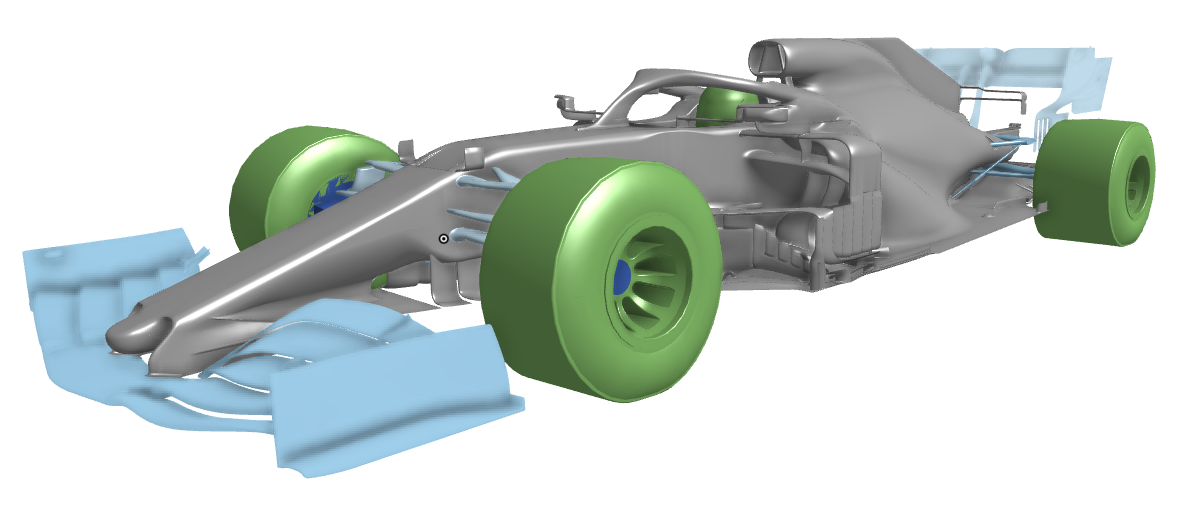
Thanks to some clever people I was able to get a CAD model of the current 2021 Williams F1 car — that’s not something that happens every day, so of course I had to run CFD on it. CAD Ge…
Pretty stuff
 void ibex
How tf does someone just casually get a cad model of the 2021 Williams car
upper ivy
I doubt it's the actual model they use (if it is that would be a major security issue on williams' side)
probably just something "close enough" for promotional stuff or video games.
short ether
short ether
https://maxtayloraero.wordpress.com/2021/04/21/2021-williams-f1-cfd/
That picture is not detailed enough, its a simple-made version of the actual one where the aerodynamic areas are not incredibly detailed so teams cannot copy or use the data.
Yeah I know but it was... Moreorless a basic one of their car
short ether
void ibex
How tf does someone just casually get a cad model of the 2021 Williams car
Their ARG Release had the files leaked beforehand and it turns out it was the actual car model
paper wingBOT
Congrats @void ibex, you're now on lap 10
 rich gust
Gives you more horsepower apparently
short ether
It'd give that coz it's polishing the cylinders and removing echy stuff
But... Engines are sealed in F1 after they make one so like
pallid wolf
to have a rocket engine in f1 youd need a short nozzle
to at least not kill efficiency completely
violet smelt
pallid wolf
to have a rocket engine in f1 youd need a short nozzle
here
 pallid wolf
yes
pallid wolf
and it has many of them
violet smelt
yeah and for it to work on a car you'd just need one
obsidian abyss
well yeah its not like the falcon 9 has only one engine
pallid wolf
fair
violet smelt
and then it's like the side of a normal f1 engine
maybe even smaller
so i do fail to see what your point is
obsidian abyss
depends on the rockets
violet smelt
yeah but that's not what we're talking about is it
you were saying that no rocket engine could fit on a car
we proved you wrong
granite tundra
here so i actually have designed a rocket nozzle
obsidian abyss
The SS-520 #5 is the smallest orbit capable rocket
zenith pumice
granite tundra
here so i actually have designed a rocket nozzle
Hold up wtf
Was it fun
 zenith pumice

obsidian abyss
https://www.youtube.com/watch?v=OeW-Qqu9-8U earrape warning

The SS-520 No. 5 three-stage sounding rocket launched TRICOM-1R microsatellite from the Uchinoura Space Center, in Kagoshima, Japan, on 3 February 2018, at 05:03 UTC (14:03 Japan Standard Time, JST). TRICOM-1R weights approximately 3 kg and was designed to take photographs of the Earth with its onboard camera.
Credit: Japan Aerospace Exploratio...
granite tundra
with this geometry you were reaching up to something like 78kN of thrust at mach 20/180k ft, with a fuel load of 1140kg and burn time of ~75 secs
and that's not a particularly big nozzle
zenith pumice
Okay wait why do they narrow before expanding?
Is it just to increase thrust in some way I probably don't understand
obsidian abyss
to increase exhaust velocity
pallid wolf
purpose of the flare is to increase the gas flow to its maximum speed
for subsonic gasses converging nozzles increases the exit velocity
for supersonic gasses its the opposite
granite tundra
it converges so that you're choking the flow coming from upstream of the nozzle and lets you expand it out through the divergent section
pallid wolf
also @zenith pumice the converging part accelerates the gas to supersonic and then the flare widening increases the supersonic flow even more
granite tundra
you want choked flow to properly expand the volume after the throat
obsidian abyss
can you explain that in your own words or is that just from google
pallid wolf
i just explained
granite tundra
pallid wolf
also <@232770059645353985> the converging part accelerates the gas to supersonic...
no it doesnt, the converging part chokes the flow
which is the point of having the throat
pallid wolf
huh
granite tundra
so at the throat, it's sonic
pallid wolf
yes thats the point, when tubes coonverge they accelerate subsonic gasses
granite tundra
yes but not to supersonic, to sonic
pallid wolf
i mean isnt the gas supersonic at that point anyways
granite tundra
..no?
pallid wolf
thats why the widening exists innit

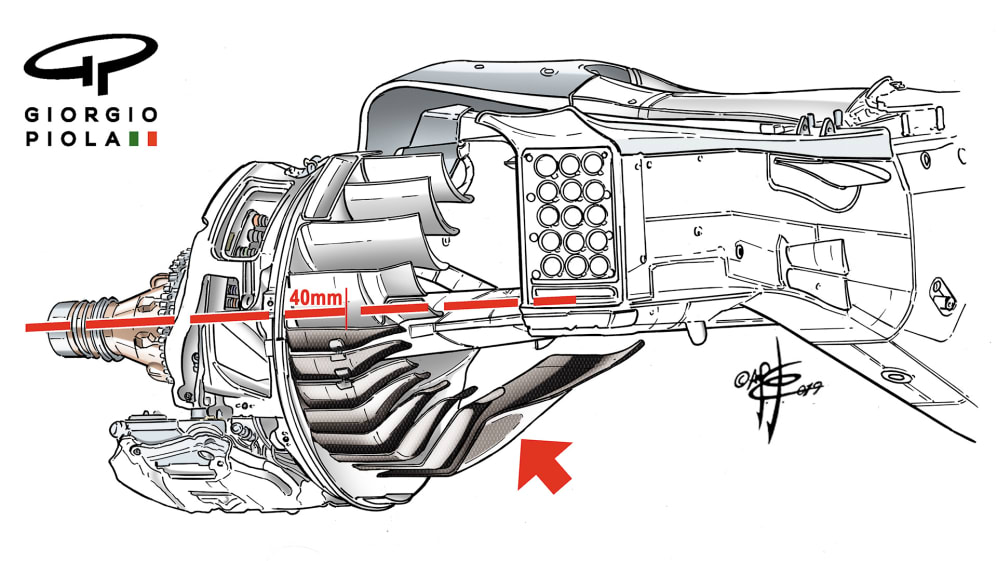
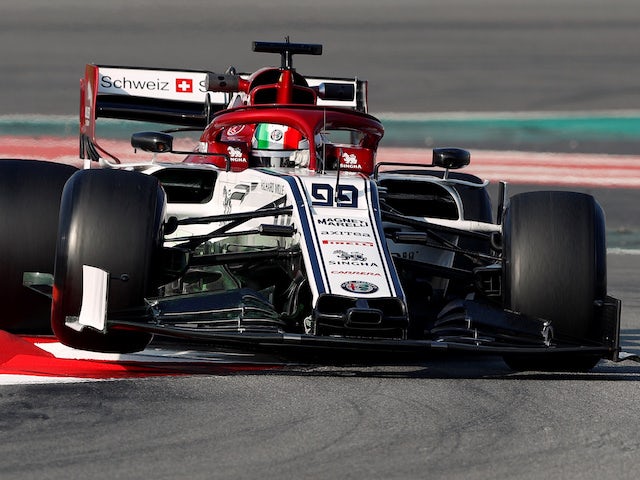 zenith pumice
Wait I am confused
granite tundra
the aim of the throat is to have sonic conditions at that point
zenith pumice
So what is the final reason for the convergence
Is it to accelerate the gas to supersonic or is it to make ideal conditions for sonic-travelling gasses
granite tundra
to accelerate the subsonic inlet flow to sonic (choked) conditions, and to allow it to be further accelerated downstream of the throat
the acceleration to supersonic happens when the geometry starts diverging
zenith pumice
Okay so at the convergence it’s not supersonic or is it subsonic?
granite tundra
it's neither, it's sonic lol
zenith pumice
So travelling at the speed of sound?
granite tundra
yep
granite tundra
choked flow generally means m = 1, and if your nozzle is designed correctly then the throat should be inducing choked conditions
short ether
so exactly sonic is what they want?
granite tundra
yeah, it's sort of what they have to have anyway
short ether
how large is the window for the sonic behaviour? in terms of speeds
zenith pumice
So I also assume that because they converge, it’s different for every engine. Is there like a general “rule” for how much it has to converge?
granite tundra
short ether
how large is the window for the sonic behaviour? in terms of speeds
in terms of actual numbers, i don't actually know
but it should be very very close to m = 1
short ether
ok 🙂
granite tundra
zenith pumice
So I also assume that because they converge, it’s different for every engine. Is...
yep, it depends on a bunch of things
 short ether
won't ask for more, cause rocket science is all greek to me
granite tundra
you can generally get higher pressure ratios if the nozzle exit is proportionally larger than the throat area
iirc.. it's been a while since i've done this
zenith pumice
granite tundra
So the higher the pressure the higher the area of the converging part or?
granite tundra
yep, so as the ratio of nozzle exit to nozzle throat area increases, the pressure increase goes up
zenith pumice
Nozzle exit = wide part yeah?
So if we have a small throat and a large exit, there’s more pressure = more thrust?
Or does it not work like that
granite tundra
broadly simplified, yes
although you need to give some consideration as to whether the flow is over or underexpanded at the nozzle exit
because over a certain exit pressure you're overexpanding flow and that has its own issues (mostly efficiency iirc)
violet smelt

Timestamps:
00:00 - Intro
06:20 - How Nozzles Work
16:00 - How Aerospikes Work
19:55 - The Problems With Aerospikes
32:50 - Comparing Aerospike Engines To Bell Engines
41:30 - What The Experts Say
51:35 - Future Aerospike Prospects
54:00 - Summary
Article version for easy reading and references - http://everydayastronaut.com/aerospikes
Today ...
granite tundra
 violet smelt
this video goes through it really well
granite tundra
so you actually want to be matching exit pressure with atmospheric pressure
violet smelt
basically someone said that wouldnt be possible because rocket engines are too big, we proved them wrong and then the conversation delved into more technicalities of how the engines actually work and how to best utilize them
granite tundra
but to try and loop it back to f1, rocket nozzle design isn't actually too different from how 2022 floors work
same use of a converging-diverging geometry to accelerate the fluid, and if you're not choking the flow through the throat then the nozzle is actually just acting like a venturi channel
zenith pumice
granite tundra
Can I DM you for this because I have another question (if it’s not an issue)
granite tundra
yeah go for it
 abstract blaze
rocket car already exists lmao
 zenith pumice
Downforce produced by Her Majesty the Queen and the Grace of God 🙏
abstract blaze
zenith pumice
Honestly if you get into that thing the grace of god is all you’re going off of
 deep elm
isnt that what nearly killed off hammond
short ether
It didn't run until top gear was over for them lot bruh
zenith pumice
Yeah I don’t think Hammond was ever in that
deep elm
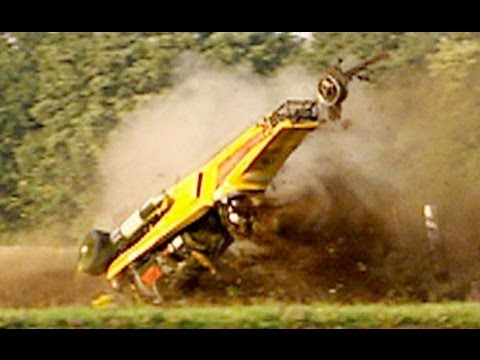
This is a video of the best bits of Top Gear. The hosts of the show are Jeremy Clarkson, James May and Richard Hammond.
beta version
with much less thrust
short ether
By Beta version you mean... Not... related considering the beta was the thrust SSC?
green marlin
zenith pumice
Does that thing even produce downforce
Good actual question. Could you answer me that question?
short ether
he's not an aero guy
quick wind
It does produce downforce.
But dont listen to me, im not an aerodynamacist.
I cant think of any situation apart from paper flying at highspeeds faced parallel to the flow of travel that would produce downforce.
Yet again, if the paper was low enough to the ground you'd start to get some forces...
soft shadow
Haha, turbo and brake heat go "Pzzzztt!! Mo powah"
 quasi gulch
still dont get how it gets more power from the heat tbh, like the technical parts of it
short ether
quasi gulch
still dont get how it gets more power from the heat tbh, like the technical part...
It's kinda deceptive, tho it does make sense
The MGU-H in recovery works like an electric brake to try and keep the revs of the turbo more consistent and doing so, the force that the exhaust gasses push against the Turbine, which turn against the stopping force of the MGU-H, generate electricity
It's kinda like a Steam generator in some way. It's not like you'll chuck it in a microwave and it'll generate made Kilowatt-hours, but the energy of the hot exhaust gases do