#📚|english-questions
1 messages · Page 103 of 1
 verbal heron
Does 爸 stand for “ba?”
@boreal ingot hey
Scella
When is a reversed quotation mark used? @anyone
 boreal ingot
verbal heron
Does *爸* stand for “ba?”
boreal ingot
verbal heron
Does *爸* stand for “ba?”
I don't think Chinese is a syllabary. I think each character is a syllable, but also has a meaning,and characters are combined to form polysyllabic words with other meanings
So 爸 probably has a meaning, and isn't only used to represent the 'ba' combination
I might be wrong though, I don't speak chinese
boreal ingot
verbal heron
<@754163802659880981> hey
Helloo
verbal heron
boreal ingot
So 爸 probably has a meaning, and isn't only used to represent the 'ba' combinati...
Then what will they do while transliterating?
verbal heron
boreal ingot
Helloo
Good evening lol
boreal ingot
verbal heron
Then what will they do while transliterating?
wdym? if '爸' sounds like 'ba', they'd transliterate it as 'ba' :p
verbal heron
boreal ingot
wdym? if '爸' sounds like 'ba', they'd transliterate it as 'ba' :p
I mean, when they have to render to Chinese from English
boreal ingot
verbal heron
When is a reversed quotation mark used? @anyone
Do you mean these: ” and ’
 boreal ingot
verbal heron
boreal ingot
verbal heron
Which ones do you mean?
verbal heron
boreal ingot
Which ones do you mean?
‘From Louisville... Our beautiful white ——‘
boreal ingot
“ and ‘ are opening single/double quotation marks, they're also called opening smart quotes or opening curly quotes. You use them at the start of a quote
” and ’ are closing single/double quotation marks, they're also called closing smart quotes or closing curly quotes. You use them at the end of a quote
verbal heron
verbal heron
the missing word is ‘together’
boreal ingot
It's weird to me that they've used an opening single quotation mark to end the quote. I've not seen that before
it normally would be ‘...’
It might have been a mistake
verbal heron
What I found weird was that despite being American, the author has used single used quotations marks
boreal ingot
boreal ingot
It might have been a mistake
since they do it properly for the other ones
verbal heron
boreal ingot
It might have been a mistake
I can show you another example from this book
boreal ingot
verbal heron
What I found weird was that despite being American, the author has used single u...
They might be following a style guide that has single quotes as the primary ones
Or it could be a matter of prefrence
verbal heron
boreal ingot
They might be following a style guide that has single quotes as the primary ones
Oh, yea, that could be true
verbal heron
verbal heron
 boreal ingot
verbal heron
boreal ingot
verbal heron
Does this only happen after em dahses?
verbal heron
boreal ingot
Does this only happen after em dahses?
hm
boreal ingot
verbal heron
hm
I would guess whatever word processor they used while writing had a bug where after em-dashes it would use opening instead of closing marks
boreal ingot
verbal heron
hm
Yup, here's a bug report talking about this exact issue with Microsoft Word:
https://answers.microsoft.com/en-us/msoffice/forum/all/two-problems-with-m-dashes-used-before-close/16ab64c9-9040-4fa7-a203-329db51d5f0c
- If you have curly quotes enabled (so-called smart quotes), the close quote after the m dash will be written as an opening quote, not a closing quote, as it should be.
verbal heron
boreal ingot
Yup, here's a bug report talking about this exact issue with Microsoft Word:
ht...
Oh, can't be helped then
boreal ingot
Yeah, that would normally be a closing quote. This is the word processor being bad lol :p
verbal heron
verbal heron
Oh, then the word processor must have replaced ellipsis with em dashes
verbal heron
boreal ingot
Yeah, that would normally be a closing quote. This is the word processor being b...
yea, lol. Btw thank you
boreal ingot
verbal heron
Oh, then the word processor must have replaced ellipsis with em dashes
What do you mean?
boreal ingot
verbal heron
yea, lol. Btw thank you
Np 
verbal heron
boreal ingot
What do you mean?
I mean, for example, in the following pic, the author didn't continue after ‘‘I just meant’’.
 boreal ingot
Oh, em-dashes are used when a character is cut off
So like, if someone interupts dialouge, you use an em-dash
verbal heron
boreal ingot
Oh, em-dashes are used when a character is cut off
But, isn't that the purpose that dots serve?
boreal ingot
verbal heron
But, isn't that the purpose that *dots* serve?
An ellipsis is used when the character trails off, but an em-dash is used when the character just suddenly stops (be that because of another starting to speak or because of something happening)
verbal heron
boreal ingot
An ellipsis is used when the character trails off, but an em-dash is used when t...
thank you very much
boreal ingot
verbal heron
thank you very much
Just some examples I wrote, in case you'd like to see how they could be used:
'I ate a rock a few minutes ago!' the child said to her mother.
Her mother, in turn, baffaled, asked her daughter 'You ate a...'
'Rock!' exclaimed the child with glee.
'Doctor, what did the child eat??' asked the assistant nurse.
The doctor started with levity, 'She, Lucy Wilson, came into the hospital with her mother at 2:37 p.m. Her mother said—'
'A rock, she ate a friking rock damn it. Just please do something already!' he was cut off by Lucy's mother.
'There is no need to worry, miss, your daughter will be—' the nurse's head fell off.
boreal ingot
verbal heron
thank you
No problem
boreal ingot
verbal heron
anyway, imma gonna go and sleep 👋
Byebyee, sweet dreams :>
 formal gate
boreal ingot
Just some examples I wrote, in case you'd like to see how they could be used:
>...
formal gate
boreal ingot
Just some examples I wrote, in case you'd like to see how they could be used:
>...
Excuse me, did you write that yourself?
boreal ingot
formal gate
Excuse me, did you write that yourself?
yea?
boreal ingot
formal gate
Omg it's so good!
it's not really 😅
boreal ingot
formal gate
Are you a writer?
Nope, but I'd love to be
 signal shell
It's good improvisation
 true temple
Students eagerly participated in discussions, their minds hungry for knowledge.
What type of sentence is it? Is it Simple or Complex?
 gaunt mango
true temple
> Students eagerly participated in discussions, their minds hungry for knowledge...
gaunt mango
true temple
> Students eagerly participated in discussions, their minds hungry for knowledge...
It’s simple. It only has one independent clause
true temple
Thanks for your answer, I'm so grateful to your answer. It changed my life and vision. The Question relevancy is off the chart.
Thanks for you participation. I hope it will made simple impact in the world for betterment.
boreal ingot
Would you care to shed light, using your great expertise in this field, which are evidenced by this immaculate answer of yours, one that has left me pondering long and hard over the subject matter and ruminating heartily in a way I have not before, upon this inquiry of mine? You see, I have theorised as to what it is that sets 'a' and 'an' apart, long and hard, and I have time and again failed to penetrate this mystifying query. 'tis verily akin to a cryptogram crafted by a master in its level of abstrusity. The hereinbefore detailed grave difficulty of this matter notwithstanding, I find myself overcome with jubilance, for I know you to be one whose capabilities should with ease crack this piquant case of the English language rearing its ugly head and leaving all but the most learned of us nonplussed.
boreal ingot
You answered a question with 'That's long.I don't know'
You only got what you deserved, sarcastic thanks, because you did a whole lot of nothing
You realise you said 'Too long. I don't know' as a reply to another question, right?

Why would you say 'I don't know the answer' in the first place? You weren't being directly asked lol
anyways, the sarcastic thanks were in response to your contributionless contribution
Bye I'm going to sleep 
signal shell
boreal ingot
Bye I'm going to sleep <:AA_Menehra_Wave:865158545543528448>
Good night
 wise anchor
can anyone tell me more about the quote

 flat rune
boreal ingot
Why would you say 'I don't know the answer' in the first place? You weren't bein...
flat rune
boreal ingot
Why would you say 'I don't know the answer' in the first place? You weren't bein...
I'm pretty new to Discord and had not used it after creating the account. Till I was told by a friend I could join language servers to improve. Thank you for letting me know about that.
 cyan salmon

signal shell
 acoustic geyser
Camera is to photograph
Camera is meant to photograph
acoustic geyser
Camera is to photograph
Camera is meant to photograph
I think both of these sound grammatically awkward or wrong
You could say
A camera is for taking photographs.
Or
A camera is meant for taking photographs.
In the first case, you are saying what purpose the camera is used for. The second, you are saying what the intended purpose the camera is used for.
verbal heron
acoustic geyser
Camera is to photograph
Camera is meant to photograph
The former can only work as an analogy
 wispy nimbus
Can someone suggest me any youtube channel where i can learn English?
 true light
Do you always say "none of us HAS" and never "none of us HAVE"? What about when it comes to "none of THEM has/have"?
 barren light
true light
Do you always say "none of us HAS" and never "none of us HAVE"? What about when ...
barren light
true light
Do you always say "none of us HAS" and never "none of us HAVE"? What about when ...
its "none of us have"
same with "none of them have"
it changes if you say "he has" or "she has"
true light
barren light
it changes if you say "he **has**" or "she **has**"
Thank you! Some claim that "none" should/can always be treated as singular even when it's followed by a noun denoting more than one entity of something. Chatgpt said this for instance: "Even though "us" refers to multiple people, "none" is treated as singular when referring to the group as a whole" But I do think that I'll stick with your recommendation since that seems to be the most standard use
 waxen cradle
true light
Thank you! Some claim that "none" should/can always be treated as singular even ...
waxen cradle
true light
Thank you! Some claim that "none" should/can always be treated as singular even ...
I think this is a powerful warning to not always trust AI. The answer it gave you is incorrect! Here are examples of sentences using “none”:
None of them know the answer.
None of the boys have played soccer before.
None of my friends eat raw fish.
I thought none of them were coming tonight.
All of these examples use plural/group conjugations of the verbs, not singular.
 robust bone
have any of you ever heard the expression "vos merceis"? If so, how often do you hear it?
it's a synonym to thank you, by the way
waxen cradle
No, I have never heard it before! I don’t think many people would understand what you mean if you said this to them.
verbal heron
robust bone
medieval expression
oh, alright
robust bone
waxen cradle
No, I have never heard it before! I don’t think many people would understand wha...
vos merceis
verbal heron
But it's very old
true light
waxen cradle
I think this is a powerful warning to not always trust AI. The answer it gave yo...
Thank you 🌸
signal shell
verbal heron
(Seems to be French to me)
Also seems in the plural form of you, or perhaps formal singular
barren light
true light
Thank you! Some claim that "none" should/can always be treated as singular even ...
well you could say that
its just the way english works
and it sucks
formal gate
waxen cradle
I think this is a powerful warning to not always trust AI. The answer it gave yo...
This was really useful
verbal heron
signal shell
Also seems in the plural form of you, or perhaps formal singular
i am not acquainted with old English
formal gate
Thank you Emily!
signal shell
verbal heron
i am not acquainted with old English
Oh it's Latin actually. I just looked it up
It means "you will be rewarded"
verbal heron
true light
Thank you! Some claim that "none" should/can always be treated as singular even ...
Are you sure you wrote the question to it correctly? I mean, I have searched that just now, but it has replied that both are used, but the former being more formal
But, it often comes up with wrong explanations
so it's better to keep a dictionary handy
verbal heron
signal shell
Oh it's Latin actually. I just looked it up
Oh, alright lol
verbal heron
signal shell
It means "you will be rewarded"
Yet it has an air of formality
 rapid jay
Hi anyone want talk?
 barren ibex
yeah ,sure am down if U've anyquestion or wana comminucate !
 crisp elm
Hellow! I study English alone and i want know.... where i test my English level?
verbal heron
crisp elm
Hellow! I study English alone and i want know.... where i test my English level?
Do you want to know how wide your vocabulary is, or is it that you want to check your ability to decipher elevated language?
crisp elm
verbal heron
Do you want to know how wide your vocabulary is, or is it that you want to check...
I want a way to measure my progress
verbal heron
crisp elm
I want a way to measure my progress
Then you can search for tests on google
crisp elm
And... i see in any places... "B1, B2, A1" (english level) i don't know what'is it
verbal heron
CEFR levels
crisp elm
Aaa ok
verbal heron
crisp elm
Do you can explain to me?
just english levels
Like, A1 and A2 are beginner, and B1 and B2 are immediate, while C1 and C2 are advanced
crisp elm
In google tests i can know it! Do you know any good tests you can recommend?
crisp elm
verbal heron
Like, A1 and A2 are beginner, and B1 and B2 are immediate, while C1 and C2 are a...
Aaaa very well
I saw a podcast in English saying it was only for B1, I thought it was for beginners and I didn't understand anything
I was sad because I didn't understand anything "beginner"
😅
verbal heron
crisp elm
In google tests i can know it! Do you know any good tests you can recommend?
Yea, do this: 'english test for vocab', or simply 'english test'
crisp elm
Very good! Thanks
verbal heron
crisp elm
I saw a podcast in English saying it was only for B1, I thought it was for begin...
it's alright lol
crisp elm
I will try this test!
verbal heron
crisp elm
I was sad because I didn't understand anything "beginner"
wdym
verbal heron
crisp elm
I will try this test!
great 👍🏻
crisp elm
verbal heron
Like, A1 and A2 are beginner, and B1 and B2 are immediate, while C1 and C2 are a...
I took the test, My english level is A1 (begginer) 👍
I need study more!
verbal heron
crisp elm
I took the test, My english level is A1 (begginer) 👍
I need study more!
take one more test
crisp elm
verbal heron
take one more test
Hummm... why not? Ok i take other test!
barren ibex
hey jerse , welcome , if you've anyquestion or wana communicate with someone am down !
 safe trench
a sea or the sea wich one s correct?
 night stream
good question
gaunt mango
safe trench
a sea or the sea wich one s correct?
Usually the sea
However it’s context relevant
“The sea was rough today”
“We sailed a sea of endless blue”
(A sea is used when referring to unspecified or nonspecific sea)
 candid vine
Hi guys, i need help!! I basically know how read and listen in inglish, but i dont know how formulate a sentence, how i can be better on this?
 toxic bear
candid vine
Hi guys, i need help!! I basically know how read and listen in inglish, but i do...
toxic bear
candid vine
Hi guys, i need help!! I basically know how read and listen in inglish, but i do...
i think you have to study sentence structures for that
and talking english might help a lot since you are going to practice your english while talking to people
candid vine
tysm
toxic bear
you are welcome man thats just grammar and i dont think grammar doesnt require much effort to learn or master i would suggest you to learn all english tenses there are really helpful tutorials for that
i used to learn grammar just in school and after watching videos online it was really easy to make sentences in my mind
 fossil wasp
Pharaoh threatened, “How dare you believe in him before I give you permission? He must be your master who taught you magic. I will certainly cut off your hands and feet on opposite sides, and crucify you on the trunks of palm trees. You will really see whose punishment is more severe and more lasting.”[Taha 71]
What does cutting hands and feet on opposite sides symbolise and what does crucifying on the trunks of palm trees symbolise?
 serene plinth
fossil wasp
Pharaoh threatened, “How dare you believe in him before I give you permission? H...
serene plinth
fossil wasp
Pharaoh threatened, “How dare you believe in him before I give you permission? H...
pretty disturbing meaning tbh, it doesn't make much sense, I believe it's poorly translated from your language
it basically means, if you cut off the left hand, then cut off right leg and vice versa
fossil wasp
serene plinth
pretty disturbing meaning tbh, it doesn't make much sense, I believe it's poorly...
That is from a verse in The Qur'an, the original text is in Arabic.
serene plinth
as for the palm tree reference, it has got smth to do with the religion
not an English thing
flat rune
fossil wasp
Pharaoh threatened, “How dare you believe in him before I give you permission? H...
-
"Now I will certainly cut off your hands and your feet on opposite sides" - right hand and left foot or vice versa
-
"crucify you on the trunks of palm-trees" - This was a very cruel way of punishment in ancient times. They fixed a long pole in the ground or used the trunk of a tree for this purpose. Then a piece of wood was tied across it at the top. Then the hands of the criminal were nailed on to it and he was left hanging there for hours to die a slow, painful death.
 acoustic egret
i am so confused with the word renaissance. can anyone explain to me what it means?
boreal ingot
gaunt mango
(A sea is used when referring to unspecified or nonspecific sea)
A sea of troubles befell us
Could I say that?
verbal heron
boreal ingot
> A sea of troubles befell us
Could I say that?
why could you not?
Racking my brain...
oh I understand
 short oar

 muted knot
What is the difference between finite and non-finite verb phrase? How do I identify one?
I know finite agrees with subject and shows tense and non-finite don’t and usually are gerunds,infinitives and participles but I still cant tell which one is which if my task is to find all finite verb phrases in text
For example in this sentence - He finished his homework early
Its finite?
Or in sentence - These jokes are getting out of hand
gaunt mango
boreal ingot
> A sea of troubles befell us
Could I say that?
Yes
boreal ingot
gaunt mango
Yes
thankss
verbal heron
gaunt mango
Yes
No, you can't do that
verbal heron
boreal ingot
> A sea of troubles befell us
Could I say that?
Btw, were you not sure whether you used 'befall'' correctly?
verbal heron
boreal ingot
I'd love to know why not tbh
cause of the object you used
boreal ingot
verbal heron
Btw, were you not sure whether you used 'befall'' correctly?
I washn't sure about 'a sea of trouble'
boreal ingot
verbal heron
cause of the object you used
'us'?
gaunt mango
boreal ingot
I washn't sure about 'a sea of trouble'
A sea of trouble works
The sea of trouble also works
Same way as people use ocean as an adjective
An ocean of trouble
The sea of trouble would refer to a specific sea that is troublesome
Or when describing a sea
A sea of trouble
verbal heron
boreal ingot
'us'?
yea
boreal ingot
verbal heron
yea
why is it wrong?
boreal ingot
gaunt mango
The sea of trouble would refer to a specific sea that is troublesome
Oh wait, a sea of trouble means a troublesome sea, not a lot of trouble?
gaunt mango
boreal ingot
Oh wait, a sea of trouble means a troublesome sea, not a lot of trouble?
It can mean either
Context dependent
boreal ingot
gaunt mango
It can mean either
How would an actual sea 'befall us'?
what would the sea befell us mean?
verbal heron
boreal ingot
why is it wrong?
I learnt that it's used only with third person
gaunt mango
boreal ingot
How would an actual sea 'befall us'?
Literally, a sea could fall on you if the water teleported above you
boreal ingot
Makes sense
gaunt mango
Non literally, it can be used similarly to the adjective form of ocean
verbal heron
boreal ingot
How would an actual sea 'befall us'?
does not make sense
 earnest stirrup
Can someone explain to me how relative clauses are you?
boreal ingot
verbal heron
I learnt that it's used only with third person
Could you explain your whole thought process? I'm a bit confused
boreal ingot
gaunt mango
“A sea of trouble is ahead of us”
I see I see. Thank you
verbal heron
boreal ingot
Could you explain your whole thought process? I'm a bit confused
I mean, it would be correct if it were “A sea of troubles befell them/him/her/John/James”
boreal ingot
earnest stirrup
Can someone explain to me how relative clauses are you?
they come after a noun, they are headed by a relative pronoun most of the time, they modify the noun
He is a man who loves to sing
there, the relative pronoun is 'who', the modfied noun phrase is 'a man', and the relative clause gives the quality 'does love to sing'
It's kind of like combining two sentences:
He is a man. He loves to sing.
gaunt mango
verbal heron
I mean, it would be correct if it were “A sea of troubles befell them/him/her/Jo...
I checked, befell is a transitive verb so it cannot be used first person
“A great tragedy befell the kingdom”
“Misfortune befell me” (doesn’t work)
boreal ingot
gaunt mango
I checked, befell is a transitive verb so it cannot be used first person
what does being transitive have to do with first person? 'He killed us'
'kill' is transitive and is used with 'us'
gaunt mango
boreal ingot
what does being transitive have to do with first person? 'He killed us'
'kill' ...
I don’t see a lot online that’s the only thing I saw
Ok I think I got it
Can’t use befell with prepositions (like upon)
verbal heron
What did ya get
boreal ingot
two examples with first person pronouns
 gaunt mango
“Misfortune befell upon us” (incorrect)
“Misfortune befell us” (correct)
verbal heron
cause it means 'happen to'?
boreal ingot
gaunt mango
Can’t use befell with prepositions (like upon)
I used it without a preposition
gaunt mango
verbal heron
cause it means 'happen to'?
Yeah pretty much
boreal ingot
I don't understand what Vampire means is wrong with my sentence 😅
gaunt mango
boreal ingot
I used it without a preposition
If you did then it was correct
I was confused about preposition there
boreal ingot
boreal ingot
> A sea of troubles befell us
Could I say that?
This was my sentence ^
verbal heron
boreal ingot
two examples with first person pronouns
then maybe you were right—your sentence was right
verbal heron
gaunt mango
Yeah pretty much
I see
boreal ingot
Examples of 'befell us'


 boreal ingot
verbal heron
then maybe you were right—your sentence was right
boreal ingot
verbal heron
then maybe you were right—your sentence was right
I see
Yeah cuz I tried googling 'befall and first person' but I didn't get anything relevant
verbal heron
boreal ingot
Examples of 'befell us'
Are these examples from literary works?
Ah, nvm lol, a dictionary is literature too
boreal ingot
verbal heron
Are these examples from literary works?
Just examples from dictionaries
verbal heron
boreal ingot
Just examples from dictionaries
I see
Then I guess your question was respecting the correctness of the metaphor only
boreal ingot
verbal heron
Then I guess your question was respecting the correctness of the metaphor only
My question was about if I ccould say 'a sea of trouble' thas it
verbal heron
boreal ingot
My question was about if I ccould say 'a sea of trouble' thas it
it's okay, Zov and I was able to learn something. Thank you for that (though you are the one who asked the question)
verbal heron
boreal ingot
My question was about if I ccould say 'a sea of trouble' thas it
You mean, without the 's'?
boreal ingot
verbal heron
it's okay, Zov and I was able to learn something. Thank you for that (though you...
Zov and I were*
but yea, idk what you learnt but im glad you learnt smth lol
boreal ingot
verbal heron
You mean, without the 's'?
I just wasnt sure I could say 'a sea of [x]' 
But this does make me wonder what the difference between 'a sea of trouble' and 'a sea of troubles' is
 agile crow
You can say it, but it sounds clichéd
flat rune
What is the difference between seek and look for
 restive urchin
flat rune
What is the difference between seek and look for
restive urchin
flat rune
What is the difference between seek and look for
Was answered in the other English server
boreal ingot
restive urchin
Was answered in the other English server
Btw, unrelated, but I saw in your bio you're learning Swedish and Norwegian. There's this server called 'The Northern Lights' that might interest you. You can ask questions abt the languages there in the dedicated langauge chats (iss not super active but it has a decent amount of activity) 
I use it for Finnish and Swedish :p
restive urchin
I wouldn’t say I’m actively learning them but at one time or another in the last year or two I’ve paid them some attention
And thank you :p
boreal ingot
restive urchin
I wouldn’t say I’m actively learning them but at one time or another in the last...
Yee, thas basically me with Swedish and Finnish lol
restive urchin
I just realized actively autocorrected to cricket…what
boreal ingot
restive urchin
I just realized actively autocorrected to cricket…what
Yeah I was confused, I even looked up 'cricket learning menaing' 😭
I rolled with it though
boreal ingot
Oh heaven forbid I be asked such a question. I should find myself entierly unsure how to answer
Is this correct?
 next turret
flat rune
What is the difference between seek and look for
next turret
flat rune
What is the difference between seek and look for
Okay I think seek is more deep, like more philosophical meaning , while look is just looking
flat rune
ty
gaunt mango
boreal ingot
> Oh heaven forbid I be asked such a question. I should find myself entierly uns...
Add a comma after “Oh” and a period at the end of your second sentence
Otherwise it’s good
(Also you spelt entirely wrong)
 brazen hill
Have you ever met anyone in Dublin with an accent you just couldn't understand as an American? Also, what do you think of the city? Most people in Ireland don't really like Dublin (except for the Dubs)
 cloud badge
boreal ingot
Btw, unrelated, but I saw in your bio you're learning Swedish and Norwegian. The...
cloud badge
boreal ingot
Btw, unrelated, but I saw in your bio you're learning Swedish and Norwegian. The...
Ooh hey could i get a link to that? I've been trying to learn Norwegian for a couple years c:
cloud badge
boreal ingot
I just wasnt sure I could say 'a sea of [x]' <a:gura_sus_stare:11392933807492997...
Also you could say this but 'heap of trouble' is a very common expression so you could use that instead.
boreal ingot
cloud badge
Also you could say this but 'heap of trouble' is a very common expression so you...
I don't think i've heard that one much, but it doesn't sound wrong, so I'll remember it :p
 limpid obsidian
Hey Guys
Do you have a plan that can lead me to total fluency and tips to improve my pronunciation so i can sound like a native?
flat rune
how can i use the grammatic correctly and keep it bec. I forget the rule if i keep it
signal shell
brazen hill
Have you ever met anyone in Dublin with an accent you just couldn't understand a...
Yeah, there are tons of people that I can't understand. The Irish accent can be quite thick. I like Dublin city, but yeah I've heard many outside Dublin don't like it.
verbal heron
boreal ingot
Zov and I **were**\*
 That was quite mortifying, you know. Yet I will remain laconic in that 😆
The problem was the lack of hand and brain co-ordination which led to my writing “was” instead of “were.” Lemme shed light on this: while I was replying to you, my hand was typing: “the other person and I”. But my brain’s thought was: “ ‘I’ am the person who is writing, so the form of the be verb should be was, not were.”
Though I really thank you for correcting me
verbal heron
Hello, I have a question: Can the word iridescent be used metaphorically to replace “protean?”
verbal heron
@potent wasp
boreal ingot
verbal heron
<:Joemad:1329355163034456074> That was quite mortifying, you know. Yet I will r...
Hey iss jus a small correction in good faith. No need to justify yourself. We should be open to them so that we improve
verbal heron
boreal ingot
Hey iss jus a small correction in good faith. No need to justify yourself. We sh...
Tbh, I was practicing using some words lol
boreal ingot
verbal heron
Tbh, I was practicing using some words lol
Fair lmao
boreal ingot
verbal heron
Hello, I have a question: Can the word *iridescent* be used metaphorically to re...
I mean I can imagine a link being made but I find myself struggling to come up with a text that does make it
This mystery is as complex as the iridescence of a bubble in a sunny field, as changing as the myriad colours that abound and prosper as light penetrates it. It's beautiful.
I guess yeah, you can do it. I'm not good enough a writer to, but it's possible
verbal heron
boreal ingot
I mean I can imagine a link being made but I find myself struggling to come up w...
Even I have never seen it used like that, but I wonder if it can be used to refer to someone who is like a chameleon
boreal ingot
verbal heron
Even I have never seen it used like that, but I wonder if it can be used to refe...
I mean, I hazarded a link between iridescence and a constantly changing issue in my text above. It's possible for sure, and I think it would be beautiful if done well
brazen hill
signal shell
Yeah, there are tons of people that I can't understand. The Irish accent can be ...
I was in Dublin today, went up North, and I just can't stand the accent
It's just awful
signal shell
brazen hill
It's just awful
Yeah, South is a little easier to understand for me
boreal ingot
stoopid
boreal ingot
signal shell
Please don't mind the misspelling
Misspellings are typical of our kind: the stoopid
Can I say 'One sec I have to take my meds' when the 'meds' in question are vitamin supplements? Or is the word 'meds' reserved for other stuff?
signal shell
boreal ingot
Misspellings are typical of our kind: the stoopid
Omg. We match now
boreal ingot
signal shell
Omg. We match now
yaya :3
signal shell
Lol
boreal ingot
boreal ingot
Can I say 'One sec I have to take my meds' when the 'meds' in question are vitam...
English questiõ
signal shell
boreal ingot
Can I say 'One sec I have to take my meds' when the 'meds' in question are vitam...
I found two doctors that weighed in on this question


So yeah, it looks like you could say so
boreal ingot
signal shell
So yeah, it looks like you could say so
Hmm, I mean, I have low iron and vitamin D3, so I take the supplemnets cuz of that. Does that count as a 'condition'. Cuz the first doc said that you can only call them meds when they're treating a condition, but idk what constitutes a condition.
But if we don't think about it in a technical way, would it seem odd to you if someone said 'meds' for supplements in general speech?
signal shell
boreal ingot
Hmm, I mean, I have low iron and vitamin D3, so I take the supplemnets cuz of th...
Yeah I suppose many people might think you are overstating it by calling those meds. Probably not a common word to use, when "vitamin" and "supplement" are much more precise descriptions.
agile crow
boreal ingot
Hmm, I mean, I have low iron and vitamin D3, so I take the supplemnets cuz of th...
It would seem odd to me.
boreal ingot
I see I see
thank you too
so if im just leaving a vc for a sec to take my vitamins, should I just say 'one sec I have to take my vitamins, brb'? Is that the normal way to put it
agile crow
Yeah, you're more likely to say vitamins than meds
signal shell
Yeah
boreal ingot
Got it
signal shell
I concur
boreal ingot
Thank you both a lot :>
cloud badge
boreal ingot
Hmm, I mean, I have low iron and vitamin D3, so I take the supplemnets cuz of th...
Personally I'd call them supplements or supps, or vitamins.
boreal ingot
My older sister and I will both be [in] 11th grade next year because she was held back.
Is 'in' correct?
 rapid ingot
boreal ingot
> My older sister and I will both be [***in***] 11th grade next year because she...
rapid ingot
boreal ingot
> My older sister and I will both be [***in***] 11th grade next year because she...
what does that barcode in ur banner mean
signal shell
boreal ingot
> My older sister and I will both be [***in***] 11th grade next year because she...
Sounds right to me
signal shell
cloud badge
Personally I'd call them supplements or supps, or vitamins.
Supps is a new one for me. Thanks for enlightening me
brazen hill
signal shell
Yeah, South is a little easier to understand for me
The Dublin accent is just harsh
I just don't like Dublin, it's such a weird place. I was at McDonalds yesterday, and this weed smelling weirdo started talking to me, but I couldn't understand what he was saying, and neither could the staff
 amber jackal
Hi, can someone explain me what's the difference between wounding and injuring ?
brazen hill
amber jackal
Hi, can someone explain me what's the difference between `wounding` and `injurin...
wounding is when the skin is broken, and injuring is any harm to the body
even if the skin isn't broken
amber jackal
brazen hill
wounding is when the skin is broken, and injuring is any harm to the body
Okk thx
muted knot
Can someone explain difference between finite and non-finite verb phrase?
 tidal lily
Pronounciation of the word phrase
Is it phrayz or phraaz ?
Like how there's two popular pronunciations of the word vitamin, USA and UK one.
signal shell
tidal lily
Pronounciation of the word phrase
Is it phrayz or phraaz ?
Like how there's t...
The first one
Rhymes with raise
tidal lily
signal shell
The first one
It's being used in UK and USA as well?
signal shell
tidal lily
It's being used in UK and USA as well?
I would think so
I'm American myself
tidal lily
signal shell
I'm American myself
Alright, thanks.
i would wait for a UK native opinion too.
Google translate says phrayz too
 dusky harness
Always phrayz (/fɹeɪz/). US, UK, Aus, Can, etc.
 tepid bough
what is the difference between explicit and lucid
like in this sentence: "The author's prose is ------------------- , so even first-time readers of the genre find it easy to follow the story."
A. lucid B. explicit C. cohesive D. plain.
the answer is A but i don't understand why i can't choose B
tidal lily
dusky harness
Always phrayz (/fɹeɪz/). US, UK, Aus, Can, etc.
Ok thanks
cloud badge
signal shell
Supps is a new one for me. Thanks for enlightening me
I had a friend who was super into supplements and nootropics and stuff and thats what they all called em so it stuck with me bit not sure how common it is
 supple agate
What does that mean "out of it"?
signal shell
supple agate
What does that mean "out of it"?
There's a few meanings depending on the context. Can you give us more context?
boreal ingot
rapid ingot
what does that barcode in ur banner mean
It's just random stripes cuz it looks cool
boreal ingot
signal shell
Sounds right to me
Alrighty thankss
boreal ingot
dusky harness
Always phrayz (/fɹeɪz/). US, UK, Aus, Can, etc.
I'm pretty sure Australian is more like /fɹæɪ̯z/ and Scottish is like /fɾeːz/ @tidal lily
So the 'fraaz' option kinda matches up with Scotland
dusky harness
boreal ingot
I'm pretty sure Australian is more like /fɹæɪ̯z/ and Scottish is like /fɾeːz/ <@...
Ouch, forgot the Scots. But I've listened a bunch and the difference is quite subtle. The important thing I was trying to emphasize is not to pronounce it French style, lol.
 timber robin
do you like @wheat salmon
rapid ingot
boreal ingot
It's just random stripes cuz it looks cool
Except the trans flag what are the other 2?
is that Romania?
boreal ingot
dusky harness
Ouch, forgot the Scots. But I've listened a bunch and the difference is quite su...
Fair lol
rapid ingot
boreal ingot
Pansexual and aromantic flags
Whats aromantic
boreal ingot
rapid ingot
Whats aromantic
Little to no romantic attraction
rapid ingot
boreal ingot
Little to no romantic attraction
okay thanks
flat rune
Hey all of yiu
flat rune
boreal ingot
Little to no romantic attraction
What this pansexual mean
boreal ingot
flat rune
What this pansexual mean
Attracted sexually to any gender
Boys, girls, enbies, agender ppl, etc.
verbal heron
boreal ingot
I mean, I hazarded a link between iridescence and a constantly changing issue in...
The sentence was a captivating one, but I think your metaphorical use of "iridescence" captured a different notion than the one I meant to convey; basically, I was unsure if the notion of“iridescent” can metaphorically represent someone who is multi-faceted as well as has the ability to blend into any type of environment, situation, and can behave wrt to people
flat rune
boreal ingot
Boys, girls, enbies, agender ppl, etc.
Enbies is it a gender like male or female I have never heard about it before
boreal ingot
flat rune
Enbies is it a gender like male or female I have never heard about it before
Major cultural differences damn 
So enby is short for nonbinary. It's people who identify inbetween male and female, or outside the spectrum, or don't identify with any gender at all. It's an umbrella term for a lot of gender identities that aren't 'male' and 'female'
I know iss confusing, but you can do more research about it if you'd like
verbal heron
Btw, I am curious as to where the 'stoopid' microbe has originated from
boreal ingot
verbal heron
Btw, I am curious as to where the 'stoopid' microbe has originated from
Ross named himself 'Stoopid Ross'
so I coppied him
rapid ingot
boreal ingot
Attracted sexually to any gender
does bisexual mean only to female and male?
boreal ingot
verbal heron
The sentence was a captivating one, but I think your metaphorical use of "irides...
I mean, I think it can; it just would be hard to do it well. But the constantly changing and many-coloured nature of iridescence can in a way convey a multi-faceted personality
boreal ingot
rapid ingot
does bisexual mean only to female and male?
Well, that's the most typical sense
Some people who are bisexual like 2 genders, not male and female in particular. But almost all of the time, bisexual means male- and female-attracted
rapid ingot
boreal ingot
Some people who are bisexual like 2 genders, not male and female in particular. ...
so they dont like trans
I think Bi itself is a prefix means 2
like Biliengual
ah
Whats the correst spelling
boreal ingot
rapid ingot
so they dont like trans
Trans isn't really a gender. It's a lable that means 'not assigned [x] gender at birth but identifies with it', it just indicates you 'moved across genders'. 'Trans' meant 'across' in Latin. Think of 'transoceanic voyage'
So yea, if you're bisexual you like men and women, 'men' and 'women' includes 'trans men' and 'cis men' and 'trans women' and 'cis women'
boreal ingot
rapid ingot
I think Bi itself is a prefix means 2
It does mean 2, yeah
boreal ingot
rapid ingot
ah
Whats the correst spelling<:whyy:1197825199131861082> <:SadHamster:1220957637...
Bilingual
there's is also bifurcate, bisect
so yea
flat rune
boreal ingot
Major cultural differences damn <:sweatblob:643177264229384224>
So enby is short...
There are only 3 genders majorly female male and trans gender about which I have heard . Do they have genitals like male or females or they just don't have any genitals. I will search about it on Google
signal shell
boreal ingot
so I coppied him
Best desicion ever
boreal ingot
flat rune
There are only 3 genders majorly female male and trans gender about which I have...
genitalia and gender aren't really related. Also, 'trans' isn't a gender, it's a lable that specifies 'I wasn't assigned [x] gender when I was born, but I identify with it'
it just means you transitioned
across genders
boreal ingot
signal shell
Best desicion ever
absolutely
tidal lily
boreal ingot
So the 'fraaz' option kinda matches up with Scotland
Thanks.
It's so confusing and sometimes annoying if I'm correct or wrong about some pronunciation. Since we get to consume both American and British media
boreal ingot
tidal lily
Thanks.
It's so confusing and sometimes annoying if I'm correct or wrong about ...
yeah, pronuncation varies a lot between different places
Just pick one and stick with it
tidal lily
boreal ingot
Just pick one and stick with it
We learn from the media. Consume* Both sources of media. Lets see what can be done
boreal ingot
isnt it more like fees
signal shell
Drives me nuts
boreal ingot
if you can read ipa iss /feːs/ I think
signal shell
signal shell
Drives me nuts
The u sound is very subtle but I think it's there
Maybe I'm confusing with northern Irish
boreal ingot
signal shell
The u sound is very subtle but I think it's there
https://youtu.be/4RUIhjwCDO0?t=504
https://youtu.be/eQAqFYP9HVE?t=144
https://youtu.be/kCY7m73qvkU?t=58
https://youtu.be/1KTg8HQ0jbE?t=212
I feel the third is especially clear. I personally don't hear 'u' in any of them
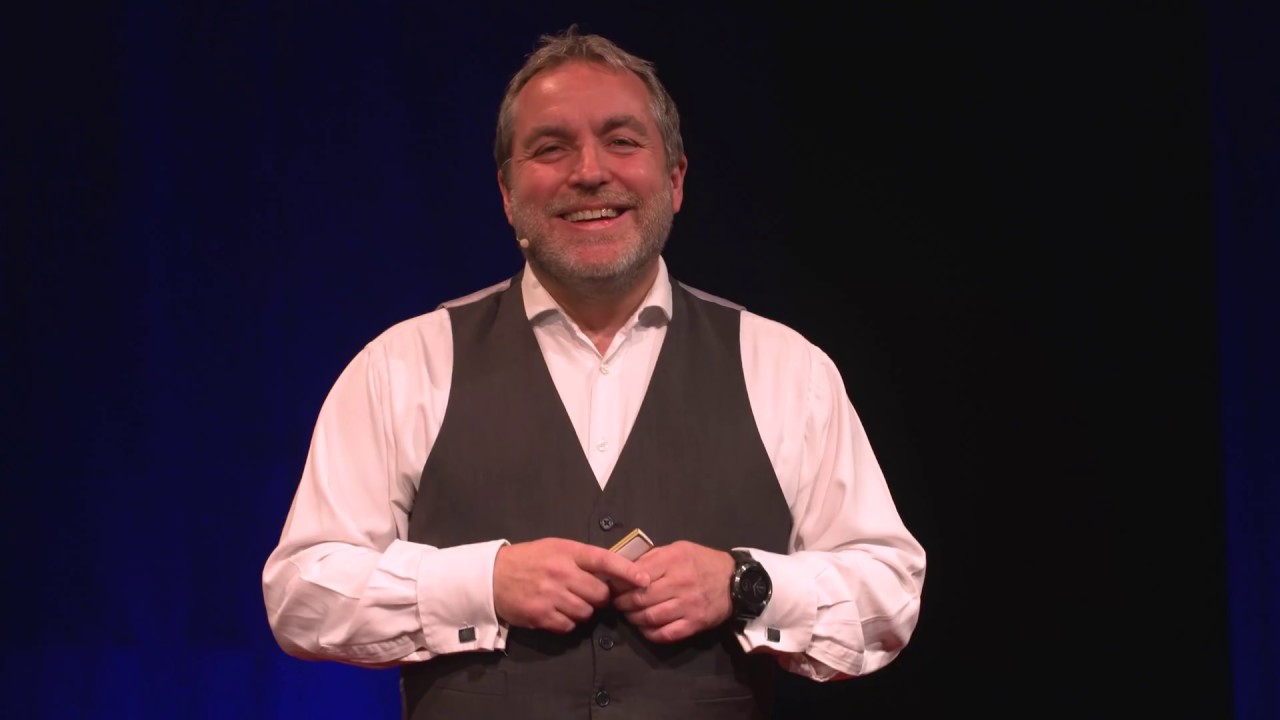
How we treat each other at work has an enormous impact on how teams perform – with potentially fatal consequences if you work in healthcare. Chris Turner reveals the shocking impact of rudeness in the workplace, arguing that civility saves lives.
__
At TEDxExeter 2019 our theme was The Art of the Possible. We’re living in an age of polarity ...

Get to know Scottish singer-songwriter Lewis Capaldi in this episode of "You Should Know."
#LewisCapaldi #Billboard #YouShouldKnow
Subscribe for The Latest Hot 100 Charts & ALL Music News! ►► https://bitly.com/BillboardSub
Billboard News: New Channel, Same Awesome ►► http://bit.ly/DailyMusicNews


We want to support the education sector and young people to explore The Macbeths. This series of interviews is designed to support Drama Skills and Performing at Highers, but we also hope it provides insights for National 5, Advanced Highers and National Progression Awards in the Performing Arts.
The full film of The Macbeths is available on Y...
signal shell
boreal ingot
https://youtu.be/4RUIhjwCDO0?t=504
https://youtu.be/eQAqFYP9HVE?t=144
https://yo...
My claim got crushed with so much data faster than the speed of light
boreal ingot
signal shell
My claim got crushed with so much data faster than the speed of light
😭 im sorry
signal shell
boreal ingot
😭 im sorry
Lol it's okay
Don't apologize
I learn something new
I actually appreciate it
boreal ingot
Aw thanks 
verbal heron
boreal ingot
Ross named himself 'Stoopid Ross'
I saw an other person with the same tag; hm, probably they were wickedeye
boreal ingot
Is this meaning of 'conservative' used much? Have I used it properly?
The antique was conservatively costed at three hundred thousand euro.
 bitter hill
boreal ingot
Is this meaning of 'conservative' used much? Have I used it properly?
> The anti...
bitter hill
boreal ingot
Is this meaning of 'conservative' used much? Have I used it properly?
> The anti...
Conservative is fine but I don't think 'costed' is used in that context
boreal ingot
bitter hill
Conservative is fine but I don't think 'costed' is used in that context
Oh thanks, but could you explain why you think my use of 'costed' is wrong?
I believe it's common for it to mean 'estimated'?
I mean, typically the past tense of 'cost' is 'cost', unless it means 'estimate', then the past tense is 'costed', as I understand
bitter hill
boreal ingot
I believe it's common for it to mean 'estimated'?
I'm not 100% sure but I believe it's more commonly seen in business contexts
So it'd be natural to use like estimated, valued, or appraised
boreal ingot
I see
Could you put forward a sentence where 'costed' would be natural?
Just so I understand it in-context
By the way, would you say 'appraised' would mean estimate the price of [x] to be [y] or state the exact price of [x] as [y], that is, 'price [x] at [y]'?
Becuase with 'costed', I was more going for the former
bitter hill
boreal ingot
By the way, would you say 'appraised' would mean estimate the price of [x] to be...
Appraisals are also estimates, just more...official? Formal? Professional?
boreal ingot
I suppose the context in my head is a professional making a prediction as to the price the antique could go for, rather than actually stating the price it's being sold at
bitter hill
boreal ingot
I suppose the context in my head is a professional making a prediction as to the...
Yeah then appraise fits your requirements
bitter hill
boreal ingot
Could you put forward a sentence where 'costed' would be natural?
Check the online dictionaries, I've checked a few and all of the examples I've seen are indeed business-related
boreal ingot
Oh yeah, looking at some dictionary examples it seems to be mostly a business word
thank you for the help
acoustic geyser
Can I use likely as both adjective and adverb?
 crystal cave
yes
e.g. "That is likely <to happen>" (adjective) and "I will likely need to buy some food" (adverb)
 trail slate
What's the difference between touching and emotional
tidal lily
trail slate
What's the difference between touching and emotional
I think touching is mostly related to sensitive/empathy, ie, a kind of emotion.
Whereas emotional word is a whole package of emotions like sadness, happiness, anger, empathy etc
boreal ingot
trail slate
What's the difference between touching and emotional
Firstly: 'emotional' has four main meanings; 'touching' has two.
Secondly: 'emotional' can describe a person or a thing; 'touching' can only describe things or actions.
If something is touching, it resonates with you. It makes you feel either (meaning 1) sympathetic, or (meaning 2) acknowledged and thankful. For example, if someone were to care for you while you're sick, and you felt that this action is sweet and arouses soft and nice feelings within you, you could say 'The way they cared for me was really touching' (meaning 2). If someone told you about their life story, full of abuse and struggle, and how they can't find comfort, you could say 'Their life story was really touching. I feel I truly understand them and want to help them' (meaning 1, sympathy).
If something is emotional, that can mean 1., it makes you feel intense emotions: normally sadness or grief, but it can be intense happiness, or very fervent rage, just a mess of emotions basically. Think along the lines of a movie that makes you cry and angry, a tearful reunion after years apart, a speech that inspires hope and lights a fire within you, and so on. Or 2. it very literally has something to do with emotions: it relates to emotions. For example, 'emotional psychology' (the study of the mind with a focus on emotions) or 'emotional regulation' (regulation when it comes to emotions). This is a much more literal sense than the first: 'having to do with emotions'.
Now the other two meanings of 'emotional' are for when you're describing a person or their state. When you describe someone as emotional, there are two possible interpretations: 1. they are characterised by how they feel strong emotions really easily and a lot, how they really show emotion so much, just how they are so inclined to outbursts and displays of sadness, and happiness, and glee, and excitement, and so on. The other possible meaning, 2., is that they are currently in a state of heightened emotion. That is, they're feeling a lot of sadness or anger or betrayal, and so on. It's not necessarily a general characteristic of theirs, just a current state.
Touching:
- Lucy told me her story, and it was truly touching. How someone could put up with so much pain in silence was beyond me.
- I found how caring Tom was when I was sick to be very touching. It was so sweet.
Emotional:
- It was a very emotional movie, very. I would be shouting at the bad guys in anger one second, only to find myself crying the other. I felt so attached to the characters. I felt so happy when they succeeded.
- We've conducted an emotional assessment of her and have found her to be unfit for the job, as it is an emotionally intensive one.
- Mike's mother has always been very emotional. The first time she met me, she cried tears of joy over her son having made a friend. Every time she'd see me in his company, she would get super excited.
- His words made me very emotional and tears welled up in my eyes. I remember I jumped onto him in my utter exuberance, and I sobbed with mirth.
I hope this somewhat helps
verbal heron
boreal ingot
I hope this somewhat helps
This will ofc help 'em, provided that they try to understand the differences and if they use the words in their sentences, it will definitely be helpful
boreal ingot
verbal heron
This will ofc help 'em, provided that they try to understand the differences an...
:>
I had to momentarily halt my Roblox-playing to write that 😔
I know, very concerning
verbal heron
boreal ingot
I had to momentarily halt my Roblox-playing to write that 😔
Hope tooti understands the pain
signal shell
boreal ingot
I had to momentarily halt my Roblox-playing to write that 😔
You are so dedicated to this chat 🫡
brazen hill
signal shell
Drives me nuts
I don't care what you guys are saying, I love the Scottish accent. It's one of the most beautiful accents
brazen hill
signal shell
Best desicion ever
Dooblin Ross
verbal heron
Hello. Do you think the phrase “beguilingly resplendent” sound somewhat redundant?
boreal ingot
verbal heron
Hello. Do you think the phrase “beguilingly resplendent” sound somewhat redundan...
the added 'beguilingly' makes me think the person has put on this resplendence to charm and get smth
like, resplendent so as to lure, invitingly, or enticingly, with deceitful intent
idk though :p
verbal heron
boreal ingot
the added 'beguilingly' makes me think the person has put on this resplendence t...
But I think, something that is resplendent appear (with exceeding brightness) alluring and inviting, so I thought that using the derivative of beguile might convey a sense of superfluity. But, I think what you have said is also notable
boreal ingot
verbal heron
But I think, something that is resplendent appear (with exceeding brightness) al...
As I understand it, resplendent means very beautiful, incredebly glamarous, attractive, bright and whatnot, but it doesn't imply deceitfulness in any way
beguile has a sense of 'beautiful/attractive in a deceitful way' to it
so there it serves to claim that this resplendence is deceitful (it's only there as a mask for something maybe, to trick you to get closer, etc. It's just there to trick you somehow).
Mind you, this is how I am interpreting it. I'm not a native
Maybe someone else would have a differing opinion about the phrase
 void field
verbal heron
boreal ingot
As I understand it, resplendent means very beautiful, incredebly glamarous, attr...
void field
verbal heron
boreal ingot
As I understand it, resplendent means very beautiful, incredebly glamarous, attr...
Yea, but a resplendent [x] is always inviting too; it's up to the viewer, or speaker whether they want to be pulled towards the source
verbal heron
boreal ingot
beguile has a sense of 'beautiful/attractive in a deceitful way' to it
Hm, but wil "beguile" always hint at a feeling of deception? Do you recommemd me using 'bewitchingly'
dusky harness
verbal heron
Hm, but wil "beguile" always hint at a feeling of deception? Do you recommemd me...
'Beguile' does not always connote deceitfulness.
verbal heron
boreal ingot
so there it serves to claim that this resplendence is deceitful (it's only there...
I think you are right here; malevolence, or even malice could be enshrouded by such resplendence
boreal ingot
verbal heron
Yea, but a resplendent [x] is always inviting too; it's up to the viewer, or spe...
I mean, something resplendent might be something you want to approacch, sure, but the word itself has nothing to do with inviting you; it just means 'bright and attractive'. And even then, replendence is a positive inviting (if it is inviting), not something that has trickery behind it. So to me 'beguilingly resplendent' seems like a reasonable combination, where 'beguilingly' would layer its own negative connotation
verbal heron
dusky harness
'Beguile' does not always connote deceitfulness.
Like I was beguiled by their charm and laughter?
boreal ingot
I've not before seen it used without deceitfulness being involved, but I mean, nothing stopping you from using it that way ig 
verbal heron
You mean resplendent?
boreal ingot
no, beguile
verbal heron
boreal ingot
I mean, something resplendent might be something you want to approacch, sure, bu...
Hm, makes sense. Thank you Scella
dusky harness
Two main meanings: To deceive/delude, or to charm/delight. However, it is probably best to stick to contexts in which deception is meant.
verbal heron
Ah, someday someone will use them metaphorically and inocorrectly anyway. Thus that will become a different use of the word
dusky harness
Just going by etymology, "guile" is all about deceptiveness.
verbal heron
boreal ingot
I've not before seen it used without deceitfulness being involved, but I mean, n...
I wanted to pair it with resplendent, or even with effulgent by using its adverbial form
verbal heron
dusky harness
Just going by etymology, "guile" is all about deceptiveness.
Can't think of an example rn to reply to this
boreal ingot
dusky harness
Two main meanings: To deceive/delude, or to charm/delight. However, it is probab...
I feel even the charm sense has trickery involved. Something like
He beguiled us with honeyed words, and when he had our votes, he revealed his true nature.
dusky harness
Right, that is the dominant sense in contemporary usage.
verbal heron
boreal ingot
I feel even the charm sense has trickery involved. Something like
> He beguiled ...
can 'color' be used here instead of 'nature'?
dusky harness
In the plural.
verbal heron
Why would one need to use the plural form here?
boreal ingot
I was actually wondering if 'bore his fangs' would work instead
boreal ingot
verbal heron
Why would one need to use the plural form here?
It's an idiom
verbal heron
Ah, alright
boreal ingot
the kind of person someone really is rather than what the person seems to be:
Most often it's used with 'show'
dusky harness
boreal ingot
I was actually wondering if 'bore his fangs' would work instead
It would be 'bared his fangs', and this is more about showing aggression.
verbal heron
boreal ingot
https://dictionary.cambridge.org/dictionary/english/true-colors
thank you
boreal ingot
dusky harness
It would be 'bared his fangs', and this is more about showing aggression.
Oh, right, thankss
 crimson vortex
Hello, what is the difference between inflict on and expose to
dusky harness
When you expose someone to something, you are making them vulnerable to that thing. When you inflict something on someone, you are directly affecting them with that thing.
 feral maple
What is the difference between a fraud and a scammer ?
dusky harness
A fraud is a person who misrepresents themselves for unfair or unlawful gain, an impostor. A scammer targets people by swindling or defrauding them.
boreal ingot
feral maple
What is the difference between a fraud and a scammer ?
i think a fraud is normally someone who lies about credentials or ability (for example, 'I'm a doctor!' [when they aren't]) and tries to use that to trick people into giving them something. While a scammer just tries to trick you out of something
feral maple
boreal ingot
i think a fraud is normally someone who lies about credentials or ability (for e...
I understand what a fraud means but what about scammer can you give me an example for a someone who is scammer like fraud is for example a someone who says that he is a doctor but he is not a doctor but I want an example about a scammer can you give me it ?
boreal ingot
feral maple
I understand what a fraud means but what about scammer can you give me an examp...
A scammer is someone who gets money (normally) from people by tricking them. So, they could tell you 'input your credit card information to get [x]' then take the money and disappear, or 'guess which cup the ball is under and I'll give you your money back doubled, fail and the money is mine' but there is no ball in the first place.
A scammer is someone who gets your money by tricking you
feral maple
boreal ingot
A scammer is someone who gets money (normally) from people by tricking them. So,...
Yeah , I know the difference now , I thank you for that important information

 wispy nimbus
What does putting on and putting off means is it used to describe what are wearing or is it for transfer and down and up please someone tell me
 whole dagger
for both transferring an object up or down and wearing clothes, you use ‘putting on’ and ‘taking off.’ ‘putting off’ has a different meaning.
waxen cradle
wispy nimbus
What does putting on and putting off means is it used to describe what are weari...
"Put on" means to get dressed in clothes ("She put on a skirt this morning.")
"Put on" also means to act/perform a certain way. ("Tom is a magician and he put on a magic show last night.").
However, "put on" can have a negative meaning when used in the phrase "put on airs". This means that someone is acting overconfident and looking down on others. ("He has been putting on airs ever since he was promoted to manager. We are becoming tired of his new attitude.")
"Put off" means to delay something, usually a task or job. It can be a bad thing, or it can be a neutral thing depending on context. (Negative: "He is putting off applying to jobs. I am worried he is becoming lazy.") (Neutral: "He is putting off submitting the report to the client until we get feedback from our manager.")
wispy nimbus
waxen cradle
"Put on" means to get dressed in clothes ("She put on a skirt this morning.")
"P...
Thanks
wispy nimbus
whole dagger
for both transferring an object up or down and wearing clothes, you use ‘putting...
Thanks
 wraith forge
What does negotiating mean
 swift parcel
wraith forge
What does negotiating mean
swift parcel
wraith forge
What does negotiating mean
To "negotiate" means to discuss and reach an agreement on terms or conditions between two or more parties.
Examples :
The two companies are negotiating a partnership agreement that would benefit both sides.
Before accepting the job offer, she decided to negotiate for a higher salary.
swift parcel
wraith forge
What does negotiating mean
Did you understand?
swift parcel
You are welcome
 weak sapphire
guys I’m not good at English but I need to improve my speaking skills to get a job I have interviews in English and I don’t know where to start I really need a job so please help me
This server is difficult I don’t know how to use this server or where to ask for help
 wet sentinel
- Thou shall eat aught or else thy stomach will scream in agony, you must eat 2) thou must eat or thy stomach will scream in agony. Do both make sense?
 chrome salmon
weak sapphire
This server is difficult I don’t know how to use this server or where to ask for...
boreal ingot
wet sentinel
1) Thou shall eat aught or else thy stomach will scream in agony, you must eat 2...
chrome salmon
weak sapphire
This server is difficult I don’t know how to use this server or where to ask for...
boreal ingot
wet sentinel
1) Thou shall eat aught or else thy stomach will scream in agony, you must eat 2...
The first is odd, because you're saying 'you WILL eat anything', not 'something'
I think that 'thou' used 'shalt' or 'wilt' not 'shall', also
Another odd thing is that you switch from thou to you
In the past, 'thou' was the nominative second person singular pronoun, while 'you' was oblique second person plural or the formal oblique second person singular
So you kinda switched from informal/casual pronouns to formal pronoun, and used the wrong case for the formal one
boreal ingot
wet sentinel
1) Thou shall eat aught or else thy stomach will scream in agony, you must eat 2...
Optionally for the second one, you can use 'mustest' or 'motest', or 'mote'
 torn pelican
Hello, I have just started English and I have very little knowledge of vocabulary and sentence structure.
boreal ingot
wet sentinel
1) Thou shall eat aught or else thy stomach will scream in agony, you must eat 2...
- Thou motest eat lest thy stomach scream in agony; thou motest eat.
- Thou motest eat or thy stomach will scream in agony.
cloud badge
boreal ingot
The first is odd, because you're saying 'you WILL eat anything', not 'something'
Shall can be used for should too, and hm I've never in my life even seen the word motest. Mustest and mote are uh extremely odd as well.
cloud badge
wet sentinel
1) Thou shall eat aught or else thy stomach will scream in agony, you must eat 2...
Maybe something like 'thou shall eat lest thine stomach scream in agony' (you will/ should eat so your stomach wont/doesnt hurt)
boreal ingot
cloud badge
Shall can be used for should too, and hm I've never in my life even seen the wor...
Yeah mote and motest, and mustest are old ways of saying 'must'
The last two had to be paired with 'thou'
Middle English was full of inconsistencies and many word variations
boreal ingot
cloud badge
Maybe something like 'thou shall eat lest thine stomach scream in agony' (you wi...
Thine doesn't work there
It was only used before vowels and h
Or where you would use 'yours' in modern English
But before consonants you'd use thy
boreal ingot
cloud badge
Shall can be used for should too, and hm I've never in my life even seen the wor...
It's 'should' in the sense of 'I had hoped I should find you here', not really in the suggestion sense
Should may be the past tense of shall, but it developed other meanings independently
cloud badge
boreal ingot
It's 'should' in the sense of 'I had hoped I should find you here', not really i...
Shall is commonly used as should and/or will, and i think thine does work there, it's like saying mine but yours. 'I shall eat lest mine stomach scream in agony'.
boreal ingot
cloud badge
Shall is commonly used as should and/or will, and i think thine does work there,...
In actual Middle English it would be 'mi' though. Just like we have the 'a' and 'an' distinction in Modern English, in the past they had 'mi' and 'min', and 'thy' and 'thine'. 'Mi' and 'thy' were used before consonants except for h, and 'min' and 'thine' were used before vowels and h. 'Thine' and 'min' were also used like modern 'yours' and 'mine', that is, in stuff like 'the one that is yours/mine'. From 'min' we got 'mine'.
Even in the usage of 'mine' to mean 'my', it's often seen after instead of before ('brother mine'), but when it's before, the first sound is a vowel (or h)


 cloud badge
boreal ingot
In actual Middle English it would be 'mi' though. Just like we have the 'a' and ...
cloud badge
boreal ingot
In actual Middle English it would be 'mi' though. Just like we have the 'a' and ...
Oh were they asking specifically about middle English? I was just using the words the way i hear people still use those today.
boreal ingot
cloud badge
Oh were they asking specifically about middle English? I was just using the word...
Not sure abt the exact period of time they're assking about, but they're obviously going for an old style. Ppl often misuse 'thy' and 'thine' as you did, and if they're going for any sort of older style they shouldn't use 'thine' like that, thas all tbh
It's a similar story with people misusing the '-est' suffix on verbs. it's supposed to only be used with 'thou' but ppl use it for alllll persons these days when going for an older style
cloud badge
boreal ingot
It's a similar story with people misusing the '-est' suffix on verbs. it's suppo...
Hmm yeah trends don't always follow their original intended use. It's still an old style just used in a more modern way the way i wrote, i think.
 plush stump
Hi guys! Good afternoon. What's the difference between Academic Qualification and Academic Transcripts, please?
 sweet mesa
hello, what i means watch your back?
in the context: https://i.imgur.com/yHE1T0l.jpeg
dusky harness
sweet mesa
hello, what i means watch your back?
To "watch your back" is to be watchful to prevent being attacked by surprise. As a friendly aside, the proper way to phrase your question is: "What does 'watch your back' mean?"
boreal ingot
@sweet mesa you've asked this before! ^
 finite beacon
What does gaslighting mean?
dusky harness
It means to lie to someone in a way that manipulates them into doubting their own memory.
gaunt mango
@fierce swift
 mental saddle
THERE IS A TREE THAT HAS BEEN CLAIMED TO CURE CANCER COULD IT BE TRUE ? THE NAME IS PAO PERIERA
waxen cradle
finite beacon
What does gaslighting mean?
Yes, the explanation given above is correct.
For more context, the term "gaslight" comes from the 1938 British play "Gaslight". The play tells a story of a woman whose husband slowly manipulates her into believing she is going insane. Every day the woman mentions that the gas light in their apartment has gotten dimmer, but her husband tells her that she is just imagining it has gotten dimmer. He insists that it hasn't changed. In reality, the light has dimmed. This is because husband is secretly turning on gas lamps in the apartment above them to search for missing treasure left behind there by a past tenant who was murdered. I won't spoil the rest! 😉
waxen cradle
plush stump
Hi guys! Good afternoon. What's the difference between Academic Qualification an...
Hi jadsz, unfortunately there is no easy way to answer this-- it will depend on the university or employer who is asking you.
Generally, an academic transcript is a summary of all courses you have taken at a school with the letter grade or final score you received. It will also state the year you enrolled in the school and the year you graduate (or are expected to graduate). At American schools it will also state your grade point average, which is a converted number score based on the letter grades you received. Transcripts are sometimes only 1 or 2 pages long, since the classes and grades/scores can be listed succinctly.
Academic qualifications can mean different things to different universities or employers. For example, if an engineering employer asked you for your academic qualifications, they might mean they want to know which universities you attended and what degree/diploma you received in the end (Bachelor's Degree, Master's Degree, or whatever your country uses). But if a scientific journal asked you for your academic qualifications, they might want to know what university research labs you have worked for and what academic papers you have published.
boreal ingot
Should I use 'hypernymous' or 'hyponymous' (or maybe mix them) in the following:
'Oligosyllabic', meaning 'having few syllables', may, essentially, not unreasonably, be assumed to be a direct antonym to 'Polysyllabic'. However, it would be more accurate to identify the two words as being in a [hyponymous/hypernymous/hypo-hypernymous/hyper-hyponymous] relationship wherein 'Polysyllabic' is the superordinate term and 'Oligosyllabic' is the subordinate one, as 'having few syllables' is a subset of 'having multiple syllables'.
signal shell
boreal ingot
Should I use 'hypernymous' or 'hyponymous' (or maybe mix them) in the following:...
What does hypo-hypernymous mean? And hyper-hyponymous?
Also, I don't think I can agree with whatever statement is being made. I don't view oligosyllabic as being a subset of polysyllabic
boreal ingot
signal shell
What does hypo-hypernymous mean? And hyper-hyponymous?
That's what I'm asking about,should I use 'hypernymous', 'hyponymous', or one of the two 'mix' terms I proposed
signal shell
signal shell
Also, I don't think I can agree with whatever statement is being made. I don't ...
But if that is the claim being made, I think "hyponymic" is the right word
boreal ingot
signal shell
Also, I don't think I can agree with whatever statement is being made. I don't ...
I view it so. 'Having few syllables' does mean 'having more than one syllable, but not that many', and 'polysylabic' doesn't mean 'having many syllables' it means 'having multiple syllables'. 'more than one but not many' falls under 'multiple'. If you'd like to use other terms, all oligosyllabic words are polysyllabic, but not all polysyllabic words are oligosyllabic, which directly maps onto a hypernym-hyponym type of relation (all dogs are mammles but not all mammles are dogs, all [x]s are [y]s, but not all [y]s are [x]s. That is, one is a subset of the other)
If you interpret 'having few syllables' as a range from 1 to [x], instead of from 2 to [x], then you could say the claim is false, since any word with one syllable would not be polysylabic
signal shell
You can see this word used on the Wikipedia article about this topic
 boreal ingot
signal shell
You can see this word used on the Wikipedia article about this topic
boreal ingot
signal shell
You can see this word used on the Wikipedia article about this topic
So the entire two way relationship is labled with the 'hyponym'?
thas interesting
I think I've seen hyponymous but not hyponymic beforee though
So idk which would be best
signal shell
boreal ingot
So idk which would be best
I'm thinking that this particular usage is still in the stages of quick and sudden evolution. You can probably use whatever word you like
signal shell
boreal ingot
I view it so. 'Having few syllables' does mean 'having more than one syllable, b...
It appears the word has been used to describe single syllable words. But I also find sources that say it should have at least two.

So depending on your usage, it could be a hyponym
Or it could not
boreal ingot
signal shell
You can see this word used on the Wikipedia article about this topic
(theyre synnonyms apparently [in pink])
But you see, the annoying thing is 'hyponymic/hyponymous ' is 'relating to the subset in such a relationship', so would the entire rlationship be labled as such? It sounds like I should use both hyper- and hypo- -nymic/-nymous to mark the entire relationship. Is it just standard to lable the whole relationship as hypo-?
 signal shell
But I also doubt anyone would call a word polysyllabic for having two syllables
signal shell
boreal ingot
(theyre synnonyms apparently [in pink])
But you see, the annoying thing is 'hyp...
I see what you are saying... "hyponymic" might be an autohyponymous word
boreal ingot
signal shell
It appears the word has been used to describe single syllable words. But I also ...
If it includes 'one' then yeah, it wouldn't be. Really depends on how litrially you take the 'few' I think
signal shell
signal shell
I see what you are saying... "hyponymic" might be an autohyponymous word
 boreal ingot
signal shell
boreal ingot
signal shell
ye I know what they are, but Im not sure how hyponymic/hyponymous would fit that 
signal shell
Just replace the word "dog" with "hyponymic"
It describes the entire relationship, but also just the more specific one that describes the subset
boreal ingot
Huh, actually, in 'autohyponym' it would make much more sense to use 'autohypernym' no? 'Auto' means 'self', 'hyper-' means 'above', and '-onym' means 'word'
so that would be 'word above itself'
boreal ingot
signal shell
It describes the entire relationship, but also just the more specific one that d...
oh,that makes sense yea
this is very interesting lmao
boreal ingot
boreal ingot
Huh, actually, in 'autohyponym' it would make much more sense to use 'autohypern...
or actually, much the same 'word under itself' would work
So I guess hypo- has become the de facto standard
I have no idea if I used de facto right
alright, that resolves the quandary of what to choose. Thanks a lot @signal shell 💜
signal shell
Okay, glad I could help
 dry estuary
I'm wondering about "Stand for" and "Tolerate"
As far as I know, "stand for" means support something, and "tolerate" means endure something
But there's a question like this:
"I will not stand for your bad behavior"
Choose a correct synonym for "Stand for"
A. Like
B. Mean
C. Tolerate
D. Care
The answer sheet tells me that it's C. Why though? May anyone explain to me?
Thank you, I appreciate your help <3!
boreal ingot
dry estuary
I'm wondering about "Stand for" and "Tolerate"
As far as I know, "stand for" mea...
'Stand for' has three meanings:

lmao 
signal shell
dry estuary
I'm wondering about "Stand for" and "Tolerate"
As far as I know, "stand for" mea...
Yeah it appears to have the meaning of tolerate, but I only ever see it used that way in the negative sense
Not stand for
When it means to support, I only ever see that in the positive sense
If there is something you neutrally don't support, you never say "I won't stand for it"
verbal heron
@humble condor
boreal ingot
@signal shell, have you encountered any Irish people who pronounce their th's as dental t's and d's?
Further, have you met any Irish people who pronounce word-final t as a fricative?
Then lastly, have you met anyone who does both?
I'm curious how they would say 'that'
signal shell
boreal ingot
<@1114463630684082176>, have you encountered any Irish people who pronounce thei...
Yes, plenty
signal shell
boreal ingot
Further, have you met any Irish people who pronounce word-final t as a fricative...
I'm don't recall observing this one
boreal ingot
signal shell
I'm don't recall observing this one
Hmm, lemme link a tiktoker one sec
boreal ingot
signal shell
I'm don't recall observing this one
It's a bit far in, ig around 12 secs, but listen to how he ends 'light' in 'green light':
https://vm.tiktok.com/ZMkbok1er/

15 secs ye
32 secs in he says 'that' with that type of fricative final t ('you can't do that')
But
The 'th' is an actual dental fricative I think
So I was wondering if there are any people who'd say 'that' with both 1) a dental d, and 2) a final fricative t
But I guess if you don't know any who do the final fricative t thing then it may not be done where you are
signal shell
boreal ingot
It's a bit far in, ig around 12 secs, but listen to how he ends 'light' in 'gree...
Wow I've actually seen this exact video fairly recently
I love garron
signal shell
I never noticed lol
boreal ingot
in some words
signal shell
But yeah I hear it now
boreal ingot
maybe Im too focused on accents
boreal ingot
signal shell
But yeah I hear it now
Do you think it would be possible for a mix of the dental d for at the start and this 'slit/hissing t' at the end to happen in 'that'?
signal shell
boreal ingot
Do you think it would be possible for a mix of the dental d for at the start and...
I have no idea. Maybe I can listen more closely from now on to find out
boreal ingot
alrightyy
If you ever run into it I'd be curious to know, just becuase Ive always been curious about how Irish people might say 'that', since they have both of these features
a 'the pronuncation exists' would be enough
sorry to bother 😅
I am too hyperfocused on how people say stuff lol
signal shell
Someone once asked me if my students were "chick" and it took me a while to realise they were actually saying "thick", meaning stupid.
boreal ingot
Lmfao 😭
boreal ingot
yea tick, fick, and sick are all possible for 'thick'
by nonnatives at least
fick is done in england by younger ppl tho
boreal ingot
signal shell
Either way, I was confused for a few seconds
I would be too
signal shell
boreal ingot
fick is done in england by younger ppl tho
And my grandfather from Virginia
signal shell
Bath is baff
boreal ingot
Actually, in British English that makes it sound exactly like barf
signal shell
Yeah I suppose so
boreal ingot
I remember when I was trying to do th-fronting cuz I was, idk, I was trying to sound more British or smth, I had the shocking realisation taht 'bath' and 'barf' sound the same
signal shell
But for grampa, it's baff
boreal ingot
signal shell
But for grampa, it's baff
does he say his r's?
Idk anything about the varginia accent
acoustic geyser
Hello
signal shell
boreal ingot
does he say his r's?
Yeah I think so, just like a normal r in any case I can think of
acoustic geyser
What is different between these two?
In Central Park
At Central Park
On Christmas
At Christmas
boreal ingot
boreal ingot
and that one old dude from varginia, I'll remember that
Th-fronting is
- done by young Englishpeople
- done by Ross's grandpa from varginia
- done by some non-natives as a substitute for the th sounds
signal shell
acoustic geyser
What is different between these two?
In Central Park
At Central Park
If you feel that you are being very precise about your location, you say "at"
boreal ingot
boreal ingot
Th-fronting is
- done by young Englishpeople
- done by Ross's grandpa from vargi...
Next time I explain it I'll be sure to list these three points
signal shell
boreal ingot
Next time I explain it I'll be sure to list these three points
Cool lmao
boreal ingot
acoustic geyser
What is different between these two?
In Central Park
At Central Park
^ someone help this chap. Prepositions are beyond me 
boreal ingot
signal shell
If you feel that you are being very precise about your location, you say "at"
I thought 'at' ws less precise 
signal shell
 boreal ingot
signal shell
boreal ingot
signal shell
I mean 'at the hospital' is 'in the general location of the hospital' while 'in the hopital' is specifically inside it
thas why it seemed like 'at' is more genereal to me
signal shell
boreal ingot
I mean 'at the hospital' is 'in the general location of the hospital' while 'in ...
That's a good point
But when saying at the hospital, you are using the entire city as a reference, and the hospital is a very precise place within the city.
When saying in the hospital, this is to distinguish from outside the hospital
Or you say in the hospital to indicate you are recieving care at the hospital
"Ross is at the hospital to visit his grandpa who is in the hospital"
verbal heron
signal shell
"Ross is at the hospital to visit his grandpa who is in the hospital"
So 'at' just means the vicinity of the place mentioned, doesn't it?
signal shell
verbal heron
So 'at' just means the vicinity of the place mentioned, doesn't it?
Yeah, more or less, could be inside, could be nearby
verbal heron
signal shell
Yeah, more or less, could be inside, could be nearby
Ah, like I am not giving proper info or maybe I do not have sufficient info
signal shell
verbal heron
Ah, like I am not giving proper info or maybe I do not have sufficient info
I mean, sometimes the specifics of the details are implied in context
Like, when I say the bus stopped at the hospital, it clearly isn't inside the hospital
 fading needle
What is the difference between “sleepy tho” and “sleeping tho”?
signal shell
fading needle
What is the difference between “sleepy tho” and “sleeping tho”?
"sleepy" is a feeling you get when you have the urge to sleep. "sleeping" is the condition of being asleep. From what I can see, the presence of the word "tho" doesn't seem to have any effect on their meanings. But maybe if there was more context, I could decide that maybe there is something else there to say about it.
boreal ingot
signal shell
"sleepy" is a feeling you get when you have the urge to sleep. "sleeping" is the...
Question, if you were awoken by someone calling your name, would you answer 'What do you want? I'm sleeping' or 'What do you want? I was sleeping'?
signal shell
boreal ingot
Question, if you were awoken by someone calling your name, would you answer 'Wha...
I think that would depend on their intention to go back to sleep immediately, or not.
boreal ingot
signal shell
I think that would depend on their intention to go back to sleep immediately, or...
So, if Im gonna go right back, I should use present ('I'm sleeping')?
Even though I'm no actually asleepy
makes sense I suppose
verbal heron
I think I'd say 'oh, what is it?'
boreal ingot
signal shell
I think that would depend on their intention to go back to sleep immediately, or...
Another similar question. If you call someone (on phone) and they sound like they just woke up (you woke them up with the call), would you say 'Are you sleeping/asleep?' or 'Were you sleeping/asleep?'
signal shell
boreal ingot
So, if Im gonna go right back, I should use present ('I'm sleeping')?
Yeah that's probably how I would do it, but I'm open to other people saying it differently as they see fit
boreal ingot
verbal heron
I think I'd say 'oh, what is it?'
Yeah, but I'm asking cuz of the tense
boreal ingot
signal shell
Yeah that's probably how I would do it, but I'm open to other people saying it d...
Got it, thank you :>
signal shell
boreal ingot
Another similar question. If you call someone (on phone) and they sound like the...
I think "were" sounds more natural, but either way seems acceptable to me
boreal ingot
Oh got itt
thank you again
I was comparing it to arabic, cuz I found it so odd that mother asks me 'are you sleeping' in arabic when she calls lol
verbal heron
boreal ingot
So, if Im gonna go right back, I should use present ('I'm sleeping')?
But it indicates that you're letting them know that you're gonna avoid replying to them
boreal ingot
I'll stick with 'were' in English (or personally I'd prefer 'did I wake you up')
boreal ingot
verbal heron
But it indicates that you're letting them know that you're gonna avoid replying ...
yes, exactly what I'd be doing cuz who tf are they waking me up from my sleep
I need sleep despretly
ignore spelling, I cant spell
 tiny glade
verbal heron
Oh ok
tiny glade
verbal heron
Oh ok
A dog has e puppies
1st name is your
2nd name is mine
3 rd name is him
What is dog's name
verbal heron
Here e=euler's number?
boreal ingot
tiny glade
A dog has e puppies
1st name is your
2nd name is mine
3 rd name is him
What ...
Your Mine Him
tiny glade
boreal ingot
Your Mine Him
What is dog's name
Not puppies name
signal shell
boreal ingot
Enlighten me
He already told you
signal shell
Yeah it was a statement, not a question
He's just telling you
Although, he did preface this with "I have a question"
He still hasn't asked his question
signal shell
tiny glade
Hi I have a question
So what is your question
verbal heron
tiny glade
A dog has e puppies
1st name is your
2nd name is mine
3 rd name is him
What ...
It does not even work fine as a joke
verbal heron
boreal ingot
It was pretty mediocre
what
verbal heron
boreal ingot
Did I misspell it
no, you didn't
boreal ingot
Then what was the 'what' aboutt
verbal heron
boreal ingot
It was pretty mediocre
what is it that you found 'pretty mediocre'
boreal ingot
verbal heron
what is it that you found 'pretty mediocre'
The joke
verbal heron
oh yea
boreal ingot
Lol
verbal heron
I guess they had something to say but couldn't articulate
torn pelican
I started learning English and I don't really know how to learn.
I am a Turk and I am trying to learn English from scratch.
Yes
I have no vocabulary and no knowledge of sentence structure.
I use memrise as a program.
 orchid silo
memrise is good
torn pelican
Do you have any advice for me to keep the words I learn in my mind?
 thorn star
Hi guys! I started working in a BPO and sometimes I don't understand the customers, I've been trying writing keywords but sometimes that didn't work out
Any advice would be great
agile crow
What is a BPO? Have you tried just using google translate?
Never mind, I looked it up.
cloud badge
tiny glade
A dog has e puppies
1st name is your
2nd name is mine
3 rd name is him
What ...
What's on second. I don't know. Third base!
 open sage
Hello guys, how are you? I'm starting to learn English. Does anyone have any tips on where to start and how to organize Anki? (Do I add sentences or just words?)
Or any suggestions for apps to learn better
signal shell
cloud badge
What's on second. I don't know. Third base!
abbott and costello were quite a duo
 stable bear
torn pelican
Yes
stable bear
torn pelican
Yes
hello Juvorz. The basic sentence structure, as far as i know, is S+V+O. That's where you start if you want to learn from scratch
dry estuary
I'm troubled with using "None", "Neither", "Non', "Not"...
May I know when to use those four respectively?
Thank you, I appreciate your help :D!
 compact elbow
what's the difference between moisture and humidity?
I thought they were just synonyms but apparently they're not o_o
signal shell
Humidity is specifically about the moisture dissolved in the air
Moisture can exist in more places than the air
@compact elbow
compact elbow
signal shell
Moisture can exist in more places than the air
ty
 plucky locust
Hello guys, I'm Brasilian, I need improve my English because my job
compact elbow
In my mother tongue language we usually use the term humidity interchangeably
signal shell
compact elbow
In my mother tongue language we usually use the term humidity interchangeably
I can see how that would become confusing when learning about this in English
boreal ingot
dry estuary
I'm troubled with using "None", "Neither", "Non', "Not"...
May I know when to us...
None is used when something doesn't apply to any of all the listed things/individuals.
None of Tom, Tim, Tai, Ted, and Tod thought that killing Luke would be a good idea, but Teo wanted the friend group to all have names beginning with T.
This means that they all did not think it was a good idea.
None can also be used when something doesn't apply to anyone in general. This has a bit more of a formal tone though:
She was a fierce lady whom none dared approach, yet that tiny boy went to her so carelessly.
Here, no one ever dared approach her, not anyone dared.
When to use a plural verb and when to use a singular one with 'none' is a bit hard to determine. Some say you should always use singular, and that's what I tend to follow, but oftentimes this is not the case, and you see the plural used even in literature. What governs the number of the verb, I cannot say. Here's what MW has to say about it: https://www.merriam-webster.com/video/is-none-singular-or-plural.
'Neither' means that something doesn't apply to any one of two things. 1 and 2, they both are not big numbers, which means that neither 1 nor 2 is a big number. (The quality 'is a big number' is not true of any of the two options.) If you know what 'either' means, 'neither' means 'not either'.
An issue arises when considering what number the verb should be conjugated for with 'neither'. If both items are singular, use a singular verb, if both are plural, use a plural verb, and if it's a mix, well, some use plural, while some conjugate the verb for the number of the nearer noun. Here are a few examples:
Neither of the two boys [like/likes] long nights.
Formally, this should be 'likes'. It's equivalent to 'neither the first boy nor the second boy', and since both halves are singular, we use a singular verb. However, informally, you conjugate for the nearer noun, 'two boys' is plural, so you will often see people say 'Neither of the two like long nights'.
The Americans and the Canadians are having heated debates. However, neither of them [has/have] brought up any good points.
Here, 'neither of them' is equivalent to 'neither the Americans nor the Canadians'. Both sides are plural, so you should use a plural verb formally.
The Americans and the Canadians are having heated debates. However, neither of them have brought up any good points.
Neither the man nor his siblings [was/were] willing to speak up against the misdeeds of their father.
Formally, you should conjugate the verb for the closer conjoin. That is, since 'his siblings' is plural and is nearer to the verb, the verb should be plural, 'were'. If the order were to be reversed, the verb would be singular, 'was'.
Neither the man nor his siblings [were] willing to speak up against the misdeeds of their father.
Neither his siblings nor the man [was] willing to speak up against the misdeeds of their father.
However, some people choose to always use the plural. I'm guessing this varies by style guide.
Some note-worthy examples:
Neither he nor his friend likes it.
Neither the humans nor the animals were spared.
Neither my mother nor my siblings see eye-to-eye with me.
Neither my siblings nor my mother sees eye-to-eye with me.
The Americans and the Canadians, neither of them say that word.
The American guy and the Canadian gal, neither of them says that word.
'Non-' is a bound morpheme. That means it has semantic value but cannot exist on its own, it needs to be connected to another word. In other words, 'Non-' is an affix, a prefix, specifically. It conveys a sense of neutral negation. It's a less negatively valenced 'un-', 'in-', or 'dis-'. Compare 'disbeliever' to 'non-believer': the latter is quite less negatively charged, while the former may very well insinuate active rejection of the belief. The same can be seen with 'inhuman' and 'non-human'. The latter is strictly about the fact that something is not a human, whilst the former is more about the cruelness of actions in a way that is not becoming of a human.
'Not' conveys simply the fact of negation. If you don't understand it, I would suggest directly translating it into your native language.
tiny glade
Who has ielts and who can lend me his/her hand
 hasty trout
dry estuary
I'm troubled with using "None", "Neither", "Non', "Not"...
May I know when to us...
hasty trout
dry estuary
I'm troubled with using "None", "Neither", "Non', "Not"...
May I know when to us...
Use "none" as "not one", "not any" or "not all".
One will go that way → None (not even a single one) will go that way
I need all of these → I need none of these (I DON'T need all of these)
Use "neither" as "not either".
Either of you must do this → Neither of you must do this.
Use "non" as prefix for words.
Existent (one that exists) → non-existent (one that doesn't exist).
Non-vegan food, non-binary person, etc.
Use "not" for any negation.
This is funny → this is not funny.
She was helping → she was not helping.
That is a dog → that is not a dog.
boreal ingot
Damn guess my answer wasn't satisfactory :p
verbal heron
hasty trout
Use "none" as "not one", "not any" or "not all".
> One will go that way → None (...
‘I don't need all of these. I need only one/two [x(singular/plural)].’
verbal heron
boreal ingot
Damn guess my answer wasn't satisfactory :p
Scella
boreal ingot
verbal heron
Scella
Vampire
verbal heron
boreal ingot
Vampire
Your answer was quite satisfactory, at least to me. But I think they would find your answer very long. They might perceive you to be prevericating. 😅
Don't expound on simple questions
if they don't ask you to
boreal ingot
hasty trout
Use "none" as "not one", "not any" or "not all".
> One will go that way → None (...
I think that 'I need none' means 'I don't need any' not 'I don't need all'
hasty trout
boreal ingot
I think that 'I need none' means 'I don't need any' not 'I don't need all'
I think that might depend on context but yeah ig that works
verbal heron
hasty trout
I think that might depend on context but yeah ig that works
sometimes we may not be provided with sufficient context
to infer the meaning
when it has an obvious meaning
boreal ingot
verbal heron
Your answer was quite satisfactory, at least to me. But I think they would find ...
I like to be as comprehensive as possible
verbal heron
boreal ingot
I like to be as comprehensive as possible
You know what, not everyone finds grammar very interesting
If they were, they would search for that themselves 😅
 forest solar
Conjugate an English verb with Reverso Conjugator at all tenses: indicative, past tense, participle, present perfect, gerund. See list of irregular verbs in English and conjugation models.
boreal ingot
If there are any Brits here, do you make a pronuncation distinction between battery the crime and battery the device? I tend to say Ba - chri for the latter and Ba - tuh - ri for the former
boreal ingot
Also, for Americans, what is the demonym for those from Verginia?
What's the difference between an eponym and a namesake
signal shell
boreal ingot
Also, for Americans, what is the demonym for those from Verginia?
Virginian
 boreal ingot
signal shell
boreal ingot
signal shell
I don't really understand this 😅
boreal ingot
signal shell
Virginian
Thanks
signal shell
boreal ingot
I don't really understand this 😅
The namesake is named after the eponym.
But in common usage, the eponym is often ambiguously called a namesake as well
signal shell
boreal ingot
Thanks <a:90_fox_nod_f2u:981991834333118474>
Also, it's spelled Virginia, not Verginia
boreal ingot
signal shell
But in common usage, the eponym is often ambiguously called a namesake as well
Ah makes sense
my many thanks
boreal ingot
signal shell
Also, it's spelled Virginia, not Verginia
Yeah, I suck at spelling. Thank you 💜
 errant kettle
plucky locust
Hello guys, I'm Brasilian, I need improve my English because my job
errant kettle
plucky locust
Hello guys, I'm Brasilian, I need improve my English because my job
Hello there! Welcome, there are many places on the server to practice written chat and voice chat. There are also classes and events offered almost every day. I hope you find the learning environment you are looking for.
 drowsy urchin
plucky locust
Hello guys, I'm Brasilian, I need improve my English because my job
drowsy urchin
plucky locust
Hello guys, I'm Brasilian, I need improve my English because my job
Hi, i'm brazillian too, maybe i can help ya
boreal ingot
Could you all proofread this short paragraph?
One question also, did I use 'ensconced' properly?
It was in the blink of an eye that he thrust his sword through her chest, upon the infliction of which wound, she collapsed and bled 'till Death extended his relieving hand. So I was told by a soldier—nay, a whoreson knave—who had witnessed the ordeal in its entirety, yet not so much did cross his mind as a passing thought of lending aid. At the sight of her, I was left aghast, and my face became an ashen shade, for she lay ensconced in the warmth of blood, her countenance abounding with dour acceptance as though the vivacious bounce that characterised her in life had drained away into the pool in which she lay.
I was going for an older style
 oblique idol
boreal ingot
Could you all proofread this short paragraph?
One question also, did I use 'ensc...
oblique idol
boreal ingot
Could you all proofread this short paragraph?
One question also, did I use 'ensc...
its not technically incorrect
id maybe change the word order? for example: "for she lay ensconced in the blood’s warmth, her countenance abounding with dour acceptance
im not an expert on older style english but thats just my opinion! :3
 tame tide
@night pewter ☘️🍀 Hra dhaniya
 night pewter
tame tide
<@837730986880008275> ☘️🍀 Hra dhaniya
night pewter
tame tide
<@837730986880008275> ☘️🍀 Hra dhaniya
Reference?
tame tide
night pewter
Reference?
Rose day
tame tide
night pewter
Gareeb
 Instagram
night pewter
Instagram
night pewter
Flat 😂
verbal heron
night pewter
Reference?
wow kya reference tha
boreal ingot
oblique idol
im not an expert on older style english but thats just my opinion! :3
I see, thank you
boreal ingot
verbal heron
wow kya reference tha
Hello there, Vampire
wot is zis
Why are gifs of dark pale figures in dramatic lighting being hurled at me
I don't watch movies :p
But either way, hello there, dots and dashes
signal shell
I still need to see that one
boreal ingot
signal shell
I still need to see that one
Ross movie person?
signal shell
boreal ingot
Ross movie person? <:CB_pika_think:553556724917862400>
Yeah kinda
boreal ingot
I see
signal shell
Thanks for the quick review
boreal ingot
Actually, sometimes I get lazy with my typing and do such things as 'Ross movie person?'
Is this something a native would ever do? :p I mean, not that I care much so long as my meaning is conveyed, but I'm curious how a native would feel about that form
signal shell
boreal ingot
Actually, sometimes I get lazy with my typing and do such things as 'Ross movie ...
Oh yeah, definitely the type of behaviour I see from a lot of people. It's normal, even if not proper
boreal ingot
I see, many thanks :>
signal shell
I didn't even think anything of it
boreal ingot
Should I watch Redpool
signal shell
Barely noticed it was bad grammar
boreal ingot
lmao, got it, thank you. I thought it might be an Arabic remanant, cuz in Arabic the statment would be 'Ross person movies' (that would be a grammatically correct sentence meaning 'Ross is a movies person) and the question would just have 'hal' added to the start. And you know how statments can become questions through tone, so you ccan kinda drop that 'hal' and end up with something like 'Ross person movies?'
Thankfully I wasn't just applying Arabic grammar when lazy. Just being normal English lazy
signal shell
boreal ingot
lmao, got it, thank you. I thought it might be an Arabic remanant, cuz in Arabic...
Interesting
boreal ingot
boreal ingot
Could you all proofread this short paragraph?
One question also, did I use 'ensc...
I'll bump this for any other comments ^
agile crow
I don't see anything seriously wrong, though 'ensconced' is an interesting choice, as it normally implies being comfortably within something.
"I am thoroughly ensconced in my cubby hole, night light above, reading my favorite book."
boreal ingot
agile crow
I don't see anything seriously wrong, though 'ensconced' is an interesting choic...
hm, I mean I was thinking that should would look comfortably settled in her blood, since death extended his 'relieving hand'
and the blood would be warm :p
But I guess it's not the best usage
what other word would you use?
agile crow
I don't know, maybe you are going for something unusual though
You could say simply that she lay lifeless in a pool of her blood?
boreal ingot
agile crow
"I am thoroughly ensconced in my cubby hole, night light above, reading my favor...
Why that sounds cosy
agile crow
yeah, ensconced is normally a cozy word, I think
boreal ingot
It can also mean saftey I think, 'ensconse oneself behind [x]' or 'ensconse oneself in a safe [x]' or stuff liek that
though that might be rarer idk
I dont think the word is common in the first place
agile crow
It's not often heard in everyday speech
boreal ingot
agile crow
You could say simply that she lay lifeless in a pool of her blood?
I think I was going for comfy though, kinda like to show her as enjoying the end, this shuffling off the mortal coil and leaving hardships behind. Though to the speaker this is awful (that she has died), to her she was comfortable in her last moments and acceptant as she feelt herself being enscounsed in her own very warm blood as all faded
idk if 'ensounced' conveys that though
agile crow
shrug
agile crow
maybe her life comfortably slipped away as she lay in a pool of her blood
It's an amusing paragraph, though
boreal ingot
fuck, deadpool, don't ask me why I said red, prolly cuz he's red
boreal ingot
agile crow
It's an amusing paragraph, though
how so This is generally a proofreasding question, also, not just about 'enscounsed'
so other stuff is welcome
agile crow
because it reads like you are deliberately trying to be over-the-top
it's not a bad thing
boreal ingot
agile crow
because it reads like you are deliberately trying to be over-the-top
ah that makes sense
I teeter on that line between snobbish pomposity and proper formality too often when I try to emulate an old style or be formal :(
And too commonly it's closer to the former than to the latter
I had a full stop instead of that comma, but grammarly went 'oh no, a punctuation issue is somewhere in this text!' and when I used a comma there it went 'alright it's 100% fien now' 😭 Sabotage by Grammarly
I guess I shouldn't trust it beyond spelling
I mean even with spelling, it made my misspelling of 'infliction' into 'inflexion'
Noo ideaaa. I jus like it cuz when I type I kinda leave the spelling and punctuation for later, so having something that highlights the issues is useful
You think I know stylesss :0
Ive like, watched 2 or 3 movies in my life
but I have this friend of a friend who urges me to watch deadpool
and as a non-movie-person im like 'idkkkk' lol
wanted to know if it's worth it
guess it's not
I was gonna watch this then I realised it's horror
 agile crow
I actually really want to see that
night pewter
verbal heron
wow kya reference tha
@tame tide
tame tide
night pewter
<@1225434644841758871>
Wow to theek hai but tum gusse me kyo ho ?
signal shell
boreal ingot
I was gonna watch this then I realised it's horror <:sweatblob:64317726422938422...
What sort of genre do you like?
boreal ingot
signal shell
What sort of genre do you like?
Im not sure lol, but not horror
Im too easily scared for horror
signal shell
boreal ingot
Im too easily scared for horror
We need to start you with the Disney classics, it seems
boreal ingot
I watched frozen and I think two toy stories if those count
boreal ingot
Ive heard a lot abt shrek, idk why theyre popular
is it good
my attention span is: fish
signal shell
boreal ingot
is it good <:ThinkO_O:914620913192935494>
If you like crass humour and tons of references to classic fairy tales
boreal ingot
oh, I barely know anyythingg abt fairy tales
night pewter
tame tide
Wow to theek hai but tum gusse me kyo ho ?
Gltfehmi hai
signal shell
boreal ingot
oh, I barely know anyythingg abt fairy tales
It's not a requirement, but would probably improve the experience
signal shell
boreal ingot
oh, I barely know anyythingg abt fairy tales
Then maybe you should watch How To Train Your Dragon. It's a beautiful movie.
signal shell
I'm trying to think of any great live action films that would be worth watching for you
Deadpool is great, but not exactly the best film to get introduced into the superhero genre, imo
tame tide
signal shell
Deadpool is great, but not exactly the best film to get introduced into the supe...
John wick ?
signal shell
The jokes and content in Deadpool can get R rated, too
signal shell
tame tide
John wick ?
Oh man, I need to watch those
tame tide
signal shell
Oh man, I need to watch those
Dammm bro what are you waiting for?
signal shell
tame tide
Dammm bro what are you waiting for?
I have no idea, man. I guess I'm waiting for my brain to remind me that those exist
tame tide
signal shell
I have no idea, man. I guess I'm waiting for my brain to remind me that those ex...
interstellar?
signal shell
tame tide
interstellar?
I've seen that yeah. Good movie
tame tide
signal shell
I've seen that yeah. Good movie
Thank God
oblique idol
boreal ingot
I see, thank you
You’re Welcome!
boreal ingot
Does she say '... on the river chance that ...'? What does that mean, I can't find anything about it
https://youtu.be/N8bTHW1lbaw?t=1076

#TransMemes #transpride #transgender
Subscribe HERE!: @AvaThroughFire
Featuring: @NaniNagiChu
Check out THE DISCORD!: https://discord.gg/NN3t97Szes
=================================
Music:
Fallacy - YonKaGor
Reach for the Summit - Lena Raine:
Waterland - YonKaGor
Reflections - Lena Raine:
I think she's Canadian if that is needed context
If it's like some obscure Canadian term :p
signal shell
boreal ingot
Does she say '... on the **river** chance that ...'? What does that mean, I can'...
Can't think of what that would mean. And it does kinda sound like that's what they said. The auto generated subtitles say "on the real chance that", which makes a bit more sense in this context I guess
boreal ingot
signal shell
Can't think of what that would mean. And it does kinda sound like that's what th...
How is there a real chance that you'd need a sixth blåhaj 😭
But either way
i kinda hear 'real' ig
very hard to hear it but iss not impossible
so thanks
signal shell
boreal ingot
How is there a real chance that you'd need a sixth blåhaj 😭
Ugh I was just at IKEA recently and I didn't get one 😫
boreal ingot
signal shell
Ugh I was just at IKEA recently and I didn't get one 😫
How could you 😭
I love trying to say blåhaj the swedish way in English sentences and sounding very weird
signal shell
 boreal ingot
signal shell
https://tenor.com/view/bl%C3%A5haj-haj-mobil-weeeeee-speed-driving-gif-559128040...
boreal ingot
signal shell
https://tenor.com/view/bl%C3%A5haj-haj-mobil-weeeeee-speed-driving-gif-559128040...
When tehcnology and blåhaj meet
we're on the precipice of major innovation
signal shell
boreal ingot
I love trying to say blåhaj the swedish way in English sentences and sounding ve...
Idek the proper Swedish way to say that
boreal ingot
signal shell
Idek the proper Swedish way to say that
bloo hi
or ig more like bloow haiy
signal shell
Thanks
compact elbow
is the cpe listening part vastly more difficult than its cae counterpart? In particular i'm comparing the difficulty in getting a c2-esque score in the listening part in both exams. If I recall correctly, you need a 26/30 in the c1 and a 18/30 in the c2.
 empty copper
Do you guys support black lives matter?
boreal ingot
WHere English questionss
boreal ingot

If a verb's object could be it's subject, what kind of verb is it
I cracked the nut
v
The nut cracked
I closed the wondow
v
The window closed
I felled a tree
v
The tree fell
I accelerated the car
v
The car accelerated
bitter hill
boreal ingot
> I cracked the nut
> v
> The nut cracked
Transitive v intransitive
boreal ingot
bitter hill
Transitive v intransitive
I mean this relationship where the object of the transitive verb is the subject of the intransitive one. Like I think there was a term for it but idk what
You can't do it with 'kill' for example
I killed him
=v=
He killed
Not the same meaning
bitter hill
boreal ingot
I mean this relationship where the object of the transitive verb is the subject ...
Ergative?
In general linguistics, a labile verb (or ergative verb) is a verb that undergoes causative alternation; that is, it can be used both transitively and intransitively, with the requirement that the direct object of its transitive use corresponds to the subject of its intransitive use, as in "I ring the bell" and "The bell rings." Labile verbs are...
 fluid pivot

boreal ingot
fluid pivot
<:kitty_MilkyShy:809881272955437088>
Hello
fluid pivot
boreal ingot
Hello <:AA_Menehra_Wave:865158545543528448>
Hey hey 🦋
tidal lily
bitter hill
https://en.m.wikipedia.org/wiki/Labile_verb
Why does English keep getting complex ? Lol
I'm growing a feeling that Its enough learning, anymore learning won't come handy 90% of the time :/
At which level do we need the understanding of complex english? For writing a novel/book or something?
verbal heron
tidal lily
Why does English keep getting complex ? Lol
I'm growing a feeling that Its enou...
Every language is complex; even your native language does not differ from the rest in this respect. But you do not try to be impeccably good even at your native language; despite having your fundamentals cleared, you are not improving your skills further; to you, it appears that you can articulate all your thoughts without diving into complexity. You will just make do with the knowledge/information you have already acquired.
In my view one needs the understanding of complex English when they have to deal with stuff at a professional level, at an academic setting, for higher level of study in English. Btw, some natives are taught to substantial portion of complex english in school but not everyone.
 atomic tartan
What's the answer to this? According to me, it's b. I asked chatgpt/deepseek too, and they said b too. But in internet (those questions/answer website), I get c as the answer
 gaunt mango
atomic tartan
What's the answer to this? According to me, it's `b`. I asked chatgpt/deepseek t...
gaunt mango
atomic tartan
What's the answer to this? According to me, it's `b`. I asked chatgpt/deepseek t...
C is correct.
In “no sooner did”, ‘did’ is a past auxiliary verb
“Than he met” is a past form
“He leave” is the correct base form because of an inversion from “no sooner”
(Since ‘did’ carries the past tense, we must use the base form of the main verb instead of its past tense)
It’s the same reason why we say “did you go to school?” and not “did you went to school?”
Imo this is a pretty tough question, I don’t think most natives I know would be able to give a confident answer
atomic tartan
gaunt mango
C is correct.
In “no sooner did”, ‘did’ is a past auxiliary verb
“Than he met” ...
I see, thanks for the answer
One of my friends was confused about this, my mind was telling me B but the answer said C
verbal heron
gaunt mango
C is correct.
In “no sooner did”, ‘did’ is a past auxiliary verb
“Than he met” ...
But B too is correct.
No sooner...than is an idiom; an idiom may not always work in accordance with our grammatical rules
boreal ingot
atomic tartan
What's the answer to this? According to me, it's `b`. I asked chatgpt/deepseek t...
Both B and C are correct but B is preferred
'No sooner ... than' is often used with past perfect but doesn't have to be
atomic tartan
I was asking him where he got this question, he said it's from a previous year question paper and last year they accepted C as answer 
verbal heron
atomic tartan
I was asking him where he got this question, he said it's from a previous year q...
Man, they need to read old novels 
boreal ingot
atomic tartan
I was asking him where he got this question, he said it's from a previous year q...
They dummies
gaunt mango
verbal heron
But B too is correct.
No sooner...than is an idiom; an idiom may not always wo...
Oh I misread B
I thought it said “meet” not “met”
verbal heron
gaunt mango
Oh I misread B
I thought it said “meet” not “met”
The question itself is incorrect
verbal heron
atomic tartan
What's the answer to this? According to me, it's `b`. I asked chatgpt/deepseek t...
it should be 'form/forms' not only 'form'
gaunt mango
verbal heron
The question itself is incorrect
At first I thought every answer was incorrect but that’s probably because I was reading it early in the morning
verbal heron
gaunt mango
At first I thought every answer was incorrect but that’s probably because I was ...
Maybe, hm, I know that feeling lmao
What time is it there now?
gaunt mango
Right now it’s 10:30
verbal heron
gaunt mango
Right now it’s 10:30
Am right?
gaunt mango
verbal heron
Am right?
Yeah
verbal heron
It's 10:05 pm here
gaunt mango
Half an hour offset huh
atomic tartan
verbal heron
it should be 'form/forms' not only 'form'
They only accept a single answer >.<
verbal heron
atomic tartan
They only accept a single answer >.<
Can't be helped

 gaunt mango
verbal heron
yea almost
gaunt mango
verbal heron
yea almost
Us
boreal ingot
Can 'no use' be not followed by 'in' or other prepositions? Something like
There is no use boring you with all that.
or
There is no use my helping her study; she will not pass.
 ripe pilot
boreal ingot
Can 'no use' be *not* followed by 'in' or other prepositions? Something like
> T...
ripe pilot
boreal ingot
Can 'no use' be *not* followed by 'in' or other prepositions? Something like
> T...
The first one works, the second one doesn't. You need to get rid of "my"
boreal ingot
ripe pilot
The first one works, the second one doesn't. You need to get rid of "my"
Would adding 'in' before the 'my' make the second correct?
boreal ingot
ripe pilot
Yes
Hmm, I ask this becuase of something I saw in a book

Notice, there is not an 'in' preceeding the 'my boring'
It's A Study in Scarlet
boreal ingot
ripe pilot
Yeah the more I read it the less weird it sounds
It sounds very weird to me even though I've read it like 6 times
Is it perhaps an older construction?
boreal ingot
ripe pilot
I give up, hope that helps <:SadHamster:1220957637089427466>
Well, if it sounds alright to you and has been used in a book, then I suppose that confirms it's not entierly wrong
So yeah, sort of helps
My many thanks :)
boreal ingot
Alrighty
boreal ingot
'beginners guide' or 'beginners' guide'
This video is a [beginners/beginners'/beginner's] guide to Finnish.
I'm guessing 'a beginner's guide' is a guide that is owned or made by one beginner?
Same as 'an idiot's cat' or 'a rich man's book'
But idk about 'beginners' guide' and 'beginners guide', and whether the latter is correct at all
By chance, should it be 'a beginner guide'?
dusky harness
"Beginner's guide" is standard. A guide for beginners. The Hitchhiker's Guide to the Galaxy: a "guidebook" for "hitchhikers", etc.
boreal ingot
dusky harness
"Beginner's guide" is standard. A guide for beginners. The Hitchhiker's Guide to...
I see
many thanks
I'll tell it ye ...
Should that not be 'I'll tell ye it'?
