#📚|english-questions
1 messages · Page 86 of 1
 crimson vortex
 neon burrow
Terrifying means frightening or intimidating (a sense of terror is just a sense of dread that comes before a horrifying experience)
Horrifying means to inspire a sense of horror (intense sense of fear or shock)
in the usual common usage of it, horrifying is the worse one out of the two, as it tend to dictate a much more visceral meaning
but, when it comes to the usual casual conversational style, both are usually used interchangably
crimson vortex
Okay, thank you guys
 stone jackal
I believe that when you use "allow" the thing allowed should be expressed in a positive sense.
I will allow you to live. ... Sounds fine
I will allow you to not die. ... Does not ring true to me even though to live and to not die appear to be the same thing.
 static sorrel
Yeah, I get that
 wise anchor
can anyone answer please
 flat horizon
wise anchor
can anyone answer please
flat horizon
wise anchor
can anyone answer please
Hi kaisen! First, your Venn diagram should look like this:

Each circle should represent one or more of the things you’re comparing and contrasting. The middle section (overlap) is where you put in similarities.
wise anchor
the thing I have to compare and contrast is a speech about the environment and the fact that no changes are happening
flat horizon
In the opposite circles, you put in the differences.
wise anchor
I can't quite understand what I have to differentiate
wise anchor
wise anchor
I can't quite understand what I have to differentiate
about the topic
stone jackal
@orchid nebula I took this snapshot from a book contrasting English and Dutch grammar.
Maybe this helps to explain it. I think both sentences are syntactically correct but the second seems semantically wrong. By the way, I am not a linguist but I just remember reading this for another purpose.
I think that is because that is how it is generally used in a language. In English we say ... I am hungry ... but in Dutch it is literally .... I have hunger. which would sound like a very strange way to express it in English.
I hope that I have not made things more confusing.


 flat horizon
wise anchor
the thing I have to compare and contrast is a speech about the environment and t...
flat horizon
wise anchor
the thing I have to compare and contrast is a speech about the environment and t...
Yes, so that would be your main topic. You can start off by listing main points about your speech in one of the circles. That part can include your goals, tone of speech and proposed actions to take etc. In the second circle, you can focus on the evidence. That’s to do with facts and statistics and anything that may show a lack of progress or how little has changed. In the overlap, you write anything that connects your ideas. E.g. is there anything in your speech that needs attention or does the speech explore reasons as to why change is so slow?
Hopefully, that helps. If you’ve got any other questions, please just ask!
wise anchor
i'm gonna send you what I've wrote about it, please feel free to correct what I did wrong
ENGLISH VENN DIAGRAM ( Greta Thunberg's Speech about Climate Change )
Contrast :
We people can do something to our environment and help reduce air pollutions.
For example, planting trees, lessen the use of things that can affect our ecosystems and environtment. With enough resources, we can definitely make some changes to our world. By doing so, we won't have any sickness that are cause by our environment. And have a better home for the animals, and other living things.
Contrast :
Speaking up doesn't change anything at all. Most people don't care about what others think. Making some changes can be hard especially with this generation we have. Pursuing people to do something for our environment is a tough one. There's also some negative things that can happen if we made changes to our environment. People get sick very often due to the air pollutions and other things.
Similarities :
Both are hard to do and doesn't make any changes at all. People care about it but will not take any actions to make it better.
there's still some things that are missing
 orchid nebula
stone jackal
<@403878912427556865> I took this snapshot from a book contrasting English and D...
orchid nebula
stone jackal
<@403878912427556865> I took this snapshot from a book contrasting English and D...
Thanks, I can't make sense of it.I'll keep trying.The main sentence I want you to see is:You must hide the password to allow others not to see it.
stone jackal
I would write that ... You must hide the password to prevent others from seeing it. .... or .... You must hide the password to not allow others to see it.
@orchid nebula I need to get ready to go to work but will check back later.
 acoustic geyser
I saw a man that used "shouldnt you know" but not "don't you know"
What does it mean?
 green wolf
Both are grammatical sentences.
But the first is especially weird
But grammatical

And they do not mean the same

orchid nebula
green wolf
Both are grammatical sentences.
Thank you.This is the main one I need help with: You must hide the password to allow others not to see it.
green wolf
acoustic geyser
I saw a man that used "shouldnt you know" but not "don't you know"
What does it ...
Do you understand "should"?
acoustic geyser
green wolf
Do you understand "should"?
Yes I understand, it is used for advice, suggest, expected, recommend and obligation
green wolf
orchid nebula
Thank you.This is the main one I need help with: You must hide the password to a...
This is also correct, but the permission is given for "not seeing", so the sentence is weird
orchid nebula
green wolf
This is also correct, but the permission is given for "not seeing", so the sente...
So it is semantically wrong? Is there anything wrong with it?
green wolf
orchid nebula
So it is semantically wrong? Is there anything wrong with it?
It's grammatically correct but it only makes sense if you're giving permission for people's "not seeing"
It's odd
green wolf
acoustic geyser
Yes I understand, it is used for advice, suggest, expected, recommend and obliga...
Yes, perfect, so "shouldn't you know?" is like surprise that you don't know it, because it was expected
you're a doctor. Shouldn't you know how to save lives?
acoustic geyser
green wolf
Yes, perfect, so "shouldn't you know?" is like surprise that you don't know it, ...
Thanks!
flat horizon
wise anchor
ENGLISH VENN DIAGRAM ( Greta Thunberg's Speech about Climate Change )
Contrast ...
Good work so far! To make things clearer, there’s a couple things I would add to the contrast side:
Contrast: you can focus on the actions people can take to help preserve the environment, e.g., planting trees and/or rescuing pollution. Afterwards, explain the benefits of taking these actions.
Since it seems that Greta’s speech is your focal point, you could point out that even with her message, not much has changed and many are still unmotivated to act. Also mention that people may feel that this problem is too big to resolve and that their own personal actions might not make much of a big difference in the long run.
For similarities: highlight that both sides point out challenges - many are aware of climate change, but few get involved to resolve this issue. And simply explain that both sides agree on the need for change even if this is very hard to achieve.
(These are the improvements, but here are some additional aspects you can add):
-
Since this speech focuses on references to what Greta said, add examples/quotes, like her criticism of governments that delay these changes. This will strengthen any argument you make while referring to her.
-
More on the similarity side: you can mention that both sides recognise and accept the role of pollution in affecting people’s health.
-
Lack of change -> discuss why people feel powerless or apathetic and for Greta’s speech, expand more on what benefits actions will lead to.
Conclusion: this is where you summarise the overall arguments. Highlight the difference between optimism for change in Greta’s message and the sense of cynicism on the other side. To strengthen your speech even further, you can also evaluate! (This is where you weigh out both sides and give your own opinion about the ideas discussed).
More on evaluation: in this case, you can decide which perspective seems more rational or realistic and you must explain why.
Considering both sides of the argument and evaluating is a good way to strengthen your comparisons.
wise anchor
okayy thank youu so much for your helpp
flat horizon
No worries at all
wise anchor
flat horizon
No worries at all
can you suggest a label for the sides of the venn diagram?
stone jackal
orchid nebula
Thank you.This is the main one I need help with: You must hide the password to a...
I will just say this ... Allowing someone not to see or show their password does not mean that they cannot see their password.
Often when entering your password the letters are replaced by placeholder circles so you and others that might be looking at the screen cannot see what you typed. But there is often that EYE symbol near it which if pressed will reveal the password and you and anyone else looking at the screen can see it.
They just have the ability to not see it or for it to be seen.
The Malocchio!
 flat horizon
wise anchor
can you suggest a label for the sides of the venn diagram?
flat horizon
wise anchor
can you suggest a label for the sides of the venn diagram?
Sure, how about: actions for change vs. barriers to change?
acoustic geyser
Is "should" really used for obligation? People say it does, but the other say it doesn't.
Which one is true, actually?
 signal shell
acoustic geyser
Is "should" really used for obligation? People say it does, but the other say it...
signal shell
acoustic geyser
Is "should" really used for obligation? People say it does, but the other say it...
'should' can be used for indicating what is the correct or appropriate thing to do. it can also be used when giving advice or what you expect to happen. there are many other uses, but i should think these are the most common ones
stone jackal
signal shell
'should' can be used for indicating what is the correct or appropriate thing to ...
I loved the .... "but i should think these are the most common ones" ... touch at then end!
signal shell
stone jackal
I loved the .... "but i **should** think these are the most common ones" ... t...
thanks, that was very much intentional
acoustic geyser
Which modal word should I use to talk about a stronger recomendation and suggestion?
stone jackal
I think the most forceful would be "must" followed by "should" with "ought to" in third place.
acoustic geyser
stone jackal
I think the most forceful would be "must" followed by "should" with "ought to" i...
Isn't "ought to" formal
stone jackal
Personally I don't consider it formal. Just less forceful. It is not like I would use ought to for elder versus a child. To me it is just milder. Just because you don't hear it often doesn't mean that it is formal.
In normal every day conversation does it really matter if you say should or ought to? or must versus have to for that matter.
I think older people say ought to much more often then younger people say it.
 cold cobalt
guys, which one is correct between i'll do it myself or i'll do it by myself?
stone jackal
For me it depends on what I mean. If everyone around me is incapable of assisting because they are too stupid to help then I would say I'll do it myself.
If they were capable but they don't want to help me then I would say to them that I'll do it by myself! Like I don't really either want or need your help at this point.
But that is just me.
I would also add that in the real world even native speakers would probably use the two interchangeably.
 royal snow
how to use "neither" and "either" , i mean what is the different?
stone jackal
royal snow
how to use "neither" and "either" , i mean what is the different?
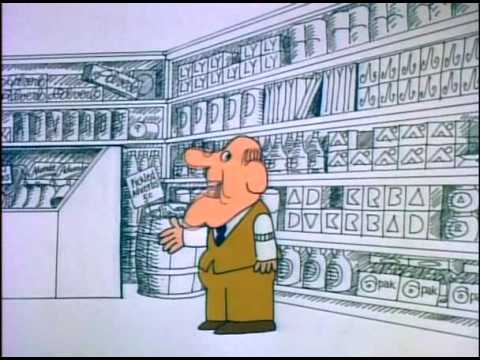
Don't laugh ... I used this when I was young to remember how they are used. See time 1:15
https://www.youtube.com/watch?v=4AyjKgz9tKg

Oldtime '70's grammar cartoons shown on Saturdays. You know, I still can sing this one from memory.
You can do something either now or later. You can do it now or you can do it later. .... basically whenever you want to now or in the future
You can do it neither now nor ever. You can not do it now and you can not do it later .... basically you cannot do it
You can choose either answer A or B. Either is acceptable.
Neither A nor B is an acceptable answer. Both A and B are wrong. Neither is acceptable.
royal snow
stone jackal
You can do something either now or later. You can do it now or you can do it ...
i thought "either" and "neither", both of them are used for negative sentences
royal snow
stone jackal
You can choose either answer A or B. Either is acceptable.
Neither A nor B is a...
so u can use either on every situation that acceptable?
stone jackal
I just used the word acceptable in the example.
Here is another set:
You can eat either an apple or a pear as dessert.
I am sorry son, you can neither eat an apple nor a pear because the doctor says that you are allergic to them both.
I hope my examples, however silly, help you in some way.
royal snow
stone jackal
I just used the word acceptable in the example.
Here is another set:
You can ea...
oh now i get it, thank u
stone jackal
royal snow
oh now i get it, thank u
You are welcome. I know what it is like learning another language. Lots of examples work best for me. Then the brain takes over and you get the pattern down, often without even knowing how it happened.
By the way, if you search for "schoolhouse rock" on youtube you can find many of them on different parts of speech. Here is another one of my favorites.
https://www.youtube.com/watch?v=dDwXHTcodNg&t=26s
 acoustic geyser
royal snow
how to use "neither" and "either" , i mean what is the different?
acoustic geyser
royal snow
how to use "neither" and "either" , i mean what is the different?
She neither lives in London nor Brighton
( she doesnt live in both of the cities )
stone jackal

This Schoolhouse Rock tune tackles the weighty issue of pronouns. Music, lyrics & vocals by Bob Dorough. ABC-TV, 1974

Interjections Schoolhouse Rock Wow!
Essra is a very well respected musician and also sang on Sesame Street & is the writer of Cyndi Lauper's "Change of Heart" + songs by Tina Turner, Lisa Fischer, Marty Balin, etc.
Essra's videos can be found here on YouTube, btw.
Thank you!
Lyrics to Interjections
When Reginald was home with flu, (uh huh)
...
@royal snow I thought I would post a few more for you. Hope you don't mind.
royal snow
stone jackal
<@1304116861121859595> I thought I would post a few more for you. Hope you don'...
sure, u help me a lot
 boreal ingot
^
stone jackal
... if it wasn't for the fact that the wind blew too fresh ....
Is this poetry, old English, or Shakespeare or something. You don't hear people casually talking like that.
boreal ingot
stone jackal
... if it wasn't for the fact that the wind blew too fresh ....
thank youuuu
boreal ingot
stone jackal
Is this poetry, old English, or Shakespeare or something. You don't hear people...
Nope, it's a book from 1719
stone jackal
boreal ingot
Nope, it's a book from 1719
Wow! Interesting! 👍
boreal ingot
Yeah, 'Robinson Crusoe'. Thanks for your help 
stone jackal
It made me think of these lines in a play I was in almost 50 years ago ...
“Ay, by gogs wouns!” quoth he, and swore so loud
That, all amazed, the priest let fall the book,
And as he stooped again to take it up,
The mad-brained bridegroom took him such a cuff
That down fell priest and book, and book and priest.
“Now take them up,” quoth he, “if any list.”
It is crazy how some things just stick with you.
boreal ingot
stone jackal
It made me think of these lines in a play I was in almost 50 years ago ...
“Ay, ...
To be very honest, I have no idea what this means lol. It sounds like very old language  I usually can derive some meaning from older texts, despite the majorly different ways of speech, but more poetic things always get me
stone jackal
It was just some of my lines from a Shakespeare play The Taming of the Shrew.
Did you get the copy of Defoe's Robinson Crusoe from Gutenberg.org?
boreal ingot
stone jackal
It was just some of my lines from a Shakespeare play The Taming of the Shrew.
D...
Oh, yeah that's where I'm reading it :>
stone jackal
boreal ingot
Yeah, 'Robinson Crusoe'. Thanks for your help <:Hellos:1218430823229820968>
I just downloaded it too. It is a great source for free reading material in so many languages.
boreal ingot
stone jackal
It was just some of my lines from a Shakespeare play The Taming of the Shrew.
D...
Shakespeare, huh, as a non-native his stuff seems like it would be a very hard read lol. I want to read it some day, but I doubt I'll do it any time soon; I still need to get a lot better
stone jackal
boreal ingot
Shakespeare, huh, as a non-native his stuff seems like it would be a very hard r...
Trust me, even natives have to read the many footnotes to understand the meaning since there has been so much change in the language. It is however very musical so it is easy to remember how and what to say like a parrot even though we didn't know what it meant without the footnotes.
I would concentrate on communicating in the modern use of the language.
acoustic geyser
How do I speak Englisk like a true Englishman
stone jackal
I can parrot some Japanese Enka songs even though I don't know much or any of what they are saying. It is just that I find some of them beautiful to hear.
boreal ingot
stone jackal
I would concentrate on communicating in the modern use of the language.
I mean, I feel I am fairly fluent in the modern language already. My main issue is spelling. So I'm just looking to expand my vocabulary and start a habit of reading :)
stone jackal
acoustic geyser
How do I speak Englisk like a true Englishman
I cannot help you in that regard. I am an American.
acoustic geyser
stone jackal
I cannot help you in that regard. I am an American.

boreal ingot
stone jackal
Trust me, even natives have to read the many footnotes to understand the meaning...
That's good to know. Because I'm sure as soon as I find myself unable to understand my confidence will take a blow lol, knowing natives also struggle will help with that
boreal ingot
acoustic geyser
How do I speak Englisk like a true Englishman
I am very much an advocate of immersion. Just intake a bunch of online British content, and translate whatever you find yourself unable to understand. For the accent, try shadowing someone British, and maybe learn the phonological differences between SSB and General American, so that you can actively try to influence your speech towards SSB
stone jackal
boreal ingot
I mean, I feel I am fairly fluent in the modern language already. My main issue ...
Then one suggestion that I have found to work well is to read the kind of stories you like and ones that are just a bit above your level. I mean ones where you may need to look up a new word every page or so. This way it does not become frustrating. It must remain fun and engaging. Then another trick is to get the same book as audiobook and listen to it as well. You will notice that you now pick up the spoken words that you previously looked up. I go for walks with the audiobook and read the ebook when back home. That sort of thing.
boreal ingot
stone jackal
Then one suggestion that I have found to work well is to read the kind of storie...
Thank you so much for the tips! I definitely often try to read things that are too high above my level and end up dropping the book 
stone jackal
Soap operas are a great source for general chit chat and what to say under various emotional circumstances. You pick up where emphasis is placed when saying things.
stone jackal
boreal ingot
Thank you so much for the tips! I definitely often try to read things that are t...
I love detective books like Agatha Christie's books. So that is the kind I generally read because I forget what language the book is in because I am so rapped up in the story. That is when your mind is really focused and it just starts going into your brain rather than translating it. Some books that I have started in the past I just put down as well because it was as if I was forcing myself to read to improve.
boreal ingot
stone jackal
I love detective books like Agatha Christie's books. So that is the kind I gene...
Detective books seem like something I would enjoy. I've only read one, that being A Study in Scarlet, and I found it to be a very nice read :) (although, it might have been a bit above my level) I will check some Agatha Christie books, they could be a pleasant read 🤔
stone jackal
Years ago I bought about 20 of them at a rummage market where I lived in Belgium at the time. They were translated into Dutch and although the pages were quite yellowed I really enjoyed them.
Whatever you choose it should be something that you really enjoy and don't want to put down.
I can also recommend The Davinci Code and Angels and Demons by Dan Brown. I read them in Dutch as well. At the time I had to look up a lot more words per page back then but I kept reading because I just had to find out what happened next and the descriptions of the places visited were so colorful.
This was before google translate ... lol
Things were harder back in the day.
boreal ingot
stone jackal
This was before google translate ... lol
Oh, wow. That must have been tough
Thanks for the recommendations
stone jackal
boreal ingot
Thanks for the recommendations
I wish you well on your journey. Be sure to have fun along the way and it will all work out for you!
boreal ingot
Thank youu!
stone jackal
boreal ingot
Thank youu!
You are most welcome. 🙂
stone jackal
I would not choose A because when you are using whereas, it should be for contrasting the two clauses. I don't see that happening.
Though can also be used to make a contrast which I believe in answer C it does. So I would choose C.
I forgot to hit reply. Sorry,
boreal ingot
'Life will bring what it brings' or 'Life will bring what it will'?
stone jackal
I hope my reply was helpful.
boreal ingot
boreal ingot
'Life will bring what it brings' or 'Life will bring what it will'?
Anyone :p
 lethal lagoon
boreal ingot
Anyone :p
lethal lagoon
boreal ingot
Anyone :p
Chatgbt said both are correct but second is better
boreal ingot
lethal lagoon
Chatgbt said both are correct but second is better
I could've asked ChatGPT myself. I came here for human input 
 lethal lagoon
Koko kaka
stone jackal
boreal ingot
'Life will bring what it brings' or 'Life will bring what it will'?
I like the life will bring what it brings better. The reasoning is that life itself does not think and have a will of its own. So to me it means life makes happen whatever may happen but it is not a conscious decision. Life cannot desire something as we do. Of course if we wanted to be poetic we could treat it as if it had a will.
So I feel the second version sounds more poetic to me.
acoustic geyser
Is "present perfect" also used to emphasise only the action not when it happens?
 fading needle
" i went out to hunt " and " i went out for hunt "
whats the difference
 timid inlet
fading needle
" i went out to hunt " and " i went out for hunt "
whats the difference
timid inlet
fading needle
" i went out to hunt " and " i went out for hunt "
whats the difference
Hunt as Verb and Noun that's the difference between to hunt and for hunt.
When you say to hunt it implies you are going to do the hunting simple. But when it is for Hunt it implies just an event nothing about whether you actually hunt. There is a possibility you are just a spectator in the hunt. So open to interpretation.
Makes you look cool without doing the deed.
fading needle
timid inlet
Hunt as Verb and Noun that's the difference between to hunt and for hunt.
When ...
got it thanks 
 warm mountain
if i know this before i can send all my assignment and people answer it but im graduated now
acoustic geyser
timid inlet
Hunt as Verb and Noun that's the difference between to hunt and for hunt.
When ...
If something happened a long time ago and it still affects the present, should I use the present perfect?
Like, five years ago?
signal shell
acoustic geyser
Like, five years ago?
i think that is acceptable in many cases
 flat rune
fading needle
and what is "buzz off"
flat rune
fading needle
and what is "buzz off"
Canon: In literature, film, or any storytelling medium, canon refers to the collection of works or events that are officially accepted as part of the main story. For example, in a series of books or movies, the canon includes the events, characters, and settings that are recognized as part of the official storyline.
Buzz off: This phrase is an informal way to tell someone to go away or leave you alone. It's often used when someone is being annoying or intrusive. For example, if someone is bothering you, you might say, "Buzz off!" to ask them to stop and go away.
crimson vortex
Is there any major difference between teen, teenager and adolescent?
What english level is this. Appears to be pretty hard
 rapid bison
in what context?
rapid bison
crimson vortex
Is there any major difference between teen, teenager and adolescent?
the first two words refer to the same concept (most likely to refer to the ages 13 to 19), and the last word is about the transition to child to adult and is often describing the widest age range (usually 10 to 19)
boreal ingot
It means proper great literature, not just anything written, but great influential works that could be called 'Literature' (with a capital L) rather than 'literature', just any work
green wolf
acoustic geyser
If something happened a long time ago and it still affects the present, should I...
It depends on the context, and the present perfect has many usages, but nearly all of them fall under "looking at the past through the lens of the present".
acoustic geyser
green wolf
It depends on the context, and the present perfect has many usages, but nearly a...
What do you mean? Could you explain?
green wolf
acoustic geyser
What do you mean? Could you explain?
Almost every case in which you use the present perfect has a connection between the past and the present
I have eaten, so I'm not hungry.
I've lived there, so I know what it's like.
He's just fallen, so he's injured.
--
You can use the past simple in these cases too, but you can't always use the past simple instead of the present perfect, which is why it's important to master where and how to use it
crimson vortex
green wolf
I have eaten, so I'm not hungry.
I've lived there, so I know what it's like.
He'...
Basically, it emphasizes the connection between the past and the present
 deft hollow
Hii
 hollow night
Grammar Question. Can someone take a look at the following sentence and let me know if it's grammatically correct?
Sentence: If even you did not get anything, that must mean the dangers in there were so great that they prevented everyone from getting any treasure.
Context: Speaker was making a remark about the fact that the best tomb raider in their group returned empty-handed from a raid in the tomb.
acoustic geyser
Can I use past perfect without past simple
stone jackal
 drowsy viper
🥺 help me out 🤝 😔 ✋🏼
drowsy viper
🥺 help me out 🤝 😔 ✋🏼
Sing along with songs you like while in the shower or alone. Try to mimic what you hear as best as you can. Pick songs where they words are articulated reasonably well. You can find many songs on youtube which also show the lyrics. Or you may have spotify or an equivalent. I am not kidding. It helps!
boreal ingot
stone jackal
I like the life will bring what it brings better. The reasoning is that life it...
hmm, thanks :>
drowsy viper
stone jackal
Sing along with songs you like while in the shower or alone. Try to mimic what y...
OKKKKKK THANK YOUU!!
stone jackal
They had lived in this city for years. This implies that they no longer do. They have lived in the city for years. This implies that they still do.
boreal ingot
acoustic geyser
Can I use past perfect without past simple
I feel like inevitably, the past perfect sentence will be followed by a past simple/simple continuous one. So if we separated it from all context and used a past perfect sentence on its own with nothing else, it really wouldn't 'work'? Like, grammatically it would, but there would be information missing
stone jackal
boreal ingot
I feel like inevitably, the past perfect sentence will be followed by a past sim...
Yes. Most of the time it is explicit but it can also be implied.
I had eaten my all of my Halloween candy before dinner. You do not see a simple past here. But there is an implied one ... I had eaten all of my Halloween candy before dinner began.
Have a look at this .... https://www.thesaurus.com/e/grammar/past-perfect-tense/#what-is-past-perfect-tense

Thesaurus.com
Past perfect verb tense is for actions that happened before another past action, for conditional statements, and more. Learn when to use past perfect tense.

I have heard that the past perfect tense or pluperfect is often referred to as the past of the past.
boreal ingot
stone jackal
Thank you!
 night ferry
Here on this page the guy with a sword said "That does it" what does this mean?

Is it an expression or something like that?
flat rune
night ferry
Is it an expression or something like that?
it is an expression, I don't have that much experience to the rules of this language, but I do know that it means that you've been angered way too much and you're gonna take action because of that
stone jackal
night ferry
Here on this page the guy with a sword said "That does it" what does this mean?
That does it! ... No more talking! ... I am finished! ... It is over! ... I am done! ... That was the last straw!
flat rune
hope it helps
night ferry
I'm really grateful, mates!
You guys helped me a lot, I'll write it on my English study notebook
stone jackal
Is this from One Piece? Monkey D Luffy?
night ferry
You guys make It look like a piece of cake
night ferry
stone jackal
Is this from One Piece? Monkey D Luffy?
Yeah, exactly!
I'm studying English with the One Piece manga, English is not my native language, so this has been challenging
with a lot of Expressions and words that I've never seen
stone jackal
night ferry
Yeah, exactly!
Is Japanese your native language?
night ferry
stone jackal
Is Japanese your native language?
Actually Braziliam Portuguese, I'm just an enthusiast of all Japanese culture in general
stone jackal
night ferry
Actually Braziliam Portuguese, I'm just an enthusiast of all Japanese culture in...
I tried self-study of Japanese for a few years in the early 80s but I had no one to speak with so it was not successful for me. I forgot most of it. The grammar is so much different in word order and postpositions instead of prepositions drove me crazy. Still it was fun and I used to like watching Shadow Warriors (Kage No Gundan) with Sonny Chiba as Hattori Hanzo.
night ferry
stone jackal
I tried self-study of Japanese for a few years in the early 80s but I had no one...
Yeah, I got you, man. It's what I'm afraid about.
I study English too much, but I have no partners to speak and share tips or the knowledge I've got so it's been difficulty, because I feel like all the learning is being forgot
stone jackal
night ferry
Yeah, I got you, man. It's what I'm afraid about.
I study English too much, but ...
I know exactly what you mean.
night ferry
I wanna ask you something if it's not too much trouble for you. I'll be always find myself with a lot of doubts about English stuff, like Expressions and things like that, what would you reccommend for me to clarify my doubts?
stone jackal
night ferry
I wanna ask you something if it's not too much trouble for you. I'll be always f...
Translations in context of "That does it" in English-Portuguese from Reverso Context: All right, Canasta, that does it.
 night ferry
My thanks to you, mate!
With that mechanism I don't need to bother anyone with doubts
stone jackal
night ferry
My thanks to you, mate!
With that mechanism I don't need to bother anyone with d...
I like it because I like a lot of examples of how it can be used rather than just one example.
It is not correct 100% of the time but most of the time.
night ferry
Alright, When I think it's not correct, or if I don't understand even with the examples, I'll bring to you guys
stone jackal
I use it for Dutch-English and have only found a few examples which I don't agree with. I cannot read Portuguese so I cannot comment of those translations.
night ferry
The way that you explained me about ''That does it'' was briefly and usefull
night ferry
stone jackal
I use it for Dutch-English and have only found a few examples which I don't agre...
Looking quickly I can say that the original meaning of the expression is in only two of the examples, but it already helps
I mean, in translation into my native language, on the top of the page
stone jackal
That could be because sometimes the same words can be used differently. For example ... If I were putting a toy together for my grandson, just at the moment that I finished attaching the last part of the toy, I could say "That does it!" ... meaning that I completed the last part of the task. There is no anger or me reaching my limit of what I can stand before my temper gets too high.
So you really need to see the context.
If I said it that way it would mean that I am proud of my triumph in having put the toy together.
night ferry
I understand perfectly now. In my opinion, that's the most difficult thing in learning new languages, because the same expression may have different meanings
stone jackal
So when we answered your question about what it meant, we answered in the context in which it was used in the Manga.
night ferry
stone jackal
So when we answered your question about what it meant, we answered in the contex...
Perfect, I appreciate!
stone jackal
I wish you success on your language journey! 👍
night ferry
And generally I take notes on my notebook but I'm not sure of in what language I should make them in, what would you recommend?
stone jackal
night ferry
And generally I take notes on my notebook but I'm not sure of in what language I...
Personally, I make my notes in English so I can be as descriptive as possible. When I look back at them later, they will be most clear to me.
night ferry
stone jackal
Personally, I make my notes in English so I can be as descriptive as possible. ...
Sorry, But are you American?
Just for me to know if it's your native language
stone jackal
Yes
night ferry
stone jackal
Personally, I make my notes in English so I can be as descriptive as possible. ...
Perfect, so I'll make use of it
stone jackal
But I have lived in the Dutch speaking part of Belgium for many years, so I know what it is like trying to learn a second language and really using it every day while I was there. I spent most of my day using it instead of English mistakes and all. So I know what you are going through.
night ferry
I feel relieved and can actually adapt my routine to your methods, because you really seem like someone experienced.
boreal ingot
fading needle
whats the difference between " disease " and " curse "
A disease is something biological. It's sickness.
A curse is from 'magic'. It's a bad fate or a great inconvenience one is made to live with by some magic user/a supernatural force
cold cobalt
boreal ingot
A disease is something biological. It's sickness.
A curse is from 'magic'. It's...
how about illness?
rapid bison
that would also be sickness.
boreal ingot
cold cobalt
how about illness?
They're very often interchanged, but disease is more intense than illness. Illness is sort of like 'feeling unwell,' while disease has an obvious hindrance to the body. Disease is the medical idea of something that causes pathological bodily dysfunction, while illness is the bodily experience of not feeling okay
rapid bison
mmm
time to contract a disease real quick
 radiant shale
cold cobalt
how about illness?
radiant shale
cold cobalt
how about illness?
simply, All disease cause illness but not all illness caused by disease....Perhaps clear😇
cold cobalt
thankyou so much for your answer, mate
acoustic geyser
Is "the" always used with superlative form?
signal shell
acoustic geyser
Is "the" always used with superlative form?
to my knowledge, that seems to be true, although I can think of very few scenarios where 'the' is implied and not spoken
for example, 'best day of my life' implying 'that was the best day of my life'
wait, i can think of another simple exception when using personal possessive pronouns, such as 'my funniest joke'
boreal ingot
acoustic geyser
Is "the" always used with superlative form?
Are you asking if it can be used with the comparative form? Because yeah it can
The better man keeps a cool head.
If you were asking if 'the' is needed with the superlative, then I think Ethan has nicely answered that
neon burrow
iirc "The" in superlative form is not always required, but it is simply there to signify a sense of emphasis
although according to the regular rules of grammar, at least the one that i've been learning and teaching, the usual grammatic structure of a superlative form is
The most ADJ
The ADJ-est
so do with that as you will
what is quite interesting though, is that with the example of "My funniest joke", we can also just paraphrase it into "The funniest joke of mine / that i have" and it would still fit with the regular grammatical rules, but both would still be equally valid
acoustic geyser
Do the British use "already" and "just" with past simple as well?
boreal ingot
acoustic geyser
Do the British use "already" and "just" with past simple as well?
Could you give examples of what you mean?
acoustic geyser
boreal ingot
Could you give examples of what you mean?
I mean, do the British also use "already" and "just" with past simple like American?
I saw an Englishman use just with the past simple.
boreal ingot
acoustic geyser
I saw an Englishman use just with the past simple.
Oh, yeah, they've started to do that but it's mainly an American thing
But they do do it
acoustic geyser
boreal ingot
Oh, yeah, they've started to do that but it's mainly an American thing
So we use both of the adverbs with past simple if they haven't got a connection with the present, don't we?
boreal ingot
acoustic geyser
So we use both of the adverbs with past simple if they haven't got a connection ...
I'm not sure I understand your question. If you're asking if British people use constructions like
I already did it
and
I just did it
then yeah, they do
 sly pier
acoustic geyser
I mean, do the British also use "already" and "just" with past simple like Ameri...
sly pier
acoustic geyser
I mean, do the British also use "already" and "just" with past simple like Ameri...
Can you give an example sentence?
 thorn radish
Do we use indefinite articles for envisions? E.g. "We envision an America where every neighborhood is"
It's a common rule that there is no article behind the name of a country except it consists words like "republic", "union" ect. than we add "the" article. But what's about "an America"? I can't find any source which explains that exception
 thorn condor
🤔 isn't it the same case as a john = some john? I can't find a rule to back it up, but I heard it from an English teacher
and sometimes you can even see sth like the john hancock = that john hancock
boreal ingot
thorn radish
Do we use indefinite articles for envisions? E.g. "We envision an America where ...
That 'an' doesn't have anything to do with 'envision'
It's simply that we're talking about one instance of America
An instance 'where every neighborhood is ...'
So we use 'an'
stone jackal
thorn radish
Do we use indefinite articles for envisions? E.g. "We envision an America where ...
I am not exactly sure of what you mean.
Envision yourself living in the American of the 1940s. That would mean how life really was in the country at that time.
Envision an America where no one saw skin color. This is a hypothetical America.
boreal ingot
boreal ingot
So we use 'an'
You see this in stuff like 'The Canada we once knew'
When talking about a specific type of/instance in time of/version of something, we use the article
You wouldn't say 'the Mount Everest' normally, but you could say 'The Mount Everest of the past is very different to the Mount Everest of today'
For the reason mentioned above
we're talking about an instance of it at a particular point in time
I think this applies to all nouns that normally wouldn't take an article, but I have nothing to back that claim. I simply can't think of counter examples
acoustic geyser
thorn condor
🤔 isn't it the same case as a john = some john? I can't find a rule to back it ...
Can I use past perfect without past simple?
thorn condor
🤔 you can why not, if you want to emphasize that the action is no longer true
I had lived there for 20 years. <- I don't live there anymore
stone jackal
acoustic geyser
Can I use past perfect without past simple?
You asked that question yesterday and had gotten multiple answers so why are you asking it again?
sly pier
acoustic geyser
I just ate
Yes, that would be entirely normal to say here in the UK.
“I just” is common.
“I already ate” would more likely be “I’ve already eaten” here, though. I think that one is less common.
But that’s just my perspective and English is spoken differently in many parts of the UK. I feel like the second one (using “already”) is a lot more informal and wouldn’t be seen as good spoken English, but it’s definitely understandable and natural English nonetheless.
boreal ingot
sly pier
Yes, that would be entirely normal to say here in the UK.
“I **just**” is commo...
I'm assuming you're British, so if I may ask, is using 'just' so informal? I think it got introduced into British English through the Internet bringing people into contact with American English, is this right? If so, do people view it as 'the new way the kids speak' rather than something everyone uses? Would, say, a 50-60-year-old person ever use 'just' like that?
stone jackal
I am in my 60's and we say ... I just ate!
thorn condor
the shorter the better I guess 👀
boreal ingot
stone jackal
I am in my 60's and we say ... I just ate!
Oh, I was more asking about how it is in Britian (I'm learning British English), but it's certainly good to know people in America use it regardless of their age (aka, it's not a particularly new thing)
Wait, you are American, right?
I remember you saying something along those lines when someone asked how to speak like 'a true Englishman' lol
stone jackal
boreal ingot
Oh, I was more asking about how it is in Britian (I'm learning British English),...
Yes I am American.
boreal ingot
stone jackal
Yes I am American.
Oki, thank you 
stone jackal

I would like to add that the spoken and written language sometimes differ.
So if you are in a bar and you correct someone's English who said ... I just ate. ... you may be in for a fight. Lol
boreal ingot
Lmao, I certainly don't correct people outside of learning contexts
sly pier
boreal ingot
I'm assuming you're British, so if I may ask, is using 'just' so informal? I thi...
Maybe very slightly informal? It’s mostly restricted to just conversation, so it’s not formal in the sense that you would be able to use it in a news article/academic piece of work.
“Russia has just invaded Ukraine”
(not to be political - just a provided example) you would not see as a headline, as “just” would be too informal.
In response to the question: “Would you like me to get you some food?”
“No, I just ate”
“No, I have just eaten”
“No, I have already eaten”
The first is the most informal, second is slightly more formal, and third is the most formal out of the three.
boreal ingot
Thank you :)
Could you answer the age bit? Just curious if the older English folk would say it
sly pier
boreal ingot
Could you answer the age bit? Just curious if the older English folk would say i...
I’m 17. I don’t know what a 50-60 year old British person would think, sorry.
They would definitely understand its usage, but whether they would “notice” it in conversation (see it as something extremely informal/not “proper” English), I don’t know.
All I know is that for most young British adults/teenagers (we’ll say 0-30), it’s fine to use “just” in this way, and we wouldn’t even notice.
boreal ingot
sly pier
I’m 17. I don’t know what a 50-60 year old British person would think, sorry.
...
Thank you very much for your help 
thorn condor
sly pier
Maybe very slightly informal? It’s mostly restricted to just conversation, so it...
no to nipick, but from what I saw, headlines usually have "their own" grammar.
I bet they would write. "Russia invades Ukraine" using less words and skipping all auxiliary things
boreal ingot
I really appreciate it
boreal ingot
thorn condor
no to nipick, but from what I saw, headlines usually have "their own" grammar.
...
Not to be a pedant, but I think the quotation marks should only surround 'own' without 'their'. At least for the tone you're going for

thorn condor
🤣
sly pier
thorn condor
no to nipick, but from what I saw, headlines usually have "their own" grammar.
...
That’s definitely true, thank you for pointing that out. There are probably better examples to use, but that was the only one I could think of.
Generally “just” isn’t seen with reference to the past tense/in the way that we’re talking about here with “(I) just (action)” in formal writing. It carries a more informal tone which was my general point.
crimson vortex
Hi
Guys
I am struggling with understanding phrases such as for a while, a while ago, once in a while. Does the all suggest uncertain period/amount of time or does it depend on context though? It seems like these phrases refer to short period of time, but maybe I am wrong
boreal ingot
crimson vortex
I am struggling with understanding phrases such as for a while, a while ago, on...
They're generally short periods of time, but I think it could be defined more loosly as 'periods of time'
crimson vortex
So, for most of the time, it is uncertain, right?
boreal ingot
crimson vortex
I am struggling with understanding phrases such as for a while, a while ago, on...
For a while I'd live paycheck-to-paycheck, barely making meat's end.
Here, it's at least a few months. So not really that short
He went into the room, and a while later came back.
That's a bit shorter, probably a few mins
crimson vortex
Okay, thanks
boreal ingot
Yeah, it varies by context. It's just a period of time. No problem
This seems to be American; my question was focused on British English
Thank you for providing an answer either way
crimson vortex
By the way, would you bother to explain what "overwhelming" as an adjective means? Does it describe something that is hard to deal with?
This definition seems very vague to me
thorn condor
when you have too much stuff to deal with, it might be called overwhelming
crimson vortex
thorn condor
when you have too much stuff to deal with, it might be called overwhelming
So the crucial part is "much" of something, right?
So if my assignment contains a lot of questions, i can call it overwhelming?
Or there are a lot of emotions one can't control
thorn condor
I think so, at least vocabulary.com explains the word that way.
boreal ingot
crimson vortex
This definition seems very vague to me
Have you ever heard someone say 'it's too much' while stressed? It's like that. Whatever causes you to feel like 'it's too much' is 'overwhelming'. (Note, not 'too much' as in amount, but as in very stressful. 'This is all too much; I can't keep it up for much longer')
An overwhelming task
^ A task that is too great for you to handle
An overwhelming amount of text
^ An amount of text that's too much for you to handle
boreal ingot
crimson vortex
So if my assignment contains a lot of questions, i can call it overwhelming?
Yea, that works
crimson vortex
So even if my assignment contains only 1 question but its pretty challenging and hard, can i still call it overwhelming as it requires a lot of knowledge etc?
boreal ingot
crimson vortex
So even if my assignment contains only 1 question but its pretty challenging and...
Yeah
If you feel it's too much for you
then it is overwhelming
boreal ingot
Np! Always glad to help :>
boreal ingot
thorn condor
I think so, at least vocabulary.com explains the word that way.
Heyya, aren't you from the English server? I remember seeing you arround 
 fresh rapids
Hi every one
fresh rapids
Im Mohamed from morocco
signal shell
Hello
fresh rapids
I Like english
thorn condor
boreal ingot
Heyya, aren't you from the English server? I remember seeing you arround <:CB_pi...
probably  tho, I'm not talking much
boreal ingot
thorn condor
probably <:PepeBlushPoint:911458688487792670> tho, I'm not talking much
Heyya, I'm Ecto (I now go by Scella though)  Idk if you remember me, lol
boreal ingot
fresh rapids
Im Mohamed from morocco
Nice to meet you
thorn condor
boreal ingot
Heyya, I'm Ecto (I now go by Scella though) <:pp_kittyrawr:923432243140108298> I...
 I have a terrible memory for names. nice to meet you anyway
boreal ingot
Anyways, nice to meet you again 
night ferry
Hey wassup dear friends!
I searched for that expression but didn't find it anywhere on conventional programs and websites. I think it's because it's too long
But, what's the meaning of "Now you've gone and done it''?

In the image, you can see the context
boreal ingot
night ferry
Hey wassup dear friends!
I searched for that expression but didn't find it anyw...


it's combining these two I think
it's pretty common to hear 'gone and done it'
just means did smth really stupid
and ussualy means the speaker is angry
stone jackal
boreal ingot
> For a while I'd live paycheck-to-paycheck, barely making meat's end.
Here, it...
Is this a play on words or mistake or a tease? You surely meant making ends meet.
boreal ingot
stone jackal
Is this a play on words or mistake or a tease? You surely meant making ends mee...
Now that you say it, I have no idea how that slipped past me. Oh my god
Lmfao, thanks for pointing it out. It was an honest mistake
stone jackal
I wondered if it was like the old line ... I’d rather have a bottle in front of me than a frontal lobotomy.
 lucid cairn
Hi..everyone..I have a question. “I like to save water. I usually have short showers, I never have baths.”
What does it mean by “I never have baths”
is it having a shower by taking water from a container?
neon burrow
having bath means cleaning oneself in a bathtub
stone jackal
I live in America and am an American. We say ... take a shower and take a bath. Have a shower and have a bath sounds like a British thing to me.
neon burrow
a good rule of thumb is : Shower means water over your head, bath is water surrounding you


 west plover
Guy?
Is this correct?
In British English, the use of Simple Past and Present Perfect is quite strict. As soon as a time expression in the past is given, you have to use Simple Past. If there are no signal words, you must decide if we just talk about an action in the past or if its consequence in the present is important
flat rune
Morning 🙂
In simple present with affirmative sentences we use adverbs after the subject:
She often travels by train.
but, where do we put adverbs in negative sentences?
- She often doesn't travel by train.
or - She doesn't often travel by train.
- Actually, I would like to know which construction Americans use.
signal shell
flat rune
Morning 🙂
In simple present with affirmative sentences we use adverbs after the...
I grew up in America. I think I would be inclined to say "she doesn't travel by train often"
And for the affirmative, I would be inclined to say "she travels by train often"
boreal ingot
flat rune
Morning 🙂
In simple present with affirmative sentences we use adverbs after the...
I would say the second, unless I'm trying to state that it's common for her not to travel by train, then I'd use the first
Even though trains are the main mode of transportation in the city, she often doesn't travel by train but rather calls a cab. She says trains give her great anxiety.
It's because we're staying that it's often that she doesn't do it
But typically you'd use the second, or casually, as Ethan has said, you'd put it at the very end
signal shell
yeah i guess that's an important distinction to make. I'd probably use it that way in such contexts.
cold cobalt
which is correct betwen take it easy and take on easy, my friend?
boreal ingot
cold cobalt
which is correct betwen take it easy and take on easy, my friend?
I've not heard of 'take on easy' as a set phrase, but I think it would mean 'take on the easy difficulty'
In a game
But it's an odd thing to say
Since 'take on' is usually for harder stuff
Unless you're being sarcastic
Hmm
Hey, now that you've passed the tutorial, wanna take on easy?
'Take it easy' means 'relax'
'Don't overwork yourself'
So
You've been working for the past six hours nonstop. I know it's an important project but take it easy, girl.
It's like telling someone to slow down and have a break
cold cobalt
ohhhhhh thankyou so much, my friend.
boreal ingot
Np
cold cobalt
then, in the daily conversation mostly use take it easy, right?
boreal ingot
Yeah


 boreal ingot
flat rune
Hi
boreal ingot
flat rune
Hi
Hello there
acoustic geyser
boreal ingot
Hello there
Hi Scella
green wolf
acoustic geyser
Is this true?
Yes it's true but this isn't something difficult to learn
Or rather, I should say that it shouldn't be difficult to learn because it builds from something you already know
Which is the progressive forms are used to talk about plans
next week I'm going to China
acoustic geyser
green wolf
Yes it's true but this isn't something difficult to learn
Can you check out this sentence?
What would you be doing if she came tomorrow?
acoustic geyser
green wolf
Which is the progressive forms are used to talk about plans
I reckon it's under this section
green wolf
acoustic geyser
Can you check out this sentence?
What would you be doing if she came tomorrow?
This is a correct sentence
But it doesn't have the exact same meaning as "what would you do..."
Your sentence implies that Person A is doing something, and then is 'interrupted' by Person B.
Basically, Person A is already doing something when Person B arrives
boreal ingot
It could also mean what is it that you two would do together if she were to come tomorrow, no?
Ig that's the case if you interpret the 'you' as plural
green wolf
Yup, that's a possibility, but the default is singular you
acoustic geyser
Haven't " be going to" and "have to" got the same meaning in term of obligation?

It just looks too weird
rapid bison
can a foreword of a book be written by its author(s)?
I'm not asking if it is often written by someone else. I'm only asking if it's, at all, possible to write a foreword on one's own book.
 errant kettle
rapid bison
can a *foreword* of a book be written by its author(s)?
I'm **not** asking if it...
errant kettle
rapid bison
can a *foreword* of a book be written by its author(s)?
I'm **not** asking if it...
If the author writes it, then it is called an introduction or preface.
acoustic geyser
errant kettle
If the author writes it, then it is called an introduction or preface.
Excuse me, can I ask a question?
Are although/despite of formal and though/ in spite of informal?
stone jackal
acoustic geyser
Are although/despite of formal and though/ in spite of informal?
I have never heard "despite of" used. It is just "despite". ...
Also... what do you consider formal versus informal? I would not consider categorizing any of those four as either formal or informal. I would choose the one that best conveys the flavor of what I am factually trying to say. I really don't think the vast majority of native speakers give this a second thought. I would not lose sleep over this.
I don't think I have ever considered prepositions or conjuctions formal or informal.
errant kettle
acoustic geyser
Are although/despite of formal and though/ in spite of informal?
I like @stone jackal answer
 bitter hill
stone jackal
I have never heard "despite of" used. It is just "despite". ...
Also... what ...
bitter hill
stone jackal
I have never heard "despite of" used. It is just "despite". ...
Also... what ...
There's definitely a formality factor between although vs though, though I agree it's not that important
boreal ingot
stone jackal
I don't think I have ever considered prepositions or conjuctions formal or infor...
notwithstanding, insofar as, whilst, upon, whereupon, anent
I think prepositions and conjunctions can certainly be formal, those above are just some examples that come to mind
boreal ingot
bitter hill
There's definitely a formality factor between although vs though, though I agree...
Hi Akuma
boreal ingot
Yeaaa
But I don't go by that anymore!
I go by Scella now
pronounced with 'sk' just cuz
bitter hill
Ic, it's been a while
boreal ingot
Yeahh it hass
boreal ingot
bitter hill
Ic, it's been a while
Hope you're well :>
stone jackal
I will pose the question one more time ... What are you considering formal versus informal?
Do I use the formal out of respect or deference to an elder or superior and informal for close friends and subordinates?
Do I use formal to show that I am of higher intelligence speaking to an equal and informal for children or non native speakers whose vocabulary may not include certain words yet?
Do you use "notwithstanding" when speaking to a 6 year old prince because on the one had he probably does not know what it means but on the other hand is still a prince?
I am doing my best to understand how you are interpreting formal and informal.
The examples seem to be more like speaking at a higher level for purposes of impressing others. Like a politician or lawyer.
No I am not Japanese. I was using it to contrast it with superiors. And speaking formally shows other people that you know how to speak formally doesn't explain formally.
boreal ingot
stone jackal
I will pose the question one more time ... What are you considering formal versu...
I think of it like, is the word one you wouldn't use in your day-to-day and one you would use in, say, an email or research paper? If so, then it's probably formal. It's not meant to show respect (although I think it can be disrespectful to speak extremely casually in a professional context), but just the way people speak or write in a more educated and professional space. Your example of a lawyer or politician makes sense, those are people who will probably speak formally. It's not particularly for the sake of impressing people, but rather it's that people see it as inappropriate or disrespectful or foolish to not speak in that style when the context calls for it.
Of course, this shouldn't be confused with literary and archaic words, which is a mistake that learns (I included) often make
stone jackal
So basically you are considering formally to be at a higher language level than informally. That is what I was trying to understand. Also the questions was posed to the ones using it. If I want a definition I can always look it up in a dictionary.
boreal ingot
boreal ingot
I think of it like, is the word one you wouldn't use in your day-to-day and one ...
I think jargon falls outside of formal language, though. You wouldn't use 'troglodyte' in your day-to-day life, but it's not the sort of word you would gravitate towards in a professional setting. So I would think it's a specialist word, likely used in some field
stone jackal
boreal ingot
I think of it like, is the word one you wouldn't use in your day-to-day and one ...
So if you mean "I think of it like, is the word one you wouldn't use in your day-to-day, and one you would use in, say, an email or research paper?" Then I can understand your perspective and see where you are coming from. That kind of thing is often done in research papers and such. It adds credence to your paper because showing that you have a good command of the language supports the perception of what ever you wrote about being all the more valid. I get you now 👍 .
And maybe your should learn manners.
boreal ingot
boreal ingot
I think jargon falls outside of formal language, though. You wouldn't use 'trogl...
I think when people say a word is formal, they mean it's most commonly used in the language register you might see employed in professional settings. So the word gains a 'higher education' connotation
I've never properly thought over what people mean when they say 'formal language'. I just sort of understood it, but I couldn't really define it well. I suppose that's also why my attempt at an answer to your question is rather rambling and digressive
They're a native, lol
Not to say natives don't have stuff to learn about the language, but they're not really in a 'learning stage'
stone jackal
boreal ingot
I think when people say a word is formal, they mean it's most commonly used in t...
Communication is key. That is why I ask so many questions about what you mean sometimes. If I don't really understand what you are thinking about and the background and such, then I feel that I cannot give you the best answer that I can possibly give. Never take it as if I am trying to say that you said something foolish or am trying to put you down or anything like that. Sometimes the back and forth understanding doesn't happen in just a few short sentences. I have worked overseas and had to deal with people speaking English as their second language and I have learned patience. I have also lived in a foreign country long enough to learn their language so I know how it is to be on both sides. You ask great questions and they make me think and that is stimulating.
boreal ingot
stone jackal
Communication is key. That is why I ask so many questions about what you mean s...
Yeah, it makes sense that explaining stuff sometimes takes more than a few words, especially when it's mostly intuitive (like the concept of formal language/words is to me). I don't mind having back-and-forths, but I did worry I said something so asinine that you had to question it lol, so this ('Never take it as if I am trying to say that you said something foolish or am trying to put you down or anything like that') is a relief. Patience is important in communication, yeah, but it is something in which I am lacking :p Thanks for, like, the conversation I guess. It was fun to think about it
 neat bone
What's the difference between blinds and shutters?
stone jackal
Sunburst Shutters
We break down the differences between blinds, shades & shutters. Learn the pros & cons of each type of treatment. Schedule a free design consultation today!
Shutters can also be for the exterior of a house. https://www.shutterland.com/?srsltid=AfmBOooOxC2ur9uzSx-Chg3i_xkw1HyM1YjDR9Hprv8jHQgfJIZrZYmU
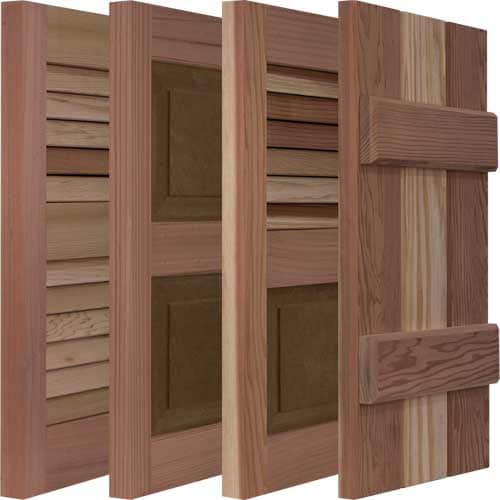
View, price & order the best exterior shutters in wood, vinyl, & composite. Outdoor shutters in louver, raised panel, board & batten, and bahama. USA made - shipped direct.
flat rune
What is the difference between how about you and what about you
stone jackal
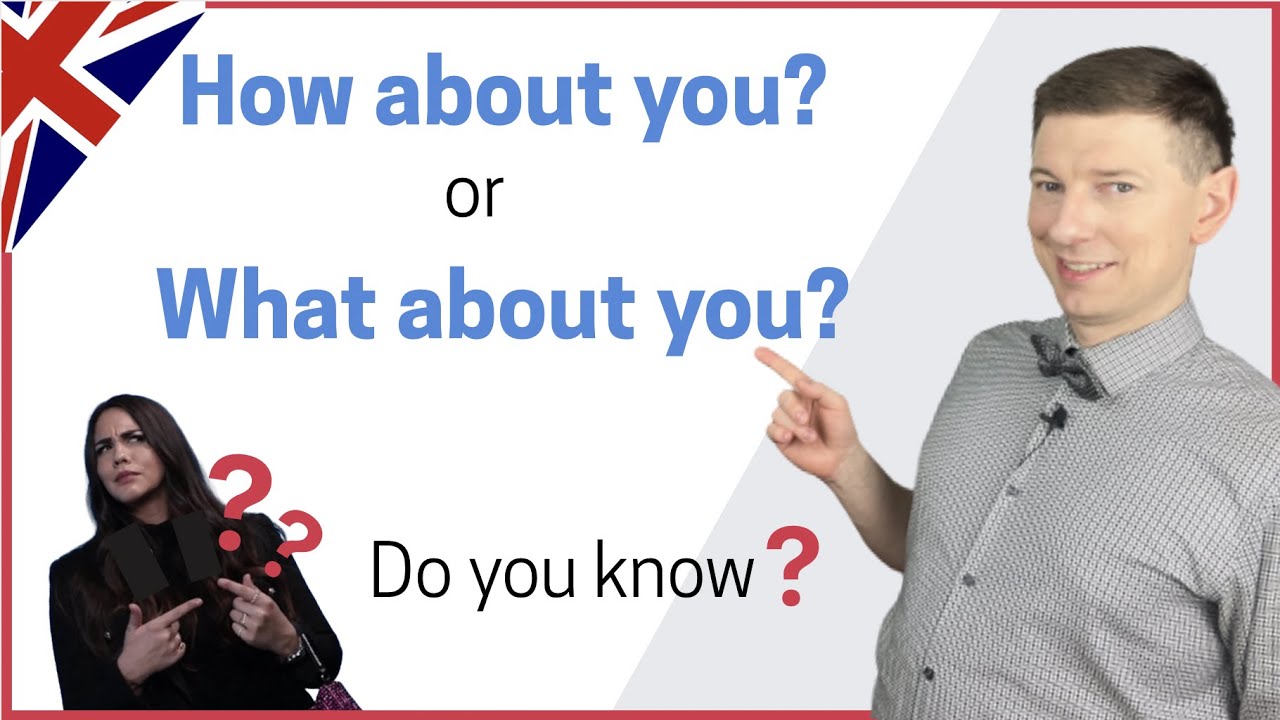
I’m having a great day❗️😎 How about you? Or maybe what about you?
Or maybe both?😅
Anyway, today we are going to have a look at ”How about…” & ”What about…” They are very similar, but there is a slight difference between them. Do you know it❓💪🚀
 trail slate
Are these 2 words pronounced differently? trance vs trans
stone jackal
Yes there is a difference. call up this url and hit the speaker button to hear them three times each. The sound is very close indeed but there is a slight difference at the end. the end of trance sounds more like an s and thre end of trans sounds closer to a z. Listen for yourself and decide. https://translate.google.com/?hl=en&sl=en&tl=nl&text=trance trance trance versus trans trans trans&op=translate
Google's service, offered free of charge, instantly translates words, phrases, and web pages between English and over 100 other languages.
I would say it just as google translate says it.

🌍 Learn a new language now: bit.ly/LearnLanguagesNow Master the pronunciation of 'Trance' Trance. 📖 - which means : A half-conscious state characterized by an absence of response to external stimuli 📝 - with this quick and clear tutorial by How To Pronounce! 🎓🗣️
In this video 📽️, we'll guide you through the correct pronunciation of 'Trance' in...

🌍 Learn a new language now: bit.ly/LearnLanguagesNow Master the Pronunciation of 'Trans' - which means : Denoting or relating to a person whose gender identity differs from their sex assigned at birth. 📝 with @HTPronounce 🎓🗣️ - [Your Guide to English]
Learn to pronounce 'Trans' perfectly in English with our easy and engaging tutorial by @HTPron...
This might be a useful youtube channel for you to subscribe to or even just bookmark for later reference.
 dreamy wigeon
trail slate
Are these 2 words pronounced differently? trance vs trans
dreamy wigeon
trail slate
Are these 2 words pronounced differently? trance vs trans
consonant sound at the end z vs s


in trans you vibrate your vocal cords (voiced consonant)
in trance you just let the air flow (unvoiced consonant)
stone jackal
dreamy wigeon
in trans you vibrate your vocal cords (voiced consonant)
in trance you just let ...
Great way to describe it 👍
flat rune
Voiced vs unvoiced consonant
acoustic geyser
Whats the difference between yet and although?
stone jackal
acoustic geyser
Whats the difference between yet and although?
Have a look at this and see if it helps you ... https://langeek.co/en/grammar/course/777/although-vs-yet

Langeek
'Although' and 'yet' can express the meaning 'but.' In this lesson, we will learn the similarities and differences between these two conjunctions.
acoustic geyser
stone jackal
Have a look at this and see if it helps you ... https://langeek.co/en/grammar/co...
I love you man, Thanks!
stone jackal
acoustic geyser
I love you man, Thanks!
I try my best to help where I can. 👍
crimson vortex
Hrllo guys
I have several questions that are slightly difficult to me to understand
What is aftermath and how do we use it in a sentence?
What does it mean "to happen to", for example "She happened to make a mistake"
Does it mean that she did this unintentionally or unexpectedly and that's it?
And one more, what does "subj to be to" mean? For example he was to do his homework
signal shell
'aftermath' is a noun. It describes the situation that follows as a consequence to something else
"egg prices inflated in the aftermath of the covid pandemic"
the word itself probably doesn't imply whether the consequences were intended or expected, but you may be able to infer it from the context of the entire statement
@crimson vortex hope that helps
crimson vortex
Yeah, this helped, thanks
signal shell
crimson vortex
And one more, what does "subj to be to" mean? For example he was to do his homew...
this is used in a similar way to "subj to have to" or "subj ought to" but it's a little more polite or it indicates that this form of "obligation" was previously agreed upon and isn't really forced upon the subject
crimson vortex
signal shell
this is used in a similar way to "subj to have to" or "subj ought to" but it's a...
Okay, thanks
crimson vortex
crimson vortex
What does it mean "to happen to", for example "She happened to make a mistake"
And am i right with this one?
signal shell
crimson vortex
And am i right with this one?
oh i missed that question for some reason... I'd say you are completely correct
crimson vortex
Okay, got it. I am glad you clarified this matter
boreal ingot
stone jackal
https://www.youtube.com/watch?v=bjmyVRIGz7M
I would say that differently with the Bath-Trap split 
I'm guessing not all of England does that, but it's the SSB way afaik
I wouldn't say 'trans' with the backed BATH vowel though
acoustic geyser
Hello
signal shell
Hello
acoustic geyser
If I switch the sentence's adverb, does it change the meaning?
Example:
Suddenly he attacked me
He attacked me suddenly
Thanks, one more thing,
If "the" behind a noun, it means a group right?
The poors
Poors
signal shell
I don't think that is a general rule, but it can be used in that context at times
And yeah, you keep it singular in form as demonstrated by @timid mason
Well, I guess it appears singular when the word is derived from an adjective, like poor
boreal ingot
acoustic geyser
Thanks, one more thing,
If "the" behind a noun, it means a group right?
It's adjectives not nouns
acoustic geyser
boreal ingot
It's adjectives not nouns
Thanks
boreal ingot
The affluent, the geriatric, etc.
boreal ingot
acoustic geyser
Thanks
np
stone jackal
boreal ingot
The affluent, the geriatric, etc.
I just checked online and apparently a government website puts me in "the geriatric" group. Now I am sad ... 😥
boreal ingot
Aw 😭
stone jackal
boreal ingot
Aw 😭
But I am still above the dirt!
boreal ingot
still alive and kicking 
stone jackal
And I am not a bunch of dust in a jar.
boreal ingot
the idea of being dust in a jar is so foreign to me lol
stone jackal
When I was a kid I thought everything would basically stay the same, uncles, aunts, parents and so on. We kids would just get older. Over time I learned otherwise.
But on the bright side I get senior discounts! ... lol
boreal ingot
senior discounts 
I didn't know those are a thing
wait, does that mean that if a senior was too tired to go to a store and sent their grandkid they wouldn't get the discount
stone jackal
Yes. Very often for trains, busses, theater tickets, museums, community swimming pool subscriptions ... etc.
boreal ingot
stone jackal
Yes. Very often for trains, busses, theater tickets, museums, community swimming...
Ohh, that's nice
stone jackal
boreal ingot
wait, does that mean that if a senior was too tired to go to a store and sent th...
No, it is for you and you mostly have to show ID at the time of purchase.
It is not on goods like food or clothing but mostly on services or entrance fees.
boreal ingot
stone jackal
It is not on goods like food or clothing but mostly on services or entrance fees...
Well, better than nothing
stone jackal
 hollow night
Question. Can someone tell me if the following sentence is correct and understandable in English?
Sentence: It only took him the length of two breaths to draw his sword and kill all the goblins in the room!
Context: It's fantasy setting, so instead of seconds, it's "two breaths."
crimson vortex
hollow night
Question. Can someone tell me if the following sentence is correct and understan...
Not an expert myself, but i have never heard "two breaths" be used as "two seconds"
hollow night
crimson vortex
Not an expert myself, but i have never heard "two breaths" be used as "two secon...
It's a fantasy setting, so breaths and other such measurements instead of seconds and minutes.
crimson vortex
Okay, then the whole sentence seems to be correct
boreal ingot
hollow night
It's a fantasy setting, so breaths and other such measurements instead of second...
that seems like a pretty inefficient measurement system, lol
Breaths vary in length
Is one breath an inhale + exhale? How about two? Inhale + exhale + inhale? Inhale + exhale + inhale + exhale?
Anyway, I can see it meaning 'really fast' lol
Like,
In the span of two breaths, he drew his sword and killed all the goblins in the room!
signal shell
Back in the old days, lots of measurements were not very precise. Like measuring in hands, feet, and thumbs.
boreal ingot
Odd, but works
boreal ingot
boreal ingot
Like,
> In the span of two breaths, he drew his sword and killed all the goblin...
It could be seen as a play on words. Working 'in the blink of an eye' into something that has to do with breaths
I certainly thought that's what you were doing when I read it
boreal ingot
signal shell
Back in the old days, lots of measurements were not very precise. Like measuring...
Yeah, makes sense
But breaths? Like damn
bitter hill
Imprecise time measurement is pretty common in fantasy 😂
boreal ingot
bitter hill
Imprecise time measurement is pretty common in fantasy 😂
I could do two breaths in 2 seconds or 2 breaths in like 30 seconds or even longer :/
Like imprecise is fine, but there has to be some agreed-upon length of breath. And without measuring it in seconds, how could this length get agreed upon?
Hands can have a decent amount of variance, but breaths can be all over the place
like what if you have a huge lung capacity. Two breaths could last ages
acoustic geyser
Is there a rule when using British spelling?
boreal ingot
acoustic geyser
Is there a rule when using British spelling?
Well there are rules lol. Which one are you asking about
acoustic geyser
boreal ingot
Well there are rules lol. Which one are you asking about
Those words like colour
acoustic geyser
Colour, Centre, Tyre
bitter hill
boreal ingot
Like imprecise is fine, but there has to be some agreed-upon length of breath. A...
I don't think the specific time is exactly important when they use that phrasing, though I'd think about it within the range of normal, natural breathing
acoustic geyser
boreal ingot
If it's French it probably has that extra 'u'
Are those French words?
signal shell
ise/ize is another common difference
boreal ingot
acoustic geyser
Colour, Centre, Tyre
Colour and Centre are French, yes
boreal ingot
bitter hill
I don't think the specific time is exactly important when they use that phrasing...
Idk, breaths doesn't sound practical at all to me. What do you consider normal natural breathing?
And the way they used it, it seems like they were implying speed? So might they have meant panicked breathing?
Two 'normal' (whatever that may be) breaths wouldn't be considered 'quick' afaik
bitter hill
The range of time a person not engaging in any physical activity takes to finish a cycle of breathing subconsciously
From what I see online the upper average for an adult seems to be 3 seconds per breath so regardless it conveys a rather short span of time
bitter hill
boreal ingot
And the way they used it, it seems like they were implying speed? So might they ...
Also if it takes that fast to kill all the goblins I would not associate that with panicked breathing
thorn condor
acoustic geyser
Is there a rule when using British spelling?
just stick to one style and you'll be fine. I think as a learner you can choose between them since you're not living in either of the regions 👀
acoustic geyser
thorn condor
just stick to one style and you'll be fine. I think as a learner you can choose ...
Like using Americans word while learning BrE?
boreal ingot
bitter hill
From what I see online the upper average for an adult seems to be 3 seconds per ...
I'm guessing they don't have seconds in this fantasy setting, so not sure how they would reach this consensus. Ig it could work if they reach some sort of agreed-upon length somehow
But I think for sure
In the span of two breaths, he drew his sword and killed all the goblins in the room!
Implies great speed. Especially with that exclamation mark conveying surprise. But whether in this world 6 seconds to kill a few goblins around a room is considered quick or not is unknown to us. So this two breaths thing could be an understatement of the speed
thorn condor
acoustic geyser
Like using Americans word while learning BrE?
nope. when you're writing an essay or whatever don't use both spellings in the same text. center and after that centre etc.
bitter hill
boreal ingot
I'm guessing they don't have seconds in this fantasy setting, so not sure how th...
Well that's why there are other indicators in the sentence to emphasize the speed
It only took X time to kill all the goblins!
So thinking too deep about the measurement of two breaths doesn't really matter too much
boreal ingot
acoustic geyser
Like using Americans word while learning BrE?
Like, stick to one style in general: British spelling + British punctuation + British vocabulary OR American spelling + American punctuation + American vocabulary
boreal ingot
bitter hill
So thinking too deep about the measurement of two breaths doesn't really matter ...
I suppose so, lol
I totally forgot about the 'only'
bitter hill
boreal ingot
I suppose so, lol
Ngl I've read so many weird measurements of time but I never really stopped to think about them 😂
boreal ingot
I overthink a lot of the things I read
It's a pretty big problem when I'm reading something old lol
acoustic geyser
boreal ingot
Like, stick to one style in general: British spelling + British punctuation + Br...
But, how do I distinguish which one is British spelling or not?
thorn condor
you will after some time.
boreal ingot
acoustic geyser
But, how do I distinguish which one is British spelling or not?
For words it's pretty hard tbh, but for punctuation and spelling you can look it up usually
'curb' vs 'kerb' is a wild AmE-BrE spelling difference lol
thorn condor
when you come across a new word and look it up in a dictionary. they usually provide both spellings, so it's not hard to learn them at the same time
boreal ingot
bitter hill
Ngl I've read so many weird measurements of time but I never really stopped to t...
Well, it was fun discussing this imaginary measurement system, lol
bitter hill
boreal ingot
Well, it was fun discussing this imaginary measurement system, lol
True, but now every time I come across non-standard time measurements I'm gonna start consciously thinking about it 😭
bitter hill
😔
signal shell
You use 'anymore' while also negating the verb. You use 'no longer' instead of negating the verb. The meaning is the same
Another variation is to say "I'm not supporting you any longer"
But I think this is not very common to say
signal shell
Honestly, I can't think of how one might emphasize the point any differently than the other
boreal ingot
signal shell
Honestly, I can't think of how one might emphasize the point any differently tha...
I feel like 'I trust you no longer' is a bit more emphatic than 'I don't trust you anymore'
@untold widget
Third opinion would be welcome
stone jackal
hollow night
Question. Can someone tell me if the following sentence is correct and understan...
I am not going to get into the English of this. I am just going to give my impression the moment I read it. Omg ... can he draw his sword any slower?
If you had said two breaths of a hummingbird, then I might have considered it fast. Or better yet two flaps of a hummingbird's wings.
boreal ingot
Do you hear 'all told' for 'in total' much?
Is 'to make a row' common at all?
Is 'squiffy' ever used?
bitter hill
stone jackal
I am not going to get into the English of this. I am just going to give my impr...
I believe it means that the drawing of the sword and the killing of all the goblins in the room happened in the span of 2 breaths
bitter hill
boreal ingot
Do you hear 'all told' for 'in total' much?
Is 'to make a row' common at all?
I...
No
Is this bre stuff
boreal ingot
bitter hill
Is this bre stuff
These are from a play from 1945
I do not know if it's BrE or AmE
Is it no to all three?
bitter hill
boreal ingot
I do not know if it's BrE or AmE
Google labeled them as bre which is why
bitter hill
boreal ingot
Is it no to all three?
Ye
Wait, row...rowdy do they share the same origin? 🤔
boreal ingot
bitter hill
Ye
I see
bitter hill
boreal ingot
Is that one used?
Yes
Not in everyday speech but most people would probably recognize it
boreal ingot
bitter hill
Not in everyday speech but most people would probably recognize it
As darkness overtook me, the pain abating, my final thought had been 'O for a second chance at life'.
Have I properly used it?
stone jackal
bitter hill
I believe it means that the drawing of the sword *and* the killing of all the go...
I believe it is ambiguous. Just as the example below.
The mother of Peter and John may come, too.
[[The mother][ of Peter and John]] may come, too.
[[The mother of Peter] and [John]] may come, too.
bitter hill
stone jackal
I believe it is ambiguous. Just as the example below.
The mother of Peter and J...
I see your point, but the intended meaning seems pretty clear to me in context
bitter hill
boreal ingot
> As darkness overtook me, the pain abating, my final thought had been 'O for a ...
Yep
stone jackal
It only took him the length of two breaths to both draw his sword and kill all the goblins in the room!
This small change would have made it clear that your interpretation was the only correct one.
bitter hill
stone jackal
I believe it is ambiguous. Just as the example below.
The mother of Peter and J...
Actually now that I think about it, I don't think this example is an appropriate analogy?
It only took him the length of two breaths [to draw his sword] and [(to) kill all the goblins in the room]!
The coordination of infinitives seems unambiguous, no?
If I'm not mistaken you're saying it could be interpreted as this right?
It only took him the length of two breaths to draw his sword, [and then he killed all the goblins in the room].
 round jungle
stone jackal
I believe it is ambiguous. Just as the example below.
The mother of Peter and J...
round jungle
stone jackal
I believe it is ambiguous. Just as the example below.
The mother of Peter and J...
It only took him the length of two breaths to draw his sword and kill all the goblins in the room.
I disagree that this is ambiguous because "and kill all the goblins in the room" doesn't function grammatically if it's interpreted separately from "It only took [...] two breaths to ..."
Your interpretation only makes sense if both halves of the sentence can stand as independent clauses, which they can't here.
boreal ingot
bitter hill
Actually now that I think about it, I don't think this example is an appropriate...
Yeah, no idea how it could be read as anything else :/
stone jackal
It seems that I added a then in my mind there in my haste.
It only took him the length of two breaths to draw his sword and then kill all the goblins in the room!
I made my own erroneous autocorrection. Sort of like reading the the multiple times and each time not seeing that there are two the words and not one.
You are correct!
I need to be less hasty and take more than two breaths in reading next time. lol
Maybe what confused me was that 2 breaths seemed too long of a time to draw a sword and yet two breaths seemed to be an unbelievably short time to be able to draw your sword and kill multiple goblins.
boreal ingot
stone jackal
It seems that I added a **then** in my mind there in my haste.
It only took him ...
I miss and add words all the time smh
Once I read a sentence 5 times and missed the 'the' everytime
A person had been asking about the difference between two sentences and I was like 'they're the same sentence??'
stone jackal
boreal ingot
Once I read a sentence 5 times and missed the 'the' everytime
Me too! Some people say that to proofread your own work you should read it in the reverse order.
I think that would give me a headache.
boreal ingot
stone jackal
Me too! Some people say that to proofread your own work you should read it in ...
Read it in reverse?
That sounds very hard lol
Is it like, you begin from the last word and read one word back, then again, and so on? I don't think I could properly comprehend the sentence if I did that
 boreal ingot
Is it like, you begin from the last word and read one word back, then again, and...
boreal ingot
boreal ingot
Is it like, you begin from the last word and read one word back, then again, and...
Or maybe you read the last word, then you read the word before it and reread the last word, then the one before it with the two after, and so on?
boreal ingot
stone jackal
Springtime the the in Paris Love I.
Hm, doesn't sound like it would work to me. It makes that mistake more obvious, but still, slow reading, or putting it in text to speech and reading along would work better
stone jackal
boreal ingot
Is it like, you begin from the last word and read one word back, then again, and...
It is just useful for spotting double words. But now we have MSWord and such.
boreal ingot
stone jackal
It is just useful for spotting double words. But now we have MSWord and such.
True, it's probably going out of use
I've certainly never heard of it
stone jackal
It was a trick from long before word processors and grammar checkers. I never used it myself.
boreal ingot
stone jackal
It was a trick from long before word processors and grammar checkers. I never u...
Unrelated, but can I ask why you put two spaces after full stops?
stone jackal
boreal ingot
Unrelated, but can I ask why you put *two* spaces after full stops? <:CB_pika_th...
Because before the advent of word processors we used typewriters. When we were taught how to touch type on a mechanical typewriter in high school we were told that we should put two spaces after a sentence. The typewriter had only one font and it was a fixed pitch font so each letter including a space character took up the same width. This way the reader could easily delineate one sentence from another. It became etched in my brain ever since.

That bar on the upper left was the carriage return. There was no ENTER key. lol
 boreal ingot
stone jackal
Because before the advent of word processors we used typewriters. When we were ...
boreal ingot
stone jackal
Because before the advent of word processors we used typewriters. When we were ...
Ohh, typewriters were in use 45, 50 years ago? Interesting. Idk much about the past, so I didn't know that. Old habits are hard to get rid of I suppose, and I guess it does make sentences a bit more distinct. It feels a bit unnecessary, tbh, but it's nothing bad
stone jackal
P.S. the ones we used in school and the one I had at home was an even older model.
boreal ingot
stone jackal
That bar on the upper left was the carriage return. There was no ENTER key. lo...
What is carriage return? Is it to start a new line?
boreal ingot
stone jackal
https://www.youtube.com/watch?v=oxN1C2QQUIE&t=10s
Wow, it's loud 
That ding is what tells you to start a new line, right? What happens if you keep typing? Would multiple letters get stacked on the last character in the line?
stone jackal
That roller that you see sliding back and forth was called a carriage. When you were at the end of the line on the page you needed to do two things, bring the carriage back all the way to the right and move the roller down one line. That is what that arm you see was used for. It returned the carriage back the right position so that the next letter would be at the beginning of the line, but it also rolled the roll up a line, that was called a line feed.
So now we have the concept of carriage return and line feed. They became part of the ASCII control characters CR and LF. (If you are into computers.)
Some models had a mechanical lever that would allow the roller to move more that one line down (double spaced lines) .... high tech stuff for the time.
Later with the advent of electric typewriters, a Carriage Return key was added to replace the bar.
It actually said "CARRIAGE RETURN" on the key.
Then when computers became more popular the name was changed to "ENTER".
The bell was used to let you know that you were approaching a margin on the right.
There were mechanical sliders so you could set left and right margins and some tab stop positions. Amazing what could be done without electricity and / or computers.
boreal ingot
stone jackal
Some models had a mechanical lever that would allow the roller to move more that...
Could that not be achieved by writing spaces 'till the end of the line then pressing Carriage Return? Then you could do that as many times as you wanted empty lines?
boreal ingot
stone jackal
There were mechanical sliders so you could set left and right margins and some t...
Yeah, I can't imagine how it would work, tbh, but it's amazing I've always imagine typewriters as just really old and basic.
I imagine the idea that I (and probably many young people) have never seen a typewriter in real life must be really odd to you, right? It seems like they were commonplace when you were younger?
stone jackal
You would not have to make more spaces. If you wanted to go down twice you just used the arm twice. Of course it didn't move to the right any on the second use because it was already there, but you effectively got an extra line feed in there. If you wanted to move a lot of lines down you could just grab the knob on the roller and roll it down however many you wanted.
Back in the day it was our HIGH TECH. lol
boreal ingot
stone jackal
You would not have to make more spaces. If you wanted to go down twice you just...
Oh, sounds nicee. I was thinking it had to reach the end to be rolled down a line 
stone jackal
Do you dial a phone to make a call? We still say dial even though there are no more dials.

Are we supposed to pick up the phone and then do it?' Hilarious footage shows two teenagers completely baffled by a rotary telephone when given four minutes to make one call

This is a dial.
boreal ingot
stone jackal
Do you dial a phone to make a call? We still say dial even though there are no ...
Well, yeah 'dial' is used for entering phone numbers in general?
That's how I've always heard it
stone jackal
We still use the verb dial but the round thing was the dial. Now we actually have keypads or soft keys.
But the term has stuck.
This has always struck me as funny.
boreal ingot
stone jackal
https://www.youtube.com/watch?v=oHNEzndgiFI
Wow that took them a while. I would have no idea how to use one tbh
stone jackal
Times and technology change and so does our language. New words are introduced and the meanings of some change.
boreal ingot
stone jackal
Times and technology change and so does our language. New words are introduced ...
Gay is the most widespread example I think
Was gay used to mean happy when you were younger?
Or had it already taken on its current meaning?
stone jackal
boreal ingot
Was gay used to mean happy when you were younger?
I remember it as meaning happy. Like happy and gay. Gay and carefree.
boreal ingot
I see, I guess the meaning change is recent then
stone jackal
Swell, hip, cool, Far-out, groovy, swinging, out of sight, rad, ... many of these have fallen out of use.
stone jackal
No is is still quite common but I threw it in there so you could link it with the other words in the list.
boreal ingot
stone jackal
Swell, hip, cool, Far-out, groovy, swinging, out of sight, rad, ... many of thes...
'out of sight' as in 'out of sight, out of mind' right?
stone jackal
out of sight can be both literal like the way you just used it, but back in the day it was also used by young people to mean that something was really really cool ... the max, the top, ...
boreal ingot
stone jackal
No is is still quite common but I threw it in there so you could link it with th...
Yeah, I mainly see most of these in sarcastic/joking imitations of the speech of teenagers in earlier times
stone jackal
If you watch Austin Powers you may hear many of these terms used.
boreal ingot
Oh, I've never seen 'out of sight' used like that, even when people were doing imitations. Far-out, groovy, swinging, and out of sight are ones I've never seen, for sure
Slang is probably teh most rapidly changing part of language, so I'm not surprised they fell out of use
stone jackal
He also says thing like "Oh baby!"... These were things that were really used back in the day and that is why they put them in the movie. Just like the people being clothed in fashons of the time.
Bell bottoms were the rage when I was young.

And tie dye shirts and pants too


Things go out of fashion but sometimes return decades later.
I guess we should let this channel go back to english-questions. I kind of took it off track.
@boreal ingot If you want we can continue discussions like this elsewhere either in another channel or dm. I am still learning how things work. There are so many channels and I haven't figured out what they really are meant for.
Right now my gf is coming over and we will be eating dinner. I also have to feed my cats. I am their butler.
boreal ingot
stone jackal
<@754163802659880981> If you want we can continue discussions like this elsewher...
Yeah, fair enough
boreal ingot
stone jackal
Right now my gf is coming over and we will be eating dinner. I also have to fee...
Oh, alrighty. See you around Have fun
The kitties need be fed, smh. You must oblige
stone jackal
boreal ingot
Oh, alrighty. See you around <:AA_Menehra_Wave:865158545543528448> Have fun
It was a great discussion. I appreciate it.
boreal ingot
Ye, it was nice
 prime fractal
I'm curious about common slang or common idioms (actually, I don't know what it would say) for example "How do you find with sth or someone", Where can I look for this type of question that may encounter in daily life? (Like you can't directly translate through it)
thorn condor
They have discretion over which events they attend.
They have discretion about which events they attend.
are they interchangeable in that case?
the oxford dictionary says:
because of or relating to something; about something
an argument over money
so it feels almost the same 🤔
acoustic geyser
thorn condor
They have discretion **over** which events they attend.
They have discretion **a...
Excuse me, mind if you check this sentence?
- she wanted to go, although there was a storm outside
- she wanted to go, yet there was a storm outside
thorn condor
acoustic geyser
Excuse me, mind if you check this sentence?
- she wanted to go, although there w...
I guess they're both correct, but I don't see those words often, so can't say for sure
acoustic geyser
thorn condor
I guess they're both correct, but I don't see those words often, so can't say fo...
What's the difference between although and yet actually?
Could they be interchangeable
thorn condor
in this context you can substitute both of them with but. 🤔
green wolf
acoustic geyser
What's the difference between although and yet actually?
'although' links a dependent clause to an independent clause, whereas 'yet' here is connecting two independent clauses together
So, 'yet' is like 'however' or 'but'
acoustic geyser
green wolf
'although' links a dependent clause to an independent clause, whereas 'yet' here...
When do I use it?
green wolf
Which one?
acoustic geyser
Yet and although
stone jackal
prime fractal
I'm curious about common slang or common idioms (actually, I don't know what it ...
I will see if I can provide some suggestions. Firstly, there are two great channels here. https://discord.com/channels/801609515391778826/1042403091850473483 is idiom of the day and its sister https://discord.com/channels/801609515391778826/853292714257678376 word of the day.
Then there is a website called reverso .... here is an example of an idiom / saying in English and its equivalent in Dutch. Of course you can switch the target language to your native language. https://context.reverso.net/translation/english-dutch/dressed+to+the+nines
Translations in context of "dressed to the nines" in English-Dutch from Reverso Context: And I think we should get dressed to the nines.
You can do a google search like this one https://www.google.com/search?q=english+idioms+and+phrases&rlz=1C1OZZY_enUS1132US1133&oq=ënglish+idioms+&gs_lcrp=EgZjaHJvbWUqCAgCEAAYFhgeMgYIABBFGDkyCAgBEAAYFhgeMggIAhAAGBYYHjIICAMQABgWGB4yCAgEEAAYFhgeMggIBRAAGBYYHjIICAYQABgWGB4yCAgHEAAYFhgeMggICBAAGBYYHjIICAkQABgWGB7SAQoxODk2NmowajE1qAIIsAIB&sourceid=chrome&ie=UTF-8


BYJUS
Idioms: Before you call it a day, how about learning some of the most common idioms and their meanings? You can also take a look at the examples given to learn how they are used.
Here is just one site the google search found with 100+ common idioms

An idiom is a common word or phrase with a figurative, non-literal meaning that is understood culturally and differs from what its composite words' denotations would suggest; i.e. the words together have a meaning that is different from the dictionary definitions of the individual words (although some idioms do retain their literal meanings – se...
This also has a long list. All I did was add the word wikipedia to the google search above.
prime fractal
@stone jackal I appreciate it, thanks a lot for your help. This is really helpful to me.
stone jackal
prime fractal
<@711760674111488100> I appreciate it, thanks a lot for your help. This is reall...
You are quite welcome. Have a successful language journey! 🙂
stone jackal
prime fractal
<@711760674111488100> I appreciate it, thanks a lot for your help. This is reall...
@prime fractal I took the word wikipedia off and added pdf and got this https://www.google.com/search?q=english+idioms+and+phrases+pdf&sca_esv=f684702dde6df33f&rlz=1C1OZZY_enUS1132US1133&sxsrf=ADLYWIIpIYpU_9hPJxKl5ukDFCZCiHOnTQ%3A1731764331834&ei=a6A4Z5_YMo-eptQP-Zni0Q0&ved=0ahUKEwjfudXu_OCJAxUPj4kEHfmMONoQ4dUDCA8&uact=5&oq=english+idioms+and+phrases+pdf&gs_lp=Egxnd3Mtd2l6LXNlcnAiHmVuZ2xpc2ggaWRpb21zIGFuZCBwaHJhc2VzIHBkZjILEAAYgAQYkQIYigUyCxAAGIAEGJECGIoFMgsQABiABBiRAhiKBTIGEAAYFhgeMgYQABgWGB4yBhAAGBYYHjIGEAAYFhgeMgYQABgWGB4yBhAAGBYYHjIGEAAYFhgeSL0PUKIJWL8NcAF4AJABAJgBUqABjgKqAQE0uAEDyAEA-AEBmAIEoALpAcICChAAGLADGNYEGEeYAwCIBgGQBgiSBwE0oAekHQ&sclient=gws-wiz-serp
The top link is a gold mine !!!!


And it is searchable!!!
@prime fractal
 prime fractal
stone jackal
prime fractal
stone jackal
yoo, that's kinda hidden gem
stone jackal
Now I have a great reference as well for when I don't recognize one. Thanks for such a great question! 👍
prime fractal
stone jackal
Now I have a great reference as well for when I don't recognize one. Thanks for...
thanks again it such a good ref for me too, go for it
stone jackal
@prime fractal another useful reference for current slang is Urban dictionary. I sometimes have to use it when I see things young people write or say and I don't know what it means to them. https://www.urbandictionary.com/define.php?term=snap!
Urban Dictionary
- an expression displaying the slickness of a comment you just made 2. a word to use when u get shocked or suprised about a comment.
This is an example of one that I had to look up.
Sometimes the explanations are better than others. They are submissions coming from other users of the site.
But in general that are pretty good and better than nothing.
stone jackal
boreal ingot
'out of sight' as in 'out of sight, out of mind' right? <:CB_pika_think:55355672...
After finding the dictionary of idioms I looked this up. See the second meaning of "out of sight".

That was the other meaning of out of sight that we talked about.
rapid bison
stone jackal
After finding the dictionary of idioms I looked this up. See the second meaning ...
from which dictionary of idioms is this excerpt extracted?
stone jackal
stone jackal
rapid bison
...ah.
<#852830031898083338>. sorry!
see above as well. You can just download the pdf.
rapid bison
gotcha.
crimson vortex
Hello everybody
I have a question
What's the difference between abusing, harassment and prosecution?
And are there any differences between seek, search for and look for?
Like, is any of them more formal than other?
 gray mesa
@crimson vortex
Abusing means mistreating or harming someone, usually verbally or physically. Harassment is unwanted, repeated behavior thats kinda like bullying or stalking. Prosecution is a legal process where someone is charged and tried for a crime.
Seek is formal and used for goals (e.g., seek help), search for is sorta neutral and it means you're currently looking for something, and look for is casual and/or used in daily life (e.g., looking for keys).
acoustic geyser
gray mesa
<@1233332157175566388>
*Abusing* means mistreating or harming someone, usually ...
Excuse me, what's the difference between:
Give it to me and give it for me
gray mesa
acoustic geyser
Excuse me, what's the difference between:
Give it to me and give it for me
Give it to me means handing something directly to the person asking (e.g., "Give the book to me"). Give it for me means giving it as a favor or from the person asking (e.g., "Give the gift for me").
acoustic geyser
gray mesa
*Give it to me* means handing something directly to the person asking (e.g., "Gi...
Thanks
flat rune
hi everyone can u explain the diffrente uses of present perfect
 wanton moss
Is the expression double down used in contexts where, per se, someone berates someone else and the situation escalates as they berate them more ?
thorn condor
flat rune
hi everyone can u explain the diffrente uses of present perfect
the question is too broad, but if you try these exercises https://test-english.com/?s=present+perfect, it'll help you to be more specific. in general present perfect means something happened before this moment in time, it doesn't matter when, and you place emphasis on the result.
Test-English
thorn condor
@flat rune I forgot to mention that doesn't matter when means we don't use present perfect with signal words ago, yesterday, last, etc.
I have been to New York
I have known him for two years
We've done a lot of work
 bitter flower
Any free websites are recommended for me to progress?
crimson vortex
gray mesa
<@1233332157175566388>
*Abusing* means mistreating or harming someone, usually ...
Thanks, but i did a mistake. It was not prosecution, but persecution
So how does it differ from abusing and harrassment
thorn condor
crimson vortex
So how does it differ from abusing and harrassment
you can be persecuted for your ideas, beliefs, religion or even gender.
Afghan women are a persecuted group.
In the Roman empire, Christians were persecuted for their faith.
Witches were persecuted in the medieval times. I guess you got the picture\
round jungle
crimson vortex
Thanks, but i did a mistake. It was not prosecution, but persecution
"Persecution" refers to (usually severe and/or systemic) harassment, abuse, imprisonment, violence, and other hostile measures on the basis of religion, ethnicity, nationality, sexual orientation, gender, politics, etc. So for example, someone might be persecuted because they're Jewish, or because they're Black, or because they're transgender, and so on.
Hostility that is not based on hatred towards a certain group of people would not usually be described as persecution.
 winged knoll
thorn condor
you can be persecuted for your ideas, beliefs, religion or even gender.
Afghan w...
winged knoll
thorn condor
you can be persecuted for your ideas, beliefs, religion or even gender.
Afghan w...
hi
hollow night
Question. In the English language, how do you properly say a person has powerful backing, in the form of a powerful family or a network of powerful friends? Does the following line make sense?
Sentence: He has a powerful background.
boreal ingot
'as' has a few meanings, one of which is 'because'.
I am very tired, as I've been running for a long time; may I come in?
It's not very casual but I wouldn't be surprised if someone used it in a casual context.
In your sentence, saying 'its cause isn't known because it has [x], [y], and [z] characteristics' doesn't make sense. Since that's not a reason for why it's not known.
Option B doesn't work either, because 'that is' indicates you're about to rephrase and expand on/explain something. 'it results from [x]' is not expanding on the fact the cause is unknown
'while' introduces a contrast. So '[x] is the case, but [y] is not the case'. Here, the idea that dyslexic children confuse 'b' and 'd' does not contrast with the fact the cause of dyslexia is unknown. So option C doesn't work.
That leaves option D. 'even though' means 'despite the fact that'. It introduces a contrast, just like 'while'. Here, the contrast does work, though. The fact some research suggests it's hereditary does slightly contrast with the fact the cause of dyslexia is not known. 'Even though' is less focused on the contrast though, and more on that something remains true when something else (that potentially challenges the first idea) is also true
boreal ingot
hollow night
Question. In the English language, how do you properly say a person has powerful...
He has lots of connections
hollow night
thanks for the feedback!
boreal ingot
hollow night
thanks for the feedback!
Np. 'background' is more about your education and experience, not your connections with people
You can say someone is from/has a military background, meaning they have military experience
Wealthy background = wealthy upbringing and family
Etc.
crimson vortex
round jungle
"Persecution" refers to (usually severe and/or systemic) harassment, abuse, impr...
okay, thanks
crimson vortex
thorn condor
you can be persecuted for your ideas, beliefs, religion or even gender.
Afghan w...
thanks
crimson vortex
Hi, what's the meaning of the verb "to address"? If we use it with "someobody", does it mean that we "call them by their name/nickname or in any other way"? And if we use it with problem we need to solve, does it mean that we "pay attention to this problem, but don't solve it yet"?
 fierce ivy
Hello community, I would like to ask if anyone knows gadgets similar to walkie talkies and would recommend buying something so that I can wirelessly connect with someone. Would anyone be able to help me somehow?
acoustic geyser
boreal ingot
'as' has a few meanings, one of which is 'because'.
> I am very tired, as I've ...
Isn't as used when the speaker and listener know the reason?
 sacred mirage
crimson vortex
Hi, what's the meaning of the verb "to address"? If we use it with "someobody", ...
sacred mirage
crimson vortex
Hi, what's the meaning of the verb "to address"? If we use it with "someobody", ...
Hi Freddie that’s a fantastic question, so let me break it down for you here:
The verb “to address” has different meanings based on the context:
When used with a person: It means to speak to them directly or to call them by a specific name or title. For example, “You may address me as Mr. Penguin” means you should call me Mr. Penguin.
When used with a problem: It means to give attention to or deal with the problem. It doesn’t necessarily mean solving it immediately, but rather acknowledging it and starting to work on it
crimson vortex
sacred mirage
Hi Freddie that’s a fantastic question, so let me break it down for you here:
T...
Okay, got it, but what about dealing with problems. Does it imply solving them or does it imply addressing them and paying attention to them?
sacred mirage
fierce ivy
Hello community, I would like to ask if anyone knows gadgets similar to walkie t...
Hello Darius, I am not knowledgeable on this at all but ive done some research for you; here are a few options for popular wireless communication devices:
CB Radios: Great for short to medium distances, often used by truckers.
Ham Radios: Ideal for long-range communication, but requires a license.
Smartphone Apps: Apps like Zello turn your phone into a walkie-talkie using WiFi or cellular data.
Push-to-Talk Devices: These use cellular networks for communication, offering a wider range.
sacred mirage
crimson vortex
Okay, got it, but what about dealing with problems. Does it imply solving them o...
It implies addressing them and paying attention to them, often if you ‘address’ a problem you acknowledge it is a problem and it implies there will be a future effort to curtail the problem, solve the problem not straight away but soon.
crimson vortex
Okay, thank you a lot
sacred mirage
crimson vortex
Okay, thank you a lot
Any time! If you need anymore help, im always here
crimson vortex
And one more question. Does "tackling" a problem means just taking determined actions to resolve the issue
sacred mirage
‘Tackling’ a problem would indicate that you are actively resolving the problem, there is a current effort to solve the problem. It would often be used perhaps if the problem was hard but this isnt an exclusive use. You also probably wouldn’t use ‘tackling’ if you were close to finishing/resolving the problem
So in short yes it would be taking determined actions to resolve the issue
thorn condor
crimson vortex
And one more question. Does "tackling" a problem means just taking determined ac...
I like memorizing words through visual cues, so...
that guy is your problem, and you're trying to tackle it. you might forget the definition but not his face
 crimson vortex
thorn condor
I like memorizing words through visual cues, so...
that guy is your problem, and...
crimson vortex
thorn condor
I like memorizing words through visual cues, so...
that guy is your problem, and...
Haha
Yeah, it makes sense
crimson vortex
sacred mirage
‘Tackling’ a problem would indicate that you are actively resolving the problem,...
Thank you too
acoustic geyser
thorn condor
I like memorizing words through visual cues, so...
that guy is your problem, and...
Hello, is it hard to do Scotland low-land accent?
Such as Edinburgh
sacred mirage
thorn condor
I like memorizing words through visual cues, so...
that guy is your problem, and...
Yeah this is perfect because it takes time to ‘tackle’ him ( the problem ) to the ground, and it takes effort
so yes perfect example
crimson vortex
This channel is great for learning english, cause whenever i post any question, i always get detailed and coherent explanation, so thank you guys
thorn condor
acoustic geyser
Hello, is it hard to do Scotland low-land accent?
hi. have no idea. even native speakers (actors) have to take courses to change their accent for a role, so I guess it must be hard
sacred mirage
acoustic geyser
Hello, is it hard to do Scotland low-land accent?
If you watch videos only in that accent and listen to material only in that accent, slowly you should over time adapt and pick it up
 patent drift
acoustic geyser
patent drift
patent drift
acoustic geyser
patent drift
You should stay there for good
acoustic geyser
thorn condor
hi. have no idea. even native speakers (actors) have to take courses to change t...
Excuse me, do you think "you are going to" sounds a bit stronger than "you have to"?
sacred mirage
acoustic geyser
Excuse me, do you think "you are going to" sounds a bit stronger than "you have ...
Hiya Arthur, thanks for posting your question here. Let me give you a little explanation:
“You have to” implies necessity or obligation. It means that something is required or mandatory.
Example: “You have to finish your homework before you can go out.”
“You are going to” indicates a future action or plan. It suggests that something will happen, but it doesn’t carry the same sense of obligation.
Example: “You are going to finish your homework before you go out.”
So, in short, you have to is stronger
Hope this helps you out!
 slate crown
Can someone review my essay and correct me on some things where I might be wrong? I got it for homework, I am supposed to write a letter for a job application at an English language centre. The register is formal
Dear Sir or Madam,
I am writing this letter to express my interest regarding the post that has been publicised in the Language and Culture section of the Daily Magazine.
As stated in my CV, after I had graduated at the University of Education, I acquired a post at a private school in the proximity of Leicester, where I worked for half a decade as an administrator. Amongst the requirements for the position were IT skills and proficiency in the English language which I had achieved previously. The position allowed me to widen my range of abilities, as I was heavily involved in the management of student’s projects in the country and beyond involving topics like Climate change and Ecology, as a means to raise student’s active engagement and awareness on these topics.
In a search of a job that is more engaging and offers a wider variety of duties, I consider this position to be an excellent starting point. I am sure in my ability to manage the workload in spite of the growth of the firm. I am of the opinion that strong work ethics and high standards are crucial and in favor of both the customer’s experience and the firm’s exemplary reputation. Being a part of the leadership of international projects gave me opportunities to connect with other people, and acquire better communication skills, subsequently, displaying engagement, interest and active listening.
My schedule is flexible and I am available for the interview at your convenience, at a time you find suitable and appropriate.
Thank you for your time and consideration.
Yours faithfully,
George
stone jackal
slate crown
Can someone review my essay and correct me on some things where I might be wrong...
Hi George. Have a look at the proofreading channel. https://discord.com/channels/801609515391778826/927275584558616596 I believe that is where members can post things that they have written to get feedback.
slate crown
oh okay
acoustic geyser
stone jackal
Hi George. Have a look at the proofreading channel. https://discord.com/channe...
What's difference between "mean to" and "be going to" for intention?
stone jackal
This is how I feel about it:
If I say ... I mean to lose weight this year. ... That would show what I would be intending to try to have it happen. It may happen more later than sooner and maybe I won't even succeed.
If I say ... I am going to lose weight this year. ... That would be a stronger intention to have it happen. I may begin taking action on it sooner rather than later and I really want it to succeed.
That is the flavor that each way give me.
The first is more of an intention and the second is both an intention and a sort of strong promise. In the example, a sort of promise I am making to myself.
Maybe others view it differently.
hollow night
Question. Can someone tell what "after all" means? I have always thought that it means "nevertheless." For example, "It is raining, but the parade will go on after all."
But then, someone just told me it's used as a phrase to support an earlier statement. For example, "I'm sure she will get the part. She's an accomplished actress after all."
Which is correct?
sacred mirage
Both are correct
"After all" as "Nevertheless":
In your example, "It is raining, but the parade will go on after all," the phrase "after all" means "despite the circumstances" or "nevertheless." Here, it emphasizes that the parade will continue despite the rain.
"After all" to Support a Statement:
In the second example, "I'm sure she will get the part. She's an accomplished actress after all," the phrase "after all" is** used to support or justify the earlier statement**. It means "considering this fact" or "because of this reason." It strengthens the argument that she will get the part due to her accomplishments.
So, "after all" can be used in both ways, depending on the context. It can mean "nevertheless" to show contrast, or it can be used to provide a reason or justification for a statement, either or really
I hope this clears up the confusion! If you have more questions, feel free to ask me, I am always happy to help out
acoustic geyser
sacred mirage
Both are correct
Hello, could you check out this sentence?
- it's meant to rain tomorrow ( I expect the rain will come tomorrow )
- it was meant to rain tomorrow ( I expected the rain would come tomorrow, but it didn't happen )
Are these correct?
sacred mirage
"It's meant to rain tomorrow." – Your sentence here correctly implies that rain is expected tomorrow, so well done. It means, I expect the rain will come tomorrow like you said.
"It was meant to rain tomorrow." – This sentence is a bit confusing because "was meant to" suggests a past expectation about the future. Instead, to get across the idea that the expectation was about tomorrow but it didn't happen, you could say: "It was supposed to rain tomorrow, but the forecast changed."
'it was meant to rain tomorrow' isnt inherently wrong, but if you wanted to be that extra bit clearer, just adding that little bit on giving the explanation/reason
acoustic geyser
sacred mirage
**"It's meant to rain tomorrow."** – Your sentence here correctly implies that r...
Thanks
boreal ingot
sacred mirage
'it was meant to rain tomorrow' isnt inherently wrong, but if you wanted to be t...
I mean, if we're narrating a past thing, we can say 'it was meant to rain tomorrow' just fine I think
We had had plans of going out camping, but that evening the forecast said that it was meant to rain tomorrow, so we had to postpone it.
crimson vortex
acoustic geyser
What's difference between "mean to" and "be going to" for intention?
@stone jackal is right. "To mean to" implies intention only, whereas "be going to" suggests more determined intention and can also mean "to plan on doing something"
boreal ingot
Your dictional virtuosity truly astounds me!
Have I used 'virtuosity' properly?
hollow night
Quick question. If I say, "please give me face," how many of you will be able to understand what I just said?
thorn condor
hollow night
Quick question. If I say, "please give me face," how many of you will be able to...
sure, which one?
 neat bone
thorn condor
<:tomsip:1180332846452314122> sure, which one?
neat bone
thorn condor
<:tomsip:1180332846452314122> sure, which one?
Isn't that from face off?
Great movie
thorn condor
neat bone
Isn't that from face off?
game of thrones, tho I don't remember what season it is 🤔
neat bone
thorn condor
game of thrones, tho I don't remember what season it is 🤔
That was the joke but yea..
 crisp iris
Guys
crimson vortex
Hi can anyone explain the difference between "to avenge somebody" and "to take revenge on somebody"?
crisp iris
Hey
crisp iris
Sorry, but... I was searching a table lamp to my office, and in a review, a guy wrote "self-pal".
Google don't showed me what does it mean
So I needed to ask someone, 'cause English is not my L1
crisp iris
sacred mirage
Hi Bizu, are you answering Freddie?
No, sorry
sacred mirage
crisp iris
Sorry, but... I was searching a table lamp to my office, and in a review, a guy ...
Hi are you able to send the full review here please
sacred mirage
crimson vortex
Hi can anyone explain the difference between "to avenge somebody" and "to take r...
Sure thing, let me just quickly explain for you - thank you so much for the question aswell, questions help yourself and others out 👍🏿
crisp iris
sacred mirage
Hi are you able to send the full review here please
off course
sacred mirage
crimson vortex
Hi can anyone explain the difference between "to avenge somebody" and "to take r...
To Avenge Somebody:
The meaning: When you avenge somebody, you take action to punish a wrong done to them.
Focus: The focus is on justice or retribution for someone else's suffering. It's like you're trying to balance out the harm that was done to them or show the wrongdoer that they can't get away with their actions.
Example: "He promised to avenge his friend's death." – This means he plans to take action against those responsible for his friend's death.
To Take Revenge on Somebody:
Meaning: When you take revenge on somebody, you retaliate against them for a wrong they did** to you**.
Focus: The focus is on personal retaliation and often involves a desire to inflict harm or punishment in return.
Example: "She decided to take revenge on her enemy." – This means she plans to retaliate against her enemy for something they did to her.
Key Differences:
Perspective: "Avenge" involves seeking justice for someone else's wrongs, while "take revenge" is personal retaliation for wrongs done to yourself.
Connotation: "Avenge" often has a more noble or justified connotation,** a positive connotation**, whereas "revenge" can be seen as more personal and emotionally driven.
sacred mirage
crisp iris
off course
perhaps a screenshot or just a copy and paste
crimson vortex
sacred mirage
__***To Avenge Somebody:***__
**The meaning**: When you avenge somebody, you tak...
Thanks a lot
It seems like avenging is taking revenge on somebody on behalf of somebody who was hurt
sacred mirage
crimson vortex
It seems like avenging is taking revenge on somebody on behalf of somebody who w...
Yes, exactly this!
crisp iris
https://a.aliexpress.com/_mKt4Qmn the last review with imagem
sacred mirage
crisp iris
https://a.aliexpress.com/_mKt4Qmn the last review with imagem
Ah awesome, this is a great question thank you
So in terms of being a 'self pal' its like your own little friend, so in this context having the plant there brings this person comfort and its like having a self friend.
boreal ingot
boreal ingot
> Your dictional virtuosity truly astounds me!
Have I used 'virtuosity' properly...
^
 alpine gyro
Text 1:
In parts of New Zealand, the stoat is a major predator of the house mouse. Researcher G.L. Blackwell and colleagues found that when this predation pressure on house mice was temporarily reduced, their numbers significantly increased. This finding illustrates a foundational ecological principle: predators control prey population numbers.
Text 2:
William D. Gulsby and colleagues found that excluding coyotes from a site in the state of Georgia where they typically prey on white-tailed deer had no significant effect on white-tailed deer abundance. Many other predation relief studies show an increase in prey abundance, but those studies often focus on small, rapidly reproducing prey, like birds, mice, and frogs, rather than large, slowly reproducing prey, like white-tailed deer, which could account for the difference between those results and Gulsby and colleagues’ findings.
Question:
Based on the texts, the author of Text 2 would most likely agree with which statement about the “principle” mentioned in Text 1?
A. It is plausible, but many of the studies that support it have methodological flaws.
B. It has been challenged by some studies, but the findings of those studies have not been widely accepted.
C. It may be true for some predators but only because those predators share certain physical characteristics.
D. It has some evidential support, but it should not be regarded as universally applicable.
alpine gyro
alpine gyro
Text 1:
In parts of New Zealand, the stoat is a major predator of the house mous...
Can someone help ,e with this question I think it’s either A or D
I can’t send photos unfortunately that’s why I’m copying and pasting
This is just to strengthen my skills on reading comprehension since I’ll have an exam on it
I feel like D is more strong
sacred mirage
Hey F, why do you think it would be D?
I'll be able to help you later, which is why ive asked this question - if nobody has responded to you including me within the next few hours, ping me again.
alpine gyro
sacred mirage
I'll be able to help you later, which is why ive asked this question - if nobody...
First text is saying predators control prey population number then in text two it says that these studies focus on rapidly reproducing prey rather than large, slowly producing prey
So ig that’s why it’s d coz it’s evident in some studies but not the other (if we’re focusing on large slowly producing prep)
crisp iris
sacred mirage
So in terms of being a 'self pal' its like your own little friend, so in this co...
Oh, it does make sense
thanks
alpine gyro
Text:
Scholars are increasingly exploring the communication and preservation of ecological knowledge through Indigenous songs (e.g., Temiar songs about landforms and landmarks and those of the Tlingit people about wildlife encounters). In one study, ethnobiologist Dana Lepofsky et al. received insight from Kwaxsistalla Wathl’thla, a song keeper for the Kwakwaka’wakw people in Canada, into songs referencing the people’s use of terraced gardens in intertidal zones along the Pacific Northwest coast for the cultivation of clams for consumption. Archaeological evidence of significant increases in clam size and abundance in that area concurrent with the documented past implementation of the method described in the songs supports the conclusion that _____
Question:
Which choice most logically completes the text?
A. there is greater corroboration in the archaeological record of ecological practices described in Kwakwaka’wakw songs than those described in Temiar and Tlingit songs.
B. non-Indigenous people around the Pacific Northwest coast adopted the practice developed by the Kwakwaka’wakw people after observing its efficacy.
C. although contemporary Kwakwaka’wakw people have a deep understanding of and appreciation for the fishing and farming practices used by their ancestors, they no longer implement those methods.
D. the practice used by ancestors of modern Kwakwaka’wakw people not only effectively maintained a food source but also improved it.
alpine gyro
alpine gyro
Text:
Scholars are increasingly exploring the communication and preservation of...
Can I also have help w this one
Like can someone explain it to me I don’t get it
boreal ingot
Your dictional virtuosity truly astounds me!
Have I used 'virtuosity' properly?
trail slate
Difference between boil and acne??
sacred mirage
trail slate
Difference between boil and acne??
Hiya tooti, here are some answers:
Boils: Boils are caused by bacterial infection, which enters the hair follicle. Often they require medical treatment such as antibiotics
Acne: Acne is very common, and is caused by a blockage in a hair foccicle due to an overproduction of oil and dead skin cells. This allows bacteria to grow and form a pustule ( a spot filled with pus)
sacred mirage
boreal ingot
> Your dictional virtuosity truly astounds me!
Have I used 'virtuosity' properly...
Yep this is used perfectly, well done!
boreal ingot
sacred mirage
Yep this is used perfectly, well done!
Thank youuu! :>
flat rune
what is the difference between earn and win
sacred mirage
alpine gyro
Text:
Scholars are increasingly exploring the communication and preservation of...
Wow this is some tricky stuff, let's break it down:
Understanding the text -
- Main Idea: The text discusses how scholars are studying the preservation of ecological knowledge through indigenous songs.
Example: The Kwakwaka'wakw people in Canada se songs that talk about their method of cultivating clams in terraced gardens in intertidal zones.
Evidemce: Archaelogical evidence shows that when these methods were used, there were significant increases in clam size and abundance
Key point/overall - The text emphasises that the implementation of the ecological practises described in the Kwakwaka'wakw songs led to improved results (larger and more abudance clams)
With all this in mind, let's take a look at each option together:
A. This choice suggests comparing archaeological evidence between different indegenous groups
B. This choice talks about other people adopting the practices
C. This choice suggests current practices
D This choice shows that traditional practise not only sustained the clam population but improved it.
Based on this, what do you think would be the choice and can you give some supporting evidence/comment ??
sacred mirage
flat rune
what is the difference between earn and win
Hi Skull, thanks for your question.
Earn: Earn implies obtaining something as a result of hard work, effort or merit. Typically it involves a process or consistent action over time.
Win: Win implies obtaining something by defeating others in a competition, game or contest. It often involves an element of competition or chance.
Earn: Achieving something through effort and work.
Win: Obtaining something through competition or luck.
Did you want me to give some examples, or are you alright with that? Hope this has helped
flat rune
I'm alright with this thanks for your answer
sacred mirage
alpine gyro
Text 1:
In parts of New Zealand, the stoat is a major predator of the house mous...
Let me do the same for this as I have just done for your other text you gave. So, in short D is the correct answer but let's take a look why:
Text 1: Suggests that predators control prey populations, illustrated by the increase in house mouse numbers when stoats (predators) are reduced.
**Text 2:**Discusses how excluding coyotes (predators) did not affect white tailed deer populations, highlghting a potential difference in results based on the type of prey (small, rapidly producing vs large, slowly reproducing)
Reviewing the options:
A: Implies that many studies supporting the principle have methodological flaws. Text 2 does not critcise the methodology of studies in general but rather explains a specific case with different types of prey.
B: Suggests challenges have not been widely accepted, which is not discussed in text 2.
C: Focuses on predators sharing physical characteristics, not addressed in the texts
D: States the principle has support but its not universally applicable. Text 2 supports this by showing that the principle works for some prey but not for others.
flat rune
What about get and obtain ?
sacred mirage
Get: casual, widely used, and suitable for most everyday situations.
Obtain: formal, used in contexts where deliberate effort or official approval is involved.
Examples:
"She obtained her degree in law"
"We need to obtain permission before entering"
flat rune
Can i say we need to get permission before entering ?
sacred mirage
flat rune
Can i say we need to get permission before entering ?
yep that works perfectly fine
flat rune
they are interchangeable ?
sacred mirage
pretty much, get is just casual and obtain is formal
flat rune
oh ok what about '' what about '' and '' how about '' ?
sacred mirage
What About: Inquiry or suggestion focusing on a new aspect or subject, suggesting it as an option or consideration.
How About: Suggestion or proposal, often focusing on someone's preference or opinion, which is used frequently when you want to make a proposal/suggestion
They can sometimes be used interchangebly, but their subtle differences can change the nuance of your suggestion or question
flat rune
May you give some examples please ?
sacred mirage
Yep, sure thing
What about:
"We have pizza for dinner. What about drinks?" (Inquiry about drinks)
"What about going to the beach tomorrow?" (Suggestion)
How about:
"How about we watch a movie tonight?" (suggestion)
"How about trying this new restaurant?" (proposal)
flat rune
For the suggestion they are interchangeable
flat rune
Oh ok thank you for the answer and i have been wondering this but what is the difference between get some food and get food ?
sacred mirage
get 'some' food indicates a small amount of food, and 'get food' implies just going and grabbing some food
flat rune
oh ok as usual they are pretty much interchangeable
sacred mirage
no
'some' indicates a small amount of food, often easy and quick
or maybe there is a buffet and you go and 'grab some food', you are just getting a plate of small food not too much whereas 'grab food' doesnt specify a specific quantity so it could be getting not much or it could be getting alot
食べ物 = get some food
have a look here: https://context.reverso.net/translation/english-japanese/get+some+food
Translations in context of "get some food" in English-Japanese from Reverso Context: get you some food
flat rune
sacred mirage
or maybe there is a buffet and you go and 'grab some food', you are just getting...
Oh ok
What about colloquial and familiar
sacred mirage
no differences
the difference is purely the amount of what you are getting
'some' is an indiciation of quantity
 vernal pagoda
Hello
sacred mirage
vernal pagoda
Hello
Hiya, do you have a question?
vernal pagoda
sacred mirage
Hiya, do you have a question?
Nope, just saying hi but do you have a question?
timid inlet
sacred mirage
get 'some' food indicates a small amount of food, and 'get food' implies just go...
I am not sure whether it's colloquial at your place, but get some food here means some food, same as get food. If you want small quantities you need to mention "get as little as possible"
flat rune
sacred mirage
'some' is an indiciation of quantity
Ty for answering
night ferry
I have a simple doubt, I think, haha!
I'd like to know what exactly meaning the following words carry: "On, Up, Down, of
In examples like: "Hold on, Look it up, Smash you down, ripped of"
So I'm always confused about the meaning the sentence takes on
I'm wondering if my doubt is clear enough. If it isn't, I'll try to ask it in a different way
thorn condor
night ferry
I have a simple doubt, I think, haha!
I'd like to know what exactly meaning the...
kevin buckley -> youtube. he explains phrasal verbs quite well
basically, prepositions in english sometimes work as prefixes changing a verb before them
sacred mirage
timid inlet
I am not sure whether it's colloquial at your place, but get some food here mean...
Yeah I guess it can also mean that, but its best not to confuse English learners at first and they can discover things like that as they progress
night ferry
thorn condor
kevin buckley -> youtube. he explains phrasal verbs quite well
basically, prepo...
Alr, my thanks to you, mate!
Are there more than one video?
thorn condor
night ferry
Are there more than one video?
there is a bunch of them for every preposition
night ferry
thorn condor
there is a bunch of them for every preposition
Perfect, I'm really grateful!
acoustic geyser
thorn condor
there is a bunch of them for every preposition
Do you reckon "daren't" and "needn't" sounds British and is it used in both formal and informal conversation?
sacred mirage
No, its formal
and not to be used in everyday conversation
however the very formal versions would be to use them fully without abbreviating
like:
Dare not
Need not
boreal ingot
acoustic geyser
Do you reckon "daren't" and "needn't" sounds British and is it used in both form...
I haven't heard 'daren't' ever used, but 'needn't' is rather formal. I mainly see it in older texts or imitations of posh speakers
This is probably because the auxiliary verb 'need' is slowly falling out of use and starting to sound old-fashioned. So in general 'you needn't/need not [verb]' is a bit fancy
flat rune
Can we say " people are glad because they won " ?
boreal ingot
flat rune
Can we say " people are glad because they won " ?
I would imagine that 'they' isn't referring to 'people' but to some other group or person
But yeah, this is grammatical
boreal ingot
Both would be correct
 urban echo
flat rune
Because my teacher told me
urban echo
flat rune
Because my teacher told me
it's ok with they won
flat rune
Ty for answering
flat rune
Must isn't used too much
People prefer using have to need to got to
I don't think they are interchangeabkr
I mean need to is more important than must
But ask a native
Don't trust me 100%
sacred mirage
flat rune
Must isn't used too much
@acoustic geyser Ill answer you in a few hours hut this isnt exactly correct
boreal ingot
flat rune
Must isn't used too much
Must is certainly used, lol
What are you on about
rapid bison
need to and must are, strictly speaking, not interchangeable, but they're considered quite close 😳
acoustic geyser
rapid bison
*need to* and *must* are, strictly speaking, **not** interchangeable, but they'r...
I misremembered it; I think "need to" is more polite than "must."
boreal ingot
acoustic geyser
Are "need to" and "must" interchangeable?
'You must [x]' means that it's your obligation to do [x]. 'Must' has a sense of internal obligation, where you feel it's your duty to do the thing, but this is not always the case. 'Have to' would be an external force making it your obligation rather than a sense of responsibility and duty. But as I said, 'must' and 'have to' are often interchanged, and 'must' can very well express an obligation from external sources. 'Must' can also be used when you're insisting on something, just like 'have to' (e.g., 'You must come along!' and 'You have to come along!'); this is unrelated to duty. Now, as for 'need/need to', it's very similar to 'must', but less serious. 'Must' indicates a very strong request/obligation with a great degree of urgency, while 'need/need to' indicates an obligation that is less serious. 'Need to' can also be used for insisting (as 'have to' and 'must' can), but I don't think that works for 'need' on its own ('You need to try it!'  ; 'You need try it!'
  ). When you say 'need to', it's much less serious than when you say 'must'. When in negative statements, 'need' and 'must' convey pretty different things, though. 'You must not [x]' means 'You aren't allowed to [x]' or 'I very very strongly urge you not to [x]', but 'You need not [x]' means 'It's not necessary that you [x]'. 'You need to not [x]' is more of an obligation I feel, though. Like 'urging you not to [x]'. Maybe someone else could give a good explanation for the difference between these three: 'You need not [x]', 'You need to not [x]', and 'You need not to [x]'. (The last of the three is very awkward, and you will likely never encounter it.)
acoustic geyser
boreal ingot
'You must [x]' means that it's your obligation to do [x]. 'Must' has a sense of ...
Basically, must sound more serious than need to?
boreal ingot
I suppose that sums it up, yes
acoustic geyser
boreal ingot
I suppose that sums it up, yes
Many thanks
boreal ingot
Np!
hollow night
Can someone look at the following conversation between two men and tell me if it makes sense to a native English listener?
**Man 1: If you hand us the briefcase, we'll be indebted to you.
Man 2: Why would I need you to be indebted to me? I doubt I'll ever need anything from you.**
flat rune
boreal ingot
Must is certainly used, lol
Someone told me must wasn't used too much and peoplr use have to etc instead
boreal ingot
hollow night
Can someone look at the following conversation between two men and tell me if it...
I am not a native but this makes perfect sense
boreal ingot
flat rune
Someone told me must wasn't used too much and peoplr use have to etc instead
Well, 'have to' is used more, but people do use 'must'
flat rune
boreal ingot
Well, 'have to' is used more, but people *do* use 'must'
Oh okay sorry it's just i asked a native cpnercning have to etc and he told me must isn't used too much
I learnt from my mistakr
boreal ingot
flat rune
I learnt from my mistakr
It's cool, lol
Maybe that native wasn't one who uses 'must' much
Or maybe they were misinformed
flat rune
Yeah maybe ty for correcting me
sacred mirage
@flat rune You aren’t necessarily wrong, so don’t worry. I’ll write a reply soon, but the other guy was quite dismissive and rude so I apologise on behalf of them
flat rune
It's okay you don't need to apologize but i thought must wasn't used too much and that's why i told to the guy who asked the question don't trust me 100%
boreal ingot
sacred mirage
<@456226577798135808> You aren’t necessarily wrong, so don’t worry. I’ll write a...
I didn't mean to be rude to them, sorry for coming off as such
boreal ingot
flat rune
It's okay you don't need to apologize but i thought must wasn't used too much a...
Heyya, not sure if I was rude like Penguin said, but if I was, then I'm sorry
flat rune
It's okay no worries i understand that seeing someonr making a mistake can be tiresome
hollow night
Question. If you were a noble in a medieval setting, how would you address your guards? Like, can I say something like, "Men, take him away!" Is there a special term of address other than "men"?
boreal ingot
hollow night
Question. If you were a noble in a medieval setting, how would you address your ...
'guards' could work I guess
sacred mirage
boreal ingot
I didn't mean to be rude to them, sorry for coming off as such
Please just be mindful and aware that other people have reached their conclusions based on their own perspectives and information that has influenced that perspective
For example, have to is inherently used less than must because have to carries more authority
boreal ingot
Makes sense
alpine gyro
sacred mirage
Let me do the same for this as I have just done for your other text you gave. So...
Thank you sooo much
sacred mirage
hollow night
Question. If you were a noble in a medieval setting, how would you address your ...
It could be: Guards, soldiers, men, yeomen ( which is a type of soldier, often for noble households)
alpine gyro
Makes so much sense
boreal ingot
sacred mirage
Please just be mindful and aware that other people have reached their conclusion...
Sorry for that, yeah
alpine gyro
alpine gyro
Text:
Scholars are increasingly exploring the communication and preservation of...
Can someone help me also w this question
It’s very confusing
sacred mirage
flat rune
Must isn't used too much
While "must" has a stronger, more authoritative tone, "need to" is more common in everyday speech because it feels less forceful. This doesn't mean that "need to" is more important or that people avoid "must" due to formality. Instead, it's about how natural the expression sounds in different situations.
So, in short the reason 'must' is used less frequently isn't because of its formality, but because everyday conversations require a softer or more flexible tone.
Often if you fail to do something that you 'must do' there will be a negative consequence or a bad outcome.
Example: 'I must wash my hands', if you do not wash your hands you may end up getting ill
sacred mirage
sacred mirage
While "must" has a stronger, more authoritative tone, "need to" is more common i...
@acoustic geyser I hope this extends to and covers your question in relation to their interchangeability. Thanks for the question
boreal ingot
alpine gyro
Text:
Scholars are increasingly exploring the communication and preservation of...
I think it would be D.
They're saying that 1. there is evidence of there having been more and bigger clams in the area, and 2. there is documentation of the method from the song (the song of the Kwakwaka’wakw people) having been used at the same time:
Archaeological evidence of significant increases in clam size and abundance in that area concurrent with the documented past implementation of the method described in the songs
These two things support the idea that using terraced gardens (Terraced gardens are the method referred to in the song of the Kwakwaka’wakw people) improves and maintains a food source (clams)
flat rune
sacred mirage
While "must" has a stronger, more authoritative tone, "need to" is more common i...
What i meant is i need to is a primordial obligation whereas must is just an obligation
alpine gyro
boreal ingot
I think it would be D.
They're saying that 1. there is evidence of there havin...
Thank you sooo much 🙏🙏🙏
Diadromous fish migrate between freshwater and marine biomes during their life cycle. The migration’s obligate nature is why diadromous fish can be ______ those that are merely euryhaline (able to tolerate high salinity); the euryhaline blackchin tilapia can survive high salinity, but its life cycle does not involve relocation to different biomes as does that of the diadromous wild salmon.
Which choice completes the text with the most logical and precise word or phrase?
A) demarcated from
B) reconstituted as
C) derived from
D) conflated with
Can someone help me with this question I think it’s either A or C
sacred mirage
flat rune
What i meant is i need to is a primordial obligation whereas must is just an obl...
I don't know what you mean by primordial
flat rune
I mean
rapid bison
even its definition, "beginning of time", does not help 😅
rapid bison
they might have meant that need to is something you either do or you suffer; must is just something you are made to do
...nah, I'm just paraphrasing you
ignore that
flat rune
Yes that is what i meant
rapid bison
lol
boreal ingot
alpine gyro
Diadromous fish migrate between freshwater and marine biomes during their life c...
Damn, I think it's D 😅 Let's wait for someone else to answer
Actually it could be A
It's A or D not sure :/
Nevermind all that. It's A You use how the fish has to move to distinguish it from the other type of fish
rapid bison
alert: opinion affected by large-language models
it seems that A is saying that the two fish aren't related to another at all
if you pick D, the two fish seem similar but aren't
sacred mirage
alpine gyro
Diadromous fish migrate between freshwater and marine biomes during their life c...
The sentence is about distinguishing diadromous fish from euryhaline fish based on their migration patterns. Therefore, I personally think that the most logical and precise word would be A; "demarcated from." This choice emphasizes the clear separation between the two types of fish based on their life cycle behaviors.
signal shell
If you pick D, you would be saying that the two terms are often erroneously interchanged, due to confusion
rapid bison
which isn't really false? 🤔
signal shell
I think A is best, it marks a distinction between the two
sacred mirage
Yep, I think thats the universal opinion here
rapid bison
🤔
is the distinction clear enough to stay away from D then
...ah, it is clear enough
the euryhaline blackchin tilapia will just not move to other biomes
boreal ingot
rapid bison
which isn't really false? 🤔
Well, it's not the fact the migration is obligatory that makes you conflate them, it's what makes you distinguish them. So I think 'conflate' wouldn't make much sense now that I've thought about it some
rapid bison
yea, I reread it
we're picking demarcated from
signal shell
They are using the term 'obligate' to make a distinction
So I think A is the answer
rapid bison
at this point, I really need the source of this question 💀
boreal ingot
signal shell
So I think A is the answer
@alpine gyro general consensus ^
signal shell
If they were emphasizing the similarity, then I would say conflate is what they are looking for. But they are emphasizing the difference to help you tell them apart
rapid bison
rapid bison
...ah, it is clear enough
the euryhaline blackchin tilapia will just **not** mov...
this example helped it 👌
rapid bison
rapid bison
at this point, I really need the source of this question 💀
...a quick search tells me that this was part of a cursed SAT paper
boreal ingot
Whenever I see English SAT questions I feel dumb as hell 
rapid bison
this is among the much harder questions 💀
alpine gyro
rapid bison
...a quick search tells me that this was part of a cursed SAT paper
Yup it’s. It’s like a all white pdf that has no answers but has only English questions it’s just practice for the test
Though John Crowley, author of Endless Things, is not as well known as the most widely read American writers of the past fifty years, his work has had several influential champions, including the poet James Merrill and the literary critic Harold Bloom. In his afterword to Crowley’s book Little, Big, Bloom argues that the novel adroitly blends what playwright Friedrich Schiller termed the naive and sentimental modes—while Schiller thought works could be classified as either naive (seeking to describe reality) or sentimental (seeking to develop ideas), Little, Big has both modes of writing.
Which choice best describes the overall structure of the text?
A) It accounts for a writer’s lack of popular appeal, cites a literary figure who appreciates that writer, and summarizes the qualities that make the writer’s work unique.
B) It describes a writer’s successful career, presents two literary figures who were supporters of that writer’s career, and explains why the writer was able to achieve what he did.
C) It mentions a writer whose work is not widely known, presents two people who hold a positive opinion of that writer, and gives a reason why one of those people holds that opinion.
D) It identifies a writer whose work is regarded as difficult to read, brings up two admirers of that writer’s work, and gives information that may make the writer’s work more accessible to new readers.
Could this be C or B I feel like C is stronger would u guys agree?
Wait as I read it again I’m more confused ;-;
boreal ingot
alpine gyro
Though John Crowley, author of Endless Things, is not as well known as the most ...
I think it's A
alpine gyro
boreal ingot
I think it's A
But it didn’t cite one literary critic it cited two a including that poet
I’m confused why is C wrong too
I mean I thought A too
While looking at it again
But then thought to myself there’s two literary critics being talked about
boreal ingot
alpine gyro
But then thought to myself there’s two literary critics being talked about
But it only cited one 'literary figure who appreciates that writer'
that's why I think it should be A
alpine gyro
boreal ingot
But it only cited one 'literary figure ***who appreciates that writer***'
Is that literary figure fredrich Schiller?
boreal ingot
alpine gyro
Is that literary figure fredrich Schiller?
In his afterword to Crowley’s book Little, Big, Bloom argues that the novel adroitly blends what playwright Friedrich Schiller termed the naive and sentimental modes—while Schiller thought works could be classified as either naive (seeking to describe reality) or sentimental (seeking to develop ideas), Little, Big has both modes of writing.
Bloom seems to appreciate Crowley and is cited in the passage to explain why the book is unique
They cite Friedrich Schiller too, but we don't know if they appreciate Crowley or not
alpine gyro
Ohhhh
boreal ingot
So it cites a singular person who appreciates Crowley, not two