#📚|english-questions
1 messages · Page 20 of 1
 echo epoch
 dire vessel
if you are 'coping' with a situation, it means you're working through it mentally or physically. if you break up with someone, you have to 'cope' with the bad feelings afterwards by caring for your mental health
 stuck hollow
What does infact mean ?
 queen thorn
@mint seal hOw d0 i IMprOVe mY eNgliSh?
 tidal lily
echo epoch
How to use the word cope, and what exactly the meaning it is?
tidal lily
echo epoch
How to use the word cope, and what exactly the meaning it is?
Cope means to deal with a situation, scenario etc.
Use:-
Life is not all* about cookies and rainbows, learn to cope with it
 mint seal
 patent stone
actually; in truth;
patent stone
actually; in truth;
you get a cookie
 flat rune
What is an expression that sounds something like "Well who do you tell" to express being surprised about someone?
tidal lily
flat rune
What is an expression that sounds something like "Well who do you tell" to expre...
Wtf 😂 works here 🤙
 vapid glacier
Okay, this is gonna be a really dumb question
Whats the difference between Past Simple and Past Perfect? 🥲
I mean, when should I use Past Perfect
Ty ❤️
 vestal flint
The Past Simple is used to describe a completed action in the past, while the Past Perfect is used to describe a completed action in the past that happened before another past event. You can use the Past Perfect when you want to show a relationship between two events that happened in the past, and you want to make it clear which event happened first.
Past Simple:
"I arrived at the party last night." (This indicates a completed action in the past at a specific time.)
Past Perfect:
"I had already eaten dinner before I arrived at the party last night." (This indicates a completed action in the past that happened before another past event, which is arriving at the party.)
@vapid glacier
tidal lily
vapid glacier
Whats the difference between Past Simple and Past Perfect? 🥲
I mean, when shoul...
Simple past :- something happened and completed action somewhere in the past.
I wrote a letter to the ministry.
I ate at McD.
Past perfect:- just like* the guy above said and some action/event began at a point of time in the past, got stretched through the period of time and ended in the past.
I had written a letter for the ministry before i reached my destination.
Or in other words, When two actions happened in past :- one is described with simple past tense and another event is described with past perfect.
When i reached the station the train had started
 elder terrace
Hello, I have a quick question.
Between these two sentences "her body soaked in cold water [...]" and "her cold water soaked body [...]", can you help me see if they're both correct (in a grammar sense) and if yes, what may be the difference between them?
 mortal mortar
elder terrace
Between these two sentences "her body soaked in cold water [...]" and "her cold ...
mortal mortar
elder terrace
Between these two sentences "her body soaked in cold water [...]" and "her cold ...
I believe both of them are grammatically correct but the second one is rarely used
elder terrace
mortal mortar
I believe both of them are grammatically correct but the second one is rarely us...
Thanks, The first one sounds more natural?
mortal mortar
elder terrace
Thanks, The first one sounds more natural?
The second one is also generally used at the end of a sentence for example: “A trail of water dripped behind her cold water soaked body” although in this case you would rather say “A trail of water dripped behind her soaked body” to make it flow a bit better
elder terrace
mortal mortar
The second one is also generally used at the end of a sentence for example: “A t...
Many thanks. I was pondering which one should fit better in a narration context. The first one seemed more direct and better fitted in a dialogue context.
 digital sandal
elder terrace
Between these two sentences "her body soaked in cold water [...]" and "her cold ...
digital sandal
elder terrace
Between these two sentences "her body soaked in cold water [...]" and "her cold ...
The second sounds more poetic in comparison to the first one. I would say the first one.
elder terrace
digital sandal
The second sounds more poetic in comparison to the first one. I would say the fi...
Thanks!
digital sandal
elder terrace
Thanks!
I'll give you another example regarding this poetic usage of words. The word order should be in a specific order. Most of the time... However, there are some cases where we can bend this rule.
Take Edgar Allan Poe's poem, in this case:
Let me see, then, what thereat is, and this mystery explore—
Let my heart be still a moment and this mystery explore;—
This mystery explore? That doesn't sound so right, now, does it? What Edgar meant to say here is; explore this mystery, in proper order, but because this is a poem, this way it sounds more aesthetic and natural, considering a poem should always have some style to it.
Shakespeare does this more often, which is why it is usually harder to understand his poems and style in general.
Yet another one from A Midnight's Summer Dream — Puck's Farewell. In the last verse where it says:
Else the Puck a liar call—
Correctly: else, call the Puck a liar.
But see the following:
Else the Puck a liar call—
So, good night unto you all.
The word call rhymes with the word all, so this rule can be bent to make these words rhyme. Do not overthink it, in conclusion!
elder terrace
I don't know why but this doesn't surprise me, we do that sometime in French too, to give a really dramatic feeling. (In books and movie I mean, we don't speak like that in the street haha). The Shakespeare example is a little bit trickier to understand for me, I must admit.
Ok, to come back to my sentences, the second one has a more classic feeling and does not belong to a modern novel where casual speech is frequently employed.
elder terrace
digital sandal
I'll give you another example regarding this poetic usage of words. The word ord...
Did I get it right?
digital sandal
elder terrace
I don't know why but this doesn't surprise me, we do that sometime in French too...
It is for anyone, actually. Not easily comprehended. That is why we study that in high-school, to be able to understand our language better, and to know our history of literature.
digital sandal
elder terrace
Did I get it right?
Yes, the first one is what you would say in a casual conversation, whereas the second sounds more poetic, and yet aesthetic.
elder terrace
digital sandal
Yes, the first one is what you would say in a casual conversation, whereas the s...
Thank you very much for your useful insights.
digital sandal
elder terrace
Thank you very much for your useful insights.
You're welcome. I'm happy to help you.
 honest bobcat
Hello
Someone can explain the reason to don't choose the B
Because in my opinion, her is 3rd person ?
In the text, this is for (3)
TY

Or this is because this is an expression ?
 boreal pewter
Because when you say make <thing> <verb>, the verb is always the bare infinitive
It doesn't conjugate
This is a common pattern in English. When you stick 2 verbs together, the 2nd verb isn't finite
"They make him cry", "She makes him cry", "She made him cry"
Only the 1st verb changes
"I do believe it", "She does believe it", "She did believe it" here as well only the 1st verb changes
I have done it, he has done it, she had done it - "done" in all 3
etc
honest bobcat
Love on you ❤️
 kindred oracle
Hii
Is it grammatically correct this question
What can I do?
Or
What I can do?
Both are corrects?
dire vessel
as a question, if you’re offering help, ‘what can I do?’ is correct
vestal flint
dire vessel
as a question, if you’re offering help, ‘what can I do?’ is correct
Hey fellow Australian
dire vessel
I’m from the states LOL
 midnight harbor
kindred oracle
Both are corrects?
midnight harbor
kindred oracle
Both are corrects?
depends on the question
if they say "What can you do?" then either one is correct. although it's better to say the first one, and you would probably only say the second one if there are multiple people and you're unsure who the person is asking
otherwise it's what can I do
vapid glacier
tidal lily
Simple past :- something happened and completed action somewhere in the past.
...
Thank you so much for the help, you two! ❤️
 undone light
One of my English friends said the sentence "It's not entirely clear that that's what it's doing". The first 'that' started with a 'v' sound, the second "that" started with 'd' sound. Why could that be?
Atleast that's how it sounded to me
 bright pulsar
undone light
One of my English friends said the sentence "It's not entirely clear that that's...
bright pulsar
undone light
One of my English friends said the sentence "It's not entirely clear that that's...
It improves clarity and fluency of speech. The repetition is, admittedly, quite awkward, and so a native might adjust the phonetics so as to create a clear distinction between the two words. The pronunciation is also dependent on the "strength" of the word. The conjunctive "that" is weak and the demonstrative "that" is emphasized. As a result, one vowel is weak and the other is strong.
undone light
bright pulsar
It improves clarity and fluency of speech. The repetition is, admittedly, quite ...
Interesting, thank you
kindred oracle
midnight harbor
if they say "What can you do?" then either one is correct. although it's better ...
Ok thanks
 jade blade
"It can be read and copied" is an example of passive voice?
tidal lily
undone light
One of my English friends said the sentence "It's not entirely clear that that's...
What country is your friend from?
 olive parrot
kindred oracle
What I can do?
olive parrot
kindred oracle
What I can do?
This is not a question. It's a clause.
Example: What I can do now is to call 911.
 plush bolt
how to use "infact"
can anyone say what does infact mean ?
vestal flint
plush bolt
how to use "infact"
can anyone say what does infact mean ?
"In fact" means something is true or actually the case.
tidal lily
plush bolt
how to use "infact"
can anyone say what does infact mean ?
It means something like in the truth
As such there's a study or evidence or witness to prove what you gonna say right after using the word in fact.
A conversation doesn't start with in fact but to make a solid point one use in fact word in an ongoing conversation
plush bolt
tidal lily
It means something like *in the truth*
As such there's a study or evidence or w...
thank you little monster 😇
tidal lily
Ex:-
We did enjoy our rides in the amusement park. In fact it has the biggest roller coaster in our country.
plush bolt
vestal flint
"In fact" means something is true or actually the case.
thank you trym
 sharp lynx
In fact, everyone here is great at english. lol
plush bolt
tidal lily
Ex:-
We did enjoy our rides in the amusement park. In fact it has the biggest r...
i got it, thank you
i have one more to ask
what does "if you say so" mean ?
little monster ! explain this please
 sleek fulcrum
plush bolt
what does "if you say so" mean ?
sleek fulcrum
plush bolt
what does "if you say so" mean ?
Could you provide the full sentence please?
It is hard to properly tell the meaning without a context.
plush bolt
ok hold on a sec
plush bolt
sleek fulcrum
It is hard to properly tell the meaning without a context.
A) that is the real reason it happened.
B) if you say so
sharp lynx
plush bolt
what does "if you say so" mean ?
a way to describe it is like a one sided agreement e.g: Person 1: I like that movie, it is really good" Person 2: "If you say so..." its used in sarcastic ways mostly
sleek fulcrum
Oh wait is it a conversation?
sharp lynx
i just provided a general answer
plush bolt
no person A says that sentence and person B replies to it
sharp lynx
plush bolt
no person A says that sentence and person B replies to it
do you mind my answer?
plush bolt
sharp lynx
a way to describe it is like a one sided agreement e.g: Person 1: I like that mo...
thank you
sleek fulcrum
sharp lynx
a way to describe it is like a one sided agreement e.g: Person 1: I like that mo...
This answe seems to be a good one
sharp lynx
ok 🙂
plush bolt
sharp lynx
do you mind my answer?
no
sleek fulcrum
plush bolt
no

sharp lynx
if someone doesnt mind they say no lol
plush bolt

sleek fulcrum
Ok I'm kind of shameful by this so lemme just delete it..
tidal lily
plush bolt
what does "if you say so" mean ?
If you say so.
It means i believe what you say.
It is widely used in sarcastic ways as well. lol
flat rune
A simple civil process for voluntarily acknowledging paternity under
which the State must explain the rights and responsibilities of
acknowledging paternity and afford due process safeguards.
What does the phrase in bold mean?
tidal lily
flat rune
> A simple civil process for voluntarily acknowledging paternity under
> which t...
Maybe it's about the state should afford expenditure incurring in the process of acknowledging paternity
Or
it's about introducing new law and making sure it gets green flag/pass in legislative assembly without any hurdle
What's the broader context about?
flat rune
tidal lily
Maybe it's about the state should afford expenditure incurring in the process of...
Basically, I'm reading an old paper on the US Child Enforcement Program. The paragraph I sent is one of the items on a list of legal processes and establishments all states must provide their inhabitants as required by the law
It's okay though chat gpt already gave me an answer
 tidal lily
flat rune
It's okay though chat gpt already gave me an answer
tidal lily
flat rune
It's okay though chat gpt already gave me an answer
Alright, so it's in regards to the benefactor
Nice, thanks for responding
 subtle bough
is it correct? " I apologize for my past actions towards you"
 vast ember
Hello guys. Can some of you help me replace this sentence in reported speech : She asked me:”Could you explain that rule, please?”
I have some variants in my head but not sure if they are right
tidal lily
subtle bough
is it correct? " I apologize for my past actions towards you"
I apologise for what I did in the past with you.
I apologise how i treated you in the past
Can work as well.
Although what you wrote seems correct
tidal lily
vast ember
Hello guys. Can some of you help me replace this sentence in reported speech : S...
What's a reported speech? Sounds like a homework
vast ember
exactly
this part with could confuses me
i don't know if i should say : "she asked me could i explain that rule" or "she asked me if i could explain that rule"
1st variant sounds great as for me
but i don't know if it's right
subtle bough
"you may not remember me but i always remember you"
a bit weird? because the word 'remember' is repeated?
undone light
tidal lily
What country is your friend from?
England
tidal lily
undone light
England
Uh huh,
Well i asked 3 other native speakers born and raised 2 in USA 1 in Canada.
2 of em said people don't bother about it that much and they haven't heard someone using two that together.
Another one(middle aged person) said old people might use it but it's not widely practiced anymore
tidal lily
subtle bough
"you may not remember me but i always remember you"
Can short it down like
You may not but i always remember you
Repetition over
undone light
tidal lily
Uh huh,
Well i asked 3 other native speakers born and raised 2 in USA 1 in Cana...
Thanks. I think it's how Ron42 has explained earlier. My friend (around the age of 22) was speaking quite fast and he probably adjusted the phonetics, because otherwise it would sound odd.
midnight harbor
subtle bough
a bit weird? because the word 'remember' is repeated?
no, it's fine. english likes repetitive words
and repetitive forms
mortal mortar
tidal lily
Can short it down like
*You may not but i always remember you*
Repetition over
if its too condensed it may sound off
having that repetition gives somewhat of a poetic or flowing effect
 desert sable
mortal mortar
if its too condensed it may sound off
desert sable
mortal mortar
if its too condensed it may sound off
I mean it doesn’t quite work grammatically. That technically means you may not always remember you lol
So it sounds off because of that
mortal mortar
reading it again, the second remember should be past tense right? because it does sound off now that i analyze it a bit more
desert sable
mortal mortar
reading it again, the second remember should be past tense right? because it doe...
I don’t have any context but yeah either you may not remember me but I will always remember you or I’d never forget you or smth along those lines
Depends on the context tho
desert sable
vast ember
i don't know if i should say : "she asked me could i explain that rule" or "she ...
The second one sounds better
desert sable
vast ember
Hello guys. Can some of you help me replace this sentence in reported speech : S...
She asked me if I could please explain that rule.
tidal lily
mortal mortar
having that repetition gives somewhat of a poetic or flowing effect
Pronouns are literally there to kill repetition.
If someone makes repetition a lot I'd be like probably he's short on vocabulary or something 😅
Well to each their own ig i don't mind such English users either as far as i can understand them I'm not strict for grammatical errors unless it's a formal setting otherwise it may result in loss of business, time and efforts
tidal lily
undone light
Thanks. I think it's how Ron42 has explained earlier. My friend (around the age ...
However you like it mate. That's why i asked the country first. England, USA, Canada and Australia have quite different English from each other so it's totally fine
 marble whale
Hi guys need help with this sentence: "Document must be dated within 6 months of the student's enrollment date"
Does "within 6 months" mean prior to the student's enrollment or after they were enrolled?
dire vessel
honestly it could mean either- it depends on the context of the sentence
tidal lily
marble whale
Does "within 6 months" mean prior to the student's enrollment or after they were...
After
 fossil wasp
Do this ---- and this --- will happen
Do this ---- and eventually this --- will happen
What difference does "eventually" do to the meaning?
marble whale
fossil wasp
Do this ---- and this --- will happen
Do this ---- and eventually this --- wi...
Eventually means in the end.
 winged compass
I'm having a difficult time distinguishing the "s", "z" and "3" phonetic symbols. So, the "s" one is used for example in soon and cease, the "z" one in zero and zone. Finally, the "3" phoneme is found in pleasure and vision. But I literally hear and articulate them in the same way!! Can someone explain me or send me a video about how they are pronounced them please?
tidal lily
@winged compass what's your mother tongue I'm intrigued
tidal lily
3 is not a letter but a number in English. No need to be confused over it
tidal lily
winged compass
But I guess Spanish' "z" sound isn't the same as English' "z" sound
Z makes teeth clutches lol s don't
winged compass
This: ʒ
 winged compass
I think it's not
It's called Ezh lol, i think this link is better: https://home.cc.umanitoba.ca/~krussll/phonetics/transcription/english-symbols/ezh.html#:~:text=The [ʒ] sound is one,Irish and Old English manuscripts.
Oh according to that, it can be both s and z lol
tidal lily
winged compass
https://en.wikipedia.org/wiki/Ezh
The closest relative of this alphabet in English seems like Z
I had difficulty learning English because i was learning it as regional language to English language
But
Later i began learning English language and preferred books and materials of English to English
If one constantly keeps comparing regional language to English it may hurdle their progress in later phase @winged compass
winged compass
I see, but I still don't now the diff between the s and z 😅
tidal lily
It's simple. Z makes you clutch your teeth
While pronouncing it
And a vibration in back of throat
winged compass
Oh, so it's like the "v" sound but pronouncing an "s"?
For example, b with vibration in back of throat is a v, so the same but with an s?
tidal lily
winged compass
For example, b with vibration in back of throat is a v, so the same but with an ...
Can say it but the best is : z makes you clutch your teeth
Wanna voice chat ?
winged compass
Yeah please
tidal lily
It's taking more time than it should lol
winged compass
Thank u for your help in VC! I will continue practicing :)
boreal pewter
winged compass
For example, b with vibration in back of throat is a v, so the same but with an ...
b and v are made in different ways, the back of the throat is not what makes them different
b has both lips pressed together, your mouth closes
v has the bottom lip against the top teeth, air still comes out of your mouth
v & f are a pair, different by voicing (the vibration)
boreal pewter
winged compass
This: ʒ
This is the IPA symbol for the sound in e.g. "pleasure", "Asia", "seizure"
It's different to the sound in "sit", "pass", etc
It's also different to the sound in "zit", "size", etc
They pair up like this
s-z (sit/zit, price/prize)
ʃ-ʒ (mesher/measure, really there are no good word pairs here)
winged compass
boreal pewter
v & **f** are a pair, different by voicing (the vibration)
True, I haven't even realized lol
So, how to pronounce ʒ?
boreal pewter
What's your native language? there might be something close
winged compass
Spanish
boreal pewter
Which country
boreal pewter
Nice, I know some things about it but I've never met a speaker
winged compass
about Spanish or Basque?
boreal pewter
Basque. I've met loads of Spanish speakers
So the Spanish "noche" has the same sound as English ch. If you make the sound long, like nochhhhhhe, you have a hissing noise, right? I think this is the sound of Basque "x" as well
That's our "sh" sound like in "shop"
winged compass
Oh, I know how to pronounce "sh" :)
boreal pewter
Great! then this ʒ sound is just the sh sound, but you add the vibration
The tongue position is the same
winged compass
Oh that's all? So it's quite easy
winged compass
boreal pewter
So the Spanish "noche" has the same sound as English ch. If you make the sound l...
Yeah, because for example the x in "xabier" is like the English sh so yeah
boreal pewter
https://vocaroo.com/12kT6yr35zUr little demonstration
winged compass
boreal pewter
<https://vocaroo.com/12kT6yr35zUr> little demonstration
Lol your voice really reminds me about listenings (in a good way), thanks for the demonstration!! I think I've completely understand the differences
mortal mortar
boreal pewter
<https://vocaroo.com/12kT6yr35zUr> little demonstration
you could be hired by spotify to narrate their advertisements
 cobalt bay
Hi guys i want to improve my reading skills. I try to read " animal farm " I understand most of the words and sentences. But also it very hard to me . How can i improve my reading skills. do you know any apps or websites or tactics etc.
subtle bough
is it right? "may i ask about your parents love story?"
winged compass
I think it's right, but you've missed a ' just after parents: "May I ask about your parents' love story?"
flat rune

A conversation about the film adaptation of "American Psycho," with author Brett Easton Ellis, director Mary Herron, and Christian Bale--the film's star.
I do not claim ownership to any of this content nor receive monetary gain. All rights belong to their respective owners.
Between 10:11 and 10:15, she says they are obsessed with what status?
boreal pewter
"the minutiae of status"
minutiae = very small details
Often it's used when you don't think the details actually matter
desert sable
boreal pewter
"the minutiae of status"
Wow havent heard that phrase in a long long time
winged compass
But that's when it's just a parent, like your mom or your dad, if it is both the word is "parents", so isn't it "parents' "?
tidal lily
winged compass
But that's when it's just a parent, like your mom or your dad, if it is both the...
Wow! Never paid attention to it thanks mate
TIL
winged compass
tidal lily
Wow! Never paid attention to it thanks mate
;)
honest bobcat
Due to the explanation,
Someone can explain me for wich reason we didn't choose : Auditing ?
Ty
 flat rune
boreal pewter
Often it's used when you don't think the details actually matter
flat rune
boreal pewter
Often it's used when you don't think the details actually matter
Thank you
boreal pewter
Chat GPT hasn't understood that "have" has more uses than forming the perfect aspect
"audited" is wrong here
"had audited" is in general right, but this is quite a different use of have
boreal pewter
This use means to get someone to do something, make them do it or ask them to do it
"causative" is the term for this construction
Anyway
flat rune

boreal pewter
"audit" is correct because "have someone <bare infinitive>" is a structure
It's one of the many places where when you combine 2 verbs, the 2nd one doesn't conjugate
However
"auditing" is actually also correct
So your test is bad basically :)))
flat rune
boreal pewter
It's one of the many places where when you combine 2 verbs, the 2nd one doesn't ...
My head spinning lol I am not good at grammar that is why I used chatgpt.

boreal pewter
ChatGPT sadly isn't always great at grammar
It's usually good for simpler grammar questions, but sometimes it messes up badly
flat rune
boreal pewter
ChatGPT sadly isn't always great at grammar
Interesting I didn't know that
boreal pewter
audit is a pretty rare verb but there are a few google results where "had him auditing" appears
The job offer came the day after graduation, and McCoy’s 31-year career had him auditing Fortune 500 companies and traveling extensively to their headquarters around the U.S.
Arthur C Clarke, in his semi-memoir Astounding Days, wrote of how his early-40s civil service job had him auditing schoolteacher pension contributions
Ed was one of those rare guys that could do anything – we had him auditing operational planning, roads, harvesting, silviculture – you name it
something like "had him working" would give you a load more results if you wanted to look
There is a slight difference in meaning between "audit" and "auditing" though
"The financial director had the accounting consultant audit the accounts" - the director asked/told the consultant to do this
"The financial director had the accounting consultant auditing the accounts" - the director assigned this role to the consultant, or we're talking about a process of auditing that was ongoing for some time (like continuous aspect -ing)
honest bobcat
@boreal pewter Ty
Love to you ❤️
 mossy hinge
Someone help me correct the mistakes in my little essay. I'm very bad at this.
desert sable
mossy hinge
Someone help me correct the mistakes in my little essay. I'm very bad at this.
Why don’t you send it?
mossy hinge
desert sable
Why don’t you send it?
Will you check my work? I wrote very badly, I'm shy 😹
desert sable
mossy hinge
Will you check my work? I wrote very badly, I'm shy 😹
Sure
mossy hinge
desert sable
Sure
Can I write in private?
 boreal drift
Do the word "cliché" exist in english? Its like stereotypes
boreal drift
desert sable
As Long as it isn’t like 50 pages long lmao
Dw, only 170
mortal mortar
only 170
mortal mortar
boreal drift
Do the word "cliché" exist in english? Its like stereotypes
It does exist and is used quite often
desert sable
boreal drift
Do the word "cliché" exist in english? Its like stereotypes
Yeah very common. But it doesn’t mean quite the same thing as a stereotype
there is a subtle difference
desert sable
boreal drift
Do the word "cliché" exist in english? Its like stereotypes
Also since you have the correct me role, you should have asked: Does the word..
boreal drift
desert sable
Also since you have the correct me role, you should have asked: Does the word..
True ty
boreal drift
desert sable
Yeah very common. But it doesn’t mean quite the same thing as a stereotype
I think I know what it means cuz the work cliché is french and I m french
desert sable
boreal drift
I think I know what it means cuz the work cliché is french and I m french
Okay cool 👍
 frosty charm
help meeeee how do I learn grammar like I'm tryna learn the essentials and I keep forgetting which thing is called what like I'm learning pronouns the types of pronouns and I was testing myself and I literally forgot what kinda pronoun "yourself" is (it's intensive pronoun)
the names are just too much for me and I jus can't
mortal mortar
to be fair, even as a native, i dont know what kind of pronoun "yourself" is either. I wasnt aware pronouns had classifications
winged compass
"Yourself" is a Reflexive Pronoun
Subject Pronouns: I, You, He, She, It, We, You, They
Object Pronouns: Me, You, Him, Her, It, Us, You, Them
Possessive ADJECTIVES: My, Your, HIs, Her, Its, Our, Your, Their
Possessive PRONOUNS: Mine, Yours, His, Hers, (), Ours, Yours, Theirs
Reflexive Pronouns: Myself, Yourself, Himself, Herself, Itself, Ourselves, Yourselves, Themselves
So, if it finishes with -self or -selves, it's a reflexive pronoun. The ones that you use as a subject of a sentence are subject pronouns. If your are talking about the possession of something, there is both possessive adjectives (always next to a noun) and possessive pronouns (used without a noun). Finally, if the pronoun is used as an object, it's an object pronoun. Just try to use it in a sentence so you now what's its function in it. (In this last sentence, "its" is a possessive adjective because it goes just before the noun "function")
Some examples:
Subject Pronoun: I want pizza for dinner
Object Pronoun: She miss him
Possessive Adjective: I love your pencil
Possessive Pronoun: That pencil is yours
Reflexive Pronouns: I have to do it myself
You can also ask YOURSELF (Reflexive Pronoun) some questions such as "whose" for posssessive adjectives/pronouns
 rocky copper
How do I know what level of English I have?
winged compass
rocky copper
How do I know what level of English I have?
Just take an online test
This one for example: https://test-english.com/level-test/
rocky copper
oh, ok, thank you
desert sable
winged compass
Just take an online test
Not me doing it as a native just to make sure
winged compass
I once found here a form but I can't find it now. I think it was from Nimafar?
tidal lily
boreal drift
I think I know what it means cuz the work cliché is french and I m french
Yeah it's a loan word in English from french
tidal lily
frosty charm
help meeeee how do I learn grammar like I'm tryna learn the essentials and I kee...
If you wanna be an English grammar teacher then it's a problem otherwise you're good
No worries
frosty charm
:p
tidal lily
Solution is keep re learning every 6 months
tidal lily
Revision is the key
No wonder
grammar is part of the curriculum in my country throughout the school life lol
tidal lily
frosty charm
I don't need to learn grammar?
Imho everyone does
And @winged compass is right here, yourself is a reflexive pronoun.
I just revised a week ago lol
frosty charm
tidal lily
And <@463083477714075649> is right here, *yourself* is a reflexive pronoun.
I j...
 tidal lily
frosty charm
tidal lily
frosty charm
Ok so let me clear
Emphatic pronouns
The ones you're calling intensive pronouns
And yes they both use yourself yourselves
Ourselves myself
They're there to emphasize
I will do it myself
I myself saw him do it.
If you notice, there's no need for the word myself in above two sentences
But once you place it in those sentences it emphasizes your doings
Whereas reflexive pronouns are just about what you or someone else did to yourself/themselves
Ex: i hurt myself. You hurt yourself
So yourself can be a reflexive and emphatic pronoun as well depending on the sentence and context
Coming back to your original question.
Revision is the key mate
Keep revising every 6 months
flat rune
What’s an ’ingestion clerk’ in business? 🤔
mossy hinge
Please tell me if I wrote the question correctly. It's in the plural
how are these words translated?
tidal lily
mossy hinge
Please tell me if I wrote the question correctly. It's in the plural
What do you wanna ask ? Don't quite understand :/
How to translate these words ?
How come these words got translated ?
mossy hinge
No, are these questions written correctly?
tidal lily
mossy hinge
No, are these questions written correctly?
Can you elaborate what you wanna ask, it may help forming the question
And yes, they're formed correctly 😆
mossy hinge
Well. I just wanted to know how to ask such a question correctly If suddenly I ever forget this word.
(I don't know if I wrote this message correctly)

tidal lily
mossy hinge
(I don't know if I wrote this message correctly)
You wrote it correctly 👌
olive parrot
mortal mortar
to be fair, even as a native, i dont know what kind of pronoun "yourself" is eit...
Reflexive Pronouns
tidal lily
olive parrot
Reflexive Pronouns
Reflexive and emphatic lol the guy you just replied to isn't Quite convinced with brief answer
 graceful talon
Anyone know the answer to this?
the consulting firm ______ ms park applied for has fired 100 employees in two cities
Which one is right? Which, that, what, where
subtle bough
is it right? "i wonder if i ever cross your mind"
 warm dawn
Yes it's right
desert sable
graceful talon
the consulting firm ______ ms park applied for has fired 100 employees in two ci...
I would use which
Some people may say ‘that’ too
But what and where are definitely incorrect
 scarlet olive
is it rigth? My lights are out
desert sable
scarlet olive
is it rigth? My lights are out
Yes
My lights are out = my lights are off
scarlet olive
There's a way to learn how to use Have, has and had?
desert sable
Wdym, they’re just different formations of the same verb
I have, he has, I had, he had etc
scarlet olive
Wait I'm gonna right back sorry for that
 stuck grove
Hello, how to get rid of my accent because it's pretty bad to understand sometimes?
mortal mortar
listen to people talk as a reference, and just keep practicing speaking
 noble wasp
hello. are to swap and to trade interchangeable?
desert sable
noble wasp
hello. are to swap and to trade interchangeable?
no
look up the definitions of the words
They do overlap though
noble wasp
desert sable
look up the definitions of the words
i obviously did and i was in doubt, that's why i asked here. thanks for ur "help" anw
desert sable
noble wasp
i obviously did and i was in doubt, that's why i asked here. thanks for ur "help...
okay I’ll go into more detail for you
Sorry
swapping is when you give someone something to get something back as a replacement. Eg let‘s swap spaces!! Trade can also be used in this way but trading is also used in the context of trade between countries for example
Thats a context where swap doesn’t work
Any more questions?
Or trade between merchants
noble wasp
desert sable
swapping is when you give someone something to get something back as a replaceme...
got it. they are very similar. thank you for explaining
 knotty vault
I saw this and want to understand what they mean with "cord cutters" 🙂

My translation tells me, they cut cables, but I guess the meaning is not 1:1
Pls ping.
bright pulsar
knotty vault
Pls ping.
In this context, it's indeed someone who cuts cables, but not quite literally speaking. Instead, it's referring to the notion of "cable" TV. It's helping people transition from "cable" TV (involving home cable infrastructure and whatnot) to cableless TV (on-demand internet streaming TV). Therefore, cord-cutters are people who want to cut out cable TV.
knotty vault
bright pulsar
In this context, it's indeed someone who cuts cables, but not quite literally sp...
In my own words: they help people to leave normal tv wich requires a cable and join the internet tv (most times used by wifi). Thats the point?
bright pulsar
knotty vault
In my own words: they help people to leave normal tv wich requires a cable and j...
Yep. It's just an ad targeted towards people who want to get rid of traditional cable TV. The product facilitates that transition.
knotty vault
bright pulsar
Yep. It's just an ad targeted towards people who want to get rid of traditional ...
Thanks for helping me understanding the context 🙂
 oak tendon
Can someone tell me the difference between "bear in mind" and "take into account"?
tidal lily
oak tendon
Can someone tell me the difference between "bear in mind" and "take into account...
Almost same for me.
Bear in mind could be a life long lesson
Take into account could be a one time thing
Umm :/ tbh they're pretty much the same, no difference
oak tendon
I got only those 2 messed up in my english test, I almost got full score T_T
tidal lily
I really can't think of any difference, sorry 😐
tidal lily
oak tendon
I got only those 2 messed up in my english test, I almost got full score T_T
Ohh, so they have to be different from each other ig
oak tendon
But both are about remembering so it's just hard
tidal lily
oak tendon
But both are about remembering so it's just hard
May be a native can help. How about ask @fading totem
She's in vc rn
Join her room
oak tendon
oh sure i guess
 quartz jolt
"The chase ends in a(n) ___ fight near a river."
A- wise
B-industrialised
C-acceptable
D-violent
the answer was D(violent).. why is violent correct?
desert sable
quartz jolt
"The chase ends in a(n) ___ fight near a river."
A- wise
B-industrialised
C-acc...
Do you know what violent means?
desert sable
None of the other words make any sense in the context of a fight
desert sable
A fight can’t be wise, industrialised or acceptable..
quartz jolt
nice thx
desert sable
It’s short for ‘kind of’ and means sort of, or to some extent
flat rune
hii, would someone be ables to help me w english & writing?
 ancient lion
Hi
 waxen ore
what sort of help?
waxen ore
like other people said, its short for “kind of” (which just means somewhat or a little bit), and that way spelling just mimics the way people usually shorten it when they speak out loud
its very informal, not even actually a real word, so youd only use it in casual contexts where you wouldn’t be using proper grammar/capitalization/etc
as for how to use “kind of” or “kinda” in a sentence, like i said, it means “somewhat” or “a little bit”, but it’s a common thing to say kinda as a filler word I guess. it does have a meaning, but it feels kinda similar to “um” or “like” in how people use it. a lot of the time (but not always), whatever someones saying would mean pretty much the same thing even if you removed “kinda” from the sentence
the exact way people use it is kinda hard to explain. sorry this message is kinda long but i hope i covered whatever you were confused about
 tepid mica
sup
how to pronounce HARDER. i know how to but i wanna sound like a native
Oh no, the pronunciation is so hard
OMG I THINK I’M SAYING IT AS A NATIVE
flat rune
May I use the car ?
Yes, of course you may.
It's the present tense in these sentences, right ?
olive parrot
Yes, it is the present tense, using modal verbs.
flat rune
Thanks
 void rose
Question for eng natives. Do you feel the sentence: "I've seen him today" as "bookish"? Do you use past simple more for that case?
warm dawn
Like
When you kind of, or sort of do/know something?
warm dawn
void rose
Question for eng natives. Do you feel the sentence: "I've seen him today" as "bo...
That's just a normal sentence, not bookish at all, and I don't think you could simplify it
frosty charm
what's a bookish sentence-
 celest drum
undone light
celest drum
undone light
" Collect data about the chosen tools in order to analyse it and present the results" Would you say "analyse it" or "analyse them" in this context?
 quartz barn
What is the difference between these or those ? i searched on google and they said it depends of the distance of the object you are talking about but i still don't understand if you talk about something you don't see
 strange ferry
how do you call when numbers are in their written forms?
flat rune
undone light
" Collect data about the chosen tools in order to analyse it and present the res...
American English consider data as singular so in this case you say “analyse it” on the other hand British English consider data as plural so you’d say “analyse them”
 spare summit
strange ferry
how do you call when numbers are in their written forms?
spare summit
strange ferry
how do you call when numbers are in their written forms?
Like "one hundred and fifty" ?
I think it is called written form lol
flat rune
quartz barn
What is the difference between these or those ? i searched on google and they sa...
When you want to use them figuratively, for events, it’s something that has to do with time , these used in events happened in recent past or future and those in far distant past like yesterday/week ago events or distant future , for people you talking about personally , you could use those to the people you find them having personal distance with you
flat rune
spare summit
I think it is called written form lol
Yes and alphabetical form if you want to sound smart
strange ferry
spare summit
I think it is called written form lol
I see thanks
strange ferry
flat rune
Yes and alphabetical form if you want to sound smart <:kekk:930540427579392010>
Oh my utmost thanks to you good sire
flat rune
strange ferry
Oh my utmost thanks to you good sire
My pleasure mr.kitcat
tepid mica
dang, im struggling by trying to pronounce the word Harder
spare summit
What part of the word
tepid mica
When I listen to it, I hear HAU in Har
 lunar token
tepid mica
When I listen to it, I hear HAU in Har
lunar token
tepid mica
When I listen to it, I hear HAU in Har
Can you be a little more specific about what exactly you're hearing? The sound in "ar" varies depending on who (what region, sometimes what social group) is speaking, so it could sound somewhat like that or it could not
To me it looks like you're trying to spell out how people in England say it, without an "r" consonant but with a long vowel sound instead
https://youglish.com/pronounce/harder/english/uk?
(and you can search up "hawed" or "horde" in the UK to hear how that's different from the sound in "hard")
tepid mica
lunar token
Can you be a little more specific about what exactly you're hearing? The sound i...
The American English, I live in the USA
Idk, also is kinda hard to pronounce it using R and D
haRDer
lunar token
That can be difficult if you're using the front of your tongue to make both of those sounds (like R in a lot of other languages)
https://youglish.com/getbyid/19651638/harder/english/us
here the man uses his English /r/ sound for the "r", then taps his tongue against the spot behind his teeth for the "d"
if you can practice that motion (plus going back to /r/ at the end) while listening then it should get a little easier over time
tepid mica
thx
tepid mica
In the word “harder”, there is no sound for D
mint seal
tepid mica
In the word “harder”, there is no sound for D
for which accent?
lunar token
tepid mica
In the word “harder”, there is no sound for D
I'm going to guess from your bio that you speak Spanish, and it's true that there's nothing you could call a Spanish "d" when the American man said "harder"
That's because the English "d" is made by putting your tongue on the spot behind your teeth, and whenever it comes after a vowel it's usually just made with a tap instead of full closure (the same as Spanish ere but not Spanish de)
So he keeps his tongue down and away from the front of his mouth to say /r/, then he makes a quick tap for /d/, and then he moves his tongue away again
You can repeat that sequence in slow motion (listening helps, especially for the /r/) to see what exactly your mouth does to mimic that
tepid mica
lunar token
I'm going to guess from your bio that you speak Spanish, and it's true that ther...
yea
ok thx im going to do it
tepid mica
mint seal
for which accent?
i live in usa, in the bronx so yea, sometimes when i hear the word Harder i don’t feel there is a D
but i guess there is a D that is not being forced
lunar token
tepid mica
but i guess there is a D that is not being forced
En español cuando hay una "d" entre vocales se dice con una fricción muy ligera en los dientes, pero en inglés no se pronuncia así porque la lengua no toca los dientes
Así que en vez de eso, la lengua toca la parte detrás de los dientes y se produce un sonido parecido (o igual) a la "ere" española
(sorry for my spanish, it's a good opportunity to practice)
mint seal
tepid mica
i live in usa, in the bronx so yea, sometimes when i hear the word Harder i don’...
i see
lunar token
tepid mica
oh no, english pronunciation gives me a headache
don't worry, it just takes a little getting used to if you don't normally pay much attention to it
For example listen to the beginning of this song where she just says a few syllables to sound like the melody—in English people would write it out as "da da dada" because that's what the English "d" sounds like
https://youtu.be/j4jtIDaeaWI
(and she uses the exact same sound when she says "sitting" and "waiting", whenever a written "t" comes in the same place)
tepid mica
lunar token
Así que en vez de eso, la lengua toca la parte detrás de los dientes y se produc...
when i say Har, i put my tongue almost in the center of the palate, and the i need to put it behind my teeth when Der comes in?
tepid mica
lunar token
(and she uses the exact same sound when she says "si**tt**ing" and "wai**t**ing"...
ok thx
mint seal
do you pronounce it the way it is @tepid mica
tepid mica
lunar token
For example listen to the beginning of this song where she just says a few sylla...
dang, it sounds almost like a T
lunar token
tepid mica
when i say Har, i put my tongue almost in the center of the palate, and the i ne...
Wherever you put your tongue for the r in pero (= el mismo lugar que la "d" inglesa), you can probably just do that and it will come out as the right sound
You can post a recording in #🗒|pronunciation to make sure that your /r/ and your /d/ both sound okay
tepid mica
mint seal
do you pronounce it the way it is <@744575786727505921>
my Har is good when there is no D, but since R and D are together, then it’s hard
mint seal
tepid mica
my Har is good when there is no D, but since R and D are together, then it’s har...
for me i pronounce it like “Harda” but tbf you dont need to be so excessive, especially the “r” sound
but yeah sorry im not helpful, i was just curious

lunar token
tepid mica
mint seal
for me i pronounce it like “Harda” but tbf you dont need to be so excessive, esp...
cuz that’s british
lunar token
I do the same thing as kiu, but because kiu is australian and i'm american, I say ha**/r/de/r/** where he doesn't (some people in New York say it without the /r/ sounds too)
echo epoch
What does "playing the card" means in slang?
tepid mica
lunar token
https://voca.ro/13ATl2TLNgOg
ok thx corb. i downloaded it to analyze it
lunar token
Cool, just make sure that you don't think about it too much or it might become complicated lol
i know that some things are better if you rely on your ears as well as your brain
mint seal
tepid mica
cuz that’s british
Nah man i do it in the aussie way
tepid mica
lunar token
Cool, just make sure that you don't think about it *too* much or it might become...
i think about that since a long time, lmao
lunar token
echo epoch
What does "playing the card" means in slang?
Where did you see it? "play the (X) card" is a common phrase when someone mentions X in order to gain an advantage (but it usually has a slightly bad connotation)
like playing the disability card could mean that someone mentions their disability so that people will treat them better (not always a bad thing)
tepid mica
when you say Hard, do you touch the palate to say D?
lunar token
The palate is the place at the very roof of your mouth, like where I say "y"
for "d" and "t" my tongue is further forward, but it doesn't touch my teeth like Spanish does
It's the spot labeled as "alveolar ridge" here, behind the teeth
http://www.personal.rdg.ac.uk/~llsroach/phon2/artic-basics_files/image002.jpg
(And when I say "r", my tongue does whatever magic stuff at the back of my mouth to produce the American r sound)
tepid mica
when I say Hard, i put my tongue in the alveolar ridge
lunar token
good, like "dad"
tepid mica
lunar token
(And when I say "r", my tongue does whatever magic stuff at the back of my mouth...
i see
tepid mica
lunar token
good, like "**d**a**d**"
yeah
 lapis kernel
guys what type of figurative device is this? "She is an open book but nothing to hide"?
is it a metaphor? or personification?
tepid mica
i think it’s personification
mint seal
lapis kernel
guys what type of figurative device is this? "She is an open book but nothing to...
Context?
Based on what I’m seeing, this is a metaphor
mint seal
tepid mica
i think it’s personification
it’s only personification if an inanimate object receives human-like behaviors
tepid mica
mint seal
it’s only personification if an inanimate object receives human-like behaviors
oh, i thought it was the opposite. Thanks Kiu
 amber charm
If we say 30% of something
Do we use "Target KPI"
or "Targeted KPI",
or simply "KPI" would be fine in this case?
^ @mint seal
mint seal
Sorry I don’t know what KPI means
amber charm
Key Performance Index
mint seal
I’m not knowledgeable in that section so you may need to ask someone else about this
amber charm
Ok, thank you 🙂
mint seal
I don’t want to make an assumption on something I don’t know
 west mural
mint seal
Sorry I don’t know what KPI means
west mural
mint seal
Sorry I don’t know what KPI means
Key Performance Indicator
amber charm
Oh damn, i got that wrong too
marble whale
"A herd of bison" is correct?
tepid mica
how to pronounce Artist
Oh mah gah, I feel unmotivated that I can’t even pronounce the word Harder after repeating it 100+ times
mint seal
tepid mica
how to pronounce Artist
Artist is spelt the way it’s said but I think most people don’t exaggerate the “t” at the end
Vocaroo is a quick and easy way to share voice messages over the interwebs.
Or you can pronounce it like “Ardist”
tepid mica
mint seal
Or you can pronounce it like “Ardist”
thx now i can do it
 oak tulip
Can I say waste is an antonym of closure?
tepid mica
Little story. I came to the USA when I was just a kid, but I never studied english because I was one of those kids that preferred to play instead of learning something that could help me for the future.
Nowadays, I'm not confident when I need to expose because I feel like nobody is going to understand me, just because I don't believe in myself (insecure). I may be fluent in many other words, but there are specific words where I struggle. Luckily, I have a huge understanding about English
Well, this is the moment where I am trying to effort to have a really good pronunciation and a better understanding. I mean, I'm gonna be in college in just some months
amber charm
tepid mica
Little story. I came to the USA when I was just a kid, but I never studied engli...
Shouldn't this be in #📝|introduction ?
Does not seem to be a Question to me 
Anywayz, i'm glad that your language ability is better now/improved
tepid mica
amber charm
Shouldn't this be in <#852806317163937823> ?
Does not seem to be a Question to m...
yea it should be there
thx
amber charm
I was too bored, all good there buddy 😂
tepid mica
Same
Oh wow, now I realize that I used to say the word Think incorrectly, since I never used the TH sound
spare summit
tepid mica
my Har is good when there is no D, but since R and D are together, then it’s har...
I have never pronounced the r in harder tbh lol
 mint seal
tepid mica
Well, this is the moment where I am trying to effort to have a really good pronu...
mint seal
tepid mica
Well, this is the moment where I am trying to effort to have a really good pronu...
Haven’t heard you yet but I’m sure you’re doing great
mint seal
spare summit
I have never pronounced the r in harder tbh lol
hada
Hader
Hahder, harder, harda
There are too many variations
Har’er
tidal lily
mint seal
There are too many variations
Sus
tepid mica
mint seal
Har’er
that one is with no D sound?
because I have a variation where I say Harder with no D sound, but idk if that exists
 tropic raft
Anyone want to learn English with me. I want to speak with someone to improve my speaking skills.
 brave escarp
Maybe I?
 tired drum
tropic raft
Anyone want to learn English with me. I want to speak with someone to improve my...
tired drum
tropic raft
Anyone want to learn English with me. I want to speak with someone to improve my...
yea
void rose
warm dawn
That's just a normal sentence, not bookish at all, and I don't think you could s...
I meant that using here perfect tense instead of past is bookish. I saw different opinions about this so I decided to ask here too
boreal pewter
It's not bookish
It's an extremely common part of the language
What there is, though, is a tendency in American English to use the simple past to describe recent events
In a way that doesn't happen nearly as much in my own (British) English
"I already ate" - extremely common in the US. For me, it's ok but not nearly as natural as
"I've already eaten" - what I would normally say
"I haven't seen it yet" - what I would normally say
"I didn't see it yet" - this occurs in the US, but sounds completely wrong to my ears and I wouldn't ever say it
So it isn't as simple as a single answer
The present perfect is still used in the US of course, I don't mean to say it's not, it's just that recent past type of sentence where the simple past is acceptable
You can't get rid of it in all situations or you lose too much meaning
void rose
@boreal pewter Thanks! For me it's a difficult topic because I have a problem with "feeling" of correct use of past/perfect. My mother tongue doesn't have an analog for perfect tenses. That's why I'm taking more attention to it
 spare summit
tepid mica
So you can pronounce Harder with no d?
spare summit
tepid mica
So you can pronounce Harder with no d?
Never heard someone pronounce it like that lol
 rugged isle
I don't know the difference between the sound v makes and w makes
It sounds the same to me
 steady summit
rugged isle
I don't know the difference between the sound v makes and w makes
steady summit
rugged isle
I don't know the difference between the sound v makes and w makes
That aren't tho
Imagine vet and wet
boreal pewter
The way you make the sounds is pretty different
w - Both lips are rounded, like when you say ooooo. Tongue is pulled back
v - Bottom lip presses against upper teeth. Top lip does nothing. Tongue does nothing
The shape of your mouth for v is the same as f
If you can make the f sound, all you need to do is add voicing (hum) and you get v
 turbid jay
jkljk
olive parrot
tepid mica
So you can pronounce Harder with no d?
I don't think so.
If it were "t" instead of "d", we could say that. It is called Glottal T and it is used in the Cockney accent in British English.
Like matter, water etc...
Ma'er
Wo'er
Something like that
flat rune
How is ’resent’ used differently than ’hate, dislike….’? 🤔
What does the word imply?
bright pulsar
flat rune
How is ***’resent’*** used differently than _’hate, dislike….’_? 🤔
What does t...
Resentment usually implies bitterness or anger as a consequence of unfairness of sorts. You can dislike anyone for whatever reason you please, but resentment is usually the result of (sometimes continuous) unfair treatment. A common example is a child growing up to resent their parents as a result of being given the cold shoulder too often. It's a more specific term than "dislike."
lapis kernel
hello anyone knows what kind of citations style they are help me ty:)
The name of author and the year of publication of the material cited is included in the paragraph
Follows the authors date system of citation
Follows the author paye method of in taxt citation
Used within the social sciences
Used within the liberal arts and humanities
A. Parenthetical citation
B. APA Citation style
C.MLA Citation style
D. chicago Manual
 astral lotus
lapis kernel
hello anyone knows what kind of citations style they are help me ty:)
The name...
astral lotus
lapis kernel
hello anyone knows what kind of citations style they are help me ty:)
The name...
Most likely B. APA Citations
APA Citations are most common in social sciences
And they follow the in-text citation rule of author, then year of publication, then more detailed reference
 rose mulch
Pls I need help with speaking a better English grammar. Which book will you recommend?
olive parrot
rose mulch
Pls I need help with speaking a better English grammar. Which book will you reco...
Collins
But it is better to enhance your speaking with communicating. Join VCs, attend conversation classes etc... Books just tell you some tips and tricks, the thing that matters is how you are going to use them.
rose mulch
olive parrot
But it is better to enhance your speaking with communicating. Join VCs, attend c...
👍
Thanks
rose mulch
olive parrot
Collins
Too much of Collins, which you do you think would help most for improving my grammar?
olive parrot
rose mulch
Too much of Collins, which you do you think would help most for improving my gra...
Well, Grammar In Use.
But there are other ways, such as public or private classes. YouTube videos, PDF files, Websites etc...
But as a book, I do recommend Grammar In Use.
But that's not the best way of course.
rose mulch
olive parrot
Well, Grammar In Use.
But there are other ways, such as public or private classe...
I've always love watching tutorials videos not until I have to watch for English grammar, it looks more complicated. I've tried reading once and it helps.
rose mulch
olive parrot
But that's not the best way of course.
Yes you're right. But it would be helpful reading books for tips and then putting them in use everyday, right?
olive parrot
Yeah, it varies
olive parrot
rose mulch
Yes you're right. But it would be helpful reading books for tips and then puttin...
Of course. No doubts.
Then you can study Grammar In Use.
Based on your level of English. (Since it has multiple books for different levels.)
rose mulch
olive parrot
Of course. No doubts.
Yes that's why I want to get a book that can give me some guideline.
olive parrot
Make sure to choose the best one. If it is too easy, you'll be bored. And if it is too advanced, you will be confused.
olive parrot
rose mulch
Yes that's why I want to get a book that can give me some guideline.
Perfect
rose mulch
olive parrot
Make sure to choose the best one. If it is too easy, you'll be bored. And if it ...
Yes you're right. Base on my sentence so far, which one would you recommend?
olive parrot
We cannot say now. You can try some level-test quizzes. You can find many on the internet. Also, you can find a link in my bio, you can try it as well. It is a level-test quiz.
olive parrot
rose mulch
Yes you're right. Base on my sentence so far, which one would you recommend?
But I recommend you take more than one quiz so as to get a better answer.
rose mulch
olive parrot
We cannot say now. You can try some level-test quizzes. You can find many on the...
Oh okay thanks so much
olive parrot
Anytime 👍
tidal lily
rose mulch
Pls I need help with speaking a better English grammar. Which book will you reco...
English grammar and composition by wren and Martin
 light fable
hiii is the answer "who" or "whom"?
"the woman (who/whom) you were speaking to is my teacher"
rose mulch
light fable
hiii is the answer "who" or "whom"?
"the woman (who/whom) you were speaking to...
Ask chatgtp
boreal pewter
light fable
hiii is the answer "who" or "whom"?
"the woman (who/whom) you were speaking to...
If you're writing/speaking very formally, you'd say "The woman to whom you were speaking is my teacher."
Otherwise, we just use "who" in all grammatical cases
In an exam they'll probably expect you to use whom when it's an object pronoun
Even if most of the time we wouldn't in real life
spare summit
ive not heard the word whom in 5 years tbh 💀
 pastel locust
spare summit
ive not heard the word whom in 5 years tbh 💀
pastel locust
spare summit
ive not heard the word whom in 5 years tbh 💀
Me too..
 primal ibex
Could someone please check the verb tense consistency of my text?
 gilded river
Hii! I just have a little question about books
Well, I'm fond of literature (especially french one, obviously) but I would love to read somes in English!
I'm level B2 (at least) and I wanted to know if someone has any recommandation?
(don't hesitate to ping me if you do!)
desert sable
primal ibex
Could someone please check the verb tense consistency of my text?
instead of asking, send it in the appropriate channel :))
 median marten
xd
mortal mortar
spare summit
ive not heard the word whom in 5 years tbh 💀
I use it very often in writing but i dont think ive ever said it when talking
spare summit
Dang i dont even remember when youre supposed to use it in place of who
desert sable
spare summit
Dang i dont even remember when youre supposed to use it in place of who
Whenever you’d say him instead of he
But yeah no1 says it anymore unless they’re being silly
tidal lily
light fable
hiii is the answer "who" or "whom"?
"the woman (who/whom) you were speaking to...
Whom
tidal lily
mortal mortar
I use it very often in writing but i dont think ive ever said it when talking
Yeah same
quartz jolt
What are good resources to improve reading?
 drowsy hazel
Help me!!
I want to good resources to improve speaking.
 cloud fog
Could yall review my presentation? https://docs.google.com/presentation/d/1V4JnbFAWzLxhygf6MVQtzqnWYJiyIvU1LlynQFUWcPQ/edit?usp=sharing
tidal lily
drowsy hazel
Help me!!
I want to good resources to improve speaking.
Voice chats
tidal lily
cloud fog
Could yall review my presentation? https://docs.google.com/presentation/d/1V4Jnb...
All? All of us? Asking too much bro :/
spare summit
desert sable
Whenever you’d say him instead of he
Oh ok
tepid mica
cloud fog
Could yall review my presentation? https://docs.google.com/presentation/d/1V4Jnb...
it’s good
u are using advanced vocabulary, nice
tepid mica
How yo pronounce Book Club fast
 tepid kiln
@digital sandal
digital sandal
Hmm, you were asking for advice on how to improve in IELTS?
#1006558252709982358 Perhaps I might have given people a good answer here, and a detailed one, in a language that I'm sure you'll understand better.
 runic hamlet
Hi everyone. Is there anyone who will take IELTS exam?
tidal lily
runic hamlet
Hi everyone. Is there anyone who will take IELTS exam?
On this server? I don't think so. Although there are many sites out there that provide questions and tests. You can assess your improvement there
runic hamlet
tidal lily
On this server? I don't think so. Although there are many sites out there that p...
Yeah I know that sites, but I need someone to test each other's writing or improve talking on IELTS questions.
If is there girl who needs partner for IELTS please let me know.
spare summit
runic hamlet
Hi everyone. Is there anyone who will take IELTS exam?
Whats that?
runic hamlet
spare summit
Whats that?
IELTS is language exam for non English speakers. I want study in university and I need pass IELTS exam.
spare summit
Ah i see well good luck
runic hamlet
spare summit
Ah i see well good luck
Thank you 💗
tidal lily
spare summit
Whats that?
That's a gatekeeper of students entering majorly English speaking countries
spare summit
Lol
 uneven vector
what does gatekeeper mean? @tidal lily
tidal lily
uneven vector
what does gatekeeper mean? <@733317764147839077>
The one blocking the entrance
 glossy solstice
the pronunciation of "face" and "phase" is the same?
flat rune
glossy solstice
the pronunciation of "face" and "phase" is the same?
Phase would be pronounced like faze
 novel summit

flat rune
mint seal
Similar!
Does ’plunge’ have to involve the movement of ’falling’? 🤔
The car plunged off the cliff.
The climber plunged to his death.
Generally yes, it'll involve falling or falling due to jumping, diving, throwing, etc.
warm dawn
Unless it's a toilet
 dense trail
hello everyone. Today I found this sentences
I’m going to play you a little bit from the beginning of her TED talk, where she explains how she got into this line of research.
What does exactly "play you a little bit" means ? Thanks for your help
desert sable
dense trail
What does exactly "play you a little bit" means ? Thanks for your help
It means the person is going to play a little bit of the video for you
dense trail
Oh thank you very much. I try to search google but didn't see explanation anywhere
 copper kindle
hi all, I am looking for someone native who would help me to improve translations on my websites
I can build a website in return for some effort
or help to build a website, etc.
anybody interested?
mint seal
flat rune
Does ***’plunge’*** have to involve the movement of _’falling’_? 🤔
> The car p...
this was already answered but yes
flat rune
Yo
mint seal
also sorry i was asleep lol
flat rune
Ausie mate
mint seal
hey m8
flat rune
You just woke up
 drifting tendon
I have an activity, can someone help me? Just to see if I am correct. The words I wrote are between " ", in this question, the verb form must be adjusted to the sentence.
“Has your sister been” working as a science teacher since she finished school?
If Maggie “had followed” my advice, she would have gone to that new salon across the street. The hairdressers there are real artists!
I wish my daughter” had been ” more interested in academics when she was in high school.
Professor Sullivan requested that Paul” meet “him in his office this afternoon. I wonder what Paul has done this time.
I wish Linda “didn't have” to work so many hours at her new job. I'm going to miss her a lot!
desert sable
drifting tendon
I have an activity, can someone help me? Just to see if I am correct. The words ...
You are correct good job
drifting tendon
Thanks!
flat rune
Anyone help me please? What should i do to learn English words.
 scarlet helm
flat rune
Anyone help me please? What should i do to learn English words.
scarlet helm
flat rune
Anyone help me please? What should i do to learn English words.
You can download apps like vocabulary.com
spare summit
Or just talk to people and google translate (or deepl translate which is more accurate if your native language is on there) the words that you dont know
flat rune
Hello, are there any research that shows the usage of bow wow theory?
tidal lily
 scarlet nimbus
what is the different betwen on.in.at
scarlet nimbus
what is the different betwen on.in.at
In regards to place, time or a thing?
scarlet nimbus
tidal lily
In regards to place, time or a thing?
All of them
tidal lily
scarlet nimbus
All of them
Prepositions are confusing tbh just don't be hard on yourself while learning them
Give me 5 I'll answer it
Place:-
Use in for: Big city, state, nation. Eg, I'm livin' in Amsterdam/ In Europe/in ohio.
At for: relatively smaller places areawise. Im Livin' at 5th Avenue Street/at Lawrence road/H block.
time:-
In : in the night, in November, in 1969, in depression(economic terms) period, in periods (medical term) etc
At : at morning, at dawn, at 9o'clock etc
On : on Monday, on prom night, etc
Things :- it's kinda relative to another object.
In:- something placed interiors of another object eg: cream in biscuits, seats in the bus, cavity in tooth, fruits in the basket, water in the lake.
On :- something up above the surface(oftentimes horizontally) of another object.
Eg: TV on the table, pimple on forehead, water on earth surface etc
At:- like closer to another object.
Eg: standing at candy shop(50 cent playin in background), documents delivered at the office etc.
flat rune
mint seal
at 4am
’toggles’
Switch buttons on your phone/computer/software,
do you say ‘toggle it on/off’,
mint seal
flat rune
***’toggles’***
Switch buttons on your phone/computer/software,
do you say ‘tog...
no we just say “toggle on” or “toggle off”
The “it” is unnecessary
flat rune
mint seal
The “it” is unnecessary
Thank you sir
flat rune
mint seal
The “it” is unnecessary
Do you call this ’toggles’ or just ‘buttons’? 🤔
(https://sc04.alicdn.com/kf/H7cb933e50027465badaaaedd89b58dfak.png)
mint seal
flat rune
Do you call this ***’toggles’*** or just ‘buttons’? 🤔
(https://sc04.alicdn.com...
i can’t view the image
if its a switch looking thing then we most likely call them toggles rather than buttons
flat rune
mint seal
if its a switch looking thing then we most likely call them toggles rather than ...
Its the buttons on a coat
Z
@mint seal

Toggles? 🤔
 flat rune
mint seal
these aren’t toggles
flat rune
mint seal
these aren’t toggles
Just bottons? 🤔
mint seal
Yeah, buttons
flat rune
mint seal
Yeah, buttons
Then what are the ‘toggles’ the dict talking about? 🤔
 flat rune
mint seal
THEY’RE CALLED TOGGLES
flat rune
mint seal
THEY’RE CALLED TOGGLES
💀💀
flat rune
mint seal
toggles can either be those switch options online or those
flat rune
mint seal
toggles can either be those switch options online or those

Toggle on/off

Click/switch on/off? 🤔
mint seal
flat rune
Click/switch on/off? 🤔
those work too
 proven juniper
I stubbled on this couple of sentences: "People are fragile. Because of that, life is difficult and suffering
common." I don't understand how the second sentence makes sense grammatically. Could an utmost generous English Teacher explain why the second sentence is correct and what it means and why and how it is able to mean it??? Thank you in advance
boreal pewter
life is difficult and suffering (is) common
Dropping the 2nd "is" is allowed (if a little unusual/literary) bc there's already another "A is B" structure right before it
 grizzled abyss
i have heard native womens saying "she is gay"
all i know so far is that gay is when two guys have sex while lesbian means when two female have sex
if its the case then what are they mean from they are gay
flat rune
grizzled abyss
i have heard native womens saying "she is gay"
all i know so far is that gay i...
gay is a generic word that encompasses both homosexuals and lesbians.
grizzled abyss
flat rune
gay is a generic word that encompasses both homosexuals and lesbians.
oh okay
but i also have seen two peoples talking like
person 1 :you are gay
person 2: no i identify myself as a lesbian
person 2 was a guy
 wise summit
grizzled abyss
oh okay
but i also have seen two peoples talking like
person 1 :you are gay
...
wise summit
grizzled abyss
oh okay
but i also have seen two peoples talking like
person 1 :you are gay
...
I haven't seen any conversation like this btw
flat rune
grizzled abyss
oh okay
but i also have seen two peoples talking like
person 1 :you are gay
...
ok here we talk about pronouns, a man can recognize himself as a woman and give himself the label "lesbian" as a woman can recognize herself as a man and call herself gay. but still don't worry too much, when you hear the word gay it means that it is a person who loves someone of the same sex, regardless of being male or female.
flat rune
wise summit
I haven't seen any conversation like this btw
if someone has some curiosities then they should be satisfied, there is nothing wrong with asking these things,
warm dawn
flat rune
Then what are the ‘toggles’ the dict talking about? 🤔<:pepe_nocomment:107182219...
What a goofy definition lol
Nobody says this they all just say button
warm dawn
flat rune
Click/switch on/off? 🤔
I don't think click would work but switch does
grizzled abyss
i also have heard a song where a guy sings : how can i be homophobic? my bitch is gay
song: doja by central cee
how can she be his bitch ,if she is a gay???
warm dawn
Any bitch can be gay
wise summit
flat rune
if someone has some curiosities then they should be satisfied, there is nothing ...
What?
I didn't say anything wrong.
I'm kinda lgbtq
And I said I haven't any conversation like this.
Gay is a general word that describes homosexuality.
I've seen girls call themselves gay
I haven't seen they say no I'm lesbian when they've been called gay.
warm dawn
Anyone can be a bitch
warm dawn
wise summit
What?
I didn't say anything wrong.
I'm kinda lgbtq
And I said I haven't any conv...
Gay describes homosexuality
And lesbians
wise summit
grizzled abyss
i also have heard a song where a guy sings : how can i be homophobic? my bitch i...
Maybe she is bisexual, idk
warm dawn
grizzled abyss
oh okay
but i also have seen two peoples talking like
person 1 :you are gay
...
This seems more like a joke response than anything if it's a guy
warm dawn
grizzled abyss
i also have heard a song where a guy sings : how can i be homophobic? my bitch i...
She's a gay bitch that's dating him so he's not homophobic because of it(but really this line is more funny than anything)
wise summit
warm dawn
Gay describes homosexuality
And lesbians
I was trying to say this
Thank you
warm dawn
👍
flat rune
wise summit
What?
I didn't say anything wrong.
I'm kinda lgbtq
And I said I haven't any conv...
okok I didn't quite understand the message
warm dawn
Gay describes EVERYTHING homo
Homo meaning same
From Latin
Gay also means homosexual for men
If you need
grizzled abyss
do they also calls bisexuality gay too ??
flat rune
grizzled abyss
do they also calls bisexuality gay too ??
nop
flat rune
warm dawn
But you could also say he's gay
no bro
warm dawn
flat rune
nop
Yop
flat rune
in this cases not
wise summit
grizzled abyss
do they also calls bisexuality gay too ??
I think bisexuality means they are capable of loving both genders of male and female
warm dawn
In this case yes because English
grizzled abyss
i mean can we call bisexual people gay?
warm dawn
Because gay describes the spectrum but also regular homosexuality
warm dawn
grizzled abyss
i mean can we call bisexual people gay?
All bisexuals are gay
flat rune
wise summit
I think bisexuality means they are capable of loving both genders of male and fe...
exacly
wise summit
warm dawn
All bisexuals are gay <:kekk:930540427579392010>
And not
At the same time.
But all gays are not bisexual
warm dawn
wise summit
And not
At the same time.
But all gays are not bisexual <:cat_Sip:8098795805799...
Nope
They are all gay
Like super gay, 2 layers of gay
flat rune
warm dawn
All bisexuals are gay <:kekk:930540427579392010>
no because bi like both sexes
warm dawn
2nd part of the sense is right though
warm dawn
flat rune
no because bi like both sexes
And half of that is being gay
flat rune
warm dawn
And half of that is being gay
not all
warm dawn
What
flat rune
warm dawn
What
not everybody*
wise summit
warm dawn
Nope
They are all gay
Like super gay, 2 layers of gay
I meant if
You see them in a homo action you can call them gay
Otherwise there are not
But you are right
grizzled abyss
grizzled abyss
i also have heard a song where a guy sings : how can i be homophobic? my bitch i...
is it comfirm that he mean his bitch is bisexual here ?
warm dawn
flat rune
not everybody*
Every bisexual is gay
And every bisexual is gay
flat rune
(I'm Italian so I'm trying to write as best as possible sorry)
warm dawn
flat rune
(I'm Italian so I'm trying to write as best as possible sorry)
It's alright man, sorry I type so fast
wise summit
flat rune
(I'm Italian so I'm trying to write as best as possible sorry)
No worries
warm dawn
wise summit
I meant if
You see them in a homo action you can call them gay
Otherwise there a...
Otherwise they still are...
Bisexuals are 200% GAY
flat rune
warm dawn
It's alright man, sorry I type so fast
it doesn't matter
wise summit
warm dawn
It's alright man, sorry I type so fast
That's native's show off thing I guess hihihi
warm dawn
Heh
flat rune
warm dawn
Bisexuals are 200% GAY
i'm tripping
warm dawn
wise summit
Hihihi
Hello
tidal lily
What's happening in question answer chat 👀lol
warm dawn
flat rune
i'm tripping
Alright
So
You call a bisexual gay because they are LGB
You call them gay again because if it's a man they would date a man and vice versa with a woman dating a woman
wise summit
warm dawn
Hello
What about pansexuals then?
warm dawn
wise summit
What about pansexuals then?
We don't talk about the pan lovers 🗿
flat rune
flat rune
this is the important thing
and we can call them gay or homosexual to be more precise
guys how old are you?
wise summit
warm dawn
We don't talk about the pan lovers 🗿
Have I crossed the line?
warm dawn
wise summit
Have I crossed the line? <:pepe_nocomment:1071822194159661096>
I don't want to talk about it 🗿
Wait
Just read the rules
And i can say what I want
flat rune
warm dawn
Just read the rules
And i can say what I want
what do the rules say? summary
wise summit
warm dawn
I don't want to talk about it 🗿
Ok
Because I've seen guys that was calling them pan.
So I was curious what natives call them.
Do they describe them as a gay, bi or not?
warm dawn
Some servers that I'm in are really hypersensitive about you not slandering trans people, even if you just have a conversation about them you can't say anything about them
(Dutch server I'm in is real gaaaay)
warm dawn
flat rune
what do the rules say? summary
You can read the #📋|rules yourself
warm dawn
wise summit
Ok
Because I've seen guys that was calling them pan.
So I was curious what nativ...
They are gay and pan
flat rune
warm dawn
Some servers that I'm in are really hypersensitive about you not slandering tran...
i understood
flat rune
warm dawn
*I understand
thanks for the corection
flat rune
warm dawn
You understand in the current moment
You understood is in the past
I thought I remembered it was said in the past tense
grizzled abyss
does that's trigger pansexuality?
 wise summit
@warm dawn
Are you a bilingual?
warm dawn
Bi means two
Two genders to like
Two languages to speak
flat rune
flat rune
I thought I remembered it was said in the past tense
I also help myself with the translator every now and then when I need
 flat rune
wise summit
<@793944206929690664>
Are you a bilingual?
flat rune
wise summit
<@793944206929690664>
Are you a bilingual?
I wish I were, but I'm Italian and I've been studying English privately for the past 5 years (I'm 16)
wise summit
warm dawn
Quadrilingual
You mean you've been raised by 4 languages?
warm dawn
flat rune
I wish I were, but I'm Italian and I've been studying English privately for the ...
If you think you could live in an English speaking country, then I'd say consider yourself bilingual
flat rune
flat rune
I wish I were, but I'm Italian and I've been studying English privately for the ...
I hope to take the B2 test certificate soon at least it would also help me with work and study in the future
wise summit
I'm bilingual btw
But I'm learning English
warm dawn
wise summit
You mean you've been raised by 4 languages?
No
I was raised on 3
Het Nederlands was i not raised on
warm dawn
wise summit
I'm bilingual btw
But I'm learning English
Sick
What other language?
wise summit
As my 3rd
wise summit
warm dawn
Sick
What other language?
Azeri and farsi
warm dawn
Trilingual
warm dawn
gözəl
wise summit
warm dawn
Trilingual
That's hot
warm dawn
flat rune
I'm not understanding
One-1
Bi-2
Tri-3
Quad-4
Quint-5
Alp speaks English, Azeri, and Farsi (3 lingual)
So
Trilingual
wise summit
warm dawn
gözəl
Haha
Özüdür
warm dawn
wise summit
That's hot <:blossom:979854057357344858>
Ayo🤨
flat rune
warm dawn
One-1
Bi-2
Tri-3
Quad-4
Quint-5
I understood the thing about languages, I didn't understand what you are arguing about
warm dawn
We aren't arguing over anything?
warm dawn
wise summit
Haha
Özüdür <:creepy:817295588273553418>
What does this mean 😭
wise summit
warm dawn
What does this mean 😭
That's it
 zinc kettle
Is it true, if you are bilingual or more, it's easier to learn the next one?
wise summit
I meant the language you've mentioned
flat rune
warm dawn
We aren't arguing over anything?
okok so it's me getting confused by reading too many english words and sentences aahah
warm dawn
wise summit
I meant the language you've mentioned
It means Azerbaijani?
zinc kettle
You are happy. In Russia is only one mother language, and it's really hard to start smth new )
wise summit
warm dawn
It means Azerbaijani?
You said beautiful in Azerbaijani (gözəl)
So I was saying yes you are right about the language
 strange scaffold
this platform is great
Happy to see the people all around the world
warm dawn
Wow
In one word
warm dawn
strange scaffold
this platform is great
Happy to see the people all around the world
*from all around the world
wise summit
warm dawn
Wow
In one word
All Turkic languages are like that.
For example
Gəl means come
Gəlmə means don't come
Gəlməlidir he should come
Gəlirdir he was comming
In all forms the root (gəl) wont change
Cuz of that in Azerbaijani we just have only one exception
warm dawn
wise summit
All Turkic languages are like that.
For example
Gəl means come
Gəlmə means don...
He was comming
Ayo?
wise summit
There is no exception in Azerbaijani
wise summit
warm dawn
He was comming
Ayo?
Not that one
warm dawn
wise summit
There is no exception in Azerbaijani
I thought you said there was one exception
wise summit
warm dawn
I thought you said there was one exception
I wanted to say in entire language only there is one exception
warm dawn
Damn
wise summit
All verbs or adjectives everything play by the rule
warm dawn
We go to #🫂|beginner-chat now alr?
wise summit
warm dawn
Damn
Cuz of that learning Japanese for us is much easier than English or Dutch
marble whale
wise summit
Cuz of that in Azerbaijani we just have only one exception
What is the only exception?
wise summit
marble whale
What is the only exception?
Idk
I haven't used it yet hahaha
I just know that there is one exception
 wheat hound
Way of using monopoly?
warm dawn
Bezos has a monopoly over American package delivery
proven juniper
boreal pewter
Dropping the 2nd "is" is allowed (if a little unusual/literary) bc there's alrea...
thx
uneven vector
in american eng, "woods" and "words" both pronounces same?
uneven vector
 pseudo urchin
no
pseudo urchin
no
wish hear from u back
pseudo urchin
uneven vector
wish hear from u back
do you mean you wish to hear me say it?
uneven vector
pseudo urchin
do you mean you wish to hear me say it?
i'd appreciate if you leave a pronounce symbols of it
pseudo urchin
uneven vector
i'd appreciate if you leave a pronounce symbols of it
word is wûrd and woods is woo͝ds
spare summit
Ipa>>>
 severe stump
what is a simile?
warm dawn
Just google it bro
severe stump
Can't get it
tidal lily
severe stump
Can't get it
 echo epoch
what is difference between clergy and pastor?
 desert heron
Eid Mubarak to everyone
 kindred mauve
Hello, people. I have a question about a phrasal verb. Do “come off as” and “come as” have the same meaning or is there any difference? I saw some sentences like these and I got confused:
-He's really just shy, but he comes off as a little arrogant.
-It should come as no surprise that many people oppose the plan.
mint seal
kindred mauve
Hello, people. I have a question about a phrasal verb. Do “come off as” and “com...
There is a difference, but it’s a little hard to explain
mortal mortar
echo epoch
what is difference between clergy and pastor?
a pastor is a singular person while a clergy refers to a group of people
flat rune
what are you doing guyss
gilded river
Hi guys I hope you are great!
I just have a little question about mathematics punctuations in english
I'm studying derivate functions and I do my exercises in english, but I don't know how to translate (in speech) the u' (in my native language, we say u prime, but i'm not sure)
If someone can do the courtesy of answering, i would be glad for that ^^
mint seal
gilded river
Hi guys I hope you are great!
I just have a little question about mathematics pu...
What’s your native language?
gilded river
mint seal
What’s your native language?
French!
boreal pewter
gilded river
Hi guys I hope you are great!
I just have a little question about mathematics pu...
Yea "u prime" is also used in English
gilded river
mint seal
Wait I can’t help you bc I don’t study that sort of math, sorry
That's fine!
boreal pewter
u'(x) is "u-prime of x"
gilded river
Well I took the example with derivates but it's could be the same with vectors
gilded river
boreal pewter
Yea "u prime" is also used in English
you pronounce it like "praïme" right?
boreal pewter
gilded river
you pronounce it like "praïme" right?
If that's French I don't know how it sounds sorry
"prime" is 1 syllable, with a diphthong in the middle same as "eye", "pine", "ride", etc. /prajm/
https://dictionary.cambridge.org/us/pronunciation/english/prime this has audio clips
gilded river
boreal pewter
If that's French I don't know how it sounds sorry
"prime" is 1 syllable, with a ...
oh yeah that's what I wanted to say, I don't know the phonetic 😭
Thank you so much !!
boreal pewter
gilded river
so it's derivative functions ?
Yea though we just say "derivatives" bc we know they're all functions anyway
u'(x) is the (1st) derivative, u''(x) is the 2nd derivative, ...
gilded river
boreal pewter
Yea though we just say "derivatives" bc we know they're all functions anyway
u'(...
can't we say both?
okay I didn't know that-
boreal pewter
If you say "derivative function" it makes it sound like there is a special type of function called that
gilded river
ooh I see
boreal pewter
All these functions u'(x), u''(x) are not a special type of function, they're all normal functions of x, they just happen to be derived from u(x)
gilded river
boreal pewter
All these functions u'(x), u''(x) are not a special type of function, they're al...
Okay, thank for informing me, that helps me so much!
 tiny barn
hi guys, is there any native language speaker here? I need an advice
wise summit
Hey guys what does c1 and c2 terms mean?
warm dawn
tiny barn
hi guys, is there any native language speaker here? I need an advice
Sono qui
warm dawn
wise summit
Hey guys what does c1 and c2 terms mean?
A0-starting
A1-beginner
A2-higher than A1
B1-Intermediate
B2-High intermediate
C1-Advanced
C2-Fluent
spare summit
I am probably b1 i forgot all the english grammar rules
tidal lily
spare summit
I am probably b1 i forgot all the english grammar rules
username checks out
spare summit
Damn
tidal lily
warm dawn
A0-starting
A1-beginner
A2-higher than A1
B1-Intermediate
B2-High intermediate
C...
Didn't know that TIL.
I used to think it's in reverse order 😂
spare summit
I also talked to a lot of non native english speakers and so i copied their mistakes 💀
tidal lily
spare summit
Damn
Gotcha
tidal lily
spare summit
I also talked to a lot of non native english speakers and so i copied their mist...
It will take probably like a year for that.
Btw native's are bad in grammar what are you talking about lol they tend to avoid grammar
desert sable
tidal lily
It will take probably like a year for that.
Btw native's are bad in grammar what...
Their grammar itself isn’t bad. Perhaps they don‘t know all the grammatical terms as they learn the grammar through exposure
spare summit
Ye i talked to them for like a year lol and yes ik but they dont make as many mistakes
desert sable
kindred mauve
Hello, people. I have a question about a phrasal verb. Do “come off as” and “com...
comes off as = to seem to be (a particular quality). Person A) Why do you even like him? He comes off as a little rude.
Person B) No he’s not rude I promise! He’s just not very sociable.
come as = used to describe information that you’ve just learnt.
It came as a huge surprise when he proposed to me! I wasn’t ready at all.
This phrase is nearly always used with (no) surprise actually. There are some other examples like: It came as a great relief when he finally arrived home. We had no idea where he’d got to!
tidal lily
desert sable
Their grammar itself isn’t bad. Perhaps they don‘t know all the grammatical term...
Well have talked to some natives so ik what they told me and my observations.
Germans are not English speakers but their English is top notch. Norwegians have this classic touch in their English and it feels so pure.
I'm not trying to demean any native but there are definitely people out there from non English backgrounds with fascinating command over this language and just like that there can be natives with weak grammar.
In day to day convo people are not obsessed with grammatical mistakes it's my experience there are many other stuff people are more concerned over.
(I myself may have weak grammar in regards to my mother tongue🤷 don't take it personally)
But surely non native can't replace a native's knowledge of their respective language. Being raised up with a language vs learning a language are two separate things.
One would* be more concerned over grammar in the learning stage. That's all
elder terrace
tidal lily
Well have talked to some natives so ik what they told me and my observations.
G...
As SpeakBeforeYouThink said, natives (and this work for all languages) tend to do some mistakes that will not be made by learners. Why is that? Well, we can explain parts of it through the way people learn a language. Natives will learn mostly by mimicry. We don't teach grammar to a 3-year-old. While learners will have to consciously make the effort of learning words, expressions, grammar components etc... to be able to use this language. This leads young natives to oftentimes confuse "their/there" "your/you're" while a learner, that had to learn those words separately, through a textbook, might not. When you hear those words, they sound almost the same, a native will have to make the effort to differentiate them while growing. A learner will be, in most cases, presented with their written differences head on.
This stays mostly marginal though...
tidal lily
As long as i can understand what other people wanna say I'm totally fine with it. I like puzzles too heh
If i get confused I'll ask.
Just avoid mistakes in formal settings otherwise it may result in loss of time, money and efforts
desert sable
tidal lily
Well have talked to some natives so ik what they told me and my observations.
G...
I’m afraid I don’t agree. You are comparing non-natives in a context where they are producing their best English possible and who are already more intelligent than the average person, to native speakers in a casual context, who possibly aren’t so intellectual. There are many native English speakers with beautiful command over the language. Native speakers are of course going to speak better English than non-natives most of the time. That, is clear.
 sly parcel
How do i know my level? Like, beginner, Intermediate, and the other.
desert sable
sly parcel
How do i know my level? Like, beginner, Intermediate, and the other.
Take an online test such as the one suggested in #🗒|pronunciation
sly parcel
Thanks
desert sable
gilded river
Hi guys I hope you are great!
I just have a little question about mathematics pu...
I know you’ve already had an answer regarding this question, but I thought I’d add that I’ve also heard ‘u dash’ a lot or ‘u double dash’
tidal lily
desert sable
I’m afraid I don’t agree. You are comparing non-natives in a context where they ...
You don't need to agree.
wise summit
warm dawn
A0-starting
A1-beginner
A2-higher than A1
B1-Intermediate
B2-High intermediate
C...
Thank you
copper kindle
hi, I am looking for a native English person to edit some text translated into English
anybody interested?
please message me if interested
kindred mauve
Got it, thank you! :))
kindred mauve
desert sable
comes off as = to seem to be (a particular quality). Person A) Why do you even l...
.
mint seal
desert sable
Their grammar itself isn’t bad. Perhaps they don‘t know all the grammatical term...
i’m about 12 hrs late but I agree lmao
tepid mica
sooooooo hi
for the word Murder
can someone tell me the position of the tongue while pronouncing it?
mint seal
tepid mica
can someone tell me the position of the tongue while pronouncing it?
the tip of the tongue should be touching the roof of your mouth when you pronounce the “d” sound
flat rune
mint seal
the tip of the tongue should be touching the roof of your mouth when you pronoun...
hey what about "t" in water in American accent??
mint seal
flat rune
hey what about "t" in water in American accent??
I’m not sure, I don’t have an American accent
neither am I American
flat rune
mint seal
I’m not sure, I don’t have an American accent
Ohh ok. No problem 👍
Is it easy or hard to learn an American accent ??
mint seal
flat rune
Is it easy or hard to learn an American accent ??
it really depends if your accent is able to adapt into a new one. I have a semi-American accent(I said i dont have one but some people hear it so i’m not sure really)mixed with an Aussie accent
spare summit
flat rune
hey what about "t" in water in American accent??
Its like a d sound instead of t
flat rune
spare summit
Its like a d sound instead of t
I knew that bro. I was asking about tongue position.
flat rune
mint seal
it really depends if your accent is able to adapt into a new one. I have a semi-...
I am an Indian and Indian languages have a lot of vocals.so i guess it will be easy but need more practice.
flat rune
spare summit
And you just voice it
And where is the t tongue position position
flat rune
spare summit
Like right behind the teeth
Yah. I also heard that it's towards the front teeth.
spare summit
Ye
 elder pasture
It's above the front teeth, touching the alveolar ridge.
flat rune
Yah Bcz if u don't do the right tongue position, it sounds like fake
elder pasture
I have chart or table of sorts which tells about tongue position for consonants
Where can I share it?
Looks like I can't post pictures yet
Check this out
tepid mica
mint seal
the tip of the tongue should be touching the roof of your mouth when you pronoun...
i try that and still im bad at it
elder pasture
tepid mica
i try that and still im bad at it
Cause that's the wrong way. It should touch the alveolar ridge. Just right above your front teeth.
mint seal
mb i wasn’t specific
 wind cipher
 obsidian marsh
hi people, how would you describe a person who claims to "love" all things about a certain subject(a region, an interest, a field etc.)
and is desperate to show others how he "thirst" over that subject in particular,
but has actually no real acumen or lacks basic understanding even of the same subject???
mint seal
obsidian marsh
hi people, how would you describe a person who claims to "love" all things about...
i’d say they’re very passionate
obsidian marsh
emm, it should be much more negative the word
apparently it actually means the very opposite of passion, coz the person could have put more thoughts or studies into the thing rather than the appearance of passion
flat rune
hii
tidal lily
obsidian marsh
hi people, how would you describe a person who claims to "love" all things about...
I'd say teenagers hah!
bright pulsar
obsidian marsh
apparently it actually means the very opposite of passion, coz the person could ...
A charlatan, a fraud, ostentatious, pretentious, a dilettante, a poser.
tidal lily
obsidian marsh
emm, it should be much more negative the word
Jokes apart, will immature work ?
Not negative but kinda balanced word
flat rune
Hello friends, i have a question for you.
How to I memorize new English words?
 frigid sigil
flat rune
Hello friends, i have a question for you.
How to I memorize new English words?
frigid sigil
flat rune
Hello friends, i have a question for you.
How to I memorize new English words?
just memorize
but on a serious note flashcards work best for most people. you can use apps like Anki to keep them digitally, make them out of paper yourself, or use websites like quizlet. Remember, consistency is key!
spare summit
if you want to learn fast use flashcards but that can be demotivating and boring so if you dont want to then you can just learn slower and less stressfully with comprehensible input
and comprehensible input is very easy with english as the language is all over the internet
obsidian marsh
bright pulsar
A charlatan, a fraud, ostentatious, pretentious, a dilettante, a poser.
thanks Ron, seems dilettante fits the bill the best
but the word is more used to mean an outsider of a field,
the word i was looking for was more like for the dude next door who loves to show how he "loves all things philosophical" for example
but regard Jordan Peterson as the prophet of the age
undone light
Putting something to centre, what would it be in British English? "Centring" or "Centering"?
 hazy tide
undone light
Putting something to centre, what would it be in British English? "Centring" or ...
hazy tide
undone light
Putting something to centre, what would it be in British English? "Centring" or ...
i would say centering as a native but honestly i have no clue, not very helpful but oh well
wise summit
undone light
Putting something to centre, what would it be in British English? "Centring" or ...
I think Centring is British one
And centering is American one
wise summit
What is credit score?
 rigid pumice
I don't know way to mean. ex) way to avoid disturbing.
 gusty harness
wise summit
What is credit score?
gusty harness
wise summit
What is credit score?
So basically, when you borrow money from banks using a loan or a credit card they keep track of how fast you pay it back and give you a score based on that. The score you get helps you get better loans and credit cards. It also helps you make larger purchases because you can't buy a car or a house without a loan and banks won't give you the money if you have a bad credit score.
 amber junco
Credit score made me reconsider my long term residence in the UK, it takes too long to build.
Still I would like to get my C2 certificate
tidal lily
wise summit
What is credit score?
It's a system that keeps track of your timely and untimely credit/loan repayments and assigns individuals with ratings accordingly.
The higher the credit score the better. It displays your responsible credit behaviour.
wise summit
gusty harness
So basically, when you borrow money from banks using a loan or a credit card the...
Thank you
warm dawn
undone light
Putting something to centre, what would it be in British English? "Centring" or ...
Centering in both British and American
Centring is just a spelling error
 ionic siren
hello can smb explain cause effect and persuasive essay via dm please ?
 blazing smelt
Can I say "She quickly runs outside." instead of "She runs quickly outside."?
And which of these two sentences sounds more natural?
 grave smelt
blazing smelt
Can I say "She quickly runs outside." instead of "She runs quickly outside."?
grave smelt
blazing smelt
Can I say "She quickly runs outside." instead of "She runs quickly outside."?
I feel thay She runs outside is a better way to frame the sentence than either of those....
 true dragon
how to describe a trolling player in video game by a certain word like: afk on purpose to make you uncomfortable; hired by opponents and feed them in rank
warm dawn
blazing smelt
Can I say "She quickly runs outside." instead of "She runs quickly outside."?
She quickly ran outside
frigid sigil
blazing smelt
Can I say "She quickly runs outside." instead of "She runs quickly outside."?
You can also say 'she ran outside quickly'
blazing smelt
frigid sigil
You can also say 'she ran outside quickly'
Yes, but according to "The Royal Order of Adverbs" I should sort adverbs as manner, place (location), frequency, time, reason/purpose
frigid sigil
blazing smelt
Yes, but according to "The Royal Order of Adverbs" I should sort adverbs as mann...
I've actually never heard of that. Are you learning british english?
blazing smelt
frigid sigil
I've actually never heard of that. Are you learning british english?
My purpose is to prepare for the IELTS exam. AFAIK, I can use british as well as american.
frigid sigil
In american english it's totally fine and often more natural to put the adverb after the verb, such as
The old man is walking slowly
Speak to your teacher respectfully
I haven't seen her lately
Read the contract thoroughly
Does the test grade with the adverb rules you said?
blazing smelt
frigid sigil
In american english it's totally fine and often more natural to put the adverb a...
Cool, thanks. It could help me sound more natural.
frigid sigil
Good luck on the test, I can't imagine getting docked points but I know some tests are just strict
blazing smelt
frigid sigil
Does the test grade with the adverb rules you said?
I'm not sure about that. The public version of the band score descriptors says about coherence and cohesion, but it's unclear if they check the word order.
blazing smelt
frigid sigil
Good luck on the test, I can't imagine getting docked points but I know some tes...
Thank you!
frigid sigil
blazing smelt
I'm not sure about that. The public version of the band score descriptors says a...
From what I'm finding online ending a sentence with an adverb is acceptable in both casual and formal speech.
I wondered if it would be a no-no like ending with a preposition but I've seen nothing saying you can't

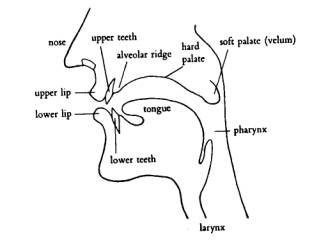
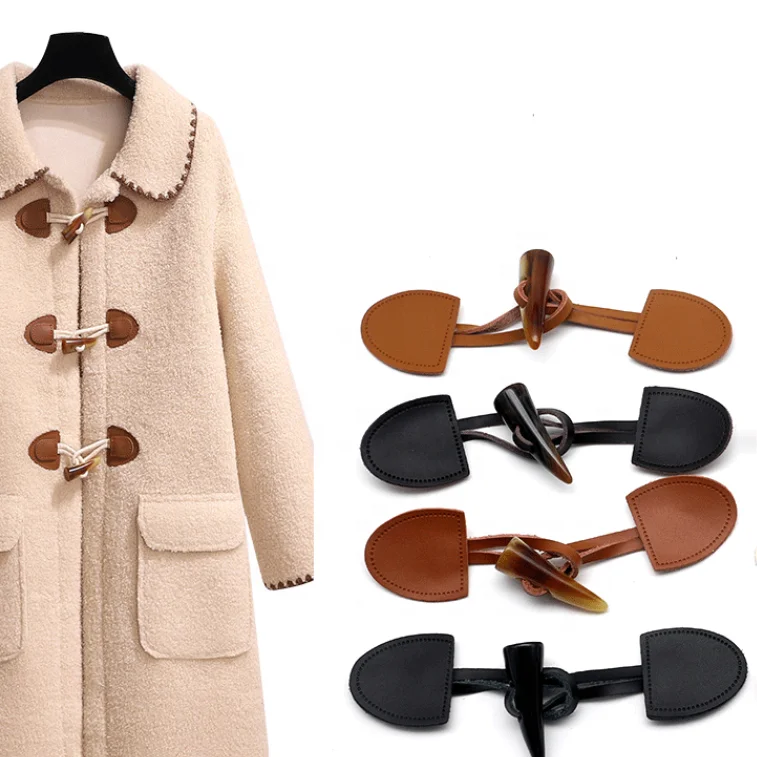 wise summit
warm dawn
Centering in both British and American
Centring is just a spelling error
wise summit
warm dawn
Centering in both British and American
Centring is just a spelling error
Seems this is one of those British wierd spellings hihihi😄
frosty charm
what's the difference between specific and particular
uneven vector
"Specific" and "particular" are similar in meaning, but there is a subtle difference between them.
"Specific" refers to something that is clearly defined or identified, and is often used when referring to details or information that is exact or precise. For example, "Can you give me specific instructions on how to complete this task?" or "I need you to be more specific about the time of the meeting."
On the other hand, "Particular" refers to something that is distinct or separate from others, and is often used when referring to preferences or characteristics that are unique. For example, "He has a particular talent for playing the piano" or "I'm looking for a particular type of book to read."
In summary, "specific" emphasizes precision or detail, while "particular" emphasizes uniqueness or individuality.
mint seal
flat rune
Have you met any kangaroos? 🤔
yes
kindred oracle
What’s the difference (I didn’t know that )(I don’t knew that)are both corrects?
uneven vector
kindred oracle
What’s the difference (I didn’t know that )(I don’t knew that)are both corrects?
"I didn't know that" is used to talk about something in the past that you were unaware of.
"I don't know that" is used to express uncertainty or lack of knowledge in the present or future.
They are both correct grammartically
I don't knew that is not correct grammartically
kindred oracle
Why is it not correct?
boreal pewter
Because you mark the tense by saying "do" or "did", there is no need to also change "know" to "knew"