#history
1 messages · Page 88 of 1
 neon oyster
 shrewd pecan

 frigid karma
can the f15 do this
 neon oyster
F15 doesn’t have Tom cruise 
shrewd pecan
also the prototype later got 3D thrust vectoring

 shrewd pecan
the average F-4 pilot
 neon oyster
F14 still cooler 
 neon oyster
shrewd pecan
the average F-4 pilot
neon oyster
shrewd pecan
the average F-4 pilot
Based
 shrewd pecan

why do I just have this ability to find the most obscure shit with basic google searches
neon oyster
Google is smart
frigid karma
shrewd pecan
why do I just have this ability to find the most obscure shit with basic google ...
you are learning how to become a programmer
neon oyster
About 100 years of Royal Air Force aviation

 manic latch
I also love how Soviets had their own F-16XL proposal 
 manic latch

neon oyster
And I thought the real su34 was ugly 
shrewd pecan
its like
 spring briar
@manic latch
 shrewd pecan
you combined a F-16XL with a plane from Gundam
manic latch
spring briar
<@688903088819404825>
Me everyday
shrewd pecan
there is only two Soviet planes I accept
 neon oyster
Mig
 shrewd pecan
 neon oyster
shrewd pecan
there is only two Soviet planes I accept
neon oyster
shrewd pecan
there is only two Soviet planes I accept
Fencer is probably the worst Soviet plane for me 
neon oyster
Only flanker and mig29 are acceptable
shrewd pecan
literally gods greatest tank destroyer
 neon oyster
Too bad it got retired
manic latch

 shrewd pecan
 neon oyster
Mmm amram
shrewd pecan
in a ideal world the F-111 would of outlived the A-10
the LCS would of be canned for Spruance modernizations
neon oyster
Blame reformers 
shrewd pecan
and the S-3 viking would of remained a ASW plane
manic latch
1980s 
 neon oyster
should just keep making Perry Olivers instead of lcs
shrewd pecan
we should of just made a new frigate
manic latch
Frigate
 shrewd pecan
a new frigate 30 years ago
manic latch
neon oyster
Allow me to introduce myself
Decades late
neon oyster
Better late then never
That’s just usn procurement for the last 30 years
Try to make something new only to fail miserably and go back to what u already had
manic latch
neon oyster
That’s just usn procurement for the last 30 years
Reminds me Tortoise vs Rabbit story ngl
Ye gave massive stop time for China
neon oyster
China is somewhat a joke still 
manic latch
Never underestimate 
manic latch
So out of all 1990 projects of Navy
I guess Ford was only good choice?
And Columbia
manic latch
Yeah...+20 new technology in single go
neon oyster
Now it’s very fine
manic latch
neon oyster
Now it’s very fine
I won't agree until I see it launching F-35B
neon oyster
Funni how they just back peddled on jfk
manic latch
manic latch
I won't agree until I see it launching F-35B
Her catapults can't handle F-35 and she is still using F-18 fleet so I don't know if its fixed or not
neon oyster
Really? 🗿
 cinder escarp
neon oyster
Allow me to introduce myself
cinder escarp
neon oyster
Allow me to introduce myself
I still cant believe we murdered the fremm just so it could be built in wisconsin.
neon oyster
Let me see
 shrewd pecan
anyways lemme make my personal list of procurement sins for the modern US Military
- early Spruance retirements
- M109 not being replaced until the 2020s
- no new frigate until the 2020s
- not motorizing artillery for Stryker brigades until the 2020s
- Taking 60+ years to actually make a light cav scout vehicle
- failure the modernize the F-22 until recently
- M113 not being replaced until the 2020s
- Bradley not being replaced until the late 2020s
- Not developing M1 thumper into a M1A3
- dropping SADARM
- taking 30 years to adopt a light tank
- Relegating stryker brigades to one division type and reducing overall Stryker brigades
- handling of CG(X) and Zumwalt
- not procuring ATACMS block II
- abandoning EFOGM
- repeatedly reducing capability on the Constellation class (removing the bow sonar)
- mishandling of the LCS program
- Navy 1990s aviation funding & spending (every program but super hornet failed)
neon oyster
Well jfk can at least
shrewd pecan
none of the Nimitz's or Fords can handle F-35Bs
manic latch
Wait
frigid karma
shrewd pecan
anyways lemme make my personal list of procurement sins for the modern US Milita...
handling of CG(X) and Zumwalt should easily be a whole ass book
neon oyster
shrewd pecan
anyways lemme make my personal list of procurement sins for the modern US Milita...
Why did they stop f22 production 
shrewd pecan
stopping F-22 production made sense
neon oyster
Zummy is a joke
manic latch
shrewd pecan
none of the Nimitz's or Fords can handle F-35Bs
Wait how Nimitz class is launching tjem
cinder escarp

 shrewd pecan
I was talking about F-22 modernization
shrewd pecan
manic latch
Wait how Nimitz class is launching tjem
because they use F-35Cs
cinder escarp
The constellations had to be built at marinette
shrewd pecan
also the carriers have to undergo modifications to utilize the F-35C
Ford hasn't undergone said modifications yet
cinder escarp
And marinette is on a very shallow river
shrewd pecan
JFK will
cinder escarp
That is why the sonar dome got cut off
shrewd pecan
it boggles my mind how the hell Wisconsin managed to get a shipyard with actual military contracts
manic latch
shrewd pecan
because they use F-35Cs
Ah shit I confuse the vtol one with catapult one
Ford can't handle F35C*
neon oyster
They already signed a contract to modify ford it seems
cinder escarp
Also, the hangup on ford for F-35s has to do with catapult calibration and blast deflector timings. It's not a major change needed.
manic latch
No new catapults?
neon oyster
Why didn’t they have it in the first place? 
shrewd pecan
its the first carrier with EMALs so early adopters tax pretty much
cinder escarp
It was pushed back because the Ford F-150 is so very far behind schedule there was a bit of a rush to get it on deployment even if only with superbugs
manic latch
Damn
frigid karma
cinder escarp
It was pushed back because the Ford F-150 is so very far behind schedule there w...
the truck?
 shrewd pecan
the modern American pickup truck is a disaster and a disgrace to past pickup trucks
manic latch
I would still sleep with Raptor
shrewd pecan
they made pickup trucks from being practical reasonably sized vehicles
to oversized SUVs with less storage space in the rear than their past smaller versions
neon oyster
It’s American of course it big
shrewd pecan
WHAT WENT WRONG?!
 manic latch
Japan
neon oyster
Not obese enough
shrewd pecan
the American pick up truck makers are the main ones inflating the size
there pushing pick up trucks now that the oversized SUV market has hit its height
manic latch
Ford Country Squire was the best family car in existence
 shrewd pecan
personally biggest I'd go for a city car is a Honda CRV
kinda wish station wagons were still a thing in the states

 strong plank
Yes but if you and 2-3 friends each get one
shrewd pecan
GOOD 8 MILES PER GALLOON
strong plank
You can roll up to another friend’s house and make them shit themselves
shrewd pecan
also there huge
 shrewd pecan
tho I do have to say
if I were to go with a humvee I'd probably go full death upon roll over mode
 shrewd pecan
 strong plank
Man
Any time I see someone driving a jeep like that
No doors and all
I just imagine them driving to get groceries and taking a hard turn
manic latch
I don't like boxes since it makes crashes more uhh knife like
shrewd pecan
DEATH BEFORE DISMOUNT!
DEATH UPON ROLL OVER!
tho personally I vibe with the soft top humvees

since if I'm buying a humvee
it is not a sensible purchase in the first place
then again the LMTVs always a option
 manic latch
Bruh how are these civilian
shrewd pecan
that picture isn't civilian
frigid karma
the machine gun
shrewd pecan
tho nothings stopping you from doing a surplus LMTV like that here in the US
shrewd pecan
from what I've heard and seen surplus LMTVs apparently go for decently affordable prices
mainly since ones with basic fixable issues keep being thrown up at incredibly cheap prices on auction since the agency that handles surplus equipment auctions is lazy

 shrewd pecan
 manic latch
...
Can you buy Oshkosh?
shrewd pecan

surplus HEMTTs and LMTVs are on the market
chances are within the next 10 years the army's gonna be dumping the current HEMTT fleet since there currently holding a competition to replace it
neon oyster
lel
 shrewd pecan
🤨 tho I'm largely guessing the HEMTT replacement is gonna just be another HEMTT
manic latch
I really love this girl

 desert agate
Indonesia just accepted Australias donation of 15 Bushmasters after about 18 months of deliberations
manic latch

 shrewd pecan

the HEMTT replacement program is literally between
a newer HEMTT
a MAN truck
and a bunch of other competitors that don't matter
shrewd pecan
 manic latch
Ugly
shrewd pecan
its newer models being used at this point

Four teams have been awarded Other Transaction Authority (OTA) agreements totaling $24.25 million to develop prototypes for the U.S. Army’s Common Tactical Truck (CTT) program. Vying for the…
ok I sleep
manic latch

 unreal elbow
Got myself this beauty


 manic latch
unreal elbow
Got myself this beauty
manic latch
unreal elbow
Got myself this beauty
Bronze Pestalozzi Medal for Faithful Services
Bronze Medal For Faithful Service in the National People's Army Reserve
Bronze Artur Becker Medal
Nice nice
desert agate


@ron_eisele This was Lt Andy Hamilton "landing" VR885/452 on HMS Implacable on the 7th Feb 1950.
Apparently it bounced over most of it, hit a Bofors Gun on the island and collided with another Hornet (VR853/458) parked on deck. Only minor injuries to Lt Hamilton, and he was flying next day.
 Twitter
·
Twitter
·

 shut wren

 spring briar

manic latch
Random IB fan moment
shut wren
It looks cap
 delicate beacon
Is that an RAF logo with a swastika
 plucky wyvern
there was once a naval battle between Vichy France and Thailand
https://en.wikipedia.org/wiki/Battle_of_Ko_Chang

The Battle of Ko Chang took place on 17 January 1941 during the Franco-Thai War in which a flotilla of French warships attacked a smaller force of Thai vessels, including a coastal defence ship. The battle resulted in a tactical victory by the French Navy over the Royal Thai Navy although the strategic result is disputed. The Japanese intervened...
HTMS Thonburi vs Lamotte-Piquet
 deep apex
delicate beacon
Is that an RAF logo with a swastika
deep apex
delicate beacon
Is that an RAF logo with a swastika
No it would've had a crown on it
 sullen canyon
 quick shard
So does this mean this dude served Germany and England at the same time then?
If not, then they ruined a good cap
 subtle prawn

The P-47 Thunderbolt is one of the most recognisable US fighter planes from the Second World War. After the United States joined the war, pilots from the US air force were sent to Britain to aid in the war effort, along with their trusty Thunderbolts. Used in every major theatre of the war, the Thunderbolt was loved by it's pilots - and feared b...

 orchid notch
Maybe
 slow raft
delicate beacon
Is that an RAF logo with a swastika
slow raft
delicate beacon
Is that an RAF logo with a swastika
British officer's caps didn't have a roundel in the cockade as far as I can tell, the crown was the most popular motif.
The German/Wehrmacht cockade was not far removed from the one they used in WWI, really.
slow raft
spring briar
Just a shitty repro
I have a Kriegsmarine Kapitanleutnant's cap with the white cover made by Erel Sonderklasse, the original manufacturer, but it's a repro. This looks like the same kind of quality, though I had to remove the wire by hand and crush the stiffener on the peak to get the correct effect.
I'm sure you're aware that the market is currently flooded with shitty repros
and has been and will be in perpetuity
the good news is that if you're reenacting germans for events, you don't really have to worry about paying top dollar for nazi stuff, you can find decent repros of anything you need at very fair prices.
The bad news is that if you're a big fan of real nazi stuff your best bet is to go look at it in a museum.
(hell, some museums have repros aged to look proper for certain items)
slow raft
subtle prawn
https://www.youtube.com/watch?v=K5H2m6a3Ypw
I've never been on the P-51 bandwagon, P-47 all the way baby
quick shard
Jesus thats alot for just a single hat
 autumn sorrel
I am bored, anyone have some obscure and wacky ship design or plan?
 heavy bay
North Carolina preliminary scheme F is always fun
 autumn sorrel
heavy bay
North Carolina preliminary scheme F is always fun
autumn sorrel
heavy bay
North Carolina preliminary scheme F is always fun
Seem wacky enough
spring briar
slow raft
the good news is that if you're reenacting germans for events, you don't really ...
Reenacting germans for events

 tough quail
true
subtle prawn

Few weapons, if any have had a greater impact on history in a shorter space of time than the Minié rifle. Introduced in a limited capacity in British service during the Crimean War (1853-56). The Minié with its revolutionary ammunition had a devastating impact against Russian troops during the conflict.
Join Jonathan Ferguson as he examines th...
slow raft
spring briar
>Reenacting germans for events
I don't exactly enjoy the idea of folks playing as nazis but here in the US it's not uncommon for reenactments
subtle prawn
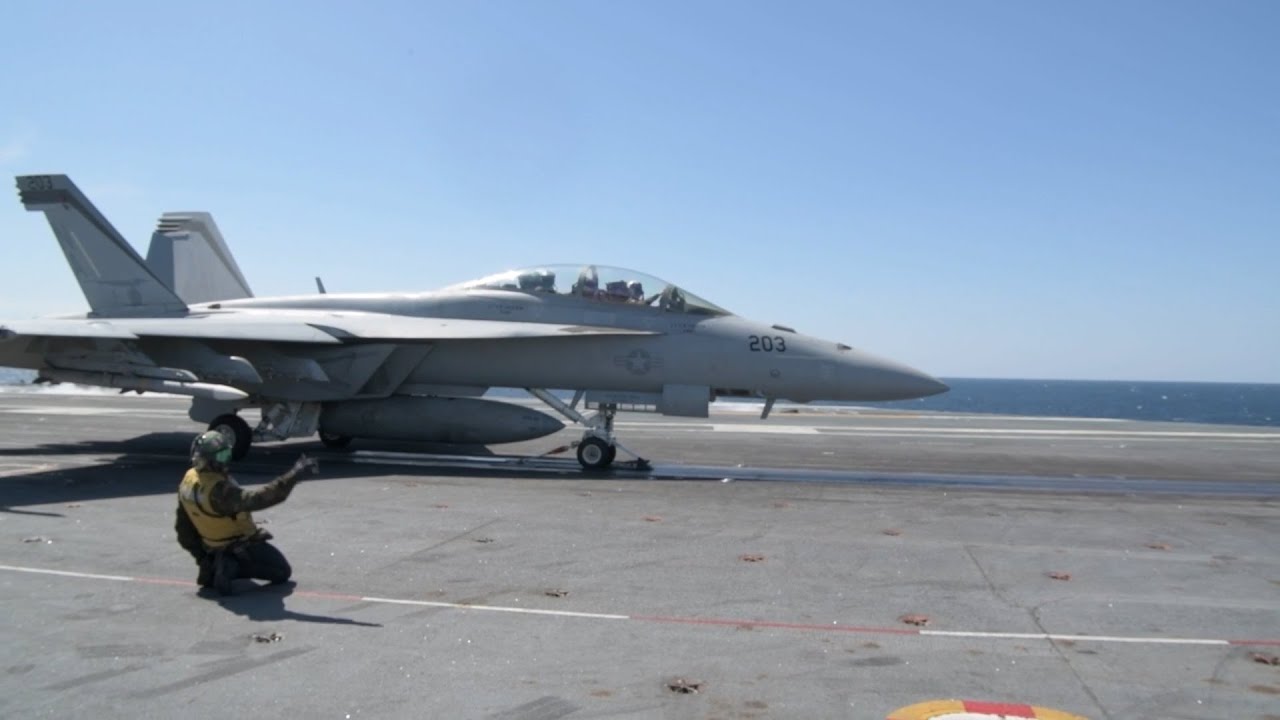
The USS Nimitz (CVN 68) and Nimitz Carrier Strike Group arrives at Busan, South Korea, March 27, 2023, on a routine port visit. The Nimitz Carrier Strike Group routinely interacts and operates with Allies and partners in preserving a free and open Indo-Pacific region. Video by Sgt. Scott Sparks.
For a high-resolution download of this video, vis...
spring briar
slow raft
I don't exactly enjoy the idea of folks playing as nazis but here in the US it's...

 cerulean ice
unreal elbow
Got myself this beauty
cerulean ice
unreal elbow
Got myself this beauty
East German military uniform
this beauty
Bro
Somehow this feels worse than seeing someone post a 3rd Reich uniform
slow raft
I'm shocked this isn't more common knowledge. Almost every year a D-day reenactment takes place in Pennsylvania where guys dress up as paratroopers and guys dress up as fallschirmjagers and Heer and they all shoot blanks at each other for 2 days.
cerulean ice
Well yea, just like in video games, someone has to play the other side
regardless of their moral status in the wider scope
I'v been dressed as a Swedish XVII century soldier once, not for reconstruction though, bug historical context
slow raft
Bingo. I was a paratrooper in the 101st one year and had a ball
Shooting Germans from Kentucky and New Jersey :V
cerulean ice
that said
"The bad news is that if you're a big fan of real nazi stuff"
If someone is "a big fan" I got way worse news for them than uniform availability
slow raft
Lmao, I like to think I got pretty good at dancing around that
frigid karma
Hi fox
cerulean ice
competitions in mental gymnastics in some of those people are fairly high-level ones, if you catch my drift
frigid karma
Civil war reenactors are more common in the us I think
And considerably more stupid, thank lost cause for that

Two men intervene in a Civil War reenactment to make it more realistic.
About Key & Peele:
Key & Peele showcases the fearless wit of stars Keegan-Michael Key and Jordan Peele as the duo takes on everything from "Gremlins 2" to systemic racism. With an array of sketches as wide-reaching as they are cringingly accurate, the pair has created a b...
spring briar
Just be unionist
slow raft
I know a lot of guys that have loads of time and money and do Revolutionary war, Civil, WWI and II
spring briar
Real G’s reenact crimea war
frigid karma
It’s a shame because a lot of confederate campaigns were really successful it’s just the average confederate supporter is
slow raft
You can respect the ability of the Confederate military while also knowing they were on the wrong side and lost and that them losing was a good thing
spring briar
Yes
cerulean ice
spring briar
Real G’s reenact crimea war
Which one
spring briar
Sadly the majority of reenactors do it to fulfil their own althistory fanfic
spring briar
cerulean ice
*Which one*
The old one
slow raft
Unfortunately some folks have family trees that are shaped like a wreath and think they should have won
frigid karma
Just call them Mississippians
cerulean ice
I mean which of the old ones (although I think only one of those was called "the" Crimean War, jokes aside?)
spring briar
The 1850’s one
subtle prawn

Soviet Tank Losses in World War 2 were very high with more than 96 000 armored fighting vehicles (tanks and self-propelled guns) lost from 1941-1945. At one point in 1941 the losses reached the staggering amount of 650 tanks per day, which was several tanks divisions. Thanks to Dr. Jens Wehner for providing me with his script and data.
Link to ...
 cerulean ice
cha cha real smooth
spring briar
subtle prawn
https://www.youtube.com/watch?v=gzzsNuWlyHc
Don’t let horse and krem see this

slow raft
The T-34 was a fine tank as long as you didn't have to go far or see out of it
shrewd pecan
Confederate military ability has been something
always comically overstated
especially when it comes to figures like Lee who arguably lost the Confederacy the war due to a variety of mistakes, failures to take advantage of certain situations alongside a failure to realize the type of war he was fighting
deep apex
The first thing I saw there was the stormtroopers
So that's what I thought it was about
shrewd pecan
the failure of the droid army

Episode 7 of Checkmate, Lincolnites! Debunking Lost Cause myths – as well as more benign common misconceptions – about the military leadership of the Civil War. Did the South really have all the best battlefield talent? Was the key to Union victory a simple strategy of overwhelming the Confederate army with numbers and resources? Who was better...
frigid karma
Rebel tears
shut wren
 delicate forge
Cursed F-104
 thorn trail
hold on Mach 2.5 with that design
How
Just how
I cannot see that as being stable for high supersonic speed
Ah wait
I can see how
and it's not brute forced
there's actually some pretty interesting engineering just from the ones you sent
for example the reason why one side is longer
is for the area rule
yeah there's also some interesting ways to follow the area rule here
but still
do not want to be the one in this plane
you said they had the flaps designed so the engines blow on it at slow speed. Funny use of the Coanda effect
afaik the only plane I know rn that uses the Coanda effect like this is the C-17
jet flaps
oh god
 wintry moat
But I don’t actually know what armor scheme hood had
wintry moat
was she apart of the Distributed or Turtleback or did she actually have All or Nothing?
thorn trail
wintry moat
was she apart of the Distributed or Turtleback or did she actually have All or N...
pretty sure Hood was mostly All or Nothing
 lapis delta
wintry moat
was she apart of the Distributed or Turtleback or did she actually have All or N...
lapis delta
wintry moat
was she apart of the Distributed or Turtleback or did she actually have All or N...
She had close to no armor except her belt iirc. Turtle back was never accepted by the Brits because the tea maker wouldn't fit like that
wintry moat
also, claiming it was incompetence for the loss of Hood is a bit weird
They lost Radar contact with Bismarck after Suffolk got a little too close
thorn trail
@spiral cedar they're talking about Hood armor. Can you expound more
spring briar
lapis delta
She had close to no armor except her belt iirc. Turtle back was never accepted b...
No
thorn trail
No
spring briar
lapis delta
Still part of the belt
No
 spiral cedar
lapis delta
She had close to no armor except her belt iirc. Turtle back was never accepted b...
spiral cedar
lapis delta
She had close to no armor except her belt iirc. Turtle back was never accepted b...
 lapis delta
I never said which belt and both can be called belt
spring briar
lapis delta
I never said which belt and both can be called belt
Don’t dig yourself deeper with shit excuses
wintry moat
lapis delta
I never said which belt and both can be called belt
There a decent distinction between the Belt and the Belt Extended
spiral cedar
What's the question about? I'd like some context
thorn trail
spiral cedar
What's the question about? I'd like some context
How Hood died to Bismarck
thorn trail
iirc that was the original debate in #al-general before Silent told them to move here
lapis delta
I only said hood had almost no armor apart from the belt
spring briar
lapis delta
I only said hood had almost no armor apart from the belt
Which isn’t true
spiral cedar
Well that's wrong yeah
spring briar
Because there’s also the 5” side plating above the 7”
Then the thinner belt extensions
cerulean ice
what does tea maker has to do with it anyways
spiral cedar
spiral cedar
Two theories are most likely
a) shot that passed above main belt (through upper belt) and then struck the sloped deck near the machinery to enter near her 4" magazines
b) shot that struck the lower edge of her belt after a very short underwater travel and entered inside the hull close to the magazines
cerulean ice
this isn't a tank, a ship is a big bigger than a large car
lapis delta
cerulean ice
what does tea maker has to do with it anyways
Running gag from tanker community, the Brits always had a water heater somewhere and had some... Creative solutions to make them fit
cerulean ice
cerulean ice
this isn't a tank, a ship is a big bigger than a large car
see this 

 thorn trail
Jaba what does your name reference. Which ships armor is it referring to
spiral cedar
She was well armored by WWI standards, but like many non-"All or Nothing" designs she had weak points where unusual trajectories could bypass most of the armor
spring briar
Bisko
 spiral cedar
She was well armored by WWI standards, but like many non-"All or Nothing" design...
spiral cedar
spiral cedar
She was well armored by WWI standards, but like many non-"All or Nothing" design...
The most likely causes of her loss are both cases where a shell bypasses most of her armor protection due to the non-comprehensive nature of the armor philosophy used at the time
spiral cedar
thorn trail
hold on Bisko had 80mm deck armor
Over machinery, 50mm upper deck and 80mm main armor deck
lapis delta
spiral cedar
She was well armored by WWI standards, but like many non-"All or Nothing" design...
That's why a retrofit Was proposed
spiral cedar
Over mags, 50mm upper and 95mm main
spring briar
The retrofit would have done little to actually improve the side armor protection
lapis delta
Let's just say: battle cruisers died out for a reason
 spiral cedar
lapis delta
Let's just say: battle cruisers died out for a reason
spiral cedar
lapis delta
Let's just say: battle cruisers died out for a reason
The KGV class was originally classified as battlecruisers by the RN when first built
Since 28 knots was enough to call them battlecruisers by the definitions they used at the time
spring briar
lapis delta
spiral cedar
The KGV class was originally classified as battlecruisers by the RN when first b...
Which is unfair to such a....... Let's say complexly armored ship
spring briar

spiral cedar
Only if you define a battlecruiser to have poor armor protection
I would say, you do not have to
lapis delta
spiral cedar
Only if you define a battlecruiser to have poor armor protection
Isn't that kind of what battle cruisers were meant to be?
Heavy naval guns with the concept of valuing speed over protection?
spiral cedar
Also I wouldn't call KGV a particularly complex armor scheme
spiral cedar
lapis delta
Isn't that kind of what battle cruisers were meant to be?
Heavy naval guns with ...
Have you seen German WWI battlecruisers
lapis delta
spiral cedar
Have you seen German WWI battlecruisers
Germans always have their own weird naming schemes when it comes to designations.
cerulean ice
from what I seen Battlecruisers were sort of a product of their time, when one had to pick between certain traits due to limitations (including production cost)
which for Prussians was "guns for speed" and for British "armour for speed" in simplified terms
but then technology and doctrine development and stuff basically superseded it all with "fast battleship"
lapis delta
spiral cedar
Also I wouldn't call KGV a particularly complex armor scheme
Well it isn't if you don't count the fresh water tanks
spiral cedar
Battlecruisers are meant to be fast capital ships, but you don't always give up armor to do it. If you're British you might, but the Germans just made them bigger, with roughly similar guns and armor as their battleships. The extra displacement just went to speed
Hood followed the same philosophy, about the same armor and guns but much more displacement to get the speed
(kinda)
It's just that WWI armor schemes won't do well against WWII shells in general
Not that Hood was a BC
lapis delta
And her retrofit was supposed to up her armour in exchange for some speed, although the power plant was supposed to be changed too, right?
spiral cedar
Warspite could have been in her place and she'd have blown up about as easily
spring briar
The only obvious differences between hood and german battlecruisers are the lack of a fully armoured waterline and lack of a turtleback
Which is compensated by the angled belt

spiral cedar
lapis delta
And her retrofit was supposed to up her armour in exchange for some speed, altho...
This was done for the battleships as well
cerulean ice
spiral cedar
Warspite could have been in her place and she'd have blown up about as easily
nah, because Warspoot wouldn't have been hit by such a lucky shell because she is based
spiral cedar
See the Standards adding an extra 2 inches of deck armor in their refits and losing like half a knot
lapis delta
cerulean ice
nah, because Warspoot wouldn't have been hit by such a lucky shell because she i...
Lucky ship hitting the longest range ship to ship shell in WW2 iirc
thorn trail
hold on how possible is it to refit a BB to be way faster
lapis delta
On a moving target*
spiral cedar
The longest range confirmed direct hit, yes, tied with Scharnhorst's shot on Glorious
spring briar
thorn trail
hold on how possible is it to refit a BB to be way faster
Difficult to do without lengthening the ship
thorn trail
spring briar
Difficult to do without lengthening the ship
oh right physics
spring briar
Even with improved machinery
spiral cedar
Yamato notably scored a damaging near miss on White Plains at over 30k
spring briar
Length to beam ratio is critical
lapis delta
spiral cedar
The longest range *confirmed* direct hit, yes, tied with Scharnhorst's shot on G...
Only CV to ever be sunk by BBs (what even ARE the Scharnhorsts???)
spring briar
Battleships built by germany
spiral cedar
And depending on who you ask, Massachusetts may have a claim to a direct hit at 28k. But that's more debatable
cerulean ice
Warships, that for sure
thorn trail
Ok wait what again was the misconception regarding their armor
spring briar
And thus they incorporated german ideas
spiral cedar
lapis delta
Only CV to ever be sunk by BBs (what even ARE the Scharnhorsts???)
Brits originally called them BCs (due to speed) but after the war considered them BBs
thorn trail
like what was wrong with the commonly quoted belt armor iirc
spiral cedar
thorn trail
Ok wait what again was the misconception regarding their armor
People often state they had 350mm belts instead of the actual 320mm
thorn trail
spiral cedar
People often state they had 350mm belts instead of the actual 320mm
why 350mm
spiral cedar
Because a book by Breyer said 350mm
spring briar
Typo by groner
lapis delta
spiral cedar
Brits originally called them BCs (due to speed) but after the war considered the...
Thank you, I thought they were BBs until AL came along and screwed with my conception
spiral cedar
Groner, right
spiral cedar
Wait
spring briar
I dont remeber
spiral cedar

 cerulean ice
they are Battlecruisers 
thorn trail
spiral cedar
Because a book by Breyer said 350mm
was wondering because 350mm would make them have thicker armor than the Bisko's
spiral cedar
Ask Silver, he knows
thorn trail
spiral cedar
Ask Silver, he knows
@eternal veldt
spiral cedar
thorn trail
was wondering because 350mm would make them have thicker armor than the Bisko's
The Scharns do actually have better average deck protection than Bismarck
thorn trail
spiral cedar
The Scharns do actually have better average deck protection than Bismarck
why was that
spring briar
But man
spiral cedar
The edges of their decks go up to 105mm
Even if the middle portion is the same thickness
So on average they have more deck protection
The Bismarcks went for steeper deck slopes and a thicker upper belt, which reflects a higher priority of stopping hits from the sides and a lower priority of stopping bombs
spring briar
11” guns
With an even smaller burster than an average 11” to compensate for the longer windshield.
spiral cedar
H-39, of course, reversed this trend
lapis delta
Bisko is kind of the embodiment of German engineering:
Complicated, some things were forgotten, some things are just best of their class and others just plain stupid
thorn trail
what was actually the fastest firing main gun relative to its size
cinder escarp
Bismarck isn't even the best bisko
spring briar
spiral cedar
thorn trail
what was actually the fastest firing main gun relative to its size
Probably Nagato's gun? 41cm but with a minimum loading cycle of like 26s because they managed to get it down to single stroke ram. Practical rate of fire was lower ofc
cinder escarp
Tirpitz had several improvements
lapis delta
cinder escarp
Tirpitz had several improvements
Yeah, owing to her being built later and living longer
thorn trail
spiral cedar
Probably Nagato's gun? 41cm but with a minimum loading cycle of like 26s because...
actually was wondering why most nations use cm in guns but some use inches
spring briar
Man has never heard about Sural boilers or general electric turbines

How can a man live
spiral cedar
thorn trail
actually was wondering why most nations use cm in guns but some use inches
Switch to metric varied by country
lapis delta
thorn trail
actually was wondering why most nations use cm in guns but some use inches
Are you American?
cinder escarp
The Kreigsmarine never really built classes for their cruisers and above. Basically every ship was slightly different.
cerulean ice
because most of the world uses metric lmao
thorn trail
lapis delta
Are you American?
No. SEA
spiral cedar
Japan used imperial up to the 20s and then switched to metric
lapis delta
thorn trail
No. SEA
Some countries use metric, other imperial.
US and Brits used imperial (Russians too for some reason) and the rest used metric
In ww2
spiral cedar
The US uses US customary units, not imperial

Both the British Imperial and United States customary systems of measurement derive from earlier English systems used in the Middle Ages, that were the result of a combination of the local Anglo-Saxon units inherited from Germanic tribes and Roman units brought by William the Conqueror after the Norman Conquest of England in 1066.
Having this sh...
cerulean ice
better question is what the heck of a width measurement is a pounder
cinder escarp
The US units are indeed different from Imperial, because our units are basically frozen in time from the late 1700s.
While the brits continued to change slightly
lapis delta
spiral cedar
The US uses US customary units, not imperial
Isn't length the exact same though?
cinder escarp
Yeah back in the day cannon were usually designed based on weight of shell/shot
thorn trail
hold on why was pounder a measure for guns
spiral cedar
Cannon days
spring briar
thorn trail
hold on why was pounder a measure for guns
Diameter of a lead ball
thorn trail
spiral cedar
Cannon days
when did the British stop using pounders
cinder escarp
A lot of the oddball French calibers came when they when they went to caliber measurements instead of weight... and instead of designing new guns kept the old shell sizes.
spring briar
Eg. A 2 pounder means that the diameter of the barrel has the same diameter as a 2 pound lead ball
Quite a comprehensive unit for cannons using round shot
thorn trail
another question. which AP shell was theoretically the best among all the ww2 BBs
lapis delta
That's debatable
lapis delta
Iirc, the best were considered to be the American heavy ap she'll, the type 91 of the Japanese and I can't remember the amalgamation of short forms the Germans used for theirs
cinder escarp
The 138.6mm bore you see on a lot of french guns was taken straight from the old 18 pounder cannons.
 ivory ridge

 spring briar
lapis delta
Iirc, the best were considered to be the American heavy ap she'll, the type 91 o...
spring briar
lapis delta
Iirc, the best were considered to be the American heavy ap she'll, the type 91 o...
Type 91
No
Not even the newer type 1
German shells were good but the base plug was a fuck
spiral cedar
Wait, I wrote up a whole thing on shells
cinder escarp
Type 91 greatest shell in world (for the one in a million underwater hit)
lapis delta
I didn't say which ones of them were the objectively best, they were just what I remembered to be called the best
spiral cedar
Let me copy paste
Shells are a complicated topic, so it's important to separate out some parameters for the discussion.
First of all, like most things in naval engineering, nearly everything comes with a trade-off. So some design decisions will have advantages in some aspects but disadvantages in others. Different navies will prioritize different aspects, causing asymmetric outcomes that make direct comparison of a single parameter misleading as to actual utility in battle.
Second, there are many types of shells, with varying designations in every navy. I will keep things simple by laying out a few general types, and then picking out two primary classes of shells to compare and contrast.
Third, shells are intimately tied up in the guns they are fired from, which are inherently dependent on the turrets and mountings they operate in, which are of course directed by the fire control systems of the ship they are installed in, etc. I will do my best to isolate the shells from the other systems in play, but be sure to keep in mind that the shells in isolation will not give a complete picture of the actual effectiveness of a ship's firepower.
We will start off by dividing shells into categories. While there are a wide variety—starshells, incendiary AA shells, practice shells, common shells, ASW shells, etc. I will focus on two main types: AP type shells (armor piercing) and HE type shells (high explosive). SAP type shells, while widespread, were inconsistently defined and utilized and thus are poor choices for comparison, unlike AP and HE type shells which practically every nation used widely and consistently.
We can also look at some factors separate from shell type, such as the type of explosive filler used (which usually, though not always, remained consistent from one shell to the next within a navy).
Britain, Germany, France, and Italy used TNT, which we will take as our baseline explosive. Unlike older explosive fillers (especially picric acid, aka Lyddite), TNT could be sufficiently stabilized and cushioned to avoid instantaneous detonation upon impact, making it suitable for delay action. However, it still needed to be cushioned and desensitized, which took up extra volume in the shell—beeswax, felt, plaster, and cardboard being commonly used. In general, the German (and probably Italian) method gave about 80-85% TNT-equivalent cavity efficiency, and the British (and probably French) method gave about 90% TNT-equivalent cavity efficiency.
The US used Explosive D, or Dunnite, as its shell filler. Explosive D was insensitive enough that it needed no cushioning or desensitizing agent at all, at the cost of being only 90% as powerful as TNT. Thus the US method gave about 90% TNT-equivalent cavity efficiency. It was also probably the safest shell filler used in the period, in terms of avoiding accidental or sympathetic detonation.
Japan used TNA, or Trinitroanisole, as its shell filler. While about 5% more powerful than TNT, it was significantly more sensitive and needed much more cushioning to attain successful delay action—thus despite being a more powerful explosive, the actual TNT-equivalent cavity efficiency was only 63-70%. Its toxicity made it rather dangerous to handle or inhale.
By midwar the US and UK were seeking more powerful explosive fillers for their AA shells to improve aircraft kill rates. The UK used a beeswax and RDX mixture in its 40mm AA ammunition, and the US used a different wax desensitizer for its RDX filler in its AA ammunition (up to 5"). RDX is about 90% more powerful than TNT, so with the desensitizing agents it's about 170% TNT equivalent—a significant improvement in lethal radius against aircraft.
Let's look at HE shells now. Base-fuzed HE is typically delay-fuzed and used against both unarmored and very lightly armored targets. Nose-fuzed HE is generally used against unarmored targets and usually given an instantaneous fuze (for surface targets) or a time-delay fuze (for aerial targets). Proximity fuzes, a midwar invention, are special nose fuzes for HE for AA purposes.
Broadly speaking, more explosive filler is better for HE shells when shooting at surface targets—they do their damage predominantly through blast effect, so the greatest amount of filler means the most convertible chemical energy being delivered to the target volume. Fragmentation is a crucial factor for downing aerial targets, but it's a much more complicated factor than you can easily obtain from "paper" stats so we will be ignoring fragmentation for HE shells for now.
spring briar
spiral cedar
-
We can also look at some factors separate from shell type, such as the type o...
And then there’s the 380mm Mle.1936, which gets everything 
spiral cedar
Let's turn now to burster sizes for various navies. Unfortunately, data for some shells is just unavailable, so I will have to speak in rough trends. In general, US HE type shells (High Capacity, or HC, in USN designation) had a consistently high % of explosive filler, usually a bit over 8% Explosive D by weight. Only slightly behind, on average, are German and British HE, usually in the 6.5-9% range. French HE seems to follow a similar pattern, but there is less concrete data on their HE shell burster weights so it's harder to be sure. Italian HE seems to trend lower, but there are considerable holes and variations in the data that again make it harder to be sure. Finally Japanese HE definitively trends the lowest, usually settling in the 4.5-6% range (more similar to SAP in most navies!). In general I don't think the differences in burster weight between US, UK, German, and (maybe) most French HE make much practical difference. Italian HE may be at a slight disadvantage, but it's mostly Japanese HE that has serious burster deficiencies.
The next factor is fuzing. In general, base fuzes cut into burster weight (the comparisons above were all for nose fuzed HE only), for the trade-off of being able to explode inside the target instead of in contact with the exterior of the target (no big hole letting in air or water, but less blast energy vents into open air outside the ship). Nose fuzes are generally very reliable, both impact and time-delay, so I won't bother to distinguish between those of various navies. The US and UK use of proximity fuzes gave them considerable advantages in AA work, though time-delay fuzes remained a necessary supplement. US HC shells also featured a unique safety feature, the ADF (Auxiliary Detonating Fuze), which acted as a backup safety precaution, significantly reducing the chance of handling errors causing a mishandled or dropped shell to explode (with an unintended side benefit of slightly increasing the size of holes caused by instantaneous-fuzed HC shells).
Now let's pivot to AP type shells. These are inherently more complicated than most HE shells of the era, and had more variation as a result, so I will attempt to cover important areas of difference while avoiding excessive detail.
The main comparison categories here will be penetration (at various obliquities), fuzing, damage, and aerodynamics. Because factors such as danger space, time of flight, striking velocity, angle of fall, etc. are more determined by the gun than the shell, I will deliberately be leaving them out (one shell could be fired out of several different guns with differing muzzle velocities).
Broadly speaking, the 1944+ US AP shells have the greatest penetration. Early war US AP shells generally performed fine (their AP caps were slightly softer than the international average, giving slightly worse low-obliquity performance against facehardened armor but slightly better performance against homogeneous armor), but the late war modifications featured improved toughness and (for cruiser calibers) greatly increased cap hardness. Their main advantage throughout the war was a higher required manufacturing standard for impact obliquity (achieved through full-sheath hardening)—1-caliber thickness at 35-40 deg from perpendicular, as opposed to the usual 1-cal 30 deg standard internationally. Japan lagged behind in this regard, as it did not update its obliquity requirements since the 1920s British standards it had inherited—0.67 cal at just 20 deg.
There were also some other national peculiarities. British AP-type shells (APC in British designation) were designed with unusually soft middle and lower bodies to avoid cracking and shatter that might damage the fuzes. This worked well for moderate-thickness plates and at lower obliquities, but at high obliquities or against very thick plates, the shells had a tendency to "bend" and thus fail to penetrate—forming rather unique-looking crescent-shapes that, oddly enough, sometimes were still "fit to burst." British shell manufacturer Cardonald, late in the war, started producing some APC with sheath hardening rather than the "layer cake" hardening of the other manufacturers, but because British shell regulations did not distinguish between manufacturers when delivered to the fleet, there was no real way to know at sea where any particular shell came from.
French shells (and shells from one British manufacturer, Firth) had a slight disadvantage against horizontal homogeneous armor (e.g. decks, turret roofs) due to their more rounded AP cap design making it harder to initially "dig" into homogeneous armor plate at high obliquity.
spring briar

spiral cedar
Next, fuzing. German shells generally come out at the bottom here, as Krupp had a tendency to consistently ignore reports of dud shells. Dud rates were very high, across multiple battles and years of war, suggesting deficient fuze design (aka not the result of using slave labor later in the war). British fuze reliability, by contrast, comes out on top, using a special "Hadfield relief plug" to give the maximal protection to the fuze for reliable post-penetration detonation. The US for its first year of war had issues with duds because of corrosive fumes from Explosive D degrading the fuzes in hot weather over time, but this was resolved by 1943 by dipping the fuzes in plastic. The French used a dual action fuze that would theoretically allow for different fuze delays against different impact types, though the actual reliability of the fuze in practice is unclear (the USN designed and rejected a similar fuze design in the interwar period over reliability issues). In terms of fuze delay, the British probably had the shortest with 0.025s, whereas most other navies had delays in the 0.03-0.04s range (Germany 0.035s, US 0.033s for example). Japan, due to its diving shell design (described later), used 0.08s on its 15.5cm APC and 0.4s (!) on 20cm and larger APC. All these are average delays—shells will detonate earlier or later based off a bell curve. Britain's shorter than average delay would thus, on average, give a somewhat reduced chance to reach vitals at lower decks than other navies, while Japan's excessive delays would significantly increase the rate of overpenetrations.
Then comes the question of damage. This is, again, a complex topic, so we will explain our model first. AP shells have thick shell walls that are turned into a substantial mass of fragments upon detonation of the explosive filler. Thus, the contribution from fragments is very important in how AP shells deal damage. For a given total shell weight, a greater % of explosive filler will increase blast damage, but will require a larger cavity, meaning less mass of fragments and thus somewhat reduced total fragmentation, albeit somewhat faster fragments on average as well. However, for a heavier shell of a given diameter (i.e. a longer shell), there is more mass of middle body material that will be turned into fragments, thus increasing fragment quantity. Looking at the literature, a good "simple" model of AP shell damage gives damage increasing by the square root of filler mass and the ⅔ power of total mass (though, again, a full model would require far more parameters and would vary by hit location—we just want a good approximation for now).
Broadly speaking, British AP tends to hit slightly above its weight tier, as they tend to use about 2.5% filler compared to 1.5-2% in most other navies. Their shell weights vary but tend to be average to heavy (Nelson 16" being unusually light). German shells tend to fall into the 2-2.5% range, only slightly behind, but are lighter shells than average, reducing fragment effect. French shells are broadly similar to British shells in burster and weight, but care should be taken because some French ships (and some British as well) didn't carry AP type shells at all, only SAP type shells, which tend to carry 4-6% filler at the cost of armor penetration ability. Italian shells varied considerably, from slightly above average for 8" shells (2.9%) to substantially below average for 15" shells (1.1%), and many of their bursters are simply unknown. Their shells tended to be average weight. US AP shells tended to use less filler (1.4-1.5%), but many ships used "superheavy" shells that were roughly 30% heavier (and thus longer), compensating for somewhat less blast damage with more fragment damage. Japanese AP type shells varied across the typical range, from 1.5-2.5% filler, and were generally of average weight.
In terms of 'aerodynamics' (really exterior ballistics), two navies stand out the most—France and Japan, which both used boat-tails on their shells, coupled with longer windscreens on France's shells and Japan's Type 1 shells introduced during the war, to increase range. The cost of this, in theory, is somewhat wider dispersion, but it does not seem to have been a limiting factor for either navy—other factors, especially as turrets and gun details, dominated dispersion. While the USSR also used this shell form, I'm not including the USSR in this analysis.
Then we have special details of performance. First, dye bags, which help with distinguishing the origin of splashes from one friendly ship to another. The Italians and (as far as I'm aware) Germans did not use dye bags. The US had been using dye bags for decades by the time WWII started, but changed their system early in the war by adding holes in the windscreens so that water would flow in easier, making for better dye distribution. Japan used dye bags as well in their wartime Type 1 shells, with a specially loosened windscreen (for diving purposes, see below). The French had a unique system containing a small explosive charge in the windscreen, so that when the shell hit the water or a ship, there would be a small flash that would both ensure dispersion of dye as well as provide a visual "hit" indicator in night actions (shells that explode inside the ship often don't cause external visible effects from a distance), the so-called "K" dye bag system. The British acquired the system early in the war, and by midwar their shells used the same system, adding a few pounds to the weights of their shells.
The most outstanding remaining feature is diving capability. In the interwar period the threat of shells going underwater and reaching a ship's vitals by passing under the belt was recognized as a serious threat—few ships had deep enough belts to protect against them, and damage could be considerable. Many navies flirted with intentionally making shells dive, but only two dedicated to the concept—Japan and France.
Japan focused on diving capability ever since the late 20s (in contrast to the lack of interest in improving armor penetration!), and devised an effective system. As flat-nosed projectiles exhibit good stability in underwater trajectories, the Japanese split their AP caps into a pointed upper section and a flat-nosed lower section, then lightly screwed the windscreen onto the upper section. Upon hitting any surface (ideally water), the windscreen and "cap head" would be knocked off, leaving the flat front of the lower AP cap to provide a stable underwater trajectory. This degraded penetration capability slightly, but the Japanese considered the trade worthwhile. This flat-nosed design also had the curious effect of making it somewhat superior against moderate thickness lower deck armor. It should be noted that Japanese cruiser-caliber "AP" lacked a true AP cap, only having the flat-based "cap head" and thus performed very poorly against facehardened cruiser armor (as seen on many London Naval Agreement era cruisers of the US and UK). Finally, the extremely long fuze time enabled the maximal distance underwater to be traveled prior to detonation, again at the cost of increasing the risk of overpenetration.
The French also pursued diving shells, but achieved the desired flat nose through their "K" dye bags system. The forward half of the windscreen was flat-based, so the fore charge's explosion (distributing dye) would also destroy the windscreen up to the flat base, leaving a lower half with a flat nose. Thus the AP cap itself was left intact, causing no loss in armor penetration capability. The French dual-action fuze system, mentioned above, was meant to permit a longer delay upon hitting water and a shorter delay upon hitting armor, but again the reliability of the fuze is unknown.
As a final note, while only these two navies deliberately focused shell design on diving ability, other navies' shells dove in battle as well, albeit typically to lesser depths. HMS Prince of Wales and Bismarck both received below-belt hits from each other, and USS Washington scored several hits below the belt (and even on the rudders!) of Kirishima. Such hits were probably less reliable due to varying delay action, but they did happen.
Overall, you can now probably come to your own conclusions regarding WWII naval shells now. I haven't covered all the details by a long shot, but you can get an idea of the priorities and weaknesses every nation had to deal with in making their shells.
 thorn trail
Why underwater
frigid karma
spiral cedar
-
The French also pursued diving shells, but achieved the desired flat nose thr...
Ww2 background lore:
Ww2 gameplay: ✈️
Unfortunately I did not have a warplane emoji
Or a submarine
spring briar

spiral cedar
thorn trail
Why underwater
Water entering ships sinks them, but air usually does not. Also, by WWII usually magazines are underwater

 frigid karma
Has the usn done any major target practice to analyze effects of modern weaponry since America?
I like this new emoji
cinder escarp
They do sinkex's from time to time, but AFAIK they aren't particularly detailed studies
They just shoot up hulks
spring briar
194mm “obus P”
Filled with 16kg of HE (only 2.5 kg less than the burster of the 16” SHS)
Made for use in French coastal batteries to fire at the waterline of capital ships


thorn trail
spiral cedar
Water entering ships sinks them, but air usually does not. Also, by WWII usually...
No wait I forgot to reply to what LT or Fox said about "Japan best if underwater hit"
thorn trail
cinder escarp
Type 91 greatest shell in world (for the one in a million underwater hit)
Yeah this one. Why underwater
frigid karma
so bat missiles in ww2 typically suffered from land radar clutter which made them ineffective against ships close to shore
thorn trail
What was special with the Type 91 shell
frigid karma
but then why were they used to bomb bridges?
one would think they are a fair bit closer to land than ships
spiral cedar
Not so much the Japanese shells are better if it's already an underwater hit, more that the Japanese shells are designed to go underwater without tumbling and thus are more likely to get somewhere deep
spiral cedar
spiral cedar
-
The most outstanding remaining feature is diving capability. In the interwar ...
This section is on the Type 91/1 shells
spring briar
thorn trail
What was special with the Type 91 shell
Long fuse delay (400 milliseconds) so it would (aided by detachable cap with flat surface underneath) travel underwater and create a mining effect
 spring briar
spiral cedar
400 milliseconds
spring briar
spiral cedar
400 milliseconds
0.4 seconds, deal?
 frigid karma
spiral cedar
4 is long if you are 1916 Britain tho <:LappKek:891013341420601354>
frigid karma
spiral cedar
4 is long if you are 1916 Britain tho <:LappKek:891013341420601354>
In a The Final Countdown cliche, the 2nd pacific squadron magically appears in the middle of both battle lines in jutland
describe what happens next
spiral cedar
thorn trail
Wait how do shells diving underwater work
Imagine you dropped something teardrop-shaped into a swimming pool
You'd probably notice if you drop it pointy-side down it will invert and tumble underwater
Until the broader, flatter side is facing forward
A shell with a pointed nose underwater will tend to tumble so that the flatter base is at the front
thorn trail
So like is it where the shell hits close but not on the ship and continue going down towards the underwater part of the hull
spiral cedar
But if you design the shell to have a flat nose underwater, it will be more stable and avoid tumbling
Yes
The problem, of course, is that a shell with a flat nose is kinda terrible in the air
thorn trail
Oh. My brain rn is thinking that shells enter steeply into the water
spiral cedar
cough Pom Pom ammunition cough]
So you have to find a way to have a long, pointed nose in the air and a flat nose underwater
frigid karma
spring briar
How does one explain supercavitation in an easy way
shell shakes a lot to move things out of its way
lapis delta
spring briar
How does one explain supercavitation in an easy way
You mean the vacuum bubbles underwater??
thorn trail
spring briar
How does one explain supercavitation in an easy way
Oh I understand what that is at least
spiral cedar
Pro tip: No one actually understands supercavitation 
thorn trail
My brain is just so tired rn that I can't imagine how it works
frigid karma
spiral cedar
Pro tip: No one actually understands supercavitation <:DorkHeart:585585238139338...
no one understands anything
lapis delta
spiral cedar
Pro tip: No one actually understands supercavitation <:DorkHeart:585585238139338...
Make a YouTube channel and explain it, I'm your first subscriber
spring briar
thorn trail
Oh I understand what that is at least
Well just imagine the shell with a flat tip is inside of a supercavitation bubble, which lowers its drag in the water and allows it to travel further underwater in a stable trajectory
lapis delta
Ohhhhhhh
spring briar
A sharp tipped shell will not create a supercavitation bubble from its tip, but only when it starts tumbling
wintry moat
So the shell can hit the water and not tumble keeping it straight to hit the armor?
thorn trail
Ok wait I get it now. My brain just decided "if a shell misses it hits at a 90 degree angle in the water"
cerulean ice
kek
 chilly flower
frigid karma
one would think they are a fair bit closer to land than ships
chilly flower
frigid karma
one would think they are a fair bit closer to land than ships
Its secondary role is hitting coastal targets with high radar contrast, like ships in harbor, facilities like warehouses, fuel tanks, or coastal bridges (reportedly being "modified" to better suite that secondary purpose in some cases according to some sources, but the nature of what those modification might be is not known to me)
I imagine anti-bridge use being for specific scenarios where it may be across a valley or body of water, rather than something like smaller, more inland bridges where clutter from trees and terrain would be at its strongest
spring briar
wintry moat
So the shell can hit the water and not tumble keeping it straight to hit the arm...
That’s the French underwater shell principle
The Japanese principle was to cause only a mining affect
Japan made the error of cutting the flat surface into their AP cap
Which reduced its effectiveness when hitting armor
thorn trail
This is what happens when most of your military weapons knowledge is crammed on airplanes rather than boats
lapis delta
thorn trail
This is what happens when most of your military weapons knowledge is crammed on ...
Funny how they used German engines for some of their aircraft
frigid karma
chilly flower
Its secondary role is hitting coastal targets with __high radar contrast,__ like...

you still play bf1?
thorn trail
lapis delta
Funny how they used German engines for some of their aircraft<:AkagiLUL:53198839...
More of a guy into like Gen 2 and above jets
lapis delta
thorn trail
More of a guy into like Gen 2 and above jets
What's your favourite?
spring briar
Here’s a french 340mm APC shell with the winscreen removed, you can see the tip of the AP cap in the middle of the circular flat surface. The flat surface allows for the shell to supercavitate and travel underwater. The difference with the Japanese method is that in the French method, they simply added a flat “spacer” on top of the AP cap, and not cutting the surface into the AP cap, which allowed the shell to keep its original effectiveness against armor

thorn trail
lapis delta
What's your favourite?
I find the F-104 fun. Literal lawn dart.
lapis delta
thorn trail
I find the F-104 fun. Literal lawn dart.
Yeah, crashes nose-first into the ground.
thorn trail
I'm more interested in the unique aerodynamics of planes more than their weaponry and such
frigid karma
 reading about the lusties is always tough
thorn trail
Most interesting for me is probably the F-107 and F-108
 frigid karma
Every source seems to either jerk off the armored deck or call it useless
wintry moat
I am looking at getting the German Battlecruisers of WWW1
Design, Constructuin and Operation
 wintry moat
Well it saved Lusty
lapis delta
thorn trail
Most interesting for me is probably the F-107 and F-108
I think the engines and Hull Design of the SR71 are really interesting.
Hybrid engines and leaking all the time when not supersonic
wintry moat
as the bomb hit from FliegerCorp X nearly went all the way through her
but she had steel curtains that spread shrapnel and molten flakes through the second part of the hangar
Fliegercorp would almost obsessively practice against a target of Illustrious
and she was pretty hard beaten
spring briar
frigid karma
Every source seems to either jerk off the armored deck or call it useless
When a battleship has 76 mm of deck armor: 
When a carrier has 76 mm of deck armor: 
wintry moat
With reports claiming once she got back into harbor that the stern of Lusty as glowing a sombre red
spring briar
We live in a society
lapis delta
spring briar
When a battleship has 76 mm of deck armor: <:SleeperChamp:673291232918634499>
W...
Taiho with average 90mm 
wintry moat
Ah Taiho, the Japanese pressure bomb
lapis delta
wintry moat
Ah Taiho, the Japanese pressure bomb
Aerosol*
spring briar
 wintry moat
Which Ironclad?
spring briar
Reine Blanche
wintry moat
Ah
lapis delta
wintry moat
Ah Taiho, the Japanese pressure bomb
You can't say she wasn't true to her name tho
thorn trail
Hold on did some BBs have triple hulls
wintry moat
you know it's kinda nuts how fast technology progress in the late 19th and 20th century
Considering Admiral Fischer served aboard Warrior
in his early Career
lapis delta
wintry moat
you know it's kinda nuts how fast technology progress in the late 19th and 20th ...
War is one hell of a drug for governments.
Weapons designers and scientists rejoice at the funding that provides
wintry moat
True
frigid karma
lapis delta
War is one hell of a drug for governments.
Weapons designers and scientists rejo...
Not war alone
lapis delta
See Werner von Braun
spring briar
wintry moat
Which Ironclad?
Here’s a model of one of her sisterships
 thorn trail
wintry moat
you know it's kinda nuts how fast technology progress in the late 19th and 20th ...
thorn trail
wintry moat
you know it's kinda nuts how fast technology progress in the late 19th and 20th ...
Most current progress is in software nowadays
frigid karma
China has been warring itself for ten morbillion years
wintry moat
But even between the wars
frigid karma
Didn’t help them so much when the British showed up and thrashed them
lapis delta
thorn trail
Most current progress is in software nowadays
Don't you trash tsmc's advances is microtechnology!
frigid karma
Technological advancement as a result of civilian industries is usually what wins wars
War merely makes capitalizing and investing in those industries easier
For the most part
lapis delta
frigid karma
For the most part
Looking at you Porsche
thorn trail
lapis delta
Don't you trash tsmc's advances is microtechnology!
Software is where we'll get a lot of improvements
frigid karma
Exceptions apply as it always does
spring briar
I think this man only knows german things
thorn trail
Because holy shit it took almost a decade for the single core paradigm to finally fucking change
lapis delta
thorn trail
Software is where we'll get a lot of improvements
Programming has literally never been less efficient
frigid karma
I wonder if drone footage from [ ] could be used to develop an AI that recognizes targets from bird’s eye view
thorn trail
lapis delta
Programming has literally never been less efficient
Javascript and Python was a mistake
frigid karma
There’s likely a million hours of footage on YouTube of it already, just have the soldiers do a daily captcha test to train the algorithm
thorn trail
And yes I despise Python
lapis delta
thorn trail
Javascript and Python was a mistake
OOP was a mistake
spring briar
Visible spectrum missiles will make stealth obsolete
wintry moat
thorn trail
Javascript and Python was a mistake
But without Java Minecraft wouldn't exist
frigid karma
Chads do scratch
frigid karma
wintry moat
But without Java Minecraft wouldn't exist
JavaScript ain’t Java
thorn trail
wintry moat
But without Java Minecraft wouldn't exist
Javascript is not Java
wintry moat
well that shows how much I know
thorn trail
JS is the bane of all web dev
wintry moat
Ah
thorn trail
Java has its own problems
lapis delta
Interpreter languages have their uses, but damn, why can't they just compile after finishing programming?
thorn trail
It's garbage collector for one
 thorn trail
frigid karma
Just git gud and learn c++
thorn trail
frigid karma
Just git gud and learn c++
Learn Ada and work in the MIC
Pretty sure the MIC uses either Ada or C++
Nothing in between
lapis delta
frigid karma
The superior language
thorn trail
Imagine if they used VisualBasic
wintry moat
Wel
frigid karma
Good luck with me getting into the mic
wintry moat
There’s an interesting origin story
spring briar
 thorn trail
I'd want to work as a programmer for the MIC but it's gonna be a heck of a long while
wintry moat
anything past the Predreadnought era Battleships look weird AF with single guns
lapis delta
So.... Who knows of the disaster that was the queen Victoria?
A disaster in multiple ways?
lapis delta
wintry moat
anything past the Predreadnought era Battleships look weird AF with single guns
Furious before being converted
lapis delta
Wait a minute
wintry moat
Huh?
 lapis delta
Yes, and she cracked her Hull during rough weather
thorn trail
I know this channel usually focuses on military history but I just wanna say that ancient geology is interesting as fuck
lapis delta
Hms Furious and Glorious were a disaster before being converted
Okay, AFTER being converted to FLAT DECK CVs
spring briar
wintry moat
She was a BC?
No, she was designated as a large light cruiser
cerulean ice
that said, this single gun mount is a freaking 457mm
spring briar
Under Fisher’s baltic plan
lapis delta
cerulean ice
that said, this *single* gun mount is a freaking 457mm
That could never be safely fired bc it could damage her hull
cerulean ice
skill issue
wintry moat
While Courageous and Glorious we're the “light battlecruisers”
Tfw when just sailing twists your hull
lapis delta
Large light cruisers were just a plainly bad idea
wintry moat
I heard from Drach that they had SERIOUS structural issues
like bending and warping of their frames
from just sailing in the ocean
delicate beacon
lapis delta
Large light cruisers were just a plainly bad idea
Depends on what you define as large and what you define as light cruiser.
wintry moat
Leave it to the British to make weird ass Designations
lapis delta
delicate beacon
Depends on what you define as large and what you define as light cruiser.
Hms Furious, glorious and curageous
lapis delta
wintry moat
Leave it to the British to make weird ass Designations
And the Germans
wintry moat
looking at you KGV as a BC
spring briar
Large destroyer
 wintry moat
Courbet?
delicate beacon
I like me some "large" WNT max displacement CLs
delicate beacon
spring briar
Large destroyer
That's not JS Kaga.
spring briar
wintry moat
Courbet?
- it’s “Courbet”
wintry moat
My phone hates that word
spring briar
- no, it’s Danton
spring briar
Danton class
lapis delta
Talking about bad ship ideas: Akagi and Kaga before retrofit, but I still love them

 lapis delta
wintry moat
What was the plan?
lapis delta
wintry moat
What was the plan?
3 decks: hangar, takeoff and landing
delicate beacon
They lost those 2 decks over time.
wintry moat
I would imagine
delicate beacon
With at one point it being used to house 20cms
lapis delta
Though launching simultaneously from 3 decks Was a good idea in itself, but.... Yeah... Not practical
delicate beacon
Planes used to have much slower stall speeds and shorter takeoff
delicate beacon
Also the WNT allowed for experimental CVs to have 20cms
lapis delta
Akagi post-retrofit
 delicate beacon
So like the Lexis they got 20cns
wintry moat
even if they aren't great carriers Kaga and Akagi are gorgeous
lapis delta
I think they were great carriers, just after their last retrofit
delicate beacon
Depends on perspective
lapis delta
And I can't just deny my love for floof
wintry moat
how do they stack up against the Saratogas?
as they are the closest American carriers to them
delicate beacon
They were very flawed. But thats what you get from a conversion so it's built with a structural issues.
spring briar
@delicate beacon
 lapis delta
delicate beacon
Depends on perspective
lapis delta
delicate beacon
Depends on perspective
Considering they were a BC and BB by Hull design
wintry moat
spring briar
<@204885533380444160>
French weirdness
spring briar
No
wintry moat
Oh, well shit
delicate beacon
spring briar
<@204885533380444160>
tfw no single gun turrets on centerline
lapis delta
spring briar
No
The French built a ship with secondaries, that had a longer range than its main guns.
French weirdness
spring briar
delicate beacon
tfw no single gun turrets on centerline
That came later
 spring briar
lapis delta
The French built a ship with secondaries, that had a longer range than its main ...
spring briar
lapis delta
The French built a ship with secondaries, that had a longer range than its main ...
Yeah that’s often stated but I have yet to see the disadvantage in that
spring briar
Yes it’s Courbet
delicate beacon
Range hardly matters if you cant hit at it.
lapis delta
spring briar
Yeah that’s often stated but I have yet to see the disadvantage in that
The ships of other navies it was supposed to face couldn't be properly penned with the secondaries and had longer ranged main guns
wintry moat
so do you know WHY her secondary guns have better range?
wintry moat
was it her main guns weren't as good or did she just have a more modern secondary battery
lapis delta
wintry moat
so do you know WHY her secondary guns have better range?
Planning for a different kind of battles, that were outdated
spring briar
Also the main gun range was less because the max elevation was lower on them
wintry moat
Oh
intresting
So if they had made wider cuts wouldn't they have better range?
On the turrets themselves
delicate beacon
It's not just cuts
wintry moat
like the Queen Elizabeths
lapis delta
spring briar
Also the main gun range was less because the max elevation was lower on them
One of the reasons why I want USS Texas to have a skill called "Just tilt the ship!" if she's added to AL
wintry moat
lapis delta
One of the reasons why I want USS Texas to have a skill called "Just tilt the sh...
Agreed
spring briar
wintry moat
Oh
The elevation was later modified to reach to roughly 23 km
delicate beacon
You need a bigger barbette for the recoil
wintry moat
oh
did they ever get a rebuild
as they are fairly early dreadnought
so they would’ve had time to be
delicate beacon
And if you're making a bigger cut you're going to need more elevating armour.
spring briar
The gun elevation issue wasn’t only a french thing, the USN suffered the same issues. They also simply increased the max elevation
wintry moat
I love this kinda stuff
 delicate beacon
Just write a book
lapis delta
wintry moat
Agreed
AA skill "Are you on fire? - Uh, no?"
wintry moat
all the Dakka
spring briar
delicate beacon
tfw no single gun turrets on centerline

 wintry moat
it's kinda funny knowing tex would start life with a Single 76mm AA gun
delicate beacon
lapis delta
One of the reasons why I want USS Texas to have a skill called "Just tilt the sh...
If I had made a bingo/tally list I would shout right now.
wintry moat
granted air threats were nowhere near what they would become
lapis delta
delicate beacon
If I had made a bingo/tally list I would shout right now.
Amateur naval history bingo, I like the idea
delicate beacon
spring briar
<:Smuggybucky:899424029612580886>
Why did you name it after a British ship. 
spring briar
Sang
Look at the 370mm guns with Holtzer chrome nickel steel shells 
 delicate beacon
Nikkel chroom staal 
 wintry moat
Ive got a question if y'all don't mind asking
delicate beacon
lapis delta
Amateur naval history bingo, I like the idea
So far Texas is winning
wintry moat
the term “all big guns” for dreadnought
Does it refer to her having multiple heavy 12inch guns
delicate beacon
It's a fire control thing.
delicate beacon
You have a main battery of all homogeneous large guns so they can range for eachother with centralised fire control. You can rapidly switch firing modes between straddle and salvo too.
God damnit Richie I saw that 
wintry moat
Oh okay
spring briar
delicate beacon
God damnit Richie I saw that <:naroXD:814620552320909395>
It’s true!!!
delicate beacon
Before you used the medium/secondary battery to range. But since those guns are of different ballistics and are previously locally controlled it's much more complex.
wintry moat
Okay
spring briar
stares at Kawachi
delicate beacon
Semi-dreadnoughts
wintry moat
So basically her main battery is a uniform set of Heavy guns that can all be controlled together
delicate beacon
P much
wintry moat
Ok thanks
I assumed it meant that she had the 8 sets of 12inch guns, compared to most predreads with 2-4 sets of heavy guns
delicate beacon
I forget which were all the hallmarks of a "Dreadnought"
 delicate beacon
But iirc it was uniform main battery, turbine engines and something else.
Though the Dutch were trying to make Dreadnought without turbines so I'm not really sure what constitutes a dreadnought
Help my wifi is doing a shit
delicate beacon
spring briar
Iowa’s ancestor
wintry moat
Well didn't the Early German Dreadnoughts not have Turbines?
delicate beacon
tfw failed to send glowoe
shut wren
So what if
spring briar
delicate beacon
Though the Dutch were trying to make Dreadnought without turbines so I'm not rea...
Turbines are not a requirement
delicate beacon
I blame Drach
shut wren
A plane crashes n shit on to the ground,and is still intact
spring briar
South cal didnt have em
shut wren
could the airframe still be made airworthy
spring briar
And she’s definitely a dread
delicate beacon
shut wren
could the airframe still be made airworthy
Didn't the US got their first working Zero from a crash?
Depending on the damage you can repair it. But at some point you might just salvage it for what you can and buy a new one.
Aight so Richie. I had questions.
shut wren
delicate beacon
Didn't the US got their first working Zero from a crash?
No idea
delicate beacon
So I know a mantel means jacket right now. But I'm still not entirely sure what mantelring construction means.
Also what's draad constructie. I remember it meaning it has a higher barrel life but you must rebuild the gun instead of the barrel 
spring briar
Wire wound gun
 naive crag
delicate beacon
Didn't the US got their first working Zero from a crash?
naive crag
delicate beacon
Didn't the US got their first working Zero from a crash?
The Akutan Zero
spring briar
Mantelring is a built up gun from different cylindrical segments
Draad constructie is the liner being wound by a wire which gets forged into the sleeve
shut wren
What determines when it’s time for a new F-16 block
delicate beacon
What's mantelring called in English
chilly flower
delicate beacon
Depending on the damage you can repair it. But at some point you might just salv...

The Akutan Zero in question, that said I forget the exact details but it still needed some reconstruction and repairs despite being mostly intact from it's landing in the mud and water (being a sudden and violent flip that snapped the neck of the pilot), and as a result the performance figures were somewhat altered as a consequence (compared to later testing with captured A6M2s) but it still painted a solid idea of the aircraft

 spring briar
delicate beacon
What's mantelring called in English
spring briar
delicate beacon
What's mantelring called in English
Concentric metal cylinders

A built-up gun is artillery with a specially reinforced barrel. An inner tube of metal stretches within its elastic limit under the pressure of confined powder gases to transmit stress to outer cylinders that are under tension. Concentric metal cylinders or wire windings are assembled to minimize the weight required to resist the pressure of p...
delicate beacon
I just found the page too


 stone sorrel
spring briar
Portugal’s only capital ship
Ironclad Vasco da Gama
stone sorrel
spring briar
Portugal’s only capital ship
Ironclad Vasco da Gama
did it travel to India?
wintry moat
So when did ships transition out of being called “iron clad”
is it just when steel became readily available and reliable
stone sorrel
wintry moat
So when did ships transition out of being called “iron clad”
predreadnought era
like slightly after franco prussian war
1880s
spring briar
stone sorrel
like slightly after franco prussian war
No, 1888
chilly flower
chilly flower
<:Pointland:754163243160961024>
The Akutan Zero in question, that said I forget...
Typically if the damage is severe enough (which for aircraft tends to be a pretty low threshold for what counts as severe, due to fragility) it'll just wind up as a writeoff and either left in place (often burned or destroyed by the pilot/crew if in enemy territory), dragged elsewhere (especially on airfields where it can be cannibalized for extra parts), or stripped of valuable/sensitive equipment and tossed overboard in the case of Carrier aircraft sometimes
However, if restoring and keeping the aircraft in question has value (like with an enemy type that one doesn't consider obsolete, or simply wishes to study for the betterment of one's own fighting or technology), great lengths are sometimes given to restore an example if sufficiently intact
delicate beacon
spring briar
Concentric metal cylinders
Wait so it's refered to a hoop gun 
spring briar
And arguably the pre dreadnought era only really began in 1895-1896
stone sorrel
spring briar
delicate beacon
Wait so it's refered to a hoop gun <:GlowNaruhodo:666111459771809803>
Mantelringen
It really depends from navy to navy
But around 1890 is when the transition occurs
When ironclads started to look like pre dreadnoughts and a lot of pre dreadnought characteristics were being implemented
wintry moat
interesting
stone sorrel
the more I look at old guns the more I think they can double as a smokestack for a factory 
delicate beacon
But what's this that I read about guns that couldnt be rebored.
spring briar
You can only rebore a gun to the limit of the liner
delicate beacon
stone sorrel
the more I look at old guns the more I think they can double as a smokestack for...
Thats one way to use Krupp guns. Shouldve told the Norwegians before they turned them into cutlery.
spring briar
Shells
stone sorrel
delicate beacon
Thats one way to use Krupp guns. Shouldve told the Norwegians before they turned...
could have been useful for them oil rigs
delicate beacon
Sadly the oil wasnt discovered yet.
stone sorrel

spring briar
And the fun fact is, France and Germany in particular had good guns on their ironclads, which made it viable to keep them throughout the pre dreadnought age and even into the dreadnought age
delicate beacon
But the article I was reading said they couldn't be rebored at all if they were made of a draadconstructie. Or I may be misremembering things it was long ago.
spring briar


Ironclads are particularly useful in bombarding colonial ports
Anyways goodnight
wintry moat
Night good sir
subtle prawn

Commissioned in 1915, the monitor HMS Marshal Ney was armed with two 15-inch guns that were intended for the superdreadnought battleship HMS Ramillies. Marshal Ney performed poorly during sea trials, so the 15-inch turret was replaced with a single 9.2-inch gun. #WarshipWednesday
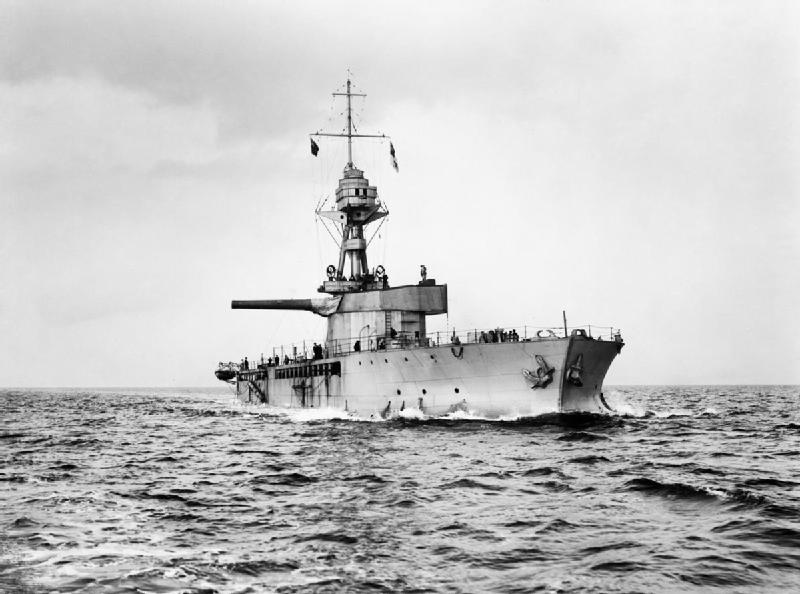 Twitter
·
wintry moat
Twitter
·
wintry moat
Weird
Also
Hang on
I've got something similar

Something someone sent in drach’s server
10 16inch guns
a weapon to surpass Agincourt
delicate beacon
This article explains terms used for the British Armed Forces' ordnance (weapons) and ammunition. The terms may have slightly different meanings in the military of other countries.
Night Richie
chilly flower
N.A.S. Norfolk, Virginia. Martin PBM Mariners on the seaplane apron, circa 1944-45. Most of these planes appear to be PBM-3D and PBM-3S Models.
 subtle prawn
Today is #NationalNebraskaDay. Named in honor of the Corn Husker state, the pre-dreadnought battleship USS Nebraska (BB-14) had one of the most unusual camouflage schemes ever applied to a U.S. Navy ship. The colors were red, black and white.
#WarshipWednesday
Likes
198
 Twitter
·
shrewd pecan
Twitter
·
shrewd pecan


The competition that gave us the Stryker was a interesting one


The competing proposals included a development of the M113 paired with the M8 AGS, making it the 2nd time the M8 was rejected by the army
A variant of the Singaporean Bionix
And lastly the Austrian Pandur

The Interim Armored Vehicle (IAV), previously known as the Medium Armored Vehicle (MAV), was a U.S. Army armored fighting vehicle acquisition program. General Dynamics Land Systems (GDLS) and General Motors Defense proposed a vehicle based on the LAV III. The Army selected the LAV III proposal over three other submissions. The LAV III was rename...
In terms of the first experimental Stryker brigade it ended up being equipped with Canadian LAV IIIs, TPZ Fuchs, B1 Centauros and M113s to fill in for the not yet delivered Stryker


 shrewd pecan
 shut wren
who tf playing tetris with military vehicles
shrewd pecan
I think there being prepared for disposal
shut wren
Just chuck em out of a C-130 into a desiginated field
subtle prawn

On 5 April 2003, A Company, 1-64 Armor led the first "Thunder Run" assault through Baghdad. Staff Sergeant Booker's tank, "Another Episode", and the other M1A1s of 1st Platoon took the brunt of enemy fire.
4/9
 Twitter
·
quick shard
Twitter
·
quick shard
E2 tank engine?
 sullen canyon
I see Aim Assist there
subtle prawn
Aim assist OP, plz nerf
 strong plank
I’ve heard of one named “And the Horse you Rode in on”
Isn’t it a rule that tank names have to start with the letter of your unit
shrewd pecan
no idea
I've seen names like Ronnie's raygun, witches hut, bandido's from my friend's tank
 wonder how bad Minnesota's national guard's tank brigade is
 eternal veldt
thorn trail
<@301567539182567424>
eternal veldt
thorn trail
<@301567539182567424>
Scharnhorsts were often quoted to have 350mm belt armour thanks to the book Battleships and Battlecruisers 1905-1970 by Siegfried Breyer. Blueprints by the Bundesarchiv invenio show otherwise, at 320mm belt, identical to that of Bismarck.
Most official publications tend to just quote Breyer's figure since it was the staple work back then, and more importantly, archive information simply being inaccessible.
The recent Anatomy of the Ship - Scharnhorst publication by Dramanski has the fixed belt armour at 320mm, but fucked deck armour quoted at 110mm near magazine areas. This is not true, and it should be a uniform 105mm all round.
subtle prawn
Which figure does the book by Koop use?
eternal veldt
Also 350, because it used Breyer as a source.
Its a domino effect started by him.
And since we're on the German BBs, I should also note that both Scharnhorsts and Bismarcks, despite flaws, were often bashed to the ground as literal scrap iron by many, or hailed as the second coming of dreadnought. Very few inbetweens.
shut wren
shrewd pecan
what da ospray doin?
eternal veldt
eternal veldt
And since we're on the German BBs, I should also note that both Scharnhorsts and...
case in point, fresh from somewhere yesterday. Some are valid, some are just straight up nitpicking for the sake of nitpicking. I'm also going to give @alpine onyx a heart attack as soon as you wake up.
 eternal veldt
cerulean ice
this isn't a tank, a ship is a big bigger than a large car
eternal veldt
cerulean ice
this isn't a tank, a ship is a big bigger than a large car
This shitstain is partly thanks to Yuro, a WoWS youtuber, who comes up with shit "jokes" and everyone buys it.


"I have no idea what that space beneath the shelter deck is used for, so therefore I will make a funni joke and make fun of Hood, and watch impressionable peope take it as the truth"


 subtle prawn

Billy Waugh, U.S. Army Special Forces veteran who served in Korea and Vietnam before a career in the CIA, died Tuesday at the age of 93.
shut wren

 silver crest
i hate it when werhbs say that treaty of versailles was too harsh
then attribute it to general foch's quote of the 20 year armistace
what they fail to realize is that foch thought the treaty was to lenient and advocated for an even harsher treaty

also very interesting
i just learned that foch's coffin is carried by ww1 soldier statues
tough quail
based
deep apex
It was harsh, but Foch advocating for an even harsher one was just asking for trouble again
silver crest
deep apex
It was harsh, but Foch advocating for an even harsher one was just asking for tr...
literally balkanizing germany so they couldn't retaliate
eternal veldt
Either full on leniency, or full on harshness
not the compromise that Versailles presented
silver crest
versailles was a pretty weak treaty
didn't the germans only pay 1/8th of the reparations
deep apex
silver crest
literally balkanizing germany so they couldn't retaliate
Yeah that just sounds like you're wanting a second war
silver crest
deep apex
Yeah that just sounds like you're wanting a second war
how can a disunited germany wage war?

deep apex
Hatred usually finds a way
silver crest
treaty of trianon and saint germain-en-laye were much harsher
literally carved up austria-hungary
and hungarians lost like 65% of their land
treaty of brest livosk gave the germans the industrial land of the russian empire
while they were having a civil war
idk man
treaty of versailles seems like your typical treaty compared to the others
because the french were being assholes, they were forced to leave the ruhr
 alpine onyx
eternal veldt
case in point, fresh from somewhere yesterday. Some are valid, some are just str...
alpine onyx
eternal veldt
case in point, fresh from somewhere yesterday. Some are valid, some are just str...
Why do I have to see that in the early morning?
silver crest
and gave back germany their industrial lands
alpine onyx
And what even is that one on about repeating themselves three times over
eternal veldt
Giving you the energy without coffee
Uncited sources too, because "too lazy" and "when I feel like it"
deep apex
Wasn't a lot of German territory (not all obviously though) actual German territory?
Genuine question here
alpine onyx
It was revealed to me in a dream
eternal veldt
Either way, would love to see you comment on that
When you have the time, of course
alpine onyx
Would have to sort that list first because of how redundant the points are
silver crest
deep apex
Wasn't a lot of German territory (not all obviously though) actual German territ...
most of the land that the german empire occupies were once small german-speaking states abd principalities
alpine onyx
Bad radar, worse radar than contemporaries and no fire control radar