#offtopic-discussion
1 messages · Page 138 of 1
 hallow parrot
 void zinc
Oh okay, nevermind.
 drowsy egret
it never really has been doing good
void zinc
Mine's the 18th. I wanted to know if I needed to change it or not.
drowsy egret
the royal family is pretty much just leaching onto people
hallow parrot
oh
hallow parrot
drowsy egret
it never really has been doing good
Yup, thats why I am leaving as soon as I land a job in Indonesia or Poland
drowsy egret
hope it all goes well for you
 modest isle
First Animal species of the day (341) :
Common drain fly / (Clogmia albipunctata)

Clogmia albipunctata is a species of drain fly, a member of the family Psychodidae commonly known as the bathroom moth midge, bathroom moth fly or drain fly
Range : Every Bathroom 🚽 in the planet 🌍

This very common species has a worldwide distribution in tropical and temperate areas and is often associated with humans.[3][4] The species can be found near sewer drains, sewage treatment plants, plant pots, swamps and any other shaded place containing decaying, moist organic matter.[5] The species is a common pest around household drains, but the larvae have an important role in sewage treatment

Clogmia albipunctata adults have broad wings covered with brownish and blackish hairs. There is a tuft of blackish hair near each wing vein fork and a tuft of white hair at the ends of most veins (i.e. each wing has a pair of black spots near the middle and several white spots along the edge). The thorax and abdomen are covered in gray/brownish-gray hairs. There is a pair of antennae which are longer than the abdomen and covered in white hairs. The legs are brown with white annuli (rings) at the tips of the tibiae and metatarsi

The adults can sustain themselves by drinking water or consuming flower nectar[5] and live for about 12 days. They spend most of their life perched on walls. They move rarely, and with weak flight. The larvae live in aquatic environments, feeding on organic decaying matter, and take about 18 days to turn into a pupa, which develops into an adult after 5 days

Thorough mechanical cleaning of drains will remove the larval food source, and is the most effective control measure.[11] High-pressure drain cleaning will not only eradicate the feeding source of the larvae, it also cleans the entire length of pipe reducing the likelihood of drain flies from returning


@silent cargo
@crimson marlin
@restive charm
@shell rapids
@raven ember
@frosty geyser
@drowsy egret
@azure oar
@wintry marlin
@cedar crescent
@distant nymph
@rustic badger
@spice gyro
@sullen merlin
@lone star
@dense field
@hallow parrot
@limber grove
 rustic badger

 crimson marlin
Moth... Hmm
rustic badger
bug
modest isle
Stinky Bathroom dwellers
Should have been named Skibidi Fly 🚽
hallow parrot
Why have you said this
modest isle


 sullen merlin
modest isle
First Animal species of the day (341) :
Common drain fly / (Clogmia albipunctata...
sullen merlin
modest isle
First Animal species of the day (341) :
Common drain fly / (Clogmia albipunctata...
Wait a minute
modest isle
sullen merlin
Wait a minute
Dont wait a minute 
sullen merlin
modest isle
Dont wait a minute <:TI_Unamused:721795243963449365>
What? I was about to say it look cool
modest isle


sullen merlin
modest isle
<:TI_sucho:629001941996929045> <:TI_DeinoBruh:913190988825112616> <:TI_omni:6291...
 drowsy egret
modest isle
First Animal species of the day (341) :
Common drain fly / (Clogmia albipunctata...
drowsy egret
modest isle
First Animal species of the day (341) :
Common drain fly / (Clogmia albipunctata...
the killer
modest isle
sullen merlin
https://tenor.com/view/lololol-gif-21199560
Forgot to say congratulations for the pink name

Jk
Relax snowflakes this is called dark humor 
sullen merlin
modest isle
Forgot to say congratulations for the pink name
 sullen merlin
modest isle
https://tenor.com/view/discord-nitro-discord-nitro-nitro-user-discord-nitro-user...
sullen merlin
modest isle
https://tenor.com/view/discord-nitro-discord-nitro-nitro-user-discord-nitro-user...
Atleast now, i can talk smack behind ur back in the boosters only channel
modest isle
sullen merlin
Atleast now, i can talk smack behind ur back in the boosters only channel <:TI_T...

 spice gyro
modest isle
<@891758812908884052>
<@585846202705248276>
<@478213198458257409>
<@8728300549...
spice gyro
modest isle
<@891758812908884052>
<@585846202705248276>
<@478213198458257409>
<@8728300549...
Never seen those before
 neat basalt
modest isle
First Animal species of the day (341) :
Common drain fly / (Clogmia albipunctata...
neat basalt
modest isle
First Animal species of the day (341) :
Common drain fly / (Clogmia albipunctata...
fire flys when...
sullen merlin
neat basalt
fire flys when...
We already did i think
 lone star
Cool now I know how to rid of those bugs
But now how do I remove fungus gnats.
 wintry marlin
modest isle
<@891758812908884052>
<@585846202705248276>
<@478213198458257409>
<@8728300549...
wintry marlin
modest isle
<@891758812908884052>
<@585846202705248276>
<@478213198458257409>
<@8728300549...
Moth
 celest lintel
Been seeing a few The Isle mockups starting to pop up with UE5 like Echoes of Extinction. Are these devs just fans of Isle wanting to "do it better?" It looks so painstakingly similar.
 thorny seal
lone star
Cool now I know how to rid of those bugs
But now how do I remove *fungus gnats*.
thorny seal
lone star
Cool now I know how to rid of those bugs
But now how do I remove *fungus gnats*.
Best way to get rid of fungus gnats, water plants with scarid fly nematodes. Gone within a week, won't return for years.
lone star
They’re in my drains.. 
 willow grove
you could use some drain cleaner, which will kill off any larva living down there, that usually does the trick out here
lone star
They died out from the freezing cold winters here but they always return.
I shall keep this advice in mind.
modest isle
neat basalt
fire flys when...
Tomorrow
modest isle
sullen merlin
We already did i think
Not yet
Also i think there are more than 1 species of fireflies
 full patrol
Fungus gnats like wet and damp places. Their eggs can survive even if it dries out. Some ways to effectively kill fungus gnats that I've found work well:
- Pour very hot water down the drain in morning and evening. Not boiling, but close. Keep doing until you don't see the gnats for at least a week.
- Get those little gnat traps that are shaped like apples. Fungus gnats are stupid af and it actually works on them. Can use apple cider vinegar with a couple drops of dish soap as a refill.
- The Zevo traps also work well on Fungus gnats, but it can be expensive. If you get it, plug it into the closest outlet to the sink/problem area.
@lone star
lone star
I do use those homemade traps and those sticky traps and it works enough, for some reason the boiling water doesn’t but I’m betting I didn’t do It enough
Not boiling
Close
Same thing
full patrol
Lol
 tall turtle
Does anybody know spiders really well? Like can identify them well?
tall turtle
 misty wave
Yes
misty wave
Yes
SPOODER ALERT!!
What is he??


He's like half the size of my hand
Not THAT big bit yeah
misty wave
tall turtle
Not THAT big bit yeah
Is it that?

Kinda hard to see the colour from the video
tall turtle
misty wave
Is it that?
Yah that looks like it. This one seems a little skinnier but those are the colors
misty wave
tall turtle
Yah that looks like it. This one seems a little skinnier but those are the color...
Could be a wolf spider maybe
Oh wait no im dumb that a Huntsmen
i have them all my house
tall turtle
Ohhh thats so cool. I put him outside in a bush...is that ok?
misty wave
Yes
tall turtle
sweet! thank ya
misty wave
tall turtle
sweet! thank ya
No worries
full patrol
Probably baby huntsman, not fuzzy enough to be a wolf spider. Either way, most spiders like trees/bushes so releasing them near those is 
misty wave
full patrol
Probably baby huntsman, not fuzzy enough to be a wolf spider. Either way, most s...
Yeah that’s why it threw me off
neat basalt
does anyone else ever have nightmares about like
chest pain
i have this consistent nightmare about a feeling like my ribs are somehow overlapping and its AWFUL
 lime copper
You might have sleep apnea...
neat basalt
i have to google something definitely not related to this convo, ill be back
hm  it's possible i presume, but i dunno
its more like at the bottom of my rib cage where the pain is in my dreams
and it STINKS cause the dream is barely distinguishable from real life
modest isle
sullen merlin
<@810796428002721822> Kevin the King cobra died<:TI_Succ:447626423365271562>
Rip
Even “Flona Prime” died one of my female Guppies
 full patrol
@neat basalt could be stress related or a physical issue. Personally if I feel pain in a dream it's because I'm laying funny or a muscle is cramping irl.
But it's also possible it could be your subconscious telling you you've got some sort of stress you gotta deal with
 hazy gate
 modest isle
First Animal species of the day (342) :
Florida scrub dark firefly / (Lucidota luteicollis)

Lucidota luteicollis is a species of firefly in the beetle family Lampyridae.[1][2][3] It is endemic to Florida scrubs in Florida
dry scrub and sandhill habitats
Females are flightless, subterranean

NOT ENOUGH INFORMATION ⚠️⚠️
We know nothing about this species 😰😰 other than its just a firefly that lives in Florida
We dont know their diet , reproduction , predators


@silent cargo
@crimson marlin
@restive charm
@wintry marlin
@cedar crescent
@distant nymph
@rustic badger
@spice gyro
@shell rapids
@raven ember
@frosty geyser
@drowsy egret
@azure oar
@sullen merlin
@lone star
@dense field
@hallow parrot
@limber grove
sullen merlin
noice
wintry marlin
modest isle
<@891758812908884052>
<@585846202705248276>
<@478213198458257409>
<@8728300549...
firefly
sullen merlin
Not enough info lmao
modest isle
Sorry guys i failed this species 😔
hallow parrot
I miss fireflies, they used to be common in my area but now they're all gone :(
modest isle
Yeah i lost my game for the first time to this species
I have never stumbled upon a species has little to no information 
modest isle
hallow parrot
I miss fireflies, they used to be common in my area but now they're all gone :(
Climate change
hallow parrot
I want to be in a field of fireflies before I die
lord forbid they die out before then
lone star
I want to be a field of fireflies
modest isle
 modest isle
sullen merlin
Not enough info lmao
modest isle
sullen merlin
Not enough info lmao
After further investigation i only managed to just find 1
JUST 1 !!!!‼️
more info about this specific species of firefly : that females cant fly 💀
sullen merlin
modest isle
After further investigation i only managed to just find 1
JUST 1 !!!!‼️
more i...
Cancel these firflies for not having equal genders ig
modest isle

 distant nymph
modest isle
First Animal species of the day (342) :
Florida scrub dark firefly / (Lucidota l...
distant nymph
modest isle
First Animal species of the day (342) :
Florida scrub dark firefly / (Lucidota l...
That's a weird Firefly o:
full patrol
modest isle
First Animal species of the day (342) :
Florida scrub dark firefly / (Lucidota l...
Lemme help you out on this one. I'd do just "fireflies" in general maybe. The one you chose is a potentially endangered species that is difficult to study due to it's lifestyle
First Animal species of the day (342) :
Florida scrub dark firefly / (Lucidota luteicollis)
This species of firefly, or lightening bug, is endemic to Florida in the United States.
The Florida scrub dark firefly is a habitat specialist associated with very dry habitats in Florida’s scrub, sandhill, and longleaf pine savannah habitats. It appears to be confined to upland ridges.
Threats to this species include habitat loss and degradation, climate change and associated drought, and trampling of flightless females.
This species is known from four extant localities and has an estimated extent of occurrence of 13,035 square km. It is possible that it occurs in more localities but has been overlooked due to its cryptic life cycle.
The activity period of this diurnal species is not well-known. Flightless adult females, which are subterranean, likely attract males by releasing pheromones. Females may avoid coming above ground even to mate, and may mate with males through the sand instead.
Although LeConte (1878) states that both males and females are without phosphorescent organs, the flying adult males do retain their larval bioluminescent light organ, which glows and may help females locate males in dark or shady microhabitats (Lall and Lloyd 1989, Lloyd 2018).
Lucidota larvae can be found within and under decaying logs, in leaf litter (especially pine), and near or below the soil surface (Lewis 2016,Lloyd 2018). They feed on snails, worms, and other soft-bodied insects (Lewis 2016). The nearly grown larvae or pupae become inactive during winter, then metamorphose into adults in early to mid summer.
No conservation actions are currently in place for this species, although it does occur within protected areas. More information is needed on this species’ life history, distribution, and population status in order to determine the most appropriate conservation actions.
@silent cargo
@crimson marlin
@restive charm
@wintry marlin
@cedar crescent
@distant nymph
@rustic badger
@spice gyro
@shell rapids
@raven ember
@frosty geyser
@drowsy egret
@azure oar
@sullen merlin
@lone star
@dense field
@hallow parrot
@limber grove
sullen merlin
full patrol
<@784728629917384704>
<@546099757953581086>
<@241229463088660481>
<@112400545...
We might have to replace sleepy now
hallow parrot
putting sleepy outta business
rustic badger
Crinky ping?
full patrol
I helped sleepy with animal of the day since they couldn't find anything on it
lone star
Crinkly the new animal person
modest isle
full patrol
**First Animal species of the day (342) :
Florida scrub dark firefly / (Lucidota...
 modest isle
rustic badger
Time to retire
modest isle
rustic badger
Time to retire
 sullen merlin
rustic badger
Time to retire
sullen merlin
rustic badger
Time to retire
I was backup aot poster, time to take over ig. 
Since sleepys become incompetent for the job
 modest isle
sullen merlin
Since sleepys become incompetent for the job
modest isle
sullen merlin
Since sleepys become incompetent for the job
WAIT !!!!!!
Other reasons for the lack of information :
- The species is very rare
- i was waiting in my car on parking lot so i try to finsh this species faster
Since its just 1 of many species of fire fly
I can redeem myself by doing a better job for a more well known species of firefly 💀
Sorry guys …
@silent cargo
@crimson marlin
@restive charm
@wintry marlin
@cedar crescent
@distant nymph
@rustic badger
@spice gyro
@shell rapids
@raven ember
@frosty geyser
@drowsy egret
@azure oar
@sullen merlin
@lone star
@dense field
@hallow parrot
@limber grove

 sullen merlin
modest isle
WAIT !!!!!!
Other reasons for the lack of information :
- The species is very ...
sullen merlin
modest isle
WAIT !!!!!!
Other reasons for the lack of information :
- The species is very ...
I mean, surely crinti is way more busy than u. He managed to do it. Ur done sleepy
And hes not experienced either, what do u have to say about that
modest isle
 sullen merlin
 modest isle


full patrol
sullen merlin
I mean, surely crinti is way more busy than u. He managed to do it. Ur done slee...
Totally didn't do it because I was procrastinating on my math homework
sullen merlin
full patrol
Totally didn't do it because I was procrastinating on my math homework <:TI_Trol...
So real
full patrol
To be fair tho, I had to read like a 4page pdf research summary about the species
Can't really do that on a phone
sullen merlin
Im procastrinating studying for my exam lmao
distant nymph
aw xD
 tranquil moss
 modest isle
sullen merlin
https://tenor.com/view/im-gonna-give-you-one-last-chance-rip-wheeler-cole-hauser...
modest isle
sullen merlin
https://tenor.com/view/im-gonna-give-you-one-last-chance-rip-wheeler-cole-hauser...
This will be my redemption arc another species of firefly :
Common eastern firefly
(Photinus pyralis)
 modest isle

 mortal echo
Aight here's the summary-

 heavy temple
mortal echo
Aight here's the summary-
heavy temple
mortal echo
Aight here's the summary-
Thank you
full patrol
@sullen merlin K4 is not a Euler path
spice gyro
#videos-and-streams message @mild agate hey i saw this video and it looks pretty good, but i was wondering if you could credit me for the screenshot? as i took that screenshot that you used a while back. Thanks!
 raven ember
why did i get triple combo pinged
y'all gotta chill with that 😭 . i was thinking evrima became the main branch or something and people were pinging me excitedly
and then i see the pings are from this channel lmfao
not used to triple sleepy animal posts 
but this is still a nice surprise
 mild agate
spice gyro
https://discord.com/channels/401464048610312193/401693816777867265/1254600612713...
mild agate
spice gyro
https://discord.com/channels/401464048610312193/401693816777867265/1254600612713...
Of course, sorry, I didn't know the prints were yours, I asked someone to send them to me
spice gyro
mild agate
Of course, sorry, I didn't know the prints were yours, I asked someone to send t...
Cool, thanks! Only the one I linked was mine, the other was someone else’s I think
mild agate
spice gyro
Cool, thanks! Only the one I linked was mine, the other was someone else’s I thi...
Want to help me with prints if you want?
mild agate
spice gyro
Cool, thanks! Only the one I linked was mine, the other was someone else’s I thi...
 spice gyro
mild agate
Want to help me with prints if you want?
spice gyro
mild agate
Want to help me with prints if you want?
Sure, feel free to ask me when you need any
mild agate
spice gyro
Sure, feel free to ask me when you need any
I'm thinking about making a Trike asking for help while being attacked by Rexs, is there any scenario print with Night vision?
spice gyro
Do you mean a screenshot of those dinos? Or just a screenshot at night?
crimson marlin
Flies..
modest isle
First Animal species of the day (343) :
Common eastern firefly / (Photinus pyralis)

Photinus pyralis, better known by the common name, the common eastern firefly,[3] and colloquially called a "lightning bug",[4] is a species of flying beetle. An organ on this species abdomen is responsible for its light production.[5] It is the most common species of firefly in North America, and is typically found east of the Rocky Mountains. Photinus fireflies are often confused with fireflies of the similar-sounding genus, Photuris, which are also found in North America.

These fireflies are most noticeable around twilight in the spring and summer months, and fly close to the ground, usually around long blades of grass.[6] Due to the characteristic flight of the males, this species is also often called the big dipper firefly; the trajectory appears to follow a J-shape, lighting on the upswing.[3][7] During flight, this J-pattern is used alongside light flashing to attract females, who rest on vegetation instead of flying and signal back to males if interested
 rustic badger
modest isle
Common Eastern fireflies are small soft-bodied beetles that range between 5 and 25 mm in size. They have flat black or brown bodies with wings that extend the length of their entire thorax and abdomen. Plates with red and black spots cover their head, and yellow markings can be seen extending the rest of their bodies, usually around their wings.[9]
Both males and females of this species have light-emitting organs on the ventral side of their abdomens. While this organ extends the length of the last three segments of the males' abdomens, only the second to last segment of the females' abdomens bioluminescence.[10]
Like most flying firefly species, Photinus pyralis is nocturnal

Common Eastern fireflies are found in a variety of habitats, ranging from temperate to tropical environments.[11] Although they can be found across most of North America, they are most densely populated in the northeastern region of the United States and Canada.
Some natural habitats of these fireflies include meadows, fields, wetlands, desert canyons, and dense forests, and while they can successfully thrive in all of these areas, they require moisture to survive at all life stages. P. pyralis also tend to form microhabitats using a variety of organic material such as leaf litter and rotting vegetation so they can better signal to other fireflies, establish hunting territories, and secure shelter to lay their eggs and survive through winter months. They are especially drawn to areas with damp soil and long grasses to better conceal females and offspring

Like all beetles, the entire life cycle of a common Eastern firefly consists of four unique life stages starting with the eggs, moving to the larval stage, followed by a pupa, before finally completing the cycle as a fully formed adult. The time it takes for these fireflies to complete all four stages can vary drastically, especially because they inhabit such a wide range of environments that the resources available to them vary significantly

Males are the first to start the series of patrolling flashes needed to locate and mate with a female. Males will actively fly while flashing, whereas females are sedentary.[21] They will flash every 6 seconds and wait for a responding flash from the female, which comes after a 1-2 second delay [22] It has been shown that females only respond to their conspecific males; identifying them by the color of their yellow bioluminescent flash, in combination with the temporal patterning, duration and intensity of the male flash.

Although their conservation status is classified as "Least Concern" by the IUCN Red List, these fireflies do face some dangers. Aside from natural predators, the biggest threats to their populations include light pollution, pesticide use, climate change, and human building and development in their habitats.


@silent cargo
@crimson marlin
@restive charm
@shell rapids
@raven ember
@frosty geyser
@drowsy egret
@azure oar
@sullen merlin
@lone star
@dense field
@hallow parrot
@limber grove
@wintry marlin
@cedar crescent
@distant nymph
@rustic badger
@spice gyro
wintry marlin
Flies
hallow parrot
Yey, more fireflies :>
rustic badger
Fli
sullen merlin
Not a fly☝️ 🤓
hallow parrot
if it flies, its a fly in my eyes
sullen merlin
hallow parrot
if it flies, its a fly in my eyes
Quetz?
modest isle
sullen merlin
Quetz?
Anyways guys next species will be super interesting
This species has 3 morphs for the males 🪨📄✂️


 sullen merlin
modest isle
Anyways guys next species will be super interesting
This species has 3 morphs ...
sullen merlin
modest isle
Anyways guys next species will be super interesting
This species has 3 morphs ...
U saw this from wickens wicked reptiles didnt u
distant nymph
Aw, I want to pat them xD
sullen merlin
distant nymph
Aw, I want to pat them xD
 modest isle
sullen merlin
U saw this from wickens wicked reptiles didnt u
modest isle
sullen merlin
U saw this from wickens wicked reptiles didnt u
I knew them before but I forgot about them and forgot their name
But yeah wicked reptiles helped me
hallow parrot
sullen merlin
Quetz?
yes
modest isle
sullen merlin
U saw this from wickens wicked reptiles didnt u
Also “Clint’s reptiles” too made a video about them
 sullen merlin
modest isle
Also “Clint’s reptiles” too made a video about them
sullen merlin
modest isle
Also “Clint’s reptiles” too made a video about them
I saw the thumbnails but didnt watch them yet
crimson marlin
Flies... Hmm
modest isle
Beetles
sullen merlin
modest isle
Also “Clint’s reptiles” too made a video about them
I just realised the thumbnail i saw was from clints reptiles not WWR. WWR didnt even make a vid on them lmao
 cobalt kettle
 modest isle
Second Animal species of the day (344) :
Common side-blotched lizard / (Uta stansburiana)

The common side-blotched lizard (Uta stansburiana) is a species of side-blotched lizard in the family Phrynosomatidae. The species is native to dry regions of the western United States and northern Mexico. It is notable for having a unique form of polymorphism wherein each of the three different male morphs utilizes a different strategy in acquiring mates. The three morphs compete against each other following a pattern of rock paper scissors, where one morph has advantages over another but is outcompeted by the third.
 rustic badger
modest isle
The common side-blotched lizard is a species of small iguanid lizard. Males can grow up to 60mm (2.4 inches) from snout to vent, while females are typically a little smaller. The degree of pigmentation varies with sex and population. Some males can have blue flecks spread over their backs and tails, and their sides may be yellow or orange,
The speed of these male lizards during the end of their reproductive seasons is dependent on their body temperature. The maximum sprinting speed of these lizards is achieved when the body temperature is between 35-38 degrees Celsius

Male side-blotched lizards exhibit distinct polymorphism in their throat colors, and can be divided into three different categories. Each of these three different morphs varies in how it competes for mates, and variation within a breeding population is maintained by a rock paper scissors mechanism of frequency-dependent sexual selection. A cycle is created where the least common morph of one breeding season often has the largest number of mature living offspring in the next year. This is because one morph does particularly well against another, but poorly in comparison to the third

Orange-throated males 🧡 are "ultradominant". They are the largest and most aggressive morph, defending relatively large (about 100 m2 or 120 yd2) territories and keeping harems of females with which they mate. They are adept at stealing mates from blue-throated individuals, but are vulnerable by the yellow-throated female mimics
Blue-throated males 💙are "dominant". They are intermediate in size, and guard smaller territories containing only a single female. As they only have one mate to defend, they are better at catching yellow-throated sneaks, but are also susceptible to having their mates stolen by the larger, more aggressive orange-throated males
Yellow-throated males 💛 are "sneakers". Their coloration is similar to that of sexually mature females, and they typically mimic female "rejection" displays when they encounter dominant orange- or blue-throated males. Unlike the other morphs, yellow-throated males do not hold territories. Instead, they have wide-reaching home ranges that may overlap with several other lizards’ territories

Female side-blotched lizards have also been shown to exhibit behaviorally correlated differences in throat coloration. Orange-throated females are considered r-strategists. They typically produce large clutches consisting of many small eggs. In contrast, yellow-throated females are K-strategists that lay fewer, larger eggs. Like the male morphs, the frequencies of these two female morphs also cycle with time. However, the cycle is shorter – two years in comparison to the male morphs’ four- or five-year cycle – and is not a result of frequency-dependent sexual selection.

Side-blotched lizards display feeding behavior which can be influenced by sex or season. In a study conducted by Best et al.., these lizards were found to consume diets largely based upon arthropod populations within the area, within a given season. These populations vary by year, and different arthropod populations will fluctuate seasonally. The study showed a correlation between sex and diet, giving way to a number of theories that speculate why gender has an effect on feeding behavior and diet

Side-blotched lizards encounter a plethora of different predators in the wild and they engage in a variety of escape behaviors to avoid predation. In a study published in the Canadian Journal of Zoology, researchers confirmed that these escape behaviors – flight initiation distance, distance fled, and refuge entry – do not differ depending on what type of predator the lizard encounters or whether that predator is relatively abundant in their environment. Side-blotched lizards do, however, tend to escape more directly towards refuge when they encounter predatory lizards while less directly towards refuge when encountering predatory snakes

Although territorial behaviors are important defining differences between the different morphologies of these lizards, environmental experiences play important roles in the cortical volume of both territorial and non-territorial side-blotched lizards


@silent cargo
@crimson marlin
@restive charm
@shell rapids
@raven ember
@frosty geyser
@drowsy egret
@azure oar
@sullen merlin
@lone star
@dense field
@hallow parrot
@limber grove
@wintry marlin
@cedar crescent
@distant nymph
@rustic badger
@spice gyro
wintry marlin
Lizord
rustic badger
libard
modest isle
Read this important ‼️
I made this image myself after reading about them
 distant nymph
modest isle
Read this important ‼️
I made this image myself after reading about them
distant nymph
modest isle
Read this important ‼️
I made this image myself after reading about them
aw xD
rustic badger
modest isle
Read this important ‼️
I made this image myself after reading about them
That's really cool
modest isle
Yeah very interesting lizards 🦎
hallow parrot
modest isle
The common side-blotched lizard is a species of small iguanid lizard. Males can ...
this looks like a bunch of freinds posing for a photo, I love it and their lil grins
crimson marlin
Dinosaur
 manic valley
Does water distill vodka?
For example if I mixed the two?
Hypothetically
Asking for a friend
 cobalt roost
Can I advertise a server here????
manic valley
cobalt roost
Can I advertise a server here????
In #unofficial-isle-communities you can
cobalt roost
thank you
void zinc
manic valley
Does water distill vodka?
This is an odd question.
Distillation is the removal of water. Are you asking if you can remove excess water via distillation from vodka?
manic valley
void zinc
This is an odd question.
Distillation is the removal of water. Are you asking ...
Oh no I’m asking if I add water to vodka,will the vodkas strength get weaker
void zinc
Yes.
void zinc
Reintroducing water to a distilled substance lowers the potency.
manic valley
Interesting interesting….thank you
sullen merlin
With like the message link thing?
modest isle
No just the normal video
sullen merlin
Idk what u mean but i can download it lmao
modest isle
yeah
sullen merlin
Just in general?
modest isle
Yep THANKS 🙏🏼
Also here
You dropped this 👑
raven ember
modest isle
Male side-blotched lizards exhibit distinct polymorphism in their throat colors,...
Are they goodest of bois?
raven ember
modest isle
Read this important ‼️
I made this image myself after reading about them
That kind of reminds me of the Barbaridactylus mating stuff from Prehistoric Planet 2 this must have been the inspiration
modest isle
raven ember
That kind of reminds me of the Barbaridactylus mating stuff from Prehistoric Pla...
 raven ember
XD
 gray adder
modest isle
gray adder
modest isle
 modest isle
gray adder
modest isle
gray adder
LOL !!!
Alternate universe where the isle has barbaridactylus
raven ember
modest isle
LOL !!!
Alternate universe where the isle has barbaridactylus
Lmfao
modest isle
 trail sphinx
celest lintel
Been seeing a few The Isle mockups starting to pop up with UE5 like Echoes of Ex...
trail sphinx
celest lintel
Been seeing a few The Isle mockups starting to pop up with UE5 like Echoes of Ex...
I actually have no interest in "doing it better" as my games vision does not fall in line with what the isle wants to be, I don't care to recreate a game that already exists. They just happen to both fall under dinosaur survival, but the final version of Echoes of Extinction will be very different to The Isle. We'll have our own niche.
 unreal pier
modest isle
Male side-blotched lizards exhibit distinct polymorphism in their throat colors,...
unreal pier
modest isle
Male side-blotched lizards exhibit distinct polymorphism in their throat colors,...
oh you got all my brothers in your one hand. Kindly release them
modest isle
unreal pier
oh you got all my brothers in your one hand. Kindly release them
Oh sorry
unreal pier
modest isle
Oh sorry <:TI_Troll:472576085482143745>
good kid
modest isle
First Animal species of the day (345) :
Northern warrior wasp / (Synoeca septentrionalis)

Synoeca septentrionalis is one of five species of warrior wasps in the genus Synoeca.[1] It is a swarm-founding wasp that is also eusocial,[2] exhibiting complicated nest structure and defense mechanisms[3] and a colony cycle including a pre-emergence phase and a post-emergence phase.[4] It is typically found in areas from Central to South America.[3] This wasp is one of the larger species of paper wasps and exhibits multiple morphological adaptations as a result of this.[5] Synoeca septentrionalis is known for possessing a very painful sting

They are considered to be paper wasps, as their nests are made out of paper.[2] Their nests will change as a colony grows. Typically, they will start as one comb within a ridged, domed envelope that also has a hole or holes where other lobes can be added as necessary.[3] Most nests have only two to three lobes, but nests with nine lobes that span over three meters have been reported.[3] Occasionally, some of the holes will be paired as two, and, combined, they have a perimeter of 10–12 centimetres (3.9–4.7 in).[3] Certain holes will remain open and act as entrances or exits for S. septentrionalis

Synoeca septentrionalis exhibits a blackish or dark blue color and has a metallic-like appearance.[1] Their wings are also quite large and are entirely infuscate
Synoeca septentrionalis is a Neotropical species found in Central and South America, especially in areas such as Costa Rica,[3] Panama,[1] Colombia,[1] Guatemala,[1] Mexico[1] and Venezuela.[1] Its distribution extends further north than others in the genus

Roughly a week after the nest is complete, the first larvae begin to hatch, and these will become adults approximately 30 days after hatching, marking the end of the pre-emergence phase and the beginning of the post emergence phase. It is at this point when the emergence of workers is largely dependent on the necessity to produce reproductive females that will become queens. Because S. septentrionalis is a polygynous species, more than one queen will exist at a given time, and often the number of queens will fluctuate. When queen number is small, the ratio of queens to workers will be low and thus the queens will have difficulty suppressing reproduction in subordinate females, of which some will become additional queens. When queen number is high, the ratio of queen to workers is higher, and suppressing reproduction in subordinate females is easier.

The wasps within the family Vespidae exhibit a wide range of body sizes, and S. septentrionalis is one of the larger wasps within the family. As a result, they are able to generate a lift force that is able to maintain flight in the presence of their large muscle mass. In order for this to occur in the most efficient manner possible, these wasps have enlarged wings and veins that are distally extended. The elongated wings allow for flying that is more energetically efficient, in order to compensate for their large body size and muscle mass, while the distally-organized veins prevent bending of the wings, which would result in a loss of energy


@silent cargo
@crimson marlin
@restive charm
@shell rapids
@raven ember
@frosty geyser
@drowsy egret
@azure oar
@sullen merlin
@lone star
@dense field
@hallow parrot
@limber grove
@wintry marlin
@cedar crescent
@distant nymph
@rustic badger
@spice gyro
sullen merlin
Yep thats a bug
rustic badger
wintry marlin
insect
modest isle
sullen merlin
Yep thats a bug
Buff bug 💪🏼
rustic badger
blue wasp
 modest isle
Northern warrior wasp
Was suggested by @raven ember
lone star
that JUST might be a bug
sullen merlin
lone star
that JUST might be a bug
Thats what i said!
sullen merlin
I see, i was confident in my observation tho.
Because if u look close enough to the image u can see a wasp, and wasps are bugs
This is hard for the eye of an untrained bug watcher
modest isle
 crimson marlin
Wasps... 
 lament agate
I doubt my question will be answered in the other channel so I will ask here maybe Ill get an answer for once but if you know about any information about a promotion of this game I would like to know before my friend chokes me to death
or question number two if I gift the game to a friend do I keep it or loose it?
raven ember
lament agate
I doubt my question will be answered in the other channel so I will ask here may...

 raven ember
lmfao
void zinc
lament agate
or question number two if I gift the game to a friend do I keep it or loose it?
Steam gifting works just like normal. No game gets to police that.
View the game service’s ToS and EULA.
I don’t believe “Promotional Material” exists; you should contact @abstract lily for details around that.
lament agate
okay thank you
modest isle
Second Animal species of the day (346) :
Wallace's giant bee / (Megachile pluto)

Megachile pluto, also known as Wallace's giant bee or raja ofu (lit. 'king of the bees'),[2] is a large resin bee found in Indonesia. With a wingspan of 63.5 mm (2.5 in), it is the largest known living bee species. It was believed to be extinct until several specimens were discovered in 1981. No further sightings were confirmed until two specimens were collected and sold on eBay in 2018.[3] A live female was found and filmed for the first time in 2019

Wallace's giant bee is a black resin bee with well-developed, large jaws. The species exhibits strong sexual dimorphism; females may reach a length of 38 mm (1.5 in), with a wingspan of 63.5 mm (2.5 in), but males only grow to about 23 mm (0.9 in) long. Only females have large jaws.[5] M. pluto is believed to be the largest living bee species, and remains the largest extant bee species described.[6] It is "as long as an adult's thumb".[4] Wallace's giant bee is easily distinguished from other bees due to its large size and jaws, but also a notable white band on the abdomen

The reports of Wallace's giant bee's existence come only from three islands of the North Moluccas in Indonesia: Bacan, Halmahera, and Tidore. Very little is known about its distribution and habitat requirements, although it is thought to be restricted to primary lowland forests. The islands have become home to oil palm plantations that now occupy much of the former native habitat. This has caused the International Union for Conservation of Nature to label this species as vulnerable

The species was originally collected by Alfred Russel Wallace in 1858, and given the common name "Wallace's giant bee"; it is also known as the "giant mason bee". It was thought to be extinct until it was rediscovered in 1981 by Adam C. Messer, an American entomologist, who found six nests on the island of Bacan and other nearby islands

The bee had not been spotted for over 27 years. In 2018, two specimens were collected by local sellers in Indonesia, one on Bacan in February and the other on Halmahera in September. They were subsequently sold on eBay, highlighting the lack of protection that is afforded to the rare species.[9] In 2019, a single female having established its nest in an arboreal termite colony on the island of Halmahera in Indonesia was found by local naturalist Iswan Maujud as part of a field expedition co-led by Clay Bolt and Eli Wyman

Wallace's giant bees build communal nests inside active nests of the tree-dwelling termite Microcerotermes amboinensis, which may serve to hide their existence from attackers. The bee uses tree resin to build compartments inside the termite nest, which protects its galleries. Female bees repeatedly leave their nests to forage for resin, frequently gathered from Anisoptera thurifera. The bee's large jaws assist in resin gathering; the female makes large balls of resin, which are held between the jaws. The association of the bee with the termite may be obligate.


@silent cargo
@crimson marlin
@restive charm
@shell rapids
@raven ember
@frosty geyser
@drowsy egret
@azure oar
@sullen merlin
@lone star
@dense field
@hallow parrot
@limber grove
@wintry marlin
@cedar crescent
@distant nymph
@rustic badger
@spice gyro
 modest isle


 sullen merlin
Is it insect week or something?
modest isle
sullen merlin
Is it insect week or something?
It all started 9 days ago with the “Brazilian wandering spider”

 azure oar
modest isle
The reports of Wallace's giant bee's existence come only from three islands of t...
azure oar
modest isle
The reports of Wallace's giant bee's existence come only from three islands of t...
idk why but it is kinda cute
modest isle
Scary cute
azure oar
funny cute
wintry marlin
modest isle
<@891758812908884052>
<@585846202705248276>
<@478213198458257409>
<@8728300549...
Bee
sullen merlin
modest isle
It all started 9 days ago with the “Brazilian wandering spider”
Insect week ruined by lizord
neat basalt
modest isle
It all started 9 days ago with the “Brazilian wandering spider”
you've done african rock python, yes?
modest isle
neat basalt
you've done african rock python, yes?
Not yet
It will be tomorrow alongside the “Goliath frog”
neat basalt
i could have sworn you've done the rock python way back in the day
modest isle
neat basalt
i could have sworn you've done the rock python way back in the day
Ball Python the one we did
full patrol
 nocturne basalt
@grizzled crescent check dms
 barren bear
^ DO NOT
lone star
0/10 would NNNOT recommend
crimson marlin
Hmm.. Bee
sullen merlin
full patrol
https://tenor.com/view/snake-gif-18857988
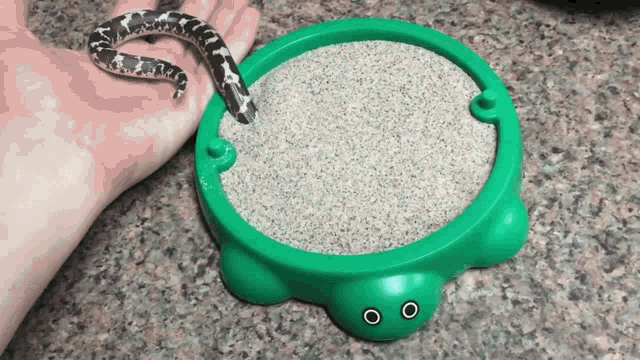
Kenyan sandboas are so cute
hallow parrot
One haircut and then im off 50 miles north to my College prom
I did not sleep well for today
 echo roost
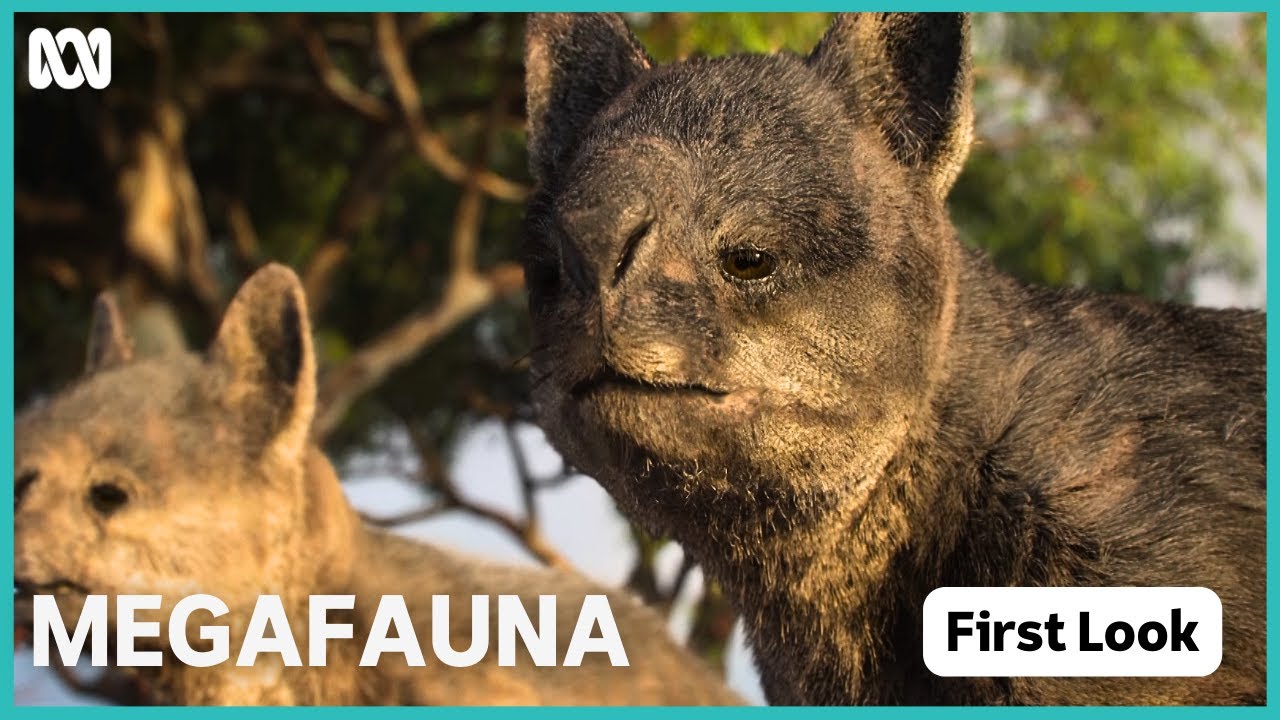
Narrated by Hugh Jackman, a team of scientists are re-opening the paleolithic cold case — what killed Australia's giants? #MegafaunaABC
Subscribe now: http://ab.co/subscribe
Extraordinary animals known as Megafauna lived in Australia for millions of years, but in a blink of time, they disappeared. Bu...
barren bear
hugh as well
 steep island
Hey, I'm new here but I just have a quick question. Why is the website so outdated?
barren bear
they're waiting for full release/evrima main branch likely
sullen merlin
@modest isle Aotd suggestion: Channel billed cuckoo. I kinda forgot about them and heard the call again 5 min ago. The call is crazy
 naive apex

Buy or wishlist Fish Game here! https://store.steampowered.com/app/1372150/Fish_Game/
Join our discord! https://t.co/IFOVmV5mbW or our mailing list https://www.fish.game/
The Substrate Update not only adds a bunch of new substrates, but it also allows you to mix & match them!
In an update that should come soon, more substrates will be added ...
FISH GAME FOR LIFEEEEE
 modest isle
sullen merlin
<@810796428002721822> Aotd suggestion: Channel billed cuckoo. I kinda forgot abo...
modest isle
sullen merlin
<@810796428002721822> Aotd suggestion: Channel billed cuckoo. I kinda forgot abo...
A glimpse of what is coming also yeah 2 mamnals since its been like 30 species since the last mammal

Apparently there are 4 species of Guppies instead of 3 i just found out about Melanzona Guppy
 sullen merlin
modest isle
A glimpse of what is coming also yeah 2 mamnals since its been like 30 species ...
sullen merlin
modest isle
A glimpse of what is coming also yeah 2 mamnals since its been like 30 species ...
im not gonna say it but saiga antilope...
No way im trippin that hard
sullen merlin
No way we didnt do it already, we talked about it last week or sum
modest isle
We didn’t apparently
full patrol
naive apex
https://youtu.be/OW6xU5Qs52Y?si=kUrr_kIyIKseNATa
Mmmm gotta love that clown gravel
naive apex
a staple of tacky goldfish tanks across the globe
 young gale
I wanna change the gravel I have in my fishtank
I don't really like the way my tank looks with rainbow gravel
full patrol
Good, you shouldn't
young gale
full patrol
Good, you shouldn't <:TI_LUL:461642094671429634>
I thought it would look cool:(
full patrol
They always do
lone star
Rainbow turds
spice gyro
Wha
 spice zephyr
BRO CHOSE THE rainbow gravel 
spice gyro
I only except clay substrate in aquariums
 rough hollow
Bro can discord stop changing stuff. hmm
 narrow dock
The sanctuary nooo
 nocturne basalt
@sleek timber so what were these two gents talking about? #gateway-screenshots message Surely something incredibly important
spice gyro
lol
 sleek timber
nocturne basalt
<@657097607604207636> so what were these two gents talking about? https://discor...
sleek timber
nocturne basalt
<@657097607604207636> so what were these two gents talking about? https://discor...
they were checking into the doctors office, but the admin said that he actually didn't need to go to the doctor since it was just a flu jab and he only needed to pay for the nurse
nocturne basalt
oh fairs fairs. very important stuff indeed
mortal echo
 heavy temple
New "A Quiet Place" comes out today
gray adder
heavy temple
New "A Quiet Place" comes out today <a:TI_MinmiBongo:776637979220901889>
The movie or game?
heavy temple
gray adder
The movie or game?
Movie
gray adder
Saw a trailer for a game of that looks like it will play like Alien Isolation
 zenith mason
mortal echo
zenith mason
mortal echo
Ahh yes the isle rip off
zenith mason
But good edit
unreal pier
zenith mason
But good edit
What is this thing?

 flint wren
unreal pier
What is this thing?
flint wren
unreal pier
What is this thing?
It's a
full patrol
Some speculate it's a gambling device since it's often found with coin hoards
void zinc
unreal pier
What is this thing?
_ _
 slow hazel
void zinc
_ _
slow hazel
void zinc
_ _
thank you for clarification
 surreal nacelle
Imagine not know what a is
slow hazel
Could you explain it to me?
lone star
Oh yeah it and sometimes it .
 sharp vector
Guys I want to get a pc to play the isle specifically. I’m not sure if I should get a prebuilt one, and build my own. Can anyone help?
slow hazel
Well depends what you are looking for. What resolution, what's the goal you want to achieve? Making sure the Isle runs well on Epic/High? Btw never base your PC towards an unfinished product because optimisation is ongoing.
 fiery jay
sharp vector
Guys I want to get a pc to play the isle specifically. I’m not sure if I should ...
fiery jay
sharp vector
Guys I want to get a pc to play the isle specifically. I’m not sure if I should ...
Something like a should work.
full patrol
sharp vector
Guys I want to get a pc to play the isle specifically. I’m not sure if I should ...
If you want to build your own PC, there's alot of "part picker" websites that can help you choose things that work together.
Prebuilt can be a little more expensive for potentially lower quality, but you don't have to worry about accidentally messing up your PC if you're not confident building it.
Some places will also build your custom PC for you if you want to have a custom PC but aren't confident in building it. Of course, it'll have an assembly fee ontop of the cost of the parts.
young gale
Thanks
full patrol
THEY PORTED THE WINGS MOD TO 1.20.1 
That's like one of my fav mods from 1.16.5 
Now all we need is terraforged in 1.20.1 
Terralith is ok but it just scales up the minecraft terrain generation it doesn't make "realistic" geographical features
lone star
Wings mod?
full patrol
lone star
Wings mod?
It's been ported to 1.20.1 but also available in select older versions like 1.16.5
https://youtu.be/eF7ocIOgTXs?si=LRgGD5HFbJBxlnVB

TODAY WE ARE TAKING A LOOK AT THE ULTIMATE WINGS MOD! | Minecraft Mod Review!
The Mod Link: https://www.curseforge.com/minecraft/mc-mods/wings
check out my IG & join my Discord!
IG: AJ_the_batboyYT
Discord: https://discord.gg/6wvVByCvgu
my 2nd channel BatBoy Productions:
https://www.youtube.com/channel/UCIwWtHRtlFIsh2jqKBKsh_g
TODAY WE A...
All the recipes for the wings
 lone star
Oh that’s neat
distant nymph
That is neat, yeah o:
 civic hemlock
unreal pier
What is this thing?
civic hemlock
unreal pier
What is this thing?
https://www.youtube.com/watch?v=amLeEmU6I-Mi
its a knitting device

 digital sleet
@heady spoke https://youtu.be/zTwx235XJh0?si=sCho920xdiSulEBb

Get 20% off your annual subscription of Brilliant using https://brilliant.org/PancreasNoWork/
Support the channel! (If you can and are feeling incredibly generous do not feel obligated plz)
https://www.youtube.com/channel/UCgleHPPvl9LD7jeU2G-XNWw/join
A Xenos threat from beyond the galaxy, ready to eat everything in sight. And uh, that's kind...
barren bear
why....
digital sleet
funny man

 mossy ivy
wth is this
rough hollow
I have no idea
modest isle
First Animal species of the day (347) :
Central African rock python / (Python sebae)

The Central African rock python (Python sebae) is a species of large constrictor snake in the family Pythonidae. The species is native to sub-Saharan Africa. It is one of 10 living species in the genus Python.

Africa's largest snake and one of the eight largest snake species in the world (along with the green anaconda, reticulated python, Burmese python, Southern African rock python, Indian python, yellow anaconda and Australian scrub python), specimens may approach or exceed 6 m (20 ft). The southern species is generally smaller than its northern relative but in general, the Central African rock python is regarded as one of the longest species of snake in the world.[3] The snake is found in a variety of habitats, from forests to near deserts, although usually near sources of water. The snake becomes dormant during the dry season.

Central African rock python kills its prey by constriction and often eats animals up to the size of antelope, occasionally even crocodiles. The snake reproduces by egg-laying. Unlike most snakes, the female protects her nest and sometimes even her hatchlings.

The snake is widely feared, though it is nonvenomous and very rarely kills humans. Although the snake is not endangered, it does face threats from habitat reduction and hunting. Some cultures in sub-Saharan Africa consider it a delicacy, which may pose a threat to its population

Africa's largest snake species[7][8] and one of the world's largest,[5] the Central African rock python adult measures 3 to 3.53 m (9 ft 10 in to 11 ft 7 in) in total length (including tail), with only unusually large specimens likely to exceed 4.8 m (15 ft 9 in). Reports of specimens over 6 m (19 ft 8 in) are considered reliable, although larger specimens have never been confirmed.[9][10][11] Weights are reportedly in the range of 55 to 65 kg (121 to 143 lb) or more.[12] Exceptionally large specimens may weigh 91 kg (201 lb) or more.[13][14][15] On average, large adults of Central African rock pythons are quite heavily built, perhaps more so than most specimens of the somewhat longer reticulated as well as Indian and Burmese pythons and far more so than the amethystine python, although the species is on average less heavily built than the green anaconda. The species may be the second heaviest living snake with some authors agreeing that it can exceptionally exceed 90 kg (200 lb)

The Central African rock python is found throughout almost the whole of sub-Saharan Africa,[29] from Senegal east to Ethiopia and Somalia and south to Namibia and South Africa.[30][8] P. sebae ranges across central and western Africa, while P. natalensis has a more eastern and southerly range, from southern Kenya to South Africa.[7]
In 2009, a Central African rock python was found in the Florida Everglades.[31] It is feared to be establishing itself as an invasive species alongside the already-established Burmese python. Feral rock pythons were also noted in the 1990s in the Everglades

Documented attacks on humans are exceptionally rare, despite the species being common in many regions of Africa, and living in diverse habitats including those with agricultural activity.[29] Few deaths are well-substantiated, with no reports of a human being consumed.[29] Large specimens (which are more common in Western Africa) "would have no difficulty in eating adult humans",[29] though it would have to be a small adult human.


@silent cargo
@crimson marlin
@restive charm
@shell rapids
@raven ember
@frosty geyser
@drowsy egret
@azure oar
@sullen merlin
@lone star
@dense field
@hallow parrot
@limber grove
@wintry marlin
@cedar crescent
@distant nymph
@rustic badger
@spice gyro
wintry marlin
snek
rustic badger
azure oar
I do not know if I want to kick that thing or cuddle it
distant nymph
modest isle
First Animal species of the day (347) :
Central African rock python / (Python se...
Cute 😊
modest isle
azure oar
I do not know if I want to kick that thing or cuddle it
Make it cuddle you instead
 azure oar

modest isle
sullen merlin
channel billed cuckoo when
Today
There will be 4 species today
 rustic badger
modest isle
 mystic sluice
yo anyone know how to fix the "dx12 is not supported" error?
lime copper
#🔧-evrima-troubleshooting-🔧 Might!
mystic sluice
thank you!
mortal echo
sharp vector
Guys I want to get a pc to play the isle specifically. I’m not sure if I should ...
If you wanna play Evrima then don't get a laptop like mine.
sharp vector
mortal echo
If you wanna play Evrima then don't get a laptop like mine.
Wdym
modest isle
Second Animal species of the day (348) :
Goliath frog / (Conraua goliath)

The goliath frog (Conraua goliath), otherwise known commonly as the giant slippery frog and the goliath bullfrog, is a species of frog in the family Conrauidae. The goliath frog is the largest living frog.[3][4] Specimens can grow up to 32 centimetres (12.6 in) in length from snout to vent, and weigh up to 3.25 kilograms (7.2 lb). This species has a relatively small habitat range in Cameroon and Equatorial Guinea.[5] Its numbers are dwindling due to habitat destruction, collection for food, and the pet trade

Sexual dimorphism between the sexes is minimal.[6] In a sample of 15 individuals, weights ranged between 600 and 3,250 g (1.3 and 7.2 lb), and snout-vent lengths were between 17 and 32 cm (6.7 and 12.6 in).[5] Their eyes can be nearly 2.5 cm (1.0 in) in diameter. The conspicuous tympanum has a diameter around 0.5 cm (0.20 in) and is separated from the eye by about 5 cm (2.0 in) in adults. Goliath frog eggs and tadpoles are about the same size as other frogs despite their very large adult form

The goliath frog is mainly found near waterfalls in Equatorial Guinea and Cameroon. Their habitat is divided into two main seasons: the dry season which occurs from November to April and the rainy season which occurs from May to October
Due to its large size, the goliath frog has an extremely selective distribution. This species is primarily located in a dense equatorial forest fringe which is somewhat parallel to the coast and surrounded by rivers. The goliath frog has been located in Sanaga Basin (mainly appearing near the Nachtigal cascades and in the Sakbayeme rapids), Kienke Basin, Ntem Basin (mainly being located near the rapids of the Mensolo and Nsana), and Mbía Basin

 cedar crescent
Holy frog
modest isle
The primary threat to the goliath frog is hunting, as it is considered a food source in its native range.[1] The IUCN has highlighted the need for conservation measures, in cooperation with local communities, to ensure hunting occurs at sustainable levels
was determined in a study that the goliath frog consumes a wide variety of food, suggesting that the frog is omnivorous with a carnivorous preference. Their prey are terrestrial, aquatic, and semi-aquatic, indicating that they hunt both on land and in water. Food preferences were different among the different weight groups of frogs, possibly correlating to different stages of development. Frogs weighing less than 400 g (14 oz) consumed annelids, arachnids, myriapods, insects, crustaceans, gastropods, and reptiles. Frogs weighing more than 1,000 g (35 oz) consumed arachnids, myriapods, insects, crustaceans, and gastropods with a significantly higher occurrence of myriapods. Annelids and reptiles were present only in the diet of lowed weight frogs, emphasizing a more diversified diet for younger goliath frogs.

The goliath frog can live up to 15 years in the wild and up to 21 years in captivity. Due to its large size ,Goliath frogs are only known to be preyed on by humans although other predators are possible The goliath frog creates nests as sites for their offspring as a form of parental care. There are three main types of nests: type 1 mainly contains rock pools that were cleared from detritus and leaf litter, type 2 contains existing washouts at riverbanks, and type 3 were depressions dug by the frogs into the gravel riverbanks. Each nest type contains advantages and disadvantages. Nest type 1 was the easiest to create since only cleaning of the substrate was required to create the nest. Consequently, these types of nests were the least reliable since they were usually positioned in the river bed which makes them extremely vulnerable to being washed out by the rising water levels and to having predators enter the nest. Both nest types 2 and 3 were less likely to be washed out, however, they have an increased risk for being dried-up during the dry season. Consequently, while each nest promotes clear advantages, nests are typically constructed depending on the environment cues (whether it is the dry season or the rainy season). All nest types can be used several times, and can consist of three distinct cohorts of tadpoles.


@silent cargo
@crimson marlin
@restive charm
@shell rapids
@raven ember
@frosty geyser
@drowsy egret
@azure oar
@sullen merlin
@lone star
@dense field
@hallow parrot
@limber grove
@wintry marlin
@cedar crescent
@distant nymph
@rustic badger
@spice gyro
sullen merlin
fwog
modest isle
The Goliath frog is the biggest species to ever exist even bigger than Beelzebufo
azure oar
what a cool animal
I sure do hope no west European cook sees it
modest isle
 unreal pier
civic hemlock
unreal pier
civic hemlock
cool thing
unreal pier
modest isle
The primary threat to the goliath frog is hunting, as it is considered a food so...
cool but do you think it will grow bigger than this? It will become a problem for me
sullen merlin
modest isle
The Goliath frog is the biggest species to ever exist even bigger than Beelzebuf...
modest isle
unreal pier
cool but do you think it will grow bigger than this? It will become a problem fo...
You know what they say there is always a bigger fish
modest isle
sullen merlin
<:TI_Trollge:811957711397978112>
WAIT!!!!! I meant “ the biggest species of frog “
sullen merlin
Beelzebufo was bigger tho
unreal pier
modest isle
You know what they say there is always a bigger fish <:TI_DiloSip:77908317723859...
hmm i see
modest isle
sullen merlin
Beelzebufo was bigger tho
Ignore the big one
 distant nymph
modest isle
Sexual dimorphism between the sexes is minimal.[6] In a sample of 15 individuals...
distant nymph
modest isle
Sexual dimorphism between the sexes is minimal.[6] In a sample of 15 individuals...
That's a big frog o:
sullen merlin
modest isle
WAIT!!!!! I meant “ the biggest species of frog “
Beelzebufo: 16 inch - 10 pounds
Golitah frog: 12 inch - 7 punds
distant nymph
 modest isle
sullen merlin
Beelzebufo: 16 inch - 10 pounds
Golitah frog: 12 inch - 7 punds
modest isle
sullen merlin
Beelzebufo: 16 inch - 10 pounds
Golitah frog: 12 inch - 7 punds
Use Centimeters and Kilograms please
sullen merlin
I know ur an american bot
modest isle
sullen merlin
Goliath frog: 32 centimeters - 3,25 KG
Belzebufo: 42 centimers - too lazy too convert the other thing
modest isle
modest isle
Ignore the big one
But look the image above Goliath is longer and bigger …
The artist probably used the newest data i assume

 tardy charm
 sullen merlin
modest isle
But look the image above Goliath is longer and bigger …
The artist probably us...
sullen merlin
modest isle
But look the image above Goliath is longer and bigger …
The artist probably us...
Ive read on multiple sites that beelzebufo is bigger tho
In weight and length
Idk where that image is from
modest isle
sullen merlin
Idk where that image is from
I'd forgotten about Beelzebufo's drastic downsizing ever since the early 40+ cm estimates. Later studies found it to be considerably smaller (even if the known specimens may have had some growing still to do at the moment of death). That makes the Eocene frog even more freakish!

 Twitter
·
Twitter
·
 sacred stirrup
@chilly owl Please do not advertise in this discord.
crimson marlin
the isle
modest isle
Third Animal species of the day (349) :
Melanzona guppy / (Poecilia parae)

Poecilia parae, also known as the melanzona guppy, is a species of fish from the family Poeciliidae which is found in northern South America from Guyana to the mouth of the Amazon River.

Poecilia parae are known to have a number of colour morphs in the males, at least five distinct morphs are known, while there is a single female colour form. The colour of the male is linked to the Y-chromosome. Some of the morphs are always abundant in the wild, and others are invariably rare leading to the conclusion that the colour of the males has implications for their fitness

Laboratory work has shown that the most frequent morph is also the most reproductively successful morph. However, when the females were given the choice between two different males they preferred the rare morph males over the common morph males. This suggests that there are alternative male mating strategies involved such as sperm competition and overt male-male competition, among other possible factors, which override the preferences of the female fishes

Poecilia parae is found in estuaries in areas of both fresh and brackish water. It inhabits small swamps and shallow, slow-flowing creeks located inland with very fresh water. It is also found along riverine vegetation where there is clear water and a bed of mixed sand and mud. They are an ovoviviparous species and the females give birth to 5 to 15 live young after a gestation period of 24 days

Poecilia parae was described by Carl H. Eigenmann in 1894 as a subspecies of P. vivipara, Poecilia vivipara parae, with the type locality given as "Ditches of Rua das Mongubas of Pará, Brazil".[3] Carl Leavitt Hubbs used this species as the type species of the subgenus Micropoecilia,[4] which Fishbase recognises as a genus but does not include this species in it

Poecilia parae, especially the form melanozona, is a popular fish in the aquarium trade


Melanzona Guppy
NOT TO BE CONFUSED WITH their cousins the :
- Endler Guppy
- Common Guppy
- Swamp Guppy

@silent cargo
@crimson marlin
@restive charm
@shell rapids
@raven ember
@frosty geyser
@drowsy egret
@azure oar
@sullen merlin
@lone star
@dense field
@hallow parrot
@limber grove
sullen merlin
feesh
modest isle
@wintry marlin
@cedar crescent
@distant nymph
@rustic badger
@spice gyro
cedar crescent
Guppy
lone star
The final guppy?
wintry marlin
modest isle
<@891758812908884052>
<@585846202705248276>
<@478213198458257409>
<@8728300549...
frog
wintry marlin
modest isle
<@891758812908884052>
<@585846202705248276>
<@478213198458257409>
<@8728300549...
fish
modest isle
Also i drew all 4 species of Guppies
Or should i say 4 out of 270 species in the Poeciliidae family of live bearing freshwater fish 🐟
 distant nymph
modest isle
Third Animal species of the day (349) :
Melanzona guppy / (Poecilia parae)
distant nymph
modest isle
Third Animal species of the day (349) :
Melanzona guppy / (Poecilia parae)
Oh more guppies 😊
modest isle
lone star
The final guppy?
Yes all 4 species done ✅
But the Poeciliidae still has around 270 species
We did sword tails we need to do mollies and platy species
distant nymph
modest isle
Also i drew all 4 species of Guppies
Or should i say 4 out of 270 species in t...
That's really good o:
modest isle
Thanks 🙏🏼
lone star
modest isle
Yes all 4 species done ✅
But the Poeciliidae still has around 270 species <:TI_...
 modest isle
Fourth Animal species of the day (350) :
Channel-billed cuckoo / (Scythrops novaehollandiae)

The channel-billed cuckoo (Scythrops novaehollandiae) is a species of cuckoo in the family Cuculidae. It is monotypic within the genus Scythrops.[3] The species is the largest brood parasite in the world, and the largest cuckoo

It is found in Australia, New Guinea and Indonesia; additionally, it is vagrant in New Caledonia and New Zealand. The species is migratory over part of its range. There are three subspecies, one migratory, the other two resident. The species is listed as least concern by the IUCN.

The only member of the genus Scythrops, the species is most closely related to the long-tailed cuckoo (Urodynamis taitensis), which breeds in New Zealand and winters in the Pacific islands, according to Sorenson and Payne (2005).[12]
"Channel-billed cuckoo" has been designated as the official common name for the species by the International Ornithologists' Union (IOC).[10] Latham gave it the name "channel-bill" after a groove in its upper mandible

The world's largest cuckoo, the channel-billed cuckoo measures between 56–70 cm (22–28 in) long, with a 88–107 cm (35–42 in) wingspan, and weighing between 560–935 g (1.235–2.061 lb).[13] 24 adults were found to have averaged 684 g (1.508 lb) in body mass.[14] According to a manual on avian body masses, another species of cuckoo, the buff-headed coucal, may have a mean body mass some 11% higher than the channel-billed cuckoo.[14] The bill is bi-coloured, with a grey base becoming straw-coloured at the tip. The bill is large slightly curved and reminiscent of the bills of hornbills; in fact, the bird is sometimes erroneously referred to as a hornbill

The juvenile is similar to the adult but has pale tips to the feathers of the wings, and the rest of the plumage is buff instead of pale grey. The bill is less massive and dirty pink in colour, and the skin around the eye is not red.

After the breeding season, in March and April, birds breeding in Australia begin to migrate northwards to their wintering grounds in New Guinea and Indonesia. Birds breeding in New South Wales begin leaving earlier, in February and March.[19] The migration route is across the Torres Strait, travelling individually or in small groups. From New Guinea they migrate across the nearby islands as far as Timor and the Moluccas. It is not known if the species breeds in New Guinea, as some birds are present there all year. Migrating channel-billed cuckoos begin to return to Australia in August and September

The channel-billed cuckoo is often shy, remaining hidden in tree canopies feeding on fruit and most active in early morning and evening. Its loud raucous call makes it more often heard than seen. Other birds such as crows harass and chase it when they encounter it.[13]Miner birds and crows and some other species also swoop them
Channel-billed cuckoos are brood parasites; instead of raising their own young, they lay eggs in the nests of other birds. They are thought to form pair bonds for the duration of a breeding season.[20] Their mating behaviour has been described as involving calling and gift-giving, with the male presenting items of food such as insects to the female. Pairs also work together in order to aid the laying of eggs in host nests; the male will fly over the nest in order to provoke the nest occupants into a mobbing response, whereupon the female will slip into the nest and lay an egg. Alternatively the pair may work together by attacking an incubating bird, driving it off the nest and allowing the female to lay.


@silent cargo
@crimson marlin
@restive charm
@shell rapids
@raven ember
@frosty geyser
@drowsy egret
@azure oar
@sullen merlin
@lone star
@dense field
@hallow parrot
@limber grove
@wintry marlin
@cedar crescent
@distant nymph
@rustic badger
@spice gyro
rustic badger
sullen merlin
YESSS
wintry marlin
Bird
modest isle
sullen merlin
YESSS
They dont take care of their young the mother lays the egg in other species nests 
sullen merlin
Ye thats why they are called cuckoos, iirc they arent real cuckoos
i mean not part of the same family as "normal" cuckoos
Or are they
All i know is that their call is cool
Nvm they are real cuckoos
modest isle
Then their kids will try to throw the eggs off the nest host species
sullen merlin
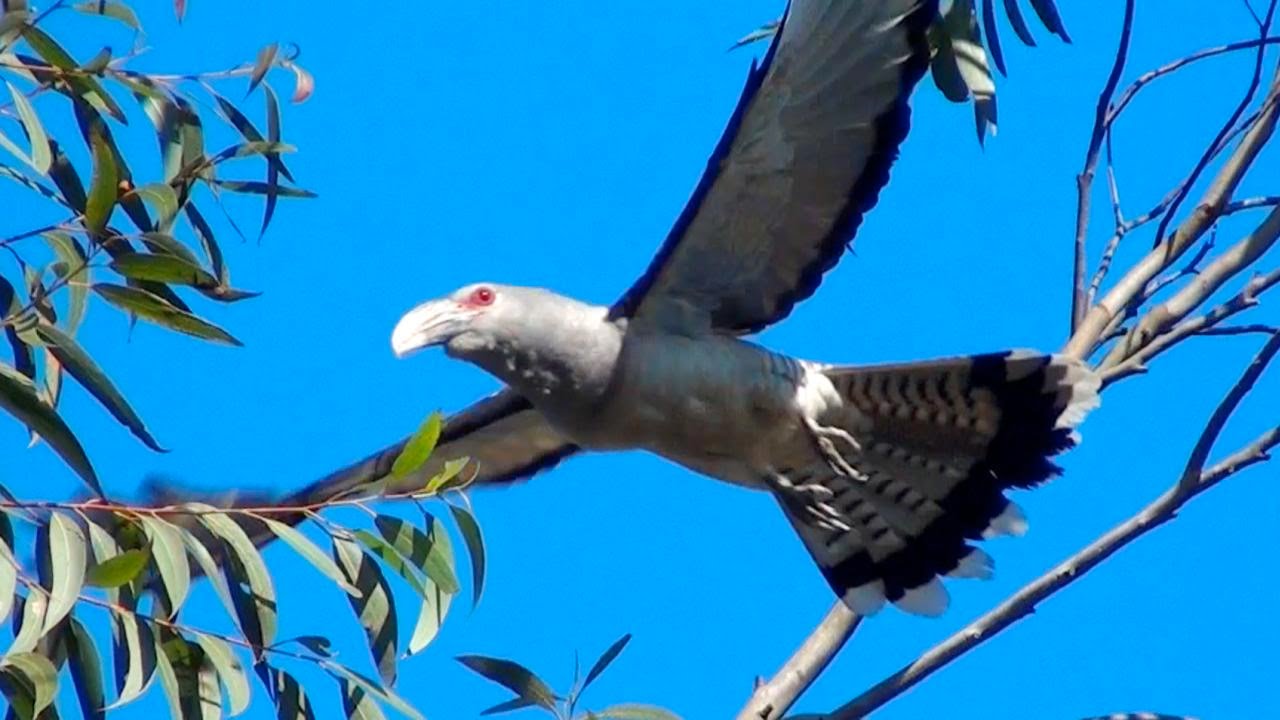
During spring and summer, Sydneysiders will often hear the loud calls of Channel-billed Cuckoos, the largest parasitic cuckoo in the world. Go to https://youtu.be/AkADDHrVKys to see amazing close up footage of a Channel-billed Cuckoo's face filmed in November 2018.


 tulip slate
Join my Quiplash CLFP
 hollow reef

⚡ Aftermath RP is a unique Arma 3 RP server with a ton of features that you will never find anywhere on other servers. If you love Fallout - welcome aboard! 🏜️
🌴 Craft your own destiny and survive the post-apocalyptic Mojave wasteland 🌵
Discord link: discord.gg/K4Nrn3g6B3
crimson marlin
Birb

 craggy raven
 modest isle
 halcyon island
Cutie snakes 🐍💚
Although the material used to make this nest gives me goosebumps

 silent cargo
oops wrong one
there we go

as usual i post drg sales whenever theres a sale
i know nobody ever buys it, but i still try
 slow hazel
Thats how I imagine you. You are being all fluffy and cute outside but secrefly you are a demongirl that wants blood
distant nymph
D:
slow hazel

digital sleet
slow hazel
Thats how I imagine you. You are being all fluffy and cute outside but secrefly ...
 slow hazel
Lmfaoo
modest isle
modest isle
First Animal species of the day (351) :
Asian water monitor / (Varanus salvator)

The Asian water monitor (Varanus salvator) is a large varanid lizard native to South and Southeast Asia. It is widely considered to be the second-largest lizard species, after the Komodo dragon. It is distributed from eastern and northeastern India and Bangladesh, the Andaman and Nicobar Islands, Sri Lanka, through southern China and Hainan Island in the east to mainland Southeast Asia and the islands of Sumatra, Borneo, Java, Lombok, the Riau Archipelago, Sulawesi. It is one of the most widespread monitor lizards.

The Asian water monitor has a natural affinity towards water, inhabiting the surroundings of lakes, rivers, ponds, swamps and various riparian habitats, including sewers, city parks, and urban waterways. It is an excellent swimmer and hunts fish, frogs, invertebrates, water birds, and other types of aquatic and amphibious prey. Due to its apparently large, stable population, it is currently listed as Least Concern on to the IUCN Red List.

The Asian water monitor is dark brown or blackish with yellow spots on the underside that fade gradually with age. It has blackish bands with yellow edges extending back from each eye. Its body is muscular, with long, powerful, laterally compressed tails. Its scales are keeled; the ones on top of the head are larger than those on the back. Its neck is long and the snout elongated. It has powerful jaws, serrated teeth and sharp claws
Adults rarely exceed 1.5–2 m (4 ft 11 in – 6 ft 7 in) in length, but the largest specimen on record from Sri Lanka measured 3.21 m (10.5 ft). A common mature weight is 19.5 kg (43 lb)

In captivity, Asian water monitors' life expectancy has been determined to be anywhere between 11 and 25 years depending on conditions, in the wild it is considerably shorter

The Asian water monitor is semiaquatic and opportunistic; it inhabits a variety of natural habitats though predominantly resides in primary forests and mangrove swamps. It has been noted that it is not deterred from living in areas near human civilization. In fact, it has been known to adapt and thrive in agricultural areas as well as cities with canal systems, such as in Sri Lanka, where they are not hunted or persecuted. Habitats that are considered to be most important are mangrove vegetation, swamps, wetlands, and elevations below 1,000 m (3,300 ft).

Water monitors defend themselves using their tails, claws, and jaws. They are excellent swimmers, using the raised fin on their tails to steer through water. When encountering smaller prey items, the water monitor will subdue it in its jaws and proceed to violently thrash its neck, destroying the prey's organs and spine which leaves it dead or incapacitated. The lizard will then swallow it whole. In dominantly aquatic habitats, their semiaquatic behavior is considered to provide a measure of safety from predators
Loss of habitat and hunting has exterminated water monitors from most of mainland India. In other areas they survive despite being hunted, due in part to the fact that larger ones, including large females that breed large numbers of eggs, have tough skins that are not desirable


@silent cargo
@crimson marlin
@restive charm
@shell rapids
@raven ember
@frosty geyser
@drowsy egret
@azure oar
@sullen merlin
@lone star
@dense field
@hallow parrot
@limber grove
@wintry marlin
@cedar crescent
@distant nymph
@rustic badger
@spice gyro
wintry marlin
Lizord
rustic badger
modest isle
Monitors that we have done so far 🦎✅ :
- Komodo Dragon
- Megalania
- Earless Monitor
- Desert Monitor
- Crocodile Monitor
- Asian Water Monitor


 crimson marlin
Lizard..neat
raven ember
modest isle
First Animal species of the day (351) :
Asian water monitor / (Varanus salvator)
yay!
raven ember
modest isle
Monitors that we have done so far 🦎✅ :
- Komodo Dragon
- Megalania
- Earless ...
potential megalania skins in there
modest isle
raven ember
potential megalania skins in there
Actually thats a good idea for megalania to have theses skins in the isle
distant nymph
modest isle
First Animal species of the day (351) :
Asian water monitor / (Varanus salvator)
Nice! 😊
azure oar
Cool dinosaur
modest isle
Second Animal species of the day (352) :
Saiga antelope / (Saiga tatarica)

The saiga antelope (/ˈsaɪɡə/, Saiga tatarica), or saiga, is a species of antelope which during antiquity inhabited a vast area of the Eurasian steppe, spanning the foothills of the Carpathian Mountains in the northwest and Caucasus in the southwest into Mongolia in the northeast and Dzungaria in the southeast. During the Pleistocene, it ranged across the mammoth steppe from the British Isles to Beringia. Today, the dominant subspecies (S. t. tatarica) only occurs in Kalmykia and Astrakhan Oblast of Russia and in the Ural, Ustyurt and Betpak-Dala regions of Kazakhstan. A portion of the Ustyurt population migrates south to Uzbekistan and occasionally to Turkmenistan in winter. It is regionally extinct in Romania, Ukraine, Moldova, China and southwestern Mongolia. The Mongolian subspecies (S. t. mongolica) occurs only in western Mongolia.

The saiga stands 61–81 cm (24–32 in) at the shoulder, and weighs 26–69 kg (57–152 lb). The head-and-body length is typically between 100 and 140 cm (39 and 55 in). A prominent feature of the saiga is the pair of closely spaced, bloated nostrils directed downward. Other facial features include the dark markings on the cheeks and the nose, and the 7–12 cm (2.8–4.7 in) long ears

The coat shows seasonal changes. In summer, the coat appears yellow to red, fading toward the flanks. The Mongolian saiga can develop a sandy colour. The coat develops a pale, grayish-brown colour in winter, with a hint of brown on the belly and the neck. The ventral parts are generally white. The hairs, that measure 18–30 mm (0.71–1.18 in) long in summer, can grow as long as 40–70 mm (1.6–2.8 in) in winter. This forms a 12 to 15 cm (4.7 to 5.9 in) long mane on the neck. Two distinct moults

Saigas form very large herds that graze in semideserts, steppes, grasslands, and possibly open woodlands, eating several species of plants, including some that are poisonous to other animals. They can cover long distances and swim across rivers, but they avoid steep or rugged areas. The mating season starts in November, when stags fight for the acceptance of females. The winner leads a herd of five to ten females (occasionally up to 50).[2] In springtime, mothers come together in mass to give birth.[18] Two-thirds of births are twins; the remaining third of births are single calves

Saigas have been a target of hunting since prehistoric ages, when hunting was an essential means to acquire food. Saigas' horns, meat, and skin have commercial value and are exported from Kazakhstan.
Saiga horn, known as Cornu Antelopis, is one of the main ingredients in traditional Chinese medicine that is used as an extract or powder additive to the elixirs, ointments, and drinks. Saiga horn's value is equal to rhinoceros horn, whose trade was banned in 1993. Cornu Antelopis is thought to be a cheaper substitute of rare rhino horn in most TCM recipes


@silent cargo
@crimson marlin
@restive charm
@shell rapids
@raven ember
@frosty geyser
@drowsy egret
@azure oar
@sullen merlin
@lone star
@dense field
@hallow parrot
@limber grove
@wintry marlin
@cedar crescent
@distant nymph
@rustic badger
@spice gyro
hallow parrot
shnoot
wintry marlin
Mammal
 distant nymph
modest isle
The coat shows seasonal changes. In summer, the coat appears yellow to red, fadi...
distant nymph
modest isle
The coat shows seasonal changes. In summer, the coat appears yellow to red, fadi...
aww xD
modest isle
When your Winter ❄️ Coat looks like a different species compared to to your Summer ☀️ Coat

 distant nymph
That's a really funny one xD
modest isle
Fr 💀
sullen merlin
modest isle
When your Winter ❄️ Coat looks like a different species compared to to your Summ...
Bro refused to go extinct during the eocene period or something
azure oar
modest isle
When your Winter ❄️ Coat looks like a different species compared to to your Summ...
that winter coat face looks like an elphant seal
 slow hazel
No selfies
 pseudo hazel
 crimson marlin
That snout is goofy
 blazing wagon
you're goofy lol 😆
 surreal kite
My steam account just got hacked today, which sucks because if I lose my steam there is no way I’m getting another account with the isle on it for at least a month. I just bought a lot of games on my account with money I got on my birthday 😭
This day sucks so far
digital sleet
surreal kite
My steam account just got hacked today, which sucks because if I lose my steam t...
contact steam support
surreal kite
digital sleet
contact steam support
I did, I just wanted to complain about it
cedar crescent
surreal kite
I did, I just wanted to complain about it
That sucks man :( I hope you get it back
 copper nexus
Since Jurassic 7 is now filming and Jurassic park survival is being made what would everyone want to see in these things .
Personally I would like a full grown dilophosaurus in the next movie or game as it would be really cool,
it’s was confirmed by Stan Winston and Steven Spielberg in the 90’s that the individual in the first Jurassic park movie was not a adult and was in fact a juvenile as proven by this video: https://youtu.be/-aC-n4Ylju4?si=T4eq7VZ_Hht20mqe

This video from the old E! Entertainment special on The Lost World: Jurassic Park shows behind-the-scenes footage of Steven Spielberg, Stan Winston, and Jack Horner confirming that the small Dilophosaurus seen in the first Jurassic Park was indeed a juvenile and not fully grown.
 mortal marten
Something
 lofty blade
You may ask yourself "should I?"
When you SHOULD be asking yourself "why not?"
These are wise words indeed.
Or not I dunno.
digital sleet
copper nexus
Since Jurassic 7 is now filming and Jurassic park survival is being made what wo...
I want the movie to not be dreadful garbage
that is all I want
neat basalt
like every single jw related thing since JW1
slow hazel
digital sleet
that is all I want
Me when Dominion is the worst JP/JW movie in existence
distant nymph
lofty blade
You may ask yourself "should I?"
When you SHOULD be asking yourself "why not?"
T...

Box your stuff if you think that Aperture science will have any safe science.
 graceful trail
@digital sleet if you haven't already seen it
 digital sleet
graceful trail
<@327761922701262849> if you haven't already seen it
digital sleet
graceful trail
<@327761922701262849> if you haven't already seen it
what is this from
graceful trail
digital sleet
what is this from
Primordial Tyrant's meg
copper nexus
 neat basalt
that is one skinny dilophosaurus
copper nexus
True
But I think it’s canon to JP that the Dilo was juvenile
Steven Spielberg and stan Winston adult dilophosaurus confirmation video: https://youtu.be/-aC-n4Ylju4?si=T4eq7VZ_Hht20mqe
Amber mines explanation video: https://youtu.be/EEW7RPfOv4A?si=r0EWWrmIhN6lT5v7
This video from the old E! Entertainment special on The Lost World: Jurassic Park shows behind-the-scenes footage of Steven Spielberg, Stan Winston, and Jack Horner confirming that the small Dilophosaurus seen in the first Jurassic Park was indeed a juvenile and not fully grown.

Hey Amber Miners! Today we are starting a NEW SERIES!! Jurassic Myths! Our first myth we are tackling is "What as the true size of the Dilophosaurus in the Jurassic Franchise?" The amount of evidence might just surprise you!
Written in part by Ryan of EJP with contributions from thy1acine and BOb14435
============ Follow The Amber Mine =======...
digital sleet
copper nexus
But I think it’s canon to JP that the Dilo was juvenile
because it is
in the novel, the dilophosaurus was an adult form, being above the height of a man
modest isle
digital sleet
because it is
Same with Allosaurus in Jurassic World fallen kingdom are a juvenile specimens

While the ones we see in Jurassic World Dominion are Adult Allosaurus individuals
 copper nexus
digital sleet
because it is
copper nexus
digital sleet
because it is
I hope universal gives us an adult because the video of stan stating it was a juvenile has been around since the making of the lost world
It is the best opportunity for them to add one in Jurassic park survival
Hey Amber Miners! Today we are starting a NEW SERIES!! Jurassic Myths! Our first myth we are tackling is "What as the true size of the Dilophosaurus in the Jurassic Franchise?" The amount of evidence might just surprise you!
Written in part by Ryan of EJP with contributions from thy1acine and BOb14435
============ Follow The Amber Mine =======...
copper nexus
copper nexus
: https://youtu.be/EEW7RPfOv4A?si=r0EWWrmIhN6lT5v7
8:41 explains the image I showed and just after it’s explains the stan Winston video
modest isle
First Animal species of the day (353) :
Black-footed ferret / (Mustela nigripes)

The black-footed ferret (Mustela nigripes), also known as the American polecat[4] or prairie dog hunter,[5] is a species of mustelid native to central North America.

The black-footed ferret is roughly the size of a mink and is similar in appearance to the European polecat and the Asian steppe polecat. It is largely nocturnal and solitary, except when breeding or raising litters.[6][7] Up to 90% of its diet is composed of prairie dogs.

The species declined throughout the 20th century, primarily as a result of decreases in prairie dog populations and sylvatic plague. It was declared extinct in 1979, but a residual wild population was discovered in Meeteetse, Wyoming in 1981.[10] A captive-breeding program launched by the United States Fish and Wildlife Service resulted in its reintroduction into eight western US states, Canada, and Mexico from 1991 to 2009. As of 2015, over 200 mature individuals are in the wild across 18 populations, with four self-sustaining populations in South Dakota, Arizona, and Wyoming.[1][11] It was first listed as "endangered" in 1982, then listed as "extinct in the wild" in 1996 before being upgraded back to "endangered" in the IUCN Red List in 2008

The black-footed ferret has a long, slender body with black outlines on its paws, ears, parts of its face and its tail. The forehead is arched and broad, and the muzzle is short. It has few whiskers, and its ears are triangular, short, erect and broad at the base. The neck is long and the legs short and stout. The toes are armed with sharp, very slightly arched claws. The feet on both surfaces are covered in hair, even to the soles, thus concealing the claws
Males measure 500–533 millimetres (19.7–21.0 in) in body length and 114–127 millimetres (4.5–5.0 in) in tail length, thus constituting 22–25% of its body length. Females are typically 10% smaller than males.[15] It weighs 650–1,400 grams (1.43–3.09 lb)

The black-footed ferret is solitary, except when breeding or raising litters.[6][7] It is nocturnal[6][21] and primarily hunts for sleeping prairie dogs in their burrows.[22] It is most active above ground from dusk to midnight and 4 am to mid-morning.[9] Aboveground activity is greatest during late summer and early autumn when juveniles become independent.[9] Climate generally does not limit black-footed ferret activity,[7][9] but it may remain inactive inside burrows for up to 6 days at a time during winter

Up to 90% of the black-footed ferret's diet is composed of prairie dogs.[8][9] The remaining 10% of their diet is composed of small rodents, and lagomorphs.[26] Their diet varies depending on geographic location. In western Colorado, Utah, Wyoming, and Montana, black-footed ferrets are historically associated with white-tailed prairie dogs and were forced to find alternative prey when white-tailed prairie dogs entered their four-month hibernation cycle.[21] In Wyoming, alternative prey items consumed during white-tailed prairie dog hibernation included voles (Microtus spp.) and mice (Peromyscus and Mus spp.) found near streams. In South Dakota, black-footed ferrets associate with black-tailed prairie dogs. Because black-tailed prairie dogs do not hibernate, little seasonal change in black-footed ferret diet is necessary


@silent cargo
@crimson marlin
@restive charm
@naive apex a black footed ferret like suggested
@shell rapids
@raven ember
@frosty geyser
@drowsy egret
@azure oar
@sullen merlin
@lone star
@dense field
@hallow parrot
@limber grove
@wintry marlin
@cedar crescent
@distant nymph
@rustic badger
@spice gyro
sullen merlin
modest isle
Guys when i was pinging i noticed
Iris Got banned 
 wintry marlin
modest isle
<@891758812908884052>
<@585846202705248276>
<@478213198458257409>
<@8728300549...
wintry marlin
modest isle
<@891758812908884052>
<@585846202705248276>
<@478213198458257409>
<@8728300549...
Ferret
sullen merlin
modest isle
Guys when i was pinging i noticed
Iris Got banned <:TI_Trollge:8119577113979781...
Rip
wintry marlin
modest isle
Guys when i was pinging i noticed
Iris Got banned <:TI_Trollge:8119577113979781...
distant nymph
modest isle
First Animal species of the day (353) :
Black-footed ferret / (Mustela nigripes)

distant nymph
modest isle
Guys when i was pinging i noticed
Iris Got banned <:TI_Trollge:8119577113979781...
D:
Or left maybe for some reason
modest isle
raven ember
NOOO EVRIM IS GONE. THIS WOULD BE THE PERFECT PING. ITS LITERALLY HIM.
wintry marlin
True
raven ember
distant nymph
Or left maybe for some reason
 modest isle
raven ember
NOOO EVRIM IS GONE. THIS WOULD BE THE PERFECT PING. ITS LITERALLY HIM. <:TI_Succ...
modest isle
raven ember
NOOO EVRIM IS GONE. THIS WOULD BE THE PERFECT PING. ITS LITERALLY HIM. <:TI_Succ...
Evrimomo got banned too !!!!!!! 😰

We lost 2 memebers = 2 less pings
raven ember
modest isle
Evrimomo got banned too !!!!!!! 😰
dang it
raven ember
he was back for some months
modest isle
distant nymph
Ages ago ): yeah
He got back
But today got banned ? Again ?
distant nymph
True, yeah
raven ember
Rabbithorn
 wintry marlin
modest isle
Evrimomo got banned too !!!!!!! 😰
wintry marlin
modest isle
Evrimomo got banned too !!!!!!! 😰
No he left
sullen merlin
modest isle
He got back
But today got banned ? Again ?
Wait wut why
wintry marlin
Evrimo left he just wants a break
modest isle
Fair
 native tulip
naive apex
modest isle
Up to 90% of the black-footed ferret's diet is composed of prairie dogs.[8][9] T...
native tulip
naive apex
modest isle
Up to 90% of the black-footed ferret's diet is composed of prairie dogs.[8][9] T...
YYYYYEEEEAAAAAAAAA
 since when and why
full patrol
since when and why
full patrol
Iris and evrimono left on their own accord, they were not banned @modest isle
modest isle
I see thats fair
Evrimo said he quits
lofty blade
full patrol
Iris and evrimono left on their own accord, they were not banned <@8107964280027...
Aw 
Well at least it was by choice. I don't blame em honestly
surreal nacelle
I've always wondered why people leave. It's really not that bad here. I've been to a lot of communities too
 limber grove
it's usually the people that are really really active here, so it's probably that the best way for them to take a break is to make the server totally unavailable
 surreal nacelle
limber grove
it's usually the people that are really really active here, so it's probably tha...
surreal nacelle
limber grove
it's usually the people that are really really active here, so it's probably tha...
Yeah but just like, don't click on it
lofty blade
At least to me, I'd say it's a mix of part of you wanting to be here for the good stuff as well as not wanting anything to do with this place, even just not clicking on it.
I can say for myself that if it weren't for a handful of cool peeps and Isle news, I'd be long gone. This Discord does not vibe with me.
lone star
lofty blade
At least to me, I'd say it's a mix of part of you *wanting* to be here for the g...
Honestly I agree for both points there
full patrol
Interesting perspectives
I've never had that issue with any discord server 
But I'm also inactive in all but 2 of the servers I'm in 💀
slow hazel
I will never leave
lone star
full patrol
Interesting perspectives
I've never had that issue with any discord server <:TI...
Yeah I don’t have any real issues here that make me want to just immediately leave, it’s moreso there’s a few….
Mindsets… I guess… that some people in this server have that exhaust me sometimes
…also yeah I’m also inactive in all but 2-3 servers I’m in. So.
full patrol
lone star
Yeah I don’t have any real issues here that make me want to just immediately lea...
I try not to get emotionally invested in anyone's comments/opinions but that could be more of a mod mindset
rustic badger
I'm only active here, sometimes on one other but yeah. Just find people funny here
 tired hinge
I just broke and bought primal carnage extinction
why that reaction? should I be worried?
lone star
tired hinge
the purchase isnt finalised, please tell me if im making a mistake. I did really like the first one but it's totally dead now so I cant play
its like around 5 bucks so not a lot of money lost but I'm truly curious what that reaction meant
lone star
Nah I have it too
Weirdly fun, issue is since it’s not very popular it’s filled with very experienced people who don’t oftentimes give new players a chance
Also a lot of skins and such must be purchased and bla bla, but ignoring all that i find it oddly entertaining
tired hinge
lone star
Nah I have it too
Weirdly fun, issue is since it’s not very popular it’s filled...
I hope I still have some leftover knowledge from the first one then
modest isle
Second Animal species of the day (354) :
European flounder / (Platichthys flesus)

The European flounder (Platichthys flesus) is a flatfish of European coastal waters from the White Sea in the north to the Mediterranean and the Black Sea in the south. It has been introduced into the United States and Canada accidentally through transport in ballast water. It is caught and used for human consumption.

The European flounder is oval in shape and is usually right-eyed. It normally grows about 30 cm in length, although lengths of up to 60 cm have been recorded. The upper surface is usually dull brown or olive in colour with reddish spots and brown blotches and this fish can change colour to suit its background, providing an effective camouflage. The underside is pearly-white, giving the fish one of its common names, the white fluke. The lateral line features rows of small tubercles, as do the bases of the dorsal and anal fins.
 crimson marlin
Ferret
modest isle
The fish is flattened laterally and swims and rests on one side. During development, its eyes usually migrate to the right side of the fish and what appears to be its upper surface is in reality its right side. In about thirty percent of individuals, its eyes move to the left and the left side becomes uppermost. The fish has a small mouth at the end of its bluntly pointed snout. The upper surface is fawn, olive green or pale brown with spots and larger patches of darker brown and some irregular reddish spots.

the head to beside the caudal peduncle. It has no dorsal spines but has between 53 and 62 soft rays. The anal fin also runs the length of the body and has no spines and 37 to 46 soft rays. The skin is rough, with prickly tubercles at the base of the dorsal and anal fins, and there are large scales beside the lateral line. The caudal peduncle is about half the length of the tail and the caudal fin has a squared-off end

The European flounder can also be found in estuaries where it is tolerant of low salinity levels and, unlike other species of Pleuronectidae, it often spends part of its life cycle in freshwater and regularly makes its way into rivers. In the British Isles, it has been found as far inland as Montgomeryshire on the River Severn, Dinas Mawddwy on the River Dovey and Garstang on the River Wyre. Unlike the Atlantic salmon, it feeds in the rivers and makes its way out to sea again before spawning

The European flounder is assessed by the IUCN in their Red List of Threatened Species as being of "Least Concern". This is because it has a large population size and extensive range, and is common in nearly all parts of its range. Numbers of fish may be decreasing somewhat but not to the extent that would warrant listing it under a higher risk category.[1] However, in portions of the Baltic Sea, changes in the environment have resulted in steadily receding breeding grounds for the European flounder; in some places such as the Gulf of Finland, the European flounder has been nearly completely extirpated, leaving the Baltic flounder as the predominant species


@silent cargo
@crimson marlin
@restive charm
@shell rapids
@raven ember
@frosty geyser
@drowsy egret
@azure oar
@sullen merlin
@lone star
@dense field
@hallow parrot
@limber grove
@wintry marlin
@cedar crescent
@distant nymph
@rustic badger
@spice gyro
distant nymph

modest isle
https://tenor.com/view/flatfish-gif-27598059
Our Flat Brothers And Sisters Shall Rise Again
 azure oar
the earth isn‘t just flat we live on a giant flounder swimming through time and space
modest isle
They have both of their eyes on their left side
And Left side is basically their top side
azure oar
does that mean that from their view they swim sideways?
sullen merlin
Wait wut
modest isle
Lol true
sullen merlin
since when are there filters on gifs
modest isle
sullen merlin
since when are there filters on gifs
 sullen merlin
Automod sniped me for no reason
modest isle
What was the GIF ???
azure oar
ohhhh I thought you meant search filters
modest isle
Me too
sullen merlin
modest isle
What was the GIF ???
It was ted saying "im a lil f'd up" with his face crooked like the fish
wintry marlin
modest isle
<@891758812908884052>
<@585846202705248276>
<@478213198458257409>
<@8728300549...
flat
tired hinge
@lone star im not totally useless at the game, yay!
surreal nacelle
full patrol
I try not to get emotionally invested in anyone's comments/opinions but that cou...
Pretty much same. It's just a game yo
 flint lintel
surreal nacelle
Pretty much same. It's just a game yo
flint lintel
surreal nacelle
Pretty much same. It's just a game yo
Hey Krow i had a question do mutations stack?
spice zephyr
No
raven ember
surreal nacelle
Pretty much same. It's just a game yo
Oh krow congrats on getting senior admin btw.
silent cargo
🎂 📆 🎉 🎉
surreal nacelle
raven ember
Oh krow congrats on getting senior admin btw.
ty
it's been
something
 spice gyro
No
neat basalt
did i miss african rock python
copper nexus
What raptor variant does everyone wish to see in Jurassic 7

Females on the left
males on the right
V.3 was meant for the dinotracker website but was never used
V.1 appeared in the first and second movie
V.2 was last seen in the dinotracker website and was also in JP3
raven ember
copper nexus
What raptor variant does everyone wish to see in Jurassic 7
I like the tiger skinned ones ngl. But it would also be nice to see the JP3 one too. They were quite unique in appearance and mannerisms
copper nexus
raven ember
I like the tiger skinned ones ngl. But it would also be nice to see the JP3 one ...
Fr
There will be more than likely be some long grass in the film as we can see from the set images so who knows maybe the V1 males (tigers) will reappear
Although I do also hope for the V2 raptors (JP3) to appear aswell

It will probably be an ingen island as shown by a gas pump with the ingen logo,
so more than likely one of the other los cinco muertes islands (the 5 deaths)
Isla muertes
Isla mantaceros
Isla pena
Isla tacano
I would like to see sorna again but the terrain is so different form the other 2 sorna movies so it’s probably one of the other islands
 rustic badger
copper nexus
What raptor variant does everyone wish to see in Jurassic 7
rustic badger
copper nexus
What raptor variant does everyone wish to see in Jurassic 7
Looking at them straight from the side makes em look way weirder than I remember
copper nexus
rustic badger
Looking at them straight from the side makes em look way weirder than I remember
yeah lol
sullen merlin
surreal nacelle
something
How do you get the promotion? Do you just have to be an admin for a long time?
surreal nacelle
sullen merlin
How do you get the promotion? Do you just have to be an admin for a long time?
It's not as simple no.
It's done at the discretion of the highest ups.
sullen merlin
surreal nacelle
It's not as simple no.
It's done at the discretion of the highest ups.
Ah i see, so its based on how well u handle things, performance if u will
I know u've had it for a while now but still congrats!
surreal nacelle
Thank you 😊
sullen merlin
@modest isle I spotted some european tree frogs today!
Theres only 1 population of them in belgium at 1 specific nature reserve

 vagrant cave
Lil sum I'm working on
 flint wren
surreal nacelle
Thank you 😊
flint wren
surreal nacelle
Thank you 😊
Happy bir- promotion 
digital sleet
why do you keep posting the same video every day and saying it’s proof about the Jurassic park dilo
everyone knows the real dilo is huge except the facebook boomers
 fierce nest
any update on the uk election results? i'm too tired to understand anything right now
surreal nacelle
We avoid politics discussion here.
 near timber
Is this a scam dawg

Nvm yes it is haha, I sent them this picture saying “rekt” and they blocked me
 neat basalt
yes
modest isle
sullen merlin

 unreal pier
this apple pie tastes good
 fierce nest
surreal nacelle
We avoid politics discussion here.
fierce nest
surreal nacelle
We avoid politics discussion here.
ah that's fine
surreal nacelle
unreal pier
this apple pie tastes good
Oh my god dude
unreal pier
hmm i see
sullen merlin



 flint wren
near timber
Is this a scam dawg
flint wren
near timber
Is this a scam dawg
I know that you already figured it out but nobody is going to reach you through Discord
Even if it is Discord they will send you an email not message you
Also, a Discord official won’t ever ask for any account information because anything they need they already have access too
 frigid turret
ngl I spend so much time around other dinosaur nerds that I forget how little of it is common knowledge
This one guy I talked to didn't even know the big ones like Allo, Anky, Brachi, etc.
 willow knot
 hallow parrot
I need to know something, do you people have tomatoes like the first image or the second?
Because im so confused, I've never ever in my life seen a giant tomato like the second image, I didn't even think it was possible


like how big are those things, the tomatoes im used to fit in your palms and is snack sized
neat basalt
hallow parrot
like how big are those things, the tomatoes im used to fit in your palms and is ...
america sells some LARGE tomatos
hallow parrot
i do not wanna know what chemicals america pumps their tomatoes with
my European mind cannot perceive it being possible
barren bear
hallow parrot
i do not wanna know what chemicals america pumps their tomatoes with
all
distant nymph
hallow parrot
I need to know something, do you people have tomatoes like the first image or th...
first image o: I've never seen the right pattern
I Like small tomatoes more anyway >.<
Cherry tomatoes have the best taste for me, larger ones are sadly often pretty tasteless in my opinion
sullen merlin
hallow parrot
I need to know something, do you people have tomatoes like the first image or th...
Just eat cherry tomatoes
sullen merlin
distant nymph
** **
I Like small tomatoes more anyway >.<
Cherry tomatoes have the best taste ...

 full patrol
hallow parrot
I need to know something, do you people have tomatoes like the first image or th...
full patrol
hallow parrot
I need to know something, do you people have tomatoes like the first image or th...
Both, the big ones we call beefsteak tomatoes. The biggest one we've grown was almost as big as a grapefruit
full patrol
distant nymph
** **
I Like small tomatoes more anyway >.<
Cherry tomatoes have the best taste ...
Gotta get the heirloom tomatoes they taste way better than the grocery store ones
hallow parrot
it feels weird learning about giant tomatoes this late in life
imma stick to my smaller tomatoes, they’re sweet and just big enough to add to sandwiches and fajitas and such :>
wintry marlin
modest isle
https://tenor.com/view/mukbang-360-360-degrees-eating-eating-food-gif-9533115288...
Where is my animal of the day sleepy
modest isle
wintry marlin
Where is my animal of the day sleepy<:TI_Squint:1128931586088386641>
Tomorrow :
- Sandbar shark
- Arapaima fish

 flint wren
modest isle
Tomorrow :
- Sandbar shark
- Arapaima fish
flint wren
modest isle
Tomorrow :
- Sandbar shark
- Arapaima fish
Dashark Master is going to go crazy tomorrow
modest isle
 native tulip
Fun Fact: on the Show "River Monsters", the Arapaima Headbutted the Host (Jeremy Wade) so Hard That he Gained an Irregular Heartbeat, Which he Still Has
lone star
hallow parrot
I need to know something, do you people have tomatoes like the first image or th...
Usually the left
I’ve only seen the right from reaaaaally weirdly shaped homegrown ones
Okay discord don’t lie when a message is from hours and hours ago.
modest isle
native tulip
Fun Fact: on the Show "River Monsters", the Arapaima Headbutted the Host (Jeremy...
Arapaima, Theses fish are so tough you need a screwdriver and hammers 🪛 to remove their scales
Since there are some people who eat these armored fish
 full patrol
Arapaima are awesome and SO BIG like +8ft long. And the red details are
If you ever get the chance to see one in person I recommend it
modest isle
The arapaima is the equivalent of a Godzilla in the point of view of my Guppies
Both Common Guppies and Arapaima live in the same environment
native tulip
Okapi (Okapia Johnstoni)
Height: 4.11 Feet (Shoulder)
Length: 8.2 Feet
Mass: 440-770 Lbs
Diet: Herbivorous
Food Source: Leaves, Fruit, Grass, Fungi
Location: Republic of The Congo
Terrain: Rainforests
Neighbouring Fauna:
• Leopards
• We Have no Idea


 elder meadow
Based on that it seems to imply you're eating the tapir as sausages
native tulip
Eepy Minmi

 smoky herald

In this episode Gible takes on Noobz server 1 as a Tyrannosaurus. Watch until the end to see if the Rex will reach full grown adulthood.
Chapters
0:00 Intro
0:24 Color Select
0:47 Juvenile
1:23 Scavenging
2:14 Juvie Rex
3:15 Juvie Allo 1
4:15 Juvie Allo 2
4:41 Growth to Sub
4:54 Dilo
5:32 Allosaurus
6:28 Utahs
8:01 Growth to Adult
8:37 2 Paras...
 nocturne blaze
name ideas?
 neat basalt
nocturne blaze
name ideas?
neat basalt
nocturne blaze
name ideas?
plastic
nocturne blaze
neat basalt
plastic
perfect name
neat basalt
thank u
full patrol
nocturne blaze
name ideas?
Bologna
spice zephyr
Bert
barren bear
o
native tulip
My Jurassic World Evolution 2 "Australia" Build:
• 11 Minmi (Death Valley+Pelophylax)
• 7 Muttaburrasaurus (Great Sandy+Papurana)
• 1 "Australotitan" (Sonoran Desert+Pulchrana)
• 3 Kronosaurus (Qilian Mountains+Papurana)
the Australotitan is Actually a Dreadnoughtus
native tulip
• 4 Australovenator (Qilian Mountains+Blank)
native tulip
Fun Fact: This Deer has Less Chromosomes than a Fruit Fly
 drowsy egret
hallow parrot
I need to know something, do you people have tomatoes like the first image or th...
drowsy egret
hallow parrot
I need to know something, do you people have tomatoes like the first image or th...
apparently its normal in america
full patrol
Different varieties of tomatoes
 plain hazel
modest isle
plain hazel
modest isle
First Animal species of the day (355) :
Giant Arapaima / (Arapaima gigas)

Arapaima gigas, also known as pirarucu or simply arapaima,[3] is a species of arapaima native to the basin of the Amazon River. Once believed to be the sole species in the genus, it is among the largest freshwater fish. The species is an obligate air breather, so it needs to come to the surface regularly to breathe air.

The species is among the largest known freshwater fish, commonly measuring 200 cm (79 in) and reportedly exceptionally reaching lengths of up to 450 cm (15 ft). Adults may weigh up to 200 kg (440 lb).[5] A. gigas has a streamlined body with dorsal and anal fins set well back towards the tail. While the body is mainly gray to gray-green, its Brazilian local name pirarucu derives from an indigenous word for "red fish", thought to refer to either the red flecks on the scales towards the tail, or the reddish-orange color of its meat
 digital sleet
damn is that a fish
modest isle
The fish have "flexible, armor-like scales" made up of "a hard, mineralized outer layer" and "a tough-but-flexible inner layer" that help protect it from attacks by piranhas.
Armored Fish !!!!!!


A. gigas is native to freshwater in the basin of the Amazon River; it is known to occur in Bolivia, Brazil, Guyana, and Peru.[5][1] In Bolivia known as paiche, it is considered an invasive species, affecting local native species and the ecosystem. It was first found in 1976,[7] and presumably introduced from Peru being washed out of a Peruvian fish farm by a flood.

The species has been introduced to parts of East Asia, both for fishing purposes and accidentally.[3] The fish are found in flooded forest areas where they reproduce during the wet season; they relocate to lakes after water levels drop
A 13-million-year-old fossil of arapaima (or very similar species) has been found in Colombia, in the Villavieja Formation, which dates from the Miocene epoch

Morphology changes occur as A. gigas undergoes the transition from water-breather to air-breather 8–9 days after hatch.[11] During the transition to air-breathing, the structure of the gills changes, making them better adapted for ion absorption, but less able to undergo gas diffusion. Once developmental changes in the gills take place, the lamella is less recognizable. The adult gills are made up of smooth, column-shaped filaments, instead

A. gigas requires breathing surface air to supplement the oxygen it derives from the use of its gills, and as such, is dependent on surfacing every 5–15 minutes to loudly gulp air at the surface. As in other species in the genus, a modified swim bladder that contains lung-like tissue is used for this purpose.
The species primarily feeds on fish, although juveniles prefer insects and fish larvae until fully grown. They also consume birds, mammals, fruits, and seeds on the water surface.
Spawning occurs in lakes and river channels during the time of low water levels (August to March).

The species has in the past been heavily impacted by overfishing, exacerbated by their easily exploited habit of surfacing regularly for air-gulping. The IUCN is currently not assigning a conservation status to A. gigas due to a lack of detailed information about population developments.[3] Arapaima fishing was banned outright in Brazil from 1996 to 1999, due to declining populations; since then, both subsistence and commercial fishing have been permitted in specially designated areas, and a sophisticated sustainable management strategy has led to massive recovery of stocks, from 2,500 in 1999 to over 170,000 in 2017


@silent cargo
@crimson marlin
@restive charm
lone star
Fishhhh
modest isle
@shell rapids
@raven ember
@frosty geyser
@drowsy egret
@azure oar
@sullen merlin
@lone star
@dense field
@hallow parrot
@limber grove
@wintry marlin
@cedar crescent
@distant nymph
@rustic badger
@spice gyro
sullen merlin
rustic badger
wintry marlin
Fish
rustic badger
fishy
modest isle
rustic badger
fishy
You are not wavepode you are an imposter Glaive
rustic badger
No, I'm the upgrade
modest isle
 sullen merlin
Glaive cant impostor me anymore cuz hes a noob white-name
modest isle
Ok punishment for you the entire month of July i will only send fish part of the AOTD 🐟
 distant nymph
modest isle
The fish have "flexible, armor-like scales" made up of "a hard, mineralized oute...
distant nymph
modest isle
The fish have "flexible, armor-like scales" made up of "a hard, mineralized oute...
Those are pretty cool o:
 gritty turret
modest isle
https://tenor.com/view/found-love-gif-21039553
gritty turret
modest isle
https://tenor.com/view/found-love-gif-21039553

native tulip
Who Here has Heard about the Greenland Shark
These Things can Live up to 900 Years and Reach the Sexual Maturity at 345
 raven ember
modest isle
https://tenor.com/view/found-love-gif-21039553
raven ember
modest isle
https://tenor.com/view/found-love-gif-21039553
XD
raven ember
native tulip
These Things can Live up to 900 Years and Reach the Sexual Maturity at 345
i have
plain hazel
 full patrol
Me
 grizzled moat
What do yall think of my obnoxious car noises?
crimson marlin
Big fish
unreal pier
crimson marlin
Big fish
the mystery to your answer


 crimson marlin
unreal pier
the mystery to your answer
crimson marlin
unreal pier
the mystery to your answer


 faint lake
unreal pier
the mystery to your answer
faint lake
unreal pier
the mystery to your answer

 faint lake
unreal pier
the mystery to your answer
faint lake
unreal pier
the mystery to your answer
da Hail is that man?
unreal pier
faint lake
da Hail is that man?
dogzilla i beliebe
modest isle
First Animal species of the day (356) :
Sandbar shark / (Carcharhinus plumbeus)

The sandbar shark (Carcharhinus plumbeus), also known as the brown shark or thickskin shark, is a species of requiem shark, and part of the family Carcharhinidae, native to the Atlantic Ocean and the Indo-Pacific. It is distinguishable by its very high first dorsal fin and interdorsal ridge.[2] It is not to be confused with the similarly named sand tiger shark, or Carcharias taurus.

The sandbar shark is one of the largest “”coastal sharks”” in the world, and is closely related to the dusky shark, the bignose shark, and the bull shark. Its dorsal fin is triangular and very high, and it has very long pectoral fins. Sandbar sharks usually have heavy-set bodies and rounded snouts that are shorter than the average shark's snout. Its upper teeth have broadly uneven cusps with sharp edges. Its second dorsal fin and anal fin are close to the same height.

Females can grow to 2–2.5 m (6.6–8.2 ft), males up to 1.8 m (5.9 ft). The maximum recorded weight is 240 kg (530 lb).[3] Female sandbar sharks have an average fork-length (tip of the nose to fork in the tail) of 154.9 cm with the males' average fork-length being 151.6 cm.[4] Its body color can vary from a blue-ish brown, grey or bronze, with a white or pale underside. Sandbar sharks swim alone or gather in sex-segregated schools that vary in size.

swims in deeper waters (200 m or more) as well as intertidal zones. Sandbar sharks are found in tropical to temperate waters worldwide; in the western Atlantic they range from Massachusetts to Brazil. Juveniles are common to abundant in the lower Chesapeake Bay, and nursery grounds are found from Delaware Bay to South Carolina. Other nursery grounds include Bonjuk Bay
Natural predators of the sandbar shark include the tiger shark and, rarely, great white sharks.
The sandbar shark itself preys on fish, rays, crabs, and molluscs.[7] They have also been found to primaily consume osteichthyes, or bony fish, octopi, european squid, and cuttlefish when in areas such as the Mediterranean or the Gulf of Gabés.[8] Sandbar sharks have been described as being a top predator in their ecosystem's food chain

There are disagreements about when exactly sandbar sharks reach sexual maturity, but most studies conclude that females reach sexual maturity around 13 years of age, while males tend to reach maturity around age 12 years old
The longevity of the sandbar shark is typically 35–41 years.

In spite of their large size and similar appearance to other dangerous sharks such as bull sharks, sandbar sharks are not considered to be dangerous to people. Very few, if any attacks are attributed to sandbar sharks. As a result, they are considered one of the safest sharks to swim with and are popular sharks for aquariam

The New Zealand Department of Conservation has classified the sandbar shark as "Data Deficient" under the New Zealand Threat Classification System


@silent cargo
@crimson marlin
@restive charm
@raven ember
@frosty geyser
@drowsy egret
@azure oar
@sullen merlin
@lone star
@hallow parrot
@limber grove
@wintry marlin
@cedar crescent
@distant nymph
@rustic badger
@spice gyro
sullen merlin
shurk
modest isle
Sandbar shark
 hallow parrot
7 year old me would have died to seen this
i used to be hella obsessed with sharks, and never came across an absurd dorsal fin like that
wintry marlin
modest isle
<@891758812908884052>
<@585846202705248276>
<@478213198458257409>
<@8728300549...
Shark
hallow parrot
shork
sullen merlin
shurk
modest isle
sullen merlin
shurk
July 2024 = Month of fish 🐟🐠🐡🎣
August 2024 = Normal Month
September 2024 = Normal Month
October 2024 = Month of Bugs 🪳🕷️🐛🐜🦟🪲👻🎃
And then we return to normal
distant nymph
I like Sharks, they're neat 😊
sullen merlin
modest isle
July 2024 = Month of fish 🐟🐠🐡🎣
August 2024 = Normal Month
September 2024 =...
Sea anemone when
modest isle
sullen merlin
Sea anemone when
1-8-2024
sullen merlin
@distant nymph U HAVE to do this
 distant nymph
Aww xD That's adorable
That also reminded me that I keep wanting to make a tiny pope head for them xD
 sullen merlin
U could literally make an irl minmi like that
sullen merlin
distant nymph
That also reminded me that I keep wanting to make a tiny pope head for them xD
Stegotortoise is way better tho
distant nymph
That's true 
sullen merlin
Or even better, pope stegotortoise
 elder garden
@analog smelt I know this is pretty irrelevant to you, but I just found something out that I found really funny.
In JJK Cursed Clash, Gojo's fully charged red does more damage than purple.
XD


 analog smelt
elder garden
<@430195078787497986> I know this is pretty irrelevant to you, but I just found ...
analog smelt
elder garden
<@430195078787497986> I know this is pretty irrelevant to you, but I just found ...

 lilac venture
My ducks grew up so fast they absolutely love having the big yard all to themselves. They get the zoomies and zoom all around , p hilarious


 heady spoke
lilac venture
My ducks grew up so fast they absolutely love having the big yard all to themsel...
heady spoke
lilac venture
My ducks grew up so fast they absolutely love having the big yard all to themsel...
they look dissapointed in you
lilac venture
heady spoke
they look dissapointed in you
Nah. It’s cuz they know you’re out here in the world being smelly. Also why are you not green anyway
 true surge
Yall I'm losing my mind. Cleaning dino toys for a daycare and. What is this. Is this a cerato I'm crying
 heady spoke
lilac venture
Nah. It’s cuz they know you’re out here in the world being smelly. Also why are ...
heady spoke
lilac venture
Nah. It’s cuz they know you’re out here in the world being smelly. Also why are ...
All green has been bleached from the server
lilac venture
heady spoke
All green has been bleached from the server
See what you did with your shenanigans? Jk
heady spoke
lilac venture
See what you did with your shenanigans? Jk
At least i shower
lilac venture
You spelled “u” wrong
lilac venture
true surge
Yall I'm losing my mind. Cleaning dino toys for a daycare and. What is this. Is ...
That’s awesome
heady spoke
lilac venture
You spelled “u” wrong
 lilac venture
heady spoke
lilac venture
heady spoke

rough hollow
full patrol
true surge
Yall I'm losing my mind. Cleaning dino toys for a daycare and. What is this. Is ...
- Put toys in 5gal bucket
- Fill with hot water (not scalding)
- Mix in 2 cap full of bleach (or a good splash if you don't want to measure)
- "Stir"
- Let soak for 10min
- Remove, rinse, let dry
Safe for plastic fish tank decorations and kids toys
And way easier than hand washing 1 by 1
rough hollow
rough hollow
rough hollow
Girl i feel you
surreal nacelle
 unreal goblet
Oh Twas deleted
unreal goblet
Oh Twas deleted
Oh did no one tell you why? I'm sorry.
Let me explain rq
While we definitely promote finding friends and new people here, because it's a great place to find common interest, that specific kind of friend seeking you're doing is much better spent elsewhere. There's all kinds of discords I've personally seen that promote that. And we just don't want this chat to become flooded with that kind of thing.
rough hollow
unreal goblet
Oh Twas deleted
but if you are looking for friends id be down to play the isle with you when your free
crimson marlin
Shark
 sullen glacier
Anyone know some cool games under 10 dollars you enjoy I can spend a lot of hours in?
full patrol
sullen glacier
Anyone know some cool games under 10 dollars you enjoy I can spend a lot of hour...
I'll do you one better and give you 2 free games:
Golf with friends
Genshin impact
sullen glacier
full patrol
I'll do you one better and give you 2 free games:
Golf with friends
Genshin impa...
Appreciate it!
full patrol
sullen glacier
Appreciate it!
K I forgot golf with your friends was actually a purchase game, but it's like $5 rn on steam summer sale
sullen glacier
full patrol
K I forgot golf with your friends was actually a purchase game, but it's like $5...
I meannn I do have 10 dollars
full patrol
Lol
sullen merlin
full patrol
I'll do you one better and give you 2 free games:
Golf with friends
Genshin impa...
Bro said genshin impact ( havent played it just unjustified hate)
full patrol
sullen merlin
Bro said genshin impact <:TI_LUL:461642094671429634> ( havent played it just unj...
Genshin impact is fun if you don't have a gambling issue 
Haven't spent a penny on it
Pretty sure honkai star rail and zenless zone zero are also free but I only have time for 1 gacha game in my life
modest isle
First Animal species of the day (357) :
Rainbow parrotfish / (Scarus guacamaia)

The rainbow parrotfish (Scarus guacamaia) is a species of fish in the family Scaridae and are a spectacular group of primarily herbivorous fish that thrive in lush coral reef habitats. There are currently about 80 parrotfish species known to science, with some reaching four feet in length as adults. At this point, you may be wondering what makes these critters so special. Jump on in and learn just five of the fascinating facts that make our ocean’s parrotfish so curiously captivating.

S. guacamaia is among the largest members of its family, and the largest in the Atlantic, reaching 1.2 m (3.9 ft) in length, 20 kg in weight and a maximum age of 16 years. It has a greenish-brown overall colouration; the fins are dull orange with tongues of green. Its dental plates are blue-green. Sexes appear alike

Parrotfish are named for their resemblance to their land-residing counterparts, thanks to their unmistakable beaks. They have these beaks so that they can easily chomp down on dead corals and rocks! They primarily eat the algae that cover hard structures on the reef, and their tough beaks are what enable them to eat these favorite snacks.

The rainbow parrotfish has a relatively wide distribution in the western Atlantic, and can be found from Bermuda through South Florida, the Bahamas and the Caribbean to Venezuela. It inhabits coral reefs, mangroves and sea grass beds in shallow waters, at depths of 3–25 m
S. guacamaia is primarily a detritivore, feeding on detritus, bacterial colonies and meiofauna but also taking sponges. Young fish appear to recruit mostly to mangroves

While a parrotfish’s teeth may not appear particularly hearty at first glance, they are some of the strongest chompers in the world. These teeth are made up of one of the strongest biominerals in the world: fluorapatite. They’re not only harder than silver or gold but can also withstand a lot of pressure—a pressure equivalent to the weight of more than 80 elephants, according to the Smithsonian. They’ve got a whole lot of those strong teeth, too. Every parrotfish has approximately 15 rows of 1,000 teeth fused together into a shape that forms the trademark beak they use to consume their favorite coral snacks. But I’d be remiss if I didn’t acknowledge another bizarrely incredible fact about the diets of these fish…

S. guacamaia was formerly classified as vulnerable due to overfishing and habitat loss, but because the presently available data do not allow an estimate of the population decline, it is now considered near threatened by the IUCN. It is relatively rare in most of its range, but more common in Bermuda. The rainbow parrotfish is widely harvested in subsistence fisheries in many parts of the Caribbean


@silent cargo
@crimson marlin
@restive charm
@raven ember
@frosty geyser
@drowsy egret
@azure oar
@sullen merlin
@lone star
@hallow parrot
@limber grove
@wintry marlin
@cedar crescent
@distant nymph
@rustic badger
@spice gyro
lone star
Parrot fishhhh?
wintry marlin
modest isle
<@891758812908884052>
<@585846202705248276>
<@478213198458257409>
<@8728300549...
Fish
modest isle
Fish that has Beaks
sullen merlin
creator of white beaches
modest isle
modest isle
hallow parrot
shame its a vulnerable species
I think There is 10 different species of Parrotfish
Today we did the Rainbow parrot
raven ember
modest isle
The rainbow parrotfish (Scarus guacamaia) is a species of fish in the family Sca...
Yay!
modest isle
Second Animal species of the day (358) :
Neon tetra / (Paracheirodon innesi)

The neon tetra (Paracheirodon innesi) is a freshwater fish of the characin family (family Characidae) of order Characiformes. The type species of its genus, it is native to blackwater and clearwater streams in the Amazon basin of South America.[2][3] Its bright colouring makes the fish visible to conspecifics in the dark blackwater streams

The neon tetra is found in the western and northern Amazon basin in southeastern Colombia, eastern Peru, and western Brazil.[2][3] It lives in waters with a temperature between 20 and 28 °C (68–82 °F) and pH 4–7.5.[2][3] It has a preference for acidic blackwater streams, but also occurs in transparent clearwater streams.

The neon tetra has a light-blue back over a silver-white abdomen. The fish is characterized by an iridescent blue horizontal stripe along each side of the fish from its nose to the base of the adipose fin, and an iridescent red stripe that begins at the middle of the body and extends posteriorly to the base of the caudal fin. The fish is partially transparent (including fins) except for these markings. Sexual dimorphism is slight, with the female having a slightly larger belly, and a bent iridescent stripe rather than the male's straight stripe. During the night, the blue and red become gray or black as the fish rests. It reactivates once it becomes active in the morning.

This peculiar change is due to the neon tetras capacity to change the color of its iridescent stripe in response to lighting conditions. In a light-adapted state it is blue-green, likewise in a dark-adapted state its color changes to indigo. This change is produced by guanine crystals in their cells that reflect light. The neon tetra grows to approximately 4 cm (1.5 in) in overall length

The male is slender, and the blue line is straighter. The female is rounder, producing a bent blue line. Some aquarists say the females look plumper when viewed from above. However, the straightness of the line and the plumpness of the female might occasionally be due to the eggs she is carrying. A neon tetra can appear slightly plump in the belly due to having overeaten.

Breeding neon tetras is considered to be difficult in home aquariums.[23] However, it is becoming more common, with less than 5% of specimens currently sold in America caught in the wild, and more than 1.5 million specimens imported to America each month from fish farms
The green neon tetra (P. simulans) and black neon tetra (Hyphessobrycon herbertaxelrodi) are distinct species—the latter belongs to a different genus—and not color varieties. The cardinal tetra (P. axelrodi) is also a similar species, but its greater extent of red coloring distinguishes it from the neon tetra.

Overall this one of the most peaceful fish in the world good for community tanks


@silent cargo
@crimson marlin
@restive charm
@raven ember
@frosty geyser
@drowsy egret
@azure oar
@sullen merlin
@lone star
@hallow parrot
@limber grove
@wintry marlin
@cedar crescent
@distant nymph
@rustic badger
@spice gyro
wintry marlin
modest isle
<@891758812908884052>
<@585846202705248276>
<@478213198458257409>
<@8728300549...
Fish
modest isle
I love them too
rustic badger
sullen merlin
modest isle
Breeding neon tetras is considered to be difficult in home aquariums.[23] Howeve...
arent they more red at the belly?
modest isle
sullen merlin
arent they more red at the belly?
Thats another species called :
Cardinal tetra
(Paracheirodon axelrodi)

And here is the :
Neon tetra
(Paracheirodon innesi)
 sullen merlin
modest isle
Thats another species called :
Cardinal tetra
(Paracheirodon axelrodi)
sullen merlin
modest isle
Thats another species called :
Cardinal tetra
(Paracheirodon axelrodi)
So pet stores just lie abot that lol
Or they dont know either
modest isle
They were confused 💀
They didn’t do research
sullen merlin
So funny how a petstore is the least reliable source of info pretty much all the time
hallow parrot
pet stores literally do not look after the fish on display
dogs, cats get more priority
sullen merlin
hallow parrot
pet stores literally do not look after the fish on display
dogs, cats get more p...
True, fish are impulse buys anyways so they are just there for that
modest isle
hallow parrot
When I lived close to London, this pet shop would always have at least one fish on their last legs or dead
modest isle
Literally every pet store
hallow parrot
it was horrible but at least my first fish I had lived a full 7 years
Not cleaning the tank regularly probably helped it live so long
modest isle
They use all of their energy into taking care of the cats and dogs
And ignoring the fish 🐟
hallow parrot
😔
sullen merlin
modest isle
They use all of their energy into taking care of the cats and dogs
And ignoring...
They dont care cuz pretty much no one can determine if a fish is sick when looking at it once.Thats much easier with dogs and cats so they have to keep them healthy for business reasons
I doubt the staff can lol
modest isle
True they are business after all
No wonder why when i buy a guppy and bring it home it start becoming more colorful
Even though they were still not in a bad condition in the store but i do see some dead tankmates, like why dont they remove the dead ones it will lower the water quality
full patrol
Woo! Cardinal tetras let's goooo!!! 
lone star
nuhuh
full patrol
modest isle
True they are business after all <:TI_Succ:447626423365271562>
No wonder why w...
Coming from someone who used to work at a pet store, where I worked we removed dead fish right away.
The fish come from suppliers, sometimes the suppliers are responsible if they're like small breeders but the really big chain store fish and animal suppliers tend to focus more on quantity over quality.
Ontop of that, even the most healthy and well bred fish become stressed and potentially sick or die from shipping. Then they get thrown into a new area and are sold, bagged again, and brought home. It's a pretty stressful process for the fish resulting in more deaths.
Popular selling fish or fish that are easy to breed like live bearers can be very low quality because of mass inbreeding due to demand.
When I'm looking for fish, I try to go to my "local" specialty fish store or if I have to, I go to the local pet store the day before they get new fish in so I can be more sure that the fish I'm getting is healthy and less likely to die in a couple days because I got sick over shipping and wasn't showing symptoms yet
full patrol
sullen merlin
They dont care cuz pretty much no one can determine if a fish is sick when looki...
If you know how fish display illness symptons it's actually pretty to tell if a fish is sick or stressed. It's all in their behavior and coloring
If a fish is sick to the point of needing medication, it's even easier to tell because they'll have noticeable physical signs like tattered fins, red sores, fungus, cloudy eyes, inflamed gills, parasites, etc
Ngl having owned many dogs and fish, I'd say it's easier to tell your fish is sick than your dog x)
sullen merlin
full patrol
If you know how fish display illness symptons it's actually pretty to tell if a ...
Ye but i was more so talking about the general customer passing by in the store. Assuming that most of them dont know this
full patrol
sullen merlin
Ye but i was more so talking about the general customer passing by in the store....
Oh ya the general public won't know a fish is sick unless it's showing severe symptoms
But kinda same for a dog or cat unless it's physically vomiting or has like fleas
sullen merlin
full patrol
Oh ya the general public won't know a fish is sick unless it's showing severe sy...
Its much easier to determine for mammals, tho u can see it usually by the eyes or the fur not looking how they are supposed to.
full patrol
Literally same but fish lol
distant nymph
I haven't had fish since I was like 5, so I don't really know ):