#offtopic-discussion
1 messages · Page 85 of 1
 modest isle
 wintry marlin
Any suggestions on what I can make for Food today?
 plush jacinth


 rough hollow
Hype
modest isle
plush jacinth
 ❓
❓
plush jacinth
He got dropped on his head
modest isle
Poor guy
wintry marlin
Deserved
 prime crow
modest isle
<:TI_What:735343227200339988> ❓
prime crow
modest isle
<:TI_What:735343227200339988> ❓
Bob added inbreeding variants
modest isle
prime crow
Bob added inbreeding variants
Wait really 


Alabama dinos
Oh my god

here's the 6 incest morphs so far
With the bird nerf and spawngore lag fix my trop became pretty unplayable so wanted to go die on it and well i did LMAO
eventually will upload a comp of all the kills on it from 1.2 to 11!
Its real 
modest isle
Second Animal species of the day (80) :
Steller sea lion / (Eumetopias jubatus)

The Steller sea lion (Eumetopias jubatus, also known as Steller's sea lion or the northern sea lion) is a large, near-threatened species of sea lion, predominantly found in the coastal marine habitats of the northeast Pacific Ocean and the Pacific Northwest regions of North America, from north-central California to Oregon, Washington and British Columbia to Alaska. Their range continues across the Northern Pacific and the Aleutian Islands, all the way to Kamchatka, Magadan Oblast, and the Sea of Okhotsk, south to Honshu’s northern coastline. It is the sole member of the genus Eumetopias, and the largest of the so-called eared seals (Otariidae). Among pinnipeds, only the walrus and the two species of elephant seal are bigger. The species is named for the naturalist and explorer Georg Wilhelm Steller, who first described them in 1741. Steller’s sea lions have attracted considerable attention in recent decades, both from scientists and the general public, due to significant (and largely unexplained) declines in their numbers over an extensive portion of their northern range—notably in Alaska.
Range :

The range of the Steller sea lion extends from the north shore of Honshu in Japan to the Gulf of Alaska in the north, down to Año Nuevo Island off the coast of central California to the south. They formerly bred as far south as the Channel Islands, but have not been observed there since the 1980s. Based on genetic anаlyses and local migration patterns, the global Steller sea lion population has traditionally been divided into an eastern and western stock at 144°W longitude, roughly through the middle of the Gulf of Alaska.[10][11] Recent evidence suggests the sea lions in Russia in the Sea of Okhotsk and the Kuril Islands comprise a third Asian stock, while the sea lions on the eastern seaboard of Kamchatka and the Commander Islands belong to the western stock.
Adult animals are lighter in color than most sea lions, ranging from pale yellow to tawny and occasionally reddish. Steller sea lion pups are born almost black, weighing around 23 kg (51 lb), and remain dark in coloration for several months. Females and males both grow rapidly until the fifth year, after which female growth slows considerably. Adult females measure 2.3–2.9 m (7.5–9.5 ft) in length, on average being 2.5 m (8.2 ft), and weigh 240–350 kg (530–770 lb), with an average of 263 kg (580 lb).[3][4] Males continue to grow until their secondary sexual traits appear in their fifth to eighth year. Males are slightly longer than the females, growing to about 2.82–3.25 m (9.3–10.7 ft) long and averaging 3 m (9.8 ft) in length.[5] Males have much wider chests, necks, and general forebody structure. Males can weigh between 450–1,120 kg (990–2,470 lb), weighing on average 544 kg (1,199 lb).[6][7][8] Males are further distinguished from females by broader and higher foreheads, flatter snouts, and a thick mane of coarse hair[9] around their large necks. It is fitting then that their Latin name translates roughly as "maned one with the broad forehead".
Reproductively mature male sea lions gather together mid-spring on traditional, well-defined reproductive rookeries, usually on beaches on isolated islands. The larger, older males establish and defend distinct territories on the rookery. A week or so later, adult females arrive, accompanied occasionally by sexually immature offspring, and form fluid aggregations throughout the rookery. Like all other otariids, Steller sea lions are polygynous. However, unlike some other species, they do not coerce individual females into harems, but control spatial territories among which females freely move. Steller sea lions have used aquatic, semiaquatic, and terrestrial territories. Males with semiaquatic territories have the most success in defending them. The boundaries are defined by natural features, such as rocks, faults, or ridges in rocks, and territories can remain stable for 60 days.[23][24] Though Steller sea lion males are generally tolerant of pups, one male filmed on Medny Island in Russia was documented killing and eating several pups in a first-ever recorded incident of cannibalism. Though researchers are uncertain as to the motives or reasons behind said attacks, it is suggested that the bull involved may have an abnormal personality akin to being psychotic.
@distant nymph
@azure oar
@cedar crescent
@gaunt bramble
@drowsy egret
@wintry marlin
@shell rapids
@rough hollow
@dreamy geode
 shell rapids
Sea bear
wintry marlin

 rough hollow
reported for spamming
modest isle
rough hollow
reported for spamming
 prime crow
modest isle
Wait really <:TI_sucho:629001941996929045> <:TI_DeinoBruh:913190988825112616> <:...
prime crow
modest isle
Wait really <:TI_sucho:629001941996929045> <:TI_DeinoBruh:913190988825112616> <:...
Yes
 cunning barn
prime crow
Bob added inbreeding variants
cunning barn
prime crow
Bob added inbreeding variants
Bob is now the best dinosaur game
prime crow
cunning barn
Bob is now the best dinosaur game

 azure oar
prime crow
https://tenor.com/view/mississippi-flag-waving-gif-21870937
azure oar
prime crow
https://tenor.com/view/mississippi-flag-waving-gif-21870937
A flag breaking 1 of the essential flag rules?
Time to get the flamethrower
 worn shell
@robust forge nice pfp
 gray adder
Broly
 lean vale
modest isle
https://youtu.be/wAY0xxQ8fQ0
lean vale
modest isle
https://youtu.be/wAY0xxQ8fQ0
lets go more realistic alabama roleplay in a dinosaur game
modest isle
💀
Now Beasts of Bermuda has incest so can you do inbreeding in the isle too ? 
I mean it would be a cool way to punish players for inbreeding
 lofty blade
For Isle, it just doesn't work if your related. Like it won't let you.
modest isle
Oh
shell rapids
Bob has always had incest as a mechanic. Now u just look the psrt
 flint wren
cunning barn
🏎️🌩️👅3️⃣👔🛣️🎵🚓👤🛻🧑⚖️🏃♂️👷😩📻🚦🌵🐄🔺🗡️🚜🏅🐝🛢️🌳🏚️📸🔙🥳🚛🎤🏎️🛞...
flint wren
cunning barn
🏎️🌩️👅3️⃣👔🛣️🎵🚓👤🛻🧑⚖️🏃♂️👷😩📻🚦🌵🐄🔺🗡️🚜🏅🐝🛢️🌳🏚️📸🔙🥳🚛🎤🏎️🛞...
Pixar cars?
flint wren
it was the 🏎️🌩️👅 that made me think of it

 glad python
i just took 40 benadryls where tf am i rn???

 spice zephyr
Georgia
shell rapids
The state or the country
prime crow
State for sure
rough hollow
When is the isle coming to console I swear it was said it would be ages ago
shell rapids
I'm not sure that was ever said
rough hollow
I swear one of the devs said the isle would be coming to console at some point, console is just getting boring with the lack of dinosaur games, we only have PoT, Ark, JWE1 and 2 and that’s it
And anyways it’d be a good idea to increase the player count
shell rapids
Idk I've never seen mention of it
But I doubt it'd happen any time soon
Maybe in the distant future
 young gale
rough hollow
I swear one of the devs said the isle would be coming to console at some point, ...
young gale
rough hollow
I swear one of the devs said the isle would be coming to console at some point, ...
I doubt the isle will ever come to console tbh.
This game just wouldn't really work with a controller
shell rapids
I'm sure it could. But I don't think it should be an issue until post release
 old kestrel
does anyone have any unofficial server recommendations that are give a similar experience to officals??
lofty blade
old kestrel
does anyone have any unofficial server recommendations that are give a similar e...
Late response but The Forgotten Forest 2 is quite similar. No rules and generally has a spot open. Though lately they've gotten close to empty later in the day.
 faint gorge
are we allowed to promote our dis servers in this
 north yacht
faint gorge
are we allowed to promote our dis servers in this
north yacht
faint gorge
are we allowed to promote our dis servers in this
If its isle related #unofficial-isle-communities
 quartz cedar
Yes, as seen in Rule 9
 unreal pier
where can I watch this?

 barren bear
tomorrow
 agile gorge
unreal pier
where can I watch this?
agile gorge
unreal pier
where can I watch this?
Burn it
modest isle
First Animal species of the day (81) :
Magnificent frigatebird / (Fregata magnificens)

The magnificent frigatebird (Fregata magnificens) is a seabird of the frigatebird family Fregatidae. With a length of 89–114 centimetres (2 ft 11 in – 3 ft 9 in) and wingspan of 2.17–2.44 m (7 ft 1 in – 8 ft 0 in) it is the largest species of frigatebird. It occurs over tropical and subtropical waters off America, between northern Mexico and Perú on the Pacific coast and between Florida and southern Brazil along the Atlantic coast.[1] There are also populations on the Galápagos Islands in the Pacific and the Cape Verde islands in the Atlantic.
Range :

The magnificent frigatebird is widespread in the tropical Atlantic, breeding colonially in trees in Florida, the Caribbean and also along the Pacific coast of the Americas from Mexico to Ecuador, including the Galápagos Islands.
It has occurred as a vagrant as far from its normal range as the Isle of Man, Denmark, Spain, England, Nova Scotia, the Magdalen Islands, and British Columbia.
The magnificent frigatebird is the largest species of frigatebird. It measures 89–114 cm (2 ft 11 in – 3 ft 9 in) in length, has a wingspan of 2.17–2.44 m (7 ft 1 in – 8 ft 0 in) and weighs 1.1–1.59 kilograms (2 lb 7 oz – 3 lb 8 oz).[13] Males are all-black with a scarlet throat pouch that is inflated like a balloon in the breeding season. Although the feathers are black, the scapular feathers produce a purple iridescence when they reflect sunlight, in contrast to the male great frigatebird's green sheen. Females are black but have a white breast and lower neck sides, a brown band on the wings, and a blue eye-ring that is diagnostic of the female of the species. Immature birds have a white head and underparts.
This species is very similar to the other frigatebirds and is similarly sized to all but the lesser frigatebird. However, it lacks a white axillary spur, and juveniles show a distinctive diamond-shaped belly patch. The magnificent frigatebird is silent in flight, but makes various rattling sounds at its nest.
It spends days and nights on the wing, with an average flapping rate of 2.84 beat per second,[14] ground speed of 10 km/h (6.2 mph), covering up to 223 km (139 mi) before landing. They alternately climb in thermals, to altitudes occasionally as high as 2,500 m (8,200 ft), and descend to near the sea surface. The only other bird known to spend days and nights on the wing is the common swift.
This bird makes a shallow platform nest on top of both trees and bushes on islands and cays with mangroves. This nest is constructed out of branches and twigs.[16]
The magnificent frigatebird lays a clutch of one clear white egg that measures 68 by 47 millimetres (2+3⁄4 by 1+3⁄4 in) on average. This egg is incubated by both sexes for a period of 50 to 60 days. After the egg hatches, the male parent will abandon it, with the female staying to provision for the young for almost a year.
This species feeds mainly on fish, squid, jellyfish and crustaceans. Individual bird diets vary depending on food availability, preferred hunting technique,[17] gender, and age.[18]
It is a kleptoparasite, pecking at other seabirds to force them to disgorge their meals. After forcing the other seabird to regurgitate its meal, the magnificent frigatebird will dive and catch the prey before it hits the surface of the water.
@distant nymph
@azure oar
@cedar crescent
@gaunt bramble
@drowsy egret
@wintry marlin
@shell rapids
@rough hollow
@dreamy geode
azure oar
9/10
modest isle


unreal pier
modest isle
First Animal species of the day (81) :
Magnificent frigatebird / (Fregata magnif...
this bird looks pretty ngl. I dont know whats the use of it big belly tho.
shell rapids
What and odd looking chap
modest isle
unreal pier
this bird looks pretty ngl. I dont know whats the use of it big belly tho.
Keep in mind only males
Have that red balloon 🎈
unreal pier
cool
 cedar crescent
modest isle
First Animal species of the day (81) :
Magnificent frigatebird / (Fregata magnif...
cedar crescent
modest isle
First Animal species of the day (81) :
Magnificent frigatebird / (Fregata magnif...
I love its beak!
modest isle
cedar crescent
I love its beak!
Good beak for hunting fish 🐟 and jellyfish 🪼
And some small squids 🦑 like Squidward
 unreal pier
modest isle
https://tenor.com/view/spongebob-squarepants-squidward-whatever-so-what-hmph-gif...
unreal pier
modest isle
https://tenor.com/view/spongebob-squarepants-squidward-whatever-so-what-hmph-gif...
dont kill this guy plz I am big fan
unreal pier
hmm i see
rough hollow

Check out the official teaser for Godzilla Minus One directed by Takashi Yamazaki!
► Visit Fandango: https://www.fandango.com/?cmp=Trailers_YouTube_Desc
Subscribe to the channel and click the bell icon to be notified of all the hottest trailers: http://bit.ly/2CNniBy
US Release Date: December 1, 2023
Director: Takashi Yamazaki
Synopsis: Set...

 remote lichen
modest isle
First Animal species of the day (81) :
Magnificent frigatebird / (Fregata magnif...
remote lichen
modest isle
First Animal species of the day (81) :
Magnificent frigatebird / (Fregata magnif...
Im totally going to read that whole Wikipedia article
modest isle
remote lichen
Im totally going to read that whole Wikipedia article
 👍🏼
👍🏼
Thank you for caring about the information i post
modest isle
Stegosaurus vs Styracosaurus
 elder meadow
OMG, that just brought back memories
 limber star
my sim's partner keeps coming over, drinking a bunch of stuff, and then leaving cups everywhere
sims moment
gray adder
 dusty turret
<@&933486433342222376>
dusty turret
<@&933486433342222376>
?
dusty turret
come to dms pls
gray adder
Dm me then
 real harness
elder meadow
OMG, that just brought back memories
real harness
elder meadow
OMG, that just brought back memories
im emulating it on my phone lol
elder meadow
Nice!
real harness
and to any who have a problem with emulation -_- i still own the game cartridge to the game
i just like the convenience of it being on a phone
modest isle
Second Animal species of the day (82) :
North Sulawesi babirusa / (Babyrousa celebensis)

The North Sulawesi babirusa (Babyrousa celebensis) is a pig-like animal native to Sulawesi and some nearby islands (Lembeh, Buton and Muna) in Indonesia.[3] It has two pairs of large tusks composed of enlarged canine teeth. The upper canines penetrate the top of the snout, curving back toward the forehead. The North Sulawesi babirusa is threatened from hunting and deforestation.
Range :

Together with the other members of the genus Babyrousa, the North Sulawesi babirusa has usually been considered a subspecies of a widespread Babyrousa babyrussa, but recent work suggests that there may be several species, differentiable on the basis of geography, body size, amount of body hair, and the shape of the upper canine tooth of the male. Following the split, the "true" Babyrousa babyrussa is restricted to Buru and the Sula Islands.[5]
Most experts agree that babirusas are part of the pig family, and are one of the oldest living members of the family, representing a subfamily, Babyrousinae, that branched off from the warthog branch of the pig family (Subfamily Phacochoerini) during the Oligocene or early Miocene.
The North Sulawesi babirusa has a head-and-body length of 85–110 cm (33–43 in) and weighs up to 100 kg (220 lb).[6] It is virtually hairless (easily revealing its greyish skin), and the tail-tuft is also nearly hairless. In males, the relatively long and thick upper canines are strongly curved.[5][6] They emerge through the roof of the snout, while the long lower canines emerge through the side of the mouth. The upper canines can grow backwards in a curve until they penetrate the skull of the male babirusa.

Long horn = Death
… 
Its habitat is the underbrush of tropical forests and canebrakes, and the shores of rivers and lakes. Its mostly-hairless, mottled-grey-and-brown hide provide it with a degree of camouflage. The North Sulawesi Babirusa is known for its two pairs of tusks; both its upper and its lower pairs of canine teeth are greatly enlarged, and curve up and back towards the head. The upper canines of the male are so curved and enlarged that they emerge through the flesh, by way of holes, to pass through the top of the snout.
This species is protected by Indonesian law but is threatened by illegal hunting.
@distant nymph
@azure oar
@cedar crescent
@gaunt bramble
@drowsy egret
@wintry marlin
@shell rapids
@rough hollow
@dreamy geode
Being a male
North Sulawesi babirusa
Is basically a time bomb
You know your horns will kill you
wintry marlin

 void zinc
Lowkey wild we’re condemning an entire half of their species to kill themselves in an agonizing way.
cedar crescent
modest isle
 drowsy egret
modest isle
You know your horns will kill you <:TI_Trollge:811957711397978112>
drowsy egret
modest isle
You know your horns will kill you <:TI_Trollge:811957711397978112>
well they fight to break their horns so they can survive
void zinc
They hope to break them. I wonder how much awareness they have on it. Like "Ah, damn. I gotta snap these things off soon, it's getting out of hand. HEY TERRY. Square up."
shell rapids
Case and point on why survival has nothing tp do with being the best. And only whatever works
rough hollow
 flint wren
rough hollow
flint wren
rough hollow
No selfies
cedar crescent
1st Animation completed 
remote lichen
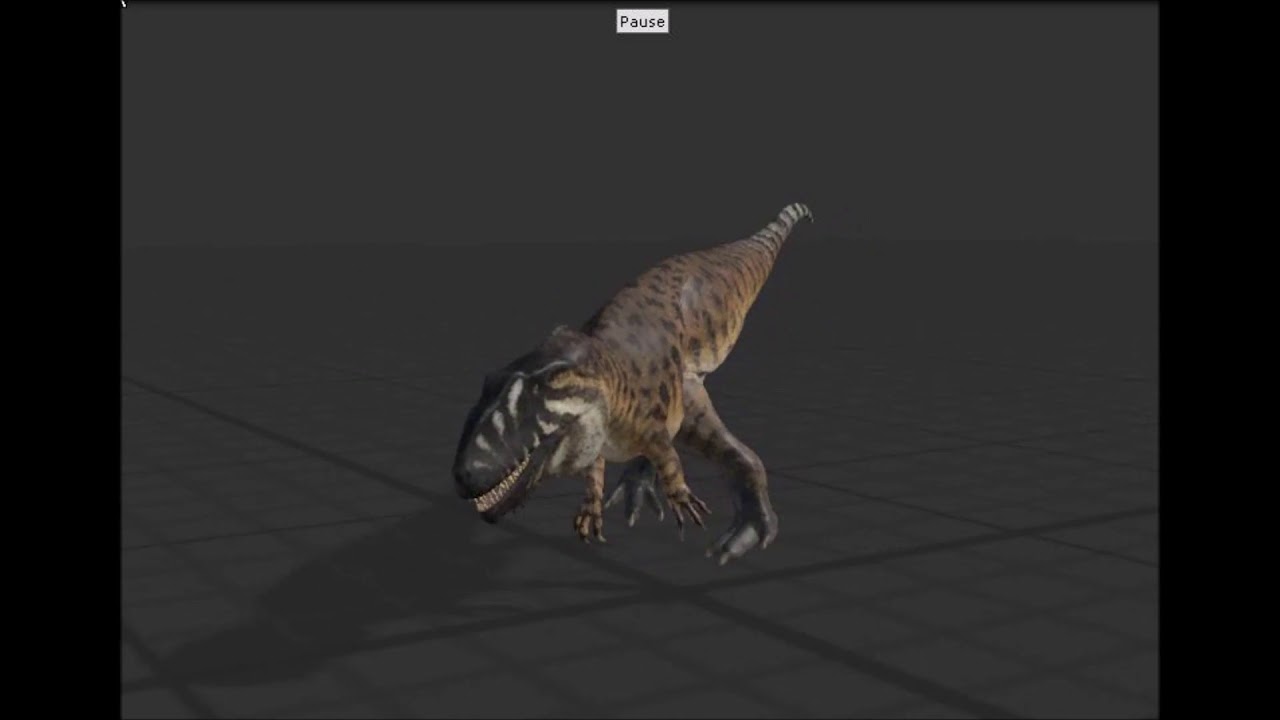
Ever wanted a Giganotosaurus dancing the fortnite default dance? Sure thing!
#notmadebyme
worn shell
rough hollow
"I'm from Arizona"
remote lichen
exactly
glad python
why felidae like cats & tiger does this when they're heads got held back???

 blazing wagon
That’s you pulling the skin and OH MY GOD YOURE PULLING HIS HEAD OF WHAT THE FRICK
glad python

 prime crow
Is he okay?
barren bear
no
prime crow
: (
barren bear
it's ok
limber star
 unreal pier
why?
 barren bear
oh
glad python
WHAT IS LOVE 🗣️🔥🔥🔥
barren bear
baby
drowsy egret
dont hurt me
modest isle
Dont hurt me No more
remote lichen
unreal pier
why?
they'll die
unreal pier
hmm i see
 jaunty whale
Good morning everyone it’s 5:05 AM for me and I didn’t get any sleep and I still don’t feel tired when I probably should be.
barren bear
hi
jaunty whale
barren bear
hi
Hi
modest isle
jaunty whale
Good morning everyone it’s 5:05 AM for me and I didn’t get any sleep and I still...
Lay on bed and put some relaxation YouTube video until you peacefully sleep
jaunty whale
modest isle
Lay on bed and put some relaxation YouTube video until you peacefully sleep
I’ve been listening to Juice WRLD all night which I usually sleep to but I’m just not tired I have so much energy my body is literally shaking also haven’t been blinking that much which is kinda worrying.
Oh well I’m going to get on The Isle and play for like 8 or 9 hours
gray adder
@rough hollow
 short sonnet
gray adder
<@456226577798135808>
short sonnet
gray adder
<@456226577798135808>
Why does this feel so unsettling?
 crude creek
beacuse :^)
barren bear
short sonnet
Why does this feel so unsettling?
Rick4u
gray adder
barren bear
Rick4u
Yes
rough hollow
@gray adder
 digital bronze
any of you guys buy exoprimal? how is the game?
rough hollow
wtf is exoprimal
gray adder
What the hell is that?
modest isle
Never heard of that before
unreal pier
look
 gray adder

gray adder
@fresh canyon No
real harness
 unreal pier
look what i found
 real harness
lovely
unreal pier
hmm i see
gray adder
Rated R Jurassic park
 digital sleet
unreal pier
look what i found
digital sleet
unreal pier
look what i found
aww they lookin over da babby 🥰🥰🥰
such peaceful and lovely animals 🥰🥰🥰🥰
short sonnet
digital sleet
such peaceful and lovely animals 🥰🥰🥰🥰
They ain't what they doin
unreal pier
digital sleet
aww they lookin over da babby 🥰🥰🥰
they just want to gibe baby a hug
unreal pier
gray adder
Rated R Jurassic park
we need a libe action of r rated jp plz gibe us.
gray adder
Yes Please
real harness

 frozen flare
 jaunty whale
So how is everyone doing?
shell rapids
real harness
kenshi player spotted
jaunty whale
Has anyone watched the new guardians of the galaxy?
agile gorge


 weary igloo
jaunty whale
Has anyone watched the new guardians of the galaxy?
weary igloo
jaunty whale
Has anyone watched the new guardians of the galaxy?
no is it good
jaunty whale
weary igloo
no is it good
Yes
weary igloo
nice
jaunty whale
weary igloo
nice
A little emotional during some parts
weary igloo
😦
 restive charm
When Rocket ||does a lil dancy dance|| 😔💔
jaunty whale
restive charm
When Rocket ||does a lil dancy dance|| 😔💔
Yeah
modest isle
First Animal species of the day (83) :
Nano-chameleon / (Brookesia nana)

Brookesia nana, also known as the nano-chameleon, is a species of chameleon endemic to montane rainforests in northern Madagascar.[2] Described in 2021, it could represent the world's smallest reptile.[1] Unlike some chameleons, Brookesia nana does not change colors.
Range : in a rainforest of northern Madagascar

The species was discovered by herpetologist Frank Glaw and other German researchers in 2021[1] in the rainforest on the Sorata massif in northern Madagascar. Brookesia nana is not arboreal, as it tends to inhabit the forest floor. It is likely that the species is endangered due to deforestation in Madagascar.[3] Miniaturism is believed to evolve from habitat loss.
The nano-chameleon is blotchy brown in color. Adult males measure 22 mm (0.87 inch) in total length (including tail), while females are slightly larger at 29 mm (1.1 inches).[1][5] Like other Brookesia species, females are generally larger than the males. The reasons for its diminutive size are currently unknown, as many vertebrates grow as they mature.
@distant nymph
@azure oar
@cedar crescent
@gaunt bramble
@drowsy egret
@wintry marlin
@shell rapids
@rough hollow
@dreamy geode
cedar crescent
modest isle
First Animal species of the day (83) :
Nano-chameleon / (Brookesia nana)
theres a chameleon THAT SMALL????
modest isle
cedar crescent
theres a chameleon THAT SMALL????
Smallest one 
 modest isle

modest isle
shell rapids
https://tenor.com/view/man-running-out-of-restaurant-man-eating-man-eating-and-r...

 distant nymph
modest isle
First Animal species of the day (83) :
Nano-chameleon / (Brookesia nana)
distant nymph
modest isle
First Animal species of the day (83) :
Nano-chameleon / (Brookesia nana)
huh o: interesting
azure oar
modest isle
<@478213198458257409>
<@923986024403701811>
<@585846202705248276>
<@792820617...
 drowsy egret
modest isle
First Animal species of the day (83) :
Nano-chameleon / (Brookesia nana)
drowsy egret
modest isle
First Animal species of the day (83) :
Nano-chameleon / (Brookesia nana)
the animal
azure oar
modest isle
<:TI_Rage:1128931276502605956> <:TI_Ping:464844598515335169>
Exactly

 cedar crescent
sharing this here because its my second animation and im really proud of how well i did overall, but im disappointed that the guy wobbles so much
just something i prob did wrong with the footwork
modest isle

azure oar
modest isle
https://tenor.com/view/you-meme-vs-fight-battle-gif-24979157
There is an explosive the size of the small piece of astral rock Floating around 2628 light years away from your position in the direction of the current position of Sirius A comming right towards you at a speed of 281.29 mph
modest isle
azure oar
There is an explosive the size of the small piece of astral rock Floating around...
azure oar
modest isle
<:TI_DiloSip:779083177238593556>
You don’t know how serious I am
modest isle
We will all probably get old and die before it comes
modest isle
 azure oar
I won’t tell you how far it is away from your position
azure oar
modest isle
It sadly detonated 2829 miles away from your current position 
modest isle
azure oar
It sadly detonated 2829 miles away from your current position <:TI_Troll:4725760...
shell rapids
sleepy, would an extinct species of human like neandethalensis qualify for animal of the day?
modest isle
shell rapids
sleepy, would an extinct species of human like neandethalensis qualify for anima...
Not animals 
shell rapids
i mean, were still animals, but it was worth a shot
distant nymph
 modest isle
distant nymph
modest isle
distant nymph

Good one tho
Made me giggle a little
Hmm …
Giggle a little
Giggle a little
Those two words work quite well when put together


 wheat vapor
Those small dot eyes give a strange look to the warrior.
 short island
gray adder
short island
gray adder
 jaunty whale
I love the night
Going to be awake on discord all night because that’s how I am. I might get on The Isle at some point in the night
 near matrix
wintry marlin
near matrix
wintry marlin
Oh no!! I didn’t see the animal of the day before now
 lyric nexus
just had to post this cause its reminded me of this game https://www.youtube.com/watch?v=9fOtJi8dL_8

it narrates so perfectly
jaunty whale
Interesting
 smoky mauve
lyric nexus
just had to post this cause its reminded me of this game https://www.youtube.com...
smoky mauve
lyric nexus
just had to post this cause its reminded me of this game https://www.youtube.com...
Only problem is anyone who is the “lion” wouldn’t care and instantly charge down that person and destroy them
jaunty whale
smoky mauve
Only problem is anyone who is the “lion” wouldn’t care and instantly charge down...
Definitely
 cobalt kettle
 gray adder
don't turn your head away from a big cat
I seen a video like the one above except it was a tiger and it lasted longer as soon as the guy looked away the Tiger snatched him and dragged him off
jaunty whale
What time is it for all of you?
It’s 1:33 AM for me.
north yacht
gray adder
don't turn your head away from a big cat
what about a fat house cat 


death
jaunty whale
Imagine that thing chasing you through a hallway
gray adder
north yacht
what about a fat house cat <a:CH_PepeHmm:703231829762768986>
Ever see the house cat that attacked the guy who got excited getting a ps4 on christmas?
Them too will get you that cat fucked that guy up seen in the aftermath photos
north yacht
ah i remember seeing that lol
but that cat wasnt really a chonker
 north yacht

distant nymph
modest isle
Those two words work quite well when put together
aw xD
unreal pier
why?
 modest isle
unreal pier
why?
modest isle
unreal pier
why?
Cars in real life :
Take care of it and it can live longer than 10 years
Cars in GTA5 :
Crash into a wall your car is perfectly fine and drivable
unreal pier
cars in gta 5 are funny
modest isle
Indeed
And if you want a realistic car crash simulation game
Just play : BeamNG Drive
 modest isle
First Animal species of the day (84) :
Mary River turtle / (Elusor macrurus)

The Mary River turtle (Elusor macrurus) is an endangered short-necked turtle that is endemic to the Mary River in south-east Queensland, Australia. Although these turtles were known to inhabit the Mary River for nearly 30 years, it was not until 1994 that they were recognised as a new species.[3] There has been a dramatic decrease in their population due to low reproduction rates and an increase of depredation on nests.
Range :

The Mary River turtle is one of Australia's largest turtles. Specimens in excess of 50 cm in carapace length have been recorded. Hatchlings have a straight carapace length of 2.0–3.5 cm. Adult Mary River turtles have an elongated, streamlined carapace that can be plain in colour or intricately patterned. Overall colour can vary from rusty red to brown and almost black. The plastron varies from cream to pale pink. The skin colouration is similar to that of the shell and often has salmon pink present on the tail and limbs. The iris can be pale blue. Mary River turtles use bimodal respiration, and so are capable of absorbing oxygen via the cloaca whilst underwater, because of this, they can stay under the water for three days at a time. However, they do regularly come to the surface to breathe air in the usual way.
A unique feature of the male Mary River turtle is the tail, which can measure almost two-thirds of the carapace length. The tail has haemal arches, a feature lost in all other modern turtles. It is probably a derived feature, but its function is not understood. Another unique feature is the exceptionally long barbels under the mandible. Proportionately, the Mary River turtle has the smallest head and largest hind feet of all the species within the catchment, which contributes to its distinction of being the fastest swimmer.
The turtle is occasionally informally referred to as the green haired turtle due to the fact that many specimens are covered with growing strands of algae which resemble hair.[5] It is also sometimes referred to as the bum-breathing turtle due to its cloaca.

Little is known about the ecology and behaviour of the Mary River Turtle. They inhabit flowing and well-oxygenated sections of the Mary River basin from Gympie to Maryborough, using terrestrial nest sites.[1] Their habitats consists of riffles and shallow parts that alternate with deeper pools.[3]They prefer to inhabit clear and slow moving water. Turtles take an unusually long time to mature; it has been estimated that females take 25 years, and males, 30 years to become adults.[6] Mature males may be aggressive towards other males, or turtles of other species. The species are omnivorous, taking plant matter such as algae as well as bivalves and other small animal prey, such as fish, frogs, and sometimes even ducklings.
It can BREATHE THROUGH IT’S BUTT
@distant nymph
@azure oar
@cedar crescent
@gaunt bramble
@drowsy egret
@wintry marlin
@shell rapids
@rough hollow
@dreamy geode
wintry marlin
 modest isle
wintry marlin
<:TI_PteraHype:784809517195722762>
modest isle
wintry marlin
<:TI_PteraHype:784809517195722762>
Australia indeed has strange looking animals
azure oar
modest isle
Australia indeed has strange looking animals <:TI_Trollge:811957711397978112>
does australopithecus qualify or was that too long ago or too human?
modest isle
azure oar
does australopithecus qualify or was that too long ago or too human?
Disqualified
azure oar
modest isle
Disqualified
why
azure oar
I would say something that doesnt belong to homo counts but if its to early in time thats fair
distant nymph
modest isle
First Animal species of the day (84) :
Mary River turtle / (Elusor macrurus)
Tutel 😊
shell rapids
Turt
gray adder
distant nymph
Tutel 😊
🪲
cedar crescent
modest isle
It can BREATHE THROUGH IT’S BUTT <:TI_omni:629102764651446288> <:TI_sucho:629001...
W h a t
modest isle
cedar crescent
W h a t
You heard it right
But
It can breathes from the 2 openings
3
2 for the nostrils
And 1 for the butt
shell rapids
Don't sea turtles do that ro
modest isle
wait what
real harness
 real harness
gray adder
🪲
real harness
gray adder
🪲

 shell rapids

 limber grove
kenshi is one of my 100 "watch constantly and love it but never buy for fear i wont enjoy actually playing it" games
real harness
only 2 of them made it to crab town
shell rapids
My first run was spent killing of the holy nation
Still debating if I should do the same to united cities or whatever they're called
real harness
 limber grove
shell rapids
My first run was spent killing of the holy nation
Still debating if I should do ...
limber grove
shell rapids
My first run was spent killing of the holy nation
Still debating if I should do ...
based
real harness
Squemly and Chudbot-1B had to watch their 3 friends be slaughtered or dragged away to slavery
but its ok they live in crab town now
real harness
limber grove
kenshi is one of my 100 "watch constantly and love it but never buy for fear i w...
it doesn't take long to wrap your head around it
especially if you've watched people play it
limber grove
ive played 1100 hours of rimworld too i think ill pick it up relatively easily
shell rapids
I remember at the start of my run
I kept getting a bug where whenever bandits raised my town. They'd get stuck running between all the buildings in an endless loop
modest isle


I will just send that to warden to show him the new emojis
Since he isn’t in the server with us

drowsy egret
modest isle
goofy ahh haircut
modest isle
Second Animal species of the day (85) :
Great white shark / (Carcharodon carcharias)

The great white shark (Carcharodon carcharias), also known as the white shark, white pointer, or simply great white, is a species of large mackerel shark which can be found in the coastal surface waters of all the major oceans. It is the only known surviving species of its genus Carcharodon. The great white shark is notable for its size, with the largest preserved female specimen measuring 5.83 m (19.1 ft) in length and around 2,000 kg (4,410 lb) in weight at maturity.[3] However, most are smaller; males measure 3.4 to 4.0 m (11 to 13 ft), and females measure 4.6 to 4.9 m (15 to 16 ft) on average.[4][5] According to a 2014 study, the lifespan of great white sharks is estimated to be as long as 70 years or more, well above previous estimates,[6] making it one of the longest lived cartilaginous fishes currently known.[7] According to the same study, male great white sharks take 26 years to reach sexual maturity, while the females take 33 years to be ready to produce offspring.[8] Great white sharks can swim at speeds of 25 km/h (16 mph)[9] for short bursts and to depths of 1,200 m (3,900 ft).
Range :

The great white shark is arguably the world's largest-known extant macropredatory fish, and is one of the primary predators of marine mammals, such as pinnipeds and dolphins. The great white shark is also known to prey upon a variety of other animals, including fish, other sharks, and seabirds. It has only one recorded natural predator, the orca
The species faces numerous ecological challenges which has resulted in international protection. The International Union for Conservation of Nature lists the great white shark as a vulnerable species,[1] and it is included in Appendix II of CITES.[12] It is also protected by several national governments, such as Australia (as of 2018).[13] Due to their need to travel long distances for seasonal migration and extremely demanding diet, it is not logistically feasible to keep great white sharks in captivity; because of this, while attempts have been made to do so in the past, there are no known aquariums in the world believed to house a live specimen
The great white shark is depicted in popular culture as a ferocious man-eater, largely as a result of the novel Jaws by Peter Benchley and its subsequent film adaptation by Steven Spielberg. Humans are not a preferred prey,[15] but nevertheless it is responsible for the largest number of reported and identified fatal unprovoked shark attacks on humans.[16] However, attacks are rare, typically occurring fewer than 10 times per year globally.
Great white sharks live in almost all coastal and offshore waters which have water temperature between 12 and 24 °C (54 and 75 °F), with greater concentrations in the United States (Northeast and California), South Africa, Japan, Oceania, Chile, and the Mediterranean including the Sea of Marmara and Bosphorus.[42][43] One of the densest-known populations is found around Dyer Island, South Africa.[44] Juvenile great white sharks inhabit a more narrow band of temperatures, between 14 and 24 °C (57 and 75 °F), in shallow coastal nurseries.[45] Increased observation of young sharks in areas they were not previously common, such as Monterey Bay on the Central California coast, suggest climate change may be reducing the range of juvenile great white sharks and shifting it toward the poles
According to a recent study, California great whites have migrated to an area between Baja California Peninsula and Hawaii known as the White Shark Café to spend at least 100 days before migrating back to Baja. On the journey out, they swim slowly and dive down to around 900 m (3,000 ft). After they arrive, they change behaviour and do short dives to about 300 m (980 ft) for up to ten minutes. Another white shark that was tagged off the South African coast swam to the southern coast of Australia and back within the year. A similar study tracked a different great white shark from South Africa swimming to Australia's northwestern coast and back, a journey of 20,000 km (12,000 mi; 11,000 nmi) in under nine months.[47] These observations argue against traditional theories that white sharks are coastal territorial predators, and open up the possibility of interaction between shark populations that were previously thought to have been discrete. The reasons for their migration and what they do at their destination is still unknown. Possibilities include seasonal feeding or mating.
The great white shark has a robust, large, conical snout. The upper and lower lobes on the tail fin are approximately the same size which is similar to some mackerel sharks. A great white displays countershading, by having a white underside and a grey dorsal area (sometimes in a brown or blue shade) that gives an overall mottled appearance. The coloration makes it difficult for prey to spot the shark because it breaks up the shark's outline when seen from the side. From above, the darker shade blends with the sea and from below it exposes a minimal silhouette against the sunlight. Leucism is extremely rare in this species, but has been documented in one great white shark (a pup that washed ashore in Australia and died).[55] Great white sharks, like many other sharks, have rows of serrated teeth behind the main ones, ready to replace any that break off. When the shark bites, it shakes its head side-to-side, helping the teeth saw off large chunks of flesh.[56] Great white sharks, like other mackerel sharks, have larger eyes than other shark species in proportion to their body size. The iris of the eye is a deep blue instead of black.
@distant nymph
@azure oar
@cedar crescent
@gaunt bramble
@drowsy egret
@wintry marlin
@shell rapids
@rough hollow
@dreamy geode
shell rapids
hehe shork
 cedar crescent
modest isle
Second Animal species of the day (85) :
Great white shark / (Carcharodon carchar...
cedar crescent
modest isle
Second Animal species of the day (85) :
Great white shark / (Carcharodon carchar...
Megalodon!
You should do extinct creatures!
modest isle
cedar crescent
Megalodon!
cedar crescent
:)
cedar crescent
No no that's megalodon
modest isle
Period
cedar crescent
You can tell because it's a big shark
modest isle
Good thinking
cedar crescent
So called free thinkers when a blatant megalodon is called a great white shark: 

 modest isle
shell rapids
modest isle
shell rapids
Bruh that’s incorrect timeb
wintry marlin
modest isle
<@891758812908884052>
<@300719167055855616>
<@456226577798135808>
<@58340490608...
modest isle
 drowsy egret
wintry marlin
The pt rex is getting a prehistoric planet rex variant
drowsy egret
wintry marlin
The pt rex is getting a prehistoric planet rex variant
LETS GOOO
wintry marlin
It’s now literally the best game rex
This one is basically prehistoric planet rex just with the pt rex proportions, so we are basically getting 2 prehistoric planet rex variants
 drowsy egret
hype
drowsy egret
wintry marlin
It’s now literally the best game rex
it was always the best
now its 150% the best
wintry marlin
It has only one task left and then it’s finished
drowsy egret
it was kinda the best except bob elder rex won
now bob elder rex is the second best
wintry marlin
Yeah, hank takes the first place yet again
drowsy egret
common hank W
drowsy egret
modest isle
Second Animal species of the day (85) :
Great white shark / (Carcharodon carchar...
fun fact : we dont know much about great whites since they are so elusive we techincally know more then rex then we know about great whites
wintry marlin
I thought the prehistoric planet variant was smaller but it’s just because of the neck position of the pt rex variants
drowsy egret
it looks similar enough
wintry marlin
While hank has a more laid down neck compared to the rest
drowsy egret
it also has the same patterns on its head
if u pay attention it has those stripes just a bit up from the lips

 lofty blade
Fatty
wintry marlin
I think you could probably make hanks skin with the default skin ngl
wintry marlin
lofty blade
Fatty
Why wouldn’t he be
drowsy egret
wintry marlin
I think you could probably make hanks skin with the default skin ngl
yeah u can
just gotta change the skin colors
wintry marlin
Yeah
drowsy egret
i hope they have hank colors just for a lil reference
wintry marlin
More brown and a hint of green and white
People forget that hank has green of his body sometimes
drowsy egret
o yeah i see the green
wintry marlin
Easier to see here

Can’t wait for it to release, I’ll probably only pick the hank variant
drowsy egret
me 2
smoky mauve
drowsy egret
i hope they have hank colors just for a lil reference
hank has extremely dull colors, browns and a little bit of green. id be shocked if you couldnt make something at least resembling him a little
modest isle
drowsy egret
fun fact : we dont know much about great whites since they are so elusive we tec...
Bruh
rough hollow
wintry marlin
Yeah
Is it released
drowsy egret
modest isle
Bruh
and shark population decreased at least 80% after jaws came out
sharks were classified as waste fish so everybody was able to kill them
and since people thought they were monsters they were hunted rapidly
modest isle
rough hollow
Is it released
When a modded rex is more high quality than path of titans rex
drowsy egret
every species of fish's size has been decreased ever since the 1900s
wintry marlin
rough hollow
Is it released
It has one task to complete then it will release
modest isle
drowsy egret
and shark population decreased at least 80% after jaws came out
The movie jaws runied their image
drowsy egret
modest isle
When a modded rex is more high quality than path of titans rex
lets be honest
if primodial tyrants came on the isle or any other game they would make shi 10 times better then the original one
drowsy egret
modest isle
The movie jaws runied their image
the man who wrote the jaws novel and jaws movie script said he regrets it
wintry marlin
 shell rapids
modest isle
When a modded rex is more high quality than path of titans rex
shell rapids
modest isle
When a modded rex is more high quality than path of titans rex
pretty low bar tbh
drowsy egret
sword fish would be the size of 2 people on average
that size is gone
sunfish would be as big as 3 humans on average
its gone
salmon would be as big as a man average
there is pictures
wintry marlin
shell rapids
pretty low bar tbh
Yeah, but it’s the best rex model in a game (my opinion)
drowsy egret
but since then the size has decreased
drowsy egret
wintry marlin
Yeah, but it’s the best rex model in a game (my opinion)
your opinion is facts
it is the best alongside elder bob rex
modest isle
wintry marlin
Yeah, but it’s the best rex model in a game (my opinion)
I agree
wintry marlin
Hank steps into the game!
 modest isle
@wintry marlin @drowsy egret
You two make a good point 👍🏼
wintry marlin
Thanks
modest isle
No problem
 shell rapids
honesrtly it looks great, until i see in the games engine
modest isle
drowsy egret
https://cdn.discordapp.com/attachments/291576477684727808/1061450399548194896/im...
Scary
drowsy egret
shell rapids
honesrtly it looks great, until i see in the games engine
it is in game engine
shell rapids
the pt rex that is
modest isle
Hopefully it becomes public soon
shell rapids
drowsy egret
it is in game engine
thats what i said, and ive seen it as a model before those screenshots came out, im in their discord
drowsy egret
modest isle
Scary
wait till you see 5.0 rex that shi has jaws as thick as 5 deino skulls combined
modest isle
wintry marlin
modest isle
Hopefully it becomes public soon
Probably within the week, remember they released quetz and yuty in the same week 1 day apart, so probably this week they are really fast when there is only 1 or 2 tasks left
drowsy egret
https://cdn.discordapp.com/attachments/291576477684727808/1040150591801937920/20221107104731_1.jpg i think this is the 4.0 elder rex

its so good looking
 hazy valve
:’(


 soft lily
So anyways, sunbreak is still good
wintry marlin
Thanks for the information
lean vale
drowsy egret
https://cdn.discordapp.com/attachments/291576477684727808/1040150591801937920/20...
not really lmao. its alr but the skin yikes
drowsy egret
lean vale
not really lmao. its alr but the skin yikes
its awesome
lean vale
drowsy egret
its awesome
bro right when I typed this response, PT rex came out lmao
drowsy egret
lmfao
near matrix
wintry marlin
scary
near matrix
no its cute
gray adder
 rough hollow
No selfies
wintry marlin
drowsy egret
lmfao
the juvi is speedy
gray adder
rough hollow
No selfies

 wintry marlin
released sleepy
 near matrix
modest isle
That cat scared me
near matrix
modest isle
That cat scared me
wintry marlin
wintry marlin
released sleepy
it has an ability based on the night hunting scene from prehistoric planet
modest isle
wintry marlin
released sleepy
 wintry marlin
it's good
modest isle
Cant wait
wintry marlin
if you are going to play now the pt 2 server isn't full
it's an ambush hunter too, makes almost no sound when crouching

 limber grove
ooh that 2nd one is really close
drowsy egret
ya
just needs a bit of green and lighter colors but i think thats the best you could do
modest isle
drowsy egret
https://cdn.discordapp.com/attachments/357497943634345984/1130627946395205772/5a...
 drowsy egret
holy its the same
modest isle
Yep SPOT ON
wintry marlin
the only thing that isn't spot on is the line under the eyes
i just ended up using the default since it has the greens
prime crow
primodial tyrants is making path of titans worth while
 still stag
It's time
#735188458972381194 message
wintry marlin
the power gap between a young adult rex and a full one is insane, i like it
 barren bear
still stag
It's time
https://discord.com/channels/729837326120910915/735188458972381194/113...
barren bear
still stag
It's time
https://discord.com/channels/729837326120910915/735188458972381194/113...
no
unreal pier
what is this thing?https://www.youtube.com/watch?v=XZsFbB3lV1A

why do donkey laugh at me? can anyone explain?
gray adder
Fish of the day
Name Coelacanth
Location In Water
Description It's a fish that can swim duh
 unreal pier
gray adder
Fish of the day
Name Coelacanth
Location In Water
Description It's a fish that...
unreal pier
gray adder
Fish of the day
Name Coelacanth
Location In Water
Description It's a fish that...
It definitely looks like a fish. Quite surprising.
gray adder
unreal pier
It definitely looks like a fish. Quite surprising.
Yes
north yacht
Truly one of the fish of all time
rough hollow
gray adder
Fish of the day
Name Coelacanth
Location In Water
Description It's a fish that...
NOOOOOOOOOOOOO
cedar crescent
gray adder
Fish of the day
Name Coelacanth
Location In Water
Description It's a fish that...
Falsely extinct creature!
shell rapids
Ceolocanths are wierd
All live in caves and they kinda just float there
Just floating there
 modest isle
gray adder
Fish of the day
Name Coelacanth
Location In Water
Description It's a fish that...
modest isle
gray adder
Fish of the day
Name Coelacanth
Location In Water
Description It's a fish that...
 real harness
who is more evil

 modest isle
real harness
who is more evil
modest isle
real harness
who is more evil
Green because it can hide and ambush you from behind
First Animal species of the day (86) :
Southern Sabertooth / (Smilodon populator)

💀Extinct💀
Smilodon is a genus of the extinct machairodont subfamily of the felids. It is one of the best known saber-toothed predators and one of the most famous prehistoric mammals. Although commonly known as the saber-toothed tiger, it was not closely related to the tiger or other modern cats. Smilodon lived in the Americas during the Pleistocene epoch (2.5 mya – 10,000 years ago). The genus was named in 1842 based on fossils from Brazil; the generic name means "scalpel" or "two-edged knife" combined with "tooth". Three species are recognized today: S. gracilis, S. fatalis, and S. populator. The two latter species were probably descended from S. gracilis, which itself probably evolved from Megantereon. The hundreds of specimens obtained from the La Brea Tar Pits in Los Angeles constitute the largest collection of Smilodon fossils.
Range and size of
Smilodon populator

The South American species
The biggest species of smilodon
Overall, Smilodon was more robustly built than any extant cat, with particularly well-developed forelimbs and exceptionally long upper canine teeth. Its jaw had a bigger gape than that of modern cats, and its upper canines were slender and fragile, being adapted for precision killing. S. gracilis was the smallest species at 55 to 100 kg (120 to 220 lb) in weight. S. fatalis had a weight of 160 to 280 kg (350 to 620 lb) and height of 100 cm (39 in). Both of these species are mainly known from North America, but remains from South America have also been attributed to them. S. populator from South America was the largest species, at 220 to 436 kg (485 to 961 lb) in weight and 120 cm (47 in) in height, and was among the largest known felids. The coat pattern of Smilodon is unknown, but it has been artistically restored with plain or spotted patterns.
Smilodon was around the size of modern big cats, but was more robustly built. It had a reduced lumbar region, high scapula, short tail, and broad limbs with relatively short feet.[23][24] Smilodon is most famous for its relatively long canine teeth, which are the longest found in the saber-toothed cats, at about 28 cm (11 in) long in the largest species, S.populator.[23] The canines were slender and had fine serrations on the front and back side.[25] The skull was robustly proportioned and the muzzle was short and broad. The cheek bones (zygomata) were deep and widely arched, the sagittal crest was prominent, and the frontal region was slightly convex. The mandible had a flange on each side of the front. The upper incisors were large, sharp, and slanted forwards. There was a diastema (gap) between the incisors and molars of the mandible
An apex predator, Smilodon primarily hunted large mammals. Isotopes preserved in the bones of S. fatalis in the La Brea Tar Pits reveal that ruminants like bison (Bison antiquus, which was much larger than the modern American bison) and camels (Camelops) were most commonly taken by the cats there.[40] In addition, isotopes preserved in the tooth enamel of S. gracilis specimens from Florida show that this species fed on the peccary Platygonus and the llama-like Hemiauchenia.[41] Isotopic studies of dire wolf (Aenocyon dirus) and American lion (Panthera atrox) bones show an overlap with S. fatalis in prey, which suggests that they were competitors.[40] More detailed isotope analysis however, indicates that Smilodon fatalis preferred forest-dwelling prey such as tapirs, deer and forest-dwelling bison as opposed to the dire wolves' preferences for prey inhabiting open areas such as grassland.[42] The availability of prey in the Rancho La Brea area was likely comparable to modern East Africa.
Along with most of the Pleistocene megafauna, Smilodon became extinct 10,000 years ago in the Quaternary extinction event. Its extinction has been linked to the decline and extinction of large herbivores, which were replaced by smaller and more agile ones like deer. Hence, Smilodon could have been too specialized at hunting large prey and may have been unable to adapt.[54] A 2012 study of Smilodon tooth wear found no evidence that they were limited by food resources.[96] Other explanations include climate change and competition with Homo sapiens[96] (who entered the Americas around the time Smilodon disappeared), or a combination of several factors, all of which apply to the general Pleistocene extinction event, rather than specifically to the extinction of the saber-toothed cats.
@distant nymph
@azure oar
@cedar crescent
@gaunt bramble
@drowsy egret
@wintry marlin
@shell rapids
@rough hollow
@dreamy geode

 flint wren
modest isle
https://tenor.com/view/saber-tooth-tiger-walking-with-beasts-walking-with-dinosa...
flint wren
modest isle
https://tenor.com/view/saber-tooth-tiger-walking-with-beasts-walking-with-dinosa...
You didn't mention they knew double team!
modest isle
All 3 species of smilodon
Smilodon gracilis
Smilodon fatalis
Smilodon populator

White background to make it easier to read
 wintry marlin
modest isle
<@891758812908884052>
<@300719167055855616>
<@456226577798135808>
<@58340490608...
wintry marlin
modest isle
<@891758812908884052>
<@300719167055855616>
<@456226577798135808>
<@58340490608...
Big teet
I like smilodon
modest isle
Me too
wintry marlin
Joaclaw enters
 honest dune
real harness
who is more evil
honest dune
real harness
who is more evil
Friend of the forest / Ice level enemy
real harness
modest isle
Green because it can hide and ambush you from behind <:TI_Scream:487710504270168...
you guessed right
@honest dune you guessed wrong
evil green beetle is always at war with the benevolent blue beetle
honest dune
Anger
unreal pier
this too sad
 wintry marlin
I have seen it, it still hurts
 👍🏼
modest isle
unreal pier
this too sad
👍🏼
modest isle
unreal pier
this too sad
Oh thats sad
unreal pier
yep humans not good specie
real harness
the word "doggo" makes me think of Reddit and i dont like Reddit
no sadness feom ice age 3
modest isle
‼️
real harness
 dry viper

#blender #jurassicpark #vhstapes #horrorstory #dinosaur
IF YOU ENJOY THESE VIDEOS, PLEASE CONSIDER SUPPORTING THE CHANNEL BY DONATING TO MY PAYPAL: ali.awada88@gmail.com
You would be helping me dedicate more time to creating these short films so that I can bring you more Jurassic horror! I work alone and these videos are simply a passion pro...
unreal pier
dry viper
https://www.youtube.com/watch?v=qCfzTQSqMb4
this guy makes so cool jp short films. You must watch.
cedar crescent
modest isle
Range and size of
Smilodon populator
It's so stocky and robust
modest isle
cedar crescent
It's so stocky and robust
Bulky cat
Meanwhile
Cheetah is the skinniest cat
 dry viper
unreal pier
this guy makes so cool jp short films. You must watch.
dry viper
unreal pier
this guy makes so cool jp short films. You must watch.
totally, did my small part of trying to spread it around
shell rapids
Can't get google to load.
Is panthera atrox in the quaternary? I assume it is being a panther. If so. Sleepy do the thing
modest isle
shell rapids
Can't get google to load.
Is panthera atrox in the quaternary? I assume it is be...
👍🏼
Panthera atrox
American lion
Next animal
modest isle
Yep
 vivid tapir
<@&933486433342222376> how can i get the role "The isle" like there is no autorole or an role channel pls help
quartz cedar
vivid tapir
<@&933486433342222376> how can i get the role "The isle" like there is no autoro...
If you check the #rules-and-info channel and scroll to the bottom you can find the role assign.
vivid tapir
i litterally clicked ALL roles
vivid tapir
quartz cedar
If you check the <#401465366615949322> channel and scroll to the bottom you can ...
but nothing
 nocturne basalt
there is no specific role for the general population. if you've accepted the rules, you should be able to see and use every channel available to you
limber grove
vivid tapir
<@&933486433342222376> how can i get the role "The isle" like there is no autoro...
That's not a role
vivid tapir
A moderator in game told me something about dyno-buy something cuz i aske for more dinos and he told me u need "the isle" role
nocturne basalt
thats probably for an unofficial community. youll have to join their discord for that
nocturne basalt
on the officialservers there is no buying dinos
quartz cedar
vivid tapir
A moderator in game told me something about dyno-buy something cuz i aske for mo...
You are probably referring to a unofficial isle community then, because we don't have a bot function to buy grows or something similiar.
vivid tapir
so just for know is this the way for get spino and things like that?
limber grove
It depends on the server
vivid tapir
ok thx guys
nocturne basalt
yups. best of it
modest isle
Second Animal species of the day (87) :
American lion / (Panthera atrox)

💀Extinct 💀
Panthera atrox, better known as the American lion, also called the North American lion, or American cave lion, is an extinct pantherine cat. Panthera atrox lived in North America during the late Pleistocene epoch and the early Holocene epoch, from around 340,000 to 11,000 years ago.[2][3][4] The species was initially described by American paleontologist Joseph Leidy in 1853 based on a fragmentary mandible (jawbone) from Mississippi; the name means "savage" or "cruel". The status of the species is debated, with some mammalogists and paleontologists considering it a distinct species or a subspecies of Panthera leo, which contains living lions. However, novel genetic evidence has shown that it is instead from a sister lineage with the cave lion (P. spelaea), evolving after its geographic separation. Its fossils have been excavated from Alaska to Mexico.[5][6] It was about 25% larger than the modern lion, making it one of the largest known felids
Range :


The American lion is estimated to have measured 1.6 to 2.5 m (5 ft 3 in to 8 ft 2 in)[20] from the tip of the nose to the base of the tail and stood 1.2 m (3.9 ft) at the shoulder. Thus, it was much smaller than its contemporary competitor, the North American giant short-faced bear; and significantly smaller than the saber-toothed cat Smilodon populator, which exceeded 400 kg (880 lb) in weight (S. populator is believed to be the largest and most powerful cat to have ever lived).[21][22] In 2008, the American lion was estimated to weigh up to 420 kg (930 lb).[23][24] A study in 2009 showed an average weight of 256 kg (564 lb) for males and 351 kg (774 lb) for the largest specimen analyzed.[3] The body composition of Panthera atrox is 57.1% skeletal muscle, 12.4% bone, 11.8% organs, 11.5% skin and fur, 2.67% adipose tissue and 4.62% blood and waste.
About 80 American lion individuals have been recovered from the La Brea Tar Pits in Los Angeles, so their morphology is well known.[26] Their features strongly resemble those of modern lions, but they were considerably larger, similar to P. spelaea and the Pleistocene Natodomeri lion of eastern Africa.[27]
Preserved skin remains found with skeletal material thought by its describers to be from the American lion in caves in the Argentine Patagonia indicate that the animal was reddish in color. Cave paintings from El Ceibo in the Santa Cruz Province of Argentina seem to confirm this, and reduce the possibility of confusion with fossil jaguars, as similar cave paintings accurately depict the jaguar as yellow in color.
The American lion inhabited savannas and grasslands like the modern lion.[7] In some areas of their range, American lions lived under cold climatic conditions. They probably used caves for shelter from the cold weather in those areas,[30][note 1] and might have lined their dens with grass or leaves, as the modern Siberian tiger does.
🟪 American lion 💀
🟧 Eurasian lion 💀
🟩 African lion ❤️

3 species of lions
The 🟩 green one is the lion we know and love today
@distant nymph
@azure oar
@cedar crescent
@gaunt bramble
@drowsy egret
@wintry marlin
@shell rapids
@rough hollow
@dreamy geode
wintry marlin
modest isle
Also don’t forget i already covered the lion species we have today
The African lion @wintry marlin
wintry marlin
Yeah
shell rapids
Kitty
cedar crescent
Wo we had an American Lion at one point?
 quasi sinew
https://youtu.be/3J5VODFM5FU masterpiece
 shell rapids
cedar crescent
Wo we had an American Lion at one point?
shell rapids
cedar crescent
Wo we had an American Lion at one point?
Yuh
It was I think the largest of the panthera genus (modern big cats)
modest isle
shell rapids
Yuh
It was I think the largest of the panthera genus (modern big cats)
Yep even bigger than
Panthera tigris
(Tiger)
 cedar crescent
@smoky mauve I've seen some meese before! Just in Alaska, and in a conservation area
gray adder
modest isle
https://tenor.com/view/roaming-tiger-tigers101-nat-geo-wild-tiger-walking-carefu...
Best Animal
modest isle
gray adder
Best Animal
TIGER The biggest cat species alive today 💪🏼
The 2nd biggest alive today is the
African lion
 azure oar
modest isle
TIGER The biggest cat species alive today 💪🏼
azure oar
modest isle
TIGER The biggest cat species alive today 💪🏼
okay Cheetah maniac
modest isle
azure oar
okay **Cheetah** maniac
 lean vale
 surreal nacelle
real
 native talon
I have returned (I haven't talked in this server for like, 2 months)
 shell rapids
Why. U were free. Yet you return
native talon
shell rapids
Why. U were free. Yet you return
I hate myself
shell rapids
Fair
lean vale
native talon
I have returned (I haven't talked in this server for like, 2 months)
is that the yutyuty
gray adder
Fish of the day
Name Stonefish
Location In Water
Description It's a Fish

 clever thunder
Consider l o n g azhdarchid
 real harness
 real harness
clever thunder
Consider l o n g azhdarchid
real harness
clever thunder
Consider l o n g azhdarchid
avatar creature
nocturne basalt
real harness
beep? is that you?
native talon
lean vale
is that the yutyuty
My yutyrannus from PoT, Nanuq. Yes
unreal pier
whats wrong with software engineers?
 modest isle
unreal pier
whats wrong with software engineers?
modest isle
unreal pier
whats wrong with software engineers?
What ever you do
Kindly do not call 
Also wtf
gray adder
Call rudely then
modest isle
GROOM WANTED ???
modest isle
gray adder
Call rudely then
Lol
 modest isle
Today will be a tragic story about an animal that had over 5 Billion population
And was more than human population at the time
.
.
First Animal species of the day (88) :
Passenger pigeon / (Ectopistes migratorius)

💀Extinct💀
The passenger pigeon or wild pigeon (Ectopistes migratorius) is an extinct species of pigeon that was endemic to North America. Its common name is derived from the French word passager, meaning "passing by", due to the migratory habits of the species. The scientific name also refers to its migratory characteristics. The morphologically similar mourning dove (Zenaida macroura) was long thought to be its closest relative, and the two were at times confused, but genetic analysis has shown that the genus Patagioenas is more closely related to it than the Zenaida doves.
azure oar
E
Sorry
E
modest isle
Range
 modest isle
azure oar
E
Sorry
E
modest isle
azure oar
E
Sorry
E


The passenger pigeon was sexually dimorphic in size and coloration. The male was 390 to 410 mm (15.4 to 16.1 in) in length, mainly gray on the upperparts, lighter on the underparts, with iridescent bronze feathers on the neck, and black spots on the wings. The female was 380 to 400 mm (15.0 to 15.7 in), and was duller and browner than the male overall. The juvenile was similar to the female, but without iridescence. It mainly inhabited the deciduous forests of eastern North America and was also recorded elsewhere, but bred primarily around the Great Lakes. The pigeon migrated in enormous flocks, constantly searching for food, shelter, and breeding grounds, and was once the most abundant bird in North America, numbering around 3 billion, and possibly up to 5 billion. A very fast flyer, the passenger pigeon could reach a speed of 100 km/h (62 mph). The bird fed mainly on mast, and also fruits and invertebrates. It practiced communal roosting and communal breeding, and its extreme gregariousness may be linked with searching for food and predator satiation.
Passenger pigeons were hunted by Native Americans, but hunting intensified after the arrival of Europeans, particularly in the 19th century. Pigeon meat was commercialized as cheap food, resulting in hunting on a massive scale for many decades. There were several other factors contributing to the decline and subsequent extinction of the species, including shrinking of the large breeding populations necessary for preservation of the species and widespread deforestation, which destroyed its habitat. A slow decline between about 1800 and 1870 was followed by a rapid decline between 1870 and 1890. In 1900, the last confirmed wild bird was shot in southern Ohio.[2][4] The last captive birds were divided in three groups around the turn of the 20th century, some of which were photographed alive. Martha, thought to be the last passenger pigeon, died on September 1, 1914, at the Cincinnati Zoo. The eradication of the species is a notable example of anthropogenic extinction.

The passenger pigeon was sexually dimorphic in size and coloration. It weighed between 260 and 340 g (9.2 and 12.0 oz).[34] The adult male was about 390 to 410 mm (15.4 to 16.1 in) in length.[35] It had a bluish-gray head, nape, and hindneck. On the sides of the neck and the upper mantle were iridescent display feathers that have variously been described as being a bright bronze, violet or golden-green, depending on the angle of the light. The upper back and wings were a pale or slate gray tinged with olive brown, that turned into grayish-brown on the lower wings. The lower back and rump were a dark blue-gray that became grayish-brown on the upper tail-covert feathers. The greater and median wing-covert feathers were pale gray, with a small number of irregular black spots near the end. The primary and secondary feathers of the wing were a blackish-brown with a narrow white edge on the outer side of the secondaries. The two central tail feathers were brownish gray, and the rest were white
The passenger pigeon was found across most of North America east of the Rocky Mountains, from the Great Plains to the Atlantic coast in the east, to the south of Canada in the north, and the north of Mississippi in the southern United States, coinciding with its primary habitat, the eastern deciduous forests. Within this range, it constantly migrated in search of food and shelter. It is unclear if the birds favored particular trees and terrain, but they were possibly not restricted to one type, as long as their numbers could be supported.[24][34] It originally bred from the southern parts of eastern and central Canada south to eastern Kansas, Oklahoma, Mississippi, and Georgia in the United States, but the primary breeding range was in southern Ontario and the Great Lakes states south through states north of the Appalachian Mountains.[45] Though the western forests were ecologically similar to those in the east, these were occupied by band-tailed pigeons, which may have kept out the passenger pigeons through competitive exclusion.
@distant nymph
@azure oar
@cedar crescent
@gaunt bramble
@drowsy egret
azure oar
modest isle
<:TI_gun:643939296268779540> <:TI_Unamused:721795243963449365>
I couldn’t resist
modest isle
@wintry marlin
@shell rapids
@rough hollow
@dreamy geode
modest isle
azure oar
I couldn’t resist
👍🏼
azure oar
You gotta say tho that was funny
wintry marlin
bird
modest isle
azure oar
You gotta say tho that was funny
I agree 
azure oar
Anyways
Imagine dying out as soon as ww1 starts
modest isle
Poor birds
wintry marlin
yeah
modest isle
There were so many of them
More than 5 billion of them
They were more than humans at the time
wintry marlin
modest isle
Poor birds
they lived through a mass extinction just to get stuck with us
distant nymph
Pigeons! 😊
azure oar
wintry marlin
they lived through a mass extinction just to get stuck with us
Well we are the second one
modest isle
Males had red bellies compared to females


They were the most common birds in North America
All of this just to die of to humans
drowsy egret
sadge
distant nymph
):
unreal pier
modest isle
Today will be a tragic story about an animal that had over 5 Billion population ...
did humans made them extinct?
modest isle
unreal pier
did humans made them extinct?
Yeah hunted to extinction
They were hunted to be eaten just like chickens 🐓
But unlike chickens
These pigeons weren’t kept in farms to be bred by farmers
unreal pier
Too bad. Humans need to be eaten alibe one day then they will understand.
modest isle
unreal pier
hmm i see
wintry marlin
Oppenheimer comes out in 2 days
unreal pier
wintry marlin
Oppenheimer comes out in 2 days
is it a good game?
wintry marlin
It’s a movie
unreal pier
hmm i see
modest isle
drowsy egret
sadge
As John Marston once said
“Life Ain’t Fair Some Trees Flourish Others Die Some Cattle Grow Strong Others Are Taken By Wolves Some Men Are Born Rich Enough And Dumb Enough To Enjoy Their Lives Ain’t Nothing Fair”
 shell rapids
SLEEPY
Moloch horridus for animal of the day cuz the name is cool (the thorny devil)
modest isle
shell rapids
SLEEPY
Moloch horridus for animal of the day cuz the name is cool (the thorny de...
✅ accepted
rough hollow
@barren bear @gray adder @somber wraith @heady spoke
prime crow
modest isle
First Animal species of the day (88) :
Passenger pigeon / (Ectopistes migratoriu...

i need him here i need him here right now
modest isle
follow my twitter
https://twitter.com/KraccBacc
#shorts #shortsfeed #funny #funnymeme #funnymemes #funnyshorts #kraccbacc #goofy #memes #goofyahh #meme #fyp #foryou #foryoupage #youtubeshorts #monday #mondayleftmebroken #cat #catmeme #aviciicat #avicii

TikTok ain't that bad bruh 🤓
#meme #memes #viral
Im addicted to this cat

 heady spoke
rough hollow
<@734274653878747169> <@402557204374355971> <@829518704492412999> <@233357826305...
heady spoke
rough hollow
<@734274653878747169> <@402557204374355971> <@829518704492412999> <@233357826305...
 gray adder
rough hollow
<@734274653878747169> <@402557204374355971> <@829518704492412999> <@233357826305...
gray adder
rough hollow
<@734274653878747169> <@402557204374355971> <@829518704492412999> <@233357826305...


 modest isle
Second Animal species of the day (89) :
Thorny devil / (Moloch horridus)

The thorny devil (Moloch horridus), also known commonly as the mountain devil, thorny lizard, thorny dragon, and moloch, is a species of lizard in the family Agamidae. The species is endemic to Australia. It is the sole species in the genus Moloch. It grows up to 21 cm (8.3 in) in total length (including tail), with females generally larger than males.
Range :

The thorny devil grows up to 21 cm (8.3 in) in total length (including tail),[5] and can live for 15 to 20 years. The females are larger than the males. Most specimens are coloured in camouflaging shades of desert browns and tans. These colours change from pale colours during warm weather to darker colours during cold weather. The thorny devil is covered entirely with conical spines that are mostly uncalcified.
An intimidating array of spikes covers the entire upper side of the body of the thorny devil. These thorny scales also help to defend it from predators. Camouflage and deception may also be used to evade predation. This lizard's unusual gait involves freezing and rocking as it moves about slowly in search of food, water, and mates.[2]
The thorny devil also features a spiny "false head" on the back of its neck, and the lizard presents this to potential predators by dipping its real head. The "false head" is made of soft tissue.
The thorny devil's scales are ridged, enabling the animal to collect water by simply touching it with any part of the body, usually the limbs; capillary action transports the water to the mouth through channels in its skin.[2] The thorny devil is also equipped to harvest moisture in the dry desert following nighttime's extremely low temperatures and the subsequent condensation of dew. The process involves moisture contact, their hydrophilic skin surface structures with capillaries, and an internal transport mechanism.
The thorny devil usually lives in the arid scrubland and desert that covers most of central Australia, sandplain and sandridge desert in the deep interior and the mallee belt.
The habitat of the thorny devil coincides more with the regions of sandy loam soils than with a particular climate in Western Australia.
The thorny devil mainly subsists on ants, especially Ochetellus flavipes and other species in the Camponotus, Ectatomma,[10] Iridomyrmex (especially Iridomyrmex rufoniger),[10] Monomorium,[10] Ochetellus, Pheidole, or Polyrhachis[10] genera.[11] Thorny devils often eat thousands of ants in one day.[2]
The thorny devil collects moisture in the dry desert by the condensation of dew. This dew forms on its skin in the early morning as it begins to warm outside. Then the dew is channeled to its mouth by gravity and capillary action via the channels between its spines. During rainfalls, capillary action allows the thorny devil to absorb water from all over its body. Capillary action also allows the thorny devil to absorb water from damp sand. Absorption through sand is the thorny devil's main source of water intake.
The thorny devil is covered in hard, rather sharp spines that dissuade attacks by predators by making it difficult to swallow. It also has a false head on its back. When it feels threatened by other animals, it lowers its head between its front legs, and then presents its false head. Predators that consume the thorny devil include wild birds and goannas.
@distant nymph
@azure oar
@cedar crescent
@gaunt bramble
@drowsy egret
@wintry marlin
@shell rapids
@rough hollow
@dreamy geode
cedar crescent
modest isle
<@478213198458257409>
<@923986024403701811>
<@585846202705248276>
<@792820617...

rough hollow
Wow
modest isle
cedar crescent
<:TI_Gasp:735343092277968926>
 drowsy egret
modest isle
Second Animal species of the day (89) :
Thorny devil / (Moloch horridus)
drowsy egret
modest isle
Second Animal species of the day (89) :
Thorny devil / (Moloch horridus)
la lizara
wintry marlin
modest isle
<@891758812908884052>
<@300719167055855616>
<@456226577798135808>
<@58340490608...
Dragon
rough hollow
Dieno but spiky
drowsy egret
deino*
modest isle
DIE-ENO SUCHUS
drowsy egret
di no suchus goes hard
 steady spear
rough hollow
steady spear
rough hollow
Got a important question:
With my first pay, I want to get a new pc, its gotta be future proof and gaming oriented (keeping in mind I do a lot of sh**, and will most likely cap performence at 70% with useless background trash over time).
BUT! The voices in my head keep screaming 2080 FOUNDERS EDITION, so it's gotta be based around that.
I don't wonna hear that I could get an up to date gpu, the voices will get what they asked for.
But I don't know much about this stuff, so do u guys know good setups based around the 2080?
(Money isn't a factor for this setup)
Thanks for ur answers
 pallid patio
rough hollow
Got a important question:
With my first pay, I want to get a new pc, its gotta b...
pallid patio
rough hollow
Got a important question:
With my first pay, I want to get a new pc, its gotta b...
Listen to your heart (and your wallet)
rough hollow
@pallid patio I will🥹
pallid patio
Don’t it’s never a good idea to listen to me
Do the opposite of everything I tell you
void zinc
rough hollow
Got a important question:
With my first pay, I want to get a new pc, its gotta b...
I have a 2060, it does everything I need it to. A 2080 is fine, don't let someone upsell you because they say it'll be BETTER with a few percentage performance difference.
Find a good processor for relatively cheap. I'm using an old i7-7700K and have 32gb RAM. No game is stopping me, modern or Evrima.
 somber wraith
rough hollow
<@734274653878747169> <@402557204374355971> <@829518704492412999> <@233357826305...
somber wraith
rough hollow
<@734274653878747169> <@402557204374355971> <@829518704492412999> <@233357826305...
true
lofty blade


 elder veldt
lofty blade
elder veldt
lofty blade
It feels like 94 here now at 10:21PM
smoky mauve
lofty blade
<:TI_GarboSquint:830454873933611038>
Whats the humidity
Honestly feels like 98 isnt that bad, today we had a peak of feels like 104 with a humidity of 70%
Humidity is insane because the actual temperature was just 90
wintry marlin
 lofty blade
smoky mauve
Whats the humidity
lofty blade
smoky mauve
Whats the humidity
Late response but at the moment, 84% 
 graceful trail
guys, utopia is releasing in a week
 umbral iron
graceful trail
guys, utopia is releasing in a week
umbral iron
graceful trail
guys, utopia is releasing in a week
we getting blessed this year🙏🏽
graceful trail
umbral iron
we getting blessed this year🙏🏽
single tomorrow
rough hollow
@void zinc thanks man
umbral iron
graceful trail
single tomorrow
the one with bad bunny and the weeknd right?
graceful trail
yeah
umbral iron
that song bouta be nice
 halcyon maple
how do u fix the problem w/ disappearing PT rex??
 tired sentinel
lofty blade
<:TI_GarboSquint:830454873933611038>
tired sentinel
lofty blade
<:TI_GarboSquint:830454873933611038>
Mhm
For normal temps, which realfeel/feels like is normally like 10 above

For the rest of the world that’s like 40-42 degrees
 limpid surge
Thanks for the translation
modest isle
First Animal species of the day (90) :
Toco toucan / (Ramphastos toco)

The toco toucan (Ramphastos toco), also known as the common toucan or giant toucan, is the largest and probably the best known species in the toucan family. It is found in semi-open habitats throughout a large part of central and eastern South America. It is a common attraction in zoos.
Range :

The toco toucan has conspicuously contrasting plumage with a mainly black body, a white throat, chest and uppertail-coverts, and red undertail-coverts. What appears to be a blue iris is actually thin blue skin around the eye. This blue skin is surrounded by another ring of bare, orange skin. The most noticeable feature, however, is its huge bill, which measures from 15.8 to 23 cm (6+1⁄4 to 9 in) in length, which is yellow-orange, tending to deeper reddish-orange on its lower sections and culmen, and with a black base and large spot on the tip.[4] It looks heavy, but as in other toucans it is relatively light because the inside largely is hollow. The tongue is nearly as long as the bill and very flat. This species is the largest toucan and the largest representative of the order Piciformes.
The total length of the species is 55–65 cm (21+1⁄2–25+1⁄2 in). Body weight in these birds can vary from 500 to 876 g (1 lb 1+5⁄8 oz to 1 lb 14+7⁄8 oz), with males averaging 723 g (1 lb 9+1⁄2 oz) against the smaller female, which averages 576 g (1 lb 4+3⁄8 oz). Among standard measurements, the wing chord is 22 to 26 cm (8+1⁄2 to 10 in), the tail is 14.1 to 17.9 cm (5+9⁄16 to 7+1⁄16 in) and the tarsus is 4.8 to 6.5 cm (1+7⁄8 to 2+9⁄16 in).[4] Other than the size difference, there are no external differences between the sexes. Juveniles are duller and shorter-billed than adults. Its voice consists of a deep, coarse croaking, often repeated every few seconds. It also has a rattling call and will bill-clack.
The bill is serrated and is the largest relative to body size of all birds providing 30 to 50% of its body surface area, although another Neotropical species, the sword-billed hummingbird, has a longer bill relative to its body length.[6] It was called by Buffon a "grossly monstrous" appendage.[7] Diverse functions have been suggested. Charles Darwin suggested it was a sexual ornament: "toucans may owe the enormous size of their beaks to sexual selection, for the sake of displaying the diversified and vivid stripes of colour with which these organs are ornamented".[8] Further suggestions have included aid in peeling fruit, intimidating other birds when robbing their nests, social selection related to defense of territory, and as a visual warning.
The toco toucan occurs in northern and eastern Bolivia, extreme south-eastern Peru, northern Argentina, eastern and central Paraguay, and eastern and southern Brazil (excluding southern Rio Grande do Sul, the dry regions dominated by Caatinga vegetation and coastal regions between Ceará and Rio de Janeiro). Other disjunct populations occur along the lower Amazon River (Ilha de Marajó west approximately to the Madeira River), far northern Brazil in Roraima, coastal regions of the Guianas and it has been recently registered in north-west Uruguay.[10] It only penetrates the Amazon in relatively open areas (e.g. along rivers). It is resident, but local movements may occur.

The toco toucan eats fruit using its bill to pluck them from trees, but also insects, frogs, small reptiles, small birds and their eggs and nestlings. The long bill is useful for reaching things that otherwise would be out-of-reach. It is typically seen in pairs or small groups. In flight it alternates between a burst of rapid flaps with the relatively short, rounded wings, and gliding. Nesting is seasonal, but timing differs between regions. The nest is typically placed high in a tree and consists of a cavity, at least part of which is excavated by the parent birds themselves. It has also been recorded nesting in holes in earth-banks and terrestrial termite-nests. Their reproduction cycle is annual. The female usually lays two to four eggs a few days after mating. The eggs are incubated by both sexes and hatch after 17–18 days. These birds are very protective of themselves and their chicks.
Drinking water
 modest isle
First Animal species of the day (90) :
Toco toucan / (Ramphastos toco)
modest isle
modest isle
First Animal species of the day (90) :
Toco toucan / (Ramphastos toco)
@distant nymph
@azure oar
@cedar crescent
@gaunt bramble
@drowsy egret
@wintry marlin
@shell rapids
@rough hollow
@dreamy geode
cedar crescent
modest isle
<@478213198458257409>
<@923986024403701811>
<@585846202705248276>
<@792820617...
Having a pet toucan would be cool ngl, but I don't think I could handle an exotic pet
modest isle
cedar crescent
Having a pet toucan would be cool ngl, but I don't think I could handle an exoti...
 azure oar
modest isle
<@478213198458257409>
<@923986024403701811>
<@585846202705248276>
<@792820617...
azure oar
modest isle
<@478213198458257409>
<@923986024403701811>
<@585846202705248276>
<@792820617...
you nearly made me loose the final fight in Horizon: Zero dawn
gray adder
Fish of the day
Name Goldfish
Location In Water
Description It's a Fish

Bonus image an actual gold fish since they are actually orange not gold!
 rough hollow
yellow fish
unreal pier
modest isle
First Animal species of the day (90) :
Toco toucan / (Ramphastos toco)

the beak
who put slow mode in off topic?? tell me NOW!!!
rough hollow
unreal pier
https://tenor.com/view/thats-huge-enormous-thats-big-huge-linus-gif-25856235
women who I’ve dated IRL when they’re asked about my appetite (I eat all of their food and leave the plate completely clean)
 unreal pier
rough hollow
women who I’ve dated IRL when they’re asked about my appetite (I eat all of thei...
unreal pier
rough hollow
women who I’ve dated IRL when they’re asked about my appetite (I eat all of thei...
hmm i see
reddit pixel is libe lets make an isle logo there
modest isle
unreal pier
https://tenor.com/view/thats-huge-enormous-thats-big-huge-linus-gif-25856235
Big beak good for eating fruit 👍🏼
unreal pier
modest isle
Big beak good for eating fruit <:TI_Troll:472576085482143745> 👍🏼
i just hope it does not eat me. I will fit in its beak too easily
modest isle
unreal pier
i just hope it does not eat me. I will fit in its beak too easily
Don’t worry theses are friendly birds
unreal pier
cool
modest isle
They will not swallow you unless you are not behaving properly
They only eat annoying kids
And fruits 🍉
unreal pier
hmm i see
wintry marlin
modest isle
<@891758812908884052>
<@300719167055855616>
<@456226577798135808>
<@58340490608...
 wintry marlin
He’s on his way, to your home
modest isle
Good
Because i need a pet Tuscan
Even tho I already have :
- Cats
- Guppy fishes
I think our house cant support even more pets tho
 shell hare
Bruh can’t form the application bc I’m “image muted”
flint wren
shell hare
Bruh can’t form the application bc I’m “image muted”
Yeah if you have any misdemeanor you can't apply
 full patrol
shell hare
Bruh can’t form the application bc I’m “image muted”
full patrol
shell hare
Bruh can’t form the application bc I’m “image muted”
If you would like to appeal your mute you can fill out this form or dm a senior admin
https://dyno.gg/form/8ceec187

If you'd like to appeal a mute/ban from The Isle Official Discord then please fill out this form accordingly.
NOTE: If your appeal is rejected you'll be eligible to submit another appeal after 60 days.
unreal pier

 sonic dome
" nErF hErBiS , tHeY aRe tOo aGgReSsiVe "
real harness
 young gale
sonic dome
" nErF hErBiS , tHeY aRe tOo aGgReSsiVe "
young gale
sonic dome
" nErF hErBiS , tHeY aRe tOo aGgReSsiVe "
They're just playing tag?
flint wren
real harness
Looks like the baby monkeys from Pitfall
The game is ancient so I can't find a good picture but
 unreal pier
Lioness is loose in berlin lol
azure oar
unreal pier
Lioness is loose in berlin lol
Average day in berlin tbh
real harness

Skull Island - Rise of Kong is an upcoming console and PC game where you'll control the titular giant Ape on the...titular Skull Island, as you attempt to battle for survival and supremacy against the dinosaurs and other foe!
⭐ Subscribe for more dinosaurs and King Kong coverage ► http://bit.ly/2f8yPjo
🎮 Check my second channel for variety gam...
young gale
real harness
https://youtu.be/dKqT1yZBpR4
Alien 👽
unreal pier
real harness
https://youtu.be/dKqT1yZBpR4
is it a mobile game?
real harness
unreal pier
is it a mobile game?
no
it looks like crash of the titans for DS though lmao
unreal pier
yes i wish the graphics were bit cool.
full patrol
Black desert online is great! They just gave away dream horses for free and I totally haven't been trying to turn my courser into one for 3 years
Now I have a dream horse, and so does everyone else
nocturne basalt
Recently just got into the game thanks to a friend lol. havent gotten far in it, but i totally took the Pegasus
real harness
ever think about how Happy Feet is the perfect movie
full patrol
Hmmmmmm 
no
full patrol
nocturne basalt
Recently just got into the game thanks to a friend lol. havent gotten far in it,...
It's a fun time but gets pretty grindy after you do the awakening/succession quests
nocturne basalt
i mean, what MMO doesnt get grindy at some point. im all for it ^.^ just... gotta get through questing lol
full patrol
It's much easier and faster than it used to be. If you want the original experience accept all the side quests in the area before you move on to the next town
nocturne basalt
oh boi... about that. XD
full patrol
They used to be part of the main quest then got cut out and made side quests
nocturne basalt
oh yikes. i mean. i used to like questing a lot more in MMOs, but i started playing with friends who just skip through all the story then would get impatient with me listening to it. so i've just gotten into the habit of skipping it all aswell now
full patrol
Oh no! The story is so fun though!
The part where the black spirit gets teeth is pretty funny but also dumb
nocturne basalt
from the little bit i did hear it sounds interestin. ill have to start paying more attention.
nocturne basalt
full patrol
The part where the black spirit gets teeth is pretty funny but also dumb
i JUST did this part. XD
full patrol
Oh man! You're way early in the story
nocturne basalt
got there in the end lol. yeah im not far at all
i think im like lvl.. 15ish?
witch aswell
The black spirit drives me bonkers. just the sound it makes everytime you talk to it makes me wish i could punt it across lemon fields.
full patrol
Lmao ya dw you get to kick his butt later
nocturne basalt
YES! awwe thats great to hear XD
real harness
full patrol
Hmmmmmm <:TI_Think:411454418031214592>
no
shell rapids
I couldn't get into black desert
Only MMO I've ever really played is elder scrolls online
And I kinda haven't touched it since I moved to laptop from xbox1
modest isle
Second Animal species of the day (91) :
Arabian oryx / (Oryx leucoryx)

The Arabian oryx or white oryx (Oryx leucoryx) is a medium-sized antelope with a distinct shoulder bump, long, straight horns, and a tufted tail.[2] It is a bovid, and the smallest member of the genus Oryx, native to desert and steppe areas of the Arabian Peninsula. The Arabian oryx was extinct in the wild by the early 1970s, but was saved in zoos and private reserves, and was reintroduced into the wild starting in 1980.
Historic Range :

In 1986, the Arabian oryx was classified as endangered on the IUCN Red List, and in 2011, it was the first animal to revert to vulnerable status after previously being listed as extinct in the wild. It is listed in CITES Appendix I. In 2016, populations were estimated at 1,220 individuals in the wild, including 850 mature individuals, and 6,000–7,000 in captivity worldwide.
Historically, the Arabian oryx probably ranged throughout most of the Middle East. In the early 1800s, they could still be found in the Sinai, Palestine, the Transjordan, much of Iraq, and most of the Arabian Peninsula. During the 19th and early 20th centuries, their range was pushed back towards Saudi Arabia, and by 1914, only a few survived outside that country. A few were reported in Jordan into the 1930s, but by the mid-1930s, the only remaining populations were in the Nafud Desert in northwestern Saudi Arabia and the Rub' al Khali in the south.[2]
The diets of the Arabian oryx consist mainly of grasses, but they eat a large variety of vegetation, including buds, herbs, fruit, tubers and roots. Herds of Arabian oryxes follow infrequent rains to eat the new plants that grow afterwards. They can go for several weeks without water.[6] Research in Oman has found grasses of the genus Stipagrostis are primarily taken; flowers from Stipagrostis plants appeared highest in crude protein and water, while leaves seemed a better food source with other vegetation.
azure oar
E
Just proceed on
I need some emotional uplift wich annoying people is great for
Im doing this every time now
E
modest isle
When the Arabian oryx is not wandering its habitat or eating, it digs shallow depressions in the soft ground under shrubs or trees for resting. They can detect rainfall from a distance and follow in the direction of fresh plant growth. The number of individuals in a herd can vary greatly (up to 100 have been reported occasionally), but the average is 10 or fewer individuals.[11] Bachelor herds do not occur, and single territorial males are rare. Herds establish a straightforward hierarchy that involves all females and males above the age of about seven months.[12] Arabian oryxes tend to maintain visual contact with other herd members, with subordinate males taking positions between the main body of the herd and the outlying females. If separated, males will search areas where the herd last visited, settling into a solitary existence until the herd's return. Where water and grazing conditions permit, male Arabian oryxes establish territories. Bachelor males are solitary.[7] A dominance hierarchy is created within the herd by posturing displays, which avoid the danger of serious injury their long, sharp horns could potentially inflict. Males and females use their horns to defend the sparse territorial resources against interlopers.
modest isle
modest isle
Second Animal species of the day (91) :
Arabian oryx / (Oryx leucoryx)
@distant nymph
@azure oar
@cedar crescent
@gaunt bramble
@drowsy egret
@wintry marlin
@shell rapids
@rough hollow
@dreamy geode
wintry marlin
shell rapids
See I'm nice and wait for sleepy to finish UNLIKE SOME PEOPLE
Also
I just realized antelopes are bovids
Like
Related to cows
I thought they were deer
azure oar
 shell rapids
I mean. I block people all the time for lesser reasons
U ain't special
pallid patio
Cringe imagine chatting with people and socializing
void zinc
@shell rapidsHey are you blocking people?
@shell rapids Why are you doing that?
@shell rapids Is it because they ping you?
shell rapids
They are annoying
void zinc
Damn, you got me.
shell rapids
Ping me and are not cool or fun
void zinc
Who made your PFP.
shell rapids
I did
void zinc
I love it. Send me your art.
shell rapids
You need alot of quotations over """art"""
void zinc
I love it. Send me your """"""""""""""""""""""""""""""""""""""""""art"""""""""""""""""""""""""""""""""""""""""""".
shell rapids
I haven't made very many


 void zinc
I love it. Send me your """"""""""""""""""""""""""""""""""""""""""art"""""""""""...
void zinc
void zinc
I love it. Send me your """"""""""""""""""""""""""""""""""""""""""art"""""""""""...
Yeah I don't like that. That seems salacious. Quotation marks make it weird.
Neat. Keep up the good work.
shell rapids
And here something i actually drew while we're here (from when i was still in highschool)
 void zinc
...honestly, I kinda love that.
shell rapids
I have more. I just need to find the binder with my old drawings
lean vale
shell rapids
I haven't made very many

pallid patio
shell rapids
Ping me and are not cool or fun
The urge is so strong
I can’t stop myself
shell rapids
Oh, I wouldn't worry


 pallid patio
Based interests I see SCP and Berserk
And Doug Dimmerdome for some reason
And Dark Souls 3
Not sure about the Monster Uni one
shell rapids
wierd friend in highschool suggested it [ these are all from highschool]
distant nymph
shell rapids
I haven't made very many
Aww xD
rough hollow
 shell rapids
thank you rikc
rough hollow
Yo're wrlcome
agile gorge

 sacred finch
shell rapids
sacred finch
shell rapids
biollante best godzilla movie
native talon
Grew a Rex on PoT today, had some kids :]


 median acorn
 feral violet

 glad python
marine biologists, why odontaspididae are named "sand sharks"?
lofty blade
flint wren
lofty blade
<:TI_monkaS:461274233209749514>
 lofty blade

 burnt mulch
 feral violet
 shell hare
full patrol
If you would like to appeal your mute you can fill out this form or dm a senior ...
shell hare
full patrol
If you would like to appeal your mute you can fill out this form or dm a senior ...
Doesn’t let me even apply, I dmed a few mods didn’t change much yet
smoky mauve
Hot take: if cherries didn’t have a pit they would be a top 5 fruit easily
drowsy egret
they would be one of the best fruits if they didnt mess up your stomach after u eat 50 in one go (what i always do)
smoky mauve
drowsy egret
they would be one of the best fruits if they didnt mess up your stomach after u ...
50 isn’t enough
drowsy egret
idk man but they do mess up my stomach sometimes
dont care tho its all worth it
smoky mauve
Try 100 cherries next time, we all know that if you have a problem then bigger numbers is the solution
drowsy egret
facts
unreal pier
can anyone explain this meme
 barren bear
unreal pier
can anyone explain this meme
barren bear
unreal pier
can anyone explain this meme
sexual dimorphism
unreal pier
barren bear
sexual dimorphism
hmm i see
barren bear
unreal pier
hmm i see
usually male birds are more vivid to attract a mate
females, on the other hand, don't need to be.
unreal pier
just like dinosaurs?
barren bear
More or less, yes
 barren bear
no
unreal pier
goood
gray adder
unreal pier
is he alibe?
Yes
unreal pier
mmmh
azure oar
Yes
modest isle
Otter !!!!
azure oar
modest isle
Otter !!!!
Maybe giant amazonian otter?
azure oar
modest isle
Ok ✅

The giant otter or giant river otter (Pteronura brasiliensis) is a South American carnivorous mammal. It is the longest member of the weasel family, Mustelidae, a globally successful group of predators, reaching up to 1.8 m (5 ft 11 in). Atypical of mustelids, the giant otter is a social species, with family groups typically supporting three to ...
azure oar
modest isle
Ok ✅
I also have another one but there might be some arachnophobia problems
modest isle
azure oar
I also have another one but there might be some arachnophobia problems
Its ok
azure oar
modest isle
Its ok <:TI_DiloSip:779083177238593556>
German article of the day: Giant huntsman spider
barren bear
YOOOO
real harness
and depressed robots
barren bear
lol
barren bear
azure oar
?
@graceful trail
azure oar
barren bear
<@659694182658473984>
No
barren bear
azure oar
No
 graceful trail
my son (or daughter)
barren bear
^
real harness
 azure oar
Have this old meme i found

 sinful scarab
hi
unreal pier
what does this eben mean
 rough hollow
Can anyone recommend me a good gaming pc to run the isle evrima?
unreal pier
rough hollow
Can anyone recommend me a good gaming pc to run the isle evrima?
minimum 2070 RTX to run the game
rough hollow
unreal pier
minimum 2070 RTX to run the game
Alr thanks, do you know any specific PC brands that’d be good for it? Like prebuilt PC’s, I cannot build one for the life of me
full patrol
rough hollow
Alr thanks, do you know any specific PC brands that’d be good for it? Like prebu...
I've never bought pre built but you want to look at their specs, make sure it has at least 16GB ram and processor speed of 3.4Ghz or higher
Someone bought a pre-built with a super good graphics card but everything else was too low
rough hollow
full patrol
I've never bought pre built but you want to look at their specs, make sure it ha...
Ah alr thanks, helps a ton!
unreal pier
Pre built pc is not a good idea. Try to built your own PC. It will be less expensibe I beliebe and its a lot of fun.
rough hollow
unreal pier
Pre built pc is not a good idea. Try to built your own PC. It will be less expen...
Maybe, I’ll see, but either way thanks!
unreal pier
Cool thanks
modest isle
@azure oar
rough hollow
you can use PC assembler websites which even helps with what compatible with what. It's easy to build your own PC by now
rough hollow
rough hollow
you can use PC assembler websites which even helps with what compatible with wha...
Oh alr I’ll have a look, ty!
modest isle
First Animal species of the day (92) :
Giant otter / (Pteronura brasiliensis)

The giant otter or giant river otter[4] (Pteronura brasiliensis) is a South American carnivorous mammal. It is the longest member of the weasel family, Mustelidae, a globally successful group of predators, reaching up to 1.8 m (5 ft 11 in). Atypical of mustelids, the giant otter is a social species, with family groups typically supporting three to eight members. The groups are centered on a dominant breeding pair and are extremely cohesive and cooperative. Although generally peaceful, the species is territorial, and aggression has been observed between groups. The giant otter is diurnal, being active exclusively during daylight hours. It is the noisiest otter species, and distinct vocalizations have been documented that indicate alarm, aggression, and reassurance.
Range

The giant otter is clearly distinguished from other otters by morphological and behavioural characteristics. It has the greatest body length of any species in the mustelid family, although the sea otter may be heavier. Males are between 1.5 and 1.7 m (4 ft 11 in and 5 ft 7 in) in length from head to tail and females between 1 and 1.5 m (3 ft 3+1⁄2 in and 4 ft 11 in). The animal's well-muscled tail can add a further 70 cm (28 in) to the total body length.[22][23] Early reports of skins and living animals suggested exceptionally large males of up to 2.4 m (7 ft 10+1⁄2 in); intensive hunting likely reduced the occurrence of such massive specimens. Weights are between 26 and 32 kg (57 and 71 lb) for males and 22 and 26 kg (49 and 57 lb) for females.[24] The giant otter has the shortest fur of all otter species; it is typically chocolate brown, but may be reddish or fawn, and appears nearly black when wet.[25] The fur is extremely dense, so much so that water cannot penetrate to the skin.[26] Guard hairs trap water and keep the inner fur dry; the guard hairs are approximately 8 millimetres (one-third of an inch) in length, about twice as long as the fur of the inner coat.[27] Its velvety feel makes the animal highly sought after by fur traders and has contributed to its decline.[28] Unique markings of white or cream fur color the throat and under the chin, allow individuals to be identified from birth.
The giant otter is large, gregarious, and diurnal. Early travelers' reports describe noisy groups surrounding explorers' boats, but little scientific information was available on the species until Duplaix's groundbreaking work in the late 1970s.[33] Concern over this endangered species has since generated a body of research.
The giant otter is an apex predator, and its population status reflects the overall health of riverine ecosystems.[56] It feeds mainly on fish, including cichlids, perch, characins (such as piranha), and catfish.[57] One full-year study of giant otter scats in Amazonian Brazil found fish present in all fecal samples. Fish from the order Perciformes, particularly cichlids and perch, were seen in 97% of scats, and Characiformes, such as characins, in 86%. Fish remains were of medium-sized species that seem to prefer relatively shallow water, to the advantage of the visually oriented giant otter. Prey species found were also sedentary, generally swimming only short distances, which may aid the giant otter in predation.[58] Hunting in shallow water has also been found to be more rewarding, with water depth less than 0.6 metres (2.0 ft) having the highest success rate.[59] The giant otter seems to be opportunistic, taking whatever species are most locally abundant.[58] If fish are unavailable, it will also take crabs, snakes, and even small caimans and anacondas.
@distant nymph
@azure oar
@cedar crescent
@gaunt bramble
@drowsy egret
@wintry marlin
@shell rapids
@rough hollow
@dreamy geode
wintry marlin
wintry marlin
I try to find a giant otter gif but all that comes up is sea otters
modest isle
Lol
 modest isle
wintry marlin
https://tenor.com/view/scratching-viralhog-otter-bath-gif-20517112
modest isle
wintry marlin
https://tenor.com/view/scratching-viralhog-otter-bath-gif-20517112
‼️
You found one
cedar crescent
Water weasel!
unreal pier
modest isle
First Animal species of the day (92) :
Giant otter / (Pteronura brasiliensis)
this looks like a water dog
modest isle
unreal pier
this looks like a water dog
I agree
distant nymph
modest isle
First Animal species of the day (92) :
Giant otter / (Pteronura brasiliensis)


@modest isle Did you apply for the ST ? o: