
#networks
1 messages · Page 37 of 1
 ember ledge
 frigid escarp
Hi ust wondering if anyone has used tcpdump before? Thank you
I need to filter out data packets on their source and port and then save this to a new file and run md5ssum
I am trying the command: tcpdump -tttt -ni -igb1 port 80 src host [ip address] -r [filename] but I am getting syntax errors!!
Thank you very much!
 tidal garnet
Hi! Does anyone have any expreience with aiohttp's websocket library?
Basically my websocket handler doesn't get notified if a conneciton is lost (not properly closed). And if I turn on heartbeat it will throw a Cannot write to closing transport error, so it failes to send the next ping message and not even notifing that it didn't got a pong response
 wind oriole
Quiet in here so I'll throw this in... I'm building a very respectful crawler as a learning exercise, not for full deployment. It currently stores both the html and the images it finds. It crawls the html with requests, extremely quickly finds and cleans image urls, and then aiohttp switches up headers and fetches the image files with 5 semaphores. Even faster than in a browser. As I see it, this is even less load than me visiting the page, because no css or js are being loaded. Like I said, I want to be respectful of peoples sites, can anyone tell me if that assumption is correct?
Or if I'm going to end up setting off bad status codes and upsetting site owners
 hasty quest
wind oriole
Quiet in here so I'll throw this in... I'm building a very respectful crawler as...
hasty quest
wind oriole
Quiet in here so I'll throw this in... I'm building a very respectful crawler as...
images and media are pretty big, but also highly cachable
But that doesn't matter much
The main question isn't what content you load, but how quickly
When you visit a page in browser, you might fire off 20 requests at once to load everything on it. So 20 requests ok to send at once for scraping?
Nope
Because when you visit a page in browser, you usually stay on it for a bit.
You don't make 20 requests and then switch to a different page 0.3 seconds later. You spend a while on it
wind oriole
oh for sure, I never visit the same domain more than once every 8 seconds
hasty quest
that sounds fine then. 1 request per host per second is considered a pretty standard respectful spidering rate.
wind oriole
and 5 semaphores is fewer concurrent connections than most web browsers
i figured since it's within a session, it shouldn't be an issue. it's not like I'm opening 50 sessions per visit
hasty quest
if you're sending only one request per host per 8 seconds, then your load is definitely negligible
👍
wind oriole
well no, I visit AND grab images once every 8
hasty quest
How many images?
hasty quest
if that's 8000 then you'll have problems doing it every 8 seconds.
wind oriole
i time from crawl completion
hasty quest
A better approach would be to put all the image sources + A refs + etc you find for one host into a queue and only pull targets from the queue at a specific speed.
As is, it could be fine, or very not fine. Depends on the site
Nothing, pretty much. It all boils down to automatically fetching stuff
But there are a lot of reasons you might do that
wind oriole
well there's a big project going on right now to scrape all the images from commoncrawl and pair them with their attributes to make the largest annotated image dataset in the world
or how the Internet Archive does it
hasty quest
I scraped a webcomic site so I could have an archive in case the site goes away
wind oriole
building crawlers becomes an addiction
hasty quest
The most recent strip was posted in 2004 lol
i think it's probably just running on a rack and the owner may not even remember it still exists...
wind oriole
there's a discord server for archiving youtube too
hasty quest
I hope they're stored on tape 
Fun fact, tape is still legitimately the best way to archive stuff. The random access is awful, but sequential access is probably better than most top grade hard drives.
And the density is ridiculous
You can get like 100tib for $100 I think. Main problem is that the reading and writing equipment is expensive.
Good question
Google's answer is pretty much "Uhhh, because."
nah that package exists. It's just in violation of Google's terms of use.
Ofc it is
Just because it's against their terms of use to use it doesn't mean they have the authority to wipe its existence from the internet.
They can deny you the use of their service if they catch you
In practice all that happens is the video won't load if they think you're using it.
that's why I mean by "deny use of the service"
They might have the legal right to, but I can't see them doing it without it being a complete shitshow.
If they were willing to do that, you'd definitely have heard of it.
Like can you imagine the shitshow that would be?
That's why you "need" youtube premium
Downloading stuff via that isn't a TOU breach.
yup
wind oriole
terabytes of youtube 😄
 wind oriole
all national us news media video coverage of covid since it started
plus webinars, press conferences, roundtables, media briefings, speeches, etc
and a lot of hockey 😊
 eager mango
What will these headers do? Will this completely load the source code returned in the response?
My webdriver using proxy that is my local socket server```py
from selenium import webdriver
from selenium.webdriver.common.proxy import Proxy, ProxyType
proxy_ip_port = 'localhost:12345'
proxy = Proxy()
proxy.proxy_type = ProxyType.MANUAL
proxy.http_proxy = proxy_ip_port
proxy.ssl_proxy = proxy_ip_port
capabilities = webdriver.DesiredCapabilities.CHROME
proxy.add_to_capabilities(capabilities)
driver = webdriver.Chrome(desired_capabilities=capabilities)
driver.get('https://www.google.com')```
My socket server```py
import socket
import requests
s = socket.socket()
print ("Socket successfully created")
port = 12345
s.bind(('', port))
print ("socket binded to %s" %(port))
s.listen(5)
print ("socket is listening")
while True:
c, addr = s.accept()
print ('Got connection from', addr )
precious_data = c.recv(4026).decode()
print(precious_data)
r = requests.get("https://www.google.com")

c.send(r.text.encode())```
 iron fjord
would it be possible to setup a WAN server that can't be traced back to me?
like i wouldn't use my actual IP
hasty quest
Can't by who?
Your next door neighbor? The NSA? God?
Sure, I'm pretty much only interested in hearing their threat model.
iron fjord
i mean is there a way to setup a server at home without giving my IP address for people to connect to, lets say, my website? This seems like a really dumb question
and it is right?
hasty quest
Not a dumb question, but a very different question from "Can't be traced back to me"
iron fjord
haha yes, that probably seemed very suspicious
hasty quest
My answer to "Can I set up X without it being traced back to me" would be "If you have to ask, then no."
But what you're asking is quite realistic, I'll leave that up to NS though
iron fjord
ye, that always fascinated me: the idea of TOR.
hasty quest
If all you want is to not expose your home network to random people visiting your page, both of those solutions are overkill imo
exactly
If for some reason you do need TOR, you have to know how TOR works. Nothing is less secure than a false sense of security.
Fantastic tool which I love
Just ask Jeremy Hammond
iron fjord
if I'm not mistaken, TOR works by bouncing your packet around multiple servers around the world right?
hasty quest
, along with a VPN to encrypt data that won't be encrypted.
No, no no. Please no. You've just wrecked your security.
It's worse than that.
The model of TOR is based around the distribution of trust.
Trusting your VPN provider isn't good enough, because "attacking" (from the perspective of deanonymization) a VPN provider is easier than attacking TOR.
You use TOR because you can't trust single authorities.
If you're willing to place trust in a single authority at all, even if you think they are trustworthy, you don't need TOR.
And if you do need TOR, you don't place trust in a single authority.
hasty quest
Me too, like facebook.
facebookwkhpilnemxj7asaniu7vnjjbiltxjqhye3mhbshg7kx5tfyd.onion
iron fjord
does facebook actually have an onion route?
hasty quest
The Facebook onion address located at facebookwkhpilnemxj7asaniu7vnjjbiltxjqhye3mhbshg7kx5tfyd.onion, (formerly facebookcorewwwi.onion) is a site that allows access to Facebook through the Tor protocol, using its .onion top-level domain.
It's... complicated
You can host a hidden service without using an onion address
Onion addresses are just a way to provide location of services similar to DNS
Well, it's more complicated than that.
Anyways
iron fjord
feels good to talk to people who don't ridicule me for asking a question
hasty quest
An onion address is derived from the public key of the service itself. That's why they look the way they do, so that they can be self-verifying.
iron fjord
whats the worst someone could do with your ip? DDOS and reverse SSH?
hasty quest
When you connect to a hidden service via its onion address, you can be sure that the party you're connected to is actually the maintainer of that hidden service - and not someone else pretending to be them.
iron fjord
ah
hasty quest
The gist of how an onion address works is that the hidden service picks rendezvous points within the TOR network and publishes those points encrypted with the private key of the service.
A user then looks up the published records and makes a connection to one of the rendezvous points.
They establish a TOR circuit through that point. And the client can verify the integrity of the connection by making the hidden service prove that it owns the private key of the service.
The client ofc knows the public key of the service, since it's public. And since the onion address is derived from the publickey, there's no need for an authority to verify the integrity of the public key like with TLS.
iron fjord
how could you be de-anonymized with TOR?
hasty quest
A lot lot lot of ways
hasty quest

Millions of people around the world use Tor every day to protect themselves from surveillance and censorship. While most people use Tor to reach ordinary websites more safely, a tiny fraction of Tor traffic makes up what overhyped journalists like to call the "dark web". Tor onion services (formerly known as Tor hidden services) let people run I...
^ Talk given by one of the TOR project maintainers
Very worth a listen if you want to understand the tech more
iron fjord
same here
i thought about downloading Tails OS but i spend 99% of my time on kali
ye, i tried setting that up
hasty quest
The basic "Wtf is a tor circuit" is skipped in that talk, but you can find that here: https://tb-manual.torproject.org/about/
Defend yourself against tracking and surveillance. Circumvent censorship. | ABOUT TOR BROWSER
iron fjord
ye ik, i don't do much on my pc except code. I'm learning ethical hacking to see if its a career path i would like to go down or stick to Software Engineering. I mainly use PopOS for day to day use
i always wanted to learn how to "hack" ever since i was like 7
i originally started to show off to friends but then i realized, i really don't have any and thats a stupid reason to learn
roblox?
thats also how i started
didn't understand it and went onto unity
i was always top of my class with computers but my parents couldn't really afford a decent one so it took awhile for me to actually enjoy using a computer.
i learned how to make a couple of things but i didn't go far and very soon decided to learn python as it was required for my Computer Science course for GCSE at my school
I've only done python, C# and JS
ngl i was trying to see if it was possible for my to hide my listener IP in a payload so it can't be traced back to me
or more of a backdoor
I'm not a malicious person but i thought if i asked this it would seem like i was trying to be unethical
ok, amazing
 wind narwhal

DEV Community
- Pandas Pandas is a Python package that provides fast, powerful, flexible and easy to...
ember ledge
class shush:

    def delete(channel, message):
        r = requests.put(url=f"https://discord.com/api/v9/channels/{channel}/messages/{message}", headers=headers)
        if r.status_code == 200 or r.status_code == 201 or r.status_code == 204:
            print(f"{Fore.BLUE}>{Fore.RESET} Deleted {message}{Fore.RESET}")


@client.command()
async def massd(ctx):
    await ctx.message.delete()
    ids = open("ids.txt","r").read().splitlines()
    for message in ids:
        del = functools.partial(shush.delete, ctx.channel.id, message)
        threading.Thread(target=del).start()
im trying to make my bot delete messages with requests but it doesnt work and i get no errors any ideas?
wind oriole
you getting an error?
ember ledge
nope
ember ledge
Guys so ssh is more secure then telnet and serial, right?
 light zealot
iirc yes
 crimson peak
who uses pycharm?
ember ledge
your mum
 crystal current
ember ledge
Guys so ssh is more secure then telnet and serial, right?
crystal current
ember ledge
Guys so ssh is more secure then telnet and serial, right?
Yes. And certificate-based authentication is much, much better than password. If you absolutely must have ssh password login open to the internet, you need to be extremely careful because there will be a ton of brute force attacks
hasty quest
crystal current
Yes. And certificate-based authentication is much, much better than password. If...
which is what fail2ban is for tho
 hoary sorrel
fail2ban only goes so far in the age of botnets, when people can bring a virtually unlimited number of IP addresses to bear on the brute forcing
crystal current
Yeah, fail2ban can help but I really wouldn't want to rely on it
ember ledge
crystal current
Yes. And certificate-based authentication is much, much better than password. If...
Ok, ty!
 reef sierra
Is this the right place to ask socket programming questions?
reef sierra
I am wondering if anyone knows how to make a 16 signed integer in python?
I tried googling it and my best guess is that struct.pack might be able to do it.
Since struct.unpack can convert those to normal integers
But I don’t know what format to feed it to make it work and I could find anything on the subject by searching google or stack overflow.
reef sierra
After a bit of working on it I figured out by close reading of the struct official docs.
hasty quest
reef sierra
After a bit of working on it I figured out by close reading of the struct offici...
the official docs are almost always the best source
reef sierra
Yeah
Although the first page there I looked in didn’t have much of use.
But I managed to find another page in its internal search that wasn’t listed on google that had it
 tidal skiff
hello ! Does someone know a library to make udp client server for streaming with a packet loss management ?
webcam streaming*
 haughty panther
Hi, do you guys know how to find hidden API’s with Fiddler Everywhere? Not sure if this is the right channel to ask
 prisma cobalt
ember ledge
Guys so ssh is more secure then telnet and serial, right?
prisma cobalt
ember ledge
Guys so ssh is more secure then telnet and serial, right?
yes, ssh is encrypted whereas you can eavesdrop on telnet
 slate briar
How do I find out if I have an eavesropper on my internet provider?
prisma cobalt
slate briar
I don’t feel safe online
use TOR then, not 100% safe (but nothing is) but it certainly increases your privacy
its free to use and not illegal (like some people think)
just expect slower loading times
slate briar
prisma cobalt
its free to use and not illegal (like some people think)
I think it’s illegal where I live. Would internet provider be aware of me using it?
prisma cobalt
slate briar
I think it’s illegal where I live. Would internet provider be aware of me using ...
yes, they will see your using TOR, but not what your using TOR for, and it shouldnt be illegal, where do you live 🤔
if your really paranoid you can use a VPN and then TOR
slate briar
prisma cobalt
yes, they will see your **using** TOR, but not what your using TOR for, and it s...

A research study by the Open Observatory of Network Interference (OONI) and the Association for Freedom of Thought and Expression (AFTE). To download a full copy of the report in PDF format click here Egypt-Internet-Censorship-AFTE-OONI-2018-07 Table of contents Key Findings Introduction Background Network landscape and internet penetration Lega...
 austere gale
Hi guys can someone help me out with smtplib. I’m stuck since 4+ hours now
Sending email through smtplib works fine on my local machine but when my flask code is deployed on cPanel server it doesn’t work and gives error saying address family not supported by protocol
 lavish umbra
yo
prisma cobalt
ello
 prisma cobalt
can i see your code please
lavish umbra
import socket
import threading
HEADER = 64
PORT = 6050
SERVER = socket.gethostbyname(socket.gethostname())
ADDR = (SERVER, PORT)
FORMAT = 'utf-8'
DISCONNECT_MESSAGE = "!DISCONNECT"
server = socket.socket(socket.AF_INET, socket.SOCK_STREAM)
server.bind(ADDR)
def handle_client(conn, addr):
print(f"[NEW CONNECTION] {addr} connected.")
connected = True
while connected:
    msg_length = conn.recv(HEADER).decode(FORMAT)
    if msg_length:
        msg_length = int(msg_length)
        msg = conn.recv(msg_length).decode(FORMAT)
        if msg == DISCONNECT_MESSAGE:
            connected = False

        print(f"[{addr}] {msg}")
        conn.send("Msg received".encode(FORMAT))

conn.close()
def start():
server.listen()
print(f"[LISTENING] Server is listening on {SERVER}")
while True:
conn, addr = server.accept()
thread = threading.Thread(target=handle_client, args=(conn, addr))
thread.start()
print(f"[ACTIVE CONNECTIONS] {threading.activeCount() - 1}")
print("[STARTING] server is starting...")
start()
thats server.py
import socket
import threading
HEADER = 64
PORT = 6050
SERVER = socket.gethostbyname(socket.gethostname())
ADDR = (SERVER, PORT)
FORMAT = 'utf-8'
DISCONNECT_MESSAGE = "!DISCONNECT"
server = socket.socket(socket.AF_INET, socket.SOCK_STREAM)
server.bind(ADDR)
def handle_client(conn, addr):
print(f"[NEW CONNECTION] {addr} connected.")
connected = True
while connected:
    msg_length = conn.recv(HEADER).decode(FORMAT)
    if msg_length:
        msg_length = int(msg_length)
        msg = conn.recv(msg_length).decode(FORMAT)
        if msg == DISCONNECT_MESSAGE:
            connected = False

        print(f"[{addr}] {msg}")
        conn.send("Msg received".encode(FORMAT))

conn.close()
def start():
server.listen()
print(f"[LISTENING] Server is listening on {SERVER}")
while True:
conn, addr = server.accept()
thread = threading.Thread(target=handle_client, args=(conn, addr))
thread.start()
print(f"[ACTIVE CONNECTIONS] {threading.activeCount() - 1}")
print("[STARTING] server is starting...")
start()
prisma cobalt
so your using port 6050?
 prisma cobalt
lavish umbra
import socket
import threading
HEADER = 64
PORT = 6050
SERVER = socket.gethost...
prisma cobalt
lavish umbra
import socket
import threading
HEADER = 64
PORT = 6050
SERVER = socket.gethost...
your client.py seems too similar to the server.py, in fact both are binding when in actuality the client should be connecting
youve pasted the same code twice
lavish umbra
ohhh sorry
`import socket
HEADER = 64
PORT = 6050
FORMAT = 'utf-8'
DISCONNECT_MESSAGE = "!DISCONNECT"
SERVER = socket.gethostbyname(socket.gethostname())
ADDR = (SERVER, PORT)
client = socket.socket(socket.AF_INET, socket.SOCK_STREAM)
client.connect(ADDR)
def send(msg):
message = msg.encode(FORMAT)
msg_length = len(message)
send_length = str(msg_length).encode(FORMAT)
send_length += b' ' * (HEADER - len(send_length))
client.send(send_length)
client.send(message)
print(client.recv(2048).decode(FORMAT))
send("Hello World!")
input()
send("Hello Everyone!")
input()
send("Hello Tim!")
send(DISCONNECT_MESSAGE)`
btw this is copied from a video as i thought i would get working code
to make sure its def my pc
and not my code
this is after i run the server so thats the python script
 prisma cobalt
your connecting to your own address so just use "localhost" as the address
prisma cobalt
ADDR = ("localhost", PORT)
lavish umbra
yooo thx so much
that worked
😄
just a quick question so how would this work if the client was on another machine
prisma cobalt
lavish umbra
just a quick question so how would this work if the client was on another machin...
another machine on your network on outside the network?
lavish umbra
outside the network
im trying to make a peer to peer network
might be a bit complicated cos ive never done networking b4
prisma cobalt
you need to implement a port forwarding rule
also assuming you have a dynamic ip, you would need to change the server ip in every client script every so often or use noip or suchlike
prisma cobalt
easier said then done, his ISP might not support IPv6 and implementing it currently for that size of a project is a waste of time
thats... dangerous, what he should do is implement a port forwarding rule to direct traffic from outside his network to his server
yes, UPnP is dangerous, below is a source from nordVPN, just read the title lol
https://nordvpn.com/blog/what-is-upnp/
UPnP might be convenient but it carries many security risks. Read this blog post to find our what UPnP is, what it's used for, and why you should disable it.
lavish umbra
prisma cobalt
thats... dangerous, what he should do is implement a port forwarding rule to dir...
but wot if i dont want a server and for it to just be peer to peer
prisma cobalt
lavish umbra
but wot if i dont want a server and for it to just be peer to peer
look into peer to peer implementations in python, you'll see that there still is a server and client, however its slightly different
 left trellis
I wanna ask, i accidentally use pkill /? on my vps. i forgot in linux using man to get help.
I already restart my vps and the ssh service is up. but i still cant access my vps.
from the dashboard i guess. well, this vps is gift from my friend. and he told me the ssh is alive on server.
well, i want to help him figure it out since it my fault it happend
ok. i'll try
 unborn dock
Hi, I want to be able to view the output of a command over the web.
Similar to being able to view the output of a command from github actions.
How would I achieve this? I tried websockets, but it seems it just doesn't want to work in browsers anymore
 mint plank
how do i send a request with headers AND form data?
hasty quest
mint plank
how do i send a request with headers AND form data?
Request line\r\nheaders\r\n\r\nform data\r\n\r\n
Afaik you can't send form data without headers in recent versions of HTTP.
the Host header is a required header now.
mint plank
ya i need both
hasty quest
Right. So you just seperate them with the normal HTTP separator.
hasty quest
POST / HTTP/1.1
Host: localhost:9001
User-Agent: curl/7.79.0
Accept: */*
Content-Length: 7
Content-Type: application/x-www-form-urlencoded

foo=bar```The real question though is why you're hand rolling http at all
just use requests
or urllib
HTTP is a complicated protocol. Let a library handle it.
mint plank
hasty quest
just use `requests`
oh i thought thats what u meant already
im trying it in requests
hasty quest
Then just pass headers and data
mint plank
where data is form data?
hasty quest
Yea
mint plank
ok ill try that
hasty quest
The data param is for request body data, the headers param is for headers
mint plank
ok ill try that
left trellis
So, here what i got.
Sorry for very late response. i just realize to do it on cmd. i try on putty before but it doesnt work.
 ember ledge
Delete - p 22
And also your server îs not up and running
Tell your friend to restart it again
left trellis
my friend already restart it. here ss from the dashboard server

Note: this is happen after i use pkill /? on ssh. i though it was to get command help
probably there's some service that i need to turn on again?
 quasi juniper
does anyone know a good ansible discord?
crystal current
quasi juniper
does anyone know a good ansible discord?
Try asking in #tools-and-devops maybe
 real snow
Hello everyone, I would like to ask you a question as I am struggling to complete a uni exercise, I would appreciate your help.
I have created a server-side and client-side that are connected with each other. What are the next steps to create a new file that is able to monitor the traffic between server and clients? Also, consider that may help if we can include a mechanism that recognizes if the client has connected 2nd time
prisma cobalt
real snow
Hello everyone, I would like to ask you a question as I am struggling to complet...
that sounds... sketchy, you mean eavesdrop on a connection?
!rule 5
 errant bayBOT
5. Do not provide or request help on projects that may break laws, breach terms of services, or are malicious or inappropriate.
prisma cobalt
monitoring a network without permission is most likely not okay with your local laws/TOS
if its your own project then you can implement it server side
real snow
included in the main server file ?
so that can keep records and share it with others as well
prisma cobalt
yeah since your server is shared between all your clients, its reasonable to implement logging and stuff inside the server since it recvieves and sends all the data in your project
real snow
indeed, and if I would like to create a mechanism that recognize the same client for the second time after his disconnection , would be easier to store lets say a nickname into array and then look up if the nickname exists
what's your thought ?
iron fjord
who controls the tor proxies?
hasty quest
iron fjord
who controls the tor proxies?
Anyone. You can run a relay yourself if you want. I'd run one but I don't have a spare machine to run it on atm.
TOR is a system based on distribution of trust instead of authorities, so the more random people running relays, the more secure it is.
The Tor Project's free software protects your privacy online. Site blocked? Email [mailto:gettor@torproject.org] for help downloading Tor Browser.
iron fjord
hasty quest
Anyone. You can run a relay yourself if you want. I'd run one but I don't have a...
oh also, did networksuspicion tell you our plan for the chat room?
iron fjord
i came up with the idea to encrypt send messages with the servers public key then relaying it to everyone else with their public key
if i made sense
is this secure and are there any flaws you can see?
hasty quest
sounds fine
mostly anyways
In that system, the server has everyone's public keys and relays messages encrypted with everyone's public key
that's secure if the server is secure, but it's not e2e and the server sees the message or could modify it
If everyone has everyone else's public key, then you can encrypt with everyone else's public key and have the server relay each of those to each person
Either way, there is one thing you should add regardless:
when sending a message, a user should encrypt that message with their private key
The receiver decrypts it with the sender's public key
This ensures the authenticity of the sender.
iron fjord
who is the reciever in this case? the server or other clients connected?
hasty quest
the other clients
the server can be a receiver too
but the clients shouldn't trust the server to relay the message accurately
therefore encrypt with sender privkey
iron fjord
ok so, person A wants to send a message ("hello") to person B and person C. "hello" is encrypted with person A's private key and then sent to the server which relays it to person B and person C which they decrypt with person A's public key?
this is done to make sure the message is from person A and not an intruder or something else.
hasty quest
yea
iron fjord
@hasty quest did you study cryptography?
but isn't this unsafe due to the public key being... public?
hasty quest
Why would it be unsafe?
the whole point of the public key is that it is public. It decrypts any data encrypted with the private key, and vice versa
The sender's public key verifies the authenticity of the sender, and the receiver's public key verifies the authenticity of the receiver.
Ideally you use both.
Sender encrypts with their private key, then encrypts with the receiver's public key. Sends to receiver
Receiver decrypts with their private key and then decrypts with the sender's public key
iron fjord
hasty quest
Why would it be unsafe?
I think I'm thinking of this wrong, public just to the server and nowhere else right?
I'm sorry if I'm frustrating you with what I'm sure are simple questions
hasty quest
Public is public
You can send the public key to any number of people. that's what makes it the public key.
The private key you send to nobody, including the server. Because it's private.
iron fjord
alright I'm fairly certain i got this now, can you do a public and private key with AES?
iron fjord
is RSA the best option?
hasty quest
also no.
https://pypi.org/project/PyNaCl/ <- best lib for encryption
 iron fjord
thanks
hasty quest
Unless you have a reason to choose the algorithms yourself, just use the pynacl defaults
iron fjord
alright
iron fjord
@hasty quest I'm confused on how my origional idea wasn't e2e and wouldn't it be easy to decrypt messages since your using public keys to decrypt. I thought the whole idea was public was to encrypt and private was to decrypt.
hasty quest
The public key only verifies the authenticity of the sender
You still need to decrypt with the recipient private key to prevent decryption in transit.
That's why I keep saying to use both the sender privkey and the recipient pubkey.
i explained this already.
Sender encrypts with their private key, then encrypts with the receiver's public key. Sends to receiver
Receiver decrypts with their private key and then decrypts with the sender's public key
having the recipient decrypt with their private key prevents encryption in transit, but doesn't authenticate the sender, since everyone has access to the recipient public key.
having the recipient decrypt with the sender's public key authenticates the sender, but doesn't prevent encryption in transit since everyone has access to the sender public key.
Combine the two, and you have a protocol which both authenticates the sender and prevents encryption in transit
iron fjord
alright thanks, i also got where i went wrong with the sender encrypting with private key stuff.
I appreciate all your help with my simple questions
hasty quest
👍
 undone cloak
Is router port forwarding required to enable a local socket server to work with ngrok’s tcp connection ?
 ashen copper
local socket
What does your router have to do with a local socket? It's local.
undone cloak
ashen copper
> local socket
What does your router have to do with a local socket? It's local.
i wanna make it public with ngrok
 frozen iris
I am implementing the WebSocket protocol using WSProto and I just want to verify, after sending a closing message then receiving one.. is it safe to close the TCP connection?
Initiate closing frame ->
            <- Send closing message
Reply and respond with close ->
            <- ?????
*close TCP connection?*
 cedar forum
undone cloak
i wanna make it public with ngrok
cedar forum
undone cloak
i wanna make it public with ngrok
the point of ngrok is you don't need any port forwarding
hasty quest
ye, it's a portable NAT punchthrough
Wouldn't be much of a NAT punchthrough if it didn't punch through NAT.
undone cloak
cedar forum
the point of ngrok is you don't need any port forwarding
http/https protocols work perfectly, but when i try tcp with python sockets, it doesnt work anymore. any reason ?
undone cloak
hasty quest
ye, it's a portable NAT punchthrough
ye i understant that but it acting weird when i use tcp
cedar forum
ngrok doesn't do TCP
or, well, it does, but you have to tell it to
what ngrok command are you running?
undone cloak
ngrok tcp XXXX whats that command then
im pinging the url they give me, use it with the given port at client side. and then "127.0.0.1" with the port specified in the command on server side
cedar forum
and you signed up?
cedar forum
working here
just proxied postgres through it
oh wait, 127.0.0.1 with the port they specified?
you need to use the hostname and port they specify
so like 6.tcp.ngrok.io with the allocated port or whatever
undone cloak
Client side:
host = "6.tcp.ngrok.io"
port = Their port
Server side:
server_ip = "127.0.0.1"
port = 5050 (my port)
thats my setup
cedar forum
right, and you don't get any connection?
do you see a new conn in the ngrok interface?
undone cloak
Connections ttl opn rt1 rt5 p50 p90 0 0 0.00 0.00 0.00 0.00
cedar forum
hmmm seems to be client side then
what's your client code, if you connect with netcat do you get through?
undone cloak
the weird thing is,
Client side:
s.connect((host,port))
print("Connected To The Server")
the print gets executed
Server side:
s.listen()
conn, addr = s.accept()
print("Connected")
the print doesnt get executed
undone cloak
cedar forum
what's your client code, if you connect with netcat do you get through?
its a quick demo as my main was having the same issue, thought it was from my code, here it is tho
cedar forum
hmmmm
undone cloak
s = socket.socket(socket.AF_INET, socket.SOCK_STREAM)
host = "3.140.223.7"
port = 12949
s.connect((host,port))
print("Connected To The Server")


class MyThd1(Thread):
    def run(self):
        while True:
            s_msg = input("Enter Your Msg : ")
            s_msg = s_msg.encode()
            s.send(s_msg)
            print("sent successfully")

class MyThd2(Thread):
    def run(self):
        while True:
            r_msg = s.recv(1024)
            r_msg = r_msg.decode()
            print("Received Msg : " + r_msg)

t1 = MyThd1()
t2 = MyThd2()
t1.start()
t2.start()
never worked with netcat before
can you do that from ur end ? the netcat thing
cedar forum
if you've got nc on your system it's just nc 6.tcp.ngrok.io [port] and see if the conn goes through
undone cloak
is netcat preinstalled on kali ?
if that, ill launch the vm
i actually believe the problem is not with the server or client, but in the local host server. idk do firewalls affect it ?
undone cloak
cedar forum
if you've got `nc` on your system it's just `nc 6.tcp.ngrok.io [port]` and see i...
no results. if i increase the port by one this gets displayed: SSH-2.0-OpenSSH_7.4p1 Debian-10+deb9u6
cedar forum
yeah someone has proxied an ssh conn then
so that means it's probably on your server
undone cloak
im not really into networking
any fixes ?
root@kali:~# netcat 0.tcp.ngrok.io 15780
root@kali:~#
does this mean the connection failed to ngrok ?
or to my localhost
ember ledge
#help-cheese pls?
mint plank
using requests i get this responce back from the site:
{"code": 50035, "errors": {"avatar": {"_errors": [{"code": "AVATAR_RATE_LIMIT", "message": "You are changing your avatar too fast. Try again later."}]}}, "message": "Invalid Form Body"}```and i have this to take out to just the part i want: ```py
  data = r.json()
  message = data['message']
  print(message)
``` and it sort of works. it gets the one that says invalid form body. but i want the one that tells me it changes my avatar/profile too quick. how do i get that one instead?i think you have to adjust your indexes
data["errors"]["avatar"]["_errors"][0]["message"]
ember ledge
https://github.com/mcha-me (my github and website you can find some useful stuff on java, javascript, html and css)

GitHub
programming and cyber security. mcha-me has 4 repositories available. Follow their code on GitHub.
 halcyon oasis
Hey guys, m new to this field of python, can someone recommend me what module I should learn for networking?
hasty quest
halcyon oasis
Hey guys, m new to this field of python, can someone recommend me what module I ...
sockets. Sockets are the main way networking is done
ember ledge
halcyon oasis
Hey guys, m new to this field of python, can someone recommend me what module I ...
there is "high level" modules which are easier to understand, which have simpler syntax, and then there are "lower level" modules which the higher level ones are built from, on top of
start with high level, the library you want is requests, or in case by some chance you are required to write asyncronous code then aiohttp is what you need
after that move onto lower level, like socket to understand networking "closer to the wire"
halcyon oasis
@ember ledge @hasty quest thank u both of u🥰
 rigid breach
anyone ever see this kind of stack trace when running uvicorn?
h11._util.RemoteProtocolError: illegal request line
WARNING:  Invalid HTTP request received.
Traceback (most recent call last):
  File "/Users/foobar/.pyenv/versions/3.8.5/Python.framework/Versions/3.8/lib/python3.8/site-packages/uvicorn/protocols/http/h11_impl.py", line 136, in handle_events
    event = self.conn.next_event()
  File "/Users/foobar/.pyenv/versions/3.8.5/Python.framework/Versions/3.8/lib/python3.8/site-packages/h11/_connection.py", line 443, in next_event
    exc._reraise_as_remote_protocol_error()
  File "/Users/foobar/.pyenv/versions/3.8.5/Python.framework/Versions/3.8/lib/python3.8/site-packages/h11/_util.py", line 76, in _reraise_as_remote_protocol_error
    raise self
  File "/Users/foobar/.pyenv/versions/3.8.5/Python.framework/Versions/3.8/lib/python3.8/site-packages/h11/_connection.py", line 425, in next_event
    event = self._extract_next_receive_event()
  File "/Users/foobar/.pyenv/versions/3.8.5/Python.framework/Versions/3.8/lib/python3.8/site-packages/h11/_connection.py", line 367, in _extract_next_receive_event
    event = self._reader(self._receive_buffer)
  File "/Users/foobar/.pyenv/versions/3.8.5/Python.framework/Versions/3.8/lib/python3.8/site-packages/h11/_readers.py", line 68, in maybe_read_from_IDLE_client
    raise LocalProtocolError("illegal request line")
h11._util.RemoteProtocolError: illegal request line
First line is the request line:
GET / HTTP/1.1
Host: localhost:9090
User-Agent: curl/7.79.0
Accept: */*
the GET / HTTP/1.1
dump it out and see what it is.
if it's coming from a random public client, ignore it
if it's coming from your own code, then whatever you're using to issue the request is at fault
 grave cloak
does anyone know if its possible to block a website via etc/hosts or something
but only the website, not entire domain
for example, block https://github.com/python/cpython but https://github.com/python/ and https://github.com/python/cpython/pulls are available
GitHub
The Python programming language. Contribute to python/cpython development by creating an account on GitHub.

GitHub
The Python programming language. Contribute to python/cpython development by creating an account on GitHub.
 severe ridge
hey can someone answer a couple questions so my family has been having issues with wifi constantly and i am wondering if hosting a proxy server off of a pc would help with that a little? our wifi is slow and always cutting out
nvm figured out it won’t
anybody got solutions tho?
grave cloak
https://stackoverflow.com/questions/69679365/block-a-specific-url-via-etc-hosts-not-domain asked it here

Stack Overflow
For example I want to block https://github.com/python/cpython but https://github.com/python/ and https://github.com/python/cpython/pulls are available for accessing.
wind oriole
When simulating a browser visit to a webpage, since browsers use ~6 simultaneous connections, would it be more correct to use 6 async requests in one session or 6 threads?
 foggy quiver
wind oriole
When simulating a browser visit to a webpage, since browsers use ~6 simultaneous...
foggy quiver
wind oriole
When simulating a browser visit to a webpage, since browsers use ~6 simultaneous...
The server shouldn't be able to tell, threads vs async requests is just how you structure your code. Either way you're making simultaneous connections.
wind oriole
ok, trying to make sure I don't upset any site owners
visiting each page with a healthy pause in between but downloading all resources referenced in the html once i do
appreciate the feedback
 next pollen
hi anyone feeling super lonely post-college grad? I'm a data scientist in industry that just graduated college about a year ago and I want to create an online community where young data scientists can collaborate and learn from one another. Similar to a college data science club or a really engaged discussion group that you would have in a class. the pandemic has made things so lonely.... Some things we could do for example are like a fast-ai study session (I really cannot get myself to learn deep learning...). Ping me and let's network and set up something amazing!
 steady sage
How can i capture ip of source and destination on eth or lan using python.
Any help appreciated 🙂
And put capture ip in a table*
 placid solstice
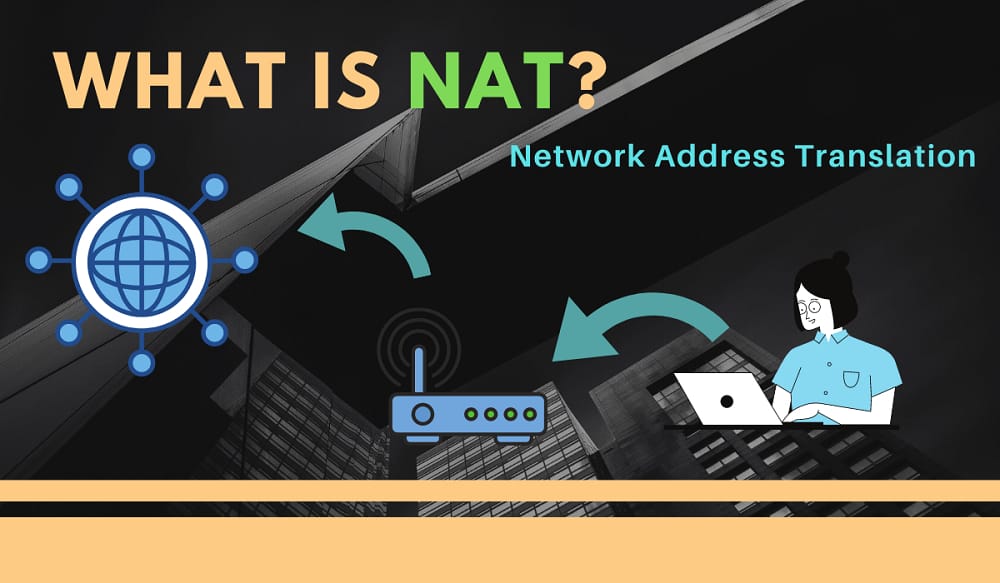
Hey folks, welcome back, in this module we are going to talk about What is Network Address Translation (NAT)? It’s working, its advantages, and disadvantages
 plucky junco
hi
i need help in improving a simple game that I made related to socket programming.
cedar forum
grave cloak
for example, block https://github.com/python/cpython but https://github.com/pyth...
this isn't possible, no
because that's not how /etc/hosts works
/etc/hosts is a local override of DNS lookups, when you browse to github.com/python/cpython then you only actually lookup github.com to get the location of github, once you've got that you ask the github server for /python/cpython
you can only override that initial bit with /etc/hosts, you can redirect requests to all github.com pages elsewhere, but not outright blacklist pages
for that sort of thing, you'd need a proxy/firewall which is capable of seeing inside TLS traffic, there are several solutions that do that
but you'd need to install certificates on the machine and run a firewall, so it's not as cheap as /etc/hosts
you might also find a browser extension that can do it if for whatever reason you are only trying to blacklist sites on your own machine
iron fjord
what's a good or standard way to recv data one after another? I keep getting the issue that half the data is recieved in the last sock.recv() call
if I'm making sense
I only want data 123 and 456 to go separately so i can do something like ```py
username = socket.recv(BUFFER_SIZE)
something_else = sokcket.recv(BUFFER_SIZE)
but my issue is 123456 would be put into username when i want it to be in something_else
ember ledge
In your client.py you can put a time.sleep() between server.send(b'123') and server.send(b'456')
 foggy prawn
i need help
ember ledge
@foggy prawn maybe ask your question so we can help you?
foggy prawn
ok
i have trouble making a multiplayer script
im using the JSON library to send variables through a server script
ember ledge
post your script
errant bayBOT
Hey @foggy prawn!
It looks like you tried to attach a Python file - please use a code-pasting service such as https://paste.pythondiscord.com
Hey @foggy prawn!
Uh-oh! It looks like your message got zapped by our spam filter. We currently don't allow .txt attachments, so here are some tips to help you travel safely:
• If you attempted to send a message longer than 2000 characters, try shortening your message to fit within the character limit or use a pasting service (see below)
• If you tried to show someone your code, you can use codeblocks
(run !code-blocks in #bot-commands for more information) or use a pasting service like:
foggy prawn
it doesnt work
ember ledge
Read
foggy prawn
i cant post it
foggy prawn
ok
foggy prawn
i have pated my script in the website
foggy prawn
i cant send the list voxel_info
when i search for the list in the tuple it doesnt recognise the keyword
foggy prawn
i have tried to do that but still doesnt work
ember ledge
impossible
foggy prawn
i have tried in two weeks now to fix the problem
i can try again to make the class
thanks for the suggestion
bye
ember ledge
heyy i have a little problem with this
https://www.strava.cz/foxisapi/foxisapi.dll/istravne.istravne.process?xmljidelnickyA&&zarizeni=3148
it somehow wont work with Curl and so on, does someone know what to do with the &? i know that its the problem
foggy prawn
thx
 next canyon
@ember ledge Add me as a friend (te rog)
ember ledge
ember ledge
heyy i have a little problem with this
```https://www.strava.cz/foxisapi/foxis...
& splits link parameters, from my knowledge it should have only one but i think it s working even with 2
Also, if you use command line or any bash cmd
& will be recognise as a next command
like echo a & echo b
will output ```
a
b
So, i ll suggest you to put the link in ""
curl "https://www.strava.cz/foxisapi/foxisapi.dll/istravne.istravne.process?xmljidelnickyA&&zarizeni=3148"
and can i downlad it into xml?
if you want a .xml file as an output
just put curl "link" -O file.xml
yep
ember ledge
ember ledge
just put curl "link" -O file.xml
wait, can it create the file?
curl will paste the response in the file
with -O arg
if it is allowed
ember ledge
Im trying to find a module that supports RSA, trying to encrypt my server-client model traffic, anyone know a reliable module for this?
an asymmetric one used to encrypt traffic
errant bayBOT
Hey @analog talon!
It looks like you tried to attach a Python file - please use a code-pasting service such as https://paste.pythondiscord.com
 crimson violet
Hello, I would like to make a proxy that allows each user to help host this one, do you know how I can do so that the user cannot access the request that the proxy does nor modify the code? A bit like Tor
cedar forum
ember ledge
Im trying to find a module that supports RSA, trying to encrypt my server-client...
ashen copper
crimson violet
Hello, I would like to make a proxy that allows each user to help host this one,...
For anything like Tor, you'll require hosting infrastructure. You can't do it with a simple proxy architecture. There are other cooperative encrypted networks, though. cjdns is an interesting one.
ember ledge
cedar forum
https://pypi.org/project/rsa/ or https://pycryptodome.readthedocs.io/en/latest/s...
thanks joe
ember ledge
Can anyone send me some documentation on multiprocessing
 true bear
I have a .net core service, a rabbitmq and a machine learning python service classifying images.
What is the best way to transfer the images from the .net core to python.
Is it ok to shove the whole image to rabbitmq?
 storm saffron
 queen ether
what do you guys think of networking a top down approach? (book)
i want to learn some of the different terms related to networking so i know what im doing with http, ip and all these different things
crystal current
queen ether
i want to learn some of the different terms related to networking so i know what...
I don't know that book, but one way to get a good knowledge of the fundamentals is to review the material for the CompTIA Network+ certification. Even if you don't plan to sit the exam, the objectives are a good outline to follow. Professor Messer has good videos on YouTube and the books by Mike Myers are good too
And if you don't know what the OSI network model is, start by looking that up :) just knowing that alone can help a lot
 steady horizon
queen ether
what do you guys think of networking a top down approach? (book)
steady horizon
queen ether
what do you guys think of networking a top down approach? (book)
That's great
queen ether
thanks c:
 frozen seal
does anyone know how s.sendfile() works and how to recieve it? im refering to the socket module.
 hasty zodiac
Hey, if I have a vps and a domain on it and I want to create an ssh tunnel from my computer to the vps so I can reach my computer through the domain, how would the ssh command look like
crystal current
hasty zodiac
Hey, if I have a vps and a domain on it and I want to create an ssh tunnel from ...
There are good tutorials on that for whatever distro your VPS is running. Make sure you do it with certificates not password login
Basically you enable sshd, generate and configure certificates, open firewall port, that's about it
Er... That's just setting up ssh... Not sure I follow what you mean about reaching your computer through the domain, might need point to point VPN for that with OpenVPN or something
crimson violet
You know where I can find courses to learn how to make a proxy with python? I admit to seeing things but I absolutely do not understand what I am doing.
 clear bobcat
hasty zodiac
Hey, if I have a vps and a domain on it and I want to create an ssh tunnel from ...
clear bobcat
hasty zodiac
Hey, if I have a vps and a domain on it and I want to create an ssh tunnel from ...
You should rather setup VPN on your VPS and connect your computer with that VPN (like @crystal current noticed). You can also setup simple DNS server to make things easier (like to connect myhomepc.vpn instead of typing IP address)
I did something similar few years ago with OpenVPN as well as WireGuard
clear bobcat
crimson violet
You know where I can find courses to learn how to make a proxy with python? I ad...
I am not sure that Python is the best language for that (it will decrease network speed due to Python limitations). Generally I am using NGINX as proxy service
crimson violet
Is it for learn^^
clear bobcat
crimson violet
Is it for learn^^
Start then with creating a simple server which will accept incoming requests. You can setup browser to use your proxy, but I would prefer to start with curl.
You can print and debug incoming packets and see how they are structured. You should read from the packets informations about destination server - just send data to this server and reply with response.
 hoary forum
I'm using the built in socket library to ping an mc server and get data back, and i'm threading it to run this ping thousands of times a second. Problem is, when i do this without a time.sleep between starting the threads my system starts yelling at me about to many files open. With the sleep it gets slowed down a lot. Is there any way to make it not open files for a socket?
hasty quest
tfw you try to write a ping flood DOS but DOS your own system 
absolute gold
also <@&831776746206265384>
hoary forum
wait what did i do
i'm just searching for minecraft servers lol.
by randomly generating ips and looking through all of them 🤷♂️
bruh
that's not what i'm doing
i can legit show you my code
it's not one host, each ping is to a different host
and every second it's a different set of hosts
so a host only gets pinged once per run
hypothetically all public ipv4 addresses until i have all mc server ips. ideally all of them only once.
yeah thinking about it that probably does sound kind of sus
Yup
hasty quest
"they" being the ISP?
hoary forum
stops and rm -rf's the project dir
I was trying to basically make a clone of the Coppenheimer project (scanned the entire internet for mc servers but is not oss so i can't use it), and use my clone to look for a specific server
ember ledge
How can I find all the Bluetooth devices near me with Pybluez even if it's connected? Right now Pybluez only finds the ones that aren't connected.
hoary forum
i'll just uh destroy all the evidence rq
only did like 200k IPs...
ya know only
yeah i stopped the script
idk why it would be illegal though 
hasty quest
I don't see how it possibly could be illegal, plenty of legitimate orgs do it.
That said your ISP may not approve and you may get a lot of angry letters from people
Including TLO
hoary forum
i was thinking about running it on a droplet but that would prob get shut down
and if it is sort of illegal then how did the other project get away with it
ember ledge
Yea. Not a lawyer, but I'm not sure it's illegal. Your ISP, VPN, or VPS provider might care a lot.
 ember ledge
Yea. I think a droplet at DO would get shut down quick
hasty quest
There are vague arguments under which it could be called unauthorized access under the CFAA...
but so could sending literally any network traffic anywhere, so
hoary forum
I at least got 2 ip's out of that
clear bobcat
hoary forum
i'm just searching for minecraft servers lol.
Generally pinging random IPs is not a good method to determine whether server is available or not
hoary forum
I'm trying to find a specific not listed one
Not that I could join it bc it's white listed but I could see when people log in and log out
hoary forum
clear bobcat
Generally pinging random IPs is not a good method to determine whether server is...
Is there a better way to do it?
ember ledge
hoary forum
Not that I could join it bc it's white listed but I could see when people log in...
That's way more suspicious. Starting to think this is nefarious
hoary forum
I just want to see when people log in and log out. MC servers publicly provide who is online
clear bobcat
hoary forum
Is there a better way to do it?
Basically it's hard to find a Minecraft server without any knowledge about IP and port
hoary forum
Basically I want to find the ip of the Hermitcraft server so I can see how long people are logged in for, and see the average time spent on the server in a session
Literally nothing. I'm just obsessed with Hermitcraft
How would it be spying though
Well it's a private server which is why i have to find the ip in the first place, invite only etc. The players online data you can get from the mc server list in mc too
I'm not going to do it anymore.
I'm also trying to figure out how the inspiration for this got away with it tho lol
Anyways thanks for telling me not to do that. I'll go enjoy my non-terminated internet

 limpid bay
I'm trying to create a RabbitMQ handler for logging and I've got a class that goes like this:
class RabbitMQHandler(logging.Handler):
    def __init__(self, url, exchange):
        logging.Handler.__init__(self)
        print("Connecting")
        connection = pika.BlockingConnection(pika.URLParameters(url))
        self.channel = connection.channel()
        self.exchange = exchange

    def emit(self, record):
        print("Sending")
        self.channel.basic_publish(
            exchange=self.exchange,
            routing_key="",
            body=record.msg,
            properties=pika.BasicProperties(delivery_mode=2))


logger = logging.getLogger()
logger.setLevel(10)
handler = RabbitMQHandler(RABBITMQ_PATH, exchange="logs")
logger.addHandler(handler)

print("Before sending")
logger.info("Test")
print("After sending")
This hangs at logger.info("Test") and "Sending" keeps getting printed without the message being published to the exchange. What am I doing wrong? The connection works I can confirm that but I'm unsure how to debug the publishing part
 west burrow
does anyone have a socket server where i could test on?
yea but id like it to be out of my network
bc i want to test my swarmer without 1ms ping
ill ask someone else
hasty quest
west burrow
yea but id like it to be out of my network
spin up a vps
 lean burrow
hey guys can anyone here help with UDP socket programming. I'm looking for a program to transmit images between a client and server. I've manage to done it via TCP and but i'm having a hard time to figure it out UDP
 proud arch
import socket target_host = "www.imageDestination.com" target_port = 102 client = socket.socket(socket.AF_INET, socket.SOCK_STREAM) client.connect((target_host, target_port)) client.send(image_data) response = client.recv(some_amount_of_bytes)
I couldn't get the lines to indent
But those are some helpful lines of code to look at when inspecting socket programming with python
target_host = "www.imageDestination.com"
target_port = 102
client = socket.socket(socket.AF_INET, socket.SOCK_STREAM)
client.connect((target_host, target_port))
client.send(image_data)
response = client.recv(some_amount_of_bytes) ```There that is better.
lean burrow
@proud arch Thanks, but you used socket.SOCK_STREAM I believe that is used for TCP and I'm looking for UDP socket that uses socket.SOCK_DGRAM
This this the code I've done for TCP
HEADER = 2048
PORT = 5050
DISCONNECT_MSG = """I used the image to transfer the image.
but finally the work is done, it always will be!!"""
SERVER = socket.gethostbyname(socket.gethostname())
ADDR = (SERVER, PORT)

client = socket.socket(socket.AF_INET, socket.SOCK_STREAM)
client.connect(ADDR)

file = open('Test.jpg', 'rb')
image_data = file.read(HEADER)

while image_data:
    client.send(image_data)
    image_data = file.read(HEADER)


print(f"{DISCONNECT_MSG}")```This is for client side.
HEADER = 2048
PORT = 5050
SERVER = socket.gethostbyname(socket.gethostname())
ADDR = (SERVER, PORT)

server = socket.socket(socket.AF_INET, socket.SOCK_STREAM)
server.bind(ADDR)
server.listen()

c_socket, c_address = server.accept()

file = open('result_image.jpg', "wb")
img_data = c_socket.recv(2048)  # stream-based protocol

while img_data:
    file.write(img_data)
    img_data = c_socket.recv(2048)

file.close()
c_socket.close()```and this is for server side
This is for TCP.
hasty quest
UDP is connectionless
To transmit UDP between two hosts, both hosts need to be listening for UDP
The UDP source port is optional, unlike TCP source port.
All you need to send UDP is this:
Server listening for UDP traffic on port P
Client sending UDP traffic to port P
The most basic UDP setup doesn't allow for reply traffic
but the client can open a UDP port and send that port as the "source port" field to the server
If it does this, the server is expected to send any replies to the client on that port.
 pearl solar
is any one working with Nornir?? need some help.
frozen seal
while True:

    msg = s.recv(1024)
    msg = msg.decode("utf-8")
    print(msg)

    filename = filedialog.askopenfilename()
    print(filename)
    if filename == "Cancel":
        break
    s.send(bytes(filename,"utf-8"))

    file_data = filename.read(1024)

    while file_data:
        s.send(f"{file_data}".encode())
        file_data = filename.read(1024)```

im getting this error
file_data = filename.read(1024)
AttributeError: 'str' object has no attribute 'read'```
clear bobcat
frozen seal
```py
while True:
msg = s.recv(1024)
msg = msg.decode("utf-8")
prin...
Error looks clear enough - you cannot use read method on str object.
Open file from given filename
with open(filename) as file:
  file.read(1024)
 fiery mountain
If I go on something like canyouseeme.org and I put in the port 80, but it says that the port is closed, how am I able to browse the web?
clear bobcat
fiery mountain
If I go on something like canyouseeme.org and I put in the port 80, but it says ...
80 port is used by clients to connect with you (when you are a server), you can have all closed ports and still you are able to connect with others
fiery mountain
clear bobcat
80 port is used by clients to connect with you (when you are a server), you can ...
So if I wanted to connect to a port, it doesn't have to be open?
Or am I confused on how it works
clear bobcat
fiery mountain
So if I wanted to connect to a port, it doesn't have to be open?
When you (as a client) want to connect with other side (as a server) the server needs to have open port
So servers need to have open ports to accept clients' connections
fiery mountain
Oh I see
fiery mountain
@clear bobcatNow if my ISP is blocking all of my ports and I want to connect/have something connect to me through a port, are there any other options I can use?
crystal current
fiery mountain
<@!690641855045697653>Now if my ISP is blocking all of my ports and I want to co...
Are you sure your ISP is blocking "all" your ports? Figure out which ports their blocking if any and direct traffic through others. Or host whatever you need somewhere else
clear bobcat
fiery mountain
<@!690641855045697653>Now if my ISP is blocking all of my ports and I want to co...
Probably you are behind a NAT - do you have public IP?
fiery mountain
crystal current
Are you sure your ISP is blocking "all" your ports? Figure out which ports their...
But on canyouseeme.org, it shows that all of my ports are closed
fiery mountain
clear bobcat
Probably you are behind a NAT - do you have public IP?
What do you mean?
Oh, and one different websites it shows my IP as being different
clear bobcat
fiery mountain
What do you mean?
Public IP address is such kind of address which allows to connect directly to your device, when you are behind NAT without public address there is no way to connect with your device
fiery mountain
clear bobcat
Public IP address is such kind of address which allows to connect directly to yo...
Oh
How do I disable a "NAT"?
Also how do I know if I am behind a nat?
clear bobcat
You cannot, this is mechanism used by your ISP
clear bobcat
fiery mountain
Also how do I know if I am behind a nat?
https://www.avast.com/c-ip-address-public-vs-private check this article for example

Public vs. Private IP Addresses: What’s the Difference?
Is your IP address public or private – and why should you care? Learn about IP address ranges and key differences here.
You should start with basics about networks like what are private addresses, how packets go from your computer to destination server and so on
fiery mountain
Is there any work around?
Like can I use a VPN
Or something
Or like an RDP, like is there any way I could do it?
Like I'm trying to port forward, but I can't do so cause it says all of the ports are closed
clear bobcat
fiery mountain
Is there any work around?
I don't know what you want to do
Do you want to connect with your computer from the Internet?
clear bobcat
fiery mountain
I want to port forward so I can host a Minecraft server
You can use VPN but it will be required to connect with your server
clear bobcat
But this still requires any publicly available entrypoint
fiery mountain
So there is no option for me?
clear bobcat
The easiest way is to buy VPS to host your server
fiery mountain
Oh, would I be able to port forward on a VPS?
Like does a vps have its own internet connect and isp etc.
clear bobcat
VPSes are basically available publicly so you just need to open chosen port and run your server
clear bobcat
You're welcome
 proven quarry
not sure if i should do this here or in a help channel, but can anyone tell my why this doesnt work?
import requests


proxy = {
    "http" : "http://193.168.147.179:8080"
}
url = "https://api.ipify.org?format=json"

a = requests.get(url, proxies=proxy)
print(a.json())
it sends using my ip address and not the proxy
hasty quest
@proven quarry The server respects X-Forwarded-For and uses that IP.
Your proxy is relaying XFF info to the server, which the server then spits back out to you.
 proven quarry
but how?
hasty quest
Is it a proxy you control?
proven quarry
no i was just testing to see if it was actually possible, but i am going to get some soon
hasty quest
If you don't control the proxy you can't control what it sends. But there are other public IP identifying services which respond with the IP as seen by the server, not XFF
Try ifconfig.io
proven quarry
what about it?
 wide frigate
anyone know why this wont work
import requests

req = input("~~#curl ")
url = (req)
payload = dict(key1='value1', key2='value2')
res = requests.post(url, data=payload)

print(res.text)
ping me
ember ledge
hey can anyone suggest me what to do to learn networking in python
hasty quest
wide frigate
anyone know why this wont work
what does "wont work" mean?
My mind reader is in the shop
steady horizon
ember ledge
hey can anyone suggest me what to do to learn networking in python
Learn networking concepts, then choose a networking library like socket, socketserver, asyncio, or whatever the heck, then make a simple client to client chat room or a server-client modeled one, or any project you can think of that you think is cool.
ember ledge
steady horizon
Learn networking concepts, then choose a networking library like socket, sockets...
any suggestion where I can learn them from
steady horizon
Try tech with team or look at other resources online, maybe even read the docs of one of the libraries.
steady horizon
👍
ember ledge
Hi! I want to list all the tab names of a Web Browser in a Google SpreadSheet. So I thought about Python (Maybe making a webbrowser with it and from there take the names of the tabs?). I wonder which is the best approach and if Python is the way to go.
wind oriole
ember ledge
Hi! I want to list all the tab names of a Web Browser in a Google SpreadSheet. S...
Probably javascript
 livid orbit
@ember ledge you could use Google's own sheets API in python. We're doing that to read sheet data. It has a function to fetch tab names.
ember ledge
thanks!
steady sage
How to get mac address of network if i know ip , using socket module
crystal current
steady sage
How to get mac address of network if i know ip , using socket module
This looks like it should get you there: https://stackoverflow.com/questions/24415294/python-arp-sniffing-raw-socket-no-reply-packets
Stack Overflow
to understand the network concepts a bit better and to improve my python skills I am trying to implement a packet sniffer with python. I have just started to learn python, so the code could be opti...
Don't ask me any questions though 😉
hasty quest
you don't need to write a sniffer just make an arp request lol
For linux you can fetch entries from the ARP table using netlink
If you don't want to dig into netlink, there's arpreq on pypi for that
 indigo crater
i love to network through people
prisma cobalt
proven quarry
not sure if i should do this here or in a help channel, but can anyone tell my w...
urrr is that your public ip? if so i would delete it from discord quickly
you should leak delicate infomation like that
hasty quest
prisma cobalt
you should leak delicate infomation like that
agreed
ember ledge
hey guys! I'm 16 and I was just wondering what degree u guys got to become a network security analyst, network engineer, etc?
computer science?
cedar forum
ember ledge
computer science?
compsci is a good starting point
compsci and if you can get some industry experience in the degree
also worth looking at CCNA, which is a cisco networking exam that is pretty much the standard networking qualification to hold
this is the networking module on my regular degree, we cover earlier networking stuff as part of our mandatory systems modules
 ember ledge
cedar forum
also worth looking at CCNA, which is a cisco networking exam that is pretty much...
ember ledge
cedar forum
also worth looking at CCNA, which is a cisco networking exam that is pretty much...
Yeah I’m in like a tech school and we have the ccnav7 course
Right now I’m doing the intro to networks 1
I’m gonna take that exam next year
 grizzled goblet
I have a "Networking question" 🤔 I but it has nothing to do with Python is it fine if I ask it here?
grizzled goblet
So I just enable "Block http (port 80 and 443)" on my WIFI does that mean if anyone tries to DoS that port on my WIFI it will not go through?
 fierce pivot
hasty quest
If you don't want to dig into netlink, there's `arpreq` on pypi for that
fierce pivot
hasty quest
If you don't want to dig into netlink, there's `arpreq` on pypi for that
import os
os.system("arp -a > file.txt")
with open("file.txt", "r") as r:
    mac_addresses = r.read().split("\\n")
os.remove("file.txt")
👀 👀
Work on both windows and linux 👀 👀 👀 👀
 soft silo
any idea how to make a sound and screen sharing thing in python
i don't know where to start off
do i send a video with short duration everytime?
image + audio data seems large to me
 versed spindle
I ran into a few minor issues when trying to implement a server to receive HTTP requests using sockets.
I sent a POST request to the server via Requests. In the synchronous case, it was fine, but when I enabled multi-threaded concurrent operations, the server received data missing the request body.
Can someone look at it for me?
 gritty island
how would i send packet like "fe 01" as hex to a ip and port
 uncut plover
Anyone learning python with some good automation experience?? /Europe?
hasty quest
gritty island
how would i send packet like "fe 01" as hex to a ip and port
over what protocol?
do you want them to be able to reply?
gritty island
hasty quest
over what protocol?
yes over udp
hasty quest
https://docs.python.org/3/library/socket.html#socket.socket
Address family AF_INET for ipv4, type SOCK_DGRAM for UDP.
gritty island
so
sock = socket.socket(socket.AF_INET, socket.SOCK_DGRAM)
try:

    print(f'sending')
    sent = sock.sendto(b'\fe\01', address)

    print(f'waiting to receive')
    data, server = sock.recvfrom(4096)
    print(f'received')

finally:
    print(f'closing socket')
sock.close()```i found that online but idk if it works
hasty quest
You didn't tell the socket where to send the data to
gritty island
its the tuple address

 hasty quest
If the server is responding to one input but not another, then they aren't the same
Either the server isn't responding because something is different, or it is responding but not reaching you
Might be the latter.
Is there a source port in whatever you sent before?
Source port is optional in UDP. Might be that your python isn't sending a source port
To make the socket send a source port so it can get a reply back, bind() it
gritty island
so bind(address)?
hasty quest
no
You bind to the address you want to receive data at
just use ('0.0.0.0', 0)
Binding on port 0 will just use whatever port is available
hasty quest
It's a method of socket
Call it on your socket object
Binding on ipv4 0.0.0.0 will use any IP that the machine is reachable at
gritty island
    sock.bind(("0.0.0.0", 58180))
    print(f'waiting to receive')
    data, server = sock.recvfrom(4096)
print(f'received')```like this?im assuming it sends to port 58180 since its what packer sender says
hasty quest
no
You have no idea whether that port is available or not.
In fact, you know specifically that something else might already be using it.
That's why I said to use port 0, which will use whatever port happens to be available.
And you have to do it before you send the initial data.
If you don't bind the port before you send the data to the server, how can the server know what port to reply to?
You bind first, so that the server knows what port to reply on.
gritty island
still doesnt print recieved
 hot torrent
I am hosting a private linux server which only has an IP. No domain name. Is it possible to implement a Cloufflare/Akamai like service on my server to protect it from DDoS and other attacks ? If yes, how acn I do it ?
hasty quest
hot torrent
I am hosting a private linux server which only has an IP. No domain name. Is it ...
You need a hostname so that the edge server knows which origin it's supposed to fetch from
If the cloudflare server at 103.21.244.0 sees this request, and doesn't have the page cached, it knows to fetch the page from my server.
GET / HTTP/1.1
Host: mypage.tld
If the cloudflare serverjust sees this:
GET / HTTP/1.1
Then how does it know which site is being requested?
You need a domain. Get one for like $5 a year on namecheap
proven quarry
prisma cobalt
urrr is that your public ip? if so i would delete it from discord quickly
nope dw
 near delta
hi there
I have some csv online
but it make me download
for example here :https://www.cophieu68.vn/export/excelfull.php?id=AAA
i want ro read it online without download
so i make a request to this site but it need to login
i've tried put username and password in requests params
i also tried use HTTPBasicAuth and HTTPDigestAuth
but i still can't log in
can anyone help me
 late birch
near delta
hi there
I have some csv online
but it make me download
for example here :https:...
late birch
near delta
hi there
I have some csv online
but it make me download
for example here :https:...
have you tried to capture the HTTP request that logs in to the user? you could use the dev tools from chrome or firefox to inspect the request sent, which will give you the necessary information you are looking for on how to construct the request. I am guessing you are not using the write fields in the HTTP request. Keep in mind that most of the time user login is done with a POST method (sending form data to the server)
 ebon isle
hi
im trying to make like a chat on socket
and i got into a problem when i try to remove the client from the clients list on his disconnect
def logout(client, address):

    clients.remove(client)
    client.close()
    print(f"[LOGOUT] {address} Disconnected.")
    broadcast(f"[LOGOUT] {address} Disconnected.")
this is the function im calling when he gets disconnected
i get this error:
ValueError: list.remove(x): x not in list
ember ledge
import twisted
import socket

"""
Create a web app using Socket and Twisted.
Twisted is known as the web.
"""
web = twisted.Client()

while True:
  twisted.addClient(web)
  if clients > 5:
    break
 left geode
ebon isle
hi
im trying to make like a chat on socket
and i got into a problem when i try t...
left geode
ebon isle
hi
im trying to make like a chat on socket
and i got into a problem when i try t...
You call clients.remove(client) possibly more than once -- in fact, once for each client in clients!
ebon isle
left geode
You call `clients.remove(client)` possibly more than once -- in fact, once for e...
I call it once in my start() method
but why is that happening?
left geode
Wait, you removed the for loop from your original code, right?
And you still have the same error ?
 jovial python
@hasty quest
hi
so yea, as I was saying, my aim is to provide software for users to run on their PC's, the software then makes their device a server, and then uses python network automation to open router ports so their buddies can connect to their server
and I was hoping there would be a default style meaning that 80% of the time the software follows default steps to open the ports, and if it fails (due to the router not following the same format as most) then the person trying to use the software has to manually open the ports on the router config
but you say that router brands all have very different automation styles so it is unlikely to follow a similar pattern to open ports accross all router brands
@hasty quest
hasty quest
@jovial python there are basically two ways I can think of to do what you want with different drawbacks
option 1) implement automatic forwarding for the most common models of consumer routers. The downside of this option is it takes more time to set up initially and limits you to supporting specific devices.
option 2) set up something kinda similar to ngrok, basically working like this: customer connects their server to your server - customer's clients connect to your server and you forward the data on that connection to the customer's server
The downside of this is you need dedicated hardware to do the forwarding and enough bandwidth to handle all that traffic. It's not the most expensive option ever because it's cheap on compute, bandwidth is much more of a factor than compute in that situation.
So that'd be an alternative to supporting various consumer routers. Instead they just connect to you and you forward all the info, this works regardless of their router model because it's just TCP which everything supports ofc.
Faster to get up and running and works with everything, but costs money to maintain
The easiest way I can think of to set up the latter would be to set up your server as a VPN gateway and have the client machine connect to your server as a VPN client. Then your server is basically the router, and port forwards everything to their client.
iron fjord
Katy likes to write essays when helping others
hasty quest
oh right, one more issue is you have to have a different port for every customer machine hooked up to your server, unless you have multiple servers.
So two different customers can't both have port 80 on that setup lol, unless you have some way to multiplex the port to multiple backends.
which you could do but would require different setups for different services like http
jovial python
hasty quest
So two different customers can't both have port 80 on that setup lol, unless you...
just blew my mind
I think im just going to provide extremely well explained documentation to the users who want to host servers, on how to perform port forwarding!
proud arch
@hasty quest Couldn't you control the meta data and share the port? Like a multi-threading situation? Especially if one costumer is sending less requests, I would think about like sequence packets and the nodal queue to be handling this circumstance. BUT I am a total novice so please help! xD
prisma cobalt
hasty quest
option 2) set up something kinda similar to ngrok, basically working like this: ...
to address the valid issue about ports, you could have every client connect to the same port and you identify yourself in each message with a short code assigned at the start or something
oops wrong reply
well same person, wrong message
hasty quest
Right, but the problem with that is that the client has to support it, in order to ident the service they're trying to reach.
I don't mean the client as in the customer paying to have forwarding set up, I mean the person trying to connect to the service the customer is hosting
It is doable for specific services, since things like HTTP support service multiplexing already.
prisma cobalt
im confused, isnt every client running the same script and that script would contain the code that supports indentification
hasty quest
No
There are two clients involved
There's the customer's client which connects to the forwarding service
And there's the client trying to connect to that service.
the customer's client, you have control over and can set up however you want.
prisma cobalt
oh so theres communication between the custom script and the unknown script?
prisma cobalt
ahh hang on, i misread the question 😳
they are trying to make the generic person running the script a server
for other clients/services
hasty quest

They're trying to provide a service that lets the customer have a service be reached without having to configure port forwarding.
One way to do it is to have the customer connect out to an external server, and have the service be reached there. The external server then forwards that information over the connection made by the customer to the external server.
The arrows show the direction of connection. this option works by having the customer's machine connect OUT, instead of being connected INTO.
Connecting into NAT requires port forwarding at the NAT gateway. Connecting out does not.
The issue with this configuration is that if the external server is just proxying TCP, two customer services cannot run on the same port.
There'd be no way for the external server to know whether a connection coming in on port 80 should go to Customer A or Customer B.
You can multiplex and run multiple HTTP backends through the same port, but you have to parse HTTP to know which backend to go to. At that point you're working on the application layer, not the transport layer.
And you'd have to configure this forwarding for every application layer you want to support.
 glacial stone
Hi i have a question:
Say there are 2 computers connected to the router with a hub, so they both get each others messages. How does my computer know what messages are meant for him and what he can ignore (i guess by the dest ip), and how he ignores the irrelevant messages?
hasty quest
glacial stone
Hi i have a question:
Say there are 2 computers connected to the router with a h...
destination mac
IP is a network layer concept and happens in software. Filtering is done by the firmware on the network card itself at the data link layer
that's why you have a mac address. Mac addresses are used to indicate network devices on a network.
A network card which receives a packet destined for a different mac, can freely ignore it, which saves performance.
If it sees a packet destined for my card, only then is that packet transmitted to the CPU to be processed by the operating system.
Ip addresses have more to do with routes.
The IP address is mainly relevant when sending traffic through a sequence of several machines, rather than from one network card to another network card.
At any rate, the IP address is purely a software concept, whereas packet filtering can be done in firmware and without the aid of the CPU or the OS.
glacial stone
Thanks🙏🙏
That makes sense
Also i guess because IP addresses change all the time filtering by mac would be more relevant
hasty quest
It's less because they change and more because they're a software thing
You can chance macs as frequently as you please
They're not actually baked into the hardware in most cases. All common network cards let you set whatever mac you want
But it is ideal if you can avoid sending any useless data to the operating system.
Also, filtering at the network layer means you have to write filtering for every single network protocol you want to use
In reality that's like 2, but still.
Filtering at the data link layer lets you have filtering for every protocol which runs on data link
 cloud root
k, so where do you lecture, I'm signing up @hasty quest
ember ledge
anyone knows how to do port forwarding using ddns?
 shadow loom
can someone help me im getting a error
**print("Im test")
print("Welcome to my survey")
first_name = input("Whats your first name?:")
print("Hi " + first_name)
last_name = input("Whats your last name?:")
full_name = first_name + last_name
print("1.Hello There " + full_name)
print("2.How are you feeling today?:")
print("3.Select your mood 🠗")
print("4.Happy 😊")
print("5.Cool")
print("6.Just right 🙉")
print("7.Mad 😡")
custom = input("8.Custom:")while True:
# take input from the user
choice = input("Enter choice(1/2/3/4): ")# check if choice is one of the four options if choice in ('1', '2', '3', '4'):**
whats the problem with it
ember ledge
shadow loom
> **print("Im test")
> print("Welcome to my survey")
> first_name = input("Whats...
This is certainly not a networking question. Can you get a help channel and let me know the error you're getting?
 austere veldt
 flint timber
Hey guys what does a layout look like with IP address, subnet and internet? I dont understand the concept of network much. Can someone help?
 devout zephyr
Can sending big data requests to API's break them or will most API's ignore the request/truncate it?
hasty quest
devout zephyr
Can sending big data requests to API's break them or will most API's ignore the ...
An API which is written correctly will either ignore the request or truncate it
if you look at boto3 for example it has interfaces for "chunking" requests and responses.
if you need a fuckton of data, the response will ship with a field you include in the next request to get the next piece of data
devout zephyr
ok thanks
 dapper pulsar
i've been contemplating how to go about adding P2P functionality to https://github.com/amogorkon/justuse
GitHub
Just use() code from anywhere - a functional import alternative with advanced features like inline version checks, autoreload, module globals injection before import and more. - GitHub - amogorkon/...
to have PyPI as fallback and source of truth for hashes but to pull the packages from users that are close by if possible
now, one of the main issues i'm struggling with is how discovery without central coordination could work
i was thinking that github could be used as a "white board" to seed the network initially and then i was wondering maybe there's a feature in ipv6 that could help spread data through the network?
since we have PyPI as a working fallback, there's no need to be backwards compatible with ipv4 or other outdated tech
any ideas that come to mind?
 zealous badge
Ive seen in chat apps tht u need to connect to servers using sockets but I have tried to connect to public ips with sockets but its doesnt work, how to connect to public ips
Like I can only connect to devices in my network
 leaden cypress
Find out if the organizations behind those public ips have an API you can use to connect
zealous badge
leaden cypress
Find out if the organizations behind those public ips have an API you can use to...
Imagine I have to wifi a device in 1 network and 1 device in another how am I supposed to connect to each other.
zealous badge
leaden cypress
Find out if the organizations behind those public ips have an API you can use to...
wil find out
leaden cypress
You setup a server
Then you can look at hole-punching
Or, you can use peer-to-peer technologies
 vernal jackal
Any idea how to bypass CSPF?
I am trying to make a request and I get block from a page says smt about CSPF
ember ledge
CSRF token is usually in your first response
to the website
so what i would do is intercept all the requests to your website of choice using Burp Suite or other
and then track down which response contains that generated CSRF token
then repeat that request
whenever you get an error about CSRF
vernal jackal
ember ledge
and then track down which response contains that generated CSRF token
u mean from the google console? how am i gonna get the correct token
 wanton ether
Get premium images for FREE LOL!
https://www.shutterstock.com/g/Garry01?rid=314386958&utm_medium=email&utm_source=ctrbreferral-t-link

Shutterstock
About Garry01 on Shutterstock - Nature, design, background, colours, fresh, reality, illustration, real , seasons, floral, weird, pixels.
ember ledge
vernal jackal
u mean from the google console? how am i gonna get the correct token
is it your website
that requests a CSRF token from you
 mortal onyx
hello do you know a liblary that analyse the network trafic
vernal jackal
ember ledge
is it your website
I just make a call on a website I wanna get some data from and when I make a request, as response I receive an HTML saying Forbidden 403. CSFR Verification failed
prisma cobalt
wanton ether
Get premium images for FREE LOL!
https://www.shutterstock.com/g/Garry01?rid=3143...
can you like... not? this is a networking channel. this is a python server. advertising is banned.
 thorn valley
ive recently stumbled on a weird error, any advice?
https://stackoverflow.com/questions/69865158/attributeerror-type-object-h5py-h5-h5pyconfig-has-no-attribute-reduce-cyth
Stack Overflow
Currently using tensorflow version 2.7.0 and h5py version 3.1.0.
I have tried installing and reinstall both.
This code:
import tensorflow
import keras
from tensorflow.keras.layers import Dense
from
not a bot btw
ember ledge
vernal jackal
I just make a call on a website I wanna get some data from and when I make a req...
then read again what i said before
it still stands
 cedar dust
hello I have a socket programming problem regarding socket.close(). When I close the socket, the client prints endless newlines. Can anyone help me?
 visual mountain
hey, I am trying to make a chat room application using tkinter and socket but I don't know how to connect with a remote host as I am hosting on locally how can someone connect to me
 woeful charm
oh
steady horizon
visual mountain
hey, I am trying to make a chat room application using tkinter and socket but I ...
You need to forward your server port. And the client should connect to your public IP
woeful charm
Can you please elaborate
steady horizon
Your router doesn't open its ports for you and the programs you are hosting inside your local network. You need to forward the port so the router opens a port that connects to your server's port. That way, any client that connects to your router with its public IP and the port you chose can communicate with the program the port is connected to
Basically if your program uses port X, you need to forward it to port Y (or X, doesn't matter) of the router.
And your clients need to connect to the router's public IP address and the port you chose for obvious reasons
The process for forwarding a port is different for every router, but it usually involves putting your router's gateway IP address into a web browser, logging in and going to advanced/port-forwarding settings
vernal jackal
ember ledge
so what i would do is intercept all the requests to your website of choice using...
Dunno how to do that tho...
 woven blaze
ember ledge
woven blaze
ember ledge
Hello is there an HTTP/3 Python library in python at the moment
 cursive hedge
steady horizon
The process for forwarding a port is different for every router, but it usually ...
cursive hedge
steady horizon
The process for forwarding a port is different for every router, but it usually ...
can you give a code example or direct me to a site
ember ledge
vernal jackal
Dunno how to do that tho...
which part do you not understand
vernal jackal
ember ledge
so what i would do is intercept all the requests to your website of choice using...
This one
ember ledge
Burp Suite
is a program
that basically acts as a middle man
between your browser
and a website
so with it, you can intercept all requests sent to the website
and then find one that generated CSRF token (aka had it in the response)
prisma cobalt
ember ledge
Hello is there an HTTP/3 Python library in python at the moment
i dont believe so, but how do you mean? for a server or client? and why choose HTTP/3 over the standard 1.1
ember ledge
prisma cobalt
i dont believe so, but how do you mean? for a server or client? and why choose H...
client
prisma cobalt
wait HTTP3 isnt even in effect yet
ember ledge
well Google, Discord, and Facebook all use it
prisma cobalt
urrr
ember ledge
OK, my fault, HTTP/3 is not yet an RFC (but the underlying QUIC is RFC9000 now)
prisma cobalt
there wont be a python module for it
but you could make your own client with sockets and learning the HTTP syntax
but HTTP3 hasnt been finalized so expect needing to change the code to match the current spec
ember ledge
prisma cobalt
but HTTP3 hasnt been finalized so expect needing to change the code to match the...
OK then thank you though
prisma cobalt
if you want help building a custom HTTP client the ping me @ember ledge
i have experience with custom HTTP servers and clients based on just low level sockets (from scratch)
ember ledge
@prisma cobalt
do you have any sample code
for HTTP2 implementation
by any chance
prisma cobalt
not for HTTP/2 sorry @ember ledge
cedar forum
 deft hornet
anyone there ?
deft hornet
anyone there ?
👋
ember ledge
hey i just want a simple register an login system i tried many times but i failed can u give me a prototype code ?
ember ledge
prisma cobalt
not for HTTP/2 sorry <@456226577798135808>
want to build an implementation together?
I've read through like first 6 chapters on RFC
seems doable
prisma cobalt
ember ledge
want to build an implementation together?
With sockets?
ember ledge
sockets and TLS
ember ledge
hey
i need help with sockets
i am working on an educational purpose python botnet
and i am currently making the architecture getter function
but i cant seem to do it
can anyone help?
prisma cobalt
ember ledge
i am working on an educational purpose python botnet
even if its educational like you say, it would break the rules of this server to help since it has good possibility of being used maliciously
prisma cobalt
ember ledge
sockets and TLS
sounds interesting, although i dont have much free time, i can still contribute
 jolly cape
hey, does anyone have any experience running a sql server on google cloud and running requests from python?
 rigid edge
can a esp8266 , be made secure running micro python ?
ember ledge
jolly cape
hey, does anyone have any experience running a sql server on google cloud and ru...
which part are you unsure about
just ask away
jolly cape
ember ledge
which part are you unsure about
so i read the google documentation for their bigquery api (I assume thats the API i need to run SQL commands to a my SQL server). I was wondering how i am supposed to verify that the request is coming from my program rather than another program that may of found the .json file in the program directory? Also, does the SQL query i send to the server return a record as an array if thats what my query wants?
ember ledge
jolly cape
so i read the google documentation for their bigquery api (I assume thats the AP...
Cloud SQL and BigQuery are two different GCP products, with two different APIs I'm assuming. You can connect BigQuery to external databases and query through it if that's what you're doing. By .json file, are you referring to your service account key? They should not live in your code repository.
mint plank
how hard would it be to make a simple browser and its hosted inside a website. it would proxy all of the stuff its loading thru the server its running on and not the users internet connection and then it will relay back what the website sends to the server
jolly cape
ember ledge
Cloud SQL and BigQuery are two different GCP products, with two different APIs I...
Yes the .json is the service account key. So can i run requests to the server without needing that form of auth, isnt that risky?
ember ledge
jolly cape
Yes the .json is the service account key. So can i run requests to the server wi...
not if you protect the key
jolly cape
ember ledge
not if you protect the key
how, by encrpytion?
ember ledge
jolly cape
how, by encrpytion?
I don't believe the service account json is supposed to be encrypted, but it shouldn't be added to the code
jolly cape
ember ledge
I don't believe the service account json is supposed to be encrypted, but it sho...
don't even worry, i worked it out
 proven vale
hiii is there a way to make something like .NET's TcpClients and TcpListeners
in python?
and set up a multi client server chat room and send and receive data?
hasty quest
proven vale
hiii is there a way to make something like .NET's TcpClients and TcpListeners
in...
socket in the stdlib
the socket function from that module supports tcp/ip, with address family AF_INET / AF_INET6 and type SOCK_STREAM.
proven vale
Oh okay thanks
 stark jolt
I'm starting to develop a proxy similar to https://github.com/haveachin/infrared/, but for ALL TCP traffic. Am I able to detect a hostname from the headers to decide what backend server to proxy to?
 thorn ether
Hi, my application need to acess to an API from a website and the code return me this error. Can someone help me pls ? (i'm on windows and the code work perfectly on other PC)
 hasty quest
stark jolt
I'm starting to develop a proxy similar to https://github.com/haveachin/infrared...
hasty quest
stark jolt
I'm starting to develop a proxy similar to https://github.com/haveachin/infrared...
Nope. TCP doesn't carry any information about that (or ipv4 or ipv6, for that matter)
That's why infrared only works for minecraft. It looks at the server name in the application layer data.
That's also how a reverse proxy for HTTP works. It looks at the Host header from the HTTP request, which is application layer data.
TCP on IP only carries the source address, source port, destination address, and destination port.
There is a protocol for proxying arbitrary TCP traffic - the trick is that the client has to connect to your server using that protocol.
So it won't work for just any random person without special configuration
SOCKS is the protocol
Opening a connection over SOCKS involves the client sending information about what they're trying to connect to - so the server can then look at it and connect appropriately
 finite dock
I have been unable to find an SNMP method to capture data, can anyone ping me with a method or tutorial? I've tried easysnmp and pysnmp but like I said I cannot seem to direct the output anywhere, just prints in every tutorial I've seen.. I need to save the data.
Thanks.
finite dock
fml.. I found the answer I needed.. redirecting stdout as a switch off/on
was only on lime the 30th google page, so prolly a few years old
hasty quest
deft hornet
anyone ?
?
crystal current
thorn ether
Hi, my application need to acess to an API from a website and the code return me...
It says the certificate has expired. Probably an issue on the API owners end, I would check with them
thorn valley
Has anyone here worked with ANN models? If so please ping me!
i really need help aaa
steady sage
How can i print source ip, mac and destination ip, mac from arp in python
deft hornet
do you know ngrok people ?
queen ether
could someone correct me if im wrong?
queen ether
access ISP's connect to the regional ISP then the regional ISP connects to the tier 1 ISP
hasty quest
deft hornet
do you know ngrok people ?
Could you just cut to the chase and ask what it is you actually want to know?
deft hornet
hi dude
hasty quest
It's gonna take 1000 years to get anywhere if all you do is reply later to people who replied later to you, just sayin
ember ledge
deft hornet
know ngrok ?
Yes
hasty quest
But if you just come out of the gate with your real question, a single reply later might be all it takes.
deft hornet
hasty quest
But if you just come out of the gate with your real question, a single reply lat...
I liked you, but the doubt has already been solved
queen ether
hasty quest
But if you just come out of the gate with your real question, a single reply lat...
🙋♂️ i did that and i got no response
cedar forum
queen ether
access ISP's connect to the regional ISP then the regional ISP connects to the t...
yeah more or less correct
it obviously depends on who your ISP is
for example, it's generally not as long as that
and, you rarely connect to one tier 1 ISP
this is the diagram of my current connection from my University campus, so JANet (AS786) is my ISP so I connect to them and then they have a direct connection to 5 tier 1 ISPs

that means that when I go to an address Janet could route me through any of those 5 connections depending on which it deems the most suitable
similarly, this is the network for the ISP that I run, AS211224. When you connect to that network you will either upstream to Vultr or another one of my providers, then they will upstream to the tier 1s, I do that because it's considerably cheaper than buying transit from a T1 directly, whereas Janet can obviously afford htat

you can see which ISPs your traffic is going through with a tool like mtr, mtr [ip] and then hit z will display the ASN for each hop. You can see that when I ping to github.com my packets start at JANet (AS786), then they go through AS1299, which is Telia, a tier 1 network, and then they end up at AS36459, which is GitHub
(whois AS211224 will show what the ISP is, or just googling the AS number)
cedar forum
queen ether
🙋♂️ i did that and i got no response
lol ISPs are a hard subject!

it's important to note here that "internet users" have many choices for how they get their connection to the internet. you could go through a tier 3 network, you could go directly to a tier 2 or you could even go straight to a tier 1 if you wanted but it would be considerably harder
 nimble breach
I really need help to make this simple networking programing work
All the help channels are fulll
the nondormant ones atleast, because i cant access the dormant ones
 frozen drum
cedar forum
this is the diagram of my current connection from my University campus, so JANet...
frozen drum
cedar forum
this is the diagram of my current connection from my University campus, so JANet...
I believe they call themselves Jisc now!
A decent bit of their traffic goes through connections with us (20965) so it's even more complicated than you think 😩
cedar forum
frozen drum
I believe they call themselves Jisc now!
A decent bit of their traffic goes th...
Aha, you're right. Company is Jisc and Janet is the network product, https://www.jisc.ac.uk/janet.
Is that the GÉANT as in Eduroam? Such a great thing, I love walking around cities and getting WiFi from some a random institution hahaha, and Linux support without hassle 😌
frozen drum
Yes it is GÉANT 
cedar forum
think we're using the on campus eduroam for COVID tracking this year which is quite cool
tidal skiff
Do you know a library with packets loss management for caméra streaming with cv2 for example ?
 twin heath
anyone know how to reset a sequence number once it reaches max sequence
 wicked ocean