#networks
1 messages · Page 13 of 1
 ebon silo
 tribal dagger
so i have this issue that before when i used to use wifi adapter for internet i was able to connect python flask application from other pc on the same network using my ipv4 address but now after moving to ethernet i cant connect to it from other pc
 next jasper
tribal dagger
so i have this issue that before when i used to use wifi adapter for internet i ...
next jasper
tribal dagger
so i have this issue that before when i used to use wifi adapter for internet i ...
Windows? If yes, it sees wifi vs Ethernet as different "networks" and can have different config (e.g. have different type of connection set - private vs public network, and public may be set to block all incoming connections).
Of course also make sure you're using correct ip - e.g. if you set it as static before, wifi network card and Ethernet card have different MAC addresses so router will see them as different devices and won't give you that same ip.
- If the other computer is still wifi, make sure you don't have some kind of network separation between wired and wifi ("guest WiFi" configs usually have separation from main network).
 royal cradle
Sup, recently worked on a Shift manager app but not in Python.
I wanted to do something more complex that could be useful for offices. like AnyDesk, Vision Client (For Schools)
However, I have bare understanding of how to write proper applications especially when it comes to the networking part.
Bandwidth is ~100 Mbps so I can monitor and interact with multiple clients at the same time. This is where I'm stuck at.
How does one create a proper Network Manager for the Server-side (Administrator) so it can accept such heavy tasks simultaneously, like screen-sharing from 2 clients at the same time.
but also background tasks like info update going on in the background.
I have never worked with anything network related that is this complex before
PS. I wanted to use QTcpSocket for this.
 boreal oasis
Question for AI, Cybersecurity, and Remote Sensing Experts:
Is it possible to detect cybercrime-related buildings or infrastructure (like botnet hubs, phishing farms, illegal data centers, or crypto-mining stations) using satellite imagery or geospatial analysis?
Are there any known datasets, real-world use cases, or projects where AI or satellite imagery has been used to identify such physical infrastructure linked to cybercrime?
 lyric oak
boreal oasis
Question for AI, Cybersecurity, and Remote Sensing Experts:
Is it possible to d...
lyric oak
boreal oasis
Question for AI, Cybersecurity, and Remote Sensing Experts:
Is it possible to d...
That belongs to #cybersecurity
 prisma cobalt
boreal oasis
Question for AI, Cybersecurity, and Remote Sensing Experts:
Is it possible to d...
prisma cobalt
boreal oasis
Question for AI, Cybersecurity, and Remote Sensing Experts:
Is it possible to d...
It would be very difficult, any computer could be used for cybercrime. The physical building or infrastructure is usually irrelevant and it's not something distinguishable by satellite imagery. I doubt a dataset exists for this but Google is your friend
 obsidian topaz
boreal oasis
Question for AI, Cybersecurity, and Remote Sensing Experts:
Is it possible to d...
obsidian topaz
boreal oasis
Question for AI, Cybersecurity, and Remote Sensing Experts:
Is it possible to d...
doubtful however that large scam farm that got busted in Dubai might point to some clues but not by sat imagery. More like resource usage
sat imagery can be used as a frontend sort of deal for humans to look at, but not for AI to analyze
a building is going to look like any other building to it
 cedar forum
yea i think that there are probably some heuristic methods you could use to determine this based off some building factors but not from imagery/public datasets
you really need to know things like power consumption and traffic to start making determinations like that
and identifying infrastructure != identifying malicious infrastructure
like you could easily go "okay so i can see a 11kV transformer here, a cooling unit here, etc." but that gives no determination over the legitimacy of a space vs illegitimacy
depending how "rogue" or undercover type operations you are looking for i guess thermal would probably be the way to go
like if you see a heat signature in a residential area chances are you're looking at something untowards, but still no guarantees it's AI (chances are it'd probably be a weed farm 🤣)
 silk cosmos
anyone know any good tools that can help me make an API with type hints? im working on a client server architecture where clients perform read/writes to tables in a database through an API on the server and having no intellisense in vscode is a pain
 steady horizon
silk cosmos
anyone know any good tools that can help me make an API with type hints? im work...
steady horizon
silk cosmos
anyone know any good tools that can help me make an API with type hints? im work...
Sounds like a #editors-ides / #type-hinting question
 upper iron
what are csrf tokens?
 cloud spruce
silk cosmos
anyone know any good tools that can help me make an API with type hints? im work...
cloud spruce
silk cosmos
anyone know any good tools that can help me make an API with type hints? im work...
fastapi with pydandic or msgspec perhaps
 jovial sail
Hello there people. Anyone here with Django+React experience?
cedar forum
jovial sail
Hello there people. Anyone here with Django+React experience?
what's up?
silk cosmos
silk cosmos
anyone know any good tools that can help me make an API with type hints? im work...
realising a better description of what i want is an RPC library that still lets me have intellisense on function arguments and return type
does anyone have any recommendations or am i better off creating my own implementation?
i have a module that ive written that contains classes representing different tables in the database with a bunch of utility functions, very nice to use. i want clients to be able to use this module since its very useful, but they cant normally as they do not have authentication details to the database, and i do not want to nearly double my workload by creating different REST endpoints for clients to invoke
i have an idea of how i could implement RPC on the module, but i dont want to do it if theres already a library for this exact scenario
 real cape
not related to python but is there any guide to networking?
ive taken computer networks class and liked it
i heard the TCP-IP Illustrated book is good?
cedar forum
silk cosmos
realising a better description of what i want is an RPC library that still lets ...
anything that will do codegen will do this for you
e.g. protobuf
Describes exactly what Python definitions the protocol buffer compiler generates for any given protocol definition.
expanding that into RPC you're probably wanting gRPC https://grpc.io/docs/languages/python/quickstart/

which again, will generate stub files (though they're not really stub files, they are the actual implementations) that are typed and intellisense etc should pick up on them
jovial sail
cedar forum
what's up?
Everything cool, I am just looking for some experience about those tools, because I am using them, I am trying to become a fullstack developer, mostly oriented to BackEnd
It is being a little hard to get my first job on this industry😅
cedar forum
both are nice tools -- i recommend you look more in #web-development for questions on those topics, but if you want react and django to work together look at Django Rest Framework which allows you to make nice REST APIs that React can work nicely with from Django
cloud spruce
real cape
i heard the TCP-IP Illustrated book is good?
i think they are generally good even though they can feel a little bit antiquated by now in some aspects
but the lower level protocols hasn't changed that much, even if things have been added to them since then
due to changes like this, IETF has in 2022 released an updated RFC 9293 that obsoletes the trusty old RFC 793 from 1981 (and a few other related RFCs) that was the official RFC standard specification for TCP up until then
the IPv4, UDP, ARP and Ethernet RFCs from the same era hasn't seen the same refreshes to my knowledge but has related RFCs that update or amend them in different ways
 hallow tree
3
 copper dagger
I'm taking a networks course which is more high level. Is there a good resource that isnt too complex which will help me better understand all the protocols and networks in general
 narrow ridge
copper dagger
I'm taking a networks course which is more high level. Is there a good resource ...
narrow ridge
copper dagger
I'm taking a networks course which is more high level. Is there a good resource ...
https://hpbn.co/
If u want to understand TCP/UDP

High Performance Browser Networking
What every web developer must know about mobile networks, protocols, and APIs provided by browser to deliver the best user experience.
 grand kayak
copper dagger
I'm taking a networks course which is more high level. Is there a good resource ...
grand kayak
copper dagger
I'm taking a networks course which is more high level. Is there a good resource ...
I highly recommend Jim Kurose's book Computer Networking: A Top-Down Approach
 mellow flare
grand kayak
I highly recommend Jim Kurose's book Computer Networking: A Top-Down Approach
mellow flare
grand kayak
I highly recommend Jim Kurose's book Computer Networking: A Top-Down Approach
Is it that good and u can read it with 0 knowledge
grand kayak
mellow flare
Is it that good and u can read it with 0 knowledge
Yes. It starts from the very basics and fundamentals
And in a way that's not overly complicated
mellow flare
grand kayak
Yes. It starts from the very basics and fundamentals
Oh thank you teach those noobs here smt good
 prisma robin
nvm - it seemed to resolve itself
 weak swallow
he has a good c course on networking
 bleak stratus
Is there any way to achieve true real-time email updates in Python?
I’ve implemented solutions using the IMAPClient library and tested various approaches (including polling intervals, IDLE mode, and different IMAP servers). However, I consistently experience a minimum delay of 15–20 seconds before new emails are detected regardless of configuration.
cloud spruce
bleak stratus
Is there any way to achieve true real-time email updates in Python?
I’ve impleme...
have you verified with an email client like Thunderbird or similar that the server even supports something close to real-time delivery or notifications for new emails?
IMAP isn't really made for this and even if both sides has support for the IDLE extension there is no promises made from the server-side on how timely or fast it vill notify the client
check if the server has support for
any api or other form of streaming or notifications over some othere protocol
 gaunt hemlock
Hello guys i have written a python chat. Intern the program works but when i connect with client(windows)----->server(Linux[extern]) it doesn't work. Client is modified on IP of external Server and Server is listening on 'localhost'. There is no error so Server is working on my debian12 Linux OS. When i try to connect from Windows with Chat Client connection brakes down. I even shutdown the UFW What do i wrong ?
lyric oak
gaunt hemlock
Hello guys i have written a python chat. Intern the program works but when i co...
If your server is listening on localhost and not interested in any external traffic from other hosts, it is meant to see the client on Windows failed to connect. https://en.wikipedia.org/wiki/Localhost You might want to study some TCP/IP basics and see what are the right options to listen on.
cloud spruce
gaunt hemlock
Hello guys i have written a python chat. Intern the program works but when i co...
if you want any other computers then the one hosting the server to be able to connect to the server you need to let your server either listen to the ip address of the servers network interface card (NIC) or just use "0.0.0.0" as the address to liten to all interfaces of the server
gaunt hemlock
ty bro it works
 swift canyon
nice
 winged topaz

GitHub
Select Topic Area Question Body Hello, so basically after i downloaded a sus app on my mobile... It logged out from all my accounts even google, github and other apps that depends on signing in So ...
Someone help me...
cedar forum
winged topaz
Someone help me...
you've got replies on the post already by the looks of it, with good advice
 boreal dirge
from dataclasses import dataclass

from fastsocket import BaseModel, FastTCP


@dataclass
class Request(BaseModel):
    message: str

    @classmethod
    def from_bytes(cls, data: bytes) -> "Request":
        return cls(message=data.decode())


@dataclass
class Response(BaseModel):
    message: str

    def to_bytes(self) -> bytes:
        return f"{self.message}\n".encode()


app = FastTCP()


@app.handler(request_delimiter=b"\n")
async def handler(request: Request) -> Response:
    return Response(request.message)


app.run()
I'm making a library like fastapi but for TCP and UDP servers
This is the TCP echo example, any suggestions?
Start a tcp asyncio server
accept a connection
parse request, using either size or delimiter, and from_bytes
response = handler(request)
send response, encode using to_bytes``` untold scroll
boreal dirge
```FLOW:
Start a tcp asyncio server
accept a connection
parse request, using ei...
untold scroll
boreal dirge
```FLOW:
Start a tcp asyncio server
accept a connection
parse request, using ei...
💡 In a use case like log tailing, it must be possible to exit the current command.
async def handle_command(
    message: str, reader, writer, manager: WorkflowManager, client_id: str
) -> Optional[str]:

.....
    match parts[0].lower():

        case "tail":
            if len(parts) < 2:
                return "❌ Usage: tail <workflow_id> [<step>]\n"
            workflow_id = parts[1]
            step = parts[2] if len(parts) > 2 else None
            wf = manager.active.get(workflow_id)
            if not wf:
                return "❌ Only active workflows support tailing\n"

            writer.write("📡 Tailing logs... type 'exit' to stop\n".encode())
            await writer.drain()
            last = 0
            try:
                while True:
                    try:
                        line = await asyncio.wait_for(reader.readline(), timeout=0.1)
                        if line.strip().lower() == b"exit":
                            writer.write("👋 Tail stopped\n".encode())
                            await writer.drain()
                            break
                    except asyncio.TimeoutError:
                        pass

                    logs = wf.logs.get(step, []) if step else sum(wf.logs.values(), [])
                    new = logs[last:]
                    if new:
                        writer.write(("\n".join(new) + "\n").encode())
                        await writer.drain()
                        last += len(new)

                    await asyncio.sleep(0.1)
            except Exception:
                return "❌ Error during tailing\n"
            return None
....
 hot vessel
hi
boreal dirge
untold scroll
💡 In a use case like **log tailing**, it must be possible to **exit** the curre...
you mean log tailing over the wire?
I had a project idea for this usecase,
pipe over network
host
tail -f log.txt | pipex
client
pipex unique-id-24
I'm referring to the case where I stream information over a socket (like a tail of logs), and I need to be able to exit the command cleanly.
This is the part that needs to be exposed:
try:
    line = await asyncio.wait_for(reader.readline(), timeout=0.1)
    if line.strip().lower() == b"exit":
        writer.write("👋 Tail stopped\n".encode())
        await writer.drain()
        break
except asyncio.TimeoutError:
    pass
In my use case:
 nc localhost 9000
tail 24df785d-5786-4754-a012-a47f54b58ffd
📡 Tailing logs... type 'exit' to stop
[2025-07-27T12:19:34.448479+00:00] Workflow 24df785d-5786-4754-a012-a47f54b58ffd started
[2025-07-27T12:19:34.451540+00:00] Step 'step1' started
[2025-07-27T12:19:34.701729+00:00] hello
[2025-07-27T12:19:34.701930+00:00] [wait] Sleeping 4.0s
[2025-07-27T12:19:38.703553+00:00] hello
[2025-07-27T12:19:38.705686+00:00] [wait] Sleeping 4.0s
[2025-07-27T12:19:42.709195+00:00] hello
[2025-07-27T12:19:42.711410+00:00] [wait] Sleeping 4.0s
[2025-07-27T12:19:46.714392+00:00] hello
[2025-07-27T12:19:46.714714+00:00] [wait] Sleeping 4.0s
[2025-07-27T12:19:50.716746+00:00] hello
[2025-07-27T12:19:50.717044+00:00] [wait] Sleeping 4.0s
[2025-07-27T12:19:54.718694+00:00] hello
[2025-07-27T12:19:54.724266+00:00] [wait] Sleeping 4.0s
[2025-07-27T12:19:58.727619+00:00] hello
[2025-07-27T12:19:58.727977+00:00] [wait] Sleeping 4.0s
exit
👋 Tail stopped
 median fractal
Hi
 bitter rose
Hii
 fierce plume
hi everyone
untold scroll
Would it be relevant to override StreamWriter to add a json(dict) method that performs validation of the model passed via annotation?
What do you think?
 winged topaz
cedar forum
you've got replies on the post already by the looks of it, with good advice
winged topaz
cedar forum
you've got replies on the post already by the looks of it, with good advice
Thanks
 coarse summit
untold scroll
Would it be relevant to override `StreamWriter` to add a `json(dict)` method tha...
coarse summit
untold scroll
Would it be relevant to override `StreamWriter` to add a `json(dict)` method tha...
which library is that?
 sleek rune
I am French and on Visual Code Studio I cannot install Selenium in my terminal. Could someone translate everything into French in a private message please?
 wispy jackal
Hey all,
I just released new versions of CIDR-Man (a faster, more convenient, and somehow more pythonic alternative to ipaddress) and CIDR-Bottle (a Patricia Trie implementation for processing routing tables, ROAs, etc).
CIDR-Man: https://pypi.org/project/CIDR-Man/
CIDR-Bottle: https://pypi.org/project/CIDR-Bottle/
Would really appreciate your feedback!
 cloud spruce
wispy jackal
Hey all,
I just released new versions of CIDR-Man (a faster, more convenient, an...
cloud spruce
wispy jackal
Hey all,
I just released new versions of CIDR-Man (a faster, more convenient, an...
only looking at that image i don't think networks.subnets makes any sense since it depends on the prefix length of the desired subnet
a subnet of one network isn't strictly just one bit smaller
wispy jackal
cloud spruce
only looking at that image i don't think `networks.subnets` makes any sense sinc...
network.subnets is a handy shorthand for getting 1-bit more specific, you can use network.contains(subnet) if you want to check if something is a subnet of a network.
But thanks for the suggestion, I'll add something like network.get_subnets(bitsize) to the next release
The reason I went with 1-bit down was to make it conveniet for building a Patricia-Trie (for implementing fast Longest Prefix Matching algorithms)
To that end we also have network.left and network.right
untold scroll
coarse summit
which library is that?
I started building a TCP server-oriented framework, inspired by FastAPI.
wispy jackal
untold scroll
I started building a TCP server-oriented framework, inspired by FastAPI.
That sounds pretty cool, pure python? or something faster like a PyO3 lib?
If you're doing pure python, it's not really going to be that useful for the kinds of things we would normally use a raw TCP service for, beyond it's use as a learning experience for you. At a stretch it might get used for testing some protocols.
Compared to FastAPI, which is honestly a relatively thin routing layer on-top of Starlette (which is doing the majority of the heavy lifting), you're going to have your work cut out for you.
Looking forward to seeing your progress!
untold scroll
wispy jackal
That sounds pretty cool, pure python? or something faster like a PyO3 lib?
If y...
Yes, as you mentioned, Starlette is the actual entry point for FastAPI, and it's Starlette that implements the ASGI spec. I haven’t rewritten the server yet, but I’m considering forking Uvicorn and adding a custom protocol, this should be simpler in the short term.
The current version of the framework doesn’t rely on the fork yet; it’s still built on top of a pure Python TCP server. I’ve deliberately scoped it to full JSON communication for now (but the protocol will be extensible to support things like MessagePack or even Protobuf).
I’m currently refactoring the code for clarity, and I hope to have something clean to push to GitHub by the end of the month.

 wispy jackal
What are you making?
cloud spruce
 golden coral
i am aking a tool can some1 help me
golden coral
i am aking a tool can some1 help me
you need to give more information than that for us to be able to help you with anything
 barren palm
How many software engineers are still in this server? I'm about to start college, and I was wondering if someone could give me some tips. I'm a beginner/intermediate in Python, and I'm currently using freeCodeCamp.
cloud spruce
barren palm
How many software engineers are still in this server? I'm about to start college...
this is probably the wrong channel for this
it's not a channel for networking with people but rather doing things with python in the realm of computer communications over a computer network
 glacial blade
I find collaborator to expand my business.
cloud spruce
glacial blade
I find collaborator to expand my business.
this is not the place for that
 clear yacht
does QUIC support P2P communication with hole-punching or is it only for server-client? it's using UDP but I'm not sure
cloud spruce
clear yacht
does QUIC support P2P communication with hole-punching or is it only for server-...
QUIC can be used for P2P communication (there are libraries for this) even if the protocol was first developed for use in client-server applications such as http/3
i think ICE (Interactive Connectivity Establishment) can be used for hole-punching for QUIC but i'm not sure how well or easy that is to achieve in practice
clear yacht
cloud spruce
QUIC can be used for P2P communication (there are libraries for this) even if th...
so the idea is that you first use ICE to establish P2P and then use QUIC afterwards with the same connection?
also could you share mentioned libraries please?
cloud spruce
clear yacht
so the idea is that you first use ICE to establish P2P and then use QUIC afterwa...
sort of, even if UDP doesn't really use connections as such, but high-level abstractions or programming APIs can present it as such
aioice looks interesting (and dare i say promising?🤞) even if i have never used it myself: https://pypi.org/project/aioice/
unfortunately i don't see any mention of DTLS support for the STUN communication over UDP (that would be support for RFC7350, which might have been desirable/optimal) for that library
you will have to either use a public or commercial STUN and/or TURN server (at least one of them, but a server that handles both is the optimal situation) or operate one yourself that is accessible to both clients for hole-punching with ICE to work
i have not really looked into QUIC for P2P connections with python specifically
libp2p comes to mind for Go, Rust and to some extent JavaScript, but their Python support/implementation isn't there yet, a work in progress and not recommended for use yet
but i'm sure there are more options than that
for python, i don't know if the QUIC stack/API of aioquic might be used for P2P, but maybe, as it's pretty standalone (it's just the protocol layers, byte streams, no real I/O, that part has to come from somewhere else)
just remember that with P2P connections anonymity of users are out the window (or at least the IP addresses of clients are known to clients that are connected to each other)
clear yacht
cloud spruce
sort of, even if UDP doesn't really use connections as such, but high-level abst...
thank you for the detailed answers, I have all the information I was looking for 🙂
I'll try setting up a STUN server and toy around with it
 jovial ocean
We’re looking for high school students to kick off projects on Research Bee. There’s no application or long process — just go to the site, make a project, and we’ll help match you with a team working on something similar.
The goal? Get you working on real research, with a shot at publishing by the end of the year. We’re also exploring future funding opportunities for selected projects.
If you’ve ever wanted to get into research but didn’t have the resources or people to do it with, this is your chance.
Start your project now: researchbee.me
lyric oak
jovial ocean
We’re looking for high school students to kick off projects on Research Bee. The...
#rules Rule 6
median fractal
Helo
Can someone help. Is the following workflow correct?
I got my pc connected to router which forms a LAN.
The router is connected to the internet
Now I make a request to google.com So the flow be like
Application program send a message DNS is checked and ip is resolved for Google and the message is sent to transport layer
Transport layer makes sure of ip and port and tries to establish a connection with the web server process running on the google pc.
it sends the segment to network layer
The network layer takes this segment from transport layer and gets the destination ip it looks up in the routing table of my pc to check whether googles pc is in my LAN. if not, it sends it to the gateway private ip of my router in my LAN
The MAC address of my router is returned by ARP
It sends the packet to the data link layer
The data link layer takes the packet and uses the destination mac address to send the frame from my pc to the router
The bits are physically sent to the router as signals
Home Router
its NAT-Router it replaces the private source ip address with its public ip address
Does all of the below
Router receives a frame
It looks at the destination MAC in the Layer 2 header.
If it matches the router’s interface MAC (or broadcast), the router accepts it.
Strip the outer MAC header
Router removes the entire Layer 2 header and trailer (Ethernet header + CRC).
Now it’s left with the IP packet (Layer 3) inside.
Decide where to forward
Router checks the IP destination address.
Finds the next hop in its routing table.
Add a new MAC header
Router finds the MAC address of the next hop (via ARP or other link-layer protocol).
Builds a fresh Ethernet frame:
Source MAC = router’s own interface MAC for that outgoing link.
Destination MAC = next hop’s MAC.
Send the new frame
 fair kindle
median fractal
I got my pc connected to router which forms a LAN.
The router is connected to th...
fair kindle
median fractal
I got my pc connected to router which forms a LAN.
The router is connected to th...
I think that in hostname resolution checking the host file is the very first thing that is done. Then it checks the DNS cache, and only then does it reach out over the Internet to the DNS server you have set up
median fractal
fair kindle
I think that in hostname resolution checking the host file is the very first thi...
Yes thanks, understood.
glacial blade
lyric oak
you should be banned due to Rule 6 <#693837295685730335>
sorry my mistake.
 ocean harbor
!ban 1400230359643197531 advertising
 errant bayBOT
:incoming_envelope: :ok_hand: applied ban to @glacial blade permanently.
 real bone
poor dude and he apologized too
lyric oak
This "networks" channel is for computer network related discussions, not "social networking". You might want to visit another channel instead.
 dense field
Hi im trying to get a Degree Apprenticeship and want to choose between Cyber Security and Network which is better in terms of career progression and exit opportunities?
 lament atlas
dense field
Hi im trying to get a Degree Apprenticeship and want to choose between Cyber Sec...
lament atlas
dense field
Hi im trying to get a Degree Apprenticeship and want to choose between Cyber Sec...
I think both look pretty good! I went to school for programming and networking and had a decent time finding opportunities post college. I will not say which is affirmatively better as I think that comes down to the person, job market, and your overall goals. Network is a ton of fun from my experience, It is interesting to learn how our world communicates at different levels. That being said, security is also very cool, safeguarding all of the important things which we rely upon. My advice is to do some research and find which niche suits you best! I wish you luck.
 hearty wagon
@vale wolf
 alpine sparrow

 pure fable
Dns runs the internet
copper dagger
a A corporate network includes an IDS that inspects and potentially blocks all the
TCP traffic towards hosts not associated to domains on a trusted whitelist.
Moreover, each client on the network is configured to trust a Certificate
Authority belonging to the corporation.
i) How can the security team leverage this setup to inspect also TLS traffic,
minimizing the performance impact?
ii) Despite the security measures considered above, a malicious insider could
manage to exfiltrate sensitive data towards a non-whitelisted host under
their control. Describe how that can be achieved, and propose another
security measure to mitigate or prevent such exfiltration.
for part 1 I mentioned using a proxy to decrypt payloads
for part 2 I mentioned that the insider could use dns tunnelling as it isn't checked by ids. is this the correct answer?
 wild estuary
copper dagger
a A corporate network includes an IDS that inspects and potentially blocks all t...
wild estuary
copper dagger
a A corporate network includes an IDS that inspects and potentially blocks all t...
for 1 isn't it just mitming the server certificate with the CA's?
cloud spruce
!rule 8
errant bayBOT
8. Do not help with ongoing exams. When helping with homework, help people learn how to do the assignment without doing it for them.
cloud spruce
copper dagger
a A corporate network includes an IDS that inspects and potentially blocks all t...
the line of questioning makes it sound like the above is applicable
and of course it's an AI network, because all companies obviously need to jump on the bandwagon of the latest buzzwords...
copper dagger
wild estuary
for 1 isn't it just mitming the server certificate with the CA's?
yes, having the proxy as the mitm. I'm not sure of my answer to part 2 though
cloud spruce
copper dagger
yes, having the proxy as the mitm. I'm not sure of my answer to part 2 though
is the above part of some test?
it sure sounds like it
copper dagger
yeah it's from a past paper
cloud spruce
copper dagger
yeah it's from a past paper
for no 2:
DNS can use both UDP as well as TCP, so DNS doesn't automatically mean that it would evade TCP inspection due to this
sure, you probably mean to use DNS over UDP specifically and exclusively, just know that it's not automatically implied
but do note that the scenario says that TCP traffic is the one that is being inspected
on a normal network you will have both UDP and ICMP traffic at a very minimum, but probably a handfull of other protocols as well
 smoky socket

The Cloudflare Blog
On August 21, 2025, an influx of traffic directed toward clients hosted in AWS us-east-1 caused severe congestion on links between Cloudflare and us-east-1. In this post, we explain what the failure was, why it occurred, and what we’re doing to make sure this doesn’t happen again.
4 hour response time is pretty quick
cloud spruce
you know this is the channel for "networking" as in computer communications, protocols and such as they pertain to python and not"social networking with people", right?
wild estuary
many such cases
 ember ledge
Is there any places where I can learn the basic concepts of networking, trying to understand what subnet masks do and why we need them
 brazen badge
I need some help, i don't know if this is the right place to talk about this but there are some networking related stuff. I'm running a Python socket server on my computer. The computer connects to the internet using a phone hotspot.
Because of NAT (Network Address Translation) and hotspot restrictions, clients outside my LAN can’t connect directly to my server using my public IP + port. Even if I bind my server to 0.0.0.0 and share my public IP, the connection fails since the hotspot doesn’t support port forwarding. I'm looking for a way for clients to reach my socket server over the internet, without paying for a VPS.
I considered DDNS and XAMPP self-hosting, but the real issue isn’t changing IP — it’s NAT traversal / hotspot blocking.
But i considered alternatives like Cloudflare Tunnel, ngrok, or a VPS to bypass NAT and make my server reachable.
Is there any other ways i should consider, can i really trust cloudflare as my alternative in terms of privacy and security issues?
It's my personal project, and the module I'm designing deals with connecting clients to the server and I'm using the socket library
cloud spruce
brazen badge
I need some help, i don't know if this is the right place to talk about this but...
yes, you probably need to establish an outbound connection for most stuff, for example if you want to expose a local web server to the internet behind a NAT where you can't do port forwarding to it
for P2P protocols you got other options for NAT traversal (with ICE together with STUN and/or TURN), but for other type of connections that usually isn't an option
Cloudflare and other similar services that you list are all valid options, but usually they terminate the TLS connection and then re-encrypts everything again and send it back through your outbound connection that you have established to them for the tunnel service
but that means they can see all the request and reply traffic unencrypted, it's up to you if you think that is fine or if you got privacy concerns about that
additionally they often only support http/https (or something that can be transported by those protocols such as websockets) over the tunnel, there might be some services like ngrok that support any TCP sockets (if they still do that)
cloud spruce
brazen badge
It's my personal project, and the module I'm designing deals with connecting cli...
if it's your software being used on the client-side as well, P2P connection and NAT traversal through hole-punching using ICE together with STUN and/or TURN might be an option in this case
brazen badge
cloud spruce
if it's your software being used on the client-side as well, P2P connection and ...
👏👏 perfect, that's exactly what i was looking for. Let me research on that and see if it's a perfect fit for my problem. A huge thanks for your help, thank you
cloud spruce
brazen badge
👏👏 perfect, that's exactly what i was looking for. Let me research on that and...
there are quite large lists of free public STUN servers that you can use together with ICE, as STUN just provides the exchange of information necessary to connect the two ends with each other
however, if both of the peers of a connection are behind quite restrictive NAT you will most probably not be able to establish a direct TCP connection between the peers using STUN (know as TCP hole punching, in that case you will either have to use UDP instead (which is often much more successful but not guarantied to work either depending on the NAT implementation and configuration) or using TURN instead
there are also a few free public TURN servers, but they are not as many as they need to transport all the traffic like a proxy between the two peers in the conversation, so it wouldn't be true direct P2P connectivity but usually can overcome most NAT implementations and configurations unless the gateway at one of the peers is heavily firewalled, thus the TURN server would be able to see all the traffic between the two peers using that server (so encryption becomes even more important, even if it probably is a good idea even without TURN), also their might be quite a bit of congestion and hence latency through the free public TURN servers
brazen badge
cloud spruce
there are quite large lists of free public STUN servers that you can use togethe...
You are right, I've done some research on my own and it looks like STUN would be the best option but I'd have to do some TCP hole punching because of the restrictive NAT. And with TURN there'd be some latency and the demand for extra bandwidth, i think the best option and easiest, cost effective plus scalable would be cloudflare tunneling. Thanks for the help once again ❤️
cloud spruce
brazen badge
You are right, I've done some research on my own and it looks like STUN would be...
as i remember it cloudflare require the traffic to be valid http traffic (after decrypting the TLS layer of https
hope that isn't an issue for you if you are doing sockets or if they changed it now to be more permissive in regards to protocols
brazen badge
cloud spruce
as i remember it cloudflare require the traffic to be valid http traffic (after ...
I don't know, I'll try and see. If that doesn't work then i might have to go with Ngrok
cloud spruce
 craggy ridge
check msg reuquest rnd
craggy ridge
check msg reuquest rnd
i generally don't do DMs
can't you say it here in public?
craggy ridge
word limit
but sure
anywyas
i need some help
with a project
could oyu maybe help me
?
@cloud spruce
cloud spruce
craggy ridge
could oyu maybe help me
is it network related?
otherwise we shouldn't be i. a topic channel
and it depends on what it is and if i know the answer and have the time for it
the best place is probably to make your own help thread #❓|how-to-get-help
 rich turret
@young pine
 prisma flax
I don’t really know what channel to ask this in but I am trying to create a chat platform, P2P, no central server. Its main goal is to be a secured chat that passes through no third party servers or anything, just one side hosting and the other connecting as a client. I’ve tried implementing this but its my first time working with this kind of stuff and its probably all wrong.
I don’t really know if network is right but id also like to implement chat rooms if possible
cloud spruce
prisma flax
I don’t really know what channel to ask this in but I am trying to create a chat...
a decentralized chat app/room without no central server is quite hard to implement, you will have to find a way for two or more clients to find each other
and for NAT traversal using ICE (in the case that both parties are behind NAT) will require some kind of third party even if it is only to initially exchange information to setup a direct connection between the two parties using something like STUN if possible, or if that doesn't work let all traffic go through a third party in the case of using TURN
this is a quite advanced project if you can't find a few different libraries that will handle much of the heavy lifting for you
you can find out more about this subject if you read the conversation i had above just a few days ago with someone else about something very similar
prisma flax
cloud spruce
a decentralized chat app/room without no central server is quite hard to impleme...
As I said I’m using a DDNS way of finding each other, basically right now you can save people by whatever name and their DDNS, which in theory works. I can even link you the repo, it’s just one file for now and it’s very simple to understand
So to be able to first connect the two people would have to tell each other the DDNS
Chat Rooms are a definitely secondary implementation and they won’t necessarily require the same security as direct chats (although they could have it if they worked with 1 person hosting the rooms and the other people connecting)
GitHub
A program to chat with people privately and directly, no central server is used, chats are end-to-end encrypted and directly peer-to-peer. Everything is hosted on the involved machines. - StraReal/...
This is the repo if you wanna see the code directly
cloud spruce
prisma flax
So to be able to first connect the two people would have to tell each other the ...
okay, but the initial communication to exchange the DNS entry that each party is using must be done in some other way beforehand and then they must see to it that it's up-to-date so that it actually points to the correct and current IP address
prisma flax
cloud spruce
okay, but the initial communication to exchange the DNS entry that each party is...
Right now I’m using DuckDNS to get DDNSs but I get that that’s probably not very good
cloud spruce
prisma flax
Chat Rooms are a definitely secondary implementation and they won’t necessarily ...
yes, if one member is acting as kind of a dynamic central server for that room that would work as long as everyone that wants to connect there has the DNS entry for that person
prisma flax
cloud spruce
yes, if one member is acting as kind of a dynamic central server for that room t...
It wouldn’t be very different to how phone numbers work in the sense that you need to know that to get “access” to a person
Also it’s not supposed to be something commercial but rather used in a workplace
Or a group
cloud spruce
prisma flax
Right now I’m using DuckDNS to get DDNSs but I get that that’s probably not very...
sure, DuckDNS can be a bit unreliable/unstable but should work for now i guess, but any DDNS provider should work
prisma flax
Still, when I try hosting it just doesn’t work
I assume it’s an issue with port forwarding
I checked with canyouseeme and it says that the port I try opening don’t actually open
cloud spruce
prisma flax
I assume it’s an issue with port forwarding
you probably don't want to rely on people having to setup port forwarding on their gateways, in many places they won't even be able to
prisma flax
cloud spruce
you probably don't want to rely on people having to setup port forwarding on the...
That’s why I came here
To seek a solution that doesn’t require manual setup by the user
I can ask people to get a DDNS but not to setup port forwarding in their routers
cloud spruce
prisma flax
I can ask people to get a DDNS but not to setup port forwarding in their routers
exactly and it might not even be their routers if they are somewhere else then home or behind a CGNAT
to solve that read the conversation that starts here #networks message and my responses to them and the conversation that follows
you have more or less the same problem as them and the solution is the same
prisma flax
Oh alright I’ll read it rn
cloud spruce
ICE as in the Interactive Connectivity Establishment protocol
prisma flax
Alright n. 1 woah he has like the exact same problem as me even the wording looks like mine and n. 2 I don’t know what STUN or TURN or nat punching (I don’t know most of the terminology this is my first time doing this) but by how he answered it seems like it might be the right stuff for my problem so I’ll definitely look into it
Is there a simple way to explain them?
prisma flax
No not really
I started doing this today basically
Ive looked online a lot (even committed the sin of asking ais for help) and this is where I got
cloud spruce
prisma flax
I started doing this today basically
having some understand of network concepts like routing, ip addressing, firewalling and NAT (Network Address Translation), TCP, UDP and even ICMP would be useful when tackling a project like this
cloud spruce
prisma flax
Ive looked online a lot (even committed the sin of asking ais for help) and this...
i need to go afk like 30 minutes
prisma flax
You’re right its just that when I started I figured it couldn’t be that hard so I didn’t like inform on anything much
Just looked directly for how to do it
prisma flax
cloud spruce
i need to go afk like 30 minutes
Oh yeah no problem
Alright, I looked up these things and what I got for now is that STUN is asking a public server to help you and another user communicate ips. This method only needs to communicate ips, not messages, but I’m not really sold on it.
I didn’t really understand what TURN is, I get its a fallback but not what it does
What I’m looking at is also talking about DHT which looks interesting
It seems to solve the issue of changing IPs while also permitting fully uncentralized chatting
Everyone has their own “contact book”
It sounds like the perfect thing
prisma flax
I just don’t know how I’d implement that
cloud spruce
prisma flax
Alright, I looked up these things and what I got for now is that STUN is asking ...
it's not just IP addresses that are communicated, but rather port numbers for the connections as well
this is needed due to how NAT works and you will have to try to do hole punching:
https://en.wikipedia.org/wiki/Hole_punching_(networking)
https://en.wikipedia.org/wiki/TCP_hole_punching
https://en.wikipedia.org/wiki/UDP_hole_punching
to do the above you start with: https://en.wikipedia.org/wiki/Interactive_Connectivity_Establishment using: https://en.wikipedia.org/wiki/STUN, you can first try with TCP if that is your preferred protocol and then fallback to UDP or the other way around if UDP is your preferred protocol
if that doesn't work you do try to do the same thing using TURN instead: https://en.wikipedia.org/wiki/Traversal_Using_Relays_around_NAT start with your preferred protocol and then try to fallback to the other
or if you only want to support TCP or UDP you only try that one and then go on to the next method, but you will have less chance to successfully establish e connect to the other party, but most of the time TURN works even if it's not idle as you are connecting through a third party instead of doing true peer-to-peer connections
cloud spruce
prisma flax
I didn’t really understand what TURN is, I get its a fallback but not what it do...
the third party server in TURN connects the two connections and forward packets between them back and forth, all the packets, so not idle as i said above
prisma flax
What about using DHT? Doesn’t that solve all of my problems?
Although I didn’t fully understand how it works
Like you can get the ip of anyone knowing their id but there’s not central database with ids and IPs linked
cloud spruce
prisma flax
What about using DHT? Doesn’t that solve all of my problems?
i don't think that DHT will solve your problem as you still would need to form an overly network of nodes in participating in the DHT network and be able to connect to those nodes
prisma flax
Oh alright
cloud spruce
prisma flax
Like you can get the ip of anyone knowing their id but there’s not central datab...
the "database" would be distributed between the nodes of the DHT network and you still need to bootstrap the connection to that network somehow and then be able to connect to at least one of those nodes to get to the rest of the information in the network
prisma flax
So you were talking about STUN and TURN but from what I understood they also require third-party package passing
prisma flax
cloud spruce
the "database" would be distributed between the nodes of the DHT network and you...
Do the nodes need to be always active or can they be the users?
cloud spruce
prisma flax
So you were talking about STUN and TURN but from what I understood they also req...
yes, there more or less isn't a way around that that works reliably over the internet if both parties that want to talk to each other are behind different NATs
prisma flax
And there isn’t a way to have direct P2P communication without port forwarding?
Im looking into hole punching
And from what I understand it uses a public server but only to open a connection, not to transfer data, which means that data doesn’t pass through any centralized server
Which is my main goal
cloud spruce
prisma flax
And there isn’t a way to have direct P2P communication without port forwarding?
port forwarding shouldn't be needed, connectivity can often be establish (depending on how the NAT that each party is behind) through hole puching
but they still need some initial communication through a third party (STUN is just a standardised and well proven way of doing this) but after just a few messages through the that server the two parties should by able to establish a new direct communication channel between then despite of NAT, unless both NATs are really strict
prisma flax
So what you’re saying is that once I open a connection using hole punching and STUN the connection can stay open and be reopened without using them again?
cloud spruce
prisma flax
And from what I understand it uses a public server but only to open a connection...
exactly, but you need the "server" or third party to exchange a little bit of information to then be able to established the direct connection
prisma flax
Could it be made automatic, as in, when I want to establish a connection I can automatically send a bunch of useless messages to do it without giving away any message?
Any real message
Also using this method what would two users need to do to connect? What do they need to know?
Their IPs?
(Which could be swapped for DDNS)
cloud spruce
prisma flax
So what you’re saying is that once I open a connection using hole punching and S...
it can stay open as long as you keep it alive with traffic between you or the NAT decides that the connection isn't allowed to stay open any longer and shuts it down (this last one is quite rare though) and you would need to establish a new connection
but each new connection would require you to go through the whole initial connection phase again with the STUN server
prisma flax
Then I could also send “useless” packets to keep the connection open, right?
cloud spruce
prisma flax
Could it be made automatic, as in, when I want to establish a connection I can a...
you don't send any "real" traffic through the STUN server, it is only used to exchange information to establish the direct connection, then you would exchange the real data through that direct connection
prisma flax
I think I need to go look at what these things are better because right now I just can’t follow you
cloud spruce
if your application is built for this, the application code takes care of all this in the background, it's not anything that the user will notice other than that it takes a little bit longer for the first message to reach the destination when there isn't already an established direct connection between the two parties
cloud spruce
prisma flax
Then I could also send “useless” packets to keep the connection open, right?
yes, exactly that, it's called "keep-alive" packets/traffic
prisma flax
I guess they could probably have an host and then clients connected to it, like I proposed before
And for two users to connect what do they need? Their ips?
prisma flax
I'm trying to use UDP Hole Punching. I just need a clarification: is a signaling server something that i have to build myself or are there pubicly availiable ones i can use?
 lapis quail
Someone help me pls
prisma flax
Above you can see when I had just started the project
And that guy told me for the first time to look into UDP Hole Punching
 solid bluff
prisma flax
And that guy told me for the first time to look into UDP Hole Punching
solid bluff
prisma flax
And that guy told me for the first time to look into UDP Hole Punching
Responding here because I'm half busy with stuff and pygen moves fast.
But setting up your stuff locally with the following setup:
- Server on my desktop, using ngrok to get a url aiohttp won't hate and to provide an endpoint
- Both clients on my laptop on a hotspot (so different network entirely)
First client instance creates the room. 2nd client instance joins it. Both are connected just fine.
When I go to send a message though I get an error due to your usage of global variables and where you define your variables. Lesson there: use globals less or at least consistently. If you have state, just use the proper tools to manage state.
So what exactly is your setup? Where is your server setup? How is the server being exposed? Where are your clients running from?
prisma flax
solid bluff
Responding here because I'm half busy with stuff and pygen moves fast.
But sett...
So you can connect at least?
Alright so until now I have only been able to test my code with the server hosted by myself, I run a client and I got my friend to run a client on his pc too
And we tried connecting
But we both just didn’t get the others packets
My server uses a cloudflare tunnel which links a domain to my pc
(Specifically localhost:5000)
solid bluff
But yeah, it works for me with a super basic ngrok setup
 prisma flax
solid bluff
But yeah, it works for me with a super basic ngrok setup
prisma flax
solid bluff
But yeah, it works for me with a super basic ngrok setup
Oh no yeah this works for me too
The problem is with the clients
After it says connecting…
Does it confirm the connection?
solid bluff
It does. It crashes when I try to send a message because of global var usage.
prisma flax
Oh alright maybe the problem then is my friends pc or mine
Can you show the error message for the crash?
Maybe I can fix it right now?
Btw is it actually dangerous to leak my ip?
solid bluff
So I would reduce what you're doing to barebones and reduce the variables with your network setup.
Can you reproduce what I'm doing with your friend? Like, your friend runs 2 instances and see if he can connect via your server. Because if you can't do that something else might be happening with your docker+cf+domain thing

 solid bluff
prisma flax
Btw is it actually dangerous to leak my ip?
solid bluff
prisma flax
Btw is it actually dangerous to leak my ip?
I wouldn't share it in a discord server this big. There are lurking bad actors that might genuinely try to (D)DOS.
prisma flax
solid bluff
I wouldn't share it in a discord server this big. There are lurking bad actors t...
You should delete the image now that I’ve seen because the ip is legible
I didn’t read it but someone else could
Also I wouldn’t know bad stuff to do with someone’s ip and I’m not interested in doing any
solid bluff
oh lol, I just mean from people scraping channels for valid IPs. If someone wants to stare at a screenshot and try to figure out what it is and try to DDOS it by the time I disconnect my hotspot..... they need to get a better hobby
prisma flax
solid bluff
oh lol, I just mean from people scraping channels for valid IPs. If someone want...
Lol true
solid bluff
prisma flax
But wait you’re connecting with localhost?
The 2 instances I'm connecting to each other are localhost to each other. Same IP, different ports. Server is on a different network though in terms of exchanging info.
prisma flax
solid bluff
The 2 instances I'm connecting to each other are localhost to each other. Same I...
Yeah but the problem is when the two clients are not on the same ip
It works for me too with localhost
solid bluff
prisma flax
It works for me too with localhost
Did you try sending a message on localhost? You should also get the client crash I get
prisma flax
No actually I could send the messages
It worked like it should
I could even send small files
(Through the /sendfile command)
solid bluff
And you're running the current code on your github?
prisma flax
Yes
Look if that’s fine with you maybe we could try connecting? It would be on your terms, I’d join your server so you’d be the one seeing my ip
Idk if that’s still dangerous for you if it is then it’s not a problem if u don’t want to
Just trying to connect maybe would help
But it’s weird that you can’t send messages
Can you send the error?
solid bluff
prisma flax
Yes
I would double check that. Because I'm getting a NameError because of how you're working with globals
prisma flax
Alright I’m pushing right now although I’m pretty sure I didn’t do anything that changed it working
solid bluff
Also I am now connecting from different networks/computers and it's working
prisma flax
Can you send the console output of the clients?
Also using different machines from the same network definitely wont work
Just to lyk
solid bluff
prisma flax
Also using different machines from the same network definitely wont work
They are not on the same network
prisma flax
Yeah ik it was just to tell you
Are you able to send messages between localhost now?
Wait I didnt push
Uhhh it doesnt let me push wait im trying to fix this
Oh yeah its not letting me because its all already identical
So yeah the code in the repo is the one im running
Here you can see my console output

Local is Term2, Local (3) is Term1 and Local (2) is the server
solid bluff
Question, looking at your code to narrow down the issue you might be seeing. Why do you start the threads in daemon mode?
prisma flax
Oh wait youre right
So I probably copied the code because i didnt know how to open a thread
Like copied the first somewhere
And then copied the first line everywhere else
solid bluff
If you start a thread in daemon mode, it'll suppress errors from it
prisma flax
yeah i just looked up what it means
Alright i pushed
I mean you dont need to go get the code from the repo its just two lines that need to be changed
solid bluff
prisma flax
Alright i pushed
So if you/your friend run the code now and try to connect, you should see error messages now to help you narrow down the issue
prisma flax
solid bluff
So if you/your friend run the code now and try to connect, you should see error ...
Well I can't test with my friend right now
If I use my phone's hotspot that IP is useless right?
Like I can share it?
The fact that there are differences from me running the code to you running the code is pretty concerning
Like how will I know that I havent fixed the problem on my machine?
 lyric tulip
Hey i am learning networking from Networking Fundamentals - Practical Networking (it is a yt series) Is it a viable source of knowleadge?
lyric oak
lyric tulip
Hey i am learning networking from Networking Fundamentals - Practical Networking...
If you just want to learn for fun or basic usage, any reasonable materials are OK. But if your goals are higher, you can never skip classics like TCP/IP Illustrated.
lyric tulip
lyric oak
If you just want to learn for fun or basic usage, any reasonable materials are O...
Interesting,could you explain further?
cloud spruce
!rule 9 6
errant bayBOT
6. Do not post unapproved advertising.
9. Do not offer or ask for paid work of any kind.
cloud spruce
this channel is for computer networking such as TCP/IP and other protocols and technologies as they relate to Python, not social/people networking!
please read the server #rules and #code-of-conduct as well as the channel topic/description before posting
there simply isn't any channel on this server where things like this are allowed
ember ledge
Is TCP/ip and tcp different?
cloud spruce
ember ledge
Is TCP/ip and tcp different?
IP encapsulates TCP, they are two different protocols, TCP/IP is just a way to mention both at the same time, like saying "TCP over IP"
lyric oak
ember ledge
Is TCP/ip and tcp different?
TCP is more about the single protocol itself. TCP/IP is more about the entire network stack (and all protocols involved).
cedar forum
not really
TCP/IP is about the TCP & IP part of the network stack
the nature of having layered communication means that when you talk about TCP/IP you don't need to worry about the protocols that come under that in the network stack, you can run TCP over IP, you can run UDP over IP, you can then run IP over Ethernet, 802 wireless networks, PPP etc.
lyric oak
cedar forum
not really
Only if you count IPX/SPX (or similar) which is not widely used today.
cedar forum
ICMP?
lyric oak
cedar forum
ICMP?
The Internet protocol suite, commonly known as TCP/IP, is a framework for organizing the communication protocols used in the Internet and similar computer networks according to functional criteria. The foundational protocols in the suite are the Transmission Control Protocol (TCP), the User Datagram Protocol (UDP), and the Internet Protocol (IP)...
cedar forum
yeah I know it's commonly referred to as that, but I think you need to be careful when explaining that it's because of the layers
lyric oak
cedar forum
ICMP?
ICMP is optional, and many servers have that disabled.
cedar forum
ICMP is not optional, responding to ICMP echoes is optional, there are many other features inside ICMP that you use every day
ICMP is the protocol used to notify you of unreachable destinations, time exceeded, in IPv6 it's used for NDP and loads of multicast things
it is still very much the default side-channel for IP and is used considerably more frequently than you think
ICMP is much much more than just ping
cloud spruce
lyric oak
ICMP is optional, and many servers have that disabled.
no, that's very much not the case
ICMP is essential because of path MTU discovery and signalling other problems as well
ember ledge
I’m just going to pretend I understand all of that. Otherwise I’m going to have a heart attack for my upcoming assignment
cloud spruce
ember ledge
I’m just going to pretend I understand all of that. Otherwise I’m going to have ...
are you familiar with either the "OSI model" or the "TCP/IP model"?
if you are going to dive in to this sort of topic it can be helpful to at least be vaguely familiar with them and understod the basics of the thinking behind them
ember ledge
cloud spruce
are you familiar with either the "OSI model" or the "TCP/IP model"?
if you are g...
I was taught it in class but I just struggle to understand it. I might just look over the PowerPoints and. YouTube videos
 gusty lintel
Its basically like those Russian dolls. The higher levels encapsulate the information of the lower ones.
Which means If you speak TCP, you also speak IP and whatever is used for Layer 2 and 1
cedar forum
ember ledge
I was taught it in class but I just struggle to understand it. I might just look...
echoing what Steffen said, it's useful to just look at it graphically. instead of just hearing the layers and whatnot

you have some data called XY with value Hello world! needs to go across the internet. encoding that and sending that down a wire is obviously not going to get you anywhere, so you need to gradually prepare that data by adding all the information that will allow it to be routed through all the various places it needs to go whilst travelling across the internet
the first problem you're going to hit is that you oftentimes can't just put all your data in one packet, say you were downloading a game and you had 4GB of data, a 4GB network packet would cause you all sorts of problems
there are the obvious ones like if a byte is missed, misread or otherwise is not processed for whatever reason you need to restart the transmission of the whole packet
there is the less obvious ones (without understanding routing) about how it'd mean you need to have a fairly constantly open data stream for a longer period of time which not only wastes your resources but the resources of networks helping get you along the way
so TCP is the first step to preparing that data to be sent across the internet
for the purposes of the example, let's say that we decide we can only fit 6 bytes into a single packet at a time, we're now going to have two packets containing the data "Hello " and "world!"
TCP being the reliable and ordered protocol will attach some metadata to each packet, importantly the sequence number which is quite literally just the number packet it is in that sequence of data transmission
so we'd assign the first bit 1 and second bit 2 for this example, that way even if packet 2 is routed a different way, arrives faster, or whatever, when the message gets reconstructed we have our original Hello world! message
TCP also has things like checksumming to make sure that once the data is received by the destination device it is intact, so it's just a simple mathematical check to say "If you calculate a checksum of the data and get (for example) 36 then your message was intact"
If the checksum is wrong, a sequence number is missed or the recipient otherwise things there is a problem with that packet it can request a retransmission which is all handled seamlessly by the TCP implementation your device is using
it'll rebroadcast that segment
that's a very high level overview of TCP, the segment structure is fairly simple, basically just "this is a message from port XYZ to port PQR", the sequence stuff, the acknowledgement stuff for the return packets, some control bits and other segment metadata, a checksum, and then your data

of course you can see there that it doesn't contain the actual destination, there is no way to know where a TCP packet is destined (apart from the destination port, but that's obviously useless without the IP address)
so, that's where we get TCP/IP, we create our TCP segments, get them all ready for transmission so they're serialised to a bunch of bytes, and then we have to put that TCP segment inside an IP packet
that IP header looks like this

you can see in that one the source address and destination address are finally included! we now know where that packet is going
(this is ipv4 but v6 is fundamentally similar)
so you prepare all the data to fill the IP packet headers, where is your packet going, coming from, etc., how long is the data, a checksum of that header data to make sure you're not sending packets to the wrong address if the header data is corrupt
then inside the data of that IP packet you put your prepared TCP segment from earlier
you basically then follow that process, serialise the IP packet with the TCP packet inside it to bytes again and put that in the lower layers like the link/network layer
and then obviously on the other side you just peel the layers off again
(some of my wording is a bit off for bits of that explanation, layer 4 messages (like TCP) are generally called segments (apart from UDP which is datagrams), layer 3 (like IP) are generally packets and layer 2 (like ethernet/wifi) are called frames, but I forgot that when I started writing 😅)

 proven otter
cedar forum
proven otter
cedar forum
from a specific book?
cedar forum
proven otter
from a specific book?
Unsure, just took the first one that fit appropriately
ember ledge
I love networking
 marsh geyser
Wow
 hexed kestrel
wow
 lofty bough
@gusty lintel That's not appropriate for this server. Please keep it PG-13
cedar forum
the PG version which is appropriate for here:
People
Don't
Need
Those
Stupid
Packets
Anyway
lofty bough
Is it a good theoretical model anyway, if you need a mnemonic to remember what's in it
cedar forum
lofty bough
Is it a good theoretical model anyway, if you need a mnemonic to remember what's...
yeah that's why I prefer th DoD model
 lofty bough
That's a phin model
next jasper
When you understand even slightly what each happens in each osi layer, the names are easy to just get from that. But if I need to say a number of the layer, I need to write all down, lol
gusty lintel
lofty bough
<@1242957544691863682> That's not appropriate for this server. Please keep it PG...
Aww
ember ledge
OSI Model all day every day
 rugged atlas
I have created local proxy server. I want to redirect url or show custom html page when specific domains are accessed. It is working but partially. It works on http request i think not https. It works on firefox. Some domains are redirecting to http version and displays custom page. but not on chrome i believe. Any solution? Can we redirect domains to other domains/URLs?
cedar forum
rugged atlas
I have created local proxy server. I want to redirect url or show custom html pa...
you'll need to build a man-in-the-middle proxy if you want to reliably redirect HTTPS requests elsewhere
you can just about build a filtering proxy without needing to be in the HTTPS request by using the SNI field of the TLS handshake (for now) but anything more advanced where you actually want to return something you'll need to build your proxy to run over HTTPS
rugged atlas
cedar forum
you'll need to build a man-in-the-middle proxy if you want to reliably redirect ...
i am trying it with node package "http-mitm-proxy" but no progress yet. Ai tools are just putting me in a circle of errors. the main problem i see is, installation of certificate might drive users away from app?? can we bundle certificate installation along with software installation? to make it look trusted and easy to install
from where i can learn more about MITM proxy? any book or docs?
cedar forum
rugged atlas
i am trying it with node package "http-mitm-proxy" but no progress yet. Ai tools...
you can't really do that, no
man-in-the-middle proxies are pretty hostile and nasty pieces of software
on android for example the behaviour you're describing will never be possible because Android doesn't allow trusted certificates to be added unless you root your phone
rugged atlas
cedar forum
on android for example the behaviour you're describing will never be possible be...
i only want windows and macos proxy
cedar forum
what are you actually trying to build here?
rugged atlas
cedar forum
what are you actually trying to build here?
websites blocker app
like freedom.to
cedar forum
right, then yeah you need to install a cert and have the user open their privacy settings and accept your trusted cert I'd guess
though some browsers have their own certificate store so you'll need to provide the user with the raw certificate and guide them on how to install it into the browser
rugged atlas
cedar forum
right, then yeah you need to install a cert and have the user open their privacy...
i am scratching my head. idk how they made a proxy because i cant see it in windows proxy settings (it is toggle off). it is also not a DNS because i have seen DNS setting too. if i force close freedom proxy it turns itself on automatically. they dont ask for cert installation
 rugged atlas
cedar forum
though some browsers have their own certificate store so you'll need to provide ...
rugged atlas
cedar forum
though some browsers have their own certificate store so you'll need to provide ...
is it possible to generate cert automatically and ask the user to install it within one click? because if installation process takes some time its better i quit this approach and go browser extensions way
cedar forum
does freedom have a browser extension?
https://support.freedom.to/en/articles/1347519-freedom-browser-extension
However, certain types of URLs and certain browsers do not reliably display this green screen. To fix this issue, we've created the main Freedom browser extension. This extension is available for Chrome, Firefox, Edge and Opera!
i would guess this is HTTPS sites
rugged atlas
cedar forum
does freedom have a browser extension?
no
oh
i was impressed by their HTTPS redirect toward block.freedom.com
cedar forum
lol half the things in this FAQ read exactly like how malware works
preventing itself being uninstalled lol
rugged atlas
cedar forum
preventing itself being uninstalled lol
that is their selling point. it is made for master procrastinators
cedar forum
yeah i get it, just amusing how much overlap there is here between malware
rugged atlas
they have negative reviews on playstore because their approach is VPN on android. users just turn off VPN and it becomes useless application
rugged atlas
cedar forum
<https://support.freedom.to/en/articles/1347519-freedom-browser-extension>
> Ho...
actually this is very similar to my current software lol. my current software also display block page (HTTP version) on some websites but it fails on some websites especially on chromium. so i can also try hybrid approach like their. i used to think their approach has no flaws but i was wrong lol
cedar forum
anything like this is going to have flaws because every operating system is battling to keep software from this being able to work
lyric oak
rugged atlas
from where i can learn more about MITM proxy? any book or docs?
There are MITM proxies open sourced, but they might not advertise themselves very well. You can find posts like https://www.reddit.com/r/opensource/comments/14l945q/opensource_alternative_to_charles_proxy_telerik/ and see into their designs. That's how people study such topics when no clear docs or good books are available. If they were not written in Python, you can replicate the ideas in Python code usually as the basic building blocks are available.
cloud spruce
lyric oak
There are MITM proxies open sourced, but they might not advertise themselves ver...
either way you would need to get a private CA certificate (or trust anchor if we should be fully accurate) on to their device, and sometimes even into the application
i would consider that highly malicious
lyric oak
cloud spruce
either way you would need to get a private CA certificate (or trust anchor if we...
Enteprises deploy such to desktop/mobile via policies and that's a common practice. I am not sure where your "highly malicious" comment came from.
cloud spruce
rugged atlas
actually this is very similar to my current software lol. my current software al...
this is because it's exactly what TLS and related tech is built to protect against, together with HSTS (especially preloaded), encrypted SNI and even DNSSEC it will make life difficult for you unless you have a foothold on the end device
cloud spruce
lyric oak
Enteprises deploy such to desktop/mobile via policies and that's a common practi...
i know, often through MDM platforms to get their CA certs in
cloud spruce
lyric oak
Enteprises deploy such to desktop/mobile via policies and that's a common practi...
i mean if you don't own the device (at the very least one an administrator level but preferably legaly as well, as in that it is the companys property) you are doing this against, like if you are trying to do this with other software that you install, like it sounded like @rugged atlas wanted to do
that's what that comment came from
if it was a service i certainly wouldn't trust them with all my data that suppose to be encrypted by TLS, and would never knowingly install such software on my privately owned devices to get some filtering done by a third-party by letting them break all my TLS sessions
rugged atlas
How many steps are required to install certs? Does it require to install on every browser? I think it will be annoying for users.
cloud spruce
lyric oak
Enteprises deploy such to desktop/mobile via policies and that's a common practi...
but on company owned devices that's another story as long as it's initiated/controlled (on some level) by that same company
cedar forum
rugged atlas
How many steps are required to install certs? Does it require to install on ever...
It is made purposefully difficult and requires user consent (often in multiple places) because of the extreme power that it grants
cloud spruce
cedar forum
on android for example the behaviour you're describing will never be possible be...
MDM software is allowed to install trusted certificats on all major platforms an enterprise would typically hand out to their end users, even android
cedar forum
yeah -- should've clarified I mean specifically for user installed certificates on non-MDM devices
cloud spruce
without rooting the device
cedar forum
but yeah assuming no MDM there is no way to put those in the system trust store now last time I checked
cloud spruce
i think you can still install a CA certs on android from the local file system on the device
but last i checked it's really cumbersome (if it is even still possible) on iOS/iPadOS without using MDM, requiring hooking up the phone to a mac with special software to install a packaged management profile on it almost like setting up your own MDM and enrolling the device with it
rugged atlas
i guess i have to decide whether to keep blocking websites with proxy server (tunnel failure error page) but no custom page or choose extensions method. certs are only required for https redirect or display custom page. proxy is already blocking websites.
cloud spruce
yeah, proxy, DNS or firewall (for example through a VPN tunnel) will all be able to block access to TLS sites, but without any fancy pages to be displayed, insted you will either get a message that the site cand be found or just a connection error as if the site was down
 gusty crane
hi will learning bash scripting helps
cloud spruce
gusty crane
hi will learning bash scripting helps
 sharp vortex
 glossy remnant
I'm a beginner
glossy remnant
I'm a beginner
How much of a beginner? I'm also a beginner
 rich egret
hello
completely lost
erh
i bought a dedicated machine
from worldstream right
i have a webserver on 0.0.0.0:5173 perfectly fine and accessible
created windows firewall rule
also fine
but i cant seem to like access it from public ip:5713
nothng in the worldstream dashboard abt creaitng a firewall rule to allow
port 5713 external traffic
so
i contact support and theyre like reverse dns! or get another expert to help u!
ember ledge
Curious, when someone talks about Ethernet address, they mean MAC address right?
 vague cedar
ember ledge
Curious, when someone talks about Ethernet address, they mean MAC address right?
vague cedar
ember ledge
Curious, when someone talks about Ethernet address, they mean MAC address right?
Yes and no. Yes, MAC addresses are a Layer 2 addressing scheme, and Ethernet is a layer 2 protocol. But Ethernet isn’t just MAC addresses, it’s how all data is framed up on such networks, whether it is TCP/IP or something cooler or weirder.
ember ledge
Reason why i ask this, is because I got a question on a assignment asking how many bits does a Ethernet address have, I just wrote 42 bits because I just thought it meant MAC address
Now the question has me confuse haha
vague cedar
ember ledge
Reason why i ask this, is because I got a question on a assignment asking how m...
Eww I think your answer is pretty good, I dunno what an “Ethernet address” is.
I think it would be trivial to run a different addressing scheme on top of it that wasn’t MAC but maybe I’m missing something.
ember ledge
“How many bits are in an Ethernet address” I couldn’t find a straight answer for it in the learning material, I’m just leaving it as 42 for now. Couldn’t find much about it on google either
Now I’m trying to figure out what is the frequency range of IEE802.11a thats going to be fun
Which is 5ghz let’s goooo
 river sphinx
ember ledge
river sphinx
ember ledge
Learning is so much fun and stressful at the same time
 modern hemlock
I have a community project called "Portfolio do <dev>". Our main goal is to bring together people who want to participate in complex projects that are difficult to complete alone and start developing projects as a team. This is not a paid work, it's a voluntary work, in the end of each project you will be able to show off yours skills and put that project on your portfolio. We're strongly focused on networking and team work, interacting and having fun while developing. Feel free to chat me on private
lyric oak
modern hemlock
I have a community project called "Portfolio do <dev>". Our main goal is to brin...
off topic on this channel, as it is dedicated to computer networks, not social networks.
 round glade
helow
 bronze gust
Cloudflars free WARP version safe? Does it steal data?
cedar forum
bronze gust
Cloudflars free WARP version safe? Does it steal data?
it doesn't, but you need to understand how it works
remember that sites you visit can still see your original IP if they use Cloudflare
it is solely a tool to try and optimise for speed and avoid censorship from your ISP if applicable, it is not a privacy/anonymity tool to sites that you visit
bronze gust
cedar forum
it doesn't, but you need to understand how it works
Yeah. I did a bit research on it. It suppose to faster my wifi speed so i was interested
bronze gust
cedar forum
it is solely a tool to try and optimise for speed and avoid censorship from your...
Yep
ember ledge
What does the quic protocol do
cedar forum
ember ledge
What does the quic protocol do
it's an alternative transport layer protocol, comparable to TCP
as a very basic summary it's a combination of UDP + TLS
ember ledge
Yea, thats just something I been trying to understand. Spent like some time googling it and watching YouTube videos on it. I know it’s meant to provide faster loading times, and be secured. But thats just my limited knowledge on it
cedar forum
that's basically it
previously HTTP/1 and HTTP/2 have been on top of TCP
so there were a lot of guarantees made by TCP that were good for HTTP, things like ensuring packets are received and organised in the order they were sent, etc.
but there were also a lot of things that were prohibitive in there because TCP is meant to have a lot more guarantees about reliability
QUIC kind of sits as a bit of a middleground between UDP (throw stuff and see what reaches the destination) and TCP (sent packets will reach the destination) and has a lot of optimisations based on things we've learnt since TCP and UDP were first deployed
TCP and UDP are very very generic, optimised to carry basically any and all data, QUIC focuses more specifically on building a protocol that is designed for HTTP & browser based traffic
ember ledge
So in short, instead of having layers, just all built into quic
cedar forum
sort of, there are still layers
it's more just the layers are optimised for browser and HTTP traffic
 ember ledge
Guess, I’ll do some more research for it. I had an assessment where I had to explain the quic protocol and why it’s better over tcp. And I’m quite confident I didn’t explain it right. So yeah, just waiting on the feed back for it
vague cedar
also check out how "Time-Sensitive Networking" (TSN) works.
For a very different approach to solving some problems.
ember ledge
vague cedar
also check out how "Time-Sensitive Networking" (TSN) works.
What you mean? Is this like some YouTube channels or like is it another protocol
vague cedar
Time-Sensitive Networking (TSN) is a set of standards under development by the Time-Sensitive Networking task group of the IEEE 802.1 working group. The TSN task group was formed in November 2012 by renaming the existing Audio Video Bridging Task Group and continuing its work. The name changed as a result of the extension of the working area of ...
Some applications need better latency guarantees than you can get even with QUIC
ember ledge
Ohhh I see
At the moment, I’m just focusing on quic for my school work. But I’ll take look at that as well
vague cedar
Yeah, don't need to study it that much, just be aware that this problem/solution exists
Because it helps you understand what QUIC "can't" do
And that's guarantee that the whole process happens in less than x milliseconds or whatever
wild estuary
cedar forum
as a very basic summary it's a combination of UDP + TLS
ah, so DTLS /j
cedar forum
🤣
wild estuary
cedar forum
🤣
also, whats the difference between a datagram and a packet?
cedar forum
the definition i was taught is that datagrams are any pieces of data delivered via a protocol that does not make delivery guarantees
wild estuary
right
cedar forum
though i'm not sure if that's a definition derived from the fact we call UDP packets datagrams or if UDP packets were called datagrams because of that
packets are level 3, frames are level 2
and level 4 is either segments/streams for TCP/QUIC or datagrams for UDP
wild estuary
huh
cedar forum
https://en.wikipedia.org/wiki/Datagram
The delivery, arrival time, and order of arrival of datagrams need not be guaranteed by the network.
A datagram is a basic transfer unit associated with a packet-switched network. Datagrams are typically structured in header and payload sections. Datagrams provide a connectionless communication service across a packet-switched network. The delivery, arrival time, and order of arrival of datagrams need not be guaranteed by the network.
 hybrid coyote
I have a microsoft azure cloud vm up and running. I want to use it as a rendezvous server for my p2p video game
My idea is that it will exchange the IP and ports to the connecting clients and each client will do some UDP hole punching to allow data transmission among each other
Is this even possible, I mean I see this guy do it but I think he has open ports on the two clients, even though he states that they have full firewalls blocking all incoming connections
https://youtu.be/TiMeoQt3K4g

Peer-to-peer connections are both useful and necessary in the big picture of the internet and they are used quite often, somethings without you even realizing it. I'll show some concepts on how to create these connections using simple tools like netcat.
Hope you enjoyed the video!
Check out this code here:
https://github.com/engineer-man/youtu...
i was trying for quite a while and didnt get it to work, im probably going to spend some time trying again
 hot cloak
Guys i have a query
If osi model is outdated
And not used
Why do we still start networking with ti
 vocal kernel
Who said is updated?
vague cedar
hot cloak
Why do we still start networking with ti
IMO even if it has turned out to make implementation sense for some of the layers to "merge" into the same hardware/software over time, the OSI model is still indicating correctly the different "steps" involved, and is worth learning for that reason. Like, PHY/MAC stuff is all one thing now, and has been for decades for electrical efficiency reasons, but the two parts are in fact doing very different things etc.
In the early days the MAC was a pluggable hardware module

Science Museum
The 21st-century world now extends into online space—how were the networks that enabled this first created?

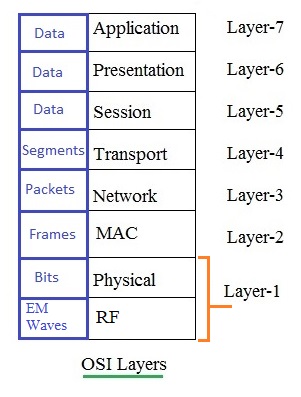
Explore the fundamental differences between PHY and MAC layers in IoT networking, their functions, and importance in enabling communication between devices.
cedar forum
hot cloak
If osi model is outdated
for the most part we do still follow the OSI model as well, it's just that most traffic nowadays (HTTP, etc.) uses protocols that span multiple layers. the protocols are all achieving the goals of each layer of the model (so TCP handles both session and transport, really)
there are other protocols that are commonly used where something is used at every layer of the OSI model that is distinct
like going for a bit more of a complex example than HTTP, let's say you've got a phone system and we'll stray away from using more traditional protocol parts
you might have something like:
Layer 7 - Application: SIP (Session Initiation Protocol)
Layer 6 - Presentation: something like G.711
Layer 5 - Session: RTP (Real-Time Transport Protocol)
Layer 4 - Transport: UDP, fairly standard and what RTP runs over
Layer 3 - Network: MPLS (Multiprotocol Label Switching), just a way of routing packets around a wide area but using labels instead of IPs
Layer 2 - Data Link: PPP (Point-to-Point Protocol), an alternate layer 2 layer that's frequently used by ISPs and phone providers (specifically PPPoE)
Layer 1 - Physical: DSL (Digital Subscriber Line) - the technology used to physcially move data over copper telephone lines
that's a slightly contrived example but you can see how there are still a lot of application deployments that use all 7 layers and have distinct protocol suites running at each layer
even in setups where we've merged the layers a little bit and you have protocols that span multiple layers, each layer is still a requirement that the protocol must implement, so even when looking at HTTP you have like:
Layer 7: HTTP/1.1 or HTTP/2 or whatever
Layer 6: TLS (at this layer TLS handles the encryption, compression, formatting, etc., handles message authentication)
Layer 5: TLS again (but at this layer it's managing the session lifecycle at a higher level, this part of TLS is more around the handshake and exchange of keys, management of a "session")
Layer 4: TCP, ensure that all of our packets at higher layers are delivered in order and redelivered if they fail
Layer 3: IP, routing packets to machines over the internet based on IP addresses
Layer 2: Ethernet / Wi-FI, frames those higher layer IP packets and handles targeting local delivery using MAC addresses
Layer 1: Copper/Fiber/RF, the actual encoding of all the higher layer packets into a bitstream that can be sent over a physical medium
OSI model is still very useful and very correct at explaining what a set of protocols need to do for data and complicated parts of networking to be abstracted away from a user, DoD model is a little closer if you're looking specifically at how many protocols are used to achieve those tasks, but there's a reason they map mostly 1-to-1 (just with some layers merged)
cedar forum
vague cedar
hahaha we had one of these in the reception of the Computer Science building at my University, hooked up to show fun status lights and stuff
hot cloak
cedar forum
even in setups where we've merged the layers a little bit and you have protocols...
I am not too sure about the example you gave first but this one is a bit convoluted in the sense you might trying to fit in something that doesn't belong in this box http is more less atleast predominantly referred with TCP/IP stack as implementation of the stack is closer to reality than osi
cedar forum
you asked generally about the OSI model and how it's outdated, I gave a set of protocols and a hypothetical use case where all 7 layers are used
hot cloak
Hypothetical being the keyword here
cedar forum
TCP/IP stack is still explainable using the OSI model
cedar forum
cedar forum
even in setups where we've merged the layers a little bit and you have protocols...
it is this
you still have 7 things happening, just some of those things are handled internally within a protocol instead of being handled by an encapsulated protocol, hence the merging
if you actually look at how TLS works, you'll find it is actually much closer to a 2 layer protocol
hot cloak
Sure but osi model was not concocted for the sake of explanation it was just as real model as TCP/IP stack but no one ever actually implemented it
cedar forum
that's not what the OSI model is
the OSI model is a very general abstract view on how data can be routed across a network
also, for reference, the OSI model came after we started talking about TCP/IP and the Internet protocol suite
we designed OSI to describe those protocols
hot cloak
Nope.
cedar forum
hot cloak
Nope.
it... was
vague cedar
The layers collapsed for performance reasons.
cedar forum
https://en.wikipedia.org/wiki/Internet_protocol_suite
The Internet protocol suite predates the OSI model, a more comprehensive reference framework for general networking systems.
vague cedar
the full "physical incarnation" of the model is not energy-efficient
hot cloak
cedar forum
we designed OSI to describe those protocols
Osi and TCP/Ip were very much competitors
vague cedar
If you've used an older ATM (asynchronous transfer mode) network, you used a "real" OSI network.
hot cloak
 vague cedar
I had a 45mbps version of that across-town at a job in the 90s to link our two datacenters etc.
"The map is not the territory" is correct, but the rest of that take seems unnecessarily combative to me.
cedar forum
the thing is OSI seeks to solve a lot more problems than TCP/IP applies to
vague cedar
There are a lot of useful maps that "aren't the territory".
vague cedar
cedar forum
the thing is OSI seeks to solve a lot more problems than TCP/IP applies to
100%, more useful when discussing Time-Sensitive Networking standards etc.
hot cloak
Osi may have been remodeled for academics or debugging but at no point of time it is a standard , its a mental model you can use for debugging but it's mostly subjective
vague cedar
Nobody's saying otherwise that I can tell
That it's an abstraction to differentiate the various possible layers you might choose.
It's not a "spec"
cedar forum
my initial answer came from how you started the conversation by saying OSI is "outdated" and "not used", which is false because obviously there has to be a model to fit all the other traffic on the internet
vague cedar
It's more like saying "Formula 1 cars are always gonna have four wheels"
(one had 6, was too good, they banned it)
cedar forum
TCP/IP fits HTTP, email, SSH, etc.
TCP/IP does not fit local stuff like ARP, ISDN or any other number of telecoms applications, DNS (sort of), so something else has to
vague cedar
and TCP/IP has no place at all in a real-time world.
cedar forum
yeah
now with protocol merging and different applications having different session, presentation, etc., needs, the OSI model doesn't fit all those uses either, there are times where you won't need higher layers, you'll merge layers, etc., but the goal of the model is to be as all-encompassing as possible and you can (somewhat) pick and choose which bits you want to implement
vague cedar
To me it's like saying that knowing about Abstract Syntax Trees is useless if you don't program in Lisp.
hot cloak
vague cedar
and TCP/IP has no place at all in a real-time world.
Can you elaborate on this
cedar forum
cedar forum
like going for a bit more of a complex example than HTTP, let's say you've got a...
(this is basically the answer -- most real-time protocols do not map well to TCP/IP)
a lot run on UDP, a lot don't use any IP addressing at all (that's where things like MPLS come in)
some people try and argue that UDP and stuff come within TCP/IP (because TCP/IP is the "Internet protocol suite") but it's easier to explain and show how layers interact when using other models
vague cedar
hot cloak
Can you elaborate on this
Real-time means things happen before a certain cutoff, or the world catches fire.
and TCP will re-transmit forever to get there, violating such constraints
cedar forum
there are a hell of a lot of other non-telecom things which use protocols to move data but do not fit within TCP/IP, basically any industrial network for machine-to-machine communication does not fit
vague cedar
Suite of IEEE specs designed for things that need more: https://en.wikipedia.org/wiki/Time-Sensitive_Networking
Time-Sensitive Networking (TSN) is a set of standards under development by the Time-Sensitive Networking task group of the IEEE 802.1 working group. The TSN task group was formed in November 2012 by renaming the existing Audio Video Bridging Task Group and continuing its work. The name changed as a result of the extension of the working area of ...
cedar forum
modbus, etc.
vague cedar
Oh yeah that too, "systolic array" kinds of networking etc.
cedar forum

it's things like this which is why other alternate and broader models are useful and are relevant
vague cedar
That makes sense to me, use TCP/IP for command and control to talk to Linux servers easily, and do whatever deterministic thing you need for the actual industrial interface.
PROGRAMMING your assembly line isn't a real-time problem, but running it is, etc.
 ebon mist
I am trying to get p2p comms working , where we have 1 ipv4 address behind carrier grade nat. can someone help me understand if there are any existing python libs that are already doing this job ?
ember ledge
ebon mist
I am trying to get p2p comms working , where we have 1 ipv4 address behind carri...
Hey there. I would recommend you those libs here :
pip install p2pd
pip install pyp2p
pip install aiortc
pip install python-p2p-network```
These should do the job. slim latch
hi im completely stuck with socket now. it is transmitting wrong data too often. its using simple sendall and recv with a buffer of 8192 bits. transmitted data has around 4096 bits. its about 50/50 if it transmits the correct integer or not
what should i do?
vague cedar
slim latch
hi im completely stuck with socket now. it is transmitting wrong data too often....
endian-ness problems?
slim latch
vague cedar
endian-ness problems?
oh uhm first time hearing about this
how could it be related to this packet receiving problems?
should i just use x.to_bytes(1024*8, 'big')?
or should i also use recv with the actually expected datalength
vague cedar
slim latch
how could it be related to this packet receiving problems?
What I mean is, make sure you are handling the bytes in "network order" at all times, many systems default to the opposite, so your receiver might be reading the bits "backwards" or your sender instead etc.
slim latch
vague cedar
What I mean is, make sure you are handling the bytes in "network order" at all t...
i tried
s.sendall(big_int.to_bytes(1024*8, "big"))
and
big_int_recv = int.from_bytes(s.recv(1024*8), "big")
and it sadly still isnt working
vague cedar
slim latch
i tried
``s.sendall(big_int.to_bytes(1024*8, "big"))``
and
``big_int_recv = int....
Hmm. Out running an errand but I’ll try to ponder what else might be wrong. Try printing the data in binary string form and see if you see anything revealing
slim latch
vague cedar
Hmm. Out running an errand but I’ll try to ponder what else might be wrong. Try...
ugh so whats interesting now is the byte data seems to be the same

but the int isnt
how tf
s.sendall(msg.to_bytes(1024*8, "big"))
and
rcv = s.recv(1024*8)
the bytes seem to be the same but int.from_bytes(rcv, "big") doesnt output the same number
im so confused
vague cedar
What library is that, providing from_bytes? I'll go look at the docs
just the built-in integer version?
The byteorder argument determines the byte order used to represent the integer, and defaults to "big". If byteorder is "big", the most significant byte is at the beginning of the byte array. If byteorder is "little", the most significant byte is at the end of the byte array. To request the native byte order of the host system, use sys.byteorder as the byte order value.
aha so maybe you want sys.byteorder on the from_bytes call?
slim latch
vague cedar
aha so maybe you want `sys.byteorder` on the `from_bytes` call?
i used the byteorder "big" so i think that should do it
i really dont get why it gives an other int tho
vague cedar
What does it do if you just ask for it "Wrong", e.g. pass "little" on from_bytes?
slim latch
vague cedar
What does it do if you just ask for it "Wrong", e.g. pass "little" on from_bytes...
thanks a lot for helping with troubleshooting
the problem was the thing processing the numbers afterwards
my own function
lyric oak
slim latch
thanks a lot for helping with troubleshooting
the problem was the thing processi...
You might define your own “protocol”, about what data are passed on the wire over a socket for this application and how each piece should be encoded/decoded. With that you can ensure the sender and receiver code is compatible in the long run and you won’t hit similar issues.
 vernal jay
hello
cloud spruce
slim latch
``s.sendall(msg.to_bytes(1024*8, "big"))``
and
``rcv = s.recv(1024*8)``
the byte...
this is a very late response, but be aware of how socket.recv works, it's not at all socket.sendall() in that when receiving you only specify the number of bytes you want to receive as a maximum other then a possible exception you are only guaranteed to get at least one byte from the socket.recv() call unless the the peer has disconnected, in that case you'll get an empty byte object
in other words, you need to be doing socket.recv() in a loop until you made sure you got the expected number of bytes or a delimiter of some sort that you are looking for or get the empty byte object or an exception
 signal sonnet
so theirs a bunch of old office compuiters sitting in my local ewaste collection site. and i was thinking i could buy one or 2 to run my own servers for random stuff honestly. since their like selling for dirt cheap. Any think i should know/ any reason why this would be a bad idea. I also want to do this to better learn networking since i am currently learning CS
cloud spruce
signal sonnet
so theirs a bunch of old office compuiters sitting in my local ewaste collection...
they might be bulky and use more power then just using one or a few raspberrys for the same purpose
depending on if you are okay with using ARM processors or if your application requires x86_64 or if you need extensibility that might be more then what you can easily get with a raspberry pi or if you need more performance than that
signal sonnet
cloud spruce
they might be bulky and use more power then just using one or a few raspberrys f...
well the computers are like half the price of a pi , and honestly i just really want to learn some networking host a minecraft server or 2, and maby host a my projects their insteaf of netlify or paying for a vm
cloud spruce
signal sonnet
well the computers are like half the price of a pi , and honestly i just really ...
doing a home lab is no problem if you can spare the space and the money for the power draw as well as any noise such systems will make
the good with with a pi is that it generally runs on much less power (which otherwise cost more money in the long run) and can run without any active cooling which makes them silent and takes up very little space
but that is only things that you can decide upon
bigger systems has other advantages instead
but exposing even parts of the systems that you host yourself to the internet is quite dangerous unless you have very deep and broad skills already, probably not something you want to do while learning
either way, practical learning setting up a network at home for your home lab is a very good way to learn both networking and several aspects of cybersecurity as well as systems administration
 sudden arrow
need help doing a test-run of my cryptocurrency project, specifically the networking code
prisma flax
Hey guys, I’m looking forward to create a protocol to create decentralized networks and I need to see if there’s any issue in the concept
The way it would work is simple: when you receive a request from a new client to connect you either add him to your connections if they’re not full or you “send” him to all your neighbors.
When he is placed somewhere a message is sent throughout the network so that all others drop it and the neighbor who connected him tells the other neighbors (now I’ll explain how he knows who they are) to connect to him too
With this protocol you can create networks of any dimensionality, possibly even 1d (although it would be very weak), to figure it imagine it as a 2d grid
Each node has a coordinate
When you wanna send someone a message you already know their coordinates (probably using a UUID) and send it to them through all the possible ways that have the same length (which even in 2d works pretty well).
If node (4,4) creates node (4,5) he knows his neighbors are (5,5),(4,6),(3,5) and so he tells each of them about it and to connect to him
Also you connect to everyone who’s far two (in a single coordinate), so if someone disconnects the network doesn’t get fragmented
So (4,4) would also connect to (2,4),(6,4),(4,2),(4,6)
Someone please help me find any flaws if there are
 keen knot
 olive mural
Is there a free way to send messages to Whatsapp and Textnow in python?
wild estuary
prisma flax
The way it would work is simple: when you receive a request from a new client to...
what if your neighbors become offline
what if their IPs change
how would you discover coordinates and link them to IPs
prisma flax
If a neighbor disconnects or their ip changes its the same thing: between each neighbor there is some kind of back and forth to check if they’re still online. If atleast two neighbors say he’s offline, he gets disconnected and they all have a free connection spot, so it should get filled again
Also you don’t need to discover someone’s ip, you just need their coordinates
Say I’m at (10,5) and you’re (4,6). To send you a message I’d send it to (9,5), then he’d send it to (8,5), then (7,5), then (6,5), and so on until (4,6)
I don’t connect to you, the message is relayed
And in this case the message is also sent in a lot of different paths at the same time
So it’s faster and no single person or even chunk of people can block everything
Also to enter a network anyone could establish an “entry point”, which is just a client which should always be up and of which the IP is known, so that you can access the network at any time
The entry point in no way controls the network and anyone can create their own
Also at (3,3) you normally have direct neighbor (2,3) (one hop) and also a 2-hop connection to (1,3). If (2,3) disappears, you then add a link to (0,3) (the node behind the 2-hop), so you keep two active connections looking left: (1,3) and (0,3). When (2,3) is filled again, you drop the extra (0,3) link and return to the normal neighborhood.
 trail bridge
is the question you have possible to be asked again?
prisma flax
trail bridge
is the question you have possible to be asked again?
Simply, would this work? Are there flaws in the concept?
trail bridge
i have not scrolled up to read more. whats the TLDR?
prisma flax
Creating a fully decentralized network for chatting
prisma flax
prisma flax
The way it would work is simple: when you receive a request from a new client to...
This is how new users connect
prisma flax
prisma flax
With this protocol you can create networks of any dimensionality, possibly even ...
This is important
prisma flax
prisma flax
Each node has a coordinate
And this
prisma flax
trail bridge
i have not scrolled up to read more. whats the TLDR?
Here are the main things
prisma flax
prisma flax
When you wanna send someone a message you already know their coordinates (probab...
And this is how you actually text someone
trail bridge
how would you transmit the text? tcp?
prisma flax
Between you and your connections you would have some sort of connection open, possibly even using aiortc but I’m not sure yet
(So udp)
How would it work with TCP?
prisma flax
The network scaling up wouldnt really be an issue
Everyone will have at most 2x2xdimensionality connections
 modest brook
wouldn't it be? you would have to figure out routes
ahh, so you're mapping each integral coordinate to a device
prisma flax
modest brook
wouldn't it be? you would have to figure out routes
Say you're at (1026,987) and you wanna send something to (-10, 710)
You would send the message to the two people in that direction
modest brook
that would route you throught 1300 connections
prisma flax
And everyone who receives the message would do the same
prisma flax
modest brook
that would route you throught 1300 connections
Well it would take quite a while for the network to reach that huge a size
And remember this is in 2d
prisma flax
But it's probably gonna be more like 10d
prisma flax
modest brook
why not 3d?
2d is just for visualizing it better
prisma flax
prisma flax
2d is just for visualizing it better
In your mind
modest brook
10d means 2^10 connections
modest brook
prisma flax
In your mind
yess, got that part
prisma flax
modest brook
10d means 2^10 connections
What?
modest brook
uh
prisma flax
In 10d youd have at most 40 connections
modest brook
maybe not
yea
i am not sure how the formula works out for it
each dimension adds 2 more connections
so 10d should have 20 max connections
prisma flax
And now Im not gonna do the calculations but I think that if there were 8 Billion people on the 10D network it still wouldnt take long for the furthest people to send a message
prisma flax
modest brook
so 10d should have 20 max connections
But you have 2 connections in each direction
Otherwise someone disconnecting would mean cutting off people from the network
modest brook
prisma flax
And now Im not gonna do the calculations but I think that if there were 8 Billio...
but that's assuming that the nodes in the network are honest and actually forwarding your message
modest brook
prisma flax
But you have 2 connections in each direction
2 connections in each direction how?
the coordinates can't overlap for two machines
prisma flax
modest brook
but that's assuming that the nodes in the network are honest and actually forwar...
In 2d i said you'd send the message to the two people in the right direction
Like if youre at (4,4) and you wanna send to (6,7) you send the message to (4,5) and (5,4)
modest brook
ah, so in the direction of the diagonal
prisma flax
modest brook
2 connections in each direction how?
If youre at (10,10) and (9,10) disconnects youd be cut off from the network otherwise
Instead you also connect to (8,10) and if (9,10) disconnects you also connect to (7,10)
You always have to have 2 connections in each direction
modest brook
you could make it so that the network doesn't rely on the coordinate system and does something like graphs
use a* algorithm to find the shortest route to target
and then remember that path for subsequent packet transmission
like how google maps work
prisma flax
modest brook
use a* algorithm to find the shortest route to target
In 2d there are (x1-x2)+(y1-y2) possible paths
You send it to all of those paths
So no single user can block the message
In 10d its practically impossible for even a well organized group to do that
modest brook
hmm
true
but in that case
the network wouldn't handle large amounts of data
since you're essentially routing packets through entirety of the network
prisma flax
modest brook
since you're essentially routing packets through entirety of the network
Imagine the network as a large matrix and two users who want to chat. They are the corners of a rectangle. Only the nodes in the rectangle have to relay that message
Idk if you understand what Im saying
modest brook
i got it
prisma flax
And in higher dimensionalities (sounds kinda crazy but its true) the fraction that the shape thats interested is of the total diminishes
modest brook
but that's still unreliable
prisma flax
modest brook
but that's still unreliable
Why?
modest brook
in a cube, you would have 3 possible routes to the end part
ie in n dimensions, you would have n paths to the ending
10 would result in 10
but how do you ensure that all 10 paths are continous
prisma flax
modest brook
but how do you ensure that all 10 paths are continous
Now that I think about there is a possibility that with this simple mechanism the message just can't get to the user
Also just one of the paths needs to be continuous
modest brook
yea, true
prisma flax
But theres still a possibility that none of them is
 lapis osprey
I don't understand the coordinate system you are using, does that reflect some kind of ID or does it mean literal location?
prisma flax
Imagine a shape like
XXXXXROOOOO
XXXXXOOOOOO
XXXXXXXXXXXS
XXXXXXXXXXXX
Where X is nodes, O is blank, S is sender and R is receiver
modest brook
lapis osprey
I don't understand the coordinate system you are using, does that reflect some k...
its a hypothetical situation where each node is placed on an integral coordinate grid
prisma flax
The message wont get to R because there no path in the rectangle
modest brook
in that case
prisma flax
But wait
modest brook
you could make it so that it retransmits on blockage
prisma flax
The O space between R and X actually has a priority to be filled (I didnt say this but part of the concept)
Earlier I said that when you have a join request and many free slots you choose randomly which one to fill
modest brook
hmm
prisma flax
But I didnt mention that if you have a connection with someone thats not directly adjacent, as R and the X below it do, then X would have a priority to fill that one blank space
modest brook
you would have to communicate about that too somehow
prisma flax
Which I would have to do some fancy maths but I think makes it functionally impossible for this to happen
prisma flax
modest brook
you would have to communicate about that too somehow
Not really
You know the coordinates of your connections
And if in a direction there is not one adjacent to you
You know that that's where you should place someone who's joining
modest brook
what if you made a tree like structure similar to a modern blockchain
prisma flax
modest brook
what if you made a tree like structure similar to a modern blockchain
But what if someone who has different "branches" coming out of him disconnects?
modest brook
indeed that's a problem
lapis osprey
the whole grid idea is odd to me
prisma flax
Wait you could just do the same thing I did and make everyone connect to two branches below, not just one
prisma flax
lapis osprey
the whole grid idea is odd to me
Why?
modest brook
prisma flax
Wait you could just do the same thing I did and make everyone connect to two bra...
yea but that's still not robust enough
lapis osprey
In networking, you often think of hops rather than some grid system
modest brook
you need some way to divide the network into more geographically close sections.
lapis osprey
You have peers who you are directly connected to, and peers that those peers are connected to (1 hop)
modest brook
like how ipv4 does it by dividing networks int A,B,C,D tier
prisma flax
lapis osprey
You have peers who you are directly connected to, and peers that those peers are...
Yes, thats what Im proposing, the grid idea is just easy to imagine and grasp (imo)
modest brook
lapis osprey
You have peers who you are directly connected to, and peers that those peers are...
mesh!
lapis osprey
It's just a simple network
prisma flax
modest brook
you need some way to divide the network into more geographically close sections.
But for maximum anonimity that's not very good is it?
lapis osprey
In this case, each node is it's own router essentially
modest brook
prisma flax
Yes, thats what Im proposing, the grid idea is just easy to imagine and grasp (i...
fun fact, your friend's friend's friend's friend's friend's is probably related to a very popular figure.
prisma flax
I guess you could have "recommended entry points" like one if you're in europe, in NA, etc, and the way it works people joining from those would just naturally be close and have less lag
modest brook
5 hops in the mesh of human relations can get you to pretty much every one on earth
prisma flax
modest brook
5 hops in the mesh of human relations can get you to pretty much every one on ea...
Wasnt it 6?
Ive seen a vsauce video lol
modest brook
prisma flax
But for maximum anonimity that's not very good is it?
then how do you route on the network
modest brook
prisma flax
I guess you could have "recommended entry points" like one if you're in europe, ...
let the clusters and graphs form naturally
like a bunch of nodes select a leader router node
by vote or staking
prisma flax
modest brook
then how do you route on the network
Alright so that's the most difficult part. You could simply tell someone your coordinates and then they can just message you using those, but I dont love that
prisma flax
modest brook
like a bunch of nodes select a leader router node
Centralizing much is it?
prisma flax
modest brook
let the clusters and graphs form naturally
Yeah that would make them form naturally
modest brook
prisma flax
Wasnt it 6?
not sure i remember
lapis osprey
modest brook
like a bunch of nodes select a leader router node
for something as dynamic as this electing a leader isn't a good idea
if you want to send a message you simply do it through the least amount of hops
modest brook
prisma flax
Alright so that's the most difficult part. You could simply tell someone your co...
yea.
lapis osprey
in the set of paths with the least hops, choose randomly
modest brook
prisma flax
Centralizing much is it?
modern cryptocurrency blockchains function like that
for a truly decentralized form, you would have to blindly broadcast the packets to all your connections and hope that the mesh gets it to the destination
prisma flax
prisma flax
Yeah that would make them form naturally
If europeans mostly join from the european recommended entry point then their connection would stay as close as possible to the entry point (simply from how the sharing of the join request is done) and being close means actually having less ping
modest brook
lapis osprey
if you want to send a message you simply do it through the least amount of hops
but how do you find least amount of hops
you could send out an initial full network wide signal to figure out path of lowest latency
in a recursive fashion
first transponder is the lowest latency
prisma flax
modest brook
you could send out an initial full network wide signal to figure out path of low...
No need, if you send it in all directions then the one with the lowest latency will get there first
modest brook
prisma flax
If europeans mostly join from the european recommended entry point then their co...
entry points is more centralizing isn't it?
lapis osprey
in networking, routers have the RIP protocol (ancient) or the OSPF protocol (better), a system in which they will share their routing tables with peers and then run a shortest path algorithm based off the data they have
prisma flax
And you dont need to test anything, basically you can just blindly send it in the general direction and it will reach it
modest brook
prisma flax
No need, if you send it in all directions then the one with the lowest latency w...
but a lot of network's compute resources would also end up being wasted
prisma flax
modest brook
entry points is more centralizing isn't it?
They are to help people connect, you can just join a friend with their IP directly and be very very close to them
modest brook
lapis osprey
in networking, routers have the RIP protocol (ancient) or the OSPF protocol (bet...
so have a localised information database?
lapis osprey
modest brook
so have a localised information database?
yes, the routing table
https://bschr.dev/vpt can play with the ideas here
A network simulation tool that allows users to create and simulate network topologies for layers 1-3 of the OSI model.
modest brook
prisma flax
They are to help people connect, you can just join a friend with their IP direct...
the moment you use IP, you've defeated the purpose of a decentralized network
modest brook
lapis osprey
https://bschr.dev/vpt can play with the ideas here
i would love to, i never got to learning how router do their stuff
prisma flax
modest brook
the moment you use IP, you've defeated the purpose of a decentralized network
You have to know the IP of your connections.
You can just use a VPN anyway
modest brook
you would have to place trust in the VPN provider to not betray you
lapis osprey
thats a simulation I made a little while ago showing some neat algorithms and protocols like RSTP and RIP
modest brook
how do you form a trustless system
modest brook
lapis osprey
thats a simulation I made a little while ago showing some neat algorithms and pr...
yuppp, it'd be great
is it on web?
prisma flax
modest brook
how do you form a trustless system
If someone really cares about privacy and their IP being secret they'll probably find a way
modest brook
cool, found the web versoin
prisma flax
You can't really have P2P connections without connecting to a peer can you?
modest brook
prisma flax
If someone really cares about privacy and their IP being secret they'll probably...
but that's the point, there is no way for you to broadcast a message without giving atleast some form of indicator of where you are geographically present or by putting trust in a third party to mask your location
modest brook
prisma flax
You can't really have P2P connections without connecting to a peer can you?
even p2p connections aren't p2p
they're routed through several machines/IPs
prisma flax
modest brook
but that's the point, there is no way for you to broadcast a message without giv...
And what could this protocol possibly do to stop that?
modest brook
i am thinking, nothing
prisma flax
Also you can create a network by yourself
lapis osprey
I think it will be valuable to read up on some current examples:
https://www.sciencedirect.com/science/article/pii/S0160791X20303067
https://www.usenix.org/conference/13th-usenix-security-symposium/tor-second-generation-onion-router
prisma flax
Like there would probably be an open, main network but any group can just use their own
modest brook
cool
prisma flax
You can even create networks of different dimensionalities or anything
Now back on actually finding someone's coordinates
The ideal thing would be to let everyone have a temporary @username but that wouldnt be feasible, so atleast have the coordinates wrapped in something a little nicer than just numbers?
modest brook
lapis osprey
https://bschr.dev/vpt can play with the ideas here
was just fiddling with the simulator here
prisma flax
Oh sure
modest brook
prisma flax
The ideal thing would be to let everyone have a temporary @username but that wou...
hmm, how do we do that
we could use public key as the address of the recipient
and they can then use their private key to decode messages
prisma flax
Alright so one thing you could do is make it so that you can just save contacts locally, so if you wanna contact your friend they give you their coordinates and public key and save it with their name
So the first time you do have to save that stuff
But then it should be fine
Which might also mean you have to save eachothers to be able to chat?
Which doesnt sound bad
modest brook
i mean, how about let's think of a discovery protocol
prisma flax
modest brook
i mean, how about let's think of a discovery protocol
The mesh we're using here is similar to gossip, and gossip is basically in itself a discovery protocol
prisma flax
yes
modest brook
alr
prisma flax
You know how I talked about the rectangle affected by your messages?
modest brook
yess
prisma flax
Maybe everyone in the rectangle can discover you
prisma flax
modest brook
instead of rectangle, why not do path finding algorithms?
What do you mean by path finding?
The rectangle would just be abunch of lines
Which are all of the same length
And are all the shortest paths to the recipient
modest brook
path finding algorithms try to find the shortest path from point a to b with obstacles in between
modest brook
prisma flax
And are all the shortest paths to the recipient
technically true but for obstacles around
prisma flax
modest brook
path finding algorithms try to find the shortest path from point a to b with obs...
With the obstacles being blank spaces, which makes sense, but as I said before the priority system and the higher dimensionality makes it impossible for there to be NO valid path
prisma flax
modest brook
technically true but for obstacles around
Also if a path finds an obstacle and is blocked it wouldnt be a problem
modest brook
prisma flax
With the obstacles being blank spaces, which makes sense, but as I said before t...
makes it less likely yea
prisma flax
Like each time you send something you know the direction and if theres an obstacle the "blank space" would just be filled again
wait I think id need to make a short animation to make you understand what I mean (i wont do it)
prisma flax
modest brook
are you familiar with physics?
Anyways yes id say
prisma flax
Nah Im not really good at expressing some ideas I have so i dont even think you can understand what I mean
Like I just visualize it
prisma flax
So id have to literally draw it to make you see what I see
modest brook
i was thinking you could make a rough geographic map of nodes on a network by meassuring latency
prisma flax
modest brook
i was thinking you could make a rough geographic map of nodes on a network by me...
I thought of it too which would actually be cool because it would automatically mark slow nodes as absent or less important
modest brook
and then using springs from physics, forces determined by latencies to essentially draw out a map
modest brook
prisma flax
I thought of it too which would actually be cool because it would automatically ...
eya
yea
prisma flax
This requires some fancy calculations though
prisma flax
And you have to do it in every direction pretty often to keep the map updated
modest brook
ipv4, quicksort, merge sort
prisma flax
Isnt that too heavy?
modest brook
they're all fast because of divide and conquer
modest brook
prisma flax
And you have to do it in every direction pretty often to keep the map updated
true
prisma flax
modest brook
they're all fast because of divide and conquer
Isnt that the british?
modest brook
prisma flax
Isnt that too heavy?
indeed is, but makes for a cool visual
prisma flax
modest brook
indeed is, but makes for a cool visual
Good point
modest brook
its very much a great strat
ipv4 works by dividing stuff in a tree like structure afterall
prisma flax
modest brook
ipv4 works by dividing stuff in a tree like structure afterall
I have to go see how Ipv4 works
What about ipv6?
modest brook
i haven't looked into ipv6 much at all
but the way ipv4 divides stuff you can get rough geographic location based on it
prisma flax
Also I wanted each node to know the least possible about the rest of the mesh
Only knowing what's necessary
modest brook
but to have good routing information, you need geographical data
in a system where things are determined by coordinates, the coordinates are acting like that data
prisma flax
modest brook
in a system where things are determined by coordinates, the coordinates are acti...
You also have to remember that the mesh would keep a somewhat round (or whatever its called in higher dimensions) shape
Like any weird shape wouldnt last really long
modest brook
infact the network prioritises close friends to join together so essentially doxxing out people and their closeness
modest brook
prisma flax
Like any weird shape wouldnt last really long
hypersphere
prisma flax
modest brook
infact the network prioritises close friends to join together so essentially dox...
Well I mean you both could just join the wrong one to fool any kind of scraping like that
Also you could very well end up in totally opposite sides of the mesh
modest brook
yea, but once again the network can monitor the packets you send and at what addresses they go
prisma flax
modest brook
yea, but once again the network can monitor the packets you send and at what add...
"the network"? Who is the network? No one knows that much
modest brook
ngl, i just thought of something
prisma flax
When you relay a message you just know "i have to send it topright". thats it
modest brook
yea
modest brook
prisma flax
When you relay a message you just know "i have to send it topright". thats it
in that case how do you make the rectangles work
how does it know when to turn the flow of packet
without knowing the target coordinate
prisma flax
modest brook
in that case how do you make the rectangles work
If you have to send it topright then you know that you have to send it top and right. Thats it.
Wait I think i know what you mean
modest brook
yea
if you broadcast in all top+right directions, you end up with the problem of wasting compute resources
prisma flax
Maybe you could tell them how much to go right or top but since you dont need to tell them both they can only guess one of the coordinates
modest brook
prisma flax
Maybe you could tell them how much to go right or top but since you dont need to...
you would have to tell them both of them
prisma flax
Nope
prisma flax
To the one on the right of you you tell them "topright, right only 7 times", and the one top of you "topright, top only 3 times"
modest brook
ahh that
but how does the recipient know when to recieve a packet
it would be encrypted w their pubkey?
prisma flax
modest brook
but how does the recipient know when to recieve a packet
When you get a message you check if it was encrypted with your pubkey, if it was its yours and thats it
modest brook
i see
prisma flax
I think we went over most of the possible issues didnt we?
modest brook
not a lot of cybersecurity issues
prisma flax
Is there still anything important (or even minor, it can't have any slightly important flaws)
modest brook
yes'
prisma flax
Please do tell me
prisma flax
Like what?
modest brook
like ensure that they enter and occupy a certain coordinate
prisma flax
Well they get placed by someone there, and that's who they're connected with
They physically cannot "go" anywhere else
modest brook
but once they're connected, they can place all subsequent nodes to their liking
prisma flax
modest brook
but once they're connected, they can place all subsequent nodes to their liking
I thought of that too, and I actually don't know
How does blockchain deal with this?
modest brook
blockchain doesn't have a coordinate system
i work in blockchain, they have a lot of globally distributed central/authority nodes
they cross check each other
and the authority is decided by how much crypto currency they have invested
prisma flax
I mean, the main thing that comes to mind is: coordinates aren't really occupied: if someone claims (10,4) is occupied then they should tell its supposed connections to connect to them
modest brook
if wrongdoing is found, the invested cryptocurrency is burnt
its all financial incentive
prisma flax
If that doesnt happen then the supposed connections will just not mark it as occupied and fill it whenever they can
prisma flax
modest brook
if wrongdoing is found, the invested cryptocurrency is burnt
Not for bitcoin
modest brook
bitcoin is different
prisma flax
Wait wait let's get back to the problem not blockchain
modest brook
it works by the fact that you would need to be able to insert more than just a few blocks to bbe able to maliciously inject your motive
cool
back to problem
prisma flax
prisma flax
I mean, the main thing that comes to mind is: coordinates aren't really occupied...
This
prisma flax
prisma flax
If that doesnt happen then the supposed connections will just not mark it as occ...
And this
Imagine I'm at 9,4 and the guy at 10,3 wants to act like 10,4 is occupied
Usually when someone connects you'd tell all of his neighbours to connect to him
modest brook
are connections allowed in diagonal manner
prisma flax
But if I at 9,4 dont get that connection from 10,3 then Ill just think 10,4 is not occupied
prisma flax
modest brook
are connections allowed in diagonal manner
Nope
I mean they could but I don't see why
prisma flax
prisma flax
But if I at 9,4 dont get that connection from 10,3 then Ill just think 10,4 is n...
And if I think it's not occupied I'll fill it with a real connection as soon as I can
prisma flax
And if all the people around the node agree to fake its existence (which gets way harder in higher dimensions)
modest brook
and fixed spaces
why not work in a tree like structure anyways
since the entire thing is pretty much tree like
modest brook
i am thinking about it
prisma flax
sure
modest brook
the problem is how do you define addresses
prisma flax
Well let's say the start of the tree is 0
modest brook
how can you think of an address in such a way that it contains information as to where you need to send the packet to
prisma flax
No
modest brook
a meshed graph
modest brook
yea that's a tree
what i mean
is if we just create a meshed graph
not a fully dense mesh, but a mesh none the less
prisma flax
Whats the difference from my original idea?
modest brook
no clue, i think we're nearly a round circle near to reinventing the internet
prisma flax
Yeah I think we might
modest brook
and the internet is not decentralized either
prisma flax
I mean I don't wanna be stubborn but I just don't see what's wrong with my original idea
modest brook
the only way to have a truly anonymous platform is if every node transmits into every direction
modest brook
prisma flax
I mean I don't wanna be stubborn but I just don't see what's wrong with my origi...
i feel its doable, but robustness isn't there
prisma flax
modest brook
i feel its doable, but robustness isn't there
In what is it lacking robustness?
modest brook
like, you could come up with very creative ways to sabotage the network
prisma flax
modest brook
like, you could come up with very creative ways to sabotage the network
I always dreamed of having a team of white hat hackers reporting to me like "we were able to sabotage all communication with this method" and then I go fix it
modest brook
prisma flax
In what is it lacking robustness?
the initial problem statement of finding a permanent address to a node
and then establishing a route to the said node
prisma flax
modest brook
the initial problem statement of finding a permanent address to a node
Wait like how?
modest brook
prisma flax
I always dreamed of having a team of white hat hackers reporting to me like "we ...
haha, i dreamt of learning ethical hacking once, didn't go much deep into it
prisma flax
modest brook
haha, i dreamt of learning ethical hacking once, didn't go much deep into it
I feel like I could do it but I prefer creating stuff directly
modest brook
prisma flax
Wait like how?
that's the million dollar question, how do you find the geometrical address from permanent addreess (pubkey)
modest brook
prisma flax
I feel like I could do it but I prefer creating stuff directly
yea, that's cool
prisma flax
modest brook
that's the million dollar question, how do you find the geometrical address from...
So the problem is knowing the pubkey and the coordinates linked in some way
modest brook
yea
prisma flax
Now we could just make it so that the users have to share them directly but thats not very good
prisma flax
Maybe we could make it so that the username+coordinates somehow result in the pubkey
So youd have to know the coordinates
But also a username chosen by the person
modest brook
that's not doable
prisma flax
And maybe this can be worked on more
prisma flax
modest brook
that's not doable
Why not?
modest brook
i am not sure