#questions-2
1 messages · Page 22 of 1
 undone verge
 pastel wedge
undone verge
Bürgerrechte
pastel wedge
undone verge
Bürgerrechte
Geil
 plush pelican
Man sieht, dass du Muttersprachler bist. Deine Meinungen über die Sprache werden dementsprechend weniger hinterfragt 🤣
pastel wedge
Ok

 vestal fractal
What do you think about taking notes or keeping a vocabulary notebook?
Sometimes I worry it might be a waste of time that could be better spent learning or practicing in other ways
 long whale
vestal fractal
What do you think about taking notes or keeping a vocabulary notebook?
Sometimes...
long whale
vestal fractal
What do you think about taking notes or keeping a vocabulary notebook?
Sometimes...
Mm... I don't think so. I mean, everybody learns differently, but I think it's been shown that writing things down (as opposed to typing them, but also as opposed to not writing them down, I suppose) helps you to memorize things.
plush pelican
vestal fractal
What do you think about taking notes or keeping a vocabulary notebook?
Sometimes...
Scientific studies have shown that a lot of people remember things better when they've first written them down, so it's actually a great idea to help with remembering vocab 👍
vestal fractal
So a physical notebook is better than keeping a text file?
I have been doing both because otherwise I forget what I've already written down, and typing them in the text file first fixes that problem because it's searchable
I've been slacking on the physical notebook though and have a lot to copy from the text file to the actual notebook now
plush pelican
vestal fractal
So a physical notebook is better than keeping a text file?
I have been doing bot...
well, better in terms of helping your memory, but of course writing things down physically is more time-consuming. So there's pros and cons to consider with both 🤷♂️
plush pelican
long whale
Mm... I don't think so. I mean, everybody learns differently, but I think it's b...
lol, only just saw your message 😛
 fervent kernel
vestal fractal
So a physical notebook is better than keeping a text file?
I have been doing bot...
fervent kernel
vestal fractal
So a physical notebook is better than keeping a text file?
I have been doing bot...
the more often you write your vocabs down, the better you are going to remember them. Your best choice would be to write it onto paper as you really tend to not forget them better that way but it's just as fine to write them into a text file or whatever you use instead. Of course if you have an ipad or just any tablet you can write the needed words in a notes app as often as you want to. hope i could help
 hot nexus
Was ist eine Treppenleiter
fervent kernel
hot nexus
Was ist eine Treppenleiter
Eine Treppenleiter ist eine Leiter, die von beiden Seiten besteigbar ist, selbes Prinzip wie diese Bögen auf Spielplätzen
 remote sable
Heyy guys I came across a weird idiom or smth like that it is "Ich habe Fruehling im Bauch", looked it up quite alot but a reached a dead end
 whole portal
I mean
"Im Bauch" is just inside one which means it kinda guides and overwhelms you I guess, see Schmetterlinge im Bauch but here's it's spring instead
So this person probably has a bunch of strong intuitive feelings which they describe with Frühling so idk exactly what they mean but it's probably something connected to growth, a new beginning and nature.
Or they ate spring rolls
plush pelican
So when you say "ganz schön" together, it just means it's an intensifier of the thing, not that it's actually pretty/beautiful/good?
For example, "eine ganz schöne Umstellung für die Waldarbeiter" - a significant change/switch, but not necessarily a positive change?
long whale
plush pelican
So when you say "ganz schön" together, it just means it's an intensifier of the ...
Exactly. :D
 hushed dawn
"Ziel ist es, mehr junge Menschen für Kultur zu begeistern und so der Kulturbranche zu helfen. "
wird "dass" nach dem Komma gelöscht, aber gibt seine Wirkung für "Verb am Ende" ?
long whale
hushed dawn
"Ziel ist es, mehr junge Menschen für Kultur zu begeistern und so der Kulturbran...
An infinitive clause is something very different from a dass-clause.
hushed dawn
Ich habe gedacht, dass beide "dass" und "infinitiv mit zu" stehen können.
long whale
hushed dawn
Ich habe gedacht, dass beide "dass" und "infinitiv mit zu" stehen können.
Not to my knowledge, no. 🤔 A dass-clause contains a finite/conjugated verb, as far as I know.
 earnest night
Can we use 'verdammt' in this context?
"Zamn this chick is so🔥"
"Damn, am sorry to hear that😞"
undone verge
you could say 'verdammt heiß'
in the other situation, no I don't think so. Maybe 'Schade...' or something
earnest night
undone verge
you could say 'verdammt heiß'
in the other situation, no I don't think so. Mayb...
Thank god i've been using the regular english damn my whole life in these kind of contexts
While writing in german
Thanks for answering!
hushed dawn
Soll ich sagen "Der mittele Satz oder Der Mittlere Satz" ?
long whale
hushed dawn
Soll ich sagen "Der mittele Satz oder Der Mittlere Satz" ?
2nd, but it won't be capitalized: mittlere
hushed dawn
Okey
plush pelican
long whale
Exactly. :D
Danke, Susana
fervent kernel
what is a good way to read an intermediate level german novel? (harry potter in my case) as in, should i maybe google all the words i don't know? should i not? etc
 plain umbra
fervent kernel
what is a good way to read an intermediate level german novel? (harry potter in ...
plain umbra
fervent kernel
what is a good way to read an intermediate level german novel? (harry potter in ...
There's not one right answer. You have to decide your approach based on what your goal of using the novel is.
Is your goal to maximise vocabulary learned? Then you probably want to look up all the words, yes.
But maybe your goal is something else, in which case you might decide not to do that.
For example, maybe you want to practice while enjoying the story, and so you might try not to get caught up too much in vocab and grammar stuff because you want to finish the story as your #1 priority.
Those are just examples, there's other ways you can do it too. Just take some time to think about what you want.
And you don't have to stick to one way. Maybe today you focus on vocab and next time you focus on something else.
fervent kernel
i see, my goal is to be able to understand without having to google much, so maybe vocabulary is part of it
plain umbra
Yeah, and here's a tip that might be useful for you: usually an author will repeat the same vocab throughout the whole novel. So the majority of "new" vocab you encounter will be learned in the first few chapters, and after that it should mostly repeat itself.
fervent kernel
ooh
plain umbra
So maybe that can help you decide a strategy, like studying the vocab in detail for the first chapters and then seeing how you go from that point.
Of course that doesn't mean there won't be any new vocab. Of course there will be some here and there. But hopefully you get what I mean. Authors tend to have specific types of phrasing and descriptions they like to use and it won't suddenly change halfway through the novel.
fervent kernel
i do, you've just helped me greatly, thank you very much 
fervent kernel
Hi, I want to say something really short in video to apply for housing, because I will be going to Germany for my higher studies. I hope this is the right place to get feedback/corrections.
Italicized words are for the words I actually know how to say, underlined words are for the words that I know in English but not in German.
Hallo, ich heiße (Name). Ich bin (Alter) Jahre alt. Ich komme nach Deutschland Astrophysik zu studieren.
Ich komme aus (Land) und I am happy to share my culture with you. Ich spreche Deutsch am Niveau A2/B1, ich lerne noch. Meine Muttersprache ist (Sprache), und ich spreche auch (2 Sprachen).
Ich bin Vegetarierin und trike kein/e/en alcohol. Ich rauche auch nicht. Ich kann mit kochen und putzen helfen – ich kann etwas aus mein Land kochen!
Freut mich Ihnen zu kennen!
fervent kernel
fervent kernel
Hi, I want to say something really short in video to apply for housing, because ...
I would leave some of the personal stuff out like that you're a vegetarian and don't drink alcohol, and instead replace it with something like about your college and schools, when you have graduated etc.
for correction I would go to #corrections
 foggy mist
fervent kernel
Hi, I want to say something really short in video to apply for housing, because ...
foggy mist
fervent kernel
Hi, I want to say something really short in video to apply for housing, because ...
maybe
und ich freue mich auf einen kulturellen Austausch.
Ich bin Vegetarierin, Nichtraucherin und trinke keinen Alkohol.
und
*freut mich, Sie kennenzulernen!
 wise pendant
foggy mist
maybe
und ich freue mich auf einen kulturellen Austausch.
Ich bin Vegetarierin...
wise pendant
foggy mist
maybe
und ich freue mich auf einen kulturellen Austausch.
Ich bin Vegetarierin...
*Alkohol
*Vegetarierin
wise pendant
foggy mist
danke danke
Gerne 
fervent kernel
Danke schön!
fervent kernel
fervent kernel
I would leave some of the personal stuff out like that you're a vegetarian and d...
It's a Wohnen für Hilfe application, so I think that's needed
fervent kernel
fervent kernel
It's a Wohnen für Hilfe application, so I think that's needed
Ahh yes, I thought it was for like a school or something
plush pelican
fervent kernel
what is a good way to read an intermediate level german novel? (harry potter in ...
It depends: how much of the text can you understand? I tried Harry Potter and bounced off of it hard because of the descriptions in the beginning containing so many unknown words. I started reading another fantasy novel that was a bit simpler, and have found it a lot better. Personally, if it's me, I don't like reading stuff where I don't know more than 10 words per page; it gets really tedious at that point. and even at like 6 words a page, it's still a challenge.
I'm trying not to look up every word, but I have a perfectionist streak in me where I want to know the exact meaning of the word every time. But I'm trying to fight that impulse
 hollow walrus
Hello i have write a potential seller-buyer dialogue for my homework, is there any mistakes ? it is like a1-a2 level our teacher wants simple structers and not ai created or translated content :
Customer: Hallo, ich suche einen türkischen handgefertigten Teppich
Hello I look for a hand-made turkish carpent
Seller: Willkommen, Ich habe viele Stile und Arten von Teppichen
Welcome, I have many styles and types of rugs
Customer: Kann ich Teppiche sehen?
Can i see ?
Seller: Ganz sicher, welche Art von Teppich benötigen Sie?
Sure, what kind of carpet do you need?
Customer: handgefertigt und Seide
Handcrafted and silk
Seller: Schauen Sie sich diesen Teppich an, er ist ein Meisterwerk. Der Typ, der diesen Teppich gemacht hat, ist blind geworden, nachdem er ihn gemacht hat
Look at this rug, it's a masterpiece. The guy who made this rug went blind after making it
Customer: Es sieht sehr gut aus, wie viel?
It is very good, how much ?
Seller: es sind 1000$
t is 1000$
Customer: Was ist mit 800$?
What about 800$
Seller: Den Mittelpreis finden wir bei 900$
we can find the middle price at 900$
Customer:
Okay, ich akzeptiere den Preis, Bitte legen Sie den Teppich in mein Auto
Okey i accept the price, please put the carpet in my car
Seller: Vielen Dank, Sir. Selman hat den Teppich ins Auto gelegt
Thank you sir, Selman put the carpen in the car
fervent kernel
plush pelican
I'm trying not to look up *every* word, but I have a perfectionist streak in me ...
i'm exactly like that, skipping a word without knowing what it means just feels... off. i'll probably do both intensive and extensive reading from time to time though, since the former takes that much time
fervent kernel
plush pelican
It depends: how much of the text can you understand? I tried Harry Potter and bo...
i can understand what they mean but not what they're literally saying per se, i might switch harry potter if it becomes incomprehensible though
 lament forge
hollow walrus
Hello i have write a potential seller-buyer dialogue for my homework, is there a...
lament forge
hollow walrus
Hello i have write a potential seller-buyer dialogue for my homework, is there a...
"Kann ich die Teppiche sehen?" you need the article here
The "ganz" is ok but only "sicher" is also fine
"handgefertigt und aus Seide" would be better
"Der Mann" rather than "der Typ" it is more formal in a seller-buyer dialogue
instead of "es sind 1000€" just say the price on its own or "Das wären..." - "That would be..."
"Wie wäre es mit..." rather than "Was ist mit..." sounds better in such a dialogue
hollow walrus
lament forge
"Kann ich *die* Teppiche sehen?" you need the article here
The "ganz" is ok but...
Thanks so much
hollow walrus
you was thanks!
 nocturne scaffold
hi ! im a tiny bit confused because one source says the dative for plural 'your' is 'euch' and another source says it's 'eueren' . is it both ? and would it be okay if someone gave me a reliable source for pronouns and their cases ? much thanks ! 🥰
 tacit isle
nocturne scaffold
hi ! im a tiny bit confused because one source says the dative for plural 'your'...
tacit isle
nocturne scaffold
hi ! im a tiny bit confused because one source says the dative for plural 'your'...
the dativ version of 'ihr' is 'euch', which means 'you (plural)'.
example: Wie geht's euch? = How are you?
'euren' is the possessive word for 'ihr', which means 'your'.
example: Ich habe es euren Freunden gegeben. = I gave it to your friends.
remote sable
whole portal
I mean
thank you man, dearly appreciate it !!
 misty ginkgo
Hallo,
"Die Luftverschmutzung ist weltweit zu einem langfristigen Problem geworden". Warum gibt es ein "zu" hier?
long whale
misty ginkgo
Hallo,
"Die Luftverschmutzung ist weltweit **zu** einem langfristigen Problem ...
Because that's the way the expression works in German: etwas wird zu einem Problem ;)
misty ginkgo
long whale
Because that's the way the expression works in German: etwas wird zu einem Probl...
ohh it's a fixed expression
danke schön!
 latent wadi
fervent kernel
what is a good way to read an intermediate level german novel? (harry potter in ...
latent wadi
fervent kernel
what is a good way to read an intermediate level german novel? (harry potter in ...
At A level i can guarantee you are not ready for HP
try reading der Fremde or die Sams buchreihe
fervent kernel
latent wadi
At A level i can guarantee you are not ready for HP
i took an exam and turns out i'm B1, im keeping the A role because i'm skeptical though
latent wadi
From my own expierence HP is technically C1
but a higher b2 could read it

Das Sams ist die Hauptfigur einer elfbändigen Kinderbuchreihe von Paul Maar, deren erster Band 1973 erschien.
read these
fervent kernel
latent wadi
read these
will check them out, thank you
hushed dawn
Was ist genau "ziger" z.b. den fünfziger wechseln, und warum (zum meiner Wissenschaft) geht es nur für fünfziger?
 outer maple
"Es gibt noch eine erwähnenswerte Sache, wofür ich ihm Respekt erweise, nähmlich..."
Macht das sinn?
 onyx ingot
hushed dawn
Was ist genau "ziger" z.b. den fünfziger wechseln, und warum (zum meiner Wissens...
onyx ingot
hushed dawn
Was ist genau "ziger" z.b. den fünfziger wechseln, und warum (zum meiner Wissens...
Fünfziger ist eine alte Münze
ich glaube es geht um die Nominalisierung. Fünfzig ist eine Zahl, aber wir brauchen einen Nomen, deswegen haben wir "er" als suffix zugegeben
onyx ingot
outer maple
"Es gibt noch eine erwähnenswerte Sache, wofür ich ihm Respekt erweise, nähmlich...
das klingt nich besonders gut (für mich) wofür ich ihm Respekt erweise,
outer maple
onyx ingot
das klingt nich besonders gut (für mich) wofür ich ihm Respekt erweise,
Was könnte ich stadessen schreiben
onyx ingot
ich sehe im Wörterbuch
 outer maple
Ahh
onyx ingot
deswegen "der ich Respekt erweise"
outer maple
Hmm
JAA
DANKE
"Es gibt noch eine erwähnenswerte Sache, der ich Respekt erweise"
Klingt schon viel besser
onyx ingot
glaub schon
outer maple
onyx ingot
glaub schon
Kann ich auch sagen "...der ich ihm Respekt erweise"
long whale
outer maple
"Es gibt noch eine erwähnenswerte Sache, wofür ich ihm Respekt erweise, nähmlich...
Please don't post the same question in more than one channel. :)
outer maple
DONT KILL ME PLEZ
 winter fulcrum
onyx ingot
outer maple
Kann ich auch sagen "...der ich ihm Respekt erweise"
winter fulcrum
onyx ingot
outer maple
Kann ich auch sagen "...der ich ihm Respekt erweise"
nein, kannst nicht
das ist ein relativsatz. Es gibt noch eine erwähnenswerte Sache, der ich Respekt erweise. DER bedeutet schon dass du DIE SACHE meinst
outer maple
onyx ingot
das ist ein relativsatz. Es gibt noch eine erwähnenswerte Sache, **der** ich Res...
Oder "es gibt noch eine erwähnenswerte Sache, für die ich ihm viel Respekt erweise" 
onyx ingot
nein, kann auch nicht sein
onyx ingot
outer maple
Susana hat aber so gesagt 😔
Wo?
outer maple
onyx ingot
@long whale was soll ihm hier bedeuten? ...für die ich ihm viel Respekt erweise...
outer maple
Ich sage dann einfach "wofür ich ihn respektiere"
😭
Respekt erweisen sieht zu schwer aus
onyx ingot
nö, vllcht ich verstehe hier was nicht
onyx ingot
du sprichst von einer Person die du fur eine sache respektierst, ja?
hushed dawn
Was ist der Unterschied zwischen "Eben" und nur z.b., Eben das Gefühl der Geborgenkeit oder nur das Gefühl der Geborgenkeit ?
Geborgenheit* 🙂
long whale
hushed dawn
Was ist der Unterschied zwischen "Eben" und nur z.b., Eben das Gefühl der Geborg...
nur = only. eben... ehh... maybe sth like a filler-"just"? Or, depending on context, "simply", or, again depending on context "exactly that feeling of security" - no context is a problem, see?
hushed dawn
Ja, verstanden
hushed dawn
Es ist richtig zu sagen, Den Schuhen knüpfen ?
long whale
hushed dawn
Es ist richtig zu sagen, Den Schuhen knüpfen ?
I have no idea what you're trying to say...?
hushed dawn
" to tie the shoes"
long whale
hushed dawn
" to tie the shoes"
So, why would the shoes be in Dativ? And you'd usually use "sich etwas (Akk) zubinden"
hushed dawn
Ach so, okey
long whale
 analog mountain
Weiß jemand hier, was das Plural von dem "Schauer" ist ?
analog mountain
Weiß jemand hier, was das Plural von dem "Schauer" ist ?
Any dictionary, bilingual or not, will give you gender and plural, btw. ;)
analog mountain
Vielan Dank ! Ich hatte daran nicht gedacht, auf einem einsprachigen Deutschwortschatz zu suchen ...
(dieses Wort konnte ich nicht im deutsch-französichen Wortschatz, den ich benutze, finden)
long whale
analog mountain
(dieses Wort konnte ich nicht im deutsch-französichen Wortschatz, den ich benutz...
This one has it: https://de.pons.com/übersetzung/deutsch-französisch/Schauer ;)
hushed dawn
Was ist die Bedeutung von der Wendung "du bist weich geworden" ?
plush pelican
"you've become soft" has a meaning in English, although to be fair, I'm not sure if it's the same in German 🤔
whole portal
hushed dawn
Was ist die Bedeutung von der Wendung "du bist weich geworden" ?
It means you've given in
Depending on the context it could mean weak or, well, soft
plush pelican
whole portal
It means you've given in
Sounds like the exact same as in English
whole portal
But if you're resisting something and at some point you just give up and cave in that's when you've become weich
fervent kernel
Wie würde man es in Englisch sagen?
hushed dawn
Danke alle !
plush pelican
fervent kernel
Wie würde man es in Englisch sagen?
"du bist weich geworden"?
"You've become soft"
It's a pretty direct translation
 icy flax
Einige Onkel von mir, als sie noch kleine Jungen waren, hatten ein Geschmack dafür, Rivale von der Schule zu schlagen. Sie haben sich oft insbesondere nach dem Unterricht, außer dem Schulort, in Schlägerei gegeben. Auch nicht selten, als Großvater gekommen war, um seine Söhne nach Hause abzuholen, wurden sie manchmal in der Mitte einer Schlagsession getroffen. Bei der Bitte vom Großvater, sofort an der Stelle mit der Prügelei zu stoppen, haben die jungen Onkel sogar härter die Gegenüber getroffen, auch weil der Großvater ihnen genauso beigebracht hat, bei solchen Situationen so zu handeln. Wie kann ich es auf Deutsch sagen, dass sie vorher mit etw einverstanden waren, sich auf eine gewisse Weise zu benehmen? Ich glaub, ich würde sagen, entweder Definition oder Vereinbarung. Es scheint auch "Vorgabe" auch eine Möglichkeit zu sein, aber ehrlicherweise verstehe ich dieses Wort nicht mal völlig.
"Sie hatten eine grausame Vereinbarung niedrigstes Rangs zu hause gemacht"?
hushed dawn
Kann Nachhaltigkeit von einem "Produkt" in der Bedeutung durch Verfallsdatum ersetzt wird?
(Ich fühle mich, etwas in dem Satz falsch ist 🙂 bitte korriegieren Sie mir, wenn etwas falsch ist.
plush pelican
icy flax
Einige Onkel von mir, als sie noch kleine Jungen waren, hatten ein Geschmack daf...
Did you write this?
icy flax
hushed dawn
Kann Nachhaltigkeit von einem "Produkt" in der Bedeutung durch Verfallsdatum er...
kleine Korrektur: Kann (...) werden.
Nein, aber Synonyme zu Verfallsdatum sind:
Ablaufdatum (österr.) · Fälligkeitsdatum · Mindesthaltbarkeit · Mindesthaltbarkeitsdatum · Verfalldatum · Verfallsdatum · MHD (fachspr.)
plush pelican
I can't judge the whole thing, but I did notice some errors: einige Onkeln, kleine Jungen, seine Söhne
fervent kernel
Im achtzehnten Jahrhundert lebte in Frankreich ein Mann, der zu den genialsten und abschleulichsten Gestalten dieser an genialen und abschleulichen Gestalten nicht armen Epoche gehörte. Why were dieser an and nicht armen used?
long whale
fervent kernel
Im achtzehnten Jahrhundert lebte in Frankreich ein Mann, der zu den genialsten u...
The whole thing in [] is an adjective: dieser [an genialen und abscheulichen Gestalten nicht armen] Epoche = dieser Epoche, die an genialen und abscheulichen Gestalten nicht arm war
Does that help?
long whale
hushed dawn
Kann Nachhaltigkeit von einem "Produkt" in der Bedeutung durch Verfallsdatum er...
No, you're confusing Nachhaltigkeit and Haltbarkeit. Nachhaltigkeit means a product doesn't use overmuch energy/resources, for example because it's produced locally, instead of being imported from overseas.
long whale
icy flax
Einige Onkel von mir, als sie noch kleine Jungen waren, hatten ein Geschmack daf...
Voodoo, I'm afraid the only bit of this text which really works is "weil der Großvater es ihnen genau so beigebracht hatte", i.e. they did it because that's what their grandfather had taught them to do. And isn't that what you wanted to say? Or did you want to add your uncles had agreed to do this? In that case, I'd say "... und sie das vorher zu Hause so ausgemacht hatten". (The rest really has too many issues for me to correct - that would amount to hard work, which I hate. ;) )
fervent kernel
long whale
Does that help?
Yeah that helps, is this a common structure?
plush pelican
fervent kernel
Yeah that helps, is this a common structure?
yes, Germans put whole sentences in the place of where an adjective would go. It sounds ridiculous to me as an English native speaker 🤣
But I think this is usually in written/formal texts; in speech, I think that's normally not done, at least not to that degree
Here's an example from literally yesterday from the news:
https://www.tagesschau.de/eilmeldung/titan-tauchboot-insassen-tot-100.html
Die US-Küstenwache hat mitgeteilt, dass die am Meeresboden von einem Tauchroboter gefundenen Trümmerteile zum verschollenen Tauchboot "Titan" gehören. Für die Insassen des Bootes gebe es keine Überlebenschance.
"The US Coastguard shared that the on-the-sea-floor-by-a-diving-robot-found-debris-parts belong to the missing diving boat 'Titan'."
long whale
Wouldn't it be by-a-diving-robot-found - ?
hushed dawn
Zum Dank gab es bei der Jubiläumsfeier einen Großen Braunen oder eine Melange gratis.
Heißt "gratis", dass wenn man ein bestellung bestellt, bekommt ein "kostenloses Melange/Braun?
Also z.b., " buy 1 get 1 free" oder sowas.
whole portal
Nö, gratis an sich heißt einfach nur kostenlos.
plush pelican
long whale
Wouldn't it be **by**-a-diving-robot-found - ?
maybe, 😅
I didn't consult DeepL, I just translated it myself on the fly 😄
long whale
plush pelican
I didn't consult DeepL, I just translated it myself on the fly 😄
Well, I was just wondering/curious. ;)
fervent kernel
DeepL translates this: Geheimer „Elon-Modus“: Hacker will Tesla-Autopilot geknackt haben to Secret "Elon mode": Hacker claims to have cracked Tesla Autopilot, I am curious why and how does "geknackt haben wollen" mean "claim"
 gusty silo
jemand will etwas getan haben = someone claims to have done something
i guess the sense of will here stands at the confluence of the one in "He will have arrived by now" used for talking about possibly true events, and the sense that english doesn't have but german has of "to want", insofar as it relates to your opinion. sort of?
like, it's his perspective (somewhat like in the second sense of 'will') and it's a statement about something that may have happened but isn't verified (like in the first sense)
(but you wouldn't use this sense of will for presenting your claim. it's used only for distancing yourself from someone else's claim)
icy flax
long whale
Voodoo, I'm afraid the only bit of this text which really works is "weil der Gro...
Hi, Susana! Immer gut von dir zu lesen! Ich hab viel zu mehr als nötig geschrieben.. gestern Nacht hatten wir einen Stammtisch 😄 ich war voll aufgeregt
-
Wenn jemand mit jdm schon vorhin gesprochen hat, wie sich bei einer Situation zu benehmen, kann man sagen, dass eine "Vereinbarung/Einigung/Abmachung getroffen wurde", oder?
-
Darf ich übrigens selbst versuchen, den Text zu korrigieren und wieder hier reinposten?
plush pelican
gusty silo
jemand will etwas getan haben = someone claims to have done something
i guess t...
I had a conversation a while back where I saw something that I think might be related: #questions message
SPD will in Bremen wieder mit den Grünen und Linken regieren.
gusty silo
hm, it is different in the end.
that case is for expressing their actual intention and they would also put it like that
the use of will ... haben there is specifically for repeating a claim about something without also affirming the truthfulness of the statement
plush pelican
What about this? Is that, "Does Belarus want to provoke?"
 gusty silo
this is again just about intention rather then distancing yourself from a claim
any distancing the article writer has done is contained within the question mark
plush pelican
I find that German news uses "wollen" in headlines in a way quite unlike "want" is used in English headlines, and I can't quite seem to wrap my head around it
Like, you wouldn't tend to read an English headline saying, "Does Belarus want to provoke?"
 gloomy shoal
plush pelican
I find that German news uses "wollen" in headlines in a way quite unlike "want" ...
gloomy shoal
plush pelican
I find that German news uses "wollen" in headlines in a way quite unlike "want" ...
There's wollen in the sense of restating something someone said about themself which is quite different from English:
 plush pelican
gloomy shoal
There's *wollen* in the sense of restating something someone said about themself...
plush pelican
gloomy shoal
There's *wollen* in the sense of restating something someone said about themself...
Where's the picture from?
gloomy shoal
plush pelican
Where's the picture from?
Chapter 61 of Grammatik Aktiv B2-C1
plush pelican
Really need to buy that 😅
plush pelican
gloomy shoal
There's *wollen* in the sense of restating something someone said about themself...
@gusty silo So even in the present tense, you can express a distance to the statement
gloomy shoal
plush pelican
Really need to buy that 😅
You can also google it under "wollen subjektive Bedeutung" and find articles about it.
plush pelican
No, I should get the book anyway to make sure I'm hitting all the grammar I need to be hitting
gloomy shoal
Definitely recommended. I was just mentioning in case you wanted to find out more info on the topic right this second.
gusty silo
plush pelican
<@363737567276957700> So even in the present tense, you can express a distance t...
true
plush pelican
gusty silo
true
but...didn't you say it wasn't about expressing distance to the claim?
gusty silo
your example with Belarus doesn't read like this to me
plush pelican
What about if it were a statement: Belarus will provozieren
gusty silo
then its a claim about Belarus's inentions or plans are
fervent kernel
gusty silo
(but you wouldn't use this sense of will for presenting your claim. it's used on...
Thanks 
gusty silo
it's just the question that makes it not a direct claim in the headline
journalists love saying things and then putting a questionmark at the end
gloomy shoal
So something like: "Does Belarus intend to provoke?"
plush pelican
gusty silo
journalists love saying things and then putting a questionmark at the end
 fervent kernel
gusty silo
jemand will etwas getan haben = someone claims to have done something
i guess t...
fervent kernel
gusty silo
jemand will etwas getan haben = someone claims to have done something
i guess t...
I have also noticed something similar with "jemand soll etwas getan haben" meaning something along the lines of "allegedly" or something similar, is there an overarching theme or is it just a coincidence?
plush pelican
fervent kernel
I have also noticed something similar with "jemand soll etwas getan haben" meani...
yeah, I've noticed that a lot

Deutsche Grammatik 2.0
Subjektive Modalverben zum Ausdruck der Distanzierung Mit sollen und wollen kann man - ähnlich wie mit der indirekten Rede - die Aussagen anderer Personen wie
gusty silo
in this case it simply reads as: a polish office thinks belarus wants to provoke, we're going to put it as a question because we cant look into Lukashenka's brain and neither can we look into the future
plush pelican
 fervent kernel
plush pelican
fervent kernel
plush pelican
but how would you differentiate between "Peter wants to be rich" and "Peter claims to be rich", just context i guess?
plush pelican
 plush pelican
fervent kernel
but how would you differentiate between "Peter wants to be rich" and "Peter clai...
plush pelican
fervent kernel
but how would you differentiate between "Peter wants to be rich" and "Peter clai...
Gute Frage 🤔
gloomy shoal
fervent kernel
but how would you differentiate between "Peter wants to be rich" and "Peter clai...
I think it's just an ambiguous double entendre in those cases.
gusty silo
mhm. Peter will reich sein as a distancing thing isnt all that common tbh
Peter will reich werden is less unambiguous yet id say
plush pelican
But this is what I'm talking about: Peter is not saying he wants to be rich, it's expressing that he is claiming to be rich.
SPD will in Bremen wieder mit den Grünen und Linken regieren.
Couldn't we understand that as they are claiming that they will rule with the Greens and Die Linke again, not that they want to rule with them again?
gusty silo
Peter hat vor, reich zu werden is entirely unambiguous
plush pelican
This is what I meant when I said in the earlier conversation that it's a use of "wollen" that sounds an awful lot like the English "will" in some cases
gloomy shoal
plush pelican
But this is what I'm talking about: Peter is not saying he *wants* to be rich, i...
The wieder would indicate to me that the SPD intends/plans to rule once again with the Greens and the Left, but that it is not inevitable.
plush pelican
I mean "wieder" because they had already ruled with them before
I believe at the time that was the government before the election, exactly that coalition
gusty silo
its not a huge distinction either way
talking about the future in languages is often modal, that is, relating to judgements
gloomy shoal
plush pelican
I mean "wieder" because they had already ruled with them before
I meant in the sense that it shows that it's talking about plans/desires for the future and not about a claim the SPD are making about themselves.
long whale
icy flax
Hi, Susana! Immer gut von dir zu lesen! Ich hab viel zu mehr als nötig geschrieb...
- Vereinbarung/Abmachung, yes.
Einigung(+ erzielen; is only used after initial disagreement) 2. Of course, up to you. ;)
hot nexus
Was ist der Unterschied zwischen keiner und keinerlei
icy flax
hot nexus
Was ist der Unterschied zwischen keiner und keinerlei
none and "none at all"
hot nexus
icy flax
none and "none at all"
Brigadu
icy flax
😮 Dinada! ^^
earnest night
Which is correct
"Wenn du deine Meinung ver-äußern möchtest..."
"Wenn du deine Meinung äußern möchtest..."
My Sprachgefühl told me to put the 'ver'
 delicate tiger
second one, unless you want to sell your opinion
earnest night
delicate tiger
second one, unless you want to sell your opinion
Then my Sprachgefühl is falsch💀, thanks for answering!
 acoustic breach
"ich bin erlaubt, keine Hausaufgaben zu machen"
This means I am allowed to not do homework (means I can choose to not to do homework), right? Or does it mean "I am not allowed to do homework"?
 calm kernel
so dass und damit: funktionieren dies wie so that and so auf Englisch?
long whale
calm kernel
so dass und damit: funktionieren dies wie so that and so auf Englisch?
Hmm... I'd say so dass ~ and as a consequence vs. damit ~ in order to
calm kernel
long whale
Hmm... I'd say *so dass* ~ and as a consequence vs. *damit* ~ in order to
könntest du bezüglich deiner Erklärung einen Beispielsatz bilden
long whale
calm kernel
könntest du bezüglich deiner Erklärung einen Beispielsatz bilden
Die Bahn hatte Verspätung, so dass ich meinen Flug verpasste vs. Ich muss mich beeilen, damit ich nicht zu spät komme
calm kernel
long whale
Die Bahn hatte Verspätung, so dass ich meinen Flug verpasste vs. Ich muss mich b...
achsooo, viel unterschiedlicher als das, was ich im Kopf hatte
vielen Dank Susana
long whale
viel unterschiedlicher -> ganz anders ;)
 stiff quail
I don't think there's slang in German? Correct me if I'm wrong.
 mint herald
Hallo liebe leute, ich habe eine fragen was die unterschied zwischen zum und fürs? Wann benutze es ich?
acoustic breach
stiff quail
I don't think there's slang in German? Correct me if I'm wrong.
Every language has slangs/ colloquial words
 charred harbor
You could argue that pretty much every German dialect is “slang”
Net, ned, nich - all regional/dialectal and all generally regarded as slang
latent wadi
stiff quail
I don't think there's slang in German? Correct me if I'm wrong.
😂 😢 😶 
 whole portal
fervent kernel
can i say jap
whole portal
fervent kernel
can i say jap
Yes that is very common
The idea of german only being spoken in one formal way is also pretty funny
mint herald
mint herald
Hallo liebe leute, ich habe eine fragen was die unterschied zwischen zum und für...
Hallo?
long whale
mint herald
Hallo liebe leute, ich habe eine fragen was die unterschied zwischen zum und für...
There is no good answer to this question. Prepositions are tricky, not just in German. They need to be learnt in context, I'm afraid. ;)
fervent kernel
is wie lange fur dich correct?
long whale
fervent kernel
is wie lange fur dich correct?
*für/fuer - What are you trying to say?
fervent kernel
long whale
*f**ü**r/f**ue**r - What are you trying to say?
how long for you?
long whale
fervent kernel
how long for you?
Some context?
fervent kernel
long whale
Some context?
someone ask how long you learned german
u say 2 months, how long for you?
long whale
"Und du?"
hushed dawn
(Nomen) lag mit seiner Vision von (etwas) richtig.
Könnten jemand erklaren die verbindung zwischen liegen + mit + von ?
fervent kernel
Ist dieser Satz richtig? Kann man "ebenso wie" benutzen, indem man einen neuen Nebensatz macht?
"Im Folgenden gebe ich die Argumente gegen das Thema ebenso wie ich die Alternativen erkläre"
long whale
fervent kernel
Ist dieser Satz richtig? Kann man "ebenso wie" benutzen, indem man einen neuen N...
This has various issues. "geben" as a verb is... insufficient. It needs a prefix. And your second verb needs to be conjugated according to the subject.
-> There will be no "ebenso wie", at least not next to each other. And I'd preferably replace it with "und".
fervent kernel
long whale
This has various issues. "geben" as a verb is... insufficient. It needs a prefix...
What do you mean by prefix? 🤔
long whale
fervent kernel
What do you mean by prefix? 🤔
Argumente geben is gibberish in German. 🤷
-> wiedergeben
fervent kernel
long whale
-> There will be no "ebenso wie", at least not next to each other. And I'd prefe...
As far as I know, "ebenso wie" means "as well as". I know that I can only use a word in English, but I wondered if I could use it with a "nebensatz"
Another follow-up question: can I use "ebenso wie" after the verb? Example:
Im Folgenden gebe ich die Argumente gegen das Thema wieder ebenso wie die Alternativen
long whale
fervent kernel
Another follow-up question: can I use "ebenso wie" after the verb? Example:
Im ...
... gegen das Thema ebenso wieder wie die Alternativen
fervent kernel
long whale
... gegen das Thema ebenso wieder wie die Alternativen
Achso. The usage is like "as much as". "so viel (verb) wie (noun)"
Danke 👍
 wispy jetty
how can i get the @ activity role to get pinged for lessons?
 half ice
wispy jetty
how can i get the @ activity role to get pinged for lessons?
half ice
wispy jetty
how can i get the @ activity role to get pinged for lessons?
You go to Channels & Roles, second "channel" on the list where you select what you want to get pinged for
wispy jetty
half ice
You go to Channels & Roles, second "channel" on the list where you select what y...
theres only one channel in the category for me ( #get-roles )
Wait i just figured it out. the browse category thing was opening the wrong tab for me, and I didnt see the other one. I got it now ahhaha
half ice
Ohh lol ok
wispy jetty
thanks anyway though
hushed dawn
Ist es richtig zu sagen “ ich habe mit Deutsch Lernen angefangen” statt von “ich habe angefangen , Deutsch zu lernen.
long whale
hushed dawn
Ist es richtig zu sagen “ ich habe mit Deutsch Lernen angefangen” statt von “ich...
No. You'd have to change it to "Ich habe mit dem Deutschlernen angefangen", which sounds pretty clumsy to me, compared to the other version.
hushed dawn
long whale
No. You'd have to change it to "Ich habe mit dem Deutschlernen angefangen", whic...
Okey ! 👍
calm kernel
Sind Tabelle und Grafiken dasselbe? Wie unterscheidet man sie?
hushed dawn
"" Willkommen bei Zukunft heute, dem Podcast zu unserem Magazin."" Warum hat die Relativsatz mit "dem/dativ" angefangt? Wieso nicht nur Nominativ?
long whale
calm kernel
Sind Tabelle und Grafiken dasselbe? Wie unterscheidet man sie?
No. Eine Tabelle = table:

(those always look the same)
Eine Grafik = graph. There are lots of different kinds. They might look like this:
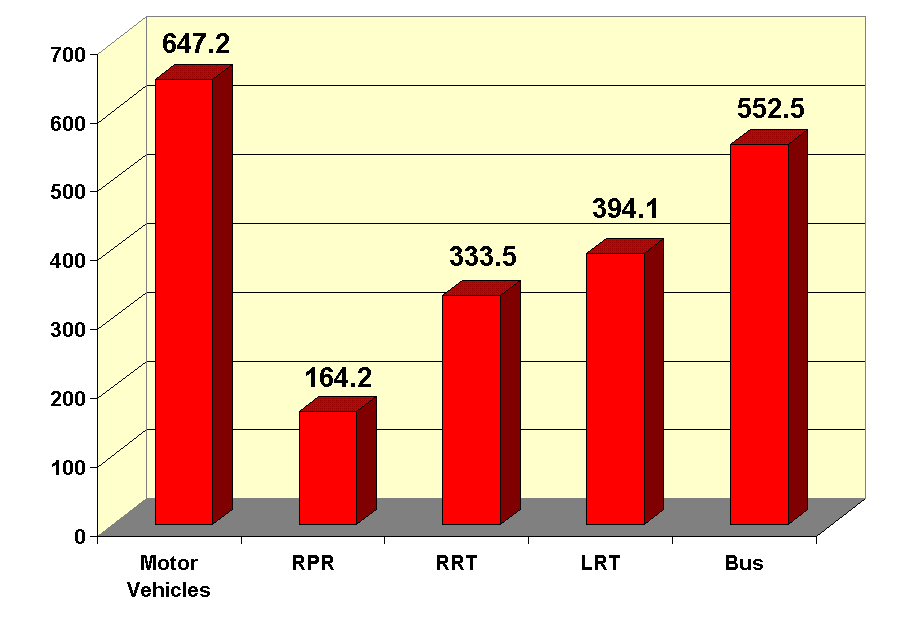
Or like this:

And there are many, many more kinds.
calm kernel
alright ty
undone verge
hushed dawn
"" Willkommen bei Zukunft heute, dem Podcast zu unserem Magazin."" Warum hat die...
maaaybe because of the preposition 'bei' in the first clause, still being applied to the latter here
but I honestly would've expected nominative, too. It's not always easy to catch all the extensions and implications 😅
wise pendant
undone verge
maaaybe because of the preposition 'bei' in the first clause, still being applie...
This is the correct explanation I'd say but nominative would have worked as well imo
hushed dawn
Herzlichen Dank
hushed dawn
Normalerweise benutzt man "sein" mit adjektiv und "haben" mit Nomen, ja ? Aber es wurde gesagt, " ich habe es eilig" und nich ich bin eilig ? Ist der letztere bestimmt falsch ?
nicht*
 ripe dust
Muss ich, 'n A2 - B1 Grammatik lernende Mensch, solche Sätze in meinen Texten nutzen? Jedoch lerne ich mit solchen Sätzen schwierige Konstruktionen der Grammatik.
 calm kernel
Können wir "angesichts" mit "dass" verwenden?
Z.B.
Angesichts der Situation bei der Finanzierung des Studiums
Muss ich oder der Satz ohne angesichts umformulieren, so wie: Wenn man berücksichtigt, wie schlecht die Situation...
long whale
calm kernel
Können wir "angesichts" mit "dass" verwenden?
Z.B.
Angesichts der Situation be...
There is no "dass" in your example... 🤷 Angesichts dessen, wie unschön der Nominalstil ist, stimme ich für Option 2. ;)
long whale
hushed dawn
Normalerweise benutzt man "sein" mit adjektiv und "haben" mit Nomen, ja ? Aber e...
Correct. Ich bin eilig doesn't work. We do say "Ich bin in Eile", though. I'd say both are idiomatic expressions which need to be learnt as is. ;)
long whale
ripe dust
Muss ich, 'n A2 - B1 Grammatik lernende Mensch, solche Sätze in meinen Texten nu...
Please note none of this was written by a German native speaker -> it's riddled with mistakes.
calm kernel
long whale
There is no "dass" in your example... 🤷 Angesichts dessen, wie unschön der Nomi...
dessen + w fragen. Danke Susana vor allem für die implizierte Hilfe, was mir lieber(?) gefällt. 😅
long whale
lieber sehr gut/besonders gut gefällt ;)
calm kernel
also, das bedeutet, dass ich mit anderen genitiv Präpositionen das machen kann🤯 anhand, mit Hilfe...
long whale
calm kernel
also, das bedeutet, dass ich mit anderen genitiv Präpositionen das machen kann🤯...
What I did above? Yes.
ripe dust
long whale
Please note none of this was written by a German native speaker -> it's riddled ...
I understand that there are probably a lot of grammatical and spelling errors here, and the fact that native speakers don't speak like that.
I have already checked this passage of my text with DeepL and Languagetool.
fervent kernel
Where is the difference between "vedrängen" und "ersetzen"?
In dieser Reaktion wird eine an das Proton gebundene schwache Base durch eine stärke Base nucleophil verdrängt
long whale
fervent kernel
Where is the difference between "vedrängen" und "ersetzen"?
> In dieser Reaktion...
verdrängen implies [brute] force: to drive sth/so out, ersetzen just means to replace (dictionaries help...) ;)
fervent kernel
long whale
*verdrängen* implies [brute] force: to drive sth/so out, *ersetzen* just means t...
Thanks
 sharp axle
Er möchte mit dem Geld eine Reise machen, am liebsten nach Island und möglichst lange. Why we said here "Möglichst lange" why not "Am möglichsten" and why we added "E" at the end of "Lange"
plush pelican
sharp axle
Er möchte mit dem Geld eine Reise machen, am liebsten nach Island und möglichst ...
There's an expression where you combine "möglichst" with an adjective to mean "as (blank) as possible"
möglichst bald = as soon as possible
möglichst früh = as early as possible
etc, etc.
Not sure about the E.

 plush pelican
sharp axle
There's an E
plush pelican
sharp axle
There's an E
I'm not doubting whether there's an E, I'm saying I can't explain it, I don't know why it's there.
sharp axle
Ähh got ya
long whale
sharp axle
Er möchte mit dem Geld eine Reise machen, am liebsten nach Island und möglichst ...
lange is more common in written German, lang is more common in spoken German, that's all.
@plush pelican
hushed dawn
"Oben auf der Kiste stand in meiner Handschrift ,, Nicht vor dem (datum) öffnen!"
Ich habe nicht verstanden, hat "stand" hier die gleiche bedeutung von "gibt es" ?
undone verge
usually stehen is used instead of 'geben' for text on something
hushed dawn
beide "von etwas sprechen" und "über etwas sprechen" übersitzen als "speak about", aber was genau ist der Unterschied ?
long whale
hushed dawn
beide "von etwas sprechen" und "über etwas sprechen" übersitzen als "speak about...
übersitzen -> werden mit... übersetzt
There is no real difference.
hushed dawn
Okay
hushed dawn
Jemand fragte " Weißt du, wie wiele Wolkenkratzer es gibt". Und die Antwort war "So um die 40".
Es ist solch gesagt " so um die (Nummer) oder eben " um (Nummer) ?
long whale
hushed dawn
Jemand fragte " Weißt du, wie wiele Wolkenkratzer es gibt". Und die Antwort war ...
Es ist solch gesagt (not even sure what you were trying to say with this) - um 40 doesn't work. circa 40/ungefähr 40/etwa 40/um die 40. And adding in "so" makes it even more vague and a little colloquial.
hushed dawn
long whale
~~Es ist solch gesagt~~ (not even sure what you were trying to say with this) - ...
I wanted to say " Is it said so as .... "
Wie kann ich es richtig sagen ?
long whale
hushed dawn
I wanted to say " Is it said so as .... "
Wie kann ich es richtig sagen ?
Man sagt also "..."
hushed dawn
Wie kann man "lauten" benutzen ? z.B, "mein Fazit lautet". Aber ich verstehe das gar nicht.
long whale
hushed dawn
Wie kann man "lauten" benutzen ? z.B, "mein Fazit lautet". Aber ich verstehe das...
You can think of it as basically a fancy way of saying "is/are", used with words.
Seine letzten Worte lauteten "..." = His last words were "..."
hushed dawn
Selbstverständlich. (ist richtig zu sagen? so wie Verstanden)
fervent kernel
Verwendet ihr "im Anzug sein" um etwas Drohendes, das sich nähert, zu beschreiben? Ist es häufig benutzt?
zB: Das Gewitter ist im Anzug und wir müssen zu Hause bleiben.
hot nexus
Is this sentence correct
Es gibt noch Haferflocken in den Pfannkuchen
I was thinking if it should be dative or accusative
long whale
hushed dawn
Selbstverständlich. (ist richtig zu sagen? so wie Verstanden)
Well, if you reply by saying "of course/selbstverständlich", I'll start wondering why you asked, or what I misunderstood. ;)
long whale
hot nexus
Es gibt noch Haferflocken in den Pfannkuchen
You'd say "es sind" instead of "es gibt" (~ they exist). And are you sure you wanted to use "noch/still"?
hot nexus
I wanted to say already
long whale
fervent kernel
Verwendet ihr "im Anzug sein" um etwas Drohendes, das sich nähert, zu beschreibe...
Häufig - no, I don't think so. *reinbleiben -> bleiben
long whale
hot nexus
I wanted to say already
Ah, as in: you already added them to the batter? -> schon
hushed dawn
long whale
Well, if you reply by saying "of course/selbstverständlich", I'll start wonderin...
Ach so.
Gut, dass ich das jetzt gekannt habe 🙂
long whale
hushed dawn
Ach so.
Gut, dass ich das jetzt gekannt habe 🙂
gekannt habe weiß
hot nexus
long whale
Ah, as in: you already added them to the batter? -> **schon**
Yes
Schon, I always mix noch and schon
hot nexus
long whale
You'd say "es sind" instead of "es gibt" (~ they exist). And are you sure you wa...
Should I say im Pfannkuchen oder in den Pfannkuchen
long whale
hot nexus
Should I say im Pfannkuchen oder in den Pfannkuchen
im -> only 1 pancake...
sharp axle
"Aber so" how can i use it correctly ?
Like "Ich arbeite jeden Tag 15 bis 16 Stunden, aber so kann ich viel Geld verdienen"
But i do not know what is the meaning exactly
charred harbor

hushed dawn
"Er war sehr müde, als er nach Hause kam".
Soll hier nicht "wenn" statt "als" benutzt ?
Mein Verständnis ist, es konnte mehrmals, also "zu hause ankommen" passieren, sodass "wenn" benutzt wird, oder ?
long whale
hushed dawn
"Er war sehr müde, als er nach Hause kam".
Soll hier nicht "wenn" statt "als" b...
It depends entirely on context.
Er war [immer] sehr müde, wenn er nach Hause kam. vs. Er war sehr müde, als er [e.g. an diesem Abend] nach Hause kam.
ripe dust
ripe dust
Muss ich, 'n A2 - B1 Grammatik lernende Mensch, solche Sätze in meinen Texten nu...
Von dem originalen Text ist gar fast nichts mehr übrig... Danke für Chat GPT.

( Written with Ctrl + U indicates a change, and with a gray background new to me words )
fervent kernel
long whale
Häufig - no, I don't think so. *~~reinbleiben~~ -> bleiben
Aber diese Redewendung ist verwandt um diese Lage zu beschreiben?
hushed dawn
Hat "sich kümmern um" die gleiche bedeutung wie "sorge für" ?
ist es "Morgen habe ich frei" oder "Morgen bin ich frei" ?
delicate tiger
hushed dawn
ist es "Morgen habe ich frei" oder "Morgen bin ich frei" ?
frei haben -> nicht arbeiten müssen/nicht zur Schule gehen müssen
frei sein -> kein Sklave sein
"sich um jemanden kümmern" / "für jemanden sorgen" haben ähnliche Bedeutungen
hushed dawn
delicate tiger
frei haben -> nicht arbeiten müssen/nicht zur Schule gehen müssen
frei sein -> k...
Wow ! Was für einen großen Unterschied !
Vielen Dank 🙂
 manic hollow
delicate tiger
"sich um jemanden kümmern" / "für jemanden sorgen" haben ähnliche Bedeutungen
manic hollow
delicate tiger
"sich um jemanden kümmern" / "für jemanden sorgen" haben ähnliche Bedeutungen
Was sind die Unterschieden in Benutzung?
 south zenith
sharp axle
Like "Ich arbeite jeden Tag 15 bis 16 Stunden, aber so kann ich viel Geld verdie...
south zenith
sharp axle
Like "Ich arbeite jeden Tag 15 bis 16 Stunden, aber so kann ich viel Geld verdie...
„So“ can mean „like this/that“
„Aber So kann ich viel Geld verdienen“ - „but this way I can earn a lot of money“
fervent kernel
I just forgot what word is used in German to mean all studies (Bachelor, Master, PhD etc.) There was a difference between "Studium" and something similar to that word
 drowsy cloud
I don't know what you mean by that
delicate tiger
fervent kernel
I just forgot what word is used in German to mean all studies (Bachelor, Master,...
"Studiengänge" ?
fervent kernel
delicate tiger
"Studiengänge" ?
Das wonach ich gesucht habe. Danke
hushed dawn
"Er lag mit seiner Vision richtig." Ist "lag" hier richtig zu benutzen, oder soll man stattdessen "war" benutzt ?
 real trench
statt "es tut mir leid" oder "tut mir leid", könnte ich einfach "sorry" sagen?
delicate tiger
ja, aber nur informell/gesprochen
hot nexus
long whale
Er war [immer] sehr müde, wenn er nach Hause kam. vs. Er war sehr müde, als er [...
Warum "wenn"? Doesn't it mean "if"?
manic hollow
hot nexus
Warum "wenn"? Doesn't it mean "if"?
It actually usually means "when" but German doesn't have a direct equivalent to "if" so it is substituted by when
delicate tiger
fervent kernel
Could english names pass as german names?
depends, many names that come from latin/greek/the bible are written the same way, but pronounced differently
hot nexus
manic hollow
It actually usually means "when" but German doesn't have a direct equivalent to ...
Oh, I always tought that when was "wann"
icy flax
delicate tiger
depends, many names that come from latin/greek/the bible are written the same wa...
Is there any name at all that is pronounced the same in both languages?
delicate tiger
can't think of one right now
 daring dove
hot nexus
Warum "wenn"? Doesn't it mean "if"?
daring dove
hot nexus
Warum "wenn"? Doesn't it mean "if"?
Here is a helpful video that explains the differences between "wenn" and "wann." https://www.youtube.com/watch?v=8efPdxd6fQc
Wenn oder wann? When to use which and what do they mean exactly?
In this video you will learn about those two common used German words which are specially for English speakers a problem since in English you can use the same word for them: when. But no worries you will also learn other translations and some tips and tricks how you can make sure y...
 half stump
take it yourself ( something) as in 'you take the toys, - no, take them yourself! is this a good way to put it > (Du )nimmst die Spielzeug,
-Nein, nimm sie selbst!
plush pelican
hot nexus
Warum "wenn"? Doesn't it mean "if"?
"wenn" can mean both "if" and "when"
https://app.chatterbug.com/grammar/german/wann-wenn-falls-als-ob
half stump
who can help? take it yourself ( something) as in 'you take the toys, - no, take them yourself! is this a good way to put it > (Du )nimmst die Spielzeuge,
-Nee, nimm sie selbst!
 old roost
what's the difference between mitkommen and mithalten in "keep up" meaning?
mint herald
old roost
what's the difference between mitkommen and mithalten in "keep up" meaning?
Mitkommen ist zum beispiel
"Mitkommen, wir sind fast dort!" Art des Szenario
Aber die andere, Ich weiß nicht die antwort
old roost
mint herald
Mitkommen ist zum beispiel
"Mitkommen, wir sind fast dort!" Art des Szenario
A...
danke
mint herald
Kein problem 👍
old roost
is mitkommen more common to use?
mint herald
Um das
Ja ich denke so
long whale
old roost
what's the difference between mitkommen and mithalten in "keep up" meaning?
mit jdm mitkommen means both "to keep up with" and "to come with sb, to accompany sb". So, if there might be a misunderstanding, e.g. when you're going hiking, you'll say "Ich kann [beim Wandern] nicht mit meinen Freunden mithalten". Otherwise, you'll probably say "Ich komme in Mathe nicht mit" (I can't keep up [with the others/with the class] in maths).
long whale
half stump
who can help? take it yourself ( something) as in 'you take the toys, - no, take...
Nimm das Spielzeug! - Nein, nimm du es! (Spielzeug isn't really used in plural, you can use it for both 1 toy and for toys)
half stump
long whale
Nimm das Spielzeug! - Nein, nimm du es! (Spielzeug isn't really used in plural, ...
thanks a lot Susana. I came back on now and saw your text.
old roost
long whale
*mit jdm mitkommen* means both "to keep up with" and "to come with sb, to accomp...
So mithalten is to physically keep up and mitkommen is metaphorically?
 wanton glen
old roost
So mithalten is to physically keep up and mitkommen is metaphorically?
wanton glen
old roost
So mithalten is to physically keep up and mitkommen is metaphorically?
not necessarily physically but broadly said yes i think
all in the context of the original question, mitkommen is rather a mental thing id say. like "ich kann nicht mit deiner erzählung mitkommen" "I cant keep up with the story your telling" whilest mithalten usually refers to skills id say.
like i cant keep up with the [x]-skills of [y] will always be mithalten
ich kann nicht mit den [x]-skills* von [y] mithalten
*(fähigkeiten, but most germans would use skills too i think)
 rancid flame
wanton glen
ich kann nicht mit den [x]-skills* von [y] mithalten
**(fähigkeiten, but most g...
rancid flame
wanton glen
ich kann nicht mit den [x]-skills* von [y] mithalten
**(fähigkeiten, but most g...
Why is it that "den" was used here when "mit" precedes it?
wanton glen
rancid flame
Why is it that "den" was used here when "mit" precedes it?
because im stupid
nvm
i cant keep up with the math skills of mark
its like that the there
you wouldnt say i cant keep up with math skills from adam
its different if you say adams math skills however (obv)
so like i cant keep up with adams math skills
ich kann nicht mit adams mathe fertigkeiten (ohoho nother german word for skills) mithalten
earnest night
rancid flame
Why is it that "den" was used here when "mit" precedes it?
Mit always requires dativ, and dativ plural is 'den'
earnest night
wanton glen
ich kann nicht mit adams mathe fertigkeiten (ohoho nother german word for skills...
Does fertigkeiten's literal meaning is
'readiness' or idk
wanton glen
no its just as fähigkeiten but in a less superhero connotation
earnest night
I mean
"He is already ready for math"
His readiness in math is already good
Daymn
Wait
wanton glen
i mean thats the origin
wanton glen
wanton glen
no its just as fähigkeiten but in a less superhero connotation
i think fähigkeit is since birth and fertigkeit is learned
but not so sure and its not used after that rule really
i think as a german learner you can mostly interchange it without it mattering really
wanton glen
its also as i said not really used as much and most germans would just say skills its also more oldfashioned
earnest night
wanton glen
its also as i said not really used as much and most germans would just say skill...
Yeah, there is alot of words in german that's old fashioned
wanton glen
german is in many ways a culture hub so our language changes naturally picking up many loanwords
even tho there are german words for them
earnest night
Speaking of old fashioned, can you just don't use dative -E, like at all, i heard that's old fashioned
Even with the word that gets the dativ -e
Hause, Volke, Grunde(i think)
Sinne
hushed dawn
"Durch Zufall und Pleiten, Pech und Pannen kann man sehr viel lernen und es können zufällige Erfindungen entstehen, die die Welt verändern können."
Warum ist es " es können" und nicht "sie können" ?
hot nexus
Guten morgen. ""Ich trinke mehr als zwanzig Tassen Kaffe am Tag", sagte er. " Um durchzuhalten. Oder vielleicht, um es auszuhalten""
What's the difference between durchzuhalten un auszuhalten?
 near folio
hot nexus
Guten morgen. ""Ich trinke mehr als zwanzig Tassen Kaffe am Tag", sagte er. " Um...
near folio
hot nexus
Guten morgen. ""Ich trinke mehr als zwanzig Tassen Kaffe am Tag", sagte er. " Um...
hier ist eine ähnliche Frage und eine Antwort dazu: https://de.hinative.com/questions/18632715

HiNative
Synonym für aushalten durchhalten implies that it will only be temporary. this timespan can be fairly long and is unspecified, but aushalten can be used like durchhalten but also in a context where it is not timerelated. eg: Ich halte bis zum Uniabschluss durch/Ich halte es bis zum Uniabschluss aus. (Time restricted) Ich halt körperlich anstreng...
 mighty citrus
near folio
hier ist eine ähnliche Frage und eine Antwort dazu: https://de.hinative.com/ques...
mighty citrus
near folio
hier ist eine ähnliche Frage und eine Antwort dazu: https://de.hinative.com/ques...
Danke für die Klarstellung
earnest night
Is mine :
Meines {n}{m}
Meiner {f}
And yours :
Deines {n}{m}
Deiner {f}
??
plain umbra
earnest night
Is mine :
Meines {n}{m}
Meiner {f}
And yours :
Deines {n}{m}
Deiner {f}
??
No, the ending will be the same as der/die/das, so it changes by gender and case.
earnest night
Owhhh
plain umbra
So in nominative it's meiner (m), meines (n) and meine (f).
earnest night
plain umbra
So in nominative it's meiner (m), meines (n) and meine (f).
Ohhh, it works like
Eines meiner Autos ist kaputt
plain umbra
Oh yeah, that's correct.
earnest night
Aight thanks man!
hushed dawn
"Eher gehe ich zu Fuß, als ein teures Taxi zu nehmen"
Heißt das, dass beide Möglichkeiten ungerne sind, aber zu Fuß macht er lieber ??
Ist das der Unterschied zwischen eher und lieber ?
long whale
hushed dawn
"Eher gehe ich zu Fuß, als ein teures Taxi zu nehmen"
Heißt das, dass beide Mög...
Same difference as between "I'd sooner" and "I'd rather" 🤷
fervent kernel
does it make sense to say ''die prüfung hat gesagt, dass ich K niveau bin''?
or would using something like ''zeigen'' be better?
long whale
fervent kernel
or would using something like ''zeigen'' be better?
Definitely, yes. Exams don't really talk, at least not in German. ;)
fervent kernel
danke
hot nexus
Melanie ist gern unter Menschen.
warum benutzt man ''ist' in diese Satz ? Und warum ''unter'' . Macht keinen Sinn für mich
whole portal
not sure about what's weird about ist here, unter is also used similar to zwischen sometimes
wise pendant
fervent kernel
does it make sense to say ''die prüfung hat gesagt, dass ich K niveau bin''?
Achte darauf immer deine Nomen großzuschreiben
hot nexus
whole portal
not sure about what's weird about ist here, unter is also used similar to zwisch...
wouldn't it translate literally to something like ''Melanie is happily amongst people''?
whole portal
amongst
She likes to be amongst other people.
With is also similar here but it implies that she knows them which unter doesn't necessarily
long whale
hot nexus
wouldn't it translate literally to something like ''Melanie is happily amongst p...
Even if it did, I'm afraid you'll have to get accustomed to the fact that German is a language of its own, not just a version of English using different words/spelling -> a literal translation may not always make sense, but it is nevertheless what we say. ;)
hot nexus
long whale
Even if it did, I'm afraid you'll have to get accustomed to the fact that German...
Ich deine Schelte gern
long whale
hot nexus
Ich deine Schelte gern
This is missing a verb... 😄
long whale
hot nexus
hatte deine Schelte gern?
-> I liked your telling-off ;)
hot nexus

hot nexus
Another question about adverbs:
As far as I know, adverbs can be placed in the beginning of a sentence and in the middle of a sentence.
If you have a direct object ( Acusative), you should place the adverb before it (unless it's a pronoun) .
If you have an indirect object (Dative) , you should place the adverb after it .
So I was doing this exercise where I had to check if the adverb was placed correctly and this sentence is confusing me :
1- Wir halfen dem Kind gestern bei den Hausaufgaben.
''DEM kind'' is dative, but isn't ''bei'' also dative ? Shouldn't it be 2 - Wir halfen dem Kind bei den Hausaufgaben gestern ?
The website says the first sentence is right.
hushed dawn
hot nexus
Another question about adverbs:
As far as I know, adverbs can be placed in the ...
Darf ich Sie fragen, welche Name hat die Webseite, wenn es kostenlose Grammatik Teil hat ?
hushed dawn
Sagt man, "Du liegst es ins Eisfach ins Kühlschrank" oder nur "Du liegst es ins Eisfach" ?
undone verge
Du stellst es ins Eisfach
ins Kühlschrank after ins Eisfach definitely doesn't work, you could say 'ins Eisfach (im Kühlschrank)' i.e. the ice-box in the fridge but I'd rather without
hot nexus
hushed dawn
Darf ich Sie fragen, welche Name hat die Webseite, wenn es kostenlose Grammatik ...
auf jeden fall

Our complete German grammar explanations make learning German easy. Learn the rules of German grammar and practise them with our exercises for beginners and advanced German learners. Learn German grammar online with lingolia.
 maiden vector
hot nexus
Another question about adverbs:
As far as I know, adverbs can be placed in the ...
maiden vector
hot nexus
Another question about adverbs:
As far as I know, adverbs can be placed in the ...
Your rule says the answer: "dem Kind" is the indirect object in that sentence. "Bei" is a dative preposition--the noun after it takes dative but it's not the indirect object
hot nexus
maiden vector
Your rule says the answer: "dem Kind" is the indirect object in that sentence. "...
Right 😄
hot nexus
maiden vector
Your rule says the answer: "dem Kind" is the indirect object in that sentence. "...
What is this noun, then?
maiden vector
hot nexus
What is this noun, then?
"den Hausaufgaben?" Idk if there's a special grammar name for it, it's just the noun that the preposition is referring to
You can have loads of prepositions in a sentence but only one direct object and/or one indirect object
plush pelican
maiden vector
"den Hausaufgaben?" Idk if there's a special grammar name for it, it's just the ...
you mean the "object of the preposition"?
maiden vector
plush pelican
you mean the "object of the preposition"?
Haha yeah, special grammar name
plush pelican
 hot nexus
Präpositionalobjekt
hushed dawn
Draufkommen vs. raten. Gibt es einen Unterschied ?
delicate tiger
auf etwas kommen - die Lösung finden
raten - eine Vermutung anstellen
hushed dawn
Ich könnte "nur noch" nicht verstanden. Könnten jemand es erleichtern?
long whale
hushed dawn
Ich könnte "nur noch" nicht verstanden. Könnten jemand es erleichtern?
nur noch X = only X left
hushed dawn
Verwenden vs benützen. Gibt es auch einen Unterschied ?
lament forge
hushed dawn
Verwenden vs benützen. Gibt es auch einen Unterschied ?
benutzen*
hushed dawn
"Geht es" wird immer in diesem Form verwendet ? Kann es nicht "Gehen es" sein ? Also z.b., in Pluralbildungen
I mean (there are , not there is)
Gehen sind*
lament forge
hushed dawn
Verwenden vs benützen. Gibt es auch einen Unterschied ?
imo they just differ in their degree of formality?
hushed dawn
Welches ist Formell ?
lament forge
verwenden würde ich sagen
hushed dawn
Vielen Dank
lament forge
kein Problem!
fervent kernel
hi bin neues mitglied
 jade wharf
im very very new to german so please excuse me if it’s a dumb question but when i want to refer to something as mine, would i base the gender off the noun im referring to or me as a person which would be feminine. like idk if i wanted to say my dog would i say mein hund because hund is masculine or would i say meine hund because im referring to myself and im feminine?
manic hollow
jade wharf
im very very new to german so please excuse me if it’s a dumb question but when ...
Depends on the actual noun at hand. Don't think about the noun classes as explicitly a matter of gender expression, otherwise you'll get tripped up by Das Mädchen.
manic hollow
jade wharf
im very very new to german so please excuse me if it’s a dumb question but when ...
German does not do declension between the subjects and objects of a sentence, only by whatever the article is actually associated with. In your case, it's "der Hund" or "die Hündin", regardless of your gender
jade wharf
okay thank you 🙏
plush pelican
jade wharf
im very very new to german so please excuse me if it’s a dumb question but when ...
To be clear: it's based entirely off the gender of the noun (and the case of the noun in the sentence). Nothing gets changed based on the gender of the person speaking.
earnest night
Is this the usage of worden and geworden?
Ich bin befördert worden
Ich bin als einen Polizisten geworden
Bcoz there is a 'verb' the werden became the 'worden', and if there is no verb, it became 'geworden'?
long whale
fervent kernel
Warum kann ich nicht sprechen
Ask the mods: #report-issue
long whale
earnest night
Is this the usage of worden and geworden?
Ich bin **befördert** worden
Ich bin ...
1st one is fine. 2nd doesn't work. "werden/to become" works like "sein": it requires Nominativ on both sides.
earnest night
Owh, so it's, ich bin (als?) ein Polizist geworden?
long whale
earnest night
Owh, so it's, ich bin (als?) ein Polizist geworden?
Ich bin Polizist geworden = I became a policeman
;)
earnest night
Okay, so it works like that?
Worden : with verb
Geworden : without verb
long whale
earnest night
Okay, so it works like that?
Worden : with verb
Geworden : without verb
I'm not sure what you mean?
earnest night
long whale
I'm not sure what you mean?
In the first sentence, there is the verb 'befördert' behind the 'worden' and in the 2nd sentence, there is no verb behind 'geworden'
long whale
Ah. Yes.
earnest night
Aight, thanks!!
south zenith
i forget the name but i think its that worden is used with past participles (i think theyre called that)
plain umbra
earnest night
Is this the usage of worden and geworden?
Ich bin **befördert** worden
Ich bin ...
Worden is when the werden is being used to make Passiv. Geworden is when it's not.
earnest night
plain umbra
Worden is when the werden is being used to make Passiv. Geworden is when it's no...
Ohh, passiv is like
Dieses Geschirr ist gespült worden?
But i think would rather say
Dieses Geschirr wurde gespült
plain umbra
earnest night
Ohh, passiv is like
Dieses Geschirr ist gespült worden?
Sure.
earnest night
Aight thanks man!
south zenith
earnest night
But i think would rather say
Dieses Geschirr wurde gespült
yes
wurden = geworden sein
wurden = worden sein
geworden sein ≠ worden sein
fervent kernel
earnest night
Ohh, passiv is like
Dieses Geschirr ist gespült worden?
yeah, the worden form is not much used, but it can be a part of any written text.

 oblique gulch
 old girder
Papier
 rare jetty
old girder
rare jetty
old girder
Ein Blatt Papier xD
If I'm talking about multiple sheets of paper (5+) I'd say das Papier ("Kannst du das Papier im Drucker nachfüllen?")
old girder
ohh
i see thank you
i thought Blatt was only for leaves but i saw someone using Übungsblätter and that got me thinking
hushed dawn
Verfügbar = available z.B, Ist das Gerät im Geschaft verfügbar ?
Lieferbar = deliverable ? Sind sie heute lieferbar ?
Ist das Richtig ?
 scenic surge
yup, schaut gut aus :)
(Geschäft mit ä)
hushed dawn
Der Referent erzählt von einem Erlebnis, das alle kennen oder verstehen können.
Soll das nicht "wissen" sein ?
Ich meine, man kann es dazu umwandeln "Sie wissen, was er erzählt hat".
south zenith
Kennen gilt hier nicht dem was er erzählt, sondern dem Erlebnis
plush pelican
hushed dawn
Der Referent erzählt von einem Erlebnis, das alle kennen oder verstehen können.
...
Go back and take a slow look at that relative pronoun again. What is it referring to?
There's only 2 nouns in the first clause, and "Referent" is masculine, so it must be referring to "das Erlebnis"
Reorder the second clause and insert the thing the relative pronoun is referring to:
, das alle kennen oder verstehen können.
Alle kennen das Erlebnis oder können es verstehen.
I've often found it helpful to "unroll" relative clauses or question sentences like this into a Hauptsatz, when the clause/sentence is a bit complexer and I've sort of lost the thread.
hushed dawn
Verstanden ❤️
icy flax
(...) aber wenn das nur irgendwie sowas ist dass du so eine Stunde geplant hast, dann machst du so 15 Minuten und dann plätschst noch 10 Minuten dahin, das macht.. das zieht mich runter, das macht mich fertig, das ertrag ich nicht.
Ich finde keinen Eintrag für "X Minuten dahin plätschen".. Ich muss das Verb verhört haben, könnt ihr das Wort erraten? Dabei beschwert er sich, wie schlecht es ist, wenn er länger als nötig bei einer Meeting bleiben muss.
plush pelican
icy flax
> (...) aber wenn das nur irgendwie sowas ist dass du so eine Stunde geplant has...
platzieren?
icy flax
long whale
icy flax
> (...) aber wenn das nur irgendwie sowas ist dass du so eine Stunde geplant has...
plätschern ;)
icy flax
long whale
plätschern ;)
Daaaas!!!
plush pelican
long whale
plätschern ;)
dabble 10 minutes on it?
Does that give the idea of like dribbling a liquid over something?
long whale
plush pelican
Does that give the idea of like dribbling a liquid over something?
dahinplätschern... oof... I mean, I can't watch this thing, so, I lack the larger context. It's often used for having an empty/uninteresting conversation (das Gespräch plätscherte so dahin), but it might also be somebody doing nothing much in particular (die Zeit/die Tage plätschert/plätschern so dahin).
More like liquid dribbling away, I'd say.
plush pelican
Danke, Susana
calm kernel
When can I use "etwas" for the meaning "ein bisschen"?
Ich brauchte etwas Zeit um zu überlegen.
Is it correct for example?
long whale
calm kernel
When can I use "etwas" for the meaning "ein bisschen"?
> Ich brauchte etwas Zei...
Your sentence is fine, yes. However, I'd say it translates to "some time", while I'd say "ein bisschen Zeit" = a little time, you know?
south zenith
Shit
Sometimes the equivalent of “fucking” when put at the beginning of another noun
Ich habe das Scheißgeld vergessen
I forgot the fucking money
A general swear
 sage swift
Ok thanks.
calm kernel
south zenith
Sometimes the equivalent of “fucking” when put at the beginning of another noun
...
even its a compound word now? 💀
scenic surge
I personally don't use the word "scheiße" at all, because it just doesn't flow or sound good.
But, if you wanna use it as in 'I forgot the fuckin' money',
then you have to say 'Ich habe das scheiß Geld vergessen''.
If you put the words together as in 'Scheißgeld' then I would understand something like 'shitmoney' like money for shitting haha
south zenith
Ach meine Schuld, hab es nur gehört, nie gesehen
scenic surge
Kein Problem 😅
Wollte nur klarstellen :)
Aber gute Deutschkenntnisse in dem Gebiet! haha xD
long whale
scenic surge
I personally don't use the word "scheiße" at all, because it just doesn't flow o...
Eh - no. As far as I know and also according to DWDS, "scheiß" is not an adjective. -> Scheißgeld is the only correct way of writing it. ;) @south zenith
gusty silo
it's not the first time i've seen speaker intuition differ on this
a general problem of syntactic interpretation of these expletive compounds, happens with a bunch of different words
they don't inflect, that's for sure, but if they're interpreted as part of a compound or as a different sort of modifier...
(they do take Fugenelemente though, don't they?)
i think it's the stress/prosody that is/can be different from normal compounds, but i'm not sure
scenic surge
oh, sorry for my lack of knowledge 😬
it still looks hella wrong to see the words written as one tho xD
also after putting the compound word into google (Scheißgeld)
most results also write it as 2 seperate words
if it's actually written as one, then at least i'm not the only one writing it wrong haha
undone verge
Scheißgeld almost seems like it would be a new word for money made of...you know...or something 😅
I always just assumed it was kinda like in english using the f-word as every part of speech
calm kernel
Die erste Grafik behandelt die deutschen Ausgewanderten. In der zweiten Grafik geht es um die Zielländer **dieser**. So is a correct way to refer to the person's that are mentioned before?
undone verge
looks alright
gusty silo
scenic surge
oh, sorry for my lack of knowledge 😬
it still looks hella wrong to see the wor...
i myself would also write it apart tbh
gusty silo
calm kernel
`Die erste Grafik behandelt die deutschen Ausgewanderten. In der zweiten Grafik ...
yup
calm kernel
Ich nach bestanden der Fahrprüfung:
I saw this in IG in a meme page but i don't understand the structuring. Is bestanden a noun here?
undone verge
it is identical to english: me after passing the driving test
and yes, bestanden is a noun here
delicate tiger
calm kernel
`Ich nach bestanden der Fahrprüfung:`
I saw this in IG in a meme page but i don'...
don't leaarn from meme pages, they use deliberately wrong German to be funny.
 dusk musk
^
calm kernel
undone verge
and yes, bestanden is a noun here
interesting i couldnt find anywhere that says it can be a noun like that
calm kernel
delicate tiger
don't leaarn from meme pages, they use deliberately wrong German to be funny.
yeah ik
plush pelican
calm kernel
interesting i couldnt find anywhere that says it can be a noun like that
To be fair, it should be capitalized precisely to avoid this kind of confusion
delicate tiger
calm kernel
interesting i couldnt find anywhere that says it can be a noun like that
it's not, it's just wrong
don't try to make sense of meme pages
calm kernel
do u talk like this in everyday speech tho?
okay ty for the clarification
darauf hinweisen, dass
darauf hindeuten, dass
can i use them interchangeably?
long whale
undone verge
and yes, bestanden is a noun here
nach Bestehen ;)
long whale
calm kernel
> darauf hinweisen, dass
> darauf hindeuten, dass
can i use them interchangeably...
Only when it's something pointing to[wards] something: es/alles weist OR deutet darauf hin, dass
If it's a person, you can only use "hinweisen": er/sie wies/en darauf hin, dass...
plush pelican
long whale
If it's a person, you can only use "hinweisen": er/sie wies/en darauf hin, dass....
How wonderfully complicated 😅
calm kernel
i'm completely lost but ty ahaha
plush pelican
calm kernel
i'm completely lost but ty ahaha
If it's a thing, it can either auf etwas hinweisen OR auf etwas hindeuten.
If it's a person, a person can only auf etwas hinweisen.
Apparently.
calm kernel
alr ty
long whale
plush pelican
If it's a thing, it can either auf etwas hinweisen OR auf etwas hindeuten.
If it...
Don't you have verbs like that in English? Like... to amount to sth. You don't usually use it with people, do you? It's usually used impersonally, isn't it?
plush pelican
long whale
Don't you have verbs like that in English? Like... to amount to sth. You don't u...
he's amounted to nothing -- He has done nothing with his life
long whale
Yes. And "He amounted to X" - ?
plush pelican
I mean, we probably have such verbs, but I can't think of them at the moment 😅
he amounted to nothing
it's often used in a negative sense, I think 😄
calm kernel
both hinweisen and hindeuten are translated to point/point out by deepL
long whale
plush pelican
he amounted to nothing
I know. But try to use it with "something" :)
plush pelican
he amounted to a useless sack of shit
he amounted to a false note in the song of life
long whale
Right.
plush pelican
now I'm getting poetic for some reason
long whale
calm kernel
both hinweisen and hindeuten are translated to point/point out by deepL
Yes. That's because in English, it works with both people and things. While in German, you could say "Tom deutete auf das Auto", but saying "Tome deutete auf das Auto hin" would be pretty... unusual, to put it mildly.
plush pelican
long whale
Yes. That's because in *English*, it works with both people **and** things. Whil...
wait, so you can use deuten with a person, but not hindeuten?
that...just made it even more complicated 
plush pelican
long whale
I *know*. But try to use it with "something" :)
Very often, "amount to" is used with a person when talking about career and their overall life accomplishments.
"You're never going to amount to anything, if you keep smoking grass!"
calm kernel
wtf ausspucken means spit out right?
 plush pelican
more context would help
calm kernel
how can a "band" spit out big rocks
plush pelican
Are you sure "Band" means band
calm kernel
in my native language it means band
plush pelican
or is it like, parts of a glacier that spit out rocks as it retreated
calm kernel
idk in english tho
plush pelican
Canada was strongly impacted by glaciers
plush pelican
and glaciers commonly have rocks in them that they can drag for miles and miles
"Band" has a lot of meanings. I'm not sure you have the right one
give us some more context!
calm kernel
 plush pelican
a small Eisband...das Band
plush pelican
a small belt of ice
like a stretch of ice 500 km long
It seems we are talking about glaciers here
calm kernel
isnt eisband means like a pathway made of ice
plush pelican
"Band" has multiple definitions
Here:
https://www.itchywheels.de/kanada-teil-8-alaska-kanada/
Vor lauter Quatschen kamen wir dann erst mittags los und holperten gemächlich die schlechte Gravelroad zum „Salmon Glacier“ hinauf – bei dem Anblick des Gletschers fiel uns dann allerdings die Kinnlade nach unten … Ein gigantisches Eisband schiebt sich den Berg herab – und das in einer Dimension, die wir hier nicht erwartet hätten.
Because of all the chatting, we didn't get going until noon and leisurely bumped up the bad gravel road to the "Salmon Glacier" - but when we saw the glacier, our jaws dropped ... A gigantic ice band is pushing its way down the mountain - and in a dimension that we wouldn't have expected here.

it's a giant thing of ice
Glaciers move over time, you know?
calm kernel
yea
plush pelican
As they travel, they end up picking up rocks from the ground underneath of them
the rocks can then end up traveling with the glacier for a long time
until eventually the rocks get "spit out" somewhere
by which it just means, "the rocks get ejected from the ice and left somewhere"
calm kernel
i see interesting
plush pelican

A glacial erratic is glacially deposited rock differing from the type of rock native to the area in which it rests. Erratics, which take their name from the Latin word errare ("to wander"), are carried by glacial ice, often over distances of hundreds of kilometres. Erratics can range in size from pebbles to large boulders such as Big Rock (16,50...
So you can end up with a rock that's, say, made out of limestone, except the area that the rock is in doesn't contain any limestone, so scientists can clearly see, "This rock isn't from this area"
That rock could have been transported by humans...or by glaciers over time.
plush pelican
calm kernel
In Canada, Brian John discovered the opposite of the Stonehenge - conveyer belt. Two ice storms in Alberta in west Canada during the last ice age 18,000 years ago created a small band of ice 500 km long. That band spit out hundreds of rocks southeast of Calgary, reports the Geologist Brian John.
So it's a competing explanation for how rocks of a different type could end up in an area without humans having transported them there.
calm kernel
much more understandable now ty for the explanation
also i really hate it when they expect us to know about all this overly scientific geografical terms etc so we can choose the correct answer
plush pelican
To be fair, I think the idea is "Can you deal with new information in a foreign language?"
Now, that is a hat on top of a hat (a challenge on top of a challenge), but at the same time, you will be faced with that in the foreign language, should you ever move to Germany, right? So it is useful to be able to deal with that as part of learning the language.
 brave flint
Wie heißt "Catfish" auf Deutsch? Ich meine nicht das Tier, sondern die Person, die anderem beim Online-Dating täuscht.
charred harbor
brave flint
Wie heißt "Catfish" auf Deutsch? Ich meine nicht das Tier, sondern die Person, d...
Man sagt im Deutschen auch Catfish
brave flint
danke
plush pelican
Is there a translation for "talking points" in German?
For example: When a politician is a guest on a talkshow, they often have specific prepared topics and/or phrases that they want the conversation to focus on.
When the moderator tries to ask them about something else, they will then often attempt to reframe the question in a way that gets them to where they can just repeat these talking points again, because they've determined that framing the answer in exactly this way is what the most people will like, even if the question isn't really about that or even if their answer doesn't really answer the question.
I found this Wikipedia article: https://de.wikipedia.org/wiki/Talking_point
Which lists "Gesprächsthema" or "geschicktes Argument" as translations, but those really don't convey the meaning.
They also mention "Gesprächspunkte", but I'm not sure if that's a proper translation
plush pelican
Yeah, but talking points are usually answers, not questions
plain umbra
Kernantworten. 
latent wadi
plush pelican
Is there a translation for "talking points" in German?
For example: When a pol...
Brennpunkt, Schwerpunkt alternatively
is what I see
just slightly different but i think it still has the meaning
 dense obsidian
"Brennpunkt" means something completely different. "Gesprächspunkte" is the corect word you're looking for.
long whale
plush pelican
Is there a translation for "talking points" in German?
For example: When a pol...
vorgestanzte Phrasen is what I'd call what you describe. ;)
plush pelican
dense obsidian
"Brennpunkt" means something completely different. "Gesprächspunkte" is the core...
Did "Gesprächspunkte" already exist in German, or is that someone who took the English phrase and just translated the words individually into German?
Would "Gesprächspunkte" be commonly understood, the connotations about prepared answers that politicians tend to give?
long whale
plush pelican
Did "Gesprächspunkte" already exist in German, or is that someone who took the E...
Seems to have come about ca. 1950, so, it might, or it might not be a direct translation from English. - No, definitely doesn't carry that connotation. ;)
plush pelican
Danke Susana
Und jetzt sollte ich ins Bett bin ich schon im Bett, aber ich sollte einschlafen. 😄
long whale
Gesprächspunkte is just topics. Immer gern, Argus. ;)
(That is, topics mentioned during an official conversation, e.g. as in one head of state meeting another: afterwards, the news anchor might say sth like "Zu den Gesprächspunkten gehörten die Erweiterung der europäischen Union, wirtschaftliche Themen und eine gemeinsame Verteidungspolitik."
 charred jetty
Kann ich sagen: ich gehe essend ins Bett?
long whale
If you can manage to munch on something while undressing/stretching yourself out under the covers, sure. ;)
@charred jetty
 misty ginkgo
Hallo, "ich habe endlich Arbeit gefunden"
why is there no "eine" here (eine Arbeit)? Or was it omitted due to the informal register of the conversation
long whale
misty ginkgo
Hallo, "ich habe endlich Arbeit gefunden"
why is there no "eine" here (eine Ar...
No, it's perfectly correct even in a formal register. Maybe you'd best file this under "idiomatic expressions". But please note: when a noun either has no plural, or one with a different meaning (as in this case), it's possible to use it without any article.
misty ginkgo
long whale
No, it's perfectly correct even in a formal register. Maybe you'd best file this...
or one with a different meaning (as in this case)
oh what do you mean?
long whale
misty ginkgo
> or one with a different meaning (as in this case)
>
oh what do you mean?
Well, in this case, Arbeit = employment, right? And in the sense of employment, Arbeit doesn't have a plural. die Arbeiten means something like different kinds of usually manual tasks, which might be done by one (multitalented) person, or by various people/companies.
misty ginkgo
long whale
Well, in this case, Arbeit = employment, right? And in the sense of employment, ...
Got it. Danke schön!!))
hushed dawn
Was genau ist der Unterschied zwischen "Abschließen" , "Beenden", und "Erledigen" ?
 stoic mauveBOT
@toxic stag, your message has been redirected here from #beginner-german:
 shihao
Redirected by basementality
Hallo, what is the exact meaning of „Bei“ in the following sentence „Bei uns arbeiten Leute aus vielen Ländern.“
@random bane, your message has been redirected here from #beginner-german:
 deadthedeadweight
Redirected by basementality
I suppose it is talking about some kind of enterprise or company, so here it would mean "With us (in our enterprise) work people from various countries"
 random bane
stoic mauve
<@536312396008914965>, your message has been redirected here from <#381911915095...
random bane
stoic mauve
<@536312396008914965>, your message has been redirected here from <#381911915095...
@toxic stag
 toxic stag
random bane
<@1121466926439333938>
toxic stag
random bane
<@1121466926439333938>
Danke, Ich habe es verstanden, dass Leute Subjekt(Nominativ) ist.
toxic stag
Ich habe eine Frage, was ist der unterschied zwischen „Ich arbeite mit ihm“ und „Ich arbeite bei ihm“? Oder sind „Ich arbeite mit ihm“ und „Ich arbeite bei ihm“ gleich? Vielen Dank!
 swift sand
"Ich arbeite mit ihm" is "working with him".
"Ich arbeite bei ihm" is more like "I'm working for/at him/his place".
toxic stag
swift sand
"Ich arbeite mit ihm" is "working with him".
"Ich arbeite bei ihm" is more like ...
Oh I habe es verstanden, danke!
 frigid aurora
Kann jemand mir ein Paar deutsche Serie/Filme oder Sit com empfehlen?
plush pelican
frigid aurora
Kann jemand mir ein Paar deutsche Serie/Filme oder Sit com empfehlen?
Kommst du mit deutscher Synchronisation klar? Oder willst du ausschließlich Filme/Serien, die ursprünglich auf Deutsch sind?
frigid aurora
deutsche Synchronisation ist auch oki aber Lieber ursprünglich Deutsch
long whale
frigid aurora
deutsche Synchronisation ist auch oki aber Lieber ursprünglich Deutsch
"Mord mit Aussicht"
plush pelican
frigid aurora
deutsche Synchronisation ist auch oki aber Lieber ursprünglich Deutsch
Auf Netflix gibt es viele Serien/Filme mit Synchro. Black Mirror, Physical 100, Seinfeld, usw. usf.
The Witcher, Shadow & Bone, Stranger Things...
Sandman
long whale
"Morden im Norden", "Sörensen hat Angst"
plush pelican
Wie viele "Morden" gibt es noch?
"Morden im Süden"
"Morden im Osten"
"Morden im Südosten"
😄
whole portal
Der Tatortreiniger?
Mord mit Aussicht
Hubert und Staller ist wahrscheinlich etwas fortgeschrittener durch den Dialekt.
plush pelican
whole portal
Hubert und Staller ist wahrscheinlich etwas fortgeschrittener durch den Dialekt.
Wie viel davon ist im Dialekt?
long whale
plush pelican
Wie viele "Morden" gibt es noch?
"Morden im Süden"
"Morden im Osten"
"Morden im...
Nothing compared to the SoKo series, of which there must be 2 dozen. 😹
long whale
plush pelican
Wie viel davon ist im Dialekt?
Loads.
whole portal
Na ja Christian Tramitz hat halt etwas Dialekt und Helmfried von Lüttichau auch
Und das sind die Hauptcharaktere
Hannes Ringlstetter auch (Nebencharakter) und viele Charaktere die in einzelnen Episoden auftauchen dann auch.
swift sand
frigid aurora
Kann jemand mir ein Paar deutsche Serie/Filme oder Sit com empfehlen?
Last one Laughing ist super
frigid aurora
ahaa super
plush pelican
swift sand
Last one Laughing ist super
Ist das die Serie, in der Komiker versuchen, einander zum Lachen zu bringen? Das habe ich echt peinlich gefunden
swift sand
Ich finds eigentlich sau lustig
plush pelican
Ich hasse peinliche Situationen 😬
frigid aurora
ahahhah
plush pelican
Vielleicht ist das der Grund
frigid aurora
als Introviert Person ich stimme zu
whole portal
Ich hab nichts gutes darüber gehört, aber gesehen habe ich's auch nicht.
frigid aurora
yoshi bist du c1 auf deutsch
plush pelican
whole portal
Ich hab nichts gutes darüber gehört, aber gesehen habe ich's auch nicht.
I love the Topikalisierung where you put the verb in position 1 in that second clause, 😄
It's so different from English, it's still a bit crazy to wrap your head around it.
plush pelican
frigid aurora
yoshi bist du c1 auf deutsch
Gelbe Name bedeutet Muttersprachler
whole portal
Topiwas
plush pelican
whole portal
Topiwas
Als Topikalisierung (abgeleitet von dem aus dem Englischen stammenden Begriff topic) bezeichnet man in der Sprachwissenschaft eine Voranstellung eines Satzteils, die normalerweise die Funktion hat, den Satzteil als Topik zu kennzeichnen, d. h. als Information, die im Kontext schon bekannt ist.
In der Grammatik des Englischen ist Topikalisierung...
frigid aurora
ohaaaa
plush pelican
"gesehen habe ich es auch nicht."
"gesehen" is in position 1 in that sentence
frigid aurora
JAAA VERRÜCKT
whole portal
I see
plush pelican
Think about that sentence in English: "I have nothing good about it heard, but seen have I it also not."
🤣 It's so crazy for me as an English native speaker. I know the phenomenon, I understand it, but it's still a bit crazy to me.
(and no, I'm not translating word for word most of the time when I speak German, it just helps highlight how unusual the word order is for an English native speaker)
fervent kernel
plush pelican
Think about that sentence in English: "I have nothing good about it heard, but *...
Wie schlecht klingt es für eine Muttersprachlerin? Was würderst du tun wenn du das hörst? 😄
Einmal hat meine britishe Lehrerin gesagt, dass wenn man den Buchstabe "s" am Ende vergisst, klingt es nicht schön.
"He drinks" und "he drink"
plush pelican
fervent kernel
Wie schlecht klingt es für eine Muttersprachlerin? Was würderst du tun wenn du d...
You mean, for an English native speaker to hear that sentence I wrote out? It'd sound like you're having a stroke
plush pelican
fervent kernel
Einmal hat meine britishe Lehrerin gesagt, dass wenn man den Buchstabe "s" am En...
"he drink" sounds like either you're a foreigner who's still learning the language or a poorly educated working class person.
fervent kernel
plush pelican
"he drink" sounds like either you're a foreigner who's still learning the langua...
Must be the second one then. I never understood why it sounds bad
plush pelican
Because it's conjugated wrong
It's like saying, "Du trinke Wasser"
The verb doesn't match the subject
calm kernel
im having a hard time understanding this tabelle. 37 of 100 has made a praktikum. and at the right side, they made praktikums under some branches but the numbers dont match? there are more ppl at the right side
 long whale
calm kernel
im having a hard time understanding this tabelle. 37 of 100 has made a praktikum...
long whale
calm kernel
im having a hard time understanding this tabelle. 37 of 100 has made a praktikum...
As far as I can see, those 2 statistics talk about different things. You interpreted the one on the left correctly - well, 37 out of 100 had at least 1. On the right, you can see the ratio of paid vs unpaid work in the different sectors.
calm kernel
alr
ty but such a nonsense for them to visualise it like that in the most confusing way
calm kernel
Die Schweizer Bauern könnten ihre Bergweiden ohne die Praktikanten nicht wie bisher bewirtschaften.
It's translated as "Swiss farmers would not be able to manage their mountain pastures as they do now without the trainees." to English. Would it be better to write it as hätten nicht bewirtschaften können to not mix up *könnten *for could?
plush pelican
calm kernel
`Die Schweizer Bauern könnten ihre Bergweiden ohne die Praktikanten nicht wie bi...
hätten...können is "could have"?
calm kernel
correct but i rarely see this usage of könnten
i would translate it as "swiss farmers could/might not ..."
since it's used like that widely
long whale
calm kernel
`Die Schweizer Bauern könnten ihre Bergweiden ohne die Praktikanten nicht wie bi...
No. Totally different meaning. sie könnten X nicht bewirtschaften = they wouldn't be able to now vs. sie hätten X nicht bewirtschaften können = they wouldn't have been able to
calm kernel
true alright
 odd dawn
fervent kernel
Einmal hat meine britishe Lehrerin gesagt, dass wenn man den Buchstabe "s" am En...
odd dawn
fervent kernel
Einmal hat meine britishe Lehrerin gesagt, dass wenn man den Buchstabe "s" am En...
OH! Ich wusste gar nicht, dass "Buchstabe" ein n-Deklination-Nomen ist. Also: der Buchstabe (Nominativ), des Buchstabens (Genitiv), dem Buchstaben (Dativ) und den Buchstaben (Akkusativ) im Singular.
stoic mauveBOT
@fervent kernel, please read the Roles section in #getting-started for info on how to join VC and more.
 warm breach
i cant join vc
stoic mauveBOT
@warm breach, please read the Roles section in #getting-started for info on how to join VC and more.
manic hollow
German culture question: do Germans invoke the name of the lord as an intensifier in a sentence or as exclamation? Something like:
"Jesus Christ, it's Jason Bourne"
"Jesus! what happened to you?" (not actually referring to Jesus directly)
"Mom's gonna chew me out. Christ"
long whale
manic hollow
German culture question: do Germans invoke the name of the lord as an intensifie...
Yes, although to my knowledge never Christ/Christus. It's mostly Gott/Herrgott, except in the South, where Jesus (dialect: Jessas) and his cross (Kruzifix, colloquially/dialect: Zefix) tend to come up a lot. ;)
plush pelican
whole portal
"Jesses Maria" is very common in the south
Jesus' Maria?
whole portal
Well yeah but it's pronounced and spelled Jesses
plush pelican
I don't think I've ever heard a similar expression in English 🤔
whole portal
Yea
acoustic breach
I was asked if there is an equivalent for this English sentence
You can have it bought
In German, how would one literally translate that? Du kannst es gekauft haben? Or is it just simply "du kannst es kaufen (you can buy it)"
Du kannst es gekauft bekommen?
plush pelican
Du kannst es kaufen lassen, I think.
You're having it bought by someone else, yes?
DW Deutsch Lernen
Grammatik - alles was du wissen musst zum Thema lassen + Infinitiv.
acoustic breach
plush pelican
You're having it bought by someone else, yes?
Ne, ich kaufe selbst
plush pelican
My understanding of the English sentence is that someone else is buying it for you?
acoustic breach
Passt der englische Satz eigentlich auch nicht hier?
acoustic breach
plush pelican
My understanding of the English sentence is that someone else is buying it for y...
I see
acoustic breach
No
In a conversation with my friend, He wanted to say "you can buy it" (we plan to order something online together. He finished selecting his items, so now I can proceed with the online payment)
He thought "you can have it bought" is just a fancier way of saying "you can buy it"
plush pelican
He's a native English speaker?
acoustic breach
(no xD)
plush pelican
I see 😄
acoustic breach
So to your knowledge, "you can have it bought" = kaufen lassen= someone buys for you?
plush pelican
I think so, although to be honest it is a rarer sentence structure, so it's possible there's other meanings of the sentence that just aren't coming to mind
hushed dawn
Ich habe eine Grammatik Frage in Bezug auf das Satz "Ich bin der festen Überzeugung".
heißt das "der festen" Genetiv oder Dativ, und wie wird das Satz auf Englisch wörtlich übersetzt ?
long whale
https://de.pons.com/übersetzung/deutsch-englisch/Überzeugung Click on "show more" to find the translation. The 2nd option is quite literal. And "der festen Überzeugung sein" is Genitiv. ;)
@hushed dawn
wise pendant
hushed dawn
Ich habe eine Grammatik Frage in Bezug auf das Satz "Ich bin der festen Überzeu...
It's kinda like "I'm of the strong belief"
-> "I strongly believe, that ..."
charred harbor
hushed dawn
Ich habe eine Grammatik Frage in Bezug auf das Satz "Ich bin der festen Überzeu...
der Satz
Well “in Bezug auf” takes accusative obviously but masculine I mean
 olive sluice
Hallo zusammen, kann ich kurz fragen, Was bedeutet „eh klar“? Ist es „eher klar“?
earnest night
Do damit always demands nebensatz?, i sometimes see it without the nebensatz
Like
Damit (verb) (subject)
long whale
olive sluice
Hallo zusammen, kann ich kurz fragen, Was bedeutet „eh klar“? Ist es „eher klar“...
No, it just reenforces "sure", like "there's no question about it".
plush pelican
earnest night
Do damit always demands nebensatz?, i sometimes see it without the nebensatz
Li...
olive sluice
long whale
No, it just reenforces "sure", like "there's no question about it".
Danke sehr! Susana~sehr lieb von Dir :))
earnest night
plush pelican
https://wisc.pb.unizin.org/readinggerman/chapter/da-compounds/
Er hat einen Bleistift. Er schreibt damit.
When you shuffle the word order it becames
Er hat einen Bleistift. Damit schreibt er...
plush pelican
exactly
earnest night
Yeah, it confuses me like, the damit in this sentence and the damit + nebensatz mean similar thing
plush pelican
the "damit" where it's a Nebensatz is when "damit" is like an "um zu" clause--there, "damit" isn't pointing to a specific thing (he writes with it), but rather is saying "in that way, such and such goal can be accomplished."
Ich habe mir einen Wecker gekauft, um nicht so oft zu verschlafen.
oder:
Ich habe mir einen Wecker gekauft, damit ich nicht so oft verschlafe.
I bought myself an alarm so that (in order that) I don't oversleep so often.
I bought myself an alarm, so that my goal of not oversleeping so often will be achieved.
earnest night
Ich habe mir einen Wecker gekauft, damit verschlafe ich nicht so oft
When you do that, does the meaning changes?
plush pelican
So that sentence is saying a statement that is already true
I bought an alarm, and with that alarm, I'm not oversleeping so often
The other sentence is a goal. I bought in alarm with the goal that I don't oversleep so often
earnest night
I kinda get it now
plush pelican
Ich habe mir einen Wecker gekauft, um nicht so oft zu verschlafen.
...leider bin ich gescheitert; ich verschlafe immer noch.
unfortunately, I failed; I'm still oversleeping
earnest night
So damit (verb) (obj) reffering straight up to the object, and damit + nebensatz
plush pelican
so you can have a goal of not oversleeping but still fail at that goal
earnest night
Idk about the damit nebensatz
plush pelican
damit nebensatz = um zu Infinitivsatz
earnest night
But i think i can differentiate those two
plush pelican
I do X, (with the goal of) Y
the difference is, when you use a damit Nebensatz, you can change the subject, unlike the um zu Infinitivsatz
Ich habe einen Wecker gekauft, damit meine Schwester nicht so oft verschläft.
I bought an alarm so that (with the goal that) my sister doesn't oversleep so often.

In this video I will teach about all A2 level German conjunctions. With examples sentences, positioning of the conjunctions and if they are followed by a "Hauptsatz" (main clause) or a "Nebensatz" (subordinate clause). You will also learn about some grammar terms you might have seen in some textbooks or heard in German class. For example "Subjun...
They have a great example
 earnest night
I think i see the difference!
plush pelican
Good, because I have to go now 😅
hot nexus
How would you translate this sentence : Die Wikinger sind hart am Winde dran
long whale
hot nexus
How would you translate this sentence : Die Wikinger sind hart am Winde dran
What does deepl say? ;)
fervent kernel
why is it ''er habe''?
 maiden vector
fervent kernel
why is it ''er habe''?
maiden vector
fervent kernel
why is it ''er habe''?
Konjunktiv I! Eyyyy I was just learning about it last week
Basically in written language, when you refer to something that someone said, or an opinion that they have
fervent kernel
maiden vector
Konjunktiv I! Eyyyy I was just learning about it last week
oh, i was 100% it was bad translation, never seen it before
fervent kernel
maiden vector
Basically in written language, when you refer to something that someone said, or...
i see, i'll check it out, thank you
ripe dust
Ein kleines Beispiel:
" Es ist schwierig, Dostojewskis Kunstwerke zu verstehen. "
Kann, oder genauer gesagt darf, ich aber sagen:
" Dostojewskis Kunstwerke zu verstehen, ist es schwierig. "?
🤔
 clever sleet
Hello i want to convey this messenge in deutsch ( media ) i wonder if its right or wrong
- in contemporary erra human surrounded by screens
In der zeitgenösische Epoche ist man vom ( oder ? ) Bildschrim umgeben
manic hollow
ripe dust
" Dostojewskis Kunstwerke zu verstehen, ist es schwierig. "?
Maybe the verb should be at the end?
fervent kernel
How to find new groups on discord
ripe dust
manic hollow
Maybe the verb should be at the end?
Do you mean the verb " sein "?
manic hollow
ripe dust
Do you mean the verb " sein "?
Ye
ripe dust
manic hollow
Ye
Why?
 barren portal
ripe dust
" Dostojewskis Kunstwerke zu verstehen, ist es schwierig. "?
barren portal
ripe dust
" Dostojewskis Kunstwerke zu verstehen, ist es schwierig. "?
ohne "es"
hushed dawn
"Du hast den Shirt falsch rum an".
Ist rum hier eine Abkurzung für herum ?
long whale
ripe dust
Ein kleines Beispiel:
" Es ist schwierig, Dostojewskis Kunstwerke zu verstehen. ...
No. The thing is: in the 1st version, there is no subject for "ist schwierig" -> dummy subject "es" appears. In the 2nd version, the whole 1st bit works as Pos 1 -> "es" gets removed.
long whale
hushed dawn
"Du hast den Shirt falsch rum an".
Ist rum hier eine Abkurzung für herum ?
Yes. Please check gender of Shirt (regardless of whether or not this sentence was said/written by a native German speaker, it is not der Shirt).
hushed dawn
Gibt es einen Unterschied zwischen "erklären" und "darlegen" ?
long whale
hushed dawn
Gibt es einen Unterschied zwischen "erklären" und "darlegen" ?
Other than "darlegen" being a pretty formal verb and being used about 100 times less often? No. ;)
hushed dawn
"Ich möchte darlegen, welche Bedeutung das Thema in meinem Heimatland genießt"
Ich habe die Redemittel Online gefunden. Aber ich finde es komisch, das Wort "genießt" im Kontext zu benutzen. Was könnte es sein?
whole portal
I think to enjoy is used similarly in english
gusty silo
oh yes true
 floral juniper
Hello
Someone please translate
Tj ich muss dir sagen es ist wirklich nett was du sagst aber ich habe schon eine kennlernphase das wollte ich nie sagen weil es ja nicht wichtig war
I’m learning German asf atm met this germany girl
delicate tiger
"Tja, ich muss dir sagen, es ist wirklich nett was du sagst, aber ich habe schon eine Kennlernphase. Das wollte ich nie sagen, weil es ja nicht wichtig war." Does breaking it down help?
plush pelican
 next folio
Sie hat dich gekorbt xD
next folio
Sie hat dich gekorbt xD
A non-native speaker probably won't understand the verb of being "basketed"
To translate: einen Korb bekommen = to get dumped by someone. I think the idea is that the person breaking up gives you a gift basket, as a "Korb" is literally a basket.
and then jdn. korben would be a sort of slang verb form of that, I guess?
next folio
That's correct
acoustic breach
delicate tiger
"Tja, ich muss dir sagen, es ist wirklich nett was du sagst, aber ich habe schon...
Was ist eine "Kennlernphase"?
plush pelican
acoustic breach
Was ist eine "Kennlernphase"?
I assume that means they're already seeing someone, but they aren't officially boyfriend/girlfriend yet, but rather in the phase before that, the "getting to know you phase".
But then in German culture, they like to be monogamous even when just dating, so even if she is merely going on dates with someone, she wouldn't want to go on dates with someone else (OP).
But that's just a guess 😅
oh wow, found a website to explain it: https://chrisbloom.de/blog/kennenlernphase/
Bevor von einer Beziehung die Rede sein, machst du dich mit deinem Gegenüber vertraut. Diese Übergangsphase zwischen dem ersten Treffen und einer möglichen Partnerschaft bezeichnet man als Kennenlernphase.
acoustic breach
Oh danke!!
Ich soll meine Zeit hier in diesem Kanal mehr verbringen
Ich lerne echt viel xD
plush pelican
Sogar Dating-Hinweise 😄
hushed dawn
Guten Tag alle
Ich habe eine Frage. Sollten nicht "habe" nach dem Relativsatz stehen ?
"Ich habe meine Arbeit gekündigt, weil ich eine neue Arbeit habe, die besser ist"
undone verge
hushed dawn
Guten Tag alle
Ich habe eine Frage. Sollten nicht "habe" nach dem Relativsatz s...
no
the sentences in question:
Ich habe meine Arbeit gekündigt
Ich habe eine neue Arbeit
Die Arbeit ist besser
the first one maintains Hauptsatz order, the other two become nebesätze with verb at the end
hushed dawn
Verstanden, danke 🙂
hushed dawn
Ich kann nicht von der Arbeit abschalten, wenn ich zu Hause bin.
Ich kann von der Arbeit nicht zu Hause abschalten.
Welches klingt richtiger ?
long whale
hushed dawn
Ich kann nicht von der Arbeit abschalten, wenn ich zu Hause bin.
Ich kann von ...
1st.
It took me a moment to even figure out what 2 meant, and now it seems to me it's basically saying instead of home, you need to go somewhere else to stop thinking about work, maybe to the gym, or to a bar, or sth.
hushed dawn
kann "seitdem" immer "seit" ersitzen ? aber nicht die gegenteil ?
long whale
hushed dawn
kann "seitdem" immer "seit" ersitzen ? aber nicht die gegenteil ?
*das Gegenteil - How do you figure one can ever replace the other? 🤔
hushed dawn
I'm not sure of it , but I thought of it as, seitdem could mean either "since or since back then" depending on the positioning of the word.
long whale
hushed dawn
I'm not sure of it , but I thought of it as, seitdem could mean either "since or...
No, seitdem means "since this thing/event mentioned before". ;)
Seit 2022 studiere ich Mathemathik. vs. 2022 habe ich Abitur gemacht. Seitdem studiere ich Mathematik.
wise pendant
hushed dawn
kann "seitdem" immer "seit" ersitzen ? aber nicht die gegenteil ?
Originally was the distinction
seit - since
seitdem - since then
But sometimes seitdem is actually used in place of seit.
"Seitdem wir uns kennen" for example. But not the other way around.
hushed dawn
So is this sentence wrong ? I have just read it on the internet
" Ich vermisse meine Familie, seitdem ich in der Schweiz lebe"
long whale
hushed dawn
So is this sentence wrong ? I have just read it on the internet
" Ich vermisse ...
Ah! Yup, you actually found one where both would work. - Well, Andre's given you the answer already. ;)
hushed dawn
Thank you very much Susana and Andre 🙂
hushed dawn
"Jemand bleibt unter sich"
Das beudetet, dass man selbstständig ist, und mit niemandem sprechen/überlegen, oder sowas ?
delicate tiger
"unter sich bleiben" bezieht sich auf eine Gruppe von Menschen, die hauptsächlich miteinander Zeit verbringen
plush pelican
hushed dawn
kann "seitdem" immer "seit" ersitzen ? aber nicht die gegenteil ?
"seitdem" is a subordinating conjunction.
"seit" can either be used as a subordinating conjunction (in which case you could replace it with "seitdem"), OR "seit" can be a preposition.
When "seit" is a preposition, you can't replace it with "seitdem".
Seit sechs Monaten lerne ich Deutsch.
Seit(dem) ich mein Haus verkauft habe, bin ich obdachlos.
An easy way to note this difference is: when "seit" is used as a preposition, it has an (object of the preposition) immediately after it, which needs to be declined to dative.
When "seit" is used as a conjunction (interchangeable with "seitdem"), there is no (object of the preposition) and nothing gets declined because of "seit".
hushed dawn
Ich schätze es Argus ❤️ ( heißt das korrekt ? )
Was bedeutet, eine spießige Person ?
gusty silo
hushed dawn
Ich schätze es Argus ❤️ ( heißt das korrekt ? )
»Ich weiß es zu schätzen«, oder so, wenn du schätzen verwenden willst
plush pelican
gusty silo
»Ich weiß es zu schätzen«, oder so, wenn du schätzen verwenden willst
"Ich weiß dich zu schätzen" ?
gusty silo
🤔 eher nicht
plush pelican
Ich schätze dich?
plush pelican
hushed dawn
Was bedeutet, eine spießige Person ?
spießig = bougie, but in a conservative, traditional manner
gusty silo
hushed dawn
Was bedeutet, eine spießige Person ?
spießig ist sehr auf Regeln bedacht, langweilig normal, kleinbürgerlich
plush pelican
People who think they're better than you because they're more "normal"
spießig = the Dursleys in Harry Potter
gusty silo
plush pelican
Ich schätze dich?
hm jein, wird eigentlich auf Taten statt auf Leute bezogen
plush pelican
gusty silo
hm jein, wird eigentlich auf Taten statt auf Leute bezogen
Du bist mein Schatz, aber ich kann dich nicht schätzen?
gusty silo
Du bist mein Schatz
ich denke, du kannst schon »ich schätze dich sehr« sagen (wobei ich mir nicht so hundertprozentig sicher bin), aber ist halt iwie nicht so der Kontext hier
plush pelican
gusty silo
ich denke, du kannst schon »ich schätze dich sehr« sagen (wobei ich mir nicht so...
Meinst du, es wird nur im romantischen Sinne benutzt?
gusty silo
vermutlich nicht nur aber es ist ungewöhnlich offen
irgendwas von wegen Deutsche sind kategorisch verklemmt oder so, oder vielleicht nur ich
hushed dawn
Verstanden 🙂
 inland yoke
Hallo, ich bin neu hier. Ich habe im März meinen B2 gemacht und möchte im September/Oktober meinem C1 versuchen. Weil ich nicht in Deutschland wohne (sondern in Belgien) hätte ich gerne Leute gefunden um miteinander zu sprechen (zur Übung). Kennen sie so etwas ?
fervent kernel
ich bin neu auch !!
ich heisse Elana und Ich bin fransozisch ich lerner deutsch seit 3 ( bald 4 ) Jarhre in meine schule und ich bin B1
lerne
 waxen current
Hallo, könnte mir jemand den Unterschied zwischen "sich auf etwas entscheiden" und "sich für etwas entscheiden" erklären? Wenn möglich, geb bitte dementsprechende Beispiele.
long whale
waxen current
Hallo, könnte mir jemand den Unterschied zwischen "sich *auf* etwas entscheiden"...
sich auf etwas entscheiden doesn't exist. Not unless you're explaining where somebody has made a decision, e.g. "on Twitter/auf Twitter".
long whale
Definitely not. 🤷
 quartz totem
I watched lessons on the basics of declensions and noun cases. can someone tell me if I understood them correctly?
the takeaway:
English sentences are bound to a fixed noun case slot order which is nominative, then dative, and then accusative at the end.
However, there is no fixed noun case slot order in German; you can place any slot anywhere and the sentence will essentially have the same meaning as long as the declensions are accorded to the correct noun case (nom, acc, dat).
To further explain, different slot orders are used to emphasize specific points. The emphasis will be on whichever noun case slot is mentioned first.
plain umbra
quartz totem
I watched lessons on the basics of declensions and noun cases. can someone tell ...
Yes, the idea about word order you've described is true. English also uses prepositions for some of the things that cases are used for in German.
But I will just add as a warning, English really only has 2 cases, subject and object. And when you think of concepts like direct and indirect objects, the German cases are a bit more complicated than that in terms of what they're used for.
quartz totem
thank you
 thorn zodiac
Im currently learning konjunctiv 1 and I was watching a video and the Lehrerin said something about if the form is the same as in K1 and K2 then you use K2 but I dont understand in one example how it went from haben to hätten since thats not the same?
"Sie sagten, sie haben viel zu tun" should be hätten and now put into K2 but why is this? Are the forms not different?
Could someone explain as im misunderstanding some aspect here. (Video for reference is Konjunktiv 1 (Indirekte Rede) von DeutschLera)
Danke im Voraus 😎
 vast violet
thorn zodiac
Im currently learning konjunctiv 1 and I was watching a video and the Lehrerin s...
vast violet
thorn zodiac
Im currently learning konjunctiv 1 and I was watching a video and the Lehrerin s...
Sie haben viel zu tun.
Den Satz muss man zitieren.
Am Anfang des Videos (04:23) wurde erklärt dass die Kon 1 Form von ,,haben" gleich bleibt für dritte Person plural. Also sollte man in diesem Fall Kon 2 benutzen.
ripe dust
"Grammarly", "DeepL Write", "Microsoft-Editor", Advices from "Bing" AI of MS Edge ( Let's ignore ChatGPT, OK? I understand that you have to be careful with him. Even though it's good. ) - What's best tool for the correcting of grammatical mistakes all of this?
( I think it could even be published in the forum. )
thorn zodiac
vast violet
Sie haben viel zu tun.
Den Satz muss man zitieren.
Am Anfang des Videos (04:23)...
Achso, ich verstehe, wie ich Unrecht hatte
 timid lance
das @long whale ist eine bot? oder nein?
hushed dawn
"Weißt du, ob das Taxi noch da ist ? "
Eine Frage bitte. Ich habe früher gelernt, dass "ob" nur benutzt wird, wenn ein Situation entweder im Zweifel oder zwei möglichkeiten gibt. Also warum hier steht nicht "wenn" statt ?
long whale
hushed dawn
"Weißt du, ob das Taxi noch da ist ? "
Eine Frage bitte. Ich habe früher gelern...
ob is used for yes/no questions, just like whether. Does that answer your question? ;)
hushed dawn
Ja, natürlich. Ich wird das notieren.
plush pelican
thorn zodiac
Im currently learning konjunctiv 1 and I was watching a video and the Lehrerin s...
"hätten" is Konj. II, not Konj. I.
https://conjugator.reverso.net/conjugation-german-verb-haben.html
Check out the normal present tense and Konj. I present tense.
They look the exact same for they (sie), "sie haben" (normal present tense) and "sie haben" (Konj. I present tense). That means if you were to use Konj. I with "they have", no one would be able to tell that you were using it, because it's indistinguishable from using the normal present tense.
In such cases (which happens often with Konj. I), you have to make sure the word is distinguishable from the normal present tense, and so in order to do that, you substitute in Konj. II. So "sie hätten"


 acoustic breach
plush pelican
"hätten" is Konj. II, not Konj. I.
https://conjugator.reverso.net/conjugation-g...
acoustic breach
plush pelican
"hätten" is Konj. II, not Konj. I.
https://conjugator.reverso.net/conjugation-g...
Gilt das auch für "ich", wo man die K1 durch die K2 ersetzt?
plush pelican
I believe so?
I think usually it's only er/sie/es and sometimes du that are regularly distinguishable
so for the rest, you usually end up replacing it with K2
acoustic breach
I see
plush pelican
hold on, I have a page on this somewhere
acoustic breach
I've heard about using K2 instead of k1 for ich and sie but never really learned, that's why i asked


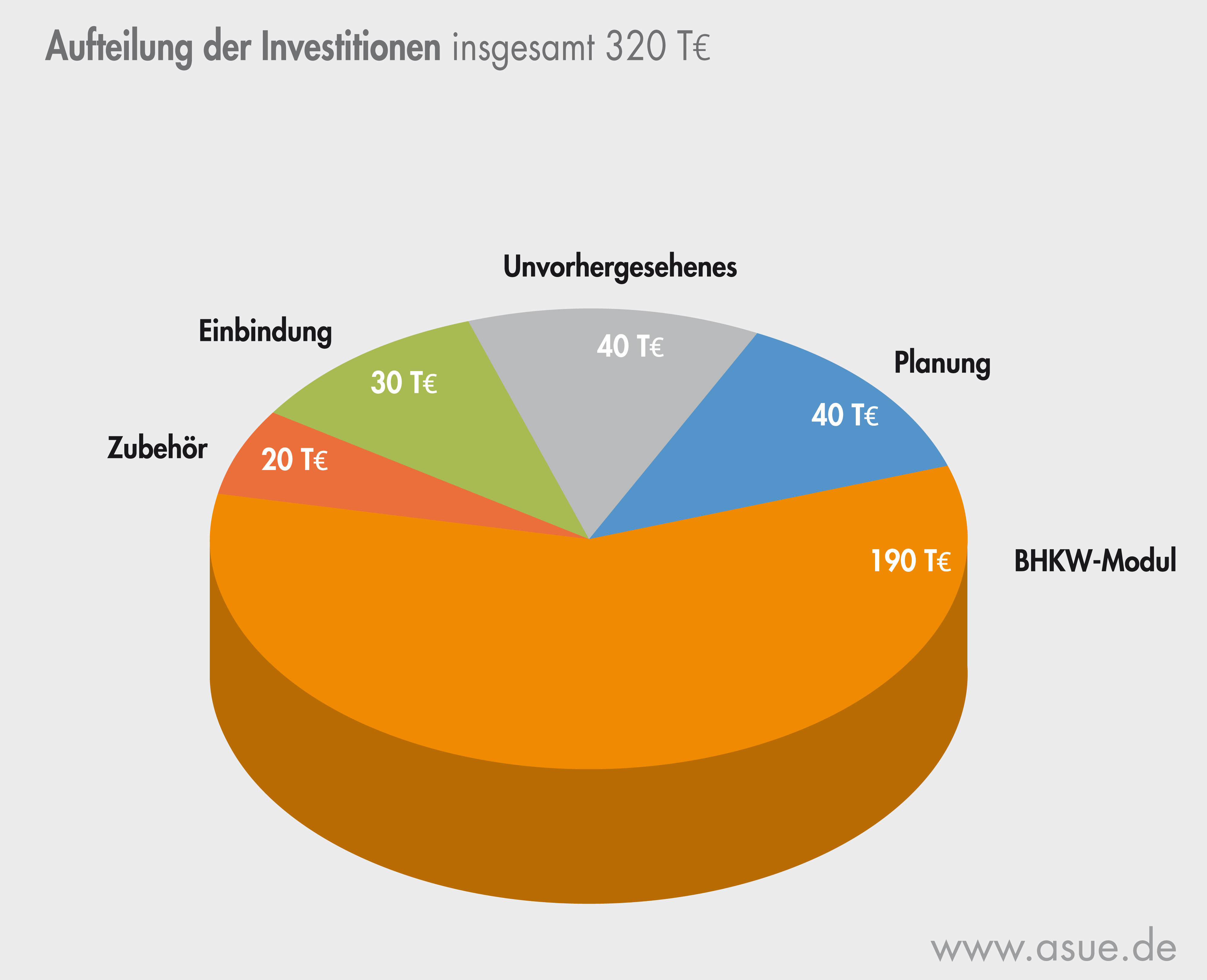 acoustic breach
Oh but the 2 tables below
plush pelican
only the er/sie/es Konj. I form is always guaranteed to be distinguished from Indikativ
all other forms may need to be distinguished using the K2 replacement
depending on the verb
acoustic breach
Oh i mean except "ich" uses K1 for modalverbs and some other pronouns for "sein", otherwise it's just the 3rd person singular using K1
Which is the summary of what ive learnt from your picture
plush pelican
I...did not understand that sentence you just wrote
acoustic breach
Oh 😅
plush pelican
what is "except" modifying?
except "ich"?
except for "ich", what uses k1 for modalverbs?
acoustic breach
What ive understand from the picture:
Only 3rd person singular uses K1
Exception :
Modalverbs allow K1 for ich, ersiees
"Sein" allows K1 for ich, ersiees, wir, sie
plush pelican
acoustic breach
What ive understand from the picture:
Only 3rd person singular uses K1
Except...
only 3rd person singular will always have K1 possible
But it's possible that other verbs will have some other things still distinguishable
fervent kernel
ist diese Satz Richtig von Grammatik? "was geht dich das an"
acoustic breach
plush pelican
only 3rd person singular will *always* have K1 possible
Yes
I got that part
plush pelican
acoustic breach
Yes
that's not what you wrote bro xD
you wrote that k1 is only used for 3rd person singular, except for these specific exceptions
for example, there might be a verb where the du form is distinguishable with K1
according to what you wrote, if that verb isn't a modal verb or sein, that wouldn't happen, because it's not listed in your exceptions
acoustic breach
Oh im referring to the usage
plush pelican
fervent kernel
ist diese Satz Richtig von Grammatik? "was geht dich das an"
We're missing context here. Is there a previous sentence? On its own, it doesn't sound right?
Is it supposed to be a question?
acoustic breach
There is difference for "du" but it's not used anymore, right?
fervent kernel
plush pelican
We're missing context here. Is there a previous sentence? On its own, it doesn't...
I made a question and I got that as a response