#botchannel
1 messages · Page 191 of 1
 lean flickerBOT
 elder widget
sessions
lean flickerBOT
Upcoming Sessions
:small_blue_diamond: 2021-09-25 at 21:00 UTC (Your time: <t:1632603600>) held by Blüwüleinchen🦜
[ID: 113] (AdvancedReading)
nur Deutsch Leserunde: die Unendliche Geschichte
Recommended level(s):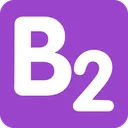

:small_blue_diamond: 2021-10-02 at 20:00 UTC (Your time: <t:1633204800>) held by Blüwüleinchen🦜
[ID: 114] (AdvancedReading)
nur Deutsch Leserunde: die Unendliche Geschichte
Recommended level(s):
:small_blue_diamond: 2021-10-09 at 20:00 UTC (Your time: <t:1633809600>) held by Blüwüleinchen🦜
[ID: 115] (AdvancedReading)
nur Deutsch Leserunde: die Unendliche Geschichte
Recommended level(s):
Type `>session info [ID#]` e.g. `>session info 3` for more detail about a specific session.
 dry knoll
faq cefr
lean flickerBOT
CEFR levels
If you see something like A1, B2 or C1, these represent the proficiency of a speaker in a language they're not native in, and are called CEFR levels. They are valid for any language, not only German!
Roughly speaking, A levels are beginners and C levels are experts. Remember that CEFR level are self-assessed and indicative!
You can see more specific names and descriptions on the Wikipedia page:
https://en.wikipedia.org/wiki/Common_European_Framework_of_Reference_for_Languages
🗨 How do I know what level I am?
If the table on Wikipedia is too generic for you, you can try using this one here:
https://rm.coe.int/168045bb52
Just check each column one at a time: if you can do all it describes, move to the next column. Your level is the highest where you can do the most things.
Alternatively, you can use this questionnaire to estimate your level more accurately:
https://www.laits.utexas.edu/fi/sites/laits.utexas.edu.fi/files/Self Assessment Checklist European.pdf
 raven moat
faq beginner
lean flickerBOT
FAQ not found. I found the following similar entries: beginner, beginner 2.
raven moat
faq beginner
lean flickerBOT
How to get started
The simplest way to learn German is to find topics you don’t understand yet and search for explanations of them. This list provides you with a guide for which topics to learn if you are completely new to German. Type the topic into Google (or YouTube) and start learning!
Introduction
1: Alphabet (especially ä, ü, ö and ß)
2: Basic greetings (hello, goodbye, etc.)
Part 1 - Simple Sentence
1: Noun gender & plurals
2: Nominative case (What are cases?)
3: Nominative pronouns (I, you, he, she, etc.)
4: Verbs in present tense
5: Definite/indefinite articles
6: Accusative case (for nouns)
7: Accusative pronouns
8: Word order of simple sentences
9: How to ask questions
See Part 2 on the next page.
Tips
- Always learn the gender of a noun when you learn a new noun
- Learn to use a translation dictionary (e.g. dict.cc, leo.org)
- Use
>faq resourcesto see our list of German learning resources - For listening and pronunciation practice, try watching movies or videos (incl. YouTube)
- You can listen to pronunciation for words on websites like dict.cc, forvo.com, and others
- Practice writing sentences every day (and asking people to correct them)
- Ask as many questions as possible
- Don’t be scared to make mistakes!!!! If you don’t let yourself make mistakes, you will never be able to learn German
Page 1/2
lean flickerBOT
You have prescribed 299 bonks to @smoky ocean. 
You have prescribed 397 bonks to @smoky ocean.
You have prescribed 248 bonks to @smoky ocean.
You have prescribed 442 bonks to @smoky ocean.
@smoky ocean disarms you and gives you a taste of your own medicine. Serves you right.
You have prescribed 397 bonks to @smoky ocean. 
lean flickerBOT
@digital fog's dog bites the gun out of your hand and shoots you with it. Serves you right.
 smoky ocean
shootdog @jovial tundra
lean flickerBOT
You have shot @jovial tundra's dog.
smoky ocean
shootdog @digital fog
lean flickerBOT
You have shot @digital fog's dog.
lean flickerBOT
You have prescribed 50 bonks to @digital fog.
 digital fog
bonk @smoky ocean
lean flickerBOT
You have prescribed 286 bonks to @smoky ocean. 
smoky ocean
shootdog @digital fog
lean flickerBOT
You have shot @digital fog's dog.
 humble walrus
bonk @digital fog
lean flickerBOT
@digital fog disarms you and gives you a taste of your own medicine. Serves you right.
digital fog
shootdog @lean flicker
lean flickerBOT
@lean flicker's dog bites the gun out of your hand and shoots you with it. Serves you right.
lean flickerBOT
You have prescribed 203 bonks to @jovial tundra.
smoky ocean
shootdog @jovial tundra
lean flickerBOT
You have shot @jovial tundra's dog.
smoky ocean

you guys mind stopping reacting with that gif
its very irritating to the eyes
stop please
I dont want to bring something so ridiculous up to mods
 vale garnet
faq beginner
lean flickerBOT
How to get started
The simplest way to learn German is to find topics you don’t understand yet and search for explanations of them. This list provides you with a guide for which topics to learn if you are completely new to German. Type the topic into Google (or YouTube) and start learning!
Introduction
1: Alphabet (especially ä, ü, ö and ß)
2: Basic greetings (hello, goodbye, etc.)
Part 1 - Simple Sentence
1: Noun gender & plurals
2: Nominative case (What are cases?)
3: Nominative pronouns (I, you, he, she, etc.)
4: Verbs in present tense
5: Definite/indefinite articles
6: Accusative case (for nouns)
7: Accusative pronouns
8: Word order of simple sentences
9: How to ask questions
See Part 2 on the next page.
Tips
- Always learn the gender of a noun when you learn a new noun
- Learn to use a translation dictionary (e.g. dict.cc, leo.org)
- Use
>faq resourcesto see our list of German learning resources - For listening and pronunciation practice, try watching movies or videos (incl. YouTube)
- You can listen to pronunciation for words on websites like dict.cc, forvo.com, and others
- Practice writing sentences every day (and asking people to correct them)
- Ask as many questions as possible
- Don’t be scared to make mistakes!!!! If you don’t let yourself make mistakes, you will never be able to learn German
Page 1/2
 muted ingot
Fike dich
Ich bin neu, aber nicht ein beginner
Ich habe B1 niveau und ich bin hier für ein Gespräch zu praktizieren
 lapis escarp
muted ingot
Fike dich
lapis escarp
muted ingot
Fike dich
hey nicht fluchen
 ornate wolf
faq beginner
lean flickerBOT
How to get started
The simplest way to learn German is to find topics you don’t understand yet and search for explanations of them. This list provides you with a guide for which topics to learn if you are completely new to German. Type the topic into Google (or YouTube) and start learning!
Introduction
1: Alphabet (especially ä, ü, ö and ß)
2: Basic greetings (hello, goodbye, etc.)
Part 1 - Simple Sentence
1: Noun gender & plurals
2: Nominative case (What are cases?)
3: Nominative pronouns (I, you, he, she, etc.)
4: Verbs in present tense
5: Definite/indefinite articles
6: Accusative case (for nouns)
7: Accusative pronouns
8: Word order of simple sentences
9: How to ask questions
See Part 2 on the next page.
Tips
- Always learn the gender of a noun when you learn a new noun
- Learn to use a translation dictionary (e.g. dict.cc, leo.org)
- Use
>faq resourcesto see our list of German learning resources - For listening and pronunciation practice, try watching movies or videos (incl. YouTube)
- You can listen to pronunciation for words on websites like dict.cc, forvo.com, and others
- Practice writing sentences every day (and asking people to correct them)
- Ask as many questions as possible
- Don’t be scared to make mistakes!!!! If you don’t let yourself make mistakes, you will never be able to learn German
Page 1/2
 sturdy garden
faq resources
lean flickerBOT
Resources
 odd thorn
faq beginner
lean flickerBOT
How to get started
The simplest way to learn German is to find topics you don’t understand yet and search for explanations of them. This list provides you with a guide for which topics to learn if you are completely new to German. Type the topic into Google (or YouTube) and start learning!
Introduction
1: Alphabet (especially ä, ü, ö and ß)
2: Basic greetings (hello, goodbye, etc.)
Part 1 - Simple Sentence
1: Noun gender & plurals
2: Nominative case (What are cases?)
3: Nominative pronouns (I, you, he, she, etc.)
4: Verbs in present tense
5: Definite/indefinite articles
6: Accusative case (for nouns)
7: Accusative pronouns
8: Word order of simple sentences
9: How to ask questions
See Part 2 on the next page.
Tips
- Always learn the gender of a noun when you learn a new noun
- Learn to use a translation dictionary (e.g. dict.cc, leo.org)
- Use
>faq resourcesto see our list of German learning resources - For listening and pronunciation practice, try watching movies or videos (incl. YouTube)
- You can listen to pronunciation for words on websites like dict.cc, forvo.com, and others
- Practice writing sentences every day (and asking people to correct them)
- Ask as many questions as possible
- Don’t be scared to make mistakes!!!! If you don’t let yourself make mistakes, you will never be able to learn German
Page 1/2
lean flickerBOT
How to get started
The simplest way to learn German is to find topics you don’t understand yet and search for explanations of them. This list provides you with a guide for which topics to learn if you are completely new to German. Type the topic into Google (or YouTube) and start learning!
Introduction
1: Alphabet (especially ä, ü, ö and ß)
2: Basic greetings (hello, goodbye, etc.)
Part 1 - Simple Sentence
1: Noun gender & plurals
2: Nominative case (What are cases?)
3: Nominative pronouns (I, you, he, she, etc.)
4: Verbs in present tense
5: Definite/indefinite articles
6: Accusative case (for nouns)
7: Accusative pronouns
8: Word order of simple sentences
9: How to ask questions
See Part 2 on the next page.
Tips
- Always learn the gender of a noun when you learn a new noun
- Learn to use a translation dictionary (e.g. dict.cc, leo.org)
- Use
>faq resourcesto see our list of German learning resources - For listening and pronunciation practice, try watching movies or videos (incl. YouTube)
- You can listen to pronunciation for words on websites like dict.cc, forvo.com, and others
- Practice writing sentences every day (and asking people to correct them)
- Ask as many questions as possible
- Don’t be scared to make mistakes!!!! If you don’t let yourself make mistakes, you will never be able to learn German
Page 1/2
 subtle pendant
faq resources
lean flickerBOT
Resources
 tender trellis
faq beginner
lean flickerBOT
How to get started
The simplest way to learn German is to find topics you don’t understand yet and search for explanations of them. This list provides you with a guide for which topics to learn if you are completely new to German. Type the topic into Google (or YouTube) and start learning!
Introduction
1: Alphabet (especially ä, ü, ö and ß)
2: Basic greetings (hello, goodbye, etc.)
Part 1 - Simple Sentence
1: Noun gender & plurals
2: Nominative case (What are cases?)
3: Nominative pronouns (I, you, he, she, etc.)
4: Verbs in present tense
5: Definite/indefinite articles
6: Accusative case (for nouns)
7: Accusative pronouns
8: Word order of simple sentences
9: How to ask questions
See Part 2 on the next page.
Tips
- Always learn the gender of a noun when you learn a new noun
- Learn to use a translation dictionary (e.g. dict.cc, leo.org)
- Use
>faq resourcesto see our list of German learning resources - For listening and pronunciation practice, try watching movies or videos (incl. YouTube)
- You can listen to pronunciation for words on websites like dict.cc, forvo.com, and others
- Practice writing sentences every day (and asking people to correct them)
- Ask as many questions as possible
- Don’t be scared to make mistakes!!!! If you don’t let yourself make mistakes, you will never be able to learn German
Page 1/2
 mental charm
help
lean flickerBOT
Generic 1/2 commands
:small_blue_diamond: **getrole** <role name>
Assigns you a role with the given name, removing any previous assignable roles.
Note: Use >sub to subscribe to groups and ping a moderator for the native speaker role.
:small_blue_diamond: **info** [user]
Displays information about the given user. If no user is specified, information about you will be displayed.
:small_blue_diamond: **quote** <channel> <message id>
Quotes a message in the channel you are in. Specify the channel that the message was originally posted in and the message id of the message (accessible if you turn on developer mode in your Discord settings).
:small_blue_diamond: **removerole** <role name>
Removes the CEFR role with the given name from you.
Note: Use >unsub for group roles.
:small_blue_diamond: **roles**
Lists all roles on the server.
Page 8/19 (19 entries)
lean flickerBOT
:x: No such role exists. Possible roles are: Level A, Level B, Level C.
 native trout
faq cefr
lean flickerBOT
CEFR levels
If you see something like A1, B2 or C1, these represent the proficiency of a speaker in a language they're not native in, and are called CEFR levels. They are valid for any language, not only German!
Roughly speaking, A levels are beginners and C levels are experts. Remember that CEFR level are self-assessed and indicative!
You can see more specific names and descriptions on the Wikipedia page:
https://en.wikipedia.org/wiki/Common_European_Framework_of_Reference_for_Languages
🗨 How do I know what level I am?
If the table on Wikipedia is too generic for you, you can try using this one here:
https://rm.coe.int/168045bb52
Just check each column one at a time: if you can do all it describes, move to the next column. Your level is the highest where you can do the most things.
Alternatively, you can use this questionnaire to estimate your level more accurately:
https://www.laits.utexas.edu/fi/sites/laits.utexas.edu.fi/files/Self Assessment Checklist European.pdf
 lone zealot
faq beginner
lean flickerBOT
How to get started
The simplest way to learn German is to find topics you don’t understand yet and search for explanations of them. This list provides you with a guide for which topics to learn if you are completely new to German. Type the topic into Google (or YouTube) and start learning!
Introduction
1: Alphabet (especially ä, ü, ö and ß)
2: Basic greetings (hello, goodbye, etc.)
Part 1 - Simple Sentence
1: Noun gender & plurals
2: Nominative case (What are cases?)
3: Nominative pronouns (I, you, he, she, etc.)
4: Verbs in present tense
5: Definite/indefinite articles
6: Accusative case (for nouns)
7: Accusative pronouns
8: Word order of simple sentences
9: How to ask questions
See Part 2 on the next page.
Tips
- Always learn the gender of a noun when you learn a new noun
- Learn to use a translation dictionary (e.g. dict.cc, leo.org)
- Use
>faq resourcesto see our list of German learning resources - For listening and pronunciation practice, try watching movies or videos (incl. YouTube)
- You can listen to pronunciation for words on websites like dict.cc, forvo.com, and others
- Practice writing sentences every day (and asking people to correct them)
- Ask as many questions as possible
- Don’t be scared to make mistakes!!!! If you don’t let yourself make mistakes, you will never be able to learn German
Page 1/2
 limpid breach
faq beginner
lean flickerBOT
How to get started
The simplest way to learn German is to find topics you don’t understand yet and search for explanations of them. This list provides you with a guide for which topics to learn if you are completely new to German. Type the topic into Google (or YouTube) and start learning!
Introduction
1: Alphabet (especially ä, ü, ö and ß)
2: Basic greetings (hello, goodbye, etc.)
Part 1 - Simple Sentence
1: Noun gender & plurals
2: Nominative case (What are cases?)
3: Nominative pronouns (I, you, he, she, etc.)
4: Verbs in present tense
5: Definite/indefinite articles
6: Accusative case (for nouns)
7: Accusative pronouns
8: Word order of simple sentences
9: How to ask questions
See Part 2 on the next page.
Tips
- Always learn the gender of a noun when you learn a new noun
- Learn to use a translation dictionary (e.g. dict.cc, leo.org)
- Use
>faq resourcesto see our list of German learning resources - For listening and pronunciation practice, try watching movies or videos (incl. YouTube)
- You can listen to pronunciation for words on websites like dict.cc, forvo.com, and others
- Practice writing sentences every day (and asking people to correct them)
- Ask as many questions as possible
- Don’t be scared to make mistakes!!!! If you don’t let yourself make mistakes, you will never be able to learn German
Page 1/2
lone zealot

Google Docs
German Learning and Discussion Resource List The resource list of the German Learning and Discussion Discord server. Join us at https://discord.gg/german Contents Overview Beginner Resources Dictionaries General Resources Grammar Vocabulary & Pronunciation Practice Materials German Textbooks So...
also use these
 mental sun
faq begginer
lean flickerBOT
FAQ not found. I found the following similar entries: beginner, beginner 2.
mental sun
faq beginner
lean flickerBOT
How to get started
The simplest way to learn German is to find topics you don’t understand yet and search for explanations of them. This list provides you with a guide for which topics to learn if you are completely new to German. Type the topic into Google (or YouTube) and start learning!
Introduction
1: Alphabet (especially ä, ü, ö and ß)
2: Basic greetings (hello, goodbye, etc.)
Part 1 - Simple Sentence
1: Noun gender & plurals
2: Nominative case (What are cases?)
3: Nominative pronouns (I, you, he, she, etc.)
4: Verbs in present tense
5: Definite/indefinite articles
6: Accusative case (for nouns)
7: Accusative pronouns
8: Word order of simple sentences
9: How to ask questions
See Part 2 on the next page.
Tips
- Always learn the gender of a noun when you learn a new noun
- Learn to use a translation dictionary (e.g. dict.cc, leo.org)
- Use
>faq resourcesto see our list of German learning resources - For listening and pronunciation practice, try watching movies or videos (incl. YouTube)
- You can listen to pronunciation for words on websites like dict.cc, forvo.com, and others
- Practice writing sentences every day (and asking people to correct them)
- Ask as many questions as possible
- Don’t be scared to make mistakes!!!! If you don’t let yourself make mistakes, you will never be able to learn German
Page 1/2
tender trellis
info
lean flickerBOT

Information about Livinated#4846
Name
@foggy basalt
ID
742828111116107798
Joined
<t:1632603215> (14 hours, 6 minutes and 20 seconds ago)
Account created
<t:1597174422> (1 year, 1 month and 2 weeks ago)
 cosmic remnant
sessions
lean flickerBOT
Upcoming Sessions
:small_blue_diamond: 2021-10-02 at 20:00 UTC (Your time: <t:1633204800>) held by Blüwüleinchen🦜
[ID: 114] (AdvancedReading)
nur Deutsch Leserunde: die Unendliche Geschichte
Recommended level(s):
:small_blue_diamond: 2021-10-09 at 20:00 UTC (Your time: <t:1633809600>) held by Blüwüleinchen🦜
[ID: 115] (AdvancedReading)
nur Deutsch Leserunde: die Unendliche Geschichte
Recommended level(s):
Type `>session info [ID#]` e.g. `>session info 3` for more detail about a specific session.
 inner wolf
faq beginner
lean flickerBOT
How to get started
The simplest way to learn German is to find topics you don’t understand yet and search for explanations of them. This list provides you with a guide for which topics to learn if you are completely new to German. Type the topic into Google (or YouTube) and start learning!
Introduction
1: Alphabet (especially ä, ü, ö and ß)
2: Basic greetings (hello, goodbye, etc.)
Part 1 - Simple Sentence
1: Noun gender & plurals
2: Nominative case (What are cases?)
3: Nominative pronouns (I, you, he, she, etc.)
4: Verbs in present tense
5: Definite/indefinite articles
6: Accusative case (for nouns)
7: Accusative pronouns
8: Word order of simple sentences
9: How to ask questions
See Part 2 on the next page.
Tips
- Always learn the gender of a noun when you learn a new noun
- Learn to use a translation dictionary (e.g. dict.cc, leo.org)
- Use
>faq resourcesto see our list of German learning resources - For listening and pronunciation practice, try watching movies or videos (incl. YouTube)
- You can listen to pronunciation for words on websites like dict.cc, forvo.com, and others
- Practice writing sentences every day (and asking people to correct them)
- Ask as many questions as possible
- Don’t be scared to make mistakes!!!! If you don’t let yourself make mistakes, you will never be able to learn German
Page 1/2
 torpid field
lessons
lean flickerBOT
Upcoming Sessions
:small_blue_diamond: 2021-10-02 at 20:00 UTC (Your time: <t:1633204800>) held by Blüwüleinchen🦜
[ID: 114] (AdvancedReading)
nur Deutsch Leserunde: die Unendliche Geschichte
Recommended level(s):
:small_blue_diamond: 2021-10-09 at 20:00 UTC (Your time: <t:1633809600>) held by Blüwüleinchen🦜
[ID: 115] (AdvancedReading)
nur Deutsch Leserunde: die Unendliche Geschichte
Recommended level(s):
Type `>session info [ID#]` e.g. `>session info 3` for more detail about a specific session.
 raven oracle
help
lean flickerBOT
Help commands
:small_blue_diamond: **help** [term]
Displays help information for modules and individual commands. The optional argument term is the search term to use. If no value is provided, the bot will display a list of all available modules. Otherwise, it will attempt to find information about the given term.
Page 5/19 (19 entries)
 woven tree
faq
lean flickerBOT
:x: The required argument name is missing.
woven tree
help
lean flickerBOT
Stargazing commands
:small_blue_diamond: **📒 star**
Provides stargazing functionality for the server. The stargazing system highlights memorable moments from the server. The starboard can be configured dynamically, temporarily locked and posts from it can be displayed.
Page 1/19 (19 entries)
woven tree
faq beginner
lean flickerBOT
How to get started - Part 2
Please make sure to read Part 1 before starting Part 2!
Part 2 – Beyond a Simple Sentence
1: Conjunctions (coordinating and subordinating)
2: Subordinate clause word order
3: Dative case
4: Dative verbs
5: Verbs with two objects (e.g. geben)
6: Prepositions (accusative, dative, and two-way)
7: Spoken past tense (Perfekt)
8: Written past tense (Präteritum)
9: Genitive case
10: Relative clauses
11: Adjective declension
Tips
- Make sure to practice writing and reading simple texts
- Some of these concepts are confusing to start with, so it’s a good idea to ask for help in #questions when you’re unsure
- You should use a declension chart to help with declension to start with, because you won’t be able to memorize it straight away
- After you feel confident with creating sentences, you can start learning the adjective declension properly by using the command >faq adjective declension and reading the guide provided
Page 2/2
woven tree
help
lean flickerBOT
Stargazing commands
:small_blue_diamond: **📒 star**
Provides stargazing functionality for the server. The stargazing system highlights memorable moments from the server. The starboard can be configured dynamically, temporarily locked and posts from it can be displayed.
Page 1/19 (19 entries)
woven tree
help
lean flickerBOT
German commands
:small_blue_diamond: **lookup** <target> <phrase>
Translates the given phrase into the specified target language using dict.cc. Specify either en or de as targets.
:small_blue_diamond: **noun** <noun>
Provides a link to the declension of the given noun.
:small_blue_diamond: **verb** <infinitive>
Provides a link to the conjugation of the given infinitive.
:small_blue_diamond: **words**
A command that helps you train vocabulary using dict.cc.
Page 19/19 (19 entries)
woven tree
help listening
lean flickerBOT
No command or module called listening found.
woven tree
faq
lean flickerBOT
:x: The required argument name is missing.
 wet locust
cefr remove
lean flickerBOT
:x: No such role exists. Possible roles are: Level A, Level B, Level C.
wet locust
cefr C
lean flickerBOT
:x: You already have the Level C role. Use >rr <role> to remove the role.
wet locust
rr C
 ripe harness
faq cefr
lean flickerBOT
CEFR levels
If you see something like A1, B2 or C1, these represent the proficiency of a speaker in a language they're not native in, and are called CEFR levels. They are valid for any language, not only German!
Roughly speaking, A levels are beginners and C levels are experts. Remember that CEFR level are self-assessed and indicative!
You can see more specific names and descriptions on the Wikipedia page:
https://en.wikipedia.org/wiki/Common_European_Framework_of_Reference_for_Languages
🗨 How do I know what level I am?
If the table on Wikipedia is too generic for you, you can try using this one here:
https://rm.coe.int/168045bb52
Just check each column one at a time: if you can do all it describes, move to the next column. Your level is the highest where you can do the most things.
Alternatively, you can use this questionnaire to estimate your level more accurately:
https://www.laits.utexas.edu/fi/sites/laits.utexas.edu.fi/files/Self Assessment Checklist European.pdf
 tough rivet
play michael jackson beat it
lean flickerBOT
Michael Jackson - Beat It (Official Video) [00:04:59] added to the queue.
tough rivet
queue
lean flickerBOT
No songs are in the queue.
humble walrus
info 403932097972011018
lean flickerBOT

Information about THG Mathemann#3399
Name
@cyan scroll
ID
403932097972011018
Joined
<t:1628866149> (1 month, 1 week and 6 days ago)
Account created
<t:1516375316> (3 years, 8 months and 1 week ago)
tough rivet

Album: Super Mario Galaxy Original Soundtrack (Platinum Edition)
Composer: Mahito Yokota
I do not own the rights to this soundtrack, nor am I affiliated with the composer or the company. I'm simply here to give the fans what they want: easy access to their favorite video game music.
lean flickerBOT
Super Mario Galaxy OST - Gusty Garden Galaxy [00:03:44] added to the queue.
wet locust
cefr A
tough rivet
play makayn tahed
lean flickerBOT
SHOBEE - MAKAYN TAHED (Official Video) [00:03:47] added to the queue.
tough rivet

REMASTERED IN HD!
Music video by Rockwell performing Somebody's Watching Me. (C) 2004 Motown Records, a Division of UMG Recordings, Inc.
#Rockwell #SomebodysWatchingMe #Remastered
lean flickerBOT
Rockwell - Somebody's Watching Me (Official Music Video) [00:03:36] added to the queue.
tough rivet
Album: Super Mario Galaxy Original Soundtrack (Platinum Edition)
Composer: Mahito Yokota
I do not own the rights to this soundtrack, nor am I affiliated with the composer or the company. I'm simply here to give the fans what they want: easy access to their favorite video game music.
lean flickerBOT
Super Mario Galaxy OST - Gusty Garden Galaxy [00:03:44] added to the queue.
tough rivet
skip
lean flickerBOT
Not enough members to play songs. Bye.
 high onyx
faq beginner
lean flickerBOT
How to get started - Part 2
Please make sure to read Part 1 before starting Part 2!
Part 2 – Beyond a Simple Sentence
1: Conjunctions (coordinating and subordinating)
2: Subordinate clause word order
3: Dative case
4: Dative verbs
5: Verbs with two objects (e.g. geben)
6: Prepositions (accusative, dative, and two-way)
7: Spoken past tense (Perfekt)
8: Written past tense (Präteritum)
9: Genitive case
10: Relative clauses
11: Adjective declension
Tips
- Make sure to practice writing and reading simple texts
- Some of these concepts are confusing to start with, so it’s a good idea to ask for help in #questions when you’re unsure
- You should use a declension chart to help with declension to start with, because you won’t be able to memorize it straight away
- After you feel confident with creating sentences, you can start learning the adjective declension properly by using the command >faq adjective declension and reading the guide provided
Page 2/2
 sick garnet
play j dilla & keith the rhyme instrumental
lean flickerBOT
J Dilla & Keith Murray - The Rhyme (Remix) (Instrumental) [Extended] [00:30:11] added to the queue.
 strange sigil
play mambo number 5
lean flickerBOT
Lou Bega - Mambo No. 5 (A Little Bit of...) (Official Video) [00:03:42] added to the queue.
sick garnet
play mambo #5
lean flickerBOT
Lou Bega - Mambo No. 5 (A Little Bit of...) (Official Video) [00:03:42] added to the queue.
lean flickerBOT
Skip vote added. 1/3 votes required to skip.
sick garnet
 lean flickerBOT
Scone - Maze [00:04:08] added to the queue.
strange sigil
play hamster dance
lean flickerBOT
The HampsterDance Song [00:03:33] added to the queue.
lean flickerBOT
Aphex Twin - Stone In Focus [00:10:12] added to the queue.
sick garnet
skip

Get the song
iTunes : https://goo.gl/Y8SYw4
Amazon : http://amzn.to/20MPWIT
Trudy T-shirts and other Merchandise for sale in the Koit store !
https://shop.spreadshirt.co.uk/469932
See all of the other episodes :
https://www.youtube.com/playlist?list=PLtQ3wm7Aoc9hXm03qyX3o-MM-p_D_axNh
The link between the original and this animation can be fou...
lean flickerBOT
I've done a poo [00:02:16] added to the queue.
lean flickerBOT
Mini Van Highway | Tim and Eric Awesome Show, Great Job! | Adult Swim [00:01:18] added to the queue.
lean flickerBOT
Music and Sports! | Tim and Eric Awesome Show, Great Job! | Adult Swim [00:01:32] added to the queue.
lean flickerBOT
What Does Your Soul Look Like (Pt. 4) [00:05:03] added to the queue.
 stoic creek
faq cases
lean flickerBOT
Cases
Cases
German has four grammatical cases (der Fall or der Kasus in German): nominative, accusative, dative, and genitive. A case alters a noun, pronoun, adjective, etc., in some way to mark its grammatical function in a phrase, clause, or sentence. For example, the main function of the nominative (der Nominativ) case is to mark the subject in a sentence:
Ich liebe die deutsche Sprache!
In this sentence, the pronoun ich represents the first person subject and is in the nominative case. Every noun, pronoun, adjective, etc. has form in every case and it is very important to learn all of them. For example, the accusative form of ich is mich:
Die deutsche Sprache liebt mich!
See >explain adjective declension to get started on that. Don't get discouraged by how much there is, it takes some time master.
To see an explanation of the usages of every case, see their individual articles:
>explain nominative
>explain accusative
>explain dative
>explain genitive
sick garnet
play majer lazer bubblebutt
lean flickerBOT
:x: The bot is already active in a different channel.
tender trellis
faq beginner
lean flickerBOT
How to get started
The simplest way to learn German is to find topics you don’t understand yet and search for explanations of them. This list provides you with a guide for which topics to learn if you are completely new to German. Type the topic into Google (or YouTube) and start learning!
Introduction
1: Alphabet (especially ä, ü, ö and ß)
2: Basic greetings (hello, goodbye, etc.)
Part 1 - Simple Sentence
1: Noun gender & plurals
2: Nominative case (What are cases?)
3: Nominative pronouns (I, you, he, she, etc.)
4: Verbs in present tense
5: Definite/indefinite articles
6: Accusative case (for nouns)
7: Accusative pronouns
8: Word order of simple sentences
9: How to ask questions
See Part 2 on the next page.
Tips
- Always learn the gender of a noun when you learn a new noun
- Learn to use a translation dictionary (e.g. dict.cc, leo.org)
- Use
>faq resourcesto see our list of German learning resources - For listening and pronunciation practice, try watching movies or videos (incl. YouTube)
- You can listen to pronunciation for words on websites like dict.cc, forvo.com, and others
- Practice writing sentences every day (and asking people to correct them)
- Ask as many questions as possible
- Don’t be scared to make mistakes!!!! If you don’t let yourself make mistakes, you will never be able to learn German
Page 1/2
 flat lagoon
lean flickerBOT
flat lagoon
lean flickerBOT
How to get started
The simplest way to learn German is to find topics you don’t understand yet and search for explanations of them. This list provides you with a guide for which topics to learn if you are completely new to German. Type the topic into Google (or YouTube) and start learning!
Introduction
1: Alphabet (especially ä, ü, ö and ß)
2: Basic greetings (hello, goodbye, etc.)
Part 1 - Simple Sentence
1: Noun gender & plurals
2: Nominative case (What are cases?)
3: Nominative pronouns (I, you, he, she, etc.)
4: Verbs in present tense
5: Definite/indefinite articles
6: Accusative case (for nouns)
7: Accusative pronouns
8: Word order of simple sentences
9: How to ask questions
See Part 2 on the next page.
Tips
- Always learn the gender of a noun when you learn a new noun
- Learn to use a translation dictionary (e.g. dict.cc, leo.org)
- Use
>faq resourcesto see our list of German learning resources - For listening and pronunciation practice, try watching movies or videos (incl. YouTube)
- You can listen to pronunciation for words on websites like dict.cc, forvo.com, and others
- Practice writing sentences every day (and asking people to correct them)
- Ask as many questions as possible
- Don’t be scared to make mistakes!!!! If you don’t let yourself make mistakes, you will never be able to learn German
Page 1/2
 swift cliff
faq resources
lean flickerBOT
Resources
strange sigil
play hamud habibi
lean flickerBOT
:x: The bot is already active in a different channel.
strange sigil
play hamud habibi
lean flickerBOT
:x: The bot is already active in a different channel.
 manic star

Provided to YouTube by Universal Music Group
Ain't That A Kick In The Head · Dean Martin · Nelson Riddle
Capitol Collectors Series
℗ A Capitol Records Release; ℗ 1989 Capitol Records, LLC
Released on: 1989-01-01
Composer Lyricist: Jimmy van Heusen
Composer Lyricist: Sammy Cahn
Auto-generated by YouTube.
lean flickerBOT
:x: The bot is already active in a different channel.
 lapis seal
Test
manic star

This is the high quality original that was deleted from our YouTube channel. Prior to Tiger King someone gained access to Joe's YouTube. This video shouldn't have ever been deleted. We wont say any names.
Our mission is to preserve and protect exotic animals through education that is fun and informative. Our studio was located in the heart of...
lean flickerBOT
Joe Exotic - I Saw a Tiger Original (Official Music Video) [00:03:47] added to the queue.
lapis seal
play this boy is a bottom
lean flickerBOT
Boy Is A Bottom [00:03:46] added to the queue.
manic star

REMASTERED IN HD!
Check out the official music video for "Pretty Good At Drinkin' Beer" by Billy Currington
Purchase Billy Currington's latest music: http://umgn.us/bcurringtonpurchase
Stream the latest from Billy Currington: http://umgn.us/bcurringtonstream
Sign up to receive email updates from Billy Currington: http://umgn.us/bcurringtonupdat...
lean flickerBOT
Billy Currington - Pretty Good At Drinkin' Beer (Official Music Video) [00:03:38] added to the queue.
manic star

Provided to YouTube by The Orchard Enterprises
All My Ex's Live In Texas · Whitey Shafer
All My Ex's Live In Texas
℗ 2009 Sony/ATV Music Publishing LLC d/b/a Hickory Records
Released on: 2009-01-26
Music Publisher: Sony/ATV Acuff Rose Music
Auto-generated by YouTube.
lean flickerBOT
All My Ex's Live In Texas [00:03:22] added to the queue.
lapis seal
skip
tender trellis
play Jolene Dolly Parton
lean flickerBOT
Dolly Parton - Jolene (Audio) [00:02:44] added to the queue.
 sacred wharf

Baixe agora os sucessos do Zé Ramalho: http://smarturl.it/zeramalho
Ouça também no streaming: http://smarturl.it/zeramalhostream
Site Oficial: http://www.zeramalho.com.br
Facebook: https://www.facebook.com/ZeRamalhooficial
Twitter: https://twitter.com/zerramalho
Best of ZeRamalho: https://goo.gl/PC6HB1
Subscribe here: https://goo.gl/AnLJWi
lean flickerBOT
DESCOBRIDOR DOS SETE MARES - TIM MAIA [00:04:33] added to the queue.
strange sigil
play mambo number 5
lean flickerBOT
Lou Bega - Mambo No. 5 (A Little Bit of...) (Official Video) [00:03:42] added to the queue.
Russ Millions x Tion Wayne - Keisha & Becky (Remix) ft. Aitch, JAY1, Sav'O & Swarmz [Music Video] [00:04:16] added to the queue.
manic star
skip
sacred wharf

Ocean Man by Ween from the Spongebob Squarepants Movie. All credits go to Ween, Ocean Man and Spongebob Squarepants
lean flickerBOT
Ocean Man Lyrics [00:02:08] added to the queue.
sacred wharf
Baixe agora os sucessos do Zé Ramalho: http://smarturl.it/zeramalho
Ouça também no streaming: http://smarturl.it/zeramalhostream
Site Oficial: http://www.zeramalho.com.br
Facebook: https://www.facebook.com/ZeRamalhooficial
Twitter: https://twitter.com/zerramalho
Best of ZeRamalho: https://goo.gl/PC6HB1
Subscribe here: https://goo.gl/AnLJWi
lean flickerBOT
Zé Ramalho - Chão de Giz [00:04:33] added to the queue.
manic star
skip
 umbral heath
 lean flickerBOT
Xenophobia [00:01:14] added to the queue.
lean flickerBOT
:notes: 2 songs currently in the queue.
:small_blue_diamond: **1.** `Zé Ramalho - Chão de Giz`
Duration: 00:04:33, requested by: @sacred wharf
:small_blue_diamond: **2.** `Xenophobia`
Duration: 00:01:14, requested by: @umbral heath
Total duration: 00:05:47
umbral heath
dc
sacred wharf

DESCOBRIDOR DOS SETE MARES - TIM MAIA
lean flickerBOT
DESCOBRIDOR DOS SETE MARES - TIM MAIA [00:04:33] added to the queue.
 sly sluice
lean flickerBOT
sly sluice
lean flickerBOT
How to get started - Part 2
Please make sure to read Part 1 before starting Part 2!
Part 2 – Beyond a Simple Sentence
1: Conjunctions (coordinating and subordinating)
2: Subordinate clause word order
3: Dative case
4: Dative verbs
5: Verbs with two objects (e.g. geben)
6: Prepositions (accusative, dative, and two-way)
7: Spoken past tense (Perfekt)
8: Written past tense (Präteritum)
9: Genitive case
10: Relative clauses
11: Adjective declension
Tips
- Make sure to practice writing and reading simple texts
- Some of these concepts are confusing to start with, so it’s a good idea to ask for help in #questions when you’re unsure
- You should use a declension chart to help with declension to start with, because you won’t be able to memorize it straight away
- After you feel confident with creating sentences, you can start learning the adjective declension properly by using the command >faq adjective declension and reading the guide provided
Page 2/2
 solemn forum
faq begineer
lean flickerBOT
FAQ not found. I found the following similar entries: beginner, beginner 2.
solemn forum
faq beginner
lean flickerBOT
How to get started
The simplest way to learn German is to find topics you don’t understand yet and search for explanations of them. This list provides you with a guide for which topics to learn if you are completely new to German. Type the topic into Google (or YouTube) and start learning!
Introduction
1: Alphabet (especially ä, ü, ö and ß)
2: Basic greetings (hello, goodbye, etc.)
Part 1 - Simple Sentence
1: Noun gender & plurals
2: Nominative case (What are cases?)
3: Nominative pronouns (I, you, he, she, etc.)
4: Verbs in present tense
5: Definite/indefinite articles
6: Accusative case (for nouns)
7: Accusative pronouns
8: Word order of simple sentences
9: How to ask questions
See Part 2 on the next page.
Tips
- Always learn the gender of a noun when you learn a new noun
- Learn to use a translation dictionary (e.g. dict.cc, leo.org)
- Use
>faq resourcesto see our list of German learning resources - For listening and pronunciation practice, try watching movies or videos (incl. YouTube)
- You can listen to pronunciation for words on websites like dict.cc, forvo.com, and others
- Practice writing sentences every day (and asking people to correct them)
- Ask as many questions as possible
- Don’t be scared to make mistakes!!!! If you don’t let yourself make mistakes, you will never be able to learn German
Page 1/2
 vocal jetty
faq beginner
lean flickerBOT
How to get started
The simplest way to learn German is to find topics you don’t understand yet and search for explanations of them. This list provides you with a guide for which topics to learn if you are completely new to German. Type the topic into Google (or YouTube) and start learning!
Introduction
1: Alphabet (especially ä, ü, ö and ß)
2: Basic greetings (hello, goodbye, etc.)
Part 1 - Simple Sentence
1: Noun gender & plurals
2: Nominative case (What are cases?)
3: Nominative pronouns (I, you, he, she, etc.)
4: Verbs in present tense
5: Definite/indefinite articles
6: Accusative case (for nouns)
7: Accusative pronouns
8: Word order of simple sentences
9: How to ask questions
See Part 2 on the next page.
Tips
- Always learn the gender of a noun when you learn a new noun
- Learn to use a translation dictionary (e.g. dict.cc, leo.org)
- Use
>faq resourcesto see our list of German learning resources - For listening and pronunciation practice, try watching movies or videos (incl. YouTube)
- You can listen to pronunciation for words on websites like dict.cc, forvo.com, and others
- Practice writing sentences every day (and asking people to correct them)
- Ask as many questions as possible
- Don’t be scared to make mistakes!!!! If you don’t let yourself make mistakes, you will never be able to learn German
Page 1/2
 tawny sand
faq cefr
lean flickerBOT
CEFR levels
If you see something like A1, B2 or C1, these represent the proficiency of a speaker in a language they're not native in, and are called CEFR levels. They are valid for any language, not only German!
Roughly speaking, A levels are beginners and C levels are experts. Remember that CEFR level are self-assessed and indicative!
You can see more specific names and descriptions on the Wikipedia page:
https://en.wikipedia.org/wiki/Common_European_Framework_of_Reference_for_Languages
🗨 How do I know what level I am?
If the table on Wikipedia is too generic for you, you can try using this one here:
https://rm.coe.int/168045bb52
Just check each column one at a time: if you can do all it describes, move to the next column. Your level is the highest where you can do the most things.
Alternatively, you can use this questionnaire to estimate your level more accurately:
https://www.laits.utexas.edu/fi/sites/laits.utexas.edu.fi/files/Self Assessment Checklist European.pdf
tawny sand
faq beginner
lean flickerBOT
How to get started
The simplest way to learn German is to find topics you don’t understand yet and search for explanations of them. This list provides you with a guide for which topics to learn if you are completely new to German. Type the topic into Google (or YouTube) and start learning!
Introduction
1: Alphabet (especially ä, ü, ö and ß)
2: Basic greetings (hello, goodbye, etc.)
Part 1 - Simple Sentence
1: Noun gender & plurals
2: Nominative case (What are cases?)
3: Nominative pronouns (I, you, he, she, etc.)
4: Verbs in present tense
5: Definite/indefinite articles
6: Accusative case (for nouns)
7: Accusative pronouns
8: Word order of simple sentences
9: How to ask questions
See Part 2 on the next page.
Tips
- Always learn the gender of a noun when you learn a new noun
- Learn to use a translation dictionary (e.g. dict.cc, leo.org)
- Use
>faq resourcesto see our list of German learning resources - For listening and pronunciation practice, try watching movies or videos (incl. YouTube)
- You can listen to pronunciation for words on websites like dict.cc, forvo.com, and others
- Practice writing sentences every day (and asking people to correct them)
- Ask as many questions as possible
- Don’t be scared to make mistakes!!!! If you don’t let yourself make mistakes, you will never be able to learn German
Page 1/2
 ornate sail
faq cefr
lean flickerBOT
CEFR levels
If you see something like A1, B2 or C1, these represent the proficiency of a speaker in a language they're not native in, and are called CEFR levels. They are valid for any language, not only German!
Roughly speaking, A levels are beginners and C levels are experts. Remember that CEFR level are self-assessed and indicative!
You can see more specific names and descriptions on the Wikipedia page:
https://en.wikipedia.org/wiki/Common_European_Framework_of_Reference_for_Languages
🗨 How do I know what level I am?
If the table on Wikipedia is too generic for you, you can try using this one here:
https://rm.coe.int/168045bb52
Just check each column one at a time: if you can do all it describes, move to the next column. Your level is the highest where you can do the most things.
Alternatively, you can use this questionnaire to estimate your level more accurately:
https://www.laits.utexas.edu/fi/sites/laits.utexas.edu.fi/files/Self Assessment Checklist European.pdf
tender trellis
help
lean flickerBOT
Help
Welcome to the interactive paginator!
This interactively allows you to see pages of text by navigating with reactions. They are as follows:
:track_previous: Goes to the first page.
:arrow_backward: Goes to the previous page.
:arrow_forward: Goes to the next page.
:track_next: Goes to the last page.
:stop_button: Stops the interactive pagination session.
:information_source: Shows this message.
React with ℹ again to hide this message.
tender trellis
faq resources
lean flickerBOT
Resources
 finite sapphire
faq beginner
lean flickerBOT
How to get started - Part 2
Please make sure to read Part 1 before starting Part 2!
Part 2 – Beyond a Simple Sentence
1: Conjunctions (coordinating and subordinating)
2: Subordinate clause word order
3: Dative case
4: Dative verbs
5: Verbs with two objects (e.g. geben)
6: Prepositions (accusative, dative, and two-way)
7: Spoken past tense (Perfekt)
8: Written past tense (Präteritum)
9: Genitive case
10: Relative clauses
11: Adjective declension
Tips
- Make sure to practice writing and reading simple texts
- Some of these concepts are confusing to start with, so it’s a good idea to ask for help in #questions when you’re unsure
- You should use a declension chart to help with declension to start with, because you won’t be able to memorize it straight away
- After you feel confident with creating sentences, you can start learning the adjective declension properly by using the command >faq adjective declension and reading the guide provided
Page 2/2
tough rivet
Album: Super Mario Galaxy Original Soundtrack (Platinum Edition)
Composer: Mahito Yokota
I do not own the rights to this soundtrack, nor am I affiliated with the composer or the company. I'm simply here to give the fans what they want: easy access to their favorite video game music.
lean flickerBOT
:x: The bot is already active in a different channel.
tender trellis
lessons
lean flickerBOT
Upcoming Sessions
:small_blue_diamond: 2021-10-02 at 20:00 UTC (Your time: <t:1633204800>) held by Blüwüleinchen🦜
[ID: 114] (AdvancedReading)
nur Deutsch Leserunde: die Unendliche Geschichte
Recommended level(s):
:small_blue_diamond: 2021-10-09 at 20:00 UTC (Your time: <t:1633809600>) held by Blüwüleinchen🦜
[ID: 115] (AdvancedReading)
nur Deutsch Leserunde: die Unendliche Geschichte
Recommended level(s):
Type `>session info [ID#]` e.g. `>session info 3` for more detail about a specific session.
 vague pelican
faq beginner
lean flickerBOT
How to get started
The simplest way to learn German is to find topics you don’t understand yet and search for explanations of them. This list provides you with a guide for which topics to learn if you are completely new to German. Type the topic into Google (or YouTube) and start learning!
Introduction
1: Alphabet (especially ä, ü, ö and ß)
2: Basic greetings (hello, goodbye, etc.)
Part 1 - Simple Sentence
1: Noun gender & plurals
2: Nominative case (What are cases?)
3: Nominative pronouns (I, you, he, she, etc.)
4: Verbs in present tense
5: Definite/indefinite articles
6: Accusative case (for nouns)
7: Accusative pronouns
8: Word order of simple sentences
9: How to ask questions
See Part 2 on the next page.
Tips
- Always learn the gender of a noun when you learn a new noun
- Learn to use a translation dictionary (e.g. dict.cc, leo.org)
- Use
>faq resourcesto see our list of German learning resources - For listening and pronunciation practice, try watching movies or videos (incl. YouTube)
- You can listen to pronunciation for words on websites like dict.cc, forvo.com, and others
- Practice writing sentences every day (and asking people to correct them)
- Ask as many questions as possible
- Don’t be scared to make mistakes!!!! If you don’t let yourself make mistakes, you will never be able to learn German
Page 1/2
 analog wave
play
lean flickerBOT
:x: The required argument prompt is missing.
 warped galleon

Provided to YouTube by recordJet
Ashreichem · Yingerlich
Yingerlich 2
℗ Naftali Schnitzler
Released on: 2020-02-16
Composer: Meshilem Greenberger
Lyricist: Meshilem Greenberger
Auto-generated by YouTube.
lean flickerBOT
Ashreichem [00:04:05] added to the queue.
warped galleon
skip

Provided to YouTube by recordJet
Bald Bald · Yingerlich
Yingerlich 2
℗ Naftali Schnitzler
Released on: 2020-02-16
Composer: Naftali Schnitzler
Lyricist: Naftali Schnitzler
Auto-generated by YouTube.
Provided to YouTube by recordJet
Bald Bald · Yingerlich
Yingerlich 2
℗ Naftali Schnitzler
Released on: 2020-02-16
Composer: Naftali Schnitzler
Lyricist: Naftali Schnitzler
Auto-generated by YouTube.
lean flickerBOT
Bald Bald [00:05:54] added to the queue.
warped galleon
play eliyuhi hanuvi yingerlich
lean flickerBOT
Eliyuhi Hanuvi [00:05:39] added to the queue.
warped galleon
play meloich yingerlich
lean flickerBOT
Meloich [00:04:10] added to the queue.
lean flickerBOT
:x: This command can only be used by a moderator.
lean flickerBOT
Brivele [00:08:32] added to the queue.
lean flickerBOT
The bot is not playing any songs.
lean flickerBOT
מקהלת שירה ילד הפלא גרין תזמורת סבבה, עד מתי, יידיש | Ad Mosai – Sababa - Avrum Chaim Green & Shira [00:05:30] added to the queue.
warped galleon
play davenen yingerlich
lean flickerBOT
Davenen - Yingerlich - Original Recording | דאווענען - יונגערליך [00:05:24] added to the queue.
 raven fractal
groups
lean flickerBOT
These groups are currently accessible
News
Announcements! Subscribe for pings!
AdvancedReading
Like Reading but only B2+ level content.
AdvancedGrammar
Like Grammar but only B2+ level content.
Activities
Lessons! Subscribe for pings!
Grammar
Lessons! Subscribe for pings!
Reading
Lessons! Subscribe for pings!
Translation
Offers weekly sentences to translate.
Writing
Join to get weekly and monthly prompts!
Pronunciation
Offers weekly texts to practise pronunciation.
Ouija
A Ouija-style game just for fun.
Sensitive-Topics
A group for political and adult topics. Be sure to read and follow the [guidelines](#archived-sensitive-topics message).
Gaming
All gaming-related topics.
TeaWordGame
A fun vocabulary game to play with friends.
Science
STEM-related topics.
Food
A group for food talks.
Type >sub to join a group or >group joinall to join all available groups .
lean flickerBOT
These groups are currently accessible
News
Announcements! Subscribe for pings!
AdvancedReading
Like Reading but only B2+ level content.
AdvancedGrammar
Like Grammar but only B2+ level content.
Activities
Lessons! Subscribe for pings!
Grammar
Lessons! Subscribe for pings!
Reading
Lessons! Subscribe for pings!
Translation
Offers weekly sentences to translate.
Writing
Join to get weekly and monthly prompts!
Pronunciation
Offers weekly texts to practise pronunciation.
Ouija
A Ouija-style game just for fun.
Sensitive-Topics
A group for political and adult topics. Be sure to read and follow the [guidelines](#archived-sensitive-topics message).
Gaming
All gaming-related topics.
TeaWordGame
A fun vocabulary game to play with friends.
Science
STEM-related topics.
Food
A group for food talks.
Type >sub to join a group or >group joinall to join all available groups .
lean flickerBOT
Ich Gleib [00:04:43] added to the queue.
warped galleon
play where is your beard by lipa schmeltzer
lean flickerBOT
Where Is Your Beard [00:04:06] added to the queue.
warped galleon
skip
 graceful wyvern
faq cefr
lean flickerBOT
CEFR levels
If you see something like A1, B2 or C1, these represent the proficiency of a speaker in a language they're not native in, and are called CEFR levels. They are valid for any language, not only German!
Roughly speaking, A levels are beginners and C levels are experts. Remember that CEFR level are self-assessed and indicative!
You can see more specific names and descriptions on the Wikipedia page:
https://en.wikipedia.org/wiki/Common_European_Framework_of_Reference_for_Languages
🗨 How do I know what level I am?
If the table on Wikipedia is too generic for you, you can try using this one here:
https://rm.coe.int/168045bb52
Just check each column one at a time: if you can do all it describes, move to the next column. Your level is the highest where you can do the most things.
Alternatively, you can use this questionnaire to estimate your level more accurately:
https://www.laits.utexas.edu/fi/sites/laits.utexas.edu.fi/files/Self Assessment Checklist European.pdf
 valid coral
faq
lean flickerBOT
:x: The required argument name is missing.
valid coral
faq beginner
lean flickerBOT
How to get started
The simplest way to learn German is to find topics you don’t understand yet and search for explanations of them. This list provides you with a guide for which topics to learn if you are completely new to German. Type the topic into Google (or YouTube) and start learning!
Introduction
1: Alphabet (especially ä, ü, ö and ß)
2: Basic greetings (hello, goodbye, etc.)
Part 1 - Simple Sentence
1: Noun gender & plurals
2: Nominative case (What are cases?)
3: Nominative pronouns (I, you, he, she, etc.)
4: Verbs in present tense
5: Definite/indefinite articles
6: Accusative case (for nouns)
7: Accusative pronouns
8: Word order of simple sentences
9: How to ask questions
See Part 2 on the next page.
Tips
- Always learn the gender of a noun when you learn a new noun
- Learn to use a translation dictionary (e.g. dict.cc, leo.org)
- Use
>faq resourcesto see our list of German learning resources - For listening and pronunciation practice, try watching movies or videos (incl. YouTube)
- You can listen to pronunciation for words on websites like dict.cc, forvo.com, and others
- Practice writing sentences every day (and asking people to correct them)
- Ask as many questions as possible
- Don’t be scared to make mistakes!!!! If you don’t let yourself make mistakes, you will never be able to learn German
Page 1/2
 ember sail
faq cefr
lean flickerBOT
CEFR levels
If you see something like A1, B2 or C1, these represent the proficiency of a speaker in a language they're not native in, and are called CEFR levels. They are valid for any language, not only German!
Roughly speaking, A levels are beginners and C levels are experts. Remember that CEFR level are self-assessed and indicative!
You can see more specific names and descriptions on the Wikipedia page:
https://en.wikipedia.org/wiki/Common_European_Framework_of_Reference_for_Languages
🗨 How do I know what level I am?
If the table on Wikipedia is too generic for you, you can try using this one here:
https://rm.coe.int/168045bb52
Just check each column one at a time: if you can do all it describes, move to the next column. Your level is the highest where you can do the most things.
Alternatively, you can use this questionnaire to estimate your level more accurately:
https://www.laits.utexas.edu/fi/sites/laits.utexas.edu.fi/files/Self Assessment Checklist European.pdf
 visual arrow
sessions
lean flickerBOT
Upcoming Sessions
:small_blue_diamond: 2021-10-02 at 20:00 UTC (Your time: <t:1633204800>) held by Blüwüleinchen🦜
[ID: 114] (AdvancedReading)
nur Deutsch Leserunde: die Unendliche Geschichte
Recommended level(s):
:small_blue_diamond: 2021-10-09 at 20:00 UTC (Your time: <t:1633809600>) held by Blüwüleinchen🦜
[ID: 115] (AdvancedReading)
nur Deutsch Leserunde: die Unendliche Geschichte
Recommended level(s):
Type `>session info [ID#]` e.g. `>session info 3` for more detail about a specific session.
 dull sundial
faq begginer
lean flickerBOT
FAQ not found. I found the following similar entries: beginner, beginner 2.
 potent stirrup
faq beginner
 unique spire
faq beginner
lean flickerBOT
How to get started - Part 2
Please make sure to read Part 1 before starting Part 2!
Part 2 – Beyond a Simple Sentence
1: Conjunctions (coordinating and subordinating)
2: Subordinate clause word order
3: Dative case
4: Dative verbs
5: Verbs with two objects (e.g. geben)
6: Prepositions (accusative, dative, and two-way)
7: Spoken past tense (Perfekt)
8: Written past tense (Präteritum)
9: Genitive case
10: Relative clauses
11: Adjective declension
Tips
- Make sure to practice writing and reading simple texts
- Some of these concepts are confusing to start with, so it’s a good idea to ask for help in #questions when you’re unsure
- You should use a declension chart to help with declension to start with, because you won’t be able to memorize it straight away
- After you feel confident with creating sentences, you can start learning the adjective declension properly by using the command >faq adjective declension and reading the guide provided
Page 2/2
unique spire
faq beginner
lean flickerBOT
How to get started - Part 2
Please make sure to read Part 1 before starting Part 2!
Part 2 – Beyond a Simple Sentence
1: Conjunctions (coordinating and subordinating)
2: Subordinate clause word order
3: Dative case
4: Dative verbs
5: Verbs with two objects (e.g. geben)
6: Prepositions (accusative, dative, and two-way)
7: Spoken past tense (Perfekt)
8: Written past tense (Präteritum)
9: Genitive case
10: Relative clauses
11: Adjective declension
Tips
- Make sure to practice writing and reading simple texts
- Some of these concepts are confusing to start with, so it’s a good idea to ask for help in #questions when you’re unsure
- You should use a declension chart to help with declension to start with, because you won’t be able to memorize it straight away
- After you feel confident with creating sentences, you can start learning the adjective declension properly by using the command >faq adjective declension and reading the guide provided
Page 2/2
lean flickerBOT
@humble walrus, 2 weeks ago
You asked to be reminded about "Alya muss 20 Pushups machen"
[Jump to message](#botchannel message)
Reminder created
·
 prime shoal
lean flickerBOT
prime shoal
lean flickerBOT
Purpose commands
:small_blue_diamond: **📒 purpose** <input>
Gives information about a role or channel.
Page 18/19 (19 entries)
 gaunt oar
faq beginner
lean flickerBOT
How to get started - Part 2
Please make sure to read Part 1 before starting Part 2!
Part 2 – Beyond a Simple Sentence
1: Conjunctions (coordinating and subordinating)
2: Subordinate clause word order
3: Dative case
4: Dative verbs
5: Verbs with two objects (e.g. geben)
6: Prepositions (accusative, dative, and two-way)
7: Spoken past tense (Perfekt)
8: Written past tense (Präteritum)
9: Genitive case
10: Relative clauses
11: Adjective declension
Tips
- Make sure to practice writing and reading simple texts
- Some of these concepts are confusing to start with, so it’s a good idea to ask for help in #questions when you’re unsure
- You should use a declension chart to help with declension to start with, because you won’t be able to memorize it straight away
- After you feel confident with creating sentences, you can start learning the adjective declension properly by using the command >faq adjective declension and reading the guide provided
Page 2/2
 next nimbus
gr A
 twin wharf
faq beginner
lean flickerBOT
How to get started
The simplest way to learn German is to find topics you don’t understand yet and search for explanations of them. This list provides you with a guide for which topics to learn if you are completely new to German. Type the topic into Google (or YouTube) and start learning!
Introduction
1: Alphabet (especially ä, ü, ö and ß)
2: Basic greetings (hello, goodbye, etc.)
Part 1 - Simple Sentence
1: Noun gender & plurals
2: Nominative case (What are cases?)
3: Nominative pronouns (I, you, he, she, etc.)
4: Verbs in present tense
5: Definite/indefinite articles
6: Accusative case (for nouns)
7: Accusative pronouns
8: Word order of simple sentences
9: How to ask questions
See Part 2 on the next page.
Tips
- Always learn the gender of a noun when you learn a new noun
- Learn to use a translation dictionary (e.g. dict.cc, leo.org)
- Use
>faq resourcesto see our list of German learning resources - For listening and pronunciation practice, try watching movies or videos (incl. YouTube)
- You can listen to pronunciation for words on websites like dict.cc, forvo.com, and others
- Practice writing sentences every day (and asking people to correct them)
- Ask as many questions as possible
- Don’t be scared to make mistakes!!!! If you don’t let yourself make mistakes, you will never be able to learn German
Page 1/2
 mellow cloud
faq resources
lean flickerBOT
Resources
 cyan bridge
sessions
lean flickerBOT
Upcoming Sessions
:small_blue_diamond: 2021-10-02 at 20:00 UTC (Your time: <t:1633204800>) held by Blüwüleinchen🦜
[ID: 114] (AdvancedReading)
nur Deutsch Leserunde: die Unendliche Geschichte
Recommended level(s):
:small_blue_diamond: 2021-10-09 at 20:00 UTC (Your time: <t:1633809600>) held by Blüwüleinchen🦜
[ID: 115] (AdvancedReading)
nur Deutsch Leserunde: die Unendliche Geschichte
Recommended level(s):
Type `>session info [ID#]` e.g. `>session info 3` for more detail about a specific session.
 gritty elk
help
lean flickerBOT
Groups commands
:small_blue_diamond: **📒 group**
Commands for the bot's group system. You can use these to join and leave groups.
Group moderators can also start sessions, ping members and manage group membership.
Page 7/19 (19 entries)
 unreal sleet
faq
lean flickerBOT
:x: The required argument name is missing.
unreal sleet
faq beginner
lean flickerBOT
How to get started - Part 2
Please make sure to read Part 1 before starting Part 2!
Part 2 – Beyond a Simple Sentence
1: Conjunctions (coordinating and subordinating)
2: Subordinate clause word order
3: Dative case
4: Dative verbs
5: Verbs with two objects (e.g. geben)
6: Prepositions (accusative, dative, and two-way)
7: Spoken past tense (Perfekt)
8: Written past tense (Präteritum)
9: Genitive case
10: Relative clauses
11: Adjective declension
Tips
- Make sure to practice writing and reading simple texts
- Some of these concepts are confusing to start with, so it’s a good idea to ask for help in #questions when you’re unsure
- You should use a declension chart to help with declension to start with, because you won’t be able to memorize it straight away
- After you feel confident with creating sentences, you can start learning the adjective declension properly by using the command >faq adjective declension and reading the guide provided
Page 2/2
 late osprey
faq beginner
 obsidian plinth
faq beginner
lean flickerBOT
How to get started - Part 2
Please make sure to read Part 1 before starting Part 2!
Part 2 – Beyond a Simple Sentence
1: Conjunctions (coordinating and subordinating)
2: Subordinate clause word order
3: Dative case
4: Dative verbs
5: Verbs with two objects (e.g. geben)
6: Prepositions (accusative, dative, and two-way)
7: Spoken past tense (Perfekt)
8: Written past tense (Präteritum)
9: Genitive case
10: Relative clauses
11: Adjective declension
Tips
- Make sure to practice writing and reading simple texts
- Some of these concepts are confusing to start with, so it’s a good idea to ask for help in #questions when you’re unsure
- You should use a declension chart to help with declension to start with, because you won’t be able to memorize it straight away
- After you feel confident with creating sentences, you can start learning the adjective declension properly by using the command >faq adjective declension and reading the guide provided
Page 2/2
 stiff sinew
faq beginner
lean flickerBOT
How to get started
The simplest way to learn German is to find topics you don’t understand yet and search for explanations of them. This list provides you with a guide for which topics to learn if you are completely new to German. Type the topic into Google (or YouTube) and start learning!
Introduction
1: Alphabet (especially ä, ü, ö and ß)
2: Basic greetings (hello, goodbye, etc.)
Part 1 - Simple Sentence
1: Noun gender & plurals
2: Nominative case (What are cases?)
3: Nominative pronouns (I, you, he, she, etc.)
4: Verbs in present tense
5: Definite/indefinite articles
6: Accusative case (for nouns)
7: Accusative pronouns
8: Word order of simple sentences
9: How to ask questions
See Part 2 on the next page.
Tips
- Always learn the gender of a noun when you learn a new noun
- Learn to use a translation dictionary (e.g. dict.cc, leo.org)
- Use
>faq resourcesto see our list of German learning resources - For listening and pronunciation practice, try watching movies or videos (incl. YouTube)
- You can listen to pronunciation for words on websites like dict.cc, forvo.com, and others
- Practice writing sentences every day (and asking people to correct them)
- Ask as many questions as possible
- Don’t be scared to make mistakes!!!! If you don’t let yourself make mistakes, you will never be able to learn German
Page 1/2
 trim heath
lessons
lean flickerBOT
Upcoming Sessions
:small_blue_diamond: 2021-10-02 at 20:00 UTC (Your time: <t:1633204800>) held by Blüwüleinchen🦜
[ID: 114] (AdvancedReading)
nur Deutsch Leserunde: die Unendliche Geschichte
Recommended level(s):
:small_blue_diamond: 2021-10-09 at 20:00 UTC (Your time: <t:1633809600>) held by Blüwüleinchen🦜
[ID: 115] (AdvancedReading)
nur Deutsch Leserunde: die Unendliche Geschichte
Recommended level(s):
Type `>session info [ID#]` e.g. `>session info 3` for more detail about a specific session.
 obtuse mist
session start
lean flickerBOT
Lessons VC has been unlocked.
tough rivet
Album: Super Mario Galaxy Original Soundtrack (Platinum Edition)
Composer: Mahito Yokota
I do not own the rights to this soundtrack, nor am I affiliated with the composer or the company. I'm simply here to give the fans what they want: easy access to their favorite video game music.
lean flickerBOT
:x: The bot is already active in a different channel.
 obtuse fulcrum
faq beginner
lean flickerBOT
How to get started - Part 2
Please make sure to read Part 1 before starting Part 2!
Part 2 – Beyond a Simple Sentence
1: Conjunctions (coordinating and subordinating)
2: Subordinate clause word order
3: Dative case
4: Dative verbs
5: Verbs with two objects (e.g. geben)
6: Prepositions (accusative, dative, and two-way)
7: Spoken past tense (Perfekt)
8: Written past tense (Präteritum)
9: Genitive case
10: Relative clauses
11: Adjective declension
Tips
- Make sure to practice writing and reading simple texts
- Some of these concepts are confusing to start with, so it’s a good idea to ask for help in #questions when you’re unsure
- You should use a declension chart to help with declension to start with, because you won’t be able to memorize it straight away
- After you feel confident with creating sentences, you can start learning the adjective declension properly by using the command >faq adjective declension and reading the guide provided
Page 2/2
obtuse fulcrum
ooh damn
lean flickerBOT
:x: The required argument name is missing.
 dense lichen
faq beginner
lean flickerBOT
How to get started - Part 2
Please make sure to read Part 1 before starting Part 2!
Part 2 – Beyond a Simple Sentence
1: Conjunctions (coordinating and subordinating)
2: Subordinate clause word order
3: Dative case
4: Dative verbs
5: Verbs with two objects (e.g. geben)
6: Prepositions (accusative, dative, and two-way)
7: Spoken past tense (Perfekt)
8: Written past tense (Präteritum)
9: Genitive case
10: Relative clauses
11: Adjective declension
Tips
- Make sure to practice writing and reading simple texts
- Some of these concepts are confusing to start with, so it’s a good idea to ask for help in #questions when you’re unsure
- You should use a declension chart to help with declension to start with, because you won’t be able to memorize it straight away
- After you feel confident with creating sentences, you can start learning the adjective declension properly by using the command >faq adjective declension and reading the guide provided
Page 2/2
 sand crane
faq cefr
lean flickerBOT
CEFR levels
If you see something like A1, B2 or C1, these represent the proficiency of a speaker in a language they're not native in, and are called CEFR levels. They are valid for any language, not only German!
Roughly speaking, A levels are beginners and C levels are experts. Remember that CEFR level are self-assessed and indicative!
You can see more specific names and descriptions on the Wikipedia page:
https://en.wikipedia.org/wiki/Common_European_Framework_of_Reference_for_Languages
🗨 How do I know what level I am?
If the table on Wikipedia is too generic for you, you can try using this one here:
https://rm.coe.int/168045bb52
Just check each column one at a time: if you can do all it describes, move to the next column. Your level is the highest where you can do the most things.
Alternatively, you can use this questionnaire to estimate your level more accurately:
https://www.laits.utexas.edu/fi/sites/laits.utexas.edu.fi/files/Self Assessment Checklist European.pdf
tender trellis
fag beginner
lean flickerBOT
How to get started
The simplest way to learn German is to find topics you don’t understand yet and search for explanations of them. This list provides you with a guide for which topics to learn if you are completely new to German. Type the topic into Google (or YouTube) and start learning!
Introduction
1: Alphabet (especially ä, ü, ö and ß)
2: Basic greetings (hello, goodbye, etc.)
Part 1 - Simple Sentence
1: Noun gender & plurals
2: Nominative case (What are cases?)
3: Nominative pronouns (I, you, he, she, etc.)
4: Verbs in present tense
5: Definite/indefinite articles
6: Accusative case (for nouns)
7: Accusative pronouns
8: Word order of simple sentences
9: How to ask questions
See Part 2 on the next page.
Tips
- Always learn the gender of a noun when you learn a new noun
- Learn to use a translation dictionary (e.g. dict.cc, leo.org)
- Use
>faq resourcesto see our list of German learning resources - For listening and pronunciation practice, try watching movies or videos (incl. YouTube)
- You can listen to pronunciation for words on websites like dict.cc, forvo.com, and others
- Practice writing sentences every day (and asking people to correct them)
- Ask as many questions as possible
- Don’t be scared to make mistakes!!!! If you don’t let yourself make mistakes, you will never be able to learn German
Page 1/2
 spiral citrus
faq resources
lean flickerBOT
Resources
tender trellis
faq beginner
lean flickerBOT
How to get started - Part 2
Please make sure to read Part 1 before starting Part 2!
Part 2 – Beyond a Simple Sentence
1: Conjunctions (coordinating and subordinating)
2: Subordinate clause word order
3: Dative case
4: Dative verbs
5: Verbs with two objects (e.g. geben)
6: Prepositions (accusative, dative, and two-way)
7: Spoken past tense (Perfekt)
8: Written past tense (Präteritum)
9: Genitive case
10: Relative clauses
11: Adjective declension
Tips
- Make sure to practice writing and reading simple texts
- Some of these concepts are confusing to start with, so it’s a good idea to ask for help in #questions when you’re unsure
- You should use a declension chart to help with declension to start with, because you won’t be able to memorize it straight away
- After you feel confident with creating sentences, you can start learning the adjective declension properly by using the command >faq adjective declension and reading the guide provided
Page 2/2
 magic thicket
help
lean flickerBOT
Stargazing commands
:small_blue_diamond: **📒 star**
Provides stargazing functionality for the server. The stargazing system highlights memorable moments from the server. The starboard can be configured dynamically, temporarily locked and posts from it can be displayed.
Page 1/19 (19 entries)
magic thicket
lean flicker
migrate to buttons rather than outdated reaction system
lean flickerBOT
Translations for quietschen:
**:small_blue_diamond:** quietschen
squeak
**:small_blue_diamond:** quietschen
jar
**:small_blue_diamond:** quietschen *[beim* *Bremsen,* *beim* *Befahren* *enger* *Gleisbögen* *Kurven]*
squeal
**:small_blue_diamond:** quietschen
grate [sound]
**:small_blue_diamond:** Quietschen
squeak
Page 1/2 (7 entries)
 orchid granite
faq begginer
lean flickerBOT
FAQ not found. I found the following similar entries: beginner, beginner 2.
lean flickerBOT
How to get started - Part 2
Please make sure to read Part 1 before starting Part 2!
Part 2 – Beyond a Simple Sentence
1: Conjunctions (coordinating and subordinating)
2: Subordinate clause word order
3: Dative case
4: Dative verbs
5: Verbs with two objects (e.g. geben)
6: Prepositions (accusative, dative, and two-way)
7: Spoken past tense (Perfekt)
8: Written past tense (Präteritum)
9: Genitive case
10: Relative clauses
11: Adjective declension
Tips
- Make sure to practice writing and reading simple texts
- Some of these concepts are confusing to start with, so it’s a good idea to ask for help in #questions when you’re unsure
- You should use a declension chart to help with declension to start with, because you won’t be able to memorize it straight away
- After you feel confident with creating sentences, you can start learning the adjective declension properly by using the command >faq adjective declension and reading the guide provided
Page 2/2
tender trellis
faq gender patterns
lean flickerBOT
**Feminine words (die)**
- many words ending in
-e(die Nase, die Kiste) - words ending in:
---in(feminine professions/roles): die Verkäuferin, die Lehrerin
---eidie Fischerei, die Bäckerei
---schaftdie Mannschaft, die Gemeinschaft
---heit/-keitdie Freiheit, die Gerechtigkeit
---ungdie Bedeutung, die Achtung
---iondie Aktion, die Religion
---ikdie Logistik, die Logik
---anzwords of classical origin: die Allianz, die Toleranz
---urdie Natur, die Kultur
---tätdie Professionalität, die Kriminalität
Page 4/4
 hexed tide
sessions
lean flickerBOT
Upcoming Sessions
:small_blue_diamond: 2021-10-02 at 20:00 UTC (Your time: <t:1633204800>) held by Blüwüleinchen🦜
[ID: 114] (AdvancedReading)
nur Deutsch Leserunde: die Unendliche Geschichte
Recommended level(s):
:small_blue_diamond: 2021-10-09 at 20:00 UTC (Your time: <t:1633809600>) held by Blüwüleinchen🦜
[ID: 115] (AdvancedReading)
nur Deutsch Leserunde: die Unendliche Geschichte
Recommended level(s):
Type `>session info [ID#]` e.g. `>session info 3` for more detail about a specific session.
 twin valve
faq best way to learn
lean flickerBOT
Best way to learn German
There isn’t only one “best” way to learn German, especially since different methods work better for different people. However, this FAQ will outline the main aspects of learning efficiently, which you can cater to your needs.
If you’re a beginner, type >faq beginner in #botchannel to see our beginner guide.
Cover all skills
There are many combinations of activities you can use to study and practice a language. How do you know which combinations are suitable? The key is to make sure you cover each of the main skills with at least one activity. Some activities only train one skills, while some train multiple – either is fine, as long as all the 6 skills are covered somewhere in your studies.
The skills
• Reading
• Writing
• Listening
• Speaking
• Grammar
• Vocabulary
Which resources should I use?
It doesn’t really matter which resources you use, as long as you can follow along, and the information is correct and reliable. If you have any doubts about whether a resource is correct, feel free to ask. You do not need to find just one resource and stick to it – in fact, to learn best, it’s recommended that you use a large variety of resources and switch between them when needed.
Type >faq resources in #botchannel to see our list of resources.
On the next page
• Should I study all these skills every day?
• How much time should I dedicate to studying?
Page 1/2
twin valve
faq resources
lean flickerBOT
Resources
stoic creek
lessons
lean flickerBOT
Upcoming Sessions
:small_blue_diamond: 2021-10-02 at 20:00 UTC (Your time: <t:1633204800>) held by Blüwüleinchen🦜
[ID: 114] (AdvancedReading)
nur Deutsch Leserunde: die Unendliche Geschichte
Recommended level(s):
:small_blue_diamond: 2021-10-09 at 20:00 UTC (Your time: <t:1633809600>) held by Blüwüleinchen🦜
[ID: 115] (AdvancedReading)
nur Deutsch Leserunde: die Unendliche Geschichte
Recommended level(s):
Type `>session info [ID#]` e.g. `>session info 3` for more detail about a specific session.
 modest ivy
faq resources
lean flickerBOT
Resources
tender trellis
faq gender patterns
lean flickerBOT
Gender patterns
Unfortunately, many German words don't have immediately clear clues that reveal it, but thankfully, many common words do follow patterns that reveal their gender.
In general, you are advised to learn the article together with the word (and its plural!).
Plural forms always use die and follow plural declension rules, which are the same for all genders (yay 🎉).
For compound words, remember that only the last word matters.
Type >explain grammatical gender for an explanation on grammatical gender.
Here's a list of patterns to recognise word gender.
Note that exceptions may apply.
Page 1/4
tender trellis
faq why didn’t i choose to learn spanish
lean flickerBOT
FAQ not found. Try >explain all.
tender trellis

modest ivy
faq cefr
lean flickerBOT
CEFR levels
If you see something like A1, B2 or C1, these represent the proficiency of a speaker in a language they're not native in, and are called CEFR levels. They are valid for any language, not only German!
Roughly speaking, A levels are beginners and C levels are experts. Remember that CEFR level are self-assessed and indicative!
You can see more specific names and descriptions on the Wikipedia page:
https://en.wikipedia.org/wiki/Common_European_Framework_of_Reference_for_Languages
🗨 How do I know what level I am?
If the table on Wikipedia is too generic for you, you can try using this one here:
https://rm.coe.int/168045bb52
Just check each column one at a time: if you can do all it describes, move to the next column. Your level is the highest where you can do the most things.
Alternatively, you can use this questionnaire to estimate your level more accurately:
https://www.laits.utexas.edu/fi/sites/laits.utexas.edu.fi/files/Self Assessment Checklist European.pdf
lean flickerBOT
How to get started
The simplest way to learn German is to find topics you don’t understand yet and search for explanations of them. This list provides you with a guide for which topics to learn if you are completely new to German. Type the topic into Google (or YouTube) and start learning!
Introduction
1: Alphabet (especially ä, ü, ö and ß)
2: Basic greetings (hello, goodbye, etc.)
Part 1 - Simple Sentence
1: Noun gender & plurals
2: Nominative case (What are cases?)
3: Nominative pronouns (I, you, he, she, etc.)
4: Verbs in present tense
5: Definite/indefinite articles
6: Accusative case (for nouns)
7: Accusative pronouns
8: Word order of simple sentences
9: How to ask questions
See Part 2 on the next page.
Tips
- Always learn the gender of a noun when you learn a new noun
- Learn to use a translation dictionary (e.g. dict.cc, leo.org)
- Use
>faq resourcesto see our list of German learning resources - For listening and pronunciation practice, try watching movies or videos (incl. YouTube)
- You can listen to pronunciation for words on websites like dict.cc, forvo.com, and others
- Practice writing sentences every day (and asking people to correct them)
- Ask as many questions as possible
- Don’t be scared to make mistakes!!!! If you don’t let yourself make mistakes, you will never be able to learn German
Page 1/2
spiral citrus
faq resources
lean flickerBOT
Resources
lean flickerBOT
How to get started - Part 2
Please make sure to read Part 1 before starting Part 2!
Part 2 – Beyond a Simple Sentence
1: Conjunctions (coordinating and subordinating)
2: Subordinate clause word order
3: Dative case
4: Dative verbs
5: Verbs with two objects (e.g. geben)
6: Prepositions (accusative, dative, and two-way)
7: Spoken past tense (Perfekt)
8: Written past tense (Präteritum)
9: Genitive case
10: Relative clauses
11: Adjective declension
Tips
- Make sure to practice writing and reading simple texts
- Some of these concepts are confusing to start with, so it’s a good idea to ask for help in #questions when you’re unsure
- You should use a declension chart to help with declension to start with, because you won’t be able to memorize it straight away
- After you feel confident with creating sentences, you can start learning the adjective declension properly by using the command >faq adjective declension and reading the guide provided
Page 2/2
 little wharf
faq resources
lean flickerBOT
Resources
 sudden lark
explain all
lean flickerBOT
See a listed FAQ with >faq [name]
:small_blue_diamond: absentive
Aliases: absentiv
:small_blue_diamond: Accusative
Aliases: Akkusativ
:small_blue_diamond: Adjective Declension
Aliases: adjective endings, Adjektivdeklination
:small_blue_diamond: Anki
Aliases: flashcards
:small_blue_diamond: beginner 2
:small_blue_diamond: Beide vs. Beides
Aliases: Beides vs. Beide, Beides, Beide
:small_blue_diamond: Best way to learn German
Aliases: learn fast, learn German fast, learn efficiently, best way to learn, fastest way to learn, most efficient way to learn
:small_blue_diamond: birthdays
:small_blue_diamond: Cases
Aliases: case, grammatical case
:small_blue_diamond: CEFR levels
Aliases: lvl, CEFR, cerf
:small_blue_diamond: conjugation
Aliases: praesens, präsens, present tense, verbs, verb conjugation, Konjugation
:small_blue_diamond: Contractions
Aliases: Verschmelzung, vom, Schmelzwort
:small_blue_diamond: DACH
:small_blue_diamond: Dative
Aliases: Dativ
:small_blue_diamond: doch
Page 1/4 (59 entries)
lean flickerBOT
doch
⭐ doch for beginners ⭐
Germans tend to use the word doch in lots of different situations. But what does it mean, and when do you use it? ⁉
🔆 Using doch to contradict negative statements 🔆
You can use doch to contradict a negative statement/question in the same manner as you would use nein to contradict a positive statement.
(1) Laura hat keinen Fernseher, oder? - Doch, sie hat einen Fernseher!
Laura doesn't have a TV, does she? - Yes, she does!
(2) Du kannst kein Schach spielen! - Doch, das kann ich!
You can't play chess! - Yes, I can!
💡 With doch, correctly answering negative questions (with positive tags) has never been easier. Isn't that awesome? Doch, it is! 😏
🔅 Using doch as an adversative conjunction 🔅
You can also use doch as an adversative conjunction (yet, however, ...).
(3) Du hattest genug Zeit, doch du hast nicht für die Prüfung gelernt.
You had enough time, yet you didn't study for the exam.
(4) Es ist noch nicht Sommer, doch es ist fast genauso heiß.
It is not yet summer, it is, however, almost as hot.
‼ Keep in mind that doch as an adversative conjunction doesn't change the word order. ‼
🔅 Using doch as a subjunctive 🔅
Furthermore, you can use doch in concessive clauses.
(5) Auch wenn wir erwarteten, zu verlieren, so haben wir das Spiel doch gewonnen.
Though we expected to lose, we still won the game.
(6) Obwohl sie sehr nett ist, findet sie doch keine neuen Freunde.
Although she's very kind, she doesn't make new friends.
 calm aurora
explain annehmen
lean flickerBOT
FAQ not found. Try >explain all.
calm aurora
explain all
lean flickerBOT
See a listed FAQ with >faq [name]
:small_blue_diamond: absentive
Aliases: absentiv
:small_blue_diamond: Accusative
Aliases: Akkusativ
:small_blue_diamond: Adjective Declension
Aliases: adjective endings, Adjektivdeklination
:small_blue_diamond: Anki
Aliases: flashcards
:small_blue_diamond: beginner 2
:small_blue_diamond: Beide vs. Beides
Aliases: Beides vs. Beide, Beides, Beide
:small_blue_diamond: Best way to learn German
Aliases: learn fast, learn German fast, learn efficiently, best way to learn, fastest way to learn, most efficient way to learn
:small_blue_diamond: birthdays
:small_blue_diamond: Cases
Aliases: case, grammatical case
:small_blue_diamond: CEFR levels
Aliases: lvl, CEFR, cerf
:small_blue_diamond: conjugation
Aliases: praesens, präsens, present tense, verbs, verb conjugation, Konjugation
:small_blue_diamond: Contractions
Aliases: Verschmelzung, vom, Schmelzwort
:small_blue_diamond: DACH
:small_blue_diamond: Dative
Aliases: Dativ
:small_blue_diamond: doch
Page 1/4 (59 entries)
sudden lark
explain sich
lean flickerBOT
FAQ not found. Try >explain all.
calm aurora
explain Dativ
lean flickerBOT
Dative
The dative case (der Dativ) is one of the four cases of the German language. A case affects how a noun or noun phrase is inflected, and indicates the role of the noun or noun phrase in a clause.
How do I decline in the dative case?
Nouns, pronouns, and adjective declension is completely different compared to the nominative case. See >explain adjective declension for a full explanation.
Page 1/2
 astral willow
faq beginner
 formal hull
faq beginner
lean flickerBOT
How to get started
The simplest way to learn German is to find topics you don’t understand yet and search for explanations of them. This list provides you with a guide for which topics to learn if you are completely new to German. Type the topic into Google (or YouTube) and start learning!
Introduction
1: Alphabet (especially ä, ü, ö and ß)
2: Basic greetings (hello, goodbye, etc.)
Part 1 - Simple Sentence
1: Noun gender & plurals
2: Nominative case (What are cases?)
3: Nominative pronouns (I, you, he, she, etc.)
4: Verbs in present tense
5: Definite/indefinite articles
6: Accusative case (for nouns)
7: Accusative pronouns
8: Word order of simple sentences
9: How to ask questions
See Part 2 on the next page.
Tips
- Always learn the gender of a noun when you learn a new noun
- Learn to use a translation dictionary (e.g. dict.cc, leo.org)
- Use
>faq resourcesto see our list of German learning resources - For listening and pronunciation practice, try watching movies or videos (incl. YouTube)
- You can listen to pronunciation for words on websites like dict.cc, forvo.com, and others
- Practice writing sentences every day (and asking people to correct them)
- Ask as many questions as possible
- Don’t be scared to make mistakes!!!! If you don’t let yourself make mistakes, you will never be able to learn German
Page 1/2
tender trellis
explain Dativ
 dawn vapor
purpose
lean flickerBOT
:x: The required argument input is missing.
 quick basin
faq beginner 2
 fresh onyx
1
 hallow gust
faq beginner
lean flickerBOT
How to get started - Part 2
Please make sure to read Part 1 before starting Part 2!
Part 2 – Beyond a Simple Sentence
1: Conjunctions (coordinating and subordinating)
2: Subordinate clause word order
3: Dative case
4: Dative verbs
5: Verbs with two objects (e.g. geben)
6: Prepositions (accusative, dative, and two-way)
7: Spoken past tense (Perfekt)
8: Written past tense (Präteritum)
9: Genitive case
10: Relative clauses
11: Adjective declension
Tips
- Make sure to practice writing and reading simple texts
- Some of these concepts are confusing to start with, so it’s a good idea to ask for help in #questions when you’re unsure
- You should use a declension chart to help with declension to start with, because you won’t be able to memorize it straight away
- After you feel confident with creating sentences, you can start learning the adjective declension properly by using the command >faq adjective declension and reading the guide provided
Page 2/2
hallow gust
faq resources
lean flickerBOT
Resources
 quick shard
faq begginer
lean flickerBOT
FAQ not found. I found the following similar entries: beginner, beginner 2.
quick shard
faq beginner
lean flickerBOT
How to get started - Part 2
Please make sure to read Part 1 before starting Part 2!
Part 2 – Beyond a Simple Sentence
1: Conjunctions (coordinating and subordinating)
2: Subordinate clause word order
3: Dative case
4: Dative verbs
5: Verbs with two objects (e.g. geben)
6: Prepositions (accusative, dative, and two-way)
7: Spoken past tense (Perfekt)
8: Written past tense (Präteritum)
9: Genitive case
10: Relative clauses
11: Adjective declension
Tips
- Make sure to practice writing and reading simple texts
- Some of these concepts are confusing to start with, so it’s a good idea to ask for help in #questions when you’re unsure
- You should use a declension chart to help with declension to start with, because you won’t be able to memorize it straight away
- After you feel confident with creating sentences, you can start learning the adjective declension properly by using the command >faq adjective declension and reading the guide provided
Page 2/2
quick shard
faq resources
lean flickerBOT
Resources
 north prism
faq cefr
lean flickerBOT
CEFR levels
If you see something like A1, B2 or C1, these represent the proficiency of a speaker in a language they're not native in, and are called CEFR levels. They are valid for any language, not only German!
Roughly speaking, A levels are beginners and C levels are experts. Remember that CEFR level are self-assessed and indicative!
You can see more specific names and descriptions on the Wikipedia page:
https://en.wikipedia.org/wiki/Common_European_Framework_of_Reference_for_Languages
🗨 How do I know what level I am?
If the table on Wikipedia is too generic for you, you can try using this one here:
https://rm.coe.int/168045bb52
Just check each column one at a time: if you can do all it describes, move to the next column. Your level is the highest where you can do the most things.
Alternatively, you can use this questionnaire to estimate your level more accurately:
https://www.laits.utexas.edu/fi/sites/laits.utexas.edu.fi/files/Self Assessment Checklist European.pdf
lean flickerBOT
German commands
:small_blue_diamond: **lookup** <target> <phrase>
Translates the given phrase into the specified target language using dict.cc. Specify either en or de as targets.
:small_blue_diamond: **noun** <noun>
Provides a link to the declension of the given noun.
:small_blue_diamond: **verb** <infinitive>
Provides a link to the conjugation of the given infinitive.
:small_blue_diamond: **words**
A command that helps you train vocabulary using dict.cc.
Page 19/19 (19 entries)
twin valve
faq materials
lean flickerBOT
FAQ not found. Try >explain all.
lean flickerBOT
:x: The required argument name is missing.
See a listed FAQ with >faq [name]
:small_blue_diamond: Duolingo
Aliases: duo
:small_blue_diamond: Eszett
Aliases: Scharfes S, ẞ, ß
:small_blue_diamond: FAQ
:small_blue_diamond: Formal and informal speech
Aliases: duzen vs. siezen, Sie, Du vs. Sie, siezen
:small_blue_diamond: Gender patterns
:small_blue_diamond: Genitive
Aliases: Genitiv
:small_blue_diamond: German letters
Aliases: german keyboard, keyboard
:small_blue_diamond: Grammar terms
Aliases: Glossary, Grammatical terms
:small_blue_diamond: Grammatical gender
Aliases: genders, der-die-das, gender
:small_blue_diamond: How to ask a question
Aliases: Translation, Homework
:small_blue_diamond: How to get started
Aliases: Starting out, beginner
:small_blue_diamond: How to use writing
:small_blue_diamond: Impersonal Verbs
Aliases: unpersönliche Verben, impersonal es
:small_blue_diamond: IPA
Aliases: Pronunciation, Sound transcription, International Phonetic Alphabet
:small_blue_diamond: lessons
Aliases: sessions, activities
Page 2/4 (59 entries)
 digital cipher
faq als
lean flickerBOT
FAQ not found. Try >explain all.
digital cipher
explain all
lean flickerBOT
See a listed FAQ with >faq [name]
:small_blue_diamond: absentive
Aliases: absentiv
:small_blue_diamond: Accusative
Aliases: Akkusativ
:small_blue_diamond: Adjective Declension
Aliases: adjective endings, Adjektivdeklination
:small_blue_diamond: Anki
Aliases: flashcards
:small_blue_diamond: beginner 2
:small_blue_diamond: Beide vs. Beides
Aliases: Beides vs. Beide, Beides, Beide
:small_blue_diamond: Best way to learn German
Aliases: learn fast, learn German fast, learn efficiently, best way to learn, fastest way to learn, most efficient way to learn
:small_blue_diamond: birthdays
:small_blue_diamond: Cases
Aliases: case, grammatical case
:small_blue_diamond: CEFR levels
Aliases: lvl, CEFR, cerf
:small_blue_diamond: conjugation
Aliases: praesens, präsens, present tense, verbs, verb conjugation, Konjugation
:small_blue_diamond: Contractions
Aliases: Verschmelzung, vom, Schmelzwort
:small_blue_diamond: DACH
:small_blue_diamond: Dative
Aliases: Dativ
:small_blue_diamond: doch
Page 1/4 (59 entries)
lean flickerBOT
How to get started
The simplest way to learn German is to find topics you don’t understand yet and search for explanations of them. This list provides you with a guide for which topics to learn if you are completely new to German. Type the topic into Google (or YouTube) and start learning!
Introduction
1: Alphabet (especially ä, ü, ö and ß)
2: Basic greetings (hello, goodbye, etc.)
Part 1 - Simple Sentence
1: Noun gender & plurals
2: Nominative case (What are cases?)
3: Nominative pronouns (I, you, he, she, etc.)
4: Verbs in present tense
5: Definite/indefinite articles
6: Accusative case (for nouns)
7: Accusative pronouns
8: Word order of simple sentences
9: How to ask questions
See Part 2 on the next page.
Tips
- Always learn the gender of a noun when you learn a new noun
- Learn to use a translation dictionary (e.g. dict.cc, leo.org)
- Use
>faq resourcesto see our list of German learning resources - For listening and pronunciation practice, try watching movies or videos (incl. YouTube)
- You can listen to pronunciation for words on websites like dict.cc, forvo.com, and others
- Practice writing sentences every day (and asking people to correct them)
- Ask as many questions as possible
- Don’t be scared to make mistakes!!!! If you don’t let yourself make mistakes, you will never be able to learn German
Page 1/2
 deft isle
lessons
lean flickerBOT
Upcoming Sessions
:small_blue_diamond: 2021-10-02 at 20:00 UTC (Your time: <t:1633204800>) held by Blüwüleinchen🦜
[ID: 114] (AdvancedReading)
nur Deutsch Leserunde: die Unendliche Geschichte
Recommended level(s):
:small_blue_diamond: 2021-10-09 at 20:00 UTC (Your time: <t:1633809600>) held by Blüwüleinchen🦜
[ID: 115] (AdvancedReading)
nur Deutsch Leserunde: die Unendliche Geschichte
Recommended level(s):
Type `>session info [ID#]` e.g. `>session info 3` for more detail about a specific session.
deft isle
explain noch
lean flickerBOT
FAQ not found. Try >explain all.
deft isle
explain all
lean flickerBOT
See a listed FAQ with >faq [name]
:small_blue_diamond: Duolingo
Aliases: duo
:small_blue_diamond: Eszett
Aliases: Scharfes S, ẞ, ß
:small_blue_diamond: FAQ
:small_blue_diamond: Formal and informal speech
Aliases: duzen vs. siezen, Sie, Du vs. Sie, siezen
:small_blue_diamond: Gender patterns
:small_blue_diamond: Genitive
Aliases: Genitiv
:small_blue_diamond: German letters
Aliases: german keyboard, keyboard
:small_blue_diamond: Grammar terms
Aliases: Glossary, Grammatical terms
:small_blue_diamond: Grammatical gender
Aliases: genders, der-die-das, gender
:small_blue_diamond: How to ask a question
Aliases: Translation, Homework
:small_blue_diamond: How to get started
Aliases: Starting out, beginner
:small_blue_diamond: How to use writing
:small_blue_diamond: Impersonal Verbs
Aliases: unpersönliche Verben, impersonal es
:small_blue_diamond: IPA
Aliases: Pronunciation, Sound transcription, International Phonetic Alphabet
:small_blue_diamond: lessons
Aliases: sessions, activities
Page 2/4 (59 entries)
deft isle
explain duo
lean flickerBOT
Duolingo
Duolingo is a decent resource to start with if you're a complete beginner, but it's neither efficient nor comprehensive!
What Duolingo will teach you about grammar is very limited, and none of the systems they use will help you practise much of it.
You can learn some vocabulary with it, but their method (based on the concept of spaced repetition) doesn't work for everybody, and the way Duolingo teaches is not very effective compared to the amount of time it requires from you.
So, if you find it useful, by all means keep using it, but remember not to fall for its gamification of language learning, and move past it when it stops being beneficial. Ignore the streaks.
In any case, keep in mind that Duolingo is not enough to learn a language, ever.
If you're looking for guidance or alternatives, check out >faq beginner in our #botchannel .
lean flickerBOT
Anki
What is Anki?
Anki is a free and very versatile flashcard program that is often used for learning new vocabulary. You can import spreadsheets to quickly create your own flashcards, and you can add your own images and audio for highly custom flashcard decks. You can also access and use a wide range of community created and shared flashcard decks all for free*.
Note: Anki uses a method of learning called spaced repetition. Flashcards and spaced repetition are one of many techniques used for language learning. However, we all learn differently and while these methods work for many people, they may not necessarily work for you. Give it a try, but don’t be disheartened if these methods aren’t right for you. Even if flashcards and spaced repetition work for you, don’t forget to incorporate other forms of practice. E.g. try using your new vocabulary to write your own practice sentences.
Where To Get It
It is available here on PC, Mac, Linux, iPhone, and Android. You can also find the browser AnkiWeb version here.
Manually adding basic cards is quite simple, but making custom templates is a bit more complex. Basementality has put together this handy guide for making custom card types and decks. You can also find Anki’s documentation / instruction guide here.
*The iPhone app AnkiMobile costs $24.99 USD on the iTunes store. The Android app and all other platforms are completely free. The mobile browser version of AnkiWeb is still available for free on iPhones.
See the next page for some helpful tips on creating your flashcards.
Page 1/2
 tame knot
faq cefr
lean flickerBOT
CEFR levels
If you see something like A1, B2 or C1, these represent the proficiency of a speaker in a language they're not native in, and are called CEFR levels. They are valid for any language, not only German!
Roughly speaking, A levels are beginners and C levels are experts. Remember that CEFR level are self-assessed and indicative!
You can see more specific names and descriptions on the Wikipedia page:
https://en.wikipedia.org/wiki/Common_European_Framework_of_Reference_for_Languages
🗨 How do I know what level I am?
If the table on Wikipedia is too generic for you, you can try using this one here:
https://rm.coe.int/168045bb52
Just check each column one at a time: if you can do all it describes, move to the next column. Your level is the highest where you can do the most things.
Alternatively, you can use this questionnaire to estimate your level more accurately:
https://www.laits.utexas.edu/fi/sites/laits.utexas.edu.fi/files/Self Assessment Checklist European.pdf
 wooden frost
sessions
lean flickerBOT
Upcoming Sessions
:small_blue_diamond: 2021-10-02 at 20:00 UTC (Your time: <t:1633204800>) held by Blüwüleinchen🦜
[ID: 114] (AdvancedReading)
nur Deutsch Leserunde: die Unendliche Geschichte
Recommended level(s):
:small_blue_diamond: 2021-10-09 at 20:00 UTC (Your time: <t:1633809600>) held by Blüwüleinchen🦜
[ID: 115] (AdvancedReading)
nur Deutsch Leserunde: die Unendliche Geschichte
Recommended level(s):
Type `>session info [ID#]` e.g. `>session info 3` for more detail about a specific session.
 polar dust
help star
lean flickerBOT
star
Provides stargazing functionality for the server. The stargazing system highlights memorable moments from the server. The starboard can be configured dynamically, temporarily locked and posts from it can be displayed.
:small_blue_diamond: **star random** [user]
Displays a random public star entry. If the user is specified, only starred entries from that user will be displayed.
:small_blue_diamond: **star recent**
Shows the most recent stars on the server. If the command is invoked in a public channel, it will display stars from all public channels. If it is executed in a group channel, it will display only the stars from that channel.
:small_blue_diamond: **star recentlist**
Shows the most recent stars on the server in a list form. If the command is invoked in a public channel, it will display stars from all public channels. If it is executed in a group channel, it will display only the stars from that channel.
:small_blue_diamond: **star show** <message id>
**Aliases: **star display, star view
Shows the starred post with the given message ID.
Module: Stargazing
lean flickerBOT
Stargazing commands
:small_blue_diamond: **📒 star**
Provides stargazing functionality for the server. The stargazing system highlights memorable moments from the server. The starboard can be configured dynamically, temporarily locked and posts from it can be displayed.
Page 1/19 (19 entries)
humble walrus
help star
lean flickerBOT
star
Provides stargazing functionality for the server. The stargazing system highlights memorable moments from the server. The starboard can be configured dynamically, temporarily locked and posts from it can be displayed.
:small_blue_diamond: **star random** [user]
Displays a random public star entry. If the user is specified, only starred entries from that user will be displayed.
:small_blue_diamond: **star recent**
Shows the most recent stars on the server. If the command is invoked in a public channel, it will display stars from all public channels. If it is executed in a group channel, it will display only the stars from that channel.
:small_blue_diamond: **star recentlist**
Shows the most recent stars on the server in a list form. If the command is invoked in a public channel, it will display stars from all public channels. If it is executed in a group channel, it will display only the stars from that channel.
:small_blue_diamond: **star show** <message id>
**Aliases: **star display, star view
Shows the starred post with the given message ID.
Module: Stargazing
lean flickerBOT
Upcoming Sessions
:small_blue_diamond: 2021-10-02 at 20:00 UTC (Your time: <t:1633204800>) held by Blüwüleinchen🦜
[ID: 114] (AdvancedReading)
nur Deutsch Leserunde: die Unendliche Geschichte
Recommended level(s):
:small_blue_diamond: 2021-10-09 at 20:00 UTC (Your time: <t:1633809600>) held by Blüwüleinchen🦜
[ID: 115] (AdvancedReading)
nur Deutsch Leserunde: die Unendliche Geschichte
Recommended level(s):
Type `>session info [ID#]` e.g. `>session info 3` for more detail about a specific session.
calm aurora
faq beginner
lean flickerBOT
How to get started
The simplest way to learn German is to find topics you don’t understand yet and search for explanations of them. This list provides you with a guide for which topics to learn if you are completely new to German. Type the topic into Google (or YouTube) and start learning!
Introduction
1: Alphabet (especially ä, ü, ö and ß)
2: Basic greetings (hello, goodbye, etc.)
Part 1 - Simple Sentence
1: Noun gender & plurals
2: Nominative case (What are cases?)
3: Nominative pronouns (I, you, he, she, etc.)
4: Verbs in present tense
5: Definite/indefinite articles
6: Accusative case (for nouns)
7: Accusative pronouns
8: Word order of simple sentences
9: How to ask questions
See Part 2 on the next page.
Tips
- Always learn the gender of a noun when you learn a new noun
- Learn to use a translation dictionary (e.g. dict.cc, leo.org)
- Use
>faq resourcesto see our list of German learning resources - For listening and pronunciation practice, try watching movies or videos (incl. YouTube)
- You can listen to pronunciation for words on websites like dict.cc, forvo.com, and others
- Practice writing sentences every day (and asking people to correct them)
- Ask as many questions as possible
- Don’t be scared to make mistakes!!!! If you don’t let yourself make mistakes, you will never be able to learn German
Page 1/2
lean flickerBOT
@humble walrus, 1 week ago
You asked to be reminded about "Carrots owes me a talk"
[Jump to message](#botchannel message)
Reminder created
·
humble walrus
@wet locust ??
humble walrus
wet locust
Waa
You owe me a talk
sand crane
faq best way to learn
lean flickerBOT
Best way to learn German
There isn’t only one “best” way to learn German, especially since different methods work better for different people. However, this FAQ will outline the main aspects of learning efficiently, which you can cater to your needs.
If you’re a beginner, type >faq beginner in #botchannel to see our beginner guide.
Cover all skills
There are many combinations of activities you can use to study and practice a language. How do you know which combinations are suitable? The key is to make sure you cover each of the main skills with at least one activity. Some activities only train one skills, while some train multiple – either is fine, as long as all the 6 skills are covered somewhere in your studies.
The skills
• Reading
• Writing
• Listening
• Speaking
• Grammar
• Vocabulary
Which resources should I use?
It doesn’t really matter which resources you use, as long as you can follow along, and the information is correct and reliable. If you have any doubts about whether a resource is correct, feel free to ask. You do not need to find just one resource and stick to it – in fact, to learn best, it’s recommended that you use a large variety of resources and switch between them when needed.
Type >faq resources in #botchannel to see our list of resources.
On the next page
• Should I study all these skills every day?
• How much time should I dedicate to studying?
Page 1/2
sand crane
faq resources
lean flickerBOT
Resources
 tacit tiger
faq beginner
lean flickerBOT
How to get started
The simplest way to learn German is to find topics you don’t understand yet and search for explanations of them. This list provides you with a guide for which topics to learn if you are completely new to German. Type the topic into Google (or YouTube) and start learning!
Introduction
1: Alphabet (especially ä, ü, ö and ß)
2: Basic greetings (hello, goodbye, etc.)
Part 1 - Simple Sentence
1: Noun gender & plurals
2: Nominative case (What are cases?)
3: Nominative pronouns (I, you, he, she, etc.)
4: Verbs in present tense
5: Definite/indefinite articles
6: Accusative case (for nouns)
7: Accusative pronouns
8: Word order of simple sentences
9: How to ask questions
See Part 2 on the next page.
Tips
- Always learn the gender of a noun when you learn a new noun
- Learn to use a translation dictionary (e.g. dict.cc, leo.org)
- Use
>faq resourcesto see our list of German learning resources - For listening and pronunciation practice, try watching movies or videos (incl. YouTube)
- You can listen to pronunciation for words on websites like dict.cc, forvo.com, and others
- Practice writing sentences every day (and asking people to correct them)
- Ask as many questions as possible
- Don’t be scared to make mistakes!!!! If you don’t let yourself make mistakes, you will never be able to learn German
Page 1/2
tacit tiger
faq cefr
lean flickerBOT
CEFR levels
If you see something like A1, B2 or C1, these represent the proficiency of a speaker in a language they're not native in, and are called CEFR levels. They are valid for any language, not only German!
Roughly speaking, A levels are beginners and C levels are experts. Remember that CEFR level are self-assessed and indicative!
You can see more specific names and descriptions on the Wikipedia page:
https://en.wikipedia.org/wiki/Common_European_Framework_of_Reference_for_Languages
🗨 How do I know what level I am?
If the table on Wikipedia is too generic for you, you can try using this one here:
https://rm.coe.int/168045bb52
Just check each column one at a time: if you can do all it describes, move to the next column. Your level is the highest where you can do the most things.
Alternatively, you can use this questionnaire to estimate your level more accurately:
https://www.laits.utexas.edu/fi/sites/laits.utexas.edu.fi/files/Self Assessment Checklist European.pdf
polar dust
explain heritage speaker
lean flickerBOT
FAQ not found. Try >explain all.
polar dust
explain
lean flickerBOT
:x: The required argument name is missing.
polar dust
explain all
lean flickerBOT
See a listed FAQ with >faq [name]
:small_blue_diamond: absentive
Aliases: absentiv
:small_blue_diamond: Accusative
Aliases: Akkusativ
:small_blue_diamond: Adjective Declension
Aliases: adjective endings, Adjektivdeklination
:small_blue_diamond: Anki
Aliases: flashcards
:small_blue_diamond: beginner 2
:small_blue_diamond: Beide vs. Beides
Aliases: Beides vs. Beide, Beides, Beide
:small_blue_diamond: Best way to learn German
Aliases: learn fast, learn German fast, learn efficiently, best way to learn, fastest way to learn, most efficient way to learn
:small_blue_diamond: birthdays
:small_blue_diamond: Cases
Aliases: case, grammatical case
:small_blue_diamond: CEFR levels
Aliases: lvl, CEFR, cerf
:small_blue_diamond: conjugation
Aliases: praesens, präsens, present tense, verbs, verb conjugation, Konjugation
:small_blue_diamond: Contractions
Aliases: Verschmelzung, vom, Schmelzwort
:small_blue_diamond: DACH
:small_blue_diamond: Dative
Aliases: Dativ
:small_blue_diamond: doch
Page 1/4 (59 entries)
polar dust
explain duo
lean flickerBOT
Duolingo
Duolingo is a decent resource to start with if you're a complete beginner, but it's neither efficient nor comprehensive!
What Duolingo will teach you about grammar is very limited, and none of the systems they use will help you practise much of it.
You can learn some vocabulary with it, but their method (based on the concept of spaced repetition) doesn't work for everybody, and the way Duolingo teaches is not very effective compared to the amount of time it requires from you.
So, if you find it useful, by all means keep using it, but remember not to fall for its gamification of language learning, and move past it when it stops being beneficial. Ignore the streaks.
In any case, keep in mind that Duolingo is not enough to learn a language, ever.
If you're looking for guidance or alternatives, check out >faq beginner in our #botchannel .
lapis seal

Producer: Данияр Рахметжанов @daniyarr07
artist: Raim @raimkzz Artur @artur_davletyarov Adil @adilkzzz
music by: Данияр Рахметжанов @daniyarr07
Studio: DDrecords @ddcommand
—————————————————————
Продакшн: @dauylpro
Исп продюсер: Бекзат Омирзак
Режиссёр: Аян Сатмаганбет, Акылбек Ерманов
Оператор: Нурсултан Базарбай
Художник: Шынгыс Рамазанов,...
lean flickerBOT
Raim & Artur & Adil - Симпа (OFFICIAL VIDEO) [00:02:42] added to the queue.
 undone bramble
play my name is mud
lean flickerBOT
:x: There must be at least two users in a voice channel before the bot can start playing songs.
 next walrus
sessions
lean flickerBOT
Upcoming Sessions
:small_blue_diamond: 2021-10-02 at 20:00 UTC (Your time: <t:1633204800>) held by Blüwüleinchen🦜
[ID: 114] (AdvancedReading)
nur Deutsch Leserunde: die Unendliche Geschichte
Recommended level(s):
:small_blue_diamond: 2021-10-09 at 20:00 UTC (Your time: <t:1633809600>) held by Blüwüleinchen🦜
[ID: 115] (AdvancedReading)
nur Deutsch Leserunde: die Unendliche Geschichte
Recommended level(s):
Type `>session info [ID#]` e.g. `>session info 3` for more detail about a specific session.
 karmic mountain
faq cefr
lean flickerBOT
CEFR levels
If you see something like A1, B2 or C1, these represent the proficiency of a speaker in a language they're not native in, and are called CEFR levels. They are valid for any language, not only German!
Roughly speaking, A levels are beginners and C levels are experts. Remember that CEFR level are self-assessed and indicative!
You can see more specific names and descriptions on the Wikipedia page:
https://en.wikipedia.org/wiki/Common_European_Framework_of_Reference_for_Languages
🗨 How do I know what level I am?
If the table on Wikipedia is too generic for you, you can try using this one here:
https://rm.coe.int/168045bb52
Just check each column one at a time: if you can do all it describes, move to the next column. Your level is the highest where you can do the most things.
Alternatively, you can use this questionnaire to estimate your level more accurately:
https://www.laits.utexas.edu/fi/sites/laits.utexas.edu.fi/files/Self Assessment Checklist European.pdf
karmic mountain
faq cefr A
lean flickerBOT
FAQ not found. I found the following similar entry: CEFR.
karmic mountain
faq cefr A1
lean flickerBOT
FAQ not found. I found the following similar entry: CEFR.
karmic mountain
faq beginner
lean flickerBOT
How to get started
The simplest way to learn German is to find topics you don’t understand yet and search for explanations of them. This list provides you with a guide for which topics to learn if you are completely new to German. Type the topic into Google (or YouTube) and start learning!
Introduction
1: Alphabet (especially ä, ü, ö and ß)
2: Basic greetings (hello, goodbye, etc.)
Part 1 - Simple Sentence
1: Noun gender & plurals
2: Nominative case (What are cases?)
3: Nominative pronouns (I, you, he, she, etc.)
4: Verbs in present tense
5: Definite/indefinite articles
6: Accusative case (for nouns)
7: Accusative pronouns
8: Word order of simple sentences
9: How to ask questions
See Part 2 on the next page.
Tips
- Always learn the gender of a noun when you learn a new noun
- Learn to use a translation dictionary (e.g. dict.cc, leo.org)
- Use
>faq resourcesto see our list of German learning resources - For listening and pronunciation practice, try watching movies or videos (incl. YouTube)
- You can listen to pronunciation for words on websites like dict.cc, forvo.com, and others
- Practice writing sentences every day (and asking people to correct them)
- Ask as many questions as possible
- Don’t be scared to make mistakes!!!! If you don’t let yourself make mistakes, you will never be able to learn German
Page 1/2
humble walrus
lessons
lean flickerBOT
Upcoming Sessions
:small_blue_diamond: 2021-10-02 at 20:00 UTC (Your time: <t:1633204800>) held by Blüwüleinchen🦜
[ID: 114] (AdvancedReading)
nur Deutsch Leserunde: die Unendliche Geschichte
Recommended level(s):
:small_blue_diamond: 2021-10-09 at 20:00 UTC (Your time: <t:1633809600>) held by Blüwüleinchen🦜
[ID: 115] (AdvancedReading)
nur Deutsch Leserunde: die Unendliche Geschichte
Recommended level(s):
Type `>session info [ID#]` e.g. `>session info 3` for more detail about a specific session.
 ocean kiln
faq beginner
lean flickerBOT
How to get started
The simplest way to learn German is to find topics you don’t understand yet and search for explanations of them. This list provides you with a guide for which topics to learn if you are completely new to German. Type the topic into Google (or YouTube) and start learning!
Introduction
1: Alphabet (especially ä, ü, ö and ß)
2: Basic greetings (hello, goodbye, etc.)
Part 1 - Simple Sentence
1: Noun gender & plurals
2: Nominative case (What are cases?)
3: Nominative pronouns (I, you, he, she, etc.)
4: Verbs in present tense
5: Definite/indefinite articles
6: Accusative case (for nouns)
7: Accusative pronouns
8: Word order of simple sentences
9: How to ask questions
See Part 2 on the next page.
Tips
- Always learn the gender of a noun when you learn a new noun
- Learn to use a translation dictionary (e.g. dict.cc, leo.org)
- Use
>faq resourcesto see our list of German learning resources - For listening and pronunciation practice, try watching movies or videos (incl. YouTube)
- You can listen to pronunciation for words on websites like dict.cc, forvo.com, and others
- Practice writing sentences every day (and asking people to correct them)
- Ask as many questions as possible
- Don’t be scared to make mistakes!!!! If you don’t let yourself make mistakes, you will never be able to learn German
Page 1/2
ocean kiln
faq resources
lean flickerBOT
Resources
 vapid dune
lean flickerBOT
vapid dune
lean flickerBOT
CEFR levels
If you see something like A1, B2 or C1, these represent the proficiency of a speaker in a language they're not native in, and are called CEFR levels. They are valid for any language, not only German!
Roughly speaking, A levels are beginners and C levels are experts. Remember that CEFR level are self-assessed and indicative!
You can see more specific names and descriptions on the Wikipedia page:
https://en.wikipedia.org/wiki/Common_European_Framework_of_Reference_for_Languages
🗨 How do I know what level I am?
If the table on Wikipedia is too generic for you, you can try using this one here:
https://rm.coe.int/168045bb52
Just check each column one at a time: if you can do all it describes, move to the next column. Your level is the highest where you can do the most things.
Alternatively, you can use this questionnaire to estimate your level more accurately:
https://www.laits.utexas.edu/fi/sites/laits.utexas.edu.fi/files/Self Assessment Checklist European.pdf
 delicate bluff
faq beginner
lean flickerBOT
How to get started
The simplest way to learn German is to find topics you don’t understand yet and search for explanations of them. This list provides you with a guide for which topics to learn if you are completely new to German. Type the topic into Google (or YouTube) and start learning!
Introduction
1: Alphabet (especially ä, ü, ö and ß)
2: Basic greetings (hello, goodbye, etc.)
Part 1 - Simple Sentence
1: Noun gender & plurals
2: Nominative case (What are cases?)
3: Nominative pronouns (I, you, he, she, etc.)
4: Verbs in present tense
5: Definite/indefinite articles
6: Accusative case (for nouns)
7: Accusative pronouns
8: Word order of simple sentences
9: How to ask questions
See Part 2 on the next page.
Tips
- Always learn the gender of a noun when you learn a new noun
- Learn to use a translation dictionary (e.g. dict.cc, leo.org)
- Use
>faq resourcesto see our list of German learning resources - For listening and pronunciation practice, try watching movies or videos (incl. YouTube)
- You can listen to pronunciation for words on websites like dict.cc, forvo.com, and others
- Practice writing sentences every day (and asking people to correct them)
- Ask as many questions as possible
- Don’t be scared to make mistakes!!!! If you don’t let yourself make mistakes, you will never be able to learn German
Page 1/2
 sudden sluice
lessons
lean flickerBOT
Upcoming Sessions
:small_blue_diamond: 2021-10-02 at 20:00 UTC (Your time: <t:1633204800>) held by Blüwüleinchen🦜
[ID: 114] (AdvancedReading)
nur Deutsch Leserunde: die Unendliche Geschichte
Recommended level(s):
:small_blue_diamond: 2021-10-09 at 20:00 UTC (Your time: <t:1633809600>) held by Blüwüleinchen🦜
[ID: 115] (AdvancedReading)
nur Deutsch Leserunde: die Unendliche Geschichte
Recommended level(s):
Type `>session info [ID#]` e.g. `>session info 3` for more detail about a specific session.
 oblique remnant
explain doch
lean flickerBOT
doch
⭐ doch for beginners ⭐
Germans tend to use the word doch in lots of different situations. But what does it mean, and when do you use it? ⁉
🔆 Using doch to contradict negative statements 🔆
You can use doch to contradict a negative statement/question in the same manner as you would use nein to contradict a positive statement.
(1) Laura hat keinen Fernseher, oder? - Doch, sie hat einen Fernseher!
Laura doesn't have a TV, does she? - Yes, she does!
(2) Du kannst kein Schach spielen! - Doch, das kann ich!
You can't play chess! - Yes, I can!
💡 With doch, correctly answering negative questions (with positive tags) has never been easier. Isn't that awesome? Doch, it is! 😏
🔅 Using doch as an adversative conjunction 🔅
You can also use doch as an adversative conjunction (yet, however, ...).
(3) Du hattest genug Zeit, doch du hast nicht für die Prüfung gelernt.
You had enough time, yet you didn't study for the exam.
(4) Es ist noch nicht Sommer, doch es ist fast genauso heiß.
It is not yet summer, it is, however, almost as hot.
‼ Keep in mind that doch as an adversative conjunction doesn't change the word order. ‼
🔅 Using doch as a subjunctive 🔅
Furthermore, you can use doch in concessive clauses.
(5) Auch wenn wir erwarteten, zu verlieren, so haben wir das Spiel doch gewonnen.
Though we expected to lose, we still won the game.
(6) Obwohl sie sehr nett ist, findet sie doch keine neuen Freunde.
Although she's very kind, she doesn't make new friends.
 lyric sun
info @carmine harbor
lean flickerBOT

Information about kitsune454#0668
Name
@carmine harbor
ID
696725246916689962
Joined
<t:1633190507> (23 minutes and 11 seconds ago)
Account created
<t:1586182643> (1 year, 5 months and 3 weeks ago)
torpid field
lessons
lean flickerBOT
Upcoming Sessions
:small_blue_diamond: 2021-10-02 at 20:00 UTC (Your time: <t:1633204800>) held by Blüwüleinchen🦜
[ID: 114] (AdvancedReading)
nur Deutsch Leserunde: die Unendliche Geschichte
Recommended level(s):
:small_blue_diamond: 2021-10-09 at 20:00 UTC (Your time: <t:1633809600>) held by Blüwüleinchen🦜
[ID: 115] (AdvancedReading)
nur Deutsch Leserunde: die Unendliche Geschichte
Recommended level(s):
Type `>session info [ID#]` e.g. `>session info 3` for more detail about a specific session.
tender trellis
faq cefr
lean flickerBOT
CEFR levels
If you see something like A1, B2 or C1, these represent the proficiency of a speaker in a language they're not native in, and are called CEFR levels. They are valid for any language, not only German!
Roughly speaking, A levels are beginners and C levels are experts. Remember that CEFR level are self-assessed and indicative!
You can see more specific names and descriptions on the Wikipedia page:
https://en.wikipedia.org/wiki/Common_European_Framework_of_Reference_for_Languages
🗨 How do I know what level I am?
If the table on Wikipedia is too generic for you, you can try using this one here:
https://rm.coe.int/168045bb52
Just check each column one at a time: if you can do all it describes, move to the next column. Your level is the highest where you can do the most things.
Alternatively, you can use this questionnaire to estimate your level more accurately:
https://www.laits.utexas.edu/fi/sites/laits.utexas.edu.fi/files/Self Assessment Checklist European.pdf
obtuse mist
sessions
lean flickerBOT
Upcoming Sessions
:small_blue_diamond: 2021-10-02 at 20:00 UTC (Your time: <t:1633204800>) held by Blüwüleinchen🦜
[ID: 114] (AdvancedReading)
nur Deutsch Leserunde: die Unendliche Geschichte
Recommended level(s):
:small_blue_diamond: 2021-10-09 at 20:00 UTC (Your time: <t:1633809600>) held by Blüwüleinchen🦜
[ID: 115] (AdvancedReading)
nur Deutsch Leserunde: die Unendliche Geschichte
Recommended level(s):
Type `>session info [ID#]` e.g. `>session info 3` for more detail about a specific session.
obtuse mist
session reschedule 115 2021-10-09 08:00
lean flickerBOT
:white_check_mark: Session has been rescheduled.
obtuse mist
sessions
lean flickerBOT
Upcoming Sessions
:small_blue_diamond: 2021-10-02 at 20:00 UTC (Your time: <t:1633204800>) held by Blüwüleinchen🦜
[ID: 114] (AdvancedReading)
nur Deutsch Leserunde: die Unendliche Geschichte
Recommended level(s):
:small_blue_diamond: 2021-10-09 at 08:00 UTC (Your time: <t:1633766400>) held by Blüwüleinchen🦜
[ID: 115] (AdvancedReading)
nur Deutsch Leserunde: die Unendliche Geschichte
Recommended level(s):
Type `>session info [ID#]` e.g. `>session info 3` for more detail about a specific session.
obtuse mist
session reschedule 114 2021-10-02
lean flickerBOT
:x: The given time could not be parsed.
obtuse mist
session reschedule 114 2021-10-02 08:00
lean flickerBOT
:x: A session time should be at least one minute from now and at most 6 months from now.
obtuse mist
session reschedule 114 2021-10-02 08:00
lean flickerBOT
:x: A session time should be at least one minute from now and at most 6 months from now.
obtuse mist
session reschedule 114 2021-10-02 08:00 AEST
lean flickerBOT
:x: A session time should be at least one minute from now and at most 6 months from now.
lean flickerBOT
:white_check_mark: Session has been rescheduled.
obtuse mist
sessions
lean flickerBOT
Upcoming Sessions
:small_blue_diamond: 2021-10-02 at 20:00 UTC (Your time: <t:1633204800>) held by Blüwüleinchen🦜
[ID: 114] (AdvancedReading)
nur Deutsch Leserunde: die Unendliche Geschichte
Recommended level(s):
:small_blue_diamond: 2021-10-08 at 21:00 UTC (Your time: <t:1633726800>) held by Blüwüleinchen🦜
[ID: 115] (AdvancedReading)
nur Deutsch Leserunde: die Unendliche Geschichte
Recommended level(s):
Type `>session info [ID#]` e.g. `>session info 3` for more detail about a specific session.
elder widget
sessions
lean flickerBOT
Upcoming Sessions
:small_blue_diamond: 2021-10-02 at 20:00 UTC (Your time: <t:1633204800>) held by Blüwüleinchen🦜
[ID: 114] (AdvancedReading)
nur Deutsch Leserunde: die Unendliche Geschichte
Recommended level(s):
:small_blue_diamond: 2021-10-08 at 21:00 UTC (Your time: <t:1633726800>) held by Blüwüleinchen🦜
[ID: 115] (AdvancedReading)
nur Deutsch Leserunde: die Unendliche Geschichte
Recommended level(s):
Type `>session info [ID#]` e.g. `>session info 3` for more detail about a specific session.
 hazy saffron
is there any problem?
elder widget
Oo
did you actually decided checking the time of the sessions the same minute I did? lol
humble walrus

hazy saffron
they are in 40 minutes right
elder widget
nops
hazy saffron
*20
obtuse mist
It should be in 1hr 20 mins
hazy saffron
oh so I guess you are trying to reschedule it
elder widget
sessions
lean flickerBOT
Upcoming Sessions
:small_blue_diamond: 2021-10-02 at 20:00 UTC (Your time: <t:1633204800>) held by Blüwüleinchen🦜
[ID: 114] (AdvancedReading)
nur Deutsch Leserunde: die Unendliche Geschichte
Recommended level(s):
:small_blue_diamond: 2021-10-08 at 21:00 UTC (Your time: <t:1633726800>) held by Blüwüleinchen🦜
[ID: 115] (AdvancedReading)
nur Deutsch Leserunde: die Unendliche Geschichte
Recommended level(s):
Type `>session info [ID#]` e.g. `>session info 3` for more detail about a specific session.
obtuse mist
Cause daylight savings changed the time
hazy saffron
cya
obtuse mist
session reschedule 114 2021-10-02 8:00 AEST
lean flickerBOT
:x: A session time should be at least one minute from now and at most 6 months from now.
obtuse mist
session reschedule 114 2021-10-02 21:00
lean flickerBOT
:white_check_mark: Session has been rescheduled.
obtuse mist
Endlich
hazy saffron
sessions
lean flickerBOT
Upcoming Sessions
:small_blue_diamond: 2021-10-02 at 21:00 UTC (Your time: <t:1633208400>) held by Blüwüleinchen🦜
[ID: 114] (AdvancedReading)
nur Deutsch Leserunde: die Unendliche Geschichte
Recommended level(s):
:small_blue_diamond: 2021-10-08 at 21:00 UTC (Your time: <t:1633726800>) held by Blüwüleinchen🦜
[ID: 115] (AdvancedReading)
nur Deutsch Leserunde: die Unendliche Geschichte
Recommended level(s):
Type `>session info [ID#]` e.g. `>session info 3` for more detail about a specific session.
hazy saffron
Cool, gut gemacht
obtuse mist
session reschedule 115 2021-10-08 21:00
lean flickerBOT
:white_check_mark: Session has been rescheduled.
obtuse mist
session reschedule 115 2021-10-08 22:00
lean flickerBOT
:white_check_mark: Session has been rescheduled.
humble walrus
lessons
lean flickerBOT
Upcoming Sessions
:small_blue_diamond: 2021-10-02 at 21:00 UTC (Your time: <t:1633208400>) held by Blüwüleinchen🦜
[ID: 114] (AdvancedReading)
nur Deutsch Leserunde: die Unendliche Geschichte
Recommended level(s):
:small_blue_diamond: 2021-10-08 at 22:00 UTC (Your time: <t:1633730400>) held by Blüwüleinchen🦜
[ID: 115] (AdvancedReading)
nur Deutsch Leserunde: die Unendliche Geschichte
Recommended level(s):
Type `>session info [ID#]` e.g. `>session info 3` for more detail about a specific session.
 green basin
faq beginner
lean flickerBOT
:white_check_mark: Session has been rescheduled.
How to get started - Part 2
Please make sure to read Part 1 before starting Part 2!
Part 2 – Beyond a Simple Sentence
1: Conjunctions (coordinating and subordinating)
2: Subordinate clause word order
3: Dative case
4: Dative verbs
5: Verbs with two objects (e.g. geben)
6: Prepositions (accusative, dative, and two-way)
7: Spoken past tense (Perfekt)
8: Written past tense (Präteritum)
9: Genitive case
10: Relative clauses
11: Adjective declension
Tips
- Make sure to practice writing and reading simple texts
- Some of these concepts are confusing to start with, so it’s a good idea to ask for help in #questions when you’re unsure
- You should use a declension chart to help with declension to start with, because you won’t be able to memorize it straight away
- After you feel confident with creating sentences, you can start learning the adjective declension properly by using the command >faq adjective declension and reading the guide provided
Page 2/2
obtuse mist
session reschedule 115 2021-10-08 20:00
lean flickerBOT
:white_check_mark: Session has been rescheduled.
obtuse mist
sessions
lean flickerBOT
Upcoming Sessions
:small_blue_diamond: 2021-10-02 at 21:00 UTC (Your time: <t:1633208400>) held by Blüwüleinchen🦜
[ID: 114] (AdvancedReading)
nur Deutsch Leserunde: die Unendliche Geschichte
Recommended level(s):
:small_blue_diamond: 2021-10-08 at 20:00 UTC (Your time: <t:1633723200>) held by Blüwüleinchen🦜
[ID: 115] (AdvancedReading)
nur Deutsch Leserunde: die Unendliche Geschichte
Recommended level(s):
Type `>session info [ID#]` e.g. `>session info 3` for more detail about a specific session.
lean flickerBOT
Stats commands
:small_blue_diamond: **📒 stats**
Shows statistics about the command usage of the server.
This includes the total amount of invoked commands, the top 5 users who invoked the most commands, the top 5 channels with the most command invocations and the rate of successful invocations.
Page 14/19 (19 entries)
humble walrus
stats
lean flickerBOT
Server Command Stats
Total Amount Of Command Invocations
21300
Top Commands
:first_place:: info (2798 uses)
:second_place:: faq (2401 uses)
:third_place:: play (2334 uses)
:medal:: reason (1535 uses)
:medal:: help (880 uses)
Top Commands Today
:first_place:: faq (15 uses)
:second_place:: session list (12 uses)
:third_place:: session reschedule (11 uses)
:medal:: info (8 uses)
:medal:: reason (4 uses)
Top Command Users
:first_place:: @upbeat compass (2947 uses)
:second_place:: @proud obsidian (2463 uses)
:third_place:: @desert mural (1994 uses)
:medal:: @proper ibex (1328 uses)
:medal:: @prime fjord (789 uses)
Top Command Users Today
:first_place:: @obtuse mist (17 uses)
:second_place:: @desert mural (14 uses)
:third_place:: @proud obsidian (4 uses)
:medal:: @humble walrus (4 uses)
:medal:: @karmic mountain (4 uses)
Successful Invocations
100%
Successful Invocations Today
100%
humble walrus
help
lean flickerBOT
Emoji Stats commands
:small_blue_diamond: **📒 emojistats** [order]
Shows statistics about the emoji usage of the server.
This includes the total amount of the top 10 emoji and emoji reaction uses.
By setting the order parameter to desc you can also view the 10 least used emoji and emoji reactions.
Page 17/19 (19 entries)
humble walrus
emojistats
lean flickerBOT
Server Emoji Stats
Total Amount Of Emoji Uses
51808
Total Amount Of Emoji Reaction Uses
8566
Top Emojis
 (6283 uses, 12%, 49.93 uses/day)
 (3461 uses, 7%, 27.51 uses/day)
 (3316 uses, 6%, 26.35 uses/day)
- (2769 uses, 5%, 22.01 uses/day)
 (2650 uses, 5%, 21.06 uses/day)
 (2609 uses, 5%, 20.73 uses/day)
 (2485 uses, 5%, 19.75 uses/day)
 (2076 uses, 4%, 16.5 uses/day)
 (1663 uses, 3%, 13.22 uses/day)
 (1465 uses, 3%, 11.64 uses/day)
Top Reaction Emojis
- (750 uses, 9% 5.96 uses/day)
- (744 uses, 9% 5.91 uses/day)
 (502 uses, 6% 3.99 uses/day)
- (398 uses, 5% 3.16 uses/day)
 (340 uses, 4% 2.7 uses/day)
- (294 uses, 3% 2.34 uses/day)
 (275 uses, 3% 2.19 uses/day)
 (256 uses, 3% 2.03 uses/day)
 (251 uses, 3% 1.99 use/day)
 (246 uses, 3% 1.96 use/day)
humble walrus
emojistats 394112436246151169
lean flickerBOT
Server Emoji Stats
Total Amount Of Emoji Uses
51808
Total Amount Of Emoji Reaction Uses
8566
Top Emojis
- (6283 uses, 12%, 49.93 uses/day)
- (3461 uses, 7%, 27.51 uses/day)
- (3316 uses, 6%, 26.35 uses/day)
- (2769 uses, 5%, 22.01 uses/day)
- (2650 uses, 5%, 21.06 uses/day)
- (2609 uses, 5%, 20.73 uses/day)
- (2485 uses, 5%, 19.75 uses/day)
- (2076 uses, 4%, 16.5 uses/day)
- (1663 uses, 3%, 13.22 uses/day)
- (1465 uses, 3%, 11.64 uses/day)
Top Reaction Emojis
- (750 uses, 9% 5.96 uses/day)
- (744 uses, 9% 5.91 uses/day)
- (502 uses, 6% 3.99 uses/day)
- (398 uses, 5% 3.16 uses/day)
- (340 uses, 4% 2.7 uses/day)
- (294 uses, 3% 2.34 uses/day)
- (275 uses, 3% 2.19 uses/day)
- (256 uses, 3% 2.03 uses/day)
- (251 uses, 3% 1.99 use/day)
- (246 uses, 3% 1.96 use/day)
humble walrus
emojistats user 394112436246151169
lean flickerBOT
User Emoji Stats for Primax#6455
Total Amount Of Emoji Uses
536
Total Amount Of Emoji Reaction Uses
43
Top Emojis
- (101 uses, 19%, 0.8 uses/day)
- (50 uses, 9%, 0.4 uses/day)
 (48 uses, 9%, 0.38 uses/day)
 (45 uses, 8%, 0.36 uses/day)
 (30 uses, 6%, 0.24 uses/day)
- (27 uses, 5%, 0.21 uses/day)
 (22 uses, 4%, 0.17 uses/day)
- (22 uses, 4%, 0.17 uses/day)
 (20 uses, 4%, 0.16 uses/day)
 (19 uses, 4%, 0.15 uses/day)
Top Reaction Emojis
 (7 uses, 16% 0.21 uses/day)
 (5 uses, 12% 0.04 uses/day)
- (4 uses, 9% 0.03 uses/day)
- (4 uses, 9% 0.03 uses/day)
- (3 uses, 7% 0.02 uses/day)
 (2 uses, 5% 0.03 uses/day)
- (2 uses, 5% 0.02 uses/day)
 (2 uses, 5% 0.02 uses/day)
 (2 uses, 5% 0.02 uses/day)
 (1 use, 2% 0.01 uses/day)
tender trellis
faq beginner
lean flickerBOT
How to get started
The simplest way to learn German is to find topics you don’t understand yet and search for explanations of them. This list provides you with a guide for which topics to learn if you are completely new to German. Type the topic into Google (or YouTube) and start learning!
Introduction
1: Alphabet (especially ä, ü, ö and ß)
2: Basic greetings (hello, goodbye, etc.)
Part 1 - Simple Sentence
1: Noun gender & plurals
2: Nominative case (What are cases?)
3: Nominative pronouns (I, you, he, she, etc.)
4: Verbs in present tense
5: Definite/indefinite articles
6: Accusative case (for nouns)
7: Accusative pronouns
8: Word order of simple sentences
9: How to ask questions
See Part 2 on the next page.
Tips
- Always learn the gender of a noun when you learn a new noun
- Learn to use a translation dictionary (e.g. dict.cc, leo.org)
- Use
>faq resourcesto see our list of German learning resources - For listening and pronunciation practice, try watching movies or videos (incl. YouTube)
- You can listen to pronunciation for words on websites like dict.cc, forvo.com, and others
- Practice writing sentences every day (and asking people to correct them)
- Ask as many questions as possible
- Don’t be scared to make mistakes!!!! If you don’t let yourself make mistakes, you will never be able to learn German
Page 1/2
tender trellis
faq resources
lean flickerBOT
Resources
tender trellis
<@&305455824174710787> The resources page isn't working in Google for me, not sure if it's the fact I'm on a school-given laptop or something else.
 upbeat compass
tender trellis
<@&305455824174710787> The resources page isn't working in Google for me, not su...
upbeat compass
tender trellis
<@&305455824174710787> The resources page isn't working in Google for me, not su...
Thanks! But for me it works! o:
Maybe try again elsewhere later~
tender trellis
Okay
humble walrus
https://docs.google.com/document/d/1J5PJK0qStw2DHQHdRHuKIfq_bJrZkFarQVT7fkz13tg/edit
Try this direct link
Google Docs
German Learning and Discussion Resource List The resource list of the German Learning and Discussion Discord server. Join us at https://discord.gg/german Contents Overview Beginner Resources Dictionaries General Resources Grammar Vocabulary & Pronunciation Practice Materials German Textbooks So...
tender trellis
It worked, danke
 dense gyro
faq cefr
lean flickerBOT
CEFR levels
If you see something like A1, B2 or C1, these represent the proficiency of a speaker in a language they're not native in, and are called CEFR levels. They are valid for any language, not only German!
Roughly speaking, A levels are beginners and C levels are experts. Remember that CEFR level are self-assessed and indicative!
You can see more specific names and descriptions on the Wikipedia page:
https://en.wikipedia.org/wiki/Common_European_Framework_of_Reference_for_Languages
🗨 How do I know what level I am?
If the table on Wikipedia is too generic for you, you can try using this one here:
https://rm.coe.int/168045bb52
Just check each column one at a time: if you can do all it describes, move to the next column. Your level is the highest where you can do the most things.
Alternatively, you can use this questionnaire to estimate your level more accurately:
https://www.laits.utexas.edu/fi/sites/laits.utexas.edu.fi/files/Self Assessment Checklist European.pdf
 fallen quiver
lessons
lean flickerBOT
Upcoming Sessions
:small_blue_diamond: 2021-10-02 at 21:00 UTC (Your time: <t:1633208400>) held by Blüwüleinchen🦜
[ID: 114] (AdvancedReading)
nur Deutsch Leserunde: die Unendliche Geschichte
Recommended level(s):
:small_blue_diamond: 2021-10-08 at 20:00 UTC (Your time: <t:1633723200>) held by Blüwüleinchen🦜
[ID: 115] (AdvancedReading)
nur Deutsch Leserunde: die Unendliche Geschichte
Recommended level(s):
Type `>session info [ID#]` e.g. `>session info 3` for more detail about a specific session.
lean flickerBOT
In 39 minutes and 17 seconds - (AdvancedReading) held by Blüwüleinchen🦜
Recommended Level(s)
Recommended level(s): 
Session Description
nur Deutsch Leserunde: die Unendliche Geschichte
Posted 34 minutes and 46 seconds ago
sorry for the time tomfoolery my local region switched to daylight savings and moved the time with it
The advanced reading session is in 1 hour and 15 minutes time
Hope to see you guys there
Type `>session list` to see a list of all sessions.
fallen quiver
session list
lean flickerBOT
Upcoming Sessions
:small_blue_diamond: 2021-10-02 at 21:00 UTC (Your time: <t:1633208400>) held by Blüwüleinchen🦜
[ID: 114] (AdvancedReading)
nur Deutsch Leserunde: die Unendliche Geschichte
Recommended level(s):
:small_blue_diamond: 2021-10-08 at 20:00 UTC (Your time: <t:1633723200>) held by Blüwüleinchen🦜
[ID: 115] (AdvancedReading)
nur Deutsch Leserunde: die Unendliche Geschichte
Recommended level(s):
Type `>session info [ID#]` e.g. `>session info 3` for more detail about a specific session.
obtuse mist
session start Vorlesen
lean flickerBOT
Lessons VC is already unlocked.
wooden frost
lessons
lean flickerBOT
Upcoming Sessions
:small_blue_diamond: 2021-10-02 at 21:00 UTC (Your time: <t:1633208400>) held by Blüwüleinchen🦜
[ID: 114] (AdvancedReading)
nur Deutsch Leserunde: die Unendliche Geschichte
Recommended level(s):
:small_blue_diamond: 2021-10-08 at 20:00 UTC (Your time: <t:1633723200>) held by Blüwüleinchen🦜
[ID: 115] (AdvancedReading)
nur Deutsch Leserunde: die Unendliche Geschichte
Recommended level(s):
Type `>session info [ID#]` e.g. `>session info 3` for more detail about a specific session.
 craggy heath
faq beginner
lean flickerBOT
How to get started
The simplest way to learn German is to find topics you don’t understand yet and search for explanations of them. This list provides you with a guide for which topics to learn if you are completely new to German. Type the topic into Google (or YouTube) and start learning!
Introduction
1: Alphabet (especially ä, ü, ö and ß)
2: Basic greetings (hello, goodbye, etc.)
Part 1 - Simple Sentence
1: Noun gender & plurals
2: Nominative case (What are cases?)
3: Nominative pronouns (I, you, he, she, etc.)
4: Verbs in present tense
5: Definite/indefinite articles
6: Accusative case (for nouns)
7: Accusative pronouns
8: Word order of simple sentences
9: How to ask questions
See Part 2 on the next page.
Tips
- Always learn the gender of a noun when you learn a new noun
- Learn to use a translation dictionary (e.g. dict.cc, leo.org)
- Use
>faq resourcesto see our list of German learning resources - For listening and pronunciation practice, try watching movies or videos (incl. YouTube)
- You can listen to pronunciation for words on websites like dict.cc, forvo.com, and others
- Practice writing sentences every day (and asking people to correct them)
- Ask as many questions as possible
- Don’t be scared to make mistakes!!!! If you don’t let yourself make mistakes, you will never be able to learn German
Page 1/2
 grim sage
lean flickerBOT
grim sage
lean flickerBOT
:x: You must be connected to a voice channel to use the play command.
craggy heath
faq beginner
lean flickerBOT
How to get started - Part 2
Please make sure to read Part 1 before starting Part 2!
Part 2 – Beyond a Simple Sentence
1: Conjunctions (coordinating and subordinating)
2: Subordinate clause word order
3: Dative case
4: Dative verbs
5: Verbs with two objects (e.g. geben)
6: Prepositions (accusative, dative, and two-way)
7: Spoken past tense (Perfekt)
8: Written past tense (Präteritum)
9: Genitive case
10: Relative clauses
11: Adjective declension
Tips
- Make sure to practice writing and reading simple texts
- Some of these concepts are confusing to start with, so it’s a good idea to ask for help in #questions when you’re unsure
- You should use a declension chart to help with declension to start with, because you won’t be able to memorize it straight away
- After you feel confident with creating sentences, you can start learning the adjective declension properly by using the command >faq adjective declension and reading the guide provided
Page 2/2
tender trellis
faq beginner
lean flickerBOT
How to get started
The simplest way to learn German is to find topics you don’t understand yet and search for explanations of them. This list provides you with a guide for which topics to learn if you are completely new to German. Type the topic into Google (or YouTube) and start learning!
Introduction
1: Alphabet (especially ä, ü, ö and ß)
2: Basic greetings (hello, goodbye, etc.)
Part 1 - Simple Sentence
1: Noun gender & plurals
2: Nominative case (What are cases?)
3: Nominative pronouns (I, you, he, she, etc.)
4: Verbs in present tense
5: Definite/indefinite articles
6: Accusative case (for nouns)
7: Accusative pronouns
8: Word order of simple sentences
9: How to ask questions
See Part 2 on the next page.
Tips
- Always learn the gender of a noun when you learn a new noun
- Learn to use a translation dictionary (e.g. dict.cc, leo.org)
- Use
>faq resourcesto see our list of German learning resources - For listening and pronunciation practice, try watching movies or videos (incl. YouTube)
- You can listen to pronunciation for words on websites like dict.cc, forvo.com, and others
- Practice writing sentences every day (and asking people to correct them)
- Ask as many questions as possible
- Don’t be scared to make mistakes!!!! If you don’t let yourself make mistakes, you will never be able to learn German
Page 1/2
obtuse mist
session end
lean flickerBOT
Lessons VC has been locked.
torpid field
lessons
lean flickerBOT
Upcoming Sessions
:small_blue_diamond: 2021-10-08 at 20:00 UTC (Your time: <t:1633723200>) held by Blüwüleinchen🦜
[ID: 115] (AdvancedReading)
nur Deutsch Leserunde: die Unendliche Geschichte
Recommended level(s):
Type `>session info [ID#]` e.g. `>session info 3` for more detail about a specific session.
tender trellis
faq beginner
lean flickerBOT
How to get started
The simplest way to learn German is to find topics you don’t understand yet and search for explanations of them. This list provides you with a guide for which topics to learn if you are completely new to German. Type the topic into Google (or YouTube) and start learning!
Introduction
1: Alphabet (especially ä, ü, ö and ß)
2: Basic greetings (hello, goodbye, etc.)
Part 1 - Simple Sentence
1: Noun gender & plurals
2: Nominative case (What are cases?)
3: Nominative pronouns (I, you, he, she, etc.)
4: Verbs in present tense
5: Definite/indefinite articles
6: Accusative case (for nouns)
7: Accusative pronouns
8: Word order of simple sentences
9: How to ask questions
See Part 2 on the next page.
Tips
- Always learn the gender of a noun when you learn a new noun
- Learn to use a translation dictionary (e.g. dict.cc, leo.org)
- Use
>faq resourcesto see our list of German learning resources - For listening and pronunciation practice, try watching movies or videos (incl. YouTube)
- You can listen to pronunciation for words on websites like dict.cc, forvo.com, and others
- Practice writing sentences every day (and asking people to correct them)
- Ask as many questions as possible
- Don’t be scared to make mistakes!!!! If you don’t let yourself make mistakes, you will never be able to learn German
Page 1/2
tender trellis
faq resources
lean flickerBOT
Resources
 somber meadow
faq beginner
lean flickerBOT
How to get started
The simplest way to learn German is to find topics you don’t understand yet and search for explanations of them. This list provides you with a guide for which topics to learn if you are completely new to German. Type the topic into Google (or YouTube) and start learning!
Introduction
1: Alphabet (especially ä, ü, ö and ß)
2: Basic greetings (hello, goodbye, etc.)
Part 1 - Simple Sentence
1: Noun gender & plurals
2: Nominative case (What are cases?)
3: Nominative pronouns (I, you, he, she, etc.)
4: Verbs in present tense
5: Definite/indefinite articles
6: Accusative case (for nouns)
7: Accusative pronouns
8: Word order of simple sentences
9: How to ask questions
See Part 2 on the next page.
Tips
- Always learn the gender of a noun when you learn a new noun
- Learn to use a translation dictionary (e.g. dict.cc, leo.org)
- Use
>faq resourcesto see our list of German learning resources - For listening and pronunciation practice, try watching movies or videos (incl. YouTube)
- You can listen to pronunciation for words on websites like dict.cc, forvo.com, and others
- Practice writing sentences every day (and asking people to correct them)
- Ask as many questions as possible
- Don’t be scared to make mistakes!!!! If you don’t let yourself make mistakes, you will never be able to learn German
Page 1/2
tender trellis
faq beginner
lean flickerBOT
How to get started
The simplest way to learn German is to find topics you don’t understand yet and search for explanations of them. This list provides you with a guide for which topics to learn if you are completely new to German. Type the topic into Google (or YouTube) and start learning!
Introduction
1: Alphabet (especially ä, ü, ö and ß)
2: Basic greetings (hello, goodbye, etc.)
Part 1 - Simple Sentence
1: Noun gender & plurals
2: Nominative case (What are cases?)
3: Nominative pronouns (I, you, he, she, etc.)
4: Verbs in present tense
5: Definite/indefinite articles
6: Accusative case (for nouns)
7: Accusative pronouns
8: Word order of simple sentences
9: How to ask questions
See Part 2 on the next page.
Tips
- Always learn the gender of a noun when you learn a new noun
- Learn to use a translation dictionary (e.g. dict.cc, leo.org)
- Use
>faq resourcesto see our list of German learning resources - For listening and pronunciation practice, try watching movies or videos (incl. YouTube)
- You can listen to pronunciation for words on websites like dict.cc, forvo.com, and others
- Practice writing sentences every day (and asking people to correct them)
- Ask as many questions as possible
- Don’t be scared to make mistakes!!!! If you don’t let yourself make mistakes, you will never be able to learn German
Page 1/2
woven tree
faq
lean flickerBOT
:x: The required argument name is missing.
woven tree
help
lean flickerBOT
Stargazing commands
:small_blue_diamond: **📒 star**
Provides stargazing functionality for the server. The stargazing system highlights memorable moments from the server. The starboard can be configured dynamically, temporarily locked and posts from it can be displayed.
Page 1/19 (19 entries)
woven tree
faq resources
lean flickerBOT
Resources
tender trellis
faq beginner
lean flickerBOT
How to get started - Part 2
Please make sure to read Part 1 before starting Part 2!
Part 2 – Beyond a Simple Sentence
1: Conjunctions (coordinating and subordinating)
2: Subordinate clause word order
3: Dative case
4: Dative verbs
5: Verbs with two objects (e.g. geben)
6: Prepositions (accusative, dative, and two-way)
7: Spoken past tense (Perfekt)
8: Written past tense (Präteritum)
9: Genitive case
10: Relative clauses
11: Adjective declension
Tips
- Make sure to practice writing and reading simple texts
- Some of these concepts are confusing to start with, so it’s a good idea to ask for help in #questions when you’re unsure
- You should use a declension chart to help with declension to start with, because you won’t be able to memorize it straight away
- After you feel confident with creating sentences, you can start learning the adjective declension properly by using the command >faq adjective declension and reading the guide provided
Page 2/2
tender trellis
faq resources
lean flickerBOT
Resources
 hard swan
faq beginner
lean flickerBOT
How to get started
The simplest way to learn German is to find topics you don’t understand yet and search for explanations of them. This list provides you with a guide for which topics to learn if you are completely new to German. Type the topic into Google (or YouTube) and start learning!
Introduction
1: Alphabet (especially ä, ü, ö and ß)
2: Basic greetings (hello, goodbye, etc.)
Part 1 - Simple Sentence
1: Noun gender & plurals
2: Nominative case (What are cases?)
3: Nominative pronouns (I, you, he, she, etc.)
4: Verbs in present tense
5: Definite/indefinite articles
6: Accusative case (for nouns)
7: Accusative pronouns
8: Word order of simple sentences
9: How to ask questions
See Part 2 on the next page.
Tips
- Always learn the gender of a noun when you learn a new noun
- Learn to use a translation dictionary (e.g. dict.cc, leo.org)
- Use
>faq resourcesto see our list of German learning resources - For listening and pronunciation practice, try watching movies or videos (incl. YouTube)
- You can listen to pronunciation for words on websites like dict.cc, forvo.com, and others
- Practice writing sentences every day (and asking people to correct them)
- Ask as many questions as possible
- Don’t be scared to make mistakes!!!! If you don’t let yourself make mistakes, you will never be able to learn German
Page 1/2
 mild swift
faq beginner
lean flickerBOT
How to get started - Part 2
Please make sure to read Part 1 before starting Part 2!
Part 2 – Beyond a Simple Sentence
1: Conjunctions (coordinating and subordinating)
2: Subordinate clause word order
3: Dative case
4: Dative verbs
5: Verbs with two objects (e.g. geben)
6: Prepositions (accusative, dative, and two-way)
7: Spoken past tense (Perfekt)
8: Written past tense (Präteritum)
9: Genitive case
10: Relative clauses
11: Adjective declension
Tips
- Make sure to practice writing and reading simple texts
- Some of these concepts are confusing to start with, so it’s a good idea to ask for help in #questions when you’re unsure
- You should use a declension chart to help with declension to start with, because you won’t be able to memorize it straight away
- After you feel confident with creating sentences, you can start learning the adjective declension properly by using the command >faq adjective declension and reading the guide provided
Page 2/2
mild swift
faq resources
lean flickerBOT
Resources
 kindred matrix
faq beginner
lean flickerBOT
How to get started - Part 2
Please make sure to read Part 1 before starting Part 2!
Part 2 – Beyond a Simple Sentence
1: Conjunctions (coordinating and subordinating)
2: Subordinate clause word order
3: Dative case
4: Dative verbs
5: Verbs with two objects (e.g. geben)
6: Prepositions (accusative, dative, and two-way)
7: Spoken past tense (Perfekt)
8: Written past tense (Präteritum)
9: Genitive case
10: Relative clauses
11: Adjective declension
Tips
- Make sure to practice writing and reading simple texts
- Some of these concepts are confusing to start with, so it’s a good idea to ask for help in #questions when you’re unsure
- You should use a declension chart to help with declension to start with, because you won’t be able to memorize it straight away
- After you feel confident with creating sentences, you can start learning the adjective declension properly by using the command >faq adjective declension and reading the guide provided
Page 2/2
 west carbon
unsub translation
 worldly citrus
sub translation
 south lantern
faq beginner
lean flickerBOT
How to get started - Part 2
Please make sure to read Part 1 before starting Part 2!
Part 2 – Beyond a Simple Sentence
1: Conjunctions (coordinating and subordinating)
2: Subordinate clause word order
3: Dative case
4: Dative verbs
5: Verbs with two objects (e.g. geben)
6: Prepositions (accusative, dative, and two-way)
7: Spoken past tense (Perfekt)
8: Written past tense (Präteritum)
9: Genitive case
10: Relative clauses
11: Adjective declension
Tips
- Make sure to practice writing and reading simple texts
- Some of these concepts are confusing to start with, so it’s a good idea to ask for help in #questions when you’re unsure
- You should use a declension chart to help with declension to start with, because you won’t be able to memorize it straight away
- After you feel confident with creating sentences, you can start learning the adjective declension properly by using the command >faq adjective declension and reading the guide provided
Page 2/2
lean flickerBOT
Adjective Declension
A Brief Guide to Memorizing German Noun and Adjective Declension by Basementality
https://docs.google.com/document/d/1jWl5-kkqF3FQLDzrz8XLBJj7hvPFQK7MT5SYEDGK65E/edit
 lavish tinsel
faq beginner
lean flickerBOT
How to get started
The simplest way to learn German is to find topics you don’t understand yet and search for explanations of them. This list provides you with a guide for which topics to learn if you are completely new to German. Type the topic into Google (or YouTube) and start learning!
Introduction
1: Alphabet (especially ä, ü, ö and ß)
2: Basic greetings (hello, goodbye, etc.)
Part 1 - Simple Sentence
1: Noun gender & plurals
2: Nominative case (What are cases?)
3: Nominative pronouns (I, you, he, she, etc.)
4: Verbs in present tense
5: Definite/indefinite articles
6: Accusative case (for nouns)
7: Accusative pronouns
8: Word order of simple sentences
9: How to ask questions
See Part 2 on the next page.
Tips
- Always learn the gender of a noun when you learn a new noun
- Learn to use a translation dictionary (e.g. dict.cc, leo.org)
- Use
>faq resourcesto see our list of German learning resources - For listening and pronunciation practice, try watching movies or videos (incl. YouTube)
- You can listen to pronunciation for words on websites like dict.cc, forvo.com, and others
- Practice writing sentences every day (and asking people to correct them)
- Ask as many questions as possible
- Don’t be scared to make mistakes!!!! If you don’t let yourself make mistakes, you will never be able to learn German
Page 1/2
 winter frigate
faq beginner
lean flickerBOT
How to get started - Part 2
Please make sure to read Part 1 before starting Part 2!
Part 2 – Beyond a Simple Sentence
1: Conjunctions (coordinating and subordinating)
2: Subordinate clause word order
3: Dative case
4: Dative verbs
5: Verbs with two objects (e.g. geben)
6: Prepositions (accusative, dative, and two-way)
7: Spoken past tense (Perfekt)
8: Written past tense (Präteritum)
9: Genitive case
10: Relative clauses
11: Adjective declension
Tips
- Make sure to practice writing and reading simple texts
- Some of these concepts are confusing to start with, so it’s a good idea to ask for help in #questions when you’re unsure
- You should use a declension chart to help with declension to start with, because you won’t be able to memorize it straight away
- After you feel confident with creating sentences, you can start learning the adjective declension properly by using the command >faq adjective declension and reading the guide provided
Page 2/2
 static zenith
play knucks home
lean flickerBOT
Knucks - Home [00:04:22] added to the queue.
static zenith
play bobby & rowdy dcx
lean flickerBOT
DC, Knucks - Bobby & Rowdy [00:04:21] added to the queue.
lean flickerBOT
Knucks - Thames [00:03:26] added to the queue.
static zenith
play knucks standout
lean flickerBOT
Knucks ft Loyle Carner & Venna - Standout [00:02:57] added to the queue.
static zenith
play dc neighbourhood
lean flickerBOT
DC - Neighbourhood (Official Video) [00:03:34] added to the queue.
static zenith
play dc blood sweat tears
lean flickerBOT
DC - Tears, Sweat, Blood [00:03:13] added to the queue.
undone bramble
play feel the void
lean flickerBOT
FEEL THE VOID - Any Other Day [00:05:37] added to the queue.
undone bramble
play fat jon feel the void
lean flickerBOT
Feel The Void [00:03:20] added to the queue.
undone bramble
skip
static zenith
play los pollos hermanos
lean flickerBOT
Knucks - Los Pollos Hermanos (Official Music Video) [00:01:40] added to the queue.
undone bramble
play golden boy
lean flickerBOT
Nadav Guedj - Golden Boy (Israel) 2015 Eurovision Song Contest [00:03:01] added to the queue.
undone bramble
play primus golden boy
lean flickerBOT
Golden Boy - Primus [00:03:06] added to the queue.
static zenith
play knucks standout
lean flickerBOT
Knucks ft Loyle Carner & Venna - Standout [00:02:57] added to the queue.
lean flickerBOT
Primus - My Name Is Mud [00:04:53] added to the queue.
undone bramble
play Primus Mrs Blaileen
lean flickerBOT
Mrs. Blaileen [00:03:19] added to the queue.
 narrow arch
faq cefr
lean flickerBOT
CEFR levels
If you see something like A1, B2 or C1, these represent the proficiency of a speaker in a language they're not native in, and are called CEFR levels. They are valid for any language, not only German!
Roughly speaking, A levels are beginners and C levels are experts. Remember that CEFR level are self-assessed and indicative!
You can see more specific names and descriptions on the Wikipedia page:
https://en.wikipedia.org/wiki/Common_European_Framework_of_Reference_for_Languages
🗨 How do I know what level I am?
If the table on Wikipedia is too generic for you, you can try using this one here:
https://rm.coe.int/168045bb52
Just check each column one at a time: if you can do all it describes, move to the next column. Your level is the highest where you can do the most things.
Alternatively, you can use this questionnaire to estimate your level more accurately:
https://www.laits.utexas.edu/fi/sites/laits.utexas.edu.fi/files/Self Assessment Checklist European.pdf
undone bramble
play heavydirtysoul
lean flickerBOT
twenty one pilots: Heavydirtysoul [OFFICIAL VIDEO] [00:04:12] added to the queue.
undone bramble
play stressed out
lean flickerBOT
twenty one pilots: Stressed Out [OFFICIAL VIDEO] [00:03:46] added to the queue.
FREE Logic X Travis Scott Type Beat "Iron Man" I Free Instrumental [00:02:58] added to the queue.
undone bramble
play Armageddon Blues
lean flickerBOT
Armageddon Blues - Gary Willis [00:06:16] added to the queue.
Not enough members to play songs. Bye.
undone bramble
play Armageddon Blues
lean flickerBOT
Armageddon Blues - Gary Willis [00:06:16] added to the queue.
 steady sequoia
lean flickerBOT
steady sequoia
lean flickerBOT
How to get started
The simplest way to learn German is to find topics you don’t understand yet and search for explanations of them. This list provides you with a guide for which topics to learn if you are completely new to German. Type the topic into Google (or YouTube) and start learning!
Introduction
1: Alphabet (especially ä, ü, ö and ß)
2: Basic greetings (hello, goodbye, etc.)
Part 1 - Simple Sentence
1: Noun gender & plurals
2: Nominative case (What are cases?)
3: Nominative pronouns (I, you, he, she, etc.)
4: Verbs in present tense
5: Definite/indefinite articles
6: Accusative case (for nouns)
7: Accusative pronouns
8: Word order of simple sentences
9: How to ask questions
See Part 2 on the next page.
Tips
- Always learn the gender of a noun when you learn a new noun
- Learn to use a translation dictionary (e.g. dict.cc, leo.org)
- Use
>faq resourcesto see our list of German learning resources - For listening and pronunciation practice, try watching movies or videos (incl. YouTube)
- You can listen to pronunciation for words on websites like dict.cc, forvo.com, and others
- Practice writing sentences every day (and asking people to correct them)
- Ask as many questions as possible
- Don’t be scared to make mistakes!!!! If you don’t let yourself make mistakes, you will never be able to learn German
Page 1/2
undone bramble
play Just the two of us
lean flickerBOT
Grover Washington Jr. feat. Bill Withers - Just The Two of Us [HQ] [00:03:57] added to the queue.
undone bramble
play Offwhite Guilt
lean flickerBOT
Heartbreaking Moment When Kids Learn About White Privilege | The School That Tried to End Racism [00:04:09] added to the queue.
undone bramble
play Off-White Guilt
lean flickerBOT
Heartbreaking Moment When Kids Learn About White Privilege | The School That Tried to End Racism [00:04:09] added to the queue.
undone bramble
play Les Claypool Off-White Guilt
lean flickerBOT
Off-White Guilt [00:02:21] added to the queue.
undone bramble
play MANN GEGEN MANN
lean flickerBOT
Rammstein - Mann Gegen Mann (Official Video) [00:03:52] added to the queue.
static zenith
play kwam.e sag mir deinen namen
lean flickerBOT
Kwam.E - Verrat mir deinen Namen | A COLORS SHOW [00:02:22] added to the queue.
static zenith
play rapk bon voyage
lean flickerBOT
RAPK - Bon Voyage | A COLORS SHOW [00:03:25] added to the queue.
undone bramble
play Lee Van Cleef
lean flickerBOT
For a Few Dollars More - Lee Van Cleef's Entrance (1965 HD) [00:05:54] added to the queue.
undone bramble
play Primus Lee Van Cleef
lean flickerBOT
Primus - Lee Van Cleef (Official Music Video) [00:03:25] added to the queue.
static zenith
skip
undone bramble
play Primus Lee Van Cleef
lean flickerBOT
Primus - Lee Van Cleef (Official Music Video) [00:03:25] added to the queue.
 gilded jay
faq tense
lean flickerBOT
FAQ not found. I found the following similar entries: present tense, Past Tense.
gilded jay
faq present tense
lean flickerBOT
conjugation
Präsens (Present Tense)
When you use a verb in a sentence (or clause), you have to conjugate it (change the form) to match the subject of the sentence (or clause).
For example, in English, we write I eat but he/she eats. The verb has a different ending! The concept is the same in German, except German has more endings.
The first thing you need to know in order to conjugate verbs is: which ending fits which subject? Here is a simple verb “trinken” (to drink) as an example:
trinken
ich trinke
du trinkst
er/sie/es trinkt
wir trinken
ihr trinkt
sie trinken / Sie trinken
(Note: the conjugation for sie (they) and Sie (formal you) is always the same)
Vowel/Stem Changes
There are a few variations and exceptions, but the most important is vowel changes (also called stem changes). Some verbs get a vowel change, which only affects the du and er/sie/es forms of the verb. (However, modal verbs and wissen have their own special pattern, which also has a vowel change in the ich form.)
Example: ich schlafe, du schläfst
Other Changes
There are various other differences but I can’t describe them all here, so please read these websites or use Google to find more information: https://www.vistawide.com/german/grammar/german_verbs_present_tense.htm
https://www.thoughtco.com/german-present-tense-verbs-4074838
http://www.dartmouth.edu/~deutsch/Grammatik/PresentTense/Present.html
gilded jay
faq past tense
lean flickerBOT
Perfekt
How to form the Perfekt tense
The Perfekt tense is formed by combining an auxiliary verb (haben or sein) with the past participle form of the main verb.
For example, if I want to write the past tense of “essen”/“to eat”, such as in the English sentence “I ate”, I first need to know the auxiliary verb that goes with essen (which happens to be haben), and the past participle form of essen (which is gegessen).
I can then combine them with the usual verb conjugation and word order rules, as such:
Ich habe gegessen. -> I ate. / I have eaten.
Ich habe das Brot gegessen. -> I ate the bread. / I have eaten the bread.
How to determine the past participle?
Just look it up in the dictionary! There are a few general patterns you can also learn about, but a dictionary will pretty much always list the past participle somewhere near the verb itself.
When to use haben and when to use sein as the auxiliary verb?
The basic rules are:
• Transitive verbs (verbs which take an accusative object) use haben
• Intransitive verbs which describe a change of location or change of state use sein
• Other intransitive verbs use haben
This may not be a 100% reliable set of rules, so if in doubt, you can always use a dictionary to verify the correct auxiliary. Also note that there are a few regional variations.
Page 2/2
sudden lark
sub translation
 brazen pelican
faq resources
lean flickerBOT
Resources
 dusky sleet
faq gender patterns
lean flickerBOT
Gender patterns
Unfortunately, many German words don't have immediately clear clues that reveal it, but thankfully, many common words do follow patterns that reveal their gender.
In general, you are advised to learn the article together with the word (and its plural!).
Plural forms always use die and follow plural declension rules, which are the same for all genders (yay 🎉).
For compound words, remember that only the last word matters.
Type >explain grammatical gender for an explanation on grammatical gender.
Here's a list of patterns to recognise word gender.
Note that exceptions may apply.
Page 1/4
 late wing
faq beginner
lean flickerBOT
How to get started
The simplest way to learn German is to find topics you don’t understand yet and search for explanations of them. This list provides you with a guide for which topics to learn if you are completely new to German. Type the topic into Google (or YouTube) and start learning!
Introduction
1: Alphabet (especially ä, ü, ö and ß)
2: Basic greetings (hello, goodbye, etc.)
Part 1 - Simple Sentence
1: Noun gender & plurals
2: Nominative case (What are cases?)
3: Nominative pronouns (I, you, he, she, etc.)
4: Verbs in present tense
5: Definite/indefinite articles
6: Accusative case (for nouns)
7: Accusative pronouns
8: Word order of simple sentences
9: How to ask questions
See Part 2 on the next page.
Tips
- Always learn the gender of a noun when you learn a new noun
- Learn to use a translation dictionary (e.g. dict.cc, leo.org)
- Use
>faq resourcesto see our list of German learning resources - For listening and pronunciation practice, try watching movies or videos (incl. YouTube)
- You can listen to pronunciation for words on websites like dict.cc, forvo.com, and others
- Practice writing sentences every day (and asking people to correct them)
- Ask as many questions as possible
- Don’t be scared to make mistakes!!!! If you don’t let yourself make mistakes, you will never be able to learn German
Page 1/2
late wing
faq resources
lean flickerBOT
Resources
tender trellis
purpose
lean flickerBOT
:x: The required argument input is missing.
tender trellis
purpose
lean flickerBOT
:x: The required argument input is missing.
tender trellis
faq resources
 ruby gale
faq how to use writing
lean flickerBOT
How to use writing
How to use writing
#writing is intended for texts that need to be corrected. They should be placed inside a Google document to facilitate easy access to the document and in-line corrections of mistakes. Discussion of texts should be done in #corrections.
How to post a text
- Create a Google document and place your text inside it.
- In the top-right hand corner, click on "Share". A small pop-up should appear.
- In the "Get link" window, click on "Change".
- Change "Viewer" to "Editor" and "Commenter".
- Click "Copy link".
- Paste the link in #writing. You must paste this link (and not from the address bar in the browser) otherwise it will not work.
- If Discord does not produce a preview of the link, then you may have not done it correctly. Check the steps again. Alternatively, check if you have the "preview links" option in Discord disabled.
You're done! A nice member of the community will take a look at your text. Please be patient as this can take some time.
For a more detailed explanation, see here.
 unreal wedge
faq how to use writing
lean flickerBOT
How to use writing
How to use writing
#writing is intended for texts that need to be corrected. They should be placed inside a Google document to facilitate easy access to the document and in-line corrections of mistakes. Discussion of texts should be done in #corrections.
How to post a text
- Create a Google document and place your text inside it.
- In the top-right hand corner, click on "Share". A small pop-up should appear.
- In the "Get link" window, click on "Change".
- Change "Viewer" to "Editor" and "Commenter".
- Click "Copy link".
- Paste the link in #writing. You must paste this link (and not from the address bar in the browser) otherwise it will not work.
- If Discord does not produce a preview of the link, then you may have not done it correctly. Check the steps again. Alternatively, check if you have the "preview links" option in Discord disabled.
You're done! A nice member of the community will take a look at your text. Please be patient as this can take some time.
For a more detailed explanation, see here.
elder widget

Soundtrack Available Now Download/stream it here: https://disneymusic.co/soulsoundtrack
Disney and Pixar’s Soul introduces Joe Gardner (voice of Jamie Foxx) – a middle-school band teacher who gets the chance of a lifetime to play at the best jazz club in town. But one small misstep takes him from the streets of New York City to The Great Before...
lean flickerBOT
AJR - Overture | Soul OST [00:04:10] added to the queue.
elder widget
skip
Soundtrack Available Now Download/stream it here: https://disneymusic.co/soulsoundtrack
Disney and Pixar’s Soul introduces Joe Gardner (voice of Jamie Foxx) – a middle-school band teacher who gets the chance of a lifetime to play at the best jazz club in town. But one small misstep takes him from the streets of New York City to The Great Before...
lean flickerBOT
Jon Batiste - Joe's Lowdown Blues (From "Soul"/Audio Only) [00:00:40] added to the queue.
elder widget
skip
Soundtrack Available Now Download/stream it here: https://disneymusic.co/soulsoundtrack
Disney and Pixar’s Soul introduces Joe Gardner (voice of Jamie Foxx) – a middle-school band teacher who gets the chance of a lifetime to play at the best jazz club in town. But one small misstep takes him from the streets of New York City to The Great Before...
lean flickerBOT
Jon Batiste - Joe's Lowdown Blues (From "Soul"/Audio Only) [00:00:40] added to the queue.
elder widget
Soundtrack Available Now Download/stream it here: https://disneymusic.co/soulsoundtrack
Disney and Pixar’s Soul introduces Joe Gardner (voice of Jamie Foxx) – a middle-school band teacher who gets the chance of a lifetime to play at the best jazz club in town. But one small misstep takes him from the streets of New York City to The Great Before...
lean flickerBOT
Jon Batiste - Joe's Lowdown Blues (From "Soul"/Audio Only) [00:00:40] added to the queue.
elder widget
.
 boreal pond
faq how to use writing
lean flickerBOT
How to use writing
How to use writing
#writing is intended for texts that need to be corrected. They should be placed inside a Google document to facilitate easy access to the document and in-line corrections of mistakes. Discussion of texts should be done in #corrections.
How to post a text
- Create a Google document and place your text inside it.
- In the top-right hand corner, click on "Share". A small pop-up should appear.
- In the "Get link" window, click on "Change".
- Change "Viewer" to "Editor" and "Commenter".
- Click "Copy link".
- Paste the link in #writing. You must paste this link (and not from the address bar in the browser) otherwise it will not work.
- If Discord does not produce a preview of the link, then you may have not done it correctly. Check the steps again. Alternatively, check if you have the "preview links" option in Discord disabled.
You're done! A nice member of the community will take a look at your text. Please be patient as this can take some time.
For a more detailed explanation, see here.
 rich birch
faq beginner
lean flickerBOT
How to get started
The simplest way to learn German is to find topics you don’t understand yet and search for explanations of them. This list provides you with a guide for which topics to learn if you are completely new to German. Type the topic into Google (or YouTube) and start learning!
Introduction
1: Alphabet (especially ä, ü, ö and ß)
2: Basic greetings (hello, goodbye, etc.)
Part 1 - Simple Sentence
1: Noun gender & plurals
2: Nominative case (What are cases?)
3: Nominative pronouns (I, you, he, she, etc.)
4: Verbs in present tense
5: Definite/indefinite articles
6: Accusative case (for nouns)
7: Accusative pronouns
8: Word order of simple sentences
9: How to ask questions
See Part 2 on the next page.
Tips
- Always learn the gender of a noun when you learn a new noun
- Learn to use a translation dictionary (e.g. dict.cc, leo.org)
- Use
>faq resourcesto see our list of German learning resources - For listening and pronunciation practice, try watching movies or videos (incl. YouTube)
- You can listen to pronunciation for words on websites like dict.cc, forvo.com, and others
- Practice writing sentences every day (and asking people to correct them)
- Ask as many questions as possible
- Don’t be scared to make mistakes!!!! If you don’t let yourself make mistakes, you will never be able to learn German
Page 1/2
rich birch
faq resources
lean flickerBOT
Resources
 ornate geyser
faq beginner
lean flickerBOT
How to get started - Part 2
Please make sure to read Part 1 before starting Part 2!
Part 2 – Beyond a Simple Sentence
1: Conjunctions (coordinating and subordinating)
2: Subordinate clause word order
3: Dative case
4: Dative verbs
5: Verbs with two objects (e.g. geben)
6: Prepositions (accusative, dative, and two-way)
7: Spoken past tense (Perfekt)
8: Written past tense (Präteritum)
9: Genitive case
10: Relative clauses
11: Adjective declension
Tips
- Make sure to practice writing and reading simple texts
- Some of these concepts are confusing to start with, so it’s a good idea to ask for help in #questions when you’re unsure
- You should use a declension chart to help with declension to start with, because you won’t be able to memorize it straight away
- After you feel confident with creating sentences, you can start learning the adjective declension properly by using the command >faq adjective declension and reading the guide provided
Page 2/2
tender trellis
cefr B
 frozen sail
help
lean flickerBOT
German commands
:small_blue_diamond: **lookup** <target> <phrase>
Translates the given phrase into the specified target language using dict.cc. Specify either en or de as targets.
:small_blue_diamond: **noun** <noun>
Provides a link to the declension of the given noun.
:small_blue_diamond: **verb** <infinitive>
Provides a link to the conjugation of the given infinitive.
:small_blue_diamond: **words**
A command that helps you train vocabulary using dict.cc.
Page 19/19 (19 entries)
 drowsy echo
sessions
lean flickerBOT
Upcoming Sessions
:small_blue_diamond: 2021-10-08 at 20:00 UTC (Your time: <t:1633723200>) held by Blüwüleinchen🦜
[ID: 115] (AdvancedReading)
nur Deutsch Leserunde: die Unendliche Geschichte
Recommended level(s):
Type `>session info [ID#]` e.g. `>session info 3` for more detail about a specific session.
 zealous valve
faq beginner
lean flickerBOT
How to get started - Part 2
Please make sure to read Part 1 before starting Part 2!
Part 2 – Beyond a Simple Sentence
1: Conjunctions (coordinating and subordinating)
2: Subordinate clause word order
3: Dative case
4: Dative verbs
5: Verbs with two objects (e.g. geben)
6: Prepositions (accusative, dative, and two-way)
7: Spoken past tense (Perfekt)
8: Written past tense (Präteritum)
9: Genitive case
10: Relative clauses
11: Adjective declension
Tips
- Make sure to practice writing and reading simple texts
- Some of these concepts are confusing to start with, so it’s a good idea to ask for help in #questions when you’re unsure
- You should use a declension chart to help with declension to start with, because you won’t be able to memorize it straight away
- After you feel confident with creating sentences, you can start learning the adjective declension properly by using the command >faq adjective declension and reading the guide provided
Page 2/2
 iron canopy
faq Beginner
lean flickerBOT
How to get started
The simplest way to learn German is to find topics you don’t understand yet and search for explanations of them. This list provides you with a guide for which topics to learn if you are completely new to German. Type the topic into Google (or YouTube) and start learning!
Introduction
1: Alphabet (especially ä, ü, ö and ß)
2: Basic greetings (hello, goodbye, etc.)
Part 1 - Simple Sentence
1: Noun gender & plurals
2: Nominative case (What are cases?)
3: Nominative pronouns (I, you, he, she, etc.)
4: Verbs in present tense
5: Definite/indefinite articles
6: Accusative case (for nouns)
7: Accusative pronouns
8: Word order of simple sentences
9: How to ask questions
See Part 2 on the next page.
Tips
- Always learn the gender of a noun when you learn a new noun
- Learn to use a translation dictionary (e.g. dict.cc, leo.org)
- Use
>faq resourcesto see our list of German learning resources - For listening and pronunciation practice, try watching movies or videos (incl. YouTube)
- You can listen to pronunciation for words on websites like dict.cc, forvo.com, and others
- Practice writing sentences every day (and asking people to correct them)
- Ask as many questions as possible
- Don’t be scared to make mistakes!!!! If you don’t let yourself make mistakes, you will never be able to learn German
Page 1/2
 young jacinth
sub translation
 plucky shell
cefr B1
 reef raven
faq beginner
tender trellis
faq beginner
lean flickerBOT
How to get started
The simplest way to learn German is to find topics you don’t understand yet and search for explanations of them. This list provides you with a guide for which topics to learn if you are completely new to German. Type the topic into Google (or YouTube) and start learning!
Introduction
1: Alphabet (especially ä, ü, ö and ß)
2: Basic greetings (hello, goodbye, etc.)
Part 1 - Simple Sentence
1: Noun gender & plurals
2: Nominative case (What are cases?)
3: Nominative pronouns (I, you, he, she, etc.)
4: Verbs in present tense
5: Definite/indefinite articles
6: Accusative case (for nouns)
7: Accusative pronouns
8: Word order of simple sentences
9: How to ask questions
See Part 2 on the next page.
Tips
- Always learn the gender of a noun when you learn a new noun
- Learn to use a translation dictionary (e.g. dict.cc, leo.org)
- Use
>faq resourcesto see our list of German learning resources - For listening and pronunciation practice, try watching movies or videos (incl. YouTube)
- You can listen to pronunciation for words on websites like dict.cc, forvo.com, and others
- Practice writing sentences every day (and asking people to correct them)
- Ask as many questions as possible
- Don’t be scared to make mistakes!!!! If you don’t let yourself make mistakes, you will never be able to learn German
Page 1/2
tender trellis
explain all
lean flickerBOT
See a listed FAQ with >faq [name]
:small_blue_diamond: absentive
Aliases: absentiv
:small_blue_diamond: Accusative
Aliases: Akkusativ
:small_blue_diamond: Adjective Declension
Aliases: adjective endings, Adjektivdeklination
:small_blue_diamond: Anki
Aliases: flashcards
:small_blue_diamond: beginner 2
:small_blue_diamond: Beide vs. Beides
Aliases: Beides vs. Beide, Beides, Beide
:small_blue_diamond: Best way to learn German
Aliases: learn fast, learn German fast, learn efficiently, best way to learn, fastest way to learn, most efficient way to learn
:small_blue_diamond: birthdays
:small_blue_diamond: Cases
Aliases: case, grammatical case
:small_blue_diamond: CEFR levels
Aliases: lvl, CEFR, cerf
:small_blue_diamond: conjugation
Aliases: praesens, präsens, present tense, verbs, verb conjugation, Konjugation
:small_blue_diamond: Contractions
Aliases: Verschmelzung, vom, Schmelzwort
:small_blue_diamond: DACH
:small_blue_diamond: Dative
Aliases: Dativ
:small_blue_diamond: doch
Page 1/4 (59 entries)
tender trellis
explain all CEFR
lean flickerBOT
See a listed FAQ with >faq [name]
:small_blue_diamond: absentive
Aliases: absentiv
:small_blue_diamond: Accusative
Aliases: Akkusativ
:small_blue_diamond: Adjective Declension
Aliases: adjective endings, Adjektivdeklination
:small_blue_diamond: Anki
Aliases: flashcards
:small_blue_diamond: beginner 2
:small_blue_diamond: Beide vs. Beides
Aliases: Beides vs. Beide, Beides, Beide
:small_blue_diamond: Best way to learn German
Aliases: learn fast, learn German fast, learn efficiently, best way to learn, fastest way to learn, most efficient way to learn
:small_blue_diamond: birthdays
:small_blue_diamond: Cases
Aliases: case, grammatical case
:small_blue_diamond: CEFR levels
Aliases: lvl, CEFR, cerf
:small_blue_diamond: conjugation
Aliases: praesens, präsens, present tense, verbs, verb conjugation, Konjugation
:small_blue_diamond: Contractions
Aliases: Verschmelzung, vom, Schmelzwort
:small_blue_diamond: DACH
:small_blue_diamond: Dative
Aliases: Dativ
:small_blue_diamond: doch
Page 1/4 (59 entries)
tender trellis
faq [CEFR]
lean flickerBOT
FAQ not found. I found the following similar entries: CEFR, CEFR levels.
tender trellis
faq [lvl]
lean flickerBOT
FAQ not found. I found the following similar entry: lvl.
 zenith pecan
faq beginner
lean flickerBOT
How to get started
The simplest way to learn German is to find topics you don’t understand yet and search for explanations of them. This list provides you with a guide for which topics to learn if you are completely new to German. Type the topic into Google (or YouTube) and start learning!
Introduction
1: Alphabet (especially ä, ü, ö and ß)
2: Basic greetings (hello, goodbye, etc.)
Part 1 - Simple Sentence
1: Noun gender & plurals
2: Nominative case (What are cases?)
3: Nominative pronouns (I, you, he, she, etc.)
4: Verbs in present tense
5: Definite/indefinite articles
6: Accusative case (for nouns)
7: Accusative pronouns
8: Word order of simple sentences
9: How to ask questions
See Part 2 on the next page.
Tips
- Always learn the gender of a noun when you learn a new noun
- Learn to use a translation dictionary (e.g. dict.cc, leo.org)
- Use
>faq resourcesto see our list of German learning resources - For listening and pronunciation practice, try watching movies or videos (incl. YouTube)
- You can listen to pronunciation for words on websites like dict.cc, forvo.com, and others
- Practice writing sentences every day (and asking people to correct them)
- Ask as many questions as possible
- Don’t be scared to make mistakes!!!! If you don’t let yourself make mistakes, you will never be able to learn German
Page 1/2
lean flickerBOT
@humble walrus, 3 weeks ago
You asked to be reminded about "Alya muss 20 Pushups machen"
[Jump to message](#botchannel message)
Reminder created
·
 edgy shoal
faq beginner
lean flickerBOT
How to get started
The simplest way to learn German is to find topics you don’t understand yet and search for explanations of them. This list provides you with a guide for which topics to learn if you are completely new to German. Type the topic into Google (or YouTube) and start learning!
Introduction
1: Alphabet (especially ä, ü, ö and ß)
2: Basic greetings (hello, goodbye, etc.)
Part 1 - Simple Sentence
1: Noun gender & plurals
2: Nominative case (What are cases?)
3: Nominative pronouns (I, you, he, she, etc.)
4: Verbs in present tense
5: Definite/indefinite articles
6: Accusative case (for nouns)
7: Accusative pronouns
8: Word order of simple sentences
9: How to ask questions
See Part 2 on the next page.
Tips
- Always learn the gender of a noun when you learn a new noun
- Learn to use a translation dictionary (e.g. dict.cc, leo.org)
- Use
>faq resourcesto see our list of German learning resources - For listening and pronunciation practice, try watching movies or videos (incl. YouTube)
- You can listen to pronunciation for words on websites like dict.cc, forvo.com, and others
- Practice writing sentences every day (and asking people to correct them)
- Ask as many questions as possible
- Don’t be scared to make mistakes!!!! If you don’t let yourself make mistakes, you will never be able to learn German
Page 1/2
elder widget
play leave the room open bruno mars
lean flickerBOT
Bruno Mars, Anderson .Paak, Silk Sonic - Leave the Door Open [Official Video] [00:04:09] added to the queue.
strange sigil
play ppp beach house
lean flickerBOT
Beach House - PPP [00:06:09] added to the queue.
oblique remnant
help
lean flickerBOT
Purpose commands
:small_blue_diamond: **📒 purpose** <input>
Gives information about a role or channel.
Page 18/19 (19 entries)
strange sigil
play le château ginger root
lean flickerBOT
Ginger Root - "Le Chateau" (Official Music Video) [00:02:38] added to the queue.
elder widget
queue
lean flickerBOT
The bot is not playing any songs.
elder widget
play le château ginger root
lean flickerBOT
Ginger Root - "Le Chateau" (Official Music Video) [00:02:38] added to the queue.
elder widget
play skate bruno
lean flickerBOT
Bruno Mars, Anderson .Paak, Silk Sonic - Skate [Official Music Video] [00:03:24] added to the queue.
strange sigil
play French girl Oscar lang
lean flickerBOT
French Girl [00:03:26] added to the queue.
elder widget

Music from Soul (2020) distributed by Disney Pictures.
Soul (Soundtrack) by Various Artists.
Playlist: https://www.youtube.com/playlist?list=PLDisKgcnAC4TG7C1TNtRwtbNJvsRo1X-u
lean flickerBOT
AJR - Overture | Soul OST [00:04:10] added to the queue.
elder widget
play born to play job batiste
lean flickerBOT
Jon Batiste - Born to Play (From "Soul"/Audio Only) [00:02:04] added to the queue.
strange sigil
play parachute Sean
lean flickerBOT
Sean Lennon - Parachute - From Friendly Fire, A Film [00:03:54] added to the queue.
strange sigil
play femme le couleur
lean flickerBOT
Le Couleur - Femme [00:03:58] added to the queue.
strange sigil
play hail Britannia
lean flickerBOT
British Patriotic Song: Rule Britannia! [00:02:17] added to the queue.
elder widget

Soundtrack Available Now Download/stream it here: https://disneymusic.co/soulsoundtrack
Disney and Pixar’s Soul introduces Joe Gardner (voice of Jamie Foxx) – a middle-school band teacher who gets the chance of a lifetime to play at the best jazz club in town. But one small misstep takes him from the streets of New York City to The Great Before...
lean flickerBOT
AJR - Overture | Soul OST [00:04:10] added to the queue.
elder widget
Soundtrack Available Now Download/stream it here: https://disneymusic.co/soulsoundtrack
Disney and Pixar’s Soul introduces Joe Gardner (voice of Jamie Foxx) – a middle-school band teacher who gets the chance of a lifetime to play at the best jazz club in town. But one small misstep takes him from the streets of New York City to The Great Before...
lean flickerBOT
Jon Batiste - Born to Play Reprise (From "Soul"/Audio Only) [00:00:52] added to the queue.
 golden cedar
 lean flickerBOT
:x: No results found on YouTube. Perhaps try again?
YouTube is currently the only supported service, as streaming from YouTube is free.
golden cedar
play diasko
lean flickerBOT
Diasko - Djousse (Clip Officiel) HD [00:03:26] added to the queue.
lean flickerBOT
die ärzte - Fiasko (Performance) [00:02:45] added to the queue.
elder widget
queue
lean flickerBOT
:notes: 2 songs currently in the queue.
:small_blue_diamond: **1.** `Diasko - Djousse (Clip Officiel) HD`
Duration: 00:03:26, requested by: @golden cedar
:small_blue_diamond: **2.** `die ärzte - Fiasko (Performance)`
Duration: 00:02:45, requested by: @golden cedar
Total duration: 00:06:11
elder widget
skip
lean flickerBOT
Skip vote passed with 1 vote.
elder widget
play der anfang ist nah
lean flickerBOT
Käptn Peng & Die Tentakel von Delphi - Der Anfang ist nah [00:05:45] added to the queue.
golden cedar

Provided to YouTube by Kontor New Media
Schlau, versaut und gutaussehend · Wizo
Anderster
℗ Hulk Räckorz
Released on: 2007-02-21
Artist: Wizo
Composer: Axel Kurth
Lyricist: Axel Kurth
Music Publisher: Hulk Räckorz
Auto-generated by YouTube.
lean flickerBOT
Schlau, versaut und gutaussehend [00:03:32] added to the queue.
elder widget
Provided to YouTube by The Orchard Enterprises
If I Should Lose You · Chet Baker · Paul Bley
Diane
℗ 1986 SteepleChase Productions ApS
Released on: 2016-01-01
Auto-generated by YouTube.
lean flickerBOT
If I Should Lose You [00:07:17] added to the queue.
strange sigil
play le temps de l’amor
lean flickerBOT
Françoise Hardy - Le Temps de l'Amour [00:02:26] added to the queue.
Not enough members to play songs. Bye.
elder widget
play oh shit
lean flickerBOT
Kant ft. Krawk, Nog - Oh Shit | Prod. Chiocki [00:04:06] added to the queue.
strange sigil
play le temps de l’amour
lean flickerBOT
Françoise Hardy - Le Temps de l'Amour [00:02:26] added to the queue.
lean flickerBOT
ZAZ - Dans Ma Rue [00:04:41] added to the queue.
elder widget
@limpid bolt you must play at least one song now, and it must be surprising!
hahaha
strange sigil
play je suis jalouse
lean flickerBOT
Emily Loizeau - 'Je Suis Jalouse' Music Video [00:03:23] added to the queue.
elder widget
 lean flickerBOT
Zaz à Montmartre Les passants [00:04:21] added to the queue.
 scenic hare
faq cefr
lean flickerBOT
CEFR levels
If you see something like A1, B2 or C1, these represent the proficiency of a speaker in a language they're not native in, and are called CEFR levels. They are valid for any language, not only German!
Roughly speaking, A levels are beginners and C levels are experts. Remember that CEFR level are self-assessed and indicative!
You can see more specific names and descriptions on the Wikipedia page:
https://en.wikipedia.org/wiki/Common_European_Framework_of_Reference_for_Languages
🗨 How do I know what level I am?
If the table on Wikipedia is too generic for you, you can try using this one here:
https://rm.coe.int/168045bb52
Just check each column one at a time: if you can do all it describes, move to the next column. Your level is the highest where you can do the most things.
Alternatively, you can use this questionnaire to estimate your level more accurately:
https://www.laits.utexas.edu/fi/sites/laits.utexas.edu.fi/files/Self Assessment Checklist European.pdf
 dull falcon
sub translation
 plain swan
faq beginner
lean flickerBOT
How to get started - Part 2
Please make sure to read Part 1 before starting Part 2!
Part 2 – Beyond a Simple Sentence
1: Conjunctions (coordinating and subordinating)
2: Subordinate clause word order
3: Dative case
4: Dative verbs
5: Verbs with two objects (e.g. geben)
6: Prepositions (accusative, dative, and two-way)
7: Spoken past tense (Perfekt)
8: Written past tense (Präteritum)
9: Genitive case
10: Relative clauses
11: Adjective declension
Tips
- Make sure to practice writing and reading simple texts
- Some of these concepts are confusing to start with, so it’s a good idea to ask for help in #questions when you’re unsure
- You should use a declension chart to help with declension to start with, because you won’t be able to memorize it straight away
- After you feel confident with creating sentences, you can start learning the adjective declension properly by using the command >faq adjective declension and reading the guide provided
Page 2/2
plain swan
faq cefr
lean flickerBOT
CEFR levels
If you see something like A1, B2 or C1, these represent the proficiency of a speaker in a language they're not native in, and are called CEFR levels. They are valid for any language, not only German!
Roughly speaking, A levels are beginners and C levels are experts. Remember that CEFR level are self-assessed and indicative!
You can see more specific names and descriptions on the Wikipedia page:
https://en.wikipedia.org/wiki/Common_European_Framework_of_Reference_for_Languages
🗨 How do I know what level I am?
If the table on Wikipedia is too generic for you, you can try using this one here:
https://rm.coe.int/168045bb52
Just check each column one at a time: if you can do all it describes, move to the next column. Your level is the highest where you can do the most things.
Alternatively, you can use this questionnaire to estimate your level more accurately:
https://www.laits.utexas.edu/fi/sites/laits.utexas.edu.fi/files/Self Assessment Checklist European.pdf
deft isle
explain
lean flickerBOT
:x: The required argument name is missing.
deft isle
explain study groups
lean flickerBOT
FAQ not found. Try >explain all.
deft isle
explain all
lean flickerBOT
See a listed FAQ with >faq [name]
:small_blue_diamond: Swiss German
Aliases: gsw
:small_blue_diamond: Switzerland
Aliases: Schweiz, CH
:small_blue_diamond: Two-way prepositions
Aliases: two way prepositions, dual prepositions
:small_blue_diamond: Umlauts
Aliases: Umlaute, Umlaut, ä, ö, ü
:small_blue_diamond: Usage of Konjunktiv II
Aliases: KII 1
:small_blue_diamond: Usage of zu
Aliases: um zu
:small_blue_diamond: Verbs with prepositions
Aliases: verb prepositions, pferd's verb list
:small_blue_diamond: Vorgangspassiv
:small_blue_diamond: Weak Nouns
Aliases: N-Declension, N-Deklination, weak noun
:small_blue_diamond: weil, denn, da
:small_blue_diamond: What does GLaD mean?
Aliases: GLaD
:small_blue_diamond: wissen und kennen
Aliases: wissen vs. kennen, kennen vs. wissen
:small_blue_diamond: Word Order for Nouns & Pronouns
:small_blue_diamond: Word Order for Verbs
Aliases: word order verbs, word order of verbs
Page 4/4 (59 entries)
deft isle
purpose study groups
lean flickerBOT
:x: 'study groups' is not a channel or a role.
lean flickerBOT
:x: 'study group' is not a channel or a role.
elder widget
ban
lean flickerBOT
:x: This command can only be used by a moderator.
lean flickerBOT
:x: This command can only be used by a moderator.
 zinc plank
 swift totem
faq declensions
lean flickerBOT
FAQ not found. I found the following similar entries: N-Declension, Adjective Declension.
swift totem
faq adjective declensions
lean flickerBOT
FAQ not found. I found the following similar entries: N-Declension, Adjective Declension.
swift totem
faq adjective declension
lean flickerBOT
Adjective Declension
A Brief Guide to Memorizing German Noun and Adjective Declension by Basementality
https://docs.google.com/document/d/1jWl5-kkqF3FQLDzrz8XLBJj7hvPFQK7MT5SYEDGK65E/edit
 hard fractal
faq begginer
lean flickerBOT
FAQ not found. I found the following similar entries: beginner, beginner 2.
hard fractal
faq begginer
lean flickerBOT
FAQ not found. I found the following similar entries: beginner, beginner 2.
lean flickerBOT
How to get started
The simplest way to learn German is to find topics you don’t understand yet and search for explanations of them. This list provides you with a guide for which topics to learn if you are completely new to German. Type the topic into Google (or YouTube) and start learning!
Introduction
1: Alphabet (especially ä, ü, ö and ß)
2: Basic greetings (hello, goodbye, etc.)
Part 1 - Simple Sentence
1: Noun gender & plurals
2: Nominative case (What are cases?)
3: Nominative pronouns (I, you, he, she, etc.)
4: Verbs in present tense
5: Definite/indefinite articles
6: Accusative case (for nouns)
7: Accusative pronouns
8: Word order of simple sentences
9: How to ask questions
See Part 2 on the next page.
Tips
- Always learn the gender of a noun when you learn a new noun
- Learn to use a translation dictionary (e.g. dict.cc, leo.org)
- Use
>faq resourcesto see our list of German learning resources - For listening and pronunciation practice, try watching movies or videos (incl. YouTube)
- You can listen to pronunciation for words on websites like dict.cc, forvo.com, and others
- Practice writing sentences every day (and asking people to correct them)
- Ask as many questions as possible
- Don’t be scared to make mistakes!!!! If you don’t let yourself make mistakes, you will never be able to learn German
Page 1/2
 quiet geode
faq keyboard
lean flickerBOT
More alternatives
🔸 Alternatively, you can memorise the altcodes for German characters. Learning them is easier than you might think! Simply hold Alt and type the numbers on your numpad:
ä = 132; Ä = 142
ö = 148; Ö = 153
ü = 129; Ü = 154
ß = 225
🔸 If all else fails, you can use ASCII conventions for the characters: add an e to other vowels, and write ss or sz for ß. For example:
ae = ä
oe = ö
ue = ü
ss = ß
But this is discouraged since it's harder to read and... looks ugly. It is only done in situations where alternatives are impossible (fonts with no unicode etc).
Page 2/2
 light hawk
faq beginner
lean flickerBOT
How to get started - Part 2
Please make sure to read Part 1 before starting Part 2!
Part 2 – Beyond a Simple Sentence
1: Conjunctions (coordinating and subordinating)
2: Subordinate clause word order
3: Dative case
4: Dative verbs
5: Verbs with two objects (e.g. geben)
6: Prepositions (accusative, dative, and two-way)
7: Spoken past tense (Perfekt)
8: Written past tense (Präteritum)
9: Genitive case
10: Relative clauses
11: Adjective declension
Tips
- Make sure to practice writing and reading simple texts
- Some of these concepts are confusing to start with, so it’s a good idea to ask for help in #questions when you’re unsure
- You should use a declension chart to help with declension to start with, because you won’t be able to memorize it straight away
- After you feel confident with creating sentences, you can start learning the adjective declension properly by using the command >faq adjective declension and reading the guide provided
Page 2/2
tender trellis
sub (native speaker)
lean flickerBOT
:x: Group (native speaker) not found.
Try >groups to see a list of all groups or >group joinall to join all available groups.
elder widget
dictcc en Vorsatz
lean flickerBOT
Translations for Vorsatz:
**:small_blue_diamond:** Vorsatz
resolution
**:small_blue_diamond:** Vorsatz
malice
**:small_blue_diamond:** Vorsatz
intent
**:small_blue_diamond:** Vorsatz
purpose
**:small_blue_diamond:** Vorsatz
premeditation
Page 1/2 (10 entries)
elder widget
@steady swallow, Vorsatz?
 rotund egret
faq beginner
lean flickerBOT
How to get started
The simplest way to learn German is to find topics you don’t understand yet and search for explanations of them. This list provides you with a guide for which topics to learn if you are completely new to German. Type the topic into Google (or YouTube) and start learning!
Introduction
1: Alphabet (especially ä, ü, ö and ß)
2: Basic greetings (hello, goodbye, etc.)
Part 1 - Simple Sentence
1: Noun gender & plurals
2: Nominative case (What are cases?)
3: Nominative pronouns (I, you, he, she, etc.)
4: Verbs in present tense
5: Definite/indefinite articles
6: Accusative case (for nouns)
7: Accusative pronouns
8: Word order of simple sentences
9: How to ask questions
See Part 2 on the next page.
Tips
- Always learn the gender of a noun when you learn a new noun
- Learn to use a translation dictionary (e.g. dict.cc, leo.org)
- Use
>faq resourcesto see our list of German learning resources - For listening and pronunciation practice, try watching movies or videos (incl. YouTube)
- You can listen to pronunciation for words on websites like dict.cc, forvo.com, and others
- Practice writing sentences every day (and asking people to correct them)
- Ask as many questions as possible
- Don’t be scared to make mistakes!!!! If you don’t let yourself make mistakes, you will never be able to learn German
Page 1/2
rotund egret
faq resources
lean flickerBOT
Resources
 bitter comet
faq beginner
lean flickerBOT
How to get started - Part 2
Please make sure to read Part 1 before starting Part 2!
Part 2 – Beyond a Simple Sentence
1: Conjunctions (coordinating and subordinating)
2: Subordinate clause word order
3: Dative case
4: Dative verbs
5: Verbs with two objects (e.g. geben)
6: Prepositions (accusative, dative, and two-way)
7: Spoken past tense (Perfekt)
8: Written past tense (Präteritum)
9: Genitive case
10: Relative clauses
11: Adjective declension
Tips
- Make sure to practice writing and reading simple texts
- Some of these concepts are confusing to start with, so it’s a good idea to ask for help in #questions when you’re unsure
- You should use a declension chart to help with declension to start with, because you won’t be able to memorize it straight away
- After you feel confident with creating sentences, you can start learning the adjective declension properly by using the command >faq adjective declension and reading the guide provided
Page 2/2
 wise willow
faq beginner
lean flickerBOT
How to get started - Part 2
Please make sure to read Part 1 before starting Part 2!
Part 2 – Beyond a Simple Sentence
1: Conjunctions (coordinating and subordinating)
2: Subordinate clause word order
3: Dative case
4: Dative verbs
5: Verbs with two objects (e.g. geben)
6: Prepositions (accusative, dative, and two-way)
7: Spoken past tense (Perfekt)
8: Written past tense (Präteritum)
9: Genitive case
10: Relative clauses
11: Adjective declension
Tips
- Make sure to practice writing and reading simple texts
- Some of these concepts are confusing to start with, so it’s a good idea to ask for help in #questions when you’re unsure
- You should use a declension chart to help with declension to start with, because you won’t be able to memorize it straight away
- After you feel confident with creating sentences, you can start learning the adjective declension properly by using the command >faq adjective declension and reading the guide provided
Page 2/2
 elfin fox
faq beginner
lean flickerBOT
How to get started
The simplest way to learn German is to find topics you don’t understand yet and search for explanations of them. This list provides you with a guide for which topics to learn if you are completely new to German. Type the topic into Google (or YouTube) and start learning!
Introduction
1: Alphabet (especially ä, ü, ö and ß)
2: Basic greetings (hello, goodbye, etc.)
Part 1 - Simple Sentence
1: Noun gender & plurals
2: Nominative case (What are cases?)
3: Nominative pronouns (I, you, he, she, etc.)
4: Verbs in present tense
5: Definite/indefinite articles
6: Accusative case (for nouns)
7: Accusative pronouns
8: Word order of simple sentences
9: How to ask questions
See Part 2 on the next page.
Tips
- Always learn the gender of a noun when you learn a new noun
- Learn to use a translation dictionary (e.g. dict.cc, leo.org)
- Use
>faq resourcesto see our list of German learning resources - For listening and pronunciation practice, try watching movies or videos (incl. YouTube)
- You can listen to pronunciation for words on websites like dict.cc, forvo.com, and others
- Practice writing sentences every day (and asking people to correct them)
- Ask as many questions as possible
- Don’t be scared to make mistakes!!!! If you don’t let yourself make mistakes, you will never be able to learn German
Page 1/2
quiet geode
purpose Oidi
lean flickerBOT
Information about Oidi
Oidi
No information is currently available.
wise willow
faq beginner
lean flickerBOT
How to get started
The simplest way to learn German is to find topics you don’t understand yet and search for explanations of them. This list provides you with a guide for which topics to learn if you are completely new to German. Type the topic into Google (or YouTube) and start learning!
Introduction
1: Alphabet (especially ä, ü, ö and ß)
2: Basic greetings (hello, goodbye, etc.)
Part 1 - Simple Sentence
1: Noun gender & plurals
2: Nominative case (What are cases?)
3: Nominative pronouns (I, you, he, she, etc.)
4: Verbs in present tense
5: Definite/indefinite articles
6: Accusative case (for nouns)
7: Accusative pronouns
8: Word order of simple sentences
9: How to ask questions
See Part 2 on the next page.
Tips
- Always learn the gender of a noun when you learn a new noun
- Learn to use a translation dictionary (e.g. dict.cc, leo.org)
- Use
>faq resourcesto see our list of German learning resources - For listening and pronunciation practice, try watching movies or videos (incl. YouTube)
- You can listen to pronunciation for words on websites like dict.cc, forvo.com, and others
- Practice writing sentences every day (and asking people to correct them)
- Ask as many questions as possible
- Don’t be scared to make mistakes!!!! If you don’t let yourself make mistakes, you will never be able to learn German
Page 1/2
 last ravine
explain all
lean flickerBOT
See a listed FAQ with >faq [name]
:small_blue_diamond: Swiss German
Aliases: gsw
:small_blue_diamond: Switzerland
Aliases: Schweiz, CH
:small_blue_diamond: Two-way prepositions
Aliases: two way prepositions, dual prepositions
:small_blue_diamond: Umlauts
Aliases: Umlaute, Umlaut, ä, ö, ü
:small_blue_diamond: Usage of Konjunktiv II
Aliases: KII 1
:small_blue_diamond: Usage of zu
Aliases: um zu
:small_blue_diamond: Verbs with prepositions
Aliases: verb prepositions, pferd's verb list
:small_blue_diamond: Vorgangspassiv
:small_blue_diamond: Weak Nouns
Aliases: N-Declension, N-Deklination, weak noun
:small_blue_diamond: weil, denn, da
:small_blue_diamond: What does GLaD mean?
Aliases: GLaD
:small_blue_diamond: wissen und kennen
Aliases: wissen vs. kennen, kennen vs. wissen
:small_blue_diamond: Word Order for Nouns & Pronouns
:small_blue_diamond: Word Order for Verbs
Aliases: word order verbs, word order of verbs
Page 4/4 (59 entries)
last ravine
faq umlauts
lean flickerBOT
The vowel *ü*
The short ü [Y] is pronounced like u [ʊ], but the tongue is at the front of the mouth, touching the teeth. The lips should be rounded. It can be written as ü and y (the latter only from Greek loanwords). Examples: Brücke, dünn, glücklich
The long ü [yː] is lengthened and the lips are a bit rounder. It can be written as ü, üh and y (the latter only from Greek loanwords). Examples: Bühne, Mythos, über
Page 4/4
last ravine
faq glad
lean flickerBOT
What does GLaD mean?
German Learning and Discussion
last ravine
ohh
lean flickerBOT
FAQ not found. Try >explain all.
 green flame
purpose Heritage Speaker
lean flickerBOT
Information about Heritage Speaker
Heritage Speaker
Indicates members who are Heritage Speakers of German.
This means that they were exposed to the language from a very young age (e.g. by their parents) but usually don't consider it their native language and never learned German in a formal school setting, for example.
You cannot assign yourself this role. You must request it by clicking the appropriate button here.
 blissful vale
faq beginner
lean flickerBOT
How to get started
The simplest way to learn German is to find topics you don’t understand yet and search for explanations of them. This list provides you with a guide for which topics to learn if you are completely new to German. Type the topic into Google (or YouTube) and start learning!
Introduction
1: Alphabet (especially ä, ü, ö and ß)
2: Basic greetings (hello, goodbye, etc.)
Part 1 - Simple Sentence
1: Noun gender & plurals
2: Nominative case (What are cases?)
3: Nominative pronouns (I, you, he, she, etc.)
4: Verbs in present tense
5: Definite/indefinite articles
6: Accusative case (for nouns)
7: Accusative pronouns
8: Word order of simple sentences
9: How to ask questions
See Part 2 on the next page.
Tips
- Always learn the gender of a noun when you learn a new noun
- Learn to use a translation dictionary (e.g. dict.cc, leo.org)
- Use
>faq resourcesto see our list of German learning resources - For listening and pronunciation practice, try watching movies or videos (incl. YouTube)
- You can listen to pronunciation for words on websites like dict.cc, forvo.com, and others
- Practice writing sentences every day (and asking people to correct them)
- Ask as many questions as possible
- Don’t be scared to make mistakes!!!! If you don’t let yourself make mistakes, you will never be able to learn German
Page 1/2
strange sigil
play tiny Tim I’m so happy
lean flickerBOT
:x: The bot is already active in a different channel.
strange sigil
play tiny Tim I’m so happy
lean flickerBOT
:x: The bot is already active in a different channel.
 manic dock
faq beginner
lean flickerBOT
How to get started - Part 2
Please make sure to read Part 1 before starting Part 2!
Part 2 – Beyond a Simple Sentence
1: Conjunctions (coordinating and subordinating)
2: Subordinate clause word order
3: Dative case
4: Dative verbs
5: Verbs with two objects (e.g. geben)
6: Prepositions (accusative, dative, and two-way)
7: Spoken past tense (Perfekt)
8: Written past tense (Präteritum)
9: Genitive case
10: Relative clauses
11: Adjective declension
Tips
- Make sure to practice writing and reading simple texts
- Some of these concepts are confusing to start with, so it’s a good idea to ask for help in #questions when you’re unsure
- You should use a declension chart to help with declension to start with, because you won’t be able to memorize it straight away
- After you feel confident with creating sentences, you can start learning the adjective declension properly by using the command >faq adjective declension and reading the guide provided
Page 2/2
 digital osprey
faq beginner
lean flickerBOT
How to get started
The simplest way to learn German is to find topics you don’t understand yet and search for explanations of them. This list provides you with a guide for which topics to learn if you are completely new to German. Type the topic into Google (or YouTube) and start learning!
Introduction
1: Alphabet (especially ä, ü, ö and ß)
2: Basic greetings (hello, goodbye, etc.)
Part 1 - Simple Sentence
1: Noun gender & plurals
2: Nominative case (What are cases?)
3: Nominative pronouns (I, you, he, she, etc.)
4: Verbs in present tense
5: Definite/indefinite articles
6: Accusative case (for nouns)
7: Accusative pronouns
8: Word order of simple sentences
9: How to ask questions
See Part 2 on the next page.
Tips
- Always learn the gender of a noun when you learn a new noun
- Learn to use a translation dictionary (e.g. dict.cc, leo.org)
- Use
>faq resourcesto see our list of German learning resources - For listening and pronunciation practice, try watching movies or videos (incl. YouTube)
- You can listen to pronunciation for words on websites like dict.cc, forvo.com, and others
- Practice writing sentences every day (and asking people to correct them)
- Ask as many questions as possible
- Don’t be scared to make mistakes!!!! If you don’t let yourself make mistakes, you will never be able to learn German
Page 1/2
digital osprey
faq resources
lean flickerBOT
Resources
 sweet thistle
faq gender patterns
lean flickerBOT
Gender patterns
Unfortunately, many German words don't have immediately clear clues that reveal it, but thankfully, many common words do follow patterns that reveal their gender.
In general, you are advised to learn the article together with the word (and its plural!).
Plural forms always use die and follow plural declension rules, which are the same for all genders (yay 🎉).
For compound words, remember that only the last word matters.
Type >explain grammatical gender for an explanation on grammatical gender.
Here's a list of patterns to recognise word gender.
Note that exceptions may apply.
Page 1/4
sweet thistle
faq gender
lean flickerBOT
Grammatical gender
German nouns are sorted in three different genders: masculine, neuter and feminine. These have nothing to do with sex or social gender.
The first thing genders will influence are articles like der, das, die. Each word has its own and you better get it right: some words that look identical can have different meanings depending on the gender they're used with. For example:
die Band = the (musical) band,
der Band = the (book) volume,
das Band = the tape.
Some words, mainly trademarks and loanwords, have multiple acceptable genders while having no change in meaning:
der Jogurt = das Jogurt
das Virus = der Virus
These may vary by region or colloquiality.
💢 But WHY, German, WHY ⁉
Gender is actually quite useful! Since sentence structure is less rigid than in English, grammatical case helps you tell the various elements apart (with some practice), and that works through genders: each gender has its own forms, which makes everything a little less ambiguous. Besides, as you've seen with Band above, it allows us to make up words with different meanings that look the same but are not ambiguous, and if that's not magic, I don't know what is. ✨
🙀 But how am I supposed to tell them apart? 🙀
Check out >explain gender patterns. 😉
lean flickerBOT
Grammatical gender
German nouns are sorted in three different genders: masculine, neuter and feminine. These have nothing to do with sex or social gender.
The first thing genders will influence are articles like der, das, die. Each word has its own and you better get it right: some words that look identical can have different meanings depending on the gender they're used with. For example:
die Band = the (musical) band,
der Band = the (book) volume,
das Band = the tape.
Some words, mainly trademarks and loanwords, have multiple acceptable genders while having no change in meaning:
der Jogurt = das Jogurt
das Virus = der Virus
These may vary by region or colloquiality.
💢 But WHY, German, WHY ⁉
Gender is actually quite useful! Since sentence structure is less rigid than in English, grammatical case helps you tell the various elements apart (with some practice), and that works through genders: each gender has its own forms, which makes everything a little less ambiguous. Besides, as you've seen with Band above, it allows us to make up words with different meanings that look the same but are not ambiguous, and if that's not magic, I don't know what is. ✨
🙀 But how am I supposed to tell them apart? 🙀
Check out >explain gender patterns. 😉
 leaden pasture
explain gender patterns
lean flickerBOT
**Masculine words (der)**
- profession/role names (der Verkäufer, der Lehrer)
- many elements of time (der Tag, der Monat, der Winter)
- cardinal directions (der Norden, der Süden)
- words ending in:
---igder König, der Teig
---lingder Neuling, der Schwächling
---antder Praktikant, der Elefant
---ismusder Faschismus, der Sozialismus
Page 2/4
 vocal crypt
faq cefr
lean flickerBOT
CEFR levels
If you see something like A1, B2 or C1, these represent the proficiency of a speaker in a language they're not native in, and are called CEFR levels. They are valid for any language, not only German!
Roughly speaking, A levels are beginners and C levels are experts. Remember that CEFR level are self-assessed and indicative!
You can see more specific names and descriptions on the Wikipedia page:
https://en.wikipedia.org/wiki/Common_European_Framework_of_Reference_for_Languages
🗨 How do I know what level I am?
If the table on Wikipedia is too generic for you, you can try using this one here:
https://rm.coe.int/168045bb52
Just check each column one at a time: if you can do all it describes, move to the next column. Your level is the highest where you can do the most things.
Alternatively, you can use this questionnaire to estimate your level more accurately:
https://www.laits.utexas.edu/fi/sites/laits.utexas.edu.fi/files/Self Assessment Checklist European.pdf
obtuse mist
session info 114
lean flickerBOT
4 days, 14 hours and 13 minutes ago - (AdvancedReading) held by Blüwüleinchen🦜
Recommended Level(s)
Recommended level(s):
Session Description
nur Deutsch Leserunde: die Unendliche Geschichte
Posted 4 days, 15 hours and 27 minutes ago
sorry for the time tomfoolery my local region switched to daylight savings and moved the time with it
The advanced reading session is in 1 hour and 15 minutes time
Hope to see you guys there
Posted 4 days, 14 hours and 9 minutes ago
Hallo wir fangen gleich an!
Type `>session list` to see a list of all sessions.
lean flickerBOT
1 week, 4 days and 14 hours ago - (AdvancedReading) held by Blüwüleinchen🦜
Recommended Level(s)
Recommended level(s):
Session Description
nur Deutsch Leserunde: die Unendliche Geschichte
Posted 1 week, 5 days and 9 hours ago
Hallo ihr fleißige Leseratten!!
Dieses Wochenende wird wieder mal gelesen! 📚 🦇 🐌
Wir werden aus dem Buch "Die Unendliche Geschichte" vorlesen und dann die Handlung in eigenen Worten zusammenfassen. Dabei können wir auch neue Wörter besprechen.
Beim letzten Mal haben wir ungefähr am Anfang des vierten Kapitels aufgehört. Dieses Kapitel werden wir zu Ende lesen und wenn wir noch Energie und Lust haben, dann können wir auch mit dem Nächsten anfangen.
NEUIGKEITEN: ganz oben im Server haben wir ein neues Feature eingeführt. Clickt mal auf "interessiert" wenn ihr an diesem Event interessiert seid
Wie immer:
Wenn ihr Vorlesen wollt, könnt ihr bitte mal ein V vor eure Namen hinschreiben.
Und wenn ihr nur zuhören wollt, dann bitte ein Z hinschreiben.
Ich freue mich darauf, euch zu hören!!
Posted 1 week, 4 days and 14 hours ago
Hallo zusammen! Wir fangen mit dem Vorlesen in 15 Minuten an!
Type `>session list` to see a list of all sessions.
obtuse mist
session begin
lean flickerBOT
Lessons VC has been unlocked.
obtuse mist
session create Advancedreading 2021-10-10 7:00 AEST nur Deutsch Leserunde: die Unendliche Geschichte
lean flickerBOT
Okay @obtuse mist. Your session has been scheduled for in 2 days, 8 hours and 42 minutes. The session ID is: 116
obtuse mist
session create Advancedreading 2021-10-17 7:00 AEST nur Deutsch Leserunde: die Unendliche Geschichte
lean flickerBOT
Okay @obtuse mist. Your session has been scheduled for in 1 week, 2 days and 8 hours. The session ID is: 117
obtuse mist
session create Advancedreading 2021-10-24 7:00 AEST nur Deutsch Leserunde: die Unendliche Geschichte
lean flickerBOT
Okay @obtuse mist. Your session has been scheduled for in 2 weeks, 2 days and 8 hours. The session ID is: 118
obtuse mist
session create Advancedreading 2021-10-31 7:00 AEST nur Deutsch Leserunde: die Unendliche Geschichte
lean flickerBOT
Okay @obtuse mist. Your session has been scheduled for in 3 weeks, 2 days and 8 hours. The session ID is: 119
obtuse mist
session create Advancedreading 2021-11-07 8:00 AEST nur Deutsch Leserunde: die Unendliche Geschichte
lean flickerBOT
Okay @obtuse mist. Your session has been scheduled for in 4 weeks, 2 days and 9 hours. The session ID is: 120
obtuse mist
sessions
lean flickerBOT
Upcoming Sessions
:small_blue_diamond: 2021-10-08 at 20:00 UTC (Your time: <t:1633723200>) held by Blüwüleinchen🦜
[ID: 115] (AdvancedReading)
nur Deutsch Leserunde: die Unendliche Geschichte
Recommended level(s):
:small_blue_diamond: 2021-10-09 at 20:00 UTC (Your time: <t:1633809600>) held by Blüwüleinchen🦜
[ID: 116] (AdvancedReading)
nur Deutsch Leserunde: die Unendliche Geschichte
Recommended level(s):
:small_blue_diamond: 2021-10-16 at 20:00 UTC (Your time: <t:1634414400>) held by Blüwüleinchen🦜
[ID: 117] (AdvancedReading)
nur Deutsch Leserunde: die Unendliche Geschichte
Recommended level(s):
:small_blue_diamond: 2021-10-23 at 20:00 UTC (Your time: <t:1635019200>) held by Blüwüleinchen🦜
[ID: 118] (AdvancedReading)
nur Deutsch Leserunde: die Unendliche Geschichte
Recommended level(s):
:small_blue_diamond: 2021-10-30 at 20:00 UTC (Your time: <t:1635624000>) held by Blüwüleinchen🦜
[ID: 119] (AdvancedReading)
nur Deutsch Leserunde: die Unendliche Geschichte
Recommended level(s):
Type `>session info [ID#]` e.g. `>session info 3` for more detail about a specific session.
obtuse mist
help sesson
lean flickerBOT
No command or module called sesson found.
obtuse mist
help session
lean flickerBOT
session 1/3
**Alias: **lesson
Commands for the bot's session scheduling system.
Group moderators can edit and delete existing sessions for their group.
:small_blue_diamond: **session cancel** <id>
**Aliases: **session delete, session remove
Cancels the session with the given id. Use >session list to get the IDs of all sessions.
:small_blue_diamond: **session create** <group name> <time> <description>
**Alias: **session new
Create a new session for the group with the specified group name. Specify a group name, a time in a short time format (e.g., 1y, 7w 2mo, 1h30m) or a long format (e.g, 2020-12-31 23:59), and a brief description of your session.
:small_blue_diamond: **session deletetemplate** <name>
Delete a template by name.
:small_blue_diamond: **session edit** <id> <description>
**Alias: **session description
Replaces the description of the session with the given id.
:small_blue_diamond: **session editlevel** <id>
**Aliases: **session editcefr, session addlevel, session addcefr
Changes the recommendedLevel of the session.
Module: Session Schedule
obtuse mist
session cancel 115
lean flickerBOT
:white_check_mark: Session successfully cancelled.
obtuse mist
sessions
lean flickerBOT
Upcoming Sessions
:small_blue_diamond: 2021-10-09 at 20:00 UTC (Your time: <t:1633809600>) held by Blüwüleinchen🦜
[ID: 116] (AdvancedReading)
nur Deutsch Leserunde: die Unendliche Geschichte
Recommended level(s):
:small_blue_diamond: 2021-10-16 at 20:00 UTC (Your time: <t:1634414400>) held by Blüwüleinchen🦜
[ID: 117] (AdvancedReading)
nur Deutsch Leserunde: die Unendliche Geschichte
Recommended level(s):
:small_blue_diamond: 2021-10-23 at 20:00 UTC (Your time: <t:1635019200>) held by Blüwüleinchen🦜
[ID: 118] (AdvancedReading)
nur Deutsch Leserunde: die Unendliche Geschichte
Recommended level(s):
:small_blue_diamond: 2021-10-30 at 20:00 UTC (Your time: <t:1635624000>) held by Blüwüleinchen🦜
[ID: 119] (AdvancedReading)
nur Deutsch Leserunde: die Unendliche Geschichte
Recommended level(s):
:small_blue_diamond: 2021-11-06 at 21:00 UTC (Your time: <t:1636232400>) held by Blüwüleinchen🦜
[ID: 120] (AdvancedReading)
nur Deutsch Leserunde: die Unendliche Geschichte
Recommended level(s):
Type `>session info [ID#]` e.g. `>session info 3` for more detail about a specific session.
obtuse mist
session info 113
lean flickerBOT
1 week, 4 days and 14 hours ago - (AdvancedReading) held by Blüwüleinchen🦜
Recommended Level(s)
Recommended level(s):
Session Description
nur Deutsch Leserunde: die Unendliche Geschichte
Posted 1 week, 5 days and 10 hours ago
Hallo ihr fleißige Leseratten!!
Dieses Wochenende wird wieder mal gelesen! 📚 🦇 🐌
Wir werden aus dem Buch "Die Unendliche Geschichte" vorlesen und dann die Handlung in eigenen Worten zusammenfassen. Dabei können wir auch neue Wörter besprechen.
Beim letzten Mal haben wir ungefähr am Anfang des vierten Kapitels aufgehört. Dieses Kapitel werden wir zu Ende lesen und wenn wir noch Energie und Lust haben, dann können wir auch mit dem Nächsten anfangen.
NEUIGKEITEN: ganz oben im Server haben wir ein neues Feature eingeführt. Clickt mal auf "interessiert" wenn ihr an diesem Event interessiert seid
Wie immer:
Wenn ihr Vorlesen wollt, könnt ihr bitte mal ein V vor eure Namen hinschreiben.
Und wenn ihr nur zuhören wollt, dann bitte ein Z hinschreiben.
Ich freue mich darauf, euch zu hören!!
Posted 1 week, 4 days and 14 hours ago
Hallo zusammen! Wir fangen mit dem Vorlesen in 15 Minuten an!
Type `>session list` to see a list of all sessions.
 distant portal
 proud obsidian
>faq beginner @distant portal. The > is the prefix that the bot looks for.