#questions

1 messages · Page 3 of 1

plush locust
#

(also I can't help but imagine a soccer or so field when I read Vorfeld, Mittelfeld, Nachfeld. Mittelfeld may be the worst offender.)

scenic obsidian
#

After the Nachfeld is the "rechtes Außenfeld"

I wonder if this is an example of that

#

Because other things in the Nachfeld usually don't get separated by a comma

#

Ich habe mit ihm gespielt im Park.

Not

Ich habe mit ihm gespielt, im Park.

astral yoke
# scenic obsidian Ich habe mit ihm gespielt im Park. Not Ich habe mit ihm gespielt, im Park.

I can only add, that your first sentence 'feels' off,
IF you wanted to tell where you played you could use normal word order:
Ich habe im Park mit ihm gespielt. OR
Im Park habe ich mit ihm gespielt.
To me it's like Morri said, after the comma, or maybe a - (We call that thing Bindestrich or Gedankenstrich) a new train of thought starts, but you don't form a full sentence.

plush locust
#

(note: I have it in my bookmarks, but never read it)

plush locust
#

(It's not proper, though)

thin pollen
#

I'm not sure if this actually works but wouldn't gargling be an easy shortcut to learning how to make this sound for English speakers

#

I always tell English speakers to try gargling first to help them with the r letter

#

Then they could try without water until theyre finally able to make the sound

hybrid vortex
#

After I say "für", in the context of something being for someone else ("I have a question for you?/How goes ___ for you?) would I use "dich" or "dir"?

hybrid vortex
#

Danke

plush locust
devout quartz
#

how i can join to private room

#

????

tacit compass
#

Warum ist Deutsch so schwer?

frigid tinsel
#

....

#

But that's just how I think of it lol

#

I'd say for a normal American, I'd call it closer to purring rather than gargling.

#

Maybe a mix of gargling and purring...

indigo bear
hybrid vortex
#

Okay thank you

languid urchin
#

Hallo ich find es noch schwer, meinen Wortschatz zu erweitern

#

Hat jemand Tipps

#

Insbesondere Verben

frigid tinsel
#

It seems like that Wiktionary IPA has both primary stress and secondary stress noted. It's not the whole sentence but it's still helpful.

#

I just didn't notice until the discussion earlier. The primary stress is ' and the secondary stress is ,

thin pollen
#

it feels like pirating but

frigid tinsel
#

Lol. I only got mine last week lol

thin pollen
#

I did my best lol couldn't find it anywhere here

frigid tinsel
#

I still haven't done any exercises, but I did flip though to get the gist.

thin pollen
#

Imma leave it until I'm done with my exams tho since they're in 3 months anyways so yeah

thin pollen
#

Imma stick to Nicos weg for now

frigid tinsel
#

You definitely need enough vocabulary to get the gist of the exercises. Otherwise you'll need a dictionary to even do anything.

#

Late A1 or early A2 might be the best time to go through it IMO. Not too early, but not too late...

scenic obsidian
# languid urchin Hallo ich find es noch schwer, meinen Wortschatz zu erweitern

Ich glaube, es hilft, verschiedene Texte zu lesen/sich verschiedene Podcasts anzuhören. Unterschiedliche Genres werden einen unterschiedlichen Wortschatz haben, dadurch kann man neue Wörter finden.

Wenn du also normalerweise keine wissenschaftlichen Artikel liest, nur zu.

Wenn du normalerweise kein Mystery liest/anhörst, nur zu.

Wenn du normalerweise keine Gebrauchsanleitungenn liest, nur zu.

gritty lagoon
#

hi

#

how to learn easily german language

indigo bear
#

Learning new vocab as you go is just part of the experience of using a textbook.

frigid tinsel
#

I agree, but starting at A1 you have zero vocab at all.

indigo bear
#

If the book is aimed at A1 to start with then it's suitable for an A1 person. The vocab will be appropriate for an A1 learner. Except maybe the instructions, but you can just translate those, it's not a big issue.

thin pollen
#

I tried the book months ago when I first started but I couldn't really understand so I gave up on it until my vocab becomes better

thin pollen
livid steepleBOT
#
How to get started

The simplest way to learn German is to find topics you don’t understand yet and search for explanations of them. This list provides you with a guide for which topics to learn if you are completely new to German. Type the topic into Google (or YouTube) and start learning!

Introduction

1: Alphabet (especially ä, ü, ö and ß)
2: Basic greetings (hello, goodbye, etc.)

Part 1 - Simple Sentence

1: Noun gender & plurals
2: Nominative case (What are cases?)
3: Nominative pronouns (I, you, he, she, etc.)
4: Verbs in present tense
5: Definite/indefinite articles
6: Accusative case (for nouns)
7: Accusative pronouns
8: Word order of simple sentences
9: How to ask questions

See Part 2 on the next page.

Tips
  • Always learn the gender of a noun when you learn a new noun
  • Learn to use a translation dictionary (e.g. dict.cc, leo.org)
  • Use >faq resources to see our list of German learning resources
  • For listening and pronunciation practice, try watching movies or videos (incl. YouTube)
  • You can listen to pronunciation for words on websites like dict.cc, forvo.com, and others
  • Practice writing sentences every day (and asking people to correct them)
  • Ask as many questions as possible
  • Don’t be scared to make mistakes!!!! If you don’t let yourself make mistakes, you will never be able to learn German
frigid tinsel
#

I'm definitely behind you with respect to vocab.

#

How many words per day did you set Anki to? (Or cards per day?)

dense skiff
#

I'm currently trying to memorize and figure out the genders of everything. It seems kind of random at times. Yea there is a basic "follow this" info but in the end... It doesn't make a difference cause there is always a different way to make that list of "do this and it should work" wrong... Y'know?

#

These gender fken things are everywhere and for literally freaking everything

#

It's so overwhelming

#

Everything is a fken "it" to me

indigo bear
#

It might sound like extra work, but it's not. There's no difference in the amount of work between learning "Hund" or "der Hund".

dense skiff
indigo bear
#

What?

#

What do you mean?

dense skiff
#

Ending Example Meaning
-ung die Zeitung newspaper
-heit die Freiheit freedom
-keit die Möglichkeit possibility
-schaft die Freundschaft friendship
-ei die Bäckerei bakery
-ion die Nation nation
-tät die Universität university
-ik die Musik music
-ur die Kultur culture

#

Sometimes

#

Wrong

indigo bear
#

But I didn't say anything about that in my message.

#

Can you please read my message properly and then comment?

dense skiff
#

These endings are about 95–99% feminine

#

It's not 100%

#

See what I mean?

indigo bear
#

Yes but I did not say anything in my comments about suffixes.

#

Please read my comments again.

dense skiff
indigo bear
#

Yes, it works all the time.

#

Can you give me an example of where it doesn't work?

dense skiff
#

These endings are about 95–99% feminine.

#

Literally in chat GPT

indigo bear
#

Okay, please listen clearly.

#

I am NOT talking about endings.

#

I am talking about the full word.

dense skiff
#

I am speaking of genders. As a whole

indigo bear
#

Yes.

#

I am too.

#

If you memorise the gender of a noun directly, it will be correct 100% of the time.

dense skiff
#

So, what is this meaning then?
"These endings are about 95–99% feminine."

indigo bear
#

That's talking about endings. Not the full word.

#

Words than end in -ung won't always be feminine. But "die Zeitung" is always feminine.

dense skiff
#

So, you can't learn as a "whole" you have to learn in pieces

#

Ya?

indigo bear
#

You can learn rules and patterns. But as you said, they won't always be reliable.

#

If you want a 100% reliable way, you should just memorise the article and noun together.

dense skiff
indigo bear
#

Learning the article with the noun together is reliable.

dense skiff
#

So learning in "pieces" is the only successful way of learning German?

#

So, the answer is yes

indigo bear
#

In every language, you have to memorise all the vocabulary individually.

#

German is no different.

#

But German vocabulary includes genders for nouns.

dense skiff
#

German and English are not alike in this way.

indigo bear
#

So the word for table is not just "Tisch", it's "der Tisch".

dense skiff
#

A word is a word for a word within a sentence no matter the structure.

indigo bear
#

Okay, so did this answer your question or is there more you want to know about it?

dense skiff
#

I am simply frustrated with this language.

indigo bear
#

Okay, I can't help with that. Do you have any constructive problems that can be solved?

dense skiff
#

Negative.

#

Thanks for your assistance fellow individual.

dense skiff
#

Haha

dense skiff
#

1 Word transforms into 5 different versions

indigo bear
#

Prepositions are one of the hardest parts of a language.

#

Every language uses prepositions differently so you can't translate them 1:1 between languages.

#

Remember: German is not just English with different words. It's a whole separate language.

dense skiff
#

Do you think I need to learn them right away type deal or could I get away with learning them throughout? It seems like so much all at once.

indigo bear
#

You learn about prepositions gradually forever. There are some beginner preposition topics, intermediate, advanced, and so on.

#

Beginners usually start with just the most basic meanings of prepositions.

dense skiff
#

Cool

#

Thanks

indigo bear
#

These kinds of simple physical location meanings.

barren raven
# indigo bear

I love this. Im saving it. Its mine now. Cant stop me.

indigo bear
thin pollen
thin pollen
#

So they're kinda 40

#

So you get to recall the cards twice. The first time from German to English and then the second from English to German

#

And I review abt 250-300 daily

#

I think nutzen is used for abstract things and verwenden works with both

#

Not sure tho but that's how I have them saved

indigo bear
vestal lantern
#

DSD Hörverstehen is SOOOOOOO dumb, is there any way to get better at the listening parts of exams? I understand all the words individually but EVERY time the speakers are mumbling in some bavarian hick redneck accent you can barely understand and they speak really fast so you usually miss a single word that was essential to the answer because SOMEHOW they designed the questions so a singular word like nächsten changes the entire meaning

#

suddenly he isnt searching for Boots but for Skis because they said nächsten winter and THEN jeden fall but i thought they meant to say they were usable every time of year which wouldnt make any sense for Skis

#

like its not any test of Sprachkentnisse, its just stupid gotcha moments that will NEVER realistically happen in real life

tough edge
#

guys i want to ask if i pronounce "r" like "ch" in Buch, will it be very strange to listen?

edgy needle
#

Never heard it pronounced that way

#

People might think that you have a speech impediment

tough edge
#

oh its so hard to pronounce r

edgy needle
#

not as hard as you think

tough edge
#

could you offer some advice about how to pronounce that?or like any other way to pronounce it

edgy needle
#

i am assuming naturally youre talking about the uvular r

#

not sure as to how to explain to you how to pronounce it

#

try gargling

tough edge
#

would try,thanks

indigo bear
tough edge
brazen marsh
#

who would y'all recommend to listen to, like some yt channel to get used to how german's spoken, it's diction and such?

indigo bear
# tough edge mandarin,russian,english

Okay, I see. So generally, most R sounds can work in German. The most common one is the guttural R (also often called French R). But the alveolar or trilled R (also sometimes called Spanish or Italian R) is also pretty common. I think Russian R is not that different from the trilled R, right? So probably the Russian R works in German. So it's up to you if you want to practice to get the guttural R, or just speak with an alveolar R instead.

scenic obsidian
indigo bear
#

In German, it's a lot more important to get the vowels as close to standard as possible, whereas R is not as important since you can still understand people well even if their R is not standard.

#

Some people even speak it with American R and although it sounds pretty strange (in my opinion), I haven't heard anyone say it's hard to understand. Although I don't recommend it. It's just an example to show how the R is not as important for understanding.

tough edge
tough edge
indigo bear
#

Because you will develop muscle memory for how you say each word.

brazen marsh
tough edge
#

im already getting ready to learn this language for long long years

scenic obsidian
#

This is one of those things that you have to train up, is your brain's processing speed of the language

indigo bear
scenic obsidian
#

The more times you hear a word, the faster you can process it, and so listening to many, many hours of German will help you train to understand the language when spoken at full speed

tough edge
#

okie dokiii

scenic obsidian
#

It also helps if you study vocabulary, because you cannot recognize a word being spoken if you don't know the word to begin with.

tough edge
#

thanks you!

brazen marsh
indigo bear
tough edge
brazen marsh
tough edge
#

you forgot cc

#

its surprising to meet someone who knows her here haha

brazen marsh
#

ive committed blasphemy, mb i forgot to include the clanka flort

brazen marsh
indigo bear
frigid tinsel
#

It makes it far more obvious when there is a pronounciation problem

#

Print out the lyrics, no need to memorize. But songs are short enough you can memorize good chunks of them even as a beginner.

#

Kurz und Leicht has the transcripts to their news. That's another source of my shadowing.

#

I was mostly songs but now I need to really focus on talking normally.

indigo bear
frigid tinsel
#

Yes, 100%. Kurz und Leicht is a bit too short but it's all I got for now for normal talking. I'm looking for Hörbücher that are at my level for this.

winter kayak
#

Hörbücher?

scenic obsidian
#

and even B-level you have to search out people intentionally creating something for learners

#

And depending on the book, they may be using primarily Präteritum, because most books are written in past tense, which means it could be confusing hearing all of that Präteritum being spoken, which normally doesn't happen, except in the scenario of Hörbücher

glacial crag
#

are the prepositions zufolge and laut synonyms?

glacial crag
#

alright, thank you Argus :)

scenic obsidian
#

Except "zufolge" can be either a preposition OR a postposition

glacial crag
#

wait

scenic obsidian
#

so it can come either before the noun OR after the noun

#

and it takes a different case then

glacial crag
#

which one's more informal than the other?

#

formal*

glacial crag
scenic obsidian
#

I don't know, they both seem a little formal to me. Ask a native speaker

glacial crag
#

alright

hollow umbra
#

Zufolge als Präposition ist eher selten, das nachgestellte ist üblicher.

sleek pebble
#

might be regionally different

#

doesn’t matter much

old ingot
vestal lantern
#

Mann, was für ein Spiel!
Junge 2: Oh ja, denen haben wir’s aber eben gezeigt! Sollen wir gleich noch ins Kino gehen?
Junge 1: Ach, ich weiß nicht. Ich bin noch total müde vom Spiel. Lass uns doch einfach noch
nebenan eine Pizza essen und dann nach Hause gehen.
Junge 2: Na gut, das find’ ich zwar etwas langweilig, aber ich bin dabei.
Do you think this convo could apply to Just spectating the game in the audience, and not just playing the game? I understand denen haben wir’s aber eben gezeigt! makes it more likely its playing in the game, but i think this could all be about spectating the game too

#

I hate listening exams, i couldnt process the denen haben wir’s aber eben gezeigt! and the answer is completely different and the rest 90% of the convo doesnt matter at all

#

so stupid

scenic obsidian
vestal lantern
#

but im not insane that i thought this could all apply to spectating? Its just so infuriating

scenic obsidian
#

Higher level comprehension questions actually turn into almost like logic puzzles

#

Stuff where even in your native language, if you're not used to them, they can be challenging

#

Like in English class for me (English is my native language), we had to analyze texts and break down the exact meaning, the themes, the authorial intent, etc.

scenic obsidian
#

At least in English, whenever we had questions like this, usually the question said something along the lines of, "Choose the most likely answer" or "Choose the best fitting answer", meaning that some answers aren't completely impossible, they are just less likely to be true than the "correct" answer.

vestal lantern
#

I wish it was like that

#

the hardest part is that its listening

hollow umbra
vestal lantern
#

like if it was just reading comprehension easy peasy, but most of the time i just cant process every word so i dont hear something because i miss it, or they have some heavy hick redneck accent and i cant comprehend what they said

scenic obsidian
#

The key thing there is to get hundreds of hours of listening experience, so that your brain gets trained to process the spoken word faster and faster

#

and then once that happens, you'll be able to not only hear everything, but also make inferences about complicated questions like this

vestal lantern
#

pronounciation is KILLING me, they all sound like they have some deficiencies and can barely talk

scenic obsidian
#

Literally, during my learning process I had saved several videos, and came back to them months later, and went from having a subjective experience of, "Man, they're speaking fast" to, "Oh, wait, they're speaking normally" to "Actually, they're speaking a little slow."

You perceive this stuff subjectively as though it is "fast" because your brain can't keep up with the processing speed required. Doing a lot of listening practice improves that processing speed.

scenic obsidian
vestal lantern
#

Im trying to get my B2 in dsd 1 on Tuesday, i did like 8 of the mock exams, and 5 listening mock exams, im tired boss

scenic obsidian
#

Listening is a skill you train over the course of months

hollow umbra
vestal lantern
scenic obsidian
#

I listened to 300 episodes of Easy German Podcast before I really started to understand native level speech, and that was over the course of 9 months. And I still trained my listening further after that, that's just when I felt like I could finally start to listen to native-level German podcasts

#

Of course, that's little help if you have to do the test on Tuesday, but if you don't pass, you know where to start immediately.

vestal lantern
#

Im being like overly dramatic, i score averagely about 20-21 out of 24, so its fine, im not like barely passing the 16 threshold but i dont want to make mistakes though

scenic obsidian
#

They say, "The best time to start on something is yesterday, the 2nd best time is today."

vestal lantern
#

true, but im not like new to german, ive been learning it for like 7 years, just not super hard every day

#

its just infuriating

#

its even harder because i translate everything i hear into english first and THEN into my native language

#

which isnt like particularly long, but those 2 add up just enough to make it hard to catch on to every single word precisely

scenic obsidian
#

Why not translate into your native language directly?

#

Is there a lack of resources for German to your language?

vestal lantern
#

i like to communicate in english better i guess? I feel like i can express myself better in english, and many german words just translate more easily into english

scenic obsidian
#

It would definitely be a challenge to shift your entire process from German->English->Your Language to just German->Your Language, but if it's impacting your listening comprehension speed, it might be worth looking into.

vestal lantern
#

definitely

#

i do translate most stuff directly to my language, but for words i just learn it takes some time to get them into my regular vocab

#

like berichten

#

its report right

scenic obsidian
#

yeah

vestal lantern
#

but in my native language its longer, and the konjugations of the report are really awkward, not something that you can just quickly say really

scenic obsidian
#

English: The language for simpletons 🤣

vestal lantern
#

trueeeeeeee

#

i want to rip my nervous system out

#

And its hard to start actually engaging with german content

#

because i have like 0 will to listen to something i dont understand

#

like its boring and infuriating

#

even though its the best way to learn

scenic obsidian
#

News reports are in standard German, they speak clearly and articulate well. The big downside is unusual vocabulary

#

Easy German Podcast is a simpler vocabulary, but they don't articulate as well and use colloquialisms sometimes

#

There are other B-level podcasts for German learners

#

Of course, the non-native level stuff will have restricted topics

#

so they can be boring

#

but you have to fight through that to get to stuff that is your specific niche and interests you a lot

#

One thing I found that was surprisingly simple: woo-woo self-help podcasts

#

Because the vocabulary is often very very basic and gets repeated a lot

vestal lantern
#

This is all really helpful, but its not only that i dont understand everything so i dont want to listen, i just get super bored from stuff that doesnt specifically involve my hobbies

#

i dont wanna seem ungrateful

scenic obsidian
#

Like I said, you have to sort of fight through shit in order to break out onto the open ground of "native level podcasts that contain my niche interests"

#

What are your hobbies?

#

maybe you could intentionally aim a bit high, but keep interest because it's your hobby

vestal lantern
#

warhammer 40k, fantasy books like Asoiaf and LOTR, jazz but i could also listen about politics too, but that seems too advanced

scenic obsidian
#

I know a YouTube channel that has hundreds of Lovecraft horror stories?

#

Downside: It often uses Präteritum

#

Nicholas Walters, ein Mann aus Surrey, erbt völlig unerwartet das alte Anwesen der längst verschwundenen Whateley-Familie im abgelegenen Dunwich, Massachusetts. Ohne jede Ahnung von seiner Verbindung zu dieser berüchtigten Linie reist Walters nach Neuengland, um sein Erbe anzutreten – doch schon bald beginnen düstere Schatten aus der Verga...

▶ Play video
scenic obsidian
vestal lantern
#

Oh wait thats right

tawny fractal
#

theres also german content on that on youtube

scenic obsidian
#

I listened to a YouTube channel for a while that has a ton of Sherlock Holmes audio-plays

vestal lantern
#

i think the best method of learning is by consuming content that you are already familiar but on another language

#

so thats cool

tawny fractal
#

Small channel but that shouldn't matter

scenic obsidian
#

Sherlock Holmes und Dr. Watson werden in einer scheinbar banalen Angelegenheit tätig: Sie beschatten den mutmaßlich untreuen Ehemann einer misstrauischen Klientin. Doch im Zuge der Observierung kommt es zu unerwarteten Eskalationen...

Autor: William K. Stewart
nach den Charakteren von Sir Arthur Conan Doyle

Sprecher: Marc Schülert
Instagram...

▶ Play video
#

There are also history youtube channels, but again that has a specialized vocabulary that is more like C1 level: https://youtu.be/8qXLDtttiW4?si=11ShxZb7RLy3WDJp

Sei bereit für deine nächste Heisshungerattacke! Hol dir jetzt die Mahlzeiten von Prep My Meal und profitierte mit dem Code "Geschichte" von 5% Rabatt: https://influencer.prepmymeal.com/sandrhomangeschichte

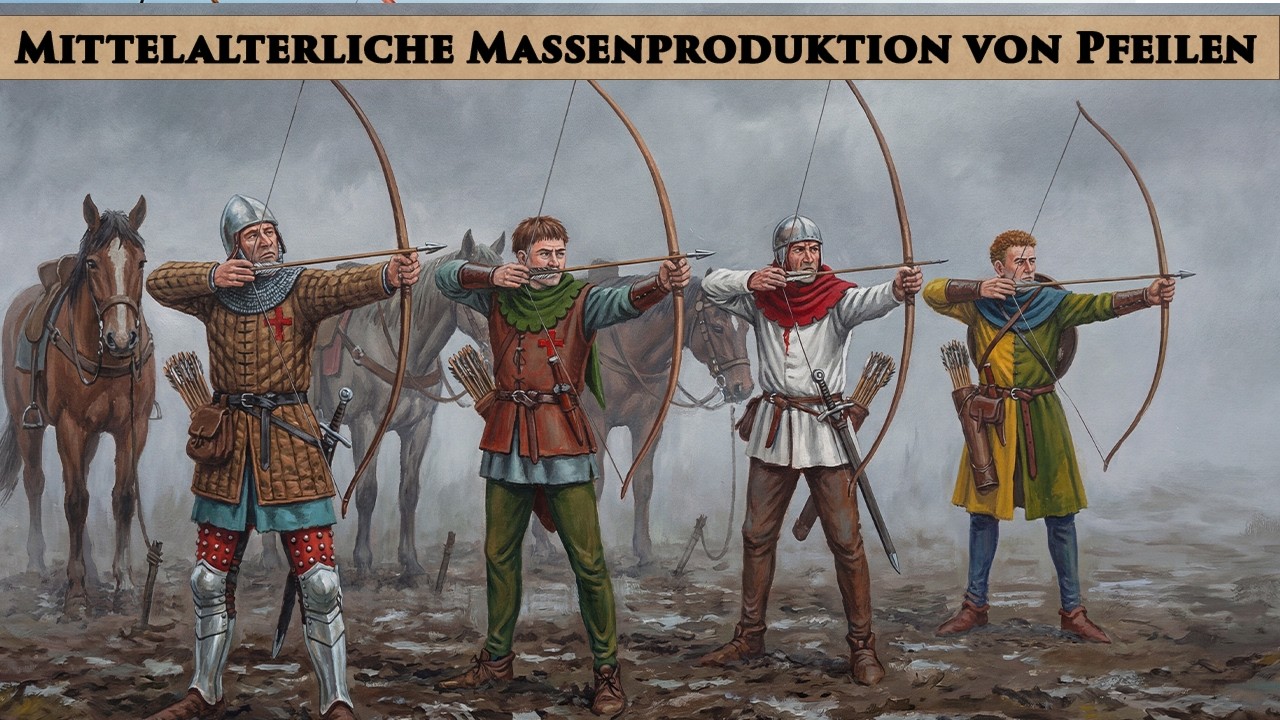
In „The King“ und vielen anderen Filmen lassen Bogenschützen einen Pfeil nach dem anderen auf den Feind niedergehen – oftmals sch...

▶ Play video
#

"Ok, America?" is a podcast that talks about US politics and how they impact Germany, which ends up happening constantly. They also speak relatively slowly: https://www.zeit.de/serie/ok-america

#

relatively

astral yoke
# vestal lantern even though its the best way to learn

What I did to improve my English, was watching a movie, I had seen in German (my native language) completely in English. (So, it had to be a movie I had to see for several times, and bc I'm that old, I watched just DVD's with both languages. Today it's easier, just searching for movies with both languages.

dense skiff
#

Der Tisch
Wie bist du an den Tisch gekommen?
Was können wir mit dem Tisch machen?
Was hast du mit dem Tisch gemacht?
Warum hast du einen Tisch gekauft?
Warum steht hier ein Tisch?
Warum sitzt die Katze auf dem Tisch?
Kannst du den Tisch hereinstellen?
Können wir uns den Tisch teilen?
Wir haben den Tisch gekauft.
Wir benutzen den Tisch.
Wie groß ist der Tisch?

#

I am confused

#

The "why" has 3 different versions of "the"

scenic obsidian
# dense skiff The "why" has 3 different versions of "the"

German has something known as a case system, where nouns change how they look depending on if they are the subject of the sentence, an object, an object of a preposition, etc.

This change is shown primarily through "the" or other words appearing before the noun. This is why you have different versions of "the" in front of the noun, to help show the noun's case.

If you're not already, I recommend working through the order of grammar topics for each level, because it would help explain all of this in a nice, orderly fashion.

astral yoke
vestal lantern
#

Sie mag nur kleine Tiere, weil ihr Tiere auf den Arm nehmen und strecheln kann gefällt

#

Is that correct

oblique snow
#

..., weil sie gerne Tiere auf den Arm nimmt und streichelt.

hollow umbra
#

Wenn du mit dem Wort "gefallen" arbeiten möchtest, dann: "Sie mag nur kleine Tiere, weil es ihr gefällt, Tiere auf den Arm nehmen und streicheln zu können." Aber das ist ein bisschen umständlich.

lilac trail
#

how do i pronouns zwei and zwanzig

winter kayak
pseudo tree
pseudo tree
#

And here are my notes that explain how each alphabet changes in German vs English pronunciation with examples in the next column.

grizzled zinc
#

What’s difference between muss and habe? They both mean have to

pseudo tree
#

just the additional ones besides these that dont exist in English - ä, ö and ü

grizzled zinc
#

ö = er in low tone
ä = ae
ü =?

#

lol I still don’t know the ü

pseudo tree
#

This is what I found

  • Beginning of a word: Always a hard "g" (e.g., gut, gehen).
  • Middle of a word: Usually a hard "g" (e.g., Regen).
  • End of a word: Almost always a hard "k" sound (e.g., Tag -> Tak, Weg -> Wek).
  • "-ig" ending: Pronounced as a "ch" sound in standard German (e.g., lustig -> lustich or zwanzig -> tsvant-sich ).
glacial crag
#

müssen - have to
haben - have

glacial crag
#

But when it gets conjugated by singular personal pronouns, it loses it's umlaut

Ich muss
du musst
er/sie/es muss
wir müssen
ihr müsst
sie/Sie müssen

winter kayak
# lilac trail versetehen

I'd still recommend dict.cc or wiki or a website where actually native speakers have recorded their pronunciation. It's closer to life than a digital voice, and you get multiple examples instead of a single imperfect one.

winter kayak
# grizzled zinc ö = er in low tone ä = ae ü =?

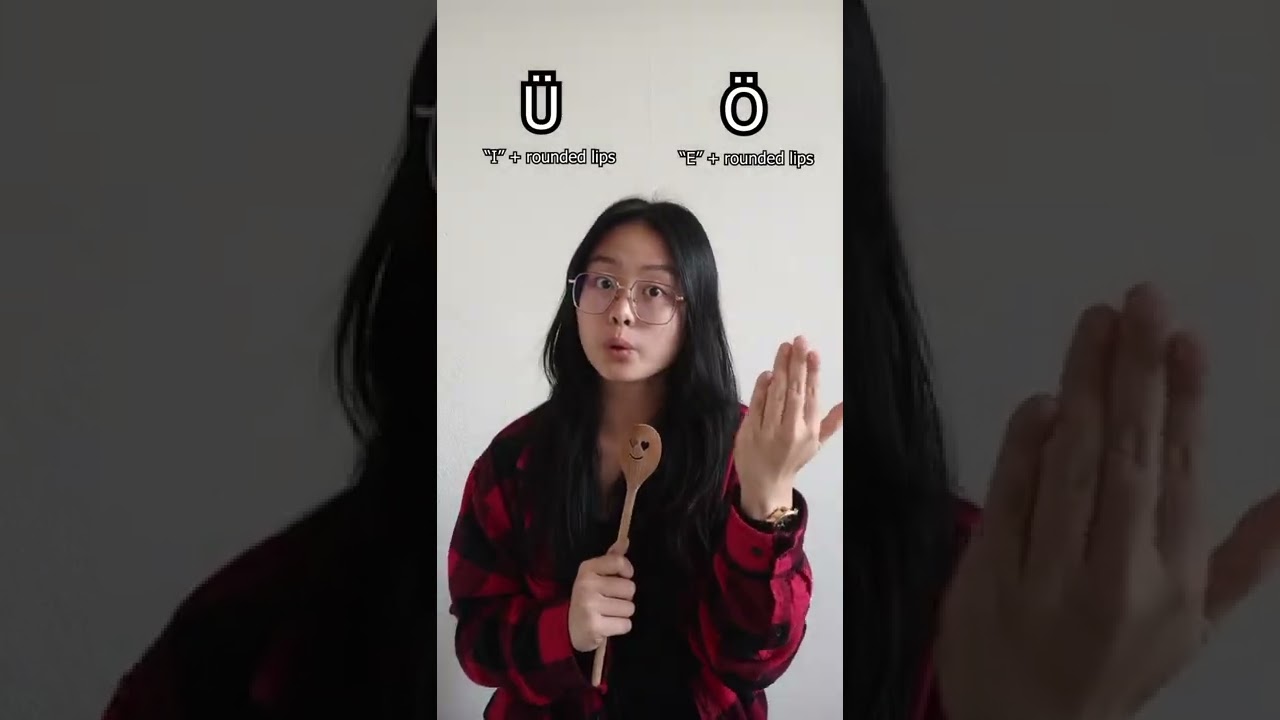
There are pronunciation guides for these that make it pretty clear. It is basically a mix of the shape you make with your mouth and the vowel you pronounce with your lungs/throat.
https://www.youtube.com/shorts/JUiqR8tp6n8

Sooo method 1 or method 2? 😂
Tell me I'm not the only one seeing faces in these Umlauts...

Method 1 is something I read in my German textbook that helped me pronounce these letters. Please refer to a real German for native pronunciation 😅

Method 2 is ✨

▶ Play video
#

(video originally posted by ybashie if I'm not mistaken)

plush locust
grizzled zinc
#

thanks to that funny girlie shes sweet

plush locust
#

Ah, the ä-hack is very effective, yes.

wary jungle
#

Yo whats the difference between Heimat and Haus?

lunar lynx
#

haus is your house
heimat is where you feel at home (your hometown/country)

sleek pebble
#

heimat is a more complex concept and it’s a bit difficult to translate but it’s closer to „home“ in the broader sense

#

i know in english you can say „a home“ and mean „a house,“ it’s mostly not like that though

#

heimat pretty much never means a house, it’s the lands in which, ideally, your house is situated

scenic obsidian
#

Let's make things worse and also mention "Zuhause" 😄

sleek pebble
#

it’s describes the broader area as a part of your home

sleek pebble
#

though i think homeland often gets equated to a nation state in english moreso than an area that can either be within a nation or transcend national borders

scenic obsidian
#

Some words don't translate cleanly 🙃

sleek pebble
#

please do not interact with the following politically, it’s a practical example:
kurdistan is not a country, but a definable historical region and you can call your part of kurdistan your „heimat“ even though the patches of land that you’re describing extend from turkey into syria, or from iran into iraq

#

it is not tied to a country or other governmental body

#

think of it as your home, your village/town, and the areas surrounding it (mostly more villages an little towns)

#

but also the nature of that place, the local forest, the local mountain, whatever

#

but also the culture of it, the local language or dialect, the architecture

#

all that makes a home area a home area

#

that’s heimat

#

and mostly it’s the place you’re born and/or raised in

#

but another place can become your heimat too

#

whereas zuhause is more liberal, much easier for another place to become your zuhause, sometimes it takes as little as moving there

#

but that doesn’t make it your heimat, over the holidays, you might travel from your zuhause back to your alte heimat

#

Heimat (German: [ˈhaɪmaːt] ) is a German word
translating to 'home' or 'homeland'.
The word has connotations specific to German culture, German society and specifically German Romanticism, German nationalism, German statehood and regionalism so that it has no exact English equivalent. The word describes a state of belonging "the opposite of...

#

it has no direct english equivalent

#

it always implies a sense of belonging

glacial crag
#

When should I use both die Umgebung and die Umwelt? 😵‍💫

sleek pebble
#

umwelt is the environment, a more nature kind of thing

#

umgebung is vicinity

glacial crag
#

oh their difference isn't, too hard to learn..

#

thank you so much! I just learned Umgebung today

sleek pebble
#

np o7

broken pulsar
#

Hi, i used a translator and it says fassen means summarise here, but i cannot find that meaning in the dictionaries i have. any help?

Fassen Sie den Inhalt der Durchsage für ihn in Ihrer Sprache zusammen.

scenic obsidian
#

"zusammen" can be the prefix part of a separable verb, yes

broken pulsar
#

ah shoot completely forgot

#

rookie mistake. will ruminate over this for the next week

scenic obsidian
#

lol, it happens

vestal lantern
#

Privatunterricht ist zu teuer, deshalb will Mark kein Instrument spielen zu lernen

#

is it like that

#

or without ZU in zu lernen

scenic obsidian
#

I think

#

sometimes you might also add an "es" into the first clause to be a placeholder for the Infinitive clause

vestal lantern
#

Ich habe Musik seit ich 3 jahre alt war studiert, also this, because idk if you compund nouns like this, or do you just go Seit ich 3 jahre alt war, habe ich Musik studiert

scenic obsidian
#

"studieren" = study as a major at university

vestal lantern
#

gelernt oopsie

scenic obsidian
#

If you are still doing it, it's present tense

#

Ich lerne Musik, seit(dem) ich 3 Jahre alt bin.

vestal lantern
#

seit or seitdem

scenic obsidian
#

both

#

here, it is "seitdem" the conjunction

#

but people also just say "seit" to mean "seitdem"

#

This can be confusing for learners, because now "seit" as a preposition and "seit" as a conjunction exist

#

pro-tip: If it has "seit" and then a noun, that's "seit" as a preposition

If it has "seit" and then a whole clause with a verb, that's "seit" = "seitdem", the conjunction

vestal lantern
#

makes sense, thanks

#

also is it,
,Weil es viel Spaß mir macht. Does mir go there

scenic obsidian
#

"mir" is a pronoun, they generally come pretty early in a sentence

#

Based on the "neutral word order" that Grammatik Aktiv has, "mir" would be #4, whereas "viel Spaß" would be like #12

vestal lantern
#

so ;Weil es mir viel Spaß macht?

scenic obsidian
#

yes

pastel merlin
#

Hey, what is the best way to learn about dativ or akkusativ prepositions? should i just make cards on them as well? or as they appear in my book, i just keep them in my mind and practice it? Like what could be the best way to do it (from experienced individuals)??

scenic isle
#

Hallo! Ich habe eine Frage, wie das Wort "treffen sich" funktioniert?
Weil ich eine Aufgabe gemacht habe, in der es solchen Satz gibt: "Wir treffen den Klassenkameraden, auf den du wartest.", aber ich habe diesen Satz wie: "Wir treffen uns mit dem Mitschüler, auf den du wartest" übersetzt. Auch habe ich Deutschen gefragt, aber sie konnten es mir nicht erklären. Vielleicht könnte jemand mir mit diesen Fragen helfen :)

thin pollen
vestal lantern
#

these listening tests are so stupid lmao, i have to choose between whether they are talking about having no water or only 1 bottle of water, and the whole time the whole vibe is no water oh no, and then i see that it is 1 bottle because it says a single singular time that the bottle is leer, but his accent is sooo thick and unintelligable that i thought he said that bottle has been throw, bottle is werfed, and i know it doesnt make sense but to someone who isnt even supposed to know perfect german yet its just a stupid gotcha moment

hollow umbra
glacial crag
#

Have a good grasp of the base meaning of each preposition then leave the rest to exposure (you'll notice that some prepositions have a completely different meaning depending on the context since prepositions are very random, aggfjgfsjgdf angrycry )

astral yoke
keen mulch
#

hi does anyone have any book recommendations for a B1-B2 german learner? I want to learn by reading more

lapis grotto
#

whats the point of the digraph <ie>? why not just write <i>, or does it even matter

astral yoke
light leaf
#

ich möchte Obst kaufen

when do we put the verb at the end and when do we put it before the object

glacial crag
#

in this case, kaufen must stand at the end of the sentence because möchten (would like) is a modalverb

#

if there's no modalverb, kaufen stands in the 2nd position
-Ich kaufe Obst

#

all verbs must stand in the end in subordinate clauses too

#

something like uh, Ich kaufe Obst, wenn ich Lust habe

#

The German sentence structure can be a quiet confusing topic for German Students. In this video (Satzbau Part I) you can learn the basics of the the German sentence structure, which is all about the main clause, in German: "Hauptsatz". The focus of this video is on the subject (subjekt) and the verb (Verb). In which position you have to put the ...

▶ Play video

This video is the Part 2 of this series about the German sentence structure. It's about the sentence structure (Satzbau) for the subordinate clause, in German: Nebensatz.

You will also get more information about the 7 different subordinate clauses that we have in German with details and examples to each and every type. And at the end as always...

▶ Play video
indigo bear
#

Of course this is just for the preposition and cases. Not for the usages/meanings. The meanings are not something you can learn all at once. You have to learn them one by one for different topics.

vestal lantern
#

How deep do you need to think about listening exam choices? Like sometimes I understand everything completely and hear everything because for one time they get a proper German speaker who doesn't have an elephant stuck in their throat, but then the choices are confusing

#

Like the audio is about a kid who has been driving and punished like 500 euros

#

And then I need to choose between Gefahr in Straßenverkehr
oder
Schnelles Fahren wird bestraft

#

And then I overthink it

#

Kid wasn't speeding right, but maybe it was implied, and he was punished right, but it could be the Gefahr but in my language Straßen is both translated as the road where cars go and people go, and I'm not sure this kid has been driving where the people are walking

#

Like do you need to overthink it that much

scenic obsidian
#

It's really quite hard to say without being able to hear the audio and see the answer choices for ourselves

#

I have done some practice things before and noted that the audio will often rephrase something such that they only say it in a bit of an indirect way compared to the answer

#

and I think the higher you get, the more indirect it becomes

#

because you're supposed to be able to pick up on increasingly subtle stuff like that

indigo bear
#

Yeah, if you have an example one that you can post, that would be good.

scenic obsidian
#

verstärkt but geschwächt? Why not verschwächt?

Just noticed that.

bleak junco
#

How do you actually pronounce gern?

#

Is it like saying gen and the r is slightly pronounced. Cause sometimes it sounds like there saying gan

tranquil wedge
#

Hey guys i was studying und hab auf ein problem gestoßen , also wie ich gelehrt wurde, soll man die w-wörten (wofür, woran, worauf) wie ne frage beim Gespräch benutzen (worauf wartest du?) 👈wie das hier
Aber gestern hab ich ne person auf instgram gesehen der sagt (Das ist der Grund, wofür ich kämpfen würde) er hat es nicht wie ne frage erstellet, sondern wie ein konjunktion, ich verstehe es nicht, ich weiß was er meint , aber der benutzung der w-wörte in so einem art, ist was ich lernen will , any help is appriciated when and how should they be used

gentle venture
#

"that is the reason why I would fight"
why can also be a question word as in "why would I fight?"

scenic obsidian
tranquil wedge
#

So is it like saying Das ist der grund,( für dem) ich kämpfen würde?

scenic obsidian
#

für den, But yeah

tranquil wedge
# scenic obsidian

So i can say ( der Stuhl, worauf du dich setzen wolltest) would it be correct?

scenic obsidian
#

If only there were some text to explicitly lay out the rules about this that you could read

scenic obsidian
tranquil wedge
scenic obsidian
#

You don't use "was" after "der Grund"

#

Here's when you use "was" as a relative pronoun

#

Why did the person on Instagram say it, even though standardsprachlich it's incorrect? Well, colloquially people use stuff all the time that is formally incorrect

#

Depending on their dialect, it might be correct in that dialect

tranquil wedge
# scenic obsidian Here's when you use "was" as a relative pronoun

So u use it when there is , lets say (was, etwas, nichts, alles) insted of relativpronomen or nouns

U can also use to explain the whole concept of a sentence even if there is nouns involed?
Like the last example

He passed his exams, which im happy about, youre happy about the whole concept of him passing an exam?

#

Ich hab (ewas) gelernet, worüber ich nicht sprechen darf

safe venture
#

Hello im on my day 2 of scrambling on Netwertz. I don't understand the change from Sie to Ihr. I found a table online for Genetiv and Sie -> Ihrer. So what is this Ihr
"Wie heißen Sie?" " Wie ist Ihr Name?"

flint bolt
#

possesivpronomen
how are You called --> what is Your Name

#

ich --> mein
du --> dein
wir --> unser
er/es --> sein
sie(she) --> ihr
Sie(you) --> Ihr
sie(they) --> ihr

sleek pebble
# scenic obsidian verstärkt but geschwächt? Why not verschwächt? Just noticed that.

gestärkt is what you’re looking for, not verschwächt
there is a nuance that i can’t really explain well, but when talking about something physical, verstärkt has a slightly different meaning to gestärkt. for example, a structure can be verstärkt, maybe it also can be gestärkt, but that sounds odd. verstärkt is more like a fortification or reinforcement (the very word reinforcements (troops for example) translates to Verstärkung). if a wall is verstärkt, it is strengthen or fortified, but less so than befestigt would imply (that’s a more medieval kind of fortification -> a castle usually has a Befestigungsanlage).
gestärkt is usually used with people, it implies something more like replenishment. a coffee or a good lunch has you gestärkt, not verstärkt.

light leaf
#

whats the differnce between hätte und möchte

sleek pebble
#

with geschwächt it’s the opposite, but i think it is more versatile insofar that a structure too can be geschwächt (i believe)

#

verstärkt can also be used figuratively and as an intensifier („Es finden verstärkt stichprobenartige Personenkontrollen in der Gegend statt.“ -> here it implies that it happens more often or more eagerly than usually)

hollow umbra
scenic obsidian
#

I was writing a short story about a zombie army, and I was trying to say that, unlike normal armies, after a battle they were normally typically strengthened, not weakened.

hollow umbra
#

Im Gegensatz zu einer gewöhnlichen Armee war die Zombiearmee nach einer Schlacht nicht geschwächt, sondern gestärkt.

pure olive
#

another version is abgeschwächt btw 🙂

scenic obsidian
# light leaf whats the differnce between hätte und möchte

hätte = hypothetical form of "have"

Would have

Ich hätte dir geholfen.
I would have helped you. (I did not, hence it is hypothetical, because it didn't actually happen.)

möchte = hypothetical form of "like"

Would like

Ich möchte eine Tasse Kaffee.
I would like a cup of coffee.

scenic obsidian
scenic obsidian
pure olive
#

wdym why ;_;

hollow umbra
#

I wouldn't use abgeschwächt here

scenic obsidian
#

Idk, it seems to me like there should be a mirroring between the words, they should use the same prefix

hollow umbra
scenic obsidian
#

Or at least matching opposite pairs

pure olive
#

id use verstärkt

scenic obsidian
#

What's the opposite of ab-?

hollow umbra
#

I prefer gestärkt for the parallel to geschwächt

pure olive
#

Abgeschwächt and verstärkt both imply that they are weakened or strenghtened by sth

hollow umbra
scenic obsidian
scenic obsidian
hollow umbra
pure olive
#

Ngl gestärkt sounds so wrong to me, I prob used it 5% compared to verstärkt 95% xD. I think only scenario I use gestärkt is Ich fühle mich gestärkt and similare meaning. It its fine tho in this context

scenic obsidian
#

Next thing one can see is that „dead“ objects that you use but never will „feel“ can be reinforced, „verstärkt“:

So for a zombie army? 😄

hollow umbra
scenic obsidian
#

Über so einen Grenzfall bin ich eben gestolpert.

scenic obsidian
hollow umbra
#

That doesn't exist 🤷‍♂️

scenic obsidian
#

abschwächen, zustärken

pure olive
#

bc zu and abnehmen are just for weight

#

or like things you can physicially measure? flut nimmt zu, ebbe nimmt ab

hollow umbra
#

Sometimes they aren't exact opposites. The presyllables are a real difficult beast. Zuhören und abhören are completely different things

scenic obsidian
#

So potato corner. You'd say verstärkt/geschwächt or verstärkt/abgeschwächt

Rodeng, you'd say gestärkt/geschwächt still?

pure olive
#

for me verstärkt abgeschwächt and gestärkt geschwächt

scenic obsidian
#

And you guys are both natives, yes?

hollow umbra
pure olive
#

y

hollow umbra
#

I wouldn't use abgeschwächt for an army. Perhaps for a signal

#

In physics

pure olive
#

imo its not about right and wrong bc in the end to anyone its clear. The dilemma is too minimal

#

grey zone

hollow umbra
#

Yes I agree.

pure olive
#

we have preferences that we adjust to from daily usage, other states pref different words

hollow umbra
#

Nobody will think twice when he reads verstärkt or gestärkt

scenic obsidian
#

I write short stories in German. If you saw something like this in a book by a native, would it be noteworthy?

pure olive
#

no

scenic obsidian
#

Then perhaps I'm overthinking it

hollow umbra
#

Yes, Just relax

scenic obsidian
pure olive
#

Bc it means you mastered it

scenic obsidian
#

It's one of those things where the same thing that is your big strength is also the thing that will be your downfall

hollow umbra
scenic obsidian
pure olive
#

I think if you have the grammar down, you have kinda mastered german. Bc in the end you can add word on words in german and make people undersand you, even if the word doesnt exist perse xDD

#

thats what i find fun in german

scenic obsidian
#

What about prepositions? 😭 I fear I will never master those

pure olive
#

Imagine in 5 years Argus, you wont even know what prepositions are, because you mastered it by listening to german so much its core memory and you wont be able to explain it anymore

pure olive
#

Its actually so funny if you ask native speakers (Obv who arent studying linguistic or becoming teacher) about grammar its gg

#

so dont ask about prepositions

#

We can give you the answer but not explain xDDD

scenic obsidian
#

Ergibt Sinn. Ich wage es zu behaupten, dass ich mehr von deutscher Grammatik weiß als von englischer

indigo bear
hollow umbra
#

What's so difficult about prepositions?

tawny fractal
#

I'd use gestärkt there too

indigo bear
scenic obsidian
pure olive
#

zu meiner freundin
nach Hause
ins Haus
auf die 2. etage

indigo bear
#

@hollow umbra Your message got deleted because you put too many dots at the end. But no, prefixes aren't harder.

#

It's basically the same thing.

#

It's all just vocab.

pure olive
#

@scenic obsidianIts so bad, I didnt even know what prepositions were

hollow umbra
#

Ah thanks! Was surprised

indigo bear
#

You'll never learn 100% of vocab in a language and so you'll also never learn 100% of preposition or prefix usages.

#

If you want to ask something about tickets, please don't use #questions for that.

hollow umbra
indigo bear
scenic obsidian
indigo bear
#

Except when the prefixed version is closely related to the basic version.

pure olive
#

I think in those examples you should treat it like different vocab.. not put it into the group of prefixes as the meaning is totally different

hollow umbra
scenic obsidian
#

Yes

glacial crag
scenic obsidian
#

Another preposition thing I mess up constantly:

Über etwas stolpern
Auf etwas stoßen

I always mix those up

scenic obsidian
#

Auf etwas stolpern
Über etwas stoßen

pure olive
#

auf etwas stolpern geht auch, but it has a different meaning toüber

scenic obsidian
#

If you are speaking metaphorically and not literally, the meaning is very similar

glacial crag
pure olive
#

The prapositions can change with the meaning

#

auf etwas stolpern has the same meaning as azf etwas stoßen

scenic obsidian
pure olive
#

Über etwas stolpern in the literal sense doesnt equal to auf etwas stoßen

scenic obsidian
#

I'm talking metaphorically

#

Beim Lesen bin ich über ein Wort gestolpert, das ich nie zuvor gesehen hatte.

Beim Lesen bin ich auf ein Wort gestoßen, das ich nie zuvor gesehen hatte.

pure olive
#

Yes, metaphorically it indicates the same. But if you put in some deeper overthinking meaning into it, it means gestolpert --> you werent ready for it, you have no clue, unexpected. Gestoßen --> doesnt indicate that, you happen to see it, curiosity

#

In the end noone would put a deeper thought into it, if you told that anyone

scenic obsidian
#

And then where does auf etwas stolpern come into this?

pure olive
#

One is written other is oral

#

mhhh auf etwas stolpern is only used in oral usage, it has closer meaning to auf etwas stoßen

#

i feel like its just common where i come from tho xD

scenic obsidian
pure olive
#

yea probably xD the thing is that while speaking you can let go of many things. Talking makes stuff easier. Writing is the real deal

scenic obsidian
#

Indeed

pure olive
#

you found sth by coincidence, or sth caught ur attention

#

its a visualisation

scenic obsidian
#

Whereas if it had been "auf dieses Bild gestoßen"?

pure olive
#

same meaning

scenic obsidian
#

I thought gestolpert was more accidental, gestoßen was neutral

pure olive
#

here, if you say ich bin über ein Stein gestolpert/ ein Wort gestolpert, the focus is that you are literally hung up on that stone or word

#

But if you use auf das Bild gestoßen, you are not hung up on it

#

the focus is not that you are hung up on it, but more like that you happen to find it

hollow umbra
pure olive
#

auf etwas stoßen is more common

scenic obsidian
#

Which region are you guys from? Is it a regional difference?

pure olive
#

nrw

hollow umbra
#

NRW

pure olive
#

🤣

hollow umbra
#

🤪

scenic obsidian
#

🤔

pure olive
#

i just googled auf dieses bild gestoßen xD Im def not the only one

#

nvm i had a brain fart

scenic obsidian
#

Jetzt seht ihr, warum ich die zwei Ausdrücke immer verwechsle.

sleek pebble
#

aber vielleicht könnte gestolpert funktionieren, wenn man in zuge des stolperns darauf gelandet ist

#

aber beim stolpern fällt man ja eigentlich nicht wirklich hin

#

oder?

sleek pebble
#

wahrlich

#

schade für den kollegen, dass sein name damals und fortwährend bis heute dafür herhalten muss, obwohl er bloß der verleger war

#

tja

#

blöd gelaufen

sleek pebble
#

bildungsauftrag erfüllt

forest nebula
#

Aah how do I learn these adjektivendungen?

glacial crag
# forest nebula Aah how do I learn these adjektivendungen?

In this lesson I am going to explain you why there are German adjective endings, when you will need to use them and how you have to use them. AND a special long bonus tip this time where I explain the entire concept behind the adjective endings. There is actually a system... 😀

Here the time stamps:

0:00 Intro
1:14 When you have to decline ...

▶ Play video
#

he has a playlist of this topic consisting of 5 Videos

forest nebula
#

Thank you

glacial crag
#

no worries

scenic obsidian
forest nebula
#

I practiced this the most

#

but the cases

#

and the articles

#

and ahh it is so hard

glacial crag
#

is this commonly said? Just encountered this construction for the first time

junior torrent
#

hey if i wanted to talk to people is there specific channel here that people hop to and try to practice and speak german ? or somewhere to ask sso we plan and try to speak ?

hollow umbra
#

Jemand "ist in Freude" klingt behämmert

#

"Paul freut sich"

#

Wenn du lustig sein willst: "Paul freut sich wie ein Schneekönig"

#

Oder "wie ein Schnitzel"😁

#

Der Text ist auch sonst etwas arm. Wenn die Oma siebzig wird, sprechen alle wochenlang von nichts anderem?

#

Und der Saal "verfügt über viele Tische und Stühle", aaargh

glacial crag
#

süßes Wort

glacial crag
hollow umbra
# glacial crag süßes Wort

"Paul freut sich." ist etwas dürr. Ich würde sagen: "Paul ist überglücklich." Oder "Paul freut sich ungemein/unmäßig/überschwänglich/über alle Maßen", es gibt viele solche Bekräftigungsformeln.

scenic obsidian
scenic obsidian
#

the page you linked doesn't show a "paul"

glacial crag
#

habe für einen Moment vergessen, woher ich ihn gefunden hab ;-;

scenic obsidian
#

They at least claim that all texts were written by native speakers

glacial crag
#

eh, I'll find other free sources

hollow umbra
pearl horizon
#

wait ist ziehen ein verb oder ist es „umziehen“ trennbares

#

ich möchte nach deutschland ziehen

#

oder ich möchte um nach deutschland ziehen

winter kayak
#

usually if you mention the destination, you just use 'ziehen' (nach Deutschland ziehen), and if you're talking about moving without the destination, 'umziehen' (ich ziehe um)

astral yoke
hollow umbra
scenic obsidian
pearl horizon
#

das funktioniert?

#

es passt

pearl horizon
#

ayeeee

#

die sonne scheint

#

und ich bin erfolgreich

zenith talon
#

I have a question about the verb durchliesen.

#

Die Studentin durchliest den Text. and
Die Studentin liest den Text durch

Which version of the conjugation means to read trough it thoroughly and which one means to quickly read/skim through it?

scenic obsidian
#

hmmm

#

It's not listed on Wiktionary, DWDS hints at it, but doesn't explain

#

"durchlesen" as an inseparable verb is an obsolete spelling

#

so never do "durchliest den Text", only do "liest den Tex durch"

zenith talon
#

During my german I class my teacher talked about it and I was confused about it (mainly because she explained it in german 😅)

scenic obsidian
#

To be fair

#

If you have a separable verb in a dependent clause

#

in those situations, all separable verbs have both the prefix and the main part of the verb together

#

so for example

#

Main clause: Die Studentin liest den Text durch.

Dependent clause: Die Studentin versteht alles, weil sie den Text durchliest.

#

maybe it was a situation like that?

zenith talon
#

Wait I'll show you the powerpoint slide

scenic obsidian
# zenith talon

that is asking, "Which way do you properly organize a separable verb?"

#

and the answer is the 2nd version, for question #3

#

at least, I think that's what it's asking. Without more context, hard to say

astral yoke
glacial crag
scenic obsidian
#

"ab-" you can understand almost always what it means

#

"ver-" has like 20 fucking potential meanings ARREMBESTMODXD

scenic obsidian
#

with "ver-" you just have to learn each verb individually, you can't guess it

frigid tinsel
#

Or "to get along", means something very different than "to get".

flint bolt
#

for a more memorable example
to knock
to knock x out
to knock y up
are words you REALLY cannot mix up in english

oblique snow
#

to knock off

flint bolt
#

true that is also very different

dusty salmon
wanton monolith
#

if you’re talking about a specific dog, and the dog is a girl, do you still use masculine for her instead of feminine?

indigo bear
#

Because if you refer to der Hund it's masculine. If you refer to the dog directly without der Hund, you can use the dog's gender.

wanton monolith
#

so if i say “the dog wants a walk” vs “she wants a walk” to refer to the specific dog, i would use the dog’s gender in the second sentence?

indigo bear
wanton monolith
#

that’s so interesting! i’ve been really curious about gender in the german language, especially with gender diversity like nonbinary people and gender fluid people! but i don’t think there’s really any pronouns for that if i remember right?

indigo bear
frigid tinsel
indigo bear
thin pollen
#

Is there a diff between reisen and verreisen?

hollow umbra
old delta
#

In the sentence: Möchtest du ein Spiel spielen?

Here Möchtest I believe is "you want" but the conjugation specifically for 2nd person singular. If so, is du necessary if Möchtest already specifies who you're talking to?

indigo bear
#

And "du möchtest" is "you would like", whereas "you want" is more like "du willst".

barren kettle
#

Mr = Herr
Ms/Mrs = Frau
Man = Mann
Women = Frau

Why is mr. different from man

indigo bear
barren kettle
#

Interesting but isn't woman = Frau

indigo bear
#

Yes. But in English, woman and lady are the same thing.

barren kettle
#

And why do we say Damen und herren

#

But not use Dame for Ms. And Mrs.

indigo bear
#

Languages just evolve weirdly like that.

barren kettle
#

Yeah I'll just accept that there's no reason

indigo bear
#

There might be a reason but it would be something like "at this point in history, XYZ happened that influence people to start using this word instead of this word".

barren kettle
#

Ahhh

#

Although they use Damen

#

And Dame to refer to a lady

#

It's very similar to the English word dame

astral yoke
indigo bear
#

But over time they became less formal.

#

So lord today is still mostly considered as a title, even though mister is just used for anyone.

astral yoke
sleek pebble
#

thought that was cool as hell

#

in german people sometimes say Meister

#

jokingly

native harness
#

Sorry zusammen, wenn das hier nicht ganz zum Deutschlernen passt.
Kennt sich hier jemand mit dem Ausbildungssystem aus?
Ich hätte ein paar Fragen dazu.
Ich plane für eine Ausbildung

es tut mir vorher leid🙏

native harness
#

vielen Dank 🙏

echo yarrow
#

Hallo. Was ist der Unterschied zwischen einer Ader und einer Vene? Bedeuten sie dasgleiche?

astral yoke
echo yarrow
#

Vene ist ein Blutgefäß, das das Blut dem Herzen zuführt.
Ader ist ein Blutgefäß.

#

Wobei die Vene die folgende Herkunft hat: aus vēna (lat) ‘Ader, Blutader’.

astral yoke
#

Wichtig ist der erste Satz: Blutgefäß, das Blut **zum **Herzen führt

astral yoke
echo yarrow
#

Also eine Arterie kann auch eine Ader sein, richtig?

astral yoke
echo yarrow
#

Eine Ader ist also ein Synonym zu Blutgefäß und ein Überbegriff für Venen, Arterien und Kapillaren?

astral yoke
frigid tinsel
#

Die Ratten verlassen das sinkende Schiff

Is this a subtle pun? I know that raten is to advise. I don't think the gerund Raten (to advise) exists but I can't help but think that this idiot has a secret meaning....

frigid tinsel
#

I know that on the surface this is identical to the "rats are abandoning ship" in English.

astral yoke
frigid tinsel
#

Ah, I'm looking up the word for advisor and it's Berater.

#

So maybe that's too far away...

winter kayak
vocal zinc
#

vor vielen jahren gab hier eine Frau mit einer Frau vom mittelalter in ihrem profilbild

#

ich habe im chat kurz nachgeschaut und konnte sie nicht sehen

#

hat sie verlassen

#

Joa meinte ich SUSANA

#

Was ist mit ihr passiert

winter kayak
#

habe ich mich eigentlich auch mal gefragt. Ihre letzte Nachricht wurde 2024 geschickt 🤷 Schade weil sie davor sehr aktiv war und vielen Deutschlernenden (inklusive mir) geholfen hat.

rugged phoenix
#

I still don't understand modalpartikeln idiotbulli

glacial crag
# rugged phoenix I still don't understand modalpartikeln <:idiotbulli:816023702143369256>

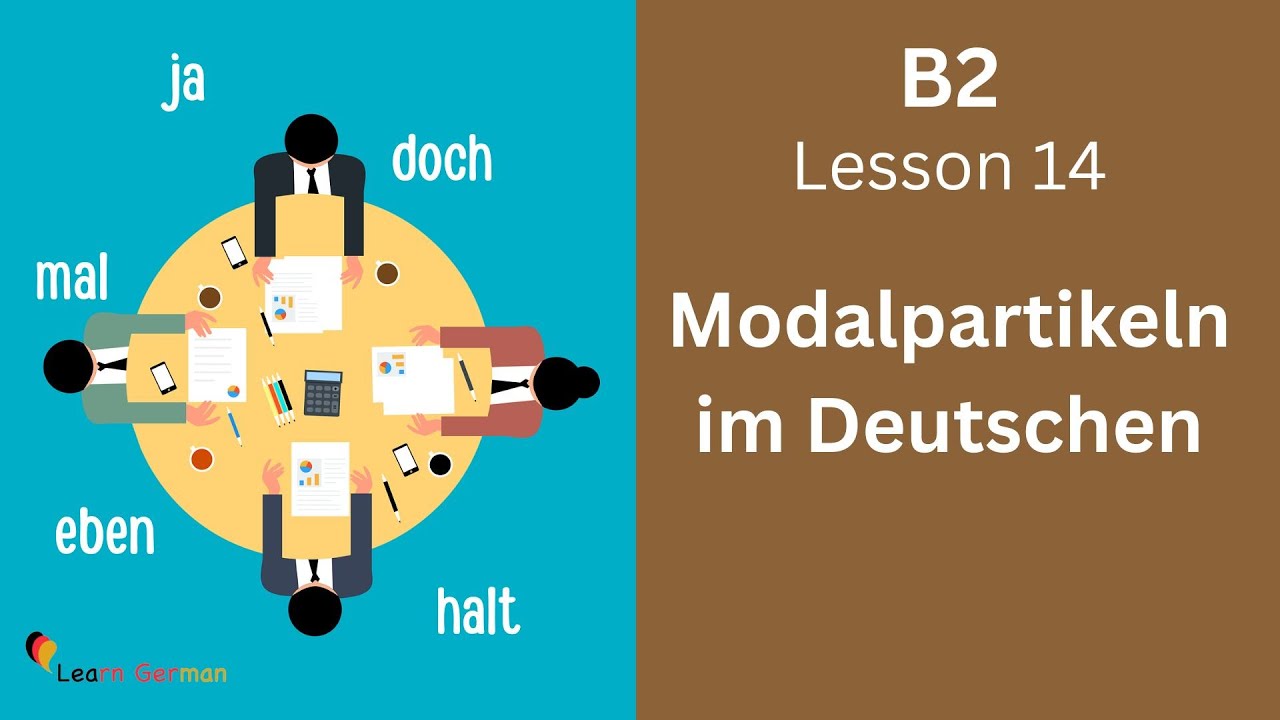
In German we have those so called "Modalpartikeln" which are these small words you will hear all the time when we talk. But what do they actually mean?
They can change the meaning of the entire sentence and express feelings, emphasize intentions, show approval or disapproval and reinforce or weaken you statements.
So you can see they are quite ...

▶ Play video
#

okay well, not all modal particles are covered in this video 😔

#

but most of them will have to be learned through exposure since they don't have a 1 on 1 translation

#

#LearnGermanOriginal #LearnGerman #GermanLevelB2

Learn German lessons online for intermediate learners – Level B2 – We help you learn German in a quick and easy way.
Learn German Lesson 14 – In this lesson, you will learn how to use German Modalpartikeln such as doch, ja, mal, eben, and halt to sound more natural and express subtle emotio...

▶ Play video
sick ingot
#

hello, quick question. how common is um zu in spoken german?

#

ich gehe zum strand um zu surfen

tawny fractal
#

Just a normal part of everyday speech

sick ingot
#

as opposed to weil?

#

ich gehe zum strand weil ich surfen will

tawny fractal
sick ingot
#

ok. i read that weil is more casual sounding while um zu is more bookish?

tawny fractal
#

weil is generally used more tho

sick ingot
#

yeah exactly

sick ingot
#

if you were to say that, would you use um zu or weil?

#

both would pretty much mean the same thing right?

#

but um zu is more stiff sounding as opposed to using weil?

tawny fractal
sick ingot
#

okay. does using um zu sound/feel more stiff or formal?

tawny fractal
# sick ingot both would pretty much mean the same thing right?

Well like I said there's a difference and depending on what exactly you want to express there're situations where you'd rather use um zu

Ich gehe zum Strand um zu surfen = Im going to the beach (in order) to surf

Ich gehe zum Strand, weil ich surfen will = I'm going to the beach because I want to surf

tawny fractal
sick ingot
#

thank you

frigid tinsel
#

I joke a bit, I don't really understand them either. But it feels like Skibidi, Like and "Totally" in my previous post. Words that are difficult to describe from a linguistic lens as they don't change the meaning of a sentence.

#

But they change the feel or connotation.

tardy mason
#

When should I say "noch immer" and when should I say "immer noch"?

hollow umbra
tawdry prism
#

guys verz important question

#

What does Anhalt in Sachsen Anhalt mean

pastel merlin
#

Sorry coming back to this after a while, but can you like give me the end result of discussion like, what should i learn?

sleek pebble
#

it’s always been saxony

oblique snow
#

insert astronaut meme picture

sleek pebble
#

isn’t anhalt actually one of those fake political/clerical kingdoms though

#

i never took it seriously

pearl horizon
#

what are the study rooms for

#

how does it work

#

can u just join until it’s full

inner nebula
#

It is still really difficult for me to speak. I write like Shakespeare in English, but in German. I speak a lot, but it feels like my thoughts can’t form properly. Is there any advice on how I can formulate my thoughts quickly and correctly when speaking?

indigo bear
indigo bear
kindred flicker
#

Are there any grave errors here?

plush locust
inner nebula
plush locust
plush locust
#

(xxx Pizza, xxx Käse, etc. insert the rest)

indigo bear
kindred flicker
#

lol forreal

hollow umbra
#

Also, in 4 I propose you add the articles to learn the genders

kindred flicker
#

Thanks meine diggas

plush locust
indigo bear
plush locust
#

puzzled

kindred flicker
#

Uhh I have the memory of a goldfish so yea you do

indigo bear
plush locust
indigo bear
plush locust
indigo bear
urban ingot
#

How do I access the channels..?

mighty flint
#

thats decent tbh

crisp scarab
#

Welschen Satz sagt ihr

Morgen werde ich in dem Supermarkt Kaffee kaufen.

Morgen werde ich von dem Supermarkt Kaffee kaufen.

Morgen werde ich aus dem Supermarkt Kaffee kaufen.

#

I practice speaking. I create a sentence and make AI check it and I repeat it over and over or I make AI to create one for me. AI created the first sentence but using in dem seemed weird to me. Supermarket will be my source for the product. That’s my intention to say. Saying it like the location of this event seemed weird.

frigid tinsel
#

Sorry for the necro-post, lol

#

I somehow responded to a message from all the way back in January. So I deleted it. Anyone wondering where the phantom ping came from, apologies!

frigid tinsel
#

,,Weil man sagt, dass dort oft ein großes begaartes Wesen gesehen wurde''

#

Question: is the above sentence from my reading material in the passive voice?

#

It is an A2/B1 level book, so slightly above my level. I just want to make sure I'm on the right track as far as interpreting it.

#

Also, there doesn't seem to be a subject / anything in the nominative case... so yeah....

faint tinsel
compact forge
#

How do I use in, auf, and zu correctly?

winter kayak
# compact forge How do I use in, auf, and zu correctly?

cannot really summarise this in an answer. Prepositions are complicated and have a lot of meanings.

Just concentrating on locality: in means inside, auf means on/atop, zu means 'to'. However in and auf are two-way prepositions, which means that the case they take changes based on context/verb:

Ins Haus = into the house (wohin?)
Im Haus = in the house (wo?)

auf das Dach = onto the roof (wohin?)
auf dem Dach = on the roof (wo?)

zum Markt = to the market
zur Schule = to school

#

But there are lots of meanings outside of local ones.
Ich konzentriere mich auf meine Hausaufgaben.
'auf Zeit wohnen'
Er wurde im Jahre 2026 geboren.
Er brachte in Gelächter aus.
Ich muss meine Hausaufgaben bis zum Freitag fertig haben.
Er lädt mich zu einem Kaffee ein.

and so on and so on

rugged phoenix
#

Was ist der Unterschied zwischen behalten und halten?

indigo bear
#

For more abstract or idiomatic uses, like "auf etw warten", you have to memorise them as verb-preposition "collocations". This is a vocab thing.

winter kayak
#

there are also times they're used similarly ('schön halten' = keep something nice/pretty)

ivory rain
#

i bought some of these and quite like them. lernkrimi at b2 level. is there others like this? (from other brand or different genre?)
native level books still are too hard but these are a good level for me

echo yarrow
#

Frage: Leichnam vs Leiche

Habe ich es richtig verstanden, dass das Wort Leichnam sich auf den menschlichen toten Körper, während das Wort Leiche sich auch auf den tierischen toten Körper bezieht?

winter kayak
spiral bear
#

Can someone pls tell if these Resources are enough to pass A1 : 5mingerman A1 video and easy German by edswick

frigid tinsel
#

aus hundertprozentiger Baumwolle

prozentiger??

#

Is aus Dativ?

#

Okay, wow. I figured it out right after posting. Sometimes you just need to start asking before your brain gets it, but yeah I was stumped for like 10 minutes there....

#

For ordinals... they are normally written like 25. Or whatever, and not fully with the declensions. So I'm really really bad at them....

#

I probably need to sit down and drill ordinals specifically, especially Dativ vs Akk and all that.

winter kayak
#

this isn't an ordinal, just to clarify.

#

it's a declined adjective: hundertprozentig = fully, one hundred percent (adjective)

#

And while you can naturally drill anything you want, there's really no point in drilling ordinals for the endings because the endings are the same as all adjective endings. There's nothing special about ordinals except the "form" itself (w/o ending)

frigid tinsel
#

Hmm, fair point.

glacial crag
winter kayak
#

oh I see coordinating means the word order. It happens, because when speaking you often fail to plan perfectly, or pause and then the verb is said but you want to add or something

#

But as a learner you can ignore it (as long as you still understand the meaning when others do it)

glacial crag
#

Alright. And I'm...

#

Starting at my screen in absolute shock, wondering how you typed all that in the blink of an eye 😭

winter kayak
#

I type really fast T_T chronically online symptom

thin pollen
#

any difference between trauen and vertrauen besides the reflexive form for trauen?

#

also how would it work if i wanted to dare someone sth?

#

can i say "Ich traue dich, auf diesem Gebäude zu springen"?

#

or would it mean i trust you here instead

winter kayak
#

for starters, both trauen and vertrauen take a dative object

#

the reflexive form is reflexive, so it relates to the subject, right?

#

If you dare someone, I think you need 'wagen'

faint tinsel
#

i think both trauen and vertrauen take a dative object, and in this sense, they both mean to trust.
-> Ich vertraue dir ≈ ich traue dir.

when trauen becomes a reflexive verb, it then means to dare.
-> Trotz der Gefahr traute sich die Frau, die Wahrheit zu sagen.

jolly fog
jolly fog
# thin pollen can i say "Ich traue dich, auf diesem Gebäude zu springen"?

"Ich traue dich, auf diesem Gebäude zu springen" sounds meaningful, but it's actually nonsense. If you want to dare someone, you could say "Ich traue dir zu, auf dieses Gebäude zu springen" which takes the dative case. Or, if you want to sound more professional, you could say "Ich würde dir zumuten, auf dieses Gebäude zu springen."

And the verb "zumuten" (to expect) is mostly used in the subjunctive mood

winter kayak
tawdry prism
#

Wait are we jumping off or onto the building?

winter kayak
#

auf ein Gebäude springen would imply jumping onto the building. Vom Gebäude springen is jumping off.

jolly fog
#

But it isnt

hollow umbra
#

Wette = wager

#

He dared me to jump off the building = "Er hat mich verleitet, von dem Gebäude zu springen", oder gibt es noch was besseres?

tawdry prism
#

Trauen means dare in the sense to be brave enough

#

Not like in the truth or dare sense?

hollow umbra
tawdry prism
hollow umbra
#

Jemanden trauen is act as a priest to wed two people in marriage

#

And also, trust someone.

#

Similar to vertrauen.

jolly fog
hollow umbra
#

Do I sound like an AI? 🤯

jolly fog
#

Wrap it up duh

hollow umbra
jolly fog
jolly fog
winter kayak
thin pollen
#

Ty everyone

jolly fog
astral yoke
rich hazel
#

how can i go voice chat here?

oblique snow
#

faq limited permissions

livid steepleBOT
fallen agate
#

Can someone verify

kindred flicker
#

there any grave errors here?

jolly fog
kindred flicker
hollow umbra
jolly fog
#

Jap

jolly fog
jolly fog
#

Und können ist auch falsch konjugiert in 11 e

echo sierra
#

so there are ʁ and ʀ and im not sure which one I should and am pronouncing. I cant hear the difference

sleek pebble
kindred flicker
jolly fog
kindred flicker
#

Gut

pearl horizon
#

was bedeutet „herr“

#

her*

#

lange her

#

ago?

jolly fog
pearl horizon
jolly fog
pearl horizon
#

danke

dusty salmon
#

Can also be like "from there to here" in terms of physical distance
"Hither"
"Woher kommst du?"
Where do you come from?

#

Woher "from where"
Wohin " to where"

#

"Es ist schon lange her."
It's been here a while

pearl horizon
#

achso

frigid tinsel
#

But the two answers listed so far (hither, and ago) seem to be the proper and common use of the word.

#

I'm not strong enough in German to fully understand the dwds dictionary yet. But I still find it useful to know what a major dictionary has listed. Native level dictionaries do try to be as exhaustive as possible.

#

#1 is informal, #5 is Umgangssprachlich (also informal). #3 seems to be "ago"

#

#2 seems like hither. That leaves #4 as maybe a 3rd option.

#

warum läufst du immer hinter mir her?

#

So I guess #4 might be translated to the English word "still" ?? If I'm reading it correctly??

stray panther
#

can anyone explain this to me, Im just learning german and this is confusing.

#

All nouns in German are masculine, feminine or neuter. This shows in their
singular article: der for masculine, die for feminine, das for neuter.
It is important to realise that gender in German is grammatical, not
biological as it is in English. This means that objects, concepts etc. which are
neuter (‘it’) in English can be masculine, feminine or neuter in German:

#

Does this mean all nouns have femine, masculine, or neuter nature?

indigo bear
#

So for example, a table is "der Tisch" and you have to follow masculine declension patterns when using it in a sentence.

#

Ich sehe den Tisch. The article here is "den" because it's a masculine noun (der Tisch) and in the sentence, it's in the accusative case.

#

This might be a bit confusing for a bit though. To start with, just know that when you learn a noun, you have to memorise it with der, die or das.

#

Die Katze. Das Kind. And so on.

stray panther
#

ok so there are 3 smaller difrent varations to nouns

indigo bear
#

Yeah, exactly.

#

It's just 3 groups.

#

They're called masculine, feminine and neuter because of historical reasons, but you can ignore the names.

stray panther
#

When do you want to use the diffrent variations?a

indigo bear
#

It's an inherent part of the noun.

#

Der Tisch is always masculine. That's why you memorise it as der Tisch.

#

It's just part of the word.

stray panther
#

But here you used it as den Tisch. Was that because of context in the sentence?

indigo bear
#

Der Tisch is the masculine nominative form. Den Tisch is the masculine accusative form.

#

Declension (the changing of articles, nouns and adjectives based on their role in the sentence) is based on gender and case.

#

There are 3 genders (masculine, feminine, neuter) + plural form. And there are 4 cases: nominative, accusative, dative, genitive.

#

Der Mann and der Hund (the man and the dog) are both masculine nouns.

#

But in a sentence:
Der Mann sieht den Hund. The man sees the dog.
Der Hund sieht den Mann. The dog sees the man.

stray panther
#

so what changed it was the "see" in the sentance?

indigo bear
#

In this sentence, the difference is the subject vs the object.

#

As a beginner starting with simple sentences like this, you can think of it this way:
subject = nominative case
object = accusative case

#

In reality there is more to it than that, but for most beginner sentences, this is enough to start with.

#

In case you don't know subject/object:
subject = person doing the action
object = thing the action is done to

#

Fortunately, it's pretty easy with accusative case.

#

For feminine, neuter and plural nouns, there's no difference between nominative and accusative. Only masculine nouns change. They go from DER to DEN.

#

Example with feminine:
Die Katze sieht die Frau. The cat sees the woman.
Die Frau sieht die Katze. The woman sees the cat.

stray panther
#

so if i said the the man sees the dog, the man would be the subject and the dog the would the object

indigo bear
#

Yes.

stray panther
#

ohh

#

ok that makes sense

indigo bear
#

And because of the articles changing, in German you can also do stuff like this:
Den Hund sieht der Mann. This still means "The man sees the dog" even though the places got switched.

stray panther
#

ok because its the object to the subject instead of it being subject to object, But it would still be the same

indigo bear
#

But unlike English, German isn't as dependent on word order to tell you what the word's job is in the sentence.

stray panther
#

ok, thank you.

tardy frost
#

Why do we say Mathemat-IIIKKK but we say GramMAtik and LOgik and TECHnik and etc

indigo bear
frigid tinsel
#

Ex: Who is your teacher?

#

For Whom is this gift?

#

Germans have "wer", "wen" and "wem", covering "der", "den", and "dem" (the three kinds of noun usage in a sentence).

#

This is "bonus", don't worry if you don't get it yet.

#

But I just want to point out that in German, the gender (der, die, das), as well as the case (der, den, dem) both matter. Fortunately, there are useful patterns to help memorize all of this.

#

On the other hand...

indigo bear
frigid tinsel
#

Hmmm, Catholic School education of mine might be a bit old by modern standards. You're right in that today's kids might not know about this.

indigo bear
frigid tinsel
#

But I was taught to use "Whom" for objects and "Who" for subjects.

#

So the wer / wen / wem thing was natural to me. But yeah, its probably not taught that way anymore in English classes today.

indigo bear
gentle venture
indigo bear
#

Oh, wait, sorry, I get where you're confused.

#

Here "object" doesn't mean "inanimate object". It means a grammatical object.

gentle venture
#

oh yeah, i think just misread

#

anyway, i always say whom

#

i mean when it's the object

indigo bear
#

So for example:
I see the man. Here "the man" is the object.

Historically, the correct question would be:
Whom do you see?

But in modern day English, it's more common (and arguably more correct) to say:
Who do you see?

gentle venture
#

who is it that you see

indigo bear
#

?

gentle venture
#

to whom are you replying?

indigo bear
#

Yes, with prepositions, it's different.

#

It's still common to use whom as the object of a preposition.

gentle venture
#

who's on first?