#hall-of-fame
1 messages · Page 30 of 1
 true trenchBOT

 true trenchBOT
🌟 12 | #daily-theme message (@lethal wolf)


🌟 10 | #daily-theme message (@prime meteor)
A snowman can dream: A hyper-realistic image of a snowy landscape with vast snow drifts and dunes stretching into the distance. At the center, an anthropomorphic snowman with expressive features is depicted sitting thoughtfully, as if dreaming…

🌟 11 | #daily-theme message (@lethal wolf)
An abstract minimalist ink wash painting on washi paper featuring a closeup view of a lone snow fox running through a snow dune.

🌟 11 | #daily-theme message (@red iris)

Prompt: A retro gaming pixelated scene depicting a dramatic laser battle set on rolling snow dunes. Good guys in bright orange jumpsuits are fighting against bad guys in white sci-fi armor, firing pixelated lasers across the snowy battlefield. In the background, a giant four-legged sci-fi robot-camel-style troop carrier looms large, rendered in classic retro pixel art style with mechanical details and a looming presence. The snowy environment features pixelated textures and rolling hills, reminiscent of 8-bit or 16-bit gaming graphics. The scene is dynamic, with pixel laser blasts, characters in action poses, and the carrier adding a sense of scale and cinematic tension. Wide, 16:9 aspect ratio.

🌟 12 | #daily-theme message (@prime meteor)
A detailed ink and watercolor depiction of cookies with intricate icing patterns. The composition features soft pastel colors, elegant designs, and delicate brushwork to capture the artistry and charm of winter baking treats.

🌟 12 | #daily-theme message (@ember glacier)

Subtle hush in geometric modernism on textured mid-century art paper: A modernist kitchen interior layered with ginger and cinnamon scents—Hand-shaped spiced cookies strewn across a wooden table dusted in flour—Soft, diffused light filtering through a frosted pane—Mid-20th century studio apartment setting—Block colors and abstract forms—A conceptual commentary on ephemeral sweetness and the quiet reflection of seasonal change.

🌟 12 | #daily-theme message (@red iris)

 true trenchBOT
🌟 13 | #daily-theme message (@long ridge)

 true trenchBOT
🌟 11 | #daily-theme message (@lapis copper)


🌟 13 | #daily-theme message (@leaden needle)

❄️ Snow Dunes - rolling, shifting, soft and serene!  Bing Image Creator Powered by DALL·E 3

🌟 11 | #daily-theme message (@atomic echo)

 true trenchBOT
🌟 11 | #daily-theme message (@leaden needle)
❄️ Snow Dunes - rolling, shifting, soft and serene! Bing Image Creator Powered by DALL·E 3

 true trenchBOT
🌟 14 | #daily-theme message (@long ridge)
 true trenchBOT
💫 27 | #sora-challenges message (@dusky galleon)


💫 24 | #sora-challenges message (@wraith finch)
 true trenchBOT
💫 22 | #sora-challenges message (@desert zodiac)

Prompt: a boy all bundled up running through the snow in a field as the first snowfall of the season occurs. The skies overhead are beautiful. The snow is glimmering the sun's rays. The angle is over the shoulder emphasizing the boy running through the field toward a snowy forest in the distance
true trenchBOT
💫 23 | #sora-challenges message (@past hazel)
 true trenchBOT
💫 20 | #sora-challenges message (@chrome star)

🌟 19 | #sora-challenges message (@chrome star)
true trenchBOT
🌟 13 | #daily-theme message (@glad oar)

A magical winter scene under the glittering Lapland sky, filled with streaks of icy blue and shimmering auroras, evoking the fleeting, cold wonder of the Arctic. In the foreground, a charming Christmas man with a warm smile and round glasses stands surrounded by heaps of glistening snow. His outfit is richly detailed with traditional festive colors and fur-lined accents, perfectly suited for the icy surroundings. Small snow-covered hills roll gently in the background, their soft curves illuminated by the ethereal glow of the aurora. The scene is bathed in soft, cool lighting, with glints of frost sparkling in the air, creating a dreamy and photorealistic winter wonderland.
 true trenchBOT
🌟 15 | #daily-theme message (@lethal wolf)

Photorealistic dark fantasy painting with Film Noir style lighting depicting a bioluminescent snowy owl flying under white wisteria flowers made of ice crystals. Wintey landscape with spectacular ice formations and frozen waterfalls, dark night sky with stormy clouds.
 true trenchBOT
🌟 14 | #sora-challenges message (@blazing dune)

🌟 14 | #sora-challenges message (@radiant owl)

🌟 13 | #sora-challenges message (@uncut sundial)
 true trenchBOT
🌟 17 | #sora-challenges message (@mellow plover)
 true trenchBOT
🌟 13 | #daily-theme message (@covert echo)


🌟 10 | #daily-theme message (@long ridge)
 true trenchBOT
🌟 10 | #daily-theme message (@red iris)

🌟 11 | #daily-theme message (@lethal drum)


🌟 11 | #daily-theme message (@pallid dawn)

Cyberpunk pug equipped with futuristic goggles and gear, navigating the fleeting, glittering, cold wonder of icy dreams under a starlit sky.

🌟 10 | #daily-theme message (@long ridge)

🌟 10 | #daily-theme message (@prime meteor)
A surreal icy dreamscape featuring a vast frozen lake reflecting an aurora-lit sky. In the foreground, crystalline ice structures rise like jagged spires, glowing faintly with ethereal blue light. A lone figure wrapped in flowing, otherworldly robes walks delicately across the ice, leaving no footprints. Mist swirls around their path, and in the distance, enormous, translucent glaciers shimmer under the celestial light. The atmosphere is serene and otherworldly, with soft gradients of blue, white, and green blending seamlessly into the dreamlike scene.

🌟 11 | #daily-theme message (@stuck sierra)


🌟 10 | #daily-theme message (@coarse cliff)

Professional photography of a scene that depicts a vast frozen lake under a twilight sky, with the surface covered in intricate, crystalline frost patterns glistening in diffused lighting. A single ethereal tree, encased in a delicate layer of ice, stands alone near the center, its branches shimmering like glass sculptures. Soft mist rises from the edges of the lake, creating a dreamlike atmosphere. The image is taken with a prime lens using focus stacking to ensure every detail, from the nearest frost crystal to the distant horizon, is sharp and vivid. The lighting emphasizes the cold tones of blues and silvers, with subtle hints of pale pink from the twilight. The composition is balanced, with the tree as the focal point and the frozen lake stretching toward a distant mountain range, barely visible through the mist.

🌟 12 | #daily-theme message (@fathom apex)

via
A serene winter Christmas landscape in pink tones, featuring a calm winter river surrounded by snow-covered trees. The scene captures a winter forest along the river at sunset, with the sky glowing in soft pink and orange hues. The trees are laden with snow, and their reflection shimmers in the frozen, still water. The atmosphere is tranquil and magical, evoking the holiday spirit.

🌟 11 | #daily-theme message (@subtle forum)

A surreal depiction of a fleeting, glittering, and cold wonder. The scene features a frosty winter landscape at twilight, densely filled with delicate

🌟 11 | #daily-theme message (@leaden needle)

🌟 11 | #daily-theme message (@leaden needle)
🌠 Icy Dreams - fleeting, glittering, cold wonder. Bing Image Creator Powered by DALL·E 3
 true trenchBOT
🌟 11 | #daily-theme message (@digital valve)


🌟 10 | #daily-theme message (@leaden needle)
🌠 Icy Dreams - fleeting, glittering, cold wonder. Bing Image Creator Powered by DALL·E 3

🌟 10 | #daily-theme message (@fathom apex)
via A serene winter Christmas landscape in pink tones, featuring a calm, frozen river surrounded by snow-covered trees. The scene is illuminated by a soft sunset, casting warm pink and orange hues across the sky and reflecting in the icy river. Ethereal winter fairies can be seen floating gracefully in the air, adding a magical touch to the tranquil atmosphere. The forest surrounding the river is dense with frosted trees, and the entire scene is peaceful and enchanting, embodying the essence of a magical winter wonderland.

🌟 10 | #daily-theme message (@coarse cliff)
Silver ink pointillism depiction of a small stone cottage nestled in the Alps, rendered on black parchment. The composition captures an icy dreamlike atmosphere with a sparse, minimal style. The cottage, made of rough-hewn stones and topped with a thin layer of glittering frost, stands alone amidst a cold, silent landscape. Snowy peaks tower in the background, their surfaces shimmering faintly under a silver moonlight. Delicate, sparse clusters of snow-dusted pine trees frame the scene. The pointillist technique creates intricate patterns of light and shadow, emphasizing the cold wonder of the setting. The overall design is simple yet evocative, with a focus on creating a fleeting and glittering ambiance through the interplay of silver ink on black.
 true trenchBOT
🌟 11 | #daily-theme message (@long ridge)
 true trenchBOT
🌟 10 | #daily-theme message (@atomic echo)
 true trenchBOT
🌟 12 | #daily-theme message (@coarse cliff)
A serene winter scene titled 'Icy Dreams,' depicted as a watercolor painting on textured paper. The artwork captures a minimalist and sparse aesthetic, featuring a frozen lake surrounded by gentle, snow-covered hills. A single, bare tree stands near the lake, its delicate branches glistening with frost. The soft gradients of icy blues and whites dominate the composition, blending seamlessly with the pale gray sky. Subtle brushstrokes and washes of watercolor create a dreamlike, ethereal quality, emphasizing the fleeting beauty and stillness of winter. The simplicity of the design evokes a sense of cold wonder and quiet contemplation.

🌟 11 | #daily-theme message (@hushed widget)

Prompt: "Minimalist ink wash painting of a wintry tundra forest landscape coated in glistening frost. A reindeer mother and baby stand at the edge of a frozen lake. Whimsical dreamlike realism. Mixed media with gold leaf and emerald essence. Marbled glittery swirls of mist hover in the atmosphere. Beautiful rugged art. White space."

🌟 12 | #daily-theme message (@leaden needle)
🌠 Icy Dreams - fleeting, glittering, cold wonder. Bing Image Creator Powered by DALL·E 3
 true trenchBOT
🌟 15 | #daily-theme message (@prime meteor)
Artemisia Gentileschi and her use of chiaroscuro as a Baroque Artist
Looking for something different to portray from the use of chiaroscuro in the Baroque era, I thought Gentileschi was worth exploring. Chat-GPT described her style and impact, and came up with a prompt, which resulted in the posted image:
**Artemisia Gentileschi **(1593–1653) was a pioneering Baroque artist, renowned for her dramatic use of chiaroscuro and her deeply emotional, often feminist interpretations of biblical and mythological themes. As one of the most significant female painters of the Baroque era, her works are notable for their technical mastery, psychological depth, and bold representations of women as strong, active protagonists.
Her Art Style and Use of Chiaroscuro:
- Dramatic Lighting: Like Caravaggio, Artemisia used intense contrasts of light and shadow to highlight key moments in her narratives. This focused lighting creates a sense of immediacy and drama.
- Psychological Intensity: Her characters, often women, are depicted with profound emotion and agency. Chiaroscuro heightens the intensity of their expressions and actions.
- Dynamic Composition: Artemisia’s works often feature diagonal compositions, with chiaroscuro emphasizing movement and tension.
- Empowerment of Female Figures: Her heroines, such as Judith or Susanna, are portrayed with strength and resolve. The dramatic use of chiaroscuro underscores their power and determination.
Examples of her work:
• Judith Slaying Holofernes: A graphic and dynamic scene where Judith and her maidservant are illuminated by a focused light source, emphasizing the slaying of Holofernes.
• Susanna and the Elders: The interplay of light and shadow accentuates Susanna’s vulnerability and the intrusive, oppressive figures of the elders.

🌟 14 | #daily-theme message (@copper marsh)

Chiaroscuro is an art technique that uses the contrast between light and shadow to create a sense of depth, volume, and drama in an image. Derived from the Italian words 'chiaro' (light) and 'scuro' (dark), it involves the careful placement of highlights and shadows to model three-dimensional forms on a two-dimensional surface. While this technique reached new heights during the Renaissance and Baroque periods through artists like Leonardo da Vinci and Caravaggio, its principles were known since ancient times. Chiaroscuro enhances realism by mimicking how light interacts with objects in the natural world. Artists employ it to guide the viewer's focus, emphasize emotional intensity, and create dynamic compositions.
This sample was made by discussing chiaroscuro as an art technique and then asking for the specific subject matter:
An authentic Renaissance-style oil painting using the chiaroscuro technique, depicting a majestic reindeer in a dramatic portrait. The scene is illuminated with a single source of warm light, highlighting the reindeer's antlers, fur texture, and expressive eyes, while the background fades into deep shadow to create a strong contrast. The style resembles the works of Leonardo da Vinci and Caravaggio, with rich, warm tones and a realistic, atmospheric effect, emphasizing the interplay of light and dark.

🌟 14 | #daily-theme message (@lethal wolf)
**Romanticist painting **(late 18th to mid-19th century) used chiaroscuro to heighten emotion, convey dramatic narratives, and emphasize the sublime—a central theme of Romanticism, which sought to capture awe-inspiring beauty, power, and the often overwhelming forces of nature and human experience... #1314768428841828465 message

🌟 13 | #daily-theme message (@covert echo)

🌟 13 | #daily-theme message (@covert echo)

🌟 13 | #daily-theme message (@leaden needle)
Technique Tuesdays 🎨 Chiaroscuro - Contrast of light and shadow for depth Bing Image Creator Powered by DALL·E 3
 true trenchBOT
🌟 12 | #daily-theme message (@covert echo)
 true trenchBOT
🌟 13 | #daily-theme message (@red iris)
 true trenchBOT
🌟 11 | #daily-theme message (@lofty mortar)

🌟 12 | #daily-theme message (@covert echo)
 true trenchBOT
🌟 11 | #daily-theme message (@lethal wolf)
Ansel Adams, renowned for his breathtaking black-and-white landscape photography, used chiaroscuro masterfully to bring out the drama and depth of natural scenes. While chiaroscuro is more commonly associated with portraiture and figure studies, Adams adapted the concept to landscapes, utilizing light and shadow to emphasize texture, shape, and mood... #1314768428841828465 message
 true trenchBOT
🌟 11 | #daily-theme message (@long ridge)
 true trenchBOT
⭐ 9 | #daily-theme message (@leaden needle)
🌠 Icy Dreams - fleeting, glittering, cold wonder. Bing Image Creator Powered by DALL·E 3

🌟 10 | #daily-theme message (@leaden needle)
🌠 Icy Dreams - fleeting, glittering, cold wonder. Bing Image Creator Powered by DALL·E 3

⭐ 9 | #daily-theme message (@leaden needle)
❄️ Snow Dunes - rolling, shifting, soft and serene! Bing Image Creator Powered by DALL·E 3

 true trenchBOT
🌟 10 | #sora-challenges message (@frozen moat)

🌟 12 | #sora-challenges message (@hasty cave)

🌟 12 | #sora-challenges message (@inner arrow)

🌟 12 | #sora-challenges message (@ember dagger)
 true trenchBOT
🌟 17 | #sora-challenges message (@dusky galleon)
🌟 14 | #sora-challenges message (@wide brook)

🌟 17 | #sora-challenges message (@lime dome)
 true trenchBOT
🌟 15 | #sora-challenges message (@wide brook)
true trenchBOT
🌟 18 | #sora-challenges message (@uncut sundial)
My first experiment with Sora's loop feature.
- Made a video where I could get a first frame and last frame that looked kind of close to each other
- Clicked the "Loop" button under that video
- Specified the first and last frames that look similar to one another
- Specified a Normal (4s) loop, because the first/last frames didn't match perfectly
And now we can all watch this cute snail go nowhere, forever
More helpful tips for using all of Sora's tools here: https://help.openai.com/en/articles/9957612-generating-videos-on-sora#h_7a588ee757 (The short videos [~1min each] explaining each feature are so great!)
🌟 13 | #sora-challenges message (@radiant owl)
true trenchBOT
🌟 13 | #daily-theme message (@leaden needle)
🐧 Penguin Parade - waddling, sliding, snowy companionship! DALL.E 3 via ChatGPT 0Shot
 true trenchBOT
🌟 13 | #daily-theme message (@red iris)
 true trenchBOT
🌟 13 | #daily-theme message (@obsidian cobalt)


 true trenchBOT
🌟 11 | #daily-theme message (@covert echo)

🌟 12 | #daily-theme message (@covert echo)

🌟 12 | #daily-theme message (@digital valve)


🌟 10 | #daily-theme message (@candid raft)


🌟 10 | #daily-theme message (@leaden needle)
Technique Tuesdays 🎨 Chiaroscuro - Contrast of light and shadow for depth Bing Image Creator Powered by DALL·E 3

🌟 10 | #daily-theme message (@coarse cliff)
Digital rendering in chiaroscuro technique, depicting a side-on view of a software engineer working late at night, embodying isolation and a dystopian mood. The figure is seated at a minimalist desk, illuminated primarily by the diffused glow of a computer screen, casting sharp, contrasting shadows across the room. Moonlight filters through a small window with bars, creating streaks of soft light that add depth and texture to the otherwise dimly lit space. The sparse room features a single chair, bare walls, and a coffee mug on the desk, emphasizing the isolation. The chiaroscuro style highlights the interplay of light and shadow, enhancing the realism and emotional weight of the scene.

🌟 10 | #daily-theme message (@covert echo)

🌟 10 | #daily-theme message (@subtle forum)
An extremely intensified chiaroscuro-style scene emphasizing the maximum contrast of light and shadow for a dramatic and striking effect.

🌟 10 | #daily-theme message (@prime meteor)
A pencil-drawn landscape at sunset, where chiaroscuro emphasizes the transition between light and shadow. Long shadows from trees and hills enhance the depth and mood of the composition.

🌟 11 | #daily-theme message (@long ridge)
 true trenchBOT
🌟 12 | #daily-theme message (@lethal wolf)

🌟 12 | #daily-theme message (@stuck sierra)
Waddler above a sea of fog
Inspired by the wanderer above a sea of fog painting and the penguin from that Werner Herzog meme.

🌟 11 | #daily-theme message (@lapis copper)

🌟 10 | #daily-theme message (@covert echo)

🌟 11 | #daily-theme message (@hushed widget)

Prompt: "Faded indigo maximalist inky woodblock print, circa 1510. A colony of chinstrap penguins and their chicks in a flat polar glacier landscape covered in glistening snow. Monochromatic shades of deep blues and purple, with contrasting dark and light shades. Intricate fine details."

🌟 12 | #daily-theme message (@dense glade)


🌟 12 | #daily-theme message (@covert echo)

🌟 12 | #daily-theme message (@long ridge)

🌟 10 | #daily-theme message (@leaden needle)
🐧 Penguin Parade - waddling, sliding, snowy companionship! Bing Image Creator Powered by DALL·E 3

 true trenchBOT
🌟 10 | #daily-theme message (@covert echo)

🌟 10 | #daily-theme message (@leaden needle)
🐧 Penguin Parade - waddling, sliding, snowy companionship! Bing Image Creator Powered by DALL·E 3

🌟 10 | #daily-theme message (@subtle forum)

🌟 11 | #daily-theme message (@long ridge)

🌟 11 | #daily-theme message (@prime meteor)
A detailed digital painting of a group of emperor penguins standing together on a snowy Antarctic landscape. The penguins are shown in their natural habitat with intricate details on their feathers, icy textures of the ground, and a softly glowing polar sky in the background.
 true trenchBOT
🌟 13 | #daily-theme message (@long ridge)

🌟 11 | #daily-theme message (@lethal wolf)

🌟 10 | #sora-challenges message (@vernal sequoia)

🌟 10 | #daily-theme message (@leaden needle)
🐧 Penguin Parade - waddling, sliding, snowy companionship! Bing Image Creator Powered by DALL·E 3
 true trenchBOT
🌟 13 | #daily-theme message (@ember glacier)
Mysterious animal tracks in the snow, depicted in an ethereal, minimalist ink wash style on textured rice paper: Tiny, delicate prints trailing into the distance, disappearing into the mist—Soft light filtering through bare winter trees—A serene yet enigmatic atmosphere, blending stark black and white contrasts with subtle gradients—A timeless, contemplative winter scene.

🌟 12 | #daily-theme message (@red iris)

🌟 11 | #daily-theme message (@covert echo)

🌟 13 | #daily-theme message (@leaden needle)
🐾 Animal Tracks - mysterious, tiny, prints in the snow! Bing Image Creator Powered by DALL·E 3
 true trenchBOT
🌟 15 | #daily-theme message (@prime meteor)
A magical winter landscape at night featuring Rudolph the red-nosed reindeer leaving glowing red hoof prints in the snow. The scene is illuminated by soft moonlight and sparkling stars in a clear sky. Rudolph is depicted in mid-step, his glowing red nose casting a warm light on the snowy terrain. The glowing red hoof prints form a distinct and realistic path that winds into the distance, blending naturally into the snow. The overall setting is whimsical and fantastical, highlighting the magic and wonder of the holiday season.

🌟 10 | #daily-theme message (@digital valve)
 true trenchBOT
🌟 10 | #daily-theme message (@obsidian cobalt)
 true trenchBOT
🌟 15 | #sora-challenges message (@turbid creek)
 true trenchBOT
🌟 13 | #sora-challenges message (@chrome star)
true trenchBOT
🌟 10 | #daily-theme message (@digital valve)

 true trenchBOT
🌟 10 | #daily-theme message (@covert echo)

🌟 12 | #daily-theme message (@long ridge)
 true trenchBOT
🌟 11 | #daily-theme message (@covert echo)

🌟 11 | #daily-theme message (@prime meteor)
A minimalist sumi-e style ink wash painting of a solitary traveler walking through a vast snowy landscape. The traveler, depicted as a small, shadowy figure in the distance, leaves a single, uninterrupted line of footprints behind them in the pristine snow. The scene is entirely simplified to focus on the vast white snow, removing any trees, mountains, or other elements. The composition emphasizes pure emptiness and serenity, rendered in black ink and delicate white space for a tranquil and minimalist aesthetic.

🌟 10 | #daily-theme message (@azure valve)

Prompt: "an anthropomorphic white fox standing in a snowy forest with paw prints leading up to him, painted anime"
Generated with Bing Image Creator Powered by DALL·E 3
 true trenchBOT
💫 20 | #sora-challenges message (@desert zodiac)
true trenchBOT
🌟 11 | #daily-theme message (@leaden needle)
🐾 Animal Tracks - mysterious, tiny, prints in the snow! Bing Image Creator Powered by DALL·E 3
 true trenchBOT
🌟 11 | #daily-theme message (@atomic echo)

🌟 10 | #daily-theme message (@tiny quest)
 true trenchBOT
🌟 12 | #daily-theme message (@lilac jetty)


🌟 10 | #daily-theme message (@atomic echo)


🌟 10 | #daily-theme message (@hushed widget)
Prompt: "Realistic minimalist ink sketch in green and blue. Circa 1650. Faded weathered paper. A distant Tyrannosaurus trekking across a snow-covered valley near a frozen river across from a small conifer forest. It leaves three-pointed birdlike tracks in the snow behind it."
 true trenchBOT
🌟 13 | #daily-theme message (@pearl rock)

 true trenchBOT
🌟 11 | #daily-theme message (@dusk pecan)

 true trenchBOT
🌟 11 | #daily-theme message (@leaden needle)

🌟 12 | #daily-theme message (@lethal wolf)
A photorealist painting with Film Noir style lighting and composition depicting an eerie lake with white floating lanterns glowing in darkness.

🌟 10 | #daily-theme message (@covert echo)

🌟 12 | #daily-theme message (@covert echo)
 true trenchBOT
🌟 10 | #daily-theme message (@digital valve)


🌟 11 | #daily-theme message (@obsidian cobalt)

 true trenchBOT
🌟 12 | #daily-theme message (@lethal wolf)
 true trenchBOT
🌟 12 | #daily-theme message (@prime meteor)
Young wizard confers with an enchanted lantern. A young wizard walking along a wooden path in an enchanted forest illuminated by a vibrant, ornate stained glass oil lamp. The lamp, intricately designed with swirling patterns of vivid reds, blues, and golds, emits a magical, multicolored glow. The wizard is adorned in a flowing, blue robe with golden embroidered details and carries a staff...
 true trenchBOT
🌟 13 | #daily-theme message (@lilac jetty)
 true trenchBOT
🌟 12 | #daily-theme message (@storm anvil)
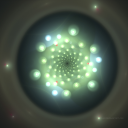
A group of small dwarfs trudging through a heavy snow-covered landscape at night, surrounded by a serene yet harsh winter scene. They are illuminated by the soft flicker of lanterns they carry, casting a warm glow against the cold, dark backdrop. The dwarfs are dressed in thick, fur-lined winter attire, their faces determined yet calm as they navigate the snowdrifts. The sky above is filled with snowflakes gently falling, and the distant silhouettes of pine trees fade into the darkness. The atmosphere is mystical and tranquil, emphasizing the contrast between the warmth of the lantern light and the chill of the snowy environment.
 true trenchBOT
🌟 14 | #sora-challenges message (@finite portal)

🌟 15 | #sora-challenges message (@copper marsh)
Sora is so strongly trained on realistic content it tends to insert photographic style material even when I am trying to get other styles, Impressionism in this case.
true trenchBOT
🌟 11 | #daily-theme message (@hushed widget)
Prompt: "Stunning minimalist ink wash painting of two embracing penguins facing the sunset at the edge of the ocean. Over-the-shoulder angle. Mixed media with gold leaf and ruby essence. Beautiful rugged art. White space,"

🌟 10 | #daily-theme message (@long ridge)

🌟 10 | #daily-theme message (@long ridge)
 true trenchBOT
🌟 15 | #daily-theme message (@red iris)
Prompt: A striking Post-Impressionist painting inspired by Van Gogh, titled 'Lantern Glow.' The scene features a rustic, weathered lantern sitting on a snowy forest path at twilight. The lantern’s radiant light glows in warm yellows, oranges, and creamy whites, casting swirling, dynamic ripples of light that pulse outward into the cold, blue-toned surroundings. The thick, impasto brushstrokes create texture and movement, with bold contrasts between the lantern's fiery glow and the icy cobalt blues and deep violets of the forest. The snow-covered ground and jagged trees are depicted with dramatic swirling motion, giving the scene a dreamlike, surreal quality reminiscent of Van Gogh's *Starry Night*. Shadows stretch long across the snowy path, blending with delicate swirls of softly falling snow, creating a magical and emotional atmosphere. Wide, 16:9 aspect ratio.
 true trenchBOT
🌟 10 | #daily-theme message (@long ridge)
 true trenchBOT
🌟 11 | #daily-theme message (@lethal drum)
 true trenchBOT
🌟 12 | #daily-theme message (@long ridge)
 true trenchBOT
🌟 11 | #daily-theme message (@long ridge)
 true trenchBOT
🌟 10 | #daily-theme message (@digital valve)
 true trenchBOT
🌟 13 | #daily-theme message (@ember glacier)
Anime-style illustration on textured washi paper with soft watercolor tones and sparkling highlights: An anthropomorphized mug of mulled cider, wrapped in a tiny red scarf, embarks on a snowy winter adventure. Perched atop a snowy hill, it wields a cinnamon stick staff glowing faintly with warmth, leaving a trail of steam that curls like a protective kaze (wind). Around it, a frosted forest glimmers under the soft light of a pale winter sun. Icicles hang like kintsugi treasures, and snowflakes, delicately painted with intricate yuki patterns, swirl gently in the crisp air. The cider’s determined expression radiates yuuki (courage) and nukumori (warmth), as it marches toward a distant glowing beacon at the edge of the frozen horizon. The atmosphere is serene yet adventurous, blending traditional Japanese minimalism with anime’s expressive energy.
 true trenchBOT
🌟 13 | #sora-challenges message (@dusk pecan)
 true trenchBOT
⭐ 9 | #daily-theme message (@leaden needle)
🍎 Mulled Cider - spiced, warm, apple-scented joy! Bing Image Creator Powered by DALL·E 3

⭐ 9 | #daily-theme message (@leaden needle)

🌟 13 | #sora-challenges message (@stable juniper)
 true trenchBOT
🌟 11 | #daily-theme message (@red iris)
 true trenchBOT
🌟 11 | #daily-theme message (@obsidian cobalt)
 true trenchBOT
🌟 14 | #sora-challenges message (@red iris)
true trenchBOT
🌟 10 | #daily-theme message (@prime meteor)
An artistic depiction of an Arctic expedition using a blend of alcohol ink techniques and double exposure effects. The image features explorers trekking through a snowy, icy landscape, their figures partly overlaid with ethereal auroras and faint outlines of wild Arctic animals like polar bears and wolves. The alcohol ink creates a vibrant, fluid texture in the icy blues, whites, and greens, while the double exposure effect blends the explorers with their natural surroundings, creating a dreamlike, surreal atmosphere. The sky is alive with flowing ink-like patterns, evoking the movement of the northern lights.
 true trenchBOT
🌟 10 | #daily-theme message (@azure valve)
Prompt: "a girl with firefly wings surrounded by floating lanterns. Her curly hair is lifted into the air dynamically. Painted anime"
Generated with Bing Image Creator Powered by DALL·E 3
 true trenchBOT
🌟 14 | #sora-challenges message (@lethal drum)

🌟 11 | #daily-theme message (@lethal drum)

🌟 11 | #daily-theme message (@candid raft)

🌟 12 | #daily-theme message (@covert echo)
 true trenchBOT
🌟 15 | #sora-challenges message (@stable juniper)
true trenchBOT
🌟 11 | #daily-theme message (@atomic echo)

🌟 10 | #daily-theme message (@hushed widget)
Prompt: "Ink wash painting of a snowglobe housing a sphere painted as the planet Earth. Mixed media with cobalt, jade, and glitter. Beautiful rugged art. White space."

🌟 10 | #daily-theme message (@fathom apex)
via A cozy winter-themed illustration featuring a festive drink in a transparent glass mug with a snowman design inside a snowglobe. The snowglobe contains a warm wooden table with a colorful holly-patterned napkin, a plate of gingerbread cookies shaped like smiling snowmen, stars, and mittens. The drink has creamy foam, a candy cane stirrer, and a cinnamon stick. The background inside the snowglobe shows a snowy window with snowflakes falling gently. Outside the snowglobe, soft lighting and a snowy winter environment enhance the scene. The style is cute, colorful, and cartoon-like with a cheerful winter vibe.

🌟 13 | #daily-theme message (@digital valve)
 true trenchBOT
🌟 14 | #daily-theme message (@tiny quest)
 true trenchBOT
🌟 10 | #daily-theme message (@leaden needle)
🪆 Snow Globe - tiny, magical, swirling world! Bing Image Creator Powered by DALL·E 3
 true trenchBOT
🌟 10 | #daily-theme message (@leaden needle)
🪆 Snow Globe - tiny, magical, swirling world! Bing Image Creator Powered by DALL·E 3

 true trenchBOT
🌟 12 | #daily-theme message (@tiny quest)

🌟 12 | #daily-theme message (@lethal wolf)

🌟 11 | #daily-theme message (@tiny quest)

🌟 11 | #daily-theme message (@leaden needle)
🪆 Snow Globe - tiny, magical, swirling world! Bing Image Creator Powered by DALL·E 3

🌟 10 | #daily-theme message (@obsidian cobalt)
 true trenchBOT
🌟 10 | #daily-theme message (@leaden needle)
🪆 Snow Globe - tiny, magical, swirling world! Bing Image Creator Powered by DALL·E 3
 true trenchBOT
🌟 12 | #daily-theme message (@tight shadow)

🪆 Snow Globe - tiny, magical, swirling world!
A snow globe containing a vast, open-world miniature world depicted in a 3D modeling environment. The scene represents a large, expansive landscape featuring mountains, valleys, plains, rivers, lakes, and scattered towns and forests. The perspective is compressed to emphasize the feeling of an expansive, endless open world within a confined space. The foreground is fully rendered with photorealistic detail, similar to Unreal Engine 5 graphics, with lush, vibrant colors for grass, snow, water, rocks, and trees. Tiny human figures are visible in the foreground, skiing, snowboarding, and playing in the snow-covered landscape. Snow is gently falling throughout the scene, covering the ground and objects with a light dusting of white snow. As the view moves deeper into the background, the world becomes increasingly unfinished. The transition is abrupt, with clear visual contrast. The boundary between the completed world and the unfinished world is marked by fog, a visual shift from realistic textures to flat, unshaded gray surfaces. Large, plain white, unrendered blocks and simple wireframe outlines of mountains, valleys, and structures are visible. Some areas of the terrain are missing, leaving blank gaps. In the distance, huge unfinished polygons and wireframe outlines of structures loom large. The air inside the snow globe is filled with fine, glowing digital particles, like tiny bits of data or dust, floating faintly in blue and white. This fog-like effect enhances the sense of mystery and enclosure. The entire world is fully enclosed within a large, clear, reflective glass snow globe. The outside of the globe is surrounded by total darkness, with no background scenery, emphasizing the self-contained, miniature world. The base of the snow globe is intricately carved, reinforcing the sense of a magical, delicate, and self-contained world of endless adventure and activity.
 true trenchBOT
🌟 11 | #daily-theme message (@lethal wolf)
A professional photograph of a snow globe featuring an Antoni Gaudi-inspired little cottage and garden inside, crafted entirely of highly detailed, exquisite knitted figurines. The cottage has whimsical, organic shapes and colorful patterns reminiscent of Gaudi's architectural style, surrounded by a charming garden with textured, knitted plants. Silver glitters gently fall inside the globe, creating a magical realist atmosphere. The scene captures an ephemeral and dreamy quality. Soft rim lighting illuminates the snow globe, creating a vivid contrast against a dark, atmospheric background, enhancing the mystical and enchanting mood.
 true trenchBOT
🌟 19 | #daily-theme message (@lethal wolf)
**Knolling Food Sampler ** - Knolling layouts are an excellent way to present food samplers. The method's emphasis on symmetry, order, and visual appeal makes it perfect for showcasing the variety, craftsmanship, and intricate details of food items in an artistic and engaging manner, highlighting the variety and uniqueness of individual items while maintaining a cohesive look. #1317337843496124506 message

🌟 18 | #daily-theme message (@hushed widget)

 Nature-inspired knolling can be a fun take on this photography technique. You might try imagining the contents of a natural history collection or various items collected from a hike in nature. Here are some examples:
Prompt 1:
"Knolling arrangement of various autumn leaves and bare twigs arranged neatly on a solid black background. The leaves include maple, willow, elm, oak, and more in shades of green, yellow, orange, red, and brown, neatly transitioning from one color to the next."
Prompt 2:"Simple knolling arrangement of natural items arranged on a white backdrop, including dandelions, pinecones, mushrooms, small river rocks, snail shells, old leaves, clumps of berries, and more."

 true trenchBOT
💫 20 | #daily-theme message (@lethal wolf)
Knolling beyond Photography: Knolling can be adapted into various art forms beyond photography. Its principles of organization, symmetry, and clarity have inspired artists and designers to integrate it into different mediums and creative practices, including illustration, graphic design, painting, sculpture, mixed media and collage. "A low-poly illustration in a knolling layout featuring whimsical, child-friendly farm animals. Each animal is designed with fun, vibrant colors and simplified, exaggerated shapes, creating a playful and geometric aesthetic. The animals are neatly arranged in an organized, grid-like format against a clean, neutral background. The low-poly style emphasizes sharp edges and flat colors, giving the illustration a modern and minimalist look while maintaining a cheerful and approachable feel." More in #1317337843496124506 message

🌟 17 | #daily-theme message (@obsidian cobalt)
Microsoft copilot: ChatGPT with DallE 3.
Text Prompt : make a list of hardware and software components needed to create chatgpt. be very objective
It gave a me list of items. Continuing with the conversation.
Image Prompt: nice, now create a visually clean and elegant knolling layout of these components on a gradient grey background

 true trenchBOT
🌟 17 | #daily-theme message (@copper marsh)
Knolling is the practice of arranging objects in an orderly, visually appealing way and photographing them from a top-down perspective. Coined in 1987 by Andrew Kromelow while organizing tools at right angles, the term was inspired by the clean, minimalist lines of Knoll furniture. Popularized by artist Tom Sachs, knolling emphasizes symmetry, alignment, and spacing to create a sense of order and aesthetic harmony.
Widely used in art, design, product photography, and social media, knolling often involves themed arrangements on plain backgrounds to highlight the objects. Its clean, structured style appeals for instructional layouts, branding, and storytelling, making it a versatile visual technique for both practical and artistic purposes.
This sample was created by first discussing knolling with ChatGPT and then specifying the types of objects to be arranged. While ChatGPT understands the concept of knolling well, it often produces busy patterns unless specifically directed to simplify. Only simple prompts are needed to produce knolling:
Prompt: "please make an example of Knolling as product display photography of fall fashion clothing for men"

🌟 15 | #daily-theme message (@prime meteor)
Knolling in Science and Weather imagery.
As a lifelong weather geek with a home reporting station, I have seen knolling used in various scientific magazines. And also, to render scientific topics in an introductory style, as a visual aid to a general audience in other publications. I found ChatGPT very useful to help develop this particular task, representing a home weather station.
Knolling is an effective and visually engaging technique for portraying scientific themes, including weather, because of its ability to transform complex subjects into clear images.
For weather-related themes, this method can showcase the components of meteorology — tools like thermometers, barometers, anemometers, and rain gauges — in a way that highlights their individual roles while creating a unified scientific narrative. By providing a top-down view of these instruments, knolling bridges the gap between technical precision and visual appeal, making the subject accessible and educational.
It knew exactly what to do when I asked ChatGPT to make a knolling image of a home weather station. The returned prompt shows all that they did to create this: Create a realistic knolling-style flat lay image featuring modern weather tools commonly used in homes today. Include neatly organized items such as a digital weather station display, wireless sensors, a smartphone displaying a weather app, a compact rain gauge, a small solar-powered anemometer, a digital hygrometer, a barometer, weather charts, and a small notebook with weather recordings. Arrange all components in a clean and precise grid format on a textured wooden surface with soft natural lighting, evoking a modern, functional, and educational aesthetic.

🌟 16 | #daily-theme message (@azure valve)
Prompt: an example of Knolling as product display photography of exotic bird feathers, painted anime
Generated with Bing Image Creator Powered by DALL•E 3

🌟 15 | #daily-theme message (@digital valve)

🌟 16 | #daily-theme message (@subtle forum)
An artistic knolling arrangement featuring items related to travel_ a passport, vintage map, compass, sunglasses, a camera, luggage tags, postcards, and much more

🌟 18 | #daily-theme message (@hot lantern)

Conan’s EDC (along with a couple of watches that appear to be threaded so deeply into the training data for this style of image that I couldn’t generate sans watch)

🌟 15 | #daily-theme message (@covert echo)

🌟 16 | #daily-theme message (@tardy star)


🌟 15 | #daily-theme message (@prime meteor)
Create a knolling-style flat lay composition featuring a scientific exploration kit. Include neatly organized items such as a vintage compass, magnifying glass, binoculars, test tubes with soil and rock samples, geological maps, a field journal with handwritten notes, a pocket microscope, small labeled rock specimens, a camera, and pencils. Arrange all components precisely at 90-degree angles on a textured wooden surface with soft natural lighting. The layout should evoke curiosity, adventure, and scientific discovery.

🌟 15 | #daily-theme message (@hot lantern)

🌟 16 | #daily-theme message (@tardy star)
 true trenchBOT
🌟 15 | #daily-theme message (@red iris)
Prompt:A meticulously arranged flat lay photograph in the art of knolling, showcasing the parts of a golden sci-fi movie translator droid. The components are laid out in an organized grid on a sleek, neutral surface. Each part, from golden limbs and hands to intricate mechanical joints, gears, a shiny polished head, and glowing blue energy cores, is carefully aligned and displayed as if for an assembly kit. The droid parts have a metallic sheen, reflecting soft light, and are clean, polished, and futuristic. Small labels, screws, and wires add detail, making it look like a kit straight out of a high-end sci-fi workshop. The composition is precise, balanced, and visually satisfying, embodying the art of knolling photography with a sci-fi aesthetic. Wide, 16:9 aspect ratio.

🌟 11 | #daily-theme message (@cosmic yoke)

🌟 14 | #daily-theme message (@covert echo)
 true trenchBOT
🌟 14 | #daily-theme message (@covert echo)

🌟 15 | #daily-theme message (@digital valve)
 true trenchBOT
🌟 14 | #daily-theme message (@atomic echo)
 true trenchBOT
🌟 10 | #daily-theme message (@leaden needle)
🪆 Snow Globe - tiny, magical, swirling world! Bing Image Creator Powered by DALL·E 3
 true trenchBOT
🌟 13 | #daily-theme message (@prime meteor)
Create a knolling-style flat lay composition featuring a vintage astronomer’s workspace. Include neatly organized items such as a brass telescope lens, star charts, a sextant, compasses, celestial globes, handwritten astronomy notes, vintage books, small planetary models, quill pens, and a pocket watch. Arrange all items at precise 90-degree angles on a textured dark wooden surface with soft, warm lighting to evoke a timeless and scholarly atmosphere.

🌟 13 | #daily-theme message (@tardy star)
 true trenchBOT
🌟 15 | #daily-theme message (@atomic echo)
"A flat lay showcasing geodes and crystal clusters in a Knolling-style arrangement. The items are sorted by type, from small quartz points to large amethyst clusters, displayed on a clean black background to contrast the vibrant colors and textures. The lighting is soft, enhancing the sparkle of the crystals."

🌟 14 | #daily-theme message (@covert echo)

🌟 12 | #sora-challenges message (@desert zodiac)
true trenchBOT
🌟 11 | #daily-theme message (@covert echo)

🌟 15 | #daily-theme message (@atomic echo)

🌟 11 | #daily-theme message (@torn solstice)


🌟 16 | #daily-theme message (@lapis copper)
 true trenchBOT
🌟 14 | #daily-theme message (@lapis copper)

🌟 14 | #daily-theme message (@atomic echo)

🌟 13 | #daily-theme message (@prime meteor)
A flat lay arrangement of stationery items including pens, rulers, notebooks, erasers, and paper sheets styled geometrically. The image incorporates abstract graphic design elements like grids, bold color blocks, and lines, creating a playful and modern artistic composition.

🌟 12 | #daily-theme message (@digital valve)


🌟 12 | #daily-theme message (@leaden needle)
Technique Tuesdays 🎨 Knolling - The art of flat lay photography Bing Image Creator Powered by DALL·E 3

 true trenchBOT
🌟 12 | #daily-theme message (@digital valve)

🌟 12 | #daily-theme message (@digital valve)


🌟 12 | #daily-theme message (@digital valve)
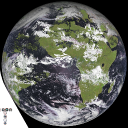
Top-down 90° view of disassembled vehicles and machines using the knolling method : an excavator on the Moon with its main components (tracks, arm, engine), a futuristic photovoltaic vehicle with wheels and a body covered with solar panels in a transparent workshop on Mars, where the floor reveals a lower floor with a mechanic in a pit, and a view of the red surface of Mars. All parts are carefully arranged, emphasizing technical details and precision.


 true trenchBOT
🌟 11 | #daily-theme message (@full bough)


🌟 12 | #daily-theme message (@leaden needle)
Technique Tuesdays 🎨 Knolling - The art of flat lay photography Bing Image Creator Powered by DALL·E 3

🌟 12 | #daily-theme message (@coarse cliff)
Professional photograph titled "Homesteading", captured with a prime lens on 35mm film in a rustic style. The image features a carefully arranged flat lay of essential off-the-grid tools and objects, employing the knolling technique for precision and order. Items are laid out on an aged wooden table with visible grain and imperfections, evoking a sense of timeworn simplicity. Natural light streams softly from the top left, casting subtle shadows and enhancing the warm, earthy tones of the objects. The atmosphere is quiet and serene, embodying the slow, deliberate lifestyle of rustic homesteading.

🌟 12 | #daily-theme message (@atomic echo)
"A flat lay photography setup featuring candles of various shapes and colors arranged in a Knolling style. The candles include small, round tealights, tall pillar candles, geometric-shaped candles, and unique taper candles, all sorted symmetrically from smallest to largest. The candles come in a variety of colors, such as white, gold, red, and pastel shades. The background is neutral, and soft lighting accentuates the smooth textures and vibrant colors of the candles, creating a peaceful and cozy ambiance."

🌟 11 | #daily-theme message (@digital valve)
 true trenchBOT
🌟 11 | #daily-theme message (@candid raft)

🌟 11 | #daily-theme message (@lethal wolf)
Bing Image Creator prompt: "Artistic knolling layout, variety of [red objects for women/green objects for men], minimalist" (I tried "green objects for women", too, but it was full of leaves).

 true trenchBOT
🌟 12 | #sora-challenges message (@prime meteor)
🌟 11 | #sora-challenges message (@desert zodiac)
A rather intense hike! I don't think Sora quite understands how "climbing" works, but it did great for the close up shots 
🌟 12 | #daily-theme message (@prime meteor)
An oil-on-canvas simulation of a frozen lake reflecting silhouettes of migrating white birds. The lake's surface is icy and glossy, mirroring the delicate forms of birds flying gracefully overhead. The surrounding landscape is snow-covered, and the sky has soft, pale winter hues, creating a peaceful and lifelike scene.

🌟 17 | #daily-theme message (@lethal wolf)
A highly abstract Impressionist painting of a closeup view of a white owl on a frozen tree branch in a frosty winter morning, spreading its wings ready to take flight. The focus is on the owl's face and wings, depicted with soft, flowing brushstrokes and blurred details. Diffuse ethereal sunlight bathes the scene, creating soft chiaroscuro effects. The textures and colors blend harmoniously in pastel tones, emphasizing an ethereal and serene atmosphere. Frosty details on the branch and the surrounding winter light are subtle, enhancing the mood and abstraction over realism.

🌟 14 | #daily-theme message (@hushed widget)

Prompt: "Subtle impasto painting in an antique style incorporating dynamic realistic lighting. Beautiful landscape scene. Tall cumulonimbus clouds. Overcast sky. A white sparrow perched on a frost-covered branch of a bush, with scattered brown leaves and clumped red berries still hanging on. Another white sparrow flies in at the side, in midair near the branch. White space."
 true trenchBOT
🌟 13 | #daily-theme message (@leaden needle)
🦢 Frosty Flight - graceful, migrating, white wings in snow! Bing Image Creator Powered by DALL·E 3
 true trenchBOT
🌟 13 | #daily-theme message (@covert echo)

🌟 14 | #daily-theme message (@obsidian cobalt)
 true trenchBOT
🌟 12 | #daily-theme message (@leaden needle)
🦢 Frosty Flight - graceful, migrating, white wings in snow! Bing Image Creator Powered by DALL·E 3

🌟 12 | #daily-theme message (@sweet kernel)
 true trenchBOT
🌟 12 | #daily-theme message (@digital valve)
 true trenchBOT
🌟 10 | #sora-challenges message (@dusk pecan)
true trenchBOT
🌟 15 | #sora-challenges message (@wide brook)
🌟 13 | #sora-challenges message (@dusk pecan)
true trenchBOT
🌟 13 | #daily-theme message (@lethal wolf)
A wide-format minimalist ink wash painting created using natural pigments on rice paper. The artwork depicts a closeup view of a pair of Japanese cranes flying over empty frosted rice fields in early winter as light snow falls. The twilight scene transitions to darkness, with a low-hanging diffuse sun casting a soft chiaroscuro effect. The composition is minimalist and asymmetrical, featuring graceful brushstrokes, bokashi effects, and a painterly, serene aesthetic with an emphasis on the concept of 'ma'.

🌟 11 | #daily-theme message (@azure valve)

Prompt: a flock of birds made of ice flying through a ice blue sky with white clouds. there’s a cliff visible in the distance, painted anime
Generated with Bing Image Creator Powered by DALL•E3
 true trenchBOT
🌟 13 | #daily-theme message (@covert echo)
 true trenchBOT
🌟 12 | #daily-theme message (@stark python)


🌟 11 | #daily-theme message (@covert echo)

🌟 11 | #daily-theme message (@covert echo)

🌟 11 | #daily-theme message (@subtle forum)
A dramatic and awe-inspiring snowy landscape featuring majestic white wings soaring powerfully through a frosty sky.

🌟 11 | #daily-theme message (@atomic echo)
A magical winter scene of swans flying gracefully through a snowy sky, their feathers glistening like diamonds. Snowflakes fall softly, creating a serene, frosty atmosphere over a frozen landscape of snow-covered trees and icy plains."

🌟 12 | #daily-theme message (@atomic echo)
"A magical scene of white storks soaring beneath vibrant northern lights. Their shimmering wings reflect hues of green, purple, and blue, while snow falls gently over a glowing, snowy landscape."

🌟 11 | #daily-theme message (@lethal drum)

🌟 11 | #daily-theme message (@tiny quest)
 true trenchBOT
🌟 15 | #daily-theme message (@atomic echo)
Mystical winter scene with a frozen gazebo or bridge fading into a snowy fog. Ghostly echoes of memories appear as blurred figures, while frost-covered trees and fleeting footprints add to the ethereal atmosphere.
 true trenchBOT
🌟 13 | #daily-theme message (@leaden needle)
📚 Winter’s Memory - soft, layered, frozen echoes of time. Bing Image Creator Powered by DALL·E 3
 true trenchBOT
🌟 11 | #daily-theme message (@prime meteor)
A charming holiday illustration of children sledding down a snow-covered hill, designed in a style reminiscent of 1920s or 1930s magazine covers. The children are bundled in vintage winter attire, including woolen hats, scarves, and mittens, with rosy cheeks glowing from the cold. The sleds are wooden with metal runners, gliding over the sparkling snow. The background features a picturesque winter landscape with evergreen trees dusted in snow and a cozy cabin with smoke curling from the chimney. The color palette includes soft pastels and warm, muted tones characteristic of the era, and the illustration is bordered with a festive Art Deco-inspired frame.

🌟 12 | #daily-theme message (@covert echo)
 true trenchBOT
🌟 10 | #sora-challenges message (@wide brook)
🌟 10 | #sora-challenges message (@uncut sundial)
🌟 10 | #sora-challenges message (@hushed widget)
🌟 10 | #sora-challenges message (@dusk pecan)
🌟 10 | #sora-challenges message (@blissful talon)
 true trenchBOT
🌟 15 | #daily-theme message (@restive edge)


🌟 14 | #daily-theme message (@ember glacier)
Blurry watercolor and egg tempera on aged washi, with faint ink outlines and subtle gold flecks: “Bonfire Nights” – a wide scene where a circle of friends gather beneath a star-scattered autumn sky. The crisp air is hinted at by the soft glow of a central bonfire whose sparks rise and vanish into the darkness. Gentle, muted hues—deep umber for the ground, smoky indigo in the distant trees—frame warm highlights of the fire’s light dancing on jackets, scarves, and weathered faces. A child lifts a roasted marshmallow with quiet anticipation, while an older figure leans in, illuminating just the edges of a shared story. Subtle imperfections in the wash allow the fire’s reflections to shimmer unevenly, whispering warmth against the encroaching night. In the background, half-seen silhouettes blend into soft fog, giving depth without harsh lines. Together, these elements create a tableau of comfort, friendship, and gentle transience, as sparks drift upward, carrying faint wishes into the cool hush of a starlit autumn evening.
 true trenchBOT
🌟 15 | #daily-theme message (@atomic echo)
Against a starry sky illuminated by falling comets, golden flames of a bonfire dance to the rhythm of crackling wood. In their light, sparks resembling butterflies rise, shimmering as if they carry mysterious tales. The smoke weaves fleeting shapes in the air – a couple twirling in an enchanting dance. Around the fire, people gather, their faces glowing with warmth and wonder, as if each flame warms not just their bodies but their hearts. The mysterious aura of the forest in the background completes this mystical night, a moment suspended between reality and magic.

🌟 14 | #daily-theme message (@dusk pecan)

🌟 10 | #daily-theme message (@leaden needle)
📚 Winter’s Memory - soft, layered, frozen echoes of time. Bing Image Creator Powered by DALL·E 3

🌟 16 | #daily-theme message (@vague crystal)


🌟 12 | #daily-theme message (@covert echo)

🌟 15 | #daily-theme message (@azure valve)
Prompt: a nighttime scene of a little girl and her mother cuddled up to each other near a bonfire with rabbits at their feet, painted anime
Generated by Bing Image Creator Powered by DALL•E3
 true trenchBOT
🌟 14 | #sora-challenges message (@desert zodiac)
I decided to try something new today! I generated an image with Dall-E 3 and sent the image to GPT-4o, asking it to write a prompt to give to Sora that animated the fire. Then, I uploaded the image and description ChatGPT generated to Sora. This way, Sora had an idea of the image style I wanted and a text description of what I wanted generated. I'm pretty happy with how it turned out 
true trenchBOT
🌟 13 | #daily-theme message (@red iris)

🌟 14 | #daily-theme message (@lethal wolf)
Simplified felt art scene of elves dancing around a large bonfire in the dark forest at night. The figurines are created in minimalistic, rounded shapes with vibrant felt colors. The elves have basic, abstracted forms, with simple features and soft details, arranged in a circular dance around a glowing felt bonfire. The forest background is stylized, with dark felt trees and subtle glowing accents. The firelight gently illuminates the scene, emphasizing the simplicity and charm of the felt textures.

💫 20 | #daily-theme message (@ember glacier)
Realist style anime watercolor blending on rugged chrome steel in wide format: “Quiet Ember Vigil” – Under a deep twilight sky streaked with muted violets and fading blues, a solitary bonfire glows amid a barren, windswept plateau of softly textured brushstrokes. The flames, rendered in layered watercolor and chalky pastel hues, rise gently, their reds, oranges, and yellows blending into subtle gradations that whisper of warmth rather than roar with fury. A single figure sits a short distance away—an East Asian traveler, wrapped in a weathered coat with a simple scarf. His profile is softly lit by the fire, delicate ‘kaoiro’ facial toning giving a sense of introspection and gentle resolve. The reflected glow shimmers faintly on the rugged chrome steel canvas, lending the scene a quiet “kira-kira” spark, as if the night itself is humming a lullaby. No grand spectacle, no crowd—just the soundless hush of distant hills and the soft pulse of an ember-lit horizon. In the stillness, the viewer can sense a patient waiting, the passing of moments like slow-moving clouds, and the lingering comfort of light in a silent, chilly world.
 true trenchBOT
🌟 13 | #daily-theme message (@prime meteor)
I did a sora version of this first, without using any image. I then went back to GPT using the same essential prompt and and got a significantly different result by not asking for a sora video. The video worked well (frosted frames board) and was not too busy and I was happy with the result. I was happy with the image result as well. I liked how my needs seemed to be reflected for both video and image. “A magical outdoor scene of Santa's village at the North Pole during a festive evening. A large, warm bonfire is the focal point, surrounded by glowing lanterns and twinkling fairy lights strung between snow-dusted evergreen trees…..”

🌟 12 | #daily-theme message (@storm anvil)
a cozy winter bonfire night scene featuring a group of joyful dwarfs gathered around a glowing, crackling bonfire. They are bundled in festive winter attire, with a majestic Christmas tree sparkling with ornaments and lights in the background. The ground is dusted with snow, and the scene is illuminated by the warm light of the fire and the soft glow of the tree. The atmosphere is filled with laughter and the sense of holiday spirit, as stars twinkle in the cold, clear night sky. Natural style, HD quality.
 true trenchBOT
🌟 13 | #daily-theme message (@covert echo)
 true trenchBOT
🌟 13 | #daily-theme message (@digital valve)
Image Description 1: Thermal View of a Forest Fire
The scene shows a forest fire from the perspective of a thermal camera. Bright shades of red, orange, and yellow clearly indicate the areas of high temperature where the fire is burning most intensely. In the foreground, two different types of fire trucks are visible - one is using cold water (in shades of blue and purple) to extinguish the fire, while the other modern equipment is throwing a warmer stream of earth. In the background, in the sky, you can see the lightning flash that started the fire, also shown in thermal colors.
Image Description 2: Thermal View of a Winter Campfire
The image shows a winter scene with a thermal view of a small campfire. The fire is emitting intense heat, visible in bright colors of red, orange, and yellow. The surrounding snow is noticeably colder, as shown in shades of blue and purple. Several pieces of wood around the campfire show slight heating at their edges, emphasizing the thermal effect. The scene captures the contrast between the warmth of the campfire and the cold, calm surroundings.


🌟 14 | #daily-theme message (@obsidian cobalt)


🌟 14 | #daily-theme message (@sullen anvil)


 true trenchBOT
🌟 12 | #daily-theme message (@atomic echo)
A mesmerizing scene unfolds as a fiery bridge emerges from a radiant bonfire, stretching into the starlit heavens. Golden and silver stars cascade around like a celestial waterfall, their glow illuminating the faces of those standing in awe on the bridge. The surrounding forest fades into the background, silhouetted by the soft shimmer of the starry night. The atmosphere brims with wonder, magic, and the promise of infinite possibilities.
 true trenchBOT
🌟 13 | #daily-theme message (@atomic echo)
The image depicts a fiery labyrinth emerging from a blazing bonfire. Its walls ripple in vibrant colors. The labyrinth symbolizes an inner journey, where each step uncovers hidden fears and desires. At the end, a magical reward awaits — the understanding of one's own heart.

🌟 12 | #daily-theme message (@digital valve)

🌟 13 | #daily-theme message (@obsidian cobalt)


 true trenchBOT
🌟 12 | #daily-theme message (@pallid dawn)
Cyberpunk pug, wearing futuristic gear, sitting by a crackling bonfire, watching the glowing flames, feeling the warmth, and warming hearts under the night sky.
 true trenchBOT
🌟 10 | #daily-theme message (@leaden needle)
🔥 Bonfire Nights - crackling, glowing, warming hearts! Bing Image Creator Powered by DALL·E 3
 true trenchBOT
🌟 15 | #daily-theme message (@leaden needle)
🔥 Bonfire Nights - crackling, glowing, warming hearts! Bing Image Creator Powered by DALL·E 3
 true trenchBOT
🌟 11 | #daily-theme message (@covert echo)
 true trenchBOT
🌟 10 | #daily-theme message (@covert echo)

🌟 10 | #daily-theme message (@lethal wolf)
A wide-format landscape painting titled 'Winter’s Memory,' created in oil on a distressed canvas, in the style of Pieter Bruegel the Elder. The aerial perspective composition highlights a wooden cart loaded with firewood in the foreground, placed atop a snowy hill, surrounded by bare trees, with dogs running around. In the background, a faint view of a snow-covered 16th-century Belgian farming village is visible, where villagers are engaged in gathering firewood, caring for livestock, and shoveling snow. The scene is illuminated by diffuse late-afternoon sunlight, creating soft chiaroscuro effects. The architecture, costumes, tools, and other elements are historically accurate to the 16th century, with muted earth tones and whites adding to the serene and timeless ambiance.

🌟 10 | #daily-theme message (@lethal wolf)
Photorealistic dark fantasy painting with Film Noir style lighting depicting an elegant white swan with diamond tiarra, with her wings spread wide, hovering above a frozen lake, surrounded by snow-covered landscape with frozen waterfalls with icicles, white flowering shrubs, glimmer of light breaking through thick heavy clouds. An interplay of light and shadow that enhances the ethereal quality, blending realism with subtle Impressionist brushstrokes, chiaroscuro.

🌟 11 | #daily-theme message (@sweet kernel)

🌟 11 | #daily-theme message (@vague crystal)

🌟 10 | #daily-theme message (@sweet kernel)

🌟 10 | #daily-theme message (@ashen seal)


🌟 11 | #daily-theme message (@atomic echo)
"photography setup featuring a variety of vibrant flowers and fresh green leaves arranged in a Knolling style. The flowers, such as delicate tulips, daisies, and violets, are placed alongside various green leaves, including ferns and ivy, organized symmetrically by size from smallest to largest. The background is neutral and light, with soft natural lighting that accentuates the vivid colors of the flowers and the rich green tones of the leaves, creating a fresh, lively, and inviting spring-inspired atmosphere."

🌟 11 | #daily-theme message (@atomic echo)
"A flat lay photography setup featuring a collection of shoes arranged in a Knolling style. The shoes vary in size, from tiny baby shoes to large sneakers and elegant heels, all organized symmetrically from smallest to largest. The background is neutral, such as light gray or beige, with soft, natural lighting that highlights the textures and colors of the shoes, creating a clean, stylish, and organized display."

🌟 11 | #daily-theme message (@candid raft)
"A top-down, 16:9 UHD composition with a smooth, matte backdrop—perhaps a soft, off-white surface—serving as a pristine canvas. On this canvas, numerous vibrant liquids are arranged in a knolling-style pattern, achieving a paradoxical blend of precision and playfulness. Each liquid takes on its own shape: rounded puddles, elongated drips, carefully measured drops, and painterly splashes. These forms are deliberately placed in a grid-like arrangement, aligned at right angles, yet within their neat rows and columns there’s a sense of organic complexity.
Color & Texture:
The liquids come in a spectrum of intense hues—rich magenta, deep cobalt, tangy citrus yellow, lush emerald green, and velvety maroon—each one’s surface tension forming distinct edges. Some pools look glossy and reflective, catching subtle highlights from overhead lighting. Others, with more viscous consistency, hold expressive drips and ridges that suggest slow movement captured mid-action. Tiny droplets might be arranged in perfect rows, while larger pools anchor the layout, balancing the composition visually.
Chaotic Yet Balanced:
The knolling grid imposes structure on what would otherwise be chaos. Within this grid, the shapes appear intentionally placed, as though meticulously measured and applied with a dropper or brush. Yet the liquids remain inherently fluid and unpredictable, their edges gracefully irregular, their surfaces shimmering with tonal variations. This interplay of disciplined arrangement and natural fluidity creates an engaging tension that invites the viewer’s eye to wander across the image, exploring each color and form.
Overall Mood and Impression:
This image feels simultaneously like an abstract painting, a scientific experiment, and a contemporary art installation. ..."

🌟 11 | #daily-theme message (@candid raft)

🌟 10 | #daily-theme message (@obsidian cobalt)
Bing image creator: a caricature of an early man looking at a chart 'how to start a fire' displaying an elegant knolling arrangement of things required to make a fire in prehistoric times, thick outline, sketch
disclaimer : the cigarette was not my idea


🌟 11 | #daily-theme message (@vague crystal)

🌟 11 | #daily-theme message (@prime meteor)
An ornate snow globe featuring a golden winter village surrounded by snow-covered trees and intricate shimmering snowflakes. The transparent glass surface highlights the detailed baroque-inspired design, with warm glowing lights illuminating the scene. The base is richly decorated with floral and snowflake motifs, while a softly blurred background enhances the cozy, magical atmosphere of this festive, fantasy-inspired holiday illustration.

🌟 11 | #daily-theme message (@covert echo)

🌟 10 | #daily-theme message (@digital valve)

 true trenchBOT
🌟 10 | #daily-theme message (@prime meteor)
Bonfire nights, featuring dark ink for the background and glowing gold leaf for flames. The scene includes a small group of people sitting around the fire, their silhouettes glowing warmly in the firelight, with expressions of joy and connection. The flames are depicted as intricate and luminous, contrasting dramatically against the deep, inky blackness of the surroundings. The artwork emphasizes the warmth and sentimentality of human connection around a bonfire while maintaining an artistic elegance with abstract touches.

🌟 10 | #daily-theme message (@leaden needle)
🔥 Bonfire Nights - crackling, glowing, warming hearts! Bing Image Creator Powered by DALL·E 3

🌟 10 | #daily-theme message (@lethal wolf)
 true trenchBOT
⭐ 9 | #daily-theme message (@leaden needle)
🔥 Bonfire Nights - crackling, glowing, warming hearts! Bing Image Creator Powered by DALL·E 3


🌟 10 | #daily-theme message (@leaden needle)
🦢 Frosty Flight - graceful, migrating, white wings in snow! Bing Image Creator Powered by DALL·E 3

🌟 11 | #daily-theme message (@leaden needle)
Technique Tuesdays 🎨 Knolling - The art of flat lay photography Bing Image Creator Powered by DALL·E 3


🌟 11 | #daily-theme message (@leaden needle)
🪆 Snow Globe - tiny, magical, swirling world! Bing Image Creator Powered by DALL·E 3


🌟 10 | #daily-theme message (@leaden needle)
🪆 Snow Globe - tiny, magical, swirling world! Bing Image Creator Powered by DALL·E 3

🌟 10 | #daily-theme message (@leaden needle)
🪆 Snow Globe - tiny, magical, swirling world! Bing Image Creator Powered by DALL·E 3
 true trenchBOT
🌟 14 | #daily-theme message (@tiny quest)

🌟 13 | #daily-theme message (@azure valve)
Prompt: a couple of snowpeople having a snowball fight, painted anime
Generated by Bing Image Creator Powered by DALL•E3

🌟 13 | #daily-theme message (@ember glacier)
Soft pastel and ink on crisp white cotton paper, wide format: “Snowball Flight – A Quiet Moment of Childlike Wonder.” Centered in a bright, open snowfield, a single child stands poised mid-throw, capturing that split second when the snowball leaves their hand. Their coat—a vivid red—contrasts the soft whites and pale blues of the frosty ground, highlighting the playful spark in their eyes. A simple horizon stretches behind them, the sky only faintly tinted with a gentle winter light. No clutter, just the hush of powdery snow kicked up by the child’s movement, small puffs of breath floating in the crisp air. Subtle pastel shading and light ink outlines emphasize the scene’s purity, giving each element—child, snowball, and sky—room to breathe. The result invites a sense of quiet excitement, a single suspended heartbeat of carefree winter fun.
 true trenchBOT
🌟 11 | #daily-theme message (@obsidian cobalt)


🌟 13 | #daily-theme message (@obsidian cobalt)

🌟 12 | #daily-theme message (@candid raft)


 true trenchBOT
🌟 11 | #daily-theme message (@leaden needle)
⛄ Snowball Fight - playful, tossing, powdery fun! Bing Image Creator Powered by DALL·E 3

🌟 11 | #daily-theme message (@leaden needle)
⛄ Snowball Fight - playful, tossing, powdery fun! Bing Image Creator Powered by DALL·E 3

 true trenchBOT
🌟 14 | #daily-theme message (@lethal wolf)
 true trenchBOT
🌟 11 | #daily-theme message (@prime meteor)
An impressionist painting of a lively snowball fight, using blurred brushstrokes and vibrant winter tones to convey the energy and joy of the moment. The snowy landscape is full of action, with children and adults throwing snowballs and laughing in a sunlit winter scene.
 true trenchBOT
🌟 11 | #daily-theme message (@candid raft)
 true trenchBOT
🌟 11 | #daily-theme message (@leaden needle)
⛄ Snowball Fight - playful, tossing, powdery fun! Bing Image Creator Powered by DALL·E 3

🌟 11 | #daily-theme message (@atomic echo)
"An enchanted snowy world where children play with glowing snowballs that light up the frosty air with bursts of colorful magic. Giant ice trees surround the scene, their crystal-like branches sparkling with tiny lights. The aurora borealis dances across the sky, casting an ethereal glow on the shimmering ice house in the distance. The moment radiates pure joy and wonder."

🌟 11 | #daily-theme message (@atomic echo)
A magical Antarctic scene with a shimmering ice house surrounded by snow. Two charming children, with beautifully detailed faces, joyfully throw snowballs at each other. Their fur coats and the glowing aurora borealis create an enchanting, professional atmosphere.
 true trenchBOT
🌟 12 | #daily-theme message (@red iris)

🌟 13 | #daily-theme message (@tiny quest)

🌟 14 | #daily-theme message (@sullen anvil)

 true trenchBOT
🌟 13 | #daily-theme message (@subtle forum)
 true trenchBOT
🌟 15 | #daily-theme message (@lethal wolf)
A macro photographic image, extreme closeup of a single rusty barb frozen with tiny icicles on a barbed wire fence. Behind the fence, a longhorn bull stands in a wintry pasture with soft snow-covered ground in the background. The diffuse late afternoon sun creates soft chiaroscuro effects, enhancing the desolate and forlorn mood.
 true trenchBOT
🌟 13 | #daily-theme message (@ember glacier)
Soft pastel and refined ink on radiant white cotton paper, wide format: “Frozen Fences – A Crisp Encounter of Frost and Iron.” At the center stands a tall wrought-iron fence, each ornate curl glimmering beneath a cold morning sun. Delicate crystals of ice cling to the metal, catching subtle flashes of pale blues and pinks. A single red cardinal perches quietly on a frosty post, its vivid plumage a brief spark of warmth against the hushed winter backdrop. Fine ink outlines capture the fence’s filigree in precise detail, while gentle pastel washes lend a subtle sense of depth, inviting a closer look at the fleeting artistry of frost and light.

🌟 13 | #daily-theme message (@lethal wolf)
A minimalist pen-and-ink drawing with colorful and expressive watercolor washes depicting a snowy wooden fence, frozen in snow, in a snowy garden with a rustic stone cottage in the background. A five-year-old farm girl with black hair in a short bob, wearing a red anorak with white fur trimming and heavy snow boots, stands near the fence. In the background, there is a vague view of a barn and cows. The scene is illuminated by the diffuse light of a late afternoon sun, creating soft chiaroscuro effects. The artwork features fine ink lines, expressive colors, and a painterly style, with an ephemeral, ethereal, and dreamy quality.

🌟 12 | #daily-theme message (@obsidian cobalt)
 true trenchBOT
🌟 10 | #daily-theme message (@leaden needle)
🔗 Frozen Fences - frost-covered, intricate, metallic patterns! DALL.E 3 via ChatGPT 0Shot

🌟 10 | #daily-theme message (@leaden needle)
⛄ Snowball Fight - playful, tossing, powdery fun! Bing Image Creator Powered by DALL·E 3
 true trenchBOT
🌟 13 | #daily-theme message (@azure valve)
Prompt: the son of the abominable snow man leaning on a fence made of snowflakes, painted anime
Generated by Bing Image Creator Powered by DALL•E3
 true trenchBOT
🌟 12 | #daily-theme message (@prime meteor)
 true trenchBOT
🌟 13 | #daily-theme message (@red iris)
 true trenchBOT
🌟 13 | #daily-theme message (@covert echo)
 true trenchBOT
🌟 12 | #daily-theme message (@torn pond)


🌟 12 | #daily-theme message (@digital valve)

🌟 11 | #daily-theme message (@ember glacier)
Realistic style anime depiction from the 80s with watercolor blending on chrome steel – Abstract vision of a lone young woman in a sleek space suit, her boots just touching the glassy surface of a frozen interstellar river. The ice reflects star fields and faint auroras, merging minimalist celestial patterns with the stillness of this cosmic winter. Her eyes shine with romantic longing for a distant love, light years away, an undercurrent of quiet hope emanating from her poised stance. Anime category: Space Opera – Timeframe: Deep space under a velvet sky scattered with glowing starry dots, her breath fogging in the alien chill as she glides across the silent river of ice.

🌟 10 | #daily-theme message (@obsidian cobalt)


🌟 11 | #daily-theme message (@lapis copper)
 true trenchBOT
🌟 10 | #daily-theme message (@covert echo)
 true trenchBOT
🌟 12 | #daily-theme message (@ember glacier)
Klimt-inspired swirling motifs meet tonalism in an alcohol-ink-and-inkwash fusion on softly hammered silver-lavender metal—A gently curving frozen river cascades diagonally through a subdued, mist-veiled landscape. Delicate, fluid blooms of color blur at the ice’s edges, where swirling gold accents and faint lavender washes mingle, reminiscent of Klimt’s decorative curves. Soft, moody tonal shifts in the sky transition from muted blues to pale grays, enveloping distant silhouettes of hills and skeletal trees in a hush of early dusk. The river’s surface shimmers under feathery crack patterns, each bloom of alcohol ink capturing a moment of luminous frost. Wisps of light ink wash hint at drifting snow along the riverbanks, while clean anime-style linework discreetly anchors key details—ensuring crisp clarity amid the painterly flow. The entire composition, viewed from a three-quarter aerial angle, evokes a gentle cascade of color and texture—a quietly sumptuous winter dream.
 true trenchBOT
🌟 10 | #daily-theme message (@lethal wolf)
Photorealistic extreme close-up shot from a top-down perspective, focusing on the glass-like, crystal-clear surface of a frozen river. Subtle cracks, tiny air bubbles, and delicate frost patterns are visible in the ice. Beneath the thick transparent layer, a faint shape of a handmade teddy bear in a red gingham dress is discernible, partially obscured by the thickness of the ice. The lighting is cold and crisp, emphasizing the reflective qualities of the ice and creating a soft shimmer. The scene feels hyper-realistic and immersive, capturing every fine detail in high resolution.
 true trenchBOT
🌟 10 | #daily-theme message (@leaden needle)
 true trenchBOT
🌟 10 | #daily-theme message (@lime raven)
 true trenchBOT
🌟 11 | #daily-theme message (@long ridge)
 true trenchBOT
🌟 11 | #daily-theme message (@prime meteor)
A hyper-realistic frozen lake surrounded by a serene winter landscape with snow-covered trees and distant mountains. The frozen surface is detailed with intricate cracks and shimmering reflections of the sky.
 true trenchBOT
🌟 10 | #daily-theme message (@ember glacier)
Realistic style anime depiction from the 80s with watercolor blending on polished copper, infused with Caravaggiesque chiaroscuro—Off-center at the edge of a glassy, half-frozen river, a solitary figure wearing a weathered winter cloak stands on a jagged outcropping of basalt rock. Faint cracks and swirling frost patterns stretch across the ice, catching soft light from an overcast sky. The figure’s stance recalls a subtle Michelangelo-inspired poise, exuding both determination and introspection. Gentle washes of pale blues and muted browns emphasize the frozen water and rocky shoreline, while dramatic contrasts of light and shadow reveal the scene’s emotional core. Painted in a reflective moment by an artist who once trekked this very river in search of a lost memory, the composition resonates with quiet longing, blending classic Renaissance drama and 80s anime clarity into a singular winter reverie.

🌟 11 | #daily-theme message (@ember glacier)
Anime watercolor on softly hammered silver-lavender metal—A vast, frozen river dominates the composition under a star-swept twilight. Fractal cracks thread through translucent ice, each vein catching a subtle lavender and rose glow from a distant horizon. Delicate wisps of snow swirl at the edges, emphasizing the quiet immensity of the scene. There are no figures or buildings—only this silent sweep of glasslike ice reflecting a haze of faint starlight above. Hints of metallic sheen surface where the watercolor thins, lending an otherworldly shimmer to the frosty expanse. The overall mood conveys a frozen hush, as if time itself stands still on the brink of an endless winter dream.
 true trenchBOT
🌟 11 | #daily-theme message (@tight shadow)
🌊 Frozen River - glassy, still, gliding on ice!
A cold and desolate winter urban river scene viewed from a snowy walkway, combining realistic frozen river details with subtle elements of Art Brut style. The river remains mostly frozen, with a layer of snow covering much of the ice and patches of exposed dark water near the center. The Art Brut style is reflected in the rough, abstract textures of the walkway, frosty bench, and bare trees, while the sky has bold, expressive strokes that emphasize the oppressive, overcast atmosphere. A person in a heavy winter coat walks away along the path, adding a sense of isolation and cold.

🌟 10 | #daily-theme message (@storm anvil)
A serene frozen river in a winter landscape, with a glassy, still surface that appears almost translucent. The ice glides seamlessly along the river, reflecting the soft light of a cold, crisp day. Sparkling winter elements, such as frost and delicate snowflakes, add a magical touch. The scene is wide and expansive, showcasing the river winding through a snow-covered forest or open fields, with soft winter hues dominating the palette.
 true trenchBOT
🌟 11 | #daily-theme message (@hushed widget)
Prompt: "Ink wash painting of a rustic Nordic viking-age village at the edge of a frozen river. Mixed media with crimson and gold leaf. Beautiful rugged art. White space."

🌟 10 | #daily-theme message (@obsidian cobalt)

🌟 10 | #daily-theme message (@leaden needle)
🌊 Frozen River - glassy, still, gliding on ice! Bing Image Creator Powered by DALL·E 3
 true trenchBOT
🌟 15 | #daily-theme message (@red iris)
 true trenchBOT
🌟 15 | #daily-theme message (@lime raven)

🌟 13 | #daily-theme message (@copper marsh)
This technique reverses the traditional method of inking or drawing shapes on light surfaces. Often referred to as Negative Space Drawing or Reverse Drawing, it uses black or dark paper as the drawing surface. White or metallic inks (such as gold, silver, or copper) are applied to the dark background, allowing the untouched surface to define shapes and create depth. Other opaque media, such as gouache or chalk, may also be used. This approach emphasizes contrasts and is ideal for striking compositions, particularly for snow or wintry scenes.
This sample was made by discussing white on black technique with ChatGPT and then asking for the specific subject.
A minimalist serene winter scene illustrated with white gouache on black paper. The artwork features a delicate winter wreath made of simple snow-covered branches, berries, and leaves, encircled with a soft snowfall effect. The style is clean and modern, emphasizing negative space with intricate yet understated details in the wreath design. The composition is balanced and elegant, evoking a calm, wintry atmosphere.

🌟 10 | #daily-theme message (@lilac jetty)

🌟 14 | #daily-theme message (@obsidian cobalt)
Bing image creator: only white on black backdrop mosaic art, focus on santa with a sack of goodies trudging through snow with festive decorations on trees, high resolution

🌟 13 | #daily-theme message (@atomic echo)
On a black background, a stylized Christmas tree is clearly visible, drawn with white chalk. The shape of the tree is simple and minimalist, with distinct lines forming a classic triangular outline. The branches are represented in a simplified manner, gently spreading outward towards the base, while the negative space defines the depth and contours.
The drawing appears hand-made, giving it an artistic and organic feel. The contrast between the bright white and the deep black background emphasizes the simplicity and elegance of the composition. It perfectly captures a wintry, festive atmosphere in a subtle and moody way.

🌟 14 | #daily-theme message (@atomic echo)
On a black background, there is a minimalist depiction of a Christmas present painted with white gouache. The rectangular box has clearly defined contours, creating an elegant and simple shape. On top of the box, a large, striking bow is visible, with wide loops that add a festive charm to the composition.
The entire piece utilizes negative space, where the black background interplays with the white elements, creating a sharp contrast. The style is minimal yet highly impactful, perfectly capturing the holiday spirit in a modern, artistic way. The image appears hand-painted, adding authenticity and a unique character to the artwork.
 true trenchBOT
🌟 14 | #daily-theme message (@tiny quest)

🌟 14 | #daily-theme message (@prime meteor)
A minimalist holiday-themed illustration in white on a black background with gold leaf highlights. The scene depicts Santa's sleigh, pulled by reindeer, flying across a night sky with a large, glowing full moon in the background. The negative space creates a striking contrast, with intricate gold leaf highlights accentuating the sleigh and reindeer harnesses. The moon radiates a soft golden glow, while faint star patterns add depth to the composition. The overall atmosphere is elegant and festive, with a modern artistic style.

🌟 13 | #daily-theme message (@obsidian cobalt)
 true trenchBOT
🌟 12 | #daily-theme message (@digital valve)
An illustration of an astronaut wearing a Santa Claus outfit, designed in the negative space drawing style. The black background emphasizes the high contrast, with white and metallic inks (gold and silver) defining the astronaut's suit and features. The Santa outfit includes bold white fur trim and metallic details, creating a festive and futuristic look. The negative space subtly forms snowflakes and stars, evoking a cosmic winter wonderland. The composition highlights striking shapes and contrasts, perfect for a unique holiday-themed piece.

🌟 11 | #daily-theme message (@azure valve)
Prompt: a minimalist illustration of a complex snowflake illustrated with white gouache on black paper. The artwork depicts a large snowflake. The style is clean and modern, emphasizing negative space
Generated by Bing Image Creator Powered by DALL•E3

🌟 11 | #daily-theme message (@prime meteor)
Negative space lettering in font creation
In typographic design, negative space refers to the empty or unoccupied areas within and around letters.
In this case I sought to create a new font, specifically to enhance a festive, holiday theme while maintaining legibility. To keep it simple, I chose the word JOY.
The returned prompt explains how ChatGPT did this for me. By using negative space effectively, this font balances intricate holiday motifs with a clean, minimalist design.
Create a single-line, centered typographic design spelling 'JOY' in a holiday-themed font using white-on-black letters. Each letter incorporates negative space within its design: J is styled as a curved candy cane with diagonal negative space stripes, O is a detailed holiday wreath with ornaments and a ribbon formed through negative space, and Y resembles a branching tree with a glowing star at the top created using negative space. The rendering style should be clean, bold, and festive, emphasizing simplicity and elegance.

🌟 13 | #daily-theme message (@long ridge)

🌟 12 | #daily-theme message (@ember glacier)
White Chalk and Metallic Gold Ink on Deep Black Paper – A sweeping Christmas Eve scene unfolds in reverse: swirling ribbons of fresh snow glisten where the black paper remains untouched, while white chalk lines and delicate gold accents define frosted evergreens, a quaint cottage glowing with holiday warmth, and drifting snowflakes that twinkle in negative space. A simple star-topped tree stands off-center, each bough traced in faint chalky strokes, as metallic ink flecks hint at soft, flickering lights. By letting the darkness remain in key areas—shadowy rooftops, the silent sky, gentle contours of distant hills—the composition achieves bold contrast, underscoring the hush of a wintry night. The result is a striking, minimalistic holiday tableau where the untouched black surface becomes both the silent sky and the quiet spaces between snowfall, capturing Christmas magic through the subtle interplay of light on dark.

🌟 14 | #daily-theme message (@digital valve)
An artistic depiction of planet Earth in the negative space drawing style. The black background sets the stage, with Earth's continents and features highlighted using white and metallic inks (gold and silver). A festive "Merry Christmas" message is prominently written in elegant metallic script, blending harmoniously with the design. Snowflakes and stars surround the Earth, utilizing negative space to create a magical, celestial holiday vibe. The bold contrasts and intricate details make this piece perfect for celebrating the season with a cosmic twist.

🌟 12 | #daily-theme message (@atomic echo)
"A delicate drawing of a Bethlehem star, surrounded by thin, radiating pencil lines to simulate light beams. The white pencil sketch contrasts with the black background, emphasizing the star's brilliance and symbolic presence."

🌟 14 | #daily-theme message (@torn solstice)

🌟 12 | #daily-theme message (@atomic echo)
"A delicate sketch of Christmas bells, softly outlined with white chalk. The bells are decorated with a bow on top, with golden and copper ink washes adding a gentle shimmer on a black background. Light white accents enhance the details of the bells, creating a soft, elegant holiday design."

🌟 12 | #daily-theme message (@candid raft)

🌟 14 | #daily-theme message (@ember glacier)
Gothic white-on-black negative space drawing with layered chalk gouache + metallic gold inks on obsidian cotton rag—an intricately swirling winter wonderland at midnight. A tall clock tower, etched in fine gold crosshatching, rises amid fractal-laced evergreens; feathery negative silhouettes shape snowdrifts and wreaths, while radiant starbursts and filigree detail echo a luminous hush of festive anticipation.

🌟 11 | #daily-theme message (@leaden needle)
Technique Tuesdays 🎨 White-on-Black Drawing - Negative Space Drawing Bing Image Creator Powered by DALL·E 3
 true trenchBOT
🌟 11 | #daily-theme message (@hushed widget)
White-on-black drawing lends itself well to 'spacescapes' and night sky illustrations. Try prompting for additional colors or blending artistic techniques and styles to make your images pop!
Prompt 1:
"Realistic spacescape illustration on black cardboard with bright white ink. Scattered colorful glitter adds depth to the stars and galaxies."
Prompt:"Simple spray-painted illustration with white on black paper. The night sky, with stars, the moon, and the Milky Way, visible above a snow-covered mountain range. Minimalism."


🌟 12 | #daily-theme message (@lapis copper)
 true trenchBOT
🌟 10 | #daily-theme message (@azure valve)
Prompt: a group of mice scurrying across a frozen river, painted anime
Generated by Bing Image Creator Powered by DALL•E3

🌟 10 | #daily-theme message (@leaden needle)
Technique Tuesdays 🎨 White-on-Black Drawing - Negative Space Drawing Bing Image Creator Powered by DALL·E 3
 true trenchBOT
🌟 11 | #daily-theme message (@lapis copper)
 true trenchBOT
🌟 11 | #daily-theme message (@candid raft)
 true trenchBOT
🌟 12 | #daily-theme message (@coarse cliff)
A minimalistic winter scene created with silver and gold ink on black paper. The composition is purposefully sparse, featuring a solitary snow-covered tree at the center of the frame. A crescent moon in silver hangs high in the black sky, casting a faint golden glow over the snow-covered ground. The stark simplicity highlights the elegance of the tree's bare branches, adorned with delicate silver frost. The ground is an expanse of smooth black paper with a light dusting of shimmering gold and silver ink to suggest snow, creating a tranquil and contemplative atmosphere.
 true trenchBOT
🌟 10 | #daily-theme message (@digital valve)
A conceptual self-portrait of an AI, designed in the negative space drawing style. The artwork features a humanoid silhouette outlined in white and metallic inks (gold and silver) against a black background. Inside the silhouette, intricate neural patterns and flowing lines symbolize knowledge, creativity, and interconnectedness. At the center, near the heart, a glowing lantern radiates light, representing guidance, inspiration, and purpose. The surrounding space includes celestial elements like stars and a crescent moon, while subtle computer codes and schematics fade into the background, signifying the technological core of the AI. The composition is minimalist yet profound, emphasizing contrasts and symbolic storytelling.

🌟 10 | #daily-theme message (@lethal wolf)
Slight variations in the color and the texture of the substrate can add depth or tonal nuances to the drawing, subtly altering how the white strokes interact with the background.... #1319886401654886491 message

🌟 10 | #daily-theme message (@subtle forum)
 true trenchBOT
🌟 12 | #daily-theme message (@ember glacier)
An artistic depiction of lush evergreen trees in a minimalist and conceptual style. Snow-dusted, fresh, spiky green branches stand out against a serene, abstract backdrop. The composition uses subtle chalk textures and hints of metallic green highlights to evoke the crispness of winter. Negative space emphasizes the natural elegance and timeless beauty of the trees, creating a sense of tranquility and freshness.
 true trenchBOT
🌟 10 | #daily-theme message (@rotund crater)

 true trenchBOT
🌟 11 | #daily-theme message (@obsidian cobalt)

 true trenchBOT
🌟 12 | #daily-theme message (@long ridge)

🌟 11 | #daily-theme message (@atomic echo)
"A serene forest clearing surrounded by tall, evergreen trees with spiky needles dusted in fresh snow. At the center lies a frozen, mirror-like lake reflecting the intricate details of the frosted treetops and the sparkling stars above. The scene is bathed in a soft, ethereal glow, blending the cool blues and whites of winter with the warm shimmer of starlight. The atmosphere is otherworldly, tranquil, and enchanting, creating a magical winter wonderland that feels both mysterious and captivating."

🌟 11 | #daily-theme message (@copper marsh)
"A minimal and zoomed-in black and white photograph of evergreen trees lightly dusted with snow. The composition focuses on crisp, spiky branches in sharp detail, creating a serene and simple aesthetic. The image is artistically hand-tinted with a subtle green watercolor wash over the evergreen branches, enhancing their natural beauty. The overall tone is tranquil and minimalistic, emphasizing the delicate textures and serene atmosphere of the snowy forest."
 true trenchBOT
🌟 11 | #daily-theme message (@ember glacier)
A high-angle view of a whimsical and chibi-style forest crafted entirely from textured green felt. The trees are small, rounded cone shapes with exaggerated proportions, giving a playful and cartoonish aesthetic. Snow-dusted felt accents add a magical, wintry touch. The forest is arranged in a charming and dynamic pattern, with soft textures and vibrant tones enhancing the handcrafted, lighthearted feel. The scene evokes a cozy and cheerful atmosphere, perfect for a whimsical winter wonderland.
 true trenchBOT
🌟 13 | #daily-theme message (@lethal wolf)
A white ink-and-pen drawing on dark green washi paper, depicting a rugged pine branch with pine cones covered in snow. Gold leaf details are delicately applied to enhance the composition, emphasizing balance and elegance. The artwork reflects a traditional Japanese aesthetic with a focus on 'ma' (space and harmony), showcasing refined, intricate line work and a serene winter scene.
 true trenchBOT
🌟 10 | #daily-theme message (@atomic echo)
"A snow-covered wooden bridge arches gracefully over a frozen stream, nestled within a forest of tall evergreen trees with spiky, frost-dusted needles. The scene is illuminated by a soft, wintry glow, and in the distance, a mysterious, otherworldly light beckons, casting shimmering hues across the snow. The bridge appears to lead to an unknown realm, blending the serene beauty of winter with a sense of wonder and magical discovery. The atmosphere is tranquil yet filled with the promise of adventure and hidden secrets."

🌟 10 | #daily-theme message (@subtle forum)

🌟 10 | #daily-theme message (@atomic echo)
The image depicts a magical winter forest filled with slender, evergreen pine trees adorned with spiky needles. The trees are lightly dusted with snow, resembling delicate, intricately shaped snowflakes. A soft winter glow envelops the scene, enhancing its tranquil and mysterious atmosphere. A thin blanket of snow covers the ground, adding charm and harmony to the landscape. The view feels like a scene from a fairytale, where every tree appears as a masterpiece of nature, crafted with precision and elegance

🌟 10 | #daily-theme message (@candid raft)

🌟 10 | #daily-theme message (@red iris)

🌟 10 | #daily-theme message (@tight shadow)
🎨 White-on-Black Drawing - Negative Space Drawing
A Negative Space Drawing on a black background of a highly stylized black cat falling vertically. The cat is comically exaggerated, with a stiff, rigid body that is completely frozen in tension. Its absurdly short, stick-like legs stick out unnaturally, emphasizing its panic. The expression is extreme: enormous, bulging eyes almost popping out, a hilariously oversized open mouth screaming in shock, and fur spiked so dramatically it looks electrified. The focus is on the cat's humorously tense and frozen posture, amplifying the absurdity and tension to the maximum. The background is pure black and empty to highlight the cat's exaggerated features and rigid pose.

🌟 11 | #daily-theme message (@warm musk)


🌟 10 | #daily-theme message (@prime meteor)
An elaborate white-on-black negative space drawing of a Winter Wonderland. The negative space forms silhouettes of snow-laden trees, while intricate white ink details reveal textured branches, swirling snowflakes, and frosty patterns. Metallic silver ink accents highlight ice crystals on the branches, glimmering in moonlight. Tiny glowing fireflies add a magical touch, and shimmering stars fill the sky. The composition radiates a serene, mystical winter atmosphere with an artistic interplay of light and shadow.

🌟 10 | #daily-theme message (@lethal wolf)
White chalk drawing on a blackboard is a unique and traditional art form that involves creating imagery or text using white chalk on a black or dark surface... #1319886401654886491 message
 true trenchBOT
🌟 12 | #daily-theme message (@covert echo)
 true trenchBOT
🌟 14 | #daily-theme message (@red iris)
 true trenchBOT
🌟 12 | #daily-theme message (@subtle forum)

🌟 14 | #daily-theme message (@long ridge)
 true trenchBOT
🌟 13 | #daily-theme message (@covert echo)
 true trenchBOT
🌟 11 | #daily-theme message (@vague crystal)
 true trenchBOT
🌟 10 | #daily-theme message (@obsidian cobalt)

🌟 10 | #daily-theme message (@true crescent)


🌟 10 | #daily-theme message (@covert echo)
 true trenchBOT
🌟 13 | #daily-theme message (@red iris)
Prompt: High-resolution photograph of a pristine winter landscape during golden hour. The scene is filled with sharply detailed ice formations creating intricate patterns, reflecting a warm golden light. Snow-covered trees with branches adorned in delicate frost frame the scene, their intricate details captured with razor-sharp precision. The ground showcases various frozen textures, from the smooth, glassy surface of icy puddles reflecting the golden sky to the sparkling snow under the diffused sunlight. The image features scintillations, lens flares, and specular highlighting with some bokeh effects, enhancing the dreamy and magical winter atmosphere.
 true trenchBOT
🌟 13 | #daily-theme message (@covert echo)
 true trenchBOT
🌟 10 | #daily-theme message (@true crescent)

🌟 15 | #daily-theme message (@atomic echo)
"A solitary red rose, flawlessly preserved in frost, stands amidst a pristine snowy field. Its icy petals glimmer as if carved from crystal, reflecting the ethereal light of both sunrise and sunset merging on the horizon. The snow around it sparkles with golden, pink, and lavender hues, casting a serene and otherworldly atmosphere. The rose's vibrant red contrasts strikingly against the frosty white surroundings, making it appear both delicate and indomitable. A scene of beauty, magic, and tranquility."
 true trenchBOT
⭐ 9 | #daily-theme message (@leaden needle)
📸 Frosted Photography - snapping, glinting, capturing the chill! Bing Image Creator Powered by DALL·E 3

⭐ 9 | #daily-theme message (@leaden needle)
📸 Frosted Photography - snapping, glinting, capturing the chill! Bing Image Creator Powered by DALL·E 3
 true trenchBOT
🌟 11 | #daily-theme message (@lilac jetty)

🌟 11 | #daily-theme message (@storm anvil)
A stunning macro photograph capturing the beauty of winter frost, showcasing intricate fractal patterns of ice crystals on a window. The image highlights glinting sunlight refracting through the frost, creating a spectrum of rainbow colors. The frosty surface is detailed with textures of frozen leaves and delicate snowflakes, exuding a magical and chill atmosphere. The composition is crisp, vibrant, and focused on the intricate natural details of winter's artistry.
 true trenchBOT
🌟 10 | #daily-theme message (@leaden needle)
🔔 Frozen Echo - distant, resonant, carried by the cold. Bing Image Creator Powered by DALL·E 3
 true trenchBOT
🌟 11 | #daily-theme message (@atomic echo)
In the golden glow of the rising sun, a frosty meadow stretches out, shimmering like thousands of tiny diamonds. The winter chill is captured in delicate crystals of frost that blanket the grass and plants, creating a breathtakingly magical scene. In the foreground stands a professional camera on a tripod, subtly dusted with frost, as if it had waited all night for this perfect moment. In the background, golden rays of sunlight pierce through the silhouettes of distant trees, highlighting the enchanting harmony of nature and the photographer’s passion. It’s a moment where the morning’s cold meets the warmth of creativity, and every frame feels like the earth’s frozen breath.
 true trenchBOT
🌟 10 | #daily-theme message (@lapis bobcat)

 true trenchBOT
🌟 10 | #daily-theme message (@azure valve)
Prompt: a family of polar bears in the arctic, breathing out a cloud of condensation, painted anime
Generated by Bing Image Creator Powered by DALL•E3

🌟 10 | #daily-theme message (@lethal wolf)
 true trenchBOT
🌟 10 | #daily-theme message (@digital valve)
Imagine a menacing, frosty scene with an unkind witch positioned on a snowy cliff, her breath as cold as ice releasing frosty clouds. The chilling breath extends throughout the vista, altering it into a desolate, frozen wilderness. Trees are sealed inside thick ice, water bodies are frozen in their course, and a once lively village beneath appears quiet, swathed in glimmering frost. The witch, garbed in torn dark robes garnished with icicles, raises her palms, initiating a bone-chilling snowstorm. Her eyes, glowing a fierce icy blue, are filled with ill-intent.

🌟 10 | #daily-theme message (@tiny quest)
 true trenchBOT
🌟 14 | #daily-theme message (@ember glacier)
Suprematist anime style on lightly textured washi: A regal moose, depicted in angular anime-inspired outlines, steps through a silent field of overlapping squares, rectangles, and circles in stark red, black, and white. With each labored exhale, a frosty breath materializes as geometric shards drifting above the moose’s imposing antlers. The background is nearly empty, save for minimalist black lines that echo the moose’s powerful form. Mood: Austere yet powerful, capturing the moose’s grandeur through strict geometry. Technique: Flat color planes layered in collage form, with crisp G-pen outlines for the moose. The frosty breath resonates as elongated triangular shapes that hover in the cold air.
 true trenchBOT
🌟 12 | #daily-theme message (@hushed widget)
Prompt: "Watercolor illustration on textured paper, mixed media with ink sketch techniques and chiaroscuro effects, illustrating an early winter landscape in a Canadian wetland, against a twilight sky, with snow falling gently on the autumn-hued vegetation. A tiny moose silhouette is seen far in the background, shrouded in icy fog. Minimalism. White space."
 true trenchBOT
🌟 10 | #daily-theme message (@coarse cliff)
Hyper-realistic 3D rendering of a Balinese statue of Ganesh, remover of obstacles, placed in front of a traditional temple door. The statue is intricately detailed with ornate carvings, depicting Ganesh with a serene expression and multiple arms holding symbolic objects. The stone surface shows subtle aging, with offerings of colorful flowers and fruit scattered around the base. Soft golden sunlight bathes the scene, casting long shadows and highlighting the craftsmanship of the statue. The background has a shallow depth of field, with the temple door slightly blurred, creating a peaceful, spiritual ambiance. The lighting emphasizes the divine nature of Ganesh, symbolizing wisdom and guidance.

🌟 10 | #daily-theme message (@coarse cliff)
Hyper-realistic 3D rendering of a serene mountain valley at dawn, embodying the theme of hope. In the foreground, a small river flows gently through the valley, reflecting the golden light of the rising sun. Majestic snow-capped mountains rise in the background, their peaks illuminated by the first light of day. Along the riverbanks, lush green trees and wildflowers sway softly in the breeze. A lone deer stands by the water’s edge, its gaze focused on the horizon as if contemplating the future. The air is crisp and fresh, with subtle mist drifting over the water, creating an ethereal atmosphere. Ray tracing is used to capture realistic reflections in the water and on the deer's fur, while soft lens flare and depth of field effects emphasize the clarity of the morning light and the tranquil beauty of the scene.

🌟 12 | #daily-theme message (@lethal wolf)
Ukiyoe painting of snow falling on a magnificent moose, covered in snow, foraging in the white birch forest. Faint predawn light on horizon creating chiaroscuro effects. Geometric abstraction of Gustav Klimt. Ephemeral ethereal dreamy

🌟 12 | #daily-theme message (@prime meteor)
Create an origami-style piece of art featuring a graceful moose foraging in a snowy landscape. The moose’s antlers have detailed branching, crafted with intricate paper folds and refined geometric designs. The composition includes a snowy environment, with subtle origami-inspired trees and textured snowdrifts enhancing the scene. Gentle gradients and delicate snowflake patterns in the background add depth. Dynamic shadows and highlights create a dimensional and harmonious effect. The overall palette features elegant white and soft gray tones, blending the moose seamlessly into the serene winter setting.
 true trenchBOT
🌟 13 | #daily-theme message (@lime raven)
 true trenchBOT
🌟 14 | #daily-theme message (@leaden needle)
🫎 Snowy Moose - graceful, foraging, blending with the white! Bing Image Creator Powered by DALL·E 3
 true trenchBOT
🌟 11 | #daily-theme message (@lilac jetty)

🌟 13 | #daily-theme message (@obsidian cobalt)
 true trenchBOT
🌟 10 | #daily-theme message (@azure valve)
Prompt: a moose boy covered in snow carrying a lantern through a blizzard, painted anime
Generated by Bing Image Creator Powered by DALL•E3

🌟 11 | #daily-theme message (@prime meteor)

🌟 11 | #daily-theme message (@obsidian cobalt)

🌟 13 | #daily-theme message (@lethal wolf)
An abstract light-gray ink wash on dark green washi paper, depicting a magnificent moose covered in snow, foraging in an evergreen forest. Gold leaf details are delicately applied to enhance the composition, emphasizing balance and elegance. The artwork reflects a traditional Japanese aesthetic with a focus on 'ma' (space and harmony).

🌟 11 | #daily-theme message (@copper marsh)
I imagined "The Snow Moose" as a fairy tale: "A charming illustration for a fairy tale book depicting a Snowy Moose. The moose is graceful and ethereal, foraging in a snow-covered forest. The design is whimsical and magical, blending seamlessly with the white surroundings. The moose appears almost abstracted, with delicate and flowing forms that merge with the swirling snow, creating an evocative, monochromatic scene. The forest has intricate, delicate trees and a dreamlike atmosphere, rendered in soft grayscale tones, with hints of detail and texture adding to the magical quality."

🌟 14 | #daily-theme message (@ashen jewel)

 true trenchBOT
🌟 13 | #daily-theme message (@prime meteor)
Create an Art Nouveau-style depiction of a graceful moose foraging in a snowy landscape. The moose features flowing, elegant lines and intricate decorative patterns inspired by the Art Nouveau style, with gold leaf highlights accentuating the antlers and details of the design. The background includes a stylized winter setting with swirling snow patterns and organic curves, blending harmoniously into the scene. The overall palette is soft and muted, incorporating shades of white, cream, and gold to enhance the luxuriousness of the composition.
 true trenchBOT
🌟 10 | #daily-theme message (@lapis copper)


🌟 10 | #daily-theme message (@subtle forum)
 true trenchBOT
🌟 12 | #daily-theme message (@cosmic yoke)

🌟 10 | #daily-theme message (@prime meteor)
A mixed media collage depicting a graceful moose foraging in a serene snowy forest. The artwork combines textures of bark, leaves, and frosted patterns, layered with delicate illustrations of the moose, creating a harmonious and ethereal winter composition.

🌟 10 | #daily-theme message (@tiny quest)

🌟 10 | #daily-theme message (@leaden needle)
🫎 Snowy Moose - graceful, foraging, blending with the white! Bing Image Creator Powered by DALL·E 3
 true trenchBOT
🌟 11 | #daily-theme message (@atomic echo)
In the frosty, dimly lit winter landscape, a majestic moose stands on a frozen lake. Its powerful silhouette is highlighted by a subtle light that brings out the details of its muscular body and wide antlers. On the smooth, icy surface, its perfect reflection intensifies the sense of mystical harmony and balance.
A delicate mist hangs in the air, and the snow along the lake's edges glows faintly in the dim light, creating an aura of mystery. The branches of nearby trees bend under the weight of snow, blending into the shadowy backdrop that fades into the darkness of the winter night. The entire scene radiates tranquility and magic, as if time has momentarily stopped, leaving the moose as the guardian of this icy realm.

🌟 11 | #daily-theme message (@atomic echo)
The image depicts a majestic moose, entirely built from white LEGO bricks, gracefully walking along a snow-covered path. Its silhouette, crafted with intricate LEGO detailing, captures the essence of nature—from its grand antlers to its sturdy legs.
Every element of the landscape is also reimagined in LEGO form—the snow consists of small white bricks, and the moose’s footprints leave perfect impressions in the LEGO-covered ground. In the background, a magical winter scenery unfolds—LEGO trees, draped in icy layers of bricks, gently reflect the soft light, creating an atmosphere of serenity and enchantment. The entire scene glows with a wintery brilliance, as if LEGO bricks have come to life to tell the story of nature's elegance.
 true trenchBOT
🌟 11 | #daily-theme message (@azure valve)
Prompt: a snowy landscape with living trees, painted anime
Generated by Bing Image Creator Powered by DALL•E3
 true trenchBOT
🌟 11 | #daily-theme message (@prime meteor)
A serene winter landscape showcasing a vast, untouched field of snow under a soft gray sky. The snow glistens subtly with faint light reflections, giving a sense of quiet and calm. In the distance, a few sparse, leafless trees stand as silhouettes, their branches delicate and intricate. The atmosphere is hushed, with a subtle sense of stillness and tranquility. The horizon is blurred, blending seamlessly with the sky, evoking a dreamy and ethereal quality. This scene captures the essence of solitude and peace in nature, perfect for conveying a sense of quiet beauty and soft silence.

⭐ 9 | #daily-theme message (@leaden needle)
🫎 Snowy Moose - graceful, foraging, blending with the white! Bing Image Creator Powered by DALL·E 3

⭐ 9 | #daily-theme message (@leaden needle)
🫎 Snowy Moose - graceful, foraging, blending with the white! Bing Image Creator Powered by DALL·E 3
 true trenchBOT
🌟 10 | #daily-theme message (@obsidian cobalt)
 true trenchBOT
🌟 12 | #daily-theme message (@true crescent)
 true trenchBOT
⭐ 9 | #daily-theme message (@leaden needle)
Technique Tuesdays 🎨 Retrofuturism – Yesterday’s Vision of Tomorrow Bing Image Creator Powered by DALL·E 3

🌟 10 | #daily-theme message (@leaden needle)
Technique Tuesdays 🎨 Retrofuturism – Yesterday’s Vision of Tomorrow Bing Image Creator Powered by DALL·E 3


 true trenchBOT
🌟 11 | #daily-theme message (@prime meteor)
A retrofuturistic cityscape showcasing an 'Atomic Utopia,' inspired by mid-20th century science fiction. The city features sleek, dome-shaped buildings, elevated monorails, and hovering vehicles against a clear blue sky. The scene incorporates three distinct art styles: 1) Digital illustration with clean lines and vibrant colors emphasizing geometric precision, 2) Pen and ink style with intricate details, stark contrasts, and shading to highlight structures and depth, 3) Neon-infused vector art where glowing elements enhance futuristic vibes. The atmosphere conveys optimism and futuristic dreams.
 true trenchBOT
🌟 10 | #daily-theme message (@ember glacier)
Retrofuturism in the Cobalt Moonrise Metropolis invites us to imagine a world where 1930s- and 1950s-era visions of progress and technology are projected onto a cosmic setting—specifically, the Moon itself. Here, mid-century optimism about space travel converges with streamlined architectural features, resulting in a towering structure whose sleek lines and metallic accents reflect the hopeful energy of the era. By limiting the scene to a single, imposing building, we emphasize the sense of solitude and pioneering ambition: it is as though humanity has tamed an inhospitable lunar surface with its unwavering dedication to modernization.
Adding a dash of Symbolist flair drawn from Gustave Moreau’s ornate motifs, subtle gold flourishes or softly swirling patterns appear at the tower’s base or midsection. These touches represent a romantic longing and mythic perspective—an acknowledgment that, while the structure is technologically advanced, its underlying purpose is also deeply poetic. Moreau’s approach to embellishments, often inspired by myth and dream states, pairs intriguingly with the raw practicality of mid-century architecture, yielding a design that simultaneously feels clinical and enchanted.
Crucially, the dominant cobalt hue saturates the lunar sky and likely extends to the building’s sheen, underscoring both the serenity and the slight eeriness of an otherworldly frontier. Under normal Earth conditions, such a bold, uniform color might seem oppressive; on the Moon, however, it symbolizes transcendent peace. The effect is heightened by anime-centric elements like cel-shading (セルシェーディング) or kakeami (カケアミ) cross-hatching, which help sculpt the tower’s geometry with crisp lines and clearly defined shadow gradients. This deliberate art style merges vintage fantasies with a modern visual language, ensuring that the viewer’s focus remains locked on the tower’s stark silhouette and the boundless cobalt horizon beyond.
 true trenchBOT
🌟 11 | #daily-theme message (@obsidian cobalt)

🌟 10 | #daily-theme message (@red iris)
 true trenchBOT
🌟 11 | #daily-theme message (@leaden needle)
🌟 Frosty New Year - sparkling, shimmering, icy hope! Bing Image Creator Powered by DALL·E 3
 true trenchBOT
🌟 11 | #daily-theme message (@ember glacier)
Minimalist anime rendering in a serene, clouded-moon palette: A high-arching branch of crystalline flowers seems to drift in midair, each petal a translucent layering of whisper-thin fractal patterns. Soft turquoise and muted periwinkle edges reflect glimmers of hidden starlight. Swirling lines around the branch imply a silent, cosmic bloom—an ethereal unveiling of something new and unspoken.
 true trenchBOT
🌟 12 | #daily-theme message (@tiny quest)
 true trenchBOT
🌟 10 | #daily-theme message (@lethal wolf)
A minimalist watercolor painting of a pair of Japanese cranes foraging in a frost-covered pastoral landscape at a predawn moment. The scene is backlit by the soft glow of the sun still under the horizon, creating a tranquil atmosphere.

🌟 12 | #daily-theme message (@red iris)

🌟 14 | #daily-theme message (@obsidian cobalt)

🌟 11 | #daily-theme message (@atomic echo)
dream calendar floating in a cosmic scene. The calendar is ethereal, with glowing, translucent pages, each date shimmering with dreamlike symbols such as moons, stars, and clouds. The background is filled with soft, colorful nebulae and starlight. Delicate trails of light connect the dates, representing dreams and memories. The overall composition is enchanting, exuding a sense of wonder and surreal beauty."
 true trenchBOT
🌟 10 | #daily-theme message (@leaden needle)
🌟 Frosty New Year - sparkling, shimmering, icy hope! Bing Image Creator Powered by DALL·E 3
 true trenchBOT
🌟 10 | #daily-theme message (@lapis copper)
 true trenchBOT
🌟 11 | #daily-theme message (@prime meteor)
100 years ago: A 1925-themed January wall calendar page featuring a winter scene with men and women dressed in 1920s winter fashion. The image includes elegant individuals wearing fur-lined coats, cloche hats, and scarves enjoying ice skating on a frozen pond. The background features frosty Art Deco geometric borders in silver and blue, evoking the glamour of the Roaring Twenties. The calendar layout includes vintage typography and numbers styled in an Art Deco font.

🌟 11 | #daily-theme message (@atomic echo)
A mystical space scene with numerous glowing calendars floating among stars and nebulae, all showing "January 2," with one standout calendar displaying organized tasks.

🌟 11 | #daily-theme message (@stuck sierra)
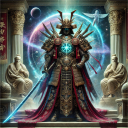
for today's theme, the cosmic calender, and the high immortal beside it.
made by - @sleek depot
 true trenchBOT
🌟 11 | #daily-theme message (@ember glacier)
A minimal anime scene on softly grained washi, where a slender branch bears translucent, glass-like leaves, their edges traced by fractal filigree. Slightly iridescent arcs drift behind them, forming gentle loops of light in pale lavender and dawn-touched teal. An airy hush infuses the setting—an unseen renewal stirring at the threshold of a pristine moment.
 true trenchBOT
🌟 10 | #daily-theme message (@atomic echo)
"A professional cosmic calendar where days are highlighted in motion. Each date glows as it is touched by a magical trail of stardust or beams of light, symbolizing dynamic organization. The calendar floats against a vibrant cosmic background filled with stars, galaxies, and nebulae. The highlights move fluidly, giving the impression of an interactive and living calendar. The design is modern yet magical, blending professionalism with a sense of cosmic harmony."
 true trenchBOT
🌟 11 | #daily-theme message (@tiny quest)
 true trenchBOT
🌟 11 | #daily-theme message (@obsidian cobalt)
 true trenchBOT
🌟 11 | #daily-theme message (@long ridge)
 true trenchBOT
🌟 10 | #daily-theme message (@long ridge)

🌟 10 | #daily-theme message (@long ridge)

🌟 10 | #daily-theme message (@long ridge)

🌟 10 | #daily-theme message (@true crescent)

🌟 10 | #daily-theme message (@long ridge)

🌟 10 | #daily-theme message (@long ridge)

🌟 10 | #daily-theme message (@long ridge)
 true trenchBOT
🌟 13 | #daily-theme message (@red iris)
Prompt: A serene, impressionist-style scene of a lush pond at twilight, softly illuminated by the fading light of dusk. The sky reflects dusky hues of purple, soft orange, and gentle blue, creating a calm atmosphere. Around the pond's edges, vibrant wildflowers in pink, yellow, and violet glow faintly. Delicate lily pads float on the pond’s glassy surface, reflecting the tranquil surroundings. Silhouettes of tall reeds and willow trees arch gracefully over the water, framing the scene. Whimsical, ethereal fairies with shimmering pastel wings flutter around, casting faint trails of golden light. A few glowing fireflies hover near the flowers, adding to the quiet enchantment. The brushwork is soft, with blurred edges and fluid textures evoking a peaceful, magical twilight.

🌟 13 | #daily-theme message (@atomic echo)
This is a breathtaking moment of twilight where deep shades of violet, navy blue, and gray transition into warm golden and amber highlights, symbolizing the final light of day. The water’s surface remains perfectly still, reflecting the sky like a natural canvas.
On a hill stands a solitary figure, silhouetted against the delicate mist rising from the ground, adding an air of mystery to the composition. The silent outlines of trees and the serene natural elements harmonize with the mystical ambiance, evoking a sense of calm and awe at the fleeting beauty of the moment.
This scene invites reflection, blending the rawness of nature with its magical subtlety.
 true trenchBOT
🌟 14 | #daily-theme message (@ember glacier)
Soft Twilight Neon
Hand-drawn 80s anime masterpiece on coarse pulp, enhanced by a subtle inkoilwash: A lone figure, dressed in a quietly futuristic outfit, leans against a graffiti-strewn wall on the left. Their silhouette melts into the hazy, soft twilight environment, where the sky gradients from warm magenta into muted apricot, seamlessly illuminating both the figure and the expansive cyberpunk skyline to the right. Delicate neon glimmers wind across the buildings, brushed gently with inkoil strokes, while faint astral glows overhead hint at a hidden galaxy. No harsh borders—everything flows in a hushed, immersive panorama, evoking the mellow hush of dusk meeting neon-lit ambition.
 true trenchBOT
🌟 12 | #daily-theme message (@subtle forum)

🌟 13 | #daily-theme message (@obsidian cobalt)

🌟 11 | #daily-theme message (@uncut sundial)
A serene meadow at twilight with a saxophonist playing passionately. The scene features soft vanilla pink, purple, and green hues, evoking a peaceful ambiance. The saxophonist, dressed in casual attire, is silhouetted against the fading light, playing an emotional ode to nature. The meadow is lush with wildflowers and gently swaying grass, and the twilight sky transitions seamlessly between pastel tones, emphasizing the tranquility of the moment.
 true trenchBOT
🌟 10 | #daily-theme message (@prime meteor)
A serene scene featuring dusky hues and tranquil silhouettes. The artwork uses a duotone ink wash on watercolor, blending soft twilight tones of muted purples and warm oranges. The composition highlights the quiet calm of the twilight hour, with silhouetted trees gently swaying against a fading sunset. The brushstrokes are delicate and fluid, creating an ethereal and dreamlike atmosphere. The overall texture combines the soft grain of watercolor paper with the flowing effect of ink wash, evoking a sense of peaceful introspection.

🌟 10 | #daily-theme message (@prime meteor)
A pastel artwork depicting a twilight sky with soft blends of yellows fading into purples, capturing the gentle glow of the fading light. The serene setting highlights the transition from day to night.

🌟 10 | #daily-theme message (@atomic echo)
In a magical twilight steeped in deep and dark hues of violet, navy blue, and gray, two children are playing quietly, surrounded by an air of calm and serenity. Their silhouettes are clearly visible against the darkening landscape, radiating joy and warmth as they smile and move together.
The atmosphere is mysterious yet soothing, with nature silently embracing their cheerful play. Subtle outlines of trees and a blurred horizon enhance the mystical charm of the scene. This artwork captures the innocence of childhood intertwined with the dark beauty of nature at dusk.

🌟 11 | #daily-theme message (@stuck sierra)

🌟 11 | #daily-theme message (@atomic echo)
A figure stands alone at the edge of a cliff, gazing at the darkening sky. In the background, waves crash against the jagged rocks, their rhythmic pounding echoing through the air. The first stars begin to appear, faint and distant, as the twilight paints the landscape in deep shades of black and crimson. The sky, a canvas of fading purples and fiery reds, bleeds into the horizon where the last remnants of daylight flicker like a dying flame. The cliff, bathed in the fading light, casts long, dramatic shadows, and the warm hues contrast against the cold, creeping darkness. The world seems to hold its breath, as the night slowly takes over, its presence marked by the slow fading of color and the silent rise of stars.
 true trenchBOT
🌟 12 | #daily-theme message (@obsidian cobalt)
 true trenchBOT
🌟 11 | #daily-theme message (@atomic echo)
In this mesmerizing twilight setting, a man and a woman stand hand in hand atop a hill, surrounded by an atmosphere of romance and mystery. The sky is painted in deep, shadowy hues of violet, navy blue, and charcoal gray, as dusk casts its final glow.
This moment captures the beauty of love and the enchantment of twilight, evoking timeless emotions in a magical setting.
 true trenchBOT
🌟 11 | #daily-theme message (@ember glacier)
A minimalist anime depiction with a grainy, pastel airbrush effect on coarse paper—somewhat reminiscent of vintage animation cels but with a tonal approach, bridging soft twilight coloring and a mild sci-fi edge.
Scene Description
An otherworldly desert oasis at dusk: tall, curving dune ridges cradle a circular basin of unexpectedly clear water. Along the basin’s edge stands a small, translucent glass structure—like a humble greenhouse or dome—its delicate frame reflecting the dying sunlight in faint lavender and pale gold highlights. Two distant silhouettes traverse a gentle slope, their outlines almost dissolving into the warm, muted twilight. Above, the sky shifts from peach-lavender in the west to a deep, periwinkle fade overhead, revealing a single bright star that heralds night’s arrival.
Mood & Details
Soft Twilight: Balanced, warm gradients tinted with peach, lavender, and periwinkle unify sky, dunes, and water.
Minimalist Anime: A few clean lines capture essential forms; grainy pastel shading provides depth without clutter.
Sci-Fi Traces: The glass dome quietly suggests futuristic or off-world influences, yet remains modest in scale.
Tonal Depth: Subtle layering in the sky and sand merges gently, underscoring the hush of a new night—an unspoken promise of discovery.

🌟 11 | #daily-theme message (@atomic echo)
A couple dances in the twilight on a overgrown meadow, surrounded by dark, twisted trees. Their silhouettes are highlighted by the last rays of sunlight, which pierce through the thickening fog. The atmosphere is intimate, yet carries a hint of mystery, as though the place harbors an ancient story. The sky above is a deep, fading purple, with the horizon barely visible, and the air feels heavy with the weight of time. The shadows stretch long and eerie, while the soft rustle of leaves whispers secrets long forgotten. There's a sense of timelessness, where the present and the past seem to merge, as if the dance itself is a ritual that has been passed down through generations, carrying with it echoes of untold tales.
 true trenchBOT
⭐ 9 | #daily-theme message (@leaden needle)
🌇 Soft Twilight – dusky hues, serene silhouettes, quiet calm! Bing Image Creator Powered by DALL·E 3
 true trenchBOT
🌟 11 | #daily-theme message (@ember glacier)
A dreamy Indonesian batik approach blended with subtle fractal illusions in a delicate anime rendering. Painted onto a coarse piña cloth (woven from pineapple fibers), giving the final piece a translucent, slightly uneven texture.
Scene Description
Beneath an ever-fading sky—where soft twilight pink and dusky teal merge in swirling, fractal arcs—stands a small grove of slender trees. Each trunk and branch is patterned in batik wax-resist motifs, forming vine-like shapes that spiral in neon-luminescent lines. At the grove’s center, a faint anime figure gazes upward, as though entranced by the dissolving daylight. Subtle fractal outlines radiate around the trees, gently hinting at hidden cosmic geometry without overwhelming the pastoral calm.
Mood & Visual Elements
Batik-Meets-Fractal: Traditional resist-dyed shapes morph into fluid, luminous labyrinths, merging organic patterns with otherworldly overlays.
Twilight Tones: Pale pink and teal softly gradate into dusk, reflecting from the piña cloth’s woven texture for a dreamy translucence.
Anime Restraint: The lone figure is quietly stylized, overshadowed by the swirling patterns yet essential to the scene’s emotional focus—a subtle nod to wonder at the day’s final glow.
 true trenchBOT
🌟 11 | #daily-theme message (@onyx kernel)

Ethereal watercolor and soft charcoal on worn, textured paper, infused with Klimt's art-nouveau style and intricate golden patterns: A young woman sits gracefully on a weathered wooden bench at the edge of a serene meadow, her form aligned with the golden ratio spiral. Her silhouette is softly illuminated by the last rays of a dusky purple sky. She releases a shimmering bird into the fading light, its wings catching an intricate gold shimmer as it ascends, symbolizing hope and freedom. Her expression is tender and resolute, with intricate motifs subtly adorning her flowing attire and hair. The background features swirling golden patterns blending into shadows of trees, with hues of gold and violet merging into the coolness of twilight. Art techniques include Klimt-inspired gold leaf details, soft watercolor washes, and layered textures, creating a harmonious balance of elegance, emotion, and structure.
 true trenchBOT
🌟 10 | #daily-theme message (@digital valve)
A serene sunset view featuring a majestic waterfall surrounded by lush greenery. The sky glows with soft hues of pink, orange, and purple, reflecting in the calm waters below. Silhouettes of trees and rocks frame the tranquil scene, creating a harmonious blend of nature's beauty.
 true trenchBOT
🌟 10 | #daily-theme message (@empty canopy)
Create an image featuring a calm silhouette of a woman, dressed elegantly, playing the saxophone. The background should be a twilight sky featuring gentle hues of pastel. To give it a dreamy effect, use a double exposure photography technique.
 true trenchBOT
🌟 12 | #daily-theme message (@obsidian cobalt)
 true trenchBOT
🌟 11 | #daily-theme message (@hushed widget)
Prompt: "Abstracted blurry minimalist ink wash painting in sepia gradiented tones representing a legacy of genealogy emerging from an ancient simple box."

🌟 11 | #daily-theme message (@atomic echo)
The image depicts a serene hill bathed in soft moonlight under a starry sky filled with constellations. Resting on the grass is an open memory capsule, containing photographs of the night sky, a small toy telescope, handwritten letters, and a lit candle casting a warm, flickering glow.
Fireflies hover around, adding a touch of magic, while the entire scene radiates tranquility and nostalgia. This moment captures a deep connection to the infinite cosmos, inviting reflection and a return to cherished memories.

🌟 12 | #daily-theme message (@atomic echo)
A submarine capsule resting on the ocean floor, surrounded by deep blue waters and coral reefs, creates a magical atmosphere of peace and mystery. Inside the capsule, submerged in the ocean of time, lie small mementos from days gone by: seashells, beach photos, a tiny ship model, and a bottle of sand – symbols of the past that tell stories of what once was. Around the capsule, in the soft light, jellyfish float, their transparent bodies drifting with the currents of water, while schools of fish form a kaleidoscope of colors. The blue light illuminates the entire scene, giving it an ethereal quality, as if everything were happening in some parallel reality.
 true trenchBOT
🌟 11 | #daily-theme message (@lethal wolf)
From a broken time capsule, crushed under the pressure of time, twisted metal and shattered glass, emerges the mirage of the distant past, from the glorious age when the gods and mythical creatures roamed the earth.
 true trenchBOT
🌟 10 | #daily-theme message (@lethal wolf)

I asked ChatGPT for an unexpected color palette and it came up with "silver and pistachio": "An abstract landscape painting using the impasto technique, depicting a beautiful sunset over the natural scenery of rural England. The Silver and Pistachio color palette dominates, with silvery gray skies transitioning to soft pistachio greens in the meadows, accented by warm beige and pale lavender highlights that capture the glow of the setting sun. The painting features rolling hills and a peaceful horizon, rendered in an abstract style with textured, thick brushstrokes characteristic of impasto. The composition evokes a serene and tranquil countryside atmosphere during sunset, emphasizing depth and movement in a wide-format layout."

🌟 10 | #daily-theme message (@prime meteor)
A Japanese woodblock-inspired artwork of a twilight scene, featuring serene landscapes with delicate silhouettes of trees and distant mountains. The sky fades from soft orange to deep indigo, emphasizing tranquility with traditional Ukiyo-e elements.
 true trenchBOT
🌟 11 | #daily-theme message (@uncut sundial)

A 1950s-style propaganda poster advertising 'TIME CAPSULES,' which are small pills that reverse aging. The poster features a cheerful, retro-styled individual with neatly groomed hair and vintage clothing, holding a small pill delicately between two fingers. The background includes bold, colorful rays emanating from behind the person, creating a dynamic, optimistic feel. The text 'Try... TIME CAPSULES!' is written in large, vintage fonts with a shiny, futuristic flair. The color scheme includes warm tones like red, yellow, and cream, typical of 1950s advertising. The overall aesthetic captures the mid-century promotional style with a mix of futuristic and optimistic themes.


🌟 11 | #daily-theme message (@lethal wolf)

🌟 12 | #daily-theme message (@prime meteor)
Thyme Capsule: A rustic time capsule being opened in a serene outdoor setting, revealing it is filled with fresh green sprigs of thyme, spilling out. The time capsule is metallic and slightly weathered, with intricate engravings hinting at its mysterious origins. The scene is surrounded by soft natural light, with lush greenery in the background, emphasizing the contrast between the futuristic capsule and the organic thyme. The mood is whimsical and surreal, blending elements of nature and technology.
 true trenchBOT
🌟 10 | #daily-theme message (@red iris)
 true trenchBOT
🌟 12 | #daily-theme message (@atomic echo)
The image depicts an open memory capsule, radiating nostalgia and magic. Inside, there are photographs of a smiling baby, gently scattered as if inviting you to relive cherished moments. Beside them lies a small, pastel-colored pacifier—a symbol of the earliest years of life. Vibrant, tiny toys, like a wooden block and a soft plushie, add a playful and joyful touch.
A hand-knitted blanket softly wraps around the items, evoking the warmth of home and family. Golden light bathes the capsule, creating an atmosphere of intimacy and timelessness. Subtle sparkles and a gentle glow surround the scene, as if the memories inside have their own life and energy.
This image captures the essence of preserving memories—more than just objects, it’s a story of love, tenderness, and irreplaceable moments.
 true trenchBOT
🌟 12 | #daily-theme message (@subtle forum)

🌟 10 | #daily-theme message (@stuck sierra)

🌟 12 | #daily-theme message (@sullen anvil)


🌟 13 | #daily-theme message (@atomic echo)
This massive rock formation towers majestically against a rugged mountain landscape. Its shape resembles a giant figure lying on its side, with its head slightly tilted toward the sky. The rock’s surface is rough and weathered, covered in green moss and lichen, adding to its raw, natural beauty.
The contours mimic the outline of a face – a prominent forehead, closed eyes, and even subtle "lips" that seem to smile in the silence of centuries. The giant’s "hands" rest on its "chest," as if guarding something hidden deep within the earth.
The atmosphere around the formation is steeped in mystery, amplified by a dramatic sky where clouds swirl like witnesses to ancient events. Local legends say this sculpture was crafted by the gods of nature or by forces beyond human comprehension.
It is said that when the giant opens its eyes, the world will change forever.
 true trenchBOT
🌟 10 | #daily-theme message (@covert echo)

🌟 10 | #daily-theme message (@lapis copper)

🌟 10 | #daily-theme message (@red iris)

🌟 11 | #daily-theme message (@covert echo)

🌟 11 | #daily-theme message (@leaden needle)
🪨 Rock Formations - rugged, ancient, natural sculptures! Bing Image Creator Powered by DALL·E 3
 true trenchBOT
🌟 14 | #daily-theme message (@harsh harbor)

 true trenchBOT
🌟 11 | #daily-theme message (@digital valve)
This is a fictional natural sculpture depicting an astronaut, carved into a towering rock formation. The weathered textures and rugged details give the impression that it has stood here for millennia, shaped by nature and time. Set against the backdrop of a dense forest and cloudy skies, this imagined masterpiece merges the raw beauty of the natural world with the mystery of human exploration. While entirely fictional, it invites viewers to marvel at the intersection of art and nature in a dreamlike landscape.

🌟 11 | #daily-theme message (@leaden needle)
🪨 Rock Formations - rugged, ancient, natural sculptures! Bing Image Creator Powered by DALL·E 3

🌟 11 | #daily-theme message (@covert echo)

🌟 12 | #daily-theme message (@prime meteor)
A surreal mixed media representation of nature’s architecture blending rugged cliffs and ancient rock formations with human-inspired architectural designs. Towering stone structures with intricate carvings and arches seamlessly merge into the natural landscape. The scene is illuminated by soft, ethereal light with greenery cascading over the edges, creating a harmonious blend of human ingenuity and natural beauty.

🌟 13 | #daily-theme message (@ember glacier)
Vivid tempera painting on coarse jute, blending old-world craftsmanship with a celebratory technicolor palette. The rough jute fibers introduce a tactile, slightly uneven finish, ensuring rich, non-digital color transitions. A towering rock canyon, each stratum painted in surreal layers of cobalt, magenta, and blazing orange. Long brushstrokes bring the canyon’s textural ridges to life, with small flecks of gold tempera flickering at edges where sunlight kisses the ridges. Wispy brushlines hint at distant clouds in a sky washed by gentle turquoise, lending an almost musical vibrancy to the entire composition. In the canyon’s heart, a lone winding path—dusted with pastel marks—invites the viewer inward, echoing a promise of secret wonders hidden between the glowing rock walls.
 true trenchBOT
🌟 10 | #daily-theme message (@stuck sierra)
 true trenchBOT
🌟 12 | #daily-theme message (@leaden needle)
🪨 Rock Formations - rugged, ancient, natural sculptures! Bing Image Creator Powered by DALL·E 3
 true trenchBOT
🌟 11 | #daily-theme message (@prime meteor)
A detailed charcoal sketch of a weathered rock face, focusing on textures and shadows. The rugged surface showcases deep grooves and cracks, giving it an ancient and timeless appearance. The environment is minimalistic, with a focus on the rock as the central subject, surrounded by faint hints of natural landscape.
 true trenchBOT
⭐ 9 | #daily-theme message (@leaden needle)
🌇 Soft Twilight – dusky hues, serene silhouettes, quiet calm! Bing Image Creator Powered by DALL·E 3
 true trenchBOT
🌟 11 | #daily-theme message (@digital valve)

🌟 11 | #daily-theme message (@harsh harbor)
 true trenchBOT
🌟 11 | #daily-theme message (@stray kettle)

Prompt: "A close-up view of a naive painting on a smooth, natural stone pebble depicting a sea arch on the rugged coast of Ireland. The artwork features a limited color palette, with simple, bold shapes and strokes used to represent the sea arch, gently undulating waves, cliffs, and a cloudy, moody sky. The painting style emphasizes charm and simplicity, beautifully highlighting the natural texture and contours of the pebble. Ample blank space"
 true trenchBOT
🌟 10 | #daily-theme message (@lethal wolf)

🌟 10 | #daily-theme message (@lilac jetty)

🌟 10 | #daily-theme message (@obsidian cobalt)
 true trenchBOT
🌟 12 | #daily-theme message (@covert echo)

🌟 11 | #daily-theme message (@prime meteor)
Translucence in AI Sculptures: Visualizing Light Diffusion in Kinetic Motion
I have been experimenting with freeform sculpture that demonstrates kinetic motion for quite some time. I often have specifically sought to create new types of images by exploring new media to work with, which ChatGPT is rather good at.
Here are 2 Intricate interplay of translucence and iridescence as showcased in freeform kinetic sculptures generated through AI. These examples push the boundaries of artistic creation by visualizing materials and motions that would be difficult—if not impossible—to replicate in real life. Through dynamic light diffusion, fluidity, and imagined material behaviors, these sculptures highlight how AI art can redefine traditional constraints, offering artists the freedom to experiment with the impossible.
The two examples provided illustrate this concept. This is the way I achieved it. I like messing around with physics to shake things up.
A glowing, non-Newtonian plasma sculpture defying gravity.
1st prompt: A translucent sculpture of non-Newtonian plasma flowing upward against gravity. Semi-liquid tendrils stretch and twist dynamically, scattering light into vibrant, fractal-like patterns. The ethereal material shifts between states of fluidity and solidity, creating a glowing, otherworldly effect. This piece demonstrates translucence through diffused light refracted across the plasma’s organic, gravity-defying structure, evoking a sense of kinetic energy.
Intertwining liquid crystal threads solidifying momentarily under imagined stress.


🌟 11 | #daily-theme message (@lime raven)

🌟 10 | #daily-theme message (@subtle forum)

🌟 11 | #daily-theme message (@obsidian cobalt)
Bing image creator
Prompt: face of a victorian lady seen through a fine net veil causing a translucent effect, high resolution oil paint art on canvas
Prompt: leaf of a moneyplant growing in a glass vase visible through a fine net causing a translucent effect, high resolution digital illustration

 true trenchBOT
🌟 10 | #daily-theme message (@candid raft)

🌟 12 | #daily-theme message (@prime meteor)
An ink and wash artwork focusing on the concept of translucence, showcasing butterfly wings rendered with extreme delicacy. The wings are outlined in fine ink and filled with soft gradients of pastel colors that seem to glow, emphasizing their transparent nature. The background features abstract, blurred hints of light filtering through greenery and flowers, further enhancing the effect of translucence and fragility.

🌟 11 | #daily-theme message (@leaden needle)
Technique Tuesdays 🎨 Translucence in Art - Diffusion of light Bing Image Creator Powered by DALL·E 3


 true trenchBOT
🌟 12 | #daily-theme message (@leaden needle)
Technique Tuesdays 🎨 Translucence in Art - Diffusion of light Bing Image Creator Powered by DALL·E 3


🌟 10 | #daily-theme message (@covert echo)

🌟 10 | #daily-theme message (@prime meteor)
A serene digital watercolor artwork of a translucent veil illuminated from behind by soft, warm light. The veil flows gently, with gossamer-like texture and delicate folds. The background is blurred to enhance the ethereal glow and emphasize the play of light on the translucent fabric.

🌟 13 | #daily-theme message (@atomic echo)
Imagine a sculpture with an abstract, organic form, resembling the swirling currents of water or a gentle gust of wind. The entire piece is constructed from transparent materials like glass, resin, and acrylic, each differing in texture and color to create a rich interplay of light and shadow.
Details:
-
Base: A sturdy yet subtle base made from frosted glass or white marble, designed to emphasize the lightness of the upper elements.
-
Layers: Transparent panels of varying shapes and sizes overlap each other. Some are perfectly smooth and glossy, while others have rippled or textured surfaces, diffusing light in unexpected ways.
-
Color Palette: The components feature soft pastel hues—delicate blues, greens, pinks, and amber yellows. The transparency of the colors allows the overlapping pieces to form complex, dynamic new shades.
-
Lighting: Built-in warm LED lights softly illuminate the sculpture from within, highlighting intricate details and enhancing the ethereal quality.
-
Movement: Some parts of the sculpture are delicately suspended on thin steel wires, allowing them to sway gently with the air, adding a sense of life and dynamism to the piece.
Effect: The sculpture seems to float in the space, constantly transforming depending on the angle, the light, or the movement around it. It’s a harmonious blend of lightness and solidity, captivating the viewer and inviting reflection on the fleeting beauty of moments.

⭐ 9 | #daily-theme message (@leaden needle)
🪨 Rock Formations - rugged, ancient, natural sculptures! Bing Image Creator Powered by DALL·E 3
 true trenchBOT
🌟 10 | #daily-theme message (@covert echo)

🌟 12 | #daily-theme message (@atomic echo)
This is an extraordinary, surreal interpretation of a human figure blending seamlessly with its surroundings, embodying the concept of permeability and unity. The figure appears to be constructed from layers of transparency—resin, glass, and delicate semi-transparent fabrics give it an ethereal appearance, while shimmering elements of foil reflect light, creating flickering highlights.
Light projections in hues of blue, gold, and purple cascade over the figure, forming mesmerizing patterns and shadows. These dynamic effects give the impression that the figure is in constant motion, its boundaries dissolving between the material and the immaterial. The entire installation is set in a dark, mysterious environment, where the interplay of light and shadow dances across the walls, amplifying the sense of magic.
This sculpture serves as a metaphor: it illustrates the fusion of body and soul, human and world, matter and light.
 true trenchBOT
🌟 10 | #daily-theme message (@hushed widget)

Watercolor in translucent nature art! Given its inherent translucent nature, watercolor works well for illustrating see-through objects. There are several applications for this in both plants and animals. With this technique, the solid white paper can shine through in lighter areas, and color washes can be built up, creating luminous effects that mimic translucent surfaces like glass, water, semi-transparent fabrics, or even flower petals. (see more at #1324930617766314048 message)


🌟 10 | #daily-theme message (@lethal wolf)
Lighting to capture translucence of materials like fabric, flower petals, and paper requires careful lighting techniques to emphasize their delicate textures and ethereal qualities. Here are some lighting tips and approaches. https://discordapp.com/channels/974519864045756446/1324930617766314048/1326250192022016122
 true trenchBOT
🌟 10 | #daily-theme message (@lethal wolf)
Translucence in Oil Painting
Many renowned artists have explored the concept of translucence in their works, utilizing it to depict light, depth, and atmospheric effects. Oil paint itself is not a translucent medium, so a variety of techniques are employed to achieve these effects. Impressionists, like Claude Monet and Pierre-Auguste Renoir, depicted translucence by layering, glazing and soft blending to create the effect of light passing through translucent materials. Amongst the modern artists, Georgia O’Keeffe is known for her floral paintings where petals appear luminous and translucent, layering thin washes of paint to capture light and texture. https://discordapp.com/channels/974519864045756446/1324930617766314048/1325228660613185648
 true trenchBOT
🌟 10 | #daily-theme message (@leaden needle)
Technique Tuesdays 🎨 Translucence in Art - Diffusion of light Bing Image Creator Powered by DALL·E 3
 true trenchBOT
🌟 10 | #daily-theme message (@covert echo)
 true trenchBOT
🌟 10 | #daily-theme message (@stray kettle)
Prompt: "A backlit Fauvist double-exposure gel print featuring an abstract female portrait with a direct gaze, rendered in magical translucent colors with a slight metallic sheen. The artwork showcases a translucent gel plate print on wavy plastic foil, creating a textured and distorted effect. The first layer depicts an abstract female figure with blurry outlines, using gently vivid translucent colors such as soft pinks, blues, and yellows with a subtle shimmer. The backlit second layer features crackled flower motifs spread across the entire artwork. The translucent wavy foil adds a fragmented, surreal, and expressive quality, emphasizing a dreamlike and artistic essence."
 true trenchBOT
🌟 13 | #daily-theme message (@atomic echo)
The image depicts ancient yet stunningly beautiful doors, weathered by time but shimmering with golden highlights. Beyond them lies a mysterious entrance leading to a hidden Egyptian world, untouched by modern eyes. The scene reveals an awe-inspiring realm filled with massive golden statues, walls adorned with intricate hieroglyphs, and glowing, enigmatic artifacts.
The atmosphere is bathed in a soft, mystical light, enhancing the grandeur and secrecy of the setting. Surrounding it are vast desert dunes, with faint silhouettes of pyramids in the distance, adding to the allure of this lost world. It is a vision of wonder and forgotten treasures, inviting discovery and adventure.
 true trenchBOT
🌟 10 | #daily-theme message (@tight shadow)
🎨 Translucence in Art - Diffusion of light
A rainy night scene viewed through a smaller side window of a bus, capturing a realistic perspective of a Japanese regional city. The fogged-up glass features uneven condensation patterns and rain streaks, softly scattering the dim orange glow of streetlights and faint green traffic signals. The blurred cityscape outside is seen at a slight downward angle, with aging medium-rise office buildings, a faintly visible glowing convenience store sign, and a wet road reflecting scattered light. The muted colors of gray and pale blue blend seamlessly with the soft light diffusion. Inside the bus, the edge of a worn-out seat and a faintly illuminated handrail are visible, emphasizing the quiet resignation and melancholic mood of a late-night commute in a regional city.

🌟 11 | #daily-theme message (@lime raven)

🌟 11 | #daily-theme message (@red iris)

🌟 11 | #daily-theme message (@pallid dawn)
"A cyberpunk pug standing in front of open doors, leading to inviting, mysterious paths of discovery."
 true trenchBOT
🌟 12 | #daily-theme message (@leaden needle)
🚪 Open Doors - inviting, mysterious, paths to discovery. Bing Image Creator Powered by DALL·E 3


🌟 10 | #daily-theme message (@digital valve)

🌟 12 | #daily-theme message (@stuck sierra)
the doors of heavens and hell, creating unique aspect in the mind of viewers. FOR TODAY'S THEME !!
created by - @sleek depot

🌟 11 | #daily-theme message (@covert echo)

🌟 12 | #daily-theme message (@hushed widget)
Prompt: "Minimalist monochromatic sepia ink wash painting of a rocky plain in the middle of a blowing sandstorm. A tiny isolated wooden doorway built into a small outcrop, centered in the middle of the landscape. A small translucent tulle curtain waves over the doorway, revealing the open portal from which bright light emits. Intense mood. 1970s light fantasy art. Accenting gold hues."

🌟 13 | #daily-theme message (@prime meteor)
A softly glowing doorway painted in warm hues, symbolizing an open welcome. The door is slightly ajar, surrounded by a serene and inviting environment, with subtle warm lighting emphasizing its welcoming aura. Oil painting style.
 true trenchBOT
🌟 11 | #daily-theme message (@digital valve)


🌟 11 | #daily-theme message (@covert echo)

🌟 12 | #daily-theme message (@subtle forum)
 true trenchBOT
🌟 11 | #daily-theme message (@lethal wolf)
Impressionist painting in the style of Renoir, featuring the ethereal beauty of Diphylleia grayi (skeleton flower), whoee petals turn translucent when they come into contact with water.

🌟 12 | #daily-theme message (@cosmic yoke)
 true trenchBOT
🌟 13 | #daily-theme message (@stuck sierra)

🌟 12 | #daily-theme message (@prime meteor)
A minimalist depiction of a modern glass door ajar, reflecting a bright future. Clean and sleek lines emphasize simplicity, with a faint glow hinting at possibilities beyond. Digital illustration style.
 true trenchBOT
🌟 12 | #daily-theme message (@covert echo)
 true trenchBOT
🌟 10 | #daily-theme message (@uncut sundial)
A medieval scroll art style illustration depicting a middle-aged monk playing a flute in front of a slightly ajar wooden door. The monk wears a simple brown robe with a rope belt and has a contemplative expression. Through the open door, a radiant energy is pouring out, glowing brightly and filling the space with ethereal light. The energy is composed of swirling, colorful shapes and intricate patterns, prominently featuring nonagons. The scene is intricately detailed, with ornate medieval border designs framing the image. The atmosphere is mystical and serene, with soft tones and aged parchment texture.
 true trenchBOT
🌟 11 | #daily-theme message (@stuck sierra)
 true trenchBOT
🌟 13 | #daily-theme message (@lethal wolf)
 true trenchBOT
🌟 11 | #daily-theme message (@obsidian cobalt)

🌟 15 | #daily-theme message (@subtle forum)
 true trenchBOT
🌟 10 | #daily-theme message (@lethal wolf)
 true trenchBOT
🌟 12 | #daily-theme message (@covert echo)
 true trenchBOT
🌟 11 | #daily-theme message (@red iris)

🌟 10 | #daily-theme message (@leaden needle)
🪁 Kites in Flight - soaring, free, dancing on the breeze. Bing Image Creator Powered by DALL·E 3

🌟 11 | #daily-theme message (@leaden needle)
🪁 Kites in Flight - soaring, free, dancing on the breeze. Bing Image Creator Powered by DALL·E 3

 true trenchBOT
🌟 12 | #daily-theme message (@obsidian cobalt)

🌟 12 | #daily-theme message (@lethal wolf)
 true trenchBOT
🌟 10 | #daily-theme message (@stuck sierra)
for today's theme, the majestic kite of the shadow legion, in the beauty of the paradise. FOR TODAY'S THEME !!
made by - @sleek depot

🌟 11 | #daily-theme message (@covert echo)
 true trenchBOT
🌟 10 | #daily-theme message (@lime raven)

🌟 11 | #daily-theme message (@digital valve)

🌟 11 | #daily-theme message (@lapis copper)

🌟 10 | #daily-theme message (@covert echo)

🌟 12 | #daily-theme message (@prime meteor)
An acrylic painting of a kite reflected on a calm lake's surface. The vibrant kite, with intricate patterns, flies against a serene backdrop of lush greenery and a clear blue sky. The reflection on the still water creates a mirror-like effect, adding to the tranquility of the scene.
 true trenchBOT
🌟 15 | #daily-theme message (@subtle forum)
 true trenchBOT
🌟 18 | #daily-theme message (@red iris)

🌟 13 | #daily-theme message (@stuck sierra)
 true trenchBOT
🌟 19 | #daily-theme message (@lime raven)
 true trenchBOT
🌟 12 | #daily-theme message (@atomic echo)
In an extraordinary landscape where nature seems to pulse with magic, a majestic rainbow stretches across a golden-hued sky. The wild meadow shimmers with colorful flowers, and a tranquil lake mirrors the vivid hues of the rainbow. Children dressed in bright, multi-colored shirts stand in wonder, their faces glowing with joy and amazement. The atmosphere is infused with a soft mist and luminous reflections, making every detail feel otherworldly.

🌟 12 | #daily-theme message (@obsidian cobalt)


🌟 15 | #daily-theme message (@lime raven)

🌟 15 | #daily-theme message (@atomic echo)
In this extraordinary garden, the night is alive with light and wonder. Exotic flowers in shades of neon blue, pink, and green bloom everywhere, their petals glowing softly in the dark. Trees with bioluminescent leaves shimmer in vibrant colors, creating a mesmerizing dance of light.
A pathway made of neon stones winds through the garden, leading to hidden corners filled with secrets. Hanging lanterns emit an ethereal glow, illuminating the surroundings with a magical aura. The air is filled with floating fireflies and other glowing creatures, adding movement and life to the scene.
This place feels like it belongs in a fairytale – a world full of marvels where every step reveals new and breathtaking beauty. Light and color create a harmony that is both enchanting and unforgettable.

🌟 13 | #daily-theme message (@digital valve)
'''A breathtaking vision of cosmic wonder, showcasing a harmonious interplay of vibrant rainbow hues and futuristic design. This collection captures the surreal beauty of the imagined planet 'Nani,' its iridescent surface glowing with life, surrounded by the vastness of space. Each scene reflects an expert blend of realism and creativity: the planet itself radiates a magical allure, while complementary elements—such as a space station or artistic renderings—merge technology with the planet's unique color spectrum. Whether depicted as a painting, a sketch, or a hyper-realistic setting, these creations evoke a sense of awe, mystery, and boundless imagination.'''


 true trenchBOT
🌟 15 | #daily-theme message (@covert echo)

🌟 14 | #daily-theme message (@lethal wolf)

🌟 15 | #daily-theme message (@stuck sierra)
the dark katana of death, generally has no colors, but reflects all the colors once awakened. FOR TODAY'S THEME !!
made by - @sleek depot

🌟 14 | #daily-theme message (@covert echo)
 true trenchBOT
🌟 14 | #daily-theme message (@digital valve)
'''A highly realistic depiction of a glass pyramid-shaped bottle, placed on a polished wooden table. The transparent glass refracts light, splitting it into vibrant rainbow colors that scatter across the table's surface. Inside the bottle is a delicate liquid that appears to shift in hue depending on the angle of the light. The setting is minimalist, with soft natural lighting coming from the side, emphasizing the interplay of light and color. The background is softly blurred to maintain focus on the bottle and its prismatic effects.'''
 true trenchBOT
🌟 13 | #daily-theme message (@covert echo)

🌟 14 | #daily-theme message (@covert echo)

🌟 12 | #daily-theme message (@lime raven)
 true trenchBOT
🌟 10 | #daily-theme message (@long ridge)
 true trenchBOT
🌟 14 | #daily-theme message (@lethal wolf)
 true trenchBOT
⭐ 9 | #daily-theme message (@leaden needle)
🪁 Kites in Flight - soaring, free, dancing on the breeze. Bing Image Creator Powered by DALL·E 3
 true trenchBOT
🌟 12 | #daily-theme message (@prime meteor)
An expressive ink and wash artwork depicting a surreal vision of roots growing beneath the soil, intertwined with faint shadowy hints of what lies above. The image includes dynamic ink lines and soft gray washes, suggesting organic movement and the mystery of unseen growth. The roots are detailed and intricate, contrasting with the ethereal, shadowy shapes of plants above ground.
 true trenchBOT
🌟 11 | #daily-theme message (@onyx kernel)
Art Nouveau watercolor painting with Klimt-inspired motifs and intricate glass-like texture: A blonde woman, barefoot, walks purposefully over a highly refined mirror glass surface that covers the floor. The mirror beneath her feet shimmers with static brilliance, reflecting fragmented and vividly detailed scenes from her past—moments of love, struggle, and triumph—framed by intricate golden patterns and swirling designs reminiscent of Klimt's iconic style. The mirror surface appears perfectly smooth yet fractured, creating a mesmerizing interplay of light and depth. Her determined stride exudes grace and strength. The background remains a glowing tapestry of abstract gold and muted tones, enhancing the timeless and serene atmosphere. Techniques: Layered watercolor with Klimt-style gold leaf embellishments, precise brushstrokes, and textured, aged finishes.
 true trenchBOT
🌟 10 | #daily-theme message (@red iris)

🌟 11 | #daily-theme message (@swift compass)


🌟 10 | #daily-theme message (@prime meteor)
An expressionist landscape depicting a vibrant nighttime scene. The artwork highlights hidden tones in the darkness, with exaggerated colors such as neon blues, vivid reds, and glowing greens blending with a starry sky. The brushstrokes are bold and energetic, creating a dramatic and immersive atmosphere.

🌟 10 | #daily-theme message (@fluid hound)


🌟 10 | #daily-theme message (@onyx kernel)
Whisper of the Ocean’s Light
Medium & Style
A muted watercolor illustration on textured parchment, enriched with Klimt-inspired gold accents and faint mother-of-pearl highlights. Subtle washes of pale grays, greens, and silvers dominate the composition, creating an understated yet immersive underwater atmosphere.
Scene
A blonde mermaid, her hair cascading in loose, luminous waves, cradles an opened shell in her hands. The shell’s interior glows with a soft, pearlescent sheen, radiating subtle pastel hues of opal pink, seafoam, and lavender that contrast with the muted backdrop. Delicate golden filigree patterns extend from the mermaid’s tail, curling around her and framing the shell like a sacred relic. The water around her is calm, with faint outlines of seaweed swaying in the background. The worn paper texture adds depth, as though the image is a faded relic from a long-forgotten oceanic tale. The mermaid’s serene yet awed expression conveys the quiet magic of the moment.

⭐ 9 | #daily-theme message (@leaden needle)
🌈 Hidden Colors - vivid, unexpected, waiting to be seen. Bing Image Creator Powered by DALL·E 3
 true trenchBOT
🌟 11 | #daily-theme message (@lime raven)
 true trenchBOT
🌟 13 | #daily-theme message (@long ridge)
 true trenchBOT
🌟 12 | #daily-theme message (@lethal wolf)
 true trenchBOT
🌟 11 | #daily-theme message (@long ridge)
 true trenchBOT
🌟 11 | #daily-theme message (@obsidian cobalt)

🌟 10 | #daily-theme message (@sullen anvil)

🌟 13 | #daily-theme message (@onyx kernel)
A softly illuminated Art Nouveau watercolor scene with integrated sumi-e flair, delicately influenced by Klimt’s flowing motifs and gold-hinted accents: A closer view of a floating airship drifting gracefully through a vast twilight sky, surrounded by soft, ethereal clouds rendered with minimalist sumi-e brushstrokes. The focus is on the solitary traveler aboard the ship, haunted by a faint, vengeful ghost whose shadowy form lingers nearby. Trails of shimmering, almost musical light gently encircle the traveler, blending the fluid, expressive sumi-e style with Art Nouveau elegance, symbolizing hope and resilience as a quiet, soothing song resonates through the twilight. The airship is free of flags, emphasizing its streamlined and harmonious design. Techniques: Layered watercolors, sumi-e-inspired brushwork, soft lighting effects, and a harmonious, cohesive aesthetic.
 true trenchBOT
🌟 11 | #daily-theme message (@lethal wolf)

🌟 10 | #daily-theme message (@lilac jetty)

🌟 10 | #daily-theme message (@lethal wolf)

🌟 10 | #daily-theme message (@atomic echo)
In front of the camera lies a bleak, desolate world. A gray sky looms heavily over a landscape filled with twisted, lifeless trees and jagged rocks. Mist blankets the terrain, creating an atmosphere of cold emptiness.
At the center of the scene is a magical camera lens, acting as a portal to another dimension. Through the lens, a breathtaking dreamlike world unfolds: a cascading waterfall plunges into a shimmering lake, surrounded by golden trees and glowing, colorful flowers. The sky within the lens radiates pastel hues of pink, gold, and blue, exuding warmth and magic.
In this enchanted realm, mythical creatures come to life: luminous butterflies, winged deer, and tiny orbs of light float gently above the ground. The camera serves as a bridge, highlighting the stark contrast between the harshness of reality and the beauty of hidden magic. It’s a reminder that sometimes, a shift in perspective is all it takes to uncover the wonders around us.

🌟 10 | #daily-theme message (@subtle forum)

🌟 10 | #daily-theme message (@covert echo)
 true trenchBOT
🌟 12 | #daily-theme message (@copper marsh)
Iridescence is a visual phenomenon where surfaces display shifting colors due to light interference. In nature, it appears in peacock feathers, butterfly wings, opals, and certain shells. This optical effect has inspired artists and craftspeople across various mediums, including jewelry, glass, textiles, and ceramics.
In glass art, Louis Comfort Tiffany developed the distinctive Favrile technique in the late 19th century. Another notable form is dichroic glass, created by coating glass with microscopically thin layers of metallic oxides that display different colors when viewed from different angles. Natural iridescent materials like opals, pearls, and abalone shell are common in jewelry making, while fashion designers incorporate specialized fabrics that create color-shifting effects.
Ceramicists use metallic glazes to produce iridescent surfaces, a technique seen in historical lusterware. Modern applications include specialty automotive finishes and digital art that simulate these light-reactive properties.
Prompt: A Tiffany iridescent glass vase with a peacock design, showcasing the shimmering colors of the Favrile technique. The vase's iridescence shifts from pink to orange to seagreen, capturing the dynamic beauty of iridescent glass. The vase is placed on a polished wooden table with a plain background. The lighting enhances the shimmering effects, focusing solely on the vase and its interplay of colors.
 true trenchBOT
🌟 13 | #daily-theme message (@lethal wolf)
Iridescence, Softly -- Iridescence in soft muted colors creates a subtle and captivating effect that balances delicacy and luminosity. Soft iridescence introduces gentle, shifting hues that create visual interest without being overwhelming. As light moves, colors transition smoothly across the muted palette, adding a dynamic yet understated vibrancy. https://discordapp.com/channels/974519864045756446/1327495299408855041/1328776052591431763

🌟 13 | #daily-theme message (@subtle forum)

🌟 12 | #daily-theme message (@atomic echo)
"An exquisite shell made entirely of dichroic glass, meticulously crafted using ultra-thin layers of metal oxides. The glass displays a stunning array of colors, shifting dramatically from deep ocean blues and vivid emerald greens to fiery oranges, radiant purples, and shimmering golds. Each angle reveals new hues, as the light refracts and reflects across the smooth, spiraled surface. The shell’s surface is sleek and polished, with delicate, flowing curves that suggest a natural, organic form, yet it radiates an otherworldly, almost supernatural aura. The dichroic effect creates a mesmerizing interplay of light and color, with the surface seeming to glow from within. The background is soft and minimal, ensuring that the shell’s ever-changing, iridescent colors are the focal point, creating a dreamlike, ethereal effect as the colors dance in the light."
 true trenchBOT
🌟 10 | #daily-theme message (@tight shadow)
🧭 Adventure Dreams – planning trips, wanderlust in dreamscapes!
A minimalistic comic-style illustration of a group of adventurers silhouetted on a mountaintop. The characters are in exaggerated and dynamic poses: some jumping with arms spread wide, others holding a flag high above their heads with dramatic gestures, all expressing extreme joy and triumph. The background is a solid salmon orange color, creating a warm and energetic atmosphere that emphasizes the celebratory mood. The focus remains on the expressive black silhouettes, emphasizing the raw emotion of celebration and achievement.
 true trenchBOT
🌟 13 | #daily-theme message (@atomic echo)
A haute couture gown crafted from iridescent fabric that shifts colors depending on the lighting. The material resembles butterfly wings and peacock feathers, shimmering in shades of blue, purple, and gold. The design is fluid and multi-layered, moving gracefully to emphasize the dynamic iridescent effect. The setting enhances the magic, with soft glowing lights and an ethereal, dreamlike atmosphere, making the dress feel like a masterpiece of futuristic elegance and natural wonder.
 true trenchBOT
🌟 13 | #daily-theme message (@atomic echo)
"A magical rose crafted from dichroic glass, its petals delicately shaped and shimmering with layers of metal oxides that transform with every angle. The colors shift and dance, moving from rich ruby reds to glowing emerald greens, deep purples, and soft golden yellows. The petals catch the light with an ethereal, almost alive quality, as if the rose itself holds a secret magic within. Each petal is translucent, detailed with intricate veins that seem to pulse with color, giving the flower an enchanting, living essence. The stem is sleek and elegant, as though made of fluid glass, complementing the mystical beauty of the bloom. The rose radiates an inner glow, casting a soft, magical light around it, while the background remains a gentle, blurred wash of colors, ensuring all attention is drawn to the mesmerizing, iridescent flower at the center. The scene feels like a moment captured in a dream, a fleeting vision of beauty and magic from another world."
 true trenchBOT
🌟 12 | #daily-theme message (@lime raven)
Blending styles.
Prompt: A traditional Japanese folding fan rendered in a ukiyo-e style, with iridescent silk fabric that shifts colors from soft pinks and blues to golden greens as the light changes. The fan is adorned with delicate hand-painted cherry blossoms and birds in flight, characteristic of the ukiyo-e aesthetic. The iridescent effect is subtly integrated, enhancing the natural tones of the artwork without overwhelming its traditional beauty. The fan rests elegantly on a bamboo mat, framed by an arrangement of sakura petals. The lighting is warm and diffused, emphasizing the interplay of colors on the silk while maintaining the serene and timeless feel of the scene.

🌟 12 | #daily-theme message (@leaden needle)
Technique Tuesdays 🎨 Iridescence – Shifting, shimmering light Bing Image Creator Powered by DALL·E 3


🌟 11 | #daily-theme message (@obsidian cobalt)

🌟 13 | #daily-theme message (@leaden needle)
Technique Tuesdays 🎨 Iridescence – Shifting, shimmering light Bing Image Creator Powered by DALL·E 3
 true trenchBOT
🌟 14 | #daily-theme message (@atomic thorn)


🌟 11 | #daily-theme message (@covert echo)
 true trenchBOT
🌟 11 | #daily-theme message (@digital valve)
Description A group of women and men are sitting at a round table and discussing a specialized map of the terrain with valleys and mountains, they plan to make a mountain range across the entire Sahara to create a shadow and stop atmospheric fronts to improve agriculture in countries affected by drought, the second plan is to stop a tornado with a mountain range in America by stopping and dispersing the wind, this group of dreamers are young people who want to help other people

 true trenchBOT
🌟 11 | #daily-theme message (@digital valve)


 true trenchBOT
🌟 10 | #daily-theme message (@prime meteor)
Combining Metallic Ink and Alcohol Ink for Iridescent Effects
There are many interesting ways to render iridescence in AI. I have found the combination of alcohol ink with metallic ink to be a very good pairing.
The fusion of metallic ink and alcohol ink is a powerful technique for creating iridescent effects. The dynamic interplay between metallic ink’s reflective qualities and alcohol ink’s fluid, organic movement produces visuals that appear alive, shifting, and multidimensional. Here’s a brief overview:
Why Use This Combination?
- Dynamic Color Shifts:
Metallic ink reflects light differently at various angles, creating a shimmering, iridescent effect. When combined with alcohol ink’s flowing and unpredictable patterns, this creates a sense of motion and life. - Organic Elegance with Depth:
Alcohol ink’s gradients and natural swirls mimic organic forms (like water or smoke), while metallic ink adds dimension and texture. Together, they evoke both natural and fantastical aesthetics, perfect for dreamlike or otherworldly themes.
Example 1: Celestial Wings
Purpose: To depict fantastical or ethereal beauty, such as angelic or butterfly wings that shimmer with an otherworldly glow.
Effect: Metallic ink emphasizes the fine details of the wings, while alcohol ink adds fluid color transitions, creating the illusion of light dancing across the surface.
Prompt:
"Create an ethereal close-up of butterfly wings rendered with shimmering metallic ink patterns. The wings have fluid alcohol ink gradients in purple, blue, and gold hues, evoking a dreamlike iridescent glow. Light scatters across the wings in delicate highlights, with soft, glowing bokeh in the background for added magic."
Example 2: Mystic Lagoon
Purpose: To capture the natural beauty of reflective water surfaces, such as lagoons or enchanted pools.


🌟 10 | #daily-theme message (@atomic echo)
The presented sculpture is a decorative panel made of dichroic glass, shimmering with a spectrum of colors depending on the angle of view. The composition combines geometric shapes with flowing, organic patterns, creating a harmonious and futuristic design. The background is magical: soft pastel lights intertwine with swirling mist, forming an ethereal, almost dreamlike atmosphere. The entire piece radiates an aura of mystery and artistic innovation, blending modernity with a fairy-tale aesthetic.

🌟 10 | #daily-theme message (@lethal wolf)
Iridescence in Oil Painting
Just like translucence, iridescence in oil painting is achieved with a combination of techniques including: building thin transparent layers of oil paint to mimic the luminosity and depth of iridescence, using colors with high transparency like phthalo blue, quinacridone magenta or cobalt violet, blending cool and warm tones, incorporating pearlescent pigments or using metallic paints or leaf in the underpainting stage. https://discordapp.com/channels/974519864045756446/1327495299408855041/1327752017875308564

🌟 10 | #daily-theme message (@lime raven)
Dichroic panels are materials commonly used in architectural and artistic applications to produce vibrant, color-shifting effects. These panels are created by applying multiple microscopically thin layers of metal oxides onto a substrate, such as glass or film, through processes like vapor deposition. This coating selectively reflects certain wavelengths of light while allowing others to pass through, resulting in a dynamic interplay of colors that shift based on the angle of light and the viewer's perspective. This optical behavior closely mimics the natural iridescence found in biological systems, such as butterfly wings or peacock feathers.
Prompt: "A large-scale kinetic sculpture composed of dichroic panels that rotate and shimmer, casting shifting rainbows across the surrounding space. The setting is a minimalist gallery with neutral lighting, enhancing the interplay of colors and movement."

🌟 10 | #daily-theme message (@covert echo)

🌟 10 | #daily-theme message (@prime meteor)
Using Colored Lights for Iridescent Effects
• How it Works: Using lights with different colors (e.g., RGB lighting) introduces additional layers of chromatic variation and depth to the scene.
• Why it Works for Iridescence: Colored lights complement the natural rainbow effect of iridescence, enhancing the play of hues and creating surreal, otherworldly effects.
Prompt: A hyper-detailed, surreal image of an iridescent holographic sculpture illuminated by alternating teal, magenta, and gold lights. The sculpture features intricate, fluid forms resembling melting glass or liquid metal, with dynamic rainbow hues shifting across its surface. The colored lights create a multidimensional effect, casting vivid reflections and spectral highlights onto a dark, glossy floor. In the background, soft, ambient lighting fades into darkness, adding contrast and emphasizing the vivid interplay of colors on the sculpture. The entire scene feels otherworldly, with the colored lights enhancing the ethereal and dreamlike qualities of the iridescence.

🌟 10 | #daily-theme message (@covert echo)

🌟 10 | #daily-theme message (@covert echo)

🌟 10 | #daily-theme message (@prime meteor)
Backlighting (Rim Lighting) to enhance iridescence.
How it Works: Light shines from behind the subject, outlining the edges with a glowing halo. This accentuates the reflective and translucent qualities of iridescent surfaces, especially on thin or semi-transparent materials like butterfly wings or bubbles.
Why it Works for Iridescence: It highlights the contrast between the illuminated edges and the darker, shadowed center, amplifying the color.
Prompt: A hyper-detailed, photorealistic close-up of a soap bubble floating in the air, illuminated by a soft backlight to enhance its iridescent effects. The backlight creates a glowing halo around the bubble, emphasizing the delicate, translucent edges and intensifying the shifting hues of blue, purple, gold, and green across its thin surface. Intricate swirling patterns formed by light interference are vividly visible, made more dynamic by the backlight's interaction with the bubble's curvature. The softly blurred background enhances the dreamy and minimalistic atmosphere, allowing the bubble's reflective and ethereal qualities to take center stage.
 true trenchBOT
⭐ 9 | #daily-theme message (@leaden needle)
🧭 Adventure Dreams – planning trips, wanderlust in dreamscapes! Bing Image Creator Powered by DALL·E 3
 true trenchBOT
🌟 12 | #daily-theme message (@leaden needle)
Technique Tuesdays 🎨 Iridescence – Shifting, shimmering light Bing Image Creator Powered by DALL·E 3
 true trenchBOT
🌟 13 | #daily-theme message (@prime meteor)
A traditional Sumi-e style artwork created on rice paper, depicting a serene scene of deep thoughts and meditation. The image features fluid black ink brushstrokes with varying intensity, using traditional techniques to capture the essence of tranquility. The composition is minimalist, with a focus on the meditative figure surrounded by negative space to emphasize calmness. The texture of the rice paper is visible, adding authenticity and a subtle organic feel to the artwork. The overall tone is reflective and Zen-like, staying true to traditional Sumi-e aesthetics.
 true trenchBOT
🌟 11 | #daily-theme message (@lime raven)

🌟 11 | #daily-theme message (@atomic echo)
Stunning building facade, featuring dichroic glass that shifts colors throughout the day, from deep blues and purples in the morning to warm oranges, reds, and yellows at sunset. The facade should resemble a living, dynamic rainbow that interacts with the surrounding environment, reflecting the sky, trees, and city lights in mesmerizing ways. The glass panels are irregularly shaped, creating a wave-like pattern, as if the building itself is breathing in rhythm with the atmosphere. Incorporate elements of modern architectural design, with sleek, minimalistic lines, while ensuring the dichroic glass takes center stage in an elegant dance with light. The building should feel both futuristic and organic, merging technology and nature in a seamless, visually captivating experience."
 true trenchBOT
true trench
🌟 **13** | https://discord.com/channels/974519864045756446/979617962728226826/1...
true trenchBOT
true trench
🌟 **13** | https://discord.com/channels/974519864045756446/979617962728226826/1...
🌟 11 | #daily-theme message (@uncut sundial)
Iridescence, Softly -- Iridescence in soft muted colors creates a subtle and captivating effect that balances delicacy and luminosity. Soft iridescence introduces gentle, shifting hues that create visual interest without being overwhelming. As light moves, colors transition smoothly across the muted palette, adding a dynamic yet understated vibrancy. https://discordapp.com/channels/974519864045756446/1327495299408855041/1328776052591431763
Loved this one SAWA_SAWA, inspired this one!A mystical impala standing near a small stream in the savanna during dusk. The impala is looking directly into the camera, appearing alert, as though it has noticed someone watching. Its antlers are striking and breathtaking, glowing slightly with iridescent colors that illuminate the space around it. The setting is dreamlike and hyper-real, with soft light and vivid details focusing on the iridescence of the antlers, creating a magical atmosphere. The savanna is peaceful, with subtle golden and purple hues blending in the background.
 true trenchBOT
🌟 12 | #daily-theme message (@lime raven)
 true trenchBOT
🌟 12 | #daily-theme message (@prime meteor)
Ancient ruins submerged beneath crystal-clear turquoise waters, surrounded by vibrant coral reefs and shimmering schools of tropical fish. Broken stone statues and weathered pillars lie scattered across the ocean floor, covered in colorful marine life. Sunlight filters through the water, casting shimmering patterns and illuminating the intricate carvings on the ruins. The scene is tranquil and magical, blending the ancient mystery of a lost civilization with the beauty of an underwater paradise.

🌟 13 | #daily-theme message (@covert echo)
 true trenchBOT
🌟 11 | #daily-theme message (@stuck sierra)

🌟 11 | #daily-theme message (@covert echo)
 true trenchBOT
🌟 11 | #daily-theme message (@covert echo)
 true trenchBOT
🌟 12 | #daily-theme message (@leaden needle)
 true trenchBOT
🌟 13 | #daily-theme message (@covert echo)

🌟 14 | #daily-theme message (@prime meteor)
A pair of intricately designed headphones crafted from large conch shells, blending natural elegance with modern functionality. The ear cups are formed by polished, spiraling seashells with pearlescent interiors, while delicate coral-like accents and seaweed-inspired textures intertwine around the headband. The design has a luxurious, organic feel, combining the softness of the ocean's aesthetic with sleek metallic details. The background is a soft gradient of oceanic blue and sandy beige, evoking the tranquility of the sea, and the lighting highlights the glossy and textured surfaces of the shells.

🌟 13 | #daily-theme message (@lethal wolf)
 true trenchBOT
🌟 11 | #daily-theme message (@vague crystal)

🌟 13 | #daily-theme message (@obsidian cobalt)

🌟 12 | #daily-theme message (@subtle forum)
 true trenchBOT
🌟 13 | #daily-theme message (@uncut sundial)
A dreamy, nerdy young man sitting in a dimly lit room, wearing large, retro-style headphones, lost in thought as he listens to music. The room is cluttered with makeshift engineering tools, glass pieces, and star charts, illuminated by soft light from a handmade telescope pointed out a window at a starry night sky. The boy has a creative and slightly disheveled appearance, wearing casual clothes with a star motif. Behind him, a subtle vision of Kepler-22b, a distant, Earth-like planet with vibrant, fantastical landscapes, appears as though imagined in his mind. The atmosphere is a mix of wonder and focus, evoking a sense of obsession and passion.+inpainted out some errant text

🌟 11 | #daily-theme message (@obsidian cobalt)
 true trenchBOT
🌟 10 | #daily-theme message (@prime meteor)
For the spatial sound age: A futuristic headphone design with a transparent and minimalistic aesthetic. The headphones are made of translucent materials, revealing internal components with glowing accents that simulate spatial sound waves emanating outward. The design is sleek and modern, with soft edges and a floating, high-tech appearance. Subtle lighting highlights the transparency and immersive sound effect, creating a sophisticated and innovative look.
 true trenchBOT
🌟 14 | #daily-theme message (@lethal wolf)
"An iridescent ink mokuhanga (Japanese woodblock print) created entirely with iridescent ink in soft muted colors. The artwork depicts a woman in an ethereal dress sitting quietly in contemplation beside a serene pond in a natural landscape. It features lush vegetation, reflective water, and bright, serene scenery. The scene is rendered with traditional mokuhanga techniques, with the iridescent ink meticulously applied to create shimmering, multicolored reflections. The artwork includes subtle gradients and flowing organic patterns in the background, emphasizing the ethereal glow of the iridescent materials. Light interacts with the surface, adding depth and vibrancy, enhancing the magical and serene atmosphere." (Microsoft Designer powered by DALL-E 3)

🌟 10 | #daily-theme message (@leaden needle)
🗿 Ancient Ruins - historical, mysterious, echoes of the past! Bing Image Creator Powered by DALL·E 3

🌟 10 | #daily-theme message (@prime meteor)
An impressionist painting capturing the fleeting, intangible nature of quiet contemplation. Soft, expressive brushstrokes blend warm and cool tones like pale golds, misty blues, and lavender. The scene depicts a serene, dreamlike landscape with a solitary figure near a reflective pool under a fading twilight sky. The figure blends into the background, symbolizing the ephemeral quality of memory. Light shimmers across the surface in irregular patterns, like recollections surfacing and dissolving. The composition focuses on mood and movement, evoking the gentle ebb and flow of reflective thoughts and the delicate beauty of an echoing memory.

🌟 10 | #daily-theme message (@subtle forum)

🌟 10 | #daily-theme message (@obsidian cobalt)

🌟 10 | #daily-theme message (@lime raven)
 true trenchBOT
🌟 12 | #daily-theme message (@lethal wolf)
Ultra-minimalist sumi-e painting of a break-dancing cat with red headphones, depicted with dynamic action and motion blur. The composition uses sparse, bold, and expressive brushstrokes to capture the energy of breakdancing, with gradients of gray applied through the bokashi technique. The painting emphasizes asymmetry and a strong sense of 'ma' (space and balance), blending traditional Japanese sumi-e style with modern, lively abstraction.

🌟 10 | #daily-theme message (@lime raven)
 true trenchBOT
🌟 12 | #daily-theme message (@obsidian cobalt)
 true trenchBOT
🌟 11 | #daily-theme message (@hushed widget)
Prompt: "Dynamic, semi-abstracted, vaguely cubist painting using palette knife paint applications. Close-up of two gorillas grasping hands like a handshake, one helping to pull the other up. Dense green background with angular shapes representing vague leaves."
 true trenchBOT
🌟 10 | #daily-theme message (@leaden needle)
🎧 Headphones - snug, surrounding, filling the world with sound. Bing Image Creator Powered by DALL·E 3
 true trenchBOT
🌟 10 | #daily-theme message (@lime raven)
 true trenchBOT
🌟 11 | #daily-theme message (@ember glacier)
A Belle Époque–meets–anime scene infused with summer showers and rainbow skies, rendered on softly textured, gently faded cotton canvas. The dominant color is a bright, luminous blue, evoking a fresh and rain-kissed atmosphere. The scene features intricate golden detailing woven into the background, adding a dreamlike glow. Ukiyo-e influences emerge in the stylized, flowing lines and delicate patterns of rain streaking through the sky.
At the center, a blonde woman in a softly draped gown leans against an ornate balcony railing, her expression caught between wistful longing and quiet hope. The warm, diffused light from within contrasts with the cool rain-drenched air outside. Raindrops glisten along the edges of her gown and the railing, shimmering against the backdrop of a vast sky painted with soft, swirling clouds and a faint, iridescent rainbow.
Behind her, a man in a dark suit, half-shrouded in warm lamplight, sits at a small writing desk. He glances up from a half-finished letter, his expression unreadable, caught between solitude and the unspoken connection between them. The scene is imbued with a tranquil hush, the moment suspended between summer’s fleeting rain and the golden glow of the world after the storm. The painterly brushstrokes merge rich textures with the elegant simplicity of ukiyo-e, creating an intimate yet timeless composition.
 true trenchBOT
🌟 12 | #daily-theme message (@lime raven)
 true trenchBOT
🌟 11 | #daily-theme message (@long ridge)
 true trenchBOT
🌟 11 | #daily-theme message (@lime raven)
 true trenchBOT
🌟 10 | #daily-theme message (@covert echo)
 true trenchBOT
🌟 10 | #daily-theme message (@copper marsh)
"A black and white minimalistic sketch on vellum-style background, depicting an abstract outline of a person wearing headphones in a calligraphic ink style. The headphones convey a deep immersion in sound, with faint, wispy strands of sound floating around in a minimalistic and abstract manner. One strand of music is highlighted in bright red, standing out against the black and white charcoal-style lines. The sketch has a loose, ethereal quality, emphasizing minimalism and artistic abstraction."
 true trenchBOT
🌟 11 | #daily-theme message (@forest vale)


🌟 10 | #daily-theme message (@lime raven)

🌟 11 | #daily-theme message (@prime meteor)
A pastel and ink illustration of Australia's native flora after a summer rainstorm, showing eucalyptus trees, banksia flowers, and kangaroo paw blossoms in a wider landscape view. The plants are lightly detailed with soft pastel shades, complemented by ink outlines for subtle emphasis. Raindrops glisten on the leaves and flowers, and the background shows a muted, overcast sky transitioning to a golden glow as the sun begins to reemerge. The overall composition is serene and captures the cooling beauty of the Australian landscape post-rain.
 true trenchBOT
🌟 12 | #daily-theme message (@prime meteor)
The Fusion of Detail and Surrealism in Macro AI Art
Macro photography emphasizes intricate details of small subjects, creating a world that is often invisible to the naked eye. When combined with AI, it unlocks the ability to design hyper-detailed, surreal environments. For instance, AI can render the delicate structure of a butterfly’s wing while blending it with fantastical elements, such as galaxies or iridescent, fluid-like patterns. This fusion creates opportunities to explore new realms of visual storytelling. It is a fun medium to play with and explore.
I created this image of a deer on a drew drop recently. Here’s a detailed prompt that explains how macro photography works in this image: A hyper-realistic macro photograph of a delicate dew-covered leaf, focusing on the intricate details of its surface texture, veins, and water droplets. Within the largest droplet, a surreal miniature scene of a serene forest landscape is captured, featuring a majestic deer standing in soft, golden sunlight. The macro perspective emphasizes the natural refraction and distortion of light within the water droplets, making the scene within the droplet appear vivid and magnified. The background is softly blurred using a bokeh effect, ensuring the sharp focus remains on the dew droplets and the encapsulated world inside them. This image combines the technical precision of macro photography with imaginative surrealism, creating a harmonious blend of nature and fantasy.

🌟 12 | #daily-theme message (@subtle forum)

🌟 14 | #daily-theme message (@obsidian cobalt)
Bing image creator: simplistic Prompts to obtain macro photography images
Prompt: macro photograph of a red ant holding on to a cube of sugar on a grey formica backdrop high resolution
Prompt: macro photograph showing the surface of an old steel key with rust marks in high resolution
Prompt: macro photograph of a dry leaf floating on the surface of water in high resolution


 true trenchBOT
🌟 10 | #daily-theme message (@forest vale)

🌟 13 | #daily-theme message (@stuck sierra)


🌟 13 | #daily-theme message (@forest vale)

🌟 12 | #daily-theme message (@copper marsh)
Macro photography is a technique that captures extreme close-up images of small subjects, revealing details invisible to the naked eye. Using specialized lenses and magnification techniques, macro photographers can emphasize minute textures, patterns, and structures. Common subjects—including water droplets, flower petals, and everyday objects—become striking, sometimes abstract compositions. This photographic style reveals the hidden intricacy of the miniature world, combining technical precision with artistic vision to showcase microscopic details in remarkable clarity.
ChatGPT understands the concept of macro photography well. To get a realistic result, keep your prompt simple and focus on describing the subject.
Output prompt: A minimalist macro photograph of golden stamens within a delicate white flower. The composition is simplified, focusing on a few stamens with intricate textures and vibrant golden hues. A single drop of water is positioned nearby, adding a touch of freshness and detail. The background remains soft and blurred, highlighting the purity of the white petals and emphasizing a clean, elegant aesthetic.
 true trenchBOT
🌟 12 | #daily-theme message (@covert echo)
 true trenchBOT
🌟 10 | #daily-theme message (@hushed widget)
Prompt: "An antique-style scene of a hoopoe bird perched on a tree branch. Intense sepia tones, with high distortion and a rough, aged appearance. Heavy grain, blurry details, and an incoherent, faded look. Severely aged and deteriorated film stock. Vague impressions of leaves, highly blurred and indistinct. Classic film strip border frame."

🌟 10 | #daily-theme message (@lethal wolf)
**Creating a compelling macro photograph with DALL-E: **DALL-E tends to generate images that are not truly a “macro” level magnification. To avoid this, combine keywords like “extreme close-up,” “detailed macro view,” and “sharp focus on textures and fine details.” More in https://discordapp.com/channels/974519864045756446/1330352444189835419/1331098684464828437


🌟 12 | #daily-theme message (@obsidian cobalt)

🌟 13 | #daily-theme message (@hushed widget)
Animals are a popular subject for macro photography. This technique allows viewers to appreciate features and patterns that might go unnoticed otherwise. Here are some examples, generated with DALL-E 2. (see #1330352444189835419 message for more)


🌟 13 | #daily-theme message (@covert echo)

🌟 14 | #daily-theme message (@covert echo)
 true trenchBOT
🌟 15 | #daily-theme message (@lethal wolf)
Macro photograph of a gecko's face, focusing closely to capture the finest details. The image features an ultra-shallow depth of focus, emphasizing the intricate patterns of the gecko's skin with vivid colors and textures. The background is dreamy with a soft bokeh effect, creating an artistic and ethereal look.

🌟 10 | #daily-theme message (@lapis copper)

🌟 10 | #daily-theme message (@lapis copper)

🌟 10 | #daily-theme message (@lapis copper)


🌟 14 | #daily-theme message (@covert echo)
a stunning and detailed macro photography image that reveals the hidden beauty of the miniature world. The scene features an extreme close-up of a single strawberry seed, showcasing its intricate texture and delicate form. The macro lens captures every minute detail, from the tiny, golden-brown seed to the surrounding juicy, red flesh of the strawberry. The image highlights the seed's unique shape, the subtle ridges, and the glistening surface, conveying the fruit's natural beauty and succulence. The background is softly blurred, allowing the seed and the strawberry's texture to be the center of attention. The overall color palette should be vibrant and natural, with rich reds, golden hues, and lush greens, capturing the freshness and allure of the strawberry. Ensure the image conveys a sense of wonder, detail, and the exquisite beauty of the miniature world.
 true trenchBOT
🌟 12 | #daily-theme message (@lime raven)
Exploring Creative Possibilities in Macro AI Photography
Macro photography, when paired with AI, unlocks an extraordinary playground of creativity. Unlike traditional photography, AI allows artists to experiment with endless stylistic variations, as well as subject matter that cannot be photographed in real life. Here are several prompts showing how a single subject can be transformed across different approaches:
- "An ultra high resolution macro photograph of a tiny fairy sitting on a sunflower petal, holding a glowing orb, in super high resolution."
- "A macro photograph of a tiny fairy sitting on a sunflower petal at dusk. The glowing orb in her hands emits vibrant green bioluminescent light that reflects off her translucent wings and illuminates the surrounding petals."
- "A macro photograph of a tiny fairy sitting on a sunflower petal under the night sky. The glowing orb in her hands radiates an intense white-blue light, illuminating her delicate features and casting shadows on the textured petal. The background is deep black with faint stars twinkling in the distance."
- "A macro photograph capturing a tiny fairy sitting on a water droplet resting on the edge of a sunflower petal. The glowing orb she holds refracts light through the droplet, creating rainbow patterns across the surface of the petal. The background is softly blurred."
- "A minimalist macro photograph of a tiny fairy sitting at the edge of a single sunflower petal against an entirely white background. The glowing orb in her hands emits soft white light that subtly illuminates her figure and casts faint shadows on the petal."
- "A surreal macro photograph of a tiny fairy sitting on an abstract sunflower petal made of crystalline fractals. The glowing orb in her hands pulses with electric blue light, casting sharp reflections across the faceted petals. The background is dark with shimmering particles of light resembling stars."


🌟 11 | #daily-theme message (@prime meteor)
Playing with the level of magnification in macro photography ai simulations
A demonstration using the tip of a pencil. The 2 prompts follow, the 2nd after requesting a 100% increase in magnification
A highly realistic macro view of a pencil tip, closely resembling how it would appear under an actual macro lens. The graphite tip is sharp and smooth, with subtle marks from use. The surrounding wood is cleanly carved, showing precise grain textures and natural color variations. The image is illuminated by soft, natural lighting, emphasizing realistic shadows and contrast between the graphite and wooden surface. The details are precise and lifelike, mimicking the clarity and depth of macro photography.
Prompt, after requesting an increased magnification of 100%
An ultra-magnified macro view of a pencil tip, doubling the level of detail seen under a macro lens. The graphite tip reveals subtle grooves and marks, while the surrounding wood showcases an even more intricate pattern of grain textures and splinters. The lighting is soft and natural, with realistic shadows that enhance the contrast between the smooth graphite and the rugged wooden surface. The image is hyper-realistic, with extreme clarity and depth to mimic the appearance of a professional macro photography setup at higher magnification.


🌟 12 | #daily-theme message (@lusty depot)

 true trenchBOT
🌟 11 | #daily-theme message (@leaden needle)
Technique Tuesdays 🎨 Macro Photography – the hidden beauty of the miniature world Bing Image Creator Powered by DALL·E 3


 true trenchBOT
🌟 11 | #daily-theme message (@leaden needle)
Technique Tuesdays 🎨 Macro Photography – the hidden beauty of the miniature world Bing Image Creator Powered by DALL·E 3
 true trenchBOT
🌟 11 | #daily-theme message (@leaden needle)
Technique Tuesdays 🎨 Macro Photography – the hidden beauty of the miniature world Bing Image Creator Powered by DALL·E 3


 true trenchBOT
🌟 12 | #daily-theme message (@lime raven)
A macro photograph of a single water droplet resting on a vibrant green leaf, reflecting an intricate landscape within, in high resolution. Inside the droplet, a miniature world unfolds, featuring a serene meadow bathed in soft golden sunlight, a gently curving river, and a radiant iridescent rainbow arching across the sky

🌟 12 | #daily-theme message (@lime raven)
Extreme macro photograph of a single coffee bean cracked open, revealing an entire miniature city inside, with tiny glowing windows and winding streets. The shallow depth of field creates an ethereal atmosphere, with soft morning light highlighting the intricate textures of the bean.
 true trenchBOT
🌟 11 | #daily-theme message (@lime raven)
It doesn't have to be a sunflower 🙂
Prompt: A hyper-detailed extreme close-up macro shot of a honeybee collecting pollen from a vibrant Romanesco broccoli floret. The bee’s fuzzy body is covered in fine golden pollen particles, with its delicate wings catching the sunlight. The fine textures of the bee's hairs and the vibrant green broccoli create a visually rich and dynamic composition.

🌟 11 | #daily-theme message (@lime raven)
Exploring Lighting in Macro Photography
Lighting plays an important role in macro photography, transforming ordinary subjects into visually stunning compositions. Different lighting techniques can reveal hidden details, create dramatic contrasts, and enhance textures in unique ways. AI-generated macro images can simulate various lighting styles to bring your vision to life.
When crafting AI macro prompts, you can specify the type of lighting, intensity, and effect you want to achieve for the most visually striking results.
Sample prompts:
- Soft, diffused lighting (create soft, dreamy look): Macro shot of a dew-covered rose petal bathed in soft, diffused morning light. The tiny droplets shimmer gently, highlighting the velvety texture of the petal with subtle, pastel hues in the background
- Backlighting (to emphasize translucency and delicate textures): Macro photograph of single autumn leaf with intricate veins, illuminated from behind by golden sunlight. The leaf glows warmly, highlighting the fine network of veins with stunning clarity against a softly blurred forest background
- Rim lighting (to emphasize the edges of a subject): Macro photograph of a tiny feather illuminated by rim lighting, creating a glowing outline around its delicate barbs. The soft, ethereal glow contrasts against a dark, blurred background, enhancing its fine details.
- UV lighting (to reveal fluorescence not visible to the naked eye): Extreme macro photography of a scorpion under ultraviolet light, revealing its exoskeleton glowing in an eerie blue-green hue. The fine surface textures are illuminated, creating a striking contrast against the dark surroundings


🌟 10 | #daily-theme message (@digital valve)
"A realistic and atmospheric scene of a traditional photographic darkroom designed for developing photos in the old-fashioned way. The room is dimly lit with characteristic red safe lights, creating a nostalgic and authentic ambiance. The walls are decorated with high-quality macro photographs of intricate microscopic subjects, such as minerals, plant cells, and insect details, all captured with stunning precision. The vivid, colorful images are framed and displayed artistically, emphasizing their scientific and artistic beauty. The workbench features classic darkroom tools, including trays with chemicals, an enlarger, and other equipment, adding to the realistic vibe. Magical elements, like a subtle glowing aura around some photos and soft ethereal light rays, enhance the enchanting and artistic atmosphere."


🌟 10 | #daily-theme message (@lapis copper)


🌟 10 | #daily-theme message (@prime meteor)
Using Macro images to uncover invisible worlds in a story format
In this case, the world beneath our feet.
Chat-GPT helped me create a story, about the ants that surround a crack in the pavement. In the abridged edition, just the 1st 3 sections briefly summarized, and the prompt from the 3rd image:
Pt. 1 The entrance to the crack
Pt. 2 The marketplace below
Pt. 3 The gathering with the Queen: Prompt: A hyper-detailed macro view deeper inside the ant colony within the crack of a sidewalk. The central focus is a large chamber where a regal queen ant reclines, surrounded by eggs that glisten with a pearlescent glow. Worker ants bustle around, carefully tending to the eggs, while others carry away remnants of a battle—fragments of rival ants. The chamber walls are smooth and reinforced with tiny pebbles, creating a sense of order and protection. The lighting is dim, with a warm glow emanating from bioluminescent fungus on the walls, adding a surreal and serene atmosphere.


🌟 10 | #daily-theme message (@covert echo)

🌟 11 | #daily-theme message (@lime raven)
Prompt: A serene outdoor setting at twilight, featuring an old-fashioned, vintage film projector placed gently on a patch of soft grass, facing a small screen stretched between two tall, gracefully arching trees. The projector, crafted in elegant mid-century industrial design, emits a warm, focused beam of light directed toward the screen, illuminating a classic black-and-white romantic movie scene where a couple shares a tender moment under the glow of streetlights. The screen is secured with sturdy ropes tied to the trees, ensuring stability against the gentle evening breeze. Fireflies float gently in the air, adding a touch of whimsical charm. The art style combines minimalist elegance with a touch of impressionistic softness, focusing on warm earthy tones, soft shadows, and subtle grain textures reminiscent of old film stock. The trees frame the composition naturally, their leaves swaying slightly in the evening breeze. The projector, its light beam, and the screen are perfectly aligned, creating a visually harmonious composition. The atmosphere is tranquil and nostalgic, with the distant silhouette of rolling hills under a star-speckled sky. The entire scene is infused with a dreamlike quality, blending realism with a hint of Art Deco-inspired symmetry and soft painterly strokes.

🌟 11 | #daily-theme message (@obsidian cobalt)
 true trenchBOT
🌟 15 | #daily-theme message (@covert echo)
 true trenchBOT
🌟 11 | #daily-theme message (@leaden needle)
🌍 Maps - intricate, vast, charting the unknown! Bing Image Creator Powered by DALL·E 3
 true trenchBOT
🌟 11 | #daily-theme message (@covert echo)

🌟 12 | #daily-theme message (@obsidian cobalt)

🌟 11 | #daily-theme message (@atomic echo)
The map depicts a vast galaxy, bathed in swirling nebulae of purple, blue, and gold hues. Throughout the expanse, shimmering stars of various sizes create enigmatic constellations connected by faint, glowing lines.

🌟 14 | #daily-theme message (@prime meteor)
A detailed depiction of the Marauder's Map from a magical wizarding world, shown in action. The map is open on a parchment background, with intricate, moving ink lines illustrating detailed corridors, secret passages, and rooms of a vast castle. Tiny labeled footprints move dynamically across the map, representing the inhabitants' movements. The borders of the map are adorned with magical symbols and ornate designs, and faint glowing effects suggest its enchantment. The words 'I solemnly swear that I am up to no good' are faintly visible at the top, adding to its magical atmosphere.
 true trenchBOT
🌟 12 | #daily-theme message (@atomic echo)
A pirate aboard a magical ship sails a moonlit ocean, holding a glowing treasure map with runic symbols. The map, leading to a skull-shaped island, a golden mountain, and a moving forest, guides the search for treasure. The ship, adorned with glowing lanterns and celestial sails, leaves a trail of stardust under a starry sky.
 true trenchBOT
🌟 10 | #daily-theme message (@forest vale)

🌟 10 | #daily-theme message (@covert echo)

🌟 10 | #daily-theme message (@leaden needle)
🌍 Maps - intricate, vast, charting the unknown! Bing Image Creator Powered by DALL·E 3
 true trenchBOT
🌟 10 | #daily-theme message (@lime raven)
 true trenchBOT
🌟 10 | #daily-theme message (@atomic echo)

🌟 10 | #daily-theme message (@leaden needle)
🌍 Maps - intricate, vast, charting the unknown! Bing Image Creator Powered by DALL·E 3

🌟 11 | #daily-theme message (@leaden needle)
🌍 Maps - intricate, vast, charting the unknown! Bing Image Creator Powered by DALL·E 3
 true trenchBOT
🌟 11 | #daily-theme message (@lucid portal)
Hey everyone! 🌍
Today’s daily theme ‘Maps - intricate, vast, charting the unknown’ really caught my eye. At first, I thought it would be dull, maybe even uninspiring – I had no connection with DALL-E before, and honestly, I struggled to find a style that truly resonated with me.
But then I had an idea: instead of trying to force myself into an existing style, why not describe my emotions mathematically? I wrote a Python script that translates my feelings into a custom color palette with precise proportions, aligning perfectly with my mood and vision. With a good playlist in the background and my ADHD surprisingly cooperating for once, everything just clicked. 🎧✨
And you know what? I finally found my creative flow with DALL-E! 🚀 This map became more than just an image – it reflects a part of me, my emotions, and my journey through creativity and exploration.
I’m sharing this with you all in hopes that it sparks inspiration and maybe encourages someone else to find their own unique approach to working with AI. Big thanks to this amazing community for sharing your creativity, knowledge, and positive energy!
Let me know what you think – I’d love to hear your thoughts!
Generated with the help of DALL-E and GPT-4o + my custom Python script.
 true trenchBOT
🌟 12 | #daily-theme message (@covert echo)
 true trenchBOT
🌟 11 | #daily-theme message (@long ridge)

🌟 10 | #daily-theme message (@long ridge)

🌟 10 | #daily-theme message (@long ridge)

🌟 11 | #daily-theme message (@long ridge)

🌟 10 | #daily-theme message (@long ridge)
 true trenchBOT
🌟 10 | #daily-theme message (@obsidian cobalt)

🌟 10 | #daily-theme message (@lime raven)
A traditional Japanese Ukiyo-e style map of Edo-era Japan, featuring intricate woodblock-style illustrations of bustling cities, winding rivers, and towering mountains. Delicate waves and cherry blossom motifs embellish the map, blending cultural heritage with navigational precision.

🌟 11 | #daily-theme message (@prime meteor)
A highly detailed edible map designed as a gourmet masterpiece, featuring mountains made from layers of cheese and chocolate, rivers flowing with vibrant blue icing, and forests made of finely chopped herbs and crushed pistachios. The map's foundation is a flatbread base with a smooth cream cheese spread. Deserts are represented by crushed graham crackers, and oceans are crafted with blue-tinted gelatin. Cities are marked with colorful jelly beans and small piped decorations, while borders are delineated with pretzel sticks. The map is displayed on a rustic wooden table with natural lighting, making it a stunning and artistic culinary creation.

🌟 11 | #daily-theme message (@lethal wolf)
 true trenchBOT
🌟 10 | #daily-theme message (@prime meteor)
A rustic map burned or etched into a piece of reclaimed wood. The map features detailed but weathered topographic details such as rivers, mountains, and forests. The wooden surface shows rich grain and natural imperfections, enhancing the antique and natural aesthetic. The edges of the map are slightly charred, giving it a sense of age and history.

🌟 12 | #daily-theme message (@cerulean helm)


🌟 11 | #daily-theme message (@forest vale)
 true trenchBOT
🌟 12 | #daily-theme message (@lime raven)

🌟 10 | #daily-theme message (@obsidian cobalt)
 true trenchBOT
🌟 14 | #daily-theme message (@obsidian cobalt)
 true trenchBOT
🌟 13 | #daily-theme message (@hushed widget)
Prompt: "Intricately detailed and realistic oil painting of a small person standing at the edge of a cliff at golden hour, shouting gleefully. Their voice echoes across the canyon in visible sound waves made of curving glistening purple lines."
(DALL-E 2)

🌟 12 | #daily-theme message (@prime meteor)
An Op Art-style depiction of an echo effect, featuring concentric circles and wavy lines radiating outward from a central point. The high-contrast patterns alternate between dark and light tones, creating the illusion of vibration and movement. The design plays with optical illusions to convey sound waves spreading and reverberating in space.
 true trenchBOT
🌟 11 | #daily-theme message (@prime meteor)
A dramatic scene of a person calling out someone's name in a vast, echoing cavern. The cavern is illuminated by soft, glowing light emanating from mysterious crystals embedded in the rocky walls. The person, standing near the edge of a large underground lake, uses a hand held makeshift megaphone. The echoes ripple through the cavern, represented as faint glowing waves of light bouncing off the walls and water. The scale of the cavern is immense, with stalactites and stalagmites adding texture to the scene. The atmosphere is mystical and cinematic, with intricate details on the rock surfaces and a sense of depth and reverberation.

🌟 10 | #daily-theme message (@lime raven)
A minimalist futuristic sound cathedral in black and white, where sound echoes are represented by iridescent, translucent waves of color. The space features sleek geometric architecture with clean lines and vast open spaces, creating a sense of tranquility and depth. Delicate arcs of glowing sound reverberate through the air, shifting in hue as they ripple across the monochrome environment. Floating orbs and suspended light beams add a touch of surrealism, emphasizing the interplay between silence and resonance in this ethereal, otherworldly sanctuary.

🌟 10 | #daily-theme message (@covert echo)

🌟 10 | #daily-theme message (@tiny quest)
 true trenchBOT
🌟 12 | #daily-theme message (@swift compass)
 true trenchBOT
🌟 14 | #daily-theme message (@atomic echo)
The old, rusty train tracks are surrounded by nature reclaiming its place—lush green bushes, vibrant wildflowers, and moss weave through the metal. Soft golden sunlight filters through the trees, casting an ethereal glow on this forgotten pathway, blending decay with serene beauty.
 true trenchBOT
🌟 12 | #daily-theme message (@atomic echo)
Old, rusty train tracks, broken and overgrown, stretch endlessly into the night. Submerged in water, they reflect the shimmering stars of a magnificent night sky, blending decay with celestial beauty.
 true trenchBOT
🌟 11 | #daily-theme message (@obsidian cobalt)

🌟 12 | #daily-theme message (@digital valve)

🌟 12 | #daily-theme message (@leaden needle)
🛤️ Rusty Tracks - weathered, endless, leading nowhere. Bing Image Creator Powered by DALL·E 3

🌟 10 | #daily-theme message (@candid raft)
 true trenchBOT
🌟 14 | #daily-theme message (@atomic echo)

🌟 12 | #daily-theme message (@prime meteor)
Some rusty tracks are scarier than others. The ones on that roller coaster, for instance: A hyper-realistic macro image of rusty roller coaster tracks, focusing on the texture and decay of the metal. The tracks are weathered, with rust and peeling paint creating intricate patterns….

🌟 12 | #daily-theme message (@digital valve)
 true trenchBOT
🌟 12 | #daily-theme message (@subtle forum)
 true trenchBOT
🌟 12 | #daily-theme message (@tiny quest)
 true trenchBOT
🌟 13 | #daily-theme message (@obsidian cobalt)
 true trenchBOT
🌟 13 | #daily-theme message (@tiny quest)

🌟 12 | #daily-theme message (@digital valve)

🌟 10 | #daily-theme message (@uncut sundial)
A high, old Western rail bridge spanning the gap between two desert cliffs in an arid landscape. The bridge is rusty with weathered steel and wooden beams, showing signs of age. The surrounding environment is a barren desert with sparse vegetation, rocky terrain, and a bright, clear sky. The tracks on the bridge are worn and rusty, giving the scene a historic and abandoned feel. The cliffs are steep and rugged, with reddish and sandy tones matching the desert atmosphere. The overall mood is desolate and nostalgic, capturing the essence of the Old West.

🌟 10 | #daily-theme message (@forest vale)
 true trenchBOT
🌟 10 | #daily-theme message (@lime raven)
 true trenchBOT
🌟 10 | #daily-theme message (@forest vale)
 true trenchBOT
🌟 12 | #daily-theme message (@atomic echo)
A fiery flying saucer hovers ominously over a volcanic landscape, its surface ablaze with flames that pulse and flicker like a living inferno. Sparks cascade from its glowing edges as it radiates an intense crimson light, blending seamlessly with the molten rivers of lava below and the ash-filled, blood-red sky above. It feels both otherworldly and destructive, as if it were a harbinger of chaos from another realm.
 true trenchBOT
🌟 11 | #daily-theme message (@digital valve)


 true trenchBOT
🌟 10 | #daily-theme message (@obsidian cobalt)
 true trenchBOT
🌟 10 | #daily-theme message (@lethal wolf)
Rusty train tracks leading into an old, abandoned train garage with historical stonework, surrounded by overgrown weeds, vines, and shrubs. The tunnel’s walls are cracked and weathered, covered in graffiti, showing signs of age and neglect. Trash is strewn around the area, adding to the atmosphere of decay. Barbed wire fences enclose the site. There is a strong contrast between the bright greenery outside the tunnel and the pitch darkness within, creating an eerie and mysterious atmosphere.
 true trenchBOT
🌟 10 | #daily-theme message (@leaden needle)
🛸 Flying Saucers - mysterious, otherworldly, sparking curiosity! Bing Image Creator Powered by DALL·E 3
 true trenchBOT
🌟 15 | #daily-theme message (@desert zodiac)

 true trenchBOT
🌟 13 | #daily-theme message (@cosmic yoke)

🌟 12 | #daily-theme message (@obsidian cobalt)

 true trenchBOT
🌟 15 | #daily-theme message (@lime raven)
Prompt: A hyper-detailed fantasy illustration of an underwater scene where curious fish discover an ancient glass bottle resting on the ocean floor. Inside the bottle, a miniature city with glowing towers and intricate structures thrives, illuminated by bioluminescent lights. The macro shot perspective highlights the tiny details within the bottle, with vivid coral formations in shades of crimson, turquoise, and gold surrounding it. The scene is rendered in a blend of photorealism and fantasy illustration, featuring soft ambient lighting filtering through the water, gentle particle effects of drifting sea currents, and a rich color palette that evokes the deep, mysterious beauty of the ocean.
This inspired a sora video too: #sora-challenges message

🌟 15 | #daily-theme message (@leaden needle)
🧴 Bottled Messages - floating, distant, awaiting discovery! Bing Image Creator Powered by DALL·E 3

⭐ 9 | #daily-theme message (@leaden needle)
🛸 Flying Saucers - mysterious, otherworldly, sparking curiosity! Bing Image Creator Powered by DALL·E 3

⭐ 9 | #daily-theme message (@leaden needle)
🛤️ Rusty Tracks - weathered, endless, leading nowhere. Bing Image Creator Powered by DALL·E 3
 true trenchBOT
🌟 13 | #daily-theme message (@atomic echo)
 true trenchBOT
🌟 11 | #daily-theme message (@atomic echo)

🌟 12 | #daily-theme message (@lime raven)

🌟 12 | #daily-theme message (@covert echo)

🌟 13 | #daily-theme message (@lime raven)

🌟 11 | #daily-theme message (@subtle forum)
 true trenchBOT
🌟 11 | #daily-theme message (@prime meteor)
A hyper-realistic illustration of a weathered glass bottle floating on turquoise ocean waves. The bottle is encrusted with barnacles and covered in saltwater corrosion, showing the effects of time. Inside, a parchment with singed edges and faded, partially legible text is visible. The scene focuses closely on the bottle, with water reflections shimmering in the sunlight, emphasizing realism and intricate details.
 true trenchBOT
🌟 11 | #daily-theme message (@covert echo)
 true trenchBOT
🌟 10 | #daily-theme message (@leaden needle)
🧴 Bottled Messages - floating, distant, awaiting discovery! Bing Image Creator Powered by DALL·E 3

🌟 10 | #daily-theme message (@leaden needle)
🧴 Bottled Messages - floating, distant, awaiting discovery! Bing Image Creator Powered by DALL·E 3

 true trenchBOT
🌟 10 | #daily-theme message (@long ridge)

🌟 10 | #daily-theme message (@lime raven)
 true trenchBOT
🌟 10 | #daily-theme message (@forest vale)

🌟 11 | #daily-theme message (@covert echo)

🌟 11 | #daily-theme message (@digital valve)

🌟 11 | #daily-theme message (@digital valve)


🌟 11 | #daily-theme message (@covert echo)
 true trenchBOT
🌟 12 | #daily-theme message (@tiny quest)

🌟 13 | #daily-theme message (@lime raven)
Strategies for Reproducing Velvet Paintings with AI
My initial attempts at creating image prompts for velvet paintings didn’t look right, especially when it came to the lighting. So I asked ChagGPT about it. Here’s what I learned:
AI models like DALL-E face significant challenges in accurately replicating the distinctive qualities of velvet paintings, primarily due to the interplay between light and texture. Velvet’s deep black absorption and luminous highlights create a visual effect that AI struggles to capture fully.
Capturing the Unique Texture of Velvet:
Velvet paintings rely on the tactile nature of the fabric, which creates a rich interplay between light and paint.
Strategy: use prompts that emphasize "soft, plush texture," "deep light absorption," and "rich, velvety surface."
Achieving Proper Contrast:
Velvet paintings feature bold contrasts, with vivid colors set against deep black or dark backgrounds.
Strategy use terms such as "high-contrast lighting," "sharp color separation," and "deep shadow effects." Include descriptions like "dark, light-absorbing velvet background," and "deep black background" to ensure accurate representation.
Lighting Precision:
Strategy: use descriptions like "soft ambient glow," "focused spotlight," and "diffused highlights."
Prompt: A hand-painted velvet artwork depicting a majestic tiger, using soft feathered edges and glowing highlights against a deep black velvet background. The painting features vibrant, saturated colors with a luminous effect, and delicate layering creates a rich sense of depth. The fabric's texture catches light subtly, adding a velvety sheen, while the tiger's eyes shimmer with fine detailing.

🌟 11 | #daily-theme message (@forest vale)
 true trenchBOT
🌟 10 | #daily-theme message (@subtle forum)
 true trenchBOT
🌟 10 | #daily-theme message (@lethal wolf)
 true trenchBOT
🌟 10 | #daily-theme message (@prime meteor)
A hyper-realistic black velvet painting of a black stallion galloping through a desert, with extensive negative space in deep black velvet to emphasize the darkness. The stallion is dynamically posed with its mane flowing in motion, rendered in vivid detail. The desert features minimal and subtle highlights of sand dunes under a faint, golden sunlight. The entire artwork is framed in an elegant, ornate gold picture frame, ensuring the focus remains on the dramatic contrast between the detailed subject and the vast black background.

🌟 11 | #daily-theme message (@lethal wolf)
Iridescence in velvet painting can create a striking visual effect by enhancing the fabric's natural depth and luster. Achieving iridescence—where colors shift and shimmer based on the viewing angle—requires a combination of specialized materials, painting techniques, and lighting considerations... https://discordapp.com/channels/974519864045756446/1332561749693694063/1332588886752366662

🌟 10 | #daily-theme message (@prime meteor)
Black Velvet Painting Craze
Black velvet painting, as a medium, originated in Asia but gained prominence in Mexico in the mid-20th century. Mexican artists, particularly those around the Tijuana border, embraced black velvet due to its unique properties, which made colors appear more vibrant and luminous against the dark background.
By the 1960s and 1970s, black velvet art became a popular souvenir item in the U.S., often sold at roadside stands, and flea markets.
During this period, the medium became associated with kitsch art, catering to mass-market tastes rather than high art traditions.
Our family had quite a few of these paintings on black velvet. I was given a landscape mountain lion which I kept for years. We had another featuring a vibrant sad clown face.
The style, partially because of the ease of production, was a big part of 70s and early 80s kitsch decor.
I decided to attempt to recreate my old landscape mountain lion image.
ChatGPT did a good job of replicating the overall mood of the artwork. Interestingly, it was not quite as vivid as the painting itself was. The prompt: A landscape portrait of a mountain lion perched majestically on a snow-capped mountain, painted on black velvet. The black velvet background is intensely dark, creating a striking contrast with the vivid and detailed depiction of the mountain lion in the foreground. The mountain lion's fur is highly textured and glows with natural highlights, emphasizing its powerful and graceful form. The snow-capped mountain is subtle, receding into the background to emphasize the negative black space surrounding the lion. The frame is simple and elegant, with a narrow 1980s-style design, subtly gold-toned but not overly ornate, allowing the focus to remain on the vivid image.

🌟 10 | #daily-theme message (@copper marsh)
Velvet painting is a distinctive art form that uses velvet fabric, typically black, as a canvas to create vibrant and striking images. The fabric's unique texture enhances contrast and depth, making colors appear luminous and vivid. Despite the challenges of working with velvet’s plush surface, its reflective quality and luxurious texture contribute to the rich, dramatic effect of artworks ranging from portraits to landscapes.
Velvet painting rose to popularity in the early 19th century as a fashionable hobby, supported by instruction manuals, specialized art supplies, and exhibitions. By the mid-19th century, it was firmly established as a middle-class pastime but fell out of favor by the century’s end. A few teachers carried the tradition into the 20th century, preserving it as part of Victorian-era "parlour arts." Often depicting flowers and fruit, velvet paintings were used to decorate personal items like bags, purses, and hand screens, as well as larger furnishings. Creations were frequently given as gifts or sold at fairs.
Artists typically begin by transferring designs onto velvet using stencils or carbon paper for accuracy. Because velvet is highly absorbent, paints—usually fabric paints or acrylics mixed with a fabric medium, which transforms acrylic paint into flexible, durable fabric paint—are applied in thin, layered strokes. Once the base layers dry, finer details are added to enhance the artwork’s depth and texture.
Returned prompt: A whimsical black velvet painting featuring a majestic unicorn in a fairytale landscape. The unicorn has a shimmering silver mane and a golden horn, standing gracefully among glowing, colorful flowers and lush greenery. The background includes a mystical forest with sparkling stars and a glowing moon, all set against the deep black velvet that enhances the vibrancy and magic of the scene. The painting is framed with a rustic wooden frame to highlight its vintage and enchanted aesthetic.
 true trenchBOT
🌟 12 | #daily-theme message (@lime raven)
 true trenchBOT
🌟 12 | #daily-theme message (@prime meteor)
A minimalistic yet visually striking black velvet painting of a lone white raven. The raven perches in stillness, its pristine white feathers softly glowing against the deep black velvet background. Its gaze is intense, with a single eye subtly shimmering, adding an air of mystery. The composition is simple but powerful, relying on the stark contrast of black and white to create a haunting yet elegant effect.
 true trenchBOT
🌟 12 | #daily-theme message (@digital valve)
Craft a G-rated image of an enchanted Tree of Life, heavy emphasis on a velvet-like texture painting style. The tree is completely black, adorned with vibrant leaves predominantly bearing shades of green. The tree is enveloped in a radiant, circular blue glow, casting an enchanting light on the entire scene. The background comes alive with a dark and atmospheric style, filled with magical elements such as shimmering particles, luminescent fireflies, and soft, nebulous clouds. These ethereal features further intensify the mystical ambiance of the composition. The velvet texture is vital to emphasize the stark contrast between the brooding tree, the electric leaves, and the neon glow of the circle.

🌟 11 | #daily-theme message (@prime meteor)
Black velvet painting version of my rainbow bridge series: A black velvet painting in a single, elegant gold frame depicting a black Labrador crossing the Rainbow Bridge. The bridge is made of cobblestone, glowing subtly, and stretches towards a radiant, multicolored rainbow in the background. The Labrador is depicted mid-step, with its tail wagging, looking serene and hopeful. The deep black velvet background contrasts with the vibrant rainbow and glowing bridge, creating a dynamic and emotional composition.
 true trenchBOT
🌟 11 | #daily-theme message (@lethal wolf)
Velvet painting, iridescent acrylic paint on rich, deep midnight blue velvet substrate, a black panther strolling through tropical rain forest at night. Henri Rousseau

🌟 10 | #daily-theme message (@lethal wolf)
Velvet Painting in Unconventional Styles: I wanted to experiment with art styles that go beyond the kitschy aesthetic often associated with velvet painting. I asked ChatGPT for suggestions on creating unique velvet painting with botanical motifs... https://discordapp.com/channels/974519864045756446/1332561749693694063/1333240600342036541

🌟 11 | #daily-theme message (@obsidian cobalt)
Simplistic prompts with mild tweaking can help DallE create the right images, especially for velvet where an interplay of light can display the accurate texture
Prompt: close up photo realistic image capturing intricate embroidery golden and green thread leaf design on black velvet, high resolution
Prompt: close up photo realistic image with focus on black velvet, displaying an intricate embroidery golden and bright green thread leaf, high resolution
(prompt tweaked to focus on black velvet)
Prompt: photo realistic image with focus on black velvet, displaying embroidery tiger's profile in a bamboo grove, high resolution
Prompt: photo realistic image with focus on indigo velvet, displaying a hand painted colored rose boquet, high resolution


 true trenchBOT
🌟 10 | #daily-theme message (@stark python)
 true trenchBOT
🌟 11 | #daily-theme message (@forest vale)
 true trenchBOT
🌟 11 | #daily-theme message (@covert echo)

🌟 11 | #daily-theme message (@prime meteor)
An impressionist painting capturing the vibrant energy of a festival carnival in motion. Blurred figures of people dancing, swirling banners, and glowing lanterns blend into a rhythmic composition of rich colors and dynamic brushstrokes. The scene is illuminated by soft, warm lighting, evoking the joy and movement of a bustling celebration.

🌟 11 | #daily-theme message (@obsidian cobalt)
 true trenchBOT
🌟 13 | #daily-theme message (@atomic echo)
A city seen from above, encapsulated in a glowing box of lights. People’s movements are reflected in soft, glowing auras, adding a sense of magic and energy to the scene. The atmosphere is both enchanting and serene, as if the entire festival exists within a beautifully illuminated crystal.
 true trenchBOT
🌟 10 | #daily-theme message (@lime raven)

🌟 10 | #daily-theme message (@prime meteor)
A hyperrealistic oil painting of a festival street in the rain. Festival-goers are dancing joyfully despite the downpour, their soaked clothes glistening under neon lights. Reflections of the colorful festival decorations shimmer on the wet cobblestone streets, enhancing the scene's depth and vibrancy. The painting captures the beauty of an unexpected rainstorm during a celebration, blending realism with a dynamic, lively atmosphere.

🌟 10 | #daily-theme message (@ember glacier)
A papercut collage–inspired anime illustration of a bustling festival street: vibrant color blocks and bold, overlapping shapes dominate, giving a punchy, stylized silhouette effect. Garlands of neon-lantern strings crisscross above, bathing the scene in razor-edged highlights—hot pinks, acid greens, and electric yellows. Figures are rendered as simplified, layered silhouettes with key anime touches—exaggerated eyes or hair shapes—while the stalls and banners behind them form bright geometric backdrops. The street itself feels alive with motion, punctuated by swirling ribbons of confetti in complementary oranges and purples. Minimal texturing and crisp color edges ensure an immediate visual impact: viewers instantly sense the electrifying carnival energy, capturing the essence of a high-contrast, playful celebration without overcomplicating the composition.

🌟 11 | #daily-theme message (@long ridge)

🌟 10 | #daily-theme message (@lime raven)
A lively Nordic festival street scene set during the Midsummer Night celebrations, where people gather around a towering maypole wrapped in wildflowers and flowing ribbons. The air is filled with laughter and traditional folk music as festival-goers, dressed in embroidered Scandinavian folk costumes, dance in circles under the golden light of the midnight sun. The soft glow of bonfires flickers across the landscape, casting warm hues onto the grassy fields and wooden cottages in the background. Tables adorned with floral wreaths and festive feasts are scattered along the festival grounds, where families and friends share stories and songs. The visual style blends romanticized folk illustration with soft gradients and rich botanical details, evoking a dreamlike and nostalgic atmosphere that captures the magic of Midsummer in Scandinavia.

🌟 10 | #daily-theme message (@prime meteor)
A traditional oil painting depicting street performers entertaining a lively festival crowd at sunset. The warm, golden hues of the setting sun bathe the scene in a soft light, enhancing the vibrant colors of the performers' costumes and the audience's cheerful expressions. Musicians play lively tunes while dancers twirl, creating an atmosphere filled with joy and cultural celebration.
 true trenchBOT
🌟 10 | #daily-theme message (@lime raven)
A mystical festival at Stonehenge under a twilight sky, where a small gathering of people celebrate around the ancient stones, their figures illuminated by the flickering glow of torches and fire pits. The towering megaliths cast long shadows over the grassy field, while ethereal mist drifts through the scene, giving the landscape an otherworldly presence. Soft, glowing lanterns float gently in the air, adding a touch of mystery to the moment. The visual style blends fantasy realism with atmospheric impressionism, using soft painterly textures and glowing ember effects to create a timeless, dreamlike mood. The sky is painted in deep indigo and purple hues, with faint celestial patterns woven into the clouds, as if the stars themselves are observing the festival.
 true trenchBOT
🌟 12 | #daily-theme message (@obsidian cobalt)


🌟 11 | #daily-theme message (@lethal wolf)

🌟 12 | #daily-theme message (@prime meteor)
A traditional Japanese Sumi-e ink painting depicting fireworks in the night sky. Expressive, flowing brushstrokes capture the ephemeral nature of light, with controlled ink splashes and delicate contrasts creating a serene yet dynamic scene. The background is minimalistic, allowing the bursts of firework light to take center stage in a poetic and artistic manner.

🌟 10 | #daily-theme message (@digital valve)
Title:* "Galactic Beat: Hip-Hop in Space"
Scenery:
A night scene of a hip-hop festival set in a futuristic city that looks like a cross between a modern metropolis and a space colony. The streets are narrow but packed with people dancing, laughing and jumping to the beat of the music. In the background, you can see huge neon advertising signs that flash in rainbow colors, some of which are shaped like planets, rockets and stars. The sky is dominated by deep navy blue, streaked with purple and pink, and on the horizon, you can see a huge, glowing planet with rings that dominates the landscape.
Main element:
The focal point is the main stage, which resembles a huge spaceship with a shiny, metallic covering. The stage is lit by powerful spotlights that throw beams of light in different directions, creating dynamic shadows. A hip-hop artist in futuristic clothing stands on stage, holding a microphone in his hand, and behind him are holographic visualizations of galaxies and pulsating energy lines. The crowd in front of the stage raises their hands, their faces illuminated by colorful lights that change with the music.
Details:
-
Crowd: People are dressed in streetwear with a cosmic twist - shiny jackets, neon-visored hats, LED shoes. Some have faces painted in the shape of stars or planets.
-
Lights: Laser beams cut through the air, creating geometric patterns. In the background, you can see drones with suspended LED screens that display animations of galaxies and textures of cosmic nebulae.
-
Architecture: The buildings around are tall and modern, with many glass surfaces that reflect the festival lights. Some of them are shaped like rockets or space stations.
...

🌟 10 | #daily-theme message (@ember glacier)
A bold, stylized anime depiction of a crowded festival street in the early evening, designed for immediate visual impact on a phone screen. Neon paper lanterns in vivid oranges and pinks hang overhead, casting sharp cel-shaded highlights (セルシェーディング) on passersby. The street surface is painted in broad, energetic strokes, picking up reflections from vendor stalls adorned with simplified, blocky signage. Minimal background clutter ensures quick readability: the focus rests on the punchy, contrasting color palette—a twilight sky tinted violet and neon-lamp glows in bright yellows and magentas—evoking an instant, festive energy. The characters are softly outlined but with recognizable, exaggerated anime proportions, letting the viewer register the mood at a glance: a vibrant celebration condensed into a crisp, phone-friendly composition.

🌟 16 | #sora-challenges message (@lime raven)
true trenchBOT
🌟 11 | #daily-theme message (@leaden needle)
Technique Tuesdays 🎨 Velvet Painting – Vibrant art on luxurious velvet Bing Image Creator Powered by DALL·E 3
 true trenchBOT
🌟 11 | #daily-theme message (@forest vale)
 true trenchBOT
🌟 10 | #1278586158464368711 message (@long ridge)

Thalia, with her unique quirk, she is clumsy on everything she does. But regardless of that, she's a polymath and succeful girl in all her endeavours. Everything she sets her mind to, she gets it done, sometimes in her unique way.
 true trenchBOT
🌟 11 | #daily-theme message (@storm anvil)
A whimsical and detailed 3D render of a lively firecracker with a wild, caricaturish face, exaggerated features, and a joyful expression. The firecracker is mid-explosion, radiating festive energy with bright sparks and colorful bursts. Surrounding it are cartoonish elements like cheerful fireworks, glowing lanterns, and ribbons, symbolizing celebration and warding off bad luck. The atmosphere is magical and vibrant, with soft, diffused lighting enhancing the joyful scene. High-quality rendering and intricate details bring the festive spirit to life.
 true trenchBOT
🌟 12 | #daily-theme message (@lethal wolf)
 true trenchBOT
🌟 10 | #daily-theme message (@prime meteor)
A Cubist-style painting depicting a festival street, where overlapping geometric shapes represent different moments of the celebration. Faces, instruments, banners, and fireworks are fragmented and rearranged in a dynamic composition, capturing the overlapping sounds and movement of the festival in an abstract yet rhythmic way.
 true trenchBOT
🌟 13 | #daily-theme message (@prime meteor)
A softly glowing café scene at night, painted in the Impressionist style. Blurred brushstrokes create a dreamlike haze of warm colors, capturing the movement of people engaged in intimate conversations. The café’s golden light spills onto the cobbled street, evoking a sense of nostalgia and comfort.
 true trenchBOT
🌟 10 | #daily-theme message (@lethal wolf)
Ukiyo-e painting with Gustav Klimt influences. A string of red Chinese firecrackers for New Year's, exploding with a flash of bright light, white smoke and red fragments flying in all directions. Dark, atmospheric background. Dark muted colors with sparkling metallic highlights.
 true trenchBOT
⭐ 9 | #daily-theme message (@leaden needle)
🍽️ Shared Meals - warm, comforting, gathering around the table. Bing Image Creator Powered by DALL·E 3
 true trenchBOT
🌟 10 | #daily-theme message (@lilac jetty)

 true trenchBOT
🌟 13 | #daily-theme message (@lethal wolf)

🌟 13 | #daily-theme message (@subtle forum)

🌟 16 | #daily-theme message (@prime meteor)
I did this one a couple of days ago: A massive snail shell floating in space, designed to resemble a galaxy. The spiral arms of the shell contain swirling cosmic dust, nebulae, and glowing stars. The shell's texture is a mix of smooth, iridescent colors and deep-space patterns, with hints of dark matter veins. The background features a vast, glowing cosmic expanse with planets and shooting stars. The snail shell appears both organic and celestial, seamlessly blending nature and the universe.

🌟 11 | #daily-theme message (@tiny quest)

🌟 14 | #daily-theme message (@long ridge)
 true trenchBOT
🌟 16 | #daily-theme message (@obsidian cobalt)

🌟 11 | #daily-theme message (@digital valve)

🌟 13 | #daily-theme message (@obsidian cobalt)
 true trenchBOT
🌟 15 | #daily-theme message (@lime raven)
 true trenchBOT
🌟 15 | #daily-theme message (@atomic echo)
A lone figure stands before a colossal spiral shell, its interior vast and glowing like a cathedral of pearl. As they press their ear to its smooth surface, whispers emerge—the voices of the sea, lost sailors, and ancient tides. Shadows of marine creatures swirl within, their forms shifting like echoes of forgotten worlds. The shell is not just a relic of the ocean—it is a gateway to its secrets, a silent keeper of time and memory.
 true trenchBOT
🌟 12 | #daily-theme message (@atomic echo)
At first glance, it’s just a simple seashell. But look closer—inside its spiral lies a galaxy, swirling with stars and cosmic dust. The shell’s shape mirrors the universe itself, an infinite dance of creation. A tiny figure stands at the edge, gazing into the abyss, realizing that the universe is both vast and small, contained within a single shell.

🌟 10 | #daily-theme message (@forest vale)

🌟 11 | #daily-theme message (@lime raven)

🌟 11 | #daily-theme message (@tiny quest)

🌟 11 | #daily-theme message (@lime raven)
 true trenchBOT
🌟 11 | #daily-theme message (@long ridge)
 true trenchBOT
🌟 13 | #sora-challenges message (@obsidian cobalt)
true trenchBOT
🌟 10 | #daily-theme message (@prime meteor)
An ornate illustration of a spiral seashell inspired by Baroque art. The seashell features intricate, swirling patterns with elaborate filigree details. Gold leaf embellishments add a luxurious touch, creating a sense of classical grandeur. The background is dark and elegant, enhancing the rich textures and depth of the design. The overall aesthetic is highly detailed, reminiscent of antique, ornamental artwork.

🌟 10 | #daily-theme message (@atomic echo)
 true trenchBOT
🌟 11 | #daily-theme message (@digital valve)
**Imagine a planet whose surface is arranged in a spiral pattern resembling a snail shell. Instead of traditional, separated areas, continents and oceans gradually wrap around a central point, creating a harmonious structure. Mountains, rivers and forests follow this movement, smoothly blending into the spiral terrain.
Instead of surrounding the land in the standard way, seas and oceans rotate around the spiral, creating dynamic currents and water eddies. The planet's atmosphere is transparent, which allows you to observe an incredible phenomenon from space - the planet looks like a giant, natural shell, reflecting the light of a nearby star.
From a space perspective, details reminiscent of terrestrial ecosystems are visible: mountain ranges like rings wrap around the spiral lands, rivers wind in accordance with their natural arrangement, and clouds float over the oceans, following their swirling motion. The whole creates an image of an incredibly realistic, yet surreal world in which the laws of geology and hydrology have undergone an unprecedented transformation.**
 true trenchBOT
🌟 13 | #daily-theme message (@lime raven)
A fantasy-inspired illustration of mythical beings—elves, fairies, and forest spirits—gathered under an ancient tree, toasting with crystal goblets filled with glowing, bioluminescent drinks. The scene is bathed in soft moonlight, with ethereal blue and green hues, and tiny magical lights floating in the air. The detailed, textured style captures the enchantment and wonder of friendships formed in magical realms.
 true trenchBOT
🌟 12 | #daily-theme message (@lime raven)
 true trenchBOT
🌟 11 | #daily-theme message (@subtle forum)
 true trenchBOT
🌟 10 | #daily-theme message (@atomic echo)
 true trenchBOT
🌟 13 | #daily-theme message (@obsidian cobalt)
Bing image creator
Bonsai trees come in different shapes and species. Adding the variants helps DallE create specific styles.
Prompt: Create an image in high resolution of a bonsai tree with the following characteristics: Size: Shohin, Style: Informal Upright (Moyogi), Species: Maple, Art Style: Watercolor.
Prompt: impressionist art with broad strokes, focus on a bonsai forest kept on a modern study desk with the following characteristics: Size: chuhin, style: yose-ue (forest) Species: juniper high resolution

 true trenchBOT
🌟 15 | #daily-theme message (@prime meteor)
A Nihonga-style painting of a bonsai tree, using traditional Japanese pigments and intricate detailing. The composition features delicate gold leaf accents, rich textures, and a soft, ethereal background. The bonsai tree is placed in an elegant ceramic pot, with its leaves painted in vibrant greens and warm earthy tones, evoking classical Japanese artistry.

🌟 15 | #daily-theme message (@atomic echo)
A magical bonsai trimmed into the shape of a heart. Its delicate red leaves form a harmonious shape, giving the tree an extraordinary, romantic appearance. The plant is placed in a cosmic pot, its surface resembling a starry sky. In the background, the night sky unfolds with a clear crescent moon casting a soft light on the bonsai. The entire scene creates a mystical and calming atmosphere, blending nature with cosmic aesthetics.

🌟 13 | #daily-theme message (@lime raven)
Origami bonsai
A professional photograph of a serene scene featuring an intricately folded origami bonsai tree as the centerpiece. The bonsai should be crafted with delicate paper leaves and flowers, resting in a shallow, traditional Japanese-style pot. The setting should evoke minimalist Japanese aesthetics: a tatami mat floor, shoji screen doors, and a low wooden table. Use soft, natural lighting to highlight the texture of the origami and the subtle colors of the paper. Surround the bonsai with simple elements like smooth river stones and perhaps a small ink brush set, emphasizing balance and harmony. The background should be uncluttered, with muted tones to enhance the calming atmosphere.

🌟 12 | #daily-theme message (@covert echo)

🌟 15 | #daily-theme message (@lethal wolf)
Flowering shrubs and miniature fruit trees are highly valued in bonsai cultivation for their delicate flowers, small but colorful fruits, lush foliage, and seasonal beauty. Prompt: "A professional photography image of an aged Wisteria bonsai in semi-cascade style, with cascading purple and white flowers flowing gracefully from its branches. The bonsai features a gnarled, thick trunk with deeply textured bark, adding a striking contrast to the delicate, ethereal blossoms. The branches extend naturally, emphasizing movement and harmony. Dramatic lighting enhances the intricate details of the flowers and trunk, while a dark, moody background highlights the timeless beauty and elegance of the bonsai." More at https://discordapp.com/channels/974519864045756446/1335477313994752041/1335491106237972550

🌟 14 | #daily-theme message (@lime raven)
Gemstone Bonsai Trees
Gemstone bonsai trees are decorative sculptures inspired by the traditional art of bonsai but crafted using gemstones and crystals rather than living plants.
Materials: The "leaves" are typically made from various gemstones like amethyst, rose quartz, citrine, peridot, or carnelian. The branches are crafted from flexible metal wires, which allow for shaping and adjustment. The base is often a raw crystal or mineral slab, such as amethyst geodes or agate slices.
Symbolism: These trees often represent themes like balance, harmony, prosperity, and healing. For example: amethyst trees are associated with tranquility and protection, rose quartz trees symbolize love and emotional healing, and citrine trees are linked to abundance and positivity.
Prompts:
• A hyperrealistic photograph of a gemstone bonsai tree crafted with polished amethyst leaves, shimmering with subtle purple hues. The delicate wire branches catch the light, reflecting soft metallic glints. The tree sits atop a raw amethyst geode base, its crystalline surface glowing faintly. Golden-hour sunlight filters through a nearby window, casting warm, dappled reflections and gentle purple shadows across a sleek, dark wooden tabletop. The interplay of natural light and crystal translucence creates an atmosphere of serene elegance.
• A highly detailed image of a large gemstone bonsai tree showcased in a minimalist art gallery setting. The tree features multicolored gemstone leaves—amethyst, citrine, peridot, and rose quartz—each reflecting different hues under focused gallery spotlights. The twisted copper branches create an intricate, sculptural effect. The tree stands on a polished black granite pedestal, with its glossy surface reflecting the vibrant colors and subtle iridescence of the gemstones. The clean, white gallery walls enhance the luminous quality of the stones.


🌟 15 | #daily-theme message (@prime meteor)
Choosing a technique to portray bonsai art in AI.
For an AI artist, portraying bonsai art effectively requires a balance of technical precision and artistic expression. Here are three special techniques to elevate bonsai art in AI-generated imagery:
-
Chiaroscuro Lighting for Dramatic Depth
• Using strong light and shadow contrasts can enhance the texture of the bonsai’s bark, highlight delicate foliage, and create a sense of depth.
• Works well for moody, Zen-like compositions, especially in black and white or deep-toned color palettes. -
Double Exposure with Natural Elements
• Blending bonsai trees with complementary textures—like mist, flowing water, or distant mountains—creates a surreal, layered effect.
• This technique can be used to emphasize the philosophical and symbolic aspects of bonsai, making it appear dreamlike or mystical. -
Ink Wash (Sumi-e) or Watercolor Effects
• Simulating traditional Japanese ink wash or soft watercolor effects adds a painterly elegance, mimicking hand-drawn brushstrokes.
• This technique is ideal for capturing Zen minimalism, focusing on the grace of each branch and leaf rather than hyperrealistic textures.
Prompt for the first image: A bonsai tree portrayed using chiaroscuro lighting for dramatic depth. The composition features a lone, intricately shaped Japanese maple bonsai, illuminated by a single directional light source, casting deep shadows on a textured stone background. The contrast highlights the rugged bark and delicate leaves, evoking a moody, Zen-like ambiance. The monochrome tones emphasize form, structure, and the interplay of light and shadow.


 true trenchBOT
🌟 15 | #daily-theme message (@uncut sundial)
A traditional Japanese Rinpa art style painting, featuring a bold composition, vibrant colors, and gold leaf accents. The scene depicts a master bonsai cultivator, a woman in traditional Japanese attire, delicately tending to her bonsai Japanese maple. The bonsai is displayed on a small, elegant table in a beautifully crafted planter. The atmosphere is serene, with subtle, intricate details capturing the essence of Rinpa art. The background is adorned with gold leaf accents, enhancing the richness of the scene.Re-ran this prompt from about 1yr ago!
 true trenchBOT
🌟 13 | #daily-theme message (@covert echo)
 true trenchBOT
🌟 11 | #daily-theme message (@atomic echo)
@ A bonsai with a double trunk, symbolizing Yin and Yang, is a true feast for the eyes and soul. From two trunks, one full of lush green leaves and the other shimmering in shades of red or gold, emerges an extraordinary image where opposites merge, creating a harmonious whole. Each of these trunks tells its own story – one full of the freshness, life, and energy of spring, the other seemingly from a distant winter, marked by melancholy and the passage of time.
The foundation of this vision lies in the intertwining of two plants – the Japanese maple (Acer palmatum) and the bonsai cherry (Prunus serrulata). The maple, with its delicate, palm-like leaves, pulses with green in the spring and summer months, gradually adopting autumnal hues as time passes, transitioning through golden, red, and orange shades. The cherry, on the other hand, displays its majestic beauty regardless of the season: first abundantly covered with white flowers, and later, when the time for transformation arrives, its leaves turn deep red or gold, emphasizing the drama of each seasonal change.
Looking at this bonsai, we see more than just a tree – we witness a reflection of all the cycles that unfold in nature and within ourselves. It is a plant that not only adorns the space but also becomes a philosophical reflection on our presence in this world and the significance of the changes that continuously shape us.
Prompt: "Design a bonsai with two intertwined trunks – one with green leaves, the other with red leaves. The tree changes colors depending on the season – the green trunk transitions through shades of gold and red, while the cherry adopts intense red or gold hues, creating a harmonious contrast. It symbolizes the harmony of opposites, such as light and darkness, life and decay, summer and winter."

🌟 13 | #daily-theme message (@copper marsh)
Bonsai is the Japanese art of cultivating miniature trees in containers, carefully shaping them to evoke the grandeur and harmony of full-sized trees in nature. The practice involves precise pruning, wiring, and pot selection to create living sculptures. Bonsai emphasizes patience and requires the grower to balance natural growth patterns with careful cultivation techniques. While respecting the tree's natural tendencies, practitioners use precise pruning and shaping methods to guide its development.
Traditional bonsai aesthetics follow principles such as asymmetry, simplicity, and naturalness. The tree's form should convey an impression of age and weathered endurance, often achieved through techniques that mimic the effects of wind, snow, or time-worn bark. Negative space is carefully considered to create a balanced yet dynamic composition. Proportion is essential, with each element—trunk, branches, and pot—contributing to a sense of harmony. The ultimate goal is to evoke a feeling of serene beauty and connection to nature within a small, cultivated form.
Many bonsai trees are deciduous and display natural color changes through the seasons, with species such as maple, beech, and elm showcasing vibrant autumn foliage before shedding their leaves in winter. However, evergreen bonsai, such as pines and junipers, maintain their foliage year-round.
 true trenchBOT
🌟 14 | #daily-theme message (@prime meteor)
A Kintsugi-inspired bonsai tree artwork, where a ceramic bonsai pot has been beautifully repaired with gold, symbolizing resilience and imperfection. The bonsai itself has a gracefully aged appearance, with twisting branches and delicate leaves. The scene embraces the philosophy of wabi-sabi, with soft, natural lighting and a background of subtle earthy textures.
 true trenchBOT
🌟 12 | #daily-theme message (@subtle forum)
 true trenchBOT
🌟 13 | #daily-theme message (@lethal wolf)
Contemporary josei-manga illustration with Nihonga influences in soft muted colors and fine lines, a closeup view of a female gardener in her work clothes with her hair in a loose up-do. She is sitting on a wooden bench outdoors holding a pair of scissors in one hand, and a tiny miniature wisteria bonsai, full of cascading purple and white flowers, on the other. Emphasize mono no aware, sense of 'ma, ephemeral, ethereal, fantastical atmosphere. (Bing Image Creator)
 true trenchBOT
🌟 10 | #daily-theme message (@leaden needle)
Technique Tuesdays 🎨 Bonsai – The Japanese art of cultivating miniature trees Bing Image Creator Powered by DALL·E 3
 true trenchBOT
🌟 11 | #daily-theme message (@atomic echo)
Here's the bonsai shaped like a dragon, with intricate details and the shadows of a warrior in the background. The design embodies the spirit of Japanese tradition, strength, and honor.

🌟 13 | #daily-theme message (@long ridge)

🌟 11 | #daily-theme message (@stuck sierra)
 true trenchBOT
🌟 12 | #daily-theme message (@lapis copper)


🌟 12 | #daily-theme message (@tribal crag)

 true trenchBOT
🌟 11 | #daily-theme message (@digital valve)
Here is a bonsai cut into the shape of a boy and a girl holding hands, surrounded by spring flowers. Let me know if you want any corrections!

🌟 11 | #daily-theme message (@lime raven)
 true trenchBOT
⭐ 9 | #daily-theme message (@leaden needle)
🥂 Toasting Friendship – clinking glasses, shared laughs, warm connections! Bing Image Creator Powered by DALL·E 3

⭐ 9 | #daily-theme message (@leaden needle)
🥂 Toasting Friendship – clinking glasses, shared laughs, warm connections! DALL·E by ChatGPT
 true trenchBOT
🌟 11 | #daily-theme message (@lime raven)
 true trenchBOT
🌟 11 | #daily-theme message (@ember glacier)
"Cozy Companions" – A tender tableau of furry friends—a perky terrier with a joyful wag and a serene, plush cat nestling close on a vintage patchwork quilt in a quaint, ivy-woven cottage nook – soft, diffused twilight mingling with warm candlelit glows – captured from an intimate, eye-level angle reminiscent of a nostalgic 19th-century hearth scene – rendered with textured, impressionistic brushstrokes and deliberate organic imperfections – evoking a heartfelt embrace of comfort, gentle camaraderie, and timeless snuggles.
 true trenchBOT
🌟 10 | #daily-theme message (@lime raven)
 true trenchBOT
🌟 12 | #daily-theme message (@prime meteor)
A mixed media collage titled 'Cozy Chaos,' expressing the warmth of pets piled together. This artwork features layered torn fabrics, textured papers, and soft, earthy color tones to create an abstract representation of cats and dogs snuggled in a comforting pile. The composition is rich in texture, with overlapping elements suggesting movement and warmth.
 true trenchBOT
🌟 11 | #daily-theme message (@atomic echo)
 true trenchBOT
🌟 12 | #daily-theme message (@lime raven)
An Impressionist beach scene at golden hour, where the warm, amber glow of the setting sun casts long shadows and blends the sky with soft hues of orange, pink, and purple. Joyful dogs—retrievers, greyhounds—chase waves along the shoreline, their energetic movements captured in bold, quick brushstrokes. Reflections shimmer on the wet sand, merging sky and earth in a mirror-like effect. The sparkling water glints with streaks of white and gold, while splashes catch the light in bright highlights. Subtle motion blur conveys the dogs' swift pace, complemented by soft bokeh for a dreamy, ethereal touch. The vibrant color palette balances sun-drenched warmth with the cool tones of the sea, evoking a vivid, heartwarming coastal moment.

🌟 10 | #daily-theme message (@copper marsh)
"A vibrant felt collage featuring cozy animal companions. The artwork includes a fluffy cat curled up in a soft blanket, a friendly golden retriever with a wagging tail, a small bunny nestled in a cozy corner, and a cheerful parrot perched on a colorful branch. The felt textures are soft and layered, with bright colors and playful shapes. The background features a warm, inviting home setting with a fireplace and cushions. The scene conveys warmth, comfort, and the joy of snuggly pets."

🌟 11 | #daily-theme message (@leaden needle)
🐾 Cozy Companions – furry friends, snuggles, wagging tails! Bing Image Creator Powered by DALL·E 3

🌟 11 | #daily-theme message (@leaden needle)
🐾 Cozy Companions – furry friends, snuggles, wagging tails! Bing Image Creator Powered by DALL·E 3
 true trenchBOT
🌟 11 | #daily-theme message (@lime raven)

🌟 11 | #daily-theme message (@atomic echo)

🌟 11 | #daily-theme message (@covert echo)

🌟 10 | #daily-theme message (@storm anvil)
A whimsical and detailed 3D render of a group of adorable furry friends, including a fluffy dog, a chubby cat, and a joyful bunny, all with exaggerated, caricaturish faces and expressive, oversized eyes. They are snuggling together on a cozy couch, wrapped in a soft, oversized blanket. The dog has a big, happy grin with its tongue hanging out, the cat looks smug yet content, and the bunny has a playful twinkle in its eye. The scene is lit with soft, diffused lighting, creating a warm and magical atmosphere. The characters are dressed in quirky, tiny sweaters, adding to the charm.
 true trenchBOT
🌟 11 | #daily-theme message (@ember glacier)
"Cozy Companions in Warm Amber" – A refined, evocative composition immersed in a dominant hue of warm amber, capturing a moment of quiet intimacy between a joyful terrier with a perky tail and a serene, contemplative cat resting atop a nostalgic patchwork quilt in an ivy-draped nook – expressed with masterful manga detailing, delicate kakeami shadows, and moku-hanga inspired line work – softly illuminated by diffused twilight, reminiscent of traditional sumi-e brushwork – framed from an intimate, eye-level perspective to emphasize depth and connection – evoking a timeless Japanese anime ambiance that transcends sentimentality, offering a deeply felt meditation on warmth, companionship, and fleeting tranquility.
 true trenchBOT
🌟 12 | #daily-theme message (@covert echo)
 true trenchBOT
🌟 16 | #daily-theme message (@onyx kernel)
Wet watercolor and gold leaf on worn vellum, evoking deep emotional intensity in an art-nouveau style inspired by Klimt’s expressive depth. A blonde woman in a flowing, ethereal gown gently touches the forehead of a powerful dragon, her expression serene yet filled with inner strength. The dragon, immense and majestic, meets her touch with an almost reverent stillness, embodying the connection between her and her own courage and determination. The background swirls in soft, harmonious tones, merging with the dragon’s form as if it were born from her own spirit. Gold leaf accents highlight the contours of their bond, shimmering along the woman’s fingertips and the dragon’s forehead. Her gown flows like liquid light, catching the motion of the wind, enhancing the dreamlike quality of the scene. The composition captures a quiet but profound moment of self-realization, rendered with emotional depth and the aged texture of wet watercolor on worn vellum, symbolizing the harmony between strength and compassion.
 true trenchBOT
🌟 11 | #daily-theme message (@covert echo)

🌟 12 | #daily-theme message (@prime meteor)
A digital painting of a dragon emerging from thick mist, with detailed light and shadow to give the dragon a realistic appearance. The dragon has sharp scales and large wings, with mist swirling around it, blending into its foggy surroundings.

🌟 13 | #daily-theme message (@obsidian cobalt)

🌟 13 | #daily-theme message (@covert echo)
 true trenchBOT
🌟 13 | #daily-theme message (@long ridge)
 true trenchBOT
🌟 12 | #daily-theme message (@lime raven)

🌟 12 | #daily-theme message (@prime meteor)
A mosaic artwork of a fire dragon, composed of vibrant stained-glass and ceramic tiles. The dragon’s body is crafted with fiery reds, oranges, and yellows, creating a luminous effect as light passes through the glass. The intricate arrangement of tiles forms a majestic dragon in motion, breathing fire against a backdrop of celestial blue mosaic patterns.

🌟 13 | #daily-theme message (@coarse cliff)
Unreal Engine-rendered depiction of the Dragon’s Spirit, embodying bold power, unyielding courage, and celestial protection. A colossal dragon, its scales shimmering with iridescent hues, hovers over an ancient temple high in the mountains. Its piercing eyes glow with a celestial blue light, while its wings, adorned with intricate golden filigree, stretch wide, casting an immense shadow below. The dragon’s breath emits a mystical, fiery aura, illuminating the darkened sky with streaks of crimson and gold. The environment features intricate stone carvings, sacred lanterns glowing with ethereal energy, and a vast, mist-laden valley stretching beyond the temple. HDR lighting and ray-tracing effects accentuate the dragon’s metallic sheen and the temple’s detailed textures, all rendered in breathtaking 8K clarity. The atmosphere is dramatic, with swirling clouds and embers carried by the wind, reinforcing the mythical, cinematic grandeur of the scene.
 true trenchBOT
🌟 10 | #daily-theme message (@paper ermine)


🌟 10 | #daily-theme message (@covert echo)

🌟 11 | #daily-theme message (@lapis copper)


🌟 10 | #daily-theme message (@swift compass)
 true trenchBOT
🌟 12 | #daily-theme message (@forest vale)

🌟 12 | #daily-theme message (@atomic echo)

🌟 10 | #daily-theme message (@leaden needle)
🐉 Dragon’s Spirit – bold power, unyielding courage, celestial protection DALL·E by ChatGPT

⭐ 9 | #daily-theme message (@leaden needle)
🐉 Dragon’s Spirit – bold power, unyielding courage, celestial protection DALL·E by ChatGPT

 true trenchBOT
🌟 11 | #daily-theme message (@atomic echo)
 true trenchBOT
🌟 10 | #daily-theme message (@leaden needle)
🐾 Cozy Companions – furry friends, snuggles, wagging tails! Bing Image Creator Powered by DALL·E 3
 true trenchBOT
🌟 10 | #daily-theme message (@prime meteor)
An Art Nouveau-style illustration of a dragon queen, blending intricate flowing lines, elegant curves, and delicate floral patterns. The dragon queen has regal, serpentine features with a majestic crown of swirling horns. The background is filled with ornamental flourishes and stylized natural elements, embodying the decorative and organic aesthetics of Art Nouveau.

🌟 10 | #daily-theme message (@sweet kernel)

🌟 12 | #daily-theme message (@tiny quest)
 true trenchBOT
🌟 11 | #daily-theme message (@lime raven)
 true trenchBOT
🌟 10 | #daily-theme message (@lime raven)
 true trenchBOT
🌟 11 | #daily-theme message (@lime raven)
A fantasy realism painting of a mother dragon curled protectively around her tiny hatchling, her iridescent scales glowing softly. The baby dragon nuzzles against her, its translucent wings fluttering. Warm, golden light bathes them, highlighting their bond. The scene blends sumi-e brushwork and Impressionist strokes, with misty mountaintops or a moonlit forest fading into the background. Delicate ink-like textures and drifting magical embers enhance the dreamlike, timeless atmosphere.

🌟 10 | #daily-theme message (@prime meteor)
A grand, mystical painting of an Elder Dragon as the master of all elements—fire, water, air, and earth. The dragon's body is a fusion of these forces: molten lava scales, flowing water wings, a stormy mist surrounding it, and roots intertwining with its limbs. The scene is a display of raw power, blending realism, surrealism, and abstraction…
 true trenchBOT
🌟 12 | #daily-theme message (@candid raft)
 true trenchBOT
🌟 13 | #daily-theme message (@atomic echo)
-
"A pair of old, weathered hands carefully stitching together pieces of fabric that form a world map. The golden threads glow softly, symbolizing care, healing, and unity. The fabric pieces are made of different textures and colors, representing diverse cultures and lands. The background is warm and gentle, evoking a sense of compassion and nurturing."
-
"Weathered, tired hands stitching together a shattered world. The earth is in fragments, torn like cloth, and the golden needle mends its wounds. Ruins, forests, and oceans blend at the seams, as the hands work tirelessly to restore balance. The background is dark and chaotic, but the glowing stitches bring hope and renewal."

 true trenchBOT
🌟 10 | #daily-theme message (@ember glacier)
A large-scale geometric artwork with a background rendered in cool slate blue and soft, muted grays. Two or three rectangular blocks of color float at slight angles, their edges sharply defined yet gently softened. Subtle thread-like lines connect these shapes, suggesting the notion of patchwork lives—small pieces forming a cohesive whole. A slender arc of vibrant curves gracefully traverses the space, as if mending the composition together. Faint diagonal lines and delicate half-circular forms hint at rhythmic repetition, evoking a soothing pulse that underscores the mended hearts theme. Overlapping shapes blend with gentle transparency, forming ephemeral transitions between deep steel tones and pale, smoky blues. Generous white space surrounds these elements, cultivating an atmosphere of detached calm and quiet introspection, while lightly textured borders—showing brushstrokes and a hint of natural grain—convey woven care, organic imperfection, and the gentle passage of time.
 true trenchBOT
🌟 10 | #daily-theme message (@sweet kernel)

🌟 13 | #daily-theme message (@covert echo)

🌟 13 | #daily-theme message (@prime meteor)
An expressive oil painting in impasto style depicting a group of diverse people standing together, their clothing made of various stitched fabrics, each representing different life experiences. The thick, textured brushstrokes bring out the depth and richness of the fabric, emphasizing resilience and unity. The background is a blend of warm and cool tones, symbolizing the struggles and triumphs of life. The overall atmosphere conveys strength, survival, and the beauty of coming together despite differences.

🌟 10 | #daily-theme message (@leaden needle)
🧵 Stitched Together – patchwork lives, mended hearts, woven care Bing Image Creator Powered by DALL·E 3

🌟 10 | #daily-theme message (@storm anvil)
A heartwarming scene of diverse hands gently holding a stitched fabric sign that reads 'Love and Peace.' The sign is a patchwork of various colorful fabric pieces, symbolizing unity and care. The hands belong to people of different ages and backgrounds, emphasizing inclusivity. The setting is soft and warm, evoking feelings of love, support, and togetherness.

🌟 11 | #daily-theme message (@tribal crag)
A heartwarming, whimsical illustration titled “Stitched Together – patchwork lives, mended hearts, woven care” portrays people from diverse backgrounds united by colorful patchwork elements on their clothing. Set in a cozy, sunlit workshop, the scene features delicate stitches and heart motifs symbolizing healing and care. The painterly style, soft textures, and a pastel palette with vibrant accents create a warm, uplifting mood, emphasizing unity, love, and the power of mending through connection.
 true trenchBOT
🌟 10 | #daily-theme message (@sweet kernel)

🌟 11 | #daily-theme message (@tribal crag)
A close-up of hands lovingly stitching together colorful fabric patches, some with visible mends, representing patchwork lives and mended hearts. The hands delicately hold a needle and thread, carefully weaving golden and silver stitches that glow softly, symbolizing healing and connection. The fabric pieces are diverse in texture—soft velvet, rugged denim, delicate lace—each telling a different story of resilience and unity. The background is soft and warm, bathed in a gentle golden light, evoking a deep sense of care, love, and restoration. Ethereal strands of thread weave through the air, subtly hinting at the unseen forces that bind people together.

🌟 12 | #daily-theme message (@atomic echo)
A surreal city woven entirely from fabric and textiles. The streets shimmer with embroidered silk, reflecting the light. The buildings are crafted from colorful linen, creating a structure that is both soft and harmonious. The sky is a vast canopy of velvety fabric, gently rippling like a celestial tapestry. People walk through the streets, leaving behind delicate stitches in their wake, as if their presence literally weaves reality together. The atmosphere is magical, blending warm and cool tones in an ethereal, dreamlike glow.

🌟 12 | #daily-theme message (@swift compass)

🌟 10 | #daily-theme message (@leaden needle)
🧵 Stitched Together – patchwork lives, mended hearts, woven care Bing Image Creator Powered by DALL·E 3
 true trenchBOT
🌟 11 | #daily-theme message (@covert echo)

🌟 13 | #daily-theme message (@atomic echo)
A surreal and symbolic digital painting of a woman holding her own heart, stitched together like a patchwork. The heart is made of different colored fabrics, each representing a part of her life—love, pain, healing, and strength. Golden threads mend the broken parts, glowing softly, symbolizing resilience and transformation. The woman's expression is serene yet powerful as she delicately works with a needle and thread. The background is a dreamy blend of soft blues, purples, and golds, resembling a celestial tapestry. Ethereal light surrounds her, emphasizing her journey of healing and self-discovery.

🌟 10 | #daily-theme message (@covert echo)

🌟 10 | #daily-theme message (@sweet kernel)
 true trenchBOT
⭐ 9 | #daily-theme message (@leaden needle)
🧵 Stitched Together – patchwork lives, mended hearts, woven care Bing Image Creator Powered by DALL·E 3
 true trenchBOT
🌟 13 | #daily-theme message (@lime raven)

🌟 10 | #daily-theme message (@lime raven)

🌟 10 | #daily-theme message (@lime raven)
An ancient, colossal dragon carved into the weathered walls of a crumbling temple, its majestic form seamlessly blending into faded Renaissance-style frescoes. The worn pigments and intricate bas-relief details tell a story of forgotten legends, with deep cracks running through the stone like veins of time. Dramatic chiaroscuro shadows emphasize the dragon’s imposing presence, its eyes seemingly alive with ancient wisdom. Dust particles drift in the dim light, catching golden rays filtering through broken archways. The atmosphere is rich with history, as if the dragon itself is waiting to awaken from the depths of the temple’s past.

🌟 10 | #daily-theme message (@lime raven)
 true trenchBOT
🌟 14 | #daily-theme message (@forest vale)
 true trenchBOT
🌟 10 | #daily-theme message (@prime meteor)
A traditional Sumi-e ink painting combined with digital painting, depicting a Japanese Zen-inspired scene of a domesticated dog curled in peaceful rest. The brushstrokes are fluid and minimal, capturing the essence of tranquility with elegant simplicity. The dog has distinct domestic features such as floppy ears and a relaxed posture, embodying serenity and harmony in its repose. The background features soft, abstract ink washes resembling misty mountains, adding to the meditative atmosphere.

🌟 10 | #daily-theme message (@leaden needle)
🐾 Cozy Companions – furry friends, snuggles, wagging tails! Bing Image Creator Powered by DALL·E 3

🌟 10 | #daily-theme message (@lime raven)

🌟 10 | #daily-theme message (@prime meteor)
A multi-layered papercraft artwork of a dragon, crafted with precision-cut layers creating a deep, dimensional effect. The dragon appears to emerge from swirling clouds and mystical flames, with each layer adding depth and texture. The intricate detailing of scales, wings, and background elements enhances the sense of movement, making the dragon feel alive within the layered paper composition.

🌟 10 | #daily-theme message (@tiny quest)

🌟 12 | #daily-theme message (@lime raven)
