#📚|english-questions
1 messages · Page 96 of 1
 boreal ingot
 crimson vortex
That's why I am asking
crimson vortex
That's why I am asking
Well, there's a slight difference, I believe. 'proceed' would mean 'move forward (to the next step)', you aren't really physically moving forward, but in a sense, you are advancing down a path of steps. 'continue' would more specifically be about the entire process of login, since you stopped at one step, halting the process of login, by going to the next step, you are continuing the login process. You could say in this context, by proceeding to the next step, you continue the process of logging in.
In this context 'proceed' would mean 'advance', not 'begin/start'
crimson vortex
Okay, thanks, i understand it now
boreal ingot
crimson vortex
Okay, thanks, i understand it now
I'm glad i could help
 dense pulsar
Alright, thank you!
I put it 'whom' 6 hours ago
 flat rune
what is the difference between leap and jump
 void marlin
flat rune
what is the difference between leap and jump
void marlin
flat rune
what is the difference between leap and jump
A leap is a jump that involves a flight phase and is often used to cover distance or get over obstacles. Leaps can also convey a sense of lightness and quickness, and can sometimes have a little more spring than a regular jump. For example, "He leaped out of his car and ran towards the house".
flat rune
So leap is for a long jump whereas jump is just jumping
flat rune
void marlin
A leap is a jump that involves a flight phase and is often used to cover distanc...
ty*
void marlin
You can normally use them interchangeably
flat rune
Oh cool
boreal ingot
flat rune
So leap is for a long jump whereas jump is just jumping
yea sort of, but leap also implies you advance. If I say he jumped, he could be jumping in place, or over something, or just forward, but if I say he leapt, I believe it would never mean 'in place'
'he leapt in place' sounds pretty wrong to me
So while jump is soley about pushing off the ground, leap is about pushing off the ground while moving in a direction (I would imagine forwards, but it can be to the side)
boreal ingot
lmao thanks
 robust bone
is "second intentions" an expression in english ?
like, when you pretend that you want thing A, but in reality you want thing B
"Noah had second intentions when he bought that house"
because he wasn't just going to live there, he also intended to build a bunker (or smth else)
or cook meth with his fren jessi
void marlin
Normally you would just say other intentions, second intention is technically correct but sounds weird asf
boreal ingot
Well this is interesting lol

I hadn't heard of that before googling :p
I wonder why it goes 'primary', 'secondary', 'third' instead of 'primary', 'secondary', 'tertiary' or 'first', 'second', 'third'
like this mixing is stupidd
boreal ingot
maybe it has a medical meaning we're unaware of?
void marlin
Probably
boreal ingot
ah

still weird that they mixed the types of numbers
but this makes more sense
@robust bone well, that's why intention ^
void marlin
boreal ingot
<@1269748997703209000> well, that's why intention ^
Ty for the help
 abstract osprey
boreal ingot
In this context 'proceed' would mean 'advance', not 'begin/start'
abstract osprey
boreal ingot
In this context 'proceed' would mean 'advance', not 'begin/start'
1 - "ok, now let's begin/start the next phase/step"
2 - "ok, now let's proceed to the next phase/step"
3 - "ok, now let's continue to the next phase/step"
I always thought proceed could be used meaning continue too. I'm pretty sure I already saw things like "please, proceed with your explanation" after the person being interrupted.
And proceed/begin/start the next phase/step it's all the same, isn't it?
3 is the only one that only gives that impression of pause to me
boreal ingot
abstract osprey
1 - "ok, now let's begin/start the next phase/step"
2 - "ok, now let's proceed t...
in 2 proceed means advance tho, it means 'start' when you say 'let's proceed with the plan'
proceed with you explanation
I'd never say this if they were already explaining before
Maybe if they were about to start explaining, and then I interupted, I could say 'sorry, you can proceed now'
But if they were mid-explanation and I interupted I'd say 'sorry, you can continue now'
abstract osprey
boreal ingot
Maybe if they were *about* to start explaining, and then I interupted, I could s...
yeah, maybe it was more in this context
boreal ingot
I will say, if you look at the second sub-def, it does say continue. So I may have just never heard it before. You'd need a native to check
 abstract osprey
indeed... "are proceeding well" doesn't sound weird to me to be honest
flat rune
boreal ingot
yea sort of, but leap also implies you advance. If I say he jumped, he could be ...
ty
abstract osprey
and the first literally says begin
boreal ingot
abstract osprey
and the first literally says begin
Yea I did say it means begin/start
abstract osprey
oh yeah... you were talking about that context specificaly, my bad
boreal ingot
I argued it didn't mean 'continue' but acording to the 2 sub-def it can, but I personally haven't heard it
to me 'are proceeding well' sounds like it's talking about what's generally happening rather than something starting again after an interruption, but we'd need more context to be sure
abstract osprey
yeah, in this case it's the ongoing process
another thing I noticed is that proceed is used more often in more formal situations, not that using proceed makes the communication more formal (I think), but this word brings me that feeling that I heard/read it in more formal situations
but it's just my impression
flat rune
what's the difference between help someone and help someone out
 sly pier
boreal ingot
I wonder why it goes 'primary', 'secondary', 'third' instead of 'primary', 'seco...
sly pier
boreal ingot
I wonder why it goes 'primary', 'secondary', 'third' instead of 'primary', 'seco...
Probably due to frequency.
Primary and secondary are used far more frequently than “tertiary”. It sounds oddly formal.
Don’t ask me why that is, it’s just the way English is used in reality.
boreal ingot
abstract osprey
another thing I noticed is that proceed is used more often in more formal situat...
it does feel a bit more formal yea
 rapid bison
boreal ingot
like this mixing is stupidd
rapid bison
boreal ingot
like this mixing is stupidd
thanks for reminding me of "zero conditional", "first conditional", "second conditional" & "third conditional" 💀
zeroth is a thing.
 serene plinth
boreal ingot
I wonder why it goes 'primary', 'secondary', 'third' instead of 'primary', 'seco...
serene plinth
boreal ingot
I wonder why it goes 'primary', 'secondary', 'third' instead of 'primary', 'seco...
Has got nothing to do with English actually, it's just what it's called scientifically
rapid bison
(...apart from the field of teaching of English as a foreign language, the four conditional types... aren't well recognized. :p)
abstract osprey
flat rune
what's the difference between help someone and help someone out
only someone can help you out
objects can't help you out, but can help
help out is usually associated with making someone's activity/effort easier
that's what made sense to me
boreal ingot
sly pier
Probably due to frequency.
Primary and secondary are used far more frequently ...
i mean yeah makes sense. Kind of the same with 'quadruple', 'quintuple' and above, and a bit for 'thrice'. Ig people jus don't like special words for numbers over 3 (and sometimes for 3 itself, as with 'thrice')
I personally love 'thrice', i use it a lot :p
sly pier
boreal ingot
i mean yeah makes sense. Kind of the same with 'quadruple', 'quintuple' and abov...
Yeah, definitely this.
serene plinth
sly pier
Probably due to frequency.
Primary and secondary are used far more frequently ...
Agree with this too
rapid bison
the teacher of contrast
flat rune
abstract osprey
only someone can help you out
objects can't help you out, but can help
help out...
Can we omit '' out '' ?
boreal ingot
so, threefold is for amount/number of partss, awhile 'thrice' is for number of times, right? Is this the difference?
rapid bison
what did you exactly mean by "amount/number of parts"?
boreal ingot
rapid bison
what did you exactly mean by "amount/number of parts"?
A threefold promise
is a promise with three people involved (three parts)
Threefold the people present
would be 3 times the number of the people present
rapid bison
to me,
A threefold promise
is the same as
A triple promise
there are no parts, since "triple" here specifically refers to something 3-person
"threefold" would therefore refer to a magnitude (how big something is), while "thrice" would refer to the occurences (how much something is done)
abstract osprey
flat rune
Can we omit '' out '' ?
yeah, "help out" is just a phrasal verb that is similar to "lend a hand"
help will work in any situation, "help out" only when there's people involved in doing something
money can't help you out in paying the bills, but surely can help
a lever can't help you out in the effort of lifting something, but can help
objects will help only as a tool in making something possible or easier, only someone can help you out by joining you in the effort of lifting something, or assisting you navigate the bank app to pay the bills
boreal ingot
It can also be more literal when you say 'help out'
I helped him out of the hole'
 acoustic geyser
Are plan and intention the same thing?
flat rune
abstract osprey
yeah, "help out" is just a phrasal verb that is similar to "lend a hand"
help w...
It's better to use help*
For instance : if i ask my sister for help to revise
I'll say
Sister, may you help me out revising please ?
Because sh's lending a hand to me
abstract osprey
flat rune
It's better to use help*
when in doubt yes, only "help" will always work
abstract osprey
flat rune
Sister, may you help me out revising please ?
I believe it's correct, I'm only not sure if you need to add "with" when talking about an specific task
"can you help me out here?" it's correct
now when I'm talking about a specific task I think it's something like "can you help me out with"
but someone would have to confirm this
crimson vortex
abstract osprey
when in doubt yes, only "help" will always work
Hello, I have a related question. Do we use a preposition "to" after "help"? I mean, I'll help you to make a choice or just help you make a choice?
abstract osprey
not always
flat rune
crimson vortex
Hello, I have a related question. Do we use a preposition "to" after "help"? I m...
I'll help you making a choice
abstract osprey
sometimes you will use with and sometimes you don't need to use anything
abstract osprey
flat rune
I'll help you making a choice
yeah, doesn't sound wrong to me
flat rune
'' To '' can be replaced in most cases
Instead of saying i like to do that
I like doing that
'' To '' can be replaced by -ing
abstract osprey
yes, but the meaning will change a lot depending on how you say it
flat rune
i don't think so
I always say
I like doing that
I never say i like to do that
but i don't think there's a real difference
abstract osprey
yeah, I don't know why it's sounding weird to me, maybe it's just my brain trolling me, because in this case it's the other person performing the action, maybe the confusion is on my side 😅
"I can help you to make a choice" and "I can help you make a choice" sounds more natural to me
flat rune
what is the difference between : work and work out
 native forge
Can you call the top circle of a glass a lip?
flat rune
Practice
Try to find videos or channels with American accent
For example, you can watch “bob the canadian” he speaks similarly to American
And it easy and clear to understand what’s he saying
But i did the next, i use pencil and put it and hold it with teeth
And pronounce sentences
Try to record yourself and listen carefully
And improve
Do that on a regular basis you will get this
abstract osprey
flat rune
what is the difference between : work and work out
these can be used in a quite wide range of situations, I recommend researching a bit about it
can be associated with physical exercise, professional activity, success, addressing a problem, literally solving a problem, and a few other meanings
most meanings I can easily understand when reading or listening but wouldn't remember that "work" or "work out" fits what I'm trying to say (lack of practice / laziness)
flat rune
But on the other hand when you start talking mostly you do that automatically
Phrases, spelling words
So it’s better to work on pronunciation first
Than other things
As for me you have to use all approaches and methods
acoustic geyser
Do I have to memorise phonetics to pronunciation?
flat rune
But without good pronunciation the opponents will ask you again and again
flat rune
acoustic geyser
Do I have to memorise phonetics to pronunciation?
Nah
For the first time it will hard
Youll get that by practice
Language is a skill
It’s up to you
The more efforts you make the more results you achieve
flat rune
abstract osprey
these can be used in a quite wide range of situations, I recommend researching a...
oh ok ty
abstract osprey
 vivid bridge
the american accent??
vivid bridge
the american accent??
by immersing yourself in content with the accent you want
American accent? You'll have a few to choose from, USA is a big country
and like @flat rune said - by practicing
acoustic geyser
What about Scottish?
abstract osprey
acoustic geyser
What about Scottish?
accent? it's the same everywhere (just to be clear, not saying the accent in Scotland is the same everywhere, I actually have no idea, the reasons why accents change are the same or at least similar)
usually the bigger the country the more the accents change from region to region
there may be exceptions of course
flat rune
Does '' hear out '' ex ist ?
 proven cliff
flat rune
Does '' hear out '' ex ist ?
proven cliff
flat rune
Does '' hear out '' ex ist ?
Yes, "hear out" is a phrase that means to listen to someone completely or to give someone a chance to express their thoughts or opinions fully before making a judgment. It is often used in contexts where understanding or empathy is important. For example, "Please let me hear you out before I share my opinion."
||(The text is sourced from ChatGPT)||
flat rune
Oh ok
so if i say : I'm hearing you out, say what you have to say before i give my judgement
proven cliff
flat rune
so if i say : I'm hearing you out, say what you have to say before i give my jud...
 abstract osprey
hear out is a phrasal verb
flat rune
yes
abstract osprey
for listen
 bitter hill
flat rune
Does a phrasal verb exist for listen
bitter hill
flat rune
Does a phrasal verb exist for listen
Listen in, listen up
abstract osprey
ah, using listen? thought it was with the meaning not actually using it 😅
flat rune
bitter hill
Listen in, listen up
What do they mean ?
 glass ocean
Hello !, how are you? Who is available and free to practice Spanish and English?
flat rune
You're spanish ?
 cloud badge
flat rune
Does a phrasal verb exist for listen
cloud badge
flat rune
Does a phrasal verb exist for listen
'listen in' is another one
oh oops, that was mentioned
flat rune
glass ocean
Hello !, how are you? Who is available and free to practice Spanish and Englis...
Yeah
 oblique raft
glass ocean
Hello !, how are you? Who is available and free to practice Spanish and Englis...
oblique raft
glass ocean
Hello !, how are you? Who is available and free to practice Spanish and Englis...
hi!
 errant kettle
flat rune
What do they mean ?
errant kettle
flat rune
What do they mean ?
Listen in means to listen to a conversation between other people. The teacher stood at the doorway to listen in to their study session. Listen up means pay attention, The teacher said we should listen up because this material would certainly be on the exam.
acoustic geyser
Does "about" have the same meaning as "round" in British English
flat rune
acoustic geyser
Does "about" have the same meaning as "round" in British English
Round is short for around
acoustic geyser
flat rune
Round is short for around
I mean "around", I misremembered it
flat rune
acoustic geyser
I mean "around", I misremembered it
yes, but round is still a casual way of saying things in british english
boreal ingot
acoustic geyser
Does "about" have the same meaning as "round" in British English
'about' can mean 'round' when 'round' is short for 'around' :p
It's a British English thing as far as I know
Stuff was scattered about
I went walking about
Clothes were about the room
However, I do believe a difference in meaning is present in sentences like
We walked about/around the building
'around' could mean we avoided the building by going to the side of it and continuing, that we circled the building, or that we walked aimlessley throughout and close to the building
'about' could only mean the last case, 'we walked aimlessly throughout and near the building'
'about' is much more specific in that sense
At least, I believe it to be so. Correct me if I'm mistaken
acoustic geyser
boreal ingot
'about' can mean 'round' when 'round' is short for 'around' :p
Hello
Do these sentences have the same meaning?
She can hardly walk
She can barely walk
boreal ingot
acoustic geyser
Hello
Do these sentences have the same meaning?
She can hardly walk
She can bare...
I can't really think of any difference here, but they aren't always interchangeable
flat rune
What is the difference between these sentences : Yesterday, i delivered the mail. Yesterday, i gave the mail out.
 neon burrow
flat rune
What is the difference between these sentences : Yesterday, i delivered the mail...
neon burrow
flat rune
What is the difference between these sentences : Yesterday, i delivered the mail...
imo delivering has the meaning of sending it to someone specific with a specific reason
while giving the mail out make me understood it as you're just doing it randomly, an unfocused action
abstract osprey
hardly can also mean low frequency, barely is more connected to the effort itself (or success, like in "barely made it")
"I hardly go jogging, but when I do I can easily do 20 km"
If you say you can barely jog you can't easily do 20 km
@acoustic geyser 👆
 hazy grotto
flat rune
What is the difference between these sentences : Yesterday, i delivered the mail...
hazy grotto
flat rune
What is the difference between these sentences : Yesterday, i delivered the mail...
The former can be used in a technical sense but it doesn't imply scale. As in, deliver is a pointer. It implies a pointed direction.
Latter is the opposite, to have gave out an object you distribute it, possibly without any particular plan
 real flare
Hi, guys. A question to native English speakers or persons who live long enough in English speaking countries. Can I use the phrase "gameverse", is it correct? I mean it as videogames universe.
hazy grotto
It is not formal, so some uninformed (tbh) would say not, but it is. It is a portmanteau. It becomes incorrect if the audience doesn't know what it means
You would not want to use it in academic matters
(With exceptions)
An equalivant might be uhhhh
"malware "
It's a word as much as "gameverse" is
real flare
hazy grotto
"malware "
It's a word as much as "gameverse" is
You mean game verse will be correct one, right? Just keep it separated.
hazy grotto
real flare
You mean game verse will be correct one, right? Just keep it separated.
~~Yes. ~Both are correct. ~~~~
"malware" and "gameverse" are both informal portmanteaus
Oh I see
No 'game verse' is not proper form. It is 'gameverse'
real flare
hazy grotto
~~Yes. ~Both are correct. ~~~~
"malware" and "gameverse" are both informal port...
Can I use it for a youtube video name? Will a native english speaker understand that I mean videogame universe?
real flare
hazy grotto
Good luck with the video, man.
thanks
real flare
hazy grotto
No 'game verse' is not proper form. It is 'gameverse'
"Gameverse" is a proper form, not separated one, just avoiding misunderstanding)
hazy grotto
Yes.
hazy grotto
real flare
"Gameverse" is a proper form, not separated one, just avoiding misunderstanding)
To expound a bit more for you. -verse is a suffix. It goes on the end of a word. As English teachers will say, it is a modifier. Means like, '[noun] <- 'a defined area' or 'defined area of 3D euclidean space' or 'an abstracted sphere of influence' in this context
Verse is also, however, a word.
The word itself refers to a literal sequences of letters, and only in niche circumstance
-verse the suffix has nothing to do with Verse the noun here
abstract osprey
wouldn't verse be quite literally just an abbreviation of universe sometimes?
the universe of games
there's a franchise called Trine, and at Steam you'll literally find the Trineverse bundle
it's there: "Buy Trineverse BUNDLE". OBS: Bundle is capitalised there, just quoting. And below "Add to Cart"
"ABOUT THIS BUNDLE
Experience the entire catalogue of games set in the Trine universe, including: ..."
there are 4 games named Trine and one named Nine Parchments, which is a spin off, but it's set in the same universe as the Trine games
 loud lagoon
My IELTS results came in few days ago. I got 8.0 overall (9.0 listening, 8.5 reading, 7.0 in writing and speaking). I know it is enoght for Universities, but I am wondering how good it is. What CERF level am I, and am I considered fluent?
abstract osprey
hazy grotto
To expound a bit more for you. -verse is a suffix. It goes on the end of a word....
thinking a bit more... you literally defined universe, yeah, same thing 😅
acoustic geyser
What is the difference?
We just made it
We barely made it
 flint orbit
loud lagoon
My IELTS results came in few days ago. I got 8.0 overall (9.0 listening, 8.5 rea...
flint orbit
loud lagoon
My IELTS results came in few days ago. I got 8.0 overall (9.0 listening, 8.5 rea...
You can understand movies bro?
loud lagoon
flint orbit
You can understand movies bro?
yeah?
flint orbit
B2/C1 it's real
abstract osprey
acoustic geyser
What is the difference?
We just made it
We barely made it
just - depends on the context
barely - almost didn't
 stuck tinsel
Hello who studied oroonoko prose restoration by appraisal Ben and paradise lost could explain to me some extracts
cloud badge
abstract osprey
thinking a bit more... you literally defined universe, yeah, same thing 😅
Not quite the same, the universe is the one singular verse that we all experience, it is everything, it contains everything. Every other verse exists within it. (Unless you're talking about a theoretical other universe or the miltiverse like exists in fiction like comic book lore where there are several universes existing at once)
hazy grotto
abstract osprey
wouldn't verse be quite literally just an abbreviation of universe sometimes?
Was sticking to remaining within the relevant context to his question.
Verse, the noun, otherwise refers to an archaic (unsure if defined as such, but it is not colloquially used in General American) manner of informing typically ones superior. "I will verse General Burd on the situation."
'verse is the only informal or otherwise correct-ish form from 'universe', where nouns and not the -verse suffix is being regarded. I would not assume most native speakers know this, to be truthful, but it isn't different from e.g, little, lil, lil'. The middle without an apostrophe is incorrect, and English teachers will mark you off/editors of your paper will note it. An apostrophe is placed on the side of removed hard consonant, which is basically - this will be a horrible explanation - but it's that syllable on either left or right which cuts off the most airflow through your throat.
It gets worse, too.
Apostrophe placement, I mean.
Most typically don't bother using it right if they know & it really isn't an issue. But in the context of which is formally correct, universe (uni-verse) becomes 'verse
I suppose think of it as, once you've added verse as a noun into a word as its suffix, it cannot be removed from that word and maintain its same properties. As 'verse from either universe, reverse, etc, is 'verse. & also formally-speaking, requires one to not capitalize it. Kinda
acoustic geyser
Can hardly and barely interchangeable?
hazy grotto
Unless I'm about to make a joke of myself... no, I think? They are separate. I don't think they are even grammatical cousins
Hardly has one somewhat similar use to barely.
You would have to define context
Sorry, nothing rude is meant by that. I am just, really not sure. I guess. lol
Okay, right. No, but... is the answer
I hardly had food
I barely had food
Hardly, alliterative = had some in small amount
Barely. Bare of food + diminutive = not wholly bare [of food]
Iunno man. In that case no clue
Otherwise, not interchangeable
(Don't beat me up for the curt explanation pls)
cloud badge
hazy grotto
Otherwise, not interchangeable
(Don't beat me up for the curt explanation pls)
Sorry sorry but i think i disagree. I don't get any separate meanings from the sentences you shared. I can't think of any time where you couldn't replace barely with hardly, and the other way around, but if anyone can id love to hear them.
cloud badge
Yeah haha
hazy grotto
Well okay, grammatical order
theirs differs
but yeah they may as well be interchangeable
colloquially
cloud badge
hazy grotto
theirs differs
What do ya mean
hazy grotto
cloud badge
What do ya mean
Constituent is a term in linguistic rhetoric that regards the syntactic fuckin... uh
Honestly.
You may as well be right if I have to talk syntactic-things
cloud badge
hazy grotto
Constituent is a term in linguistic rhetoric that regards the syntactic fuckin.....
Oh i was talking about hardly and barely, not the word constituent.
hazy grotto
I am thinking the same, hardly and barely
You'd have to Google it with (linguistics)
After it
They love that
Take a word and, now it means a phrase (but only for linguists)
Lol
Good question honestly
To original asker
cloud badge
hazy grotto
Otherwise, not interchangeable
(Don't beat me up for the curt explanation pls)
Oh interesting, but haha if you're getting that deep into it, are any words really interchangeable? xp jkjk and cool i didn't know there were terms for that
flat rune
What does call up mean
flat rune
flat rune
What does call up mean
You call up a friend meaning you call them to talk to them
You call up a player from development leagues to put him on the main team
You call up someone in a sitatuation where you are forcing them to talk/present in front of everyone (The teacher called up the student to present his ideas in front of the class)
ty
 upbeat blaze
what do mean expression "for good"?
rapid bison
forever
rapid bison
loud lagoon
My IELTS results came in few days ago. I got 8.0 overall (9.0 listening, 8.5 rea...
doesn't it say in your test report form? it's between C1 and C2
 wanton latch
Hello
 pseudo schooner
Hello
 odd bone
Hello! Could you please recommend any apps similar as duolingo? Not only for English but also for Spanish?
flat rune
Hey anyone up here
 iron mason
I have one question, what does a relative clause function as?
proven cliff
iron mason
I have one question, what does a relative clause function as?
a relative clause acts as an adjective by providing more detail about a noun in the sentence
 jaunty obsidian
Hi guys
I need correct answer
Choose the correct grammar form to complete the gap.
You [...] to come to work on time. You are usually 10 minutes late.
should
ought
have
Must
 spiral lynx
Feels like an advice
Or warning
Or a reminder
Advice : should
Warning :must
Reminder : have
I'd go with should
Or have
flat rune
jaunty obsidian
Hi guys
I need correct answer
Choose the correct grammar form to complete the...
either have to
or ought to
depending on the context
flat rune
spiral lynx
I'd go with should
Or have
should to come is wrong
must to come is wrong as well
or you'd say you should come
flat rune
Oh ok
 sleek charm
hey
acoustic geyser
What is different?
Most of my friends were in the photo
Almost all my friends were in the photo
 lapis topaz
acoustic geyser
What is different?
Most of my friends were in the photo
Almost all my friends we...
lapis topaz
acoustic geyser
What is different?
Most of my friends were in the photo
Almost all my friends we...
In "most of my friends" it means "a lot" of my friends... the big part of friend's group... and in second one "almost" is "close to" all friends in the photo
boreal ingot
jaunty obsidian
Hi guys
I need correct answer
Choose the correct grammar form to complete the...
Ought
'Ought' is followed by 'to' normally
It means the same thing as 'should'
Actually 'have to' might work but 'ought to' sounds like it fits better since this seems like advice
boreal ingot
acoustic geyser
What is different?
Most of my friends were in the photo
Almost all my friends we...
To me 'almost all' sounds like a bigger amount than 'most'
Like 'most of the 20 people agreed' could be like 17 maybe 16, it could be 15, just the majority
While 'almost all of the 20 people agreed' sounds like it would be 18, 19, maybe 17
So 'almost all' is for the high end only, while 'most' is for everything above 50%
acoustic geyser
Why is for use in this sentence and not because of
do you think Pablo is going to reward you for being braved?
I'm still confused about when to use for and because when talking about the reason.
 ebon trout
acoustic geyser
Why is for use in this sentence and not because of
*do you think Pablo is going ...
ebon trout
acoustic geyser
Why is for use in this sentence and not because of
*do you think Pablo is going ...
Braved seems like the wrong tense in this context.
Do you think Pablo is going to reward you for being brave?
 lunar blaze
Hello everyone
 crisp elm
Hellow! I have one question!
What's this "Still" ??
But I was listening to a song, and this same word appeared in 2 completely different meanings! Can someone tell me what this verb means?
flat rune
I think 'still' means something is in the position that is not changing or still means the time rn
 reef notch
crisp elm
Hellow! I have one question!
What's this "Still" ??
But I was listening to a s...
reef notch
crisp elm
Hellow! I have one question!
What's this "Still" ??
But I was listening to a s...
Most lyrics (what you hear in songs) use terms randomly or with vague meaning, some even contain many grammatical mistakes. Don't learn from songs only, use other methods alongside
crisp elm
Yeah
crisp elm
reef notch
Most lyrics (what you hear in songs) use terms randomly or with vague meaning, s...
But, the muisic name is "be still"
crisp elm
flat rune
I think 'still' means something is in the position that is not changing or still...
Humm
Ok... but, for example: you still working?
reef notch
crisp elm
But, the muisic name is "be still"
"Be still" means "be fixed in one position" literally, but figuratively it means hold up and be patient with issues but that's according to the context of course, I can't tell what the singer meant from just a title, but like I said, it's not very promising to learn just from songs
reef notch
crisp elm
Ok... but, for example: you still working?
Formally it shouldn't be written like that but informally it's alright to ask someone about their work that way
crisp elm
Ok, in short... be still is an expression (which means something like... stay calm)
but it has the same meaning (albeit informally)
ok, I'll try to find some word from portuguese (my language) to compare to "still" I think this can help me understand when to use it
crisp elm
reef notch
Formally it shouldn't be written like that but informally it's alright to ask so...
Thanks
abstract osprey
odd bone
Hello! Could you please recommend any apps similar as duolingo? Not only for Eng...
Mondly
 gaunt geyser
 verbal heron
Would the phrase 'in want of' in the following sentence have connotation of lacking?
‘Never make yourself in want of reading aloud.’
boreal ingot
crisp elm
But, the muisic name is "be still"
That means don't move
Remain in a state of non-motion
It's a command to become static, ig
acoustic geyser
Has "be going to be doing something" got the same meaning as future continuous?
boreal ingot
crisp elm
Aa thanks man!
I'd prefer not to be referred to with 'man' if that's okay, but yea, no problem! Glad to help :>
crisp elm
Aaa
crisp elm
boreal ingot
I'd prefer not to be referred to with 'man' if that's okay, but yea, no problem!...
Sorry, i use the brazilian slang
I'm so busy writing this that I didn't even notice

boreal ingot
it's just as well
Is this idiom common at all?
And how common is it without the 'just'
flat rune
What is the difference between : I recall and I remember
loud lagoon
flat rune
What is the difference between : I recall and I remember
i am not an expert, but i think "recall" is when you forgot something and "recalled" it in an instant, and "remember" is when you never forgot.
flat rune
ty
spiral lynx
acoustic geyser
Has "be going to be doing something" got the same meaning as future continuous?
I will be going to be doing something
Will +( aux+ go)+ing
Yes future continuous
 craggy quest
what's a good page for listening?
 tough wolf
Is this sentence correct?
They had been using the handball venue as a warehouse until a year ago
 wet compass
@tough wolf its perfect
tough wolf
wet compass
<@479591218964070401> its perfect
Thanks, i was unsure about using past perfect continuous with that sentence, because in the textbook it uses simple past continuous
wet compass
Yeah you can also say "They were using the handball venue as a warehouse until a year ago." If you want. But not "They have been using" because "have" is only for something currently being used not if it has already been used. If it is already done "paste tense" you need had. So, yes, They had been using the handball venue as a warehouse until a year ago. is accurate.
boreal ingot
loud lagoon
i am not an expert, but i think "recall" is when you forgot something and "recal...
what
wet compass
flat rune
What is the difference between : I recall and I remember
They really are interchangeable, with only slight differences in nuance.
The biggest distinction isn’t in their meaning since both imply bringing something to mind. The difference, I think, is in their impact. What @loud lagoon said is probably not the best way to think about it because you can recall something you never forgot, and you can remember something instantly as well. "Never forgetting" is not really the difference between these words because if that were the case we wouldn't have phrases like "If I can recall correctly," and "If I remember correctly," where clearly in both cases there can be a loss of memory.
The best way to think of it is that recall feels more active, while remember is more passive. Memory (remembering) often happens passively, while recollection (recalling) involves a deliberate effort to vividly bring details to mind.
When you recall an event, it’s like you’re presenting a clear picture of your memory—almost retelling it vividly, as you experienced it. On the other hand, remembering an event is simply acknowledging that it happened, but the details may be less clear. Additional context is often needed to clarify how well you remember something. A recollection implies that you can recall something with confidence and precision, while remembering might range from vague awareness to detailed memory, depending on the situation.
wet compass
verbal heron
‘Never make yourself in want of reading aloud.’
Yeah, it has the connotation of lacking. "In want of" implies, literally, wanting something.
Think about it this way:
If you are homeless, you lack a place to live.
If you lack a place to live, you probably want a place to live.
Now picture this:
A mom and her son. The son doesn't want to go to college. Mom believes people who don't go to college don't have a place to life. She doesn't want her son to lack. In other words, she doesn't want her son to ever be in a postion to want a place to live. She wants him to be safe and have a home.
So, she tells him, "Son, Never make yourself in want of a place to live. Go to college and get a degree." A scenario like that is how this phrase might be used in context.
This phrase I don't think is common, by the way. It sounds like older literature. But maybe you'd hear it if someone was giving advice.
acoustic geyser
What is different between these sorta words?
Creation vs Creating
Confession vs Confessing
crimson vortex
flat rune
What is the difference between : I recall and I remember
Hello. "To remember" is a general term for retrieving information from your memory, usually not intentionally and subconsciously. For example, I saw a hungry stray cat and suddenly remembered that I didn't feed mine today. Recall is nearly the same, but it implies that you purposefully try to remember something, you might even make some efforts to remember it. So recalling something is not instant and subconscious. You try to focus to remember something. For example, teacher told us to recall the formula we learned last week
crimson vortex
acoustic geyser
What is different between these sorta words?
Creation vs Creating
Confession vs ...
In terms of grammar, creation is a noun and creating is a gerund
But I don't quite understand the difference in use
crimson vortex
acoustic geyser
What is different between these sorta words?
Creation vs Creating
Confession vs ...
Gerund always refers to activity or process
wet compass
Creation:
Imagine a cool computer.
Creating:
Imagine someone building this cool computer.
The cool computer is a persons creation. When they are building it, they are creating it.
You create a creation. If someone is actively doing it, they are creating it or have created it before.
Same thing with a confession.
Imagine someone lies to their mom and then tells the truth. That is a confession, or their confession. If they are in the moment of telling their mother the truth after they lied, then they are confessing.
boreal ingot
wet compass
Creation:
Imagine a cool computer.
Creating:
Imagine someone building this cool ...
I think they more meant it in the sense of
Creating is fun
vs.
Creation is fun
flat rune
Ty both
verbal heron
wet compass
Yeah, it has the connotation of lacking. "In want of" implies, literally, wantin...
That makes sense to me now, thank you
verbal heron
wet compass
*This phrase I don't think is common, by the way. It sounds like older literatur...
Yes, it's not a common phrase, I encountered it while reading an old novel
The sentence was somewhat like “Every fortunate men in the universe must be in want of a wife"
Referring to the dictionary, I found out that it means needing something
And then decided to use it in a sentence
 trail slate
"I assume you have a personality like that" does it make sense??
rapid bison
the screenshot attached contains an alert stating "Only channel subscribers of 5 minutes or longer can send messages."
- is this acceptable phrasing for a live broadcast whose channel limits (live) chatting to users who have been their subscribers for at least 5 minutes?
- would "Only channel subscribers for 5 minutes or longer can send messages." have worked?
- if your answer to question 2 was "yes", would it have worked better than YouTube's wording?
 spiral lynx
trail slate
"I assume you have a personality like that" does it make sense??
spiral lynx
trail slate
"I assume you have a personality like that" does it make sense??
I assume ,
Like i suppose but in a certain way
So
I assume you have a personality like that
Does make sense
He or she means : i am certain that's your personality
verbal heron
@spiral lynx 'Such a personality' could've worked better here ig
 waxen cradle
rapid bison
the screenshot attached contains an alert stating "Only channel subscribers of 5...
waxen cradle
rapid bison
the screenshot attached contains an alert stating "Only channel subscribers of 5...
Yes, this is acceptable phrasing. However, like you identified, it sounds a bit awkward. We typically see "of" used to describe an ongoing state. For example: "As a scientist of ten years, Tom is experienced in chemistry."
I think many native speakers are used to seeing "of" used to describe long periods of time, like years in the example above, or months. Personally, if this sentence had said "Only subscribers of 5 months or longer", I would not have found it so awkward!
"For" is also correct; they are interchangeable in this case. However, there are some cases where they are NOT interchangeable! An example is:
"Tom is Joe's friend of ten years." -- This means that Tom and Joe have been friends for ten years, and they will continue to be friends in the future (implied).
"Tom was Joe's friend for ten years." -- This means that Tom and Joe were friends for ten years in the past, but not any longer. Notice how I had to change "is" to "was" to make this correct. We cannot say "Tom is Joe's friend for ten years", that is incorrect unless we are describing something like a storyboard, where we can summarize the actions that occur in a fictional story using all present tense. (As you can see, this is a very specific instance.)
- Between the two options, I would use "of" rather than "for". But, I would actually rather use a more direct message instead: "You must be a channel subscriber for at least 5 minutes before sending messages."
rapid bison
I raise one mini-concern:
"Only channel subscribers of '5 minutes or longer' can send messages."
;)
waxen cradle
"At least X minutes" and "X minutes or longer" mean the same thing when talking about subscription time! It is like a ≤ sign in math 😆
rapid bison
hey, not that (I know my mathematics) >.>
imagine a channel named "5 minutes or longer".
boreal ingot
trail slate
"I assume you have a personality like that" does it make sense??
Sounds fine
boreal ingot
spiral lynx
I assume ,
Like i suppose but in a certain way
So
I assume you have a persona...
It doesn't mean 'I am certain', 'assume' means you're making a guess with some amount of evidence
cloud badge
 raw eagle
peace begins with a deicision ' make your now, or make yours_
raw eagle
peace begins with a deicision ' make your now, or make yours_
Not necessarily. You can tell someone to 'make peace with' something but peace can be used in several other ways as well
raw eagle
cloud badge
Not necessarily. You can tell someone to 'make peace with' something but peace c...
so
make your is correct? and not make yours
cloud badge
raw eagle
make your is correct? and not make **yours**
Yes exactly. If peace is the name of something someone is creating, like a game character, you could say to someone 'make yours (your game character) peace' but otherwise it would be wrong.
raw eagle
cloud badge
Yes exactly. If peace is the name of something someone is creating, like a game ...
I see, i'm confused since it's how a client told me to put it in a flyer
cloud badge
raw eagle
I see, i'm confused since it's how a client told me to put it in a flyer
Oh, hm could you write out the full sentence or give a little more context?
raw eagle
cloud badge
Oh, hm could you write out the full sentence or give a little more context?
yES
it's for an event where it's about like motivational talk
a line before it says this
Title: Find peace withing your power: The Silent experience
Step away from the noise, step into clarity
Date of the online event, streaming video
line where it says, Peace begins with a decision - make your now
 signal shell
no no no, it should be "make yours now"
cloud badge
raw eagle
line where it says, Peace begins with a decision - make your now
Hm, in that sentence either could be used. It could be make your peace (by making this decision) now, or make yours (your decision) peace now.
signal shell
you can say either "make your peace now" or "make yours now"
"yours" is a substitute for "your peace"
cloud badge
signal shell
you can say either "make your peace now" or "make yours now"
Yeah that too
raw eagle
I see
I will use the your withouth the s since it's how the person sent me the line
if it's wrong i'll just change it and that's it
thank you soo much guys 
cloud badge
raw eagle
line where it says, Peace begins with a decision - make your now
Is 'make your now' the full sentence?
raw eagle
cloud badge
Is 'make your now' the full sentence?
no, it's like this
cloud badge
Oh, that definitely needs an s on yours
It's referring to the decision so it needs an s
signal shell
oh right, "yours" is a substitute for "your decision", that makes more sense lol
i like "make yours now", sounds like the best option
raw eagle
Yeah I chose that one, it sounds correct
boreal ingot
raw eagle
peace begins with a deicision ' make your now, or make yours_
I'm pretty sure 'make your now' would be incorrect. It would have to be 'make your peace now' or 'make yours now'
boreal ingot
raw eagle
ahh so mistake of the person then
yeye probs
 night ferry
Do you guys would prefer/recommend Chat GPT or Gemini to study English?
boreal ingot
night ferry
Do you guys would prefer/recommend Chat GPT or Gemini to study English?
AI generally sucks at teaching languages
You can use them as conversation partners, sure
At least in English, they don't make mistakes
But often when explaining something about the lang they'll be confidently wrong
So like, if you're looking for imerssion, you could use it for chatting
But otherwise I'd recommend you consult an informed person or a grammar book
night ferry
boreal ingot
AI generally sucks at teaching languages
No, that's not the question
It's not for chatting, it's for research words and expressions
It's Just it
boreal ingot
night ferry
It's not for chatting, it's for research words and expressions
Well, it can explain words decently well, but not really the difference between them
and it sucks at explaining grammar
acoustic geyser
What's the difference between:
How would that be and how will that be?
 ivory shard
acoustic geyser
What's the difference between:
How would that be and how will that be?
ivory shard
acoustic geyser
What's the difference between:
How would that be and how will that be?
The phrases "How would that be?" and "How will that be?" differ in their tone and usage:
How would that be?
Context: Hypothetical or conditional situations.
Example: "If we moved the meeting to Friday, how would that be?" (asking about a possibility or hypothetical outcome).
How will that be?
Context: Asking about a future certainty or expectation.
Example: "The meeting is scheduled for Friday. How will that be?" (seeking confirmation or thoughts on a future arrangement).
Choose based on whether you're discussing a hypothetical or a planned situation.
night ferry
boreal ingot
Well, it can explain words decently well, but not really the difference between ...
Oh, I got it
Thank you!
flat rune
What is the difference between show up and show out
 astral umbra
So could I say "show him the way out" ?
flat rune
And show up
acoustic geyser
On Valentine day or At Valentine day?
cloud badge
acoustic geyser
On Valentine day or At Valentine day?
You should use on for that
cloud badge
flat rune
What is the difference between paradise and heaven
Heaven is a paradise-like place in the afterlife. A paradise can be anywhere that you find to be perfect, beautiful, where you can't find something to complain about basically. Its subjective to each person. When people imagine heaven they likely imagine what they think would be their version of paradise, to live in forever after they die.
flat rune
Tysm
boreal ingot
cloud badge
Heaven is a paradise-like place in the afterlife. A paradise can be anywhere tha...
what about paradise vs. utopia
I thin your explanation of paradise applies to utopia
but i dont know what the technical difference would be
cloud badge
boreal ingot
what about paradise vs. utopia
A utopia is like a paradise city or the ideal way for all humans to live. It's not as subjective as a paradise, it has to work and have no problems for everyone living there.
crimson vortex
cloud badge
A utopia is like a paradise city or the ideal way for all humans to live. It's n...
I like your explanation. Paradise is any place on the Earth that feels like the best place ever and is more subjective then utopia, whereas utopia is more of system, organization of life, order and rules people must obey to create / live in true paradise
cloud badge
crimson vortex
I like your explanation. Paradise is any place on the Earth that feels like the ...
yeah exactly, n thanks
 cloud marsh
Where is the questions
crimson vortex
cloud marsh
Where is the questions
?
@cloud badge By the way, could you help me with understanding the difference between "to rip" and "to tear"? Also what is the true meaning of "to rip off". And which one is correct "to tear in halves" or "to tear into halves"?
I know the general difference between in and into, but this one is not the case
cloud badge
crimson vortex
<@774016014974451712> By the way, could you help me with understanding the diffe...
hm, there arent many differences, I guess ripping is easier than tearing. i think ripping could be when you pull two pieces of something apart from eachother and tearing is more like ripping one piece of something off something youre not touching? theyre nearly interchangable though.
cloud badge
crimson vortex
<@774016014974451712> By the way, could you help me with understanding the diffe...
and it would be either to tear in half or tear into halves
cloud marsh
crimson vortex
?
I thought that was just many questions that everyone could answer
But now i understood what i have to do
cloud badge
crimson vortex
<@774016014974451712> By the way, could you help me with understanding the diffe...
to rip off can be to pull something so hard that it breaks off of something else, but it has another meaning like being scammed, like someone ripped the money from your hands i guess.
crimson vortex
cloud badge
and it would be either to tear in half or tear into halves
So halves is used only with into, not in?
U said either in half or into halves
cloud badge
crimson vortex
So halves is used only with into, not in?
yeah, when you use into, youd think of a quantity it turns into, like, it ripped into two halves.
crimson vortex
Okay, i got it, thanks
cloud badge

 sweet sorrel
will
cloud marsh
I think you will
 gilded shale
Can anyone tell me how to practise my pronunciate?? Or to expand my vocabulary?? 
 fading atlas
gilded shale
Can anyone tell me how to practise my pronunciate?? Or to expand my vocabulary??...
fading atlas
gilded shale
Can anyone tell me how to practise my pronunciate?? Or to expand my vocabulary??...
Talk and talk
Probably that's only answer at least worked for me
gilded shale
fading atlas
Talk and talk
Tanks
boreal ingot
cloud badge
A utopia is like a paradise city or the ideal way for all humans to live. It's n...
Thank you
boreal ingot
crimson vortex
<@774016014974451712> By the way, could you help me with understanding the diffe...
Idk if this is true, but to me 'rip' had a bisection vibe, while 'tear' could be just a piece. To rip apart would be repeated dissection, more controlled than to tear apart, while to tear apart would be just grabbing chunks out of smth over and over
I suppose rip feels cleaner than tear
While tear is more barbaric
That's why I compare rip to bisection, a pretty precise term
They're like swappable for each other like all the time
But if I'm going for something more intense I'd use tear
bitter hill
boreal ingot
But if I'm going for something more intense I'd use tear
🤔 I think rip is considered slightly more violent
boreal ingot
bitter hill
🤔 I think rip is considered slightly more violent
maybe my understanding is wrong then lol
I thankfully did note 'idk if this is true' at the start
 cloud badge
boreal ingot
I thankfully did note 'idk if this is true' at the start
cloud badge
boreal ingot
I thankfully did note 'idk if this is true' at the start
I still think they're about equal but i think you're right about the whole ripping usually being more clean. I imagine 2 sides of something pulling equally for ripping and only one side of something for tearing. But yeah still interchangeable in every case i can think of.
reef notch
crimson vortex
<@774016014974451712> By the way, could you help me with understanding the diffe...
I remember it with a simple technique, you know the emoji R.I.P ofc, so used when someone dies or something so bad happens, but just follow up with me! The tone of "tear" doesn’t necessarily suggest violence or intensity / Whilst "R.I.P" on the other hand, often emphasizes a more aggressive or sudden action; to add more: In casual use, they can sometimes be interchangeable, but "rip" is less formal than "tear"
Example of what I mean: "He accidentally tore the book's page while turning it"
(See how gentle that and formal is? We wouldn't say "He accidentally ripped...")
So just remember RIP emoji (implies some death) then get that "rip" is more informal and harsher--needs more violence and force than to "tear" which can be used as a gentler or unintentional action
Btw "tore" is the simple past tense form of the verb "to tear"
Just like ripped
reef notch
loud lagoon
i am not an expert, but i think "recall" is when you forgot something and "recal...
I'm sorry to say that that's not correct, I'll get back to you for more examples after dinner... But the brief definition is that they're simply synonyms from different CEFR groups; Although they can be used interchangeably, "recall" is more formal than "remember"/ They both means the action of (to bring something back from memory)
CEFR groups:
Remember is from A2-B1
Recall is from B2-C1
reef notch
flat rune
What is the difference between : I recall and I remember
Read my previous msg to answer your question, but I'll be back for more examples if needed
reef notch
crisp elm
Thanks
Anytime, just don't hesitate to ask!
loud lagoon
reef notch
I'm sorry to say that that's not correct, I'll get back to you for more examples...
yeah i digured i was wrong
verbal heron
reef notch
I'm sorry to say that that's not correct, I'll get back to you for more examples...
I think 'recall' does not generally require a living object, even if it does it is used in a different sense, while 'remember' can precede both living objects and inanimate objects, or even emotions.
reef notch
verbal heron
I think 'recall' does not generally require a living object, even if it does it ...
That's true! 'Remember' is wider, can be used for both living and inanimate objects or even emotions like you said: "I recall her smile" is ehh strange, tendencies goes more for "I remember her smile"
We can still say "I remember most details of this case" AND "I recall most details of this case" while it's not the same feeling with my previous example
So "remember" is versatile, it includes people and emotions and so on
verbal heron
reef notch
That's true! 'Remember' is wider, can be used for both living and inanimate obje...
Yea, the former example appears odd to me. It's, however, notable that even though everyone learns the word 'remember' when they are at somewhat beginner level, it captures some ideas that are beyond the confines of 'recall'.
verbal heron
reef notch
We can still say "I remember most details of this case" AND "I recall most detai...
It emerges that nuances between the two are observed, yet it is important to know the proper contextualization of each word, and without looking at some examples where the said words have been used, one should not strive to apply them to frame a sentence or add it to their writing
flat rune
reef notch
Read my previous msg to answer your question, but I'll be back for more examples...
bro it's been 4 days
reef notch
Nvm
verbal heron
Aha, lol thanks for pointing the typographical error out
reef notch
It's fine, I wasn't sure if you mind so I deleted my correction!
reef notch
flat rune
bro it's been 4 days
Learning is never late xd
reef notch
verbal heron
It emerges that nuances between the two are observed, yet it is important to kno...
You mean it's not important to be so persistent on using which of them accordingly?
Yes! Informally, but I'd disagree with formal speeches though
verbal heron
Your ultimate goal should be to articulate all your ideas or thoughts without creating any kind of confusion in the mind of the person you are conversing with
verbal heron
reef notch
Yes! Informally, but I'd disagree with formal speeches though
The language will vary when you are talking in a formal context
flat rune
reef notch
Learning is never late xd
Lol
reef notch
verbal heron
Your ultimate goal should be to articulate all your ideas or thoughts without cr...
Definitely, you mean in general informal talk
reef notch
verbal heron
The language will vary when you are talking in a formal context
Now that's what I meant
verbal heron
reef notch
Definitely, you mean in general informal talk
Yea, exactly
verbal heron
reef notch
Now that's what I meant
alright lol
 mortal sable
what's wdym and qdym ?
flat rune
what is the difference between i guess i suppose and i assume
reef notch
mortal sable
what's wdym and qdym ?
"wdym" is an acronym(abbreviation, brevity or shortcut) that stands for “What do you mean?” and "qdym" is a typo of "wdym", someone wanted to type w but misclicked and typed the key 'q' instead, try looking for nearest keys on your keyboard whenever you find something confusing, and/or ask the person directly, don't be shy to seem unaware; most of what you see in Online chat is informal typing anyway(some even invent new terms or make lots of typos)
This is called (if I recall correctly) idle language or idle people 🤔 ; not sure which, I hope someone remind me, but it's when the person don't even bother to the point where they literally answer your genuine formal kindly worded phrases with one shortcut like "hru" or "nm, u", meaning "how are you?" and "Nothing much, and you?"
reef notch
flat rune
what is the difference between i guess i suppose and i assume
Like the other person said, think of it easier this way: I guess < I suppose < I assume
"Assuming" is the action of feeling more certain of something based on logical facts or knowledge, it's being more sure than "Supposing"(more formal) while the latter is more certain than "Guessing"(less confident) but they're all not 100% confident of whatever someone is telling to be true, or thinks it is correct. When you're more sure than usual, say "I can assume that...etc" and if you notice, that's why many people would say "Don't assume...etc" but they don't have problems with "guessing" or "supposing" if that makes sense. Conclusion, they all express uncertainty but with varying degrees of confidence and formality!
flat rune
ty
reef notch
Yw
If you're interested in their cefr levels group, "Guess" is from groups A2-B1, "Suppose" B1-B2, "Assume" B2-C1
verbal heron
"surmise" is even stronger imo
crimson vortex
reef notch
I remember it with a simple technique, you know the emoji R.I.P ofc, so used whe...
thanks
crimson vortex
reef notch
Like the other person said, think of it easier this way: I guess < I suppose < I...
so what about speculate? How uncertain is it?
boreal ingot
reef notch
Like the other person said, think of it easier this way: I guess < I suppose < I...
I wouldn't say 'I don't assume [x]' tbh
Only 'I don't suppose [x]'
As a polite way to ask for something, like
I don't suppose you want to speak to me, do you?
Assume would sound really bad there
reef notch
crimson vortex
so what about speculate? How uncertain is it?
High uncertainty since it suggests we don't have enough facts and we're relying on guesswork, theories, or imagination. A good example of its usage is:
"Economists speculate that inflation rates will decrease next year if current policies remain in place."
reef notch
verbal heron
"surmise" is even stronger imo
That's a nice one from cefr C1-C2 groups; although a high uncertainty, or higher than "Guess" since it's often used to say something is most likely correct based on intuition or limited clues
reef notch
boreal ingot
As a polite way to ask for something, like
> I don't suppose you want to speak t...
I'd simply say "I'm not sure if you feel comfortable talking to me." if I wanna make it formal, but while talking to a friend I'd directly ask if it's a good time to talk or no without much sugarcoating
reef notch
boreal ingot
Assume would sound really bad there
Yes, it sounds a bit odd
cloud badge
flat rune
what is the difference between i guess i suppose and i assume
i suppose is like 'im making a guess i think is pretty likely based on what i know and how things should be' and i assume is like 'im going to act this is true even if its not proven'
verbal heron
boreal ingot
Only 'I don't suppose [x]'
'I don't think' is more common though both are different
boreal ingot
yea.
verbal heron
reef notch
That's a nice one from cefr C1-C2 groups; although a high uncertainty, or higher...
Yea, you are right, "conjecture" would be the term
verbal heron
cloud badge
i suppose is like 'im making a guess i think is pretty likely based on what i kn...
we even say "let's suppose" or "let's assume"to create a situation, but we never say "let's guess"
verbal heron
boreal ingot
yea.
especially in NAmE
cloud badge
verbal heron
we even say "let's suppose" or "let's assume"to create a situation, but we never...
true but they mean the same thing. its like saying 'if i were to make a guess'
'i suppose' is like 'i guess'
but a little different
verbal heron
cloud badge
true but they mean the same thing. its like saying 'if i were to make a guess'
Yes, but still "guess" is the fundamental one
cloud badge
verbal heron
Yes, but still "guess" is the fundamental one
the fundamental what
verbal heron
cloud badge
the fundamental what
It's that one that you learn by instinct
You do not look for this forward
yet you use it each time correctly
cloud badge
verbal heron
It's that one that you learn by instinct
that what you learn by instinct?
verbal heron
cloud badge
that what you learn by instinct?
the word "guess"
as you grow, you learn the other alternatives
cloud badge
verbal heron
as you grow, you learn the other alternatives
whats your point?
boreal ingot
cloud badge
that what you learn by instinct?
they're being confusing tbh, but I think they're saying 'guess' is the most basic one, the most bare-bones no-extra-connotations word for the concept of guessing
verbal heron
cloud badge
whats your point?
I don't have a point, I am just adding extra info (which may also be unsolicited)
cloud badge
verbal heron
I don't have a point, I am just adding extra info (which may also be unsolicited...
oh ok yeah, guess is the most simple, i suppose
boreal ingot
cloud badge
oh ok yeah, guess is the most simple, i suppose
hehe, you used suppose 
cloud badge
boreal ingot
hehe, you used suppose <:hehe:643177264263200799>
xp
verbal heron
cloud badge
oh ok yeah, guess is the most simple, i suppose
the goal is to help the one that asked the question 🙂
and I think "I suppose" emphasizes a point while "I guess" is just more powerful than "I think"
acoustic geyser
I'd like to ask y'all some opinions. Do you think American English is simplified than British?
verbal heron
acoustic geyser
I'd like to ask y'all some opinions. Do you think American English is simplified...
Yes, to a substantial extent
boreal ingot
acoustic geyser
I'd like to ask y'all some opinions. Do you think American English is simplified...
They're different, but I don't think one is more complicated than the other
British English is said to be harder to pronounce, though, but as someone who speaks with a British accent (an imperfect one, as I am not a native), I find it very hard to put on an American accent and do a terrible job at it when I try
So it's probably just subjective. Some people will find one harder than the other
That all depends on your linguistic background
verbal heron
You've covered only the point of difference betweeen the two in terms of pronunciaton
As BrE is older than NAmE, I think NamE must have been simplified
cloud badge
im not sure if american english is simplified but i do know that since around the time the British lost rule over the us, they have changed their language quite a lot more than american english both in pronunciation and using more words and trends from fraench and some other languages.
 orchid thicket
When to use and how to use 'have had' in a sentence?
signal shell
orchid thicket
When to use and how to use 'have had' in a sentence?
I have had difficulty with that one, but not so much anymore
If you know when to use a verb like "have eaten" or "have made", then you can use "have had" in a similar manner
"I have eaten breakfast already today"
"I have had breakfast already today"
"I have had a headache for a few hours now"
orchid thicket
Okie got it, thank you so much 🤍
flat rune
What is the Difference between go off and go away ( i forgot their difference ) and what is the difference between : We didn't manage to defusr the bomb, it has blown up the whole street. and We didn't manage to defuse the bomb, it has exploded the whole street.
flat rune
signal shell
"I have had breakfast already today"
We don't use present perfect in that case
Because you're using the word " today "
It would be instead : I already ate/had breakfast today.
Or if you want to use the present perfect then you would say : I have already eaten/had breakfast.
verbal heron
flat rune
We don't use present perfect in that case
I have had breakfast already today, but yesterday, until this moment I had not breakfast
 worn dune
Hello!
I want to ask something to you
When must i use present perfect and when past simple
Pattern: i have used it and i used it
What is the distinction among these
flat rune
worn dune
Pattern: i have used it and i used it
You use the present perfect when it's revelant for the present
For instance : I have lost my book, if i don't bring it back to my sister, She will work up. ( it's revelant in the present )
And the past simple you use it to say the fact that it happened in the past.
signal shell
flat rune
We don't use present perfect in that case
The present perfect tense ("have eaten") is used here to indicate that:
The action of eating breakfast has been completed.
It happened at some point earlier in the day.
The time period (today) is still ongoing.
This construction is particularly useful when you want to emphasize the current state resulting from the past action. In this case, it implies that you are no longer hungry or that you don't need to eat breakfast again today.
flat rune
For example : I lost my book, but fortunately i found it. ( it happened in the past and it is not revelant for the present )
flat rune
signal shell
The present perfect tense ("have eaten") is used here to indicate that:
The acti...
Yes but it's not revelant in the present
It happened in the past
signal shell
flat rune
Yes but it's not revelant in the present
It very well could be, depending on the larger context.
Maybe it wasn't the best example to use, I'll admit
The circumstances in which this is grammatically correct is not immediately apparent. I can see that now
worn dune
flat rune
For instance : I have lost my book, if i don't bring it back to my sister, She w...
Yes, but there is one confusinf thing
Like, it has already lost
How can i know when it lost
I have lost or i lost?
flat rune
signal shell
The circumstances in which this is grammatically correct is not immediately appa...
I won't use the present perfect in that case.
flat rune
worn dune
I have lost or i lost?
For example if you have lost it
you haven't still found it
if u lost it
worn dune
I give you an example
flat rune
U found it
signal shell
worn dune
How can i know when it lost
The construction of the sentence isn't meant to clarify when exactly the book was lost, just that it happened at some point in the past. And the fact that it happened is affecting the present circumstances.
reef notch
Ohh the present perfect tense, looks delicious:)
worn dune
What tense form should i use?
flat rune
worn dune
I lost my book
I lost my book, but i'm lucky when i was walking, I found it.
worn dune
signal shell
The construction of the sentence isn't meant to clarify when exactly the book wa...
Like what, present circumstance?
flat rune
I have lost my book and if i don't find it, my teacher will give me a punishment.
worn dune
flat rune
I lost my book, but i'm lucky when i was walking, I found it.
Don't use it inside complicated sentence please
Just you lost it
flat rune
flat rune
I lost my book, but i'm lucky when i was walking, I found it.
It happened in the past
reef notch
orchid thicket
When to use and how to use 'have had' in a sentence?
I loved explaining that tense. Sadly I have to sleep but, just think of it as a continuous action that took place in the past but still going on until now
signal shell
worn dune
Like what, present circumstance?
The sister will apparently get angry soon because of this past action
flat rune
flat rune
I have lost my book and if i don't find it, my teacher will give me a punishment...
It's revelant for the present because i haven't still found it and there's a chance for me to get a punishment
reef notch
It can also work with possessions, example "I've had this 'object' for a few weeks now"
flat rune
worn dune
I have lost or i lost
What is ur sentence ?
I'll tell you if you use present perfect or past simple
worn dune
flat rune
It's revelant for the present because i haven't still found it and there's a cha...
A, okay you say like, it's always used in the sentences which have continuation
flat rune
worn dune
A, okay you say like, it's always used in the sentences which have continuation
Pretty much but remember that we use the present perfect when it's revelant for the present
and simple past when it happend in the past
worn dune
flat rune
and simple past when it happend in the past
When it happened and it finished. Yes?
flat rune
worn dune
A, okay you say like, it's always used in the sentences which have continuation
Not always i think
flat rune
worn dune
When it happened and it finished. Yes?
yes
worn dune
But when past perfect precisely?
flat rune
the sentences which have continuation are like
worn dune
flat rune
the sentences which have continuation are like
Yes, i got it, thank you!
flat rune
flat rune
the sentences which have continuation are like
I have been waiting since 2pm, and he's still not here.
flat rune
worn dune
Yes, i got it, thank you!
np
worn dune
flat rune
I have been waiting since 2pm, and he's still not here.
Or i have been lived here for 8 years?
flat rune
worn dune
Or i have been lived here for 8 years?
yes
worn dune
Maybe like that?
flat rune
worn dune
Or i have been lived here for 8 years?
If you still live
flat rune
worn dune
But when past perfect precisely?
When you precise when it happened you don't use the present perfect
flat rune
signal shell
"I have eaten breakfast already today"
like here
for me that sentence is wrong
because he's precising when it happened
flat rune
for me yes
worn dune
flat rune
for me that sentence is wrong
I think so
But no
It can be true
Because the expression "already"
flat rune
yes but
worn dune
Is related to present tense
flat rune
He shouldn't have put '' today ''
worn dune
flat rune
He shouldn't have put '' today ''
Why?
flat rune
flat rune
It'd have been like :
I have already eaten breakfast.
worn dune
flat rune
Because he's precising when it happened
If he precise when it happened
It must in past tense
You say like that?
flat rune
worn dune
It must in past tense
Yes
worn dune
flat rune
Yes
Yes, it may be true
flat rune
For instance : Yesterday, I bought a new phone, wanna see it?
worn dune
But also, today hasn't finished yet
flat rune
When u use past simple*
and for present perfect :
I have bought a new phone, wanna see it?
worn dune
I did eat my breakfast yesterday
Yesterday already has finished
But today, in this specific form
Perhaps, it's right to utilize
flat rune
worn dune
But also, today hasn't finished yet
Yes but u mustn't put '' today, yesterday, one year ago, in 2015'' when u use the present perfect
worn dune
flat rune
I have bought a new phone, wanna see it?
Or can you use i bought a new phone?
worn dune
flat rune
Yes but u mustn't put '' today, yesterday, one year ago, in 2015'' when u use th...
You're right
But also that pattern may be right
I saw that person's profile
I think he knows better the using of such things than us:)
Or it may be legal in Ireland
flat rune
worn dune
I think he knows better the using of such things than us:)
I am sure his sentence is wrong
worn dune
flat rune
I am sure his sentence is wrong
Let's ask to GPT
flat rune
Don't
worn dune
Why
worn dune
Come on, he is often right in such grammatical things
flat rune
But he was telling me nonsense
worn dune
At least, i assume like that
worn dune
flat rune
But he was telling me nonsense
Because it is LLM
flat rune
LLM ?
worn dune
It can mix such things because of various languages
worn dune
flat rune
LLM ?
Large Language Model
flat rune
Oh ok
flat rune
No
worn dune
Okay
flat rune
No
worn dune
Is your first language english?
worn dune
Can we talk in dm?
flat rune
Ok
boreal ingot
is a contrarian someone who disputes any claim you make or someone with opinions that aren't in harmony with the vox populi?
flat rune
Go on
 hushed crown
But as language and communication master student ... I need an interesting topic for my desertation ..so any suggestions? Do u have any idea ?
flat rune
hushed crown
But as language and communication master student ... I need an interesting topic...
Talk about ecology
You'll have to speak in front of your class ?
hushed crown
flat rune
Talk about ecology
Interesting but should be about language and communication or something that is included with it
 flat rune
 digital hamlet
became
You can't say has become because it is not revelant for the present
digital hamlet
ok just so that I be assured.. are you a native speaker?
because my friend insists that the answer is C
flat rune
digital hamlet
ok just so that I be assured.. are you a native speaker?
i am not
flat rune
digital hamlet
because my friend insists that the answer is C
It is not
because it's not an ongoing action
I've never seen become as becoming
flat rune
Np
flat rune
hushed crown
Interesting but should be about language and communication or something that is ...
I have no idea
boreal ingot
hushed crown
But as language and communication master student ... I need an interesting topic...
You could talk about the case system in Old English and maybe how it can be observed in Modern English
Just an idea
boreal ingot
digital hamlet
because my friend insists that the answer is C
I am not, but I'd like to say I think both B and C would work.
flat rune
''In 1920s, electricity was becoming common'' is weird
boreal ingot
It depends in the surrounding context I fear
boreal ingot
flat rune
''In 1920s, electricity was becoming common'' is weird
Nope
That sounds fine
Past simple continuous, have you never used it?
flat rune
''In 1920s, electricity became common'' seems to be more correct
flat rune
boreal ingot
Past simple continuous, have you never used it?
I don't use it for become
I've never seen someone saying : I was becoming a doctor.
flat rune
They said : I became a doctor.
flat rune
boreal ingot
It would mean in the process of entering a new state
It is not an ongoing action like '' i am playing ''
boreal ingot
flat rune
They said : I became a doctor.
your example does sound odd, but take 'That year, many people were becoming doctors' for instance
that sounds 100% fine
boreal ingot
well, sorry to say but it's correct lmfao
flat rune
boreal ingot
your example does sound odd, but take 'That year, many people were becoming doct...
However that example is more correct than the another
Because now it's an ongoing action
boreal ingot
digital hamlet
@digital hamlet, both B and C sound fine and would work. For C to be used, you might want a little extra context, though, so I'd stick with B for my answer.
flat rune
if '' become+ing '' exists, '' see+ing '' exists as well
boreal ingot
flat rune
if '' become+ing '' exists, '' see+ing '' exists as well
it might be crazy what I'm about to say ..
flat rune
Why
boreal ingot
I'm seeing all these bad things happening all the time, and it's just awful!
This would be fine
I am seeing a car right now
this doesnt work
I'm not sure why
but the first is fine while the second isnt
flat rune
Sometimes, in english the -ing is strangely used
signal shell
digital hamlet
because my friend insists that the answer is C
Honestly, I think b or c could work, but b is probably better here. "Was becoming" might be better suited if the sentence started with "throughout the 1920s"
flat rune
Agreed
signal shell
boreal ingot
I'm not sure why
This is because "see" is already conceptualised as an action that takes place over some period of time. it's not an instantaneous event. So "seeing" a car for some length of time is just "I see a car". However, in the first example, "see" is being used as a habitually repeated event, which requires "seeing"
Although, maybe not required
I think "I see bad things happening all the time" sounds like a reasonable sentence as well
But this way, the repeated-ness doesn't feel as habitual
flat rune
When you say '' now, right now, few hours ago ''
You can't say i am/was seeing
But i think no one says i am seeing
But i think we'd use it
for instance : I have been seeing you going out with a girl, time to tell me what's going on with you.
signal shell
flat rune
for instance : I have been seeing you going out with a girl, time to tell me wha...
I was just about to bring that up. You beat me to it
flat rune
Lol
signal shell
flat rune
But i think no one says i am seeing
When someone is hallucinating, they might say " you are just seeing things"
flat rune
Yeah it would be logic in this case
On the other hand, no one says i am wanting
I am pretty sure
boreal ingot
signal shell
I think "I see bad things happening all the time" sounds like a reasonable sente...
I see I see
thanks for expaining why
boreal ingot
boreal ingot
is a contrarian someone who disputes any claim you make or someone with opinions...
Anyway, my question got burried ^
 lunar token
boreal ingot
Anyway, my question got burried ^
lunar token
boreal ingot
Anyway, my question got burried ^
It's the first one, but someone who doesn't agree with the consensus could be called a contrarian (= 'they're only disagreeing because they love to disagree') as a way of dismissing them even if they have actual reasons
you could also say that person is in the minority (if you want a pretty neutral option) or part of a fringe (if you want a sort of negative one that doesn't imply contrarianism)
verbal heron
flat rune
''In 1920s, electricity became common'' seems to be more correct
I think you need to add "the" after "in"
flat rune
verbal heron
I think you need to add "the" after "in"
I don't think so
verbal heron
flat rune
I don't think so
I don't really know why you would need one. But I know that the is needed (at least that's what my instinct suggests)
boreal ingot
lunar token
It's the first one, but someone who doesn't agree with the consensus could be ca...
thank you so much!
boreal ingot
verbal heron
I think you need to add "the" after "in"
yea same
flat rune
I am sharing your opinion
boreal ingot
flat rune
I am sharing your opinion
you just said you don't think so
flat rune
Yes but
 noble shale
digital hamlet
noble shale
digital hamlet
it would be "became" because its speaking in past tense
flat rune
FINNALY SOMEONE WHO AGREES WITH ME
Was becoming is totally wrong
Each person has a different takr
noble shale
noble shale
it would be "became" because its speaking in past tense
native speaker here,
"in 1920s electricity.... common in british homes"
the reason "become" wouldnt fit there is that "become" is a future tense word (example, "i want to become a lawyer when i grow up")
"was becoming" could fit there seeing as it is also past tense
"has become" doesnt work cause the word "has" refers to a present or future tense in that context
boreal ingot
noble shale
native speaker here,
"in 1920s electricity.... common in british homes"
the rea...
wwell, 'become' is present not future
but ye that's abt it
both B and C could work, but C would need more context
bitter hill
Yeah I think B would be the more conventional option
boreal ingot
I was talking to myself and said this. Not sure what would work best tho
In non-intuitional questions, I don't trust natives much, unless I know them [to have been/to be] [viable/reliable] [on/in] the grammatical of matters.
I mean, you can be in a state of transition between states, why not?
Something that is becoming common is neither common nor uncommon, it's on its way to being common
bitter hill
noble shale
native speaker here,
"in 1920s electricity.... common in british homes"
the rea...
In your example, become is an infinitive, so it's not tensed. And the present perfect in that context would not be referring to the future. It would need to be part of some adverbial clause following words like when, until, etc.
boreal ingot
Yeye
bitter hill
boreal ingot
I was talking to myself and said this. Not sure what would work best tho
> In n...
- For non-intuitional questions
- Either to have been or to be works there, but the latter is probably more common in informal contexts
- Reliable
- On
- Grammaticality*
boreal ingot
bitter hill
1. *For* non-intuitional questions
2. Either to have been or to be works there,...
wouldn't to have been suggest the native isn't reliable anymore at the time of speaking?
I don't quite get the perfect infinitive just yet, although I can intuetivly use it from time to time, I don't ahve a good grasp of it
boreal ingot
bitter hill
1. *For* non-intuitional questions
2. Either to have been or to be works there,...
could you further elaborate on the fifth point?
bitter hill
boreal ingot
wouldn't to have been suggest the native isn't reliable anymore at the time of s...
I would say it's more of an unknown but (most) likely still reliable
bitter hill
boreal ingot
could you further elaborate on the fifth point?
Grammatical is an adjective but you were trying to use it as a noun
boreal ingot
bitter hill
Grammatical is an adjective but you were trying to use it as a noun
I on't think a noun would work there
the weak of us
the serious of discussions
the grammatical of matters
bitter hill
You're using a determiner and it's followed by an of-prepositional phrase
bitter hill
boreal ingot
the weak of us
the serious of discussions
the grammatical of matters
I would use noun forms in all 3 of those
lunar token
boreal ingot
the weak of us
the serious of discussions
the grammatical of matters
at best the way you said it originally is grammatical, but it's definitely not the construction most people would use here
It's not a very common construction at all outside of pronouns and maybe 'the most [adj] of [nouns]'
bitter hill
It's pretty unconventional
boreal ingot
lunar token
at best the way you said it originally is grammatical, but it's definitely *not*...
I see, that's interesting
Thank you both
I didn't know it isn't that used
lunar token
if you mean the grammaticality of matters (= 'whether matters are grammatical or not') then say that, & if you mean grammatical matters (= 'matters that are grammatical') then say that
even though both of those are still pretty formal/stilted to me
boreal ingot
lunar token
if you mean the grammaticality of matters (= 'whether matters are grammatical or...
yes, I meant the latter
I do think my original sentence has that meaning, but thinking about it, the stucture isn't all that common
lunar token
Again, this construction really only feels right to me with 'most' & especially with a pronoun as the object (like 'the strongest of us')
'the strong of us' is iffy but maybe okay, & 'the strong of things' sounds super weird
'the strongest of things' is back to being okay though, just maybe a little too formal to say out loud most of the time
boreal ingot
Understood, many thanks!
bitter hill
Comparative form is probably fine too
lunar token
- if you really want to say it like you mean it, then you can change 'grammatical matters' to just 'grammar'
because that's exactly what 'grammatical matters' are
boreal ingot
Could you explain what the difference between 'to be' and 'to have been' in my sentence would be? I still don't quite understand 😅 Sorry
lunar token
have been = before the time we're talking about
it doesn't really say anything about right now so it fits fine to me
you're just saying they showed they know grammar before now
boreal ingot
would I need to add a time to use 'to have been'? 'in the past'?
lunar token
nope, the time is 'the time we're talking about'
you already have a paragraph before then where you talk about an event
(i.e. 'the time when I want to ask a question about something other than intuition')
'to be' works too, but it sounds more like it's talking about any time, like you took a big 'this person knows grammar' sticker & mentally slapped it on their forehead
boreal ingot
is the difference like 'Unless I know they are' and 'Unless I know (at some point) they were'? Right
Unless I know them to be
Unless I know them to have been
lunar token
yeah, it's just like if you said 'I am a performer' vs 'I've been a performer'
the second one doesn't have to mean you aren't anymore
verbal heron
boreal ingot
is the difference like 'Unless I know they are' and 'Unless I know (at some poin...
Does the latter have the same connotation as should have?
boreal ingot
lunar token
the second one doesn't have to mean you aren't anymore
alright alright that makes sense
boreal ingot
verbal heron
Does the latter have the same connotation as should have?
sorry?
An example please?
Where should have' is comparable
bitter hill
boreal ingot
is the difference like 'Unless I know they are' and 'Unless I know (at some poin...
Technically yeah, but in your original example i think most people would interpret both to mean that they are still reliable now
lunar token
verbal heron
Does the latter have the same connotation as should have?
if you mean 'it happened before something else', then yeah, that's what 'have' means
if you mean 'I think it's normal to happen', then no, that only comes from 'should'
verbal heron
boreal ingot
Where should have' is comparable
I am not sure if it is, that's why I am asking whether "to have been" have the same connotation as "was expected to be" in that context
boreal ingot
do you mean should meaning probable? 'If I should have seen him, I would have given him a stern talking-to'?
lunar token
oh okay, i kind of see it
'I know they are good at grammar' = 'they should be good at grammar'
yeah that's a pretty good paraphrase, but it doesn't really depend on whether you say 'have' or not
boreal ingot
bitter hill
Technically yeah, but in your original example i think most people would interpr...
Got it. thanks you both for all the patience in explaining to me 
verbal heron
lunar token
if you mean 'it happened before something else', then yeah, that's what 'have' m...
I didn't get it what you meant to say
boreal ingot
verbal heron
I didn't get it what you meant to say
you don't need that 'it'
lunar token
verbal heron
I didn't get it what you meant to say
I know them to have been good at grammar = they have been good at grammar (& this is how I know them)
the meaning of 'have' is the same in both of these
verbal heron
boreal ingot
do you mean should meaning probable? 'If I should have seen him, I would have gi...
I am curious as to whether 'to have been' in the sentence "Unless I know them to have been" denoted that the action should have been done
verbal heron
boreal ingot
you don't need that 'it'
aight
lunar token
verbal heron
I am curious as to whether 'to have been' in the sentence "Unless I know them to...
it just means that the action was done before something else, not necessarily that it 'should' happen
but coincidentally, saying 'I know' also makes the meaning pretty similar to 'should'
verbal heron
lunar token
I know them to **have** been good at grammar = they **have** been good at gramma...
Is it same as "I remember to have seen them"?
boreal ingot
verbal heron
I am curious as to whether 'to have been' in the sentence "Unless I know them to...
No it doesn't. Koib has explained much better than I could, though
boreal ingot
verbal heron
Is it same as "I remember to have seen them"?
that doesn't sound right for some reasin
Oh, yeah, remember takes a gurand
verbal heron
verbal heron
Is it same as "I remember to have seen them"?
both conditions are different, but are the ideas similar?
boreal ingot
not an infinitive
boreal ingot
verbal heron
Is it same as "I remember to have seen them"?
That doesn't work becuase 'remember' takes a gurand for its complement, 'to have been' is the prefect infinitive
lunar token
||*cough* gerund||
boreal ingot
boreal ingot
That doesn't work becuase 'remember' takes a gurand for its complement, 'to have...
actually, is this even true though? I can say 'remember to do your homework'
verbal heron
boreal ingot
That doesn't work becuase 'remember' takes a gurand for its complement, 'to have...
💀 goes over my head sorry 😆
lunar token
boreal ingot
actually, is this even true though? I can say 'remember to do your homework'
'remember to do your homework' & 'remember doing your homework' mean different things
I'm pretty sure the meaning vampire wants is like the second one (I remember seeing them)
verbal heron
boreal ingot
That doesn't work becuase 'remember' takes a gurand for its complement, 'to have...
If I recally correctly, I came across that structure while reading an old work
verbal heron
lunar token
'remember to do your homework' & 'remember doing your homework' mean different t...
yes, the meaning is same as the latter
boreal ingot
lunar token
'remember to do your homework' & 'remember doing your homework' mean different t...
damn, I know when I would use one over the other but I cannot put it into words lmao
lunar token
the power of ✨ intuition ✨
 verbal heron
whew

 verbal heron
lmao
verbal heron
boreal ingot
Dated or outdated?
boreal ingot
verbal heron
Dated or outdated?
dated can mean outdated
verbal heron
Ah alright
verbal heron
boreal ingot
I love older book 😭
is it the same book you were reading?
boreal ingot
verbal heron
Ah alright
well, outdated to me sounds like it's bareeelyyy used, almsot not, but dated just sounds like 'pretty old, rare these days'
But I don't know if I'm splitting hairs
boreal ingot
verbal heron
is it the same book you were reading?
Yes, A Study in Scarlet
verbal heron
boreal ingot
well, outdated to me sounds like it's bareeelyyy used, almsot not, but dated jus...
Maybe, I am not sure. But generally outdated is used when something is no longer used/valid, while dated for something that has expired. Well, both have the same meaning ig
verbal heron
boreal ingot
Yes, A Study in Scarlet
by whom was it written?
boreal ingot
verbal heron
by whom was it written?
Sir Arthur Conan Doyle
verbal heron
boreal ingot
Sir Arthur Conan Doyle
I see, he wrote the book in the 19th century
 fickle fossil
Hi guys!
Can you give me "NGSL 1.2 With English Definitions" as PDF file?
It is here: https://www.scribd.com/document/676354949/NGSL-1-2-With-English-Definitions
-
They say I must upload 5 documents first so I can download it.
-
On "NGSL" official website it is not in PDF.
fickle fossil
Thank you very much, @spring panther
 spring panther
No problem 😊
 fading needle
what's the difference between famous and infamous
boreal ingot
fading needle
what's the difference between famous and infamous
famous is well-known but good
infamous is well-known but bad
lmao
an infamous murderer but a famous rockstar
If you've heard notorious
infamous is like that
fading needle
boreal ingot
infamous is well-known but bad
ah thanks got it
cloud badge
boreal ingot
dated can mean outdated
dated kind of means old, and in a way that you can tell how old it is, like, music from the 80s is pretty dated, its old and has a distinct sound but a lot of those sounds are getting popular again. outdated is like that, but its not used anymore.
 scarlet umbra
Hello! It is really hard for me to write in English but I have no problem speaking it! Do you have any tips to fix this problem?
 velvet tree
Hi
 chilly scaffold
here, why is it not 'was a suspect' or 'was suspected' but 'was suspect'?
 bitter hill
chilly scaffold
here, why is it not 'was a suspect' or 'was suspected' but 'was suspect'?
bitter hill
chilly scaffold
here, why is it not 'was a suspect' or 'was suspected' but 'was suspect'?
Suspect is an adjective there
cloud badge
chilly scaffold
here, why is it not 'was a suspect' or 'was suspected' but 'was suspect'?
You can use suspect in a similar way you use suspicious, you can also use it as a noun, which is more common.
boreal ingot
Sorry? I don't understand your question. Is it an English question? If so, could you rephrase it?
 pale rover
Hi there am new member in this channel someone can help me how goes the things, i want to begin english from elementary to advance
boreal ingot
So, masseurs and masseuse are pronounced the same, right?
chilly scaffold
bitter hill
Suspect is an adjective there
ooo thanky :)
chilly scaffold
cloud badge
You can use suspect in a similar way you use suspicious, you can also use it as ...
owki, thank you!
cloud badge
boreal ingot
So, masseurs and masseuse are pronounced the same, right?
Nope, the first is like 'ma soor z' and the second is like 'ma soos'
boreal ingot
cloud badge
Nope, the first is like 'ma soor z' and the second is like 'ma soos'
I don't say the r in the first
I would like to know if they sound the same for Brits
Sorry, I should have specified
cloud badge
boreal ingot
I would like to know if they sound the same for Brits
Then i think the first would be more like ma sauwz and the second like ma seus
I hope the accent comes through properly, i can send a voice note if u dm me
flat rune
boreal ingot
So, masseurs and masseuse are pronounced the same, right?
masseuse ?
It sounds like a word in french
same for masseurs
boreal ingot
flat rune
It sounds like a word in french
English probably gets them from French
English has adopted many French words
cloud badge
boreal ingot
English has adopted many French words
Especially British English
flat rune
So for french people it's easy to learn english
boreal ingot
cloud badge
I hope the accent comes through properly, i can send a voice note if u dm me
Alright
boreal ingot
flat rune
So for french people it's easy to learn english
I'm not sure if that is the case. The meanings and pronunciations of the adopted words may have shifted over time, meaning that it's actually harder to learn because, seeing a word you are familiar with from your native language, you are likely to instinctively assume it means and sounds the same, so it would be harder for you to break this habit than it would be for someone who doesn't speak French. However, whether the number of words that have shifted in meaning is large enough for this to be an actual issue, I do not know. I would also like to note that while English does indeed have many words of Romantic origin, its most fundamental words, the ones you are likely to encounter in your day-to-day life, are of Germanic origin. Thus, a French speaker would not be familiar with them. I do recognise it can be helpful in the improving of one's vocabulary to know French, but I would imagine it isn't very helpful. It can make the learning easier, but it does not make it easy. This all notwithstanding, vocabulary is merely one part of learning English, so to argue that it makes learning English as a whole easier wouldn't be logical
flat rune
For me it was easy to learn it
But i can understand your opinion
And i am still learning it
But the vocabulary is easy to retain
I only struggle with phrasal verbs
boreal ingot
Right
flat rune
Nonetheless sometimes some words are hard to retain but overall it's easy
signal shell
yeah english and french can get confusing via false friends
https://vidalingua.com/blog/french-false-friends
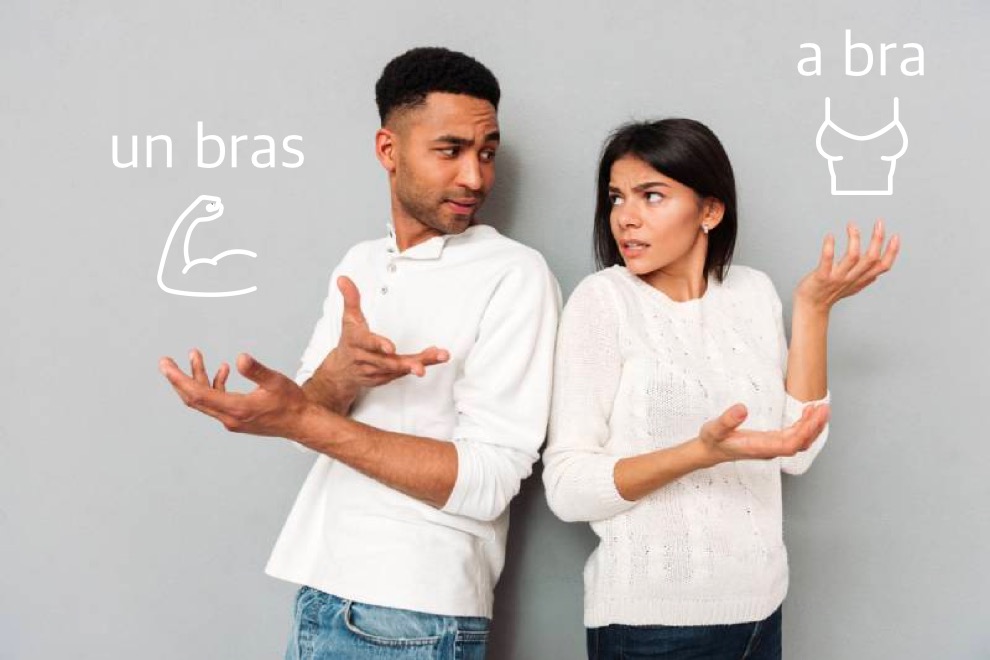
If during your holiday in Paris you tell your French friends that you would like to 'introduire' your new girlfriend or boyfriend, not sure they like the idea. They might even think you're just a jerk. Knowing the French false friends and their matching French version will allow you to avoid comical or even very embarrassing situations.
as Scella said, it can be difficult to see a word that looks similar/identical to another word in your own language and assume it has similar meaning
i certainly have this struggle with learning Spanish and the false friends it shares with Engish
boreal ingot
signal shell
i certainly have this struggle with learning Spanish and the false friends it sh...
In Finnish 'No' means 'Well' 
 signal shell
boreal ingot
In Finnish 'No' means 'Well' <:AA_Aya_Cry:642730872998461440>
signal shell
boreal ingot
In Finnish 'No' means 'Well' <:AA_Aya_Cry:642730872998461440>
That will forever haunt me
flat rune
Wtf
If an english speaker tells me " i want to introduce myself " i won't think of him a jerk
flat rune
boreal ingot
In Finnish 'No' means 'Well' <:AA_Aya_Cry:642730872998461440>
I will never learn finnish
boreal ingot
lol
 timid inlet
boreal ingot
In Finnish 'No' means 'Well' <:AA_Aya_Cry:642730872998461440>
timid inlet
boreal ingot
In Finnish 'No' means 'Well' <:AA_Aya_Cry:642730872998461440>
I always thought no means no, well it's a no anyways
 fierce ivy
Good morning, I have a question for you regarding whether there are any more helpful people here, if you could recommend me some free to play games from Steam because I'm looking for multiplayer games to randomly select players from the genres mmo rpg, otawert world schootery etc.: practically all of them except farming, but not cs ,valorant,fortntie League of legends I played the well-known ones and got bored of them, can someone more knowledgeable give me some advice or advise me to look at them differently? when there will be sales of cheap games on Steam and then buy that particular game
 quiet yarrow
what's the difference between umpire, referee and arbiter (apart from the sports they are in)
cloud badge
quiet yarrow
what's the difference between umpire, referee and arbiter (apart from the sports...
I believe the umpire is like, the head referee in baseball, a referee is someone who keeps track of what rules are being broken/ followed in any sport or game, and well, I'm not sure about arbiter.
I think an arbiter is like the umpire, in that, they decide weather or not to enforce the rules that the referes or such report? I could be a little off on that though.
signal shell
flat rune
If an english speaker tells me " i want to introduce myself " i won't think of h...
If you try to use the French word "introduire" in the context they said to use it, then French people will think that you are a jerk, because it's the wrong word.
flat rune
Oh ok
But the translation of " Introduce yourself " is " Présente-toi " so i don't think they'll think that you're a jerk
French people ought at least to know what does introduce mean
flat rune
signal shell
If you try to use the French word "introduire" in the context they said to use i...
But yeah introduce in french is introduire
signal shell
flat rune
But yeah introduce in french is introduire
In the wrong sense

This is the idea behind false friends
flat rune
signal shell
In the wrong sense
Introduce means '' présenter '' and '' introduire ''
signal shell
It makes you think you know the right word but it's not the right word
signal shell
flat rune
Introduce means '' présenter '' and '' introduire ''
But those two french words are not synonyms
signal shell
But they happen to be homonyms in English
flat rune
signal shell
But those two french words are not synonyms
Yes
signal shell
So for English speakers, this is very difficult
flat rune
signal shell
But those two french words are not synonyms
They're a little bit same but they have different meanings
signal shell
English speakers may accidentally use introduire when they should be using présente
flat rune
Yea i understand you
signal shell
Which is the cause of confusion and miscommunication
flat rune
Same for discover and uncover
In french '' discover '' '' uncover '' '' find out '' mean one word
'' Découvrir ''
signal shell
So for french people, they will struggle to select the correct English word for découvrir
Although, those are almost interchangeable in English
But not always
flat rune
I don't think if you say to a french speaker '' Je vais m'introduire '' they'll think of you jerk
Even if it's the wrong form
It's still comprehensible
cloud badge
flat rune
It's still comprehensible
jus a lil side note, this should be comprehendible* comprehensive means all encompassing or complete, including everything,
comprehendible or comprehensible mean able to be understood
flat rune
cloud badge
comprehendible or comprehensible mean able to be understood
It's like in french
comprehensible
But for some reason i thought it was comprehensive
cloud badge
flat rune
comprehensible
oh interesting i didnt know that c: its an easy mixup tho, just thought id point it out
acoustic geyser
Have I am done and I have done got the same meaning?
flat rune
I am done means that you finished something or you're just fed up
Have done means that you finished something and it is revelant for the present
For example
I am done with my homework ( Perhaps, you noticed but I am done is followed by '' with '')
Or you can say it because you're fed up
I am done, you don't understand what i am telling you.
And for have done
Luckily, I have done my homework because otherwise, my teacher would have yelled at me.
cloud badge
flat rune
It was '' I just thought ''
i was saying i just thought that id point out to you your mixup of comprensive vs comprensible/comprehendible
flat rune
oh ok