#📚|english-questions
1 messages · Page 59 of 1
 errant kettle
Without time travel or a crystal ball nobody can know what the essay will be about, therefore you must wait until you read the passages to determine what your thesis of your essay will be and organize the thoughts to support that thesis.
 dense oasis
@errant kettle can i have a silly question 
does a phrase like "engulf in incredulity" make sense to you
i mean, it must sound quite abtract and strange, but umm, does it make sense
errant kettle
Yes, I would interpret it to mean “completely surround in disbelief”
 flat rune
Oh my word, you sound utterly pissed. Lol ...and I mean drunk, not angry, like the Americans use that word. 😛
dense oasis
flat rune
Oh my word, you sound utterly pissed. Lol ...and I mean drunk, not angry, like t...
Nev-ah in my life h-eh-ve i h-eh-d such a blasphemy
nah am kidding
flat rune
If I heard someone speak like that over here, I'd call for help, because they're probably having a stroke. 😛
dense oasis
errant kettle
Yes, I would interpret it to mean “completely surround in disbelief”
amazing, i use stuff like this in certificates or exams, cuz it gives me vocab points
flat rune
thanks you all for helping me out @errant kettle @flat rune @dense oasis @frail vine ❤️
dense oasis
flat rune
If I heard someone speak like that over here, I'd call for help, because they're...
lmao
Ambulance come hee-ya
errant kettle
dense oasis
Nev-ah in my life h-eh-ve i h-eh-d such a blasphemy
If I heard someone speaking like that I would think they were from Maine
flat rune
Oh, that does sound quite southern. Especially hee-ya.
I've no idea how to type anything that resembles a heavy southern accent. I don't think there are enough vowels to express that.
dense oasis
isnt Maine in the states
yeah i guess it is
names of the states sound like some cartoon american supheros to me
*heroes
lmao
"Virginia, the hero of the weak, the power of the uncapable, the strength of the fallen, to the rescue of the mankind"
or replace it with Florida
errant kettle
So yeah Maine is as far East and as Far North as you can go in the contiguous United States. Folks there can have a heavy accent.
I feel like Florida is a current supervillain.
dense oasis
errant kettle
I feel like Florida is a current supervillain.
i think i have heard about some extremely crazy madman murderer from maine
not sure if it was maine tho
but surely the states
dense oasis
dense oasis
i think i have heard about some extremely crazy madman murderer from maine
Update: he was from alaska
Robert Hansen
errant kettle
We have an abundance of serial murderers.
dense oasis
pretty twisted and deranged individual
ah yes i know that
I listen to one podcast about that

pretty heckin crazy but i like how quickly she speaks sometimes, it taught me a lot of quickly spoken english
I guess the titles are quite nsfw, but umm, life
errant kettle
Oh wow!
dense oasis
i think she speaks something like los angeles english cuz she lives there, but not sure cuz she's not purely american, she's like korean-american or something
errant kettle
I just listened to her on YouTube, I am not certain that I would be able to geographically place her accent.
dense oasis
errant kettle
I just listened to her on YouTube, I am not certain that I would be able to geog...
Hm well for me its american but my perception of accents is kinda inaccurate since i havent paid a very close attention to them
american itself can have many variants obviously
errant kettle
I mean yes, it is American….but the where part is a little less easy to tell.
dense oasis
errant kettle
I mean yes, it is American….but the where part is a little less easy to tell.
Your otter is cute
 dire zenith
hi i have multiple grammar questions.
-
for the em dash, can you use an em dash only one time in a sentence? for example: “she is very illiterate – or too stupid in a sense
(disregard the fact that I might have used a phrase that isn’t appropriate to use an em-dash for, for now) -
what do you call the dash that is longer than an em dash; this thing — that confuses me because people only mention 2 dashes but i’ve seen there’s a longer one. also what is it used for?
-
when can i use all of these dashes, and can i use all three of them in the same sentence? are any interchangable with one another?
i have some more questions but for now i’m trying to think of these
dire zenith
dire zenith
hi i have multiple grammar questions.
1. for the em dash, can you use an em dash...
if someone could please answer these 3 questions in one message i would appreciate it!
errant kettle
dire zenith
hi i have multiple grammar questions.
1. for the em dash, can you use an em dash...
An em dash is about as long as the letter "m" (—), whereas an en dash is only about half that length, or the length of the letter "n" (–). An em dash is automatically created in Word if you type a first word, two hyphens back-to-back, then a second word, with no spaces in between. When the em dash is being used to set apart information you will use the dash at the beginning and end of the information being set apart, the sentence must be a complete thought if you remove what is between the dashes. The “en” dash is used to show a range; I will be gone for 20-30 minutes. The longer dash is equivalent to the “em” dash I believe.
note out of humility I feel compelled to say I was aided in this answer by the google
flat rune
dire zenith
hi i have multiple grammar questions.
1. for the em dash, can you use an em dash...
Regarding the first question, yes. These dashes are often used to add additional information at the end of a sentence, as though an afterthought and/or something that should be emphasised or given more focus; it depends on the context. Mid-sentence, em-dashes are usually used as interruptors or as an interjection, usually to provide additional information, but I believe I've sometimes used it to highlight something important.
Regarding your last question, „-“ can be used in a sentence where an em-dash is present without any issues. It would be strange to prevent this.
Example:
He said it was practically impossible to fix the pre-war machine — well and truly.
Imagine „prewar“ isn't already an accepted adjective, but since the „pre-“ prefix is a useful example, I opted to use it with the dash.
Remember, these matters can depend on the writer's style or any style guide that might be followed.
 worthy depot
"B" is a father of "A" but "A" is not his son ...now, WhO IS "A"??
 ocean hare
Daughter?
 thorny rain
I thought the same...
flat rune
worthy depot
"B" is a father of "A" but "A" is not his son ...now, WhO IS "A"??
A could be B's step-son or adopted son. Assuming A is male, as „son“ implies.
 ancient estuary
worthy depot
"B" is a father of "A" but "A" is not his son ...now, WhO IS "A"??
ancient estuary
worthy depot
"B" is a father of "A" but "A" is not his son ...now, WhO IS "A"??
Daughter..?
 ripe crow
Can i ask something?
When i'm saying that i'm later in the school
Like, i start one year later
Its correct if i say "I'm later in the school"?
ancient estuary
Not necessarily. The grammatically correct way to say that, would be: "I'm one year into school." Or: "I'm one year later into school.".
Saying you're later in the school, isn't really explaining or describing how long you have been in the school with enough detail to be a complete description.
ripe crow
ancient estuary
Not necessarily. The grammatically correct way to say that, would be: "I'm one y...
Okay, but how i say that without explaining
Its just say that i'm later?
ancient estuary
You could just say "I started a year later.". If it's shortened down to "I'm later in school", it's hard to get the meaning of that extracted from what's said.
Saying "you're later" could be confused with several things. Instead, by saying "I started later" what you are trying to say can be much easier to understand as it's much more specific
ripe crow
ancient estuary
Saying "you're later" could be confused with several things. Instead, by saying ...
So basically, depends of context?
ancient estuary
Yes, it depends on context.
ripe crow
Okay, got it
Thanks!
ancient estuary
No worries
errant kettle
ripe crow
When i'm saying that i'm later in the school
Like, i start one year later
Its co...
You could say “I started school a year late.” Or “I am a year behind my peers.”
ripe crow
errant kettle
You could say “I started school a year late.” Or “I am a year behind my peers....
Hmm, i like it
Thank u!
 bright dust
Hi
errant kettle
 unkempt coral
ami allowed to capitalize "Being" in the title when its not at the beggining
unkempt coral
ami allowed to capitalize "Being" in the title when its not at the beggining
Yes
errant kettle
bright dust
Hi
Hello, do you have some questions we can possibly help with?
 rigid remnant
Hi
Everyone
I Wana improve English toB2 level , how many time I need for this to learn vocabulary from A2 to B2 in this server
errant kettle
rigid remnant
I Wana improve English toB2 level , how many time I need for this to learn vocab...
I think everyone learns differently so I don’t think I can answer this question for you.
rigid remnant
errant kettle
I think everyone learns differently so I don’t think I can answer this question ...
Tell my most effective method
Most faster
errant kettle
I am a native speaker. I don’t think I am the best person to answer this question. I think that for ideas and suggestions on learning vocabulary other learners are a good resource.
 velvet knoll
rigid remnant
Hi
velvet knoll
rigid remnant
Hi
Hello
velvet knoll
rigid remnant
Tell my most effective method
I am currently in B2 level
For me the most effective way in studying English is by solving as many questions as you can in each lesson you take either in grammar or vocabulary.
You can just focus on multiple-choice questions.
rigid remnant
velvet knoll
I am currently in B2 level
For me the most effective way in studying English is...
Thanks Malachite,
velvet knoll
rigid remnant
Thanks Malachite,
You're welcome
 gleaming narwhal
I am reading newspapers, and frequently I can find a word, "bar from" means to prevent sb from doing something, is this offenly use in oral english or only exist in newspapers?
 quartz cloud
i believe it's simply the verb 'bar' but I wonder if it's a colloquial thing.
velvet knoll
For a very long time, as I have been learning English since I was in grad 1 till grade 12. But it was just a subject I didn't aim to reach a certain level that's why it took that long time. All I was looking for at that time was to pass the exams.
errant kettle
gleaming narwhal
I am reading newspapers, and frequently I can find a word, "bar from" means to p...
It is not uncommon, but more formal than “stopped from” or “not allowed to”
unkempt coral
errant kettle
Yes
also can i say
------ are one of the most important.
?
like are and one
?
errant kettle
unkempt coral
also can i say
------ are one of the most important.
Yes, for example… “Grizzly Bears are one of the most important predators in the Rocky Mountains.”
unkempt coral
errant kettle
Yes, for example… “Grizzly Bears are one of the most important predators in the ...
i made it similar and it was like Polar Bears and grizzly bears are one of the most important predadtors in the rocky mountains
errant kettle
unkempt coral
i made it similar and it was like Polar Bears and grizzly bears are one of the m...
In that case, you would have to say a “few of” or “some of” instead of one of because you named two different species. “Flowers are one of my favorite gifts.” “Flowers and chocolates are some of my favorite gifts.”
velvet knoll
No, I am currently in my first year in university as I'm studying for a bachelors in English. I am fully dictated in English studies from: literature, phonetics, Grammer, translation, stories and novel analysis
So for me it's not a hobby.
You too 
unkempt coral
errant kettle
In that case, you would have to say a “few of” or “some of” instead of one of be...
oh thanks man
unkempt coral
errant kettle
In that case, you would have to say a “few of” or “some of” instead of one of be...
and can i say
"if you were to"
is were correct?
errant kettle
unkempt coral
and can i say
"if you were to"
Depending upon what is followed by. “If you were to give me a gift, flowers or chocolate would be greatly appreciated.”
 limber lark
Hi guys, can you recommend your favorite youtube content (in English)?Not channels for learning English, but only content in English.
errant kettle
limber lark
Hi guys, can you recommend your favorite youtube content (in English)?Not channe...
There is a channel called “Big Think” That I really enjoy.
limber lark
errant kettle
There is a channel called “Big Think” That I really enjoy.
I haven't had a chance to get a good look at it yet, but it looks good
I hope I spelled that right.
errant kettle
Yes, perfectly. There seems to be a nice variety of topics there. I have only watched a few entire episodes but I really thought they were interesting.
limber lark
errant kettle
Yes, perfectly. There seems to be a nice variety of topics there. I have only ...
I looked up roughly what this channel is about and the quality of the content. It's too early to tell, but I think I'm going to like it.
unkempt coral
limber lark
Hi guys, can you recommend your favorite youtube content (in English)?Not channe...
One Message Foundation
limber lark
Guys, what do you think is the best way to improve your English, Watch something with subtitles in your native language or with subtitles in English?
 frigid jackalBOT
tanss1 has been timed out 

 Reason: Posting Discord Server Invites
tanss1 | 722305573940363267
 hazy heraldBOT
@lusty robin, you are not allowed to send invite links in this server.
 royal pilot
limber lark
Guys, what do you think is the best way to improve your English, Watch something...
royal pilot
limber lark
Guys, what do you think is the best way to improve your English, Watch something...
English subtitles are the way to go I think. There have been studies on this comparing English vs native or no subtitles: Watching Subtitled Films Can Help Learning Foreign Languages
limber lark
Another question I'm wondering about. Which is better, practicing anki while watching a movie or is an interpreter enough? I would especially like to know from those who are now at an advanced level.
errant kettle
@dense oasis I think you were talking abut Anki earlier?
worthy depot
ancient estuary
Daughter..?
Ayy yes.u r right
 sacred frigate
What's the difference between: to stalk / to spy ?
 mint seal
sacred frigate
What's the difference between: to stalk / to spy ?
mint seal
sacred frigate
What's the difference between: to stalk / to spy ?
Both of them have different intentions
Stalking someone means to follow and invade their privacy in a way that the stalker is obsessed with the person they’re following or they’re being an absolute creep
Spying is the same thing except in a way that the spy wants to gather some information about the person anonymously
sacred frigate
mint seal
Stalking someone means to follow and invade their privacy in a way that the stal...
I so got it, thx so much!
sacred frigate
Should one learn informal english?
sacred frigate
Does this word "data" have two pronunciation?
 echo epoch
What does "rizz" means in slang and how to use it?
 vale wyvern
Which one sounds more natural?
A) If the book taught me anything, it's that life is not easy.
Or
B) If the book taught me anything, it was that life was not easy. (Does the rules of conditional apply on this occasion?)
mint seal
sacred frigate
Does this word "data" have two pronunciation?
Yes, there are two. “Da-ta” and “dae-ta”
mint seal
sacred frigate
Should one learn informal english?
Yeah cuz it’s how most people talk
mint seal
echo epoch
What does "rizz" means in slang and how to use it?
Rizz is slang for flirting. You’d use it to flirt with someone
Whether if it’s verbal or physical
mint seal
vale wyvern
Which one sounds more natural?
A) If the book taught me anything, it's that lif...
The first one is more natural than the second
vale wyvern
mint seal
The first one is more natural than the second
Does the rules of conditional apply on this situation?
mint seal
vale wyvern
Does the rules of conditional apply on this situation?
Yes, it does
vale wyvern
mint seal
Yes, it does
Then the second one should be the right one
mint seal
vale wyvern
Then the second one should be the right one
Wait on second thought, no
Conditionals don’t apply on this sentence
Sorry
vale wyvern
mint seal
Conditionals don’t apply on this sentence
Can you explain more, I am sorry
mint seal
vale wyvern
Can you explain more, I am sorry
A conditional sentence is different from the example you listed here. Conditionals are statements with a cause and effect like “if I study hard, I will get good results,”
The sentence you provided isn’t a conditional cuz it doesn’t speculate what could happen, might have happened or wish
vale wyvern
Because I saw this post on YouTube, that’s why I posted a similar sentence to find the answer.

Okay thanks for cleaning up my clouded mind with your detailed information
mint seal
vale wyvern
Because I saw this post on YouTube, that’s why I posted a similar sentence to fi...
This is clearly just a statement that Odin is bad at parenting, there’s no statement/clause to support that reason and therefore, not a conditional
mint seal
If it was, then it’d be something like “If Odin yells at her/his kids, then they will be bad at parenting”
mint seal
vale wyvern
Thanks mate
No worries
vale wyvern
mint seal
If it was, then it’d be something like “If Odin yells at her/his kids, then they...
Not gonna lie ……Odin is a certified incompetent father
mint seal
vale wyvern
Not gonna lie ……Odin is a certified incompetent father
I don’t know who that is but, it already sounds bad enough
dense oasis
@mint seal lemme bully you with a question
so
i kinda asked about this some people here already, but not you, so hm, youre a native right, soo, how many books in english do you think you have read in your entire life
mint seal
dense oasis
i kinda asked about this some people here already, but not you, so hm, youre a n...
Not enough to take my English advance classes back in highschool
dense oasis
mint seal
Not enough to take my English advance classes back in highschool
so how many would you estimate
mint seal
dense oasis
so how many would you estimate
At least over 100 is what I can say
I really don’t know
dense oasis
oh sh#t
mint seal
I don’t read much either
dense oasis
yeah long way ahead of me lmao, am on my sixth one in english lol
mint seal
dense oasis
yeah long way ahead of me lmao, am on my sixth one in english lol
Wait ur not a native right?
mint seal
dense oasis
my english is self-taught
That’s very impressive, and what book are you reading?
dense oasis
mint seal
That’s very impressive, and what book are you reading?
now its Brave New World by british author Aldous Huxley, sci-fi published in 1931
next probably 1984 by orwell
mint seal
dense oasis
next probably 1984 by orwell
Have not read both but I’m assuming they’re good, Enjoy!
dense oasis
theyre both ridiculously difficult but
but i somehow get through them lmao
the worst is when you usee like biological vocabulary, something like "viviparous", or some obscure words like "to abate"
*see
typo
mint seal
dense oasis
the worst is when you usee like biological vocabulary, something like "viviparou...
Yeah that…sometimes I come across that and I have to look it up
I get what you mean though, it sucks
dense oasis
or expressions like
engulf in incredulity
amazing, i gotta spend a bit of time to understand stuff like this lmfao
mint seal
dense oasis
amazing, i gotta spend a bit of time to understand stuff like this lmfao
The worst part is that if you read too fast, you’re reading but you’re not processing the information
dense oasis
yeah, i think english term for this is white noise
mint seal
Worse when you come across stuff you can’t understand straight away and you’re like “huh?”
And yet you still continue reading
mint seal
dense oasis
yeah, i think english term for this is white noise
I thought that only applies to audio
dense oasis
or entirely new words, i just keep a dictionary website opened cuz otherwise more obscure stuff would not be understood lmao
mint seal
Yeah true
dense oasis
mint seal
That’s very impressive, and what book are you reading?
my previous ones were mostly horrors tho, ive read two books from Stephen King for example, they taught me a lot but its absolutely not easy to read in a non-native language lmao
mint seal
dense oasis
my previous ones were mostly horrors tho, ive read two books from Stephen King f...
Hmm I’m curious, can you send me the books in dms? Or smth
 mint seal
 forest solar
Put some icing on my cake
forest solar
Put some icing on my cake
Jokes aside, this looks delicious
forest solar
It is an angel food cake i made
Actually the last piece. That's why it's collapsing
 dense oasis
mint seal
Hmm I’m curious, can you send me the books in dms? Or smth
dense oasis
mint seal
Hmm I’m curious, can you send me the books in dms? Or smth
yeah sure, check DMs
dense oasis
mint seal
Unless if ur sending it now
i mean it is successfuly sent
mint seal
dense oasis
i mean it is successfuly sent
I got nothing, you sure?
Ohhh
It’s requested
dense oasis
ive sent three already lmfao
 burnt swallow
hello
what are trial tests/exams called which prepare for the actual exams in school?
mock test
i suddenly remembered
funny
dense oasis
yeah, those are mock exams
They gotta mock you to make you more pissed off before the actual ones you know
 unborn sinew
Or just mocks
mint seal
Mock exam, mock tests
I still remember the time my Japanese teacher kept giving them to my class
 pearl lion
Guys, when can I use Does? It’s only in the present
thorny rain
In the case of present and singular 3rd person(He, She, It,)
quartz cloud
pearl lion
Guys, when can I use Does? It’s only in the present
in the present simple only. You can use 'does' as well as other forms of do in short answers like -Yes he does! or exclamations (or whatever it's called) like -Does he! it's just what I know/ can recall. Sure thing there are much more uses... I guess
pearl lion
Thank u Elise❤️
quartz cloud
pearl lion
Thank u Elise❤️
You're welcome! (I forgot to make the word "simple" bold... Other present tenses use different auxiliary verbs)
dense oasis
pearl lion
Guys, when can I use Does? It’s only in the present
also, if youre directly answering to some question, usually yes-no question, then:
- does your cat eat pork
- it does
so you answer "does-" questions by saying subject + does
same as if you were talking in past simple:
- did she eat the cake yesterday
- she did
 blissful grove
 oak sparrow
Hi
I have a question, guys.
This might sound silly, but I'm still learning.
I want to know the meaning of "hub" in the name of this server.
And could you give me some other examples using this word in the same way?
errant kettle
oak sparrow
I want to know the meaning of "hub" in the name of this server.
A hub is the 1. The central part of a wheel or 2. The effective center of an activity, a region, or a network. Hub in The English Hub derives from this second meaning.
“The new student center became the hub for all student activities.”
“In the summer, the community pool becomes a hub for local recreation, I can meet up with all my friends there and spend the day with them.”
oak sparrow
Thank you so much 🙂
hazy heraldBOT
errant kettle
?define hub
Word: hub
Definition 1 (noun): a center of activity or interest or commerce or transportation; a focal point around which events revolve
Definition 2 (noun): the central part of a car wheel (or fan or propeller etc) through which the shaft or axle passes
Definition requested by iotter
 umbral stirrup
hey guys, what is the correct answer for this question? Drive or are driving?
Today Mr. and Mrs. Parsons ------- to work separately because Mr. Parsons has to go to a meeting at another branch.
A.Drive
B.Are Driving
C.Drives
D.Is Driving
errant kettle
umbral stirrup
Today Mr. and Mrs. Parsons ------- to work separately because Mr. Parsons has to...
What do you feel you would choose?
“Drive a car” is in the simple present. We use the simple present for habitual actions
Driving a car” is in the present progressive, which is used for actions that are in progress at the time of speaking, and for actions that will happen in the near future.
 agile nimbus
in china big cities, when parents don't have time to pick up their kids after school, they can let their kids go to a place can provide dinner and can do homework there, until the parents can pick up them after work, what do you call this kind of facility? child care centre? or child nursing store?
 modern hollow
agile nimbus
in china big cities, when parents don't have time to pick up their kids after sc...
modern hollow
agile nimbus
in china big cities, when parents don't have time to pick up their kids after sc...
this is usually called a daycare
agile nimbus
thanks
 rare glacier
Any tips on how to follow the story in the illiad?
I usually have no problem compregending stuff in stories but I'm lost in a sea of names I am struggling to remember and words that I don't think the average person even knows
errant kettle
rare glacier
Any tips on how to follow the story in the illiad?
Perhaps you can find an outline of the main characters online. That is a tough read!
mint seal
rare glacier
I usually have no problem compregending stuff in stories but I'm lost in a sea o...
Ah yes, the Illiad
rare glacier
I read the odyssey normally but for some reason with the illiad I have to stop myself and re read some sections
 raven kiln
agile nimbus
in china big cities, when parents don't have time to pick up their kids after sc...
raven kiln
agile nimbus
in china big cities, when parents don't have time to pick up their kids after sc...
Instead of saying China big cities, you can say big Chinese Cities. I don’t know if that would be either of the options, even though a childcare center is probably like a daycare parents can bring small children to to be watched over, and a child nursing store sounds like a store or shop you can go to to get things to help with nursing children. the name or phrase I would use is an afterschool program. The first part of the term speaks for itself because it’s where some parents might send their children or have them go after school until the parents are able to pick them up, but I think program is in reference less to the type of place it is at and more to it being a program for kids to go when their parents are at work before they can pick them up
raven kiln
modern hollow
this is usually called a daycare
A daycare sounds like somewhere parents can send their kids around preschool age before they are old enough for school when the parents have to work. The term I default to is afterschool program
raven kiln
umbral stirrup
Today Mr. and Mrs. Parsons ------- to work separately because Mr. Parsons has to...
Probably b, with A being a potential back up
sacred frigate
@flat rune can u tell me the meaning of this sentence
 raven kiln
Double negatives can be confusing
Nothing and don’t
Won’t
OK I’m kind of tired and I’m reading this over and over again and I’m getting semantic satiation
Well I’m getting some satiation because I’m like repeating stuff in my head when I’m tired and it’s losing its meaning
forest solar
@ebon star , yes?
raven kiln
I think it means they will have forgotten something
forest solar
sacred frigate
<@456226577798135808> can u tell me the meaning of this sentence
The easiest was to read double negatives is to cancel them out by reversing 2 at a time. So this becomes.
"(Something) I (will) have forgotten by the time I am 2".
raven kiln
Yeah it’s funny how I got this confused and I am a native speaker
Probably because I’m tired and that has led me to be more susceptible to semantic satiation when I read things over and over again
forest solar
It's the middle of the day here. I'm thinking better. You sleep now
 magic gyro
i wanna learn english very well i think my level is B1 now. I want learn english until C1. can you help me about this? have you got any offer for me? like any youtube channel?
forest solar
raven kiln
A daycare sounds like somewhere parents can send their kids around preschool age...
The difference between daycare and after school, is the after school is for the kids who attend school, but whose parents are still at work for another couple of hours or so, whereas daycare is for the whole day as the kids are not going to school but the parents work.
raven kiln
magic gyro
i wanna learn english very well i think my level is B1 now. I want learn english...
I’ll be glad to help when I’m not really tired
You can ping me or DM
raven kiln
forest solar
The difference between daycare and after school, is the after school is for the ...
Yes
forest solar
magic gyro
i wanna learn english very well i think my level is B1 now. I want learn english...
This server has lots of people who can help answer harder questions on topics you encounter as you learn. Just post a question here, or two and ask in the vcs. The Internet has a plethora of free information. You could be happy for years. You just have to use the search.
forest solar
raven kiln
Instead of saying China big cities, you can say big Chinese Cities. I don’t know...
I'm reading backwards up the posts. 🙅♀️
magic gyro
forest solar
This server has lots of people who can help answer harder questions on topics yo...
thanks and im asking for channel.
forest solar
But hey.. " big Chinese cities". (Lower case "cities")
raven kiln
You would use a different form of the name of the country to describe something about it
forest solar
magic gyro
thanks and im asking for channel.
The vc channels are labeled by level to give an indication of level. This is a good channel for questions of any level.
raven kiln
forest solar
The vc channels are labeled by level to give an indication of level. This is a ...
Can I join any Voice channel and help in them?
forest solar
raven kiln
Can I join any Voice channel and help in them?
most people help by talking to each other. Just join and answer if you can, or need to.
forest solar
raven kiln
You would use a different form of the name of the country to describe something ...
Is that a statement or a question? What do you mean "a different form"?
raven kiln
Yeah you wouldn’t say an America city or something
There is usually a slight alteration to the name of the country or city that you would use to describe something about it it
forest solar
Yes, there is typically a change to the words to make them into adjectives
raven kiln
You would usually change the spelling or maybe add something to the word to describe something about that place or something that is in that place
forest solar
My comment was that cities should not be capitalized.
raven kiln
Yeah true that was a typo
 midnight finch
How would you call someone who is "carelessly disrespectful" in replies
I am looking for the preferred way or synonym for phlegmatic in case that is not used
quartz cloud
midnight finch
How would you call someone who is "carelessly disrespectful" in replies
You can use generic words like impolite, rude or vulgar and check their synonyms. I'm sure you will find dozens of words and one of them would be what you want to find.
midnight finch
Thanks
dense oasis
midnight finch
How would you call someone who is "carelessly disrespectful" in replies
carelessly disrespectful could be said like "blatant"
they do not think what they say, they insult you without any consideration that the words may be harmful
for example a kid who screams at an old lady in front of a store, that she's ugly or she is about to die soon, is very blatant, you can also say stuff like blatantly rude
midnight finch
Thank you, though would you say the same for situations where insults are not part of the dialogue?
I don't recall native speakers using phlegmic, just impolite that's why I am asking
quartz cloud
frank person might insult people unintentionally just because he/she is too honest.
midnight finch
I agree and impoliteness can come from unintendedness
quartz cloud
you can check outspoken and blunt. both have kind of the same idea - you think about the topic, not feelings of people around
without trying to be polite of course
sacred frigate
can someone explain meaning of "brought your own to fruition"
 quartz cloud
it's just a collocation for the word fruition
you can use it with come or bring it depends
maybe reach as well... I don't know.
 neat pawn
what's the perfect answers
 quartz cloud
I've met this pattern - discern Sth from Sth. Is this correct? It looks like it was used as 'distinguish' but I do not have this meaning of the word in my dictionary.
errant kettle
midnight finch
I am looking for the preferred way or synonym for phlegmatic in case that is not...
I don’t think I have heard anyone use the word phlegmatic. Looking up the definition it seems to be a synonym of stoic, rather than “carelessly disrespectful “
errant kettle
neat pawn
what's the perfect answers
I am happy to help with corrections after you have given it a try. Telling the answers before doesn’t support your learning
 acoustic geyser
When do I use as if and as though
 sweet tusk
sacred frigate
sweet tusk
sacred frigate
?define docile
hazy heraldBOT
sacred frigate
?define docile
Word: docile
Definition 1 (adjective): ready and willing to be taught
Definition 2 (adjective): easily handled or managed
Definition 3 (adjective): willing to be taught or led or supervised or directed
Other definitions can be found here
Definition requested by mus_simahin
sacred frigate
"any worse for the wear" what's this mean?
quartz cloud
the worse for wear (informal) 1) in a poor condition because of being used a lot 2) drunk
 tight tundra

Why is it "find" used in this sentence and not "found"?\
Is it because "didn't" was used in the first sentence?
forest solar
@steady gazelle To become confident in speaking any language, including your native language, you need to practice speaking with others. Star with small groups of people who are at about the same level, and build your vocabularu through reading and listening to others and understanding through context. There are many VC groups in this serverand they are all full of people speaking 24/7. Just jump in and start chatting. Talk about what you have been reading about in your textbook or online readings and lessons.
 rich briar
The word "negate" refers to making something ineffective, but what if the effect is still present on a weaker scale, would using "resist" be more suitable in this context ?
For instance,
If I was using a skill in a videogame that limits damage taken, would it be more accurate to use the expression "damage negation" or "damage resistance" ?
errant kettle
tight tundra
Is it because "didn't" was used in the first sentence?
Yes, I think it is implies there is a “Did” at the beginning of the question but because the style is sort of an informal conversation they took the did out.
errant kettle
rich briar
The word "negate" refers to making something ineffective, but what if the effect...
I think yes, damage resistance would imply it doesn’t stop all the damage. Damage negation may leave space for some amount of damage also but resistance would clarify things better.
errant kettle
acoustic geyser
When do I use as if and as though
As if and as though are two conjunctions that can be used to indicate something is similar to or analogous to something else. As if is generally used to describe imagined situations while as though is used to make comparisons between real situations
“She acted as if I knew her, even though I don’t recall ever seeing her before.”
“He spoke to me as though he had not been yelling at me five minutes earlier.”
 runic trench
sacred frigate
can someone explain meaning of "brought your own to fruition"
runic trench
sacred frigate
can someone explain meaning of "brought your own to fruition"
It in a way means made more successful
?def fruition
hazy heraldBOT
runic trench
?def fruition
Word: fruition
Definition 1 (noun): something that is made real or concrete
Definition 2 (noun): enjoyment derived from use or possession
Definition 3 (noun): the condition of bearing fruit
Other definitions can be found here
Definition requested by callmeglasshead
sacred frigate
runic trench
It in a way means made more successful
thx
Color me impressed = consider me impressed?
runic trench
sacred frigate
Color me impressed = consider me impressed?
yeah
hazy heraldBOT
sacred frigate
?def leap
Word: leap
Definition 1 (noun): a light, self-propelled movement upwards or forwards
Definition 2 (verb): cause to jump or leap
Definition 3 (verb): pass abruptly from one state or topic to another
Other definitions can be found here
Definition requested by mus_simahin
flat rune
sacred frigate
difference between jump / leap ?
They're synonymous. But, there are times when either word is preferred, such as for idiomatic expressions or certain terms, such as a leap year.
dense oasis
flat rune
They're synonymous. But, there are times when either word is preferred, such as ...
leap is used to talk about werewolves leaping on their victims who are about to be ripped open
thats what books taught me
midnight finch
errant kettle
I don’t think I have heard anyone use the word phlegmatic. Looking up the defin...
thanks
according the AI they are different:
Phlegmatism and stoicism are two distinct concepts. Phlegmatism refers to a personality trait that describes someone who is calm, composed, and unemotional. A phlegmatic person is often seen as being sluggish or apathetic, but this is not necessarily the case. Rather, they tend to have a steady and consistent temperament, which can be an asset in situations that require level-headedness. On the other hand, stoicism is a philosophy that emphasizes the development of self-control and the acceptance of fate. Stoics believed that emotions such as fear, anger, and grief were irrational and should be suppressed in favor of reason and logic 1. While both phlegmatism and stoicism describe a lack of emotion, they differ in their connotations and applications. Phlegmatism tends to describe a general disposition or temperament, while stoicism tends to describe a specific response to challenging circumstances.
midnight finch
After swearing
errant kettle
midnight finch
> Phlegmatism and stoicism are two distinct concepts. Phlegmatism refers to a pe...
Interesting, thank you for sharing that.
midnight finch
for the record irl I have only heard phlegmatism the way I described before
flat rune
dense oasis
leap is used to talk about werewolves leaping on their victims who are about to ...
Lol Nice. Leap definitely makes me think of an animal, though. I think it implies a greater jump, but it therefore makes for an expressive word.
flat rune
midnight finch
> Phlegmatism and stoicism are two distinct concepts. Phlegmatism refers to a pe...
Oh, I like that description of stoicism. I've heard about it a few times, because of my interest in philosophy, but I've not looked much into it.
I probably will now!
dense oasis
flat rune
Oh, I like that description of stoicism. I've heard about it a few times, becaus...
are you sure it shouldnt be like *because of my interest
idk it sounds odd to me to see "interesting" as a noun, it shouldnt be a noun i think...
flat rune
dense oasis
are you sure it shouldnt be like *because of my interest
You're quite right. I have this weird habit of typing something different than what I want. It's like my fingers decide what to type, and I have very little part in it. Lol
I may have to blame it on age or something.
errant kettle
flat rune
You're quite right. I have this weird habit of typing something different than w...
Rogue fingers!
flat rune
errant kettle
Rogue fingers!
Exactly!
It's actually really frustrating, especially when I'm trying to help someone with their English, and they no doubt wind up confused. Lol
I noticed I started doing it many years ago, and it seems it's only gotten gradually worse.
Oddly, I don't seem to do it much in German, but that may be because I concentrate more or I spend more time on the messages before I press Enter.
dense oasis
flat rune
I noticed I started doing it many years ago, and it seems it's only gotten gradu...
Please dont blame this on age cuz am only nineteen and in my case it is also only worse and worse
which would suggest that am old like u
i mean am not saying youre old, its up to the perspective, of course!
flat rune
Nä, Mensch, ich bin ganz alt. (or so I'm often told on Discord 🙄)
I wonder if it has something to do with German. Maybe German is ruining my typed English. Lol
I do sometimes type ist and oder instead of is and or.
dense oasis
flat rune
Nä, Mensch, ich bin ganz alt. (or so I'm often told on Discord 🙄)
Oh god i gotta send you something
you understand english and german so youre gonna get the joke
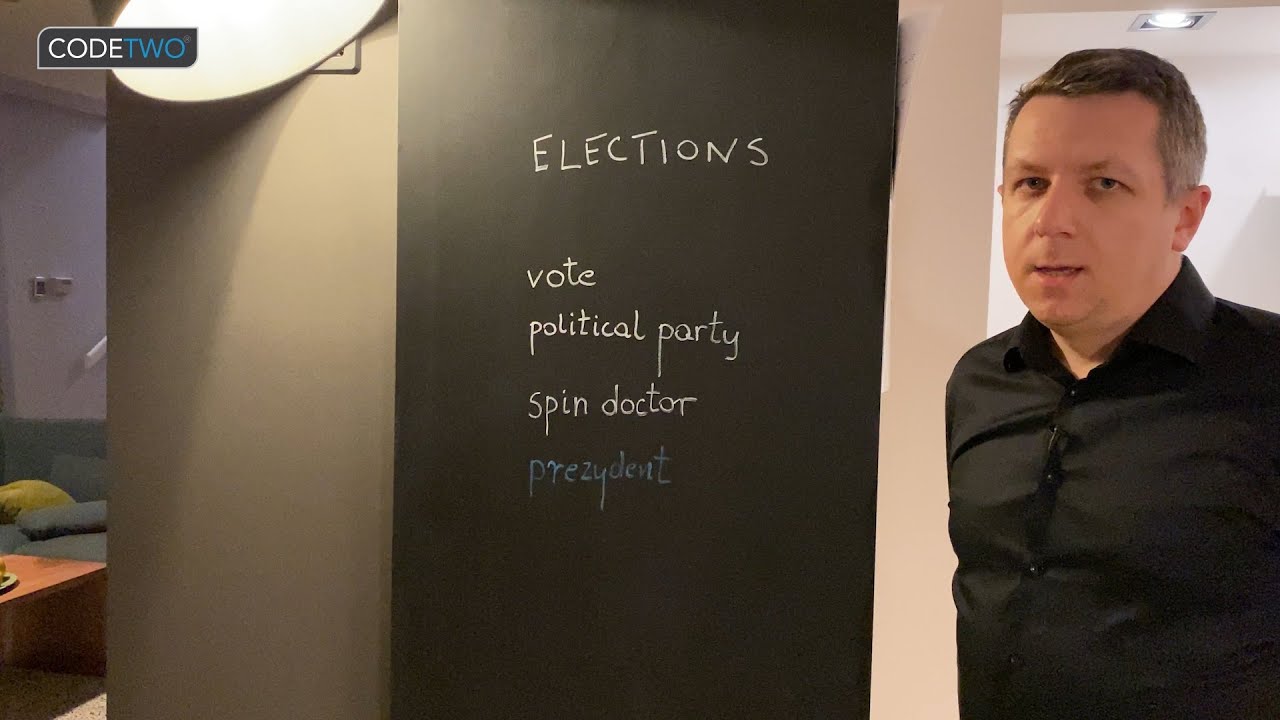
Najlepsza lekcja angielskiego w TV - you favourite lerning ever (very good)
#angielskizJSONem
it also has a lot of polish, but u can just ignore that
its funny even without understanding the polish lines
dense oasis
dense oasis
https://m.youtube.com/watch?v=7Vf3ony8KyM
@flat rune if you watched that then ||the line in german, ganz egal, is because he forgot the english here, so he ended up using german randomly since german and english are both taught in public schools here lmao||
flat rune
LOOOL Watching it now. THis is amazing
OK. Done. That was awesome.
Is he for sewious?
I was a bit disappointed there wasn't more German, but I'll take it. 😛
dense oasis
flat rune
Is he for sewious?
nah he's just joking as always
flat rune
Oh. I think I see the odd smirk.
dense oasis
its quite funnier in polish but anyway, i can give you some insight into this, at the end of the video he said "oh, 43 minutes left? well, so maybe just draw something till the end of the lesson, ill check it later and give u all grades"
flat rune
Lol Der beste Lehrer der ganzen Welt, natürlich.
dense oasis
and at the beginning, after he repeated "vote" two times, he said "well, this one i havent seen in my dictionary, so lets move on"
flat rune
Lol
That reminds me of something I sometimes see in my German book. German has some difficult to translate words, like „schon“ and „mal“. Rather than just explain how these words are used, and what they more or less mean, it just goes „yeah, these are difficult to translate... LET'S MOVE ON.“
flat rune
Keep in mind it's a fancy old book from the 60s specifically talking about the grammar and vocabulary.
flat rune
dense oasis
some people here joke that "selfish" means "fish seller"
Awesome.
dense oasis
also... "dom" in polish means "a house", so naturally what happens is:
seldom = sell a house
freedom = free house
flat rune
Nimm bitte unsere Häuser nicht weg. 😢
I'm determined to indirectly teach you some German, or to at least refresh your memory. Lol
dense oasis
flat rune
Nimm bitte unsere Häuser nicht weg. 😢
anyway ive got a question, if you saw words like hm... perietal bone
then would you get what this is
flat rune
Yeah, I would exactly understand that as a bone.
Except parietal means bugger all to me.
It does sound kinda familiar, but not familiar enough.
dense oasis
but you would not know that it is a bone specifically in the head and the exact placement right lmao
flat rune
Nope, not at all. Lol
I ain't a doctor.
It's not common knowledge, so far as I know.
dense oasis
flat rune
It's not common knowledge, so far as I know.
what about thyroid gland
you may be wondering where am even taking all that from, but umm, ive been looking up some stuff recently lol
tbh i can maybe just simply assume that an average native speaker knows only most important organs like heart or anus or colon, or liver, and thats where their knowledge ends
flat rune
dense oasis
what about thyroid gland
Yep, I'm somewhat familiar with that. Not a lot, but a bit.
flat rune
dense oasis
tbh i can maybe just simply assume that an average native speaker knows only mos...
More or less. Most people know the basics with the odd extra someone picks up.
But, asking one person to get an idea of the average is, to say the least, insufficient. Small dataset. 😛
dense oasis
flat rune
But, asking one person to get an idea of the average is, to say the least, insuf...
yeah true
i just tried to see the reaction
if it turned out to be "obviously, who would not know this?" then id assume that youre all geniuses in human anatomy
lmao
flat rune
Lol
I think the majority of people will have general knowledge, mixed with some specific things they pick up. For example, I know central processing unit, power supply unit, random access memory, hard disk drive, motherboard, graphics processing unit, and some other computer parts, but most probably haven't a clue what those are or what they mean.
But I only know that because I used to tinker with computer hardware and build up computers.
(haven't had to do that for well over a decade)
dense oasis
flat rune
I think the majority of people will have general knowledge, mixed with some spec...
I dreamed to play with computers like this, but i never really had an opportunity, now i kinda could, but at the same time i save up money for moving out to a bigger city, so even tiny expenses would be pretty detrimental
I guess I will, sooner or later, for now am just playing with programming languages, not physical parts
pearl lion
Guys, Do I need to change something in this sentence? As you can see we end another year. God blessed us with health, wisdom, sadness, etc. Stay together with our family, friends, loves, this Improve our mood. Welcome 2024 and with you I'm going to achieve my goals.
errant kettle
pearl lion
Guys, Do I need to change something in this sentence? As you can see we end anot...
I would suggest a few changes to make it sound more natural. “As we end another year, God blessed us with health, wisdom, sadness, etc. Being together with our family, friends, and loved ones brings joy. Welcome 2024 and together we are going to achieve our goals!”
I don’t know if that changes the meaning too much for your liking.
flat rune
errant kettle
I would suggest a few changes to make it sound more natural. “As we end another...
„health“ 😛 That's exactly the sort of typo I frequently make, actually.
 forest sparrow
"A few minutes passed, only then did he notice his breathing had become fast and shallow."
Is this the right way to use inversion? Or should the second part be worded like a usual sentence?
errant kettle
flat rune
„health“ 😛 That's exactly the sort of typo I frequently make, actually.
This does not rule out an affliction of age…LOL
errant kettle
forest sparrow
"A few minutes passed, only then did he notice his breathing had become fast and...
This seems quite natural to me.
It adds emphasis to the tension of the moment
forest sparrow
thank you!
 ionic marsh
xin chào
 knotty mauve
hi
sacred frigate
?def synonymous
hazy heraldBOT
sacred frigate
?def synonymous
Word: synonymous
Definition (adjective): (of words) meaning the same or nearly the same
Definition requested by mus_simahin
sacred frigate
 rare glacier
I've a question about the naming convention of countries, why does austria hungary have a hyphen splitting austria and hungary but not czechoslovakia? Changing austria-hungary to austrohungary would standardize things and eliminate the need to change the a on the end into an o when referring to something austro hungarian
flat rune
forest sparrow
"A few minutes passed, only then did he notice his breathing had become fast and...
If it were spoken, it would seem natural to me. However:
A few minutes passed, only then did he notice his breathing had become fast and shallow.
That bit feels a bit disjointed to me, because it's as though you're starting a new sentence in the 2nd clause. I think it needs a conjunction like „but“. This would be fine in spoken language, because things like intonation and subtle pauses would surely make it clearer. It might just be a „me“ thing, so I'm open to other thoughts on this.
A few minutes passed, but only then did he notice his breathing had become fast and shallow.
I would probably say:
It's only after a few minutes that he noticed his breathing had become fast and shallow.
But I realise you probably wanted to make use of the inversion. Awesome, BTW. It's almost like German grammar, because in German you also and commonly have inversion. 😆
dense oasis
flat rune
If it were spoken, it would seem natural to me. However:
> __A few minutes pass...
hawk morningstar
dense oasis
dense oasis
hawk morningstar
my grandpa neighbour when he shows up naked in the middle of the summer belly dancing at the morning:
flat rune
dense oasis
hawk morningstar
😄 Lol You can thank iotter for that.
Oh Lord, I'm not sure I wanna see what follows. Lol
dense oasis
i probably shouldve typed in the morning
flat rune
Oh, that would've been perfect.
flat rune
flat rune
He slipped through (yeah, sideways), with only just enough room, while also bumping into the door itself.
dense oasis
flat rune
He slipped through (yeah, sideways), with only just enough room, while also bump...
Happy new year OSM
The most knowledgeable british over the internet
flat rune
dense oasis
Happy new year OSM
To you, too!
flat rune
dense oasis
The most knowledgeable british over the internet
Nice of you to say. Lol
 idle trench
Can singing English songs help me improve my English skills???
 trail frigate
idle trench
Can singing English songs help me improve my English skills???
trail frigate
idle trench
Can singing English songs help me improve my English skills???
Yeah, it can do. It'll introduce you to new vocab and the intonation and speed that's used is good listening practice. Plus, the vocab that is used is likely to be closer to the actual English that people use rather than the more formal way that's often taught in schools.
dense oasis
idle trench
Can singing English songs help me improve my English skills???
yes
i dont think its gonna be very significant, but it can help a bit
if you want to make some serious, real progress, then id advise you to listen to native english on daily basis (podcasts would be great, since they have pretty natural conversations)
errant kettle
dense oasis
yes

 south obsidian
I looked him straight in the eyes or should I use
I looked him straight into the eyes.
which one is correct?
 lunar token
south obsidian
I looked him straight in the eyes or should I use
I looked him straight into the...
lunar token
south obsidian
I looked him straight in the eyes or should I use
I looked him straight into the...
I looked him straight in the eye(s)
I looked straight in(to) his eyes
"look someone in the eye(s)" is a set phrase, but if you wanted an example where "into" works, then you can use the second one with the same meaning
the second one works like other sentences like "I looked straight in(to) the pit"
raven kiln
south obsidian
I looked him straight in the eyes or should I use
I looked him straight into the...
First one. It correctly sounds like it’s identifying where you’re looking, while the second one sounds like you’re trying to thrust or move something towards his eyes
quartz cloud
If anyone is willing to help - "If you would just follow the code, you would be on the council"** (Star Wars) What's happening here (In the first part)?
raven kiln
They are saying that if he would have followed the code that is required to abide by in order to be on the Jedi Council, he would be on it
Of course I’m not directly thinking about what happened to the movie I’m just referring to what the sentence sounds like
dense oasis
quartz cloud
If anyone is willing to help - "If you would just follow the code, you would be ...
are you sure it wasnt like "if you followed the code"
quartz cloud
raven kiln
They are saying that if he would have followed the code that is required to abid...
Thank you. I'm sort of ignorant about usage of would. The most hard part of English language for me. I was expected to see something like conditional sentence - If you just had followed the code, you would have been on the council... ...
dense oasis
your expectation seems right to me
its probably just that people dont always speak perfectly
and i think it really should have been said like you mentioned, "If you had followed the code, you would be on the council", thats mixed conditional
quartz cloud
dense oasis
are you sure it wasnt like "if you followed the code"
Yeah, I'm sure.
dense oasis
the sentence you brought makes sense but this is not perfect grammar-wise i think, you realized that
quartz cloud
dense oasis
the sentence you brought makes sense but this is not perfect grammar-wise i thin...
Maybe it's not a really conditional sentence?
I mean would can mean "used to"
dense oasis
it seems to me that the situation like this would be perfect for using a conditional, theyre made for that
but you may be right
 hearty salmon
 fair plaza
both of them is form of 'to be'. Were is for 'I,You,They,We' and plural. Was is for 'He, She, It' and singular.
In songs and TV shows they start a sentence with a verb without a subject. Can you explain this?
For examples:
"Got a boy back home in Michigan"
" Found you when your heart was broke"
errant kettle
fair plaza
In songs and TV shows they start a sentence with a verb without a subject. Can y...
The subject is assumed to be the speaker, or the singer.
I got a boy…..I found you
If it is intoned as a question, then the subject is whoever the speaker’s attention is directed toward.
sacred frigate
What "hook someone up" mean?
Example: Karen hookes us up with camping gear
sacred frigate
Fan out means spread out?
 chilly berry
What's the difference and how is it correct:
I am strong as my brother
I am as strong as my brother
sacred frigate
chilly berry
What's the difference and how is it correct:
I am strong as my brother
I am as s...
you can say like this
I am strong like my brother
and second is correct
chilly berry
sacred frigate
you can say like this
I am strong like my brother
and second is correct
Thanks, comrade
 tough wolf
guys, is "I havent been streaming for a while" correct? or should i say "i havent streamed for a while" and if both are correct, what difference do they have in meaning?
context: streaming as in stream on twitch
quartz cloud
Inevitable is more about event and outcome; inexorable is more about force or process.
I believe it's the truth that exist no matter how many people know about it or accept it and it cannot be altered or changed although it can be forgotten or despised. It's an unstoppable force. Also it's obvious that in the end (if it can be applied) this truth will reveal itself no matter what or people who are unaware of it will suffer the consequences of ignorance (or whatever it can be).
chilly berry
What's the difference between HARD, FIRM and SOLID? And what is exactly opposite of SOFT?
quartz cloud
chilly berry
What's the difference between HARD, FIRM and SOLID? And what is exactly opposite...
at least you can be sure that opp of soft is hard if you talk about firmness and opp of soft is rough if you talk about quality of the surface itself.
chilly berry
quartz cloud
at least you can be sure that opp of soft is hard if you talk about firmness and...
omg, my brain will blow up with this English😅
so many similar words meaning almost the same
quartz cloud
Yeah, that's true. Although the most puzzling part of English for me is oceans of action verbs that can be used "quiet" interchangeably. I think English adjectives are relatively easy,
quartz cloud
like trickle - "to flow, or to make something flow, slowly in a thin stream" I'm sure there is a word for "to flow, or to make something flow, slowly in a wide stream" and also for quickly in a thin stream and quickly in a wide stream.... ))) I'm kidding. Almost.
 smoky oracle
Quote by me- Dont be an umbrella for someone who likes rain
 stark garnet
In a passage it says " students started wearing uniforms in England in the nineteenth century.clothes were smarter then and so the uniforms were smarter too. Schoolboys wore jackets,caps, ties and shorts, even in winter when it was really cold! Black was the most popular colour. Boys had their hair shorter than nowadays"
Choose the correct please
1- schoolboys wore jackets,caps,ties and shorts in winter
2- school wore jackets,caps,ties and shorts all year round
But I think that this passage wan't accurate was it?
stark garnet
stark garnet
In a passage it says " students started wearing uniforms in England in the ninet...
@supple holly
runic trench
stark garnet
In a passage it says " students started wearing uniforms in England in the ninet...
From the paragraph given, it's 2 (Are you sure you have written it correctly? and if you can, please send a photograph of the question here)
stark garnet
runic trench
From the paragraph given, it's 2 (Are you sure you have written it correctly? an...
Hold up
stark garnet
runic trench
From the paragraph given, it's 2 (Are you sure you have written it correctly? an...
The passage is unclear right?
The context
 silk rapids
No It's pretty clear, although it's a little weirdly written which is why I think theyre asking so they can confirm it
stark garnet
But I don't get how it's all year
I know there's "even"
But nothing is clear to me
silk rapids
Even is exactly the word that tells you it's 2
stark garnet
But it doesn't say anything about any other season tho
It just said even out of nowhere
You get what I'm saying?
silk rapids
It doesnt have to because of the word even, Let me give you an example
"It rains on weekends"
"It rains, even on weekends"
silk rapids
the 1st sentence means it rains on weekends only and the other days are indeterminate. The 2nd means that it puts a particular focus on 1 part of a greater period of time.
So when I add the word "even" it tells you that the listed, place or object is a part of a whole, usually a part that you wouldnt normally expect. But that the rest of the whole is also subject to that action.
The 2nd sentence reads that "It rained all week, including the weekend, despite the fact that raining on the weekend was less likely than the rest of the week"
runic trench
Exactly like @silk rapids said, because of the even, we can understand that the paragraph is not only talking winter but it is also referring to the other seasons @stark garnet
"Schoolboys wore jackets,caps, ties and shorts, even in winter when it was really cold! "
silk rapids
The reason winter is mentioned in this paragraph is because you wouldnt normally expect someone to wear shorts and caps in winter
because of the cold
stark garnet
People go to school all year?
runic trench
stark garnet
People go to school all year?
except for july and august
and sometimes decembers
silk rapids
December/Jan for Southern Hemisphere
you also get a couple weeks off in the middle of the year and a week for easter and in september down here
runic trench
silk rapids
you also get a couple weeks off in the middle of the year and a week for easter ...
ok.
Understood
stark garnet
runic trench
except for july and august
Well in Egypt we have a 5-6 month vacation
silk rapids
Oh wow
runic trench
stark garnet
Well in Egypt we have a 5-6 month vacation
Aww  , that seems nice
stark garnet
Like for example how would I know as a student that english people go to school in all seasons
I have already known that
I already know
That y'all got only 2 months vacations
silk rapids
I mean, That's why we study culture, it's important to language communication
stark garnet
But as an Egyptian for example how would I know that
silk rapids
Now you do lol
stark garnet
I already knew lol
I mean as an Egyptian who doesn't know about other peoples' culture
For example
Lol
silk rapids
I'd say it's pretty hard to learn another language without learning culture, considering language is kindve designed with cultural assumptions in mind
runic trench
stark garnet
I mean as an Egyptian who doesn't know about other peoples' culture
Well, welcome to THE ENGLISH HUB, a housing for multiple cultures
You can learn here
stark garnet
silk rapids
I'd say it's pretty hard to learn another language without learning culture, con...
Well in Egypt they don't teach us that y'all only got 2 month vacations
So, that's on them.
silk rapids
Sure, but when you go to communicate you found out right?
stark garnet
I'M TALKING ABOUT THE EDUCATION SYSTEM LOL
silk rapids
That's the sort of thing that happens, and it's not a bad thing because it means you'll know for next time
but I don't think that really has any bearing on this
stark garnet
If there wasn't an internet how would I know such a thing
silk rapids
You wouldnt unless you actively used your english in conversation with an english person
Again, that's fine
stark garnet
Okay
silk rapids
Because you wouldnt need to know until you had it used in a conversation
stark garnet
Well they don't teach us y'alls' vocabulary all what they teach in Egypt are some words that would be used in Egypt
silk rapids
I think it's important to understand that languages come with cultural concepts in the language. I love talking, for example about the ways french is used in english to make it sound more fancy. But to be honest you don't need to know most of it because you'll pick it up if you ever actually speak the language.
Well yeah, because you're not expected to leave egypt
Anyways, I think we're getting off topic. I hope your original question was more or less answered
silk rapids
I would say this isnt the channel for it
stark garnet
"Do jackets and ties are common uniforms nowadays?why
silk rapids
Are Jackets and ties common nowadays? Yes. I wore a full blazer to school in winter. Why? Because we said so
stark garnet
This is a horrible mistake lol
silk rapids
The other thing to understand is you're taught english by people who've never actually been to any english speaking country. It makes it hard
stark garnet
Yeah lol
I correct them in my English classes lol
They've been teaching English for over 20+ years and I have been learning English on my own for like 4-5 years I ain't make these kinda mistakes
But what you say is true lol I learned English through integrating with English speakers they corrected me and they're the reason my English is getting constructed
Shout out to any English speaker out there btw y'all the reason
runic trench
stark garnet
"**Do jackets and ties are common uniforms nowadays?why**
We have jackets at my educational institute but no Ties
stark garnet
Bro I didn't want an Answer for that
I'm showing you that this mistake is in the exam
runic trench
stark garnet
I'm showing you that this mistake is in the exam
Oh. Ok
Didn't realise 🤡
 vestal dune
Can I get some tips on how to write good letters.
 autumn mirage
Hi
 restive isle
What is 'metaphysics'?
Can someone define it for me with examples?
flat rune
restive isle
What is 'metaphysics'?
Can someone define it for me with examples?
Meta is or derives from Greek for „beyond“, if I remember correctly. So, metaphysics means „beyond physics“. It's an interesting and IMO important subject and category of philosophy that encompasses a lot of things, such as philosophy of religion, the God hypothesis, the simulation hypothesis, the multiverse hypothesis, and general concepts or ideas of things beyond our current understanding of physics. Such a subject allows us to imagine a little, such that we go beyond our limited understanding of the reality we find ourselves in, in order to ask new questions and search for new possible answers and meanings.
flat rune
vestal dune
Can I get some tips on how to write good letters.
My approach is to be concise, friendly, and semi-formal, but how I go about this depends on things like the recipient and the nature of the letter.
flat rune
silk rapids
I'd say it's pretty hard to learn another language without learning culture, con...
Fair observation. Furthermore, when you practice things like your listening skills in the target language, you're usually recommended to listen to such music and other media. Eventually, you will almost certainly learn something about the culture.
I've noticed this with German, at least.
flat rune
stark garnet
I'm showing you that this mistake is in the exam
😮 Wait, that sentence you quoted above was actually part of the exam material? If so, they need to have a native English speaker go over all the material. I can just imagine how many confused English learners there are over there.
dense oasis
flat rune
Fair observation. Furthermore, when you practice things like your listening skil...
I learned that british are grumpy from hearing british saying that british are grumpy
flat rune
dense oasis
I learned that british are grumpy from hearing british saying that british are g...
I wouldn't say that. But I would say that many of us in England tend to be quite reserved, especially the older lot. Different areas seem to have different mini-cultures.
 noble wasp
i sent my profile on spotify to a friend and on the link it was "X, a user on Spotify". shouldn't it be "AN user"?
errant kettle
noble wasp
i sent my profile on spotify to a friend and on the link it was "X, a user on Sp...
Right, so this is kind of a weird exception. Typically because the word begins with a vowel one would use “an” but because in this case “User” the “U” actually sounds like a letter “Y” therefore it takes “a” instead of “an”
noble wasp
errant kettle
Right, so this is kind of a weird exception. Typically because the word begins ...
oh, i had no idea. does this always happen to a word that begins with the letter U?
errant kettle
noble wasp
oh, i had no idea. does this always happen to a word that begins with the letter...
Nope, it is an unusual thing that a user of the English language must just adjust for.
I need an umbrella.
I am going to a University.
silk rapids
The rule is based on the sound at the start. Not the letter.
noble wasp
silk rapids
The rule is based on the sound at the start. Not the letter.
doesn't the U in "university" sound like Y tho?
silk rapids
No. It sounds like youre saying the letter
Which... i just realised is phonetically "yu"
So yes
noble wasp
so why doesn't it begin with "an"?
noble wasp
errant kettle
I am going to a University.
in this example i mean
silk rapids
Sorry. I think i caused some confusion. Phonetically its [yu]. As the Y sound is a consonant we say "a" university
noble wasp
ooooo sorry, i misunderstood it! i got it now lmao
thank you, guys!
errant kettle
I am trying to think of other examples. But because the “U”. Has that “Yu” sound is why we use only a
noble wasp
errant kettle
I am trying to think of other examples. But because the “U”. Has that “Yu” soun...
dw, it's clear now. tysm!
silk rapids
the other thing to be careful of is that sometimes it does go the other way, like in the words "Heir", "Hour, and "Honour". The reason is the H in all of these words are silent so the first sound is a vowel.
restive isle
flat rune
Meta is or derives from Greek for „beyond“, if I remember correctly. So, metaphy...
Thank you for the explanation.
 west cradle
Hi
 fading imp
Hey, does anyone have any advice on how I could measure my English level? (I think that I’m in the C1 category but I’m not really sure about it)
 shadow sage
you should read many of books to start a good base
fading imp
shadow sage
you should read many of books to start a good base
I've been reading a lot of classical literature lately. My question was more about how I could test my skill level and then get the opportunity to study specifically to advance to a C2 level, for example.
 hot elm
fading imp
Hey, does anyone have any advice on how I could measure my English level? (I thi...
hot elm
fading imp
Hey, does anyone have any advice on how I could measure my English level? (I thi...
duolingo english test
quartz cloud
"We won't be seeing him again?" What is 'seeing' here? What is the grammar here?
stark garnet
flat rune
😮 Wait, that sentence you quoted above was actually part of the exam material? ...
Yeahhhh bro I'm a good English learner I learn English with native speakers on my own alongside with this curriculum shi* and I'm still confused
I want to go anywhere in north america
@flat rune @silk rapids if you guys are here
What do you think of this
what is the context of the sentence
The sentence "Schoolboys wore jackets, caps, ties, and shorts, even in winter when it was really cold" does not have a specific context provided in the search results. However, based on the information given, we can infer that the sentence might be part of a narrative or a description of a specific event, where schoolboys chose to wear unconventional clothing in cold weather. The use of "even" in the sentence emphasizes the contrast between the expected behavior (wearing warmer clothes in cold weather) and the actual behavior (wearing shorts despite the cold weather) [1][2].
Citations:
[1] Context Sentence Examples https://sentence.yourdictionary.com/context
[2] Definition of CONTEXT https://www.merriam-webster.com/dictionary/context
[3] Words Their Way http://mrschristianson.pbworks.com/f/ContextSentences.pdf
[4] READING – Context Clues https://www.mdc.edu/kendall/collegeprep/documents2/context cluesrev8192.pdf
[5] Context Clues https://www.cpp.edu/ramp/program-materials/context-clues.shtml
By Perplexity at https://www.perplexity.ai/search/85f5e61c-479c-4420-aa42-f8b4112daed5?s=m
If anyone else could help me with this too it's aight
fading imp
hot elm
duolingo english test
I just took a relatively long certified CEFR test and I guess that my level is C2.
hot elm
quartz cloud
"**We won't be seeing him again?**" What is 'seeing' here? What is the grammar h...
He won't return, so you will never meet him again.
flat rune
stark garnet
what is the context of the sentence
The sentence "Schoolboys wore jackets, caps...
Is the exhaustive explanation you provided not enough? I thought it was quite well explained. Was there something in particular you didn't understand? Happy to help.
Also, I think the general confusion of a language is normal, perhaps for a long time. I've been learning German for many years and I still have moments of confusion, in which I find the language incredibly frustrating. But, those moments are now far less common. Give it time and just keep doing what you're doing. Be as patient with yourself as you can be.
flat rune
quartz cloud
"**We won't be seeing him again?**" What is 'seeing' here? What is the grammar h...
The people included by the pronoun „we“ are the ones who won't see „him“ again. Here, „him“ is the pronoun for a male and indicates that he is the object of the seeing.
- I see you.
- You see me.
- We see him.
- She sees her.
And so on.
flat rune
fading imp
I just took a relatively long certified CEFR test and I guess that my level is C...
Wow, so you're fluent. Very nice. Well done! You should feel a great sense of pride and achievement for having done that.
fading imp
flat rune
Wow, so you're fluent. Very nice. Well done! You should feel a great sense of pr...
Thank you very much! To be honest, I haven't really studied English much. I am still in 10th grade in Germany (where the level is about B1), but I think my "fluency comes" from being exposed to a lot of English content and literature.
flat rune
fading imp
Thank you very much! To be honest, I haven't really studied English much. I am s...
Gern! Jetzt kann ich es auch auf Deutsch sagen: dein Englisch ist wirklich gut, zumindest meiner Meinung nach.
Yeah, I'm finding that learning German is a lot easier when I consume German in some way throughout just about every day. Lol I've improved a crazy amount in such a short amount of time, since I came back to the language.
Meine Hoffnung ist einfach, dass ich Deutsch so gut wie dein Englisch mit der Zeit sprechen kann.
 rapid ingot
how bad is scotish accent?
flat rune
rapid ingot
how bad is scotish accent?
What do you mean?
acoustic geyser
“As if” grammar makes me confused as hell
sacred frigate
The word route has two pronouncing?
sacred frigate
acoustic geyser
“As if” grammar makes me confused as hell
i'm also not that good at it, but I found examples, hopefully it'll help
I have such a terrible headache—I feel as if my head is going to explode.
used to say that something is not true, not possible, will not happen, etc.
she looked as if she wanted to ask one more question before we left
rapid ingot
flat rune
What do you mean?
Scotland's people accent
 hoary harness
ok, I had problems pronouncing w's and I always say it with v's no matter how stereotypical it sounds haha. Is there any way I can help change this?
 supple holly
hoary harness
ok, I had problems pronouncing w's and I always say it with v's no matter how st...
supple holly
hoary harness
ok, I had problems pronouncing w's and I always say it with v's no matter how st...
Yeah. Practice
You know you're pronouncing it wrong so that's the right first step. Not much else to do besides practicing until you say it right
hoary harness
Okay! Thank you and sorry хаха
 late eagle
hoary harness
ok, I had problems pronouncing w's and I always say it with v's no matter how st...
late eagle
hoary harness
ok, I had problems pronouncing w's and I always say it with v's no matter how st...
i hope this makes sense but usually when pronouncing v's, your top teeth touch your bottom lip to make the v sound, so when pronouncing the w sound, try to avoid your teeth and lips touching
hoary harness
Got it! That do help :D Thank you
echo epoch
What is the meaning if someone say "Nailed it "?
supple holly
echo epoch
What is the meaning if someone say "Nailed it "?
Means something like "I did it! I was able to do it (perfectly)!"
forest sparrow
acoustic geyser
“As if” grammar makes me confused as hell
I love using that phrase, it's so elegant
flat rune
forest sparrow
I love using that phrase, it's so elegant
It can be.
It is as if he had said it were the case.
As I understand it, „as if“ is much like „as though“. I think I use the latter more than the former. I suppose „as if“ gives more of a hypothetical condition type of feeling to it, whereas „as though“ is perhaps a way of expressing this without implying or offering at least the connotation of a condition, if that makes any sense. I'm not completely sold on this thought, though.
„to be sold on sth/sb“ — idiom expressing conviction or belief.
flat rune
supple holly
Means something like "I did it! I was able to do it (perfectly)!"
Quite right. I usually say this if I did something perfectly or really well. It's usually used in the manner of a victory, like making an epic shot in Halo, and celebratorily saying „nailed it!“
flat rune
hoary harness
ok, I had problems pronouncing w's and I always say it with v's no matter how st...
Come up with a (correct) sentence that uses a load of Ws, then repeat it over and over, slowly at first, making an effort to pronounce the Ws clearly and properly. Do this every day until you kick this habit, and thereafter continue to make that effort during regular speech. I'm sure you'll figure it out eventually.
That's why Wally the wicked whale awoke the weird wimpy weirdo.
Like that. Lol As a bonus, it's a chance to so practice the right TH sound (voiced dental fricative, I think it's called).
 tribal ember
Hi I want to ask that what's the difference between "albeit" and "although"?
flat rune
we want to know where we have to use "this" and "these"
runic trench
flat rune
we want to know where we have to use "this" and "these"
This Can Be used to point out an object which is Singular (Just one), Example:"This is a Pineapple"
While These can be used to pint out multiple of the same object, Example: "These Are Pineapples"
flat rune
runic trench
While These can be used to pint out multiple of the same object, Example: "These...
thanks
runic trench
tribal ember
Hi I want to ask that what's the difference between "albeit" and "although"?
Both are a Fancy way of saying the word but, sure (Although) gets the job done, Albeit it's not that fancy
 serene plinth
albeit is not fancy?
that's one word you use to impress people like your professor or senior at work

flat rune
tribal ember
Hi I want to ask that what's the difference between "albeit" and "although"?
Both express an alternative or contrasting thought or idea. They're both very useful as conjunctions:
Cars are expensive, although some can be cheap.
Cars are expensive, albeit not all of them.
I would say there's not really an especially noteworthy difference between the two, as they generally do the same things and are used in the same sort of way.
How do I feel about the difference? Well, „albeit“ gives me a feeling of „despite that, this“. I feel as though „albeit“ adds a little emphasis to the contrast, while „although“ is more of a gentler comparison or alternative. That may just be me, though.
Edit: Turns out „albeit“ may just be more common in British English. Worth keeping that in mind.
Also, I would like to disagree that there is anything particularly fancy about either word. They're pretty standard words, at least in my experience. Whether a word is fancy or not might depend on various things, such as knowledge of English / education or the words one tends to hear/read, etc.
serene plinth
flat rune
Also, I would like to disagree that there is anything particularly fancy about e...
Albeit isn't really used in daily conversations is it?
flat rune
serene plinth
Albeit isn't really used in daily conversations is it?
Again, it can depend on the aforementioned things. I use it often and hear it now and then. To me, it's just a standard word.
serene plinth
flat rune
Again, it can depend on the aforementioned things. I use it often and hear it no...
ic
Most native speakers ik have said they don't use albeit except for formal conversations. We once had a discussion about it in the English server
flat rune
That's fair. Age may be one of the variables. Most people here seem to be quite young. Culture could also play a part. It might even be more common in British English.
serene plinth
for non-native speakers however it's a pretty fancy word
serene plinth
flat rune
That's fair. Age may be one of the variables. Most people here seem to be quite ...
Age is surely a huge factor in British English
serene plinth
flat rune
In language in general, I'd say.
true but BrE has changed more than other dialects
flat rune
But in can depend on many things, not necessarily just one.
They've all changed. They all evolved differently.
serene plinth
flat rune
They've all changed. They all evolved differently.
yup truly
Same for my native language
flat rune
As far as I know, Canadian and Australian English are closer to British English, at least in some ways, such as spelling. I'm not 100% sure about Australian English, but I've noticed Canadians use spelling we'd use here in the UK.
serene plinth
serene plinth
Same for my native language
the entire way of speaking has changed over the past 400 years
flat rune
I actually usually spell with American English spelling. It's just a force of habit at this point, I guess. Also, I can't stand all those extra Us.
(colour, favourite, neighbour, etc)
serene plinth
flat rune
I actually usually spell with American English spelling. It's just a force of ha...
ahh fair
I still use British spellings cuz I don't want to mix them all up
flat rune
Are you in the UK?
dense oasis
he's in india
dense oasis
serene plinth
flat rune
Are you in the UK?
nope India
but due to colonisation, Indian English follows the pattern of British English
though we don't really have any hard n fast rule for spellings
dense oasis
You dont even sound so indian to me, the usual indian means insane stuff i cant understand
and i understood you when we talked
serene plinth
dense oasis
and i understood you when we talked
because I'm a fluent speaker hunny
flat rune
Oh, that explains a lot.
Various Indian accents can be very, very difficult to understand.
So much so that there's a low-key (sometimes obvious) frustration towards it over here, like when we call someone and can't understand a bloody word. Lol It's a shame, but it is what it is.
dense oasis
serene plinth
because I'm a fluent speaker hunny
Am fluent in my brain
forest sparrow
serene plinth
because I'm a fluent speaker hunny
you have the teacher and beginner roles at the same time xD
dense oasis
he aint a beginner lol
serene plinth
flat rune
Various Indian accents can be very, very difficult to understand.
my grandmother learnt English from a British teacher at school. So, her accent is old Indian English(very British)
(P.S. Old Indian English accent is supposedly similar to British RP according to wikipedia)
serene plinth
forest sparrow
you have the teacher and beginner roles at the same time xD
cuz I still a beginner ain't I
flat rune
serene plinth
my grandmother learnt English from a British teacher at school. So, her accent i...
That's cool.
forest sparrow
serene plinth
cuz I still a beginner ain't I
is this sarcasm cause I can't tell
flat rune
serene plinth
cuz I still a beginner ain't I
Isn't it just unnecessarily misleading, maybe even a little insulting to people who actually are beginners?
serene plinth
flat rune
Isn't it just unnecessarily misleading, maybe even a little insulting to people ...
I just like the colour of the role
I don't mean harm to anyone
flat rune
Oh, yeah, I prefer the green as well.
forest sparrow
serene plinth
I just like the colour of the role
but you don't even have the role at the top
it doesn't apply to your nickname
flat rune
Might be worth adding a note in your bio.
serene plinth
tbh none of the ppl here ever cared except for the ones in this channel
serene plinth
forest sparrow
but you don't even have the role at the top
it doesn't apply to your nickname
It's still on my profile
I don't want the ugly blue
I like my pink
flat rune
Just because nobody has told you, doesn't mean nobody cares. 😉
forest sparrow
serene plinth
I don't want the ugly blue
What about Book Club XD
serene plinth
forest sparrow
What about Book Club XD
It's there cuz I host book club sometimes idk
flat rune
I'm stuck with purple on the German server I use for my German.
dense oasis
Genau
serene plinth
flat rune
I'm stuck with purple on the German server I use for my German.
why don't you become a teacher here lol
flat rune
😄 Oh man, careful, you'll have me rambling in German in no time.
flat rune
serene plinth
why don't you become a teacher here lol
Can't be arsed faffing about with it. I help people often here, and I needn't have a role to do it. 😛
forest sparrow
serene plinth
It's there cuz I host book club sometimes idk
Yes but can't you see your reasoning doesn't make sense? You don't want a blue role in your profile - but you have another blue role anyway
runic trench
serene plinth
that's one word you use to impress people like your professor or senior at work
Exactly! Fancy
serene plinth
forest sparrow
Yes but can't you see your reasoning doesn't make sense? You don't want a blue r...
I just have better options
dense oasis
Fancy tansy pansy
flat rune
The idea of „albeit“ being fancy to me is kind of funny, TBH.
It really is just a bog-standard word. I wonder if it's more common in the UK.
serene plinth
plus the two roles have two different shades of blue
dense oasis
serene plinth
plus the two roles have two different shades of blue
Does katy perry have natural black color
of the hair
serene plinth
dense oasis
Does katy perry have natural black color
yeah I think her natural hair colour is black
runic trench
flat rune
Both express an alternative or contrasting thought or idea. They're both very us...
Thank you for explaining it in a more detailed way, i just gave an example and defined it in one sentence
flat rune
runic trench
Thank you for explaining it in a more detailed way, i just gave an example and d...
I like to be thorough, whenever I can be bothered. Lol
serene plinth
flat rune
Oof. General is a cesspit more often than not, IMO. I usually avoid it. I think there needs to be an alternative channel for general chat.
forest sparrow
serene plinth
plus the two roles have two different shades of blue
that's kinda a weak reason
flat rune
Either way, I agree with the idea of not chatting so generally here. I'll bugger off for that reason. 😆
serene plinth
flat rune
👋
 forest sparrow
can I talk here?
forest sparrow
@serene plinth I will present my mighty arguments against your thesis again in a clearer way.
• The role is misleading others and as OSM said can be disrespectful to beginners.
• The role doesn't change your nickname colour, therefore it doesn't matter as much as your Teacher role. Ex. you can't align your profile picture with its colour.
• You said you don't like blue, but you already have another blue role, which is hypocritical a bit. Your argument about them being different seems petty to me.
Conclusion: change your role bruh
 amber junco
bruh
amber junco
That's not an english question
serene plinth
amber junco
That's not an english question

 finite lantern
forest sparrow
<@1027826798911815700> I will present my mighty arguments against your thesis ag...
finite lantern
forest sparrow
<@1027826798911815700> I will present my mighty arguments against your thesis ag...
Right
Drop the beginner role
Misleading
amber junco
I don't care about roles, I want people asking question about grammar, please carry your arguments somewhere else
runic trench
flat rune
Oof. General is a cesspit more often than not, IMO. I usually avoid it. I think ...
Well, you can take that up at #1096428803724673124
runic trench
serene plinth
I bend the rules in this channel all the time
Don't
Please
If you do
I will not hesitate
serene plinth
amber junco
runic trench
Well, you can take that up at <#1096428803724673124>
done! now, get out of my lawn!
 runic trench
forest sparrow
<@1027826798911815700> I will present my mighty arguments against your thesis ag...
runic trench
forest sparrow
<@1027826798911815700> I will present my mighty arguments against your thesis ag...
 amber junco
joke but still, you're off topic here
runic trench
amber junco
joke but still, you're off topic here
true, i'm out, Byee! 
 solar flume
Where I can find english friend for chating or somethin similar ? My english not very bad, but mmm... (•‿•)
I want minimal study.
flat rune
 deft helm
What have you done these days? == What are you doing these days?
deft helm
What have you done these days? == What are you doing these days?
OMG, this question has made my brain go back and forth. Lol So many edits. OK, I think the reason is largely because both seem unnatural to me.
We usually say:
What have you been up to the last few days?
What have you been doing the last few days?
What have you been up to these days?
What have you been doing these days?
And variations thereof.
Some (like me) prefer to place a comma before „these days“. I was always taught to write like that, so it's just something I expect. Even when I read the examples aloud, there is a subtle pause and my voice has a falling intonation, which is common when concluding a sentence or asking a question. I don't do this with the first two examples, because „the“ seems to bring the sentence together smoothly, without the rather sudden (at least to me) appearance of „these days“. I suppose this is how I was taught English as a boy. However, this is apparently just a matter of style or preference, so take this paragraph with a grain of salt.
 languid citrus
What's new?
vale wyvern
I have a question, is the following sentence a reductive relative clause?
He knew what he must do.
I think it should have been “he knew what he must have done.”
languid citrus
He was well aware of what he had done.
vale wyvern
I want to know the usage of “must” in the past tense
forest sparrow
vale wyvern
I want to know the usage of “must” in the past tense
as far as I know, there is no past form of must and you have to use "had to" in its place
vale wyvern
 flat rune
Some possible ways to use „must“ with „know“/„knew“:
He knows what he must do.
This is normal, such as when reading a story or talking about someone else while something is happening. This expresses that he currently knows what he must do next.
He knows what he must have done.
Sounds a little strange to me, as I would probably say „needed to do“, but I don't think it's incorrect. The sentence implies he knows now what he must or needed to have done then.
He knew what he must do.
This is a weird one, but I think it would be valid in a weird time-travel situation, in which he knew in the past what he must do today. Normally, nobody should be phrasing sentences in this way.
He knew what he must have done.
This seems somewhat normal. I would expect to read something like this in a story. The sentence states that a male individual knew then what he must have done then. Here, the latter „then“ is in regard to a prior point in time.
@forest sparrow Yeah, I agree.
He needed to ...
I feel like this is a good alternative for „must“ in the past.
He had to ...
Definitely an obligation, but it doesn't quite feel in line with „must“.
He ought to have ...
This works well, because „ought“ denotes a strong obligation. However, not everyone will be familiar with this word and its meaning, so it may fall on deaf ears.
He should have ...
This is less on the obligatory side, so I don't think it's good as a past alternative of „must“.
 slender kite
someone tell me the grammatically correct sentence
Seldom sense is found where words are in abundance
OR
Seldom is sense found where words are in abundance
flat rune
slender kite
someone tell me the grammatically correct sentence
Seldom sense is found where w...
The latter.
Although we'd usually just say „rarely“.
Rarely is sense found where words are in abundance.
Or we'd phrase it like this:
Sense is rarely found where words are in abundance.
I'm guessing you're learning inversion, though.
slender kite
flat rune
The latter.
Although we'd usually just say „rarely“.
> Rarely is sense found w...
you sure?
i see
vale wyvern
flat rune
> He knew what he must do.
This is a weird one, but I think it would be valid i...
Thanks
flat rune
slender kite
you sure?
Positive, because in the first example, it appears as though „seldom“ is trying to behave like an adjective for the noun „sense“, which sounds a bit strange. Unless this was the goal?
vale wyvern
@flat rune I found it from wiki and I am confused.
The past tense of “must” is also “must”. In main clauses, this use of the past tense is almost always literary (see King James Bible, Leiber, and Alcott quotations at Citations:must). In subordinate clauses, it is more common: He knew what he must do. Otherwise, the past sense is usually conveyed by had to.
slender kite
flat rune
Positive, because in the first example, it appears as though „seldom“ is trying ...
there was a question where i had to complete the second sentence with no change in the meaning
here it was:
A)Much sense is rarely found where words are in abundance.
B)Seldom....
flat rune
vale wyvern
<@456226577798135808> I found it from wiki and I am confused.
The past tense o...
Oooh yeah, I forgot that. My bad.
He knew what he must do.
Definitely correct, I agree with the Wiki post. It's not something you should expect to hear in standard speech, but it is worth taking a mental note of it, just in-case.
slender kite
slender kite
there was a question where i had to complete the second sentence with no change ...
i answered with seldom is sense found where words are in abundance.
but im a bit confused whether it should be seldom is sense or seldom sense is
vale wyvern
flat rune
Oooh yeah, I forgot that. My bad.
> He knew what he must do.
Definitely correc...
Is it like a reductive relative clause?
Or we only use it as you mentioned like time travel situation?
flat rune
slender kite
there was a question where i had to complete the second sentence with no change ...
Seldom sense is found where words are in abundance.
Now that I have a bit of context, I see what you mean. It sounds a little odd, perhaps because it's a bit ambiguous or an uncommon usage, but yeah, it's valid for the same reason the other example is valid. Glad you asked. Sorry for the confusion.
slender kite
flat rune
> Seldom sense is found where words are in abundance.
Now that I have a bit of ...
So "seldom sense is found" is the right answer?
vale wyvern
slender kite
So "seldom sense is found" is the right answer?
Passive voice, yes it is correct
flat rune
slender kite
So "seldom sense is found" is the right answer?
Seldom is sense ...
Seldom sense is ...
Both work. I think the first one uses inversion, which kinda makes it sound a little poetic.
slender kite
vale wyvern
Passive voice, yes it is correct
i see
slender kite
flat rune
> Seldom is sense ...
> Seldom sense is ...
Both work. I think the first one u...
which one suits the best though?
flat rune
slender kite
which one suits the best though?
The first, to avoid the ambiguity, IMO. However, it won't sound as natural, but it will make you sound quite articulate. Lol
flat rune
You're more than welcome.
vale wyvern
flat rune
Oooh yeah, I forgot that. My bad.
> He knew what he must do.
Definitely correc...
Can you explain a bit more for me? Why it is more common in subordinate clauses? I am sorry
flat rune
vale wyvern
Can you explain a bit more for me? Why it is more common in subordinate clauses?...
I'm not sure how I could answer that, TBH.
I'm not sure about the subordinate clause part of the excerpt of the Wiki post. From what I'm seeing, the text I quoted is an independent clause, because it contains a complete thought, even if we don't know what he apparently must do.
Perhaps someone else here will have a helpful perspective.
You've nothing to be sorry for, BTW. I'm happy to help, where and when possible.
vale wyvern
flat rune
I'm not sure how I could answer that, TBH.
I'm not sure about the subordinate c...
Btw thanks for being a thoughtful teacher
languid citrus
Is anyone here using ChatGPT to enhance their writing?
flat rune
languid citrus
Is anyone here using ChatGPT to enhance their writing?
For German, sort of. I use it to ask questions about grammar and to get more information on some words. I try to word things my own way, though. Be careful not to lean on ChatGPT too much.
languid citrus
Yes, we need to be careful, and to proofread ChatGPT's output. The irony is that your English needs to be as good as, or better than ChatGPT to able to detect subtle errors.
flat rune
languid citrus
Yes, we need to be careful, and to proofread ChatGPT's output. The irony is that...
True. 😆 That's a really good point.
languid citrus
However, so far my experience with ChatGPT is positive.
flat rune
If ever in doubt, I quote what it said vs what I said, and ask it to reassess. It usually catches its own error then, if there was one. If not, it clarifies.
Mine has generally been positive, but I've had some really frustrating moments with it, to say the least. It seems to often contradict itself.
languid citrus
It's helpful to get started on an essay, if you ever sit there staring at a blank page late at night ChatGPT will show you the way forward.
flat rune
Thankfully, I don't have to write any essays. Lol
I do almost-daily write German notes. Explanations for things, things I've learned, etc. But it's just for me, so it doesn't have to be perfect.
languid citrus
As a hobby, I write non-fiction short stories about things around me, mainly about interactions with other people. Creating the "prompt" and the "custom instructions" seems to be quite important.
midnight finch
What is something that sounds like get some class? What is an alternative that uses the word "class"?
have class? have some class?
runic trench
midnight finch
What is something that sounds like get some class? What is an alternative that u...
Class could also mean "Decency", Have some Decency
tribal ember
flat rune
Both express an alternative or contrasting thought or idea. They're both very us...
Thxx that's a very clear interpretation
amber junco
midnight finch
What is something that sounds like get some class? What is an alternative that u...
I've assumed the meaning, but also "class" could mean two things:
Most commonly is used as "Class" as study group
Is also possible having "class" but most likely mean "be elegant". if we aren't talking about outfits:
You can suggest "you should learn some manner" if the person is being rude.
You can point out "please, behave yourself" if a person is being annoying.
You can shout at someone "have some decency" if a person is totally inappropriate.
Or maybe you're with friends, in that case you can go for the classic:
Shut (the f@&#) up
lunar token
midnight finch
What is something that sounds like get some class? What is an alternative that u...
I agree with v that both "show" and "have" are good for this
midnight finch
Thank you very much
chilly berry
Can anyone explain the difference between instant and immediate?
flat rune
chilly berry
Can anyone explain the difference between instant and immediate?
They're synonymous. The word „instant“ is much more sudden than „immediate“. They both convey a suddenness, but „instant“ definitely wins. If someone appears in-front of you, suddenly and as if by magic (e.g., via teleportation), then it's instant. If someone immediately brings you a coffee upon request, then it's not so sudden, but it's with a very short delay, or as immediate as is reasonable, practical, or manageable.
I'll bring you a coffee immediately.
He appeared in-front of me instantly.
I'll get this done immediately, boss.
The sun exploded in an instant.
The dog immediately ran out of the house.
The wormhole disappeared as instantaneously as it appeared.
chilly berry
So, instant means very quick, and immediate means without a delay?
flat rune
chilly berry
So, instant means very quick, and immediate means without a delay?
No, if anything, you have it the wrong way around. Instant is within the blink of an eye, but immediate as the more reasonable quickness (e.g., very quick, but reasonable in the given context).
I cannot fetch you a coffee as quickly as you can blink, therefore I cannot fetch you a coffee instantly. However, I can fetch you a coffee as immediately as is possible.
chilly berry
flat rune
I cannot fetch you a coffee as quickly as you can blink, therefore I cannot fetc...
So hard... But thanks for help!
flat rune
chilly berry
So hard... But thanks for help!
You're welcome. I understand.
To word it simply: instant is now, but immediately is as soon as possible, as is suitable for a given context.
chilly berry
Can't understand it instantly, but I thank you immediately😄
flat rune
To some extent, it depends what the speaker or writer wishes to convey. Sometimes we exaggerate (using hyperbole) to bring a sense of urgency or importance to the meaning.
flat rune
chilly berry
Can't understand it instantly, but I thank you immediately😄
😆 Perfect. You've got it.
rapid ingot
is leave from correct ?
lunar token
rapid ingot
is leave from correct ?
Yes, if you're focusing on the place where someone is leaving from (not just the fact that they're leaving)
https://youglish.com/getbyid/20392696/leave from/english
in the second link, just "leave" on its own sounds a little weird because it makes it seem like the focus is that the tours aren't at the departure points anymore (but instead the focus is that the tours are traveling and that was where they started traveling)
but if you don't understand the difference fully yet, it's okay to just know that sometimes "leave from" makes sense and other times it doesn't make sense
chilly berry
If I am involved to do something, I just take part in that (intentionally or not).
If I am engaged to do something, I take part in that, but I'm very interested, excited, enthusiastic (I really want to do this).
Do I reason correctly?
lunar token
*involved in doing something
*engaged in doing something
if you change it to that, yeah both of those explanations are good
"engaged to" can mean that you have an official plan to start doing something in the future (especially if two people are "engaged to marry", aka they're engaged)
chilly berry
lunar token
"engaged to" can mean that you have an official plan to start doing something in...
Thank you!
acoustic geyser
Excuse me, can I use just, already and yet outside of present perfect?
dense oasis
yes
flat rune
acoustic geyser
Excuse me, can I use just, already and yet outside of present perfect?
It had already been a good day.
It just wasn't fair.
It had never just been that way.
He had already seen the car.
Never had he yet witnessed such beauty.
And so on.
acoustic geyser
flat rune
> It had already been a good day.
> It just wasn't fair.
> It had never just b...
So already only uses with Past Perfect and Present Perfect?
flat rune
acoustic geyser
So already only uses with Past Perfect and Present Perfect?
It wasn't yet becoming perfect.
It hadn't just been the way the cookie tasted, but the way it smelled, that made him enjoy it so much.
It will already have been the best yet.
I'm just struggling to think of examples to cover every tense. 😆 I can't seen why it would be an issue to use these words outside of those tenses you asked about, at least off-hand.
languid citrus
I'm trying to understand the difference between the "tone" and the "voice" of a piece of writing. “Tone and voice” can be easy to mix up, especially when they’re said together so often.
amber junco
languid citrus
I'm trying to understand the difference between the "tone" and the "voice" of a ...
Voice is to describe a sound, Tone is to describe the feeling of something not only of a voice
You're voice is good for singing
You're tone is too much serious, just relax
A story could have an commedic tone or a more serious one
tribal ember
What happened 🤔🤔
 muted glen
Hallo guys, i have question.. what the difference between "follow" and "adhere", their meaning and examples of use ?
errant kettle
languid citrus
I'm trying to understand the difference between the "tone" and the "voice" of a ...
So voice is the personality of the writer that comes through their writing it includes the writer’s style and attitude. The tone refers to how the writer feels about the subject are they cynical or pessimistic do they take a hopeful tone. This is different than their overall attitude in that it has more to do with the relation between the writer and the audience.
errant kettle
muted glen
Hallo guys, i have question.. what the difference between "follow" and "adhere",...
They are synonymous. However, adhere literally means to stick to something
 rain sedge
guys what's diffrence between "figure it out", "found"
sacred frigate
You betcha - You bet ya ?
lunar token
in theory yes, but this is never said any other way than as "you betcha"
you don't say "you" or "ya" after other times you say bet, it's just bet
sacred frigate
rain sedge
guys what's diffrence between "figure it out", "found"
Figure out is like to solve something, example: Maybe together we could figure out where she's gone.
I'll figure something else out.
Found out is like to discover something, example: Big mistake I found out later.
I only found out you existed yesterday.
?def mantling
hazy heraldBOT
sacred frigate
?def mantling
Word: mantling
No definitions listed.
Definition requested by mus_simahin
sacred frigate
Saw this sentence in cod: Move faster when "mantling"
define this word pls
dense oasis
?def mantle
hazy heraldBOT
dense oasis
?def mantle
Word: mantle
Definition 1 (noun): (zoology) a protective layer of epidermis in mollusks or brachiopods that secretes a substance forming the shell
Definition 2 (noun): a sleeveless garment like a cloak but shorter
Definition 3 (noun): shelf that projects from wall above fireplace
Other definitions can be found here
Definition requested by black4cat
dense oasis
well thats not what i wanted
hazy heraldBOT
:x: That word could not be found in the dictionary.
dense oasis
?def to mantle
hazy heraldBOT
dense oasis
?def to mantle
:x: That word could not be found in the dictionary.
dense oasis
sacred frigate
?def mantling

could be the second verb definition too
both are quite related tbh
sacred frigate
thx
Btw I've got things under control and I have things under control
does this have a difference?
Or I've got / I have = same thing?
dense oasis
first one sounds more casual for me, but i think its about the regions, like "ive got" seems more american
sacred frigate
dense oasis
first one sounds more casual for me, but i think its about the regions, like "iv...
oh
ok
?def casual
hazy heraldBOT
sacred frigate
?def casual
Word: casual
Definition 1 (adjective): hasty and without attention to detail; not thorough
Definition 2 (adjective): characterized by a feeling of irresponsibility
Definition 3 (adjective): occurring on a temporary or irregular basis
Other definitions can be found here
Definition requested by mus_simahin
flat rune
?def depression
hazy heraldBOT
flat rune
?def depression
Word: depression
Definition 1 (noun): a state of depression and anhedonia so severe as to require clinical intervention
Definition 2 (noun): a period during the 1930s when there was a worldwide economic depression and mass unemployment
Definition 3 (noun): an air mass of lower pressure; often brings precipitation
Other definitions can be found here
Definition requested by corpse0223
sacred frigate
?def infirmacy
hazy heraldBOT
sacred frigate
?def infirmacy
:x: That word could not be found in the dictionary.
sacred frigate
?def infirmary
hazy heraldBOT
sacred frigate
?def infirmary
Word: infirmary
Definition (noun): a health facility where patients receive treatment
Definition requested by mus_simahin
sacred frigate
?def integrated
hazy heraldBOT
sacred frigate
?def integrated
Word: integrated
Definition 1 (adjective): formed or united into a whole
Definition 2 (adjective): resembling a living organism in organization or development
Definition 3 (adjective): formed into a whole or introduced into another entity
Other definitions can be found here
Definition requested by mus_simahin
acoustic geyser
Now I've just realised that done was an adj.
forest solar
Idiom: Sleeping dogs. I'm unable to stay awake anytime lately. Barely make 2 hours. Not happy
flat rune
🤠 how would you describe this ladys VOICE 🗣️
🤠 how would you describe this ladys VOICE 🗣️
(https://youtube.com/shorts/TLGlmsSlUKM?si=5UFPPXELr1yb_i_c)
rough?

⭐️OUR CHESS & MERCH STORE: https://botezlive.shop/
⭐️Check us out on Twitch at: https://www.twitch.tv/botezlive
⭐️Clips YouTube channel: https://www.youtube.com/channel/UC49oMKt4mPg_G0BkO29rfvQ
❤️Social Media:
➡️Andrea's Instagram https://www.instagram.com/itsandreabotez
➡️Alexandra's Instagram: https://www.instagram.com/missbotez
➡️BotezLive I...
hazy heraldBOT
 minor bloom
?def fr
minor bloom
?def fr
Word: fr
Definition (noun): a radioactive element of the alkali-metal group discovered as a disintegration product of actinium
Definition requested by infalone
 balmy flower
minor bloom
What fr mean?
balmy flower
minor bloom
What fr mean?
fr in text means "for real?"
rapid ingot
 gray terrace
balmy flower
fr in text means "for real?"
gray terrace
balmy flower
fr in text means "for real?"
I think so
 modest zenith
hello
is it possible to form the following question without an auxiliary verb that way
"How many Americans speak Spanish?"
or should I go with
"How many Americans do speak Spanish?"
 sterile junco
modest zenith
hello
is it possible to form the following question without an auxiliary verb th...
sterile junco
modest zenith
hello
is it possible to form the following question without an auxiliary verb th...
"How many Americans speak Spanish?" is correct
modest zenith
sterile junco
"How many Americans speak Spanish?" is correct
thank you, and is the second option also correct?
 blissful kestrel
There were many times when I almost lost his life because of accidents.
Who can help explain why use when here? What kind of attributes is it?
Why not use that here as a descriptive sentence
sterile junco
modest zenith
thank you, and is the second option also correct?
not really, you would only really use "how many Americans do speak Spanish?" in more informal spoken conversation where you want to emphasize the act of speaking Spanish. This could be to convey a sense of surprise or contrast with something previously said.
For example a conversation might go:
"Actually, Spanish is incredibly useful in the U.S. You'd be surprised how many people speak it."
"Really? I know it's popular, but how many Americans do speak Spanish?"
Here the word "do" is inserted to convey a sense of surprise and intrigue in the number of people who speak Spanish in America. This is completely optional though as the sentence is still grammatically correct without the "do"
blissful kestrel
Who can help me explain that sentence i asked above?
 glossy atlas
@blissful kestrel The use of "when" in the sentence "There were many times when I almost lost his life because of accidents" implies a specific time or situation in which the speaker almost lost their life. In this context, "when" is used to introduce the circumstances or occasions when the near-death experiences occurred.
If you were to use "that" instead of "when," the sentence structure would change, and it would become a more descriptive sentence. For example, "There were many times that I almost lost his life because of accidents" suggests a more general statement, emphasizing the instances themselves rather than pinpointing specific times or situations. Both "when" and "that" can be used, but they convey slightly different nuances in terms of time specificity and emphasis on the events.
blissful kestrel
glossy atlas
<@979413432086442044> The use of "when" in the sentence "There were many times w...
that and when both right here? both have no grammar mistakes, but slightly different meaning?
blissful kestrel
glossy atlas
<@979413432086442044> The use of "when" in the sentence "There were many times w...
time here means multiple times?
glossy atlas
@blissful kestrel Yes, both "that" and "when" can be used in the sentence, but they slightly alter the meaning. Let's examine the variations:
Using "that":
"There were many times that I almost lost his life because of accidents."
In this version, the focus is on the instances or occasions themselves. The use of "that" makes the sentence more general, emphasizing the overall situations in which the speaker almost lost their life.
Using "when":
"There were many times when I almost lost his life because of accidents."
With "when," the emphasis shifts to the specific times or circumstances when the speaker almost lost their life. It adds a temporal element, highlighting the moments when these near-death experiences occurred.
Both versions are grammatically correct, and the choice between "that" and "when" depends on the nuance you want to convey. If you want to emphasize the instances themselves, use "that." If you want to highlight the specific times or situations, use "when."
modest zenith
sterile junco
not really, you would only really use "how many Americans do speak Spanish?" in ...
Thanks a lot for such a thorough explanation
blissful kestrel
glossy atlas
<@979413432086442044> Yes, both "that" and "when" can be used in the sentence, b...
thank u very much. I read it many times and understood
 olive parrot
blissful kestrel
There were many times when I almost lost his life because of accidents.
olive parrot
blissful kestrel
There were many times when I almost lost his life because of accidents.
Relative Clauses. We use when to talk about "time". Yes, you can use "that" too.
 thorny spear
hi I have to speak about a topic for 3-4 mins and I'm kind of struggling with what to say.
Topic: "Illogicality sometimes turns out to be a futuristic projection"
I feel like my perspective on this might be incorrect, I'm thinking that the not practical things a person thinks about such as swimming across a big lake is delusional to others but once it is done, it shows that the person is capable of doing many things in the future.
Another point I have is that in the past, people would think that women are not able to work and earn money for their families, that was taken as a illogical idea. Now women are working everywhere and have shaped the world we live in.
 candid gyro
is "my food has become a waste, i should've eaten it sooner" natural english?
errant kettle
thorny spear
hi I have to speak about a topic for 3-4 mins and I'm kind of struggling with wh...
I feel like you are on the right track. I think fundamentally the topic is asking you to think about something that was considered to be an illogical idea that actually came to be true in the future. For example that there would be a way for communication to occur across the world in a matter of seconds.
errant kettle
candid gyro
is "my food has become a waste, i should've eaten it sooner" natural english?
One minor change, I would recommend; “my food has gone to waste, I should’ve eaten it sooner.”
candid gyro
errant kettle
One minor change, I would recommend; “my food has gone to waste, I should’ve ea...
what about "my food went to waste" is it used?
errant kettle
Yes, I think so. It sounds a little formal but I have definitely heard it said.
candid gyro
thank you
 trail slate
What qualities should i be looking for in him
Is this grammatically correct?
 tight pendant
Hi guys I have 3 sentences about the type of sentences (Simple, Compound, Complex, Compound-Comolex) Can you help me I'm confused with these sentences.
1)After listening to Kanye West DC, I have new respect for his music.
2) I love to travel, because I get to meet a lot of interesting people.
3) In roman times, people would use porcupine quills as toothpicks.
dense oasis
thorny spear
hi I have to speak about a topic for 3-4 mins and I'm kind of struggling with wh...
your ideas make sense, for me i would talk about steve jobs and his idea for phones
basically people didnt want to believe that a phone can be so useful, didnt believe it could use internet connection, even bill gates doubted this, but steve jobs used this idea and put it into practice
you could go even further tho
like literally go for talking about artificial intelligence, that even a decade ago this was an abstract idea, impossibility, but now it is working
languid citrus
There is so much to talk about on the subject of AI. For example, if you choose to use AI to improve your writing skills, you (the writer) need to have a better understanding of basic English than the AI bot has. My experience with ChatGPT is that provided I carefully describe the voice, tone, style, tense and person, and proofread a few times, it will output a far better essay than I could ever do.
dense oasis
it depends on the language, as far as ive seen, its only so strong in english, in my native (polish) it ends up making basic grammar mistakes sometimes
usually it seems flawless, but sometimes it outputs such a weird, and obvious mistake, or many of them, that i wonder how it happened
languid citrus
Yes, it does make mistakes, even though I ask it to use British English it often outputs American spelling, and that's why I need to proofread a few times, as my writing needs to be consistent, otherwise it becomes obvious to readers that I am using AI.
 dreamy marsh
sup! I see a lot of people saying words like "thing" or "think" with a "F sound", but i also see a lot of people using a "t sound". what's the correct one?
oh, and i know, there are words that i obviously should use a "t sound", like "this", "that". but "I fink" sounds way better than "I tink", with a t sound
errant kettle
dreamy marsh
sup! I see a lot of people saying words like "thing" or "think" with a "F sound"...
to make this "th" sound the tip of your tongue just touches behind your front, top teeth and air passes across the top of the tongue
the F sound is made in a similar way without involvement of the tongue.
strictly speaking niether the "f" or a hard "t" are accurate pronunciations.
dreamy marsh
errant kettle
to make this "th" sound the tip of your tongue just touches behind your front, t...
i got it, thanks a lot
dense oasis
errant kettle
the F sound is made in a similar way without involvement of the tongue.
i can sell you a tiny silly funfact: if you attempt to make F sound, but firstly preparing your lips as if you wanted to blow at something, then you will make japanese F sound
ok this might be hard to imagine
doesnt matter lol
dense oasis
dreamy marsh
oh, and i know, there are words that i obviously should use a "t sound", like "t...
The comment youve got from iotter explains it well, but i wanted to add that you gotta be careful about many other words with th too, like fought is not the same as thought
this is actually the best example possible i think:
thoughtthats this special english th soundfoughtthats F soundtaughtthats T sound
if you search for these words specifically on youtube or google, and listen to many pronunciations, then you will see how good it would be if you managed to make th sound correctly
i myself say "taught" or "fought" instead of "thought" pretty often, and thats actually inconvenient for the person youre talking to
depending on your native language, it may be quite difficult to make "th" sound, but everyone can learn this if you practice regularly and listen to it carefully/watch videos with explanation of how to position the tongue
flat rune
dense oasis
i myself say "taught" or "fought" instead of "thought" pretty often, and thats a...
Yeah, that can be confusing, but it's usually understood from context. There are actually some natives who pronounce the words the way you do. It's weird (for a native), but it's a thing. This may mainly be a British thing, I'm not sure.
flat rune
dreamy marsh
sup! I see a lot of people saying words like "thing" or "think" with a "F sound"...
In Ireland, it's standard to say „ting“ or “tink“. There is an element of accent involved, at least in the UK.
dense oasis
flat rune
Yeah, that can be confusing, but it's usually understood from context. There are...
indeed, but lemme ask something unusual again, do you know the word cerebellum?
I apologize for confusion lol
flat rune
dense oasis
indeed, but lemme ask something unusual again, do you know the word cerebellum?
I've heard of it, but I can't remember what it means. Something to be with the brain, given it has „cereb“ in it (like cerebral).
dense oasis
flat rune
I've heard of it, but I can't remember what it means. Something to be with the b...
damn youre so smart, like you have the intuition to see the roots of the words and guess that
flat rune
I appreciate that.
dense oasis
its like above the brainstem and this is responsible for mechanisms like walking and muscle control
flat rune
Funny that, I was just thinking what „bellum“ might mean, and I had this odd feeling it might mean it's on the lower part of the brain.
dense oasis
My weird knowledge will surely help me in life lol
flat rune
Lol
dense oasis
flat rune
Funny that, I was just thinking what „bellum“ might mean, and I had this odd fee...
Yeahhh
and i also didnt know that cranial nerves are at the back of the head
these are ones that make you feel taste and smell
and touch, and everything like senses tbh
dense oasis
its so complex, i dont even bother learning all that, i just picked some parts that seemed the most important and left others
flat rune
Is this all in an effort to boost your vocabulary?
dense oasis
am not gonna remember the entire dictionary anyway
dense oasis
flat rune
Is this all in an effort to boost your vocabulary?
Well i found out that i really struggle with medical topics, organs and systems, and names of diseases, so i ended up googling and noting all that down, to solve my problem
flat rune
This reminds me of when I was a kid, I used to stay up late at night reading a dictionary. I poop you not.
flat rune
dense oasis
Well i found out that i really struggle with medical topics, organs and systems,...
That's awesome.
dense oasis
cuz like if i approach this logically, then if i want to maybe live just anywhere on this planet, then if i land in a hospital, international one or whatever, just stumbling upon some doctors who speak english, then well i gotta understand the situation
surely i will not understand their professional vocabulary
flat rune
I see what you mean.
dense oasis
dense oasis
surely i will not understand their professional vocabulary
but i can at least prepare myself to be able to get the idea
flat rune
Doctors don't usually use jargon when they talk to patients though. At least nothing too deep.
flat rune
Yeah, that would.
But, you could just ask.
It's OK not to know some words.
I bet there are some natives who don't even know what rabies really entails. I barely know. I know it makes you rabid, it's dangerous, you can get it from animals, but it's easily treatable, IIRC. Oh, and you can get a rabies shot if you were bitten from a wild animal, as a preventative measure.