#📚|english-questions
1 messages · Page 40 of 1
 wintry haven
 obsidian lodge
Tbh just diffrent people will use slang words based on how they were grown up
 serene plinth
Pop out could also mean .... Appear.. or be seen
obsidian lodge
You just have to learn to work around it
wintry haven
serene plinth
Pop out could also mean .... Appear.. or be seen
But that's the meaning when the verb Is intransitive
serene plinth
Like suddenly come into view
wintry haven
wintry haven
But that's the meaning when the verb Is intransitive
I believe
serene plinth
wintry haven
But that's the meaning when the verb Is intransitive
Yeah
wintry haven
He used It as a transitive verb, like with an object
serene plinth
But this is slang English so it doesn't necessarily need to follow grammatical rules
wintry haven
wintry haven
He used It as a transitive verb, like with an object
Which Is board games
serene plinth
I agree with them
obsidian lodge
When trying to figure out slang you are honestly just going to have to ask someone or google it
serene plinth
It means that she brought out the board ganes
obsidian lodge
It is difficult but I guess that's english :/
wintry haven
serene plinth
It means that she brought out the board ganes
That much I understood
It's Just that his expression doesn't feel grammatically correct, and It seems like It isn't in fact
serene plinth
wintry haven
It's Just that his expression doesn't feel grammatically correct, and It seems l...
Maybe ....
But if they're a native English speaker then it really doesn't matter if they were grammatical or not
serene plinth
Hmmm
It makes sense... We know what they meant... So it's fine
That's all I can say
 dense oasis
puppy eyes 😳
serene plinth
dense oasis
puppy eyes 😳
What 👀
wintry haven
I believe that knowing grammar even in an extremely informal convo (where grammatical mistakes are tolerated) is still important, because at least you're aware of your own mistakes
 hazy bramble
are there any tips on how to make reading exercises less hellish?
dense oasis
read more
serene plinth
hazy bramble
are there any tips on how to make reading exercises less hellish?
Practise reading...
Only way out mate
wintry haven
serene plinth
Only way out mate
As an humble intermediate level, I'd suggest to learn some vocabulary too
serene plinth
wintry haven
I believe that knowing grammar even in an extremely informal convo (where gramma...
When you're a native/fluent speaker, it doesn't matter much
dense oasis
serene plinth
What 👀
puppy eyes!!! 
hazy bramble
serene plinth
Only way out mate

serene plinth
hazy bramble
<:duh:940116299823079498>
Read out loud if you can
wintry haven
Also I feel like reading literature is a good way to learn some intelligent words
wintry haven
wintry haven
Also I feel like reading literature is a good way to learn some intelligent word...
That may come in handy when you're doing a certification test
wintry haven
B1, why you asking
serene plinth
Nay just curious
dense oasis
wintry haven
Also I feel like reading literature is a good way to learn some intelligent word...
Yes, for example that humans are viviparous and in alternative future dystopia ovaries are excised, and decanted, to later burgeon and bud, in order to proliferate as brand-new embryos
serene plinth
B1 is good
wintry haven
Bro A2 Is actually like beginner level
I wouldn't even be able to make these sentences
serene plinth
wintry haven
A1-A2 Is beginner
Ik that
wintry haven
C1-C2 advanced
hazy bramble
serene plinth
Practise reading...
not very helpful but eh, thanks.
wintry haven
Btw, I'm taking the B2 test in like 2 weeks and I need to pass it
dense oasis
Puppy eyes are right tho. You need to read more. Books. Hard. But thats the way, if they have an audiobook to listen after that, even better
serene plinth
Technically B2 is very advanced in this day
B2-C1 is considered fluent non-native English
wintry haven
I know people from my uni who got the B2 even though they speak an even more broken english than I do
dense oasis
Especially assuming your language is not related to english, like for example vietnamese has a similar SVO structure, but the words do not have similar roots to english, since vietnam was under chinese rule for nearly a thousand years, so, a native of that language gotta learn a lot of vocab and read a lot to get the same amount of vocab comprehension as someone who speaks german or french
Polish the same, in my case
hazy bramble
dense oasis
Puppy eyes are right tho. You need to read more. Books. Hard. But thats the way,...
i know but to me reading is just this monumental task with walls of texts that i cant wrap my head around, even if i do, its always the wrong idea
wintry haven
serene plinth
B2-C1 is considered fluent non-native English
I think you're overestimating the B2
hazy bramble
and i feel like even with practice, i dont learn anything at the end of the day
 bold thunder
Guys what are the best English series and movies to learning English?
wintry haven
wintry haven
Where are you from
Because you're giving me some UK kinda vibes
dense oasis
hazy bramble
and i feel like even with practice, i dont learn anything at the end of the day
hadnt you been reading in your native, before starting english? had it been the same?
hazy bramble
yes.
i always get the wrong idea
wintry haven
Reading may be difficult even in your own native language if you suffer from Attention deficit, ADD, ADHD or other similar neurodiversities
Let alone in another language
dense oasis
okay... i kinda hoped to be told no, but then this means you just do not like reading itself, possibly, ive no idea what to recommend then, for me it helped to pick books which cover my interests or just get me interested, like truecrime, horrors, and so on, depending on the person
hazy bramble
wintry haven
Reading may be difficult even in your own native language if you suffer from Att...
i do admit that i have a short attention span, i get distracted easily and i forget stuff really quick too
hazy bramble
dense oasis
okay... i kinda hoped to be told no, but then this means you just do not like re...
i can read stuff for fun but when it comes to tests and stuff ive always hated it
serene plinth
wintry haven
I think you're overestimating the B2
Not really. Native speakers don't take certification so... Or C1 is average native English.
Online tests aren't authentic. Proper CEFR certification is rather scary
 civic mulch
Yeah most online tests aren't really reflective of your actual proficiency level
serene plinth
serene plinth
Not really. Native speakers don't take certification so... Or C1 is average nati...
You know what general C2 is? A native English speaker after their 30s with years of speaking English (better academically)
wintry haven
If you go check out some CEFR Cambridge C1 speaking tests, you'll notice how little fluent the candidates are
Even at C1
dense oasis
civic mulch
Yeah most online tests aren't really reflective of your actual proficiency level
and most offline ones are not either because your cortizol level goes over the roof and you lose a lot of your abilities, not even language skills, but pure thinking gets worse
civic mulch
dense oasis
and most offline ones are not either because your cortizol level goes over the r...
That is so real
hazy bramble
no way theyre gonna make a certificate test free, that stuff is expensive
serene plinth
wintry haven
If you go check out some CEFR Cambridge C1 speaking tests, you'll notice how lit...
We're going by the set standards.... Nowadays none of it matters
serene plinth
hazy bramble
~~no way theyre gonna make a certificate test free, that stuff is expensive~~
Fr
IELTS is such a scam

wintry haven
wintry haven
If you go check out some CEFR Cambridge C1 speaking tests, you'll notice how lit...
Because non native speakers, as such, didn't live in a context where certain mistakes weren't even fathomable
dense oasis
what does event mean in this context lol
wintry haven
wintry haven
Because non native speakers, as such, didn't live in a context where certain mis...
That is essentially what constitutes a native speaker
You guys can't make certain mistakes
serene plinth
dense oasis
what does event mean in this context lol
We host daily events and classes in this server
wintry haven
wintry haven
You guys can't make certain mistakes
Like taking duh and no shit as equivalent and mutually exchangable
serene plinth
wintry haven
You guys can't make certain mistakes
None here rn is a native speaker...
serene plinth
I'm not
dense oasis
he is not native
serene plinth

dense oasis
lol
wintry haven
Where are you from then
serene plinth
India
wintry haven
And what Is your native language
hazy bramble
serene plinth
<@1036660960708009994> join today's event if possible
if i manage to finish my reading exercises then sure(im forced to)
dense oasis
serene plinth
<@881220757466791956> u vc?
why were you asking
wintry haven
Ok
serene plinth
dense oasis
why were you asking
Cuz I'm bored
wintry haven
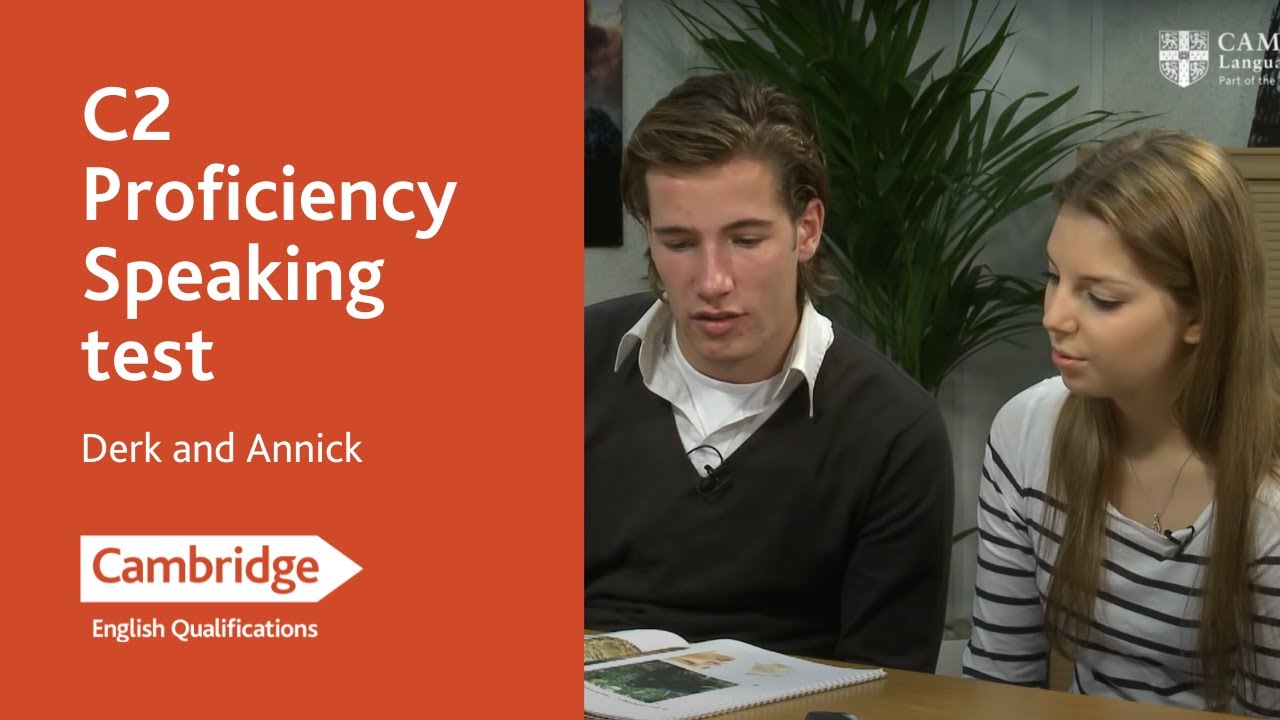
Find out more about the C2 Proficiency exam: https://camengli.sh/35HXWpb
Read the examiner's comments: https://camengli.sh/3tvsa8g
Time allowed: 16 minutes per pair of candidates
Number of parts: 3
You have to talk: with the examiner with the other candidate on your own
Part 1 (Interview)
What's in Part 1? Conversation between the interlocuto...
serene plinth

wintry haven
wintry haven
https://youtu.be/_Bx_x-gvLw0
These guys are not even C1 come on
Don't come up to me and be like "uhm actually A2 is fluent" 🤓
 late topaz
serene plinth
wintry haven
Don't come up to me and be like "uhm actually A2 is fluent" 🤓
late topaz
serene plinth
wintry haven
Don't come up to me and be like "uhm actually A2 is fluent" 🤓
I wish it were
I'm stuck with A0 level English

wintry haven
You're spreading psychological terrorism over here
serene plinth
late topaz
Wait that's not yo voice is it?
dense oasis
Puppy eyes, you don't have the balls to resign from teacher same as I resigned from english helper lol
late topaz
serene plinth
Wait that's not yo voice is it?
it is
dense oasis
serene plinth
I'm stuck with A0 level English
replying to this
wintry haven
You're not a native John
I can hear that
I can hear the inflections being slightly off
 flat rune
i bought Word Power Made Easy by Norman Lewis but idk how to start studying with it
can anyone help me with it if anyone has studied from that book
serene plinth
dense oasis
Puppy eyes, you don't have the balls to resign from teacher same as I resigned f...
💅
dense oasis
nails
dense oasis
partying
serene plinth
wintry haven
Where the natives at
Why fear when I'm here
late topaz
point out which inflections were off
serene plinth
late topaz
with time tags
dense oasis
(provide milliseconds as well)
wintry haven
late topaz
point out which inflections were off
Idk man it's not something you can point out
You Just feel it
I'm not a linguist
I do not have a PhD in english
serene plinth
Well John's fluent and that's enough
dense oasis
John you have a perfect accent and perfect pitch of the voice
wintry haven
I didn't want to lower your self esteem John don't get me wrong
serene plinth
wintry haven
I didn't want to lower your self esteem John don't get me wrong
You didn't
late topaz
wintry haven
I didn't want to lower your self esteem John don't get me wrong
you cant lower my self esteem, because you are not in control of my worldview
wintry haven
late topaz
you cant lower my self esteem, because you are not in control of my worldview
Partially
You can read my words
serene plinth
late topaz
you cant lower my self esteem, because you are not in control of my worldview
Lol. Just go to the States already
late topaz
and I am having a great day today as well
wintry haven
Sticks and Stones won't break my Bones, but words...
 mental terrace
yoo new english questions argument
wintry haven
wintry haven
Sticks and Stones won't break my Bones, but words...
It's an essential part of being an intelligent living being
We suffer from hearing certain speeches, certain words
flat rune
has anyone studied english from word power made easy by norman lewis
late topaz
mental terrace
yoo new english questions argument
can you point out which words have I mispronounced in my 4 second recording
mental terrace
late topaz
can you point out which words have I mispronounced in my 4 second recording
which one
wintry haven
late topaz
can you point out which words have I mispronounced in my 4 second recording
Not mispronounced
mental terrace
where
wintry haven
It's the accent
You can here it's not British/american/southafrican/Australian
That's all I'm saying
mental terrace
where
wintry haven
As you know, accents are not a problem when it comes to speaking fluently
late topaz
above
wintry haven
Yea
late topaz
yes
dense oasis
- where
- where
- above
I like these conversations more and more
as if it could have been below
mental terrace
i cant really tell because the nerd accent is real but
idk it sounds like the nerd accent I need some actual English lmao
wintry haven
mental terrace
i cant really tell because the nerd accent is real but
It's the accent
wintry haven
Yeah but you can be a polish nerd, a german nerd etc
There are some inflections that come from his native language
mental terrace
are you eating chips or something
wintry haven
wintry haven
There are some inflections that come from his native language
Idk what specifically
late topaz
mental terrace
are you eating chips or something
 im outside walking
wintry haven
late topaz
<:kekk:930540427579392010> im outside walking
Can you make another voice audio pls?
mental terrace
same tbh
dense oasis
lmfaoo
late topaz
mental terrace
that sounds french
late topaz
so i can imitate accents
wintry haven
 mental terrace
outplayed lmfao
late topaz
wintry haven
Hey man if you want some real feedback you'd better be dropping this impression act
mental terrace
im about to go home so
late topaz
wintry haven
Hey man if you want some real feedback you'd better be dropping this impression ...
i dont really, i have a whole clip of me talking in #🗒|pronunciation
wintry haven
Can't find it
mental terrace
to be honest john’s fluency is as good as native (so much so that he is comfortable enough to try to poke fun at native’s english (i didn’t forget)) so
wintry haven
mental terrace
to be honest john’s fluency is as good as native (so much so that he is comforta...
The problem in question is not his fluency
serene plinth
late topaz
but i think its decent
It is
wintry haven
But his accent
mental terrace
why does it matter?
serene plinth
Fr
late topaz
mental terrace
to be honest john’s fluency is as good as native (so much so that he is comforta...
not really, I struggle with descriptions and explanations
serene plinth
His accent's very good
wintry haven
Fluency can't be properly judged by listening to fucking 4 seconds of voice audio
late topaz
cant write essays and have grammar of a 14 y.o
dense oasis
John, teach me master, I want to be as strong as your english one day. Like just wake up, open my eyelids, and feel the power flowing through my veins and providing me with vital english energy
mental terrace
late topaz
i dont really, i have a whole clip of me talking in <#852828327231750154>
die
it’s in .wav
serene plinth
I've spoken with John before. They're good
wintry haven
serene plinth
His accent's very good
Fluency Is not equal with pronounciation goddammit !!!
late topaz
its pure sound
serene plinth
wintry haven
Fluency Is not equal with pronounciation goddammit !!!
Ik that
Accents are like a secondary thing
wintry haven
Yes
mental terrace
late topaz
cant write essays and have grammar of a 14 y.o
i mean a 14 year old is incredibly fluent when they need to be
you shoulda seen me in 8th grade english

 mental terrace
 wintry haven
mental terrace
https://tenor.com/view/fire-writing-gif-24533171
wintry haven
mental terrace
https://tenor.com/view/fire-writing-gif-24533171
Wow
mental terrace
lmfao we had the same idea
wintry haven
Lol
mental terrace
late topaz
one of my friends from florida didnt know how to spell errands <:kekk:9305404275...
as a fellow one who graduated middle school from florida
i am not surprised
wintry haven
wintry haven
Me concluding my essay with "so uh yeah"
wintry haven
mental terrace
as a fellow one who graduated middle school from florida
i am not surprised
Mmmmmh so you're a florida man
dense oasis
dense oasis
John, teach me master, I want to be as strong as your english one day. Like just...
I was not joking @late topaz
wintry haven
wintry haven
Mmmmmh so you're a florida man
How does It feel to live in the worst state imaginable?
mental terrace
wintry haven
Mmmmmh so you're a florida man
not a man but sure
mental terrace
wintry haven
How does It feel to live in the worst state imaginable?
i live in the UK
wintry haven
mental terrace
not a man but sure
How old are you?
mental terrace
wintry haven
How old are you?
none of yo business
wintry haven
mental terrace
none of yo business
You didn't need to be this rude but ok
dense oasis
@mental terrace What's the diameter of your feet?
wintry haven
Mmmh feet 🤤🤤
mental terrace
dense oasis
<@322892256895959040> What's the diameter of your feet?
4.26296cm
hazy bramble
boney
dense oasis
Okay, noted. Thank you. I appreciate the kindness
mental terrace
what the fuck is a kilometer
late topaz
can you please use freedom units?
wintry haven
mental terrace
what the fuck is a kilometer
RAHH 🦅🦅🦅🦅🦅🇺🇲🇺🇲🇺🇲
mental terrace
late topaz
can you please use freedom units?
preach this shi
wintry haven
late topaz
can you please use freedom units?

Freedom 🔫🔫
Fucking americans
Free to kill whosoever they please
dense oasis
late topaz
can you please use freedom units?
approximately three and a half inch of an eagle, which has been run over three times by obese americans driving car-trolley-cart-shits in the middle of a walmart
mental terrace
dense oasis
approximately three and a half inch of an eagle, which has been run over three t...
what the fu
wintry haven
wintry haven
Free to kill whosoever they please
(((btw how does this phrase sound?)))
dense oasis
like as if you were mentally disabled
dense oasis
no i meant you are not, thats why i was saying that
mental terrace
ima go walk back home
wintry haven
mental terrace
ima go walk back home
Wait
I Need some feedback for the phrase above
mental terrace
wintry haven
I Need some feedback for the phrase above
like as if you were mentally disabled
wintry haven
Can you point out specifically what's wrong?
dense oasis
very good answer
late topaz
Well, I am not a native, but if you want to sound like a hillbilly, you could use it
wintry haven
I'm trying to learn your language dammit
mental terrace
wintry haven
Can you point out specifically what's wrong?
whoever instead of whosoever
mental terrace
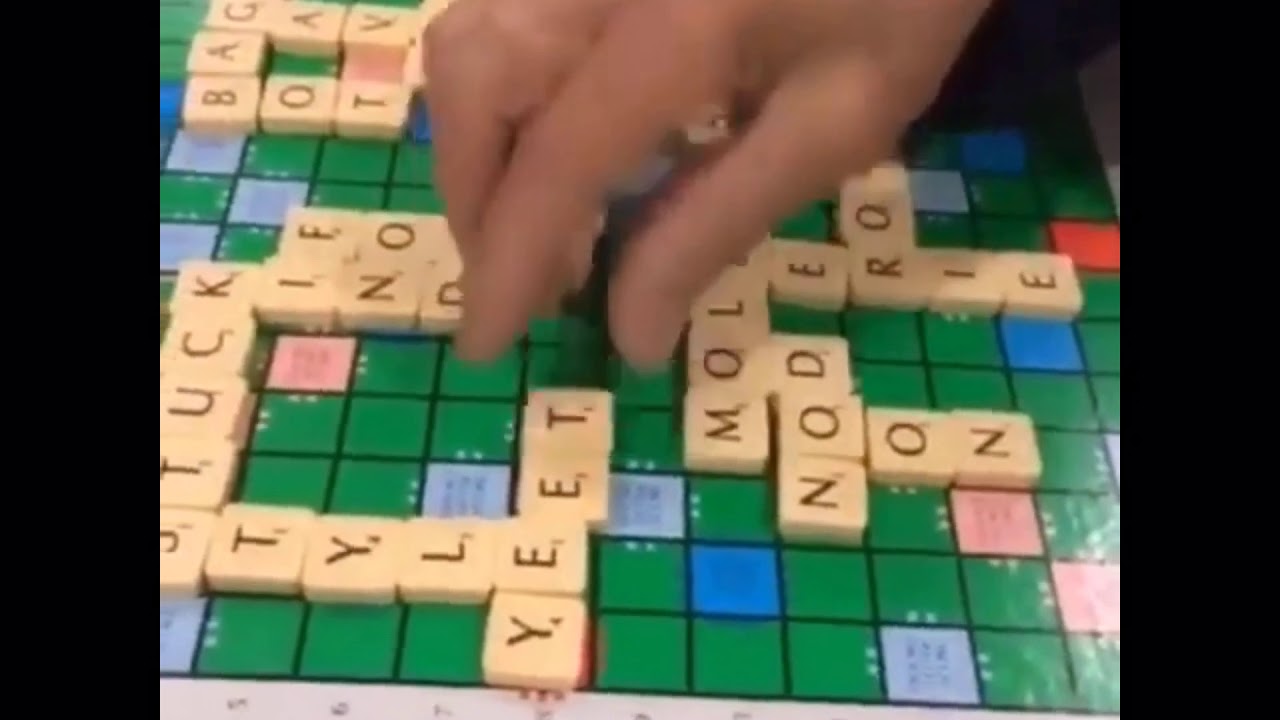
whosoever sounds like some shit id pull out of my ass while playing scrabble
wintry haven
So It doesn't make me sound smarter got it
dense oasis
howsoever, id like to disagree with you, whosoever you are, and whatsoever you were trying yo say, mr. bad idea
late topaz
 mental terrace
wintry haven
So It doesn't make me sound smarter got it
mental terrace
wintry haven
So It doesn't make me sound smarter got it
it makes you sound mentally disabled ❤️
dense oasis
ah yes quote me more
wintry haven
mental terrace
it makes you sound mentally disabled ❤️
You're not a bad idea, but you're a bad mannered individual for sure
dense oasis
😍
mental terrace
wintry haven
You're not a bad idea, but you're a bad mannered individual for sure
do not car
gonna walk home now bye
wintry haven
mental terrace
do not car
L
 noble wasp
hello xd
what's the difference between "stick with" and "stick to"?
hazy bramble
stick to is usually used when you have to follow a certain order
stick with is used when you have to have a requirement for something
(idk search it up)
late topaz
noble wasp
hello xd
what's the difference between "stick with" and "stick to"?
no difference except:
stick to could mean "adhere". Example: stick a poster to the wall; mud stuck to my shoes
stick with could mean be "be left with something as a burden". Example: Some guy asked me to hold his briefcase and now I am stuck with it.
dense oasis
@late topaz i wish i had been half as good as you are
late topaz
because you are 2 times better
dense oasis
noo
late topaz
?define palsy-walsy
 hazy heraldBOT
late topaz
?define palsy-walsy
hazy heraldBOT
late topaz
?define palsy-walsy
Word: palsy-walsy
Definition (adjective): (used colloquially) having the relationship of friends or pals
Definition requested by john_atdawn
late topaz
you're so palsy-walsy
dense oasis
?define inconspicuousness
hazy heraldBOT
dense oasis
?define inconspicuousness
Word: inconspicuousness
Definition (noun): the quality of being not easily seen
Definition requested by black4cat
dense oasis
Your english is full of inconspicuousness. Its greatness can not even be seen from the outside, but I know it is great
late topaz
?define supercalifragilisticexpialidocious
hazy heraldBOT
late topaz
?define supercalifragilisticexpialidocious
Word: supercalifragilisticexpialidocious
No definitions listed.
Definition requested by john_atdawn
late topaz
D:
civic mulch
:(
dense oasis
late topaz
?define supercalifragilisticexpialidocious
I wish my vocabulary was as wide as yours
late topaz
 late topaz
dense oasis
I wish my vocabulary was as wide as yours
late topaz
dense oasis
I wish my vocabulary was as wide as yours
please stop
 tidal lily
late topaz
please stop
tidal lily
late topaz
please stop
That's what she said
 silver iris
What is the difference between "foretell" and "forecast" ?
 balmy dome
dense oasis
I wish my vocabulary was as wide as yours
balmy dome
dense oasis
I wish my vocabulary was as wide as yours
Let's be honest, no matter how surprisable such "fancyass" words are, nobody uses them in a regular basis, which means they are mostly useless
dense oasis
balmy dome
Let's be honest, no matter how surprisable such "fancyass" words are, nobody use...
thank you for your opinion
balmy dome
dense oasis
thank you for your opinion
Anytime
 bright pulsar
the problem with a lot of big words are how useless and unnatural they sound even in literary contexts
you can get away with a lot more in literature, but even then, you'll maybe use certain words once in 100,000 words because of how unsuitable they are
late topaz
bright pulsar
the problem with a lot of big words are how useless and unnatural they sound eve...
but it makes you sound smart and gives you more ways of expressing yourself
bright pulsar
late topaz
but it makes you sound smart and gives you more ways of expressing yourself
it doesn't make you sound smart
late topaz
it does tho
bright pulsar
it makes you sound like a fool, ironically
late topaz
if you dont know how to use those words, yes. Otherwise, no
bright pulsar
but still, yes. because you're using big words to people who probably don't understand them and completely undermining your efforts to converse fluently
anyone can learn a big word.
it doesn't make it useful.
flat rune
hey has anyone studied from the book WORD POWER MADE EASY by Norman Lewis
late topaz
bright pulsar
but still, yes. because you're using big words to people who probably *don't* un...
that's the thing, determining what could be understood by another person is the key to effective communication
there's a channel called Charisma on command
it delves more into that topic
late topaz
bright pulsar
conversation is not rocket science
nobody said that it is, yet most don't know how to speak well
I'd say the majority
bright pulsar
most people can speak fine.
late topaz
uhm, ehm, oh, uh
late topaz
bright pulsar
most people can speak fine.
casually
but put them on a stage, make them do a presentation or a report
dense oasis
bright pulsar
it doesn't make it useful.
You are extremely wrong, like your statements above are just deeply incorrect, to a degree, at least. I mean I agree with you, that forcefully putting big words everywhere is just not the best thing to read, but in general knowing them and being capable of understanding them in contexts is very useful if someone wants to work with the english language, for example programmers need a lot of very rare vocabulary for reading documentation sometimes, other people would like to study some other language but using english textbooks or articles on pronunciation, grammar of that another language, etc, all this is not easy everyday vocabulary, the deeper you go into usage of this language, the weirdest words you see, and sometimes it is crucial to know them even if they are weird
bright pulsar
I can't believe we somehow got from literature to "speaking"
a drastic misrepresentation
bright pulsar
dense oasis
You are extremely wrong, like your statements above are just deeply incorrect, t...
my guy, I did not even make a mention of "lingo."
 bright pulsar
what
late topaz
Having a bad day?
bright pulsar
what
late topaz
I can feel the grumpy vibe
bright pulsar
i have absolutely no idea what you're on about
dense oasis
late topaz
Lighten up, pal
I think this is a potential recommendation of skin-whitening products. John is trying to sell you some bleach for skin
late topaz
bright pulsar
i have absolutely no idea what you're on about
Look, the point is, even the most ignorant person would agree that knowing more wouldn't hurt anyone
bright pulsar
late topaz
Look, the point is, even the most ignorant person would agree that knowing more ...
never said that isn't the case
i like words. i write
knowing words only helps me
bright pulsar
there's two that come to mind, and I think one is worse than the other: the type that is niche or extremely underused, or the type which is simply long.
a combination of the two is usually the worst kind.
dense oasis
well, looks like I unnecessarily added to your discussion above a bit, and like thats not the channel for that, so, id love to ask you to move to #🧠|serious-chat or something, please, i guess
late topaz
like felicity or intrepid?
bright pulsar
those aren't too long, but they're not at all common
wintry haven
Guys I have a question
Would you guys consider ruckus and turmoil as informal words?
dense oasis
silver iris
What is the difference between "foretell" and "forecast" ?
So looks like your question got burried here at the top somehow, so, I guess I wanna dig it out now.
"Foretell" is most likely less common, because i do not really remember seeing it too often, if at all, used by ordinary people in everyday conversations even about deeper topics, while "forecast" is automatically telling me something about usually weather, but this is not always correlated, like you can forecast other things, not only weather. For example you can forecast some problems with economy.
https://sentencedict.com/forecast.html
above sentences with "forecast", to show you the most common contexts in which it is used
"Foretell", however, sounds more serious. More mystical, rare. As if you wanted to be a prophet and kind of guess something is going to happen, even if you do not know this that much and you don't even have the data to tell this so easily.
https://sentencedict.com/foretell.html
above sentences with "foretell", and among them, if you look closely, the topics are very different, foretell was used to describe wars, fate, etc, while forecast was used to describe economy and weather, so looks like their usages are different, foretell sounds more abstract, while forecast more real
207+21 sentence examples: 1. What's the forecast for tomorrow? 2. The weather forecast says there will be rain. 3. The forecast says there will be storms. 4. Such events may forecast an outbreak of war. 5. The weather forecast is good for tomorrow. 6
35+2 sentence examples: 1. Willow trees breaking out into buds foretell the coming of spring. 2. You can't foretell how the war will end. 3. None of us can foretell what lies ahead. 4. Astronomers can accurately foretell the date, time, and length of
wintry haven
Ok ty
late topaz
actually I see it being used a lot with regards to periods of history
wintry haven
But I don't think it's used exclusively for historical events or is it?
bright pulsar
no
dense oasis

Lyrics for the song The Attack of the Dead Men by Sabaton. The Battle of Osowiec Fortress and the counterattack of the dead Russian defenders.
"Turmoil at the front
Wilhelms forces on the hunt
There’s a thunder in the east
It’s an attack of the deceased
They’ve been facing poison gas
7000 charge en masse
Turn the tide of the attack
And force the enemy to turn back"
a quote
bright pulsar
people often say they're dealing with some inner turmoil or whatnot
late topaz
wintry haven
But I don't think it's used exclusively for historical events or is it?
nah
emotional turmoil
silver iris
dense oasis
So looks like your question got burried here at the top somehow, so, I guess I w...
Okay thanks a lot Cat !
mental terrace
damn this chat on fire with arguments
bright pulsar
an insiginificant kerfuffle
mental terrace
quite so
balmy dome
Overall, extra knowledge never hurts. Nevertheless, if we consider a language as an effective tool for knowledge exchanging, then using not well known words make sense only in very specific use cases such as scientific related stuff where knowing the meaning of them is naturally expected and is necessary to give a proper definition
bright pulsar
I would agree, but let's not spiral this channel out of control again
dense oasis
silver iris
Okay thanks a lot Cat !
you're welcome 
 odd oriole
I think words like
Ruckuss and turmoil should be used more.
They were once regularly used words. I grew up using them.
Use them as often as you like and teach others their meanings and use.
Keep the language alive. It's not meant to be use only on special occasions.
wintry haven
I have a deeper question for native speakers
Do you guys feel like brits regularly use a wider variety of words than americans?
Because I sorta have this feeling just by watching yt videos
So I may be wrong
civic mulch
Im also under that impression tbh
flat rune
How i have free toefl test
balmy dome
wintry haven
Because I sorta have this feeling just by watching yt videos
Isn't it because words from the American dialect are widely used unlike thier analogs in other dialects?
wintry haven
Idk
Everytime I listen to an englishman, I always end up learning a new word or expression
balmy dome
wintry haven
Everytime I listen to an englishman, I always end up learning a new word or expr...
I believe it's because they're mostly British-specific vocabularies
bright pulsar
It is British English for a reason-- even geography can influence lexical variation. It's in the same vein as cola, soda, and pop all being primarily used by different parts of the states. You're bound to learn something new from an entirely different dialect.
Can't personally affirm that their variety is any more than American English, though.
There's probably a study on it somewhere.
noble wasp
which is correct?
- "he is on his way to become"
- "he is on his way to becoming"
- "he is on his way on becoming"
 whole dagger
what is he becoming?
because 2 would be right if it had the thing hes becoming at the end
noble wasp
which would be correct if there's no complement?
@whole dagger forgot to reply to ur msg xd
whole dagger
uhm
its a bit of a weird thing to say i feel like none are right
2 could sound fine ig
but still nothing id come up with
noble wasp
whole dagger
2 could sound fine ig
aight, thanks!
 thorn hinge
pnuemococcal pnuemonia
 sullen wolf
whole dagger
but still nothing id come up with
sullen wolf
whole dagger
but still nothing id come up with
What would you say, out of curiosity?
because to me, 2 sounds fine to me
"He's on his way to becoming a doctor"
Ah, I assume there was more to the sentence.
Yeah, if those 3 options are the whole sentence, none of them sound right
civic mulch
To me, if there isn't a gerund after 'to', it sounds extremely weird and I don't think it's correct
obsidian lodge
Yeah there needs to be some kind of word talking about what he is becoming (I forgot the actual word I'm sorry I'm sleepy)
The "to" in the sentence is a preposition and it starts a prepositional phrase which needs some sort of object
Actually they are all wrong
The "on" is also a preposition
 amber junco
noble wasp
which is correct?
1. "he is on his way to become"
2. "he is on his way to becom...
amber junco
noble wasp
which is correct?
1. "he is on his way to become"
2. "he is on his way to becom...
They are all correct but
1 sound like an answer to a question
2 with the gerund "becoming" I'm expecting also the object of the phrase
3 same as 2 also with "on" you have to be more specific
obsidian lodge
amber junco
They are all correct but
1 sound like an answer to a question
2 with the gerun...
But don't they need a word talking about what is becoming
I don't think any would be correct
amber junco
Depends on how the question is phrased, none of them are correct if the book says "which one is correct"
But "is going to become" for me sounds like an answer
obsidian lodge
An answer to what?
Even when talking to people which is always pretty informal or asking a question you would need to talk about what is becoming.
amber junco
Have already Fred became a soccer player?
He is on his way to become.
amber junco
That's an unusual way to answer but is not incorrect
obsidian lodge
No it's just incorrect
amber junco
You can skip one, subject is not needed all the time
Cause one is already implied in the question
Than again we need to see the context of the original questions cause "which one is correct" is not enough
obsidian lodge
Also the first sentence should be has not have
No I still think it is wrong
"The object of a preposition, also known as a prepositional object, is essential to forming complete sentences"
Got this from google
amber junco
The object can be extracted from context
Yet again we are discussing on incomplete informations so not really useful
obsidian lodge
That's true
Welp there isn't too much we can do anyways
And I now have to go eat
amber junco
🥐 ☕ me too
 boreal pewter
amber junco
Yet again we are discussing on incomplete informations so not really useful
boreal pewter
amber junco
Yet again we are discussing on incomplete informations so not really useful
Someone's right, sorry
You can't remove "one" there
The subject is often dropped in conversation, but "one" here is not a subject (it is a subject complement)
 swift briar
Grammar is hard!
balmy dome
Can you please transcript this short moment from a song?
P.S. I know my thoughts can be ...
 delicate herald
balmy dome
Can you please transcript this short moment from a song?
P.S. *I know my though...
delicate herald
balmy dome
Can you please transcript this short moment from a song?
P.S. *I know my though...
I hear I know my thoughts can .... something something (for ya? maybe)
obsidian lodge
yess i was right
balmy dome
delicate herald
I hear I know my thoughts can .... something something (for ya? maybe)
Thank you a lot, I believe you're totally accurate regarding "thoughts can" instead of my "skin"
Sadly, there are no lyrics for this old song
Maybe it's "can be painful"
dense oasis
it is not common
wintry haven
And can I use it intercheangeably with words like "conceited", "arrogant", "proud" or does It have a different meaning?
dense oasis
proud is not even close to arrogant
wintry haven
I mean
dense oasis
proud is positive, arrogant is negative
wintry haven
Yeah
But Haughty belongs to this semantic family right?
Generally speaking
Without taking into account subtle nuances
dense oasis
apparently it is close to arrogant
wintry haven
But why Is It not as common as arrogant
dense oasis
why is it not as common as arrogant? because people like to use certain words more often, other ones rarely, thats all, idk why they decided that this one is not gonna be used that often, maybe arrogant was created first and they did not need haughty that much in everyday life
like
dense oasis
i can call you "exquisite" if i want to for example say your face is fragile and small and cute, but normal people would just tell you "pretty"
wintry haven
Why Is It even in the dictionary at this point
wintry haven
dense oasis
i can call you "exquisite" if i want to for example say your face is fragile and...
Ik
I think It has to do with mastery of the language
Like It happens in every tongue
dense oasis
wintry haven
Why Is It even in the dictionary at this point
well dictionaries need to have a lot of terms, right...
 eager bone
dense oasis
why is it not as common as arrogant? because people like to use certain words mo...
eager bone
dense oasis
why is it not as common as arrogant? because people like to use certain words mo...
Haughty is kind of like used more in a formal conversation
wintry haven
In italian there's an awful lot of words that I could use theoretically but never come to mind when needed
Or when I want to make a beautiful literary speech
eager bone
I've read haughty many times in novels and comics
wintry haven
I'm more familiar with spoken english
Maybe that's why I haven't encountered it that many times
eager bone
wintry haven
Maybe that's why I haven't encountered it that many times
When you read books, you'll encounter so many unique and rarely used words
wintry haven
But I think It depends on the book
eager bone
wintry haven
But I think It depends on the book
Yeah
wintry haven
Like for instance my brother has got all of the Harry Potter books
I tried to take a peek and read
And It's easy to understand for an intermediate like myself
Not too many big words
On the other hand I tried to read fucking Dune by Frank Herbert
And that's when shit gets real
For me at least
eager bone
wintry haven
Not too many big words
I think they did that on purpose because the target audience are teens
wintry haven
Yes
Dune i think Is targeted towards young adults
And also it was written in the 60s I believe
I should try the Lord of The Rings
delicate herald
As long as you find it challenging, but not overly difficult it's a good idea. It's a great way to learn different phrasings and words, if you're into that sort of thing.
wintry haven
I'm doing this solely in preparation for an exam
delicate herald
Learning more words?
wintry haven
Otherwise I wouldn't do it
wintry haven
delicate herald
Learning more words?
Yes
By opening random pages of a literary book
delicate herald
Is the exam general english?
wintry haven
IELTS
But it's a bit different
You have like 45 minutes for each level
If you don't score at least 70% for each level test, you can't go to the next one
delicate herald
B2 is pretty straightforward
wintry haven
Yeah but you never know
delicate herald
That's true. Have you tried British Council? They have content that is structured by CEFR-levels
eager bone
wintry haven
I tried to take a test on the app
Which app? I want to try it, too
delicate herald
You can get some free IELTS practice tests, can't you?
Because B2 is not as advanced as you might think. If you look at the CEFR criteria for B2 it's pretty basic stuff
 inner stag
what is the possessive adjective for (it)?
delicate herald
possessive adjective? Adjectives describe nouns. Do you mean possessive pronoun?
wintry haven
inner stag
what is the possessive adjective for (it)?
Its ?
delicate herald
it would be its, yes.
My, your, his, her, its, our, your, their
you got your twice, but it's the same for singular/plural
wintry haven
delicate herald
You can get some free IELTS practice tests, can't you?
Don't think so tbh
delicate herald
They have a bunch on their website:
https://www.ielts.org/usa/ielts-practice-test
inner stag
@wintry haven @delicate herald thank you guys so much ❤️🩹
wintry haven
delicate herald
They have a bunch on their website:
https://www.ielts.org/usa/ielts-practice-tes...
Oh ty
I was actually too lazy to google It myself sorry
balmy dome
wintry haven
IELTS
IELTS isn't a comprehension exam, it doesn't expect from you to understand every single word as it provides materials from a variety of different recourses. The key is your common sense and knowing the most effective patterns to answer that you can find for free on the internet
Especially, if you aim on B2
wintry haven
But like I said it's not really like IELTS
The computer test verifies: reading comprehension (reading), listening comprehension (listening to audio and/or video stimulus), and grammatical and lexical knowledge.
The computer test is linear and follows the levels outlined by the European reference framework: A1, A2, B1, B2, C1, C2.
All users begin the test by starting with the A1 level exercise block.
Access to the next level is possible only if at least 70 percent of the questions from the previous level are answered correctly.
The test can last a maximum of 2h and 25 minutes and will end when the user does not reach the minimum score in the level he or she is taking.
This Is what my University says
But somewhere else they hint at the fact that IELTS is sort of involved into making this test
Wait no actually I'm wrong
It's 2 different tests
I believe the first one is closer to the Cambridge format
delicate herald
Cambridge has their own set of tests and certifications. But it sounds like a regular progression test.
 dusk fossil
I read about word order (V2). and I don't understand which one of them is here, can you tell me which one?
1.I the man like
2.like I the man
3.the man like I

odd oriole
If you want to study abroad, either in the EU or a native speaking country, you'll most likely need a level C1 or higher, depending on the program.
They may ask for a certification of this, such as that from CAE (Cambridge Advanced English) or your IELTS, which has varying degrees of difficulty and you get your level based on how well you perform.
This exam must be updated every two years unless you're living /working or studying in a native English country (in most cases).
Very few programs expect Proficiency C2.
and that exam is quite difficult anyway.
It's generally aimed towards a business major
 tardy elbow
I have a question, I'm about to go college and I'm confused either I choose IELTS or TOEFL. My family suggested me to learn TOEFL because it is easier, but the internet says otherwise.
 vale basin
tardy elbow
I have a question, I'm about to go college and I'm confused either I choose IELT...
vale basin
tardy elbow
I have a question, I'm about to go college and I'm confused either I choose IELT...
Haven't taken TOEFL before but I could give you my perspective as someone taking IELTS several times now. It's tough to nobody surprised. It took lots of commitments, practices, and rote memorisation if that's your kinks of what you're dexterous at. I had some of my acquaintances with perfect American accent and native-like fluency and still struggled with the exam format. It's like trying to fit a cube in a circular hole - "shoehorning" is the key
That gaslighting bit asides once you're familiar with the exam format, patterns, examiners' darling aka lexicons and idiomatic expressions, and requirement, this shouldn't be a tough nut to crack
but once again it all comes down to what band do you need. Different universities and programmes have their own standard. I would say the higher the band, the tougher it becomes.
Personally if your English is roughly intermediate, getting 6 shouldn't be with enough preparation that hard. Again depending on how you define "intermediate"
dusk fossil
Can someone explain better? and then I can not understand
https://en.wikipedia.org/wiki/V2_word_order
In syntax, verb-second (V2) word order is a sentence structure in which the finite verb of a sentence or a clause is placed in the clause's second position, so that the verb is preceded by a single word or group of words (a single constituent).
Examples of V2 in English include (brackets indicating a single constituent):
"Neither do I", "[Never...
odd oriole
tardy elbow
I have a question, I'm about to go college and I'm confused either I choose IELT...
Study for IELTS
It's accepted in more countries
But
You should consider finding out which exam the uni prefers.
 lunar token
dusk fossil
Can someone explain better? and then I can not understand
https://en.wikipedia.o...
lunar token
dusk fossil
Can someone explain better? and then I can not understand
https://en.wikipedia.o...
Most Germanic languages at some point developed a pattern in word order where the verb is in the second "position" in a declarative sentence: either John ran quickly to the store, quickly ran John to the store, last night ran John to the store etc., but not John quickly ran to the store last night (because the second position has "quickly")
Some languages are more strict about this than others (English isn't very strict at all about it except in certain frozen cases), and all languages have a number of exceptions for grammatical reasons (the verb comes first in questions for all languages; the verb comes last in dependent clauses in German and Dutch)
the wikipedia article gives some more English examples under https://en.wikipedia.org/wiki/V2_word_order#Vestiges_in_Modern_English
In syntax, verb-second (V2) word order is a sentence structure in which the finite verb of a sentence or a clause is placed in the clause's second position, so that the verb is preceded by a single word or group of words (a single constituent).
Examples of V2 in English include (brackets indicating a single constituent):
"Neither do I", "[Never...
dusk fossil
lunar token
the wikipedia article gives some more English examples under https://en.wikiped...
This is what we are talking about. so in English, too, the word order is this?
lunar token
There is no one "the word order" in English, but also no, English is much much looser about verb placement than some other Germanic languages are
"John quickly ran to the store last night" and "We finally finished the project" are perfectly fine and natural in English where they wouldn't be in German or Dutch for example
the wikipedia article goes into a lot more depth about places where it can apply to English


 thorn owl
what does 'i will go to the party' mean? just a fact in the future? or rapid thought? how to distinguish connotations in future simple sentences ?
dusk fossil
lunar token
the wikipedia article goes into a lot more depth about places where it can apply...
can you link to this source where are these pictures?
lunar token
lunar token
the wikipedia article gives some more English examples under https://en.wikiped...
the link i already gave you
it also gives examples of the same sentences with more normal orders, just to show it's not mandatory to use inversion here
 dusk fossil
lunar token
the link i already gave you
dusk fossil
lunar token
the link i already gave you
ааааааа lol )
I thought there was no English section. I thought so because at the beginning I saw a mention of English)
that is, is it correct for English?
1.I the man like
2.like I the man
3.the man like I
lunar token
no, all three of those sentences are ungrammatical
dusk fossil
lunar token
no, all three of those sentences are ungrammatical
doesn't second word order allow that? I didn't really understand
lunar token
I'm not sure what it is you're asking about exactly
In 90% of cases, English follows subject-verb order, meaning a sentence like I like the man is grammatical and natural
the wikipedia article you found goes over cases where that order can be reversed (do I like him?/here comes the bus), but that doesn't mean you can do it everywhere (*him do I like?/*the project finished we)
it's not a case of just sounding weird, much of the time you literally won't make sense if you put words in a certain order because English doesn't convey as much information inside of its words as languages like Russian do
it relies on word order to convey certain grammatical ideas
dusk fossil
@lunar token I need to understand what word order they are talking about. about it ?
V2= VSO ?
lunar token
V2 ~= the verb is always second in a sentence ("verb second")
it's so specific because the second position in a sentence actually matters a lot for some languages like Dutch, but for English it isn't important very often at all
Dutch allows sentences with SVO (default order) and OVS for example, but never OSV or VSO (outside of questions)
✅ ik zie de man. (I see the man)
✅ de man zie ik.
✅ zie ik de man?
❌ de man ik zie.
❌ zie ik de man.
I used Dutch examples there because English really doesn't work the same way: it likes some things Dutch hates and it hates some things Dutch likes
dusk fossil
lunar token
V2 ~= the verb is always second in a sentence ("verb second")
Understood. and how did I understand what we are talking about, is it old English?
lunar token
Old English (like over 1000 years ago) did work a little more like Dutch does today, yes
dusk fossil
lunar token
Old English (like over 1000 years ago) did work a little more like Dutch does to...
and here Dutch, he does not interest me. I'm only interested in the permissibility of English grammar
lunar token
then you don't need to read about V2 order at all lol
dusk fossil
lunar token
then you don't need to read about V2 order at all lol
but it mentions old English, it's just interesting to me )
@lunar token you really helped me a lot, I understood everything. Thanks very much 
lunar token
Old English grammar (around the year 900) is so different from modern English grammar that you can basically completely ignore one if you're trying to learn the other
The way modern English grammar works is easier to explain as subject+verb (I see the man, the bus comes here) being the default order, and in certain cases you can flip it to verb+subject (do I see the man, here comes the bus) with some grammatical quirks to change the meaning or the effect
nowhere in there does V2 need to come in
dusk fossil
lunar token
Old English grammar (around the year 900) is *so* different from modern English ...
Understood . Thank you
noble wasp
can "in" be used as a synonym for "later"? i saw a sentence like "why go rogue 15 years in?"
 mint seal
noble wasp
can "in" be used as a synonym for "later"? i saw a sentence like "why go rogue 1...
mint seal
noble wasp
can "in" be used as a synonym for "later"? i saw a sentence like "why go rogue 1...
Yes if used in the correct context
But I wouldn't think of it as a synonym, just a substitute
 clever oriole
What is the difference in a and an ?
noble wasp
mint seal
Yes if used in the correct context
which would be the right context exactly?
mint seal
noble wasp
which would be the right context exactly?
Sorry, context as in you're clearly estabishing the time. For example, the 'years' tell us in context that it's later
mint seal
clever oriole
What is the difference in a and an ?
A is used before a word, starting with a consonant
- "She was reading a book"
An is used before a word, starting with a vowel - "She was eating an apple"
clever oriole
mint seal
**A** is used before a word, starting with a consonant
- "She was reading **a b*...
Okkk thank you and I have other questions, in English who we know the irregular verbs?
mint seal
clever oriole
Okkk thank you and I have other questions, in English who we know the irregular ...
Sorry, I don't understand your question. Are you asking what irregular verbs are, or examples?
noble wasp
mint seal
Sorry, context as in you're clearly estabishing the time. For example, the 'year...
okay. also, why the question in the example doesn't have "to" before "go rogue"? is adding it or not optional?
mint seal
noble wasp
okay. also, why the question in the example doesn't have "to" before "go rogue"?...
It's unnecessary to have the word "to" because "go" is already included. The preposition "to" would not make grammatical sense and secondly, the word "go" already states the action
clever oriole
Mhh sorry Mh I wanted to say : how can you recognize irregular verbs in french???
mint seal
clever oriole
Mhh sorry Mh I wanted to say : how can you recognize irregular verbs in french??...
This in as English server, not a French server. I'd advise you to speak someone who knows the language.
eager bone
noble wasp
okay. also, why the question in the example doesn't have "to" before "go rogue"?...
You use 'to' when you indicate what you're gonna do
clever oriole
mint seal
This in as English server, not a French server. I'd advise you to speak someone ...
Omg i wanted to say English sorry
mint seal
clever oriole
Omg i wanted to say English sorry
Oh, no worries.
mint seal
clever oriole
Omg i wanted to say English sorry
Irregular verbs are verbs that are 'special.' Most verbs end with '-ed' but there are some words that have their own tense forms. How do we recognise them?
Compare these two words:
- "She shared her food with her friends"
- "She held her tote bag"
Which sentence contains an irregular verb and why?
noble wasp
mint seal
It's unnecessary to have the word "to" because "go" is already included. The pre...
last question 😩
is the structure in the first question i asked (in the message u replied to) correct? or should it start with "why doesn't the question in the example have..."?
mint seal
eager bone
because the present for held is hold
Precisely, and also because it doesn't end with '-ed.' @clever oriole (apologies for the excessive ping, I want to make sure you understand)when reading things in past tense, just look out for words that don't end with '-ed.' That's already a sign that it's not a regular verb. In English, there are many unique past participles/tense forms for irregular verbs so you will have to study them individually due to the fact there is no repetitive pattern for this
mint seal
noble wasp
last question 😩
is the structure in the first question i asked (in the message ...
It seems fine to me. Using 'also' is a good way to elaborate your sentences or questions.
clever oriole
mint seal
Irregular verbs are verbs that are 'special.' Most verbs end with '-ed' but ther...
it's the verb "held" because it's an irregular verb?
mint seal
clever oriole
it's the verb "held" because it's an irregular verb?
Yes, that's correct
clever oriole
Yessss
eager bone
Verbs in past tense that doesn't end with 'ed' are irregular
mint seal
"Hold" does not change to "holded," it changes to "Held"
 dark rune
there is a good amount of words that "break" traditional rules of english
clever oriole
@mint seal what would you advise me to recognize them especially the irregular ones and know their shape?
The « ed » is regular shape?
eager bone
clever oriole
The « ed » is regular shape?
A verb is irregular if you can't change it to past tense just by adding “-ed” or “-d” to the end
clever oriole
eager bone
A verb is irregular if you can't change it to past tense just by adding “-ed” or...
Ok ok
Thank you
mint seal
clever oriole
<@580272318077599766> what would you advise me to recognize them especially the ...
Unfortunately like I said, there isn't a pattern of tense forms for irregular verbs. I advise you to study each word individually and arrange the words into groups that end with the same form, for example:
Category 1, ending with "pt"
- Slept
- Swept
- Kept
Category 2, ending with "ld"
- Held
- Sold
- Told
You don't need to do it for every single word because there are just too many inconsistencies in English, but you can try this method
clever oriole
Ty !!
eager bone
Aye, it would be better if you memorize their root word or the base form
mint seal
My brain isn't working and it's nearly 10am
clever oriole
mint seal
Unfortunately like I said, there isn't a pattern of tense forms for irregular ve...
I would learn that
Thank you for you help!
eager bone
If you know it, then you can easily identify the changes to the word. For example:
Base form: eat
If you change it to past tense, it would become "ate"
clever oriole
Ok ok
eager bone
In a regular verb, the base form: "work" will become "worked"
eager bone
Welcome!
 echo epoch
What does "chupapi" means? It might be Spanish.
eager bone
echo epoch
What does "chupapi" means? It might be Spanish.
I think it's a new term which is a combination of two Spanish words "chupa" meaning "suck" and "papi" meaning "father" so you get what I mean
noble wasp
mint seal
It seems fine to me. Using 'also' is a good way to elaborate your sentences or q...
i'm kinda confused. so are both examples below grammatically correct? when i translated it to english google used the second structure
"why X doesn't have...?"
"why doesn't X have...?"
eager bone
noble wasp
i'm kinda confused. so are both examples below grammatically correct? when i tra...
The second one is correct
noble wasp
okay, thankss
eager bone
noble wasp
okay, thankss
In the subject-verb agreement, usually, the subject precedes the verb. But when you make it a question, the verb is put first before the subject.
For example: He is handsome.
When you turn it into a question, it becomes: Is he handsome?
Notice that "is" and "he" exchanges position
noble wasp
eager bone
Notice that "is" and "he" exchanges position
may i ask you another question about this structure? idk if i should add "do" or not to a question
eager bone
noble wasp
may i ask you another question about this structure? idk if i should add "do" or...
Sure!
noble wasp
eager bone
Sure!
i wanna know if the question i asked in the screenshot is grammatically correct or if i should've used "do", like in "so do you use both together...?"
 eager bone
noble wasp
i wanna know if the question i asked in the screenshot is grammatically correct ...
eager bone
noble wasp
i wanna know if the question i asked in the screenshot is grammatically correct ...
The question in the screenshot is correct. The context here is like you're making sure of the fact.
"So do you use both together... ?" is also correct. In this case, you're asking and you don't know it yet.
It kind of differs from how you use it.
But essentially, both are correct.
noble wasp
eager bone
The question in the screenshot is correct. The context here is like you're makin...
this was exactly what was making me confused! thank u so much!! 🫂
eager bone
noble wasp
this was exactly what was making me confused! thank u so much!! 🫂
It's fun to help.
I like English very much
It's my favorite subject at school
You can always ask me anything
mint seal
eager bone
It's my favorite subject at school
It's my least
 mortal citrus
eager bone
I like English very much
mortal citrus
eager bone
I like English very much
😍
 cinder citrus
What method is this to express the proniunciation of speeches in any language? Apparently It's not IPA.
Thank You.

 supple holly
cinder citrus
What method is this to express the proniunciation of speeches in any language? A...
supple holly
cinder citrus
What method is this to express the proniunciation of speeches in any language? A...
Romanization I think

Romanization or romanisation, in linguistics, is the conversion of text from a different writing system to the Roman (Latin) script, or a system for doing so. Methods of romanization include transliteration, for representing written text, and transcription, for representing the spoken word, and combinations of both. Transcription methods can be ...
Or maybe it's either transliteration or transcription (also mentioned in the wiki)
 wooden yacht
transcription is any method of showing sounds in writing
transliteration is any method of changing one writing system to another (like the google screenshot)
romanization is specifically transliteration into roman letters (also like the google screenshot)
cinder citrus
So its Transliteration. Thanks to you both.
mint seal
mortal citrus
for me english class is just boring😭..
What are you learning?
mortal citrus
mint seal
What are you learning?
Analysing old short stories to use for our own stories🤮
Limited third person narration
Just boring
mint seal
mortal citrus
Analysing old short stories to use for our own stories🤮
omg that sounds so boring
in my class we’re revising our modules
mortal citrus
mint seal
in my class we’re revising our modules
sounds better
mint seal
mortal citrus
sounds better
No but they’re so hard. I’m doing The Crucible, King Richard III and Looking for Richard
and Emma
mortal citrus
mint seal
No but they’re so hard. I’m doing The Crucible, King Richard III and Looking for...
my first assessment was writing an in class essay about a play
im so ready for next year
no more english class
mint seal
mortal citrus
im so ready for next year
Graduating?
mortal citrus
mint seal
Graduating?
yep
mint seal
mortal citrus
yep
same here
supple holly
wooden yacht
romanization is specifically transliteration into roman letters (also like the g...
Thank you. I learned something from you today. Most knowledgeable EngHub member
 lucid folio
is there asking questions in this group?
thorn hinge
no questions allowed
 jovial zephyr
in UK, they will say '' im like you'' , what does taht mean tho? like it means that i agree with your opinion and stuff right? what do y'all think ?
eager bone
Maybe?
Or maybe you act the same?
Or think the same?
Or like the same things?
😆
jovial zephyr
good answer , maybe i g
eager bone
Thanks 
jovial zephyr
it depends on situations ig
jovial zephyr
100% agree with you
boreal pewter
jovial zephyr
in UK, they will say '' im like you'' , what does taht mean tho? like it means t...
"I'm like you" means I have something in common with you, we're similar in some ways
This isn't UK specific though, that's the basic meaning of it everywhere
If there's a UK specific usage then I haven't heard it, but I don't live in England so maybe there's something somewhere there I've just not heard 🤷
What context did you hear it in that made you think it can have a special other meaning?
thorn hinge
alc is true i have never heard that phrase before
delicate herald
jovial zephyr
in UK, they will say '' im like you'' , what does taht mean tho? like it means t...
You use the phrase "I'm like you" when you want to express that you have something in common with another person, or share some similarities.
For example:
A - "Ugh, why do we have to get up so early?"
B - "I'm like you, I would rather sleep in"
eager bone
Totally on point
 tough wolf
which one isthe correct one, "i hope you dont mind me saying this" or "i hope you dont mind my saying this"?
mint seal
tough wolf
which one isthe correct one, "i hope you dont mind me saying this" or "i hope yo...
The first one is correct.
tough wolf
mint seal
The first one is correct.
i thought so, never heard people use the second one, but in my english course, they use the first one
mint seal
tough wolf
i thought so, never heard people use the second one, but in my english course, t...
It's wrong to use the second one because "my" would only be used if you were in possession of an object
 candid gyro
Does these sound native-like?
- "Thanks for being all ears."
- "Thanks for being willing to listen to my problems."
- "Thanks for lending me an ear/ears."
mint seal
candid gyro
Does these sound native-like?
1. "Thanks for being all ears."
2. "Thanks for be...
They seem quite unnatural to me, except for the first one
candid gyro
mint seal
They seem quite unnatural to me, except for the first one
Is there perhaps something better? or is the first is the most commonly used?
thorn hinge
candid gyro
Does these sound native-like?
1. "Thanks for being all ears."
2. "Thanks for be...
i mean if you are writing an email then yes
but normally id just say "thanks for listening"
candid gyro
What do I use in a casual conversation
thorn hinge
or "thanks for hearing me out"
mint seal
candid gyro
Is there perhaps something better? or is the first is the most commonly used?
I'd use whatever @thorn hinge had just wrote
They're most commonly used
candid gyro
I want to emphasize that they gave an ear to my problems
do you understand what I mean
mint seal
You could also say something like "Thanks for being here with me"
candid gyro
so this is the story.. she just came, just read my status.. she wanted to listen to my problems
she asked "what's the problem?" but not in English
I want to thank her for that
being willing to lend an ear
not for the act she listening my whole story
mint seal
candid gyro
being willing to lend an ear
"Thanks for checking up on me, I really appreciate it"
Will this one work for ya?
candid gyro
mint seal
"Thanks for checking up on me, I really appreciate it"
Ok this sounds what I am look for
candid gyro
mint seal
Will this one work for ya?
yes, thanks!
mint seal
no worries :3
tough wolf
cmiiw, but sometimes people use the word "could" to be polite, not saying that its less likely its going to happen, right?
im super confused with the use of can and could, also will and would
mint seal
tough wolf
cmiiw, but sometimes people use the word "could" to be polite, not saying that i...
Yeah
People use it politely
tough wolf
also, i want to know, does "could" mean not likely, or is it just less likely than can, what i mean is, according to grammarly website, you use "could" to be more realistic
mint seal
tough wolf
also, i want to know, does "could" mean not likely, or is it just less likely th...
Could means that it's 'most likely' and yes, you can be more realistic this way because not everything is certain but neither is it impossible
eager bone
"Thanks for lending me an ear" is good, I guess
tough wolf
mint seal
Could means that it's 'most likely' and yes, you can be more realistic this way ...
then, does that mean the word "can" mean almost 100% likely?
civic mulch
mint seal
Could means that it's 'most likely' and yes, you can be more realistic this way ...
Not necessarily, it can just express possibility, it doesnt necessarily mean it's 'most likely', but rather that it's likely or possible
mint seal
tough wolf
then, does that mean the word "can" mean almost 100% likely?
Yeah
mm, interesting
thorn hinge
it is a joke in america especially among english teachers and old people to be like "i dont know... can you" in response to someone asking if they can have/do something
so take heed
eager bone
It depends on what you prefer
 reef lion
Hi,. are you talking about modals of deduction?
thorn hinge
i mean what do you use in your native language?
eager bone
If you're more comfortable on using slang, then you use it
thorn hinge
you should be yourself
tough wolf
okay guys, thanks for the help!
eager bone
But it's important that you know the context. If you're in academia or any formal settings, then of course, you use the formal speech
thorn hinge
i always default to slang/informal language because it flows so much better
stuff like "gotta" and "kinda"
eager bone
thorn hinge
i always default to slang/informal language because it flows so much better
Yes, me too
eager bone
thorn hinge
stuff like "gotta" and "kinda"
Aye, it's informal but that's what I use in everyday convos
thorn hinge
dont get me wrong learning formal language is essential, but the average english speaker is not "high class". casual or even informal language is way more efficient and useful for relating to people and conveying ideas to the widest possible range of people
eager bone
In formal settings like business meetings, academic presentations, or official correspondence, using formal language is usually more appropriate.
In everyday conversations with friends and family, slang might be more comfortable and effective for conveying ideas quickly and in a relatable manner.
But sometimes, a mix of formal language and occasional slang can strike a balance between professionalism and approachability.
Formal language tends to be more precise and less ambiguous, which can help prevent misunderstandings. It conveys a sense of respect and seriousness and can be more suitable for accurately conveying intricate details. Using formal language can show respect to individuals you might not be familiar with or those in positions of authority.
supple holly
Philosophisticated discussion 
vale basin
As the others said, that all comes down to the setting you put yourselves in. If say we're talking about symposium, business conference, or international assemblies between those in the cohort, then that rigid formality we've all been taught would do.
In the more casual setting however, using some fancy words out of the dictionary would come across as pretentious and slightly obnoxious. Not saying colloquium nor formality is the key, but should the full prowess in English be what you yearn for, learning which register to stick to for different settings is the key
eager bone
On the other hand, ** slang** is often more relaxed and can make conversations feel more casual and friendly. It can help you connect with certain age groups or communities by showing that you're familiar with their language and culture.
eager bone
vale basin
As the others said, that all comes down to the setting you put yourselves in. If...
Yes, totally.
vale basin
eager bone
Yes, totally.
Frankly speaking I'm all for learning slangs and sounding "cool", but there're certainly that line you should never cross especially if you're in like an academic meeting where all your peers are well-known disgruntled savants.
Not to mention this wave of "Learning xyz expressions to sound native" can be misleading at the time given there're idioms that are so oblique in usage that I'm sure 99% will have to ask you to explain what in the blue blaze that means
vale basin
supple holly
Philosophisticated discussion <:watchstream:1132670184990183434>
when you train...young one, you'll soon get it lol
late topaz
But... that is the point they're trying to make...
(and exceptions are everywhere)
eager bone
Yes, that's why you can use formal and slang lingua together to appear professional but more approachable
Woah woah, is this a debate, guys? 😆
I like debates
Our point is, the use of formal language and slang depends on the social context, the nature of the conversation, and your relationship with the person you're communicating with.
vale basin
Elegance is kinda a matter of subjectivity not gonna lie. Like in some proses in literary works, using jargons such as sesquipedalian, moniker, reconnoitre, coruscating, uxoricide, cranium, coda, or denouement could albeit making the verbiage lengthy make that soliloquy of yours more eloquent and appealing.
Try shoehorning them in say memorandum of understanding however and expect bewilderment
eager bone
vale basin
Elegance is kinda a matter of subjectivity not gonna lie. Like in some proses in...
I, for one, am very bewildered right now
That's so many difficult words at once
mortal citrus
vale basin
Elegance is kinda a matter of subjectivity not gonna lie. Like in some proses in...
shoehorning got me
😭
vale basin
why though? Isn't that common of the word lol
vale basin
eager bone
That's so many difficult words at once
took me a while to retrieve though cause they're rarely used anywhere except in GRE vocab
eager bone
From the start, sesquipedalian did it to me.
mortal citrus
That’s an insane wors
eager bone
😂
mortal citrus
word
eager bone
vale basin
took me a while to retrieve though cause they're rarely used anywhere except in ...
What's GRE?
vale basin
eager bone
What's GRE?
https://www.800score.com/gre-prep/prep-guide/gre-vocabulary-list/
It's that exam anyone looking to do graduate programme in the US normally must take
and GRE verbal exam is one of them
mental terrace
vale basin
https://www.800score.com/gre-prep/prep-guide/gre-vocabulary-list/
It's that exa...
is that not GED ?
vale basin
notorious for esoteric and exotic vocabs questionably used among academia
eager bone
Say, I use sesquipedalian, moniker, reconnoitre, coruscating, uxoricide, cranium, coda, denouement, or albeit when I talk casually, all jaws would be hanging open. 🤣
eager bone
vale basin
https://www.800score.com/gre-prep/prep-guide/gre-vocabulary-list/
It's that exa...
Oh, I'm still a grade 12 senior high student.
vale basin
eager bone
Say, I use sesquipedalian, moniker, reconnoitre, coruscating, uxoricide, cranium...
others would probably be like "ok mate who you're trying to impress?"
eager bone
I'm not familiar with that
mortal citrus
Lmfaoo
eager bone
vale basin
others would probably be like "ok mate who you're trying to impress?"
TOTALLY!!!
🤣🤣
mortal citrus
eager bone
Say, I use sesquipedalian, moniker, reconnoitre, coruscating, uxoricide, cranium...
i wouldn’t even use these words in formal situations
vale basin
yh I know it's biting back on me because of those words I used but I ONLY used them as an example. And for one I'm that prick with tendency to use less lexically common words in my own post/diary
I just loved new vocab
eager bone
When they ask me that, I'll look at my boyfriend. LOL
mortal citrus
that’s full-blown formal lmfao
mortal citrus
vale basin
yh I know it's biting back on me because of those words I used but I ONLY used t...
Lmaoo
vale basin
like flipping through GRE vocab list is bit of my guilty pleasure
to sort of brush up vocab that I used to know
mortal citrus
vale basin
like flipping through GRE vocab list is bit of my guilty pleasure
tbh that’s good
vale basin
just so I could stand tall and proud alongside natives
mortal citrus
😂
eager bone
vale basin
I just loved new vocab
Me, too. Whenever I encounter some when I read, I always write them down on my DIY dictionary.
dense oasis
eager bone
Say, I use sesquipedalian, moniker, reconnoitre, coruscating, uxoricide, cranium...
albeit is common
vale basin
Add "Speak with confidence" into the mix
vale basin
dense oasis
albeit is common
yh in an academic work + discussion, it's a really elegant way of saying despite something
eager bone
dense oasis
albeit is common
Aye, but not with my friends
We only speak English here during English classes
dense oasis
what does here mean for you
mortal citrus
albeit = albert😳
eager bone
dense oasis
what does here mean for you
I'm from the Philippines
dense oasis
oh
sounds nice, i love philippines
never seen irl but i wanna, everyone is just so kind and so good at english, you probably are too
eager bone
dense oasis
never seen irl but i wanna, everyone is just so kind and so good at english, you...
Nahhhh
English here is taught since elementary
And when we talk, there's always English words mixed
dense oasis
ive technically been learning english since i turned like 9, now am a bit beyond 18, so this would equal to nine years, but in reality most of that was nothing, i started really learning once i turned ~14, before i had not been able to say "an apple is a fruit"
so we have it too, since elementary (poland)
eager bone
I'm just a little good at it 'cause I have undergone trainings in my journalism club
dense oasis
eager bone
And when we talk, there's always English words mixed
yeah ive never heard pure tagalog tbh
eager bone
dense oasis
yeah ive never heard pure tagalog tbh
Yes, that's why it's kinda an issue for some here.
Because they think we should embrace more of our language
But they can't do anything about it 'cause millenials and teenagers nowadays prefer it more
dense oasis
lets wait something like 50 years and if the earth is not destroyed yet, then philippines is gonna be just another english-speaking country with natives lol
dense oasis
eager bone
But they can't do anything about it 'cause millenials and teenagers nowadays pre...
Yeah and i bet english pays more right, like peso is worth less than a dollar or a pound so it is worth speaking english more
supple holly
vale basin
when you train...young one, you'll soon get it lol
I hope one day to reach your level, grandmaster
eager bone
Even babies here speak english because of TV influence
dense oasis
english brainwashing since the first days on the planet
eager bone
Peppa Pig!!!
dense oasis
snorting and grunting
late topaz
dense oasis
english brainwashing since the first days on the planet
I'm okay wit that
dense oasis
late topaz
I'm okay wit that
and am not
jovial zephyr
delicate herald
You use the phrase "I'm like you" when you want to express that you have somethi...
thanks bro, i mean it is old idiom or slang? why ppl never heard of it LOL
supple holly
jovial zephyr
thanks bro, i mean it is old idiom or slang? why ppl never heard of it LOL
I think it's just a different way of saying something. Like an expression. Not an idiom or a slang, because it says exactly what the words mean
I am like you = I think/eat/live/whatever like you do
The opposite is "I am different from you". You wouldn't consider that an idiom or a slang, would you? So neither would here
jovial zephyr
 dusk fossil
I'm reading the "Absence" section and I don't understand what inversion blocked means, what is it about?
https://en.wikipedia.org/wiki/Negative_inversion#cite_note-1
In linguistics, negative inversion is one of many types of subject–auxiliary inversion in English. A negation (e.g. not, no, never, nothing, etc.) or a word that implies negation (only, hardly, scarcely) or a phrase containing one of these words precedes the finite auxiliary verb necessitating that the subject and finite verb undergo inversion. ...

late topaz
dusk fossil
I'm reading the "Absence" section and I don't understand what inversion blocked ...
Maybe you should look into servers dedicated to linguistics.
They'll give you youtube channels, textbooks, guides and everything
even a pamphlet
if you ask nicely
delicate herald
jovial zephyr
thanks bro, i mean it is old idiom or slang? why ppl never heard of it LOL
It's an idiomatic expression
dusk fossil
@late topaz so you don't know either?
dusk fossil
@late topaz You misunderstood me. the offer was blocked, what does it mean? wrong ?
thorn hinge
dusk fossil
I'm reading the "Absence" section and I don't understand what inversion blocked ...
right, so basically it means that the second half of the sentence negates the negative inversion
delicate herald
It means that you can't grammatically front there
Sorry
I mean you can't make an inversion there
mortal citrus
dusk fossil
I'm reading the "Absence" section and I don't understand what inversion blocked ...
fronted clauses like the ones u see in the examples block a negative inversion from happening even though there are negations like “nobody” and “nothing”
dusk fossil
@thorn hinge @delicate herald @mortal citrus there are no inversions, and also indicates that it cannot be done here. did I understand correctly?
1.When nothing happened were we surprised. - Negative inversion blocked
mortal citrus
dusk fossil
<@360276940625674240> <@114419047277264898> <@694424599244439562> there are ...
negative inversion blocked means it cannot be done there yes
delicate herald
So when you front normally, you would inverse the subject-verb order. But when the clause you want to front (put in the beginning) contains a negation you don't inverse the subject-verb order
mortal citrus
blocked = no negative inversion
mortal citrus
delicate herald
So when you front normally, you would inverse the subject-verb order. But when t...
@dusk fossil
that’s really well put
dusk fossil
delicate herald
So when you front normally, you would inverse the subject-verb order. But when t...
I didn't understand any of this.who comes forward, who is behind whom, nothing is clear.
Can you rephrase with an example?
I see blocking here when there is an auxiliary verb. and I don't understand why. what's the matter?
Because nobody tried, nobody learned anything.
Because nobody tried did nobody learn anything. - Negative inversion blocked
https://en.wikipedia.org/wiki/Negative_inversion#cite_note-1
thorn hinge
dusk fossil
<@360276940625674240> <@114419047277264898> <@694424599244439562> there are ...
so basically
well
delicate herald
@dusk fossilDo you understand the concept of subject, verb, object? And sentence clauses? So I can formulate a better response for you
dusk fossil
delicate herald
<@278850284451528704>Do you understand the concept of subject, verb, object? And...
Yes. but the fact is that I translate through a translator, so the answer may be yours to become ineffective
(
delicate herald
Try this website first. It has some more clear explanations and examples than the wikipedia page. Saves me alot of typing if it helps
http://random-idea-english.blogspot.com/2011/01/making-sense-of-negative-inversion.html
dusk fossil
@delicate herald why are you offering me a test and not an article on how to do it right and the difference
thorn hinge
i think the point of this section is to show that there are exceptions to the negative inversion rule (negative + auxiliary + subject) and that these exceptions are poorly understood. In these cases I noted that the inversion could only occur if the order was switched to (negative + subject + auxiliary).
all i know for sure is that the sentences sound wack when the inversion is blocked. like they literally do not make sense
so maybe its just a case of "you'll know when it doesnt make sense" which really just comes from experience
idk for sure
cause the article says "An imperfectly-understood aspect of negative inversion concerns fronted expressions containing a negation that do not elicit negative inversion"
as in the blocking aspect is not understood
by anyone
lol
dusk fossil
@thorn hinge With no jacket did Bill go out in the cold. - Negative inversion blocked
Can you tell me why here blocked?
 alpine pier
Humans are pumping water out of the ground faster than it ________.
A. can’t be replenished B. can be replenished
C. can replenish D. can have been replenished
guys help me with this one
eager bone
alpine pier
Humans are pumping water out of the ground faster than it ________.
A. can’t be...
The correct answer is B. can be replenished.
alpine pier
eager bone
The correct answer is B. can be replenished.
why it isn't C
idk but I think it's not passive voice
thorn hinge
dusk fossil
<@360276940625674240> With no jacket did Bill go out in the cold. - Negative inv...
yea so i’m saying that i think the point of the “absence” section was to show that there are exceptions and that these exceptions are not understood. so basically we don’t really know why it’s blocked, we just know that it is because the sentence does not make any sense when using the normal rules of inversion
eager bone
alpine pier
why it isn't C
The word "be" is used before "replenished" to form what's called the passive voice. In your sentence, "can be replenished" emphasizes the process of water being replenished rather than who or what is doing the replenishing.
For example:
Active Voice: They are replenishing the water.
Passive Voice: The water can be replenished.
In the active voice, the focus is on "they" doing the action. In the passive voice, the focus shifts to the water and the process of replenishment. The passive construction is achieved by using the auxiliary verb "be" followed by the past participle "replenished." This helps convey the idea that water has the capacity to be replenished, even though the sentence is centered on the rate of pumping.
Option C (can replenish) doesn't match the sentence structure. We need the auxiliary verb "be" to form the passive construction "can be replenished."
supple holly
Raini getting a education
alpine pier
eager bone
The word "be" is used before "replenished" to form what's called the passive voi...
ohhhh what if the subject is "nature"? The nature can replenish or can be replenished?
dusk fossil
@thorn hinge By the way, yes, I inattentively read this part. Thanks very much, for everything
dusk fossil
@late topaz @delicate herald @mortal citrus thanks
delicate herald
dusk fossil
<@114419047277264898> why are you offering me a test and not an article on how t...
There are explanations as well. Did you read them?
eager bone
alpine pier
ohhhh what if the subject is "nature"? The nature can replenish or can be replen...
Both phrases are grammatically correct, but they convey slightly different meanings.
- Nature can replenish. (This implies that nature itself has the inherent ability to renew or restore its resources over time. It suggests that natural processes and cycles, like water cycles, nutrient cycles, and natural regeneration, can lead to the restoration of resources without direct human intervention.)
dusk fossil
delicate herald
There are explanations as well. Did you read them?
ye, can you quote the snippet? pleas
eager bone
- Nature can be replenished. (This phrase implies that external forces or actions, possibly including human intervention, can help renew or restore nature's resources. It suggests that while nature has some ability to regenerate on its own, there might be instances where human efforts can play a role in aiding the process of replenishment.)
Both phrases acknowledge the concept of resource renewal in nature, but the first one emphasizes nature's independent ability, while the second one allows for the possibility of human involvement or assistance in the replenishment process.
alpine pier
eager bone
2. Nature can be replenished. (This phrase implies that external forces or actio...
I got it, it's so helpful. Thanks a lot
eager bone
alpine pier
I got it, it's so helpful. Thanks a lot
You're welcome. I learn, too, at the same time. I was getting confused, too 😂
alpine pier
eager bone
You're welcome. I learn, too, at the same time. I was getting confused, too 😂
lmao it's so so confusing. However, thanks to you, it's easier for me 
delicate herald
Pingd
dusk fossil
@delicate herald ye, can you quote the snippet? pleas
 quick mason
What's the difference between surge and upsurge? I know they both mean an abrupt and usually hefty increase in something but are there any nuances between those 2 words? Thanks.
hazy bramble
does seeing one's wrong answers to a reading exercise help for doing later exercises?
 forest solar
hazy bramble
does seeing one's wrong answers to a reading exercise help for doing later exerc...
forest solar
hazy bramble
does seeing one's wrong answers to a reading exercise help for doing later exerc...
Negative instances of a concept can help as much as positive instances of a concept. It just takes a little longer to understand the concept using negative instances.
tidal lily
forest solar
Negative instances of a concept can help as much as positive instances of a conc...
Good observation.
Infact the science syllabus is also structured in the similar pattern. They teach us early, outdated, wrong theories first so to develop a better understanding and later on lead us to modern day accepted and proved theories
forest solar
tidal lily
Good observation.
Infact the science syllabus is also structured in the simila...
Is a proved theory a theory or a fact?
tidal lily
forest solar
Is a proved theory a theory or a fact?
A scientific theory
hazy bramble
forest solar
Negative instances of a concept can help as much as positive instances of a conc...
not sure exactly how but alright ill take it
forest solar
hazy bramble
~~not sure exactly how but alright ill take it~~
Can i dm you with a demonstration
hazy bramble
feel free to
serene plinth
tidal lily
Good observation.
Infact the science syllabus is also structured in the simila...
Really?
I'm a science student.. They teach us outdated Laws only cuz it's in history and tells us about the evolution of science.
How human thinking and discovery evolved is apparently important and so are laws which have been proven wrong
wintry haven
Guys I too have a question
What's the difference between shun, avoid and other synonyms
Also in what context should I be using "to shun" instead of the others
Sorry but another question popped up
How would you guys describe something that lacks flair?
Would It be lackluster?
mental terrace
wintry haven
What's the difference between shun, avoid and other synonyms
to shun is to have a community or group essentially kick you out
i think shun can be used amongst individuals but it's mostly used ad a synonym for outcasted
wintry haven
mental terrace
to shun is to have a community or group essentially kick you out
The dictionary Is more vague actually
mental terrace
wintry haven
How would you guys describe something that *lacks flair*?
i think just boring or dull would be fine
i think lackluster would be ok but that would imply that it's expected to be better
mental terrace
np
 steady jacinth
vale basin
steady jacinth
vale basin
hi there
 mossy birch
hi all, i keep messing up when to use "accepted" vs "acceptable"
can i say "we will speak about many topics in English but Portuguese is also acceptable too"?
or should i use "accepted" there?
delicate herald
Acceptable is correct, but remove the “too” at the end. Either you write “but Portuguese is also acceptable” or “but Portuguese is acceptable too”, but not with both.
mossy birch
delicate herald
Acceptable is correct, but remove the “too” at the end. Either you write “but Po...
ohhhh ok thx so much!!
 restive seal
Hello I have a question about the verb brush up. I saw that you can use it for example for :"I have to brush up my Spanish" but can i use it for "brush up an object" or something like that ?
 dense perch
restive seal
Hello I have a question about the verb brush up. I saw that you can use it for e...
dense perch
restive seal
Hello I have a question about the verb brush up. I saw that you can use it for e...
I think when you use it for an object it might change the meaning of the phrase .
dense perch
dense perch
I think when you use it for an object it might change the meaning of the phrase ...
I'm not sure you know , just tried to share it with u
restive seal
Okay thanks a lot, i would like to use it for "cleaning up an object" but I dont know if its mean something
So I'm waiting for other answers
dense perch
What you mean with an object ?
restive seal
For example that would be : "Today I brush up my old table"
obsidian lodge
That doesn't work
restive seal
Its only for knowledge ?
obsidian lodge
The phrase "brush up" is kinda slang for refining a skill
dense perch
restive seal
For example that would be : "Today I brush up my old table"
I don't think so mate
restive seal
Okay thank you now im fixed
obsidian lodge
Ok nice
dense perch
restive seal
Okay thank you now im fixed
Great
vale basin
restive seal
For example that would be : "Today I brush up my old table"
"Today I clean/wipe my old table" would sound more natural. Brush the table gave me the impression that you were using that contraption as the canvas substitute of sort
restive seal
Yes I know its not the main thing that i would say in this situation but i was just thinking if it was possible to use it in a sentence
vale basin
restive seal
Yes I know its not the main thing that i would say in this situation but i was j...
You could also say "Brush sth off the table" (correct me if I'm wrong) too if you really wanna include the word "brush" in the sentence
restive seal
I dont particularly like this word but thank you x)
noble wasp
when should i use "except" and "except for"? ik what they mean, but idk in which cases i should choose one over the other
dense perch
Well explained
 tepid mica
how is college in the usa? 🧐
 split gust
What is the difference between no more and anymore
dense perch
split gust
What is the difference between no more and anymore
No more it's like when you tell someone that he should stop doing something , like " no more pasta at lunchtime" .
But if you want to use anymore the phrase will change to " i don't want pasta at lunch anymore"
I tried my best , I'm still practicing too.
candid gyro
Does this sound native-like already?
"I stumbled on my own foot and fell."
or is it tripped? im confused
delicate herald
Stumbling means that you somehow are walking unsteadily or that you need to shuffle your feet to not lose balance. Tripping is literally when you catch your foot on something and lose balance.
You can stumble after you trip on something.
candid gyro
delicate herald
Stumbling means that you somehow are walking unsteadily or that you need to shuf...
I checked dictionary, and it says stumble can also mean to trip
delicate herald
candid gyro
I checked dictionary, and it says stumble can also mean to trip
Indeed, but in his example you wouldn't say "stumbled over my own foot"
candid gyro
delicate herald
Indeed, but in his example you wouldn't say "stumbled over my own foot"
why
delicate herald
candid gyro
why
Because it sounds wrong and can be misinterpreted. I guess you could still say it and be grammatically correct, but it would sound strange to native speakers.
candid gyro
delicate herald
Because it sounds wrong and can be misinterpreted. I guess you could still say i...
are you native speaker
split gust
dense perch
But if you want to use anymore the phrase will change to " i don't want pasta at...
It's perfect, thanks for telling me😊
candid gyro
delicate herald
Because it sounds wrong and can be misinterpreted. I guess you could still say i...
 delicate herald
Just because a word could have a certain meaning, doesn't mean that it will be interpreted that way all the time. Context matters.
candid gyro
delicate herald
Just because a word *could* have a certain meaning, doesn't mean that it *will* ...
when does stumble mean to trip then?
can you provide examples please?
I asked chatgpt, and it replied this
Yes, "stumble on something" can indeed mean to trip on something. While "stumble" can be used metaphorically to refer to making a mistake or encountering difficulties, in a literal sense, it can also mean to trip or lose one's balance due to an obstacle or uneven surface.
So, if you say, "I stumbled on something," it can be interpreted as "I tripped on something" or "I lost my balance because of something." The phrase suggests a physical action of unexpectedly encountering an object or obstacle that caused you to stumble or trip.
delicate herald
ChatGPT is correct. I would just add a slight distinction that might help you understand better. When you say trip, it is implied that you caught your foot on something.
candid gyro
delicate herald
ChatGPT is correct. I would just add a slight distinction that might help you un...
does stumble not imply that? if yes, doesn't that invalidate the def where stumble means trip?
delicate herald
candid gyro
does stumble not imply that? if yes, doesn't that invalidate the def where stumb...
Welcome to English 🙂
candid gyro
so?