
#Ritchey–Chrétien enjoyers thread
1 messages · Page 24 of 1
 tall summit
tall summit
tall summit
Yep
 digital nexus
I need both right?
tall summit
Def 2inch one
digital nexus
I’m not gonna bother with the tilt plate until I see how bad the tilt is
 digital nexus
tall summit
digital nexus
tall summit
What’s all these golden knobs do

 oblique sun
digital nexus
What’s all these golden knobs do
oblique sun
digital nexus
What’s all these golden knobs do
i assume one is to lock the focuser in place and the second idk
digital nexus
oblique sun
i assume one is to lock the focuser in place and the second idk
uhhh I don’t fit
 oblique sun
its m54 i think
 tight lodge
For a sec I thought you broke it💀
oblique sun
time to adapt
tall summit
digital nexus
What’s all these golden knobs do
My focuser looks to be different from yours. I have two knobs, one is to fix it in place once focused, one controls how tight is the "grip"

 digital nexus
tall summit
Mine has zero play anywhere in the train
digital nexus
tall summit
Mine has zero play anywhere in the train
Its the mirror moving
Or the mirror is moving too
Is there a way to tighten the mirror?
tall summit
digital nexus
Is there a way to tighten the mirror?
Maybe counter screws are loose?
digital nexus
tall summit
Maybe counter screws are loose?
The lock screws were loose
tall summit
Push or pull
digital nexus
I tightened them
digital nexus
tall summit
Maybe counter screws are loose?
What are counter screws
Does tightening the locking screws mess with Collimation?
tall summit
digital nexus
Does tightening the locking screws mess with Collimation?
Which ones
On a side of ota?
digital nexus
tall summit
Which ones
Big one
 tall summit
These ARE the primary collimation screws
 tall summit
digital nexus
What are counter screws
tall summit
digital nexus
What are counter screws
The are called "lock screws", sorry
Its a push-pull kind of thing
digital nexus
So Collimation is definitely messed up
tall summit
You loosen the big one as you need, then tighten the small one so it doesnt move back past that point
tall summit
digital nexus
So Collimation is definitely messed up
Right now probably yes
digital nexus
Well it was just shipped from Texas to Pennsylvania. I was expecting that anyways
tall summit
Well, you want to get as close as possible before going under stars and doing dsi
digital nexus
I have this though
digital nexus
tall summit
Well, you want to get as close as possible before going under stars and doing ds...
I have 1.25” collimation cap….
tall summit
digital nexus
I have 1.25” collimation cap….
Thats a good
digital nexus
I never used anything else for my dob
tall summit
At least make sure all circles are as concentric and as centered as possible
Then do dsi
digital nexus
I can borrow a Collimation Hotech if I need to
tall summit
You might want to invest 30-40$ into making that tool I mentioned, going forward.
digital nexus
tall summit
You might want to invest 30-40$ into making that tool I mentioned, going forward...
Making a Cheshire?
Would rather buy one
tall summit
digital nexus
Would rather buy one
Sure, if you dont mind dropping some $$ I would highly recomend OCAL
I have a diy clone, makes it very convinient to allign and center things
 digital nexus
tall summit
Sure, if you dont mind dropping some $$ I would highly recomend OCAL
digital nexus
tall summit
Sure, if you dont mind dropping some $$ I would highly recomend OCAL
I do mind. How much
 tall summit
Clone will be about 30$ in amazon parts, original I believe is around 200$
digital nexus
tall summit
Clone will be about 30$ in amazon parts, original I believe is around 200$
What is it
tall summit
digital nexus
What is it

Today we test the OCAL Electronic Collimator on my SCT - because unfortunately I don't have a user-collimatable Newtonian telescope!
THANK YOU to Astronomical Solutions Company for sending me this unit! If you're in the area, you should have a look :)
ASC website: https://asc.co.om/
OCAL Collimator: https://astronomicalsolutions.com/product-bra...
Its basically an electronic cheshire
digital nexus
tall summit
https://youtu.be/cVVXd7KFH1w?si=oi9NGW7KRv_l-xlQ
You made one?
tall summit
Yeah, want a link?
See how you do fist with what hou have, collimation cap also helps a lot with mechanical alignment
digital nexus
tall summit
Yeah, want a link?
On how to make one? Sure
tall summit
digital nexus
On how to make one? Sure

I designed and built my own version of the OCAL, camera collimation device for Newtonian telescopes. It used an inexpensive usb camera and free, open source software.
Printables - https://www.printables.com/model/1232771-dcal-camera-collimator-for-reflecting-telescopes
USB Arduino Web Cam - https://amzn.to/4hBB4tl
42x0.75mm threaded extensio...
 harsh matrix
digital nexus
harsh matrix
digital nexus
That's wrong lol
digital nexus
harsh matrix
That's wrong lol
well when i tightened the big screw it stopped bouncing the focusder
harsh matrix
digital nexus
well when i tightened the big screw it stopped bouncing the focusder
Probably because the mirror carrier bottomed out on the small screws.
You essentially pulled the mirror carrer into the locking screws
digital nexus
I dont understand
digital nexus
harsh matrix
Probably because the mirror carrier bottomed out on the small screws.
So did i fixed it the wrong way?
harsh matrix
digital nexus
So did i fixed it the wrong way?
Yeah
digital nexus
What should i have done
digital nexus
collimation was already probably messed up
harsh matrix
digital nexus
collimation was already probably messed up
Yeah I mean
I suspect that too
digital nexus
so i expected to have to do it anyways
so nothing i need to freak out over
so
Locking Screw - Small
Collimation Screw - Large
harsh matrix
It seems like this guy "collimated it" once by loosening the collimation screws to the point where the mirror could move on its own.
 high aspen
@digital nexus are you using the rc to imag yer?
digital nexus
high aspen
<@177527960310513666> are you using the rc to imag yer?
Can’t
tight lodge
 alpine flame
thats a sign of high quality optics
alpine flame
thats a sign of high quality optics
That's why I prefer SkyWatcher over GSO
tight lodge
yay or nay?

 frosty shard
Alright due to a change of plans we're not oneshotting the Andromeda Galaxy
We're oneshotting the Pleiades

The first of 12 panels tonight
tight lodge
Uuuuhm
 frosty shard
tight lodge
Uuuuhm<:monkaS:853356001221804073>
frosty shard
tight lodge
Uuuuhm<:monkaS:853356001221804073>
honse (how many min)
tight lodge
frosty shard
honse (how many min)
3.3h
frosty shard
frosty shard
The first of 12 panels tonight
update: I don't think I can get to all the panels tonight
 quartz meadow
digital nexus
What’s all these golden knobs do
quartz meadow
digital nexus
What’s all these golden knobs do
other one is umm rotation??
frosty shard
Pleiades nuts
 frosty shard
Pleiades nuts
frosty shard
frosty shard
Pleiades nuts
@candid flame you may like this
However, you might notice all my frames are marred with tilt :(
alpine flame
tight lodge
That's why I prefer SkyWatcher over GSO
Brother doesnt skywatcher use GSO mirrors😭
Wait only secondaries i think
high aspen
digital nexus
Can’t
why :(
digital nexus
high aspen
why :(
Missing adapter
high aspen
digital nexus
Missing adapter
buh
high aspen
frosty shard
However, you might notice all my frames are marred with tilt :(
tilt gang
digital nexus
high aspen
buh
I need M63 to M48. I have M64 to M48 
tight lodge
alpine flame
Brother doesnt skywatcher use GSO mirrors😭
Synta😅
digital nexus
I was suggested to buy a gate handle from Lowe’s and screw it into my RC6 lol
high aspen
frosty shard
Pleiades nuts
someone eated it
tight lodge
@harsh matrix Your fish head nebula was quite high rez. Did you also got this


 fringe delta
is that 3 stars or what
 high aspen
fringe delta
is that 3 stars or what
high aspen
fringe delta
is that 3 stars or what
truangley
tall summit
digital nexus
I need M63 to M48. I have M64 to M48 <:kekw:1069600214090002574>
Hmm, the end of your focuser is M63? My adapters are all m56
 tight lodge
fringe delta
is that 3 stars or what
tight lodge
fringe delta
is that 3 stars or what
I think.
tight lodge
fringe delta
is that 3 stars or what
They almost look like gravitational lensing
fringe delta
yeah it does look like that a bit
 silver ibex
tight lodge
They almost look like gravitational lensing
silver ibex
tight lodge
They almost look like gravitational lensing
The new rig is getting closer with every day
I found a guy interested in my mount and another interested in the SCT reducer. The CEM70 guy also finally replied to my offer and we've decided on 2200€ which is nice
Still waiting for the 10" RC dude to reply, there's also another CEM70 which might be better but the guy has yet to answer to me
tall summit
tight lodge
<@293187070753505281> Your fish head nebula was quite high rez. Did you also got...
My 6" didn't resolve this
 high aspen
tall summit
My 6" didn't resolve this
high aspen
tall summit
My 6" didn't resolve this
barlow up >:3
tight lodge
tall summit
My 6" didn't resolve this
What was your guiding RMS?
tall summit
tight lodge
What was your guiding RMS?
All over between 0.5 to 1
tight lodge
tall summit
All over between 0.5 to 1
😅
 tall summit
high aspen
barlow up >:3
tall summit
high aspen
barlow up >:3
I am contemplating taking the reducer off and embacing full FL at F9. When I started I had unmodded dlsr, so the difference between f9 and f6 was great
tall summit
tight lodge
😅
The best I had with my CG4 was 0.38-39. But it takes an extra clear and crispy nights to get to those numbers
 high aspen
tall summit
I am contemplating taking the reducer off and embacing full FL at F9. When I sta...
high aspen
tall summit
I am contemplating taking the reducer off and embacing full FL at F9. When I sta...
i wanna see how that turns out ngl
bc i plan on doing that
tall summit
high aspen
bc i plan on doing that
Waiting for my 60mm F4 guide scope to arrive
tight lodge
tall summit
The best I had with my CG4 was 0.38-39. But it takes an extra clear and crispy n...
My guiding usually setters between 0.34 and 0.4". I can't get below 0.34" because that's half the diffraction limit of the telescope. So already is pushing the limits
tall summit
tight lodge
OAG
Might come down to that, I'll see how that scope works out first. I kind of need it as a counterweight too, to compensate for the heavy back. My limit I think is 0.8x, without the reducer, so I am usually below it
hah, I do see it in my subs:))
 high aspen
tall summit
Waiting for my 60mm F4 guide scope to arrive
high aspen
tall summit
Waiting for my 60mm F4 guide scope to arrive
a oki
high aspen
tall summit
Might come down to that, I'll see how that scope works out first. I kind of need...
make a ff for the guidescope and have it as a widefield imager 
tight lodge
tall summit
<@264849633107247104> I feel redeemed now lol
Maybe your star stretch was too aggressive and you bloated the stars
high aspen
tall summit
<@456226577798135808> what is FF
feild flatner
tall summit
tight lodge
Maybe your star stretch was too aggressive and you bloated the stars
That, and I definitely didn't cull my subs aggressively enough to preserve this detail I didn't know about
tall summit
high aspen
feild flatner
nah, It would make a shitty imaging scope I am sure:) I do have my old modded Canon laying around, kinda want to get a lens for it by summer to try some milky way shots
digital nexus
tall summit
Hmm, the end of your focuser is M63? My adapters are all m56
yea the focuser is m63. I wish it was m64 because my Askar adapter is
tall summit
digital nexus
yea the focuser is m63. I wish it was m64 because my Askar adapter is
Is it original, or aftermarket? I mean focuser
digital nexus
tall summit
Is it original, or aftermarket? I mean focuser
After market
tall summit
Oh, right, non carbon versions come with Crawford style usually
tall summit
digital nexus
https://www.teleskop-express.de/en/telescope-accessories-5/focusers-adapters-mot...
feels robust
digital nexus
tall summit
feels robust
It’s heavy and solid that’s for sure
tall summit
digital nexus
It’s heavy and solid that’s for sure
Remind me, what ota are you upgrading from?
tall summit
thats a nice FL spectrum you can cover now
digital nexus
tall summit
thats a nice FL spectrum you can cover now
I can l do 200mm if I wanted to with my DSLR as well. Although it’s a vintage lens and causes some crazy stars
high aspen
tall summit
nah, It would make a shitty imaging scope I am sure:) I do have my old modded Ca...
high aspen
tall summit
Oh, right, non carbon versions come with Crawford style usually
im gonna get a carbonfiber one :3
 tight lodge
 dense quiver
https://tenor.com/view/star-gif-16789607377123159596
dense quiver
https://tenor.com/view/star-gif-16789607377123159596
Indeed I need more. But I have to split the night.
I also got this beauty
 dense quiver
oo nice
high aspen
tight lodge
purple
harsh matrix
tight lodge
<@293187070753505281> Your fish head nebula was quite high rez. Did you also got...
I don't believe it is in my fov
It's definitely not present in the final image
tight lodge
harsh matrix
I don't believe it is in my fov
Did you post it somwhere?
harsh matrix
tight lodge
Did you post it somwhere?
Yes
tight lodge
harsh matrix
Yes
oh i found it, the object is just slightly out of frame 😭
frosty shard
NINA live stacking 🅱️ like
 tall summit
Holy gradient
frosty shard
tall summit
Holy gradient
The flat corrects fine in SIRIL, it's the plugin's fault I think
harsh matrix
frosty shard
The flat corrects fine in SIRIL, it's the plugin's fault I think
is it calibrating the lights with a master bias?
frosty shard
harsh matrix
is it calibrating the lights with a master bias?
Ope
harsh matrix
that explains that I guess
frosty shard
Thanks for the quick sanity check
tight lodge
@harsh matrix , Is this comparable with what your 6" got last year? #1326833769495269376 message
harsh matrix
tight lodge
<@293187070753505281> , Is this comparable with what your 6" got last year? http...
not really
that's got a long ways to go before I can get a better idea
tight lodge
harsh matrix
that's got a long ways to go before I can get a better idea
Oh, I'm not talking about SNR, I'm just referring to the sharpness
frosty shard
tight lodge
Oh, I'm not talking about SNR, I'm just referring to the sharpness
If his dataset is available on #1021002743080558642 then you can estimate the PSF and account for their pixel scale
harsh matrix
frosty shard
If his dataset is available on <#1021002743080558642> then you can estimate the ...
it's not
tight lodge
frosty shard
If his dataset is available on <#1021002743080558642> then you can estimate the ...
De data is not available just yet. I need mooore
silver ibex
Damn I made an ad asking for RCs and this guy apparently had one with adaptive optics???
Also 3" focuser esatto and Astrophysics corrector, I'm afraid this costs 8 or 9 kidneys
high aspen
silver ibex
Also 3" focuser esatto and Astrophysics corrector, I'm afraid this costs 8 or 9 ...
bwaa
tight lodge
silver ibex
Damn I made an ad asking for RCs and this guy apparently had one with adaptive o...
How big the aperture?
high aspen
tight lodge
How big the aperture?
=1mm
tight lodge
harsh matrix
it's not
Guess who got his flat pannel to open the full 270°😂
 silver ibex
tight lodge
How big the aperture?
silver ibex
tight lodge
How big the aperture?
10"
tight lodge
silver ibex
10"
Oooh. I know what AO he has. It's a Starlight Xpress. Something like this most likely
 silver ibex
tight lodge
Oooh. I know what AO he has. It's a Starlight Xpress. Something like this most l...
silver ibex
tight lodge
Oooh. I know what AO he has. It's a Starlight Xpress. Something like this most l...
Yes, it's obviously not a deformable mirror
tight lodge
silver ibex
Yes, it's obviously not a deformable mirror
at 10" there's no reason to have one
silver ibex
tight lodge
at 10" there's no reason to have one
At this point it's not really for combating seeing, more like an extra layer of guiding
But yeah normal guiding is absolutely fine
I'll just ask for the tube
harsh matrix
tight lodge
Guess who got his flat pannel to open the full 270°😂
bruh
harsh matrix
tight lodge
Oh, I'm not talking about SNR, I'm just referring to the sharpness
I'm not talking about SNR either
Its hard to judge the sharpness of the object without sufficient integration imo
harsh matrix
frosty shard
If his dataset is available on <#1021002743080558642> then you can estimate the ...
If you want in on a little secret, I can tell by eye that his stars are bigger than those from my 8
Not by a whole lot, but by enough that I can see it
tight lodge
harsh matrix
Not by a whole lot, but by enough that I can see it
did i mention that the stretch was without star mask or starX? i just stretched everything at once out of curiosity
i just did a linear fit, channel combination, stretch and played a bit with the curves
high aspen
tight lodge
did i mention that the stretch was without star mask or starX? i just stretched ...
i think even without nb theres not much stars by the horsehead
tight lodge
high aspen
i think even without nb theres not much stars by the horsehead
no, but stretching them at the same time as the nebula can bloat the stars
high aspen
tight lodge
no, but stretching them at the same time as the nebula can bloat the stars
ohh
yea can
and blows them easily
frosty shard
I got locked out of my apartment after taking down my scope
Waited 2.5 hours for someone to open the door
frosty shard
I think I might have to do a more traditional SHO process for this region

that, and get more data
silver ibex
frosty shard
I think I might have to do a more traditional SHO process for this region
Ignore the terrible gradient, not my data as it's clear from the spikes, but my process
 silver ibex
frosty shard
that, and get more data
silver ibex
frosty shard
that, and get more data
When you do get more data I HAVE to try it
digital nexus
ok RC6 update
-
I tried my new mount last night, got around 0.9-0.6”. I need to tune the setting a bit, hopefully can get it consistent at least. This is good for my Askar 71f, but clearly not the RC6.
-
Im working on getting an OAG from a club member. Unsure when but that’ll solve my guiding issue.
-
My RC6 focuser ends in M63. I have M64. So the previous owner of the RC6 is sending me a spare M63-M48 adapter to me. That’ll let me actually use it.
-
My rig uses too much power, too much amps for my sv241. So I need to buy another power supply to finish powering my rig.
So RC6 is unusable until I get an OAG and that M63 adapter. Great
 crisp flower
Carried by noisex BUT i really Like it so far
 harsh matrix
digital nexus
ok RC6 update
1. I tried my new mount last night, got around 0.9-0.6”. I need t...
harsh matrix
digital nexus
ok RC6 update
1. I tried my new mount last night, got around 0.9-0.6”. I need t...
It would have had to have been some sort of miracle if it was all perfect on the first night
Nothing in this hobby is easy
Also that is essentially a second rig being built from scratch
That makes the road even more bumpy than it already was to begin with.
That's the frustrating thing about the hobby
But once you've stuck through it all, ironed out the problems with both rigs, and you nail down the small stuff, it will be incredibly rewarding.
Not just rewarding, but fulfilling as well.
digital nexus
harsh matrix
Also that is essentially a second rig being built from scratch
well I havent had any issue with the RC6 yet. I havent done anything lol
Last night was just my tried and true fractor
new mount was the issue
I bought a 50mm guide scope. so if I dont get that OAG, il hopefully have the Ragdoll settings down where I can get at most 0.5" Then the RC6 can finally be used
tight lodge
Good subs for a 130PDS?
 frosty shard
silver ibex
When you do get more data I HAVE to try it
frosty shard
silver ibex
When you do get more data I HAVE to try it
I'm trying to finish my Pleiades mosaic tonight at a dark site (well, in the sense that I get all panels, not necessarily getting all integration) but I can post the data I currently have and I'll definitely try to get more narrowband from home
high aspen
frosty shard
I'm trying to finish my Pleiades mosaic tonight at a dark site (well, in the sen...
yipee
 vapid patio
@digital nexus btw i have been trained by veloren for about a year so feel free to ping me im always able to help
i know a decent bit
tall summit
digital nexus
ok RC6 update
1. I tried my new mount last night, got around 0.9-0.6”. I need t...
What refresh rate did uou have for guide cam?
digital nexus
tall summit
What refresh rate did uou have for guide cam?
I don’t know
My guide cam sucks though. It has micro disconnections
tall summit
digital nexus
I don’t know
Meant exposure, sorry. I think harmonic mounts want 1sec or even less
digital nexus
tall summit
Meant exposure, sorry. I think harmonic mounts want 1sec or even less
1.5 right now i think
proxisky doesnt recommend 0.5 for ragdolls
1 wasnt working too well
tight lodge
This has to be one of the sharpest images I took


 frosty shard
All panels of the Pleiades have been acquired
I cannot wait to assemble them despite the low integration
tight lodge
Cursed Honse (2.5h)
 harsh matrix


 tight lodge
Don't laugh at a honse next time😂
high aspen
tight lodge
Cursed Honse (2.5h)
<:kekw:1069600214090002574>
what the
frosty shard
tight lodge
Don't laugh at a honse next time😂
I'm about to process the remaining 7 panels of the Pleiades
tight lodge
frosty shard
I'm about to process the remaining 7 panels of the Pleiades
Rate my honse
 frosty shard
tight lodge
Rate my honse
frosty shard
tight lodge
Rate my honse
Extremely solid honse/10
Unfortunately I already picked @harsh matrix's image to serve as my browser background on one of my PCs
 tight lodge
frosty shard
Extremely solid honse/10
tight lodge
frosty shard
Extremely solid honse/10
Foe 3.3h is not that bad. Imma grind it for the rest of the winter
frosty shard
tight lodge
Foe 3.3h is not that bad. Imma grind it for the rest of the winter
I am tired of dim objects (IC 10) so I'm going to not grind and shoot easy objects lol
I can use your honse as the new tab background on my phone actually
tight lodge
frosty shard
I am tired of dim objects (IC 10) so I'm going to not grind and shoot easy objec...
I got absolutely sick of M31. One night and I got 2 gorgeous images rather than grinding on a target that I hate by default
frosty shard
Well I guess the Pleiades is kind of a grind as a 12 panel mosaic
tight lodge
frosty shard
I can use your honse as the new tab background on my phone actually
Perfect fit😂
 tight lodge
Unintentionally I created a really nice phone wallpaper. Thank you Alnitak
frosty shard
Oh my god

I apologize for sending that as a JPEG, but it's 9999x7777 pixels
I think my sensor dewed up because Alcyone, Atlas, and Pleione have bright halos
tight lodge
Moooore
frosty shard
tight lodge
Moooore<:pepeEvil:866534015981191209>
I am uploading the data if you want to have a crack at it
tight lodge
Later tonight tho
tight lodge
frosty shard
I am uploading the data if you want to have a crack at it
Did you run MSG on it?
frosty shard
tight lodge
Did you run MSG on it?
I don't think that functionality exists in SIRIL
tight lodge
frosty shard
I don't think that functionality exists in SIRIL
Ah. I forgot about that. Imm a have a crack at it tonight and see how badly I ruin it
quartz meadow
tight lodge
Cursed Honse (2.5h)
<:kekw:1069600214090002574>
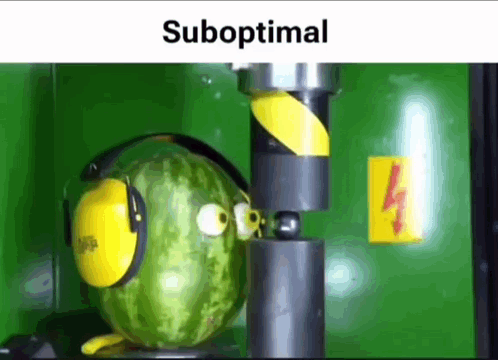
honse but has been put under the hydraulic press
 high aspen
frosty shard
Oh my god
high aspen
frosty shard
Oh my god
fish
 stiff mason
tight lodge
Cursed Honse (2.5h)
<:kekw:1069600214090002574>
stiff mason
tight lodge
Cursed Honse (2.5h)
<:kekw:1069600214090002574>
How is it still sharp
tight lodge
stiff mason
How is it still sharp
Because the original was sharp
stiff mason
Stop making me regret buying a newtonian 😭
Well technically my mount is the bottle neck for my newt so it wouldn't matter anyway but like still
tight lodge
stiff mason
Stop making me regret buying a newtonian 😭
Why? That was shot with a newtonian
high aspen
tight lodge
Why? That was shot with a newtonian <:kekw:1069600214090002574>
your noot is just too cool clearly!
tall summit
I ordered a star diagonal and somewhat quality 4element barlow, will be actually looking through my RC6 for the first time soon
excited
am I the only one who never observed through RC visually?
frosty shard
tall summit
am I the only one who never observed through RC visually?
I think most people only use their RCs for imaging
I am a big exception
 tall summit
frosty shard
tall summit
frosty shard
coming along nicely!
tall summit
frosty shard
I think most people only use their RCs for imaging
I want to try to barlow it up and image jupiter using my phone
frosty shard
tall summit
I want to try to barlow it up and image jupiter using my phone
I was gonna say, you don't need to Barlow it for all practical visual observing purposes, but it will be very helpful for imaging
 sinful sapphire
tall summit
I want to try to barlow it up and image jupiter using my phone
sinful sapphire
tall summit
I want to try to barlow it up and image jupiter using my phone
You can use your 2600
tall summit
sinful sapphire
You can use your 2600
not sure how i would mount it to digonal/barlow
As is, its too tiny for any practical imaging
sinful sapphire
tall summit
not sure how i would mount it to digonal/barlow
Nosepiece
tall summit
sinful sapphire
Nosepiece
hmmm
sinful sapphire
You screw it onto the camera and then attach it like you would an eyepiece
The imx571 is essentially just a bigger imx533 which is still a somewhat popular pick for planets
tall summit
sinful sapphire
You screw it onto the camera and then attach it like you would an eyepiece
damn, didnt occur to me at all
sinful sapphire
Will be better than any phone image
tall summit
sinful sapphire
Will be better than any phone image
is this what i need? https://www.amazon.com/Versatile-Adapters-Threaded-Standard-Accessories/dp/B0CYPLDFTL/ref=sr_1_4?

Versatile Adapters 1.25" to C Mount Adapters Threaded for Standard 1.25" Eyepiece Filters Accessories mount adapter
Features:
Specially designed for primes astrophotography.
One side: Standard 1.25" barrels. Fit 1.25" focuser other accessories. The other side: M42x0.75 thread C mount (1 inch diam...
sinful sapphire
tall summit
is this what i need? https://www.amazon.com/Versatile-Adapters-Threaded-Standard...
1.25'' to T2
 tall summit
found this one

Features:
1.25" to T2/1.25 inch eyepiece insertion to M42 prime telescope T adapter.
replacement for the old or damaged one.
, light in weight, and to use.
Brand new and made from aluminum alloy.
External thread: M42X0.75mm, internal thread: M28X0.6mm.
Specification:
Condition: Brand New...
@sinful sapphire this should do it, right?
sinful sapphire
tall summit
https://www.amazon.com/Acouto-Eyepiece-Adapter-Suitable-Telescope/dp/B07L8SRHH9/...
Yeah
tall summit
oh maan, I am so happy I mentioned it, I was going to dust off my cell phone adapter
sinful sapphire
also note that this isnt good for DSO because it will cause vignetting on the corners
tall summit
sinful sapphire
also note that this isnt good for DSO because it will cause vignetting on the co...
yeaah
sinful sapphire
which is irrelevant for planetary but relevant for deep sky lol
tall summit
I did this with my cell phone, before getting in astro and knowing what I am doing
 frosty shard
We interrupt your regularly scheduled programming to farm aura
 frosty shard
We interrupt your regularly scheduled programming to farm aura
frosty shard
frosty shard
We interrupt your regularly scheduled programming to farm aura
@tight lodge return of the laser
tall summit
was proud of it as f*ck:))
frosty shard
tall summit
I did this with my cell phone, before getting in astro and knowing what I am doi...
I think you actually have the Galilean moons resolved as disks, which is crazy
tall summit
frosty shard
I think you actually have the Galilean moons resolved as disks, which is crazy
I always thought I just over-blew them. I did it with my 8" Dob and crappy 2x barlow
and shot with S25 ultra
tall summit
sinful sapphire
Yeah
Order placed. Thanks a lot for putting me on to this, def opens up new possibilities
 stiff mason
tight lodge
Why? That was shot with a newtonian <:kekw:1069600214090002574>
stiff mason
tight lodge
Why? That was shot with a newtonian <:kekw:1069600214090002574>
Then how good spikes
tight lodge
stiff mason
Then how good spikes
a newtonian can't have good spikes?
stiff mason
tight lodge
a newtonian can't have good spikes?
No but like did you upgrade them or sum
Cause mine look trash
Also you dont have that mirror glare which I'm assuming you added a mirror mask as well
digital nexus
frosty shard
I am a big exception
How is it visually
I plan on using mine for visual a bit. Here and there
frosty shard
digital nexus
How is it visually
I haven't used the 6" but I actually prefer the 8" RC to an 8" SCT for deep sky
digital nexus
What about compared to a dob
frosty shard
It's not the best choice for planetary but that doesn't mean it won't deliver a sharp image
frosty shard
digital nexus
What about compared to a dob
Dobs will be capable of a wider field, but an RC is actually the next best thing. I drop mine down to 39x for wide fields that are super consistent
frosty shard
It's still pretty good for lunar and planetary
digital nexus
Just cause it can mount my star tracker better
tall summit
goto and tracking def go a long way making observation expirience better
frosty shard
The large CO means it won't be the ideal choice, but it will still gather plenty of light and deliver good resolution
It just won't have the high contrast of, say, an f/15 Mak or Dob
high aspen
frosty shard
It just won't have the high contrast of, say, an f/15 Mak or Dob
f20 gregorian :>
gregorians on axis have like a 0.01um spot size
its crazy
and obv you got a smol co
you can make the co extemely smol with a greg
tight lodge
stiff mason
Also you dont have that mirror glare which I'm assuming you added a mirror mask ...
Oh yes. I do have both, mirror mask and CNC machined secondary holder.
Spider
frosty shard
high aspen
you can make the co extemely smol with a greg
But can you do it at f/8?
high aspen
frosty shard
But can you do it at f/8?
i am too scared to try
frosty shard
Gregorians can get pretty long
There's a reason why Cassegrains are more popular: you don't need the secondary to be as far away from the primary as with a Cassegrain
Since you don't need to bring the light to focus before the secondary
high aspen
frosty shard
There's a reason why Cassegrains are more popular: you don't need the secondary ...
f 0.5 primary

high aspen
frosty shard
Since you don't need to bring the light to focus before the secondary
and you dont have to use elliptical mirors
frosty shard
high aspen
and you dont have to use elliptical mirors
well the hyperbolic mirrors of classical Cassegrains and RCs are pretty hard to test
high aspen
frosty shard
well the hyperbolic mirrors of classical Cassegrains and RCs are pretty hard to ...
sads
frosty shard
That's actually why ATMs would rather make an aplanantic Gregorian instead of an RC. The elliptical mirrors are easier to test (and IIRC they don't deviate much from hyperbolic)
I still need to figure out what the equations are for an aplanatic Gregorian
high aspen
frosty shard
That's actually why ATMs would rather make an aplanantic Gregorian instead of an...
oh
thats kinda cool actually
also, im now gunna try the quick greggy
i wonder if i could make it better somehow
frosty shard
high aspen
i wonder if i could make it better somehow
Are you building a classical or aplanatic Gregorian?
high aspen
frosty shard
Are you building a classical or aplanatic Gregorian?
one with parabolic prim and elliptical secondary
which im guessing is classic
frosty shard
high aspen
which im guessing is classic
Yeah, with aplanatic you reduce the conic constants of both. I think this (see 8.2.3) should be able to get you the right values, but note the signs are different for Gregorians

Properties and optical aberrations of classical and aplanatic two-mirror telescopes: classical Cassegrain and Ritchey-Chretien, classical and aplanatic Gregorian telescope.
high aspen
frosty shard
Yeah, with aplanatic you reduce the conic constants of both. I think [this (see ...
i managed to get it decent by eye

sub 0.04 is quite good

its only got a 300mm effl
stiff mason
tight lodge
Oh yes. I do have both, mirror mask and CNC machined secondary holder.
I going to 3d print mine both the mask and the secondary
 frosty shard
Since we're back on cloudy weather I need to figure out what unity gain on my camera actually is...
https://aifatelescope.github.io/datared/camera-charact.html
 candid flame
high aspen
elliptical primary
candid flame
high aspen
elliptical primary
Sinusoidal primary when
high aspen
candid flame
Sinusoidal primary when
whas
candid flame
high aspen
whas
You heard me
high aspen
candid flame
You heard me
 candid flame
Lemme get that Weierstrass mirror just to see what happens 
frosty shard
@harsh matrix what mode do you use for your Touptek camera, and what are your gain/offset settings?
I just realized I am absolutely not using optimal settings for my camera
Which might explain why my data looks pretty noisy
harsh matrix
frosty shard
<@293187070753505281> what mode do you use for your Touptek camera, and what are...
i use low noise readout mode at i use 100 gain (lowest i can set it) and I use an offset of 50
high aspen
harsh matrix
i use low noise readout mode at i use 100 gain (lowest i can set it) and I use a...
50 offset is diabollical
frosty shard
high aspen
50 offset is diabollical
Well it depends on what the offset setting corresponds to in terms of offset ADU
I ended up realizing the ATR533M, despite what I was initially led to believe, does not treat many of the settings the same as the ATR2600M
I should be using a gain around 316 or so
Gain 100 for me is like 2.1 electrons per ADU
frosty shard
It looks like unity gain is around 237 with my settings. I need to do more testing but oof, that is a lot of signal I've been leaving on the table
tall summit
New guide scope is in!
 digital nexus
tall summit
New guide scope is in!
digital nexus
tall summit
New guide scope is in!
which is it
tall summit
@digital nexus Astromania 60mm 240mm fl
digital nexus
tall summit
<@177527960310513666> Astromania 60mm 240mm fl
I just got a 50mm guide scope
hope it works well enough
tall summit
I was guiding with 30mm f4 scope before, so I am sure it will
digital nexus
tall summit
I was guiding with 30mm f4 scope before, so I am sure it will
my mount has some large spikes, and too high with my 30mm. proxisky recommended larger guide scope so im hoping this one will solve thjat
tall summit
digital nexus
my mount has some large spikes, and too high with my 30mm. proxisky recommended ...
Riight, mine is not harmonic
digital nexus
yea ik
tall summit
digital nexus
yea ik
How is your mount expirience so far
digital nexus
tall summit
How is your mount expirience so far
meh
0.9-0.7 RMS"
Having high peaks of 4" or 3" though
not liking that
tall summit
digital nexus
not liking that
Hopefully larger scope will improve things for you
I am really qurious if i'll see any change
No clear weather in sight
tight lodge
The honse is doing well on Astrobin
 frosty shard
tight lodge
The honse is doing well on Astrobin<:astroWOW:803031965460463706>
frosty shard
tight lodge
The honse is doing well on Astrobin<:astroWOW:803031965460463706>
Link? Idk if I follow you
tight lodge
frosty shard
Link? Idk if I follow you

An image on AstroBin.
frosty shard
@harsh matrix you may find this useful
 tight lodge
frosty shard
<@293187070753505281> you may find this useful
tight lodge
frosty shard
<@293187070753505281> you may find this useful
This has to be the most detailed technical drawing of an RCT
frosty shard
tight lodge
This has to be the most detailed technical drawing of an RCT
It's the GSO RC8 design spec
tight lodge
frosty shard
It's the GSO RC8 design spec
Basically every RCT on the market
frosty shard
tight lodge
Basically every RCT on the market<:kekw:1069600214090002574>
Well, this one doesn't have the baffle extension
frosty shard
1 hour 30 minutes on Orion from Sunday night
 high aspen
frosty shard
1 hour 30 minutes on Orion from Sunday night
high aspen
frosty shard
1 hour 30 minutes on Orion from Sunday night
onion!
frosty shard
harsh matrix
i use low noise readout mode at i use 100 gain (lowest i can set it) and I use a...
Your flats weren't calibrating in high full well mode, right? Could that have been the reflections from the reducer?
harsh matrix
frosty shard
Your flats weren't calibrating in high full well mode, right? Could that have be...
Correct and I dont think high fw mode works
frosty shard
harsh matrix
Correct and I dont think high fw mode works
What else happens when you use it? I have been using it this whole time
harsh matrix
frosty shard
What else happens when you use it? I have been using it this whole time
Dunno
frosty shard
harsh matrix
need to paint the front of that reducer
Did you get the paint yet?
harsh matrix
frosty shard
Did you get the paint yet?
yes
its how i go about painting it that makes me nervous
frosty shard
harsh matrix
its how i go about painting it that makes me nervous
What's your strategy gonna be?
harsh matrix
frosty shard
What's your strategy gonna be?
im going to cover the lens somehow and use a thin brush to brush the paint on
i need to make sure i dont drip paint too 
it's been years since ive painted anything so i dont have the slightest clue about how to go about this
tight lodge
frosty shard
<@293187070753505281> you may find this useful
I just realized. I have the ability to 3D print the whole thing
frosty shard
tight lodge
I just realized. I have the ability to 3D print the whole thing <:kekw:106960021...
Bro can 3D print a mirror 
tight lodge
frosty shard
Bro can 3D print a mirror <:astrowhat:1189704928516657162>
I can not 3D print mirrors. But I can 3D print the whole tube
Aliexpress got my back to when it comes to mirrors
stiff mason
frosty shard
1 hour 30 minutes on Orion from Sunday night
I need to do some astro it's been like 1 and a half months
But these stupid clouds wont let me
 tight lodge
harsh matrix
we're basically stealing a 585MM Pro
tight lodge
harsh matrix
we're basically stealing a 585MM Pro
Do it
harsh matrix
tight lodge
Do it
it's already done
tight lodge
You gonna pair it with the RC8?
harsh matrix
tight lodge
You gonna pair it with the RC8?
no
i would be over sampled to hell and back
that would not be fun
it will pair fantastically with the quatt though
 versed roost
harsh matrix
guys
versed roost
harsh matrix
guys
where??
frosty shard
versed roost
where??
He got a big discount as compensation for the AM5N troubles
harsh matrix
looks like it may have paid off finally
versed roost
does the mount work now?
versed roost
goated
harsh matrix
the new harmonic drive has very smooth periodic error
with a peak to peak of 10"
that beats all prior drives in both aspects
easily the best harmonic I have had in one of these mounts
it beats out a lot of other harmonics too
stiff mason
harsh matrix
guys
Yikes my friend wanted one so bad he couldn't find one at all
tight lodge
harsh matrix
with a peak to peak of 10"
#1429897878897168405 message:AwkwardSmile:
tight lodge
@frosty shard do you want a challenge? 
quartz meadow
I mean the only thing you need to look out for, is that the reducer itself is not reflective
silver ibex
digital nexus
What reducer do you guys recommend for my rc6
The Apex is interesting, @harsh matrix knows more about it
tight lodge
silver ibex
The Apex is interesting, <@293187070753505281> knows more about it
Costs more than the RC6💀
digital nexus
silver ibex
The Apex is interesting, <@293187070753505281> knows more about it
is there any that doesn’t cost twice what I paid for my scope….
tight lodge
digital nexus
is there any that doesn’t cost twice what I paid for my scope….
Newtonian
digital nexus
tight lodge
Newtonian <:AwkwardSmile:892230500427628574>
I doubt I’d get an imaging newt for $400
tight lodge
digital nexus
I doubt I’d get an imaging newt for $400
Out of the box? No. With potential? Definitely
Brandon is still ignoring me
digital nexus
tight lodge
Out of the box? No. With potential? Definitely
I spent $400 on my RC6, and it can basically be used for imaging off the bat. So an imaging newt would be more to get working properly?
tight lodge
digital nexus
I spent $400 on my RC6, and it can basically be used for imaging off the bat. So...
Yes. And you will be better sampled
digital nexus
tight lodge
Yes. And you will be better sampled
What imaging newt is the recommendation
With my 533 i thought i was sampled pretty good with my RC6
tight lodge
digital nexus
With my 533 i thought i was sampled pretty good with my RC6
What's your sampling?
digital nexus
tight lodge
What's your sampling?
Nvm

 digital nexus
tight lodge
My 130PDS capped at 2.1"
digital nexus
tight lodge
My 130PDS capped at 2.1"
How bad is my sampling
I’m a refractor guy, Ive never nice worried about sampling
tight lodge
digital nexus
How bad is my sampling
Do you have any data taken with it yet?
digital nexus
tight lodge
Do you have any data taken with it yet?
No I can’t even get my camera attached to it yet lol
I have an M64 adapter and need M63 smh
Getting that Friday. Then I can collimate it and then hope I can guide it properly
I might wait until I got my Ragdoll guiding good with my new guide scope.
Or il have to wait for an OAG
tight lodge
This is my sampling
 digital nexus
tight lodge
This is my sampling
digital nexus
tight lodge
This is my sampling
Drizzle helps with over sampling right?
tight lodge
digital nexus
Drizzle helps with over sampling right?
Undersampled
digital nexus
The RC6 is commonly used with the 533 so I’m not worried.
Oh
Well I’m not worried
tight lodge
digital nexus
Drizzle helps with over sampling right?
Binning works with oversampling. However, CMOS doesn't do hardware binning, is more like downscaling
digital nexus
Yea il have to do some experimentation with binning.
tight lodge
So you can downscale your images in post-processing and get it fixed to some extent
This is what I got from binning my sensor

Very slight increase in SNR, but almost negligible
candid flame
tight lodge
This is what I got from binning my sensor
the increase will always look negligible if you autostretch them separately, because it's using the noise characteristics to stretch the image
tight lodge
candid flame
the increase will always look negligible if you autostretch them separately, bec...
Then I should apply one STF to both?
That didn't strike me in the head💀
candid flame
tight lodge
Then I should apply one STF to both? <:monkaHmm:1236536760586993827>
You should just apply the same stretch at least
The binned one is stretched harder, making the noise look worse rn
tall summit
digital nexus
is there any that doesn’t cost twice what I paid for my scope….
Apertura 0.67x reducer
candid flame
tight lodge
Then I should apply one STF to both? <:monkaHmm:1236536760586993827>
Or alternatively apply separate autostretches, but think of SNR as contrast instead of looking at the noise
tight lodge
candid flame
Or alternatively apply separate autostretches, but think of SNR as contrast inst...
The contrast is what I was looking for. In the bin 2x2, the dust appears ever so slightly darker
candid flame
tight lodge
The contrast is what I was looking for. In the bin 2x2, the dust appears ever so...
Only slightly you think? If that doesn't impact sharpness too much I'm binning that any day
tight lodge
candid flame
Only slightly you think? If that doesn't impact sharpness too much I'm binning t...
ok, i re did them and i applied the STF values from one to hte other so they get stretced to the same value
 candid flame
tight lodge
ok, i re did them and i applied the STF values from one to hte other so they get...
candid flame
tight lodge
ok, i re did them and i applied the STF values from one to hte other so they get...
are you sure those stretches are identical? the binned one looks much darker. Also, you won't be able to see the difference properly unless you zoom in to 1:1 or more
tight lodge
candid flame
are you sure those stretches are identical? the binned one looks much darker. Al...
Here are the files


they are not sharp so keep that in mind. that night was pure junk that i decided to experiment with Bining rather than imaging
stiff mason
digital nexus
I doubt I’d get an imaging newt for $400
Well not anymore but i got my 6 inch for about that much
Now that same scope is over 600
candid flame
tight lodge
Here are the files <:kekw:1069600214090002574>
this is not from an RC is it?
candid flame
tight lodge
Here are the files <:kekw:1069600214090002574>
i could tell because it's almost perfectly sampled 😂
tight lodge
candid flame
i could tell because it's almost perfectly sampled 😂
oooooo they not. the ones i sent you are hideous
candid flame
how is it hideous?
tight lodge
candid flame
how is it hideous?
that's not even half of what my OTA can do
candid flame
tight lodge
that's not even half of what my OTA can do
???
you fwhm should ideally be 4px and in this one it's 4.8px, so you're slightly oversampled
high aspen
candid flame
you fwhm should ideally be 4px and in this one it's 4.8px, so you're slightly ov...
wha
my fwhm is usually 3.8
so thats good????
high aspen
candid flame
if it's in pixels and not arcsec
yea
tight lodge
candid flame
if it's in pixels and not arcsec
check this sub
 candid flame
tight lodge
Here are the files <:kekw:1069600214090002574>
candid flame
tight lodge
Here are the files <:kekw:1069600214090002574>
this is identical streched zoomed in enough for display problems not to occur

oh wow i think it's discord messing with it
high aspen
candid flame
oh wow i think it's discord messing with it
yea
candid flame
 tight lodge
candid flame
this is identical streched zoomed in enough for display problems not to occur
tight lodge
candid flame
this is identical streched zoomed in enough for display problems not to occur
The difference is so small that is hard to see it
digital nexus
You guys think this will be enough for my Rc6?
 high aspen
candid flame
high aspen
candid flame
left snr is good
candid flame
tight lodge
The difference is so small that is hard to see it
that's because it's identical strech, so now you should be looking at noise and not contrast
candid flame
bin2 is defo looking better imo
tho it's much easier to see it the other way where you look at contrast tbf
candid flame
candid flame
turns out it's not discord, just a human brain moment... i swapped them around here
candid flame
tight lodge
check this sub<:AwkwardSmile:892230500427628574>
SHEEESH
candid flame
doesn't change the fact that sampling was good in the other image tho
it just had worse seeing
in fact, the sharp one is quite undersampled
tight lodge
candid flame
doesn't change the fact that sampling was good in the other image tho
this is where i am rn with hte sampling
 candid flame
tight lodge
this is where i am rn with hte sampling
candid flame
tight lodge
this is where i am rn with hte sampling
divide by 2 and 3 calculator 🔥 🔥 🔥
purely theoretically tho, your sampling should be 4x the seeing to not lose any information, tho the last 4x instead of 2-3x doesn't contain that much information anyways
basically you want to be slightly undersampled, because you get more signal per pixel, for a relatively small loss of sharpness
tight lodge
yeah, but at the same time, its good to be able to resolve very small details in the image
candid flame
ofc, but the difference in resolving power between 3x and 4x is almost negligible
that's why your divide by 2-3 calculator doesn't divide by 4 essentially
also that's why i'm saying your sharp image is undersampled, because an fwhm of 2px means your sampling is seeing/2, which is just on the border to undersampled, even by your calculator's standards
tight lodge
candid flame
also that's why i'm saying your sharp image is undersampled, because an fwhm of ...
Only if I would have had a bigger aperture 😭
That's why I want the 10" quattro. Then reduce it to 670mm and have a similar sampling to the 130PDS buuut better resolving power and faster
candid flame
tight lodge
That's why I want the 10" quattro. Then reduce it to 670mm and have a similar ...
i have one i rarely use lol
tight lodge
candid flame
me looking at the RASA with 620mm when you say you wanna reduce the quattro to 670mm btw
tight lodge
candid flame
me looking at the RASA with 620mm when you say you wanna reduce the quattro to 6...
ain't got the money for a RASA
nor that i like to manually swap filters
candid flame
tight lodge
nor that i like to manually swap filters
worth it tho
the image circle on the quattro will be absolutely screwed if you put a .67x reducer on it btw
like i think even APS-C will be problematic
 candid flame
tight lodge
<@293187070753505281>
candid flame
tight lodge
<@293187070753505281>
right is much sharper damn
tight lodge
Left has better SNR
candid flame
are they denoised?
tight lodge
mine is, idk about Vel's one
harsh matrix
Mine is denoised quite heavily
I can see more resolved detail as well
Specifically at the top of that dark band in the bottom right
tight lodge
harsh matrix
I can see more resolved detail as well
How much integration on yours?
harsh matrix
tight lodge
How much integration on yours?
~66 hrs
tight lodge
harsh matrix
~66 hrs
frosty shard
harsh matrix
I can see more resolved detail as well
this is proof star sizes don't directly correlate with resolved detail
tight lodge
66h?
candid flame
frosty shard
this is proof star sizes don't directly correlate with resolved detail
...because they're stretched differently
harsh matrix
candid flame
...because they're stretched differently
that has no bearing on how much detail gets resolved
harsh matrix
tight lodge
66h? <:monkaS:853356001221804073>
yes but it's 66 hours at f/8
candid flame
harsh matrix
that has no bearing on how much detail gets resolved
star sizes don't??
harsh matrix
candid flame
star sizes don't??
correct
candid flame
what
harsh matrix
well they dont determine resolved detail
tight lodge
harsh matrix
~66 hrs
and here i am with 4h and 10 min💀
frosty shard
candid flame
...because they're stretched differently
I mean I'm also referring to central obstruction, which alters the PSF in a way that reduces contrast but not resolution
harsh matrix
star sizes arent really relevant in the context of a stretched image
candid flame
frosty shard
I mean I'm also referring to central obstruction, which alters the PSF in a way ...
?????????
candid flame
harsh matrix
star sizes arent really relevant in the context of a stretched image
yeah that's what i'm saying
in the linear image they absolutely are
frosty shard
tight lodge
and here i am with 4h and 10 min💀
I need to do a comparison now that I know what unity gain is for my camera. I have been so nerfed due to my bad camera settings...
harsh matrix
candid flame
yeah that's what i'm saying
well here's the scoop alright
do to the way the math works with regards to sampling
the stars in Pickle's image will be bigger
automatically
tight lodge
frosty shard
I need to do a comparison now that I know what unity gain is for my camera. I ha...
also i'm at f5 sooo... a bit faster
harsh matrix
so technically he will always have bigger stars than me
tight lodge
harsh matrix
the stars in Pickle's image will be bigger
yep. that's most likely because of the smaller apperture as well
harsh matrix
tight lodge
yep. that's most likely because of the smaller apperture as well
the aperture determines everything
frosty shard
candid flame
?????????
When you have a larger central obstruction, you reduce the contrast (as seen on an MTF plot), but you can recover that contrast through deconvolution. What doesn't change (assuming your absolute aperture is the same) is the point where the contrast goes to zero. You can't recover any information beyond that point

Central obstruction effect on image quality in telescopes.
harsh matrix
it's likely contributing to a non insignificant amount of star bloat on your end
frosty shard
frosty shard
When you have a larger central obstruction, you reduce the contrast (as seen on ...
to be clear, this doesn't factor in sampling, it's just the optics here
harsh matrix
frosty shard
When you have a larger central obstruction, you reduce the contrast (as seen on ...
yeah Pickle's appears sharper because he has better contrast
his CO is way smaller than mine
although i dont know what the %/% breakdown is
frosty shard
I can't make any statements on how BlurXterminator works in terms of detail recovery, but at least with classical deconvolution methods, more iterations causes the image to become noisier. Of course, you can get around that with more data
candid flame
how do you measure contrast in a linear image if not just SNR?
harsh matrix
candid flame
how do you measure contrast in a linear image if not just SNR?
i can tell by eye
candid flame
harsh matrix
i can tell by eye
go look at all the images then
harsh matrix
candid flame
go look at all the images then
I don't have time to
frosty shard
harsh matrix
although i dont know what the %/% breakdown is
47% for us, usually like 35% for an imaging Newtonian?
harsh matrix
tight lodge
66h? <:monkaS:853356001221804073>
oh also the Sii and Oiii never wanted to get less noisy after a certain point
i kept dumping more and more time into those channels and they reached a point where they werent getting better
candid flame
harsh matrix
oh also the Sii and Oiii never wanted to get less noisy after a certain point
diminishing returns
harsh matrix
which contributed to me having to denoise them heavily
frosty shard
candid flame
how do you measure contrast in a linear image if not just SNR?
You use the modulation transfer function (which is the Fourier transform of the point spread function)
harsh matrix
that reduced some level of sharpness and destroyed some fine detail in those channels
tight lodge
harsh matrix
oh also the Sii and Oiii never wanted to get less noisy after a certain point
i shot 2:1:2. might have been the right decision. i'd love to dump more hours on this one
harsh matrix

tight lodge
or the Horse
candid flame
frosty shard
You use the modulation transfer function (which is the Fourier transform of the ...
that's a function, not a number...
harsh matrix
the H-alpha is carrying the detail lol
frosty shard
candid flame
that's a function, not a number...
It is impossible to quantify contrast with a simple number like SNR
You can evaluate it at a particular frequency though
candid flame
frosty shard
It is impossible to quantify contrast with a simple number like SNR
ah, i understand now
harsh matrix
you can try but it's always some kind of guess
 frosty shard
best illustration of different modulation transfer functions and how they relate to the point spread function
 harsh matrix
candid flame
SNR =μ/σ by definition
harsh matrix
candid flame
SNR =μ/σ by definition
the best that gets you is a guess though
it isn't going to be an objective analysis
there's way too many factors to accurately quantify it
candid flame
harsh matrix
the best that gets you is a guess though
what do you mean a guess? it's a definition
candid flame
what
harsh matrix
alright
candid flame
using the definition is not a guess.. it's a definition
candid flame
it straight up is, your image just need to be absolutely calibrated, and ofc you can only do it on a uniform area to not catch the spread of the signal but only the noise
frosty shard
harsh matrix
it isn't going to be an objective analysis
Perhaps the better term is estimate? You can still get a decent estimate of SNR, since you definitely know μ (just the signal of a linear image) and σ is approximately proportional to the square root of μ assuming the dominant contributor to the noise is shot (Poisson) noise. (You could even factor in read noise and thermal noise, then add them in quadrature, but for a decently exposed image these are small contributions)
But for a given image, the exact contribution can't be known just because the noise might be closer to or farther from the ground truth in a particular image.
harsh matrix
frosty shard
Perhaps the better term is __estimate__? You can still get a decent estimate of ...
yeah estimate is a better term
high aspen
frosty shard
Perhaps the better term is __estimate__? You can still get a decent estimate of ...
FISH NOISE?????
 candid flame
frosty shard
Perhaps the better term is __estimate__? You can still get a decent estimate of ...
candid flame
frosty shard
Perhaps the better term is __estimate__? You can still get a decent estimate of ...
or you can just measure σ
harsh matrix
the thing is, pixel size, aperture, and focal length all play a role in SNR
candid flame
harsh matrix
the thing is, pixel size, aperture, and focal length all play a role in SNR
yeah, because they change μ and σ
high aspen
candid flame
or you can just measure σ
o
frosty shard
candid flame
or you can just measure σ
I'm thinking in the case of a single image where you don't have individual subs to do statistics with, or do you have a way to do this for a single image?
harsh matrix
then you have to consider light pollution which doesn't exactly have a linear impact on your signal
even the properties of the light pollution change based on location
high aspen
guys, just get adaptive optics, simple as
frosty shard
Oh yeah, I forgot, normalization is going to alter your statistics
candid flame
frosty shard
I'm thinking in the case of a single image where you don't have individual subs ...
i do, you just grab a uniform area in your image and calculate σ
harsh matrix
frosty shard
I'm thinking in the case of a single image where you don't have individual subs ...
in theory you can do that
candid flame
harsh matrix
in theory you can do that
...and in practice
harsh matrix
candid flame
...and in practice
...except the result will only be a rough estimate and will be different for everybody in the context of contrast present in each image
it still is not an exact science
candid flame
harsh matrix
...except the result will only be a rough estimate and will be different for eve...
how is it an estimate???? it's a literal definition
candid flame
harsh matrix
it still is not an exact science
SNR is not an exact science????????
boy do i have something to tell you lol
frosty shard
candid flame
how is it an estimate???? it's a literal definition
Because σ is an estimate (sample standard deviation)
harsh matrix
oops
candid flame
frosty shard
Because σ is an estimate (sample standard deviation)
σ also has a strict definition. no estimation.
high aspen
candid flame
σ also has a strict definition. no estimation.
proof
candid flame
high aspen
proof <:catmoon:1383808755157827654>
 frosty shard
candid flame
σ also has a strict definition. no estimation.
frosty shard
candid flame
σ also has a strict definition. no estimation.
It does have a strict definition, but you are estimating it (unless you happen to know exactly what the ground truth)
those are not incompatible statements
high aspen
candid flame
can you explain each part pleas
candid flame
what am i estimating??? i'm just plugging into the formula bro
harsh matrix
this is what I was trying to say but I couldn't quite put my finger on it
harsh matrix
candid flame
what am i estimating??? i'm just plugging into the formula bro
you are estimating the histogram iirc
candid flame
harsh matrix
you are estimating the histogram iirc
what do you even mean by this??
harsh matrix
im trying to put it into words lmao
there's a graphic in my head i cant quite put into words atm
candid flame
it's all just definitions with formulas. there is no guessing. there is no estimation. it's just a calculation, the result of which we have defined to be called SNR
harsh matrix
anyway, by using the above equation, that is a derviative where you are estimating the area under a curve
the curve is the function that sigma defines
derivatives by definition are estimations
approximations
my bad
candid flame
what? there are no areas or curves. it's just a definition
harsh matrix
candid flame
what? there are no areas or curves. it's just a definition
you are missing the entire point
have you ever done calculus?
candid flame
yes
harsh matrix
okay you should get this lol
candid flame
but this is not calculus. it's a simple definition
frosty shard
high aspen
can you explain each part pleas
So the square of the standard deviation (σ) is the variance, and the variance is calculated by summing the squares of the differences between every individual data point (x_i) and the mean (μ), dividing it by the number of samples (N). Then you square root it to get the standard deviation
candid flame
of course if you assume a posson distribution, you can do calculus, but this has nothing to do with a possion distribution
that's just a special case
harsh matrix
it is a function being used to approximate the area under the curve
what does N define here?
frosty shard
number of samples
candid flame
harsh matrix
what does N define here?
the number of pixels
pretty discrete imo, idk about your sensor tho
harsh matrix
samples or pixels?
high aspen
frosty shard
So the square of the standard deviation (σ) is the variance, and the variance is...
woaw
harsh matrix
samples meaning pixels or subs?
candid flame
same thing in an image
pixels
there is only one image
we don't need multiple images
harsh matrix
that makes even more sense to me
high aspen
candid flame
there is only one image
the humble onion:
harsh matrix
the approximation of Sigma becomes more accurate with more pixels
however, the caveat is that Sigma is still an approximation
candid flame
harsh matrix
the approximation of Sigma becomes more accurate with more pixels
it's not an approximation of sigma. it is sigma
harsh matrix
not an exact number
okay you are right
since it isnt approximating Sigma
however, you are still approximating something
frosty shard
Actually, no, it's still an approximation.
harsh matrix
which is the point
frosty shard

The standard error (SE) of a statistic (usually an estimator of a parameter, like the average or mean) is the standard deviation of its sampling distribution. The standard error is often used in calculations of confidence intervals.
The sampling distribution of a mean is generated by repeated sampling from the same population and recording the ...
candid flame
i'm not approximating anything
high aspen
i strech moar
 harsh matrix
frosty shard
Actually, no, it's still an approximation.
harsh matrix
frosty shard
Actually, no, it's still an approximation.
well cause the result is still an approximation correct?
frosty shard
Yes, though it's bounded, assuming the distribution is well-behaved
harsh matrix
candid flame
i'm not approximating anything
what you say you are doing vs what the function is doing are 2 completely different things
i could say i am adding everything in that but that isnt what the function is doing
candid flame
frosty shard
**Critical:** https://en.wikipedia.org/wiki/Standard_error
we're not assuming any particular distribution. and i fact, it has to be a discrete distribution.
harsh matrix
i could say it is a sum which is a gross under representation of the purpose of the function
frosty shard
candid flame
we're not assuming any particular distribution. and i fact, it has to be a discr...
It can be continuous as well, the same logic holds. But some distributions lack a mean or standard deviation, like the Cauchy distribution
harsh matrix
candid flame
we're not assuming any particular distribution. and i fact, it has to be a discr...
you ultimately have to bound the distribution though
candid flame
harsh matrix
what you say you are doing vs what the function is doing are 2 completely differ...
i'm not saying anything about what i'm doing except "use the function, that's the output of your function"
candid flame
harsh matrix
you ultimately have to bound the distribution though
nope
you can always calculate σ even without knowing the distribution... you just plug into the formula
because we're not calculating the std of the distribution we think describes our data. we're calculating the std of the data itself
frosty shard
candid flame
because we're not calculating the std of the distribution we think describes our...
which necessarily only estimates σ, because we don't know the distribution our data is derived from
harsh matrix
that means you are taking a guess
i dont have time to argue in circles all day
this is a waste of my time
candid flame
frosty shard
which necessarily only estimates σ, because we don't know the distribution our d...
yeah it's a good estimate of the std of the distrubution which we think describes our data. But that's not the std in the formula. the std in the formula for SNR is the std of the data, not the distribution which we think describes it
basically there's σ_dist and σ_data. σ_data is an approximation for σ_dist, but the σ in the formula for SNR is σ_data, NOT sigma σ_dist, which means SNR doesn't include any approximations
and by the law of large numbers, σ_dist = σ_data as N goes to infinity, and the approximation will be practically perfect for like 10k pixels, which is just a 100x100 pixel area
(and also long before 10k pixels for that matter)
frosty shard
candid flame
and by the law of large numbers, σ_dist = σ_data as N goes to infinity, and the ...
This isn't true in every case, which might matter for astrophotographers
candid flame
frosty shard
This isn't true in every case, which *might* matter for astrophotographers
what... law of large numbers is true for everyone lol
ofc it assumes you have a uniform area of arbitrary size, which can be hard to find
but still, it doesn't even matter because we're using σ_data and not σ_dist
frosty shard
candid flame
what... law of large numbers is true for everyone lol
The statement (σ_dist = σ_data as N goes to infinity) relies on the central limit theorem, which most distributions of interest to us follow, but some (like the Cauchy distribution) don't.
Try finding μ or σ by sampling a Cauchy distribution. It never converges no matter how many samples you take.
The standard error in those descriptors is unbounded
Though to be fair you can get around that by using a different estimator
That's the point of clipped averages/pixel rejection, since these rare events can be hard to account for
Though there are also issues that arise with using different estimators
candid flame
frosty shard
The statement (σ_dist = σ_data as N goes to infinity) relies on the central limi...
sure, but this std of the distribution is still irrelevant to the discussion
candid flame
frosty shard
The statement (σ_dist = σ_data as N goes to infinity) relies on the central limi...
and also no it doesn't rely on CLT
σ_dist will also go to infinity if they are cauchy distributed
harsh matrix
candid flame
what... law of large numbers is true for everyone lol
I think that very small difference does matter in the context of contrast in one set up vs another, especially when the CO is involved.
frosty shard
candid flame
sure, but this std of the distribution is still irrelevant to the discussion
Well, I guess the point here is that if SNR uses σ_data, which is an estimate, then SNR itself is an estimate - which makes me interested in the bounds on the SNR estimate generally
I don't think those are particularly large though
harsh matrix
It sort of feels like tou are throwing the baby out with the bath water in this discussion which was the discussion about contrast in the first place
candid flame
frosty shard
Well, I guess the point here is that if SNR uses σ_data, which is an estimate, t...
still no, σ_data is not an estimation. it is a definition
frosty shard
candid flame
still no, σ_data is not an estimation. it is a definition
It's both
tight lodge
What have i made
harsh matrix
Something which can be incredibly difficult to distinguish between different setups due to a number of factors.
harsh matrix
tight lodge
What have i made<:pepeCross:853356001419722763>
A mistake
candid flame
to be exact σ_data estimates σ_dist, but that's irrelevant since σ_data is what we have to use in the formula
tight lodge
harsh matrix
A mistake
i did not think you guys would go this deep into it 😂
frosty shard
Hey I'm just in this to sharpen my knowledge of statistics, something I've only learned through practice, and I'm literally a PhD student in the physical sciences
Chemists aren't required to learn statistics 
frosty shard
candid flame
to be exact σ_data estimates σ_dist, but that's irrelevant since σ_data is what ...
I guess my question then becomes, are you interested in σ_dist at all?
candid flame
frosty shard
I guess my question then becomes, are you interested in σ_dist at all?
not for SNR
frosty shard
What about generally?
candid flame
in fact, i'd even rather say it's the other way around. σ_dist estimates σ_data
because the data is what i'm truly interested in in the end
frosty shard
I'd take the opposite approach personally
Instead I'd say σ_dist generates σ_data, and I want to know what the distribution looks like for each pixel in an image
(The rationale: I want to write a denoiser)
candid flame
what do you mean by distribution of a single pixel in a single image? there is only one value
frosty shard
candid flame
what do you mean by distribution of a single pixel in a single image? there is o...
Well, if you take one subexposure, sure, but what if you take multiple
candid flame
oh yeah so distribution of a single pixel between many images
frosty shard
One issue I see with (non-AI) denoisers is that they really would benefit from more input data
frosty shard
Yup, because you can't assume simple Poisson statistics when you're trying to denoise a normalized stack
Also, most denoisers assume additive white Gaussian noise
Which is not very relevant to astrophotographers
candid flame
i mean, CLT makes it pretty relevant but i see your point
frosty shard
Makes what relevant?
candid flame
Gaussian noise
frosty shard
That's relevant, it's the additive part that's the issue.
candid flame
What does additive mean in exactly in this context? No negative value?
frosty shard
It means that we're corrupting the image by taking the original data and adding a random value from a Gaussian distribution to each pixel
Shot noise is submultiplicative, by contrast
The noise is proportional to the square root of the signal
Though there is also an additive component from background glow
candid flame
yeah but that requires you to know the mean value of your signal in absolute units
frosty shard
either way, it implies a denoising method built for shot noise should alter dark and light pixels differently
frosty shard
candid flame
yeah but that requires you to know the mean value of your signal in absolute uni...
To get the skyglow noise contribution?
candid flame
frosty shard
To get the skyglow noise contribution?
just in general, because N/sqrt(N) != 2N/sqrt(2N)
frosty shard
candid flame
just in general, because N/sqrt(N) != 2N/sqrt(2N)
Oh, right, gain would also change this
candid flame
yeah exactly
also are you sure they use additive gaussian with the same distribution across the whole frame? when you want to simulate more noise with pixelmath, you usually multiply the gaussian by the pixels value (or sqrt maybe i don't remember)
frosty shard
candid flame
also are you sure they use additive gaussian with the same distribution across t...
The papers I've read on denoising tend to build algorithms around this assumption. How it's implemented in software is a different story
candid flame
hmmm, i mean if you have much more light pollution than signal i guess
which is probably true for most of us 😭
silver ibex
candid flame
what? there are no areas or curves. it's just a definition
Nuh uh I'll define it like this:
 silver ibex
harsh matrix
it is a function being used to approximate the area under the curve
silver ibex
harsh matrix
it is a function being used to approximate the area under the curve
Limits, derivatives and integrals are not approximations, they are exact values. It's a misconception that I see a lot, for some reason.
candid flame
i think he meant the sum that defines the std of N samples is an approximation of the std of the distribution that generated them
digital nexus
Will this be stable enough
 digital nexus
high aspen
💀
digital nexus
high aspen
💀
It don’t move at all
harsh matrix
silver ibex
Limits, derivatives and integrals are not approximations, they are exact values....
That's because that's the way it was taught to me by 2 different professors.
The definition of a derivative that I was given in my college was that a derivative is an approximation of the area under a curve.
So, from my perspective, I don't understand how what your saying is the case.
Especially since it wasn't just a single professor that made this "error"
silver ibex
harsh matrix
The definition of a derivative that I was given in my college was that a derivat...
You mean integral? Either way, it's not an approximation, it's literally the definition of "area" under a curve lol
Like, the limit of 1/x as x approaches +infinity isn't approaching zero, it is zero.
harsh matrix
I am going to be mighty embarrassed if my understanding has slipped so much in such short a time
And it could be that im stressed the hell out at work because of a major holiday tomorrow
Either way, I do not think it is appropriate for me to continue to discuss this because I am not thinking clearly at all
silver ibex
harsh matrix
I am going to be mighty embarrassed if my understanding has slipped so much in s...
I mean, it's really just a conceptual difference I guess
harsh matrix
https://youtu.be/SxbmvSIO7rg?si=21ihTCIykbXYIZrd
This guy is my source, albeit, the information is warped in my mind after not looking at it for a while.

Recently a couple great videos came out questioning the usefulness of SNR calculators. And yes, they can be problematic. But, if you have good data, some of them can get a good estimate.
For those videos, check out @setiv2 and @DylanODonnell 's videos here:
https://www.youtube.com/watch?v=vnaVrRWD9qk
https://www.youtube.com/watch?v=T7MSwo-V2vE...
candid flame
silver ibex
You mean integral? Either way, it's not an approximation, it's literally the def...
kinda... basically like with almost all of math you can start many different places and derive the rest. You often start with the definition of area of a rectangle and compute the area under the curve as a riemann sum. If you're even more hardcore you go full Lebesgue on it and invent measure theory
harsh matrix
He draws some pretty important distingushments between the theory and the practice of SNR calculation in his series.
harsh matrix
candid flame
kinda... basically like with almost all of math you can start many different pla...
The riemann sum is what I was referencing
That's what that equation looks like to my eye
candid flame
harsh matrix
The riemann sum is what I was referencing
riemann sum is still not an approximation tho, as it's evaluated in the limit
harsh matrix
Idk my understanding is that it was an approximation
silver ibex
candid flame
kinda... basically like with almost all of math you can start many different pla...
We do it like that too, still, we define the area under a curve as the integral, of course there's a very evident geometrical interpretation behind it
candid flame
harsh matrix
Idk my understanding is that it was an approximation
for any finite N, it is an approximation, but the whole point is to evaluate it in the limit where it is exact
because the approximation gets arbitrarily good basically
for most functions*
silver ibex
candid flame
kinda... basically like with almost all of math you can start many different pla...
The notation we use is cursed too 😭

I love the random star
The heart too
candid flame
italian 😭
candid flame
harsh matrix
https://youtu.be/SxbmvSIO7rg?si=21ihTCIykbXYIZrd
This guy is my source, albeit,...
this is not saying SNR isn't rigorous, it's saying the calculators are bad lol
harsh matrix
I guess depending on the variables used to constrain the SNR, say mag/"^2 then that could be the case.
Which is more or less what I was trying to argue.
frosty shard
candid flame
kinda... basically like with almost all of math you can start many different pla...
you go full Lebesgue on it and invent measure theory
Meanwhile
 harsh matrix
Which is the more variables you consider in the calculation, the less objective the result becomes
candid flame
harsh matrix
Which is the more variables you consider in the calculation, the less objective ...
wdym more variables? there are only two (which can be objectively measured)
high aspen
silver ibex
The heart too
they just love maths
silver ibex
candid flame
wdym more variables? there are only two (which can be objectively measured)
I think he meant more error
silver ibex
high aspen
they just love maths
Good, me too
candid flame
silver ibex
I think he meant more error
there is no error tho
high aspen
silver ibex
Good, me too
i think i failed the maths test i had yesterday
i got 2 more in the next few weeks to fail too
harsh matrix
candid flame
wdym more variables? there are only two (which can be objectively measured)
That's what I mean
Hmmmmm hang on
Alright so I was getting ahead of myself
I know where the misunderstanding is coming from
silver ibex
high aspen
i got 2 more in the next few weeks to fail too <:wholesome:1231830046491152424>
Bruh
harsh matrix
Measuring SNR in your own data is fine
silver ibex
Just... study, I guess?
harsh matrix
But this conversation came up because of a difference in sharpness aka, edge contrast
If you want to compare edge contrast by using SNR as the guiding principle, the reason why this is not a good idea is because the differences between Pickle's and I's setups are influenced by far more than SNR alone
Things like CO and light pollution must be taken into account to accurately measure edge contrast by using SNR as the guiding principle.
That's why I don't think using it to gauge edge contrast is a good idea.
There's too many variables at play to draw an objective conclusion based on SNR alone.
candid flame
oh yeah i totally agree that SNR is not a perfect measure of contrast, that's why we were talking about the Fourier transform of the PSF
harsh matrix
The misunderstanding comes fromt he fact that you and I were on different subjects entirely
I got lost in the intricacies and got confused as hell
harsh matrix
candid flame
oh yeah i totally agree that SNR is not a perfect measure of contrast, that's wh...
Yaaayyy
In that case Pickle's image will definitely appear sharper because his sampling is far more coarse.
candid flame
how so?
harsh matrix
My image was shot at native focal length and my seeing wasn't all that impressive by the end of that project which degraded the overall sharpness.
harsh matrix
candid flame
how so?
By the way of how the Fourier PSF is influenced by sharpness.
I can give you some great examples with my own data later
It couldn't be more obvious once you've become accustomed to several setups of varying sampling rates.
candid flame
trust me i've tried a myriad of setups lol. Surely you don't just mean the sampling tho? like having bigger pixels would make your sampling coarser, but that definitely doesn't make it sharper
and honestly the seeing should be the limiting factor by far, unless you're using some mini frac
but really what originally started it, is whether the sharpness is determined by star shapes alone, which i still believe it is
harsh matrix
candid flame
trust me i've tried a myriad of setups lol. Surely you don't just mean the sampl...
Not necessarily sampling alone no
The seeing can mostly be disregarded in how disbursed the PSF is for smaller telescopes like Pickles since it takes a very unstable atmosphere to smear stars out on a shorter focal length telescope.
By nature of imaging at 1628 mm, my RC's stars are quite spread out
So the influence on the PSF is a softer star
candid flame
Ahhhhhhh, now I see the real misunderstanding
harsh matrix
Not something that appears small and restricted like with Pickle's rig.
candid flame
I see the seeing's influence as part of the star shape and PSF
Or well it's debatable whether it's part of the PSF, but it's definitely a part of the star shape
Because that way star shapes really do determine everything about the sharpness
harsh matrix
candid flame
I see the seeing's influence as part of the star shape and PSF
Yes I thought so.
Yeah I don't necessarily mean in regards to how the seeing has effected the data in specific subs.
I mean in regards to how much the seeing effects imaging with a longer vs shorter focal length system and how THAT influences edge contrast.
Even THEN that's still not the only factor, unfortunately.
CO still plays a role in edge contrast, especially for my RC.
candid flame
harsh matrix
CO still plays a role in edge contrast, especially for my RC.
Yeah but that's also part of the star shape and PSF
harsh matrix
Which is why a frac is often touted as been preferred, it's because they lack a central obstruction which creates far better edge contrast that mine or pickle's scopes alone.
harsh matrix
candid flame
Yeah but that's also part of the star shape and PSF
In this situation, I'd argue that is the primary source of error in this comparison.
My seeing wasn't all that bad throughout the duration of that project and decon could undo it relatively easily, however the CO still heavily influences edge contrast on structures too.
candid flame
harsh matrix
Which is why a frac is often touted as been preferred, it's because they lack a ...
Of course, I'm not saying CO doesn't affect sharpness, I'm just saying it affects the stars in exactly the same way as the rest of the image, making the sharpness of the rest of the image be uniquely determined by the star shape
harsh matrix
Something that while seeing does play a role with, doesn't affect it as much as one may think in relatively good seeing conditions.
That entire project stack had a final FWHM of <2.7"
The first 2 nights was about 2.1"
Also that's for the entire image, the FWHM in the center was way better.
harsh matrix
candid flame
Of course, I'm not saying CO doesn't affect sharpness, I'm just saying it affect...
I understand that but I wanted to stress that the massive CO on these RC's can't be overlooked unfortunately.
A small newt is relatively lucky in that they can kind of get around this with their much smaller CO's but I can't ignore it with my RC
candid flame
Yeah but my argument is still the exact same: anything that influences sharpness affects stars equally and vice versa, making star the star shape uniquely determine the sharpness of the rest of the image
There exists a bijection 🤓 ☝️
candid flame
frosty shard
this is proof star sizes don't directly correlate with resolved detail
Like this is all I'm arguing against lmao
Tho I guess he technically did say size and not shape
frosty shard
candid flame
Tho I guess he technically did say size and not shape
Yeah, this is the important bit, which is also influenced by how you stretch the image too
At least when producing a final image
candid flame
Oh yeah a lot
But does that mean we agree that star shapes determine sharpness completely?
*in the linear image
frosty shard
To be rigorous: what do you mean by sharpness?
harsh matrix
candid flame
Yeah but my argument is still the exact same: anything that influences sharpness...
And now you understand why the sharpness discussion between 2 completely different setups is a pain in the hiney
That's why I don't look at sharpness as an indicator, I look for the fine details, which define the resolution of an image.
Folks try to conflate resolution and sharpness as one and the same but to my eye, and my mind, they are completely different topics.
candid flame
frosty shard
To be rigorous: what do you mean by sharpness?
Great question actually lol
frosty shard
If you're talking about small-scale contrast, then yeah, the contrast distribution is entirely determined by the PSF, which can be measured by star shapes.
candid flame
Something along the lines of the kernel you would convolve a perfectly sharp image with in order to get your image, but that really just makes the statement trivially true
But really I think the statement is true for any reasonable definition of sharpness
frosty shard
If you're talking about the minimum scale of resolvable features, then you're limited by where the modulation transfer function becomes zero.
candid flame
frosty shard
If you're talking about the *minimum scale of resolvable features*, then you're ...
That indeed also sounds reasonable, and also seems to be determined by the star shape
frosty shard
Deconvolution essentially scales up certain parts of the MTF
Obviously you can't scale up something that's zero
That's part of the reason why deconvolution amplifies noise: if you push up the higher frequency components, that increases the local alternation in pixel values and the image becomes grainier
You can get around this by collecting more data though
candid flame
candid flame
But really I think the statement is true for *any* reasonable definition of shar...
angular sharpness to be specific btw
harsh matrix
frosty shard
Obviously you can't scale up something that's zero
WOW?!?! REALLY????
frosty shard
0*2 = 2 for certain definitions of 0, 2, *, and =
harsh matrix

 runic violet
r u guys ok
harsh matrix
No
candid flame
frosty shard
That's part of the reason why deconvolution amplifies noise: if you push up the ...
sharpness = SNR if you try hard enough?
harsh matrix
candid flame
sharpness = SNR if you try hard enough?
Unironically kind of, in dark skies.
frosty shard
candid flame
sharpness = SNR if you try hard enough?
Hmm...perhaps sharpness could be defined in terms of the SNR associated with each frequency component of the image?
I would have to think about how to define that
candid flame
harsh matrix
Unironically kind of, in dark skies.
Why only dark skies?
harsh matrix
candid flame
Why only dark skies?
Lemme see if you can catch my drift
candid flame
Can't you always trade sharpness for SNR with a convolution, and vice versa with deconvolution?
runic violet
candid flame
sharpness = SNR if you try hard enough?
what the hell are you guys talking about
harsh matrix
Specifically with regards to how light pollution, extreme light pollution like in my yard, affects the edge contrast of structures.
ESPECIALLY with regards to faint outskirts of objects like galaxies
From home, the cores of my galaxies look super sharp, but the faint outer arms are always mushy and look like crap
candid flame
harsh matrix
From home, the cores of my galaxies look super sharp, but the faint outer arms a...
But that just sounds like worse SNR tbh
harsh matrix
But when I shot M33 from bortle 3 this year, I noticed it was just about equal sharpness throughout the entire galaxy.
harsh matrix
candid flame
But that just sounds like worse SNR tbh
It is! It's because light pollution acts like acid imo
It corrodes the sharpness of an image
In my opinion
That's how I feel it affects my data, ignoring the worse signal overall.
frosty shard
candid flame
sharpness = SNR if you try hard enough?
If a particular frequency component is poorly sampled, you wouldn't be able to scale it up in a deconvolution operation without introducing more noise to the image. You could define this across subs easily, but I guess you could get some notion of this in an image if you take its (possibly padded) Fourier transform
candid flame
I wouldn't necessarily say it affects sharpness, tho possibly contrast. Like if you gathered enough data from your backyard to get the same SNR as from bottle 3, wouldn't the images be practically identical?
candid flame
frosty shard
If a particular frequency component is poorly sampled, you wouldn't be able to s...
Yeah but that's the point isn't it? Deconvolution trades SNR for sharpness, exactly because it introduces noise
harsh matrix
candid flame
I wouldn't necessarily say it affects sharpness, tho possibly contrast. Like if ...
That's what worries me about what I am bringing up
The answer is no
For the most part
runic violet
candid flame
I wouldn't necessarily say it affects sharpness, tho possibly contrast. Like if ...
assuming LP is only poisson noise and has no spatial variability
frosty shard
candid flame
Yeah but that's the point isn't it? Deconvolution trades SNR for sharpness, exac...
Yup, I'm thinking about how you could transfer the concept of SNR to sharpness
harsh matrix
The fainter regions of galaxies ive imaged in the past remain mushy and gross despite integration time.
harsh matrix
frosty shard
Yup, I'm thinking about how you could transfer the concept of SNR to sharpness
I think I can see a relationship as well
It's hard to put into words though
I understand why I am thinking it is possible to have a relationship there and why that doesn't necessarily make sense by math alone.
frosty shard
Well perhaps I can. Let's assume (and this is really rough) that you have a sensor that contaminates the captured image with Gaussian noise
The modulus of the Fourier transform of the noise is 1 for every frequency component (it's complex-valued with random phases)
This corresponds with the fact that there's no correlation between the noise of individual pixels
But the modulation transfer function of the optical system drops off with frequency, unlike the noise
