#Planetary Imaging
1 messages · Page 24 of 1
 slate juniper
Its oke to have the alignment process in the vid
Pipp will sort these frames out
 tiny topaz
True but I think before I’ve gotten artifacts because it takes a weird blurry Jupiter but I’ll take note of that for next time
tiny topaz
ZWO asi585mc
slate juniper
slate juniper
Maybe a error somewehre in the processing
Or bad seeing or not sharpened enough
kk so a astrocam:D
Do u use sharpcap or firecapture?
U can set the filenames to contain date and time in utc and make these winjupos compatible
With that, u could do multible 2min recordings and get these all derotated
tiny topaz
slate juniper
Do u use sharpcap or firecapture?
Firecapture as sharpcap isn’t easily available on Mac
slate juniper
kk, its bettee as I heard too anyways
Search on google to make ur files winjupos compatible if u got problems in finding it
Or better, watch a vid
Also about ur artifact problem u mentioned, could be an issue with the exposure being too low maybe, I had that problem a few times
tiny topaz
Will google that now, and I’ll create that google drive and I think it was because of my autorecentering aoi on firecapture
tiny topaz
slate juniper
Also about ur artifact problem u mentioned, could be an issue with the exposure ...
I see the time stamp feature now, not sure if I can get that placed onto my last captures but I’ll have to check out winjipos before then
Also the google drive won’t be ready until tomorrow as for some reason it’s taking a long time to transfer the videos over
tiny topaz
 sharp ridge
That "motion blur" is seeing
sharp ridge
That "motion blur" is seeing
Would stacking images longer than 3 minutes not also cause motion blur?
 somber stratus
Autostakkert can deal with up to 6 minutes on the central disc of the planet.
But the edges look a bit weird

I personally just record in 1 minute segments because then you won't have an issue with field rotation for the most part.
10 videos of 1 minute is the same as 1 video of 10 minutes in terms of SNR
It's the individual exposure times that's important to SNR
If you're into visual then sure, but for serious imaging you need a tracking version yeah
especially with the focal lengths required to maximise a 16".
tiny topaz
somber stratus
https://www.cloudynights.com/uploads/gallery/album_14764/gallery_338887_14764_51...
Is this for all versions of AS?
somber stratus
AS!3 and 4, not sure about 2
tiny topaz
somber stratus
AS!3 and 4, not sure about 2
My discord is glitching but is there much of a difference if I upgrade from AS3 to 4?
somber stratus
tiny topaz
My discord is glitching but is there much of a difference if I upgrade from AS3 ...
4 is better at most things so I recommend updating yeah
tiny topaz
somber stratus
4 is better at most things so I recommend updating yeah
Sounds good! And do you think if I restack my data through as4 it would improve my most recent Jupiter image?
somber stratus
No, It's the same algorithms as far as I'm aware. It's just got much faster processing and an improved surface alignment for lunar/solar close ups.
tiny topaz
somber stratus
No, It's the same algorithms as far as I'm aware. It's just got much faster proc...
Oh okay sounds good 👍, and because you’re the goat of planetary, do you have any tips on how to improve my images? I’m currently using an Orion XT8, Celestron 2x X-Cel Barlow and ZWO ASI585MC. I do also have a adc but haven’t gotten around to trying it out yet and I’ve gotten out before Jupiter gets too low
somber stratus
Touch overexposed in the recent image, but otherwise looks decent. Would recommend using the ADC regardless of altitude. Only above 70° is it not really needed.
I've noticed benefit at 60
tiny topaz
Even this one is overexposed? Just curious and sounds good I’ll watch some videos on how to properly use it
 somber stratus
G channel looks ever so slightly clipped

 white prawn
I just feel that it's overall blurry. Like water pastel
somber stratus
Seeing related most likely. Collimation looks good
white prawn
I swear, AS4 is drunk
 somber stratus
force rggb
 tiny topaz
somber stratus
G channel looks ever so slightly clipped
tiny topaz
somber stratus
G channel looks ever so slightly clipped
How do I fix that?
somber stratus
Was it overexposed during capture?
tiny topaz
Also would anyone be willing to look at my data and try stacking it?
somber stratus
I can if it's not a ridiculously big download
tiny topaz
somber stratus
Was it overexposed during capture?
I don’t really think so, I used fire capture and exposure was at 2.5 ish and gain was at 300-400 ish so maybe it’s over exposed but it didn’t look too bad
tiny topaz
somber stratus
I can if it's not a ridiculously big download
And the data should be a couple gigs like 7-11 ish
 thin aspen
Does clipped mean the histogram goes too far off to the right. So in this instance it is the green histogram. So data is lost?
tiny topaz
But I can just choose a few videos not all of them if that helps
somber stratus
thin aspen
Does clipped mean the histogram goes too far off to the right. So in this instan...
Yeah, just means some pixels are saturated, i.e 256/256 or 65536/65536 levels for 8-bit/16-bit respectively. >=100% histogram.
Lost data
somber stratus
tiny topaz
I don’t really think so, I used fire capture and exposure was at 2.5 ish and gai...
Do you have the .txt files?
with capture settings
post it here
tiny topaz
somber stratus
Do you have the .txt files?
Yep and just drag them into this chat?
somber stratus
ye
somber stratus
Didn't mean all of them, but it's fine 
tiny topaz
Oh whoops lol
somber stratus
Yeah, you're underexposed during capture (which is good). Did you use registax by any chance for sharpening?
tiny topaz
yep registax 6
somber stratus
Ok, so you need to normalise at 55%-75% in AS!3/4 upon stacking. As your capture histogram was around 35% from those txt files, Registax auto-stretches them (don't ask me why). For some reason if the brightest pixels are under half saturation (<50%), it auto stretches the tiff and overexposes stuff when you sharpen.
check this

or just use Astrosurface and that fixes it also
I usually go for a normalisation of 65% in AS!4 when I stack
tiny topaz
Okay sounds good I'll try 60% on AS3 and then i will download AS!4 and re-try it again
somber stratus
AS!3 will work the same. AS!4 isn't much different
white prawn
I still say that it's drunk in my recent lunar stacks
tiny topaz
sounds good and then is there anything i need to specifically do in registax? except for sharpening and histogram?
somber stratus
I would use longer exposures btw. 35% isn't the brightest image
I aim for around 75% when I'm capturing. Firecapture has a live histogram so you can roughly tune it.
somber stratus
tiny topaz
sounds good and then is there anything i need to specifically do in registax? ex...
Not really. Sharpen, RGB align (can be done in AS!3 instead), then maybe auto colour balance.
tiny topaz
somber stratus
I aim for around 75% when I'm capturing. Firecapture has a live histogram so you...
Oh okay I’ll have to take a look at that next time I capture
tiny topaz
somber stratus
Not really. Sharpen, RGB align (can be done in AS!3 instead), then maybe auto co...
Thank you for the help
Starting 60% normalize stack with RGB align in AS!3 so let’s see how it turns out
tiny topaz
@somber stratus just finished stacking and put it into registax and the image looks slightly better but I feel like the image is a little more blurry so I have to sharpen a little more to bring out some details
somber stratus
The normalisation only changes the brightness. Nothing else
tiny topaz
oh okay, here's the stacked image, I know its over sharpened but i feel like without the sharpening you miss out on a lot of good details.
 tiny topaz
somber stratus
Wouldn't say it's over or under
tiny topaz
somber stratus
Wouldn't say it's over or under
Perfect thank you again
 remote cipher

Currently modding a webcam so my friend who's starting out can do some basic planetary
I got it at goodwill for five bucks (the tape is to cover the sensor until i get the 1.25 inch adapter)
thin aspen
When using an adc on a dob where should I set as the null point. In line with the tube?
thin aspen
so left and right movements should be level in the eyepeice
 serene laurel
remote cipher
Currently modding a webcam so my friend who's starting out can do some basic pla...
serene laurel
remote cipher
Currently modding a webcam so my friend who's starting out can do some basic pla...
What can a Webcam do as a planetary camera? Is it worth it to buy one cheap and do that?
 left spindle
serene laurel
What can a Webcam do as a planetary camera? Is it worth it to buy one cheap and ...
left spindle
serene laurel
What can a Webcam do as a planetary camera? Is it worth it to buy one cheap and ...
well it does really well
serene laurel
left spindle
well it does really well
Any images that you mave have/have taken with one?
left spindle
but a planetary cam is better since you can do a bit of deepsky with it
serene laurel
Because my cellphone did ok for me, as shown in my pfp, but I wanted know if it'd be worth it to upgrade at a cheaper price
left spindle
here you go


one sec
@serene laurel heres everything


all taken with a webcam and a 114aperture and 900mm fl scope untracked
serene laurel
left spindle
<@772467084152143882> heres everything
Definetly impressive! What Webcam do you recommend?
left spindle
serene laurel
Definetly impressive! What Webcam do you recommend?
well i have only ever used a logitech C270webcam
serene laurel
Also, how would I adapt it to my telescopes focuser/eyepeice holder?
left spindle
serene laurel
Also, how would I adapt it to my telescopes focuser/eyepeice holder?
i just modified my old phone adapter
ill sho
serene laurel
left spindle
i just modified my old phone adapter
So it still requires there to be an eyepeice?
Probably a stupid question
But the phone holder part makes sense
left spindle
serene laurel
So it still requires there to be an eyepeice?
well the jupiter at lower magnifications are without eyepiece just the cam
the higher mag ones are with 4mm eyepiece and arlow
serene laurel
Ok, so it becomes like using a dslr camera. Just have to be able to achieve focus. Any issues there?
left spindle
serene laurel
Ok, so it becomes like using a dslr camera. Just have to be able to achieve focu...
yes exactly no furthur issues
but i would recommend a higher resolution cam
serene laurel
Makes sense, was it modified at all?
left spindle
serene laurel
Makes sense, was it modified at all?
just the small lens removed
serene laurel
Also, would there be any different results trying to it with the lens?
Like a 10mm or 6mm
left spindle
serene laurel
Also, would there be any different results trying to it with the lens?
the object will be dimmer when done with eyepiece
serene laurel
At the moment, I've used a 20mm with a 2x barlow because the 20mm is better, but it worked for my cellphone
left spindle
serene laurel
Like a 10mm or 6mm
not much but it wount focus without lens at 25mm eyepiece
left spindle
serene laurel
At the moment, I've used a 20mm with a 2x barlow because the 20mm is better, b...
yess it would work
if you have a similar scope
serene laurel
I think I'll try getting a better lens than what I have, then try both options eventually. My phone cam has done well, but this sounds intriguing!
serene laurel
left spindle
if you have a similar scope
130mm/650 focal length. So f/5
It should be ok id think
left spindle
serene laurel
130mm/650 focal length. So f/5
oohh idk if it will reach focus
someone must have your scope ataached to a dslr
serene laurel
left spindle
oohh idk if it will reach focus
Probably use something like a barlow if that's the case.
serene laurel
left spindle
ok
Yeah. Considering that issue happens with DSLRs and newtonians, I've heard barlows can fix it
Even if it's as simple as a 1.5x
left spindle
ok
serene laurel
But I currently only have a 2x. I do have a 3x too, but it's very poor.
So who knows. Maybe I'll try it
Thanks for your help, it's pretty cool process it sounds like
left spindle
the 2x is good uality?
left spindle
serene laurel
Thanks for your help, it's pretty cool process it sounds like
its fun
it will be a bit difficult to point to a object first time due to high mag
serene laurel
left spindle
the 2x is good uality?
From my standards, yeah, it provided a clear image that I could focus on. I took this image with the barlow and a 20mm lens
 left spindle
serene laurel
From my standards, yeah, it provided a clear image that I could focus on. I took...
left spindle
serene laurel
From my standards, yeah, it provided a clear image that I could focus on. I took...
NICE
your phone has done incredibly good
serene laurel
left spindle
NICE
Yeah. From what I was in 2022 (this was taken in November of 23) it was a large improvement
 serene laurel
This server was probably the biggest contribution to my improvement. Even still, I want to get a 6mm lens and try it out
But with Jupiter falling out of season, I think I'll move to Saturn next
left spindle
yess
serene laurel
Which, when is saturn "in season"?
I've never truly gotten a good understanding of seasons. All I know is when they're out of season, imaging isn't the greatest
serene laurel
left spindle
i guess in season would mean closeset
So when would that be?
left spindle
serene laurel
So when would that be?
i guess june
serene laurel
I asked in #🤓-ask-a-nerd , guess we'll find out eventually.
left spindle
yess
somber stratus
serene laurel
Which, when is saturn "in season"?
Saturn's about as far out of season as it possibly can be at the moment. It's reaching solar conjunction tomorrow.
Depending on your latitude, the 24-25 season starts around June '24, peaks in early September '24, and ends in Jan '25.

I recommend downloading Stellarium on PC/laptop. Shows everything you need to know if you have a play.
serene laurel
somber stratus
Saturn's about as far out of season as it possibly can be at the moment. It's re...
Currently trying to get a new pc as my current one is old, from the early 2010s, any info about marsM
?
somber stratus
serene laurel
Currently trying to get a new pc as my current one is old, from the early 2010s,...
Stellarium has older versions and it's not demanding at all to run. Mars-M (IMX290)?
Decent but becoming outdated. I'd probably go for the Mars-M ii (IMX462) over it.
serene laurel
somber stratus
Stellarium has older versions and it's not demanding at all to run. Mars-M (IMX2...
I bet, but recently my computer has had a big decline in speed and I think is about dead.
That old i5 processor is not handling it
 jaunty flame
Just a quick feasibility check but how hard is it to convert a normal 12” dob into goto with onstep
 unkempt igloo
jaunty flame
Just a quick feasibility check but how hard is it to convert a normal 12” dob in...
unkempt igloo
jaunty flame
Just a quick feasibility check but how hard is it to convert a normal 12” dob in...
Buying from new to building a "project" is a vastly different scenario to comment on. As a person that has a 24" HO dob with a designed and manufactured Onstep goto system that is good to use, and also a person that owns a 16" HO dob that I built a shonky Equatorial platform for to image with. I suggest that you buy a good quality Equatorial platform that is bigger than your scope set up now, this will cover you imaging needs and allow you to upgrade later if you choose.


 green pebble
 flint urchin
captured jupiter tonight, results were decent
flint urchin
captured jupiter tonight, results were decent
Whats that black smudge in the center, maybe an eclipse?
 brazen moth
I need some help and/or inspiration for the name of my new web based planetary image stacker service/software (in the cloud). It's currently called "Cloud Stacker" internally, but that sounds like you can stack pictures of clouds. Which we actually do not want. We want clear skies.
Any ideas?
Biscuit Planetary Image Stacker? (BPIS)
Planetary Image Cloud Stacker? (PICS)
BiscuitInsight?
BiscuitStakkert?
brazen moth
 fading plume
Bottom two might get you taken down
fading plume
Bottom two might get you taken down
Ha yeah fair point.
brazen moth
 high hull
could just call it webstacker
high hull
could just call it webstacker
Does that explain everything though? I like the shortness.
It's gonna be open source so we could also make it "our" planetary stacking software. As long as it helps beginners getting started with astrophotography I'm happy
 dark cargo
brazen moth
I need some help and/or inspiration for the name of my new web based planetary i...
dark cargo
brazen moth
I need some help and/or inspiration for the name of my new web based planetary i...
Are you planning to use js to stack on the users machine? Sending multiple GB size files and actually stacking them would get pretty expensive if you wanted to do it server side.
brazen moth
It currently works as follows:
- use ffmpeg.js to convert any list of file or movie to separate PNG's
- Use a web worker in the browser to rank all frames
- Only send the best frames to the server
- Stack on the server
- postprocessing in the client with webworkers and webassembly
I also hope to implement stacking in the client, but that code is "too much" for me to understand now.
Also, I'm pretty new to this myself even. I don't know how many frames people generally use when stacking planet images. Do people stack 2000 images for Jupiter? etc et.
Oh and it's 8bit! Because the internet is 8bit images. I could do all tasks in the background om 16 bit data, and present the results in 8bit, and then in the end you can always download the 16bit processed image. But that's for the future. (and then you upload the 16bit image to astrobin and it's 8bit again, o well...)
dark cargo
brazen moth
It currently works as follows:
* use ffmpeg.js to convert any list of file or mo...
A rule of thumb for planetary is as many frames as possible in ~120 seconds. I'm limited to 30fps so I can only do a max of ~4k frames, pretty sure you could do 4 times that with an astrocam. That said the target audience for this will probably use phones and take compressed video anyway, so I have no idea what they'd actually try to stack.
high hull
how do you plan to deal with server costs and the like?
brazen moth
Yeah it's aimed at beginners indeed
A cheap server I bought was super fast with small jobs, I would have to do tests IRL. I'm also thinking about running a node as a community thing. Just like SETI@Home, some of us could join as stacker-node to help out stacking.
So if your powerful desktop pc is not doing anything, it could stack 1000 images for a beginner from alicante, spain.
I could use some additional data to test btw. I've tested with recent jupiter and mars data from #1021002743080558642, but if someone has more (heavy) stuff, I would really like to test!
high hull
for something aimed at beginners and such using phones i woulda just made it a phone app, might take a bit tho
dark cargo
brazen moth
Yeah it's aimed at beginners indeed
Just whatever you do, make sure to limit the amount of frames they can submit for the moon. There WILL be people who try to stack their 20 minute 4k videos of the moon while its 50x50 pixels in frame.
brazen moth
I think currently moon and sun won't work anyway. Unless it's not a mozaic. I also think their browser will crash before it even manages to send the data to my server 😄
brazen moth
high hull
for something aimed at beginners and such using phones i woulda just made it a p...
I could definitely look at that. maybe it already works in the phones browser. Or I just turn it into an app with Cordova etc.
brazen moth
dark cargo
Just whatever you do, make sure to limit the amount of frames they can submit fo...
Oh good point btw, maybe I should auto-crop each frame in the client.
While I do think that 3000pixels that are black can be stored very optimal in PNG's, without loosing detail.
high hull
i mean if its all black then you could use jpeg or gif even
"oh no, the void is being compressed"
brazen moth
PNG will also be smart about it without adding artefacts, jpeg will make it crappy
hehe
I'm also considering adding dumb features like "Add IO to this stack". So you can fake IO on Mars
high hull
i guess if the backround isnt perfectly black then yeah png would work best
brazen moth
It's 3,2,3,2,3,3,3,2,2,3,3,2 here mostly
You'd think mister biscuit would like to promote this thing if it's any good? Or maybe even put his name on it?
Is there someone with some hi-res hi-quality raw image or video data of a planet or so? Looking to stress test the thing!
dark cargo
brazen moth
Is there someone with some hi-res hi-quality raw image or video data of a planet...
This isn't exactly high res but if you put these into pipp to output raw avi it will explode the filesize. https://drive.google.com/drive/folders/1l2rqRG-lVbH5ItGo0Hg81ca2Wb_bukqf?usp=sharing the avi file is ~3 minutes of jupiter where I handtrack the whole thing, so it would be a good stress test for auto crop in the future. videos in folders are intended to be combined in pipp for one output file. All are compressed due to me shooting with a DSLR, at least it saves time uploading/downloading the data.
brazen moth
Which percentage or number of images where in the final stack when you created a stacked and processed result?
and thanks!
dark cargo
brazen moth
Which percentage or number of images where in the final stack when you created a...
I roughly use 15-25% since my seeing is terrible but I do need more data to get the noise low enough. I usually look at the graph in autostakkert to see what % to keep, since at somepoint there is a significant drop in quality of frames.
brazen moth
Yeah picking that significant drop position can also be automated for beginners I think.
I don't have noise reduction implemented yet, but this weirdly cropped saturn is what my tool currently has to offer 🙂

(based on out_154.avi)
white prawn
Poor Saturn
jaunty flame
unkempt igloo
Buying from new to building a "project" is a vastly different scenario to commen...
Yeah I believe an EQ platform is the best way to go
Thanks for your advice
What about a diy eq platform?
I’m very unlikely to get a bigger don than I have now
flint urchin
green pebble
Whats that black smudge in the center, maybe an eclipse?
thats what im thinking, its likely an eclipse
somber stratus
brazen moth
Is there someone with some hi-res hi-quality raw image or video data of a planet...
I’m sure I can find something from the better nights I’ve had with the 16”
 thick heron
brazen moth
It currently works as follows:
* use ffmpeg.js to convert any list of file or mo...
thick heron
brazen moth
It currently works as follows:
* use ffmpeg.js to convert any list of file or mo...
There is a good chance whatever programming language the server-side stacking algorithm is written in can be ported to the client-side via WebAssembly.
https://github.com/appcypher/awesome-wasm-langs?tab=readme-ov-file#awesome-webassembly-languages-
GitHub
😎 A curated list of languages that compile directly to or have their VMs in WebAssembly - appcypher/awesome-wasm-langs
white prawn
somber stratus
I’m sure I can find something from the better nights I’ve had with the 16”
I doubt you've had anything less than better with that
brazen moth
thick heron
There is a good chance whatever programming language the server-side stacking al...
Yep! At least ffmpeg and the postprocessing is in wasm now.
unkempt igloo
jaunty flame
What about a diy eq platform?
I don't really suggest that to people because i don't know what kind of DIY skill they have. If you think you can make one have a go at it. It not that hard you just need to have some level of detail when making the Vertical Segments. My 16" HO dob fits on the platform i made for the 10" GSO clone so just make it a little bigger and all will be ok
Damo
jaunty flame
unkempt igloo
I don't really suggest that to people because i don't know what kind of DIY skil...
I haven’t got any experience with a similar large project involving wood work but I have got some electronic experience. I do have a router, jigsaw and other wood working tools tho and I my father does have a lot of experience with woodwork so he can help with the precision required to manufacture the curve for the Vertical Segments.
Thanks for such detailed advice
thin aspen
Just to confirm the null position for the levers on the adc should be inline with the horizon seen through the eyepiece for me I used a roof of a house as it should be level right?
white prawn
thin aspen
Just to confirm the null position for the levers on the adc should be inline wit...
Correct
somber stratus
My Omegon ADC works like this, but my ZWO one is weirdly 45° offset from horizontal.
white prawn
You have two ADCs? What do you do, super-correction? 😆
 livid sierra
somber stratus
My Omegon ADC works like this, but my ZWO one is weirdly 45° offset from horizon...
livid sierra
somber stratus
My Omegon ADC works like this, but my ZWO one is weirdly 45° offset from horizon...
That is weird
somber stratus
white prawn
You have two ADCs? What do you do, super-correction? 😆
Omegon is for Venus as it has higher UV transmission (my old one), and the ZWO has less spacing so it reduces the power of my 3x barlow a little - slightly better optically.
white prawn
somber stratus
Omegon is for Venus as it has higher UV transmission (my old one), and the ZWO h...
If I want to get a decent image of Venus I'm going to have to spend a few bucks on a filter, aren't I.
somber stratus
white prawn
If I want to get a decent image of Venus I'm going to have to spend a few bucks ...
Not necessarily.
What scope do you have again
white prawn
somber stratus
What scope do you have again
Orion 8"/1000mm
I'm thinking if I want to see clouds or any form of detail. All I've been able to image is a white ball.
somber stratus
What filters have you used previously?
white prawn
Currently shooting w/o filter - but all I have right now is UVIR cut
somber stratus
Yeah, you won't get much with that. You can either go the route of Violet/Blue filters, or UV.
UV is more expensive, but also delivers the most contrast. It's quite noisy though
white prawn
What would you suggest?
somber stratus
white prawn
What would you suggest?
I'd start with Violet as it's pretty cheap. Stack any Wratten #47 violet filter with an IR cut filter.
Problem is these pass both UV, Violet/blue and IR, hence the IR cut is needed to block the unwanted IR
You can get special IR-only cutting filters as to pass all the UV. Example is one I ordered recently to test out: https://www.aliexpress.com/item/1005004391282565.html
white prawn
I take it an 80A filter won't fit the bill
somber stratus
Probably not, but the 47 isn't exactly expensive.
£9 here
Or you just bite the bullet and get a UV filter like the Photometric (U)BVRI from Baader.
white prawn
I've already summoned the clouds by ordering some solar equip
But whatever 9 GBP translates to in USD, prob not bad
 coarse aspen
white prawn
But whatever 9 GBP translates to in USD, prob not bad
coarse aspen
white prawn
But whatever 9 GBP translates to in USD, prob not bad
its like $12
 brisk yacht
@somber stratus I know you are really good at processing, can you help me derotate images?
I always seem to get this black and white line (this is ken's data)
 somber stratus
brisk yacht
<@125651543167991808> I know you are really good at processing, can you help me ...
somber stratus
brisk yacht
<@125651543167991808> I know you are really good at processing, can you help me ...
What does your outline frame look like?
brisk yacht
Wait
somber stratus
& what time difference between images are you trying to derotate?
anything over ~15-20m will start to have artefacting
brisk yacht
3 minutes

Ill sharpen it first ig
Yeah sorry for wasting your time but i just realized i have to sharpen it first
Now it doesn't have any artifacts
somber stratus
Yeah, sharpen first should help
allows a more accurate alignment too
If you need any more data to practice, give me a shout and I can give some of mine.
thin aspen
I am putting my adc in front of my camera then 3x Barlow and uv/ir cut. The spacing provided by the adc makes me think I’m oversampling as when I sharpen nothing changes that much or I get artifacts. It was also trash seeing. Should I try reduce the spacing?
brazen moth
What does this derotation mean btw? Does it just make the equator straight from left to right? Or is it to work with the fast rotation/winds of Jupiter to not make it blurry if you have data for a long period?
white prawn
What derotation does is take multiple images of a planet, that were ostensibly taken over a long stretch of time, and stacking them in a way that the rotation of the planet is counteracted. For example, when I imaged Jupiter over 45 minutes on Dec 6 2023 the GRS moved to the right and Io moved off screen. Stacking the entire set would have blurred the GRS and Io. Derotation finds a center point, and allows the best of all the stacks to be used, to create a clear single final image.
brazen moth
@somber stratus, @dark cargo @high hull Hey guys, you've shown some interest (or at least responded to me 🙂 ) into my PICS project (Planetary Image Cloud Stacker). I have a pre-alfa version ready for a few test-runs if you like. I don't feel like sharing the URL publicly yet, because I'm afraid of the thing breaking. I don't have enough experience with Discord, but can we just have a private thread with the 4 of us in it or something?
somber stratus
You can make a private group chat - I’m not sure about a thread that’s private
brazen moth
Are you okay with being in that? 😄
somber stratus
yeah, if the others are
high hull
ye
brazen moth
Still enough work to do for some files :).

 vapid depot
@fathom oak that is a good sign
 fathom oak
it's supposed to be clear tonight
vapid depot
Let’s go
fathom oak
supposed to be 46% cloud cover at 6pm and 8% cover at 7pm
sunset at 6:30
I haven't gotten a good image in months
 manic pebble
same for me
fathom oak
wait if I leave the dust cover off for it to acclimate will my mirror get dirty?
manic pebble
i think not, at night you also have the cover off right?
or are you imaging some black shit
fathom oak
lol
manic pebble
but hope for you birds dont go shit on it
vapid depot
I saw some low flying birds leave shit 15 feet from my setup on neighbors shed

I think they were geese too
fathom oak
vapid depot
I saw some low flying birds leave shit 15 feet from my setup on neighbors shed
they went on a bombing run
vapid depot
LMFAOO yeah. God it was so much too
If that had gotten on optics it woulda been near game over
Disgusting cleanup
 steep apex
vapid depot
<:awkward:1151872712290086943>
steep apex
vapid depot
<:awkward:1151872712290086943>
They’re practicing, watch out they might start a war
white prawn
vapid depot
I think they were geese too
Canadian Geese? They're known AH's.
 ruby tartan
Reprocessing some files


 sharp ridge
8"?
ruby tartan
Yes
livid sierra
Crazy
livid sierra
Didn't you have a QHY462?
ruby tartan
I've sold
livid sierra
Why

 tawny cave
does anyone know how to get fine details like this on the suns corona during an eclipse?

most shots i see look like this and the corona doesn't have all those details the other picture has

i know the first picture used HDR techniques, but what made the corona so detailed?
 tawny cave
fading plume
Just HDR and a little deconvoloution
tawny cave
fading plume
Just HDR and a little deconvoloution
would a long exposure be necessary for those details in the upper corona? or lower exposure
fading plume
Upper Corona as in near the sun or way out in to space?
tawny cave
fading plume
Upper Corona as in near the sun or way out in to space?
way out
tawny cave
tawny cave
does anyone know how to get fine details like this on the suns corona during an ...
in this image for example
fading plume
You need longer exposures
tawny cave
its pretty insane how much details is present
im gonna take a bunch of different exposure times and hopefully get a good HDR shot
tawny cave
fading plume
Bit of an idea on how a short hdr shot looks
thats a single shot?
fading plume
Well, stack of like 20
fading plume
tawny cave
im gonna take a bunch of different exposure times and hopefully get a good HDR s...
I highly recommend buying sharpcap pro. The sequencer is great.
tawny cave
fading plume
I highly recommend buying sharpcap pro. The sequencer is great.
im probably gonna do that and set up a sequencer so i can enjoy the eclipse
im gonna make it take a bunch of different exposure lengths at the same ISO
taking a video wouldnt be better?
fading plume
tawny cave
im probably gonna do that and set up a sequencer so i can enjoy the eclipse
I did that, tried doing something last minute, enjoyed the eclipse for about 20 seconds then realised my sequencer wasn’t going
Shat my pants, then got the last few seconds of eclipse.
tawny cave
fading plume
I did that, tried doing something last minute, enjoyed the eclipse for about 20 ...
no way 😭 did you not practice beforehand?
im scared this happens to me lol
fading plume
 tawny cave
fading plume
tawny cave
fading plume
wow this still turned out great
fading plume
tawny cave
no way 😭 did you not practice beforehand?
I did, however stellarium lied to me about the timing of baileys beads so I had to switch over sooner than expected.
tawny cave
fading plume
I did, however stellarium lied to me about the timing of baileys beads so I had ...
what should i do to avoid that?
should i just turn on the sequencer when i think its time for baileys beads?
fading plume
Make sure your frames are saved before starting sequence. That was my issue. buffer was full.
tawny cave
fading plume
Make sure your frames are saved before starting sequence. That was my issue. buf...
i've never used a sequencer, whats a buffer?
fading plume
It’s in all capturing, camera makes frames faster than computer can save it
sharp ridge
tawny cave
does anyone know how to get fine details like this on the suns corona during an ...
Cooked, 💩
tawny cave
fading plume
It’s in all capturing, camera makes frames faster than computer can save it
how should i do it to not get this issue on eclipse day
sharp ridge
tawny cave
most shots i see look like this and the corona doesn't have all those details th...

tawny cave
sharp ridge
<:astroThumbsUp:803812596170883172> <:astroThumbsUp:803812596170883172>
you think that shot is better?
sharp ridge
Ofc
fading plume
tawny cave
how should i do it to not get this issue on eclipse day
Just look on the screen. It will tell you how many frames are buffered
tawny cave
fading plume
Just look on the screen. It will tell you how many frames are buffered
im gonna practice a bunch then
tawny cave
sharp ridge
Ofc
mmh
tawny cave
sharp ridge
I would just go for closeups on proms
i wanna do that but filters not big enough
sharp ridge
tawny cave
does anyone know how to get fine details like this on the suns corona during an ...
Maybe I don't like it because that's what the instagram astronomers do nowadays
tawny cave
sharp ridge
Maybe I don't like it because that's what the instagram astronomers do nowadays
fair
i havent seen many proms closeups
somber stratus
Latest Mercury & Venus section newsletter from the BAA. Has a lot of useful info regarding Venus nightside imaging if anyone is interested.
 lunar hamlet
fading plume
lunar hamlet
fading plume
Is this possible untracked or are exposures too long?
fading plume
Bit of both
steep apex
What I would do is I would take 1 second exposures and just stack it
lunar hamlet
fading plume
Bit of both
Huh?
fading plume
Outer corona needs long exposures. Inner shorter.
lunar hamlet
Oh okay, nice, so I should be able to get some then but how long for outer?
Asking this cuz im selling my mount
fading plume
lunar hamlet
Oh okay, nice, so I should be able to get some then but how long for outer?
Like 1-5” with a few degree fov.
lunar hamlet
Ah, then I should be fine
brazen moth
Hi all. I'm working on a cloud based planetary image stacking website. It works pretty well already and got some feedback from @somber stratus, in the screenshots I use Mars data from him . I want to move towards the next phase and test with more people. Who is interested? Please DM me and help me break this thing!


 white prawn
brazen moth
Hi all. I'm working on a cloud based planetary image stacking website. It works ...
white prawn
brazen moth
Hi all. I'm working on a cloud based planetary image stacking website. It works ...
I've got a few stacks laying around. Some good, some yikes.
brazen moth
white prawn
I've got a few stacks laying around. Some good, some yikes.
Sent you a PM with the link
tiny topaz
brazen moth
Hi all. I'm working on a cloud based planetary image stacking website. It works ...
I’m interested if you’re still looking for more participants
white prawn
I'm sure he'd be interested, I've found a few ways to make it go "wut" 😆
brazen moth
yeah would be great to get this thing stable
brazen moth
Pfff, I asked ChatGPT to improve the About text for PICS:
<h2>About PICS - Planetary Image Cloud Stacker</h2>
<p>PICS is the first web-based online planetary image stacking tool available in the solar system.
=>
<h2>About PICS - Your Cloud-Based Planetary Imaging Partner</h2>
<p>PICS stands as the solar system's premier web-based planetary image stacking solution.
manic pebble
i have an celestron c14 and i use the zwo asi 224mc for planetary imaging with 2x barlow.
Is it worth upgrading to a newer/better planetary camera for better results? or should i keep this
somber stratus
Maybe a 585, but 224 isn't terrible
manic pebble
i know but it was my first planetary camera and im ready to upgrade.
and are player one cameras good?
somber stratus
Yeah
Better than ZWO in my opinion.
Many of us here use the Uranus-C
D Peach also uses one from time to time having spoken to him about it.
He said it's on-par with mono R,G,B filter imaging.
manic pebble
somber stratus
Many of us here use the Uranus-C
i looked at that one
manic pebble
somber stratus
D Peach also uses one from time to time having spoken to him about it.
thats pretty cool!
somber stratus
Neptune-C 664 is also good. Same specs as the Uranus-C but smaller sensor
cheaper slightly
manic pebble
i also saw the saturn-m but its way to expensive
manic pebble
somber stratus
Neptune-C 664 is also good. Same specs as the Uranus-C but smaller sensor
gonna check it out. are there some important specs where i have to look out for? besides fps?
somber stratus
FPS is rarely an issue. As long as it's USB3, you can use a suitable ROI to get sufficient fps.
But QE mainly
and maybe full-well, read noise
manic pebble
Neptune 664C VS Uranus-C
Full Well 38.5K e- 47K e-
R. Noise 6.1e~0.67e 6.5-0.7e
Qe peak 91% 91%
Megapixel 4.2MP 8.3MP
i think the uranus-c is alot better right?
fading plume
comparable
the diffrence is sensor size
full well is sorta useful, but not really. you record in 8 bit.
manic pebble
uranus c has higher resolution. but when both cropping to lets say 640x480. does the uranus c also lose more detail?
fading plume
the resoloution is the same?
manic pebble
neptune has 2704*1540 and uranus c has 3856×2180
im not the best in understanding this btw
manic pebble
ooh right! gotcha
somber stratus
fading plume
full well is sorta useful, but not really. you record in 8 bit.
Yeah I mean 99% of the time. It's useful for some applications when running 16-bit
i.e Uranian rings and Venus NS
but for the majority of applications full well is irrelevant
fading plume
Deep space is where it really stands out
somber stratus
yup
manic pebble
i went with the uranus-c. thanks guys! now its waiting for new planet season
coarse aspen
fading plume
full well is sorta useful, but not really. you record in 8 bit.
wait what 
I never shot 8 bit lol
white prawn
somber stratus
i.e Uranian rings and Venus NS
Can you actually get the Uranian rings from an earth-based telescope?
coarse aspen
white prawn
Can you actually get the Uranian rings from an earth-based telescope?
Tom has done it
 fossil schooner
coarse aspen
Tom has done it
fossil schooner
coarse aspen
Tom has done it
His question still applies (tom isn't human)
 whole osprey
fossil schooner
His question still applies (tom isn't human)
whole osprey
fossil schooner
His question still applies (tom isn't human)
Tom may actually have a telescope in orbit
somber stratus
white prawn
Can you actually get the Uranian rings from an earth-based telescope?
Yeah, a few of us amateurs have managed it.
Martin Lewis, myself, among others
 manic pebble
somber stratus
Many of us here use the Uranus-C
manic pebble
somber stratus
Many of us here use the Uranus-C
Should I use it with an uv/ir cut filter?
dark cargo
manic pebble
Should I use it with an uv/ir cut filter?
Yes, the 585 is pretty good at picking up longer wavelengths and since longer wavelengths cannot focus in as small of a point you'd lose some details if you don't block them with the uv-ir cut filter.
manic pebble
dark cargo
Yes, the 585 is pretty good at picking up longer wavelengths and since longer wa...
Thanks!
thin aspen
has anyone had a problem with registax here not opening some functions like gamma stuck in minimised mode?


why are my images not sending D:
high hull
discord issues
 zealous smelt
I also have this issue. RGB align is stuck for me. I just switched to astrosurface
tiny topaz
zealous smelt
I also have this issue. RGB align is stuck for me. I just switched to astrosurfa...
Do you find astrosurface is better than the traditional pipp-autostakkert-registax method?
zealous smelt
tiny topaz
Do you find astrosurface is better than the traditional pipp-autostakkert-regist...
I’m too inexperienced with astrosurface to accurately compare. I made the switch last month. I like it though, seems to work well for me
Registax was auto-stretching my data, which I didn’t like. Astrosurface doesn’t
 kindred imp
thin aspen
has anyone had a problem with registax here not opening some functions like gamm...
kindred imp
thin aspen
has anyone had a problem with registax here not opening some functions like gamm...
You have to reset the UI in the top left, I can't remember off the top of my head what's its under but that is some general direction
 wispy pagoda
coarse aspen
I always shot RAW16
wispy pagoda
coarse aspen
I always shot RAW16
There isn't much dynamic range to capture and the "brightness precision" you loose on single frames is nothing when you stack thousands of them so you better go with the faster fps of 8 bit
 cloud copper
What is better
Televue 2x barlow
Or x cel 3x
With a 12” dob
And a ceres c imx224
coarse aspen
cloud copper
With a 12” dob
Televue is probably a bit better optically but it doesnt matter because the X-Cel isnt going to bottleneck you, id go for the X-Cel just for the extra focal length
dark cargo
Is it possible to unscrew or disassemble the x-cel barlows or are they glued together? Was wondering if it would be possible to get the lens cell from one and screw it directly into a camera for less than 2-3x magnification.
manic pebble
I believe it yes. But not sure. I have one but never tried it
somber stratus
cloud copper
Or x cel 3x
3x X-Cel due to sampling
224 has 3.75 micron pixels so you need a decent focal length
white prawn
dark cargo
Is it possible to unscrew or disassemble the x-cel barlows or are they glued tog...
Possible? Maybe? Something that falls readily into the realm of "would recommend"? I hesitate.
white prawn
dark cargo
Is it possible to unscrew or disassemble the x-cel barlows or are they glued tog...
I once unscrewed my 5x Barlow. Regretted it. Got great images even after but I wonder to this day how much that impacted my image quality.
 summer field
dark cargo
Is it possible to unscrew or disassemble the x-cel barlows or are they glued tog...
summer field
dark cargo
Is it possible to unscrew or disassemble the x-cel barlows or are they glued tog...
Yes, it's possible (at least with the 2x)
 cloud copper
somber stratus
3x X-Cel due to sampling
cloud copper
somber stratus
3x X-Cel due to sampling
Would a 5x barlow be better? But I would have to buy an Eq platform to be able to use the scope at such a high fl
 main flume
white prawn
I once unscrewed my 5x Barlow. Regretted it. Got great images even after but I...
main flume
white prawn
I once unscrewed my 5x Barlow. Regretted it. Got great images even after but I...
I've unscrewed my x-cel and nothing noticeable happpened
white prawn
main flume
I've unscrewed my x-cel and nothing noticeable happpened
I'm just indicating my experience. You can chalk it up to "I'm not comfortable enough to do it."
main flume
Lol yea
coarse aspen
Anyone gonna try the Venus and Saturn conjunction?
There's decent distance from the sun
 topaz elk
coarse aspen
Anyone gonna try the Venus and Saturn conjunction?
topaz elk
coarse aspen
Anyone gonna try the Venus and Saturn conjunction?
when is it?
coarse aspen
topaz elk
when is it?
It's actually now
topaz elk
goddamn it
coarse aspen
About 20 arcmins apart
topaz elk
nvm my scope would be too narrow
topaz elk
thats true
haven't done planetary or anything in a while
also its below the horizon for me lol
topaz elk

 sharp ridge

 green pebble
I wanna try imaging INA
Would it be possible with 130/900 newtonian and ASI224MC
Also its full moon and the seeing is average
sharp ridge
No
 dusky holly
sharp ridge
No
dusky holly
sharp ridge
No
What res do you need to capture it?
cloud copper
sharp ridge
No
Possible with a 224 and a 12” dob?
green pebble
I mean there is no harm in trying so imma try
cloud copper
with a 12" and a ceres-c camera

first time imaging the moon with this setup
looks decent
steep apex
cloud copper
Possible with a 224 and a 12” dob?
Yes but the thing is it’s not good to attempt to image it during full moon, rather it’s better to image it when the terminator is a bit closer
Plus it would look better
topaz elk
cloud copper
Possible with a 224 and a 12” dob?
very possible
well
not possible if u dont have barlow
its def possible 8” and up
sharp ridge
cloud copper
Possible with a 224 and a 12” dob?
Possible
sharp ridge
cloud copper
with a 12" and a ceres-c camera
But here needs more res
cloud copper
some mercury data, if someone wants to process them


here is what I managed to get


with a 12" dob and ceres-c camera + gso 2.5x barlow + uv ir cut filter
my first time imaging this planet, turned out decent
green pebble
sharp ridge
But here needs more res
No i swear my 5 inch scope and my asi224mc work perfect in harmony and the res is perfect. TRUST ME LEMME TRY IMAGING INA
cloud copper
sharp ridge
But here needs more res
And how do I get more res?
dark cargo
cloud copper
And how do I get more res?
more barlow(and good seeing). Assuming its an F5 scope, you could use a 4x one, as long as the seeing supports it the telescope should be able to deliver it. But using a small sensor will make it harder unless your finder is well aligned.
cloud copper
dark cargo
more barlow(and good seeing). Assuming its an F5 scope, you could use a 4x one, ...
Ok, what barlow do you recommend?
I have a gso 2.5x
dark cargo
cloud copper
I have a gso 2.5x
that should work, you can extend it to 4x with some extension tubes. more distance between barlow and sensor = more powerful barlow
cloud copper
I did but I cant reach focus
dark cargo
cloud copper
I have to move it closer to the mirror
Ah thats harder. You could try to see if you can unscrew the part with the glass from the barlow tube, might be some way to screw it onto the camera or get an extension tube that can be put between the lens and barlow tube.
Not sure what else you could do other than flip the focuser's 1.25" tube holder thing around. If possible not sure what focuser you have.
cloud copper
These are my extension tubes, the first one works the other one doesn’t
 cloud copper
dark cargo
Ah thats harder. You could try to see if you can unscrew the part with the glass...
cloud copper
dark cargo
Ah thats harder. You could try to see if you can unscrew the part with the glass...
The barlow can be unscrewed like this
 dark cargo
cloud copper
The barlow can be unscrewed like this
dark cargo
cloud copper
The barlow can be unscrewed like this
Ah I think you could buy something like a 1.25" tube extensions assuming that is a filter thread(~28.5mm diameter). or you could screw it directly into the camera?
cloud copper
No, it can’t be
This is the focuser that I have

@dark cargo I did this, do you think that it will work
 dark cargo
cloud copper
<@321956957588291584> I did this, do you think that it will work
dark cargo
cloud copper
<@321956957588291584> I did this, do you think that it will work
I think the extension tube is too thick? but it might since the camera is further away.
cloud copper
dark cargo
I think the extension tube is too thick? but it might since the camera is furthe...
I usually use it like this
 cloud copper
guys, what is the best way to stack and process your lunar imaging data? Do you have some softwares and some tutorials that could help me?
thin aspen
cloud copper
guys, what is the best way to stack and process your lunar imaging data? Do you ...
If untracked, use pipp then autostakkert and then sharpen in registax. If tracked skip pipp
thin aspen
Also is it full disk?
thin aspen
cloud copper
but for processing in registax6? Any tips?
Ngl I just play around with the wavelet sliders until it looks good. Also RGB balance too and sometimes de-ringing is good for moon as it get rid of bright edges on craters.
cloud copper
in autostackert, do you use the normalise stack feature ?
here is an image that I've just processed, any tips ?

 cloud copper
 thin aspen
cloud copper
in autostackert, do you use the normalise stack feature ?
thin aspen
cloud copper
in autostackert, do you use the normalise stack feature ?
I have no idea srry. Images look good though
Maybe a bit more sharpening
main flume
How do I stop Autostakkert from making these artifacts?

The histogram isn't even clipped
white prawn
Try rotating it by 90° when extracting frames
lunar hamlet
main flume
How do I stop Autostakkert from making these artifacts?
Use bigger ap grids, like 104 works very nice I find
main flume
I did
They got worse
Every ap grid size makes artifacts everywhere
Same with dark-sensitivity placing or whatever it's called. I tried lowering it and the edges were still cutting off
lunar hamlet
Show me a autostakkert screenshot
main flume
lunar hamlet
Show me a autostakkert screenshot
I deleted them. Why would that matter anyways?
lunar hamlet
I wanna see
main flume
That's not a reason 
lunar hamlet
I must see
main flume
Here's what the edges look like. Sorry that's all I have left :(
 high hull
i dunno crop it out and pretend it doesn't exist
lunar hamlet
It’s a lot to crop from a good place imo
topaz elk
cloud copper
here is an image that I've just processed, any tips ?
send raw?
you dont need a barlow to see Ina for 8” and above
you would need like 4/5 seeing though but its possible
main flume
lunar hamlet
Also, that registax, not autostakkert xD
Best I could get. I also said it's all I have left
I got Ina with dslr and native FL recently

 lunar hamlet
main flume
I got Ina with dslr and native FL recently
lunar hamlet
main flume
I got Ina with dslr and native FL recently
Lmfao
lunar hamlet
main flume
Best I could get. I also said it's all I have left
Alr
dusky holly
main flume
I got Ina with dslr and native FL recently
What pixel scale?
cloud copper
Hello guys
Today there will be a iss pass and I wanna image it
I have a 12” dob, imx224 and gso2.5x barlow
Any tips
Barlow or no barlow
What setting should I use
I saw that @somber stratus has some great pics ( sorry for ping )
thin aspen
I think use similar setting to when you are imaging the moon. I would use no Barlow to start if manually tracking
steep apex
cloud copper
Barlow or no barlow
Use a Barlow, what software are you using?
somber stratus
thin aspen
I think use similar setting to when you are imaging the moon. I would use no Bar...
ISS is much brighter than the moon. I'd expose for about 20% of the Moon's brightness imho @cloud copper
hard to give settings without a reference image. You'll just have to guess first time around. I'd go 1-millisec @ 150-200gain with the barlow, and 1-millisec @ 100 gain without.
ish
cloud copper
Ok sounds good
Ima send the results here
But don’t expect much since it’s my first time and the seeing is bad
Like a 1.7/5
Really windy
Processing now

Let’s hope I get some good results
@somber stratus should I export the video in TIFF or Avi
Recorded in ser
somber stratus
you can process in SER
but if you want to upload a video here you need to convert to AVI then to MP4 in Photoshop or another application.
cloud copper
Ok
 somber stratus
Nice. Much better than my first attempt.
somber stratus
cloud copper
here is my image
Focus maybe slightly off, but otherwise good with exposure.
cloud copper
somber stratus
Focus maybe slightly off, but otherwise good with exposure.
Yea, noticed that the focus was a bit off
I need to buy a bahtinov mask and an optical finder scope
The red dot isn’t as accurate
topaz elk
cloud copper
I need to buy a bahtinov mask and an optical finder scope
why bahtinov
 shrewd peak
hey guys around what magnification would i need to see the bands of jupiter pretty well?
wispy pagoda
I've started developping a deconvolution app (mainly for fun) and I tried it on some of Ken's data and was quite surprised to see the results with a simple guessed moffat profile


It basically runs real time and I'll soon add an airy disk profile
wispy pagoda
 olive saddle
seems almost too good to be true
olive saddle
seems almost too good to be true
That's the power of maths ;)
Congrats on red nerd btww!
wispy pagoda
wispy pagoda
I'll add support for regularization (probably Tikhonov) so it might be better at preserving snr in low detail areas
Tho this data is too good to need it
olive saddle
wispy pagoda
That's the power of maths ;)
math is fun when it does super cool stuff like this
wispy pagoda
if anyone want to try it
I don't recommend it for now
Also you need arrayfire runtime installed (about 3 gigs), I'll change that in the future
wispy pagoda
coarse aspen
wispy pagoda
i will be comparing it to blurx immediately
wispy pagoda
Slow down haha it's only the beginning of the beginning
Tomorrow I'll add all the regularization stuff to reduce star ringing and noise amplification
And next step is an NN to extract psf
cloud copper
Hello nerds, finally made it here ))
dark cargo
wispy pagoda
I've started developping a deconvolution app (mainly for fun) and I tried it on ...
This is really interesting, do you have any plans of making it open source eventually?
wispy pagoda
coarse aspen
vikrams making a deconvolution AI too
Oh I thought he stopped doing it
wispy pagoda
dark cargo
This is really interesting, do you have any plans of making it open source event...
Well I'd 'love to buy my code is just unreadable
When I'll refractor my 1000s lines files I'll definitely do that
It will be free anyway
dark cargo
wispy pagoda
Well I'd 'love to buy my code is just unreadable <:AwkwardSmile:8922305004276285...
if the compiler can read it, so can we(not stating a timeframe through...). I'd say its definetly a good idea, otherwise you could have a similar situation as with PIPP: dead website, no source code so no one can really improve it without a lot of effort.
wispy pagoda
That's a good idea indeed
I'll clean it up at least a bit and make a git repo
Most of the code is for the ui (I absolutely hate doing uis)
wispy pagoda
I'll probably try some of the methods they recommend in this article, this results are absolutely crazy
It handles noise, clipped pixels and crazy psfs really well while remaining simple
The deconvolution itself also stays classic Richardson Lucy so it stays really" authentic "
cloud copper
Should I bother to image the iss if its highest point is at 58°?
somber stratus
cloud copper
Should I bother to image the iss if its highest point is at 58°?
If it's above 45°, I'd say it's worth it.
cloud copper
somber stratus
If it's above 45°, I'd say it's worth it.
man, I'm so sad rn XD
my capture failed in the middel of the capture
hopefully I still got some good data
cloud copper
here is tonights iss

looks ok in my opinion
Im sad that I lost some of the data (
steep apex
cloud copper
here is tonights iss
Nice improvements, you got the little sections from the white reflecting panels as well as shapes of the modules
cloud copper
Yea
cloud copper
steep apex
Nice improvements, you got the little sections from the white reflecting panels ...
I bet I’ll get even more details in the weekend
zealous smelt
What kind of artefact is this? Got it all over my recent moon mosaic and can’t tell what’s causing it
 whole osprey
zealous smelt
What kind of artefact is this? Got it all over my recent moon mosaic and can’t t...
whole osprey
zealous smelt
What kind of artefact is this? Got it all over my recent moon mosaic and can’t t...
What are you using to stack?, it may be from the process you are using.
zealous smelt
whole osprey
What are you using to stack?, it may be from the process you are using.
I used AS!3, used pretty large APs to avoid artefacts
steep apex

 brazen moth
Hey @wispy pagoda want to work together?
 carmine void
steep apex
<:pepeRolls:1214063782075179019>
carmine void
steep apex
<:pepeRolls:1214063782075179019>
What’s this?
 stiff pebble
is the celestron 2x barlow worth it?
white prawn
stiff pebble
is the celestron 2x barlow worth it?
My Celestron plain Barlow hasn't given me issues, and if you're getting the LX the 2x or 3x are $100 so go for the 3x unless your needs are strictly 2X
steep apex
carmine void
What’s this?
ISS pass over
carmine void
stiff pebble
is the celestron 2x barlow worth it?
you can get the xcel for a good price on aliexpress if you dont mind buying from there
tiny topaz
cloud copper
here is tonights iss
To you have any tips/pointers on how to capture it?
cloud copper
Yea
Go for a really slow shutter speed, like 1ms
And the iso like a 100-200
Depending on your setup
Make sure that your focus is perfect
And that your finder scope is very well aligned
fading plume
zealous smelt
I used AS!3, used pretty large APs to avoid artefacts
Looks like drizzle stuff. And try as4.
As debayer is weird too. It drizzles with the bayer. Which is normally good except when it gets confused
Debayer in pipp
wispy pagoda
brazen moth
Hey <@714422875767177307> want to work together?
Oh yeah why not!
 late spoke
Wow such a detailed image! Did u use a 24 inch telescope?
Moon non stacked Nikon p950 no telescope

Venus with Nikon p950 no telescope
 cloud copper
@somber stratus how do you get such a high fl on your scope by using just a 3x barlow? Does the adc add to the fl ?
fading plume
cloud copper
<@125651543167991808> how do you get such a high fl on your scope by using just ...
adc is a spacer so it increases focal length
with my setup (same camera and im pretty sure ADC, 2x xcel) it adds about 1.55x. so my 2x barlow becomes 3.55x
somber stratus
cloud copper
<@125651543167991808> how do you get such a high fl on your scope by using just ...
Yeah ADC acts as a spacer when placed between barlow and camera as LMC says. Pushes me to 4.5x
cloud copper
So my 2.5x barlow will become a 4x?
cloud copper
Cool
cloud copper
somber stratus
Not necessarily. It changes from barlow to barlow
So should I buy an x-cell 3x if I have a gso 2.5x? Is it better?
somber stratus
Not necessarily. Depends on native f/ratio and camera pixel size
Works better for my setup, sure. 2.9um pixels with f/4.4 native
somber stratus
Certainly not 3x + ADC, unless you get a different camera with 2.9 micron pixels like me
nevermind, i'm stupid
Was thinking the other way around. Yeah 3x + ADC is good
You need around f/26
so ~5x
cloud copper
somber stratus
Was thinking the other way around. Yeah 3x + ADC is good
Good, thanks
But first I should buy an Eq platform, I bet it’s hard to track the planets manually at f/26
somber stratus
ZWO ADC lets you get ~4.5x, Omegon/Stellalyra ADC gets to 4.8x
somber stratus
cloud copper
But first I should buy an Eq platform, I bet it’s hard to track the planets manu...
for sure
cloud copper
somber stratus
ZWO ADC lets you get ~4.5x, Omegon/Stellalyra ADC gets to 4.8x
Which one is better ?
somber stratus
Optically they are both fine. I've used both and got very close to diffraction limit
The latter ones get you closer to the 5x, so I'd probably just go for those
cheaper too
dark cargo
cloud copper
Oh yea, Tom, how do I calculate the zoom that I have with my astrocam
You can figure out the focal length you are at by measuring how many pixels across a planet is. just grab its current angular diameter from stellarium or somewhere else. https://www.astropix.com/html/astrophotography/astrophotography-calculators.html#effosi
Calculators for Astrophotography
somber stratus
cloud copper
Oh yea, Tom, how do I calculate the zoom that I have with my astrocam
WinJupos does it nicely once you have an image with the setup. That's how I work out that I'm at specifically 8090mm for instance
Just use the outline frame there
somber stratus
But if you use the X-Cel 3x and either of the ADCs I mentioned, it'll be the same as mine.
4.5x and 4.87x respectively
ZWO / Omegon
6750mm / 7300mm FL
cloud copper
I’ll go for the omegon if it gives me more fl
tiny topaz
Does anyone have tips on how to capture the iss with a manual scope?
 glacial sable
@somber stratus did you ever image jupiter in methane, and if yes then is it worth getting another filter
i'm thinking about combining it with rgb
somber stratus
glacial sable
<@125651543167991808> did you ever image jupiter in methane, and if yes then is ...
I've done plenty of CH4 yeah. https://www.astrobin.com/ts8wtm/
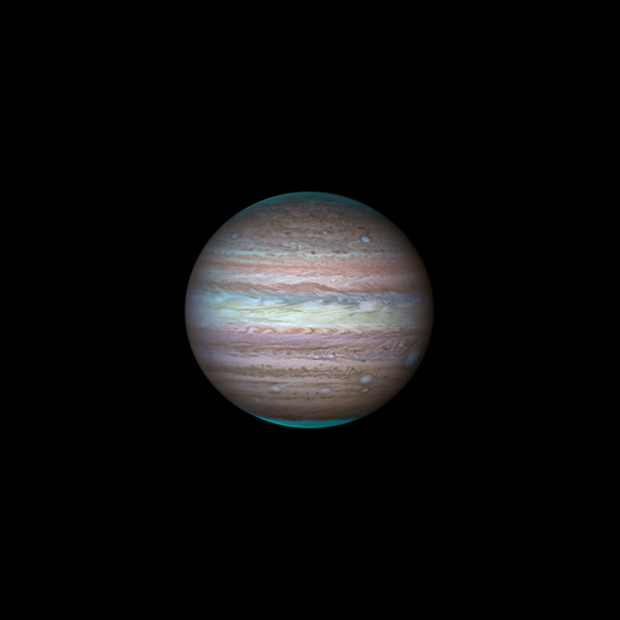 somber stratus
glacial sable
i'm thinking about combining it with rgb
somber stratus
glacial sable
i'm thinking about combining it with rgb
for false colour, RGB isn't all too useful. Other IR passes are the best for that
glacial sable
somber stratus
for false colour, RGB isn't all too useful. Other IR passes are the best for tha...
ok, thanks
glacial sable
somber stratus
for false colour, RGB isn't all too useful. Other IR passes are the best for tha...
then what should i combine it with?
somber stratus
Other IR passes
742+ works, as does RG610
I explain what Lyaphine & I did in the AB post above
steep apex
somber stratus
I've done plenty of CH4 yeah. https://www.astrobin.com/ts8wtm/
Is CH4 plus IR?
somber stratus
Says the palette we used in the description.
 shell epoch
somber stratus
I've done plenty of CH4 yeah. https://www.astrobin.com/ts8wtm/
shell epoch
somber stratus
I've done plenty of CH4 yeah. https://www.astrobin.com/ts8wtm/
Your planetary imaging skills, are Nasa level good
it amazes me every time you post
cloud copper
new ISS image, this one isn't so good, I was kinda out of focus, I was focusing in a hurry because the ISS was visible and I didn't have all of my things optimised(settings, focus, finderscope)
 late spoke
cloud copper
new ISS image, this one isn't so good, I was kinda out of focus, I was focusing ...
late spoke
cloud copper
new ISS image, this one isn't so good, I was kinda out of focus, I was focusing ...
Are you kidding that’s amazing!
cloud copper
Thanks, but could have been better in my opinion
thin aspen
cloud copper
new ISS image, this one isn't so good, I was kinda out of focus, I was focusing ...
That still brilliant did you hand track
cloud copper
Yea
thin aspen
Nice
cloud copper
I’ve gotten better at hand tracking since my last attempts
cloud copper
Is the Neptune-c II a good camera for planetary?
Found it second hand at a decent price
 hasty hull
Yep, one of the goats
 limber reef
Which lenses are best for planetary imaging
dark cargo
limber reef
Which lenses are best for planetary imaging
You usually don't image with an eyepiece, unless when using a phone in which case any plossl should be fine. but you'd probably still have some things like chromatic abberation from the phone lens.
If using a DSLR or astrocam you'd want a decent barlow.
dark cargo
I don't really know that much about phone planetary, but you'd want to get 1:1 video(1 pixel on sensor = 1 pixel in video aka picture and video should have the planet be a similar diameter in pixels). and you'd want each pixel to see a distance of roughly 1/3rd of the dawes limit of the scope.
 steep apex
limber reef
I’m using my phone
steep apex
limber reef
I’m using my phone
Plossl and X-Cel barlows worked pretty good for me
limber reef
X2 x3 x5???
steep apex
limber reef
X2 x3 x5???
3x
limber reef
For planets?
steep apex
limber reef
For planets?
Yeah
limber reef
Oh alr then i already got one
steep apex
I used to do planetary phone astrophotography
somber stratus
cloud copper
Found it second hand at a decent price
Surprised you even found one second hand
Usually people keep them
cloud copper
Ig
It’s 1400 lei
And a Uranus c is 2500 if I buy it from a Romanian website
But 1500 lei if I buy it from Player one
somber stratus
I’d just get a new one
Barely 10% more from P1
I’d look into the Neptune 664 also
That’s better than the C-II
cloud copper
But is Uranus c better that Neptune 664?
somber stratus
If you look at the performance of the pixels, no. It’s just a smaller sensor.
Just as good in the majority of cases
Uranus-C just has a little more FoV and passive cooling
cloud copper
If you were to buy a camera now, which one would you choose?
somber stratus
I think the 664. When I got my Uranus-C, the 664 didn’t exist
Although I still think the Uranus is worth it.
I like the extra FoV
somber stratus
Yeah if I were you, I’d 100% go for the 664
cloud copper
Nice, but should I buy the camera first and wait on the Eq platform ? Or the other way around?
somber stratus
I’d probably go for the EQ first since you have a 224
Then you can at least use a longer focal length with the Neptune 664 when you get it
Hand tracking you’ll notice little benefit
cloud copper
I have to have a decent setup until summer, when the planetary season comes
12” dob
Neptune c
Eq platform
3x barlow x cell
Adc omegon
Uv ir cut filter
Do I need anything else ?
somber stratus
Not particularly. Maybe an IR pass filter for poor seeing nights but that’s not “needed” per se
cloud copper
Does it help with the seeing? I don’t have many good seeing nights here
somber stratus
Can get a 685 from player one when you order the camera.
And yeah longer wavelengths are less affected by seeing.
But you lose intrinsic resolution through a worse diffraction-limit so if seeing is excellent, you won’t resolve as much as you would in visible light. It’s a trade off
cloud copper
Neptune c
Eq platform
Adc
Ir pass
Barlow(I already have a gso 2.5x)
From this list what should I purchase first ?
somber stratus
EQ, then ADC, then Neptune then IR pass imho.
Sorry, Barlow before Neptune
With ADC
somber stratus
Just understand that to get the most out of the Neptune 664, you’ll need a long focal length and an ADC. For that you need the EQ platform first.
You can maybe leave the barlow upgrade until after, but you definitely should get the ADC before, or with the camera
cloud copper
Does it make such a difference?
somber stratus
Oh yes. ADC is huge (unless you live near the equator)
somber stratus
 somber stratus
cloud copper
Do you have an Eq platform or just the goto ?
somber stratus
cloud copper
Do you have an Eq platform or just the goto ?
GoTo Alt-Az
thick heron
Even near the equator it still helps to have one when aiming lower than ~65 degrees.
cloud copper
Is 40 minutes of tracking good for an Eq platform?
Found a guy that can make me one for 200€
somber stratus
Yeah. Lyaphine’s lasts about that time. Having used it, it’s very manageable
Becomes slightly annoying if you want to do long time-lapses but that’s a bit of a niche
cloud copper
Eh, if you align it back fast it won’t be a problem ig
somber stratus
Yeah but the apparent rotation of the planet in the FoV changes too
cloud copper
@somber stratus I’ve looked in to the Neptune 664C, looks really good
But what does sensor tilt do ?
somber stratus
cloud copper
But what does sensor tilt do ?
Don't need it, but it can be used to remove interference patterns in Solar H-alpha imaging.
Or fix tilt in wide DSO images, but again you won't need it for long FL planetary
cloud copper
Ok, good, thanks
zealous smelt
I really don’t know how to debayer. I always get this grid artefact. What might I be doing wrong?

I use pipp to debayer. Select “debayer raw image files” and bilinear debayer algorithm
 final bear
1 hour of rotation on Jupiter from back in February with my nexstar 4se and svbony sv305
 cloud copper
Guys, do you think that it’s possible to use this goto mount on a spring telescope, like the one from omegon

 somber stratus
No, the mating mechanism is completely different
high hull
duct tape
cloud copper
somber stratus
No, the mating mechanism is completely different
Oh that sucks, is there a goto version for a spring telescope ?

 ruby tartan

 unkempt igloo
cloud copper
Well a 40 min rotation is fine to XD
unkempt igloo
cloud copper
Well a 40 min rotation is fine to XD
EQ platforms are very good but have limitations as you have discussed with Tom
I have the Neptune Cii and its great but for a little more get the 664 as discussed again
When you reset the platform just rotate the camera in the focuser 10 degrees (if its 40 minutes) and go again.
Here is the last video i have uploaded of Saturn using a planetary camera and its the Neptune Cii and the 664 is a better camera in nearly every way so you are in good hands - https://youtu.be/EzHX4lVIe7s

Scope - 16" Hubble Optics Dobsonian
Camera - PlayerOne Neptune Cii
Siebert Optics Barlow 4.6x
Optalong UV/IR cut filter
Any questions please ask
Damien
steep apex
ruby tartan
<@565827575297867776> IS THIS REAL???
Real
cloud copper

TikTok
185 likes, 15 comments. “#space #saturn #solarsystem #astrology #astronomy #astrophotography #telescope #foryou ”
Is this even possible with such a small scope ?
I bet it’s not his video
Looks too detailed for a afocal video
somber stratus
cloud copper
https://vm.tiktok.com/ZGeaVWUrH/
That's literally my clip I uploaded to my IG
lmao
stolen, very cool


 livid sierra
Was gonna say I thought it looked familiar
cloud copper
somber stratus
That's literally my clip I uploaded to my IG
Yea, I thought that it was your vid but I wasn’t sure
@somber stratus did you say something to that guy, he deleted the video 😂
somber stratus
cloud copper
<@125651543167991808> did you say something to that guy, he deleted the video 😂
yeah lmao
I said something along the lines of "This live view of Saturn is my content, not cool dude. As least make it believable with such a small aperture..."
cloud copper
You can’t get that amount of details, even in perfect seeing with the best camera out there, with a 4”
 somber stratus
No

 slate juniper
cloud copper
slate juniper
cloud copper
bro chill xd
high hull
cloud copper
Do you think that I could fit this scope on an eq6 pro mount ?
maybe once
zealous smelt
Does an ADC cause dimming like a Barlow?
livid sierra
If placed between the Barlow and camera then yes, because it will act as a spacer and increase the magnification of the Barlow thus increasing the focal ratio
somber stratus
Transmission is pretty high for the visible spectrum if you mean the ADC in and of itself. Poorer in the UV and progressively longer wavelength IR.
white prawn
Regardless of transmission: setup and configuration (by which I mean "adjusting so that it does its job and improves image quality") of ADC is a complete, total, royal pain in the rear.
somber stratus
I disagree. Once you know the axis with which to orient it, it's relatively easy. Harder on EQ mounted setups though as the horizon line as viewed through the scope rotates with time.
thick heron
Just level parallel with the ground on EQ mounts.
somber stratus
thick heron
Just level parallel with the ground on EQ mounts.
Only works for SCTs right?
not eq-mounted newts
thick heron
Sounds like a newtonian problem.
 heavy mirage
Fork mount + ADC would be the dream
thick heron
I hear dobs are pretty good, but can’t confirm yet.
cloud copper
thick heron
I hear dobs are pretty good, but can’t confirm yet.
What scope do you have ?
thick heron
cloud copper
What scope do you have ?
I’ve had a FlexTube 400P since December. I’m still waiting for a good night to use it.
somber stratus
Tracking isn't that great tbh
good enough for planetary obviously, but not DSOs by a long shot
thick heron
somber stratus
Tracking isn't that great tbh
Do you have the aux encoders on?
I think they screw with tracking so try turning them off next time. You will lose the ability to manually aim without losing alignment but I could notice a difference in tracking.
somber stratus
thick heron
Do you have the aux encoders on?
Probably. How does one turn them off
I assume somewhere in the HC settings
thick heron
somber stratus
Probably. How does one turn them off
 livid sierra
Interesting. I turned them off now, curious to see how it’ll track next time
heavy mirage
somber stratus
Tracking isn't that great tbh
I find that the tracking does better when the object is in the south western hemisphere/when the object is past max altitude. For the most part at least the 10", the tracking fairly well in azimuth but altitude definitely lacks precision
livid sierra
I know what you mean. I find it also depends on what buttons you last press when aligning. I.e. up/right or down/left
I once did alignment twice, once with up/right and once with down/left, noticed a significant difference in tracking between the two. But I don’t remember which was better.. whoops
livid sierra
livid sierra
I know what you mean. I find it also depends on what buttons you last press when...
Pressing the buttons meaning actually slewing in that direction for a little before confirming alignment
heavy mirage
livid sierra
I know what you mean. I find it also depends on what buttons you last press when...
Yes, also if you use the synscan app they allow 3 star alignment and I believe the encoders are off by default. When doing alignment, I use up and right exclusively I'm not sure it actually matters but I did read something about it in a forum
heavy mirage
Yes, you're right actually
livid sierra
Got it

The part about Mechanical Backlash
But I have not found this to be accurate in practice
Like that one time I tested both ways
I think, like you said, it depends on whether the object has passed the meridian or not
If it’s rising or setting
livid sierra
Wobbly is not good though, what do you mean
fading plume
heavy mirage
I find that the tracking does better when the object is in the south western hem...
Mines the opposite. Bad in azimuth. Maybe it needs relubrication or a proper bearing installed.
thin aspen
heavy mirage
I find that the tracking does better when the object is in the south western hem...
My 10inch is pretty dreadful sometimes. Sometimes it just stops tracking completely and I loose the planet. It also takes a while to resume tracking after I adjust the position slightly. Like a delay between tracking and moving, probably backlash.
heavy mirage
thin aspen
My 10inch is pretty dreadful sometimes. Sometimes it just stops tracking complet...
Are you using the hc to control your scope?
Sometimes the hc cable disconnects. I think on my Dob the hc is dead so I just user synscan app on my laptop
You also may need to adjust your altitude limits
thin aspen
heavy mirage
Are you using the hc to control your scope?
I use the WiFi unit which I find so much easier than the hand controller. Also with the altitude limits, would that be an issue as the max I have tracked is 50 degrees with it happening. Seems like it would be an issue if you close to zenith
cloud copper
Guys, how can I modify my dob for a dslr to reach focus without using a barlow ?
steep apex
cloud copper
Guys, how can I modify my dob for a dslr to reach focus without using a barlow ?
I’ve had this problem with my Astro-cam, what I did was move the primary mirror forward
cloud copper
How ?
steep apex
The collimation screws, you turn them all in one direction to move them up or down
I would go to a star and unfocus it then see which way gets your camera focused
Might be another way but that’s how what I learned
cloud copper
Does it mess up the focus to eyepieces? Is there a chance that I won’t be able to use an eyepiece
cloud copper
Guys what’s the best ir pass filter that I can use for planetary imaging? 685, 810…
thin aspen
I think if your seeing is very bad 810nm is best as it’s cuts through more of the seeing. I believe it’s quite a hard decision as, correct me if I’m wrong, the longer the wavelength, the less it is effected by seeing but the resolution however decreases too.
cloud copper
I’m thinking that a 685 is a good option
wispy pagoda
thin aspen
I think if your seeing is very bad 810nm is best as it’s cuts through more of th...
Yep exactly, so the more seeing limited you are, the more infrared you can go
So it depends on your diameter and tipical seeing conditions
cloud copper
wispy pagoda
So it depends on your diameter and tipical seeing conditions
I have a 12” and I usually have a 2/5 or 3/5 seeing
 dark cargo
cloud copper
Guys what’s the best ir pass filter that I can use for planetary imaging? 685, 8...
dark cargo
cloud copper
Guys what’s the best ir pass filter that I can use for planetary imaging? 685, 8...
aren't you using a DSLR? the stock ir cut filter on them will block everything after around 650nm, so can't really use an irpass
cloud copper
Here’s a live taken at 1800fl with it tracking a dob
See posts, photos and more on Facebook.
cloud copper
dark cargo
aren't you using a DSLR? the stock ir cut filter on them will block everything a...
No, I have a dslr for deep sky.For planetary I use a ceres-c Imx 224
dark cargo
cloud copper
No, I have a dslr for deep sky.For planetary I use a ceres-c Imx 224
Ah in that case you'd be fine, you'd have less signal in IR but since you are using a 12" dob and unlikely at maximum sampling you should have plenty of light.
 sharp ridge
cloud copper
Guys what’s the best ir pass filter that I can use for planetary imaging? 685, 8...
sharp ridge
cloud copper
Guys what’s the best ir pass filter that I can use for planetary imaging? 685, 8...
- 850 is pretty useless unless you got a massive aperture and even then if your seeing is that bad youre not gonna get a good image anyway
cloud copper
Than what should I choose ?
sharp ridge
685nm
cloud copper
Ok
cloud copper
sharp ridge
I use the player one model
Is it better than an uv ir? And what’s the difference?
sharp ridge
cloud copper
Is it better than an uv ir? And what’s the difference?
uv ir you should get/have no matter what
685nm is for poorer seeing conditions
 livid sierra
@cloud copper do you understand the spectrum of light? The UV/IR cut filter passes the wavelength 400nm-700nm, which are the wavelengths we can see, so it produces colour images. An IR filter, say 850nm, passes wavelengths we cannot see (IR), so it will produce a monochromatic image. UV/IR Cut and an IR pass are not the same, one is not better than the other
They are used for different purposes
A 610nm pass would pass from 610nm, so it’s R+IR, the little bit of 610-700nm we would be able to see if we were to look through the filter, but higher than 700nm we cannot. This filter could be used for unfavourable seeing, but not terrible
sharp ridge
tks Duif
cloud copper
So that’s the filter I want, the 685
livid sierra
livid sierra
A 610nm pass would pass from 610nm, so it’s R+IR, the little bit of 610-700nm we...
Also it’s not a hard cutoff. We actually can see a little bit of 700+nm, and it varies from person to person. But yes essentially 400-700nm UV/IR Cuts are designed to make images that resemble what our eyes can see. But the deeper you go into the IR, the longer the wavelength, and the less it’s affected by atmospheric seeing.
cloud copper
Thanks duif, good info
livid sierra
cloud copper
So that’s the filter I want, the 685
It could be. If you also want some of the R signal for better resolution and more light you could go for the 610nm. The deeper you go into IR the lower the sensitivity of your camera, so for 685nm pass you will need to use longer exposures or gather more data
But looking at the response graph of your camera, 685nm would be quite fine
cloud copper
I have a 12” dob and an imx224.I usually have a 2/5 or 3/5 seeing.What filter would you recommend?
cloud copper
livid sierra
But looking at the response graph of your camera, 685nm would be quite fine
Sounds good
livid sierra
Do remember imaging with an IR filter will produce monochromatic images, so grayscale. You could do IR+RGB (using IR as luminosity and UV/IR image for colour data), but that doesn’t work for every planet
With Jupiter for instance it’ll throw off the colours a bit
cloud copper
Okay
somber stratus
685 is a safe bet
unkempt igloo
cloud copper
How does this look ?
That looks good👌
 alpine escarp
lucky imaging of jupiter with grs

 wet nest
so it does float!
high hull
nooo lore inaccurate
 whole osprey
alpine escarp
lucky imaging of jupiter with grs
whole osprey
alpine escarp
lucky imaging of jupiter with grs
Proof Jupiter is buoyant.


 carmine void
 stark abyss
What camera?
stark abyss
carmine void
What camera?
Web cam
 lament turtle
guys what is meant by data for derotation??
thin aspen
lament turtle
guys what is meant by data for derotation??
Could be Winjupos measurement files that can be used to derotate a planet like Jupiter.
lament turtle
Wait so how do they help???
somber stratus
lament turtle
Wait so how do they help???
https://www.youtube.com/watch?v=i5BdwYpWW-s This explains it fairly well
A basic introduction to WinJupos with guest cameo from Cory Schmitz.
WinJupos :
http://jupos.privat.t-online.de
Cory :
https://www.youtube.com/playlist?list=PLi1FXbnJzWqCh5s4qoxSNx80NMBJ8lk7z
https://twitter.com/TheAstroShake
Support the channel by buying Dylan's Telescopes, Cameras & Equipment using the links below!
EQUIPMENT LIST
————
...
You're essentially stacking stacks to increase the signal to noise ratio
Allows less denoising so you retain more detail.
white prawn
somber stratus
https://www.youtube.com/watch?v=i5BdwYpWW-s This explains it fairly well
Do you know how I can preserve the timestamps from the video so that I don't have to manually input them in WinJUPOS?
Oh. Also. Hi.
livid sierra
Your capturing software should have an option to put the UTC times in the filename
Which WJ can then read
white prawn
Sharpcap. It does. When I run the file through PIPP to extract frames, PIPP can't read it
livid sierra
Extract frames? PIPP can’t read it? PIPP doesn’t need to read anything
white prawn
Yeah. With image processing, use PIPP to convert video to individual frames, send those frames through AutoStakkert. PIPP has an option to extract the date/time. Problem is whenever I've checked the box PIPP gave me a "can't get the info" error. Even though it's right there in the log for the file.
 livid sierra
There is no need to use that option if you’ve enabled Sharpcap to format the filename in WJ style?
Also are you converting your frames to individual image files using PIPP? If so I recommend exporting as .ser or at least .avi instead
white prawn
livid sierra
There is no need to use that option if you’ve enabled Sharpcap to format the fil...
Didn't know that.
white prawn
livid sierra
Also are you converting your frames to individual image files using PIPP? If so ...
That's how I've always done it. Record as ser/avi, then run that through PIPP to get the individual images in tif format.
livid sierra
Why exactly?
white prawn
Um. How else does one get things into AutoStakkert?
livid sierra
AutoStakkert reads ser?
There’s absolutely no need to convert your ser file to tif files so AS! can read them
white prawn
Record -> PIPP to get individual frames -> Send frames through AutoStakkert -> Select/stack
livid sierra
Maybe to remove empty frames with PIPP, but not to convert to tifs
AS! takes ser as well as avi files
white prawn
Hm. I'll have to try something then. AutoStakkert never worked w/ the actual recording, only images.
livid sierra
What would it say if you tried to stack the actual recorded file?
white prawn
PIPP still comes in handy if I sneeze during manual tracking though and lose the planet ...
livid sierra
Yeah you can use it for that, but I don’t know anyone who solely uses PIPP to convert to individual tif files in order to stack with AS!
That’s really inefficient
white prawn
You just found a dude.
Going to try running an avi or ser through AS!
livid sierra
If you use PIPP to remove empty frames you can still just export as ser again
white prawn
Working on an avi right now for testing purposes. Seems to have worked.
livid sierra
Yeah lol
white prawn
And here's the output.
 livid sierra
I recommend recording in .ser though, since using ser player allows you to watch the raw data debayered, while playing an avi file shows you undebayered footage
livid sierra
white prawn
And here's the output.
It’s like magic huh
white prawn
Yep. My image completely disappeared.
livid sierra
livid sierra
I recommend recording in .ser though, since using ser player allows you to watch...
Also ser player has some minimal editing features
white prawn
What I mean is that there should be a planet in that image. It should be:
