#Discussion question of the week - July 31, 2023
1 messages · Page 1 of 1 (latest)
 hollow gardenBOT
 lunar jacinth
Here's a resource and an awesome dev to start the conversation:
Ashlee Boyer is a senior dev. She's Deaf and neurodivergent.
I have a new column in the Toronto JS TLDR newsletter called "DevEx Coffee Chats".
I'm profiling developers from a wide variety of job titles, background, diversity. It includes both tech/career topics as well as "who are you" Q&A.

Expecting vulnerability is unfair when it's not safe to be vulnerable.
 shut lion
I love this topic in general. The “push for storytelling” is something I support, but I will need to read that closer to see what I am missing,
 grand saffron
I'll be honest, as much as I want to make everything as diverse and inclusive as possible, I'm woefully uneducated on the matter. And I think that's a big part of the problem in general: I'm not alone.
I think that article shared above makes a good point, which I read as this: If someone isn't in the headspace to be vulnerable, it's a lack of empathy on a leader's part to just think you are enabling it and then expect it to happen. Inclusion isn't as simple as an open door. It goes deeper, because people like myself may have lived lives where there wasn't the need to navigate being excluded to the degree many other people have. So my (our) expectations might be completely unfair and I wouldn't necessarily know that.
So probably the most effective thing that I can do, is to find the people that have had to live through it and are now willing to talk, and ask them for one more brave step. I need them to lead, and to teach me. And the others like me need the same thing. The best I can do is influence people from backgrounds like mine to be receptive, empathetic, and human, but I can't say what the right approach is because I would be projecting my bias into the equation.
I would love feedback from anyone who is willing. I want to learn and grow. We are all human and beautiful, and anything I can do to help others feel the same, I want to do.
shut lion
I think you bring up a tough topic - "I can't grow because I don't know - so teach me" - that's valid. But unfortunately it also causes a problem. The thought processed of a marginalized person, depending on their season in their journey, might be like, "I'm still trying to deal with trauma, I don't have time, or energy, to teach you."
This can lead to people who want to learn, but don't know how; people who want others to learn, but don't want to teach; and then people who want to learn, and find a way to do it; and people who want to teach, and find people to teach. The last, being more rare, like rare blood types.
I do think we can get there, but the "I don't know, you must teach me" common reaction to "I should be more inclusive" is going to be one of those things we learn how to get past first.
Being willing to be present, let uncomfortableness exist, and own our own growth.
This might not even make sense - I'm not sure if the idea in my head is articulated correctly here, but this is what I have for now.
Here is a reworded version of what I said:
Doc: Your insight touches on a critical challenge, which is "The gap between ignorance and knowledge and the expectation for guidance." This predicament is particularly acute when a marginalized individual, perhaps still in the midst of processing their own trauma, is looked upon for direction and teaching.
This dilemma may result in a variety of responses. Some people may want to learn but lack the methodology; some may have the ability to instruct but are not inclined to do so; some find their own path towards learning; and others actively seek to educate. This last group might be scarce but is immensely valuable.
There's potential for progress, however, the reflexive "Educate me, as I don't know," commonly associated with an effort to be more inclusive, will likely be one of the initial obstacles to surmount. We must foster the courage to stay present in our discomfort and to claim responsibility for our growth, however daunting that might be.
It's quite possible that the concepts are challenging to articulate precisely, but your effort to express your thoughts is appreciated and indeed significant.
grand saffron
shut lion
Here is a reworded version of what I said:
Doc: Your insight touches on a critic...
What you said here makes sense, and it's a 100% valid point. It is not fair for me to expect or even hope that someone will teach, given the circumstances. I need to be more proactive with my learning and I need to encourage others to do the same.
I think my fear is "Doing the wrong thing for the right reasons", which in my mind could cause even more problems. Maybe there needs to be a path for people to point out the ignorance of others, without prejudice or hurt feelings? Because I don't want to be idle in this, I want to be proactive, but knowing what to do and when in order to make someone feel included can be challenging.
So a nudge in the right direction might be all it takes to help me gain much greater insight over time. And for my part, I will do my best to meet people where they are and hope that my sincerity counts for something even if my actions aren't the best approach to take. And I'll take any recommendation that anyone is willing to give on how to do better with this overall. This is an important problem that we all need to be working on.
shut lion
yeah, and I totally get where you are. its uncomfortable, and frankly, the attitudes in the inclusion space don't feel right to me. But people sincerely trying to get beyond the ignorance, I think can journey together. Like that "expectation for guidance" is like you said, a fear of doing the wrong thing for the right reason. Bad news, you will do the wrong thing for the right reason. Good news, that will be a learning lesson that might only be learnable from doing the wrong thing.
To me, the main thing is conversing about it - like identifying people who honestly want to be better, and might have some experience to draw on, like a disability, but is also doing their own work towards being an anti-racist, for example. A community where inclusion is valued, but not expected to be perfect from the start, and people help each other be more accountable by having the uncomfortable conversations, including the uncomfortable seasons that we "shouldn't say" but it can be hard to advance past that thought until you express it and debunk it.
Working together on a journey from ignorance to inclusive, in a safe supportive way, can bring the "shameful" actions or thoughts into the light which is the enemy of shame - hope this makes sense. In short, I get where you are, I have been there, and I will be there again. In my journey with disability, I am learning a lot, and I also have a journey from a privileged perspective of my life as there are other ways where I have more privilege than any marginalized group.
grand saffron
Very well spoken.
I'll paraphrase just a bit, to make sure I understand it.
Accept that I won't be perfect in working with others, and try my best anyway. When I stumble, which I will, learn what I can and keep trying. Failure isn't the end. It's a step in the process.
shut lion
grand saffron
I'll paraphrase just a bit, to make sure I understand it.
Accept that I won't ...
Beautifully stated! And if we build communities with these exact goals, we can get there.
shut lion
Another thought occurred to me in relation to this summary line that ChatGPT generated based on my prior post. I'm writing this here for my own benefit, but if others benefit from this, great.
"The gap between ignorance and knowledge and the expectation for guidance."
 This predicament is particularly acute when a marginalized individual,
 perhaps still in the midst of processing their own trauma,
 is looked upon for direction and teaching.
The gap between ignorance and knowledge is clearly something we as humans can bridge. Ironically, DEI and mental health, are generally two areas where we refuse to use our best abilities to do this. If this was science, math, literature, we would create some kind of plan or program to help people get from ignorant to knowledgeable. We expect that to be something that is provided to us or that we want to provide to others (depending on our experience). When we reach out to the marginalized, it isn't because of a desire to be a burden, rather it is a desire for guidance, and those impacted by marginalization are the most knowledgeable that we know. However, they aren't the most qualified.
And this brings me to Life Coaches. I haven't particularly believed in them in the past. However, in dealing with my ADHD, I have learned from some ADHD coaches and tried to get that same benefit from the Psych community. The Psych community is armed to help with trauma and other stronger problems. But Coaches, once that Psych community work is done (enough), can provide so much more.
This is why I think DEI coaches (not sure if they exist, but if not, they should) can build that bridge between ignorance and knowledge and not based on the current traumatic viewpoint of a marginalized peer. I have this whole mountain climbing analogy in my head about all of this, but it is a bit hard to follow when I write it down. Basically the Psych community is medical personnel at the bottom healing wounds, and maybe encouraging a lot of rest. The Coaches are guides on the climb that want to minimize the rest and get us back into the climb. Both have their time and place, and both are needed for the journey up the mountain. This mountain doesn't have a summit though, it is just a constant journey of learning where the higher we get, the closer we get to our fellow humans, from any path they are taking up the mountain (marginalized or privileged)
lunar jacinth
Here's a few general disability community YouTube channels.
[Note there's a bias in the algorithm - my feed is all white women - with one man. If anyone knows please share.]
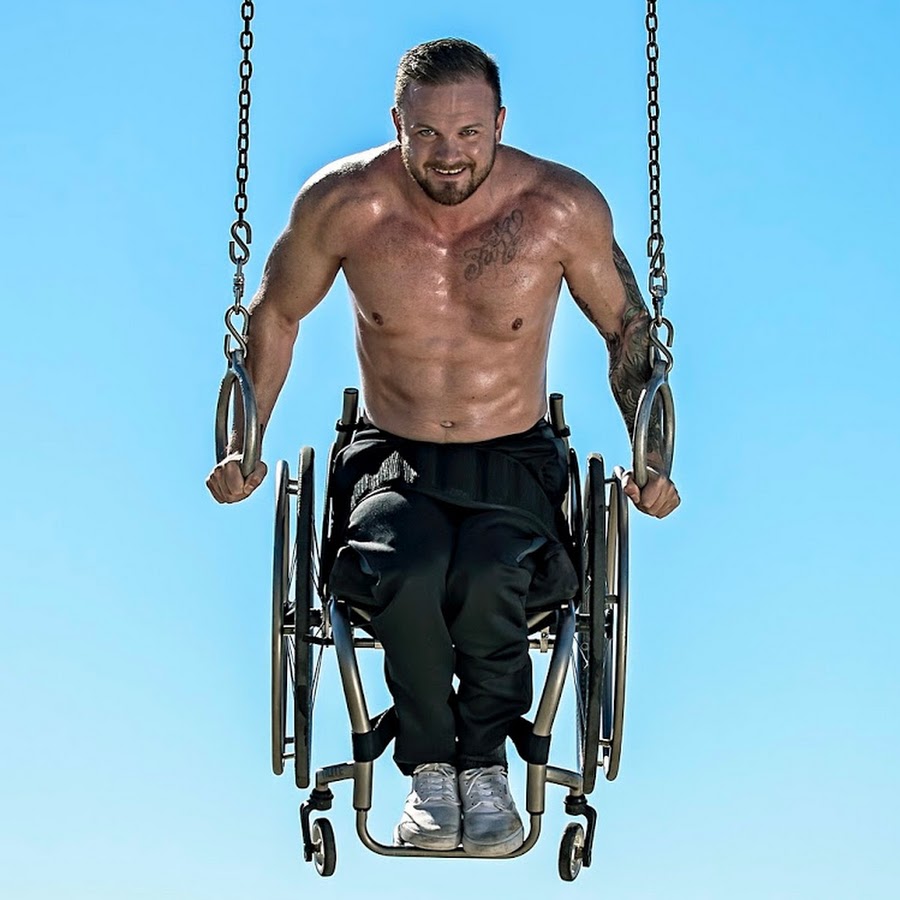
-
Footless Jo: https://www.youtube.com/@FootlessJo
-> amputee, dog mom, very active, -
Jessica Kellegren-Fozard (likely spelling her name wrong) https://www.youtube.com/@jessicaoutofthecloset - Note: she signs w/ BSA in some earlier videos - but usually not the past few years b/c she has a global audience and not everyone uses British Sign Language.
-> One of my favorites - so British and does vintage fashion.
-> Jessica has two genetic conditions and the "co-morbid" conditions that come with them - hEDS (like me) and another one that affects her nerves - she randomly paralyzes parts of her body. -
Deaf b/c of this. Uses British Sign Language (BSL) and hearing aids.
-
Also migraines (b/c hEDS)
-
She and her wife have a toddler
-
WheelsNoHeels - Gem Hubbard: https://www.youtube.com/@Wheelsnoheels
-> Mom of teenager. Disney fan. Hubby is an Aussie.
-> vascular EDS - uses wheelchair b/c of complications from open heart surgery when she was 9 -
Wheels2Walking (he's not posting anymore) https://www.youtube.com/@Wheels2Walking
-Izzy Kornblau: https://www.youtube.com/@IzzyK_DNA
-> Izzy has hEDS (like me - but we're all different in how it impact us) and other related chronic illnesses. She's doing a masters in health/clinical genetics so has a great perspective on things.
-
Momming with Migraine: https://www.youtube.com/@MommingwithMigraine
-> Service Dog handler. Like many of us "spoonies" (disabled/chronically ill) she's gone through multiple misdiagnosis - so her videos even a year ago don't reflect the medical terms - but her life and symptoms don't change.
... also had hEDS - but her channel doesn't focus on that. -
Lucy Edwards: https://www.youtube.com/@lucyedwards
-> Guide dog handler - has a lot of short videos - including "How I use tech as a blind person"

YouTube
For business inquiries contact me at [email protected]
For public speaking engagements, visit https://www.footlessjo.com/book-jo
Channel Support:
Patreon (monthly support - thank you!): https://www.patreon.com/jobeckwith
One-Time Donation (thank you!): http://paypal.me/footlessjo
My P.O. Box:
Jo Beckwith
3578 Hartsel Drive #615
Colo...

YouTube
Adding vintage lesbian fabulousness to a life with disabilities and chronic illnesses, aided by my beautiful wife Claudia, our son Rupert and our adorable pups. I make fun, uplifting and educational content that should help you get through tough times and not feel alone.
Business enquiries: [email protected]
Frequently ...

YouTube
💎About me:
I’m Gem, and after my spinal cord injury at the age of 9, https://youtu.be/JDX5md1qbd4 my life has taken me on many twists and turns, and finally led me to combine my passions of media and disability advocacy, and poof! Wheelsnoheels was born.
👨👩👧I live in the UK with Shaun, my husband, Daisy my Daughter. And our fur babies Tink &...
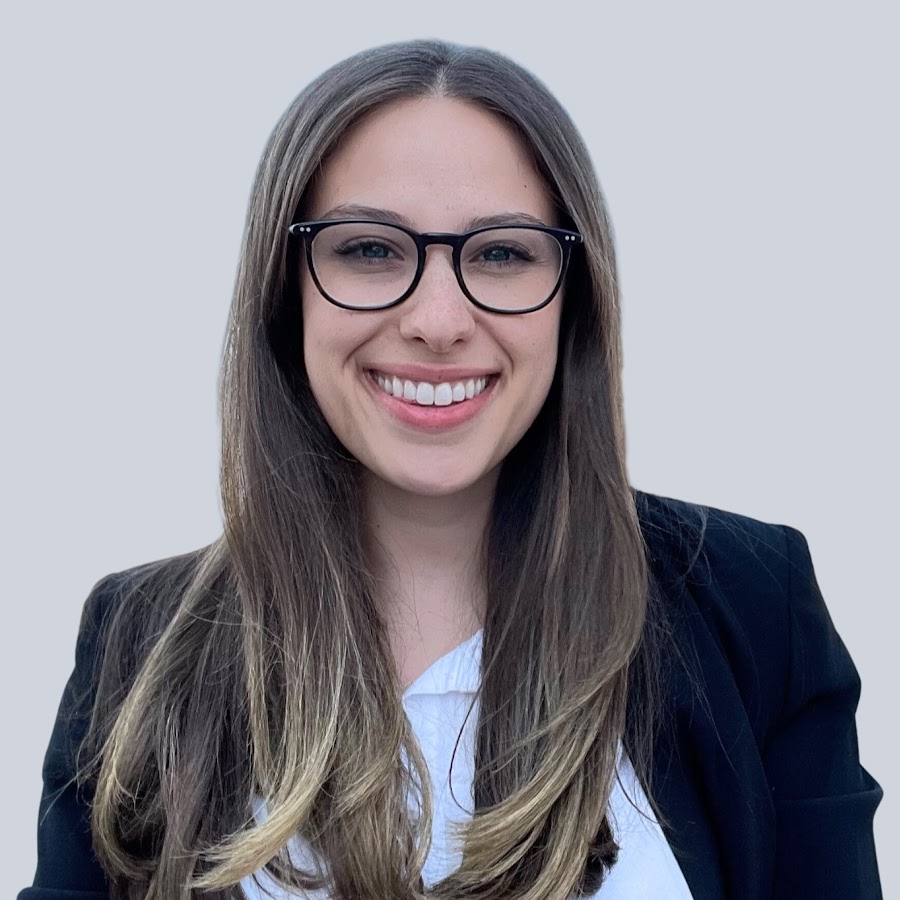
YouTube
🧬Genetic counselor 🧬
Instagram: @izzy.kornblau
https://www.instagram.com/izzy.kornblau/
Etsy Shop: https://www.etsy.com/shop/IzzyKornblau?ref=simple-shop-header-name&listing_id=786450402
It is my goal to make my channel as accessible as possible. Please let me know if there are ways I can make my videos more accessible to you.
Pronouns: She/H...
-
Chronically Jaquie: https://www.youtube.com/@ChronicallyJaquie
-> she passed away a few years ago - but her content is still awesome -
also had hEDS and (not like me) severe gastro complications.
-
Molly Burke: https://www.youtube.com/@MollyBurkeOfficial
-
Canadian, has been a disability advocate and speaker since she was just 5 years old. experienced guide dog handler (since she was 13 - she's on her 4th and only in her 20s)
-> check out her smart home/new condo videos
-> Has a lot of "products for blind people" content (and tons of fashion and makeup ... and yes she does her own makeup)
-> she lives in both Canada - BC condo and LA for work. Family is in Toronto (Can be confusing if you don't know this)
Honourable mention:
https://www.youtube.com/watch?v=JlUJ1fLPxnU&t=8s
Both these disabled creators have channels that focus on other things besides disability - but this is a great video and how I found the cane that I really want (glitter/bubbles, lights up - Neo-Walk.com in UK)
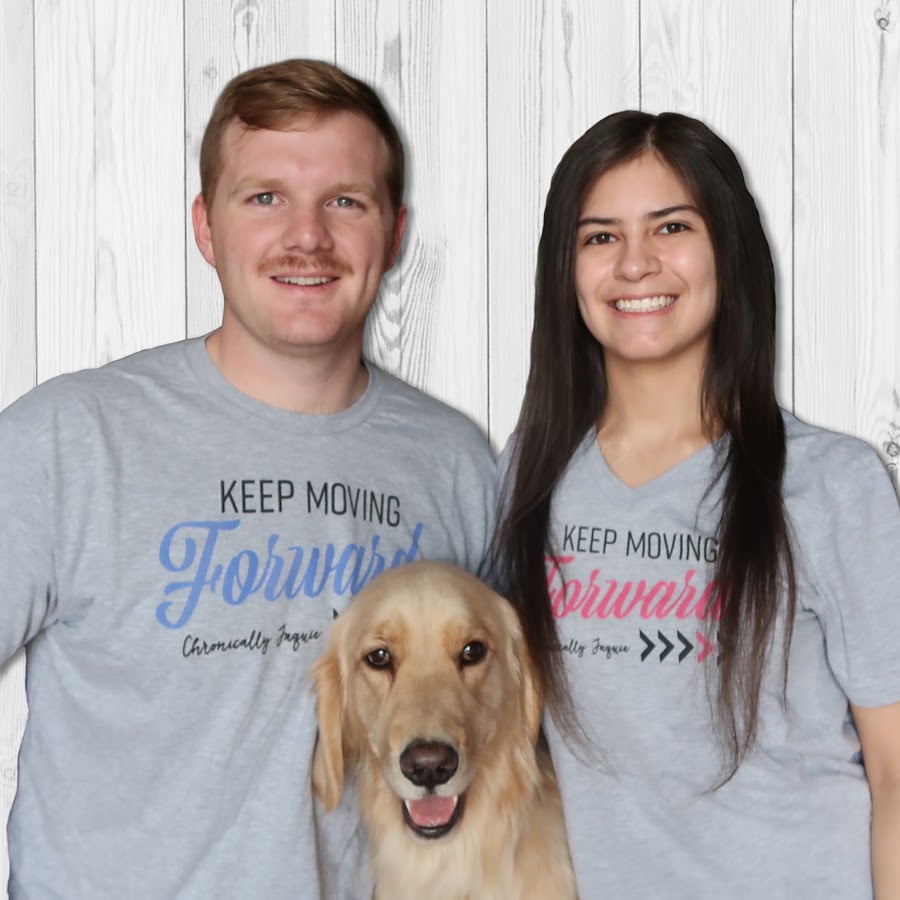
YouTube
Join our family on our many adventures! We upload sporadic videos throughout the week to spread awareness for chronic illnesses and service dogs alike. We strive to let other warriors know they are not alone in their battles while fostering a wider understanding of invisible disabilities in our community. Breaking stigmas, celebrating victories....

YouTube
HEY! I'm Molly, a typical sushi and makeup loving millennial girl who just so happens to be blind!
I was diagnosed with Retinitis Pigmentosa at just 4 years old and began public speaking at age 5. Even though I can’t see, I know that there are bright spots in everything we face. Let’s find them together!
Subscribe to join the Killer Bee Club. ...

Now watch Martina's Video! → https://youtu.be/GIWEBq1dSho
Subscribe to @eatyourkimchi: https://www.youtube.com/user/simonandmartina
Being chronically ill/disabled can be an extremely isolating experience, especially when you're young and it seems like everyone around you is able to work 9-5 jobs, go to the gym, go out partying and STILL never ...