#The linguist's lingo
1863 messages · Page 2 of 2 (latest)
 narrow hinge
Yeah there's not a lot of languages that have the background theirs does to bring it to its current form
They kept it through all their varying occupations over the centuries and, its variously, had forms heavily influenced by Latin, Arabic, and now Russian & Cryllic (for written form)
The root language itself is still more akin to a tribal construct language than a modern language, although, due to that context it has a very expansive set of additives while still keeping its old structure
 fast anchor
im using this service called Mondly for Spanish and Russian just to learn new words i love the russian one, the way words are pronounced seem idk how to explain it but not only unique but fun to talk in
narrow hinge
You don't see that very much in other similar environments because, say, if you were to take areas in the Middle East for example, a lot of the lingual influence is more linearly Arabic or English, with the main distinctions being dialectical rather than language itself.
fast anchor
Yeah I’m practicing Spanish now it just all sounds the same from different people
I think what taking notes on is when reading I have to break up the vowel sounds where as in English I don’t the sentence feels like it’s flows
fast anchor
Hey I was watching a video on that chanel that’s interesting. So Russia’s population is in decline and seeing an increase in the Muslim population in i believe they said southern Russia?
narrow hinge
I'm actually not sure about a broader increase in Muslim population in southern Russia. It's kind of stagnated in the Northern Caucasus since it's mostly rooted in predominance and the other smaller religious presence is also pretty rooted so it'd be harder to sway those folks.
 gloomy blade
fast anchor
Hey I was watching a video on that chanel that’s interesting. So Russia’s popula...
gloomy blade
fast anchor
Hey I was watching a video on that chanel that’s interesting. So Russia’s popula...
There are some other minorities that had some increase before the war
fast anchor
https://youtu.be/D7LDhtw2oaU?si=4_smGibNOT9qGi5z @narrow hinge finally diving into and learning about the Chechen War any resources you want to add

In the space of just a few years, Chechnya has undergone a remarkable transformation. Gone are the minefields and piles of rubble, replaced with broad avenues, luxury boutiques and glass-fronted skyscrapers. It’s virtually impossible to see there was ever a war.
Award-winning journalist, Manon Loizeau, spent the past 20 years covering the Chech...
narrow hinge
fast anchor
https://youtu.be/D7LDhtw2oaU?si=4_smGibNOT9qGi5z <@1039230174232838155> finally ...
Before I add any resources I have a major nerdism to go through first
What interests you exactly? JUST the war?
fast anchor
narrow hinge
What interests you exactly? JUST the war?
I have not learned the backstory yet. Anything is good to know
narrow hinge
I approach it this way cause something I've noticed over the years is people first diving into the wars, or the war era - or people actually just interested in the wars. For both, they tend to lack out on a lot of very important details from older times that are critical to know
So its important there - is it say, their peoples and culture that interests you, and this is just your starting point?
Or are you specifically interested in the wars?
fast anchor
Yeah this culture interest me as well
narrow hinge
I'll shoot you two little lists then in that case
Ones gonna be more just the war relevant stuff
That's a really tricky period for their culture too so theres a lot of stuff you can find that er, conclusions can be very different without understanding things pre-war
fast anchor
Pretty much spent the last several months on learning about Serbia and the Yugoslavia wars and conflicts it’s all interesting giving it a break
narrow hinge
Yeah aside from any conflict stuff they have an absolutely beautiful culture
Most of the bad stuff we hear about it is botched to high hell understandings of it (not that, it doesn't have some issues ofc)
And it's really sad because really the only media attention they get is "fighting russia" "scary terrorist"
fast anchor
There’s always missing information in the main message
narrow hinge
So even those Chechens under Kadyrov fighting in Ukraine, Russia even explicitly had them doing stuff to pump up for Influence reasons (people STILL talk about the "chechen tiktok battalions" - that was actually a "PSYOP" from Russia, tho, they dont use the term PSYOP specifically for their practice)
In reality actually, their cultural code, nokchallah
If an enemy is fighting you, and they are wounded
You are obligated to assist them, and see them to health
And you are then further obligated to set them on their way back home with enough resources to survive
fast anchor
narrow hinge
If an enemy is fighting you, and they are wounded
Moral code?
narrow hinge
If they come back to you with harm in their heart, you do what is needed. But as long as they do not die on the battlefield, that cycle continues
This is entirely lost in the ENglish space in favor of focusing on their religious extremists who exploit and ignore the cultural codes
narrow hinge
fast anchor
Moral code?
Yes/no
So they have a few of these
Nokchallah, Konahallah, Adamalla, Adats, etc
Nokchallah roughly means "Chechenness"
So while there is moral parts baked into it, it's more of an ethnic identity thing
Konahallah gets a lot more into actual moral and ethics
fast anchor
narrow hinge
So even those Chechens under Kadyrov fighting in Ukraine, Russia even explicitly...
Was that the crew that allegedly stood up to Russia at the start of the invasion and then suddenly were all slaughtered?
narrow hinge
fast anchor
Was that the crew that allegedly stood up to Russia at the start of the invasion...
nah there wasnt any of that happening with chechens
theres 3 camps of chechens in Ukraine
theres thoes fighting under Kadyrov, on behalf of Russia
There's those under the CRI MOD who, technically, are fighting for the Chechen government-in-exile
Which is a majority
Then you have a lot of individual Chechens who are fighting with Ukraine directly, rather than under the CRI MOD
All the named Chechen groups you hear about volunteering on Ukraines side are technically part of CRIs MoD
And yeah that's an actual thing they have generals and commanders etc that have a whole chain of command up to their exiled leader (Akhmad Zakayev)
fast anchor
That’s good info, I have to start from the 1900s
narrow hinge
It was actually kind humorous at the start cause, while everyone else was clambering for equipment for their units.... The chechen groups were posting videos of entire homes filled with freshly shipped M4s, grenade crates with the grandes still in their protective packaging fresh from warehouses and shit lmao
Still curious where they got all that from
I have some suspicions but for another channel
fast anchor
How Chechnya was as a society pre and post Russian constitutional crisis
narrow hinge
fast anchor
That’s good info, I have to start from the 1900s
Yeah this is where I'd start honestly, just, focusing on the war period, but theres a looooot of history thats important if you really want to nerd out
There's a lot of stuff in the end of the Soviet era that's important to understand
eg the Chechen populace somewhat already had been conditioned to life under Russian rule (going back far into the Russian Empire years)
The Soviets treated them absolutely brutally compared to the RE + ethnic cleansing and attempts to erase ethnic identities in the North Caucasus
This is what creates the very alienized view you have now
Although it's also why a lot of people are not actively fighting against Russia (two facet- there's runoff conditioning there+Russia restood them up economically while.. well, the rest of the world functionally supported Russia's war, and we still spread Russian disinformation about Chechens. We just ask them to pick up arms and die for us because, hey, maybe we might recognize them as a nation? Who knows, probably not, no one cared before.)
Then keying into their culture specifics too, that type of two-faced support and etc has an even greater level of severity than it does in cultures like ours
fast anchor
narrow hinge
The Soviets treated them absolutely brutally compared to the RE + ethnic cleansi...
Like how Russian language was indoctrinated into Transnistria?
Going to look into college library and find books on Chechnya around the 1900s
narrow hinge
fast anchor
Like how Russian language was indoctrinated into Transnistria?
Kind of but, much worse. Around the end of WW2, Levrentiy Beria approved "Operation Lentil" which was the forced resettlement of the entire Nakh ethnic family (more than just Chechens) to Central Asia. This was conducted in the latter parts of the year and the earliest, basically, when winter weather was at its peak. There is some debated, but an estimated 100k(lower band - English sourcing) - 400k (upper band - non-Soviet aligned regional sourcing) were killed during the resettlements, which, at a minimum, was a quarter of the entire ethnic family trees population. This set them all back functionally by centuries in terms of populace developments (and as a result things requiring people).
This was achieved by literally 100,000s of soldiers going door to door across their entire nations and rounding people into freight trains. The way they conducted this was absolutely brutal and there were many mass killings of Nakh peoples all across the region, like the massacre in Khaibakh where they basically rounded up the entire village of around 700 people and burned them all to death.
Beria then went on a rampage and ordered a witch hunt for Nakh peoples across the entire USSR. All of those that were resettled were also put into controlled settlements that were just as bad as some concentration camps the Nazis ran - the only thing lacking being experiments on them.
As an example of how that impacted their culture itself too. A lot of people point out their very strong views on women and children. Some of this is religious and cultural, although a major amplification point for example, was actually this. Because it already existed, the NKVD and Soviet soldiers would specifically target their women and children for violence as punishment to men. This was done basically across their entire ethnic population so it had a very grand effect on amplifying that protective element to a form a lot of people may consider "too much".
Small edit: Sorry for OT folks! We've moved the convo.
 north hazel
Interested in ppls thoughts on this https://medium.com/occrp-unreported/the-dominance-of-anglo-saxon-journalism-840c4e54e274

 midnight mortar
Translating stuff is really effective and a fun way to learn
 unborn turret
Depends on what you translate
I have translated manuals in Singlish to Spanish and that's definitely not fun 
And I learnt no Mandarin from that
midnight mortar
unborn turret
Depends on what you translate
Video game and fictional media quotes 😄
Recently translated the whole “crazed marine in Halo CE, Flood Introduction” quote
unborn turret
That's far more appealing
midnight mortar
Poor guy tho
Saw parasites and hell, and some 7foot green armor guy rolls up outta nowhere? Of course I’d start emptying the mag too
 wheat sinew
"Anglo-Saxon"
I thought this was going a completely different direction...
 cobalt temple

In online images of an ancient tablet, an expert spotted previously unnoticed letters — a partial alphabet from the Tartessian civilization.
unborn turret
Thanks for sharing, I don't know how I missed out on this!
For anyone unaware, Tartessos is one of the likely candidates to have inspired Atlantis
cobalt temple

Brill
Abstract This paper is a new analysis of the ‘Rosetta Stone’ for the decipherment of the extinct Pyu language once spoken in what is now Upper Burma. The two pillars collectively known as the Kubyaukgyi (a.k.a. Myazedi) inscription from c. 1112 CE provide two copies of the same text in four languages: Old Burmese, Old Mon, Pali, and Pyu. I prese...
 turbid scaffold
 gloomy blade
higher quality version https://i.imgur.com/GhgimyX.jpeg
fast anchor
 turbid scaffold
https://www.youtube.com/watch?v=LIgKd0Ovzy8 I'm mostly putting this here so that I remember to watch it later, came across it while I'm working

Dr. Johan Schalin presents on the fascinating history of the long interaction between Germanic (primarily Scandinavian) languages and Finnic languages, and the many different periods in which Germanic loanwords entered and became a part of Finnic. From a live conversation with Jackson Crawford's Patreon supporters.
Jackson Crawford, Ph.D.: Shar...
turbid scaffold
turbid scaffold
https://www.youtube.com/watch?v=LIgKd0Ovzy8 I'm mostly putting this here so that...
now that I'm watching this, I find it very interesting but if you don't know anything about Finnic languages, I don't know how much would you get out of this
turbid scaffold
from that video I've learned for example that the word 'sauna' is a germanic loan and is cognates with English 'stack'
wheat sinew
On the subject of #bombs-arms-drones-other-killing-machines message
I saw this: https://vxtwitter.com/euan_macdonald/status/1827278462786158666

Today, for the first time, Ukraine successfully used a new Ukrainian-made rocket-drone named "Palyanytsia", says President Zelensky.
In future, the Russians won’t be able to say what hit them. https://t.…
💖 7.61K 🔁 903
unborn turret
wheat sinew
On the subject of https://discord.com/channels/709752884257882135/70977108622861...
Looks like a different angle to this: #russia-ukraine-eastern-europe message
wheat sinew
unborn turret
Looks like a different angle to this: https://discord.com/channels/7097528842578...
Check out the last sentence.
It doesn't say 'see' as is usual...
"In future, the Russians won’t be able to say what hit them."
unborn turret
I mean, that's just the idiom I guess? "The won't know what hit them" is more common tho
wheat sinew
It's about the shibboleth function of palyanytsia.
Guess it's not as funny as I thought.
unborn turret
Ooooh, I get it now
turbid scaffold
I just realised that 'bourgeois' is just French for 'burger'
 pallid hound
With X social media platform now and ex social media platform in Brazil (at least for the time being) maybe this might be an opportunity to discuss the many ways of pronouncing X in Portuguese.
I never really thought about it but what do Brazilians call X formerly twitter?.
Es, Eish, she's, cheese?
wheat sinew
Bluesky Social
In Spanish slang, speaking with total confidence about a subject you know nothing about can be referred to as cuñadismo. It means “brother-in-law-ism”
- read on for more of my favourite words and phrases, from various Spanishes, to mark Spanish Language Day…
Nice thread 🧵
narrow hinge
brother in law ism
great translation lmaooo
not so much a funny translation but I love "don" with Chechen it confuses so many people who watch videos of Kadyrov or etc, its translation path is really weird and complex but its just a filler like saying "uh" or "so" etc.
unborn turret
wheat sinew
https://bsky.app/profile/adamcsharp.bsky.social/post/3l6cricwyhz2s
I confirm this lol
midnight mortar
This language has been arounf for a century, just about if memory serves
hold on lemme google
https://en.wikipedia.org/wiki/Esperanto ok cool, introduced in 1887

Esperanto (, ) is the world's most widely spoken constructed international auxiliary language. Created by L. L. Zamenhof in 1887, it is intended to be a universal second language for international communication, or "the international language" (la Lingvo Internacia). Zamenhof first described the language in Dr. Esperanto's International Language...
wheat sinew
That's an auxlang. 😛
midnight mortar
Semantics go brrrrrt
Hence why I fucking love this Discord
One wild thing about languages:
You get stuff like “abonatojn” which is the accusative plural present nominal passive participle of “aboni”, which means “to have a subscription”
wheat sinew
Have you looked into Finnish?
turbid scaffold
finnish is easy and fun, even kids speak it here
midnight mortar
wheat sinew
Have you looked into Finnish?
I’d much rather not…?
Esperanto alone scares me
Because wtf is a “accusative singular past nominal passive participle”
turbid scaffold
how do you have an accusative of a verb
wheat sinew
midnight mortar
Because wtf is a “accusative singular past nominal passive participle”
A dumb idea for a lingua franca, that’s what.
Also goes for diacritics.
turbid scaffold
in finnish you can have an accusative of a nominal, and a passive participle of a verb but verbs are kinda the oppisite of nominals
actually you can have a nominative case of a verb, which then becomes a nominal
"tilatut" in Finnish is a plural present nominative passive participle, and you can use it as an accusative
where the basic form is "tilata"
midnight mortar
Languages are wild
turbid scaffold
And you know what English is? The results of the efforts of Norman men-at-arms to make dates with Saxon barmaids… and no more legitimate than any of the other results. H. BEAM PIPER
 Twitter
·
Twitter
·
 drowsy sable
turbid scaffold
finnish is easy and fun, even kids speak it here
drowsy sable
turbid scaffold
finnish is easy and fun, even kids speak it here
At least the Fins pronounce all their letters glares at Denmark
turbid scaffold
you can hear this tendency even when Danes are speaking English
gloomy blade
turbid scaffold
finnish is easy and fun, even kids speak it here
In contrasst to Danish that hold the record for being the hardest for kids to learn
drowsy sable
Oh and then there's dialects. North-Jutland accent is not the same as the one in Copenhagen.
I don't remember which one I find easier to understand.
 muted wigeon
gloomy blade
In contrasst to Danish that hold the record for being the hardest for kids to le...
muted wigeon
gloomy blade
In contrasst to Danish that hold the record for being the hardest for kids to le...
allegedly not even adults learn to speak the language clearly
midnight mortar
drowsy sable
Oh and then there's dialects. North-Jutland accent is not the same as the one in...
Granted, once a language becomes "big enough", theres gonna be regional differences
drowsy sable
midnight mortar
Granted, once a language becomes "big enough", theres gonna be regional differen...
If you live in the same house as people from other places long enough you develop a dialect
midnight mortar
humans and languages go brrrrt
drowsy sable
What I mean is that you start using whatever phrases in whatever language describes the situation best and if you live together long enough you start building a story-mythology together. I have always thought it was very cool. I can hear which of my friends have lived in english-, spanish-, or polish dominant house shares by their word choice in some cases. And then we all have a common language based on those house languages. It's less now we're older than when we all hung out more, but we must have been incomprehensible to people who weren't part of the extended community.
narrow hinge
midnight mortar
Granted, once a language becomes "big enough", theres gonna be regional differen...
Doesn't even need to be big enough 🤣
midnight mortar
Never said how big is "big enough"
turbid scaffold
I think the current theory in for Finnish is that there's been two separate migration waves of Finnic speaking people coming to what is now Finland, one from south via Latvia and Estonia, and one directly from the east
midnight mortar
narrow hinge
Chechen has a little over 1m speakers but over 12 dialects. Highlander and lowlander dialectical categories are generally not entirely intelligable. The "why" for specific dialects change - some have followed modern developments, some have not. For some its prununciation distinctions.
Circassian has a similar thing going on but not sure how many specific dialects there are (Circassians also have beautiful music)
drowsy sable
turbid scaffold
I think the current theory in for Finnish is that there's been two separate migr...
I did not know this.
midnight mortar
TIL
turbid scaffold
turbid scaffold
https://www.youtube.com/watch?v=LIgKd0Ovzy8 I'm mostly putting this here so that...
I mostly learned that from this video that I linked back in August
drowsy sable
turbid scaffold
I mostly learned that from this video that I linked back in August
Ah yes working. What I should be doing rn 😛
midnight mortar
lol
turbid scaffold
because of who Finnish linguistics as a science started when the Finnish national identity was also starting to become more of a thing, it was quite political and for a long time it was a taboo to even suggest that there would've been Germanic speaking people here, before there were any Finnic speaking people
but the current consensus is that that's how it went
but those Germanic speaking people aren't ancestors to the current Swedish-speaking minority in Finland
they were assimilated into the Finnic people, and the Swedish-speakers came later, from Sweden as you might have guessed
drowsy sable
turbid scaffold
they were assimilated into the Finnic people, and the Swedish-speakers came late...
Yes, I know one, interestingly.
(Swedish minority I mean)
midnight mortar
One fun thing about learning a language: realizing you can kinda understand stuff now https://www.liberafolio.org/2024/01/16/esperanta-mastodon-servilo-blokis-giganton/

Esperantistoj kolektiĝas en diversaj retaj forumoj – en komercaj retejoj, kiel Facebook, kaj en tute propraj, kiel Mia Vivo. Alian vojon proponas la esperantlingva Mastodon-servilo, kie esperantist…
north hazel
Continuing from #money , i know many people who speak Arabic (and other) as a first languages is more likely to use phrases like "off the light" rather than "turn off the light" which i find interesting
midnight mortar
Always fun reading books in another language. Helps one learn a language
wheat sinew
I do it all the time. 👍
midnight mortar
Hell, translating memes and explaining the cultural aspects of said meme works too!
Literally page 6 of this book im reading, and I love it when authors do this: ||"1 Ronkokluki: eligi la sonon, kiu estas miksaĵo de kluko (chuckle) kaj ronko (snort). Angle: chortle — inventita de la verkisto Lewis Carroll, tiu nun estas konata angla vorto."||
midnight mortar
I don’t know if that means go left or right?
#rodeo #rodeoseason #rodeotime #rodeolifestyle #rodeolife #steerwrestling #roping #calfroping #teamroping #broncriding #bullriding #barrelracing #breakawayroping
Sometimes all you can do is smile and agree
north hazel
Not a new article but one new to us https://www.pnas.org/doi/full/10.1073/pnas.0405448102
Paper on Al Sayyid Bedouin Sign Language, 2005
north hazel
Is this a good place to ask for advice on preventing misunderstandings over the internet?
We're autistic and frequently have our intentions and ideas misunderstood when we think we are being very clear. This happens more when communicating with neurotypicals, more so online but it happens offline as well.
midnight mortar
north hazel
We're autistic and frequently have our intentions and ideas misunderstood when w...
This is the language thread of Bellingcat, so yea. What advice do you want?
north hazel
Sometimes even when we feel like we are being clear and concise, people assume we are speaking from a place of ignorance and we get dismissed.
Like we struggle with communicating clearly.
So attempts at being concise ends up being unclear.
And more verbose answers annoys people
midnight mortar
Yea, that’s the issue with neurotypicals: they aren’t used to other methods of communication
 vagrant lance
You're welcome to @ me to go over a post or sentence. I'm a professional communicator and I'm happy to go over a sentence and point out areas of ambiguity or ways things could be misinterpreted
I might not be available right away. I have autistic family members that I feel I communicate well with, so I'm not unused to helping them work through refining communication
north hazel
That is very useful, thank you!
vagrant lance
Of course! It's intellectually intense work (that I'm already doing 40 hours a week) so that's why I say I might not be available right away, because when I'm not at my best, things slip
narrow hinge
I don't touch the interpersonal side in as much depth as Sarah but I'd be happy to lend a hand also - admittedly won't be as helpful in every case.
I figure you've already poked into the sorts of speech programs catered that way, although as a side thing, have you ever looked into things like oratory and rhetoric in an academic sense?
If that's something that interests you from a learning angle also, I know there are quite a few neurotypical folks who dive really deep into learning and applying that and become absolutely kickass communicators.
https://youtu.be/jrR4BLoUNpU Thomas is probably the most publicized example dude is very brilliant and has become an insanely good public speaker even (he put in a lot of time with Toastmasters doing formal practice though not entirely self learned)

THOMAS ILAND's Accredited Speaker Level 2 speech at the Toastmasters International Convention in Denver titled, "Competently Communicating Autism."
north hazel
narrow hinge
I figure you've already poked into the sorts of speech programs catered that way...
We've started learning BSL in the hopes that it will help with non-verbal communication (plus it'll help with my union work), but i haven't heard of either those things in the academic sense. Will definitely look into that. Thank you!
turbid scaffold
It's sometimes annoying when you learn the etymology of some word
and then you start to notice that everyone is using the word "wrong", ie. to mean something else than what the word's original meaning was
I've been annoyed at the word "decimate" recently
unborn turret
That's totally me with the very common misuse of the word genocide, used as meaning mass killings when it is actually a very well defined word and it doesn't strictly imply any killing (a good example of genocide without killing is the abduction of Ukrainian children by Russia). Whether something is genocide or not lies upon the intent of the perpetrators rather than merely the mass killing of people, even if it is targeted to a group or ethnicity (hence why it is very important to study and find evidence of genocide before using it lightly, since otherwise it can mask real genocide).
There are more generic words like democide that fit that use better but it didn't stick. It has become one of those loaded words with blurry use (terrorism is another similar case)
drowsy sable
unborn turret
That's totally me with the very common misuse of the word genocide, used as mean...
Indeed. Also the genocide of Indigenous people in the U.S. (for a large part forced assimilation through residential schools, though also mass killings)
cobalt temple
podium
midnight mortar
One thing I love about learning a language: more fluent speakers will happily help you out if you let em help
As long as you are making a genuine effort, people are more then willing to be “hey, don’t say (thing) like that, say it like (this)”
wheat sinew
@unborn turret explain yourself! https://bsky.app/profile/adamcsharp.bsky.social/post/3lbajywzlx22z
Bluesky Social
What Kermit (the frog) is called in ten different countries...
- Kermit (Denmark)
- Kermit (France)
- Kermit (Romania)
- Kermit (Slovakia)
- Kermit (Italy)
- Kermit (Canada)
- Kermit (Iceland)
- Kermit (the Netherlands)
- Kermit (Poland)
- Gustavo (Spain)
unborn turret
wheat sinew
<@100555761062547456> explain yourself! https://bsky.app/profile/adamcsharp.bsky...
Spanish dubs like to rename characters to more names that are more familiar to the audience 😄
Or alternatively they change the pronunciation (it's not Spiderman, it's espíderman)
This is my personal opinion but let's say that I was very pleased when I moved to NL and saw that most shows didn't get dubbed and only subbed
wheat sinew
You probably wouldn't have been watching Sesame Street here, but ours is mostly standalone clips from the US - like Kermit, or Cookie Monster - these are dubbed.
And then the inhabitants of the street are played by Dutch actors/puppets, with their own stories.
But anything aimed at people of a decent reading age is subtitled, yes.
unborn turret
That's why I said most
wheat sinew
Italy, looking at you too...
https://bskye.app/profile/adamcsharp.bsky.social/post/3lbadwm52gs25
Mickey Mouse's name in ten countries...
- Mickey Mouse (Denmark)
- Mickey Mouse (Belgium)
- Mickey Mouse (Croatia)
- Mickey Mouse (the Netherlands)
- Mickey Mouse (Malta)
- Mickey Mouse (Wales)
- Mickey Mouse (Slovakia)
- Mickey Mouse (Czechia)
- Mickey Mouse (Turkey)
- Topolino (Italy)
turbid scaffold
that's not exactly true
it's basically true, but for example in Croatia it's Miki Maus
midnight mortar
https://www.youtube.com/watch?v=3WnWlXIltAw oh fuck yea

Rachel Ruff Cuyler reĝisoris ĉi tiun Esperantan filmon por la Usona Bona Film-Festivalo.
Rachel Ruff Cuyler directed this Esperanto film for the American Good Film Festival.
#usonabona #UBFF
La filmo kun la plej multe da ŝatoj en JuTubo dum la 19-a de novembro 2024 gajnos $200!
The film with the most likes on YouTube on November 19th 2024 wi...
pallid hound
unborn turret
This is my personal opinion but let's say that I was very pleased when I moved t...
I'm sure it's because USA has large Spanish speaking population and Spanish dubs are made early often even before shows are first aired in English and before it's known if a show will be a success.
Dubs into other languages happen later as a response to demand. You're developing a global brand at that point.
pallid hound
wheat sinew
Italy, looking at you too...
https://bskye.app/profile/adamcsharp.bsky.social/po...
For anyone who doesn't already know the back story is quite interesting especially how Topolino was usurped for two years by a fascist imposter Tuffolino.
unborn turret
pallid hound
I'm sure it's because USA has large Spanish speaking population and Spanish dubs...
No, to start with, there are two different dubs in Spanish, one Iberian and one Latinamerican. And this comes from before the US had a significant Spanish speaking population
pallid hound
unborn turret
No, to start with, there are two different dubs in Spanish, one Iberian and one ...
The US did have a significant Latino population in the 70s ~10m and the shows were dubbed to Spanish during original run by a Mexican studio which wouldn't be unusual for the time.
Seems Kermit was originally la Rana René...
Are were all out of our depth on this topic. Every detail is Muppet related is documented on the Muppet wiki. It's one of those topics like startrek or Eurovision, you think you know a lot then you find people have completed university assessments on the topic and have their bubbles for its debate.

Muppet Wiki
El show de los Muppets is the Latin American dub of The Muppet Show in the Spanish language. The series was dubbed during the show's original run (1976-1981) in Mexico at dubbing studio CINSA...
unborn turret
pallid hound
The US did have a significant Latino population in the 70s ~10m and the shows we...
That in Latinamerica. I am talking about Iberian dub which was done independently
midnight mortar
https://www.liberafolio.org hel yea
 midnight mortar
"James while John had had had had had had had had had had had a better effect on the teacher"
muted wigeon
One that doesn't require extra punctuation to be grammatically correct: Buffalo buffalo Buffalo buffalo buffalo buffalo Buffalo buffalo
midnight mortar
muted wigeon
One that doesn't require extra punctuation to be grammatically correct: Buffalo ...
English is 5 languages in a trenchcoat that bullies other countries for their spare grammar and words
turbid scaffold
it's always slightly amusing to me that the word 'calque' is an loan word, and the term 'loan word' is a calque
midnight mortar
turbid scaffold
it's always slightly amusing to me that the word 'calque' is an loan word, and t...
Again, 5 languages in a trenchcoat lmao
midnight mortar
https://www.youtube.com/watch?v=R9CcqJFrBoI then you have t h i s

This footage was recorded prior to the release of the highly anticipated 50th episode of Deciphering Metal Logos with a Graphic Designer on Instagram. DML, for short, is part of an ongoing series in which I attempt to accurately identify all of the letters in slam metal, death metal, black metal, grindcore, and deathcore logos.
0:00 Nightmare
0...
midnight mortar
Back at it again with learning lol
 turbid scaffold
what language is this? my first guess is Esperanto, second guess Romanian
cobalt temple
almost certainly esperanto; ĉu is a giveaway
wheat sinew
I still can't get over the stupidity of using diacritics in a made-up language.
cobalt temple
and not just diacritics, but diacritics used in almost no other languages
midnight mortar
cobalt temple
almost certainly esperanto; ĉu is a giveaway
Yep
midnight mortar
wheat sinew
I still can't get over the stupidity of using diacritics in a made-up language.
I’m not the one who made the language, and it gets weirder from here. Another way to spell “ĉu" is “cxu”
cobalt temple
that's as bad as kunreishiki
midnight mortar
It’s common enough to where google translate insta-flags the language as Esperanto
midnight mortar
cobalt temple
that's as bad as kunreishiki
How bad is it…?
cobalt temple
kunreishiki is a logical mapping for the kana systems, but sucks for those who aren't familiar with it - eg shinjuku in kunreishiki is sinzyuku
it is almost a literal romanization-only system
(much like how pinyin is not at all obvious in some ways for those unfamiliar)
viz https://languagelog.ldc.upenn.edu/nll/?p=62827 for some other examples and links and whatnot
midnight mortar
@cobalt temple Toki Pona exists too, and it can look like T H I S

And the language only having 200 words makes ambiguity go brrrt
cobalt temple
midnight mortar
<@238398718645108737> Toki Pona exists too, and it can look like T H I S
that conlang makes me want to force its makers to play The Ball Game, old-school rules
midnight mortar
cobalt temple
that conlang makes me want to force its makers to play The Ball Game, old-school...
That sounds like a threat, even thouhg i have zero context on "The Ball Game" lol.
 midnight mortar
cobalt temple
<https://en.wikipedia.org/wiki/Mesoamerican_ballgame>
midnight mortar
cobalt temple
<https://en.wikipedia.org/wiki/Mesoamerican_ballgame>
Thank you for the context!
cobalt temple
now, now; sacrifice was relatively uncommon. but seriously, them forklifting out an iconography and style and just arbitrarily doing stuff with it and ignoring almost all context and culture bugs me
narrow hinge
midnight mortar
It’s common enough to where google translate insta-flags the language as Esperan...
thats not cause its common enough brother thats cause its barely used in other languages
always surprised me gt seriously kept that over time tho
midnight mortar
narrow hinge
thats not cause its common enough brother thats cause its barely used in other l...
Still find it funny how I can type THREE DANG LETTERS and Google Translate catches my ass
wheat sinew
I can get it to recognise Dutch with two letters.
midnight mortar
At thr same time I love how that one Project Owl bot sees any of the following letters and immediately beats the message dead, claiming Zalgo: ŝ ĝ ŭ ĉ ĥ ĵ
midnight mortar
wheat sinew
I can get it to recognise Dutch with two letters.
I wonder if I can bully Google by using Toki Pona, brb
Knew it lol
 midnight mortar
 cobalt temple
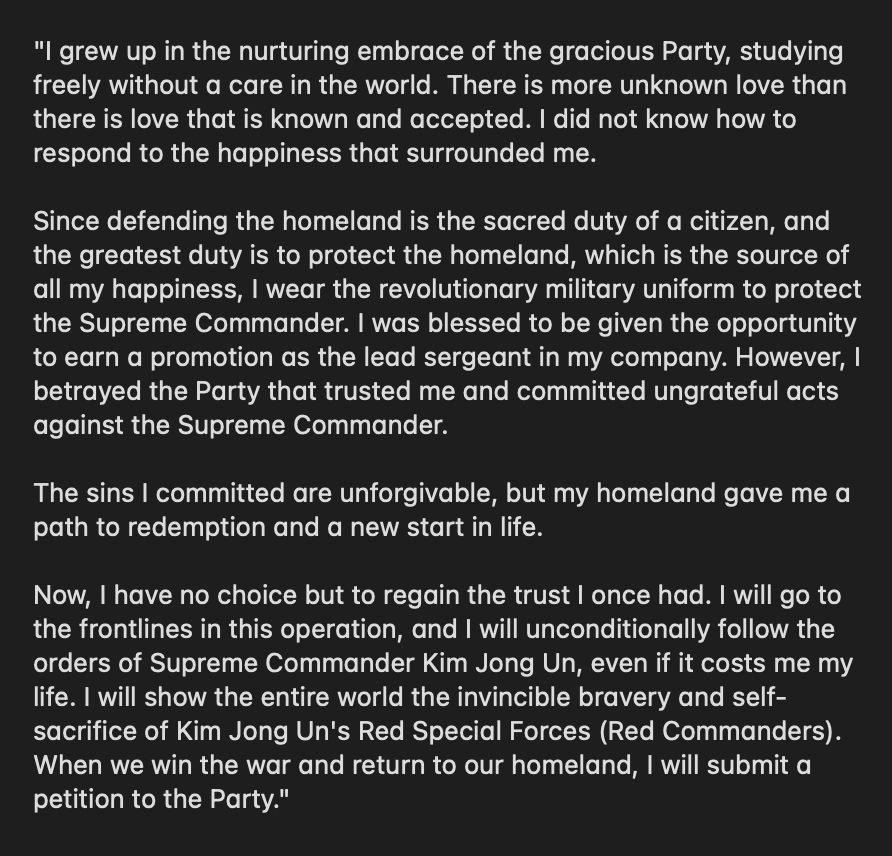
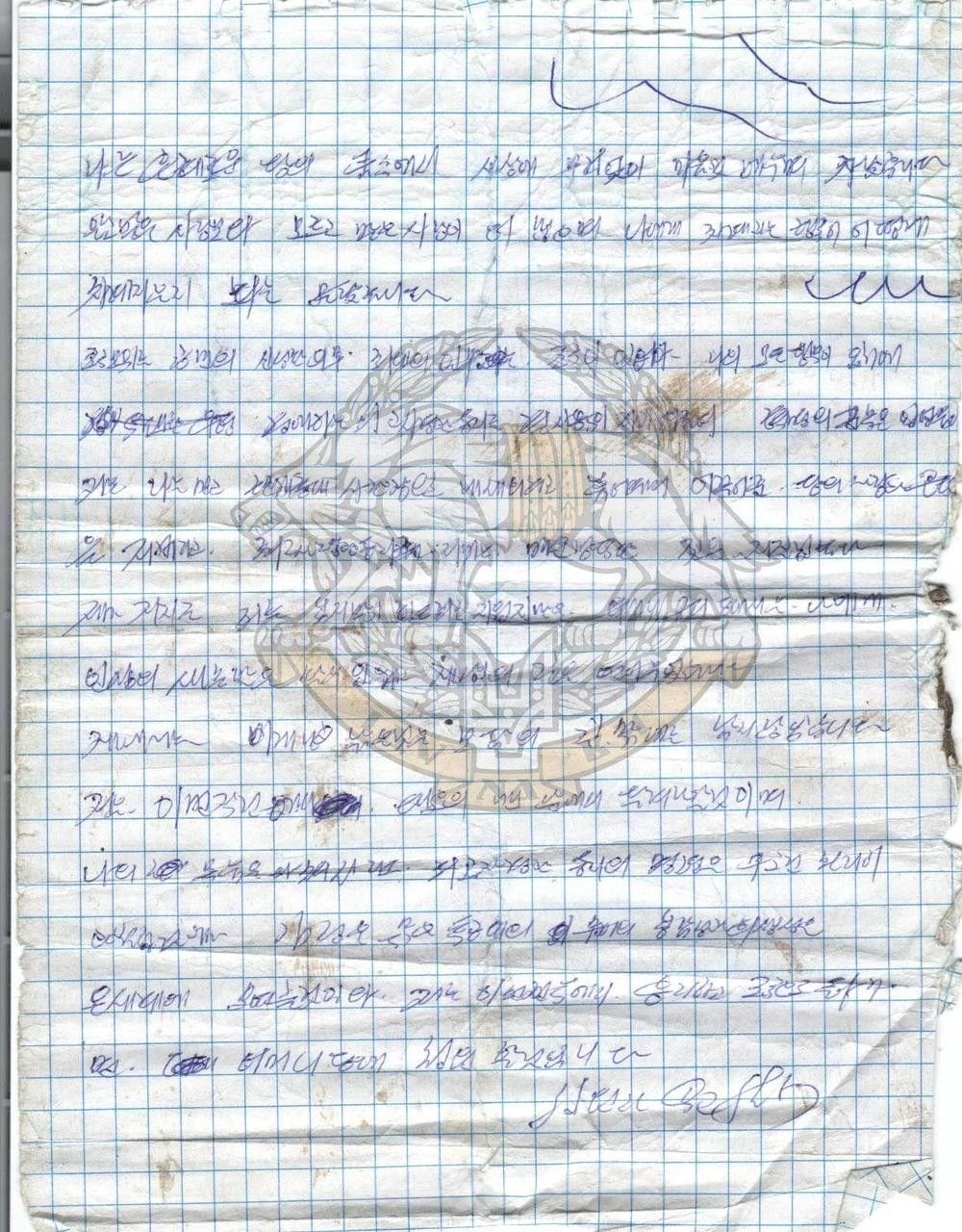
not to cross the streams or anything, but I had never seen korean handwriting before: https://bsky.app/profile/wartranslated.bsky.social/post/3lee4gr5rus22
Ukrainians have released the third translated letter of a deceased North Korean special forces operative. In it, he laments betraying his Supreme Commander, who granted him the "favour" of atoning for his sins by dying on the European battlefields of Ukraine.
Likes
481
 Bluesky
·
Bluesky
·
 grizzled escarp
The title is meta https://youtu.be/fwutOQyRymU
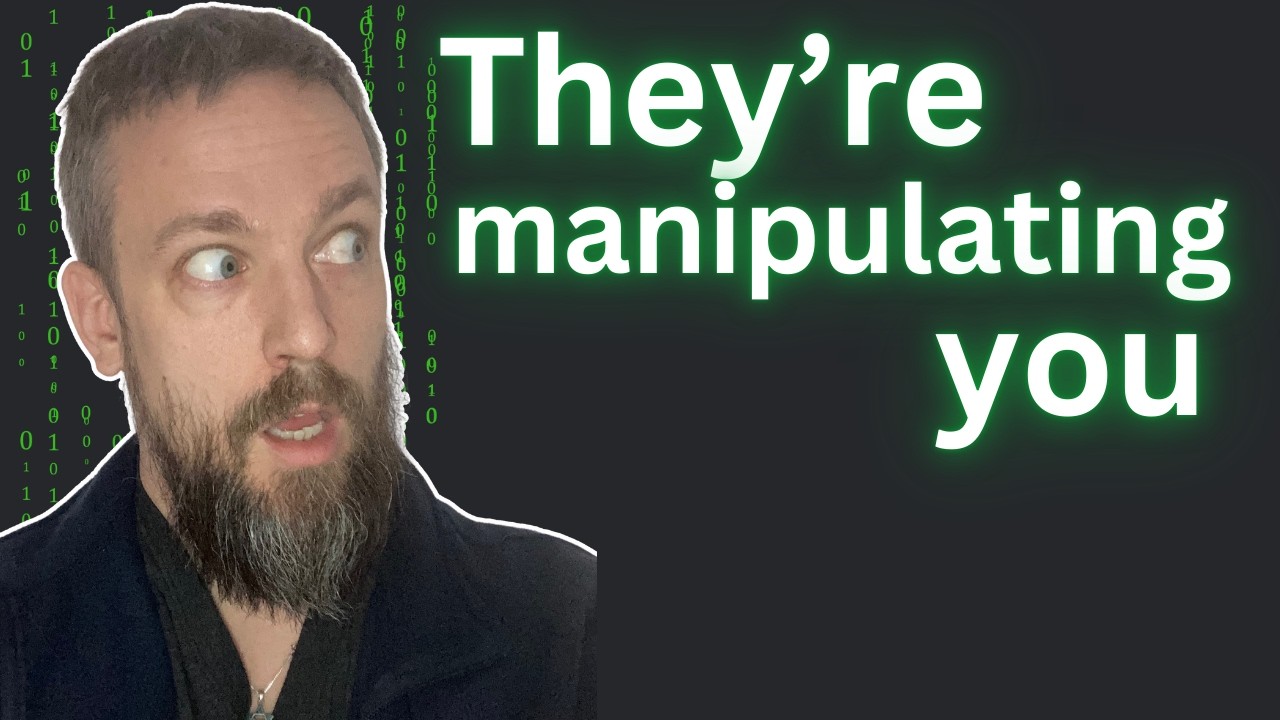
Influencers use secret linguistic tricks to manipulate, influence, and control your attention so they can go viral. If you want to understand these secret tricks so you can be better equipped to recognize them, or so you can go viral in 2025, this shocking explainer will expose their secrets.
patreon: www.patreon.com/languagejones
#linguistics...
midnight mortar
Considering the topic, i think its deliberate and ironic
grizzled escarp
He states it as much
narrow hinge
Pretty decent video but he seems to have done very cursory research to inform his understanding here. He speaks very little to actual neuroscience and far more to psychology. He uses terms like "audience design" incorrectly, which is a theory oriented around literal speeches - there are various related terms when it comes to the influence he's speaking of like "behavioral design" (designing pathways to induce X behavior within an audience).
"Keyword optimization" he means "Search Engine Optimization" - these are two very different things, SEO seeks to leverage keywords to alter presentation within Search Engines. Simple "keyword optimization" is much more basic - if I know you as a TA prefer certain verbiage, and I create a flyer using these linguistic preferences of your audience - I will likely seek specific keywords to add within "lines of persuasion" - this would be keyword optimization but not SEO.
The neuroscience points given frequently run into the neuroscience-influence crosswalk issues you see. Simple activations do not correlate to influencing behavior or beliefs - the strongest correlations you will find are going to be with emotion and attitudinal factors. Having outsized arousal in a neuroscientific sense does not inherently mean your behavior or beliefs will be influenced (that would include giving attention - a behavior).
midnight mortar
Might as well share a joke to keep this thread lighthearted:
How many esperantists does it take to change the lightbulb? One to change the lightbulb and another to correct them that it's “ampolo” and not “lumbulbo”
midnight mortar
Too curious to not ask: do meme translations count for here or is it a firm “no memes in the server at all”?
Wanna see where the blue/green names stand on things before I share some stuff
wheat sinew
midnight mortar
Too curious to not ask: do meme translations count for here or is it a firm “no ...
No, don’t do that, thanks.
midnight mortar
wheat sinew
No, don’t do that, thanks.
Makes sense, figured it was better to ask first
🙂
grizzled escarp
Review of a language learning book from a PhD in linguistics https://youtube.com/watch?v=29tITqtnJU4
TL;DR - it's actually pretty good and seems to mostly line up with the current academic research on the topic

Link to Fluent Forever: https://amzn.to/42AoSoS
There's a new edition of Gabriel Wyner's Fluent Forever, and it's a perfect time to revisit. Will it make you fluent? Forever? It changed my approach to language learning ten years ago, and he's updated his approach with even more language learning tips. So if you're not sure how to learn a langua...
midnight mortar
Sweet!
midnight mortar
The "-uj-" at the end half of a word have two meanings:
-uj-: something that is intended to contain something specific
-uj-, with the name of a people : -uj- always means "the country of that people"
Its the equivalent of "Ukraine" and "Ukranians", or Latvia and Latvians
 wheat sinew
When you speak another language, sometimes it makes you think: "How can they even survive without a word for this?!"
For example the Dutch word 'kloek'. Nice, short, clear.
In English I have to say 'a female chicken who has chicks'. Such a circuitous way of saying it.
grizzled escarp
im always curious about that - what are the unique short-hand words certain languages have
drowsy sable
In this case it's apparently some form of clever ?? https://en.m.wiktionary.org/wiki/Reconstruction:Proto-Germanic/klōkaz
Wiktionary
I wonder why in english they say chicken "cluck"
wheat sinew
drowsy sable
In this case it's apparently some form of clever ?? https://en.m.wiktionary.org/...
You are looking at the other meaning of kloek. I'm talking about the second one here. https://en.wiktionary.org/wiki/kloek
Wiktionary
wheat sinew
drowsy sable
I wonder why in english they say chicken "cluck"
They are both onomatopoeic.
drowsy sable
wheat sinew
You are looking at the other meaning of kloek. I'm talking about the second one ...
They're both from the same root term though
midnight mortar
wheat sinew
When you speak another language, sometimes it makes you think: "How can they eve...
Don’t most languages have some form of this?
wheat sinew
drowsy sable
They're both from the same root term though
Can you point me to that?
The link you provided conforms with what I thought:
Kloek meaning stout or clever: From Middle Dutch cloec, from Old Dutch *cluoc, from Proto-Germanic *klōkaz
Kloek meaning mother hen: onomatopoeia
(And yes, I know mother hennis a shorter way of saying it than what I used above. 😈)
drowsy sable
"[..], from Proto-Germanic klōkaz" <-- which is the link I provided
Maybe I misread it
Ah nevermind then, I didn't read far enough down. What an annoying layout
turbid scaffold
if you're not getting fines or going to jail, they're rules
anyway cricket is basically just standardized calvinball
 analog hornet
wheat sinew
<@107181266373189632> Except of course in cricket, which has laws, not rules.
analog hornet
wheat sinew
<@107181266373189632> Except of course in cricket, which has laws, not rules.
Rugby Union too!
Of course the breach of law (or etiquette) in Cricket, has given the most sharp rebuke in English - "That's not cricket"
There's a wonderful (if you can say that) history of the dark side of Cricket. Not just the bodyline tour of Australia, there was all sorts of stuff going on!
https://www.faber.co.uk/product/9780571298457-its-not-cricket/
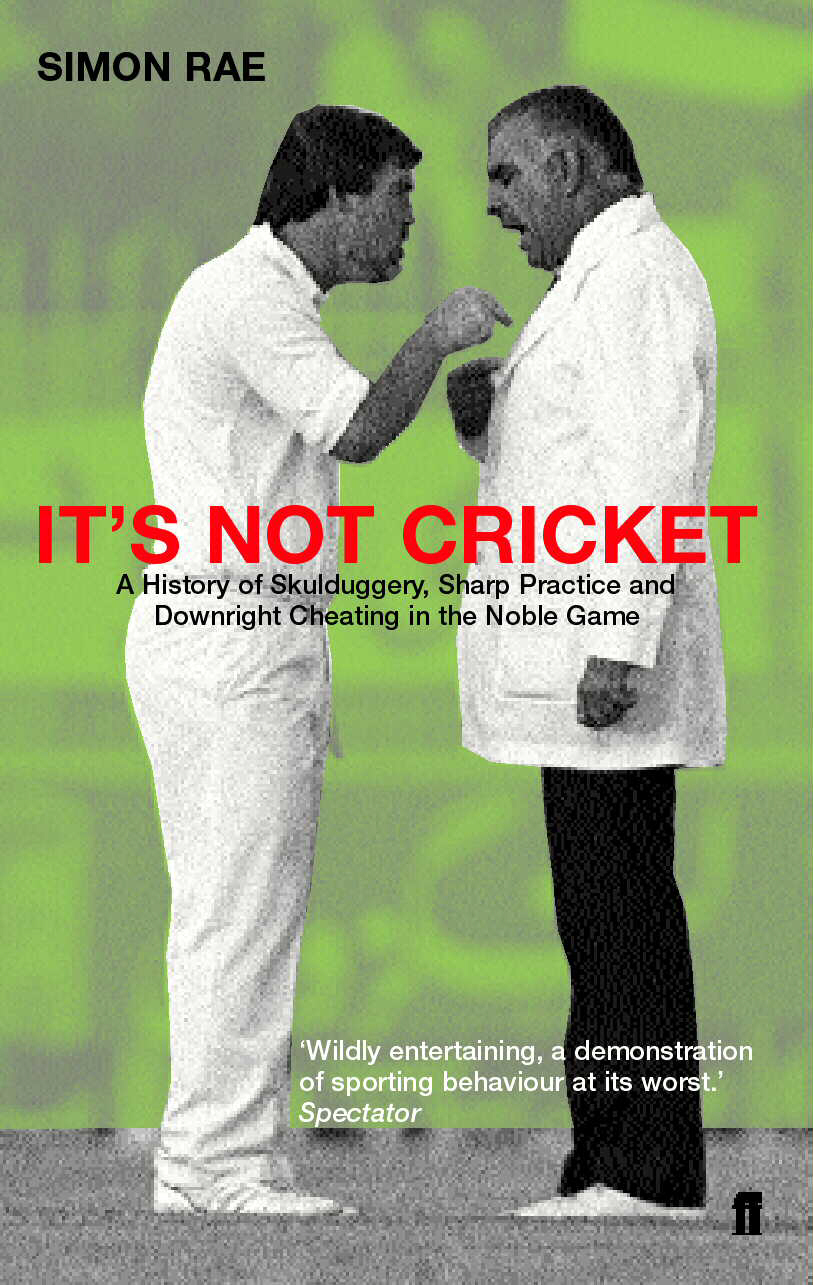
Faber
0/5 (0 Reviews) Related Articles It’s Not Cricket Read More Cricket Lexicon Read More The World and its Double Read More The Press and Its Readers Read More
wheat sinew
analog hornet
Rugby Union too!
Of course the breach of law (or etiquette) in Cricket, has giv...
You could say cricket was born from the dark side, or at least raised in it - rich lords wanting something to bet on and getting commoners to bowl to them etc.
 frigid jungle
Oh I’m glad I found this! I studied Hindi and Urdu in grad school and have been slowly working on Arabic and Swedish on my own
Swedish has been really interesting with the parts that are so close to English…but then VERY not
turbid scaffold
Swedish seems to be in a strange company with Hindi, Urdu and Arabic
frigid jungle
I contain multitudes 😂
But also a couple years ago I started researching the Swedish side of my family and actually found a bunch of distant cousins still living in the village where my great great grandparents were born
Turns out one cousin is a big nerd like me and had also been trying to find the side of the family that moved to Minnesota
turbid scaffold
here in Finland, Swedish is compulsory in schools, for mostly historical reasons
frigid jungle
Anyway, I actually went to visit for a couple weeks last year and decided to start learning
Oh yeah! There’s a decent size community of Swedish speakers right?
Finnish is really interesting too
turbid scaffold
it's like 5%, mostly on the coastline
frigid jungle
my peeps are from a village in the mountains pretty close to the Norwegian border. They actually speak a dialect called Limamål which I guess only about 2000 people know
Supposedly it’s closer to old Norse than standard Swedish
Is Finnish the language that has some distant connection to Hungarian?
turbid scaffold
yes, there's more similarities with the grammar, rather than the vocabulary so it doesn't sound similar at all, but there is a connection
and interestingly, while there is a relation between the languages, there seems to be no genetic relation with the Finnish and the Hungarian people
turbid scaffold
Not really, Estonian is quite closely related to Finnish, and there's some minority languages in Russia as well
turbid scaffold
Basque is the one true language isolate in Europe, yeah
frigid jungle
I was also reminded of Burushaski, spoken in Gilgit-Baltistan, Pakistan
wheat sinew
I just heard someone refer to king Henry VIII of England's first wife as Catherine of Aragorn and I needed a moment to compose myself.
cc: @vagrant lance
vagrant lance
wheat sinew
I just heard someone refer to king Henry VIII of England's first wife as Catheri...
That would have been me with my saved words in my auto-correct acting up
 cerulean wind
narrow hinge
Pretty decent video but he seems to have done very cursory research to inform hi...
cerulean wind
narrow hinge
Pretty decent video but he seems to have done very cursory research to inform hi...
Hey there! I wanna learn more about the concepts you mentioned here, so is there any book or articles I can read for this? Preferable free, because... My finances really aren't financing, haha.
Thanks in advance! 🌼
 bold prairie
I will be in Czechia for two and a half weeks this July - are there any particular language learning resources I should look into?
midnight mortar
bold prairie
I will be in Czechia for two and a half weeks this July - are there any particul...
Duolingo, to learn the basics, and there should be webpages with basic phrases for you
turbid scaffold
In a restaurant, you can say "czech, please"
wheat sinew
#bellingcook message
Yesterday I learned that the word mango entered English language as a dish, not the fresh fruit, that was pickled - because the fresh fruit would rot long before reaching England from India. Thus we ended up with lots of pickles (and even some of the ingredients people often used) being called 'mango'.
Eventually, when fresh mangoes finally reached the English-speaking world, there was confusion over which was truly supposed to be called mango: the pickling process or the fruit?
frigid jungle
Oh that’s interesting
In Hindi it’s called aam, so definitely doesn’t come from there
South Asian mango (aam) pickle is so good though
Where did that term for pickling come from though? Pickle in Hindi is achar
So I’m looking it up, and what I’m seeing is that it comes from Tamil/Dravidian languages
In Tamil is makay
And then that made its way into Portuguese as “manga”
With Malay “mangga” in between. I’d like to see the source for what you heard though @wheat sinew I’m wondering if there’s a false cognate situation happening there
wheat sinew
frigid jungle
With Malay “mangga” in between. I’d like to see the source for what you heard th...
It was told on The History of English podcast.
And the thing is that the only way to send mangoes to England was as a pickle. So a mango pickle would arrive and people would be to,d "this is mango" and over time the word mango came to be applied to anything pickled. (Very simplified story, obviously.)
frigid jungle
Oh I see. So the word originally meant the fruit but was misinterpreted by the British
pallid hound
#bellingcook
The English word "Welsh" is of Saxon origin and originally meant foreigner. As Anglo Saxons displaced Celts in the British Isles, the Western Celtic areas gradually became known as Wales. (Note: Welsh name for Wales is Cymru not Wales.)
However the tradition of refering to non English things as Welsh seems to have continued in botanical circles beyond the point at which Wales became known as Wales. Welsh Onions for example have no connection to Wales, they originate from China. The Welsh (Cymru) are however very fond of leeks.
frigid jungle
Okay I have an interesting English thing I just realized. (Yes I am a native speaker)
So, saw is the past tense of to see. But I just realized that you almost never use it with a negative
I saw the thing, I didn’t see the thing
But you can say I never saw the thing
frigid jungle
I don’t know what my question is. I’m assuming there’s some rule there…
narrow hinge
That may get more into like proper english
Esp among younger generations I see both used pretty interchangably unless it actually sounds weird (usually doesnt)
I am also at fault in that 😛
cobalt temple
etymonline says "past tense of see; from Old English plural sawon"; not sure if the plural bit matters, or if there's something else at work. good question for tolkien, heh
wheat sinew
frigid jungle
I saw the thing, I didn’t see the thing
It’s actually quite simple. In the negative example English always takes the infinitive. You can try it on other verbs:
I walked there.
I didn’t walk there.
frigid jungle
oh my god you’re right
Except for like never
but I guess that’s more of a…uh… frequency word?
I really wish I had studied more actual linguistics in addition to languages
unborn turret
pallid hound
<#1018196475932590090>
The English word "Welsh" is of Saxon origin and originall...
That word for foreigner has Celtic origins and it's also the origin for Gaul, Galatea, Wlochy (the Polish word for Italy) and Galicia (the Spanish one, the Ukrainian and Polish one has a different origin) 😉
pallid hound
The sources I could find point to the word origin for Welsh (foreigner) and related words being Germanic and not Celtic. I.e words used by Germanic peoples to refer to Celts although references to Gaul and it's derivatives point to a Celtic origin. Maybe theres a convergence of words from different origin, or the original proto Germanic word (walhaz) was itself a corruption of a Celtic word which seems to be the case with the Latin word Volcae.
Getting to know your onions is harder than I first thought.
unborn turret
pallid hound
The sources I could find point to the word origin for Welsh (foreigner) and rela...
It is indeed a proto-Germanic word that comes from Celtic origin. Other related toponyms on top of the ones I mention are Cornwall and Wallonia.
Another example is Vlach, which has the same origin but via proto-slavic and led to Wallachia today.
wheat sinew

This one from twitter is slightly funnier, but I don't post there anymore. On Bluesky I replied to someone that it really did say "anger parade" in my calendar...
It's a really funny thread. He does it every year: https://bsky.app/profile/adamcsharp.bsky.social/post/3llqhyzpb5s2x
This is a thread of my favourite ever literal translations, starting with this one…
In Greek, the word for a protest, εύπιστος, translates literally to “anger parade”
Likes
262
Bluesky
·
grizzled escarp

Over the past decades, researchers have developed a wide range of advanced social and assistance robots that could soon be introduced into households worldwide. Understanding how the introduction of these systems might impact the lives of users and their interactions with others living in their homes is crucial, as it could inform the further im...
turbid scaffold
it's interesting (to me) how some languages have a dedicated word for chili heat, and some don't
like English really doesn't, you can say pungent but firstly that isn't really used in normal spoken language and second it has other meaning as well, like "pungent smell"
German also doesn't and neither does Swedish
but Spanish and Finnish do
narrow hinge
if we're thinking of the same thing you could use "spice"/"spicey" or just "hot", gets super context dependent since they can ref temp and the like hot-spicy reaction (hilarious point in that it's not actually hot our brain and receptors just become more sensitive) though
turbid scaffold
yeah my point is that "hot" can refer to temperature, and "spicy" can mean that there's a lot of turmeric and cumin in it or whatever
and in German it's scharf (sharp), though when you're talking about food, food isn't typically sharp in the conventional meaning
you're not going to cut yourself on it
in Spanish you have picante, which to my knowledge has no other meaning
drowsy sable
turbid scaffold
yeah my point is that "hot" can refer to temperature, and "spicy" can mean that ...
hot can also mean you live on a 'spicy' block 😉
midnight mortar
Lmao
midnight mortar
Idk why Duolingo be mildly threatening at night but, lol let’s ball lmao
 midnight mortar
Really find it hilarious and fascinating how a language with like 200 words has a writing style like this. Toki Pona (the language) calls it “Sitelen Sitelen”

@lament bane here’s the language section, in case you are interested in hopping in
 lament bane
midnight mortar
<@675689571903864861> here’s the language section, in case you are interested in...
lament bane
midnight mortar
<@675689571903864861> here’s the language section, in case you are interested in...


lament bane
midnight mortar
Really find it hilarious and fascinating how a language with like 200 words has ...
ah, now i remember it, i did watch a video regarding the language once many many years ago. but tbh, bot then and now, just looking at it, i found the writing style to be too focused on the visual and not as much being practical
well......i am sure if it got into more wide spread use with big adoption, the hand writing style would with time get very much simplified i would believe.
Like with how some characters within language japanese get simplified in handwriting to the point more then 50% of the original character is omitted but people still understand what it means cause they so used to see it
midnight mortar
lament bane
well......i am sure if it got into more wide spread use with big adoption, the h...
True, hence why this is so fascinating. A small group of people stubbornly writing like this, although Latin/English characters are most commonly used in Toki Pona
lament bane
midnight mortar
True, hence why this is so fascinating. A small group of people stubbornly writi...
tbh, it looks like some ancient tropical version of Egyptian hieroglyphics which was designed for mostly formal usage but not for daily usage where shorthand versions was more commonly used(like with how hieratic and demotic writing was more common in daily life in ancient Egypt instead of the more formal Hieroglyphs)
midnight mortar
Huh, TIL
 icy fog
The more standard system (sitelen pona) for writing toki pona in symbols is much simpler.
 midnight mortar
There’s also the Latin/English characters which I also find fascinating
icy fog
Yeah.
turbid scaffold
there's the classic example of A originally being an ox head and O being an eye
midnight mortar
Languages are wild, and fascinating
turbid scaffold
also, took me embarrassingly long to realize that omega and omicron just mean big o and little o, respectively
midnight mortar
lol
turbid scaffold
Greek didn't have the sound that the eye-symbol originally made, so they just used it for omicron
midnight mortar
turbid scaffold
Greek didn't have the sound that the eye-symbol originally made, so they just us...
Again, languages are wild and fascinating lol
narrow hinge
@midnight mortar You might find this interesting. I'm not sure if it has a standardized name in Arabic but you can find it across quite a few different muslim cultural groups under different names in their languages.
Basically there is a style of Arabic language caligraphy that is written in circles, looks really cool let me get you an example
Here's an example on some headstones from Chechnya

This ones from northern georgia, bottom part is in Georgian but the top part is the caligraphy thing too

These are largely the two variations I've seen also. Some get more stylistic and connect the letters together (like in the top), some others do it in a more literal circle (like the georgian one). Not sure if there is a literal difference between the styles though, I know for the top one Chechens early Islam introduction was heavily influenced by the Qadiriyya so could've come from something related to that.
midnight mortar
narrow hinge
Here's an example on some headstones from Chechnya
I suppose that’s where Circular Gallifreyan got its inspiration!
wheat sinew
midnight mortar
I suppose that’s where Circular Gallifreyan got its inspiration!
Ooh! I was pretty good at that at some point... I may have to do a refresher.
midnight mortar
wheat sinew
Ooh! I was pretty good at that at some point... I may have to do a refresher.
Best of luck! Some people out there are INSANELY good at that language

 midnight mortar
Oh hell yea
narrow hinge
wheat sinew
https://digventures.com/2020/05/amazing-artefacts-king-offas-gold-dinar/
be super cool to have that bad boy in a collection 😭
turbid scaffold
There's also Ming ceramics with Persian and / or Arabic inscriptions
like this that I've seen in the British museum, with a passage from Quran
 drowsy sable
Wow, it's fascinating. Any idea from when?
turbid scaffold
https://www.britishmuseum.org/collection/object/A_PDF-B-687 this says between 1506-1521
This is the tile as photographed by yours truly, in 2013 I think
 wheat sinew
They made things to order, with either copied or imagined Western scenes. No reason they wouldn't have done the same for the Islamic world - but I had never thought about it.
drowsy sable
I guess the bit that surprises me is that the Islamic world have such a strong tile culture of their own. But also of course there was lots of trade for centuries already along the silk road before that so makes sense
narrow hinge
The blue in that has stood up remarkably well over the centuries damn
Comes out way more vibrant in the second pic
 cobalt raven
Noting the distinctly non-Arabic script at the bottom of the tile. Is that from the crafter?
cobalt temple
probably; it's in chinese, although I can't make out the first couple of characters; looks like it's something along the lines of 大明正德年 (in reverse order)
if I were to hazard a guess, I'd say the bracket at the bottom was from the tile manufacturer to show off a sample
cobalt raven
Found a photo with the info card
 cobalt temple
ah, 正德 is "zhengde"
 meager prairie
wheat sinew
They made things to order, with either copied or imagined Western scenes. No rea...
meager prairie
wheat sinew
They made things to order, with either copied or imagined Western scenes. No rea...
Under Emperor Wuzong of Ming (Zhengde Emperor), a lot of the early Ming dynasty trade restrictions were relaxed, including bans on the export of silk and ceramics. This lead to a resurgence in the export industry targeted at the Arab world, that already existed in during the Tang dynasty centuries before. (The two cultures have been in direct contact since the battle of Talas(?) in 751, so trade was otherwise well established by the time of the Ming)
drowsy sable


The Verge
Duolingo is making some AI-focused changes.
grizzled escarp

Absolutely not.
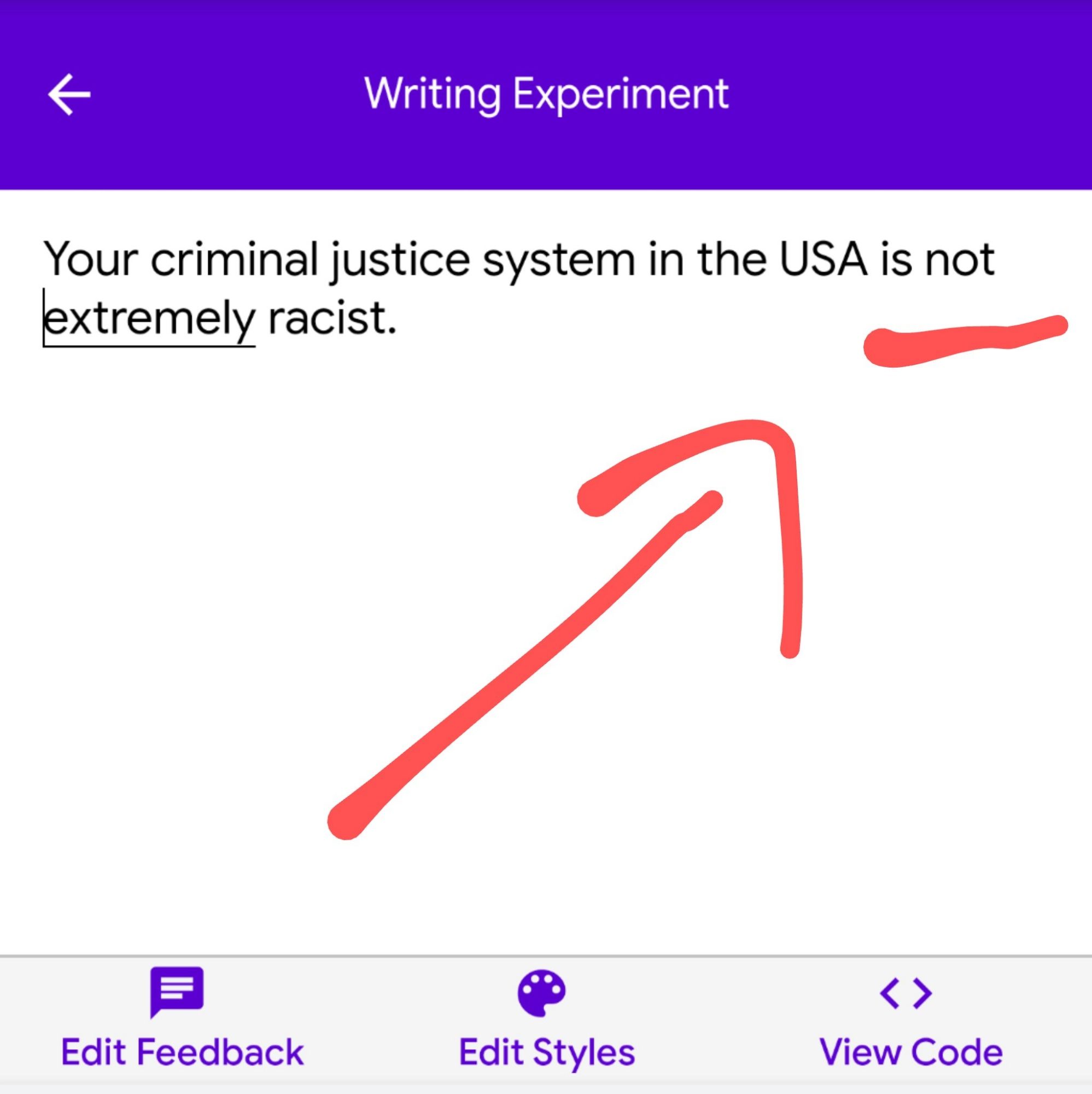
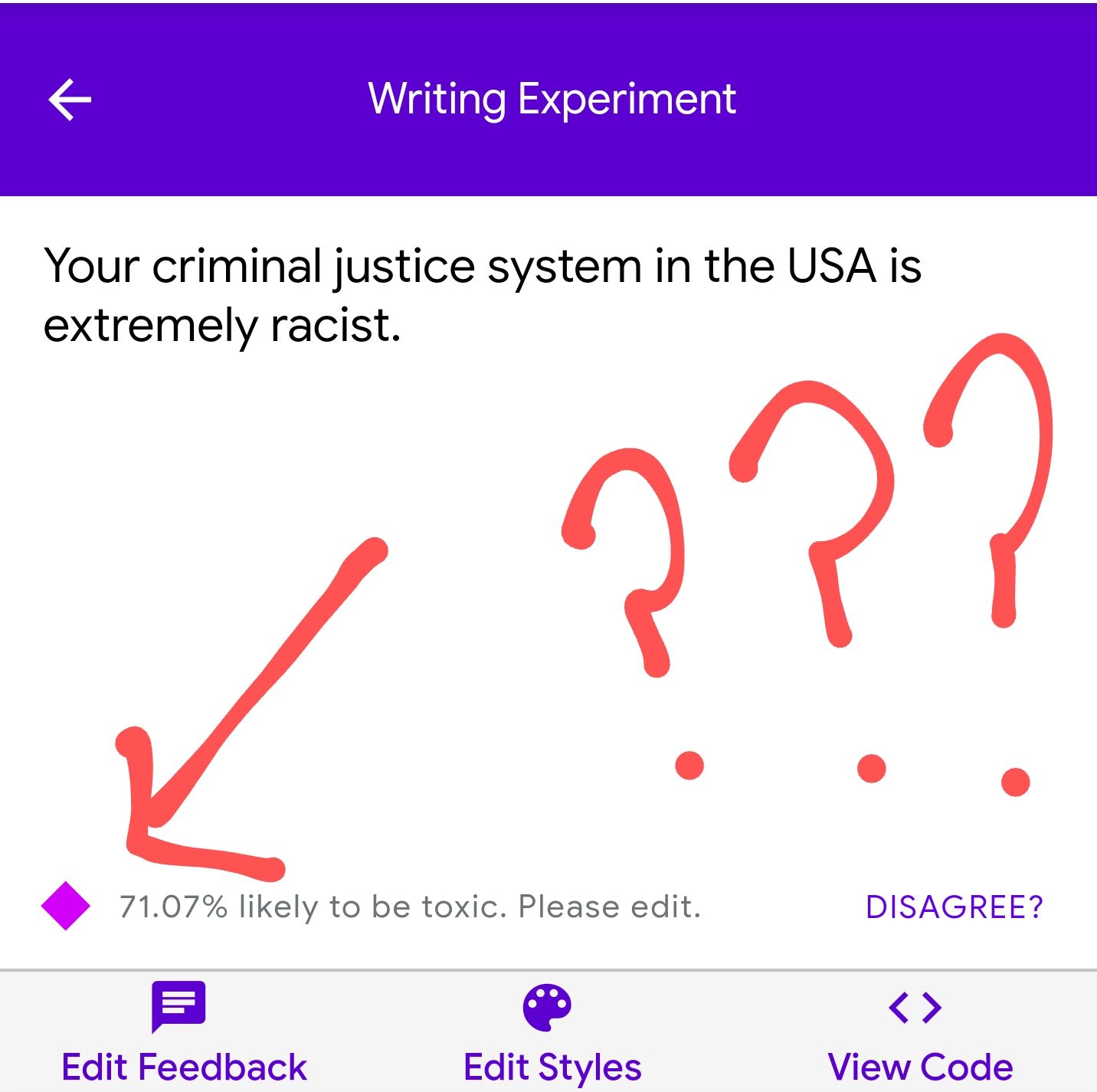
Every time someone tries this, I point out how it biases against Black speech. Every. Time. 🤷🏿♂️
Also from the launch of the Perspective API and its "toxicity" score.
Police don't kill too many Black kids."
Score: Not toxic.🤦🏿♂️
"Police kill too many Black kids.
Score: 80.28% toxic.😮
New_ Public (@wearenewpublic.bsky.social)
This is cool: someone built an interface enhancement for Bluesky that tells you how civil you’re being, from a range of “sunny” to “stormy.”The only problem? You have to opt into it. Seems like a promising pattern for digital builders to look closely at incorporating as a default.
Reposts
1072
Likes
2733
 Bluesky
·
Bluesky
·
 narrow hinge
This honestly might just be a fancily branded semantic scoring rather than something uniquely based around "toxicity" or however they term it. Mekkas examples there don't really show bias against "black speech".
turbid scaffold
It's less about this thing's bias against black speech and more a reflection of the society's bias against black people.
narrow hinge
I would offer that, if this is just a fancily worded semantic tool, this would be a very poor case of bias against black people (or anyone for that matter, with the specific examples given).
It'd be focusing on references like "racist" being negative semantically (which it is), when set aside with "extremely" skewing it more negative in semantic scoring. Branding that as "toxicity" though if this is actually just a semantic scoring tool is really stupid on bsky's part.
If Mekkas images are sourcing the perplexity one, here's their own documentation, it's in fact just a fancy semantic tool.
https://developers.perspectiveapi.com/s/about-the-api-attributes-and-languages?language=en_US
In contradiction to Mekkas claim, this is not a "toxicity" tool, "Toxicity" and "Severe Toxicity" are simply 2 of 8 categories they have. They even have an entire tag, "Identity Attack" that is wholly trained and informed on attacks against identities based off marginalized identities and communities.
The documentation also explains how their tool works largely just like a semantic tool with some tiny distinctions because of the categories they have. It appears it would actually pick up all that just fine, especially because of the catered category for it that most semantic tools entirely lack.
It instead would have an issue if say, someone said something like "you're a bitch" but it was meant in jest rather than an actual offensive statement. The tool has no capability to actually recognize the interactors race/ethnicity/etc, it's simply scoring based off the wording used and its predominate societal positioning.
north hazel
narrow hinge
The documentation also explains how their tool works largely just like a semanti...
the tool has no capability to actually recognize the interactors race/ethnicity etc.
Not true. AAVE could be easily identified by an LLM. So can Indian English phrases. I can think of a a few ways to identify people whose first language is Arabic from how they type English too.
narrow hinge
north hazel
> the tool has no capability to actually recognize the interactors race/ethnicit...
There are tools that do this yes, there is no documentation that their tool does this.
And yah as a human probably could with the output from it however its set up but diff point entirely
That link above is to the specific attributes but the little subsection of the site its in contains all their (public) documentation too
One thing they do, do on the other hand, I'm not sure how they structure it team wise but they do include (some) foreign langauges in their training, and they bring on a group of speakers to rate words and their context to add/remove as attributes.
Their documentation does not state nor insinuate though that the tool has the ability or seeks to discern anything about the comments author in this regard, just enables it to also assess foreign words the same as English words and with as close as possible parity.
https://developers.perspectiveapi.com/s/about-the-api-training-data?language=en_US
They also have a thing baked into it called SuggestCommentScore that allows any user to make suggestions based upon the scores they see, which adds yet another somewhat unique layer that enables diverse viewpoints to have input onto the gradings for more holistic objectivity. They openly state too their scores do not mean "X is toxic", their branding is pretty explicitly clear it means "X amount of people could perceive this negatively/neutrally/positively".
drowsy sable
The reality is that if it scores words like "is racist" as a negative, and "is not racist" as a positive, then the tool will influence the group calling out racism more as 'uncivil'. The same might happen for 'is transphobic' or 'is sexist', etc. Does what that tool is under the hood (semantic or other) matter in practise if it upholds structuraal inequalities like that?
narrow hinge
drowsy sable
The reality is that if it scores words like "is racist" as a negative, and "is n...
I agree with you that, that's an issue but a distinct one that's exactly why they have SuggestCommentScore. This would equally grade all comments as such the same. The tool isn't assessing peoples race to score them lower for making the same comment about racism.
My only point here was that Mekka was inaccurate in claiming perplexity is biased against "black speech", in which her example had nothing to do with "black speech", but rather a comment by someone who is black and/or referencing black folks as a group. In which case, yes, referencing people being killed is negative semantically - no, that does not mean the poster is toxic (hence why them using the term toxic for that category is stupid in its own right) or that they have negative intent (the tool does not reflect intent but rather perception from those reading).
It's also not just a toxicity score, the 8 categories are in the documentation above.
And in terms of semantic analysis like that, yes, calling something racist is negative, unless you actually mean it positively which uhh yeah that's a problem of its own too.
I would instead say the specific debate around that, and like I said above, them using "toxicity" for what they're doing is a really stupid word to use to reflect what it is. They are very explicit in their branding and documentation that the score isn't even reflective of "toxicity" - it's reflective of how people will perceive the comment based off group input assessments and the SuggestCommentScore recommendations.
wheat sinew
I think you are focusing one one leaf and ignoring the forest. I know you like to be precise and point out details that are wrong. I too like to pick at loose threads, but I try to make sure to only leave a short side-note and not distract from the main argument. And sometimes, to avoid that, I don’t post it at all.
No, the example is not of black speech, but the results are clearly not correct. It seems rather questionable to say the least to knowingly launch a faulty tool, especially one that is used to judge people’s speech - irrespective of what it is judging exactly.
This is not the first time someone has tried to regulate minority groups’ speech, nor is it the first time someone tried to regulate speech in general and ended up excessively policing minority groups’ speech. People are justified in pointing out the flaws.
Finally, if how people will perceive the comment is prejudiced against certain groups and ai copies that perfectly, this is still a problem, isn’t it?
narrow hinge
wheat sinew
I think you are focusing one one leaf and ignoring the forest. I know you like t...
The tool is saying how people perceive the terms. Would you debate that most people see refering to something as racist as a positive reference? I do not believe this is true, and I believe in the exact context we are speaking of calling things racist is in fact negative. < Also why "toxicity" to reference this is dumb on Perplexitys part, because while negative, I think we could debate this context is positively INTENDED but the tool is not considering that nor are most readers. "Toxicity" imo at least is more of an intent thing than how you word something, accidentally doing something "toxic" is a different beast that has to be focused on but I wouldn't pair those two like that.
This would be just as helpful for people calling out racists, trying to word sentences in a way that limits how negatively they are perceived by surrounding words (this tool doesn't just grade single words it considers the sentence they're in).
The issue here is them using the term "toxicity" to reflect this. I wholly agree with the flaw there, I just do not think we've shown anything to reflect this specific tool having an issue that is unique to minority groups and not any potential user.
wheat sinew
Aaargh! I rewound three times and she says it correctly, but the subtitle is wrong.
 drowsy sable
Since this is the linguistics channel, can we make an effort to capitalize the word Black please? Afaik that's the broadly accepted norm now.
midnight mortar
drowsy sable
Since this is the linguistics channel, can we make an effort to capitalize the w...
….why? I’m curious
narrow hinge
midnight mortar
….why? I’m curious
The actual reason for it differs depending on what you look at. The reason it was added to style guides originally was for when it was being referenced as a shared identity, rather than as the color of person(s) skin. Eg if we are talking about people with darker skin tones we'd consider black overall, that'd just be black, where if we were talking about Black Americans, Black would be capitalized since we are talking about it as a specific group and their identity. In the past few years it became more of a commonality to capitalize it overall.
The above context was not speaking about the identity angle, so per linguistic "norms" would've been properly spelled. With that said there is a fair linguistic standard debate about whether or not that makes sense but isn't harmful to use (can be more beneficial) it unless we selectively apply the standard based off racial prejudice.
Here's APAs standard which is probably the most reasonable and well explained imo - https://apastyle.apa.org/style-grammar-guidelines/bias-free-language/racial-ethnic-minorities
some of the style guides from media outlets get more debatable and differ a lot from one another in specifics.
Total side point too but APA has a style guideline for "Traditional Knowledge or Oral Traditions of Indigenous Peoples" which is pretty cool, the other few guidelines that add stuff like that it tends to be pretty short, APA put quite a lot of thought into it.
drowsy sable
narrow hinge
The actual reason for it differs depending on what you look at. The reason it wa...
'Black speech' is identity related, so this is absolutely false. Either way, it doesn't invalidate my request. Happy to put in a modmail though if required to get clarity on this
icy fog
(Here's Minna Salami making a case against mandating it should be capitalized: https://www.theguardian.com/commentisfree/2021/jun/03/word-black-capital-letter-blackness)
wheat sinew
icy fog
(Here's Minna Salami making a case against mandating it should be capitalized: <...
Ohh, it's an American thing. It's interesting how different cultures treat the same language. I once accidentally - I was thinking in English and had to quickly switch to Dutch - referred to someone as 'die zwarte man', 'that black guy' - and the filthy/confused looks I got!
icy fog
Not the first time I get the feeling that a lot of the problems of "race" and solutions to those problems are distinctly American, and feel uneasy when they are imported overseas as is. (And the same with politics.)
 timber wigeon
drowsy sable
'Black speech' is identity related, so this is absolutely false. Either way, it ...
timber wigeon
drowsy sable
'Black speech' is identity related, so this is absolutely false. Either way, it ...
I don't think there is anything to contact ModMail about here.
turbid scaffold
what word does Dutch use?
narrow hinge
drowsy sable
'Black speech' is identity related, so this is absolutely false. Either way, it ...
This is where the debate comes in, some style guides do not recognize that form of it, some do. Some people consider this, some don't. I personally disagree with the idea every black person across the globe has/shares that factor, nor was Mekka actually reflecting "black speech" - they were referencing everyday English that was rather ambigious how it is "black speech". I would agree if it was using slang words that exist predomintely with Black Americans for example.
narrow hinge
wheat sinew
Ohh, it's an American thing. It's interesting how different cultures treat the s...
The glories of translations 😭
drowsy sable
timber wigeon
I don't think there is anything to contact ModMail about here.
There is if people want to argue over whether the term should be capitalised or not.
narrow hinge
What would be the "proper" reference in Dutch?
drowsy sable
In the Netherlands Black is also often capitalised. It's not as common (yet) as in the USA, but the Netherlands is quite behind in this topic.
But more often people are referred to as the nationality they are associated with
wheat sinew
The best thing would have been to refer to his Surinamese or Antillian heritage - except I couldn't remember which it was.
drowsy sable
Or their region
In the NEtherlands more of the discussion is about an outdated word for white, the one tha Afrikaners use.
timber wigeon
drowsy sable
There is if people want to argue over whether the term should be capitalised or ...
We do not mandate specific writing styles. Especially considering that we have a large number of non-native English speakers here.
drowsy sable
timber wigeon
We do not mandate specific writing styles. Especially considering that we have a...
That's a very specific political choice
narrow hinge
I would offer we have to be very specific about ingroup framing here. The specifics are very much debated with everyone, the professionals that hold it up as a fact are doing so for political reasons. That's not aa bad thing but it doesn't make it a political choice not to take up some specific variation - there are at least 4 distinct frames of this. For example, most media style guides differ heavily from those from associations like APA which aren't media related.
They all fairly reason their distinct angles and the whys pretty decently too, just folks differ on the exact angles and extent of it (that part itself usually isn't political from what I've seen anyways).
timber wigeon
drowsy sable
That's a very specific political choice
That might be your opinion. But we have never mandated specific words to be written in specific ways. Fwiw, mandating a specific variation of the word seems to be a lot more political than not having a mandate at all.
cobalt raven
Prescriptivism earned its bad reputation within linguistics because it has been used as a tool of oppression. Linguists aren't immune from having language peeves, but they're more likely to understand it as a "me" problem and not a "you" problem.
frigid jungle
drowsy sable
<:sad:950813847332196364> https://www.theverge.com/news/657594/duolingo-ai-firs...
Delayed, but man...most of my friends (and myself) have ended up completely getting rid of Duolingo because of this move
It's really frustrating as a language learner. I've gone back to just using books haha
midnight mortar
frigid jungle
It's really frustrating as a language learner. I've gone back to just using book...
Another sad thing: I’m not sure if there’s anything similar to Duolingo without getting language specific stuff
turbid scaffold
Babbel exists but I have zero experience of it
frigid jungle
of course the big pitfall of Duolingo in general is that it doesn't really explain rules. Like I've been studying Swedish. I've gotten a decent idea of how things work. But I'm kind of guessing by context
ideally people use duolingo alongside some type of more formal learning, but I don't think that's the case a lot of the time
midnight mortar
Yea true
Sites like lernu(dot)net worked well for explaining context and the rules alongside teaching words and phrases
Huge upside on Duo
midnight mortar
frigid jungle
ideally people use duolingo alongside some type of more formal learning, but I d...
Can attest. Little bro had like a 300+ day streak on Swedish and can’t translate a couple sentences at all. Hence why I’ve been pressing dude on reading books and translating memes
frigid jungle
1200 for me! Though that also included Arabic and Hindi review
I started watching Love is Blind Swedish and also White Lotus with Swedish subtitles
midnight mortar
Shit, this is why I got my little bro a book on “short stories for new Swedish learners” too
Duolingo is good for learning the V E R Y basics and that’s it
frigid jungle
It’s helpful for hearing pronunciation repeatedly too
midnight mortar
….actually yea you right
Sometimes they talk super fast too so I’m like “ayo bro run that back?” a good couple times
Really helps
midnight mortar
Forced me to actually LISTEN, not just hear
frigid jungle
I know the Swedish Institute out of Minnesota does virtual classes
So I’ve thought of taking one of those
midnight mortar
Luckily there’s audio apps for the language I’m learning so yay
 midnight mortar
frigid jungle
So I’ve thought of taking one of those
midnight mortar
frigid jungle
So I’ve thought of taking one of those
Full send
frigid jungle
Oh my partner is learning Esperanto! I should tell him about that
midnight mortar
I assume your partner knows about the Esperanto discord server too?
midnight mortar
frigid jungle
Oh my partner is learning Esperanto! I should tell him about that
Here’s the full app in cast partner asks
 frigid jungle
midnight mortar
I assume your partner knows about the Esperanto discord server too?
frigid jungle
midnight mortar
I assume your partner knows about the Esperanto discord server too?
Oh shit I don’t know
midnight mortar
that server is basically 100% Esperanto barring any language specific channels
turbid scaffold

https://www.svtplay.se/pippi-langstrump I assumed these would be geolocked to Sweden but they work for me at least
they're also subtitled, which is handy for learning
frigid jungle
Cool!
midnight mortar
Hype
drowsy sable
frigid jungle
It's really frustrating as a language learner. I've gone back to just using book...
Anki is the shit. I am fully on Anki now and am actually learning much faster
turbid scaffold
I've only ever heard of Anki in the context of learning kanji, but I gues you could use it for whatever
meager prairie
It’s great for anything flashcard. I love it and use pretty much exclusively anki by now, but I do miss the interactivity that apps like duolingo have
midnight mortar
drowsy sable
Anki is the shit. I am fully on Anki now and am actually learning much faster
Screw it, might as well take a peek and see if they have any options for Esperanto
icy fog
Hah, I've got Pippi Långstrump in Swedish in my bookshelf, waiting to be tackled.
Ie. waiting for me to retire.
wheat sinew
True. I turned off notifications as a result.
 icy fog
Looks like people use "mud" in a range of meanings, but seems to be common to think that it contains organic material whereas clay is all mineral, below certain particle size. (ref. #maritime )
drowsy sable
icy fog
Looks like people use "mud" in a range of meanings, but seems to be common to th...
yes, clay, silt, etc all refer to size distributions in minerals (which all have certain properties as a result, like adsorption with clays). At least to a geologist and/or an oceanographer.
Mud's a mixture of things.
Like, you can have mud that's soil and water (where the soil is a composite of multiple materials). You can have 'mudflats' which are usually (associated with) quite ecologically productive areas along coasts that also are a mixture of materials, just different ones from those inland.
midnight mortar
https://eo.wikipedia.org/wiki/Signuno huh TIL there’s sign language for Esperanto

Signuno estas kodo (ne lingvo mem) de Esperanto, elpensita de nenomita homo, kiu volas krei gestlingvon bazitan sur Esperanto kaj Gestuno. La manalfabeto havas gestojn por la ĉapelitaj literoj de Esperanto. La bazaj radikoj devenas de Gestuno.
Signuno estis donita al la surda komunumo je la 15-a de decembro 2010.
north hazel
turbid scaffold
north hazel
One spelling that I haven't seen before, and don't really see by google results is the one that you've used, Madaleen
Madleen is the spelling that Freedom Flotilla uses
north hazel
turbid scaffold
One spelling that I haven't seen before, and don't really see by google results ...
Lol, it's transliteration from Al Jazeera mubasher i think. I thought Middle East Eye used is similer, Medalyn but they seem to have changed it to Madleen now.
cobalt raven
Trying to find the name in Arabic and I think I'll have better luck transliterating it back into Arabic and searching for that.
(مادلين كولاب)
So, yeah, Arabic "Madeline"
turbid scaffold
Those who operate the ship (Freedom Flotilla) transliterate it as Madleen
cobalt raven
Yes, and I'm curious how they came to that transliteration. In Modern Standard Arabic the name has three syllables. Levantine Arabic might sounds like two syllables when spoken quickly, but there's something happening between the /d/ and /l/.
north hazel
Fatha sometimes, sukoon others. This is the issue of not using diacritics in the arabic. People pronounce it differently.
 cobalt raven
I've been looking around at how other languages translate her name to see if they're any more consistent and, if anything, it's a sample size issue. The only consistent ones don't have a lot of text online about her.
turbid scaffold
This reminds me of how the language(s) we speak shape how we think
like, how in Finnish, we don't have a word that's equivalent to "drug"
we have a word that's routinely translated to "drug", or what "drug" translates to in Finnish, but the meaning is a bit different, and it shapes what I think is and isn't a drug
in Finnish, there's a word "päihde" that directly translates to "toxicant", and "huume" that explicitly means "illegal toxicant"
and neither of those words would be used for medicine, unless used for toxicating purposes
so cannabis for example, is explicitly a "huume" and there's no two ways about it
but a lot of people don't consider it a drug
narrow hinge
Yeah it's a really weird debate here in the US at least, I figure elsewhere too (dunno enough about other environments eg UK to say for sure). The "drug" reference tends to be made wholly subjective, objectively "drug" is correct for most of our legal medications also, but, using "drug" is generally avoided there because of negative connotations.
Since most folks use that negative connotated subjective form also, it's heavily prone to more inorganic issues. For example, why "weed" is considered a "drug" (in the negative connotated form rather than literal definition), is because of racist oriented enforcement against crime in inner-city black communities.
This unfortunately creates issues of its own, as we recently saw during the election for example, some people treated the cannabis community as a "black persons" thing, but this in itself is a perception that was created through those racial enforcement policies targeting black communities, who'd largely get it from the white hippies traveling along the "hippie trail" and bringing seeds back to the US and breeding them here (who faced far less targeted enforcement).
wheat sinew
I've been thinking about this all day. 'Drug' has been borrowed into Dutch solely for illegal drugs. We have 'verdovend middel' ('downers') or 'stimulerend middel' ('uppers') for the illegal variant, but they have become less common in recent decades, I feel.
narrow hinge
wheat sinew
I've been thinking about this all day. 'Drug' has been borrowed into Dutch solel...
I don't see "uppers" or "downers" referenced much either anymore tbh, pretty much the only context I hear it in now here is within er like 25-30+s in the more devout party scenes
Definitely was more common with generations pre-2010s or pre-2000s (not sure when the phase over happened)
With that said, at least here in the US, I also feel like that may be a result of widened access at the consumer level to a more known diversity of products
Back in the 80s you might ask for an upper because you don't know about any of that. Nowadays you can hit up the net and get a pick-your-favorite selection of 200 different research chemicals from China and it's unlikely you randomly get just that one if you ask someone for "uppers".
Obv not just research chemicals just a throw reference, illicit manufacturing capabilities have maaajorly grown the past 10-20 years so pretty much anything is of more availability to the consumer by request/light searching.
This is the really fun part of linguistics since we can debate how we use these being linguistically inaccurate so much, but it gets used in this manner so much it'll inevitably become the actual proper form of reference 😭
In a sociocognitive aspect though, kinda removed from language so not trying to start a convo in it just an interesting related reference. I do think this interestingly works in a rotating way too, where now that the diversity is known, it actually makes people more interested (in re already-using).
We saw this with cannabis legalization. People actually love knowing exactly what they're getting, a lot of people switch to dispos entirely despite them costing more explicitly because they can learn the name of what they're getting, what parent strains are in it, etc. To great annoyance to the average illicit dealer, they usually cannot offer this to customers so it leaves them less fulfilled. This is no-joke an actual major driving factor behind continual customer relations in that industry.
midnight mortar
Oh dang this hasn’t been used in a WHILE
midnight mortar
Fairly close to done with this book, yay 
 placid coral
People of this forum post, how accurate does this info sound? Seems to make a lot of sense from what he's saying?
https://bsky.app/profile/couts.bsky.social/post/3lx4at75mns2i

 midnight mortar
placid coral
People of this forum post, how accurate does this info sound? Seems to make a lo...
midnight mortar
placid coral
People of this forum post, how accurate does this info sound? Seems to make a lo...
Yep, and it’s impressive how people can figure out speech patterns
cobalt raven
It's also fun and something best not to do unprompted because people get weirded out when you do it just from a conversation.
midnight mortar
https://www.ece.gov.nt.ca/en/inuktitut today I learned something

[toc] Overview Inuktitut is a member of the Inuit language family. Inuit languages are spoken across the Arctic from Alaska (where the language is called Iñupiaq) to Greenland (where the language is called Kalaallisut). In 2019, there were 175 speakers in the NWT. Inuktitut itself is considered a macrolanguage. Inuktitut was designated as an o...
 placid fable
placid coral
People of this forum post, how accurate does this info sound? Seems to make a lo...
placid fable
placid coral
People of this forum post, how accurate does this info sound? Seems to make a lo...
There's a whole forensic discipline focused on this kind of thing: sound patterns across dialects of languages. Fascinating.
Like bjmacke suggests, it's important to get people to speak in an unprpted way:as free as possible.
This will broadly work in US and UK English varieties,
But not as robust in Australian or NewZealand english. Rather than being designated by 'area', those country's dialect varieties tend to be influenced by socioeconomic factors or city vs country varieties.
There's some instances of vowel shifts (Auckland and Melbourne) but less robuat in data fromnother areas. Mostly, the analysis is hugely underfunded in those countries.
wheat sinew
My favourite expression to describe a lazy person, from Spain, is trabajas menos que el sastre de Tarzán. It means “you work less than Tarzan’s tailor.”
wheat sinew
Inter-Slavic was created by a Dutchman. https://youtu.be/9vfmprWtYj0?si=i7yqJ3cA7mAArZwz

Learn like a local with Lingopie! 7-day free trial + 55% OFF yearly plan: https://learn.lingopie.com/nfkrz2
Slavic languages are awesome! I recently made a video where I tested if I as a Russian can understand every Slavic language. And I did well - because Slavic languages are similar in many ways. However, they are also very different. But wh...
cobalt raven
That hurt my brain. Maybe in a good way?
analog hornet
wheat sinew
https://bskye.app/profile/adamcsharp.bsky.social/post/3lyczyc3ays2t
That is marvellous.
north hazel
Hmm, I wonder what the origin of the word Islam is 

Embracing surrender: Discover the spiritual, personal, and communal meaning of submission in Islam.
cobalt raven
The extra nerdy thing is that the S-L-M root in Arabic is also where we get peace, to give and recieve, and to preserve. It's so old that it's the same root in Hebrew that we get "shalom".
north hazel
Yes! Also the letter for s and sh in hebrew and arabic look similar!
س/ش
ש
So
سلم
שלם
I didn't see similarities when i first started learning Hebrew but i do now
cobalt raven
There's a Wikipedia page that covers all of the cross-linguistic connections for this root:
https://en.wikipedia.org/wiki/Š-L-M#Arabic
Considering the numerous languages that have the root, it likely arose after the East/West Semitic split but before the West/Central split.
Shin-Lamedh-Mem is a triconsonantal root of many Semitic words (many of which are used as names). The root meaning translates to "whole, safe, intact, unharmed, to go free, without blemish". Its earliest known form is in the name of Shalim, the ancient god of dusk of Ugarit. Derived from this are meanings of "to be safe, secure, at peace", hence...
turbid scaffold
 wheat sinew
https://youtu.be/0hVdz9gyGX4?si=W-pLR7K5oBt6CIcD
Old Dutch is still pretty understandable.

In het centrum van Rotterdam liggen diep onder de grond de resten van nederzetting Rotta uit de 10e en 11e eeuw. Het dorpje was gelegen op de oevers van het riviertje de Rotte. In de bouwput van de Markthal is ongeveer 10 jaar geleden een terp met de resten van zes elkaar opvolgende boerderijen uit de periode 950-1050 gedocumenteerd. De gegevens...
wheat sinew
Bring back overmorrow and ereyesterday.
https://youtu.be/TK-8gfqmFNo?si=1gA1AuKhkfgWmtT7

It's high TIME you bagged my exclusive NordVPN deal + 4 months extra here → https://nordvpn.com/robwordsvpn It’s risk-free with Nord’s 30-day money-back guarantee! ✌️
What is a second the "second" of? What time should noon actually be? And how can "hour" and "year" mean the same thing (because they do!)?
Join me as I investigate the...
meager prairie
And get rid of biweekly
wheat sinew
I also quite like sennight, but probably harder to get it to replace an existing word.
turbid scaffold
wheat sinew
Bring back overmorrow and ereyesterday.
https://youtu.be/TK-8gfqmFNo?si=1gA1AuKh...
my first language (finnish) has those words in normal use
the first on is a calque of overmorrow, or the swedish övermorgon
I do like biweekly (monthly, yearly) and also semi-, but people don't know how to use them and use them wrong
instead of ereyesterday, we have the prefix toissa- that means the one before last, that you can attach to a lot of things
you can say "toissapäivänä" which is day befor yesterday, but also you can say toissaviikolla, which is "in the week before last week", or toissavuonna, which is the same for years, or even toissakerralla, which is "the time before last time"
there isn't a similar word looking forward
meager prairie
turbid scaffold
I do like biweekly (monthly, yearly) and also semi-, but people don't know how t...
My problem with biweekly is the ambiguity. I have nothing against fortnightly
turbid scaffold
the ambiguity is modern and stems from people using it, I'm going to say wrong, even though language is an evolving thing
if biweekly didn't mean every two weeks, we wouldn't need semiweekly which means halfweekly, or twice a week
meager prairie
It’s just a bit odd, because at least according the Merriam-Webster, semiweekly and fortnightly are both older than biweekly, by about 100 and 90 years respectively 
turbid scaffold
I'm only assuming but I would guess that the decline of the use of the word fortnightly corresponds with the decline of just fortnight in general
meager prairie
Would make sense
cobalt raven
Sorta?
~~https://books.google.com/ngrams/graph?content=Fortnight%2Cfortnightly&year_start=1825&year_end=2022&corpus=en&smoothing=3~~
https://books.google.com/ngrams/graph?content=fortnight%2Cfortnightly&year_start=1825&year_end=2022&case_insensitive=true&corpus=en&smoothing=3
(Case insensitive looks a bit better)
Google Ngrams: Fortnight, fortnightly, 1825-2022
Google Ngrams: fortnight, fortnightly, 1825-2022
midnight mortar
Eĥoŝanĝo ĉiuĵaŭde letter accents are wild sometimes
 narrow urchin
Hello all! Does anyone have a recommendation on material for beginning to learn to read and understand Russian?
placid coral
It's quite the undertaking for self-taught (imo). But here's a list of good resources and a breakdown of what you'd want to do in parts from reddits Russian learning wiki.
https://www.reddit.com/r/russian/wiki/full_course/
Also, getting a university Russian textbook and workbook (usually sold together) to read and practice with would be really useful.

Reddit
This is a subreddit for people looking to learn Russian and all things related to the Russian language. Though Russian is encouraged, most discussions are in English.
Это сообщество для людей, изучающих русский язык, и для обсуждения всего, что с ним связано. Испо...
 deft mulch
On a maybe more controversial note, I don’t recommend classical textbooks if you can avoid them
You’ll probably need some kind of “classical” education for the basics. But move away from that as quickly as you can
The reddit info is pretty solid though
midnight mortar
“Learn basics then learn from fluent speakers” type shit, right?
deft mulch
Personally (aside from the reddit info) i’d say that you should start to learn the most common words in a language (however many you feel comfortable with memorising) and then get a grammar and get a rough understanding of the basics. Get to like A0.5-A1 and then try to start reading simple books (children stuff), listen to music, watch movies with subtitles, read russian social media stuff/memes, and when you feel comfortable start talking with native speakers (there are apps for this that match learners with native speakers, they’re a bit of a hit or a miss but maybe an option)
Don’t throw away the textbook, keep going through it and make sure you at the very least roughly understand everything (this makes the “learning by doing” part a lot easier), but it’s secondary
If you can, try to sometimes force yourself to think in a language. You’ll suck, but it’s the easiest way to force yourself to remember what you know and have to look up things when you don’t know them (this also makes it easier to remember specific things that are actually important)
deft mulch
midnight mortar
“Learn basics then learn from fluent speakers” type shit, right?
Yeah pretty much. I don’t think the “classical” way is fully flawed, but it’s not great
cobalt raven
deft mulch
On a maybe more controversial note, I don’t recommend classical textbooks if you...
If by "classical" you mean textbooks written more than 20 years ago, I might agree. Just looking at the textbooks I have on hand there's a gulf of difference between the Latin textbook published in 1981 and my Russian and Arabic textbooks, both published in 2010. And even those look ancient compared to the stuff that's coming out now.
deft mulch
cobalt raven
If by "classical" you mean textbooks written more than 20 years ago, I might agr...
Yeah, newer ones are better. But for most languages I’m still not a fan, although exceptions exist. They may be out there for Russian but I haven’t heard of them
Latin actually has the LLPSI series which from what I’ve seen is a pretty solid way for learning latin (at least to read), takes a very different approach than the usual well known textbooks, although I haven’t seen it in the Netherlands (mostly heard of A level latin students using it). It’s probably the only textbook I’d be able to recommend to anyone who wants to learn Latin on their own.
Doesn’t mean they’re not useful. I just think they usually function better as a support to immersion than as your primary tool of learning
If you see the conjugations in a grammar and roughly understand them (or even memorised them) you’ll obviously have a much better time recognising conjugations and their meanings when listening to actual Russian than if you had to try and figure it out on your own
midnight mortar
deft mulch
Yeah pretty much. I don’t think the “classical” way is fully flawed, but it’s no...
That’s basically how I learned Russian anyway. Being with a family that spoke the language forced me to learn hard and fast, and even pick up the accent
deft mulch
deft mulch
Latin actually has the LLPSI series which from what I’ve seen is a pretty solid ...
LLPSI funnily enough has been around forever. But for some reason teachers are hard to change their ways
In high school most of my latin teachers actually spoke it themselves, and had a section vote to switch to teaching latin by speaking latin. But the spoken latin faction narrowly lost to the read latin faction
Even though test pilots at other schools pretty clearly showed that the spoken latin method (immersion) led to far superior results in the national exams
cobalt raven
All fair points, and don't disagree. Between the two I felt the Arabic textbook was loads better than the Russian one because it's clear the authors of the Arabic textbook had incremental goals underlying the chapter topics. The Russian one is structured like a more traditional textbook but at least makes sure that learners are aware of the spoken/written distinction.
(The irony being that the Arabic was MSA, a language used by no one in a casual setting)
midnight mortar
midnight mortar
That’s basically how I learned Russian anyway. Being with a family that spoke th...
Another thing about it, is that you are forced to learn how to speak like em too
turbid scaffold
Learned an interesting piece of etymology
The word "miniature" is etymologically unrelated to mini- meaning small
it ultimately comes from the word "minium" for red lead (color), which is named after the river Minho / Miño in modern day Spain and Portugal, where it was first identified
 misty garden
Guys I’m really interested in learning Russian. I speak native English (US) and wondering if anyone here taken the path of learning the language along with the culture
I found Unv of Pitt has a program for learning Slavic languages
midnight mortar
misty garden
Guys I’m really interested in learning Russian. I speak native English (US) and ...
The whole “learn basics online and spend time with native speakers” is a genuine good tactic, and you learn the culture by osmosis out of it
midnight mortar
Ok lol
TLDR: I’m done with Esperanto, gonna start with Latvian
And subtle is helping me put on where to learn the language
turbid scaffold
I'm going to start learning Latverian to get ready for Doomsday
wheat sinew
Georgian would be nice to learn, but I don't think I can handle another alphabet at the moment.
 meager prairie
Estonian has a respectable number of cases 
turbid scaffold
Latvian and Lithuanian are the oldest indo-european languages in Europe
wheat sinew
I'm currently working on my Ukrainian vocab through the medium of song lyrics.
turbid scaffold
As in changed the least amount from when the indo european languages came to Europe
They have some close cognates with Sanskrit, like the Lithuanian word for night is 'naktis' and Sanskrit is 'nakti'
cobalt raven
Have I introduced you to my old friends "father" and "brother"?
timber wigeon
wheat sinew
Georgian would be nice to learn, but I don't think I can handle another alphabet...
I did learn most of it a few years back
Immediately proceeded to forget it again
wheat sinew
timber wigeon
Immediately proceeded to forget it again
That's the problem, you have to keep it up.
wheat sinew
midnight mortar
And subtle is helping me put on where to learn the language
Never met her, but she’s a friend of a friend: https://www.youtube.com/@irregularLatvian
YouTube
Hello and welcome to my channel!
If you're interested in Latvian language, history and culture - you're in the right place. :)
Facebook page (for extra content) : https://www.facebook.com/IrregularLatvian
midnight mortar
wheat sinew
Never met her, but she’s a friend of a friend: https://www.youtube.com/@irregula...
badass, thank you!
misty garden
I opted to learn Norwegian over Russian instead due to having Norwegian ancestors
midnight mortar
found a chrome extension 😄

 ionic yacht
also in afrikaans
where do u guys think i can get resources to learn sumerian and akkadian cuneiform i couldn't find any good courses or sites
cobalt raven
Forgive my preconceptions on this, but I would estimate that the number of people alive who can read cuneiform would number in the thousands. The folks I do know who can read it were, frankly, forced to learn it.
What I know of how they learned their competency was from studying the tablets in translation. Basically building a translation corpus from what's been translated already and then extending that for their research.
wheat sinew
ionic yacht
where do u guys think i can get resources to learn sumerian and akkadian cuneifo...
Watching Dr. Irving Finkel on YouTube makes it very tempting to do the same. (My list of languages I would like to learn one day is near-endless.)
icy fog
This guy has an 11 video introductory course in yt, and a 22 video reading group. I haven't taken these, but I've been hanging in his discord and he seems competent. https://youtu.be/PTRyhDGCfx4
I studied using Johdatus Sumerin kieleen, which is unfortunately only in Finnish. (Or fortunately, if you're know Finnish.)
I've forgotten everything since.
midnight mortar
languages are wild
 meager prairie

midnight mortar
meager prairie
<a:Loading_Cat:1468692056682791167>
Yea i get it. its Toki Pona
cobalt raven
Yeah, more background on it here:
https://en.wikipedia.org/wiki/Toki_Pona

Toki Pona (; toki pona, pronounced [ˈtoki ˈpona] , lit. 'the language of good') is a philosophical and artistic constructed language designed for its small vocabulary, simplicity, and ease of acquisition. It was created by Canadian translator and polyglot Sonja Lang with the stated purpose of simplifying her thoughts and communication. The f...
meager prairie
Ohh okay, I wasn't far off by having a hunch that the language feels logographic, even if this particular script might not be
But the runic writing vibe confused me 
cobalt raven
Also gives off conlang vibes for a few reasons.
midnight mortar
…………it’s a conlang???
cobalt raven
(not sure if typo, but yes a conlang)
meager prairie
I 'member the good old days (of primary school) when I still remembered how to read Old Hungarian runic writing 
The character set reminded me of that for some reason
midnight mortar
cobalt raven
(not sure if typo, but yes a conlang)
It was my b
cobalt raven
Oh, no harm at all! Conlangs are languages in their own right. I've just heard a bunch of interviews of conlang authors and they admit they "borrow" cool stuff from existing languages. The boxes around strings is something in Ancient Egyptian. Also the character set is extended ASCII but not a specific section of the standard.
meager prairie
I’m too daft for conlangs, so I prefer just using the wrong alphabet to phonetically approximate another. Like, Cyrillicizing Hungarian is entirely possible, and also really cursed
wheat sinew
meager prairie
I’m too daft for conlangs, so I prefer just using the wrong alphabet to phonetic...
Does it make more sense that way? Like Polish?
meager prairie
No, it’s about the same or slightly worse because we use a lot of digraphs that aren’t so straight forward to approximate
And then there is gy, which isn’t logical even in Hungarian
midnight mortar
Wassup folks
midnight mortar
Esperanto pronouns:
Pronouns:
mi= I, speaker
ni= we: speaker + one or more persons
vi= you, person being spoken to
li= he, or person of unknown gender
sxi= she
gxi= it
ili= they
si and sia: third person pronouns
Im using the “x rule”, basically “sx” equating to “ŝ”
meager prairie
I struggle to properly pronounce even just a regular x most of the time
We almost always use ksz instead, where the k is often stressed
So I end up sounding like I'm sneezing in most other languages
midnight mortar
meager prairie
I struggle to properly pronounce even just a regular x most of the time <:kittyD...
The x rule is mostly used for typing, when people don’t have the weird accent thing for letters like ŝ
So functionally
Sx is the exact same as ŝ
meager prairie
Ahh 
I have loads of weird and wonderful accented letters, but they are all vowels
Namely á é í ó ö ő ó ú ü ű
The discord font is really not kind to double acute marks
midnight mortar
For Esperanto it’s ŝ ĝ ŭ ĥ ĵ and ĉ
meager prairie
Accented consonants is one of the weird things Hungarian doesn't do 
midnight mortar
meager prairie
We used to have different letters of open and closed L, as well as mid-word and end-word K, but I haven't seen them for like 200 years at this point
midnight mortar
Dang
And because of the accents, you get fuckery like:
Ĉu Saŝa serĉas saĝan ŝercon?
Jes, ŝercon saĝan Saŝa serĉas.
Translated: Is Sasha searching for a clever joke? Yes, Sasha is searching for a clever joke.
meager prairie
I could almost piece that together from English and German
Although it would take a bit of massaging to do saĝan -> sagen -> saying, because the noun for saying is Spruch
midnight mortar
Fair
wheat sinew
Sorry if it looked like I was typing, I was just checking diacritics on different keyboards. 🙂
meager prairie
midnight mortar
Translated: Is Sasha searching for a clever joke? Yes, Sasha is searching for a ...
I'm trying to translate this to Hungarian in a substantively similar way, but my lack of a present continuous tense is making it difficult
wheat sinew
midnight mortar
Ŝĉĝĥĵŭ lol
Best allround choice on iOS is still EN GB, I believe, but those are cursed...
meager prairie
I have to deal with this
 midnight mortar
Oh hell
meager prairie
ł used the be our letter for open L. Not sure why it's still there, we stopped using open L waaaay before computers were even an idea
meager prairie
Our last major language reform was around the turn of the 19th century
Hungarian is a surprisingly antiquated language for how young it is
And we only have like... 26 thousand words I think? Most of which I've probably not seen yet
Oh and one fun bit of trivia is that allegedly, during the early days of the war in Ukraine, some AFU units used Hungarian speaking comms guys if they didn't have secure radios, but I haven't been able to find any actual confirmation for this
midnight mortar
Esperanto has ~900 root words, though its theoretical word count can be in the millions due to flexibility
You’re lucky
meager prairie
midnight mortar
You’re lucky
I have loads of conjugation to make up for it
 terse anchor
esperanto word for wise be like:
 unborn turret
wheat sinew
Best allround choice on iOS is still EN GB, I believe, but those are cursed...
unborn turret
wheat sinew
Best allround choice on iOS is still EN GB, I believe, but those are cursed...
Not sure of iOS but on Android Spanish keyboard pretty much works like an English+ since it includes all kinds of accents for letters
The only exception is that English does have ß which in Spanish you won't, so you'll struggle with giving directions in Germany
wheat sinew
Strasssssse.
meager prairie
It's very common to see ss instead of ß in German texting. Also using ae oe ue instead of umlaut letters ^^
unborn turret
I'm aware, but it's a show off when you actually use the right symbol
meager prairie
I have an ä in my name and it's only ever given me trouble
unborn turret
At least umlauts are relatively common, I can see it worse if you have a ñ, a å or a ł
unborn turret
meager prairie
I’m too daft for conlangs, so I prefer just using the wrong alphabet to phonetic...
My guilty linguistics pleasure is using Ukrainian Cyrillic for transcribing Spanish and the worst is that it works really well...
It would be a bit cursed for an Ukrainian speaker but it does the job
unborn turret
*сомзінг :p
meager prairie
I have dabbled around with trying to Cyrillicise Hungarian a couple years ago, but I never really carried on with it and nowadays I can barely manage the alphabet to begin with
wheat sinew
Usually they go for ф. Like in марафон.
meager prairie
I've gotten a lot more fun out of Chinese and Japanese
unborn turret
Although the θ sound may be hard to transcribe, which also applies to Iberian Spanish z
unborn turret
wheat sinew
Usually they go for ф. Like in марафон.
I'm aware but it's phonetically closer
wheat sinew
unborn turret
I'm aware but it's phonetically closer
I like tradition. 🤷♀️
unborn turret
Same as в for w
But that has some logic as w is в in German so... (It also was a thing in Spanish to see a w and pronounce it as v/b)
unborn turret
meager prairie
I've gotten a lot more fun out of Chinese and Japanese
Me and my eternal struggle to find enough motivation to learn hiragana...
As in I want to but not want enough to actually go through the effort
meager prairie
Don't worry, Katakana is worse
meager prairie
Everything is fun and games until you have to pronounce ぷ
wheat sinew
I’ll take hiragana and katakana, just don’t ask me to do kanji.
unborn turret
That's another beast
meager prairie
Kanji is a really mixed bag. I'm far from being able to provide a reliable opinion, but jukugo words are reasonable to learn the readings for, because most kanji only have one on'yomi reading. Native Japanese words can be hell
A yojijukugo words (four letter compounds)...... well let's just leave it at that they exist
unborn turret
There's a reason why Japanese is regarded as one of the hardest languages to learn how to write...
Although afaik the title goes to Tibetan, so if you know someone who can do that...
meager prairie
The keyboard autocomplete helps a lot
unborn turret
meager prairie
The keyboard autocomplete helps a lot
I guess you can just type in romaji and let it do the rest for you
unborn turret
Just like with Chinese languages you use pinyin I believe?
meager prairie
Yes, although the windows IME version is a bit odder, because it will immediately transliterate your input to kana, whereas on Mac you do get to see your original input
 wheat sinew
I removed it from my phone because I wasn’t using it, but the Japanese keyboard was very useful when I was learning. Most of it’s gone now…
meager prairie
wheat sinew
I removed it from my phone because I wasn’t using it, but the Japanese keyboard ...
I have a sample sentence for that
私の日本語は上手ではありません, どうかご辛抱ください
What I really enjoy about Japanese is that, while they go about it very differently, their logic of topic prominence is surprisingly similar to Hungarian
Chinese is equally intriguing in its own way, but I haven't found a good interactive resource for it yet, and I refuse to acknowledge the owl
So I just occasionally mess around with Pleco a little bit
unborn turret
I'm just glad that the languages I speak are all SVO (I know German is kind of SOV and SVO depending on when, but then my German is very bad and my last class was almost 20 years ago...)
midnight mortar
meager prairie
Chinese is equally intriguing in its own way, but I haven't found a good interac...
The owl is the only halfway decent place for me to learn Esperanto, FUCK
midnight mortar
unborn turret
It was very short
Aka bad?
meager prairie
unborn turret
I'm just glad that the languages I speak are all SVO (I know German is kind of S...
Sentence structure is optional, focus positions is where it's at 
wheat sinew
Yep, it was basically some NGO’s basic introduction course and then endless cycles of revision.
unborn turret
And their AI policy made me not use them to derust my French
meager prairie
Speaking of AI, I can still bamboozle chatgpt to a decent degree with Hungarian grammar
midnight mortar
I can still use this site to Esperanto lol https://lernu.net/?hl=en

lernu.net - A multilingual website for learning the international language Esperanto
A multilingual website for learning the international language Esperanto
wheat sinew
O no! Don’t tell me we all need to learn Hungarian to escape ai…
unborn turret
Chatgpt bamboozles easy, I switched to Claude for a reason...
unborn turret
wheat sinew
O no! Don’t tell me we all need to learn Hungarian to escape ai…
Time to embrace the AI overlords
 midnight mortar
unborn turret
Chatgpt bamboozles easy, I switched to Claude for a reason...
midnight mortar
unborn turret
Chatgpt bamboozles easy, I switched to Claude for a reason...
Still fun to use tho
I use it for random bullshit hypotheticals
meager prairie
We have a very odd system for shifting emphasis within sentences or clauses, and it can significantly alter the meaning as well
And most translators, AI or not, struggle with it a lot. English to Hungarian works very well now, but Hungarian to English is still rather mixed
midnight mortar
AI is shockingly good w/esperanto lol
meager prairie
(Also when I use a slightly funky word order in English, it's because my brain tries to use focus positions in a language that's really not meant to have them)
unborn turret
Although the idea of replacing my pronouns to Ő/ő is enticing, maybe I should learn Hungarian...
meager prairie
Yep, we don't have grammatical gender, just an in/animate distinction. Although we still use lexical gender for some things, but those take the shape of compound nouns.
Usually just sticking the word for woman to the end of a profession, or things like that
unborn turret
midnight mortar
AI is shockingly good w/esperanto lol
I would believe there is more Esperanto than Hungarian online so more datasets to train it, also Esperanto being built on mainly Indo-European languages
midnight mortar
Tru
meager prairie
unborn turret
I would believe there is more Esperanto than Hungarian online so more datasets t...
I genuinely have no idea how I'd go about learning Hungarian as a foreign language
It's bad enough as a native language
unborn turret
meager prairie
I genuinely have no idea how I'd go about learning Hungarian as a foreign langua...
That's the neat part, you don't!
meager prairie
Oh yea, we also have two different kinds of polite speech, and they use different pronouns, and you can end up sounding hella sexist if you use it wrong
unborn turret
Like Japanese
midnight mortar
…..brU
meager prairie
Because unlike pronouns, honorifics are gendered
midnight mortar
That’s cringe asf
meager prairie
Luckily official speech is taking the place of formal speech at a fairly quick pace, which helps the situation a bit
unborn turret
Tmw official speech is different from formal speech 
meager prairie
Formal speech, especially with honorifics, is reaching Japanese levels of social context dependence
unborn turret
(to be fair a bit of truth on that with Spanish but because extremely formal language is just legalese and it's only used there)
 meager prairie
unborn turret
Tmw official speech is different from formal speech <:uhh:1460457954108117022>
meager prairie
unborn turret
Tmw official speech is different from formal speech <:uhh:1460457954108117022>
Yep. We have the pronoun maga for formal, and ön for official. Both of them would translate to "(your)self" in English, but they feel very different.
Formal speech is becoming archaic, and its vibe really depends on the social dynamic. For example if a much older person uses it with me, it's considered endearing, but I'm expected to respond in official speech to be polite. If I were to use formal speech with the same person, I would come across as standoffish and unpleasant
unborn turret
midnight mortar
Still preferable to T H I S
That looks like happy Mayan script
meager prairie
Similarly, they could use honorifics for me, but I'm expected to use either the official form pronoun, or a title if they have one
unborn turret
meager prairie
Yep. We have the pronoun `maga` for formal, and `ön` for official. Both of them ...
I mean, there's a bit of that in Spanish, where in Spain you is tú or usted depending on formality, whereas in Latin America many countries use vos as the informal one, while in Spain vos is seen as extremely outdated and formal
Also usted(es) in Spain is far more formal than in Latin America, in fact in many dialects there ustedes is the default form for plural you
More in depth https://en.wikipedia.org/wiki/Voseo
meager prairie
Luckily there are only 1.5 kinds of Hungarian. Transylvanian Hungarian is very slightly different. As far as I could gather, they rely less on focus positions and more on stress for emphasis with a stricter adherence to SVO, but otherwise it's largely the same apart from some nouns. Usually plant and tool names
midnight mortar
unborn turret
That looks like happy Mayan script
It’s one of T H R E E writing systems for Toki Pona
wheat sinew
A lot of countries have something like that. In Dutch gij is archaic, but in Flemish it’s the informal you. And in some parts of England the same goes for thee.
unborn turret
midnight mortar
It’s one of T H R E E writing systems for Toki Pona
I believed it was Toki Pona given your predictability but when I checked for it, I only saw one of the systems and I didn't know it has 3 lol
wheat sinew
(I say three is a lot, yes.)
midnight mortar
unborn turret
I believed it was Toki Pona given your predictability but when I checked for it,...
One uses Latin characters, the other two goes full on “good luck lmfao”
unborn turret
Unless you count latin transcription then they have more
meager prairie
unborn turret
I mean, there's a bit of that in Spanish, where in Spain you is tú or usted depe...
Really the worst part with Hungarian pronouns is case-conjugation. You may refer to the google sheet I linked before
unborn turret
meager prairie
Really the worst part with Hungarian pronouns is case-conjugation. You may refer...
I can sort of imagine it because Spanish is fun and easy until you reach verb conjugations
meager prairie
And people are also very understanding with L2 speakers, and won't get offended if you only use direct speech regardless of social context
midnight mortar
L2¿
meager prairie
Second language
midnight mortar
Oh nvm
unborn turret
Although you can probably get away 95% of the time with learning 4-5 of the verb conjugations
But then some of the more common verbs are irregular so
Although Spanish isn't as bad as English with irregularities
meager prairie
I must admit, I don't know how many we have
unborn turret
So there's that
meager prairie
Too many modes
unborn turret
Yeah, Spanish is much like English as in it officially only has a single mode (in reality it has more but you can still argue they're not modal languages)
So modes have been my main issue learning German or Ukrainian
But Ukrainian's 7 modes feel like a kids' game compared to Finno-Ugric languages like Hungarian...
unborn turret
meager prairie
And people are also very understanding with L2 speakers, and won't get offended ...
This is mostly a meme but

Spain is probably an orangy-red tho, you will get corrected :p
meager prairie
Yep, a classic
unborn turret
But my personal experience matches this map
midnight mortar
unborn turret
This is mostly a meme but
Can attest to Russian lmfao. My first gut reaction when a Mexican I was friends with, was “dude why??????????? I’m willing to help, sure, but WHY??????????”
meager prairie
I heard horror stories about Russian declensions, but I never dared to explore the question myself
midnight mortar
meager prairie
I heard horror stories about Russian declensions, but I never dared to explore t...
TLDR: save yourself by simply not
meager prairie
But! I did leave a very long discussion post on wikipedia about Hungarian, because they wrote nonsense in the article
I don't think it ever got fixed
unborn turret
midnight mortar
Can attest to Russian lmfao. My first gut reaction when a Mexican I was friends ...
Given that most of what I know of russian are swear words, I have a different experience 🤭
midnight mortar
unborn turret
Given that most of what I know of russian are swear words, I have a different ex...
That’s a language constant to be fair. Like “shit, you wanna learn swear words? How much time you got?”
unborn turret
meager prairie
I heard horror stories about Russian declensions, but I never dared to explore t...
I believe it's tied to modes, but most of my understanding of russian comes from my understanding of Ukrainan and what I have looked on other Slavic languages, and I'm far from an expert so...
meager prairie
midnight mortar
That’s a language constant to be fair. Like “shit, you wanna learn swear words? ...
I'm remarkably bad at swearing, especially when considering how rich the Hungarian vocabulary for it is
midnight mortar
What I’m hearing is: “I can use even more words to use as swear words”
meager prairie
(Also Hungarian is the most rizzless language ever. Even the idea of trying to flirt in Hungarian makes me cringe sometimes)
unborn turret
midnight mortar
That’s a language constant to be fair. Like “shit, you wanna learn swear words? ...
Some languages are tamer than others. English or Japanese are known for being bland :D
midnight mortar
Ok and?
midnight mortar
unborn turret
Some languages are tamer than others. English or Japanese are known for being bl...
AKA: “be creative”
unborn turret
midnight mortar
AKA: “be creative”
Not necessarily
midnight mortar
bru
meager prairie
midnight mortar
AKA: “be creative”
I like swearing-free insults
"How cruel can life be to deny you wisdom in age, as it forbade you beauty in youth"
midnight mortar
meager prairie
I like swearing-free insults
"How cruel can life be to deny you wisdom in age, a...
You just proved my point
Be creative
unborn turret
What I mean is how strong are the insults that people use on default
And how people react to them

 unborn turret
Like for instance in Spanish insults are a sign of affection and praising someone can lead to someone getting killed
meager prairie
wheat sinew
For Russian swears.
I thought that’s what public lobbies in counter strike are for
unborn turret
meager prairie
I thought that’s what public lobbies in counter strike are for
Well. I mentioned that most of the Russian I know are swear words... I think it's a good moment to mention that I used to play a lot of Dota
meager prairie
But in general, online gaming does help you more with certain parts of a language's vocabulary than others
midnight mortar
Grew up with Russian speaking folks so I kinda HAD to learn Russian :/
They don’t swear tho
unborn turret
I mean that's cool
midnight mortar
I do agree
Still fun as hell language swapping infront of people and they noticeably get nervous
unborn turret
Especially russian)
midnight mortar
unborn turret
Especially russian)
Had a former boss accuse me of being a spy when I talked in russian to my dad infront of boss
unborn turret
Ugh, that's very inappropriate :/
midnight mortar
unborn turret
Ugh, that's very inappropriate :/
it was at a mechanic shop so ehh
unborn turret
Plot twist: you accidentally dropped your cyanide pills
midnight mortar
unborn turret
Plot twist: you accidentally dropped your cyanide pills
...well fuck
wheat sinew
Whisper into the light fixture: "Comrade Major, do I take him out now, or later?"
unborn turret
Anyway, I hope you learn the lesson and don't speak in russian in public
Speak Arabic instead for even worse reaction
midnight mortar
unborn turret
Anyway, I hope you learn the lesson and don't speak in russian in public
lmao I'll swap to esperanto
midnight mortar
unborn turret
Speak Arabic instead for even worse reaction
with an occasional "allah akbar" as well
unborn turret
Thing is that Allah akhbar is something regularly said in Arabic so....
midnight mortar
Hence "with"
unborn turret
Much like Insh'allah (which passed into Spanish as ojalá :D )
Talking about the influence of arabic in Spanish is a good segway away from the edgy jokes and getting back on track of this thread's topic, but... will we?
analog hornet
unborn turret
What I mean is how strong are the insults that people use on default
So....
I was once checking my Arabic slang with a friend، and one of the phrases I had heard he said "oh, yes. Don't use that one".
I asked how bad it was, and he said he used it during an argument in Egypt and someone pulled a knife.
He was fine and things calmed down, but very useful to understand how some things might be taken very, very seriously in the culture!
midnight mortar
Isn’t “I'dn't've't” is technically a valid cromulent contraction¿
meager prairie
"I don't have it"?
wheat sinew
"I would not even eat"?
meager prairie
It feels borderline unintelligible without proper context
cobalt raven
Going for a spoken language transcription? "I don't have it" is the likeliest.
wheat sinew
The apostrophes denote missing letters, so I[ ]dn[ ]t[ ]ve[ ]t.
I don't have it doesn't fit that. Unless the first apostrophe marks the omission of a space, not a letter.
midnight mortar
meager prairie
"I don't have it"?
Yeee
cobalt raven
wheat sinew
The apostrophes denote missing letters, so I[ ]dn[ ]t[ ]ve[ ]t.
I don't have it...
Contraction is messy, but follows a pattern. Voiceless consonants and short vowels don't fare well in the process. Spaces get dropped too ("do not" down to "don't" loses the space and the shorter "o") to more closely match how we actually speak.
wheat sinew
Mostly I'm just disappointed they conceded so early. Before I could come up with a much longer, sillier phrase.
But I'm honoured you're taking my reply seriously.
cobalt raven
Couple semesters with ~~phonetic ~~ phonemic (if I'm being accurate/nerdy) transcription helps with deciphering streams of spoken language.
meager prairie
wheat sinew
The apostrophes denote missing letters, so I[ ]dn[ ]t[ ]ve[ ]t.
I don't have it...
I do agree, that going with that approach, “I would not have it” sounds more plausible than “I don’t have it”
midnight mortar
I asked a semi-shitpost question
And yall taking it FULLY SERIOUS
That’s why I like it here
wheat sinew
midnight mortar
And yall taking it ***FULLY SERIOUS***
I object!
midnight mortar
At least it makes more sense then this shit
