#archived-code-advanced
1 messages · Page 176 of 1
 sly grove
 midnight violet
Well, I guess your weapon is being culled at some point.
 undone coral
don't use scenes. make your level content a prefab
midnight violet
Or your mesh normals are inverted or or or. take another mesh and test, use a primitive for testing purposes
 unique ermine
Very weird indeed.
I'll test it some more
midnight violet
You can also try to put your not visible weapon right in front of your camera, so your main cam does see the whole mesh and not just parts
undone coral
what kind of game are ou making?
unique ermine
midnight violet
You can also try to put your not visible weapon right in front of your camera, s...
you gave me an idea
undone coral
@serene girder you had a bug where you got into a lot of red herrings
unique ermine
1sec
 serene girder
undone coral
what kind of game are ou making?
serene girder
undone coral
what kind of game are ou making?
Making a tower defense variant, i also ahd a bug with visual studio crashing the editor, but iswapped to vs code and its fine
i also fixed the issue by making a separate variable
undone coral
have you looked at a tower defense asset?
to study how things work?
you could learn a lot
depends what your goals are
 sacred orchid
undone coral
have you looked at a tower defense asset?
sacred orchid
undone coral
have you looked at a tower defense asset?
There are a ton of free YouTube tutorials on tower defense. I don’t think an asset purchase here is necessary at all.
serene girder
@undone coral not really, i like documenting myself on the go, and so far I haven't gotten problems, jsut these strange interactions that are more algorithm wise
 granite viper
serene girder
i also fixed the issue by making a separate variable
granite viper
serene girder
i also fixed the issue by making a separate variable
That doesn't make any sense
serene girder
I know it doesn't
undone coral
@serene girder it's okay. focus on this journey as a programming learning exercise 🙂
serene girder
thanks, im making it for my bachelor project
undone coral
unique ermine
1sec
there are traditions to writing FPSes and solving these problems. what is the goal?
 robust citrus
is there a way to force your project's [FormerlySerializedAs] attrs to propagate their new names to their scene/prefab/scriptableobject fields? i hate leaving these attrs around forever
 sage radish
robust citrus
is there a way to force your project's `[FormerlySerializedAs]` attrs to propaga...
sage radish
robust citrus
is there a way to force your project's `[FormerlySerializedAs]` attrs to propaga...
You can mark assets as dirty with this package, which will force them to reserialize with the new names.
https://github.com/rhys-vdw/dirty-boy

GitHub
Unity editor utility to manage dirty status of assets - GitHub - rhys-vdw/dirty-boy: Unity editor utility to manage dirty status of assets
 plain abyss
undone coral
there are traditions to writing FPSes and solving these problems. what is the go...
plain abyss
undone coral
there are traditions to writing FPSes and solving these problems. what is the go...
Traditions suck. Break traditions until you figure out why they were traditional in the first place. Nullius in verba.
robust citrus
sage radish
You can mark assets as dirty with this package, which will force them to reseria...
ooh cool! you still have to go asset by asset with this though right?
sage radish
robust citrus
ooh cool! you still have to go asset by asset with this though right?
You can multi-select objects, and ScriptableObjects are automatically reserialized it seems.
robust citrus
thanks!
 normal cedar
Hey I am trying to get some custom world generation going in. for this i would like to make use of noise and chunks. unfortunately my chunks are not lining up correctly. anyone who has an idea as to why that might be?
Hastebin is a free web-based pastebin service for storing and sharing text and code snippets with anyone. Get started now.
I was thinking of generation a huge portion of the map beforehand and then splitting it up but not only is that really expensive. if you generate more than that it would still give the same issue
unique ermine
undone coral
there are traditions to writing FPSes and solving these problems. what is the go...
I solved it by changing Culling Mode to "Always Animate" in the animator on that specific object
It prob has something to do with a certain bone in the mesh, idk.
It's fixed now tho
midnight violet
unique ermine
I solved it by changing Culling Mode to "Always Animate" in the animator on that...
Yeah, it was cullin gthe whole object then and just hiding it
unique ermine
midnight violet
Yeah, it was cullin gthe whole object then and just hiding it
yeah probably
 frank ferry
Guys quick question, if I have made all my projects in unity version 2020.3.29f1 and then upgrade to 2020.3.31f1 would I get the prompt that I would need to convert all my projects to that version? or since its the same year will it not need to?
Because the computers at my college have unity 2019.2.8f1 installed and I am wondering if I install 2019.4.36f1 would I need to keep converting to and from versions?
sly grove
frank ferry
Guys quick question, if I have made all my projects in unity version 2020.3.29f1...
there's no prompt to upgrade a project typically. You will see the prompt when you try to open a project in a newer version of the editor
frank ferry
sly grove
there's no prompt to upgrade a project typically. You will see the prompt when y...
yes thats what i mean
sly grove
you are free to continue using the older version of the editor with your project indefinitely
also this is really a #💻┃unity-talk question
frank ferry
do I need the exact same version on both computers so that I wont need to keep converting to and from
sly grove
yes
frank ferry
alright ty
 umbral trail
you could ask that a LTS version is installed
 azure jewel
im not sure if this is the right place but i wanted to have a formula field on the inspector for something like "3 * atk + 2 * def" but im thinking it might be bad for performance to evaluate the expression every time the action is executed is there a way to compile the formula string into C# code programatically as i press play (or maybe its better during compile), how can i do it? or is it possible?
for context, i have a scriptable object for AbilityAction so that an Ability can just execute a list of actions and i wanted to make a Deal Damage AbilityAction that I could put formulas instead of constant floats
frank ferry
azure jewel
im not sure if this is the right place but i wanted to have a formula field on t...
use a const
sly grove
yes it's possible, no it's not trivial to do it right
azure jewel
sly grove
yes it's possible, no it's not trivial to do it right
how?
undone coral
can Debug.Log be set to output dates and times in the Player.log?
is there a global setting for the logging format?
too much noise on google
azure jewel
frank ferry
use a const
but a const need to have a value so i can't change it in the inspector?
frank ferry
azure jewel
but a const need to have a value so i can't change it in the inspector?
other than that i dont think theres a way
 fresh salmon
There is, but it involves string manipulation, ie. a parser whose complexity depends on the structure of the string
It can go from a simple string split and a few int.Parse calls, to a char-by-char analyzer
And it spits out a class or struct instance containing your values
azure jewel
fresh salmon
There is, but it involves string manipulation, ie. a parser whose complexity dep...
so in the end its better to just have a list of formulas ready i guess
fresh salmon
Or, the class instances directly, serialized so you can set the values in the Inspector
Sprinkled with inheritance/interfaces to have a common point between all of these "stats"
 soft hawk
@undone coral https://paste.myst.rs/m4l3r734
Does this look right for a gamestate struct?
a powerful website for storing and sharing text and code snippets. completely free and open source.
Or would I be better off with a Block[][] BlockArray
and copy it into a native array when I do multithreaded processes?
undone coral
persistent allocations need to be disposed
try using a regular array for now, and implementing a copy
 spare acorn
if i need help with making a 2d multiplayer game through photon engine do i ask in advanced?
 austere jewel
spare acorn
if i need help with making a 2d multiplayer game through photon engine do i ask ...
spare acorn
austere jewel
spare acorn
if i need help with making a 2d multiplayer game through photon engine do i ask ...
spare acorn
aight
 round eagle
Is this somewhere I can ask for help with debugging?
 sullen dock
Hello, I am trying to become a "pro" in Unity. But not sure how to. I made some small projects but I want to make something bigger and learn about advanced stuff.
I heard about "modularizing so you can run modules without running a simulation". How can I archieve that? Where can I read about it / how can I google about it?
sly grove
sullen dock
Hello, I am trying to become a *"pro"* in Unity. But not sure how to. I made som...
Wherever you heard it in the first place I guess
it's a really odd thing to latch onto though
sullen dock
sly grove
Wherever you heard it in the first place I guess
do you suggest something better / more important?
sly grove
Just work on ever more complicated games
all that stuff will come out of necessity
If you really want to see/apply that principle, I recommend making a virtual board game?
granite viper
modularizing so you can run modules without running a simulation
What does that even mean
sullen dock
granite viper
> modularizing so you can run modules without running a simulation
What does tha...
I guess running it on visual studio without clicking the Unity Editor "play" button
granite viper
that sounds like a pain in the ass
sly grove
No I don't think it's that
I think it's more like, if you're making a checkers game for example, you'd basically build out a library of code that handles the whole checkers game simulation
without any GameObjects or visual aspects at all
and then you can use Unity as a presentation layer
But idk - it's worded kinda weirdly
granite viper
I've tried doing that, it's a pain in the ass 😄
imo not worth worrying about unless you're doing something hella complex
that isn't to say compartmentalization is a bad thing
sullen dock
I just want to become a better programmer and get hired
granite viper
best thing to do is build up a portfolio of projects
showcasing a decently wide array of abilities
sullen dock
I have a itchio profile with some game jams entries, but I want to learn useful stuff that companies want. Like design patterns, unit tests, etc. Making small projects won't teach me that stuff
sullen dock
what about dependency injection
sly grove
There's a few extant frameworks for Unity: https://assetstore.unity.com/packages/tools/utilities/extenject-dependency-injection-ioc-157735
sullen dock
I think that could be useful for me, since I always do a lot of work referencing objects between scripts.
I always do public GameObject anotherScript and drag and drop the other object in the editor. But not sure if that's the best way
sullen dock
sly grove
That's a really good way to do things generally
is it? I though I was doing the noobest thing ever
sly grove
sullen dock
is it? I though I was doing the noobest thing ever
Most noobs can't figure out how to do that
it's a little less "noobish" to use [SerializeField] GameObject anotherScript; and even less noobish than that to use [SerializeField] SomeComponentType anotherScript;
It's relatively rare to have a good reason to reference a GameObject directly rather than some specific Component
granite viper
yeah, the most generic I usually do is to reference the Transform
if I'm doing placement things
 coral citrus
Is it possible to have a shader reference variables from each point of a mesh?
https://i.gyazo.com/c89f041011c9c845b2338d448db971e7.png
https://i.gyazo.com/fdd287b7ca08787b3d97a9cc16160f15.png
^ Basically, I have a dye shader that's being applied to an animated skeleton that's all part of one mesh. It recolors the RGB channels of slots, bla bla bla, but the point is this:
- I could set materials per slot, but that has an absolutely enormous performance overhead.
- I could use a render separator for spine (the skeleton extension) but that severely restricts what can be dyed & means slots with the same slot have to all be on the same layer.
3. Ideally, I'd like to be able to just have the shader be applied to the entire skeleton's mesh renderer material and have it read the desired variables from each slot by vertex or whatever. Is that possible?
undone coral
coral citrus
Is it possible to have a shader reference variables from each point of a mesh?
<...
the second image is a pixel art
what is the visual result you want?
you can associate a texture with your sprite that contains the information you need
then reference it in the material
what does it have to do with meshes in the pixel art?
 frank peak
protips for namespace usage? sorry if this is a newb question lol
 quiet bolt
...well, sort of
i can't build my project using that dll and this is the error i got:
ArgumentException: The Assembly System.Deployment is referenced by System.Windows.Forms ('Assets/Plugins/System.Windows.Forms.dll'). But the dll is not allowed to be included or could not be found.
wait, does this mean i need the System.Deployment dll too?
oh shit it actually works now
frank peak
noice
quiet bolt
@valid flame could be useful for you too. make sure you have the System.Deployment.dll file in your assets folder
 valid flame
quiet bolt
<@!188827493971525633> could be useful for you too. make sure you have the `Syst...
valid flame
quiet bolt
<@!188827493971525633> could be useful for you too. make sure you have the `Syst...
pls no necropost
I have no context or memory of this conversation
quiet bolt
oh i thought you were still interested about the system.windows.forms thing
alrighty then
 snow grotto
How would I SphereCast with an start and end point instead of a start and direction?
Like a line cast but with a radius
Solved it by doing this, still wondering if there is a better solution
 midnight violet
snow grotto
Solved it by doing this, still wondering if there is a better solution
midnight violet
snow grotto
Solved it by doing this, still wondering if there is a better solution
Not sure what you are not satisfied with. You basically use the standard call there
snow grotto
Yes exactly, I was just wondering if there is a standard call that gives me the option to insert a start and end position
https://docs.unrealengine.com/4.27/en-US/BlueprintAPI/Collision/SphereTraceComponent/
How it would be done in Unreal
Sphere Trace Component
Unreal has the opposite were you can't fire a ray and you have to calculate the ray end position manually were in Unity you need to calculate the end position yourself
midnight violet
snow grotto
Yes exactly, I was just wondering if there is a standard call that gives me the ...
well its just a small difference to get the distance of two points with vector3.distance and use that as distance or other ways. I guess you are good to go with your approach so far
snow grotto
ye, using the direction magnitude was already clever since I need to calculate the direction anyways. Well thanks for the info, this will do for now
 gaunt skiff
Could someone explain why I am getting this error and how can I fix that
This is the code https://gdl.space/ineyececuk.cs
and this is the script that calls that code https://gdl.space/xogunupaya.cpp

what I am doing is making a post request in an IEnumerator, then waiting for it to return a json string using another IEnumerator, then finally returning that string from the function that started those coroutines
fresh salmon
Errors because your getProfileJson coroutine is declared inside another method, so Unity couldn't find it
It will produce the same error for waitForJson
Take them out of the method and mark them private if you don't want them to be accessible from the outside
gaunt skiff
both of them are inside the Get method
fresh salmon
Yes, that is the problem
gaunt skiff
If I take them out I'll have to pass a string to getProfileJson
fresh salmon
Yes, that is the fix
fresh salmon
Use return values, out parameters to provide values back to the caller method
gaunt skiff
fresh salmon
On what line is the exception thrown now?
 fresh salmon
No idea, you'll have to debug it more. Also you have a flaw in your code, the lines
StartCoroutine(waitForJson());
Debug.Log("wait finished");
won't actually make it wait before running the Debug.Log, as StartCoroutine starts the coroutine and resumes execution right away
It's like a background task being started on another thread
fresh salmon
You have to wait for it by making Get() itself a coroutine, and every sub-coroutine you want to wait, you do yield return StartCoroutine(SubCoroutine()) for example
And you can't return anything from coroutines, so you have to store the state inside class fields
Like you have right now, the bool receivedJson
gaunt skiff
okay
midnight violet
You can always throw in a UnityAction as a callback that gets invoked on the end of your desired coroutine
normal cedar
normal cedar
Hey I am trying to get some custom world generation going in. for this i would l...
Bump?
undone coral
gaunt skiff
then how am I supposed to return string from IEnumerator?
use async / await via UniTask to "return" things from coroutines
including web requests
 green river
Hey y'all. Doing a whole Steam voice integration deal right now. TL;DR - I'm successfully sending compressed audio packets (of player's voices) to other clients who then decompress it and add the decompressed sounds to these float[] buffers. There seem to be 2 ways to get those float buffers into your spreakers. 1. Set up some kind of sound by making an audio clip and then sort of hacking the sound in PCMReaderCallback of the AudioClip or 2. writing an OnAudioFilterRead and just adding the voice into an audiosource as a custom filter (which runs on the audio thread). Ended up getting option 2 working as a proof of concept.
I think Option 1 would be better if I solved some issues with it. Was wondering if anyone knew of a good sample for just feeding floats into a running audio clip without it randomly turning itself off b/c it hits the end of it's data array or whatever.
undone coral
green river
Hey y'all. Doing a whole Steam voice integration deal right now. TL;DR - I'm s...
are you trying to do a voice game
or a game with voice*
there are traditions
buffering sounds better
 arctic robin
Hi.
If I have a cube parent that I want all child objects to follow, how do I scale the cube without having all the children be stretched around?
Is it possible to link transforms somehow?
arctic robin
 livid kraken
https://docs.unity3d.com/Manual/class-ParentConstraint.html
livid kraken
https://docs.unity3d.com/Manual/class-ParentConstraint.html
Thanks, will take a look.
Furthermore, what's the best way to use and highlight shaders that are stored in Packages? They don't show up in the inspector and when I menu dive down Packages I can't drag them onto the object. Am I supposed to drag stuff from Packages to Assets as needed?
 fervent cave
Is there any way GraphicsBuffers can hold your custom struct?
seems like the issue is that sizeof(CustomStruct) fails,
adding [StructLayout(LayoutKind.Sequential)] doesn't work
also [StructLayout(LayoutKind.Explicit, ...)] doesn't work


 agile yoke
Well, you can definitely hard-code the size and then it can hold the struct just fine. You can probably also use UnsafeUtility.SizeOf
You do need to make very sure the layout of the struct (and its size) matches what's expected on the other side.
 gilded wing
sort of a general C# question but is there a way to provide a capacity for an event Action ahead of time kind of like you can for a List etc. to avoid allocation when multiple things are added to it?
i know it's small and i'm not using them so much that it'd become an actual performance problem probably, but just as a matter of principle
agile yoke
Hm, you can manually implement the event (i.e. write add and remove) and back it with a list or something. I'm not aware of any way to tell the auto-implemented events to reserve capacity like that, but maybe someone else is.
gilded wing
hm yeah i might actually end up doing something like that, mostly because i get distracted by any spike on the GC graphs when profiling
undone coral
fervent cave
so one GraphicsBuffer for each property
some platforms have limits on the number of graphics buffers
fervent cave
those are? im not targeting low-end devices
undone coral
fervent cave
those are? im not targeting low-end devices
maybe it was compute buffers
there's a limitation on iphones
that's significant
it impacts a lot of unity assets that's why i know about it, i don't know what it is specifically sorry
 sweet summit
Does anyone here have experience streaming audio data to FMOD?
I've got a nice voice chat system working using built in audio and need some help understanding how to feed data to a stream via pcm callback.
undone coral
sorry i didn't mean to be vague
fervent cave
yea that's not what im targeting, the buffers do end up being used within a compute shader tho
no worries 🙂
 lunar oyster
Can anyone tell me which version of Visual Studio should I download for Unity? (Community 2022, Professional 2022 or Enterprise 2022)
fervent cave
be a vs code chad
sweet summit
You could use VS Code :P
undone coral
can you try System.Runtime.InteropServices.Marshal.SizeOf instead of sizeof @fervent cave
i think sizeof is an unsafe keyword right?
you can use structures in a graphics buffer
lunar oyster
sweet summit
You could use VS Code :P
You can use VS Code?!
I was just looking at a tutorial and he said to use Visual Studio
I'm new to Unity so...
fervent cave
im almost done implementing the SoA approach, if there's any issue with performance or portability ill look at changing it
sweet summit
undone coral
can you try `System.Runtime.InteropServices.Marshal.SizeOf` instead of `sizeof` ...
Yo i've coincidentially been using these Interop Marshal calls to copy data between arrays.
This may seem like a silly question but is Marshal.copy used for copying data from pointers in separate applications?
undone coral
sweet summit
Yo i've coincidentially been using these Interop Marshal calls to copy data betw...
not sure
i'd prob google it since it's arcane
sweet summit
Fair, FMOD is audio middleware and has its own stuff going on.
Who is this marshal guy after all? Better not be related to json
agile yoke
lunar oyster
Can anyone tell me which version of Visual Studio should I download for Unity? (...
Not really #archived-code-advanced, but: The Community version is fine.
 fallen halo
guys, does anyone here know how to make a player detector for an enemy in a 2d platformer game. The enemy type is melee
fervent cave
wdym by player detector
sweet summit
You mean like allowing the enemies to reference and detect the player?
fallen halo
how do the enemy know if player is near
currently i am doing a raycast to the front of the enemy object. But what happens if the player jump. The player will be over the raycast but still very much near the enemy
fervent cave
you can define a radius for the enemies, then check whether the distance between player & enemy is within that radius
but with this approach enemies could detect the player through walls etc.
sly grove
fallen halo
currently i am doing a raycast to the front of the enemy object. But what happen...
you could do a boxcast instead of a raycast
with a tall enough box that the player can't jump over it
fallen halo
i see. There is a edge case that i just can't solve though?
sweet summit
What i do for detection in my game is one Detection script on the player.
The player has an overlapsphere around them that checks if the monster can see them and says "you can see me"
Its faster to check one player against all enemies instead of each enemy having hitboxes around them
The game also has sound mechanics with same principle, it does CheckVisibility(otherMonster, myVisibility), CheckAudibility(otherMonster, myAudibility)
The player sphere will touch everything through walls so you can get references to the monster, thats where you check line of sight and real max distance
fallen halo
What do i do in this case?
i want the player detector to not detect the player if there is a gap between them, because the enemy is a melee type that can't cross a gap.
In a case like this i want the enemy to act like the player is nowhere near. But how do i do that?
 sly grove
fallen halo
What do i do in this case?
i want the player detector to not detect the player ...
sly grove
fallen halo
What do i do in this case?
i want the player detector to not detect the player ...
pathfinding 😄
sweet summit
That has to do with their ai, yeah pathfinding
sly grove
you need a 2d pathfinding algorithm - if there's no path to the target you know it can't reach the player
Here's one option https://github.com/h8man/NavMeshPlus
fallen halo
i am using behavior tree that uses the player detector. so in this case the enemy can see the player and the behavior tree has the enemy idling on the edge.
i was thinking if i can do some other kind of player detection then i could update the the behavior tree accordingly so that the enemy doesn't sit idle on the edge when there is a player on the other side
unique ermine
Can I lerp from a higher number to a lower number?
 slender stag
    {
        webcamTexture = new WebCamTexture();
        Renderer render = GetComponent<Renderer>();
        render.material.mainTexture = webcamTexture;
        webcamTexture.Play();
    }```

So, I was using webcamTexture, I need to handle an error if Unity can't access the webcam. However, try-catch don't works because the error is native code neither simple checks like "webcamTexture == null" or anything. Is there anything that I can do to handle webcam errors?isnt it then just
Mathf.Lerp(higherValue, lowerValue, Time); ?
sly grove
yes
fervent cave
how can I set a field of scriptable object to be readonly/constant once initialized. I create the object from a script and for some reason (or I have not found another way) ScriptableObject.CreateInstance<MyScriptableObj>(); doesn't call the underlying constructor. So if I have a readonly field in MyScriptableObj I can't assign to it
sly grove
fervent cave
how can I set a field of scriptable object to be readonly/constant once initiali...
you can't use constructors with Unity object slike SOs and MBs
best option is not to use readonly but to have properties with only getters
fervent cave
thanks, ill look into that new to c#
same problem as with readonly. I basically want to use a scriptableobject as data-container for a baked bit mask. I thought using scriptable objects are an elegant way to store them and make them inspectable within the editor

 green river
new question folks
void OnAudioFilterRead(float[] data, int channels){
anyone know how to pre-predict the number of channels this will have
like... i'm always getting 2 channels but idk if i can rely on that... you know?
fervent cave
change an audio source to mono, channels should then be 1. I guess all your audio files are stereo
undone coral
fervent cave
same problem as with readonly. I basically want to use a scriptableobject as dat...
you can do
bitMaskAsset.bitMaskContainer = new BitMaskContainer {
 bitMask = bitMask,
 floodCount = floodCount,
 ...
}
declare the fields in the struct read only and make a custom editor that fully replaces the struct instead of modifying the fields. believe Odin may already support this workflow
[Serializable] struct BitMaskContainer {
  readonly BitMask bitMask;
  ...
}
otherwise don't overthink it, use an Interface in your code with read only properties
and implement it with the struct. keep the field private
fervent cave
thanks, what's Odin?
undone coral
class MutableBitMaskContainer : IBitMaskContainer {
 // inspector editable
 [Serializable] private BitMask bitMask;
 BitMask bitMask => m_BitMask;
}

interface BitMaskContainer {
 bitMask {get;}
}
inspector asset
helps you write inspector windows for stuff like this
just easier to do
not sure if it supports this exact use case OOB though
fervent cave
I ended up going with this:
https://answers.unity.com/questions/489942/how-to-make-a-readonly-property-in-inspector.html
Unity is the ultimate game development platform. Use Unity to build high-quality 3D and 2D games, deploy them across mobile, desktop, VR/AR, consoles or the Web, and connect with loyal and enthusiastic players and customers.
actually really useful to have that as an attribute
you can still change the field within a script just not in the editor
undone coral
fervent cave
you can still change the field within a script just not in the editor
congratulations, you've just moved up in the expanding brain meme
level 0: "how do i make these fields read only"
level 1: "why stress so much about access when i control all the source code? i can always give myself access"
don't move down the ladder! don't say performance!
don't do it!
fervent cave
well I did change the VFX package to make some class public xd
undone coral
it's not COMPILE TIME read only so there's no optimization
lol
C# readonly != compile time read only*
undone coral
fervent cave
well I did change the VFX package to make some class public xd
yeah so you see
your body arrived earlier than your brain did
access controls in your own source are API documentation
that's why in go, they use an uppercase or lowercase letter, rather than a keyword
jk they have no good reason for that it was a bad idea
soft hawk
Will burst compilation work if I make calls to external public methods that are non-static?
public readonly int2 BoardSize;
public bool WithinBorder(int2 destination)
    {
        return destination.x >= 0 &&
               destination.x < BoardSize.x &&
               destination.y >= 0 &&
               destination.y < BoardSize.y;
    }
    public bool IsEmpty(ref NativeArray<BlockParams> nativeBoard, int2 topPosition)
    {
        if (!WithinBorder(topPosition)) return false;
        return nativeBoard[VectorToIndex(topPosition)].BlockType == BlockType.Empty;
} ```I'm calling IsEmpty from a burst compiled method
 zenith quarry
Hi guys. You probably know about nativeArrays which a great when you actually never want dispose it. I would like to have a nativeReferenceType like for Materials which never changes, so when switching Materials it just points to that new or old Material.
Would safe a Destroy(Material) on every switch because it copys the value and just leaves the old Material to the Gc. (which never gets cleaned so I destroy it on the spot).
How do you guys solve the issue to safe that destroy?
soft hawk
zenith quarry
Hi guys. You probably know about nativeArrays which a great when you actually ne...
"Would safe a Destroy(Material) on every switch because it copys the value and just leaves the old Material to the Gc. (which never gets cleaned so I destroy it on the spot)." I don't know what you mean here
zenith quarry
Like here for example. I switch all the Materials to a glowmaterial (because it is cheaper than switching a boolean or glow value in the shader for many diff objects) which just leaves the old material for the gc and copys the values to a new material that gets assigned.

When I could use a nativeArray (for referencetypes) I could maybe just change the pointer to the references and never copy any values
undone coral
zenith quarry
Hi guys. You probably know about nativeArrays which a great when you actually ne...
what are you trying to do
implement highlighting?
because it is cheaper than switching a boolean or glow value in the shader for many diff objects
i don't think that's true.
the glowing should be implemented as a feature of your uber shader, in shader graph
you would recreate the standard Lit material and add your Highlight Glow feature
and use that as your shader for your materials everywhere
undone coral
soft hawk
Will burst compilation work if I make calls to external public methods that are ...
no
soft hawk
I thought so :<
soft hawk
Yea I'm trying, in the bug fixing stage hehe
zenith quarry
undone coral
the glowing should be implemented as a feature of your uber shader, in shader gr...
I have that approach for the Hextiles (material property block) which have a simple Shader and is faster but some Objects have multiple Materials and also Shader where this approach is slower.
Thats why I switch all the materials for the big Multimaterial Objects (which is faster than switching a variable via mpb even with the stupidly needed destroy(material))
What I want is pin down the Reference types (materials), so they don't move around in the heap and just switch pointers instead of copying values.
Unity has one, called transformaccessarray which is a godsend but it is only for transforms.
undone coral
zenith quarry
I have that approach for the Hextiles (material property block) which have a sim...
so you're just saying you don't want to copy the materials array?
i think you can use Renderer.GetMaterials(List<Material> m)
undone coral
it's really hard to tell
soft hawk
So NativeQueue doesn't copy, apparently.
I've wasted like 3 hours because NativeQueue doesn't copy 😦
zenith quarry
soft hawk
I've wasted like 3 hours because NativeQueue doesn't copy 😦
I hope not for me 😅
soft hawk
No, just my own thing
zenith quarry
Ah good^^. .GetMaterials sadly just copys the materials on the render into a list.
What I mean is what is noted in the notes:
https://docs.unity3d.com/ScriptReference/Renderer-materials.html

But I think I gonna figure it out myself how to use pointers and pinned down code
soft hawk
oof, good luck
soft hawk
undone coral
no
You are correct sir
undone coral
zenith quarry
But I think I gonna figure it out myself how to use pointers and pinned down cod...
i think you're boned
 jovial totem
How do I export and import shaders in an asset bundle? It doesn’t seem to work for me. I’ve heard something about shadervariants but I’m not sure how to use them in this way.
 tough tulip
jovial totem
How do I export and import shaders in an asset bundle? It doesn’t seem to work f...
tough tulip
jovial totem
How do I export and import shaders in an asset bundle? It doesn’t seem to work f...
Shaders in asset bundle will work but will fully work only for the references to shader from within the asset bundle.
Unity needs to generate shader variants ahead of time
 solid elm
Hi, i want to perform a 0-1 scaling on 3d sphere.
Let me explain, i am shooting a raycast on a 3d sphere and i want a method which can get a float number between 0 (center of spehere) to 1 (circumference or outerline of sphere) depending upon the raycasthit point (position). How can i achieve this.
I have tried calculating diffrence between the position of sphere and racast impact point, it works somewhat but is complex to implement in code. Is there any Mathf function or Vector functions which i can use to calculate this 0-1 scaling easily.
 flat marsh
if you shoot a ray towards a sphere shouldnt the impact point always be on the spheres surface?
solid elm
yes i want to scale that surface to 0-1 in float number
so when i shoot i can get a number between 0 - 1 that specifies where the impact happen
frank peak
mathf.clamp01(valueToClamp)?
solid elm
i am not clamping any value
frank peak

isn't this what you want?
oh wait nvm
some googling found me this for scaling a value
var result = Mathf.Lerp (10, 100, Mathf.InverseLerp (1, 5, 3));
but youll need to look at what the lerp paramas are and plug in your range of values
agile yoke
You said "0 (center of spehere) to 1 (circumference or outerline of sphere)", but how does that work with a raycast? Sejadis' point was that a raycast from outside a sphere can never hit its "center", it always hits on the surface.
frank peak
var result = Mathf.Lerp (0, 1, Mathf.InverseLerp (minInput, maxInput, 3)); i think would work
oh lol
agile yoke
Then you will need to try telling us again what you actually want. If you don't want 0->1 to be center->surface, what do you want 0 and 1 to mean?

 river musk
So, sometimes what you want isn't what you need.
solid elm
i just made a pokemon ball 😂😂
agile yoke
Aha. In that case, if you're only interested in the X axis, you can calculate Mathf.Abs(hit.x - center.x) and then remap that from [0, radius] to [0, 1] by dividing it by radius.
solid elm
going to try it
 novel plinth
Anybody knows a better alternative to check if a method was overriden or not? Faster than the below reflection would be nice
    private bool Overriden(MethodInfo method)
    {
        return method.GetBaseDefinition().DeclaringType != method.DeclaringType;
    }
I have a narrow box object like a tight rope. I use a trigger on the bottom of my player to start the balance walk over this area. But I need the player to be positioned in the center of the walk area. I don't want to use a position object on the box object, I want to somehow use code to calculate it. Is there a way to do this?
 lucid girder
solid elm
going to try it
lucid girder
solid elm
going to try it
Since you are working with a sphere, and detect hit on it's surface, you can normalize the vector between hit and center. This will create a directional vector at length 1, which you can multiply with the radius to get the original position
A normalized vector will never exceed 1 for any x, y, z
agile yoke
True, if I'm not mistaken, Mathf.Abs((center - hit).normalized.x) should also be equivalent to what I said, with the added benefit of y and z being easy to access too.
solid elm
this seems way easy i can try
lucid girder
You probably don't want to use Mathf.Abs because you want to hit the left/bottom side as well
agile yoke
I was assuming they meant "0 to 1" literally and wanted a "distance from center" value. If they do want the direction, then leave off the Abs and get -1 to 1, yeah
tough tulip
novel plinth
Anybody knows a better alternative to check if a method was overriden or not? Fa...
You can simplify this. But it would barely make any difference speed wise.
return method.GetBaseDefinition() != method
lucid girder
novel plinth
Anybody knows a better alternative to check if a method was overriden or not? Fa...
The only "faster" way to do it (afaik) is to create a property or method where you manually return true if you have overridden it in a derrived class (or perhaps an enum if you have C derived from B derived from A etc). This is a tedious, manual task, but is way better for performance as Reflection is really slow.
novel plinth
I was resorted to this method due to how unmaintainable the project is, not only that, it's based on the older or rather ancient framework.. I found a better solution to this 🙂
thanks guys!👍
 lost beacon
for saving fields, would you rather have
        this.SaveField(() => testVariable);```
or
```cs
this.SaveField("anyKeyString", testVariable);```you're looking for style points or just want to ask for opinions 🙂
whatever floats your boat
lost beacon
any reason to choose the latter
 flint sage
Well, the first one would possible cause trouble with duplicate names
lost beacon
flint sage
Well, the first one would possible cause trouble with duplicate names
the implementation guarantees the field to be saved uniquely
 mint sleet
Hello.
I have a size of 1 GB .apk file on the cloud, and I need to download and save it into the persistence data folder to execute when it is finished.
I got Access denied on the editor when I try to write it to the C:/
do you have any starting point for me
fresh salmon
Directly writing to the root C:\ or in a subfolder?
Because I think writing to the root isn't allowed if you're not admin
 devout hare
also that isn't "the persistence data folder" on any system
fresh salmon
Do they mean the roaming one? C:\Users\<user>\AppData\Roaming?
Or just anything under AppData
undone coral
mint sleet
I have a size of 1 GB .apk file on the cloud, and I need to download and save it...
?
what are you trying to do
undone coral
mint sleet
I got Access denied on the editor when I try to write it to the C:/
apk? c:/ drive?
undone coral
Is there a way to run the profiler in standalone builds without the editor? Does anyone have experience with this?
 drifting galleon
yeah that's possible
undone coral
How do people performance sample live games?
undone coral
drifting galleon
yeah that's possible
There is just so much noise on google it’s hard to find 🥺
Like the API for uploading a profiler report
Or if there’s a preexisting way to turn it into a more standard tracing format like chrome’s or jaeger’s
sly grove
undone coral
Is there a way to run the profiler in standalone builds without the editor? Does...
it's in the manual
 native plover
If we need a loop inside a coroutine, what's the point of WaitForSeconds() ?
drifting galleon
native plover
If we need a loop inside a coroutine, what's the point of WaitForSeconds() ?
that question makes no sense. a loop doesn't change the execution speed of your program marginally. if you want to wait, you have to delay / wait for seconds.
devout hare
A loop is for doing things multiple times. WaitForSeconds is for waiting before continuing the coroutine. The two aren't connected in any way.
sly grove
native plover
If we need a loop inside a coroutine, what's the point of WaitForSeconds() ?
Loops loop as fast as possible (like all code in unity except for the coroutine yield statements, it runs within a single frame)
WaitForSeconds waits.
Sometimes you want to wait in the middle of a loop.
Sometimes you loop without waiting
Sometimes you wait without looping
native plover
So a for loop speed isn't relative to the framerate
if I do for(float t = 0; t < duration; t+=Time.deltaTime)
It won't take "duration" amount of time
devout hare
Only if you yield return null inside the loop
sly grove
There is never any "waiting" in code unless it's in a coroutine and you ask for it to wait with a yield statement
Time.deltaTime is just a number, it doesn't do anything magical
 rotund dagger

So what kind of coding needs to be done to produce the kind of painting shown in this trailer?
Runtime mesh/texture manipulation?
sage radish
rotund dagger
Runtime mesh/texture manipulation?
The texture is almost definitely being modified on the GPU with shaders. Setting pixels one by one on the CPU is too slow.
 somber swift
That’s most likely the case. Atleast with unity the most expensive part of manipulating textures using cpu is applying the changes. Changing few pixels on cpu isn’t really that expensive but the applying part is (well if the image is reasonable sized (something like 1000x1000) and the texture doesnt use mipmaps, youre most likely not having problems running the app at 60fps or so) . In any case gpus are much (really a lot) more optimized on this type of things
 thin lantern
help

 thin lantern
used PrefabAssetType.Model and it worked ty
 hushed sparrow
Ight so in this code (The List contains a list of scripts which then contain an abstract class for the AI) it saying the name of the coroutine does not exist in the current context, but it should?


all that it says is

i tried changing it and realized another issue, why is this script which inherits from monobehaviour not active?
 somber swift
rotund dagger
https://www.reddit.com/r/virtualreality/comments/tmpja8/the_game_i_made_almost_f...
somber swift
rotund dagger
https://www.reddit.com/r/virtualreality/comments/tmpja8/the_game_i_made_almost_f...
I think RenderTexture could be helpful if you want to manipulate texture on gpu. You can take a look at Graphics.Blit if you want to modify rendertexture using a shader. I think you could do something using compute shaders too
devout hare
hushed sparrow
i tried changing it and realized another issue, why is this script which inherit...
Why do you think it's not active?
hushed sparrow
wait i think i figured out the issue
i did
fucj
nvm i solved it it was really dumb and just a simple mistake on my part
undone coral
sly grove
it's in the manual
i'm trying to profile without the editor
i am imagining
 1. a standalone player is built with
    [RuntimeInitializeOnLoad]
    static void StartProfiling() {
      SomeAPI.Profile(filePathForReport: "report.bin");
    }
 2. upload "report.bin" to server
surely this must exist
tough tulip
undone coral
i am imagining
```
1. a standalone player is built with
[RuntimeInitializeO...
Maybe you're looking for something like this. Unfortunately you need to collect all your data and convert to binary in your own format with this approach
https://docs.unity3d.com/ScriptReference/Unity.Profiling.ProfilerRecorder.html
undone coral
tough tulip
Maybe you're looking for something like this. Unfortunately you need to collect ...
are you aware of an asset / library that does the wiring already?
this is really helpful
i can grep.app this 🙂
no
who am i kidding
nobody is this sophisticated writing open source code for games lol
tough tulip
undone coral
are you aware of an asset / library that does the wiring already?
Um sorry no. I use this to get very limited amount of data from this for my game to display realtime performance stats for the user
undone coral

GitHub
Example scripts from the UniteNow2020 Persistent Data talk - UniteNow20-RuntimeProfiler/ProfilerController.cs at 6b892389236ec164432c7d22671f0d621f5ea6d4 · UnityTechnologies/UniteNow20-RuntimeProfiler
🤮
yeah this is metrics
but i want those sick stacks
i don't see the tracing (yet)

GitHub
[Mirrored from UPM, without any changes. Maintained by Needle. Not affiliated with Unity Technologies.] 📦 The Scriptable Build Pipeline moves the asset bundle build pipeline to C#. Use the pre-def...
looks like they wrote their own tracing for build logger
GitHub
[Mirrored from UPM, without any changes. Maintained by Needle. Not affiliated with Unity Technologies.] 📦 The Scriptable Build Pipeline moves the asset bundle build pipeline to C#. Use the pre-def...
and it doesn't use the Profiler tracing
they must have a tracing agent
tough tulip
Are you looking to profile building pipeline? Or trying to profile player?
undone coral
it's impossible to google for this stuff - "tracing"
i'm trying to profile the player
i was chasing a possibility that this code uses the Unity Profiler's tracing
but it does not
they wrote their own tracing... for some reason
 hollow garden
why not just make one yourself
undone coral
i can definitely use jaeger's c# client
but unity already has a high quality tracer
i need the rendering instrumentation anyway
which i could not do myself
i'd have to e.g. fork HDRP and change all their calls to profiler
and that wouldn't give me that much in the end anyway
 round pawn
if (!Application.isPlaying || points_buffer == null || (points_buffer != null && num_points != points_buffer.count))
Hi, this line in my compute shader marching cubes algorithm is giving me this error:
Parameter name: _unity_self```
I don't know what I should do to fix it, all I know is that `points_buffer` is the null value and google doesn't have much to offer on this situation.points_buffer is a ComputeBuffer so if I initialize it early, it will be angry for poor garbage collection
It doesn't make sense to me that it would be so sensitive to whether points_buffer is null, because that case is accounted for in the if statement
Here's the whole method:
void CreateBuffers()
    {
        int num_points = points_per_axis * points_per_axis * points_per_axis;
        int num_voxels_per_axis = points_per_axis - 1;
        int num_voxels = num_voxels_per_axis * num_voxels_per_axis * num_voxels_per_axis;
        int max_triangle_count = num_voxels * 5;

        // Always create buffers in editor (since buffers are released immediately to prevent memory leak)
        // Otherwise, only create if null or if size has changed
        if (!Application.isPlaying || points_buffer == null || (points_buffer != null && num_points != points_buffer.count))
        {
            ReleaseBuffers();

            triangle_buffer = new ComputeBuffer(max_triangle_count, sizeof(float) * 3 * 3, ComputeBufferType.Append);
            points_buffer = new ComputeBuffer(num_points, sizeof(float) * 4);
            tri_count_buffer = new ComputeBuffer(1, sizeof(int), ComputeBufferType.Raw);
        }
    }
what line is it saying the error occurs on
!Application.isPlaying this is toxic
are you Releaseing a null buffer
round pawn
undone coral
`!Application.isPlaying` this is toxic
Can you explain? I'm rewriting someone's code, so their logic isn't entirely clear to me. He does a lot of Application.isPlaying checks.
agile yoke
@round pawn It throws that exception if you .Release a buffer and then later try to access .count on it.
Calling Release will not make it compare == null, so that check doesn't save you, but does make calling .count invalid.
round pawn
agile yoke
<@!198123534550171649> It throws that exception if you `.Release` a buffer and t...
Ahhh, that makes sense
agile yoke
You can either set your reference to null after Releaseing, or check IsValid() before accessing count I believe
undone coral
round pawn
Can you explain? I'm rewriting someone's code, so their logic isn't entirely cle...
the buffers still need to be released when the application isn't playing, if it makes sense to do so
undone coral
is there a way to insert a one-time function execution in a DOTween sequence?
so as opposed to an oncomplete
it can happen at a specified time?
InsertCallback 🙂
solid elm
lucid girder
Since you are working with a sphere, and detect hit on it's surface, you can nor...
I applied your logic and it works exactly how i want it gives value from centre to raycast impact point (0 - 0.999) without multiplying the radius, can you explain why you said to multiply with radius, is it necessary. And one more thing the values in the normalize vector between hit and centre are negative also as it should be for x < 0f and y <0f, is there a way to always return positive value with some vector3 function or i have to manually check and multiply with -1 each vector value.
 desert hollow
Hello, I recently jumped from unity 5.x to the 2021 version (Big Jump!) I am in the process of learning the new Unity.Netcode functions and the issue I am having now is that I cannot send GameObject references via ServerRpc calls. Does anyone have recommendations to get around this?
Unity 5.x worked:
void CmdThisGuy(GameObject objWithNetworkIdentity)
Unity 2021 Does not work:
void ThisGuyServerRpc(GameObject objWithNetworkObject)
 buoyant vine
using System.Collections.Generic;
using System.Linq;
using NUnit.Framework;
using UnityEngine;
using UnityEngine.TestTools;

namespace XUnits
{
    public class DatabaseTest
    {
        [field: SerializeField] private List<ScriptableUnitDatabase> databases { get; set; }
        [Test]
        public void DatabaseTestSimplePasses()``` ive got that code in a unit test script but it ( unity editor ) cant resolve ScriptableUnitDatabase BUT Visual studio can resolve it..
```using System.Collections;
using System.Collections.Generic;
using UnityEngine;
namespace XUnits
{
[CreateAssetMenu(fileName = "UnitDatabase", menuName = "Units/Database")]
public class ScriptableUnitDatabase : ScriptableObject````
 ivory swan
Hey everyone, I'm trying to make a card game just for funzies and I'm cracking my head open about how to create kind of generic ScriptableObjects that represent every possible kind of card that my game contains.
So, my cards are ScriptableObjects that have an effect, and this is the script representing the effect:
I wanted to represent the whole possible range of things a card can do here.
For example: A card that has condition "RaceCardPlayed", Suffix "All", Target "Race" and EffectTarget "Health" would read: When a X race card is played, ALL X race cards you control receive + Y health.
However, this doesn't really work as a single file would need to have space for all kinds of references, like possibly reference to health, damage, card, class, all units in the scene, available skills... not easily modular at all.
But creating different ScriptableObjects for different groups of effects don't really seem to work as well, since there are a multitude of groups of enums here that interact with each other, it's not really a vertical hierarchy such as "Card -> Battlecard" or "Card -> Spellcard". I would need "Passive -> RaceCardPlayedAllClassHealthEffectPassive" or things like that.
How would you handle this situation?

 humble leaf
I'm currently working on a mobile game that requires the use of abilities, each defined with a bunch of properties (target type, sub stat to be used, etc.)
I handled it by creating the AbilityDefinition which also contains what I call templates. Objects which essentially store everything an ability can have, and I show/hide things you can change based on what the designer selects via enums.
However, this was really only possible (for me, since I don't really do editor scripting), with Odin Inspector.
You can see the list of sub stat modifiers (2 elements), but customized differently.

Another example I use this is with events in the game. Needed a way to "generically" define an event to be used, and more importantly the results of that event. Each option is a list of results EventOptionTemplate, which shows/hides properties based on the type (enum) selected.

So, that's all to say, the only way I've handled it was basically giving the SO all the properties of the definition and let the designer fill in what's needed. Then at runtime, you just make informed decisions based on those properties (if something was flagged true, or a specific enum was set).
 carmine ermine
ivory swan
Hey everyone, I'm trying to make a card game just for funzies and I'm cracking m...
carmine ermine
ivory swan
Hey everyone, I'm trying to make a card game just for funzies and I'm cracking m...
i would recommend reading this series of articles of recreating hearthstone:
https://theliquidfire.com/2017/08/21/make-a-ccg-intro/
generally his solution is to have an generic event system that any card can post a notifcation to, and any card can subscribe to any notifcation. so a card can subscribe to "if a race card was played", and if it was then activate the effect of buff health. i would make any effect like that a class, and then in the buff health class have an int to decide how much to buff health.
im currently working on understanding that system too so i dont know exactly how it works but it seems promising and scalable to me

The goal of this project series will be to create a foundation from which you could make your own Collectible Card Game (CCG) / Trading Card Game (TCG). I sent out a poll to see what everyone would…
i would generally make cards scriptable objects, and everything that can make up the cards can be classes/enums that you can include in the scriptable card fields
 urban warren
Hey-o, I was wondering what the status of using Expression Trees at runtime was?
I was reading that they don't work on IOS, or maybe when using IL2CPP...? Or both? It wasn't really clear to me and was hoping for some insight.
ivory swan
humble leaf
So, that's all to say, the only way I've handled it was basically giving the SO ...
Thanks a bunch! Your system seems reaally nice and similar to what I'm trying to do. I was thinking exactly about finally giving in and purchase Odin, as I knew they have toggleable inspector thingies. I'm still not entirely comfortable with having basically all possible references inside the script and just have them "turned off" in the inspector, but your idea of having these template objects may be really interesting to have some sort of separation.
 north fossil
I don’t understand the burst documentation. It says
“When running a Burst job in the editor, the first attempt to call the job will cause the asynchronous compilation of the Burst job to be kicked off in the background, while running the managed C# job in the mean time.”
I thought everything needs to be compiled before the program can even start. And even if it could, Wouldn’t it be best if it was compiled before the game even begins to prevent unnecessary slowdown in game?
austere jewel
north fossil
I don’t understand the burst documentation. It says
“When running a Burst job ...
I'm not sure if this is exactly how it works as I don't have a great handle on how Burst compiles, but I would imagine that it's similar to non IL2CPP, where the code is compiled into IL, and then it is JIT compiled into machine code at runtime. This only happens in the editor so you don't have to waste time compiling things that are not used, and it's also cached—so it will only get recompiled if the IL changes.
north fossil
Ah, this option is for running the code in the editor, not the binary. Thank you
 wise bobcat
hello
I am trying to load audio clip from raw data
raw data means compressed audio data
audio compression is Vorbis
i can only load it through Fmod native C++ code but i want to do it with unity
any help pls?
i am asking for 5 days continuously but no one is responding
i know Unity has the correct api to do this as well but there is no example for how to
granite viper
https://github.com/khindemit/unity-wrapper-vorbis here's a plugin that maybe does that

GitHub
Unity3d Vorbis Ogg integration. Saving and loading AudioClip in Vorbis Ogg file format - GitHub - khindemit/unity-wrapper-vorbis: Unity3d Vorbis Ogg integration. Saving and loading AudioClip in Vor...
You can dig into the source or use it as is
wise bobcat
i dont just need vorbis
i want to support most likely all audio formats in UnityEngine.AudioCompressionFormat
except the mp3 format cuz its normal and can be read easily
granite viper
You said vorbis in your opening post :l
wise bobcat
sorry i forgot to say the whole thing
i want to dynamically load all compression formats
granite viper
Still, that plugin may give you some insights
wise bobcat
yes its a native plugin
granite viper
As far as unity apis is concerned
wise bobcat
it reads from the path and load as VorbisOGG
but i want to save the vorbis to mp3
like convert all compressed audios to mp3
and it can convert an audio clip to vorbis and save to filestream
which is something i really dont need
any ideas for how can i convert
i tried FMOD
But FMOD is in C++ and it is hard
 final steeple
You can use ffmpeg to convert audio files
ffmpeg -i file.ogg compressed.mp3
Why do you want to convert from OGG to MP3 though? That will double-compress the audio and seriously harm the quality
granite viper
What about this https://docs.unity3d.com/ScriptReference/Networking.UnityWebRequestMultimedia.GetAudioClip.html
Looks like it supports reading anything in that unity supports
wise bobcat
final steeple
Why do you want to convert from OGG to MP3 though? That will double-compress the...
one question
i dont have audio type
i have audio bytes which are compressed
so audio compression is someway related to audio types
.ogg
.mp3
.wav
final steeple
If you want to determine which format the file is in, you can read the header
For example, if the file starts with four bytes corresponding to the ASCII string RIFF, it's probably a wav
wise bobcat
vorbis is most likely .fsb
granite viper
Can you decide whether my link works before you continue this debate
wise bobcat
ohk
final steeple
You can't load fsb files in Unity like that though
Not using the above API anyway
You would need to use FMOD for Unity to load those
wise bobcat
i am using FMOD
i also used FMOD factory
but it didnt work
all C++ native libraries
granite viper
I thought you were just trying to load audio at runtime
final steeple
I did too
wise bobcat
granite viper
I thought you were just trying to load audio at runtime
same
wise bobcat
final steeple
I did too
succeeded?
final steeple
No I thought that's what you wanted to do lol
final steeple
I thought you wanted to load OGG files, but you didn't know the format they were in
So you wanted to convert everything to MP3
wise bobcat
no
if it were the audio type then i have a complete enum that specifies the format
                {
                    case AudioType.ACC:
                        return ".m4a";
                    case AudioType.AIFF:
                        return ".aif";
                    case AudioType.IT:
                        return ".it";
                    case AudioType.MOD:
                        return ".mod";
                    case AudioType.MPEG:
                        return ".mp3";
                    case AudioType.OGGVORBIS:
                        return ".ogg";
                    case AudioType.S3M:
                        return ".s3m";
                    case AudioType.WAV:
                        return ".wav";
                    case AudioType.XM:
                        return ".xm";
                    case AudioType.XMA:
                        return ".wav";
                    case AudioType.VAG:
                        return ".vag";
                    case AudioType.AUDIOQUEUE:
                        return ".fsb";
}```for audio type 0
it would be m4a
but i am using Compressed audio
final steeple
I'm not sure why this matters, do you have more information on what you're doing?
wise bobcat
final steeple
I'm not sure why this matters, do you have more information on what you're doing...
loading compressed audio in unity on runtime
final steeple
Do these audio files originate from within your project or something?
wise bobcat
final steeple
Do these audio files originate from within your project or something?
originate from my code
loaded from raw serialized bytes
final steeple
Then just reference the AudioClip?
There's a communication error here, I thought you had something like:
game/
    game.exe
    game_Data/
        StreamingAssets/
            sound.ogg
and you wanted to load sound.ogg
wise bobcat
final steeple
There's a communication error here, I thought you had something like:
```
game/
...
lol no
final steeple
Then is the audio file in your project, in Assets?
wise bobcat
i am trying to load all audio compressions in unity on runtime
let me show something
here is a library that allows you to load texture 2d from any texture format and saves it to directory as a .png
done by me
same work i am trying with audio clips
compressed one
final steeple
So you have an AudioClip and you want to save it to a file at runtime then?
wise bobcat
like changing their compressions
wise bobcat
final steeple
So you have an `AudioClip` and you want to save it to a file at runtime then?
nope
i have raw bytes of an audio clip which is serialized
most likely audio data
final steeple
How are you getting these bytes?
granite viper
I'm so confused
novel plinth
btw there's a port of NAudio for Unity.. but quite ancient https://github.com/WulfMarius/NAudio-Unity
 spare pond
Hello. I'm creating a LimitedList<T> : List<T> class with the int Limit property. How do I serialize it so that it is displayed in the inspector? Do I really need to create a custom drawer?
granite viper
spare pond
Hello. I'm creating a LimitedList<T> : List<T> class with the int Limit property...
Yes, you will need to create your own property drawer
You need to add the Serializable attribute
To your cladd
Class
spare pond
Yea, I already discovered that
final steeple
TIL you can use FLAC in Unity natively, just do (AudioType)7
I noticed that AudioType actually maps directly to the FMOD_SOUND_TYPE enum
Which has FMOD_SOUND_TYPE_FLAC defined as 7, then I looked at AudioType in the reference sources and it's indeed there, just commented out
I assume it's commented because either
A. They don't support FLAC on platforms that don't use FMOD
B. It wasn't exposed originally so nobody has gone through the process to make it a public API
I tested and it works perfectly fine in both editor and build on Windows at least
final steeple
novel plinth
btw there's a port of NAudio for Unity.. but quite ancient https://github.com/Wu...
NAudio already works fine in Unity as-is, I've used it in production before. This is probably for really old Unity versions or something, though it was last updated in 2018 so who knows
tough tulip
wise bobcat
i am trying to load all audio compressions in unity on runtime
if its a serialized encoded byte[] you would need to decode the audio samples to raw audio (uncompressed PCM)
for wav files its simple since the uncompressed audio is directly available after first 44 bytes (header).
https://docs.unity3d.com/ScriptReference/AudioClip.SetData.html
you can alternatively use UnityWebRequest to get the audio clip itself directly. but this is limited only for a file/url
https://docs.unity3d.com/ScriptReference/Networking.UnityWebRequestMultimedia.GetAudioClip.html
if you're creating a library, saving to file and unsaving would not likely be an option for you
also beware of the bits per sample in Unity. many audio formats still store the audio in 16bits per sample, but unity expects a 32bits/sample (floating pt)
urban warren
I have a clarification question.
If I have a interface with methods that take/return System.object, and I implement them in a generic class with generic overloads. And then I have a variable of that interface assigned to an instance of the generic class.
When calling the methods, does it use the generic ones if possible?
final steeple
Yes
To call the object overload, you need to pass in an object, meaning you'll need to cast in most cases
There are exceptions though, mostly related to constraints and multiple type parameters
When in doubt, hover over the call in your IDE
urban warren
final steeple
Yes
Right, so this would be correct?
interface IGetSet { object Get(); void Set(object value); }

class GenericGetSet<T> : IGetSet
{
  public T Get() { .. }
  public void Set(T value) { .. }

  object IGetSet.Get() { return Get(); }
  void IGetSet.Set(object value) { Set((T)value); }
}

// In some class...

IGetSet _getSet = new GenericGetSet<float>();

// This will use the generic imp and avoid boxing correct?
_getSet.Set(0.5f);
No, that will call the non-generic implementation
urban warren
Dang it...
final steeple
You will need another IGetSet<T> interface, and use that
Or just use GenericGetSet<T> directly
urban warren
Yeah, that won't work for my use case as I don't know the type
final steeple
Then yeah, you can't call the generic version
Generics require you to know the type
You can avoid the boxing though, with a bit of work
urban warren
Oh?
final steeple
You need to implement a Variant type
public readonly struct Variant
{
    readonly object typeOrValue;

    readonly VariantUnion value;

    [StructLayout(LayoutKind.Explicit)]
    struct VariantUnion
    {
        [FieldOffset(0)]
        public int Int32;

        [FieldOffset(0)]
        public float Single;

        [FieldOffset(0)]
        public double Double;

        // etc
    }

    public Variant(float value)
    {
        typeOrValue = typeof(float);
        this.value  = new VariantUnion { Single = value };
    }
}
You would use Variant instead of object
Then you can implement cast operators on this
To store a class in a Variant, you'd store it in typeOrValue
if typeOrValue is a Type object, the value is in the union
granite viper
Clever approach
I tried using variants ages ago but it went over my head at the time
urban warren
final steeple
You would use `Variant` instead of `object`
Never heard of variants before, I was just looking them up, but this is great.
This is quite interesting, it isn't quite clicking for me though. I think I have two questions, firstly, why store the type? And secondly, if you have an object value, you would still need to box it correct?
final steeple
If you don't store the type, you don't know what's in the variant
Also for reference, there's a proposal to add a variant type to .NET officially: https://github.com/dotnet/runtime/issues/28882
urban warren
Oh of course, you need the type for getting the value back out
final steeple
There is an example implementation you can look at
And secondly, if you have an object value, you would still need to box it correct?
If you have anobject, it is already either a boxed value or a reference type
The idea is that you would use Variant everywhere instead of object, which will avoid boxing value types
public interface IGetSet
{
    public Variant Get();
    public void Set(Variant value);
}
For insight, my usecase is that I will be getting/setting 'base types' (int, float, bool, Vector3, etc.) via reflection (or actions and functions)
final steeple
If you're doing this via reflection, you cannot avoid the boxing
At least, not in many cases
Reflection is super allocatey with few exceptions
granite viper
Presumably there'd be some kind of lambda compiling
final steeple
At which point I have to wonder if maybe this should be approached differently
Since that's not super AOT friendly
granite viper
I think this is editor only?
final steeple
If it's editor-only you have more options yeah
granite viper
You're doing SO variants right
urban warren
Yeah, that is what I thought. No, it is runtime sadly
urban warren
granite viper
You're doing SO variants right
I am, but unrelated to this.
final steeple
Do you have more information on the scenario?
granite viper
Ohk
final steeple
What types are you wanting to set values on? What do they look like? Etc
Do you control the classes/structures you're working with?
urban warren
Yeah, I am working on an editor tool that lets you connect up properties of different class so that you can have them drive each other. So, if you have a WindController from one asset, you can have it's WindStrength property control the wind setting in your audio controller and you sky and water material etc.
So it will only be working with numeric types, and maybe bools.
granite viper
Why do generics and not just have a serialized object like class with boolvalue, intvalue, etc
urban warren
granite viper
Why do generics and not just have a serialized object like class with boolvalue,...
I was just trying to figure out how to make it performant and avoid boxing
Generics in no way are required
granite viper
I think just doing a so type thing would work fine
Variant is like that but a bit more space efficient I guess
urban warren
granite viper
I think just doing a so type thing would work fine
What do you mean?
granite viper
Doing an SO type thing
Serialized object
Sorry, typing on my phone
Not the best way to talk about code lol
urban warren
lol
urban warren
@final steeple Thanks for letting me know about that variant (pattern?). It solved an issue I was having in a much cleaner way than I was.
Not related to that, but man are delagates fancy, they can take simple GetValue reflection code from like 21ms to 3ms (over 10k iterations)
(The variant will let me setup math operations really easy!)
final steeple
urban warren
<@!124710273368981505> Thanks for letting me know about that variant (pattern?)....
Variants are super handy yeah
They're pretty easy to get used to and very efficient
urban warren
I was going to have like classes with an array of the value and then add/subtract/multiply/divide methods you would override and all sorts of stuff. This is so much cleaner haha.
Random thing, but can anyone explain the syntax for operator overloading and implicit casting?
To me the ordering of the keywords seems nonsensical and inconsistent. Am I missing something for why it makes sense and is logical?
drifting galleon
example?
urban warren
To me it seems like it should be public static operator Data +(Data a, Data b) {.. }
As that would make it consistent with implicit conversion public static implicit operator Data(float f) {.. }
final steeple
You could consider operator+ the "name" of the function
drifting galleon
the difference is, with implicit, you don't care about any operator so theres just 'an' operator. with operator overloading you care about what operator to overload operator + not operator Data
and if you go after 'normal' c# method declarations........you can't start a method name with a non-word character
urban warren
final steeple
You could consider `operator+` the "name" of the function
I guess, but that would then make implicit the 'return type' of implicit conversion method (ish)
final steeple
Not quite, implicit is a modifier, like unsafe or checked/unchecked
drifting galleon
+1
final steeple
For an implicit or explicit operator, there is no "name" only a return type, hence why that's used as a "name"
drifting galleon
a better question is: why is it not possible to declare methods only differentiated by the return type???
final steeple
Because the return type is not part of the signature in IL
Why isn't it? Couldn't tell you
Same goes for generic constraints
drifting galleon
final steeple
Because the return type is not part of the signature in IL
the IL allows for methods only differentiated by return type though
final steeple
Maybe I was misremembering and thinking of constraints then
urban warren
final steeple
For an `implicit` or `explicit` operator, there is no "name" only a return type,...
It almost makes sense, the operator keyword sort of switching its meaning between being a keyword when used with implicit to be a 'name' when using for operators
final steeple
But either way the syntax would be pretty weird since you could only call such methods by casting the result or relying on target-typing
drifting galleon
final steeple
But either way the syntax would be pretty weird since you could only call such m...
yeah, but if you need 'casting' that'd be fine with me. the compiler can optimize that away
final steeple
It's not an optimization problem, really
It's just weird-looking syntax and non obvious
I think overloading on return type would be very useful, don't get me wrong
but there are syntax problems to work out for sure
drifting galleon
🤷
drifting galleon
yeah
final steeple
stackalloc can give you either a T* or a Span<T> depending on the target type
(and also whether it's used in an expression or not)
urban warren
final steeple
For an `implicit` or `explicit` operator, there is no "name" only a return type,...
Like if I (mentally) add a method name to a implicit conversion method it makes sense to me now. And I guess if I look at the operator as part of the name of the operator overloading it also makes sense. I still say it is funky syntax though. I think I will at least be able to remember it now though.
Thanks guys.
final steeple
var a = stackalloc byte[1]; // byte*
var b = (stackalloc byte[1]); // Span<byte>
var c = (Span<byte>)stackalloc byte[1]; // Span<byte>
SomeMethod(stackalloc byte[1]); // always Span<byte>
👍
drifting galleon
final steeple
```cs
var a = stackalloc byte[1]; // byte*
var b = (stackalloc byte[1]); // Span...
span is a bit wierd. i can't quite understand is why you have to fixed a span to get the raw pointer....since span is already pretty much that
final steeple
Because Span can refer to managed memory, which can be moved by the garbage collector
Since Span can refer to any kind of memory, it needs to account for that in its API
drifting galleon
ah, right
final steeple
So if you need a pointer, you need to ensure it's pinned
If you know that the span is pointing to memory that is already pinned though, you can do Unsafe.AsPointer(ref MemoryMarshal.GetReference(span))
Which will avoid any overhead of fixing
drifting galleon
nice
and i really need a 'simple' fixed statement. if you have to pin 5 or more types, the indentation is killing the code
final steeple
(on that note, everything is technically pinned always in Unity, because the GC used by Unity (Boehm) doesn't do any compaction of the heap, and thus nothing moves)
don't rely on that if you ever want to move to a version of Unity using CoreCLR though lol
drifting galleon
final steeple
(on that note, _everything_ is technically pinned always in Unity, because the G...
that is not to be taken into account though. with any code you write. they will use CoreCLR in the future where that's not true
final steeple
You can have fast paths for it, which I do in a few places
You just have to guard it behind an "IsUnityMono" check
Most of the time it's more effort than it's worth though
drifting galleon
bleargh
final steeple
You'd only want to do it in a really hot path
final steeple
drifting galleon
and i really need a 'simple' fixed statement. if you have to pin 5 or more types...
also do you have an example of this? Preferably a real-world example from your code, there might be a nicer way to handle it
A lot of the time you can avoid the need to pin altogether using MemoryMarshal APIs
A simpler fixed like there is for using has been proposed before, but if I recall correctly it was rejected because pinning is generally something you want to be short-lived
Having the simpler syntax would mean more code fixing addresses longer than necessary due to the lack of blocks
drifting galleon
final steeple
also do you have an example of this? Preferably a real-world example from your c...
well, still (almost) the same code from a few days ago. but it's kinda ok, since i only have to fixed 3 times. and i guess most is managed, so not sure how effective memorymarshal would be
final steeple
Ah, yeah a lot of that code didn't actually need to fix anything at all
But there was a lot of code and I was worn out so I didn't bother getting into the specifics lmao
For the most part though, stackalloc + using pointers and avoiding marshalling would help significantly there
drifting galleon
yeah, i may look into that. it's fine for now. but still, a using like - simple fixed would still be nice, roslyn doesn't have to recommend using it, but i pretty much have to pin for the entire duration of the method, so it'd help
final steeple
If you need to do that, you can have an overload that takes pointers
public void A(ref int a, ref int b)
{
    fixed (int* pA = &a)
    fixed (int* pB = &b)
    {
        InternalA(pA, pB);
    }
}

void InternalA(int* a, int* b)
{
}
.......which shifts the pinning to calling code.....which i also don't want
drifting galleon
oh wait. ahh i see
final steeple
I've used that approach several times, usually when interacting with native APIs that take a lot of strings
drifting galleon
final steeple
I've used that approach several times, usually when interacting with native APIs...
i don't imagine you have experience with any WebAuthN api?
final steeple
Nope
final steeple
Sort of, it depends
drifting galleon
yeah......not getting around pinning memory then
final steeple
How long are these strings?
drifting galleon
about 20 chars prob
final steeple
oh you can definitely do that on the stack
drifting galleon
but variable length
final steeple
yup, span helps there
drifting galleon
ok, so how? using char[] instead of string?
final steeple
writing up an example right now
Debug.Assert(input.Length <= 15);
var buffer = stackalloc char[16]; // 15 + 1 for null terminator
input.CopyTo(new Span<char>(buffer, 15));
buffer[input.Length] = '\0';
// pass buffer pointer to native
that's to fit a maximum of 15 chars
increase as necessary
drifting galleon
ah, ok, imma try that.
final steeple
Basically you just copy the data you need into the stack and pass that along
Which can be more efficient for small amounts of data
drifting galleon
:/ just noticed you can't json serialize ref structs
final steeple
Yeah, ref structs can't be used in generics either, because it would allow them to be boxed
If you need to serialize it, it probably shouldn't be a ref struct to begin with
What does this ref struct contain?
drifting galleon
i mean i'd like to, it's small enough for ref struct probably, and it would also be more secure for the data. but i have to (de-)serialize from and to json
final steeple
Why does it need to be a ref struct and not a normal struct?
drifting galleon
so it won't be allocated on the heap
final steeple
structs are only allocated on the heap if you choose to allocate them there
drifting galleon
drifting galleon
so it won't be allocated on the heap
which would make it managed again
final steeple
If you really want to serialize it to/from json, you can have another struct that contains the actual data but is private, and you serialize that
public ref struct A
{
    Storage storage;

    public int Value
    {
        get => storage.Value;
        set => storage.Value = value;
    }

    public static A FromJson(string json)
    {
        // ...
    }

    struct Storage
    {
        public int Value;
    }
}
But all that said, I'm not really sure it has to be a ref struct here
If you pass it by value, it's already pinned
If you pass it by ref, you can just pass it by pointer instead to ensure the values you receive are pinned
drifting galleon
final steeple
If you really want to serialize it to/from json, you can have another struct tha...
that doesn't work btw. ref structs can only contains other ref struct fields
final steeple
That's not true
A ref struct is identical to a normal struct except:
- It can only be stored on the stack or in unmanaged memory
- It is allowed to contain byref-like fields (such as a Span<T>)
- It cannot be boxed as a result of #1, and therefore cannot be used as a generic parameter (because the
ref struct-ness information is lost)
drifting galleon
my bad. i just tested it. but i could've sworn ref structs were only allowed to have ref struct fields....
final steeple
Only a ref struct can contain a field of a ref struct type, that much is true
But a ref struct can still contain any other type of field
drifting galleon
right
final steeple
I still hate that it's called a "ref" struct
Because it's not passed by ref
It just means that it's allowed to contain ref-like fields
drifting galleon
i don't mind the ref
final steeple
This confusion has been propagated to Unity's multiplayer code, in documentation they imply that they're passed by ref
Which is outright wrong
drifting galleon
what?
final steeple
Let me find the snippet
Two-way serializer wrapping FastBufferReader or FastBufferWriter.
Ref structs help enforce both of those rules: they can't out live the stack context in which they were created, and they're always passed by reference no matter what.
Which is just... completely wrong
I hope that's just a documentation mistake and they don't actually think these are being passed by ref...
drifting galleon
thats.........terrible
i'm not so sure that that's 'just' a documentation error
drifting galleon
pls do
final steeple
I first noticed this months ago lmao
Just completely forgot to get around to reporting it
drifting galleon
hmmm....anyway, i'd like the public api to disallow saving the data in a class which would put it on the heap. -> bad for security and would bug out memorymarshal
that's why i was thinking about ref struct
final steeple
As long as the input API takes pointers it's safe, but that's up to you as an API author
Since the native API holds onto the pointers you give it (I assume), refs aren't safe since they'll only be pinned for the duration of the method
I suppose there's also the option of internally storing a pointer, and you just have a struct wrapping it
Which would make it safe to store anywhere
But then you need to allocate and free the memory manually
drifting galleon
nah, i can imagine that being a back breaker
final steeple
It's a bit of a pain, yeah
I suppose a SafeHandle would make it not too bad, but eh
drifting galleon
and, i don't want to store it anywhere. only the stack
final steeple
Then yeah, you'll need to have a proxy type if you want to serialize it
drifting galleon
yeah. i'll try some things and see how it goes
drifting galleon
sorry to bother you again but how can i do this:
public ref struct MyRefStruct
{
    public MyRefStruct()
    {
        Type = stackalloc char["myString".Length]; //this does not work
        "myString".CopyTo(Type);
    }

    public int Alg { get; set; } = -7;
    public Span<char> Type { get; set; }
}
You need to take the buffer as input, rather than allocating it in the constructor
Also you generally don't want to do a "dynamic stackalloc", always prefer a constant length
drifting galleon
but my strings are variable length
final steeple
Yes, you need to allocate a buffer of the maximum size
and then slice it
a variable length stackalloc is much more expensive than a constant one
drifting galleon
oooof. call that memory waste
final steeple
It's memory that you can't really avoid "wasting" without paying a significant cost
drifting galleon
that could easily turn into a stackoverflow
final steeple
You will be more likely to stackoverflow with a dynamic stackalloc
Check out the internal ValueStringBuilder type for an example of how this is often done:
drifting galleon
unlikely. because my strings might very well be shorter, not longer than 20 char
final steeple
Either way, you should always stackalloc 21 chars in that case
(You need an extra char for a null terminator)
drifting galleon
do i? i don't really care for termination
final steeple
If you're passing a pointer to native code you do
drifting galleon
damn
final steeple
Otherwise it can read out of bounds
There is one exception and that's if the API also takes a length for the string
But in general you'll want to always null terminate for safety
drifting galleon
anyway, how is dynamic stackalloc more expensive than 'arbitrary cost number' stackalloc?
final steeple
Because it can't be optimized statically
drifting galleon
ah
final steeple
And it requires more code to perform
Look at the JIT output for a dynamic vs static stackalloc on sharplab
drifting galleon
yeah i should do that XD
final steeple
C#/VB/F# compiler playground.
It requires a loop and is just all around really inefficient compared to a constant size
drifting galleon
yeah. can see that
wise bobcat
I have 2 libraries
one is x86 and other is x64
i want to add both
how can i do so?
final steeple
Typically you'll have a threshold where instead of the stack, you switch to a heap buffer (pinning it if necessary)
final steeple
wise bobcat
I have 2 libraries
one is x86 and other is x64
Put them in Plugins/x86 and Plugins/x86_64 and set up the platforms in the inspector
drifting galleon
something else: does a literal string "myString" for example, already contain the null terminator or do i have to ad it? couldn't find anything on the internet
wise bobcat
final steeple
Put them in `Plugins/x86` and `Plugins/x86_64` and set up the platforms in the i...
ohk
final steeple
drifting galleon
something else: does a literal string ``"myString"`` for example, already contai...
They're always null terminated so that you can safely pin a string and pass the pointer to native code
drifting galleon
ok, good
final steeple
However the null terminator is not reflected by Length and is otherwise "hidden"
drifting galleon
yeah
final steeple
It's basically just there to help you when you're working with native code/pointers
drifting galleon
you cannot stackalloc ref structs???
final steeple
You can, but only as a pointer
because getting a span would require generics
var ptr = stackalloc MyRefStruct[500];
DoSomething(ptr, count);
bleargh. lets. please. support. ref. constraints.
final steeple
allow T : ref struct will probably happen in the next C# version
drifting galleon
11?
final steeple
Yeah, I believe so
drifting galleon
i hope so
final steeple

GitHub
This is a top-level issue to track supporting ref structs within generics. For additional details refer to dotnet/csharplang#1148. Finish support for ref fields - #63768 Get design approval from al...
tracking issue
drifting galleon
that should allow stackalloc-ing ref structs then, right?
final steeple
it's scheduled for .NET 7 which places it in C# 11
yeah, because the issue isn't that you can't stackalloc them, it's that they can't be used in generics and therefore you can't use a Span<RefStruct>
So that will "just work" as a result of fixing this
drifting galleon
too bad. not available in preview yet
final steeple
It's not even implemented in the language yet, still being designed
drifting galleon
yeah XD
final steeple
At the moment the syntax seems like it will be allow T : ref struct
but there's no guarantee yet
drifting galleon
allow T : ref struct ? shouldn't it be where T : ref struct?
drifting galleon
ahh, yeah makes sense
final steeple
Similarly, there may be allow T : static at some point
drifting galleon
tf does that do?
final steeple
To allow static classes in generics
Which would be useful once they can implement interfaces with only static members
drifting galleon
ahhh,
ok, sometimes i just cannot understand roslyn. i am stackalloc-ing a ref struct to a pointer, the ref struct only has value types and span, and my stackalloc is complaining about: 'cannot take address of managed type myRefStruct'
final steeple
If the ref struct contains managed references (which is what a Span is), then you can't get a pointer to it yeah
drifting galleon
wait what? but span is ......... ref struct
final steeple
A span is a ref struct containing a ref and a length
a ref is managed
ref struct Span<T>
{
    ref T reference;
    int length;
}
is a rough definition for what Span is
drifting galleon
yeah i know........but i have no managed type in my span stackalloc myRefStruct[] which contains Span<char> type = stackalloc char[16]
final steeple
You'll need to change that struct to contain char* instead of Span<char>
or make your own UnmanagedSpan<T> type
drifting galleon
 final steeple
But if you need to stackalloc a struct that itself contains a span, that seems suspicious
I'm assuming you want to pass MyRefStruct to native code
In which case it shouldn't contain a span
because a span can't be sent to native code
(the pointer within the span can, if pinned)
drifting galleon
no. it's just the json tree. it's made up of multiple objects, which are nested in each other. i'm only ever passing specific values from those to the native interop structs (which take pointers 90% of the time)
final steeple
Do you have a more complete example of the types? It's almost 3am so my brain is having a hard time visualizing the whole thing lol
Ah in this particular case you probably can't avoid the fixing of those strings specifically
drifting galleon
and currently i feel like i just started programming XD
final steeple
Not without a lot of effort at least
public Span<char> Attestation { get; set; } = stackalloc char[7];

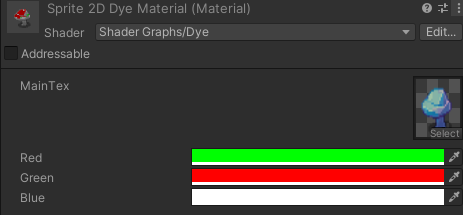

I had no idea that worked
I mean, it makes sense, but wow
TIL
drifting galleon
it does work
final steeple
It might be easier to implement this whole thing without worrying about the ref struct problem at first
and then you can look at transforming some types into ref structs after
Since right now there are a lot of unfortunate limitations that can make heavy ref struct usage a major pain to write
drifting galleon
yeah, i can feel that
but yeah thanks anyway. maybe i'll get around to ref-struct-ifying this eventually, but for now i guess i'll keep fixed-ing my types
final steeple
np
drifting galleon
and i don't want to keep you up longer
final steeple
It's definitely a struggle learning all this stuff lol
I wrote some REALLY bad interop code years ago
Eventually it comes naturally though
I actually noticed some of my older crappy repos getting forked recently, had to go archive them and add notes about them being bad code lmao
drifting galleon
well, i mean, i don't have that many problems with writing the interop, but the improvement and not fixed-ing everything would've been nice
final steeple
Yeah I just mean figuring out how best to make use of ref structs and all of the adjacent features
drifting galleon
def
the thing is, i am writing PInvoke code for api's microsoft doesn't actually want you to PInvoke or work with at all. (don't tell 'em XD)
final steeple
lmao
drifting galleon
and so the great new source generator project (CSWin32) is not particularly helpful with this api. no documentation, just plain c structures, nothing else
final steeple
I actually tried to google some of the functions when you posted the other code and it definitely seemed like a new API
There were almost no results at all
drifting galleon
it's not new. it exists since .........i think 2017?
drifting galleon
like i said, it doesn't seem like microsoft want's 'normal' devs to use this api
and this has been a side project for me for about 4 years now, but every time i found a lead on how to possibly use it in standalone applications, that lead died out after a few weeks, most sources / api end points getting deprecated pretty much right after i found them (had nothing to do with me though, just normal lifecycle) until i finally found my new lead about a week ago and this actually seems like the way to go
hooray
 tender badger
I think I should probably put this here, as it's turning out that this issue is much harder to solve than I thought it would be, and #archived-code-general Seems to be more for generic small questions instead of large issues like this.
Let me rephrase what I said in that channel:
So, I'm making a 2D pixel art game where you can fly around in a space ship in a randomly generated galaxy and do various different things.
Space is big. It's vastly, hugely, mind-bogglingly big. So to have a game environment that fits this famous quote I wrote a generator that generates a random galaxy based upon a couple of variables and a whole bunch of math.
Now, the problem is with rendering it.
This is a render of a galaxy with 25000 stars:
 frank peak
break it into chunks and load the chunks? the implementation of this is up to you tho and might be tricky depending upon your generation code
tender badger
You can see the issue with this if you look at the top part of the image. Rendering this seems to be very expensive, and the framerate suffers from it. For more context, these are all rendered as 2D sprites.
tender badger
Preferably I would like to have it be somewhat stable up to 100000 stars. More if possible, but I would be happy with that. Right now, not even 10000 stars runs at a stable 60FPS. I've done some test, and to get a mostly stable 60FPS you can only have up to 3000-5000 stars. For the record, I have a Ryzen 5 2600 and RX 570 8G.
frank peak
are the sprites sprite renderer set to individual or chunk mode? that can make some different
tender badger
frank peak
are the sprites sprite renderer set to individual or chunk mode? that can make s...
I'm actually new to unity (though not to programming as a whole), so I don't know what that is. Could you please tell me more about that?
frank peak
maybe thats a tilemap only thing hmm
its usually on the sprite renderer but i only see it on the tilemap renderer

yeah nvm its a tilemap thing
tender badger
Yeah, that looks like a tilemap thing.
frank peak
how are the sprites organized, are they just individual sprites
somber swift
tender badger
Preferably I would like to have it be somewhat stable up to 100000 stars. More i...
game objects tend to be very slow. you have to use some sort of batching (GPU instancing maybe?) to get rid of loads of heavy draw calls
tender badger
I have a prefab GameObject. In the Start() method of the renderer, it goes through all of the stars and sets properties such as the size, color, a different texture for certain star types, etc.
tender badger
somber swift
game objects tend to be very slow. you have to use some sort of batching (GPU in...
I've been told that over in #archived-code-general too. I have looked into it, having both read up on it and watched some tutorials, but at least for now, it seems to be way too advanced for me and it all just goes over my head.
I just tried blindly following a tutorial (I know, bad thing to do), and of course that didn't end up leading anywhere.
frank peak
https://www.youtube.com/watch?v=e5WXx4PQXpU maybe try this tutorial, it doesn't seem too hard

GPU instancing sounds hard, but it'll take you two minutes and completely change what you can do. Unity has made it so easy to do GPU instancing that there's no reason not to: don't get daunted by the complicated-sounding name.
it goes thru what it means too
tender badger
It's one of the first search results, I watched it and it doesn't apply.
The thing is, all of these tutorials need me to input some kind of mesh into their game instancing, but I don't have a mesh, I'm using sprites, not 3D models.
somber swift
tender badger
I've been told that over in <#763495187787677697> too. I have looked into it, ha...
If you really want to have that many starts, you just can't use thousands of gameObjects. You can see how Sebastian lague draw million of separate dust particles using GPU instancing: https://www.youtube.com/watch?v=PGk0rnyTa1U. If you feel like it's too complicated, you have to start with something simpler
tender badger
granite viper
Too many draw calls?
Yup, pretty much.
granite viper
Or too many objects
Make sure dynamic batching is on
Check the frame debugger to see why things aren't getting batched
frank peak
I think you need a custom material
what material are you using for you sprites
cuz if you look here at the material panel theres a checkbox for gpu instancing

but its unchecked and unavailable for the default materials (ie like the lit sprite material from the 2d extras pack or w/e)
tender badger
frank peak
what material are you using for you sprites
Default, I created a 2D Sprite GameObject, dragged the texture into it, and didn't change the material.
frank peak
ah okay
tender badger
frank peak
but its unchecked and unavailable for the default materials (ie like the lit spr...
Yup, that was one of the things I encountered too.
frank peak
maybe if you make a custom material derived from the material you're using and just turn on gpu instancing then youll get the perfomance gains you want?
tender badger
I tried that, but I couldn't find the default material in any of the packages.
I also tried creation a new material, and changing nothing except for GPU instancing, but that actually halved my FPS and made it so the sprites don't render anymore.
frank peak
oof lol
how do i regenerate my packages folder? it seemingly empty all of a sudden, even stuff like URP isn't there lol
even tho it still works in game/im using the urp Sprite-Lit-Default material?
ah nvm you can just right click > create > material then set the shader to the default-lit-sprite material and enable gpu instancing
urban warren
Man, there doesn't seem to be a way to speed up getting/setting values of fields via FieldInfo without using Emit/ExpressionTrees :/
granite viper
yeah, basically
urban warren
(This wouldn't be a problem for me if people actually followed C# guidelines and didn't create public fields)
final steeple
There technically is for blittable types
But not for classes or non-blittable structs
Well actually in Unity you can
UnsafeUtility.GetFieldOffset
granite viper
urban warren
Random thing, but can anyone explain the syntax for operator overloading and imp...
also I know you said this ages ago but I have literally never been able to remember the operator syntax, so you're not alone
urban warren
final steeple
There technically is for blittable types
You mean get fields within blittable types?
final steeple
Marshal.OffsetOf will give you the offset of a field in a blittable struct
But Unity offers UnsafeUtility.GetFieldOffset which works for everything
granite viper
final steeple
But Unity offers `UnsafeUtility.GetFieldOffset` which works for everything
I am really enjoying gleaning editor knowledge from you lol
final steeple
lmao
granite viper
there's so many nooks
urban warren
final steeple
But Unity offers `UnsafeUtility.GetFieldOffset` which works for everything
Ah, well that is handy to know but yeah I don't think that will be useful?
final steeple
You get the field offset, and then assign the value at that offset using unsafe code
Doesn't get much faster than that
It's basically a direct field assignment
urban warren
final steeple
You get the field offset, and then assign the value at that offset using unsafe ...
Do you happen to have a resource for learning more about this?
And potential draw backs?
final steeple
That's about it, yeah
As for learning about it, I don't really have any resources on-hand
Basically the logic is just, if you have the offset to the field, you know where it is in the object
urban warren
granite viper
so you can blow yourself up
So just don't mess up and you're all good?
final steeple
So you can just get a pointer to the object, add the offset, and set it
granite viper
yah, put on your bomb defusing gear and dive in
final steeple
So let's say we have
class TestClass
{
    public int ValueA;
    public int ValueB;
}
We want to set ValueB via reflection
but that's slow
Let's say we have a FieldInfo for ValueB
You can call UnsafeUtility.GetFieldOffset with that to get the offset
From there, you can do:
byte* addr = null;
UnsafeUtility.CopyObjectAddressToPtr(obj, &addr);
*(int*)(addr + offset) = 600;
// ValueB is now 600
Keep in mind that since this doesn't pin the object, it's only safe in Unity where the GC doesn't move objects (this will change when Unity moves to CoreCLR)
There is a way to do it without that problem by either pinning the object, or using the Unsafe class, which requires an extra DLL since Unity isn't using a version of .NET with that class built in yet
urban warren
final steeple
Keep in mind that since this doesn't pin the object, it's _only_ safe in Unity w...
This seems....risky...
final steeple
Only if you use that code outside of Unity
urban warren
final steeple
```cs
byte* addr = null;
UnsafeUtility.CopyObjectAddressToPtr(obj, &addr);
*(int...
This takes a minute to process, but I think I get it. Very neat!
final steeple
The safe way is:
ref int valueB = ref Unsafe.AddByteOffset(ref Unsafe.As<StrongBox<int>>(a).Value, (nuint)o);
valueB = 600;
"safe"
There's currently an aliasing bug in .NET with regard to Unsafe.As<T>, but it's not a problem in Unity and the aliasing bug will (hopefully) be fixed soon
urban warren
final steeple
The safe way is:
"Save" proceeds to use Unsafe
final steeple

urban warren
My other two options are to either say f-it and use straight up reflection, or to say f-it and generate a C# script that is then used at runtime...
final steeple
final steeple
```cs
ref int valueB = ref Unsafe.AddByteOffset(ref Unsafe.As<StrongBox<int>>(a)...
though you need to subtract 16 from the offset when doing this, because the offset Unity gives you is the offset from the object address and not the object data address
Or rather, you need to subtract sizeof(nuint) * 2
granite viper
is it unsafe wrt GC because GC can move the data in between getting the pointer and writing to it
final steeple
So 8 on 32-bit, 16 on 64-bit
 south ibex
Working on a parser for a node graph. Each node can return different values and I need to handle that. Would the vistor pattern be appropriate for this?
I guess the parser will be the visitor and each node handles giving it the correct data.