#history
1 messages · Page 168 of 1
 cyan oriole
it was a reasonable mistake, although why he would dawdle so long while expecting no air cover is beyond me
 eternal veldt
We do not know, incompetence, overconfidence, miscommunication
cyan oriole
since he apparently was convinced that air support would be impossible to provide
eternal veldt
But it is a very fatal mistake that deprived the British forces of two exceptionally important naval assets in the region
A deterrent, if you will - as the Japanese were scrambling forces to counter the duo
Kongos? Get them into the area they are spotted in.
Throw every fucking cruiser and destroyer in the vicinity at them too.
"yea dw the planes took care of them already"
eternal veldt
cyan oriole
since he apparently was convinced that air support would be impossible to provid...
This is precisely the point Im speaking of lack of clarification
The air force's reply was to his earlier request of providing air cover much further north to where his position was
cyan oriole
a very tragic and unfortunate misinterpretation
eternal veldt
He did not attempt to even ask for it when he was operating south
And thats why he deserved the lambasting
cyan oriole
yeah, considering the amount of confirmations and procedures that usually happen, it's strange that something so critical got nothing
eternal veldt
Planes should have been called the minute Prince of Wales was struck, and even then it is already doubtful the ship could survive
cyan oriole
by then it was too late
eternal veldt
And even if she couldn't, Repulse could be
cyan oriole
repulse could have been saved
eternal veldt
Because Repulse fared exceptionally well until getting boned by an anvil
It was sheer overconfidence and incompetence that could have been avoided, unlike Taffy 3
cyan oriole
yep, I don't doubt that things might have ended differently if the British had assumed the Japanese aircraft were torpedo-armed
instead of assuming they would be insignificant
eternal veldt
I dont think it would alter the strategic picture much
 maiden citrus
we have one bofors onboard it'll be fine
eternal veldt
For what its worth, the British defences in the east are pathetic in the face of Japanese onslaught
But, PoW and Repulse could have done more to stall the Japanese offensive, perhaps even a dent in Japanese naval projection
Rather than being turned into plane food and a very unpleasant and slow grave for the men on board
(The water depth is insufficient to pop the lungs of the men, so they are drowning very slowly)
Pitiful story from start to finish when considering the preparation on board the ships too.
eternal veldt
maiden citrus
we have one bofors onboard it'll be fine
Fwiw, the bofors is experimental
And fortunately was enough to convince the Brits to use it on their own ships
Far better than the Fiji/Gloucester fiasco
Literally 0 ammo to shoot the planes and just die
cyan oriole
southampton was the one burned out by a fire in the machinery spaces, right?
eternal veldt
I think so, but eh, ships lost to fire arent too uncommon.
Manchester is the real "bruh moment"
Ship received salvageable damage, chief engineer was working on it
"Just scuttle her lol"
Court martial.jpg
 fierce sparrow
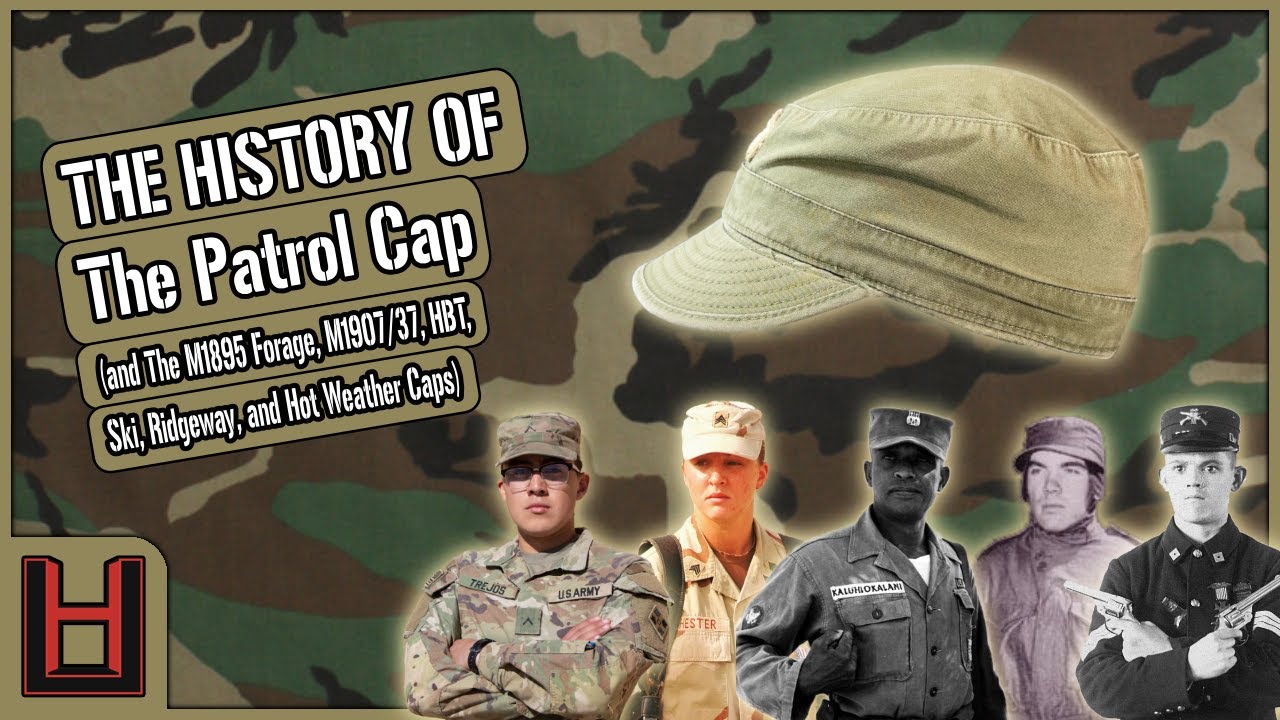
A pretty extensive one with this as The Patrol Cap hasn't always been the Patrol Cap and even when it was it wasn't at least until the 2000s but by that time there were so many versions out there it became a class of its own. Anyway though this video showcases its long history and relationship with a variety of other caps that either influenced ...
cyan oriole
eternal veldt
I think so, but eh, ships lost to fire arent too uncommon.
I remember it was considered a severe enough problem that the current design was reworked
same with how the latest designs had comically spaced machinery units
kinda crazy how "3x3 203mm" went from being squeezed into 10k tons in 1939 to taking 16k tons in 1942
eternal veldt
I mean
cyan oriole
the sacrifices one must take to abide by treaty limitations (germans would never understand)
eternal veldt
cyan oriole
I remember it was considered a severe enough problem that the current design was...
In the case of Edinburghs, they had more tonnage to work with, especially since the 16 gun proposal was dropped
eternal veldt
cyan oriole
the sacrifices one must take to abide by treaty limitations (germans would never...
As for this, the Hippers are fat fucks mainly because of the amount of workshops and equipment redundancy on board
cyan oriole
yeah, too bad it's hard to find detailed weight breakdowns for the Hippers (and of course the Admiral class cruisers that got cancelled)
eternal veldt
Germany lacks naval bases abroad compared to the other navies (and defanged by ToV for a while), and seeing they are not a signatory of the WNT/LNT, no obligation to be held to the 10k limit
cyan oriole
would be an interesting study to see what was prioritized in each design
also interesting would be what Hipper would look like if designed in 1942
eternal veldt
So, really, shitting on them for "lol not 10k tons" is a bit too superficial
Also, beer. Very important. (It does not contribute significantly to weight).
 cyan oriole
true, americans save weight because we have the money to make dedicated ice cream supply ships
eternal veldt
(and will enjoy Victorious' company because she had booze on board)
Its still no "full" replacement for hard liquor
cyan oriole
cyan oriole
true, americans save weight because we have the money to make dedicated ice crea...
although, likely this will cause weight gain of crew members 
eternal veldt
If a ship next to you has booze on board
Yea, probably going to take their chances
cyan oriole
completely understandable
 tacit sage
cyan oriole
true, americans save weight because we have the money to make dedicated ice crea...
tacit sage
cyan oriole
true, americans save weight because we have the money to make dedicated ice crea...
Tbf, the reason they had this was because they didn't want their sailors drinking on the job.
It was meant to be a replacement to that
 junior trench
cyan oriole
true, americans save weight because we have the money to make dedicated ice crea...
junior trench
cyan oriole
true, americans save weight because we have the money to make dedicated ice crea...
Those are for land forces. Ships of usually around cruiser size or above had their own ice cream makers as part of the galley equipment
Smaller ships would have allocations of ice cream in freezers
And/or receive ice cream as ransom from carriers for their rescued pilots back
eternal veldt
(the alternative is to steal the machine)
 subtle prawn

If you'd like to support us to keep making these videos, please support us on Patreon here: www.patreon.com/TheOperationsRoom
18th August 1976 - In the Joint Security Area of the Korean Demilitarised Zone, UN workers must cut down a tree that is blocking line of sight with a nearby outpost. However, a fight breaks out when North Korean soldiers...
subtle prawn

n 1970, the Royal Navy launched a "rent-a-sailor" hotline and encouraged families to invite sailors from visiting ships to tea. The program was abandoned when wives of sailors complained to the Ministry of Defence that hundreds of single women were using the hotline to find dates.
#SeaStorySaturday

 Bluesky
·
Bluesky
·
 rapid junco
 subtle prawn


#OTD in 2008: a USAF B-2 [89-0127] crashes in Anderson AFB (Guam), both pilots eject safely. Jet went out of control on take-off. Enquiry found moisture in sensors caused issues with flight computer. The US$1.4 billion jet was destroyed, in the most expensive crash in history.
Bluesky
·
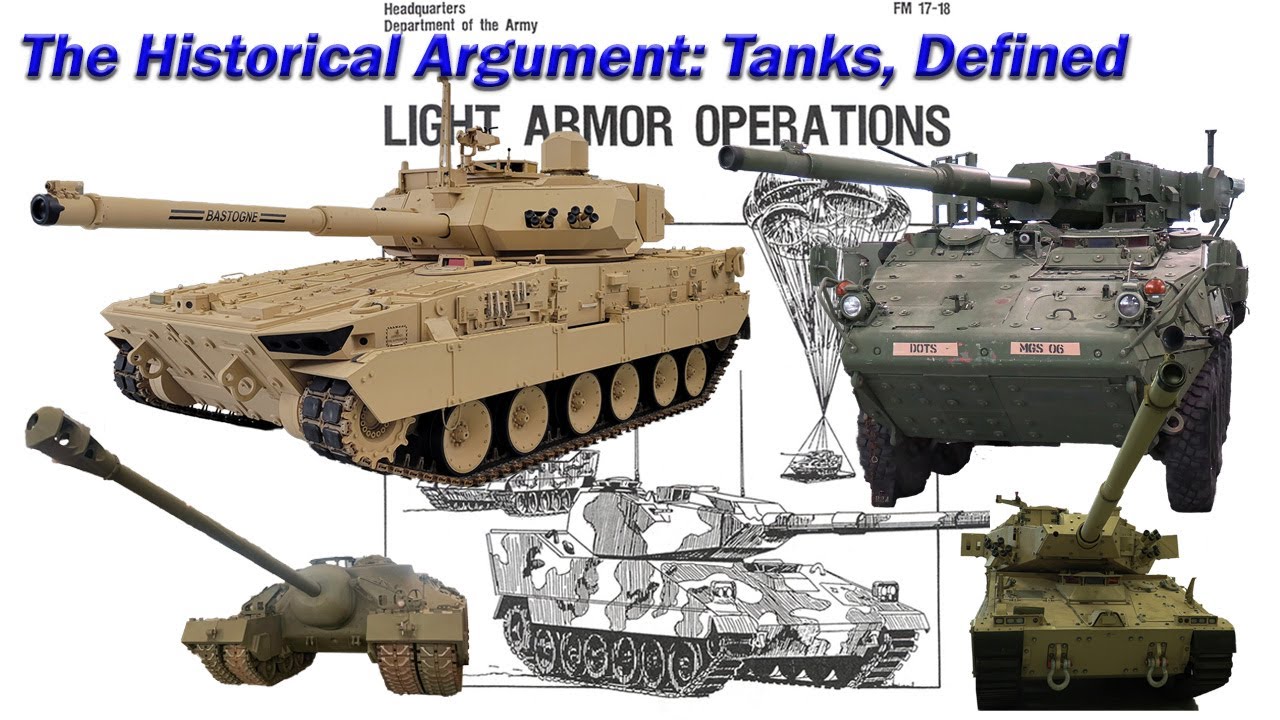
The question "what is a tank" has been argued for decades., this isn't the first time it's come up. What does history show about defining a tank by either role or by physical features?
cyan oriole
reminds me of the battleship semantics debate
where was that image I made

now that I re-read this, some parts don't make that much sense
like Iowa is a battlecruiser because it's battleship-sized and sacrificed armor for speed
it says a lot about the term that the most famous of them (Hood) is not even a battlecruiser
cyan oriole
other 45k ton ships
gain 10k tons for 0 protection improvements
maiden citrus
slight protection improvements, but it's already sodak tier armor, so much more effective armor than bismarck, or hood, or other similar range tonnage ships
maiden citrus
cyan oriole
it says a lot about the term that the most famous of them (Hood) is not even a b...
like for example, if hood, which is twice the weight of ships with better armor and armament during its own time period, is not a bc
then how is iowa, which has armor and armament stretching into yamato tier, and better than almost all contemporaries, a bc
even from strictly a design look, iowa sacrificed no armor to add speed compared to its shipmates, just added weight, hood added weight and sacrificed armor compared to its shipmates
cyan oriole
maiden citrus
even from strictly a design look, iowa sacrificed no armor to add speed compared...
not true, Hood had better protection than any British capital ship preceding it
both side and deck
meanwhile Iowa added... a severe vulnerability in the torpedo protection system forward of the A turret
if not for the inferior armor quality and outdated concept of Hood's armor, it could easily be better than an Iowa's
maiden citrus
hood has 12'' of belt, in a small area, with a vulnerable upper belt
QE has 12.75'' belt, although same weaknesses of upper belt etc
maiden citrus
cyan oriole
meanwhile Iowa added... a severe vulnerability in the torpedo protection system ...
and still a better tds than... basically anything else
also hood armor easily better than iowa's, paid actor indeed perhaps

 cyan oriole
maiden citrus
and still a better tds than... basically anything else
cyan oriole
maiden citrus
and still a better tds than... basically anything else
kid named Richelieu or Littorio
or even Soviet pipe dreams with 20% completion
maiden citrus
richelieu is the one that might beat it
cyan oriole
hold on let me find the Iowa redesign passage in Friedman

there's a reason the Montanas reverted to external side armor
maiden citrus
their width allowed it easily yeah
cyan oriole
not width, more weight
the internal armor was initially chosen because it is more effective for the same weight, allowing protection against the light 406mm shell
but since the Montanas were an unconstrained design, the designers had the luxury of not needing that uncomfortable tradeoff
maiden citrus
the increased slant is also harder to do on a ship that width, it's why nc has it but the super sharp incline of sodak and iowa did not
To mitigate this problem, sloped armor was proposed; it was infeasible to use inclined armor in an external belt, because it would compromise stability to a dangerous degree
cyan oriole
maiden citrus
the increased slant is also harder to do on a ship that width, it's why nc has i...
yes, it was considered a critical flaw that the NCs lacked protection against 406mm shells, and also that they had insufficient underwater hit protection
internal was what was needed to solve those problems on the LNT restrictions
but ideal is to just thicken the armor and extend it below the waterline
and even NC had torp protection so "good" it couldn't even defeat an IJN sub torpedo to A turret
definitely a good thing SD didn't take any torpedoes off Guadalcanal
cyan oriole
SD was never torpedoed in her entire career
maiden citrus
I mean nc, it was hit in the weakest spot of the tds and it did basically nothing
nc didn't even leave station
maiden citrus
the torpedo's damage didn't, the shock of the torpedo explosion did, nc suffered only minor damage
she could make 25 knots immediately after being hit
 desert agate
Hood was a spectacular ship for her time but in what world is she a better thought out design than Iowa?
cyan oriole
 cyan oriole
desert agate
Hood was a spectacular ship for her time but in what world is she a better thoug...
cyan oriole
desert agate
Hood was a spectacular ship for her time but in what world is she a better thoug...
I'm saying Hood didn't need to make any tradeoffs
while Iowa actively traded armor protection, to a level where it was grossly insufficient for a ship of her displacement
desert agate
Hoods tradeoff was displacement
maiden citrus
a ship half hood's displacement could defeat it in a fight, I don't think that holds true on the other side
iowa also has the second best armor, possibly third best depending on opinion, afloat
desert agate
Sincerely if Hood had shaved off a couple of knots of speed she would have been a vastly better ship for it
But that obviously wasn't what she was built for
She did in fact have to sacrifice some of her protection for speed
For a ship of her displacement, she could have been better protected if that was what she was built to do
maiden citrus
like I said, ships roughly half hood's displacement had better armor and armament, even in british service you'd probably have to run calcs for if the slant is worth .75'' of armor, but hood's belt coverage is also small
cyan oriole
desert agate
Hoods tradeoff was displacement
yes, that is the characteristic of a fast battleship design
solving the WW1 "battleship vs battlecruiser" debate by saying "nah, I'll have both speed AND armor"
desert agate
Hood had armour equivalent to her contemporaries while weighing 10-20k tons more than them
cyan oriole
yes, because Hood was 5-10 knots faster than her contemporaries
which is why she was so revolutionary in warship design -- a ship as fast as a battlecruiser without being made of paper
battlecruiser speed and battleship armor
cyan oriole
maiden citrus
like I said, ships roughly half hood's displacement had better armor and armamen...
name a 20k ton ship that had "better armor and armament"
also yes Hood was a WW1 design
desert agate
Hood had contemporary armour and high speed while weighing 10-20k tons more, Iowa had armour better than her contemporaries and high speed while weighing 10-20k tons more
obviously a major reason for that was 20 years of propulsion system design
the fact remains regardless that Iowa was a very good ship
cyan oriole
desert agate
Hood had contemporary armour and high speed while weighing 10-20k tons more, Iow...
but Hood has armor much better than her contemporaries, while Iowa arguably had weaker armor
the QEs were already very well armored, and Hood surpassed them
maiden citrus
cyan oriole
name a 20k ton ship that had "better armor and armament"
hence roughly, a pennsylvania class has better armor and more firepower than hood while being under 30k tons
cyan oriole
yes, Iowa is a very good ship, but 80% of that is fire control and armament
maiden citrus
cyan oriole
but Hood has armor much better than her contemporaries, while Iowa arguably had ...
weaker armor than what? yamato? somewhat, yes
how does hood have better armor than her contemporaries
she didn't
cyan oriole
maiden citrus
weaker armor than what? yamato? somewhat, yes
Littorio and Richelieu when it comes to pure vitals protection
Vanguard (or a Lion) when it comes to mitigating damage
cyan oriole
maiden citrus
how does hood have better armor than her contemporaries
- decent subdivision for the first time
- adequate splinter protection for the first time
- angled belt armor with greater resistance than all competitors
- reasonable deck armor, only Americans are better
maiden citrus
cyan oriole
compared to all the other WW1 ships that could be sunk by progressive flooding from non-vital damage, Hood was many steps forward
desert agate
Hoods contemporaries are the QEs (approximately equivalent), Tennessee (Tennessee is better protected) and Nagato (arguably better protected)
cyan oriole
maiden citrus
hence roughly, a pennsylvania class has better armor and more firepower than hoo...
yes, at the cost of 10 knots of speed, not a bad trade for 10k tons (where Iowa only gained 5 knots for the same)
maiden citrus
tennessee beats hood in every area you just named
desert agate
What world are we in where I'm not on the side of Hood...
maiden citrus
a nevada that was in service a few months after hood being laid down does also
cyan oriole
tennesse when any damage to massive unprotected nose and ass (unavoidable flooding, very sad)
desert agate
Bro has never heard of All or Nothing
Progressive armour schemes are inferior to All or Nothing in every sense
cyan oriole
that's reductive
a poorly executed all or nothing will get you a massive soft nose that floods and cuts your speed 10 knots
maiden citrus
cyan oriole
yes, at the cost of 10 knots of speed, not a bad trade for 10k tons (where Iowa ...
and that's why hood is a bc, she is a worse combatant for more speed
iowa is a top tier design with more speed
cyan oriole
which is why the Brits had massive armored freeboard, extensive splinter protection, and light armor for extremities
in the Vanguard and Lions
maiden citrus
desert agate
Bro has never heard of All or Nothing
if I recall this exact scenario happened in a fight with some shore batteries and proved the myth false
cyan oriole
maiden citrus
and that's why hood is a bc, she is a worse combatant for more speed
iowa is a ...
Iowa has weaker protection than a Lion on 5k tons more
maiden citrus
lion never got built and is paper specs
cyan oriole
Vanguard got built and confirms the design philosophy
maiden citrus
vanguard has less firepower than ww1 bbs
cyan oriole
this isn't some soviet fantasy design
cyan oriole
maiden citrus
vanguard has less firepower than ww1 bbs
yes, because it was designed as a lego ship using WW1 turrets
maiden citrus
the british liked their fantasy designs on paper too
cyan oriole
Lion is a Vanguard with actual money invested in it
cyan oriole
maiden citrus
the british liked their fantasy designs on paper too
yeah, and when they entered service they worked
desert agate
didnt Lion retain a lot of the disastrous design choices KGV made?
cyan oriole
desert agate
didnt Lion retain a lot of the disastrous design choices KGV made?
some, but not all
1942 Lion had dealt with pretty much everything but the weak TDS
desert agate
Did it retain the backup generators and pumps outside of the armour protection?
cyan oriole
maiden citrus
and that's why hood is a bc, she is a worse combatant for more speed
iowa is a ...
Iowa has a lot of issues, as I said
if you thought Bismarck had an issue with "everything above the waterline is a bomb fiesta", Iowa has basically the same issues
the entire ship is 38mm STS, so bomb near misses cause waterline flooding
and the entire ship is a fuse hazard for AP
maiden citrus
bruh
cyan oriole
and the height of the actual Class A belt is minimal
not to mention the vulnerability in the joint between the armor
desert agate
Iowa also has the reserve displacement to stay afloat if her entire unarmoured area is flooded
maiden citrus
doesn't even know about the anti he plates
cyan oriole
desert agate
Iowa also has the reserve displacement to stay afloat if her entire unarmoured a...
wait are you accusing the British of lacking reserve buoyancy???
maiden citrus
everything above the waterline on bismarck is a bomb because her citadel is above water and designed very poorly
desert agate
cyan oriole
wait are you accusing the British of lacking reserve buoyancy???
I am not
I'm simply saying that waterline flooding outside of the protected areas of an Iowa isn't a big deal
cyan oriole
Iowa still has the issue where the ship floods, the stability falls because the armor is far inboard of the actual ship side
and your effective armored beam is pretty low
also the British bouyancy areas are the largest of any nation's
cuz giga-armored freeboard
if Iowa eats 1 torpedo on the bow, the entire nose is flooded
Yamato had that problem
Brits have an armored deck at waterline level to contain flooding, same as with the Germans (Bismarck showed that part works)
maiden citrus
desert agate
I'm simply saying that waterline flooding outside of the protected areas of an I...
as was shown by standards during the war, yes
maiden citrus
cyan oriole
yeah, and when they entered service they worked
worked yeah, as said on paper, debatably
Note: The Reason why Taylor was correct in his assessment of the QE class battleships comes from the methods in which England tested their battleships. During Trials, British warships operated with 900 to 1000 tons of fuel while American ships did trials on 2/3 of their complete capacity. Fully loaded, the Speeds of QE and South Dakota would have been very similar. There is another "paper" advantage British had as well. Americans specified belt armour in thickness for the standards. This means that the belt on them was really 13.5-in thick, plus some variation due to tolerances. British, like most other navies, specified belt armour in weight. The thickest part of the belt on QEs was 520 # (weight of 520 pounds per square foot) which is actually 12.75-in thick, but nearly always rounded as "13-in".
cyan oriole
standards in the war sunk from progressive flooding caused by nonvital damage
desert agate
cyan oriole
if Iowa eats 1 torpedo on the bow, the entire nose is flooded
But why does that matter given the ship itself can not only remain combat effective but also return to cruising and even combat speeds in some cases
maiden citrus
which standard sunk in the war
cyan oriole
desert agate
But why does that matter given the ship itself can not only remain combat effect...
??? if the bow is flooded your speed is massively cut
once again see: yamato
desert agate
cyan oriole
standards in the war sunk from progressive flooding caused by nonvital damage
would you like to provide an example of a Standard in combat conditions sinking due to progressive flooding
cyan oriole
maiden citrus
which standard sunk in the war
most of the ships at Pearl sunk from nonvitals damage
which should not sink a battleship even if nobody is aboard
maiden citrus
the ships at pearl harbor were also sitting in non combat conditions during peace
at night, even
desert agate
How many of the ships hit at Pearl were unrecoverable?
maiden citrus
one
cyan oriole
maiden citrus
the ships at pearl harbor were also sitting in non combat conditions during peac...
again, even if nobody is aboard they should not sink
desert agate
and of those two, which were lost to progressive flooding?
maiden citrus
neither lol
cyan oriole
they were only recoverable because they sunk in shallow water
if they sunk like that at sea, they would be gone
a battleship should not sink to progressive flooding
desert agate
Do you not think that had those ships been at combat stations the damage would have been mitigated?
maiden citrus
cyan oriole
again, even if nobody is aboard they should not sink
so how did royal oak sink
desert agate
Or even reversed?
cyan oriole
desert agate
Do you not think that had those ships been at combat stations the damage would h...
a battleship should not sink to progressive flooding
period
maiden citrus
oklahoma got hit by so many torpedoes in one side her entire tds got forced into the ship
cyan oriole
it's a severe issue if a battleship can be sunk by torpedoing its nose
maiden citrus
it didn't even break, it got forced in like a punching bag
cyan oriole
cyan oriole
it's a severe issue if a battleship can be sunk by torpedoing its nose
if Yamato were designed to those standards, it would have sunk after like 3 torpedo hits
desert agate
Were any American battleships lost due to progressive flooding while at sea?
maiden citrus
yes
desert agate
i dont recall specifying standard in my question
desert agate
Which Tennessee wins assuming no divine intervention
cyan oriole
maiden citrus
worked yeah, as said on paper, debatably
```Note: The Reason why Taylor was cor...
yes, the Americans also specified that their TDS would work vs 720 lbs "on paper", but that didn't end up being true in practice either
maiden citrus
is that why the british copied american tds design
cyan oriole
desert agate
Which Tennessee wins assuming no divine intervention
I could see that being said for Colorado, but Tennessee's peashooters? doubtful
maiden citrus
... tennesse's guns are more powerful than hood's
cyan oriole
maiden citrus
is that why the british copied american tds design
when did I say the design was flawed
obviously, the issue was the constraints of the design
maiden citrus
...even individually
desert agate
Hood needs to close the range to get through Tennessees armour which seriously negates any firepower advantage which may or may not be present
cyan oriole
a system that worked when implemented properly, did not work on the Iowas
because of tradeoffs made for speed
desert agate
Has Jaba done immune zone calculations for Hood v Tennessee and vice versa?
maiden citrus
don't think so, but it would not be pretty
cyan oriole
desert agate
Hood needs to close the range to get through Tennessees armour which seriously n...
remember that Tennessee armor is WW1 Class B
desert agate
Because I would be sincerely surprised if Hood comes out on top of those immune zones
maiden citrus
considering jaba has done weapon calculations and as said
maiden citrus
maiden citrus
... tennesse's guns are more powerful than hood's
heh
cyan oriole
even WW2 Class B is 84% effective comapred to Class A
cyan oriole
desert agate
Because I would be sincerely surprised if Hood comes out on top of those immune ...
well computing immune zones for Hood is kinda moot
cuz middle belt has 0 immune zone
it's all luck based at that point
maiden citrus
how is that luck, one ship can defend, the other cannot
cyan oriole
wait I lied, Tennessee guns would shatter on the middle belt starting at around 18km
maiden citrus
cyan oriole
remember that Tennessee armor is WW1 Class B
the deck sure, the belt is certainly class A
cyan oriole
maiden citrus
the deck sure, the belt is certainly class A
Class A was not invented yet
eternal veldt
Tennessee was refitted with extra deck armour added in her reconstruction, as I recall?
cyan oriole
Tennessee armor is Class B
cyan oriole
eternal veldt
Tennessee was refitted with extra deck armour added in her reconstruction, as I ...
yeah, all standards except iirc the Mississippis were
I think even ships as old as Florida received extra deck armor in the 30s
desert agate
it would only be fair to make this comparison as comissioned rather than including rebuilds and refits particularly for a contest against Hood
eternal veldt
So what exactly is the argument here?
cyan oriole
funniest thing is Tennessee main belt having the same IZ as Hood middle belt
cyan oriole
eternal veldt
So what exactly is the argument here?
Hood was not a battlecruiser
and if it was, Iowa is a battlecruiser too
desert agate
Since if we're arguing Hood v Tennessee in 1940 well, Hood doesn't even have a speed advantage anymore
cyan oriole
I was thinking more 1920s
eternal veldt
The problem is that the line between battlecruisers and battleships are becoming rather blurry by the point of Hood
cyan oriole
Hood got neglected pretty hard, but that doesn't change the revolutionary design concept
just like the standards all-or-nothing (questionable subdivision hurts it), or Nelson's innovations (good on paper but it took until Richelieu to get them all right)
maiden citrus
cyan oriole
funniest thing is Tennessee main belt having the same IZ as Hood middle belt
the 7 inch belt? what?
cyan oriole
maiden citrus
the 7 inch belt? what?
yeah, it's quite close
maiden citrus
ah yes the 13.5'' armor has the same IZ as 7''
cyan oriole
7" angled at 12 degrees
which is is 8.5"
and it's cemented vs tenn homogenous
and Hood's guns are much stronger
it all adds up
maiden citrus
uh
 tough quail
oh okay i see the actual argument here i think
maiden citrus
hood's guns are not stronger than a 14''/45, let alone the 14''/50
cyan oriole
maiden citrus
hood's guns are not stronger than a 14''/45, let alone the 14''/50
we're talking about the impoved projectile here, right?
tough quail
wait hold on
tough quail
desert agate
Since if we're arguing Hood v Tennessee in 1940 well, Hood doesn't even have a s...
what on fucking earth are you talking about
hood slowed down in 1940 but she could still run laps around tennessee
maiden citrus
yeah tbf there it'd still be easily an 8 knot advantage
tough quail
yeah she was around 28kn
eternal veldt
29*
cyan oriole
vs Tenn 20.5 yes
tough quail
that's about twice as fast as you need to completely dictate an engagement
cyan oriole
eternal veldt
29*
depends on loading I think, I've seen both
eternal veldt
She's a bit under disrepair and extensive service, but uh
desert agate
yeah okay look im not used to not defending Hood
eternal veldt
Far better than Rodney
tough quail
hood can effortlessly engage, disengage and maneuver around tennessee as she pleases
cyan oriole
eternal veldt
Far better than Rodney
Rodney
eternal veldt
Drach and his tomfoolery about Rodney at 25 knots
desert agate
This is the opposite of my normal comfort zone
 maiden citrus
that part isn't in dispute yeah
maiden citrus
I feel dumb for not saving all the jaba shell funnys in a folder
desert agate
If I ever take drach on an 8 hour road trip again ill ask him about rodney
cyan oriole
tough quail
wasn't the rodney 25kn thing just
it was pure copium from drach to list it with a straight face
eternal veldt
No, a book of memoirs with the chief engineer said "Rodney was very fast, faster than what she'd been for a long time"
tough quail
i mean its an extremely cool thing about rodney, but its not her normal service speed by a long shot
eternal veldt
Her boilers were, for a long time, capable only of 19-21 knots only
Thats why when KGV called for 23 knots, Rodney said "your 23 knots is much faster than ours"
Her boilers are scuffed, and the crew managed to get the boiler to not shit itself for a while
maiden citrus
I'm 2 years back in search and haven't found it
tough quail
if the speed jump wasn't there the bismarck chase wouldn't be nearly as cool
maiden citrus
kill me
tough quail
because rodney getting +2kn through sheer anger fucking owns
cyan oriole
tough quail
i mean its an extremely cool thing about rodney, but its not her normal service ...
yeah, it was calculated that it would take 70k shp to achieve 25 knots
which would be nearly double the rated power output
tough quail
21 to 23kn or 23 to 25kn, it's still cool as fuck
eternal veldt
Its more "an old lady gets so infuriated her bones held together for 5 hours under intense heat so she could run like her younger self to kill the german"
tough quail
you get em girlie
cyan oriole
funniest machinery forcing is French
maiden citrus
german tomfoolery afoot
cyan oriole
39 knots ship? time to go 45 knots
maiden citrus
french machinery is unanimously known to have semi magical properties
cyan oriole
accelerating from 0 to 40 in 4 minutes
tough quail
now i wanna go back to the very start of this
since, unless im mistaken

this is where the argument started, right
maiden citrus
more or less
cyan oriole
yeah I think, I don't remember anymore
desert agate
Honestly I think the core of this argument has vanished
eternal veldt
Counterpoint
tough quail
i'm generally agreeing with default man here, with caveats
eternal veldt
Amagi and Kii are where things started to merge
cyan oriole
maiden citrus
end of argument
 eternal veldt
By the time of No.8s, they are BCs in name only
tough quail
iowa is absolutely armored enough to be a treaty battleship
however
she's also bigger than all of them
and could have easily been a montana tier beef monster
but they traded the proportional-to-tonnage she would have had
eternal veldt
Its almost like
tough quail
for ridiculous fuck off engines
eternal veldt
There were two lineages for Iowa
maiden citrus
the argument was iowa sacrificed protection, though
cyan oriole
yeah exactly, Iowa armor looks insufficient compared to any 45k ton design (that isn't any sort of Bismarck tomfoolery)
maiden citrus
when she has more or less sodak protection
eternal veldt
The "Slow" lineage (scrapped), and the "fast" lineage
maiden citrus
she didn't lose protection, she got elongated, yeah
cyan oriole
^
tough quail
a normal "battleship" of her size would be a gigantic freakazoid fortress
eternal veldt
She did not sacrifice anything in the holy trinity
tough quail
if you look at alsace (who, admittedly, is kind of cheating)
cyan oriole
gaining 10k tons should entail a proportional increase in protection
tough quail
the armor and firepower jumps quite a bit
eternal veldt
Much like Hood, she sacrificed the hidden factor of displacement
maiden citrus
iowa is certainly not a ship I would personally design
but she didn't slip backwards on protection of one of the best protected ships
desert agate
Yes Maka we've seen you play RTW
tough quail
also im gonna be real it's not a "ding" on iowa to say she sacrificed protection anyway
eternal veldt
Maka on her way to make a Mega SoDak with 3x3 457 with SHS and beefed as fuck protection at 21 knots:
tough quail
it's an actually interesting design quirk
ships that are perfectly balanced for their size with no flavor
are fucking boring
cyan oriole
I think the synder guy had it down for a "perfected Iowa"
 tough quail
iowa being an oversized treaty battleship hotrod is what makes her interesting
eternal veldt
False
maiden citrus
desert agate
Yes Maka we've seen you play RTW
 tough quail
well
eternal veldt
Iowa being Kongou fuckers are what makes them interesting
tough quail
that and blowing up landing pads in vietnam
eternal veldt
Made to fuck Kongous, fucked with planes instead
 tough quail
eternal veldt
Iowa being Kongou fuckers are what makes them interesting
tough quail
eternal veldt
Iowa being Kongou fuckers are what makes them interesting
yeah but thats why they're oversized hotrods
these things go hand in hand
eternal veldt
Picture it
cyan oriole
tough quail
iowa being an oversized treaty battleship hotrod is what makes her interesting
interesting, it's the opposite for me
I prefer well-balanced designs, not some gimmicky jank
eternal veldt
Hot action with Iowa and Haruna
maiden citrus
I LIKE EM THICC
cyan oriole
truly an AL server moment 
eternal veldt
You want to see it, hit
maiden citrus
I LIKE EM ROUND
tough quail
cyan oriole
interesting, it's the opposite for me
I prefer well-balanced designs, not some g...
but do you want everything to be like that, though?
 cyan oriole
tough quail
but do you want *everything* to be like that, though?
cyan oriole
tough quail
but do you want *everything* to be like that, though?
nah, it's like the firing patterns of an Italian battleship
 cyan oriole
the variance from the mark is what makes it interesting
eternal veldt
Oh no
maiden citrus
oh yes
 tough quail
before everyone goes nuts
eternal veldt
Please dont tell me you are buying into that Italian BB bad dispersion drivel
tough quail
that's a super common myth
cyan oriole
eternal veldt
Please dont tell me you are buying into that Italian BB bad dispersion drivel
don't worry, I said firing patterns, not dispersion
tough quail
dont expect everyone to have dug into things that far
desert agate
I do expect it thank you
cyan oriole
I've pestered phoenix with enough questions to have been trained
maiden citrus
I went back 3 years and couldn't find the jaba papers of 14''/45 vs 15'' so I give up
cyan oriole
but still, Italian BB hit rate is something special 4 sure
desert agate
Wow I miss when this channel was like this every day can we go back to that please
maiden citrus
peak engine performance
 cyan oriole
it's not like Italian fire control was bad, it's just that it wasn't good enough
tough quail
anyway the correct answer to ship design is to do what the french do
maiden citrus
 tough quail
make your propulsion plants really small
desert agate
The French are the secret holy land of ship design
maiden citrus
oh I did
tough quail
so you have so much extra tonnage you can do whatever stupid shit you want
maiden citrus
just not the way you think I did
desert agate
Everyone battles about the big 3 or throws in the Germans for shits and giggles
maiden citrus
I assure you my propulsion plant is small
tough quail
like french design is really that simple
desert agate
But really it is the French who were at their best
cyan oriole
tough quail
make your propulsion plants really small
instructions unclear, I used untested experimental techology and got a Bismarck power plant
tough quail
when a ships machinery takes up the majority of its weight
eternal veldt
So much so I get a headache looking at JB's directors after her refit
maiden citrus
eternal veldt
French funnels are excessively smokey
and the machinery apparently has bad gas mileage but eh, I think if I ued actual french engines
tough quail
and it gets dumber the more you scale up
maiden citrus
I could create a black hole
cyan oriole
eternal veldt
French funnels are excessively smokey
French engineers learned from the pollution in the Seine I see
want to make sure not just the water is polluted
eternal veldt
So you dont gas everyone sitting in the 8 metre OFL
tough quail
45 thousand ton alsace is getting frighteningly close to montana and yamato despite the size gap
and thats horrific
maiden citrus
eternal veldt
So you dont gas everyone sitting in the 8 metre OFL
the british having their funnel smoke drift directly into the spotting tops: whoops
cyan oriole
Alsace got a lot less impressive once you look at the actual coverage of the side armor
eternal veldt
...how the fuck do you know when plans for the ship arent even found?
tough quail
extrapolating from richelieu i imagine
eternal veldt
Alsace is at 40k tons, with nothing surviving beyond basic dimensions
desert agate
We must break into the French naval archives
cyan oriole
cyan oriole
Alsace got a lot less impressive once you look at the actual coverage of the sid...
sadge
 maiden citrus
most interesting thing about montana besides BIG UNIT is how ridiculously armored the steering was
eternal veldt
Useless
cyan oriole
eternal veldt
...how the fuck do you know when plans for the ship arent even found?
extrapolate from Richelieu
eternal veldt
A time travelling machine back to the Ardennes is needed
desert agate
Ladies and Gentlemen I am putting together a team of people with unique characteristics to complete an impossible task
It will be a heist
cyan oriole
while we're at it we should save the spring styles book 2
tough quail
y'all ever think about how at low obliquity dunkerque is keeping up with the upgraded colorados in armor penetration at longer distances
despite being SAP

desert agate
eternal veldt
A time travelling machine back to the Ardennes is needed
I'm sure there's something left
Like how they randomly found some Yamato plans a few years ago
There must be some Alsace plans lying around
cyan oriole
tough quail
despite being SAP
at least it's more like the Italian style of SAP than the British
desert agate
Just waiting to be found
maiden citrus
the one piece
cyan oriole
where it's like 3% filler and doesn't hate having a good cap
eternal veldt
maiden citrus
the british having their funnel smoke drift directly into the spotting tops: who...
They learnt, somewhat
Vanguard fixes the issues
But
maiden citrus
yeah just funny
eternal veldt
Glorified Yacht
tough quail
VB caliber wanking made me go on an adventure
eternal veldt
And occasional toilet for Krem to shit on
cyan oriole
desert agate
There must be some Alsace plans lying around
nah, to get those we would have to delay the French surrender
maiden citrus
for a few dreadnoughts it made the spotting tops literally uninhabitable
tough quail
and i learned that the french also mastered the other important part about battleships in the 30s
where their AP shells are basically just modern competition rounds
eternal veldt
Horse, while you are herewa
tough quail
high velocity, hefty, and with aerodynamics that reduce the energy bleed to "no"
desert agate
I sincerely believe there's an attic or basement somewhere around Cherbourg or something with a box that hasnt been opened in 85 years
eternal veldt
Want a cool fact Richelieu found?
tough quail
shoot
eternal veldt
Algerie's shells match her AL colour palette.
tough quail
...they do?
eternal veldt
Driving band and everything.
maiden citrus
yeah sad we have neither our shell expert or penetration expert
tough quail
do you have a picture
cyan oriole
desert agate
I sincerely believe there's an attic or basement somewhere around Cherbourg or s...
didn't the Germans steal some of it? and then the Soviets stole it again
eternal veldt
Finding now
desert agate
cyan oriole
didn't the Germans steal some of it? and then the Soviets stole it again
Believe so yes but I can't imagine that everything is gone
tough quail
cyan oriole
you mean the part where they cause an explosion in the barrel?
in fairness this isn't so much a design flaw (well, you could still argue it is one) as it is a user error
they forgot to plug the shells up when they bailed out of france iirc
cyan oriole
it got rectified pretty quickly
desert agate
It's a shame there wont be any liberations of the Moscow archives any time soon
maiden citrus
timing coils made the richies powerful
desert agate
Oh hi Jaba
tough quail
so they were aware that it was an issue with the shell
maiden citrus
he awakens
desert agate
Our hero
maiden citrus
now I can just directly ask to be dmed every shell data sheet
tough quail
just forgor to fit the shells properly in the rush out of france
eternal veldt
 maiden citrus
so I can keep them for times like that
eternal veldt
All Richelieu's work
tough quail
i cant imagine thats intentional because its so niche
but its also so spot on
cyan oriole
maturing is realizing that all of these concerns are cosmetic, and what matters is just fire control :sadge:
very anticlimactic and lame
tough quail
until you realize 1940s fire control at its best is still extremely limited and hits often come down to random chance
and you need everything else to not get demolished by that
every miracle super radar guided hit from 95849634 million miles away on the 1st volley is matched with hundreds of whiffs you dont actually hear about
because they're whiffs
eternal veldt
desert agate
I'm sure there's something left
Part of the problem is that most of the things are in their stillborn stage when, you know
Greater concerns arised
The Saint-Louis got a doodle of the deck plan, and thats that
cyan oriole
it's too bad, the French heavy cruiser, CT, and DD design series were fascinating
maiden citrus
italian tiny cruisers...
cyan oriole
would have loved to see where those ended up
eternal veldt
Gascogne's plans surviving is honestly a miracle
(and unfortunately butchered by WG slightly)
cyan oriole
tough quail
until you realize 1940s fire control at its best is still extremely limited and ...

desert agate
Truth nuke
maiden citrus
fairly, even the best in the world couldn't use maximum gun range
 spiral cedar
cyan oriole
spiral cedar
cyan oriole
This figure of 600 lbs for the warhead of I-19's torpedo is a conclusion of the USN's wartime damage analysis, which at the time (mid-1942) only knew of two Japanese submarine torpedo warheads: 450 lbs and 660 lbs. The damage inflicted was certainly not that of a 450 lb torpedo, so the USN analysts rated it the heaviest warhead they knew of at the time:
V-A-2. The two most frequently used Japanese submarine torpedoes contained 450 and 660 pounds of Shimose, respectively. The damage to NORTH CAROLINA indicates a charge approximating the 660 pound charge of Shimose (picric acid) used in the Type 89 Japanese submarine torpedo.
This is by no means unusual. Nearly all of the USN damage reports of this period consistently lowball Japanese torpedo warhead weights, because they simply did not know Japan had higher-warhead weight torpedoes. In fact, we know of cases where Type 93 ("Long Lance") torpedoes (>1000 lb warhead) struck US warships at Guadalcanal, and the USN then concluded that the damage must've been from a circa 700 lb warhead, because a) that's the largest they thought Japan had and b) the damage was evaluated as "consistent" with contemporary USN circa-700 lb warhead torpedoes.
However, North Carolina was not struck by a 660-lb torpedo warhead. Why? Because the torpedo spread that hit 3 warships is well-documented and researched, in particular in regards to the ranges and timings (which allows us to determine torpedo speed and distances traveled). The great range at which NC was hit, at a high speed (45 knot run), excludes all IJN torpedoes in service at the time aside from the Type 95, which I-19 could and did carry. And the Type 95, as we know now, had an 893 lb Type 97 explosive warhead, not 660 lb, at the time.
cyan oriole
so that's 942 lbs TNT, not bad then
no wonder it barely held up
tough quail
cyan oriole
https://media.discordapp.net/attachments/669133963864047626/1192841604982120528/...
the USNs own 1944 tests came down to iirc a roughly 30% hit chance on a broadside battleship sized targets
cyan oriole
I merely jest
tough quail
with a radar lock, in perfect weather and working conditions
at 10k yards
aka "this will literally never happen, ever"
well, outside of guadalcanal
but at that point you dont even need fire control
you need your fucking eyeballs
because you're at point blank
cyan oriole
Washington had to fire using only radar lock at several points
tough quail
at 20k yards it drops back into the single digits
maiden citrus
the best argument is the one that even the most advanced fire controls of the nation with the best ones could not land even 1% hits at their gun's max ranges
tough quail
and thats still in perfect conditions
cyan oriole
because she was passing behind SD (currently burning) while blinded the lookouts and rangefinders
and of course that's what blinded Kirishima and allowed the subsequent execution to happen at all
maiden citrus
(this also helps with max gun range arguments, which are also silly)
cyan oriole
true, clearly Littorio strongest BB because longest max gun range
tough quail
max gun range only mattered in like, early ww1
because some were absolutely atrociously shit
cyan oriole
france...
tough quail
(and even if they are unlikely to hit, not being able to fire back at all is absolutely devastating on morale)
(this is a vital thing to rectify)
cyan oriole
cyan oriole
so that's 942 lbs TNT, not bad then
no wonder it barely held up
would have expected a bit better from Friedman though
at least one of those little note things
footnotes
surely he read the USNI mission to japan reports
tough quail
at the end of the day ww2 naval combat is an extremely esoteric topic fraught with poor record keeping, actual record destruction, and a very low volume (relatively) of actual encounters to read into
you can make the argument that the entirety of ww2 is too low and too tainted a sample size to say what's "ideal" for naval warfare in the period
and you'd probably be right
cyan oriole
tough quail
at the end of the day ww2 naval combat is an extremely esoteric topic fraught wi...
not to mention a multitude of endlessly complex systems and fields that interact with each other in endlessly complex ways
cyan oriole
tough quail
and you'd probably be right
"probably" is an understatement
spiral cedar
Just to give some context to the North Carolina comparison:
NC took a Type 95 torpedo (893 lb Type 97 warhead) abreast her Turret I barbette, which had only 4 (instead of her amidships 5) bulkheads due to the restricted beam so far forward in the ship. One of the bulkheads was thickened to provide ballistic protection against diving shells, but this did not help the torpedo blast absorption (rigid and thick armor plate won’t deform to elastically absorb energy like thin bulkheads will, and instead is pushed rigidly back into the hull, often causing slow leakage as the supporting joints or rivets fail). In the case of this hit, there was minor leakage inboard of the holding bulkhead due to the crushing of some of the joints supporting the armor bulkhead, as expected, but this was contained by the small compartment inboard of it. As best as I can estimate, the halfway-depth of the TDS amidships (at the machinery) is 30% thicker than at the point of impact (at the Turret I barbette). The Royal Navy's depth-warhead relationship used the square of the depth to estimate relative warhead ratings, so if we use RN's rule as a rough rule-of-thumb, North Carolina's TDS at the point of impact was only about 60% as effective as amidships, yet was only barely defeated by the 893 lb Type 97 warhead (there was minor leakage inboard but no flash or bulkhead failure). This is not indicative of a grossly overated torpedo defense system.
tough quail
aye
like, to stick my neck out here
how dominant are carriers in ww2, when you take all context into account?
how much is it inherent to the ship type, and how much of it is the fact the majority of carrier warfare was conducted by a continent overpowering an island?
who the fuck knows
there's like a dozen examples
 cyan oriole
spiral cedar
Just to give some context to the North Carolina comparison:
NC took a Type 95 t...
cyan oriole
spiral cedar
Just to give some context to the North Carolina comparison:
NC took a Type 95 t...
I see, another very fun case of "every source had incorrect data and came to the same wrong conclusion"
maiden citrus
tough quail
how dominant *are* carriers in ww2, when you take all context into account?
"man I wish I had more destroyers" everyone says no matter what
yet no one is like, man destroyers are king
tough quail
that's the real patrician take
spiral cedar
cyan oriole
would have expected a bit better from Friedman though
In fairness to Friedman, he published that book in 1986. You can find articles debating the nature of the torpedo hit in USNI publications...in 1987. He probably simply wasn't aware of the shifting opinion of historians right at the time
cyan oriole
tough quail
how much is it inherent to the ship type, and how much of it is the fact the maj...
it's funny that the two victorious carrier powers went against the powers with the absolute worst AA and flak directors
so it was coughing baby vs hydrogen bomb 24/7
cyan oriole
spiral cedar
In fairness to Friedman, he published that book in 1986. You can find articles d...
oh true I guess I don't have the updated version
tough quail
yeah
maiden citrus
like, arguably japan had better aa and did have better directors than britain
tough quail
im of the opinion that the US would've also been spanked by air strikes if you swapped the IJN and USNs numbers around
cyan oriole
at least until Britain started copying American directors
maiden citrus
british aa directors were actually pretty bad
cyan oriole
which is why the IJN lost
 alpine onyx
Not hard to have better directors when the opponent declares that you may as well eyeball your heavy AA woth tracer rounds
maiden citrus
I'm not of the same opinion but can see the logic
tough quail
and while that sounds like an extremely pro-carrier statement and investing 100 billion dollarinos into carriers is the go to idea
you get into that situation by massing airpower together
cyan oriole
tough quail
if a carrier wants you dead
I mean, the US had very good AA performance off Guadalcanal
tough quail
and being able to mass that much airpower together is eyewateringly expensive
even on a naval budget
spiral cedar
tough quail
if a carrier wants you dead
If a carrier fleet wants you dead' you're dead, sure. But just look at the record of, say, USN strike packages in 1942 against Japanese battleships. Dozens of bombs, dozens of misses. It's pretty contextual
cyan oriole
so repelling a strike or two without major damage isn't a stretch
maiden citrus
iirc ships like nc were capable of fending off 20 planes pretty fine even alone, yeah
tough quail
spiral cedar
If a carrier *fleet* wants you dead' you're dead, sure. But just look at the rec...
yeah i should have lead with that
but thats what im getting into
cyan oriole
meanwhile entire italian fleet underway being unable to defeat biplanes from 1 carrier:
tough quail
the thing thats easy to gloss over with carriers is that they become exponentially better when massed together
which is an extreme investment
maiden citrus
yeah
cyan oriole
tough quail
the thing thats easy to gloss over with carriers is that they become exponential...
it's funny, so many times the right answer gets blown out of proportion by myths
tough quail
im of the opinion that aquila and zeppelin were absolutely wastes of money (unless used as an air defense platform but thats a kind of esoteric take)
because they just cant actually mass a carrier fleet together
maiden citrus
even late into the war battleships altered battle plans, carriers absolutely didn't make them useless
tough quail
and just having one piecemeal airwing isnt worth the money
spiral cedar
tough quail
they fucking suck if you have one or two of them
"Useful but rarely decisive in ones and twos, but campaign-deciding when massed" is probably a reasonable explanation...though this is also mostly true of big-gun capital ships it turns out
maiden citrus
standards form up
tough quail
imo only the big three navies could really afford a proper carrier fleet and japan in my most nuclear take didnt underinvest in them
cyan oriole
like, if you have the dunning-kruger curve
at the start is "well bismarck was pretty big so probably strong"
and then you go "nah bro bismarck was totally useless garbage ships!! I would take 1 Conqueror..Thunderer or 1 DM or even 1 of just about any CA over 2 Bismarcks in my fleet"
(and then from there you go into the infinite learning curve of not knowing what you didn't know)
same with "yeah CV is invincible and BB is totally utterly useless antique"
tough quail
they overinvested
maiden citrus
japan started the war with more airpower than the us, yeah
tough quail
they would've been better off diverting way more of the funds for the unryus into a more balanced destroyer fleet
maiden citrus
at least on paper
cyan oriole
tough quail
imo only the big three navies could really afford a proper carrier fleet and jap...
not necessarily, they just underinvested in replacement of airwings and aircrews
tough quail
japan had an absurd carrier tonnage % of total fleet
that dwarfed both the usn and rn
maiden citrus
eat triple deck akagi like hamburger
cyan oriole
it makes a lot of sense when you think about how the IJN was intended to be used as a smashing offensive force
spiral cedar
Japan built too many CVs and not enough planes for them
If the aircraft situation was threadbare in the frontline carriers, it was far worse in the second-line carrier divisions. They were scraping up pilots and aircraft in any way they could to try and cobble together air groups, yet in most cases were falling short. Jun’yō’s case is illustrative. Recently commissioned, she was designed to carry fifty-four aircraft. Her dive-bomber group seems to have been reasonably intact and was composed of fifteen Type 99 aircraft. Her fighter group, however, was another matter. It was still in the midst of being activated and was in complete disarray. Twelve of the eighteen Zeros on board ship were actually aircraft from the 6th Ku. Yet 6th Ku was itself three planes and several pilots short of its nominal thirty-six plane establishment (the remaining twenty-one aircraft being with Nagumo). Not only that, but 6th Ku apparently didn’t have enough aviators to man its own aircraft. Nor could Jun’yō’s aviators fill all the gaps. Indeed, Jun’yō’s air group for the battle contained only five of its own pilots. The remainder were four 6th Ku pilots, a trio of aviators (one of whom was fresh out of flight school) on temporary attached duty (TAD) from Shōkaku, and two more TAD fliers from Ryūjō! At the same time, though, Jun’yō had sent one of her own fighter pilots TAD over to Sōryū. Taken together, this meant that Jun’yō probably only carried thirty-three aircraft into battle. The point to be made is obvious–not only was Jun’yō understrength, but also her fighter group at least was composed of men who did not know each other and who had never exercised together even once. The same was true for all the second-line carriers. Ryūjō was carrying thirty aircraft of her forty-eight nominal, Zuihō twenty-four out of thirty, and Hōshō a mere eight obsolete biplanes.
Japan would produce just fifty-six carrier attack aircraft during all of 1942–a pathetically low figure. Thus, even though Japan had won a string of stunning victories and its combat losses had been extraordinarily light for the territory it had gained, Japan’s aircraft industry was not keeping up with even these modest demands. The result was a dramatic shortage of aircraft making their way to the fleet.
In fact, Nakajima had stopped production of the Type 97 altogether in anticipation of fielding the new Tenzan torpedo bomber and had to be asked to restart production to meet war needs. Aichi, the builder of the D3A Type 99 dive-bomber, was in the same position. It was focusing all of its efforts on ironing out the production issues associated with the new D4Y and was neglecting production of the older platform. Consequently, by the middle of 1942, production of carrier bombers and attack aircraft had temporarily ground to a near halt and was completely insufficient to replace ongoing combat and operational losses.
cyan oriole
cyan oriole
it makes a lot of sense when you think about how the IJN was intended to be used...
carriers are for force projection
tough quail
or better yet, yeah, invest more in the 20s/30s into their aircraft industry
cyan oriole
makes sense the IJN needed more of them
desert agate
Sincerely the IJNAS had plenty of pilots until Philippine Sea, it simply didn't have the material available
tough quail
naval logistics in general can be very weird to wrap your head around
maiden citrus
plus the whole thing with pilot training
cyan oriole
tough quail
naval logistics in general can be very weird to wrap your head around
logistics is the key to war, and nothing that powerful can ever be simple
tough quail
and i will go to bat for that opinion
maiden citrus
the yamatos were a cost saving measure
look at their design logic
even if it didn't pan out, they wanted one ship to fight many
cyan oriole
maiden citrus
the yamatos were a cost saving measure
more like an optimization measure
maiden citrus
that's inherently cost saving
tough quail
building the same tonnage in treaty battleships would be more expensive ton for ton
cyan oriole
the IJN realized they could be more efficient by building big, since they were limited in quantity anyways
tough quail
optimization and cost saving go hand in hand imo
maiden citrus
sounds funny but yeah
tough quail
yeah but a lot of people at face value see yamato and go
"look at these idiots"
"building these opulent super battleships"
this is the economy run my man
cyan oriole
but it's not cost saving, it's the opposite
it's not "how can I spend the least amount of money to get X ships"
it's "what's the most I can get for X money"
maiden citrus
yamato is two standards in weight, and could probably fight two at once even in updating form
so for one dockyard you get two ships performance
tough quail
but yeah, logistics make the world go round
if someone tells you their take for the best tank of ww2 and it's over 30 tons
throw them off a bridge
because they're wrong
maiden citrus
ww2 best tank is the mau-
spiral cedar
cyan oriole
Class A was not invented yet
Class A is just the USN term for Krupp cemented armors. The USN had plenty of terrible Class A armor pre-WWI that they happily stuck onto their battleships (along with decent and good Class A armors--the USN had a bad habit of "patchwork" armor from different manufacturers in that period), but it was still Class A armor. Tennessee used Class A for her main armor belt (almost certainly from multiple manufacturers), barbettes, conning tower, and turret faces, and STS and homogeneous "nickel steel" for her armored decks.
cyan oriole
don't remind me of the time I was in hoi4 discord server
cyan oriole
cyan oriole
don't remind me of the time I was in hoi4 discord server
I had a guy unironically tell me German tanks were the best in the world
cyan oriole
and that German tanks from 1935 could beat the T-34
tough quail
then they dropped off the face of the earth
tough quail
the very early panzer 2-3 generation was excellent in comparison to their contemporaries
cyan oriole
left that server after that fun experience
tough quail
but germany did this magical thing
where while their neighbors learned how to tank good
they took every bad lesson possible
and enshittified everything they touched
maiden citrus
spiral cedar
Class A is just the USN term for Krupp cemented armors. The USN had plenty of te...
even ships as far back as the wyomings are class A (so well pre standards), yeah, but I had no idea how to explain it well, so thank you
tough quail
though the panther is so much of a trainwreck you can genuinely argue it accelerated germany's loss of ww2 by 6 to 12 months
under the context of how it was built and deployed
lets rush our premier hyperfucker "medium" tank out to the front as fast as possible, by using only as much off the shelf materials and tech as we can
resulting in a much worse tank than competing designs
but, also!
lets take way too fucking long anyway
cyan oriole
spiral cedar
Class A is just the USN term for Krupp cemented armors. The USN had plenty of te...
do you know what it was then that I heard about Class A being introduced in 1922?
tough quail
while specifically delaying the battle of kursk to get it into service first
cyan oriole
was it like a modern standard for Class A?
tough quail
that we let the soviets build a fantasy wonderland of trenches, mines, at guns, etc
cyan oriole
I assumed it was the process of cementing that was standardized in 1922 or something
tough quail
that while all of our other tanks get blown to bits by the fortifications we let them build completely unopposed
our brand new panthers get hunted down by packs of fucking stuarts
because the visibility from inside the tank is so shit the commander is effectively blind
🤝
desert agate
best tank of the war you say?
 maiden citrus
never underestimate the stuart
tough quail
i knew you'd like the stuart story
maiden citrus
it's one of my faves
tough quail
the fact they threw kursk to rush a wunderwaffe tank into service, only to lose a bunch of them to fucking lend lease anklebiters is incredible
its almost as funny to the tiger 2s first Enemy Engagement™️ on the eastern front
where three of them + a capture got blown the fuck up
by a dude in a T-34-85 sitting in a wheat field
eternal veldt
tough quail
im of the opinion that aquila and zeppelin were absolutely wastes of money (unle...
This one, Im slightly reserved - fwiw, planes greatly extend the reconnaisance capability and hopefully reduce the fog of war present prior to an engagement.
maiden citrus
the shermans shooting tigers in a barrel is a funny one too
tough quail
yeap
tough quail
eternal veldt
This one, Im slightly reserved - fwiw, planes greatly extend the reconnaisance c...
i thought to mention recon, and i generally agree
maiden citrus
eternal veldt
This one, Im slightly reserved - fwiw, planes greatly extend the reconnaisance c...
while true you can do that with deck planes imo, as the usn wanted to
tough quail
as a strike platform i think they're useless
eternal veldt
In the case of Germany, reconnaisance on a convoy or an approaching force could have saved ships like Scharnhorst
tough quail
for recon and air defense, much more justifiable
..but i also expect germany to try to use them as a stupid bomb truck
eternal veldt
Or at Matapan, where more intel is available rather than getting dicked by the Regia Aeronautica and the Ultramarina
maiden citrus
7,000 pounds of ordinance
captain, build up the catapult steam
spiral cedar
cyan oriole
do you know what it was then that I heard about Class A being introduced in 1922...
The USN introduced a new type of Class A armor (they were running into copyright issues with Krupp over their usage of the basic KC recipe, causing uncertainty that lead to some manufacturers to experiment with radically different armor formulae) in 1921 called Bethlehem Thin Chill. This was a new type of armor that fit into the Class A category, so perhaps you're thinking of that. It was first used on the West Virginia class battleships
tough quail
maka tell me what your favorite tonk is
maiden citrus
m3 lee
tough quail
honestly based
desert agate
is the Grant too english for you?
eternal veldt
maiden citrus
while true you can do that with deck planes imo, as the usn wanted to
Float planes would also do, but I suspect there is difficulty coordinating that across multiple ships or planes without a dedicated aviation platform
A well trained one at that
 eternal veldt
That, and CAP duty could have mitigated the whole fiasco with Pola
tough quail
i actually love the idea of dedicated CAP/recon baby carriers
but thats one of my esoteric tastes
eternal veldt
...unless you load up VV with all 3 of the Re.2000s and pray they do good enough
maiden citrus
but yeah I just think the lee is neat
desert agate
I was rather unfortunately forced to witness a Twitter thread about the Matilda II the other day after the Tank Museum made an awful video on it
eternal veldt
Can only shill Centurion myself
tough quail
 maiden citrus
desert agate
maiden citrus
desert agate
Apparently the Matilda II didn't serve in the Pacific which must have been news to the 2AIF which used them for years
eternal veldt
Arguably the "only" gud British tank in these years
tough quail
one of our finest hours
maiden citrus
what can I say, casemates cool
tough quail
my brain wants to say su-76 but my heart wants to say su-152
maiden citrus
 eternal veldt
Casemate, you said?
 maiden citrus
tough quail
one of our finest hours
maiden citrus
tough quail
one of our finest hours
 eternal veldt
Sorry, Jagdpanther just looked a tad too neat
 desert agate
Infantry tanks all the way (unless it's a Churchill)
tough quail
it costs a nickel to build, drives you around and brings a zis-3 with you
and every problem can be solved with zis-3s
cyan oriole
eternal veldt
This one, Im slightly reserved - fwiw, planes greatly extend the reconnaisance c...
man, imagine if German surface raiders had aerial spotting
desert agate
can a zis-3 fix my grades?
tough quail
yes
cyan oriole
true but those always ran into issues
eternal veldt
The major problem is that they operated alone and at best have 1~2 planes
desert agate
So what you're saying is the Germans should have done a Japan and made aviation cruisers
cyan oriole
too much attrition happened in those conditions
eternal veldt
A far cry from something like, say, Midway, and even that is considered a half ass job
eternal veldt
desert agate
So what you're saying is the Germans should have done a Japan and made aviation ...
I mean, we had a discussion here a couple months back over the Flugzeugkreuzers.
cyan oriole
Midway was to prepare for a possible major fleet engagement though
this is just to find merchant ships
eternal veldt
Meme it as you wish as "pls dont send me to the ostfront", but
A 28cm gun platform with aviation capability sounds tempting.
 desert agate
Midways recon flights were not to prepare for an engagement they were set dressing for a poorly thought out offensive
cyan oriole
the grosseflugzeugkreuzers are abominations
let's never speak of them again
unless we're talking full carrier conversions
eternal veldt
I mean
cyan oriole
then that's neat
eternal veldt
GZ's hangar capacity last I checked was pretty decent
desert agate
too bad her sortie rate was one every 3-5 business days
eternal veldt
The main issue is the catapult launch system, which is unquestionably next tier dog shit
maiden citrus
tough quail
please perceive my lads
for you
 cyan oriole
spiral cedar
The USN introduced a new type of Class A armor (they were running into copyright...
cyan oriole
spiral cedar
The USN introduced a new type of Class A armor (they were running into copyright...
oh wait, are you the pen charts expert? do you have 152mm/47 pen tables
eternal veldt
But, as far as some conversations go, Bf 109s should be able to take off without its assistance, just no deck parks and its stuff.
tough quail
spee embiggened to eugen tonnage, with the weight spent putting her guns all forward and a funny yamato style butt hangaar
🧠
tough quail
maiden citrus
for you
splendid
maiden citrus
nelspee
eternal veldt
Not like you want to with the bullshit called the Baltics anyway.
cyan oriole
spiral cedar
The USN introduced a new type of Class A armor (they were running into copyright...
(that was meant to be a ping) closest I found for 152/47 were rocket trials with the 152mm shell
tough quail
do you approve of the psychotic soviet idea of using M3s as weird APCs
maiden citrus
yes
tough quail
by taking the big gun out and shoving like 8 more dudes with smgs in there
that shits insane
cyan oriole
eternal veldt
GZ's hangar capacity last I checked was pretty decent
it's very good, GZ just has severe folding wing allergies
eternal veldt
I think thats called the Kangaroo?
cyan oriole
also deck parks are impossible in the north sea
at least that was the German doctrine
tough quail
maiden citrus
for you
now imagine if the sherman was a casemate too haha just kidding
cyan oriole
cyan oriole
(that was meant to be a ping) closest I found for 152/47 were rocket trials with...
I also needed the British 203 SAP, but I found that in Friedman footnotes
and also on war thunder of all places
it seems pluasible enough data
tough quail
unless...
 maiden citrus
stabalized huge gun sherman
tough quail
its so dope
cyan oriole

 spiral cedar
cyan oriole
oh wait, are you the pen charts expert? do you have 152mm/47 pen tables
spiral cedar
cyan oriole
oh wait, are you the pen charts expert? do you have 152mm/47 pen tables
(I hope my excessive pings aren't a bother--I just use them in cluttered conversations. Feel free to do the same to me)
I will be the first to point out that unstandardized "penetration tables" compiled from differing methodologies make for dangerous cross-comparisons. I will also likewise point out that different test parameters affect different shells in differing ways. For a "realistic" test, for example, penetration at 0 yards or 30000 yards is more or less irrelevant, and penetration of vertical homogeneous armor is probably of marginal importance for most WWII-era battleships (but rather more important for WWII cruisers!). So I've standardized my penetration curves at 10000 yards for cruisers, which is a compromise distance to include both light and heavy cruiser guns into the same table (ideal ranges would have been a bit further out for CA guns and a bit closer for CL guns, but alas). I've also split between facehardened and homogeneous armors, because a) most early to mid war cruisers used homogeneous vertical armor and b) many cruiser shells simply weren't designed to penetrate facehardened armor intact (due to its rare usage amongst treaty cruisers). Armor selected is WWII US armors since the data on them is the most extensive (and thus less uncertain).


(Note, Effective penetration for Class A, but Complete penetration for STS/Class B—for most types of impacts, HCWCALC does not output information on internal shell damage to the user)
[s] indicates that the shell never penetrates "fit to burst" (effective); only applies to facehardened armors
(This isn't necessarily true for all facehardened armors, just modern, toughened ones—the Deutschland-class turret faces, for example, will not cause this to certain shells, like the two US SC ("Special Common") shells in the graph above)
Unfortunately, range tables for French and Italian cruiser-caliber guns have evaded me; if anyone finds any I can update them (ND = No Data)
As usual, dashed lines indicate latewar mods of the same shell for a given gun. The dotted line is the US 8" Mark 17 Special Common shell, retired in the 30s when the Mark 19 AP was introduced, but shown on the graph out of personal interest
Caveats with the homogeneous armor penetration data—
While FACEHARD tailors each specific shell to a set of parameters at various impact conditions to match historical test data, HCWCALC (for homogeneous armor) is more generalized and thus has inherently less shell-to-shell variation in performance. For a number of reasons (body hardness patterns, cap shatter effects), this means that the non-USN shells may be somewhat advantaged in the above HCWCALC calculations compared to their historical performance—currently in ongoing correspondence with the program creator to see if some of this can be more specifically accounted for. Note that this only applies for belt hits; high-obliquity deck hits, especially once the cap has been removed, are not significantly affected by the factors addressed above.
Additionally, the Japanese 15cm and 20cm Type 91 AP shells, once they have lost their cap head, are tapered flat nose shells, rather than the standard pointed projectile nose shape—this generally only applies for >45 deg impacts, but for various reasons might* have significance in this data set. So I leave an asterisk by them to indicate the uncertainty about their performance against homogeneous armor.
cyan oriole
spiral cedar
(I hope my excessive pings aren't a bother--I just use them in cluttered convers...
yay thanks, I don't have to use questionable dark magic to convert from homogenous to cemented and back
(aka: multiply by x1.2 and call it a day)
spiral cedar
Oh right, and target angle means angle away from the bow (clockwise) in the horizontal plane, so 90 is flat broadside
cyan oriole
spiral cedar
https://cdn.discordapp.com/attachments/642452370462343179/916248272400695346/Eff...
the Brits hit the auto-ricochet angle in wows?
what happened there
is that an issue with the really pointy nose?
cyan oriole
spiral cedar
(Note, Effective penetration for Class A, but Complete penetration for STS/Class...
ask phoenix_jz for Italian things


here's what I have on me
of course, it's possible that some data does not exist, which would be unfortunate but nothing can be done
like how Soviet 152/57.8 has 0 data anywhere on the internet, even from Russians
spiral cedar
cyan oriole
what happened there
British WWII shell design was a reaction to their WWI experience, where shells very frequently did not detonate properly. Thus their test specs for shells demanded more or less indestructible base fuze protection up to their test spec angle (30 deg obliquity). This they succeeded at--the Hadfield relief base plug design was the best of the era at protecting the base fuze--but in other areas, the shell designers made compromises. The British manufacturers (with one latewar exception) chose to use very soft side walls for the lower body, which prevented cracking, but unfortunately allowed the shell lower body to bend outright (like a banana, a result unseen in any other navy--a testament to the near-indestructibility of the shell, but very bad for "fit-to-burst" penetration!) at higher obliquity angles than the test spec. In FACEHARD this "bend" angle is fixed (38 degree obliquity for the battleship shells, a tad less generous for the SAPC cruiser shells), but in reality we should understand this to be a simulation artifact--the likely "real-world" interpretation is a steep but not vertical decline in the percentage of shells that retain effective condition.
cyan oriole
I see, makes sense
oh, why is the German gun call 203/57? isn't it a 203/60?
(same for Italian 203/53)
eternal veldt
cyan oriole
it's very good, GZ just has severe folding wing allergies
Thats more to blame on Göring and his fat useless arse for not cooperating during the design process imo
And not like Japan's A6Ms have very efficient STO wings either
spiral cedar
This is, by-the-by, part of why the Yamatos make for particularly bad matchups for the British battleships of the period--the 20 degree armor slope puts them very far into the "auto-bend" limit at Pacific daylight combat ranges
cyan oriole
eh, at those ranges the deck target is enormous, so the side armor shouldn't matter too much in practice
you even have the "yamato slope" to reduce obliquity, how generous of the Japanese!
spiral cedar
cyan oriole
oh, why is the German gun call 203/57? isn't it a 203/60?
(same for Italian 203/...
I tend to favor the common international standard of gun caliber designation using the bore length rather than the bore + breech length a handful of navies (e.g. Kriegsmarine) used for gun designations. Helps me keep them straight in my tables better, since I've also looked into the effect on barrel length
spiral cedar
cyan oriole
you even have the "yamato slope" to reduce obliquity, how generous of the Japane...
At least Yamato thickens her slopes and only uses 8 degrees from horizontal. The cruiser slopes are terrifying weak points by comparison
cyan oriole
well, the cruiser decks are so thin that the slopes aren't too big of a worry
don't have to worry about vulnerabilities when they pen everything anyways
though Scharnhorst did pay the price for having that kind of slope
spiral cedar
(caveat that this is for 90 degree target angle, aka perfect broadside, only)

The deck slopes cost Yamato about 3000 yards of deck immune zone
And represent about 18% of the target area at deck-pen-relevant ranges
cyan oriole
pretty crazy how good the deck pen of Iowa guns is
although if NVNC or whatever it's called were better, things might look a bit more equal
maiden citrus
it's also interesting how close the two are in general
cyan oriole
the Yamato on Iowa figures are for the Class A part, right? how would the class B part do (for an underwater hit or a lucky waterline hit)
maiden citrus
was fun back in the day
cyan oriole
I miss naval-history channel in wows discord
I got perm muted there for talking about lesta game server, sadge
maiden citrus
this channel used to be extremely active back in the day with daily regulars
spiral cedar
Note that the "special charge" is a 2300 fps muzzle velocity charge, which we know the Iowas were issued specifically for deck pen usage. The 2500 fps "standard" charge is of course worse against decks, but gives a bit more (theoretical, rather than practical) range, and of course much better belt penetration. Whether the USN gunnery captains would have correctly evaluated when to swap from one to the other, and then back again, is an unknown
cyan oriole
seems like more hassle than it's worth
spiral cedar
spiral cedar
At least Yamato thickens her slopes and only uses 8 degrees from horizontal. The...
Mogami, for comparison

A hit to the yellow, orange, or green trajectories with a Brooklyn 6" shell (post-refit) requires 18-20k yards, but the red deck slope trajectory can be penned at any range above 14k (!)
Practically Bismarck-tier
cyan oriole
what was the ratio of special charges carried to regular?
spiral cedar
cyan oriole
what was the ratio of special charges carried to regular?
Unknown
cyan oriole
seems like a reduced charge would be nice for shore bombardment too
cyan oriole
spiral cedar
Unknown
happens
spiral cedar
They did, there was a reduced charge intended for the HC projectiles in particular (no need for super high velocity and high barrel wear)
cyan oriole
spiral cedar
A hit to the yellow, orange, or green trajectories with a Brooklyn 6" shell (pos...
the price you pay for angled side
at least Mogami had thickened slopes though, didn't some of the ships have the same 35/40mm on slopes?
spiral cedar
cyan oriole
seems like more hassle than it's worth
Perhaps, though I'll note that 3000 yards is more or less the immune zone difference people talk about when they say a ship is "designed against 15" but not 16" guns" or 14 vs 15 inch etc. It's on average about an inch of caliber worth as a rule of thumb
cyan oriole
myoko just doesn't have any, very nice
 spiral cedar
It is for example about the difference between North Carolina and South Dakota, or KGV's amidships machinery vs. magazines
cyan oriole
spiral cedar
Perhaps, though I'll note that 3000 yards is more or less the immune zone differ...
tru
KGV machinery has the advantage of both increased thickness and natural slope from contouring though
so maybe not that extreme a difference
spiral cedar
The machinery not so much, the magazines (especially near A and Y turrets) absolutely
cyan oriole
oops typo, yeah the magazines
same thing with Scharn, Zara, and Chapayev. nice little design feature
spiral cedar
90 deg = broadside on
60 deg = moderate approach angle
45 deg = aggressive approach (forward transverse bulkhead exposed)
30 deg = forward guns only
 0 deg = firing over bow


Case 1: 20 knots (slow formation speed)
90 deg - holding range
60 deg - 7m 24s
45 deg - 5m 14s
30 deg - 4m 17s
 0 deg - 3m 42s

Case 2: 25 knots (most realistic formation speed)
90 deg - holding range
60 deg - 5m 55s
45 deg - 4m 11s
30 deg - 3m 25s
 0 deg - 2m 58s

Case 3: 30 knots (fast light formation speed)
90 deg - holding range
60 deg - 4m 56s
45 deg - 3m 29s
30 deg - 2m 51s
 0 deg - 2m 28s

Case 4: 35 knots (flank speed)
90 deg - holding range
60 deg - 4m 14s
45 deg - 3m 00s
30 deg - 2m 27s
 0 deg - 2m 07s
Some kinematic calculations for how relevant (in terms of fire exposure) 2500 yards is
cyan oriole
5 mins in good weather against Yamato is quite significant for sure
just ask Taffy 3
spiral cedar
While a small fraction of the time over a typical battle, we know that quite a few duels were decided by a critical hit early on (followed by evasive maneuvers, smoke, and ineffective fire for dozens of minutes later on)
So while not always decisive, it sometimes could be
cyan oriole
it's also that much more range to disengage
spiral cedar
As I'm sure you'd agree, mostly a matter of stacking probabilities and advantages
cyan oriole
for insance, if one were to be damaged and reduced to 15 knots, that distance would be an insurmountable gulf
makes me wonder how scharnhorst vs duke of york plays out in on "on paper" 1v1 scenario
spiral cedar
cyan oriole
for insance, if one were to be damaged and reduced to 15 knots, that distance wo...
While Jackie is known for "speed is armor," I sometimes like to reflect this concept with the inverse adage "armor is speed"--machinery protection helps you survive losing battles
cyan oriole
considering like half the target area shatters scharnhorst
cyan oriole
spiral cedar
While Jackie is known for "speed is armor," I sometimes like to reflect this con...
very true
and distance is armor as well


 maiden citrus
the fisher trinity, speed, speed, speed
spiral cedar
(for the record I think all of these are true, just in different contexts)
cyan oriole
I mean they are all interconnected
speed lets you apply firepower better
and damaging the opponent lets you cripple them to catch up or disengage
etc
spiral cedar
Speed being armor is particularly true of torpedoes
Armor is firepower when it comes to protection for your firepower (turret and barbette armor in particular)
cyan oriole
well, best armor for torpedoes is luck
spiral cedar
Firepower is speed because destroying your enemy's speed lets you catch faster-on-paper opponents
cyan oriole
and also protection for your critical power systems (to maintain your firepower) and fire control stations
spiral cedar
Firepower is armor because crippling your enemy first means they can't damage you as much
cyan oriole
and speed is armor because being fast lets you avoid taking damage in the first place
speed is distance is protection
spiral cedar
cyan oriole
the Yamato on Iowa figures are for the Class A part, right? how would the class ...
I haven't done this for three main reasons. One, it's very difficult to model the relationship between shell speed, shell angle, and path length for these underwater-trajectory shells. Two, the lower belt of Class B tapers, so there are multiple "reasonable" interpretations of what the "representative" hit location would be (realistically, it would mostly be a function of distance the shell landed 'short' of the hull). Three, the diving shell loses its AP cap and cap head (by design) when it hits the water, which while giving it the nice flat nose for stable underwater travel also somewhat worsens its overall penetrative ability. So trying to combine all these unknowns and variables in even a semi-rigorous way is beyond my available fluid dynamics data at this time
spiral cedar
spiral cedar
I haven't done this for three main reasons. One, it's very difficult to model th...
Related, due to a different questions about 20.3cm diving shells:


For Japanese 20.3cm Type 91/1 "diving shell" hits that reach the machinery amidships, at an angle of fall of 25 degrees (corresponding to a range of roughly 20k yards), the "danger space" of ocean short of the ship where the shells can reach the machinery (under ideal conditions) is about 9.1 meters for KGV, and about 5.1 meters for South Dakota (this is using a conservative case for SD's protection because most of her lower belt is sufficiently thick that at target angles away from broadside, the height of lower belt proof against diving shells at that target angle will increase).
KGV
Vulnerable to hit below lower belt, about 3.5m below waterline
Top of double bottom is 7.5m below waterline
Vulnerable from hit 32 calibers (bottom edge of tapered armor belt) short to 77 calibers (top of double bottom at holding bulkhead) short, for 45 caliber width vulnerable zone (9.1m danger space)

SoDak
Vulnerable to hit where lower belt is ~2" or thinner (at 60 caliber distance), which is about 6.25m below waterline
Top of triple bottom is 8.375m below waterline
Vulnerable from hit 60 calibers (lower belt is 2" thick) short to 85 calibers (top of triple bottom at holding bulkhead) short, for 25 caliber width vulnerable zone (5.1m danger space)
Trajectories that take the diving shell through the TDS, but then out the double/triple bottom instead of into the machinery, are excluded (flooding would be minor and containable since the shell would not usually explode due to fuze delay)
The vertical height on the exterior hull for KGV where a 20.3cm Type 91 can end up in the machinery is 4.0m tall, which is about double that of SD (about 2.1m tall), but since SD is deeper-drafted, this vulnerable portion is deeper down below sea level where the Type 91's underwater trajectory is slightly flatter, meaning the danger space reduction is about 44% rather than 47% implied by the vertical height difference. On the other hand, if we assume the shell distribution is a normal distribution centered on the ship, a slightly smaller proportion of shells will fall in the SD danger space than the length of it implies, because its vulnerable zone is further away from the ship's hull, where relatively fewer shells will be landing. Given the standard deviation of dispersion patterns though, I suspect this won't be a large effect.
At higher target angles away from broadside, SD's advantage (reduced vulnerability) improves somewhat (danger space for these shells shrinks) since her lower belt portion capable of preventing penetration outright (>2" thick at perfect broadside) is larger at more oblique striking angles
But the magnitude of the effect I can't give any specific numbers for (would add a lot of extra work)
And I doubt it would have a very significant impact on the overall picture anyway
Even with the other TDS longitudinal bulkheads, neither the KGV laminated 2 x 0.75" D steel holding bulkhead nor the SoDak 1.0-1.4" (thinnest portion) Class B armor bulkhead at 19 deg is stopping the 20.3cm Type 91 in the 60-80 caliber distance zone at target angles up to ~50 deg (beyond that you will want to worry about your forward bulkhead more anyway)
The executive summary is:
Under ideal conditions and at the ideal designed range, there is a small area short of battleships where a CA caliber specially designed diving shell could (if functioning exactly as designed) reach the machinery. KGV is somewhat (slightly? haven't compared to any others so this is an estimate) better protected against diving shells than most treaty-era BBs (in terms of underwater belt coverage). This area is significantly smaller for the SoDak/Iowa lower belt arrangement, but they are not entirely immune, because the belt effectively tapers faster than the diving shell loses velocity underwater, with the crossover point happening close to the lower edge of the lower belt. The Yamato lower belt arrangement is most likely more or less immune to CA caliber specialized diving shells at ideal ranges because it doesn't taper to less than 1.98" NVNC at 16° before descending through the double bottom.
spiral cedar
spiral cedar
It is for example about the difference between North Carolina and South Dakota, ...
Just to give it my complete treatment:
Comparison of NC, SD, and KGV immune zones (incl. KGV magazines) against Bismarck APC. In general, KGV machinery vs. mags improves inner zone by ~2k yards (+0.98") and outer zone by 6k yards (+0.98"), while NC vs. SD improves inner zone by ~3k yards (+0.2" & +4 deg plus 1.5" hull) and outer zone by 2-3k yards (+0.38-1.17").


In general, KGV's machinery belt is broadly comparable to NC, and KGV's magazine belt is broadly comparable to SD, but of course the various minutiae can differ somewhat
The "crossover" point for effective penetrations, past which the vertical KGV belt becomes better than the corresponding US FBB belts, occurs at 20 deg off broadside for NC and at 25 deg off broadside for SD (due to how 3D angles add geometrically)
Though note also that KGV's magazine deck is better than both American BBs
(Granted, Bismarck's gun is such a horrid deck penetrator that it's basically at irrelevant distances, but it may matter more against other battleships)
Note also that this is for the flatter portions of KGV's magazines near B and X turrets--the protection is better for A and Y turrets, though at the same time if your ship can be blown up by a shell landing a few frames to the side, I can't call that an "immune zone" in any tactically relevant sense, so my testing standard thus generally favors "worst-case" armor scenarios (with a probability of at least 10%) rather than "best case"
My rule-of-thumb battleships gun benchmark is that you want to be able to resist the gun in question at or about 20k yards on the belt in the worst case (flat broadside), and have about 10k yards or more of total immune zone overall, to qualify as "armored against" that gun caliber. Which is why I will generally say that NC and KGV machinery are armored against 14" guns, and SD and KGV mags are armored against 15" guns
cyan oriole
spiral cedar
Note also that this is for the flatter portions of KGV's magazines near B and X ...
true, in theory any shell can be resisted if it just bounces off the turret faceplate (which happens to be conveniently traversed to remain angled to the impact)
cyan oriole
spiral cedar
My rule-of-thumb battleships gun benchmark is that you want to be able to resist...
always depends on which gun you use too
Italian 381mm SHS at 850 m/s is a different beast from the antique British 381
spiral cedar
cyan oriole
of course, it's possible that some data does not exist, which would be unfortuna...
The data I actually need is trajectory data, aka striking velocity and angle of fall at various ranges. That can then be used to construct exterior ballistic data for the shell, and then used to calculate penetration against different armor materials (not just one type of Italian homogeneous). Unfortunately another factor is that nearly all supposed "penetration tables" from historical documents are in fact calculated using contemporary armor penetration formulae (formulae we know today to be wrong since they lacked modern understanding of shock effects in metal), which is another reason I cannot simply take these tables (which are lovely, I have a few Bagnasco books) and try to back-interpret their exterior ballistics from the penetration tables.
spiral cedar
cyan oriole
Italian 381mm SHS at 850 m/s is a different beast from the antique British 381
Of course, it's just a "rule of thumb" for mental classifications and general-audience communication
spiral cedar
cyan oriole
true, in theory any shell can be resisted if it just bounces off the turret face...
Or a glancing hit to the edge of a curved barbette
This is partly why some of my "immune zone" charts look a bit less optimistic (from the armor perspective) compared to historical immune zone calculations--not only am I using different penetration formulae, but I'm also sometimes less generous as to what areas "count" for the immune zone and what does not
One thing I do like about British immune zone calculations (even though they consistently seem to favor armor versus guns in all their calculations, foreign and domestic) is that they include the idea of a "magazine shut-down zone" within them. This represents the trajectories so flat that an incoming shell cannot intersect the magazines without having to hit the water first--thus representing a major advantage of shells-over-powder arrangements in close-range gunfights (and, conversely, a contributing factor in why Hood, which was not refit to the newer RN standard, was lost the way she was). Other navies sometimes mention or flirt with this concept in their calculations, but the RN is (to my knowledge) unique in explicitly graphing it out for many ship-and-gun matchups. In a way, a nice confirmation of being on the same page in that regard
junior trench
cyan oriole
250 miles SE of Guadalcanal. Captain (later Admiral) Forrest P. Sherman's USS WASP and Captain Charles P. Mason's (later Rear Admiral) HORNET (CV-8) are escorting a reinforcement convoy of six transports carrying the 7th Marine Regiment from Espiritu Santo to reinforce Guadalcanal. The carriers are steaming in sight of each other about 8 miles apart. Each carrier forms the nucleus of a task force. Captain George H. Fort's (later Rear Admiral) battleship USS NORTH CAROLINA (BB-55) is with the HORNET task force to the NE of the WASP force.
At 1050, Kinashi raises his periscope again. This time he sees a carrier, a heavy cruiser and several destroyers (Rear Admiral Leigh Noyes' Task Force 18) bearing 045T at 9 miles. Kinashi estimates the task force's course at 330 and begins a slow approach. The Americans, zigzagging at 16 knots, change course to WNW. Then at 1120, the target group again changes course -this time to SSE. WASP makes a slow left turn into the wind to launch and recover her aircraft - and heads toward the I-19.
LtCdr Kinashi estimates that his target is on course 130 degrees making 12 knots. At 1145, from 50 degrees starboard, he fires a spread of six Type 95 oxygen-propelled torpedoes at the enemy carrier from 985 yards. Two or possibly three hit the WASP and start an uncontrollable fire.
HORNET force continues a right turn to a 280 degree base course. Suddenly, an alarm is heard the tactical radio speakers from USS LANSDOWNE (DD-486) in the WASP's screen "... torpedo headed for formation, course 080!"
At 1152, a torpedo from I-19's salvo hits NORTH CAROLINA in her port bow abreast of her forward main battery turret. The blast holes the side protection below the armor belt and NORTH CAROLINA takes on a thousand tons of water. She takes on a five-degree list but counter flooding quickly levels her and she makes 25 knots. [4]
http://www.combinedfleet.com/I-19.htm
there's also no Japanese submarine torpedo with that claimed warhead charge weight with the range to achieve the hits that day


only a Type 95 or possibly Type 96 could reach out far enough
scratch that
it's actually less complicated than I thought
only a Type 95 Model 1 could do it
spiral cedar
cyan oriole
but Hood has armor much better than her contemporaries, while Iowa arguably had ...
(I hope you won't take this as me picking on you--I just haven't talked with you before today, unlike with the others, so I want to share my perspective to you since you haven't seen it before, unlike some others here who have)
I would in fact agree with your assessment that Hood was better armored than her contemporaries. Though perhaps for a different reason--mainly because her 10-12 degrees of main belt incline (and a bit more for her upper belt) gave her a disproportionately significant advantage in a WWI threat environment when many navies are using soft-capped shells that cannot survive impact obliquities of over 20 degrees(!). Granted, by the time she hits the water some more (including her own) are converting over to hard caps, but still, it's a significant advantage. Notably, though, this advantage diminishes significantly by the time WWII rolls around, now that hard caps are universal for AP type shells and all navies have delay fuzing (albeit some more reliable than others).
Iowa being weaker than her contemporaries, I will have to disagree with. Being fairly similarly armored to South Dakota (with a few detail differences, mostly but not universally for the better), she's generally on par with the best-protected of the treaty BBs bar Yamato (unless you completely trust the Littorio decapping scheme, which is certainly an open question but not one I'd consider decisively settled), and certainly far better armored than the pre-London fleets. Underarmored relative to her upgraded firepower, sure (in some areas), but that's more a win for her guns than an indictment of her protection.
junior trench
I also remembered I have this on hand
tl;dr is that the USN found the problem before the SoDaks were were finished enough to prevent fixing the ones already on the slips
and said fix carried over into the later SoDaks and Iowas
the common perception of the SD and Iowa TDS is based off older and incomplete imformation
junior trench
tough quail
the USNs own 1944 tests came down to iirc a roughly 30% hit chance on a broadsid...
oh, right, about that
there's 1945 firing trials
"Full details as reported in Warships International No. 42-2 are as follows:
"On 6 January 1945, Indiana (BB-58) turned in an excellent performance at long range at 29,000 yards. although details were not given, weather was clearly less than desirable, with Indiana rolling enough to force her to fire the first salvo off selected level without automatically keying from the stable vertical. An immediate course change reduced the roll enough to allow automatic continuous aim to be employed for the remainder of the shoot. Salvo plan called for twenty-seven rounds of Mark 9 2,700lb target projectiles with service powder fired in six three-gun and one nine gun salvo. The first three salvos in were fired in slow salvo mode, followed by three rapid-fire salvos and a seventh fired in deliberate slow fire after the sixth salvo had landed. ----- the total number of hits was five, for a hit percentage of 19%."
Reported ranges for respective salvos (in yards):
Salvo 1: 29,238 - 1 hit
Salvo 2: 28,628 - short 120 yards
Salvo 3: 28,669 - short 400 yards due to incorrect spot given by radar operator
Salvo 4: 28,020 - straddle
Salvo 5: 29,136 - long 300 due to incorrect spot given by radar operator
Salvo 6: 29,004 - 1 hit
Salvo 7: 28,990 - 3 hits
Ship: Battleship USS Indiana
When: January 6th, 1945
Target: Towed series 60 target sled, simulating Nagato Class Battleship circa 1930 ( 708' x 98', conducted in very heavy seas and visibility presumed poor)
Range: 26.5km
Shells Fired: 27
Hits Scored: 5
Hit Percent: 19%"
maiden citrus
not bad for that distance for sure
tough quail
uh.. huh
spiral cedar
cyan oriole
which is why she was so revolutionary in warship design -- a ship as fast as a b...
Which ties into this statement, about battlecruiser classification. Ultimately each navy has its own standards for what counts as a battlecruiser--notably, the British initially put the KGVs in the battlecruiser squadron, because the British based their classification at the time solely upon speed--but how one navy does it is by no means universal. The Germans, for example, were rather known for having well-armored battlecruisers during WWI (in fact, despite the usual claim that they "sacrificed firepower for speed," they generally had similar armament to their contemporary German battleships--they sacrificed displacement for their speed, rather more like Hood than we sometimes admit (though in another wrinkle, they also seem to have at times sacrificed some belt height instead). Going into WWII, the Germans classified none of their ships as 'battlecruisers' (though again, the British did, due to their speed), even if (as is often done) one rather unfairly pairs the Scharnhorsts in comparison to the Bismarcks to attempt to force the British style of classification onto them.
So too with the Iowas--the USN never considered classifying her as a battlecruiser (and likewise never the Alaskas, albeit for different reasons), despite having the concept of a battlecruiser (the pre-conversion Lexingtons) and the interwar doctrine to support one. The concept of "sacrifice armor for speed" simply wasn't how the USN viewed battlecruisers as a concept, nor in any case did they sacrifice armor on Iowa for her speed (relative to her closest genetic contemporary, the South Dakotas).
And to be clear, I don't consider "battlecruiser" a slur like some people do, to denote a dangerously underprotected but fast capital ship. I just don't think it's an accurate way to understand how the USN viewed the Iowas doctrinally (always in conjunction with the fast battleship line), and that it's better to not flatten historical nuance and national variation in favor of modern top-down conceptual classifications when I don't believe doing so is either necessary or helpful.
maiden citrus
well I consider battlecruiser a slur, I wince at each mention
all that engine that could be armor, disgusting
tough quail
there's something extremely strange about the variance here from the literal same sources in a one year gap (and Indiana's most recent refit being in 44)
maiden citrus
it's an easy variance to think of
tough quail
one is either extremely undershooting or the other is extremely lucky
maiden citrus
they know the barge won't shoot back, so they're calmer
I'd expect little to no human error
tough quail
both sets are practice shoots, just Iowa's instead of Indiana
maiden citrus
hm, don't know in that case
was the second target slightly larger?
maybe there really was just a skill issue
tough quail
nugget should be smaller
which is extra strange
I'm not sure how large the sample size was for the Iowa's in fairness, I'll look tomorrow
as it's uh
5 am
tough quail
but either the Iowa's were embarrassing themselves, in mid 1944 the us introduced some god tier radar improvement, or Indiana was rolling nat 20s
spiral cedar
tough quail
there's something extremely strange about the variance here from the literal sam...
I am in general very skeptical of Navweaps' contextless table of Iowa results, precisely because we know zilch about the shooting conditions. We do have much better data--Fischer and Jurens helpfully compiled them into an empirical model and wrote a two-part paper on it--but in general the detailed data we have on e.g. the Indiana shoot makes it a better data point than the contextless Iowa one. We do, for that matter, know there was a lot of variation from shoot-to-shoot, as we should expect from small sample sizes in historical data (We'd need over a thousand shells fired to get the error percentages down to under 3%, to give an idea of how much statistical variation we ought to expect when a mere few dozen are fired)
 junior trench
tough quail
by taking the big gun out and shoving like 8 more dudes with smgs in there
junior trench
tough quail
by taking the big gun out and shoving like 8 more dudes with smgs in there
also regarding this uh
they didn't
remove the gun that is
Both the size and design of the hull are not modern. The tank is too tall, and the vertical positioning of the armour plates (with the exception of the front ones) gives the tank poor protection against artillery fire.
The inside of the tank comfortably accommodate 7 crewmen, and also can carry 10 soldiers armed with submachineguns in summer conditions. The tank can be used this way to transport submachinegunners. While carrying troops, all tank guns can fire. Dropping off the 10 soldiers through the side hatches takes 25-30 seconds. Side hatches provide convenient entry and exit for the crew and soldiers.

A blog about World War II era archive documents, primarily dealing with armoured warfare.
spiral cedar
spiral cedar
I am in general very skeptical of Navweaps' contextless table of Iowa results, p...
We can see in these examples for instance that the hit rate in the handful of salvos we see in a practice shoot can be a multiple of two or three different from the "average" results we'd expect from empirical data fleetwide with the same fast battleships
So we should expect a lot of variation, and likewise we ought to look at how the data was collected to understand how representative (or not) it is. Hence why I don't consider the Navweaps table of any real value compared to e.g. the revised SRG model that Fischer and Jurens built out of empirical data
tough quail
I love the constant answer of "well we actually don't have enough data, fuck"
junior trench
tough quail
there's something extremely strange about the variance here from the literal sam...
I kind of suspect what might be going on for Indiana is that her shoot there was supposed to be one for pushing RPC to its limits (as I understand it) and sort of going full "Jesus take the wheel" in regards to letting the system just run with minimal intervention even by the out of norms USN practices of the time
maiden citrus
spiral cedar
I am in general very skeptical of Navweaps' contextless table of Iowa results, p...
shooting conditions; using a guitar hero controller
and hm, more or less the reasoning I said then, but from the wrong angle
spiral cedar
spiral cedar
I am in general very skeptical of Navweaps' contextless table of Iowa results, p...
This is, naturally, one of the better "shoots" in the data set, but it's the one I have on hand. So don't overinterpret it, but I think it does illustrate what Cleve is conveying, with the context from the actual paper


 tough quail
junior trench
I kind of suspect what might be going on for Indiana is that her shoot there was...
tough quail
junior trench
I kind of suspect what might be going on for Indiana is that her shoot there was...

spiral cedar


North Carolina put up one of the best practice shoots of the WWII USN in May 1944, using her sister as an offset target.
Max sighting range, doing offset shooting against her sister ship Washington. Washington was permitted to make any speed and maneuvers of up to 30 degrees. Offset shooting is slightly harder than real shooting since gauging the magnitude of range MPI errors is harder, the target is a full-size warship, and the target can take evasive maneuvers. So far, so good, slightly weighted against the shooter.
Only 40 AP rounds fired, spread over 12 salvos. Last salvo was just clearing a single round out the barrel, so 11 “real” salvos and 39 rounds “aimed at target.” Range about 32300 yards, with radar spotting. Salvos were partial salvos of generally a single turret each. 2 hits out of 39, so about 5.1%. Note than 3-gun salvos lead to generally greater MPI errors than 9-gun salvos since there is more variation between shots, making the drift in MPI greater. Thus again it is somewhat weighted against the shooter.
Below it is Bill Juren’s simulated “Monte Carlo” of the same gunnery exercise (iirc, run 10,000 times and selecting a median performance), using the same MPI errors, but extrapolated to 9-gun salvos and using a normal distribution recorded for AP dispersion from real wartime shooting. As this uses the same MPI as attained with the more error-prone 1-turret shooting rather than 3-turret, this is slightly weighted against the shooter as well. Out of 99 shells fired, 10 hit, for a 10.1% hit rate.
maiden citrus
turns out there was less human error
... due to less human intervention
spiral cedar
Now, if you ask me whether this is representative of real combat hit percentages, I will add my usual caveats and modelling assumptions. But this is an actual historical practice shoot, devilishly detailed, and with statistical variance smoothed out using the revised SRG model.
(And yes, horse, you can use this as support for your love of the North Carolinas--from the shoots I've seen the NCs tended to shoot a bit better than the SDs)
tough quail
WOO