#EvalynOS
1 messages · Page 12 of 1
 rotund furnace
 hazy saddle
where is my disk based swap

 hollow crater


 hollow crater
understandable
rotund furnace
I swap all my memory to disk
I have 10 pages of phys mem
I swap them in and out of disk like ram banks
hazy saddle
rotund furnace
I have 10 pages of phys mem
Honestly it would be cool to make a kernel that does it like this
And tries to use the least amount of physical memory possible
I also need to buy a raspberry pi 4b to start on a aarch64 port
hollow crater
hazy saddle
where is my disk based swap
well point is u will be having a page cache and write back stuff which isnt so different
like
ig its just 1k loc away from having swapping already 
hazy saddle

rotund furnace
- 1 page for user code
- 1 page for kernel code (int handler blah blah blah)
- 1 page for kernel stack
- 1 page for kernel stack (user)
- 1 page for user stack
- 2 pages for nvme queues
hollow crater
heap where
hazy saddle
Would prolly have to be x86-32
rotund furnace
hm
hazy saddle
Wait nvme
rotund furnace
7 pages
hazy saddle
How you gonna fit the driver in there
rotund furnace
I'm prob missing ALOT
rotund furnace
hazy saddle
How you gonna fit the driver in there
nvme is pretty damn simple
but I'mma say you need like
1k pages
comfortably
rotund furnace
hazy saddle
what if you did a network driver
you swap that in and out of disk
the worlds slowest os
100% disk usage idling
hazy saddle
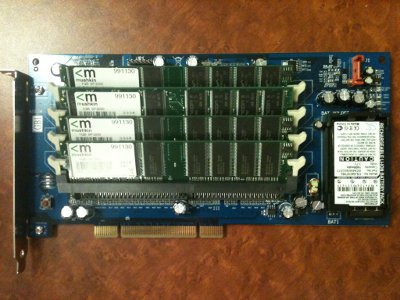
The i-RAM was a PCI card-mounted, battery-backed RAM disk that behaved and was marketed as a solid-state storage device. It was produced by Gigabyte and released in June 2005, at a time when genuine solid-state storage solutions were generally still less affordable than an i-RAM product with superficially similar capabilities. The i-RAM utilised...
hollow crater
hazy saddle
How you gonna fit the driver in there
well u would probably need much more than that just to detect the nvme disk itself
acpi then pci stuff
yeah perhaps kernels use up the memory they use for a reason 
hollow crater
segmentation my beloved
rotund furnace
you kinda need pages
hazy saddle
fuck segmentation
rotund furnace
to trap them
 sterile plank
hows project going
rotund furnace
and swap them
rotund furnace
sterile plank
hows project going
hi catflare
hazy saddle
gonna do heap next
hollow crater
hazy saddle
fuck segmentation
 hollow crater
sterile plank
hows project going
hollow crater
sterile plank
hows project going
eyyy
hazy saddle
and then let things actualy free memory
and not leak
because user tasks cannot be stopped/unleaked
hollow crater
rotund furnace
and swap them
good point
hollow crater
hazy saddle
<:PSP1G_pspTrollar:1434611394782691429>
honestly fuck the users
they dont deserve any of this
hazy saddle
Real hardware is a go

This laptop has 8gb ram
7700mb/8000mb is pretty good
That reserved includes my PFNdb
And shit
hazy saddle
It runs on a VM with 96MB
rotund furnace
oh lmao
hazy saddle
And runs doom or bad apple before OOMing
Because not enough for both
Boot times are WAY better now tho

1GB lost on deck
But IIRC it by default reserves a chunk for vram?
May be that
@rotund furnace Once I do RB tree VMM il split it into paging setup and then VMM setup
To be proper
And then VMM setup will be after heap
It handles a large amount of memory on my 32gb ram system
 sterile plank
I like it

 sterile plank
That's also cool
rotund furnace
hazy saddle
<@798918348360515614> <@545562211393732618> hows this
kinda sucks but :P
cool
but
the wording is a bit cooked
sterile plank
Though I would move those magic numbers away
hazy saddle
yeah 💀
sterile plank
like 0x1, 0x2, etc etc
I know you're checking bits but still
it'd be nice y'know
rotund furnace
mines just dead ass
sterile plank
and make them 1 << n instead of numbers like that
rotund furnace
int page_protection_violation = ((frame->error & 0b00000001) > 0);
int write_access = ((frame->error & 0b00000010) > 0);
int user_mode = ((frame->error & 0b00000100) > 0);
int reserved_bit = ((frame->error & 0b00001000) > 0);
int instruction_fetch = ((frame->error & 0b00010000) > 0);
int protection_key = ((frame->error & 0b00100000) > 0);
int shadow_stack = ((frame->error & 0b01000000) > 0);
int sgx = ((frame->error & 0b0100000000000000) > 0);
printf("Page fault @ 0x%016llx [ppv=%d, write=%d, ring3=%d, resv=%d, fetch=%d, pk=%d, ss=%d, sgx=%d, wp=%d, smap=%d]", __read_cr2(), page_protection_violation, write_access, user_mode, reserved_bit, instruction_fetch, protection_key, shadow_stack, sgx, arch_get_wp(), arch_get_uap());
```why not just do: (value & bitmask) == bitmask?
rotund furnace
sterile plank
why not just do: `(value & bitmask) == bitmask`?
again
sterile plank
both work
sterile plank
okay okay we all have coding styles 🙏
hazy saddle
sterile plank
and make them `1 << n` instead of numbers like that
though isnt that technicaly more CPU work
rotund furnace
the compiler will const fold it
rotund furnace
oh well
 rotund furnace
"write and accesed" 😭
 rotund furnace
oh and
if it's an if
"Kernel process instruction fetch accesed a non-present page"
 rotund furnace
why not like
 rotund furnace
"[User Process|Kernel] tried to [read|write|execute] a [non present|read only|no execute] page"
hazy saddle
rotund furnace
"[User Process|Kernel] tried to [read|write|execute] a [non present|read only|no...

hazy saddle
rotund furnace
"[User Process|Kernel] tried to [read|write|execute] a [non present|read only|no...
though the kernel has process's
hazy saddle
whats the error bit for NX?
rotund furnace
User Process|Kernel Task|Kernel
hazy saddle
the wiki is arse then

 urban mulch
UNHANDLED EXCEPTION [code]
Running in [kernel|user] mode
[Exception name]
(While accessing [address]
[No memory at this location|Memory at this location: [permission flags]])
hazy saddle
then i also check if its not others
rotund furnace
I jkust like
        if(reserved_bit) {
            printf("Reserved bit in page table entry\n");
        } if(protection_key) {
            printf("Protection key violation\n");
        } else {
            const char* who = user_mode ? "User Process" : "Kernel";
            const char* access = write_access ? "write" : "read";
            if(instruction_fetch) {
                access = "execute";
            }
            const char* reason = page_protection_violation ? "non-writeable" : "non-present";

            if(instruction_fetch) {
                reason = "non-executable";
            }

            printf("%s tried to %s a %s page\n", who, access, reason);
        }```
 rotund furnace
hazy saddle
rotund furnace
hazy saddle
there you go
hazy saddle

also @viral bison @rotund furnace i finnaly finexed the nanoprintf stuff

ya happy
 viral bison
hazy saddle
also <@573903151472836609> <@798918348360515614> i finnaly finexed the nanoprin...
viral bison
hazy saddle
also <@573903151472836609> <@798918348360515614> i finnaly finexed the nanoprin...
gg

 hazy saddle
Why do I feel like I am not cut out for this at all
I am looking at a bunch of the methods for IPC but I keep running into walls
hazy saddle
 cyan bison
just implement unix pipes and be done with it
cyan bison
just implement unix pipes and be done with it
I was looking into this but then how could a process talk to any other one abratrarily
Like for a VFS server
hazy saddle
I guess I can implement the abstract namespace?
cyan bison
is this a microkernel?
hazy saddle
I’m looking into such as it seems like a good idea
cyan bison
maybe try shared memory
hazy saddle
Thing are still atleast somewhat meldable at the very least for me to change course
cyan bison
im no microkernel expert
hazy saddle
cyan bison
maybe try shared memory
I’ve looked into that but they also want a filesystem atleast for POSIX ones
/dev/shm or something
My original plan was a hybrid kernel but if I could go micro it could be nice
Not sure how @rotund furnace Is handling it though
We were talking about IPC
But if I were to do it in a proper POSIX way I’m not sure
cyan bison
if u havent done a monolithic kernel before i probably wouldnt do a microkernel
hazy saddle
True
But I have some free time to do some research
I should just do sockets and shared memory
And pipes
Not too hard
cyan bison
hazy saddle
But if I were to do it in a proper POSIX way I’m not sure
tmk managarm doesnt actually follow posix in the kernel, but has a posix server
so maybe dont look at posix for IPC for a microkernel
hazy saddle
What
hazy saddle
cyan bison
so maybe dont look at posix for IPC for a microkernel
I don’t think POSIX was made for such?
cyan bison
yeh
hazy saddle
So managarm has a POSIX server to call for POSIX things and other things use the managarm spesific IPC methods
This makes a lot more sense on why I was banging my head on the wall and getting nothing
💀
hazy saddle
hazy saddle
So managarm has a POSIX server to call for POSIX things and other things use the...
Then said server translates some methods or something?
cyan bison
something like that yeah
hazy saddle

This makes a lot more sense
Hybrid kernel it is then for now 100%
I want to do POSIX and not bang my head on the wall
cyan bison
oki
hazy saddle
Thank you @cyan bison
cyan bison
np
cyan bison
hazy saddle
Hybrid kernel it is then for now 100%
so by this, do you mean monolithic kernel + kernel modules
or just have some drivers in userspace
hybrid kernel is an iffy term imo
cyan bison
interesting
hazy saddle
Or audio drivers userspace
cyan bison
i call my shit a hybrid kernel because it has kernel module loading
hazy saddle
But like serial or PS/2 would be kernel
Because it’s dead simple
IPC would be more kernel space and VFS stuff would be kernel space because although more complex it’s faster or somthing
And easier to implement
hazy saddle
How hard is usb?
 hazy saddle
God damn
 hazy saddle
I feel like I have imposter syndrome idk 
My friends tell me I’m smart
But I feel like a total fucking dumbass
cyan bison
u r tht's y
as in
u r smart
whenever i feel dumb i look at stupid questions asked in this server and think to myself "ok nvm"
hazy saddle
Do I ask stupid questions?
cyan bison
no
hazy saddle
Okay yeah
😭
Maybe I am a little smarter
Than I think
May also be because this server is filled with really smart people
hazy saddle
I don’t think a dumbass could get a kernel in this kind of working state. I just have some gaps I need to fill
hazy saddle
cyan bison
also if u ever feel like giving up on this project
||obos accepts PRs||
Nah I don’t think I could ever abandon it
I’m too addicted to coding it
cyan bison
it took me 5 rewrites until i got to my state
hazy saddle
Even if it hurts my physical and mental well being
Can I show you my first “kernel” from 2024
Pastebin
Pastebin.com is the number one paste tool since 2002. Pastebin is a website where you can store text online for a set period of time.
I made a bit of progress after that
But uhhhh
Thing was a pile of shit and I never used git
In 2025 I then started this one proper
cyan bison
 hazy saddle
https://pastebin.com/eB83nfk6
hazy saddle
hazy saddle
https://pastebin.com/eB83nfk6
Look at this shit though
This is where I started
And now I am here kinda
 opaque marten
i've written worse code.
cyan bison
hazy saddle
And now I am here kinda
eggsactly
hazy saddle
cyan bison
eggsactly
Learning takes times
cyan bison
indeed
hazy saddle
Once I get this kernel to a decent state with x11 and other ports
I may start a new one
hazy saddle
hazy saddle
Once I get this kernel to a decent state with x11 and other ports
I HOPE to have it done end of year
cyan bison
hazy saddle
Once I get this kernel to a decent state with x11 and other ports
i also would not depend on having your first or second or third revision of your kernel to run these
cyan bison
jokes on you it took me 5 full rewrites before i was able to get bash working
hazy saddle

cyan bison
i thought i would get it to work on the third, for reference
cyan bison
indeed
 soft snow
cyan bison
soft snow
cyan bison
ehmmm
cyan bison
bash doesnt technically need ipc
cyan bison
cyan bison
bash doesnt technically need ipc
i mean if you want job control then yeah
hazy saddle
cyan bison
bash doesnt technically need ipc
Well pipes and shit right
soft snow
cyan bison
jokes on you it took me 5 full rewrites before i was able to get bash working
Im on my third and still no bash 😭
opaque marten
cyan bison
jokes on you it took me 5 full rewrites before i was able to get bash working
i lost track of how many times i scrapped my kernels
cyan bison
hazy saddle
Just needs fork exec and a few things?
fork, exec, pselect, and ttys
mainly
hazy saddle
cyan bison
fork, exec, pselect, and ttys
I think I can do this?
cyan bison
pselect might be difficult depending on how your I/O system works
opaque marten
hazy saddle
Well pipes and shit right
not really without job control
hazy saddle
Exec just replaces the current processes right
soft snow
hazy saddle
I think I can do this?
it should be pretty easy.
soft snow
hazy saddle
Exec just replaces the current processes right
yes
opaque marten
opaque marten
not really without job control
im blind
cyan bison
hazy saddle
Exec just replaces the current processes right
exec replaces the current process indeed
fork makes a copy of the current thread/process
pselect waits for one or more FDs to have an event signaled
(i needed to redo my I/O system to get pselect to work btw)
hazy saddle
My kernel is pretty clean in terms of code. So worst case WORST case. It should be okay with some minor reworking
hazy saddle
cyan bison
(i needed to redo my I/O system to get pselect to work btw)
What IO system
I don’t have one
At all
cyan bison
if all your reads/write are synchronous
and you have no way to get them to not block
then you'll have to make some changes
OR
you could stub pselect
and that'll work until you port something that uses it properly
opaque marten
cyan bison
`exec` replaces the current process indeed
thank you for making me realize i'm not doing exec right
hazy saddle
cyan bison
and you have no way to get them to not block
How would one achieve this
cyan bison
hazy saddle
How would one achieve this
i added asynchronous I/O through IRPs
but what you could do is:
- have a
pollfunction that you can call to tell if a read/write would block - add a
nonblockinganddry_operationargument to the read/write function
opaque marten
so my exec just spawns a new thread in the current process and does some other stuff, and before i added pthreads that was fine because there were no other threads i needed to kill, but i realized that rn if a process has multiple threads and a thread execs the other threads will continue running
hazy saddle
What’s an IRP
cyan bison
I/O request packet
opaque marten
although its an uncommon case because usually they fork so they're left with one running thread, its a possibility
hazy saddle
cyan bison
I/O request packet
And then the driver that handles it gets it?
I only have in ram filesystems
So I’m not sure how that would work?
cyan bison
cyan bison
but what you could do is:
- have a `poll` function that you can call to tell if ...
just do this
hazy saddle
cyan bison
but what you could do is:
- have a `poll` function that you can call to tell if ...
Blocking means the process gets suspended right?
cyan bison
if a read/write is non-blocking that means it will never block, and return an error code like EWOULDBLOCK if the operation would block
the dry_operation means that the function shouldn't actually do a read or a write, just if the function would return an error
hazy saddle
What does blocking mean exactly
cyan bison
if a syscall blocks it means that the thread will get suspended until something else wakes it (either because the syscall finished and the driver told it to wake up, or a signal interrupted it)
hollow crater
hazy saddle
What does blocking mean exactly
sched_yield
hazy saddle
hollow crater
sched_yield <:trl:829316641191886888>
Well I never do that on file IO
Actualy I’m not sure how I’d making somthing block
If I call that
I assume that it would return back to where it left off?
After running it
@hollow crater my FDs are actually so fucking jank btw
The FD contains a pointer to the file data
And I malloc a part for it
And then copy the entire file there
hollow crater
hazy saddle
And then copy the entire file there
🗿
im reporting this to the Unix police
opaque marten
hazy saddle
The FD contains a pointer to the file data
what the fuck
hollow crater
hazy saddle
Actualy I’m not sure how I’d making somthing block
well afaik a sleeping thread is supposed to be able to wait on some event
like u put it on a wait queue
and when that event signals completion
say a mutex, shared resource, driver event etc
the threads waiting for them are then put on ready queues for running
and they just get scheduled as normal (u restore the execution context and continue execution from there)
rotund furnace
yeah
I just have a sys_wait syscall
and the thread will block until one of any handle(s) passed in recv some data
everything else returns SUCCESS or WOULD_BLOCK
hollow crater
rotund furnace
I just have a sys_wait syscall
I have nothing i just have some idea how the shit's supposed to work
hazy saddle
rotund furnace
the whole point of file descriptors is to not do that 😭
I was lazy 🥀
soft snow
hazy saddle
The FD contains a pointer to the file data
ehh waa
not even me i have such a stupid impl
or well mine is not even per proc and trash so maybe i shouldnt say anything lol
hazy saddle
soft snow
or well mine is not even per proc and trash so maybe i shouldnt say anything lol
Mine is per proc 😭
cyan bison
 soft snow
hazy saddle
Mine is per proc 😭
soft snow
hazy saddle
Mine is per proc 😭
you dont want to see my implementation
its the worst part of my whole OS
100%
hazy saddle
How AM I meant to do file descriptors
They link to inodes or some shit
And then that’s part of the backing filesystem?
hazy saddle
cyan bison
https://tenor.com/view/ratatouille-disney-disney-ratatouille-disney%E2%80%99s-ra...
What if I also told you I could just give it to the pointer in the tarFS file
But I memcpy it instead
rotund furnace
hazy saddle
What if I also told you I could just give it to the pointer in the tarFS file
for my get initramfs syscall (I know stfu)
I just map it read only in the process
hazy saddle
Yes but posix needs read() semantics proper
And apps want that
Or somthing like that
I could probably have it assign inodes to files
And then open() gives then to make a real FD
And then read and write gets managed in the back end there?
soft snow
hazy saddle
And then that’s part of the backing filesystem?
I just have a struct with all file descriptors and then when you open smth I assign proc->fds[next_fd()] = file. Then returns next fd to the user and whenever the user does any file op you just access the obj with proc->fds[fd]. Its prob a stupid solution but ye
I feel like that is the best approach for me.
The fd itself is just a number that responds to the place in the list
hazy saddle
soft snow
I just have a struct with all file descriptors and then when you open smth I ass...
thats not POSIX compliant
FDs start at 0
soft snow
hazy saddle
thats not POSIX compliant
How so?
 soft snow
hazy saddle
and these need to be per proc to be redirected
soft snow
hazy saddle
and these need to be per proc to be redirected
Ohh those are easy
next_fd accounts for them
 coarse oasis
does it work correctly if you do this? ```c
int fd = open("/path/to/file", O_RDWR);
close(0);
close(1);
close(2);
dup(fd);
dup(fd);
dup(fd);
So when you open smth I will have a switch statement for them lol.
coarse oasis
because this is a valid way to set stdout/in/err per posix
soft snow
Ehmm
coarse oasis
coarse oasis
does it work correctly if you do this? ```c
int fd = open("/path/to/file", O_RDW...
alternatively ```c
close(0);
open("/path/to/file", O_RDWR);
Okay might need to reconsider my approach then.
Maybe preallocate them from the start?
hazy saddle
do FDs have to go into the lowest posible slot always?
cyan bison
yes
soft snow
All processes start with 0, 1, 2 allocated, and then everything works as normal.
cyan bison
cyan bison
yes
(i dont follow that)
hazy saddle
cyan bison
yes
whats a good way to keep track of this?
cyan bison
((but im sure it's fine))
hazy saddle
cyan bison
((but im sure it's fine))

cyan bison
if i knew, i would be doing it
soft snow
hazy saddle
whats a good way to keep track of this?
No idea I use a expensive for loop :D
soft snow
Ehh optimizing is a prob for the future won't bother me rn.
hazy saddle
soft snow
Ehh optimizing is a prob for the future won't bother me rn.
future you will be strangling you and me
soft snow
Ik
hazy saddle
wait
coarse oasis
also also, regarding fds, keep in mind you need two layers
hazy saddle
cant you keep track of the lowest FD you last freed @soft snow ?
soft snow
hazy saddle
cant you keep track of the lowest FD you last freed <@1159829981803860009> ?
Good idea actually.
coarse oasis
soft snow
Huh?
in the first example i sent, stdout and stderr are different file descriptors but they refer to the same file description (which then refers to the same vnode)
hazy saddle
coarse oasis
in the first example i sent, stdout and stderr are different file descriptors bu...
its FD -> file-> inode?
coarse oasis
the file description contains things like the seek position
soft snow
coarse oasis
in the first example i sent, stdout and stderr are different file descriptors bu...
Okay, does that matter?
coarse oasis
the descriptor has stuff like CLOEXEC flags etc
coarse oasis
soft snow
Okay, does that matter?
yes, consider my_program 2>&1 >log on the shell, if my_program writes to stdout and then stderr, if the seek position is per descriptor and not description the second write would corrupt the data written by the first
soft snow
soft snow
Okay, does that matter?
Like if my fds are just an array of structs duplicates shouldn't matter right
soft snow
coarse oasis
yes, consider `my_program 2>&1 >log` on the shell, if `my_program` writes to std...
Ohh
coarse oasis
coarse oasis
yes, consider `my_program 2>&1 >log` on the shell, if `my_program` writes to std...
but if you open the same vnode multiple times they have independent seek positions
so it can't be a part of the vnode
and it can't be a part of the file descriptor
so you need a layer in-between
hazy saddle
whats the max size of said array
soft snow
coarse oasis
and it can't be a part of the file descriptor
And how do you suggest implementing that?
hazy saddle
is it a dynamic one?
soft snow
hazy saddle
whats the max size of said array
Mine is garbage rn I think I keyslammed my keyboard so it's prob something random 734 maybe
coarse oasis
soft snow
And how do you suggest implementing that?
i mean it's usually done by having the file descriptions be refcounted objects that are referenced by the file descriptors, and the FDs are what are stored in the array (or whatever DS you pick for it)
soft snow
soft snow
Mine is garbage rn I think I keyslammed my keyboard so it's prob something rando...
And that's global fds
I have to rework it tmrw
hazy saddle
coarse oasis
i mean it's usually done by having the file descriptions be refcounted objects t...
So file descriptors are indexes into tables that are per process that hold flags and permission caches or somthing? And they point to an actual descriptor of the file that’s still part of the thread which has seek positions and other things which then links to the backend inode and has function pointers to properly handle the kind of file?
coarse oasis
file descriptions are not bound to a process
if i open and then fork, both processes point to the same file description
hazy saddle
So would they be global? And newly created for open() calls?
Or rather duplicated per thread spawned by a program on fork()
coarse oasis
yeah open et al produces a new one
hazy saddle
So FD points to a FDR which points to inode or whatever other backing for it
FD has basic info
FDR has the seek and pos info etc
fork() duplicates FDs and FDRs
coarse oasis
fork does not duplicate FDRs
coarse oasis
consider a program that forks to execute a subprocess to do something (e.g. make)
hazy saddle
And FDs just point there
coarse oasis
if i run make >log i want the logs from both make and all the subprocesses to go into the file and for them to not clobber eachother
which requires the seek position be shared for all of them
coarse oasis
hazy saddle
FDRs would be global for the kernel?
yeah
hazy saddle
And then I can ref count it based on FDs that point to it
And then free() it after
For inodes could I have a union type based on the diffrent backends it could have
Like if it’s to a tarFS or some such
Or if it’s a devFS like file
And then they implement an open() internally that gives the inode to make the FDR to make the FD
coarse oasis
hazy saddle
For inodes could I have a union type based on the diffrent backends it could hav...
the common way to do it is to have a generic layer (commonly called vnodes) that has generic info, function pointers to the impl, and a pointer for impl-private data
hazy saddle
That’s what I thought an inode was
coarse oasis
inode refers to the on-disk part
hazy saddle
So I would have vnodes that have those pointers and then a pointer to impl data that the impl can use which may be an inode
Or some other
coarse oasis
coarse oasis
inode refers to the on-disk part
although iirc linux has struct inode for vnodes so eh
the sun vfs paper (also linked in #curated-resources) is a nice reference https://www.cs.fsu.edu/~awang/courses/cop5611_s2024/vnode.pdf
hazy saddle
Mmm good good
I think I get it now

And vnodes would store like file paths right
And other data needed
Maybe under implementation specific data or some such
coarse oasis
no, i/v nodes do not know the file name or parent
because consider a hard link, a i/v node can exist under multiple names in a file system
hazy saddle

What holds the name of it for like LSing etc
Well open() would dig its way back to the filesystem
And I guess so would ls()
So that’s irrelevant from the sense of i/v nodes
coarse oasis
hazy saddle
What holds the name of it for like LSing etc
directory entries
which you read out of a node
(well not literally read, but readdir or whatever)
hazy saddle
The inode carries that I presume and an inode can connect to a directory too
And that’s part of the filesystem
And tarfs afaik lacks that?
coarse oasis
directories have inodes too
and yes tar does not make a distinction
i think the best way to use a tar for an initramfs is to unpack it into a tmpfs and discard the tar archive?
hazy saddle
It may be good to make a tmpfs that gets filled in by a tar file to get proper
Yup yup
hazy saddle
coarse oasis
i think the best way to use a tar for an initramfs is to unpack it into a tmpfs ...
That way i could also use other things of archives potentially too
Or even gzipd ones
coarse oasis
coarse oasis
and yes tar does not make a distinction
or rather, tar contains directories, but then directories do not link to children, but the files have paths
coarse oasis
hazy saddle
That way i could also use other things of archives potentially too
and you also get the fs to be writable without needing to mount an overlayfs or whatever (in linux terms)
hazy saddle
I would probably use realloc for writing to a file when it seeks beyond it right?
But then i can implement a “real” filesystem
And then that can help me get proper things going
In terms of a VFS etc
coarse oasis
hazy saddle
I would probably use realloc for writing to a file when it seeks beyond it right...
well you probably want to track the underlying memory for file data in units of pages
for mmap etc
but yeah on write past the current storage you'd just tack on another data page to the node
hazy saddle
coarse oasis
well you probably want to track the underlying memory for file data in units of ...
Well I’d realloc in page sizes
I could probably use the buddy allocator for this directory too with powers of two
coarse oasis
i mean realloc from kernel heap doesn't work
hazy saddle
And then HHDM
coarse oasis
since mmap maps the file backing store directly into the user's address space
hazy saddle
Oh yeah
So I’d want to get from the PMM and then map into other virtual address space
hazy saddle
coarse oasis
since mmap maps the file backing store directly into the user's address space
It would be really really ducking bad to have kernel heap memory shoved into userspace?
cyan bison
coarse oasis
since mmap maps the file backing store directly into the user's address space
oh shit 💀
my initrd driver does this
coarse oasis
i mean can your kernel heap allocator guarantee the returned memory is page aligned
cyan bison
cyan bison
my initrd driver does this
(but i think it's fine because page cache still acts as a layer on top of that)
hazy saddle
coarse oasis
i mean can your kernel heap allocator guarantee the returned memory is page alig...
Allocate more memory than needed then clamp it
 peak cloak
WHUAT
peak cloak
hazy saddle
Do you have a machine with an Intel core ultra on it?
no sorry
i have a uhhhh core 2 duo
peak cloak
i have an i7 but i dont wanna do any crap with it
peak cloak
do you want me to do a CD or USB or whatever
peak cloak
no iso9660??
hazy saddle
Oh it uses that
peak cloak
ok im gonna go get my 2006 macbook to write the cd
hazy saddle
The ISO file
peak cloak
oh
peak cloak
WHAT
hazy saddle
Yes
peak cloak

hazy saddle
I read from the initramFS
peak cloak
oh
hazy saddle
Which is a tar file
rotund furnace
limine does
peak cloak
limonr
lomine
@hazy saddle what hard drive mode do you want me to set IDE or SATA
i assume ide nobody does sata 
(or theres just no hard drive drivers at all)
rotund furnace
no disk drivers
hazy saddle
rotund furnace
no disk drivers
I have like a lot more important things to do
peak cloak
does the iso have the doom and bad apple combo
rotund furnace
when I do vfs and nvme you can steal from me :P
hazy saddle
Also blame @devout path for no disk drivers they promised sata and ext2
rotund furnace
who does it first tho is debatable
peak cloak
o my disc burned
hazy saddle
I’m gonna be doing my systemcall rework tomorrow
peak cloak
nevermind the burn failed
hazy saddle
And then probably VFS or heap
But the heap although from the other fellow
Isn’t so bad
So
Il leave it
I need a better VFS
 peak cloak
never trust 2006 macbook
hazy saddle
But yes it includes shareware doom and bad apple
hazy saddle
peak cloak
k it says the burn went ok
never trust mac os
also if your fart does EFI boot i have another macbook i can test it on

 peak cloak
its a sh-
hazy saddle
That’s why I’m not adding any of that fluff shit
peak cloak
hazy saddle
It’s a debug command entered
fair
hazy saddle

Like this is what you have
It’s shit to test the kernel
Not pretending to be a shell even if it’s called that
And I renamed it in other places
peak cloak
set it to 1440 by 900
laptop resolution
ok its still alive
brb
i guillotined it for being too loud
i also humbly apologize for breathing louder than a nuclear bomb
im gonna go run doom
i have doom video but its compressing
lel
hazy saddle
peak cloak
im gonna go run doom
Btw a full version of the game for the WAD is 4 bucks on steam
If you prove to me you own it i will just compile one with it in for you tho
peak cloak
hazy saddle
Btw a full version of the game for the WAD is 4 bucks on steam
no its 0
hazy saddle
rotund furnace
poor keyboard
peak cloak
rotund furnace
poor keyboard
abuse
its the laptop keyboard somehow
its insanely good for no reason
peak cloak
peak cloak
oh also @hazy saddle
BUGS BUSG(OSIUFG S(OIUBUGSIOU BUGS GBUGS BUGSUG BUGSUGB
BUGS
BUGSSS
hazy saddle
peak cloak
BUGS BUSG(OSIUFG S(OIUBUGSIOU BUGS GBUGS BUGSUG BUGSUGB
With what
That’s intended
peak cloak
what
hazy saddle
If your monitor isn’t big enough
peak cloak

hazy saddle
And all BIOS systems can’t properly set the resolutions
peak cloak
how big is my monitor SUPPOSED to be
peak cloak
ight
werks
can i do a shameless plug for my service
nevermind im too ashamed to do a plug 
rotund furnace
peak cloak
nevermind im too ashamed to do a plug <:depresse:841732147257409556>
shameful plug 😔
peak cloak
rotund furnace
shameful plug 😔
shameful plug 😔
peak cloak
LETS GOOOOOOOOOOO 
anyway understandable
nice kernel
evalyn os best kernel with best vfs
hazy saddle
I do think i need a code name for my kennel
Something cool
What about nova
That’s not taken right
That’s name name of one of my dogs
peak cloak
peak cloak
evalyn os best kernel with best vfs
it has a very interesting backstory it it was an unholy abomination but then it became unholier abomination and now it sucks but it doesnt suck because it cant suck because it's 1984 and opinions are bad
hazy saddle
 hazy saddle
peak cloak
it has a very interesting backstory it it was an unholy abomination but then it ...
hazy saddle
peak cloak
it has a very interesting backstory it it was an unholy abomination but then it ...
My VFS is so jankkkkk
But I’m gonna fix it
peak cloak
"i can fix her!!!"
 mortal bane
peak cloak
evalyn os best kernel with best vfs
mortal bane
peak cloak
evalyn os best kernel with best vfs
-# AxeialOS evil laugh in the corner
peak cloak
mortal bane
-# AxeialOS evil laugh in the corner
-# msdos crapping itself life on TV
hollow crater
hazy saddle
whats a good way to keep track of this?
I actually thought about this once and I believe i was able to reach an efficient solution somehow
so
just for the fd numbers btw
and in order to still support arbitrary number of fds
I might do
a dynamic list of bitmaps x free range nodes™
one nice convenience of bitmaps is that u can always allocate the lower most set bit by bitwise tricks
similar to how kernighan's popcount works
bit field & bitfield - 1 zeros the lower most bit (allocates the lowest bit)
then __builtin_ctzl the original field value and get the index of that bit
(u can also rely on better specialised instructions for bit scanning when possible anyway)
- width * field index and thats the index into the bitmap
all are cheap af™ operation so its so fastt
but we all know bitmaps are still expensive
like
for a cap of 10k fds (whichs pretty sane for real world installations, afaik)
u will have to have about 1/3rd of a page per process
enters the chaining part
so say bitmaps will be allocated as blocks of some arbitrary but fixed size
say
64 bytes
each block can start with an intrusive list node and some flag bit to indicate whether this is a range node or a bitmap node
a range node just has 2 fields for start and limit
and it describes a range of free fd numbers
since we are always allocating the lowest free index the range here can be arbitrarily set (and ig for most unixes put there thats actually the case o_O)
now for a process u can start with one bitmap node describing range from 0-511
then followed by a free range node describing 511-maxcap
when the bitmap gets full it can then carve out 512 fdns from the range node amd insert the new bitmap in between the used up bitmap node and the free range node
now as used up and freed up bitmap nodes accumilate they will sure make traversal slower
mortal bane
holy walls of nerdly text 🤓
hollow crater
but u can coalesce them
both totally used and totally free ones
since upper free nodes wont ever get used again until the lowermost free index is used this woukdnt incur much penalty
and but it might be a little more expensive freeing an fd index when its block was coalesced into a used range blob
so im not sure if coalescing contiguous used ranges is worth it (actually I think it is o_O, and u can minimize the extra overhead here by backing this by 2 object caches instead of one lel, one for free bitmap blocks (initialised to all 0), and another for full ones (initialised to 1s) so that its cheap to allocate for either cases, also obviously a third for the range nodes too maybe)
now checking if a bitmap is used up is relatively cheap
and u can always set up a flag for making it even cheaper
and the list wont get too long mostly due to fragmentation bc of the nature of fds (we always allocate lowermost bits, whichs also why i believe multiple specialised lists arent strictly necessary and might even be bad)
tho pathological patterns would still be there
but despite that
a 1kB overhead and 100 iterations as an upper boundary for handling 10k dispersed fdns doesnt seem that terrible as a worst case
for some other numbers like pids tho, just increment a u64 and call it a day
hollow crater
mortal bane
holy walls of nerdly text 🤓
yk I get very obviously autistic sometimes 💔 🥀
hollow crater
soft snow
might be a bit complex for my taste
its actually very simple
and cheap too
soft snow
hollow crater
its actually very simple
and cheap too
i didnt read ur message its just a wall of text
wall of text = hard impl
hollow crater
u can always still use some general purpose allocator here still
cc vmem
but I believe vmem would be an overkill for such scenario
hollow crater
hollow crater
one nice convenience of bitmaps is that u can always allocate the lower most set...
oh one last note is that tbe list of nodes must be sorted ofc
but u will get that nearly for free in this case anyway
this shit is also very similar to my nalloc (naive allocator) thingy
it doesnt rely on bitmaps tho only specialised lists of range nodes
hollow crater
hollow crater
but despite that
a 1kB overhead and 100 iterations as an upper boundary for hand...
also just for fun I could also have a version where i can also allocate and search for contiguous sequences
tho I could only have that without having an significant extra penalty by capping the maximum requested sequence to 64 :P
fdn allocators dont have to support that anyway but it was kinda fun thing to do
thats all for the number allocator tho
first time ever hearing about the multilayer thingy 💀
also nice convo on fds, vfs and memory mapped files overall ✨
so
til
hazy saddle
hollow crater
also just for fun I could also have a version where i can also allocate and sear...
Yeah I learnt a lot. I learn alot better via text discussion than papers tbh
But basicsly @hollow crater a linked list of bitmaps?
Honestly N is so low it’s not that bad tbh?
And you skip many many sections
Though using a similar allocator to vmalloc with an RBtrrr isn’t a bad idea
hollow crater
hazy saddle
But basicsly <@1391085409836208180> a linked list of bitmaps?
yes plus to coalesce contigious blocks of completely used up/free bitmaps to accelerate the list traversal a little bit
and since we always allocate the lowest index it shouldnt be that bad to coalesce
hollow crater
hazy saddle
Though using a similar allocator to vmalloc with an RBtrrr isn’t a bad idea <:PS...
mm except it should incur expensive memory footprint no?
u always allocate units of 1 per allocation
oh wait u mean the bitmap blocks thingy
if so then yea
although
say we have someone cap their fdns to 10k
then u have around 1kB maximum
which is about 20 nodes or so
so I think an rb tree there wouldnt be that much better than the proposed list 💀
due to the overhead of balancing etc when its just 20 nodes maximum
mind that a program usually uses MUUUUCH less than 10k fds
so i dont think an rbt is worth it here
hazy saddle
hollow crater
so i dont think an rbt is worth it here
True true
Also @hollow crater i wonder for my tmpfs if i should just make an ext2 driver in memory
Or make my own simpler filesystem
But one that uses like linked lists for blocks of files
So I don’t need contiguous memory
hollow crater
hazy saddle
Also <@1391085409836208180> i wonder for my tmpfs if i should just make an ext2 ...
idk shit bout fs/vfs stuff
🥀
well just very little
hazy saddle
hollow crater
hazy saddle
I think il make my own filesystem for that
Il call it llfs
Linked list filesystem
hollow crater
sounds cool
and on memory filesystems should be simpler afaik so
kewl
hazy saddle
There is a linked list of all the files and directories and special files etc
And then they have a pointer to a linked list of all the blocks
And then the blocks store all the data
hollow crater
hazy saddle
Linked list filesystem
too much Ls, where r the W's 🥀
hazy saddle
hollow crater
too much Ls, where r the W's 🥀
All Ls
This will be kinda shit
Wait where do I know where to store things and what blocks are free
I could do a free list but like then I can run out of space
Every block could have a header with info
And then I scan blocks for free ones?
@soft snow How did you do your tmpfs
hollow crater
hazy saddle
And then they have a pointer to a linked list of all the blocks
mmm
maybe the blocks should instead be like radix tree-esque instead of an ll
 hazy saddle
hollow crater
mmm
maybe the blocks should instead be like radix tree-esque instead of an ll <:...
hazy saddle
hollow crater
mmm
maybe the blocks should instead be like radix tree-esque instead of an ll <:...
You see
I am lazy
Very fucking lazy
hollow crater
understandable
hazy saddle
And I must get away with the least effort possible
Why do you think I stole my friends VMM and PMM even though it was so shit
Look at the difference between my impl and the old one
hollow crater
hazy saddle
And I must get away with the least effort possible
I literally havent moved a cursor (similar to the "havent placed a pen" expression) in my codebase for few days even though I literally have nothing else to do 
peak laziness
hollow crater
hazy saddle
Why do you think I stole my friends VMM and PMM even though it was so shit
😭
hollow crater
hazy saddle
Look at the difference between my impl and the old one
aight lemme open that on a larger screen here eh
hazy saddle
hollow crater
I literally havent moved a cursor (similar to the "havent placed a pen" expressi...
I spent all day yesterday brain storming IPC and repairing this laptop

 hazy saddle
I spent all day yesterday brain storming IPC and repairing this laptop
hazy saddle
hazy saddle
I spent all day yesterday brain storming IPC and repairing this laptop
Oh and VFS stuff too
hollow crater
hazy saddle
ts no smp friendly
 hazy saddle
hollow crater
ts no smp friendly <:nooo:750466870993223750>
hazy saddle
hollow crater
ts no smp friendly <:nooo:750466870993223750>
There really isn’t even any IPI for tlb shootdowns tho
Lowkey I am gonna have to do a huge rewrite for SMP anyways partly too
Soooo
I’m putting that off until my bash port
hollow crater
hazy saddle
There really isn’t even any IPI for tlb shootdowns tho <:PSP1G_pspTrollar:143461...
fairenuf
hazy saddle
hazy saddle
I’m putting that off until my bash port <:PSP1G_pspTrollar:1434611394782691429>
Bash port will be my beta1 milestone
And then disk drivers are beta2
And x11 is beta3 until it gets stable enough for a 1.0
hollow crater
hazy saddle
Lowkey I am gonna have to do a huge rewrite for SMP anyways partly too
well as someone who's decided to defer thinking about locking/concurrency stuff until i have threads i understand this decision
hollow crater
hazy saddle
I’m putting that off until my bash port <:PSP1G_pspTrollar:1434611394782691429>
ooooooo
idk i dont think ill ever do anything userspace related before i get smp and some fancy drivers running here :P
soft snow
hazy saddle
Every block could have a header with info
Each block in the VFS has a read, write, lookup, etc linked to the vfs. Then the tmpfs uses normal inode.
hazy saddle
hollow crater
ooooooo
idk i dont think ill ever do anything userspace related before i get smp...
My doom and bad apple all run in userspace
hollow crater
hazy saddle
And x11 is beta3 until it gets stable enough for a 1.0
no usb? (xhci) o_O
hazy saddle
hollow crater
no usb? (xhci) o_O
That will be 2.0 prolly
And I will be doing usb 2.0 and 3.0 controllers
hollow crater
hazy saddle
My doom and bad apple all run in userspace <:PSP1G_pspTrollar:143461139478269142...
hazy saddle
hollow crater
<:floshed:683006443984519345>
With an mlibc port working fully
hollow crater
hazy saddle
<:pain:1436162538659385365>
good luck with that lel
hazy saddle
soft snow
Each block in the VFS has a read, write, lookup, etc linked to the vfs. Then the...
How do you handle files that need to expand more than one page
Wait couldn’t I have the fs spesific data for the vnode contain the linked list of blocks?
That way it’s seperate from the system and its easier?
Then I just append to that list
hollow crater
hazy saddle
With an mlibc port working fully
well thats actually pretty impressive
i like how i know more about kernel space than userspace stuff
absolute cinema
hazy saddle
hollow crater
well thats actually pretty impressive
i like how i know more about kernel space...
Honestly same
I don’t do much C userspace shit
Or rather stuff that uses the c standard library much
I did do a rv32i emulator in C
Anything touching the C standard library is a fucking mess that I used AI and made sure it worked because I’m fucking lazy as shit
And partly same for my uservice project
hazy saddle
hazy saddle
I did do a rv32i emulator in C
Like the actual core was a breeze
hollow crater
hazy saddle
I don’t do much C userspace shit
ive actually had very little experience doing userspace at all
i did very little python and cpp
well some java for school too but eh
ive mostly read in embedded/systems dev more
not that any of this amounts to much anyway
hollow crater
hazy saddle
Anything touching the C standard library is a fucking mess that I used AI and ma...
😭
 hazy saddle
hollow crater
_was it really worth it_ 🥀
hazy saddle
hollow crater
_was it really worth it_ 🥀
I mean it works 🥀
And I like made sure it worked 🥀
And validated the code 🥀
hazy saddle
AI is a tool and you gotta use it right
It was nice for a shit ton of boiler plate too
hazy saddle
hazy saddle
Then I just append to that list
@soft snow Does this sound right?
hollow crater
hazy saddle
AI is a tool and you gotta use it right
and since its a tool i can have a choice to just not use it without it being forced on me (a statement thats becoming less true every day nowadays )
hazy saddle
hollow crater
and since its a tool i can have a choice to just not use it without it being for...
Exactly!
I do not use it unless I want to
That’s why I use Linux
And that shit stays in its own tab
And not in my fucking IDE
🤮
And I barely even open it tbh
hazy saddle
hazy saddle
<@1159829981803860009> Does this sound right?
@hollow crater what’s your opinion on this
I wana make sure I’m not being dumb when doing this
hollow crater
hazy saddle
And not in my fucking IDE
 hollow crater
hazy saddle
<@1391085409836208180> what’s your opinion on this
hollow crater
hazy saddle
<@1391085409836208180> what’s your opinion on this
ig the interface for traversing whatever data structure u use to group blocks should be fs specific
sooooo
expose a function pointer and call it a day
(assuming i understand the problem pointed to here correctly)
hazy saddle
hollow crater
ig the interface for traversing whatever data structure u use to group blocks sh...
vnodes have function pointers and a pointer to filesystem spesific data
And in that fs specific data I could store said linked list about the blocks
hazy saddle
hazy saddle
And in that fs specific data I could store said linked list about the blocks
And then I PMM allocate the blocks to get a fully aligned page
So I can MMAP them properly too
@hollow crater smart right
 gentle void
hazy saddle
KATE4LIFE
gentle void
hazy saddle
KATE4LIFE
i wanna use kate but it works in mysterious ways
hazy saddle
gentle void
i wanna use kate but it works in mysterious ways
In what ways may I ask
hollow crater
hazy saddle
And in that fs specific data I could store said linked list about the blocks
mmmm yea
but afaik shouldnt it instead point to the backing inode
i mean i could be dumb but like
i dont think pointing to the data directly is what a vfs node is supposed to do .-.
gentle void
idk the lsp is doing funny things
hazy saddle
There is only one minor annoyance I have but I work around it once
hazy saddle
gentle void
idk the lsp is doing funny things
Clang LSP?
hollow crater
hazy saddle
<@1391085409836208180> smart right <:PSP1G_pspTrollar:1434611394782691429>
real
gentle void
and rust analyzer
hazy saddle
yeah that shits a bitch and you have to have a global config file for the LSP
And I have to swap it in and out
Idk what else I’m meant to do
cyan bison
i used Kate once upon a time it was interesting
cyan bison
hazy saddle
Idk what else I’m meant to do
pretty sure it has per project configs too
hazy saddle
cyan bison
pretty sure it has per project configs too
I mean for the LSP. I didn’t know how to give it a path to the config properly 😭
cyan bison
oh
gentle void
i wanna get quick at using helix/vim but it has such a high learning curve for advanced shit
hazy saddle
hollow crater
mmmm yea
but afaik shouldnt it instead point to the backing inode
i mean i coul...
The inode is part of the backing filesystem
The vnode file system spesific data may be info for the file system to get the inode
The vnode is the kernels inode for the VFS
And my tmpfs may just not have the concept of an inode for this and handle it a bit differently
Like a hard link may just make two vnodes point to the same FSspesific data
Though I don’t need hard links or symlinks for this rn prolly
hollow crater
ohhhhhhh
i think i get it :P
hazy saddle
FD points to an FDR which has the seen data which points to a vnode
The vnode has the function pointers and a payload of data for the VFS etc
This way many FDs can point to the same file and work properly
And the FD handles information like if it was opened as RO etc
hollow crater
ye i get that part
i was confused about the role of vnodes overall and how it interfaces with the underlying interfaces (fs/devices/sockets etc etc)
hazy saddle
Also wait this system is so much fucking smarter
Because I don’t need to O(N) search though everything
It’s o(1) with this
Because they all know the node they point to after opening etc
peak cloak
hazy saddle
And I barely even open it tbh
never open it, forget about it and be happy frfr
hazy saddle
peak cloak
never open it, forget about it and be happy frfr
True
But I like making myself fucking pissed off and wasting my time
peak cloak
hazy saddle
But I like making myself fucking pissed off and wasting my time
use microslop copilot
peak cloak
mortal bane
reddit give you more accurate data than any AI
STACK OVERFLOW
actually no there its just "possible repeat of ..."
mortal bane
r/osdev
peak cloak
mortal bane
r/osdev <:trl:829316641191886888>
 mortal bane
a
peak cloak
mortal bane
a
boooooooom
mortal bane
got me "bomboozled"
hazy saddle
mortal bane
r/osdev <:trl:829316641191886888>
I swear to got that place has some of the most insane projects/people
mortal bane
hazy saddle
I swear to got that place has some of the most insane projects/people
reddit users are talented asf
and have 180IQ
hazy saddle
finnaly time to get back to work
i do wonder for the VFS how i should route open() calls
i could have filesystems have a registered prefix?
and if the prefix matches it goes there
ans then chroot could be as simple as moving/swapping prefixes
soft snow
hazy saddle
i do wonder for the VFS how i should route open() calls
openat
and then open just calls openat with NULL
to signal root
or cwd
hazy saddle
but what if you want /dev or /mnt/usb or somthing
soft snow
hazy saddle
but what if you want /dev or /mnt/usb or somthing
open("/dev/tty0") works fine
openat("/dev/", "tty0") also works fine
hazy saddle
i mean for many filesystem types mounted on the system
my devfs may not be the same as tarfs
or procfs
soft snow
hazy saddle
i mean for many filesystem types mounted on the system
my fs just has a link to the fs specific func
so close("/dev/tty0") will do node_tty0->close();
hazy saddle
but open() needs to get the node
soft snow
hazy saddle
but open() needs to get the node
yea
and all fs nodes will still need to register with the main fs.
or vfs
hazy saddle
so devfs could register under /dev
then open("/dev/ps2/kbd") will goto devfs->open()
that way they manage thier nodes under thier belt
soft snow
hazy saddle
so devfs could register under /dev
then open("/dev/ps2/kbd") will goto devfs->o...
if you solve it like that ig that could work
i didnt do it like that
hazy saddle
i mean all filesystems could register all files to the one registry
that way open() knows where to go
and not need that extra inderecrtion?
thats what i do rn anyways with a linked list
mortal bane
some VFS stuff i see
mortal bane
hazy saddle
my devfs may not be the same as tarfs
Yes because Devfs and Procfs are Pseudo Filesystems
hazy saddle
rn is syscall rework but that has some CFS stuff
this is super not POSIX

im just gonna organize these
so the swicth case just calls a function
mortal bane
hazy saddle
this is super not POSIX
why a nop inst?
hazy saddle
mortal bane
why a nop inst?
because my IDE was complaining about not having c23 and label crap
and a NOP works
but i forgot about blocks
{}
mortal bane
hazy saddle
because my IDE was complaining about not having c23 and label crap
what, i use C11
hazy saddle
my rv32i emulator just uses blocks instead of stupid add nops


 mortal bane
i see
hazy saddle
so i just slapped a bandaid to make my IDE stfu
mortal bane
hazy saddle
so i just slapped a bandaid to make my IDE stfu
i mostly do "disable squiggles" for that file if it's complaining alot
or just restart intellisense
hazy saddle
i mean it is technicaly an issue
urban mulch
hazy saddle
so i just slapped a bandaid to make my IDE stfu
Just do label:;
urban mulch
hazy saddle
or `label: {}`
fair that makes more sense for vars defined in a switch case
hazy saddle
i am 100% gonna need a /dev/fb to MMAP on later
i wonder how id implement that through VFS?
because these can 100% become MMAP and an IOCTL later

 rancid viper
just do case x: {} ??