#Ultra
1 messages · Page 16 of 1
 pearl meteor
 sinful river
2 levels with 2 bits:
root bitmap: 01
[0] sublevel bitmap: 10 (represents two CPUs, one has quiesced the other hasn't)
[1] sublevel bitmap: 11
When the other cpu in [0] notices it was the last one to set its bit it'll set the bit in the root bitmap
 prime wraith
I see
sinful river
yeah they configure fanout based on NR_CPUS
pearl meteor
yea
prime wraith
sinful river
yeah they configure fanout based on NR_CPUS
Its probably max online cpus or smth
Because nr_cpus is like 8k
pearl meteor
yes
prime wraith
Oh
sinful river
last i checked at least
pearl meteor
but obviously not all structs are allocated
prime wraith
I just dont see the point since u know at boot time how many max cpus u can have
sinful river
sinful river
2 levels with 2 bits:
```
root bitmap: 01
[0] sublevel bitmap: 10 (represents t...
this is a really shitty explanation but like now you can see that only two cpus have to contend on the global bitmap instead of 4
tho in practice I think the bits are all 1s and the cpus clear the bits
pearl meteor
prime wraith
I just dont see the point since u know at boot time how many max cpus u can have
the tree is fixed
prime wraith
sinful river
this is a really shitty explanation but like now you can see that only two cpus ...
Yeah I see
pearl meteor
sinful river
tho in practice I think the bits are all 1s and the cpus clear the bits
yes
because its easier to test for 0 than for a specific amount of 1s
sinful river
well yeah but you can also do ~0
if you fix the bitmaps at u64s
which I think they do?
pearl meteor
what if you have 4 cpus
sinful river
ah right
pearl meteor
and the bitmap is 64 bits
sinful river
idk if I'll implement rcu in my current project, im thinking the alternatives look nicer
prime wraith
Which
prime wraith
Ah
pearl meteor
and the way grace periods are started it's also a little bit insane
so, in each rcu_node and rcu_data, there are two fields, gp_seq and gp_seq_needed
gp_seq is the current grace period, and it's modified by the rcu gp kthread. the lower 2 bits, if non-zero indicate that a grace period is in process (aka. the rcu gp kthread is executing, and waiting for all cpus to report quiescence). a cpu that wants a start a grace period, samples without taking any locks and using read_once the gp_seq of the root, does a simple addition in order to get the number for the next grace period, and updates the gp_seq_needed from its rcu_data all the way to the root. this is done taking locks. the advantage of this is that if there are 2 or more cpus on different nodes starting grace periods, they will eventually meet, and only one will proceed. moreover, if a cpu lags behind, it can stop from there. when the gp_seq_needed is updated all the way to the root, if a grace period was not already requested, the rcu_gp kthread is woken up
https://elixir.bootlin.com/linux/v6.19.11/source/kernel/rcu/tree.c#L3442
https://elixir.bootlin.com/linux/v6.19.11/source/kernel/rcu/tree.c#L999
as i said earlier, the rcu gp kthread works as a state machine, so that if there was no gp already, it is in an init state. from there, it takes notice of cpus that have went online/offline in order to update the rcu_node structures they belong to, and after that, it modifies all the rcu_node structures in order to reset their qs needed bitmaps, and also to set the new value of gp_seq, which, is not taken from gp_seq_needed, but instead, samples a new one from the root
https://elixir.bootlin.com/linux/v6.19.11/source/kernel/rcu/tree.c#L2259
https://elixir.bootlin.com/linux/v6.19.11/source/kernel/rcu/tree.c#L1803
the cpus notice that a new grace period has started on the sched clock tick, in the rcu sched clock tick function, where it compares, without taking locks, its gp_seq number of its rcu_data to the gp_seq number of its parent rcu_node. if they dont match, a grace period is started or ended, which is when the rcu core (the per-cpu kthread or softirq) is invoked, which handles beginnings and ends of grace periods, is responsible for the callbacks, and reports quiescence.
if a new grace period is started, rcu_node->core_needs_qs is set. if the rcu tick sees that the cpu is in a quiescent, and core_needs_qs is set, it invokes the rcu core to report this upwards
https://elixir.bootlin.com/linux/v7.0.8/source/kernel/rcu/tree.c#L2696
https://elixir.bootlin.com/linux/v7.0.8/source/kernel/rcu/tree.c#L3710
https://elixir.bootlin.com/linux/v7.0.8/source/kernel/rcu/tree.c#L2835
https://elixir.bootlin.com/linux/v7.0.8/source/kernel/rcu/tree.c#L2498
https://elixir.bootlin.com/linux/v7.0.8/source/kernel/rcu/tree.c#L1273
theres also special provisions for handling expedited rcu, handling callbacks which have been pending for too long, cpus that are unfortunate enough to only have small windows of quiescence state which the sched clock tick can't account for
and finally, it's in the rcu gp cleanup where the gp_seq is advanced on all nodes, gp_seq_needed is advanced, and possibly a new grace period is started
in conclusion: run
 carmine token
tree RCU is the implementation strategy not a separate RCU flavor
Also worth noticing that the fanout of each node is very high so the "tree" is just a single node on all non server CPUs
Apparently it's 1024 by default
prime wraith
Interesting
prime wraith
Cleanest uacpi printf integration of all time 
void uacpi_kernel_log(uacpi_log_level lvl, const uacpi_char *fmt, ...)
{
    va_list vlist;
    struct nested_printf npf;

    va_start(vlist, fmt);
    npf.fmt = fmt;
    npf.vlist = &vlist;

    print(LOG_LEVEL_PREFIX"%cacpi: %pV", uacpi_log_level_to_syslog(lvl), &npf);

    va_end(vlist);
}
 haughty notch
cacpi?
prime wraith
%c
in the output it just results in this:
acpi: starting uACPI, version 4.0.0
acpi: RSDP 0x00000000000F52C0 00000014 v00 (BOCHS )
acpi: RSDT 0x000000003FFE230E 00000038 v01 (BOCHS  BXPC    )
acpi: DSDT 0x000000003FFE0040 000020C6 v01 (BOCHS  BXPC    )
acpi: FACP 0x000000003FFE2106 000000F4 v03 (BOCHS  BXPC    )
acpi: APIC 0x000000003FFE21FA 00000078 v03 (BOCHS  BXPC    )
acpi: HPET 0x000000003FFE2272 00000038 v01 (BOCHS  BXPC    )
acpi: MCFG 0x000000003FFE22AA 0000003C v01 (BOCHS  BXPC    )
acpi: WAET 0x000000003FFE22E6 00000028 v01 (BOCHS  BXPC    )
but the log level is stored aside in metadata
haughty notch
that's cool
 thorny kelp
prime wraith
but the log level is stored aside in metadata
thorny kelp
prime wraith
but the log level is stored aside in metadata
thanks for the idea 
prime wraith
no problem lol, i stole it myself
prime wraith
btw @haughty notch this is what clanker said about IOMMU + x2apic:
Standard PCI MSIs and IO-APIC Redirection Table Entries (RTEs) are fundamentally just MMIO writes to the APIC address space (typically starting at 0xFEE00000). In legacy xAPIC mode, the Local APIC actively claims this MMIO region. When a device DMAs a write to that address, the LAPIC intercepts it and processes the interrupt.

When you switch the processor into x2APIC mode, the LAPIC's MMIO interface is completely disabled in favor of the MSR interface. This creates a routing problem: if a PCI device sends a standard MSI, it issues a memory write to 0xFEExxxxx, but the LAPIC is no longer listening on that physical memory window.

Intel's hardware solution relies entirely on the VT-d IOMMU. The Interrupt Remapping engine intercepts those legacy MMIO writes from devices (or the IO-APIC) and translates them into the proper x2APIC interrupt messages on the system interconnect (QPI/UPI). Without the IR engine enabled, the chipset provides no architecturally guaranteed hardware path to route a legacy memory-mapped MSI to an MSR-only x2APIC.
idk if its completely true
 ornate jasper
what were you asking it? because i didnt think that was true
prime wraith
ornate jasper
what were you asking it? because i didnt think that was true
why does linux only enable x2apic if there's an iommu (barring paravirt)
ornate jasper
does it? i was looking at the x2apic paths and didnt see any iommu checks
(looked when i was trying to figure out the edge cases around ap startup with mixed x/x2apic cpu states because of kernel turning on x2apic before ap startup)
ornate jasper
oh thats a new change
in 7.0
because i was looking in 6.x and that function didnt exist
prime wraith
im looking at 6.x and its there also
ornate jasper
maybe im just stupid then lmao
prime wraith
idk how old it is honestly
prime wraith
prime wraith
btw <@350748255929499649> this is what clanker said about IOMMU + x2apic:
```
St...
@inland ridge do u know if this is true?
tldr x2apic cant intercept msis without an iommu?
ornate jasper
oh i see how i missed this
i was looking at the enable x2apic path thats used for APs
 ornate jasper
you need an iommu but you can leave it in compatibility mode by default

so the iommu just needs to exist not be tinkered with
(but you can only target cpus with x2apic id < 256 using the compat mode)
prime wraith
So as long as it exists and you didn't touch it, it will identity map them to the right cpu?
ornate jasper
for the cpus that are also reachable in xapic mode yes
prime wraith
I mean its not like u can encode other cpus in the MSI dst
ornate jasper
yeah exactly
if you turn on the iommu interrupt remapping stuff it uses a different message format that lets you do more
prime wraith
That makes sense ig
ornate jasper
(the remappable message format just encodes an index into the address and data and then uses that handle to look up in the remapping table iirc but i havent looked into that too far yet)
pearl meteor
the amd iommu does not have anything like that
so, i suppose the bios just sets up the individual device table entries interrupt remapping
ill check later
well, my iommu does not support x2apic 
ornate jasper
my amd cpu doesnt even support x2apic afaik
prime wraith
pearl meteor
well, my iommu does not support x2apic <:KEKW:913708372329644042>
So x2apic msis dont work?
prime wraith
ornate jasper
my amd cpu doesnt even support x2apic afaik
Cant u check in dmesg?
pearl meteor
prime wraith
So x2apic msis dont work?
linux refuses to use the x2apic for that reason
May 20 16:01:29 archlinux kernel: APIC: Static calls initialized
May 20 16:01:29 archlinux kernel: ACPI: APIC 0x0000000077223000 0000E8 (v05 _ASUS_ Notebook 01072009 AMI  00010013)
May 20 16:01:29 archlinux kernel: ACPI: Reserving APIC table memory at [mem 0x77223000-0x772230e7]
May 20 16:01:29 archlinux kernel: ACPI: LAPIC_NMI (acpi_id[0xff] high edge lint[0x1])
May 20 16:01:29 archlinux kernel: IOAPIC[0]: apic_id 33, version 33, address 0xfec00000, GSI 0-23
May 20 16:01:29 archlinux kernel: IOAPIC[1]: apic_id 34, version 33, address 0xfec01000, GSI 24-55
May 20 16:01:29 archlinux kernel: APIC: Switch to symmetric I/O mode setup
May 20 16:01:29 archlinux kernel: x2apic: IRQ remapping doesn't support X2APIC mode
May 20 16:01:29 archlinux kernel: ..TIMER: vector=0x30 apic1=0 pin1=2 apic2=-1 pin2=-1
May 20 16:01:29 archlinux kernel: ACPI: Using IOAPIC for interrupt routing
May 20 16:01:29 archlinux kernel: AMD-Vi: Extended features (0x246577efa2254afa, 0x0): PPR NX GT [5] IA GA PC GA_vAPIC
May 20 16:01:29 archlinux kernel: AMD-Vi: Virtual APIC enabled
So like, clanker was right then
pearl meteor
suck to be me tbh
i had already written the code for the x2apic 
now i have to deal with the apic bullshit
prime wraith
pearl meteor
```
May 20 16:01:29 archlinux kernel: APIC: Static calls initialized
May 20 16:0...
Can you grep for routing mode
pearl meteor
May 20 16:01:29 archlinux kernel: ACPI: Using IOAPIC for interrupt routing
May 20 16:01:29 archlinux kernel: PCI: Using ACPI for IRQ routing
?
prime wraith
Nah, the apic routing, it should be around the same place
Like physical or logical
Also why the hell did amd even add an x2apic to that cpu if it cant receive MSIs
That makes it like literally useless
pearl meteor
idk
prime wraith
Unless there's still a hidden compat mode
pearl meteor
also idk what message you're talking about
prime wraith
Can you paste dmesg?
pearl meteor
if i grep for physical or logical there's nothing
and those are the only messages with apic
prime wraith
What if you grep for phys
pearl meteor
nope
prime wraith
Or flat
pearl meteor
neither
prime wraith
Bro
Oh well
Can you test MSIs on it with some hobby os (or your own)?
If they actually never work
pearl meteor
yeah, i just started writing the code for them
prime wraith
Cool
pearl meteor
this conversation rn has striked me a little bit
who knows if thanks to it i have saved hours of debugging
prime wraith
I mean they should work im 90% sure, otherwise they simply wouldn't add x2apic
Unless who knows
pearl meteor
i could write a pcie aer driver
unironically
on every boot i get a correctable error
and i think that those are signaled with msis
pearl meteor
unless they're logged and linux just reads them
idk
to be fair bluetooth does not work properly
it disconnects randomly, and the xhci driver complains about electromagnetic interference
kernel: usb usb3-port3: disabled by hub (EMI?), re-enabling...
prime wraith
Lol
pearl meteor
and no fucking idea why
i have never tampered anything from my laptop
well, today i seem to be lucky, theres no error
it comes from the nvme btw
although i have never had any issues with it
kernel: pcieport 0000:00:02.4: AER: Multiple Correctable error message received from 0000:05:00.0 there, from last boot
haughty notch
ornate jasper
my amd cpu doesnt even support x2apic afaik
Yeah, I have an AMD CPU with IOMMU but not x2APIC afaik
haughty notch
pearl meteor
`kernel: usb usb3-port3: disabled by hub (EMI?), re-enabling...`
Does Windows work? I've seen that on my AMD "server" as well
pearl meteor
neither
when that happens the bluetooth icon disappears
it's so incredibly annoying
prime wraith
lol
pearl meteor
in linux the device just disappears from bluetoothctl and i get fucked anyways because i use wireless headsets
prime wraith
thats decent ig
@pearl meteor APIC: Switched APIC routing to: physical flat I have this for example
pearl meteor
kernel: APIC: Switch to symmetric I/O mode setup
prime wraith
nah
prime wraith
i have that one as well
pearl meteor
nope, i dont have anything like that
prime wraith
😭
ornate jasper
i dont think i can get that info from windows or id give you it lol
prime wraith
its fine, doesnt really matter
why the hell does that need a fucking state machine
pearl meteor
lol
ornate jasper
lmao
prime wraith
static int __init check_ivrs_checksum(struct acpi_table_header *table)
{
    int i;
    u8 checksum = 0, *p = (u8 *)table;

    for (i = 0; i < table->length; ++i)
        checksum += p[i];
    if (checksum != 0) {
        /* ACPI table corrupt */
        pr_err(FW_BUG "IVRS invalid checksum\n");
        return -ENODEV;
    }

    return 0;
}
?????
bro u have acpica that does that for u
yeah that file contains some very interesting stuff
crazy code
ornate jasper
wild
haughty notch
prime wraith
bro u have acpica that does that for u
Inb4 acpica was broken
prime wraith
Nice to see this still working after a huge amount of work on early hello world stuff

basically now i build my own direct map and don't use it for MMIO or other memory
so acpi/smbios/ioapic here is using early mmio helpers
- a ton of cpu init added
pretty large pr
 prime wraith
Nice to see this still working after a huge amount of work on early hello world ...
prime wraith
prime wraith
Nice to see this still working after a huge amount of work on early hello world ...
this is the O3+LTO version for good measure
 pale cairn
prime wraith
Nice to see this still working after a huge amount of work on early hello world ...
pale cairn
prime wraith
Nice to see this still working after a huge amount of work on early hello world ...
Thanks for reminding me that my old dell laptop was vPro compatable and showing me that that exists
ornate jasper
its really good
prime wraith
ornate jasper
its really good
did u set it up also?
ornate jasper
yeah im all set up i just havent had time to actually do any os testing with it yet
life has been super busy lately
prime wraith
ah unlucky
pearl meteor
May 21 18:21:01 AtiePC kernel: pcieport 0000:00:01.1: AER: Correctable error message received from 0000:01:00.0
May 21 18:21:01 AtiePC kernel: pcieport 0000:00:01.1: AER: Correctable error message received from 0000:01:00.0
May 21 18:21:01 AtiePC kernel: pcieport 0000:00:01.1: AER: Correctable error message received from 0000:01:00.0
May 21 18:21:01 AtiePC kernel: pcieport 0000:00:01.1: AER: Correctable error message received from 0000:01:00.0
from the nvidia gpu 
prime wraith
did u have the chance to test out the MSIs with x2apic on it?
pearl meteor
im still on it
i expect today or tomorrow to have it finished
i think i am going to unironically write an aer driver
prime wraith
what the hell is up with github actions
 haughty notch
prime wraith
what the hell is up with github actions
haughty notch
prime wraith
what the hell is up with github actions
GitHub has had like 84% uptime lately
 or maybe not
But there's an incident with actions https://www.githubstatus.com/history
GitHub's Incident and Scheduled Maintenance History
prime wraith
how is it possible to fuck up so often
haughty notch
They can't keep up with all of the AI slop
 vestal zealot
Damn, do I actually need to start backing up shit I had on GH now?
Under 90% uptime is fucking insane
haughty notch
haughty notch
GitHub has had like 84% uptime lately
Idk where I've gotten that number from though
But like it's bad
It's not on their website
haughty notch
vestal zealot
Under 90% uptime is fucking insane
So like maybe it's not
vestal zealot
Well either way people have been getting more and more antsy about keeping stuff there
haughty notch
haughty notch
Idk where I've gotten that number from though
I mean I've seen web developers on YT complain about it
vestal zealot
And I don't want to be one of the tiny unimportant people that can't recover data if/when shit does go sour
haughty notch
vestal zealot
Well either way people have been getting more and more antsy about keeping stuff...
Can limine go to something like gitlab or something nobody cares about?
haughty notch
vestal zealot
And I don't want to be one of the tiny unimportant people that can't recover dat...
But idk, the nice thing about git is that you almost certainly have a local copy on your PC, so it's not a big deal
sinful river
how is github even profitable
haughty notch
It's owned by Microsoft, they don't care
 wicked juniper
sinful river
how is github even profitable
wicked juniper
sinful river
how is github even profitable
maybe fron the enterprise plan?
sinful river
no way a few enterprise plans allow for unlimited storage basically for everyone
wicked juniper
it has a few limits i think
haughty notch
There's copilot
sinful river
I know they have github pro and stuff
haughty notch
Thought AI is a money furnace
wicked juniper
i have pro from the student thing XD
sinful river
yeah so do I
haughty notch
Me too
 obtuse sparrow
haughty notch
Thought AI is a money furnace
obtuse sparrow
haughty notch
Thought AI is a money furnace
They use the dollar bills to feed a furnace in a thermoelectric plant that powers solely the data center
prime wraith
$ cloc --vcs=git
     203 text files.
     186 unique files.
      18 files ignored.

github.com/AlDanial/cloc v 1.98  T=5.59 s (33.3 files/s, 3651.3 lines/s)
-------------------------------------------------------------------------------
Language                     files          blank        comment           code
-------------------------------------------------------------------------------
C                               49           1954            783           7892
C/C++ Header                   100           1055            643           4177
Python                           4            420             86           1355
CMake                           21            148             22            945
Assembly                         7             86             49            322
C++                              3             82              4            307
YAML                             1             12              3             50
TOML                             1              3              1             13
-------------------------------------------------------------------------------
SUM:                           186           3760           1591          15061
-------------------------------------------------------------------------------
Biggest gdt init you've seen
maybe behind the nadia kernel
pearl meteor
how are 1000 lines just cmake?
prime wraith
kconfig support mostly
- symtable embedding with LTO etc, many small things like that add up
 latent geode
mine is like ~250 loc
prime wraith
cmake right?
latent geode
yes
prime wraith
yeah fair
pearl meteor
i am still using the limine barebones template tbh lmao
prime wraith
lol
prime wraith
i mean some features i have: linker script preprocessing, kconfig parsing/lazy reconfiguration, any amount of preliminary kernel relinks to stabilize the symbol table, free-after-init references checking, toolchain selection based on kconfig etc
pearl meteor
well that's definitely
latent geode
cloc says 745
250 was with tokei
pearl meteor
a lot of things
prime wraith
im also planning on doing the thing where u parse all used CONFIG_* in a translation unit and replace the config.h dependency on those specific key values
so you dont have to recompile the entire kernel if one config value changes
latent geode
I have modules, kernel dependencies, kallsyms and the kernel of course
latent geode
similar to how linux does it
prime wraith
do u also support debouncing it with LTO?
latent geode
what's that?
prime wraith
if u link the kernel without a symbol table, then generate the symbol table, then relink with the filled out symbol table all other symbol offsets will change if u have LTO enabled
so u have to redo this step multiple times
latent geode
yes I do that
prime wraith
ah cool
prime wraith
same i think
actually no
set(ULTRA_NUM_RELINKS 1)
if (CONFIG_LTO)
    set(ULTRA_NUM_RELINKS 2)
endif ()
1 + 2 is 3 yes
i can count
latent geode
:D
prime wraith
yeah i used to do the D thing
but its so much nicer to just open up menuconfig/guiconfig and select what u need
 latent geode
prime wraith
latent geode
prime wraith
why are kvm, vmware and hyperv guest support optional?
what do they do?
prime wraith
u can disable them so the respective paravirt interface is not used and the thing is treated as bare metal
latent geode
hmm
prime wraith
latent geode
what do they do?
vmware and hyperv offer a bunch of paravirt helpers for various things
pearl meteor
prime wraith
u should add kconfig support btw
is doing that excruciatingly painful?
prime wraith
timekeeping, ipis, smp startup etc
latent geode
ah
pearl meteor
rn i have a config.h and that's it
prime wraith
pearl meteor
is doing that excruciatingly painful?
what build system?
pearl meteor
makefile
prime wraith
hmm lol
well
you will have to parse the resulting .config file and turn it into key=value pairs
other than that i guess not
u could see how linux does it i guess
since they're using makefiles also obviously
latent geode
hand-rolled makefiles my beloved ❤️
latent geode
prime wraith
```
$ cloc --vcs=git
203 text files.
186 unique files.
18 files ...
what's c++ code btw
prime wraith
test harness stuff
i test C code using C++
and an assert throws an exception in C code
or well, in c++ code that also unwinds C code
latent geode
it's kinda cool that you can throw and catch exceptions across different languages
iirc for example you can throw in c# and catch in c++ or something like that
prime wraith
there are some rules regarding that for C iirc
it can be finicky
but yeah
I have stuff like void malloc_phys_range(uint64_t start, uint64_t size); which then makes that range work via phys_to_virt
that makes testing kernel stuff super nice
sinful river
pearl meteor
is doing that excruciatingly painful?
Kconfig is made to work with make
It outputs key=value which you can import directly
prime wraith
Waait thats true actually
obtuse sparrow
sinful river
It outputs key=value which you can import directly
I doubt it would be a pain to parse these on most build systems
ornate jasper
obtuse sparrow
I doubt it would be a pain to parse these on most build systems
make in particular lets you just inport it though i think was the point
because name=value is valid make syntax iirc
obtuse sparrow
Yeah
ornate jasper
if you arent using make then rip tho lol
obtuse sparrow
Also valid bash syntax but make is just overcomplicated shell scripts 
ornate jasper
well yeah
sinful river
ornate jasper
if you arent using make then rip tho lol
Meson can also import it, it has a kv module
ornate jasper
meson was less than one year old the last time i wrote c or c++ lmao
but yeah good to know
pearl meteor
@prime wraith
i am pleased to announce that msis work perfectly fine on my machine with x2apic and no iommu x2apic support
so linux is just bollocks lol
pearl meteor
is the linux change recent ?
prime wraith
Very old I think
ornate jasper
might be a quirk almost then
some hardware at the time didn't handle it right or smth
prime wraith
nice
 pearl meteor
there's a bit more on the msi story in amd
i don't know how it works on modern chipsets (>2006), but on those where the hypertransport specification was relevant, the parent bridges would catch memory accesses to 0xfee0...., and generate an interrupt message over hypertransport
in fact, those bridges have a hypertransport capability in the pci configuration space which still exists on modern chipsets, but is completely read only
what is remarkable about that capability is that it allows you to enable and disable generation of hypertransport interrupt messages, and on some chipsets it may allowed you to reprogram the msi address range
so it definitely isn't just some 0xfee...... bubbling upwards and making its space to the apic, but it's some pcie/infinity fabric thing working together making it work
the iommu specification, in the typical amd style of being vague, doesn't explain what are the other implications of not supporting x2apic, apart from not supporting 32 bit ids and iirc changing the interrupt redirection entry
so that's why you might have seen me in the server saying before i tested all of this that writing an iommu driver is not necessary for x2apic
carmine token
whether something is "necessary" or not is often arguable anyway
people sometimes make it sounds as if x86 was a single uniform architecture when in reality each individual machine often needs specific support at the OS level
larger commercial OS vendors have dedicated teams just to enable specific machines
ornate jasper
yeah if its any more uniform than other arches thats because of decades of convergent evolution
carmine token
yeah
ornate jasper
not because its actually uniform
carmine token
yeah
for example, vmware lists each and every ESXi supported server: https://compatibilityguide.broadcom.com/search?program=server&persona=live&column=partnerName&order=asc
Broadcom Compatibility Guide
Find compatibility information for Broadcom and VMware products. Search our database for hardware compatibility details.
it doesn't even claim to support arbitrary x86 machines
ornate jasper
like theres a whole fuckin bit in the PTEs thats reserved on amd and free-for-software on intel, not even core architectural things like that are truly consistent
(its bit 8 on non-final entries, which is the global bit on page/block entries)
my desktop has nonstandard serial io port addresses
there is no uniformity
pearl meteor
any reasonable os should uh, have an acpi interpreter and not probe the standard ones, right
 eternal sparrow
ornate jasper
like theres a whole fuckin bit in the PTEs thats reserved on amd and free-for-so...
eternal sparrow
ornate jasper
like theres a whole fuckin bit in the PTEs thats reserved on amd and free-for-so...
Even syscall/sysret differs between amd and intel
ornate jasper
yeah
prime wraith
I wonder if I even need "refined" tsc recalibration later in boot, it seems a 50 ms early calibration yields pretty much almost dead on result, like I get 1859.990.. on a 1860 mhz tsc
Maybe ill add that later
haughty notch
Just recalibrate against an RTC interrupt every second, then you can detect the unstable timer as well
prime wraith
💀
prime wraith
linux larp is in full effect (I have the [0.0000] thing now)

cant wait till i get to smp bringup tbh, that should be fun
 wide ether
prime wraith
linux larp is in full effect (I have the [0.0000] thing now)
wide ether
prime wraith
linux larp is in full effect (I have the [0.0000] thing now)
i have that too
what did you do before
prime wraith
well literally nothing because i didnt have time
wide ether
ah
prime wraith
lmao
 stable orchid
prime wraith
linux larp is in full effect (I have the [0.0000] thing now)
stable orchid
prime wraith
linux larp is in full effect (I have the [0.0000] thing now)
is ultra linux larp
(compat)
carmine token
zinna output is still a bit nicer imo because it also has proper log levels
prime wraith
show
prime wraith
carmine token
zinna output is still a bit nicer imo because it also has proper log levels
what do they affect?
like color or
stable orchid
when osdev competition went from uacpi score to logging look
carmine token
uacpi score is boring show your mlibc compilation time
stable orchid
real
carmine token
prime wraith
like color or
yeah, it makes it easy to discern important and non-important msgs
pearl meteor
if you're not using panic() on the very important messages or events you're not doing it right
eternal sparrow
I color code by subsystem & log level tags postfixed them
haughty notch
panic panic level
sinful river
Imagine color coding 😎
prime wraith
pearl meteor
if you're not using panic() on the very important messages or events you're not ...
s/pr_info/pr_emerg
pearl meteor
lol
prime wraith
buddy init... OK
[    0.061726] memory: populating memory map [0xFFFF900000000000 - 0xFFFF90000001C000] for phys [0x0000000000000000 - 0x0000000000800000]
[    0.064399] memory: populating memory map [0xFFFF900000000000 - 0xFFFF900001C00000] for phys [0x0000000000000000 - 0x0000000080000000]
[    0.070628] memory: populating memory map [0xFFFF900003800000 - 0xFFFF900008C00000] for phys [0x0000000100000000 - 0x0000000280000000]
[    0.100684] buddy: initial allocator state below
[    0.101700] buddy: order: [4k  ] [8k  ] [16k ] [32k ] [64k ] [128k] [256k] [512k] [1M  ] [2M  ] [4M  ]
[    0.103653] buddy: free:   3      4      3      1      3      2      0      2      2      3      2013
ok buddy
prime wraith
triple faults
prime wraith
i mean its one constant lmao, i just did whatever
pearl meteor
this is the ultimate larp
to use a (tm) after the name of the project
Ultra(TM)
eternal sparrow
Ultra(TM)(TM) would go more hard
You just have to trademark the trademarking of ultra
sinful river
Linux IS a trademark tho
pearl meteor
yeah but it's funny because it's the only place where you see that
also it is registered by linus so it should be ®️
prime wraith
[    0.001533] memory: populating memory map [0xFF80000000000000 - 0xFF8000000000E000] for phys [0x0000000000000000 - 0x0000000000400000]
[    0.002184] memory: populating memory map [0xFF80000000000000 - 0xFF80000001C00000] for phys [0x0000000000000000 - 0x0000000080000000]
[    0.014967] memory: populating memory map [0xFF80000003800000 - 0xFF80000008C00000] for phys [0x0000000100000000 - 0x0000000280000000]
[    0.079866] buddy: initial allocator state below
[    0.079986] buddy: order: [4k  ] [8k  ] [16k ] [32k ] [64k ] [128k] [256k] [512k] [1M  ] [2M  ] [4M  ]
[    0.080312] buddy: free:   3      5      4      1      1      2      1      2      2      3      2013
[    0.080871] alloc: now online, builtin caches listed below
[    0.080995] alloc:   Name         Object Size  Order    Max Empty
[    0.081161] alloc:   builtin_8    8            0        16
[    0.081296] alloc:   builtin_16   16           0        16
[    0.081404] alloc:   builtin_32   32           0        16
[    0.081533] alloc:   builtin_64   64           0        16
[    0.081664] alloc:   builtin_128  128          0        16
[    0.081787] alloc:   builtin_256  256          0        16
[    0.081895] alloc:   builtin_512  512          0        16
[    0.082031] alloc:   builtin_1k   1024         0        16
[    0.082169] alloc:   builtin_2k   2048         0        16
[    0.082308] alloc:   builtin_4k   4096         0        16
[    0.082450] alloc:   builtin_8k   8192         1        8
I made the thing use huge pages for vmemmap where possible + added clanker-generated phd memset/memcpy
80ms to initialize 8G of memory with TCG on a crappy laptop is pretty good imo
128mib takes 10ms
 cosmic ibex
prime wraith
128mib takes 10ms
cosmic ibex
prime wraith
128mib takes 10ms
is that good?
prime wraith
i think 10ms for pretty late kernel init is decent
(esp with tcg)
phd memset gives a 9x speedup on tcg
with O0 at least
eternal sparrow
prime wraith
phd memset gives a 9x speedup on tcg
is this compared to naive or rep movsb memset?
prime wraith
i had a byte-by-byte = 0
eternal sparrow
rep movsb also heavily sped me up on tcg. i havent tried phd memset
mind testing if you got a moment?
prime wraith
well mine is not really phd, its just this
void *memset(void *dest, int ch, size_t count)
{
    void *ret = dest;
    u64 pattern;
    size_t qwords, bytes;

    pattern = 0x0101010101010101ULL * (u8)ch;
    qwords = count >> 3;
    bytes = count & 7;

    asm volatile (
        "rep stosq" : "+D"(dest), "+c"(qwords) : "a"(pattern) : "memory"
    );

    if (bytes) {
        asm volatile (
            "rep stosb" : "+D"(dest), "+c"(bytes) : "a"(pattern) : "memory"
        );
    }

    return ret;
}
testing your kernel?
eternal sparrow
nah just using this for memset
void* memset(void* dst, int c, size_t n) {
    void* tmp = dst;
    asm volatile("rep stosb" : "+D"(dst), "+c"(n) : "a"(c) : "memory");
    return tmp;
}
lets see
eternal sparrow
i think it can be faster than stosq in some cases? esp on EMRSB or whatever the cpuid bit is
prime wraith
eternal sparrow
```c
void* memset(void* dst, int c, size_t n) {
void* tmp = dst;
asm vol...
at least on tcg i get like 3x slowdown
cosmic ibex
eternal sparrow
```c
void* memset(void* dst, int c, size_t n) {
void* tmp = dst;
asm vol...
def faster
eternal sparrow
prime wraith
at least on tcg i get like 3x slowdown
Zamm
cosmic ibex
wait...its slower?
prime wraith
the qword + byte version gives 200ms, this gives 600ms
eternal sparrow
Less code != faster
prime wraith
but its probably because tcg can catch this and direct to phd glibc memset
stable orchid
this blud didnt saw glibc impl
eternal sparrow
my kernel boot is alr so fast i cant even tell id i used that version 
prime wraith
does it not slow down if u add more memory?
eternal sparrow
oh right lmao
i do lazy freelist init so its only paging that would slow it down
and it uses 1gb pages
prime wraith
eternal sparrow
Zamm
on kvm it seems both yield almost the same time
but tcg likes qword memset a lot more
cosmic ibex
stable orchid
this blud didnt saw glibc impl
https://github.com/lattera/glibc/blob/master/string/memset.c
wtf is this glibc

GitHub
GNU Libc - Extremely old repo used for research purposes years ago. Please do not rely on this repo. - lattera/glibc
wait
this is pretty old
eternal sparrow
i can notice like ~2ms diffrence between the two when it stalles on paging init and other?
but yeah the qword is better on tcg it seems
prime wraith
ill probably keep the qword version since it doesnt degrade bare metal but gives a 3x speedup on tcg
eternal sparrow
https://github.com/Mintsuki/tinymembench/commits/master/ may be worth adding here and doing some more benchmarks
prime wraith
yeah
eternal sparrow
me and mint did some tests with rep stosb and on zen3 and zen1 it was faster than some C impls
and slower on zen5
it was really funky
prime wraith
yeah in general this mem* stuff seems very flakey and random between cpu generations
eternal sparrow
I wonder how worth it would be to have many implementations for uarches and then hot patch the function at runtime when you detect it
eternal sparrow
sinful river
Do the Linux static trampoline thing too
a what now?
wicked juniper
prime wraith
well mine is not really phd, its just this
```c
void *memset(void *dest, int ch,...
this is mine
 sinful river
eternal sparrow
a what now?
sinful river
eternal sparrow
a what now?
They do something to switch out functions at runtime to avoid the overhead of doing an indirect function call
eternal sparrow
sinful river
They do something to switch out functions at runtime to avoid the overhead of do...
Oh I meant like putting the function into its own section and making sure it’s padded enough. Then replacing the memory directly
prime wraith
wicked juniper
this is mine
Yeah that seems about right, ideally patched at boot time tho
eternal sparrow
And not an indirect function call
eternal sparrow
wicked juniper
this is mine
I don’t think you need the cld there
prime wraith
eternal sparrow
I don’t think you need the cld there
You dont yes
Its guaranteed by the abi
wicked juniper
k, it's gone now
sinful river
eternal sparrow
Oh I meant like putting the function into its own section and making sure it’s p...
That's essentially what they do
wicked juniper
same for this one?
 eternal sparrow
sinful river
That's essentially what they do
eternal sparrow
sinful river
That's essentially what they do
It probably isn’t too bad to implement tbh
eternal sparrow
wicked juniper
same for this one?
rep movsb with reverse direction flag is slow as balls iirc
wicked juniper
prime wraith
Yeah that seems about right, ideally patched at boot time tho
how would i do this btw
wicked juniper
eternal sparrow
rep movsb with reverse direction flag is slow as balls iirc
well, it's only used when the mem does overlap
eternal sparrow
eternal sparrow
It probably isn’t too bad to implement tbh
Though I’d definitely want a bit more build system integration for this with linker sections and other bullshit
prime wraith
wicked juniper
how would i do this btw
See Linux alternatives
 pearl meteor
dead project xd
prime wraith
Nah I have a shit ton of downstream changes, just been busy with uacpi and IRL work
prime wraith
https://pastebin.com/U7eHPDyJ
Look at that! Fully automatic real hardware CI (with only 600 loc of clanker python magic )
https://pastebin.com/zZkLZajK the script itself for anyone curious (or if u have a laptop with intel amt)
pearl meteor
very cool tbh
thorny kelp
prime wraith
https://pastebin.com/U7eHPDyJ
Look at that! Fully automatic real hardware CI (wi...
We're not on a hypervisor
using 'e9' as the early console
prime wraith
lol
yeah thats fake, i just forced it to actually write to 0x3080
which is the SOL COM on that laptop
thorny kelp
ah
eternal sparrow
prime wraith
which is the SOL COM on that laptop
Is there a good way to probe for this (besides ACPI I'd presume)?
prime wraith
yeah, the proper way is either DBG2 or just find the SOL (serial over LAN) PCI device and get the BAR address
this laptop doesnt have DBG2 so only method 2 would would
but i just hardcode the bar address since i dont have anything like pci yet
Some laptops are nicer in that they just capture the normal COM1 output
but this one is not
eternal sparrow
prime wraith
this laptop doesnt have DBG2 so only method 2 would would
Ahh makes sense,
I still need to finish DBG2 parsing but I have no devices that have it lmao
I only needed SPCR for QEMU
prime wraith
eternal sparrow
I still need to finish DBG2 parsing but I have no devices that have it lmao
All relatively recent hw should have one
eternal sparrow
All mine is zen3 or older so maybe im just unlucky?
prime wraith
Or maybe disabled by bios
eternal sparrow
When I get a j*b or goto collage j want to get a zen6 machine
eternal sparrow
Honestly nova lake may be good
Depending on benchmarks
That would have FRED and APX
Which I wana support my kernel running with APX
sinful river
the core ultra plus are really good for the price
eternal sparrow
sinful river
the core ultra plus are really good for the price
I will have to consider that then
They are using a new socket again so

That's one of the few reasons to use AMD even then
I hope they do commit to the new socket though please
😭
prime wraith
SteamDeck over PXE boot with new hyper
 sinful river
is that linux or ultra
prime wraith
Ultra lol
prime wraith
The amount of time the kernel can basically go idle until it needs to "tick" the timekeeper
prime wraith
havent seen 32-bit pm timer anywhere before
but i have no other amd hardware so
well other than my main pc which im not going to bother booting this on
..and the ps5
prime wraith
prime wraith
havent seen 32-bit pm timer anywhere before
bro made 32 bit pm timer and didnt bother implementing 64 bit hpet
and didnt bother adding cpuid for tsc
eternal sparrow
prime wraith
SteamDeck over PXE boot with new hyper
This makes me want to redo my logs somewhat
prime wraith
What do u want to change?
thorny kelp
copy linux entirely
prime wraith
linux log is a fucking mess if u enable anything > pr_info
so i wouldnt go there
also it has no color support for any of the backends
eternal sparrow
prime wraith
What do u want to change?
Eh the format and the macros are a bit fucky
And not super consistent though shit
Probably will be easier to do once everything is finished and I do my log ring shit tbf
prime wraith
ah
yeah the log ring has been super useful even at this stage
because this framebuffer console is registered way later after all the allocators are up so i can do vmalloc + wc remap
eternal sparrow
I just rebuild the limine HHDM
So I do always have it at boot
But some other logs would be nice to delay
prime wraith
yeah fair, hyper doesnt map any mmio, even the framebuffer so i dont have that
eternal sparrow
And I can probably cut some init stages
prime wraith
for later real hardware CI i will use usb ACM
which obviously can only be registered way way later
eternal sparrow
Because I have one that's for very early initialization that I had to add due to logging shit not being right at boot on some archs
eternal sparrow
prime wraith
which obviously can only be registered way way later

prime wraith
yeah fair
eternal sparrow
I was planning to just get an old machine
With a serial port
Which would be good enough as a basic test running
prime wraith
i want to have a lot of different machines set up for auto CI so just old stuff wont cut it for me
and none of my shit has serial ports 😭
eternal sparrow
True true, I will probably have USB stuff but I think il only support kernel GDB over serial
Since it simplifies it so much
As every byte can trigger an NMI
And be able to hook into everything nicely
prime wraith
yeah thats nice ig
i hope just logs will be enough for me
like real pci hw u can just passthrough, and cpu behavior u can basically validate via kvm
so hopefully gdb on real hw wont be needed
eternal sparrow
Fwiw the serial debugging wouldn't be for CI even
It would be for needing to debug really stupid bullshit things
prime wraith
yeah im just saying its probably only really niche things that need debugging that way
like if its a driver u can just do a passthrough and do it in on linux
eternal sparrow
I think it was useful for me once iirc
prime wraith
and if it dies due to cpu stuff it will most likely die on kvm on that hardware
prime wraith
id be interested to know what it was u debugged with it
 versed obsidian
prime wraith
SteamDeck over PXE boot with new hyper
versed obsidian
prime wraith
SteamDeck over PXE boot with new hyper
it looks beautiful
eternal sparrow
prime wraith
id be interested to know what it was u debugged with it
Iirc it was a deadlock probably
Only happened on my machine
That or schedular corruption
prime wraith
who the hell posted ultra on hacker news
 sinful river
prime wraith
who the hell posted ultra on hacker news
sinful river
prime wraith
who the hell posted ultra on hacker news
What's annoying is that when people do that then you can't post it again
Maybe you would've liked to post the repo later? Nope
 twilit geode
sinful river
What's annoying is that when people do that then you can't post it again
twilit geode
sinful river
What's annoying is that when people do that then you can't post it again
Huh what
sinful river
you cant post duplicate links
twilit geode
Damn
twilit geode
sinful river
you cant post duplicate links
Is that a recent change?
I was able to send the astral minecraft link twice last year
sinful river
twilit geode
Is that a recent change?
No always has been
sinful river
twilit geode
I was able to send the astral minecraft link twice last year
Maybe it's cuz the first one didn't get traction
vestal zealot
sinful river
you cant post duplicate links
Like at all? What kind of BS is that?
sinful river
It makes sense
vestal zealot
No it doesn't, what if someone just posts slander and now you can't post your own project anymore
sinful river
There's a threshold of votes you need to get tho
but I was pissed off cuz I wanted to post my thing on HN but someone else posted it at the wrong time without asking me first and now I can't repost it cuz the first one got like 20 votes
vestal zealot
This policy makes no sense
sinful river
You can email admins apparently but that's too much trouble
sinful river
vestal zealot
This policy makes no sense
It's to avoid reposts
Which makes sense
But yea it's annoying
vestal zealot
yeah ok sure but this is too draconian
also you can trivially get around it with an URL shortener
twilit geode
sinful river
but I was pissed off cuz I wanted to post my thing on HN but someone else posted...
When is the right time so I can repost the astral.wine stuff 
haughty notch
sinful river
Osdev hackernews alternative when
Osdev forums
 thorny kelp
sinful river
Osdev hackernews alternative when
thorny kelp
sinful river
Osdev hackernews alternative when
here
 versed obsidian
@covert raptor did 😭
sinful river
it would be nice if people did not do that
pearl meteor
this is a dick move imo
sinful river
yeah
pearl meteor
specially considering the person has 100 messages in this server
and the project is in a very very early stage
sinful river
but u might be lucky and be able to repost it since it had few votes
pearl meteor
(despite being a 20k loc gdt init)
sinful river
pearl meteor
specially considering the person has 100 messages in this server
probably karma farming
or something like that
 covert raptor
sinful river
it would be nice if people did not do that
covert raptor
sinful river
it would be nice if people did not do that
Uhh sorry, what's the problem?
covert raptor
pearl meteor
specially considering the person has 100 messages in this server
Ohh... I apologize for this
covert raptor
@prime wraith I have contacted HN mods and they have deleted the submission now
I apologize again for posting it without your consent
prime wraith
thanks
prime wraith
edk2$ git show cf9ff46b088a1df9c8ab81f31ef9606826ca7977
commit cf9ff46b088a1df9c8ab81f31ef9606826ca7977
Author: Fu Siyuan <[email protected]>
Date:   Tue Jan 9 15:08:57 2018 +0800

    NetworkPkg: Fix incorrect parameter check in PXE.Mtftp() function.

    According to UEFI spec, the PXE.Mtftp() should return invalid parameter if the
    BufferPtr parameter was NULL and the DontUseBuffer parameter was FALSE.
    The DontUseBuffer is only used when perform MTFTP/TFTP read operation.

    Contributed-under: TianoCore Contribution Agreement 1.0
    Signed-off-by: Fu Siyuan <[email protected]>
    Reviewed-by: Jiaxin Wu <[email protected]>

diff --git a/NetworkPkg/UefiPxeBcDxe/PxeBcImpl.c b/NetworkPkg/UefiPxeBcDxe/PxeBcImpl.c
index 93f3bfa5ba..9068e0686c 100644
--- a/NetworkPkg/UefiPxeBcDxe/PxeBcImpl.c
+++ b/NetworkPkg/UefiPxeBcDxe/PxeBcImpl.c
@@ -855,11 +855,19 @@ EfiPxeBcMtftp (
       (Filename == NULL) ||
       (BufferSize == NULL) ||
       (ServerIp == NULL) ||
-      ((BufferPtr == NULL) && DontUseBuffer) ||
       ((BlockSize != NULL) && (*BlockSize < PXE_MTFTP_DEFAULT_BLOCK_SIZE))) {
     return EFI_INVALID_PARAMETER;
   }

+  if (Operation == EFI_PXE_BASE_CODE_TFTP_READ_FILE ||^M
+      Operation == EFI_PXE_BASE_CODE_TFTP_READ_DIRECTORY ||^M
+      Operation == EFI_PXE_BASE_CODE_MTFTP_READ_FILE ||^M
+      Operation == EFI_PXE_BASE_CODE_MTFTP_READ_DIRECTORY) {^M
+    if (BufferPtr == NULL && !DontUseBuffer) {^M
+      return EFI_INVALID_PARAMETER;^M
+    }^M
+  }^M
+^M
So this is why GET_FILE_SIZE wasnt working on real hardware UEFI
Another RetardK2 quirk
at least the fix is easy i guess
if buffer is null and DONT USE BUFFER, return INVALID_PARAMETER
truly genius programming
twilit geode
asking firmware devs to produce good software
carmine token
Programming against the uefi spec is useless
there are many areas where the spec is incomplete and/or doesn't match actual implementations
It's better to just look at why edk2 does in practice
 dusky kraken
prime wraith
```
edk2$ git show cf9ff46b088a1df9c8ab81f31ef9606826ca7977
commit cf9ff46b088a1...
dusky kraken
prime wraith
```
edk2$ git show cf9ff46b088a1df9c8ab81f31ef9606826ca7977
commit cf9ff46b088a1...
i love the windows file endings in the diff
latent geode
lol
prime wraith
dusky kraken
i love the windows file endings in the diff
Lmfao
 errant temple
I think it's edk2 policy to use windoze line breaks
dusky kraken
the old lines in the diff don't have them though
prime wraith
pearl meteor
so, it was implemented, but locked ?
well, not locked, just the if check was wrong
but yeah it was implemented all along
to work around it u have to pass any non-null ptr as buffer
ill just pass 0xDEADDECAF
pearl meteor
lol
prime wraith
Finally all 3 vPRO laptops I have hooked up to auto-ci
This was a crazy amount of work tbh, from dealing with firmware bugs to dealing with dogshit BIOS UIs
I had to switch to PXE boot because IDE-R is unreliable af on some laptops, that meant I had to add PXE support to hyper UEFI
That wasnt working as it turns out due to an old EDK2 bug where GET_FILE_SIZE requires a non-null useless buffer ptr
Then I realized UEFI wasnt enough because an older vpro laptop I have doesnt support PXE over UEFI so I hadd to add a hyper BIOS PXE implementation as well
Then SOL wasnt working on one laptop so I had to debug and turns out I have to do config space initialization for the sol redirection device myself
Then some laptops work with amtterm, and some need a meshcmd amtterm, basically legacy vs new
Its hell but it works now!
I've also ordered an rpi zero w to hook up non vpro laptops i have to EHCI debug port and use that on those
errant temple
oh wait how does vPRO work
prime wraith
It offers Intel AMT stuff, which is basically remote management, including power management, serial-over-lan, KVM etc etc
ornate jasper
errant temple
oh wait how does vPRO work
firmware lets you control the computer remotely (password protected)
(with an api)
prime wraith
the api is completely fucked and uncodumented btw
ornate jasper
yup
prime wraith
and its quirky af because its all firmware
ornate jasper
the big feature not listed in the list infy gave is storage redirection. aka you can take your computer's normal storage and have access to it read a disk image over the network instead
and its only intel computers and only some
its cool af tho
prime wraith
yeah its called IDE-R, basically one AHCI port is fake and acts as networked storage
but it only works on some laptops
like 1/3 of the ones i have
ornate jasper
prime wraith
yeah its called IDE-R, basically one AHCI port is fake and acts as networked sto...
i think it also works if your computer has nvme but idk if thats still using IDE-R and just disconnecting the nvme or some other thing
prime wraith
they have USB-R now, but i wasnt able to get it to work
at least boot via it
because otherwise i dont need it
USB-R should use the same API as IDE-R i think
ornate jasper
im more interested in how it looks to the guest if your normal storage is nvme
prime wraith
i dont think NVMe-R is a thing
because the way IDE-R works is emulated SCSI requests over network
ornate jasper
which tbh i could check if i wasnt lazy af since the laptop im typing this on has only nvme drives (and the controller keeps randomly dying and needing a full power cycle before anything can detect it again but i cant get actual info on why because windows explodes if you pull its C drive storage out from under it and without a disk drive nothin be logging but besides the point) and has vPRO
prime wraith
u can try hooking it up to meshcommander and see what it offers
but meshcommander is also abandonware now btw
ornate jasper
it has the storage redirect
prime wraith
they only offer proper software to corporations now
ornate jasper
i checked all the features at some point
prime wraith
if i had to guess its routed as an emulated usb drive over xhci
ornate jasper
i just dont know how itll look to the guest because i cant be assed to actually run a guest on it yet
prime wraith
wdym by guest
errant temple
prime wraith
It offers Intel AMT stuff, which is basically remote management, including power...
oooo this might be useful for managarm hwci, my IVB dell laptop supports it apparently
got any pointers for setting that up
ornate jasper
you may need to actually set a password and if so it'll fail without telling you why if you don't meet the password requirements which I could only find on a forum somewhere
errant temple
I don't see anything about AMT in the BIOS
even tho the laptop claims vPro and AMT support
prime wraith
its under the ME settings
its a serparate menu thats not in the general bios settings
errant temple
I don't see ME settings lol
even in the boot selection menu
(F12 on the dell laptop)
prime wraith
when u enter general setup it has like Enter BIOS Setup, Enter Boot Menu, and then Enter ME Settings
not in like the big bios ui
errant temple
I understand that part
ornate jasper
prime wraith
its a serparate menu thats not in the general bios settings
it was under bios settings for my dell laptop
well sorta
prime wraith
oh ok, well leo has a dell also
ornate jasper
in the bios settings there was a nested menu somewhere near the bottom of the list to turn the whole subsystem on
actually im leaving home soon and going to shut down the laptop so ill fuckin reboot into bios and take a potato cam shot of it lmao
 errant temple
I don't think I see the Managebility thing at all

note to self: only buy laptops with vPro in the future
ornate jasper
maybe updating bios will help lol
prime wraith
i mean if it says it has one it probably has it hidden somewhere
ornate jasper
and then this menu option to get into it
 errant temple
oh could it be that it doesn't work in docked mode?
ornate jasper
that'd be weird but maybe ig
mine works plugged in but I don't have a laptop dock so idk about docked mode
 ornate jasper
unless you turn on the thing in the bios setup it won't be there
so id basically just go through the whole bios setup menu lol
errant temple
 ornate jasper
and you'll need to set an admin password in the bios (not system password that's different) to turn it on I think
prime wraith
what do u have under management?
ornate jasper
idk if not having that hides it tho
I just went through the whole tree menu until I found it tbh
ornate jasper
F
prime wraith
errant temple
the product page lied then I assume
do u have a cpu sticker on your laptop
ornate jasper
my laptop is also a used enterprise one idk if that matters though (like idk if it needs special firmware for the laptop that mine just already had because enterprise. id normally assume no but idk anymore)
prime wraith
yeah same
iirc normal consumer ones never have vpro
@errant temple two easy ways to check: vPRO on the cpu sticker or redirection/SOL device in lspci or dmesg | grep serial
ornate jasper
F
prime wraith
F
@ornate jasper if u want i can give u my script and the dnsmasq config
honestly thats why enterprise laptops are the best, they usually have the most features like that packed in and no gaming gimmick
Also interesting thing I noticed: all AMD hardware has 32-bit pmtimer and 32-bit HPET, while all intel hardware has 24-bit pmtimer and 64-bit HPET
 red parcel
prime wraith
Also interesting thing I noticed: all AMD hardware has 32-bit pmtimer and 32-bit...
red parcel
prime wraith
Also interesting thing I noticed: all AMD hardware has 32-bit pmtimer and 32-bit...

That is quite interesting ngl
prime wraith
and this pattern is the same across all hw, like an AMD C50 laptop thats old dogcrap and steamdeck which is relatively recent amd apu
red parcel
Maybe on desktop it's different?
prime wraith
maybe yeah, i cant check from windows i think
thorny kelp
prime wraith
Also interesting thing I noticed: all AMD hardware has 32-bit pmtimer and 32-bit...
i thought most modern hardware had a 64 bit hpet
prime wraith
nah apparently its just amd vs intel
thorny kelp
(i don't handle hpet rollback currently in my kernel)
thorny kelp
prime wraith
nah apparently its just amd vs intel
interesting
prime wraith
not that it matters, who uses hpet if u have tsc
red parcel
Yeah
thorny kelp
me
red parcel
Smh
thorny kelp
because i haven't implemented tsc yet lmao
prime wraith
"implemented"
thorny kelp
maybe i should work on that
prime wraith
rdtscp

 ornate jasper
prime wraith
<@121733282676211714> if u want i can give u my script and the dnsmasq config
ornate jasper
prime wraith
<@121733282676211714> if u want i can give u my script and the dnsmasq config
sure though if it was clanker made I won't use it directly
prime wraith
thorny kelp
maybe i could fix this too lmfao
just add a VT100 bit to your console and emit color based on that
prime wraith
ornate jasper
sure though if it was clanker made I won't use it directly
yeah the amt_ci.py script is entirely clanker written, but u can rewrite it since u dont like python anyway
 sterile kayak
red parcel
Maybe on desktop it's different?
sterile kayak
red parcel
Maybe on desktop it's different?
my am4/ryzen 5800x system has a 32 bit hpet
thorny kelp
same- oh wait i have the same exact cpu
prime wraith
vPRO and serial-over-lan is a life savior for laptops honestly, otherwise your other options are EHCI-debug-port which requires a special cable with a microcontroller which company that made them went out of business or some board (baglebone black, rpi w zero, etc) which has a device mode usb port which can emulate the said microcontroller in software via a linux module. For xHCI its even worse, it also has a debug port capability but that requires a special cable which has vpwr stripped and only one single company makes such cables
not to mention xhci/ehci debug port capability requires a bit more code than just a standard x86 uart
prime wraith
prime wraith
vPRO and serial-over-lan is a life savior for laptops honestly, otherwise your o...
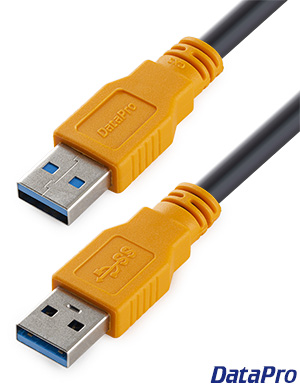
USB 3.0 Super-Speed A/A Debugging Cable
https://www.cs.usfca.edu/~cruse/cs698s10/
This page is pretty useful btw
twilit geode
prime wraith
not that it matters, who uses hpet if u have tsc
Real ones use the rtl8169 timer but u aint ready for this convo
prime wraith
lol
pearl meteor
or the hda timer
prime wraith
Not doing any ultra dev atm since i've been focused on the loader too much
Every since I added PXE support it got me a bit sidetracked
theres just too many things i hated about the boot device detection
Also reworked the memory mapper to only map usable ram
i have a gigantic amount of code just sitting there that i need to go through commit by commit and review etc
Also apparently EDK2 for aarch64 dies on startup with -cpu max so i had to do cortex-a72
as a sidenote having pxe boot is so convenient its crazy
the only downside is i wish laptops supported pxe over wifi
Also hyper will have to be excluded from the no clanker list, since i've been using it quite a lot for this. Lately i just started writing out all apis + functions in a .c file with empty bodies and have clanker fill them out and then just use that as a basis
eternal sparrow
prime wraith
Also hyper will have to be excluded from the no clanker list, since i've been us...
meh thats not the worst use, esp if you already have alot of other code related to it imo
prime wraith
Claude is pretty decent at this, although it usually generates complete dogshit with code duplication so you have to either prompt it a billion times or rewrite everything yourself
prime wraith
eternal sparrow
meh thats not the worst use, esp if you already have alot of other code related ...
yeah, in a mature code base it's really decent
eternal sparrow
one time i had it call __builtin_memset instead of memset from string.h that i procide
🥀
eternal sparrow
i feel like thats somehow more effort
when iirc string.h was alr in that file
with memcpy used
😭
prime wraith
I usually tell it which files to reference and what apis are already available, e.g. i had to explain to it my string_view etc
but yeah lol
eternal sparrow
Since I only use it for stupid shit it kinda just works if I tell it to just do it 💀
I try and code as much as I can myself
But so times I CBA
prime wraith
yeah lol
i like coding parts that are interesting to me
but unfortunately the design and api layout you still have to do yourself basically always or it will produce really bad results
which is not that bad ig
eternal sparrow
That stuff I do like tbh
prime wraith
yeah sketching out apis is fun ig
eternal sparrow
It's the really boring shit when I'm half asleep and don't want to use my little brain lower for
prime wraith
yee
prime wraith
Wait Downloading https://ftpmirror.gnu.org/gnu/binutils/binutils-2.45.tar.gz... even this fails now
Is there another mirror I can use lol
prime wraith
oh yeah maybe
prime wraith
i really wanna drop gcc support im so tired of it not supporting cross compiling by default
i only use it to verify my shit is not ub'ed to work only under clang
thorny kelp
thorny kelp
binutils
there's binutils mirrors on github out there
prime wraith
yeah yeah same idea
thorny kelp
but i misread it as coreutils lmao
eternal sparrow
prime wraith
Is there another mirror I can use lol
I just hard code the MIT one
I also have a mirror on my git server
prime wraith
eternal sparrow
I just hard code the MIT one
Which one is that
thorny kelp
prime wraith
Wait `Downloading https://ftpmirror.gnu.org/gnu/binutils/binutils-2.45.tar.gz......
btw iirc ftpmirror.gnu.org auto selects servers
just try again
it might've chosen a dead server
thorny kelp
eternal sparrow
I just hard code the MIT one
and this makes sense
eternal sparrow
prime wraith
Which one is that
i forget 😭
ah
this is the one i used
https://mirrors.ocf.berkeley.edu/gnu/gcc/gcc-${version}/gcc-${version}.tar.xz
eternal sparrow

sterile kayak
prime wraith
Wait `Downloading https://ftpmirror.gnu.org/gnu/binutils/binutils-2.45.tar.gz......
I've noticed that ftpmirror.gnu.org doesn't seem to filter for the selected mirror being up
And also sometimes ftpmirror itself is down
prime wraith
Bruh
thorny kelp
sterile kayak
I've noticed that ftpmirror.gnu.org doesn't seem to filter for the selected mirr...
sometimes it gives me okay mirrors and sometimes it gives me ones with dialup speeds
like 70kbps and lower
twilit geode
ftpmirror on its way to give me a random african mirror instead of a brazilian or even south american one
obtuse sparrow
ftpmirror giving you a mirror on butan
eternal sparrow
It would be really nice if they fixed ftp mirror
And monitored things for being down
To not direct to them
And to have countrycode.ftpmirror
So you can get one that's actually local
prime wraith
yea... im stuck with the loader shit for a while longer

i have a lot more things id like to fix before i continue with the kernel
the loader is 4k loc bigger than the kernel
20k vs 16k atm
about to change further tho
vestal zealot
prime wraith
the loader is 4k loc bigger than the kernel <:KEKW:913708372329644042>
overengineering much?
prime wraith
like i genuinely dont even think so, that thing doesnt even have a gui
thats just how much it takes
vestal zealot
i'm just joshing ya
prime wraith
lol
eternal sparrow
prime wraith
yea... im stuck with the loader shit for a while longer
I really want to make a pre kernel at this point and support ultra protocol
prime wraith
What do you support atm?
If its limine, the way that protocol is designed is fully compatible with it and you can support both in one binary like pmos
You can dynamically detect how you were booted by checking the magic number
eternal sparrow
Just limine, but I want a pre kernel anyways
It will also give me an excuse to learn elf relocations and other things
- MB2 in the future later
prime wraith
ah
vestal zealot
Is the Ultra loader compatible enough I can use it in place of Limine for shits and giggles?
prime wraith
Well all the structures are different
vestal zealot
Didn't Ultra also implement Limine protocol though?
prime wraith
Nope
vestal zealot
oh
which bootloader was it, then? I recall Limine not being the only impl of its own protocol... ?
prime wraith
No idea
vestal zealot
Maybe @little aurora knows?
prime wraith
it's a pretty gigantic protocol so i cant imagine anything would implement it for fun
maybe a small subset or smth
 loud radish
i had a semi broken impl yeah
loud radish
prime wraith
it's a pretty gigantic protocol so i cant imagine anything would implement it fo...
its really not that bad
prime wraith
terminal feature (ik its removed now)
prime wraith
loud radish
its really not that bad
requirements have grown in the last few revisions, e.g. premapping acpi tables which now requires an acpi walker in the bootloader, and iirc there were a few more things like that
its not that bad but yes its bad
as in a lot of work
sinful river
prime wraith
requirements have grown in the last few revisions, e.g. premapping acpi tables w...
Don't you need some kind of acpi walker in the bootloader anyway
If you wanna do NUMA
Well you could do without but it'd be annoying
prime wraith
what sort of numa would you do in a bootloader
sinful river
Setting things up for the kernel
prime wraith
what things?
sinful river
You tell it its numa nodes
prime wraith
cant the kernel read SRAT itself
sinful river
Yeah
But it's annoying cuz you have a chicken and egg thing so you use your boot allocator
idk
sinful river
prime wraith
does limine do numa stuff?
No
latent geode
literally unusable
sinful river
tf you mean limine won't help my hobby OS run properly on a dual socket server ship
latent geode
ikr
loud radish
numa is fake news
ornate jasper
sinful river
But it's annoying cuz you have a chicken and egg thing so you use your boot allo...
not necessarily - ive got it going ok without the loader telling me numa stuff
sinful river
Yeah it's like the pfndb, it's doable but annoying
Maybe I'll do bootloader stuff soon
ornate jasper
oh nvm i am having the loader tell me numa stuff
i already had acpi walking to make sure tables get mapped tho
(or rather i use it to put the FACS register area thing in non-temporary vmem range)
having a u32 field in the memory map entries for numa node is all you really need to clean up the chicken and egg thing tho
sinful river
Yeah that and also info for each cpu
ornate jasper
i dont have any per-cpu info from my loader
its easy enough to discover when you are building percpu structs later
the SRAT gives you both but my bootloader only cares about the memory bits
you basically just use the node for each memmap entry when building up your memblock allocator and then use that to build up everything else
sterile kayak
Yeah (fully) implementing the limine protocol is a pretty big task
sinful river
ornate jasper
its easy enough to discover when you are building percpu structs later
like node id of the cpu
Might as well do it all in the bootloader idk
ornate jasper
sinful river
like node id of the cpu
yeah just iterate that later, doesnt matter for mm init
no need to do in bootloader
sinful river
I don't like it
ornate jasper
i think memory map numa nodes is the only thing i do in bootloader and nothing else is even remotely annoying enough to chicken-egg to do in bootloader
ornate jasper
id rather do as little as possible in the loader personally
sinful river
Nah, the nicer the environment for the kernel the better
ornate jasper
different philosophies ig
im already doing a lot more in the loader than even windows does lmao
most of this is due to having literally no mechanism for stack unwinding in uefi (due to what might be llvm bug might be zig bug i dont think anyone understands it enough to know which yet) though
id have to at least double the LOC of my bootloader to get it to trace stacks on issues
so its so hard to debug
carmine token
why not just compile with frame pointers? or is that what you're doing?
sinful river
ornate jasper
im already doing a lot more in the loader than even windows does lmao
Windows does a bunch for the kernel
I think
idk
ornate jasper
sinful river
Windows does a bunch for the kernel
i literally REd winload.efi it doesnt
sinful river
ah
ornate jasper
carmine token
why not just compile with frame pointers? or is that what you're doing?
that not working is the llvm-or-zig bug that noones been able to trace back yet
sinful river
What I'm gonna do is have a prekernel loaded by limine that just puts the kernel in a nice state with all APs started
ornate jasper
i turn on frame pointers for the efi bootloader and nothing changes or happens and i still dont have frame pointers
and loading the pdb from the efi filesystem stuff would probably double the lines of code in my loader
(plus idk how to even get the current directory of the current image in efi to load the pdb from)
sinful river
I don't do unwinding
well, dwarf stuff at all
I just use frame pointers
And have my own symbol table
ornate jasper
as i mentioned, on efi frame pointers dont work at all for me
the option just gets ignored
so i still cant unwind with them
sinful river
ornate jasper
as i mentioned, on efi frame pointers dont work at all for me
Who cares, your bootloader shouldn't crash
ornate jasper
ive got frame pointers and cfi for my kernel
ornate jasper
sinful river
Who cares, your bootloader shouldn't crash
no but its hard to debug when im writing it
thats why i keep the loader simple
and only do the bare minimum
because that way it doesnt crash and i dont have to debug it
sinful river
Don't write bugs 😎
sinful river
I'm not sure how the prekernel should load the kernel and where it should sit though, should it sit at the place where the kernel would otherwise exist? And then the prekernel loads the kernel after that?
ornate jasper
that question is why i never tried to make a prekernel lol
sinful river
sinful river
I'm not sure how the prekernel should load the kernel and where it should sit th...
@carmine token how does managarm do it?
ornate jasper
winload.efi sets up the memory map, calls SetVirtualAddressMap on efi, loads a few extra acpi tables if theyre missing, and then loads the kernel and calls main
my bootloader sets up the memory map with bonus numa info, calls SetVirtualAddressMap, and then loads the kernel and calls main
oh and if the MP protocol for efi is available, winload uses it to invoke the winbvd instruction on all APs after which the APs are all back in standby mode as if nothing happened
why it does that i dont fuckin know but it sure does do that
i dont even know what the winbvd instruction does lmao
oh and winload builds up a gigantic-ass struct it passes to the kernel
carmine token
sinful river
<@358943271151468555> how does managarm do it?
The prekernel allocates memory for the kernel from the same pool that it passes to the kernel
not sure if that answers the question
ornate jasper
i think was more about where in the address space they go
thats the question i had about prekernels anyway
sinful river
carmine token
The prekernel allocates memory for the kernel from the same pool that it passes ...
No, I mean where are the executables located?
carmine token
in virtual memory?
or physical
the prekernel maps the kernel to its proper place in virtual memory
ornate jasper
where in virtual memory is the prekernel then/how are conflicts avoided?
sinful river
Yea
carmine token
ah
the prekernel is either identity mapped (for all boot protocols except limine) or very high (for limine)
obtuse sparrow
In my prekernel at least, i start on 32-bit protected mode and the bootloader itself loads both the prekernel as the main executable and the kernel as a module
prime wraith
ornate jasper
winload.efi sets up the memory map, calls SetVirtualAddressMap on efi, loads a f...
Whats the point of SetVirtualAddressMap?
carmine token
carmine token
the prekernel is either identity mapped (for all boot protocols except limine) o...
very high = 0xffffffffe0000000
obtuse sparrow
obtuse sparrow
In my prekernel at least, i start on 32-bit protected mode and the bootloader it...
Then i just set up the virtual mappings, enable paging and jump into the virtual memory address of the kernel
sinful river
carmine token
very high = 0xffffffffe0000000
ahh ok I see
I think my heap sits there actually