#uACPI - a portable and easy-to-integrate ACPI implementation
1 messages · Page 71 of 1
 hallow marten
 slim panther
huge
 full nimbus
This looks like the lounge?
hallow marten
what
full nimbus
Atleast the color scheme and layout
full nimbus
hallow marten
what
Self hostable web client
slim panther
hallow marten
what IRC client do you use btw?
the lounge
 slim panther
it's a web client

 jaunty fox
hallow marten
then linux
jaunty fox
hallow marten
then linux
we just need to hire one of those hardcore PR firms
they can mount a smear campaign against ACPICA
as OGs of this thread know there is more than enough fuel for that fire
full nimbus
jaunty fox
they can mount a smear campaign against ACPICA
I mean the fact they have been slopping a ton of shit apparently and breaking things
We don't even need to smear them
Just tell the truth
jaunty fox
full nimbus
I mean the fact they have been slopping a ton of shit apparently and breaking th...
they broke things real good
 fiery turtle
Who is that?
jaunty fox
just ask the guy with the corvette
full nimbus
ACPICA also killed my parents
fiery turtle
the acpica maintainer corvette incident
slim panther
fiery turtle
Who is that?
zircon guy
fiery turtle
zircon?
jaunty fox
fiery turtle
zircon?
fuschia/magenta
hallow marten
fiery turtle
Who is that?
little kernel guy
 pallid lava
uacpi first got into react
 vocal geyser
full nimbus
ACPICA also killed my parents
vocal geyser
full nimbus
ACPICA also killed my parents
🥀
fiery turtle
jaunty fox
fuschia/magenta
ah cool
pallid lava
uacpi becomes the new reference
full nimbus
vocal geyser
🥀
Epstein also used ACPICA 
pallid lava

vocal geyser
full nimbus
Epstein also used ACPICA <:trl:1477775551505633320>
interesting
vocal geyser
🙁
 fiery turtle
vocal geyser
🙁
fiery turtle
vocal geyser
🙁
It's funny how it's saying "please try a different search", as if it really wants you to dig something up
 lethal trench
vocal geyser
🙁
lethal trench
vocal geyser
🙁
Would of been funny if some random email from Epstein like “this acpica thing is really cool” came up
full nimbus
 kind mantle
it was basically never happening
kind mantle
it was basically never happening
I mean If Epstein ever used Linux
He used ACPICA by proxy
Which was the joke I was going for
 full nimbus
hallow marten
full nimbus
hallow marten


 omg look
 steel inlet
full nimbus
I mean If Epstein ever used Linux
steel inlet
full nimbus
I mean If Epstein ever used Linux
there is a bash manual in the files
fiery turtle
lol
steel inlet
and i saw some emails of orders for hp linux servers or smth iirc
not sure what that was about
 full nimbus
steel inlet
and i saw some emails of orders for hp linux servers or smth iirc
full nimbus
steel inlet
and i saw some emails of orders for hp linux servers or smth iirc
SEE! SEE!
pallid lava
got back in my hands an old laptop with a touchscreen
the madt is fucked

non-sequential APIC ids

this one is subtler, but it specifies NMIs as level triggered
which is prohibited by the intel sdm
and i cant get my os to proceed because i get an apic error
someone is sending me an IPI with vector 0-15
it is not me
 kindred beacon
pallid lava
got back in my hands an old laptop with a touchscreen
kindred beacon
pallid lava
got back in my hands an old laptop with a touchscreen
do you know how the touch is wired? usb/i2c/something else?
pallid lava
no idea
the laptop is super fucked overall
the quality is bad
the keyboard's up arrow is spammed constantly
kindred beacon
you can determine if it's usb by looking at lsusb output
kindred beacon
alternatively you can get a nice listing of all input devices with evtest
fiery turtle
pallid lava
this one is subtler, but it specifies NMIs as level triggered
Thats why linux never even looks at nmi entries
fiery turtle
pallid lava
non-sequential APIC ids
Half of my laptops are this way lol, they're rarely sequential
pallid lava
fiery turtle
Thats why linux never even looks at nmi entries
so how does it wire the nmi handler?
when i type nmi in the qemu monitor it is received by linux
how does it know what parameters and what lints
pallid lava
i see
@kindred beacon ```
Available devices:
/dev/input/event0: Lid Switch
/dev/input/event1: Power Button
/dev/input/event10: HDA Intel PCH Mic
/dev/input/event11: HDA Intel PCH Speaker Front
/dev/input/event12: HDA Intel PCH HDMI/DP,pcm=3
/dev/input/event13: HDA Intel PCH HDMI/DP,pcm=7
/dev/input/event14: HDA Intel PCH HDMI/DP,pcm=8
/dev/input/event2: AT Translated Set 2 keyboard
/dev/input/event3: Video Bus
/dev/input/event4: Intel HID events
/dev/input/event5: Intel HID 5 button array
/dev/input/event6: PC Speaker
/dev/input/event7: FTSC1000:00 2808:50C5
/dev/input/event8: FTSC1000:00 2808:50C5 UNKNOWN
/dev/input/event9: SYNA3602:00 0911:5288 Touchpad
the touchscreen is event7
kindred beacon
what the fuck
fiery turtle
synaptics touchpad letsgo
pallid lava
so yes, over i2c
kindred beacon
that's based actually
fiery turtle
who needs csm tbh
kindred beacon
fuck that old cruft
pallid lava
back in 2020 i was forced to use tomatboot 😔
fiery turtle
i was surprised to learn none of my laptops support the PXE GET_FILE_SIZE request, which is a fucking pain
havent tried the bios PXE yet, maybe that one is better
pallid lava
let me now debug harder what is the apic error issue and i'll try to see how uacpi goes
kindred beacon
only use TFTP for limine + kernel binary + initrd, NVMe-oF for the rest 
pallid lava
fiery turtle
havent tried the bios PXE yet, maybe that one is better
i have written a pxe rom 
fiery turtle
pallid lava
let me now debug harder what is the apic error issue and i'll try to see how uac...
the apic error in your kernel u mean?
pallid lava
yes
fiery turtle
ah
fiery turtle
pallid lava
i have written a pxe rom <:chad:815144781842743334>
for what card?
kindred beacon
actual troll
fiery turtle
doesnt that already have one?
pallid lava
yeah ofc
fiery turtle
ah
pallid lava
the storage is also unironically an emmc card
 mortal yoke
I have always wondered why do the cheap laptops/chromebooks use emmc instead of ufs
its literally worse than phones lol
 calm latch
It's cheaper?
UFS is like in the flagship smartphones, and only became a thing recently
I mean everyone uses NVMe now?
Smartphones, SD cards
mortal yoke
calm latch
UFS is like in the flagship smartphones, and only became a thing recently
its not flagships only, mid-range phones in 2020 already had it for an example
like oneplus nord n10 that cost like 250€ back then
 vast kestrel
I think it's because emmc works over SD bus that chipsets already have
Meanwhile ufs is a different bus
And nvme is just pcie
full nimbus
how much cheaper even is emmc to skip nvmes? iirc you can get 256gb ones for like 30 bucks wholesale
mortal yoke
the nice thing about UFS over emmc is that the controller interface is standardized (though ofc it can also come with quirks like all hardware)
pallid lava
rip, i have to actualy implement the ec region handlers 
no idea why the apic error happens
it happens only once after i sti
the error status register has bit 6 set, which means that someone is sending me an interrupt with a vector from 0 to 15, which is illegal
it happens with the other cpu too when i bring it up
pallid lava
pallid lava
rip, i have to actualy implement the ec region handlers <:nooo:75046687099322375...
okay, this took me a grand total of 5 seconds
also, during initialization, i get a gpe before they're enabled
okay, there is something worse happening
when uacpi calls the battery's _STA, it accesses a register inside the embedded controller space
and i have no handler for it, because i have to first initialize the namespace, and then iterate over the devices looking for the embedded controller, and after that attach a handler?
calm latch
mortal yoke
the nice thing about UFS over emmc is that the controller interface is standardi...
Isn't emmc also standardized?
Like it's just the SD card
fiery turtle
pallid lava
and i have no handler for it, because i have to first initialize the namespace, ...
ECDT table
pallid lava
i dont have that
pallid lava
oh okay
fiery turtle
Idr how linux handles it exactly, I did look into it a while ago
mortal yoke
calm latch
Isn't emmc also standardized?
the thing itself yes, I guess it depends on the device whether it uses the standardized SD host controller interface or something proprietary
though even on devices that implement the sd host controller interface sometimes they are pretty broken and you have to write values to fields that are marked as RO in the spec (e.g. a register where you are supposed to discover supported voltages from so then the generic driver can properly read them from there)
slim panther
pallid lava
non-sequential APIC ids
is that not legal?
vocal geyser
slim panther
is that not legal?
my laptop have 0 and 2 lapic ids
slim panther
pallid lava
why would it not be legal
idk otherwise who cares
if it works anyways
we know firmware devs are insane

 frank canopy
theres even a cpuid to discover how many bits are used for each field
pallid lava
yes
calm latch
My old PC starts at 16 and doesn't match CPUID 
fiery turtle
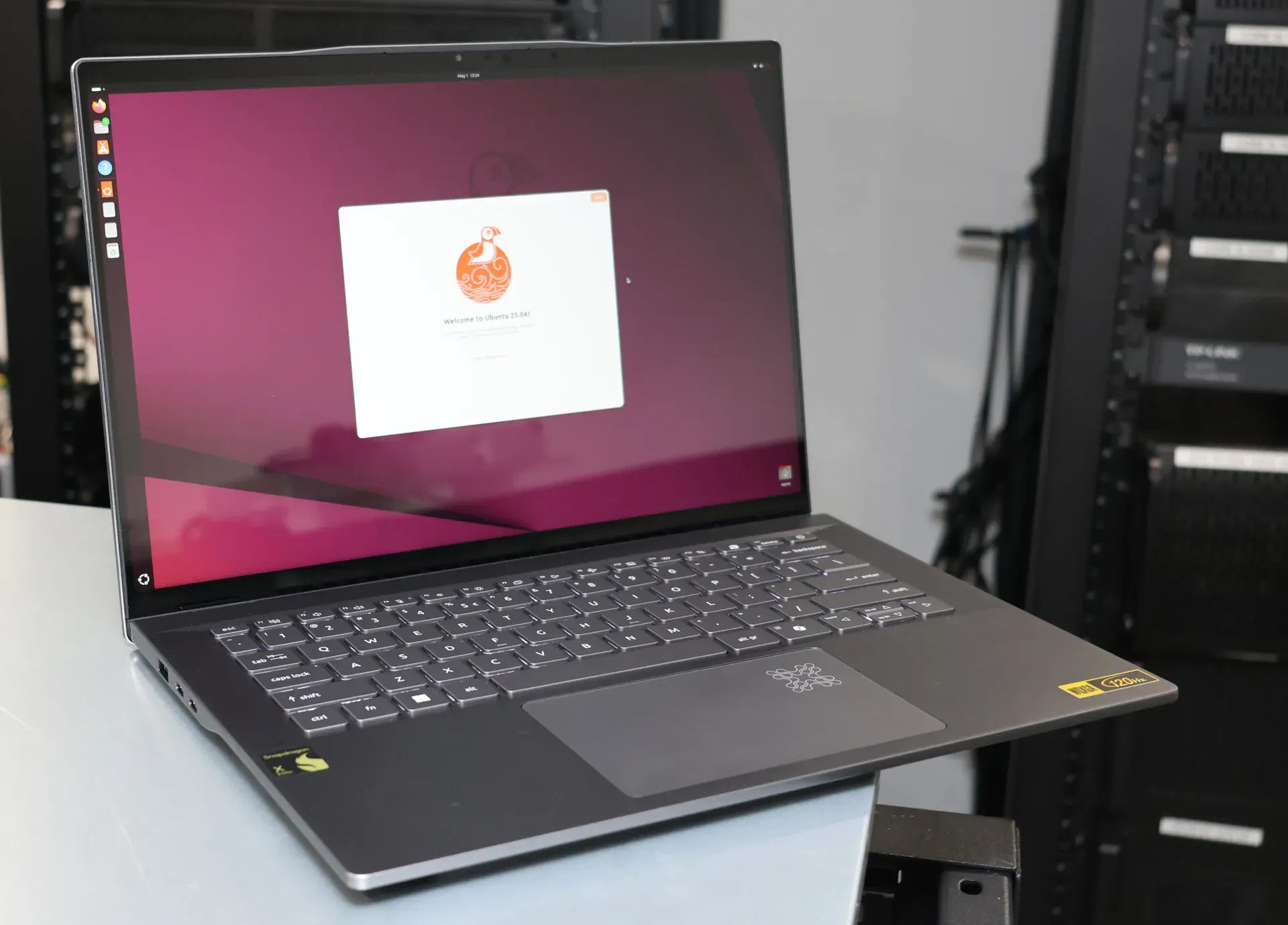
Over the years while working at Red Hat, Hans de Goede was known for driving many wonderful Linux laptop improvements benefiting AMD/Intel x86_64 hardware
Looks like future snapdragon laptops will be acpi only
Thank god
 pine leaf
slim panther
fiery turtle
Looks like future snapdragon laptops will be acpi only
pine leaf
slim panther
fiery turtle
Looks like future snapdragon laptops will be acpi only
huh
kindred beacon
fiery turtle
https://www.phoronix.com/news/DT-ACPI-Hybrid-Mode-Linux
cc @wind fiber
kind mantle
If someone has that Linux kernel with uACPI, I'd be willing to test
 rugged silo
@fiery turtle i have some problems with implementing uacpi, somehow the compiler wont see the uacpi functions but the ide sees them perfectly
https://codeberg.org/aiqe/forward/src/branch/main/kernel/src/acpi/acpi_init.c
compiler errors:
src/acpi/acpi_init.c: In function ‘acpi_init’:
src/acpi/acpi_init.c:9:24: error: implicit declaration of function ‘uacpi_initialize’ [-Wimplicit-function-declaration]
    9 |     uacpi_status ret = uacpi_initialize(0);
      |                        ^~~~~~~~~~~~~~~~
src/acpi/acpi_init.c:14:11: error: implicit declaration of function ‘uacpi_namespace_load’ [-Wimplicit-function-declaration]
   14 |     ret = uacpi_namespace_load();
      |           ^~~~~~~~~~~~~~~~~~~~
src/acpi/acpi_init.c:19:11: error: implicit declaration of function ‘uacpi_namespace_initialize’ [-Wimplicit-function-declaration]
   19 |     ret = uacpi_namespace_initialize();
      |           ^~~~~~~~~~~~~~~~~~~~~~~~~~
src/acpi/acpi_init.c:24:5: error: implicit declaration of function ‘uacpi_set_interrupt_model’ [-Wimplicit-function-declaration]
   24 |     uacpi_set_interrupt_model(1);
      |     ^~~~~~~~~~~~~~~~~~~~~~~~~
src/acpi/acpi_init.c:25:11: error: implicit declaration of function ‘uacpi_finalize_gpe_initialization’ [-Wimplicit-function-declaration]
   25 |     ret = uacpi_finalize_gpe_initialization();
      |           ^~~~~~~~~~~~~~~~~~~~~~~~~~~~~~~~~
Codeberg.org
fiery turtle
rugged silo
<@353593948523986945> i have some problems with implementing uacpi, somehow the...
What compile options for uacpi
fiery turtle
Anyway the most likely reason is you have barebones mode enabled
rugged silo
fiery turtle
Anyway the most likely reason is you have barebones mode enabled
yes
wait
didnt i say that
oh yeah im stupid
yeah, i use barebones mode
is there smth wrong with it
fiery turtle
well those functions dont exist in barebones mode
fiery turtle
barebones mode only includes tables.h
rugged silo
uacpi needs pci, pci needs interrupt controller, interrupt controller (apic) needs uacpi
well ig i could bootstrap pci with pic
fiery turtle
thats why theres the early_table_access helper
so u can parse static tables before doing aml or allocations or anything
and uacpi doesnt need pci until you start running aml
rugged silo
oh okay thanks
rugged silo
gpfs with error code 0 in at if (uacpi_signatures_match(hdr, ACPI_FACS_SIGNATURE)) somehow, what could this relate to
static void dump_table_header(
    uacpi_phys_addr phys_addr, void *hdr
)
{
    struct acpi_sdt_hdr *sdt = hdr;

    if (uacpi_signatures_match(hdr, ACPI_FACS_SIGNATURE)) {
        uacpi_info(
            "FACS 0x%016"UACPI_PRIX64" %08X", UACPI_FMT64(phys_addr),
            sdt->length
        );
        return;
    }

    if (!uacpi_memcmp(hdr, ACPI_RSDP_SIGNATURE, sizeof(ACPI_RSDP_SIGNATURE) - 1)) {
        struct acpi_rsdp *rsdp = hdr;

        uacpi_info(
            "RSDP 0x%016"UACPI_PRIX64" %08X v%02X (%6.6s)",
            UACPI_FMT64(phys_addr), rsdp->revision >= 2 ? rsdp->length : 20,
            rsdp->revision, rsdp->oemid
        );
        return;
    }

    uacpi_info(
        "%.4s 0x%016"UACPI_PRIX64" %08X v%02X (%6.6s %8.8s)",
        sdt->signature, UACPI_FMT64(phys_addr), sdt->length, sdt->revision,
        sdt->oemid, sdt->oem_table_id
    );
}
Bad implementation of uacpi_kernel_map
rugged silo
that workaround should work i suppose
void *uacpi_kernel_map(uacpi_phys_addr addr, uacpi_size len)
{
    void *AddrVirt = (uint64_t)addr + offset;
    return (void *)AddrVirt;
}
i feel like its incredibly stupid but cant prove it because im incredibly stupid 
rugged silo
rugged silo
that workaround should work i suppose
```C
void *uacpi_kernel_map(uacpi_phys_add...
though it didnt work
 fiery ice
rugged silo
that workaround should work i suppose
```C
void *uacpi_kernel_map(uacpi_phys_add...
fiery ice
rugged silo
that workaround should work i suppose
```C
void *uacpi_kernel_map(uacpi_phys_add...
💀
at least use the hhdm
i mean, if you mapped all of it it should work then
full nimbus
fiery ice
i mean, if you mapped all of it it should work then
You probably don't want to map everything in the HHDM
fiery ice
full nimbus
You probably don't want to map everything in the HHDM
i mean, for uacpi you could do that
especially if running in the kernel
full nimbus
Sure, but you don't want to do that
The physical memory could have anything, things that may need different caching modes etc.
You can even get machine checks due to mapping shit improperly
Eg MTRRs not liking huge pages in some cases
kind mantle
rugged silo
that workaround should work i suppose
```C
void *uacpi_kernel_map(uacpi_phys_add...
Can't work
Not everything that ACPI will want is gonna be in the HHDM
 rustic compass
kind mantle
Not everything that ACPI will want is gonna be in the HHDM
rustic compass
kind mantle
Not everything that ACPI will want is gonna be in the HHDM
unless you map everything in the HHDM but that will require you to map most stuff UC + 4K or things like Evalyn described will happen
 north hull
if your kernel cant easily impl this api then u are not ready to impl uacpi
u have other things to worry about
fiery turtle
rugged silo
that workaround should work i suppose
```C
void *uacpi_kernel_map(uacpi_phys_add...
How did you manage to gpf with this tho
At least add logs
To trace what you return
full nimbus
rustic compass
unless you map everything in the HHDM but that will require you to map most stuf...
in theory you could map it to the HHDM region on demand if you are very careful when you construt it but in many cases its not worth it
eg mapping the memory map exactly and when using large pages make sure they dont spill over into unknown memory
Loongarch64 would also let you cheat this with DMWs since it's a safe way to have an HHDM of all physical memory and with different caching modes
But again it's much easier to just have a proper virtual memory allocator
You won't be starving for virtual address space especially if you support 5 level paging
full nimbus
full nimbus
But again it's much easier to just have a proper virtual memory allocator
And you will need this later regardless
full nimbus
fiery turtle
At least add logs
Or atleast grab the QEMU log and addr2line it
fiery turtle
Yep
https://github.com/uACPI/uACPI/releases/tag/6.0.0
I've just released uACPI 6.0.0, this one is pretty important as it includes a lot of bug fixes
steel inlet
me (again), still on 3.2.0:
lethal trench
fiery turtle
https://github.com/uACPI/uACPI/releases/tag/6.0.0
I've just released uACPI 6.0.0...
woaw based
slim panther
steel inlet
me (again), still on 3.2.0:
 rugged silo
fiery turtle
https://github.com/uACPI/uACPI/releases/tag/6.0.0
I've just released uACPI 6.0.0...
rugged silo
fiery turtle
https://github.com/uACPI/uACPI/releases/tag/6.0.0
I've just released uACPI 6.0.0...
thanks for the update, i have blessed my os with version 6.0.0
 slim panther
let's see
fiery turtle
Next up I want to add an ability to attach arbitrary user data to a uacpi namespace node (to simplify uacpi-linux), and an optional 64-bit division platform helper
kind mantle
I wonder if uACPI for Linux is ever going to be a real thing
As opposed to a tech demo
calm latch
Considering it fixed a bunch of stuff for reactos...
fiery turtle
kind mantle
I wonder if uACPI for Linux is ever going to be a real thing
That just needs a bunch of work put in
rugged silo
fiery turtle
That just needs a bunch of work put in
uacpi 33.0.0
fiery turtle
Nah the work is mostly on the uacpi linux side
calm latch
Linux 33.0.0
pallid lava
just updated to latest
have there been any changes to the gpe code, or my kernel is broken?
the power off button does not send any ec gpe
ok nvm, you removed the got gpe message 
pallid lava
february/march i think
fiery turtle
Maybe that was your kernel
fiery turtle
nice! new NT regression after recent update


am i supposed to migrate my pc to uacpi now 
fiery ice
XD
pallid lava
thought i was going crazy... but actually, uacpi_find_devices ignores devices whose _STA reports they're not active (skrill issue)
pallid lava
fiery turtle
am i supposed to migrate my pc to uacpi now <:KEKW:913708372329644042>
yes
fiery turtle
pallid lava
thought i was going crazy... but actually, uacpi_find_devices ignores devices wh...
Did you run into some issue because of that
pallid lava
nah, it's not for real hw
i am implementing memory hotplugging, and obviously unplugged memory is reported as not present
pallid lava
yes 
hallow marten
pallid lava
i am implementing memory hotplugging, and obviously unplugged memory is reported...
are you planning to support CPU hotplugging as well?
that sounds like hell
pallid lava
yes
it's the 2 things i want to do before continuing
i should create a thread tbh once i clean some things up
hallow marten
Actually cpu hotplug shouldn't be that bad now that I think of it
You "just" try migrating everything
pallid lava
yeah
 chrome crow
fiery turtle
nice! new NT regression after recent update
chrome crow
fiery turtle
nice! new NT regression after recent update
what did you do
fiery turtle
Booted my computer
calm latch
hallow marten
You "just" try migrating everything
Isn't it basically the same as CPU parking?
pallid lava
yes
hallow marten
actually I'll look into this eventually
pallid lava
implementing hotplug support is not necessary for having in your os support for software disabling cpus during runtime, making them sleep for a long time and whatever
hallow marten
doesn't really seem that hard
pallid lava
i just want to get my hands dirty with acpi
(aka match processors to processor objects and call _ej0)
pallid lava
based?
fiery ice
hmm @fiery turtle what could cause uacpi to hang before saying it loaded all the tables and did tot ops in tot ms?
fiery turtle
gdb
 fiery turtle
if i had to guess it hangs in your allocator
fiery turtle
yeah just add a bunch of prints
fiery ice
another strange thing would be the messages for port 0
tho maybe that's another process
and i'm gonna check it now
hmm, no, it's uacpi
i think it's hanging on the pci read or something? since that's where i'm using ports
fiery turtle
Create namestring just allocates
fiery ice
fiery turtle
Create namestring just allocates
ok, i think it 100% is pci stuff
for some reason on kvm it doesn't request pci reads / writes before i call send mcfg
but on real hw yes
the hanging is caused by the pci service not responding bc it's not active yet
fiery ice
fiery turtle
Create namestring just allocates
ok, it was 100% the pci stuff
it is doing pci operations during namespace load
 slim panther
fiery turtle
Why is every message duplicated
slim panther
fiery turtle
Why is every message duplicated
once debug and once information
inb4 switch on log type but no break;
pallid lava
small typo in include/uacpi/types.h:37
 pallid lava
okay, so, i have written a wrapper for _OST, but i am not sure if it's entirely correct
int
acpi_device_ost(uacpi_namespace_node *node, unsigned int source_event,
                unsigned int status_code)
{
        uacpi_status status;
        uacpi_namespace_node *ost;
        uacpi_object_array args;
        uacpi_object *arg0, *arg1, *args_ptr[3];

        status = uacpi_namespace_node_find(node, "_OST", &ost);
        if (status == UACPI_STATUS_NOT_FOUND) {
                return 0;
        } else if (status != UACPI_STATUS_OK) {
                return -1;
        }

        arg0 = uacpi_object_create_integer(source_event);
        if (!arg0) {
                return -ERROR_OUT_OF_MEMORY;
        }

        arg1 = uacpi_object_create_integer(status_code);
        if (!arg1) {
                free(arg0);
                return -ERROR_OUT_OF_MEMORY;
        }

        args_ptr[0] = arg0;
        args_ptr[1] = arg1;
        args_ptr[2] = UACPI_NULL;
        args.count = 3;
        args.objects = args_ptr;

        status = uacpi_execute(ost, nullptr, &args);
        free(arg0);
        free(arg1);
        if (uacpi_likely_success(status)) {
                return 0;
        } else {
                return -1;
        }
}
is this the right way of passing optional arguments?
specifically, _OST takes three arguments: arg0 (integer), arg1(integer), arg2(optional buffer)
fiery ice
fiery turtle
Why is every message duplicated
I redirected dbg to screen
fiery turtle
pallid lava
specifically, _OST takes three arguments: arg0 (integer), arg1(integer), arg2(op...
when the spec says "may be null" it probably means the buffer may be empty
you cant pass 2 arguments to methods that accept 3
you also cant just free the arguments, you must use uacpi_object_unref
since aml can just arbitrarily grab a reference to it and you wont know
pallid lava
oh okay
so, how do i create an empty buffer? do i use uacpi_object_create_buffer, with view.length = 0, or how?
fiery turtle
yeah
 pallid lava
perfect then
lmao
_OST for memory hotplug in qemu is just this

tbf, there's not much useful stuff that qemu can do
at most, print a message or trace _OST calls, which is what it does
fiery turtle
makes sense lol
 quaint lotus
I know this is mostly NIH but using a whole ACPI system feels kinda like cheating
Is there a way to trim uACPI down to just an AML interpreter
quaint lotus
pallid lava
but... it's an aml interpreter?
From the git it seems to also do those:
A fairly advanced event subsystem (GPE/fixed, wake, implicit notify, AML handlers)
Table management API (search, dynamic installation/loading, overrides, etc.)
Operation region subsystem (user handlers, support for BufferAcc opregions, builtins for common types)
Sleep state management (transition to any S state, wake vector programming)
PCI routing table retrieval & interrupt model API
Device search API
Interface & feature management exposed via _OSI
Client-defined Notify() handlers
Firmware global lock management (_GL, locked fields, public API)
GAS read/write API
fiery ice
fiery turtle
Why is every message duplicated
btw infy, how can i fix those warning during namespace load?
pallid lava
you can use or not use all that stuff
fiery ice
i didn't think it wanted to interact with pci things during namespace load
fiery turtle
fiery ice
btw infy, how can i fix those warning during namespace load?
you cant, its a genuine bug in your firmware
lethal trench
fiery turtle
you cant, its a genuine bug in your firmware
well well well...
quaint lotus
fiery turtle
you cant, its a genuine bug in your firmware
least buggy firmware:
fiery turtle
this one is relatively harmless at least
lethal trench
at this point I'm convinced firmware devs are paid by microsoft to add bugs to firmware
fiery ice
well, i have a pci write / read before loading now
it is legacy only
but should help a bit XD
fiery turtle
u can parse mcfg before namespace load no? lol
fiery ice
no
uacpi wants namespace loaded at least
with my current method i mean
i use uacpi_find_devices_at
fiery turtle
table_find("MCFG")?
fiery ice
hmm, i do it on the callback of uacpi_find_devices_at
fiery turtle
anyway legacy access works fine
fiery turtle
fiery ice
damn you samsung
u should see the same warnings under linux btw
with acpica
fiery ice
oh
fiery turtle
check your dmsg
steel inlet

uacpi.com
DISCRETE INVESTIGATIONS, TRUSTED RESULTS.
UAC Agency Licenses: Utah P112781, Arizona 1819040, California PI190144
fiery turtle
💀
pallid lava
dw, it's not over for you
https://nasm.org and https://nasm.us -- guess which one is for the assembler we all love
full nimbus
pallid lava
<https://nasm.org> and <https://nasm.us> -- guess which one is for the assembler...
What the fuck 😭
steel inlet
pallid lava
<https://nasm.org> and <https://nasm.us> -- guess which one is for the assembler...
(because i already knew)
never heard of nasm.org tho, wtf is that
quaint lotus
pallid lava
<https://nasm.org> and <https://nasm.us> -- guess which one is for the assembler...
nasm.us for sure
I went to that site way too many times
 gloomy helm
me writing my own aml parser and shi cuz uacpi is too complex: ._.
 torpid root

 lethal trench
gloomy helm
me writing my own aml parser and shi cuz uacpi is too complex: ._.
lethal trench
gloomy helm
me writing my own aml parser and shi cuz uacpi is too complex: ._.
im sure there isn't a reason it's so complex and it's just like that because infy likes writing complex code :p
calm latch
gloomy helm
(also 70000th message!! <:trl:829316641191886888>)
lounge-2
lethal trench
not even
if(firmware_is_bugged()) {
  panic("buggy firmware I aint even gonna bother");
}
this always panics
fiery turtle
does this check just return true always?
torpid root
it calls is_computer_on()
lethal trench
fiery turtle
does this check just return true always?
yeah it's 100% right about 90% of the time
rugged silo
lethal trench
```c
if(firmware_is_bugged()) {
panic("buggy firmware I aint even gonna bother...
gcc gonna optimize that into if(1)
gloomy helm
fiery turtle
yeah its 30k lines mostly because i wanted to troll
mine is 1000 lines
fiery turtle
if you strip references from AML it could be much simpler
most of the complexity i would say comes from them
and no one really knows how they are supposed to work, especially not the spec
torpid root
lol
lethal trench
fiery turtle
and no one really knows how they are supposed to work, especially not the spec
how they are supposed to work
bold of you to assume they're supposed to work in the first place
fiery turtle
the entire aml/asl spec is designed around ignoring the existence of edge cases
you would never do multilevel references anyway right
lethal trench
sureeeee
fiery turtle
you would never try to make local references escape the method right
and if you're the implementor, go figure it out lol
gl
lethal trench
"it worked when we tested it on nt"
"acpica threw errors but it booted so who cares"
fiery turtle
fiery turtle
you would never try to make local references escape the method right <:trl:82931...
the way acpica solves it is by segfaulting
so this whole thing works only becaused firmware engineers made sure to only use the bare minimum of features that never trigger such edge cases
gloomy helm
fiery turtle
the way acpica solves it is by segfaulting
acpica my despised
fiery turtle
like its not even anything crazy, e.g.
Method (TEST) {
    Return (RefOf(Local0))
}
no one really knows how this is supposed to work
lethal trench
replace aml with jvm bytecode atp 🙏
fiery turtle
fiery turtle
unironically it would be simpler
Like my interpreter.c is 6k loc not counting utility functions, you can probably implement a simple java vm in that many loc
lethal trench
i am now tempted but I must resist
lethal trench
and that's why I'm so tempted 😭
fiery turtle
the worst one jvm has is like invokedynamic or whatever
full nimbus
lethal trench
im sure there isn't a reason it's so complex and it's just like that because inf...
Also there are better reasons to want to make an AML thing and not use uACPI
pallid lava
even our beloved emulator (qemu) does not implement properly the acpi spec
for memory devices, The physical address space described by _CRS object must be described using the Extended Address Space Resource Descriptor macro.
what i actually get: a qword memory descriptor
fiery turtle
Gg
frank canopy
the q35 machine in qemu is missing an aml field that the spec defines as required for the pci root
there is no consistency or correctness. only what will work under windows
pallid lava
which field?
frank canopy
BBN iirc
pallid lava
i think it can be assumed to 0?
frank canopy
_SEG is defined 0 if missing but _BBN is officially supposed to be required despite being assume 0 if missing in practice
pallid lava
oh yes, you're right
frank canopy
so like it's fine it's just more evidence that the acpi spec is just a suggestion
pallid lava
pallid lava
for memory devices, ```The physical address space described by _CRS object must ...
this is because linux itself only supports this type of descriptor
pallid lava
pallid lava
this is because linux itself only supports this type of descriptor <:chad:815144...
im not sure

it uses this macro/function (which is not defined anywhere)
and according to gemini, it converts any memory resource to that
and the qemu aml is capable of creating a dword memory descriptor, if the hp region is in low memory
pallid lava
pallid lava
and according to gemini, it converts any memory resource to that
okay yes, indeed it's happening this
elixir is tweaking for some reason
 gentle peak
pallid lava
it uses this macro/function (which is not defined anywhere)
gentle peak
pallid lava
it uses this macro/function (which is not defined anywhere)
it's defined in acpica
pallid lava
acpi_resource_to_address64 takes a word, dword or qword descriptor, and converts it to a qword descriptor
gentle peak
drivers/acpi/acpica is excluded from elixir for some reason
pallid lava
and if there is an extended one (the required one by the spec), it fails
pallid lava
gentle peak
drivers/acpi/acpica is excluded from elixir for some reason
i see
fiery turtle
gentle peak
it's defined in acpica
I should add a helper like that
fiery turtle
pallid lava
and if there is an extended one (the required one by the spec), it fails <:chad:...
Lmao
lethal trench
pallid lava
and if there is an extended one (the required one by the spec), it fails <:chad:...
I fucking love acpi <3
gloomy helm
lethal trench
I fucking love acpi <3
i hate acpi >:(
lethal trench
fair enough but it works 😭
full nimbus
frank canopy
there is no consistency or correctness. only what will work under windows
It feels like every single company takes spec for almost everything takes it and uses it to wipe their ass after shitting and then proceeding to take a piss on It
frank canopy
full nimbus
It feels like every single company takes spec for almost everything takes it and...
yeah pretty much tbh
and then they get mad when other people do that to their specs
quaint lotus
Out of curiosity what does AML typically do?
Like does it only contain data, or can it write to ports or memory addresses and crazy stuff like that
torpid root
quaint lotus
Out of curiosity what does AML typically do?
find unhandled edge cases in aml interpreters
mortal yoke
quaint lotus
Like does it only contain data, or can it write to ports or memory addresses and...
it does all of them
quaint lotus
fiery turtle
the entire aml/asl spec is designed around ignoring the existence of edge cases
this is rather annoying
gloomy helm
aml allows for some kewl shit like acpi shutdown
and more
so in a sense it does allow memory writes and shit
pallid lava
shutdown would have been good if the s5 slp_type was in the fadt and there were no need of doing whatever _pts garbage
fiery turtle
quaint lotus
Like does it only contain data, or can it write to ports or memory addresses and...
Its a turing complete programming language/byte code
It does everything and anything it wants
Typically programming the chipset, talking to the firmware over SMM and many other things
quaint lotus
At that point why don’t hardware developers just write their drivers in AML
fiery turtle
They do ship a lot of power management drivers in aml
Thats how you retrieve the battery percentage for example
Some roll entire i2c drivers
And the nice thing for the kernel is it just runs a method which does this black magic under the hood
quaint lotus
Why can’t this apply to more drivers? Like GPU drivers for instance
Imagine AML mode setting
pallid lava
that was called running the rom in v8086
aml is too much trouble and is not very performant
fiery turtle
quaint lotus
Why can’t this apply to more drivers? Like GPU drivers for instance
You get backlight control and even mux control in aml for hybrid laptops
But not modeset yeah
Idk why they never did that
Probably because that wasn't needed and was covered by generic gpu drivers
Whereas backlight and mux is always ad hoc chipset specific stuff
full nimbus
fiery turtle
Idk why they never did that
Could also have been too funky across GPU versions to be shipping laptops that may have diff cards?
fiery turtle
full nimbus
Could also have been too funky across GPU versions to be shipping laptops that m...
Well gpus provide the tables themselves
full nimbus
ah true
 flat badge
quaint lotus
Like does it only contain data, or can it write to ports or memory addresses and...
flat badge
quaint lotus
Like does it only contain data, or can it write to ports or memory addresses and...
see, the purpose of AML is pinging an EC that tells a proper microcontroller that runs software written in an actual language to do the actual work
kind mantle
fiery turtle
Well gpus provide the tables themselves
... Do GPUs have AML in them?
fiery turtle
yes
kind mantle
Damn
flat badge
Hm?
which GPUs do that?
for integrated GPUs, the AML is typically embedded in the uefi firmware image
and not in the gpu
fiery turtle
flat badge
which GPUs do that?
Nvidia afaik
fiery turtle
flat badge
for integrated GPUs, the AML is typically embedded in the uefi firmware image
Firmware image of what
Where does said image live
fiery turtle
Mainboard of the gpu?
flat badge
no, mainboard
fiery turtle
Oh ok no thats not how that works
flat badge
for integrated gpus? yes, it is
fiery turtle
I said Nvidia
flat badge
for integrated GPUs, the AML is typically embedded in the uefi firmware image
that's what i said
fiery turtle
I mean where else would it live for an integrated gpu lol
flat badge
gpu option rom
but that's not how it's done for integrated
I don't think nvidia has any AML (?)
fiery turtle
Definitely does
flat badge
discrete nvidia gpus?
fiery turtle
Yes, ill take a look at a few dumps from desktops later to check
fiery turtle
They dont have the Nvidia vendor
But if you grep for a gpu object you will see multiple
One for integrated and one for discrete
flat badge
which vendor do they have?
fiery turtle
Ill get back to you
flat badge
$ grep -rio 'GFX.' | uniq
DSDT.dsl:GFX0
SSDT2.dsl:GFX0
SSDT2.dsl:Gfx
SSDT2.dsl:GFX0
only has integrated
slim panther
what gpu do you have
flat badge
this machine has a 1660
but i also never saw it on other desktops
the bus that the card is on is not even in ACPI
fiery turtle
you mean as _BBN? That only exposes root ports
flat badge
no, i mean as _ADR
fiery turtle
_ADR doesnt include the bus
flat badge
how do you address a device on a non root bus then?
 fiery turtle
yeah it would have to be under a parent bridge dev, so like the pcie root port device ig
yeah nothing on my amd desktop, i have like 3 tables with gfx, but i think they're all talking about the embedded gpu
flat badge
yeah okay it has a device there but that's supplied by the firmware
not by the gpu
and it only has generic stuff, nothing nvidia specific
fiery turtle
i could've sworn i had a table on my rtx2080 that had nvidia stuff
but this one is 5xxx series
flat badge
that'd mean that the option rom would need to install it
fiery turtle
yeah
flat badge
which is not impossible but kinda rare
proprietary devices do this sometimes (e.g., to boot from raid) but there's probably no point in doing it for a gpu
since you'll have a driver anyway once you're in the proper OS
fiery turtle
so like, in a setup with a desktop motherboard, the cpu is not known at firmware compile time
so someone has to install it dynamically
i mean e.g. the amd integrated gpu tables
fiery turtle
you think it has a hardcoded set of supported igpus?
What if i plug in a zen6 cpu that didnt exist when it was made
fiery turtle
maybe
mortal yoke
the gop driver is also in the bios image on intel
flat badge
yeah
flat badge
idk how it works on AMD. AMD has a wider set of CPUs per socket, so maybe they're doing it in a less static way
fiery turtle
perhaps
kindred beacon
The UEFI ROMs can install tables at runtime
flat badge
yes, it's clear that they can do it, the question is whether they do it in practice
 hearty pike
Is there any way obtain the uacpi_generic_region_info associated with a UACPI_OBJECT_OPERATION_REGION?
hearty pike
I'm figuring out what all needs to be done for the Linux integration. acpi_check_address_range seems to require something like that.
fiery turtle
But Linux integration already exists, or are you doing something else?
hearty pike
From what I saw, a decent number of the functions were not implemented such that linux got the full use of them (including acpi_check_address_range and acpi_initialize_subsystem).
fiery turtle
Ill have to get back to you because idk what check_address_range does off the top of my head, but iirc most unimplemented functions were either not super useful or something very misc
hearty pike
If the most up to date version is the repository posted online, then it seems to lack at least some of the functionality that Linux uses to protect against buggy firmware.
fiery turtle
Yeah its possible
Are you working on improving the port?
If anything, since linux is using uacpi source directly, it can just import the private api from internal/ and access any fields of an object
 craggy epoch
torpid root
find unhandled edge cases in aml interpreters
craggy epoch
torpid root
find unhandled edge cases in aml interpreters
Unfortunately
kindred beacon
quick question, is IVRS something you'd want to have upstream
also, are you taking sloperated imhex patterns for tables
fiery turtle
kindred beacon
quick question, is IVRS something you'd want to have upstream
yeah ofc, any tables are welcome
fiery turtle
kindred beacon
also, are you taking sloperated imhex patterns for tables <:meme:575445094589661...
what is that?
kindred beacon

hex editor that has a pattern lang for dissecting stuff
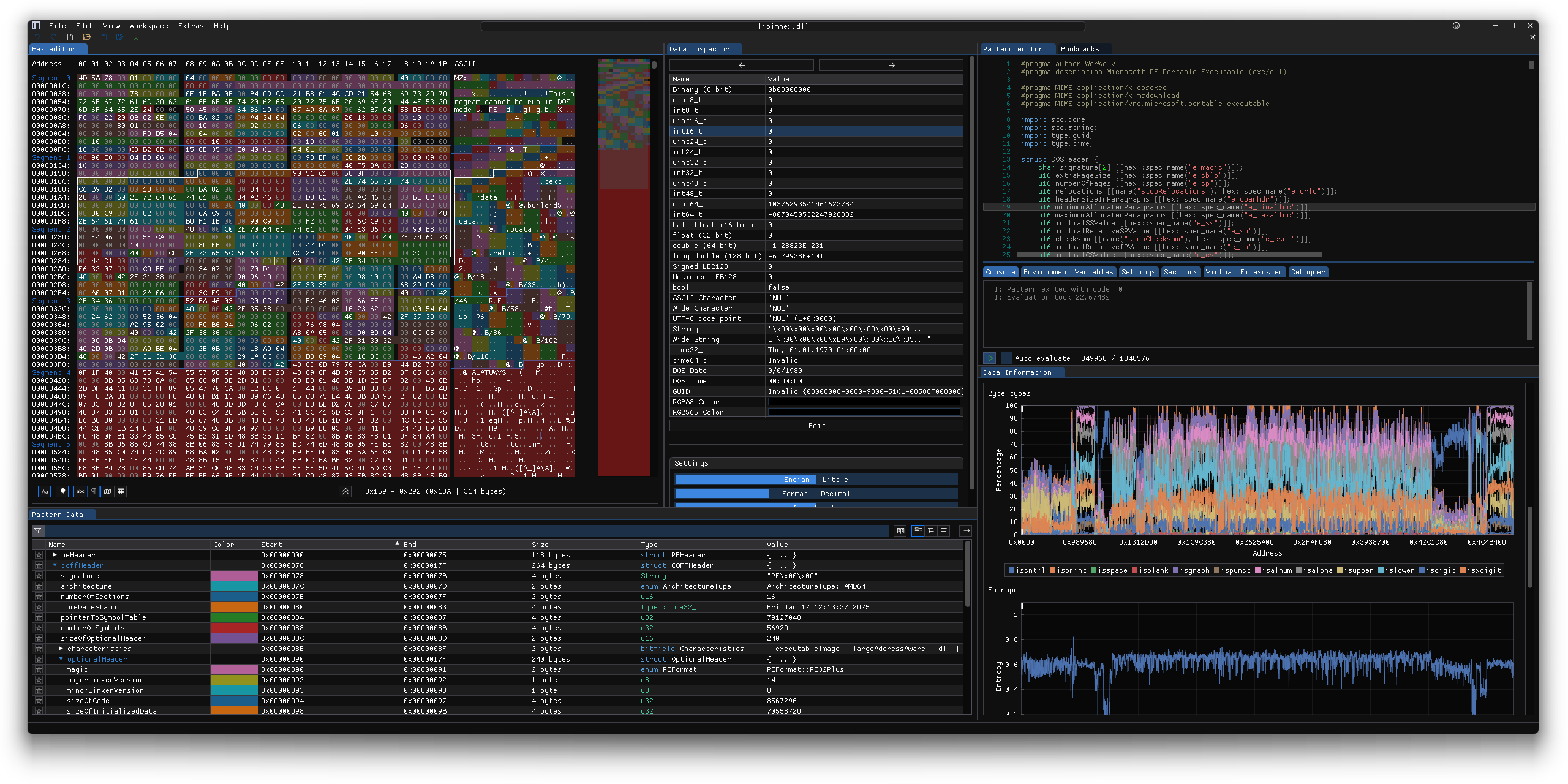
GitHub
🔍 A Hex Editor for Reverse Engineers, Programmers and people who value their retinas when working at 3 AM. - WerWolv/ImHex
fiery turtle
we would probably need a separate "disassembler" project for that like iasl in acpica
have u tried running that table against iasl btw
it can disassemble stuff nicely
fiery turtle
its just iasl ivrs.dat
fiery turtle
yep
i typically just do iasl *.dat to get the disassembled versions for all tables in a dump
kindred beacon
yeah it decodes IVRS as well
frank canopy
ive got a non-slop imhex pattern for table headers and also has a thing for pkglen decoding
its very nice
fiery turtle
how is your aml project going btw
frank canopy
fiery turtle
how is your aml project going btw
i havent done any dev on anything in weeks and im sad about it. might work more tonight if i can get the motivation to cooperate tho
fiery turtle
ah damn
frank canopy
oh also theres a massive thunderstorm coming with a tornado watch so i might end up sheltering in the basement instead of doing dev work tonight lmao
frank canopy
its not uncommon here this time of year, and ive never actually been caught in a tornado despite that
but still will play it safe if theres a warning on one
flat badge
where do you live?