#GrubStomper29's OpenGL Sandbox
1 messages · Page 7 of 1
 plain mantle
 gilded shell
that exists, right?
plain mantle
Technically yes
but its actively in flux
AMD is adding some kind of extension
Nvidia already has one
gilded shell
yeah i use nv hardware
plain mantle
you do yeah
gilded shell
i thought some amd cards support GL_NV_mesh_shader
plain mantle
I'm not sure
gilded shell
theres a few cards on here
wait
im not seeing rtx 3050 on there 😅
oh nvm
its supported
yeah it looks like most modern cards support it
and its not like ill be having a wide audience with this project
i’m hoping ill reach 10ms draw times with that optimization
i dont know if ill be able to get below that without lod, which i refuse to touch
gilded shell

screen space derivatives failing? check that red cloth thing I don't know the name of
plain mantle
The red thing is called an awning
Not sure about the derivatives
But you could really use some MSAA
gilded shell
plain mantle
But you could really use some MSAA
its deferred, dont know if i could handle that
once i have pbr i wouldnt mind trying out super sampling
@kind sparrow you havent said much in here recently
plain mantle
gilded shell
its deferred, dont know if i could handle that
Technically it's possible but theres a reason nobody does it
gilded shell
idealy id like to try TAA but it might be scope creep
 junior sparrow
Yeah I know but in this case it should beat the index buffer generation + rendering
junior sparrow
gilded shell
idealy id like to try TAA but it might be scope creep
Slap FSR on it and be done
gilded shell
i am violently against ai frame generation
junior sparrow
You can use it as TAA
plain mantle
gilded shell
i am violently against ai frame generation
FSR 2&3 are not AI
gilded shell
oh ok
plain mantle
Dlss & fsr4 are
 kind sparrow
gilded shell
<@108248367666053120> you havent said much in here recently
kind sparrow
gilded shell
<@108248367666053120> you havent said much in here recently
I lurk
I haven't done CSM before and I'm not that interested in Sponzas etc personally so I don't have much to say
It looks good though
kind sparrow
I'll be implementing CSM eventually too, might be a little while though
I'm currently on the audio bikeshed
gilded shell
yeah
 night shoal
ja, sponza == boringue
gilded shell
hey, this is bistro
kind sparrow
Same thing
night shoal
both are also just hacked together, no sense of detail or craftmanship
kind sparrow
They're interesting ish but after the Nth time they lose their charm
No doubt they're good test scenes from a utilitarian perspective
night shoal
ye, after the nth time you see all the cracks
gilded shell
theyre simply the only good stress tests i know of available in gltf
id love to see more
 echo token
you could ask vblanco for the godot test scene he mentioned
I have it somewhere too I think
gilded shell
alright I think I fixed shadow mapping matrix calc

there is some acne on the next cascade
gilded shell
i want to try dithering between cascades
plain mantle
gilded shell
i want to try dithering between cascades
I use interleaved gradient noise

The python code that goes along with this post can be found at In 2014, Jorge Jimenez from Activision presented a type of noise optimized for use with Temporal Anti Aliasing called Interleaved Grad…
gilded shell
how does the dithering work?
does the dither value decide what shadow map you sample?
plain mantle
I add the dither value to the distance before the cascade calculation
The dither value is between 0-1 so multiply it by the distance you want the transition to happen over
gilded shell
i see
plain mantle
What does your cascade selection look like in the shader?
 plain mantle
Ah yeah so it's a flat cutoff
You can get a little more resolution if you use a spherical cutoff
gilded shell
yeah but im lazy and its working fine for now

the dithering works good
albiet i am using a random dither function i found on reddit
lets see if yours is better
whats the difference between mod and fmodf
type specificity?
gilded shell
anyways I just dropped in the code and replaced those calls with mod and it works just fine
gilded shell
gilded shell
type specificity?
I did and thats my guess
gilded shell
gilded shell
anyways I just dropped in the code and replaced those calls with mod and it work...
looks about 3% better than the reddit dither

i must say im pretty happy with that
I am still suffering with shadow acne at further cascades, so clearly I need to scale my bias accordingly
 kind sparrow
modf*(float val, float* intPart) separates the fractional and integer parts of a float,
gilded shell
cppreference doesnt mention that afaik
kind sparrow
fmod*(float x, float y) performs a floating point division but returns the remainder left over from calculating a whole number quotient
they're two different things
gilded shell
I also got rid of the ugly transparent cubes bisecting the scene
 gilded shell
cppreference doesnt mention that afaik
gilded shell
gilded shell
cppreference doesnt mention that afaik
oh it does
kind sparrow
it's confusing but the variants of fmod are fmod, fmodf, fmodl, and the variants of modf are modf, modff, modfl
gilded shell
right lol
welp
shadow acnes gone
i guess im done?

if anyone has time I'd love for this to be tested on other machines: https://github.com/GrumStomper29/OpenGL-Sandbox/tree/shadow-mapping
GitHub
Contribute to GrumStomper29/OpenGL-Sandbox development by creating an account on GitHub.
gilded shell
I also finally have a thread thumbnail, even if it is very generic 🙂
night shoal
im jealous 🙂
gilded shell
night shoal
im jealous 🙂
idk your picture is pretty dope
gilded shell
oh i see
you can see my github and vkguide for hzb stuff
my hzb generation is really brute force (1 compute dispatch per mip level) but its surprisingly fast
i could probably interleave the different hzb dispatches to reduce the impact of stalling for the next mip level write
gilded shell
uh oh
 junior sparrow
daxa is calling
night shoal
nsight supports mesh shaders though
you can also ping BoyBayKiller in #opengl about them, if you need more info
gilded shell
0(3) : error C0203: extension GL_NV_mesh_shader not supported in profile gp5vp
not sure why this occurs
must I use a compatibility gl profile
night shoal
update your gpu drivers
night shoal
what gpu and what os?
gilded shell
windows 11, rtx 3050
gilded shell
hmm
night shoal
you cant use GL_NV_mesh_shader as an extension in a fragment shader
mesh and task shaders are completely new stages
night shoal
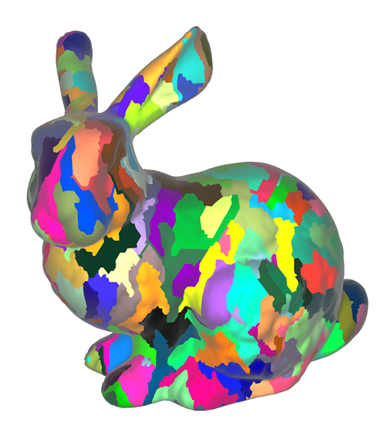
Turing introduces a new programmable geometric shading pipeline, mesh shaders,, enabling threads to cooperatively generate compact meshes on the chip.
gilded shell
night shoal
https://developer.nvidia.com/blog/introduction-turing-mesh-shaders/ also
im using this and another blog

not sure why this happens
figured it out
echo token
gilded shell
my hzb generation is really brute force (1 compute dispatch per mip level) but i...
I'd steal AMD's single pass downsampler
it's what I plan on doing next time I revisit this class ofp roblems
gilded shell
preferably but i dont think it works on opengl which is why i wrote my own
gilded shell
@night shoal if I were to creddit you for something, should I capitalize the D in your name?
or leave it how you wrote it
night shoal
its all lowercase
 gilded shell
looks like what I used before is still there
regardless, nothing is rendering
I got something!
here are the deccer cubes

obviously im suffering indexing errors of some sort
immediately found 1 🙂

looks like were only drawing 3 triangles per meshlet for some reason
YEAH BABY
 gilded shell
bistro works too

for some reason visual studio is hiding my stop debugging button on some submenu
 gilded shell
lol
i have materials and culling back
i still need blended objects and shadows
its still running real slow because mesh shader thread group size is 1, and im not yet doing anything to deduplicate vertex transforms
each cluster has a max of 64 verts but im transforming vertices per index, so really its closer to 372 vertex transforms per cluster 
easy fix though
night shoal
still, very cool
gilded shell
we still never found an explanation for that threadgroup quirk i found several months ago
where dispatching an 4x4x4 local size compute was much slower than 64x1x1
at least for the cluster batching
i should talk about that in general
 spring kelp
echo token
I'd steal AMD's single pass downsampler
spring kelp
echo token
I'd steal AMD's single pass downsampler
Don't do that, it's not conservative when it comes to downsampling depth
echo token
spring kelp
Don't do that, it's not conservative when it comes to downsampling depth
wdym? also how is it even remotely usable if it doesn't produce the minimum accurate results
and follow up question, can you easily remedy this by modifying it
spring kelp
echo token
wdym? also how is it even remotely usable if it doesn't produce the minimum accu...
It's usable for other things, just not hiz
The problem is for non power of 2 textures it will generate a hiz where the depth of a coarser mip is not the min/max of a finer mip
It can "miss" pixels
spring kelp
echo token
and follow up question, can you easily remedy this by modifying it
Supposedly granite renderer did, I never tested it though. I also don't have a link handy
echo token
hm, I might have to dig around granite next time I need a hiz
seems kinda dumb though because if you could tolerate missing pixels, wouldn't you just not bother generating mips to begin with
spring kelp
It's only for non power of 2 textures
Hiz isn't spd's intended use case unfortunately
kind sparrow
Discord is breaking down it seems
gilded shell
oh i thought it couldve been related to the things ive been sending friends for years
well thats fine, im not working on anything visual
by some luck for the past few months I always seem to have just enough padding already in a gl struct to be able to add some more attributes
for example just now i need to add 2 uints to my cluster struct, and by chance there are two ints oh padding
gilded shell
mesh shaders are effectively fully implemented and im still getting 30ms frametimes
it seems like the only thing ive accomplished is moving 60% of the load from the meshlet batcher to the mesh shaders
plain mantle
What does nsight say is the bottleneck?
gilded shell
nsight profiler? not sure itll profile gl mesh shaders but ill give it a try
gilded shell
yeah it looks like gpu trace isnt going to work for now
here were stats on the heavy meshlet batcher before my mesh shader impl
right now its closer to 11ms meaning the mesh shaders are ~20ms
it probably doesnt help that my local workgroup size is 1
plain mantle
gilded shell
it probably doesnt help that my local workgroup size is 1
Yeah that seems catastrophic tbh
gilded shell
welp
ill need to somehow divide the count parameter of the indirect mesh draw buffer by 32
maybe I can use some modulus in the batcher
but that will potentially leave me 31 meshlets less than I need
maybe the first meshlet of each view will add 2 instead of 1 to the buffer
and this will ofc give me a 32x reduction in atomicAdds in the batcher 🙂
echo token
you can just use subgroup ops to get that 32x reduction as well
gilded shell
lemme think
echo token
there's a subgroupAdd-something-or-other that's basically perfect for prefix sum operations
gilded shell
ill keep that in mind
i believe that will lock my mesh shaders and batcher to the same threadgroup size
and I still need to track the index for cluster writes
echo token
you still get the index, the subgroup op uses magick to make sure that each thread gets its own unique value of the sum, and then you can just elect one thread with the ballot to atomicAdd it
gilded shell
man compute really isnt fun
plain mantle
I like compute lol
kind sparrow
Compute is type 2 fun
Sometimes type 3
But when you get everything working it's great
The main trick is that it's essential that you can contrive test cases that are manually readable
If you have 2,000,000 elements that are being shuffled around it's impossible to debug stuff
You want to have small test cases and you want to have the ability to dump and/or write any intermediate state of the buffers
Because any non determinism can't be debugged with a graphics debugger
echo token
what are the types of fun
kind sparrow
echo token
what are the types of fun
Type 1 fun is fun as you're doing it, dopamine fun
Type 2 is not very fun in the moment but fun in retrospect, serotonin fun
Type 3 fun isn't fun at all even in retrospect lol
Basically it's mindless fun, tough and challenging but rewarding fun, and not actually fun as a humorous 3rd tier
echo token
oh lol
kind sparrow
My foliage stuff ended up being borderline type 3 fun lmao because it literally took 6 months of banging my head on horrible nondeterministic issues and when I actually fixed it it was not really that satisfying lmao
Although it laid the groundwork for future work
gilded shell
echo token
you can just use subgroup ops to get that 32x reduction as well
is this ogl compatible
or am i rotting
kind sparrow
I assume he's just talking about doing operations on group local memory
gilded shell
im not finding "subgroupAdd" anywhere
kind sparrow
You just use a group shared variable and elect one thread to do all the global sync
 fervent lantern
gilded shell
im not finding "subgroupAdd" anywhere
fervent lantern
gilded shell
im not finding "subgroupAdd" anywhere
subgroupInclusiveAdd
or Exclusive
gilded shell
this seems like a needless limitation
 gilded shell
fervent lantern
subgroupInclusiveAdd
gilded shell
fervent lantern
subgroupInclusiveAdd
this doesnt seem to appear anywhere except for a khronos blog
im looking for the formal doc
echo token
yes you can do it in opengl
kind sparrow
echo token
yes you can do it in opengl
Are you just talking about doing shared memory stuff
Or something more exotic
echo token
I'm talking about subgroup operations, because it sounds like something vaguely involving a prefix sum
ignore that it's vulkan, GL has the same ext
particularly subgroupExclusiveAdd
echo token
gilded shell
im looking for the formal doc
You can find the doc by searching the ext names, or the links here
https://github.com/KhronosGroup/GLSL/blob/master/extensions/khr/GL_KHR_shader_subgroup.txt

but the formal definition is the text files on their github
gilded shell
so whenever i do go about making a real game, i’m going to be releasing it under my real name, which i dont really want associated with grubstomper29
to keep yall updated on development id have to make a private server
is that cool with yall?
specifically demon, deccer, lukasino, and jake
kind sparrow
sure
plain mantle
Yeah sure, why not
night shoal
i have no objections either
kind sparrow
You can probably make a lot of progress on a prototype before you have anything recognizable enough to warrant hiding though imo
Depending on the project
gilded shell
i think to solve the batching issue ill try and stall thread 0 until all the atomic ops are done, then divide the var by 32
i wonder if there are in-shader barriers?
looks like there is a function with no parameter or return, seems easy enough
i wonder if dividing the var will be ub though
i can probably do some atomicExchange magic
if clusterId == 0
memoryBarrier()
fetch index
set index to index/32
seems easy enough
echo token
yeah, also how badly do you fear missing out on maybe a couple hundred, couple thousand dollars max? If I ever actually publish anything it'll probably be for free and anonymous
especially since I'm a big fan of copyright infringement among other things
gilded shell
echo token
yeah, also how badly do you fear missing out on maybe a couple hundred, couple t...
itll be free but not anonymous
echo token
if you're not making money why pierce the veil
gilded shell
because itd be my lifes work and magnum opus so id prefer to take due credit
echo token
gilded shell
i think to solve the batching issue ill try and stall thread 0 until all the ato...
you can use subgroupElect() to just pick 1 thread in a subgroup to do an operation
if (subgroupElect()) {
  // atomic add or something
}
i only need it once per dispatch though
gilded shell
gilded shell
because itd be my lifes work and magnum opus so id prefer to take due credit
but does this make sense
echo token
yeah, I've never thought about it that way lol
gilded shell
especially if it does become popular, i wouldn’t want someone else claiming credit
echo token
I think there's ways around that even still though, like the guy that made yume nikki
gilded shell
perhaps
plain mantle
gilded shell
because itd be my lifes work and magnum opus so id prefer to take due credit
Just a tip, try not to treat any one project like that
ASO isn't gonna be my opus hopefully
gilded shell
really if one person plays it and has fun i’ll consider it a job well done
echo token
yeah I also try not to think about just how few games you can make in a human lifetime without help
gilded shell
i only really want to make one or two published games
i wonder if distributing a game without monetization would affect the price id have to pay for music licenses
ill cross that bridge when i get there
echo token
protip: if they can't find you, they can't sue you
gilded shell
i’m a lawful citizen
plain mantle
gilded shell
i wonder if distributing a game without monetization would affect the price id h...
You don't need to pay for music if you make your own 
I know you have it in you
gilded shell
gilded shell
if clusterId == 0
memoryBarrier()
fetch index
set index to index/32
i think i can do this sometime tomorrow
in the following weeks im going to try to refurbish my Wii, Godwilling
general maintenance + a shelling replacement for the second time
the original shell was yellowed and eroded beyond repair so i bought a 3rd party replacement, which ended up being terrible and didnt even fit itself
so now ive bought a bricked wii to steal the shelling
now that i think about it, im really just migrating all the boards and disk drive from my wii to the bricked one
also replacing thermal pads and the clock battery
if i can repair the other wii’s board/drive or whatever is broken, I might resell it, mod it, or do something with it
gilded shell
the Before These Crowded Streets album has the best drumming ive seen in a studio, both in skill and tone
good example here https://youtu.be/O1zYYIXUl8Q?si=YYR7Sse_hmEEzNhH

Provided to YouTube by RCA Records Label
Stay (Wasting Time) · Dave Matthews Band
Before These Crowded Streets
℗ 1998 BMG Music
Released on: 1998-04-28
Composer, Lyricist: David J. Matthews
Bass Guitar, Composer: Stefan Lessard
Alto Saxophone, Baritone Saxophone, Bass Clarinet, Soprano Saxophone, Tenor Saxophone, Woodwinds, Compose...
aux percussion is also great here but is better in Crash by the same band
gilded shell
@echo token i believe it was you who recommended i ask vblanco for a test scene. He hasn’t responded. Do you have it?
echo token
uhhh let me dig
I definitely have it becaus I generally don't lose/delete this kind of stuff, the question is where
night shoal
isnt it on vb's github somewhere, if not some linked google drive
vkguide should know where
echo token
if I could just remember what it was called...
unrelated wtf is E1M1

is this a system shock map?
why do I have this
I will tell you that I have like 4 different copies of bistro
 fervent lantern
its in the vkguide repo
GitHub
Introductory guide to vulkan. Contribute to vblanco20-1/vulkan-guide development by creating an account on GitHub.
structure.glb
gilded shell
should be a solid alpha blend showcase too
gilded shell
one thing I've been confused about is whether the mesh shader outputs are per invocation or per work group
i think ill assome the former and find out the hard way
from the nv example:
 // the actual amount of primitives the workgroup outputs ( <= max_primitives)
  out uint gl_PrimitiveCountNV;
looks like the output is per workgroup, but that output is still confined by max_primitives
which is pretty low
i dont think a workgroup would be able to output more than 2 meshlets
not sure what to do in this case
I could try to spread a single meshlet accross several threads
each thread transforms ~2 vertices and writes out ~4 indices
junior sparrow
gilded shell
i dont think a workgroup would be able to output more than 2 meshlets
Most implementations output just one meshlet
I have seen invocations == max vertices in one meshlet or half of the max vertices. So each thread fetches 2 positions and transforms it. Later writes 6 micro indices
gilded shell
i need to write 12 indices per invocation
given thread size of 32 and meshlet triangle count of 124
junior sparrow
gilded shell
i need to write 12 indices per invocation
Why don't you increase the size to 64 so you write only 6?
junior sparrow
gilded shell
idk if enough hw supports that
Nah it supports it
I would assume it's the same as compute the amount of threads per thread group
I use 64 threads in my engine
 junior sparrow
What kind of bullshit is that
gilded shell
3050 lol
gilded shell
yeah probably
i was gonna say gl_nv_mesh_shader sucks
anyways 32 seems to work well enough; this is so fast man

no lods or hw raster, yet i have bistro csm at 11ms (this is the most expensive camera angle I know of)
which equates to 90fps on my 3050
i can probably get more if I use subgroup atomic ops for the batcher and try interleaving hzb gen
i did not think mesh shaders would give me a 3x speed boost
plain mantle
Is this forward rendering?
gilded shell
gilded shell
i can probably get more if I use subgroup atomic ops for the batcher and try int...
interleaving hzb gen: I use 1 dispatch per mip level because it was real easy to write and is fast enough for my purposes. I generate each hzb sequentially which in theory could waste some time since later hzbs could be waiting on the semaphores of prior hzb dispatches
I could alleviate this by interleaving the dispatches, i.e. gen mip 1 for each hzb then proceed to mip 2 for each, etc.
in practice im not sure the time saved would matter given pcie bandwidth
gilded shell
plain mantle
Is this forward rendering?
deferred so pbr will be hopefully free or freeish
weird how there's gl_LocalInvocationIndex but not gl_GlobalInvocationIndex
so I have to manually ```uint clusterId =
gl_WorkGroupID.z * gl_NumWorkGroups.x * gl_NumWorkGroups.y +
gl_WorkGroupID.y * gl_NumWorkGroups.x +
gl_WorkGroupID.x;
clusterId = clusterId * 64 + gl_LocalInvocationIndex;```
i STILL need to fix alpha blend stuff though
the vkguide test scene draws pretty fast

cant say im a big fan of the scene; its not very colorful and indoor-ness prevents shadow mapping from doing anything cool
gilded shell
nah i’m good
gilded shell
also im doing an inverse + transpose in the vertex shader
I def could bake and store that
echo token
memory is your bottleneck much more frequently than calculations
I wouldn't be too worried about baking and storing relatively simple stuff like that
gilded shell
i see
thats why i dynamically calc tangents
idk why bevy tries to use screenspace derivatives when you can dynamically calc tangents in vertex shader
night shoal
you could ask Jasmine 🙂
spring kelp
gilded shell
idk why bevy tries to use screenspace derivatives when you can dynamically calc ...
how so?
gilded shell
ahhh i cant find the article
let me paste my code
nvm here it is @spring kelp http://www.thetenthplanet.de/archives/1180
theres probably other ways to do it
echo token
gilded shell
idk why bevy tries to use screenspace derivatives when you can dynamically calc ...
afaik you get better interpolation, but also feeding varyings from the vertex to the fragment shader is also a memory bottleneck
it's gotta get there somehow
gilded shell
also im doing this in the frag shader for some reason
spring kelp
gilded shell
nvm here it is <@145540119141679105> http://www.thetenthplanet.de/archives/1180
This is basically what I do already, I just use a newer algorithm, no?
gilded shell
oh hold on
maybe?
i mean yeah its around 12 years old
whats the new algo look like
spring kelp
gilded shell
spring kelp
https://jcgt.org/published/0009/03/04/
i wonder what the advantages of this over the previous method are
junior sparrow
gilded shell
also im doing an inverse + transpose in the vertex shader
You can calculate normal matrix much much faster using transform matrix and doing 3 cross products
Also it doesn't introduce errors as inverse transpose
gilded shell
junior sparrow
You can calculate normal matrix much much faster using transform matrix and doin...
can you show code or send a link please
plain mantle
{
    return 1.0 / vec3(dot(m[0], m[0]), dot(m[1], m[1]), dot(m[2], m[2]));
}```you can then multiply the scale back into the matrix or simply apply it separately
so in my case mat3 rotation = mat3(local_transform); vec3 transformed_normal = rotation * (normal * extract_matrix_scale(rotation));
echo token
wouldn't you need to sqrt the columns?
I thought the scale was vec3(length(m[0]), length(m[1]), length(m[2]))
junior sparrow
gilded shell
can you show code or send a link please
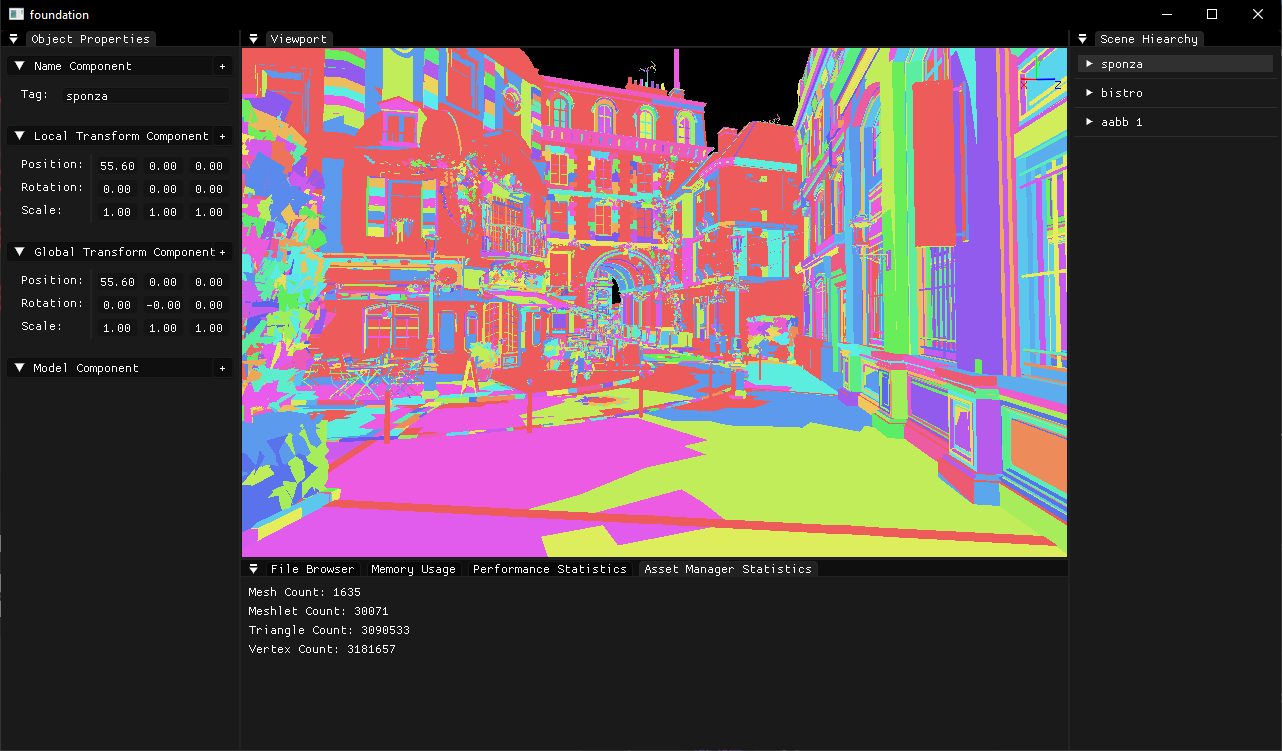
GitHub
Contribute to lukasino1214/foundation development by creating an account on GitHub.
The trick is called adjoint/adjogute matrix. It's a special case where inverse transpose isn't needed. I hope I spell the other word correctly 
gilded shell
splendid
gilded shell
before

after?

trying out srgb
i think its fixed

I think it looks a lot nicer

but it could really use some hdr
gilded shell
I want good hdr but i dont want to go down a rabbit hole
night shoal
opengl doesnt really have colorspaceisms, all you got is tonemappers
vulkan supports the former natively
gilded shell
thats fine
night shoal
and i always thought you were on vulkan already
plain mantle
gilded shell
I want good hdr but i dont want to go down a rabbit hole
These two things are not compatible
You can have one or the other
gilded shell
i though so
ill probably just throw in the simple logl sample and add controls for that in the gui
night shoal
you can probably stay away from the logl sample and throw in a mcmapperface in
GitHub
A cool-headed display transform. Contribute to h3r2tic/tony-mc-mapface development by creating an account on GitHub.
kind sparrow
Makes a huge difference though
gilded shell
yeah
as much as id love retina based solutions thats probably the deepest rabbithole
kind sparrow
Retina?
gilded shell
empirical would be fine for my case
i just want the image to look somewhat like youre viewing it through an eyeball
which i suppose means absolutely nothing since you already do that with every image
kind sparrow
I mean in principle you could have a completely physically based process that is designed to make the pixel the same color as whatever a spectrophotometer would report if you pointed it at that point
The problem is that your overall interpretation of the picture in real life is dependent on more than just one rod or cone
gilded shell
right
kind sparrow
there is not only automatic gain adjustment via pupil reflex and rhodopsin depletion but also filtering of patterns to do localized contrast leveling
gilded shell
yeah
i wish more games explored that
i hate to see a first person game still try to look like a film camera
though id love to see a siggraph on this stuff its out of scope for this project
 echo token
gilded shell
post is, imo, the lamest part of cg by far
echo token
gilded shell
post is, imo, the lamest part of cg by far
yeah all the colorimetry stuff is very unfun and annoying
 gilded shell
||test||
 west trail
||Someone discovered spoiler ||
||
 plain mantle
So when are you writing a wii game?
night shoal
right after releaseing the Bistro DLC for Metal Gear Liquid Solid
gilded shell
plain mantle
So when are you writing a wii game?
lol
ive had such a project in mind for over a year now
not a wii game but gc/wii accurate graphics
gilded shell
Here's reinhard extended tonemapping

using luma instead of color for calculation 🙂
im also trying to find more accurate sunlight and sky colors but without using real world units, im not sure if its possible
The image above uses https://planetpixelemporium.com/tutorialpages/light.html, but I find it hard to believe the sun emits white light
night shoal
you need to show some others side by side
otherwise i have no idea if reinhard is something cool or not 🙂
 gilded shell
night shoal
otherwise i have no idea if reinhard is something cool or not 🙂
gilded shell
night shoal
otherwise i have no idea if reinhard is something cool or not 🙂
its something simple 
it fits my needs: I just set a value to the max possible luminance and it maps the scenes colors accordingly
thanks brave

this ones pretty cool https://ancestralis.co/color-of-the-sun-throughout-the-day-in-amsterdam-and-how-it-relates-to-artificial-lighting-choices/

The color of sunlight changes throughout the day as it passes through varying amounts of atmosphere and scatters differently depending on its angle. To give
heres something

im not sure how color temperature relates to the strength of a light
night shoal
wikipedia probably describes all those terms
luminance, magnitude, flux, etc
and their relationship, candela/lux/lumen
 ornate moss
gilded shell
ornate moss
gilded shell
I like this for now. I'll probably use that paper when I impl pbr

 kind sparrow
gilded shell
im not sure how color temperature relates to the strength of a light
kind sparrow
gilded shell
im not sure how color temperature relates to the strength of a light
It's comparing it to a black body emission spectrum which is parameterized by a single temperature
Otherwise you'd need some other description of arbitrary spectral content
Black body radiation just happens to be a convenient one
Since the sun and a variety of other light sources are approximate black bodies (any thermal light source basically, like an incandescent bulb)
gilded shell
i see
kind sparrow
It's completely unrelated to strength
gilded shell
then i imagine id need some unit of strength for sunlight
gilded shell
radiance
kind sparrow
This is a major rabbithole though
gilded shell
yikes
kind sparrow
I imagine you haven't taken vector calculus yet
gilded shell
nope
kind sparrow
And the units of radiometry are confusing as hell
kind sparrow
You'd use physical units for all your values
gilded shell
that doesn’t sound very fun
kind sparrow
Such and such watts per square meter, so many watts per steradian per sq meter etc
gilded shell
lol
really im looking for a ratio of sunlight radiance to sky radiance, the latter being used as ambient light
i think right now I have it at 4:1
kind sparrow
According to wiki it's ~15%
Actually 20% when you remove the outscattered sunlight from the direct lighting
So 5:1 is a good estimate
gilded shell
kind sparrow
According to wiki it's ~15%
where?
kind sparrow
First paragraph of https://en.m.wikipedia.org/wiki/Diffuse_sky_radiation
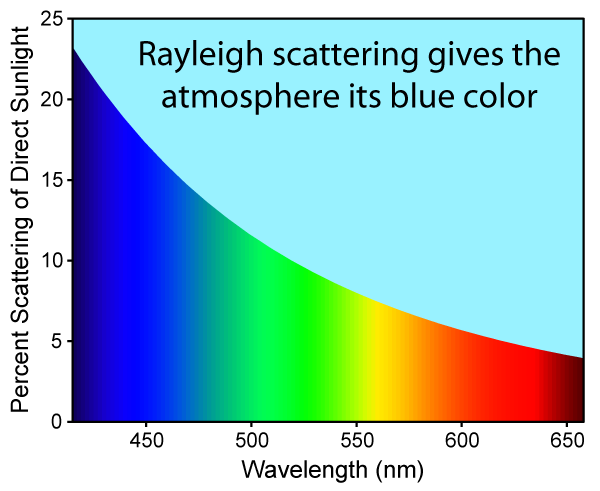
Diffuse sky radiation is solar radiation reaching the Earth's surface after having been scattered from the direct solar beam by molecules or particulates in the atmosphere. It is also called sky radiation, the determinative process for changing the colors of the sky. Approximately 23% of direct incident radiation of total sunlight is removed fr...
gilded shell
and im assuming this depends on time of day? I think I’m shooting for 3:00 pm on this scene
kind sparrow
Yeah it does
gilded shell
im sure 3 is close enough to noon
kind sparrow
There's a formula lower down for calculating it depending on incident angle it seems
gilded shell
ah yeah i wouldnt mind simple simulation
i think my shadow angle is probably too extreme for 3:00
gilded shell
im actually having a lot of trouble finding a ggx brdf impl
i might just use Cook-Torrance
man google and brave are being so useless right now im getting a headache
night shoal
try filament or adobe's materialx
gilded shell
night shoal
try filament or adobe's materialx
can you send a link for the latter
night shoal
kind sparrow
You just have to post the spicy memes in your project thread where the mods aren't looking
plain mantle
Did I miss a spicy meme?
gilded shell
just some screenshots of funny things I see on the roblox shop
im following this https://google.github.io/filament/Filament.html

I wonder why the lambertian is formatted this way? Why not just dot the surfacae and light normal
echo token
because it's meant to plug into the render equation
which has cos(w_i) baked into the definition

also because the render equation is defined as an integral over the surface area of a unit sphere it leaves you with a 4pi you need to divide off
gilded shell
echo token
which has cos(w_i) baked into the definition
which I just replace with dot(), right
gilded shell
echo token
also because the render equation is defined as an integral over the surface area...
can you elaborate the 4pi division
kind sparrow
4π steradians cover the whole sphere
Idk what the normalization is for in this specific case though
gilded shell
right now Im just using the brdf for direct light
it was my understanding you could just multiply the brdf output by the light-frag cosine and use that
gilded shell
Is there any reason to not use a GL_RG16F framebuffer attachment to store deferred metallic roughness data?
kind sparrow
Do you need floats to describe that
gilded shell
0 to 1
so i suppose
why not use unorm for my color framebuffer too
are they ints? reading the spec rn
gilded shell
kind sparrow
unorm
I dont think so. unorm looks like integers? GLTF spec says metal and roughness are floats
...or maybe I can. This is written pretty confusingly:
Unsigned normalized integers store floating-point values on the range [0, 1]
kind sparrow
Unorm is what regular texture components are
kind sparrow
gilded shell
...or maybe I can. This is written pretty confusingly:
```Unsigned normalized in...
Yeah that's not a correct description lol
gilded shell
kind sparrow
Unorm is what regular texture components are
so i probably should put my color framebuffers in that
kind sparrow
gilded shell
so i probably should put my color framebuffers in that
That's what normal framebuffer formats are as well, regular GL_RGBA8 or whatever
Floating point values are for if you want your texture to store values like 3e-4 or 5.1e6 etc
Which is not usually, unless you're doing PBR lighting stuff with high dynamic range values like with physical units
echo token
gilded shell
which I just replace with dot(), right
yes you can see it to the right of the equation I sent
also I don't entirely know why lambertian is defined as C/pi when the total surface area is 4pi, I dunno where the 4 gets lost
gilded shell
either im reading materials wrong
or this bistro model doesnt have proper metallicroughness materials
junior sparrow
You are getting in quite a Rabbit hole with PBR
echo token
https://litter.catbox.moe/tdv5a5.7z
here is what I think is the fixed bistro version pat made a while back, it uses compressed dds textures iirc
gilded shell
i forgot to tell yall that nsight is completely broken for this project right now
probably due to mesh shaders
night shoal
nsight supports mesh shaders
gilded shell
not gl
gilded shell
nah
whenever i try to capture debug info, theres a message like “unsupported function detected: glDrawMeshTasks”
gilded shell

why
I also love that its called "metallicRoughness" and they put roughness before metalness
very nice
echo token
it's also in the gb channels
so r and a can be used for... something else
I don't remember what exactly but if you dig around for what's speced to the r and a channels you might see what they expect as an "optimization"
gilded shell
gilded shell
I also love that its called "metallicRoughness" and they put roughness before me...
this is more annoying
im just gonna flip it in shaders
looks like all my metallicRoughness vals are 1, 1
i think its an issue with the model
ill try the one yall posted above
7zip my beloved
@echo token mightve asked this already but do you have a project thread I can follow
gilded shell
echo token
<https://litter.catbox.moe/tdv5a5.7z>
here is what I think is the fixed bistro v...
it must be using something because both fastgltf and the khronos validator refuse to load this lol
night shoal
you need to enable the extension which is required by that model, most likely some glossiness roughness thing
KHR_materials_pbrSpecularGlossiness perhaps
    constexpr auto parserOptions =
        fastgltf::Extensions::EXT_mesh_gpu_instancing |
        fastgltf::Extensions::KHR_mesh_quantization |
        fastgltf::Extensions::EXT_meshopt_compression |
        fastgltf::Extensions::KHR_lights_punctual |
        fastgltf::Extensions::EXT_texture_webp |
        fastgltf::Extensions::KHR_texture_transform |
        fastgltf::Extensions::KHR_texture_basisu |
        fastgltf::Extensions::MSFT_texture_dds |
        fastgltf::Extensions::KHR_materials_pbrSpecularGlossiness |
        fastgltf::Extensions::KHR_materials_specular |
        fastgltf::Extensions::KHR_materials_ior |
        fastgltf::Extensions::KHR_materials_iridescence |
        fastgltf::Extensions::KHR_materials_volume |
        fastgltf::Extensions::KHR_materials_transmission |
        fastgltf::Extensions::KHR_materials_clearcoat |
        fastgltf::Extensions::KHR_materials_emissive_strength |
        fastgltf::Extensions::KHR_materials_sheen |
        fastgltf::Extensions::KHR_draco_mesh_compression |
        fastgltf::Extensions::KHR_materials_unlit;
    fastgltf::Parser parser(parserOptions);
fastgltf should also tell you why it wasnt able to load
gilded shell
night shoal
fastgltf should also tell you why it wasnt able to load
yeah something about extensions
domeboy mentioned texture compression
night shoal
just look at the error in loadresult
echo token
gilded shell
<@475771445792735283> mightve asked this already but do you have a project threa...
I don't write about my actual personal project anywhere other than discussing aspects of it in other people's threads when it's relevant, primarily because it's not actually that novel or interesting
https://discord.com/channels/318590007881236480/1149482437601153064
but I do have one for my text lib
echo token
though I had a feeling you might be interested since what I do when I feel like working on it is usually copying roblox features
yeah it is boring by most metrics, my engine UI is just basically roblox UI so that lib is basically what I needed to drive feature compliance with all their various things
gilded shell
i see
i think i might go back to sponza rendering for now. I’m sure those materials work
better yet, i should probably use a pbr test model for this
echo token
there's the gltf one from "this mesh will also crash your engine"
it's a grid of spheres
I don't remember where that thread was though, much less how to necro it
glad so much of my long term memory is reserved for where I acquired GP test models from
gilded shell

DMB - Charlottesville, VA. - 9/22/06
i wonder what level of hearing loss this would induce
i sure hope he had ear pro on
especially around 2:39
kind sparrow
There are two types of musicians, ones that protect their hearing and ones that are halfway deaf lol
I always wore earpro while playing and I still have mild hearing loss on the right side from the china cymbal
It's not noticeable or anything since my hearing is very good but it's just "merely" normal on that side vs. the left where I have a few dB higher sensitivity than average, and I have mild tinnitus on the right
gilded shell
i see lol
gilded shell
alright so this is really hard to see but im writing the roughness and metallic as R and G here

and as you can see, it doesn't look right
night shoal
that looks familiar 🙂
gilded shell
yeah but i wish it worked
i have no clue whats wrong with the metallic roughness textures
echo token
if they're uniform, maybe it depends on the values in the material definition in the glTF file?
 gilded shell
that doesnt seem right
thats the only material and its over the entire model
and I may be wrong, but this looks a lot like a metal roughness texture

must be an issue with my loader
gilded shell
yeah
echo token
are you checking for the PBR sub-struct in the material
gilded shell
I believe so
let me check
if (asset->materials[i].pbrData.metallicRoughnessTexture)
{
    hasMetallicRoughnessTexture = true;

    metallicRoughnessTexture =
        asset->materials[i].pbrData.metallicRoughnessTexture.value().textureIndex;

    metallicRoughnessTexture = mTextures[metallicRoughnessTexture].bindlessHandle;
}```oh wow
it looks like i just skip those in the final struct init
thanks old me
this is a lot more like it
 night shoal
this helmet doesnt store AO in the .r channel, so that should literally just be blue and green
there should not be a red
gilded shell
im doing some weird deferred junk, dw ab it
night shoal
ah
also
since you use bindless textures, you dont need separate hasXXX flags
you can just check if the address is 0 or not
gilded shell
is 0 reserved or something
night shoal
for what?
gilded shell
bindless handles?
night shoal
just removes unnecessary code
echo token
I have my 0th bindless texture as my default black texture to be safe
gilded shell
this is new
 echo token
I have handles 0, 1, and 2 reserved for black, white, and normal (0.5, 0.5, 1) respectively
very handy
if it's negative it sounds like an initialization issue
night shoal
opengl handles being 0 results in black by default 🙂
echo token
also make sure to respect the optionals in fastgltf
night shoal
gilded shell
this is new
put a break point in your debug callback, when the message type is error
gilded shell
already on that
night shoal
ah
gilded shell
ah yeah i have no alpha blend geometry so the engine tries to make a buffer to store all zero alpha blend indices
this is clearly outline in the README as a feature
anyways this is a bit less nice

 gilded shell
yeah idk ab this one
gilded shell
gilded shell
anyways this is a bit less nice
ive been using uvec to read/write the unorm g buffer but it seems to be the cause of this
ill just use vec
night shoal
vec is float, uvec is uint
 night shoal
is srgb on?
gilded shell
removing the specular denominator seems to get me closer for some reason

the filament paper doesnt seem to have it either
night shoal
are you loading albedo/metal/roughness as srgb too?
gilded shell
just albedo
night shoal
ah pic just loaded in
night shoal
i had metalness and roughness swappen in between somewhere before, make sure you didnt do the same mistake
night shoal
the fresnel part shouldnt be visible when you look straight on to the object
it manifests at grazing angelos
gilded shell
im not sure what im missing
night shoal
render out the individual things as color
gilded shell
heres the brdf ```
vec3 brdf(vec3 v, vec3 l, vec3 n, vec3 f0, vec3 baseColor, float metallic, float perceptualRoughness)
{
vec3 diffuseColor = (1.0f - metallic) * baseColor;
vec3 h = normalize(v + l);

float NoV = abs(dot(n, v)) + 1e-5;
float NoL = clamp(dot(n, l), 0.0, 1.0);
float NoH = clamp(dot(n, h), 0.0, 1.0);
float LoH = clamp(dot(l, h), 0.0, 1.0);

// perceptually linear roughness to roughness (see parameterization)
float roughness = perceptualRoughness * perceptualRoughness;

float D = D_GGX(NoH, roughness);
vec3  F = F_Schlick(LoH, f0);
float V = V_SmithGGXCorrelated(NoV, NoL, roughness);

// specular BRDF
vec3 Fr = ((D * V) * F);
Fr /= (4.0f * max(dot(n, v), 0.0f) * max(dot(n, l), 0.0f) + 0.00001f) ;

// diffuse BRDF
vec3 Fd = diffuseColor * Fd_Lambert();

return Fr + Fd;
}```
night shoal
albedo only, metal only, roughness only, diffuse only, specular only etc
gilded shell
its def the specular calc
night shoal
NoV and max(dot(n, v), 0) looks like a duplicate
gilded shell
true
night shoal
NoL too
gilded shell
yeah
something about that seemed to do it

besides the aliasing it looks perfectly fine to me
now onto bistro
again, idk if the materials are correct but im pretty sure brick walls dont have much fresnel specular
 night shoal
i had very shiny surfaces too before
because i fucked up metalness and roughness
double check that, just in case
gilded shell
yeah I think its an engine issue if even sponza has this problem
night shoal
it always is a PEBKAC
gilded shell
night shoal
it always is a PEBKAC
whats that mean

 kind sparrow
gilded shell
thatd be the dream huh
kind sparrow
I have the makings of what could be basically nanite specialized for plants
but it's like multiple man-years away from being that mature
I would need to literally hire a professional team
the other issue is that a lot of the complexity you see comes from the infinite variability of the plants, in a game you need to reuse assets or the plants in this picture would be like gigs of data
but you could probably get close with the right pipeline
gilded shell
kind sparrow
I have the makings of what could be basically nanite specialized for plants
id love to know how it works
kind sparrow
It's basically just a graph representation of the plants that could be used for dynamically generated LODs while allowing arbitrarily complicated plants
but the actual infrastructure required to scale it to the level of generality and performance necessary to render a scene like yours is immense
also it would require my plant simulator to get way more advanced to be able to generate that scene in the first place
kind sparrow
If someone gave me half a million dollars to quit my job and hire a few collaborators for a year or two I probably could
gilded shell
lol
plain mantle
kind sparrow
If someone gave me half a million dollars to quit my job and hire a few collabor...
What if I gave you no money to add the plant tech for ASO2
kind sparrow
if only
gilded shell
i think the foliage would just be so hard to cull
too many “holes” in a plant to offer good occlusion of plants behind it
hzb culling would probably do something but not enough
i also imagine a need for imposters, but like demon said, keeping imposters for each unique plant sounds like a huge memory hog
then theres lod popping
problems exist to be solved 💯
plain mantle
Yeah foliage pretty much guarantees overdraw
gilded shell
putting dense foliage on procedural terrain sounds fun
i’ll add that to the long list of potential projects
gilded shell
gilded shell
as a plus, so much light is scattered from the canopy and fog of the Appalachians that shadows dont seem to be much of a thing
gilded shell
gilded shell
putting dense foliage on procedural terrain sounds fun
plant generation doesnt sound too fun though
@kind sparrow can you confirm or deny this
kind sparrow
it's !fun!
kind sparrow
There isn't
there are probably some people's various experiments but idk if there's anything up to the task of real general-purpose plant simulation
Part of the problem is that modeling plant growth habits is real hard
it's very difficult to match observation to a model
for me anyways
I spent 6 months straight studying algorithmic botany and didn't get to the point where I could look at a plant and figure out its growth patterns
kind sparrow
I started messing with fern models but part of the problem is that kind of plant's morphology is heavily governed by physics
with trees you can sort of get away with treating them as perfectly rigid
gilded shell
im not terribly worried with trees atm
kind sparrow
but a fern needs to bend under the weight of its leaves
trees are the easy part though
everything else is hard because it's flexible
gilded shell
yeah
kind sparrow
and its growth patterns are in some ways even more context-sensitive
gilded shell
i’m looking at the various ivies and leaves
kind sparrow
so you end up needing structural dynamics models and sensory processes and approximations of the behaviors plants use to decide which direction to grow
gilded shell
i wonder if cutting corners to make a rudimentary approximation is practical, hoping the density of the scene would mask the cracks
or would it be much like using broken bricks to build a castle
kind sparrow
I spent 6 months studying books and doing field observation and then it took another 6 months just to get my basic GPU culling/instancing stuff working so I just shelved it as-is as soon as it worked and haven't gone back
it's probably well poised to make more improvements quickly but I don't have the interest atm
maybe later
gilded shell
for sure
gilded shell
gilded shell
i’ll add that to the long list of potential projects
this would be my second forest project though
so maybe i do it for the heritage
ornate moss
gilded shell
https://developer.unigine.com/en/docs/future/content/tutorials/vegetation/clutter_vegetation.gif
source:
https://developer.unigine.com/docs/future/content/tutorials/vegetation/


UNIGINE developer portal. Official documentation, SDK downloads, forum community for UNIGINE real-time 3D engine.
night shoal
kind sparrow
If someone gave me half a million dollars to quit my job and hire a few collabor...
if oyu hire me, ill make sure no bat will attack you during that time
echo token
unfortunately in order to afford the salary we had to diversify into guano collection
plain mantle
ornate moss
https://developer.unigine.com/en/docs/future/content/tutorials/vegetation/clutte...
This is a fantastic link. Thank you for sharing 
ornate moss
plain mantle
This is a fantastic link. Thank you for sharing <:froge_yeehaw:11801944286070089...
also this is quite nice for clutter plants:
https://www.fab.com/sellers/Quixel?listing_types=3d-model&categories=nature-plants--plants

Fab.com
Fab is a digital marketplace that offers creators a single destination to discover, share, buy and sell high quality, real-time-ready game assets, environments, VFX, audio, animations, characters, plug-ins, and more.
gilded shell
@kind sparrow i was watching a movie and a character in it held his pistol weird, with his non dominant elbow above the slide like so

is this hollywood shenanigans or something esoteric
echo token
it seems like a weird hollywood interpretation of when you usually see guys stabilize their gun with their elbow below (also usually that's when they're also holding a flashlight, so it naturally faces forward)
gilded shell
kind sparrow
Possibly some defense against someone grabbing the gun
that would indeed fit into the context of the scene
the gunman in question was apprehending someone
that being said its Michael Bay so you never know
echo token
usually your best defense against someone grabbing your gun while you're aiming it is to pull the trigger
 gilded shell
idk if i told yall but a few years ago i showed my friends a color interpolated square i made in vulkan
like the hello triangle but a rectangle
and I told them it took me two weeks to make so its been referred to as the 2 Week Box since
one of my friends made it his wallpaper too lol
night shoal
gilded shell
one of my friends made it his wallpaper too lol
best friend!
gilded shell
 gilded shell
back to my program, you can see strong specular reflection on rough surfaces at grazing angles

Filament article says

so maybe its correct
junior sparrow
Came up with a nice way to handle backfacing normals for PBR. When NdotV < 0, rotate N to V so that NdotV == 0. This prevents issues with negative NdoV (Fireflies) and preserves relation between N and V. Alternative reflect method produces dark edges and loses edge detail:

 X
·
X
·
try this
@gilded shell
gilded shell
I already clamp such vals
gilded shell
gilded shell
back to my program, you can see strong specular reflection on rough surfaces at ...
maybe it looks wrong because I dont have ibl or gi?
well this certainly isnt a grazing angle so its probably not correct lol
 junior sparrow
💀
gilded shell
odd how filament uses vec3 as fresnel return
junior sparrow
its because of the metals
 gilded shell
yeah my mistake
I wish they included the specular denominator
anyways I dropped in the opengl functions as quick replacements for the filament ones

now it looks a little lame lol
it makes me think filament is doing something different for the specular denominator
which is a shame since there's no code example for it. It might be buried in the explanations somewhere.
gilded shell
gilded shell
it makes me think filament is doing something different for the specular denomin...
@night shoal would you know anything about this
night shoal
GitHub
Filament is a real-time physically based rendering engine for Android, iOS, Windows, Linux, macOS, and WebGL2 - google/filament
gilded shell
Why is float NoV = abs(dot(n, v)) + 1e-5; when the other dot calcs clamp and omit the addition?
gilded shell
night shoal
https://github.com/google/filament/blob/main/samples/sample_full_pbr.cpp
and yeah for some reason I can't find the denominator anywhere in the code
I wonder if theyre just omitting it
or they've replaced it with "pixel.energyCompensation"
idk what gives but dropping it seems to give correct results

i have no clue why the aliasing is like that one the edges of the model, thats really weird
night shoal
gilded shell
Why is ```float NoV = abs(dot(n, v)) + 1e-5;``` when the other dot calcs clamp a...
many solutions to the same problem
gilded shell
now im really curious about this
the filament cook-torrence impl doesnt have the specular denominator
gilded shell
gilded shell
im still really confused why the outside edges are way more pixely than other geometric edges
i dont have any aa
night shoal
gilded shell
if you are referring to this one, it just looks like you are rendering into a low resolution render target perchance
gilded shell
night shoal
if you are referring to this one, it just looks like you are rendering into a lo...
wdym
night shoal
wdym wdym
it looks like this is rendered into a 256x256 or something texture
rather than a 1080p one
gilded shell
I'm still getting used to android
I just switched from ios
idk what to put on my homescreen so i just have nothing

(the wallpaper is a picture i took)
if you guys have tips for smoother android usage or helpful settings id love to hear it
kind sparrow
Idk you don't have to do much
plain mantle
gilded shell
if you guys have tips for smoother android usage or helpful settings id love to ...
Keep it in your pocket, it can do less mental damage to you that way
gilded shell
Well now that i have android i can play cave story on my phone
gilded shell
I replaced most of the google apps with othet stuff
but theres no replacing google maps
and for some reason my investing app needs google play installed and enabled
junior sparrow
gilded shell
and for some reason my investing app needs google play installed and enabled
That's for security reasons
Most apps use google services for security reasons
Graphene OS had some beef with companies about this bs
junior sparrow
gilded shell
idk what to put on my homescreen so i just have nothing
This is how mine looks quite simple
 gilded shell
transcribed part of a song by ear
it sounds a bit off, probably beacuse im not trying hard enough to stay on key
@plain mantle
its crazy how much better I am at the drum composition than anything else lol
plain mantle
gilded shell
transcribed part of a song by ear
Cool! what song is it btw?
gilded shell

Provided to YouTube by RCA Records Label
Tripping Billies · Dave Matthews Band
Crash
℗ 1996 BMG Music
Released on: 1996-04-30
Composer, Lyricist: David J. Matthews
Producer: Steve Lillywhite
Engineer: John Siket
Assistant Engineer: Chris Laidlaw
Assistant Engineer: Scott Gormley
Assistant Engineer: Paul Higgins
Mixing Engineer: Tom Lord-...
at 0:40
plain mantle
I shoulda guessed it was DMB
gilded shell
but hes not playing the same note for 16ths
he dances around a bit
regardless, its too late; trial FL wont let me open the file again so this is what we have lol
but yeah I wonder if doing little transcriptions like these will be beneficial
plain mantle
gilded shell
but yeah I wonder if doing little transcriptions like these will be beneficial
Yeah its good to train your ear
gilded shell
what about creativity for composition
plain mantle
Best way to get better at composing is to compose
plain mantle
You will inevitably make some stuff that doesn't sound great, but eventually you will have something that sounds good. And you can choose to only show us the good stuff 😉
gilded shell
gilded shell
im proud of this lol
gilded shell
I forgot to tell you all; I got a 5 (best possible score) on the ap calculus exam
plain mantle
Congratulations!
gilded shell
i think i wanna hold off on vk forest scene 2
and instead make a basic game first, mostly to learn better engine structure
frog platformer or smth like that
gilded shell
you know me so well
plain mantle
Like mario sunshine type stuff?
plain mantle
Same
I just loop through everything with a mesh component and draw it
Highly recommend EnTT btw
kind sparrow
Yeah and I just have a specific component and system to handle parent/child spatial relationships
gilded shell
I see
gilded shell
plain mantle
Highly recommend EnTT btw
Why this as opposed to my own?
kind sparrow
It just makes it easy
Your own would basically do the same thing
If your game is going to be simple you can roll your own easily entt is just convenient
echo token
yeah its not worth rolling your own tbh
I did and eventually just switched back to entt because maintaining a lesser featureset just wasn't worth it
night shoal
demons nih rolled one is also sufficient enough, but i also stick with entt
kind sparrow
If your game has a known finite scope you can just use flat static arrays of size MAX_ENTS which is easy
That's my NIH one
But if your requirements are basically any bit more complex it's worth just using entt
night shoal
yeah
perhaps if you have hundreds or thousands of entities then entt's group-thing might be a better choice
i also dont want macro-isms 😛
kind sparrow
Deccer you need to learn to become based and macropilled
Macros are great when used judiciously
plain mantle
kind sparrow
Deccer you need to learn to become based and macropilled
Who are you PQCraft?
 night shoal
kind sparrow
Macros are great when used judiciously
night shoal
kind sparrow
Macros are great when used judiciously
 kind sparrow
macros are for when you have a pattern that would result in copy/pasted code that's either not worth abstracting or not possible to (e.g. in the case of declaring named static arrays)
It's rare to need them but when they are the right tool they are super useful as long as you don't abuse them
gilded shell
yeah
i definitely havent rewritten the same functionality multiple times across different glsl files
kind sparrow
stb_include is your friend on that front
gilded shell
does anyone know good resources on shoreline water rendering
as shown in this fine chap's video

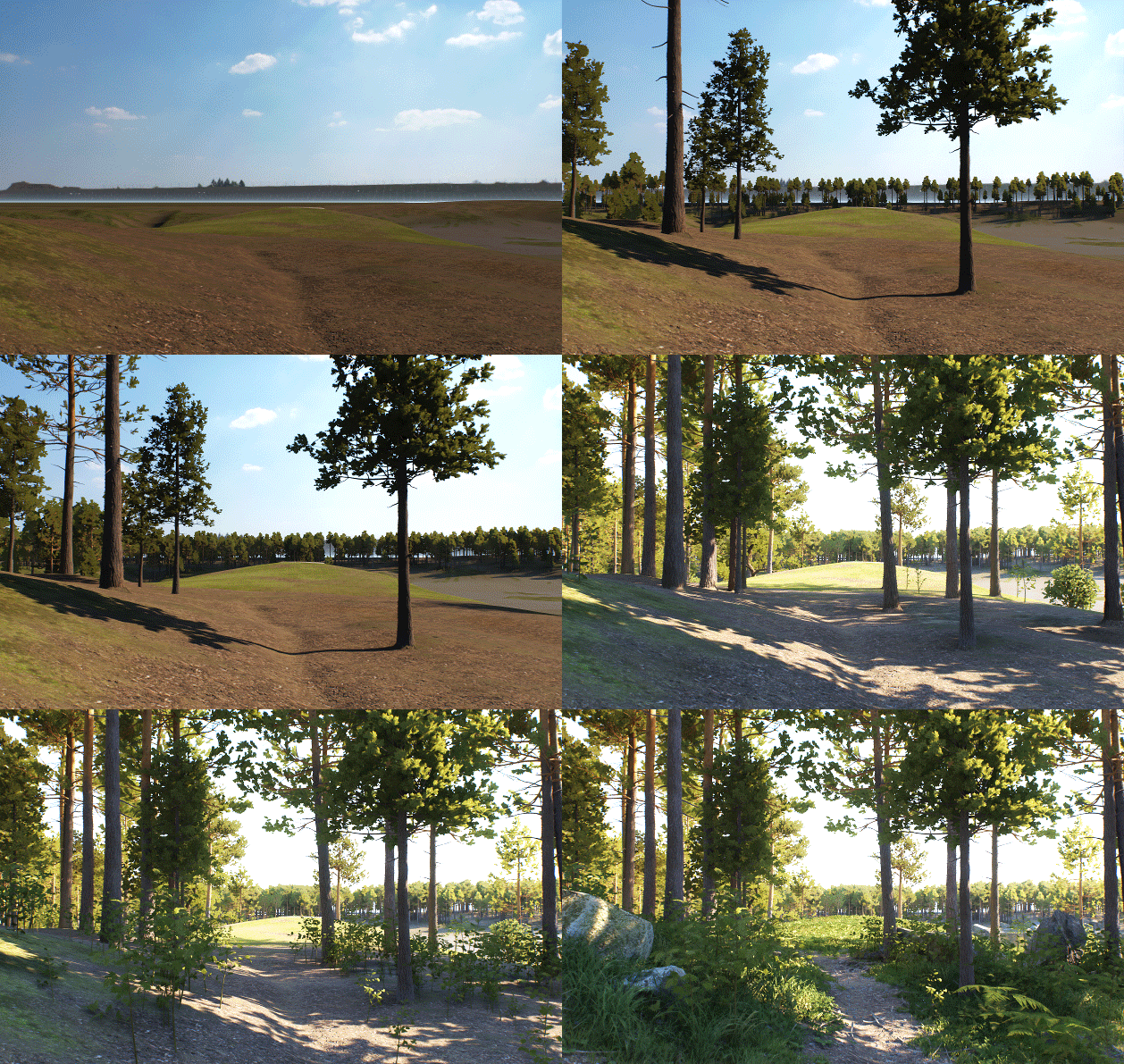 gilded shell
ive been had
I'm seeing instagram ads based on some research i did earlier today
likely because some of it was on youtube
gilded shell
i havent found a good one for android
are you referring to dns, vpn, or something else
plain mantle
No just the browser plugin
Ads that are embedded into sites usually contain trackers
So that when you go to another site that also serves ads.
It remembers you
Of course this won't stop the instagram app from tracking you
gilded shell
ofc but im not quite willing to give it up just yet
plain mantle
I hate instagram. But unfortunately I need it
echo token
do you get a significant follower base from instagram
gilded shell
Not at all
plain mantle
echo token
do you get a significant follower base from instagram
Nah I need it for music stuff. All musicians use insta so when you meet them after a show or whatever they always ask for your insta
gilded shell
i just use it for acceletating my dementia and communicating with friends
plain mantle
gilded shell
i just use it for acceletating my dementia and communicating with friends
Well you are gen Z so the brainrot is unfortunately terminal
echo token
it has booted into gui mode for me
gilded shell
plain mantle
Well you are gen Z so the brainrot is unfortunately terminal
well i dont outsource thinking
nor do i post anything anywhere but github
plain mantle
gilded shell
well i dont outsource thinking
Very good
kind sparrow
plain mantle
Well you are gen Z so the brainrot is unfortunately terminal
You are basically gen Z too
We just got called millennials growing up because nobody knew what gen Z was yet
plain mantle
kind sparrow
You are basically gen Z too
I very importantly came in just under the cutoff
kind sparrow
Haha
echo token
yeah I am very glad to not be a millenial
plain mantle
I am very glad to be one
night shoal
echo token
yeah I am very glad to not be a millenial
you were born <81?
kind sparrow
No lol
night shoal
then DR is a millenial too 😛
night shoal
