#AoC 2022 | Day 10 | Solutions & Spoilers
1841 messages · Page 2 of 2 (latest)
 sweet mango
 frank kayak
You have a moving pointer and a theoretically infinite strip (if you make the width more than 40) though.
 nimble shuttle
frank kayak
You have a moving pointer and a theoretically infinite strip (if you make the wi...
doesn't make it turing complete
 quasi minnow
Yes but you can't read or loop
nimble shuttle
exactly
frank kayak
True I guess
nimble shuttle

frank kayak
If you could read though I don't think you'd have to have a dedicated loop here for it to be turing complete
As it resets its position at the end of the screen each time anyway
nimble shuttle
as long as you can't create a finite program with an infinite runtime, it's not turing complete
quasi minnow
There's no looping or branching, it's not turing complete
 light vortex
impossible, as you can not disable the first pixel, no matter what you do. X is 1 at the start, and it takes at least 2 ops to change that, in that time, this pixel is already drawn.
my conclusion, might be faulty
@hollow void
 hollow void
yes, youa re right
frank kayak
quasi minnow
There's no looping or branching, it's not turing complete
I'd argue there is looping, just no branching
hollow void
but if you ignore the frst 4 pixels?
nimble shuttle
hollow void
but if you ignore the frst 4 pixels?
can't exceed 40 columns, so still not every image
light vortex
hollow void
but if you ignore the frst 4 pixels?
good question. will play with that tomorrow 👋
hollow void
nimble shuttle
can't exceed 40 columns, so still not every image
every image as in any combination of pixels on the screen
frank kayak
nimble shuttle
what looping lmao
The counter essentially sets itself to 0 every 40 cycles, that sounds like a form of looping to me.
nimble shuttle
frank kayak
The counter essentially sets itself to 0 every 40 cycles, that sounds like a for...
uh that's not looping
quasi minnow
But the PC doesn't loop
sweet mango
why would the counter reset?
nimble shuttle
fr just read the wiki page on turing machines
frank kayak
sweet mango
why would the counter reset?
To draw the next row
nimble shuttle
we can't discuss turing completeness if you don't know what it means
sweet mango
but part 1 relies on the counter not resetting
nimble shuttle
hollow void
every image as in any combination of pixels on the screen
in that case, yes
it's possible
i could even write a program that generates the instructions for any given image (excluding starting pixels)
hollow void
nimble shuttle
in that case, yes
proof
nimble shuttle
set the sprite to somewhere away from the beam or at the beam 2 cycles ahead
not that hard
hollow void
I'd prove it in this way:
I can freely update x every 2 pixels.
This way, I need to be able to draw all 4 combinations every 2 cycles
nimble shuttle
yeah, and you can position the sprite for any combo of the 2 pixels
hollow void
#., .., .# and ##
hollow void
nimble shuttle
yeah, and you can position the sprite for any combo of the 2 pixels
yep
quasi minnow
But is it possible if width isn't divisible by 2 though
nimble shuttle
quasi minnow
But is it possible if width isn't divisible by 2 though
yes
you can just use a noop
wait
actually maybe not
quasi minnow
nimble shuttle
yes
I don't think it is
(some rows, so you can choose the value of X)
# # # # #
# # # # #
I don't think it's possible to render that pattern
Without a dedicated blanking period anyway
nimble shuttle
yeah i think you're right
 vernal urchin
I tried writing a thing to generate the code for a given output string, and well my brain hurts i am giving up
nimble shuttle
rip
 half mirage
Just caught up on all my AoC - did all Day 9 and Day 10 today
Day 10 probably my fave day, though the off-by-one errors are not fun
QQ - in the Python match-case syntax, is there a way to cast a matched value to a different type from within the case statement? Or do you have to cast afterwards
quasi minnow
I think you have to cast after binding
 naive sun
quasi minnow
I *think* you have to cast after binding
me too
nimble shuttle
me3
nimble shuttle
my solution had 0 
hollow void
mine had 1 function
hollow void
half mirage
Also only 4 classes for today's solution
java user spotted
hollow void
half mirage
QQ - in the Python match-case syntax, is there a way to cast a matched value to ...
cast afterwards
half mirage
hollow void
java user spotted
Actually, true story, the first time I learned Java, I was lying on my bed reading the first chapter of a Java book, and fell asleep reading it
quasi minnow
Lmao
naive sun
What the cat??
Look at the tests for trying to cast in a case -
I would have expected it to be a syntax error - But it's actually changing the results...
https://github.com/shenanigansd/scratchpad/commit/0c20735eba3fc0031de1b7b773290e640e271a8c
https://github.com/shenanigansd/scratchpad/actions/runs/3665655477/jobs/6196870308
=================================== FAILURES ===================================
_______________________________ test_run_cycles ________________________________

    def test_run_cycles() -> None:
        cycles = run_cycles(EXAMPLE_INPUT)

>       assert cycles[20] * 20 == 420
E       assert (1 * 20) == 420

2022/10/python/test_day10.py:156: AssertionError
=========================== short test summary info ============================
FAILED 2022/10/python/test_day10.py::test_run_cycles - assert (1 * 20) == 420
========================= 1 failed, 36 passed in 0.17s =========================
amazon: "often bought together: Data Structures in Java - rope - stepladder"
naive sun
naive sun
What the cat??
Look at the tests for trying to cast in a case -
I would have exp...
Python 3.10.8 locally and CPython (3.11.0) in CI
half mirage
Every time I tried to use a cast in a case statement, Pytest freaked the fuck out
it did NOT like me doing that
naive sun
half mirage
Every time I tried to use a cast in a case statement, Pytest freaked the fuck ou...
How so?
naive sun
Huh
For me all it's doing is making it to where x is always 1, and stopping after 35 cycles for some reason
 chilly plank
naive sun
What the cat??
Look at the tests for trying to cast in a case -
I would have exp...
I would have guessed that int was a constraint, not a cast 
hollow void
def day10(inp: str) -> tuple[int, str]:
    xhist = [1]
    for i in inp.strip().split("\n"):
        match i.split(" "):
            case "noop",:
                xhist.append(xhist[-1])
            case "addx", val:
                xhist.append(xhist[-1])
                xhist.append(xhist[-1] + int(val))
    gsm = 0
    for i in [20, 60, 100, 140, 180, 220]:
        gsm += i * xhist[i - 1]
    data = []
    for i, j in enumerate(xhist):
        data.append((i % 40 - j) in (0, 1, -1))
    for j, i in enumerate(data):
        print("\u2588\u2588" if i else "  ", end = "")
        if j % 40 == 39:
            print()
    deeta = input("\b\bWhat can you read?\n> ").strip().upper()
    if deeta.isalpha() and deeta.isascii() and len(deeta) == 8:
        return (gsm, deeta)
    print("Misinput, aborting...")
    raise ValueError("Invalid input")```
In [5]: a = ["addx", "3"]

In [6]: match a:
   ...:     case ["addx", int(x)]:
   ...:         print('int')
   ...:     case ["addx", x]:
   ...:         print('other')
   ...:
other
seems to be a constraint, yeah
nimble shuttle
makes sense
 violet pondBOT
@hollow void :white_check_mark: Your 3.11 eval job has completed with return code 0.
4
 hot panther
Anyone else's solution missing seemingly one pixel?

I mean clearly this is legible but that first Z is killing me
Ok figured it out. x at this point is -1, so my x % 40 check is yielding 39 which causes the pixel not to be drawn
quasi minnow
This is perhaps too high-resolution

(it's not even done encoding yet)
190M lines, 1.4G

Yikes
 bright quarry
chilly plank
I would have guessed that int was a constraint, not a cast <:pithink:65224755990...
>>> match 4:
...   case int():
...     print("it's an int.")
...   case _:
...     print("it's not.")
it's an int.
It can be both
half mirage
hot panther
Ok figured it out. `x` at this point is -1, so my `x % 40` check is yielding 39...
had this exact same issue
my robust unit testing caught this for me though :)
 coral sorrel
I have poked at mine a bit and I can't get the little errors to go away
half mirage
today is really easy for off by one errors
I had to really think about exactly the error I was getting and what I needed to do
coral sorrel
I just can't see it 😅
half mirage
If you'd like, I'd be happy to have a look at your code once I finish polishing my unit tests :)
coral sorrel
Sure
It's only four pixels that are wrong as far as I can see
(spoilered for answer)
 sweet mango
Everyone has a different answer
 pseudo crane
guys what is tricky about this task because i think im missing out on sth that is important
sweet mango
An understanding of crt beams is important
half mirage
For me, it helped just being very regimented in coding part 1
sweet mango
Do you know how ticks work?
coral sorrel
sweet mango
Everyone has a different answer
My understanding is that the puzzle inputs are not unique to an individual, there's just an assortment of them
half mirage
you really have to read part 1, IMO. It's not difficult, but getting the precise details just right can be tricky
pseudo crane
everytime there is addx i add the value to the "queue"
that has to wait 2 cycles to be added to the x
coral sorrel
The 'tricky' bit in part 1 is that the updating register operation takes two cycles
sweet mango
I just realized our "communication device" is a pager
pseudo crane
then it goes onto the next value in the queue
coral sorrel
so you might have to read the answer in the middle of it
 wispy topaz
pseudo crane
everytime there is addx i add the value to the "queue"
I made this mistake too. There is no queue. It simply takes 2 cycles before you go to the next input
pseudo crane
so if there is something waiting to be added i dont read the values from addx?
sweet mango
When do we get the challenge that becomes O(n^x) if we do it wrong?
wispy topaz
pseudo crane
so if there is something waiting to be added i dont read the values from addx?
read input
cycle
if input is noop, start over
if input is addx
cycle
update x
sweet mango
I implemented mine using lots of generators.
pseudo crane
what do you mean by start over
wispy topaz
get next input
pseudo crane
so forget about what was before?
wispy topaz
noop is no op aka no operation.
sweet mango
basically pass
I did mine kind of like this. ```py
registers = {"X": 1}
def noop():
yield
def addx(value):
yield
yield
registers["X"] += value
opcodes = {
"noop": noop,
"addx": addx,
}
def run(data):
counter = 0
for line in data.splitlines():
oc, *args = line.split()
args = [*map(int, args)]
for _ in opcodesoc:
counter += 1
I just did a for loop.
for cycles in range(2)
if noop break
else
update x
sweet mango
noop is short for no operation
pseudo crane
i dont understand what does it change
sweet mango
noop does nothing.
wispy topaz
pseudo crane
i have no clue what u guys mean with this noop
it's 1 of the 2 things you can get in the puzzle input.
pseudo crane
ye i know
but i get correct answer for the example
up to 20 cycles
then i get the wrong value of x on other cycles
wispy topaz
pseudo crane
i have no clue what u guys mean with this noop
it's from the puzzle:
noop takes one cycle to complete. It has no other effect.
pseudo crane
    x = 1
    cycles_to_register = [20+(x * 40) for x in range(6)]
    addx = []
    num_of_cycles = 0
    for cycle in file:
        num_of_cycles += 1
        cycle = cycle.strip().split(" ")
        if cycle[0].startswith("a"):
            v = int(cycle[1])
            addx.append([v,2])
            addx[0][1] -= 1

        if addx[0][1] == 0:
            x += addx.pop(0)[0]


        if num_of_cycles in cycles_to_register:
            print(x*num_of_cycles)
maybe you can take a look
wispy topaz
pseudo crane
then i get the wrong value of x on other cycles
that seems odd. are you using the test input to verify your code?
I made the mistake of using the actual input
wispy topaz
why do you have a list addx ?
wispy topaz
pseudo crane
on cycle 20 x is 21 for me
that's good, is 40 correct?
pseudo crane
addx is my so called queue
which some1 said doesnt have a place here
i store every value from addx there
wispy topaz
there is no queue. it's 2 cycles and then add.
no need to queue anything, your queue will never have more than 1 item
well maybe if you never take anything off of the queue it will act as a history.
pseudo crane
so for example
if i have
addx2
noop
noop
addx 3
addx 5
noop
what should the x be
4?
wispy topaz
but it will be:
queue is empty
cycle
read input
if addx: add to queue
cycle
remove from queue
queue is empty
1 +2 +3 +5 is 10, and you used 2 + 1 +1 + 2 +2 +1 = 9 cycles
pseudo crane
ohhhh
i think i get it
so just correct me if im wrong now
when i read addx 2
i add 2 to cycles count
and add 2 to the x
and then move on to the next line
wispy topaz
sort of
pseudo crane
haha
wispy topaz
it's impoartnt that you understand that it's:
if addx:
+1cycle
+1cycle
and not:
if addx:
+2cycle
⬆️
wispy topaz
there is stuff happening during each cycle.
and 1 thing happening after both cycles, but not during the cycle. 🙂
chilly plank
there is the option of replacing the 2 cycle addx with a noop + 1 cycle addx
coral sorrel
Like the issue I suspect is that at some point one of the points you have to read at happens in the middle of an addx
and the register is only changed on the second cycle of the addx
wispy topaz
coral sorrel
and the register is only changed on the second cycle of the addx
on after
coral sorrel
yes, sorry
pseudo crane
so whats the difrence in
            for _ in range(2):
                num_of_cycles += 1
from
if cycle[0].startswith("a"):
            num_of_cycles += 2
if after reading addx 3
i have to wait 2 cycles for the 3 to be addex to x
what can happen during this 2 cycles that addx 3 takes to complete
wispy topaz
pseudo crane
so whats the difrence in
what is your objective? What number are you trying to turn in for your puzzle? think about how that number is calculated and when.
pseudo crane
ok i think i got it
thanks a lot ;d
i know why it mattered
at least i think so
because while addx is happening it may be cycle 20 that i have to register
and if i just added 2 cycles i may never be on cycle 20
 stark quest
Dumb question, but im trying to figure out my loop condition, we need to read through every command in the list, but we also need to keep going until we read through all the cycles right?
pseudo crane
how the hell do i get correct signal strengths on all cycles except 220
bright quarry
wispy topaz
I made this mistake too. There is no queue. It simply takes 2 cycles before you ...
I used a queue, when it's noop I just add a noop to the queue, when it's addx I add both a noop and an addx
bright quarry
pseudo crane
how the hell do i get correct signal strengths on all cycles except 220
oof, that hurts
pseudo crane
i got it
thank you to every1 who helped me
hopefully i get part2 without problems XD
half mirage
Just finished my code and test refactoring for today
Tests have 673 lines 👀
My code for today:
import collections
from collections.abc import Iterator, Container
import dataclasses
import enum
import itertools


class CycleState(enum.Enum):
    START = enum.auto()
    DURING = enum.auto()
    AFTER = enum.auto()


@dataclasses.dataclass(frozen=True)
class Cycle:
    no: int
    state: CycleState


@dataclasses.dataclass
class Instr:
    cycle_no: int
    add_val: int

    def decrement_cycle(self) -> None:
        self.cycle_no -= 1


class CathodeRayTube:
    def __init__(self, program: str, watch_cycles: Container[Cycle] = ()) -> None:
        self.program = collections.deque(program.splitlines())

        self.register = 1

        self._cycle_gen = self._cycle_gen_fn()
        self.cycle: Cycle

        self.instr: Instr | None = None

        self._watch_cycles = watch_cycles
        self.watched_cycles: dict[Cycle, int] = {}

        self.screen = ""

    @classmethod
    def read_file(cls, watch_cycles: Container[Cycle] = ()) -> "CathodeRayTube":
        with open("input.txt") as f:
            return cls(f.read(), watch_cycles=watch_cycles)

    @staticmethod
    def _cycle_gen_fn() -> Iterator[Cycle]:
        for x in itertools.count(1):
            for y in CycleState:
                yield Cycle(x, y)

    def _increment_cycle(self) -> None:
        self.cycle = next(self._cycle_gen)

    def _parse_instr(self, instr_text: str) -> None:
        match instr_text.split():
            case ["noop"]:
                instr = Instr(cycle_no=1, add_val=0)
            case ["addx", add_val]:
                instr = Instr(cycle_no=2, add_val=int(add_val))
            case _:
                raise Exception("Unexpected instruction")
        self.instr = instr

    def _execute_pre_cycle(self) -> None:
        if self.instr is None:
            try:
                instr_txt = self.program.popleft()
            except IndexError as exc:
                raise StopIteration from exc
            self._parse_instr(instr_txt)

    def _execute_mid_cycle(self) -> None:
        if ((self.cycle.no - 1) % 40) in (
            self.register - 1,
            self.register,
            self.register + 1,
        ):
            self.screen += "#"
        else:
            self.screen += "."

        if self.cycle.no % 40 == 0:
            self.screen += "\n"

    def _execute_post_cycle(self) -> None:
        assert self.instr
        self.instr.decrement_cycle()
        if self.instr.cycle_no == 0:
            self.register += self.instr.add_val
            self.instr = None

    @property
    def signal_strength(self) -> int:
        return self.cycle.no * self.register

    def __iter__(self) -> "CathodeRayTube":
        return self

    def __next__(self) -> int:
        self._increment_cycle()

        cycle_fns = {
            CycleState.START: self._execute_pre_cycle,
            CycleState.DURING: self._execute_mid_cycle,
            CycleState.AFTER: self._execute_post_cycle,
        }

        cycle_fns[self.cycle.state]()

        if self.cycle in self._watch_cycles:
            self.watched_cycles[self.cycle] = self.signal_strength

        return self.signal_strength


def main() -> None:
    key_cycles = [
        Cycle(no=20, state=CycleState.DURING),
        Cycle(no=60, state=CycleState.DURING),
        Cycle(no=100, state=CycleState.DURING),
        Cycle(no=140, state=CycleState.DURING),
        Cycle(no=180, state=CycleState.DURING),
        Cycle(no=220, state=CycleState.DURING),
    ]

    crt = CathodeRayTube.read_file(watch_cycles=key_cycles)

    for _ in crt:
        pass

    print(
        "Sum of interesting signal strengths:",
        sum(crt.watched_cycles.values()),
        end="\n\n",
    )
    print("Screen:\n")
    print(crt.screen)


if __name__ == "__main__":
    import timeit

    print(timeit.timeit(main, number=1))
And my unit tests, which is multiple times larger than that:
https://github.com/Fiddle-N/advent-of-code-2022/blob/master/day_10/test.py
GitHub
Advent of Code 2022 Solutions in Python. Contribute to Fiddle-N/advent-of-code-2022 development by creating an account on GitHub.
chilly plank
half mirage
My code for today:
```py
import collections
from collections.abc import Iterator...
😭
sweet mango
when your tests are longer than your actual program.
 mossy dock
I think I'm missing the first column but well it worked
 mossy dock
I think they mean why did you have to make it that long lol
half mirage
I had to make it that long to fit all the test cases
I want to be able to assert every detail given in the problem description about the test inputs
Part 2 has a crap ton of test cases though
20 cycles * 3 cycle stages (before, during, after) leads to around 60 cases to assert just for part 2
naive sun
I still don't even understand how it works
I'm opening up the docs just to figure out what a Container is
chilly plank
I had a weird solution for dealing with part 1, but otherwise my dist code is straightforward
fn solve(input: &[Command]) -> AocResult<(i32, String)> {
  use Command::*;

  let mut res = 0;

  let mut cycle = 0;
  let mut x = 1;

  let mut display = vec![];
  let mut draw = |pos, x| {
    display.push(pos - 1 <= x && x <= pos + 1);
  };

  for cmd in input {
    let prev_cycle = cycle;
    let prev_x = x;

    match cmd {
      Noop => {
        draw(cycle % 40, x);
        cycle += 1;
      }
      Addx(arg) => {
        draw(cycle % 40, x);
        cycle += 1;
        draw(cycle % 40, x);
        cycle += 1;
        x += arg;
      }
    }

    if (20 + prev_cycle) % 40 > (20 + cycle) % 40 {
      let aligned = cycle - cycle % 20;
      res += aligned * prev_x;
    }
  }

  let display = display
    .chunks_exact(40)
    .map(|row| {
      row
        .iter()
        .map(|b| if *b { '#' } else { '.' })
        .collect::<String>()
    })
    .join("\n");

  Ok((res, format!("\n{display}")))
}
parsing code left out, it's not too interesting
wispy topaz
half mirage
My code for today:
```py
import collections
from collections.abc import Iterator...
Jeebs.
chilly plank
just parses the thing into commands, rust enums are neat
pub enum Command {
  Addx(i32),
  Noop,
}
So that’s based off the fact that all I’m doing with that parameter is doing an “in” check on it
I pass in a list in one place, and dict.keys() in another, both of which support doing an “in” check
That means they both use __contains__, so they are both a Container
chilly plank
half mirage
My code for today:
```py
import collections
from collections.abc import Iterator...
why use a deque for the instructions?
half mirage
chilly plank
why use a deque for the instructions?
Just so I can pop left . It’s a bit gratuitous I admit
naive sun
https://github.com/Fiddle-N/advent-of-code-2022/blob/master/day_10/process.py#L136-L142
Why do you get two blank lines at the end in two different ways?
https://github.com/Fiddle-N/advent-of-code-2022/blob/master/day_10/test.py#L5
https://github.com/Fiddle-N/advent-of-code-2022/blob/master/day_10/test.py#L157
Why is one a constant and one is not?
That's all I got because I don't understand the code
violet pondBOT
day_10/process.py lines 136 to 142
print(
    "Sum of interesting signal strengths:",
    sum(crt.watched_cycles.values()),
    end="\n\n",
)
print("Screen:\n")
print(crt.screen)```
`day_10/test.py` line 5
```py
LONG_PROGRAM = """\```
`day_10/test.py` line 157
```py
program = """\```I didn’t have to use end for the first print, that much is true
And the constant is just because I have that long program in two test functions and didn’t want a copy paste of it
And hey, my code is understandable! XD
More than the golf courses that’s for sure
naive sun
half mirage
And hey, my code is understandable! XD
It's very nice and clean
I'm just not a very good dev
chilly plank
naive sun
It's very nice and clean
I'm just not a very good dev
||and verbose||
half mirage
I am verbose I admit
naive sun
chilly plank
||and verbose||
That's not bad though
chilly plank
naive sun
That's not bad though
it can be
naive sun
nah, this is fine
stark quest
using the test input, for some reason mine gets the first two but thats it
cycle, val, cycle*x
20 21 420
60 19 1140
100 17 1700
140 30 4200
180 16 2880
220 18 3960
Well, actually, no
Instr is bad
Don't shorten variable names
Not verbose enough
stark quest
the vals are wrong as well
half mirage
naive sun
Well, actually, no
`Instr` is bad
Don't shorten variable names
Not verbose enoug...
Naming things is unironically difficult
naive sun
half mirage
Naming things is unironically difficult
There's only two hard things in computer science, cache invalidation, naming things, and off-by-one errors
naive sun
You too!?
half mirage
With all the testing I did, I still got an off by one error afterwards 😂
But I quickly found it
stark quest
stark quest
using the test input, for some reason mine gets the first two but thats it
```
c...
and this was an off by one error lol
to interject
half mirage
Have you worked out the error or still trying to figure it out?
stark quest
i got it
i init'ed my cycle count at 1 for some reason
def check_cycle(cycle, x):
    if cycle % 40 == 20:
        return cycle * x
    return 0

def part_one():
    with open("day10/instructions.txt", "r") as f:
        instructions = f.read().split('\n')

    x = 1
    cycle = 0
    strength = 0

    for i in instructions:
        if 'addx' in i.split():
            _, val = i.split()

            cycle += 1
            strength += check_cycle(cycle, x)

            cycle += 1
            strength += check_cycle(cycle, x)

            x += int(val)
        else:
            cycle += 1
            strength += check_cycle(cycle, x)
    print(strength)
to give some criticism, I see a bunch of methods that are used once and do trivial work
e.g. _increment_cycle should just be inlined in the one place it's called imo
read_file is a paper thin wrapper around the constructor with a file hard coded, why not just read the file and pass the string to the constructor in main?
wispy topaz
stark quest
using the test input, for some reason mine gets the first two but thats it
```
c...
make sure you check during every cycle, and not skipping cycles, or after cycles.
quasi minnow
Lmao that'll do it
half mirage
chilly plank
to give some criticism, I see a bunch of methods that are used once and do trivi...
So, the increment_cycle I have as a separate function just because it reads nicer. self._increment_cycle is IMO clearer than next(self._cycle_gen()) as to what it does
And yes, read_file absolutely doesn’t have to be a class method, it could be a separate one
But I like alternative initialisers :)
pseudo crane
@wispy topaz thanks a lot at part 2 i understood even more why making it 2 seperate cycles is that important
but you made me really understand this problem
chilly plank
alternative initializers are fine, but having one that just reads from a hard coded file is very weird from a usability standpoint
wispy topaz
half mirage
Just finished my code and test refactoring for today
Wow, your code is the antithesis of mine. it's impressive in it's level of detail, but I would get lost in it.
wispy topaz
pseudo crane
<@255074198559391744> thanks a lot at part 2 i understood even more why making i...
yw! glad to help!
chilly plank
something like this would make more sense
def make_crt_from file(fname):
  ...
(though I would call also that overkill, but that's more in opinion land)
half mirage
chilly plank
something like this would make more sense
```py
def make_crt_from file(fname):
...
It’s a fair point. For sure if I had the need to read in from different files I’d do that
I just have it hardcoded cos I know I’ll only read from one file ever in this case
chilly plank
you don't run the samples from file?
wispy topaz
half mirage
It’s a fair point. For sure if I had the need to read in from different files I’...
What, you don't read your testdata from different input files and test the testdata as well? 🙂
half mirage
wispy topaz
Wow, your code is the antithesis of mine. it's impressive in it's level of detai...
I get lost in the golf courses 😂
quasi minnow
wispy topaz
What, you don't read your testdata from different input files and test the testd...
If you're not careful, you might get some business logic in with those tests!
wispy topaz
half mirage
I get lost in the golf courses 😂
Yeah, I think the golf is a fun experiment, but I don't think it's how people should be coding typically.
but there's quite a difference between "minimal readable code" and "unreadable golf"
stark quest
stark quest
```py
def check_cycle(cycle, x):
if cycle % 40 == 20:
return cycle ...
Could also make the center part a for loop to clean it up
half mirage
wispy topaz
Yeah, I think the golf is a fun experiment, but I don't think it's how people sh...
Oh yeah for sure! Totally agree
wispy topaz
stark quest
Could also make the center part a for loop to clean it up
You have the same couple of lines duplicated in 3 places. There might be a logical way to remove the duplicates.
chilly plank
I tend to opt to keep things as simple as possible, no extravagant structures unless they are obviously good ideas from the beginning
During writing patterns tend to emerge and you can factor pieces out
quasi minnow
^
People spout DRY but they need to consider WET
('Write Everything Twice', the principle that your code is actually fairly likely to diverge if you've only had to write it twice)
half mirage
I am definitely overengineering my code for these puzzles, that’s for sure
chilly plank
Oh, I do try to follow DRY, but things that repeat tend to become very obvious as you write code
half mirage
But the reason that the structures are there are so the unit tests work nicely
quasi minnow
chilly plank
Oh, I do try to follow DRY, but things that repeat tend to become very obvious a...
I follow DRY as/where it makes sense
I.E. if the code has the same structure and purpose
wispy topaz
quasi minnow
^
There's also the concept of reasonable numbers. The only reasonable numbers in computer science are 0, 1 and inf. 🙂
quasi minnow
If the code is for two different things that just look similar, that's where WET applies
half mirage
Well, that’s part of it. The other part is that I like named attributes for things
wispy topaz
half mirage
Well, that’s part of it. The other part is that I like named attributes for thin...
me too.
chilly plank
I do find the fact that iter steps partway through steps a bit weird as well, but that could just be me. There could still be a split internally for unit testing purposes "execute_pre_cycle/execute_mid_cycle/execute_post_cycle", but a lot of the cruft seems to be to try to accommodate the iterator part
 tidal forum
a
 chilly pumice
with open("Inputs/10.txt") as f:
    ops = f.readlines()

# Cycle: value
graph: dict[int, int] = {}

cycle = 0
x = 1

for op in ops:
    op = op.strip()
    if op == "noop":
        cycle += 1
        graph[cycle] = x
    else:
        to_add = int(op.split(" ")[-1])
        graph[cycle] = x
        graph[cycle+1] = x
        x += to_add
        graph[cycle+2] = x
        cycle+=2

from pprint import pprint
pprint(graph)
and yes I did call that variable graph....
I couldnt think of a better name lol
tidal forum
i think you did your cycles wrong
chilly pumice
alright lemme try it again then
chilly pumice
tidal forum
i think you did your cycles wrong
I don't see how tho
wispy topaz
half mirage
Well, that’s part of it. The other part is that I like named attributes for thin...
but I can't say my attributes always have great names during aoc, see my day8, lot's of them:
    # create an empty class
    class Tree(namedtuple('Tree', 'x y h')): v=0;s=1

    #read the data into a dictionary
    data = open(filename).read().splitlines()
    forest = {(x,y):Tree(x,y,h) for y,row in enumerate(data) for x,h in enumerate(row)}
    H,W = max(forest)

    # loop over each tree
    for t in forest.values():
        # loop over the 4 directions
        for z,d in [
                (list(zip( range(0,t.x)[::-1], repeat(t.y))),         t.x),
                (list(zip(   range(t.x+1,W+1), repeat(t.y))),         W-t.x),
                (list(zip(        repeat(t.x), range(0,t.y)[::-1])),  t.y),
                (list(zip(        repeat(t.x), range(t.y+1,H+1))),    H-t.y)]:
            t.v |= all(t.h>forest[x,y].h for x,y in z)
            t.s *= next((c for c,e in enumerate(z,1) if t.h<=forest[e].h),d)

    print('part1', sum(t.v for t in forest.values()))
    print('part2', max(forest.values(),key=lambda t:t.s).s)
day7 at least had better names:
class File(namedtuple('File', 'name fsize folders files parent')):
    @property
    def size(self):
        return self.fsize + sum(d.size for d in [*self.folders.values(),*self.files])
As you say, it’s really for the unit testing. If I didn’t have to care about unit testing then I’d definitely make it be one iteration per full cycle. But testing the intermediary steps is really the key thing IMO, as it’s the place one is most likely to slip up on
tidal forum
chilly pumice
I don't see how tho
what you're doing looks really weird, are you starting your cycle count at 0 or 1
chilly pumice
0
half mirage
wispy topaz
day7 at least had better names:
```py
class File(namedtuple('File', 'name fsize ...
Any reason to use namedtuples over dataclasses btw?
tidal forum
if the first instruction is noop then your graph should look like {0: 1} no?
wispy topaz
half mirage
Any reason to use namedtuples over dataclasses btw?
1 liner class definition. That's about it really.
half mirage
wispy topaz
1 liner class definition. That's about it really.
Fair
chilly pumice
tidal forum
if the first instruction is `noop` then your graph should look like {0: 1} no?
no
tidal forum
why
chilly pumice
its cycle:value, not the other way around
wispy topaz
half mirage
Any reason to use namedtuples over dataclasses btw?
also useful if you want attributes whose value cannot be changed.
tidal forum
chilly pumice
its cycle:value, not the other way around
yeah, i know
chilly pumice
tidal forum
if the first instruction is `noop` then your graph should look like {0: 1} no?
so 1 cycle, 0 value
chilly plank
I'm also curious why _parse_instr isn't a free function that returns an Instr, it doesn't really have any business being part of the class. It doesn't depend on anything in the class at all
def parse_instr(self, instr_text: str) -> Instr:
    match instr_text.split():
        case ["noop"]:
            instr = Instr(cycle_no=1, add_val=0)
        case ["addx", add_val]:
            instr = Instr(cycle_no=2, add_val=int(add_val))
        case _:
            raise Exception("Unexpected instruction")
        return instr

class ...:
    # ...

    def _execute_pre_cycle(self) -> None:
        if self.instr is None:
            try:
                instr_txt = self.program.popleft()
            except IndexError as exc:
                raise StopIteration from exc
            self.instr = parse_instr(instr_txt)
Dataclasses has a frozen parameter
chilly pumice
oh wait reg starts at 1
tidal forum
chilly pumice
so 1 cycle, 0 value
on the end of the 0th cycle (which is your first cycle) . . .
chilly pumice
so it would be 1:1
half mirage
Since dataclasses came out, namedtuples have basically been dead to me
wispy topaz
half mirage
Dataclasses has a frozen parameter
That's like having milk on your poptarts, you might as well cook at that point. 🙂
tidal forum
if you're doing 1:1 then why does your dict look like {0:1, 1:1, 2:2} if there's an addx 1
wispy topaz
half mirage
Since dataclasses came out, namedtuples have basically been dead to me
For actual non-aoc coding I do really enjoy dataclasses a lot.
half mirage
Friendship ended with namedtuple
Now dataclasses is my best friend
half mirage
wispy topaz
For actual non-aoc coding I do really enjoy dataclasses a lot.
Dataclasses and enums are my favourite for my over engineered AOC code :)
chilly pumice
tidal forum
if you're doing 1:1 then why does your dict look like {0:1, 1:1, 2:2} if there's...
um, 0:1 is 0th cycle and value has 1. 1:1 is first cycle, but value wont increase yet. and in 2nd cycle value will finally be increased. I'm sorry what am I missing
chilly plank
they are very much not first class citizens in python
half mirage
chilly plank
I'm also curious why `_parse_instr` isn't a free function that returns an `Instr...
This could be a free function definitely. My unofficial rule of thumb is that if it’s a helper function only used in the one class, I keep it in that class. But if it were to be used across classes I’d bump it out of the class
chilly plank
half mirage
This could be a free function definitely. My unofficial rule of thumb is that if...
if it doesn't depends on the state of the class, it for sure shouldn't be a member function
I guess you could make a case for a staticmethod or classmethod
half mirage
chilly plank
if it doesn't depends on the state of the class, it for sure shouldn't be a memb...
Definitely staticmethod
chilly pumice
okay got it!
half mirage
Definitely not classmethod
chilly pumice
my starting cycle was wrong @tidal forum. Thank you
chilly plank
half mirage
Definitely not classmethod
(I keep forgetting the exact difference, I know staticmethod is the one you usually want)
stark quest
I dont really understand what we are doing in part 2. X is the position of the middle of our sprite? And that somehow relates to what gets drawn?
chilly plank
ah classmethod takes class as an arg
half mirage
Class method is really mostly for alternative initialisers
 calm shard
If I ever feel the need to type @staticmethod. I stop and write a free function instead.
If it doesn't need an instance and doesn't need the class, it has nothing to do with the class and shouldn't be there.
half mirage
calm shard
If I ever feel the need to type `@staticmethod`. I stop and write a free functio...
I don't mind the odd static method. Though at the moment I'm standing at 2 static methods having edited my code, which is definitely the upper limit I'd be comfortable with
If it's a function only used by a class, even if it doesn't need self, I'm ok with it as long as it's sparingly used
calm shard
tbh if it's basically a helper to another method I have no issue with it just being a method. regardless if you use self or not.
Otherwise, there's no room at the inn!
stark quest
is the gist of part 2?
if cycle in range(x-1,x+3): return '#'
return '.'
I have a similar line of code in my solution... so it's not a terrible idea
chilly plank
wrong range, but basically
stark quest
oh yeah x+2
because we still need inclusive
and then like print newline at cycle % 40
calm shard
tbh I just went with in (x-1, x, x+1)
chilly plank
I just dumped true/false into a list and built the actual string afterwards
stark quest
like a list of bools and #/. based on the truth value?
chilly plank
calm shard
tbh I just went with `in (x-1, x, x+1)`
I would do x-1 <= cycle <= x+1
feels like it describes the intent better
calm shard
Dunno, is the beam in one of these 3 positions feels better to me.
I'll see what my senior says at code review 😛
half mirage
I did enjoy the code review of my code just now. Usually I'm the one rigorously reviewing people's code, not the other way around XD
chilly plank
hopefully it comes off as constructive criticism rather than just ranting 😛
half mirage
chilly plank
hopefully it comes off as constructive criticism rather than just ranting 😛
Nah it's all good :)
naive sun
half mirage
Dataclasses has a frozen parameter
And a slots parameter too!
stark quest
wait, how are you guys printing the drawing as a contiguous block? I put everything into a list and was just going to iterate over it but that just prints down the terminal lol
and i couldnt just print the list because of the newlines
nvm i can see the data is wrong anyways
oh i had the wrong dataset loaded
long day
nah either way this is wrong lol

but the test input matches what is shown
vernal urchin
stark quest
wait, how are you guys printing the drawing as a contiguous block? I put everyth...
i just build up the solution as a string
 rancid cave
i print with end=""
chilly pumice
day 10 part 2 done!
stark quest
isnt it actually cycle % 40 in [x-1,x,x+1]? because my cycle counter keeps going up to 240 and the x obviously never goes that high
 modest wren
stark quest
isnt it actually `cycle % 40 in [x-1,x,x+1]`? because my cycle counter keeps goi...
1-based indeximg go brrr
stark quest
cycle % 41
 potent wadi
(cycle + 1) % 40?
stark quest
or that
potent wadi
I was pretty happy with my solution today
I didnt think the problem itself was that hard, working out what you really had to do was quite challenging though
 gray olive
potent wadi
I didnt think the problem itself was that hard, working out what you really had ...
it was definitely easier than day 9
chilly pumice
I feel day 9 was easier
gray olive
the difference between part 2 and part 1 today is a couple variables and an if
potent wadi
Day 9 wasnt too tough either - I just got stuck on a silly bug for ages
chilly pumice
day 9 I at least knew what I was doing. day 10 I was literally changing the order of the lines to make it work
noop was causing issues
gray olive
chilly pumice
I feel day 9 was easier
i couldn't figure out how part 2 worked in day 9
potent wadi
If you kept a history of the register for each cycle then pt 2 was incredibly easy
gray olive
chilly pumice
its part 1 but with a loop
how the loop worked idk
chilly pumice
gray olive
how the loop worked idk
this is the loop you had to add https://github.com/Chiggy-Playz/AdventOfCode/blob/master/2022/Python/day9.py#L42
violet pondBOT
2022/Python/day9.py line 42
for i in range(1, len(rope)):```well
potent wadi
Oh this is the rope one
chilly pumice
not very helpful
potent wadi
not the forrest trees one
chilly pumice
yeah
chilly pumice
me too
potent wadi
basically "take pt 1, make it work for n dimensions"
chilly pumice
I couldnt believe when my code ran first try and was correct
potent wadi
Yeah, the answer somewhat fell out on me too
chilly pumice
potent wadi
Pt 2 felt like a good extension as well
agreed
gray olive
chilly pumice
this is the loop you had to add <https://github.com/Chiggy-Playz/AdventOfCode/bl...
where to add?
chilly pumice
you expect me to read that? :kekw:
potent wadi
You really need to layout your code in a more human friendly way 😂
gray olive
potent wadi
You really need to layout your code in a more human friendly way 😂
that's literally the first thing that comes to my mind
what do you expect me to do in a rush
potent wadi
I always find that if you rush and dont take the time to make it readable you will never fix the bugs you come up against
modest wren
that's only an issue if you have bugs
chilly pumice
why rush
modest wren
to be faster
chilly pumice
eh
gray olive
potent wadi
I always find that if you rush and dont take the time to make it readable you wi...
i can read it all right
but the only thing i can't figure out is the bug
how does part 2 work
chilly pumice
what you're doing for head and tail, you gotta apply for current knot and previous knot
calm shard
Formatting usually comes second... sometimes third... because when I see what Part 2 is I usually need/want to refactor Part 1 to make it nicer code. Then I will format it. 😄
chilly pumice
and loop over all knots
chilly pumice
calm shard
Formatting usually comes second... sometimes third... because when I see what Pa...
I do follow this too. Part 1 is just "throw anything at it" 😂
gray olive
gray olive
how does part 2 work
the U 8 in the test case gives me ```
H
1
2
3
4
98765
i did
it worked for part 1
chilly pumice
rewrite it with better names and I might just look at it 🙃
calm shard
chilly pumice
I do follow this too. Part 1 is just "throw anything at it" 😂
I do get lucky sometimes and I correctly predict Part 2 well enough that my P1 code is mostly still suitable 😄
modest wren
gray olive
the `U 8` in the test case gives me ```
H
1
2
3
4
98765...
wrong day ?
chilly pumice
gray olive
i did
or you can just see how my code works and compare. You say you are doing this, so it should be comparable
chilly pumice
calm shard
I do get lucky sometimes and I correctly predict Part 2 well enough that my P1 c...
yep happened to me on treehouse
gray olive
modest wren
wrong day ?
idk we're just talking about the difficulty of day 9
potent wadi
gray olive
but the only thing i can't figure out is the bug
perhaps this is linked to your message above
 nocturne aurora
I don't like that this one is nearly impossible to complete programmatically
I thought this was Advent of Code, not Advent of Reading
gray olive
gray olive
it worked for part 1
my part 1 worked something like ```py
if abs(head - tail) > sqrt(2):
tail = previous_head
yeah lmao
nocturne aurora
reminds me a bit of the cursed picoCTF 2022 challenge Wizardlike where it was nearly impossible to read the (ASCII art) flag and actually complete the challenge
chilly pumice
when I read What eight capital letters appear on your CRT? I was like wtf
modest wren
nocturne aurora
I don't like that this one is nearly impossible to complete programmatically
things like this have shown up before, to be fair
chilly pumice
gray olive
my part 1 worked something like ```py
if abs(head - tail) > sqrt(2):
tail = ...
that is EXACTLY what I did for part 1
but as you can see from my github, I ditched that
gray olive
chilly pumice
but as you can see from my github, I ditched that
come on
nocturne aurora
gray olive
my part 1 worked something like ```py
if abs(head - tail) > sqrt(2):
tail = ...
is this spoilers for day 9
vernal urchin
you all are not talking about day 10 right?
nocturne aurora
if so why
chilly pumice
maybe we should move
gray olive
chilly pumice
maybe we should move
probably
vernal urchin
I was just confused more than anything, but yeah
stark quest
gray olive
my part 1 worked something like ```py
if abs(head - tail) > sqrt(2):
tail = ...
did you use Euclidian distance or something?
nocturne aurora
I'm getting spoiled for day 9 lol I should wait to go to this channel
gray olive
stark quest
did you use Euclidian distance or something?
what type of distance is the thing where you don't square because that's exactly what i did
chilly pumice
nocturne aurora
I'm getting spoiled for day 9 lol I should wait to go to this channel
how are you on day 10 without 9 ignore, me stupid
chilly pumice
riiiiiiiiiight
stark quest
gray olive
what type of distance is the thing where you don't square because that's exactly...
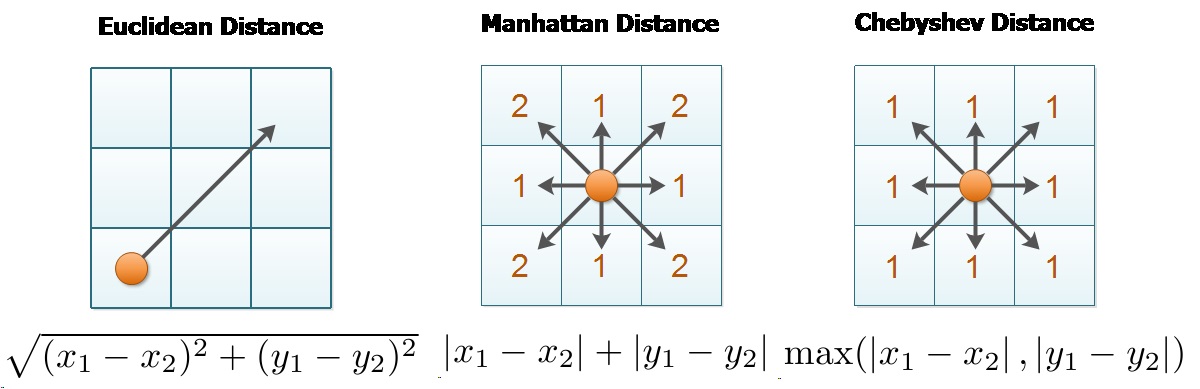 calm shard
Please move Day 9 chat to #1050641552524976129
nocturne aurora
chilly pumice
~~how are you on day 10 without 9~~ ignore, me stupid
there's no need to do all of them
chilly pumice
yeah
nocturne aurora
gray olive
what type of distance is the thing where you don't square because that's exactly...
Manhattan?
chilly pumice
I forget only I try to lol
gray olive
nocturne aurora
Manhattan?
nvm it does
nocturne aurora
okk
 gray olive
calm shard
<@822897658854637578> <@310263589913100288>
see this is the reason i don't leave this chat
i keep getting pinged
nocturne aurora
😂
for Day 10 Part 2 I just add dummy array item before every addx, this is easiest way
 junior coyote
assuming register start point is 1
and i have addx 15
cycle 1: register = 1
cycle 2: register = 16
vernal urchin
any updates during cycle 2 must use X=1
you will only get X=16 effectively in 3rd cycle
junior coyote
im part 2
vernal urchin
to be fair even in part 2, the drawing to screen is based on during-value
half mirage
well, part 2 as well, if we are talking about setting pixels on the screen
stark quest
lets go
 junior coyote
[(1, 1), (2, 1), (3, 16), (4, 16), (5, 5), (6, 5), (7, 11), (8, 11), (9, 8), (10, 8), (11, 13), (12, 13), (13, 12), (14, 12), (15, 4), (16, 4), (17, 17), (18, 17), (19, 21), (20, 21), (21, 21), (22, 20), (23, 20), (24, 25), (25, 25), (26, 24), (27, 24), (28, 29), (29, 29), (30, 28), (31, 28), (32, 33), (33, 33), (34, 32), (35, 32), (36, 37), (37, 37), (38, 36), (39, 36), (40, 1), (41, 1), (42, 2), (43, 2), (44, 26), (45, 26), (46, 7), (47, 7), (48, 8), (49, 8), (50, 24), (51, 24), (52, 13), (53, 13), (54, 13), (55, 13), (56, 34), (57, 34), (58, 19), (59, 19), (60, 19), (61, 19), (62, 16), (63, 16), (64, 25), (65, 25), (66, 26), (67, 26), (68, 23), (69, 23), (70, 31), (71, 31), (72, 32), (73, 32), (74, 37), (75, 37), (76, 37), (77, 37), (78, 37), (79, 37), (80, 37), (81, 1), (82, 1), (83, 1), (84, 2), (85, 2), (86, 9), (87, 9), (88, 9), (89, 9), (90, 9), (91, 11), (92, 11), (93, 17), (94, 17), (95, 17), (96, 17), (97, 17), (98, 17), (99, 17), (100, 18), (101, 18), (102, 18), (103, 18), (104, 25), (105, 25), (106, 26), (107, 26), (108, 26), (109, 13), (110, 13), (111, 26), (112, 26), (113, 33), (114, 33), (115, 33), (116, 34), (117, 34), (118, 1), (119, 1), (120, 1), (121, 1), (122, 1), (123, 3), (124, 3), (125, 3), ]
stark quest
back on track
junior coyote
so i have this
nocturne aurora
why do you have this
vernal urchin
stark quest
lets go
ayy nice
 vernal urchin
cycle 1/2 sprite is at X=1
stark quest
I will be honest I couldnt figure out how to get the newlines working so i just used a library
print(textwrap.fill(''.join(drawing), 40))
lol
vernal urchin
because it's 3 characters wide
the leftmost character is at X=1
but it covers columns 1,2,3
vernal urchin
Yeah first 2 should be ## because you can't move the sprite until 3rd cycle
vernal urchin
at cycle 38 it seems like the sprite is at X=36, so it covers 36,37,38, so you should get a #
nocturne aurora
stark quest
I will be honest I couldnt figure out how to get the newlines working so i just ...
str(map(lambda x:"\n"+x[1]if x[0]%40 else x[1], drawing))[1:]
``` should workThat better be a language barrier
vernal urchin
octothorpe
calm shard
pound!
naive sun
vernal urchin
octothorpe
WTF is that?
junior coyote
and on cycle 42 will it be
...................................###..```
or will it be
.......................................#```
vernal urchin
o c t o t h o r p e
junior coyote
which one of these is correct
half mirage
hash
vernal urchin
is octothorpe
half mirage
tag
calm shard
octothorpe is overly fancy name for it lol
naive sun
vernal urchin
# is octothorpe
It's a hashtag you dummy
vernal urchin
it is, I like being that guy
junior coyote
calm shard
seriously? 😄
i forgot its hashtag
calm shard
no just hash
vernal urchin
naive sun
It's a _**hashtag**_ you dummy
but it's not a hashable value
junior coyote
junior coyote
and on cycle 42 will it be
```
...................................###..```
or wi...
pls anyone
xd
naive sun
vernal urchin
but it's not a hashable value
Why not?
It's a str
 echo wolf
naive sun
It's a _**hashtag**_ you dummy
is the hash. A hashtag is the hash plus some text, like #python
vernal urchin
junior coyote
pls anyone
i don't want to count the dots lol
vernal urchin
naive sun
Why not?
It's a str
stop bringing logic into this
junior coyote
its not about counting dots
its about will the thing go into the edge
or will it return
the moment the 3 hash touch the right side
*reverse
nocturne aurora
is an octothorpe
junior coyote
wth
vernal urchin
so it will be
..XXX....
i thought it moves like
vernal urchin
first 40 cycles = 1st row
nocturne aurora
echo wolf
# is the hash. A hashtag is the hash plus some text, like `#python`
is not a hash, a hash is 334359b90efed75da5f0ada1d5e6b256f4a6bd0aee7eb39c0f90182a021ffc8b
vernal urchin
second 40 cycles = 2nd row
 vernal urchin
you get the "column" by cycle % 40
naive sun
vernal urchin
stop bringing logic into this
You're right, I'm sorry, I forgot we're on Twitter
I'll now proceed with normal Twitter posting -
@vernal urchin is fired for wanting to use Python instead of Rust BTW
vernal urchin
no, rust has no garbage collection
gray olive
junior coyote
c++ is better it has more plus signs
C is better it's much simpler
junior coyote
haha
vernal urchin
gray olive
C is better it's much simpler
best programming language is aecor
nocturne aurora
boehm ftw
gray olive
vernal urchin
collected
and dumped into the pile of idk
junior coyote
only reason java is not dead is because of my minecraft channel
naive sun
vernal urchin
best programming language is aecor
Does it have more than one user yet?
 vernal urchin
naive sun
Does it have more than one user yet?
100% of the people who have used it have loved it
naive sun
Can't argue with that
vernal urchin
i made rope simulation with it how bad can it be
vernal urchin
string
everything gets implicitly converted to string IIRC if js doesn't know what to do
nocturne aurora
junior coyote
or will it be string
string
nocturne aurora
vernal urchin
everything gets implicitly converted to string IIRC if js doesn't know what to d...
a bunch of operators need to behave as if it converts to string even if it's not implemented that way (for performance reasons)
actually some security exploits came like this
wispy topaz
junior coyote
only reason java is not dead is because of my minecraft channel
The only reason java is not dead is because Oracle spends more money on lawyers than programmers.
(I kid, java is widely distributed and will remain relevant for many years to come in some form or another)
junior coyote
wispy topaz
The only reason java is not dead is because Oracle spends more money on lawyers ...
i would like to learn it for android
but i also dont want to learn it
naive sun
wispy topaz
(I kid, java is widely distributed and will remain relevant for many years to co...
Unfortunately
nocturne aurora
wispy topaz
The only reason java is not dead is because Oracle spends more money on lawyers ...
I almost put laughing emoji, but actually this is unironically true
junior coyote
i want to learn rust or c++
naive sun
junior coyote
i want to learn rust or c++
Learn Rust BTW!!
Join us in the future of the developed world!!
naive sun
Yesterday took me the entire day
Today took me an hour
nocturne aurora
learn Rust! 🦀🚀
nocturne aurora
junior coyote
i cant do second part from today
I did today's first than yesterday, because today looks easy
should I do yesterday's
this one second part is almost identical to first part
junior coyote
naive sun
Yesterday took me the entire day
Today took me an hour
what does entire day mean
how fast did you do today?
naive sun
junior coyote
what does entire day mean
Like 7 hours of working on the problem
naive sun
junior coyote
how fast did you do today?
Just under an hour and a half
junior coyote
naive sun
Just under an hour and a half
i did the first part in 20min
and now i sit on second part
1 hour
because i cannot understand the task
junior coyote
nocturne aurora
learn Rust! 🦀🚀
it feels frightening(?) because its syntax is like c++s so much more difficult than python imo
naive sun
Yeah I'll admit I had to look at this channel for a second before I completely understood the problem
 kind egret
Today is a bit like reading a datasheet and building up a simple circuit based on it. It's all about precision, timing, and reading comprehension
vernal urchin
Day 9 included a food break in between because i kinda got annoyed after seeing part 2 lmao
 echo wolf
i remember it being midnight and I was about to go to bed because I was expecting this one to be harder like day 9, but then I quickly read through it and went "man I could do that pretty quickly"
naive sun
vernal urchin
Day 9 included a food break in between because i kinda got annoyed after seeing ...
"08:44"
Takes me longer than that just to understand the problem
junior coyote
vernal urchin
Day 9 included a food break in between because i kinda got annoyed after seeing ...
day9 was nice for brain imo

some other moderator/helper had a animation that looked cool
naive sun
salt-die
junior coyote
yes
naive sun
here
vernal urchin
mine's more of an inspiration to continuous rather than discrete blocks
junior coyote
thats cool
vernal urchin
I also did a discrete version in python like salt-die but that wasn't as cool as this
junior coyote
why is at the end when you have let go of it already
some movement still happening?
vernal urchin
because you can move more than 1 pixel in every frame, so I make everything go closer over time
rather than just snapping instantly
basically each node goes closer to its parent at a speed proportional to how far away it is from the expected position
takes a few frames for it to converge
it's not completely rigid, basically, similar to how in the 2d version there was some "leeway" before the child snaps
vernal urchin
naive sun
Takes me longer than that just to understand the problem
i meant for part 2, part 1 was pretty straightforward
Day 4 is my proudest achievement

 junior coyote
###...##..#..#..##..####.###..####.####.
#..#.#..#.#.#..#..#.#....#..#.#.......#.
###..#....##...#..#.###..#..#.###....#..
#..#.#.##.#.#..####.#....###..#.....#...
#..#.#..#.#.#..#..#.#....#.#..#....#....
###...###.#..#.#..#.####.#..#.####.####.```i get this
am i done finaly?
junior coyote
😭
 warm edge
Here is my dreadful looking code for part 2
with open('day10\input.txt','r') as f:
    data = f.read().split('\n')


cycle = 0
x = 1
screenline = ''
screen = []
pixel = -1

def add_line(cycle):
    global pixel
    global screenline
    if cycle in [40, 80, 120, 160, 200, 240]:
        screen.append(screenline)
        screenline = ''
        pixel = -1

def draw_pixel(x):
    global pixel
    global screenline
    pixel += 1
    add_line(cycle)

    if pixel in (x+1,x-1,x):
        print(x, pixel, '#')
        screenline += '#'
    else:
        print(x, pixel)
        screenline += '.'


for line in data:
    if 'noop' in line:
        cycle += 1
        draw_pixel(x)
    else:
        line = line.strip('addx ')
        cycle += 1
        draw_pixel(x)
        cycle += 1
        draw_pixel(x)
        x += int(line)


for i in screen:
    print(i)```

As always, lmk if you see any obvious improvementsif you replace . with a space it's easier to read the characters @junior coyote
echo wolf
If you think about it, there could be a possibility that someone's random letters spelled out some word
echo wolf
naive sun
Doesn't help that I go to sleep like an hour or two before they're released
just don't sleep
vernal urchin
echo wolf
If you think about it, there could be a possibility that someone's random letter...
i spent a few hours today morning trying to reverse engineer an input for a custom word, but I gave up lol
half mirage
warm edge
Here is my *dreadful* looking code for part 2
```py
with open('day10\input.txt'...
global 👀
vernal urchin
warm edge
Here is my *dreadful* looking code for part 2
```py
with open('day10\input.txt'...
here's my cleaned up implementation:
res = 0
screen = ""
X = 1
cycles = 0

def tick():
    global cycles,res,screen
    cycles += 1
    if cycles % 40 == 20:
        res += X * cycles

    if cycles % 40 == 0:
        screen += "\n"
    else:
        screen += " #"[X <= cycles % 40 < X+3]

for line in lines:
    if line == "noop":
        tick()
    elif line.startswith("addx"):
        tick()
        tick()
        X += int(line[4:])

print("Part 1:", res)
print("Part 2:")
print(screen)

 junior coyote
vernal urchin
here's my cleaned up implementation:
```py
res = 0
screen = ""
X = 1
cycles = 0
...
lol your advice with " " instead of "."
finally can read
vernal urchin
I'm not against hardcoding but it's just... more work in this case
vernal urchin
junior coyote
finally can read
ay
 sterile pagoda
vernal urchin
i spent a few hours today morning trying to reverse engineer an input for a cust...
Try running this program. You'll need to increase the number of rows to 24 though: https://paste.pythondiscord.com/elutisiwex
vernal urchin
sterile pagoda
Try running this program. You'll need to increase the number of rows to 24 thoug...
i don't have a number of rows harcoded, it just stops when the program stops 😛
sterile pagoda
vernal urchin
i don't have a number of rows harcoded, it just stops when the program stops 😛
Ah nice. Robust!
vernal urchin
lmao this is exactly what i was trying to do
with the rick roll
how did you generate this?
sterile pagoda
vernal urchin
how did you generate this?
Erm, I'll send you the function, one sec...
vernal urchin
junior coyote
finally can read
if you want to see the golfed solution we have all been optimizing in the other channel:
R=c=X=0
S=n="\n"
T='c+=1;W=c%40;R-=~X*c*(W==20);S+=n[W:]or" #"[X<W<X+4];'
for L in open(0):exec(T+(T>L)*f"{T}X+=int(L[4:])")
print(R,S)
it's so horrible I love it
junior coyote
i go out of my way to say today was harder than all other ones
my english reading comprehension is horrible ig
🥴
sterile pagoda
vernal urchin
how did you generate this?
I didn't do anything fancy to generate the ascii art itself 😄
I looked up pixel fonts but got bored.
sterile pagoda
sterile pagoda
https://paste.pythondiscord.com/quficorape.py
It just looks two pixels ahead at each step, and always uses addx. There are probably more interesting/optimal ways to do it.
vernal urchin
sterile pagoda
It just looks two pixels ahead at each step, and always uses `addx`. There are p...
that's basically what I was trying to do but i couldn't get it working, my brain was being dumb
then i just said screw it and started working on the rope thing
vernal urchin
custom graphics library in my own programming language lmao
sterile pagoda
Plot/puzzle predictions for day 11?
vernal urchin
saturday night, prolly gonna be a doozy
sterile pagoda
We're still in the ravine right?
vernal urchin
I'm guessing some sort of graph traversal
 restive path
something like day 15 of last year I'd think
stark quest
junior coyote
lol your advice with " " instead of "."
i just used ⬜ and ⬛
junior coyote
idk what U+2B1C mean
stark quest
unicode
def check_draw(cycle, x):
    #Replaced '#' and '.' because they are difficult to read
    if (cycle-1) % 40 in [x-1,x,x+1]: return '⬜'
    return '⬛'

no idea
 mint tangle
junior coyote
idk what U+2B1C mean
it's the unicode codepoint for that character
junior coyote

i think my console didnt like it ig?
it work in other one
oh no
i forgot smth in other=)
nvm
 junior coyote
nocturne aurora
is that js?
junior coyote
nocturne aurora
how do you read in a file in js if its in the browser :S
nocturne aurora
junior coyote
is that js?
yes
nocturne aurora
junior coyote
how do you read in a file in js if its in the browser :S
I did this on the challenge input which opens as a web page when you click the link (because it doesn't have a Content-Disposition that tells your browser to force you to download it)
junior coyote
ooh
i see because its somewhere in the HTML document
you can just use it
from browser?
nocturne aurora
 junior coyote

its in this pre style="word-wrap" thing
why document.body.textContent
can fetch it
nocturne aurora
textContent only gets the text, and strips any HTML tags
it basically takes all the text nodes from every element and puts them together
nocturne aurora
:D
vernal urchin
@sterile pagoda https://paste.pythondiscord.com/micawisaye
junior coyote
nocturne aurora
:D
can i pm you rq?
vernal urchin
vernal urchin
<@476543547210858506> https://paste.pythondiscord.com/micawisaye
threw it together with some of salt-die's code to put a utility together
nocturne aurora
junior coyote
can i pm you rq?
sure
sterile pagoda
vernal urchin
<@476543547210858506> https://paste.pythondiscord.com/micawisaye
Ah nice
Did you make the letters of the font yourself?
 gray olive
i finally made the VM work
 gleaming kelp
most fun challenge so far ngl
GitHub
My solutions for the Advent of Code 2022 problems with python - GitHub - R1c4rdCo5t4/AdventOfCode2022: My solutions for the Advent of Code 2022 problems with python
gray olive
gray olive
i finally made the VM work
now i wanna generate letters
sweet mango
gray olive
now i wanna generate letters
First, you must define a font
gray olive
sweet mango
First, you must define a font
salt-die's seems to work pretty well ```
.\get_art.py "There! An entire sentence" > test_art_vm.txt & py vm.py < test_art_vm.txt
 gray olive
 rocky charm
i made all the lowercase and digits!
where is .
rocky charm
i only made one punctuation
gray olive
why
vernal urchin
rocky charm
i made all the lowercase and digits!
I see, your contributions are much appreciated thank you
rocky charm
i'll probably do all printables later
rocky charm
gray olive
why
because my time isn't unlimited
sweet mango
You could make a text file containing pre-rendered images of all the ascii characters
gray olive
rocky charm
i'll probably do all printables later
also support a column argument to the program pls
rocky charm
it's not a program, it's a text file
gray olive
ok
vernal urchin
gray olive
salt-die's seems to work pretty well ```
>.\get_art.py "There! An entire sentenc...
Why not just pipe instead of saving to a file and then redirecting
gray olive
vernal urchin
Why not just pipe instead of saving to a file and then redirecting
does that work in cmd?
vernal urchin
I would hope so?
sweet mango
The redirects work, but not the &
gray olive
vernal urchin
I would hope so?
it doesn't
sweet mango
& is for running something in the background in bash
vernal urchin
Ah I guess I tried it on PowerShell at some point
I don't use windows often
Or at all, really
sweet mango
in powershell, & is to run a program by file path
pwsh (run program): & ./path/to/file.exe
bash (run program in background): ./path/to/file.sh &
sweet mango
<> is also a pipe
vernal urchin
🤷♂️
gray olive
i made the programs work with lengths greater than 40 now
 nocturne aurora
epic
gray olive
vernal urchin
I'm talking about piping with |
turns out that's possible with windows cmd
vernal urchin
gray olive
i made the programs work with lengths greater than 40 now
yeah haha i stuck with 40 so nobody would have to change their aoc code 😅
gray olive
>.\get_art.py "Have you ever thought of something as great as this" 200 | .\vm.py 200
works pretty well
now all i want is word wrap instead of character wrap
 sweet mango
Now do famous song lyrics
 abstract python
never g-
gray olive
sweet mango
do a url
:, ., and / aren't supported
 hollow herald
abstract python
never g-
-onna get it never gonna get it
sweet mango
gray olive
`:`, `.`, and `/` aren't supported
Sounds like a bug
vernal urchin
add them!
gray olive
idk how
gray olive
sweet mango
You need to support the full printable ascii table
yeah well idk how salt-die did it
vernal urchin
print out the uncompressed data from load_font(), add whatever you want, re-compress it
salt-die just read it from a text file the compression shenanigans are mine
for easy sharing
lemme refactor it
gray olive
vernal urchin
print out the uncompressed data from `load_font()`, add whatever you want, re-co...
how do you recompress
gray olive
ok
nocturne aurora
gray olive
how do you recompress
print(repr(zlib.compress(font.encode('utf-8'))))
then replace the FONT = line starting with b'
gray olive
inverse is actually pretty cool
 tidal forum
did someone make a program to generate instructions to create anything for a monitor
.-.
vernal urchin
tidal forum
did someone make a program to generate instructions to create anything for a mon...
yeah look at the link a few messages above
tidal forum
nice
nimble shuttle
it is almost the hour of choking yet again
vernal urchin
indeed, wactch me choke so bad
quasi minnow
Lmao
restive path
see yall in like 3 hours


 rocky charm
gray olive
i got word wrap done ```
>.\get_art.py "Never gonna tell a lie and hurt you..." ...
you think this is a better s:
.##..
#....
..#..
##...
why only 4 lines
rocky charm
implied empty lines above it
rocky charm
the 5 is exactly the same as a S too, trying to change it
maybe just add a # at the top-left corner so it isn't rounded
violet pondBOT
Hey @gray olive!
It looks like you tried to attach a Python file - please use a code-pasting service such as https://paste.pythondiscord.com
gray olive
updated file btw https://paste.pythondiscord.com/bahoceraqi.py
 fading hull
Had to change my code, after part 1, because it is not any good for part 2.
now with the rework part 1 doesn't work anymore 😦
I seem to be off one cycle, but I don't see where.
In case anyone wants to take a look: https://paste.pythondiscord.com/muvimeruso
 weak dirge
vernal urchin
here's my cleaned up implementation:
```py
res = 0
screen = ""
X = 1
cycles = 0
...
thanks mustafa 🙂