#networks
1 messages · Page 38 of 1
 wicked ocean
 cedar forum
wicked ocean
how do i redirect incoming/outgoing data between users and django
cedar forum
wicked ocean
how do i redirect incoming/outgoing data between users and django
you need to configure a reverse proxy rule in caddy
wicked ocean
        reverse_proxy * 192.168.54.51:8000
}```this is on the caddy server, but requests doesn't seem to reach at all
from django to caddy using curl seems fine
cedar forum
hmmmmm
wicked ocean
but from caddy to global gives "too long" response
cedar forum
my prod caddyfile used to look like this in /etc/caddy/Caddyfile: ```caddyfile
*.jb3.dev {
tls {
dns cloudflare [...]
resolvers 1.1.1.1
}
    @site host site.jb3.dev
    handle @site {
            reverse_proxy localhost:8890
    }

    @anothersite host anothersite.jb3.dev
    handle @anothersite {
       reverse_proxy localhost:3000
    }
}
but i since moved away from caddy
wicked ocean
the issue is that its not localhost
its in the local network, on a different machine
cedar forum
that shouldn't affect things
if you are on the machine that caddy is on and curl to django does that go through?
wicked ocean
yes
wicked ocean
pinging the ip address from global gives no response if thats an indicator
cedar forum
ah, then it might make sense that ICMP doesn't go through
if you can tcpdump you could probably check if any traffic hits the caddy box at all
wicked ocean
whats tcpdump
cedar forum
also worth checking if the caddy box has a firewall up, ufw or whatever
Web site of Tcpdump and Libpcap
wicked ocean
ufw is disabled
cedar forum
it will dump all packets received by a machine to stdout
wicked ocean
should it be run from global
wicked ocean
nothing
cedar forum
hmmm
sounds like an issue between global and caddy then, all I can say is check firewall and check what your it says
wicked ocean
yes, ill talk to the server provider and see if they can find anything suspicious
thanks for your blazing fast response
cedar forum
👍
 amber garden
Hello 👋
 prisma cobalt
your interested in making a request to a website with sockets yes?
amber garden
Apparently their much faster than normal requests
amber garden
prisma cobalt
your interested in making a request to a website with sockets yes?
Post request if that says anything
prisma cobalt
well sockets are the lowest level of internet communication
a post request? okay sure that works
what data do you want to send?
prisma cobalt
do you know sockets already yet?
amber garden
Not really
amber garden
prisma cobalt
what data do you want to send?
{"Authorization": ""}
cedar forum
amber garden
Apparently their much faster than normal requests
don't go down this route
prisma cobalt
import socket

client = socket.socket()
client.connect(("localhost", 8000))

client.send("POST example HTTP/1.1".encode())
client.close()
you are going to get minimal performance gains out of using sockets than using something like requests/httpx/aiohttp, if you want low level use urllib, do not implement your own HTTP
amber garden
cedar forum
you are going to get minimal performance gains out of using sockets than using s...
How come?
prisma cobalt
me implementing my own HTTP right now: 😳
cedar forum
you are going to miss 99% of HTTP standard, you won't be using HTTP/2 which gives huge speed boosts
cedar forum
aiohttp, requests, urllib, httpx are all your friends
prisma cobalt
good midnight btw Joe
cedar forum
requests does a lot of stuff for you, if you want low level then aiohttp or httpx are pretty speedy
 amber garden
cedar forum
requests does a lot of stuff for you, if you want low level then aiohttp or http...
amber garden
cedar forum
requests does a lot of stuff for you, if you want low level then aiohttp or http...
But would requests be faster 🤔
I mean
socks
cedar forum
not necessarily, no
amber garden
cedar forum
This chart saying requests is fastest?
cedar forum
no it's not
it's saying pycurl is fastest
the metric is requests/second, larger is better
amber garden
Oh i see now
cedar forum
if you want a lot of speed then pycurl is your best bet http://pycurl.io/
PycURL Homepage
amber garden
cedar forum
if you want a lot of speed then pycurl is your best bet http://pycurl.io/
Is it super difficult or something I could probably do
cedar forum
much much much easier than sockets
amber garden
oh nice ok
cedar forum
anyone that builds their own HTTP is going to have a very hard time supporting all the different standards, it's just not something you do
prisma cobalt
😳
amber garden
Is there any examples for pycurl i can take a look at
cedar forum
amber garden
oh yes i just came across that
cedar forum
what are you actually building here
how sure are you that you even need this performance
even with pycurl you're going to have a significantly more painful time than just using httpx/aiohttp, if you want concurrency then throw some async in there as well
cedar forum
are you going to be making more than 600 requests per second
cedar forum
the speed of httpx, aiohttp, pycurl and sockets will be indistinguishable at 2 requests
amber garden
Ah ok
cedar forum
you don't need as much throughput as you think you do, and at your scale 2 requests is going to be bottlenecked at the server response time and your network, not at your http client
amber garden
I mean that makes things easier then ig lol
Yeah I just realised that I can just account for delays by changing the times i send the reqeusts
Thanks for the help anyway guys
Ill probably try a few options and see what is best for me :)
 short crescent
Is there a framework like FastAPI but for processes on the same machine? Most of my experience is with “write a script to do X”, and I recently got into webdev with FastAPI. Let’s say I’m building a game where the ‘world’ is created like a back-end/database endpoint. Want to know what you can see? Query the ‘World’. But if I’m only playing locally, is there a more efficient way to pass messages between agents (the human players and AI players) and the World than sending messaged over localhost:6789 ?
Some google-fu turned up… Redis.
 steady sage
How to run arp command through python and print output
 steady horizon
If you have some kind of a terminal command for that then you can use subprocess
 ember ledge
ok so how can i make in python voice text to speech with my own voice
 frigid ravine
 opaque jacinth
so i am making a discord bot without voice so i would like to ask other peoples opinion on which is currently the best discord.py based wrapper
steady horizon
py-cord
 thorny cobalt
Guys can anyone help me to do a project on computer network pls
I have no idea what should I do pls guys help me
 thorn stratus
that's very vague
but usual first project with networking is like a simple chat program
 twin heath
is this where you would ask about things like udp
thorn stratus
well udp is a network protocol so that would fit the description of the channel yes
twin heath
fair
I am trying to implement congestion control into this project I am doing but cant seem to get close
Is there a resource you recommend?
its in python

specifically this
thorny cobalt
Can u give me that code @twin heath
thorn stratus
looking at how tcp does it would probably be your best bet
 heady orchid
I have something stuck in my mind with the socket program, maybe it happened as a result of my carelessness, but I want to ask. socket training videos always use the threads on the back of the modem, such as 192.168.1.150 . How will someone on another network join my server?
 clear pasture
yall im havin this problems for some time now, i installed scapy by following its document and did everything correctly, but it says that Ether or anything related to Scapy even IP is undefined, any fixes?
 steady horizon
heady orchid
I have something stuck in my mind with the socket program, maybe it happened as ...
steady horizon
heady orchid
I have something stuck in my mind with the socket program, maybe it happened as ...
Read about port-forwarding
ember ledge
So, I have a small question regarding a scenario I have right now on a project I am working on.
I am using flask-socketio to create a connection between the user and the server, and if my understanding is correct, each user spawns a socket "worker" of their own
concurrently, the server is also connecting to a different server as well using sockets
in short, the connections basically go client <-> server1 <-> server2
What I'm worried about, is that where as client <-> server1 creates as many workers needed per client, server1 <-> server2 will create (I believe) only one connection, and could possibly "overload" the worker if too many clients send data to server1, which will then send it to server2 over a single worker
Would it be possible (and/or recommended) to create multiple workers per user between server1 and server2, or am I talking nonsense?
thorn stratus
clear pasture
yall im havin this problems for some time now, i installed scapy by following it...
Probably just your IDE not recognizing it properly, I bet it still runs
thorn stratus
heady orchid
I have something stuck in my mind with the socket program, maybe it happened as ...
Home routers generally use something called NAT to connect the LAN to the WAN. This means all the devices on the LAN are sharing the same public IP address. Therefore, for someone to be able to connect to you, you need to tell your router which device on the LAN to forward packets to specific ports to.
clear pasture
thorn stratus
Probably just your IDE not recognizing it properly, I bet it still runs
any solutions?
heady orchid
thorn stratus
Home routers generally use something called NAT to connect the LAN to the WAN. T...
yes i understood it, i let the device working in local to broadcast with port forwarding and it worked!
 quiet pine
i'm trying to get an image from bytes in pillow. the client takes a screenshot using pyautogui, which it then converts to bytes. it then gets the size of that string of bytes and sends both that and the actual image information through socket to the server. the server then takes the size that it just got and uses the int value of size as the buffer for receiving the image bytes (imgbytes as variable). then the server takes that information and executes Image.frombytes("RGB", (1920, 1080), imgbytes, "raw"). now, that line, it returns:
C:\Users\arvid\OneDrive\Skrivbord>python server.py
1702521203
Traceback (most recent call last):
File "C:\Users\arvid\OneDrive\Skrivbord\server.py", line 26, in <module>
displimg()
File "C:\Users\arvid\OneDrive\Skrivbord\server.py", line 16, in displimg
img = Image.frombytes("L", (1920, 1080), imgbytes, decoder_name="raw")
File "C:\Users\arvid\AppData\Local\Programs\Python\Python39\lib\site-packages\PIL\Image.py", line 2671, in frombytes
im.frombytes(data, decoder_name, args)
File "C:\Users\arvid\AppData\Local\Programs\Python\Python39\lib\site-packages\PIL\Image.py", line 800, in frombytes
raise ValueError("not enough image data")
ValueError: not enough image data
Why? Becuase i dont understand and i cant google my way to it.
prisma cobalt
quiet pine
i'm trying to get an image from bytes in pillow. the client takes a screenshot u...
Show all the code
From both the client and server
Well.. all the relavent code at least
quiet pine
well i just want to know what causes that error message to display.
 shut geyser
I created a little multiplayer snake game with server/client. When i start the server locally everythings alright. But when i start the server on a VM get this error when i try to connect with the client: [Errno 10060] A Connection attempt failed because the connected party did not respond after a period of time, or established connection failed because connected host has failed to respnd.
heady orchid
My first online game

 hasty quest
shut geyser
I created a little multiplayer snake game with server/client. When i start the s...
hasty quest
shut geyser
I created a little multiplayer snake game with server/client. When i start the s...
Your VM's network settings are probably improperly configured. Can you post the name of the hypervisor you use (e.g. virtualbox / vmware) and the name of the network type you have set up currently?
 crystal current
This page will show you how to use Tor to anonymously access data with a Python script. This can be particularly useful if you want to create a scrapper without being banned by the server concerned.
Tor installation The installation of Tor depends on your system, and is detailed on the official website. On a Debian or Raspbian, we use:
sudo apt-...
 craggy hollow
Hello, I want to get all the packets, a website sends me
print('Receiving')
print(connection.recv(1))
connection.close()```
But its just stuck at `connection.recv()`how do I fix that?
I am talking about this stuffs

 candid wasp
Hi, can someone help me with this: In flask you can return an image to a request with send_from_directory method, what is the equivalent of this in tornado?
hasty quest
TOR operates via the socks5 protocol
It functions with any client which supports socks5
hasty quest
craggy hollow
I am talking about this stuffs
Going from a pure TCP socket to a full HTTP exchange is a bit hard.
 errant bayBOT
Hey @hasty quest!
Uh-oh! It looks like your message got zapped by our spam filter. We currently don't allow .txt attachments, so here are some tips to help you travel safely:
• If you attempted to send a message longer than 2000 characters, try shortening your message to fit within the character limit or use a pasting service (see below)
• If you tried to show someone your code, you can use codeblocks
(run !code-blocks in #bot-commands for more information) or use a pasting service like:
hasty quest
ffs discord

A TCP socket operates at layer 4 of this chart
HTTP is layer 7
A TCP socket just facilitates very basic data exchange
HTTP is the protocol which governs what that data exchange is used for in the context of a webpage
craggy hollow
so this socket library doesnt work?
hasty quest
It does, you just haven't communicated properly.
You've opened a TCP connection to the server. the server then expects an HTTP exchange to occur, which you haven't created.
Network protocols are built on top of eachother like matryoskha dolls.
HTTP is built on top of TCP. The socket only handles TCP.
If you're not using an HTTP library, then handling HTTP is up to you.
If you want to mess with raw HTTP on a TCP socket, that's fine ofc
But you will have to look into how HTTP works in order to do it.
If you connect to the server and send a properly formatted HTTP request, it will respond with an HTTP response.
This response might contain information about other pages for you to request.
craggy hollow
hasty quest
This response might contain information about other pages for you to request.
well, my website is https, does that work the same way?
and the website sends packets to me, once I connect, do I still need to request them?
hasty quest
HTTPS is HTTP on top of SSL or TLS on top of TCP.
You still need to establish a connection to the service over TCP, but with the added step of establishing a TLS session. The HTTP exchange then happens over this session, instead of over bare TCP.
"Packets" actually aren't even a thing at the TCP layer or higher
craggy hollow
how are they called instead?
hasty quest
Usually a "packet" refers to a piece of data at layer 3
Ethernet operates on "frames"
IP operates on "packets"
TCP operates on "segments"
HTTP operates on "requests" and "responses"
A single request could be broken up into multiple segments and packets
crystal current
craggy hollow
I am talking about this stuffs
Are you asking what these are called? Those are files
hasty quest
But HTTP doesn't need to know or care about that.
All HTTP needs to deal with is requests and responses. It doesn't need to know or care what the lower parts of the network stack are like
hasty quest
crystal current
Are you asking what these are called? Those are files
I think they're referring to the request chain
That's something they'll encounter as part of HTTP, but better to start with the basics before dealing with a complicated exchange like that
craggy hollow
so, the response is the thing, I'm looking for?
hasty quest
Requests and responses, yes
craggy hollow
but there's no request I have to send, for the server to send me a response
it just does that when connecting
craggy hollow
its a normal website like youtube.com
hasty quest
When I open a TCP connection to youtube.com, nothing is sent from the server until I issue a request.
So if your server is sending something in response to the bare connection, it's not like youtube.com
 unborn gazelle
source: my ip address
destination: web
this is an "outbound" connection right?
hasty quest
unborn gazelle
source: my ip address
destination: web
this is an "outbound" connection right?
Correct
An inbound connection comes from another IP towards you
Or more accurately (since you can have inbound connections on loopback) an inbound connection has you listening, and the other end contacting you
An outbound connection has someone else listening, you contact them
Usually this is across two different IP addresses but not always
 nimble breach
I will send code
nimble breach
Server
import socket
import threading

s = socket.socket(socket.AF_INET, socket.SOCK_STREAM)
s.bind(("10.0.0.155", 1234))
s.listen(5)

clients = []
usernames = []

def broadcast(message):
    for client in clients:
        client.send(message.encode("utf-8"))

def handle(client):
    while True:
        try:
            message = client.recv(1024)
            broadcast(message)
        except:
            try:
                index = clients.index(str(client))
                clients.remove(str(client))
                usernames.remove(index)
                client.close()
                break
            except:
                pass

print("Server is listening...")

while True:
    client, addr = s.accept()
    print(f"{addr} connected to the server")

    client.send("USER".encode("utf-8"))
    username = client.recv(1024).decode("utf-8")
    usernames.append(username)
    clients.append(client)

    print(f"{username}")
    broadcast(f"{username} has entered the server.")
    client.send("Connected to server.".encode("utf-8"))

    thread = threading.Thread(target=handle, args=(client))
    thread.start()
Client
import socket
import threading

username = input("Enter username: ")

s = socket.socket(socket.AF_INET, socket.SOCK_STREAM)
s.connect(("10.0.0.155", 1234))

def recieve():
    while True:
        try:
            message = s.recv(1024).decode("utf-8")
            if message == "NICK":
                s.send(username.encode("utf-8"))
        except:
            print("Fatal ERROR ocurred. Exiting...")
            s.close()
            break

def write():
    while True:
        message = f"{username}: {input()}"
        s.send(message.encode("utf-8"))

thread1 = threading.Thread(target=recieve)
thread2 = threading.Thread(target=write)

thread1.start()
thread2.start()
Original ERROR:
y", line 1009, in _bootstrap_inner
    self.run()
  File "C:\Users\USER\AppData\Local\Programs\Python\Python310\lib\threading.py", line 946, in run
    self._target(*self._args, **self._kwargs)TypeError: __main__.handle() argument after * must be an iterable, not socket
@sinful peak not sure what is wrong, but the broadcasting won't work either
broadcast function I mean
@sinful peak ?
nimble breach
ok
 sinful peak
@nimble breach
 sinful peak
?
It's a question, in a way
I see no issue so far
so I need clarification
I have no error on your server code
it starts and listens
@nimble breach
nimble breach
but have you tried typing on the client
when it recieves a message from the client then it all breaks apart
sinful peak
For that I'd have to look over the whole code, set some stuff up
If you have specific errors I can explain them
the rest would take some time
nimble breach
Just those first 2 i stated
nimble breach
nimble breach
<@!426860632516591628> not sure what is wrong, but the broadcasting won't work e...
^
sinful peak
@nimble breach I have to be honest with you. I could solve this, but it would take some thinking. If nobody else helps you by tomorrow I'll do it 100%
nimble breach
ok
sinful peak
I'm just really tired and gambled it was a simple error
nimble breach
thanks for at least looking
sinful peak
Hopefully someone sees it before tomorrow and helps you out
sinful peak
nimble breach
Server
```py
import socket
import threading
s = socket.socket(socket.AF_INET, s...
Here's the code for anyone following
 dreamy talon
@nimble breach I got a simple server working although Im sure its riddled with concurrency issues that can only be uncovered through thinking and testing. As well as the fact that users will be bottlenecked by the slowest client but regardless.
If you use netcat like so: nc localhost 25565 you can type your username and hit enter once you connect. Then do it again in another terminal to show 2 clients connecting! Then start sending messages and the other users will see them!!
import socket
import logging
import threading
from contextlib import contextmanager

logging.basicConfig(format='%(levelname)s:%(message)s', level=logging.DEBUG)
logger = logging.getLogger(__name__)

client_lock = threading.Lock()

@contextmanager
def server(hostname="localhost", port=25565, backlog=5):
    sock = None
    try:
        sock = socket.socket(socket.AF_INET, socket.SOCK_STREAM)
        # Reuse port/addr even on bad crashes without waiting
        sock.setsockopt(socket.SOL_SOCKET, socket.SO_REUSEADDR, 1)
        sock.setsockopt(socket.SOL_SOCKET, socket.SO_REUSEPORT, 1)
        sock.bind((hostname, port))
        logger.debug(f"Binding IPV4 TCP server to {(hostname, port)}")
        sock.listen(backlog)
        yield sock
    except Exception:
        logger.exception("BAD THINGS RUN AWAY")
    finally:
        if sock:
            sock.close()


def broadcast_message(connected_clients, message):
    # Only broadcast to clients that have joined
    # We could lock the connected clients here but that would add contention
    # And we want to only notify clients that exist anyways
    logger.debug(f"Broadcasting Message: {message}")
    for other_client in connected_clients:
        other_client.sendall(message.encode("utf-8"))


def handle_client(client, connected_clients):
    with client_lock:
        connected_clients.add(client)

    try:
        client.sendall(b"USERNAME: ")
        username = client.recv(1024).decode("utf-8").strip()
        # I couldnt do a set difference on a socket but I could do set construction I dont know
        broadcast_message({c for c in connected_clients if c != client}, f"A wild {username} has appeared\n")

        while True:
            message = client.recv(1024).decode("utf-8").strip()
            # Only broadcast to clients that have joined
            # We could lock the connected clients here but that would add contention
            # And we want to only notify clients that exist anyways
            for other_client in {c for c in connected_clients if c != client}:
                other_client.sendall(f"{message}\n".encode("utf-8"))
    except:
        with client_lock:
            # Might have gotten a bad message before they appeared
            if client in connected_clients:
                connected_clients.remove(client)
    finally:
        # Give me my port back dangnabit
        client.close()

if __name__ == "__main__":
    with server() as s:
        connected_clients = set()
        try:
            while True:
                client, addr = s.accept()
                logger.debug(f"New Client Connection: client={client} with addr={addr}")
                thread = threading.Thread(target=handle_client, args=(client, connected_clients))
                thread.start()
        except KeyboardInterrupt:
            # Just some cleanup on a SIGINT
            # I could potentially miss cleaning something up here if one is added while im doing this
            # but im lazy
            for client in connected_clients:
                try:
                    client.close()
                except:
                    pass
could you please explain what logging and contextlib do? I am not familiar with either of those modules. But thank you for demonstrating another way to make a server.
nimble breach
@dreamy talon Could you show me how you would use netcat and also please answer my questions that I asked before
 pearl anchor
hey guys, how can i generate and utilise session ids
im using flask and react frameworks, so if i log in a user from the backend, generate a session id, how do i authenticate through the frontend, do i just store it on the frontend? also do i authenticate every request from the front to the back?
steady sage
How to get mac address from which my device is connected through python code, but doesn't display mac of every device which are connected like arp does
 prisma kiln
i have a question do socket server run forever in replit? or is there some time it will be expired?
prisma kiln
oh ok
dreamy talon
nimble breach
could you please explain what logging and contextlib do? I am not familiar with ...
Logging is well for logging. Which is a thing software developers use to see nice clean status logs from a program usually.
I wouldnt worry about contextlib but it allows you to make things thafs use that with syntax among other things.
nimble breach
dreamy talon
Logging is well for logging. Which is a thing software developers use to see nic...
oh ok, thank you
dreamy talon
nimble breach
<@!181930222373830656> Could you show me how you would use netcat and also pleas...
I showed you the netcat command above
nc localhost 25565 for my example
nimble breach
I figured out to use and install netcat
dreamy talon
That opens a tcp connection to the server!!
nimble breach
yeah
dreamy talon
It helps a lot for testing
So you dont have to fiddle with your own client until the server is nice and done
nimble breach
Your code example actually made me laugh lmao
dreamy talon
Haha
As long as I bring some sort of cheer
If you have anymore networking questions just ask in the server and i can respond when I have time. I havent written multithreaded networking code in a while but i can sure as heck write some python
nimble breach
dreamy talon
If you have anymore networking questions just ask in the server and i can respon...
Thank you.
 limber meadow
😩
 pearl solar
Hello, i have a yaml file with this info , I need to grab the 1 and 3 line and print it on the screen, can someone please give me a hint? thanks.
 server1:
       host: test1
       ip: 192.168.10.10
 server2:
       host: test2
       ip: 192.168.10.15
I have made a little Multiplayer Snake Game where i convert the data to json and then to bytes which i send over a socket to the client or server but when i e.g. pick up an apple or die i get an jsonDecodeError from the line where i convert the bytes to json and then do the data. The Error Line: data = data.decode("utf-8") data = json.loads(data)
The Error:
    self._target(*self._args, **self._kwargs)
  File "C:\Programmieren\Python\Games\SnakeServerOneFile\Game.py", line 93, in run
    self.packetPool.handlePacket(data)
  File "C:\Programmieren\Python\Games\SnakeServerOneFile\Game.py", line 118, in handlePacket
    data = json.loads(data)
  File "C:\Program Files\WindowsApps\PythonSoftwareFoundation.Python.3.9_3.9.2544.0_x64__qbz5n2kfra8p0\lib\json\__init__.py", line 346, in loads
    return _default_decoder.decode(s)
  File "C:\Program Files\WindowsApps\PythonSoftwareFoundation.Python.3.9_3.9.2544.0_x64__qbz5n2kfra8p0\lib\json\decoder.py", line 340, in decode
    raise JSONDecodeError("Extra data", s, end)
json.decoder.JSONDecodeError: Extra data: line 1 column 54 (char 53)
 valid plaza
Quick question, does anyone know of a module/ script which allows you to run a mini server broadcasting your status to the network so another computer knows if you are up (so they can make a sockets connection) , sorry I cant seem to articulate it well enough to look it up. Many Thanks
 gilded thistle
valid plaza
Quick question, does anyone know of a module/ script which allows you to run a m...
gilded thistle
valid plaza
Quick question, does anyone know of a module/ script which allows you to run a m...
have you tried the "socket" module ?
in the pins of this channel there are nice examples for that module
dreamy talon
valid plaza
Quick question, does anyone know of a module/ script which allows you to run a m...
You can just use port scanning. Netcat can do that really easily
thorny cobalt
How gps is related to networking ?
ember ledge
Anyone wanna help me with classb subnetting
nimble breach
@dreamy talon think you could tell me what is wrong with this? I am making an online game. It is recieving the same thing it is putting out
Server:
import socket
import threading

s = socket.socket(socket.AF_INET, socket.SOCK_STREAM)
s.bind(("127.0.0.1", 1234))
s.listen(5)

clients = []
nicknames = []

def broadcast(message, sender):
    for client in clients:
        if client is not sender:
            client.send(message.encode("utf-8"))

def recieve(client):
    while True:
        try:
            msg_recv = client.recv(2048).decode("utf-8")
            broadcast(msg_recv, client)
        except:
            try:
                index = clients.index(client)
                clients.remove(client)
            except:
                pass
            client.close()
            try:
                nickname = nicknames[index]
            except:
                pass
            #broadcast(f"({nickname}) left the server.", client)
            print(f"({nickname}) left the server.")
            try:
                nicknames.remove(nickname)
            except:
                pass
            break

def handle():
    while True:
        client, addr = s.accept()
        msg_recv = client.recv(2048).decode("utf-8")

        clients.append(client)

        # Append nicknames and clients, broadcast messages
        if msg_recv[0] == "N":
            nicknames.append(msg_recv[1:len(msg_recv)])
            #broadcast(f"({nicknames[len(nicknames)-1]}) joined", client)
            print(f"({nicknames[len(nicknames)-1]}) joined")
        else:
            broadcast("C" + msg_recv, client)

        thread = threading.Thread(target=recieve, args=(client,))
        thread.start()


thread1 = threading.Thread(target=handle)
thread1.start()
Client:
import socket
import threading

class Networking:
    def __init__(self, ip, port, nickname):
        self.ip = ip
        self.port = port
        self.nickname = "N" + nickname

        self.send_coords = ()
        self.rect_coords = ()

    def init(self):
            self.s = socket.socket(socket.AF_INET, socket.SOCK_STREAM)
            self.s.connect((self.ip, self.port))

            thread = threading.Thread(target=self.send)
            thread.start()

    def handle(self):
        while True:
            msg = self.s.recv(2048).decode("utf-8")
            if msg[0] == "C":
                self.rect_coords = tuple(f"({msg})")

    def send(self):
        while True:
            # Send messages
            try:
                self.s.send(f"C{str(self.send_coords)}".encode("utf-8"))
            except:
                print("Connection to server lost.")
                self.s.close()

            thread = threading.Thread(target=self.handle)
            thread.start()

    def send_nickname(self):
            self.s.send(f"{self.nickname}".encode("utf-8"))
            self.nickname = self.nickname[1:len(self.nickname)]
Actual game (you shouldn't need this)
from ursina import *
from Network_Files import game_client

nickname = input("Enter username: ")

app = Ursina()
window.borderless = False

# Networking
client = game_client.Networking("127.0.0.1", 1234, nickname)
client.init()

# Rect
rect1 = Entity(
    model = "cube",
    scale = (1, 1, 0.1)
)

rect = Entity(
    model = "cube",
    scale = (1, 1, 0.1)
)

speed = 0.01

# Gameloop
def update():
    # Keybinds
    if held_keys["w"]:
        rect1.y += speed
    if held_keys["a"]:
        rect1.x -= speed
    if held_keys["s"]:
        rect1.y -= speed
    if held_keys["d"]:
        rect1.x += speed

    # Send Coords
    client.send_coords = rect1.position

    # Recieve Coords
    rect.position = client.rect_coords

    print(f"Send: {client.send_coords} Recv: {client.send_coords}")

app.run()
 whole badger
Hi i'm trying to use a dos script but it says that pcap/wincap isn't found any advice to install it and add it to path ?
 toxic mural
@nimble breach wild guess, this line is wrong:
if client is not sender:
it should be:
if client != sender:
!identity
errant bayBOT
Identity vs. Equality
Should I be using is or ==?
To check if two objects are equal, use the equality operator (==).
x = 5
if x == 5:
    print("x equals 5")
if x == 3:
    print("x equals 3")
# Prints 'x equals 5'
To check if two objects are actually the same thing in memory, use the identity comparison operator (is).
list_1 = [1, 2, 3]
list_2 = [1, 2, 3]
if list_1 is [1, 2, 3]:
    print("list_1 is list_2")
reference_to_list_1 = list_1
if list_1 is reference_to_list_1:
    print("list_1 is reference_to_list_1")
# Prints 'list_1 is reference_to_list_1'
Ye bruh
Just go to the terminal, and type in
"get tf on"
clear pasture
ive sent this here before but i really need help, i cant get scap to work in my IDE, works in terminal but not here. it says module missng (as u can see Ether() isnt found)

 sturdy hedge
heady orchid
My first online game
sturdy hedge
heady orchid
My first online game
What distro r u using
thorn stratus
ARe you sure your IDE is using the right python install
whole badger
hasty quest
"get tf on"
lol
heady orchid
sturdy hedge
What distro r u using
Manjaro
 night ermine
Hey, I'm trying to implement send logic over a slow lossy, constrained network.
For example some packets are lost during the sending, how are some ways I can resend or retrieve those lost packets?
ember ledge
TCP protocol knows about packet loss and resends them
prisma cobalt
ember ledge
TCP protocol knows about packet loss and resends them
TCP ensures packet loss
heh... what?
TCP ensures no data is lost
night ermine
sorry should have said it's simulate packet loss
nimble breach
nimble breach
<@!181930222373830656> think you could tell me what is wrong with this? I am mak...
For anyone who wants to help me ^^^^^^^^^^^^^^^^^^^^^^^^
 urban snow
nimble breach
For anyone who wants to help me ^^^^^^^^^^^^^^^^^^^^^^^^
urban snow
nimble breach
For anyone who wants to help me ^^^^^^^^^^^^^^^^^^^^^^^^
Might get some more responses if you take an open help channel btw
thorn stratus
nimble breach
For anyone who wants to help me ^^^^^^^^^^^^^^^^^^^^^^^^
Did you see the response below your post?
clear pasture
thorn stratus
ARe you sure your IDE is using the right python install
yes it is
but still wont detect scapy
 oak meteor
Do you guys have any books about python networking?
 errant prism
can you use python for cybersecurity (like linux)
thorn stratus
have you tried googling "<IDE> doesn't recognize python package"
nimble breach
thorn stratus
Did you see the response below your post?
nobody helps in help channels
thorn stratus
just scroll up
nimble breach
i dont know my post
nimble breach
thorn stratus
just scroll up
which one is it
thorn stratus
the one where the guy pinged you.......
nimble breach
thorn stratus
the one where the guy pinged you.......
i dont have a noti
nimble breach
thorn stratus
the one where the guy pinged you.......
can you tell me which one, since you saw it, you should know
gilded thistle
If your bandwidth is like 30kbs, are you unable to receive network packets which are larger than that ? Or am I misunderstanding the whole concept of bandwidth
 deft sonnet
Here is a quick picture of my code. Main Goals:
-Send 100 of the same file
-Receive it
-Rename it
-Calculate receive and send times
-Average the receive and send times
-Check transfer errors with reference file
Still working on changing it to work with any file as apposed to just a text file. I figure out how many... packets? frames?... to send is by diving the whole raw bites length by 1024 and then sending that many packet/frames. I have got to believe there is a better way. Lmk if anyone has a better idea! Thanks!
 ember ledge
gilded thistle
If your bandwidth is like 30kbs, are you unable to receive network packets which...
ember ledge
gilded thistle
If your bandwidth is like 30kbs, are you unable to receive network packets which...
Packets are limited by MTU
Normally 1500 bytes
ember ledge
errant prism
can you use python for cybersecurity (like linux)
Skys the limit
cedar forum
gilded thistle
If your bandwidth is like 30kbs, are you unable to receive network packets which...
yeah as Noobian says it just means that you can receive 30kb worth of packets in a second
1.5kb is the normal maximum unit, because an ethernet frame is 1500 bytes + 18 bytes which are overhead
but TCP starts out by sending 10 packets, so 14kb, and then it sees how fast they get accepted, after a few get accepted it'll start increasing the rate that it sends packets
then, once it starts reaching the cap and hitting congestion packets will get lost, so it slows down the rate that packets are being sent at
it increases the number of "in flight" packets, which are the number of packets currently going down the wire to the other machine
so transmission actually looks like this

 faint cairn
im a little confused about how websockets work in quart. I want to make a chatting application that uses websockets where my frontend made with svelte will connect to a python backend made with quart
how would i go about sending data to a particular client using websockets
theres only a websocket submodule which i can use to websocket.send() or websocket.receive() to the client who sent the message but not to the recipient
 frozen drum
you need to keep a list of recipients and their specific websockets so you can send to specific destinations
which also means your chat protocol needs the recipient (or some sort of channel) as part of it
 vagrant glade
Hi any network administrators here?
Or anyone who's good at VLSM?
I just need somebody to check whether this VLSM subnetting is correcct?

With the main IP 40.30.20.0/22
faint cairn
frozen drum
you need to keep a list of recipients and their specific websockets so you can s...
i use websocket._get_current_object() to store the websocket when it connects but when i try to send data to it when another websocket connects it doesnt work
faint cairn
nvm im stupid
i didnt realise that when the websocket function finishes the websocket is closed
 plucky bough
I have a question.
Can we do network tunneling in browser?
Like I have server running at port 5000 in local system. Can I tunnel it for making it accessible over the internet by only using browser?
frozen drum
technically possible by having a proxy application running in your browser yes, but there has to be a server on the other end accepting the incoming connections and proxying through your browser.
 torn river
does anyone know how I would use an api that has 2 endpoints
 lusty ermine
 ornate delta
hi
 heady belfry
cedar forum
steady sage
How can i extract dhcp data using python
heady belfry
cedar forum
steady sage
How can i extract dhcp data using python
scapy is your friend!!
https://jcutrer.com/python/scapy-dhcp-listener this has a nice example

jcutrer.com
This script listens for DHCP Request and Discover packets on the LAN using scapy. A little background on the DHCP protocol Hosts issue a DHCP Discover packet to destination 255.255.255.255 to request an IP Address assignment from a DHCP server. DHCP Discover, Request, Offer, Ack and Inform packets are sent as broadcasts, all hosts on … Read More
hasty quest
steady sage
What protocol should i follow
Dynamic Host Configuration Protocol
 exotic anchor
Hey all..Complete python n00b here....trying to learn netmiko. I got netmiko to log into a switch and execute commands....but when giving it credentials I need it to read a CSV with 300 unique hostnames & passwords of cisco 9300's.....any advice? I've played with CSV reader I'm just not sure how to make the two talk to eachother
Something like this

import csv
from netmiko import ConnectHandler # Shouldn't be indented
hostnames = []
localpassword = []
platform = 'cisco_ios'
username = 'myusername'
password = 'password'
with open('creds.csv') as csvfile:
readCSV = csv.reader(csvfile, delimiter=',')
for row in readCSV:
    hostnames.append(row[1])
    localpassword.append(row[2])

for i in range(len(hostnames)):
    device = ConnectHandler(device_type=platform, hostname=hostnames[i], username=username, password=localpassword)

    config_commands = ['show ip int br'.format(hostnames[i])]
    print(config_commands)
    print(device.send_config_set(config_commands))
    print()
    print(device.send_command('show switch'))

    device.disconnect()
That's what I pieced together after some googling but it's not happy
steady sage
cedar forum
scapy is your friend!!
I want to do it with pyshark
 lethal tusk
exotic anchor
import csv
from netmiko import ConnectHandler # Shouldn't be indented
hostname...
lethal tusk
exotic anchor
import csv
from netmiko import ConnectHandler # Shouldn't be indented
hostname...
it looks correct. is not connecting?
ember ledge
I wish to implement the TCP protocol myself for the sake of learning. Where can I get started?
steady sage
how to extract mac nad ip from dhcp packets using pyshark
exotic anchor
lethal tusk
it looks correct. is not connecting?
It connects to the switch fine if I specify a single set of credentials like this:
from netmiko import ConnectHandler
import csv
cisco_881 = {
'device_type': 'cisco_ios',
'host': 'myhostname.com',
'username': 'local-tech',
'password': 'mypassword',
'port': 22, # optional, defaults to 22
'secret': 'secret', # optional, defaults to ''
'session_log': 'netmiko_1.csv',
}
Establish an SSH connection to the device by passing in the device dictionary.
net_connect = ConnectHandler(**cisco_881)
Execute show commands.
output = net_connect.send_command('sh switch')
print(output)
output = net_connect.send_command('show mac address-table')
print(output)
But I need it to read a csv of hostnames and passwords line by line
 pliant fjord
Hello, can we help me, plz) I have csv file, and I need parse him and than make class, based on the first argument of the file. For example: first args: 'car', that is mine, the class name is Car. Thank You for the reading!)
def get_car_list(a):
result = []
if a and a != []:
with open(a) as csv_fd:
reader = csv.reader(csv_fd, delimiter=';')
next(reader) # пропускаем заголовок
for row in reader:
c = 0
ocl = []
for r in row:
if r != '':
ocl.append(r)
c += 1
print(ocl)
if c == 5:
if len(ocl) == 5 and len(ocl[2]) > 2:
if ocl[0] == 'car': # brand, photo_file_name, carrying, passenger_seats_count
print(f"fff {ocl}")
car = Car(ocl[1], ocl[3], float(ocl[4]), ocl[2])
result.append(car)
print(f"fff {car}")
elif ocl[0] == 'truck' and len(ocl) == 5 and (('f4' in ocl[2] and len(ocl[2]) > 2) or ('png' in ocl[2] and len(ocl[2]) > 4) or (ocl[2] in 'jpeg' and len(ocl[2]) > 5)): # brand,
photo_file_name, carrying, body_whl
try:
car = Truck(ocl[1], ocl[2], ocl[4], ocl[3])
result.append(car)
print(car)
except ValueError or IndexError:
pass
                    elif ocl[0] == 'spec_machine' and len(ocl) >= 5 and ocl[2][-2] == 'f4':
                        try:
                            car = SpecMachine(ocl[1], ocl[2], float(ocl[3]), ocl[4])
                            result.append(car)
                        except ValueError or IndexError:
                            pass
            elif c == 4 and len(ocl) == 4:
                if ocl[0] == 'truck' and len(ocl) == 4 and (('f4' in ocl[2] and len(ocl[2]) > 2) or ('png' in ocl[2] and len(ocl[2]) > 4) or (ocl[2] in 'jpeg' and len(ocl[2]) > 5)):  # brand, photo_file_name, carrying, body_whl
                    try:
                        car = Truck(ocl[1], ocl[2], float(ocl[3]))
                        result.append(car)

                    except ValueError or IndexError:
                        pass
else:

    return []
return result
The csv file:
car_type;brand;passenger_seats_count;photo_file_name;body_whl;carrying;extra
car;Nissan xTtrail;4;f1.jpeg;;2.5;
truck;Man;;f2.png;8x3x2.5;20;
truck;Man;;f2.png;;20;
car;Mazda 6;4;f3.jpeg;;2.5;
;;;
spec_machine;Hitachi;;f4;;1.2;Легкая техника для уборки снега
I am sorry, file have Russian words because I from Russia ( UTF-8)
And I have a problem, class instances for Car are not created.
I do not, why
 lusty field
@exotic anchor you can use the csv dictreader function to get a line by line pull
frozen drum
pliant fjord
Hello, can we help me, plz) I have csv file, and I need parse him and than make ...
you cannot use ```python
except ValueError or IndexError:
you have to change it to
```python
 except (ValueError, IndexError):
What filter should i use to capture dhcp packets , bpf filter or display filter in pyshark
lethal tusk
steady sage
What filter should i use to capture dhcp packets , bpf filter or display filter ...
bpf is faster. display is slower but less limited
steady sage
lethal tusk
bpf is faster. display is slower but less limited
Idk why but when i capturing packet using bpf filter for dhcp or udp port 67,68. I'm not getting any packet. It shows 0 live packet
But when i entering arp in filter it is capturing packets
Display filter didn't tried yet
I tried too many times but not getting any packet
But if I'm using wireshark , that is capturing packets for dhcp
gilded thistle
cedar forum
so transmission actually looks like this
i forgot to thank you for this, sorry
cedar forum
gilded thistle
i forgot to thank you for this, sorry
all good! glad it helped 👍
steady sage
How can i filter incoming dhcp packets so that it doesn't contain any duplicate entry
ember ledge
hi, is there a way to apply filter in wireshark based on the Info of a packet?
 wintry compass
Hi, I have a project where I have to do network analysis using pcap, log, text files using python I didn't have done anything like this before I mean in networking can you suggest some packages , blogs ,articals and some guide to do this. kind of stuck
cedar forum
ember ledge
hi, is there a way to apply filter in wireshark based on the Info of a packet?
depends on the type of packet, but generally yes, you can filter down to application layer packet details
 cedar forum
wintry compass
Hi, I have a project where I have to do network analysis using pcap, log, text f...
cedar forum
wintry compass
Hi, I have a project where I have to do network analysis using pcap, log, text f...
Scapy is pretty much the goto tool in this sort of thing. https://scapy.readthedocs.io/en/latest/usage.html#reading-pcap-files
You can load in a pcap and iterate through all packets, accessing the details in a Pythonic way.
 rain geyser
hey
i want to connect to this wss://streamer.cryptocompare.com/v2 in python
and it connects in postman
but when i write my code it says getaddrinfo failed
HOST = 'wss://streamer.cryptocompare.com/v2
socket_client = socket.socket(socket.AF_INET, socket.SOCK_STREAM)
socket_client.connect((HOST, 80))
 acoustic mural
should it be port 443 instead of 80?
cedar forum
rain geyser
i want to connect to this wss://streamer.cryptocompare.com/v2 in python
and it c...
this isn't how websockets work
you need a websocket library, not raw sockets
https://websockets.readthedocs.io/en/stable/ or https://docs.aiohttp.org/en/stable/client_quickstart.html#websockets
licence version pyversions wheel tests docs websockets is a library for building WebSocket servers and clients in Python with a focus on correctness, simplicity, robustness, and performance. Built ...
rain geyser
cedar forum
this isn't how websockets work
wow thanks
can u give me an example of using this "wss://streamer.cryptocompare.com/v2?api_key={your_api_key}"
using https://websockets.readthedocs.io/en/stable/
i dont understand how i can set the header
licence version pyversions wheel tests docs websockets is a library for building WebSocket servers and clients in Python with a focus on correctness, simplicity, robustness, and performance. Built ...
cedar forum
should be just as you've got it there ```py
import asyncio
import websockets
api_key = "......"
async def connect():
async with websockets.connect(f"wss://streamer.cryptocompare.com/v2?api_key={api_key}") as websocket:
while True:
msg = await websocket.recv()
print(msg)
asyncio.run(connect())
ty so much
cedar forum
👍
 ripe coyote
i'm scraping urban dictionary
here's my code :
query=input("Enter A Word : ")
data=requests.post(f"https://urbandictionary.com/define.php?term={query}").content
soup=BeautifulSoup(data,"html.parser")
for i in soup.find_all("div",class_="meaning"):
   print(i)
and i'm getting :
<div class="meaning">A person who writes <a class="autolink" href="/define.php?term=funny" onclick="ga('send', 'event', 'Autolink', 'Click', "funny");">funny</a> and motivational <a class="autolink" href="/define.php?term=posts" onclick="ga('send', 'event', 'Autolink', 'Click', "posts");">posts</a> on <a class="autolink" href="/define.php?term=Facebook" onclick="ga('send', 'event', 'Autolink', 'Click', "Facebook");">Facebook</a></div>
how to get inner html of div and anchor tags?
 thorny talon
Does while True: data = requests.get(...) create new connection for every request?
 unreal sail
Hi everyone. I’m trying to solve with the best solution to this problem. I want to check running status of a service in three networked windows 10 machine. This three machine like this. (a,b,c).
Computer a is master and service at first running only at this machine and b, c computer are slave that only use when machine a service was down or stopped. I develop a python program that had multiple socket connection to the machine but that wasn’t good and optimal. We want all machines can see and check the service if one of them stopped the service other only one machine starting that service.
Who can help me to solve this? Thanks a lot.
Anyone have idea?
ember ledge
how i update the GET string in my web server?
toxic mural
ember ledge
how i update the GET string in my web server?
parse it (see urllib.parse), change the parsed data structure, serialize it again
ember ledge
toxic mural
parse it (see `urllib.parse`), change the parsed data structure, serialize it ag...
like this?
toxic mural
unreal sail
Hi everyone. I’m trying to solve with the best solution to this problem. I want ...
well in the linux world you would use something like corosync & pacemaker for this. I'm not aware of software like that being available for windows... what was wrong with your python program?
toxic mural
ember ledge
like this?
yes
ember ledge
toxic mural
parse it (see `urllib.parse`), change the parsed data structure, serialize it ag...
Could you explain better, I didn't quite understand how I'm going to update
toxic mural
ember ledge
Could you explain better, I didn't quite understand how I'm going to update
for example:
>>> import urllib.parse
>>> query = 'search=true&language=en_GB'
>>> urllib.parse.parse_qs(query)
{'search': ['true'], 'language': ['en_GB']}
>>> parsed = _
>>> parsed['language'] = ['en_US']
>>> urllib.parse.urlencode(parsed, doseq=True)
'search=true&language=en_US'
see the docs on parse_qs:
ember ledge
cedar forum
depends on the type of packet, but generally yes, you can filter down to applica...
thankyou for this
ember ledge
how do I add a proxy to aiohttp?
cedar forum
ember ledge
how do I add a proxy to aiohttp?
ember ledge
thanks
 vale tapir
np
 elder cobalt
Having a sort of confusion here, is there anyway to implement scapy along with multiprocessing? 🤔 been figuring out for a day but couldn't get any lead, basically I am trying to build packets and assign it to a variable and then using sendp(var,loop=1) but I want to run this in 5 different instances of the same script instead of manually opening command prompt 5 times
I tried making a loop instead without using scapy's implementation but then for some reason when I loop it for maybe 10-20 times for testing it hampers my PC a-lot with multiprocessing at the start but then slowly restores back to normal which I am not sure why but with scapy's implementation of the loop if I use it once it's fine but it's not what I wanted when I run the same loop 5 times together but that'd be mundane opening 5 different or maybe X amount of command prompts just to create and send a packet on loop...
Any help regarding this would be great as I've tried various different approaches but can't seem to figure it correctly on how to open let's say any user defined amount of command prompts running the same script instead of manually opening each of them and then running them one by one
ember ledge
cedar forum
https://docs.aiohttp.org/en/stable/client_advanced.html#proxy-support
I tried it and I get an exception with this:
except aiohttp.client_exceptions.ClientProxyConnectionError as e:
and I get:
405, message='Method Not Allowed', url=URL('http://ip:port')
am I doing something wrong or is it just the proxy?
 upbeat cedar
hey fellas
im trying to send http requests
in an optimized fashion
using http.client
but im havin issues
 rugged plinth
bruh i got a bsod smh...
 wind oriole
elder cobalt
I tried making a loop instead without using scapy's implementation but then for ...
wind oriole
elder cobalt
I tried making a loop instead without using scapy's implementation but then for ...
Multiprocessing a crawler creates the question of how the individual crawlers talk to each other about things like which pages they've already visited. There are solutions, redis is a popular choice. But really if you're to the point where you need to multiprocess Scrapy, you might want to consider building your own. I don't know your use case but if you're after speed or scale, you'll be able to do more with 1 asynchronous crawler than with 4 Scrapy ones. Aiohttp will get you into the millions of pages/day on a single thread.
elder cobalt
wind oriole
Multiprocessing a crawler creates the question of how the individual crawlers ta...
Does aiohttp work with sending udp based packets? 🤔
Since my use case is along sending udp/tcp packets to test it out on several other devices on my network
With different layers of packet building with them but I can't really find a way to automate this whole process 🙁
cedar forum
elder cobalt
Does aiohttp work with sending udp based packets? 🤔
It does not, HTTP is always on TCP
well, sometimes you do it over QUIC which is UDP, but HTTP is far too high for UDP
you need sockets for UDP
elder cobalt
cedar forum
you need sockets for UDP
Hmm I see, I tried looking over sendpfast functions which are there in scapy to maybe speed up the process of sending packets in a loop but it looks like you need tcpreplay preinstalled as well for it to actually work and I tried installing the win32 version which was very old but for some reason the libnet-latest.dll which comes along with it does not work properly
ember ledge
ember ledge
I tried it and I get an exception with this:
```py
except aiohttp.client_excepti...
?
 fallen canyon
can someone help me why am I getting this error?
 wind oriole
well you call data a string on line 95
and then try to treat it as a dictionary object
 sacred berry
fallen canyon
can someone help me why am I getting this error?
sacred berry
fallen canyon
can someone help me why am I getting this error?
error says what is wrong
you are mutating str
 frozen iris
If I have received or sent one (the closure is not finished yet) closure frame to a websocket, am I allowed to send a normal frame between that and closing the TCP socket?
I have a task running in the background and there is a very small chance that this might happen so I am mostly wondering whether I should take precautions to prevent this.
steady sage
 hasty zodiac
can i know what device is behind a NAT, or am i "invisible" behind a NAT
cedar forum
hasty zodiac
can i know what device is behind a NAT, or am i "invisible" behind a NAT
invisible
cedar forum
well
kind of
depending on the protocol you can sometimes work things out from things like TCP time stamps, or if it's a protocol like HTTP then the user agent gives away different devices too
hasty zodiac
ok but that was the reason of the question marks
cedar forum
so you can sometimes tell when two connections from a NAT'd IP are different devices, but it's generally harder to distinguish much about the device
hasty zodiac
i mean if i only make a tcp connection or smt like this
ember ledge
from aiohttp import ClientSession
import asyncio


async def headers(token):
    async with ClientSession() as client:
        async with client.get("link") as response:
            cookies = str(response.cookies)

    return {
        "User-Agent":
        "Mozilla/5.0 (Windows NT 10.0; WOW64) AppleWebKit/537.36 (KHTML, like Gecko) discord/1.0.9001 Chrome/83.0.4103.122 Electron/9.3.5 Safari/537.36"
    }


async def start():
    headerss = await headers()
    async with ClientSession(headers=headerss) as client:
        async with client.get(
                "link"
        ) as response:
            print(response.text())


asyncio.get_event_loop().run_until_complete(start())
error:
RuntimeWarning: coroutine 'ClientResponse.text' was never awaited
  print(response.text())
RuntimeWarning: Enable tracemalloc to get the object allocation traceback
in case you are asking why this happens, you need
print(await response.text())
oh alright thanks
 tough sentinel
I don't know where to put this question so I will put it here.
Does anyone here know how to setup Myrtille in docker properly?
I did research on it, though I didn't understand quite well.
I used these instructions in the Docker section. https://github.com/cedrozor/myrtille/blob/master/DOCUMENTATION.md#docker

GitHub
A native HTML4 / HTML5 Remote Desktop Protocol and SSH client - myrtille/DOCUMENTATION.md at master · cedrozor/myrtille
 flint timber
Is there a discussion here about C++ programming? I cant figure this out:
- Create a program that can make choice’s base on MySQL Database Topic.
- Make a database of your compound neighbor . manimum of 25 maximum of 30.
 lusty gazelle
I don’t think so
flint timber
lusty gazelle
I don’t think so
What about five examples of proper codings in Python ??
 flint timber
lusty gazelle
What do you mean
flint timber
lusty gazelle
What do you mean
Not really sure tbh, maybe any examples that are considered proper codings
I am legit confused
 scarlet jewel
@flint timber This is a Python networking chatroom. You'll have better luck looking into a C++ specific server/forum.
flint timber
scarlet jewel
<@!515813529844973589> This is a Python networking chatroom. You'll have better ...
Ahh thank you my brother
ember ledge
lol i need 50 messages
 twin vault
Hi, there...anybody familiar with matlab? I have few questions regarding mathematical expression to plotting in matlab for network protocol performance analysis.
ember ledge
twin vault
Hi, there...anybody familiar with matlab? I have few questions regarding mathema...
Hi, this doesn't seem to have anything to do with python or networking, maybe check out our off-topic channels
twin vault
Okey. Thanks
ember ledge
does anybody know how to handle these exceptions? (proxy - aiohttp and asyncio)
 thorn stratus
send a valid request lmao
hasty quest
ember ledge
does anybody know how to handle these exceptions? (proxy - aiohttp and asyncio)
400 - request wasn't formatted the way server expects
405 - request method is not valid for that page
ember ledge
hasty quest
400 - request wasn't formatted the way server expects
405 - request method is no...
But I just added proxies ._.
tough sentinel
Does anyone know how to use Redirections on Cloudron?
I am running Apache Guacamole and I need to be able to access it outside of my home network, I did the port foward but when I try to access it outside of my home network it says this "You are seeing this page because this domain points to Cloudron server IP but no app is installed on that domain."
Which then I found this forum which someone fixed - Here: https://forum.cloudron.io/topic/6023/you-are-seeing-this-page-because-this-domain-points-to-cloudron-server-ip-but-no-app-is-installed-on-that-domain
The person who gives the fix tells everyone to go to: https://docs.cloudron.io/apps/#redirections - I did the exact directions but it won't work for some reason.

Cloudron Forum
This shows up when typing in www.domain.com (domain.com without 'www' loads the app just fine, however) CNAME is set correctly.. Using cloudflare and global API token... have renewed certs and resynced DNS, no idea how to remedy this.
Cloudron is a platform to host apps on your server and keep them up-to-date and secure.
 solemn mist
looking for project ideas using sockets apart from chat application. any leads ?
 broken crypt
I want to ask about Flask. I'm using Flask for REST API, can i run with https?
steady sage
 clever gazelle
how can i connect to a socket i created with socket.create_server?
ember ledge
import socket
sock = socket.socket(socket.AF_INET, socket.SOCK_STREAM)

# Connect to an IP with Port, could be a URL
sock.connect(('0.0.0.0', 8080)) # second argument should be whatever port your server is listening on
# Send some data, this method can be called multiple times
sock.send("Twenty-five bytes to send")
# Receive up to 4096 bytes from a peer
sock.recv(4096)
# Close the socket connection, no more data transmission
sock.close()
thanks
 proud swift
ember ledge
```py
import socket
sock = socket.socket(socket.AF_INET, socket.SOCK_STREAM)
# ...
proud swift
ember ledge
```py
import socket
sock = socket.socket(socket.AF_INET, socket.SOCK_STREAM)
# ...
You'll need a b" on that sock.send
ember ledge
i just copy pasted the first example on google cause i didn't want to write the comments myself
but yes @clever gazelle send() accepts object of type bytes
as an argument
 cedar dust
Hello guys I have a network topology question, can anyone help me understand it?

How can I calculate theoretical bandwidth, latency and loss between two nodes?
lusty field
Programmatically? You could model this as a graph or tree. Then you would need something that could trace between two points in the model and sum the values.
Quick and dirty would be nested dictionaries. You could also do it a tabulated format and track connections explicitly.
 raw snow
if anyone knows about combining a udp broadcast and the select function, i have a scenario in #help-dumpling
frozen drum
cedar dust
How can I calculate theoretical bandwidth, latency and loss between two nodes?
if you had a bigger topology, one option would be to model it as a graph and use dijkstra to compute shortest path between any two nodes you want to compute the figures for.
Then you can sum the latency from the source to the destination, multiply loss values for every subsequent point on the path, and use the minimum bandwidth measurement (accounting for latency)
lusty field
And youve invented ospf/ is-is :)
cedar dust
frozen drum
if you had a bigger topology, one option would be to model it as a graph and use...
What does it mean to use the minimum bandwidth measurement accounting for latency?
frozen drum
If you need to calculate raw bandwidth of the underlying path, it does not matter. If you need to calculate bandwidth for tcp, latency matters due to having syn/ack
 misty zephyr

with this one could easily detect distances of obstacles using a processing software under java algorithms
check
 dark trench
Looking for some help on networking with sockets between a website and a robot on a raspberry pi, if you can help me out please check out the full question on https://stackoverflow.com/questions/70227410/getting-brokenpipeerror-errno-32-broken-pipe-when-sending-second-socket-msg

Stack Overflow
I am trying to send instructions from a Django website to a robot(Raspberry Pi) using Sockets but whenever I try and send a second instruction from the website it gives me the error. If you have an...
frozen drum
dark trench
Looking for some help on networking with sockets between a website and a robot o...
you are trying to send on a socket from a different thread, which is a no go.
I'm not sure if it would work, but you could try calling socket.accept() within the handle_client function to create the new socket from the new thread (instead of passing it as an argument)
 undone flint
does anybody know of a simple way to chain proxies with requests?, ideally a library
so i wanna it to go like server > proxy1 > proxy2 > web
i have found this, but im a bit confused of how to implement it with requests, i havent dealt with raw sockets b4
GitHub
Contribute to nighthawkk/pyChainedProxy development by creating an account on GitHub.
undone flint
nvm i got it
 quartz tundra
def create_socket():
    s = socket.socket()
    print("Socket successfully created")
    port = 1234
    s.bind(('localhost', port))
    s.listen(1)
    print('Socket is listening')

    # Establish connection with client.
    c, addr = s.accept()
    print ('Got connection from', addr )
    return s, c

def close_connection(s, c):
    s.close()
    c.close()
Is this the correct way to close a socket connection ?
 floral horizon

GitHub
A free software replacement for the iON Camera+ app you can run on your computer! - GitHub - tuxlovesyou/snapcam-python: A free software replacement for the iON Camera+ app you can run on your comp...
Still working on the C extension that handles RTP headers, but the current proof-of-concept "works"
Had to send RTSP commands myself with sockets, as the RTSP server on the SnapCam can't be streamed with FFmpeg, Mpv, or VLC directly
 placid solstice
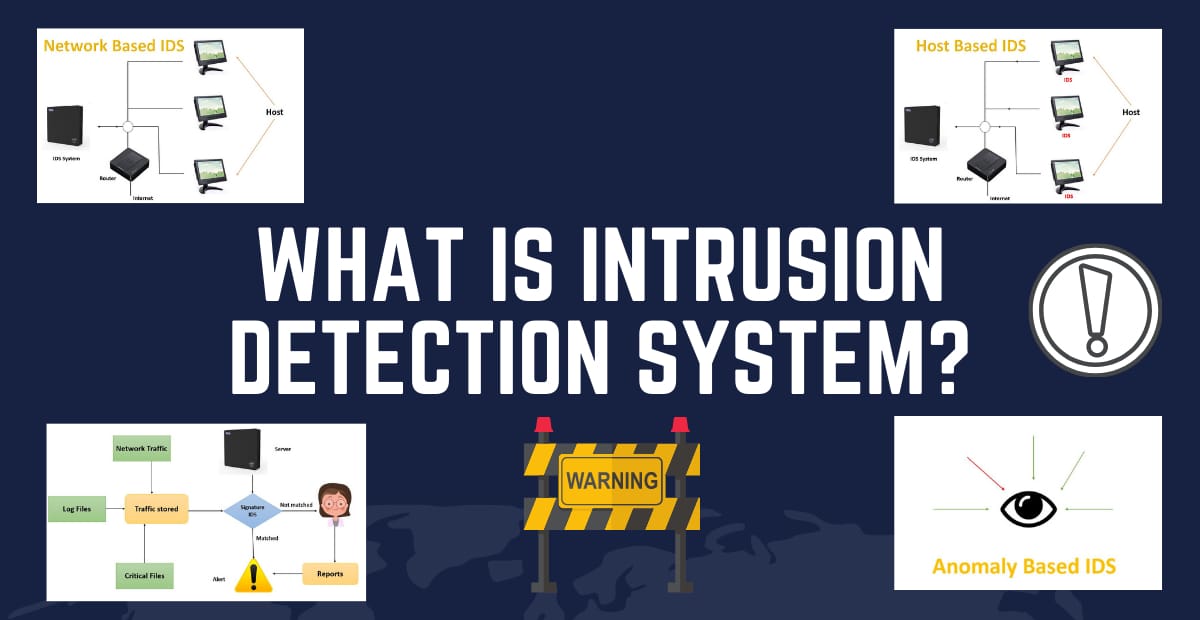
Use My Notes
Hey folks, welcome back, in this module we are going to talk about What is an Intrusion Detection System or also known as IDS, is one of the important
ember ledge
I made an account checker friends

 sterile spoke
  File "/usr/lib/python3.9/site-packages/urllib3/connectionpool.py", line 688, in urlopen
    conn = self._get_conn(timeout=pool_timeout)
  File "/usr/lib/python3.9/site-packages/urllib3/connectionpool.py", line 273, in _get_conn
    conn.close()
  File "/usr/lib/python3.9/http/client.py", line 970, in close
    response.close()
  File "/usr/lib/python3.9/http/client.py", line 421, in close
    super().close() # set "closed" flag
  File "/usr/lib/python3.9/http/client.py", line 432, in flush
    super().flush()
ValueError: I/O operation on closed file.
_io._IOBase.close and _io._IOBase.flush decided not to agree on whether an HTTP response was closed, and I don't know whether to blame a race condition (there is only one network thread) or a cosmic ray (despite having ECC memory)... hoping this never happens again.
steady sage
import time  # importing time module

capture = pyshark.LiveCapture(interface='wlo2', bpf_filter='arp')

capture.sniff(timeout=5)

keys = {}
e_mac = '00:00:00:00:00:00'
count = 1
for packet in capture:
    keys['ip'] = packet.arp.dst_proto_ipv4
    keys['mac'] = packet.arp.dst_hw_mac

    if keys['mac'] != e_mac:
        count = count + 1
        print(time.strftime('%b %d %H:%M:%S '), count, keys['mac'], keys['ip'])```
Dec 06 16:07:45 2 28:d1:27:1a:12:c0 192.168.1.3
Dec 06 16:08:01 3 ff:ff:ff:ff:ff:ff 192.168.1.1
Dec 06 16:08:14 4 f8:c4:f3:56:a3:70 192.168.1.1
Dec 06 16:08:14 5 f8:c4:f3:56:a3:70 192.168.1.1
Dec 06 16:08:49 6 28:d1:27:1a:12:c0 192.168.1.3
Dec 06 16:09:01 7 ff:ff:ff:ff:ff:ff 192.168.1.1
Dec 06 16:09:54 8 28:d1:27:1a:12:c0 192.168.1.3```
this the o/p
but i want if same packet arrives then update its count otherwise not
for e.g,
Dec 06 16:07:45 2 28:d1:27:1a:12:c0 192.168.1.3
Dec 06 16:08:01 4 f8:c4:f3:56:a3:70 192.168.1.1```
like 1.3 i received 2 times so it update only it's value to 2 and 1.1 i received is 4 times so it update only 4
it don't create duplicates only update counter topaz dune
Hey, this is my first job and I will try to build a soap server-client in php from scratch(never done anything like this before). Any general advice how to start/ what to be careful?
- Should I use for example 1 repo for client and 1 repo for server, and implement both of them in the same time
 lost dagger
how do I find my sevres hostname?
I used the ipconfig function but I couldnt find it
cedar forum
lost dagger
how do I find my sevres hostname?
I used the ipconfig function but I couldnt fin...
what OS are you on?
lost dagger
cedar forum
what OS are you on?
windows*
cedar forum
you can use hostname to find it
lost dagger
cedar forum
you can use `hostname` to find it
sorry Im setting up kali
mb
I need to find the host name to set up
cedar forum
you can run hostname on windows as well
cedar forum
yep
cedar forum
to find the hostname of a server, you need to run the command on the server
I'm not sure what you are trying to find or why
are you trying to find the hostname, domain or IP address?
lost dagger
to set up kali lnux, it asks you to get your server hostname as part of the procedure
cedar forum
lost dagger
to set up kali lnux, it asks you to get your server hostname as part of the proc...
it's just a device nickname or identifiable string
pick anything you want
lost dagger
cedar forum
it's just a device nickname or identifiable string
oh okay ty
 short jackal
when using DHKE to create a symmetric AES key on both sides, can you predefine the iv?
dark trench
frozen drum
I'm not sure if it would work, but you could try calling socket.accept() within ...
Where within the handle_client function?
short jackal
does anyone know the reason you can't both encrypt and decrypt with the same AES object?
hasty quest
short jackal
does anyone know the reason you can't both encrypt and decrypt with the same AES...
It probably uses a nonce
if you used the same nonce twice, it wouldn't be a nonce anymore.
A number used once is used to ensure unique crypttexts.
If I encrypt some data D with a key K, then I send that to you, an observer can't see the message, but they can see the crypttext.
If I then later encrypt the same data with the same key and send it to you or someone else, that observer knows that I replayed a message.
That's an information leak. So a unique number is added to the plain text to ensure that each crypttext made from that plaintext is unique.
short jackal
oh I finally got nonce
I was always confused about how you can decrypt a message without knowing the nonce, I didn't know it was just in plain text
hasty quest
ye
you do need to know the nonce to decrypt the message - but the nonce doesn't need to be a secret, so it can be sent in plain form.
In other words it only needs to be unique, not secret. But it probably won't let you use the same object twice, if that object has a nonce associated with it
short jackal
another thing, if I use DHKE, can I use a predefined iv (initial value)?
hasty quest
unsure, maybe
I would guess you probably can but that's really a matter of whether the library supports it or not.
short jackal
you can always derive the iv from the shared secret, but is it a bad idea to have it predefined?
hasty quest
I would guess it probably doesn't matter
short jackal
alright, thanks!
hasty quest
Though you ideally shouldn't re use it.
short jackal
but is it fine to use it for a single conversation?
hasty quest
yes
 brittle gazelle
does someone know about Socket Programming here? can someone help me?
 crystal trellis
guys someone tell me is there any way i can bind to a url instead of ip using socket lib?
frozen drum
crystal trellis
guys someone tell me is there any way i can bind to a url instead of ip using so...
no, DNS exists on a completely separate layer.
topaz dune
Hey, does anyone knows how can i test this SOAP server-client ?

Gist
Simple Web service - SOAP Server/Client in PHP. GitHub Gist: instantly share code, notes, and snippets.
I don't understand what commands do I need to run
 compact widget
Hello, my goal to use python to interpret the behavior of the Windows & Linux DNS Stub Resolver. In Linux I've created a python script
import socket
for x in range(5):
    print socket.getaddrinfo('example.com')
I then execute that script using 'strace -e trace=connect python dns.py 2>&1 | grep 53'. I then receive output that I can use to determine the order of operations of the DNS Stub Resolver and my use case is fulfilled for Linux. However I have failed to find a method of performing the same function on a windows machine. Is there anyone here smarter than me that could point me to a resource to help accomplish this?
cedar forum
compact widget
Hello, my goal to use python to interpret the behavior of the Windows & Linux DN...
you're looking for a strace alternative for windows?
https://drmemory.org/page_drstrace.html this kinda does that
Memory Debugger for Windows, Linux, and Mac
compact widget
Thank you @cedar forum , I'll check that out 😀
prisma cobalt
brittle gazelle
does someone know about Socket Programming here? can someone help me?
Yes people do, what’s your query?
brittle gazelle
@prisma cobalt I'm developing one chat platform and i'm using Apache Cassandra with tenant architecture with python. I've implemented Django Channel + Redis server for web socketing. The problem is socket taking too much CPU utilisation even on a normal user flow. So, my messages are delivering late to the end users. Is there any idea OR any point where I can improve to get the smooth message transactions?
Thank You.
steady sage
#help-bagel check it
 visual lance
Does anyone have a link where I can learn networking on a higher level?
that isn't outdated
 fair flax
visual lance
Does anyone have a link where I can learn networking on a higher level?
fair flax
visual lance
Does anyone have a link where I can learn networking on a higher level?
You mean like CCNA level? messing with router configs etc?
visual lance
yea
crystal trellis
Guys what are the things in networking that are necessary to learn
fair flax
visual lance
yea
Hm not sure if there is links here, but i can point you in the right direction since that networking is my career, https://www.youtube.com/watch?v=S7MNX_UD7vY&list=PLIhvC56v63IJVXv0GJcl9vO5Z6znCVb1P this is probably the best you can find for free

FREE CCNA Course 200-301 - sponsored by the Boson Summer Sale 25% off: https://bit.ly/bosonccna2020 (affiliate)
Watch the whole course: https://bit.ly/nc-ccna
🔥🔥BOSON SUMMER SALE 25% OFF EVERYTHING🔥🔥
-CCNA Lab: https://bit.ly/bosonccna2020 (Boson NetSim) (affiliate)
-CCNA Practice Exam: https://bit.ly/bosonexsimccna (Boson ExSim) (affiliate)
-...
visual lance
thanks!
ember ledge
how do I setup a static ipv4 wireless on ubuntu server 21.10(ik shouldn't use wireless on server)
steady horizon
crystal trellis
Guys what are the things in networking that are necessary to learn
The concept of protocols and a few basic protocols
crystal trellis
@steady horizon any documentation or blog??
hasty quest
crystal trellis
Guys what are the things in networking that are necessary to learn
Start with the OSI model and these protocols:
Ethernet
IPv4
TCP
UDP
The TCP/IP guide is a good resource.
lusty field
@crystal trellis 'networking' is big. Are you interested in it as it relates to applications, or interested in the systems that connect other systems.
crystal trellis
lusty field
<@701043425029652550> 'networking' is big. Are you interested in it as it relate...
Yep I am too much interested in it
ember ledge
crystal trellis
Yep I am too much interested in it
hes asking
what part of "networking" do you want to learn
for example, how application, say youtube app on your phone, communicates with google servers
or for example, accessing your own server running in the cloud, the networking behind it
ember ledge
what is the best module for making a socket ui in python?
wind oriole
If I wanted to build a local proxy to preserve perfect versions (ie. same as they looked and functioned in a browser) of my web history, essentially by saving the data that's incoming and headed for the browser like a WARC file.... where would I start?
A library, a name, something to Google? Anything, I'm well out of my depth here
 wheat hatch
So I am trying to connect to my deep learning vm by using ssh port forwarding
ERROR: (gcloud.compute.ssh) argument [USER@]INSTANCE: Must be specified.
I get this error. How do I fix it
wind oriole
wind oriole
If I wanted to build a local proxy to preserve perfect versions (ie. same as the...
For anyone else looking, I used mitmproxy, super simple
 wooden karma
requests.get keeps throwing when requesting https://www.google.com using fiddler as a proxy

Seasonal Holidays 2021 #GoogleDoodle
does anyone know why?
wind oriole
throwing what?
wooden karma
unable to connect to proxy
            "http": "http://127.0.0.1:8888",
            "https": "http://127.0.0.1:8888"
}```this is how i define the proxies that i pass
r = requests.session()
r.proxies.update( proxies)
get rid of it where?
ok i see
i think its specific to sessions
proxies = {
    "http": "http://127.0.0.1:8888",
    "https": "http://127.0.0.1:8888"
}
r = requests.Session()
r.proxies.update(proxies)
r.verify = False
r.get("https://www.google.com")
this fails to connect to the proxy, so clearly its not the correct way to pass them i guess?
proxies = {
    "http": "http://127.0.0.1:8888",
    "https": "http://127.0.0.1:8888"
}
# r = requests.session()
# r.proxies.update(proxies)
# r.verify = False
requests.get("https://www.google.com", proxies = proxies, verify = False)
this works without issue
and goes through fiddler
yea it seems like r.proxies.update(proxies) does not work
if i manually pass it in with the session request it works
otherwise, it doesnt
 hollow lark
Hi, why is using 8192 bytes for a buffer so popular? Or why do u see many ppl use that amount of bytes for their buffer?
cedar forum
hollow lark
Hi, why is using 8192 bytes for a buffer so popular? Or why do u see many ppl us...
Great question! 8192 bytes is the default msgmax value for the Linux Kernel (see image). That's the maximum size of a message queue. There is also msgmnb which is the maximum message size in bytes, and that used to be set to the same value, although in more recent times it's now set to double (on my system it's currently 16384 bytes.
 hollow lark
cedar forum
Great question! 8192 bytes is the default `msgmax` value for the Linux Kernel (s...
hollow lark
cedar forum
Great question! 8192 bytes is the default `msgmax` value for the Linux Kernel (s...
Oh okay what would happen if u put a bigger amount of bytes that in the msgmnb?
cedar forum
That's a good question. I suspect you'd either have it be truncated or the Kernel wouldn't send the packet.
hollow lark
cedar forum
That's a good question. I suspect you'd either have it be truncated or the Kerne...
That makes sense, why is there even such a buffer limit?
cedar forum
hollow lark
That makes sense, why is there even such a buffer limit?
there is a limit of how much data should be sent across a network in one packet
say you're sending a PDF document to a friend
you'll be sending that with TCP
if you split it into smaller TCP packets and send that, then if some fail it's cheap to send them again
TCP will keep sending the smaller packets until the recipient gets all the data they need
if you didn't split it up as much and had packets that were large, then if one failed and you had to retransmit it's an expensive operation which takes longer
so it's all rooted in how data transmission works, and having smaller packets ends up being considerably more efficient
hollow lark
Oh yeah that makes sense
When something gets sent over udp tho is there is limit too?
cedar forum
hollow lark
When something gets sent over udp tho is there is limit too?
there is a limit
of course all these are configurable, so the limit isn't concrete
most typically you'll see both TCP and UDP capped to 1,400 or 1,500 bytes on a network, known as the MTU (maximum transmission unit)
but for example, on a private network at work where we have machines that have good connection to one another and do a lot of file transfers we up that MTU to 9,000 bytes
hollow lark
cedar forum
most typically you'll see both TCP and UDP capped to 1,400 or 1,500 bytes on a n...
Whats the difference between the MTU and the msgmng defined in the kernel?
cedar forum
hollow lark
Whats the difference between the MTU and the msgmng defined in the kernel?
msgmnb/msgmax is a linux kernel thing only, MTU has general definitions in all of networking
hollow lark
cedar forum
msgmnb/msgmax is a linux kernel thing only, MTU has general definitions in all o...
So defining the MTU would work over the msgmnb when using the linux kernel?
cedar forum
you generally need them to align
most people set a MTU lower than the linux msgmax so it's kinda irrelevant
hollow lark
cedar forum
most people set a MTU lower than the linux msgmax so it's kinda irrelevant
Where do you set the MTU?
cedar forum
using the ip command on Linux, like:
$ ip link set dev eth0 mtu 1500
Hmm okay to be honest I dont think I really understood the difference between the mtu and the msgmnb if someone would be using the linux kernel so having the msgmnb whats the difference between those two?
cedar forum
msgmax is a linux limit that is for the whole system, MTU is per interface (per network card, vpn tunnel, etc.)
hollow lark
cedar forum
msgmax is a linux limit that is for the whole system, MTU is per interface (per ...
Ohhh okay now I got it
Thank you very much for your help!
 glacial burrow
Hey guys I'm pretty new to networking and I'm giving it a crack but I'm having a few issues. So I'm trying to use UDP to transfer some time sensitive but loss tolerant data similar to voice but not. I'm sending the data from a C program to a Python program. Using netstat and wireshark I can see that there are no send buffer issues but I'm not receiving most of the packets that are sent. I tried to increase the SO_RCVBUF but it didn't seem to help much and netstat is still showing a lot of receive buffer errors. Even with a 200MB receive buffer I'm still getting 90%+ packet loss on the loopback interface. Does anyone have a clue as to why it's happening?
I'm trying to transfer much less than 200MB btw
This is how I'm setting up and using the socket
sock.setsockopt(socket.SOL_SOCKET, socket.SO_RCVBUF, buffer_size)
sock.bind((bind_ip, bind_port))
window_packets = []
print('Awaiting packet')
while True:
readable, writable, exceptional = select.select([sock], [], [])
for s in readable:
message, client = s.recvfrom(buffer_size)
server_message_header = struct.unpack('=IIIQ', message[:struct.calcsize('=IIIQ')])``` last sapphire
Hi guys, I am rebuilding a backend with fastApi for a chat app. I need a high performant async non blocking websocket library for python. Any suggestions?
This app has hundreads of thousands of users, so the socket should be quite fast and stable.
I have been told to use node js for socket part, but I really wanna stick with python. So any suggestions would be really helpful. Thank you.
 gloomy root
last sapphire
Hi guys, I am rebuilding a backend with fastApi for a chat app. I need a high pe...
gloomy root
last sapphire
Hi guys, I am rebuilding a backend with fastApi for a chat app. I need a high pe...
client or server?
if the latter, fastapi already has ws support
 undone gust
about the socket module:
what's the difference between a ConnectionAbortedError and A ConnectionResetError?
last sapphire
gloomy root
if the latter, fastapi already has ws support
Yes, but would it be a reliable choice lets say against node js socketio
steady horizon
undone gust
about the socket module:
what's the difference between a ConnectionAbortedError ...
I know one is raised by PyCharm when closing an end of a socket and the other is raised normally in the same case
gloomy root
last sapphire
Yes, but would it be a reliable choice lets say against node js socketio
Well alot of people prefer socketIO over raw ws but you can still do that with python if you want.
If you absolutely need performance though generally i avoid writing ws and continuous connection servers in python or in that fact, JS
Just because load balancing websockets are a pain so having to try balance them across each core manually is wayyh more work than say tokio and Rust where its basically just run it as normal and it'll use all cores and balance perfectly
last sapphire
gloomy root
If you absolutely need performance though generally i avoid writing ws and conti...
If you had two choices between python and node js for socket, would it make a big difference in performance choosing node js?
I already started the backend in fastapi, so now i am thinking if i need to switch to node js.
I would prefer to stay on python, but am not sure of the performance of the python sockets. Wheres as node js socket seems to have good reputatuon.
Because this is basically a chat and video app for mobile, sockets will be used heavily
And with large number of users, i need the most stable performance i can get from the sockets
gloomy root
last sapphire
If you had two choices between python and node js for socket, would it make a bi...
I wouldn't do it in nodejs
Realistically the perf gain isn't going to change much
The issue is more with balancing connections across cores which node isn't going to help you with
If performance is that tight i wouldnt use python or node for the websocket handlers, id use either Rust or c#
Ultimately the backend you choose isn't going to be as detrimental to performance compared to how well you load balance and how easy it is to scale up and down deployment wise
last sapphire
gloomy root
If performance is *that* tight i wouldnt use python or node for the websocket ha...
do you think GO would also be a good option?

Medium
This is a tldr version of a study I performed on various websocket server implementations. The full length report can be found here.
this was quite astonishing to read actually
gloomy root
last sapphire
do you think GO would also be a good option?
I guews, generally i dislike go for that
 sterile umbra
Hi. Could you help me in #help-mango ? I'm trying to implement some API and I don't know how do I implement logging in with API key and API secret
last sapphire
gloomy root
I guews, generally i dislike go for that
would it be hard to implement backend in python and use c# for websockets. It will be deployed on AWS. Do I use extra EC2 instance for websocket handler?
sterile umbra
sterile umbra
Hi. Could you help me in <#776184508687974450> ? I'm trying to implement some AP...
there's some hashing function, but I can't manage it to work
prisma cobalt
cedar forum
Great question! 8192 bytes is the default `msgmax` value for the Linux Kernel (s...
whats the difference between a message queue and the message size?
 cursive robin
can someone help me
when I run it , it works for the first time
then it doesn't work in the second time
msgrev="message recived\nnumber of letters: "
serverPort = 12000
serverSocket = socket(AF_INET,SOCK_STREAM)
serverSocket.bind(('',serverPort))
serverSocket.listen(1)
print ('The server is ready to receive')
while True:
     connectionSocket, addr = serverSocket.accept()
     sentence = connectionSocket.recv(1024).decode()
     test=str(len(sentence))
     if (sentence=="exit"):
          print ("connection closed")
          connectionSocket.close()
     print (sentence)
     capitalizedSentence = sentence.upper()
     connectionSocket.send(capitalizedSentence.encode())
     connectionSocket.send(msgrev.encode())
     connectionSocket.send (test.encode())
     ```
tcpserverserverIP = '127.0.0.1'
serverPort = 12000
clientSocket = socket(AF_INET, SOCK_STREAM)
clientSocket.connect((serverIP,serverPort))
while True:
sentence = input('Input lowercase sentence:')
clientSocket.send(sentence.encode())
modifiedSentence = clientSocket.recv(1024)
if (sentence=="exit"):
print ("connection closed ")
clientSocket.close()
break
print ('From Server:', modifiedSentence.decode())
modifiedSentence=clientSocket.recv(1024)
print (modifiedSentence.decode())
``` tcp clientit doesn't reach even the print statement in the server
thorn stratus
cursive robin
```from socket import *
serverIP = '127.0.0.1'
serverPort = 12000
clientSocket =...
it looks like you send 3 messages on the server side and only recieve 2 on the client side
so the server is gonna be waiting on the client and will never get to serverSocket.accept()
this is generally why you want threading when dealing with network applications
cursive robin
ohhh
will do thanks
threading it's like making multiple processes run in parallel
right ?
undone gust
steady horizon
I know one is raised by PyCharm when closing an end of a socket and the other is...
i'm not using pycharm, and pycharm doesn't change the behaviour of your script
ember ledge
I tried adding a proxy to aiohttp through proxiware and that's what it does, why?

 cobalt onyx
Hi, how can i generate all ipv4 adresses from 0.0.0.0 to 255.255.255.255?
cedar forum
cobalt onyx
Hi, how can i generate all ipv4 adresses from 0.0.0.0 to 255.255.255.255?
ipaddress is your friend
import ipaddress

whole_net = ipaddress.IPv4Network("0.0.0.0/0")
hosts = whole_net.hosts()

for host in hosts:
    # this will loop through all possible IPv4 hosts
as a smaller example that will run in Discord:
!e ```py
import ipaddress
whole_net = ipaddress.IPv4Network("192.168.10.0/28")
hosts = whole_net.hosts()
for host in hosts:
print(host)
@cedar forum :white_check_mark: Your eval job has completed with return code 0.
001 | 192.168.10.1
002 | 192.168.10.2
003 | 192.168.10.3
004 | 192.168.10.4
005 | 192.168.10.5
006 | 192.168.10.6
007 | 192.168.10.7
008 | 192.168.10.8
009 | 192.168.10.9
010 | 192.168.10.10
011 | 192.168.10.11
... (truncated - too many lines)
Full output: https://paste.pythondiscord.com/padapozixe.txt?noredirect
cobalt onyx
appreicate it!
@cedar forumwould there be anyway to speed up the process? this would surely take hours to complete
steady sage
Can i use two bpf filter simultaneously in pyshark?
cedar forum
it would, yeah, but I mean there are 4 billion IPv4 addresses and you asked to generate all of them hahaha
let's approach it a different way: what are you trying to do with all IPv4 addresses?
cobalt onyx
pinging certain ports on them
steady sage
steady sage
Can i use two bpf filter simultaneously in pyshark?
Is there anyway?
cedar forum
right, if you want to portscan the entire internet then it is going to take a lot of time
cobalt onyx
im aware
cedar forum
the best thing you can do is have several machines pinging
instead of generating for "0.0.0.0/0" generate for "1.0.0.0/8" and "2.0.0.0/8" and so on
but be warned, your ISP will likely cut service long before you can ping scan the entire internet
cobalt onyx
even if i used an api to scan?
cedar forum
eh, probably not, but they'd still be curious why there is a stupidly large amount of traffic to and from one endpoint
cobalt onyx
well most of my heroku apps are just sending multiple requests, seems to be running good. but thanks for the help, will try
steady sage
pyshark.LiveCapture(interface='wlo2', bpf_filter ='arp and udp port 67')
Does this work?
cedar forum
steady sage
Does this work?
yes, you can do that
steady sage
cedar forum
yes, you can do that
I think that's not working, coz after doing I'm unable to capture any packet
cedar forum
it's definitely supported
but your filter makes no sense
ARP is not a UDP protocol
steady sage
But using single filter like arp or udp port 67 it's working
cedar forum
right, but you're saying arp and udp port 67
and arp is not UDP
so you have defined an expression that can never be satisfied
if you want ARP and DHCP at the same time you need arp or udp port 67
steady sage
Oh kk
 restive pebble
how do I port forward my socks5 server through my router? I realize I can do ssh -D <port> <server> everytime, but I really do not want to do have to open a new connection everytime I want to use the proxy, how can I port forward my socks5 server through it's router so it is accesible at any time?
steady sage
cedar forum
if you want ARP and DHCP at the same time you need `arp or udp port 67`
By using or it's raising Attribute Error : No attribute named dhcp
cedar forum
steady sage
By using or it's raising Attribute Error : No attribute named dhcp
can you share some code?
steady sage
cedar forum
can you share some code?
capture = pyshark.LiveCapture(interface='wlo2', bpf_filter='udp port 68 or arp')
capture.sniff_continuously()

for packet in capture:
    print(packet.dhcp.option_hw_mac_addr, packet.dhcp.option_hostname, packet.dhcp.option_vendor_class_id, packet.arp.dst_proto_ipv4, packet.arp.dst_hw_mac)
yeah so the problem is you're probably capturing an ARP packet and then trying to print out the DHCP properties on it
you need to add an if statement to see if you're processing an ARP packet or a DHCP packet, they're not the same thing
steady sage
share code for arp
cedar forum
huh?
steady sage
like if arp packet received
cedar forum
you need to check if the packet is of type DHCP or ARP
I'm unsure of the syntax to do so
steady sage
ok
 fierce valley
I am having a doubt so I made a little multicast sender and reciever and the sender is sending readings of a water heater temperature.
So here is the problem I also want to send data back to the sender like telling it to turn of the heater, how can I do this. Is a basic http server the only way?
Also ping me :]
lusty field
cedar forum
right, if you want to portscan the entire internet then it is going to take a lo...
I snorted some coffee
prisma cobalt
cobalt onyx
pinging certain ports on them
pinging certain ports... on all the possible IP addresses? 😳
see you in a few years
cobalt onyx
using an API lol
prisma cobalt
lmao
 fair kindle
prisma cobalt
pinging certain ports... on all the possible IP addresses? 😳
see you in a few ...
fair kindle
prisma cobalt
pinging certain ports... on all the possible IP addresses? 😳
see you in a few ...
you know, it's been done
It does take a long time though, and probably best done with a whole farm of machines
 slender steeple
fair kindle
slender steeple
https://github.com/robertdavidgraham/masscan go brrr
slender steeple
fair kindle
slender steeple
https://github.com/robertdavidgraham/masscan go brrr
wtf, that can't be for real
people would be scanning the whole Internet all the time if you could do it in 5 minutes :p
 foggy basalt
!rule 5 @lapis lichen
errant bayBOT
5. Do not provide or request help on projects that may break laws, breach terms of services, or are malicious or inappropriate.
foggy basalt
sorry, but we cannot allow you to share that video- even if it's for educational purposes.
prisma cobalt
how do sites like youtube keep sending video data on demand without reloading the page or anything (trying to create an online multiplayer game in browser)
cedar forum
prisma cobalt
how do sites like youtube keep sending video data on demand without reloading th...
chunks and buffers

so youtube takes every video and splits it into chunks, and then the browser requests them on demand so instead of streaming a 300MB video you break it into chunks of 2MB and deliver them when the client starts running out (see the buffer health in that screenshot)
you can see when the buffer health gets low, the network then requests the next chunk (hence why network activity goes green), and then the available buffer goes up in size
crucially, it is not a live stream, and the video is not delivered all at once
errant bayBOT
Hey @lone leaf!
It looks like you tried to attach a Python file - please use a code-pasting service such as https://paste.pythondiscord.com
cedar forum
 lone leaf
The output is my ip address. Why is the proxy not connecting?
lone leaf
The output is my ip address. Why is the proxy not connecting?
you are specifying the proxy for https, you need an entry for http as well
lone leaf
cedar forum
you are specifying the proxy for https, you need an entry for http as well
so from me the website needs to be https. Did I get right?
cedar forum
yeah or just add a http entry to the proxies dictionary
lone leaf
proxies = {'https': '165.0.50.110:8080',
'http': '165.0.50.110:8080'
}
this is how i did it.it gives error
requests.exceptions.InvalidURL: Proxy URL had no scheme, should start with http:// or https://
cedar forum
you need to add a scheme onto the proxy, yeah
lone leaf
okay thank you
 iron fjord
Is there any guides/articles/videos about buffering? What excacly is a buffer size and how does it work? How should i be implementing it?
cedar forum
many, depends on what you're doing
scapy, pyshark, higher level stuff like websockets & httpx
 hushed pine
I've been trying to get a threaded ssl socket working in python but I've been having weird issues, it gets hung up on requestline = str(self.rflie.readlne(65537) when i try to connect with this python code, but if i use the openssl client in the command line it works perfectly

this is the client code, it gets hung up on response = self.socket.recv(1)


same thing with openssl, you can see it returned "test command" which is what it was supposed to do
omfg
it was the line part of readline
thank you
fair flax
Assuming i got no cisco/huawei router that i could try this. I would like build a script to use on those routes, where can i simulate this?
 delicate viper
can someone help in #help-cheese ? it just takes some time to read but you can know my problem if you read from first message
#help-cheese message
first read my problem then start reading from here when i forwarded a port
 rotund wigeon
^ tldr: cannot connect to Python application through public IP address, even with port forwarding
packet is probably being dropped somewhere because connections keep getting timed out
port forwarding is probably done correctly, because without port forwarding the connection is close unexpectedly
with port forwarding it's connection timed out
ember ledge
I used a proxy to request with aiohttp client, is ServerDIsconnectedError from my side (proxy) or the website's side?
wooden karma
is it possible to turn off remote degugging in pycharm
 hollow path
so i'm using the requests library right
or package
whatever the hell
anyway
is there a way to return the text of the website when you use returned.text
instead of the html
ember ledge
hollow path
is there a way to return the text of the website when you use returned.text
what do you mean by the "text"?
text of what
 storm saffron
hollow path
is there a way to return the text of the website when you use returned.text
storm saffron
hollow path
is there a way to return the text of the website when you use returned.text
would have to parse the html and extract text tags
could use beautifulsoup
the simple answer is there's no magic way to get 'just the text' since that's defined by how a browser renders the html
hollow path
ok thank you
ember ledge
ember ledge
I used a proxy to request with aiohttp client, is ServerDIsconnectedError from m...
?
 plucky oar
cedar forum
plucky oar
cedar forum
Lol.
plucky oar
cedar forum
you are specifying the proxy for https, you need an entry for http as well
Whats networking.
plucky oar
Nvm
 heavy quarry
hi folks
is this a place to ask how to capture network traffic with python?

something like this
really simple
but no matter how much forums I visit I can't seem to find an answer
 fierce pollen
Hello! Is there anybody very educated in Python sockets (select, treading, etc.)?
cedar forum
heavy quarry
is this a place to ask how to capture network traffic with python?
a lot of variables are at play here
what sort of traffic are you trying to capture? HTTP, TCP, lower level?
If you're capturing HTTP, you need to find some way to decrypt it if it's HTTPS
take a look at https://mitmproxy.org/
for something lower level look at scapy/pyshark
heavy quarry
cedar forum
what sort of traffic are you trying to capture? HTTP, TCP, lower level?
thanks for answering !
cedar forum
👍
cedar forum
fierce pollen
Hello! Is there anybody very educated in Python sockets (select, treading, etc.)...
what question do you have?
heavy quarry
I'm currently stucked here
raise Exception("Could not read Browsermob-Proxy json\n"
Exception: Could not read Browsermob-Proxy json
Another server running on this port?
just in case, ofc I know how to parse that json by copy pasting
the problem is that I want to automate that task
cause there are a lot of those
and
the thing is that I can't just access the url of that request cause it's on a private server
fierce pollen
cedar forum
what question do you have?
Just some suggestions. I am seeking for a high level Python lib, that allows me to create Socket server that can handle multiple clients (non-blocking) and do some threading, as for every received message I will need to do some calculations.
frozen drum
fierce pollen
Just some suggestions. I am seeking for a high level Python lib, that allows me ...
Twisted
fierce pollen
frozen drum
Twisted
I was looking into it, bet when it gets to Threading > https://twistedmatrix.com/documents/current/core/howto/threading.html I am lost. The examples fully lose connection to socket server.
frozen drum
fierce pollen
I was looking into it, bet when it gets to Threading > https://twistedmatrix.com...
do you want to open new sockets in the spawned threads, that connect to another server..?
fierce pollen
frozen drum
do you want to open new sockets in the spawned threads, that connect to another ...
No. Its just some middle-heavy python calculations,
frozen drum
I don't understand what you mean by The examples fully lose connection to socket server. then.
If you are talking about the clients, depending on the protocol you may have to implement some sort of keep-alive
fierce pollen
frozen drum
I don't understand what you mean by `The examples fully lose connection to socke...
The examples serve only one thing.. to run some threads.. I don't see any socket server related code and how it would mix with it
from twisted.internet import reactor, protocol

class Echo(protocol.Protocol):
    def dataReceived(self, data):
        # Do some bad ass calculations on a seperate thread, send back message when done
        pass

def main():
    factory = protocol.ServerFactory()
    factory.protocol = Echo
    reactor.listenTCP(8000, factory)
    reactor.run()

if __name__ == "__main__":
    main()
The commented line, is what I can't figure out
frozen drum
something like this:
from twisted.internet import reactor, threads

... # your socket code
def long_calc():
   do_stuff_here()

def print_result(result):
   print(result)

# put this in whatever place you need to call from your socket code
d = threads.deferToThread(long_calc)
d.addCallback(print_result)
Mkay will try
frozen drum
if you need to give arguments to long_calc, deferToThread can supply args/kwargs.
You likely want your callback to be some function that creates and/or sends the response after the calculation is done
fierce pollen
Ok Ok
 past raptor
hi guys
 icy spoke
hi, I'm looking to see if something like this is practical to write.
I'm looking to create a forward proxy that forwards https requests to a remote proxy server. Is this something I would do in sockets?
Kind of like proxy chaining
 graceful oriole
sounds like something you'd do with a proxy
 brazen badge
guys, i need a lil help, a main function in my program is supposed to do 10 post requests, to make the program faster i used threading "threading.Thread(target=themainFunction).start()" and i am using 10 threads as well now i see that my program's main function is doing 10 requests per thread so it means 10*10 = 100 requests are being done, how do i avoid those 100 requests and do only 10 requests but in parallel ?
heavy quarry
Idk 😦
sorry
btw does anyone know how to capture this network traffic that the browser records?

the json on the right
I tried everything more or less
 copper adder
you would need to write a proxy server and direct your browser to use the proxy
heavy quarry
thx!
heavy quarry
copper adder
you would need to write a proxy server and direct your browser to use the proxy
I'm having a problem using that solution 😦
cause all ports are being used
in the company I work for
I did find a solution but it's not working as I intended

It's retrieving me this
copper adder
okay, since it's a work environment, you will have to connect to the management port where all traffic gets sent to
heavy quarry
oh
thx
I'll first try to find a solution without using a proxy but if there's no option I'll try that
copper adder
goodluck and be sure to share here incase you find another way to go about it
heavy quarry
thx!
import json
import pprint

from selenium import webdriver
from selenium.webdriver.common.desired_capabilities import DesiredCapabilities
capabilities = DesiredCapabilities.CHROME
# capabilities["loggingPrefs"] = {"performance": "ALL"}  # chromedriver < ~75
capabilities["goog:loggingPrefs"] = {"performance": "ALL"}  # chromedriver 75+
driver = webdriver.Chrome( desired_capabilities=capabilities)
def process_browser_logs_for_network_events(logs):
    """
    Return only logs which have a method that start with "Network.response", "Network.request", or "Network.webSocket"
    since we're interested in the network events specifically.
    """
    for entry in logs:
        log = json.loads(entry["message"])["message"]
        if (
                "Network.response" in log["method"]
                or "Network.request" in log["method"]
                or "Network.webSocket" in log["method"]
        ):
            yield log
driver.get("https://app.nubimetrics.com/account/login?")
username = driver.find_element_by_name("email")
username.clear()
username.send_keys("MY_EMAIL")
password = driver.find_element_by_name("password")
password.clear()
password.send_keys("MY_PASSWORD")
driver.find_element_by_xpath("//button[@type='submit']").click()
resultado = driver.get("https://app.nubimetrics.com/market/bycategory#?range=2021-11-01&category=MLA1051&order=Gmv")
logs = driver.get_log("performance")
events = process_browser_logs_for_network_events(logs)
with open("log_entries.txt", "wt") as out:
    for event in events:
        pprint.pprint(event, stream=out)
this is as far as I got
heavy quarry
heavy quarry
only to get this part of the requests
heavy quarry
heavy quarry
Im trying to scrape this json responses
copper adder
can't you just request it directly or the URL changes?
heavy quarry
copper adder
can't you just request it directly or the URL changes?
the problem is that the url redirects me to a private api
heavy quarry
copper adder
can't you just request it directly or the URL changes?
so I can't access the json file, the response
copper adder
heavy quarry
https://app.nubimetrics.com/api/Market/CategoryData?category=MLA1051¤cy=AR...
does this require cookie?
copper adder
so on the browser, you get the json but if you make the request other than from the browser, it doesn't return the json and that is why you want a way to get access to that response while using selenium.
Is the above statement true?
heavy quarry
copper adder
so on the browser, you get the json but if you make the request other than from ...
the problem is that Idk how to make that request
copper adder
heavy quarry
I copied a script that retrieves me this headers
it a bit difficult to understand, you want to scrap a website right???
heavy quarry
copper adder
it a bit difficult to understand, you want to scrap a website right???
oh sorry
yes
What I'm trying to do is
Website > Inspect element > Network tab > (click on a file) Response tab
I want that json
I already know the name of the "file
crystal current
heavy quarry
I already know the name of the "file
Is this all you need? If not, what exactly is the issue? https://stackoverflow.com/questions/39596826/how-to-download-text-as-a-json-file-in-python-using-the-requests-library
Stack Overflow
I am trying to use an API (notably the companieshouse one) and have managed to get it working to the point where I can use the command line to make a request to the API website and have data return...
clever gazelle
this keeps happening when i run my code, i tried it with socket.send but it still doesnt work
 cedar forum
clever gazelle
this keeps happening when i run my code, i tried it with socket.send but it stil...
cedar forum
clever gazelle
this keeps happening when i run my code, i tried it with socket.send but it stil...
that's a method of your open socket, you're calling it on the socket module
clever gazelle
Right so when I call socket.socket I jave to make it a variable
 frigid vault
clever gazelle
this keeps happening when i run my code, i tried it with socket.send but it stil...
frigid vault
clever gazelle
this keeps happening when i run my code, i tried it with socket.send but it stil...
Try with only 'send'
clever gazelle
can i use the ip address of a linode server to open a socket/port?
ember ledge
whats a good library to use for running code on a "server" that does commands like generate files using adobe and upload them to google cloud from a client machine (aka my laptop or a coworkers laptop)
i can do this all easily using sockets but im guessing thats not "secure" ?
frigid vault
ember ledge
i can do this all easily using sockets but im guessing thats not "secure" ?
Try with scapy.
ember ledge
frigid vault
Try with scapy.
wait is scapy for hacking lol?
frigid vault
ember ledge
wait is scapy for hacking lol?
It depends on how you use it and for what purpose.
frozen drum
clever gazelle
I'm asking if I can use the ip on a Linode server to open a socket/port
what you are asking makes no sense. You can't "use an ip to open a socket/port", you connect to an ip with a socket on a given port.
If you are asking whether you can connect to a linode server externally with sockets, the answer is yes, barring firewall rules etc. If you are asking whether you can open a socket ON the linode server to listen for incoming connections, the answer is also yes (again depending on firewall setup)
clever gazelle
frozen drum
what you are asking makes no sense. You can't "use an ip to open a socket/port",...
Yeah I meant if I can use a linode server to open a socket
Thanks
ember ledge
can anyone refer me to a source to learn networking in python?
 night perch
ember ledge
can anyone refer me to a source to learn networking in python?
night perch
ember ledge
can anyone refer me to a source to learn networking in python?
!resources
errant bayBOT
Resources
The Resources page on our website contains a list of hand-selected learning resources that we regularly recommend to both beginners and experts.
ember ledge
night perch
!resources
theres nothing about networking there
 narrow sequoia

Learn about networking in Python. Learn Python’s socket module and also setting up a client-server network using the socket module.
hollow lark
Many ppl say it dangerous to be connected to an open wifi, bc everyone could sniff the data u are sending around. Why does that not work when u are using a private wireless connection? I mean the data is still "flying" around thorugh the air.
thorn stratus
@hollow lark Because private wifi connections are encrypted
it's still less secure than a wired connection and there are attacks to figure out the key, but still a ton better than an open wifi connection
although hopefully all the apps you use now a days should be end to end encrypted anyways
 tepid helm
Does anyone here know if it's possible to use Spark Streaming with websockets? I'm trying to capture a ton of data from a websocket connection and write it to parquet files
 frozen sleet
Help
Hi guys
I need help
With something
So baicalky I am working on a machine learning assignment in creating an algorithm that will detect brain tumors based on brain data tumor data sets. This is an assignment that is asked by my professor but I don’t have experience with coding.
These are the steps I already complete which is
(1) Import the dataset into a fresh Google Collab project
(2) Split the dataset into training / testing / validation sets (thursday)
But i still need help with
(3) Defining my classification model(s). You would probably want to try a few different models here. You can either build your own convolution neural network (layer by layer) in tensorflow and train it from scratch, or you can modify an existing pre-trained network like VGG19, alter it to better suit our binary classification needs, and retrain it on the dataset.
(4) Train you model(s) and evaluate
 carmine wolf
frozen sleet
So baicalky I am working on a machine learning assignment in creating an algorit...
carmine wolf
frozen sleet
So baicalky I am working on a machine learning assignment in creating an algorit...
you have no experience with coding but your professor assigns you a coding assignment? has he done any tutorials or demos?
steady sage
from collections import Counter

# creating a file capture, give path of your captured file
capture = pyshark.FileCapture('/home/sipl/Downloads/DHCP.cap', display_filter='udp.port eq 67')

count = Counter()
d = dict()  # declaring an empty dictoinary

# running for loop for extracting fields from captured packets
for packet in capture:
    try:  # using try block to check for error
        d['Mac'] = packet.dhcp.hw_mac_addr  # defining key and assigning values to empty dictionary
        d['Host_Name'] = packet.dhcp.option_hostname

        # d['Vend_Class'] = packet.dhcp.option_vendor_class_id
    except AttributeError:  # excepting attribute error
        pass
    try:
        d['Server_id'] = packet.dhcp.option_dhcp_server_id
        d['Subnet_mask'] = packet.dhcp.option_subnet_mask
        d['DNS'] = packet.dhcp.option_domain_name_server
        # d['Domain_name'] = packet.dhcp.option_domain_name

    except AttributeError:
        pass
    try:
        d['IP'] = packet.dhcp.option_requested_ip_address
        # Assigning counter on the fields
        count.update([(d['Mac'], d['IP'])])
        # Creating a text file in append mode
        with open('cap.txt', 'a') as op:

            # printing the output in text file
            print(packet.sniff_time, count[(d['Mac'], d['IP'], d['Host_Name'])], d['Mac'], d['IP'], d['Host_Name'],
                  d['Server_id'], d['Subnet_mask'], d['DNS'], file=op)
    except AttributeError:
        pass
what to do so it doesn't throw key error when i get missing field, instead of that it print nothing
2009-09-29 22:26:22.602625 0 cc:00:0a:c4:00:00 192.168.0.3 R0 192.168.0.1 255.255.255.0 192.168.0.1above code output
if i remove commented 'vend class' and 'domain name' it throw keyerror on printing these field
heavy quarry
howdy folks

would anybody help me with this?
I'm trying to scrape the response of a request that a platform with which I work does
r = requests.get('https://app.nubimetrics.com/api/Shared/getAccoounts?seller_id=185702920&site_id=MLA', auth = HTTPBasicAuth('SAME_USERNAME_FOR_LOGIN??', 'SAME_PASSW_FOR_LOGIN??'))
this doesn't work
print(r.content)
b' '
print(r.status_code)
401
I guess another way could be grabbing the json file response that my browser records but I can't find a way to do that 😦
 still loom
heavy quarry
would anybody help me with this?
I'm trying to scrape the response of a request ...
still loom
heavy quarry
would anybody help me with this?
I'm trying to scrape the response of a request ...
You need to log in into the page
heavy quarry
still loom
You need to log in into the page
Hi!
I already did that 😦
let me show you
def find_CategoryAndBrand():
    cj = http.cookiejar.CookieJar()
    br = mechanize.Browser()
    br.set_cookiejar(cj)
    br.open("https://app.nubimetrics.com/account/login?")

    br.select_form(nr=0)
    br.form['email'] = 'my email'
    br.form['password'] = 'my password'
    br.submit()]
    r = requests.get('https://app.nubimetrics.com/api/Shared/getAccoounts?seller_id=185702920&site_id=MLA', auth = HTTPBasicAuth('SAME_USERNAME_FOR_LOGIN??', 'SAME_PASSW_FOR_LOGIN??'))
    print(r.content)
the login works
still loom
heavy quarry
Hi!
It seems that the site is not working
heavy quarry
cause it captures the correct html
still loom
When I try to load it, it is throwing error
heavy quarry
still loom
It seems that the site is not working
it does show me some of the responses of the requests when I type those urls into tthe searhc bar of the browser
still loom
<p>
<font face='Arial'>
<b>Text 1 </b>
Text 2
</font>
</p>
I want to scrape the 'Text 2' using beautifulsoup
Can you help with this?

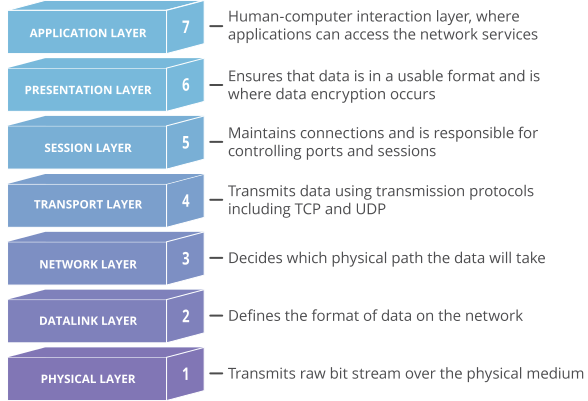 heavy quarry
still loom
<p>
<font face='Arial'>
<b>Text 1 </b>
Text 2
</font>
</p>
I want to ...
heavy quarry
still loom
<p>
<font face='Arial'>
<b>Text 1 </b>
Text 2
</font>
</p>
I want to ...
yeah sure
let me think
still loom
heavy quarry
I tried going to the network tab and reloading the page, it is throwing 404 error
You sure the website exists?
heavy quarry
still loom
<p>
<font face='Arial'>
<b>Text 1 </b>
Text 2
</font>
</p>
I want to ...
could you try using
data = soup.find('p')
scrap_data = data.find('b')
result = data - scrap_data
yep
heavy quarry
heavy quarry
```py
data = soup.find('p')
scrap_data = data.find('b')
result = data - scrap_da...
did it work?
still loom
heavy quarry
```py
data = soup.find('p')
scrap_data = data.find('b')
result = data - scrap_da...
what you mean by
data- scrap_data?
You can't do that