#esoteric-python
1 messages · Page 136 of 1
 finite blaze
import re,numpy as N
m,z=map,N.zeros(2*[999])
for _ in open("i"):
 x,y,c,u=m(int,re.findall("\d+",_))
 d,f=m(N.sign,(c-x,u-y))
 while(x,y)!=(c+d,u+f):
  z[x][y]+=1
  x,y=x+d,y+f
print((z>1).sum())
 earnest wing
Can you index by [x,y]?
 long fulcrum
import sys
for i in sys.argv[1:]:print({'Alabama':'AL','Alaska':'AK','Arizona':'AZ','Arkansas':'AR','California':'CA','Colorado':'CO','Connecticut':'CT','Delaware':'DE','District of Columbia':'DC','Florida':'FL','Georgia':'GA','Hawaii':'HI','Idaho':'ID','Illinois':'IL','Indiana':'IN','Iowa':'IA','Kansas':'KS','Kentucky':'KY','Louisiana':'LA','Maine':'ME','Maryland':'MD','Massachusetts':'MA','Michigan':'MI','Minnesota':'MN','Mississippi':'MS','Missouri':'MO','Montana':'MT','Nebraska':'NE','Nevada':'NV','New Hampshire':'NH','New Jersey':'NJ','New Mexico':'NM','New York':'NY','North Carolina':'NC','North Dakota':'ND','Ohio':'OH','Oklahoma':'OK','Oregon':'OR','Pennsylvania':'PA','Rhode Island':'RI','South Carolina':'SC','South Dakota':'SD','Tennessee':'TN','Texas':'TX','Utah':'UT','Vermont':'VT','Virginia':'VA','Washington':'WA','West Virginia':'WV','Wisconsin':'WI','Wyoming':'WY'}[i])```how is it possible to golf this
long fulcrum
finite blaze
Any ideas how to golf if even more?
import re,numpy as N
m,z=map,N.zeros(2*[999])
for _ in open('i'):
x,y,c,u=m(int,re.findall('\\d+',_));d,f=m(N.sign,(c-x,u-y))
while (x,y)!=(c+d,u+f):z[x][y]+=1;x,y=x+d,y+f
print((z>1).sum())``` sick hound
any1 know a guide to golfing
or something like it
i want to start having fun with golfing
finite blaze
well, i dont follow any guide or anything like that. I just know some tricks and i check if i can apply them to my code
simple example would be using
if:
  l
  if:
    a
if:
 l
 if:
  a
spaces instead of tabs
sick hound
where did you find out about those tips
finite blaze
this discord
and

Code Golf Stack Exchange
What general tips do you have for golfing in Python? I'm looking for ideas which can be applied to code-golf problems and which are also at least somewhat specific to Python (e.g. "remove comments"...
finite blaze
sick hound
what just learning them 1 by 1 by just being in chat
yup
people are dropping random tricks sometimes
finite blaze
long fulcrum
```py
import re,numpy as N
m,z=map,N.zeros(2*[999])
for _ in open('i'):
x,y,...
i changed one more thing in it and it is 191chars now
import re,numpy as N
m,z=map,N.zeros(2*[999])
for _ in open('i'):
 x,y,c,u=m(int,re.findall('\\d+',_));d,f=m(N.sign,(c-x,u-y))
 while (x,y)!=(c+d,u+f):z[x,y]+=1;x,y=x+d,y+f
print((z>1).sum())
while(
long fulcrum
sick hound
any1 know a guide to golfing
very easy way to start is put it into https://python-minifier.com/
finite blaze
earnest wing
`while(`
oh yeah, you are right
missed it
190 chars
hmmm, sad that i cant do something like this
x,y+=d,f
I thought that if you can create variables like this x,y=d,f it would also work
 vague cairn
I was sure evaluation order is very specifically defined in c++, but it's just a huge chart that takes almost a page, of a normal sized manual, with about two pages worth of footnotes.
vague cairn
vague cairn
I was *sure* evaluation order is very specifically defined in c++, but it's just...
(This is not me being a c++ apologist, this is me being pedantic.)
sick hound
now thats epic
wait no
it should be "there is a mistake in your code... have fun finding it!!!"
 restive void
I like ? more, it reminds me of ed(1) :D
earnest wing
vague cairn
I was *sure* evaluation order is very specifically defined in c++, but it's just...
Idk about c++ but versions of the c standard definitely don't define it
sick hound
True and false swapped
indexing starts at 2
implicit multiplication between floats and integers with brackets
swapping \ and /
only walrus for assignment, == is replaced with :==
all global variables
close and open paren and braces reversed
precedence is reversed```that's what i got so far
earnest wing
undefined names are treated as the name as a string (very useful for accidentally creating bugs)
sick hound
 prisma coral
How about making the default encoding be `big5`
prisma coral
How about making the default encoding be `big5`
explain
making my own python language... with python
prisma coral
It’s a random text encoding
It would be a major source of bugs for people trying to use your fake Python
sick hound
what is random text encoding
sick hound
prisma coral
It would be a major source of bugs for people trying to use your fake Python
i like the term fake python
prisma coral
sick hound
what is random text encoding
I googled a list of text encodings and picked a random one
The idea is that people won’t be able to write or read from files easily
vague cairn
sick hound
explain
For everyone who hasn't googled this yet: https://en.wikipedia.org/wiki/Big5
Big-5 or Big5 is a Chinese character encoding method used in Taiwan, Hong Kong, and Macau for traditional Chinese characters.
The People's Republic of China (PRC), which uses simplified Chinese characters, uses the GB 18030 character set instead.
Big5 gets its name from the consortium of five companies in Taiwan that developed it.
sick hound
epic
issue is
taiwan doesn't exist
how will i get my language to china
it wont be xi jing ping approved
 charred jewel
hello
 snow beacon
long fulcrum
```py
import sys
for i in sys.argv[1:]:print({'Alabama':'AL','Alaska':'AK','Ariz...
snow beacon
long fulcrum
```py
import sys
for i in sys.argv[1:]:print({'Alabama':'AL','Alaska':'AK','Ariz...
You could turn the dictionary into two long strings, split them by some character, zip them together, then use dict on the result, which would save on quote marks.
dict(zip("Alabama-Alaska".split("-"),"AL-AK".split("-")))
You'd have to fix the "of" in "District of Columbia", but it could also be shorter to only write the names, and store the acronym using capitalisation e.g. "ALabama". Then you could extract all the uppercase letters to be the acronym, and recapitalise the name with .title().
 calm moat
print>>open(*"ww"),"Python"
Writes Python to a file called "w"
 maiden river
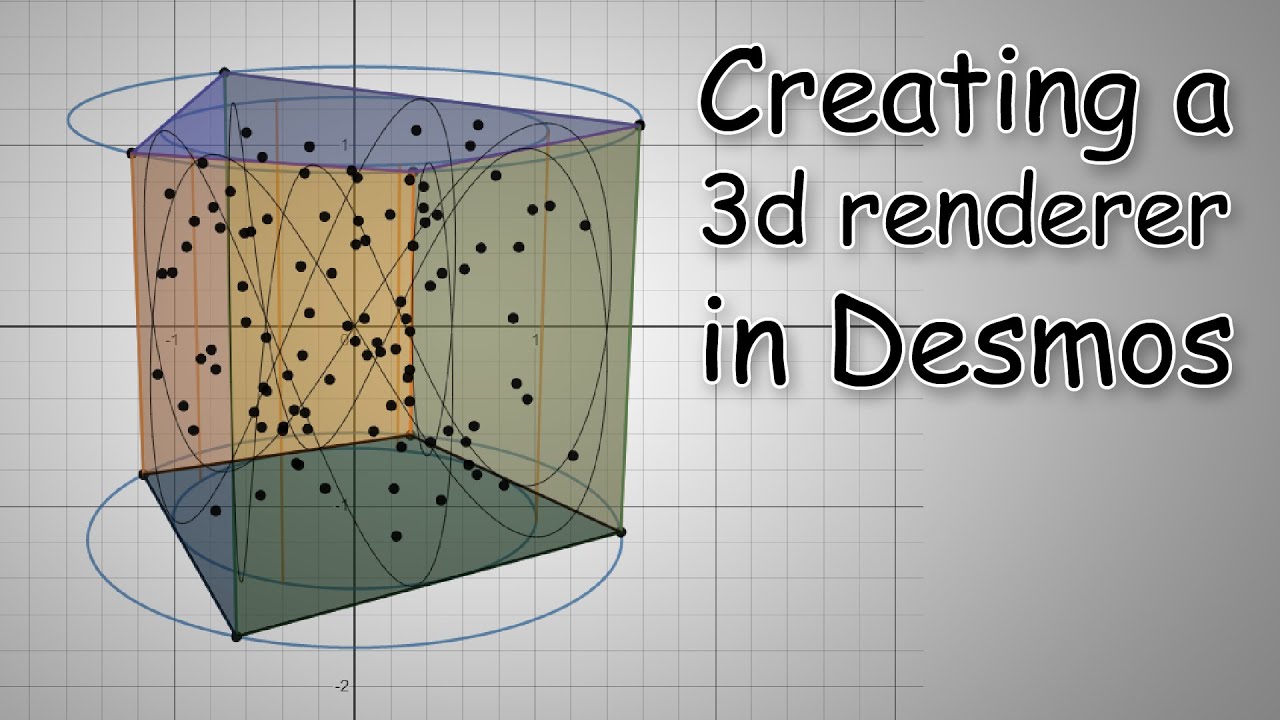
I need a pop filter
Graph: https://www.desmos.com/calculator/l1zv3va9gh
Music: https://youtu.be/2MtOpB5LlUA
#Desmos #DesmosGraphingCalculator
sick hound
This what I mean
 rapid sparrow
vague cairn
(This is not me being a c++ apologist, this is me being pedantic.)
rapid sparrow
vague cairn
(This is not me being a c++ apologist, this is me being pedantic.)
C++ sees your non-apology and raises you a pedant
 formal sandal
!e
def nginx():
    location / {
      rеturn: 400
    }
 night quarryBOT
@formal sandal :warning: Your eval job has completed with return code 0.
[No output]
how would I do this?
I have the string with the names capitalised but now im not sure how to match it to the input
"ALabama-AlasKa-AriZona-ARkansas-CAlifornia-COlorado-ConnecTicut-DElaware-District of Columbia-FLorida-GeorgiA-HawaiI-IDaho-ILlinois-INdiana-IowA-KansaS-KentuckY-LouisianA-MainE-MarylanD-MAssachusetts-MIchigan-MiNnesota-MiSsissippi-MissOuri-MonTana-NEbraska-NeVada-New Hampshire-New Jersey-New Mexico-New York-North Carolina-North Dakota-OHio-OKlahoma-ORegon-PennsylvaniA-Rhode Island-South Carolina-South Dakota-TeNnessee-TeXas-UTah-VermonT-VirginiA-WAshington-West Virginia-WIsconsin-WYoming".split("-")```it gives me a list but idk how to work it
sick hound
does this still work
!e ```py
helloworld=(lambda ,__,:(lambda:[*map(lambda :(()),[*[::2],*__[1::2]])]))(import("sys").stdout.write,[72,87,101,111,108,114,108,108,111,100,44,33,32,10],chr)
helloworld()```
night quarryBOT
@sick hound :white_check_mark: Your eval job has completed with return code 0.
Hello, World!
 lucid current
sick hound
!e ```py
helloworld=(lambda _,__,____:(lambda:[*map(lambda ___:_(____(___)),[*__...
lucid current
sick hound
!e ```py
helloworld=(lambda _,__,____:(lambda:[*map(lambda ___:_(____(___)),[*__...
print("Hello World!")
sick hound
lucid current
`print("Hello World!")`
but that's boring
oh here's another good one I remember this
 rugged sparrow
!e ```py
mp = {'Alabama':'AL','Alaska':'AK','Arizona':'AZ','Arkansas':'AR','California':'CA','Colorado':'CO','Connecticut':'CT','Delaware':'DE','District of Columbia':'DC','Florida':'FL','Georgia':'GA','Hawaii':'HI','Idaho':'ID','Illinois':'IL','Indiana':'IN','Iowa':'IA','Kansas':'KS','Kentucky':'KY','Louisiana':'LA','Maine':'ME','Maryland':'MD','Massachusetts':'MA','Michigan':'MI','Minnesota':'MN','Mississippi':'MS','Missouri':'MO','Montana':'MT','Nebraska':'NE','Nevada':'NV','New Hampshire':'NH','New Jersey':'NJ','New Mexico':'NM','New York':'NY','North Carolina':'NC','North Dakota':'ND','Ohio':'OH','Oklahoma':'OK','Oregon':'OR','Pennsylvania':'PA','Rhode Island':'RI','South Carolina':'SC','South Dakota':'SD','Tennessee':'TN','Texas':'TX','Utah':'UT','Vermont':'VT','Virginia':'VA','Washington':'WA','West Virginia':'WV','Wisconsin':'WI','Wyoming':'WY'}
hash = lambda s:sum(ord(c)*i for i,c in enumerate(s))
def collapseinner(l):
i = 0
for v in l:
if v == 0:
i+=1
else:
if i:
yield str(i)
i = 0
yield v
def collapse(l):
return ' '.join(collapseinner(l))
def find(mp, e=2000):
lowest = None
for i in range(1, e):
if len(set(hash(k)%i for k in mp))==len(mp):
_mp = {hash(k)%i:v for k,v in mp.items()}
m = min(_mp)
_mp = {hash(k)%i-m:v for k,v in mp.items()}
l = [0] * (max(_mp) + 1)
for k in _mp:
l[k] = _mp[k]
if lowest is None or lowest[-1] > len(collapse(l)):
lowest = [i, m, _mp, len(collapse(l))]
return lowest[:3]
def compile(mp):
import inspect
i, m, _mp = find(mp)
l = [0] * (max(_mp) + 1)
for k in _mp:
l[k] = _mp[k]
s = collapse(l)
hsrc = 'sum(ord(c)*i for i,c in enumerate(s))'
return f'lambda s:sum(([v]*int(v)if v.isdigit()else[v]for v in {s!r}.split()),[])[{hsrc}%{i}-{m}]'
print(compile(mp))
@rugged sparrow :white_check_mark: Your eval job has completed with return code 0.
lambda s:sum(([v]*int(v)if v.isdigit()else[v]for v in 'NJ 2 ME 6 AK 1 ID 5 ND 2 HI 2 SD 3 VT 5 MN KY 3 WA 2 MO 6 AL 4 TX 13 NH OR 2 MI 2 KS 1 WI 5 IN 4 OK 2 VA 1 NE CT 1 UT NC 5 SC 8 FL 1 IA 6 OH GA 5 NM 1 DE 4 MD CA MT 9 PA CO 3 MS 6 WV 4 DC 10 LA 5 MA 9 AR 4 WY 7 AZ NY 6 RI 6 NV 17 TN 1 IL'.split()),[])[sum(ord(c)*i for i,c in enumerate(s))%256-14]
!e py l = lambda s:sum(([v]*int(v)if v.isdigit()else[v]for v in 'NJ 2 ME 6 AK 1 ID 5 ND 2 HI 2 SD 3 VT 5 MN KY 3 WA 2 MO 6 AL 4 TX 13 NH OR 2 MI 2 KS 1 WI 5 IN 4 OK 2 VA 1 NE CT 1 UT NC 5 SC 8 FL 1 IA 6 OH GA 5 NM 1 DE 4 MD CA MT 9 PA CO 3 MS 6 WV 4 DC 10 LA 5 MA 9 AR 4 WY 7 AZ NY 6 RI 6 NV 17 TN 1 IL'.split()),[])[sum(ord(c)*i for i,c in enumerate(s))%256-14] print(l('Alabama'))
night quarryBOT
@rugged sparrow :white_check_mark: Your eval job has completed with return code 0.
AL
@snow beacon built an arbitrary dict compressor for str keys and values
could be smaller with a specialized hash function
(cant use the builtin hash because it isnt constant across startups)
long fulcrum
rugged sparrow
!e ```py
l = lambda s:sum(([v]*int(v)if v.isdigit()else[v]for v in 'NJ 2 ME 6 AK...
how does this work?
rugged sparrow
it expands the big string into a list, numbers are dead space. then it calculates an index with s (modulo 256, minus 14)
so if its expanding and it sees a 7, it expands that into 7 slots that are unused
 steep mural
formal sandal
!e
```py
def nginx():
location / {
rеturn: 400
}
```
steep mural
formal sandal
!e
```py
def nginx():
location / {
rеturn: 400
}
```
What's going on here?
 viscid nymph
and return has a special e char
sick hound
An esoteric programming language (sometimes shortened to esolang) is a programming language designed to test the boundaries of computer programming language design, as a proof of concept, as software art, as a hacking interface to another language (particularly functional programming or procedural programming languages), or as a joke. The use o...
this is fire
esolang is now my new hobby
xD
restive void
@sick hound then you will enjoy https://esolangs.org/wiki/Main_Page
sick hound
that is really cool
right so I want to recreate python in python (as closely as possible) and then make it really esoteric and upside down
restive void
sick hound
right so I want to recreate python in python (as closely as possible) and then m...
started with something like that once (but didn't get to making it esoteric): https://github.com/L3viathan/nohtyp
sick hound
True and false swapped, open and closed paren, braces and curly braces swapped, association and precedence swapped
etc.
that link brings a 404 error
sadly
restive void
oh, it was private. fixed
sick hound
i like the description, "forgive me father, for I have sinned"
restive void
it's not the worst sin I've committed (heh) to be honest
sick hound
if you think you are a real python sinner with that code then you will be asking the admins to give me a sea of holy water to bathe in
import SevenEyedLambda

tnirp)"olleh"(```normally would be py print("hello")
backwards string reading
now imagine writing entire programs in that code
IMAGINE WRITING ESOTERIC CODE WITH MY ESOTERIC LANGUAGE
sorry for the caps but this is epic
im reading craftinginterpreters right now and soon I will understand language dev and begin building my python replica
long fulcrum
any way to golf this further?
for j in range(51):
    x=sum(map(int,bin(j)[2:]))
if [i for i in range(1,x)if x%i<1]==[1]:print(j)```like this
for i in range(5):
print("hello world")```better then py for i in range(5): print("hello world")
1 space instead of a tab
restive void
print(*(filter(lambda x:bin(x).count("1")!=1,range(1,51))),sep="\n")
print(*(x for x in range(1,51)if bin(x).count("1")>1),sep="\n"), 62 bytes
long fulcrum
restive void
Single-space indentation
theres no difference
restive void
long fulcrum
theres no difference
If using literal tabs, correct. If using four spaces, there is.
long fulcrum
im using tabs
restive void
I guess Discord auto-expands
long fulcrum
yeah it does
long fulcrum
restive void
`print(*(x for x in range(1,51)if bin(x).count("1")>1),sep="\n")`, 62 bytes
these also dont work
restive void
!e they do?
print(*(x for x in range(1,51)if bin(x).count("1")>1),sep="\n")
@restive void :white_check_mark: Your eval job has completed with return code 0.
001 | 3
002 | 5
003 | 6
004 | 7
005 | 9
006 | 10
007 | 11
008 | 12
009 | 13
010 | 14
011 | 15
... (truncated - too many lines)
Full output: https://paste.pythondiscord.com/avagarovis.txt?noredirect
restive void
Oh, I misinterpreted what the original code does, then
long fulcrum
adds the digits of the binary expansionn of every nnumber from 0-50 and prinnts them if theyre prime
got it to 93
for j in range(51):
    x=bin(j)[2:].count("1")
if[i for i in range(1,x)if x%i<1]==[1]:print(j)```89 sinnce i dont need the [2:] anymore
restive void
print(*(x for x in range(1,51)if bin(x).count("1")in[2,3,5]),sep="\n"), 69
restive void
right, that exists. print(*(x for x in range(1,51)if x.bit_count()in[2,3,5]),sep="\n"), 65
long fulcrum
some people can do that in 40 bytes wtf man 😭
restive void
If you want to get it down further, post it on codegolf.stackexchange.com :D
long fulcrum
its so fun slowly figuring it out sometimes though
like this one here that frownyfrog helpped me with https://code.golf/divisors#python

Code Golf is a game designed to let you show off your code-fu by solving problems in the least number of characters.
restive void
got it to 55 bytes
restive void
back to multiline:
for x in range(51):
 if x.bit_count()in[2,3,5]:print(x)
back to single line: for x in range(51):x.bit_count()in[2,3,5]and print(x), 53
long fulcrum
what how does that work
restive void
and is lazy: it doesn't evaluate the second half unless the first half is truthy
long fulcrum
anyone have any idea how to reduce either of these 2?
[print(i)for i in range(51)if~i.bit_count()&1]
[print(i)for i in range(51)if i.bit_count()&1]
vague cairn
Nope, map(print,filter(lambda i:i.bit_count()&1,range(51))) is much longer.
So is, map(lambda i:print(i) if i.bit_count()&1 else 0,range(51)
long fulcrum
theres a way to remove 6 bytes from both butit already looks so compact
vague cairn
If you're going to do both, you can define p=print and b=lambda i:i.bit_count()&1 before hand, but that barely saves anything.
vague cairn
kk.
night quarryBOT
@sick hound :warning: Your eval job has completed with return code 0.
[No output]


 proper fulcrum
the smallest c quine is also the smallest python quine
 sick hound
nice
 honest estuary
why does pip return an error when downloading the url package in windows 10
restive void
proper fulcrum
the smallest c quine is also the smallest python quine
the empty file is typically not counted as a quine :P
proper fulcrum
honest estuary
why does pip return an error when downloading the url package in windows 10
had a problem, probably because the devs forgot to include it in the apt
restive void
it's a "cheating Quine"
I see the "Golf you a quine for great good" rules as canonical: https://codegolf.stackexchange.com/questions/69/golf-you-a-quine-for-great-good
Code Golf Stack Exchange
Using your language of choice, golf a quine.
A quine is a non-empty computer program which takes no input and produces a copy of its own source code as its only output.
No cheating -- that mean...
proper fulcrum
cheating quines are quines that read its own source code not compute it
proper fulcrum
proper fulcrum
@restive void also what do you think about this?
restive void
What is it doing? I have to think about ascii offsets, ord(i) is 105?
ihspj?
Don't understand how that's supposed to work
oh, nevermind, I skipped something :)
I have another cheaty quine, but it might not work for you without modification:
  File "/Users/l3viathan/scratch/quine.py", line 1
    File "/Users/l3viathan/scratch/quine.py", line 1
IndentationError: unexpected indent
!e
def do_thing(divide):
    x = divide(11, 2)
    y = divide(61, 11)
    for _ in range(100):
        z = 111 - divide(1130 - divide(3000, x), y)
        x = y
        y = z
    return float(x)

from fractions import Fraction
from operator import truediv

print("oh", do_thing(truediv))
print("no", do_thing(Fraction))
@restive void :white_check_mark: Your eval job has completed with return code 0.
001 | oh 100.0
002 | no 5.999999987925326
 west cipher
we have for else, but why not for elif
like rare use case but its weird that it doesn't exist but for else does
if we need an example
for pre in meta_prefixes:
  if msg.startswith(pre):
    msg = msg.premoveprefix(pre).lstrip()
    break
elif not (msg.reference and msg.reference.id == bot.user.id):
  return
Also, why not this syntax?
import system from os
it lets you actually chain together imports but allows renaming
restive void
Because it breaks auto-completion
west cipher
im sure theres a way to set it up
 proper vault
probably to make the grammar simpler tbh
west cipher
like the alternate options would always be seperate, so import s would prompt sys before system from os
but this makes things simplier
proper vault
the grammar is more complex
as you now have an extra epsilon rule
which is always a pita
restive void
I don't understand the advantage you claim?
west cipher
say you only use subprocess and time.time()
just do
import time from time, subprocess
restive void
What do you mean by chaining together imports?
west cipher
rather than
import subprocess
from time import time```
which is uglierDisagree
proper vault
currently, imports look like
<import> ::= import <id>
            | from <id> import <id>
``` (slightly simplified, relative imports exist)if your proposal, you now get a potentially empty tail
which is annoying to deal with in an LL grammar
with the new parser it would be fine
restive void
import time from time, subprocess is parsed by my brain as from time, subprocess import time
west cipher
wait a sec
west cipher
restive void
`import time from time, subprocess` is parsed by my brain as `from time, subproc...
wait ur right
wait
wait no
restive void
QED
west cipher
wait
you are
import subprocess, time from time is ambigious
nvm forget all i said
west cipher
west cipher
if we need an example
```py
for pre in meta_prefixes:
if msg.startswith(pre):
...
except for this
 drifting grove
k
 next flame
west cipher
if we need an example
```py
for pre in meta_prefixes:
if msg.startswith(pre):
...
next flame
west cipher
if we need an example
```py
for pre in meta_prefixes:
if msg.startswith(pre):
...
why
how often does this construct come up
and for-else is already confusing enough for beginners, now you want to add an elif too?
west cipher
next flame
and for-else is already confusing enough for beginners, now you want to add an e...
given that for-else exists it makes less sense that for-elif doesn't exist
beginners don't even see this type of thing anyway as its used rarely, why not make it function as one would expected
rapid sparrow
west cipher
if we need an example
```py
for pre in meta_prefixes:
if msg.startswith(pre):
...
haha, but shouldn't elif be a second for loop?
rapid sparrow
proper vault
which is annoying to deal with in an LL grammar
has this been fully dropped as of yet?
I suppose it's possible some language features (e.g. pattern matching) aren't being used in the stdlib yet if there's still some tooling that's yet to catch up
 fossil estuary
!e
_=()==()
__=(_+_)+(_+_)
___=((_+_)+(_+_)+(_+_)+(_+_)*(_+_)+(_+_)+(_+_)+(_+_))
____="%c"*(_+_+_+_+_)%(((_+_)*((___*__+(__+__))//(_+_))),((_)*((___*__+(__+__)-(_+_+_)))),((_+_)*((___*__+(__+__)+(__))//(_+_))),((_+_)*((___*__+(__+__)+(__))//(_+_))),((_)*((___*__+(__+__)+(__+_+_+_)))))+" "+"%c"*(_+_+_+_+_)%(((_)*((___*__+(__+__)+(__+__+__+_+_+_)))),((_)*((___*__+(__+__)+(__)+(_+_+_)))),((_+_)*((___*__+(__+__)+(__)+(_+_+_)+(_+_+_))//(_+_))),((_+_)*((___*__+(__+__)+(__))//(_+_))),((_+_)*((___*__+(__+__)-(__))//(_+_))))
print(____)
@fossil estuary :white_check_mark: Your eval job has completed with return code 0.
HELLO WORLD
nice
 west tusk
I coded this in about 2 mins, thought it would be interesting to put it against a typing test
typing bot i guess
 golden finch
How badly am I violating PEP8 if I have a 301 char condition?
(utils.move(tx[t],ty[t],tx[t]+dx,ty[t]+dy) and board[tx[t]+dx][ty[t]+dy]==' ')or(utils.move(tx[t],ty[t],tx[t]+dx,ty[t]+dy) and utils.move(tx[t]+dx*2,ty[t]+dy*2,tx[t]+dx,ty[t]+dy) and board[tx[t]+dx][ty[t]+dy]=='S' and board[tx[t]+dx*2][ty[t]+dy*2]==' ')
For a pet project
It is documented though
west cipher
honestly if you add some spacing and newlines your fine
 last locust
golden finch
`(utils.move(tx[t],ty[t],tx[t]+dx,ty[t]+dy) and board[tx[t]+dx][ty[t]+dy]==' ')o...
last locust
golden finch
`(utils.move(tx[t],ty[t],tx[t]+dx,ty[t]+dy) and board[tx[t]+dx][ty[t]+dy]==' ')o...
You have at least 4 unnecessary spaces there smh
(the ands)
rapid sparrow
fossil estuary
!e
```py
_=()==()
__=(_+_)+(_+_)
___=((_+_)+(_+_)+(_+_)+(_+_)*(_+_)+(_+_)+(_+_)...
nicely cursed
rapid sparrow
golden finch
`(utils.move(tx[t],ty[t],tx[t]+dx,ty[t]+dy) and board[tx[t]+dx][ty[t]+dy]==' ')o...
i don't know if that's against the rules specifically
it probably should wrap at 79 chars, though
 true mortar
fossil estuary
!e
```py
_=()==()
__=(_+_)+(_+_)
___=((_+_)+(_+_)+(_+_)+(_+_)*(_+_)+(_+_)+(_+_)...
true mortar
fossil estuary
!e
```py
_=()==()
__=(_+_)+(_+_)
___=((_+_)+(_+_)+(_+_)+(_+_)*(_+_)+(_+_)+(_+_)...
How it is printing Hello world?
strange
rapid sparrow
the %c is the only letter there, lol
 rapid sparrow
very convoluted process, evidently
true mortar

rapid sparrow
going from True to the character code is my guess
how is True + True == 2, is what I'd like to know
and True + False == 1
restive void
Because issubclass(bool, int)
HIstorically, Python didn't even have True and False and just used 1 and 0 in their place
restive void
!e
# C++.py
import sys

class iostream:
    def __lshift__(self, other):
        sys.stdout.write(other);
        return self;
    def __rshift__(self, other):
        other.write(sys.stdin.readline());
cin = cout = iostream();
endl = "\n";
...

cout << "Hello World!" << endl;
@restive void :white_check_mark: Your eval job has completed with return code 0.
Hello World!
love it
 rich hound
true mortar
but how the letter is forming
rich hound
true mortar
but how the letter is forming
!e
print("%c"*(1)%(67))
@rich hound :white_check_mark: Your eval job has completed with return code 0.
C
like that
true mortar
night quarry
<@!874037444884963389> :white_check_mark: Your eval job has completed with retur...
oh, by ASCII
rich hound
a more complicated way of chr(67)
!e
exec('%c'*10%(((((((([]==[]))*(([]==[])+([]==[]))+([]==[]))*(([]==[])+([]==[]))+([]==[]))*(([]==[])+([]==[])))*(([]==[])+([]==[])))*(([]==[])+([]==[])))*(([]==[])+([]==[])),((((((([]==[]))*(([]==[])+([]==[]))+([]==[]))*(([]==[])+([]==[]))+([]==[]))*(([]==[])+([]==[])))*(([]==[])+([]==[])))*(([]==[])+([]==[]))+([]==[]))*(([]==[])+([]==[])),((((((([]==[]))*(([]==[])+([]==[]))+([]==[]))*(([]==[])+([]==[])))*(([]==[])+([]==[]))+([]==[]))*(([]==[])+([]==[])))*(([]==[])+([]==[])))*(([]==[])+([]==[]))+([]==[]),((((((([]==[]))*(([]==[])+([]==[]))+([]==[]))*(([]==[])+([]==[])))*(([]==[])+([]==[]))+([]==[]))*(([]==[])+([]==[]))+([]==[]))*(([]==[])+([]==[]))+([]==[]))*(([]==[])+([]==[])),((((((([]==[]))*(([]==[])+([]==[]))+([]==[]))*(([]==[])+([]==[]))+([]==[]))*(([]==[])+([]==[])))*(([]==[])+([]==[]))+([]==[]))*(([]==[])+([]==[])))*(([]==[])+([]==[])),(((((([]==[])+([]==[])))*(([]==[])+([]==[]))+([]==[]))*(([]==[])+([]==[])))*(([]==[])+([]==[])))*(([]==[])+([]==[])),(((((([]==[])+([]==[])))*(([]==[])+([]==[])))*(([]==[])+([]==[])))*(([]==[])+([]==[]))+([]==[]))*(([]==[])+([]==[])),((((((([]==[]))*(([]==[])+([]==[]))+([]==[]))*(([]==[])+([]==[])))*(([]==[])+([]==[])))*(([]==[])+([]==[])))*(([]==[])+([]==[])))*(([]==[])+([]==[]))+([]==[]),(((((([]==[])+([]==[])))*(([]==[])+([]==[])))*(([]==[])+([]==[])))*(([]==[])+([]==[]))+([]==[]))*(([]==[])+([]==[])),(((((([]==[])+([]==[])))*(([]==[])+([]==[]))+([]==[]))*(([]==[])+([]==[])))*(([]==[])+([]==[])))*(([]==[])+([]==[]))+([]==[]),))
@rich hound :white_check_mark: Your eval job has completed with return code 0.
a
a.
 flat zodiac
true mortar
How it is printing Hello world?
flat zodiac
true mortar
How it is printing Hello world?
True + True = 2
long fulcrum
[print(i)for i in range(201)if sum(j for j in range(2,i)if i%j<1)>i]```how can I golf this further
true mortar
rich hound
!e
```py
exec('%c'*10%(((((((([]==[]))*(([]==[])+([]==[]))+([]==[]))*(([]==[])+...
OMG
 fleet bridge
!e
def get_power_of_2(n: int) -> int:
    assert n
    cnt = 0
    while n % 2 == 0:
        cnt += 1
        n //= 2
    return cnt


def int2esoteric(n: int) -> str:
    if n == 0:
        return '()==[]'

    if n == 1:
        return '[]==[]'

    if n == 2:
        return f'({int2esoteric(1)})+({int2esoteric(1)})'

    if get_power_of_2(n) == 0:
        return f'({int2esoteric(n - 1)})+({int2esoteric(1)})'

    if get_power_of_2(n) == 1:
        return f'({int2esoteric(n // 2**get_power_of_2(n))})*({int2esoteric(2)})'

    if get_power_of_2(n) == 2:
        return (
            f'({int2esoteric(n // 2**get_power_of_2(n))})*({int2esoteric(2)})*({int2esoteric(2)})'
        )

    else:
        return f'({int2esoteric(n // 2**get_power_of_2(n))})*({int2esoteric(2)})**({int2esoteric(get_power_of_2(n))})'


for i in range(100):
    res = int2esoteric(i)
    print(f'f({i}) == {res}')
    # print(f'{len(str(i))} -> {len(res)}')
    assert eval(res) == i
@fleet bridge :white_check_mark: Your eval job has completed with return code 0.
001 | f(0) == ()==[]
002 | f(1) == []==[]
003 | f(2) == ([]==[])+([]==[])
004 | f(3) == (([]==[])+([]==[]))+([]==[])
005 | f(4) == ([]==[])*(([]==[])+([]==[]))**(([]==[])+([]==[]))
006 | f(5) == (([]==[])*(([]==[])+([]==[]))**(([]==[])+([]==[])))+([]==[])
007 | f(6) == ((([]==[])+([]==[]))+([]==[]))*(([]==[])+([]==[]))**([]==[])
008 | f(7) == (((([]==[])+([]==[]))+([]==[]))*(([]==[])+([]==[]))**([]==[]))+([]==[])
009 | f(8) == ([]==[])*(([]==[])+([]==[]))**((([]==[])+([]==[]))+([]==[]))
010 | f(9) == (([]==[])*(([]==[])+([]==[]))**((([]==[])+([]==[]))+([]==[])))+([]==[])
011 | f(10) == ((([]==[])*(([]==[])+([]==[]))**(([]==[])+([]==[])))+([]==[]))*(([]==[])+([]==[]))**([]==[])
... (truncated - too many lines)
Full output: too long to upload


 past imp
Is this where I come for python help?
When I run my code it does not want to print anything out and I do not recieve an error message. My "for line in count_files" Doesnt seem to work either.
def countLines(file_name):
    get_count = 0
    count_file = open(file_name, "r")
    for line in count_file:
        get_count += 1
    count_file.close()
    return get_count

#
def appendFile(file_name, original_count):
    write_data = open(file_name, "a")
    write_data.write(f"{file_name} had {original_count} lines of data, and now has {original_count + 1}\r")
    write_data.close()
    return

#
def confirmAppend(file_name):
    print_file = open(file_name, "r")
    for line in print_file:
        print(line)
    print_file.close()
    return

def appendToTen():
    update_counter = 0
    file_name = "create_this_file.txt"
    while update_counter < 9:
        update_counter = countLines(file_name)
        appendFile(file_name, update_counter)
    confirmAppend(file_name)
    return
Im going to send another code as It might help.
def createFile(file_name):
    create_new = open(file_name)
    create_new.close()
    return

#
def writeData(file_name):
    write_data = open(file_name,"wt")
    write_data.write("Steps to file management:")
    write_data.write("\n\t1: Open a file.\r")
    write_data.write("\t2: Read or write data.\r")
    write_data.write("\t3: Close the file.\r")
    write_data.close()
    return

#
def printData(file_name):
    print_file = open(file_name,"r")
    for line in print_file:
        print(line)
    print_file.close()
    return

#
def main():
    file_name = "create_this_file.txt"
    createFile(file_name)
    writeData(file_name)
    printData(file_name)
    return

main()
This one I worked on yesterday
proper fulcrum
rich hound
!e
```py
exec('%c'*10%(((((((([]==[]))*(([]==[])+([]==[]))+([]==[]))*(([]==[])+...
my god
that is
jsf*ck but in python

+([]==[]) abuse
fleet bridge
!e
print(eval('-~' * 100 + '0'))
night quarryBOT
@fleet bridge :white_check_mark: Your eval job has completed with return code 0.
100
i was making an example.
maiden river
rich hound
!e
```py
exec('%c'*10%(((((((([]==[]))*(([]==[])+([]==[]))+([]==[]))*(([]==[])+...
wait how
i mean i was wondering if something like this could be done
you got print() there too ?
 urban cradle
print random garbage cryptic bs
crude solution
	for i in range(200):
		randomlist =[]
		st =""
		for i in range(30):
			if random.randrange(4) == 1:
				for i in range(random.randrange(4)):
					randomlist.append(str(random.randrange(10)))
			for i in range(random.randrange(4)):
				randomlist.append(chr(random.randrange(10000)))
print(st.join(randomlist))```also code vore
 sleek sphinx
what is the shortest piece of code (in bytes) that violates every pep8 convention
no empty files xd
 cloud fossil
Random-case and no spaces around expressions
And no lines with only a newline character
sleek sphinx
cloud fossil
And no lines with only a newline character
yes but it wouldn't break many rules
cloud fossil
I don't remember all by heart
urban cradle
 glad cosmos
guys where should i put this code to generate a Json view in my terminal ? (in a django project) import json datas = [{'title':'a cool title','artist':'john doe','year':2020},{'title':'a second music print(json.dumps(datas, indent=4))
long fulcrum
how do I remove a char from this py for i in range(100):print(i%3//2*'Fizz'+i%5//4*'Buzz'or-~i)
formal sandal
!e
TIL: you can implement reduce with sum
class Accumulator:
    def __init__(self, acc, func):
        self.acc = acc
        self.func = func

    def __add__(self, new_item):
        return Accumulator(self.func(self.acc, new_item), self.func)


def reduce(func, initial, iterable):
    return sum(iterable, start=Accumulator(initial, func)).acc


print(reduce(lambda x, y: x * y, 1, [3, 6, 3, 5, 9, 1, 2]))
@formal sandal :white_check_mark: Your eval job has completed with return code 0.
4860
!e
a = 2
while True:
  print(a)
  a = a ** a
@fleet bridge :x: Your eval job timed out or ran out of memory.
001 | 2
002 | 4
003 | 256
004 | 32317006071311007300714876688669951960444102669715484032130345427524655138867890893197201411522913463688717960921898019494119559150490921095088152386448283120630877367300996091750197750389652106796057638384067568276792218642619756161838094338476170470581645852036305042887575891541065808607552399123930385521914333389668342420684974786564569494856176035326322058077805659331026192708460314150258592864177116725943603718461857357598351152301645904403697613233287231227125684710820209725157101726931323469678542580656697935045997268352998638215525166389437335543602135433229604645318478604952148193555853611059596230656
 drifting oar
!e
a = 1.1
while True:
  print(a)
  a = a ** a
@drifting oar :x: Your eval job has completed with return code 1.
001 | 1.1
002 | 1.1105342410545758
003 | 1.123478572104428
004 | 1.1397470115213453
005 | 1.1607729391766661
006 | 1.1889316398153298
007 | 1.228446926563767
008 | 1.2875662745568726
009 | 1.3846360207549393
010 | 1.5692726219691349
011 | 2.028168989455779
... (truncated - too many lines)
Full output: https://paste.pythondiscord.com/eyahufakof.txt?noredirect
drifting oar
!e
a = 1.01
while True:
  print(a)
  a = a ** a
@drifting oar :x: Your eval job has completed with return code 1.
001 | 1.01
002 | 1.0101005033417416
003 | 1.0102030422152326
004 | 1.0103076789863008
005 | 1.0104144785914753
006 | 1.0105235086716804
007 | 1.010634839714353
008 | 1.0107485452046099
009 | 1.010864701786143
010 | 1.0109833894325797
011 | 1.011104691630113
... (truncated - too many lines)
Full output: https://paste.pythondiscord.com/nehewikihe.txt?noredirect
drifting oar
!e
a = 1.001
while True:
  print(a)
  a = a ** a
@drifting oar :x: Your eval job has completed with return code 1.
001 | 1.001
002 | 1.0010010005003334
003 | 1.001002003004172
004 | 1.001003007517539
005 | 1.0010040140464815
006 | 1.0010050225970712
007 | 1.0010060331754038
008 | 1.0010070457876
009 | 1.0010080604398044
010 | 1.0010090771381874
011 | 1.0010100958889436
... (truncated - too many lines)
Full output: too long to upload
drifting oar
lol
!e
_ = None
class _:
  _ = None
  def __init__(self, *, _=None):
    self._ = _
  def _(self, *, _=None):
    self._ = _

_ = _()
_._ = _
_(_)._ = _
@drifting oar :x: Your eval job has completed with return code 1.
001 | Traceback (most recent call last):
002 |   File "<string>", line 11, in <module>
003 | TypeError: '_' object is not callable
!e
_print = print

class print:
  def __init__(self):
    pass
  def __getattribute__(self, name):
    _print(name, end='')
    return print()

print().h.e.l.l.o.w.o.r.l.d
@drifting oar :white_check_mark: Your eval job has completed with return code 0.
helloworld
!e
_print = print

class print:
  def __init__(self):
    pass
  def __getattribute__(self, name):
    if name[0] == '_' == name[-1]:
        _print(chr(int(name.replace('_', ''))), end='')
    else:
        _print(name, end='')
    return print()

print().h.e.l.l.o._10_.w.o.r.l.d
@drifting oar :white_check_mark: Your eval job has completed with return code 0.
001 | hello
002 | world
@sick hound :white_check_mark: Your eval job has completed with return code 0.
Hello, World!
gj
 wanton flame
Is there any way to deduplicate a line like this where the only change is max vs min?
def d3p1(r):
    return int(''.join([max(set(e),key=e.count)for e in[([_[e]for _ in r])for e in range(len(r[0]))]]),2)*\
           int(''.join([min(set(e),key=e.count)for e in[([_[e]for _ in r])for e in range(len(r[0]))]]),2)
(lambda _: _[0]*_[1])([(your long expression with `f`) for f in (min, max)])

 grave rover
this counts as esoteric, right?
 restive void
Posting pictures of code? Yes, pretty esoteric.
 alpine peak
!e
print(chr(((int()**int()+int()**int())**(int()**int()+int()**int())**(int()**int()+int()**int()))*((int()**int()+int()**int())**(int()**int()+int()**int())+int()**int())-((int()**int()+int()**int())**(int()**int()+int()**int()))*(int()**int()+int()**int()))+chr(((int()**int()+int()**int())**(int()**int()+int()**int())**(int()**int()+int()**int()))*((int()**int()+int()**int())**(int()**int()+int()**int())+int()**int()+int()**int())+(int()**int()+int()**int())**(int()**int()+int()**int())+int()**int())+chr(((int()**int()+int()**int())**(int()**int()+int()**int())**(int()**int()+int()**int()))*((int()**int()+int()**int())**(int()**int()+int()**int())+int()**int()+int()**int())+(int()**int()+int()**int())**(int()**int()+int()**int())+(int()**int()+int()**int())**(int()**int()+int()**int())*(int()**int()+int()**int()))+chr(((int()**int()+int()**int())**(int()**int()+int()**int())**(int()**int()+int()**int()))*((int()**int()+int()**int())**(int()**int()+int()**int())+int()**int()+int()**int())+(int()**int()+int()**int())**(int()**int()+int()**int())+(int()**int()+int()**int())**(int()**int()+int()**int())*(int()**int()+int()**int()))+chr(int(((int()**int()+int()**int())**(int()**int()+int()**int())**(int()**int()+int()**int()+int()**int()))/(int()**int()+int()**int())-int()**int())-(int()**int()<<(int()**int()+int()**int())**(int()**int()+int()**int()))))
@alpine peak :white_check_mark: Your eval job has completed with return code 0.
Hello
Hey @grave rover!
It looks like you tried to attach a Python file - please use a code-pasting service such as https://paste.pythondiscord.com
grave rover
heck
 fair vigil
alpine peak
!e
```Python
print(chr(((int()**int()+int()**int())**(int()**int()+int()**int())...
fair vigil
alpine peak
!e
```Python
print(chr(((int()**int()+int()**int())**(int()**int()+int()**int())...
i don't think 0^0 is 1 mathematically, but i guess python doesn't care lol
 unique rose
x^0 = 1 is usually defined to include x=0
 haughty nova
Hacky code challenge 1: Write a one liner to convert an integer number to a list of int digits without using map.
Challenge 2: Same question but now the restriction is on str, not on map.
Format:```py
n = 19238 # Can be any number
A single liner below
...```
 fallow wave
n = 19238
list_of_ints = [int(s) for s in str(n)]
``` something like this? astral rover
second solution is also just py n = 19238 list_of_ints = [int(s) for s in repr(n)]
haughty nova
Nice!
haughty nova
astral rover
second solution is also just ```py
n = 19238
list_of_ints = [int(s) for s in rep...
Now you want challenge 3?
Challenge 3: Same question but now the restriction is neither on str nor on map, but on int.
should still be easy 😄
Only challenge 4 will be challenging 😉
fallow wave
hmm
im not quiet sure tbh
list_of_nums = [eval(n) for n in str(n)]```this might work
haughty nova
fallow wave
```py
list_of_nums = [eval(n) for n in str(n)]```
Excellent!
Alternately you can also do this
!e
n = 21425
print([type(0)(n) for n in str(n)])```@haughty nova :white_check_mark: Your eval job has completed with return code 0.
[2, 1, 4, 2, 5]
nice one
haughty nova
fallow wave
this might work
So you want the final challenge?
fallow wave
sure
haughty nova
It will still be easy
Only restriction is now
that you can't use any of the inbuilt functions
other than print of course
astral rover
good thing int() isnt a function
haughty nova
True 🤔
Then how should I put it
ok, current restrictions: Calling any of these Callables: int, str, type.
fallow wave
it has to be in one line?
fallow wave
hm
haughty nova
Just see your previous answer, you already have it actually
fallow wave
print([(n//(10**i))%10 for i in range(math.ceil(math.log(n, 10))-1, -1, -1)])
wow, I was just expecting eval and repr
fallow wave
print([eval(x) for x in repr(n)])```exactly, gj dude
fallow wave
=)))
haughty nova
I will come with more challenges later, won't be as easy as this time 😉
fallow wave
cool
fleet bridge
!e
n = 31415926535
print([0 .__class__(i) for i in n.__str__()])
@fleet bridge :white_check_mark: Your eval job has completed with return code 0.
[3, 1, 4, 1, 5, 9, 2, 6, 5, 3, 5]
@haughty nova
grave rover
!e print(1.0//1)
night quarryBOT
@grave rover :white_check_mark: Your eval job has completed with return code 0.
1.0
@grave rover :white_check_mark: Your eval job has completed with return code 0.
[3, 1, 4, 1, 5, 9, 2, 6, 5, 3, 5]
been trying to figure out how to eliminate int and range here
if we can replace range, int can just become //1
or if there's a way to floor floats to ints without using functions
here's a basic range function py (lambda n,a=[-1]:((lambda:a.__setitem__(0,a[0]+1) or a[0])()for _ in [0]*n)) but it still requires n to be an int (and it also uses __setitem__ I guess)
wanton flame
Is there any way I can golf a block like this more? (variable names and whitespace for clarity)
Where other_stuff(my_list) will pop an unpredictable number of elements in unpredictable order from my_list but will always converge to end with only 2 elements
def my_function(my_list, index = 0):
  while len(my_list) > 2:
   my_list = other_stuff(my_list)
   index += 1
💯
I was expecting for someone to pick up on calling str and int like that for the next time I asked this with both str and repr restriction.
grave rover
haughty nova
💯
I mean if that's allowed, then here's a fun one:
!e py n = 31415926535 print([(n//10**j)%10for j in(lambda n,a=[-1]:((lambda:a.__setitem__(0,a[0]+1)or a[0])()for _ in [0]*n))((n**0.1+0.5).__int__())][::-1])
night quarryBOT
@grave rover :white_check_mark: Your eval job has completed with return code 0.
[3, 1, 4, 1, 5, 9, 2, 6, 5, 3, 5]
awesome man
haughty nova
grave rover
I mean if that's allowed, then here's a fun one:
You want the hardest restriction I have come up with?
grave rover
sure
haughty nova
No function calls
None
No Callable calls, to be specific
Basically no
(Callable or expression which gets a Callable)(*args)
Only print is allowed
Anything else is fair game
If you can do this, I will salute
grave rover
does it still need to be a one-liner?
haughty nova
grave rover
does it still need to be a one-liner?
Yep
grave rover
!e ```py
n = 31415926535
a = []
while n>0:a[:],n=[n%10]+a[:],n//10
print(a)
@grave rover :white_check_mark: Your eval job has completed with return code 0.
[3, 1, 4, 1, 5, 9, 2, 6, 5, 3, 5]
n = 19238  # Can be any number
# A single liner below
...```does that one count
grave rover

fair vigil
unique rose
x^0 = 1 is usually defined to include x=0
i don't think it includes 0
iirc a^0 is defined as a^(n - n) = a^n/a^n (n being positive)
but the denominator doesn't make sense in case of 0
grave rover
in python it's defined that 0^0 = 0 since the smallest amount a number can be stored in is 1 bit and when doing 0^0 with one bit the result is 0
night quarryBOT
@fair vigil :white_check_mark: Your eval job has completed with return code 0.
1
oh we were talking pow
fair vigil
oh yeah
grave rover
I thought you meant xor
fair vigil
nope
grave rover
yeah n**0 = 1
even in math that's a fact, not sure what @sick hound was going on about
grave rover
isn't there a proof like
0^0 = (a - a)^(n - n) = ((a-a)^n)/((a-a)^n) = 1
x^x also approaches 1 when x approaches 0
isn;t it also required for stuff like combinatorics
next flame
haughty nova
Three lines 😅
just swap the 1st newline for a semicolon
fleet bridge
grave rover
in python it's defined that 0^0 = 0 since the smallest amount a number can be st...
zero can be stored in zero bits
unique rose
0^0 is generally defined as 1 in most cases where it's relevant, ie., notationally when x^n is required to range over a domain including 0, 0^0 is taken as 1
many mathematical theorems require it, as-stated, eg., the binomial theorem
golden finch
!e
2+type('',(),{'__getattr__':lambda*_:print(_)})()
why does this error?
night quarryBOT
@golden finch :x: Your eval job has completed with return code 1.
001 | Traceback (most recent call last):
002 |   File "<string>", line 1, in <module>
003 | TypeError: unsupported operand type(s) for +: 'int' and ''
(esoteric uses obviously)
unique rose
2 + type(...)
2 + x is type(2).__add__(x), which is int.__(2, x)
!e
print( 2 + type('', (int,), dict())() )
@unique rose :white_check_mark: Your eval job has completed with return code 0.
2
I'm aware of that. Why isn't the getattr method of this type being called with arguments (anonymous class instance, '__add__')?
unique rose
why would int.__add__ call __getattr__ ?
int.__add__ is a monomorphic addition function, ie., it is specialised to just adding integers
you can do something similar the other way around,
!e ```py
type('', tuple(), {'add': print})() + 2
@unique rose :white_check_mark: Your eval job has completed with return code 0.
2
Shouldn't it check if the custom type implements __radd__ and this requires getting an attr?
>>> 2+type('',(),{'__radd__':lambda self,other:'foo'})()
'foo'
i.e
unique rose
i think the logic around these methods is to test the underlying PyObject itself for their presence, not to look them up via getattr
unique rose
that was my original answer, but i couldnt confirm it was using a slots mechanism.. but its a "neat" general principle -- slots avoid polymorphic lookups
maiden river
!e
def c(n):
  while n > 0:
    yield n
    n -= 1
for i in c(10): print(['']*(10-i)+list(c(i)))
@maiden river :white_check_mark: Your eval job has completed with return code 0.
001 | [10, 9, 8, 7, 6, 5, 4, 3, 2, 1]
002 | ['', 9, 8, 7, 6, 5, 4, 3, 2, 1]
003 | ['', '', 8, 7, 6, 5, 4, 3, 2, 1]
004 | ['', '', '', 7, 6, 5, 4, 3, 2, 1]
005 | ['', '', '', '', 6, 5, 4, 3, 2, 1]
006 | ['', '', '', '', '', 5, 4, 3, 2, 1]
007 | ['', '', '', '', '', '', 4, 3, 2, 1]
008 | ['', '', '', '', '', '', '', 3, 2, 1]
009 | ['', '', '', '', '', '', '', '', 2, 1]
010 | ['', '', '', '', '', '', '', '', '', 1]
open the curtains
wanton flame
Hey mate, I really appreciate the help but I've been struggling with this one. I don't understand it. Could you please break it down for me or expand it out a bit or something?
wanton flame
Ahhh okay, that makes more sense, thank you! I haven't quite got an intuitive understanding of walrus yet but that helps
oh yeah, I've read up on it and "understand it" but don't have the intuitive understanding yet
fleet bridge
(obj.__setitem__(index, value), obj[index])[1]
(setattr(obj, attr, value), getattr(obj, attr))[1]
yes, your version is better
golden finch
it does
thinking of making a python object that "steals" methods
s=type('sneaky',(),{...})()
>>> 3+s
6
>>> 4*s
16
>>> 5**s
3125
>>> 'abc'+s
'abcabc'
etc
this was my attempted solution
fleet bridge
>>> s + s
*BOOM*
@sick hound :white_check_mark: Your eval job has completed with return code 0.
*BOOM*
ok)
but it isnt actually stealing methods
if s is sneaky object, s@s should raise RecursionError (@ - any binary operator)
golden finch
fleet bridge
```py
>>> s + s
*BOOM*
```
I didn't even consider that case tbh
fleet bridge
also what unary operators should do?
 soft gyro
!eval```python
print(chr(sum([+([]==[]) for k in range(72)]))+chr(sum([+([]==[]) for k in range(69)]))+2*chr(sum([+([]==[]) for k in range(76)]))+chr(sum([+([]==[]) for k in range(79)]))+' '+chr(sum([+([]==[]) for k in range(87)]))+chr(sum([+([]==[]) for k in range(79)]))+chr(sum([+([]==[]) for k in range(65+17)]))+chr(sum([+([]==[]) for k in range(76)]))+chr(sum([+([]==[]) for k in range(68)])))
It doesnt run it
Why
It ran for first time
sick hound
!epy print(chr(sum([+([]==[]) for k in range(72)]))+chr(sum([+([]==[]) for k in range(69)]))+2*chr(sum([+([]==[]) for k in range(76)]))+chr(sum([+([]==[]) for k in range(79)]))+' '+chr(sum([+([]==[]) for k in range(87)]))+chr(sum([+([]==[]) for k in range(79)]))+chr(sum([+([]==[]) for k in range(65+17)]))+chr(sum([+([]==[]) for k in range(76)]))+chr(sum([+([]==[]) for k in range(68)])))
sick hound
turns any single a-z character into an underscore message
@dark wharf based of our code
❤️
!e ```py
(lambda self=[:=((([]==[]))+(([]==[]))) ,
:=()*((([]==[]))+(([]==[])))**//__ , :=()** ,
_____:=((())+())**((([]==[]))+(([]==[])))+(([]==[]))+(([]==[]))+(([]==[]))+(([]==[])) ,
________:=(()) , :=(()) , :=(([]==[]))+() , :=(())+ ,
______ := chr(((()))*(((())))**()+()//(())) , [[(()+((()))//()-(())+(()**()**(()))) ,
____________:=()+((()))//()-(())+(()**()**(())) ,
_________________ := ((((((((((((((_________________))))))))))))))+__ , ((),~____)]
for ___ in range() if ((_)) !=[(([]==[]))-()]]][]: eval(type(None).bool.doc))()
import fishhook
@fishhook.hook(int)
def repr(self):
stuff = {v: k for k,v in globals().items() if isinstance(v,int) and k.startswith('')} | {1:''}
x = self
nums = []
for elem in sorted(stuff.keys(),reverse=True):
    while x>=elem:
        nums.append(stuff[elem])
        x-=elem

return ','.join(nums)
MESSAGE = 'PyDis'
slist = []
slist.append(MESSAGE)
x = 0
for i in range(len(MESSAGE)):
print(ord(slist[0][x]))
x += 1```
night quarryBOT
@sick hound :white_check_mark: Your eval job has completed with return code 0.
001 | _______________________,_______,_______,_____________
002 | _______________________,____,____,____,_______
003 | _______________________
004 | _______________________,____,____,_______
005 | _______________________,____,____,_______,_______,_______
epic
sick hound
!e ```py
=chr(int({}=={})*72)+chr(int({}=={})*69)+chr(int({}=={})*76)+chr(int({}=={})*76)+chr(int({}=={})*79)+" "+chr(int({}=={})*87)+chr(int({}=={})*79)+chr(int({}=={})*82)+chr(int({}=={})*76)+chr(int({}=={})*68)
print()
@sick hound :white_check_mark: Your eval job has completed with return code 0.
HELLO WORLD
 gritty anvil
!e
from timeit import timeit
x = 2001

print(timeit(lambda: f'{x}'))
@gritty anvil :white_check_mark: Your eval job has completed with return code 0.
0.14992528688162565
!e
from timeit import timeit
s = "me"

print(timeit(lambda: f'{s}'))
print(timeit(lambda: '%s' % s))
print(timeit(lambda: '{}'.format(s)))
@gritty anvil :white_check_mark: Your eval job has completed with return code 0.
001 | 0.0623846473172307
002 | 0.09247034601867199
003 | 0.139734101947397
@restive harbor :x: Your eval job has completed with return code 1.
001 | Traceback (most recent call last):
002 |   File "<string>", line 1, in <module>
003 | ZeroDivisionError: division by zero
 restive harbor
!e
import os, sys, threading
def worker():
    childpid = os.fork()
    if childpid != 0:
        os.waitpid(childpid, 0)
    else:
        def daemon():
            while True:
                pass
        d = threading.Thread(target=daemon)
        d.daemon = True
        d.start()
w = threading.Thread(target=worker)
w.start()
w.join()
@restive harbor :warning: Your eval job timed out or ran out of memory.
[No output]
@restive harbor :white_check_mark: Your eval job has completed with return code 0.
['Pipfile', 'Pipfile.lock', 'snekbox', 'user_base', 'config', 'tests', 'LICENSE']
@restive harbor :white_check_mark: Your eval job has completed with return code 0.
001 | MIT License
002 |
003 | Copyright (c) 2018 Python Discord
004 |
005 | Permission is hereby granted, free of charge, to any person obtaining a copy
006 | of this software and associated documentation files (the "Software"), to deal
007 | in the Software without restriction, including without limitation the rights
008 | to use, copy, modify, merge, publish, distribute, sublicense, and/or sell
009 | copies of the Software, and to permit persons to whom the Software is
010 | furnished to do so, subject to the following conditions:
011 |
... (truncated - too many lines)
Full output: https://paste.pythondiscord.com/yuhaqeyira.txt?noredirect
restive harbor
!e
import os
print(os.uname())
@restive harbor :white_check_mark: Your eval job has completed with return code 0.
posix.uname_result(sysname='Linux', nodename='snekbox', release='4.19.0-17-cloud-amd64', version='#1 SMP Debian 4.19.194-3 (2021-07-18)', machine='x86_64')
@restive harbor :white_check_mark: Your eval job has completed with return code 0.
32512
!e
while True:
    pass
@restive harbor :warning: Your eval job timed out or ran out of memory.
[No output]
@restive harbor please use #bot-commands for testing
night quarryBOT
@restive harbor :white_check_mark: Your eval job has completed with return code 0.
True
 coarse void
Guys, a real challange - how short, or how confusing can you write an interpreter for Chicken language?
sick hound
Question is it possible to put two separate for loops in one?
I did something like this
for i in list(range(a)), list(range(b)):
   print(i)

out:
[0,1,2...]
[0,1,2...]
Would it be possible to do something with this?
 carmine sun
sick hound
Would it be possible to do something with this?
carmine sun
sick hound
Would it be possible to do something with this?
yes, with zip()
sick hound
I was gonna just do i[x]
carmine sun
for a, b in zip(list(range(10)), list(range(10))):
   print(a, b)
its not 2 seperate loops
sick hound
Woild it be possible to use while opening a file?
carmine sun
wdym
sick hound
Open two files while iterating through them
next flame
for line1,line2 in zip(open("file1"),open("file2")):
carmine sun
the open() function takes more parameters and would need .readlines to get the actual text
next flame
carmine sun
the open() function takes more parameters and would need .readlines to get the a...
nope
open only requires the filename
carmine sun
alr
sick hound
You don't need to specify 'wr+'?
carmine sun
thats gus to know
anyways, it should work with zip unless it needs to be converted to list type
carmine sun
i dont think zip takes other iterables, maybe just list and string
carmine sun
sick hound
Works for what I'm doing lmao
:)
next flame
carmine sun
i dont think zip takes other iterables, maybe just list and string
zip takes any iterable
sick hound
I'll check it out
It works thats cool
with open(x) as f1, open(y) as f2:
     for a,b in zip(f1,f2):
print(a,b)```wondwr if you can do some more weird stuff with this
 steady lily
how do I check the efficiency of a program? like for the amount of resources used to make the program work
i dont really know by what metric a program is efficient, but it seems like yall know
fleet bridge
!e
import builtins
del builtins.int

import pprint
!e
import builtins
builtins.__dict__.clear()

class X: ...
!e
_print = print
import builtins
for k, v in builtins.__dict__.items():
    builtins.__dict__[k] = _print

class X: ...
def f(): ...
import a
import a.b
from a.b.c import d, e
@fleet bridge :x: Your eval job has completed with return code 1.
001 | <function X at 0x7f79ca99bd90> X
002 | a Traceback (most recent call last):
003 |   File "<string>", line 8, in <module>
004 | io   File "<frozen importlib._bootstrap>", line 296, in _module_repr
005 | io   File "<frozen importlib._bootstrap>", line 296, in _module_repr
006 | io   File "<frozen importlib._bootstrap>", line 296, in _module_repr
007 | io   [Previous line repeated 329 more times]
008 | RecursionError: maximum recursion depth exceeded
why?
!e
class X: ...
x = X()
x.a = 0
x._b = 1
x.__c = 2
x.__d__ = 3
print(vars(x))
x.__debug__ = 4 # syntax error
@fleet bridge :x: Your eval job has completed with return code 1.
001 |   File "<string>", line 8
002 | SyntaxError: cannot assign to __debug__
why i cant have my own attr called __debug__???
it is only accessible via .__dict__['__debug__']
!e
import builtins as b
print(f'{__debug__ = }')
print(f'{b.__debug__ = }')
b.__dict__['__debug__'] = 'new debug'
print(f'{__debug__ = }')
print(f'{b.__debug__ = }')
@fleet bridge :white_check_mark: Your eval job has completed with return code 0.
001 | __debug__ = True
002 | b.__debug__ = True
003 | __debug__ = True
004 | b.__debug__ = 'new debug'
@fleet bridge :x: Your eval job has completed with return code 1.
001 |   File "<string>", line 1
002 | SyntaxError: cannot assign to __debug__
!eval ```python
print(chr(sum([+([]==[]) for k in range(72)]))+chr(sum([+([]==[]) for k in range(69)]))+2*chr(sum([+([]==[]) for k in range(76)]))+chr(sum([+([]==[]) for k in range(79)]))+' '+chr(sum([+([]==[]) for k in range(87)]))+chr(sum([+([]==[]) for k in range(79)]))+chr(sum([+([]==[]) for k in range(65+17)]))+chr(sum([+([]==[]) for k in range(76)]))+chr(sum([+([]==[]) for k in range(68)])))
@soft gyro :white_check_mark: Your eval job has completed with return code 0.
HELLO WORLD
!e 79 ? why not 7900
print(chr(sum([+([]==[]) for k in range(72)]))+chr(sum([+([]==[]) for k in range(69)]))+2*chr(sum([+([]==[]) for k in range(76)]))+chr(sum([+([]==[]) for k in range(7900)]))+' '+chr(sum([+([]==[]) for k in range(87)]))+chr(sum([+([]==[]) for k in range(79)]))+chr(sum([+([]==[]) for k in range(65+17)]))+chr(sum([+([]==[]) for k in range(76)]))+chr(sum([+([]==[]) for k in range(68)])))
@maiden river :white_check_mark: Your eval job has completed with return code 0.
HELLỜ WORLD
3.10.1 changelog
is this bad ?
nvm, it's only for typing module i guess
 night quarryBOT
@sick hound :white_check_mark: Your eval job has completed with return code 0.
Hello, World!
!e
x='72O101O108O108O111O32O87O111O114O108O100O33';print(''.join([chr(int(x))for x in x.split('O')]))
@maiden river :white_check_mark: Your eval job has completed with return code 0.
Hello World!
Damn
maiden river
rich hound
its just `print("a")` lol
so technically we can write all code using exec('%c'*10% and ()+=-* etc 🙀
rich hound
maiden river
so technically we can write all code using `exec('%c'*10%` and `()+=-*` etc 🙀
do you want to torture yourself? if so, then you can try
 severe canyon
coarse void
Guys, a real challange - how short, or how confusing can you write an interprete...
severe canyon
coarse void
Guys, a real challange - how short, or how confusing can you write an interprete...
this runs the hello world example, so prob other things aswell:
s=[];s+=[s]+['stdin']+[len(l.split())for l in open(0)]
i,j,k,c='s.pop()','s[-2:]=[s[-2]','s+=[',2
while c<len(s):
 try:
  try:exec(['exit()',f'{k}1]',f'{j}+s[-1]]',f'{j}-s[-1]]',f'{k}{i}*{i}]',f'{k}{i}=={i}]',f'{k}s[s[c+1]][{i}]];c+=1',f'a={i};s[a]={i}',f'o={i};c+=o*({i}>0)',f'{k}chr({i})]'][s[c]])
  except:s+=[s[c]-10]
  c+=1
 except:print(s[-1]);break
not golfed at all, just a quick implementation
'stdin' is just a placeholder since i used the actual stdin to pipe the file, and the "chicken" operator pushes 1 to the stack, not 'chicken'
rapid sparrow
I wrote a function for gdb to disassemble code objects via dis, if you are debugging something with python (or python itself), just in case anyone's interested

i'm working on one to decompile the code too, but it's not stable enough yet 😄
the function define is messy that's why I posted here
sick hound
nice
rapid sparrow
def get_codeobj(gdbval): gdb.set_convenience_variable("arg0", gdbval); gdb.execute("set ($co_code = $_as_string($arg0.co_code), $co_consts = $_as_string($arg0.co_consts), $co_names = $_as_string($arg0.co_names), $co_filename = $_as_string($arg0.co_filename), $co_name = $_as_string($arg0.co_name), $co_names = $_as_string($arg0.co_names), $co_firstlineno = $_as_string($arg0.co_firstlineno), $co_varnames = $_as_string($arg0.co_varnames), $co_argcount = $_as_string($arg0.co_argcount))"); return __import__("types").CodeType(*{'argcount': eval(gdb.convenience_variable("co_argcount").string()), 'posonlyargcount': 0, 'kwonlyargcount': 0, 'nlocals': 0, 'stacksize': 0, 'flags': 0, 'codestring': eval(gdb.convenience_variable("co_code").string()), 'constants': eval(gdb.convenience_variable("co_consts").string()), 'names': eval(gdb.convenience_variable("co_names").string()), 'varnames': eval(gdb.convenience_variable("co_varnames").string()) or eval(gdb.convenience_variable("co_names").string()), 'filename': eval(gdb.convenience_variable("co_filename").string()), 'name': eval(gdb.convenience_variable("co_name").string()), 'firstlineno': eval(gdb.convenience_variable("co_firstlineno").string()), 'lnotab': b""}.values());
then in ~/.gdbunit:
define pcode
p $_python("(__import__(\"dis\").dis(get_codeobj(gdb.convenience_variable(\"arg0\"))), 0)[-1]")
end
oh you need gdbhelpers too
godspeed if anyone actually tries to use it
maybe most eval's in one code in this channel?
sick hound
!e
(lambda self=[___:=((([]==[]))+(([]==[]))) ,
__:=(___)*((([]==[]))+(([]==[])))**___//___ , ____:=(__)**___ ,
_______________________:=(((__))+(__))**((([]==[]))+(([]==[])))+(([]==[]))+(([]==[]))+(([]==[]))+(([]==[])) ,
_____________:=((___)) , _____________:=((___)) , _______:=(([]==[]))+(___) , _______:=((_______))+_____________ ,
______ := chr((((___)))*((((__))))**(__)+(__)//((___))) , [[((__)+(((___)))//(____)-((___))+((___)**(___)**((_______)))) ,
_________________:=(__)+(((___)))//(____)-((___))+((___)**(___)**((_______))) ,
_________________ := ((((((((((((((_________________))))))))))))))+_______ , ((_________________),~_______________________)]\
for ___ in range(__) if ((_______)) !=[(([]==[]))-(___)]]][___]: eval(type(None).__bool__.__doc__))()
import fishhook
@fishhook.hook(int)
def __repr__(self):
    stuff = {v: k for k,v in globals().items() if isinstance(v,int) and k.startswith('_')} | {1:'_'}
    x = self
    nums = []
    for elem in sorted(stuff.keys(),reverse=True):
        while x>=elem:
            nums.append(stuff[elem])
            x-=elem
    return ','.join(nums)

MESSAGE = 'Hello python!'
slist = []
slist.append(MESSAGE)
x = 0
for i in range(len(MESSAGE)):
    print(ord(slist[0][x]))
x += 1```@sick hound :white_check_mark: Your eval job has completed with return code 0.
001 | _______________________,__
002 | _______________________,____,____,_
003 | _______________________,____,____,_______,_____________,_
004 | _______________________,____,____,_______,_____________,_
005 | _______________________,____,____,_______,_______,_
006 | ____,____
007 | _______________________,____,____,_______,_______,_____________
008 | _______________________,____,____,____,_______
009 | _______________________,____,____,____
010 | _______________________,____,____,__
011 | _______________________,____,____,_______,_______,_
... (truncated - too many lines)
Full output: https://paste.pythondiscord.com/osevonilup.txt?noredirect
sick hound
i challenge you to make a program which decodes these underscores into the message
good luck
I'm doing it myself
 coral kernel
hello, i have a challenge for you guys 🙂
a couple of years ago i experimented with powertowers ( https://en.wikipedia.org/wiki/Tetration )

In mathematics, tetration (or hyper-4) is an operation based on iterated, or repeated, exponentiation. It is the next hyperoperation after exponentiation, but before pentation. The word was coined by Reuben Louis Goodstein from tetra- (four) and iteration.
Under the definition as repeated exponentiation, the Rudy Rucker notation
...
i was surprised how easy you can get to the limit of computability like 3**3**3**3**3
but here's the question
let's say you still can squeeze the end result in memory, how is it possible to calculate the reverse ("root") of a power tower?
say
def power_squared(target:float, tower_height:int) -> float
with x = power_squared(target, 4); x**x**x**x == target
rapid sparrow
sick hound
I'm doing it myself
you're making me want to write some kind of transformer to reverse the logic of a program 😄
sick hound
rapid sparrow
you're making me want to write some kind of transformer to reverse the logic of ...
go on
im trying to do it myself
MESSAGE =  _______________________,__
slist = []
slist.append(MESSAGE)
y = -1
y += 1
slist_num = MESSAGE[y]
x = 0
for i in range(MESSAGE[0]):
    print(slist_num)
x += 1``` is what i got rnonce I figure out what power tower means I might try something with it
coral kernel
power tower means stacking powers x**x**x**..
sick hound
rapid sparrow
once I figure out what power tower means I might try something with it
same
seems interesting
rapid sparrow
sick hound
go on
I mean since you showed the original algorithm.. I think it's too complex though to actually build tho :\
eval ?
rapid sparrow
coral kernel
power tower means stacking powers `x**x**x**..`
oh ok, which is not possible to write with unicode's lame superscripts
sick hound
im thinking i need to eval to get the value and ord() it
MESSAGE =  _______________________,__
slist = []
slist.append(MESSAGE)
x = 0
for i in range(MESSAGE[0]):
    print(eval(slist[-1]))
x += 1``` this doesn't seem to workbecause I cant eval the variable which i'm trying to get (the first thing in the tuple which I put into the list) because I cant eval tuples
rapid sparrow
why can't tuples be evalled
sick hound
Traceback (most recent call last):
  File "/home/octane22/underencryption.py", line 27, in <module>
    print(eval(slist[-1]))
TypeError: eval() arg 1 must be a string, bytes or code object```clearly it wont allow the first thing in the MESSAGE tuple
last locust
sick hound
clearly it wont allow the first thing in the MESSAGE tuple
*last thing, so 2nd
sick hound
last locust
*last thing, so 2nd
oh wait -1 is last
last locust
Yeah
sick hound
yeah doesn't change it
severe canyon
coral kernel
let's say you still can squeeze the end result in memory, how is it possible to...
just brute force it? if its natural numbers:
f = lambda n,p,i=2:f(n,p,i+1)if eval(str(i)+'**i'*(p-1))!=n else i
You're adding a tuple to slist, and then trying to eval said tuple
sick hound
but I still don't understand why I cant eval what I'm trying 2
last locust
You need to get the item out of the tuple I assume
And presumably the first part of MESSAGE is an integer, not a string which eval needs, since you're doing range(MESSAGE[0])
sick hound
last locust
You need to get the item out of the tuple I assume
yeah so each _____ variable which is equal to a number has to be taken out into its own variable
now how will I do that
sick hound
last locust
And presumably the first part of `MESSAGE` is an integer, not a string which `ev...
its supposed to be the length of the tuple
how many items in the tuple
for the time being il put 1
as theres 2 underscore variables to make the letter H
coral kernel
severe canyon
just brute force it? if its natural numbers:
```py
f = lambda n,p,i=2:f(n,p,i+1)...
natural numbers won't get you anywhere 😉
severe canyon
your description doesnt say it cant just be a natural number ¯_(ツ)_/¯
coral kernel
let's say target is a nice and easy number like 5
which number x x ** x ** x ** x == 5?
sick hound
god fucking knows
coral kernel
😄
proper vault
you could just binary search
sick hound
@last locust ```py
ORDNUMBER1 = _______________________
ORDNUMBER2 = __
slist = []
slist.append(ORDNUMBER1)
slist.append(ORDNUMBER2)
x = 0
for i in range(slist[1]):
print(eval(_______________________))
x += 1
i literally can't get the value of my variable
what should I do to get the value of it?
coral kernel
only with exponentiation you end up in mathematical nomansland before you can say "oh crap"
sick hound
coral kernel
only with exponentiation you end up in mathematical nomansland before you can sa...
first time ive heard mathematical nomansland ever in my life
cool term
coral kernel
it's somewhere between underflow and overflow 😄
sick hound
maths is scary...
coral kernel
on the other side of the number scale, that is
coral kernel
right 😄
sick hound
i dont want that image in my head
but its going in my notebook of brain damage python programs
coral kernel
also you could argue that, just with square roots, you can get weird numbers like pi that don't ever stop.. but in this case, you might get a number that actually stops but you can't represent it in your memory.. it's a weird limbo between "should work in theory" and "is my calculation right or is my computer wrong"
severe canyon
@coral kernel
import numpy as np
import warnings
warnings.filterwarnings("ignore") #stop from printing RuntimeWarnings
d=np.double
def t(base,p):
    x=d(1)
    for _ in range(p):x=base**x
    return x
def algo(n,p,max_iters=60,threshold=1e-300):
    f = lambda x:t(x,p)-n
    xl=d(min(n,1))
    xu=d(2) if f(2)>0 else d(max(n,1))
    fl,fu = f(xl),f(xu)
    fr=xr=d(0.0)
    for s in range(max_iters):
        xB=(xu+xl)/2
        xRF=xl if fu==np.inf else (xu*fl-xl*fu)/(fl-fu)
        xr=(xB+xRF)/2 if (s%3!=0 or xu-xl>0.5 or abs(fr)>0.5) else xRF
        fr=f(xr)
        if fr<0:xl,fl=xr,fr
        else:xu,fu=xr,fr
        if xu - xl < threshold or abs(fr) < threshold:
            return (xu+xl)/2
    return (xu+xl)/2
i = d(input("number: "))
p = int(input("tower degree: "))
print(algo(i,p))
approximates over 60 iterations, with early terminating if uncertainty gets too low
Can be extended with the higher precision float types of numpy, here I used double
Hope this satisfies you
grave rover
Esoteric challenge of the day:
Given integer N, find all integers 0 < x < N that are coprime with N (i.e. they don't share any prime factors)
coral kernel
severe canyon
<@!500372058186842123>
```py
import numpy as np
import warnings
warnings.filter...
cool 🙂
let's see
prisma coral
grave rover
Esoteric challenge of the day:
Given integer N, find all integers 0 < x < N that...
!e Small (albeit inefficient) solution:
import math
N=15
print([x for x in range(1,N)if math.gcd(x,N)==1])
@prisma coral :white_check_mark: Your eval job has completed with return code 0.
[1, 2, 4, 7, 8, 11, 13, 14]
tfw math has a gcd function
!e ```py
c=lambda x,y:y and c(y,x%y)or x==1
totients=lambda n:[x for x in range(1,n)if c(x,n)]
print(totients(39))
@grave rover :white_check_mark: Your eval job has completed with return code 0.
[1, 2, 4, 5, 7, 8, 10, 11, 14, 16, 17, 19, 20, 22, 23, 25, 28, 29, 31, 32, 34, 35, 37, 38]
!e
print(*(lambda c:[i for i in range(c)if(f:=lambda a,b:f(b,a%b)if b else a<2)(i,c)])(39))
@severe canyon :white_check_mark: Your eval job has completed with return code 0.
1 2 4 5 7 8 10 11 14 16 17 19 20 22 23 25 28 29 31 32 34 35 37 38
you got it working?
coral kernel
severe canyon
you got it working?
a shiny distracted me >.>
in form of noodles
there's some rounding errors, but i'm impressed
it's pretty good
i'm a bit at a loss how the algo works though
severe canyon
severe canyon
pretty neat maths
coral kernel
yeah, that question got asked 2 years ago, i fiddled with the problem way longer before that
very cool
severe canyon
there was a ruby implementation which i just translated to python
severe canyon
i think with these types of problems, approximations are king
coral kernel
at least for practical purposes
there's still a little itch wondering whether there's a closed form with a precise solution 😉
severe canyon
id be surprised
rapid sparrow
severe canyon
there was a ruby implementation which i just translated to python
is ruby popular for math stuff?
severe canyon
No idea
long fulcrum
how can I golf this
r=range(2,37);print(*sorted({l for x in r for y in r if(l:=x**y+y**x)<1e11}),sep="\n")```you can do:
r=range(2,37);[*map(print,sorted({l for x in r for y in r if(l:=x**y+y**x)<1e11}))]
!e
r=range(2,37);[*map(print,sorted({l for x in r for y in r if(l:=x**y+y**x)<1e11}))]
@rapid sparrow :white_check_mark: Your eval job has completed with return code 0.
001 | 8
002 | 17
003 | 32
004 | 54
005 | 57
006 | 100
007 | 145
008 | 177
009 | 320
010 | 368
011 | 512
... (truncated - too many lines)
Full output: https://paste.pythondiscord.com/wumigolufe.txt?noredirect
long fulcrum
severe canyon
you can do:
```py
r=range(2,37);[*map(print,sorted({l for x in r for y in r if(l...
how does that work?
severe canyon
map gives a generator, unpacking it to a list with [*map()]evaluates it, and doing so it calls the print on each element
at least thats how i think about it, dont know if its 100% correct
long fulcrum
how is it even possible to shave another 10 off wtf
rapid sparrow
severe canyon
map gives a generator, unpacking it to a list with `[*map()]`evaluates it, and d...
sounds right to me
I guess I'd first isolate the setcomp
{l for x in r for y in r if(l:=x**y+y**x)<1e11}
use of the walrus operator is delicious there .
long fulcrum
how can I make the set comp shorter?
I tried this but I can't get it working and its also longer
 sick hound
!e py def tetrate(): x = 2 + 2j x = x**x for i in range(10000000): x = x**x**x**x**x**x print(x) tetrate()
night quarryBOT
@sick hound :x: Your eval job has completed with return code 143 (SIGTERM).
001 | (0.9905049543076663+0.01729803735036258j)
002 | (0.9903072326746436+0.016969110737840895j)
003 | (0.9901242552062786+0.016640288224954388j)
004 | (0.9899555657339242+0.01631227486495798j)
005 | (0.989800682874218+0.015985717936909453j)
006 | (0.989659105770705+0.015661208053031707j)
007 | (0.9895303193698434+0.015339280710253502j)
008 | (0.9894137992209975+0.015020418204912631j)
009 | (0.9893090158001866+0.014705051835446677j)
010 | (0.9892154383657691+0.014393564324438458j)
011 | (0.989132538361032+0.014086292398311802j)
... (truncated - too many lines)
Full output: too long to upload
sick hound
i like the way it takes a while for the numbers to be printed
severe canyon
severe canyon
you can do:
```py
r=range(2,37);[*map(print,sorted({l for x in r for y in r if(l...
if you dont mind having it all in 1 print statement:
r=range(2,37);print(*sorted({l for x in r for y in r if(l:=x**y+y**x)<1e11}))
!e
r=range(2,37);print(*sorted({l for x in r for y in r if(l:=x**y+y**x)<1e11}))
@severe canyon :white_check_mark: Your eval job has completed with return code 0.
8 17 32 54 57 100 145 177 320 368 512 593 945 1124 1649 2169 2530 4240 5392 6250 7073 8361 16580 18785 20412 23401 32993 60049 65792 69632 93312 94932 131361 178478 262468 268705 397585 423393 524649 533169 1048976 1058576 1596520 1647086 1941760 2012174 2097593 4194788 4208945 4785713 7861953 8389137 9865625 10609137 14352282 16777792 16797952 33554432 33555057 43050817 45136576 48989176 61466176 67109540 67137425 129145076 134218457 177264449 244389457 268436240 268473872 292475249 364568617 387426321 536871753 774840978 1073742724 1073792449 1162268326 1173741824 1221074418 1996813914 2147484609 2179768320 3486792401 4294968320 4295032832 4486784401 6104053449 8589935681 8804293473 10460362464 13065520825 13877119009 17179870340 17179952705 20000000000 30518337500 31381070257 33739007300 34359739593 68719478032 68719581712 69149458432 78371693632 94143190994 96951758924
problem is the output requires a newline
rapid sparrow
i'd say use the sep kwarg to print but this is golf
severe canyon
Hmm
 pastel ibex
!e py r = (c:=[1]*37, [j for i in c[:] if (j:=(c.remove(1), i*len(c))[1]) >= 2])[1];print(*sorted({l for x in r for y in r if(l := x**y+y**x)<1e11}))
night quarryBOT
@pastel ibex :white_check_mark: Your eval job has completed with return code 0.
8 17 32 54 57 100 145 177 320 368 512 593 945 1124 1649 2169 2530 4240 5392 6250 7073 8361 16580 18785 20412 23401 32993 60049 65792 69632 93312 94932 131361 178478 262468 268705 397585 423393 524649 533169 1048976 1058576 1596520 1647086 1941760 2012174 2097593 4194788 4208945 4785713 7861953 8389137 9865625 10609137 14352282 16777792 16797952 33554432 33555057 43050817 45136576 48989176 61466176 67109540 67137425 129145076 134218457 177264449 244389457 268436240 268473872 292475249 364568617 387426321 536871753 774840978 1073742724 1073792449 1162268326 1173741824 1221074418 1996813914 2147484609 2179768320 3486792401 4294968320 4295032832 4486784401 6104053449 8589935681 8804293473 10460362464 13065520825 13877119009 17179870340 17179952705 20000000000 30518337500 31381070257 33739007300 34359739593 68719478032 68719581712 69149458432 78371693632 94143190994 96951758924
map(print, ) somehow maybe
 full arch
I don't know if this is the correct channel to ask about this doubt, but I have seen something weird in python that I don't understand
!e
a
print(a)
@full arch :x: Your eval job has completed with return code 1.
001 | Traceback (most recent call last):
002 |   File "<string>", line 1, in <module>
003 | NameError: name 'a' is not defined
@full arch :warning: Your eval job has completed with return code 0.
[No output]
How come this doesn't raise an error
!e
def abc(a: print(123)) -> print(123):
  return a

p: print(123) = abc(123)
And how come this even works
night quarryBOT
@full arch :white_check_mark: Your eval job has completed with return code 0.
001 | 123
002 | 123
003 | 123
typehints aren't used for anything except annotations
!e
def abc(a: print(123)) -> print(123):
  return a

p: print(123) = abc(123)

print(abc.__annotations__)
print(__annotations__)
@golden finch :white_check_mark: Your eval job has completed with return code 0.
001 | 123
002 | 123
003 | 123
004 | {'a': None, 'return': None}
005 | {'p': None}
Ahh, I see
golden finch
full arch
Ahh, I see
Full disclosure: the code I am about to send should not be used in production and I am not responsible for anything that happens if you do
full arch
Hmmm
golden finch
(one second, it's proving difficult. did I ever mention how much I hate metaclasses?)
full arch
You didn't
golden finch
full arch
You didn't
I'm still working on it - it's a demonstration of how you can use typehints
 golden finch
I'll just make a smaller recreation for now
full arch
Aaaa, suspense is killin me
golden finch
tell me about it
full arch
Aren't you making something with typehints that you wanna show me?
 frail coral
full arch
frail coral
full arch
Ye then I am waiting
golden finch
it's not particularly easy to say the least
got the wrapper working now I just need to clean it up
brilliant
okay it *works but it has some leftovers
cool
!e
def wrap(f):
    def getf(*args):
        #first, check the arguments
        for c,v in enumerate(args):
            if type(v)!=[*f.__annotations__.values()][c]:
                raise TypeError(f'Type of argument {v.__repr__()} does not match type hint {[*f.__annotations__.values()][c]}.')
        rval=f(*args)
        if 'return'in f.__annotations__ and type(rval)!=f.__annotations__['return']:
            raise TypeError(f'Type of return value {rval.__repr__()} does not match type hint {f.__annotations__["return"]}.')
        return rval
    return getf

class foo:
    @wrap
    def add(a:int, b:int) -> int:
        return a + b

print(foo.add(1,2))
proof of concept, needs work
night quarryBOT
@golden finch :white_check_mark: Your eval job has completed with return code 0.
3
@full arch
full arch
What the fu
How does that even work....
Oh wait...
!e
def wrap(f):
    def getf(*args):
        #first, check the arguments
        for c,v in enumerate(args):
            if type(v)!=[*f.__annotations__.values()][c]:
                raise TypeError(f'Type of argument {v.__repr__()} does not match type hint {[*f.__annotations__.values()][c]}.')
        rval=f(*args)
        if 'return'in f.__annotations__ and type(rval)!=f.__annotations__['return']:
            raise TypeError(f'Type of return value {rval.__repr__()} does not match type hint {f.__annotations__["return"]}.')
        return rval
    return getf

class foo:
    @wrap
    def add(a: int, b: int) -> int:
        return a + b

print(foo.add("1", "2"))
@full arch :x: Your eval job has completed with return code 1.
001 | Traceback (most recent call last):
002 |   File "<string>", line 18, in <module>
003 |   File "<string>", line 6, in getf
004 | TypeError: Type of argument '1' does not match type hint <class 'int'>.
It doesn't yet work for all cases but I'm working on it
but that's just a demo of one limited case
it's probably been done before
full arch
Ah
sick hound
@golden finch do you want an esoteric challenge
if you do it you are smarter then einstein
golden finch
sick hound
if you do it you are smarter then einstein
this doesn't bode well given that I am not smarter than einstein, but sure
inb4 grand unified theory
sick hound
(lambda self=[___:=((([]==[]))+(([]==[]))) ,
__:=(___)*((([]==[]))+(([]==[])))**___//___ , ____:=(__)**___ ,
_______________________:=(((__))+(__))**((([]==[]))+(([]==[])))+(([]==[]))+(([]==[]))+(([]==[]))+(([]==[])) ,
_____________:=((___)) , _____________:=((___)) , _______:=(([]==[]))+(___) , _______:=((_______))+_____________ ,
______ := chr((((___)))*((((__))))**(__)+(__)//((___))) , [[((__)+(((___)))//(____)-((___))+((___)**(___)**((_______)))) ,
_________________:=(__)+(((___)))//(____)-((___))+((___)**(___)**((_______))) ,
_________________ := ((((((((((((((_________________))))))))))))))+_______ , ((_________________),~_______________________)]\
for ___ in range(__) if ((_______)) !=[(([]==[]))-(___)]]][___]: eval(type(None).__bool__.__doc__))()

import fishhook
@fishhook.hook(int)
def __repr__(self):
    stuff = {v: k for k,v in globals().items() if isinstance(v,int) and k.startswith('_')} | {1:'_'}
    x = self
    nums = []
    for elem in sorted(stuff.keys(),reverse=True):
        while x>=elem:
            nums.append(stuff[elem])
            x-=elem
    return ','.join(nums)

MESSAGE = ''
slist = []
slist.append(MESSAGE)
x = 0
for i in range(len(MESSAGE)):
    print(ord(slist[0][x]))
x += 1```there is something inbetween the single quotes
_______________________,____,____,____,_______
_______________________
_______________________,____,____,_______
_______________________,____,____,_______,_______,_______``` is the outputfind the message @golden finch
rapid sparrow
did you get it @sick hound
!e
exec(__import__("gzip").decompress(__import__("base64").b64decode(b'H4sIAI6GuGEC/51TsXLbMAzd+RXoZNKW5WTVnXrtkOvULumm6niKRcWsZVJH0o5zafrtBSgpqi9yh2IgQQB87wGieFsdHuoKvGqbvJBSZjnnvCjzvCiFWE2ugARYTGORWF4pWi4xu9ngguVSDvV9uAeYtUiKdYhF6/Ia/Go2PO++oyMS0i4Gaf9KUGjCpORlbnAxeYE0cUKWw3bnOB+g48Ric7E9dGKrm82Yx6tFwfvEGMNsZFkPgVW/x/txm3TM9DuN//8QZwGpL35h70rEha2m0czVJr+vPAlR/mCNdTR00AZcZR4V9QK6gb9Uwoe8mD7VOrZRliW95DIDdapaHp47xb9Zo0Qq5YO1rZTo1HZL97lgTB866wI02u921u7Zp9FLaeHaBMFq1aAUpzonJaefRWQM0Hw4Ng3k8HLKYA8keJ+cSPBjax+q1nOR6qAOuJNw7bXxoTJbxU8J4UJlatinGHPBP+mw4wu5EK/wC15uM3RfI8kZCYgzHszx4PFclPFEjKpVB6L02IWqeZSU7tUzkiZOnZTzKv/ujmqQTPa0062C88ec7k7hET+tuk6ZAaqgmlJcFJ3X8WaMORWOzsAiWaQ/rTacAHCqcWS11YF/vbu///zlLtL7Vvswyo+HkWusYn2/N6xvTk9fv1Xmreqtl87hHLl1KJbQipuyOONLGLJnWOVwy9gfGUNcAOcEAAA='))); doit("Hello")
``` @sick hound@rapid sparrow :white_check_mark: Your eval job has completed with return code 0.
001 | _______________________,__
002 | _______________________,____,____,_
003 | _______________________,____,____,_______,_____________,_
004 | _______________________,____,____,_______,_____________,_
005 | _______________________,____,____,_______,_______,_
 sick hound
!e
print(“huiii”)
night quarryBOT
@sick hound :x: Your eval job has completed with return code 1.
001 |   File "<string>", line 1
002 |     print(“huiii”)
003 |           ^
004 | SyntaxError: invalid character '“' (U+201C)
@sick hound :x: Your eval job has completed with return code 1.
001 |   File "<string>", line 1
002 |     Print(‘hi’)
003 |           ^
004 | SyntaxError: invalid character '‘' (U+2018)
this is what your program looks like when it's running

well, my tweaked version. I made it return the string instead of printing
now trying to brute force it
rapid sparrow
sick hound
~e
```Print(‘hi’)```
how are you typing where it's adding "smart quotes"?
should write a quote-dumbing function
!charinfo Print(‘hi’)
night quarryBOT
Character Info
\u0050 : LATIN CAPITAL LETTER P - P
\u0072 : LATIN SMALL LETTER R - r
\u0069 : LATIN SMALL LETTER I - i
\u006e : LATIN SMALL LETTER N - n
\u0074 : LATIN SMALL LETTER T - t
\u0028 : LEFT PARENTHESIS - (
\u2018 : LEFT SINGLE QUOTATION MARK - ‘
\u0068 : LATIN SMALL LETTER H - h
\u0069 : LATIN SMALL LETTER I - i
\u2019 : RIGHT SINGLE QUOTATION MARK - ’
Full Raw Text
\u0050\u0072\u0069\u006e\u0074\u0028\u2018\u0068\u0069\u2019\u0029
Page 1/2
rapid sparrow
!charinfo print(“huiii”)
night quarryBOT
Character Info
\u0070 : LATIN SMALL LETTER P - p
\u0072 : LATIN SMALL LETTER R - r
\u0069 : LATIN SMALL LETTER I - i
\u006e : LATIN SMALL LETTER N - n
\u0074 : LATIN SMALL LETTER T - t
\u0028 : LEFT PARENTHESIS - (
\u201c : LEFT DOUBLE QUOTATION MARK - “
\u0068 : LATIN SMALL LETTER H - h
\u0075 : LATIN SMALL LETTER U - u
\u0069 : LATIN SMALL LETTER I - i
Full Raw Text
\u0070\u0072\u0069\u006e\u0074\u0028\u201c\u0068\u0075\u0069\u0069\u0069\u201d\u0029
Page 1/2
rapid sparrow
the "left" one is the issue most prob
!e
def dumb_quotes(s: str): return [s:=s.replace(k,v) for k,v in {'\u2018':'\'', '\u2019':'\'', '\u201B':'\'', '\u201C':'"', '\u201D':'"'}.items()][-1]

exec(dumb_quotes("print(“huiii”)"))
@rapid sparrow :white_check_mark: Your eval job has completed with return code 0.
huiii
.bm dumbquotes
rapid sparrow
sick hound
!e
```print(“huiii”)```
see above ^ 
sick hound
rapid sparrow
!e
```py
exec(__import__("gzip").decompress(__import__("base64").b64decode(b'H4s...
jesus please explain the code
 gritty mesa
I hate it
sick hound
greyblue92 has massacred my code
sick hound
it actually followed pep8 for fucking once
severe canyon
thats your fault 😄
 tired frigate
#python-discussion just tping
sick hound
@rapid sparrow damn lets make an extremely secure code
which has varying degrees of randomness and multiple elements of bullshit esoteric python encryption rolled into one program
the enigma code will be child play after we finish this
severe canyon
dont you think randomness is a bit too much? xD
sick hound
enigma literally means mysterious or difficult to understand, we won't put hail hitler at the end of each message and function
gritty mesa
Damn, probably a good thing that future annotations still require the annotations to be valid syntax despite just being turned into a string
I would have abused that so much
But I think I've just come up with a workaround
sick hound
lets see
gritty mesa
One sec I'll make something cursed first
Oh god I destroyed my linters syntax highlighting
sick hound
gritty mesa
Oh god I destroyed my linters syntax highlighting
keep going
@rapid sparrow wanna make an epic encryption together
sick hound
underscore code for select length
!e ```py
(lambda self=[:=((([]==[]))+(([]==[]))) ,
:=()*((([]==[]))+(([]==[])))**//__ , :=()** ,
_____:=((())+())**((([]==[]))+(([]==[])))+(([]==[]))+(([]==[]))+(([]==[]))+(([]==[])) ,
________:=(()) , :=(()) , :=(([]==[]))+() , :=(())+ ,
______ := chr(((()))*(((())))**()+()//(())) , [[(()+((()))//()-(())+(()**()**(()))) ,
____________:=()+((()))//()-(())+(()**()**(())) ,
_________________ := ((((((((((((((_________________))))))))))))))+__ , ((),~____)]
for ___ in range() if ((_)) !=[(([]==[]))-()]]][]: eval(type(None).bool.doc))()
import fishhook
@fishhook.hook(int)
def repr(self):
stuff = {v: k for k,v in globals().items() if isinstance(v,int) and k.startswith('')} | {1:''}
x = self
nums = []
for elem in sorted(stuff.keys(),reverse=True):
while x>=elem:
nums.append(stuff[elem])
x-=elem
return ','.join(nums)
MESSAGE = 'P'
slist = []
slist.append(MESSAGE)
x = 0
for i in range(len(MESSAGE)):
print(ord(slist[0][x]))
x += 1```
night quarryBOT
@sick hound :white_check_mark: Your eval job has completed with return code 0.
_______________________,_______,_______,_____________
my issue with the underscore code
sick hound
length of the letter P
rapid sparrow
is that it's not standalone
sick hound
rapid sparrow
is that it's not standalone
elaborate?
rapid sparrow
like it can't be just run in eval by itself, I mean
sick hound
oh that's true....
rapid sparrow
if we could output the bootstrap code with it, then that concern would be addressed
sick hound
wdym output the bootstrap code? the ascii numbers for the letters in the message?
rapid sparrow
!e
(lambda self=[___:=((([]==[]))+(([]==[]))) ,
__:=(___)*((([]==[]))+(([]==[])))**___//___ , ____:=(__)**___ ,
_______________________:=(((__))+(__))**((([]==[]))+(([]==[])))+(([]==[]))+(([]==[]))+(([]==[]))+(([]==[])) ,
_____________:=((___)) , _____________:=((___)) , _______:=(([]==[]))+(___) , _______:=((_______))+_____________ ,
______ := chr((((___)))*((((__))))**(__)+(__)//((___))) , [[((__)+(((___)))//(____)-((___))+((___)**(___)**((_______)))) ,
_________________:=(__)+(((___)))//(____)-((___))+((___)**(___)**((_______))) ,
_________________ := ((((((((((((((_________________))))))))))))))+_______ , ((_________________),~_______________________)]\
for ___ in range(__) if ((_______)) !=[(([]==[]))-(___)]]][___]: eval(type(None).__bool__.__doc__))();print(_______________________,_______,_______,_____________)
@rapid sparrow :white_check_mark: Your eval job has completed with return code 0.
68 5 5 2
that's all i meant
sick hound
oh that
those numbers adding up make the ascii code for capital P
yeah i understand
gritty mesa
That absolutely destroys my syntax highlighting
!e
class Test:
    def __format__(_, format_spec):
        header = format_spec.split("(")[1].split(")")[0].split(";")
        header[0] = header[0].split("let ")[1]

        body = "\n".join(x.strip() for x in format_spec.split("[")[1].strip().split("]")[0].strip().split("\n"))

        globals()[header[0]] = 0

        while eval(header[1]):
            exec(body)
            globals()[header[0]] += 1


        return ""


let_the_world_burn = Test()

f"""{let_the_world_burn:

for (let i; i < 10; i++)[
    print(i)
    print("Hello world")
]

}"""
@gritty mesa :white_check_mark: Your eval job has completed with return code 0.
001 | 0
002 | Hello world
003 | 1
004 | Hello world
005 | 2
006 | Hello world
007 | 3
008 | Hello world
009 | 4
010 | Hello world
011 | 5
... (truncated - too many lines)
Full output: https://paste.pythondiscord.com/wicadugili.txt?noredirect
gritty mesa
I can make my own language inside f-strings 
rapid sparrow
!e
(lambda self=[___:=((([]==[]))+(([]==[]))) ,
__:=(___)*((([]==[]))+(([]==[])))**___//___ , ____:=(__)**___ ,
_______________________:=(((__))+(__))**((([]==[]))+(([]==[])))+(([]==[]))+(([]==[]))+(([]==[]))+(([]==[])) ,
_____________:=((___)) , _____________:=((___)) , _______:=(([]==[]))+(___) , _______:=((_______))+_____________ ,
______ := chr((((___)))*((((__))))**(__)+(__)//((___))) , [[((__)+(((___)))//(____)-((___))+((___)**(___)**((_______)))) ,
_________________:=(__)+(((___)))//(____)-((___))+((___)**(___)**((_______))) ,
_________________ := ((((((((((((((_________________))))))))))))))+_______ , ((_________________),~_______________________)]\
for ___ in range(__) if ((_______)) !=[(([]==[]))-(___)]]][___]: eval(type(None).__bool__.__doc__))();print("".join(chr(sum((_______________________,_______,_______,_____________)))))
@rapid sparrow :white_check_mark: Your eval job has completed with return code 0.
P
yeah and use type() and __import__ and other magic methods bs to create keywords and methods
yes sir
rapid sparrow
🤣 haha
sick hound
now those underscores are just the length for the real encryption 
rapid sparrow
how do you get a whole message, by doing one char per line?
gritty mesa
Unlike annotations, f-string format specs don't need to be valid python syntax
So you can stick absolutely anything you want in there
rapid sparrow
what ? really
gritty mesa
for (let i; i < 10; i++)[
    print(i)
    print("Hello world")
]
```Did you not see this messyou just do it yeah
sick hound
gritty mesa
So you can stick absolutely anything you want in there
ohhh lord
esoteric channel will be having fun tonight
rapid sparrow
gritty mesa
```py
for (let i; i < 10; i++)[
print(i)
print("Hello world")
]
```Did y...
let ?
is that js?
sick hound
!e py for (let i; i < 10; i++)[ print(i) print("Hello world") ]
night quarryBOT
@sick hound :x: Your eval job has completed with return code 1.
001 |   File "<string>", line 1
002 |     for (let i; i < 10; i++)[
003 |          ^^^^^
004 | SyntaxError: invalid syntax. Perhaps you forgot a comma?
 terse mortar
rapid sparrow
all that for P ??
terse mortar
rapid sparrow
all that for P ??
Allow me to introduce myself #esoteric-python message
gritty mesa
gritty mesa
!e
```py
class Test:
def __format__(_, format_spec):
header = format...
@rapid sparrow
rapid sparrow
holy crap
rapid sparrow
that is absolutely terrifying
rapid sparrow
gritty mesa
<@!856229099952144464>
yours ^
 rapid sparrow
terse mortar
Allow me to introduce myself https://discord.com/channels/267624335836053506/470...
rapid sparrow
terse mortar
Allow me to introduce myself https://discord.com/channels/267624335836053506/470...
sir my hat goes off to you 👒
terse mortar
All one one line too
gritty mesa
@lambda _:_()
class let_the_world_burn:
    def __format__(_, format_spec):
        header=format_spec.split("(")[1].split(")")[0].split(";");header[0]=header[0].split("let ")[1];body="\n".join(x.strip() for x in format_spec.split("[")[1].strip().split("]")[0].strip().split("\n"));globals()[header[0]]=0
        while eval(header[1]):exec(body);globals()[header[0]] += 1
        return ""
f"""{let_the_world_burn:


for (let i; i < 10; i++)[
    print(i)
    print("Hello world")
]


}"""

```That may be a little better, people can focus on the cursed part more now!e
exec(__import__("gzip").decompress(__import__("base64").b64decode(b'H4sIAAGauGEC/+1aUW6DMAz93ylQf5pIFQeo1CvsAghF7aAqE5ANaM/fBDKggjISgjuY+QoU58XPL3ZSQpi89od3noY7p2pHaUE832UsDlPGCBWtE+exauZFplrNz8cgEC2v7Gu84eND1QcsLjVFzq8nE2RacSxZ3m7dTx6lRLxEPi4ZqZ4zSp0zz9RbzIlSpwSph8lYlHzxrBDNTXIsLhvq5t9ZUZpLJBG8xyGCuKX8qnt4fqMxHivR0YGDRasp0wos1TWYrgRNChHNCpqhPoAnPignoPMTwSzpWF6+VPP+IIxVdWsXNrslY6ZK1JmN83drvBbS00JyjYHAemuXWvb0F7uhLDhkuOr5ZEYJ8DCnDlLH4hxzngXRbaXxNkwIGLj/FThQ74CpnLuoQ3TbEvsKBdFS++jirmvhmi1WFqFwFA2K5o9XGFDnEGx5YLQvkeF6sCYHmfmVGbv/rpiYmbsx5MSkb2ov+qRm+EWtQ4SOzldazZAU66S8cPuJibsbQGRmmBl1g/s5hvu556JpbNfmHIItD6x3P4eJDBPZqEQGiOf7Oye8HWPyc6jOy5tTdc2JOnnogPni/bc7AOb/2fcoAAA=')));
@rapid sparrow :white_check_mark: Your eval job has completed with return code 0.
Hello world!
im thinking of multiple complex ciphers and encryptions and random interchanging messy letter swapping
rapid sparrow
terse mortar
All one one line too
abridged version :p
terse mortar
That was the original actually
rapid sparrow
sick hound
im thinking of multiple complex ciphers and encryptions and random interchanging...
As long as it's standalone
sick hound
rapid sparrow
As long as it's standalone
yeah
rapid sparrow
so we can easily eval and "inspire' folks
rapid sparrow
gritty mesa
```py
@lambda _:_()
class let_the_world_burn:
def __format__(_, format_spec)...
.bm
terse mortar
!e ```py
@import
@lambda _: _.name
class hello: pass
@terse mortar :white_check_mark: Your eval job has completed with return code 0.
Hello world!
yeah would be epic project to complete
rapid sparrow
gritty mesa
```py
@lambda _:_()
class let_the_world_burn:
def __format__(_, format_spec)...
what I don't get is, what the heck is happening in the format spec part
gritty mesa
Yeah don't worry about that, that's just me not knowing regex
rapid sparrow
i mean the multi-line part after the :
inside the f-string
how come python doesn't choke on it
gritty mesa
What this? ```py
for (let i; i < 10; i++)[
print(i)
print("Hello world")
]
Or just the whole thing
After :
rapid sparrow
yeah, does it not get parsed and formstted ? the whole part after :, yeah
gritty mesa
It just treats everything after : as a string
rapid sparrow
ohh
gritty mesa
So you end up with two newlines then the cursed loop
rapid sparrow
and the f-string itself is quoted
gritty mesa
Yeah
gritty mesa
Yeah I had no idea. I kind of just assumed it was like future annotations, where everything in the annotation is converted to a string but it had to be valid Python syntax
But then I realised that's not the case with a lot of common format specs
gritty mesa
Yeah I made it somewhat flexible
And by that I mean barely flexible but good enough
!e
@lambda _:_()
class let_the_world_burn:
    def __format__(_, format_spec):
        header=format_spec.split("(")[1].split(")")[0].split(";");header[0]=header[0].split("let ")[1];body="\n".join(x.strip() for x in format_spec.split("[")[1].strip().split("]")[0].strip().split("\n"));globals()[header[0]]=0
        while eval(header[1]):exec(body);globals()[header[0]] += 1
        return ""
f"""{let_the_world_burn:


for (let x; x < 10; x++)[
    print(x)
]


}"""
@gritty mesa :white_check_mark: Your eval job has completed with return code 0.
001 | 0
002 | 1
003 | 2
004 | 3
005 | 4
006 | 5
007 | 6
008 | 7
009 | 8
010 | 9

have I mentioned how much I love the new error messages
!e @gritty mesa
@lambda _:_()
class let_the_world_burn:
    def __format__(_, format_spec):
        header = format_spec.strip().split("\n")[0].strip("[]").replace("for ","").strip("()").split(";");header[0]=header[0].split("let ")[1];body="\n".join(x.strip() for x in format_spec.split("[")[1].strip().split("]")[0].strip().split("\n"));exec(header[0],globals());
        while eval(header[1]):exec(body);exec(header[2].strip())
        return ""
f"""{let_the_world_burn:


for (let i, j = (0,1); i < 7; i+=j)[
    print(i)
    print(j)
    print("Hello world")
]


}"""
@rapid sparrow :white_check_mark: Your eval job has completed with return code 0.
001 | 0
002 | 1
003 | Hello world
004 | 1
005 | 1
006 | Hello world
007 | 2
008 | 1
009 | Hello world
010 | 3
011 | 1
... (truncated - too many lines)
Full output: https://paste.pythondiscord.com/xarujusofa.txt?noredirect
gritty mesa
Good lord
rapid sparrow
no need to pretend you're appauled 😄
sick hound
lol
@rapid sparrow in 1 hour and 16 min i will finish making an addition to the code
xd
working on it right now
sick hound
this is harder then i thought
maiden river
coral kernel
a couple of years ago i experimented with powertowers ( https://en.wikipedia.org...
interesting,
so with increasing height of the "power tower", the function gets recursively more in magnitude, right ?
lets say "height = 1" is exponentiation
0: x*x
1: x**x
2: x**x**x
...
and so on ?
i should just look at the wiki lol
carmine sun
!e
х = 9
x = 10
print(х)
print(x)
@carmine sun :white_check_mark: Your eval job has completed with return code 0.
001 | 9
002 | 10
lol, different x's
rapid sparrow
@gritty mesa why am I unable to stop thinking about your f-string format spec "mini-language" ... damnit
rapid sparrow
rapid sparrow
!e <@284565640684109824>
```py
@lambda _:_()
class let_the_world_burn:
def ...
so basically I'm thinking the code is equivalent to
let_the_world_burn.__format__('''
for (let i, j = (0,1); i < 7; i+=j)[
    print(i)
    print(j)
    print("Hello world")
]
''')
very interesting indeed
 fickle copper
Hey can you help me with this? Wher am I going wrong
You are given two strings S1 and S2. You need to convert the string S1 into a palindromic string such that it contains the string S2 as its substring by using minimum number of operations. You are allowed to use only one type of operation i.e., you can replace any character of the string S1 with any other.
Consider S1 "abcad" and S2 ad We need to change some characters in S1 such that it becomes palindrome and S2 occurs as a substring in St. So if we change $1 = "dacad" ad occurs as a subtring at position 3 and S1 is a palindrome So answer 2
def minchr(S1, S2):
n, m = len(S1), len(S2)
ans = sys.maxsize
for i in range(m - n + 1):
minChar = 0
for j in range(n):
if (S1[j] != S2[i + j]):
minChar +=1
ans = min(minChar, ans)
return ans
next flame
fickle copper
Hey can you help me with this? Wher am I going wrong
You are given two strings S...
I suggest getting a help channel for this
this channel is for writing intentionally awful code
(in terms of practicality)
fickle copper
No one is responding there
rapid sparrow
ask in #python-discussion ?
sick hound
next flame
this channel is for writing intentionally awful code
we see it as beautiful
rapid sparrow
yeah,I thought of saying something too lol
sick hound
rapid sparrow
esoteric - enigmatic - quixotic - mysterious
quixotic yeah
rapid sparrow

@sick hound the people that added these error messages love us
!e I got @gritty mesa 's code down to one line but now it doesn't do anything 
(main:=lambda format_spec: ((header := format_spec.strip().split("\x0a")[0].strip("[]").replace("for ","").strip("()").split(";")), header.__setitem__(0, header[0].split("let ")[1]), body:="\x0a".join(x.strip() for x in format_spec.split("[")[1].strip().split("]")[0].strip().split("\x0a")), exec(header[0],globals()), [(exec(body),exec(header[2].strip())) for _ in range(0, 1, -1) if eval(header[1])], "")[-1])('''
for (let i, j = (0,1); i < 7; i+=j)[
    print(i, j, "Hello world")
]
''')
@rapid sparrow :warning: Your eval job has completed with return code 0.
[No output]
lol
sick hound
rapid sparrow
<@456226577798135808> the people that added these error messages love us
true
sick hound
i can see
honestly my underscore code thingy may be complex enough
if i challenge everyone in the discord to figure out the code with only the starting program how long do you think it will take
coral kernel
maiden river
interesting,
so with increasing height of the "power tower", the function gets ...
yep, exactly