#web-development
2 messages · Page 228 of 1
 dusk portal
but when i add it from a form connected to the API (backend)
it doesn't sends
default value
idk whyy
man idk why
 native tide
Like constraints of a variable would conventionally be set with a method
 rigid laurel
the way it works is called type hinting - it's just a feature that's supported by Python. In general when you type hint something, it is only a hint and you it could technically be any type
but pydantic does some introspection and checks the types and it will then change it's behaviour based on those
!e
a_variable : int = "not an integer"
print(a_variable)
 lavish prismBOT
@rigid laurel :white_check_mark: Your eval job has completed with return code 0.
not an integer
 real root
Anyone know how to start a production server for flask?
native tide
rigid laurel
the way it works is called type hinting - it's just a feature that's supported b...
So colon hinting updates annotations attibute of the object? annotations would not throw an error when the return value is of another type?
rigid laurel
I'm honestly not entirely sure, but in my experience I've never had to manually set __annotations__ for anything
native tide
rigid laurel
I'm honestly not entirely sure, but in my experience I've never had to manually ...
Ok thanks
 stiff plume
hey i am getting this error from this code
from selenium import webdriver
driver = webdriver.Chrome(r'C:\Users\ahmad\OneDrive\Desktop\Apps\html\chromedriver')
driver.get('https://www.wolframalpha.com/problem-generator/quiz/?category=Calculus&topic=BasicIntegrate')

wd = webdriver.Chrome(executable_path=driver)
players = driver.find_elements_by_xpath('//td[@class="problemImage ng-isolate-scope ng-scope"]')
C:\Users\ahmad\PycharmProjects\pythonProject3\main.py:2: DeprecationWarning: executable_path has been deprecated, please pass in a Service object
  driver = webdriver.Chrome(r'C:\Users\ahmad\OneDrive\Desktop\Apps\html\chromedriver')
C:\Users\ahmad\PycharmProjects\pythonProject3\main.py:5: DeprecationWarning: executable_path has been deprecated, please pass in a Service object
  wd = webdriver.Chrome(executable_path=driver)
Traceback (most recent call last):
  File "C:\Users\ahmad\PycharmProjects\pythonProject3\main.py", line 5, in <module>
    wd = webdriver.Chrome(executable_path=driver)
  File "C:\Users\ahmad\PycharmProjects\pythonProject3\venv\lib\site-packages\selenium\webdriver\chrome\webdriver.py",
line 71, in start
    self.process = subprocess.Popen(cmd, env=self.env,
  File "C:\Users\ahmad\AppData\Local\Programs\Python\Python310\lib\subprocess.py", line 966, in __init__
    self._execute_child(args, executable, preexec_fn, close_fds,
  File "C:\Users\ahmad\AppData\Local\Programs\Python\Python310\lib\subprocess.py", line 1375, in _execute_child
    args = list2cmdline(args)
  File "C:\Users\ahmad\AppData\Local\Programs\Python\Python310\lib\subprocess.py", line 561, in list2cmdline
    for arg in map(os.fsdecode, seq):
  File "C:\Users\ahmad\AppData\Local\Programs\Python\Python310\lib\os.py", line 822, in fsdecode
    filename = fspath(filename)  # Does type-checking of `filename`.
TypeError: expected str, bytes or os.PathLike object, not WebDriver
anyone know what this is? if the error doesnt make sense i had to remove a bit of it in order to fit it in
 thorny lake
stiff plume
hey i am getting this error from this code
```py
from selenium import webdriver...
thorny lake
stiff plume
hey i am getting this error from this code
```py
from selenium import webdriver...
starts here - "DeprecationWarning: executable_path has been deprecated, please pass in a Service object"
stiff plume
yeah i fixed that
but now it is saying this
TypeError: expected str, bytes or os.PathLike object, not WebDriver
idk how to fix that
oh wait
from selenium import webdriver

import pandas as pd
driver = webdriver.Chrome(r'C:\Users\ahmad\OneDrive\Desktop\Apps\html\chromedriver')
driver.get('https://www.wolframalpha.com/problem-generator/quiz/?category=Calculus&topic=BasicIntegrate')

wd = webdriver.Chrome(executable_path=driver)
players = driver.find_elements(by=By.XPATH, value='//td[@class="problemImage ng-isolate-scope ng-scope"]')
new code
idk if i fixed it
thorny lake
1 sec, I have something like it
thorny lake
Also doesn't look like you changed the original error for executable path - you have to use Service() class - https://stackoverflow.com/a/70099102
stiff plume
yeah i saw that do you just add .service() to that line i was trying to delete
stiff plume
stiff plume
do i remove
```
wd = webdriver.Chrome(executable_path=driver)
```
this one?
yeah ok i added it
thorny lake
Yeah try -
wd= webdriver.Chrome(service=Service(ChromeDriverManager().install()))
it still gives me that error
do I even need this line?
can i just delete it when i do i dont get any errors
thorny lake
Make sure you have the imports
from selenium import webdriver
from selenium.webdriver.chrome.service import Service
from webdriver_manager.chrome import ChromeDriverManager
ok
well now I got
ModuleNotFoundError: No module named 'webdriver_manager'
ok
im putting pip install webdriver-manager
ok no more errors
thorny lake
nice
stiff plume
thx
yeah im just trying to webscrape a page for a specific image
i just need to find the image rn
thorny lake
are you using bs4
stiff plume
no selenium the website has javascript so i need to use selenium
and for some reason i cannot find the image
from selenium import webdriver
from selenium.webdriver.common.by import By
from selenium.webdriver.chrome.service import Service
from webdriver_manager.chrome import ChromeDriverManager


driver = webdriver.Chrome(r'C:\Users\ahmad\OneDrive\Desktop\Apps\html\chromedriver')
driver.get('https://www.wolframalpha.com/problem-generator/quiz/?category=Calculus&topic=BasicIntegrate')

wd= webdriver.Chrome(service=Service(ChromeDriverManager().install()))
players = driver.find_elements(by=By.XPATH, value='//td[@class="problemImage ng-isolate-scope ng-scope"]')
try running this
stiff plume
thorny lake
are you using bs4
im trying to just get the math equation part

im trying to get this
 topaz widget
Hey does anyone know how to get a static file imported from JavaScript using a fetch request (with Django)?
I have some images I want to load as textures for this WebGL project I'm working on, and I'm trying to figure out the best way to get those images loaded.
I currently put a script tag/element in one of my HTML templates and then load the textures there so I can use the Django template syntax to dynamically load the static files, but I would like to get away from putting JavaScript directly into the HTML. I'm not sure how I can properly reference static files from another static file (JS file in this case) while having the path dynamically generated by Django on the back end.
thorny lake
stiff plume
topaz widget
If it were JSON data, I was downloading, I would know how to do this, but an image seems like it would be a bit different.
stiff plume
Ok thx I'll take a look at it
 hollow dragon
guys what is this? should i worry about it?

im just trying to upload my flask app to github
i read somewhere that i should ignore this but im not sure
or maybe i should use: git config core.autocrlf true
hollow dragon
im having issues with venv
should i convert it to 'requirements' or what?
so all I have to do is just put the requirements.txt in my github and stop worrying about the venv folder?
 inland oak
hollow dragon
should i convert it to 'requirements' or what?
inland oak
hollow dragon
should i convert it to 'requirements' or what?
Yes. it is useless to commit venv
it is big and will be broken once its absolute path is changed
plus it is silly to commit such bit depepdencies
have you checked its size? it takes hundreds of megabytes!
hollow dragon
inland oak
Yes. it is useless to commit venv
Alright mate, thank you. I just did the pip freeze and pushed my requirements.txt to my github.
👍
 dense cedar
topaz widget
Hey does anyone know how to get a static file imported from JavaScript using a f...
dense cedar
topaz widget
Hey does anyone know how to get a static file imported from JavaScript using a f...
Use static root inside your JS file e.g:
My STATIC_ROOT = 'static/'
so I would use it: src="static/path/to/other-static-file.js"
 twin prawn
Hello! I want to create custom manager from QuerySet class in django, but when i do it, it stops working https://pastebin.com/dqMLSVwC Can someone help me?
Pastebin
Pastebin.com is the number one paste tool since 2002. Pastebin is a website where you can store text online for a set period of time.
twin prawn
# solution
  def calculate_total_cost(self):
        return self.annotate(
            total_cost=Sum(
                F('products__quantity') * F('products__price')
            )
        )
 iron magnet
I'm new to using FastAPI and I'm quite impressed so far. I have a basic JWT authentication scheme kind of working. However, I have a Depends for a route where I would like it to fail if the dependency returns None.
@app.post("/highscores", tags=["highscores"])
async def add_high_score(score: int, db: Session = Depends(get_db), current_user: User = Depends(get_current_user)):
    ...
The function get_current_user checks the JWT token for validity, extracts a user id and loads the user from the database. However if the user has been deleted then the token is valid but there is no such user, so the function returns None. Is there a way to force the dependency to fail in that case?
Or should get_current_user raise an exception if no user could be found?
 frank shoal
Use a different dependency called require_user which raises a HTTPException
i.e. ```py
def require_user(current_user: User | None = Depends(get_current_user)):
if current_user is None:
raise HTTPException(401)
return current_user
@iron magnet ?
iron magnet
@frank shoal Ah, that’s a great idea!
 hard whale
Probably not quite python question but... I have a big table from sqlite bd on a home page and i want to add sorting and filtering. What is the best way to implement it provided I have no JS experience?
I use fastapi to interact with the db and a little jQuery
frank shoal
I suggest using datatables.
hard whale
Tell me more please
frank shoal
hard whale
I used Semantic UI to add tables to the page, but there is no pre-added sorting
frank shoal
If you have a lot of data, you could use ajax and the pip library sqlalchemy-datatables to handle it.
!pip sqlalchemy-datatables
lavish prismBOT

SQLAlchemy integration of jQuery DataTables
hard whale
Hm ok, so its not in vanilla sqlalchemy?
frank shoal
It's not a plugin, just a layer on top.
hard whale
I.e. I have full sqlalchemy installed
frank shoal
You just give it a list of columns, your url search params, and your initial database query, and it handles the rest.
 lilac grotto
When I have a input field for example and when the field get changed I want to make a popup to save the Changes. How could I detect the change of the input field?
 whole drift
stiff plume
whole drift
stiff plume
for images <img> use get_attirbute("src")
this will give you the link, for a href use "href"
frank shoal
lilac grotto
If any data in given fields gets changed then a action should be performed
try jQuery.sheet?
lilac grotto
Is there maybe any way to do it with Flask?
You can take Discord Roles as a example. If any Text/Permissions gets changed you get a prompt to save it
Thats what I need
 abstract birch
that would probably be a javascript thing and not python
frank shoal
Well it wouldn't be too hard to make a CRUD endpoint in flask.
It would just be detecting when a input is changed and setting a flag.
It's a bit simpler in a framework like vue
abstract birch
I got a small question, I got a db on mongo and using flask.
Do you guys know anyway I can show the database on the website in interactive way? so the users can filter through stuff, search and export the results ?
abstract birch
hmm looks pretty neat but I can't see export feature
lilac grotto
frank shoal
Well it wouldn't be too hard to make a CRUD endpoint in flask.
Would it just loop a GET request or how would that work
frank shoal
abstract birch
frank shoal
https://datatables.net/reference/button/csv
thanks i'll dig in
frank shoal
lilac grotto
Would it just loop a GET request or how would that work
single requests containing all the data via a PUT request. or some of the data with a PATCH request
put is replace. patch is edit
inland oak
abstract birch
I got a small question, I got a db on mongo and using flask.
Do you guys know an...
two options
a) Building frontend on your own (Full customization to any desires, longer development)
b) using some already prebuilt tool (Nearly instant development, limitations in features which are nearly impossible to add)
lilac grotto
frank shoal
single requests containing all the data via a PUT request. or some of the data w...
But is that even possible with a simple <input>?
abstract birch
inland oak
two options
a) Building frontend on your own (Full customization to any desires,...
datatables seems to have everything I need
frank shoal
You would need to use the onchange event and mark a variable named something like dirty
lilac grotto
frank shoal
You would need to use the onchange event and mark a variable named something lik...
I tried with the onchange event and jinja context proccessor but it called the onchange function already when the page was loaded
 winter sinew
Hello ladies and gentlemen! Got a quick question regarding managing classes. I finally worked out a working webshop with a "Item" class. The "Item" class has many functions on it and is referenced in other classes to make the cart and checkout process running. Now i want to specify the products by creating new classes like "Shoe" or "Tshirt" which each has own attributes additional to the "Item" class attributes. What are my options to do that or what is recommended to do? I came around Abstract Base Model but i can not reference to abstract models. I read about PolymorphicModel, but is it really the way to go?
frank shoal
with sqlalchemy or django?
abstract birch
frank shoal
https://datatables.net
you ever tried to work with it on flask?

The table isn't loading at all, tried with hard coded data and its good
frank shoal
ajax is just a old version of fetch
make an endpoint in flask, and you should be fine.
abstract birch
like it should be a GET that returns the array ?
frank shoal
<table id="table">
    <thead>
    <tr>
        <th>Field 1</th>
        <th>Field 2</th>
        <th>Field 3</th>
    </tr>
    </thead>
</table>

<script>
    $(document).ready(function() {
        $("#table").DataTable({
            processing: true,
            serverSide: true,
            ajax: "{{ url_for('datatable_ajax') }}",
        });
    });
</script>
 wicked comet
Guys have you heared about pyscript ??
frank shoal
from datatables import ColumnDT, DataTables
from flask import Flask, request

from .models import db, Table

app = Flask(__name__)

@app.route("/datatable_ajax.json")
def datatable_ajax():
    columns = [
        ColumnDT(Table.field_1),
        ColumnDT(Table.field_2),
        ColumnDT(Table.field_3),
    ]

    query = db.session.query().select_from(Table)
    params = request.args.to_dict()
    row_table = DataTables(params, query, columns)

    return jsonify(row_table.output_result())
libraries: flask, sqlalchemy, sqlalchemy-datatables
abstract birch
the Table and db is sqlite?
frank shoal
it's your sqlalchemy models
abstract birch
i'm using mongodb, i'll change that part
frank shoal
!pip mongo-datatables
lavish prismBOT
Classes for connecting DataTables and Editor to MongoDB
abstract birch
thank you sir
abstract birch
frank shoal
!pip mongo-datatables
the documentation is from 2019, doesnt working rn
have you tried it before ?
frank shoal
nope.
abstract birch
im not getting any error but its not working lol
abstract birch
Im getting this weird long request
127.0.0.1 - - [11/May/2022 22:12:32] "GET /datatable_ajax?draw=1&columns%5B0%5D%5Bdata%5D=symbol&columns%5B0%5D%5Bname%5D=&columns%5B0%5D%5Bsearchable%5D=true&columns%5B0%5D%5Borderable%5D=true&columns%5B0%5D%5Bsearch%5D%5Bvalue%5D=&columns%5B0%5D%5Bsearch%5D%5Bregex%5D=false&order%5B0%5D%5Bcolumn%5D=0&order%5B0%5D%5Bdir%5D=asc&start=0&length=10&search%5Bvalue%5D=&search%5Bregex%5D=false&_=1652296289001 HTTP/1.1" 200 -
im using this but altered the python method on app.py
 covert yew
how would you suggest I can add real time chat into my flask web app?
covert yew
abstract birch
https://www.tradingview.com/widget/advanced-chart/
what is that?
abstract birch
you meant stock charts ?
covert yew
I meant chat 😂
abstract birch
oh sorry I read "charts" 😅
covert yew
lol
 novel swift
How can I turn this into a flask app?
import requests
API="http://api.brainshop.ai/get?bid=166402&key=Plje0nBq6IAuFf0S&uid=[uid]&msg="
question = input("Question> ")
response = requests.get(f'{API}{question}')
print(response.json()['cnt'])``` midnight tundra
Hey trying to run a flask app in docker container, I keep getting the error "FLASK_APP has no env variables"
anyone has idea how to setup enviroment variables in windows?
frank shoal
How are you running it? Compose, docker run, or dockerfile?
 lunar laurel
ok so im trying to make a login/form thing, but I'm confused on how to submit it. I would like for it to be put into a json file if thats possible
heres my form code incase you need it: https://hastebin.skyra.pw/idusicovih.htm
 worn crystal
i'm using selenium to add items into a cart and I just wanna know if that is a safe thing to do? I want users to be able to use the window i opened to buy whatever is in their cart

 serene prawn
 lethal junco
please help
lethal junco
please help
Missing '
hard whale
Hi guys! Could you help me with modals? I have 2 modals on the same page but contents of both appear on the same popup window one under another
https://semantic-ui.com/modules/modal.html
How can I devide 2 modals?
A modal displays content that temporarily blocks interactions with the main view of a site
native tide
can u be a little more clear/.
@hard whale
post ur output
and what u expected it to be
hard whale
I mean is there any id for modal to open some content in separate pipups?
Not in the same one
 short flax
someone can help with my problem? https://stackoverflow.com/questions/72211918/the-view-budget-views-budget-didnt-return-an-httpresponse-object-it-returned-n

Stack Overflow
I recently added second form to my project and im struggling to make it work. The form is named AddIncome and when i fill the form and submit nothing happen, i don't see the new income. When i fill...
serene prawn
short flax
someone can help with my problem? https://stackoverflow.com/questions/72211918/t...
You probably returned None there
short flax
serene prawn
You probably returned `None` there
Hmm but where is the none? Everything on b_form is copy/paste from a_form that is working
serene prawn
short flax
Hmm but where is the none? Everything on b_form is copy/paste from a_form that i...
You don't return anything explicitly at the end
Oh, right, sorry 😅
Didn't see the render call
short flax
the render call was on else: statement
and i was getting that error
i removed the else and reverted the indentation on render and i dont get error nor income value is adding
a_form still working
no idea what is wrong :/
serene prawn
I'm not sure what's wrong there too, all i can suggest is debug it and see what you actually return from the function 🤔
native tide
Won't the post request get resent to the same view if u use redirect
@short flax
Won't it become infinite post loop
🤔
short flax
native tide
Won't it become infinite post loop
Well maybe.. but still b_form somehow is not valid
native tide
short flax
Well maybe.. but still b_form somehow is not valid
can u send b_form model?
or form validator
short flax
`class BudgetData(models.Model):
SPOZYWCZE = "Spożywcze"
CHEMIA = "Chemia"
RACHUNKI = "Rachunki"
ALKOHOL = "Alkohol"
GRY = "Gry"
CATEGORY_CHOICES = [
    (SPOZYWCZE, "Spożywcze"),
    (CHEMIA, "Chemia"),
    (RACHUNKI, "Rachunki"),
    (ALKOHOL, "Alkohol"),
    (GRY, "Gry"),
]
category = models.TextField(choices=CATEGORY_CHOICES, default=SPOZYWCZE)
cost = models.FloatField(default=0)
date_added = models.DateTimeField(default=timezone.now)
user_expense = models.ForeignKey(User, on_delete=models.CASCADE, default="")
income = models.FloatField(default=0)`
its the model
b_form use just the income at the bottom
class AddIncome(ModelForm): class Meta: model = BudgetData fields = ["income"] help_texts = { "income": ("Add your income."), }
and the form
 vapid jay
def require_appkey(view_function):
    @wraps(view_function)
    # the new, post-decoration function. Note *args and **kwargs here.
    def decorated_function(*args, **kwargs):
        if request.args.get('key') and request.args.get('key') == APPKEY_HERE:
            return view_function(*args, **kwargs)
        else:
            abort(401)
return decorated_function ```can anyone tell what this code snippet actual does under the hood?
 digital magnet
guys, i cant understand this: if i create templates in django, am i doing some kind of frontend development? so if i create just an api in django, can i then make the frontend in, for example, react and take the information from the django api i made? or am i confusing a lot of concepts?
 dense slate
digital magnet
guys, i cant understand this: if i create templates in django, am i doing some k...
dense slate
digital magnet
guys, i cant understand this: if i create templates in django, am i doing some k...
Yes you can do font-end dev and just connect to your django backend.
Templates are for FE dev for those that don't want a full FE framework like React/Vue
You'll look into Django REST or Graphene / GraphQL for that.
 dusk sonnet
Hey, im planning to build a Chat Room Web App using Django and for the past day or two iv just been researching and watching videos on it because its a whole new realm for me. But one thing i havent been able to understand is how Redis is used? so to my understanding Redis makes queries to the database way faster because everything is stored in "memory". And you cant use "inMemory" for your CHANNEL_LAYERS unless its for testing purposes, which is to my understanding why Redis needs to be used for production and deployment. However i dont actually know how the process works. Like once you write channel_redis.core.RedisChannelLayer in settings.py to like initiate it, is that it? or do you have to start configuring and managing your code to suit it or something? I havent found any material that has helped me understand this part of it. Mostly i just see people use 1 line and thats it or something.
if anyone knows any good material that helps understand Redis i would really appreciate it.
dense slate
dusk sonnet
Hey, im planning to build a Chat Room Web App using Django and for the past day ...
I haven't used it much but my understanding is that Redis is a cache, so I would think that you wouldn't want that for a real-time implementation.
It would be better suited for something where you don't want to have to hit the server a lot, so maybe some queries that won't change often.
dusk sonnet
dense slate
I haven't used it much but my understanding is that Redis is a cache, so I would...
oh sorry i meant Asynchronously im an idiot i thought Real Time and Asynchronous are the same but they not
inland oak
dusk sonnet
if anyone knows any good material that helps understand `Redis` i would really a...
redis is a simple key-value database. imagine it as a dictionary that can stores as keys and values only strings, and all of them are stored in RAM ;b
plus the record has a time to expire property (which can be inifinity), once it is expired, it becomes not valid
so you can tinker with how long is valid the record there
dusk sonnet
inland oak
so you can tinker with how long is valid the record there
tinker?
inland oak
dusk sonnet
tinker?
you can set something like redis.set("abc", "123", TimeDelta(minutes=5))
your record 123 will be valid for 5 minutes
after that something happens
dusk sonnet
ohh i see
inland oak
redis.get("abc") to get the value of 123
dusk sonnet
so sort of like Snapchatish
for example sending a message and then you can set a time until that message is removed?
dusk sonnet
inland oak
redis.get("abc") to get the value of 123
oh right
inland oak
anyway. The point of Redis is that it is just the same dictionary, but its data is shared across instances of your application
accross multiple backend instances (we usually ran several django app instances in parallel to handle traffic of multiple users at once)
or even across several different backend apps
but it is basically still same dictionary with a bit different functionality, which just ensures having dictionary with shared memory across app instances
dusk sonnet
inland oak
but it is basically still same dictionary with a bit different functionality, wh...
right but do i need to specifically mention it to store things in it? so for example (exclude django channels) if i wanted to save something to the database i would usually use the .save() command, do i need to do these types of things when using redis?
inland oak
If u a pervert, you could reinvent the wheel and make the same with multithreading stuff btw 😉 but it will be complex and not needed of course
inland oak
dusk sonnet
right but do i need to specifically mention it to store things in it? so for exa...
redis default library just gives redis_conn.set and redis_conn.get, that's it
at maximum it can give you saving and getting objects in bulks in addition
the rest is something invented on top of it
dusk sonnet
inland oak
redis default library just gives `redis_conn.set` and `redis_conn.get`, that's i...
oh so when you declare it using something like this is that all that needs to be done?
CHANNEL_LAYERS = {
  "default" : {
    "BACKEND": "channels_redis.core.RedisChannelLayer",
    "CONFIG": # etc
  }
}
sigh. details of the channels implementation is details of the channel implementation. If it uses it that way, ok.
those are already details under the hood of the django channels library
any library can use under the hood any other library/stuff
the difference is only channel library requiring to have raised infrastructure object of redis
same when Django requires instance of postgresql if u wish to work with it (it utilizes Sqlite3 as default alternative though)
dusk sonnet
Ah right. Thank you this was very helpful and informative, i appreciate it.
 tiny ermine
Hi guys, I have a website project powered by Flask. This website presents a visualisation of some common sorting algorithms. The sorting algorithms themselves are written in python, but the implementation of getting the data is written in Javascript atm. Is this a valid approach? Because, when I click on a "sort" button, Javascript sends many requests to Flask using requestAnimationFrame
midnight tundra
frank shoal
How are you running it? Compose, docker run, or dockerfile?
docker-compose
inland oak
tiny ermine
Hi guys, I have a website project powered by Flask. This website presents a visu...
it does not sound like valid approach. Too many requests
as a fix, consider sending frames in bulk, all at once or just more frames per request
or implementing sorting at client side in js (the most performance wise approach to this problem)
tiny ermine
inland oak
or implementing sorting at client side in js (the most performance wise approach...
ahhh so do the sorting algorithms in javasccript itself right
inland oak
tiny ermine
ahhh so do the sorting algorithms in javasccript itself right
yeah. Preferably consider using frontend framework like Vue.js
it will make your job way way easier
inland oak
because Vue.js will bind your data from its Model to be directly shown as in its View, in a MVVM scheme as far as I remember
You will be able just to have the data changed in Vue (sorting it when doing smth), and it will automatically rerender to user screen
everything at clientside, without any requests
this is the easiest approach to Client side javascript
tiny ermine
oh really?
so i don't have to use any python?
or can i still use flask
cuz i really like the templating
inland oak
Vue.js has 10 times more powerful templating
giving you also access to stuff like SCSS
tiny ermine
so don't even use flask?
frank shoal
Using vue.js, I miss jinja's pipe syntax
inland oak
attempt to write js in jinja, and the piping problem will be seen like a minor 😆
tiny ermine
inland oak
pure frontend job
ok 1 more thing
i want to make like a debugger sort of screen
so basically the data of the sorting algorithm is passed into a linked list
which can display the variable names of the current "step" or "pass" of the algorithm in a table
or some sort of display type
inland oak
xD, i did literally stuff like that once. I made debug shown from Ansible running playbooks 🙂
tiny ermine
inland oak
technically u don't need Flask at all in this task
and this will also happen alongside the visualisation
so u saying all this is still a frontend task
inland oak
tiny ermine
which can display the variable names of the current "step" or "pass" of the algo...
it sounds to me like a still just frontend
tiny ermine
how hard is it to pickup vue.js
inland oak
tiny ermine
how hard is it to pickup vue.js
I got a hang and started doing my projects within a matter of 1 and half of a week in vue.js
with learning frontend literally from zero
html, css, js, i knew nothing
tiny ermine
are there any good tutorials that get u up to speed
inland oak
tiny ermine
how hard is it to pickup vue.js
at the website is written that you can learn vue.js from 2 hours to within a week. Vue.js is easiest to learn out of frontend frameworks
inland oak
tiny ermine
are there any good tutorials that get u up to speed
I got started from

Then went through

then made a stop at

plus went through one less worthy to mention book
and then started learning vue.js docs
tiny ermine
inland oak
because Vue.js will bind your data from its Model to be directly shown as in its...
how does vue do this
inland oak
tiny ermine
how does vue do this
it is magic under its hood
a matter of using Patterns of Programming and having Clean Architecture in itself
just cool designed code and the data flow of data
which becomes a bit complicated if we remember that it works that well while being in browser and its ecosystem, DOM and browser APIs
amazing framework.
basically it is using as far as I know virtual DOM, which is reviewed to the user
frank shoal
How vue (and most other frontends) works: When state changes, it destroys the node and rerenders it instead of editing it inplace like you would do with jQuery and DOM traversal.
inland oak
and probably uses all those javascript listening stuff in order to get feedback back
inland oak
frank shoal
How vue (and most other frontends) works: When state changes, it destroys the no...
in React people can control rerendering at a lower level apperently
more complicated framework to use
 inland oak
frank shoal
vue has v-once
inland oak
frank shoal
vue has v-once
curious
what if in higher component happens the change?
and we froze with v-once child components of this component
tiny ermine
inland oak
it is magic under its hood
hmm ok
frank shoal
If you need to manually rerender a node for whatever reason, (you're probably doing wrong reactivity, computed, watcher, key with v-for) you can use $forceUpdate()
if the element is in the child component, you can use emits to update the parent. There's also inject and provide for similar, global functionality
tiny ermine
any good guides to use vue.js quickly
frank shoal
emits is essentially making your own events, like @change="onChange"
I enjoy this channel. https://www.youtube.com/c/ProgramWithErik

YouTube
My name is Erik Hanchett and I'm a web and Java developer from Reno, Nevada. I've been a programmer for many years now and I've always been wanting to give back to the community. I started this channel, and my website (www.programwitherik.com) as a way to teach people what I know.
I started learning web development seriously in early 2015, bef...
Ben Awad for general javascript and react.js
There's also this to play around. https://sfc.vuejs.org/
tiny ermine
okay thanks!
tiny ermine
frank shoal
There's also this to play around. https://sfc.vuejs.org/
btw are there some youtube tutorials on vue.js?
frank shoal
see the channel I posted.
Here's a whole playlist
https://www.youtube.com/watch?v=YrxBCBibVo0&list=PL4cUxeGkcC9hYYGbV60Vq3IXYNfDk8At1

Hey gang, in this Vue 3 tutorial series for beginners we'll learn Vue.js (using version 3 - the latest major version) from the ground up & use it to make a couple of nice web projects - a reaction timer & the beginning of a small, simple blog. In this video, I'll give you a quick intro to Vue & the new features Vue 3 has to offer.
🐱💻 🐱💻 BUY T...
tiny ermine
thank you so much
hollow dragon
been working on my first Flask project for a while, i love Flask, so good.
 frank shoal
That's a good looking frontend.
hollow dragon
thank you, I was learning / doing frontend before switched to python / flask
but I'd say it's 50% completed
frank shoal
Good luck on your way to full-stack
maybe soon, you can switch to fastapi as a rest backend for your react or vue app
hollow dragon
sure, I'm just working on Flask and building this project for my upcoming internship (company uses flask)
 stoic lark
what about pyscript ? 🙂
hollow dragon
stoic lark
what about pyscript ? 🙂
wdym?
inland oak
stoic lark
what about pyscript ? 🙂
is it a weird attempt to make frontend python scripting?
not valid for real world production
hollow dragon
 hollow dragon
i hate javascript
inland oak
stoic lark
still we have to know good javascriot right
There is a choice in javascript, javascript and javascript for frontend
Have I mentioned javascript? xD
hollow dragon
i used vanilla JS for like 9 months without a framework, it was a pain
stoic lark
😄 😄
inland oak
well technically there is typescript in addition. But you know, it is still javascript under the hood.
hollow dragon
hollow dragon
been working on my first Flask project for a while, i love Flask, so good.
for this, or for flask / api projects, apps you don't really need js. but you could easily integrate js / react or any frontend framework into it
i might do it later
inland oak
hollow dragon
i used vanilla JS for like 9 months without a framework, it was a pain
yes it is. Frontend framework javascript is different and much better
hollow dragon
but i feel like that would be an overkill for an internship
also i want to deploy this to heroku with docker lmao
stoic lark
i use django
used*
there is lots different techs this development things going more complex always..
hollow dragon
yeah I'd like to learn django down the road long-term
covert yew
any good frontend tutorial?, I have my flask project and I want to stop using bootstrap and write my own styling.
 serene matrix
Does it make sense to automatically create a new table for every use when they sign up? To keep record about that particular users activities
covert yew
serene matrix
Does it make sense to automatically create a new table for every use when they s...
wdym?
table for every user?
 proper knoll
Hello there.
I'm working at a small company that already have a fully implemented java backend, but wants to start migrating to python, starting with some more costly endpoints.
Is there a more a more recommended framework ? A guy in another channel recommended me FastAPI, since my objective is exactly to go fast
But is it recommended for big and scalable servers ?
frank shoal
I've found fastapi to be similar to spring in some aspects.
serene matrix
covert yew
table for every user?
Yes. To store stuff like "people interacted with", notifications,etc
Just user specific stuff
hollow dragon
hollow dragon
been working on my first Flask project for a while, i love Flask, so good.
if im planning to interview for an internship, should I just improve, tweak this app or try to build as many as possible?
serene matrix
covert yew
table for every user?
Wouldn't it make sense since pulling that data from a per user based table would be faster than using one general table?
 next widget
anyone here familiar with selenium, also django, running locally?
serene matrix
next widget
anyone here familiar with selenium, also django, running locally?
Django here but not selenium
next widget
well my app is trying to execute a chromium.exe file, but I get an error that it has the wrong permissions. I'm able to run it in heroku, and locally elsewhere, but not here locally through the procfile
I'm sure its a windows 10 permissions thing, chmod 777 apparently is not a thing here
I tried cacls myfile.txt /g everyone:f
on the exe, but I get the same error
thorny lake
next widget
anyone here familiar with selenium, also django, running locally?
Selenium but not django
next widget
thorny lake
Selenium but not django
well here is the error I'm seeing "selenium.common.exceptions.WebDriverException: Message: 'Home-Finance-App' executable may have wrong permissions. Please see https://chromedriver.chromium.org/home"
short flax
someone can help me with my problem in django? https://stackoverflow.com/questions/72211918/the-view-budget-views-budget-didnt-return-an-httpresponse-object-it-returned-n
Stack Overflow
I recently added second form to my project and im struggling to make it work. The form is named AddIncome and when i fill the form and submit nothing happen, i don't see the new income. When i fill...
thorny lake
next widget
well here is the error I'm seeing "selenium.common.exceptions.WebDriverException...
most likely wrong .exe path to your chromedriver
next widget
that makes sense to me. I've added the full path to the .env file to the exe
(I am new to django)
thorny lake
If the .exe is for the chromedriver it just means you have to have it on your local machine - how are you calling it?
next widget
chrome_options.binary_location = os.environ.get("GOOGLE_CHROME_BIN")
chrome_options.add_argument("--headless")
chrome_options.add_argument("--disable-dev-shm-usage")
chrome_options.add_argument("--no-sandbox")
driver = webdriver.Chrome(executable_path = os.environ.get("CHROMEDRIVER_PATH"), chrome_options = chrome_options)
my workaround is to comment that code out and to use this code when I run locally and it works fine.
options.add_argument('--headless')
options.add_argument('--disable-gpu')  # Last I checked this was necessary.
driver = webdriver.Chrome(chrome_options=options)```though the latter doesnt work when I push to heroku
Actually I havnt tried, but I'm sure it wouldnt.
thorny lake
and in your .env for the app the driver is stored in "GOOGLE_CHROME_BIN", correct?
next widget
yeah right
thorny lake
Scratch that, it's actually referencing where it is on your local machine - what is the "CHROMEDRIVER_PATH"?
next widget
GOOGLE_CHROME_BIN = "C:\Users\aa\Home-Finance-App"```I set both to the same 🤷♂️
I might be spending too much time on it already... the work around isnt horrible for me.
thorny lake
Lol, ok well is that where it is ?
next widget
yes, ha I did put the chromium.exe file where the enviornment variable is pointing to, above
and changed its permission using some windows ca function
dense slate
@inland oak I updated my production server and I can still access the django admin but I'm getting an nginx gateway error when accessing the site. There were no nginx changes. Anything stick out as a possible reason I'm getting the gateway error?
 silver horizon
how will you make the models for that/
?
Create a REST API for cars. It should contain accounts, CarBrand, UserCar, and CarModels. Each user has to be extended by default Django abstract class and should contain a few more columns (for your choice). Each car object contains relations to the user and CarBrand. Each CarModel contains relation to CarBrand. It is all your decision how you will distribute models to different apps. Please make the API URLs with filters (custom typed). All models should be with soft delete.
Models fields:
CarBrand [name, created_at, deleted_at]
CarModel [car_brand, name, created_at, update_at]
UserCar [user, car_brand, car_model, first_reg, odometer, created_at, deleted_at]
Auth:
Please extend the default Django user class and add some custom fields. Create login, and register functionality. User default Django permission classes.
thorny lake
next widget
and changed its permission using some windows ca function
It doesn't look like it's referencing the ChromeDriver itself though, try extending the path with the actual chromedriver variable
inland oak
dense slate
<@370435997974134785> I updated my production server and I can still access the ...
there can be multiple reasons
Do u use cloudflare? They restrict traffic to 80 443 ports
Same questions goes if you use AWS for example
inland oak
then we can ask questions in how you deploy your stuff, docker-compose, kubernetes or whatever system
dense slate
pulling directly from github
inland oak
manually?
dense slate
Yea
inland oak
that's already a reason in itself.
next widget
thorny lake
It doesn't look like it's referencing the ChromeDriver itself though, try extend...
ok I'm not sure what that means, when I have run selenium in the past, I just download the exe, put it in the scripts directory, and it runs fine. There is no other 'chromedriver' directory, as far as I'm aware
inland oak
it already means that you can't rely on that you did not change nginx / code of deployment
because your deployment is not automated / not a code
dense slate
But nginx is only on the prod server.
inland oak
dense slate
But nginx is only on the prod server.
u a supposed to have staging environment to test your deployment
even it is homelab, we still having staging / testing env
inland oak
dense slate
But nginx is only on the prod server.
that's another problem, that nginx is present only on the prod.
your staging environment to test your stuff should be as close and similar to prod as possible
i see no reason why you have nginx only in prod
dense slate
You're suggesting to run it also locally?
inland oak
dense slate
You're suggesting to run it also locally?
i am suggesting to raise temporal infrastructure in DO that exactly matches prod one, but just uses cheaper resources
if you do it for work
dense slate
Yea I'm actually going to set that up now, but I'm going to have the same problem in the staging server.
inland oak
dense slate
Yea I'm actually going to set that up now, but I'm going to have the same proble...
that's exactly the point
to discover it in staging before making deployment to prod
inland oak
dense slate
Yea I'm actually going to set that up now, but I'm going to have the same proble...
if you made mistake and something like that appeared in prod, you are supposed to have a way to rollback yourself to previous prod version, and then calmly debugging in staging/dev env
dense slate
Yea, I'm not disagreeing with that. 😄
thorny lake
next widget
ok I'm not sure what that means, when I have run selenium in the past, I just do...
Ok this could be a django/windows thing, I've never ran selenium that way - strictly python/mac, most of the current errors since the update have to do with calling the executable path which has since been replaced with the Service() object, but doesn't seem to be the error you're encountering right now - if chromedriver is somehow enabled within the heroku app through the application source path solely that could also point to Heroku implementation taking care of the issue you're seeing locally. Have you ran it on this machine before?
next widget
thorny lake
Ok this could be a django/windows thing, I've never ran selenium that way - stri...
no I have not run into issues (like this) with selenium before. I think youre right its a django/windows thing. I know when I put this on heroku, there were two heroku specific github build packs that had to be added. But like I said, in my experience running locally, I've never had to get more than just the exe.
anyway I have a workaround, its messy and annoying lol, but it works for what I'm doing just fine.
thorny lake
next widget
anyway I have a workaround, its messy and annoying lol, but it works for what I'...
If it works and there's no dire need to have it be ran the exact same way, Heroku has it's own way of doing things sometimes - but also be careful with it, they had a security issue running GitHub pipelines a few weeks ago.
Just curious, when you launch the app locally are you running it in a virtual environment?
next widget
thorny lake
If it works and there's no dire need to have it be ran the exact same way, Herok...
thats interesting, I didn't know that. My plan right now is using the heroku app only to make already public data more easily accessible to me (for now), so I'm not too worried about that. But it is good to know, thank you.
next widget
thorny lake
Just curious, when you launch the app locally are you running it in a virtual en...
I am yeah
thorny lake
next widget
thats interesting, I didn't know that. My plan right now is using the heroku app...
I still don't think GitHub is allowing connection to Heroku via pipelines - I had a couple minimal apps deployed that way that have since been disconnected by GitHub while Heroku has been prompting a force change of passwords - https://github.blog/2022-04-15-security-alert-stolen-oauth-user-tokens/
next widget
I guess I don't understand the heroku buildpacks, from the desription on heroku, they are scripts that are run when the app is deployed. is that considered a pipeline?
hi @native tide
 wheat verge
Is there any documentation to lear about follow notation in django
thorny lake
next widget
I guess I don't understand the heroku buildpacks, from the desription on heroku,...
Heroku buildpack is basically a compiler service - different from the pipeline implementation I'm referring to, the buildpack can be a seen as a step in the pipeline towards deployment. When you upload your app to Heroku directly that transfer can be seen as part of the "pipeline process" independent on whether that step is automated or not. If you host your app in a GitHub repository and make updates to the codebase by pushing changes etc. you could set up a pipeline that connects to Heroku, any changes you make to the codebase and push to GitHub will be automatically processed by Heroku to update your application.
next widget
thorny lake
Heroku buildpack is basically a compiler service - different from the pipeline i...
oh, I remember the github linked deployment options. This is great, thanks.
next widget
wheat verge
Is there any documentation to lear about follow notation in django
for me these 15 steps were a great intro: https://devcenter.heroku.com/articles/getting-started-with-python

A step-by-step guide for deploying your first Python app and mastering the basics of Heroku
oh you asked about django... well that is django on heroku
hard whale
Hello guys, I'm using semantic ui to make my page look better but I faced some weird stuff... I have 2 tables and I want them to go one under another when browser window is narrow and they cant fit together. But what i get is they overlap before actually going one under another
<table class="ui black selectable collapsing table">
here is the table class i use
Both tables are in
<div class="column">
That's if they ever work together again, this is a major breach of trust when it comes to security, GitHub has standards to protect their users which was compromised by the Heroku (Salesforce) partnership.
hard whale
I want tables to keep their size ie no scaling to browser size
thorny lake
hard whale
Hello guys, I'm using semantic ui to make my page look better but I faced some w...
This is probably more applicable to #user-interfaces
hard whale
And when the window is too narrow one should go under another
Its web page tho
Not sone offline gui
 strange wing
only offline guis being classified as uis is an interesting take
hard whale
🤷♂️
strange wing
hard whale
Hello guys, I'm using semantic ui to make my page look better but I faced some w...
try explicitly stating their height in css
should work
hard whale
If u r sure that channel fits better i can move np
strange wing
If I've got a button in Django that is chained to both trigger a submit/post request and a JS script, is there any way I can make the JS execute first?
Right now I've got a view that takes a really long time to render, so I want to trigger a loading screen to pop up with a JS script before the next page starts loading.
hard whale
strange wing
try explicitly stating their height in css
I didnt write a single css line of code in this project , i hope there is some way to just use semantic ui classes
strange wing
hard whale
If u r sure that channel fits better i can move np
I think the point is that this is a Python server, you can check out the Devcord discord for more specialized help with html/css/js and online ui frameworks
hard whale
strange wing
I think the point is that this is a Python server, you can check out the Devcord...
I'm fine thanks
strange wing
hard whale
I'm fine thanks
Okidoke, I'm not gonna judge you when you realize this is a python server, and this channel is mainly for web hosted python backends rather than UI.
Take it as a friendly server recommendation, not me telling you to go somewhere. They are a lot more general UI than you are going to find in this server.
hard whale
I got your point, i'll ask elswhere
hollow dragon
im trying to deploy to heroku but this is what i get:
ERROR: Could not find a version that satisfies the requirement dataclasses==0.8
ERROR: No matching distribution found for dataclasses==0.8
why?
next widget
thorny lake
That's if they ever work together again, this is a major breach of trust when it...
do you have a link handy on this? this is interesting to me. Is there an obvious and better alternative to heroku?
thorny lake
next widget
do you have a link handy on this? this is interesting to me. Is there an obvious...
link to what?
thorny lake
next widget
do you have a link handy on this? this is interesting to me. Is there an obvious...
If you're referring to the breach all you have to do is google "github heroku security breach" and it comes up. I'm surprised it's not being talked about more, although it seemed to affect organizational accounts more - (including npm).
The more comparable alternatives in terms of popularity and use-case to Heroku App integration would be AWS services, although I will say there's a higher learning curve dependent on chosen deployment option when it comes to networking and devops. Heroku is a pretty decent service as it's simplified some of the processes you'd have to configure manually via AWS, so it's a good option for production minimal applications. And there's always the perspective of looking at the glass half full, in this case, Heroku tightening up security on their end.. Heroku of which hadn't even recognized the breach until Github informed them. - https://thestack.technology/github-hacked-npm-data-downloaded-in-an-evolving-supply-chain-attack/
There's also GitHub pages which can act as a pipeline service similar to Heroku (i.e. pushing changes to the codebase configures the deployment app automatically) and is relatively easy to set up. - https://pages.github.com
hollow dragon
yeah, i officialy hate heroku

 ionic raft
inland oak
if you made mistake and something like that appeared in prod, you are supposed t...
ionic raft
inland oak
if you made mistake and something like that appeared in prod, you are supposed t...
By the way, bruh, Digital Ocean is working out VERY well. Really enjoying the alpha deployment with pipeline to git for changes. Their offering is very solid experience.
ionic raft
hollow dragon
yeah, i officialy hate heroku
Interesting. I tried to use Heroku for my Flask deployment. That went...ok.
Then I tried to use Heroku to test out a cron redis server for some Django Async. Went poorly.
Gotta say, Heroku gets left in the dust next to my Digital Ocean experience.
ionic raft
thorny lake
If you're referring to the breach all you have to do is google "github heroku se...
I got an email about that breach. Was that the public repo brute force attack? Or something else?
inland oak
ionic raft
By the way, bruh, Digital Ocean is working out VERY well. Really enjoying the al...
👍
native tide
heyy I need some guide for starting programming... any professional who can help me.. pleasee dm me it's important😭
hollow dragon
holy shit
i just deployed my first docker app on heroku
spent like 10 hours straight bugfixing but now it works
cant believe itttttt
 eternal blade
I'm serializing models and sending it through the websocket, for the serialization I'm using django-rest-framework
the models also contain images but when the images are being serialized the absolute url of the image isnt being shown (only the relative url of the image)
looks like to get the absolute url of the image i need to pass in the request object into the serializer context but I dont have access to a request object (since im using consumers)
one person suggested that to override to_representation and return the image url there but that doesnt seem like a very good way since the host of the backend can change which will lead to a lot of bugs
hard whale
Can anyone recommend some easy plot framework to draw plots in real-time from sqlite table
I use FastAPI + SQLite + website with semantic ui elements
I would like to implement a visualisation of 5 variables changing their value overtime
thorny lake
ionic raft
I got an email about that breach. Was that the public repo brute force attack? O...
private repo attack via compromised Heroku Oauth tokens.
hollow dragon
is there anyone i can ask for Flask help?
eternal blade
eternal blade
I'm serializing models and sending it through the websocket, for the serializati...
maybe i can use the socket library?
im not sure how exactly though
hollow dragon
I have a flask app and I want to give different results for different users.
How is this possible?
I use flask-login ofc
dusk sonnet
im gonna ask a very stupid question here so just bare with me. I wanna build a Chat App with Django Channels + Redis right. And iv been watching alot of tutorials in the past few days and reading the docs however im so confused as to when i should stop watching the videos that makes a chat app and start implementing everything myself. Because right now all iv done is pretty much just copy paste from the Django Channels docs...and i, myself have not implemented anything. So should i just stop watching these videos and start thinking what i want in my app and start researching specific things i want instead of watching someone make the whole project? idek why im asking this lol
native tide
dusk sonnet
im gonna ask a very stupid question here so just bare with me. I wanna build a C...
wat the heil do u want imo
Ultimately, what is considered enough hand-holding will fall down to you as the learner. You might find that stopping watching now, and working things out yourself is helpful to you learning, or you might find that building the entire project while someone is holding your hand is more helpful
Over time, you'll find that you've developed skills, and picked up a few techniques that help you start working on your own
dusk sonnet
native tide
Ultimately, what is considered enough hand-holding will fall down to you as the ...
ye i think i might just start myself and see how it goes because ultimately if i keep on watching the vids, in the end i will just get all the answers when i havent even started yet and then there's no point to doing the project if iv literally seen how you implement it.
native tide
I wouldn't necessarily say there is no point
It can help you pick up skills and tools that are used in the video, you've just gotta find what works for you
dusk sonnet
ye true
 unreal snow
what kind of code can i use to read the data in my database and show it in this page (m using flask)
 hollow dragon
How is this possible?
hollow dragon
hollow dragon
How is this possible?
anyone?
dusk sonnet
unreal snow
what kind of code can i use to read the data in my database and show it in this ...
You use Jinja syntax in your template. So in your apps.py i think it is, put whatever data from the database you want in a variable and then pass that variable to your template. Then in your template use Jinja syntax to loop over that data and grab the things you need.
So for example, in apps.py if i select all the fields from the database and pass it to a variable called data, and then do something like data=data to pass that variable to ur template. Then in your template, you loop over data by doing something like:
{% for d in data %}
   {{ d.fieldname }}
{% endfor %}
damn i love using https://sqlitebrowser.org/ with my databases
dusk sonnet
hollow dragon
damn i love using https://sqlitebrowser.org/ with my databases
ye its so good
unreal snow
dusk sonnet
So for example, in `apps.py` if i select all the fields from the database and p...
i already use this but still it didn't show the data in the home page
dusk sonnet
unreal snow
i already use this but still it didn't show the data in the home page
show me your code
unreal snow
 dusk sonnet
unreal snow
dusk sonnet
unreal snow
ur using User instead of user
change all of them to user all lowercase letters because thats the variable looping through the User variable that has all the database data
unreal snow
even the class is named User ?
 dusk sonnet
unreal snow
even the class is named User ?
dusk sonnet
unreal snow
even the class is named User ?
no no
so in ur template ur using for example {{ User.fullName }}, change that to {{ user.fullName }}
remove that capital letter from all of them that are in the <td> tags
dense cedar
no
just change it inside
td
e.g:
for i in fruitsList:
print(i)
it will print that fruitsList array element which is on that index
 whole sierra
anyone used htmx?
unreal snow
dense cedar
no
should i change something here ?
 dusk sonnet
unreal snow
dusk sonnet
unreal snow
all u need to do is just change User to user in every <td>
dense cedar
Yes. You should use dictionary
dense cedar
dusk sonnet
all u need to do is just change `User` to `user` in every <td>
it's django
right?
unreal snow
dense cedar
it's django
nah it's flask
dusk sonnet
its flask
dense cedar
unreal snow
nah it's flask
okay ignore dictionary part
unreal snow
dusk sonnet
all u need to do is just change `User` to `user` in every <td>
yet , nothing changed
dusk sonnet
unreal snow
yet , nothing changed
show the code
unreal snow
dusk sonnet
show the code
the html ?
dusk sonnet
unreal snow
the html ?
ye
unreal snow


 dusk sonnet
unreal snow
dusk sonnet
unreal snow
can you show the code where you pass the User variable to this template
unreal snow

 dusk sonnet
unreal snow
dusk sonnet
unreal snow
this is for signup.html
unreal snow
 dusk sonnet
unreal snow
dusk sonnet
unreal snow
idk what current_user is but the variable u passed is called user not User
dusk sonnet
and ur looping through User which doesnt exist
dusk sonnet
idek what current_user is
dense cedar
request.user
dusk sonnet
but this is flask
dusk sonnet
oh right
unreal snow
 dusk sonnet
dont you want to pass the data in your database?
unreal snow
dusk sonnet
dont you want to pass the data in your database?
the probleme that i wanna show the data
dusk sonnet
in your home function create a variable call it like data or something and in that variable select all the fields from the database you want
right now what ur doing doesnt make sense. u are looping through current_user which from what it looks like just gets the current user thats logged in
but how does current_user have the data you want form the database
dense cedar
yes
It's not an array like this :
Food = [
// FRUITS LIST
{
"orange":"good",
"Banana":"tasty",
"Pineapple":"nice"
},
// Vegetables List
{
"Carrot":"red",
"Raddish":"super"
}
]
It's only single object like this:
{
"orange":"tasty",
"pineapple":"fresh",
"apple":"red"
}
 zealous oar
Hey, I have a model like this
class Task(models.Model):
    name = models.CharField(max_length=120)
    hours = models.SmallIntegerField()
    mins = models.SmallIntegerField()
    created_at = models.DateTimeField(db_index=True, default=timezone.now)
I wanna make a filter that returns every object created in the current year and month
I tried something like that, but this is not what I want
Task.objects.filter(created_at__date=timezone.now())
any thoughts?
whole sierra
Task.objects.filter(created_at__range=["2011-01-01", "2011-01-31"])
Task.objects.filter(created_at__year='2011', created_at__year='2011')
zealous oar
whole sierra
Task.objects.filter(created_at__year='2011', created_at__year='2011')
Are you sure about this?
whole sierra
pretty sure it should work, try it out
zealous oar
whole sierra
pretty sure it should work, try it out
raise FieldError(django.core.exceptions.FieldError: Cannot resolve keyword 'created_atyear' into field. Choices are: created_at, hours, id, mins, name)
created_at__year
dense cedar
whole sierra
show me your new code
it was ur typo
whole sierra
i assumed you'd realise'
created_at__year
change it to this^
discord wouldnt let me add another _
dense cedar
can I ask u a q?
whole sierra
yh
whole sierra
depends what you want to do
dense cedar
ok
whole sierra
what are you creating your framework for?
maybe give this a read
Medium
Django has two types of views; function-based views (FBVs), and class-based views (CBVs). Django originally started out with only FBVs…
dense cedar
Thanks
zealous oar
whole sierra
<@648426047771246607> did it work?
Works fine, appreciate ur help, thank you.
 digital hinge
unreal snow
what kind of code can i use to read the data in my database and show it in this ...
digital hinge
unreal snow
what kind of code can i use to read the data in my database and show it in this ...
Also interested in your approach, I want to display my database and filter the results with a search box
zealous oar
whole sierra
<@648426047771246607> did it work?
If you have a time, I need your help with another issue, I wanna return the highest month in which objects were created,
let's say we created three objects,
object_1 in month 2
object_2 in month 5
object_3 in month 5
so we have to return 5 with is the highest month
I did something like this and it works fine
mx, highest_month, dic = 0, 0, defaultdict(lambda: 0)
for object in Task.objects.all():
    month = object.created_at.month
    dic[month] += 1
    if dic[month] > mx:
        mx = dic[month]
        highest_month = month
but my question is how can I optimize it using something like the aggregate method?
whole sierra
sorted_dates = sorted(chain(query var1, query var2, query var3), key=attrgetter('datetime')) @zealous oar
zealous oar
whole sierra
sorted_dates = sorted(chain(query var1, query var2, query var3), key=attrgetter(...
can you explain your thought?
I wanna return the highest month where objects created, not the biggest
whole sierra
zealous oar
can you explain your thought?
I wanna return the highest month where objects cre...
what do you mean
zealous oar
whole sierra
what do you mean
Let's say the user created 2 objects from Task model in May and 5 objects in January
Then January is the highest month
whole sierra
you mean you need it sorted in reverse order?
that will sort it in ascending order
sorted_dates = sorted(chain(query var1, query var2, query var3), key=attrgetter('datetime'))
this will sort from January to December @zealous oar
zealous oar
whole sierra
sorted_dates = sorted(chain(query var1, query var2, query var3), key=attrgetter(...
yeah, thank you
winter sinew
Hello ladies and gentlemen! Got a quick question regarding managing classes. I finally worked out a working webshop with a Item class. The Item class has many functions on it and is referenced in other classes to make the cart and checkout process running. Now i want to specify the products by creating new classes like "Shoe" or "Tshirt" which each has own attributes additional to the "Item" class attributes. What are my options to do that or what is recommended to do? I came around Abstract Base Model but i can not reference to abstract models. I read about PolymorphicModel, but is it really the way to go?
dusk sonnet
Hey theres something i have been wondering about django channels and its not really something i can specifically search about. So channels uses consumers.py which is their version of views.py. My question is that when i create an authentication system where user can register, login and logout, do i have to do this in consumers.py with new syntax that come with channels module since im using async and await or can i just do it normally in views.py?
 fickle basin
Hello, any one using Django with vuejs !
inland oak
fickle basin
Hello, any one using Django with vuejs !
xD i did. I have already made project with this combo
A guide for how to ask good questions in our community.
don't ask to ask, just ask (google it)
fickle basin
@inland oak I did google that found, axios, Django rest react , Django vuejs nothing really straight forward but thx 🙏
 indigo kettle
I think they were just saying that you don't need to preface your question with an intro. Not that you should google it instead.
native tide
Hey, why would someone use django REST or Flask, instead of FastAPI + SQLalchemy?
indigo kettle
I haven't used flask or fastapi very much. But the reason I wouldn't want to change from django is because there are some features it has that I really like and don't know how they are in those other frameworks. Like django's orm, migrations, drf
frank shoal
flask uses sqlalchemy and alembic for orm and migrations
I have no idea what drf is
drf: django rest framework?
fastapi does that by default. Return a dict in your view, and it will output as json
there's also pydantic which helps with the schema
inland oak
fickle basin
<@370435997974134785> I did google that found, axios, Django rest react , Djang...
no no, i mean literally, google "dont ask to ask, just ask"
inland oak
fickle basin
<@370435997974134785> I did google that found, axios, Django rest react , Djang...
and yeah, Django as Django Rest Framework and Vue.js with Axios for requests library, that's how usually stuff happens
inland oak
native tide
Hey, why would someone use django REST or Flask, instead of FastAPI + SQLalchemy...
Django is really nice of course but it has one major minus which other devs could say...
...it forces u to marry the framework (with all of its out of the box solutions)
to accept its architecture and build on top of it
polluting your business layer of code logic
that could be seen as a literally a nightmare
and once u marry the framework, changing it to some other framework for the project becomes nearly impossible task
So... against of Clean Architecture stuff
we can also say that it also introduces the problem of upgrading the project
imagine upgrading the project to newer version, when Django stuff goes across entire your project in each code section?
once u upgrade django... since the dependency is not really in one place localized behind proper code layer separation, it becomes a bit of a nightmare when everything breaks everywhere
I did not check at the depth FastAPI, I wonder if it is different in this regard, it should be in theory since it said to be microframework like Flask
Flask is certainly not forcing anything.
for its downsides, Django gives in exchange blazingly fast development speed, and quite high familiarity of other Django devs with structure of the project. It is always essentially remains the same everywhere, regadless of the project
native tide
I have a Jinja template:
{% extends "boards/board.html" %}
{% import "macros.html" as macros %}
{% block title %}Threads • {{ super() }}{% endblock %}
{% block main %}
{% for thread in board.threads %}
{{ macros.post(thread, "article", url_for(".thread", slug=board.slug, token=thread.token)) }}
{% endfor %}
{% endblock %}
When I try to render it, I get jinja2.exceptions.UndefinedError: 'thread' is undefined. It looks like the thread variable defined in the for loop isn't accessible in the macro call. How can I pass thread to the macro?
native tide
Never mind it was a problem with the macro
 visual bear
So im trying to have this collapsible information be auto un-collapsed when a link is pressed
<details>
  <summary>Click to show summary one</summary>

## Title One
...

## Title Two
...

</details>
This issue is that if someone was to click a link to my GitHub repo with a link in the following format:
github.com/Username/Repo#title-onegithub.com/Username/Repo#title-two
The link would take them to the page but the section would still be collapsed, and it would not take them to the proper section/header. Is there a way so that when someone clicks the link it's automatically un-collapsed so they can see the information in the header instead of having to manually un-collapse it first?
Please ping when responding if you have the answer, thx
 wind lotus
What's the relationship between a post and a comment? I know a post can have many comments, but can a comment have many posts? Should I use a foreign key?
indigo kettle
frank shoal
flask uses sqlalchemy and alembic for orm and migrations
I understand they have an orm and migrations, but django's are quite good
 warm token
hey guys trying to learn how to host a flask website on cpanel and following this tutorial, https://www.a2hosting.com/kb/developer-corner/python/installing-and-configuring-flask-on-linux-shared-hosting
however when i try to access the webpage it shows 503 service unavailable
the error log shows this
Fatal Python error: init_fs_encoding: failed to get the Python codec of the filesystem encoding
Python runtime state: core initialized
ModuleNotFoundError: No module named 'encodings'
Learn how to install and configure a Flask application on a Linux shared hosting account. This Python-based framework enables you to quickly and easily create websites.
any idea on what i need to do to get it working?
whole sierra
    $ch = curl_init('https://api.smsbroadcast.com.au/api-adv.php');
    curl_setopt($ch, CURLOPT_POST, true);
    curl_setopt($ch, CURLOPT_POSTFIELDS, $content);
    curl_setopt($ch, CURLOPT_RETURNTRANSFER, true);
    $output = curl_exec ($ch);
    curl_close ($ch);
    return $output;
}

$username = 'USERNAME';
$password = 'PASSWORD';
$destination = '0400000000'; //Multiple numbers can be entered, separated by a comma
$source    = 'MyCompany';
$text = 'This is our test message.';
$ref = 'abc123';

$content =  'username='.rawurlencode($username).
            '&password='.rawurlencode($password).
            '&to='.rawurlencode($destination).
            '&from='.rawurlencode($source).
            '&message='.rawurlencode($text).
            '&ref='.rawurlencode($ref);

$smsbroadcast_response = sendSMS($content);
$response_lines = explode("\n", $smsbroadcast_response);
}
can anyone show me how to convert this to a python request?
serene prawn
whole sierra
```function sendSMS($content) {
$ch = curl_init('https://api.smsbroadcast.co...
Maybe something like this 🤔
data = {
    "username": "Username",
    "password": "Password",
    "destination": "0400000000",
    "source": "MyCompany",
    "text": "Some Text",
    "ref": "abc123",
}
response = requests.post(
    "https://api.smsbroadcast.com.au/api-adv.php",
    data=data,
)
"APIKeyUsername=": "xxxxxxxxxxxxxxxxx",
"&APIKeyPassword=": "xxxxxxxxxxxxx",
"&to=": "xxxxxxxxxxx",
"&from=": "Physio",
"&message=": request.POST['InstantMessage'],
"&ref=": "xxxxxxxxxxx",
"&maxsplit=": "5",
"&delay=": "1"}

url = "https://api.smsbroadcast.com.au/api-adv.php?"
y = requests.post(url, data=dict)```shouldnt this work?
@serene prawn
I did this, its not working at all
serene prawn
I don't think you have to use & there
whole sierra
@serene prawn
Example API Request:
https://api.smsbroadcast.com.au/api-adv.php?
APIKeyUsername=myuser&APIKeyPassword=mypass&to=0400111222,0400222333&from=MyCompany&
message=Hello%20World&ref=112233&maxsplit=5&delay=15
page 3
serene prawn
It's a form data object, requests should take care of constructing request body
& is used to separate fields in form data
whole sierra
serene prawn
It's a form data object, `requests` should take care of constructing request bod...
copied your code
serene prawn
whole sierra
copied your code
Can you send your current code?
whole sierra
data = {
"username": "xxxxx",
"password": "xxxx",
"destination": x.number,
"source": "Physio",
"text": "Some Text",
"ref": "abc123",
}
response = requests.post(
"https://api.smsbroadcast.com.au/api-adv.php",
data=data,
)
print(response)
@serene prawn
serene prawn
Check response.content
serene prawn
also change source to from
data = {
    "username": "xxxxx",
    "password": "xxxx",
    "to": x.number,
    "from": "Physio",
    "message": "Some Text",
    "ref": "abc123",
}
thank u so much!
native tide
Hello, can anyone help with this?

hello, can anyone help with this:
        'phone': phone_no,
        'message': msg,
        'key': 'textbelt'
    })```
I'm getting error: Positional argument cannot appear after keyword arguments@serene prawn added u, got some difficult html questions
@native tide what is proxies?
native tide
whole sierra
<@456226577798135808> what is proxies?

PCMAG
What is a proxy server and how does a proxy server work? Find out all you need to know about proxy servers at PCMag.com.
whole sierra
native tide
https://www.pcmag.com/encyclopedia/term/proxy-server
i know what a proxy server is
what is your proxies variable
 unkempt hill
I'm new to python can anyone give me tips??
 keen berry
are all of the flask app routes available to the public?
 molten thistle
I am starting up with Python backend development, what should I use? Flask, FastAPI or Django?
native tide
I want to iterate through the div and get all a tags and get the href from those a tags

How can I achieve this?
whole sierra
    # This statement searches for replies from the current date which match unique_num, primary_key, & datetime
    Replies_ = Replies.objects.all().filter(unique_num=unique_num)
    InstantMessages_ = InstantMessages.objects.all().filter(unique_num=unique_num)
    ScheduledMessages_ = ScheduledMessages.objects.all().filter(unique_num=unique_num)
    all_messages = sorted(chain(Replies_, ScheduledMessages_, InstantMessages_), key=attrgetter('datetime'))
    for x in all_messages:
        print(pendulum.parse(x.datetime).to_day_datetime_string())
return all_messages```does anyone know how I can change the x.datetime with the .to_day_datetime_string() method and return it as a regular django model?
whole sierra
native tide
I want to iterate through the div and get all a tags and get the href from those...
just through a regular python script
?
native tide
I tried but it gives me NoneType with bs4
I try to get the page content with requests
from bs4 import BeautifulSoup
import time
import requests

headers = {
    "User-Agent": "Mozilla/5.0 (X11; Linux x86_64) AppleWebKit/537.36 (KHTML, like Gecko) Chrome/36.0.1985.143 Safari/537.36"
}

page = requests.get("https://www.spycolor.com", headers=headers)
soup = BeautifulSoup(page.text, "html.parser")

for grads in soup.find_all("div", class_="box small"):
    for grad in grads.find_all("a"):
        a = grad.find("a")
        print(a["href"], a.get_text())
This doesn't work.
Traceback (most recent call last):
  File "D:\Python Projects\Gradient-Of-The-Day\test.py", line 15, in <module>
    print(a["href"], a.get_text())
TypeError: 'NoneType' object is not subscriptable
In this tutorial, we will learn about the Python String startswith() method with the help of examples.
print(a.startswith("href="))
see what that does
@native tide
ah shit nope
thats a boolean value
regex
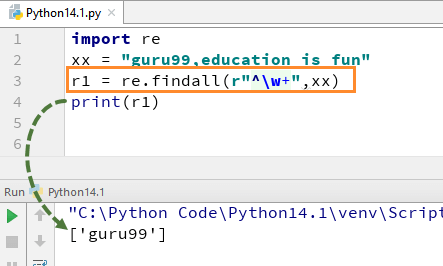
Guru99
What is Regular Expression? A regular expression or regex is a special text string used for describing a search pattern. Learn re module, re.match(),re.search(), re.findall(), re.split() methods in this tutorial with examples.
 merry spindle
whole sierra
https://www.guru99.com/python-regular-expressions-complete-tutorial.html#6
merry spindle
whole sierra
https://www.guru99.com/python-regular-expressions-complete-tutorial.html#6
Oh my I hate regex :/
 agile pier
how do I get the path of the file uploaded in django?
worn crystal
is there any way to run selenium async of my flask app? I want to make the behaviour of when i load a certain page I want selenium to open up in the background while the original page that i started to load runs
 slate narwhal
Hey everyone, how would I go about connecting to an sql database through VS Code?
I downloaded the mssql extension but I'm not sure what to do next, just looking for some guidance
native tide
someone judge my website pls
last time for now
try sending me an email in the contact form
the email can be fake
 fringe fjord
I was wondering if I could get some help on this.
I'm using this method to update my website based on my git master branch: https://gist.github.com/noelboss/3fe13927025b89757f8fb12e9066f2fa
The issue I'm running into is that my whole repo is being push to my website (intended by the method above), but I want to just push a specific directory from my master branch to the web server
How do I modify the script above to do so?

Gist
Simple automated GIT Deployment using Hooks. GitHub Gist: instantly share code, notes, and snippets.
I have files on my master branch that I do not want to be pushed to my web server, for example README.md, .gitignore
I put the files I want on my webserver into /html in my git repo
I just want to push up the contents of /html to the web server
 fallen spruce
from flask import Flask, render_template, request, redirect, url_for, flash
from flask import g as globally
from flask_sqlalchemy import SQLAlchemy
from sqlalchemy import null

@app.route('/')
def index():
    return render_template('index.html')

# A decorator used to tell the application
# which URL is associated function
@app.route('/info', methods =["GET", "POST"])
def create():
    if request.method == "POST":
        global name
        global email
        global profession
        global country
        global hobby
        global youtube
        global para
        name.globally
        # getting input with name = fname in HTML form
        name = request.form.get("name")

        # getting input with name = lname in HTML form
        email = request.form.get("email")
        profession = request.form.get("profession")
        country = request.form.get("country")
        hobby = request.form.get("hobby")
        youtube = request.form.get("youtube")
    return render_template("create.html")
@app.route('/info/themes', methods =["GET", "POST"])
def themes():
    return render_template("theme_select.html")
@app.route('/info/themes/black', methods =["GET", "POST"])
def theme_selected():
    title = f"Hello I am {name}"
    para = f"Greetings, I am {name}. I'm a {profession} from {country}. I love {hobby}, Make sure to check out my blogs!"
    return title
    return para
    return render_template("/black_theme/index.html")
print(list)
if __name__ == '__main__':
    app.run(debug=True, port=2000)```
yo so like i wanted the variables to be accessable but am having some problems with it rn
flask can't do global because it breaks threading and i don't know what to do
 pearl vigil
Using Django, I am trying to do a @property on a model to sum a field, its returning a Sum(Value(Decimal('700.00'))) class, how can I just get the value?
native tide
hello
 winter thorn
wind lotus
how would i be able to access 2 parameters in class based views?
winter thorn
wind lotus
how would i be able to access 2 parameters in class based views?
```# urls.py urlpatterns = [ ... path("slug:category_slug/", views.category_blocks, name="category_blocks"), # Views all the series in that category path("slug:category_slug/slug:series_slug/", views.series_blocks, name="series_blocks"), # View all tutorials in series path("slug:category_slug/slug:series_slug/int:tutorial_id/", views.episode_blocks, name="episode_blocks"), # View spesific tutorial nr. ] # views.py def category_blocks(request, category_slug): # logic to display all tutorial with category is category_slug def series_blocks(requests, category_slug, series_slug): # logic to display all tutorial with category is category_slug and series is series_slug def tutorial_blocks(requests, category_slug, series_slug, tutorial_id): # logic to display all tutorial with category is category_slug, series is series_slug and tutorial is tutorial_id
# This is the way to access multiple slugs with different names

https://stackoverflow.com/questions/54748625/django-2-multiple-slugs-in-url
Stack Overflow
I am currently following a django tutorial by sentdex. The tutorial is making a clone of https://pythonprogramming.net/. In the tutorial he uses only one slug in the url, but I think its more conve...
agile pier
how do i add a loader when there is a long operation being performed in my Django view?
dusk sonnet
hey, Im tryna use datbase queries with Django Channels however im not getting it right. Iv looked up that i need to use database_sync_to_sync but i cant find much examples online of how to use it properly. The only way i get it to work without error is something like the following code however all it prints out is <coroutine object SynctoAsync...>
    async def connect(self):
        self.room_name = self.scope['url_route']['kwargs']['room_name']
        self.user = await database_sync_to_async(self.get_users)()
        print(self.user)

        self.room_group_name = 'chat_%s' % self.room_name

        await self.channel_layer.group_add(
            self.room_group_name,
            self.channel_name
        )
        await self.accept()

    @database_sync_to_async
    def get_users(self):
        return User.objects.all()
You already decorated your function with database_sync_to_async, no need to wrap it second time in your connect function
dusk sonnet
serene prawn
You already decorated your function with `database_sync_to_async`, no need to wr...
ye but if i do this i get django.core.exceptions.SynchronousOnlyOperation: You cannot call this from an async context - use a thread or sync_to_async
self.user = await self.get_users()
That's weird, where is it raised from?
dusk sonnet
serene prawn
That's weird, where is it raised from?
wdym?
serene prawn
The exception
dusk sonnet
serene prawn
The exception
doing this raises it:
self.user = await self.get_users()
try converting it to list?
return list(User.objects.all())
oh that workd
why did it work like that and not what i done before?
because i got it from the docs
serene prawn
.all() still returns queryset and then tries to do some database opreration in async context
Which is raising synchronous operation error
Example in docs is different
return User.objects.all()[0].name
This is example from the documentation
dusk sonnet
ye but isnt it similar i just didnt hard code it
i mean i did try it before exactly as teh docs and it didnt work
serene prawn
Now you know
dusk sonnet
ye thank you vm
 elder nebula
I want to create a model, which lets you select break times for specific weekday. I don't know what is
the best way to link those two models together. I think manytomany field gets messy and confusing
really fast. I want to be able to keep it clean and organized.
Models.py
WEEKDAYS = (
        (1, 'Monday'),
        (2, 'Tuesday'),
        (3, 'Wednesday'),
        (4, 'Thursday'),
        (5, 'Friday'),
        (6, 'Saturday'),
        (7, 'Sunday'),
)
class Breaktime(models.Model):
    weekday = models.IntegerField(choices=WEEKDAYS, unique=False)
    break_starts = models.TimeField()
    break_ends = models.TimeField()

class Breaktimes(models.Model):

    weekday = models.IntegerField(choices=WEEKDAYS, unique=True)
    breaktimes = ??
I think many to many relationships are the only choice, but is there a way to filter out the weekdays?
 lucid shuttle
Please if anyone could offer some guidance. I need to use Google Maps API to generate a custom map with a set of custom markers based on info stored in models in Django.
wind lotus
winter thorn
```# urls.py urlpatterns = [ ... path("<slug:category_slug>/", views.category_bl...
i see, and in order to access those variables that was passed into my url in a class based view, would I just then do something like this:
class CategoryListView(ListView, category_slug, series_slug):
    ...
 stable bear
when i scroll down, if i want all the content on the page to scroll except the bootstrap nav bar which should stay in the same place, how would i do that?
 mental summit
stable bear
when i scroll down, if i want all the content on the page to scroll except the b...
mental summit
stable bear
when i scroll down, if i want all the content on the page to scroll except the b...
Using CSS. You can set the position to fixed or sticky
https://www.w3schools.com/css/css_positioning.asp there are examples here

W3Schools offers free online tutorials, references and exercises in all the major languages of the web. Covering popular subjects like HTML, CSS, JavaScript, Python, SQL, Java, and many, many more.
 dapper solar
Hi, I am trying to show a key inside each dict into an html, can anyone please tell me how to do it ? here is the code:
{% for class in classes %}
<li>
<div class="menu">
<h2 class="menu-title menu-title_2nd">{class} </h2>
<ul class="menu-dropdown">
{% for i in range(1, 5) %}
<a href="{{url_for('upload_marks_page', grade='class_2', subject='maths', test_name='test_1'}}">
<li>Test {{i}}</li>
</a>
{% endfor %}
</ul>
</div>
</li>
{% endfor %}``` rocky saffron
how can i update e table with buttonclick
 lofty sentinel
Hey fellas, I am a freelancer developer and customer asked for a simple website to serve my app on. There is like couple functionalities and some simple interfaces. What is a fast way to deploy this?
okay I think
Wagtail is a great start
hollow dragon
damn i love flask so much
 wooden ruin
dorsia
 copper juniper
How do e commerce website backend work?
hard whale
Hi guys! Can anyone recommend some big web dev discord for html/css topics? I have some issues with my Semantic UI implementation:)
 vague ember
copper juniper
How do e commerce website backend work?
vague ember
copper juniper
How do e commerce website backend work?
like any other backend.
Do you have a specific concern or question?
serene matrix
rocky saffron
how can i update e table with buttonclick
I use ajax
copper juniper
what programming language is best for website backend except for php?
vague ember
copper juniper
what programming language is best for website backend except for php?
java or python
native tide
copper juniper
what programming language is best for website backend except for php?
personal opinion
i would say javascript
as nodejs
my website
has a expressjs backend
a websockets chat app is a good example of have a backend to a website
its very small
copper juniper
vague ember
java or python
thanks
copper juniper
native tide
personal opinion
thanks
native tide
copper juniper
what programming language is best for website backend except for php?
PHP backends
Can range from super primitive php
Like old school embed php in Python page
To modern laravel
If you gonna do a php backend
Learn Laravel
Its a lot like express js in Javascript
And flask in Python
But obviously it's php
hard whale
Can anyone recommend alive discord to ask about html, js, css issues?
I'm struggling with page layout
native tide
hard whale
I'm struggling with page layout
you can ask me
hard whale
native tide
you can ask me
Thank you! Could you take a look at #user-interfaces
I posted my question there
I'm new to web dev and trying to make my web page scale properly on any screen/browser size
 timber jungle
Hello
How to secure a Flask app against CSRF ?
inland oak
timber jungle
Hello
How to secure a Flask app against CSRF ?
using non GET request for important actions will increase a bit level of security. (making necessary for hacks to use JS injection at least)
Then we could CSP protection in order to protect us from unauthorized JS files, that will be a first level protection.
for 100% solution, any super important action should be verified by something like getting number from SMS sent to user / email sent to user (preferably email, it looks less bothersome)
plus i heard about CSRF tokens, perhaps they can improve situation a bit too
 nimble berry
timber jungle
Hello
How to secure a Flask app against CSRF ?
nimble berry
timber jungle
Hello
How to secure a Flask app against CSRF ?
i would agree with @inland oak, make sure you don't accept GET requests for those endpoints, and then i would recommend CSRF tokens as the primary measure after that
 lethal marten
hey, anyone know how to partially fade an element using css?
 open crag
like this?

 tiny snow
lethal marten
hey, anyone know how to partially fade an element using css?
tiny snow
lethal marten
hey, anyone know how to partially fade an element using css?
Partially fade what element and how?
open crag
they said border up top
.your_class {
    height: 100px;
    width: 100px;
    margin: 100px;
    border: 10px solid rgba(255,255,255,.5);
}
i think that works
hollow dragon
getting better
 open crag
niceee
hollow dragon
thanks mate
timber jungle
inland oak
using non GET request for important actions will increase a bit level of securit...
I kind of understand with the GET and POST end points
This means, on this line <form id="derogationsform" action="{{ url_for("form_area")}}" method="POST">
I should create another function which accepts only POST?
This means what i should have 2 functions ( 1 for GET - rendering the form page, 1 for POST - handling the post request ) ?
inland oak
timber jungle
I kind of understand with the GET and POST end points
This means, on this line ...
u already have it as endpoint it seems
Form works by submitting as post by default
timber jungle
@app.route("/form_area", methods =["GET", "POST"], endpoint="form_area")
 frank locust
Hey, i'm trying to automate a get website orders script but I am running into HTTPSConnectionPool issues when I try to call it as an executable. Can give me a hand with this?
image of error message
 frank shoal
The website might not be https
frank locust
It is, also it works most of the time, this error happens 10% of the time
frank shoal
maybe you go too fast
frank locust
Possibly, at what point would I try to slow it down do you think? the initial get or iterating through the orders? Somewhere else?
frank shoal
¯_(ツ)_/¯
robots.txt specifies a crawl delay of 600
so just time.sleep(.6) after each request
 lime jolt
Should I use help channels for django questions?
serene prawn
lime jolt
Should I use help channels for django questions?
It's a web dev channel after all, it's find to ask django questions here
lime jolt
I asked it in a help channel a minute ago. In #help-burrito
native tide
Hey, how would you call a file that initialize a connection with a db? Like by convention
lime jolt
dbconnect, connectiondb, dbconn, dbconnection I guess. Everyone would understand these.
ConnectionBuilder is my preference.
lime jolt
Help channel is closed, damn. Let me ask again. Submitting form doesn't do anything. Not even redirecting the url. But if I manually open the html file without server, it redirects.


 frank shoal
use /createuser instead of createuser/ for the form action
lime jolt
didn't work, and normally it should be createuser/
frank shoal
Also, I think you're passing xedni to the redirect response
lime jolt
method is not called, nevermind the redirects.
frank shoal
form action path is relative if it doesn't start with /, meaning if the current path ends with /, it will be appended. If it doesn't, the last path item will be replaced
lime jolt
 lime jolt
yes, it should. Btw, I can manually call the function with link.
But submit button does nothing
frank shoal
Anything in the console or network inspector?
lime jolt
I used jquery to test the button, it can give an alert(""). And directly writing the link activates the function. I can see print("") codes in console.
frank shoal
How are you submitting normally? pressing the submit button, or pressing enter on the password field?
Also, you should make the input type="password"
lime jolt
pressing button. password can wait 😄
frank shoal
But does anything show up in the network inspector when you press the button?
Ctrl+Shift+I, press network
lime jolt
looks like nothing happens.
frank shoal
Nothing in console either?
lime jolt
nope.
frank shoal
Did you register an onsubmit event and call preventDefault()
lime jolt
if you mean front end stuff, they work. I opened the html file directly and it redirects.
frank shoal
Can you share the entire html file?
lime jolt
sure
lavish prismBOT
Hey @lime jolt!
It looks like you tried to attach file type(s) that we do not allow (.html). We currently allow the following file types: .gif, .jpg, .jpeg, .mov, .mp4, .mpg, .png, .mp3, .wav, .ogg, .webm, .webp, .flac, .m4a, .csv, .json.
Feel free to ask in #community-meta if you think this is a mistake.
lime jolt
oppsie
frank shoal
!paste
lavish prismBOT
Pasting large amounts of code
If your code is too long to fit in a codeblock in discord, you can paste your code here:
https://paste.pythondiscord.com/
After pasting your code, save it by clicking the floppy disk icon in the top right, or by typing ctrl + S. After doing that, the URL should change. Copy the URL and post it here so others can see it.
lime jolt
frank shoal
And /js/modal.js?
lime jolt
whats wrong with it?
frank shoal
idk, you didn't post it.
 frank shoal
Post the modal.js too please
lime jolt
frank shoal
You disabled the click event in all children in the modal.
frank shoal
just use bootstrap's builtin features to dismiss the modal.
you're not using bootstrap, though....
lime jolt
not worth using bootstrap, idk
i created modal 3-4 times but forget how to do it 😄
it works, there are other problems but that's the only part i needed help
thank you
lime jolt
So, CSRF is important and @csrf_exempt doesn't disturb it?
should i use @csrf_exempt everywhere?
 olive hazel
tell me something what goes on better. Django + python or html css Javascript and python
 amber patio
Hi guys, I was looking for a Flask-React monorepo for my project and surprisingly I couldn't find any, so I made one instead. Check it out here and feel free to use it on your projects :)
https://github.com/Jesse0502/React-Flask-Monorepo
GitHub
Contribute to Jesse0502/React-Flask-Monorepo development by creating an account on GitHub.
 hearty estuary
Hi, i have a webpage with 4 div's acting as buttons, and using ajax i want to send which button was clicked, and then update my <p> tag which uses class=text1 to show that direction. (I also want to create a MySQL database and then send that data to that database, so if anyone can help with that it would be much appreciated)
At the moment clicking on the buttons work, and the value is shown because im using the 'get' method, but i dont want to get that data, i want to 'post' the button click to the server, and on success: change my <p> to the value of the button clicked. Havent really understood online resources about each of those things, so any input/changes you guys can give me would be much appreciated ❤️
#main.py
from flask import Flask
from flask import render_template
from flask import request
from time import time
from flask import jsonify
app = Flask(__name__)

@app.route('/')
def index():
    direc = request.args.get('direction')
    print()
    print('Direction:', direc)
    print()
    return render_template('index.html')

if __name__ == '__main__':
    app.run()
#Javascript
$(document).ready(function() {
    $( "div[name='button']" ).on('click', function() {
      $.ajax({
        url: '',
        type: 'get',
        data: {
          direction: $(this).attr("id")
        },
        success: function(response){
          $(".text1").text(direction);
        }


      })
    })
  })
 obtuse robin
hearty estuary
Hi, i have a webpage with 4 div's acting as buttons, and using ajax i want to se...
obtuse robin
hearty estuary
Hi, i have a webpage with 4 div's acting as buttons, and using ajax i want to se...
i do this without using ajax if you would like to know
obtuse robin
var xml = new XMLHttpRequest();
xml.open("POST","{{url_for('new_data')}}", true);
xml.setRequestHeader("Content-type", "application/x-www-form-urlencoded");
dataSend = JSON.stringify([new_data, type]);
xml.send(dataSend);
make a http request on the javascript
then for the python
hearty estuary
how?
obtuse robin
oh wait heres the video i followed

//JavaScript Part//
var xml = new XMLHttpRequest();
xml.open("POST","{{url_for('func.func')}}",true);
xml.setRequestHeader("Content-type","application/x-www-form-urlencoded");
xml.onload = function(){
var dataReply = JSON.parse(this.responseText);
};//endfunction
dataSend= JSON.stringify({
'page_data':'some_data'
});
xml.send(dataSen...
found it
obtuse robin
wym, like he doesnt show it in action?
hearty estuary
Ye
obtuse robin
well you gotta experiment with it
hearty estuary
So not sure if its same functionallity as what i need
hearty estuary
I dont see how he gets the button onclick
theres no function bound to it
No check of onclick
obtuse robin
hearty estuary
So not sure if its same functionallity as what i need
you said you wanted to send a value to the db with a click then also put that value in an html element right
hearty estuary
obtuse robin
you said you wanted to send a value to the db with a click then also put that va...
Yes

This is how the webpage looks
obtuse robin
just put an onclick for a function that has the httprequest in it?
function send_data(new_data, type){
        var xml = new XMLHttpRequest();
        xml.open("POST","{{url_for('new_data')}}", true);
        xml.setRequestHeader("Content-type", "application/x-www-form-urlencoded");
        dataSend = JSON.stringify([new_data, type]);
        xml.send(dataSend);

        if (type[1]){
            if (type[0] == "song"){
            window.location = "{{url_for('song_page')}}";
            }
        }
    }
i mean this is what i have
hearty estuary
What is urs sending?
obtuse robin
im sending a song's spotify id
hearty estuary
Can you show ur html so i can see how you bind the send_data function to it
obtuse robin
sure
rigid laurel
obtuse robin
https://www.youtube.com/watch?v=-XchxUQTcfQ
This is very much not the modern way to do requests in js. I would highly recommend looking at the fetch API which is much more standards. This method hasn't been popular for probably a decade or more.
obtuse robin
rigid laurel
This is very much not the modern way to do requests in js. I would highly recomm...
oh damn rly
hearty estuary
rigid laurel
This is very much not the modern way to do requests in js. I would highly recomm...
why not modern?
rigid laurel
https://developer.mozilla.org/en-US/docs/Web/API/Fetch_API/Using_Fetch
This is the standard way to do it

The Fetch API provides a JavaScript interface for accessing and manipulating parts of the HTTP pipeline, such as requests and responses. It also provides a global fetch() method that provides an easy, logical way to fetch resources asynchronously across the network.
obtuse robin
hearty estuary
Can you show ur html so i can see how you bind the send_data function to it

 hearty estuary
obtuse robin
hearty estuary
obtuse robin
okay so u did add an onclick attribute to the div
obtuse robin
yes
iron magnet
Tested SQLModel for FastAPI. It’s a really good extension over “plain” SQLAlchemy and Pydantic.
wind lotus
i made a game with js, css, html, but i want to save the player's score into the django database automatically after each game. How would I be able to do that?
obtuse robin
what framework
wind lotus
obtuse robin
what framework
django
hearty estuary
wind lotus
django
django is horrible i regret even trying it
i finally understood not to touch it unless your creating a huge ass project
wasted 4 days learning that shite
"learning" kek
native tide
hello to all, I just wanted to ask a small question I want to make a bot to do research on the txid of the bscchain for example someone has a track to help me start I am a beginner
wind lotus
hearty estuary
django is horrible i regret even trying it
welp, i think it's too late to turn back, i just spent 3 months trying to learn it and i just started getting the hang of it
hearty estuary
wind lotus
welp, i think it's too late to turn back, i just spent 3 months trying to learn ...
how fun
hollow dragon
is there anyone who could help me with connecting two tables in one database in Flask and SQLite?
 stable coral
i want to make a webapp that uses the spotify api in python, is it better to download a library like spotipy or just use the web api directly in python?
hollow dragon
hollow dragon
is there anyone who could help me with connecting two tables in one database in ...
omg i just did it
goddaymn
 wet hinge
I've been wondering: is there any particular single best order of these three in Django? Or something that should not be done?
MIDDLEWARE = [
    "corsheaders.middleware.CorsMiddleware",
    "django.middleware.security.SecurityMiddleware",
    "whitenoise.middleware.WhiteNoiseMiddleware",
    [...]
]
ButtonClick.query.first()) prints <ButtonClick 1> always(first id)
ButtonClick(content=request.form.get('direction')) returns <ButtonClick lastID>
I dont want ID, i want to get the last item(direction) that was just added to db, what i would get if i were to post directly in SQL (SELECT content FROM button_click ORDER BY id DESC LIMIT 1;)
The reason i want this is because the response gets sent to a <p> and i want it to update according to the value(unnecessary i know but i want to anyways), how can i go about doing this using sqlalchemy?
class ButtonClick(db.Model):
    id = db.Column(db.Integer, primary_key=True)
    content = db.Column(db.String(5))


@app.route('/')
def index():
    return render_template('index.html')

@app.route('/clicks', methods=['POST', 'GET'])
def clicks():
    if request.method == 'POST':
        direc = ButtonClick(content=request.form.get('direction'))
        db.session.add(direc)
        db.session.commit()
        print('To DB', direc)
        print('direc.query.first():', ButtonClick.query.first())
        return jsonify(direc)
$(document).ready(function() {
    $( "div[name='button']" ).on('click', function() {
      $.ajax({
        url: '/clicks',
        type: 'post',
        data: {
          direction: $(this).attr("id")
        },
        success: function(response){
          $(".text1").text(response);
        }


      })
    })
  })
 gloomy haven
_ _
_ _
Hey! i'm building a search and i'm querying for 'plugins'
I want to match my query with the most relevant plugins but I don't know how I should get started with that.
Here is what I have:
#app.py
@app.route('/dashboard/search/', methods=['GET', 'POST'])
def search():
    if 'username' in session:
        user = mongo.db.users.find_one({'name': session['username']})
        if user:
            if user['account_active'] == False:
                print("Account is not active.")
                return redirect(url_for('index'))
            else:
                pass

        print(request, request.args)
        if request.args['search']:
            query = request.args['search']
            l=os.listdir('plugin_base/plugins')
            plugins_D = [x for x in l]
            try:
                plugin_file = importlib.import_module(f"plugin_base.plugins.{query}", f"exec")
                plugin_conf = importlib.import_module(f"plugin_base.plugins.{query}", f"config")
                pfc = plugin_conf.config
            except:
                plugin_file = "None"
                plugin_conf = "None"
                pfc = "None"
            print(pfc)
            if query[0] in plugins_D:
                pass

        return render_template('dashboard/search.html', search=plugins_D)
I want to add the plugins that are most relevant to some sort of list so I can do something like this:
<!-- search html -->
 {% for result in search %}
 <h2>Plugin Result</h2>
    <div class="card">
       <div class="card-body">
       <h5 class="card-title">{{ search['name'] }}</h5>
       <a href="/dashboard/plugin/{{ search['name'] }}" class="btn btn-primary">Use this Plugin</a>
    </div>
</div>
{% endfor %}
I think it's pretty easy to understand what I'm trying to do.
Thanks in advanced! :)
lime jolt
Is there any visible problem here? Or should I check somewhere else? I am trying to make a login system, the user exist but it leads to fail. I tested, it can get the username and password for x and y.
 lime jolt
am I even using my database? Tutorials on internet shows it like this
native tide
Guys help
from django.urls import path
from . import views

urlpatterns = [
    path('cards', views.CardList.as_view()),
    path('cards/<int:pk>', views.CardDetail.as_view()),
    path('decks', views.DeckList.as_view()),
    path('decks/<int:pk>', views.DeckDetail.as_view()),
    path('folders', views.FolderList.as_view()),
    path('folders/<int:pk>', views.FolderDetail.as_view()),
]

# preferables
# deck list
# /api/decks
# deck detail
# /api/decks/<int:pk>
# card list
# /api/decks/<int:pk>/cards
# card detail
# /api/decks/<int:pk>/cards/<int:pk>```I'm using django rest framework. In the comments, you can see how I want to design my API
Dpaste is a website where you can store text online for a set period of time. Dpaste is written in Python using the Django framework.
this are my models and views.py
I don't get how I can have my routes set up so it's /api/decks/<int:pk>/cards <-- lists all cards within that deck
how does that work with API
 opal verge
obtuse robin
lime jolt
Is there any **visible** problem here? Or should I check somewhere else? I am tr...
opal verge
obtuse robin
lime jolt
Is there any **visible** problem here? Or should I check somewhere else? I am tr...
you sure youre supposed to use request.post
because youre not posting anything, youre getting the information from 'username' and 'password'
the request method is still post though
probably can just do request.form['name']
native tide
opal verge
Hello <@456226577798135808>
You need to create an urls.py into your app and lis...
do u know what i am saying?
 late gale
  class RecipeSerializer(serializers.ModelSerializer):
    rt = serializers.SerializerMethodField(source="ingridents",read_only=True)


    def get_rt(self, instance):
        try:
            return json.loads(instance.ingridents)
        except:
            print("Error")

    class Meta:
        model = RecipeModel
        fields = '__all__'
Can someone help me i'm trying to convert json into list but it returns null
"rt": null,
though there are data in ingridents
"ingridents": "2 cups cooked chicken chopped\r\n½ cup mayonnaise\r\n1 stalk celery chopped\r\n1 green onion diced (or chives or red onion)\r\n1 teaspoon dijon mustard\r\n½ teaspoon seasoned salt\r\npepper to taste\r\n1 teaspoon fresh dill optional",
I'm trying to convert this ingridents to something like this
  "ingridents": [
                        {
                           "2 cups cooked chicken chopped"
                        },
                        {
                          " stalk celery chopped"
                        },
                        {
                            " teaspoon fresh dill"
                        },
                        {
                            "  green onion diced "
                        },...
                    ]
that's ingridents in models.py
ingridents = models.TextField(default="")
 runic sparrow
Noob question here, what would be the most secure way of me storing user OAuth2 tokens?
Do I just... chuck it in a database? There has to be some sort of more secure way, right?
late gale
late gale
I'm trying to convert this ingridents to something like this
```json
"ingride...
Fixed it thanks everyone
zealous oar
Hey 👋 , is anyone working with Django channels in real-life projects?
I was wondering is it a good choice to accomplish this task, or do I have to think of another stack like Node, Elixir, Laravel, .. ?
Any advice/hints would be great to start my research.
dusk portal
hey i have db model named profiile
i wanna make a feature to let user download his/her profile
(i can't add a file/imagefield for downloading) cuz that data would be generated after thier profile would be created
by this data i need user to give a option to download it

and the main issue is ** if user clicks on download this template/img should open and then i want user to download this jpg** but how can i retrieve dynamic data inside a image file?

plz help
copper juniper
How to use python for website backend?
opal verge
copper juniper
How to use python for website backend?
You can use Fask or Django. They're free Frameworks
covert yew
copper juniper
How to use python for website backend?
flask, Django or fastapi
copper juniper
opal verge
You can use Fask or Django. They're free Frameworks
Thanks
copper juniper
covert yew
flask, Django or fastapi
Thanks
rigid laurel
dusk portal
and the main issue is ** if user clicks on download this template/img should ope...
you need to use something like Pillow to generate the jpeg. Another option would be Jinja+Markdown+Pandoc to make a pdf, then convert the pdf to a jpg
agile pier
i m trying to create a chatbot using django as the backend, but i m having trouble showing the responses
when giving the result for a query, how do I also show the previous chat history?
dusk portal
rigid laurel
you need to use something like Pillow to generate the jpeg. Another option would...
I can generate image by pillow that's not the issue but I want image to give dynamic data and only some data to be changed (see the above ss) I want other things (i.e instructions or qr) to remain untouched
rigid laurel
dusk portal
I can generate image by pillow that's not the issue but I want image to give dyn...
then write some code to do that?
def make_image(dynamic_data):
    static_data = load_your_static_data_here()
    <pil code that munges the static and dynamic>
    return img
So i am using django to make an app and when i try to change the colour of my nav bar it wouldnt change my css wont reflect any changes its almost like my program is frozen even when i delete the css file nothing changes can anybody help

every other thing seems to be working like the html and backend part but not css
it takes minutes to show the change Why????
serene prawn
 hidden kettle
Any Django dev here who has worked with both Django & React?
hidden kettle
Any Django dev here who has worked with both Django & React?
I've worked with django for some time but we're trying to migrate our codebase to fastapi
Didn't work with react specifically but it's similar to other frameworks
hidden kettle
serene prawn
I've worked with django for some time but we're trying to migrate our codebase t...
Can I ask you some questions related to Django & DRF?
serene prawn
hidden kettle
Can I ask you some questions related to Django & DRF?
Yeah
It's better to ask your question right away so people could see if they can help you or not
hidden kettle
I'm getting stuck when trying to build a feature for my Saas that allows users to log out of respective sessions or all sessions.How can I implement such a thing? Here's the overview of what I'm trying to build. I took this inspiration from Khalti which is a payment gateway of my country. It's built with Django & React. I will also create a mobile app.

How should I keep track of mobile logins with my app version and mobile device name? This is the API response of sessions. How can I implement this in an exact way?

What auth mechanism should I use here?
sessions?
serene prawn
hidden kettle
I'm getting stuck when trying to build a feature for my Saas that allows users t...
You can use pretty much anything as underlying implementation - sessions, tokens, jwt's, with any of them you would have to keep track of active tokens so people could invalidate them
It might be simpler if you choose to just invalidate all tokens before a specific date, since it won't require you to keep track of all active sessions
serene prawn
I'm not familiar with django packages really
hidden kettle
serene prawn
I'm not familiar with django packages really
I got the general idea. Thank you
serene prawn
I think we can discuss the specifics, other people might help you too
Invalidating user sessions should be a solved problem at this point
hidden kettle
I would be happy If someone joins the discussion
 static spade
hi, how can i localize the datetime form fields in my django app?
my server is 4 hours behind my actual timezone, and when i pass a time of 8pm in my local time to the form it appears as 8pm in server time in the database. But ideally it should appear as 4pm in server time.
how can i fix this?
i've set the USE_TZ = True setting in settings.py too
 vivid canopy
guys how i can get access token use get method? djang rest framework
 fading bough
is it possible to use js frameworks like reactjs along with pyscript? would this make the website really slow?