#web-development
2 messages · Page 200 of 1
 golden bone
 rigid anvil
Why isn't my smtp code working on pythonanywhere.com if it works on my computer?
 dense slate
Does the service require you authorize certain IPs?
Or maybe an environmental variable isn't set correctly in prod?
 rare quiver
hello, I am working making a web application with flask, I am trying to make a graph with chart.js, I am really new to js but I am not sure what I am doing wrong here
https://paste.pythondiscord.com/acetayijol.xml
the graphs should be going in the spaces

 glacial yoke
Hey everyone, I am deploying my django site using nginx and gunicorn. I am using this repository called django-social-auth-app which allows the user to login using any other third party apps or social media. In my gunicorn config I bind it to the localhost IP:127.0.0.1:8001, on which of course nginx is listening. So therefore whenever I go to the machine's IP, I can see the site, and everything works.
But the problem is, that when logging in using the above stated repository, after having logged in, and when it redirects you back to the site page, it redirects the user to 127.0.0.1:8001, and not the machine's IP. I tried binding gunicorn to the actual machine IP, but that breaks all the other functions that depend on the server IP (e.g. websockets, api requests, etc...), and also it is really not the best thing to do.
If anyone has ever faced some issue like this, can you please help me?
 native tide
glacial yoke
Hey everyone, I am deploying my django site using nginx and gunicorn. I am using...
native tide
glacial yoke
Hey everyone, I am deploying my django site using nginx and gunicorn. I am using...
i think its unrelated to gunicorn
or nginx
its django
that produces invalid redirect
glacial yoke
yeah, ik that it has something to do with the repository, which is what I am trying to work out rn
native tide
is that repo public?
glacial yoke
native tide
is that repo public?
yep
It's like the biggest social auth repo for python
You can use it on either flask, django or anything else literally
I have tried to change the login_url and redirect_url settings which the repo provides, but it didn't help
native tide
can you link the repo
dense slate
I've used that repo and I don't remember setting anything outside of Django to make it work.
It should hit an endpoint in your backend that then redirects wherever you want it to.
@glacial yoke
glacial yoke
dense slate
It should hit an endpoint in your backend that then redirects wherever you want ...
Yeah I get that, but what I also realised is that when you try to login it sends you to the local host IP, even thought it’s clearly set as the machine’s IP in my settings.py
So it’s something with the redirect uri
Which is what I’m trying to figure out rn
ok, I fixed it
In the end I had to change all the SOCIAL_AUTH settings to redirect to my server's IP
I also had to add my server IP to the redirect_uri's
then I added a few proxy settings into my nginx config, and it all worked
 raw field
Is django good for a microservice setup? My goal is to develop multiple tools to use for my personal game studio including:
User registration (via api, or via website)
User authentication (using Json webtokens or OAuth2.0)
Matchmaking service usinng buckets and websockets
Metadata server (holds server information, player counts, locations of datacenters...etc)
I've been reading mixed information online where people just give their opinions, but I'm looking for a legitimate answer, not just opinions.
golden bone
Unless you can specify what factual information you are seeking, you're only likely to get more opinions here. "Is Django good..." is inherently a question of opinion. What does "good" objectively mean to you here, and what you are comparing it to?
If you're asking whether it is normal to use Django for the tasks you have listed, yes it is. If you're going to build a site with all those features using a Python framework, Django is the obvious choice. What else would you use?
 inland oak
raw field
Is django good for a microservice setup? My goal is to develop multiple tools to...
inland oak
raw field
Is django good for a microservice setup? My goal is to develop multiple tools to...
Surely. Django works the best for your voiced goals in a Django Rest Framework setup
https://www.django-rest-framework.org/
Django will provide the FASTEST development.
The only disadvantage of django, of not working fully in async, which can be probably fixed in next version. Partial async support is still there though, just Django ORM is still sync. But really.... async is often not even needed in most of cases.
Even for async Django can work though. Django channels is an example of Async oriented Django to implement chat.
For pure async setup, fastapi is better.
raw field
inland oak
Surely. Django works the best for your voiced goals in a Django Rest Framework s...
Does FastAPI have the same amount of functionality as Django?
Django has a lot of stuff right out of the box, I have no interest in building my own user registration system, Django Admin basically has that right from the beginning.
inland oak
raw field
Does FastAPI have the same amount of functionality as Django?
Different amount of functionality.
in FastAPI you are going to setup ORM on your own, SQL Alchemy or whatever is your choice.
But FastAPI brings A LOT of out of the box too. For example auto generated interactive wiki for your REST API. Open API or smth like that. Fast API just brings different stuff out of the box
raw field
inland oak
Different amount of functionality.
in FastAPI you are going to setup ORM on your...
Ah I see
The only thing I worry is if this game I'm working on were to scale up, I worry that having a completely synchronous ORM could be devastatingly bad long term.
inland oak
raw field
Ah I see
FastAPI has some sort of quirks with enforcing good static typing i think. That's one of the advantageous of it that enforces better quality. I heard only rumors about FastAPI, I worked closely only with Django.
raw field
Honestly though, I imagine it wouldn't be that difficult to just simply treat each Django 'app' as a separate microservice and then as for the ORM part, couldn't you just run each completely indiviudally?
Like I imagine you could just copy + paste the base directory + the app you want to a new machine and do that
inland oak
raw field
The only thing I worry is if this game I'm working on were to scale up, I worry ...
Well... super high scalling up guys just don't accept ORMs... so it should be not a big worry, if it is sync or async 😉
inland oak
raw field
Honestly though, I imagine it wouldn't be that difficult to just simply treat ea...
that's not working in this way.
Django Apps bring just module separation for cleaner code organization/testing.
For real microservice architecture you need to deploy django applications to different servers.
 lament charm
quick question. Should I be using status code 404 or 401 for failed login attempts?
user not found/wrong password
inland oak
lament charm
quick question. Should I be using status code 404 or 401 for failed login attemp...
401 sounds like much better to return.
lament charm
that's the one I was leaning towards, thanks
raw field
inland oak
that's not working in this way.
Django Apps bring just module separation for cle...
I feel like there is no batteries included python framework for microservices
Lol
inland oak
raw field
I feel like there is no batteries included python framework for microservices
Django is fully battery included to the top. and DRF is exactly for microserves.
inland oak
lament charm
that's the one I was leaning towards, thanks
Some people choose to return just general error "Login or password is wrong", that prevents hackers from web scrapping correct logins/emails.
with having different errors, you could confirm them existing emails for scrapping emails or reducing difficulty to crack
raw field
inland oak
Django is fully battery included to the top. and DRF is exactly for microserves.
What is DRF
inland oak
raw field
What is DRF
https://www.django-rest-framework.org/ battery included framework, to make REST API out of django
To work purely as backend microservice that returns JSONS for example
Django, API, REST, Home
lament charm
inland oak
Some people choose to return just general error "Login or password is wrong", th...
What I'm doing now is raising an HTTPException and returning "Invalid credentials" with a 401 status for both incorrect password and user not being found in the db.
raw field
inland oak
https://www.django-rest-framework.org/ battery included framework, to make REST ...
oh i dont want to go that hardcore lol
i still dont mind server side rendering of views
im not willing to buy in on these front-end frameworks yet
like Vue and stuff
inland oak
hehe. I dived into Vue.js, it is awesome
raw field
It's just not where I need to be right now
I'm trying to make a game, not a website lol
inland oak
hardly seeing how you are going to make a game properly without reactivity that bring frontend frameworks.
I suspect you are going to reinvent the wheel in going vanila js and remaking poorly some frontend framework.
web games usually involve a lot of client side interactions
raw field
inland oak
hardly seeing how you are going to make a game properly without reactivity that ...
Not a web game. I'm using unreal engine.
I'm planning on using the website to store player data, authenticate users...etc
inland oak
oh, so the game is for Windows platform then
raw field
Well for now yes, but I have experience on consoles
I've used PS5 dev kit and my co-founder has experience with the ps4 dev kit
But we need licenses to use them sadly
raw field
What do you mean?
inland oak
programming language for the windows app?
raw field
C++
 viscid spade

Use My Notes
Hi guys, welcome back. In this module, I will be discussing JavaScript Interview Questions and Answers. Destructuring in JavaScript was covered in the
 dusty moon
I got a weird question…. It’s about code (not Python code), but not exactly.
I’m learning JavaScript from W3Schools. Starting the tutorial or guide or whatever it’s called, they show a little bit on how to change elements on the page, and then go ahead and teach about variables and stuff…
I wondered if I can learn the stuff that really changes the page before I learn about the more technical stuff.
Will I get confused, or it’s okay for me to do that?
I want to start with these thing
 inland oak
dusty moon
I got a weird question…. It’s about code (not Python code), but not exactly.
I’m...
inland oak
dusty moon
I got a weird question…. It’s about code (not Python code), but not exactly.
I’m...
Firstly I would say that w3schools is an.... online reference handbook
That's not really suiting for real learning, but good to use when u already know stuff
I would highly recommend to learn javascript from the book at the bottom
And going through its material in the order in the book
And yes, it matters to understand javascript concepts first before diving further in my opinion.
 dusty moon
That book looks really old school 😄
inland oak
It is really good one 😉 It helps to understand mechanics behind javascript
dusty moon
I see.
inland oak
like... javascript implements half of other programmings languages concepts with just a different application of functions...
I don't see how it is possible to learn it without it
dusty moon
So I’ll just start with technical stuff (variables and stuff) and then have fun with the html stuff
?
inland oak
dusty moon
So I’ll just start with technical stuff (variables and stuff) and then have fun ...
yeah
dusty moon
I see. Well, that’s all I needed. Thank you!
 royal dragon
/
subscibe my chenel
||please like and subscibe my chennell||
click only humans not bot
native tide
lament charm
quick question. Should I be using status code 404 or 401 for failed login attemp...
404 is page not found. I suggest a 401 as in this case it stands for "unauthorised"
 digital hinge
 grizzled basin
Anyone familiar with using celery with a docker container?
rigid anvil
Hello I have created a voting site to vote for some merch designs for my school, but it doesn't work on some apple products (some variables are passed wrongly or changed of value) does someone know why could that be occuring? Its a flask python web app
dense slate
rigid anvil
Hello I have created a voting site to vote for some merch designs for my school,...
That's not enough information. It's like asking why the pipes in my friend's house are leaking even though in my house they aren't.
dense slate
royal dragon
/
Is bigening spelled that way on purpose?
rigid anvil
When I have more info I'll come back then
native tide
does JavaScript .length on a variable with [[x, y] [z,k]] return 2 or 4
dense slate
native tide
does JavaScript .length on a variable with [[x, y] [z,k]] return 2 or 4
I believe 2, as it's measuring the length of the outer array.
[0].length would measure the first array inside
 solar obsidian

W3Schools offers free online tutorials, references and exercises in all the major languages of the web. Covering popular subjects like HTML, CSS, JavaScript, Python, SQL, Java, and many, many more.
        <form method="post">
          <label class="switch">
              <input type="checkbox" name="cumulative" {{cumulative}}>
              <span class="slider round"></span>
          </label>
</form>``` how do i post itPost what?
solar obsidian
i wanna update a db and make it input on or off in the db when the flip the switch
im trying to figure out how to run the code when a user interacts with the switches
dense slate
You need to use something like ajax if you're doing it from the html.
If you want it to update based on the DB.
You can just simply post it to the view and cause a css change without waiting for a return from the view though, which is probably better. So it only has to check the DB on a page refresh.
solar obsidian
im using flask
i should be able to do
something like
if request.method == "POST"
then it can see what the values are
which will then run code
dense slate
Ok, sounds good.
solar obsidian
ok but why isn't it posting
 random sand
show code again
dense slate
What's the view look like
random sand
if you use request.args then change it to request.forms
solar obsidian
random sand
show code again
        <form method="POST">
          <label class="switch">
                <input type="checkbox" name="cumulative" {{cumulative}}>
                <span class="slider round"></span>
          </label>
</form>```flask should say tho if it posts
even if i dont have the correct code to handle the post
dense slate
Don't you need javascript for it to post onClick?
How else does it know to submit to the view?
 indigo kettle
you need a button with type=submit to submit the form
dense slate
its a checkbox
he wants it to submit when it changes
I just don't think that can be done without an ajax call unless you're ok with the page refreshing after it submits.
 slow compass
hi everyone, what do I need to know to write a django website, other than django itself and html?
native tide
slow compass
hi everyone, what do I need to know to write a django website, other than django...
If it's backed by a database, which I'm assuming if you're using Django, some knowledge of data models would be helpful. You may pick that up along with Django, but it can be a discipline onto itself. A little css to make it look good would be great too.
rigid anvil
rigid anvil
When I have more info I'll come back then
solved, .path turned out to not be 'universal'
had to use .composedPath() instead as it is accepted in more browsers and devices
inland oak
grizzled basin
Anyone familiar with using celery with a docker container?
Yeah, using it exactly like that
grizzled basin
inland oak
Yeah, using it exactly like that

Stack Overflow
So I'm building a webapp using FastAPI. I use Celery to run some background tasks.
My code works fine on my local development machine, but when I try to dockerize it, it seems the FastAPI app runni...
any pointers to this?
I'm bashing my head, I've put celery same container as the fastapi app, but that's not a good workaround
slow compass
native tide
If it's backed by a database, which I'm assuming if you're using Django, some kn...
thanks for good advice
😄
inland oak
grizzled basin
I'm bashing my head, I've put celery same container as the fastapi app, but that...
Check logs, what s writing your worker
Obviously with raising rabbit first
grizzled basin
inland oak
Check logs, what s writing your worker
It does not receive any task
inland oak
It should check report that it connects to rabbit
grizzled basin
yes it connects to rabbit
inland oak
U can manually connect to rabbit and check all values inside
grizzled basin
otherwise I wouldn't be able to use celery container in local app
inland oak
Hmm
grizzled basin
"If I start the webapp locally on my computer, and don't start the padel-checker-web-1 container and only use the other 3, celery on docker syncs with it and works."
but it's not a framework issue, if you observe the last img of that post
I'm just invoking celery on the container
and it just hangs
inland oak
Hmm
grizzled basin
so it has to be some kind of problem in communication between containers, that's my guess
because "outside" if I use my IDE to use that celery instance, it works fine
inland oak
Actually yeah, the celery code is almost not touching framework at all.
So framework is not issue
Anyway ...
First request all values inside rabbitmq, to confirm it did not write info it
Then I guess just debug your celery code, some issue there
grizzled basin
How is that problem in my code if it works outside docker :d
inland oak
Worker reports which tasks it discover, perhaps it is not seeing it
inland oak
grizzled basin
How is that problem in my code if it works outside docker :d
🤔 this problem I did not have for sure
grizzled basin
environment:
- C_FORCE_ROOT=1
I'm even using this
it's a docker issue, but I'm not a pro in docker, so I can't get where's the problem
flower works, celery connects to rabbit, rabbit works, web app does not work
inland oak
Hard to say, I used redis instead of rabbit 🤷♂️
grizzled basin
ok ty anyway
inland oak
Plus I did it without compose
Because I wished deploying them to different servers
For better worker scaling
Although I did it with compose in the past
I can give u my old compose for this
inland oak
grizzled basin
I can look to see if I'm missing something
version: '3.8'
services:

  web:
    build:
      context: .
      dockerfile: dockerfile
    volumes:
      - static_volume:/app/web/build/static
    expose:
      - 8000
    env_file:
      - ./.env.${mode}
    depends_on:
      - redis

  nginx:
    build: ./nginx
    volumes:
      - static_volume:/app/web/build/static
      - ./ssl:/app/web/ssl
    ports:
      - 5555:4000
    depends_on:
      - web

  # celery
  redis:
    image: "redis:alpine"
    expose:
    - 6379
    volumes:
    - ./redis/redis.conf:/usr/local/etc/redis/redis.conf

  celery-worker:
    build: .
    command: celery -A core worker -l INFO
    env_file:
      - ./.env.${mode}
    depends_on:
      - web
      - redis

  celery-beat:
    build: .
    command: celery -A core beat -l INFO
    env_file:
      - ./.env.${mode}
    depends_on:
      - web
      - celery-worker
      - redis
volumes:
  static_volume:
  static-content:
I guess it is not really useful for your case, or may be it is?
anyway the best is auto generator of cycling tasks. I used it instead of cron in this case
u don't need the beat
grizzled basin
I'm actually using something on fastapi to repeat tasks
Not using anyhing like beat or cron
@app.on_event("startup")
@repeat_every(seconds=60) # 1 minute
async def fetch_data() -> None:
for example
inland oak
heh
my silly old compose had too many values hard coded 😉 Although since it is compose, it is not an issue
because compose stuff uses relative service name addressed links anyway
so there was no point to dehardcode the links
grizzled basin
yeah
solar obsidian
indigo kettle
you need a button with type=submit to submit the form
ok
if so ima make it a pop up on the bottom of the screen
 tepid lark
maybe a long shot, but is anyone familiar with an audit log framework for python/django?
grizzled basin
inland oak
heh
I've fixed it
tepid lark
something focused around the view level rather than the orm, because half of what I'm doing is using django as the frontend and talking to other non-dbms systems
inland oak
grizzled basin
I've put depends_on web
weird. 😉
I am deploying them all independently to different servers without any order and it is all fine
grizzled basin
dunno, now it works. It's weird indeed
native tide
please
any Js / apps script god
help me implement this https://github.com/tanaikech/DateFinder
GitHub
DateFinder is a GAS library for searching the date objects from the cell range on the sheet in the Spreadsheet and retrieving the searched range as the RangeList object using Google Apps Script (GA...
my monkey brain just cant it wont work

solar obsidian
i give up on the toggle switch
someone just make me a button that when i press it posts and toggles
like a check box
but without having to click on the check box and then click submit
dense slate
solar obsidian
someone just make me a button that when i press it posts and toggles
make you a button...
solar obsidian
i cannot find anywhere how to do it
native tide
I am trying to make an assignment organizer, in this assignment organizer, I have an app called calendar which has a model events, I have google authentication. I added a method to add events but each event shows up even when logged into different accounts. How can I fix this
solar obsidian
i found out my problem is it only posts if i have a submit button
how can i automatically submit
dense slate
solar obsidian
i found out my problem is it only posts if i have a submit button
I told you how to do it with ajax.
solar obsidian
or post without it
dense slate
But it's up to you.
solar obsidian
dense slate
I told you how to do it with ajax.
where
i see it
onClick
but how do i make it work with the switch
dense slate
native tide
I am trying to make an assignment organizer, in this assignment organizer, I hav...
When you have the view, you can filter by posts created by that user.
dense slate
solar obsidian
but how do i make it work with the switch
When the checkbox is clicked, you can toggle the css with javascript and also update the database with an ajax call all without leaving the page.
That's the logic. How to implement it, that you'll have to try to figure out first and we can help you when you're stuck.
native tide
dense slate
When you have the view, you can filter by posts created by that user.
how would I do this?
dense slate
native tide
how would I do this?
What's your view look like?
 lavish prismBOT
Hey @native tide!
It looks like you tried to attach a Python file - please use a code-pasting service such as https://paste.pythondiscord.com
Hey @native tide!
Uh-oh! It looks like your message got zapped by our spam filter. We currently don't allow .txt attachments, so here are some tips to help you travel safely:
• If you attempted to send a message longer than 2000 characters, try shortening your message to fit within the character limit or use a pasting service (see below)
• If you tried to show someone your code, you can use codeblocks
(run !code-blocks in #bot-commands for more information) or use a pasting service like:
dense slate
Just show me the view for the one template, not all of them.
dense slate
This is a web or mobile app?
native tide
web app
dense slate
What framework?
native tide
django
dense slate
Ok, so your view controls what you see on the page, yea?
native tide
yeah
dense slate
So show me the view that controls the page with the posts you want to change.
Where you query your database for the events.
native tide
here you go:
def event(request, event_id=None):
    instance = Event()
    if event_id:
        instance = get_object_or_404(Event, pk=event_id)
    else:
        instance = Event()

    form = EventForm(request.POST or None, instance=instance)
    if request.POST and form.is_valid():
        form.save()
        return HttpResponseRedirect(reverse('calendarApp:calendar'))
    return render(request, 'cal/event.html', {'form': form})
This doesn't display events on your page.
This gets one event and displays the details it looks like - and submits them.
Is your problem that you are displaying events for all users on a page, and you want only to show events that the user created?
native tide
yeah
native tide
give me one second to locate it, I forgot where I put it
@dense slate would it be in the views.py of the calendar app itself? or would it be in another file
dense slate
Do you know how views work generally?
You go to a page of your app website, and then the request is sent to your Django backend to figure out what data to show on the template. This is called your view.
So the view asks the DB for data based on what you want, and then you return it to the template, right?
So this should be in your views.py.
native tide
this is my first time working with django in 5 years so I've forgotten essentially everything sorry
dense slate
It's ok, I'm just trying to teach you a bit along the way.
So you understand how it works. 🙂
native tide
I actually think this was present in my utils.py
from datetime import datetime, timedelta
from calendar import HTMLCalendar
from .models import Event

class Calendar(HTMLCalendar):
    def __init__(self, year=None, month=None):
        self.year = year
        self.month = month
        super(Calendar, self).__init__()

    # formats a day as a td
    # filter events by day
    def formatday(self, day, events):
        events_per_day = events.filter(start_time__day=day)
        d = ''
        for event in events_per_day:
            d += f'<li> {event.get_html_url} </li>'

        if day != 0:
            return f"<td><span class='date'>{day}</span><ul> {d} </ul></td>"
        return '<td></td>'

    # formats a week as a tr
    def formatweek(self, theweek, events):
        week = ''
        for d, weekday in theweek:
            week += self.formatday(d, events)
        return f'<tr> {week} </tr>'

    # formats a month as a table
    # filter events by year and month
    def formatmonth(self, withyear=True):
        events = Event.objects.filter(start_time__year=self.year, start_time__month=self.month)

        cal = f'<table border="0" cellpadding="0" cellspacing="0" class="calendar">\n'
        cal += f'{self.formatmonthname(self.year, self.month, withyear=withyear)}\n'
        cal += f'{self.formatweekheader()}\n'
        for week in self.monthdays2calendar(self.year, self.month):
            cal += f'{self.formatweek(week, events)}\n'
        return cal
so in the events_per_day we should be filtering by user as well
but what exact command would do this

I tried this and got the error: Calendar has no attribute request
random sand
So what is that you wanna make?
native tide
I want to make a assignment organizer, part of the assignment organizer includes a calendar feature and google authentication. In the calendar feature I want then to create and display events, but then even if I am logged into a different account, it shows events created by other users
random sand
ok
native tide
@random sand as you see in the utils.py above, when I add events to the calendar, I only filter by day, how do I filter by event
not by event sorry, I mean by user
dense slate
native tide
not by event sorry, I mean by user
I'm assuming that self here is a calendar instance?
So it won't have a request attribute. Request is a parameter passed from the webpage/template to the view.
You have to somehow list the events where request.user = event.user
like events.objects.filter(event.user=request.user)
native tide
from django.db import models
from django.urls import reverse

class Event(models.Model):
    title = models.CharField(max_length=200)
    description = models.TextField()
    start_time = models.DateTimeField()
    end_time = models.DateTimeField()
    @property
    def get_html_url(self):
        url = reverse('calendarApp:event_edit', args=(self.id,))
        return f'<a href="{url}"> {self.title} </a>'
this is the event model, do I have to add a user field
and how would I automatically initialize it to the current signed in user
dense slate
Yea, events should have an author/user field that is a ForeignKey field that points to the user row.
What do you mean by automatically initialize?
native tide
never mind about that, I think I was wrong all along
it's like when you hit submit to add the event to the calendar, we initialize an event object and we set the author field =user.uid
dense slate
That's really vague. It depends how you use it.
request.user will work in your views.
def myview(request):
etc...
native tide
dense slate
def myview(request):
etc...
def event(request, event_id=None):
    instance = Event()
    if event_id:
        instance = get_object_or_404(Event, pk=event_id)
    else:
        instance = Event()

    form = EventForm(request.POST or None, instance=instance)
    if request.POST and form.is_valid():
        form.save()
        return HttpResponseRedirect(reverse('calendarApp:calendar'))
    return render(request, 'cal/event.html', {'form': form})
so now we just set form.author=request.user
right after we declare form
 teal matrix
Hi there, how would I be able to send my javascript variable in HTML through to to python to be used? Thank you
native tide
dense slate
Yea, events should have an author/user field that is a ForeignKey field that poi...
what would the type of the foreign key be as well?
native tide
teal matrix
Hi there, how would I be able to send my javascript variable in HTML through to ...
I don't think you can send it through HTML, you would have to use JSON
solar obsidian
dense slate
When the checkbox is clicked, you can toggle the css with javascript and also up...
fr i would rather upate the db in python not js
native tide
 teal matrix
native tide
I don't think you can send it through HTML, you would have to use JSON
teal matrix
native tide
I don't think you can send it through HTML, you would have to use JSON
Using Javascript?
native tide
@dense slate for the foreign key, we would have to access the social accounts model, how would we do this?
native tide
teal matrix
Using Javascript?
yeah
 keen ermine
dense slate
native tide
<@!223134996313931786> for the foreign key, we would have to access the social a...
keen ermine
dense slate
native tide
<@!223134996313931786> for the foreign key, we would have to access the social a...
I'm not sure I can picture how it relates all together off the top of my head. When you hit the social auth api, it should come back to your endpoint, which is where you do whatever you need to with the information.
dense slate
solar obsidian
fr i would rather upate the db in python not js
The ajax call is what calls your view and does whatever you want to your DB.
It's an async call from your front-end so that you can do something without refreshing the page.
If you update without it, you will have to do a page refresh.
dense slate
native tide
what would the type of the foreign key be as well?
What do you mean here?
native tide
dense slate
I'm not sure I can picture how it relates all together off the top of my head. W...
I mean I don't know how to access the information, we have a social accounts model which was automatically generated for us, I don't know how to access this
native tide
dense slate
What do you mean here?
sorry don't worry about this
dense slate
Yea I don't know man, you're asking some big questions without me seeing any code so I can only speak in theory at this point.
When you ask a social auth api for a login, it sends you information back. Like a refresh token, etc.
You have to do stuff with that on your end to make it work with your app.
native tide
ok so for example we have to do this to retreive a social account
user.social_auth.get(provider='facebook')
in our case, it's google
but where would I call this
dense slate
If you press "login from google" on your website, I think it has to go directly to a social auth link that you get from the API. That API should be setup to then send a return response to your backend endpoint.
Either that, or the button activates a view on your backend, where you call whatever function that is you wrote.
The library you're using as your social auth should have documentation on how to set this up.
native tide
ok I think I Just got it working thanks!
dense slate
Sweet. 🙂
 sacred crane
I was trying to do an inference of a PyTorch model using django rest API. I am new to django rest api. can anyone share some resources are suggest me how to do it if anyone worked before on the same problem. Previouly i used django api and did inference by keeping all the pytorch code in views.py but now i saw the same thing done on models.py while using rest framework and using axios.js and corsheaders I am pretty confused.
native tide
Will anyone test my flask code
inland oak
native tide
Will anyone test my flask code
pytest will gladly test your flask code
https://flask.palletsprojects.com/en/2.0.x/testing/
https://realpython.com/pytest-python-testing/
native tide
Ok
native tide
@inland oak but my code is genuine and working as html
And no problem with flask at all it is running but doesn't get desired output
@inland oak
inland oak
read about all types of testing, and cover the code.
otherwise it is just a ... guessing where it went wrong
for frontend things, u can test in python at least with selenium.
native tide
Ok
native tide
Apps Script (JS)
how the fuck do I find a cell by date
.textFinder() doesn't work
tried finding by unix, also doesn't work
spent few hours yesterday I'm hopeless at this point
inland oak
native tide
Apps Script (JS)
how the fuck do I find a cell by date
.textFinder() doesn't wo...
googling "javascript find in array by date" and opening links
https://stackoverflow.com/questions/27450867/how-to-correctly-use-javascript-indexof-in-a-date-array
For more help with googling, provide bigger code example
Stack Overflow
Here is the code:
var collection = [new Date(2014, 11, 25), new Date(2014, 11, 24)];
var d=new Date(2014, 11, 24);
var idx= collection.indexOf(d);
I guess the variable idx should have a value of 1
native tide
lmao
native tide
@inland oak I done testing and the code is genuine I think there is a problem with blocks can you check it
inland oak
native tide
<@370435997974134785> I done testing and the code is genuine I think there is a ...
which blocks? I see no blocks.
inland oak
native tide
<@370435997974134785>
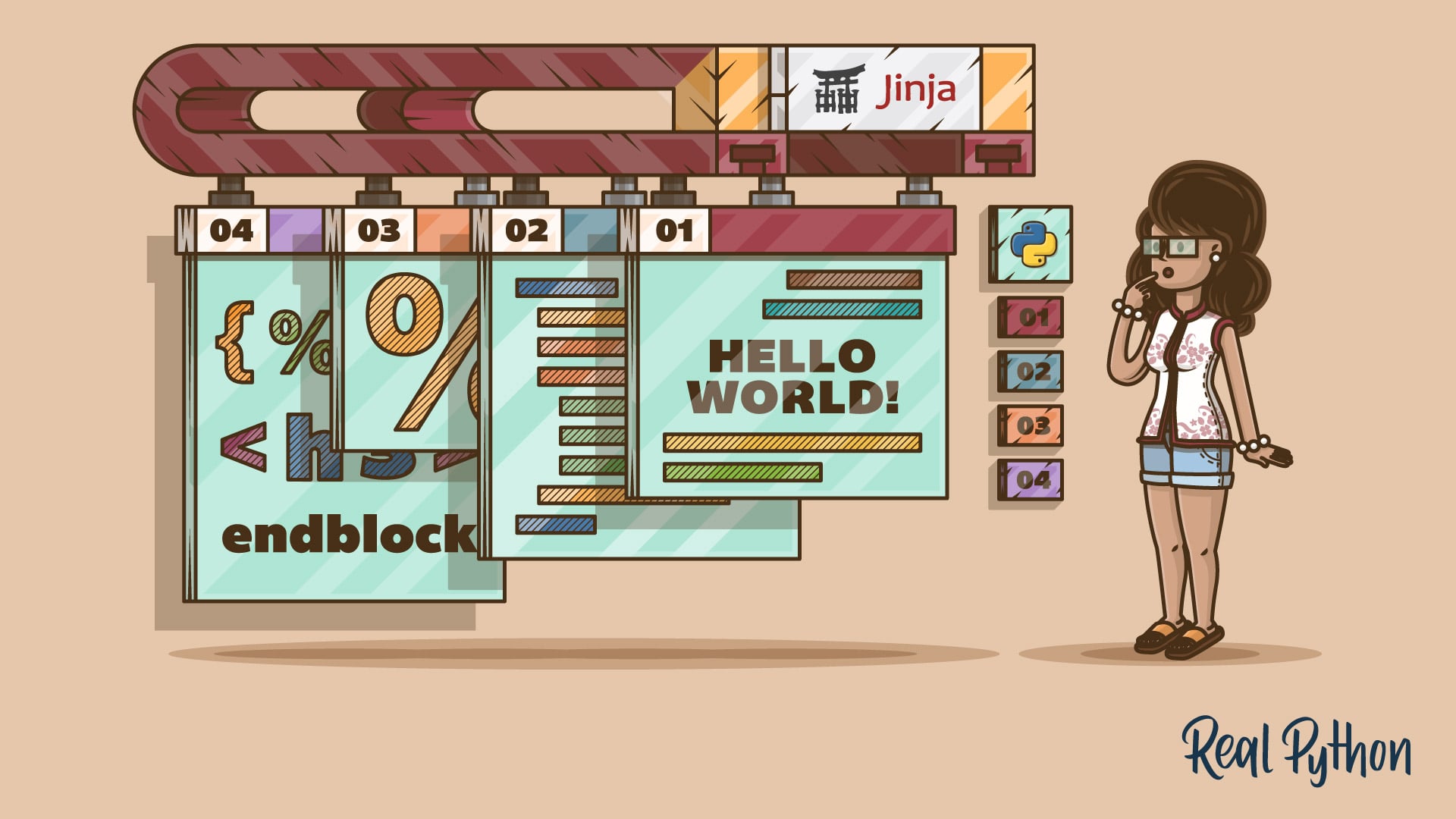
In this tutorial we take a look at Jinja2, a full-featured template engine for the Flask framework and Python
sacred crane
TypeError
TypeError: 'method' object is not subscriptable getting this error when running flask need help
response = {}
@app.route('/predict', methods=["POST", "GET"])
def predict():
    if request.method=='POST':
        solute = request.form["solute"]
        solvent = request.form["solvent"]

    else:
        solute = request.args.get["solute"]
        solvent = request.args.get["solvent"]


    results = predictions(solute, solvent)
    response["predictions"] = results
    return flask.jsonify(response)
http://127.0.0.1:3000/predict?solute='CC(C)(C)Br'?solvent = 'CC(C)(C)O' using this url to see the prediction in json format
please help i have tried but i am unable to figure out where i am doing wrong for long time
grizzled basin
sacred crane
`TypeError`
`TypeError: 'method' object is not subscriptable` getting this error...
Use '()' instead of []
on request.args.get["solute"]
(and solvent ofc)
sacred crane
Now I am getting this error.
 sacred crane
`http://127.0.0.1:3000/predict?solute='CC(C)(C)Br'?solvent = 'CC(C)(C)O'` using ...
sacred crane
sacred crane
`http://127.0.0.1:3000/predict?solute='CC(C)(C)Br'?solvent = 'CC(C)(C)O'` using ...
Is this the correct way to give input in url
my inputs are # solute='CC(C)(C)Br'
solvent = 'CC(C)(C)O'
grizzled basin
I've never used boost python
but if you want to pass multiple args in the get, you use &
like this
@sacred crane
 grizzled basin
Your response probably isn't something serializable, like a dict
can you print me your response?
or try something like this:
return flask.jsonify({'result': response})
But I think you have to convert Tensor data to a serializable form probably
Are you using Tensorflow?

Medium
Automatically bind your fields to and from a tensorflow graph
sacred crane
grizzled basin
Your response probably isn't something serializable, like a dict
Thank you I am using pytorch
response["predictions"] = str(results) adding str() here resolved the problem
 grizzled basin
yeah that's why str won't work
sacred crane
I am planning to use this result to show in a react website
grizzled basin
You have to find a way to serialize your torch obj
do:
print(results)
print(type(results))
and show me the output
you can hook this piece before the response
serialized_results = {k: v.item() for k, v in results.items()}
return flask.jsonify({'predictions': serialized_results})
try this
@sacred crane
sacred crane
tensor([[-3.4333]], grad_fn=<AddmmBackward>)
<class 'torch.Tensor'>
@grizzled basin adding results.item() solved the problem i guess

tensor([[-3.4333]], grad_fn=<AddmmBackward>)
<class 'float'>
@sacred crane good!
 mild wing
Hey, I'm looking to build an e commerce site, using django. Just looking to get the general gist and what I need to learn before, I want to make it so it's easy to add products from a UI, meaning that a user can add pages of html/products without actually doing html or any of that. Anyone got recommendations to some info related to doing that? Not sure if this kind of thing got like a name
golden bone
mild wing
Hey, I'm looking to build an e commerce site, using django. Just looking to get...
There are loads of of tutorials and examples online like https://github.com/justdjango/django-ecommerce and https://www.freecodecamp.org/news/how-to-build-an-e-commerce-website-with-django-and-python/

GitHub
An e-commerce website built with Django. Contribute to justdjango/django-ecommerce development by creating an account on GitHub.

freeCodeCamp.org
Learn how to build an e-commerce website with Django and Python in this full course from JustDjango You will learn all the steps for developing a complete e-commerce site, including: Setup and project configurationAdding items to a cartImproving the UICreating an order summaryThe checkout processHandling payments with StripeDiscount codesManagin...
 wise kite
NEED HELP - Each time someone send request to my application i have to check their token with a yaml file in server. So i have to load that ymal file each time someone send request. Can i do something where I don't have to read that yaml file each time. Insted maybe django can load it one time in starting and Store that token into a veriable. And keep updating that veriable every 10 to 15 min from yaml file. ?
native tide
@wise kite I can help if it is flask
wise kite
It,s django. But solution should be kind of same bhai . Isn't it ?.
native tide
is it possible to change my maintenance page from an ip whitelist and htaccess to a login form
alot of people dont trust givign there ip addresses to get past it and i want the page to have a login form to bypass the page
dense slate
wise kite
NEED HELP - Each time someone send request to my application i have to check the...
I've never heard of someone implementing auth from a file. Why did you decide to do it that way?
Rather than keeping the token in the DB.
wise kite
dense slate
I've never heard of someone implementing auth from a file. Why did you decide to...
So i can change the token and some other details without needing to restart the server
dense slate
What framework are you using?
Because you shouldn't have to restart the server just because you update the DB.
If you load the yaml file once at build time, and then need to change it, you'll have to restart the server to re-read it each time you change it.
wise kite
dense slate
What framework are you using?
Django. I might not. But my senior dev is Java dev he don't know anything about django. He said i have to do it that way . So i have to. It will be convenient for him i guess.
dense slate
Wish I knew what to say in that case. I don't really do a lot with direct file accessing.
Maybe using something like SQLite?
I think that saves as text if I'm not mistaken.
 vapid stag
I have a 25 lines of story displayed in a webpage. One user can select a word/number/symbol or anything in that page with their mouse select.
can I get:
- the word itself
- the line number
-index number
To my backend flask app?
Which approach should I take?
Thank you!😊
One can upload a story file, he/she can select a word or anything from what's displayed on the screen. To the backend, we should get index number, line number
inland oak
dense slate
Maybe using something like SQLite?
@wise kite yes, you should better using Sqlite.
The point of Django of having easy database management with its ORM
if you aren't using it... u aren't using Django
Reinventing the wheel with going for YML stored self written database is just plainly horrible
it is fine to use YML for one time setting up settings from the code though
 jolly obsidian
Anyone here know any website where we can get the Time complexities by entering the code?
inland oak
dense slate
I think that saves as text if I'm not mistaken.
xD coded first layout today. It is relaxing, and I succeded! yaaaay!
Going full Vue.js, loving its ecosystem
Thanks gods for the flex zombies game https://mastery.games/flexboxzombies
Like... everywhere just using flex boxes ;b they are fine to remove almost any positional problem ;b, since they allow nesting.
Interested to go through Service Worker mastery game too though 🤔
Because u know... it looks like cool stuff to have
That music.... when playing flex zombies. Makes u writing layout code as super easy. You remember how your life was depending on it!
I needed to write syntax fast enough to aim my crossbow and kill the zombies!
Awesome game
dense slate
Interesting I've never seen that.
inland oak
Epic level of quality game 😉
After this game u'll remember the syntax as your reflexes
dense slate
inland oak
Going full Vue.js, loving its ecosystem
Have you used React? Are there some drastic differences?
inland oak
dense slate
Have you used React? Are there some drastic differences?
I had a colleague who used React. So I am partially (and only very briefly) familiar.
not having enough knowledge to compare. I can say that Vue has state management easily out of the box, which is simple to use.
dense slate
Global state or just state?
inland oak
for global state I mean
wise kite
inland oak
<@!414740053366145037> yes, you should better using Sqlite.
Thanku i will try to convince my senior dev about it
inland oak
for local state, in one component everything is easy and simple
we have there static JS things, computed JS things and some custom things I think.
Vue gives easy reactivity to any data, and allows easily to setup reactivity in both directions between rendered and JS data
Component writing is easy, just create another file with Html, Script and Style section.
Vue is mostly not interfering into Html code too much
It has Django/Jinja like syntax for inserting data into Html, with exception to binding Properties and writing loops, which has more HTMLish looking syntax
{{ here we have full javascript language compatibility to insert data }}
I don't know react to tell you differencies, but Vue is nice and easy to use and learn 😉
Setting up I18N is easy too, going out of the box
out of the box, I can have everything, even examples how to write unit and e2e tests
btw, I love SASS. SASS is Awesome
I did not reach that section, but Vue is also bringing some of its own addition to have more features to CSS animation I think.
inland oak
dense slate
Global state or just state?
oh btw, like React, Vue has its own Nuxt.js, which allows Server Side Render and Static Site Building
dense slate
I'm curious how you handle caching in the future. I've never used redis so I cache everything on the front-end with Next/Apollo for a big speed boost.
Yes I've seen that as well.
inland oak
dense slate
I'm curious how you handle caching in the future. I've never used redis so I cac...
Hehe. Going to find out that soon.
I have 3 weeks to implement my project at least, purely for frontend
or more, considering requests to setup Payment system, and monitoring+logging requested things to monitor business stuff
during those weeks going to become intimately familiar with Vue
dense slate
I'm wondering if using redis can actually get an even better speed boost in addition to FE caching.
inland oak
I used redis only in backend framework
I can say that it is needed only for framework level logic to cache stuff from database for example
but I think it would be much faster to use...
Nginx/Traeffic as web accelerators, they will provide caching copy BEFORE request reaches the framework (when we set them up as reverse proxy to our backends)
I think that's faster ;b
no idea about how the same stuff is handled in frontend yet. Except for knowing about browser storage existence and cookies 🤷♂️
Fascinating. I am using JUST A FRACTION of flexbox powers!
with killing all flex zombies (https://mastery.games/flexboxzombies/), I feel like I'll have
 native tide
help
 native tide
heroku
indigo kettle
did you try to look at the logs
 sharp bronze
does anyone have experience with streamlit?
for some reason everytime I click on a st.number_input to put in a number my app just goes blank
native tide
indigo kettle
did you try to look at the logs
not showen

 eternal blade
In django-channels is it possible to add jwt authentication?
I'm using django-rest-framework-simplejwt and is it possible to implement jwt authentication when a user is connecting to a consumer? won't sending the token in the query string have security issues?
dense slate
Why would it have security issues?
 wooden ruin
inland oak
oh btw, like React, Vue has its own Nuxt.js, which allows Server Side Render and...
wooden ruin
inland oak
oh btw, like React, Vue has its own Nuxt.js, which allows Server Side Render and...
Have you tried nuxt 3 yet?
I'm not sure if it's worth learning or just sticking with nuxt 2
 fair birch
Hey, I'm having trouble integrating a S3 storage on my django project (i'm using jschneier's django-storages ). I want to manipulate the Content Disposition metadata to ease my backups (I want to write them using a UUID as filename, but populate the contentdisposition filename so users can download it with a friendly name). I've opened a question with more details at #help-rice
dense slate
@inland oak Sounds like redis will be good to cache server-side even if you use client side caching when you have a high number of users:
Client side caching improves the performance for the clients. But if the number of clients is high, you can experience high load on the server side resources which will eventually affect the client side performance too.
Makes sense.
solar obsidian
    if request.method == 'POST':
        print(request)
return "success"```ok so
uhhh
why does the request only look like this
<Request 'http://127.0.0.1:5000/dashboard/880574219560321104/api' [POST]>
how do i get the data
solar obsidian
nvm, i got it
sacred crane
Below is the code used to fetch the rest API predictions in react app.
function App() {
  const [state, setState] = useState([{}]);

  useEffect(() => {
    fetch("/predict?solute=CC(C)(C)Br&solvent=CC(C)(C)O")
      .then((res) => res.json())
      .then((data) => {
        setState(data);
        console.log(data);
      });
  }, []);
In fetch /predict?solute=CC(C)(C)Br&solvent=CC(C)(C)O here solute=CC(C)(C)Br and solvent=CC(C)(C)O are the inputs for the flask rest API to give predictions.
But I want to give it from the frontend rather than mentioned in the URL. How to do it?
 pallid lily
this is Javascript React
 trail veldt
Hello!
I'm developing a Flask app, and I'm a beginner in this. So here is my script:
from flask import Flask,render_template,request

app = Flask('')

@app.route('/')
def home():
    return "Hello World"

@app.route("/test",methods=["GET","POST"])
def test():
    if request.method == "POST":
       # getting input with name = fname in HTML form
       inp = request.form.get("testinput")
       # desc = request.form.get("desc")
       # getting input with name = lname in HTML form
       return "Test input: "+inp
    return render_template("testing.html")
``` And my testing.html
```html
<!DOCTYPE html>
<html>
    <head>
        <title>Testing</title></head>
    <body>
        <h1>Hello there</h1>
        <form action="{{url_for('test')}}" method="POST" id="tst"
            <label for="testinput">Input: </label>
            <input type="text" name="testinput"> <br>
            <button name="gennew">New input</button>
            <button type="submit">Submit</button>
        </form>
    </body>
</html>
``` But I want when I click gennew button, it will create a new entry right down this button. How can I do that?Where do you wish new entry being stored?
In server database?
temporally in user browser?
trail veldt
inland oak
Where do you wish new entry being stored?
In server database?
temporally in user...
Temporally in user browser
Um, I just want when I click the button and then an input being inserted right after it in the browser, and later I can access it too 😄
inland oak
trail veldt
Temporally in user browser
They I would say that u use wrong tool for that ;b
Flask is not meant for this. React / Vue.js will work much better.
You can still do it in Flask it though, but u will need working with Vanilla JS. At least if you wish the data being shown without page re render;
We can simplify things a lot your syntax writing in Flask for this purpose, at the cost of sacrificing time to update the page 🤔
Mm... all right, so in order to do this simply in flask... We should probably use Cookies! They will allow you to use relatively easy client side storage while accessing easily as server
Lets write pseudo code how it will looks like...
Client side form
Pressing button => Invoking POST request with new value

Server receives piece from POST request data
Checks user cookies
Combined result rendered back, with attaching updated cookie to client
yeah, it would be simpliest way to do that if we have Flask (at the cost of having requests to server every time with re rendering page every time we press button)
more complicated (and a bit ancient) approach would be to use Vanilla JS in order to do that without additional requests to server, manipulating user DOM purely client side
more modern solution would be to use frontend framework
 chilly bridge
How do I run a piece of Python code when a button on my website is clicked? I'm using Flask.py and failed to find the answer elsewhere.
I don't think you should post this here. #game-development would be a better place. I'm not a moderator so feel free to do whatever you want.
inland oak
trail veldt
But how can I... get and use the cookies using Flask?
google: flask set cookie, flask get cookie
https://stackoverflow.com/questions/46661083/how-to-set-cookie-in-python-flask
Stack Overflow
In this way, I want to set my cookie. But it fails to set.
@app.route('/')
def index():
res = flask.make_response()
res.set_cookie("name", value="I am cookie")
When I print res it shows <
@app.route('/')
def index():
    resp = make_response(render_template(...))
    resp.set_cookie('somecookiename', 'I am cookie')
    return resp
# This way cookie will generate in your browser but you can get this cookie in next request.

@app.route('/get-cookie/')
def get_cookie():
    username = request.cookies.get('somecookiename')
it is regular Javascript, that is used to manipulate browser DOM
https://www.youtube.com/watch?v=cuHDQhDhvPE
See for yourself difference in how to do the same with Vanilla JS or with frontend frameworks
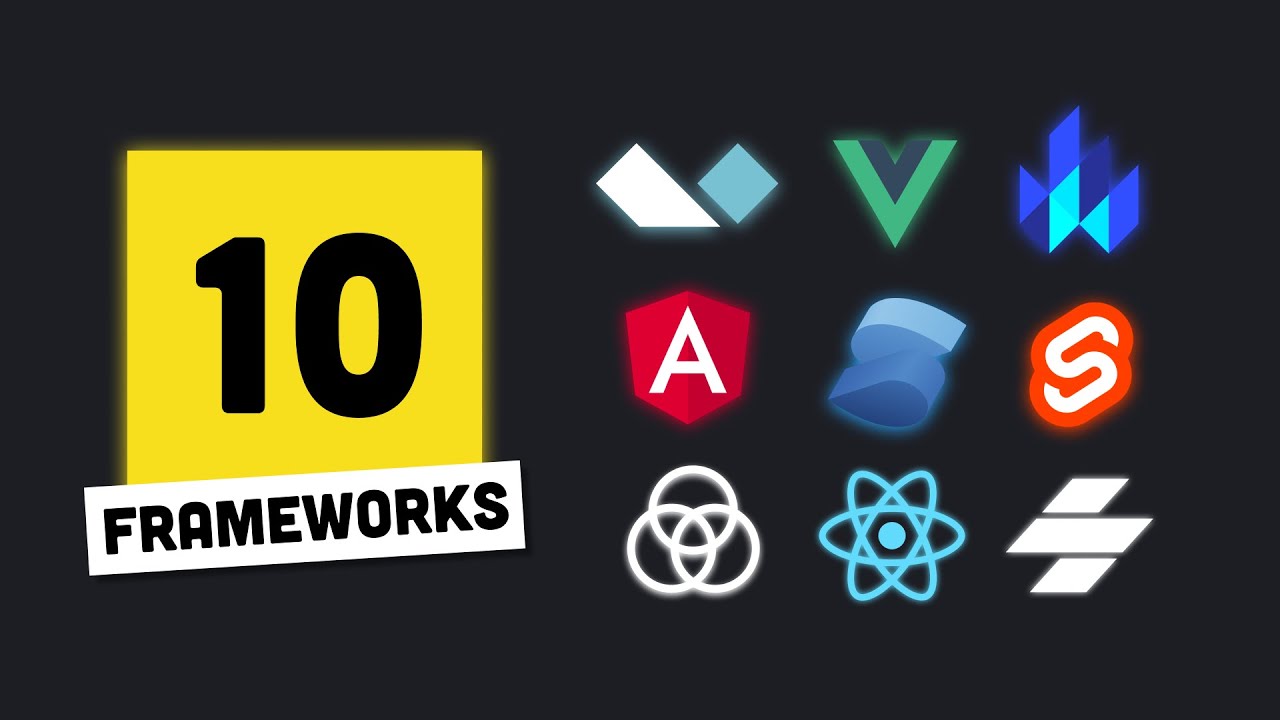
I built a simple app with 10 different JavaScript frameworks... Learn the pros and cons of each JS framework before building your next app https://github.com/fireship-io/10-javascript-frameworks
#javascript #webdev #top10
🔗 Resources
Full Courses https://fireship.io/courses/
Performance Benchmarks https://github.com/krausest/js-framework-benc...
inland oak
trail veldt
But how about user decline the browser to use cookie(s)?
in 99% cases they are still enabled anyway. almost no users disable cookies fully, because it will break all web sites
they just decline interactive agreement at some specific web site, it is purely your logic, not theirs
some users erase their cookies after browser is closed though, but it will not prevent you from making your functionality
@trail veldt actually the video shows exactly what you wished to make 😉 adding entries with button and input
See for yourself how it is done in Vanila JS and other frontend frameworks
trail veldt
inland oak
in 99% cases they are still enabled anyway. almost no users disable cookies full...
Oh yeah I see, because I see many sites have something like
This site uses cookies to improve your experience...
inland oak
trail veldt
Oh yeah I see, because I see many sites have something like
> This site uses coo...
it is a juridical issue, that araises from EU laws at least
according to their rules web site should ask and explain why they track user with cookies
you see, cookies can be used for evil... for tracking you for advertisements and etc
native tide
2021-11-11T08:27:10.802264+00:00 heroku[router]: at=error code=H13 desc="Connection closed without response" method=POST path="xxx
" host=xxxx-xxxx request_id=c0aee3b4-67f2-410c-af70-c00d747257d5 fwd="156.211.170.33" dyno=web.1 connect=0ms service=30204ms status=503 bytes=0 protocol=https```
**this is a heroku logs whin i upload a file .zip or . rar  it says like this in the image**
help plz
 inland oak
☝️ minecraftclub1.herokuapp.com, I like it.
native tide
inland oak
☝️ **minecraft**club1.herokuapp.com, I like it.
?
native tide
native tide
```2021-11-11T08:26:11.693685+00:00 app[web.1]: [2021-11-11 08:26:11 +0000] [14]...
what would you do?
deploy a website?
native tide
no i deployed the website but i have a field file field i but a file in it it gives me this err
native tide
native tide
what would you do?
so how to fix it
trail veldt
inland oak
```
Client side form
Pressing button => Invoking POST request with new value
Se...
Yo these worked! Thanks
inland oak
trail veldt
Yo these worked! Thanks
U a welcome 😁
inland oak
trail veldt
Yo these worked! Thanks
There is btw even more old school solution btw..
..instead of using cookies, you could have been using query params to accumulate the data (basically in user url)
url/?data=stuff&anotherdata=stuff
it could have been used for your case in the same way. A bit awkward way tbh, but who judges.
but cookies I guess should be more comfortable.
 rigid loom
eternal blade
dense slate
Why would it have security issues?
rigid loom
eternal blade
dense slate
Why would it have security issues?
I saw a stackoverflow post explaining the issue in passing the token in the query string
 lucid vine
sacred crane
Below is the code used to fetch the rest API predictions in react app.
```javasc...
lucid vine
sacred crane
Below is the code used to fetch the rest API predictions in react app.
```javasc...
You create forms, link their values to a state object and send them as query params to your backend. The basic stuff..
 sullen pebble
Is it possible to create a website using markdown with style formatting (hosted on github pages) ?
inland oak
sullen pebble
Is it possible to create a website using markdown with style formatting (hosted ...
it should be completely possible. I do the same in gitlab pages.
sullen pebble
inland oak
it should be completely possible. I do the same in gitlab pages.
how?
inland oak
sullen pebble
how?
oh wait. I tell wrongly, I just commit directly to repostiroy my markdown pages, github/gitlab pages aren't even needed.
just writing markdown, and having relative links, they work fine in gitlab
sullen pebble
im talking abt creating a website
inland oak
what u assume being a website
chilly bridge
How do I run a piece of Python code when a button on my website is clicked? I'm using Flask.py and failed to find the answer elsewhere.
native tide
You can create a view, connect it to a URL and add this URL to your HTML form.
If you write more info on what you want to do, I can make a more detailed response.
 austere raptor
Hi guys, Is there any channel I can post my latest work on?
chilly bridge
native tide
If you write more info on what you want to do, I can make a more detailed respon...
Since Python has APIs unlike JavaScript (not Node.js), I want to use Flask.py to make a button. When the button is clicked, a Python function should be called.```py
This is my current code.
import flask
app = flask . Flask (
name
)
@ app . route (
'/run-python-code'
)
def run_python_code () :
return 'Trying to run Python code...<br><button>Run Python code!>/button>'```
sullen pebble
inland oak
what u assume being a website
??
inland oak
sullen pebble
??
what u understand being a website
inland oak
🤷♂️ all right. So anything hosted in github pages, even text file will be website for you
vapid stag
I'm starting JavaScript. I'm confused thinking a better way to run it. My friends suggest to use Nodejs since I'm familiar with cmdline.
Other one said that I can run js in browser, by creating snippest inside chrome dev console. Although I don't understand what he meant, I think I really want to know this
Can we actually run Js inside a browser? Just like writing inside an interpreter
Vanilla js without html
Or nodejs would be better?
sullen pebble
inland oak
🤷♂️ all right. So anything hosted in github pages, even text file will be webs...
how would i format it 😕
like the background colour, font styles etc
afaik only html&css can do that
is it possible just to have an external.css and markdown for the content?
 serene prawn
vapid stag
I'm starting JavaScript. I'm confused thinking a better way to run it. My friend...
serene prawn
vapid stag
I'm starting JavaScript. I'm confused thinking a better way to run it. My friend...
Browsers can execute javascript, if you don't need to do browser-specific things, e.g. DOM manipulation you can run it via nodejs
 umbral rock
I'm trying to get started with Django and i'm a little confused about the overall structure of the project. I know that I should create an app for a blog for instance, or a forum, but should I create an app for my home page? Or do I just use the files that were created when I used startproject?
serene prawn
@umbral rock If you have some individual parts of your project that are not highly coupled you could split them into different applications
umbral rock
My plan is to first off create a homepage, then start to expand out by making a planner app, a blog app etc. I'm just a bit confused as to whether I create my homepage in my project folder or whether I should create an app for my homepage
serene prawn
It depends on what you mean by homepage in this case, if it's some sort of static landing page i'd make it separate app
umbral rock
Yeah, it's going to be static. Thanks 🙂
 bronze palm
does anyone know some reference material for Django rest and taking in parameters? I can do it with regex and taking the full endpoint but I was wondering if there is a better method?
golden bone
sullen pebble
is it possible just to have an external.css and markdown for the content?
There are lots of markdown to html converters if that's what you want. Pandoc, for example.
Yes, you can link to css to handle the extra style stuff.
I personally like org mode in emacs, similar to markdown and emacs makes it easy to re-export and update your web content with a few keystrokes.
 dull isle
does anyone know how to use BeautifulSoup4 to parse html strings?
ping me if you've got the answer or you can point me in the right direction, thanks! 😄
 fickle garnet
dull isle
does anyone know how to use BeautifulSoup4 to parse html strings?
ping me if you...
dull isle
fickle garnet
dull isle
does anyone know how to use BeautifulSoup4 to parse html strings?
ping me if you...
dull isle
oh thanks!
sacred crane
How to rectify cors error
 dense slate
I have my FE (next) and BE (Django) in separate directories on the same server. I'm trying to upload a file via GraphQL via the BE and have that file be saved in the public directory of my FE but I'm getting:
Detected path traversal attempt
There a way around this? I can only upload without an error if I upload to my media_root directory within the Django project. If I try to go above that level, I get this error.
inland oak
sullen pebble
how would i format it 😕
Well, besides markdown, there is really similar ReStructurizedText syntax.
You could use Python tool Sphinx
Which allows to write in this syntax...
...as for styles, you can choose at least a dozen of premade stylings which are available in the tool.
Perhaps more little adjustments to elements is possible.
But that's it.
And... actually you know.. if u don't want to deal with HTML and CSS
but u a wishing to have still relatively customizable thing capable to change background / fonts and e.t.c.... You are probably looking for WordPress.
indigo kettle
dense slate
I have my FE (next) and BE (Django) in separate directories on the same server. ...
does a symlinked directory work?
native tide
Can we get a domain for free
dense slate
indigo kettle
does a symlinked directory work?
I'll look into it, but the lack of Google answers really makes me think I'm either approaching this the wrong way, or it's supposed to be possible and I'm just doing something wrong.
sullen pebble
inland oak
Well, besides markdown, there is really similar ReStructurizedText syntax.
You c...
oh, how do i use sphinx or 'jekyll'
is 'jekyll' md?
inland oak
sullen pebble
oh, how do i use sphinx or 'jekyll'
jekyll is smth similar alternative, but I never used it.
I have an example of how to use Sphinx in Github in the simpliest and dumbest way
https://github.com/dd84ai/darkbot
Just copy folder sphinx from here (and requirements.txt with scripts.py file and scripts folder)
in project settings enable github pages from docs folder
install dependencies for sphinx (and click library) from requirements.txt
use python scripts.py sphinx build command in order to build your website to from source to docs folder
(or manually delete previous docs, create folder docs, make empty file .nojekyll in docs, and write command sphinx-build -b html sphinx/source docs)
change sphinx folder files to match your desired RST documents
this setup is silliest and dumbiest, because you need to commit your docs folder to repostiroy in order for this way github pages to work 😉
it can be made smarter with pipeline and artifacts, but whatever.
inland oak
xD I even commited my database to this repository. I was really lazy this for pet project.
well, it has its benefits. it is really easy to migrate and maintain at least.
sullen pebble
but what idk is make.bat, config.py, makefile etc
inland oak
don't touch make.bat and makefile, they were auto generated by sphinx initialization, they aren't needed.
tbh they should be deleted probably, if it will not break anything
sullen pebble
hmmmmmmmmmm
sullen pebble
whats 'jekyll' again
sullen pebble
inland oak
config.py?
inland oak
sullen pebble
whats 'jekyll' again
no idea, I have just .nojekyll file, that disables it from my github pages, that's it.
some sort of alternative to sphinx it is
probably another way to format documentation easily
inland oak
sullen pebble
but what idk is `make.bat`, `config.py`, `makefile` etc
...well, I mentioned command for building above
using python scripts or manually writing sphinx-build
make.bat and makefile do the same basically, but without dependencies to click library which i have
inland oak
sullen pebble
can i use the sphinx commands on replit
doubtfully.
sphinx requires installed dependencies
replit is highly likely aren't having them
sullen pebble
inland oak
doubtfully.
sphinx requires installed dependencies
what are those?
packages?
inland oak
sullen pebble
packages?
pip packages.
sullen pebble
oh yeah repl has them
 covert agate
what is the best wed-site development maker?
native tide
huh

 nova tapir
@lethal void did you just test a forum you filled out that could have an attachment (cv, resume), but you didn't attach a file, and the code assumes you have
 lethal void
nova tapir
<@!852345232770727956> did you just test a forum you filled out that could have ...
lethal void
nova tapir
<@!852345232770727956> did you just test a forum you filled out that could have ...
oh let me check on it
wooden ruin
covert agate
what is the best wed-site development maker?
what do you mean?
lethal void
nova tapir
<@!852345232770727956> did you just test a forum you filled out that could have ...
thanks for the help, now it's running , so yeah I just attach ah cv file inside the admin panel and now it's ok thank you
nova tapir
Good to hear
inland oak
covert agate
what is the best wed-site development maker?
at which level, backend framework, frontend framework or CMS
 modest ermine
Hi All, a beginner's question from my end. In web development, why would you choose JS over Python for backend, or vice versa?
sullen pebble
inland oak
Well, besides markdown, there is really similar ReStructurizedText syntax.
You c...
so whats the best way to create a site for personal use, easily?
it should only need basic html and css coding
and categories+search bar
and thats it. no fancy url or other features
inland oak
sullen pebble
so whats the best way to create a site for personal use, easily?
it should only ...
That's my hosted made with Sphinx
the one to which i gave source code
it has automated menu and submenu handled by sphinx
https://dd84ai.github.io/darkbot/info/begining.html#help
search bar is there
there are different themes to choose, I liked this one
sullen pebble
idk how to use sphinx :/
and ill have to learn it
inland oak
it is quite simple to learn
sullen pebble
whats the diff between mkdocs and sphinx?
which ones better, which one should i use
inland oak
I have no idea what mkdocs is
sullen pebble
oh
its just like sphinx
used to create doc sites
all i want to do is
create something that can easily display my markdown files
so that its easy for the user to view them
sullen pebble
sullen pebble
create something that can easily display my markdown files
with some decent navigation
looks like i should just create a gist 
sacred crane
response = {}
@app.route('/predict', methods=["POST", "GET"])
def predict():
if request.method=='POST':
solute = request.form["solute"]
solvent = request.form["solvent"]
else:
solute = request.args.get("solute")
solvent = request.args.get("solvent")
results = predictions(solute, solvent)
print(results)
print(type(results.item()))
response["predictions"] = results.item()
return flask.jsonify({'result': response})
``` I have build a rest api using flask. when i give `/predict?solute=${form.one}&solvent=${form.two}`; then i get output. but rather than changing the query in url i just want to change url like `/predict` and want to get the output. Because i want to access this in a react frontend thick sinew
Hey guys, does anyone here knows how to make swagger generate documentation for APIView in DRF? It generates docs for generics like ListAPIView but for APIView I need to write schema manually, what does generics have that base view doesn't and makes swagger/redoc/coreapi work? I just get empty method without parameters
serene prawn
@thick sinew You need to manually specify request body and responses using swagger_auto_schema in case of drf_yasg
class SomethingAPIView(APIView):
    @swagger_auto_schema(
        request_body=serializer.SomethingCreateSerializer(),
        responses={
            status.HTTP_201_CREATED: seralizers.SomethingSerializer(),
        }
    )
    def post(self, request):
        serializer_in = serializers.SomethingCreateSerializer(data=request.data)
        serializer_in.is_valid(raise_exception=True)
        data = serializer_in.validated_data
        ...
that helped, thanks a lot!
 round cedar
Anyone can help me with android devp? Trying to bring data from firebase and put in recycle view in app and having a problem there
 blazing imp
Help, i'm trying to do a folder with the environment files of my project, but the proyet don't read the files. Im using django-environ 0.4.5
error:
django.core.exceptions.ImproperlyConfigured: Set the PROGRES_DB enviroment variable
my code:
ROOT_DIR = environ.Path(__file__) - 3

env = environ.Env()
environ.Env.read_env(os.path.join(ROOT_DIR, ".envs/.local/.postgres", ".envs/.local/.django"))
.postgres file:
POSTGRES_HOST=postgres
POSTGRES_PORT=5432
POSTGRES_DB=cride
POSTGRES_USER=postgres
POSTGRES_PASSWORD=my_password
i'm trying to import the 2 envs files, .postgres and .django, but i don't know how
 past lion
Hello guys
I need your help in Django
How to make like api endpoint that returns json of all users from database?
sacred crane
{"result":{"predictions":-3.5411367416381836}}
```How can i access the floating value using javascriptHello guys
I need your help in Django
I had to make like api endpoint that returns everything from the database in json format
I wrote code like this and it kinda workedpy def identity_json(request, *args, **kwargs): data = list(identity.objects.values()) return JsonResponse(data, safe=False)
It looks like this

but i also have many to many field that doesn't show up there in json
 lofty copper
Is python a reasonable tool and what in that case what packages? Goal: generate a one-page html with headings, some paragraphs of text and some images.
native tide
lofty copper
Is python a reasonable tool and what in that case what packages? Goal: generate ...
django
...
native tide
past lion
but i also have many to many field that doesn't show up there in json
what do you mean?
you probably have a while true of a for loop continuosly running
i dont understnad what you are trying to do
so you send a request and it sends json format back?
past lion
past lion
It looks like this
i get everything except characteristic adn characteristic is many to many field
native tide
lofty copper
Is python a reasonable tool and what in that case what packages? Goal: generate ...
If it's not dynamic, ie doesn't use a data or create content dynamically, just use html/css
past lion
native tide
so you send a request and it sends json format back?
when i go to http://127.0.0.1:8000/json it shows me json
native tide
so whats wrong w it
?
If you need a database/business logic/etc then python and django is a good choice
past lion
native tide
so whats wrong w it
It doesnt show up characteristic in json
native tide
past lion
It doesnt show up characteristic in json
Try looking at select_related() . It sounds like you want related objects in your json. You might also have to write more logic than you have to make that happen in the way you want.
i got a question
:0
{% extends 'main/base.html' %}

{% block body %}
{%for car in all %}

    <div class = "container">
        <div class = "table">
            <div class="row">
                <div class="col-md-3">
                    {{car}}
                </div>
            </div>
        </div>
    </div>

{% endfor %}
{%endblock %}```

```{'BMW M3 E30': {'price': '$', 'description': '', 'seats': '', 'url': ''}, 'Dodge Charger': {'price': '$', 'description': '', 'seats': '', 'url': ''}, 'Polestar 1': {'price': '$', 'description': '', 'seats': '', 'url': ''}}```cant find the bloody
price
i guess its javascript
💀
lofty copper
native tide
django
it seems quite .. big, for such a small task, but perhaps not
native tide
native tide
cant find the bloody
{{all[car]["price"]}} no?
lofty copper
the basic example has a lot of python files https://docs.djangoproject.com/en/3.2/intro/tutorial01/
native tide
native tide
`{{all[car]["price"]}}` no?
its html
native tide
native tide
its html
not inside {{ }} it's not
it's python
well yes
but im making a for loop
Did you look at the docs for selected_related
lofty copper
Also Im no interested in running python on the webserver, I just want a plain html generated and host that
native tide
lofty copper
Also Im no interested in running python on the webserver, I just want a plain ht...
cool
🏅
native tide
lofty copper
Also Im no interested in running python on the webserver, I just want a plain ht...
Then just write html/css and host it. Or use a static site generator. Pelican (if it still exists) is Python based. Others exist for Ruby.
lofty copper
native tide
If it's not dynamic, ie doesn't use a data or create content dynamically, just u...
I would prefer to no write html, but maybe I just should. It's just, kinda boring 😐
ok thanks
native tide
native tide
but im making a for loop
right, you're looping through your dictionary
{'BMW M3 E30': {'price': '$', 'description': '', 'seats': '', 'url': ''}, 'Dodge Charger': {'price': '$', 'description': '', 'seats': '', 'url': ''}, 'Polestar 1': {'price': '$', 'description': '', 'seats': '', 'url': ''}}```

i just dont understand how to read inside the BMW M3 E30 areaif you want to show price, I showed you how
no u didnt

there ya go
bossman

try {{car["price"]}}
tried it
same thing
[""] doesnt work in html
lmfao

well I use actual objects instead of dictionaries so I don't have this problem. good luck
 white pier
native tide
white pier
native tide
maybe try {% for car in all.values() %}
and then past with {{car["price"]}}
umbral rock
Hi all, having some trouble with using whitenoise to locally serve my static files for my django website. As soon as I turn Debug to False, I can no longer access my static files. I've installed whitenoise and i've added it to the MIDDLEWARE list in settings.py, but it's still not working. Am I missing something?


The static files load fine whenever I have debugging set to True, so I think my STATIC_URL and STATIC_ROOT etc are all okay. This is my first time setting up a django website though so could be wrong.

 ocean slate
How to install flask in pycharm
 snow sierra
ocean slate
How to install flask in pycharm
snow sierra
ocean slate
How to install flask in pycharm
i don't know in PyCharm but you must install it from PIP in virtualenv
!code
white pier
ocean slate
How to install flask in pycharm
https://www.jetbrains.com/help/pycharm/installing-uninstalling-and-upgrading-packages.html#packages-tool-window this can help if you mean install flask package

PyCharm Help
snow sierra
how do i get a clock to frontend, updating on every page reload???
prod_add_date = forms.DateField(label='Date', initial=datetime.now().strftime("%d/%m/%Y - %I:%M"), disabled=True,
        widget = forms.DateInput(attrs={'class':'form-control'})
    )
How do you handle uploading files to your backend but saving them in the front-end project folder? I'm getting a Detected path traversal attempt error.
Basically anything I try to upload outside of the BE project folder gives me this error. I assume that's to prevent uploading files that are like "../../../whatever.jpg" but then how do I actually get it there?
native tide
snow sierra
how do i get a clock to frontend, updating on every page reload???
```py
prod_...
a little more specific?
snow sierra
native tide
a little more specific?
 snow sierra
after page reaload, catch current time
native tide
that will update automatically?
snow sierra
exactly
native tide
Javascript is able to give u the current time
native tide
var today = new Date();
var time = today.getHours() + ":" + today.getMinutes() + ":" + today.getSeconds();```
Pulled from CodeGrepperthen just set the time variable into the element that is displaying the current time
 lone hedge
hey everyone, looking for some assistance with my flask app and background celery tasks, tasks are executing but not going to queues i believe to be defining in the celery app conf
https://github.com/apsamuel/workshop-ctrl-system/blob/main/pylibs/sidecars/metrics/app.py
I'm defining scheduled tasks like this:
metrics_exchange = Exchange('metrics_exchange', type='direct')
celery.conf.task_queues = (
    Queue(name='vmem', routing_key='vmem'),
    Queue(name='swap',  routing_key='swap'),
    Queue(name='cputime',  routing_key='cputime'),
    Queue(name='metrics',  routing_key='metrics.*'),
)
celery.conf.default_queue = 'metrics'
celery.conf.task_default_queue = 'metrics'
#celery.conf.task_default_exchange = 'metrics_exchange'
celery.conf.task_default_routing_key = 'metrics'

celery.conf.beat_schedule = {
    'publish-vmem-60s': {
        'task': 'pylibs.sidecars.metrics.app.publish_vmem',
        'schedule': 60.0,
        'options': {
            'queue': 'vmem',
            'routing_key': 'vmem',
            #'exchange': 'metrics_exchange',
        },
    },
    'publish-swap-60s': {
        'task': 'pylibs.sidecars.metrics.app.publish_swap',
        'schedule': 60.0,
        'options': {
            'queue': 'swap',
            'routing_key': 'swap',
            # 'exchange': 'metrics_exchange',
        },
    },
    'publish-cputime-60s': {
        'task': 'pylibs.sidecars.metrics.app.publish_cputime',
        'schedule': 60.0,
        'options': {
            'queue': 'metrics',
            'routing_key': 'metrics.cputime',

        },
    },
}
however those tasks are being sent to an auto-generated queue
[2021-11-12 19:09:43,990: INFO/MainProcess] Task pylibs.sidecars.metrics.app.publish_cpustats[969172b3-f99d-4512-8005-4aed0e49ef0a] received
[2021-11-12 19:09:43,992: DEBUG/MainProcess] TaskPool: Apply <function fast_trace_task at 0xb5542030> (args:('pylibs.sidecars.metrics.app.publish_cpustats', '969172b3-f99d-4512-8005-4aed0e49ef0a', {'lang': 'py', 'task': 'pylibs.sidecars.metrics.app.publish_cpustats', 'id': '969172b3-f99d-4512-8005-4aed0e49ef0a', 'shadow': None, 'eta': None, 'expires': None, 'group': None, 'group_index': None, 'retries': 0, 'timelimit': [None, None], 'root_id': '969172b3-f99d-4512-8005-4aed0e49ef0a', 'parent_id': None, 'argsrepr': '()', 'kwargsrepr': '{}', 'origin': 'gen18174@raspberrypi', 'ignore_result': False, 'reply_to': '870d7a81-21e5-3e32-a7db-fe8c3cb61c33', 'correlation_id': '969172b3-f99d-4512-8005-4aed0e49ef0a', 'hostname': 'celery@raspberrypi', 'delivery_info': {'exchange': '', 'routing_key': 'metrics', 'priority': None, 'redelivered': False}, 'args': [], 'kwargs': {}}, '[[], {}, {"callbacks": null, "errbacks": null, "chain": null, "chord": null}]', 'application/json', 'utf-8') kwargs:{})
which i'm not controlling the name of
pi@raspberrypi:~/restart/headunit $ ./dev/rabbitmqadmin list queues
+-----------------------------------------------+----------+
|                     name                      | messages |
+-----------------------------------------------+----------+
...
| 870d7a81-21e5-3e32-a7db-fe8c3cb61c33          | 108
..
GitHub
Contribute to apsamuel/workshop-ctrl-system development by creating an account on GitHub.
 strange shadow
hello, im trying to make a website like https://nedbot.org/ but i dont know where to start.

Moderation, done right. NedBot is the only bot you'll ever need to moderate your server, boasting all the features you could need and more.
 frank shoal
you'll want to start by picking a stack.
pick a backend, a frontend, and if needed, a database, event broker, worker, etc
you should pick one with a nice acronym.
for example. MEAN:
MongoDB
Express.js
AngularJS
Node.js
 sleek hare
What’s a good stack to use Django with? Is there a preference front end to connect to Django? Or not really?
 tawny pollen
function submitFormData() {
        console.log('Payment button clicked')

        var userFormData = {
        'name':null,
        'email':null,
        'total':total,
        }

        var shippingInfo = {
        'address':null,
        'city':null,
        'state':null,
        'zipcode':null,
        }

        if(shipping!='False') {
            shippingInfo.address = form.address.value
            shippingInfo.city = form.city.value
            shippingInfo.state = form.state.value
            shippingInfo.zipcode = form.zipcode.value
        }

         if(user=='AnonymousUser') {
            userFormData.name = form.name.value
            userFormData.email = form.email.value

        }

        var url = '/process_order/'
        fetch(url, {
            method:'POST',
            headers:{
                'Content-type':'application/json',
                'X-CSRFToken':csrftoken,
            },
            body:JSON.stringify({'form':userFormData, 'shipping':shippingInfo})
            })
            .then((response)=>response.json())
            .then((data) => {
            console.log('Success:', data);
            alert('Transaction Completed');
            window.location.href = "{% url 'store' %}"
            })
    }
why are the properties in userFormData and shippingInfo in single quote? are those JS objects or JSON? thanks
umbral rock
Hi all, I posted asking for some help with using whitenoise in a Django project yesterday. Any help would be appreciated: #web-development message
lone hedge
likewise on some flask/celery/rabbitmq related issues i've been facing #web-development message
lone hedge
tawny pollen
why are the properties in userFormData and shippingInfo in single quote? are tho...
those are js objects
which fundamentally get serialized to JSON on this line
body:JSON.stringify({'form':userFormData, 'shipping':shippingInfo})
Hello, in the django ORM is there a possibility to add a auto incrementing IntegerField and it increments by one per ForeignKey of another model,
for an example ```py
class Channel(Model):
""""A channel of a ChatGroup"""
chat_group = models.ForeignKey(ChatGroup, on_delete=models.CASCADE)
name = models.CharField(max_length=50)
description = models.TextField(max_length=255, null=True, blank=True)
position = models.IntegerField()
created_at = models.DateTimeField(auto_now_add=True)
@property
def group_name(self):
    return f"ChatChannel-{self.id}"

class Meta:
    constraints = [
        models.UniqueConstraint(
            fields=("chat_group", "position"),
            name="Unique channel position"
        )
    ]``` the `position` field will increment by one per `ForeignKey` to the `ChatGroup` model, Thanks 😃
will try again later, celery gave me a splitting headache
 slim skiff
eternal blade
Hello, in the django ORM is there a possibility to add a auto incrementing `Inte...
slim skiff
eternal blade
Hello, in the django ORM is there a possibility to add a auto incrementing `Inte...
you can create your own field that implements your logic, it's not a standard use case
eternal blade
How can I do that?
umbral rock
Within Django, If I create a templates folder within an app, do I not need to update my settings.py TEMPLATES DIRS? Or do you only need to do that if you're using a templates folder outside of your app?
Fairly certain my setup is working correctly but I don't want to run into issues further down the road when I add more apps.
 frank shoal
sleek hare
What’s a good stack to use Django with? Is there a preference front end to conn...
frank shoal
sleek hare
What’s a good stack to use Django with? Is there a preference front end to conn...
I generally use postgresql and vue.js
 sharp jungle
I made a path that takes post requests, but how can i access the binary file if I want images to be sent through it?
sharp jungle
I think I got it, except how can I save it to a folder?
@app.route("/add", methods=["POST"])
def add():
    file = request.files['file']
    if file:
            filename = secure_filename(file.filename)
            # Save to directory
fascinating. reading one book and discovered alternative way to get location of the user.
Apperently all web devices are having automatically available API... for location of the user
Making the right call, it automatically makes browser/device asking for permission to use the user location
which in turns gets precise location shown based on user IP / GPS / wifi / triangulation to cell towers

<!DOCTYPE html>
<head>
    <meta charset="utf-8">
    <title>Where am I?</title>
    <script src="myLoc.js"></script>
</head>
<body>
    <div id="location">
        Your location will be here!
    </div>
</body>
</html>
console.log("launching js boot!");

window.onload=getMyLocation;

function getMyLocation() {
    console.log("launching geol on boot");
    if (navigator.geolocation){
        console.log("acquiring geolocation");
        navigator.geolocation.getCurrentPosition(displayLocation);
    } else {
        alert("ops, no geolocation support");
        console.log("alert, no geol");
    }
    console.log("finished getmylocation");
}

function displayLocation(position) {

    console.log("starting display function");
    var latitude = position.coords.latitude;
    var longitude = position.coords.longitude;
    var div = document.getElementById("location");
    div.innerHTML = "You are at latitude:" + latitude + ", longitude:" + longitude;
}
That's all that it takes
result:
accuracy: 3713.4307272065403
altitude: null
altitudeAccuracy: null
heading: null
latitude: 51.539466
timestamp: 1636814290068
all is left having a database of country/towns coordinates, to match those Earth coordinates in order to get country/town of the user.
Although, asking for user ip address requires no user permission 🤔 So it has its own advantage in comparison to geolocation API
but surely geolocation API should be bringing more precise results ;b
not really remembering seeing it actively asking permission at any PC web site though, probably it is more used only for mobile apps, i wonder if they request it in the same way or differently
 shadow vine
umbral rock
Within Django, If I create a templates folder within an app, do I not need to up...
shadow vine
umbral rock
Within Django, If I create a templates folder within an app, do I not need to up...
So long as you add your app to INSTALLED_APPS, you’re good with just creating template directories within your apps along with the <app_name> subdirectory
sleek hare
frank shoal
I generally use postgresql and vue.js
That’s the setup I’ve been thinking about using
umbral rock
shadow vine
So long as you add your app to INSTALLED_APPS, you’re good with just creating te...
Thanks 😊
inland oak
@dense slate cool graphics, neat music, nice plot.
https://mastery.games/serviceworkies
I am going to learn Service Workers usage ;b Interesting thing to learn for frontenders
 native tide
Hello, I am working on a Session Security Project along with a company.
We're trying to show the impact of not sanitizing user input (Blind XSS > gets rendered on the admin dashboard via the DB > Cookie Stealing depending on the Cookie flags set.)
This works because there is an admin authenticated when the attacker sends the payload however if there is no administrator authenticated this won't work as there's no cookie to grab so is there any way in PHP to predefine variables so when they send that payload there is already a cookie or for a bot to login to the administrator session and stay authenticated?
Thanks. 🙂
native tide
I can make a bot in Python to do this but I want a second option and more better option.
native tide
native tide
I am making a WYSIWYG editor using the contenteditable attribute in divs
I have implemented font changing
I would like to know what font is the cursor on
lone hedge
anyone can help with celery issues sending to queues and not the default autogenerated queue please?
problem description: #web-development message
 last lily
Hey, I have a simple fast api thingy that works on my local machine, but when I try to use it on a VPS it doesn't work, I mean the code runs I just don't manage to connect to it. I launch it using 'uvicorn api:app --host 0.0.0.0 8001' Do I need to change the host to the VPS public IP?
lone hedge
https://gist.github.com/apsamuel/04cbb2538f64a287f72e18e00ba76450 i updated the issue with more details on this gist

Gist
[SPIKE] declared queues unused by celery beat scheduled tasks - celery_issue_overview.md
 vivid canopy
who can help me with allauth django?
 noble smelt
raise exc.NoReferencedColumnError(
sqlalchemy.exc.NoReferencedColumnError: Could not initialize target column for ForeignKey 'Products.product_id' on table 'order_product': table 'Products' has no column named 'product_id'
order_product = db.Table('order_product',
    db.Column('order_id', db.String(length=36), db.ForeignKey('Orders.order_id')),
    db.Column('product_id', db.String(length=36), db.ForeignKey('Products.product_id'))
)

class Order(db.Model):
    __tablename__ = 'Orders'
    order_id = db.Column('id', db.String(length=36), default=lambda: str(uuid.uuid4()), primary_key=True)
    total_price = db.Column(db.Integer(), default=1)
    order_date = db.Column(db.DateTime(timezone=True), default=datetime.datetime.utcnow)
    shipping_address = db.Column(db.String(length=255), nullable=False)
    delivered = db.Column(db.Boolean(), default=True)

    user_id = db.Column(db.String(length=36), db.ForeignKey('Users.user_id'))
    products = db.relationship('Product', secondary=order_product, backref=db.backref('orders', lazy='dynamic'))

    def get_id(self):
        return self.order_id

    def __repr__(self):
        return f"Order('{self.order_id}, {self.total_price}, {self.order_date}')"
class Product(db.Model):
    __tablename__ = 'Products'
    product_id = db.Column('id', db.String(length=36), default=lambda: str(uuid.uuid4()), primary_key=True)
    product_name = db.Column(db.String(length=255), nullable=False)
    category = db.Column(db.String(length=255), nullable=False)
    color = db.Column(db.String(length=255), nullable=False)
    price = db.Column(db.Integer() , default=1)
    quantity = db.Column(db.Integer(), default=1)
    status = db.Column(db.Boolean(), default=True)
    discount = db.Column(db.Integer(), default=0)
    image = db.Column(db.LargeBinary())

    store_id = db.Column(db.String(length=36), db.ForeignKey('Stores.store_id'))

    def get_id(self):
        return self.product_id

    def __repr__(self):
        return f"Product('{self.product_id}, {self.product_name}, {self.category}, {self.color}, {self.price}, {self.discount}')"
```Have you ensured that access to port 8001 is open?
 wind lotus
any resources for learning html/css? im fine with reading books or watching YT vids
inland oak
wind lotus
any resources for learning html/css? im fine with reading books or watching YT v...
Best book to get started, really friendly ;b

 wicked yew
wind lotus
any resources for learning html/css? im fine with reading books or watching YT v...
wicked yew
wind lotus
any resources for learning html/css? im fine with reading books or watching YT v...
I really like w3schools.com for reference. You won’t get the whole picture, but it’s more than enough to just start doing, and you can take any html you write in a plain text file and open it with your browser to see what’s there. VSCode also has a Live Server extension that’s really helpful.
https://www.w3schools.com/w3css/defaulT.asp
They also have a CSS… suite? Called W3.CSS which makes it very easy to create a sleek web page. Also look at https://www.w3schools.com/html/html_responsive.asp
W3Schools offers free online tutorials, references and exercises in all the major languages of the web. Covering popular subjects like HTML, CSS, JavaScript, Python, SQL, Java, and many, many more.
W3Schools offers free online tutorials, references and exercises in all the major languages of the web. Covering popular subjects like HTML, CSS, JavaScript, Python, SQL, Java, and many, many more.
 coral wagon
It's been 4 hours I stuck on geoserver sld issue if anybody help i will save my sss for tomorrow presentaion
<StyledLayerDescriptor xmlns="http://www.opengis.net/sld" xmlns:xsi="http://www.w3.org/2001/XMLSchema-instance" version="1.1.0" xsi:schemaLocation="http://www.opengis.net/sld http://schemas.opengis.net/sld/1.1.0/StyledLayerDescriptor.xsd" xmlns:ogc="http://www.opengis.net/ogc" xmlns:xlink="http://www.w3.org/1999/xlink" xmlns:se="http://www.opengis.net/se">
  <NamedLayer>
    <se:Name>DBT_MASTER_LIST</se:Name>
    <UserStyle>
      <se:Name>DBT_MASTER_LIST</se:Name>
      <se:FeatureTypeStyle>
        <se:Rule>
          <se:Name>Apiculture</se:Name>
          <se:Description>
            <se:Title>Apiculture</se:Title>
          </se:Description>
          <ogc:Filter xmlns:ogc="http://www.opengis.net/ogc">
            <ogc:PropertyIsEqualTo>
              <ogc:PropertyName>activity_group_name</ogc:PropertyName>
              <ogc:Literal>Apiculture</ogc:Literal>
            </ogc:PropertyIsEqualTo>
          </ogc:Filter>
          <se:PointSymbolizer>
            <se:Graphic>
              <se:Mark>
                <se:WellKnownName>ttf://ESRI Business#U+0042</se:WellKnownName>
                <se:Fill>
                  <se:SvgParameter name="fill">#000000</se:SvgParameter>
                </se:Fill>
              </se:Mark>
              <se:Size>25</se:Size>
              <se:Displacement>
                <se:DisplacementX>0</se:DisplacementX>
                <se:DisplacementY>-1</se:DisplacementY>
              </se:Displacement>
            </se:Graphic>
          </se:PointSymbolizer>
        </se:Rule>

      </se:FeatureTypeStyle>
    </UserStyle>
  </NamedLayer>
</StyledLayerDescriptor>```on my local system its working fine, but on remote server it showing
Failed to build legend preview. Check to see if the style is valid.
when i validated its showing no error
 fast briar
Can anyone point me in the right direction to figure out how to populate a SelectField in FlaskForm from a database query? I am trying to make selections available to a user depending on the results of a db query. For example, if a user is a member of the "admin" group, the SelectField should show all options from 1 query, but if they are a member of the "regularuser" group, they should get a completely different set of options in the SelectField.
Using sqlalchemy with mariadb btw
sacred crane
https://www.npmjs.com/package/jsme-react this package is working perfectly fine in reactjs . But not working in nextjs project. can anyone one tell me the reason
 sacred crane
 coral wagon
It's been 4 hours I stuck on geoserver sld issue if anybody help i will save my ...
coral wagon
coral wagon
It's been 4 hours I stuck on geoserver sld issue if anybody help i will save my ...
what happen to our community, nobody is answering
 hard lagoon
Any help from here would be highly appreciated,
https://stackoverflow.com/questions/69964270/expressjs-how-to-cache-on-demand
Stack Overflow
I'm trying to build a REST API with express, sequelize (PostgreSQL dialect) and node.
Essentially I have two endpoints:
| Method | Endpoint | Desc. |
|---|---|---|
| GET | /api/pla... |
 spiral blaze
when im doing flask in vscode, why doesnt suggestions popup for flask?
frank shoal
You mean type hints?
Probably because request isn't properly annotated as flask.Request. it's just a proxy object.
 old prawn
Anyone got any experience with sqlalchemy ?
spiral blaze
@frank shoal are you familiar with jinja syntax?
frank shoal
Yes
spiral blaze
is there a way to make something that after you logged in , it says your name instead of saying login?
i think theres an if statement in jinja syntax
old prawn
spiral blaze
is there a way to make something that after you logged in , it says your name in...
hahah im working on this right now
old prawn
i pass the name via python return render_template("index.html",name=current_user.name ,tasks=tasks)
old prawn
old prawn
i pass the name via python return `render_template("index.html",name=current_use...
then in the html : <h1>Hello there {{ name }}</h1>
old prawn
spiral blaze
what are you working on lol
Building a HR system
frank shoal
I believe current_user is a global variable in jinja
old prawn
frank shoal
I believe `current_user` is a global variable in jinja
unsure its part of "flask-login"
frank shoal
ah.
old prawn
but substitute it for whatever framework you use
frank shoal
then you can assign it as one.
spiral blaze
my coding experience is so low kinda sad to see
inland oak
hard lagoon
Any help from here would be highly appreciated,
https://stackoverflow.com/questi...
The wish to have cache invalidated for one route, after having request to another route, makes it a bit difficult 
Essentially caching exists at levels: Framework level (redis) / Web server server side (nginx) / Client side (nginx) / Client side configurable (service workers)
Considering that you need programmable invalidation, web server server side should not work, because I don't know ways to invalidate their cache in a way that suits your case, client side caching...same problem with cache validation, I think will not work too. and I don't know enough about service workers yet.
Framework level (redis or any other alternative) should be definitely working for your case, simple algorithm
Backend:
GET request:
if cache exists, get it (for example from redis)
Otherwise make your SQL request and set cache to redis

POST request:
Delete cache (from redis)
Perform stuff
Well, actually I have another idea. U could be definitely having cache invlidation at client side level too with localstorages. example:
frontend client side
if cache in windows.localstorage exists
get cache from it, otherwise make GET request.

if u make POST request, delete cache from localstorage
then perform your POST request
if you just use flask-session, request.session.user.name
old prawn
frank shoal
if you just use flask-session, `request.session.user.name`
Neat, Wait do i need to use flask-session if multiple people will use the system at the same time?
frank shoal
maybe
old prawn
hmmm, something to think about.
frank shoal
flask session assigns a cookie containing a session id pointing to a local file (or database record)
old prawn
btw do you know much about sql-alchemy? struggling with writing a query atm
frank shoal
Sure, what code do you have right now?
old prawn
class database(db.Model): id = db.Column(db.Integer, primary_key=True) user = db.Column(db.String(200), nullable=False) startdate = db.Column(db.String(10), nullable=False) enddate = db.Column(db.String(10), nullable=False) duration = db.Column(db.Integer, nullable=False)
My Db structure
How would i write a query to only get the results when user="ben"
I use this to get all data but i want to filter to just "ben"
tasks = database.query.order_by(database.startdate).all()
frank shoal
.filter_by(user="ben")
or .filter(database.user=="ben")
the Column type implements all the operators for ease of use in filter statements
old prawn
so : tasks = database.query..filter(database.user=="ben") ?
old prawn
hmm i get this " 'BaseQuery' object is not callable"
frank shoal
maybe db.query(database).filter(...)
you can use multiple models to resolve relationships.
.join() will also work
old prawn
Ah wait
my bad
Working!
forgot the .all()
btw, @frank shoal Would love to see the wikipedia project your working on, Maybe DM me sometime, Happy to show what I'm working on also
old prawn
my bad haha got confused with the other user
hard lagoon
inland oak
The wish to have cache invalidated for one route, after having request to anothe...
Umm I have two questions, if possible can you provide with something to begin with, in redis and
In the example, how would I know to delete cache before every cycle, because I have an mechanism that updates players, every 30 seconds (the cycle)...
inland oak
hard lagoon
Umm I have two questions, if possible can you provide with something to begin wi...
I worked with redis only with python, will it work for you? Although I learn javascript at the moment, but did not try redis there yet 🤔
where is located the mechanism that updates players every 30 seconds?
hard lagoon
inland oak
I worked with redis only with python, will it work for you? Although I learn jav...
no problem, I think I can figure out the javascript part...
inland oak
hard lagoon
no problem, I think I can figure out the javascript part...
requirements.txt
create venv / pip install -r requirements.txt
redis==3.5.3
if u wish easily raised redis, instal docker-compose and run docker compose up -d in folder with file docker-compose.yml with content below
version: '3'

services:
    redis:
        image: "redis:alpine"
        command: redis-server --requirepass your_password
        ports:
        - "6379:6379"
        # volumes:
        # - ./redis-data:/var/lib/redis # uncomment for redis perssistance
        # - ./redis.conf:/usr/local/etc/redis/redis.conf # if u wish your own config set
        restart: always
import redis

REDIS_PASS = "your_password"
REDIS_HOST = "localhost"

redis_conn = redis.Redis(host=REDIS_HOST, password=REDIS_PASS, port=6379, db=0)

redis_conn.set("key", "abc")

print(redis_conn.get("key"))
P.S. redis also gives a thing for pipeline transfer of a lot of values in one request. If needed to speed up transfer of a lot of values sent in one run.
hard lagoon
inland oak
where is located the mechanism that updates players every 30 seconds?
In some file:
/**
 * Periodically update the `model` table, over an interval `ms`,
 * with the data generated from `factory`, and call the `callback`
 * after iteratively updating the whole table.
 *
 * @param {number} ms
 * @param {promise} factory
 * @param {Model} model
 * @param {function} callback
 * @param {string[]} attributes An array of strings to pass as `options.attribute` to `model.findAll(options)`
 * @returns Interval from `setInterval`
 */
function periodicUpdate (ms, factory, model, callback, attributes) {
  return setInterval(() => {
    model.findAll({ attributes: ['id', ...attributes] })
      .then((instances) => {
        factory(instances)
          .then((data) => {
            Promise.allSettled(instances.map((instance, index) => {
              return new Promise((resolve, reject) => {
                instance
                  .update(data[index])
                  .then(resolve, reject)
              })
            }))
              .then((results) => {
                const [updatedInstances, failedReasons] = results.reduce((previous, current) => {
                  if (current.status === 'fulfilled') {
                    return [previous[0].concat(current.value), previous[1]]
                  }
                  return [previous[0], previous[1].concat(current.reason)]
                }, [[], []])
                if (failedReasons.length > 0) {
                  console.log('Unable to update certain instances:', failedReasons)
                }
                callback(updatedInstances)
              })
          })
          .catch(error => console.log(`Unable to get data from ${factory.name}:`, error))
      })
      .catch(error => console.log(`Unable to fetch ${attributes} from DB:`, error))
  }, ms)
}
module.exports = { periodicUpdate }
and then in the main entrypoint file:
// UPDATE_MARKET_INTERVAL = 30 * 1000
// stocksDataFactory ->  generates new data, when called
periodicUpdate(
  UPDATE_MARKET_INTERVAL, stocksDataFactory, sequelize.models.Stock,
  (instances) => {
    const data = instances.map((instance) => instance.toJSON())
    console.log(JSON.stringify(data.map(({ code }) => code)))
    io.emit('market', data)
    console.log(data.length, 'Stocks updated')
  },
  ['name', 'code']
)
God, save the queen. My eyes from this nesting hell!

no offence, but I think u should refactor it
hard lagoon
inland oak
requirements.txt
create venv / pip install -r requirements.txt
```
redis==3.5.3
...
thank you, I guess, I have to do some research on it
hard lagoon
inland oak
God, save the queen. My eyes from this nesting hell!
lol
hard lagoon
inland oak
no offence, but I think u should refactor it
yeah I definitely need to do it, smh
serene prawn
hard lagoon
In some file:
```js
/**
* Periodically update the `model` table, over an interv...
Why not use async/await? 🤔
hard lagoon
serene prawn
Why not use async/await? 🤔
idk, umm maybe because I need a synchronous function, so that the callback (an argument of the function) gets executed in each cycle after updating
serene prawn
You totally can use async/await syntax here instead of then and catch 🙂
hard lagoon
hard lagoon
idk, umm maybe because I need a synchronous function, so that the `callback` (an...
and maybe to avoid try catch pyramids, 😂
hard lagoon
serene prawn
You totally can use async/await syntax here instead of then and catch 🙂
aah yeah I guess so, I need to work on it
serene prawn
Not sure how you can create any try-catch pyramids here 🙃
hard lagoon
serene prawn
Not sure how you can create any try-catch pyramids here 🙃
 So should I just shove it all in one try catch and can handle different errors differently?
serene prawn
Why not catch different errors in their respective try-catch blocks?
hard lagoon
serene prawn
Why not catch different errors in their respective try-catch blocks?
aah yeah I guess so, although I think it'll lead to try catch pyramids or maybe not, I need to give it a try to figure it out 😂
serene prawn
Just don't do operations that can throw multiple errors in single try-catch block?
try:
  42 / 0
  my_list[42]
except IndexError, ZeroDivisionError:
  ...
try:
  42 / 0
except ZeroDivisionError:
  ...

try:
  my_list[42]
except IndexError:
  ...
Yep, tysm !! 
native tide
I have stored pdfs in my database, does anyone know how I can display just the first page of it as a picture in html
native tide
I have a pdf model which has a file field
how do i update my github respitory by using cmd?
native tide
native tide
how do i update my github respitory by using cmd?
just cd into the repository and you can pull, commit, push, as you need
by that I mean cd into your local where you've made the changes
dense slate
If you decide to move a directory where you have been uploading files originally (FileField), is there a way to update just the path of all your images without reuploading then one by one?
 elfin marlin
Hello im not sure if i should post that here but i decided so since its web-dev maybe you are familiar with requests. So im trying to pass an PHPSESSID cookie in a url with python requests but it doesn't seem to work and i dont know why, i have made this script ```py
cookies = {
'PHPSESSID' : 'myPHPSESSID'
}
def get_data(logger_key):
r = requests.get(url, cookies=cookies)
for cookie in r.cookies:
    print(cookie.name, cookie.value)

soup = BeautifulSoup(r.text, 'html.parser')
return soup```
to output the cookies in use. When i dont use cookies in request.get() the output is something like that, "auth_code NO_AUTH
eid blablabla
PHPSESSID myPHPSESSID
" but when i do use cookies in my request (hoping i pass the PHPSESSID) i get the same result without the PHPSESSID
native tide
my form is not being read as a post request even when it is recorded as such
<form method='POST' action="" enctype='multipart/form-data'>
                            {% csrf_token %}
                            <div class="form-group m-3">
                              <label>Upload pdf</label>
                              <input name="pdf" type="file" class="form-control-file">
                            </div>
                            <div class="form-group m-3">
                                <label>Description</label>
                                <input name="description" type="text" placeholder="Enter a description" class="form-control">
                              </div>
                              <div class="form-group m-3">
                                <label>Select Folder</label>
                                <select name="folder" class="form-control">
                                    <option value='none'>Select a folder...</option>
                                    {%for folder in folders %}
                                    <option value='{{folder.id}}'>{{folder.name}}</option>

                                    {% endfor %}
                                    </select>>
                              </div>
                              <div class="form-group m-3">
                                <label>Create a new Folder</label>
                                <input name="folder_new" type="text" placeholder="Create a new Folder" class="form-control">
                              </div>

                              <button type='submit' class="btn btn-primary m-3">Submit</button>
                          </form>

it's still being read is as a get request even though the form says that it is post
native tide
is there any way to get the UID that is registered after google login
sleek hare
What IDE do you all like using?
wind lotus
hello, i created this but the code was really messy


was there any better way than having to write out each letter of "down" individually?
native tide
using css you would be able to lose the <strong> tags
 split snow
hello can someone assist here?
Hello guys im developing a flask api and then i encountered a problem with swagger that it raise an error
validation error: {'operation': 10, 'operationTarget': [{'_id': 'e7e66327-3ab7-4213-db2d-57fzc1314dg9', 'attribute': {'birthdate': '1990-06-21', 'gender': 'male', 'phone_number': '1234-5678'}, 'user_name': 'john'}]} is not valid under any of the given schemas
 true kernel
So, what's the most efficient way in you guys' opinion to traverse through a django codebase?
royal dragon
come to discord
sacred crane
const [solutestate, setSoluteState] = useState();
const [valueInFirst, setValueInFirst] = useState(false);
<input
  className="mr-2 leading-tight"
  type="checkbox"
  onChange={(event)=>{setValueInFirst(event.target.checked)}}
/>
<form
  noValidate
  onSubmit={handleSubmit(onSubmit)}
  className="space-x-4"
>
  <input
     className="shadow"
     {...register("solute")}
     placeholder="SOLUTE"
     onChange={(e) => valueInFirst && setSoluteState(e.target.value)}
     value={valueInFirst && solutestate}
  />
  <input
     className="shadow"
     {...register("solvent")}
     placeholder="SOLVENT"
     onChange={(e) => !valueInFirst &&setSoluteState(e.target.value)}
     value={!valueInFirst && solutestate}
  />
```I am getting false for another input field and when ever I uncheck, the  state value is swapping and the other is false. I have attached the image for your reference in the question. How should i rectify
 strange charm
 dawn shard
So I want to append input(thoughts) in json file, but it appends null to it.

thoughts = flask.request.form.get("thoughts")

  filename = 'posts.json'

  entry = thoughts

  # 1. Read file contents
  with open(filename, "r") as file:
    data = json.load(file)
    data.append(entry)

# 3. Write json file
  with open(filename, "w") as file:
    json.dump(data, file)
how do I route back to 8000/ with no extra tags in HTML
 minor horizon
Hello everyone. I'm not new to python but I'm complete new to Django. We have a SaaS product that collects data from web with python and shows it to the user with insights, dashboards etc.
Currently we're using Angular, Flask and Mongo for this. Is Django a good alternative for Angular + Flask part? Can it be done with it? Do you think it could have benefits?
inland oak
native tide
how do I route back to 8000/ with no extra tags in HTML
it would involve javascript then.
the way to write depends on u using which js: Javascript Vanilla, JQuery or any specific frontend framework (React / Vue.js and e.t.c.)
the amount of javascript makes no sense to use for this purpose tbh, it is simpler just to use HTML <a href="/"></a>
spiral blaze
does anyone know how to make an image animation reset smoothly? my animation starts then ends abruptly and just resets
old prawn
Anyone able to take a look at this ? Has me stumped all morning : https://stackoverflow.com/questions/69976720/heroku-flask-mail-timout-issue
Stack Overflow
I have built a flask application and i am utilisation Flask-Mail to send SMTP email via an external SMTP provider (Sendgrid)
Running my code locally works fine however i face issues on deployment to
native tide
inland oak
the amount of javascript makes no sense to use for this purpose tbh, it is simpl...
yeah I just wanted html, this solved it thanks
dense slate
spiral blaze
does anyone know how to make an image animation reset smoothly? my animation sta...
Like a GIF?
Or CSS
spiral blaze
Nope just a hover over image animation, i have it spin like 180 degrees, then after my mouse is not on it, it just resets abruptly
i think its css
dense slate
Not entirely sure, but my instinct would be to look into mouseover vs. hoverover
maybe nullify the mouseleave event
spiral blaze
do you know about flask?
inland oak
native tide
yeah I just wanted html, this solved it thanks
hehe, u a welcome. your question sounded like u wish to acomplish it without HTML 😉
 fair agate
How best can I create a search field in Django that supports searching a field in model and also filtering by a date range? I have implemented the search functionality via DRF but ideally I'd like to create a little UI that does both - how best do I accomplish this?
inland oak
spiral blaze
Nope just a hover over image animation, i have it spin like 180 degrees, then af...
<!DOCTYPE html>
<head>
    <style>
        .box {
            transition: transform 2s;

            width: 200px;
            height: 200px;
            background-color: blue;
        }
        .box:hover {
            transform: rotate(180deg);
        }
    </style>
</head>
<body>
<div class="box"></div>
</body>
</html>
this one looks smoothly. when removing mouse, it returns back to normal smoothly
the rotation is not in the loop though. if you wished a loop
spiral blaze
i pretty new to css so why do we need two? like .box and .box:hover? cant we just cram it into one like
            width: 200px;
            height: 200px;
            background-color: blue;
            transform: rotate(180deg);
}```?
@inland oak
i think i had it like that before i changed it to one and so it lost the smoothly returning animation
inland oak
spiral blaze
i pretty new to css so why do we need two? like `.box` and `.box:hover`? cant we...
.box for the... llooking like in any state.
.box:hover is a chained selector, that selects .box first, then specificies, that applies styles only when its in state of mouse hovering abouve it.
spiral blaze
ah i see, what does transition do?
inland oak
basically box has hidden child :hover
inland oak
spiral blaze
ah i see, what does transition do?
I did not reach this CSS chapter yet too ;b
I can say that transition here sets type of animation: transform, with duration 2 seconds
necessary parent thing for our rotate thing in child
spiral blaze
ah i see now, hey atleast you're fater than me at learning lol
spiral blaze
are books generally better than videos for you?
inland oak
yeah. I am really fast and vivid reader
and I hate videos for learning in general. too unefficient for me. too much water. too difficult navigation, too much waste of time.
books can be read fast, going through material you know faster, through difficult material as slow as you need
all the material is condensed for usefulness, and if not, you can change the speed easily ;b
plus with reading thousands of books, my reading speed is just fast
spiral blaze
i think the difference between me and you is that i dont really read books when i was younger (and now), so reading docs just makes me super bored, which kinda sucks cause i know docs/books are way better
 mortal parrot
i think its a mix of both...they play different roles.
inland oak
the only exception when i make to video learning, when it requires learning graphical interface, or disassembling some real life thing. in this case, video is always more useful IMO.
never really needed to learn graphical interface though. But I heard Figma designers are having option to learn it only from videos.
native tide
I'm trying to make an assignment organizer web app which allows a user to add classes and see who all is in each class
how would I structure my models for this
class Classes(models.Model):

    name = models.CharField(max_length=255)
    numberOfStudents = ArrayField(Profile)
    id = models.UUIDField(primary_key=True, default=uuid.uuid4, editable=False)

class Profile(models.Model):
    user=models.ForeignKey(User,null=True)
    numClasses=ArrayField(Classes)
this is how I structured my models so far but I think it's incorrect
inland oak
native tide
```
class Classes(models.Model):
name = models.CharField(max_length=255)
...
lets think about their relationship
one class can have many students
native tide
and one student can have many classes
inland oak
can one students have a lot of classes? well, he can too.
basically, many to many relationship then.
native tide
yes, so is it proper to have array of classes, and array of students for profile and classes respectively
inland oak
class Class(models.Model):
    name = models.CharField(max_length=255)

class Student(models.Model):
    name = models.CharField(max_length=255)

class ClassesAndStudents(models.Model):
    student = models.ForeignKey(Student,null=True)
    Class = models.ForeignKey(Class,null=True)
probably this one then.
native tide
inland oak
```py
class Class(models.Model):
name = models.CharField(max_length=255)
cl...
but then how would we display all the classes for a given student
inland oak
SELECT class.name FROM ClassesAndStudents
WHERE student == your desired student.
not remembering how exactly it looks like in ORM, pseudocode will work yeah?
native tide
I see, so we need to pass in classesandstudents context which can be filtered by student being the user who made the request
inland oak
I remember that it is possible to query it from student. I remember seeing the way how to do it in Djando Rest Framework https://www.django-rest-framework.org/api-guide/relations/
Django, API, REST, Serializer relations
native tide
ok
wait but when would a classes and students object be created, when a user adds a class?
native tide
inland oak
```py
class Class(models.Model):
name = models.CharField(max_length=255)
cl...
also one more thing, when we are trying to display all the students in a class, how would we do that using the classesandstudents
because there's only one student and one class in that model
inland oak
native tide
also one more thing, when we are trying to display all the students in a class, ...
in almost same way:
SELECT student.name FROM ClassesAndStudents
WHERE class == your desired class
warning: i write in pseudo raw SQL language, because I don't remember ORM very well
uh, could be probably finding how it is in ORM
native tide
inland oak
warning: i write in pseudo raw SQL language, because I don't remember ORM very w...
don't worry about it, you've helped me so much
it make sense
so when we are trying to display all the classes for a user, we filter by user
when we are trying to find all users for a class, we filter by class
inland oak
yup 😉
native tide
that makes way more sense
thank you
what happens if a student wants to leave a class? how would we remove it from the database
inland oak
results = ClassesAndStudents.objects.all().filter(student__name="Alex")
or ClassesAndStudents.objects.filter(student__name="Alex"), perhaps all() is not necessary.
will return the classes. with some not know how modification, it would return class names immediately.
with python we could request class_names as [result.class.name for result in results]
native tide
I mean then we can just take the classes object from that
inland oak
native tide
what happens if a student wants to leave a class? how would we remove it from th...
well. good question.
inland oak
native tide
I mean then we can just take the classes object from that
there is some additional syntax to request class names directly from one query, i just don't know how
inland oak
inland oak
well. good question.
if to be simple, you just delete record from ClassesAndStudents
if to be more advanced, you have... somewhere record about it.
you could just make state of the link as left
class ClassesAndStudents(models.Model):
    student = models.ForeignKey(Student,null=True)
    Class = models.ForeignKey(Class,null=True)
    state= "student_left at date"
or you could be having separate table for leaving records, which sounds a bit better.
class StudentLeftClassAtDate(models.Model):
    student = models.ForeignKey(Student,null=True)
    Class = models.ForeignKey(Class,null=True)
    date = models for date thing
don't delete Class objects ;b
to one class a lot of students were connected
native tide
oh yeah I know
inland oak
if you have Foreign Key relation ship with DELETE on cascade
you will delete all links
for all students) which attend the same class
native tide
yeah
oh wait
don't we just have to delete the classesandstudents object
not the actual class
native tide
can we delete on cascade for the student and the class in the classesandstudents object
class ClassesAndStudents(models.Model):
    student = models.ForeignKey(User,null=True, on_delete=models.CASCADE)
    Class = models.ForeignKey(Class,null=True, on_delete=models.CASCADE)
like this
inland oak
uh. it sounds like a bad thing to do 😉
I would advice against doing it
why would u wish deleting Class or Student?
native tide
so just use no action
inland oak
I mean...
when you setup it like
class ClassesAndStudents(models.Model):
student = models.ForeignKey(User,null=True, on_delete=models.CASCADE)
Class = models.ForeignKey(Class,null=True, on_delete=models.CASCADE)
if you delete ClassesAndStudents, you delete just one ClassesAndStudents obj
native tide
yeah
inland oak
if you delete related student or class, you delete related ClassesAndStudents objects too
native tide
oh so then we need to just do no action
inland oak
delete on cascade is perfect default relationship
inland oak
native tide
oh so then we need to just do no action
yup. you don't neeed to do anything to clear any mess) the mess would be gone automatically
BUT!
usually people never delete objects from classes or students, objects from table full of... dunno how to say that, first layer unique objects?
because they would have lost all the related those records
they just turn those Students or Classes with additional attribute as "deleted" state or "deprecated"
don't delete them 😉 keep them, in case u need to make analytics from the records of the left students too
native tide
class Class(models.Model):
    name = models.CharField(max_length=255)
    id = models.UUIDField(primary_key=True, default=uuid.uuid4, editable=False)
class ClassesAndStudents(models.Model):
    student = models.ForeignKey(User,null=True, on_delete=models.DO_NOTHING)
    Class = models.ForeignKey(Class,null=True, on_delete=models.DO_NOTHING)