#web-development
2 messages · Page 145 of 1
 inland stirrup
 steep sage
Looking for JS/CSS frontend developers for a Flask project.
Pay may be included, depends on a few things
We have a team already, we're 90% done with the project, its almost ready for launch.
We just need some more people on our team to help.
DM if interested
You'll know the details after u DM
Thanks !!
 stable ledge
Can I use Flask to create a chrome web extension, without the need of JS/HTML?
 vestal hound
steep sage
Looking for **JS/CSS frontend developers** for a **Flask** project.
**Pay may b...
vestal hound
steep sage
Looking for **JS/CSS frontend developers** for a **Flask** project.
**Pay may b...
no recruiting please
steep sage
vestal hound
no recruiting please
oh boy, my bad !
any other channel i can use for recruitment?
 opaque rivet
python discord doesn't allow for recruitment
opaque rivet
inland stirrup
is there any while loop sort of thing for django templates
{for something in iterable}
  ...
{% endfor %}
search up jinja2 loops
inland stirrup
opaque rivet
```jinja
{for something in iterable}
...
{% endfor %}
```
search up jinja2 lo...
kool thx ...i resolved the problem tho.... thx !!
 heady iris
Do i need to create a database for a sign in page?
 serene prawn
heady iris
Do i need to create a database for a sign in page?
serene prawn
heady iris
Do i need to create a database for a sign in page?
Yeah, but it depends on if you want to store your users locally or if you're interacting with 3rd party api
heady iris
what would be the difference?
heady iris
hmm ok thx
 hallow yacht
anyone here use django trans ?
 native tide
Anyone know how to send multiple html files in the response in NodeJS ?
 glacial dew
my heroku app does not recognize my local timezone, it shows local timezone as UTC, how to configure my heroku app to recognize user's timezone??
i am using pytz library of python
serene prawn
native tide
Anyone know how to send multiple html files in the response in NodeJS ?
I believe that they should be served in different responses
serene prawn
heady iris
hmm ok thx
What are you using for backend?
native tide
serene prawn
I believe that they should be served in different responses
I just found it, thanks 🙂
serene prawn
I have a question about Json Web Tokens:
Is storing access token in memory and refresh token in http only secure cookie would be good solution for frontend authentication?
heady iris
serene prawn
What are you using for backend?
im sorry backend?
serene prawn
Yep
 wooden ruin
heady iris
im sorry backend?
wooden ruin
heady iris
im sorry backend?
backend libraries are things like django, flask, or express js which serve as an http server (and when configured correctly can also support non-http)
serene prawn
https://techterms.com/definition/backend
It's hard for me to explain what backend is, so i will just leave it there
The definition of Backend defined and explained in simple language.
serene prawn
heady iris
im using flask then
You probably need a database and table in it for your users then 😉
vestal hound
serene prawn
I have a question about Json Web Tokens:
Is storing access token in memory and r...
memory like localStorage?
heady iris
serene prawn
You probably need a database and table in it for your users then 😉
im somwhat familiar with databases but tables are new so ima find what that is
but thank you
serene prawn
Yep, just a variable @vestal hound
vestal hound
uh
heady iris
thx for help
vestal hound
then if you refresh the page?
serene prawn
You request new token...
serene prawn
It is
vestal hound
yeah I guess that's fine
serene prawn
If you store it in local storage then it would be insecure, right?
serene prawn
So you can't persist refresh or access token
vestal hound
anything that allows execution of untrusted JS
serene prawn
Only thing left is http only cookie, right?
Can't then attacker get access token though? 🤔
by just making request to an api
serene prawn
in case of xss
serene prawn
@vestal hound I mean i would have to create a way to issue new token
With that cookie
But can't attacker make that request with xss?
To say api/auth/gettoken
or something
Because i have to get that access token in a first place
Because i though that having an endpoint that will issue a new access token based on your cookie with refresh token would be enough 😅
native tide
How can uninstall the dependencies that were installed when I installed python-dev-tools? I've done pip uninstall python-dev-tools, but I can still see A LOT of unwanted packages in requirements.txt 😒
serene prawn
use pipenv
 limber laurel
How could I get data form my api/ send post requests to it locally, for example in my case I serve react through django staticfiles , but it triggers cors
how could I avoid using cors?
opaque rivet
limber laurel
How could I get data form my api/ send post requests to it locally, for example ...
use django-corsheaders, your server is blocking requests because they are not from the same origin

PyPI
django-cors-headers is a Django application for handling the server headers required for Cross-Origin Resource Sharing (CORS).
how would I go about deploying my project? I'm using redis / celery / django channels, do I need multiple servers for this?
limber laurel
opaque rivet
use django-corsheaders, your server is blocking requests because they are not fr...
Well I am serving though staticfiles for the core reason to not use cors headers,the issue was that I was requesting from localhost instead of 127.0.0.1
And when I requested from there it started working
opaque rivet
hmm, well as long as you are on the same origin, same port, and same http protocol you should bypass it just fine 👍
wooden ruin
opaque rivet
how would I go about deploying my project? I'm using redis / celery / django cha...
heroku has support for django, and if you're using redis, heroku has support for redis to, which is also used by django channels
 high parrot
hi everyone , i want to learn python for webpage with django , anyone know papers for i learn this
 stable hemlock
high parrot
hi everyone , i want to learn python for webpage with django , anyone know paper...
stable hemlock
high parrot
hi everyone , i want to learn python for webpage with django , anyone know paper...
There are many good YouTube tutorials.
opaque rivet
wooden ruin
heroku has support for django, and if you're using redis, heroku has support for...
in terms of difficulty, is it easier to use heroku than AWS? I know learning AWS is a must but i've never properly deployed before (last time it was on gcloud and I followed a tutorial - I didn't learn much)
native tide
AWS is really not the hardest part
plus there is way more tutorials/free courses on AWS than there is on heroku
or gcloud
for that matter
so I would say go for AWS
 past rover
hi!
anyone know how to take a nested list that was made using flask inputs, and use it in another file?
native tide
opaque rivet
in terms of difficulty, is it easier to use heroku than AWS? I know learning AWS...
unfortunately, the bigger struggle for beginners is actually logging into the already pre-setup server on AWS/GCloud and setting up the files/server and all the stuff needed for the website
native tide
past rover
anyone know how to take a nested list that was made using flask inputs, and use ...
elaborate on and use it in another file?
past rover
the variable, i want to use it in the paramter for the function in another python file i have
native tide
that other python file
do you want to run it separately
or are you importing the code in that file
to your flask's py file
with import
?
past rover
im just using os to run that file if it recieved some data
because it has it's own variables it needs to be run, not only the function
native tide
past rover
im just using os to run that file if it recieved some data
if that file received some data?
or flask application
past rover
wait
i think i might have just fixed it
one second
heeey, the data transfer things worked
native tide
literally no idea whether you were running 2 files as 2 separate processes at once
or were importing one file into the other
but
doesnt matter anymore i guess
 little storm
does anyone have experience with django? I need some help regarding static files
 rare bay
native tide
rare bay
native tide
for websites?
here is a tutorial if your interested in django web framework

Learn the Python Django framework with this free full course. Django is an extremely popular and fully featured server-side web framework, written in Python. Django allows you to quickly create web apps.
💻Code: https://github.com/codingforentrepreneurs/Try-Django
⭐️Course Contents ⭐️
⌨️ (0:00:00) 1 - Welcome
⌨️ (0:01:14) 2 - Installing to Get ...
opaque rivet
@native tide alright - thanks! I'll slowly learn AWS :)
native tide
in django?
native tide
nope sorry I dont use flask
 reef tree
no html file
reef tree
native tide
nope sorry I dont use flask
basic question
native tide
?
reef tree
pls
how can i know my site like www.mywebsite.com
where is the website
i have the file
and im hosting it
rn
and dont know where is my website
(no html file) built in html code into flask project
native tide
dude I only use django sorry I cant help you
reef tree
can anyone help me then
native tide
just wait for a few hours people will reply or just search in stackoverflow
maybe this can help

Stack Overflow
I already tried clearing my browser cache and history, but that did not seem to help. The old html file I used (Jinja) doesn't seem to update.
Basically, I rendered a file before this and jinja se...
 chilly falcon
ModelForm has no model class specified.
    email = forms.EmailField()
    class meta:
        # which model is affected
        model = User
        # this is fields that we want in order
    field_order = ['username', 'email']

class ProfileUpdateForm(forms.ModelForm):
    class meta:
        model = Profile
    field_order =['image']
def profile(request):
    u_form = UserUpdateForm()
    p_form = ProfileUpdateForm()
    context ={
        'u_form':u_form,
        'p_form':p_form
    }
    return render(request, 'user/profile.html',context=context)
traceback
Request Method: GET
Request URL: http://192.168.10.112:8000/profile/

Django Version: 3.1.7
Python Version: 3.8.6
Installed Applications:
['django.contrib.admin',
 'django.contrib.auth',
 'django.contrib.contenttypes',
 'django.contrib.sessions',
 'django.contrib.messages',
 'django.contrib.staticfiles',
 'blog.apps.BlogConfig',
 'users.apps.UsersConfig',
 'crispy_forms']
Installed Middleware:
['django.middleware.security.SecurityMiddleware',
 'django.contrib.sessions.middleware.SessionMiddleware',
 'django.middleware.common.CommonMiddleware',
 'django.middleware.csrf.CsrfViewMiddleware',
 'django.contrib.auth.middleware.AuthenticationMiddleware',
 'django.contrib.messages.middleware.MessageMiddleware',
 'django.middleware.clickjacking.XFrameOptionsMiddleware']


Traceback (most recent call last):
  File "E:\django\Django-blog\lib\site-packages\django\core\handlers\exception.py", line 47, in inner
    response = get_response(request)
  File "E:\django\Django-blog\lib\site-packages\django\core\handlers\base.py", line 181, in _get_response
    response = wrapped_callback(request, *callback_args, **callback_kwargs)
  File "E:\django\Django-blog\lib\site-packages\django\contrib\auth\decorators.py", line 21, in _wrapped_view
    return view_func(request, *args, **kwargs)
  File "E:\django\Django-blog\django_project\users\views.py", line 26, in profile
    u_form = UserUpdateForm()
  File "E:\django\Django-blog\lib\site-packages\django\forms\models.py", line 287, in __init__
    raise ValueError('ModelForm has no model class specified.')

Exception Type: ValueError at /profile/
Exception Value: ModelForm has no model class specified.
can any one help
html
{% csrf_token %}
<fieldset class="form-group">
<legend class="border-button mb-4">Profile Info</legend>
{{ form|crispy }}
</fieldset>
<div class="form-group">
<button class="btn btn-outline-info" type="submit">Update</button>
</div>
</form>``` vivid canopy
guys may i ask for some docs or some video for displaying or filtering all own uploads of the user?
 acoustic narwhal
Is there any way I can get details of the logged in user, like I am checking if the user's designation is xyz then only a particular task should happen (in django)
 steady hatch
reef tree
how can i know my site like www.mywebsite.com
steady hatch
reef tree
how can i know my site like www.mywebsite.com
find a domain hoster
reef tree
steady hatch
find a domain hoster
what is a domain hoster
reef tree
but how to find it
 reef tree
man
steady hatch
u can use github it has a domain and it is for free
reef tree
i dont know this www.thisthingidontknow.com
steady hatch
wt is wrong with u
reef tree
its not showen in terminal when i run the code
steady hatch
wtf
reef tree
steady hatch
wtf
i will send a photo
steady hatch
ok
 reef tree
yes
steady hatch
send code
reef tree
a website
reef tree
steady hatch
send code
of webserver.py or for the bot?
steady hatch
webserver
reef tree
from flask import Flask
from threading import Thread


app = Flask('')
@app.route('/')

def hone():
  return "<h2>Web Server OK, Discord Bot OK</h2>"


def run():
  app.run(host="0.0.0.0", port=8080)

def keep_alive():
  t = Thread(target=run)
t.start()```0.0.0.0 means you want your website to be accessible by anyone in your local network and anyone outside your local network (aka internet)
 elder jackal
i have a flask app and a bunch of methods like
@bp.route('/somestuff', methods = ['POST'])
def some():
    body = ({underscore(k): v for k,v in request.get_json().items()})

@bp.route('/somestuff', methods=['GET'])
def do_something():
    result = []
    body = ({underscore(k): v for k,
            v in request.args.items()})
how does a decorator look like to wrap this "body" var into locals by default so i dont copy-paste this generator over and over again
 smoky skiff
reef tree
```py
from flask import Flask
from threading import Thread
app = Flask('')
@ap...
smoky skiff
reef tree
```py
from flask import Flask
from threading import Thread
app = Flask('')
@ap...
0.0.0.0 or 127.0.0.1 stands for localhost
meaning it runs on ur machine
and is only available in your local network
elder jackal
smoky skiff
0.0.0.0 or 127.0.0.1 stands for localhost
127.0.0.1*
smoky skiff
if you want it reachable from WAN you either have to NAT it with ur wan ip
or get a hoster and domain
and host it from there
 ocean dirge
would this port mapping automatically direct http requests to my pc?
 ocean dirge
thanks, so if i set up a dns would it automatically direct to my port without a port at the end?
smoky skiff
no
dns is for domain names
oh i read it wrong yeah
if u have an ip and give it a A record you can reach the ip with ur domain
native tide
import time


username = "ddddddd"
password = "gddgdsf"

driver = webdriver.Chrome("C:\Program Files (x86)\chromedriver.exe")
driver.get("https://www.mysdpbc.org/sso/portal")

username_textbox = driver.find_element_by_id("Username")
username_textbox.send_keys(username)

password_textbox = driver.find_element_by_id("Password")
password_textbox.send_keys(password)

login_button = driver.find_element_by_id("login-button")
login_button.submit()

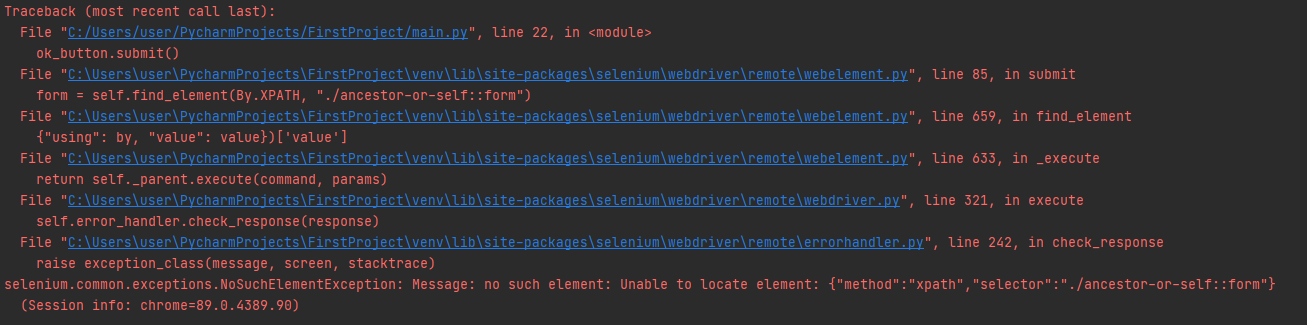
ok_button = driver.find_element_by_id("AUPAccept")
ok_button.submit()``` https://i.imgur.com/cMV3jxC.png and https://i.imgur.com/MjZtb2P.png
 sterile sphinx
A record is just a simple name poiting towards a ip you need the computer or the router to perform DNS lookup witch in result uses a TCP conenction towards teh database and checks for ip with the domain
 cedar pasture
dicts = []
        curr_date = pd.to_datetime(list1[-1])
        for i in range(X_FUTURE):
            curr_date = curr_date +  relativedelta(months=+1)
            dicts.append({'Predictions': transform[i], "Month": curr_date})


        new_data = pd.DataFrame(dicts).set_index("Month")
        ##df_predict = pd.DataFrame(transform, columns=["predicted value"])

        labels = [d['Month'] for d in dicts]

        values = [d['Predictions'] for d in dicts]

        colors = [ "#F7464A", "#46BFBD", "#FDB45C", "#FEDCBA",
                   "#ABCDEF", "#DDDDDD", "#ABCABC", "#4169E1",
                   "#C71585", "#FF4500", "#FEDCBA", "#46BFBD"]

        line_labels=labels
        line_values=values
        return render_template('graph.html', title='Time Series Sales forecasting', max=17000, labels=line_labels, values=line_values)


        response = make_response(new_data.to_csv(index = True, encoding='utf8'))
        response.headers["Content-Disposition"] = "attachment; filename=result.csv"
        return response
```Hi community, I m currently work on time series forecasting model on webpage, my problem is I would like to return my new CSV file with the predicted value and plot graph into the web under 1 function, I m wondering does any other ways can pass 2 different return value in one function in flask python, please share some tips with me! thanks in advance
opaque rivet
chilly falcon
ModelForm has no model class specified.
your Modelform needs the subclass Meta - not the subclass meta. Small spelling mistake there 😉
chilly falcon
opaque rivet
your Modelform needs the subclass `Meta` - not the subclass `meta`. Small spelli...
Thanks alot man lol 🤣🤣🤣👍👍
reef tree
smoky skiff
0.0.0.0 or 127.0.0.1 stands for localhost
so how to make it production server
smoky skiff
buy a vps/dedicated server and deploy it there?
native tide
reef tree
so how to make it production server
AWS offers a free tier
smoky skiff
think heroku also has free tiers for certain requirements
same with azure if im not mistaken
reef tree
native tide
AWS offers a free tier
i wanna host it as a production web on my pc
native tide
to host a website as a production
you want to rent a web server
and web server is basically another computer but in a cloud
smoky skiff
isps give you dynamic ips
native tide
correct
smoky skiff
the moment you get a new one the setup doesnt work anymore
and udh ave to reconfigure it all the time
there are free tiers like aws, heroku and azure
worst case a small vps is super cheap
 elder nest
I have a flask app and changeable text in html. How would I make it so there is an update button and it updates my mongodb database?
elder nest
@smoky skiff the only thing I see is putting stuff from in my database into the html
smoky skiff
 elder nest
I am not trying to display database info in my website I already am doing that
I am trying to update my database from text boxes in my website
smoky skiff
oh
 carmine swift
use post and make backend code to intercept any post keys
elder nest
carmine swift
use post and make backend code to intercept any post keys
how would I do that?
opaque rivet
elder nest
I have a flask app and changeable text in html. How would I make it so there is ...
you have a form?
You can use FlaskForm to get your user's input. Once the user submits the form, you can access the data within your view:
def your_view():
  form = myFlaskForm()
  if form.validate_on_submit():
    # get form data

  # return template with form passed
oh I like that I will try to figure out how to do that thank you
opaque rivet
elder nest
oh I like that I will try to figure out how to do that thank you
sure 👍 look into flask forms and it'll fix the issue
elder nest
@opaque rivet I can't figure it out and everything is giving me errors is there a good example that you know of?
opaque rivet
what's the error?
elder nest
RuntimeError: Working outside of application context.```I deleted the code I had bc every time I fixed one error I got another so I need to work on it again
give me a little bit
 royal tendon
@elder nest, welcome to PM me with some code and I’ll run through it with you quickly
 royal cove
Well, before I didn't have Webhooks that I could farm that data...now I do. Django is a beast, but it's good if you take the time to learn it
I feel like Flask is easier to get up and running
royal tendon
yep I've enjoyed using Flask
tried Django when I first played with Python, didn't go great as I sucked
but put me off Django. Sure I'd be fine with it if I tried it again, but Flask has been everything I need so far
royal cove
Yeah, it's kind of a pain...getting all the middleware working etc
 mortal pike
Django Question here:
I have been looking through the docs and haven't found anything about this, though I could just be looking in the wrong place. I am trying to make a form where several fields are repeated based upon the input to a PositiveIntegerField.
If you were to put in 4 in the PositiveIntegerField, 4 pairs of inputs would pop up. I am not sure how to make the fields variable based upon the input, could I just make 100(or some number) of fields and just hide the rest?
 low rapids
 frigid egret
Anyone here ever tried beeware?
royal tendon
mortal pike
Django Question here:
I have been looking through the docs and haven't found any...
with Flask I would pass the PositiveIntegerField variable to template, use Jinja2 for loop to generate the input fields required in the HTML file. Likely solutions with JS that I would have no adequate knowledge of.
frigid egret
I don't see a category here for mobile dev so I thought web is the closest one.
mortal pike
royal tendon
with Flask I would pass the PositiveIntegerField variable to template, use Jinja...
I think this is what I need https://docs.djangoproject.com/en/3.1/topics/forms/formsets/ but I am not sure
@royal cove can you take a look at my question in #web-development?
if anyone has any experience with Django and wants to come help me out jump into Code/Help0
 candid meteor
Can't vc rn
candid meteor
mortal pike
Django Question here:
I have been looking through the docs and haven't found any...
What is it for? maybe you can do it someother way
mortal pike
candid meteor
What is it for? maybe you can do it someother way
I think Formsets are what I need, however I don't really understand them. I am watching a tutorial now but if somebody could walk me through what I am trying to do that would be awesome
candid meteor
it's impractical to have user filling in 100 fields btw
mortal pike
candid meteor
it's impractical to have user filling in 100 fields btw
I know, just theoretically.
mortal pike
candid meteor
it's impractical to have user filling in 100 fields btw
Could I make 100 fields and then just hide them if they aren't required? I don't think that is the proper way to do this though
candid meteor
Why not just take the list of inputs in a single input field in the form of a list
^^ More user-friendly
for example, if a user wants to order 4 items, he could just type in "mouse, keyboard, monitor, headphones"
instead of typing each in a diff field
ion acc know what you're trying to achieve, but this sounds much more practical
mortal pike
candid meteor
for example, if a user wants to order 4 items, he could just type in "mouse, key...
That isn't what I need as these are the inputs for a robots pathing system and all of the inputs are in pairs. Is it possible just to put out 10 inputs(or pairs of inputs) and discard any that aren't used?
candid meteor
holupp
mortal pike
can you join a voice chat and I can stream a purely html mockup of what I am trying to do?
candid meteor
mortal pike
can you join a voice chat and I can stream a purely html mockup of what I am try...
Maybe just DM, ion acc feel like joining a vc atm
mortal pike
candid meteor
Maybe just DM, ion acc feel like joining a vc atm
will dm you a screenshot
mortal pike
candid meteor
Maybe just DM, ion acc feel like joining a vc atm
Dmed you
candid meteor
On it
opaque rivet
@mortal pike user submits number of fields they want, view parses that number and renders a new template which renders n fields (jinka2 template). What do ya think?
mortal pike
opaque rivet
<@225719271026589698> user submits number of fields they want, view parses that ...
I figured out a way to do it all on one page without refreshing using Jquery now I just have to POST it to the backend using a form but I am not sure how yet
mortal pike
opaque rivet
<@225719271026589698> user submits number of fields they want, view parses that ...
If i cant figure it out I think I will try that
serene prawn
candid meteor
for example, if a user wants to order 4 items, he could just type in "mouse, key...
User can just miss a comma or place an extra one
So it would be easier to make a list of fields that you can expand
candid meteor
serene prawn
So it would be easier to make a list of fields that you can expand
Ye i DMd him a simpler and more feasible way
serene prawn
serene prawn
User can just miss a comma or place an extra one
User*
candid meteor
Just append input fields using a js 'for loop' oninput event
serene prawn
I mean i wouldn't do that without framework 😅
candid meteor
You can't just do it from the backend, it'd just make a mess
candid meteor
He's using HTML for the front-end smh
serene prawn
If he's a beginner he can use do it however he thinks is ok
These frameworks can be overwhelming for beginners
Because you would have to learn html/css/js + Frontend Framework + Language you code backend in and backend framework
 static wind
trying to deploy my flask app to my domain on cpanel using the application manager but i keep getting 503 errors
anyone know how to solve this
the basic code they give doesn't work either
candid meteor
serene prawn
Because you would have to learn html/css/js + Frontend Framework + Language you ...
SMH, fam, maybe help him solve the issue first loll
serene prawn
😅
serene prawn
mortal pike
I figured out a way to do it all on one page without refreshing using Jquery now...
Yeah, refreshing the page isn't really an option
But working with jquery is pain 😉
candid meteor
it was an easy 6 line code sofar
serene prawn
It's not 6 lines
If we're talking about adding items into this form, deleting them and actually sending that to the backend
candid meteor
Was round 6 for the front-end stuff, the oninput, adding input fields and rest
form submission is diff
ive recommended him learning ajax form submission at earliest loll
serene prawn
Just on itself it isn't really useful though
serene prawn
I'm just saying that submitting form via ajax just on itself isn't doing much
candid meteor
It hits a view where you can do anything you want, anything
Ezpz
With the data ofc
mortal pike
I am really confused. About how to link the template with the json to the form rn
candid meteor
Just send the data via ajax to the url
That url hits a view
in which you get the post data and create entries in the Model using that data
Ez af
mortal pike
that doesn't simplify it though
candid meteor
It's just ajax, url and view
candid meteor
mortal pike
that doesn't simplify it though
You ain't trying to achieve sum simple my guy smh
Put in the efforts, you'll do
native tide
Hi all, i am new to pyramid and i am trying to figure out Chameleon. Specifically (coming from jinja) i have something like this in my html file, i need to do this in my .pt template...
base.html
  <head>
      <title>MyApp - %{block title%} %{ endblock %}
  </head>
  <body>
    {% block content %}
    {% endblock %}
   </body>
homePage.html
%{ block title %}My Awesome Home Page {% endblock %}

{% block content %}
    <h1>Welcome to my Home Page</h1>
    <p>This is the home page content blahblahblah</p>
{% endblock %}
Any idea how i can do this in Chameleon?
 quiet ridge
how is it please tell
 ornate burrow
whats wrong with this datatable filter query?
      {
                'if': {
                    'filter_query': '{trains} contains OBIS'
                },
                'backgroundColor': 'tomato'
            },
            {
                'if':{
                    'filter_query': query
                },
                'backgroundColor': 'rgba(0, 116, 217)'
            }
DataTable filtering syntax is invalid for query: local_end_time datestartswith 2021-03-29
is all my console gives me and i cant figure it out. ive been trying for the past hour
filter_time = 'local_end_time'
        query = f'{filter_time} datestartswith {time}'
 slim ginkgo
I've been having alot of trouble with a supposedly simple slider input in html/js
I have the element <input type="range" min="1" max="50" value="10" class="slider" id="thickness">
In my js I use var slider = document.getElementById("thickness");
howver the value I get seems to always be "" instead of a number

figured it out after I noticed it on my watch list
any ideas?
mortal pike
opaque rivet
<@225719271026589698> user submits number of fields they want, view parses that ...
I think I am going to do this, it is much simpler. Any tips?
candid meteor
It'd be some real efforts also you'll have to submit the form twice
Neways, peaceout
mortal pike
Having to submit twice isn't really a problem so might as well use what I know
 simple star
I new to web development , I am thinking of building websites using only html, CSS and JavaScript. Do one know how I can structure thiis challenge iin step
Any template or layout to follow for website design will be resourcesfull. Thanks
A mental model and a high level thinking- the way to think we one is task with building a website
opaque rivet
mortal pike
I think I am going to do this, it is much simpler. Any tips?
Have one form where the user specifies n items (the number of fields). Once submitted pass this to your view, and render a new template passing down the n variable. Create a for loop within the jinja2 template to render n inputs.
If it has gotten to this stage it's an anti-pattern and it's why python forms are terrible.
What you could do is use Jquery and have some hidden divs within a hidden form on the page.
Take the value from an input (for how many fields is required) and then use jquery to modify the innerHTML of them divs to then show new inputs.
https://api.jquery.com/jquery.map/
I don't use Jquery, but if you used something like React this would be easily overcome (and nice)!
opaque rivet
simple star
I new to web development , I am thinking of building websites using only html, C...
use a framework, e.g. vue / angular / react
candid meteor
opaque rivet
Have one form where the user specifies `n` items (the number of fields). Once su...
I said the same thing, but eliminated a few steps loll
wooden ruin
simple star
I new to web development , I am thinking of building websites using only html, C...
look into node.js for javascript backend libraries, specifically express.js
then integrate it with something like vue.js which is a really good javascript/html/css website combo
 haughty turtle
I have a Conversation Model which holds a ManyToMany field of the users in the convo
class Conversation(models.Model):
    users = models.ManyToManyField(User, blank=True)```I am filtering this to get all the Conversations in which a user belongs to```py
    u = User.objects.get(username=request.user.username)
    convo = Conversation.objects.filter(users=u)```My problem occurs when trying to obtain a list which contains all the users per convo in which the user belongs to `print(convo.values("users"))` My current solution is ```py
    for i in convo:
print(i.users.all().values("username"))``` but is there a better solution in which would not make me loop through a QuerySet thus having to hit the DB an unknown amount of time?Okay dude thanks for suggesting @opaque rivet @candid meteor
 frigid spindle
im creating a new django project. i should use a virtual env right?
quiet ridge
Yes ofcourse you should @frigid spindle
 tardy star
frigid spindle
i was thinking of using repl.it
tardy star
frigid spindle
i was thinking of using repl.it
repl.it is not a replacement for venv though. like you can run your app for development there but when you eventually decide to put it up on production,
you want to have that venv and that requirements.txt
frigid spindle
requirements.txt is similar to package.json right?
wooden ruin
@frigid spindle kind of. just like package.json contains the dependency requirements, thats all that requirements.txt should have
however package.json also contains where to find scripts and other config files
requirements.txt simply lists all the python packages your project will require
and since python projects have loads of depedencies, this file is essential for big projects like web apps
tardy star
frigid spindle
then whats `settings.py`?
in django?
okay yes, settings.py is where you store the configuration for the webapp
um i guess express doesn't have much of config or anything, but in django what you usually do is, instead of taking api keys and other values directly from environment, we read them all in the settings itself
advantages are that you get to modify those pythonically, and add other settings which env vars might not be able to hold
and, you get to raise errors if some variable is not present.
but not only that, it also contains setup information for middlewares, and initializers for apps.
basically configuration of the "Django" part of the app.
the "Python" details sit in pyproject.toml and/or requirements.txt, while django-specific details live in settings.py

GitHub
A modular, high performance, headless e-commerce platform built with Python, GraphQL, Django, and ReactJS. - mirumee/saleor
limber laurel
has anybody here used the django rest's token authentication?
if yes, please ping me, I have some questions on how it works.
native tide
limber laurel
has anybody here used the django rest's token authentication?
do you mean this: {% csrf_token %}
tardy star
limber laurel
Token authentication when logging in in REST
jwt?
limber laurel
hmm not sure, maybe, let me send you from where I am taking this
https://www.django-rest-framework.org/api-guide/authentication/
and where it says TokenAuthentication
Django, API, REST, Authentication
I think that might be what you are saying
vivid canopy
Stack Overflow
Hey guys I have a problem with displaying images in HTML file. I m working with flask in visual studio code. This is what I want to display :
<img src="/templates/WANG_CHONG_st_1.png" ...
opaque rivet
limber laurel
if yes, please ping me, I have some questions on how it works.
sure, whats up?
opaque rivet
chilly falcon
do any one know hoe to use python shell??
type python3 in the terminal, or for django, python manage.py shell to interact with your models
limber laurel
well I have retreived the otoken from my auth view in react
but I am not sure how tonow check if Iam logged in in a different view
opaque rivet
store the token within a cookie. When you make new requests to your views you need to include the Authorization header with value: Token <user_token>.
If your views have the TokenAuthentication decorator, DRF's middleware will check if the token is valid or not.
Thus checking if a user is authorized / logged in.
reef tree
guys, why are django are that hard?
opaque rivet
haughty turtle
I have a Conversation Model which holds a ManyToMany field of the users in the c...
This should give you something you can loop through an access the usernames of each object. The statement below is only 2 database queries, and the queryset it returns is cached so looping through it (and just accessing a field like username won't incur extra queries). Hopefully no syntax errors 🙂
conversations = Conversation.objects.filter(users=u).prefetch_related(Prefetch(lookup='users', queryset=Users.objects.values("username"))
Might be useful to have a read of the prefetch_related methods, Prefetch objects and django database caching:
https://docs.djangoproject.com/en/3.1/ref/models/querysets/
https://docs.djangoproject.com/en/3.1/ref/models/querysets/#django.db.models.Prefetch
https://blog.etianen.com/blog/2013/06/08/django-querysets/
...and then it crashed
Object Relational Mapping (ORM) systems make interacting with an SQL database much easier, but have a reputation of being inefficient and slower than …
opaque rivet
reef tree
guys, why are django are that hard?
it gets easier, just like any skill 🙂
reef tree
opaque rivet
it gets easier, just like any skill 🙂
nah
i dont think so
limber laurel
opaque rivet
store the token within a cookie. When you make new requests to your views you ne...
oh alright, thank you very much
native tide
I am really very stuck with this. Do I have to use psycopg2 if I am using a Flask-SQLAlchemy?
Will Flask-SQLAlchemy work without psycopg2?
opaque rivet
native tide
I am really very stuck with this. Do I have to use `psycopg2` if I am using a `F...
I believe you require it (but I may be wrong here), psycopg2 is just for the setup of your postgreSQL database, you can still interface it via the Flask-SQLAlchemy ORM
native tide
Thanks. That is the impression that I have too. Just need to use it to connect to the postgres db by using create_engine
Will try that once I have fixed the gunicorn.service file issue 😫 feels like one bug after another at the moment.
stable hemlock
Is there an efficient way to migrate files from one Django project to another? I started a Django project to learn it, and now I have built most of a website I want to put into production in that same project, and I want to move it to a fresh project.
 stoic tulip
How make website page same as apple india in AirPods pro page???
 foggy bramble
Hello everyone, when I update custom user model object, password is not getting hashed, I can see it as plain text via django shell, also this makes log in process impossible as it checks for hashed password... any suggestion
mortal pike
Simple Django Question:
I am trying to make it so that when a button is clicked and a specific choices is selected the choices will change. I can't figure out how to make it so that both of these work at the same time. any help would be great
@opaque rivet ?
native tide
hi, i have this webapp running at 0.0.0.0:8080.
in the webpanel of the router i set portfowarding to 192.168.68.104 which is my local ip but when i try to connect via the public ip it doesnt work
high parrot
hi
 indigo kettle
native tide
hi, i have this webapp running at 0.0.0.0:8080.
in the webpanel of the router i ...
indigo kettle
native tide
hi, i have this webapp running at 0.0.0.0:8080.
in the webpanel of the router i ...
see what your ipv4 is https://whatismyipaddress.com/
and then connect to port 8080 there
IP address lookup, location, proxy detection, email tracing, IP hiding tips, blacklist check, speed test, and forums. Find, get, and show my IP address.
sterile sphinx
ip 0.0.0.0 reffers to the loopback witch is 127.0.0.1 witch means localhost so using public ip (shouldnt happen here unless it's a shitty framework) wont work
 barren moth
sterile sphinx
ip 0.0.0.0 reffers to the loopback witch is 127.0.0.1 witch means localhost so u...
barren moth
sterile sphinx
ip 0.0.0.0 reffers to the loopback witch is 127.0.0.1 witch means localhost so u...
what?
0.0.0.0 makes it run for everyone on the network
localhost or 127.0.0.1 means its not accesible on other machines
sterile sphinx
It's not set to a ip so the router dosn't know where to redirect the traffic, so using 0.0.0.0 will not make it available for tohers you have to set a static ip
just for the lan it's available
sterile sphinx
You can but shouldn't
frigid spindle
what is the django REST framework?
 velvet vale
django model's inheritance is good idea? because when i save child model also save parent model
opaque rivet
velvet vale
django model's inheritance is good idea? because when i save child model also sa...
depends on your use case to be quite frank.
opaque rivet
mortal pike
Simple Django Question:
I am trying to make it so that when a button is clicked...
you could use jquery. With django templates alone, you can't manipulate the DOM without refreshing the page which is a bummer, leading you to have to learn JS.
opaque rivet
frigid spindle
what is the django REST framework?
library for API development for django
velvet vale
@opaque rivet I want to have 2 types of registration. Teacher and student and different fields. How better to override user model and then create 2 registration model class teacher (User): extra field and class student (User): extra field. or If I have only a User model and have choosefield (is_teacher or is_studen) and when user register then show another model and save its info (there will be different fields)
opaque rivet
velvet vale
<@812098613450506351> I want to have 2 types of registration. Teacher and stude...
In that case you can have two seperate models (teacher & student) with both of them inheriting from AbstractUser so that you have access to the User fields and class methods.
native tide
ah so how can i fix this?@sterile sphinx
velvet vale
@opaque rivet And another method? For example, after registration, I will display another model form (info model) and connect it with a foreign key and save it.
or inheritance case
sterile sphinx
native tide
ah so how can i fix this?<@222043022450229249>
Set the ip to your computers ip and forward the port to the machine
sterile sphinx
just open cmd and write ipconfig adn get the ipv4 ip
sterile sphinx
Alright
frigid spindle
what is best way for a beginner to build a chat bot? is there a library?
mortal pike
opaque rivet
you could use jquery. With django templates alone, you can't manipulate the DOM ...
I don't mind it having to refresh, though I am stuck on a Urls issue rn
frigid spindle
does chat bot use ML?
opaque rivet
velvet vale
<@812098613450506351> And another method? For example, after registration, I wi...
I think having both inheriting the AbstractUser model for both is the best option, you can add extra info w/ foreign keys as you like.
frigid spindle
opaque rivet
library for API development for django
cool
opaque rivet
mortal pike
I don't mind it having to refresh, though I am stuck on a Urls issue rn
well, in that case you can have the user submit a form with your inputs, then render a new template with a new form with the updated values.
it's a job for JS
mortal pike
opaque rivet
well, in that case you can have the user submit a form with your inputs, then re...
not sure how I would do this though, I am really struggling rn
sterile sphinx
frigid spindle
does chat bot use ML?
Depends on the chat bot
frigid spindle
sterile sphinx
Depends on the chat bot
cuz to me chat bot need to be intuitive...
sterile sphinx
frigid spindle
cuz to me chat bot need to be intuitive...
Well you can always make a chat bot that learns the common asked questions and imidetly gives the common best answer, shouldn't be too difficult implementing
frigid spindle
sterile sphinx
Well you can always make a chat bot that learns the common asked questions and i...
without a library?
sterile sphinx
frigid spindle
without a library?
I never use a library but i'm sure there is one for python
opaque rivet
What are you struggling with specifically?
By the way, this isn't a good way to do things and is a limitation of Django forms. JS is always the best option here. But, if that isn't an option for you, here is how you would do it:
- Setup 2 forms, one with the initial inputs you want, and another with the modified inputs.
def your_view(request):
  # different forms (with different options, whatever they may be)
  form_1 = Form1()
  form_2 = Form2()

  # if form_1 is submitted
  if form_1.is_valid():
    # render a new template, passing form_2
    render_template('yourTemplate', form=form_2)

  # then handle form_2 being submitted

  else:
    render_template('yourTemplate', form=form_1)
cant you build an api using just django?
sterile sphinx
frigid spindle
cant you build an api using just django?
You can but you don't need django
frigid spindle
sterile sphinx
You can but you don't need django
?
opaque rivet
if you want to automate a chat bot without restrictions to what the user can ask, then it will be using ML (NLP) to process a response
opaque rivet
frigid spindle
cant you build an api using just django?
yes, Django and DRF
frigid spindle
opaque rivet
if you want to automate a chat bot without restrictions to what the user can ask...
is that a library or is it more than that?
opaque rivet
it's a whole area of ML
opaque rivet
foggy bramble
Hello everyone, when I update custom user model object, password is not getting ...
are you using make_password() for the password hashes?
foggy bramble
opaque rivet
are you using `make_password()` for the password hashes?
I used set_password() as suggested here
frigid spindle
opaque rivet
yes, Django and DRF
DRF?
opaque rivet
foggy bramble
I used set_password() as suggested here
did you save the user object after you performed set_password()?
foggy bramble
opaque rivet
did you save the user object after you performed `set_password()`?
rn yeap
my problem solved already
opaque rivet
oh okay
frigid spindle
you can create an api in django with a few simple commands, no?
foggy bramble
Thanks a lot for your attention appriciated
opaque rivet
👍
opaque rivet
frigid spindle
you can create an api in django with a few simple commands, no?
Django, API, REST, Home
frigid spindle
opaque rivet
https://www.django-rest-framework.org/
this is a whole separate framework
or is it within django?
opaque rivet
does it matter? It's used on top of django.
serene prawn
velvet vale
django model's inheritance is good idea? because when i save child model also sa...
I think just don't overdo it
frigid spindle
is django mvc?
serene prawn
If you have some common fields in some models, like say you might have a Resource model
class Resource:
  pk
  created_at
  updated_at
You could mark it as abstract in it's Meta and inherit from it
serene prawn
frigid spindle
is django mvc?
It's mvt
frigid spindle
model view tempkte
opaque rivet
could anyone help me with this? I'm trying to call a function which will wait 60 seconds without blocking my main thread and then perform a specified action.
    def get_token(self):
        for token, count in self.token_info.items():
            # usage count of a token is 0
            if count < 5:
                # returns token and updates its count +1
                self.increase_token_count(token=token)

                # < HERE > I want to call a function which will wait 60 seconds (non-blocking) and perform an action
                return token
so when I call Instance.get_token(), it will return token but also fire a side effect for 60 seconds.
there is probably a simple async solution, which I'm terrible at. any thoughts?
opaque rivet
also are there any advocates for FastAPI? what is the use-case? when you want a fast API and have no need for django features (e.g. ORM / models / etc.)?
vestal hound
opaque rivet
also are there any advocates for FastAPI? what is the use-case? when you want a ...
more like when you want to choose your own libraries (or roll your own data access layer)
also FastAPI natively supports async
Django REST Framework doesn't
frigid spindle
can i use fetch api with python?
opaque rivet
oh I see, I was interested in it but I don't like leaving all of django's features behind, thought I could just use it for a few data processing endpoints
 crude badge
Can I learn vuex before vue?
native tide
How would i do port forwarding? I have heard of it but have no idea how to do it
serene prawn
crude badge
Can I learn vuex before vue?
Sure, but why?
crude badge
not familiar with either, saw a project with vuex that I wanted to use and wasn't sure if I can learn vuex before vue
@serene prawn
serene prawn
You would have to learn vue anyway if you want to use vuex
So learn vue first i guess 😉
crude badge
ok cool. thanks
stable hemlock
How do I make my django longingly page redirect back to the previous page after login? (For example, when the user tries to access a page that requires login, they get redirected to the login page, and then back to the original page.)
 marsh canyon
use the login_required decorator or the mixin
I believe they redirect the user to the login page and then to the prev page after logging in
I think you also need to set LOGIN_URL in settings.py
 minor horizon
Hello. I'm using fastapi for an api server. How can cancel processing a request if the client cancel it, close the browser or switch to another page etc.?
reef tree
guys how can i make host on my pc as a production server?
 hallow perch
Hello their, i have a function name login in my home_views.py and i have a function dashboard in my dashboard_views.py when i'm login, it redirect me on my dashboard. But when i'm on my dashboard, how can i say to programm that my function dashboard inside my dashboard_views.py is the main function now for this page?
 sterile sphinx
I don't use python but i think waht you are looking for is to make the function public so other functions from other files can reach it?
hallow perch
sterile sphinx
I don't use python but i think waht you are looking for is to make the function ...
I just want to make sure that when I log in it redirects me to the dashboard function in my dashboard_views.py file
sterile sphinx
And right now it dosn't?
hallow perch
No look at my login function.
sterile sphinx
So you have 2 routes on the same host with diffrent functions is taht correct?
hallow perch
Yes ;)
sterile sphinx
So when you ar eon the dashboard you wish to perform what's on the left but first you wanna do waht's on the right?
hallow perch
Yes exactly
sterile sphinx
You got 2 options, either put everything inside the same file or remove the @app.route("/dashboard") over the left side and make the function callable in that file.py to the other file where you first called the code so all you do is execute a function on the right side
Hope i understood your question right.
hallow perch
sterile sphinx
You got 2 options, either put everything inside the same file or remove the @app...
Yes i think, thx :)
quiet ridge
hey how can I store a list in flask sqlalchemy
hallow yacht
Need help 😦 i run my migrations with the extnd with AbstractUser...
elation "users_customuser" does not exist
settings.py is AUTH_USER_MODEL = 'users.CustomUser'
Solved! 🙂 makemigrations 'appname' 🙂
hallow perch
Hello again, i successfull call my function dashboard n my home_views.py but it doesn't change the route access.
 native tide
Let us know what the issue is, and then maybe... @fair shale
limber laurel
How secure is otken authentication, as I am implementing it I feel like it is very insecure
could someone help me understand some details?
 wary goblet
Anyone here that uses Mooshak can help me?! Please.
 mortal mango
File "C:\Users\Internet\AppData\Local\Programs\Python\Python38\lib\site-packages\django\contrib\auth\__init__.py", line 80, in authenticate
    user.backend = backend_path
AttributeError: 'method' object has no attribute 'backend'```
I'm getting this error from Django. I don't know how to fix this because I don't have the word "backend" anywhere in my code.

this is my auth.py
```py
from django.contrib.auth.backends import BaseBackend
from .models import DiscordUser
from django.contrib.auth.models import User

class DiscordAuthenticationBackend(BaseBackend):
    def authenticate(self, request, user) -> DiscordUser:
        find_user = DiscordUser.objects.filter(id=user['id'])
        if len(find_user) == 0:
            print("User was not found. Saving...")
            new_user = DiscordUser.objects.create_new_discord_user
            (user)
            print(new_user)
            return new_user
        return find_user
Does anyone know how to fix this?
mortal mango
Traceback (most recent call last):
  File "C:\Users\Internet\AppData\Local\Programs\Python\Python38\lib\site-packages\django\core\handlers\exception.py", line 47, in inner
    response = get_response(request)
  File "C:\Users\Internet\AppData\Local\Programs\Python\Python38\lib\site-packages\django\core\handlers\base.py", line 179, in _get_response
    response = wrapped_callback(request, *callback_args, **callback_kwargs)
  File "C:\Users\Internet\Desktop\Programming\Discord\Ξ X 0 Website\Ξ X 0 Dashboard\dashboard\home\views.py", line 12, in home_view
    authenticate(request, user=user)
  File "C:\Users\Internet\AppData\Local\Programs\Python\Python38\lib\site-packages\django\contrib\auth\__init__.py", line 80, in authenticate
    user.backend = backend_path
AttributeError: 'method' object has no attribute 'backend'
this is the full traceback
from django.http import HttpResponse, HttpRequest
from django.shortcuts import render
from django.contrib.auth import authenticate, login
import requests

client_id = "707641033210593351"

# Create your views here.
def home_view(request: HttpRequest, *args, **kwargs):
    code = request.GET.get("code")
    user = exchange_code(code)
    authenticate(request, user=user)
    return render(request, "home.html", {})
``` This is my views.pydid you specify the authentication backend in settings.py/
mortal mango
yeah
AUTHENTICATION_BACKENDS = [
    'home.auth.DiscordAuthenticationBackend'
]
@opaque rivet
this is my file tree
 opaque rivet
not entirely sure. can you check if users are being created within your database? could it be that authenticate() is returning return find_user which is an empty queryset and not a user instance / None?
opaque rivet
quiet ridge
hey how can I store a list in flask sqlalchemy
serialize it to JSON (it's a string then)
 lament sapphire
I'm curious in yoru thoguhts about this Strapi and Django mix?
I found most use Strapi as the backend and stuff like Nextjs in the front0end. I'm thinking about incorporating Django as a middleman backend to manage both Starpi and Nextjs.
What are some of your thoguhts?
https://strapi.io/integrations/python-cms
https://strapi.io/integrations/django-cms

The #1 headless CMS to build powerful applications with Python. Strapi is a new generation API-first CMS, made by developers for developers. Get started in minutes with Strapi and Python.
The #1 headless CMS to build powerful applications with Django.
Strapi is a new generation API-first CMS, made by developers for developers. Get started in minutes with Strapi and Django.
quiet ridge
opaque rivet
serialize it to JSON (it's a string then)
Can you elaborate
 spare iris
🥴
 river raven
Hi, we don't allow advertising on this server, as per rule 6.
stable hemlock
is there way to make a button that looks like this in django? Or do I need to use CSS/JS on a checkbox?

 mint folio
stable hemlock
is there way to make a button that looks like this in django? Or do I need to us...
mint folio
stable hemlock
is there way to make a button that looks like this in django? Or do I need to us...
You can customise it to be like that with css
stable hemlock
mint folio
You can customise it to be like that with css
ok.
mint folio
stable hemlock
ok.
As an example https://www.w3schools.com/howto/howto_css_switch.asp
stable hemlock
mint folio
As an example https://www.w3schools.com/howto/howto_css_switch.asp
Thanks.
candid meteor
W3schools is hot
 ebon tulip
i agree
wooden ruin
^^
 sleek sable
Was making a full stack app using django and react. And i encountered this problem. I have made the index file,its inside the directory. But it is still showing error

This is my index.html

I tried to re "runserver" and it gave me this error

I have added static file in Settings
 opaque rivet
W3 schools can't get their facts straight, go to Mozilla instead 🙂
opaque rivet
quiet ridge
Can you elaborate
json.dumps(your_list).
i don't know how else to elaborate.
 karmic flare
Does anyone know how to take the console output and put it to a webpage using flask?
I want this:

To show up in a webpage served by flask, I've got flask handling file uploads and being able to execute commands with subrocess.Popen
stable hemlock
So I switched to agsi and hypercorn in django and my static path broke so none of my website assets load. Anyone know why?
mortal mango
opaque rivet
not entirely sure. can you check if users are being created within your database...
https://gist.github.com/PRA7H1K/f7802dad07466e5fb9d08a6ded10fa68 this is my code

 eternal blade
Hi, can you suggest a easy to configure http web server for my django web site, Thanks
 last steeple
eternal blade
Hi, can you suggest a easy to configure http web server for my django web site, ...
last steeple
eternal blade
Hi, can you suggest a easy to configure http web server for my django web site, ...
That's the end of this tutorial on setting up Django apps in production, and also the series of tutorials on working with Django. We hope you've found them useful. You can check out a fully worked-through version of the source code on Github here.
The next step is to read our last few articles, and then complete the assessment task.
Heroku or Pythonanywhere
eternal blade
Thanks
 ruby summit
Hi
I've made a django app and deployed it on heroku
in the app the user logs in, i check the input password with the hashed password in db(using the bcrypt module)
this is ok in the local server
but on heroku
it shows this type error
could someone help me with this
(full code here - https://github.com/iameinstein/Djank/tree/deploy)

 rustic pebble
How are you saving the hash in the db? @ruby summit
ruby summit
using bcrypt as a binary field
rustic pebble
And when you try to check the hash are you making sure that the variable that holds the binary hash is converted to hash?
Seems to me like u got a type error
@ruby summit
ruby summit
rustic pebble
And when you try to check the hash are you making sure that the variable that ho...
yes
ruby summit
rustic pebble
Seems to me like u got a type error
ya it's a type error only
but
it's only on heroku
rustic pebble
Send your code
rustic pebble
Local != production environment
ruby summit
rustic pebble
Send your code

GitHub
Django Bank. Contribute to IamEinstein/Djank development by creating an account on GitHub.
rustic pebble
What file should I be looking for?
ruby summit
rustic pebble
What file should I be looking for?
GitHub
Django Bank. Contribute to IamEinstein/Djank development by creating an account on GitHub.
here
this one
cedar pasture
@app.route('/database')
def database():
    # generate some file name
    # save the file in the `database_reports` folder used below
    return render_template('database.html', filename=stored_file_name)

@app.route('/database_download/<filename>')
def database_download(filename):
    return send_from_directory('database_reports', filename)
<a href="{{ url_for('database_download', filename=filename) }}">Download</a>
ruby summit
rustic pebble
Line?
84
ruby summit
rustic pebble
Help me out man haha
lol
ruby summit
GitHub
Django Bank. Contribute to IamEinstein/Djank development by creating an account on GitHub.
line 19
cedar pasture
Hi community, I m currently deploy machine learning model in web, I m referring the code resource, Does anyone know how to define the stored_file_name ?
rustic pebble
I think you are passing wrong values. You are converting the pwd to bytes and the self.password is of type binary
Bytes are not the same as binary
ruby summit
rustic pebble
Bytes are not the same as binary
uh ok
but then
y is it running correctly in development server
rustic pebble
I don’t know, just trying to understand whats going on from what I am seeing
ruby summit
rustic pebble
I don’t know, just trying to understand whats going on from what I am seeing
umm
k
does it have something to do with the db ?
like coz on heroku, im using postgres and locally its sqlite3
rustic pebble
Yes obviously hahaha
They save variables differently
In postgres i think you can save a hash as is
It allows for a wider variety of types
You should probably stick with the same database
ruby summit
okay
but sqlite3 aint good for prod..
ruby summit
rustic pebble
What?
typo
ruby summit
rustic pebble
Who told you that?
it's a small scale db
rustic pebble
Yea sqlite3 isnt good for production
Thats why you need to stock to postgres
Both locally and on prod
I am guessing you have the postgres server somewhere hosted
Just get the dsn and set it as an env variable
ruby summit
rustic pebble
I am guessing you have the postgres server somewhere hosted
yes
aws
ruby summit
rustic pebble
Just get the dsn and set it as an env variable
ok sure
i will try that
so will that solve the error ?
or do i need to change models
rustic pebble
I mean since the only thing that changes from localhost to server is the database then we can only assume that it is the root of the issue
cedar pasture
@app.route('/database')
def database():
    # generate some file name
    # save the file in the `database_reports` folder used below
    return render_template('database.html', filename=stored_file_name)

@app.route('/database_download/<filename>')
def database_download(filename):
    return send_from_directory('database_reports', filename)
<a href="{{ url_for('database_download', filename=filename) }}">Download</a>
Hi community, I m currently deploy machine learning model in web, I m referring the code resource that I shared to your guy, Does anyone know how's the stored_file_name will be defined like ?
cause I m getting this errorNameError: name 'stored_file_name' is not defined
 drifting ore
cedar pasture
```python
@app.route('/database')
def database():
# generate some file name
...
drifting ore
cedar pasture
```python
@app.route('/database')
def database():
# generate some file name
...
The stored_file_name should be put under quotes to make it a string..
↓↓
return render_template('database.html', filename='stored_file_name')
yes
ok thnx @rustic pebble
cedar pasture
@drifting ore I got this error aganThe requested URL was not found on the server. If you entered the URL manually please check your spelling and try again.
            new_data = pd.DataFrame(dicts).set_index("Month")
            ##df_predict = pd.DataFrame(transform, columns=["predicted value"])
            response = make_response(new_data.to_csv(index = True, encoding='utf8'))
            response.headers["Content-Disposition"] = "attachment; filename=result.csv"

            labels = [d['Month'] for d in dicts]

            values = [d['Predictions'] for d in dicts]

            colors = [ "#F7464A", "#46BFBD", "#FDB45C", "#FEDCBA",
                       "#ABCDEF", "#DDDDDD", "#ABCABC", "#4169E1",
                       "#C71585", "#FF4500", "#FEDCBA", "#46BFBD"]

            line_labels=labels
            line_values=values
            return render_template('graph.html', title='Time Series Sales forecasting', max=17000, labels=line_labels, values=line_values , filename='stored_file_name')


            ##response = make_response(new_data.to_csv(index = True, encoding='utf8'))
            ##response.headers["Content-Disposition"] = "attachment; filename=result.csv"
            ##return response

    @app.route('/database_download/<filename>')
    def database_download(filename):
        return send_from_directory('database_reports', filename)
@drifting ore This is my code
drifting ore
🤔
cedar pasture
First, I was getting this error >> NameError: name 'stored_file_name' is not defined
drifting ore
Dunno actually man! I just know some basics of flask 😕
cedar pasture
I see, anyway thanks for your commend @drifting ore
native tide
https://github.com/Discord-Bot-Maker-Mods/DiscordPanel does anyone know how i can get this working i got it hosted but it doesnt seem to work

GitHub
DiscordPanel The only free open source Discord Bot Panel to manage up to 4 bots. - Discord-Bot-Maker-Mods/DiscordPanel
like once i do the oauth2
it redirects to errors

 storm roost
Hey guys, I was wondering that if I delete a row with a File Field, will the file also get deleted? (In Django)
 carmine zenith
Hi how do I include pillow to work with django. I tried it and it’s not working. May I know how do I fix it. Please refer to this question to stack overflow for the full question. https://stackoverflow.com/q/66927383/15022111
Stack Overflow
I tried to include ImageField to my models in models.py of the model Topic. When I tried to migrate the model. It is not working. It says that I need to install pillow (which I did and when I tried...
 mellow geyser
carmine zenith
Hi how do I include pillow to work with django. I tried it and it’s not working....
mellow geyser
carmine zenith
Hi how do I include pillow to work with django. I tried it and it’s not working....
Which python version are you using ?
Is it 3.6 above ?? If not ,maybe you might have to use a previous version of pillow (as in before 8.2)
I'm not sure anyway.
carmine zenith
Thanks
Python 3.9.1
How do I install old versions of pillow.
Do I type pip install pillow8.1?
carmine zenith
mellow geyser
Which python version are you using ?
Is it 3.6 above ?? If not ,maybe you migh...
How do I install old versions of pillow.
Do I type pip install pillow8.1?
limber laurel
Is there any reason to bother with securing token authentication over just using sessions?
carmine zenith
mellow geyser
pip install Pillow==5.4.0
Hi how do I uninstall the previous version?
 worthy flicker
FastAPI issue.
{"detail":[{"loc":["body"],"msg":"field required","type":"value_error.missing"}]
Not sure what this message means, missing a field "body"? Working with Pydantic model with only one field, which I've included in the json body.
 humble rain
Iam starting with flask websockets, can anyone recomend me some good tutorial? Iam trying to build chat app
cedar pasture
           new_data = pd.DataFrame(dicts).set_index("Month")
            ##df_predict = pd.DataFrame(transform, columns=["predicted value"])
            response = make_response(new_data.to_csv(index = True, encoding='utf8'))
            response.headers["Content-Disposition"] = "attachment; filename=result.csv"

            labels = [d['Month'] for d in dicts]

            values = [d['Predictions'] for d in dicts]

            colors = [ "#F7464A", "#46BFBD", "#FDB45C", "#FEDCBA",
                       "#ABCDEF", "#DDDDDD", "#ABCABC", "#4169E1",
                       "#C71585", "#FF4500", "#FEDCBA", "#46BFBD"]

            line_labels=labels
            line_values=values
            stored_file_name = filename
            return render_template('graph.html', title='Time Series Sales forecasting', max=17000, labels=line_labels, values=line_values , filename=stored_file_name)


            ##response = make_response(new_data.to_csv(index = True, encoding='utf8'))
            ##response.headers["Content-Disposition"] = "attachment; filename=result.csv"
            ##return response

@app.route('/graph/<filename>')
def database_download(filename):
    return send_from_directory('database_reports', filename)
Hi community, I m currently deploy a machine learning model in web using flask python, Does anyone know how's the stored_file_name can be defined like? cause I m getting this error >> NameError: name 'stored_file_name' is not defined
cause I would like to store the new_csv_file into directory and retrive back from the download
<a href="{{ url_for('database_download', filename=filename) }}">Download</a>
Does anyone know how to solve, please help ~
 sage bluff
guys i have one small doubt in jwt , after the successful authentication jwt is returned to the frontend , so imagine that jwt data contains the authenticated user's username ```
{
username : someone,
expires : 162834123
}
new_data = pd.DataFrame(dicts).set_index("Month")
            ##df_predict = pd.DataFrame(transform, columns=["predicted value"])
            response = make_response(new_data.to_csv(index = True, encoding='utf8'))
            response.headers["Content-Disposition"] = "attachment; filename=result.csv"

            labels = [d['Month'] for d in dicts]

            values = [d['Predictions'] for d in dicts]

            colors = [ "#F7464A", "#46BFBD", "#FDB45C", "#FEDCBA",
                       "#ABCDEF", "#DDDDDD", "#ABCABC", "#4169E1",
                       "#C71585", "#FF4500", "#FEDCBA", "#46BFBD"]

            line_labels=labels
            line_values=values
            stored_file_name = filename
            return render_template('graph.html', title='Time Series Sales forecasting', max=17000,              labels=line_labels, values=line_values , filename=stored_file_name)


@app.route('/graph/<filename>')
def database_download(filename):
    return send_from_directory('database_reports', filename)
<a href="{{ url_for('database_download', filename=filename) }}">Download</a>
Hi community, I m currently deploy a machine learning model in web using flask python, Does anyone know how's the stored_file_name can be defined like? cause I m getting this error >> NameError: name 'stored_file_name' is not defined
cause I would like to store thenew_csv_file into directory and retrive back from the download
sage bluff
cedar pasture
Hi community, I m currently deploy a machine learning model in web using flask p...
where is the stored_from_directory function ? you didnt define it
cedar pasture
I have no idea how to define it actually
cause I refer this >> https://stackoverflow.com/questions/34009980/return-a-download-and-rendered-page-in-one-flask-response
Stack Overflow
I want to return a rendered page and a downloadable file as a response to a request. I've tried to return a tuple of both responses, but it doesn't work. How can I serve the download and the page?
but it dint mention how to define the 'stored_file_name'
ruby summit
Hi guys
I am storing binary data in a Postgres database
But when I query it
I get a memoryview type object
Could anyone tell how do I convert this memoryveiw into bytes ?
sage bluff
ruby summit
Hi guys
I am storing binary data in a Postgres database
But when I query it
I...
Python's memoryview has a tobytes()
sage bluff
np
sage bluff
cedar pasture
like actually how to store my `new CSV file` to `stored_file_name`?
send the whole code
cedar pasture
@app.route('/transform', methods=["POST"])
def transform_view():
 if request.method == 'POST':
        f = request.files['data_file']
        if not f:
            return "No file"


        stream = io.StringIO(f.stream.read().decode("UTF8"), newline=None)
        csv_input = csv.reader(stream)
        stream.seek(0)
        result = stream.read()
        df = pd.read_csv(StringIO(result), usecols=[1])

        #extract month value
        df2 = pd.read_csv(StringIO(result))
        matrix2 = df2[df2.columns[0]].to_numpy()
        list1 = matrix2.tolist()

        # load the model from disk
        model = load_model('model.h5')
        dataset = df.values
        dataset = dataset.astype('float32')
        scaler = MinMaxScaler(feature_range=(0, 1))
        dataset = scaler.fit_transform(dataset)
        look_back = 1
        dataset_look = create_dataset(dataset, look_back)
        dataset_look = np.reshape(dataset_look, (dataset_look.shape[0], 1, dataset_look.shape[1]))
        predict = model.predict(dataset_look)
        transform = scaler.inverse_transform(predict)

        X_FUTURE = 12
        transform = np.array([])
        last = dataset[-1]
        for i in range(X_FUTURE):
            curr_prediction = model.predict(np.array([last]).reshape(1, look_back, 1))
            last = np.concatenate([last[1:], curr_prediction.reshape(-1)])
            transform = np.concatenate([transform, curr_prediction[0]])

        transform = scaler.inverse_transform([transform])[0]

        dicts = []
        curr_date = pd.to_datetime(list1[-1])
        for i in range(X_FUTURE):
            curr_date = curr_date +  relativedelta(months=+1)
            dicts.append({'Predictions': transform[i], "Month": curr_date})
    new_data = pd.DataFrame(dicts).set_index("Month")
            ##df_predict = pd.DataFrame(transform, columns=["predicted value"])
            response = make_response(new_data.to_csv(index = True, encoding='utf8'))
            response.headers["Content-Disposition"] = "attachment; filename=result.csv"

            labels = [d['Month'] for d in dicts]

            values = [d['Predictions'] for d in dicts]

            colors = [ "#F7464A", "#46BFBD", "#FDB45C", "#FEDCBA",
                       "#ABCDEF", "#DDDDDD", "#ABCABC", "#4169E1",
                       "#C71585", "#FF4500", "#FEDCBA", "#46BFBD"]

            line_labels=labels
            line_values=values
            stored_file_name = filename
            return render_template('graph.html', title='Time Series Sales forecasting', max=17000,              labels=line_labels, values=line_values , filename=stored_file_name)

@app.route('/graph/<filename>')
def database_download(filename):
    return send_from_directory('database_reports', filename)
this is the whole code
sage bluff
and the error
cedar pasture
NameError: name 'stored_file_name' is not defined
@sage bluff do you have any ideas ? haha
sage bluff
cedar pasture
<@!393393798350372876> do you have any ideas ? haha
lol idk
but stored_file_name should have the filename right ?
then why dont you ```
stored_file_name = 'somename.format'
hmm sorry, I dont get you, what should I write axactly?
sage bluff
cedar pasture
like actually how to store my `new CSV file` to `stored_file_name`?
.
nvm wawit for better help , i dont get your question either , sorry
but why do you even wawnt to move the data from one csv file to another ?
cedar pasture
oh it is okay, thanks for your reply
how to ?
the new csv file is use to store the predicted value one
opaque rivet
cedar pasture
hmm sorry, I dont get you, what should I write axactly?
I think the stored_file_name is a NoneType here, have you checked its type?
 lavish prismBOT
Hey @lusty cloud!
Uh-oh! It looks like your message got zapped by our spam filter. We currently don't allow .txt attachments, so here are some tips to help you travel safely:
• If you attempted to send a message longer than 2000 characters, try shortening your message to fit within the character limit or use a pasting service (see below)
• If you tried to show someone your code, you can use codeblocks
(run !code-blocks in #bot-commands for more information) or use a pasting service like:
 lusty cloud
after creating a secondary application and linking urls, i get this
when i try to run my server
opaque rivet
lusty cloud
after creating a secondary application and linking urls, i get this
ModuleNotFoundError: No module named 'articles.url'
how did you "link urls"?
What you meant to do here was include('articles.urls') and be sure to register 'articles' in your INSTALLED_APPS


 opaque rivet
yeah... as I said, your code says include(articles.url). There is no articles.url. It should be include(articles.urls)
mellow geyser
carmine zenith
Hi how do I uninstall the previous version?
pip uninstall pillow
carmine zenith
Thanks. I’ll give this a try
 wheat skiff
Hi, does anyone have website with django which is contain registration and chat? I have one i made by myself but i dont know how to connect between db and the site So if one of you can help me it will be very good too
mellow geyser
wheat skiff
Hi, does anyone have website with django which is contain registration and chat?...
wheat skiff
no, i will chat with u in private
mortal mango
File "C:\Users\Internet\AppData\Local\Programs\Python\Python38\lib\site-packages\django\contrib\auth\__init__.py", line 80, in authenticate
    user.backend = backend_path
AttributeError: 'method' object has no attribute 'backend'```
AUTHENTICATION_BACKENDS = [
'home.auth.DiscordAuthenticationBackend'
]
I'm getting this error from Django. I tried searching for a solution but I can't find one.

https://gist.github.com/PRA7H1K/f7802dad07466e5fb9d08a6ded10fa68 this is my code swift nebula
Good day to all, me and my team on capstone are planning to make a website that accepts online meeting like zoom. Can someone recommend me what to use or what to embed to our website? (No, we didn't use wordpress so we can't embed zoom)
 charred imp
Hey guys
Someone know how i can make a website without a framework?
to be more specific how develop a back end without framework
stable hemlock
charred imp
to be more specific how develop a back end without framework
Why do you want to do this?
charred imp
stable hemlock
Why do you want to do this?
learning purposes
 gloomy edge
stable hemlock
charred imp
learning purposes
gloomy edge
stable hemlock
charred imp
learning purposes
Learning a framework is way more useful long-term though.
charred imp
stable hemlock
Learning a framework is way more useful long-term though.
I understand your thought, but i like know how programming things really works
stable hemlock
charred imp
I understand your thought, but i like know how programming things really works
Use javascript then I guess. It might be possible to build a python backend without a framework, but it sounds unnecessarily complicated.
charred imp
stable hemlock
Use javascript then I guess. It might be possible to build a python backend with...
Ok, you know some material that explain how to make this with JS or some method?
stable hemlock
charred imp
Ok, you know some material that explain how to make this with JS or some method?
Google.
stable hemlock
 prisma canopy
i have a doubt about flask
prisma canopy
i have a doubt about flask
What do you mean?
native tide
I need PyCharm Professional crack 😔
sterile sphinx
native tide
I need PyCharm Professional crack 😔
Why
sterile sphinx
there is a comunity edition witch is free.
mortal mango
File "C:\Users\Internet\AppData\Local\Programs\Python\Python38\lib\site-packages\django\contrib\auth\__init__.py", line 80, in authenticate
    user.backend = backend_path
AttributeError: 'method' object has no attribute 'backend'```
AUTHENTICATION_BACKENDS = [
'home.auth.DiscordAuthenticationBackend'
]
I'm getting this error from Django. I tried searching for a solution but I can't find one.

<https://gist.github.com/PRA7H1K/f7802dad07466e5fb9d08a6ded10fa68> this is my codeuser.backend is not a thing, remove backend from user.
mortal mango
Traceback (most recent call last):
  File "C:\Users\Internet\AppData\Local\Programs\Python\Python38\lib\site-packages\django\core\handlers\exception.py", line 47, in inner
    response = get_response(request)
  File "C:\Users\Internet\AppData\Local\Programs\Python\Python38\lib\site-packages\django\core\handlers\base.py", line 179, in _get_response
    response = wrapped_callback(request, *callback_args, **callback_kwargs)
  File "C:\Users\Internet\Desktop\Programming\Discord\Ξ X 0 Website\Ξ X 0 Dashboard\dashboard\home\views.py", line 12, in home_view
    authenticate(request, user=user)
  File "C:\Users\Internet\AppData\Local\Programs\Python\Python38\lib\site-packages\django\contrib\auth\__init__.py", line 80, in authenticate
    user.backend = backend_path
AttributeError: 'method' object has no attribute 'backend'
this is the full traceback
mortal mango
sterile sphinx
user.backend is not a thing, remove backend from user.
I don't have user.backend anywhere in my code
it looks like it's in a init.py file
sterile sphinx
I highly doubt it's a django error most likely you caused the error on your end witch triggered an exception in django
mortal mango
oh ok
sterile sphinx
Looking at here i assume this is the file you are working on " File "C:\Users\Internet\Desktop\Programming\Discord\Ξ X 0 Website\Ξ X 0 Dashboard\dashboard\home\views.py", line 12, in home_view
authenticate(request, user=user)"
mortal mango
Yeah views.py is one of the files I'm working on
I included views.py, managers.py, auth.py, and some other files in the gist I linked above
I think the error is at authenticate(request, user=user)
sterile sphinx
The code in:
def home_view(request: HttpRequest, *args, **kwargs):
code = request.GET.get("code")
user = exchange_code(code)
authenticate(request, user=user)
return render(request, "home.html", {})
Indicates a error in the traceback, i would look for errors there, set a breakpoint see where the error happens and come back if you still strugle with finding it, i normally never use python.
native tide
sterile sphinx
there is a comunity edition witch is free.
But it's not quite as distinctive as its professional version
sterile sphinx
native tide
But it's not quite as distinctive as its professional version
Community and proffesional does the exact same thing, they are IDE, if i was you i would uninstall jetbrains product as they are utter shit and just use a text editor instead.
native tide
I don't know, it doesn't sound like a good idea
mortal mango
def home_view(request, *args, **kwargs):
    print("1")
    code = request.GET.get("code")
    print("2")
    user = exchange_code(code)
    print("3")
    authenticate(request, user=user)
    print("4")
    return render(request, "home.html", {})
    print("5")
``` @sterile sphinx print 4 and 5 didn't triggerso I'm pretty sure its the authenticate
and managers.py didn't trigger at all
sterile sphinx
I don't know what authenticate function is but user=user is reffering to it's self but user is allredy null and user is equal to user means it's null unless user is a global variable?
mortal mango
sterile sphinx
I don't know what authenticate function is but user=user is reffering to it's se...
the authenticate function is to call a custom authentication backend
 sullen ridge
Hello 👋
I am trying to do something in Flask and was wondering if someone could help me.
What do I want to do?
I am looking to make a basic messaging application that works without databases. I have made one with databases before but I am now looking to make one that is reliant on nothing other than itself. Don't get me wrong, I am not stupid. I know without storing it somewhere, it cannot be retrieved and shown to the user. But that's not what I want to do. I want to make it so upon the page being reloaded, the message is gone. So basically, User 1 inputs some text into an input field and presses the send button and then the other user (User 2) sees that text on their screen.
native tide
Can anyone here who knows selenium help me out with one really tiny thing thats frustrating me for the last few hours?
Using driver.execute_script("return localStorage.getItem('thing')") doesn't work, but when I do it in developer tools of the selenium firefox window, it works
 cerulean vapor
sullen ridge
Hello 👋
I am trying to do something in Flask and was wondering if someone cou...
cerulean vapor
sullen ridge
Hello 👋
I am trying to do something in Flask and was wondering if someone cou...
all you'd need to do for something like that is have some kind of in-memory structure that holds send and received messages. If you want realtime posting, then you need to use websockets or have the clients poll periodically for new messages.
sullen ridge
Hm. I saw some JS thing and it's called Broadcast Channel. Ever heard of it?
cerulean vapor
@sullen ridge Nope, I don't follow JS stuff
cerulean vapor
websockets is one way to do it, but it isn't always ideal. For instance, if you're using a shared hosting environment, it may not be possible to deploy it
another way is just to have each client use JS to periodically poll for new messages
but you don't need a database as such to hold the messages, a dict with lists would do fine
sterile sphinx
Well you can just use python, make a tcp listner and implement the websocket spec, it isn't hard at all.
 swift wren
hey guys, for wtforms, how can i add the attrs value and link them to bootstrap's form-control
this is flask
 grim tiger
@swift wren Is there a package for wtf-bootstrap?
grim tiger
Does anyone want to work on a project together? It's a birthday reminder service.
swift wren
dose it work with email? or sms
native tide
How can I serve react app with Django ?
swift wren
serializer
opaque rivet
native tide
How can I serve react app with Django ?
make a view which handles any visits to the base URI /
def index(request):
  return render_template('index.html')
You are going to have to go into settings.py and make the templates folder & static settings point to your static folder in your build directory once you have npm run build in your react app's root directory.
that way Django knows where to look for your React's index.html page 🙂
native tide
@opaque rivet Thank you for help
opaque rivet
i wonder if I can do SSR for my next.js app / django 🤔
 serene onyx
I am currently working on building a website using Flask for the server backend
I cannot figure out how to create a hyperlink back to the index.html file
nvm literally just got it lol
acoustic narwhal
in the views.py file , when we write let's say a function home
  return render(request,'something')```

> where is request coming from? and what are we exactly returning?Doubt : Django tech , level:beginner
 pearl birch
 obtuse kite
I cannot link my css file with html...is there anybody who can help me..if someone has some time I can either provide detailed info here or in the dms
I am using django framework btw
obtuse kite
I just tried to debug it nothing happening i did everything checked all the selectors and my main.html file again and again
also I tried to find help on websites and It won't help
smoky skiff
post code otherwise people cant help
opaque rivet
obtuse kite
I cannot link my css file with html...is there anybody who can help me..if someo...
did you set your STATIC_ROOT in your settings.py?
obtuse kite
opaque rivet
did you set your `STATIC_ROOT` in your `settings.py`?
Bro I did and I think this part lacks I think I did not import os property or did something bad there I'll send you ss of settings.py as I have access to my pc
opaque rivet
well I'd look into your console and see what response it's giving you when you're trying to fetch your stylesheet. If it's a 404, you know that it's a settings error. Otherwise you have a stale cache.
opaque rivet
I have a function which I want to run once when my server starts. I don't think I can use celery for this because it's not a periodic task. To do this, can I just call it in manage.py?
 distant trout
im making an api request with react
but its calling the endpoint twice for some reason
i have a seperate function that fetches the api, and i call the function inside of my component, and its calling it twice
opaque rivet
distant trout
i have a seperate function that fetches the api, and i call the function inside ...
your component is probably being mounted 2x, what's the code?
distant trout
const ClipContainer = ({ title }) => {

    const access_token = getAccessToken()
    console.log(access_token)

    return (
        <>
            <h2 className="clip-container-header">{title}</h2>
            <div className="clip-container">
                <Clip />

            </div>
        </>
    )
}
im just testing it right now, so its console logging the api call twice
its a post request for refreshing access token, so its changing the access token every call
 chrome shuttle
I'm trying to start into 'Django for beginners' and am not sure about starting my virtual environments. If I use PyCharm and create new with pipenv, I start with the pipenv active. Then I install django etc and am instructed to startproject. So, I get two sets of parens. Is this right?
(helloworld-JYK3ZMAd) (helloworld) C:\Users\XLT\PycharmProjects\helloworld>
opaque rivet
distant trout
```js
const ClipContainer = ({ title }) => {
const access_token = getAcces...
- use the
useEffecthook with a dependency array (so it will only run 1x, unless your dep. array changes) , I don't see that in your component. - are you rendering the component 2x in some way? maybe passing a
keyprop which changes based off state?
opaque rivet
chrome shuttle
I'm trying to start into 'Django for beginners' and am not sure about starting m...
looks like you have 2 virtual environments
chrome shuttle
yeah, that's what I was afraid of
distant trout
im rendering it once on my app.js file and i am passing in a title prop, it is only being rendered once, pretty sure.
I am gonna try out using useEffect hook, havent tried that yet. Thanks
chrome shuttle
@opaque rivet so do I want to stop running the top level pipenv that was created when I started the project and only run the one that starts when i start the project?
opaque rivet
I don't really know anything about virtual environments, but opening a new project w/ PyCharm and letting it setup the venv for you always works.
chrome shuttle
opaque rivet
I don't really know anything about virtual environments, but opening a new proje...
OK. I am ok with starting a project and letting pipenv start the VE. The book has instructions to then start a project which then starts a VE inside the pipenv top level VE... sigh...
opaque rivet
maybe the book is focusing on setting up the venv yourself (without letting PyCharm set it up for you). You could do that, just setup a new project without a venv then do it yourself as the book is stating.
chrome shuttle
opaque rivet
maybe the book is focusing on setting up the venv yourself (without letting PyCh...
I think you're right. Book has us using a text editor and CLI. I'm using PyCharm and it sounds like what you're describing may be true. Thanks for your thoughts
distant trout
using useEffect worked btw thank you @opaque rivet
 austere acorn
e = e || window.event;
what does this line mean ? i see it a lot in javascript
e here refers to javascript event
 mental bay
austere acorn
```
e = e || window.event;
```
mental bay
austere acorn
```
e = e || window.event;
```
|| is used as or in some coding languages
looks like its catching both js and window events?(would need a correction, likely wrong)
 dull wigeon
is django or flask faster?
lusty cloud
when i go to try and retrieve my values from the models in unicode, its still staying as article object(1)
from django.db import models

# Create your models here.

class Book(models.Model):
    name = models.CharField(max_length=200)
    pages = models.IntegerField()

    def __unicode__(self):
        return self.name


fixed
opaque rivet
austere acorn
```
e = e || window.event;
```
|| means or, if e is a falsey value (e.g. false, undefined, null, then e will take the default value window.event
opaque rivet
lusty cloud
when i go to try and retrieve my values from the models in unicode, its still st...
use def __str__(self)
to represent each object as a string
i just spent a few hours coding and got barely anything done 🤦
cedar pasture
 new_data = pd.DataFrame(dicts).set_index("Month")
            ##df_predict = pd.DataFrame(transform, columns=["predicted value"])
            response = make_response(new_data.to_csv(index = True, encoding='utf8'))
            response.headers["Content-Disposition"] = "attachment; filename=result.csv"

            labels = [d['Month'] for d in dicts]

            values = [d['Predictions'] for d in dicts]

            colors = [ "#F7464A", "#46BFBD", "#FDB45C", "#FEDCBA",
                       "#ABCDEF", "#DDDDDD", "#ABCABC", "#4169E1",
                       "#C71585", "#FF4500", "#FEDCBA", "#46BFBD"]

            line_labels=labels
            line_values=values
            return render_template('graph.html', title='Time Series Sales forecasting', max=17000, labels=line_labels, values=line_values , filename=stored_file_name)


@app.route('/database_download/<filename>')
def database_download(filename):
    return send_from_directory('database_reports', filename)
Hi community, I m currently deploy a machine learning model in web using flask python, Does anyone know how's the stored_file_name be define like and how to pass the New CSV file into stored_file_name? cause I m getting this error >> NameError: name 'stored_file_name' is not defined
cedar pasture
<a href="{{ url_for('database_download', filename=filename) }}">Download</a>
Does anyone know how to solve? Please help ~
 glacial orchid
I have just completed a coding challenge from frontend mentor
any suggestion on how can I improve?
live site : https://roctanweer.github.io/todoApp/
repo : https://github.com/RocTanweer/todoApp/
Thank you!


GitHub
Challenged by FM, Coded by me. Contribute to RocTanweer/todoApp development by creating an account on GitHub.
cedar pasture
 new_data = pd.DataFrame(dicts).set_index("Month")
            ##df_predict = pd.DataFrame(transform, columns=["predicted value"])
            response = make_response(new_data.to_csv(index = True, encoding='utf8'))
            response.headers["Content-Disposition"] = "attachment; filename=result.csv"

            labels = [d['Month'] for d in dicts]

            values = [d['Predictions'] for d in dicts]

            colors = [ "#F7464A", "#46BFBD", "#FDB45C", "#FEDCBA",
                       "#ABCDEF", "#DDDDDD", "#ABCABC", "#4169E1",
                       "#C71585", "#FF4500", "#FEDCBA", "#46BFBD"]

            line_labels=labels
            line_values=values
            return render_template('graph.html', title='Time Series Sales forecasting', max=17000, labels=line_labels, values=line_values , filename=stored_file_name)
Hi community, response.headers["Content-Disposition"] = "attachment; filename=result.csv" << My new file is being generated from here, so how do I pass my new CSV file into directory, so I can retrieve back from download button?
<a href="{{ url_for('database_download', filename=filename) }}">Download</a> Tag in HTML
cedar pasture
This is my reference >>> https://stackoverflow.com/questions/34009980/return-a-download-and-rendered-page-in-one-flask-response
Stack Overflow
I want to return a rendered page and a downloadable file as a response to a request. I've tried to return a tuple of both responses, but it doesn't work. How can I serve the download and the page?
cedar pasture
new_data = pd.DataFrame(dicts).set_index("Month")
        ##df_predict = pd.DataFrame(transform, columns=["predicted value"])
        response = make_response(new_data.to_csv(index = True, encoding='utf8'))
        response.headers["Content-Disposition"] = "attachment; filename=result.csv"

        labels = [d['Month'] for d in dicts]

        values = [d['Predictions'] for d in dicts]

        colors = [ "#F7464A", "#46BFBD", "#FDB45C", "#FEDCBA",
                       "#ABCDEF", "#DDDDDD", "#ABCABC", "#4169E1",
                       "#C71585", "#FF4500", "#FEDCBA", "#46BFBD"]

        line_labels=labels
        line_values=values
        return render_template('graph.html', title='Time Series Sales forecasting', max=17000,
        labels=line_labels, values=line_values)

@app.route('/database_download/<filename>')
def database_download(filename):
    return send_from_directory('database_reports', filename)
I m currently deploy a machine learning model in web using flask python, Does anyone know how to pass my response.headers["Content-Disposition"] = "attachment; filename=result.csv" into next @app.route('/database_download/<filename>'), so I could retrieve back from download button?
<a href="{{ url_for('database_download', filename=filename) }}">Download</a> <<< this is my download button in HTML
obtuse kite
opaque rivet
well I'd look into your console and see what response it's giving you when you'r...
bro I think the problem is with directory cause the pictures I linked with project are also not working let me send a ss


bro is it enough and what's the problem
opaque rivet
Where's the static root?
What's the response code in the console, 404?
And show us the code where you're trying to link the stylesheet
stoic tulip
How to make snake & leaders game??
cedar pasture
  new_data = pd.DataFrame(dicts).set_index("Month")
        ##df_predict = pd.DataFrame(transform, columns=["predicted value"])
        response = make_response(new_data.to_csv(index = True, encoding='utf8'))
        response.headers["Content-Disposition"] = "attachment; filename=result.csv"

        labels = [d['Month'] for d in dicts]

        values = [d['Predictions'] for d in dicts]

        colors = [ "#F7464A", "#46BFBD", "#FDB45C", "#FEDCBA",
                       "#ABCDEF", "#DDDDDD", "#ABCABC", "#4169E1",
                       "#C71585", "#FF4500", "#FEDCBA", "#46BFBD"]

        line_labels=labels
        line_values=values
        return render_template('graph.html', title='Time Series Sales forecasting', max=17000, labels=line_labels, values=line_values)


        ##response = make_response(new_data.to_csv(index = True, encoding='utf8'))
        ##response.headers["Content-Disposition"] = "attachment; filename=result.csv"
        ##return response

@app.route('/database_download/<filename>')
def database_download(filename):
    return send_from_directory('database_reports', filename)
<a href="{{ url_for('database_download', filename=filename) }}">Download</a>
Hi community, I m currently deploy a machine learning model in web using flask python, Does anyone know how to pass my response.headers["Content-Disposition"] = "attachment; filename=result.csv" into next @app.route('/database_download/<filename>'), so I could retrieve and download back the result.csvfrom download button?
 compact crane
Hello, by doing the following can I grab returning data from my-route view?```python
@app.route('/my-route', methods=['POST'])
def login():
return jsonify({'data': data})
```html
<form action="/my-route" method="POST" id="form"></form>
const form = document.getElementById("form");
        form.addEventListener('submit', function(event) {
            event.preventDefault();
        })
         .then((response) => response.json())
         .then(function(responseJson) {
          var data = responseJson.data;
        });
 magic kernel
File "C:\Users\asus\PycharmProjects\djangoProject\taskmate\todolist_app\urls.py", line 2, in <module>
from taskmate.todolist_app import views
ModuleNotFoundError: No module named 'taskmate.todolist_app'
 magic kernel
File "C:\Users\asus\PycharmProjects\djangoProject\taskmate\todolist_app\urls.py"...
magic kernel
magic kernel
File "C:\Users\asus\PycharmProjects\djangoProject\taskmate\todolist_app\urls.py"...
Anyone knows that where i did wrong importation
native tide
try this from views import <view_name>, <another_view_name>
native tide
magic kernel
Anyone knows that where i did wrong importation
check the spelling
 hardy cosmos
hi all, im developing a website using flask for the backend and i was wondering if anyone knows how i can let users add events created by the web application to their google calendar using a button on the site? the google calendar api docs basically just say copy paste this code to make calendar do stuff so its really not helping 😂.
 swift talon
Hi guys
I'm starting to learn Django
I have problem with it
why my server don't run?
I tried to use "python manage.py runserver " and "py manage.py runserver "
what can u advice me
 obtuse kite
opaque rivet
What's the response code in the console, 404?
obtuse kite
opaque rivet
What's the response code in the console, 404?
let me show the code where I am trying to link the stylesheet

 nimble epoch
Stupid question: if i setup google AdSense for my website do i earn money from only viewing website or viewers gotta click on ads?
opaque rivet
obtuse kite
let me show the code where I am trying to link the stylesheet
what's the response code when you're trying to fetch the stylesheet
go to browser > developer console > network
obtuse kite
let me render the site
opaque rivet
magic kernel
Anyone knows that where i did wrong importation
you have modules within modules, that's not how you should be structuring your django app
obtuse kite
opaque rivet
you have modules within modules, that's not how you should be structuring your d...
as you can see my pictures and css is not rendering cause I styled my navbar so it looks like blue but nothing is rendering
 obtuse kite
opaque rivet
you have modules within modules, that's not how you should be structuring your d...
obtuse kite
opaque rivet
you have modules within modules, that's not how you should be structuring your d...
I am a beginner don't know to much
opaque rivet
no, I didn't ask that, what is the response code when you are trying to fetch the stylesheet
go to inspect element
go to network
refresh
native tide
Does anyone has any experience with web scraping? I'm trying to get the twitter username of the people who liked a post, but keep getting this as a response if I fetch this url: https://twitter.com/mcnabbd/status/1378352586458206212
The HTML response contains this block:
<p>We've detected that JavaScript is disabled in this browser. Please enable javascript or switch to a supporter browser to continue using twitter.com</p>
So it doesn't return the html of the actual page but a page showing an error message.

@lexfridman “Hanging on in quiet desperation is the English way”
Pink Floyd
Likes
470
 Twitter
·
obtuse kite
opaque rivet
no, I didn't ask that, what is the response code when you are trying to fetch th...
Twitter
·
obtuse kite
opaque rivet
no, I didn't ask that, what is the response code when you are trying to fetch th...
what does these errors mean?
 opaque rivet
obtuse kite
what does these errors mean?
opaque rivet
obtuse kite
what does these errors mean?
HTTP response status codes indicate whether a specific HTTP request has been successfully completed. Responses are grouped in five classes: HTTP response status codes indicate whether a specific HTTP request has been successfully completed. Responses are grouped in five classes: Informational responses (100–199)Successful responses (200–299)Redi...
obtuse kite
@opaque rivet bro aplogise me I made a very basic mistake I made my static folder within the project instead of my app -_-
sorry for bothering
I really appreciate the help
opaque rivet
obtuse kite
<@!812098613450506351> bro aplogise me I made a very basic mistake I made my sta...
alright. and yes, 404 means that the path to your static file (that you stated in your template) was incorrect
if you read through the link it will explain further
obtuse kite
tysm once again
 limber dew
is there anybody who implement django with vue js before?
candid meteor
Not Me
limber dew
for sure there is somebody xD
 mystic wyvern
Hi,I always wonder what is the use of class Meta in django??
 sly canyon
Hi!! I'm trying to many a One-To-Many relationship using SQLAlchemy but I can't link two objects directly. In pure SQL I'd have to do this:
-- Finding the parent of a child
SELECT p.*
FROM child c
INNER JOIN parent_children pc ON pc.child_id = c.id
INNER JOIN parent p ON pc.parent_id = p.id
WHERE c.id = 2323 -- example

-- Finding parent childrens
SELECT c.*
FROM parent p
INNER JOIN parent_children pc ON pc.parent_id = p.id
INNER JOIN child c ON pc.child_id = c.id
WHERE p.id = 32323 -- example****
Here's the model:
class Parent(Base):
    __tablename__ = 'parent'
    id = Column(Integer, primary_key=True)
    children = # TODO: HOW TO?

class ParentChild(Base):
   __tablename__ = 'parent_children'
   child_id = Column(Integer, ForeignKey('child.id'))
   parent_id = Column(Integer, ForeignKey('parent.id'))

class Child(Base):
    __tablename__ = 'child'
    id = Column(Integer, primary_key=True)
    parent = # TODO: HOW TO ?
Can anybody with some experience give a tip on how to code that?
obtuse kite
mystic wyvern
Hi,I always wonder what is the use of ``` class Meta``` in django??
I am not sure but I think it has the same role as a self arguement have in a function...Again I am not sure
Rn My css file is linked with my main.html
but it doesn't render changes
opaque rivet
mystic wyvern
Hi,I always wonder what is the use of ``` class Meta``` in django??
Provides metadata for your class. e.g. if you're using ModelForm, you will need to provide metadata such as the model, the fields you want to include, etc.
 mint valley
hello, idk if its ok to ask this here but, any advice for start web dev with python?
stable hemlock
Do a flask tutorial to start.
Or django if you want something more complicated but powerful.
sly canyon

Welcome! You are about to start on a journey to learn how to create web applications with Python and the Flask framework. The video above will give you an overview of the contents of this tutorial…
 surreal horizon
i know in flask you can get parameters from the url like this py @app.route('/something/<para>') def something(para): return para But is there some way, I can redirect the user to a url by passing a parameter to the function and not the url. Something like this```py
@app.route('/something_else')
def something_else(para): # Redirect here and send paramenter in function, not url
return para + ' redirect.'
 real hare
So you want to redirect?
You could do a return redirect(url_for('something_else')) perhaps?
Oh wait, I've not fully answered
surreal horizon
but i also want to send a parameter. the thing is i dont want the user to see the parameter in the url
real hare
return redirect(url_for('function_name', value=some_variable))
surreal horizon
ah ok that you mate!
 torpid knoll
you can just call the related method if you want to continue on the same url
this will change url
real hare
I've got two functions, a POST, and it redirects to anther function which is a GET, and I wanna pass a file over, but I want to keep the session alive, how does one make it "persist"?
real hare
Can you give an example?
torpid knoll
I guess you will be getting file from a form post right ? like user will upload file ?
real hare
Yeah, I got the logic all drawn up
But this one part is missing
I get an error thrown to say the file does not exist when passing the file over to the function that is solely for a GET
torpid knoll
upload = request.FILES['ufile']
path = upload.temporary_file_path
so I guess you should be able to use this url, you can pass while redirecting etc
real hare
Thanks, I'll give it a shot
 sacred prism
guys
i did this
<img class="logo" src="images/logo.png" alt="sorry image not found" /
width="150">
and this
div.logo {
float: left;
}
but it doesnt work
i defined it
i did this too
logo {
float: left;
}
it dont work
 whole crow
@sacred prism "it dont work" doesn't tell us much. Can you put what you have in a jsfiddle so we can see it?
whole crow
Test your JavaScript, CSS, HTML or CoffeeScript online with JSFiddle code editor.
sacred prism
Test your JavaScript, CSS, HTML or CoffeeScript online with JSFiddle code editor.
here
its a test site btw
how do i fix this?
surreal horizon
real hare
return redirect(url_for('function_name', value=some_variable))
this still puts arguments in the url
sacred prism
surreal horizon
this still puts arguments in the url
hey
i need help
how do i class an image?
I AM SO STUPID
NVM NO HELP THX
surreal horizon
wdym class an image
 slender whale
Can someone explain to me what python library I would use if I need to full stack development?
Or libraries*
vestal hound
slender whale
Can someone explain to me what python library I would use if I need to full stac...
minimally, flask
so like
assume you just want to serve static pages
that’ll be sufficient
often you want to persist some data
that means you’ll need a database layer, hence a database driver
you might want some dynamic behaviour on those pages
so you’ll need to know JS
that can go all the way to learning a full library/framework like React/Vue/Angular
if you’re doing that your backend is probably just a HTTP API
you can also consider FastAPI/Django
stable hemlock
Does anyone have recommendations for JS tutorials/videos, particularly ones that involve interacting with django forms?
 ashen sparrow
I am working on making a template for serverless framework for django, and would love contributions/opinions on several improvements such as asgi support, wsgi workaround for running app on each invoking etc. Anyone here who has worked with serverless framework before or wants to play around with it?
cedar pasture
new_data = pd.DataFrame(dicts).set_index("Month")
    response = make_response(new_data.to_csv(index = True, encoding='utf8'))
    response.headers["Content-Disposition"] = "attachment; filename=result.csv" #Want to return this response to auto download a new CSV file also

    labels = [d['Month'] for d in dicts]

    values = [d['Predictions'] for d in dicts]

    colors = [ "#F7464A", "#46BFBD", "#FDB45C", "#FEDCBA",
               "#ABCDEF", "#DDDDDD", "#ABCABC", "#4169E1",
               "#C71585", "#FF4500", "#FEDCBA", "#46BFBD"]

    line_labels=labels
    line_values=values
    return render_template('graph.html', title='Time Series Sales forecasting', max=17000,
    labels=line_labels, values=line_values)
Hi community, I m currently deploy a machine learning model in web using flask python, Does anyone know how to return my response.headers["Content-Disposition"] = "attachment; filename=result.csv" and plot graph together, currently I m able to return the plot graph but no idea how to get or return the download with new CSV? Please share me some tips ~ thanks in advance
dull wigeon
do i need a user in a model for django
cedar pasture
cedar pasture
```python
new_data = pd.DataFrame(dicts).set_index("Month")
response = make_...
Anyone know how to solve this, please help !

 icy drift
is it possible to have a different background for every page using Django?
slender whale
vestal hound
you can also consider FastAPI/Django
So django can be used instead of the js based libraries?
cedar pasture
new_data = pd.DataFrame(dicts).set_index("Month")
            ##df_predict = pd.DataFrame(transform, columns=["predicted value"])
            response = make_response(new_data.to_csv(index = True, encoding='utf8'))
            response.headers["Content-Disposition"] = "attachment; filename=result.csv"

            labels = [d['Month'] for d in dicts]

            values = [d['Predictions'] for d in dicts]

            colors = [ "#F7464A", "#46BFBD", "#FDB45C", "#FEDCBA",
                           "#ABCDEF", "#DDDDDD", "#ABCABC", "#4169E1",
                           "#C71585", "#FF4500", "#FEDCBA", "#46BFBD"]

            line_labels=labels
            line_values=values
            return render_template('graph.html', title='Time Series Sales forecasting',
max=17000, labels=line_labels, values=line_values, filename = response)


    @app.route('/download/<filename>')
    def download(filename):
        filename = filename
        return send_from_directory(filename=filename, as_attachment = True)
Hi community, I m currently deploy a machine learning model in web using flask python, Does anyone excel in send_from directory, please share me how to return my send_from directory correctly? cause I want to pass my response to serve a download route, currently I only can return my plot graph
Error I got >> TypeError: send_from_directory() missing 1 required positional argument: 'directory'
opaque rivet
cedar pasture
Error I got >> `TypeError: send_from_directory() missing 1 required positional a...
send_from_directory(filename=filename, as_attachment = True) you passed 2 keyword arguements filename and as_attachment, but no positional arguement directory
cedar pasture
oh, so what should I change ?
btw It is possible to pass the to_csv to next app.route and return back one ?
stable hemlock
icy drift
is it possible to have a different background for every page using Django?
What do you mean?
cedar pasture
@opaque rivet
opaque rivet
@cedar pasture I dont know what you mean either. Plus I dont know your send_from_directory function. It needs a positional arguement, check the docs or your code if it's your own function.
I think what you're trying to do is make an API
 long kestrel
Hi I work with flask restful with a database many to many
many sources have many categories and reverse
class Sources(db.Model,UserMixin):
tablename = "sources"
id = db.Column(db.Integer, primary_key=True, autoincrement=True)
source = db.Column(db.String(200), nullable=False)
user_id = db.Column(db.Integer, db.ForeignKey('users.id'))
#catgeorie_id =  db.Column(db.Integer, db.ForeignKey('categories.id'))
date_created = db.Column(db.DateTime, default=datetime.utcnow)
categories = db.relationship('Categories', secondary=categories_sources, lazy='subquery',
    backref=db.backref('pages', lazy=True))
def serialize(self):
    return {'id': self.id,
            'source': self.source,
            'user_id': self.user_id,
            'date_created': self.date_created,
   }
class Categories(db.Model,UserMixin):
tablename = "categories"
table_args = {'extend_existing': True}
id = db.Column(db.Integer, primary_key=True)
category = db.Column(db.String(200), nullable=False)
#source_id = db.Column(db.Integer, db.ForeignKey('sources.id'))
date_created = db.Column(db.DateTime, default=datetime.utcnow)
keyword = db.relationship('Keywords', backref='categorie', lazy='dynamic')
def serialize(self):
    return {'id': self.id,
            'categorie': self.category,
            'date_created': self.date_created,
             }
s = Sources()
c = Categories()
c.categories.append(s)
db.session.add(c)
db.session.commit()
when for a ressource I had to add a categorie for a given source
I used for the post
def post(self, id_source):
category = request.json['category']
    categorie = Categories(category=category)
    db.session.add(categorie)
but how to make the relation with the id_source that i sent in the url
with the source table
please help or give me a link for a flask community
opaque rivet
!code
lavish prismBOT
Here's how to format Python code on Discord:
```py
print('Hello world!')
```
These are backticks, not quotes. Check this out if you can't find the backtick key.
karmic flare
Anyone know why flask wont serve background image from css even though I'm sure the css is correct?