
#databases
1 messages · Page 175 of 1
 velvet ridge
Date examples ```py
current time = 2021-12-25 16:35:10.451783
date in database = 2021-12-25 14:39:13.258142+00:00
 stark sparrow
firebase
 grim vault
velvet ridge
There is smth very much wrong on my database.. when ever the loop is ran, it sen...
grim vault
velvet ridge
There is smth very much wrong on my database.. when ever the loop is ran, it sen...
Have you tried with the timezone? current_time = datetime.datetime.now(datetime.timezone.utc)
velvet ridge
Let me give it a try
velvet ridge
grim vault
Have you tried with the timezone? `current_time = datetime.datetime.now(datetime...
it worked!
thx alot, I did not even think about the timezone thing
grim vault
I'm also not 100% sure but .fetchall() will not return None, only an empty list [] if no data is found.
velvet ridge
I will need to find a way to check if list is empy
grim vault
len(data) == 0
velvet ridge
oh..
thx! I'll add that there as well
next time I will try to remember the timezone in there
 orchid ember
should i learn MySQL or should i stick to SQLITE
 brave bridge
orchid ember
should i learn MySQL or should i stick to SQLITE
brave bridge
orchid ember
should i learn MySQL or should i stick to SQLITE
depends on what you want to make
 cosmic seal
Thank you.
 torn sphinx
hello i have a question
im trying to make a column true using boolean
create table server_config
(
guild int not null
constraint server_config_pk
primary key,
mod_role int,
log_channel int,
muted_role int,
ban_appeal_link text,
thin_ice_role int,
birthday_category int,
booster_roles bool default 1 not null,
booster_role_hoist int,
bulk_log_channel int
);```
but whenever i check if its true it comes back as false orchid ember
torn sphinx
hello i have a question
im trying to make a column true using boolean
```py
crea...
orchid ember
torn sphinx
hello i have a question
im trying to make a column true using boolean
```py
crea...
mysql?
 harsh pulsar
torn sphinx
hello i have a question
im trying to make a column true using boolean
```py
crea...
harsh pulsar
torn sphinx
hello i have a question
im trying to make a column true using boolean
```py
crea...
how are you checking?
and yes, what database?
torn sphinx
heloo @harsh pulsar
torn sphinx
orchid ember
mysql?
sqlite3
torn sphinx
harsh pulsar
and yes, what database?
sqlite3
orchid ember
torn sphinx
hello i have a question
im trying to make a column true using boolean
```py
crea...
Bool exists in sqlite3?
torn sphinx
yeah
grim vault
 blissful basalt
Do i need to know async to learn about databases? and which type of database should i learn?
brave bridge
blissful basalt
Do i need to know async to learn about databases? and which type of database sho...
You don't need to know about async/await to use a database.
Many of the popular database engines use the SQL language, so this: https://sqlbolt.com/ should get you started
When you get familiar with the basics of SQL, you can use Python's sqlite3 module. The official docs are pretty good: https://docs.python.org/3/library/sqlite3.html
blissful basalt
whats the difference between the different types of sql? Im completely new to this
brave bridge
blissful basalt
whats the difference between the different types of sql? Im completely new to th...
wdym by 'different types of SQL'?
blissful basalt
There are many popular SQL databases including SQLite, MySQL, Postgres, Oracle and Microsoft SQL Server
i read that on the link
like what are they and whats the difference between them?
brave bridge
blissful basalt
There are many popular SQL databases including SQLite, MySQL, Postgres, Oracle a...
Those are just different database engines. They use the same language, SQL, to make queries and such. (Each adds some custom extensions to it, though)
blissful basalt
so im not going to accidentally start learning something very narrow?
brave bridge
blissful basalt
so im not going to accidentally start learning something very narrow?
the database engine that you need will depend on what kind of app you're making
blissful basalt
brave bridge
the database engine that you need will depend on what kind of app you're making
wdym?
brave bridge
Netflix doesn't use SQLite. But an internal app with 100 users doesn't need Cassandra or even PostgreSQL.
blissful basalt
im guessing Cassandra and Postgresql are more powerful?
and i dont need that so thats why i can use sqlite?
brave bridge
blissful basalt
im guessing Cassandra and Postgresql are more powerful?
Some engines are just faster. For example, PostgreSQL is just generally faster than SQLite for a variety of reasons. It also supports replication (when multiple machines store data together). On the other hand, PostgreSQL requires you to install it as a separate program and run it in its own process.
Some engines are more specialized. For example, Cassandra is better if you have lots of writes, but it offers weaker data consistency, IIRC
blissful basalt
sorry for a ton of questions but what does data consistency and IIRC mean?
brave bridge
blissful basalt
sorry for a ton of questions but what does data consistency and IIRC mean?
IIRC means "if I remember correctly" 🙂
blissful basalt
oh i thought it was a term that had something to do with databases lol
brave bridge
blissful basalt
sorry for a ton of questions but what does data consistency and IIRC mean?
Have you made web applications or something like that before?
blissful basalt
nope, im learning in my free time so i have no clue if im doing things in the correct order or not
brave bridge
what projects have you done?
blissful basalt
just a rock paper scissors game, a basic calculator and half of a pygame project
is it too early to start with databases?
brave bridge
it's fine, I'm just thinking of how to explain this
blissful basalt
aha
brave bridge
@blissful basalt
Imagine that you have 8 processes incrementing a counter (stored in some kind of shared database).
This is what each process does (pseudocode): ```py
def process(self, period):
while True:
previous_value = counter.read()
new_value = previous_value + 1
counter.write(new_value)
self.counter += 1
time.sleep(period)
1. Process A reads the number 41 from the database
2. Process B reads the number 41 from the database
3. Process A computes the new value to be 42
4. Process B computes the new value to be 42
5. Process B stores the value 42 in the database
6. Process A stores the value 42 in the database
Whereas the correct value at this point should've been 43So you end up in an inconsistent state. State is inconsistent when some important property about it is broken.
In this case, process1.counter + process2.counter + ... + process8.counter should be equal to the shared counter after the processes finish. And this is what you would expect. But here, the state can go out of sync
blissful basalt
ah i think i watched a video about something similar. It was about threading and how you would have to lock something to prevent this from happening?
brave bridge
that's one way to do it, yes. ```py
def process(self, period):
while True:
with counter.lock():
previous_value = counter.read()
new_value = previous_value + 1
counter.write(new_value)
self.counter += 1
time.sleep(period)
 fading patrol
blissful basalt
and i dont need that so thats why i can use sqlite?
fading patrol
blissful basalt
and i dont need that so thats why i can use sqlite?
If you're just starting out with a personal project, SQLite is definitely the way to go. Most of what you learn with that will transfer to Postgres or anything more powerful when you need it. SQLite is simpler to start learning with and the main limitation is just speed and scale
blissful basalt
ah cool, I think i understand the base of it a little better now 🙂 Ty both
 sinful rivet
how to check is "something" in the column "name" in "table_name"?
torn sphinx
sinful rivet
how to check **is "something" in the column "name" in "table_name"**?
"""
SELECT * FROM table_name
WHERE name = SOMETHING
"""
# and you can use fetchone/fetchall to get the data , naming it as  data

if data : print("it exists")
else : print("does not")```if data?
torn sphinx
read the comment
sinful rivet
torn sphinx
read the comment
not understand 
torn sphinx
sinful rivet
not understand <:pithink:652247559909277706>
do you understand what the query did?
sinful rivet
torn sphinx
do you understand what the query did?
sadly nope, new to sqlite
torn sphinx
sinful rivet
sadly nope, new to sqlite
Understandable , basically it just SELECTed every row in which the condition name= something was True
get this?
sinful rivet
torn sphinx
get this?
that, yes
torn sphinx
now , the cursor has selected the rows , you can use
cursor.fetchone() to get one of the data , as a tuple
cursor.fetchall() will get all such queries , as a list of tuples
and if none of the rows meet the condition , it just returns None
is this clear?
sinful rivet
torn sphinx
is this clear?
ah i have a question but i'm not sure hoe to say it in text xd
torn sphinx
you can try to
sinful rivet
ok so
torn sphinx
or just gimme an example/condition
sinful rivet
torn sphinx
now , the cursor has selected the rows , you can use
`cursor.fetchone()` to get ...
then from dis
i just understand that fetch is to selecting data, i ever meet that "none" condition, but not sure how it works
sinful rivet
torn sphinx
now , the cursor has selected the rows , you can use
`cursor.fetchone()` to get ...
....?
sinful rivet
ok, still not understand
how to check is "something" in the column "name" in "table_name"
 austere portal
What's the name for $n query parameters?
sinful rivet
ok, still not understand
how to check is "something" in the column "name" in "table_name"
 slender atlas
Something like this?
SELECT EXISTS(SELECT 1 FROM table_name WHERE name = "something")
It will fetch 1 if "something" was found in that column in that table or 0 otherwise
 thorny remnant
I'd just SELECT * then use result.fetchone()
 trim lintel
thorny remnant
I'd just SELECT * then use result.fetchone()
trim lintel
thorny remnant
I'd just SELECT * then use result.fetchone()
Exists is faster in this case
 sick belfry
layer = get_channel_layer()
  async_to_sync(layer.group_send)("webapp",
     {"type": "dataSend","category": "imu",
      "data":[sess.id, imu_cnt, imu_time, ax, ay, az, wx, wy, wz, batt, rssi]})
anyone seen websocket/channels run slow when sending data very fast? (every 15ms this gets sent)
instead of the consumer sending the data, it waits until it gets like 10 messages to send and sends them all at once...
     async def dataSend(self, event):
        send_json = json.dumps({"type":"dataSend","category":event["category"],
                                "data": event["data"]
                                })
        await self.send(text_data=send_json)
If im watching a beginner tutorial about sql will it be somewhat similar when i work with databases in python?
sick belfry
depends. many newer packages i.e.~DJANGO handle all sql commands for you
so you don't need to know sql at all
just a general understanding of put get and db setup... but newer systems use a model based DB
blissful basalt
sick belfry
just a general understanding of put get and db setup... but newer systems use a ...
what about when ive seen people import sqlite which is a dbms right?
sick belfry
i don't know. I use packages that handle all of that
Django manages the db if you use sql
postgres is a little more advanced, but it still handles it
blissful basalt
isnt Django something you use to build websites? Im new to this
sick belfry
hmm I guess so. I am just using django as an exmaple. Ibuild for web
but python and django are local. So i use them for local apps too
to manage my db
blissful basalt
hm im still kinda confused
fading patrol
blissful basalt
If im watching a beginner tutorial about sql will it be somewhat similar when i ...
Not all databases use SQL, but if you plan to use Python with any databases that do, it's very worth learning the basics. It shouldn't take more than a few weeks at most to get comfortable writing basic queries.
Regarding the point about Django, it includes what's called an ORM feature. That allows you to interact with a SQL database using pure Python instead of actually writing SQL queries. SQL Alchemy is another ORM which works on its own (Django itself is a web framework as you mentioned, not just an ORM)
In general with Python its better to use an ORM when you can, but learn SQL a little first before you try to use one
blissful basalt
Hm ok so ill learn the sql basics first then see where i go from there
sick belfry
fading patrol
Not all databases use SQL, but if you plan to use Python with any databases that...
great answer. I definitely have become reliant on the ORM features and forgot most of my SQL background. I do need to use sql queries often directly to the DB when troubleshooting. So it is important to know.
blissful basalt
fading patrol
Not all databases use SQL, but if you plan to use Python with any databases that...
Wdym when u say it allows me to interract with a sql database using pure python? That I can write it directly in my program?
 vale heart
I have three tables in sqlalchemy. Table1 owns Table2 and now I want Table3 to own Table2 as well
In Table1 I have the following line:
table_child = db.relationship('Table2', backref='owner')
In Table2 I have the following line:
table_child = db.relationship('Table2', backref='owner')
In Table3 I have the following line:
owner_id = db.Column(db.Integer, db.ForeignKey('table1.id'))
but that only establishes a relationship between Table1 and Table3
how do add a foreignkey for Table2 as well?
fading patrol
blissful basalt
Wdym when u say it allows me to interract with a sql database using pure python?...
Yes, you can write queries directly in your program in Python not SQL. Here's a relevant tutorial https://realpython.com/python-sqlite-sqlalchemy/

In this tutorial, you'll learn how to store and retrieve data using Python, SQLite, and SQLAlchemy as well as with flat files. Using SQLite with Python brings with it the additional benefit of accessing data with SQL. By adding SQLAlchemy, you can work with data in terms of objects and methods.
blissful basalt
fading patrol
Yes, you can write queries directly in your program in Python not SQL. Here's a ...
Ah thanks :)
brave bridge
I don't think using an ORM is always "better"
fading patrol
I said it is "in general" not "always". Not sure what situations you have in mind but the main caveat I'm aware of is that ORM queries can be slower
 thorny anchor
also you have to learn it
 fleet ibex
interesting read dowcet.. not gonna ping ya.. but im finding it useful..
 stoic tide
I've never met an ORM I liked.
sinful rivet
how to add a new row?
 earnest blade
Hello im searching some one who can do machine learning and neural netowrk
pls contac me
 elder smelt

 grizzled wadi
stoic tide
I've never met an ORM I liked.
grizzled wadi
stoic tide
I've never met an ORM I liked.
What's your opinion on https://github.com/RobertCraigie/prisma-client-py ?

GitHub
Prisma Client Python is an auto-generated and fully type-safe database client providing a simplistic yet extremely powerful API - GitHub - RobertCraigie/prisma-client-py: Prisma Client Python is an...
I didn't really like ORMs until I made this because I hated having to figure out how to write complex queries but as everything gets auto-completed for you it's incredibly easy to learn and use
You of course still have the drawback that not everything you can do in SQL you can do with Prisma but the majority of standard queries should be doable and you can always fallback to raw SQL if you need to
The worst aspect of this IMO is the performance loss however I will be improving performance in the future
velvet ridge
what is serial PRIMARY KEY is postgres db?
 brazen charm
velvet ridge
what is `serial PRIMARY KEY` is postgres db?
brazen charm
velvet ridge
what is `serial PRIMARY KEY` is postgres db?
the equivalent of an auto incrementing integer
a serial is just INTEGER AUTOINCREMENT eqv in something like mysql
velvet ridge
brazen charm
the equivalent of an auto incrementing integer
so it's a value that increases?
brazen charm
well it's a calculated field
i.e when you insert a row, the last value is incremented by 1 and returned
its garenteed to always be unique
velvet ridge
        CREATE TABLE IF NOT EXISTS infractions(
            id serial PRIMARY KEY,
            user integer
            apply time
            expire time
            active bool
            reason text
        )
``` so every time I insert smth, the id will increase?yes
velvet ridge
that's good
thx alot!
does postgres autocommit?
also that there is time can I still have table with value time? ```sql
CREATE TABLE IF NOT EXISTS messages(
user integer,
time time,
)
or will the name confuse the db
 unreal tartan
use double quotes I think. "time" time,
but then you have to use the quotes in select queries and stuff too. I'd try to avoid it if not necessary.
 swift ridge
hey guys, a quick question in FD,
is AB -> C the same as BA -> C?
 hidden dune
Have any python developers tried IRIS from InterSystems. It is an OO development environment with Sql access. Data is stored in multidimensional sparse arrays which is an incredibly fast storage architecture. It has its own scripting language, ObjectScript and has gateways to Java,. NET, a host of adapters to various third party systems, native support for hl7 and FHIR but best of all they have native bindings to Python R and Julia and embedded support for Python which is likely to overtake ObjectScript as the primary scripting language. It runs on all najor platforms including Pi. You can down load trial or community kits in either Contrainers or as native installs. If you want to know more either contact me or the InterSystems Developer Group (mention my name in 😎)
 coarse vault
import mysql.connector
mydb = mysql.connector.connect(
  host="localhost",
  user="yourusername",
  password="yourpassword"
)

print(mydb)
when running this code, i am getting this error
ConnectionRefusedError: [WinError 10061] No connection could be made because the target machine actively refused it
Does anyone know a fix for this error?
stoic tide
grizzled wadi
What's your opinion on https://github.com/RobertCraigie/prisma-client-py ?
Funny you should bring it up! I was looking at trying it before AoC started and took all my time. (I have significant experience with SQL Server, and thought I might try ot help out the SQL Serer support.) I guess you're the Robert mentioned in the README.md ?
stoic tide
coarse vault
```py
import mysql.connector
mydb = mysql.connector.connect(
host="localhost",...
That error means that the machine you tried to connect to refused the connection. That might sound obvious, but it's important in that it's dfferent than the machine accepting the connection, then deciding the username or password (or something else) was wrong with the connection request.
You should make sure that your MySQL server is running and set up to accept remote connections; and that there's no firewall or other security software in the way.
grizzled wadi
stoic tide
Funny you should bring it up! I was looking at trying it before AoC started and ...
Yes I am and I'm more than happy to help if you do try it out!
I actually haven't tested it with SQL Server so please let me know if you run into any issues, it should work well as all the actual database connections and querying are handled directly by Prisma
stoic tide
coarse vault
How am i supposed to set up mysql server
Almost any MySQL tutorial will give instructions on setting it up. What you'll need to do depends on which operating system you're using.
coarse vault
aight thanks
any good tutorials you know?
stoic tide
grizzled wadi
I actually haven't tested it with SQL Server so please let me know if you run in...
Will do. Is there an easy way to get in touch with you? This server is very busy and noisy -- difficult for any kind of serious convesation.
grizzled wadi
stoic tide
Will do. Is there an easy way to get in touch with you? This server is very bus...
Feel free to DM me or create a discussion on the repository
 dusty steppe
How do I turn a txt file to a csv?
The different fields are separated by tab instead of commas
So when I open it in excel, all the values get stored in one column
stoic tide
You'll have to read the file, parse it, and emit it in the desired format.
stoic tide
dusty steppe
How do I turn a txt file to a csv?
The different fields are separated by tab ins...
Maybe, if the file format in't so far off, you can do this directly in Excel with the "Text to Data" command.
Excel also has an "Import" feature.
hidden dune
Open Excel, select Data, select from File, specify the .txt file, excel will try and determine the delimiter but if it can't then you get the option to specify the delimiter where upon excel will read in the file contents correctly. Make sure that your columns are correctly data typed, eg if you see ####### that means the column width is too small. If you see 1+e6 or words to that effect then change the data type of the column to numeric and remember to specify how many decimal places if any you want. Once you have done all of this you can then save the file as type .csv and it will prompt you for the delimiter If I remember correctly). You may also want to save the .xslx form of the file so you can come back and make changes without having to reimport the data.
dusty steppe
stoic tide
Maybe, if the file format in't so far off, you can do this directly in Excel wit...
Done this, it works, thank you
dusty steppe
hidden dune
Open Excel, select Data, select from File, specify the .txt file, excel will try...
I've done it now, but thank you very much
vale heart
Is it a good idea to store images in a SQL-like database? In my current project, I have a backend server in Python and we get a lot of images from an app and, currently, we just store them in a file system.
The added advantage of this is that we are able to view them easily but everything else related to the images (each image has some numerical values associated with it to describe items in it) is stored in our SQL database.
So, should I start storing images in a SQL database as well, or is it only recommended for a small number of images and not a large number of images (we get, on average 1000 images per user per day, maybe even more in the coming days).
I did some reading on this and most people definitely advise against this. I wanted to know what people in this channel think.
stoic tide
vale heart
Is it a good idea to store images in a SQL-like database? In my current project,...
It depends on what you're going to do with the images, and how large they are, and how many, and how you access them.
here is a relevant research paper (though, it's getting a bit old): https://www.microsoft.com/en-us/research/publication/to-blob-or-not-to-blob-large-object-storage-in-a-database-or-a-filesystem/
Application designers often face the question of whether to store large objects in a filesystem or in a database. Often this decision is made for application design simplicity. Sometimes, performance measurements are also used. This paper looks at the question of fragmentation – one of the operational issues that can affect the performance and/o...
vale heart
each image goes through an object detection algorithm and then some more complex computer vision algorithms. Basically, the images are processed continuously as the algorithm runs, so they would need to be read again and again.
stoic tide
I don't know how often or quickly "again and again" is, but that sounds like a case for using an object store or a file system.
What is the path for accessing the objects now? Is your app web based? Do the tools get the data straight from the DB, or ... ? Would HTTP be better for acesssing the images? You don't say much about your overall architecture.
vale heart
right now, we get images sent from an android app via retrofit. Our backend server (using python-flask) then stores them in a filesystem. We store a string reference to it (full address of the image on the server) which is then used to load the image when data related to it is being processed
stoic tide
OK. And why are you considering storing the images in the database? What problem are you hoping to solve?
vale heart
I was just wondering whether it is a good idea to do that? My idea was to have some consistency with the numerical data since each image is related to some numerical data that is stored in an SQL table (hence, a relationship between the two could mean maintaining a new table with the images?)
stoic tide
I think what you have is fine; I can't imagine what would get better if you moved the images into the database.
As you describe it, it sounds like you've got a relationship between the metadata for the image and the file path to the image's location on whatever storage system you're using. And that's fine; nothing wrong with it.
fading patrol
vale heart
right now, we get images sent from an android app via retrofit. Our backend serv...
I'm a noob to SQL but have consistently been told something like this is preferable to storing images in a DB. I don't know the details of what can go wrong, but I've had several teachers emphasize it's a bad idea
trim lintel
fading patrol
I'm a noob to SQL but have consistently been told something like this is prefera...
It is not that its a bad idea. It is about finding the right solution to solve your problem. Both approaches have benefits.
stoic tide
fading patrol
I'm a noob to SQL but have consistently been told something like this is prefera...
Just wondering -- did you read that paper I linked?
coarse vault
in MySQL, whenever i try starting or stopping my server, the workbench stops responding
any fixes for that?
 stoic tide
coarse vault
in MySQL, whenever i try starting or stopping my server, the workbench stops res...
stoic tide
coarse vault
in MySQL, whenever i try starting or stopping my server, the workbench stops res...
Did you see my previous responses to you? I just wanted to make sure you saw them, since there was no acknolwedgement.
coarse vault
oh sry....yes i did
i realized i forgot to install the MySQL onto my computer and set up the whole thing
thanks
stoic tide
Great. That's certainly a requisite step.
coarse vault
haha yea
stoic tide
You can't use MySQL it you don't have MySQL.
coarse vault

Omar, do you know how to start and stop a MySQL server in CMD
cuz workbench causing headaches for me
stoic tide
Does "CMD" mean the Windows terminal?
If so, no. I usually use MySQL in Linux.
In Windows, I'd use the Services applet.
coarse vault
stoic tide
If so, no. I usually use MySQL in Linux.
Ah ok
coarse vault
stoic tide
Does "CMD" mean the Windows terminal?
Yea
coarse vault
stoic tide
In Windows, I'd use the Services applet.
Ok
 agile heath
what does:
postgresql server at *** rejected ssl upgrade mean?
i'm using asyncpg to connect to a psql server
stoic tide
agile heath
what does:
`postgresql server at *** rejected ssl upgrade` mean?
i'm using asyn...
It means that you tried to connect to postgresql indicating that your client wanted to use SSL, but the server isn't configured to use SSL.
The source code in question is here, you can review it: https://github.com/MagicStack/asyncpg/blob/master/asyncpg/connect_utils.py
GitHub
A fast PostgreSQL Database Client Library for Python/asyncio. - asyncpg/connect_utils.py at master · MagicStack/asyncpg
agile heath
what are some fixes?
agile heath
stoic tide
The source code in question is here, you can review it: https://github.com/Magic...
I've look at this.
stoic tide
Get the server correctly configured to use SSL, if you need it.
If you don't need it, don't request SSL in your connection.
agile heath
alright
coarse vault
stoic tide
In Windows, I'd use the Services applet.
Figured it out
i was looking for the wrong service 😂
Their are like 15 million of them
stoic tide
There shouldn't be quite that many.
 steel rover
if i have a few documents, and i want to get the document with the highest value in a particular field, how can i do that using pymongo?
 gray patrol
Help help help... how do you config mongodb for rest api? I edites the config file but it doesnt seem to be working.. my client is just showing “it looks like you are trying to access MongoDb over HTTP on the native driver port”
 crisp spade
Does anyone know how you can insert a large dictionary inside a mysql cell?
like its characters exceed 10000, this is why I don't use varchar
 brazen salmon
Do I store the image in a database or do i stroe in disk and have the file path to it in my database whats the best option and why?
fading patrol
crisp spade
Does anyone know how you can insert a large dictionary inside a mysql cell?
Sounds like you need another database. This is what NoSQl DBs like Mongo are good for. I know Postgres has a JSONB data type which can be handy in a pinch but I'm not sure if MySQL has something similar
fading patrol
brazen salmon
Do I store the image in a database or do i stroe in disk and have the file path ...
There was just a lengthy discussion about this if you search or scroll. Unless your images are very small you probably don't want them in your database itself, just URLs
crisp spade
fading patrol
Sounds like you need another database. This is what NoSQl DBs like Mongo are goo...
Is nosql compactible with python?
also is it easier to use than postgres, postgres gave me a freaking headache last time I tried it
fading patrol
crisp spade
also is it easier to use than postgres, postgres gave me a freaking headache las...
You can definitely use MongoDB with Python. I haven't done it myself but it seems pretty popular and worth looking into
crisp spade
Thank you
hidden dune
In IRIS we store the blobs in the database as character or binary streams. TRhere are two advantages, firstly there is no performance lag between exporting a file into an HTTP POST or GET for example and secondly when you backup your database you are backing yup your blobs as well. Thirdly, in the case of IRIS whuch supports superb unstructured text capabilities with support for deterministic and probabalistic search functionalty using amingst others the levenstein algoythm, where you can specu=ify distance and blocking factors, the unstructured data has already been pulled into memory (or at least a pre-compiled semantic and entity association map has been created and is held in memory which makes for very fast unstructured text searches.
brazen salmon
fading patrol
There was just a lengthy discussion about this if you search or scroll. Unless y...
Ohhh thats a coincidence! Apparently I have the exact same question as the OP, who said he needs to store imagles for computer vision process that he gets from an app endpoint. Thx for the referral.
swift ridge
hey guys, a quick question in FD,
is AB -> C the same as BA -> C?
FD = functional dependency
velvet ridge
Does postgres DB auto commit?
fading patrol
velvet ridge
Does postgres DB auto commit?
Are you using psycopg2? If so I don't think so
Actually yeah I guess it can https://stackoverflow.com/questions/57761557/is-there-any-reason-not-to-use-autocommit

Stack Overflow
I'm using pyscopg2 to manage some postgresql databases connections.
As I have found here and in the docs it seems psycopg2 simulates non-autocommit mode as default. Also postgresql treats every
velvet ridge
fading patrol
Are you using psycopg2? If so I don't think so
I use asyncpg, I never saw any ways to commit so I thought it will automatically commit them without the need of any sort of .commit()
But as I read that article you linked it seems like I might need to enable it so changes will be permanent
fading patrol
velvet ridge
But as I read that article you linked it seems like I might need to enable it so...
That article is not about asyncpg. I'm not familiar with that but I glanced at the docs and didn't see anything about needing to commit
I think it makes queries directly
 tacit plank
Can anyone give me an idea on how do I get rid of the using temporary here by creating index?

Thanks in advance
 tacit plank
Here is the creation code:
Image enter image description here enter image description here
I am trying to figuring out a way to get rid of using temporary by creating index.
My SQL code:
EXPLAIN SELECT SQL_NO_CACHE COUNT(*) AS NUMBER, b.deptName,b.id
FROM t_emp AS a
LEFT JOIN t_dept AS b
ON b.id = a.deptid
WHERE a.age > 40 AND a.empno <> 0
GROUP BY a.deptid
HAVING NUMBER >= 2
Here is the creating of the table:
CREATE TABLE t_dept(
id INT(11) NOT NULL AUTO_INCREMENT,
deptName VARCHAR(30) DEFAULT NULL,
address VARCHAR(40) DEFAULT NULL,
PRIMARY KEY (id)
) ENGINE=INNODB AUTO_INCREMENT=1 DEFAULT CHARSET=utf8;
CREATE TABLE t_emp(
id INT(11) NOT NULL AUTO_INCREMENT,
NAME VARCHAR(20) DEFAULT NULL,
age INT(3) DEFAULT NULL,
deptId INT(11) DEFAULT NULL,
empno INT NOT NULL,
PRIMARY KEY (id),
KEY idx_dept_id (deptId)
) ENGINE=INNODB AUTO_INCREMENT=1 DEFAULT CHARSET=utf8;
INSERT INTO t_dept(deptName,address) VALUES
('HR','NY'),
('IT','CA'),
('DEV', 'SC');
INSERT INTO t_emp(NAME,age,deptId,empno) VALUES
('JACK',90,1,100001),
('DAVID',50,1,100002),
('MIKE',24,1,100003),
('JOE', 90,1, 100001);
 glossy orchid
I'm kinda new to SQL can someone help me with a Select & Join statement
I have three tables, id is unique in B and C.
A            B            C
name, id     id, ID2      name, id
So maybe
A            B            C
name, id     id, ID2      name, id
tim, 1       1 , X         tim , 3
tim, 2       2,  X         tina, 1
paul, 2      3,  Y         tina, 2
paul, 3
what I want are the counts grouped by name of table A and C, in there end with a
name CountA    Count B

tina   0       2
tim    2       1
paul   2       0
Lastly I would like to filter it by ID2
Okay got it done 🙂
by
Select * from
(Select Count From ...) as CountedA
Left Join
(Select Count From ...) As CountedB
ON CountedA.id=CountedB.id
 acoustic thunder
for mongo db, im trying to insert a document into an array, how could i do this, i have DataBase.db8.insert_one(params1) but i want it to not just insert into the colelction but to the array.
 inner sentinel
hmmm, is there such thing as a mock postgres database for testing or local development that doesn't require a db?
 charred delta
inner sentinel
hmmm, is there such thing as a mock postgres database for testing or local devel...
charred delta
inner sentinel
hmmm, is there such thing as a mock postgres database for testing or local devel...
if you speak about testing, there is pytest, which has something
 paper flower
inner sentinel
hmmm, is there such thing as a mock postgres database for testing or local devel...
paper flower
inner sentinel
hmmm, is there such thing as a mock postgres database for testing or local devel...
It depends on what you need, if you're using orm and you don't use postgres specific features then you could use in memory sqlite db
inner sentinel
ooo how would I do that
paper flower
Otherwise probably run your db locally or in docker
First tell me what orm (if any) you're using
inner sentinel
haven't picked one yet
was likely going to use either sql alchemy or tortoise-orm, since it needs to have an asyncio engine
paper flower
SQLAlchemy has asyncio support 🤔 I personally don't really like orms that use active record pattern (django, tortoise ...)
inner sentinel
active record pattern?
inner sentinel
paper flower
SQLAlchemy has asyncio support 🤔 I personally don't really like orms that use a...
yes, with 2.0 syntax for asyncpg iirc as of rn
paper flower
Yep, in active record a model is also responsible for making db queries:
user = User()
user.username = "Username"
user.save()
ahhh, so changes are made locally and then saved
probably sounds easier than the other way
paper flower
But when using something like C# Entity Framework or SQLAlchemy that use data mapper and unit of work patterns that code would look something like this:
user = User()
user.username = "Username"
with session.begin():
    session.add(user)
session.refresh(user)  # If you need to use i afterwards
Issue is that your models are not always 1:1 representation of your table schema/row, using data mapper you can map your models however you like to any class(es)
@inner sentinel TLDR: IMO SQLAlchemy is more feature-rich but would be harder to use than say tortoise orm
inner sentinel
yeah I'll probably just use tortoise orm as this is mainly to provide a config for my application
paper flower
Why do you need an orm for providing a configuration?
inner sentinel
probably could just use sql directly but I don't know it yet ¯\_(ツ)_/¯
it's config/"cache" and other variables, plus I can then use it to store other data
fading patrol
inner sentinel
probably could just use sql directly but I don't know it yet ¯\\_(ツ)\_/¯
You're going to try using an ORM without knowing SQL? I guess it's possible but I wouldn't recommend it. You're pretty likely to run into problems you don't understand. Learning basic SQL is easier then really understanding how an ORM works honestly
inner sentinel
I have somewhat of a basis but I'll get there ¯\_(ツ)_/¯
 coral yarrow
I'm having a bit of a PyMongo problem
The code in question:
    @commands.slash_command(description="Close a poll.")
    async def close_poll(self, inter: disnake.ApplicationCommandInteraction, title: str):
        poll_to_close = polls.find_one({"title": title})
        message = PollsCog.bot.get_message(poll_to_close["message_id"])
        await message.edit(view=None)
        polls.delete_one({"title": title})
        await inter.send("Poll closed.")

    @close_poll.autocomplete("title")
    def autocomplete_title(self, inter: disnake.ApplicationCommandInteraction, user_input: str):
        guild_polls = polls.find({"guild_id": inter.guild.id})
        open_polls = []
        for i in guild_polls:
            open_polls.append(guild_polls["title"])
return [i for i in open_polls if user_input in i]```From
  File "/home/the1calc/modernbots/dropbot/src/polls.py", line 168, in autocomplete_title
    open_polls.append(guild_polls["title"])
  File "/home/the1calc/.local/lib/python3.8/site-packages/pymongo/cursor.py", line 646, in __getitem__
    self.__check_okay_to_chain()
  File "/home/the1calc/.local/lib/python3.8/site-packages/pymongo/cursor.py", line 423, in __check_okay_to_chain
    raise InvalidOperation("cannot set options after executing query")
pymongo.errors.InvalidOperation: cannot set options after executing query
it seems like appending to a local list is causing problems in the database?
which doesn't really make sense
 severe coral
paper flower
But when using something like C# Entity Framework or SQLAlchemy that use data ma...
severe coral
paper flower
But when using something like C# Entity Framework or SQLAlchemy that use data ma...
Yeah the abstractions can work both ways it offers flexibilty in mapping but it could confuse you when debugging ...Document please
paper flower
severe coral
Yeah the abstractions can work both ways it offers flexibilty in mapping but it ...
You'd still use 1:1 mapping of your tables to models, using declarative extension for example, but sqlalchemy is still more powerful than say django orm
If you know sql sqlalchemy would be easier to use imo
 ruby flint
Hey guys, so my web application is already responding pretty fast in production server. In a local environment, the query time is quite slow because I'm far from the Microsoft SQL server. But, is there any point in optimizing the query time even when the application is querying data pretty fast? I would say on average that the response time is approximately less than 300ms
steel rover
im using pymongo to make logging for my discord bot. the first case in the server registers fine, but how do i retrieve the latest case? if there are multiple documents in the collection all belonging to the same server, how do i retrieve the document where the "Case Number" Value is the highest?
 burnt turret
steel rover
im using pymongo to make logging for my discord bot. the first case in the serve...
burnt turret
steel rover
im using pymongo to make logging for my discord bot. the first case in the serve...
if "case number" are just increasing integers, you can sort by descending order of case number and limit it to 1 document
steel rover
burnt turret
if "case number" are just increasing integers, you can sort by descending order ...
yeah but you cant sort dictionaries in python, can you?
burnt turret
no you sort in the query
coll.find().sort("Case Number", pymongo.DESCENDING).limit(1)
oh
burnt turret
(you can sort dictionaries too fwiw)
steel rover
i'll try that
 wheat umbra
What's a better way to store abstract items in database? Like some item may have something others don't
trim lintel
wheat umbra
What's a better way to store abstract items in database? Like some item may have...
Abstract into a table and Create a relationship
For example an online shopping site. Not all registered users may have orders, so for this you will have a users table and orders table
wheat umbra
I know about that kind of relationship but what I want to do is basically inheritance
trim lintel
Please be more specific and give example of what your use case is. There are many ways to do inheritance or abstract something.
wheat umbra
yes I am trying to find a good example
trim lintel
Are you learning about inheritance or you have a problem already where you need to use inheritance?
wheat umbra
I guess both? I am using sqlalchemy orm.
I am literally confused with their inheritance system. So I really need to understand the logic
 fringe tiger
I'm trying to restore 12.3 postgres database by using 12.9 but it errors because of version. I tried to google how to run multiple versions at the same time but all I found is for different major versions, dunno if I can run 12 twice.
also having troubles installing specific minor version (12.3) running https://www.postgresql.org/download/linux/ubuntu/ then sudo apt install postgresql-12.3 sais it cant bee found, looks like they only have 8.2 8.3 8.4 9.0 9.1 9.2 9.3 9.4 9.5 9.6 10 11 12 13 14 15
wheat umbra
trim lintel
Please be more specific and give example of what your use case is. There are man...
class Item:
    id = None
    name = None
    price = None

class Apple(Item):
    id = 1
    name = "Apple"
    price = 5
class Orange(Item):
    id = 2
    name = "Orange"
    price = 5
class Car(Item):
    id = 3
    name = "Something"
    model = "0"
    price = 5

class Basket(Item):
    id = 4
    name = "Basket"
    price = 100
    items = [Apple,Orange]
the "Car" is the real problem. because car need an extra field named "model". also Basket can store items
python can easily add new object properties but a db cannot
I mean I can create a relation table for car models. but what if Every item has many different fields
trim lintel
wheat umbra
I mean I can create a relation table for car models. but what if Every item has ...
You can create a table for it. That is fine.
wheat umbra
for every different fields?
trim lintel
It depends how different the properties will be. There are different inheritance types which you can see here. https://stackoverflow.com/questions/3579079/how-can-you-represent-inheritance-in-a-database
Stack Overflow
I'm thinking about how to represent a complex structure in a SQL Server database.
Consider an application that needs to store details of a family of objects, which share some attributes, but have ...
Or you can always opt in for the EAV model which gives you flexibility but lacks data integrity
wheat umbra
trim lintel
Or you can always opt in for the EAV model which gives you flexibility but lacks...
I think I got some cool ideas from this. Thanks for the help.
 topaz glen
guys could i get some consultation? im planning to chose my db for my project. i have a flask backend and a js frontend. should i chose a js based db engine or use the flask backend for db. there are alot of databases for js and seeing how i have a js frontend, should i use js databases like graphql or other popular dbs
torn sphinx
Hi, I was wondering if i could write this query better? it takes approximately 10 seconds as of right now which is err a bit slow... sql select distinct product as CUR_PRODUCT, count(*) as total, (SELECT count(*) FROM `ffs-3d-viewer-analytics-api-prod` WHERE os = 'iOS' AND product = CUR_PRODUCT AND month(date) = 09 AND customer = 'Armani') AS iOS, (SELECT count(*) FROM `ffs-3d-viewer-analytics-api-prod` WHERE os = 'Android' AND product = CUR_PRODUCT AND month(date) = 09 AND customer = 'Armani') AS Android, (SELECT count(*) FROM `ffs-3d-viewer-analytics-api-prod` WHERE os = 'Windows' AND product = CUR_PRODUCT AND month(date) = 09 AND customer = 'Armani') AS Windows, (SELECT count(*) FROM `ffs-3d-viewer-analytics-api-prod` WHERE os = 'Mac OS' AND product = CUR_PRODUCT AND month(date) = 09 AND customer = 'Armani') AS MacOS from `ffs-3d-viewer-analytics-api-prod` WHERE month(date) = 09 AND customer = 'Armani' GROUP BY product ORDER BY product
grim vault
torn sphinx
Hi, I was wondering if i could write this query better? it takes approximately 1...
for sqlite, postgresql:
SELECT product AS CUR_PRODUCT,
       COUNT(*) AS total,
       COUNT(*) FILTER (WHERE os = 'iOS') AS iOS,
       COUNT(*) FILTER (WHERE os = 'Android') AS Android,
       COUNT(*) FILTER (WHERE os = 'Windows') AS Windows,
       COUNT(*) FILTER (WHERE os = 'Mac OS') AS MacOS
 FROM ffs-3d-viewer-analytics-api-prod
WHERE month(date) = 9
  AND customer = 'Armani'
GROUP BY product
ORDER BY product
or if that's not working:
SELECT product AS CUR_PRODUCT
     , COUNT(*) AS total
     , SUM(CASE WHEN os = 'iOS' THEN 1 ELSE 0 END) AS iOS
     , SUM(CASE WHEN os = 'Android' THEN 1 ELSE 0 END) AS Android
     , SUM(CASE WHEN os = 'Windows' THEN 1 ELSE 0 END) AS Windows
     , SUM(CASE WHEN os = 'Mac OS' THEN 1 ELSE 0 END) AS MacOS
 FROM ffs-3d-viewer-analytics-api-prod
WHERE month(date) = 9
  AND customer = 'Armani'
GROUP BY product
ORDER BY product
No DISTINCT needed for a GROUP BY
torn sphinx
grim vault
for sqlite, postgresql:
```sql
SELECT product AS CUR_PRODUCT,
COUNT(*) AS...
this works! but i noticed if total is 0 the row isnt returned
is there a way to fix that?
torn sphinx
well, is there a way to get it return zero rows still in total? i remember there was a way
its only one table unfortunately
So basically ALL products and if any results
grim vault
Maybe
SELECT B.product AS CUR_PRODUCT,
...
FROM ffs-3d-viewer-analytics-api-prod AS A,
(SELECT DISTINCT product FROM ffs-3d-viewer-analytics-api-prod
-- add some where maybe
) AS B
WHERE month(A.date) = 9
AND A.customer = 'Armani'
AND A.product = B.product
GROUP BY 1
ORDER BY 1``` sleek oyster
Hey guys I am trying to insert a list into a postgre column
def set_column():
    column_list = []
    connection = psycopg2.connect("postgres://postgres:banana_2@localhost:5432/postgres")
    connection.autocommit = True

    crs = connection.cursor()

    crs.execute("SELECT * FROM raw LIMIT 200")

    records = crs.fetchall()
    print(records)

    for record in records:
        try:
            animal = record[1].get("animal")
            breed = animal['breed']['breed_component']
            print(breed)

            column_list.append(breed)
        except Exception as e:
                pass
        finally:
            return column_list


def insert_to_column():

    connection = psycopg2.connect("postgres://postgres:banana_2@localhost:5432/postgres")
    connection.autocommit = True
    crs = connection.cursor()

    insert_q = """
     INSERT INTO data_warehouse (breed)
       SELECT j FROM unnest((%s)::text[]) AS j;
    """
    data = set_column()
    data = str(data)
    for d in data:
        crs.execute(insert_q, d)


insert_to_column()
But i get this error
psycopg2.errors.InvalidTextRepresentation: malformed array literal: "["
LINE 3:        SELECT j FROM unnest(('[')::text[]) AS j;
                                     ^
DETAIL:  "[" must introduce explicitly-specified array dimensions.
select B.product, count(*) as total,
                 count(CASE WHEN type = 'VIEW_AR_PRODUCT' then 1 END) AS AR,
                 count(CASE WHEN os = 'iOS' then 1 END) AS iOS,
                 count(CASE WHEN os = 'Android' then 1 END) AS Android,
                 count(CASE WHEN os = 'Windows' then 1 END) AS Windows,
                 count(CASE WHEN os = 'Mac OS' then 1 END) AS MacOS
from `ffs-3d-viewer-analytics-api-prod` AS A,
     (SELECT DISTINCT product FROM `ffs-3d-viewer-analytics-api-prod`) AS B
WHERE month(date) = 09 AND A.customer = 'Armani' AND A.product = B.product
GROUP BY 1 ORDER BY 1``` trying this, it still returns only 29 rows (29 are the rows with at least one row)Yeah, it's a inner join thinking about it, so only existing products will be counted.
torn sphinx
so i guess ill have to fetch the entire list client side and then fill up w the data i get from this query
grim vault
Don't know what happens if you make A an outer join.
like
select B.product, count(*) as total,
                 count(CASE WHEN type = 'VIEW_AR_PRODUCT' then 1 END) AS AR,
                 count(CASE WHEN os = 'iOS' then 1 END) AS iOS,
                 count(CASE WHEN os = 'Android' then 1 END) AS Android,
                 count(CASE WHEN os = 'Windows' then 1 END) AS Windows,
                 count(CASE WHEN os = 'Mac OS' then 1 END) AS MacOS
from  (SELECT DISTINCT product FROM `ffs-3d-viewer-analytics-api-prod`) AS B
outer join `ffs-3d-viewer-analytics-api-prod` AS A ON A.product = B.product
WHERE month(date) = 09 AND A.customer = 'Armani'
GROUP BY 1 ORDER BY 1``` slim juniper
Any good tutorial for sqlalchemy?
fading patrol
slim juniper
Any good tutorial for sqlalchemy?
Lots... I would suggest searching bases on what specifically you want to do with it
wheat umbra
slim juniper
Any good tutorial for sqlalchemy?
if you are trying to use orm then stick with the original docs.
 shut mantle
Curious if anyone does any sort of yearly "archiving" of alembic migrations in their projects? I know in Rails-land it can be a common practice to move all the migrations out to an archive subdirectory and use one of the autogenerated schema files as the basis for the "first" migration post-archival but so far I haven't been able to turn up anything like that in SQLAlchemy/Alembic. Just curious how others are managing their ever-growing migrations folders
brazen charm
shut mantle
Curious if anyone does any sort of yearly "archiving" of alembic migrations in t...
not that im aware of. 😅 I will admit we have a folder of alembic migrations of nearly 500 migration files
shut mantle
brazen charm
not that im aware of. 😅 I will admit we have a folder of alembic migrations of ...
Yeah it's not a burning need here, my versions folder is still small. I've just worked on Rails apps where they did yearly archivals so it's on my mind currently. It's nice that the autogenerated schema files are idempotent and can be manipulated into Rails migration format pretty easily.
it'd be cool if there was an alembic command to cough up an idempotent migration of the current schema of whatever DB you point it at
brazen charm
yeah i thought there would have been a command to merge it all into one
but couldnt find anything
 raw saffron
shut mantle
it'd be cool if there was an alembic command to cough up an idempotent migration...
raw saffron
shut mantle
it'd be cool if there was an alembic command to cough up an idempotent migration...
alembic revision --autogenerate when pointed at a database
shut mantle
O_o
interesting, although at first glance it seems like it's just a way to "true up" the current state of the DB vs whatever the latest ran migration is. I'll do more reading but is there a way to get it to cough up a migration of the entire schema?
shut mantle
thanks, I'll keep digging to see if it can do what I want
brazen charm
<@&831776746206265384> Random linky ^^
wheat umbra
check #c-extensions too
 west fjord
Hello, can anyone help in this question?
"Write SQL DDL statements, which will transform the existing database schema, as initially defined within properties.sql, in such a way that any attribute-based generalization/specialization hierarchies are now expressed by explicit relations. You should choose a solution with the east impact possible to the complexity of queries as of task A.2 above."
SELECT prop_type.prop_type, COUNT()
FROM prop_type, prop_for_rent
WHERE prop_type.prop_type = prop_for_rent.prop_type
GROUP BY prop_type.prop_type;
SELECT prop_type, prop_rent_pm, COUNT()
FROM prop_for_rent
GROUP BY prop_type, prop_rent_pm;
SELECT prop_rent_pm, prop_type, COUNT()
FROM prop_for_rent
GROUP BY prop_rent_pm, prop_type;
SELECT rent_pm, COUNT () as "No. of leases per monthly rental amount"
FROM lease
GROUP BY rent_pm;
SELECT lease.rent_pm, COUNT(), t2."SUM"
FROM lease, (SELECT SUM (t1."No. of leases per monthly rental amount") as "SUM"
FROM (
SELECT rent_pm, COUNT() as "No. of leases per monthly rental amount"
FROM lease
GROUP BY lease_no, rent_pm) t1) t2
GROUP BY lease.rent_pm, t2."SUM";
SELECT lease.payment_method, lease.rent_pm, COUNT() as "No. of leases per payment method", t2."SUM" as "Overall total no. of leases"
FROM lease, (SELECT SUM (t1."No. of leases per monthly rental amount") as "SUM"
FROM (
SELECT rent_pm, COUNT() as "No. of leases per monthly rental amount"
FROM lease
GROUP BY lease_no, rent_pm) t1) t2
GROUP BY lease.payment_method, lease.rent_pm, t2."SUM";
SELECT lease_no, rent_pm, payment_method
FROM lease
GROUP BY lease_no, rent_pm, payment_method;
These are the queries
wheat umbra
!paste
 delicate fieldBOT
Pasting large amounts of code
If your code is too long to fit in a codeblock in discord, you can paste your code here:
https://paste.pythondiscord.com/
After pasting your code, save it by clicking the floppy disk icon in the top right, or by typing ctrl + S. After doing that, the URL should change. Copy the URL and post it here so others can see it.
west fjord
blissful basalt
If im just learning sql do i need a text editor for it or can i just use the command line thingie for it?
torn sphinx
blissful basalt
If im just learning sql do i need a text editor for it or can i just use the com...
if you can read it in the cmdline that's fine, personally I like to use stuff like the mySQL workbench so it's easier to read and see what I'm doing
blissful basalt
torn sphinx
if you can read it in the cmdline that's fine, personally I like to use stuff li...
whats the mySQL workbench?
torn sphinx
blissful basalt
whats the mySQL workbench?
just a GUI to write mySQL commands in
like SSMS in T-SQL
blissful basalt
Where can i download it?
torn sphinx
blissful basalt
Where can i download it?
official mySQL website https://dev.mysql.com/downloads/workbench/
blissful basalt
thanks
blissful basalt
torn sphinx
official mySQL website https://dev.mysql.com/downloads/workbench/
i have to sign up to some shit and there are obligatory fields that i need to fill in like workplace and company name etc and i dont work lmao
what do i do
torn sphinx
blissful basalt
i have to sign up to some shit and there are obligatory fields that i need to fi...
as long as it doesn't ask payment info, I just fill in mumbo-jumbo at those things
professional astronaut, number +389237849282 etc.
blissful basalt
yeah haha
fading patrol
blissful basalt
If im just learning sql do i need a text editor for it or can i just use the com...
Dbeaver is a nice free tool that works with many databases
blissful basalt
Ive already downloaded the workbench and im getting frustrated with the complicated setups so i think ill try this one for a bit first
ty tho
shut mantle
if you're on macOS and screwing around with mySQL/MariaDB I would recommend Sequel Pro: https://sequelpro.com/
for postgres I use Postico: https://eggerapps.at/postico/
trim lintel
torn sphinx
fake it until we make it 😄
😅😅
 lucid crane
Are there any websites I can use to learn aiosqlite?
 storm mauve
aiosqlite is just sqlite3 but async
sqlite3's syntax is just a variation of SQL
so you may want to start with some basic/generic SQL tutorial, then look into SQLite specific resources, then look at aiosqlite's documentation
lucid crane
Alright
Would this be a good choice for my first database?
I'm looking for something async
 abstract pivot
Consider looking at sqlbolt for learning sql
abstract pivot
lucid crane
Would this be a good choice for my first database?
Yes
abstract pivot
lucid crane
I'm looking for something async
Like what was mentioned, aiosqlite is an async wrapper around the standard sqlite3 library
Afaik most databases have an async wrapper/driver for them
E.g. asyncpg for Postgres
 little grail
Is there something obvious that I'm doing wrong here? https://gist.github.com/Cypheriel/b86c644e1c7bd3ae6a9528559dfbd5c0

output ends up being something like
post = Posts(id=0, title='foo', body='bar', publish_date=datetime.datetime(2021, 12, 29, 21, 35, 40, 659192))
/home/cypheriel/.cache/pypoetry/virtualenvs/fastapi_sample-dWGrA7jw-py3.10/lib/python3.10/site-packages/sqlmodel/orm/session.py:60: SAWarning: Class SelectOfScalar will not make use of SQL compilation caching as it does not set the 'inherit_cache' attribute to ``True``.  This can have significant performance implications including some performance degradations in comparison to prior SQLAlchemy versions.  Set this attribute to True if this object can make use of the cache key generated by the superclass.  Alternatively, this attribute may be set to False which will disable this warning. (Background on this error at: https://sqlalche.me/e/14/cprf)
  results = super().execute(
post2 = None
which... is not at all what I'm expecting
perhaps it is that my table for posts is not accurate with the model, but... I have no idea what I'm doing
CREATE TABLE posts (
  id SERIAL PRIMARY KEY,
  title VARCHAR NOT NULL,
  body TEXT NOT NULL,
  publish_date TIMESTAMP
);
is what I'd used to create the table
little grail
oh, I solved it... Turns out my problem was using await session.commit() outside of the context manager
 pliant spire
Anyone know how I can find a database or datastore for a program?
Trying to create an unofficial api for something
I guess this is more RE stuff
torn sphinx
a database you could make yourself, https://www.mysqltutorial.org/mysql-create-database/
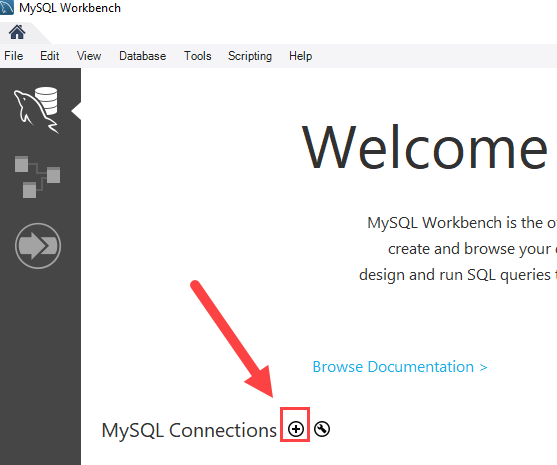
MySQL Tutorial
This tutorial shows you step by step how to use the MySQL CREATE DATABASE statement to create a new database in the MySQL server.
what is RE stuff ?
 simple slate
is it more efficient to use ORDER BY to sort results as needed or to use .sort/pandas?
fading patrol
simple slate
is it more efficient to use `ORDER BY` to sort results as needed or to use `.sor...
That's a Google question https://stackoverflow.com/questions/48876556/sort-values-vs-order-by-and-when-and-why-should-i-use-which/48876660
Stack Overflow
This is mainly in the scope of jupyter notes and queries in pandas(i'm very new to both) . I noticed that when I write a query where I need the dataframe in a certain order I do:
df = pd.read_sql("
crisp spade
how do you install mongodb on mac? I tried homebrew but it never works
this keeps on appearing

how do I fix this?
 whole perch
i use pymongo and i used a localhost database before but now i created an online database but i cant really access it. I changed the connection url but i get the error if not str(message.author.id) in somedata.find_one({"_id":ObjectId("61cdd866c416abf63c1a5314")})["blockeduserid"]: TypeError: 'NoneType' object is not subscriptableBut if i connect with mongodb compass everything is there
and this is my other relevant code py myclient = pymongo.MongoClient(host=os.environ["mongourl"]) RedBugBot = myclient["RedBugBot"] linkedchannels = RedBugBot["linkedchannels"] somedata=RedBugBot["somedata"]
 lofty quiver
whole perch
i use pymongo and i used a localhost database before but now i created an online...
lofty quiver
whole perch
i use pymongo and i used a localhost database before but now i created an online...
find_one couldn't find document
 lofty quiver
are you sure that it is exists?

 lofty quiver
try to find without filter. If it finds, then something with your filter
whole perch
lofty quiver
try to find without filter. If it finds, then something with your filter
it still doesnt work
lofty quiver
idk then
whole perch
ok
 hasty hinge
Is it more recommendable to use a cursor per query or a cursor per connection?
I'm having some problems with mysql-connector-python. After some random time the script losts connection to the MySQL server during a query, I tried handling the exception and create a new connection to the database but now I'm getting a weakly-referenced object no longer exists" error.
brazen charm
new cursor per query
cursors are designed to be cheap to create, connections are not
vale heart
how do I clone a row in sqlalchemy? I want to change some values in the column for a given row and then add those changes as apart of a new row to my table instead of just updating.
trim lintel
vale heart
how do I clone a row in sqlalchemy? I want to change some values in the column f...
Fetch row you want to duplicate and use those values to create a new one.
vale heart
how do I do it in sqlalchemy?
 simple grove
hasty hinge
Is it more recommendable to use a cursor per query or a cursor per connection?
simple grove
hasty hinge
Is it more recommendable to use a cursor per query or a cursor per connection?
I prefer cursor per connection
brazen charm
ig print out what (await.....).all() is
torn sphinx
generally in orms a method like all() will give you a collection/array of items even if a single match was found.
 rare valve
delicate fieldBOT
rare valve
delicate fieldBOT
@safe swan Please don't try to ping @everyone or @here. Your message has been removed. If you believe this was a mistake, please let staff know!
 topaz dawn
Does anyone know how to separate chatterbot inputs from responses in ListTrainer? My bot keeps responding with messages that it's supposed to receive, not send back.
stark sparrow
Can't we do ```py
collection.find()

 native haven
stark sparrow
Can't we do ```py
collection.find()
``` in motor?
native haven
stark sparrow
Can't we do ```py
collection.find()
``` in motor?
can you maybe share a bit more of your code
stark sparrow
native haven
can you maybe share a bit more of your code
sure
    @commands.Cog.listener()
    async def on_message(self, message):
        if not message == self.client.afk_msg:
            mongo_url = "mongo_url"
            cluster = AsyncIOMotorClient(mongo_url)
            database = cluster["database"]
            collection = database["afk"]
            embed = discord.Embed(timestamp=message.created_at, description=f"Welcome back {message.author.mention}! I have removed your AFK!", color=0x00ffff)
            results = collection.find({"_id": message.author.id})
            for result in results:
                collection.delete_one(result)
                await message.channel.send(embed=embed)
the error is from that for result in results line
native haven
stark sparrow
the error is from that `for result in results` line
how about coding it to use delete_many. but I think you don't need to put it in a for loop since you're using _id which iirc can't have two or more of the same id in the collection.
stark sparrow
native haven
how about coding it to use `delete_many`. but I think you don't need to put it i...
i tried to remobe the for loop
didnt work
started spamming
as it is on_message
stark sparrow
native haven
how about coding it to use `delete_many`. but I think you don't need to put it i...
i used without the for loop, it will continue removing me from afk
multiple times
delete_many still gives same error
burnt turret
the error is because you need an async for instead of for to loop through the async cursor that motor provides (https://motor.readthedocs.io/en/stable/tutorial-asyncio.html#querying-for-more-than-one-document)
but as chof64 said you should probably rewrite that query to a single delete
doing just await collection.delete_many({"_id": message.author.id}) should be effectively the same 🤔
simple slate
whats the proper way to store multiple pandas dfs in the same db?
I cant figure out how to write to different tables without using different files
slender atlas
simple slate
I cant figure out how to write to different tables without using different files
You can create a new table in the same database file for each data frame.
simple slate
so would doing this work properly?
def _get_dfs(self) -> None:
  connected = False
  while not connected:
    try:
      con = sqlite3.connect("file:cache.db?mode=r, uri=True")
      connected = True

    except sqlite3.OperationalError:
      self._save_dfs()

  self.scores_df = pd.read_sql("SELECT * FROM scores", con, parse_dates=["created_at"])
  self._beatmaps_df = pd.read_sql("SELECT * FROM beatmaps", con, parse_dates=["last_updated"])
  self._beatmapsets_df = pd.real_sql("SELECT * FROM beatmapsets", con)
  # ranks_df = pd.real_sql("SELECT * FROM ranks", con, parse_dates=[column name of dates])

def _save_dfs(self) -> None:
  con = sqlite3.connect("file:cache.db")

  self.scores_df.to_sql("scores", con, if_exists="append")
  self._beatmaps_db.to_sql("beatmaps", con, if_exists="append")
  self._beatmapsets_df.to_sql("beatmapsets", con, if_exists="append")
 shy bane
I'm planning to use 2 phase commit for MongoDB, can someone share the advantages and disadvantages for the same. Usecase: Ecommerce system
 bleak timber
hello basically this is my code it checks if there is a new free game every fixed interval then adds it to a db but some games keep getting added can u help its part of discord bot
async def on_ready(self):
if not self.is_started: # Prevents the next lines from executing more than once when reconnecting
self.load_resources()
await self.change_presence(status=discord.Status.online, # Changes status to "online"
activity=discord.Game("!k help") # Changes activity (playing)
)
logger.info(f"Kairo bot now online")
self.is_started = True
self.main_loop = True # Changes It to True so the main loop can start
logger.info(f"Main service was started")
while self.main_loop:
for i in self.MODULES:
if not self.data_config[f"{i.MODULE_ID}_status"]: # Prevents games from getting added to the db
continue # when a module isn't enabled
free_games = i.get_free_games()
# If there is at least one element this will put It in a list
free_games = [free_games] if isinstance(free_games, Game) else free_games
if free_games:
try: # Checks if module author specified a threshold
i.THRESHOLD
except AttributeError:
i.THRESHOLD = 6
free_games = db.check_database(f"{i.MODULE_ID.upper()}_TABLE", free_games, int(i.THRESHOLD))
for j in free_games:
channel = self.get_channel(926357675162349588)
await channel.send(embed = self.generate_message(j.name, j.link))
await asyncio.sleep(300)``` quasi panther
Hello everybody,
I have a question about MongoDB v5.0. Since, v4.4 mongod restart forced to rebuild indexes even if there's no corrupted one. I have checked the forums and docs if I could bypass that. But couldn't find anything on that.
Is there any work around for that? I am sure I am probably missing something out.
TIA.
 onyx nimbus
bleak timber
```py
async def on_ready(self):
if not self.is_started: # Prevents the ...
onyx nimbus
bleak timber
```py
async def on_ready(self):
if not self.is_started: # Prevents the ...
Do you mean that you're getting duplicates? If that's the case, you could solve this by setting a candidate key in the table to UNIQUE, and set it to ignore queries that cause conflicts.
fleet ibex
about to loose my mind, out of nowhere one of my sqlite3 scripts has stopped working.. I had a backup script, ran it.. also nothing..no errors, the files it pulls from are still present, nothing has changed...
restarted vsc, killed the db recreated it and still data isnt being inserted from 1 script, the others work fine tho..
I routinely delete the tables and re-create them while testing, so I've been doing this for awhile and now it just decides to not work ?!?! .. rawr!
 proven arrow
fleet ibex
about to loose my mind, out of nowhere one of my sqlite3 scripts has stopped wor...
proven arrow
fleet ibex
about to loose my mind, out of nowhere one of my sqlite3 scripts has stopped wor...
what is not working?
fleet ibex
it is not working correct.
proven arrow
so what does that mean exactly?
fleet ibex
I just compared it with my alpha version, line for line nothing changed.. and the alpha file isnt working either.... it means it's not inserting anything into the db, when it was 30 mins ago..
proven arrow
Did you try adding any logging to see what parts of the code are reached or check your error logs for your application?
fleet ibex
I have not begun using any of the actual logging stuff, but I inserted a print statement to verify the data it's suppose to insert it's getting from csv files is there.
holy crap.. how did this happen.. i fixed it.. but both files use a temp :inmemory: db.. and both files where as ":memory" .. and not ":memory:' ...
I had not loaded the alpha in a week or so, and working when i put it to bed... this is so strange.. but omfg.. was about to literally start crying.
backing up all my files now, that was just to weird
proven arrow
You should consider adding logging to you codebase if this is important
And there is no way to know why what happened without seeing the codebase.
fleet ibex
if, I am creating a dataframe at the start of my script, when I pass it to a function, do I need to return it if I make changes to it, or will it be updating itself as it goes from function to function?
I dont know if the the changes stay with it, where as an sql statement needs to be commited.
 true cosmos
fleet ibex
if, I am creating a dataframe at the start of my script, when I pass it to a fun...
true cosmos
fleet ibex
if, I am creating a dataframe at the start of my script, when I pass it to a fun...
why don't you use dictionaries instead? and at the end if you need the info in sql just send a commend and update the whole database...
fleet ibex
I havent learned dict's .. maybe it would be easier, i onno.
true cosmos
fleet ibex
I havent learned dict's .. maybe it would be easier, i onno.
yes, I wish someone have told me that when I was learning I could have save me hundreds of wasted time with sql
fleet ibex
sort of attempting to write a janky harry potter sorting hat, using and keeping track to the counts of -1 here is +1 there in a cloned table as a df.. plan was to also be able do some math in the df and then send it back to sql.
true cosmos
fleet ibex
I havent learned dict's .. maybe it would be easier, i onno.
nowadays, I didn't even use sql anymore, just dictionaries and save the info in txt... I work for myself, so I don't have to deal with security so I can save my data in txt files.
severe coral
fleet ibex
I havent learned dict's .. maybe it would be easier, i onno.
Learn dicts
fleet ibex
yes, its on my list to do.. learn dicts..
delicate fieldBOT
@brittle rivet Please don't try to ping @everyone or @here. Your message has been removed. If you believe this was a mistake, please let staff know!
 jolly urchin
!paste
delicate fieldBOT
Pasting large amounts of code
If your code is too long to fit in a codeblock in discord, you can paste your code here:
https://paste.pythondiscord.com/
After pasting your code, save it by clicking the floppy disk icon in the top right, or by typing ctrl + S. After doing that, the URL should change. Copy the URL and post it here so others can see it.
jolly urchin
Though i am having data in the table, still i am getting empty lists:
https://paste.pythondiscord.com/sakulukaja.py
pls help me
grim vault
jolly urchin
Though i am having data in the table, still i am getting empty lists:
https://pa...
def select_all():
    connection = sqlite3.connect(DB_NAME)
    cursor = connection.cursor()
    connection.execute("""
    SELECT * FROM "Seat"
    """)
    result = cursor.fetchall()
    connection.close()
    return result
You execute the select on connection instead of cursor
fading patrol
!d sqlite3
delicate fieldBOT
Source code: Lib/sqlite3/
SQLite is a C library that provides a lightweight disk-based database that doesn’t require a separate server process and allows accessing the database using a nonstandard variant of the SQL query language. Some applications can use SQLite for internal data storage. It’s also possible to prototype an application using SQLite and then port the code to a larger database such as PostgreSQL or Oracle.
The sqlite3 module was written by Gerhard Häring. It provides a SQL interface compliant with the DB-API 2.0 specification described by PEP 249, and requires SQLite 3.7.15 or newer.
brave bridge
what do you mean?
fading patrol
^^^ Start here, if that's what you mean
brave bridge
Do you want to use existing software to store data? Or do you want to implement your own database management system in Python?
 hidden plume
i am using the database mango db. how can i delete specific stuff in a collection. the code should delete in the collection from the author the share and the stock property. this could does not work. can someone help me please
find = collection.find_one({'_id': ctx.author.id})
       if find[f'shares: {arg}'] == 0:
           collection.delete_one({'_id': ctx.author.id}, {f'stock: {arg}': arg, f'shares: {arg}': 0})
           embed = discord.Embed(title=f'You have 0 shares of {arg}')
           await ctx.send(embed=embed)
this is the error

 sinful drift
a list could be used as a database, you can just store things in a list.
brave bridge
yep
it all depends on your application
Sometimes it's fine to store files in the filesystem, sometimes even in memory.
In other situation you'll need a relational database management system (like SQLite3 or PostgreSQL) or a really fast in-memory cache (like Redis)
 misty eagle
hi
hidden plume
hidden plume
i am using the database mango db. how can i delete specific stuff in a collectio...
can someone help please?
 true swift
sinful drift
a list could be used as a database, you can just store things in a list.
true swift
sinful drift
a list could be used as a database, you can just store things in a list.
In my opinion, you must to use a dictionary as a Python database. But a list is ok, too :b
 bright hound
does anyone know how to use pandas read_parquet() and make it include the partition column in the table it returns?
there is something in spark I think where you can provide a 'base path' argument and it will adjust the schema, but I can't find anything for pandas
 potent citrus
Hello, anyone has an idea of how to make a QR on a file and that the QR is linked to the file on the cloud?
jolly urchin
See there are two types of databases SQL and NoSQL. In SQL you need to know SQL Code using some third party libraries like sqlite3 and in NoSQL you don't have to write SQL schemas. For ex. MongoDB which uses json at the base level
Hope this help you🙂
 verbal lava
what is this: Command raised an exception: AttributeError: aenter sqlite3
whole perch
import pymongo
from bson import ObjectId
myclient = pymongo.MongoClient(os.environ["mongourl"],port=27017)
RedBugBot = myclient["RedBugBot"]
linkedchannels = RedBugBot["linkedchannels"]
somedata=RedBugBot["somedata"]
print(somedata.find_one({"_id":ObjectId("61d191f56c7061e409ed16d6")}))```i dont know why somedata.find_one returns None but linkedchannel.find_one works
ping me please if you have a solution
verbal lava
What does aenter mean in sqlite?
crisp spade
from __future__ import print_function
import mysql.connector
from mysql.connector import errorcode

from datetime import date, datetime, timedelta

cnx = mysql.connector.connect(user='', password="", host="",
                              database='')
cursor = cnx.cursor()

tomorrow = datetime.now().date() + timedelta(days=1)


add_account = ("INSERT INTO accounts "
               "(user_ign, user_password, user_email, user_status, user_inventory, user_wallet) "
               "VALUES (%s, %s, %s, %s, %s, %s)")

data_account = ("test2", "test2", "test2@testrpg.com", "User", '{"Apple":1, "Bomb":100}', 10000)

cursor.execute(add_account, data_account)
P.S. when i use a sql script to add values, it works fine
I tried this but the result when i look in workbench...
 crisp spade
depends on what type of database you want to make. A database could be a simple json file or dictionary all the way to a full postgres server
if you don't want to experiment with servers yet, I suggest starting with JSON or something like sqlite3
both are easy to understand and efficent to use - only problem is they're store locally, which means you cannot connect to it on a different computer
if you want to make an online server, start with mysql, mongodb or postgres
fading patrol
potent citrus
Hello, anyone has an idea of how to make a QR on a file and that the QR is linke...
- put your file on the cloud platform of your choice 2) generate a QR code for the link (even Chrome can do this)
Off topic though
 long echo
I am wondering whether I should migrate everything (during runtime too?) into an SQL database, or something similar. So that the data would be integrated better, and I would have easier time coding and managing this.
Context :
I have 3 databases.
• Database 1 is used for storing users' information. (json)
• Database 2 holds all possible misspelled users names. (json)
• Database 3 is dynamic, it is given before runtime. It holds lots of data related to a user, sorted by their names. (excel)
More Context :
The program simply goes through each of the databases.
Converts the misspelled names/aliases to the offical ones.
Using the these names, it parses the related information - and allocates the given data to the correct place.
Final Thoughts :
Is there any better way to go about it? Maybe even change the format of the database I am given (as in, how its sorted, and how it stores the data)? Something els?
 plush glen
Can anyone help me set a user database up where i can do !removediscord (userid) and then it removes them from my database i dont have a database yet tho
 elfin bay
Am I missing something?
import sqlite3
from disnake.ext import commands

conn = sqlite3.connect("database.db")
c = conn.cursor()

class Currency(commands.Cog):
    def __init__(self, bot):
        self.bot = bot

    @commands.Cog.listener()
    async def on_ready(self):
        c.execute(
            """CREATE TABLE IF NOT EXISTS currency (
            user_id text, wallet int, bank int)
            """)
        conn.commit()
        print(f"{self.__class__.__name__} Cog has been loaded \n-----")

    # Commands
    @commands.command(description="Check your balance", aliases=["bal"])
    async def balance(self, ctx):
        user_id_str = str(ctx.author.id)
        print(user_id_str)
        c.execute("SELECT * from currency WHERE user_id = (?)", user_id_str)
        data = c.fetchall()

        if not data:
            c.execute("INSERT INTO currency VALUES (?,?,?)", (user_id_str, 0, 100))
            conn.commit()
        await ctx.reply(f"Wallet: {data[1]}\nBank: {data[2]}")
Error:
File "C:\Users\khale\Desktop\currencyBot\bot\cogs\currency.py", line 27, in balance
    c.execute("SELECT * from currency WHERE user_id = (?)", user_id_str)
sqlite3.ProgrammingError: Incorrect number of bindings supplied. The current statement uses 1, and there are 18 supplied
It should be c.execute("...", (user_id_str,))
sqlite3 was interpreting that string as a container for 18 strings
 lofty finch
Hi, I'm currently learning about Spark. I want to ask, is Spark basically a customizable MapReduce ? Because from what I understand we can basically customize the spark to be like map-reduce-transform-map-reduce rather than just map-reduce ?
 surreal meadow
- SQL
- SQLlight
- postgrade
- SQLalchemy
Someone told me that this is the best path of learning Data base languages any thing else to add or remove?
like MongoDB or thers
agile heath
why does typing pg_restore not output anything and no errors
im running this on linux and postgresql
 hollow hawk
if i have an sqlite db with the info like the following. how can i import the data as a df with the index as the option_id and then the curr_price and curr_price_time as columns?
 fading patrol
surreal meadow
1. SQL
2. SQLlight
3. postgrade
4. SQLalchemy
Someone told me that this is th...
fading patrol
surreal meadow
1. SQL
2. SQLlight
3. postgrade
4. SQLalchemy
Someone told me that this is th...
That makes sense. I wouldn't waste more then a week or two on step one, just learn the basics of SQL queries quickly and dive in to SQLite.
MongoDB is NoSQl so pretty different, you could probably learn it at any stage (although I have yet to learn it myself to be honest, so take that with a grain of salt)
 abstract parcel
surreal meadow
1. SQL
2. SQLlight
3. postgrade
4. SQLalchemy
Someone told me that this is th...
abstract parcel
surreal meadow
1. SQL
2. SQLlight
3. postgrade
4. SQLalchemy
Someone told me that this is th...
SQL is a good starting point if you want to learn about databases, like in relational database systems, when SQL is the native query language.
If you define databases as relational databases, and want to learn that, SQLite is one of the simplest and probably a decent place to start. SQLite operates on a single database file and is not as powerful and performant as Postgres, MySQL etc. which is actually a full database engine.
SQL (language / syntax) varies a bit between the different solutions like MySQL, Postgres etc. For instance you will have a lot more capabilities / functionality using SQL against Postgres and MySQL than SQLite. I would recommend SQLite only for smaller projects, when you only need to structure your relational / schema-based data locally for a small server or client application or so. Otherwise I would preferred Postgres or similar.
After understanding the basics of SQL, I would look at ORM (object-relational mapping), because it will make you life a lot easier, since you can work with databases and data models as objects and in a more abstract way.
If you want to learn about other types of database-like solutions, like NoSQL, document storage, key-value stores etc., I would recommend to take a look at:
- Redis
- Elasticsearch / OpenSearch
- InfluxDB
fading patrol
hollow hawk
if i have an sqlite db with the info like the following. how can i import the da...
Have you tried this? https://pandas.pydata.org/pandas-docs/version/0.15.0/generated/pandas.read_sql.html
abstract parcel
fading patrol
That makes sense. I wouldn't waste more then a week or two on step one, just lea...
I’ve used MongoDB for a few projects several years ago, when Elasticsearch were initially released. I quickly moved to Elasticsearch because it performed much better and was in my opinion more powerful and better to work with. But that’s almost a decade ago, and Mongo may have evolved into something better since then. Elasticsearch has really been my first choice on document storage / search engine for a lot of use cases ever since ☺️
surreal meadow
abstract parcel
SQL is a good starting point if you want to learn about databases, like in relat...
thank you for the clarification!
plush glen
@abstract parcel Could u help me with xampp sql?
 finite parrot
Hey! I'm using MongoDB
Which way will be better to store members in guilds (its for economy)?
{
  "_id": GuildID,
  "members": {
    str(Member_1ID): dict(INFO1),
    str(Member_2ID): dict(INFO2)
    #etc...
  }
}
or
{
  "_id": f"{GuildID}{MemberID}",
  #and some info here
}
Ping me, when you reply, pls
harsh pulsar
finite parrot
Hey! I'm using MongoDB
Which way will be better to store members in guilds (it...
how about this?
[
  {"_id": {"guild": GuildID, "member": Member_1ID}, **INFO1},
  {"_id": {"guild": GuildID, "member": Member_2ID}, **INFO2},
]
Your most welcome
 night charm
I know very little about SQL. I have a program that can send data into a single table through ODBC into MSSQL. There are about 20 fields for each row, and about 100 rows arrive every second all day. One field has a kind of ID, and there are about 500 unique IDs. I would like to be able to run some kind of statistical analysis essentially realtime throughout the day on a selection of the unique IDs. Ideally I would like to be able to pick an ID and then pull multiples days/weeks/months of data specific to this ID, run an analysis, pick a new ID, run an analysis, and then loop this forever, running it as fast as I can. Do you have any recommendations for how to do this efficiently in terms of how I should store the data? Again, I know very little about SQL. Is this something that indices would solve? Or maybe it would make sense to somehow filter this giant dataset into different tables for each unique ID?
finite parrot
harsh pulsar
how about this?
```python
[
{"_id": {"guild": GuildID, "member": Member_1ID}, ...
I won’t be able to get member
 honest raven
night charm
I know very little about SQL. I have a program that can send data into a single ...
honest raven
night charm
I know very little about SQL. I have a program that can send data into a single ...
I'm not exactly sure about your problem and schema. But isn't it straightforward to select the data fields you want, specifying the ID using WHERE clause?
night charm
honest raven
I'm not exactly sure about your problem and schema. But isn't it straightforward...
I figured that it would be really slow if I had tons of rows in the table. 100 rows per second of new data means potentially tens of millions of rows after a few weeks
And hundreds of millions of rows down the line. If I only want to grab data for a single day/week/month for a particular ID, would it be difficult to do that even if I were using indices?
honest raven
If designed and implemented well, I guess using sql index will speed up the process.
night charm
Does that approach slow down a lot if the table gets bigger?
I just found this random quote from stackoverflow: "Query performance depends on indexes. Without them the server has to scan the entire 4B rows. Partitioning is a data management feature, not a performance feature. If you want to search by date, index the date columns."
Assuming he's right, I guess I shouldn't worry about the size of the table
"Partitioning is never done for query performance. With partitioning the performance will always be worse, the best you can hope for is no big regression, but never improvement."
Some other relevant quote
fleet ibex
maybe look into SELECT TOP .. and define whatever.. group by, etc ?
brazen charm
night charm
Does that approach slow down a lot if the table gets bigger?
depends on the indexes
speed of insertion generally decreases as the number of row increases.
for fetches, if you don't have a index the db is able to use then yes, it will slow to a crawl pretty quite
night charm
Hmm. Thanks. I guess I'll just try to add indices for the column with one of the ~500 unique ID's and then also for the date and/or datetime
And then maybe things will stay fast even after the table grows to be humongous
honest raven
If you plan to do some statistic analysis everyday, if not every second, you can probably doing it incrementally.
I mean, you don't have to start from the very beginning of the data to present each time.
Like, if you know the average number from the beginning of the time to yesterday, and you get today's data, it's not hard to calculate the average without doing everything on all the data again.
Well, your use case will involve much deeper statistics than avg, I'm just saying that as an example.
night charm
honest raven
I mean, you don't have to start from the very beginning of the data to present e...
Yeah, I get what you are saying. But what does that mean in terms of the SQL side? Leave everything in one table going back to the very beginning and then just have indexing help me efficiently get the new chunk?
 prime kelp
return _op_msg_uncompressed(
bson.errors.InvalidDocument: cannot encode object: FolderModel(id=ObjectId('61d2f2982fa8e9156ce07120'), name='/', file_urls=None, folders=None, create_epoch=None, last_edit_epoch=None), of type: <class 'src.cogs.ide.dialogs.navigated_saved.FolderModel'>
class FolderModel(Model, ABC):
    name: str
    file_urls: Optional[List[str]]
    folders: Optional[List[str]]
    create_epoch: Optional[int]
    last_edit_epoch: Optional[float] = None
from odmantic import Model
any ideas?
torn sphinx
sqlite3 is awesome!
brave bridge
it is
 celest sleet
am trying to sucessfully execute an sqlinject but i cant do it 😄
so this is my supposedly vuln py async def List_By_Name(Name): conn = await db_connect() c = await conn.cursor() sql = """SELECT * FROM Users WHERE Name='%s'""" % Name #await c.execute(sql) await c.executescript(sql) fetched = await c.fetchall() await conn.close() return fetched
it dosnt even fetch normal data but it reacts on '; etc
still whats the point if it even cant fetch normal...
and if i use await c.execute(sql) it fetches normal, but if use ; char it sais You can only execute one statement at a time.
but this one is intresting, c.executescript(sql) but then i cant even fetch normal, and i dont know why
it only returns blank list
 lofty summit
am I blind or there is no plural of find_one_and_update for mongodb (pymongo)?
brave bridge
celest sleet
am trying to sucessfully execute an sqlinject but i cant do it 😄
What columns are there in the Users table?
You could try ' OR Name = 'Alice' OR Name = 'Bob as the name
celest sleet
its just 2 columns ID, Name
@brave bridgebut its weird that it dosnt even fetch a correct name
with "c.executescript(sql)"
brave bridge
Why do you want to execute SQL injection on this?
brave bridge
What library are you using?
celest sleet
aiosqlite
i mean it should be able cause i am passing in unsanitized strings
or is aiosqlite so secure?
i saw on the web, sqlite one used and he was succefull doing a sqlinject with c.execute()
maybe its diffrent with aioslite
@brave bridgewhats weird is that c.executescript, returns always empty list. no matter what if legit or not.
c.execute() i dont get further cause it refuse accept 2 executions
brave bridge
Seems like executescript doesn't return any data 🤷
You need to use execute if you want to retrieve data
brave bridge
Here's an example from the docs:
async with aiosqlite.connect(...) as db:
    await db.execute("INSERT INTO some_table ...")
    await db.commit()

    async with db.execute("SELECT * FROM some_table") as cursor:
        async for row in cursor:
            ...
You can only use one statement in an execute
what do you want to do?
celest sleet
hm thats not how iv done it tho
Name = await db_hack.List_By_Name(Name)
where i pass string
brave bridge
Can you show the whole code?
celest sleet
async def List_By_Name(Name):
    conn = await db_connect()
    c = await conn.cursor()
    sql = """SELECT * FROM Users WHERE Name='%s'""" % Name
    #await c.execute(sql)
    await c.executescript(sql)
    fetched = await c.fetchall()
    await conn.close()
    return fetched
What does db_connect do?
generally you should be using aiosqlite with async with blocks
celest sleet
async def db_connect():
    conn = await aiosqlite.connect(str(DBPATH))
    conn.row_factory = aiosqlite.Row
    return conn
hm but i have no issue with handle db this way tho
it can read n insert delete etc
brave bridge
you will get issues if there's an exception between opening the connection and closing it
celest sleet
hm ok i will rewrite the sql with your blocks and see if any diffrence
brave bridge
Have you tried using execute instead of executescript?
celest sleet
yeah then i cant even do ';
celest sleet
its same just change c.executescript to c.execute
oh here we go
now we coming somewhere

i did urs with leaving ; out
it accepted that asd in there
so that basicly is an sqlinjection
but i guess i cant like ; drop table Users
etc
but i can succesfully do injection and select what ever member by id i want
.hack n ' OR ID='1' OR Name = 'Bob
@brave bridgethanks for clearing up, so basicly it was that i was so into ; that is what needs to be left out.
am so stupid
brave bridge
Are you making some kind of CTF?
celest sleet
brave bridge
Are you making some kind of CTF?
could be an CTF tho but wasnt my mission just to learn nvr done sqli with python only with php
now am gonna play with .commit() and insert and get it to drop table
 ornate kayak
Is it possible to do two queries to a database at once? I'm not sure how to word it, but I have 4 tables, one of them being a join table for two others (Heroes, Roles, Affiliations and Heroes_Affiliations). I can get results between Heroes and Roles using the foreign key but want to know if its possible to include the join table in the same query as well? Or would it just be better to put the two separate results together in my own code?
Actually, I think I'm going to just do two different queries. Sorry
harsh pulsar
ornate kayak
Is it possible to do two queries to a database at once? I'm not sure how to word...
what do you mean "include the join table"? joins happen across rows, so you can include any column from any table in the join
you can concatenate two queries with union but that doesn't sound like what you really want
it would help if you provided sample data, e.g. with https://www.db-fiddle.com/
An online SQL database playground for testing, debugging and sharing SQL snippets.
ornate kayak
harsh pulsar
what do you mean "include the join table"? joins happen across _rows_, so you ca...
https://www.db-fiddle.com/f/hLmwVo2cQhM5b1LbmYqfrz/1 Hopefully this is the correct link. I'm just trying to learn more about databases and wanted to know if these two steps could be done as one.
An online SQL database playground for testing, debugging and sharing SQL snippets.
ornate kayak
harsh pulsar
what do you mean "include the join table"? joins happen across _rows_, so you ca...
Sorry, I just tried a third query and got back what I was looking for. Typing out the example for you helped me see what I was getting confused on. Thanks for the website though, its really helpful
harsh pulsar
ornate kayak
Sorry, I just tried a third query and got back what I was looking for. Typing ou...
happy to hear it! this happens a lot, the process of formulating an answerable question leads to an answer to the question
torn sphinx
how do you make a table using sqlite3 on replit? apparently i need to make one for the level system i want to make
is there a good video on how to use sqlite3 for discord bots?
sinful rivet
how to insert a list into a row
sinful rivet
torn sphinx
how do you make a table using sqlite3 on replit? apparently i need to make one f...
bruh replit
brave bridge
sinful rivet
how to insert a list into a row
Depends on what DBMS you're using, and what you're going to be doing with that list.
brave bridge
sinful rivet
_bruh replit_
repl.it is fine for what it is 🤷
stark sparrow
can we add empty lists in google firebase?
        data = {
                "wallet_amt": 100,
                "bank_amt": 0,
                "bank_space": 1000,
                "inventory": [],
                "current_job": "no_job"
        }
it is adding everything else in the database instead of the inventory list
not useful ig

what can i use instead of lists and tuples?
 torn sluice
So does anyone know how I would go about writing a python script that makes a request to a web server that writes to a database for a login system? I dont want the client to directly connect to the database
 fathom star
torn sluice
So does anyone know how I would go about writing a python script that makes a re...
fathom star
torn sluice
So does anyone know how I would go about writing a python script that makes a re...
easy, you can use express.js if you want to use javascript, or you can use something like flask for the webserver
the python script that actually sends the request can use the requests library or aiohttp if you want asynchronous
the backend can connect to the database however you like depending on the database
i.e the sqlite library for sqlite databases
night charm
I have a lot of data being sent to one table in a MSSQL database and don't seem to be able to change this fact. I want to automatically send all new rows based on a condition or two to other tables immediately upon arrival. Should I be using triggers for this?
sinful rivet
brave bridge
Depends on what DBMS you're using, and what you're going to be doing with that l...
sqlite, wanna save guild members
sinful rivet
brave bridge
repl.it is fine for what it is 🤷
replit suc for d-bots
paper flower
stark sparrow
what can i use instead of lists and tuples?
Depending on what you want to store here you could just store your items in separate table
paper flower
sinful rivet
sqlite, wanna save guild members
Use foreignkey + separate table 🙂
I think storing a lot of elements in a single list in db wouldn't be a good idea
 woeful torrent
I'm a bit confused about sqlalchemy ORM best practices. From what I understand, sqlalchemy sessions manage transactions internally - but what does that imply for commits? Is it fine if I commit after every insertion or do I have to manually count insertions and only commit every N insertions for better performance?
paper flower
woeful torrent
I'm a bit confused about sqlalchemy ORM best practices. From what I understand, ...
I believe if you have an active transaction and begin new one data would only be sent to the database when outer transaction closes 🤔
with session.begin():
    with session.begin_nested():
        session.add(user)
hmm so do I actually have to manually begin new sessions?
paper flower
You can create a context manager that would do that for you 😉
woeful torrent
Basically my use case is getting large amounts of metadata (multiple gb) and inserting them into a local DB in a single loop
paper flower
I'm not sure about performance in this case but you might want to chunk your data and commit as you go
woeful torrent
OK, so I would have to manually chunk my data. How do I figure out what a good chunk size is?
paper flower
Not sure 😅
woeful torrent
For some reason it's really difficult to find any definitive information about this anywhere
paper flower
Yep, because it's really specific use-case, i don't think chunk size would matter as long as it satisfies your memory constraints
e.g. 100-500mb
woeful torrent
I guess I'll just have to try and profile it
paper flower
woeful torrent
I guess I'll just have to try and profile it
You might want to use this or some other techniques mentioned in sqla documentation
https://docs.sqlalchemy.org/en/14/orm/contextual.html?highlight=bulk#sqlalchemy.orm.scoping.scoped_session.bulk_save_objects
But i think standard way of committing should be fine too
sinful rivet
paper flower
Use foreignkey + separate table 🙂
wud
paper flower
I have no idea on what you want to store, could you tell me?
 frigid flicker
Hey guys I have flask app with postgresql database I have created databases and table buy when I try to run my app I get this error
Traceback (most recent call last):
  File "/home/dhairya/PD2/app/user_service/models.py", line 79, in add_user
    db.engine.execute(query)
  File "/home/dhairya/.local/lib/python3.6/site-packages/sqlalchemy/engine/base.py", line 2075, in execute
    return connection.execute(statement, *multiparams, **params)
  File "/home/dhairya/.local/lib/python3.6/site-packages/sqlalchemy/engine/base.py", line 942, in execute
    return self._execute_text(object, multiparams, params)
  File "/home/dhairya/.local/lib/python3.6/site-packages/sqlalchemy/engine/base.py", line 1104, in _execute_text
    statement, parameters
  File "/home/dhairya/.local/lib/python3.6/site-packages/sqlalchemy/engine/base.py", line 1200, in _execute_context
    context)
  File "/home/dhairya/.local/lib/python3.6/site-packages/sqlalchemy/engine/base.py", line 1413, in _handle_dbapi_exception
    exc_info
  File "/home/dhairya/.local/lib/python3.6/site-packages/sqlalchemy/util/compat.py", line 203, in raise_from_cause
    reraise(type(exception), exception, tb=exc_tb, cause=cause)
  File "/home/dhairya/.local/lib/python3.6/site-packages/sqlalchemy/util/compat.py", line 186, in reraise
    raise value.with_traceback(tb)
  File "/home/dhairya/.local/lib/python3.6/site-packages/sqlalchemy/engine/base.py", line 1193, in _execute_context
    context)
  File "/home/dhairya/.local/lib/python3.6/site-packages/sqlalchemy/engine/default.py", line 507, in do_execute
    cursor.execute(statement, parameters)
sqlalchemy.exc.ProgrammingError: (psycopg2.ProgrammingError) relation "member" does not exist
LINE 1: INSERT INTO Member VALUES('admin','$5$rounds=535000$aBkJYfG5...

 [SQL: "INSERT INTO Member VALUES('admin','$5$rounds=535000$aBkJYfG5qT7KTpsS$Ox','Admin','Admin','admin@admin','admin',True) ON CONFLICT (Username) WHERE Username='admin' DO NOTHING;"] (Background on this error at: http://sqlalche.me/e/f405)
can anyone help me
I have this member table
torn sphinx
sinful rivet
_bruh replit_
Like what the other guy says, it’s fine for what it is, that’s just your opinion :/
 tulip cloak
best video to learn Json ?
woeful torrent
tulip cloak
best video to learn Json ?
If you just mean the json format read this page and you'll know all there is to it: https://www.json.org/json-en.html
 unborn kettle
Hi, when I try to run this python code it gives me this error, can you help me? I'm trying to connect to a database on Oracle SQL developer. Thanks
import cx_Oracle
cx_Oracle.init_oracle_client(lib_dir=r"C:\Users\35191\Desktop\opt\instantclient_21_3")

con = cx_Oracle.connect('abd1/abd1@localhost:1521/orcl')
print (con.version)
con.close()
Error: cx_Oracle.DatabaseError: ORA-12541: TNS:no listener
swift ridge
guys if I know a certain field of record, how do I take its fname and lname?

 sage lily
swift ridge
guys if I know a certain field of record, how do I take its fname and lname?
sage lily
swift ridge
guys if I know a certain field of record, how do I take its fname and lname?
Do u mean sélect ?
 narrow granite
Is it possible to access a mongodb from different languages e.g i link a name with a birthdate and in python and then i want to acess that data with a program written in java
On reply pls ping
paper flower
narrow granite
Is it possible to access a mongodb from different languages e.g i link a name w...
Don't see why not
storm mauve
narrow granite
Is it possible to access a mongodb from different languages e.g i link a name w...
yeah, as long as you have a "driver" that can connect to it, the Database can be accessed by any language - that applies for just about all of them (maybe except sqlite)
paper flower
storm mauve
yeah, as long as you have a "driver" that can connect to it, the Database can be...
Why not sqlite though? 🤔
storm mauve
I'm not sure if it is supported as widely as others like Mongo or Postgres
paper flower
It is commonly used in client-side applications, so it should be
storm mauve
yeah, checking the website now, it is public domain, open source and claims to be cross-platform - so probably supported
ignore the fact that cross-platform has nothing to do with the languages which support it
paper flower
😅 java should have a client for sqlite
 hard totem
hi here! i have have flask app with sqlite database and need help updating a database column with enum type.
below my alembic migration script as well as the error showing my logs:
rom alembic import op
import sqlalchemy as sa


# revision identifiers, used by Alembic.
revision = 'aa7fb94eee6b'
down_revision = 'db5a451270ef'
branch_labels = None
depends_on = None


def upgrade():

    current_state_type = sa.Enum('uninstalled', 'installed','broken', name='current_state_type')
    current_state_type.create(op.get_bind())
    op.add_column('installed_contents', sa.Column('new_current_state', current_state_type , nullable=True))
    op.execute('update installed_contents set new_current_state = CAST(CAST(current_state as text) as current_state_type)')
    op.alter_column('installed_contents', 'current_state', new_column_name='old_current_state')
    op.alter_column('installed_contents', 'new_current_state', new_column_name='current_state')
    op.drop_column('installed_contents', 'old_current_state')
    op.get_bind()
    op.execute('DROP TYPE current_state_type')
    op.alter_column('installed_contents', 'current_state', nullable=False)
def downgrade():
    current_state_type = sa.Enum('uninstalled', 'installed', name='current_state_type')
    current_state_type.create(op.get_bind())
    op.add_column('installed_contents', sa.Column('old_current_state', current_state_type , nullable=True))
    op.execute("update installed_contents set current_state = 'uninstalled'")
    op.execute("update installed_contents set old_current_state = CAST(CAST(current_state as text) as current_state_type)")
    op.alter_column('installed_contents', 'current_state', new_column_name='new_current_state')
    op.alter_column('installed_contents', 'old_current_state', new_column_name='current_state')
    op.drop_column('installed_contents', 'new_current_state')
    op.get_bind()
    op.execute('DROP TYPE current_state_type')
    op.alter_column('installed_contents', 'current_state', nullable=False)
my logs:
UserWarning: Skipping unsupported ALTER for creation of implicit constraintPlease refer to the batch mode feature which allows for SQLite migrations using a copy-and-move strategy.
util.warn(
Traceback (most recent call last):
File "/home/desir/Documents/lasttest/olip-api/venv/lib/python3.8/site-packages/sqlalchemy/engine/base.py", line 1276, in _execute_context
self.dialect.do_execute(
File "/home/desir/Documents/lasttest/olip-api/venv/lib/python3.8/site-packages/sqlalchemy/engine/default.py", line 608, in do_execute
cursor.execute(statement, parameters)
sqlite3.OperationalError: error in table installed_contents after drop column: no such column: old_current_state
acoustic thunder
is there a way in mongodb, to insert a named array
like name the array going ionto the colelction instead of being like Object 1
paper flower
hard totem
hi here! i have have flask app with sqlite database and need help updating a da...
TBH Using enums with alembic + postgres was too much for me so i switched to using string (not-native) enums
Enum(native_enum=False) iirc, sqlalchemy would use strings instead
sinful rivet
paper flower
Use foreignkey + separate table 🙂
but how to do it and why
sinful rivet
paper flower
I think storing a lot of elements in a single list in db wouldn't be a good idea
oh, next message
paper flower
sinful rivet
_but how to do it_ and why
Why? It's easy to query it. How? First tell me what you want to store 😅
sinful rivet
paper flower
Why? It's easy to query it. How? First tell me what you want to store 😅
:l a guild's members
paper flower
Would it be just guild members or some additional info too?
sinful rivet
paper flower
Would it be just guild members or some additional info too?
just a guild member in a row
paper flower
What's the purpose of that really?
You probably could just get list of guild members using discord api
sinful rivet
paper flower
What's the purpose of that really?
You probably could just get list of guild mem...
bru
not server guild, like a game guild :l
paper flower
Ah, i see 😅
Is there something like users table?
sinful rivet
paper flower
Ah, i see 😅
Is there something like users table?
uh, wdym :v
paper flower
You're storing id's of users that are in a guild, there should be a table that stores these users too, right?
sinful rivet
paper flower
You're storing id's of users that are in a guild, there should be a table that s...
yes
woeful torrent
Is there a way with sqlalchemy to auto-increment a column that isn't a primary key?
paper flower
sinful rivet
yes
You can create two tables and define relationship between them using secondary table
create table users (
    id integer primary key,
    username varchar not null
);


create table guilds (
    id integer primary key,
    name varchar not null
);


create table guilds__membership (
    user_id integer,
    guild_id integer,
    foreign key(user_id) references users(id),
    foreign key (guild_id) references guilds(id),
    primary key (user_id, guild_id)
);
insert into users (username) values ("Doctor");
insert into guilds (name) values ("A Guild");
insert into guilds__membership (user_id, guild_id) values (1, 1);

/* Would select all users and their guilds, would be easier if you use an ORM */
select users.*, guilds.* from users
join guilds__membership gm on gm.user_id == users.id
join guilds on gm.guild_id == guilds.id;
I just get the column set to null whether I set "auto" or True
Also that page seems to suggest that using auto-increment on a non-primary key isn't possible...
paper flower
🤔 Maybe it doesn't work that way after all. What DBMS are you using?
woeful torrent
I'm testing with sqlite
which doesn't support incrementing compound primary keys
but having a local, auto-incrementing column would be extremely useful
paper flower
Also why do you need an autoincrement on non-pk column?
woeful torrent
basically I'm retrieving a database of articles and tags
The tags have global IDs
paper flower
mhm 🤔
woeful torrent
however, since I'm only collecting a subset I also need local IDs that are auto-incrementing
so I need the remote IDs for verifying integrity but the local ones for other purposes
paper flower
Why exactly you need local ids here?
woeful torrent
it's a bit hard to explain - basically the local IDs need to be between 0 and the total size of the subset I keep track of
since I need them as indices into densely packed matrices eventually
paper flower
I really don't understand why you need some local id to keep track of your tags when your tags already have ids
woeful torrent
the remote IDs are in a larger range with gaps
which is an issue for the end goal of my application
I guess at this point I'll just have to increment that manually and insert without using auto-increment
I already tried making the local ID my primary key and leave the global one as just an integer with a unique constraint
paper flower
Why exactly you need these id's densely packed?
woeful torrent
but that leads to a whole range of other issues
woeful torrent
paper flower
Why exactly you need these id's densely packed?
Basically if I want to relate tags to indices into matrices or higher dimensional tensors I need a direct mapping to an index in the range 0 to N - where N is the size of my local subset of tags
but that's not a database issue
it's just a requirement from the task I'm using the database for ultimately
paper flower
woeful torrent
Basically if I want to relate tags to indices into matrices or higher dimensiona...
Is it related to ml?
woeful torrent
yes
paper flower
Perhaps you could create a second column that would use autoincrement? 🤔
That still could lead to issues if you say delete tags
woeful torrent
That was what I was trying to do but isn't supported apparently
paper flower
I don't think sqlite supports autoincrement on non-primary keys
sinful rivet
paper flower
You can create two tables and define relationship between them using secondary t...
;-; not understand
paper flower
sinful rivet
;-; not understand
sql could be hard to understand 😅
Do you understand these two tables?
create table users (
    id integer primary key,
    username varchar not null
);


create table guilds (
    id integer primary key,
    name varchar not null
);
varchar no
paper flower
woeful torrent
Basically if I want to relate tags to indices into matrices or higher dimensiona...
Postgres supports serial on non primary key columns
create table tags(
    id serial primary key,
    local_id serial unique
);
insert into tags (id) values (42);
insert into tags (id) values (43);
insert into tags (id) values (44);

select * from tags;
id     local_id
42     1
43     2
44     3
oh ok
sinful rivet
paper flower
sql could be hard to understand 😅
Do you understand these two tables?
```py
cr...
and what is primary key
ik integer
woeful torrent
paper flower
Postgres supports serial on non primary key columns
```sql
create table tags(
...
hmm that's good to know, I'll keep it in mind
paper flower
It's a primary key that i used to identify a specific row in your database, discord users have id's for example
sinful rivet
paper flower
It's a primary key that i used to identify a specific row in your database, disc...
wut
paper flower
If you have two or more users you have to differentiate between them, you could use some sort of identifier to do that
sinful rivet
paper flower
If you have two or more users you have to differentiate between them, you could ...
oh ok
paper flower
primary key guarantees that these values would be unique and you could reference them from other tables
woeful torrent
Now that I removed that field for the time being I noticed a much more severe issues though.
I have a many-to-many relationship between articles and tags like this:
    tags = orm.relationship(
        "Tag",
        secondary=Table(
            "tag_relations",
            Base.metadata,
            Column("tag_id", ForeignKey("tag.id"), nullable=False, primary_key=True),
            Column("article_id", ForeignKey("article.id"), nullable=False, primary_key=True),
        ),
        backref="articles"
    )
The issues is, whenever I try to add an Article object which has tags that already exists, it tries to insert that existing Tag again and raises an exception. If I try to merge the tags first and then add them to the articles, it raises and exception because it tries to add the Article again
I'm not sure what I'm doing wrong here
sinful rivet
paper flower
`primary key` guarantees that these values would be unique and you could referen...
hmmmm
so i must wipe my database again?
paper flower
sinful rivet
hmmmm
so i must wipe my database again?
If you don't have any valuable data in it 😅
paper flower
woeful torrent
Now that I removed that field for the time being I noticed a much more severe is...
You don't need nullable with primary_key, also i didn't run into any issues with adding duplicate entries into relationship (yet) 😅
Is Tag persistent before you're trying to add it to Article?
woeful torrent
paper flower
Is `Tag` persistent before you're trying to add it to `Article`?
This is what I've tried:
    def add_article(self, article: Article, tags: List[Tag]) -> None:
        for tag in tags:
            self._session.merge(tag)
        self._session.add(article)
        article.tags = tags
        self._session.commit()
With this I run into the issue that the article is added more than once
paper flower
You mean tag is added more than once?
woeful torrent
No, the article
paper flower
🤔
woeful torrent
If I remove that for loop then the tags are added more than once
paper flower
What error are you getting exactly?
woeful torrent
sqlite3.IntegrityError: UNIQUE constraint failed: article.id
If I use this more intuitive approach:
        image.tags = tags
        self._session.add(image)
        self._session.commit()
I get this error instead: sqlite3.IntegrityError: UNIQUE constraint failed: tag.id
Here I get that it's caused by the add also trying to add each tag again whether it exists or not - I just couldn't find a solution that only inserts the ones that aren't there
The merge approach was my attempt at that which just ended up inverting the issue
paper flower
Maybe has something to do with https://docs.sqlalchemy.org/en/14/orm/relationship_api.html#sqlalchemy.orm.relationship.params.active_history ?
Since you're replacing reference to whole tags list
woeful torrent
paper flower
Maybe has something to do with https://docs.sqlalchemy.org/en/14/orm/relationshi...
I honestly don't understand what that does
paper flower
Me neither 🙂
woeful torrent
I guess I'll have to look into it more tomorrow...
Seems like the ORM is actually making this much harder rather than easier...
paper flower
You probably should try to save your tags first 😉
sinful rivet
oh right, why my bot always wipe a table in my database when reruned
sinful rivet
 digital jolt
im new
digital jolt
im new
ok, what u wanna ask
sinful rivet
digital jolt
im new
hi new, i'm dad!
sinful rivet
sinful rivet
_oh right, why my bot always wipe a table in my database when reruned_
someone?
brave bridge
sinful rivet
someone?
can you show your code?
sinful rivet
brave bridge
can you show your code?
brave bridge
sinful rivet
database https://paste.pythondiscord.com/sapocejuma.sql
main https://paste.pytho...
You never commit the changes you do to the schema
So when a cursor is destroyed, all the changes are gone.
sinful rivet
brave bridge
You never commit the changes you do to the schema
oh i see, ok ty
digital jolt
sinful rivet
hi new, i'm dad!
lol
 foggy walrus
Hello guys! So im trying to solve a following problem. I have came up with this codeSELECT STUDENT_ID SUM(MARKS) FROM MARKS WHERE MARKS>=500 ORDER BY MARKS DESC GROUP BY STUDENT_ID; However, the output is You have an error in your SQL syntax; check the manual that corresponds to your MySQL server version for the right syntax to use near 'GROUP BY STUDENT_ID' at line 3 What could be the issue?

I changed my code to this SELECT STUDENT_ID, SUM(MARKS) FROM MARKS WHERE MARKS>=500 GROUP BY STUDENT_ID ORDER BY MARKS DESC; and i get the following error Expression #1 of ORDER BY clause is not in GROUP BY clause and contains nonaggregated column 'MARKS.MARKS' which is not functionally dependent on columns in GROUP BY clause; this is incompatible with sql_mode=only_full_group_by
grim vault
foggy walrus
I changed my code to this ```SELECT STUDENT_ID, SUM(MARKS)
FROM MARKS WHERE ...
If you want to order by the sum you'll need to refer to the column by number or give it an alias:
SELECT STUDENT_ID, SUM(MARKS)
    FROM MARKS WHERE MARKS>=500
    GROUP BY STUDENT_ID
    ORDER BY 2 DESC;
-- or
SELECT STUDENT_ID, SUM(MARKS) AS "MARKS_SUM"
    FROM MARKS WHERE MARKS>=500
    GROUP BY STUDENT_ID
    ORDER BY MARKS_SUM DESC;
And you only sum marks >= 500, so if a student has one 500 mark and one 70 mark, the sum will still be 500.
narrow granite
With MongoDB motor asyncio driver, can i update to values at once with await collection.update_one({'key': 'value'}, {'$set': {'key': 'value'}}) ?
e.g with await collection.update_one({'key': 'value'}, {'$set': {'key': 'value'}{'key2': 'value2'}}) or sth different
if you can, how?
thx for every response
On reply pls ping
burnt turret
narrow granite
On reply pls ping
https://docs.mongodb.com/manual/reference/method/db.collection.update/#use-update-operator-expressions---inc-and--set- there's an example under this where it shows the right syntax
narrow granite
burnt turret
<https://docs.mongodb.com/manual/reference/method/db.collection.update/#use-upda...
thx
ornate kayak
When I use array_agg to query in Postgres, it sometimes duplicates the response. Is there a specific cause for this?
 hallow inlet
hello i'm having some trouble with MySQL
why is this query not working
Pastebin
Pastebin.com is the number one paste tool since 2002. Pastebin is a website where you can store text online for a set period of time.
can't see any syntax errors
i'm running it on python
 crimson sun
Are there any asyncio-compatible MySQL adapters that natively support prepared statements (not just parameters like aiomysql supports)
paper flower
crimson sun
Are there any asyncio-compatible MySQL adapters that natively support prepared s...
sqlalchemy has prepared statements, maybe you could use orm isntead of using a dbapi library directly? 🤔
It's client side though 😅
crimson sun
paper flower
It's client side though 😅
Yeah, so it's parameters with escaping I'm guessing?
paper flower
Ofc
crimson sun
If that's the only way it's the only way, in which case aiomysql will work fine, was just trying to be super safe™
Thanks!
paper flower
crimson sun
If that's the only way it's the only way, in which case aiomysql will work fine,...
Well, i think aiomysql should escape provided parameters
It wouldn't make sense not to do that
crimson sun
Yeah, it does, so I'll just use that. I'm doing so little SQL that having a full ORM is a bit overkill
paper flower
sql is hard to maintain imo, plus mapping your data into python classes instead of parsing returned tuples is better
 past current
Guys a quick question. A company have branches right. Now I have a table called Address and one called Branch. What would be the relationship between them? I'm a bit stuck here.
 lost plaza
hello, i wanna search a data by an id but the id was fullnumbers and got error
bson.errors.InvalidId: '839288460308774982' is not a valid ObjectId, it must be a 12-byte input or a 24-character hex string
code :
postid = "839288460308774982"
prefixis = colname.collection.find_one({"_id" : ObjectId(postid)})
print(prefixis)```
how i can solve this? unique cradle
 opal epoch
hi guys
{% extends "learning_logs/base.html" %}
could someone explain what this line does?
fading patrol
past current
Guys a quick question. A company have branches right. Now I have a table called ...
Presumably one to one: one branch per address and one address per branch
opal epoch
opal epoch
`{% extends "learning_logs/base.html" %}`
could someone explain what this line d...
got it nvm
pls help
<form action="{% url 'learning_logs:edit_entry' entry.id %}" method='post'> {% csrf_token %} {{ form.as_p }}
i don't understand this
i am confused
someone pls hlep
help
dun
nvm
torn sphinx
name = input('name: ')
hwid = input('hwid: ')
sql = "INSERT INTO customers (name, hwid) VALUES (%s,%s)"
val = (f"{name} , {hwid}")
mycursor.execute(sql, val)
mydb.commit()
error:
  File "C:\Users\Δημήτρης Κολιόπουλος\Desktop\spoofer\hyper.py", line 31, in <module>
    mycursor.execute(sql, val)
  File "D:\coding_things\pythonV2\lib\site-packages\mysql\connector\cursor_cext.py", line 257, in execute
    prepared = self._cnx.prepare_for_mysql(params)
  File "D:\coding_things\pythonV2\lib\site-packages\mysql\connector\connection_cext.py", line 679, in prepare_for_mysql
    raise ValueError("Could not process parameters")
ValueError: Could not process parameters
can someone help?
raw saffron
torn sphinx
can someone help?
change to
val = (name,hwid)
i got this error now
Traceback (most recent call last):
  File "C:\Users\Δημήτρης Κολιόπουλος\Desktop\spoofer\hyper.py", line 31, in <module>
    mycursor.execute(sql, val)
  File "D:\coding_things\pythonV2\lib\site-packages\mysql\connector\cursor_cext.py", line 269, in execute
    result = self._cnx.cmd_query(stmt, raw=self._raw,
  File "D:\coding_things\pythonV2\lib\site-packages\mysql\connector\connection_cext.py", line 521, in cmd_query
    raise errors.get_mysql_exception(exc.errno, msg=exc.msg,
mysql.connector.errors.ProgrammingError: 1054 (42S22): Unknown column 'hwid' in 'field list'
ohhh my bad
i have made a type error
lemme ses
see
okay it works! it was just a type error of mine
okay i have another problem. Because i am kinda new to mysql thing, i now want to see if the hwid (from the sql) matches the hwid from my pc and if it is correct, only then will the program run. (i have the code for the hwid authentication, i just want to get the "hwid" column from mysql to check if tha hwid is correct
raw saffron
torn sphinx
okay i have another problem. Because i am kinda new to mysql thing, i now want t...
heading off now, but you can just fetch it like this:
name = 'testcustomer'
sql = "SELECT hwid FROM customers WHERE name = ?"
result = cursor.execute(sql, (name))
so i changed my code to
 frosty stone
Yo.
I have a sqlite3 database (python buildtin) and it does always give me results like that:
[(123123, "hello", "bananas")]
Problem: I cant use this.
Like: i[1] doesn't work.
e.g: I want to read the "bananas" key.
torn sphinx
name = 'testcustomer'
sql = "SELECT hwid FROM buyers WHERE name = ?"
result = mycursor.execute(sql, (name))
and i get this error
Command raised an exception: ValueError: Could not process parameters
!e
[(123123, "hello", "bananas")] is a list with one element, and that element is a tuple. If for some reason you're sure that it has one element, you can do: ```py
rows = [(123123, "hello", "bananas")]
print(rows[0])
print(rows[0][2])
@brave bridge :white_check_mark: Your eval job has completed with return code 0.
001 | (123123, 'hello', 'bananas')
002 | bananas
Thanks!
torn sphinx
hi. here is my code
import subprocess, requests, time, os

#Strings
hardwareid = subprocess.check_output('wmic csproduct get uuid').decode().split('\n')[1].strip()
site = requests.get('https://pastebin.com/wWi4Jas8%27%27)


#Actual Authentication System
try:
    if hardwareid in site.text:
        pass
    else:
        print('[ERROR] HWID NOT in database')
        print('[HWID:' + hardwareid + ']')
        time.sleep(5)
        os._exit()
except:
    print('[ERROR] FAILED to connect to database')
    time.sleep(5)
    os._exit()
and it works just fine! But i want it to change it to get the HWID from an sql databse which this one
name of the table = buyers & columns = name and hwid
and i want to take only tha hwid from above and try matching it with the one that my pc has (which works only if i manage to get the hwid code from the sql). Any ideas??
torn sphinx
brave bridge
!e
`[(123123, "hello", "bananas")]` is a list with one element, and that element...
could you also help me solve my problem if you can?
fleet ibex
try (name,) @torn sphinx
torn sphinx
where ?
fleet ibex
in your result =
torn sphinx
doesnt work, i have tried it
fleet ibex
doh, .. try..
mycursor.execute (sql)
result = mycursor.fetchall()
that may not work tho.. you need db.execute . depending on your db connection you made
looking at older posts,
mydb.execute(sql)
anyways gl @torn sphinx perhaps do a intro tutorial :)
torn sphinx
okay thanks for ur help!
i will try
actually i figured out how to get the hwid from the sql. Basically i changed the code to ```python
sql = "SELECT hwid FROM buyers WHERE hwid = hwid"
mycursor.execute (sql)
site = mycursor.fetchall()
and i also printed the result. But although my hwid code is in the sql it doesnt recognize it. here is tha cmd
[('53408763450896453089-',), ('6ED4D949-CAA6-C819-A85E-2CF05D2A9524',)]
[ERROR] HWID NOT in database
[HWID:6ED4D949-CAA6-C819-A85E-2CF05D2A9524]
 balmy folio
excuse my ignorance with regards to databases, but if my table (with 5 data entries in it) does not have anything with a primary key of 1, is there a way to repopulate an object with pk=1?
 vapid mist
does anyone know how to completely remove postgresql from their vps? im getting a bunch of errors and cant connect to nothing and when i uninstall/ re install its like all configs are saved
 livid moss
how to return null if no Data found in postgres?
example select * from _id where id = 1
 wanton spindle
someone wanna help me set up a otp spoof bot? want a private channel on tele thats not so damn expensive... lol
torn sphinx
can someone with psql im on ubuntu 20.04
root@kaihlmfao:~# psql
psql: error: could not connect to server: No such file or directory
        Is the server running locally and accepting
connections on Unix domain socket "/var/run/postgresql/.s.PGSQL.5432"?```i keep getting this error
 tawny sail
what does service postgresql status give ?@torn sphinx
also, which database migration tool do you guys use in python? other than the django one, for postgreSQL
I am using aerich along with tortoiseORM for now, but just wonder if there are any better options
torn sphinx
tawny sail
what does `service postgresql status` give ?<@456226577798135808>
root@kaihlmfao:~/ryuk# service postgresql status
● postgresql.service - PostgreSQL RDBMS
     Loaded: loaded (/lib/systemd/system/postgresql.service; enabled; vendor preset: enabled)
     Active: active (exited) since Fri 2022-01-07 05:36:33 CET; 1h 33min ago
   Main PID: 27232 (code=exited, status=0/SUCCESS)
      Tasks: 0 (limit: 1066)
     Memory: 0B
     CGroup: /system.slice/postgresql.service

Jan 07 05:36:33 kaihlmfao systemd[1]: Starting PostgreSQL RDBMS...
Jan 07 05:36:33 kaihlmfao systemd[1]: Finished PostgreSQL RDBMS.```looks like it exited
run sudo systemctl restart postgresql and see what happens
run the status command again
or you can also run sudo systemctl status postgresql
lost plaza
um did someone using mongodb? i need help
torn sphinx
hello guys! I have this code ```python
import subprocess, requests, time, os
hardwareid = subprocess.check_output('wmic csproduct get uuid').decode().split('\n')[1].strip()
sql = "SELECT hwid FROM buyers WHERE hwid = hwid"
mycursor.execute (sql)
hwid = mycursor.fetchall()
print(hwid)
try:
if hardwareid in hwid:
pass
else:
print('[ERROR] HWID NOT in database')
print('[HWID:' + hardwareid + ']')
time.sleep(5)
os._exit()
except:
print('[ERROR] FAILED to connect to database')
time.sleep(5)
os._exit()
I have put my hwid in the sql database, and when i run the program it print it in the cmd, but it says that it is no correct. I think it doesnt read it right. What do you think? pla ping meHello! I'm using a sqlite3 database and I want to update the data from a table.This is my code:
DATABASE_LOCALDATE_CURSOR.execute("UPDATE {} SET id1={} AND string2='{}' WHERE id={}".format(tablename,id1,string2,unique_id))
DATABASE_LOCALDATE_CURSOR.commit()
But it does nothing :/
torn sphinx
frosty stone
Hello! I'm using a sqlite3 database and I want to update the data from a table.T...
is there any reason why id1 is written without '' and id2 is written with '' ?
frosty stone
id2 is a string
torn sphinx
hello guys! I have this code ```python
import subprocess, requests, time, os
hardwareid = subprocess.check_output('wmic csproduct get uuid').decode().split('\n')[1].strip()
sql = "SELECT hwid FROM buyers WHERE hwid = hwid"
mycursor.execute (sql)
hwid = mycursor.fetchall()
print(hwid)
try:
if hardwareid in hwid:
pass
else:
print('[ERROR] HWID NOT in database')
print('[HWID:' + hardwareid + ']')
time.sleep(5)
os._exit()
except:
print('[ERROR] FAILED to connect to database')
time.sleep(5)
os._exit()
I have put my hwid in the sql database, and when i run the program it print it in the cmd, but it says that it is no correct. I think it doesnt read it right. What do you think? pla ping me1st, your try block is for results.. which wont tell you if the db connection failed, but that the result you were looking for isnt there.. could lead to unneeded debuggin later.
2nd, what says no correct.. and error or your code at which line?
@torn sphinx
frosty stone
frosty stone
Hello! I'm using a sqlite3 database and I want to update the data from a table.T...
I found the error!
DATABASE_LOCALDATE_CURSOR.execute("UPDATE {} SET id1={} AND string2='{}' WHERE id={}".format(tablename,id1,string2,unique_id))
didn't work and didn't give me the error. (no response)
I had to replace the AND to a ,
 gleaming jewel
i wanted to learn sql , anyone has any good resources to learn?
fleet ibex
which sql?
gleaming jewel
postgres
fleet ibex
PostgreSQL is the world's most advanced open-source relational database technology. Our tutorial will start with the basics of PostgreSQL such as how to retrieve and manipulate data. Then we will move to the more advanced topics such as how to create tables and users.
i like it because it has all the sql dbs there to look at
gleaming jewel
thanks man
lost plaza
did anyone know how to fix error:
Dictionary entries must contain key/value pairs
code:
dbcol.update_one({"_id":(idis),{"$set":{"prefix":(prefixis)}}})
torn sphinx
key "_id" has value (idis) so far so good
after that you have a key of
{"$set":{"prefix":(prefixis)}}
``` that has no matching valueit's also not allowed to have a dictionary as a dictionary key by the way, so even if you added a value you would get:
idis = "Articuno"
prefixis = "Zapdos"
AloneInSkyDictionary = {"_id":(idis),{"$set":{"prefix":(prefixis)}}: "Moltres"}

TypeError: unhashable type: 'dict'
@lost plaza I think you can fix it with this info, if not let me know
hint: though {"$set":{"prefix":(prefixis)}} cannot be a key, it can be a ....e
torn sphinx
fleet ibex
1st, your try block is for results.. which wont tell you if the db connection fa...
it gives the error that the hwid was not found. But i have inserted it in my sql and it also prints it before it says that tha hwid is not in the database. It just doesnt read it properly. Here is the cmd error
 fading patrol
vapid mist
does anyone know how to **completely** remove postgresql from their vps? im gett...
fading patrol
vapid mist
does anyone know how to **completely** remove postgresql from their vps? im gett...
What OS? If it uses apt you can try to purge the package
lost plaza
torn sphinx
<@!838640428060246046> I think you can fix it with this info, if not let me know
uh i still cant get it, im new at it tho...
torn sphinx
lost plaza
uh i still cant get it, im new at it tho...
oh that's okay, the answer was value
In other words, this is the correct version fo your code
idis = "Articuno"
prefixis = "Zapdos"
AloneInSkyDictionary = {"_id":(idis),"Moltres": {"$set":{"prefix":(prefixis)}}}
print("Success")
hmmm for what is the "Moltres" ?
torn sphinx
In summary now you have a dictionary with two keys.
The 1st key has a String value
The 2nd key has a Dictionary value
lost plaza
torn sphinx
In summary now you have a dictionary with two keys.
The 1st key has a String val...
oh so it need a string first?
torn sphinx
so you have equal amounts of keys and values 😉
lost plaza
wait so does the string will change the docs or wht?
torn sphinx
lost plaza
oh so it need a string first?
The values of a dictionary can be of any type, but the keys must be of an immutable data type such as strings, numbers, or tuples.
lost plaza
wait"
torn sphinx
oh just to be clear, I don't know what dbcol.update_one is (also because you only sent that bit)
what I told you explains the error
Dictionary entries must contain key/value pairs
``` nothing moreuh
torn sphinx
It's up to you now to use this knowledge to fix your method call
lost plaza
so dbcol is just mongodb things to set the dbname and collection
 west furnace
@lost plaza you're using mongodb?
lost plaza
west furnace
<@!838640428060246046> you're using mongodb?
yes i am
west furnace
isn't that the library where you can do a.b.c.d.e.f.g.... infinitely and fails super late?
lost plaza
im not pro at it
lost plaza
west furnace
isn't that the library where you can do a.b.c.d.e.f.g.... infinitely and fails s...
wut?
west furnace
iirc, like....
some objects, you can get any attribute and then any attribute again
and so on
lost plaza
torn sphinx
oh that's okay, the answer was value
In other words, this is the correct version...
given error update_one() missing 1 required positional argument: 'update'
ah i get the working code
lost plaza
torn sphinx
The values of a dictionary can be of any type, but the keys must be of an immuta...
tq for ur help
torn sphinx
you're welcome
torn sphinx
 barren crypt
Can anyone here help me with some django questions?
barren crypt
Can anyone here help me with some django questions?
depends on the question, what do you want to know ?
barren crypt
My question is: Is there any way to annotate a foreign key to a queryset and then access the foreign model data via the annotated value?
I mean sth like:
a = city.objects\ .annotate(dog_fk = F('house__dog'))\ .values('dog__age')
But i know that doesnt work
torn sphinx
hellow guys! I have this code:
import subprocess, requests, time, os
hardwareid = subprocess.check_output('wmic csproduct get uuid').decode().split('\n')[1].strip()

sql_select_Query = "SELECT hwid FROM buyers"
cursor = mydb.cursor()
cursor.execute(sql_select_Query)
# get all records
records = cursor.fetchall()

try:
    for row in records:
        hwids = row[0]
        print(hwids)
        if hardwareid in hwids:
            pass
    else:
        print('[ERROR] HWID NOT in database')
        print('[HWID:' + hardwareid + ']')
        time.sleep(5)
        os._exit()
except:
    print('[ERROR] FAILED to connect to database')
    time.sleep(5)
    os._exit()
Here is my problem: When i run it, despite my hwid is in the sql it says that it is not found. Here is the error from cmd
53408763450896453089-
6ED4D949-CAA6-C819-A85E-2CF05D2A9524
[ERROR] HWID NOT in database
[HWID:6ED4D949-CAA6-C819-A85E-2CF05D2A9524]
[ERROR] FAILED to connect to database
This is printed in the cmd. As you can, when I print the hwids before check them, you can see it prints 2. The first is just random numbers but the second one is the correct one. How can i fixe it? Plz tag me ❤️
grim vault
torn sphinx
hellow guys! I have this code:
```python
import subprocess, requests, time, os
h...
Why not just:
import subprocess, requests, time, os
hardwareid = subprocess.check_output('wmic csproduct get uuid').decode().split('\n')[1].strip()

hwid_stmt = "SELECT COUNT(*) FROM buyers WHERE hwid = %s"
cursor = mydb.cursor()
cursor.execute(hwid_stmt, (hardwareid,))
hwid_count = cursor.fetchone()[0]

if hwid_count == 0:
    print('[ERROR] HWID NOT in database')
    print(f'[HWID:{hardwareid}]')
    time.sleep(5)
    os._exit()
 sage arch
Anyone use cx_Oracle and got around the CLOB issues where when you close the db connection you cant access the CLOB data? How did you get around it. Currently I save to a csv but seems a bit akward
 grim pier
Hey im using MySQL Within my code, do i need to constantly keep opening the connection or can i leave it open?
Everytime i update anything on the DB im using py sql = await connect_to_sql_db() async with sql.cursor() as cursor:
fading patrol
grim pier
Hey im using MySQL Within my code, do i need to constantly keep opening the conn...
You can generally leave the connection open
Close and reopen cursor on same connection
grim pier
@fading patrol I had a little play around cant seem to get it working, i tried making sql a global variable. is this the correct way?
 cobalt forge
quick and quite a dumb mongodb question why is my data not inserting (ignore the disc bot code)
profile = {
            "userId":ctx.message.author.id,
            "userTag":ctx.message.author,
            "balance":0
        }
collection.insert(profile)
it inserted before i added balance, but now after adding it it doesn't insert, anyone know why?
fading patrol
grim pier
<@!382671972829495298> I had a little play around cant seem to get it working, i...
Haven't worked with MySQL much, is this maybe the same issue you're having? https://stackoverflow.com/questions/19440055/correct-way-of-keeping-mysql-connection
Stack Overflow
I have an application running 24/7 which uses mysql. Different functions of it use mysql. One way to implement it is to create a global mysql instance in the application like this:
self.db = MySQLdb.
past current
Hey guys, I need help for designing a notification system. This is what I'm trying to accomplish, 1 user can trigger a notification. There can be 1 or multiple users who gets notified by the event. And I need to keep track of whether or not someone has seen the notification. Also there will be different types of notification? Could someone sincerely try to help me?
sleek oyster
guys need some help
connection = psycopg2.connect("postgres://postgres:banana_2@localhost:5432/postgres")
connection.autocommit = True

crs = connection.cursor()

crs.execute("SELECT * FROM raw LIMIT 2000")

records = crs.fetchall()


def age():
    for record in records:
        try:
            animal_data = record[1].get("animal")
            age = animal_data["age"]
            print(age)
            min = age.get("min")
            print(min)
            crs.execute(f"""
            INSERT INTO age_table(unique_aer_id_number, min, unit, qualifier)
            VALUES (%s, %s, %s, %s)
            ON CONFLICT DO NOTHING
            """), (record[0], age.get("min"), age.get("unit"), age.get("qualifier"))
        except Exception as E:
            print("Error: {}".format(E))
I am trying to insert this data to a table
LINE 3: VALUES (%s, %s, %s, %s)```I get this error
it's not the data types, everything is a string
any idea what could it be?
fleet ibex
you didnt pass in records to your function..
assuming its processed in another that is
fleet ibex
sorry was a stab in the dark, I'm unfamiliar with the .get in queries
fading patrol
past current
Hey guys, I need help for designing a notification system. This is what I'm tryi...
Off topic and haven't tried it but maybe this will help: https://github.com/liiight/notifiers

GitHub
The easy way to send notifications. Contribute to liiight/notifiers development by creating an account on GitHub.
 visual gust
sleek oyster
```Error: syntax error at or near "%"
LINE 3: VALUES (%s, %s, %s, %s...
visual gust
sleek oyster
```Error: syntax error at or near "%"
LINE 3: VALUES (%s, %s, %s, %s...
p sure pg uses $X formatting
eg $1, $2 etc
ah nope psycopg uses %s formatting
sleek oyster
it was the """)
another dude figured it out 😄
i put the parenthesis in the wrong place
oopsie
 barren minnow
Hey, does anyone know where I can get help on MySQL?
I can't find a discord server for MySQL
fading patrol
barren minnow
Hey, does anyone know where I can get help on MySQL?
I can't find a discord serv...
Try asking right here, or Stack Exchange or Reddit or IRC or Slack https://www.reddit.com/r/mysql/comments/o6dj8k/discord_group_for_mysql/?utm_medium=android_app&utm_source=share
barren minnow
fading patrol
Try asking right here, or Stack Exchange or Reddit or IRC or Slack https://www.r...
Thanks 🙂
I was hoping that i wouldnt have to use a non-discord platform 😅 but i guess i'll just bite the bullet
fading patrol
barren minnow
Thanks 🙂
I was hoping that i wouldnt have to use a non-discord platform 😅 but...
Again you can try asking here. The Coding Den also has a database channel
barren minnow
I guess I'll ask here, and if no one can help, then I'll go to The Coding Den
I'm using Visual Studio Code.
I'm trying to learn MySQL (using the tutorial from Fireship).
I'm getting this error ER_NOT_SUPPORTED_AUTH_MODE: Client does not support authentication protocol requested by server; consider upgrading MySQL client
 stiff gale
hey for some reason when i run this little bit of code:
cursor.execute("SELECT * FROM vods WHERE id=%s", (vod_id,))
entries = cursor.rowcount
result = cursor.fetchone()
The rowcount = 0 even when it does find a result in my select query?
i am very confused
fading patrol
barren minnow
I'm using Visual Studio Code.
I'm trying to learn MySQL (using the tutorial from...
Can you share the tutorial link and/or the relevant details about how they have you trying to connect?
barren minnow
This is the tutorial https://youtu.be/Cz3WcZLRaWc
The problem I'm having is basically at 6:45
I think I'm doing everything they're doing in the video, but I get that error
When I run the create table users block, I get that error.
I've tested the connection like he does in the previous step, and it connects fine
JOIN me for a full beginner’s tutorial on MySQL. Learn the basics of relational databases by recreating AirBnb’s database with raw SQL https://fireship.io/tags/sql/
Buy the MySQL Pillow https://fireshipio-swag.creator-spring.com/listing/mysql-pillow
References
Diagram https://drawsql.app/fireship/diagrams/airbnb-mysql-tutorial
Installer https...
fading patrol
barren minnow
This is the tutorial https://youtu.be/Cz3WcZLRaWc
The problem I'm having is basi...
Love the $30 pillow LOL.
Does it have you check your client version and does it say what it should be
barren minnow
fading patrol
Love the $30 pillow LOL.
Does it have you check your client version and does it...
I'll rewatch it and check
He seems to be using 8.0.23, whereas I'm using 8.0.27.
But it doesn't seem to be a 8.0.23 specific tutorial.
maybe im using the wrong driver
I think I'm using the correct driver
https://marketplace.visualstudio.com/publishers/mtxr
I'm using their SQLtools, and their MySQL driver
🤔 I have a more detailed error message
Request connection/GetChildrenForTreeItemRequest failed with message: ER_NOT_SUPPORTED_AUTH_MODE: Client does not support authentication protocol requested by server; consider upgrading MySQL client
The only thing I can think of is that the service i have is named MySQL80.1, because i had created a previous MySQL80, and i didn't realize it wasnt deleted properly when i reinstalled MySQL
could that be the cause?
I don't think it should be, since VS code is telling me it's connecting to the correct server
unborn kettle
Does anyone have knowledge about cx_oracle here?
delicate fieldBOT
@torn sphinx Please don't try to ping @everyone or @here. Your message has been removed. If you believe this was a mistake, please let staff know!

 brave bridge
vapid mist
brave bridge
vapid mist
You don't get a single record back, you get a list
so query_result[0]["log_channel"]
or use the fetchval method
vapid mist
thank you 🙏
 fiery anvil
SQLAlchemy is harder than I thought it would be, maybe I’m not good enough at SQL yet but the documentation wording is hard, despite the code being pretty easy to follow
I’m used to Java docs where the fields and types were easier to see ig
 pure sleet
fiery anvil
SQLAlchemy is harder than I thought it would be, maybe I’m not good enough at SQ...
pure sleet
fiery anvil
SQLAlchemy is harder than I thought it would be, maybe I’m not good enough at SQ...
what's hard to understand.
?