#databases
1 messages · Page 29 of 1
 formal lintel
 shut tiger
What does "manually send requests" mean?
 autumn sigil
hi, i have an app (or, better, i am in the middle of developing an app), that will be run as a micro service. so i thought it might be a good idea to run db migrations before the start of the app to ensure that the db is always up to date. so i created that function that is suppsoed to be executed at start:
def migrate_db():
    try:
        if os.getenv("AUTO_MIGRATE") == 'True':
            logging.info("Migrating database...")
            alembic_cfg = Config("alembic.ini")
            command.upgrade(alembic_cfg, "head")
            logging.info("Database migration done...")
        else:
            logging.info("AUTO_MIGRATE not set, skipping migration.")
    except Exception as e:
        logging.error(f"Error during database migration: {e}")
it kinda works but for some reason it isnt "exited" when its done. so the process "hangs" when putting it in the main.py
running the same code outside the app exits it and i am back at the command line. just inside the app it doest even log the migration done log message. the output i get is:
INFO  [alembic.runtime.migration] Context impl PostgresqlImpl.
INFO  [alembic.runtime.migration] Will assume transactional DDL.
has anyone a tip as to what i do wrong?
shut tiger
autumn sigil
hi, i have an app (or, better, i am in the middle of developing an app), that wi...
Swallowing exceptions and just logging them without exiting with an error code is very bad. This will mean that incorrect migrations will fail and then your code will deploy anyway, which means your app will break.
shut tiger
autumn sigil
hi, i have an app (or, better, i am in the middle of developing an app), that wi...
I don't understand what you mean by "inside the app". Surely you run the migrations separately BEFORE the app itself gets deployed?
autumn sigil
shut tiger
I don't understand what you mean by "inside the app". Surely you run the migrati...
i wanted to run the migration before the actual app functionality starts but within main.py
autumn sigil
shut tiger
Swallowing exceptions and just logging them without exiting with an error code i...
good tipp
 tall wasp
shut tiger
What does "manually send requests" mean?
tall wasp
shut tiger
What does "manually send requests" mean?
Not using a package to extract data from the database
shut tiger
tall wasp
Not using a package to extract data from the database
Well.. yea.. you can use a SQL desktop app, or the terminal interface
shut tiger
autumn sigil
i wanted to run the migration before the actual app functionality starts but wit...
Who cares if it's "within main.py"? That's irrelevant.
autumn sigil
shut tiger
Who cares if it's "within main.py"? That's irrelevant.
something does because it doesnt execute the log while it does when not run inside the main
thats the reason i am here and ask for help
but anyway, i execute it outside the app. thanks for your kind help
shut tiger
autumn sigil
but anyway, i execute it outside the app. thanks for your kind help
I think you're missing the point. Outside or inside the app isn't the point. It's BEFORE the DEPLOY that's important.
And if the migration fails, the deploy process must stop
autumn sigil
no, i do not miss the point. i try to focus on the actual problem, not some logging and exception handling. right now it is not actually executing the migration or hangs or whatever the issue might be and thats where i am stuck and where i thought i ask for help.
 paper flower
What?

 ocean fulcrum
paper flower
What?
ocean fulcrum
paper flower
What?
rn it js doesnt do anything
shut tiger
ocean fulcrum
rn it js doesnt do anything
what do you think "js" means? you seem to write it randomly in sentences
ocean fulcrum
shut tiger
what do you think "js" means? you seem to write it randomly in sentences
just
shut tiger
ocean fulcrum
just
Don't do that. I have never seen someone abbreviate that before.
This is a programming forum. "js" means javascript.
ocean fulcrum
shut tiger
Don't do that. I have never seen someone abbreviate that before.
in england js is abbreviated a lot
ocean fulcrum
shut tiger
This is a programming forum. "js" means javascript.
i know
shut tiger
ocean fulcrum
in england js is abbreviated a lot
well not among programmers I'm sure. Just saying that no one understood you because they read "javascript" every time you wrote "js". Try reading scrolling up and reading it that way yourself.
shut tiger
ocean fulcrum
but i js cant do it
So you can make the html but you can't make it do anything? This is for #web-development not this channel
ocean fulcrum
shut tiger
So you can make the html but you can't make it do anything? This is for <#366673...
this is not html, its python
ah its not in web
its an app
 waxen finch
the top left icon indicates its a customtkinter app
do you need your database to be online or just offline?
the latter's easier to work with (especially with sqlite3), while the former will require hosting some backend API for your gui to make requests to (kind of beyond my knowledge)
paper flower
waxen finch
the latter's easier to work with (especially with sqlite3), while the former wil...
I believe they probably need an online API/DB since they've sent a sign in screen
 west hill
I have a blob in my oracle db i want to read it in chunks or as a stream than trying to get the whole thing at once
how do i go about this
paper flower
west hill
I have a blob in my oracle db i want to read it in chunks or as a stream than tr...
What's in the blob?
west hill
a bunch of media data in binary its about 2-3mb
paper flower
Like an image for example?
west hill
no audio
paper flower
Delete that column and use s3
west hill
i just need it as raw bytes
west hill
paper flower
Delete that column and use s3
i would like to but college hw
i cant use s3 only oracle
waxen finch
west hill
I have a blob in my oracle db i want to read it in chunks or as a stream than tr...
using the oracledb package? probably this:
https://python-oracledb.readthedocs.io/en/latest/user_guide/lob_data.html#streaming-lobs-read
west hill
oracle and c# to be precise i am tired too ;-;
https://docs.oracle.com/cd/B19306_01/appdev.102/b14258/d_lob.htm#i999170 i found some related docs ig i can try
paper flower
waxen finch
using the oracledb package? probably this:
https://python-oracledb.readthedocs.i...
Didn't know you can stream individual columns
ocean fulcrum
shut tiger
...what kind of app?
custom tkinter
ocean fulcrum
waxen finch
do you need your database to be online or just offline?
offline for now
paper flower
ocean fulcrum
offline for now
For now?
You'll have to rewrite a lot of things when you need an online one 
ocean fulcrum
paper flower
You'll have to rewrite a lot of things when you need an online one <:pithink:652...
ah
but
if its online, do i have to have a server running it
paper flower
Yes
ocean fulcrum
cant use my computer as a server otherwise it will blow up
 hexed estuary
if you were to use prisma, you could migrate from sqlite to a server database like postgres trivially.
paper flower
hexed estuary
if you were to use `prisma`, you could migrate from sqlite to a server database ...
And have unrestricted database access that's the problem
waxen finch
it would definitely test your ability to loosely couple the login backend to your GUI if you wanted to eventually migrate it
paper flower
waxen finch
it would definitely test your ability to loosely couple the login backend to you...
I mean, essentially the whole backend
ocean fulcrum
imma just do offline to learn and then configure it to be online when im comfortable
paper flower
There are a couple of options:
- If the app is meant to only be ran locally - you can use sqlite
- If app will be distributed and should have common data - you have to create an API
ocean fulcrum
paper flower
There are a couple of options:
- If the app is meant to only be ran locally - yo...
how can other people access the program locally?
paper flower
Sign In system doesn't make sense in the first case
paper flower
ocean fulcrum
how can other people access the program locally?
Data would be local, they can't
ocean fulcrum
paper flower
Data would be local, they can't
what about, people in my network
ocean fulcrum
paper flower
Sign In system doesn't make sense in the first case
why?
paper flower
As a simple example - notepad stores data locally, it doesn't need login system or anything like that
paper flower
ocean fulcrum
why?
Because data is accessible by the user without any restrictions, since it's stored locally
ocean fulcrum
just the login page and a working database
 wise wind
@paper flower Any sources you use to gain a better understanding of postgresql or databases in general?
 runic wing
Hello, I'm using flask-sqlalchemy to build a tool with a plugin system,
I'd like for plugins to be able to create new databases and add them the sqlalchemy object, I tried this but get an error in db.create_all
def init_db(app:Flask):
    with app.app_context():
        app.config['SQLALCHEMY_BINDS']["youtubedl_db"] = os.path.join(os.getcwd(), "sqlite:///databases/youtubedl.sqlite")

        db.create_all(bind_key=["youtubedl_db"])
        db.session.commit()
sqlalchemy.exc.UnboundExecutionError: Bind key 'youtubedl_db' is not in 'SQLALCHEMY_BINDS' config.
Normally I would set the db up in the flask config file but for plugins I'd like to avoid this, what's the best way to approach this problem?
 fading patrol
A lot depends on where you're at and what you're trying to do by the official tutorial might not be a bad start: https://www.postgresql.org/docs/current/tutorial.html

PostgreSQL Documentation
Part I. Tutorial Welcome to the PostgreSQL Tutorial. The following few chapters are intended to give a simple introduction to PostgreSQL, relational …
 pearl lodge
I'm having throuble connecting into the database using Docker container. I tried changing stuffs in docker compose and even tried to give the python connection URL a user and a password but neither is working


 fading patrol
pearl lodge
fading patrol
pearl lodge
Is 'mongo' a valid hostname? If you attach to the container, is it ping-able ?
pearl lodge
fading patrol
Is 'mongo' a valid hostname? If you attach to the container, is it ping-able ?
i have no idea, cus i just copied the instructions of someone
so i added mongo
but wasn't mongo before
from what i remember
how do i check it
is there a command for that?
 torn sphinx
I’m a beginner how would a database work
fading patrol
torn sphinx
I’m a beginner how would a database work

SQL (Structured Query Language) is one of the most used tools by data scientists, data analysts, and data engineers.
fading patrol
pearl lodge
i have no idea, cus i just copied the instructions of someone
So either your instructions are bad or you didn't follow them correctly... If you're stuck you could share the instructions and all your code (links not screenshots) in a help channel #❓|how-to-get-help
wise wind
best sources to learn how sql databases function?
 still crypt
ERROR: Failed building wheel for llama-cpp-python...I want to build a docker image and I got this error message
 lethal bronze
Hey guys I am reading in postgres databases using SQLAlchemy with pandas read_sql_query, but I am wondering if I close out the connection right, as I keep getting connection timeouts, below is my code, would be really helpful if someone knows if there is a problem on my end (I cant find it at this point and I have looked for days..)
    #Sets up the engine with the config details
    f_sql_engine=sqlalchemy.create_engine("postgresql+psycopg2://"+o_sql_config_details_profile_signal["user"]+
                                    ":"+o_sql_config_details_profile_signal["password"]+
                                    "@"+o_sql_config_details_profile_signal["host"]+
                                    ":"+str(i_postgres_port)+"/"+o_sql_config_details_profile_signal["database"])

    #Connects and outputs to pandas df
    f_s_sql_input='SELECT * FROM '+f_sql_table_name+''
    f_df_readin = pd.read_sql_query(con=f_sql_engine.connect(), sql=sqlalchemy.text(f_s_sql_input))

    #Closes engine
    f_sql_engine.dispose()
 harsh pulsar
lethal bronze
Hey guys I am reading in postgres databases using SQLAlchemy with pandas read_sq...
harsh pulsar
lethal bronze
Hey guys I am reading in postgres databases using SQLAlchemy with pandas read_sq...
usually connection timeouts mean that you are not connecting to the right domain name or port, or there is something blocking you. but also you don't need .connect() with pandas, just pass in the engine itself. con=f_sql_engine, ...
try printing the sqlalchemy uri to make sure it looks how you expect it to look
lethal bronze
harsh pulsar
try printing the sqlalchemy uri to make sure it looks how you expect it to look
Sorry, I am a bit of a noob here, how do I print the URI? I think I am already passing the engine, in the above no?
harsh pulsar
lethal bronze
Sorry, I am a bit of a noob here, how do I print the URI? I think I am already p...
just put the uri into a variable, print() it, and then put it into the engine
db_uri = "..."
engine = sqlalchemy.create_engine(db_uri)
data = pd.read_sql_query(con=engine, ...)
If I dont connect with pandas but just pass the engine I get an error "'OptionEngine' object has no attribute 'execute'", I know that they changed the format in SQLAlchemy 2x from 1x, I think you might need to connect now
 hollow oxide
anyone know how to add data from a csv file to a sqlite3 table? everytime I try to do so, it ends up saying the database file is malformed when I try to open it in DB Browser for Sqlite.
hollow oxide
hollow oxide
anyone know how to add data from a csv file to a sqlite3 table? everytime I try ...
(nvm, I figured it out)
shut tiger
hollow oxide
(nvm, I figured it out)
what was the problem?


 jovial yew
 strong aurora
why do I get this error?
strong aurora
why do I get this error?
Is it something to do with cascading deletes? Like one table has keys which are not contained in the other?
Off topic, do people actually use ms access?
pearl lodge
okay so, the execute_fetchall return a Row
but i have no idea how to manipulate that in aiosqlite
like, how do i get the values from it?
i want to grab prefix
here
 pearl lodge
pearl lodge
pearl lodge
what is better than this?
where i can fetch all results
and i can manipulate them?
harsh pulsar
pearl lodge
due to Iterable
it looks like the result will never be None. try just wrapping result in a list?
it's not an async iterable, it's just an iterable
    results_iter = await self.db.execute_fetchall(query, params)
    results = list(results_iter)
    return results[0] if results else None
or just
    results_iter = await self.db.execute_fetchall(query, params)
    return next(results_iter, None)
!d next
 delicate fieldBOT
next(iterator)``````py

next(iterator, default)```
Retrieve the next item from the [iterator](https://docs.python.org/3/glossary.html#term-iterator) by calling its [`__next__()`](https://docs.python.org/3/library/stdtypes.html#iterator.__next__) method. If *default* is given, it is returned if the iterator is exhausted, otherwise [`StopIteration`](https://docs.python.org/3/library/exceptions.html#StopIteration) is raised.
Similar names: pdbcommand.next, 2to3fixer.next
 narrow prawn
does anyone know if sqlalchemy has a discord server?
waxen finch
narrow prawn
does anyone know if sqlalchemy has a discord server?
according to their docs, they only have a gitter room and IRC channel
https://www.sqlalchemy.org/support.html#real-time
narrow prawn
does anyone know if the example here means to do cls.__qualname__.lower()
cause __name__ isnt found
paper flower
narrow prawn
does anyone know if the example here means to do `cls.__qualname__.lower()`
Did you use @declared_attr.directive or @declared_attr?
paper flower
narrow prawn
does anyone know if sqlalchemy has a discord server?
They're pretty quick to respond on GH discussions 🙂
narrow prawn
paper flower
Did you use `@declared_attr.directive` or `@declared_attr`?
the first one. but also i think my vs code was messed up temporarily or something because i switched it back to __name__ and the error didnt show up
paper flower
That could be a thing 😅
narrow prawn
am i using relationship() right?
class TableMixin:
    id: Mapped["Snowflake"] = mapped_column(primary_key=True, unique=True)

    @declared_attr.directive
    def __tablename__(cls) -> str:
        return cls.__name__.lower()

class Members(TableMixin, Base):
    message_count: Mapped[int] = mapped_column(default=0)
    saved_roles: Mapped[list["Snowflake"]] = relationship(default=[])

class Snowflake(TypeDecorator):
    impl: BigInteger
i ditched prisma btw. im trying sqlalchemy again better prepared to tackle the docs monster
paper flower
narrow prawn
am i using `relationship()` right?
```py
class TableMixin:
id: Mapped["Snowf...
No, why are you using type decorator? 🤔
relationship should "point" to a db model, not to a column
and default=[] probably isn't right
Maybe default=list
lethal bronze
Hey guys, I still havent managed to fix my continuous timeout using SQLAlchemy with Supabase, I have a sneaking suspicsion that I am not closing down the connection right, can any see what I am doing wrong?
    #Sets up the engine with the config details
    f_sql_engine=sqlalchemy.create_engine("postgresql+psycopg2://"+o_sql_config_details_profile_signal["user"]+
                                    ":"+o_sql_config_details_profile_signal["password"]+
                                    "@"+o_sql_config_details_profile_signal["host"]+
                                    ":"+str(i_postgres_port)+"/"+o_sql_config_details_profile_signal["database"])

    #Connects and outputs to pandas df
    f_s_sql_input='SELECT * FROM '+f_sql_table_name+''
    f_df_readin = pd.read_sql_query(con=f_sql_engine.connect(), sql=sqlalchemy.text(f_s_sql_input))

    #Closes engine
    f_sql_engine.dispose()
I have been having this problem for days now and the timeouts appears to be completely random, any help would be really greatly appreciated
I am using SQLAlchemy version 2.x
paper flower
lethal bronze
Hey guys, I still havent managed to fix my continuous timeout using SQLAlchemy w...
Why are you closing the engine here? 🤔
That disposes of all connections
lethal bronze
this is in a function actually
lethal bronze
no it is initiated whenever the function is run, is that bad?
paper flower
Kind of, you're not using connection pooling that way
lethal bronze
to be frank I am fairly new to postgres/sql
paper flower
To correctly dispose of connection you should just use a context manager
with f_sql_engine.connect() as connection:
    f_df_readin = pd.read_sql_query(con=connection, sql=sqlalchemy.text(f_s_sql_input))
Got it and then keep the engine creation outside the function
and then move dispose to the end of the script+
paper flower
No
Don't call the dispose
You can call dispose once, usually when your application shuts down
lethal bronze
okay so no dispose, but move engine creation to outside function?
Yeah sorry thats what I meant by end of script
paper flower
Yep, that's if that configuration is static
lethal bronze
it is
paper flower
Yep, just move it outside then
lethal bronze
Okay so engine outside function, no dispose and use a context manager as in above
Sweet!
yeeehaw it works
quick question, what hjappens if I dont dispose of the engine?
paper flower
I think since process would close then connections would be closed anyway
But I'm not sure
lethal bronze
Okay so they world shouldnt burn
You literally just saved me hours and hours of grief
 strong dust
can i get a \certificate on cluster computing for finanacial aid
torn sphinx
Hi
 mortal vessel
Hi
shut tiger
<@&831776746206265384>
shut tiger
mortal vessel
Hi
You should check your own site with Grammarly or something.
narrow prawn
paper flower
No, why are you using type decorator? 🤔
cause I'll use BigInts for other stuff too, i wanna keep the one for the purpose of Discord IDs distinct
paper flower
narrow prawn
cause I'll use BigInts for other stuff too, i wanna keep the one for the purpose...
You could use NewType
Snowlake = NewType("Snowlake", int)
Type decorator is a db specific thing, you wouldn't touch it in other code
narrow prawn
ah
I was also trying to figure out how to define actual database types at the same time
paper flower
What for though?
narrow prawn
cause i originally was wanting to have my Members table have basically 1 column for each Member type, and then the member type will hold everything
but idk thats where i was stuck so im just gonna ditch that idea i think
paper flower
Creating columns dynamically is almost always a bad idea
If that's waht you wanted to do 🤔
narrow prawn
not that i mean like a table of Members. and Member is Member(id=..., message_count=1, ...)
cause that feels more like a discord library
CREATE TYPE discord.member AS
(
    id bigint,
    last_username text,
    last_displayname text,
    last_servername text,
    joined timestamp with time zone,
    message_count bigint,
    roles discord.role[]
);
is that not a good idea
paper flower
Never used them to be honest, Not sure what kind of support sqlalchemy offers in that case
narrow prawn
basically i wanna try to mimic how discord api wrappers do it
like how you have Member and Role objects in it
I feel like when coding it'll just make more sense to interface with the db that way
but tbh this is my first time trying to use a relational db so idk what makes sense
what would be good for speed
narrow prawn
db design feels scary cause as soon as it goes live its basically gonna be set in stone with how much data there is
there's basically like 10 events a second
 static dirge
Hello, looking for some advice. I have a bot that calls an API to get some data, takes that data and updates my DB. I am using Pyhon for the coding and a mySQL database for the backend. Now, for my situation, I need to read from the same table i am going to write to. I am also running many process to that do the same thing. So far, i am hitting a few deadlocks but overall it is a low percentage. The issue is because i am reading a table, getting a shared lock on that table, then some other process is wanting to write to that table, causing the deadlock. I would like to understand how others have dealt with this sort of issue
To add, i have tried indexing to make the queries more efficient, but the read query is putting a shared lock on the entire table, as it needs to do a full scan (unavoidable based on how the data is structured). For the updates, it is not doing a full scan or anything, and between processes will not update the same rows, but will update the same table.
shut tiger
narrow prawn
like how you have Member and Role objects in it
That's what you have tables for
shut tiger
narrow prawn
db design feels scary cause as soon as it goes live its basically gonna be set i...
That sounds wrong to me. You can add columns and drop columns live.
narrow prawn
shut tiger
That's what you have tables for
are you saying a table for each member?
i just realized something actually. i can do the Member type thing in python. so each row of the Members table is automatically parsed as a Member type. likely with pydantic or something
or maybe sqlalchemy has something built in for that idk
i really wish i knew the best practices for this stuff. im doing a lot of guessing, finding out its bad practice, then starting over from scratch
is anyone here into this stuff professionally and able to give me a few pointers?
narrow prawn
shut tiger
That sounds wrong to me. You can add columns and drop columns live.
i mean less about columns, more about entire tables
previously i had message_count as its own table for instance. then i realized "why" when it only has 2 columns, one being a reference to the main members table
im also going to be doing a massive migration from 30 different sqlite databases just before i make this live, so thats another reason everything needs to be planned solidly
refactoring a database live doesnt seem fun
shut tiger
narrow prawn
are you saying a table for each member?
The table contains members. Each row is one member. This is how relational databases work.
shut tiger
narrow prawn
im also going to be doing a *massive* migration from 30 different sqlite databas...
You might want to use an ORM like Django or something.
shut tiger
narrow prawn
im already using sqlalchemy
yea ok.. hmm, I thought you did things manually with tables and stuff
shut tiger
narrow prawn
this isnt a web application
that doesn't really matter honestly. The ORM is great to use outside of web dev too.
narrow prawn
huh interesting
maybe in the future. ive already invested so much time into learning sqlalchemy
narrow prawn
narrow prawn
```sql
CREATE TYPE discord.member AS
(
id bigint,
last_username text,
...
if youre talking about this, thats just the CREATE statement exported from PgAdmin
but idk if im gonna be using native PG types cause the sqlalchemy docs for them is really confusing
sorry im just gonna go back to not overthinking cause thats been helping me actually move forward lmao
ive remade my db like 3 times this month just trying to settle on a format
fading patrol
shut tiger
that doesn't really matter honestly. The ORM is great to use outside of web dev ...
I've been curious if people do this. I've only done one project with each, but find Django so much easier to work with then SQL Alchemy that I wouldn't want to go back
 hidden creek
hi
so i'm wondering if there is any ORM supporting psycopg3
other than django and sqlalchemy
 wise goblet
narrow prawn
db design feels scary cause as soon as it goes live its basically gonna be set i...
wise goblet
narrow prawn
db design feels scary cause as soon as it goes live its basically gonna be set i...
If u use Sqlalchemy u could learn generating auto migrations with alembic. nothing is set to stone
SQL DBS are easiest to change for new app versions with keeping previous data
fading patrol
hidden creek
hi
so i'm wondering if there is any ORM supporting psycopg3
other than django an...
I think Peewee does... Which ones are left that don't?
hidden creek
fading patrol
I think Peewee does... Which ones are left that don't?
peewee has an issue stating they are working on it
that's for about a year ago
but i don't see anything in the changelog
except one that says starting to go for it
fading patrol
hidden creek
but i don't see anything in the changelog
except one that says starting to go fo...
The issue is closed and referenced in the changelog
hidden creek
fading patrol
The issue is closed and referenced in the changelog
Begin a basic implementation for a psycopg3-compatible pg database, refs issue #2473.
i'm not sure if this means it can be used in production or not
fading patrol
hidden creek
i'm not sure if this means it can be used in production or not
People use peewee in production?
hidden creek
fading patrol
People use peewee in production? <:pithink:652247559909277706>
they don't?
I've only used django ORM so i don't really know
 keen sundial
Current required sqlite for python distribution is 3.7.15 from 2012. A LOT has happened since then. Wouldn't it make sense to bump this in the next python release to something in the past decade? e.g. 3.44.0 from nov 2023? https://www.sqlite.org/changes.html
shut tiger
keen sundial
Current required sqlite for python distribution is 3.7.15 from 2012. A LOT has h...
In [4]: sqlite3.sqlite_version
Out[4]: '3.44.2'
this is my Python 3.11.6 version I have installed
keen sundial
right but if you make a package that does some sql then you wouldn't be able to rely on e.g. json functionality working for users as they might be on an older one, right?
shut tiger
I guess. You could just check the sqlite3 version in your package maybe. If someone has recompiled python with an ancient sqlite3 version instead of using the official package then yea that's a problem.
keen sundial
If I wanted to propose this to python devs, where would I go? https://discuss.python.org/ ?

Discussions on Python.org
Discussions related to the Python Programming Language, Python Community, and Python Software Foundation operations.
shut tiger
keen sundial
If I wanted to propose this to python devs, where would I go? https://discuss.py...
in the Ideas topic yea I think so
keen sundial
coolio. Thanks @shut tiger ❤️
pearl lodge
is it possible to do this in sqlite?

 light prism
pearl lodge
is it possible to do this in sqlite?
light prism
pearl lodge
is it possible to do this in sqlite?
Yes. it's possible
pearl lodge
light prism
Yes. it's possible
noice
torn sphinx
Yes, sure!
Try this code -
user_id = 1
prompt_prefix = "Hi"
name = "Betty" #example name
cur = self.b.execute_fetchall(
"SELECT * FROM default_characters WHERE user_id = ? and (prompt = ? or name = ?)",
(user_id, prompt_prefix, name)
)
return cur
☝️
shut tiger
But you can't do it async right?
torn sphinx
Beginners question. In order to do a join between two tables, do they have to have a column in common (like CustomerID) in order to do the join with those two tables?
jovial yew
torn sphinx
Beginners question. In order to do a join between two tables, do they have to ha...
You mean to say the column names themselves have to be the same to make joins?
If so, no they can have different names, just the data types have to be the same.
Some db to auto type casting when joining, but that's a different thing
torn sphinx
Correct, I am wondering if column names have to be the same to make joins. I am use MySQL, so I assume your answer applies to that?
jovial yew
torn sphinx
Correct, I am wondering if column names have to be the same to make joins. I am ...
It does apply to mysql too
torn sphinx
jovial yew
It does apply to mysql too
Thanks. I am going through w3schools MySQL tutorial. I just got the impression from them that the column names have to be the same name.
jovial yew
torn sphinx
Thanks. I am going through w3schools MySQL tutorial. I just got the impression ...
Some teams and orgs might have some conventions to name it same, but it doesn't matter, joins like this 100% works
table1.some_name = table2.different_name
Awesome. Thanks.
torn sphinx
jovial yew
Some teams and orgs might have some conventions to name it same, but it doesn't ...
This works:
SELECT Orders.OrderID, Customers.CustomerName
FROM Orders
INNER JOIN Customers ON Orders.CustomerID = Customers.CustomerID
But, this will give me zero results:
SELECT Orders.OrderID, Customers.CustomerName
FROM Orders
INNER JOIN Customers ON Orders.CustomerID = Customers.CustomerName
Ohhh...that might be violating the has to be the same data type rule.
jovial yew
torn sphinx
This works:
```
SELECT Orders.OrderID, Customers.CustomerName
FROM Orders
INNER ...
Ya that's because in the 2nd query the data in Orders.CustomerID and Customers.CustomerName are different
Essentially what it's doing is comparing each record from one table with the other one the particular column and if it's matching the record is displayed else it'll not
torn sphinx
jovial yew
Ya that's because in the 2nd query the data in Orders.CustomerID and Customers.C...
This didn't work either:
SELECT Orders.OrderID, Customers.CustomerName
FROM Orders
INNER JOIN Customers ON Orders.OrderID = Customers.CustomerID
Yes so the values themselves are different
torn sphinx
jovial yew
Essentially what it's doing is comparing each record from one table with the oth...
What exactly does it mean a matching record? Does each column need to be the same info? For example, Customer ID is the info. But, this info can have two different column names as long as they are essentially both Customer IDs?
jovial yew
https://www.w3schools.com/sql/sql_join.asp
If you navigate to the different types of joins, the diagram makes total sense

W3Schools offers free online tutorials, references and exercises in all the major languages of the web. Covering popular subjects like HTML, CSS, JavaScript, Python, SQL, Java, and many, many more.
jovial yew
torn sphinx
What exactly does it mean a matching record? Does each column need to be the sam...
Yes for inner join for example, the actual value has to be same
1=1, becomes true and returns the result
1=0, becomes false and doesn't return
torn sphinx
Hmmm...I'm going to have to find more indepth tutorials on joins.
jovial yew
SQL is more of hands on, see the data and try out things 😁
torn sphinx
jovial yew
Yes for inner join for example, the actual value has to be same
Yeah, I'm messing with it.
jovial yew
Just take out a spreadsheet and try out the comparison manually if you want
torn sphinx
I am messing with it, but not fully understanding how it works yet. I"ll go find some tutorials that give more details. Thanks for your help.
Can I only do joins with primary and foreign keys?
jovial yew
torn sphinx
Can I only do joins with primary and foreign keys?
Actually you can with any columns, primary and foreign key define relationship as code
pearl lodge
okay guys so, how do i check if in SQLite something from a column contains such characters?
like, i want to check if there are elements with the characters "ardo" for example
so it would return "leonardo" and "eduardo" for example
jovial yew
pearl lodge
okay guys so, how do i check if in SQLite something from a column contains such ...
Wildcard pattern using like clause
where column_name like '%ardo%'
pearl lodge
like this:

also i have a dread feeling of python using % to inscript some other weird character
jovial yew
pearl lodge
like this:
Make the query string raw, with r"query here"
shut tiger
torn sphinx
Thanks. I am going through w3schools MySQL tutorial. I just got the impression ...
I would say that it would be unusual for the column names to be the same even.
pearl lodge
jovial yew
Make the query string raw, with r"query here"
like this:
 shut tiger
pearl lodge
like this:
shut tiger
pearl lodge
like this:
what are you trying to do? prompt = %?% looks wrong to me. And the await looks wrong to me too.
jovial yew
pearl lodge
like this:
Yep, i think you should add single quotes around the wildcard params
shut tiger
is that supposed to be a LIKE query?
pearl lodge
shut tiger
what are you trying to do? `prompt = %?%` looks wrong to me. And the `await` loo...
iut's because it uses aiosql that uses async functions
jovial yew
Ah yes it's like some pattern
shut tiger
prompt like %?% maybe?
pearl lodge
well i could use like, but, i would have the issues with ids, but that would be just my overthinking, since ids don't repeat
yeah i was overthinking
shut tiger
pearl lodge
well i could use like, but, i would have the issues with ids, but that would be ...
ids? of what? in the prompt column?
pearl lodge
shut tiger
ids? of what? in the `prompt` column?
it was in user_id column
but now that i observed, it was just my overthinking
shut tiger
yea don't use LIKE on that column. That would be wrong.
pearl lodge
ik, i just thought in doing a thing that was actually wrong, i thought you was asking me to change where to like
until i observed it again
[and it was just in conditions
 grim vault
The wildcard must be part of the parameter value not the sql statement.
wrong: execute("select * from table where column like %?%", (name,))
correct: execute("select * from table where column like ?", (f"%{value}%",))
narrow prawn
does anyone know how AsyncAdaptedQueuePool works in sqlalchemy
light prism
grim vault
The wildcard must be part of the parameter value not the sql statement.
wrong: `...
That's great.
static dirge
static dirge
Hello, looking for some advice. I have a bot that calls an API to get some data...
just wanted to bump this thread to see if anyone has any thoughts
fading patrol
narrow prawn
does anyone know how `AsyncAdaptedQueuePool` works in sqlalchemy
Not really, I know how to find the docs 😉 If it doesn't answer your question you might want to show your code in a help channel https://docs.sqlalchemy.org/en/20/core/pooling.html#sqlalchemy.pool.AsyncAdaptedQueuePool
narrow prawn
fading patrol
Not really, I know how to find the docs 😉 If it doesn't answer your question y...
asyncsession class cant be used concurrently so i dont get how it ties together with asyncadapted pool
there's no official examples with connection pools and async so im having a hard time understanding how to use it for the first time
well with queuepool
i need a strictly ordered queue
that handles concurrency
paper flower
narrow prawn
asyncsession class cant be used concurrently so i dont get how it ties together ...
What does that have to do with pool? 🤔
narrow prawn
paper flower
What does that have to do with pool? 🤔
because queue has to do with concurrency
paper flower
Not really
db connections don't support concurrent operations, that's it
When you create session you get a connection from pool, you release it back to the pool when you close the session
paper flower
paper flower
db connections don't support concurrent operations, that's it
This is why you can't execute concurrent queries on a single session
narrow prawn
yeah exactly thats what the queue pool handles i thought
is there a boiler plate for sqlalchemy connection pooling somewhere?
paper flower
narrow prawn
is there a boiler plate for sqlalchemy connection pooling somewhere?
You don't need any boilerplate
I just use this
engine = create_async_engine(
    _settings.url,
    pool_size=20,
    pool_pre_ping=True,
    pool_use_lifo=True,
    echo=_settings.echo,
)
yeah i got that far but im trying to connect
class ConnectionPool:
    def __init__(self) -> None:
        self.engine = create_async_engine(
            url=config.URL,
            pool_size=20,
            max_overflow=10,
            poolclass=AsyncAdaptedQueuePool,
            connect_args={"ssl": "true"},
            #echo=True,
            #echo_pool=True,
        )

    @asynccontextmanager
    async def connect(self) -> AsyncGenerator[AsyncSession, None]:
        async with AsyncSession(self.engine) as session:
            try:
                yield session
                await session.commit()
            except SQLAlchemyError:
                await session.rollback()
                raise
Again, you don't need that
engine = create_async_engine(
    _settings.url,
    pool_size=20,
    pool_pre_ping=True,
    pool_use_lifo=True,
    echo=_settings.echo,
)
async_session_factory = async_sessionmaker(
    bind=engine,
)
async with async_engine_factory.begin() as session:
    ...
You don't have to
begin already begins a transaction, rollbacks on error and closes the session
async with AsyncSession(...) closes it too
narrow prawn
woah async_sessonmaker is a class..

i had no idea
thats why i was not trying to use it
paper flower
narrow prawn
woah async_sessonmaker is a class..
A lot of classes are named in snake case in python 😅
formal lintel
i have something like this
connection = sqlite3.connect("sample.db")
cursor = connection.cursor()
cursor.execute("create table if not exists ran (data text, processed integer default 0, UNIQUE(data), PRIMARY KEY(processed, data))")
cursor.connection.commit()
extraction_path = pathlib.Path("extracted/")

for file in extraction_path.iterdir():
    print(f"processing {file.name}")
    with rich.progress.open(file, encoding="utf-8") as temp_file:
        all_lines = temp_file.read().splitlines()
        print("preparing data")
        prepared = ((line.strip(),) for line in all_lines)
        print(prepared)
        cursor.executemany("insert into ran (data, processed) values (?, 1) ON CONFLICT DO NOTHING", prepared)
    cursor.connection.commit()
    file.unlink()
``` where i have inserted a few billion rows, these are simple strings, however the db is now over 30gb in size, i wonder if there's a more size efficient dbVACCUM that ish and see if it helps.
https://stackoverflow.com/questions/7682503/how-to-shrink-sqlite-database

Stack Overflow
Once done storing all of my data into sqlite, it reach 14 MB already. That's why I'm afraid that some people cannot download my application from connection slow area. Is there any way to shrink sql...
formal lintel
fading patrol
`VACCUM` that ish and see if it helps.
https://stackoverflow.com/questions/768...
it's been running for over 40 minutes now 
formal lintel
fading patrol
`VACCUM` that ish and see if it helps.
https://stackoverflow.com/questions/768...
Execution finished without errors.
Result: query executed successfully. Took 2580612ms
At line 1:
VACUUM;
of course as i say it, it finishes.
no changes to the db size.
waxen finch
formal lintel
i have something like this
```py
connection = sqlite3.connect("sample.db")
curso...
i wouldnt know any alternatives, but just curious, does the size improve when you remove your two indices? you might also want to manually de/compress your data with zlib before you insert it, kind of like sqlite archives
formal lintel
waxen finch
i wouldnt know any alternatives, but just curious, does the size improve when yo...
but then the lookups i do will be much slower without the indexes.
waxen finch
formal lintel
but then the lookups i do will be much slower without the indexes.
suggesting something a bit more complicated, would it make sense to use a full-text search table alongside it instead of two indices? i.e. main table holds the data which may or may not be compressed, and you have an fts5 table to serve as your index without actually storing full copies of each line
https://sqlite.org/fts5.html
formal lintel
waxen finch
suggesting something a bit more complicated, would it make sense to use a full-t...
i'm not doing any search other than grabbing lines where the processed interger is 0
waxen finch
oh, have you considered replacing both indices with just one index on the processed column then?
just double checked, having an index on the data column itself effectively doubles the filesize (58MB -> 122MB), and you indexed it twice ```py
import contextlib, random, sqlite3, string
with contextlib.closing(sqlite3.connect("test.db")) as conn, conn:
conn.execute("CREATE TABLE job (data TEXT PRIMARY KEY, processed INTEGER DEFAULT 0)")
for _ in range(1000000):
s = "".join(random.choices(string.ascii_letters, k=50))
conn.execute("INSERT INTO job (data) VALUES (?)", (s,))
``` testing with just an index on processed, i.e. CREATE INDEX ix_job_processed on job (processed), increased it to just 68MB (+17%)
formal lintel
i'll take a look after i eat something, thank you
formal lintel
waxen finch
just double checked, having an index on the data column itself effectively doubl...
thank you, two things
- how does that
as conn, connwork the heck - is there a way i can make the data column unique? i'd like to avoid duplicates there
or does the primary key ensure #2?
waxen finch
formal lintel
thank you, two things
1) how does that `as conn, conn` work the heck
2) is there...
ergh, the second context manager is supposed to handle BEGIN/COMMIT/ROLLBACK, but curiously it didnt rollback the CREATE TABLE when i encountered a few mistakes while writing the example
as for #2 dunno, im not aware of a way to directly store data in sqlite's b-tree implementation without having it duplicated in a table...
maybe there's another feature that would help here, but maybe an alternative is also more worthwhile
waxen finch
waxen finch
suggesting something a bit more complicated, would it make sense to use a full-t...
i did try fts+zlib but the index contributed a lot to the filesize (136MB), probably because it cant easily tokenize my random strings: ```py
import contextlib, random, sqlite3, string, zlib
with contextlib.closing(sqlite3.connect("test.db")) as conn, conn:
conn.execute("CREATE TABLE job (id INTEGER PRIMARY KEY, data BLOB, processed INTEGER DEFAULT 0)")
conn.execute("CREATE VIRTUAL TABLE job_fts5 USING fts5(data, content='', contentless_delete=1)")
for _ in range(1000000):
s = "".join(random.choices(string.ascii_letters, k=50))
d = zlib.compress(s.encode())
row = conn.execute("INSERT INTO job (data) VALUES (?) RETURNING id", (d,)).fetchone()
conn.execute("INSERT INTO job_fts5 (rowid, data) VALUES (?, ?)", (row[0], s))curiously zlib alone results in 66MB (+14%), and thats without any indexing:py
import contextlib, random, sqlite3, string, zlib
with contextlib.closing(sqlite3.connect("test.db")) as conn, conn:
conn.execute("CREATE TABLE job (data BLOB, processed INTEGER DEFAULT 0)")
for _ in range(1000000):
s = "".join(random.choices(string.ascii_letters, k=50))
d = zlib.compress(s.encode())
conn.execute("INSERT INTO job (data) VALUES (?)", (d,))```
formal lintel
waxen finch
as for #2 dunno, im not aware of a way to directly store data in sqlite's b-tree...
yeah that's why i was using the UNIQUE index on data
grim vault
How big is your data. You could add a hash column and make that unique with an good hash algorithm (eg sha-256).
waxen finch
though if you went with a 64-bit hash or smaller, you could save a bit of space by aliasing the rowid instead of indexing on a BLOB column, e.g.
https://docs.python.org/3/library/hashlib.html ```py
import contextlib, hashlib, random, sqlite3, string
with contextlib.closing(sqlite3.connect("test.db")) as conn, conn:
conn.execute("CREATE TABLE job (hash INTEGER PRIMARY KEY, data TEXT, processed INTEGER DEFAULT 0)")
for _ in range(1000000):
s = "".join(random.choices(string.ascii_letters, k=50))
h = hashlib.sha3_256(s.encode(), usedforsecurity=False)
h = h.digest()[:8]
h = int.from_bytes(h, signed=True)
conn.execute("INSERT INTO job VALUES (?, ?, 0)", (h, s,))``` but this resulted in 73MB (+25%), which combined with the +17% index on processed still feels like too much overhead...
formal lintel
grim vault
How big is your data. You could add a `hash` column and make that unique with an...
the strings would be short than the generated hash in most cases.
already thought of that
 thorny remnant
I have a query where sometimes I have to request something WHERE thing is NULL and sometimes I have to request something WHERE thing = 10, how "illegal" (/bad practice) is it to just use WHERE thing is 10? cus I checked it and it works just like... why is the = operator than? :D
using sqlite3
and python to write proper queries
so like, these both work, but if I want to check sometimes for subrace where it exists


is there anything stopping me from just using "is" everywhere? :D
am I doing something dumb?
 zealous spire
you can use is there, but keep in mind this appears to be unique to sqlite. from the docs
The IS and IS NOT operators work like = and != except when one or both of the operands are NULL. In this case, if both operands are NULL, then the IS operator evaluates to 1 (true) and the IS NOT operator evaluates to 0 (false). If one operand is NULL and the other is not, then the IS operator evaluates to 0 (false) and the IS NOT operator is 1 (true). It is not possible for an IS or IS NOT expression to evaluate to NULL.
emphasis added
 rapid mulch
IS exists in postgres as well, and works similarly.
shut tiger
rapid mulch
`IS` exists in postgres as well, and works similarly.
not similarly to sqlite is the point Thuri was making. In postgres it works like the SQL spec says. In sqlite it does not.
rapid mulch
# SELECT 1 IS 1;
ERROR:  syntax error at or near "1"
--
# SELECT (1::int) IS TRUE;
ERROR:  argument of IS TRUE must be type boolean, not type integer
--
# SELECT TRUE IS (1::int);
ERROR:  syntax error at or near "("
--
# SELECT (1::int) IS NULL;
 ?column?
----------
 f
Feels like javascript. Though it works fine with booleans and nulls.
shut tiger
It feels like sanity. Unlike JS :P
Implicit rando coercion is evil. Postgres won't do it.
rapid mulch
Yep, that's the truth. But it's not obvious that IS TRUE is an operator itself, along with IS FALSE and IS NULL, and there's no separate IS operator.
shut tiger
Ah. Yea that's weird. But SQL is kinda weird always if you start to think about that stuff.
CREATE TABLE is weird. Two words for one command? eew
 modest fjord
I'm being very confused by SQLModel/SQLAlchemy
metadata = SQLModel.metadata
    table = metadata.tables["toolmaster"]
    with Session(engine) as session:
        statement = select(table)
        results = session.exec(statement)
        print(results)
        print(results.all())
prints
<sqlalchemy.engine.result.ScalarResult object at 0x000002C2358D2760>
[1, 2, 3]
but
with Session(engine) as session:
        statement = select(ToolMaster)
        results = session.exec(statement)
        print(results)
        print(results.all())
correctly prints
<sqlalchemy.engine.result.ScalarResult object at 0x0000017FE496DEF0>
[ToolMaster(cage_code='CC1', type_id=1, profile_id=1, id=1, cati_code='TM1', grit='80', diameter='10.0', thickness_id=1, description='Tool 1', qty_reorder=100, num_profiles=1, profile_life=1000.0, concentration_id=1), ToolMaster(cage_code='CC2', type_id=2, profile_id=2, id=2, cati_code='TM2', grit='100', diameter='20.0', thickness_id=2, description='Tool 2', qty_reorder=200, num_profiles=2, profile_life=2000.0, concentration_id=2), ToolMaster(cage_code='CC3', type_id=3, profile_id=3, id=3, cati_code='TM3', grit='120', diameter='30.0', thickness_id=3, description='Tool 3', qty_reorder=300, num_profiles=3, profile_life=3000.0, concentration_id=3)]
In first case you're trying to select a table object, in the second - an orm model, which sqlmodel fetches all columns for
You can enable echo in your engine and see what sql it produces
modest fjord
Ok, that's what I thought. So what is the correct pattern to select the orm model using the models name as a string?
paper flower
Why do you want to use a string?
waxen finch
waxen finch
as for #2 dunno, im not aware of a way to directly store data in sqlite's b-tree...
oh yeah, @formal lintel using WITHOUT ROWID can save a bit of space too, removing the automatic index that sqlite uses for the primary key: ```py
Same script as before:
import contextlib, random, sqlite3, string
with contextlib.closing(sqlite3.connect("test.db")) as conn, conn:
conn.execute("CREATE TABLE ...")
data = [
("".join(random.choices(string.ascii_letters, k=50)),)
for _ in range(1000000)
]
conn.executemany("INSERT INTO job (data) VALUES (?)", data)
sql
-- 58MB
CREATE TABLE job (data TEXT, processed INTEGER DEFAULT 0);
-- 188MB (+224%)
CREATE TABLE job (data TEXT UNIQUE, processed INTEGER DEFAULT 0, PRIMARY KEY (processed, data));
-- 122MB (+110%)
CREATE TABLE job (data TEXT PRIMARY KEY, processed INTEGER DEFAULT 0);
-- 133MB (+129%)
CREATE TABLE job (data TEXT PRIMARY KEY, processed INTEGER DEFAULT 0);
CREATE INDEX ix_job_processed ON job (processed);
-- 60MB (+3%)
CREATE TABLE job (data TEXT PRIMARY KEY, processed INTEGER DEFAULT 0) WITHOUT ROWID;
-- 122MB (+110%)
CREATE TABLE job (data TEXT PRIMARY KEY, processed INTEGER DEFAULT 0) WITHOUT ROWID;
CREATE INDEX ix_job_processed ON job (processed);if you're willing to make some backwards-incompatible changes, you could split it into two tables which complicates reading/writing but removes any duplication from indices:sql
-- 60MB (+3%)
CREATE TABLE job_pending (data TEXT PRIMARY KEY) WITHOUT ROWID;
CREATE TABLE job_done (data TEXT PRIMARY KEY) WITHOUT ROWID;```
modest fjord
paper flower
Why do you want to use a string?
because I have one endpoint for each table
 abstract acorn
hey this relation b/w driver and scan is Many to One?

 mighty flame
Guys, I want to learn some NoSQL databases through a pet project. What a simple pet project can get me familiar with some NoSQL database maybe like MongoDB?
fading patrol
mighty flame
Guys, I want to learn some NoSQL databases through a pet project. What a simple ...
I googled it for you: https://www.projectpro.io/article/mongodb-projects-ideas/640
Really you can do whatever simple thing you want to though. Better to do something personally interesting or useful to you based on a hobby or a problem you want to solve

ProjectPro
MongoDB Projects Ideas for Beginners with Source Code for Practice
 keen salmon
anyone used postgres notification?
import select


def listen_notifications(engine):
    connection = engine.raw_connection()

    cur = connection.cursor()
    cur.execute("LISTEN table_update;")
    while True:
        select.select([connection], [], [])
        connection.poll()
        events = []
        while connection.notifies:
            notify = connection.notifies.pop().payload
            print(notify)
I am trying to see print msgs but I m not getting any
used the following in pg admin
NOTIFy table_update, 'HI'
 normal dove
 torn sphinx
keen salmon
```python
import select
def listen_notifications(engine):
connection = eng...
torn sphinx
keen salmon
```python
import select
def listen_notifications(engine):
connection = eng...
You are missing connection.commit() between selecting the cursor and execute command
paper flower
torn sphinx
You are missing connection.commit() between selecting the cursor and execute com...
Why would they have to commit here?
torn sphinx
paper flower
Why would they have to commit here?
Because otherwise nothing will commit, you should remember that commit is like clicking the save button here, after using all commands
paper flower
Why would they have to commit before execute and while they're using listen/notify?
torn sphinx
paper flower
Why would they have to commit before execute and while they're using listen/noti...
Ok let me explain this with a basic example, so after selecting the raw connection, you get the cursor for the connection, and then you execute the query, if u dont commit then it would be just in memory, and the queries executed will be in the pending transaction.
Commit basically adds the changes made in memory to the database.
paper flower
I think you have to commit after executing listen though 🙂
But reading the docs - you have to commit to receive any events
PostgreSQL Documentation
NOTIFY NOTIFY — generate a notification Synopsis NOTIFY channel [ , payload ] Description The NOTIFY command sends a notification …
torn sphinx
paper flower
I think you have to commit after executing listen though 🙂
Yeah commit is used when you want your changes to be applied in db and not remain in pending transaction.
paper flower
torn sphinx
You are missing connection.commit() between selecting the cursor and execute com...
If we do something like
commit()
execute("...")
Our execute obviously wouldn't be applied
So they have to commit after cursor.execute
torn sphinx
Yes, commit should only be used at the end, after the changes you have made in memory have to be permanently saved in db, so for this a commit should be executed.
paper flower
So why would you recommend doing commit before execute?
torn sphinx
paper flower
So why would you recommend doing commit before execute?
Yeah that was a mistake from my part u wont commit before execute, u commit once you have made all changes and you want to save those changed in db.
 rich timber
i cant find this on their website but how do you send/recieve data with mongodb
 keen minnow
rich timber
i cant find this on their website but how do you send/recieve data with mongodb
keen minnow
rich timber
i cant find this on their website but how do you send/recieve data with mongodb
you use a python client for mongodb
 hoary moon
How do u check if a value is present in a column of sqlite database or not
 coral wasp
The simplest is to just compute a count and check if the count is greater than 0
You can also use “exists” and “in” or select … limit 1
 thorny anchor
i wonder if the optimizer would short circuit a count == constant check
paper flower
Would be the best to put a limit 1 though
And that's a good question, maybe I should test that 😅
thorny anchor
i know with exists it should
paper flower
thorny anchor
i wonder if the optimizer would short circuit a `count == constant` check
So what kind of query did you have in mind then?
explain analyse select
    (select count(id) from test) = 1
yeah, basically that. or some other constant. or other comparison operators
paper flower
Nah, it does a full scan here
Well, index only scan, but still 🤷
Result  (cost=17145.39..17145.43 rows=1 width=1) (actual time=30.290..33.007 rows=1 loops=1)
  InitPlan 1 (returns $1)
    ->  Finalize Aggregate  (cost=17145.36..17145.39 rows=1 width=8) (actual time=30.288..33.004 rows=1 loops=1)
          ->  Gather  (cost=17144.92..17145.35 rows=4 width=8) (actual time=30.215..33.000 rows=5 loops=1)
                Workers Planned: 4
                Workers Launched: 4
                ->  Partial Aggregate  (cost=16144.92..16144.95 rows=1 width=8) (actual time=14.316..14.316 rows=1 loops=5)
                      ->  Parallel Index Only Scan using test_pkey on test  (cost=0.42..15519.92 rows=250000 width=4) (actual time=0.120..9.549 rows=200000 loops=5)
                            Heap Fetches: 0
Planning Time: 0.058 ms
Execution Time: 33.040 ms
explain analyse select
    exists(select id from test)
Result  (cost=0.04..0.07 rows=1 width=1) (actual time=0.012..0.012 rows=1 loops=1)
  InitPlan 1 (returns $0)
    ->  Seq Scan on test  (cost=0.00..35405.00 rows=1000000 width=0) (actual time=0.010..0.010 rows=1 loops=1)
Planning Time: 0.057 ms
Execution Time: 0.023 ms
ouch
paper flower
paper flower
```sql
explain analyse select
exists(select id from test)
```
```
Result (c...
It's essentially the same as select id from test limit 1
west hill
thats quite a huge difference in execution times 👀
 pale pecan
i bet that is a litle and dumb mistake but i can´t compile my code because of my library... *I alr installed the library
import mysql.connector
connection = mysql.connector.connect(
host='localhost',
database='banking_system',
user='root',
password='*******'
)
cursor = connection.cursor()
cursor.execute("SELECT * FROM login")
rows = cursor.fetchall()
for row in rows:
print(row)
cursor.close()
connection.close()
@thorny anchor
 shut tiger
pale pecan
i bet that is a litle and dumb mistake but i can´t compile my code because of my...
shut tiger
pale pecan
i bet that is a litle and dumb mistake but i can´t compile my code because of my...
That makes no sense. Copy paste the error message.
shut tiger
hoary moon
You are sending 19 parameters. But the sql says 1.
shut tiger
hoary moon
The comma for the tuple looks out of place
hoary moon
shut tiger
The comma for the tuple looks out of place
Yes that was the mistake
Fixed it
shut tiger
hoary moon
Oh hell nah
The computer is always right. Your job as a programmer is to find out why your monkey brain is confused :)
shut tiger
hoary moon
Fixed it
Cool
 slender atlas
hoary moon
slender atlas
hoary moon
Consider storing numbers as numbers by the way
hoary moon
slender atlas
Consider storing numbers as numbers by the way
I'm taking message id from a Slash command
If i take as int
It says invalid
So I have to make it a string
And cuz of that in db some are int some are text
slender atlas
The column in the database table says to store it as a string
hoary moon
That's why I made all text
slender atlas
Why not alter or change it to store integers instead
hoary moon
slender atlas
Why not alter or change it to store integers instead
Fair point
slender atlas
hoary moon
And cuz of that in db some are int some are text
Columns have one type
hoary moon
slender atlas
Columns have one type
I know but I'm also storing role id as int which I changed to text because I thought it'll be good if everything have same datatype
I'll change the datatype to int while storing now
slender atlas
It is ok if it makes sense, i.e., if the ID contains letters
Discord IDs/snowflakes are all integers
hoary moon
The id only have numbers
hoary moon
slender atlas
Discord IDs/snowflakes are all integers
Yes
hoary moon
slender atlas
Discord IDs/snowflakes are all integers
Anyways can u check this https://discord.com/channels/267624335836053506/1219125904370831401
I'm not familiar with tuple maybe can u help me
slender atlas
I suggest you learn basic Python then
shut tiger
hoary moon
I'm not familiar with tuple maybe can u help me
Hmm? You said above it was fixed?
hoary moon
shut tiger
Hmm? You said above it was fixed?
That bug was fixed but I got another one
shut tiger
hoary moon
That bug was fixed but I got another one
Ah. Well show the line again. You inserted a comma but you have a bad comma left.
shut tiger
hoary moon
That bug was fixed but I got another one
Sorry. Read it again. That variable inside the int() call is a tuple.
Exactly as the error says
hoary moon
shut tiger
Sorry. Read it again. That variable inside the int() call is a tuple.
Yes that's the problem
I have to make a str
So I can use int()
But I don't know how to do that
shut tiger
hoary moon
I have to make a str
No, you should not make a tuple in the first place.
hoary moon
shut tiger
No, you should not make a tuple in the first place.
I'm new to sqlite
Also I make the tuple into str then into int
shut tiger
hoary moon
I'm new to sqlite
This new problem is not sqlite related. It's just python.
shut tiger
hoary moon
Also I make the tuple into str then into int
No don't do that. Don't make it a tuple in the first place.
shut tiger
hoary moon
Fetchone returns a tuple
(result, ) = something()
 slow reef
i know about json files…should I put “5 years of database experience” in my resume :3
fading patrol
slow reef
i know about json files…should I put “5 years of database experience” in my resu...
Are you applying for jobs that ask for years of experience with JSON?
slow reef
fading patrol
Are you applying for jobs that ask for years of experience with JSON?
yeah dude I can put “hello world” inside a json file
I can apply for FAANG now
I’m just that good
shut tiger
Maybe keep the jokes in some offtopic channel
 sturdy lily
I am trying to create a partial index in MongoDB but getting an error for the $expr operator, it seems like it's not supported with partial indexes, does anyone know any alternative for that?
{
  "uid": {
    "$type": "string",
    "$expr": {
      "$eq": [{ "$strLenCP": "$uid" }, 8]
    }
  }
}
error message
Error in specification { unique: true, partialFilterExpression: { uid: { $type: "string", $expr: { $eq: [ { $strLenCP: "$uid" }, 8 ] } } }, name: "uid_1", key: { uid: 1 } } :: caused by :: unknown operator: $expr
 shut tiger
pale pecan
this is to weird
shut tiger
pale pecan
this is to weird
how did you install mysql connector?
no, answer in the chat like everyone else, so everyone can help
pale pecan
i just download the zip file
shut tiger
and then what did you do with the file?
pale pecan
shut tiger
and then what did you do with the file?
I extracted the files
and that´s it
shut tiger
pale pecan
I extracted the files
extracted where?
pale pecan
to my downloads
shut tiger
Try to work with us here...
pale pecan
shut tiger
Try to work with us here...
?
shut tiger
pale pecan
to my downloads
Well that's clearly not going to work. Anyway, why don't you read this instead: https://dev.mysql.com/doc/connector-python/en/connector-python-installation-binary.html
The first hit on Kagi for "python install mysql driver".
pale pecan
i alr did this command: pip install mysql-connector-python
and still doesn´t work
shut tiger
try python -m pip install mysql-connector-python
assuming you run your program with python later
pale pecan
he is not recognized '-m'
shut tiger
pale pecan
he is not recognized '-m'
always copy paste errors
pale pecan
-m : The term '-m' is not recognized as the name of a cmdlet, function, script file, or operable program. Check the spelling of the name, or if a path was included,
verify that the path is correct and try again.
At line:1 char:1
- -m pip install mysql-connector-python
- ~~
- CategoryInfo : ObjectNotFound: (-m:String) [], CommandNotFoundException
- FullyQualifiedErrorId : CommandNotFoundException
shut tiger
pale pecan
-m : The term '-m' is not recognized as the name of a cmdlet, function, script f...
python -m pip install ... not just -m pip install ...
 shut tiger
hmm, ok. and how do you run your program? python something.py?
pale pecan
shut tiger
hmm, ok. and how do you run your program? `python something.py`?

it gives me this error
shut tiger
pale pecan
You didn't answer my question. And please copy paste text, don't take screenshots.
shut tiger
pale pecan
hmm.. ok, but that's a different error. So somehow the problem you asked about before was solved.
pale pecan
shut tiger
hmm, ok. and how do you run your program? `python something.py`?
yeah this error that i just post i run with that command
shut tiger
pale pecan
yeah this error that i just post i run with that command
Did you try googling this error? This is the first hit if you do https://stackoverflow.com/questions/50557234/authentication-plugin-caching-sha2-password-is-not-supported
narrow prawn
is there a python pattern for mapping event names (defined by another library) to their respective repositories?
say the event name is "message_add". I want it to choose the MessageCount repo
and if its "member_update". I want it to chose the Member repo
rapid mulch
narrow prawn
is there a python pattern for mapping event names (defined by another library) t...
Mapper, router?
For me, it's usually
_MAP = {
  "message_add": MessageCount,
  "member_update": Member,
  ...
}
def map_event(event):
  cls = _MAP[event["type"]]
  ...
that was my first idea actually but im trying to find a solution thats compatible with static type checking
wait it might be.. didnt bother to actually check cause it felt too simple lol
 toxic plank
Hello everyone, sorry to bother you (I don't really know if I'm in the right server) I'm from France and I have a homework to give in a subject called database introduction for beginners but I don't understand too much, I'm pretty bad in this matter. I'm looking for help if possible. Thank you 😄
fading patrol
toxic plank
Hello everyone, sorry to bother you (I don't really know if I'm in the right ser...
 gritty warren
would you suggest that I first work with MySQL workbench before I start using it with python?
fading patrol
gritty warren
would you suggest that I first work with MySQL workbench before I start using it...
You can do both. I would focus on whatever you're actually trying to accomplish rather than what tools you use
gritty warren
fading patrol
You can do both. I would focus on whatever you're actually trying to accomplish ...
my thought process is that working with the workbench could help me grasp databases more easily. It would help me work with MySQL API in python with a bit more ease
fading patrol
gritty warren
my thought process is that working with the workbench could help me grasp databa...
Of course. You could build an app with Django or something and never touch SQL, but it's likely to be worth understanding your database
shut tiger
But also if you do use Django, try to go with the tool and not fight it.
gritty warren
shut tiger
But also if you do use Django, try to go with the tool and not fight it.
i don't know what that means but ok!
gritty warren
fading patrol
Of course. You could build an app with Django or something and never touch SQL, ...
alr thanks!
 proven igloo
I have a pretty dumb question and I'm sure I will not use appropriate terminology so bear with me:
Generally speaking when I'm working with an existing database (for now let's assume read-only queries) - does it make sense to create a data class (or is it a model) for each type of query response I'm expecting?
normal dove
I have a question... i used postgres to store my images... i got stored in bytea format...but now how can retrieve those images again??. ..like want to perform some operations on it and download it temporary from the database... How should I do that?
shut tiger
proven igloo
I have a pretty dumb question and I'm sure I will not use appropriate terminolog...
I think that would depend too much on specifics to be answerable. Specifics like performance requirements, number of unique queries, the amount and type of processing after the raw result is read etc.
proven igloo
@shut tiger Unique queries: 100-200, no intense performance requirements on the app side (though the queries themselves can be rather complex, so there would be overhead on the SQL server if that matters in this case)very little to no processing.
proven igloo
@shut tiger Would those questions you have be deciding factors as to whether or not classes/models should be used?
 dire yarrow
hey does anyone have any suggestions on what i should buy
to start self-hosting a database
don't really want to feel beholden to some corporation's free tier
fading patrol
dire yarrow
hey does anyone have any suggestions on what i should buy
to start self-hosting ...
Why would you need to buy something to self-host a database? Are you asking about hardware?
 hollow bane
i need help with a database in https://discord.com/channels/267624335836053506/1219756076279533608, any help is appreciated!
Discord
Discord is the easiest way to communicate over voice, video, and text. Chat, hang out, and stay close with your friends and communities.
dire yarrow
fading patrol
Why would you need to buy something to self-host a database? Are you asking abou...
yeah
hollow bane
I am currently working on a project which includes yolo object detection. At the moment it is using a database using yolov5, but I would like to change it to a different database using yolov8. I have the database, I am just unsure how to implement it into my project to replace the current one. Is anybody able to help?
fading patrol
dire yarrow
yeah
It depends on your budget and performance needs. You can run Postgres on a Raspberry Pi or on a high performance server and everything in between
dire yarrow
fading patrol
It depends on your budget and performance needs. You can run Postgres on a Raspb...
just a lil hobby project
fading patrol
dire yarrow
just a lil hobby project
Then I would not purchase hardware. Whatever you're using for your app can host the database too
dire yarrow
see i'm running my app locally on my desktop or laptop
if i host it on my desktop, then one day i'll forget to turn it on, go out, and be unable to dev on my laptop
fading patrol
dire yarrow
see i'm running my app locally on my desktop or laptop
if i host it on my deskto...
Personally I have a Pi and a more powerful server that I keep running 24/7. If I couldn't do that I would probably pay for a VPS. You could maybe get by with a free VPS from Oracle or some other cloud service if it's just one light app
thorny anchor
even a $5/mo VPS will probably be totally adequate + gives more reliability over free services
 static sandal
help
😭

How many Entities are there and what are they?
@zealous spire
@clever musk
anyone 
fading patrol
static sandal
How many Entities are there and what are they?
I'm sure the answer is in whatever lecture and /or textbook you were supposed to read but it's here too: https://www.geeksforgeeks.org/introduction-of-er-model/
GeeksforGeeks
A Computer Science portal for geeks. It contains well written, well thought and well explained computer science and programming articles, quizzes and practice/competitive programming/company interview Questions.
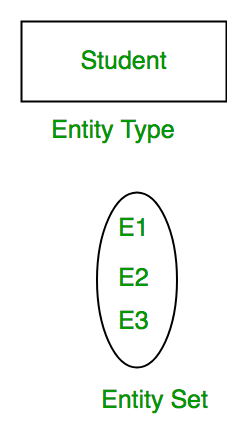
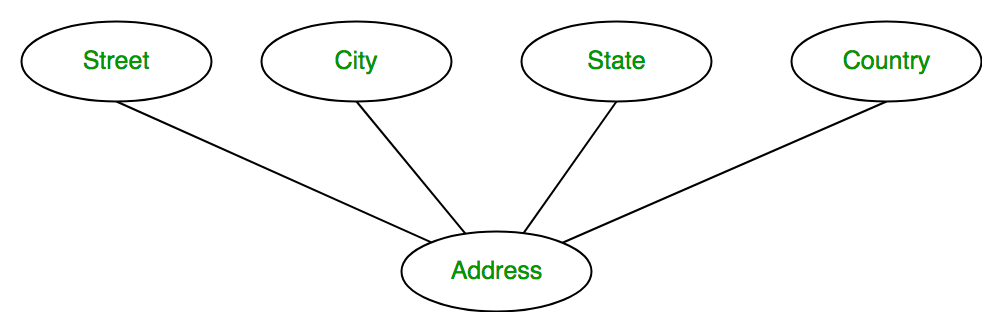 shut tiger
static sandal
How many Entities are there and what are they?
shut tiger
static sandal
How many Entities are there and what are they?
4, department, dependent, employee, job
shut tiger
dire yarrow
see i'm running my app locally on my desktop or laptop
if i host it on my deskto...
You should develop with a local db though. Otherwise you can't develop without internet, and you will risk breaking production by local in-development experimental changes.
dire yarrow
shut tiger
You should develop with a local db though. Otherwise you can't develop without i...
it's a discord bot, i can't develop without internet anyways lol
torn sphinx
CodeWorks HQ database looks a little like this:
A login\user=test.local\password=find("91.pass")
A d(send)
terminal login
hardware wise it's like this:
in query
or so
but it looks for login\ once there in query it finds the user= and password= fromt here it takes the data reads it and compares to a folder with every possible login
after taking 18 minutes to find their login they can log in
what thier side does is take user=test.local and goes to its local folder and finds a file called test
it tastes their username from that
password is the same
folder 91
finds the file called pass
it can be shortened like this:
A login=/data.find("pass")--tran=185{data.find("user")[if login=1 do(bin-send)
shut tiger
torn sphinx
it can be shortened like this:
A login=/data.find("pass")--tran=185{data.find("...
Did you post this in the wrong channel? It seems to lack a lot of context, and be the wrong topic.
torn sphinx
shut tiger
Did you post this in the wrong channel? It seems to lack a lot of context, and b...
probably
it's related to database however
logging into one
 somber ember
lesson of the day: never truncate your table while insert operation is going on in airflow. I did this by mistake, in spark sql environment, though I thought there'd be no harm because table was for test.
nope, something happened to table and inserting to that table through airflow became impossible. I was still able to insert fine running in pyspark in cluster, but it just wouldn't work in airflow. In the end I had to drop the table.
 worthy warren
hello guys, in case if i have a product name and it's parameters(parameters of the product), what kind of table i should organize?
shut tiger
worthy warren
hello guys, in case if i have a product name and it's parameters(parameters of t...
Depends on the properties. Are the valid properties easily enumerated so you can put them as columns in a product table?
worthy warren
shut tiger
Depends on the properties. Are the valid properties easily enumerated so you can...
yeap, the table looks like this

and there is plenty of products with this table
shut tiger
ok, so all good?
 grizzled mural
differences from learning on a sqltutorial vs postgresqltutorial???
wise wind
grizzled mural
differences from learning on a sqltutorial vs postgresqltutorial???
postgresql is a type of sql language
shut tiger
wise wind
postgresql is a type of sql language
that's... sort of correct and also sort of wrong. Postgresql is an SQL compatible database engine.
shut tiger
grizzled mural
differences from learning on a sqltutorial vs postgresqltutorial???
Are those some sites you found?
grizzled mural
Yes
wise wind
shut tiger
that's... sort of correct and also sort of wrong. Postgresql is an SQL compatibl...
Okay. Thanks for correcting me.
grizzled mural
I know that postgresql is slightly different
shut tiger
different from what? That's the key. They are all different from each other. They normally implement the SQL ANSI standard though. Although SQLite is not great with that.
mysql has special stuff, oracle has special stuff, postgres has special stuff, etc, etc
grizzled mural
Ahhh nevermind
I'm still new to learning about postgresql/sql so I was stumped
I did some searching around and figured out where I went wrong
 dull coyote
Hello, is there any mongo client faster than pymongo that you guys recommend me to make queries faster?
shut tiger
dull coyote
Hello, is there any mongo client faster than pymongo that you guys recommend me ...
Did you do profiling to see if there is any gains to be made there?
fading patrol
For one thing, you don't want to just stick random strings in the major column on the student table, because then you can't maintain normalization. Imagine if some students out "Conpurer Science" and others put "CS". By maintaining a table of majors you can keep control of that.
It also just makes sense that majors are entities which might have their own data, independent of students. So different entities get different tables and you reference connections with foreign keys
shut tiger
If you don't understand what someone is saying, ask. He already told you how to do it. Read it again and ask about the things you didn't understand.
waxen finch
given the document's wording, it looks like each school should be able to customize what races/majors/statuses they want to use for their own students
whether a particular school wants a separate category for middle eastern would be up to them
shut tiger
Did you get the part about foreign keys?
wise wind
How to do a self join relationship in sqlalchemy?
fading patrol
wise wind
How to do a self join relationship in sqlalchemy?
I googled it for you: https://docs.sqlalchemy.org/en/20/orm/self_referential.html
 ancient fog
When do you need to have a database with a server?
wise wind
ancient fog
When do you need to have a database with a server?
When you want your data to be persistent.
wise wind
ancient fog
Ah. Otherwise it’s gets deleted after the use?
The data is stored in memory so if your application restarts all that data will be gone.
wise wind
fading patrol
I googled it for you: https://docs.sqlalchemy.org/en/20/orm/self_referential.htm...
I don't think relationships help with my code
shut tiger
ancient fog
When do you need to have a database with a server?
What does "with a server" mean?
shut tiger
wise wind
I don't think relationships help with my code
Explain why not. We can't guess.
wise wind
shut tiger
Explain why not. We can't guess.
class Users(Base):
    __tablename__ = "users"
    username: Mapped[str] = mapped_column(primary_key=True)
    email: Mapped[str] = mapped_column()
    password: Mapped[str] = mapped_column()
    profile: Mapped[str] = mapped_column(default="https://firebasestorage.googleapis.com/v0/b/discord-83cd2.appspot.com/o/default.png?alt=media&token=c27e7352-b75a-4468-b14b-d06b74839bd8")
    friends: Mapped[List["Friends"]] = relationship("Friends",primaryjoin="or_(Users.username == Friends.sender,Users.username == Friends.receiver)")
    def __repr__(self):
return f"Users(username={self.username},email={self.email},profile={self.profile})"```class Friends(Base):
__tablename__ = "friends"
id: Mapped[int] = mapped_column(primary_key=True)
sender: Mapped[str] = mapped_column(ForeignKey("users.username", ondelete="CASCADE"))
receiver: Mapped[str] = mapped_column(ForeignKey("users.username", ondelete="CASCADE"))
sender_user: Mapped["Users"] = relationship(foreign_keys="Friends.sender")
receiver_user: Mapped["Users"] = relationship(foreign_keys="Friends.receiver")
def __repr__(self):
return f"Friends(id={self.id},sender={self.sender},receiver={self.receiver})"```I'm trying to create a relationship between these two tables
shut tiger
wise wind
I'm trying to create a relationship between these two tables
How is that self referential? That sounds like just a foreign key.
wise wind
shut tiger
How is that self referential? That sounds like just a foreign key.
Two of the foreign keys reference the same table. I asked the wrong question earlier.
shut tiger
wise wind
Two of the foreign keys reference the same table. I asked the wrong question ear...
Hmm. So what is the question?
 warm thorn
Pls someone help
@commands.command(
    name="protected_users",
    description="Shows the list of protected users.",
    aliases=["pu"]
)
@commands.is_owner()
async def protected_users(self, ctx):
    try:
        protected_users = collection.find({'name': 1})
        if collection.count_documents({}) == 0:  # Count on the collection
            await ctx.send("No users are protected.")
        else:
            user_list = ""
            async for user in protected_users:
                user_list += f"{user['name']}\n"
            await ctx.send(f"The protected users are:\n{user_list}")

    except Exception as e:
        await ctx.send(f"An error occurred: {e}")
In this code the error sending
An error occurred: 'Cursor' object has no attribute 'count_documents'
Pls someone help
warm thorn
@waxen finch
fading patrol
warm thorn
```An error occurred: 'Cursor' object has no attribute 'count_documents'```
The error message is straightforward but your code is incomplete. What library is this? The documentation for it should clarify what you need to do
warm thorn
fading patrol
The error message is straightforward but your code is incomplete. What library i...
this is pymongo
 harsh dawn
Is anyone free for the next 2 weeks to help me out in a complex django project?
fading patrol
warm thorn
this is pymongo
You're not showing where you declare collection but I'm guessing that's the problem. Maybe this example helps? https://www.geeksforgeeks.org/count-the-number-of-documents-in-mongodb-using-python/

GeeksforGeeks
A Computer Science portal for geeks. It contains well written, well thought and well explained computer science and programming articles, quizzes and practice/competitive programming/company interview Questions.
fading patrol
harsh dawn
Is anyone free for the next 2 weeks to help me out in a complex django project?
You're asking for volunteers? You may want to share more info about the project and how many hours you think it will take.
If you're looking to hire someone, not on this server, please read the rules
harsh dawn
not hire someone, just a buddy to help out for my project
My project is like a collaboration tool that handles API from like Gmail to be able to view users emails
My projects also creates its own hashing techniques to hash users passwords
My project handles tasks and has its own to do list section.
Its basically combines a lot of the key features in today's collaboration and planning tool
if anyone is willing to lend out a hand, pls dm me
 oak pumice
Is Postgres easier than it seems?
I'm used to SQL Server and it seems much easier to use and less "clunky" I'll say is the best describing word when it comes to syntax for querying data
 foggy fractal
oak pumice
Is Postgres easier than it seems?
I'm used to SQL Server and it seems much easie...
foggy fractal
oak pumice
Is Postgres easier than it seems?
I'm used to SQL Server and it seems much easie...
SQL server SQL less clunky than postgres SQL? For instance?
wise wind
shut tiger
Hmm. So what is the question?
friends = await db.execute(select(Users.profile, Users.username,Dms.id).join(Friends, or_(and_(
        Friends.receiver == current_user.username, Friends.sender == Users.username), and_(
        Friends.sender == current_user.username, Friends.receiver == Users.username)))
        .outerjoin(Dms,or_(and_(Dms.sender == current_user.username,Dms.receiver == Users.username),
and_(Dms.receiver == current_user.username,Dms.sender == Users.username))))``` I'm trying to simplify this query and maybe relationships is the solutionI just find (keeping in mind I am brand new to Postgres) that it feels like extra steps to do the same thing.
When selecting columns I'm having to put "" around the name compared to not having to do it in SQL Server (me being lazy, not the end of the world).
But I just tried declaring a couple of variables to use in my WHERE clause in Postgres to make changing the values easier. In SQL Server I can add in the variables to my query and use SELECT statement to display the results. In Postgres I have to use Raise Notification (only way I've found so far) and the output is uglier than my grade 6 school picture 😅
foggy fractal
oak pumice
I just find (keeping in mind I am brand new to Postgres) that it feels like extr...
Quoted identifiers should only be necessary when the column name includes capitals, operators, whitespace, or is a keyword(corrected). If sql server behaves differently for user convenience, I'd wager they were operating out of the (sql) spec.
foggy fractal
oak pumice
I just find (keeping in mind I am brand new to Postgres) that it feels like extr...
Yeah, don't recall a syntax for variables in (raw SQL) postgres. You'd probably be directed to plpgsql for needs like that. (Caveat: My postgres experience is a little dated)
oak pumice
In SQL Server if there's any of what you mentioned, it requires [] around the name. As far as I can tell a column RestautantName doesn't have any keywords, operators or whitespace so I was a little confused by the need for quotations 🥴
Like a bad haircut I will get used to it no doubt. Just a little frustrating having to relearn something. But because it's one of the go to's I really wanted to get familiar with it
foggy fractal
oak pumice
In SQL Server if there's any of what you mentioned, it requires [] around the na...
Oh. And uppercase. I think postgres is preferring to be conformant here.
If you're forced to use postgres, you'll probably want to adopt underscores and lower case naming patterns unless you don't mind quoting for whatever reason.
oak pumice
Ahhh that would make sense whenever I label a formatted column it automatically displays as lowercase unless I use "" around the label. Excellent observation and point! Thank you!
wise wind
shut tiger
Hmm. So what is the question?
I find it easier to just query the data without using relationships
shut tiger
wise wind
I find it easier to just query the data without using relationships
Still not a question. And it doesn't make sense either.
 serene musk
any VBA wizards here?
wise wind
friends = select(
                case(
                    (Friends.sender != current_user.username, Friends.sender),
                    (Friends.receiver != current_user.username, Friends.receiver)
                ).label("username")
              ).select_from(Users).options(joinedload(Users.friends)).join(Users.friends).filter(Users.username == current_user.username).subquery()
friends_information = await db.execute(select(Users.profile,Users.username,Dms.id)
                                        .join(friends,friends.c.username == Users.username)
                                        .outerjoin(Dms,or_(and_(Dms.sender == current_user.username,Dms.receiver == Users.username),
and_(Dms.receiver == current_user.username,Dms.sender == Users.username))))```friends = await db.execute(select(Users.profile, Users.username,Dms.id).join(Friends, or_(and_(
Friends.receiver == current_user.username, Friends.sender == Users.username), and_(
Friends.sender == current_user.username, Friends.receiver == Users.username)))
.outerjoin(Dms,or_(and_(Dms.sender == current_user.username,Dms.receiver == Users.username),
and_(Dms.receiver == current_user.username,Dms.sender == Users.username))))```Which query do ya'll prefer?
If ya'll could give me any advice, I'd appreciate it.
 rough hearth
dull coyote
Hello, is there any mongo client faster than pymongo that you guys recommend me ...
rough hearth
dull coyote
Hello, is there any mongo client faster than pymongo that you guys recommend me ...
In case this wasn't answered, using a different client won't make mongo go faster.
rough hearth
serene musk
any VBA wizards here?
Hello, be sure to always ask an actual question. Never ask "does anyone know about x". Ask your actual question about x.
 subtle sierra
For a social media like database where
Boards -> Posts -> Comments -> Reactions
Also
Posts -> Reactions
And i somehow need to keep a count of reactions and comments and posts on all user, board and post page, what would the way to go be ?
Initially i had a view which was calculated at each request that sounds computationally bad, one solution was either to have materialized views and scheduling an update every so often
Or track all counts on each table, i.e whenever a reaction is addedd update count at post and the user
When comment is added update count at post user and board
That sounds bad too, I'm not sure which way to go
I'm thinking something hybrid is the answer but I'm not sure how to go about it, somehow i keep track of counts where it matters like reaction to posts and comments are accurate, but reactions to user table will be scheduled update
Something like that but I'm not sure which and where count is important
shut tiger
subtle sierra
I'm thinking something hybrid is the answer but I'm not sure how to go about it,...
You can do atomically safe updates in SQL, so that should mostly cover that. I would do the hybrid approach of storing the count and the likes in a table if it was a performance issue. Just like you said.
subtle sierra
So go with schema that looks like
Users table
stuf
postcount
Reactionscount
Commentcount
Which counts should i be updating immediately I'm thinking ones that have direct relation
Reactions would update post and comment
Post would update board
Comment would update post
Every user count and everything else will be scheduled maybe every hour or so
shut tiger
subtle sierra
So go with schema that looks like
Users table
___stuf___
postcount
Reactionscoun...
Scheduled? why? You just update when you get a comment/like.
subtle sierra
So when i get a comment
Inc post
Inc board
Inc user
And dec when delete ?
Is that good ?
shut tiger
Yea
subtle sierra
Oh it sounded worse performance wise
Is there a good resources you guys recommended to someone starting new, videos or books on design and sfuff
shut tiger
subtle sierra
Oh it sounded worse performance wise
Maybe. But selecting the total count every hour isn't free either. You are comparing two very different things and just thinking about the cost of one and not the other.
serene musk
Question about how people "import" new data for databases...and do most databases work the same?
Lets say the databases have customers/patients/clients. And each person has a "profile" (the one) and then each person can have multiple visits (the many).
And let's also say that they have locations, so each person can visit multiple locations for their 'visits', including balances, time of visit, notes, etc,.
But how do most people work with / overcome accidental duplicates?
Sorry' not sure how to word this exactly.
If someone is receiving many batch files of customers, and the customer can come from different locations- there might be a chance for duplications (as in they have two unique primary keys - but some demographic informational). How do most people handle that? Do they run a query to search for duplicates?
shut tiger
serene musk
Question about how people "import" new data for databases...and do most databa...
Hopefully there is a way to enforce uniqueness in some ways. Like in Sweden we have person numbers, which are unique. So you can have that field specified as the primary key even and you then can't have two user records for the same person.
oak pumice
Assuming I'm understanding what you have written and are asking, are you wondering how to handle if Person A has an entry from Location X and another entry from Location Y? If the Person was generated a unique ID, than you could also maybe have the Locations have a Unique ID as well. So when Person A logs an entry from Location X and again later from Location Y you can check if the Location ID's are the same or not. Thus removing that risk of duplication.
 patent quarry
serene musk
Question about how people "import" new data for databases...and do most databa...
patent quarry
serene musk
Question about how people "import" new data for databases...and do most databa...
It's all in the relatioships. My take would be one profile with all the visits and related data keyed for that location. the person + location is always unique for the visit. If we are talking bulk imports you can dump the raw data in a temp table with no enforced keys and do integrity checks as it is migrated over into the relational tables with integrity checks.
 hexed birch
 ionic pecan
yes. ask your question
torn sphinx
hello guys, is there any way to declare another model inside a field on sqlmodel?
on pydantic I used to do something like this:
class State(BaseModel):
    name: str

class City(BaseModel):
    ibge: PositiveInt
    name: str

class Address(BaseModel):
    zipcode: PositiveInt
    city: City
    state: State
But on sqlmodel the foreign key is needed?
I'm trying to do something like this:
class StateBase(SQLModel):
    name: str

class State(StateBase, table=True):
    __table_args__ = (UniqueConstraint('acronym'),)
    id: UUID | None = Field(default=None, primary_key=True)
    addresses: list['Address'] = Relationship(back_populates='state')

class CityBase(SQLModel):
    ibge: PositiveInt
    name: str
    ddd: int | None = None

class City(CityBase, table=True):
    id: UUID | None = Field(default=None, primary_key=True)
    addresses: list['Address'] = Relationship(back_populates='city')

class AddressBase(SQLModel):
    zipcode: PositiveInt
    neighborhood: str
    complement: str | None = None
    city: CityBase
    state: StateBase

class Address(AddressBase, table=True):
    __table_args__ = (UniqueConstraint('zipcode'),)
    id: UUID | None = Field(default=None, primary_key=True)

    state_id: PositiveInt = Field(foreign_key='state.id')
    state: State = Relationship(back_populates='addresses')

    city_id: PositiveInt = Field(foreign_key='city.id')
    city: City = Relationship(back_populates='addresses')
I don't want the id, state_id, city_id... in my strawberry type, because of this I'm trying to make 2 sqlmodels like that (base and table)
I need to do a class like that for use in my graphql type like this:
from strawberry import auto, type
from strawberry.experimental.pydantic import type as pydantic_type

from database.models.brazil import AddressBase, CityBase, StateBase


@pydantic_type(name='State', model=StateBase)
class StateType:
    name: auto


@pydantic_type(name='City', model=CityBase)
class CityType:
    ibge: auto
    name: auto
    ddd: auto


@type(name='Coordinates')
class CoordinatesType:
    """A coordinate consists latitude, longitude and altitude."""

    latitude: float
    longitude: float
    altitude: float


@pydantic_type(name='Address', model=AddressBase)
class AddressType:
    zipcode: auto
    city: auto
    state: auto
    neighborhood: auto
    complement: auto
    coordinates: CoordinatesType | None = None
 shadow geyser
Hi everyone, I am looking for a python library that can read and write to dbase 4/ dbfIV files and works with python3... Does anyone know any solutions there?
 grim quest
hey guys

I'm trying to alter things from a SQL database (microsoft SQL).
Specifically, I'm trying to standardize the dates of a column
However after understanding how to read the data (in the print statement at the bottom)
i'm not sure what to do next
do I save the data from the column in a variable, and then try to alter that variable? Then reintegrate it into the SQL database? Do I write some sort of code that alters it directly?
Note that my goal is to update the table, not make a new table entirely
dull coyote
rough hearth
In case this wasn't answered, using a different client won't make mongo go faste...
okay
dull coyote
shut tiger
Did you do profiling to see if there is any gains to be made there?
thanks
 toxic pine
Good morning everyone, I'm currently developing a real estate app with Firebase and have very little experience with backend. At the moment, it's like this: when a new user registers, a collection + document with their user ID is generated. Here they can now create properties that, of course, only they can see. Now I have the "problem" that sometimes there are 2 or 3 accounts that should also have access to these data. Do you perhaps have a basic idea of how I should structure the backend in this case? I'm a bit afraid to start creating hundreds of data entries and then make a mistake in the setup. Permissions or user management are not necessary for now. Thank you very much!! Best regards, Marcel
shut tiger
toxic pine
Good morning everyone, I'm currently developing a real estate app with Firebase ...
what is "a collection + document with their user ID"?
 indigo bolt
shut tiger
https://kodare.net/2021/05/19/how_to_ask_for_help.html
indigo bolt
shut tiger
https://kodare.net/2021/05/19/how_to_ask_for_help.html
Alright!
I fixed it thats why i deleted the message 😄
toxic pine
shut tiger
what is "a collection + document with their user ID"?
In Firebase, a collection is essentially a folder that then contains various contents. For example, in my case, the collection is assigned to the user, who can then create properties in it, which are essentially generated as subfolders of the collection.
shut tiger
toxic pine
In Firebase, a collection is essentially a folder that then contains various con...
Hmm, sounds like that's what are normally referred to as "databases" then. Annoying that they use non-standard nomenclature. Anyway. Ok, so if you want the data to be accessible by others you probably want just one database with a foreign key to the relevant user on each row. Or whatever the corresponding thing is in firebase.
 unique bluff
according to Digitalocean Documentation [ https://www.digitalocean.com/community/tutorials/how-to-move-a-mysql-data-directory-to-a-new-location-on-ubuntu-18-04]
I am changing my data directory to another path, but an error occurs when I'm trying to restart AppArmor. I get stuck in step 3.
The error is :
Job for apparmor.service failed because the control process exited with error code.
See "systemctl status apparmor.service" and "journalctl -xe" for details.
How can I solve that and
does anyone give me some knowledge about how I can change the datadir?
 inner hinge
Does anyone have an open-source project in python where they use the ORM technique for databases? I like to take a look at it, since I'm trying to implement it for the first time in my little project.
Maybe a repository link will help.
Thanks!
shut tiger
inner hinge
Does anyone have an open-source project in python where they use the ORM techniq...
All Django projects? Like sentry for example if you want something really big. If you want something very small maybe look at this tiny hobby project of mine: https://github.com/boxed/dubbningshemsidan
inner hinge
shut tiger
All Django projects? Like sentry for example if you want something really big. I...
Thank you, for ur answear.
I first searched on this link: https://github.com/mahmoud/awesome-python-applications?tab=readme-ov-file#tag-dev.code_review
but this projects are for people with more expirience.
For the understanding: I am building a web app with flask, htmx and postgesql.
The backend logic is ready and the frontend is o.k.. Now i want to impement my sql class, and i have read some docs about orm and sql-alchemy and i thinks its the right choice for my application

GitHub
💿 Free software that works great, and also happens to be open-source Python. - GitHub - mahmoud/awesome-python-applications: 💿 Free software that works great, and also happens to be open-source Py...
shut tiger
inner hinge
Thank you, for ur answear.
I first searched on this link: https://github.com/mah...
SQLAlchemy is the default choice for flask yea
unique bluff
unique bluff
according to Digitalocean Documentation [ https://www.digitalocean.com/community...
?
indigo bolt
can i ask for help related to mongodb here?
shut tiger
indigo bolt
can i ask for help related to mongodb here?
just ask
indigo bolt
im following a code along tutorial
this is my server.js file
import express from "express";
import mongoose from "mongoose";
import dotenv from "dotenv";

const app = express();
dotenv.config();

mongoose.set("strictQuery", true);


const connect = async () => {
    try {
      await mongoose.connect(process.env.MONGO);
      console.log("Connected to mongoDB!");
    } catch (error) {
      console.log(error);
    }
  };


app.listen(8800, () => {
    connect();

    console.log("Backend server is running!");


  });```

and i have pasted the url link for connection of the cluster in a .env file
```MONGO = mongodb+srv://abhilash:mypasswordhere@cluster0.41ged.mongodb.net/?retryWrites=true&w=majority&dbname=fiverr```


when i save my server.js file i get `backend server running` but the connection to database is not established bcuz im not getting `connected to db` msg.my user has access to read and write in the cluster
 shut tiger
indigo bolt
this is my server.js file
```js
import express from "express";
import mongoose ...
shut tiger
indigo bolt
this is my server.js file
```js
import express from "express";
import mongoose ...
Maybe you should try a javascript/node server... mongo+python seems ok for here, but that is a bit off topic
indigo bolt
ok thanks
 warm igloo
I'm having an issue that I think is related to Pyodbc's behavior. Basically I have a Plotly Dash App and when I try to get new data, I end up getting the old data. Here's what I'm talking about.
df:
Letter
A
B
C
Expected df after updating:
Letter
D
E
F
What I end up getting after updating:
Letter
A
B
C
The code goes something like this:
def CheckAlphabet(dte, df):
server = XXXX
database = XXXX
username = XXXX
password = XXXX
conn = pyodbc.connect(.....)
sp = f"SET NOCOUNT ON; EXEC [dbo].[SP_Name] @Dte = '{dte}'"
df_temp = pd.read_sql_query(sp, conn)
pd.set_option('display.max_columns', None)
if not df_temp.empty:
for idx, row in df_temp.iterrows():
df.loc[len(df.index)] = [row["Letter"]]
This is just the code of the function in question (not the exact function, but an example of something similar to what I actually have). But anyways, I had another connection live in a function that calls another function and you'll have functions calling other functions until this function is called. I made sure to use cursor.close() and conn.close() once I got df via Pyodbc. Does anyone know why I still get the old data when running through this function with updated data instead of the new data from the Stored Procedure?
warm igloo
Update: I think I might have an idea on what's going on. It doesn't appear that dte is updating since now I'm just realizing that dte is a Global Variable. I made sure to pass the updated value of dte to see if I can get it working now. I'm running it now to see what happens.
warm igloo
It works now. This should've been more obvious for me to catch.

 pine lava
my first time at this
ok
from flask import Flask, render_template, request
import _mysql_connector as mysql


app = Flask('__init__')

@app.route("/")
@app.route("/cadastro", methods=['POST', 'GET'])
def cadastro(dados_banco):
    nome = request.form.get('nome')
    email = request.form.get('email')
    senha = request.form.get('senha')
    botao = request.form.get('cadastrar_botao')


    dados_banco = mysql.connect(host="localhost",user="root",database="github", port=3306)
    cursor = dados_banco.cursor()

    inserir = f'''insert into users(nome, email, senha)
            values ("{nome}", {email}), {senha});'''
    cursor.execute(inserir)
    # inserir.commit()

    cursor.close()
    dados_banco.close()
    return render_template("index.html")


app.run(debug=True)
I think you need to do this:
ccnx = _mysql_connector.MySQL()
ccnx.connect(user='scott', password='password',
host='127.0.0.1', database='employees')
pine lava
@warm igloo
pine lava
pine lava
<@814206001828986983>
now it is, thank you very much!
warm igloo
pine lava
now it is, thank you very much!
Always happy to help. Here's the documentation you can refer to.
https://dev.mysql.com/doc/connector-python/en/connector-python-cext-module.html
 leaden bough
good evening people, i have a question for my data format (or more like cleaning) is about spread of sales data, when analyzing revenue.
so as i said my data project asks for variance (or spread) over time for revenue, among three methods, some customers don't buy anything, and the variance will be bigger for big revenue further from those 0 values, should i ignore values of 0 ? or does that variance is useful for revenue insights ? the percentage increase is unaffected (as i computed it) and without 00s the variance is just a stripe not so thick. But with them, the spread is huge.
ancient fog
What's the mistake here?

 fading patrol
ancient fog
What's the mistake here?
fading patrol
ancient fog
What's the mistake here?
I googled it for you: https://stackoverflow.com/questions/72221346/mysql-connector-no-ciphers-available-error
Stack Overflow
I am using the MySQL connector to create a connection for my simple python app however every time I run it, it fails and returns the following error:
2055: Lost connection to MySQL server at '{
ancient fog
Ah thanks.
ancient fog
fading patrol
I googled it for you: https://stackoverflow.com/questions/72221346/mysql-connect...
I don't understand that solution.
fading patrol
ancient fog
I don't understand that solution.
Did you install mysql-connector with pip? Uninstall that and replace it with mysql-connector-python
 weak hollow
Pip uninstall “package ”
weak hollow
ancient fog
How to uninstall? <@382671972829495298>
Ur using pycharm?
ancient fog
weak hollow
Ur using pycharm?
Vscode
weak hollow
weak hollow
Pip uninstall “package ”
.
ancient fog
Alr. Ty.
 inland pawn
users can post posts with images , then like the posts and then reply or comment in them does this look alright ? This is just pseudocode ```python
pseudo-code-models
class User(model.Model):
username = textField()
profilePic = imageField()
post = oneToMany(Post)
comment = oneToMany(Comment)
reply = oneToMany(Reply)
createdAt = dateField()
class Post(models.Model):
image = imageField(...)
description = textField(...)
comment = oneToMany(Comment)
like = oneToMany(User);
createdAt = dateField()
class Comment(models.Model):
description = textField()
likes = oneToMany(User)
reply = oneToMany(Reply)
createdAt = dateField()
class Reply(models.Model):
description = textField(...)
createdAt = dateField()
please ping me immediately
inland pawn
@fading patrol what r u trying to say man ?
can u not underestand it too its django ORM
fading patrol
inland pawn
can u not underestand it too its django ORM
I don't see any obvious problem there
inland pawn
fading patrol
I don't see any obvious problem there
r u joking with me or r u serious ?
here is the real code i.e not psuedocode https://paste.myst.rs/9nu7rd30
a powerful website for storing and sharing text and code snippets. completely free and open source.
if u want me to upload sqlite3 then telll me
inland pawn
fading patrol
I don't see any obvious problem there
are u sure u r not trolling me or joking with me
I have just used char field instead of image field because I wanted to make it quickly
guys is this person joking with me ?
torn sphinx
Hey guys. Does anyone have any examples of using sqlmodel with mysql+asyncmy? I'm having a little trouble generating the session. I wanted to see what would be a good way to do this.
shut tiger
inland pawn
guys is this person joking with me ?
Why are you even asking that?
 sharp rock
inland pawn
users can post posts with images , then like the posts and then reply or comment...
sharp rock
inland pawn
users can post posts with images , then like the posts and then reply or comment...
Users don't need to have post nor reply nor comment fields
Then each post
Must be created by a user
So the post model
Should have a foreign key to the users model
But comments and likes not in the post model
We will ignore the image now for simplicity
Then
Each comment also must be created by a user
So comment model
Have a foreign key to the post model
And the same for Reply
And so on
Think of it like:
Do users must create a post when they are registering ?
Of course they don't
Also for creating a Post
Does this post must have a comment ?
Of course not
. . .
But reverse it
When a post exists
Of course there is a creator
If a comment exists
There must be a post That this comment belongs to
sharp rock
Something like this:
from django.db import models
from django.contrib.auth.models import User
class Post(models.Model):
user = models.ForeignKey(User, on_delete=models.CASCADE)
content = models.TextField()
created_at = models.DateTimeField(auto_now_add=True)
class Comment(models.Model):
user = models.ForeignKey(User, on_delete=models.CASCADE)
post = models.ForeignKey(Post, on_delete=models.CASCADE, related_name='comments')
content = models.TextField()
created_at = models.DateTimeField(auto_now_add=True)
class CommentReply(models.Model):
user = models.ForeignKey(User, on_delete=models.CASCADE)
comment = models.ForeignKey(Comment, on_delete=models.CASCADE, related_name='replies')
content = models.TextField()
created_at = models.DateTimeField(auto_now_add=True)
 calm cedar
when should i close my sqlite dbs?
like rn i just open it and i leave it open forever
is that bad?
inland pawn
sharp rock
Users don't need to have post nor reply nor comment fields
Then each post
Must...
Can I not do null = true in User
inland pawn
sharp rock
Think of it like:
Do users must create a post when they are registering ?
Of cou...
I thin it can be left empty
please ping me mahmoud
 dense ocean
This is a text file called urls.txt it contains all the urls of instagram profiles related to 'fitness' niche basically I developed a python script to extract the data using google dorks, I simply automate the process of scraping data from Google Dorks.. what you think how can I make it better
 fading patrol
dense ocean
This is a text file called urls.txt it contains all the urls of instagram profil...
fading patrol
dense ocean
This is a text file called urls.txt it contains all the urls of instagram profil...
If you're asking how your script can be better, you should share a paste (not a screenshot) of the script itself (not just the output)
But try a help channel or #python-discussion if this is not actually a question about databases
inland pawn
sharp rock
Something like this:
from django.db import models
from django.contrib.auth.mode...
thanks will this work out in the long term and with lots of data ?
sharp rock
inland pawn
Can I not do null = true in User
@inland pawn
Of course you can
But
When you create a post
There is no reference whose post this is
Also for comments and replies
There is no reference for which post
or comment
So how would you retrieve the related posts of the user
Or the related comments of the post
And so on
This is a design consideration
And for the large amount of data
You should consider optimizing each query
Don't do
select *
Ever 😄
Specifically for production DBs
So when you make queries
For posts
Consider selecting the related ones for each user
And so on for each model
And try to think of it again
And do your search
You'll get comfortable with how the design should go
For this kind of models
Here is what I mean by 'there is no reference for related objects'

Also each one of them
Is a whole entity that has multi input value
Not a part -field- of other objects
So when you create a post within the user objects
What are the other values of the post itself ?!
I hope this makes it more clear
shut tiger
sharp rock
<@883947892971298857>
Of course you can
But
When you create a post
There is ...
You should try . and , instead of newlines
shut tiger
sharp rock
Also each one of them
Is a whole entity that has multi input value
Not a part ...
It's not clear at all. The reverse mapping is trivial in an SQL database, and you get it by default and automatically in Django. You are just making everyone confused.
sharp rock
shut tiger
It's not clear at all. The reverse mapping is trivial in an SQL database, and yo...
Why is trivial in SQL
When we are talking about
Relations already !
And what do you mean by you get it automatically in Django
I am talking about the design of these entities before anything else
How should these entities must be
And how they are related
But if you considered using NoSQL DBs
Maybe it works fine
shut tiger
sharp rock
Why is trivial in SQL
When we are talking about
Relations already !
And what do...
Stop pressing enter randomly. Please. It's very annoying to read.
sharp rock
Really
shut tiger
sharp rock
Why is trivial in SQL
When we are talking about
Relations already !
And what do...
Maybe if you don't know you shouldn't give advice to others on this :/
sharp rock
shut tiger
Maybe if you don't know you shouldn't give advice to others on this :/
I want to know
How could you retrieve the
Related posts of the user
From the post model 😄
Using your suggestion
shut tiger
sharp rock
I want to know
How could you retrieve the
Related posts of the user
From the ...
select * from posts where user_id = 3
shut tiger
lol, well then your model is broken. And yea, I see it's much worse than that. likes = oneToOne(User) that's super wrong.
a_list_of_things = one_thing totally wrong
sharp rock
Who said likes will be a oneToOne relation?
shut tiger
sharp rock
?
sharp rock
This is the design of the one who asked
Not from me
shut tiger
sharp rock
Something like this:
from django.db import models
from django.contrib.auth.mode...
Yea, this advice is solid. This makes sense. You should follow this @inland pawn
 lethal schooner
I released a new versions of records tonight https://github.com/kennethreitz/records

GitHub
SQL for Humans™. Contribute to kennethreitz/records development by creating an account on GitHub.
inland pawn
sharp rock
Something like this:
from django.db import models
from django.contrib.auth.mode...
thanks but I cant see user
inland pawn
sharp rock
<@883947892971298857>
Of course you can
But
When you create a post
There is ...
how does it look now ?https://paste.myst.rs/6d2b7o42
a powerful website for storing and sharing text and code snippets. completely free and open source.
tell me
 plucky holly
hey! I'm trying to connect a SQL Server database with PySpark however I'm getting this error when it comes to 'load()'. I tried every advice that I saw on Stack Overflow but nothing worked for me. Is there anybody who has experienced this error before?
My code:
spark.read.format('jdbc')\
    .option('url','jdbc:sqlserver://[ip_address]:1433;database=Test;user=[username];password=[password];')\
    .option('driver', 'com.microsoft.sqlserver.jdbc.SQLServerDriver')\
    .option('dbtable', sqlQuery )\
    .load()\
    .show()
Error starts with:
Py4JJavaError                             Traceback (most recent call last)
Cell In[4], line 5
      1 spark.read.format('jdbc')\
      2     .option('url',sqlConnection)\
      3     .option('driver', 'com.microsoft.sqlserver.jdbc.SQLServerDriver')\
      4     .option('dbtable', sqlQuery )\
----> 5     .load()\
      6     .show()
The last error I can't handle: (I can connect to DB with this user by using SQL Server Management Studio, and I tried 3 different users.)
Py4JJavaError: An error occurred while calling o34.load.
: com.microsoft.sqlserver.jdbc.SQLServerException: Login failed for user '[username]'. ClientConnectionId:b60537a5-bfbc-4e11-9d82-3
 shell sleet
I am trying to get tortoise to give me a single item off of my postgres db... And it annoys me that I cannot find any documentation for it... Either I am too stupid or there is a big lack in it...
My table:
from tortoise import Model, fields


class Server(Model):
    id = fields.IntField(pk=True)
    server_id = fields.BigIntField()
    name = fields.TextField()
    created_on = fields.DatetimeField()
The code to get a server:
server = await Server.filter(server_id=guild.id).first()
I also tried out Server.get(server_id=guild.id), but neither works at all...
If you know any alternatives or can help me fix this, I would be thankful...
shut tiger
shell sleet
I am trying to get tortoise to give me a single item off of my postgres db... An...
Do you get an error?
shell sleet
shut tiger
Do you get an error?
No, not any. Also no report on my db :/
 elfin kindle
hey guys, I have a psql table here ```py
await connection.execute("""
CREATE TABLE IF NOT EXISTS hangman_data (
wins INT DEFAULT 0,
fails INT DEFAULT 0,
words JSONB
)
""")
and my goal is to have `words` be an array of jsons, I tried multiple things like `JSON[]` but I am just not sure how I would update/insert/select the `words` column. Any advice is appreciatedDon't. Use a separate table for the words with a foreign key.
elfin kindle
Hm? What's wrong with using json/array?
waxen finch
shut tiger
Don't. Use a separate table for the words with a foreign key.
reminds me of a time where i wanted to pick random rows from a table in sqlite... if only it was as simple as one function call
...hmm, actually i think my pains came more so from other constraints than just picking a row
shut tiger
elfin kindle
Hm? What's wrong with using json/array?
You are working against the tool. This is not how relational databases are supposed to be used.
paper flower
shut tiger
You are working against the tool. This is not how relational databases are suppo...
Depends on the data in there and how it will be interacted with
postgres supports types (similar to classes), so why json would be different here?
CREATE TYPE inventory_item AS (
    name            text,
    supplier_id     integer,
    price           numeric
);
CREATE TABLE on_hand (
    item      inventory_item,
    count     integer
);
 hearty siren
class User(Base):
    __tablename__ = 'users'
    id = Column(Integer, primary_key=True)
    tg_id:Mapped[int] =maped_colunm(BIGINT,nullable=false,index= True)
    wallet :Mapped['Wallet'] = relationship(backref="user")

class Wallet(Base):
    __tablename__ = 'wallets'
    id = Column(Integer, primary_key=True)
    balance = Column(Integer)```
is this enough to create a 1-1 relationship where i can access users wallet ?or do i have to create a user-id foreign key in Wallet too?
shut tiger
paper flower
postgres supports types (similar to classes), so why json would be different her...
Huge difference. Json is stringly types dicts. That's no way to build an app.
shut tiger
hearty siren
```python
class User(Base):
__tablename__ = 'users'
id = Column(Integer,...
Normally when you think you want a 1-1, you actually shouldn't. Put the balance on the user object directly.
paper flower
shut tiger
Huge difference. Json is stringly types dicts. That's no way to build an app.
You could wrap them in a pydantic or similar thing, so, why not?
shut tiger
paper flower
You could wrap them in a pydantic or similar thing, so, why not?
That doesn't solve schema migrations for when the data structure needs to change. It also doesn't solve the inherent problem of synchronization/updating being much worse for dicts. Race conditions for example.
paper flower
I don't say I don't agree with that, but json could be useful sometimes
I think my coworkers used it for some kind of version history of objects
hearty siren
shut tiger
Normally when you think you want a 1-1, you actually shouldn't. Put the balance ...
that has alot of fields omitted and later i might have to change it to 1 to many
but just wondring y this works same as if has foreign key field in wallet to?
and to make it one - to - many i just do Mapped[List['Wallet']]??
shut tiger
paper flower
I think my coworkers used it for some kind of version history of objects
Yea that's a good use case.
 silver dagger
Can smn tell me why when ive installed mysql connector and ive xampp and still get error called modulenotfound for mysql when i try to import mysql.connector
elfin kindle
shut tiger
You are working against the tool. This is not how relational databases are suppo...
I see, what are foreign keys and how do I use them?
fading patrol
elfin kindle
I see, what are foreign keys and how do I use them?
Follow any basic introduction to SQL and you will learn this
elfin kindle
Alright
 shut temple
how do i pytest with mongodb based fastapi app?
 quaint cargo
Hello folks,
PostgreSQL team at Microsoft is organizing an annual free and virtual developer event, POSETTE: An Event for Postgres 2024!
This is the third time we organize this event (formerly Citus Con) and it's open for speakers and listeners with all levels of experience. If you have any ideas, stories, tips, tricks or expertise to share about using PostgreSQL in your Python projects or Postgres in general, please submit your talk idea!
All talks will be pre-recorded, and they will be live streamed during the event with live speaker Q&A.
The CFP closes this Sunday (April 7th) and the event will happen on June 11-13. It takes a title and a short description to submit. If you have ideas to share, please hurry up and submit your talk ideas soon.
You can find more information on POSETTE on the website: https://aka.ms/posette

Join us at POSETTE: An Event for Postgres (formerly Citus Con), a virtual and free developer event happening on Jun 11-13, 2024. Come learn what you can do with the world’s most advanced open source relational database—from the nerdy to the sublime. Organized by the Postgres team at Microsoft.
shut tiger
shut temple
how do i pytest with mongodb based fastapi app?
Don't crosspost
 verbal jetty
hey guys. I'm using 2 sqlite database in django project. one named buyer and another is named as seller. In seller database I'm using buyer as a foregin key in one model. When i run the admin page and try to access that model it throws and error. Exception Type: OperationalError at /admin/seller/bid/ Exception Value: no such table: buyer_buyer
shut tiger
verbal jetty
hey guys. I'm using 2 sqlite database in django project. one named buyer and ano...
You can't have foreign keys between databases. You should have just one database.
verbal jetty
i tried finding the solution for this on claude and bard. they said to use database routing. And i'm already using it
verbal jetty
shut tiger
You can't have foreign keys between databases. You should have just one database...
but i don't want to combine seller model tables in buyer models/database
shut tiger
verbal jetty
i tried finding the solution for this on claude and bard. they said to use datab...
That's wrong advice. As one would expect with AI models they are fed with bad advice and then output bad advice...
verbal jetty
shut tiger
That's wrong advice. As one would expect with AI models they are fed with bad ad...
true tho 🙂
so what do you suggest
to use single database ?
shut tiger
verbal jetty
to use single database ?
Yes. That's what I said, that's what is sane. That is what will actually work.
multiple databases in django is very niche, and something you should avoid
verbal jetty
okay... and what's the storage limit in sqlite databases ???
verbal jetty
shut tiger
multiple databases in django is very niche, and something you should avoid
okay I'll keep that in mind from now... Thanks bro
shut tiger
verbal jetty
okay... and what's the storage limit in sqlite databases ???
You probably don't want sqlite for production anyway.
verbal jetty
i'm using it just for now... In my development phase...
I won't be using it in production
shut tiger
It's fine for very specific uses cases like mostly read dbs with just one thread updating the data for example.
The storage limit is not something you will likely hit. I wouldn't worry about it.
shadow geyser
Hi everyone, I am looking for a python library that can read and write to dbase 4/dbfIV files and works with python3. Does anyone know any solutions there? Thanks.
shut tiger
verbal jetty
thanks man
np. Next you might want to look at something like Dokku or Caprover to make that all much nicer
fading patrol
shadow geyser
Hi everyone, I am looking for a python library that can read and write to dbase ...
Guessing you saw this already? Doesn't look promising 😔 https://stackoverflow.com/questions/70915812/python-3-writing-to-dbf-dbase-iv-with-memo
Stack Overflow
I need to write to dBase IV dbf file with memo fields in Python3, but cannot find a suitable module to do this.
Packages that I have tried:
Simpledbf - Read-only
dbf - Does not support dBase IV
dbf...
Unless https://pypi.org/project/YDbf/ does what you need
 shadow geyser
fading patrol
Guessing you saw this already? Doesn't look promising 😔 https://stackoverflow.c...
shadow geyser
fading patrol
Guessing you saw this already? Doesn't look promising 😔 https://stackoverflow.c...
Yeah I saw this one that's why asked here in case someone else dealt with it thanks for the response. Will view the other one you posted, thanks
shut tiger
- This isn't the right channel for frontend questions. This is #databases
- Just ask the real question
try #web-development
 echo mantle
Hi guys, can someone give me some pointers how I would implement a product search based on multiple search terms/texts per each article attributes that have each a confidence value based on multiple imgage to text reads. So some of the red terms might be wrong. Can I perform this just with SQL query? Everything I try works fine as long as all the terms are exactly correct? Would I need some other table structure than the standard non normalized article table?
shut tiger
echo mantle
Hi guys, can someone give me some pointers how I would implement a product searc...
postgres has vector search indexes built in I believe
thorny anchor
echo mantle
So for example the camera reads from the product "brand": [
        [
            "CONTINENTAL",
            0.8724173418411512
        ],
        [
            "CONTINENTALK",
            0.00032810526921936076
        ],
        [
            "CONTINENTALT",
            0.0003197072269859897
        ]...
thorny anchor
there are GiST and GiN indexes also, but those didn't sound like what you wanted
echo mantle
ah ok, thanks I will take a look at vector search indexes
wise wind
What do ya'll think about the database design? It's my first time making a diagram btw
 sturdy lily
Hi there, so we have two Postgres schemas, one for QA and one for sandbox, but the sandbox schema migration is not matching with the qa schema migration when checking the diff of both the DB I am getting that in diff also, due to that queries is failing because there is one field which is not on sandbox db(schema) table, how can I keep both in sync? we are using Prisma.
shut tiger
sturdy lily
Hi there, so we have two Postgres schemas, one for QA and one for sandbox, but t...
Django?
sturdy lily
shut tiger
Django?
express.js + prisma
shut tiger
sturdy lily
express.js + prisma
Maybe you should ask on a js server? I don't think you'll find someone here who knows how that migration system works
 finite cloak
wise wind
What do ya'll think about the database design? It's my first time making a diagr...
finite cloak
wise wind
What do ya'll think about the database design? It's my first time making a diagr...
Hey glad to see you're learning to do good ERD, so here's my feedback on it. I may sound a bit harsh though 😅
Ok, so first the relationships are all over the place. I've no clue how and where does the relationship from Server.owner_username connect to.
You should also standardise the table names, for example some names has a space in between while another doesn't (like Friend Request). It may also help to write them all in snake_case instead.
Is the DB normalised? You may have to look into normalization principles before designing a database and maintain optimal integrity of it.
echo mantle
shut tiger
postgres has vector search indexes built in I believe
Is there some feature in MySQL that is similar to vector search indexes? Or can I only achieve this with postgres?
 spice pumice
helloSELECT * FROM "schools" WHERE "id" = ( SELECT "school_id" FROM "graduation_rates" WHERE "graduated" = 100 ); only give me one row SELECT "school_id" FROM "graduation_rates" WHERE "graduated" = 100 give me 7entry i want to get 7names
 vestal talon
why not do a join?
spice pumice
no its a basic query i am learning why isnt this showing 7 names
something like this should happen ?
 spice pumice
hello```SELECT * FROM "schools"
WHERE "id" = (
SELECT "school_id" FROM "grad...
spice pumice
spice pumice
hello```SELECT * FROM "schools"
WHERE "id" = (
SELECT "school_id" FROM "grad...
i am only getting one row from the query while the sub query SELECT "school_id" FROM "graduation_rates" WHERE "graduated" = 100 give 7 row
shouldnt i be getting 7 rows
problem is solved the where clause of outer subquery expects one item not a list
wise wind
finite cloak
Hey glad to see you're learning to do good ERD, so here's my feedback on it. I m...
Any resources you recommend for learning to design a database?
finite cloak
wise wind
Any resources you recommend for learning to design a database?
Nothing in particular tbh but I can recommend the following over the top of my head:
https://youtu.be/ztHopE5Wnpc?si=lCtCHHcYtQ38QhYe
And then Google about "database normalization" and a ERD cheatsheet which uses crow's feet notations

This database design course will help you understand database concepts and give you a deeper grasp of database design.
Database design is the organisation of data according to a database model. The designer determines what data must be stored and how the data elements interrelate. With this information, they can begin to fit the data to the da...
grim vault
spice pumice
problem is solved the where clause of outer subquery expects one item not a li...
You used = (expects one item) instead of the IN (zero, one or more items) operator.
shut tiger
Weird/bad that there isn't an error message for that.
 summer minnow
I've been asked to draw a entity-relationship model (ER model).
But it's first time when I hear about this term
Can someone please let me know if this is a correct representation for it?
 wise wind
finite cloak
Nothing in particular tbh but I can recommend the following over the top of my h...
wise wind
finite cloak
Nothing in particular tbh but I can recommend the following over the top of my h...
Do you recommend I break the database into smaller pieces. Like have separate diagrams with each group of tables that are related to each other?
torn sphinx
What's the best way to host server on python
finite cloak
wise wind
Do you recommend I break the database into smaller pieces. Like have separate di...
Yes, that's the intention of normalisation anyway. Each entity (representing a table) are it's smallest atomic unit which has certain attributes (representing the columns) referring to one another using crow's foot notations
wise wind
finite cloak
Yes, that's the intention of normalisation anyway. Each entity (representing a t...
thanks for the input
finite cloak
summer minnow
I've been asked to draw a entity-relationship model (ER model).
But it's first t...
There's some redundant entity in there. You could represent the model using only a orders and pizza entity
finite cloak
torn sphinx
What's the best way to host server on python
Can you elaborate and perhaps state your well framed question at #1035199133436354600?
wise wind
finite cloak
Yes, that's the intention of normalisation anyway. Each entity (representing a t...
Is there any better way to configure this relationship?
 paper flower
wise wind
Is there any better way to configure this relationship?
paper flower
wise wind
Is there any better way to configure this relationship?
You could remove id from Friends table
finite cloak
wise wind
Is there any better way to configure this relationship?
Yes by a lot, how is a user entity different from a friends entity? Perhaps if you state what your objective is, I might be to tell you how the ER Model should be like
paper flower
finite cloak
Yes by a lot, how is a user entity different from a friends entity? Perhaps if y...
Friends is a relationship here, e.g. user A maybe friend with user B
shut tiger
"friends" is a many-to-many relation. That's how you make those in SQL.
I object to the username being the primary key though :P
torn sphinx
I have Username
paper flower
torn sphinx
I have Username
?
torn sphinx
I Have Username in Discord
paper flower
So what? What do you mean?
shut tiger
torn sphinx
I Have Username in Discord
you forgot a question
inland pawn
Can I use sqlite with django when hosting ?
Will it be stored on the local server and is that OK?
Pong me
shut tiger
inland pawn
Can I use sqlite with django when hosting ?
Maybe. Unless you host somewhere with an emphemeral disk like heroku. Then no.
You probably shouldn't in any case.
shut tiger
inland pawn
Will it be stored on the local server and is that OK?
Yes, sqlite kinda implies single server setups.
fading patrol
inland pawn
Can I use sqlite with django when hosting ?
Seen it done in prod and it worked but I would avoid it if possible
 proven bloom
heloooo guyses
shut tiger
proven bloom
heloooo guyses
Don't do that. Making multiple channels unread for all users without a question is annoying.
 river grail
hey guys, I wanted to know how to save the values entered in my tkinter asktring or askfloat and then save them in my sql database. I've tried defining the variables in my database function but it doesn't work.
wise wind
paper flower
Friends is a relationship here, e.g. user `A` maybe friend with user `B`
Is there any special relationship in sqlalchemy for a relationship like that?
 valid knot
Say that I have this db schema. Is it necessary to have writer's id in Chapter table as well?
 waxen finch
valid knot
Say that I have this db schema. Is it necessary to have writer's id in Chapter t...
waxen finch
valid knot
Say that I have this db schema. Is it necessary to have writer's id in Chapter t...
if you want to associate a chapter with potentially a different writer than the story it's a part of, then sure
otherwise if the writer of a chapter will always be the writer of the story, just having a foreign key for the story's PK is sufficient to retrieve the writer of a chapter via inner join
valid knot
I see, I dont plan to have multiple writer for a chapter. Much thanks
 rapid tundra
 pine lava
was there an update to mysql-connector-python? We used to import as "_mysql.connector" and now we are importing as "mysql.connector". The trace has been removed

 paper flower
wise wind
Is there any special relationship in sqlalchemy for a relationship like that?
paper flower
wise wind
Is there any special relationship in sqlalchemy for a relationship like that?
No, many to many is supported out of the box in sqlalchemy
paper flower
pine lava
was there an update to mysql-connector-python? We used to import as "_mysql.conn...
_mysql probably was a private module/package
pytest has that for example (_pytest)
torn sphinx
guys I'm having a problem
with filtering the relationship data in sqlalchemy v1.4
so for an overview I have a table something like this
class Company(BaseModel):
       id: str
       employ = relationship('Employees', back_populate='company')
class Employees(BaseModel):
     id: str
     is_laid_off: bool
    company = relationship('Company', back_populate='employ')
so here I want to get the company by id and get the emplys whose is_laid_off is False.
anyone can help me with this?
torn sphinx
help?
shut tiger
torn sphinx
guys I'm having a problem
with filtering the relationship data in sqlalchemy v1...
"is_laid_off" would be the correct English btw
torn sphinx
shut tiger
"is_laid_off" would be the correct English btw
lmao
that was an example
shut tiger
still
pine lava
paper flower
`_mysql` probably was a private module/package
thanks
i have a question
you are doctor who? haha
strong aurora
what is a user friendly way of displaying the database to the user in python? Is there a specified library?
hexed estuary
i think users mostly aren't meant to see databases; there can be horrors there not meant for their eyes
you could read it as a pandas dataframe and print it, I guess
strong aurora
hexed estuary
i think users mostly aren't meant to see databases; there can be horrors there n...
I suppose
thank you
i forgot pandas existed for a second
torn sphinx
There is a library rich
 near tapir
Is it alright for a database table to have no relationship with other tables at all?
thorny anchor
sure
 viral iron
async def updatetable(self, table: str, conditions:int, **kwargs):
        conditionslist:list[tuple] = []
        items = list(kwargs.items())
        for i in range(conditions):
            conditionslist.append(items.pop()[i])
        conditions = " AND ".join([f"{key} = '{value}'" for key, value in conditionslist])
        updates = ", ".join([f"{key} = '{value}'" for key, value in items])
        await self.db.execute(f"UPDATE {table} SET {updates} WHERE {conditions}")
this is saying too many values to unpack for some reason
near tapir
thorny anchor
sure
Like I have a food menu and I construct a table for it. I just use it whenever you want the price to be changed or remove the food, etc.
I just wanna make sure that this isn't a bad practice
thorny anchor
if you don't need a relation then...you just won't have one
 upbeat sundial
ye
 spare hemlock
idk if python lists count as db but here is more people than on web channels here. someone knows how to recurse infinitely infinite tree with unknown number of items? gonna either crawl a filesystem or web manually, yk
?
spare hemlock
be tomorrow
coral wasp
spare hemlock
_be tomorrow_
What?
coral wasp
near tapir
Like I have a food menu and I construct a table for it. I just use it whenever y...
Yup, altho -sometimes- such isolated data may be static data better suited for a json or other non-db storage.... or versioned. Using your menu example: do you want to version it? Is this something that gets developed, updated and published? But regardless: totally reasonable to have a 'current_menu' table with no relations.
 lost jasper
hello everyone . I have a question regarding databases. I Have recently completed the fundamentals of python.So I want to learn database through it .Few days ago, I saw that python has a special package which is pymongo and through it I can store my datas directly on MONGODB which is a NOSQL database written in javascript .will it be better for me to learn pymongo?
anyone ??
shut tiger
lost jasper
hello everyone . I have a question regarding databases. I Have recently complete...
No. You want SQL
lost jasper
shut tiger
No. You want SQL
MYSQL?
shut tiger
Any SQL db will do
lost jasper
shut tiger
Any SQL db will do
Ohh .... But will it be better to learn MongoDB using pymongo ?
shut tiger
lost jasper
Ohh .... But will it be better to learn MongoDB using pymongo ?
Better than what?
lost jasper
shut tiger
Better than what?
learning MYSQL??
shut tiger
lost jasper
learning MYSQL??
No. People build using nosql because of hype and then they regret it.
Or they suffer in ignorance. That's an option too :)
lost jasper
OHH I get it. So at first I will start from MYSQL and go for others??
shut tiger
lost jasper
OHH I get it. So at first I will start from MYSQL and go for others??
There is little difference between the sql databases. You can use sqlite, mysql, or postgresql. Doesn't matter in the beginning. Switching is super easy.
lost jasper
ohh I get it
near tapir
I'm new to SQL and I built a program in Visual Studio that connects to a Microsoft SQL database. The database itself is stored on a server running on my computer. I was wondering, if my friend wanted to use their own Visual Studio to connect and edit the data, would my computer need to be on for them to connect?
paper flower
near tapir
I'm new to SQL and I built a program in Visual Studio that connects to a Microso...
Yes, otherwise your sql server wouldn't be running
 visual cipher
Can anyone tell me about the difference between internal and non-internal Dunder functions quitely?
Cuz as I've seen, "the internal one is always being called whenever you call the object" can't be the only difference
Or can? maybe
Also one more question
How does return for Dunder functions work? I feel like it's working different compared to a regular def function
spare hemlock
coral wasp
What?
am back and still with same problem
shut tiger
visual cipher
Can anyone tell me about the difference between internal and non-internal Dunder...
This doesn't seem like the right channel. And you should probably cite something more specific because I don't understand what you are talking about.
shut tiger
visual cipher
How does `return` for Dunder functions work? I feel like it's working different ...
That's easy. It doesn't. Dunder functions are just normal functions starting and ending with __. It's how they are USED that provides the magic. They are just normal functions when implemented though.
visual cipher
shut tiger
This doesn't seem like the right channel. And you should probably cite something...
Pardon man, thank you for informing me
visual cipher
shut tiger
That's easy. It doesn't. Dunder functions are just normal functions starting and...
Also thanks for the respond
thorny anchor
lost jasper
OHH I get it. So at first I will start from MYSQL and go for others??
99% of the time, an sql database will be the right choice
near tapir

I'm working on a system for managing food order receipts and I need some advice on the database structure. What fields would be most useful to capture the necessary information?
fading patrol
near tapir
I'm working on a system for managing food order receipts and I need some advice ...
You can find examples online. This one probably has more than you need: https://mysql.tutorials24x7.com/blog/guide-to-design-database-for-restaurant-order-system-in-mysql
Tutorials24x7
A complete guide to designing a database in MySQL for restaurant ordering system based websites and applications. It provides the food order database design for restaurants. It also covers the tracking of table booking and orders placed by the customers.
 cunning umbra
Hey guys, I am a real beginner so I have a couple of questions. I hope im in the right place and that you are all having a great Sunday! I want to create a program that can use a database to sort through my music. I have a big library of likes songs and almost 100 playlist. I want this program to be able to update the databases (which would consist of one big database of likes songs and then smaller databases for each playlist). And with this check if there are songs in multiple playlists and if there are songs in my likes songs that are not yet in playlists. This I can figure out but I cant seem to find an understanble way of getting all of the information required from spotify (eg the liked songs or playlists) without it being a total mindbending file or folder. Thanks if anyone understood this rant and knows how to proceed.
shadow geyser
fading patrol
Guessing you saw this already? Doesn't look promising 😔 https://stackoverflow.c...
fun fact: the dbf files I have are dBase III
therefore, a combination of dbfread and dbf libraries are great for reading and writing
delicate fieldBOT
:incoming_envelope: :ok_hand: applied timeout to @finite wasp until <t:1712512516:f> (10 minutes) (reason: duplicates spam - sent 4 duplicate messages).
The <@&831776746206265384> have been alerted for review.
 steady saffron
!unmute 933750150344622151
delicate fieldBOT
:incoming_envelope: :ok_hand: pardoned infraction timeout for @finite wasp.
steady saffron
Please don't spam your question across several different channels @finite wasp. You can use #1035199133436354600 instead.
 wet verge
cunning umbra
Hey guys, I am a real beginner so I have a couple of questions. I hope im in the...
wet verge
cunning umbra
Hey guys, I am a real beginner so I have a couple of questions. I hope im in the...
i recommend using sqlite since it works quite well with python (sqlite3 module) and is relatively simple to use. what you want is a table for all the songs and their attributes (song length, genre, artist, name, etc) scraped from spotify.
then a second table that will relate a playlist ID to a song ID. that way you can query all the songs for that playlist with the specific ID and add new songs by inserting new rows.
remember, you have limited tables and limited columns but you have unlimited rows so make use of them!
wet verge
wet verge
i recommend using sqlite since it works quite well with python (sqlite3 module) ...
to view .sql and .db files i make good use of db browser for sqlite
https://sqlitebrowser.org > download > get the latest version
then for the file you want to open:
- right click it
- select “open with”
- click “another app on this pc”
- go to your downloads or wherever that file was downloaded to
- click db browser for sqlite.exe
- click okay
- reopen your file
near tapir
fading patrol
You can find examples online. This one probably has more than you need: https://...
I'm having trouble figuring out how to handle multiple items on a receipt in my food reservation system. The system also needs to consider how many tables are available at a certain period of time.
 foggy iron
for the guys who use mongodb:
do u guys believe its necessary to use motor for asynchronous project that does something like 20 requests per second or pymongo inside a async function will be enough?
I'm trying to understand how motor works, I think it keep the client on the second plan for multiple requests while pymongo create new client for each request?
 brazen charm
motor just runs the stuff in another thread so it doesnt block the async function
and yes 20 RPS is enough to warrant either using motor or wrapping the calls in a thread in order to not block the async runtime
wet verge
near tapir
I'm having trouble figuring out how to handle multiple items on a receipt in my ...
make a table of tables and their availability and then query that list to see if X table is present there and if its free or not
(by food reservation service i presume you mean like booking tables at a restaurant)
wise wind
__mapper_args__ = {"eager_defaults": True}``` What does this do?I would check the documentation for whatever library that is
 trail sinew
Please forgive me lord for I have sinned: py await self.cursor.execute(""" INSERT OR REPLACE INTO configuration (key, value) ON DUPLICATE KEY INSERT INTO configuration (value) VALUES :val WHERE key = :key """, (key, value), { 'key': key, 'val': value } )
 soft prairie
if anyone can help me my server and client server license key checks out and send to client yet client still says its invalid even though its in the database if anyone can help me in a call thanks!
torn sphinx
soft prairie
if anyone can help me my server and client server license key checks out and sen...
send part of your code for the client check
 proper stirrup
can someone help me -> i need a site or a document where i can find every command from mysql.connector import ?