#Tout doucement
1 messages · Page 1 of 1 (latest)
 dry pawnBOT
Please be patient
Our volunteers look into many questions every day; sometimes it takes them a little while to answer.
Pro tip: you can rename the thread title with `.tr <thread name>`
Make it descriptive, including relevant context, but also to the point. This way you improve your chances of getting a more relevant and specific answer.
 rustic stone
I've never met a learner who was better at listening than a native, and I include myself in that group of learners despite 29 years of learning French and being certified C2
I also don't think that song lyrics are a good measure of listening skills - there are tons of songs in English that I mishear and if it's rap, well everything is fucked
 shell inlet
This depends on the learner and the native speaker, but learners are more likely to be directly challenged in their listening and adjust to inferring meaning, as well as sometimes being more exposed to a wider variety of accents, so it certainly can happen. It wouldn't be "universally better than native speakers" or anything though
There have been many, many times where I have been able to understand even france french better than certain native speakers, but there are a ton of different factors to consider and there definitely would be native speakers who could understand
 mild quarry
rustic stone
I also don't think that song lyrics are a good measure of listening skills - the...
mild quarry
rustic stone
I also don't think that song lyrics are a good measure of listening skills - the...
its easier to listen in talking vs music
so i would say it does add on to your ability to listen especially if you can hear the sounds either through weird character voices via cartoons or music generally
because talking is always going to be easier even kids of 10 and under would be very fine with that
mild quarry
shell inlet
This depends on the learner and the native speaker, but learners are more likely...
this does make alot of sense tho
rustic stone
my point is that it's not a good metric for judging someone's language skills
because even as a native English speaker, I have a hard time with some songs
mild quarry
rustic stone
my point is that it's not a good metric for judging someone's language skills
if we're talking about generally sure
listening skills wise
its just part of listening so i would say it would show who can genuinely hear better especially since it isn't always a matter of "who listens to this genre this much vs not" because they're people who genuinely don't listen to rap or despise it
yet still understand the most slurred singing or rapping
rustic stone
I guess I just disagree
mild quarry
shell inlet
There have been many, many times where I have been able to understand even franc...
noted btw
mild quarry
rustic stone
I guess I just disagree
that's always fine lol
shell inlet
I wouldn't say any learner would be universally better than native speakers, but a native speaker isn't going to inherently understand everything a learner will
mild quarry
rustic stone
because even as a native English speaker, I have a hard time with some songs
that's okay honestly
mild quarry
shell inlet
I wouldn't say any learner would be universally better than native speakers, but...
well yeah of course
perhaps its just a skill thing
shell inlet
Not really
mild quarry
i mean
rustic stone
it's not a skill thing with natives though... they're just natives
mild quarry
if it isn't universally
shell inlet
Native speakers inherently are the reference for a language
mild quarry
rustic stone
it's not a skill thing with natives though... they're just natives
ehhh you can be a native and still be better than another native naturally
perhaps talent is the better word
mild quarry
natural talent*
rustic stone
short of someone having a neurological problem
shell inlet
Lack of comprehension doesn't mean lack of talent
mild quarry
shell inlet
Lack of comprehension doesn't mean lack of talent
true but that also doesn't mean a native who has the better ability to hear than another native naturally doesnt exist , hence natural talent. Equivalent of always being able to do something naturally vs not being able to do so
shell inlet
There are so many factors that come into play, and native speakers are the reference so there is no "better" or "worse", you could just as well argue that the person not making themselves understood is the one with the "problem"
mild quarry
shell inlet
There are so many factors that come into play, and native speakers are the refer...
if its being listened to by millions of eara
ears
then its surely not a matter of "not making themselves intelligible"
to the ear lol
tho if one native can hear and another can't with both having equal amount of "listening time" to a specific thing then there's clearly a factor for why not
shell inlet
And there can be all sorts of reasons for that
mild quarry
shell inlet
Native speakers inherently are the reference for a language
and yes this is almost always true
mild quarry
mild quarry
and yes this is almost always true
besides grammar ngl
learners at uni most of the time has better grammar and orthography
shell inlet
Grammar still is based on native speakers
Prescriptivists are a whole separate issue
mild quarry
unless the native is use to doing stuff at said uni level whilst also being always checked for language
because im pretty sure i can get away ina geography degree whilst writing "i could of"
mild quarry
shell inlet
Grammar still is based on native speakers
Prescriptivists are a whole separate i...
noted
mild quarry
shell inlet
Grammar still is based on native speakers
Prescriptivists are a whole separate i...
non natives are usually treated more harshly for grammar via institutes
a native would always have a better vocab tho
shell inlet
Often there are governing bodies that present standards, in part as a classism thing, in part to make sure communication is not impeded
mild quarry
but grammar? ehhhhh alot of natives don't even realize alot of the stuff they say are simply informal
rustic stone
for vocab? no that's one area where learners can be stronger
a well-read learner will often have a better vocabulary than a native who never reads
mild quarry
rustic stone
for vocab? no that's one area where learners *can* be stronger
a well-read learn...
when i say a better vocab, i don't mean an active one
rustic stone
natives inherently master the grammar of their language
learners need to learn it by rote
mild quarry
i meant in terms of what they know aka passively
rustic stone
I'm talking about active and passive vocabulary
mild quarry
natives inherently knows 20k+ vocab
rustic stone
not necessarily
rustic stone
a native who doesn't have a highschool degree and doesn't read... well they can have a very paltry vocabulary
mild quarry
rustic stone
not necessarily
if you have an education in said language then yes its true
mild quarry
rustic stone
a native who doesn't have a highschool degree and doesn't read... well they can ...
its safe to assume most people have education
shell inlet
Non natives very often can surpass native speakers in vocabulary with relative ease, it isn't particularly difficult
rustic stone
uhhh... no
my mother-in-law doesn't have a hs degree
and doesn't read
but she's still a native French speaker
shell inlet
I very frequently encounter people without highschool diplomas
mild quarry
rustic stone
uhhh... no
yeah but majority of populations still went to school, reading is a basic skill, i understand wym, not all natives can naturally be better at something because even hobos are natives right
but its safe to assume
having a basic education is something most populations have that aren't third world at least
shell inlet
Even going to highschool doesn't mean you'll retain much
rustic stone
be careful with the word "hobo" there... it specifically refers to an american subculture of itinerant workers and they weren't encessarily poorly educated
mild quarry
shell inlet
Even going to highschool doesn't mean you'll retain much
considering its part of the basis of an immature brain
shell inlet
What
mild quarry
your brain is taking in all of what it did before it fully develops
so yes it would retain
shell inlet
No
mild quarry
rustic stone
be careful with the word "hobo" there... it specifically refers to an american s...
i thought hobo just meant homeless
vagrant
shell inlet
Children absorb stuff more easily overall, that doesn't mean they will, especially when it comes to vocabulary they aren't using every day orally
mild quarry
shell inlet
No
😭😭 bro if we're talking about retaining in-depth information like definitions and stuff like that via sciences and etc
sure fine
but simple words and their meanings?
shell inlet
No, just the vocabulary
mild quarry
doesn't make sense to me ngl
shell inlet
Many natives will have vocabulary without even understanding the word itself
mild quarry
idk how im supposed to forget the meaning of a word i read even in middle school
even for words like osmosis
or precipitation
mild quarry
shell inlet
Many natives will have vocabulary without even understanding the word itself
this is partially true
shell inlet
It's entirely true
mild quarry
because said natives can still know how to use the word
shell inlet
Depends
mild quarry
there are words idk the word by word meaning like the dictionary meaning
but ik how to use em and can guess what they mean by context
and usually am correct
when i look it up
shell inlet
Many natives use vocabulary "incorrectly" as they were retained through context
And misattributed the contextual information
mild quarry
ngl can't even disagree there
I've heard the word racist thrown around so much its just 🥀
shell inlet
Words have also shifted meaning over time due to misunderstandings
It's an inherent part of language, for communication to be imperfect and change accordingly
 grand musk
Maybe that person is just better at deciphering words than others in general—no matter the language
 olive bear
rustic stone
I've never met a learner who was better at listening than a native, and I includ...
olive bear
rustic stone
I've never met a learner who was better at listening than a native, and I includ...
Certified C2 is crazy
Maybe the person just looked up the lyrics and never told you yk lol
grand musk
mild quarry
ehhh you can be a native and still be better than another native naturally
per...
Yeah I see what you’re saying. Some speakers have higher language comprehension that others. Unless French people are built different 😂
grand musk
shell inlet
Lack of comprehension doesn't mean lack of talent
Talent in the area of comprehension
olive bear
shell inlet
Lack of comprehension doesn't mean lack of talent
Death ref
grand musk
shell inlet
Lack of comprehension doesn't mean lack of talent
Like I always found reading comprehension easier naturally than others in my class
grand musk
rustic stone
be careful with the word "hobo" there... it specifically refers to an american s...
Yeah 😂 I know homeless people who had careers and degrees. And there’s a whole YouTube channel about it. (Invisible People). One dude was a millionaire and lost everything
rustic stone
I was specifically saying that "hobo" has a particular meaning that is not the same as homeless
grand musk
mild quarry
i thought hobo just meant homeless
I think it’s also just an unkind way of describing them. Little dehumanizing. And people already see them as less than human
shell inlet
grand musk
Talent in the area of comprehension
It's incredibly unlikely for someone to have universal comprehension talent, unless they are specifically trained in that area, in which case I would consider it an acquired skill and not something worth referencing when talking about general language comprehension
rustic stone
olive bear
Certified C2 is crazy
ngl I'm quite proud of it hahaha
olive bear
25 years is also crazy but yeah tu peux
grand musk
rustic stone
I was specifically saying that "hobo" has a particular meaning that is *not* the...
Oh interesting. I’ve never heard that but I guess it can be a different type of homeless with certain stereotypes ?
grand musk
shell inlet
It's incredibly unlikely for someone to have universal comprehension talent, unl...
Why not? It’s a certain brain muscle
rustic stone
grand musk
Oh interesting. I’ve never heard that but I guess it can be a different type of ...
to be fair I only learned that it was the case quite recently: https://en.wikipedia.org/wiki/Hobo
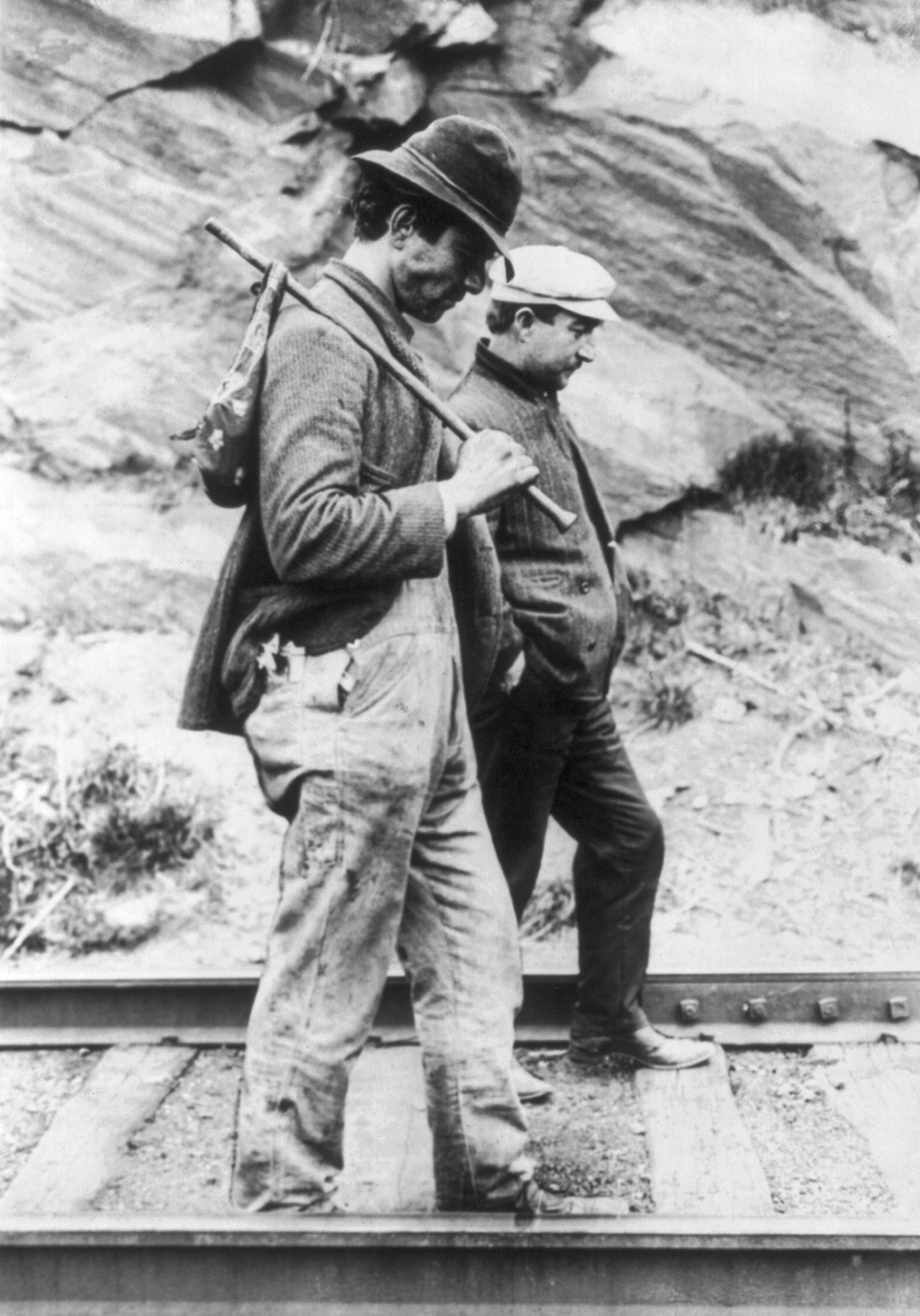
A hobo is a migrant worker in the United States. Hoboes, tramps, and bums are generally regarded as related, but distinct: a hobo travels and is willing to work; a tramp travels, but avoids work if possible; a bum neither travels nor works.
shell inlet
Reminds me of the show the littlest hobo
grand musk
Weird. I’ve never heard of that. When I was a kid people just called all homeless people that, and now no one says that word because it’s offensive.
Maybe the meaning shifted regionally?
rustic stone
the term was misused when I was a kid, but it is a distinct subculture and I think it's worth spreading that information
grand musk
rustic stone
to be fair I only learned that it was the case quite recently: https://en.wikipe...
So would this refer to non American people who also live on the streets but are looking for work
Because I know a lot of people like that
Although it’s hard to get work when you’re addicted to drugs and need be drugs to survive the winter
shell inlet
grand musk
Why not? It’s a certain brain muscle
Because language is defined by native speakers, so someone being more able to understand things isn't representative of how people in general are communicating. Communication is not one-way and not understanding something does not make you less apt in your language, you are a reference for the language. Some people may be "below average" in certain areas of comprehension, likely due to lack of familiarity with them, which is not a matter of being smarter or better, just having a wider range of experience. It's kind of like saying someone is smarter just because they speak several languages - they may have acquired more knowledge, and likely have benefited from that, but they arent inherently more skilled or more capable than someone who has not.
grand musk
But some people may have the capacity to pick up a language faster whether they decide to learn it. (Also not saying that’s a comprehension skill. Different skill)
So they may have talent in that area
shell inlet
Sure, that doesn't mean they're worse at the language they have spoken their entire life if they do not
Many parts of language arise because of people who misunderstand, mishear, etc.
Language develops around and with those people, it isn't a matter of lagging behind
We have this idea that a certain understanding and usage of the language is inherently "better", but this just comes down to classism
grand musk
shell inlet
Sure, that doesn't mean they're worse at the language they have spoken their ent...
Oh yeah I’m definitely not saying that 😂
I was just saying maybe that’s why the rapping listening guy understood the song
Because he more easily understands spoken word
Doesn’t mean he’s better at the language
Like I cannot understand song lyrics often in English
Audio processing centres
shell inlet
Yeah, I just find "talent" or "skill" to generally be misleading especially when we're talking about language competency
grand musk
I’m just thinking of “ability”, which can come from both or a combination of the two
shell inlet
Classism loves to poke its head into every kind of discussion about languages and the idea that someone is somehow "better" at a language when the definition of the language revolves around every native speaker more or less equally is a bit of a slippery slope
Not to say that some people can't have certain abilities that allow them to understand a wider variety of material easily (lack of sensory processing issues, wide variety of experience, acquired skill, etc)
rustic stone
shell inlet
Classism loves to poke its head into every kind of discussion about languages an...
Note that even defining "native speaker" is fraught with issues of classism
We all have a certain "feel" for what a native speaker is, but defining it in concrete terms is verrrrrry difficult and often ends up confronting issues of race, class, socioeconomic background, edcuation, etc.
shell inlet
Oh of course
Most things are much less black and white than we tend to categorize them, especially when it comes to something as malleable and complex as language
mild quarry
rustic stone
I was specifically saying that "hobo" has a particular meaning that is *not* the...
yeah we got that dw
mild quarry
shell inlet
It's incredibly unlikely for someone to have universal comprehension talent, unl...
its called natural talent for a reason
you don't train for that but aye
atleast some people agree with me
fortunately
enough
mild quarry
grand musk
I’m just thinking of “ability”, which can come from both or a combination of the...
this is exactly what im saying
you get it man
mild quarry
shell inlet
Because language is defined by native speakers, so someone being more able to un...
you're kinda misunderstanding how language proficiency and communication function. While native speakers do shape language norms, comprehension and clarity are still essential for effective communication. If someone consistently fails to understand widely used expressions or structures, it can reflect a gap in linguistic competence, not just unfamiliarity. Language is indeed a social construct, but being better able to understand and express complex ideas often correlates with greater linguistic skill,not just morr so exposure. Just as multilingualism can enhance cognitive flexibility, a broader grasp of one's native language usually reflects both experience and capability, not merely variation in background.
shell inlet
Heavily dependent on context and most cases where people criticize this are when someone from a stigmatized background (poor, rural, etc) is not familiar with certain things from a priveleged background, the reverse is very rarely seen as a lack of competency, while there is no inherent difference between the two
mild quarry
understood ngl