#Fato [Corrigez-moi svp] ✱
1 messages · Page 1 of 1 (latest)
 silent briarBOT
Please be patient
Our volunteers look into many questions every day; sometimes it takes them a little while to answer.
Pro tip: you can rename the thread title with `.tr <thread name>`
Make it descriptive, including relevant context, but also to the point. This way you improve your chances of getting a more relevant and specific answer.
 wise wolf
the formal way to construct a negative sentence is by using "ne" + another negative pronoun (based on the meaning)
but most of the time, in conversational French, "ne" is dropped, the other negative pronoun being enough to convey the negation
 austere creek
wise wolf
the formal way to construct a negative sentence is by using "ne" + another negat...
austere creek
wise wolf
the formal way to construct a negative sentence is by using "ne" + another negat...
Yes, I get that
But that's sometimes confusing
wise wolf
austere creek
But that's sometimes confusing
do you mean augmentative "plus" vs negative "plus" then?
austere creek
Yes
How can I make the difference between them?
I mean how can I be clear when I want to say augmented about something?
 gray lichen
The speaker would most probably use "en" to say He wants more of something in that case i guess
"J'en veux plus. "
austere creek
gray lichen
The speaker would most probably use "en" to say He wants more of something in th...
And what about a case where somebody is more of something? I mean like more kind or more aggressive
gray lichen
Which other cases would you use" je veux plus "
To me it sounds like you want more of something but i dont know if there is other convenable meanings
austere creek
gray lichen
Which other cases would you use" je veux plus "
To me it sounds like you want m...
Not necessarily "je veux plus"
I mean "plus"
wise wolf
most of the time, the sentences are built slightly differently so the other one wouldn't work
that said, it can happen that both meanings are possible
ex: je veux plus de chocolat
context is usually enough to make the distinction. Additionally, they aren't pronounced the same
austere creek
Without being confused with the negation
austere creek
wise wolf
most of the time, the sentences are built slightly differently so the other one ...
How are they pronounced differently?
wise wolf
 gray lichen
The native french speaker's ne omition is kind of problem but it is usually understable whether it is negation or not depending on the context in my opinion
wise wolf
austere creek
How are they pronounced differently?
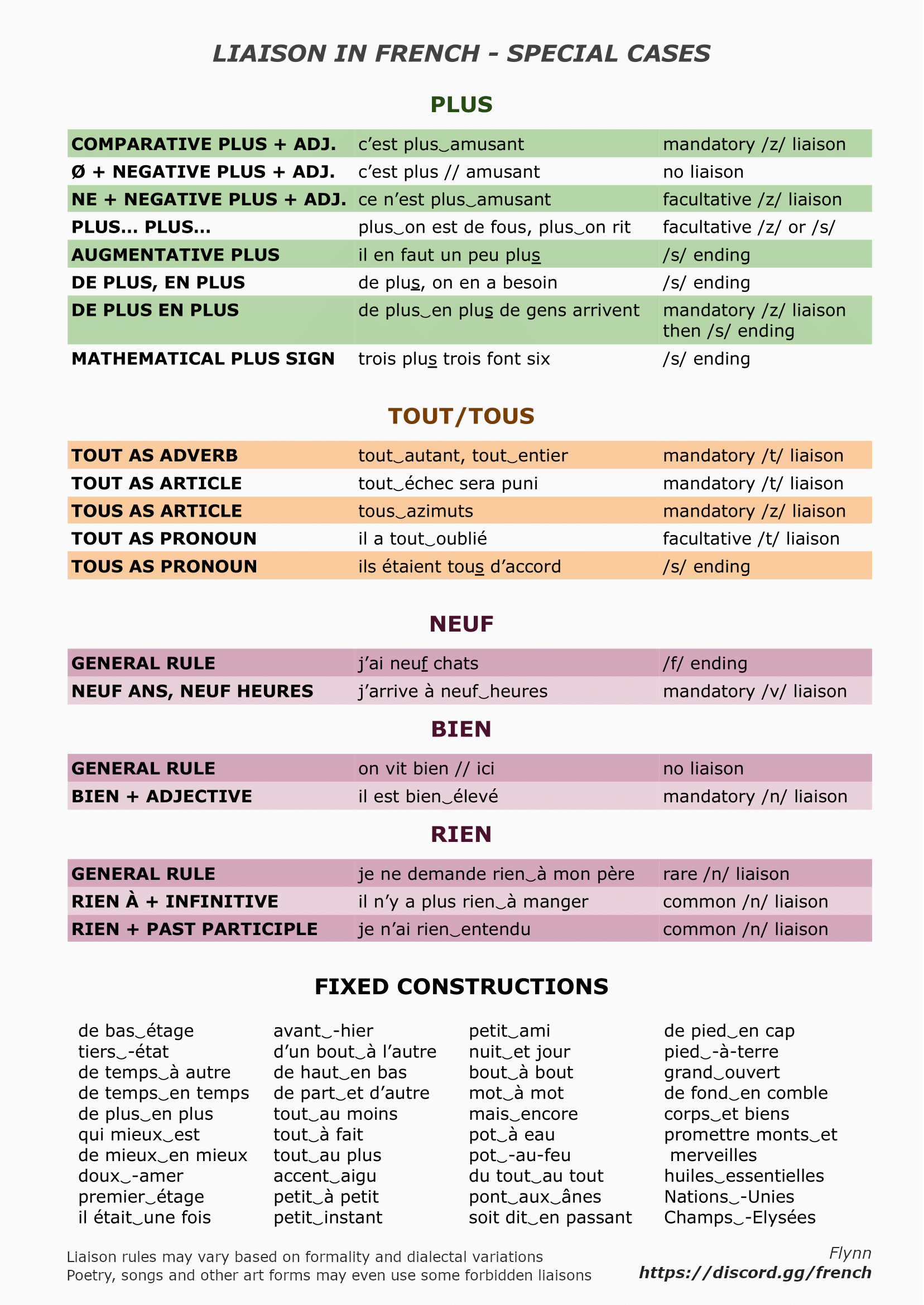
the augmentative plus always ends with /s/
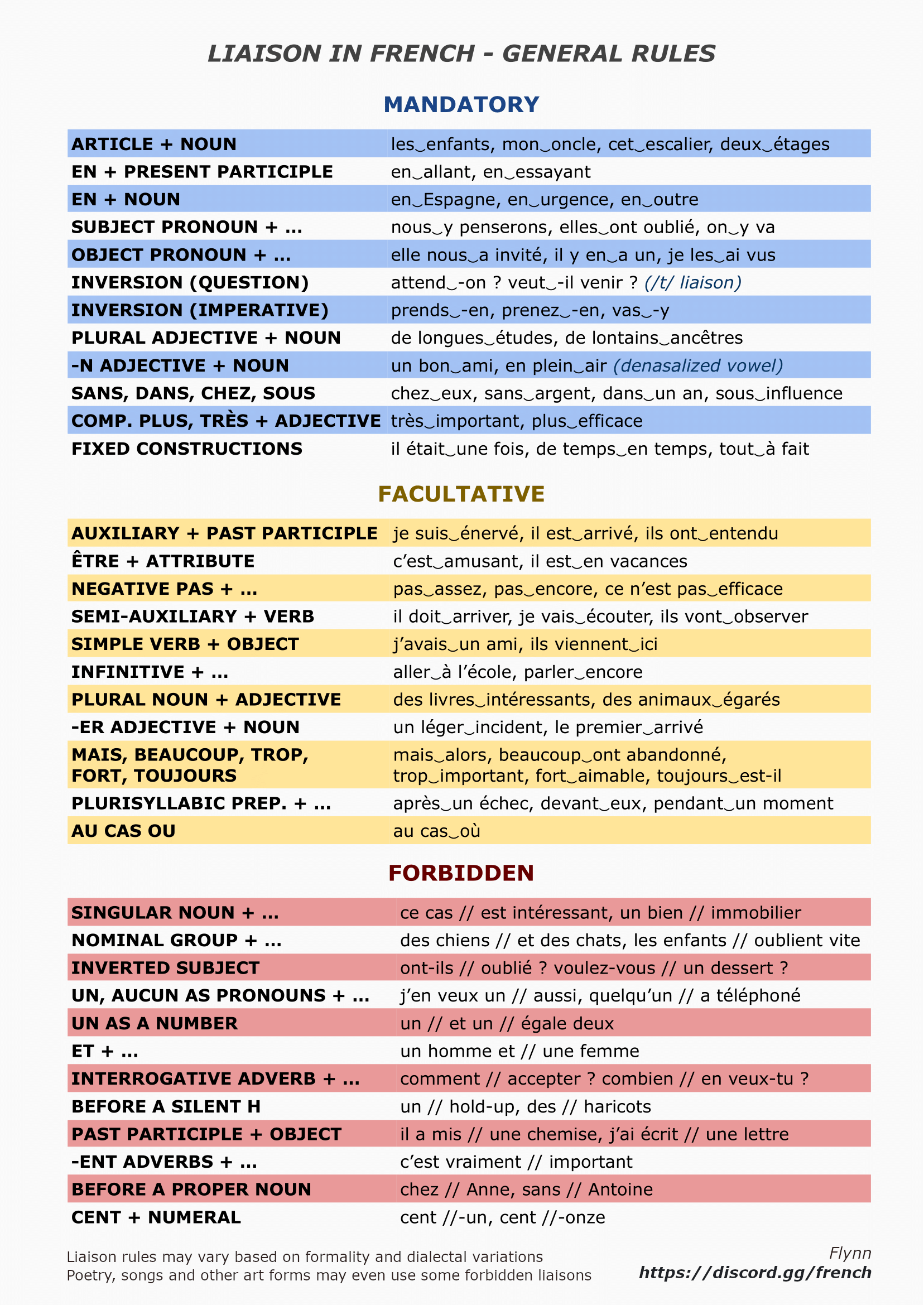
comparative "plus" (indicative more of something) uses a mandatory liaison while this liaison is forbidden with the negative "plus". If you use "ne" though, you can do it because it clears the confusion
austere creek
wise wolf
That's kind of clear, but thats about oral French. What about conversational French in text like in a chat?
wise wolf
context mostly
and sentence construction is often slightly different
"plus" is a real fucker for learners
austere creek
wise wolf
context mostly
You can't imagine all the times I've heard that in most cases context is the answer. I think I'm going to always give me answers with that haha
austere creek
wise wolf
the augmentative plus always ends with /s/
comparative "plus" (indicative more o...
I get it
wise wolf
gray lichen
Shouldn't we use "ne " for the second one because it is a negation ?
you can use "ne", which is the third line, in which case the liaison is facultative
but "ne" is often dropped in casual French, which is the case shown in the second line. In that case, the liaison is forbidden
austere creek
wise wolf
you can use "ne", which is the third line, in which case the liaison is facultat...
So, to summarize, the liaison is not pronounced when it's negative?
wise wolf
austere creek
I get it
damn you good, it may be the biggest troll in French pronunciation
wise wolf
austere creek
So, to summarize, the liaison is not pronounced when it's negative?
basically
gray lichen
wise wolf
you can use "ne", which is the third line, in which case the liaison is facultat...
But the ne omition isnt just a oral thing, so ne is always required in negative sentences
wise wolf
gray lichen
But the ne omition isnt just a oral thing, so ne is always required in negative ...
it's not just an oral thing and it isn't required
gray lichen
I mean the rule for the ne.... (adv de negation)
wise wolf
using "ne" is formal
dropping "ne" is common
austere creek
wise wolf
damn you good, it may be the biggest troll in French pronunciation
It's just about giving roles to the /s/, imo. You just need to know that, as you said, when it's negative, it's not pronounced, and when it's augmentative and comparative, it is pronounced
Isn't it?
gray lichen
wise wolf
using "ne" is formal
dropping "ne" is common
I see it a lot and i thought it was just the way french people write things online or their Fast speech doesnt usually let us hear the ne but i see
wise wolf
austere creek
It's just about giving roles to the /s/, imo. You just need to know that, as you...
you simplified it a bit. For the exact rules, refer to the chart above. But for simplification the ending "s" tends to be pronounced when "plus" has a positive meaning and not when it has a negative meaning
austere creek
wise wolf
you simplified it a bit. For the exact rules, refer to the chart above. But for ...
I'm going to save that chart for later
wise wolf
;liaisons
silent briarBOT
 wise wolf
here's the full chart for all about the holy fuckery that is French liaison
made it a few days ago
wise wolf
wise wolf
you simplified it a bit. For the exact rules, refer to the chart above. But for ...
just to be clear, simplifying rules is not a bad thing, it's easier to remember
you just have to be aware you are simplifying and that you might need to check specifics if needed @austere creek
austere creek
wise wolf
here's the full chart for all about the holy fuckery that is French liaison
made...
I see. You made a great work
austere creek
wise wolf
just to be clear, simplifying rules is not a bad thing, it's easier to remember
...
I see. Thanks
wise wolf
so if you want to remember
positive plus => s ending
negative plus => no s ending
that's fine, just be aware the rules are a bit more precise
austere creek
wise wolf
so if you want to remember
positive plus => s ending
negative plus => no s endin...
Thanks, man. You're such a great teacher
gray lichen
silent briar
https://imgur.com/4E4QhuB https://imgur.com/kAzV5hb
Flynn's leçon 🤩🤩