#Language lessons
1 messages · Page 1 of 1 (latest)
 long barn
@fading dune to not flood random
“A” could have meaning of “but”
Or it also can be “and”
“Vinovat ne ya, a tyi”
“It’s not me, but you”
“A teper’ ya ustal”
“And now I feel tired”
 fading dune
I could see "A teper" being "and now" and "but now"
long barn
It is “but” if you have a negative verb before “a”. So you are making opposition
fading dune
So about "ahh tak!", how can I explain "ahh" in english?
long barn
“Bylo teplo, a teper’ holodno”
“It was warm, and now it’s cold”
long barn
fading dune
So about "ahh tak!", how can I explain "ahh" in english?
“Ah” could be as “oh”
“Ah tak?!”
Means “oh that’s how you are playing?!”
fading dune
Maybe "oh so [...]"
For cussing, it seems that I could take random objects and use them as effective cuss words. "rediska" comes to mind as a fairly traditional one
As far as I know, there is no deeper meaning behind the use of the word "radish" as an insult
"sapok" might be another example. I could sort of imagine a flimsy, worn down boot, but it really just means "boot", so again not sure there is any actual deeper meaning
Back to the radish for a moment, all I could guess is that a farmer one day was furious, and staring down at his radishes, and the only thing he could think of in the moment was to call the subject of his anger a radish. And then it stuck
long barn
fading dune
For cussing, it seems that I could take random objects and use them as effective...
I don’t know etimology of “rediska” 🙂
Actually not any word..
So “rediska” became popular because of one Soviet movie
And rumors saying that it came from revolutionary time
One revolutioner used this word about another “red” comrade
Because “radish” is white inside and red outside
fading dune
Ahhh
long barn
And at this period there was a civil war of “reds” (Soviet) and “whites” (tsar officers and army)
 latent trellis
long barn
And at this period there was a civil war of “reds” (Soviet) and “whites” (tsar o...
latent trellis
long barn
And at this period there was a civil war of “reds” (Soviet) and “whites” (tsar o...
Finns had that too soon after the Soviets one IIRC
Same names, too
What I remember from one video is that many in the White army actually volunteered in WW1 (I think it was WW1) so they could get the experience to fight for Finnish Independence when they sprung their plan.
long barn
latent trellis
What I remember from one video is that many in the White army actually volunteer...
Not sure about that
latent trellis
long barn
Not sure about that
IDK about the exact story, but you can find a couple of German Mausers that some people brought back with them.
It wasn't really an official sort of thing where the White Army says "I guess we're fighting in WW1 now", but some volunteers.
latent trellis
latent trellis
What I remember from one video is that many in the White army actually volunteer...
This is the video I think:
https://www.youtube.com/watch?v=RcmixvUp_TU

All the best firearms history channels streaming to all major devices:
weaponsandwar.tv
A decent number of C96 Mauser pistols were present in Finland's civil war, many of them coming into the country with the Finnish Jaegers, and others from a variety of sources, commercial and Russian. They were used by both the Reds and the Whites, and in bot...
long barn
Before 1917 there was no “White army”
But yeah probably Finns were participating as part of Russian Empire at that time
latent trellis
long barn
Before 1917 there was no “White army”
Yeah seems like it was just random dudes expecting war at that point
long barn
Why is it like that?
Where? - Nowhere // fine looks logical
What? - Nothing // …
When? - Never // …
Why? - …………
@fading dune
In Russian it is more logical 🙂
where? где - нигде - nowhere
what? что - ничто - nothing
when? когда - никогда - never
…
@indraj.net
fading dune
long barn
Why is it like that?
Where? - Nowhere // fine looks logical
What? - Nothing // ...
What's this about?
long barn
fading dune
What's this about?
Find the negative form of answer to simple questions
long barn
fading dune
What's this about?
Like continue the sequence.. for “why?”
fading dune
long barn
Like continue the sequence.. for “why?”
I think I'm missing context haha, where is the original discussion?
long barn
fading dune
I think I'm missing context haha, where is the original discussion?
It is here
No other context
Like it has question and answer
Q: Where?
A: nowhere
Q: What?
A: nothing
Q: When?
A: never
Did you understand the pattern here?
Now
Q: Why?
A: ???
Same in Russian will look like:
Q: Где?
A: нигде
Q: Что?
A: ничто
Q: Когда?
A: никогда
fading dune
Oh, but I know this haha
long barn
fading dune
Oh, but I know this haha
So what will be the answer for “Why?”
fading dune
long barn
So what will be the answer for “Why?”
Why what? I don't think I asked any question
Wait is this a riddle
Oh I see
That's... huh. Let me think
latent trellis
long barn
Why is it like that?
Where? - Nowhere // fine looks logical
What? - Nothing // ...
Because English is an amalgam of many different languages
And because it's an amalgam a lot of the rules from the source languages also get dropped
Like in Germanic and Latin languages you have a lot of fusional stuff where inflections or different affixes change the meaning, but this caused a lot of confusion when the Norse interacted with the Angles/Celts (I forgot which), and this caused them to be mostly dropped.
From what Copilot says (again, not a good source), the reason that "nowhen" doesn't exist is because "not ever" already did the job and was less ambiguous when speaking.
And the reason slavic languages have it is just because it's a different language branch. Things like double negatives are (apparently) gramatically correct, but they aren't in English.
Basically I guess it's a combination of Slavic using "no" + the interrogative as a rule, and English standardization.
long barn
latent trellis
Basically I guess it's a combination of Slavic using "no" + the interrogative as...
But the question is still relevant about “nowhy” 🙂
latent trellis
long barn
But the question is still relevant about “nowhy” 🙂
So the way English pairs "no-x" is with nominal elements, which are like things
Basically the "no" doesn't change what the sentence is asking about, but "why" changes it to ask about the reason for whatever is in the rest of the sentence/clause.
So since "why" is an adverb, it doesn't work because that's not a thing, it's a concept.
The only time that you could do "no why" is something like "There is no why only the what", which is basically overriding the grammatical rule in a way that people understand.
latent trellis
Okay I think I have a better explanation (or at least some more clarification). But I need some clarification, too.
@forest karma is "no" + an interrogative still productive in Russian?
latent trellis
 forest karma
i have no idea what you are saying <@344287499402870784>
forest karma
i have no idea what you are saying <@344287499402870784>
Basically when you have a question you ask a person, is it valid to put "no" in front of what's asked?
Not "no" as in a Russian word called "no", I mean "no" as in English no.
latent trellis
long barn
In Russian it is more logical 🙂
where? где - **ни**где - nowhere
what? что - **...
Like this
forest karma
im still confused
are you asking about english or russian?
in english obviously you can't just put "no" in front of a word to negate it
latent trellis
forest karma
are you asking about english or russian?
Russian
But only for interrogatives, I know you can't have a "nocat" in Russian
forest karma
so, @long barn wrote "ni", not "no"
thats the first thing
secondly, yes, it's correct and it always has been
the main issue is double negatives
they add extra word "ne" on top of the negation prefix
as in:
latent trellis
forest karma
so, <@752569441882996737> wrote "ni", not "no"
Yes but I mean "no" as in English no
latent trellis
Yes
forest karma
latent trellis
Yes but I mean "no" as in English no
I don't understand your question still
latent trellis
forest karma
I don't understand your question still
Like "no" + "where" but instead of "no" and "where" it's the Russian words for them.
In English we can't say "no what" as a response to "what x", but Russian can, and it can do it for other questions that are new, yes?
forest karma
No
These are standardised words, and the meaning is not always sufficient to derive from the compound
For example, the "no + what" you are talking about actually translates to "nothing"
latent trellis
forest karma
For example, the "no + what" you are talking about actually translates to "nothi...
Yes I know that
But you can add "no" to the question in some for as an answer
forest karma
There are no new questions that can be constructed either, these are dictionary words
forest karma
latent trellis
But you can add "no" to the question in some for as an answer
oh, you mean like
latent trellis
latent trellis
But you can add "no" to the question in some for as an answer
Like "did you drink" can have "no" put at the start in a way
latent trellis
forest karma
Ты не выпил?
Not really
forest karma
I have no clue what you are on about lol
latent trellis
More like "did you drink" and then responding with "no drink" or something
forest karma
@long barn help
forest karma
latent trellis
More like "did you drink" and then responding with "no drink" or something
Не выпил
like that?
latent trellis
forest karma
Не выпил
Yes
latent trellis
So that's a rule that's still valid
latent trellis
Okay
forest karma
but for past it's less clear
latent trellis
So I can explain then
forest karma
so if it is not clear who the subject is, you need to specify
latent trellis
latent trellis
Okay I think I have a better explanation (or at least some more clarification). ...
So Russian has that as a rule where you can generate stuff like that on the fly.
forest karma
не выпил tells me that (1) it's a single person and (2) it's a man
but there is no explicit pronoun there
latent trellis
English doesn't have this rule still, since it's fossilized but lexicalized (where it's an old rule that doesn't make new words but still is used)
latent trellis
So the old rule was "no" + noun as a response to an interrogative
forest karma
Hmm
latent trellis
But you can't just make "no drink" or "I drinkn't" in English
It's only those phrases that got solidified a long time ago
And the rule was that you can only at "no" + the question word (or key word) for nouns.
Not concepts.
forest karma
I see
long barn
so there is no "no why" ? 🙂
latent trellis
long barn
so there is no "no why" ? 🙂
No
long barn
and no "no how"? 🙁
latent trellis
You have to respond to an interrogative like that with "no" + a noun for any question like that
latent trellis
long barn
and no "no how"? 🙁
No
forest karma
long barn
so there is no "no why" ? 🙂
У нас тоже нету я думаю
forest karma
«почему нет?»
latent trellis
latent trellis
You have to respond to an interrogative like that with "no" + a noun for any que...
Which is why "What?" gets responded to with "Nothing", because it's "No" + "thing". It's sort of clarifying the abstract question.
forest karma
long barn
Как? - никак
да, для как да
latent trellis
latent trellis
Which is why "What?" gets responded to with "Nothing", because it's "No" + "thin...
And you can't just do "no" + noun anymore either, because that's not a thing that people accept for answering interrogative questions
fading dune
long barn
So what will be the answer for “Why?”
Perhaps "nizachevo" 
latent trellis
long barn
So what will be the answer for “Why?”
"No reason"
long barn
ok for "why" in Russian also there is no proper form 🙂
But when young kids are asking their moms:
why why why why why why...
Moms can answer "нипочему" 😄
which is "no why" 😄
latent trellis
Antoher neat linguistic thing:
https://www.youtube.com/watch?v=dUnGvH8fUUc
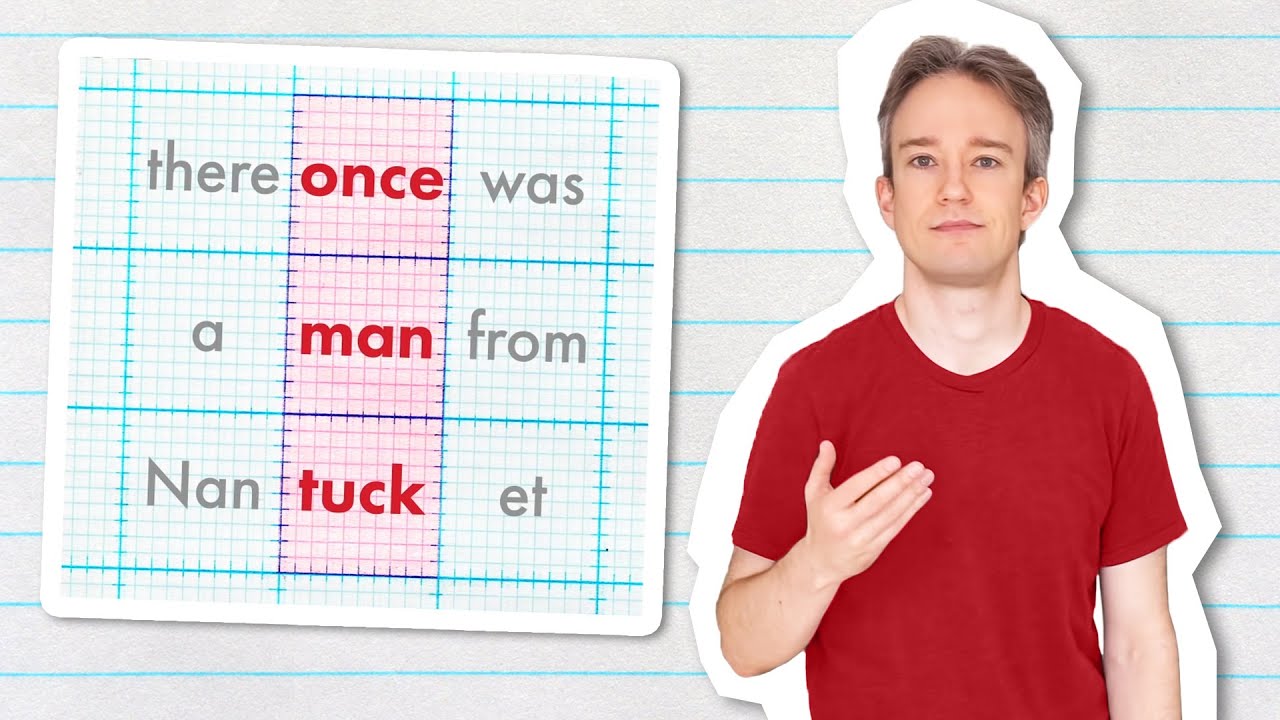
Shakespeare sounds a certain way. Why? And why could it only work in English? • Written with Gretchen McCulloch of Lingthusiasm! Her podcast has an episode about how translators approach texts: https://lingthusiasm.com/post/632086691477323776/lingthusiasm-episode-49-how-translators-approach
Gretchen's book BECAUSE INTERNET, all about the evol...
forest karma
long barn
Как? - никак
но дело в том что невозможно это сделать как правило. Типа если в словаре нету, то нету
long barn
or
"why? - "that's why"
"Почему?" - "потому"
latent trellis
latent trellis
And you can't just do "no" + noun anymore either, because that's not a thing tha...
An example of a productive rule would be something like "-able"
forest karma
long barn
or
"why? - "that's why"
"Почему?" - "потому"
Nah, potomu is like because
latent trellis
"believable, thinkable, codeable"
long barn
oh ok - yeah
why? - because
forest karma
can also say из-за
fading dune
Or "prosto", but yeah that deviates from the "no-" prefixes
long barn
yes
forest karma
this is a really confusing topic
latent trellis
forest karma
this is a really confusing topic
Lingusitics is neat
forest karma
there are words and I speak them
forest karma
latent trellis
You know why "uh" exists?
you know what's better?
latent trellis
So when you want to say something (or are about to say something), but you don't know what, you say "uh"
latent trellis
Effort and speed is why things get reduced to schwa too


"Schwa" is the most common vowel in English. Every English speaker uses it, all the time, but most people have never heard of it. •
Written with Molly Ruhl and Gretchen McCulloch. Gretchen's podcast Lingthusiasm is at http://lingthusiasm.com/
Gretchen's book BECAUSE INTERNET, all about the evolution of internet language, is available:
...
forest karma
you are such a nerd
just learn another language, rather than the theory of it xd
That's the best way to understand things
latent trellis
forest karma
just learn another language, rather than the theory of it xd
Well I did
forest karma
which one?
latent trellis
French
forest karma
don't say "old english"
oh, french doesn't teach you anything about grammar lol
french is super messed up
latent trellis
forest karma
oh, french doesn't teach you anything about grammar lol
No but it teaches you about how they sound dumb and how fusional languages work
Russian is also fusional IIRC
Like endings can have meaning such as "first person, present tense, indicative, etc." all in one
latent trellis
Oh there are Grice's Maxims too
forest karma
just learn russian 🙂
latent trellis
What do you think I mean when I say "I'm out of gas"?
forest karma
then you wont wonder if your information about the grammatical analysis is correct or not
the whole point of language is to speak it
not obsess over the theory of it
it's not a science
its a thing that is inconsistent that has been invented by humans
latent trellis
forest karma
not obsess over the theory of it
It's like the Lamda calculus it's cool to understand it and why "itsn't" doesn't work but "shouldn't've" does
forest karma
saying you're studying linguistics is like saying you're studying christology
forest karma
latent trellis
It's like the Lamda calculus it's cool to understand it and why "itsn't" doesn't...
it's not cool at all
latent trellis
forest karma
it's not cool at all
Finding the rules out though
latent trellis
latent trellis
What do you think I mean when I say "I'm out of gas"?
But for this, obviously I mean "I can't run my car/mower/other device" and that I need help (if I say it in a certain way)
You can assume two things about what I mean without me having to specify it formally
And if you respond with "there's a garage down the road", I can understand that "garage" is "gas station", and you're saying that I can push my car there and solve being stranded.
All three of these things in the response are implied.
So you and I would have to be operating on shared assumptions in our conversation.
And we try to fit what each of us say into something that makes sense, so we can understand what we both mean.
forest karma
latent trellis
Finding the rules out though
you could just read The New Penguin Complete Russian Course
all the grammar you want is in there
latent trellis
forest karma
you could just read *The New Penguin Complete Russian Course*
This tells you the what, but not the why
You're like an archaeologist with the why
latent trellis
I will have to get it then
forest karma
if you can't, it's either because it's your native language and you've never thought about it, or you're dumb
latent trellis
forest karma
if you can't, it's either because it's your native language and you've never tho...
Sometimes you forget about who invaded who, and when, when it comes to English history
latent trellis
Another thing is that I told my old biology professor about how language families were similar to phylogenetic trees, and he actually told me that one of his colleagues literally did research on this.
 forest karma
bro can i go back to writing code now
latent trellis
forest karma
bro can i go back to writing code now
This was Tolkien's whole life IDK why you're bored
But yes
forest karma
latent trellis
This was Tolkien's whole life IDK why you're bored
mate it was boring when we had to write essays about his life 10 years ago, and it's boring now
latent trellis
forest karma
mate it was boring when we had to write essays about his life 10 years ago, and ...
You should try it man
forest karma
at my school it's like a cult of tolkien
latent trellis
Writing about his life is boring maybe, but doing what he did could be cool
Make a new language, make rules for it
It's like creating a compiler
 forest karma
latent trellis
Writing about his life is boring maybe, but doing what he did could be cool
forest karma
latent trellis
Writing about his life is boring maybe, but doing what he did could be cool

The annual Tolkien Lecture took place on Friday 7 March, with Professor Chris Hodges OBE (OE 1972) delivering a thought-provoking talk at the Ruddock Performing Arts Centre.
It was a fascinating evening well received by an enthralled crowd.
yeah no i doubt that
latent trellis
forest karma
> It was a fascinating evening well received by an enthralled crowd.
yeah no i d...
Did you like the books at least?
You can find stuff like that in them too.
latent trellis
Like Bilbo talks about being a "clue finder" to Smaug, because in an old version of Flies and Spiders he followed a silk thread, and a thread (or a ball of it, I forgot) was called a clue
And we use "clue" the way we do because of the minotaur story or something
And "Bag-End" is literally just "Cul de sac" in English
Shelob is literally "she-lob", where lob means spider
fading dune
lob means lobster I think
latent trellis
Beorn means "man" and "bear" in Old English
latent trellis
fading dune
lob means lobster I think
Maybe lol
latent trellis
latent trellis
Beorn means "man" and "bear" in Old English
Oh and in the riddles
There's a one about "eyes" with regards to a sun and a flower
You know why?
Because "Daisy" means "Day's Eye" in Old English
fading dune
latent trellis
Beorn means "man" and "bear" in Old English
And I think that's probably imported from scandinavia
latent trellis
fading dune
And I think that's probably imported from scandinavia
Yes IIRC that's where it came from
Either that or Germanic
Old Norse
fading dune
ursula k leguin
forest karma
fading dune
ursula k leguin
ursula von der leyen
latent trellis
forest karma
Lewis Carrol
Aw yeah he did stuff with determinants
What do you mean CS Lewis?
latent trellis
CS Lewis was also neat tbh
I just realized both of them have Jesus in their series
forest karma
yup