#blueprint
1 messages · Page 394 of 1
 frosty heron
 red wolf
 frosty heron
why do you need to call remove all widgets?
frosty heron
red wolf
you haven't set show mouse cursor here.
also ofc, get rid of the previous logic in your controller class.
Mind you though, at this level I strongly advice not doing multiplayer.
 frosty heron
red wolf
frosty heron
red wolf
get rid of remove all widgets, you shouldn't be getting any widgets when a level is loaded in.
then add the node set Show Mouse cursor.


 next hollow
You just made a new var named the var
You gotta actually set the correct/ actual one on the controller
frosty heron
drag this pin and type show mouse cursor.

btw yeah, you are totally new at unreal. Don't do multiplayer, advice given at best interest to help.
red wolf
i understand
would you have any advice on ways to learn? watching videos or reading documentation?
frosty heron
Getting into the fundementals first, like reading / watching "your first hour in unreal".
After that you go after the specifics of what you want to do.
If you are trying to work on gameplay programming, then learn Object oriented programming, get familiar with variables, functions, events, loops, containers.
Once you understand those, you can look at some tutorial. Then try to make your own. When stuck, ask questions / direction. Then research further,
in the end it's all about your problem solving skills.
but I don't have a good problem solving skills so I do end up with a lot of grinding and errors.
red wolf
frosty heron
but I don't have a good problem solving skills so I do end up with a lot of grin...
thats usually what i do, ive been fixing issues for a week now
and i resorted to finally asking for help haha
frosty heron
To show the mouse cursor, that is the method inside the player controller.
So you need to get a reference to the player controller and call set show mouse cursor.
(Drag from the blue pin).
red wolf
frosty heron
To show the mouse cursor, that is the method inside the player controller.
thats where it got me, i thought it was just a node you can create
frosty heron
you are just creating a boolean variable.
it just a true or false value sitting somewhere in memory.
red wolf
so ill take you up on your advice and watch some videos, try to understand how it works further.
frosty heron
if you have some breaks, go over the pinned material too.
 glad schooner
red wolf
would you have any advice on ways to learn? watching videos or reading documenta...
glad schooner
red wolf
would you have any advice on ways to learn? watching videos or reading documenta...
coldsummer already gave you some really good tips, so here are some sources that talk about those fundamentals in detail:
https://youtu.be/i_7p8-DE15g?si=xisTc0FpifRl3ssV
https://youtube.com/playlist?list=PL2A3wMhmbeAq3WOT7kQ0EGby1YMb0zj5_&si=Ws6KZbhBsR858vZR
Survey: https://forms.gle/9sTgyNA1MMA4Z1No6
This tutorial was made as part of a college project, and I’d greatly appreciate your feedback. After finishing the tutorial, click the link above for a short, anonymous survey that only takes a few minutes to complete. Thank you for your time and feedback.
The goal of this tutorial is to introduce y...

YouTube
A series of Unreal Engine Blueprint Tutorials that give you the foundational elements of Visual Scripting that you may not know if you have never taking any ...
familiarize yourself with these concepts before swan diving in big projects
 dark quartz
Hi. Does anyone have good resources on how to do HTTP requests and testing them out locally?
frosty heron
dark quartz
Hi. Does anyone have good resources on how to do HTTP requests and testing them ...
You can just download some plugin from FAB.
Rest API or the like.
 simple berry
Does anyone know a good way to go about making a stationary endless runner? its a minigame and im trying to avoid having it move too much so im trying to use constrain to plane, but it feels like because of that collisions dont trigger properly when hitting something
 agile drum
@frosty heron and @glad schooner Thank you so much for letting me know these mistakes!! I thought it was the way to go not knowing there are better approaches, tysm guys
frosty heron
agile drum
<@1050954229902213150> and <@743149827898212394> Thank you so much for letting m...
not a mistake but journey. Most of us have re-done our own system dozens and dozens of times.
glad schooner
agile drum
<@1050954229902213150> and <@743149827898212394> Thank you so much for letting m...
np dude! its literally cannon for everyone :) i made the same mistakes too
took me years to get me where i am now and i still learn things as i go
agile drum
yeee brothers XD i just started and trying to make fun kids game, glad to have you guys correcting/letting me know the better <3
glad schooner
agile drum
yeee brothers XD i just started and trying to make fun kids game, glad to have y...
absolutely man. the worst thing any person can experience is technical debt, which is the means of having unscalable and spaghettified code, making it impossible to iterate and make easy changes to your code/design.
learning best practices will make this a thing of the past:)
 surreal wagon
I want the first person viewmodels to move around depending of where the player is moving towards when sprinting, therefore I need to get "local" velocity, and not world velocity, how can I do that?
 glad schooner
surreal wagon
I want the first person viewmodels to move around depending of where the player ...
glad schooner
surreal wagon
I want the first person viewmodels to move around depending of where the player ...
you can use the inverse transform node
this will convert world to local
surreal wagon
in this video i'm holding only W and the viewmodel still snaps to world coordinates, I feel like I'm doing something wrong or this is not the correct way to approach it
 reef jasper
Hey everyone, I'm a begginer and after some time with chatgpt and absolutely no results I decided to join this server 
Can someone tell me what I did wrong?
its probably something small and stupid lol

 full badge
reef jasper
full badge
reef jasper
you should have 2 separated branches for>400 and <=400
 maiden wadi
reef jasper
maiden wadi
reef jasper
Can you explain what you're trying to do? Because your logic here looks like you're trying to clamp something within 800 units of space?
reef jasper
full badge
you should have 2 separated branches for>400 and <=400
thanks, it moves now at least but doesnt stop at -400
reef jasper
maiden wadi
Can you explain what you're trying to do? Because your logic here looks like you...
just a simple platform that moves back and forth
from 400 to -400 y
maiden wadi
Ah, ping pong. While you could do this with math like this. It might be worth doing this in a timeline where you can affect the curve and duration, even if it's linear.
On top of this, you need to save it's starting point in beginplay, and setactorlocation based on the intended local offset plus savedstartinglocation.
Last part is true whether you timeline or do manual math. Timeline just makes your math handling simpler.
reef jasper
Thank you for help, I'll try to make this using timeline (I have no idea what is is for now lol)
 vestal palm
Hi everyone, I've been running into a loading warning in my project that's causing a DataTable's reference to a DataAsset to be nullified on project load. I've tried to pass this by Claude AI but I'm not really getting anywhere with it, so thought I'd come to the experts.
The warning I get in the output log is:
[0078.49][ 0]LogProperty: Warning: Serialized BlueprintGeneratedClass /Game/Blueprints/DataTypes/DataAssets/Ships/DA_ShipBase.DA_ShipBase_C for a property of LinkerPlaceholderClass /Game/Blueprints/DataTypes/Structs/F_ShipSpawnEntry.PLACEHOLDER-CLASS__DA_ShipBase_C_1. Reference will be nulled. ReferencingObject = DataTable /Game/Blueprints/DataTypes/DataTables/DT_ShipSpawnData.DT_ShipSpawnData Property = SoftObjectProperty /Game/Blueprints/DataTypes/Structs/F_ShipSpawnEntry.F_ShipSpawnEntry:DA_ShipBase_59_D43BE50A49110C0EE9FBB28E1695B51C Item = DA_ShipBase_C /Game/Blueprints/DataTypes/DataAssets/Ships/DA_ShipBaseSloop.DA_ShipBaseSloop
I've attached a screenshot of the dataTable setup, and the struct it's based off. I've also attached the ReferenceViewer of the DA_ShipBase data asset
The struct uses a soft references to DA_ShipBase.
DA_ShipBase is a Data Asset with an interface implemented which has functions to get each part of the DataAsset, which avoids me having hard references in many places.
I'm really not sure where to go from here to solve it, can anyone help?


 frosty heron
using interface to avoid hard reference only to end up with hard reference.
 vestal palm
frosty heron
using interface to avoid hard reference only to end up with hard reference.
vestal palm
frosty heron
using interface to avoid hard reference only to end up with hard reference.
Thank you - how do you suggest I structure that properly? Should I change those all to Soft Object references or should I change them to PrimaryDataAsset types instead and go deeper with my interfaces?
Would this set of hard references also be the cause of the error I'm seeing?
glad schooner
reef jasper
Thank you for help, I'll try to make this using timeline (I have no idea what is...
you can find plenty of tutorials on YouTube. the general consensus is that its something that allows you to smoothly lerp between keyframes, which is perfect for doors, moving platforms, etc
frosty heron
vestal palm
Thank you - how do you suggest I structure that properly? Should I change those ...
The hard reference is not the issue with your warning. I never come across that so I am not sure.
As for the structure, interface is not replacement for casting. When one object need to communicate with another object, a hard ref is needed.
And hard reference is harmless, the one that cause memory overhead is a hard reference to Blueprint Asset.
So the solution is to create a native C++ class as having a reference to a blueprint asset will cause dependency (e.g loading object X that have a hard ref to blueprint Y, will load Y forcefully).
If your game is small scale, perhaps you don't need to worry soo much about it.
For big project with tons of assets where you need to load them at will. Then you will need native class and work with Primary data asset and asset manager.

Epic Games Developer
Are Ticks really that problematic? Should you make all your meshes Nanite? Is the ChildActorComponent truly cursed? Should you never use Cast?
You've pr...
also blueprint struct is actually really broken.
vestal palm
frosty heron
The hard reference is not the issue with your warning. I never come across that ...
Super helpful, thank you and thanks for the link to the blog. It's more what I'm referencing not how - gotcha!
So creating a custom C++ parent class with the specific functions/properties framework that I can then override in BP if needed is the best route it seems.
frosty heron
vestal palm
Super helpful, thank you and thanks for the link to the blog. It's more *what* I...
Declare variables in C++ parent class.
AMyCustomClass->B_MyCustomClass
e.g
Cast / hard ref to AMyCustomClass 👌
Cast / hard ref to B_MyCustomClass 🙅
you don't need to learn cpp thoroughly, just declaring your data type and your blueprint struct in cpp already gives you a head start.
interface isn't a workaround especially as your project scale, you will have one hell of impossible debugging nightmare.
 worthy frost
or make a BP parent class
AMyCPPBase -> AMYBPBase -> ASomeChild
myBPBase doesnt have any assets, etc
but can have BP events/properties
so you dont have EVERYTHING in c++
good for adding things trivilally
 dark drum
vestal palm
Super helpful, thank you and thanks for the link to the blog. It's more *what* I...
dark drum
vestal palm
Super helpful, thank you and thanks for the link to the blog. It's more *what* I...
Just adding to what Cold said, you don't need to strictly create the base class in C++. You can achieve the same thing in BP but doing in C++ reduces the chance of accidentally referencing a large asset such as mesh, materials, sounds etc...
worthy frost
then your BPS only cast to myC++base/myBP Base
same principle without c++ base, make a parent BP with no assets, nothing set
just events/functions you can override
in your children
frosty heron
if the data declared in bp, won't that still cause dependency as you still need to have a ref to the blueprint?
worthy frost
no cause if you use a parent bp
with nothing linking to it
then theres no deps
you can cast all you want to it
frosty heron
lets say
Native->B_Parent->B_Child
B_Child has bool property.
worthy frost
then you need to cast to child cause thats specific, thats no different
frosty heron
if some blueprint need to access B_Child bool property, then a hard ref to B_Child is required. Casting to parent won't do much as it doesn't have the property.
worthy frost
but if you want to not cast child, you cast to parent and put the bool there
for example, ihave MyPawn -> MyPawnGenericParent -> MyTitanParent-> MyTitan
imagine those are all bps
your put shared logic in mypawngenericparent
mytitanparent has titan logic, still no assets, etc
frosty heron
ohhh.
worthy frost
mytitan is where you link all the assets, but you dont ever cast to MyTitan
nor do you access MyTitan
you cast to MyTitanParent
for its specific stuff
this is how you remove huge dependencies and loading 100s of megs of textures/materials
if you never actually use MyTitan
Put all gameplay logic in parent classes, and keep the final blueprint only for assets (meshes, materials, etc).

This avoids forcing Unreal to load huge assets (textures, meshes) just to check type or run logic, which keeps memory usage and load times low 👍``` in a summarythey can override logic
etc, thats not an issue
dark drum
It does seem there's a misconception that you can't create hard references in C++. You can, it's just not as simple as adding a ref like in BP.
worthy frost
you just never say from your X or Y cast to MyTitan
but you have no assets to load casting to C++, etc
or holding a C++ ref
thats the main issue here
BP's can hold all assets, meshes, textures, sounds, etc
if one BP casts to that, when you open that BP it will load all those meshes, sounds, etc
frosty heron
my old game, loading the main menu = loading the entire game.
worthy frost
thats a very common beginner issue
dark drum
frosty heron
my old game, loading the main menu = loading the entire game.
I think we've all been there. 😅
frosty heron
My player needed in the main menu. then it links to inventory, then link to data table with all the items in the game (no soft ref what so ever).
worthy frost
but i always make a C++ class, then a BP parent class
frosty heron
took like 45 seconds to load, I gave up X_X.
worthy frost
then enforce that casts only go to parents
this is done using our custom validator..
but its a bit "hardcoded"
ie you have to explicity put what casts you want to disallow
frosty heron
at the moment, I've been doing lazy load.
dark drum
worthy frost
then enforce that casts only go to parents
You can do that? 😱
worthy frost
with c++, you can do anything
dark drum
worthy frost
with c++, you can do anything
One of those, if you can dream it you can make it kinda things lol.
worthy frost
we have validators for lots of things
frosty heron
worthy frost
ie you have to explicity put what casts you want to disallow
when is the validator enforced? when the blueprint is compiled?
dark drum
worthy frost
we have validators for lots of things
Do these validators on apply to BP when you compile?
 dark drum
I feel like I might need some of these in my life lol.
frosty heron
dark drum
I feel like I might need some of these in my life lol.
even as a solo programmer, I end up with some validator.
Anything critical I will need to prompt some warning.
dark drum
frosty heron
even as a solo programmer, I end up with some validator.
Anything critical I wil...
Yea, as systems get big it can be difficult to keep track of all the different aspects so any reminder is good.
worthy frost
required property validator is pretty good
dark drum
Any sources for making validitors? I assume they're editor only classes that run some checks.
worthy frost
though i think UE has required now?
frosty heron
I used to think I don't need automation either. But I found out I have to manually change like 200 assets scalar param value.
End up with scripted action and everything can be done in one button.
worthy frost
why you no use curve tables
im trying to get epic to take FScalableFloat out of GAS dependencies
dark drum
frosty heron
I used to think I don't need automation either. But I found out I have to manual...
Could you not do that with the property matrix? Even if you select different assets i'm pretty sure if its the same name and type it shows up so you can bulk change them.
frosty heron
dark drum
Any sources for making validitors? I assume they're editor only classes that run...
I don't know about any K2 Nodes,
but if you are making editor utilities stuff and need to prompt warning, e.g when something is null.
void AMeleeDataBakeActor::DisplayNotification(FText& NotificationText, bool Success = true)
{
#if WITH_EDITOR
    FNotificationInfo Info(NotificationText);
    Info.ExpireDuration = 3.f;
    const FName Icons = Success ? FName("Icons.SuccessWithColor") : FName("Icons.Warning");
    Info.Image = FCoreStyle::Get().GetBrush(Icons);

    FSlateNotificationManager::Get().AddNotification(Info);

#endif
}
Not sure if that can be done for DynamicMaterial.
dark drum
worthy frost
im trying to get epic to take FScalableFloat out of GAS dependencies
Do you want to get them to expose the gameplay tag interface to BP while you're at it. 😅
worthy frost
yeah i dont know why thats c++ only
performance i assume
cause calling BPIE or BPNE is a bit more costly
dark drum
worthy frost
cause calling BPIE or BPNE is a bit more costly
True but I end up having to create my own BP interface anyway to do the same thing. (assuming im in a BP only project)
vestal palm
Thanks for the great conversation. It's made me look more into my references and....
I wish I hadn't 🫠
 winged fable
so rn im working with the 3rd person template. What would be the best way to make my player ignore input commands/ not move and look? Would it be to assign an empty imc?
 last peak
winged fable
so rn im working with the 3rd person template. What would be the best way to mak...
last peak
winged fable
so rn im working with the 3rd person template. What would be the best way to mak...
Disconnect the input events in the controller 🤷♂️
winged fable
last peak
Disconnect the input events in the controller 🤷♂️
thanks
worthy frost
just call the functions on the controller?
SetIgnoreMoveInput
SetIgnoreLookInput.
dont need to disconnect anything
    /**
    * Locks or unlocks look input, consecutive calls stack up and require the same amount of calls to undo, or can all be undone using ResetIgnoreLookInput.
    * @param bNewLookInput    If true, look input is ignored. If false, input is not ignored.
    */
    UFUNCTION(BlueprintCallable, Category=Input)
    ENGINE_API virtual void SetIgnoreLookInput(bool bNewLookInput);
    /**
     * Locks or unlocks movement input, consecutive calls stack up and require the same amount of calls to undo, or can all be undone using ResetIgnoreMoveInput.
     * @param bNewMoveInput    If true, move input is ignored. If false, input is not ignored.
     */
    UFUNCTION(BlueprintCallable, Category=Input)
ENGINE_API virtual void SetIgnoreMoveInput(bool bNewMoveInput);```^
 winged fable
worthy frost
just call the functions on the controller?
winged fable
worthy frost
just call the functions on the controller?
ty!
 quasi hearth
hey guys I'm making a custom material expression that I followed a YT tutorial for. is there a way to make these circled values adjustable the in node form without coming back and changing the code each time?
i'm not familiar with coding so idk if this is an extremely simple fix lol

 maiden wadi
quasi hearth
hey guys I'm making a custom material expression that I followed a YT tutorial f...
maiden wadi
quasi hearth
hey guys I'm making a custom material expression that I followed a YT tutorial f...
Make them parameters on the custom node with the same names as what they are in code, and connect Constants to them.
 pine carbon
I'm having an event trigger at unexpected times. Is there a way to stack trace it to figure out where it's coming from if I break on it?
last peak
pine carbon
I'm having an event trigger at unexpected times. Is there a way to stack trace i...
Yes there is a blueprint debugger that shows you the entire callstack

 pine carbon
Excellent, thank you.
 faint pasture
If you're living in BP and interacting with this simulation API I'm making, how much worse is the bottom approach than the top?

Top approach just wraps the getting of the subsystem on the C++ side.
maiden wadi
faint pasture
If you're living in BP and interacting with this simulation API I'm making, how ...
I'm partial to the top for two reasons. First is that less nodes is always better for simplicify. Second is that as a dev, you should assume your system can change from under your API. If for some reason you ever needed that subsystem changed or removed, your API doesn't need to change, no blueprints change, you simply handle it behind the API. On the bottom, you have to replace a lot of things in any BP that uses this.
faint pasture
maiden wadi
I'm partial to the top for two reasons. First is that less nodes is always bette...
Do you know if there's a way to ban C++ from calling top version? Or should I just make everyone route everything through an implicit if world if subsystem tree?
maiden wadi
Not fully following why you'd make C++ ban the top?
faint pasture
Just to enforce 1 way of doing things from the C++ side
I'll probably just leave it and maybe comment that it's meant to be the BP API and it's better to just call the wrapped function directly on the subsystem. I'll also have components for convenience so direct calls into the subsystem at all should be rare for most users I think.
maiden wadi
I more mean that I'd use the same API in C++. Consumers should always go through the same API.
faint pasture
If I were to trim to just 1 access point in total I'd go with the lower approach then. There might be 1,000 things reading per frame and I'd rather not do that much wasted work so BP has a cleaner experience. Aren't there a lot of systems that have a layer of wrappers just for BP?
 patent zodiac
Why is the struct data deleted when a new player joins?


I made it based on a reference from an Unreal Engine co-op tutorial video.
faint pasture
patent zodiac
Why is the struct data deleted when a new player joins?
You need to use OnRep / RepNotify my dude
What are you trying to do here?
patent zodiac
each player to store their own private data

if character class is empty character then player is not ready if its different class than make ready but this works all player slote on check box and selected character image
I want it to stay in its own designated slot.
 frosty heron
patent zodiac
I know, I just want to give the participating player one struct.
frosty heron
patent zodiac
I know, I just want to give the participating player one struct.
If you do know widget don't replicate, why are you using RPC in the widget?
use RepNotify as Adriel says.
OnRep_PlayerInfo -> Do Stuff.
patent zodiac
frosty heron
If you do know widget don't replicate, why are you using RPC in the widget?
I'm not 100% familiar with the program. That's how they did it in the tutorial I watched, so I followed that method.
frosty heron
patent zodiac
I'm not 100% familiar with the program. That's how they did it in the tutorial I...
which tutorial does that? either misunderstanding or another bp multiplayer tutorial that should be nuked.
maiden wadi
 patent zodiac
Unreal Engine multiplayer co-op video. It's from 9 years ago, but it still works; I'm just making a mistake.
I know you can't learn without making mistakes, but I'm really stuck on this point.
frosty heron
Unreal networking communicates through actor channel. Meaning for communication to be established, a server needs to create the object and then have a client to spawn a copy of it.
In the case of widget, widget do not replicate. Meaning the widget only exist locally (in the machine that spawns it).
So it make no sense to send RPC to a widget object as it will never reach the intended target.
@patent zodiac have you went through exi compedium in #multiplayer and wizard tips and trick?
read it at least a dozen times with practices. Then do some small experiment.
once it click, it clicks.
in my experience trying to brute force a system without knowing how networking works will just stall more time in the end.
at the very least, understand RPC, variable replication and what objects get replicated.
maiden wadi
<@&213101288538374145>
 polar wadi
Hi all, I’m trying to change the streaming method of sublevels in a Master level (always loaded/blueprint) using an Editor Utility Widget blueprint. But I am just not able to get it to work. Can someone tell me if it’s even possible and how/what node to use. I will greatly appreciate your help.
 modern moss
Wait, I can't assign a data asset to blueprint variables?

Or do I have do implement PrimaryDataAsset instead of just DataAsset?
maiden wadi
modern moss
Wait, I can't assign a data asset to blueprint variables?
Should be able to just fine. Make sure PIE isn't open. If it is, try reloading the blueprint or restarting the editor, sometimes that gets stuck in recent versions.
modern moss
maiden wadi
Should be able to just fine. Make sure PIE isn't open. If it is, try reloading t...
restarted editor, still the same. Can't promote to variable and the data asset isn't showing up in selection list for variables
 spark steppe
do you have BlueprintType in your UCLASS specifiers?
assuming you've implemented the DA in C++ like you should...
modern moss
spark steppe
do you have `BlueprintType` in your UCLASS specifiers?
that was it, thanks. Forgot about that
polar wadi
Hi all, I’m trying to change the streaming method of sublevels in a Master level (always loaded/blueprint) using an Editor Utility Widget blueprint. But I am just not able to get it to work. Can someone tell me if it’s even possible and how/what node to use. I will greatly appreciate your help.
 sturdy oyster
Hi everyone. I am an artist trying to learn blueprints more and can't figure out why this is failing.
I have a bunch of blueprints in the specified folder( Package Path). They are all children of BP_TowerSection_Master. I am trying to read those in, pick one then spawn it in a map. The cast always fails. I can print out all the BP names fine so it is reading them in. Or at least a reference to them.

 surreal peak
sturdy oyster
Hi everyone. I am an artist trying to learn blueprints more and can't figure out...
surreal peak
sturdy oyster
Hi everyone. I am an artist trying to learn blueprints more and can't figure out...
The class of the asset is something else than the Blueprint itself
dark drum
sturdy oyster
Hi everyone. I am an artist trying to learn blueprints more and can't figure out...
I think its because you're using 'GetAsset', there should be a 'GetClass' you can call from Asset Data Struct.
surreal peak
Basically every asset in your content browser is also a UObject, similar to what you deal with during gameplay. That UObject, however is a UBlueprint which is more of an editor-related class. The underlying generated class you want for spawning is something else
sturdy oyster
Ok that makes sense. I think I may need to come up with a different way to do this
surreal peak
It's not necessary wrong the way you do it. Try what pattym suggested for example
Although I think you may want to look into the AssetManager instead of the Asset Registry
That can be set up via the project settings and works similar.
You can probably find docs about it
sturdy oyster
Reading up on that now. Thanks for the pointers
 final sparrow
hey guys! does anyone know a quick and easy workflow for modifying a class default variable via editor utility widgets? I'm just trying to make a button for my team that can switch on a boolean and set an integer variable in a blueprint, but it has to happen before the game is launched
quasi hearth
is there a simple way to implement a slide mechanic (including hitbox size change) in 1st person blueprint? all the videos on YT are like 30+ minutes which seems longer than it should be
maybe sliding is more complex than I'm imagining idk
 past hull
hello, is this how we are supposed to unbind an event emitter ? When my AI senses an ennemy, I add it to a knownTargets array and bind an event emitter to "On Target Death ", and when it dies, it calls the event "On Target Death" and this fonction that is supposed to unbind the event emitter but I get those errors


the BPC_DamageSystem is implemented by all NPCs and the player
next hollow
If death is called with destroy actor
Then, thats the cause of the error.
and, it'll just clean itself up (unbind wise)
If you wanna play it safe, then call that death BEFORE destroy actor, so that the data is still valid.
 light junco
Hello everyone. I'm having trouble putting my blackboard key name into Set Value As nodes. Does this look correct?
 faint pasture
light junco
faint pasture
light junco
are you intending for execution to never hit that node?
 idle crescent
Yeah, you're not hitting the exec pin it requires.
light junco
faint pasture
are you intending for execution to never hit that node?
Ah I did overlook that while debugging something else. So the set value as enum part is working, so make literal name is what I was missing before.

 carmine ridge
Hey everyone. I did post this on the subreddit, but I'll ask here instead for a more in-depth possible answer:
I’m working on a project where multiple different types of characters inherit from a default character BP.
I also have a skill tree where players (multiplayer option) can skill up their character and unlock new skills. (Like attack A does 20% more damage). Players can effectively change their loadout of attacks as well, which would carry with it its own upgrades via the skill tree.
Initially I was going to make a data table and structures that held the attack data (current attack, base attack, etc) and have that be accessed by the individual player.
However I’ve heard mixed opinions now on it being better to tie the attack data to the actual attack BP? And I’ve also thought about possibly adding an actor component to the default class that handles the skill tree and any calculations based off skills acquired.
In a game like this where players skill are saved and profiles can be used in multiplayer or solo, what is the best/most optimal and efficient way to handle this??
Thank you in advance!
light junco
Now it seems like the blackboard keys have been assigned correctly, and the BT very briefly goes into the "Suspicious" branch but exits out again right away?
Oh it's failing to Move To? Probably due to nav mesh
I couldn't figure this out earlier how to make it extend beneath this Character instead of treating it as like the pillars
 polar wadi
Hey guys, can someone help me . I want to know if it’s even possible to change streaming method (to always load when it was set to Blueprint in the levels window) from an editor utility widget? I have been trying and not seeing any success. Please help!
maiden wadi
light junco
I couldn't figure this out earlier how to make it extend beneath this Character ...
Something on that has "CanAffectNavigation" turned on. Go through your primitive components and disable that.
maiden wadi
final sparrow
hey guys! does anyone know a quick and easy workflow for modifying a class defau...
You can, but not entirely with BP only unless there is another way to get the CDO object of a class. If I were you I would check out how to do some editor python scripting to get you the rest of the way there. An AI can usually help you with it if you're clear about your needs. Which is that you need to pass in a UClass and get it's CDO, and set an editor property on it.
final sparrow
ahhh okay, good to know! I was beginning to think it was a python level need. I managed a quick fix for now (directing someone to the sublevel housing the actor in question to use an editor utility widget to modify it's settings) but it's nice to know what the expected workflow is to make this tool operate on CDOs
 brittle flicker
hii guys i am trying to recreate something close to titanfall2 movement system and i found myself with a problem.
When i slide i want my character use the momentum he gained from the slide when jumping so he could go further but rn for some reason my character kinda stops mid air when i click on the jump. here is a video of that:
Ive been sitting on this problem for like 2h so it would be amazing if anyone could know a fix for that ;3
I am using a physics based slide system that i made myself and the build in unreal jump
maiden wadi
brittle flicker
hii guys i am trying to recreate something close to titanfall2 movement system a...
If the issue is that you jump too far, I'm assuming that you just need to clamp your linear velocity before the jump call.
next hollow
brittle flicker
hii guys i am trying to recreate something close to titanfall2 movement system a...
Probably just the air friction?
Or, like air braking.
brittle flicker
next hollow
Or, like air braking.
i checked that and the air braking is set to 0 so it should not effect it as much as it does
brittle flicker
next hollow
Probably just the air friction?
same with air friction i did check thoes and they are not the problem for what i understand
maiden wadi
Oh, you waaaant it to go further. Jump itself might already do some sort of clamp like this maybe that you need to remove.
brittle flicker
maiden wadi
Oh, you waaaant it to go further. Jump itself might already do some sort of clam...
hmmm maybe how can i remove it tho? i am using the base jump that is built in unreal
next hollow
Looks like its actually braking friction causing the stop when in the air.
From a quick test in UE.
making it 0 means I loss no speed while falling/ jumping.
brittle flicker
next hollow
Looks like its actually `braking friction` causing the stop when in the air.
Fro...
hmm yeah it does kinda work! tho its a general setting so it effects everything else
next hollow
Yeah, sadly.
But, you should be able to just make it 0, while in the unique slide jump state.
(if jump + sliding make it 0
When you start walking again, reset.)
brittle flicker
next hollow
Yeah, sadly.
But, you should be able to just make it 0, while in the unique slid...
true it is a way to fix it
hmmmmm i will try this thx! tho you think there is another way to do it by any chance?
next hollow
Could also use the 0 friction, and just use the braking deceleration walking
But, that may mess with the feel of the game too much.
brittle flicker
next hollow
Could also use the 0 friction, and just use the `braking deceleration walking`
B...
uh yeah i already used the braking deceleration walking haha
that was my first thing i checked ;3
thx again for the help i will try to do a check when doing the slide jump
 mild ibex
having an issue with Actor components that I have personally never run into. I have a component on a Text3D and just a begin play and log / print string node that has known text.
I've tried using breakpoints and copy pasting the text to the output log and nothing seems to work as if the begin play isnt firing at all??
The same thing happens for tick, with start tick enabled in the class defaults. I've put the component on other actors as well and nothing. The only thing left I can see is to make an empty project and see if the same thing happens there but anyone have any ideas?
edit: begin play appears to be broken everywhere...
edit2: new empty project does work, probably some stale c++ code in the existing project that broke things? Not too sure at all but it was a testing environment thankfully so nothing lost
SOLUTION promise
edit3: I had a game mode override and the game state parent class was not game state base which apparently breaks initialization
 raw spindle
is there something i have to do to be able to set the default value for a vector curve?

i have compiled the blueprint
and also have vector curve asset already made
maiden wadi
raw spindle
is there something i have to do to be able to set the default value for a vector...
You're looking for RuntimeVectorCurve, not VectorCurve.
raw spindle
huh, ok
 wooden whale
Hi I'm working on an dls(dynamic light system) for my pinball game and I'm having this issue where I'm trying to get all actors individual object names so I can then manage them in my system, so basically when an actor is hit it needs to print only the name of the hitted actor but this is what happens, I use tags for this so I can later easily assign a different score or event to them

 dark drum
wooden whale
Hi I'm working on an dls(dynamic light system) for my pinball game and I'm havin...
dark drum
wooden whale
Hi I'm working on an dls(dynamic light system) for my pinball game and I'm havin...
There's a few things wrong with you're current setup.
You have a reference (not sure of the type but its an object based one) and you set it to null on tick.
Also, you bind to an event dispatcher on tick. This isn't necessary, you only need to bind once.
You have the branch that checks if the previous property is null but because it'll always be null the branch isn't needed.
Getting all actors with tag isn't very scalable.
In terms of what you can do going forward, you can use the OnHit event on either the ball or the score bumper. If you put the logic on the ball, you can check if the hit actor is a bumper actor and if it is do something.
However, the better approach would be to do it on the bumper instead. When it's hit, it can check if it was the ball that hit it and update the score or what ever else you want to do. This would be more scalable if you decide you want different types of bumbers.
 lost eagle

hey guys! any idea why this sound isnt persisting across levels
this is a function in my game instance
it plays the sound until levels switch
and yes, this is set to my game instance in Maps & Modes
maiden wadi
lost eagle
Uncertain, I did the same thing in Atre early on for our ambient music which persisted through all of our levels. Only difference here is I unchecked AutoDestroy. And I'm using SpawnSound2D, which is the same thing. SpawnSound2D calls CreateSound2D and calls Play. I did also save it into a pointer. Maybe that's doing something? If it keeps it from collection.
 quasi hearth
brittle flicker
hii guys i am trying to recreate something close to titanfall2 movement system a...
quasi hearth
brittle flicker
hii guys i am trying to recreate something close to titanfall2 movement system a...
what does your blueprint look like for your slide? I'm trying to make one myself and I tried making a custom one that just sets all friction/ deceleration to zero, and another one that uses the existing crouch + some other logic
but I found that the default crouch system prevents you from jumping while crouched unless you rip its insides out, so I'll probably have to go back to a fully custom one after all
 limber siren
Hey, when continues goal tracking is enabled, the on move finished doesn't work anymore. How can it be solved best? With a timer checking the distance with a threshold?

Got it
With the MoveCompleted Event in the Aicontroller
 gaunt stump
Hello everyone, Pixel Streaming > Runtime download model > Runtime download texture and materialize.
I'm having some doubts about how to interact with my model to materialize it.
Frontend. User register > controlPanel > upload textures/fbx/glb to S3(StorageCloud)
In game, selectable models and textures
[
{modelURL:URL} > url to download from cloudfront and import in the app
[
(array for many textures, first tell it the id and construct it)
{textureID:#} > to tell unreal where i'm goint to place the material
{textureURL:URL} > cloudflare.url.texture
]
]
At the moment models goes well. the issue cames when i want to work with textures downloaded, works in the 20% of the tries. I think that the issue could came from the download waiting time giving some... overload of many trigger events accumulated duse the amount of sended emmits from the web.
Like a chain of events could be >
model 1
ID 1
Texture A
ID 2
Texture B
{modelURL: 'https://x.cloudfront.net/Model01.fbx'%7D
{textureID: '0'}
{textureURL: 'https://x.cloudfront.net/Texture01.png'%7D
{scaleMesh: '1.00'}
And in my suspicious could be in the contructuion of the materials.

 quasi hearth
I can't get the player to jump while crouched, is there any way to fix this?
 void crescent
quasi hearth
I can't get the player to jump while crouched, is there any way to fix this?
void crescent
quasi hearth
I can't get the player to jump while crouched, is there any way to fix this?
in your characterBP->CharacterMovementComponent->Details->Can Walk Off Ledges when Crouching
 maiden wadi
void crescent
in your characterBP->CharacterMovementComponent->Details->Can Walk Off Ledges wh...
maiden wadi
void crescent
in your characterBP->CharacterMovementComponent->Details->Can Walk Off Ledges wh...
That won't solve not being able to jump while crouched. That solves being able to walk off of ledges while crouched.
You can't solve this in BP cleanly, cause the overrides are not good.
void crescent
maiden wadi
You can't solve this in BP cleanly, cause the overrides are not good.
Just Uncrouch. Works fine.


 maiden wadi
void crescent
Just Uncrouch. Works fine.
maiden wadi
void crescent
Just Uncrouch. Works fine.
Out of curiosity, are you able to test if this also functions on a client?
quasi hearth
void crescent
Just Uncrouch. Works fine.
is this a macro? how do you get the purple return node?
void crescent
maiden wadi
Out of curiosity, are you able to test if this also functions on a client?
works just fine as client.

 void crescent
quasi hearth
is this a macro? how do you get the purple return node?
void crescent
quasi hearth
is this a macro? how do you get the purple return node?
This is my ability check... just dragged it there to test (would not keep it there). It's just doing a normal jump afterwards (if char is not dead or not stunned or not, ...).
quasi hearth
void crescent
This is my ability check... just dragged it there to test (would not keep it the...
I made it now, I didn't know about custom functions the first time when I asked lol
for some reason when I hit space with it hooked up like this, it just uncrouches me without jumping


would you know why its doing this?
quasi hearth
Ok, so if I use Delay Until Next Tick node it works properly. (*in a macro instead of function)
real question, is this scuffed or good?
void crescent
quasi hearth
real question, is this scuffed or good?
I'm not sure. You don't need "Allow Jump" as function or macro (just for that). I just placed it there to do a quick test. You probably even would check your anim BP if it's somehow blending the crouch/jump or if the transition happens quickly.
 rich prairie
Greeting. I am going to make a function where you have a flying companion following you, and you will command it to fly to specific destinations on the map. Which solution would be the one to go for? AI, Lerp character, something else? Maybe a projectile?
faint pasture
rich prairie
Greeting. I am going to make a function where you have a flying companion follow...
How do you picture the thing moving, is it effectively walking but up in the air, or actually 3d flying (able to cross cliffs etc)?
 ancient dagger
Anyone know how to fix this? basically i'm trying to play a sound cue which has random wave files, and i'm running into this issue where the sounds are different for each player, for example while a sound is playing the server and client hear different sounds, and it also seems to change whenever i walk outside of the attenuation zone and reenter, is there a way to fix this or is this just a limitation with unreal? if so should i just switch to fmod or wwise?


 forest timber
ancient dagger
Anyone know how to fix this? basically i'm trying to play a sound cue which has ...
forest timber
ancient dagger
Anyone know how to fix this? basically i'm trying to play a sound cue which has ...
The random number that gets generated is not the same for all clients unless you set get and set the random int on the server. Im assuming it also works the same when you leave and reenter the area
That is, Im just assuming the way you call it so idk the backend
ancient dagger
ok yeah ill try
 rose skiff
ancient dagger
ok yeah ill try
rose skiff
ancient dagger
ok yeah ill try
Also, doing this as a multicast means if another player enters relevancy or joins after this alarm starts it will not be playing for them.
ancient dagger
rose skiff
Also, doing this as a multicast means if another player enters relevancy or join...
so should i be using just a server rpc?
rose skiff
ancient dagger
so should i be using just a server rpc?
you're already doing this as an rpc- a multicast is an rpc that gets sent to everyone. the server is calling a function on every client currently in the game (that is relevant) to play a sound cue. it's a one off though, if anyone misses that command (too far away outside relevancy, not joined yet) they'll never get it. for something that is an going state you could replicate a variable for example; a bool bAlarmPlaying and use that to trigger the sound. players that join or enter relevancy will receive the current state. in terms of design, you should also think about how this is implemented in a game. if this alarm is triggered by some other gameplay event that all players are already aware of- maybe a new replicated variable/state is not necessary and it could be triggered on the clients by that other event- but that depends on your game.
ancient dagger
rose skiff
you're already doing this as an rpc- a multicast is an rpc that gets sent to eve...
ok thanks
 thorny cradle
Hi, I was wondering if anyone could help me. I need step-by-step guidance for a game I’m making in Unreal. I have a 3D main menu with a level blueprint, and in that world, there’s a TV playing a looping video. To do this, I’m using a media player, and the TV is its own pawn, with the media player code located in the level blueprint. I also have it set so that when you hit play, the camera zooms in using a level sequencer, which is triggered from the widget blueprint I used to make the play button. After it zooms, I want the TV to switch to another video im really new at this so i dont know if i doing this rigrh if someone can work me through it it would help a lot
this i something i want to do. I haven't figured out yet how to do any of it if someone could help me, I've been stuck on it for days now
rich prairie
faint pasture
How do you picture the thing moving, is it effectively walking but up in the air...
Linear, flying. Nothing fancy.
faint pasture
rich prairie
Linear, flying. Nothing fancy.
3d navigation is pretty fancy. What should it do if there isn't a straight shot path to the goal?
rich prairie
faint pasture
3d navigation is pretty fancy. What should it do if there isn't a straight shot...
So not that. I want to make it simple. 3d navigation is a pain the the butt
faint pasture
rich prairie
So not that. I want to make it simple. 3d navigation is a pain the the butt
If you already have walkign just make it be walking but look like flying
on navmesh just up in the air, visually
 brave grove
thorny cradle
Hi, I was wondering if anyone could help me. I need step-by-step guidance for a ...
brave grove
thorny cradle
Hi, I was wondering if anyone could help me. I need step-by-step guidance for a ...
Just to understand your question correctly, You want to play a different video on your TV when you hit play?
If the main thing that you are stuck on is playing a new video at the end of the level sequence. All you need to do is get a callback on when the sequence is complete and the change the video there.
Check this out https://forums.unrealengine.com/t/how-to-know-when-a-level-sequence-has-finished-playing/360470/8
Epic Developer Community Forums
LevelSequencePlayer has an OnStop event that you can bind to. It’s exposed in C++ and BP. The documentation: Event triggered when the level sequence player is stopped That event fires when your sequence finishes playing. (There’s also ones for Play and Pause.)
 pine hatch
Hi i got a quick question about line trace issues i am using this logic on tick for a camera to trace a certain component with a tag.. it it finds it it runs a logic. The logic works fine , but after i stop the program i got this error in the editor and i dont know why..


nevermind had to add a is valid node on hit component
 crimson briar
Probably because you are using the component without checking if anything was even hit
surreal wagon
I need to check two line traces, one for 200f distance and the other for 100f distance, can i make it one? For performance saving reasons
frosty heron
@surreal wagon line trace are cheap. Even if you do it on tick.
Dont micro optimize where things dont matter.
crimson briar
You can also use a Multi Line Trace - but it is a little confusing, because it still stops on first blocking hit. Piercing works only if the other actors have the collision on overlap, not blocking.
Although I always forget the exact result and need to retest them when I try to use it
But yeah, performance between a single trace and two traces doesn't really matter unless you do it on hundreds of actors at once
frosty heron
crimson briar
You can also use a Multi Line Trace - but it is a little confusing, because it s...
that's pretty much it. The trace stops at the first blocking hit.
crimson briar
frosty heron
that's pretty much it. The trace stops at the first blocking hit.
Yes, but it returns overlap hits in the array as well. I remember there was an example for this with a window and blocking object behind it.
frosty heron
crimson briar
Yes, but it returns overlap hits in the array as well. I remember there was an e...
yes but stops at the first blocking hit.
crimson briar
Although I myself never found any applicable situation to use it
crimson briar
I did a custom cone trace for that
frosty heron
sure but its just one example
 spiral bear
Hello im fairly new to blueprints and I currently trying to experiment with Data Tables. I was wondering if anyone here knows how to set up a system where when I click an object with a specific material it can show the cost of the item as well as the material name. I've set up my data tables and I'm just stuck on trying to get that data to print on a mouse click.
Any help would be greatly appreciated
 frozen hedge
Where you planning to do a line trace?
Then a modal pops up?
spiral bear
frozen hedge
Where you planning to do a line trace?
Then a modal pops up?
I basically want to build a simple system where I have a cube and if I apply a "Steel" material and if I click the cube it displays my data table information such as the material name and cost of material. All of that information is correspondent with a specific material of course.
surreal peak
If it has to work with absolutely every surface that might have that Steel material, then I'm not sure if that data table is really the right solution.
I mean you can keep it but you need a way to map the row name to the material
Or rather the material to the row name.
Somewhere you'd need a Map where the key is the material and the value is the row name (or rather a DataTableRowHandle)
Might also be worth thinking about using a physics material "Steel" instead of an actual material. Depends on if this is per unique material or generally for all materials that are supposed to represent steel
If it only needs to work for the specific cube, then you could also just make a custom actor that has the DataTableRowHandle and you initialize the material of the mesh from the row
spiral bear
I added a shader variable to my structure not sure of that is what you are referencing.

but I guess more or less the idea is that the shader holds the information, so I can apply the shader to multiple objects and lets say the "cost" depending on shader will be displayed
crimson briar
Be careful with materials and textures in data tables. If you will have a few of them and it is a small project it isn't important.
But DataTables load EVERYTHING they have inside whenever a single row is accessed or the data table is referenced by any blueprint in the game. Materials (or more like the textures in them) are heavy assets. If you end up with tens of materials in the data table, you risk loading hundreds of MB of data that might not be needed - for example when only a handful of the materials are actually active in the level.
So if you plan to have a lot of materials/textures there, look into soft references - but it makes everything slightly more complicated so if you are new maybe just mark it as something to learn in the future.
 crimson briar
What the hell is a roundabout doing in a blueprint
surreal wagon
are ue4 and ue5 different? (in terms of distances) am i missing something?

 cyan bone
crimson briar
What the hell is a roundabout doing in a blueprint
cyan bone
crimson briar
What the hell is a roundabout doing in a blueprint
right click and write roundabout sequence
it should find it
crimson briar
surreal wagon
are ue4 and ue5 different? (in terms of distances) am i missing something?
Distances should be the same. But the hierarchy on the screenshots is different. And since the position you show is relative - some of the components higher in heirarchy might affect it too
cyan bone
crimson briar
What the hell is a roundabout doing in a blueprint
did you find it
 undone nest
cyan bone
Can anyone help me make this node work
undone nest
cyan bone
Can anyone help me make this node work
lmao nice april fools 
cyan bone
undone nest
lmao nice april fools <:ICANT:1236454769665773568>
😂 u got me
undone nest
it took me a minute there, i thought I was going crazy lol
crimson briar
I just assumed it is some weird plugin like the electronic nodes 
cyan bone
ehehehe
surreal wagon
european bp
surreal wagon
crimson briar
Distances should be the same. But the hierarchy on the screenshots is different....
they're both 0 at 0
 crimson briar
surreal wagon
they're both 0 at 0
crimson briar
surreal wagon
they're both 0 at 0
Is anything scaled in the hierarchy the slot is the end of?
surreal wagon
no
crimson briar
Then I have no idea
I can say though that the UE5 one looks correct. Assuming default character height is around 180 units. By correct I mean, it looks like 200 units, unaffected by anything else
quasi hearth
I have to revive this topic yet again but 💀 when I have crouch/slide bound to LShift and I hold W and try to jump (with the jump override code working), it doesnt jump, but if I do the same while holding A, S, D, it jumps as expected
AND when I switch the crouch/slide keybind to CTRL instead of Shift while holding W, it jumps as expected

So it only fails to jump when holding Shift + W + attempting to jump, no other key combination
??? is this just a keyboard problem at this point bc this is getting increasingly wack 💀 💀
my solution rn is to just bind slide to CTRL instead, but ehh
 onyx steeple
guys can anyone help me out with ik left hand blue prints my character just reaches doown to the ground instead of holding the hanguard


this is the output

along with this error Blueprint Runtime Error: "Accessed None trying to read (real) property CurrentWeapon in ABP_Unarmed_C". Node: GetLeftHandIK Graph: Gun Handle Function: Execute Ubergraph ABP Unarmed Blueprint: ABP_Unarmed
 wise palm
onyx steeple
this is the output
wise palm
onyx steeple
this is the output
figure out the position manually suitable to you and then store it and when u equip u can apply that ik values in ABP
mild ibex
For using the get attached actors, it appears that it doesn't respect item label and actually works based off the ID name is that correct? And is there a way around it outside of sorting an array
faint pasture
onyx steeple
along with this error Blueprint Runtime Error: "Accessed None trying to read (re...
Do you know what that error means?
last peak
 spiral bear
crimson briar
So if you plan to have a lot of materials/textures there, look into soft referen...
spiral bear
crimson briar
So if you plan to have a lot of materials/textures there, look into soft referen...
Thank you for this advice! I’ll look into a better system. But I still want to experiment with data tables. The idea is I’m trying to translate this in a civil engineering project where I can show the cost of materials coordinated to it corresponding material on a model.
It’s suppose to be a demo idea
last peak
spiral bear
Thank you for this advice! I’ll look into a better system. But I still want to e...
Soft references would be just slightly harder to work with but will solve all the performance concerns
And you can use them in a data table too
last peak
spiral bear
I added a shader variable to my structure not sure of that is what you are refer...
I dont know if you already made your system
But what you have there is correct
Now you want to add that data table to your cube bp
quasi hearth
does anyone know a better way to do this? I'm trying to make it so that, for a short time after jumping, the player continues in the direction & speed they were going before jumping. (I also have 2 variables that store the player's current speed & direction each tick)
Problem is that I can't figure out how to get Set Velocity to use both speed & direction, and i can never get Launch Character to work in general, so I avoided using it

the purpose of this is to prevent the player from losing too much speed if they bump into a corner when jumping, also it triggers on each hit so it catapults them, but thats a separate issue
spiral bear
last peak
Now you want to add that data table to your cube bp
Can I dm you a bit more about the process if that’s okay? Im such a beginner in blueprints…
 hollow pond
hey, the View Pitch Min/Max variables on my camera manager are not clamping my camera's movement at all. it's a third-person game, the camera is on a spring arm with Use Pawn Control Rotation on but Inherit Pitch/Yaw/Roll off. I've tried setting the view pitch min/max after a second of delay as per somebody's weird recommendation online and it made no difference. my camera manager is definitely being used by the player controller class, I can see them in the outliner at runtime
figured it out. the pawn wasn't using control rotation to affect the rotation of the camera boom at all (for other reasons)
just going to clamp the rotation manually
next hollow
2 General curiosities about anim BP
Given my extremely limited experience with how other devs make there game. 😛
and my general new-ness to the 2 things.
-
When using an anim BP, why would devs essentially make a copy/ duplicate of each var, just for the anim bp?
Is there something bad about just pulling the value directly from the actor/ owner ref? (since I know with threads and stuff that may be the case) -
When using an anim BP, what was the like "planned" purpose for the
asset override editor, to change the anims?
It seems so much nicer, and easier to go set instance editable variables?
maiden wadi
next hollow
2 General curiosities about anim BP
Given my extremely limited experience with h...
Not sure on 2. But on 1. It's because if you manage to fastpath everything, the ABP runs on a separate thread.
next hollow
Oh, didn’t know that about #1
I just thought function calls messed with the separate thread stuff.
maiden wadi
I don't 100% remember but I think any pointer use will too?
next hollow
Oh, ok.
Yeah, I didn't know that.
I had just assumed, only function calls messed with it.
surreal peak
I'm kinda sure it runs on a separate thread either way.
crimson briar
quasi hearth
does anyone know a better way to do this? I'm trying to make it so that, for a s...
You could try to change the Dampening and Air Control of the movement component for a while, instead of directly setting the velocity. But I'm not sure if it would work better or not.
 chilly canyon
next hollow
2 General curiosities about anim BP
Given my extremely limited experience with h...
chilly canyon
next hollow
2 General curiosities about anim BP
Given my extremely limited experience with h...
For pulling the variables you can override built in function in ABP called "blueprint thread safe update animation" which let's you use node "property access" to get value directly from, for example, your character and set it in abp
 steady night
hi im trying to add a fallback font due to my original font dont have + - / symbokls
but how do i get it working :/ ?
 wooden whale
steady night
hi im trying to add a fallback font due to my original font dont have + - / symb...
wooden whale
steady night
hi im trying to add a fallback font due to my original font dont have + - / symb...
so you are basically tring to get symbols on your font if I'm correct?
wooden whale
have you tried using this website? it allows for custom fonts for your projects been using it myself https://www.dafont.com/
Archive of freely downloadable fonts. Browse by alphabetical listing, by style, by author or by popularity.
steady night
yeah thatrs where i gpot it
wooden whale
oh okay well maybe you could make a custom one in canva and then convert it to a font? that tends to work
you can also do it in different programs
steady night
hm bit that sub font tool in unreal isent that suppose to be avble to replace null characters with another font ?
wooden whale
is it for a ui? because if so you can use a font in an overlay and fill in the symbols in the text field
wooden whale
okay good luck
HI so I have this issue I've been trying to fix about having a list of actor refs but only selecting 1 actor based on hit detection. because I like every individual actor to do something different. like for example bumper 1, does a light flicker, bumper 2 something else and so on. any suggestions?
crimson briar
Not sure if I understand correctly. You want to have bumpers with slightly different behavior but work in the same way?
If it is a difference of strength for example - you could just have a struct or a data asset with different settings. And assign them to each bumper depending on which settings you want for them.
If it is more than just number changes - you should have a Bumper class with all of the default behavior. And then make child classes of the Bumper that can override or add functionality to the parent functions/events.
Then you can still refer to them as the Bumper parent class, but they will have their own functionality in the overriden functions
wooden whale
it's for a pinball game and I basically want each bumper to do different things like irl hope that makes it easier to understand 🙂
crimson briar
I would use the second method then. Since they could share a lot of behavior - detecting what hit them, at what angle, adding points etc
The child classes could override a function responsible for the actual bumping if you want them to do it in a different way
wooden whale
gonna share the code with you for this
crimson briar
 wooden whale
basically this


 crimson briar
Well, why do you have a list of them in the first place?
What you should put in the second screenshot - it depends what is triggering this code. It's chopped into pieces so I don't have a clear picture
wooden whale
this code is triggered by a event dispatch from the main bumper actor
it then goes into the main controller which is for controlling the lights of each separate bumper
crimson briar
If it is calling the dispatcher when it was hit - you should have an input in the dispatcher, and the bumper will pass Self to it. Then you have a reference to the bumper that was triggered, no list of them needed
Also the bumper should control it's own lights, why does it need a controller for it?
wooden whale
since otherwise they all get the same function for each bumper and I want to have different fuction for each one
yeah it's adifficult system to explain I know
maybe you got a better idea for this?
that isn't that complicated?
crimson briar
Sounds like the composition thing I mentioned, with the screenshot above
You make a parent Bumper that handles most interactions. And child classes of it that change what you want - like how they react to hits or use lights
wooden whale
crimson briar
You make a parent Bumper that handles most interactions. And child classes of it...
omg why didn't I think of that before of coures :/
crimson briar
In the game you place the child classes depending on where you want each one. But since they inherit from main BP_Bumper class and only override functions, you can cast all of them to BP_Bumper and call functions through that
wooden whale
yess and then you can do different light settings for each one am I correct?
crimson briar
Yup
wooden whale
okay gonna try that thanks
crimson briar
Light settings could be done with a data asset/struct if they are only data changes and not behavior changes
crimson briar
In this case you wouldn't need separate classes. You can set the settings as Instance Editible in the details of the variables. And change them on each actor placed in the level individually
maiden wadi
steady night
hi im trying to add a fallback font due to my original font dont have + - / symb...
If I'm not mistaken, been a while since I've messed with fonts, you need Support to be named Default
steady night
maiden wadi
If I'm not mistaken, been a while since I've messed with fonts, you need Support...
nah that dident do it, but its ok ive solved it with a workaround
 random vine
I have a skeletal mesh component in a blank blueprint actor, and I do Hide Bone by Name, but nothing happens.
The function only works for Character Mesh in the Character class.
 dark drum
random vine
I have a skeletal mesh component in a blank blueprint actor, and I do Hide Bone ...
dark drum
random vine
I have a skeletal mesh component in a blank blueprint actor, and I do Hide Bone ...
Have you tried calling it on BeginPlay instead of the construction script?
random vine
dark drum
Have you tried calling it on BeginPlay instead of the construction script?
no
 paper oar
Hey folks. My head is wrecked trying to get a double door to open and close on pushing F key. Using U5.6 .
If anyone can spot whats wrong with my BP stack please let me know
 maiden wadi
paper oar
Hey folks. My head is wrecked trying to get a double door to open and close on p...
maiden wadi
paper oar
Hey folks. My head is wrecked trying to get a double door to open and close on p...
Need context of what the problem is. Is nothing working, or is something woeking incorrectly?
If nothing is working, the first go to is to ask if you've enabled input on this door actor.
As in checking if those overlaps are running.
paper oar
Well I have a few problems, First thing is regardless where I am when I push "F" on the keyboard it opens the doors instead of when I am near it.
Second issue is the roation of the doors. They open wide but not the same as seen in the attached photo. Also they dont close when I push F again
 maiden wadi
Lets start with the easy ones. For a start, you want to set the IsOpen before the timeline.
Cause you want that to toggle right after checking it, then trigger the right timeline direction.
For the door rotation, you'll probably want to make two SetRelativeRotation nodes, and affect the other door on the correct rotation for it's relative state.
paper oar
Thanks a mill, I will give that a go and see what results I get
 fathom flint
Hello guys👋. Do you know how to create a loading screen using with progress bar? Like there is a %100 (text) vsync
Map is loading/shadows are being created/characters are being placed. I'm talking about the loading screen, which is just a little bit of information.
 solar dock
How can i get the input id from all my activatable abilities

 acoustic hemlock
Is there an easier way to calculate bowling scores. I've been using a pretty jank setup of branches and switch on ints, but trying to keep it simplified has been difficult.
chilly canyon
acoustic hemlock
Is there an easier way to calculate bowling scores. I've been using a pretty jan...
How does bowling scoring system work?
maiden wadi
O.o Bowling scoring is easy.
FrameEntry
{
    int32 Pins = 0;
}

Frame
{
    Array<FrameEntry>
}

PlayerScorePad
{
    Array<Frame>
}

int32 TotalPins = 0
for (Frame PlayerFrame : PlayerScorePad)
{
    for (FrameEntry Entry : PlayerFrame)
    {
        TotalPins += Entry.Pins;
    }
}```You've forgot the rules for strike and the spare
acoustic hemlock
On strike it's whatever your next frame rolls are plus 10 points. For multiple strikes in a row, I think it stacks?
chilly canyon
acoustic hemlock
On strike it's whatever your next frame rolls are plus 10 points. For multiple s...
Stacks for two next rolls after the strike
Apparently
You need to read the scoring rules exactly, then write some pseudo code to plan it out
maiden wadi
Wait, it would be easier if you just had an array of integers actually. But that would be annoying for UI, so I'd keep the other structs for display.. But for score, it's easier to flatten the array I think.
acoustic hemlock
I'm currently using a custom structured array to store data like roll scores, frame score, and whether the roll is a strike or spare via two booleans.
maiden wadi
<@&213101288538374145>
 tired hollow
Do I have to stop camera shakes before I start another, or does starting one override any others currently running?
maiden wadi
I'm not 100% sure. But I think they'll either override, or blend with each other.
tired hollow
maiden wadi
I'm not 100% sure. But I think they'll either override, or blend with each other...
Okay, thank you!
 flat coral
Just checking for my own sanity but this node is Modulo right?
 maiden wadi
Looks like the modulo, yeah.
maiden wadi
flat coral
Just checking for my own sanity but this node is Modulo right?
Yeah. It is.
/** Modulo (A % B) */
UFUNCTION(BlueprintPure, CustomThunk, meta = (DisplayName = "% (Float)", CompactNodeTitle = "%", Keywords = "% modulus"), Category = "Math|Float")
static ENGINE_API double Percent_FloatFloat(double A, double B = 1.f);```Thanks, I was slightly mislead by the tooltip there
 mental trellis
 sly crest
I’m having a really weird scenario happen and I can’t quite figure out why. So I’ve made a homing asteroid for my asteroid remake project. According to my print screen it’s acquiring “BP_Player_C_0”, and chases until the end of time lol. But when I have it spawn off of my Boss Asteroid, it won’t chase. It acquires “BP_Player0”. I’ve even tried to manually pass it in via expose on spawn in my boss asteroid BP, and it still prints “BP_Player0” as the TargetActor. This is really weird behavior. It seems to really only acquire the right target when I manually drag in the homing asteroid BP and start the editor.. but spawning it off the boss directly it gets that weird target. Any ideas?
acoustic hemlock
maiden wadi
Wait, it would be easier if you just had an array of integers actually. But that...
I might be overthinking this but. Check current frame > check current roll (either first or second roll) > If first roll, check is Strike or not > check if second roll is spare. Other things like checking if the 10th frame is a strike or spare to allow for a third roll. Or checking if this is the frame after a strike to add bonus points. It's these additional rules that caused my code to turn into branch hell.
Unless I condense these rules into functions?
 leaden raven
hi. ive recently noticed that sounds arent played for clients in my game, well certain sounds. for some reason when a player is attacked, they dont hear the "hit" sound, but when a player dies they hear the death sound. I've been using "Play sound at location" to do this, using server > multicast events in my player bp, but i cant figure out why it's not replicating for the client. I've read things online about GAS being used for this, or recommended, but I can't find any documentation based on implenting sound effects, purely health, damage or spells weirdly enough
crimson briar
Show code. And make sure to include who is calling the RPCs, since some RPCs fail silently if called from a wrong place
frosty heron
But why would you use RPC to play the sound?
it should just be tied to the montage or the gameplay effect and played there.
leaden raven
crimson briar
Show code. And make sure to include who is calling the RPCs, since some RPCs fai...
I was using "Play sound at Location" originally but Spawn Sound Attached seems to be recommended for multiplayer. but it doesnt seem to work for either. The server event is called from event anydamage
 leaden raven
frosty heron
it should just be tied to the montage or the gameplay effect and played there.
leaden raven
frosty heron
it should just be tied to the montage or the gameplay effect and played there.
Because my game is multiplayer and I'd like the players involved in the fighting to hear when they hit each other or when one of them dies. If I dont replicate it just plays for one
frosty heron
leaden raven
Because my game is multiplayer and I'd like the players involved in the fighting...
Yeah, I am talking about multiplayer aspect.
have you done any debugging btw?
what if you get option 0 for the client.
check the value first then work your way up.
crimson briar
ColdSummer is probably correct - because it is not a functional thing, clients shouldn't need the server to tell them when to play this sort of audio
frosty heron
well RPC part can be the bits where the player get attacked. It's fine like this I suppose, I was under the impression that GAS was used since he mentioned it.
because if you use GAS, you should just play the sound on the Gameplay Effect.
GE_Hit
-> PlaySoundAtLocation.
frosty heron
leaden raven
I was using "Play sound at Location" originally but Spawn Sound Attached seems t...
Nothing use GAS here.
leaden raven
frosty heron
Nothing use GAS here.
I know, I'm not using GAS. I just said I read things about it being used or recommended. I was trying to get it to work using what I knew but everywhere I looked online pointed at GAS being the option for replicated audio
frosty heron
Your code right now implies the client have authority of the hit btw, so it's fairly easy for client to cheat.
Reporting death from the client side is also wild. Server should be the sole entity that decide if something died or not.
e.g (Server)->Damage-> If hp <= 0 -> Kill player
anyway, you want to debug on your end first.
check the sound output for the problematic client.
chilly canyon
I've got my vehicle which has rotate able components that are rotating only in one given axis (it's a tank so turret rotates with yaw, main gun with pitch).
Under those constraints I want to always try and aim at a spot x units in front of camera center - this all works great on flat ground but as soon as I get my vehicle onto a slope and aim high or low the aiming sorta breaks cause the components can't rotate exactly
How would you approach that compensation? So if you're on a slope the turret would rotate in yaw a bit more, cannon in pitch a bit less etc
I've been at it for some time now and rotators are so annoying 😅
This is pretty much the setup for calculating rotation, it loops over the rotating components and the rotate component function interpolates to reach target and sets relative rotation of the component
https://blueprintue.com/blueprint/fcmri0v3/

No description provided
 sand shore
leaden raven
I was using "Play sound at Location" originally but Spawn Sound Attached seems t...
sand shore
leaden raven
I was using "Play sound at Location" originally but Spawn Sound Attached seems t...
Would encourage you to print the result of that map lookup, where you have the damage type and need to get the index in the map.
Option 0 is blank, but this doesn’t specify a default either (such as the value when the damage isn’t found, -1)
 faint creek
Hello guys, I’m trying to make the health bar flashes with emissive red flickering when it is low, something similar to Halo just as an example.
https://youtu.be/V3Vx9zvQFKk?is=0rT7PkYaSiGvDj6y
My issue is how can I make it glowing? More emissive and with an highlighted effect? Do you know ho to do it?
Thank you 😭

 lost hemlock
Hi, I have some issues here with widget creation

Im doing this... slot as canvas slot variable will always be invalid... I tried also to use "canvas" and "overlay", but that failed also.
This is an animated widget which im trying to get it to spawn exactly at the mouse location, the mouse click should be the origin point where its created
faint pasture
leaden raven
I was using "Play sound at Location" originally but Spawn Sound Attached seems t...
You can just switch in the enum, why the table lookup?
spark steppe
lost hemlock
Hi, I have some issues here with widget creation
add a delay until next tick as workaround at the beginning
construction happens before it is added to any slot
actually add the delay after getting the mouse position, should be fine to cache that already
 dim halo
do you guys know if there are visible equations for stuff like lerp and finterpto that you can view
frosty heron
dim halo
do you guys know if there are visible equations for stuff like lerp and finterp...
[[nodiscard]] static constexpr FORCEINLINE_DEBUGGABLE T Lerp( const T& A, const T& B, const U& Alpha )
    {
        return (T)(A + Alpha * (B-A));
    }
So A + Alpha * (B-A)
from source code.
dim halo
frosty heron
```cpp
[[nodiscard]] static constexpr FORCEINLINE_DEBUGGABLE T Lerp( const T& A,...
thank you very much
 wary blaze
to what i understand, default variables are still copied to every instance of an object, so even if left default, the objects variables will still consume memory. i get this is fine in most cases, but when dealing with 100s of objects with large structs it can eat memory inefficiently.
im aware of data tables but manually updating the table and keeping it consistent with every class added, removed, or changed gets logistically heavy.
so to simplify my question, is there a way to store a static set of large values directly on a class without it being instantiated across every object inheriting from it?
crimson briar
wary blaze
to what i understand, default variables are still copied to every instance of an...
Store them as a soft references to data assets. THen load the assets only when needed
This way you store only a single string containing a path to the asset, no matter how big the data in the asset is
Oh wait, I think I misunderstood the quesiton a little
But I think data assets would work here too if this is static data. All of the actors could reference the same data asset. Data assets are static, I don't think they make "copies" in the memory
But I'm not 100% sure about that
frosty heron
if I understand the question, I think you are referring to the size of the object that get instantiated?
maiden wadi
They don't make copies. Each one in the content browser is an instance. So if you have 20 of them in the content browser, you'll only have 20 instantiated. (21 if you include the CDO)
ancient dagger
Hey, so i made a player stats system for my project, most of the functionality is inside a component, which is added to my player BP, it has health, stamina, thirst, and hunger, and hunger and thirst drains starts draining as soon as the game starts, and stamina drains when sprinting, and regens if not sprinting, All the variables are set to replicated (except for the timers). My game is multiplayer and i tested it in both PIE and standalone and it seems to work fine, but i'd like to get feedback on if this is the most efficient way to do this and if there are any better methods or if there are any things i should know about, thanks


 frosty heron
@ancient dagger not to sound mean or rude but you are doing it in one of the worse possible way.
Do you follow some bp mp tutorial like ryan something? His mp video should be nuked.
First of all, you shouldnt update your variables with rpc.
Simply mark them as replicated.
Client shouldnt be telling server their health change.
Instead server should be the one to set it, then replicate the changes to everyone.
E.g client request to eat apppe (server rpc) -> server get health attribute + 5.
Client will get the updated value eventually if the variable marked as replicated.
For your hunger. Have the timer runs on server. And server update the stamina.
maiden wadi
I'd also strongly recommend not doing loose floats. A struct with some sort of key and a float is going to make your math functions and data handling a lot easier.
ancient dagger
frosty heron
<@1151079434770714624> not to sound mean or rude but you are doing it in one of ...
It's fine, i had a feeling it was lol, and no im not following any tutorials right now, thanks for your tips im still kinda new to unreal
frosty heron
@ancient dagger client receive update via OnRep. Start to get familiar with OnRep and event delegates.
Tldr. For stateful data, you dont ever want to use rpc.
Rpc are event based. This mean that if you use rpc to update your variables, late joiners or any player that didnt get to execute the rpc (from packet lost or w.e) will not sync.
You use rpc when you need to trigger an event.
E.g broadcast announcement that the round is over.
ancient dagger
alright thanks, btw do you know any resources that i could use to do stuff like this? or am i just better off learning myself?
frosty heron
ancient dagger
alright thanks, btw do you know any resources that i could use to do stuff like ...
100% recommend reading the pinned material in #multiplayer
the 2 bibles are Exi compedium and Wizard tips and trick.
if I can give advice to my self again, I would read them a dozen times followed by some very basic practices.
start by giving the ability to a player to change a color of a sphere and have that change replicate to everyone.
then you can try to tackle a door.
if you can do those 2, that should give you solid foundation imo.
ancient dagger
ok thanks
 summer linden
I don’t understand what’s going on. The weapon I picked up off the floor has an emitter, but the one I started with at the beginning of the game doesn’t. Please help! - https://gyazo.com/997809a701c5d86db5c2615d83abf14f
 wary blaze
frosty heron
if I understand the question, I think you are referring to the size of the objec...
wary blaze
frosty heron
if I understand the question, I think you are referring to the size of the objec...
so in this setting, i have a set of static data that will never change at runtime. it looks something like this
Data: {
Volume: (float),
Mass: (float),
GridSize: (vector2d),
Slots: (JSON array of Objects, usually quite large in size)
Sockets: (JSON array of Objects)
Aliases: (Array of Texts)
Bounds: (Vector2d)
Origin: (Vector2d)
}
if i understand correctly, setting these as class default variables will mean: every object spawned from this class will have its own copy of these variables stored in memory
which in this case, will mean all of that data up there, will be recreated possibly hundereds of times per session
since this data will never change at runtime, i wanted to know if theres a way for me to store this data in a way its not copied to every spawned actor but i can still access it via a class reference
wary blaze
maiden wadi
They don't make copies. Each one in the content browser is an instance. So if yo...
i elaborated here ^ sorry to you both that the question was confusing
maiden wadi
Yeah, I'm fairly sure you're after data assets.
frosty heron
I vote for data asset too
maiden wadi
The way I originally wrapped my head around them is to think of them similar to StaticMeshes. thousands of StaticMeshComponents can display a single StaticMesh, and that one StaticMesh holds all of the vertex/material data for it.
Data assets are similar, they're a single asset with a set of data that multiple things can read from, and you can have multiple of the same type with different data in it.
wary blaze
my main concern with data assets and data tables is its need to be created and stored separately, which creates a bit of a logistical mess when dealing with lots of classes or additions/removals, especially since im not the only one working on this project, i would like to streamline adding new items
maiden wadi
If you have C++ ability, my first thought is validators.
Disallows compiling a BP successfully if the field isn't set, so they have to put some sort of data asset there when making a new instance of the class that needs to reference one.
frosty heron
my Item initialize its default value from Data asset.
DA_Potion, DA_RustySword, etc.
frosty heron
maiden wadi
Disallows compiling a BP successfully if the field isn't set, so they have to pu...
that sounds totally worth it even for a solo dev. There are many times I hit exception because i forgot to set them.
maiden wadi
Validators are nice. I swear at them constantly, but I wouldn't want to live without them. They fix too many mistakes. 😄
frosty heron
When are they executed? any example of it?
wary blaze
ive just made a dirty solution in the base item actors construction script that throws a warning if the data asset isnt set
frosty heron
soo far my validator runs on a button press lol.
which just send some editor notification.
would be nice to press compile on bp and get some error log.
wary blaze
maiden wadi
The way I originally wrapped my head around them is to think of them similar to ...
final question, what is the tradeoff in using a data table instead of separate data assets for each class?
maiden wadi
frosty heron
When are they executed? any example of it?
There's two main paths. The one here would be overriding IsDataValid in a C++ parent. AActor has an example of this. In your class you could essentially check if a thing is invalid, if yes, pass back fail with a message.
{
    bool bSuccess = CheckDefaultSubobjects();
    if (!bSuccess)
    {
        FText ErrorMsg = FText::Format(LOCTEXT("IsDataValid_Failed_CheckDefaultSubobjectsInternal", "{0} failed CheckDefaultSubobjectsInternal()"), FText::FromString(GetName()));
        Context.AddError(ErrorMsg);
    }

    EDataValidationResult Result = bSuccess ? EDataValidationResult::Valid : EDataValidationResult::Invalid;

    // check the components
    for (const UActorComponent* Component : GetComponents())
    {
        if (Component)
        {
            // if any component is invalid, our result is invalid
            // in the future we may want to update this to say that the actor was not validated if any of its components returns EDataValidationResult::NotValidated
            EDataValidationResult ComponentResult = Component->IsDataValid(Context);
            if (ComponentResult == EDataValidationResult::Invalid)
            {
                Result = EDataValidationResult::Invalid;
            }
        }
    }

    return Result;
}```The second is more generic. Usually meant for detecting things like nodes you don't want used, or similar which is creating a child of UEditorValidatorBase
maiden wadi
wary blaze
final question, what is the tradeoff in using a data table instead of separate d...
In general?
Datatable is nothing but a wrapper for essentially a map of data that is FName/SomeStruct. It's all loaded when the datatable is loaded, every single entry. And your data cannot be dynamic, it has to fit within the struct which means you can't have dynamic child objects with dynamic data.
Data assets on the other hand can exist separately. All together they would take more memory than a datatable probably if they were all 100% loaded at all times. But the other side of this is that you don't NEED to load all of them all the time, only the ones you reference in things being used. On top of this they can have instanced children with dynamic data, and if you make them into primary data assets, you can also do bundle loading of other objects from them.
frosty heron
Theres like an actual bug with data table? From memory, laura went as far as having 0 DT in her work.
wary blaze
okay perfect, data asset definitely the way to go then, thanks a bunch you two
frosty heron
wary blaze
okay perfect, data asset definitely the way to go then, thanks a bunch you two
Data table is good when you need to view a large ammount of data from a single source.
It also have the pros of export and import. (JSON)
What to use depends on what you are doing.
In the case of items though afaik, everyone uses data assets.
 errant snow
frosty heron
Theres like an actual bug with data table? From memory, laura went as far as hav...
errant snow
frosty heron
Theres like an actual bug with data table? From memory, laura went as far as hav...
I don't know that there are bugs with them. I also do 0 data tables.
I just think they're much less flexible than a collection of data assets (or primary data assets) to use and reference.
I get that the table makes it easier to do certain types of bulk work, but I think it's a mistake to architect your data around UI issues.
You can solve Editor UI issues with Editor UI or other tooling if it's really a problem.
maiden wadi
frosty heron
Theres like an actual bug with data table? From memory, laura went as far as hav...
We use them to bundle small specific sets of data for things. Like in Atre, our unit morphs are a datatable of a struct that is a list of inputs and outputs, basically a crafting recipe.
If I was making a survival game with crafting tables, I'd probably have the crafting recipes be the identical same thing with one datatable per table type. It essentially allows me to input anything and output anything. Anything that can be defined as a primary asset. And since all of our "things" are primary assets, you can input anything. Global currency types, item types, necessary attributes for the crafter, necessary perks unlocked, etc etc.
 storm tendon
anyone knows why GetComponentsByClass is unable to find a SkeletalMeshComponent but GetComponentByClass yields a valid result?


 crimson briar
storm tendon
anyone knows why `GetComponentsByClass` is unable to find a `SkeletalMeshCompone...
crimson briar
storm tendon
anyone knows why `GetComponentsByClass` is unable to find a `SkeletalMeshCompone...
Breakpoints don't work with BP loops
When debugging something in a loop, use a print
Also I believe a breakpoint on a node means this node was not executed yet. So pure nodes attached to it did not execute either
storm tendon
crimson briar
Breakpoints don't work with BP loops
thx a lot
 still trail
I have a question about Execute Console Command. I've never used this node, but reading on it, it seems like some console commands will not work in shipping builds. Is there a way to look up if a command will work in a shipping build or not?
For context, I'm using "r.Water.OverrideWavesTime [float value]" to manually drive the timing of the water plugin.
maiden wadi
still trail
I have a question about Execute Console Command. I've never used this node, but...
I could be mistaken, but I'm 99% sure that you can still execute console commands in shipping. It's the input console that gets stripped out I think?
dark drum
maiden wadi
I could be mistaken, but I'm 99% sure that you can still execute console command...
I believe you're correct, however you can do a shipping build that still includes the input console.
@still trail There are some graphics settings that can only be changed with console commands and I've not had any issues with these in a shipping build.
still trail
awesome, thanks y'all
chilly canyon
Hey, sorry for late come back 🙂
I've tried to tweak it cause I wasn't casting before but it seems to have no effect
Here's the loading snippet

Works without any issue in PIE or a standalone launch from editor, doesn't work after packaging the project
Out of the "Output" I'm going pretty much directly into spawning sounds and vfx at location
maiden wadi
chilly canyon
Hey, sorry for late come back 🙂
I've tried to tweak it cause I wasn't casting b...
Enum metadata is stripped in non editor builds.
As in I'm assuming you're not finding the right datatable row.
chilly canyon
maiden wadi
Enum metadata is stripped in non editor builds.
Oh, okay
So how could I go about extracting data from DT then?
maiden wadi
If you want an easy replace solution, make yourself a library static or something that has a map of Enum/String in it that you can call from anywhere. Pass in the two enums, look up your strings for their names in a map, append those and return the appended string or Name.
I'm also just assuming this is the problem. So worth testing before you replace a lot of stuff. But your other logic looks fine.
chilly canyon
maiden wadi
If you want an easy replace solution, make yourself a library static or somethin...
Wait, I'm not sure where this has anything different relating to DT losing metadata
How does that change help?
maiden wadi
Not the datatable. Enums.
Your EnumToString nodes there. They eventually call down into this.
FText UEnum::GetDisplayNameTextByIndex(int32 NameIndex) const
{
    FString RawName = GetNameStringByIndex(NameIndex);

    if (RawName.IsEmpty())
    {
        return FText::GetEmpty();
    }

#if WITH_EDITOR
    // In the editor, use metadata and localization to look up names
    static const FTextKey Namespace = TEXT("UObjectDisplayNames");
    const FString Key = GetFullGroupName(false) + TEXT(".") + RawName;

    FString NativeDisplayName;
    if (HasMetaData(TEXT("DisplayName"), NameIndex))
    {
        NativeDisplayName = GetMetaData(TEXT("DisplayName"), NameIndex);
    }
    else
    {
        NativeDisplayName = FName::NameToDisplayString(RawName, false);
    }

    if (!NativeDisplayName.IsEmpty())
    {
        return FText::AsLocalizable_Advanced(Namespace, Key, MoveTemp(NativeDisplayName));
    }
#endif

    if (EnumDisplayNameFn)
    {
        return (*EnumDisplayNameFn)(NameIndex);
    }

    return FText::FromString(GetNameStringByIndex(NameIndex));
}```Oh, I've misread you lol
maiden wadi
That huge chunk in the middle there in the #if WITH_EDITOR section can only run in PIE or Standalone. As it's compiled with that as true. Anything packaged will have that as false. Which leads to this returning different values in cooked/editor
chilly canyon
I get it now. Thank you!
 narrow kite
Is there a way to link/goto/call a function inside a function in Unreal with Blueprints? This would be in a custom function where it generally won't allow you to create a new custom function.
 sweet basin
I'm trying to add a ready up system to my lobby and I'm complete loss on how to do it


 surreal peak
sweet basin
I'm trying to add a ready up system to my lobby and I'm complete loss on how to ...
surreal peak
sweet basin
I'm trying to add a ready up system to my lobby and I'm complete loss on how to ...
Not sure what the first screenshot is for. The only thing I can see being slightly wrong is the GetPlayerState node. You need to use the function of the PlayerController itself and not the static one. Otherwise you'll always grab the same PlayerState.
sweet basin
surreal peak
Not sure what the first screenshot is for. The only thing I can see being slight...
ok
surreal peak
The kick function has a similar "issue". You are already in the PlayerController. Just pass "self" into the DestroySession node.
Since you execute this on the client and you probably have no splitscreen it works either way, but more correct would be to use the PC you are in via self.
patent zodiac
sweet basin
I'm trying to add a ready up system to my lobby and I'm complete loss on how to ...
same as me

Is there anyone who can help with this? The player slot system affects everyone when making their character choice.
I use structure
narrow kite
Is this a good idea or proper use for tags? This is a basic example of direct integer variables.

This a game tag/map version

This is a mapping of the variables into a single variable. For the convience of reference and saving.

In the first example you simply access the variable "Strength". One main concern is in the game tag map it would search every time through the array to find the Strength value. Essentially creating a loop to check for a match?
And what happens if you do this in a UMG widget bind. Won't it search through the array every frame to find the "Strength" game tag? Or does is cache or use some effecient system where this isn't an issue?
sweet basin
patent zodiac
same as me
sweet any tips or anything
i have my lobby in different level/map
are you using the Advanced Sessions Plugin?
patent zodiac
sweet basin
are you using the Advanced Sessions Plugin?
yes, im using it
patent zodiac
sweet basin
sweet any tips or anything
I recommend using structure.
 dawn gazelle
narrow kite
This a game tag/map version
dawn gazelle
narrow kite
This a game tag/map version
I don't think its great. You could've just used pre-defined variables and make functions that take the variable reference and modify them as needed.
narrow kite
dawn gazelle
I don't think its great. You could've just used pre-defined variables and make f...
Thanks. I'll stay with that for now. This method would make organizing easier, consolidate 30-50 variables into a single variable. And make things like saving data much easier. It also has the advantage of visibility from game tags.
However, if it's looping through an array every instance just to find the variable it seems to be a performance issue.
dawn gazelle
narrow kite
Thanks. I'll stay with that for now. This method would make organizing easier,...
If I recall right, maps use a hash lookup, so it's faster than an array checking each value, but its still slightly less performant than using dedicated variables.
steady night
Hi, Recall my memory please,
Dose this clear all other inputs or just change the one ?

 lost steppe
It only changes this one
 silk rampart
Has anyone ever gotten child actor components to work? Made a multi character actor with direct components but wanted to try child actor components to see if I could make it scale better by having lots of the character building logic in the child. However after loading the first one the second seems to just never work correctly.
crimson briar
Just forget that child actor components exist.
It is a broken feature that even epic says to not use outside a few very specific situations
silk rampart
Good to know, thanks. Any other similar options possible?
frosty heron
silk rampart
Has anyone ever gotten child actor components to work? Made a multi character ac...
A component cant own another comp.
Soo CAC will be broken
Epic is developing scene graph but not sure if thats even already accesiable.
dark drum
narrow kite
In the first example you simply access the variable "Strength". One main concer...
Just adding to whats already been said. This can be a good method for attribute type systems. Pop it into an actor component with a getter functions and you can make systems that work with the attribute system. There can be a little overhead but the trade off can normally be worth it.
The alternative is to use an interface to get attribute values but if you have a lot of attributes, it'll be a nightmare to manage and maintain.
As another level you can go is to use a custom attribute object (uobject), that has a value and defines min/max of said value. You can then add various functions for getting the current value, modifying it and more. One nice advantage to this is you can have an event dispatcher for when the attribute is modified.
Again there can be trade offs but I personally think its worth it if you have a lot of attributes.
narrow kite
dark drum
Just adding to whats already been said. This can be a good method for attribute ...
Part of the complexity is additional systems that work alongside the attributes. For example you can upgrade each stat individually by spending xp. Thus instead of 10 variables it's 20. An equipment variable is used for each stat so 30, then a spent tracking variable 40+ etc.
The Bonus attribute variable does need it's own value to keep track of the bonus to apply and upgrade cost.
It all works, but when it comes to things like saving, it's lists every single variable to save/load instead of something more like a database structure.
dark drum
narrow kite
Part of the complexity is additional systems that work alongside the attributes....
It does sound like you'd benefit from a robust attribute system. I'd lean towards using a custom uobject. You can even utilise some hierarchy and have a child of the attribute that's specific for upgradable attributes that include a modifier amount, xp base, level ect...
narrow kite
dark drum
It does sound like you'd benefit from a robust attribute system. I'd lean toward...
I was reading up on that, but some of the examples provided split it off into other blue prints. So it's not clustering the 3rd party BP. However, that doesn't really solve many of the other issues.
full badge
dark drum
It does sound like you'd benefit from a robust attribute system. I'd lean toward...
i have a question about this, how can you use uobjects with savegames?
serializing them with bp is not easy
dark drum
full badge
i have a question about this, how can you use uobjects with savegames?
There's a few ways. One method I've used a lot is to have a 'GetSerializedData' where you can setup logic for dumping the relevant values (dynamic) into a string. When saving you'd create an array strict that contains the class and this string.
When loading, you'd use the class to recreate the uobject and have another function that takes the string and extras the data and reapplies to the relevant properties.
Another method is to use instanced struts. My initial tests have been nice using this but not used them enough to comment on which method is better.
dark drum
narrow kite
I was reading up on that, but some of the examples provided split it off into ot...
Yes, you'd have an attribute system (most likely an actor component) and then your attribute objects. The system would manage the attributes.
What are the other issues?
narrow kite

Epic Games Developer
Using Gameplay Attributes and Attribute Sets
Is that what you mean?
full badge
dark drum
There's a few ways. One method I've used a lot is to have a 'GetSerializedData' ...
im having similar get serialized data function, but if i want to save array with text data i have to deal with escaped char for string parsing
full badge
full badge
im having similar get serialized data function, but if i want to save array with...
which isn't really cheap performance wise
dark drum
narrow kite
Is that what you mean?
That's specific to GAS but I believe it works a similar way to what I've described.
dark drum
full badge
im having similar get serialized data function, but if i want to save array with...
Check out instanced structs then. You have it return an array of instanced structs which you can save inside a SGO.
full badge
dark drum
Check out instanced structs then. You have it return an array of instanced struc...
im modding a game that uses 4.27, so instanced struct doesn't exist : (
thanks a lot tho
dark drum
full badge
im modding a game that uses 4.27, so instanced struct doesn't exist : (
thanks a...
Ahhh, that's unfortunate. :/
dark drum
full badge
im modding a game that uses 4.27, so instanced struct doesn't exist : (
thanks a...
You can just save a specific struct in the SGO instead but it doesn't always work well with hierarchy, especially if you have a child that has additional data to save.
Sometimes I'll use combination. A struct for core data and then a string for additional data for any child classes.
narrow kite
dark drum
Yes, you'd have an attribute system (most likely an actor component) and then yo...
It sounds like it's a bit of a circular trade off issue that may not be feasible to resolve. Any time the variables are packaged together they need to be unpacked which has an associated cost.
Essentially negating the benefits of packing.
In the original example I put 31 variables into a MAP that held int values. When it came to storing these a single variable would store all of them instead of 31 cases.
Because it used the game play tag system they could be found in organized lists. And the actual variable count was only 1 instead of 31.
However, the unpacking process of pulling the variable each time seems to make it essentially pointless. It's also much harder to read.
The original Calc Strength nodes are clean and easy to read. The other versions include more nodes and are harder to read as there is more going on.
frosty heron
I recommend just exploring GAS.
narrow kite
frosty heron
I recommend just exploring GAS.
I'm looking over it a bit. I'll probably stay where I'm at. It's all functional just cleaning up and improving the UI. This is in a transition state, but it all works.

The top half is revised.
dark drum
narrow kite
It sounds like it's a bit of a circular trade off issue that may not be feasible...
I'm not sure what you mean.
narrow kite
dark drum
I'm not sure what you mean.
Meaning if the data is put into a Struct, MAP, or combined in any way it needs to be pulled out to be used.
Instead of just "Player Strength" variable.
It's get Player Strength from (Packaged data like a map/table/struct)
dark drum
narrow kite
Meaning if the data is put into a Struct, MAP, or combined in any way it needs t...
I get that but I'm struggling to understand the problem.
narrow kite
dark drum
I get that but I'm struggling to understand the problem.
It would be nice to put 60 variables for example into a single container. Especially for things like saving. 1 reference vs 60. It can also lead to a few hundred variables on the 3rd person BP. It's still manageable. I don't think it would get excessive enough to really cause issues.
It just seems in these cases there are better ways. Kind of like creating a function instead of re writing code multiple times.
The variables are searchable and generally hidden anyway. As long as the descriptions are good enough it's probably fine.
maiden wadi
I can't even wrap my head around wanting loose attributes. I'd lose my shit over that if someone made me work with that.
frosty heron
Attribute sets :3
dark drum
narrow kite
It would be nice to put 60 variables for example into a single container. Espec...
I mentioned the better way. It requires using uobjects. If you don't mind a little c++ you can even make the attribute object self instancing.
You would definitely benefit from looking at how GAS handles it.
An attribute is just a number, often with a min/max value. The name for the most part is irrelevant.
I couldn't imagine working with a system where I have all of them individually.
Max health
Min health
Current health
Max health modifier
Do that again with stamina and you're up to 8 with only really 2 attributes.
Grouping them together normally makes it easier to work.
A get attribute function would just get the value from the map based on a gameplay tag. If you're using uobjects, you'd find the attribute about and then get the value from it.
You can add additional functions for GetAttributeMax or GetAttributeAsPercentage
ModifyAttribute/SetAtteibute functions can be nice because these can be setup on the attribute object itself and handle clamping for min/max. If you have modifiers they can then account for this as well.
maiden wadi
It's less about having to write each attribute, for me. Even GAS kind of does this. You'd have a Health, MaxHealth at the least with your modifiers being effects.
But the one thing that was said that would set me off so bad is the "Calc Strength." Absolutely not. Strength is an attribute, it should be buffed by effects same as any other attribute. If I as a designer decide I want to make a new special thing in the game that does something neat with strength I need to be able to do that with effects and not have to beg a Programmer to modify the hard coded calc function. And as the programmer, I don't want people constantly asking me to do things like that. And even if I'm both, I don't want to be modifying a Calc Strength, a Calc Agillity, Calc etc etc etc constantly. That's what effects and attribute mods are for.
narrow kite
dark drum
I mentioned the better way. It requires using uobjects. If you don't mind a litt...
I'm looking more into the uobject from video example. It's probably easier since I used this system for decades so I'm very familiar with how it works and what variables are needed.
Most of them are self evident in the code and just passed into functions. For example when a skill is used it uses that skills mastery level as part of the damage calculation. Thus it's the same for all skills uses.
Using a skill increases it's own individual exp (which is what's used to level it up). So it all follows simple formula's. Despite how the variables are organized.
There is a player current health and player max health. As that's required to clamp the value in healing/damage. Most other attributes ultimately come down to a single value (that is calculated in the original function example).
Thus even though player strength is comprised of your character level, equipment, base, upgrades, etc that's just done on the update function for strength.
So I simply reference player strength for the UI menu, combat calculations, etc.
maiden wadi
Here's my primary question though. You have CharacterLevel and Equipment, and Upgrades here. Lets pretend I want to add a new perk system to the game or something similar. Whole new feature set. And one or a few of these are going to affect strength with some buffs. Probably all of the attributes in some way.
Do I need to edit your Calc Strength function to achieve this?
narrow kite
maiden wadi
Here's my primary question though. You have CharacterLevel and Equipment, and Up...
Yes. Events such as level up, training a stat point, equipping an item all use the force stat update functions to recalculate and update their value.
maiden wadi
But why do I need to edit your calc strength function? I'm just granting a couple of buffs to the player.
narrow kite
maiden wadi
But why do I need to edit your calc strength function? I'm just granting a coupl...
That's more specific to temporary vs permanent or "long term" such as equipment. So the update calucation only occurs when necessary.
I have a debuff armor skill for example that will just reduce a mobs def or when a skill is used it can be modified at that point.
I also avoid the POE/Diablo 140 timer effects. There are plenty of change AOE range, element type, or other game changing skills that don't require tossing around stats all the time.
maiden wadi
It's all buffs though. Nothing shouldn't be. Your permanent and your temporary.
You character's base stats? A infinite buff that isn't shown in the UI buff list and sets the attribute's base value.
Your equipment? An infinite buff that isn't shown in the UI but sets your attributes non base attribute to show it's buffed.
Your upgrades? Buffs.
My new perk system? Buffs.
A Potion Of Strength that buffs strength for 5m, Buff but timed.
Nothing here needs a calc function. They're just buffs being applied or updated. When I say buff in this regard, for GAS this is a GameplayEffect.
I mean it needs a calc function, sure. But it's done generically based on the attribute. There aren't any Calc Strength. It's just Calc Attribute. Which is ran on anything that gets a buff of any kind from any source.
narrow kite
maiden wadi
It's all buffs though. Nothing shouldn't be. Your permanent and your temporary.
...
The calculations have to be performed in some manner regardless of the system. It's also very transparent to the player. Especially in cases where they initiate it such as equipment or training a stat point.
The function is merely to not have to calculate it on every instance.
Such as player damage = buff stat + char level + trained stat + equipment stat. This is already preloaded when the force update is called. Essentially your strength is already pre calculated and known for physical damage.
maiden wadi
GAS does the same thing. It only updates the attributes when their buffs change. Anything using it like damage code pulls the calculated attribute directly in a simple getter.
narrow kite
maiden wadi
GAS does the same thing. It only updates the attributes when their buffs change....
Then yes. I'm just using a system I created like 20 years ago for a multiplayer web based game. The functionality remains the same. It was just a way to track and minimize the calculations on the server in that environment.
Adding new features is fine, altering the HP so it scales more at higher player levels etc.
narrow kite
I finished the update. Minus adding other stats.
 raw spindle
not sure if this is the right place for this, but:
when should I be using functions vs spinning something off into a separate actor component?
in my specific case, I'm implementing a flight control system for a spaceship. my previous (working) implementation of this dumped all that into one pawn blueprint and separated with functions. the various logic of my pawn likely needs to be serialized, so in all likelihood i'd just be manually calling the functions of my various components (including the flight control component) in the owning pawn.
it seems like the primary advantage at this point would be that it would make it easy to substitute a different flight control system is, as long as they go through a common base class.
am i thinking about this the right way?
next hollow
I would do it as a separate comp personally.
Even if you only ever plan to have 1 flight control. (which like you said, if you had multiple could then easily be swapped out)
Its nice to have everything entirely split away.
(Thats how I've been designing my game)
It also removes the need of extra casting, when no needed.
(not a crazy issue, if you do inheritance correctly)
(No need to cast to the whole spaceship class, when you can just get it as a generic actor, and gets its flight control component.)
In the exact case like this, casting really doesn't matter, cuz if your entire game has this spaceship, then you won't be wasting time loading it, from a direct cast.
raw spindle
next hollow
I would do it as a separate comp personally.
Even if you only ever plan to have ...
yeah splitting things up is also just nice. alright, i'll go with components
 odd kiln
Hi all ! Do you think there is a way to "crush" grass where I have a spline ? I want to create "grass trails" crushed where my Player is walking on grass
maiden wadi
odd kiln
Hi all ! Do you think there is a way to "crush" grass where I have a spline ? I ...
You can, but I'm not directly sure of the best thing to use. Essentially your shader needs told which is crushed. Grass is likely an ISM. So my immediate go to is to say draw the path on a rendertarget. But you can't feasibly do this for an entire world without a rendertarget that is just too massive. So... I'm wondering if you could make a moving rendertarget? Redraw an RT gridded to an area or something and move it every few seconds, and redraw it by grabbing the spines, you've mentioned and maybe also store the player's or other NPCs movements recently and add those as lines in it as well? Essentially just redraw it around the player. Then read that in your foliage shader.
surreal peak
odd kiln
Hi all ! Do you think there is a way to "crush" grass where I have a spline ? I ...
https://celdevs.com/creating-render-targets-for-shaders-without-a-camera/
Maybe something like this. It's using C++ though.

Celdevs
💡Note: This was written with UE 5.2
Hello everyone!
0:00/1×💡If you don't want to know how this works, scroll to the bottom, I provided the whole code sample :)
Today, I'll be writing on how you can create a render target texture, that can be used for
I know she solved the whole "large world" problem for our game, but not sure if this tutorial addressed that
odd kiln
Thank you @surreal peak & @maiden wadi ! I think I will start to generate the "splines" and then try to "redraw" those splines into a Render Target
I have another question
I just discovered the "Editor Apply Spline" node. I'm trying to paint my Landscape inside a "closed loop" Spline. Any idea ?
Actually it just "paint" under the spline, not inside
surreal peak
Not sure. What you describe is basically painting a convex shape. Almost like a stencil. Haven't used the landscape and painting tools much.
odd kiln
Exactly. I also tried to do that with "PCG" but no success.
maiden wadi
odd kiln
I just discovered the "Editor Apply Spline" node. I'm trying to paint my Landsca...
I'm not sure if there are built in tools for that. Last time I did that I wrote a function that sampled along the spline and then took those vertices, triangulated them, and then drew the triangles.
 brave quest
Hello, I have a problem with input using UE4. I made a action mapping (flashlight toogle) using the "F" key and it works fine but when I hold shift and then press F, it doesn't get triggered. And I'm not using any modifiers
Weird that this works fine in UE5 doing it the same way
maiden wadi
brave quest
Hello, I have a problem with input using UE4. I made a action mapping (flashligh...
You're using the old, not EnhancedInput in UE4?
pine carbon
Is there a way within Blueprints to get something akin to a static class variable?
And if not, I'd love suggestions for something to replace that functionality.
last peak
pine carbon
Is there a way within Blueprints to get something akin to a static class variabl...
not really
You can abuse the game instance or gamemode for that
Or create a manager bp
raw spindle
is it possible to define a manual getter for a blueprint variable? In my case, I want to have a value defined on the scale of 0-10 in the editor, but when gotten in blueprint, multiplied by 1000
i know i could just define a function for this, but i mean something built in that i can override
last peak
raw spindle
is it possible to define a manual getter for a blueprint variable? In my case, I...
get variable * 1000 🤷
raw spindle
last peak
get variable * 1000 🤷
yes, i just dont want to have to be doing that in 50 different places in the code, and also risk forgetting
last peak
raw spindle
yes, i just dont want to have to be doing that in 50 different places in the cod...
Rigt click collapse to macro 🤷
pine carbon
last peak
Rigt click collapse to macro 🤷
Can't override macros. I think function is the only way to get the behavior desired.
last peak
pine carbon
Can't override macros. I think function is the only way to get the behavior desi...
 pine carbon
raw spindle
i know i could just define a function for this, but i mean something built in th...
pine carbon
raw spindle
i know i could just define a function for this, but i mean something built in th...
I'm pretty sure function is the only way to get that, but to make it a little bit better you can make it a Pure function, which will make it act exactly like a variable in the graph.
last peak
pine carbon
Can't override macros. I think function is the only way to get the behavior desi...
You dont need to override anything
you just create a macro
pine carbon
last peak
You dont need to override anything
He specifically asked for the ability to override.
last peak
pine carbon
He specifically asked for the ability to override.
He asked if there is a built in function that he can override
you dont need to override anything if you create one yourself
pine carbon
Macros don't inherit though for reasons I wish I knew. So you'll be doing it in every subclass. Which is why I assumed an override was desired. I dunno, maybe I interpreted the question wrong.
Global Macro Libraries are also an option.
last peak
If you want it to inherit you can just create a function lol
pine carbon
I like those.
last peak
this is such a non problem ^^
pine carbon
Oh yeah, speaking of problems. Is there something I don't know about this node that I need to get it to work?

It's hitting this node, and that is the exact name of a function.
last peak
pine carbon
Oh yeah, speaking of problems. Is there something I don't know about this node t...
Is there a reason why you need it next tick ?
pine carbon
It's gonna get called multiple times on this frame if I just do it here and that seems inefficient. Timers reset every time you set one, right?
last peak
Yes
pine carbon
Yeah, I only want to get it called once, and this seemed like by far the simplest way to do that. It's entirely possible there's a better way though, and I would be happy to use a better way.
last peak
you could put a do once infront of it
pine carbon
last peak
you could put a do once infront of it
Does that work when it's being called from multiple places?
last peak
I never used this one but i would assume it works exactly the same as the other set timers
pine carbon
NearestInteractable will be the same in all of them, but multiple actors will be calling the same thing for NearestInteractable.
last peak
I think the do once resets for every call
not 100% sure
but in that case you can add a bool and a branch
pine carbon
I guess I could always put a wrapper around FadeInPrompt that has its own Do Once, and call that.
last peak
only execute the timer when bool is false
pine carbon
That's probably easier honestly.
last peak
set bool to true after first execution
idle crescent
I'm bemused; doesn't multiLineTrace get all objects in the path? Not just one hit? I'm doing this but it's only returning one hit. The cube is set to block all.


It is using by channel, and not by profile which only returns the first hit
crimson briar
idle crescent
I'm bemused; doesn't multiLineTrace get all objects in the path? Not just one hi...
Read the description
In short, it returns the first BLOCKING hit, and any other overlapping hit on the way. I'm not sure about your example though, where does the trace start?
 dense badger
Anyone know if there's a way to call an editor menu item from a Blutility or via console command?
idle crescent
That's confusing. What's it mean, overlapping?
In my example it started at the leftmost end of the red line, and ends at the rightmost green line.
crimson briar
idle crescent
That's confusing. What's it mean, overlapping?
Maybe differently, it gathers everything that responds - when you set your collision, you can set it to Overlap or Block. Overlap is a response.
Red square means it hits a blocking hit, and stops there.
Multiline trace does not pierce through Blocking responses
idle crescent
Ah
pine carbon
What causes waking and sleeping for actors?
pine carbon
idle crescent
Or do you mean triggering events?
I'm trying to figure out if I can use those events rather than slapping something else onto Event Tick.
I have a collider that needs to determine what actors of a certain class within its bounds are closest to it. Constantly adding things like that onto Event Tick gets messy.
Looking like no.
idle crescent
Yeah. No doubt. So you're trying to do it on Sleep?
pine carbon
idle crescent
Yeah. No doubt. So you're trying to do it on Sleep?
Yeah.
I can't just use on overlaps because the stuff it's detecting are not static, so they can move within it and potentially get closer.
idle crescent
Hmmm. Maybe when it stops, if it's inside it, do an overlap box? Is it a box you're testing it with? Got a pic, maybe?
pine carbon
Yeah, it's a box. There's nothing to look at right now, I'm still working on assembling an approach.
idle crescent
Alright. Well. I'd do a box overlap all when it sleeps then and use that.
I think ticking on wake event does it, it apparently is just what sleep uses too.
pine carbon
It's attached to a player, and it does not seem to go to sleep.
idle crescent
Oh. Hmmmm. What kind of player movement are you using? Character?
pine carbon
Yeah.
idle crescent
Maybe on the end of the input functions call what you would on sleep?
Are you using Enhanced input?
pine carbon
Yes.
It's multiplayer though. That won't work.
Someone else could shove something into range.
I might have to use Event Tick.
last peak
idle crescent
I'm bemused; doesn't multiLineTrace get all objects in the path? Not just one hi...
A multi sphere trace would probably work better for this
Or you change the responses to overlap instead of block like Verael said
idle crescent
It's alright. I have an idea how to work around it.
pine carbon
I could potentially do a really janky thing with dispatchers in the interactable objects.
 crimson arch
Hello guys i dont know where to post my problems but i need help. the problem is that i have my firstpersonmesh , you can see the hands and yeah, the problemn is that theres a huge thing in front of it connected to my first person mesh and i dont know how to remove it. Can someone help me with this please
 dawn gazelle
crimson arch
Hello guys i dont know where to post my problems but i need help. the problem is...
dawn gazelle
crimson arch
Hello guys i dont know where to post my problems but i need help. the problem is...
It looks like your mesh included some geometry for a "background". You can see it in the materials on the right hand side of that image. You probably want to remove that from the mesh itself and reimport to unreal. A simple and dirty fix would by setting the material to None.
crimson briar
pine carbon
I could potentially do a really janky thing with dispatchers in the interactable...
What exactly is the design problem you have? Like, in game terms, what you want to happen
pine carbon
Popup appears above the thing I'm closest to that I can interact with.
 hot star
Yes. What's the thought behind the mesh and stuff?
hot star
dawn gazelle
It looks like your mesh included some geometry for a "background". You can see ...
I'd say something like this you should test first. Clear the doubts fast.
crimson briar
pine carbon
Popup appears above the thing I'm closest to that I can interact with.
If it is for players only, I wouldn't bother that much with it. Depending on the number of entities you predict, either do a sphere overlap around the player every given interval. Or add a constant collision box and OnOverlapBegin add references you want to keep to an array and use the FindNearestActor with the array
hot star
Maybe this user widget variable is causing the problem.
 crimson arch
i downloaded this firstpersonmesh from sketchfab and it downloaded in a zip file, then i imported it in my project and now that i selected it it just has the backround with the mesh.
crimson arch
hot star
Maybe this user widget variable is causing the problem.
should i delete it?
hot star
Maybe disable it, deleting might cause more breakage.
Try importing in blender and see if any extra planes added in the files
hot star
dawn gazelle
It looks like your mesh included some geometry for a "background". You can see ...
I think this is it.
Maybe it's an "aim" mesh for ui or something.
crimson arch
i cant really disable it, and can't import it to blender its a source / scene- I think i found something imma let you know real quick
crimson arch
yeah nothing , i cant import it to blender so i cant even remove the backround. the file is gltf
would you like me to give some more informations?
crimson arch
you are right , but for some reason blender says that theres no item to import
im sorry im such a beginner i just tryna learn
hot star
Can u send the file?
crimson arch
yeah sure
its a winrar / zip file
i cant really send it in dc. do u have some other platforms maybe?
crimson arch
how can i give you access amd where do you need access
hot star
right-click the file/folder, select Share or Get link, adjust General Access to "Anyone with the link," set permissions (Viewer, Commenter, or Editor), and click "Copy link"
crimson arch
https://drive.google.com/file/d/1wsX7YSbvEofHxsUD8cPB0Rusa1eyigZX/view?usp=sharing maybe is it good now?
 vernal fossil
which one of these bad boys can I use as a virtual texture e.g. UDIM (for the cliff faces I am modeling) rather than individual textures per material. Seeems a bit goofy and not working properly with Meshblend currently.
 odd kiln
maiden wadi
I'm not sure if there are built in tools for that. Last time I did that I wrote ...
odd kiln
maiden wadi
I'm not sure if there are built in tools for that. Last time I did that I wrote ...
Do you have more infos on how to do that please ?
I don't find anything on UE Docs or Google for that
I have a "spline" closed loop
hot star
crimson arch
https://drive.google.com/file/d/1wsX7YSbvEofHxsUD8cPB0Rusa1eyigZX/view?usp=shari...
i can see some purple mesh here lemme figure out a way to eleiminate it
 crimson arch
okay thank you man
hot star
turned it off lemme delete this file and send u back

 crimson arch
Alright
 marble tusk
pine carbon
I'm pretty sure function is the only way to get that, but to make it a little bi...
marble tusk
pine carbon
I'm pretty sure function is the only way to get that, but to make it a little bi...
Can also make it a compact node to look a bit more like a Getter/Setter too

Unreal Directive
From the basics to best practices, this is what you need to know about Blueprint Functions.
brave quest
hello, I have a weird problem with physics. I'm trying to move an actor and it moves fine, but if I enable physics but then disable them back I cant move the actor in any way. Can someone help
I'm doing this in a pickup/drop item system and turning on/off simulate physics does not let me set the actor's location to the place I want (it works fine picking it up the first time tho, since simulate physics boolean was not toggled yet)
crimson arch
hot star
here take it try to import and check(blender 5.0) file
im still re-doing my project imma let you know the results
it works perfectly thank you so much man
@hot star
hot star
Im genuinely glad it worked. Have fun creating!
 errant raft
can someone explain to me wtf is going on here
first time ive seen something like that happen
the blueprint just corrupts itself when i try to do this
spark steppe
try adding a scene component as root
might be doing funky stuff and fails to replace the root component correct 🤷
 stable birch
Unnamed component?
 ashen jungle
How could I change the mouse sensitivity in a top-down project? Just the mouse speed across the screen. Tried to add a float value to the mouse position everyframe but doesnt work
 warm oriole
Is there any info on setting up view targets/look at rotation using gameplay cameras? It seems like it'd be possible to do but hard to find any resources/basic info in 5.7
 eager thicket
How do I control the rotation of a spring arm+camera around an object via the mouse? Does anyone know the requisite nodes to do this?
frosty heron
Set control rotation
spark steppe
control rotation is on the controller for the pawn, i wouldn't use it for the camera?!
rather get current world location, add delta, clamp/wrap, set world rotation
frosty heron
Im under the impression he just wants to rotate the view.
A camera is uselsss unless its viewed. I might just guess incorrectly though.
What he says sounds something like a turn table.
spark steppe
fair enough, for a stationary pawn you could use control rotation
raw spindle
i have an actor component that's responsible for the SFX of my spaceship. it has references to several audio components. my intent was to include this on the ship, and then be able to set these to reference audio components that belong to the parent ship class.

however, i cannot select anything in the audio section of my component:

is it just expected that you cannot actually set a reference to an audio component in the editor?
maiden wadi
raw spindle
is it just expected that you cannot actually set a reference to an audio compone...
Yes. Because I'm not sure you're looking for the component. You're trying to set which sounds play, based on those variable names. You should have made that property a SoundBase type.
raw spindle
maiden wadi
Yes. Because I'm not sure you're looking for the component. You're trying to set...
to be clear, i have added and placed an audio-component into the actual ship that owns the SFX manager. but in the defaults for the SFX manager, i cannot select my audio component.
maiden wadi
You don't want the audio components on the ship. You want the sfx manager to spawn or play the sounds itself. You made a manager for the sounds, let it manage them and just pass in the data it needs to do that, which are the sounds picked. Or don't use a manager if it's just a flimsy redirection.
raw spindle
maiden wadi
You don't want the audio components on the ship. You want the sfx manager to spa...
i can probably do that, but the intent here was that i can place the audio component in the viewport of various ships that may want that audio played from different locations based on engine location, etc. so i do want to be able to place the audio components on the ship itself.
in general it looks like adding a reference to another component in an actor in the details panel isn't possible
seems like this may add the functionality: https://github.com/aquanox/BlueprintComponentReferencePlugin
GitHub
Plugin provides tool for referencing actor components in blueprint editor with a component picker UI - aquanox/BlueprintComponentReferencePlugin
summer linden
Hi everyone! I can't figure out how to open the window: https://gyazo.com/36c769e89b8b2389fa851a13a37b9da2
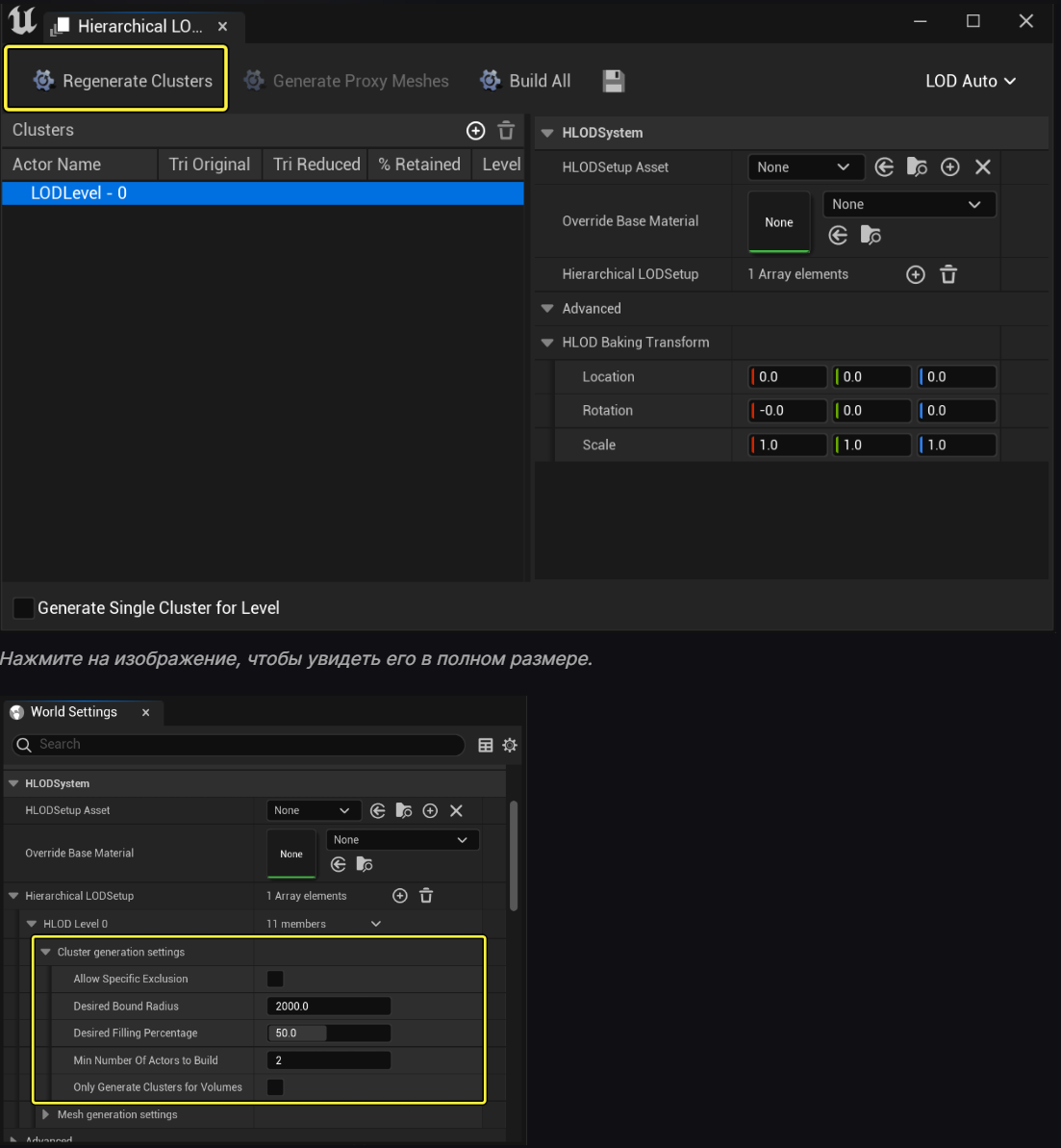
 dark drum
raw spindle
in general it looks like adding a reference to another component in an actor in ...
dark drum
raw spindle
in general it looks like adding a reference to another component in an actor in ...
You can dynamically spawn the components at runtime. Alternatively, you can use the get components by class to get and set at runtime. You can add a tag to them to distinguish them if needed.
crimson briar
I usually make an Initialize function on the component with inputs for what needs to be passed. And fill it in the actor begin play. I rarely use actor tags for this, since you need to manualy type them in each time.
maiden wadi
It is kind of annoying that you can't use the vector display helpers from a component it seems. I might dig into engine later tonight and see if I can find how hard that would be to make work.
Cause realistically this system should be an array of vectors for each type and a soundbase. So that you can play the sound at each location. Maybe not necessary for some games, but like if you're up close to the vehicle, you expect to hear a thrust sound closer to each thruster.
spark steppe
just put sockets on the mesh?!
that's what i do for lights, exhausts, sounds on vehicles
 azure notch
hello ! I'm just trying to Print something in the console pressing a key using the enhanced input system but it seems just impossible

I don't know what I'm doing wrong
It just feel impossible

If someone can help, really it's so frustrating
spark steppe
is input enabled on that actor?
azure notch
spark steppe
is input enabled on that actor?
Is it in the details when clicking on the actor ?
spark steppe
i think only for pawns/characters/etc
spark steppe
there's also a node to enable it for normal actors (just can't recall the exact name)
e.g. you could do that after adding your mapping context
does your input work now?
azure notch

This was on disabled instead of player 0
yes it seems to work
Thank you. I'm new to unreal and there is some info that seems impossible to find
Thank you so much !
 sharp idol
Hi. I am using UE 5.7. I am trying to implementing Interaction PRO that i bought on FAB. It works fine if i want one mesh to get the Highlight Material. But i cannot add more than one mesh to "Static Mesh". Kind of frustrating when it works fine with for example the "Set Overlay Material" node. I thought that "Pawn root" would do the trick, that all the Static Mesh Components would highlight, but no.
Do you have an idea how to cheat this? I have a light switch with several parts that i want to highlight at the same time. Not just one part at the time.
What can i do? Is there a node that i could use for this? Like a sequence node but for these kind of nodes? All these mesh nodes connected to one node, and from that one into "Static Mesh"?
Bare with me, i am a newbie and asking newbie questions 🙂

 dark drum
sharp idol
Hi. I am using UE 5.7. I am trying to implementing Interaction PRO that i bought...
dark drum
sharp idol
Hi. I am using UE 5.7. I am trying to implementing Interaction PRO that i bought...
You'll need to contact the author of the plugin. It's unlikely anyone here will know how the system works.
sharp idol
Thank you for the answer. You are probably right. I did that yesterday, but no answer yet. I guess i need more patience 🙂
raw spindle
dark drum
You can dynamically spawn the components at runtime. Alternatively, you can use ...
For sure, I was just hoping for a solution that let me select the components in the editor
 livid flare
Hi in a delivery game scenario when there's one Character + one object to deliver + one client actor to receive the delivery, so these actors will always be loaded into the scene, is a good thing to use casting between actors? I'm using a BP interface at moment and I'm trying to reduce castings but in a simple scenario like that seems overkill and if I'm not mistaken a direct cast is faster than a soft reference, so I feel a bit lost here 🙂
dark drum
livid flare
Hi in a delivery game scenario when there's one Character + one object to delive...
The main purpose of an interface is when you have different classes that don't share a common parent but need to implement the same set of functions.
What is a deliverable? Do they have a common parent? If not, does making them have a base class make sense?
full badge
raw spindle
For sure, I was just hoping for a solution that let me select the components in ...
my own way of doing this is by having a structure like
{
reference to an actor
component name
}
and have a function to convert the structure to reference to component, by
get object path of the actor
append .component name after the string
convert the string to soft reference and resolve it
it's not the best solution since it's based on component name
faint pasture
livid flare
Hi in a delivery game scenario when there's one Character + one object to delive...
Is there only ever one actor class that is the deliverable, one actor class that can recieve the deliverable, and one actor class that can carry / deliver it?
In that case don't overthink it, just do the thing with those classes. If it gets to where you want many different things that are deliverable I'd reach to a component first. Component can do almost anything an interface can, with the addition of being able to hold state.
You'd go for a component or interface if you wanted to be able to add "deliverability" to ARBITRARY classes. Like if you wanted to make a dog deliverable, or a vehicle.
livid flare
Hi @dark drum @faint pasture The delivered is just a single actor and it only change the mesh and the type of mesh using a SM and a enum variable inside the client actor
faint pasture
If it's simple:
Base class of deliverer (Character probably) -> other subclasses (Jim, Jeff, Fido)
Base class of Deliverable -> other subclasses (pizza, box, drugs)
Base class of RecieveThingy -> other subclasses (mailbox, slot, PO box)
If it's more complex:
DelivererComponent -> add to any actor
DeliverableComponent -> add to any actor
RecieveDeliveryComponent -> add to any actor
livid flare
Thanks, yeah is the first one very simple 🙂
I was looking into the character size map and I saw more than 600 MB occupied by the BP interface.. not sure why
livid flare
I always prefer using event dispatcher but this time I wanted to try something different 🙂 but looks like using interfaces it's the correct way to do stuff, still learning this basic stuff, is not encouraging 😄
dark drum
livid flare
I was looking into the character size map and I saw more than 600 MB occupied by...
Yea, if you use a specific object type as an input/output on a function, anything that implements the interfaces loads them as well, even if they don't implement the specific functions with the specific input/output.
maiden wadi
Interfaces and dispatchers and casting are not interchangeable. They cannot be replaced with each other.
dark drum
livid flare
I always prefer using event dispatcher but this time I wanted to try something d...
I rarely use interfaces. They're often over used by many people.
livid flare
dark drum
I rarely use interfaces. They're often over used by many people.
Nice to hear that!
maiden wadi
Inheritance gives you identity. This is a type of thing.
Composition(Components) give you capability that is reusable despite the type of thing. A lockbox and a character both have a mesh, and they both have an inventory. A mesh component is reusable despite the type. An inventory component is reusable despite the type.
An interface is a contract between things that cannot be compositional or typed.
If your system uses composition, you don't need to cast, you can pull the component off of any level of actor pointer with find component functions.
If you're trying to do something with a type, that type should have a code only parent class that defined the type with functions implemented for the type, so that you can cast to that which is practically free for memory linkers because it won't drag along meshes and sounds and whatnot.
An interface is not a fix for not understanding or not using the previous two points correctly.
livid flare
Thanks @maiden wadi
faint pasture
maiden wadi
Interfaces and dispatchers and casting are not interchangeable. They cannot be r...
What can an interface do that a component + dispatcher can't do? I suppose return.
dark drum
faint pasture
What can an interface do that a component + dispatcher can't do? I suppose retu...
Yea returning a value is one. You can also put them on non actors.
faint pasture
I'll be honest I have exactly zero interfaces in my entire set of projects
crimson briar
Oh yeah. I have an interface that when a custom mesh component gets an interaction it passes it to it's parent with it's index.
But I don't use them that much, interaction is the only thing that I use them for. And I don't even have a reason for it, I just started it like this
faint pasture
I like interaction with a component, then you can have interaction state like CurrentInteractingPawn or if it's a scene component, where the interaction should take place
dark drum
faint pasture
I like interaction with a component, then you can have interaction state like Cu...
I'm with you on this one. It allows for more complex interactions in my opinion.
pine carbon
What is the approach to debugging issues that only appear in release builds?
Not a workflow I've developed yet.
pine carbon
By issue, I specifically mean crashes.
maiden wadi
pine carbon
What is the approach to debugging issues that only appear in release builds?
TLDR, hope you get symbols, and use them to look at the crashing code and or logs
pine carbon
Where do I see symbols?
maiden wadi
I'm not sure how that works on a packaged build. If it's same as editor, you get them from compiling source. If you're using a launcher engine there's a setting for them in the engine install settings.
pine carbon
All I get is a windows popup that says "Fatal Error!"
maiden wadi
pine carbon
All I get is a windows popup that says "Fatal Error!"
What build type? Development, or Shipping?
pine carbon
Shipping.
maiden wadi
You don't get the crash in a dev cooked build?
pine carbon
Haven't tried (I did not make the build I'm testing). How do I do that?
pine carbon
Alternately, is there a way to make play-in-editor closer to what happens when you build?
maiden wadi
pine carbon
Alternately, is there a way to make play-in-editor closer to what happens when y...
Yes/No. You can use Standalone mode. Which launches a separate process and functions closer to what you expect in cooked.
But a cooked build cuts out a Looooot of code behind WITH_EDITOR checks. So Dev cooked build is your closest chance to being close to shipping.
pine carbon
Standalone does not throw errors, unfortunately.
 narrow sentinel
would have thought I'm doing that right

sorted it, I believe I had a random space after the _ which I didn't see
pine carbon
Well, I managed to get a development build, but it throws this.

Shipping build does not do this.
 grizzled goblet
I made the player be able to jump in this cart but it constantly jitters while they are inside, anyone know how to fix it?
 stiff swift
Looks like collision maybe?
grizzled goblet
What about the collision though?
dark drum
pine carbon
Well, I managed to get a development build, but it throws this.
Is this a BP only project?
dark drum
grizzled goblet
I made the player be able to jump in this cart but it constantly jitters while t...
Is the character attached to the cart or just placed inside?
grizzled goblet
dark drum
Is the character attached to the cart or just placed inside?
They have free will to jump inside at any time, they're not attached
dark drum
grizzled goblet
They have free will to jump inside at any time, they're not attached
There's a physics setting to do with if it can be used as a base. I can't remember the exact name but it's to help allow things to move with the things they are on. It might be worth checking out.
pine carbon
dark drum
Is this a BP only project?
No.
Although the problem is almost definitely occuring in a blueprint.
Is there a way to get information out of something built for shipping?
Like, echo to system console or something?
dark drum
pine carbon
Is there a way to get information out of something built for shipping?
I'm not sure to be honest. Have you reparented any classes recently?
pine carbon
No.
dark drum
pine carbon
No.
During the build, do you get any warnings?
dark drum
pine carbon
Hundreds. None of which I can do anything about.
It might be worth taking a closer look at some of them. Sometimes it might detect a mismatch that can cause this type of error. Particually for BP based issues.
pine carbon
I don't think that's likely. By making many builds and changing materials at different points in the code, I've narrowed down the issue to be happening somewhere here.

GetButton goes in here.
 dark drum
I had one issue once where I had duplicated some functions (and modified) in a FuncLib and all the world context nodes broke but only in a build. I had to replace them but it flagged something was up in the build logs.
pine carbon
The error definitely occurs when this is called.
It MIGHT be when it gets called multiple times on the same frame, but I'm having trouble confirming that. It seems to be any time this is called.
But it runs flawlessly in editor.
And the project won't build properly in anything other than Shipping mode.
So I can't test those.
I am wondering if Player ID is accessing an invalid number somehow, but I need a way to check.
dark drum
pine carbon
The error definitely occurs when this is called.
How do you know? The assertion failed is from the 'EventDrivenCreateExport' function and is referrering to a class type mismatch.
pine carbon
dark drum
How do you know? The assertion failed is from the 'EventDrivenCreateExport' func...
I made a function that changes the material on my players and slapped it around the code until I found roughly where the error was happening.
Oh wait.
We might be misunderstanding each other. That assertion error was for building in Development or Debug Mode.
The REAL problem is that my game crashes in a Shipping Build in a way that it doesn't in-editor.
Because of the assertion error, I can't check Development or Debug.
And in the meantime, I've been making a bunch of Release builds to try and nail down the problem.
dark drum
pine carbon
We might be misunderstanding each other. That assertion error was for building i...
This could be related. Assertions is just a forced crash during development if something you expect to be a particular way but isn't. During a shipping build, you wouldn't get the assertion but that actual crash it was warning you about.
So the assertion is warning of a class mismatch. During a shipping build, if it actually attempts to do something with said class, because of the mismatch would cause the crash.
pine carbon
dark drum
This could be related. Assertions is just a forced crash during development if s...
The assertion occurs at startup and never gets further than that. The crash happens at a very specific point in a specific level.
Specifically, that assertion leaves you on a black screen.
dark drum
pine carbon
Specifically, that assertion leaves you on a black screen.
What's supposed to happen? Loading a level or something like that?
dark drum
pine carbon
Loading the start screen.
Is the start screen a unique level?
dark drum
pine carbon
It's not the one causing problems in Shipping.
Why are you telling me about it then? Im struggling to understand at what point the crash is happening.
You said it was at a specific point when you try to load the start screen.
pine carbon
dark drum
Why are you telling me about it then? Im struggling to understand at what point ...
No, it's a specific point in a minigame, in Shipping Mode. There is a different, and as far as I can tell unrelated issue that happens when I try to make a Development or Debug build. That's the black screen assertion error.
I can see how I've been confusing, sorry.
Shipping Mode builds and runs properly but crashes at one specific spot. Debug and Development will build but immidiately cause that assertion error and forever remain a black screen.
Sometimes they don't even have the courtesy of displaying the assertion error, but remain a black screen all the same.
dark drum
pine carbon
Shipping Mode builds and runs properly but crashes at one specific spot. Debug a...
So in the shipping build, at what point does it crash? What should happen?
pine carbon
It's a rhythm game. It crashes when players miss an input.
It should kill them.
The error is not in the kill function, because it can also be triggered by entering a wrong input and that works.
dark drum
pine carbon
It should kill them.
So missing or entering the wrong input should do the same thing? Entering the wrong one works fine but missing one crashes the game?
dark drum
pine carbon
Yup.
Can you show the logic chain for both missing and wrong input?
dark drum
pine carbon
Only in Shipping. That's why it's so gosh dang annoying.
Yea, shipping only bugs can be a pain. 😅 I had one a few years ago where NPC's just randomally got destroyed. Turned out they were falling through the world when they were first spawned lol.
pine carbon
This is Missed. It runs every beat. If a player pressed a button recently, they're tagged as having done so. This only returns false if a player has not pressed a button this beat, and they have a button assigned to them. The error only occurs when GetButton returns not None as far as I can tell.
 pine carbon
dark drum
Yea, shipping only bugs can be a pain. 😅 I had one a few years ago where NPC's...
pine carbon
dark drum
Yea, shipping only bugs can be a pain. 😅 I had one a few years ago where NPC's...
Oh I had that too. I just disabled their gravity since they don't move in this game.
This is the missed logic. It's also the correct logic. Whenever a player presses a button, they get tagged as pressed, (the Tag array is depreciated, it's the "Add Tag" message function that matters), and a signal is dispatched to the game mode saying who pressed it, when they pressed it, what they pressed, and if it was correct.

This is the receiver for that dispatcher.

This is the receiver for the Missed dispatcher.
 dark drum
pine carbon
This is the receiver for the Missed dispatcher.
dark drum
pine carbon
This is the receiver for the Missed dispatcher.
How is 'OnMissedInput' called?
pine carbon
OnWindowClosedBar is from a Harmonix clock.

The inputs for the game scroll down from the top of the screen, and CheckMissedInput is called multiple times during that time period.
Without crashing.
It only crashes when it should be returning true, although I think it crashes before it actually does.
frosty heron
Have you checked the log?
The easiest way to debug shipping mode is by including pdb and attaching debugger.
pine carbon
frosty heron
The easiest way to debug shipping mode is by including pdb and attaching debugge...
That sounds perfect. Could you elaborate?
frosty heron
pine carbon
That sounds perfect. Could you elaborate?
You will need to make it a cpp project and have IDE ready.
frosty heron
When packaging theres option to include pdb. I forgot where but you can ask aroubd.
pine carbon
What's pdb?
frosty heron
Then you can attach debugger when you run the shipped.exe
frosty heron
pine carbon
What's pdb?
Basically whats needed to debug the game.