#Osprey Inspired VTOL?
1 messages · Page 1 of 1 (latest)
 pulsar bridge
 pearl folio
e
pulsar bridge

rn im tryna like
not have turbulent edges
I like laminar flow lol

the original osprey has a rounded edge that eventually buldges out to support the landing gear
I guess ill have a slightly smaller profile that it lofts into

cant really tell if thats any better lol
pearl folio
Is that a chamfer
 pearl folio
pulsar bridge
just a lofted piece
Elaborate
pulsar bridge
I just sketched up some smaller 2d plane
that fits in the larger one
and lofted it to that secondary piece
idk how to smooth out the nose tho
can I loft the entire nose area into one small circle, and then filet that circle?
pearl folio
Im not sure what you mean
Its difficult to work on the nose starting from that shape
Here's an old model I made last year
 pulsar bridge
like
can you describe how you made that in general terms?
I tried to just follow the osprey model I downloaded and extrude it but like you mentioned its extremely difficult to compose a nose from this
pearl folio
Loft nose
Loft fuselage
Loft wing
Mirror wing
Loft tail
pulsar bridge
loft nose from a starting cylinder?
pearl folio
Just loft from the very beginning
pulsar bridge
loft what
what are the two profiles you are lofting when you have nothing lol
I create a sketch for the nose, and loft that with a second sketch with a fuselage
and then loft that with the tail is that what ur saying?
pearl folio
I set up my planes and make a sketch
Then project and modify the sketch for the rest of the planes
Planes as in a geometry plane
pearl folio
Yeah
pulsar bridge
and you loft that into the fuselage which is... a larger circle, or did you actually describe the geometry with more detail
ie is ur fuselage a bunch of lines with detail?
pearl folio
Like this
 pulsar bridge
is that caita?
pearl folio
This is solidworks
Should translate to Fusion pretty well
I hope
Heres a better example

 pulsar bridge
pearl folio
Like this
cuz that seems like it roughly equates to the this geometry
pearl folio
See how the front consist of different shapes on each plane, and regulated with a guide curve
pulsar bridge
yeah I do
pearl folio
I think to start it would be best to start with the guide curve
So make a curve that is the top half of your plane
Im not 100% sure if Fusion handles guide curves the same way solidworks does
pearl folio
The loft is forced to follow the curve
Otherwise it comes up with random stuff
pearl folio
pearl folio
Heres a better example
This one has two guide curves
A top one and a bottom one
It's how you control the space between the sketches
It might be rails yeah
pulsar bridge
pearl folio
Like this
ohhh
pearl folio
Exactly
pearl folio
Yes
pulsar bridge
pearl folio
Like this
in this pic?
pulsar bridge
pearl folio
Heres a better example
and in this one, you lofted to a tiny circle with rails that describe it as linear with those specific angles
pearl folio
pulsar bridge
and in this one, you lofted to a tiny circle with rails that describe it as line...
Yeah that one has two rails
pulsar bridge
so should I do the 2 rails first for the top and bottom?
pearl folio
That's how I'd do it
And when you make your sketches, the sketch needs to "pierce" the rail somewhere
Rail needs to pierce with the sketch otherwise you'll get an error
Also to close the nose you'll probably need to define a point
pulsar bridge
okay so I have my rails
and now I can just make a circle and do a loft to the fuselage circle?

the rails are roughly the length/width I want the fuselage, a bit smaller
pearl folio
Ideally you want as many sketches as you need to form the shape you want
pearl folio
pulsar bridge
the rails are roughly the length/width I want the fuselage, a bit smaller
Are the rails only straight lines or can you make them splines?
pulsar bridge
I can do a spline
not really sure why I would want one tho
ig to describe the curve on the sides
pearl folio
pearl folio
Heres a better example
Well look here
My guide curves (pink stripped lines) curve to form the shape of the nose
pearl folio
Yes
pulsar bridge
wait why does that make so much sense now
I can just create a crap ton of sketches definiing the exact geometry and then basically just, loft them all together?
pearl folio
Yes
pulsar bridge
thats awesome
ig the only missing piece here is tuning the CG
but I can just change infill to get the CG and center of lift in the right spots?
ik its kinda cheating but it might work
pearl folio
Just don't be too upset if you are getting errors when you first try using the lofts
It's one of the most touchy tools in general from my experience
Especially the catia version
Dear God
pulsar bridge
lol
I go to an aerospace university and everyone hates catia
from what ive heard its pretty bad
maybe ppl are just naive tho idk
pulsar bridge
pearl folio
Just don't be too upset if you are getting errors when you first try using the l...
I have very few expectations considering this is my first time even using CAD software
ive been programming for like 10 years tho, have done a lot of graphics programming and voxel stuff so CAD makes sense to me
pearl folio
It's not bad
A little more analog than the others
Where SolidWorks and presumably Fusion 360 can kinda understand what you're trying to do, you have to tell CATIA exactly what you want
There's just better cad options available nowadays though
pulsar bridge
I always used sketches as little as possible but now it makes more sense, you are supposed to use sketches to pretty much define your exact build and then only really extrude once you have the final layout
pearl folio
I went to an engineer convention and most use Creo and Siemens NX now
pulsar bridge
ooh
I want to also try autodesk CFD on my build
I get it with my uni
and have a decently powerful computer to run it
I also have $100 in AWS credits that I could burn
pearl folio
I have a little CFD add on with my solidworks
pulsar bridge
but if I do that it would mainly be surrounding ground effect and vtol stability
pearl folio
Though I'd like to learn Ansys
pulsar bridge
idc that much about forward flight stability, its pretty trivial to test and prototype
but vtol will require one hell of a PID and a tonnn of fine tuning
pearl folio
Designing and programming the tilt is what's gonna get you
pearl folio
I'd reallllllly stick to fixed wing
pulsar bridge
pearl folio
I'd reallllllly stick to fixed wing
you havent heard the craziest part yet 😭
but theres a specific reason I want vtol
tbh I would just make a quadcopter but I want the fixed wing to improve range
pearl folio
Fair enough
pulsar bridge
I need vtol capabilities but ideally long flight time
pearl folio
Have you considered a quad plane
pulsar bridge
tbh havent even heard of them
pearl folio
If you do osprey style specifically you have to achieve full vertical Flight control with only two motors
Which is gonna be hell I think
pulsar bridge
wdym
the elevator will still have some authority
and rudders might help a tiny tiny bit
pulsar bridge
💀
so I need perfect CG basically
any imbalance and the elevator wont be able to compensate
pearl folio
The control surfaces are irrelevant
pearl folio
You'd only have the motors to control yourself
pulsar bridge
so id probably need the ability for the props to angle more than full vertical
ie backwards a bit
pearl folio
If they move forward backward to create yaw moment then yeah
pulsar bridge
theres probably a good reason most people havent really tried to diy a vtol drone
but idk im bold ig?
hopefully not hopelessly naive about it
pearl folio
DIY quad planes get done
pulsar bridge
true but like
pearl folio
Osprey style is huge challenge
pulsar bridge
what makes it so challenging
assuming the geometry is good
CG is good
and the motors have very fast response time for throttle and tilt
and I have a good, high frequency PID loop
pearl folio
Like I said, you have to achieve control with only two motors
pulsar bridge
im a little confused on why that is such a difficult task if you have all of the above figured out
like as long as the two motors give you the authority you need to correct, it should be do-able?
pearl folio
Tilting the motors forwards and backwards to control yaw seems like a challenge, no?
And then there's roll
pearl folio
Osprey has cyclic controls
pearl folio
Unless you want to design a helicopter engine on top of everything else
pulsar bridge
lol
nah im good
unless something like this already exists
but it doesnt seem like it does
pearl folio
I've seen Osprey RC models
Never seen that configuration used professionally in drone form
All the drone companies use quad plane in that case
pulsar bridge
I could try buying cheap rc helicopters and reusing the cyclic mechanisms in them lol
pearl folio
That's true
pulsar bridge
but yeah
in this form factor it would be near impossible to have pitch control without gears and other complex mechanisms
I dont think you can get a servo/motor small enough to reasonably fit it in the same assembly
I mean like maybe, but programming the PID and everything else for it would be very difficult to say the least
pearl folio
I think with the swinging motors you could get pitch and yaw
But then roll would be a nightmare
pearl folio
Then you have a tricopter
pulsar bridge
fixed wing tricopter?
pearl folio
That could work I think
pulsar bridge
fixed wing tricopter actually sounds kinda cool
pearl folio
The back rotor would be idle during forward flight
pulsar bridge
pearl folio
The back rotor would be idle during forward flight
or just propel it forwards
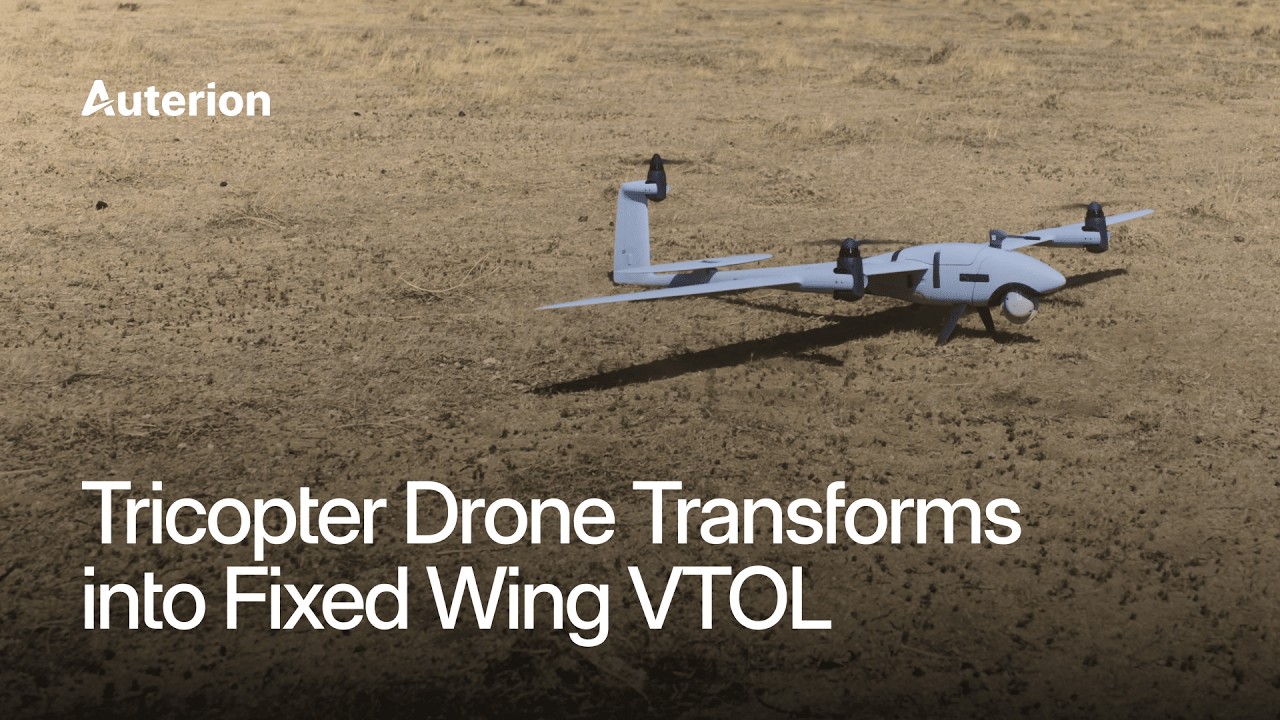
Vector and Scorpion is a Two-in-one rucksack portable drone system Engineered by Quantum-Systems and powered by Auterion.
Vector is a flexible Hybrid Vertical Take-Off and Landing (VTOL) sUAS that provides an endurance of 120 minutes and a 15 km radio link range enabled by a military grade encrypted mesh IP data link. Automated precision take-...
pearl folio
Yeah that could work
Again if you've never built a RC before I'd start simple
There's challenges associated with traditional drones and challenges associated with fixed wing drones
And I wouldn't want to take on both at the same time
Traditional will deal more with control and programming while fixed wing will deal with aerodynamics
If you decided to build something like that, I would design it fully in CAD
Then build only the frame with electronics and motors. Once you can get that to fly around comfortably then you implement the aero parts
If you jumped straight to the Vtol winged prototype you'll probably find yourself dealing with a lot of problems at once
pulsar bridge
yeah ur right
ill do a simple fixed wing drone to start
once I get my printer ill prototype something and order some motors and all the other stuff
pearl folio
Don't forget center of lift and mass
Those tend to be kinda important when it comes to fixed wing
pulsar bridge
will order some props and build my first frame prototype sometime next month
I wanna do lithium ion
but I would have to find some BMS to use
pulsar bridge
but lower density right