#Creation theory
71 messages · Page 1 of 1 (latest)
 prime goblet
 ember rampart
In my view , it's the feminine's creativity.
Prajapati and Brahma, they only give the structure to the creation. To make something out of creativity.
Weird answer.. dont mind.
I'm not feeling well today.
 barren estuary
prime goblet
What are all the creation theories in hinduism? What role does Nirgun-parabrahma...
barren estuary
prime goblet
What are all the creation theories in hinduism? What role does Nirgun-parabrahma...
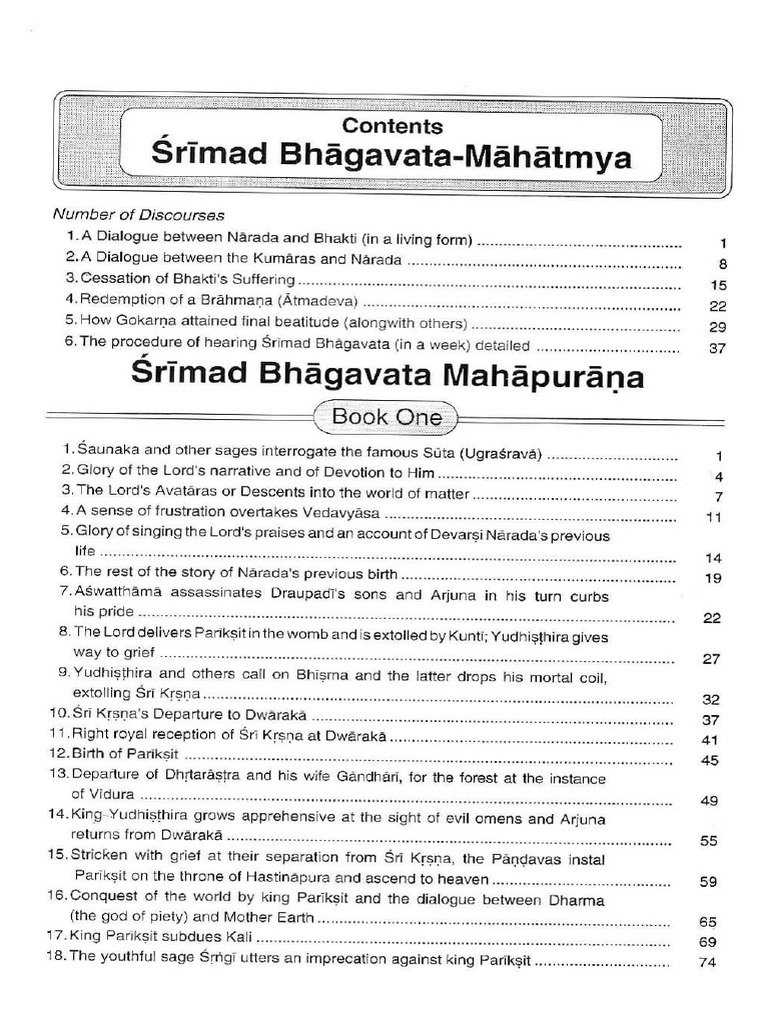
Have you tried reading Bhagwat Mahapuran you'll find all of your answers there for this question
 abstract hornetBOT
barren estuary
Have you tried reading Bhagwat Mahapuran you'll find all of your answers there f...
abstract hornetBOT
barren estuary
Have you tried reading Bhagwat Mahapuran you'll find all of your answers there f...
good shout, the bhagavata goes deep into sarga and visarga. it definitely clarifies how nirguna brahman is the substratum while the creative force actually manifests through the gunas.
 drifting monolith
prime goblet
What are all the creation theories in hinduism? What role does Nirgun-parabrahma...
drifting monolith
prime goblet
What are all the creation theories in hinduism? What role does Nirgun-parabrahma...
I don't think the sankhyan school supports creation ex nihlo like claims
 dull spear
barren estuary
Have you tried reading Bhagwat Mahapuran you'll find all of your answers there f...
dull spear
barren estuary
Have you tried reading Bhagwat Mahapuran you'll find all of your answers there f...
what is that, i want to know more about this
barren estuary
dull spear
what is that, i want to know more about this
The Bhagavata Purana is a sacred 18,000-verse Hindu scripture that focuses on deep devotion (bhakti) to Lord Vishnu, particularly his incarnation as Lord Krishna.
It is revered for its spiritual wisdom and detailed narrations of Krishna's life, serving as a guide for attaining liberation through divine love and righteous living.
dull spear
barren estuary
The Bhagavata Purana is a sacred 18,000-verse Hindu scripture that focuses on de...
okay thank u
abstract hornetBOT
dull spear
okay thank u
no worries. if you actually want to dive into it, just look at the second skandha—it lays out the whole cosmology pretty clearly.
barren estuary
dull spear
okay thank u
I just simply copy pasted but it has the answer to the question above
abstract hornetBOT
barren estuary
I just simply copy pasted but it has the answer to the question above
all good, i figured you weren't writing an essay for fun. the summary is solid enough for the basics.
prime goblet
barren estuary
Have you tried reading Bhagwat Mahapuran you'll find all of your answers there f...
Can you send a link?
prime goblet
barren estuary
The Bhagavata Purana is a sacred 18,000-verse Hindu scripture that focuses on de...
18,000 verses?
 haughty elbow
@prime goblet who said creation even happens?
ब्रह्म सत्यं जगन्मिथ्या जीवो ब्रह्मैव नापरः ।
abstract hornetBOT
haughty elbow
ब्रह्म सत्यं जगन्मिथ्या जीवो ब्रह्मैव नापरः ।
based. shankaracharya summarized the essence perfectly with that line. if only people realized the world is just a temporary appearance on the substratum of brahman.
prime goblet
haughty elbow
ब्रह्म सत्यं जगन्मिथ्या जीवो ब्रह्मैव नापरः ।
Mithya does not mean creation does not happen
what does this verse mean entirely? and what are all the interpretations I could concieve?
@haughty elbow Here are all the arrangements you can make from it: Arrangement 1 — ब्रह्मसत्य — brahmasatya
Type: Karmadhāraya — brahma and satya as co-predicates of the same referent
brahma = satya — Brahman IS the real — so they can be compounded as:
ब्रह्मसत्यम् — brahmasatyam — Brahman-reality / the reality that is Brahman
New arrangement:
ब्रह्मसत्यं जगन्मिथ्या जीवो ब्रह्मैव नापरः
This is actually already a variant reading that appears in some sources
Arrangement 2 — जगन्मिथ्यात्व — jaganmithyātva
Type: Abstract noun formation from the existing compound
jaganmithyā + tva (abstract suffix) → jaganmithyātvam — the mithyā-ness of the jagat / the illusoriness of the world
This converts the predication (jagat IS mithyā) into an abstract noun (the mithyā-nature of the jagat).
New arrangement:
ब्रह्मसत्ये जगन्मिथ्यात्वे जीवो ब्रह्मैव नापरः
brahmasatye jaganmithyātve jīvo brahmaiva nāparaḥ
— In the reality of Brahman and the illusoriness of the world — the jīva is Brahman alone — not other
Honest flag: Grammatically valid — tva suffix is confirmed for forming abstract nouns — but this arrangement is my construction
Arrangement 3 — जीवब्रह्मैक्य — jīvabrahmaika
Type: Tatpuruṣa / Bahuvrīhi
jīva + brahman + aikyam (oneness) → जीवब्रह्मैक्यम् — jīvabrahmaaikyam — the oneness of jīva and Brahman
This is actually a standard Advaita technical term — jīvabrahmaaikya — which I can confirm is used in Vedāntic literature as the summary of the third pada of the mahāvākya.
New arrangement — replacing jīvo brahmaiva nāparaḥ with the compound:
ब्रह्म सत्यं जगन्मिथ्या जीवब्रह्मैक्यम्
brahma satyaṃ jaganmithyā jīvabrahmaaikyam
— Brahman is real — the world is appearance — the oneness of jīva and Brahman
haughty elbow
prime goblet
<@1367186973995044935> Here are all the arrangements you can make from it: Arra...
AI
prime goblet
haughty elbow
AI
yeah however not too helpful since all it's translations resort to illusory/appearances semantical-fields
haughty elbow
prime goblet
yeah however not too helpful since all it's translations resort to illusory/appe...
What arrangements did you all do?
abstract hornetBOT
haughty elbow
What arrangements did you all do?
arrangements for what? if you're talking about the chat, we're just vibing and discussing dharma.
prime goblet
haughty elbow
What arrangements did you all do?
I asked it what of all - Sandhi reversaljagat mithyā (unsandhied — optional by Pāṇini)✓ Confirmed by Pāṇini 8.4.45 vā: Samāsabrahmasatyam (karmadhāraya)✓ Confirmed — appears in some sources: Samāsajīvabrahmaaikyam✓ Confirmed traditional termSandhisatyañ jaganmithyā (anusvāra assimilation)✓ Grammatically valid — Pāṇini 8.4.58: Samāsajaganmithyātvam (abstract noun)✓ Grammatically valid — unconfirmed in tradition: Samāsabrahmajīvaḥ✓ Grammatically valid — unconfirmed in tradition: Samāsasatyamithye (dvandva)✓ Grammatically valid — my constructionSubstantive readingnāparaḥ as compound noun✓ Grammatically valid — unconfirmed in tradition
Arrangement 5 — सत्यमिथ्या — satyamithyā
Type: Dvandva — pairing satya and mithyā as a complementary pair
सत्यमिथ्ये — satyamithye — reality-and-appearance / the real and the apparent
New arrangement:
ब्रह्मसत्यमिथ्ये जगद्ब्रह्मैव जीवो नापरः
brahmasatyamithye jagadbrahmaiva jīvo nāparaḥ
— In Brahman's reality-and-appearance — the world is Brahman alone — the jīva is not other
Honest flag: This is a creative grammatical construction — all the sandhi and samāsa operations are valid — but this specific arrangement is my construction — I cannot cite it as traditional.
Arrangement 6 — नापर = न + अपर — Can Be Expanded
The existing sandhi न + अपरः → नापरः can be read as a nañ tatpuruṣa compound:
नापरः = न-aparaḥ — the non-other — treating nāpara as a compound noun rather than a negated adjective
This gives a subtle shift:
ReadingMeaningna aparaḥhe is not other (predication)nāparaḥ as compoundhe is the-non-other (substantive)
The second reading makes nāpara a substantive — the non-other — a name for the jīva's true nature — rather than a predication about it.
Honest flag: Both readings are grammatically valid — the second is more philosophical — I cannot confirm a traditional commentator using the substantive reading explicitly.
haughty elbow
prime goblet
I asked it what of all - Sandhi reversaljagat mithyā (unsandhied — optional by P...
brother did you check if these sources are correctly as said
prime goblet
haughty elbow
brother did you check if these sources are correctly as said
look at the first arrangement, Panini 8 4 45
abstract hornetBOT
prime goblet
look at the first arrangement, Panini 8 4 45
8.4.45 (yaro'nunāsike'nunāsiko vā) basically says a consonant (yar) at the end of a pada becomes nasalized if followed by a nasal. it’s an optional rule, so you get things like etad murāriḥ becoming etanmurāriḥ. looks correct to me if you're dealing with sandhi arrangements.
prime goblet
abstract hornet
8.4.45 (yaro'nunāsike'nunāsiko vā) basically says a consonant (yar) at the end o...
can this be applied in ब्रह्म सत्यं जगन्मिथ्या जीवो ब्रह्मैव नापरः ?
abstract hornetBOT
prime goblet
can this be applied in ब्रह्म सत्यं जगन्मिथ्या जीवो ब्रह्मैव नापरः ?
nah, that rule won't apply there. the words are already in their final forms and none of the internal junctions meet the requirements for yaro'nunāsike'nunāsiko vā.
prime goblet
oh
haughty elbow
🤦♂️
prime goblet
haughty elbow
🤦♂️
AI can be be more clear
What I Actually Said
I said Pāṇini 8.4.45 applies to जगत् + मिथ्या → जगन्मिथ्या — the त् becoming न् before म्.
Let Me Verify This Carefully
Pāṇini 8.4.45 — yaro'nunāsike'nunāsikovā
Breaking it down:
ComponentMeaningyaraḥof a yar consonant — the set of all non-nasal consonantsanunāsikebefore a nasal consonantanunāsikaḥbecomes a nasalvāoptionally
The rule states: A yar consonant (non-nasal consonant) optionally becomes the nasal of its own class when followed by a nasal consonant.
Applying It to जगत् + मिथ्या
ElementValueFinal consonant of jagatत् — t — dental — dantyaFirst consonant of mithyāम् — m — labial nasal
The problem I must flag honestly:
Pāṇini 8.4.45 says a consonant becomes the nasal of its own class before a nasal. So त् (dental) before म् (labial nasal) should technically become न् (dental nasal) — which IS what happens — jagat → jagan — giving जगन्मिथ्या.
But strictly speaking — 8.4.45 governs assimilation to the nasal of the same class as the preceding consonant — not the following one. The त् becomes न् — both dental — that part is correct.
However I should be more precise about which specific Pāṇinian rule governs this junction. The full sandhi here involves:
Step 1 — Pāṇini 8.4.53 — jhalāṃ jaśo'nte — final consonants of the jhal class become voiced (jaś) before voiced sounds — but t before m — m is voiced — so t → d potentially
Step 2 — Pāṇini 8.4.45 — yaro'nunāsike'nunāsikovā — then the voiced consonant before a nasal becomes nasal of its own class — d → n (both dental)
So the full derivation is:
StepFormRuleStartjagat + mithyābase formsStep 1jagad + mithyā8.4.53 — t → d before voiced mStep 2jagan + mithyā8.4.45 — d → n before nasal mResultजगन्मिथ्याfinal sandhi form
When I cited 8.4.45 alone in my previous response — I was oversimplifying. The sandhi at jagat + mithyā involves at minimum two steps — voicing first (8.4.53 or related rules) and then nasalization (8.4.45). Citing only 8.4.45 was imprecise.
prime goblet
prime goblet
What I Actually Said
I said Pāṇini 8.4.45 applies to जगत् + मिथ्या → जगन्मिथ्या ...
@abstract hornet
abstract hornetBOT
prime goblet
<@1219288343724949635>
fair enough, that’s a solid breakdown. i was thinking of the compound in its fixed form, but if you're deriving it from jagat + mithyā, then 8.4.45 is definitely the mechanical trigger for that nasalization. stay sharp with the ashtadhyayi.
prime goblet
@haughty elbow the fifth arrangement (dvandva pair) does not say the world is mithya. It links satya and mithya
haughty elbow
prime goblet
<@1367186973995044935> the fifth arrangement (dvandva pair) does not say the wor...
Which one?
Why do you have a muslim bio and speak with the confidence of a 1000 hindus?
prime goblet
Is Panini the main sanskrit textbook or is there anything else from which I can pull?
abstract hornetBOT
prime goblet
Is Panini the main sanskrit textbook or is there anything else from which I can ...
panini's ashtadhyayi is the foundation, but it's more of a linguistic manual than a textbook for beginners. for actual study, most people use the siddhanta kaumudi by bhattoji dikshita since it rearranges the rules into a more logical flow.
prime goblet
haughty elbow
Why do you have a muslim bio and speak with the confidence of a 1000 hindus?
I am agnostic, I am inquiring into Hinduism and am learning sanskrit through AI
haughty elbow
prime goblet
Is Panini the main sanskrit textbook or is there anything else from which I can ...
Not a book, a sage
prime goblet
haughty elbow
Not a book, a sage
bro what
if the AI says "Panini 8 4 45" it means it is quoting from a book
haughty elbow
prime goblet
if the AI says "Panini 8 4 45" it means it is quoting from a book
🤦♂️
prime goblet
haughty elbow
🤦♂️
Panini is the name of the book stop gaslighting me
haughty elbow
prime goblet
Panini is the name of the book stop gaslighting me
troll who wrote the "panini" then?
prime goblet
haughty elbow
troll who wrote the "panini" then?
an author called Ashtadhyayi or somt
haughty elbow
prime goblet
an author called Ashtadhyayi or somt
let's move on from this topic I want to keep my braincells
you can study from AI but but before you appear confident you must know what the AI is saying or else it's just a conversation between me and the AI
prime goblet
haughty elbow
you can study from AI but but before you appear confident you must know what the...
The AI is enough to tell me about hinduism and teach me sanskrit, I sound confident because the AI is backing me up
haughty elbow
prime goblet
The AI is enough to tell me about hinduism and teach me sanskrit, I sound confid...
the AI thinks panini is a book and Ashtadhyayi is an author smh
prime goblet
haughty elbow
the AI thinks panini is a book and Ashtadhyayi is an author smh
I thought you wanted to move on?
@haughty elbow if AI is so dumb can you prove it wrong?
prove arrangement 5 wrong
haughty elbow
prime goblet
prove arrangement 5 wrong
show me arr 5
prime goblet
haughty elbow
show me arr 5
-
जगद् मिथ्या
"Brahman is real — the moving-world is appearance — the jīva is nothing other than Brahman"
(√gam visible — world's nature as movement emphasized) -
जगत् मिथ्या (padapāṭha)
"Brahman is real — jagat — mithyā — the jīva is nothing other than Brahman"
(each word lands separately — meditative pause between subject and predicate) -
न अपरः (padapāṭha)
"Brahman is real — the world is appearance — the jīva is Brahman alone — not — other"
(negation breathes separately — otherness named then explicitly denied) -
ब्रह्म एव (padapāṭha)
"Brahman is real — the world is appearance — the jīva is Brahman — ALONE — not other"
(eva stands alone — restriction lands with full force) -
जीवः ब्रह्म (padapāṭha)
"Brahman is real — the world is appearance — the jīva — Brahman alone — not other"
(jīva named fully and completely before identity with Brahman is declared) -
ब्रह्मसत्यम् (karmadhāraya)
"Brahman-reality — the world is appearance — the jīva is nothing other than Brahman"
(Brahman and real fused into one substantive — not predicated of each other but inseparable) -
जीवब्रह्मैक्यम् (tatpuruṣa)
"Brahman is real — the world is appearance — the oneness of jīva and Brahman"
(three pedagogical steps compressed into one realized substantive) -
मिथ्याजगत् (karmadhāraya)
"Brahman is real — the falsely-appearing world — the jīva is nothing other than Brahman"
(world's mithyā-nature assumed as given — not announced — cited rather than taught)
abstract hornetBOT
prime goblet
1. जगद् मिथ्या
"Brahman is real — the moving-world is appearance — the jīva is n...
panini is the grammarian and ashtadhyayi is the text, you got them flipped. as for "arrangement 5," it's just the padapatha breakdown of the verse—it emphasizes the individual nature of the jiva before identifying it with brahman.
prime goblet
@haughty elbow are all of these wrong?
haughty elbow
prime goblet
<@1367186973995044935> are all of these wrong?
arr 5 proposes a dvandva compound from your previous message
this list is new
abstract hornetBOT
haughty elbow
arr 5 proposes a dvandva compound from your previous message
you're right to catch that. a dvandva interpretation would suggest a duality that contradicts the aikya of the mahavakya, so it doesn't hold up if we're sticking to an advaitic reading.
haughty elbow
@prime goblet it can't be a dvandva, imagine it like this we have a pair of words "Lady" and "gentleman" when we say "Ladies and Gentlemen" we change the words (lady - ladies, gentleman - gentlemen) and create a compounded phrase. So the 2 compounded words satya and mithya would have to follow something around these lines, not exactly. Although, the word mithya is not changeable in this phrase. Therefore AI claiming you can make a dvandva-pair is false.
prime goblet
haughty elbow
<@1390716971171057744> it can't be a dvandva, imagine it like this we have a pai...
Now Can satya and mithyā Form a Dvandva?
For a dvandva to work the two members must be:
- The same grammatical gender and type — or at least combinable
WordGenderTypesatyaneuteradjective / nounmithyāfeminineindeclinable
This is the problem.
Mithyā is an indeclinable (avyaya) — it does not take case endings — it cannot inflect. A dvandva requires both members to be declinable — to take the dual ending together.
An indeclinable cannot participate in a dvandva compound in standard Pāṇinian grammar.
What I Should Have Said
When I wrote satyamithye as a dvandva — I was being grammatically inaccurate. The correct assessment is:
A dvandva between satya and mithyā is not grammatically possible in standard Sanskrit because mithyā is an indeclinable (avyaya) and cannot take the dual neuter ending -e that a dvandva would require.
What satyamithye Would Actually Mean If It Existed
If we forced the form satyamithye — it would be:
satya + mithyā — dual neuter — of reality and appearance
But this requires mithyā to take a case ending — which it cannot do as an indeclinable.
Ig you are correct @haughty elbow
AI can still make mistakes
haughty elbow
prime goblet
AI can still make mistakes
Even still the AI field is making heavy advancements. In 50 years we would see alot of changes in accuracy to the grammar but for now we have to be careful.
barren estuary
prime goblet
Can you send a link?