#Not nearly as flashy as some of the
1 messages · Page 1 of 1 (latest)
 flat kiln
Auschwitz
 fossil dew
Not Auschwitz lol its one of the camp buildings from wake island
Better reference photo
 flat kiln
Still very neat
fossil dew
Thanks!
 dry igloo
ohh, you making a map of wake island?
flat kiln
What we really need are mods of buildings, props, and building compositions
A shit ton of modeled buildings with interiors and stuff so that terrain makers can go ham with prefabs
Think CUP Terrains from Arma 3 and how pretty much every modded map used it
fossil dew
dry igloo
ohh, you making a map of wake island?
I'd like to, but the shear amount of objects needed for it to be accurate is pretty staggaring. Its something I like to work on in my free time, but realistically wouldn't get anywhere close to completion anytime soon
dry igloo
Yeah true true
i wanted to learn pacific vegetation and such which is what my little tree models were for learning but it'll take me time
fossil dew
Oh yeah of course, best of luck on that. Even this model I made is far from perfect. Both of us just gotta be plugging away
fossil dew
flat kiln
What we really need are mods of buildings, props, and building compositions
A sh...
In time reforger/Arma 4 will get there. I remember the slow drip in the early days of Arma 3. But I'm in agreement with you. Once packs of props, vegetation, and statics come out, map diversity will sky rocket
dry igloo
its a great start though, way better than any of my attempts at buildings
you can actually tell yours is a building and not a minecraft starter home
 wispy briar
for a first attempt at modeling its not bad at all, most peoples first models look like macaroni art. you have the right mindset with making the side structures with prefabs. the roof on those should be one mesh however that way you don't have the noticeable line, should also have shading which is not really needed for basic shapes but would help with that roof or other shallow angles
fossil dew
wispy briar
for a first attempt at modeling its not bad at all, most peoples first models lo...
Do you mean this portion? If so, I was just trying to copy the angled roof I can see in the photo. I'm also not sure what you mean by shading? Could you elaborate? I do appreciate feedback

Also to clarify, the roof is a separate mesh. The 2x4 and metal portion are all one mesh
wispy briar
the wood doesn't have to be one mesh. its harder to work with if its one giant mesh.
this is how shading is done


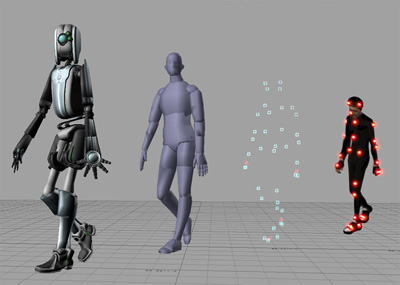
In 3D computer graphics, Phong shading, Phong interpolation, or normal-vector interpolation shading is an interpolation technique for surface shading invented by computer graphics pioneer Bui Tuong Phong. Phong shading interpolates surface normals across rasterized polygons and computes pixel colors based on the interpolated normals and a reflec...
fossil dew
Ohhh nice I see what you mean, I'm going to look into that
 pallid raft
@flat kiln I can start a community mod for props if anyone is interested.
flat kiln
pallid raft
<@594918549307392003> I can start a community mod for props if anyone is interes...
Well of course!