#🪅-progaming
1 messages · Page 104 of 1
 winged mantle
 spark tiger
i got demoted.
winged mantle
oh yea there's stuff like static where linking actually is relevant to the programmer
just add a uuid to the end of the name
 jade stone
Oh, neat!
 crude star
spark tiger
i got demoted.
crude star
spark tiger
i got demoted.
deserved
 median root
whats the actual difference between JIT and interpreted? Every damn "explaination video" I see tells me "Its the computer reading the code" or the "computer directly executing instructions" but last I checked computers didnt just "read code". My other thought was that it could be translating source code into another language to be executed as the program runs, however is this not transpiling?
 frosty obsidian
interpreted languages don't get compiled
jit compiles as its executed rather than beforehand
 fleet cedar
median root
whats the actual difference between JIT and interpreted? Every damn "explainatio...
fleet cedar
median root
whats the actual difference between JIT and interpreted? Every damn "explainatio...
Interpreted iterates over the list of instructions as it runs, jit generates code that runs each instruction
But there's certainly some gray zones
frosty obsidian
jit is a mix of interpreted and aot
 deep mulch
wing detected
fleet cedar
Modern cpus have builtin jits
median root
frosty obsidian
interpreted languages don't get compiled
yeah im asking how this is possible, since computers dont just "read code" and translating it is just transpiling no?
fleet cedar
The processor itself iterates over each instruction as it runs and generates micro-ops that it then runs
frosty obsidian
median root
yeah im asking how this is possible, since computers dont just "read code" and t...
the interpreter does the actual execution
median root
frosty obsidian
the interpreter does the actual execution
and im guessing I must build my own interpreter to understand this?
fleet cedar
It is very educational, yes
median root
or how this is done?
frosty obsidian
you can look into existing interpreters
median root
frosty obsidian
you can look into existing interpreters
I dont wanna read pythons code 😭
 shrewd canopy
median root
I dont wanna read pythons code 😭
shrewd canopy
median root
I dont wanna read pythons code 😭
then read Ruby's interpreter code
 limpid mica
i love interpreters
crude star
ruby the language where random amounts of periods is valid syntax ```
irb(main):001> ..
irb(main):002> ...
irb(main):003* ....
(irb):2: warning: ... at EOL, should be parenthesized?
internal:kernel:168:in 'Kernel#loop': (irb):3: syntax errors found (SyntaxError)
1 | ..
2 | ...
3 | ....
| ^ unexpected '.'; expected an expression after the operator
| ^ unexpected end-of-input; expecting a message to send to the receiver
from /usr/lib/ruby/gems/3.4.0/gems/irb-1.14.3/exe/irb:9:in '<top (required)>'
from /usr/bin/irb:25:in 'Kernel#load'
from /usr/bin/irb:25:in '<main>'
irb(main):004> .....
irb(main):005> ......
irb(main):006* .......
(irb):5: warning: ... at EOL, should be parenthesized?
internal:kernel:168:in 'Kernel#loop': (irb):6: syntax errors found (SyntaxError)
4 | .....
5 | ......
6 | .......
| ^ unexpected '.'; expected an expression after the operator
| ^ unexpected end-of-input; expecting a message to send to the receiver
from /usr/lib/ruby/gems/3.4.0/gems/irb-1.14.3/exe/irb:9:in '<top (required)>'
from /usr/bin/irb:25:in 'Kernel#load'
from /usr/bin/irb:25:in '<main>'
irb(main):007>
unexpected .
deep mulch
.
shrewd canopy
crude star
ruby the language where random amounts of periods is valid syntax ```
irb(main):...
these are Ranges
frosty obsidian
zeet loves kotlin partially being interpreted
limpid mica
range my ranges
deep mulch
@frosty obsidian
crude star
3.4.4
python is better than ruby because they have the bigger 3.x version
go is the worst because they're still on 1.x
and said there wont be a 2.x
limpid mica
sorry i went
deep mulch
limpid mica
sorry i went
you went
 supple whale
greaaaaaaaat
chrome introduced a regression in ffmpeg in v136
which is still in all active stable chromium versions
and it fucks seeking and loading
does this effectively

and its been like this for MONTHS
and they only fixed it in 140.0.7299.0
which is a dev build released a week ago

mmmmmm thank you
over half a year of this shit being fucked
 ornate quiver
median root
whats the actual difference between JIT and interpreted? Every damn "explainatio...
ornate quiver
median root
whats the actual difference between JIT and interpreted? Every damn "explainatio...
compiled -> a compiled compiler translates source into machine code that is able to be directly run
interpreted -> a compiled runtime reads source code, parses it into it's own bytecode, and virtually runs it (hence, a "virtual machine")
JIT -> an addition to a an interpreter in a runtime, that transforms the parsed bytecode into real machine code, which provides a marginal performance boost as it can be directly run by the cpu, instead of being virtually run by the interpreter
AOT -> a loose combination of compiled and JIT, where portions of the bytecode is transformed into machine code ahead of time, just like compiled, but run from the context of a runtime (like in GraalVM, or .NET with AOT on)
the point is that either the cpu directly can run instructions it supports, or it can run the instructions of an interpreter, which will virtually "run" custom bytecode (aka. a VM), and accomplish the same thing
fleet cedar
ornate quiver
compiled -> a compiled compiler translates source into machine code that is able...
So much to nitpick here. I'll settle for yeeting the word "marginal" onto a collision course with pluto
I wouldn't call several orders of magnitude marginal
ornate quiver
well I guess it really depends on the situation but yeah JIT can be really good
 runic sundial
Yeah what
ornate quiver
I worded that as dumbed down as I could and it ended up being husk
runic sundial
JIT is the difference between a cool and good or warm and bad interpreted lang

Try running Minecraft world gen with JIT disabled and come back saying "marginal"
Prolly the best example
ornate quiver
it really matters for performance critical areas but not so much for other stuff
which is why android does profiling before JITing methods to not waste resources on compiling methods that won't yield a significant performance increase

runic sundial
Not doing JIT means you're getting the worst-case
Which makes a lot of sense for Android UIs, where the code paths need to be fast IMMEDIATELY
And the compiled caches prolly won't last as soon as the user switches to another app
ornate quiver
i believe it's persisted
runic sundial
TL;DR it matters anywhere where you're gonna be doing the same thing a lot, over and over for some period of time
fleet cedar
Even a very simple jit that basically compiles each bytecode into an asm call instruction gets 5-15% perf over an interpreter loop https://v8.dev/blog/sparkplug
In V8 v9.1 we’re improving V8 performance by 5–15% with Sparkplug: a new, non-optimizing JavaScript compiler.
runic sundial
The real power of JIT is that you have all the context in the world at runtime
You know with certainty what code path is hot or cold
 fleet cedar
You're the other half then
May I offer an unhelpful compromise? I think stacks don't grow
runic sundial
Don't care what direction the stack goes
In memory or otherwise
It's a stack.
When I stack things the stack grows taller.
runic sundial
They should have called it the mineshaft
If it needed to go down
Anyway who the hell visualizes the stack as going down lmao
runic sundial
You love memory
How do you feel knowing that Java is more memory safe than Rust?
It's true.
 valid jetty
runic sundial
Anyway who the hell visualizes the stack as going down lmao
valid jetty
runic sundial
Anyway who the hell visualizes the stack as going down lmao
i visualize it as a long rope
the stack and heap are sort of touching
and the stack grows downwards towards one end of the rope while the heap grows upwards towards the other end
winged mantle
OK tbh i was lying in bed thinking of ideas for Unicorn so maybe I should work on that instead
(Unicorn was the name I thought of for a scripting language but i didn't think of many actual features )
valid jetty
this is probably a wrong way to think about it

but it works for me
(and that pivoting point in the middle changes as the stack requires more memory)
valid jetty
winged mantle
OK tbh i was lying in bed thinking of ideas for Unicorn so maybe I should work o...
compiler or interpreter
winged mantle
interpreter
valid jetty
😭
fleet cedar
valid jetty
this is probably a wrong way to think about it
Quite wrong indeed
Most importantly, heap is not necessarily consecutive
valid jetty
well yeah because of fragmentation
fleet cedar
And I think stack is usually closer to the end of the address space, with heap below it
But I'm not sure about that
valid jetty
but i was thinking more about how one grows to one end and the other grows to the other
fleet cedar
Especially since with threading or whatever there can be multiple stacks
valid jetty
with virtual memory you can't really reason about any of this in real code but yeah
fleet cedar
Yeah
valid jetty
in an ideal world my model would work i think
fleet cedar
In the grand scheme of things, the stack itself is just another heap allocation
 fleet cedar
Kinda yeah
fleet cedar
Compiler has a bit more control over it than a typical bump, but conceptually yeah
valid jetty
 ionic lake
go back into ur stack
ionic lake
go back into ur stack
hey i am NOT a plate
winged mantle
so good
entrypoint {
    println("hello world")

    entry := ScoreboardEntry.make({ name: "joe", score: 10000 })
    println(entry.toString())
}

type ScoreboardEntry {
    name
    score

    meth toString() {
        return f"Name: {{name}}; Score: {{score.toString()}}"
    }
}
why don't any languages use the meth keyword to declare methods
 hoary sluice
winged mantle
so good
```
entrypoint {
println("hello world")
entry := ScoreboardEntr...
hoary sluice
winged mantle
so good
```
entrypoint {
println("hello world")
entry := ScoreboardEntr...
dynamic typing 😭
hoary sluice
valid jetty
hey i am NOT a plate
yes you are
crude star
entrpt {}
valid jetty
main {}
limpid mica
start {}
valid jetty
why is there a meth keyword anyway
you can use the left parenthesis to differentiate properties and methods
fleet cedar
winged mantle
why don't any languages use the meth keyword to declare methods
Same reason as they don't use lsd to declare fields
valid jetty
crude star
because func doesn't work there
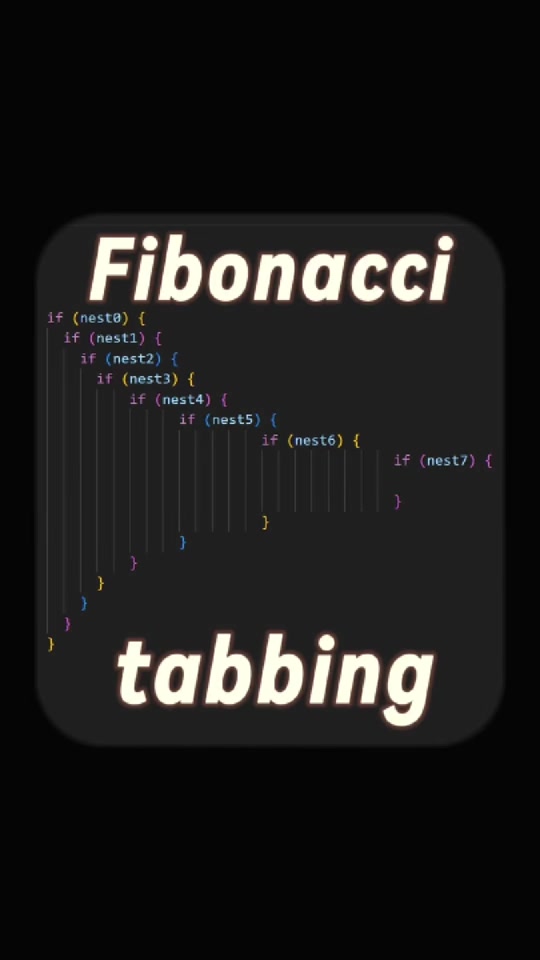
yeah just have no keyword
use the fact that there is a left paren after the identifier to tell you that it’s a method rather than a property
 elder yarrowBOT
I've sent you a DM with more info!
 austere idol
supple whale
https://vm.tnktok.com/ZMS7mSUGo/
austere idol
supple whale
https://vm.tnktok.com/ZMS7mSUGo/
8 spaces
winged mantle
if i make an editor i will make it so that multiple spaces always render as one to force you to use tabs
supple whale
winged mantle
if i make an editor i will make it so that multiple spaces always render as one ...
yes officer, this man right here
 lavish frigate
reactive frameworks hate this one simple trick! see how this hacky developer avoided installing 50gb of dependencies for reactivity using web components!
 ionic lake
okay
winged mantle
i have reached the point of insanity in language design
 valid jetty
??? what do you mean name of the type
is that not the thing next to the type keyword
deep mulch
crazy
winged mantle
it's genius
winged mantle
i mean go and java have the ability to inspect types too
deep mulch
add reflection to elle @valid jetty
winged mantle
the icing on the case is this is a word document that i am typing code into
valid jetty
deep mulch
add reflection to elle <@581573474296791211>
you have some reflection
deep mulch
@valid jetty make elle library for generating elle code
 valid jetty
deep mulch
<@581573474296791211> make elle library for generating elle code
valid jetty
deep mulch
<@581573474296791211> make elle library for generating elle code
thats just macros
winged mantle
valid jetty
you can do this
RTTI
winged mantle
is it viable to support method chaining with automatic semicolon insertion
valid jetty
winged mantle
RTTI
you can do a little more
if you take in a generic value to ElleMeta you can not only get the type's name but also its expression as a string
thats how $dbg works
thats also how type_of works btw :3
winged mantle
asi seems generally kinda bad
but it does look clean
i thought kotlin might do it well but apparently this breaks


deep mulch
"""
line 1
line 2
line 3
""".trimIndent()
?
shrewd canopy
valid jetty
elle
```rs
"line 1
line 2
line 3"
```
Both
valid jetty
no im saying thats what it currently is
deep mulch
@valid jetty rosinga
 lavish cloud
every time I see people working on langs I want to try making my own only to end up remaking kotlin
winged mantle
i have managed to design a language that doesn't resemble anything i've used that much
but it is kinda cursed
also i need to impl it
and i haven't really designed that much
it doesn't even have switch statements... first things first though
oh yeah it's a scripting language
my instincts kicked in and i added a rune type
maybe that's a bit weird?
ornate quiver
lavish cloud
every time I see people working on langs I want to try making my own only to end...
thats becuase its almost perfect
lolll
lavish cloud
so true
honestly the two improvements I'd want to see:
- static extension methods
- C++ interop in KNative (somehow)
- If we can't have that, at least the ability to use any given toolchain so I can develop switch mods with it
frosty obsidian
technically you can extend the companion object but that would only work if the target actually has one
shrewd canopy
lavish cloud
honestly the two improvements I'd want to see:
- static extension methods
- C++ ...
C++ ABI is still unstable
and its different between multiple compilers (although clang tries to be same as gcc)
deep mulch
lavish cloud
honestly the two improvements I'd want to see:
- static extension methods
- C++ ...
also collection literals and destructuring
lavish cloud
frosty obsidian
technically you can extend the companion object but that would only work if the ...
Exactly, if there is no companion there's nothing you can do and that needs fixing (even if it's just a synthetic companion object)
frosty obsidian
theres a proposal for it
deep mulch
@frosty obsidian will make it get merged faster
frosty obsidian
deep mulch
also [collection literals](https://github.com/Kotlin/KEEP/blob/main/proposals/KE...
you did the same url twice
deep mulch
guhhh
https://github.com/Kotlin/KEEP/discussions/442 i dont like this KEEP @frosty obsidian

GitHub
This is a discussion of the "Named-only parameters" feature. The text of the proposal can be found here. We introduce a new modifier named on function value parameters that obliges caller...
they never heard of a linter before
frosty obsidian
i also don't like that
i don't see it seriously solving a problem
would just be a new thing libraries force on you
deep mulch
@frosty obsidian hi
 royal nymph
deep mulch
https://github.com/Kotlin/KEEP/discussions/442 i dont like this KEEP <@298295889...
royal nymph
deep mulch
https://github.com/Kotlin/KEEP/discussions/442 i dont like this KEEP <@298295889...
terrible
idk how anyone could think this is a good idea
Apple moment
deep mulch
yop
royal nymph
I love when libraries decide how I'm supposed to write my code
ornate quiver
lavish cloud
honestly the two improvements I'd want to see:
- static extension methods
- C++ ...
YES I NEED STATIC EXTENSION METHODS
this is literally my biggest gripe with kotlin
the support for statics is shit
shrewd canopy
Why do you need static extension methods
ornate quiver
i was doing some fancy syntax stuff a while back
related to dsl for patching and I needed static extension methods but there was literally no way to accomplish what i was trying to do
actually so bad
shrewd canopy
How
lavish cloud
ornate quiver
i was doing some fancy syntax stuff a while back
related to dsl for patching and...
Same :( ended up making a TExt object for T and ended up putting them there
ornate quiver
funniest thing is you can't even translate a java api into kotlin without breaking backwards compatibility
because you can only make statics on singletons for some fucking reason
jade stone
lavish cloud
honestly the two improvements I'd want to see:
- static extension methods
- C++ ...
Can c++ interop even work given kotlin doesn't have destructors
lavish cloud
jade stone
Can c++ interop even work given kotlin doesn't have destructors
Knative uses destructors all the time to handle refcounts
ornate quiver
jade stone
Can c++ interop even work given kotlin doesn't have destructors
the jvm kinda has destructors, it's the finalize method on the Object class
but it's never guaranteed to be called, as that could only happen during GC I think
not the same thing but still interesting
runic sundial
Phantom refs can get u destructors
jade stone
lavish cloud
Knative uses destructors all the time to handle refcounts
does that work in jvm tho
lavish cloud
Well for JVM you can just write JNI/JNA
lavish cloud
ornate quiver
the jvm *kinda* has destructors, it's the finalize method on the Object class
bu...
The JVM equivalent is the Cleaner
Cleaner manages a set of object references and corresponding cleaning actions.
Cleaning actions are registered to run after the cleaner is notified that the object has become phantom reachable. The cleaner uses PhantomReference and ReferenceQueue to be notified when the reachability changes.
deep mulch
lavish cloud
>>> Cleaner manages a set of object references and corresponding cleaning action...
ooo I had no idea about this
I might could use this for ffmpegkt
lavish cloud
deep mulch
I might could use this for ffmpegkt
I just use javacpp bindings tbh
deep mulch
that's what I'm doing
works good
recently I added hardware accel encoding
how have I never heard of cleaner before guhh
winged mantle
royal nymph
idk how anyone could think this is a good idea
isn't the whole advantage of having named parameters as a proper language feature that they're optional
in javascript it would be really annoying to make it optional as you literally implement it by accepting an object
why have a lexer when you can have a grokker
royal nymph
ornate quiver
the jvm *kinda* has destructors, it's the finalize method on the Object class
bu...
aren't Closables essentially destructors
you have to explicitly close them but still
runic sundial
I prefer AutoCloseable over cleaners
like

In C++, a destructor is called when that thing goes out of scope
aka; you know WHEN it will happen for that exact resource
For cleaners, the GC will run whenever it wants.
royal nymph
in Java/Kotlin you have to explicitly close via a statement akin to C# using
royal nymph
try (var thing = new CloseableThing()) {
    thing.explode();
}
CloseableThing().use {
     it.explode()
}
the try syntax is so cursed lmao
runic sundial
ya
with Lombok it ends up being:
{
    @Cleanup var thing = new CloseableThing();
    thing.explode();
}
And it will do the whole try(){...} for you
Very useful when you have more than one closeable
fleet cedar
Well, you can try-with-resources with multiple things
But not if you want to do other things between
royal nymph
fleet cedar
But not if you want to do other things between
you can make a closeablemanager for this
lmaooo
try (var closeables = new CloseableManager()) {
    var foo = closeables.add(new Foo());
    var bar = closeables.add(new Bar());
}
idk i prefer java syntax
the try syntax is so cursed... followed by more cursed syntax
epsecially if you name the var
CloseableThing().use { thing ->
    thing.explode()
}
ig that's the unfamiliar lambda syntax
lavish cloud
https://light-theme-hurts.my-ey.es/2U5xZLf.mp4
Made a funky thing that works with vanilla clients to emulate a zelda hookshot
lavish cloud
works fine for me
it's literally the most basic conversion of ```bash
owo_video () {
FILE=$(ls -Art1 "/home/mart/Videos" | tail -n 1) # most recent file
TMP=$(mktemp --suffix .mp4) # file to write to
ffmpeg -y -i "/home/mart/Videos/$FILE" $TMP >/dev/null # convert to mp4 with ffmpeg
owo -u $TMP # upload to owo
}
probably cause image host
hoary sluice
deep mulch
your video cant be seeked
does seeking mean moving to a different time in the vid
deep mulch
yes
 royal nymph
deep mulch
your video cant be seeked
royal nymph
deep mulch
your video cant be seeked
love?

 tired vigil
real gaymers use potplayer
shrewd canopy
tired vigil
real gaymers use potplayer
Whats potplayer 🐟
supple whale
unfortunately the only actually functional video players in the world are mpv and kodi
everything else falls short
potplayer lacks support for a bunch of formats, vlc doesnt do color mapping correctly
and most other players dont do hdr or dv correctly
chromium patched with extra codecs like ac3 and dts is third when it comes to accuracy and featureset
but it lacks subittle format support since it only has VTT
deep mulch
I love mpv
royal nymph
i hate mpv @deep mulch
supple whale
mpv sucks for users
gotta write 200 lines of config before its usable
and import like 14 luas
from a usability standpoint its fucking rancid
deep mulch
supple whale
gotta write 200 lines of config before its usable
I use without config
supple whale
deep mulch
I use without config
which means HDR and DV doesnt work correctly
because mpv fucks hdr and dv out of the box
deep mulch
I just use jellyfin for content with HDR
crude star
royal nymph
i hate mpv <@289556910426816513>
evil
supple whale
i unironically use my own build of chromium for playing videos
because it lets me make my own video player with the shit i want
with the least cancer and fuckery with color spaces, formats, codecs and weird features
supple whale
supple whale
chrome introduced a regression in ffmpeg in v136
but ofc chromium manages to fuck it up for me too
deep mulch
love
winged mantle
is this insane

my lexer is overengineered but i like how it has methods named peek and seek
peek 'n' seek
peekin' and seekin'
valid jetty
are you cheating and using a library for your lexer..
winged mantle
no
valid jetty
you dont really need a trie for a lexer, whats the point?
winged mantle
to make it cleaner
valid jetty
what..
winged mantle
avoid giant switch case
valid jetty
ok but you do know you made a giant switch case with different syntax right
winged mantle
my trie impl is cursed
valid jetty
for my ichigo lexer i have this
fn Lexer::next_token(Lexer *self) -> Option<Token> {
    if self.is_eof() {
        return None();
    }

    self.skip_whitespace();

    c := self.current_char();

    if _, op := c.to_operator() {
        self.advance();

        return Some(Token::new(
            TokenKind::Operator,
            TokenValue::Operator(op)
        ));
    }

    if c.is_letter() {
        return Some(Token::new(
            TokenKind::Identifier,
            TokenValue::String(self.consume_identifier())
        ));
    }

    if c.encode() == "「" {
        return Some(Token::new(
            TokenKind::String,
            TokenValue::String(self.consume_string_literal())
        ));
    }

    if c.encode() == "※" {
        return Some(Token::new(
            TokenKind::Comment,
            TokenValue::String(self.consume_comment())
        ));
    }

    if c.is_number() {
        return Some(Token::new(
            TokenKind::Number,
            TokenValue::Number(self.consume_number_literal())
        ));
    }

    if c.is_punctuation() {
        punct := self.current_char();
        self.advance();

        return Some(Token::new(
            TokenKind::Punctuation,
            TokenValue::String(punct.encode())
        ));
    }

    return None();
}
 valid jetty
oh spam
whatever
but my point is, collect all punctuation into a generic "punct" token
then compare on particular strings

instead of having a seperate token for each punctuation type
winged mantle
i even did this sorta thing for matching binary
valid jetty
with a trie??
deep mulch
Koda toda crazy
valid jetty
idk but what youre doing seems a little overkill to me
deep mulch
@valid jetty
valid jetty
i would just have a few basic token kinds and then match on their value
 pearl stagBOT
winged mantle
https://github.com/TheKodeToad/fish8/blob/main/system/opcodes.go#L17-L52
pearl stagBOT
winged mantle
https://github.com/TheKodeToad/fish8/blob/main/system/opcodes.go#L17-L52
opcodes.go: Lines 17-52
var opcodes = [...]opcode{
    {"00E0", clearScreen},
    {"00EE", returnFromCall},
    {"1---", jump},
    {"2---", call},
    {"3---", skipIfVarEqualsByte},
    {"4---", skipIfVarNotEqualsByte},
    {"5--0", skipIfVar1EqualsVar2},
    {"6---", setVarToByte},
    {"7---", incVarByByte},
    {"8--0", setVar1ToVar2},
    {"8--1", setVar1ToORVar2},
    {"8--2", setVar1ToANDVar2},
    {"8--3", setVar1ToXORVar2},
    {"8--4", incVar1ByVar2},
    {"8--5", decVar1ByVar2},
    {"8--6", shiftVarRight},
    {"8--7", setVar1ToVar2MinusVar1},
    {"8--E", shiftVarLeft},
    {"9--0", skipIfVar1NotEqualsVar2},
    {"A---", setIndexToByte},
    {"B---", jumpWithOffset},
    {"C---", setVarToRandom},
    {"D---", drawToScreen},
    {"E-9E", skipIfKeyHeld},
    {"E-A1", skipIfKeyNotHeld},
    {"F-0A", awaitKey},
    {"F-07", setVarToDelayTimer},
    {"F-15", setDelayTimerToVar},
    {"F-18", setSoundTimerToVar},
    {"F-1E", incIndexByVar},
    {"F-29", setIndexToFontFromVar},
    {"F-33", splitVarDigits},
    {"F-55", copyFromVarsUntil},
    {"F-65", copyToVarsUntil},
}
i mean if you say so
valid jetty
youre not grouping by prefix
youre grouping by class
oh you meant the opcode thing
im dumb
deep mulch
valid jetty
im dumb
no you are not
deep mulch
valid jetty
youre not grouping by prefix
@valid jetty
@valid jetty @valid jetty @valid jetty
you are world smartest person
valid jetty
@deep mulch minklang progress when
im gonna get nin0chat working in elle before you get your first hello world running
deep mulch
valid jetty
<@289556910426816513> minklang progress when
soon
valid jetty
good
deep mulch
@valid jetty hiiii
valid jetty
hiiiii
look at this beautifully formatted code
fn Token::precedence(Token self) {
    $assert(self.kind == TokenKind::Operator);
    op := self.value.as_op;

    if op == Operator::Mul
        || op == Operator::Div
        || op == Operator::Rem { return 2; }

    if op == Operator::Add
        || op == Operator::Sub { return 1; }
}
with switch case i was doing
case '=':
    if lexer.match("=") {
        // Equals Equals (comparison)
    } else {
        // Equals (assignment)
    }
i wasn't a fan of needing to group unrelated opreators
deep mulch
what if you could do
if op == (Operator::Mul | Operator::Div | Operator::Rem)
winged mantle
bitwise or
deep mulch
yes
valid jetty
winged mantle
with switch case i was doing
```
case '=':
if lexer.match("=") {
// ...
..or you can group together all punctuation into a single token kind and a string value, then match on the token's string rather than giving every operator its own distinct token kind
deep mulch
rosie could mke some insane syntax like |||
valid jetty
valid jetty
for my ichigo lexer i have this
```rs
fn Lexer::next_token(Lexer *self) -> Optio...
^^^
winged mantle
valid jetty
..or you can group together all punctuation into a single token kind and a strin...
then if you have bool = !bool it will read =! as a single token even though it's meaningless
valid jetty
look at specifically the last if statement
winged mantle
oh wait
deep mulch
oh rosie my rosie
valid jetty
winged mantle
then if you have bool = !bool it will read =! as a single token even though it's...
what, no it won't
winged mantle
each char is an individual token
well that's also not that useful
but i want == to be a different token type to =
this is too much for my small brain...
valid jetty
i'm pretty sure there is a way to collect tokens into a single token kind while their string value represents their actual semantic meaning
(including multi char ones)
hold on lemme consult stb c lever
valid jetty
hmm
 winged mantle
valid jetty
i'm pretty sure there is a way to collect tokens into a single token kind while ...
winged mantle
valid jetty
i'm pretty sure there is a way to collect tokens into a single token kind while ...
but a token for any punctuation is just a character with extra steps
valid jetty
well yeah
winged mantle
so you're back to square one
even if you do totally insane things it should still process @!|||===:=!!= as @ ! || | == = := ! !=
you need a greedy match... but not too greedy
valid jetty
hmmm i'll sit on this overnight i think
i'm pretty sure there's a better way
elle does the approach you didn't wanna do lmao
valid jetty
winged mantle
with switch case i was doing
```
case '=':
if lexer.match("=") {
// ...
aka this
maybe you can have a function similar to match_keyword kinda, but instead of matching a particular keyword you match any punctuation tokens
so the function internally would match against "==", then "=" , etc, and if none match then it's not a punct token
deep mulch
rosinga
valid jetty
i'll model this in the morning
crude star
valid jetty
for my ichigo lexer i have this
```rs
fn Lexer::next_token(Lexer *self) -> Optio...
None()??????
stop
crude star
horrible
valid jetty
None needs to be the same size as Some so that it can be represented the same in memory
hence it needs to be generic
hence it needs to be a function
@winged mantle ```rs
use std/prelude;
enum TokenKind {
Punctuation // we only support punctuation in our lexer :)
}
struct Token {
TokenKind kind,
string value
}
fn Token::match_punct(Token self, string punct) {
return self.kind == TokenKind::Punctuation && self.value == punct;
}
struct Lexer {
string input,
u64 position
}
fn Lexer::consume_string(Lexer *self, string value) -> Option<string> {
for i, c in value.iter().enumerate() {
if self.input[self.position + i] != c {
return None();
}
}
self.position += value.len();
return Some(value);
}
fn Lexer::consume_punct(Lexer *self) -> Option<string> {
if _, v := self.consume_string("@") { return Some(v); }
if _, v := self.consume_string("||") { return Some(v); }
if _, v := self.consume_string("|") { return Some(v); }
if _, v := self.consume_string("!=") { return Some(v); }
if _, v := self.consume_string("!") { return Some(v); }
if _, v := self.consume_string("==") { return Some(v); }
if _, v := self.consume_string(":=") { return Some(v); }
if _, v := self.consume_string("=") { return Some(v); }
return None();
}
fn Lexer::next_token(Lexer *self) -> Option<Token> {
if _, punct := self.consume_punct() {
return Some(Token { kind = TokenKind::Punctuation, value = punct });
}
return None();
}
fn Lexer::iter(Lexer self) -> Iterator<Token, SingleEnded> {
return Iterator {
env = Box::new(self).to_ptr(),
next = Lexer::next_token,
next_back = nil
};
}
fn main() {
lexer := Lexer {
input = "@!|||===:=!!=",
position = 0
};
res := lexer.iter().collect();
$dbg(res);

// now we can do things like:
token := res.remove(0).unwrap();

if token.match_punct("==") {
    // do things here
}
}
just, as long as || is before | itll be matched first
and you dont need seperate tokens for each punctuation
and you dont need to make each punctuation a single character
win-win
this is the token stream from the $dbg call
which is correct
or well, i think you actually wanted != to be a seperate punct
but i didnt add it to the list
but you can see hopefully how that would work
you just add != before normal = and it gets matched first
there
technically all of these consume functions should be called try_consume because they can potentially not return a valid punct
but again you get the idea lmao
ok good night
ok i cleaned it up a bit
REAL good night
 solemn ravine
@woven mesa I gotta redo the cells in the clipboard manager to look like this T_T

im so lazyy
 woven mesa
o
winged mantle
valid jetty
REAL good night
uh thanks but this is what i was trying to avoid because i'm weird 😭
😭 stayed up until 1:00 i'm sorry....
winged mantle
try not to make code look like cannibalism challenge
 winged mantle
a go developers idea of clean code
 fleet cedar
Won't second case always be true
fleet cedar
Either second case is always true, or third case is always false, or the syntax is doing something very fishy
winged mantle
, is effectively the same as ||
fleet cedar
Then second case is always true
winged mantle
|| would be better but this is a go developers idea of clean code
fleet cedar
All chars are either >= A, <= Z, or both
fleet cedar
No all chars are U+0 through U+10FFFF
fleet cedar
10FFFF is >= A
winged mantle

i also have average go developer iq
the code was correct before
i will just use normal operators
less confusing
valid jetty
winged mantle
uh thanks but this is what i was trying to avoid because i'm weird 😭
what why
hold on i came up with a better solution while i was pondering
 fleet cedar
winged mantle
fleet cedar
winged mantle
The correct implementation to this function is unicode_ident::is_xid_start/continue
winged mantle
ehh
fleet cedar
winged mantle
this feels like it would be the most pleasant to add to
Trie seems like it'd be a lot of overhead
winged mantle
i mean... is anyone going to use my toy language
fleet cedar
No
winged mantle

it's an excercise in futility
parsing performance can matter sometimes
i'm just trying to learn
valid jetty
@winged mantle look at this
fn Lexer::try_consume_punct(Lexer *self) -> Option<string> {
    original_position := self.position;
    puncts := ["==", "!=", ":=", "||", "|", "@", "!", "="];
    best_match := None<string>();
    i := 0;

    while self.position + i < self.input.len() {
        current := self.input.slice(self.position, self.position + (i += 1));

        for p in puncts {
            if p.len() == current.len() && p == current
                && best_match.is_none_or_with(
                    fn(value, p) p.len() > value.len(), p
                )
            {
                best_match = Some(p);
            }
        }
    }

    if best_match.is_some() {
        self.position += best_match.unwrap().len();
    } else {
        self.position = original_position;
    }

    return best_match;
}
``` pattern matching on the puncts :]this might be a little overkill
winged mantle
that's was the idea i started with but i felt a trie was a better structure
valid jetty
hm
valid jetty
but you cant have a string value if you do it like that aaaa
needing a token kind for every single punct feels so..
idk
winged mantle
i'm sorry...
isn't that what you do in elle though
you have a separate token for Comma and Equal
maybe i should copy you and use consume instead of eat too
eatDigits
valid jetty
winged mantle
you have a separate token for Comma and Equal
yeah i do but elle is my first attempt at writing a language
i didnt use good practices i just wrote whatever i first thought of
winged mantle
why not make a punk token type
valid jetty
punk
winged mantle
what the hell is a punct meant to be
punk is cooler
lol

feels like when you see a bsod at an airport
the go compiler falling apart because my code is just too good and vomiting out its internals
but hey it compiles really quickly
the compiler crashes within less than half a second
ok in all seriousness how 😭
i should just riir 🚀
rust would unironically be more suited for this but i wanted to write in a gc language first
write in java like the interpreter guide i was reading did
or just work out what the hell is going on
is this a common go issue
or did i just trigger an edgecase
ah i'm using go dnf package
i will try official distribution
valid jetty
@winged mantle what do you expect this to print
use std/prelude;

fn main() {
    xs := [1, 2, 3];
    it := xs.iter().map(fn(x) x * 10);
    xs.push(4);

    $dbg(it.collect());
}
10, 20, 30, 40
fleet cedar
I'd say error, but if not, yeah that
winged mantle
no idea what happens in rust
valid jetty
why would it error
 winged mantle
ah
/run
import java.util.*;
import java.util.stream.*;

public class Main {
    public static void main(String[] args) {
        // java 8 based just in case
        List<Integer> myInts = new ArrayList<>(Arrays.asList(1, 2, 3));
        Stream<Integer> stream = myInts.stream().map(x -> x * 10);
        myInts.add(4);
        System.out.println(stream.collect(Collectors.toList()));
    }
}
 rugged berryBOT
Here is your java(15.0.2) output @winged mantle
[10, 20, 30, 40]
yeah i know this is expected behavior
winged mantle
yeah it'd be weird if it didn't work like this
but theoretically you could make it throw
store crc with list
i should learn c# and do linq everywhere
i don't even know how it works
probably like
List<String> myStrings = new List<String>();
List<String> aaa = SELECT item FROM myStrings WHERE position("aa", item) < 3;
wait it's literally pretty similar 😭
 valid jetty
that is not how you do it in c#
valid jetty
var xs = new List<int> { 1, 2, 3 };
var it = xs.Select(x => x * 10);
xs.Add(4);
Console.WriteLine(string.Join(" ", it.ToArray()));
this is how i would do it
Select is like .map in any sane language
winged mantle
valid jetty
that is not how you do it in c#

Introduces Language Integrated Query (LINQ) in C#.
valid jetty
well yeah it is but thats not the "sane" way to write it
i fear nobody actually writes sql-style queries
winged mantle
you would've thought this would exist for a reason...
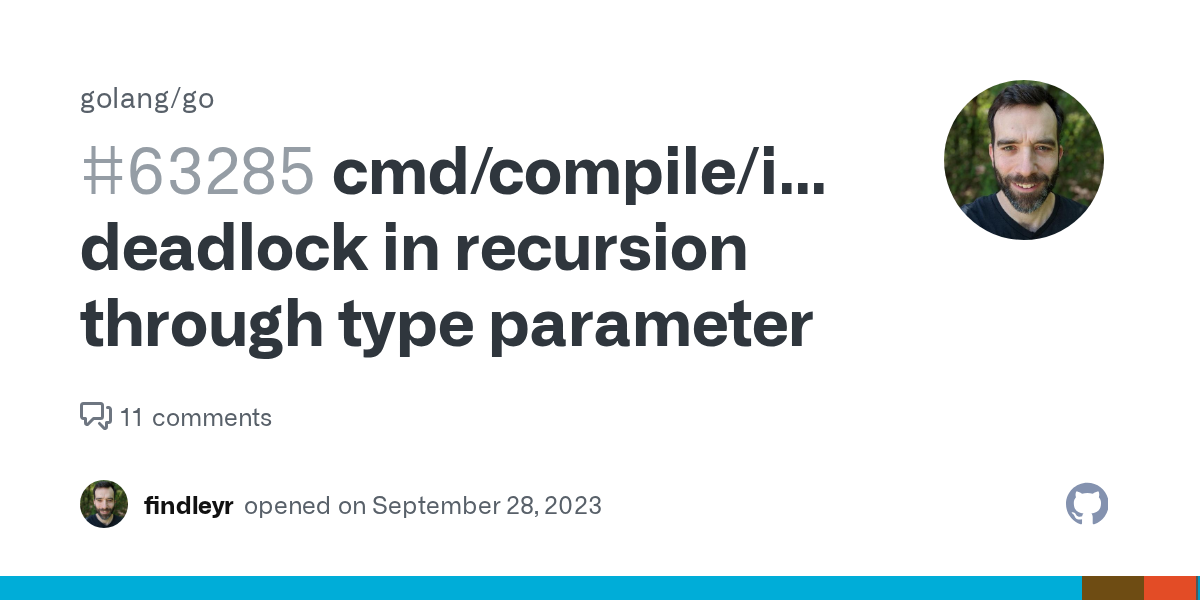
this code compiles

this code crashes the compiler

how??
fixed 14 hours ago
GitHub
As mentioned in #60817 (comment)_: I'm coming here from Stack Overflow, where someone has just reported what seems like a very similar compiler bug. I haven't had time to investigate/reduce...
probably
i can also remove the equals

 placid cape
winged mantle
wait it's literally pretty similar 😭
placid cape
winged mantle
wait it's literally pretty similar 😭
built-in SQL 👍👍
 lucid trail
winged mantle
this feels like it would be the most pleasant to add to
lucid trail
winged mantle
this feels like it would be the most pleasant to add to
ahh macros, but its basically the same as rosie's method, so i have to place the 2 char ones first
 valid jetty
lucid trail
ahh macros, but its basically the same as rosie's method, so i have to place the...
valid jetty
lucid trail
ahh macros, but its basically the same as rosie's method, so i have to place the...
i feel like my new method is actually more efficient than this
because you’re not doing as many comparisons
you instantly rule out some puncts based on their first characters
lucid trail
the pattern matching?
valid jetty
yes
spark tiger
winged mantle
i should learn c# and do linq everywhere
linq so cool but in our codebase i was always told not to use it due to performance issues 🤷♂️
but yeah it looks really cool to do sql queries that way
valid jetty
i mean the way elle does it is also technically like that but not as nice
it checks for the = character then advances and checks if the next is also an =, if it is then the punct is == otherwise it’s =
so basically manual pattern matching
tired vigil
Why is discord's i18n key hash function so bad
It uses 36 bits (6 characters) from a 64 bit hash, but their base64 implementation is wrong so the last 4 bits are duplicate, effectively lowering the entropy to 32 bits
So like with their intl maps already having over 20k items, there's almost a 5% chance of a collision between all the keys

I tried bruteforcing it but there are just so many valid hashes, even with 37 characters (uppercase + numbers + underscore, I didn't even try lowercase letters)
 deep mulch
impossible
 nimble bone
@deep mulch is this a @cinder egret reference
 deep mulch
yes
valid jetty
nin0 do you unironically listen to taylor swift
nimble bone
valid jetty
nin0 do you unironically listen to taylor swift
i'll let my lfm speak for itself ykyk
 valid jetty
what the fuck
nimble bone
why am i in programming i thought this was regulars
ionic lake
 dense sand
how does one fix this vulnerability?
dense sand
how does one fix this vulnerability?
what package manager? pnpm?
dense sand
ionic lake
what package manager? pnpm?
yes
nimble bone
valid jetty
what the fuck
you're a hater you need more  ykyk
ykyk
ionic lake
dense sand
yes
Do this:
  "pnpm": {
    "overrides": {
      "esbuild": "^0.25.0"
    }
  }
okay thaks
ionic lake
you're welcome champ
dense sand
nimble bone
<@289556910426816513> is this a <@558481110330507294> reference
this is radiohead reference
nimble bone
true
crude star
tired vigil
Why is discord's i18n key hash function so bad
It uses 36 bits (6 characters) fr...
whenever there's a collision they just change the string slightly
(I have no idea)
tired vigil
crude star
whenever there's a collision they just change the string slightly <:blobcatcozy:...
That would be actually funny ngl 😭
Ik some of the keys have been misspelt for a long time
I might do a pr cuz it's kinda irking me that the code is clearly wrong
Hopefully it doesn't break any vencord patches
jade stone
@nimble bone i'm working on vencord compnaion again
deep mulch
@crude star hii
crude star
zt
deep mulch
rini
jade stone
@deep mulch my code was so bad, adding basic caching (which hits 99% of the time) makes it read 60x less data from disk every time it reloads
deep mulch
jade stone
<@289556910426816513> my code was so bad, adding basic caching (which hits 99% o...
insane
winged mantle
tired vigil
Why is discord's i18n key hash function so bad
It uses 36 bits (6 characters) fr...
you should pr a fix so that vencord needs to fix a load of patches
jade stone
winged mantle
you should pr a fix so that vencord needs to fix a load of patches
That wouldn't really change anything.
All we would need to do is change the one hash function.
winged mantle
technically it would look like an apocalypse with vencord reporter though and the scare would be funny
jade stone
winged mantle
technically it would look like an apocalypse with vencord reporter though and th...
yeah
jade stone
horrid types
export type AssertedType<
    T extends Function,
    E = any,
> = T extends (a: any) => a is infer R ? R extends E ? R : never : never;

export type CBAssertion<U = undefined, N = never> = <
    F extends (n: Node) => n is Node,
    R extends Node = AssertedType<F, Node>,
>(
    node: Node | N,
    func: F extends (n: Node) => n is R ? F : never
) => R | U;

 chilly viper
tired vigil
chilly viper
tired vigil
TIL type assertions can be inferred
winged mantle
jade stone
horrid types
```ts
export type AssertedType<
T extends Function,
E = an...
writes typescript
complains about rich type system
jade stone
winged mantle
complains about rich type system
not complaining
just saying they're a bit cursed
jade stone
winged mantle
complains about rich type system
you can do things like this which i loev
 winged mantle
discrimination
jade stone
winged mantle
discrimination
In computer science, a tagged union, also called a variant, variant record, choice type, discriminated union, disjoint union, sum type, or coproduct, is a data structure used to hold a value that could take on several different, but fixed, types. Only one of the types can be in use at any one time, and a tag field explicitly indicates which type...
i love discriminated unions
i wish more languages had support for them
@deep mulch add discriminated unions to kotlin
tired vigil
jade stone
horrid types
```ts
export type AssertedType<
T extends Function,
E = an...
Doesn't the type T also accept class objects since they're subtypes of the Function type
jade stone
tired vigil
Doesn't the type T also accept class objects since they're subtypes of the Funct...
i mean if your class somehow has an assertion signature, then sure
otherwise user error
deep mulch
jade stone
<@289556910426816513> add discriminated unions to kotlin
idk what that means
limpid mica
deep mulch
idk what that means
unions that know what element is currently active
deep mulch
@limpid mica hiii
tired vigil
jade stone
This is just Extract<U, { [D]: K }> why do you need a whole new type utility for this
royal nymph
to discriminate
jade stone
tired vigil
This is just Extract<U, { [D]: K }> why do you need a whole new type utility fo...
no autocomplete
jade stone
tired vigil
This is just Extract<U, { [D]: K }> why do you need a whole new type utility fo...
you also get errors on invalid variants
 tired vigil
😭
nimble bone
saladinanity
jade stone
javascript should get if let
winged mantle
HORROR
jade stone
declare function foo(): string | undefined;
if (let bar = foo()) {
  console.log(bar);
}
wouldn't that mean a whole scoped enum system for js
that would be insane
winged mantle
just to check type
 winged mantle
yea
jade stone
but i still think if let would be cool
winged mantle
do if walrus
jade stone
winged mantle
do if walrus
i dont really care for walrus
winged mantle
like go
jade stone
(i also hate go)
winged mantle
if myThing, err := doThing(); err != nil {
}
jade stone
insaneeee
crude star
jade stone
```ts
declare function foo(): string | undefined;
if (let bar = foo()) {
conso...
I would take this ```js
if (let bar = foo(); bar != null) {
}
its horrendously simply to implement in js tho
jade stone
crude star
I would take this ```js
if (let bar = foo(); bar != null) {
}
```
yeah, same thing
supple whale
i considered refacoring all my code to use it
crude star
jade stone
yeah, same thing
let being a condition is kinda weird
makes even less sense it being !== undefined
C++ has that syntax though
(also go)
jade stone
crude star
C++ has that syntax though <:blobcatcozy:1026533070955872337>
yeah, i use it often in c++
winged mantle
ever met the type of person to use thing !== null && thing !== undefined
jade stone
winged mantle
ever met the type of person to use thing !== null && thing !== undefined
insane
jade stone
@winged mantle let's comprimise with != void 0
crude star
i always write void 0
supple whale
winged mantle
:= is the best feature of go
async function err <T>(Promise<T>: v): T {
   try {
      return [null, await v]
    } catch (e) {
      return [e, null]
    }
}

const [err, res] = await err(fetch(url))
or you could patch promise directly
crude star
bundler brainrot
winged mantle
do void new function(){}
jade stone
supple whale
```ts
async function err <T>(Promise<T>: v): T {
try {
return [null, aw...
why not reverse
res, err
supple whale
jade stone
why not reverse
because thats how go, and old nodejs callback style is
crude star
return ((function() {})(), undefined)
supple whale
Promise.prototype[Symbol.iterator] = async function () {
     try {
      return [null, await this]
    } catch (e) {
      return [e, null]
    }
}
but idk how to do typedefs for this
and then simply
const [err, res] = await fetch(url)
i think node had it as first so you didn't accidentally miss it out
deep mulch
@crude star @crude star
winged mantle
go deffo has it last though
supple whale
supple whale
```ts
Promise.prototype[Symbol.iterator] = async function () {
try {
...
wait this is wrong
royal nymph
supple whale
```ts
Promise.prototype[Symbol.iterator] = async function () {
try {
...
😭
crude star
that cant work
jade stone
supple whale
```ts
Promise.prototype[Symbol.iterator] = async function () {
try {
...
would this fuck with async iterators
crude star
after you await its no longer a promise
supple whale
yeah it patched then
winged mantle
does js support implicit conversion operators
supple whale
jade stone
would this fuck with async iterators
im retarded, this is wrong
you need to patch then
but no
async iterators are symbol.asynciterator
or asynciterable
i dont remember
im fucked up
jade stone
ah
supple whale
XD
winged mantle
why doesn't this work in js
#include <node/console.h>
class CoolBool {
    constructor(value) { this.value = value; }
    operator bool () { return this.value; }
}

console::log(CoolBool{true});
at that point this is easier
but the point is to define it as a lang feature
supple whale
winged mantle
why doesn't this work in js
```js
#include <node/console.h>
class CoolBool {
...
uuuh
i think you can define how an object converts to asymbol
but idk if that works
i dont rly do rust
jade stone
supple whale
i dont rly do rust
what
supple whale
const object1 = {
  [Symbol.toPrimitive](hint) {
    if (hint === "number") {
      return 42;
    }
    return null;
  },
};
that's c++
royal nymph
supple whale
because thats how go, and old nodejs callback style is
no?
callbacks yes
but go nuh uh
supple whale
very likely im wrong
crude star
supple whale
i think you can define how an object converts to asymbol
!!{ [Symbol.toPrimitive]() { return false } } == !!{}
royal nymph
not a real go lover..
supple whale
my go experience is limite
crude star
doesnt work
 deep mulch
insane
crude star
royal nymph
well yeah cause all objects are truthy
except window.all

wait what was the
*document.all
 royal nymph
insane
jade stone
crude star
*document.all
is that instances of HTMLAllCollection or just document.all
crude star
document.all is the only HTMLAllCollection
@royal nymph they should let Proxy create exotic objects like this
supple whale
problem is, its a language feature really
not an object call
!obj doesnt read a property so u cant trap it
its kinda like ===
jade stone
crude star
<@343383572805058560> they should let `Proxy` create exotic objects like this
wonder if that would prevent a bunch of optimization
limpid mica

Introduction
This Ecma Standard defines the ECMAScript 2026 Language. It is the seventeenth edition of the ECMAScript Language Specification. Since publication of the first edition in 1997, ECMAScript has grown to be one of the world's most widely used general-purpose programming languages. It
royal nymph
jade stone
is that instances of HTMLAllCollection or just document.all
only all
crude star
lily faster than me
supple whale
its probably some hardcoded backwards compatibility shit
where its meant to not exist
royal nymph
yes
the thing I linked answers it
if (document.all) {
  // code that uses `document.all`, for ancient browsers
} else if (document.getElementById) {
  // code that uses `document.getElementById`, for “modern” browsers
}
it's meant to make code like this use the getElementById but also still support websites that only use .all
jade stone
vchars “
elder yarrowBOT
jade stone
vchars “
“ LEFT DOUBLE QUOTATION MARK
jade stone
insane
supple whale
royal nymph
the thing I linked answers it
mmmm, im happy that i understand js enough to be able to guess it
limpid mica
supple whale
its probably some hardcoded backwards compatibility shit
old code used to check if document.all exists to detect for ancient IE
new browsers implement document.all for legacy compat reasons but don't want to be detected as ancient IE
supple whale
chromium: oh no our backwards compatibility to 2002 browsers
also chormium: yeah lets just break all video playback and make constructors randomly segfault on 32 bit systems

crude star
i think your usecases are a bit abnormal
supple whale
new ImageData() is abnormal?
limpid mica
i assume 32-bit systems don't exist when writing software these days smh
supple whale
limpid mica
i assume 32-bit systems don't exist when writing software these days smh
ALL android TVs are 32 bit sir
well, actually there are like 3 exceptions from what i know
out of roughly 3k

ooooh 4 now not 3
china released a new atv box
royal nymph
supple whale
chromium: oh no our backwards compatibility to 2002 browsers
it's about Websites not browsers 🤓
they want ancient websites to still work in latest chromium
supple whale
nvidia shield, ugoos am6b+, and z9x pro
supple whale
royal nymph
they want ancient websites to still work in latest chromium
and new websites to not
 royal nymph
if the website is new it means you will fix it 😉
supple whale
i think its been 3 years since i reported that filters dont work on offscreen canvases when they were first introduced
still no dice
supple whale
still need to piss performance away by computing colormaps in raw js, instead of using gpu accelerated svg filters
crude star
ur the kind of user every developer fears existing
royal nymph
hop on wasm or smth
supple whale
royal nymph
filters in offscreen canvas
const canvas = document.createElement('canvas')
document.body.append(canvas)
const ctrl = canvas.transferToOffscreen()
worker.sendCanvas(crtl) // do giga heavy stuff
i already do, its too slow
from what i calculated we'd need 9GHz single cpus for wasm to be as fast as native 2.5GHz cpus
for this specific task
aka text rasterization
supple whale
royal nymph
what the hell are you making
correcting canvas rendered shit, to match the colorspace of a video thats playing under it
and the cheapest way by a LAAAAAAAAAAAAAAAND slide is to do it using SVG filters, as they support color matrixes
so you can pre-compute all possible combinations of color space conversions
map them to a color matrix
and simply apply that color matrix to an svg filter, and boom, you've got fully GPU accelerated color matrix conversion at 0 overhead for the thread the canvas is running in
be it the main thread or the worker thread
well, that is if chromium got off their ass and fixed it not working in worker threads

here @royal nymph enjoy https://github.com/ThaUnknown/jassub/blob/main/src/jassub.js#L3-L25
computed via https://github.com/ThaUnknown/colorspace
didnt do bt.2020 because... the math for it is black magic and i didnt understand it!
this._ctx.filter = `url("data:image/svg+xml;utf8,<svg xmlns='http://www.w3.org/2000/svg'><filter id='f'><feColorMatrix type='matrix' values='${colorMatrixConversionMap[subtitleColorSpace][videoColorSpace]} 0 0 0 0 0 1 0'/></filter></svg>#f")`
self super react is crazy
royal nymph
wtf is it reacting to
supple whale
cursed svg filters
royal nymph
bro has a plugin to selfbot react to jsslop
 granite geyser
this._ctx.filter = url("data:image/svg+xml;utf8,<svg xmlns='http://www.w3.org/2000/svg'><filter id='f'><feColorMatrix type='matrix' values='${colorMatrixConversionMap[subtitleColorSpace][videoColorSpace]} 0 0 0 0 0 1 0'/></filter></svg>#f")
aw
supple whale
royal nymph
bro has a plugin to selfbot react to jsslop
sir its your plugin
its not auto
royal nymph
oh you mean the always super react
supple whale
but yeah that filter is very not what it was made for
but chromium snuck url() as one of the options
and the flood gates opened
cuz the expected use case is
ctx.filter = "blur(4px)";
XD
crude star
does anyone actually notice their subtitle is in the wrong colorspace
crude star
insane

 royal nymph
just write better code
supple whale
????
sir do you understand how color spaces work?
you need to correct color spaces
like
what if the video is simply a different color space
you can apply subtitles to many videos, and they can be encoded differently with different color spaces
so you need to read the video color space, and the subtitle color space
and correct
solemn ravine

 leaden crater
jade stone
leaden crater
jade stone
programming chat
deep mulch
they are insane
valid jetty
nimble bone
valid jetty
https://tenor.com/view/sky-striker-raye-master-duel-yugioh-1girl-blonde-gif-1597...
nimble bone
jade stone
>programming chat
you remind the teacher of homework
 viscid grove
any vim motion enjoyers?
I'm making a calendar program for a school project. Should j be next month or previous month
next seems the most vim-y, but it's on the left so seems more previous to me
jade stone
viscid grove
any vim motion enjoyers?
I'm making a calendar program for a school project. Sho...
just use h and l
viscid grove
h and l will be for year
viscid grove
that feels so wrong to me
jade stone
viscid grove
that feels so wrong to me
nop
viscid grove
jade stone
oh
should h and l be month and jk for year?
jade stone
depends on ui
viscid grove
h and l seem more "extreme" to me since they're further on the outside
jade stone
viscid grove
h and l seem more "extreme" to me since they're further on the outside
this depends on ui
 viscid grove
yeah
viscid grove
this is the current ui that's barely functional that i just used for testing

i don't think i even have time to make the ui good
it's due tomorrow
well thanks
jade stone
jade stone
@deep mulch @nimble bone rate horrorcode
parseClassDeclaration(clazz: ClassDeclaration): RawExportMap {
    const ret: RawExportMap = {};

    for (const member of clazz.members) {
        if (isMethodDeclaration(member)) {
            if (!member.body)
                continue;
            ret[member.name.getText()] = [member.name];
        } else if (isConstructorDeclaration(member)) {
            // the ConstructoKeyword
            ret[WebpackAstParser.SYM_CJS_DEFAULT] = [member.getChildAt(0)];
        } else if (isPropertyDeclaration(member)) {
            ret[member.name.getText()] = [member.name];
        } else if (isAccessorDeclaration(member)) {
            if (!member.body)
                continue;
            ret[member.name.getText()] = [member.name];
        } else {
            outputChannel.warn("Unhandled class member type. This should be handled");
        }
    }

    // name ?? ClassKeyword
    ret[WebpackAstParser.SYM_CJS_DEFAULT] ??= [clazz.name ?? clazz.getChildAt(0)];

    return ret;
}
please never touch a keyboard again
jade stone
nimble bone
please never touch a keyboard again
horrorcode pt. 2
tryParseClassDeclaration(node: Identifier): RawExportMap | undefined {
    const varInfo = this.getVarInfoFromUse(node);

    if (!varInfo) {
        return;
    }
    // classes should only have one decl.
    // if someone proves me wrong on this (with an example in discord's code), ill support it
    if (varInfo.declarations.length !== 1) {
        return;
    }

    const [decl] = varInfo.declarations;

    if (!isClassDeclaration(decl.parent)) {
        return;
    }
    return this.parseClassDeclaration(decl.parent);
}
klass > clazz
woven mesa
@hoary sluice


 hoary sluice
shrewd canopy
Switch 2 doesn't have colored joycons afaik
hoary sluice
shrewd canopy
Switch 2 doesn't have colored joycons afaik
you can attach colored ones
hoary sluice
valid jetty
Class when
allow spaces in elle variable names
shrewd canopy
hoary sluice
allow spaces in elle variable names
Ah
winged mantle
jade stone
<@289556910426816513> <@886685857560539176> rate horrorcode
```ts
parseClassDec...
https://github.com/moonlight-mod/lunast knockoff ?

GitHub
Experimental AST processor for the Discord client's Webpack modules - moonlight-mod/lunast
dense sand
@nimble bone you use kotler compose for android right
Well im trying to decide if i should use flutter or kotlin
nimble bone
dense sand
<@886685857560539176> you use kotler compose for android right
use that yeah
 dense sand
nimble bone
use that yeah
dense sand
nimble bone
use that yeah
Use what
lavish frigate
hoary sluice
you can attach colored ones
That is a switch 1 you cannot attach switch 1 joy cons to a switch 2 and switch 2 has only had one set of joy cons released yet (the grey ones with coloured accents)
supple whale
crude star
<@252390917665718273>
not calibration, correction
still the wrong thing XD
lavish frigate
cool

 shrewd canopy
lavish frigate
cool
shrewd canopy
lavish frigate
cool
Its probably not aware of php 8/8.4 lol
jade stone
winged mantle
https://github.com/moonlight-mod/lunast knockoff ?
Mine has been around for longer 😭
Also there’s like no code in that repo
jade stone
winged mantle
it seems to delegate parsing to another lib
Yeah, I'm doing all the parsing myself

Right now I'm working on Getting a UI for all the flux events so you can jump to where any one event is dispatched or handled.
nimble bone
salad vibe coded her parser
winged mantle
i admire it when people work on projects for a long time
jade stone
winged mantle
i admire it when people work on projects for a long time
I think this is the longest project I have going 😭
Only a year
jade stone
(Unless you count my nix dotfiles)
jade stone
winged mantle
after writing go ts gives me migraine
I could never switch to go
winged mantle
i was really starting to like js but my js code looks like slop now
jade stone
Module system is too confusing and I don't like the forced casing for variable names.
winged mantle
i think i probably just overengineered things
nimble bone
i love js
shrewd canopy
jade stone
Module system is too confusing and I don't like the forced casing for variable n...
Forced casing is a good idea
winged mantle
and stuff like this isn't inherently a js problem but after writing a bunch of go i hate looking at this
 nimble bone
just don't make a schema you know you know
jade stone
Sometimes I wish typescript strayed farther away from js
With things like actual overloading (probably impossible)
winged mantle
overloading isn't that good
jade stone
And runtime generics
jade stone
winged mantle
overloading isn't that good
I like it a lot for some things
winged mantle
have you never had that ambigious overload error in java and c++
jade stone
winged mantle
have you never had that ambigious overload error in java and c++
I have in kotlin
Not Java or c++
winged mantle
anyway i'm kinda looking at my code and thinking how did i get here
tbf this is over a year
jade stone
Real
I think the horrid tests I added a while back and the (somewhat sparse) comments are the only thing keeping me sane rn
winged mantle
i think maybe a good goal is to reduce lines of code
because the loc is probably an indication i made things more complex than they need to be
maybe i should just revert the last 100 commits it will probablybe much better
winged mantle
one thing good about my project is the largest file is 250 lines
jade stone
winged mantle
one thing good about my project is the largest file is 250 lines
Yeah
I can't really do that with that file
jade stone
winged mantle
just make it less oop
I'm not partial to OOP or more functions, but I think it works well for this file with the only downside being it's massive.
lavish frigate
oop has been a curse on the programming community
winged mantle
i totally didn't just rewatch https://www.youtube.com/watch?v=QM1iUe6IofM for the 17th time
An explanation of why you should favor procedural programming over Object-Oriented Programming (OOP).
jade stone
winged mantle
i totally didn't just rewatch https://www.youtube.com/watch?v=QM1iUe6IofM for th...
least half-baked youtube ui
 crude star
jade stone
<https://github.com/sadan4/VencordCompanion/blob/main/src%2Fast%2Fwebpack%2FWebp...
crude star
jade stone
<https://github.com/sadan4/VencordCompanion/blob/main/src%2Fast%2Fwebpack%2FWebp...
how did you end up urlencoding your slashes
jade stone
crude star
how did you end up urlencoding your slashes
gh mobile urlencodes the filename
crude star
horror
winged mantle
i made an extension point system where plugins declare a set of "contributions" which modify the behaviour of other plugins
would it be better just to use functions
is there a good guide on making a nice plugin architecture with js/ts
crude star
are rust developers okay https://bsky.app/profile/orhun.dev/post/3lutxbgu23s2n




Tachyonfx brings web-level animations to the command line.
Then Ratzilla puts it back in browsers where it belongs 🤷♂️
Witness this beautiful chaos: junkdog.github.io/exabind
🦀 Powered by Rust & @ratatui.rs ecosystem
⭐ GitHub: github.com/junkdog/exab...
 Bluesky
·
Bluesky
·
what is this
winged mantle
yeah honestly my code got worse 😭
best bet to revert before my rework and backport stuff
deep mulch
kode tode